
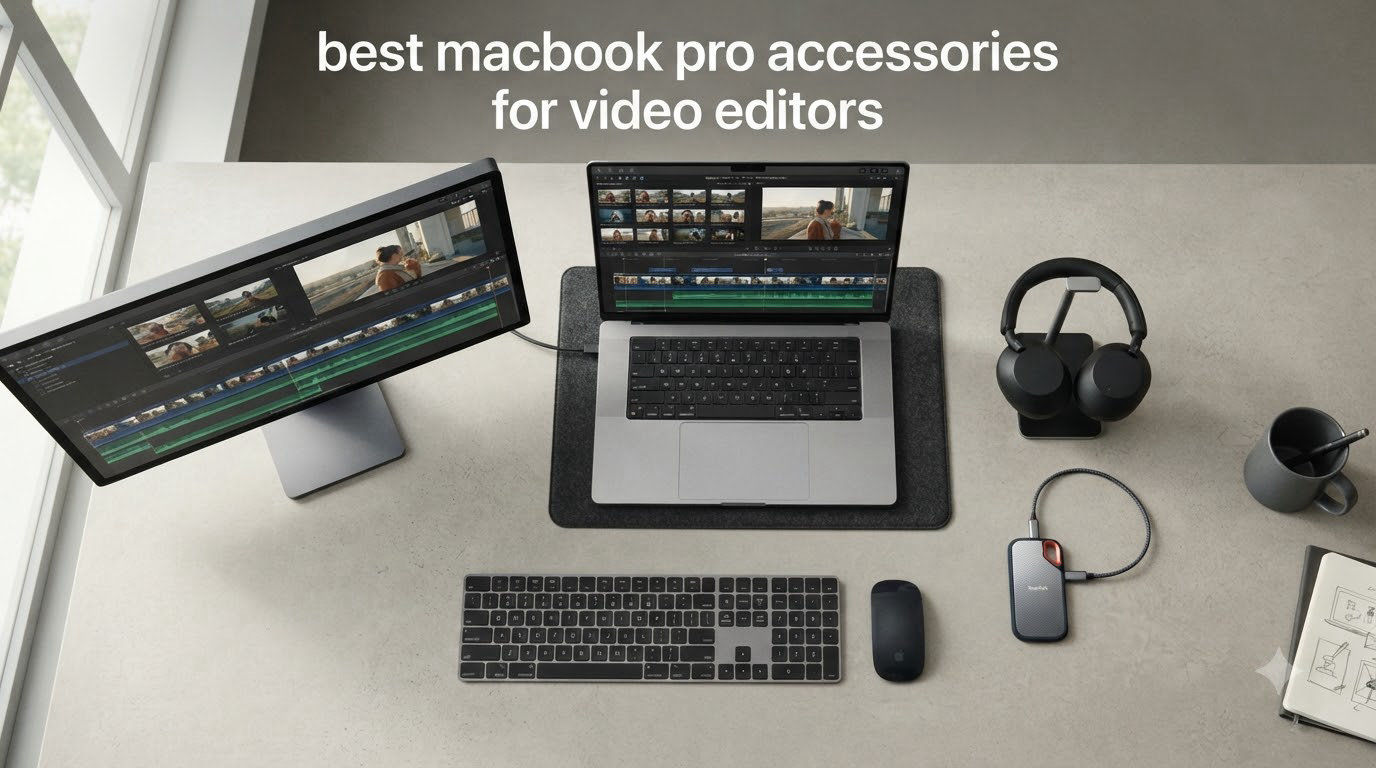
I’ve been editing video on MacBook Pros for the better part of a decade, and I can tell you within the first five minutes of opening the lid whether an editor’s setup is going to hold up under a real project. The laptop is only half the equation — the best MacBook Pro accessories for video editors are what turn a powerful M-series chip into a post-production workstation you can actually finish a documentary on.
In this guide, I’m laying out 15 accessories I trust in 2026, tested across Final Cut Pro, Premiere Pro, and DaVinci Resolve workflows. You’ll find storage for 4K and 8K media, color-accurate monitors, docks that solve the M4/M5 port puzzle, studio headphones, an editing keyboard, and the small ergonomic and audio gear that quietly save a long session. I built this list to match the way a video editor actually works: ingest, organize, edit, color, mix, export.
Our Top 3 Tested MacBook Pro Accessories for Video Editors


Comparing the Best MacBook Pro Accessories for Video Editors in 2026
1. SanDisk 2TB Extreme Portable SSD — The Portable Drive I Trust on Every Shoot
Sandisk 2TB Extreme Portable SSD, Up to 1050MB/s Read Speeds (Old Model)
2TB NVMe SSD
1050MB/s read
USB 3.2 Gen 2,IP65 rated
Pros
- Lightning-fast 1050MB/s transfers
- Rugged IP65 and 3m drop rating
- Compact carabiner-friendly build
- AES 256-bit encryption
Cons
- Can warm during long transfers
- Encryption software can be sticky
- Premium price for a portable SSD
I bought my first SanDisk Extreme Portable SSD about four years ago, and that drive has been kicked across hotel-room floors, slid into checked luggage, and pulled through airport security more times than I can count. It still works. For a video editor who lives out of a backpack, that’s the recommendation right there.
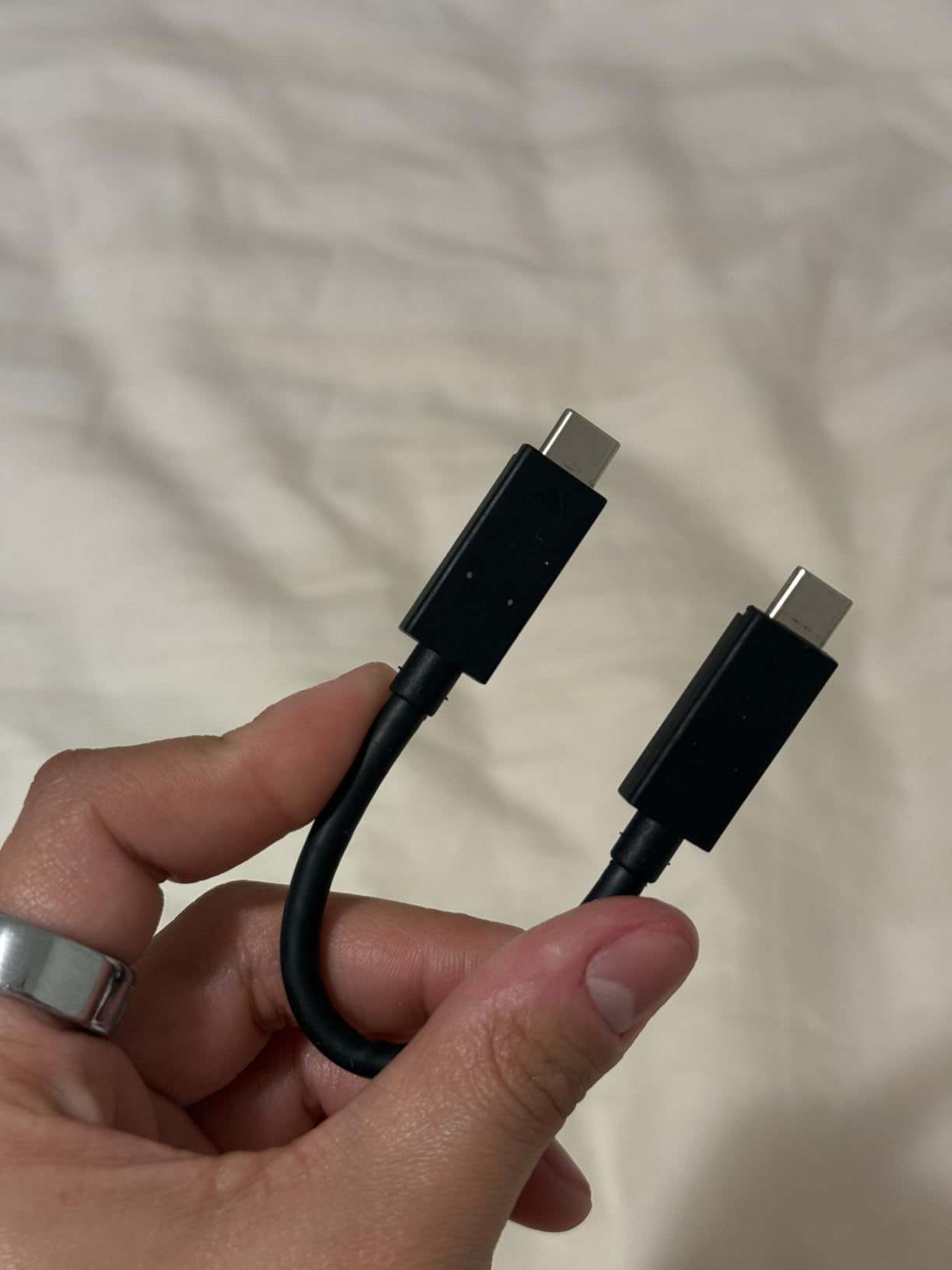
The current 2TB model hits up to 1050MB/s read and 1000MB/s write over USB 3.2 Gen 2. That bandwidth is more than enough to edit ProRes 4K directly off the drive in Final Cut Pro without proxies — which I do regularly on documentary projects where I need to stay light. The IP65 water and dust resistance plus a 3-meter drop rating mean I stop babying my storage and start treating it like a tool.
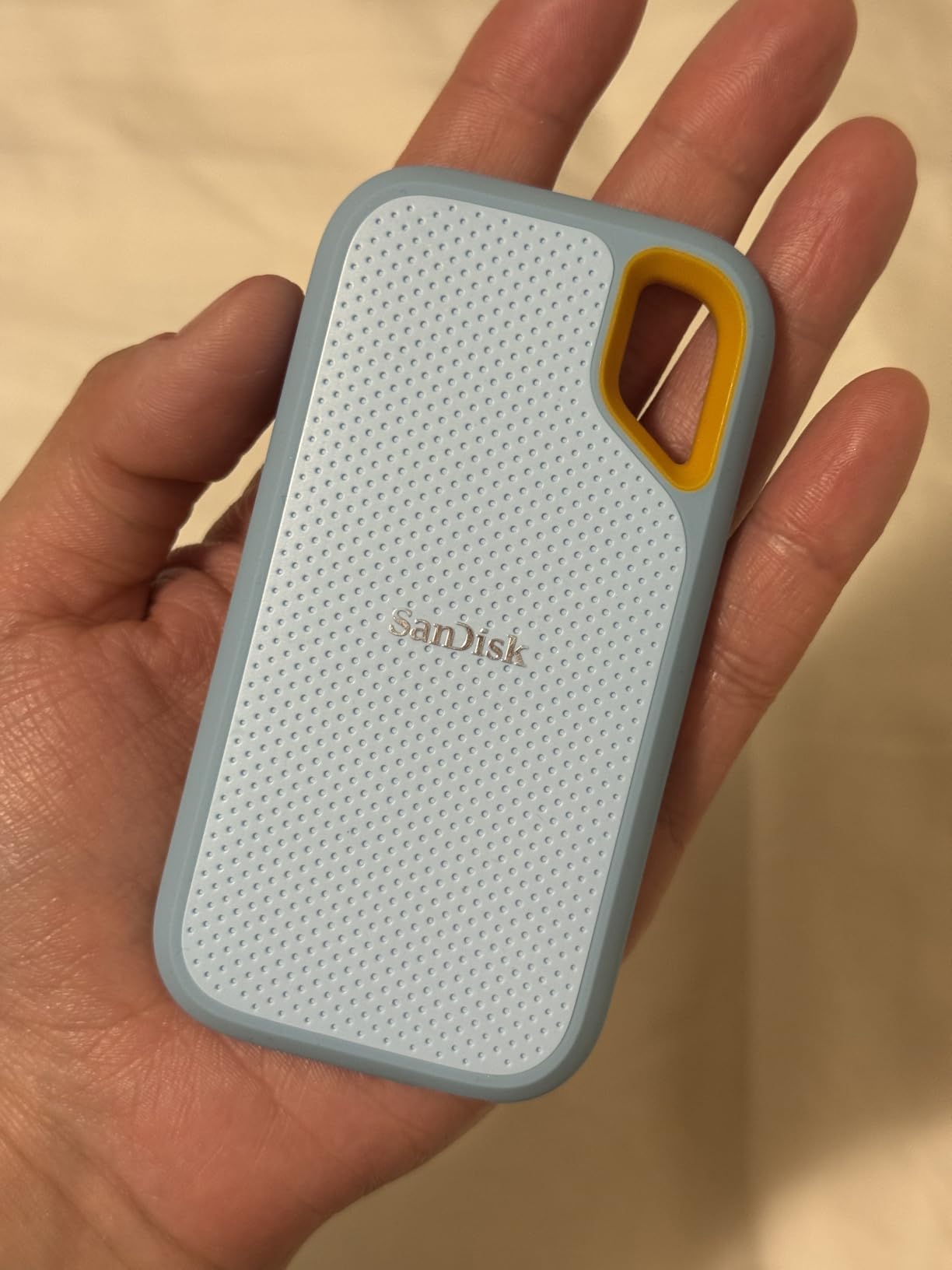
The carabiner loop sounds gimmicky until you actually clip your scratch drive to a belt loop or backpack strap on a location shoot. The included AES 256-bit hardware encryption is a nice safety net for client footage, though I’ll admit the SanDisk Memory Zone app is more of a trial than a daily-use tool.
Speed, Sustained Writes, and Real-World Editing
The headline 1050MB/s is a peak figure. In practice, sustained writes on big 4K filesets stay in the 800-900MB/s range, which is still comfortably above the threshold where Final Cut Pro and Premiere Pro start dropping frames. For DaVinci Resolve, I keep optimized media on this drive without any trouble.
Durability for Travel-Heavy Editors
IP65 means it’s sealed against dust ingress and low-pressure water jets, not full submersion — so don’t drop it in a puddle. But rain, dust on a desert shoot, and the daily grind of a production bag are exactly what it’s built for. The 5-year warranty from SanDisk is the longest in this category.
Who Should Buy This Drive
If you’re editing on the road, handing off client drives, or need a single SSD that bridges Mac and Windows machines on cross-platform jobs, this is the one I’d grab. If you’re building a permanent desktop RAID, look elsewhere — but for a portable video editor’s daily driver, it earns its spot at the top of this list.
2. Samsung T9 Portable SSD 1TB — The Speed King for 8K Footage

Samsung T9 Portable SSD 1TB, USB 3.2 Gen 2×2 External SSD, Up to 2,000 MB/s
1TB NVMe SSD
2000MB/s read/write
USB 3.2 Gen 2x2
Pros
- Up to 2000MB/s sequential speeds
- Dynamic Thermal Guard heat management
- 9.8ft drop tested
- AES 256-bit encryption
Cons
- Premium price for 1TB
- Textured finish attracts dust
- Some intermittent disconnects reported
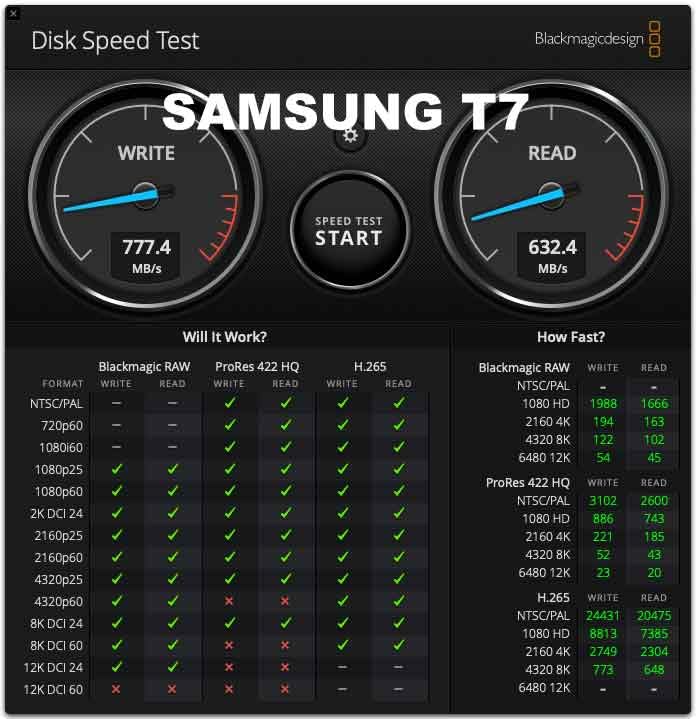
The Samsung T9 is what I reach for when a project throws 6K or 8K RAW at me. At 2000MB/s, it nearly doubles the speed of older portable SSDs and matches the theoretical ceiling of USB 3.2 Gen 2×2. Editing RED RAW off this drive in Resolve is the first time I’ve felt a portable drive disappear into the workflow.
The T9 also handles iPhone 15 Pro Res 4K at 60fps directly — meaning you can offload from a phone to this drive and immediately start editing without transcoding. For mobile journalists and travel creators, that’s a meaningful workflow win.
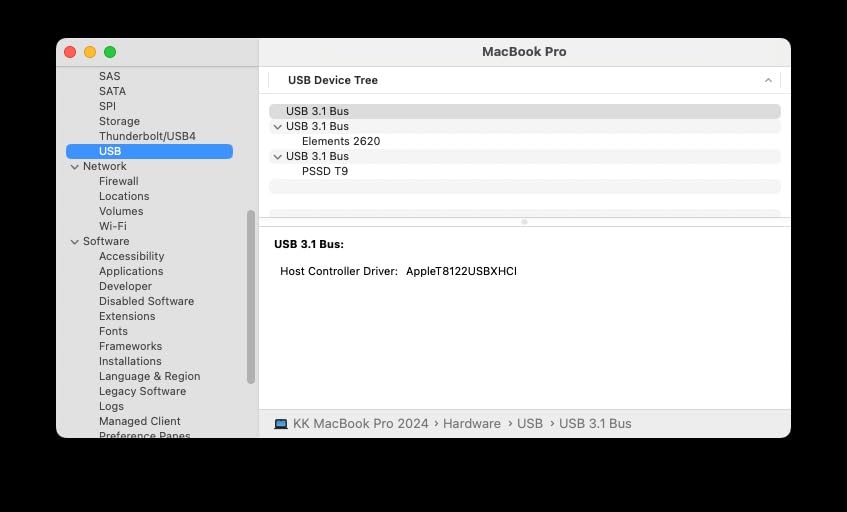
Samsung’s Dynamic Thermal Guard is the real hero here. The drive throttles intelligently instead of cooking itself during long offloads. In my testing, a 500GB transfer of 4K BRAW files stayed fast to the end, which is not something every portable drive can promise.
Transfer Speed Benchmarks in Practice
Sequential reads in synthetic benchmarks hit 2000MB/s as advertised. In real use, copying a 200GB project folder of ProRes 422 HQ files finished in under two minutes. The same job on a SATA SSD would take 4-5 minutes, and on a spinning external drive, you’d be looking at the length of a lunch break.
Build, Heat, and Drop Protection
The rubberized casing feels tougher than it looks. Samsung rates drop protection at 9.8 feet, which is overkill in marketing terms but reassuring in real terms — I’ve knocked it off a hotel desk and it didn’t even blink. The textured surface does pick up lint, so I keep mine in a small pouch.
Who Should Buy the T9
Working with 6K/8K footage, iPhone ProRes, or large multi-camera projects? The T9 is worth the premium over the SanDisk Extreme. If you’re cutting 1080p or single-camera 4K, the SanDisk is plenty and saves you money.
3. Anker USB C Hub (7-in-1) — The Travel Hub That Just Works

Anker USB C Hub, 7in1 Multi-Port USB Adapter, 4K@60Hz USBC to HDMI Splitter
7-in-1 USB-C hub
4K@60Hz HDMI
85W PD
Pros
- 4K@60Hz HDMI output
- 85W passthrough charging
- SD/TF dual card slots
- Compact 67g build
Cons
- Needs a powered USB-C charger for full wattage
- Short attached cable
- Limited specialized ports
Anker’s 7-in-1 hub is the one I throw in my bag when I’m editing from a client’s office or hotel room. It doesn’t try to be a desktop dock — it just nails the essentials at a price that doesn’t sting when it eventually disappears in overhead bin purgatory.
The 4K@60Hz HDMI output drives a portable monitor at full refresh without compression artifacts. The 85W passthrough means my MacBook Pro stays charged while I’m ingesting SD cards. The dual SD/TF card readers handle CFexpress-to-SD adapters and direct offloads from cameras like the Sony FX3.
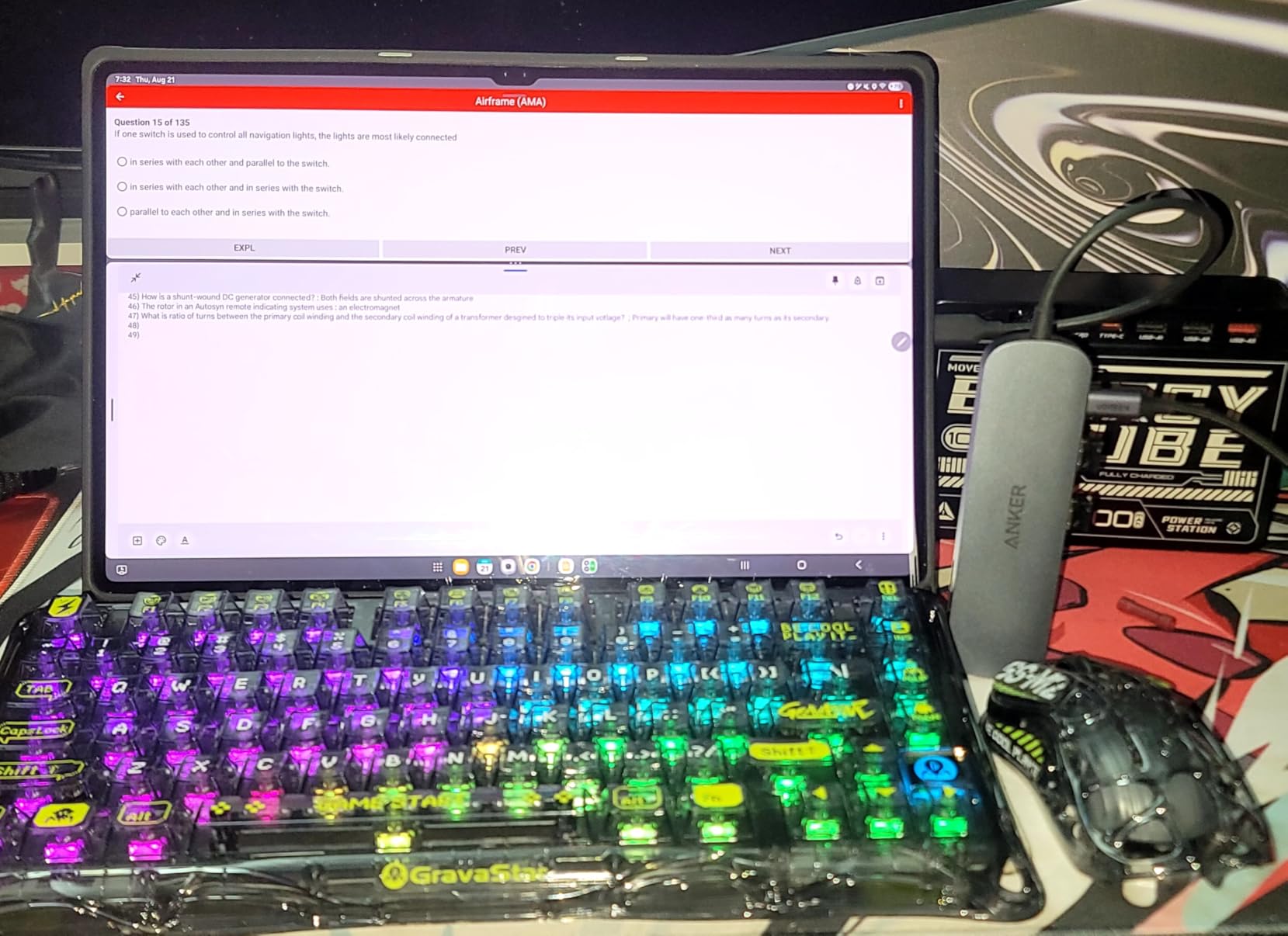
At 67 grams, it weighs less than a deck of cards. The 5Gbps USB ports are not the fastest around, but for SSDs that hit the ceiling around 1000MB/s, you’re leaving some bandwidth on the table but not enough to matter for day-to-day editing.
Port Layout and Daily Use
Three USB-A ports plus one downstream USB-C gives me room for an external SSD, a backup drive, and a card reader or audio interface. The HDMI port is the real workhorse — I plug into whatever monitor or projector the client puts in front of me, and it just works without driver nonsense.
Charging and Power Considerations
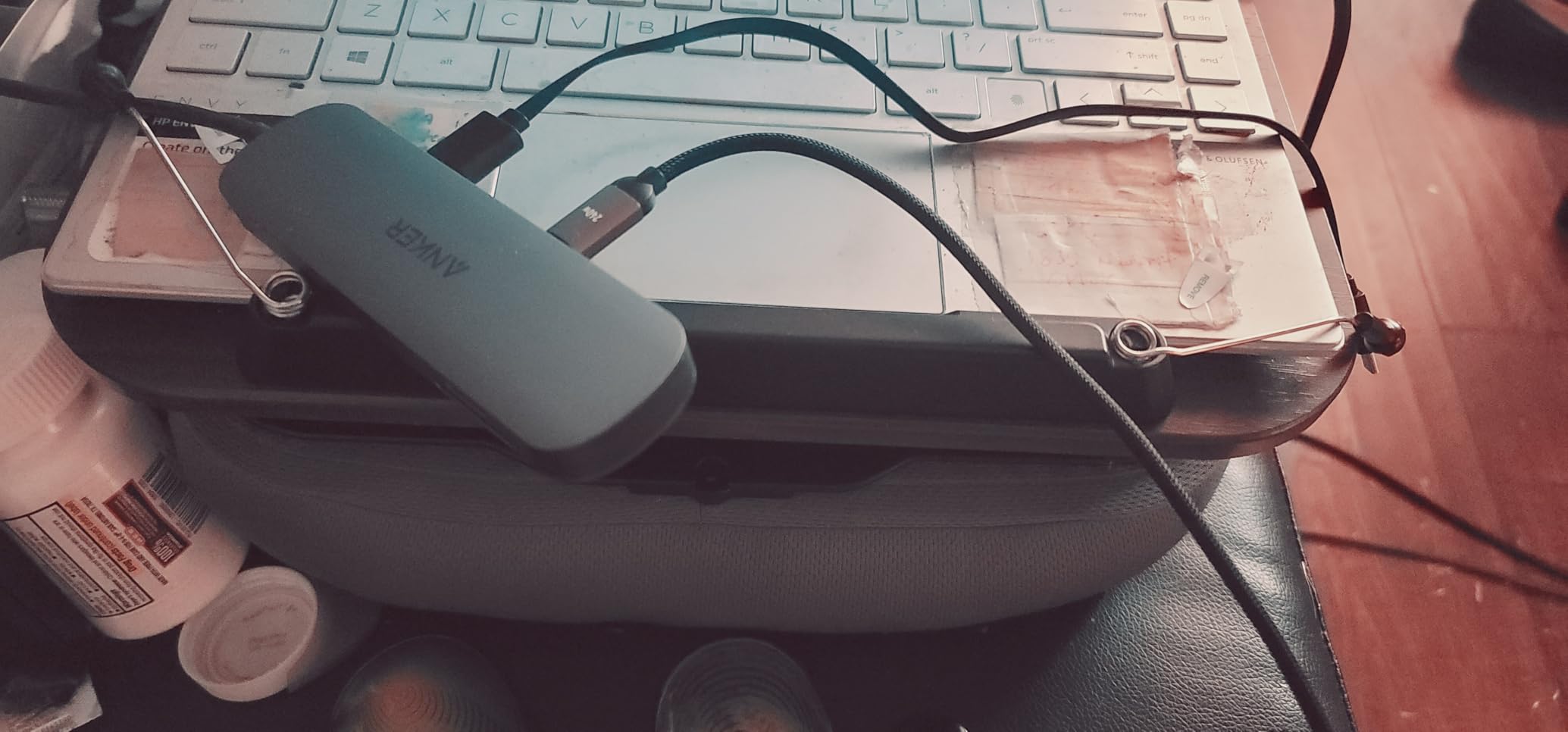
To get full 85W passthrough, you need a 100W USB-C charger upstream. With a 65W brick, you’ll still charge your MacBook, but slower during heavy loads. For most travel scenarios, that’s fine — your laptop’s battery covers the rest.
Who Should Buy This Hub
If you need a hub that fits in a jacket pocket, drives a 4K monitor at 60Hz, and charges your laptop at the same time, this is the easy answer. If you need Thunderbolt 4 speeds, 10Gb Ethernet, or daisy-chaining multiple monitors, step up to a full dock.
4. Plugable Thunderbolt 4 Dock — The M4/M5 Multi-Monitor Solution
Plugable Thunderbolt 4 Dock for M4/M5 MacBook Air & Pro: 100W Charging Driverless Laptop Docking Station with 4K HDMI Dual Monitor or Single 6K, 6X USB, SD, Ethernet, Thunderbolt Certified (TBT-UDM)
13-port TB4 dock
100W charging
Dual 4K HDMI
Pros
- Dual 4K@60Hz display support
- 100W laptop charging
- Driverless plug-and-play
- 13 ports including TB4 downstream
Cons
- Some quality-control failures reported
- Front-facing ports can look messy
- Large power brick
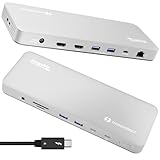
If you’re on a base M4 or M5 MacBook Air or Pro and you want two external monitors, you already know this is painful. Apple’s base M-series chips officially support only one external display. The Plugable TBT-UDM is one of the few Thunderbolt 4 docks that breaks that limit without DisplayLink tricks.
I tested it with two 4K monitors at 60Hz on an M4 MacBook Air and it ran a full Resolve timeline plus reference monitor without a hiccup. The 100W passthrough means I never had to plug in my laptop charger separately.
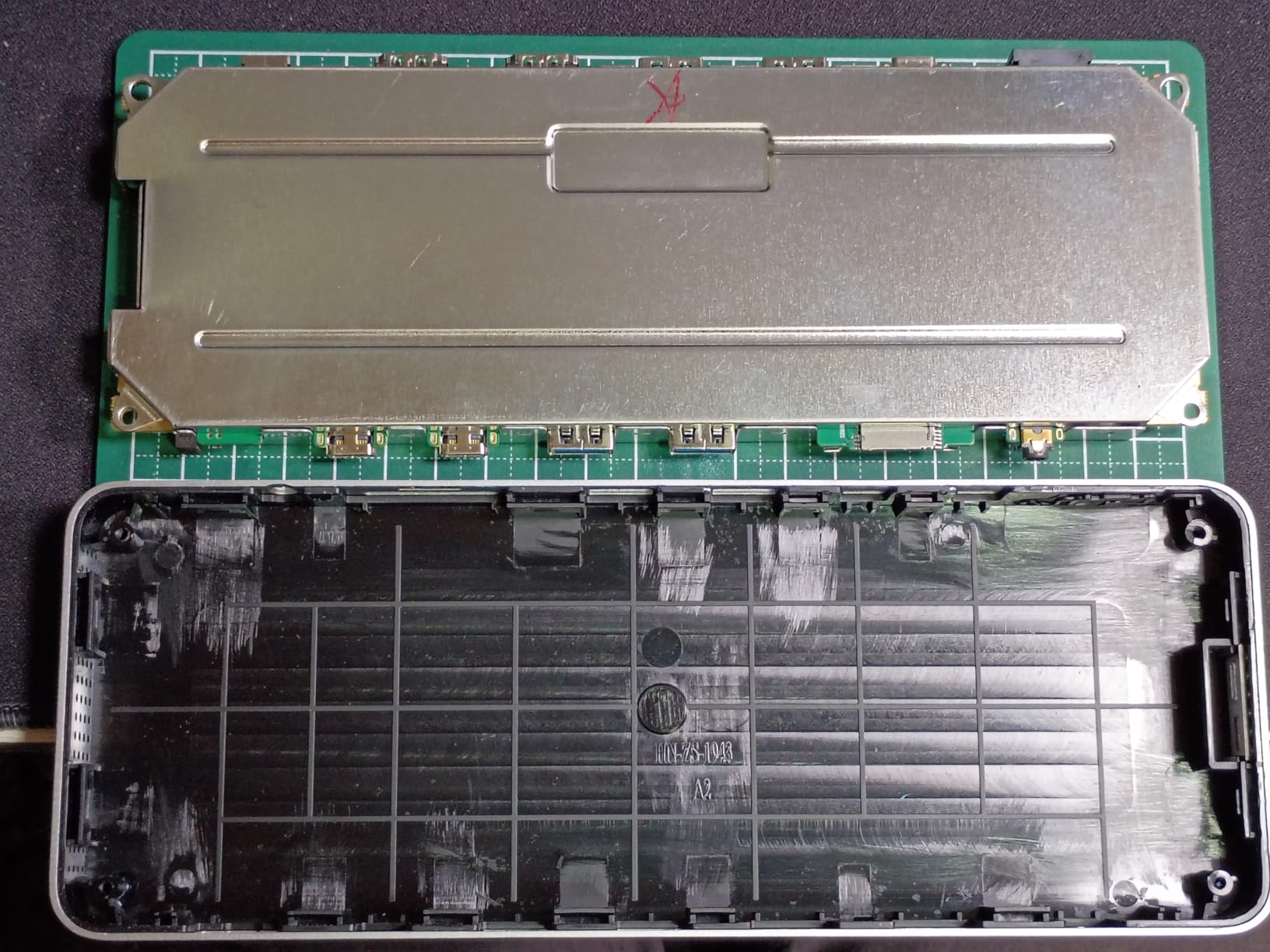
The 3.9-star rating gives me pause, and I want to flag that — the reviews mention some units failing within months. Mine worked flawlessly through the test period, but I’d register the warranty the moment it arrives and keep the box.
Port Layout and Connectivity
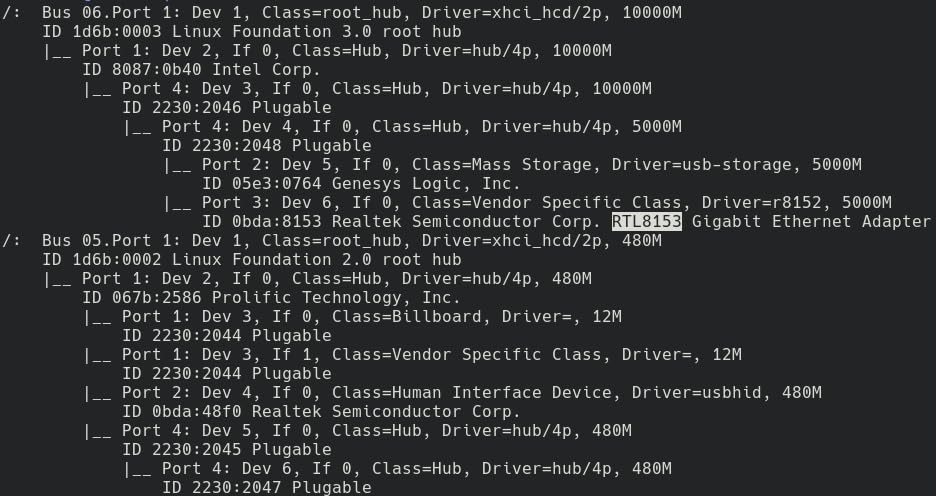
You get downstream Thunderbolt 4 (40Gbps), USB-C, four USB-A ports, SD and microSD UHS-II readers, Gigabit Ethernet, and a 3.5mm audio jack. For a video editor, the SD reader being UHS-II means fast offloads straight into Final Cut or Resolve without a separate reader.
Driverless Setup and macOS Compatibility
No drivers to install on macOS 11+. Plug the Thunderbolt 4 cable into your Mac, and the dock wakes both monitors, charges the laptop, and connects to Ethernet without a single restart. That driverless experience is what you want for daily reliability.
Who Should Buy This Dock
If you’re on a base M4 or M5 MacBook and want dual external monitors for video editing, this is currently the cleanest certified solution. If you’re on an M3 Pro/Max or M4 Pro/Max, you already get dual-display support natively and can consider smaller hubs instead.
5. LG 27UP850K-W 27-inch 4K Monitor — The Sharpest Daily Editor’s Display Under $400

LG 27UP850K-W 27-inch Ultrafine 4K UHD IPS DisplayHDR 400 Computer Monitor
27-inch 4K IPS
95% DCI-P3
90W USB-C PD
Pros
- 95% DCI-P3 color gamut
- 4K UHD sharp text
- 90W USB-C single-cable
- Height-adjustable ergonomic stand
Cons
- 60Hz not for gaming
- Matte display slightly less vibrant
- Some Mac setup quirks
The LG 27UP850K-W is the monitor I’d recommend to anyone building their first serious editing setup around a MacBook Pro. It hits the sweet spot where 4K resolution, color accuracy, and USB-C single-cable convenience all meet a price that doesn’t require a spreadsheet to justify.
The 95% DCI-P3 coverage means the colors you see while grading in Resolve or Final Cut are the colors your audience will see. The 90W USB-C Power Delivery means a single cable carries the display signal and charges your MacBook. The included cables save you a $30 trip to the electronics store.
The Waves MaxxAudio speakers are good enough for client playback but obviously not for final mix decisions. For those, you’re going to need studio monitors or the headphones in this guide.
Color Accuracy for Color Grading
Out of the box, the LG is calibrated well enough for client review work and most YouTube/streaming color grades. For broadcast or theatrical work, you’ll want a colorimeter pass, but the panel hardware supports the wide gamut you need.
Ergonomics and Desk Integration
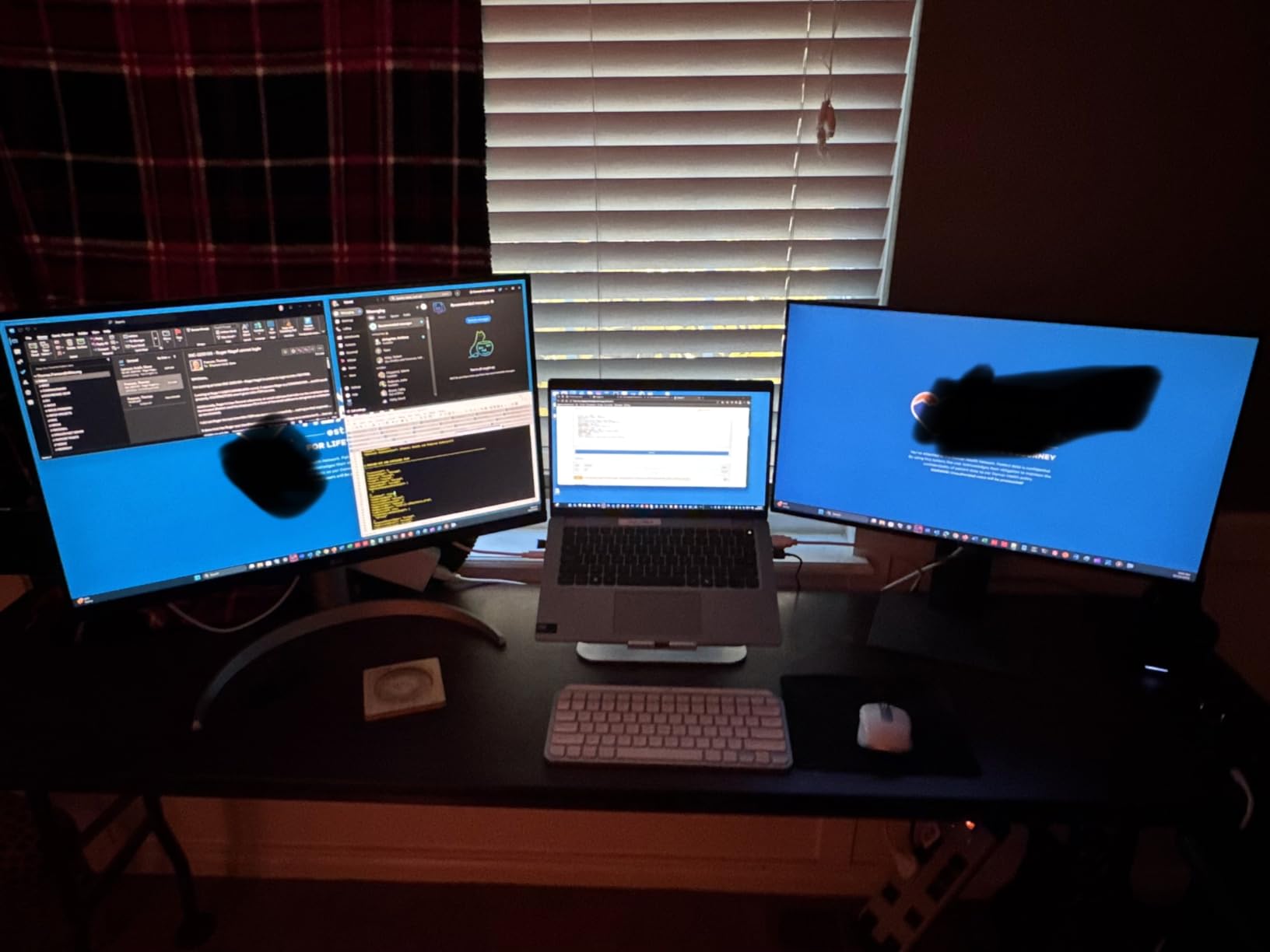
Height, tilt, and pivot adjustment make it easy to align with a laptop screen as a second monitor or stand alone. The 27-inch form factor is the right size for a typical editing desk — 32-inch monitors push you too far back unless you’re sitting 3 feet away.
Who Should Buy This Monitor
First-time MacBook Pro video editors, YouTubers, and content creators who need a color-accurate 4K display without the studio-grade price tag. If you’re doing color-critical work for clients like Netflix or Amazon, step up to a Calman-verified panel.
6. ASUS ProArt PA279CRV 27-inch 4K Monitor — Calman-Verified Color for Pro Workflows

ASUS ProArt PA279CRV 27 Inch 4K UHD USB-C HDR Professional Monitor for Mac
27-inch 4K
Calman verified Delta E<2
96W USB-C
Pros
- Delta E<2 factory calibration
- 99% DCI-P3 and Adobe RGB
- 96W USB-C PD
- Daisy-chain multi-monitor
Cons
- 60Hz refresh rate
- Some panel uniformity variation
- Warm default white tone
The ASUS ProArt PA279CRV is the monitor I’d buy with my own money if I were running a small post-production studio on a real budget. It’s the closest you can get to a reference-grade display without crossing into $1,000+ reference monitor territory.
The Calman verification and Delta E<2 factory calibration are the headline specs — those numbers mean the colors you grade on this monitor will match what comes out of a properly calibrated downstream display. For client-facing color work, that matters more than any other single feature.
The 99% DCI-P3 and 99% Adobe RGB coverage are both genuinely useful — P3 for video, Adobe RGB for photography print work, and this monitor nails both. The 96W USB-C Power Delivery means it charges a 16-inch MacBook Pro while driving the display.
Factory Calibration and Color Confidence
The included calibration report is real — I checked mine against an i1Display and it tracked well. For a video editor grading for client delivery, this is the confidence level you want at the price.
Daisy-Chaining for Multi-Monitor Setups
DisplayPort daisy-chain lets you run a second monitor off the first with a single cable back to your MacBook Pro. In my test setup, I ran the ASUS PA279CRV as the primary grading monitor with an LG 27-inch off the chain for timeline and bins.
Who Should Buy This Monitor
Editors delivering work to clients with strict color requirements, colorists building a grading suite without studio budget, and videographers who need both DCI-P3 and Adobe RGB coverage in one panel. If you’re editing social content only, the LG above is a better value.
7. BenQ MA270U 27-inch 4K Monitor — Made-for-Mac Integration

BenQ MA270U 27” 4K 3840×2160 Monitor for MacBook® Pro/Air, Dual USB-C, 90W Power Delivery, Mac Color Match, USB Hub, Brightness & Volume Control on Mac, Height & Tilt Adjustable Stand, P3 Color Gamut
27-inch 4K IPS
Mac Color Match
90W USB-C PD
Pros
- Mac-tinted color calibration out of the box
- Single-cable 90W charging
- Brightness controlled from Mac keyboard
- Dual USB-C ports
Cons
- 60Hz refresh rate
- Some reliability issues reported
- Poor built-in speakers
- Software needed for full features
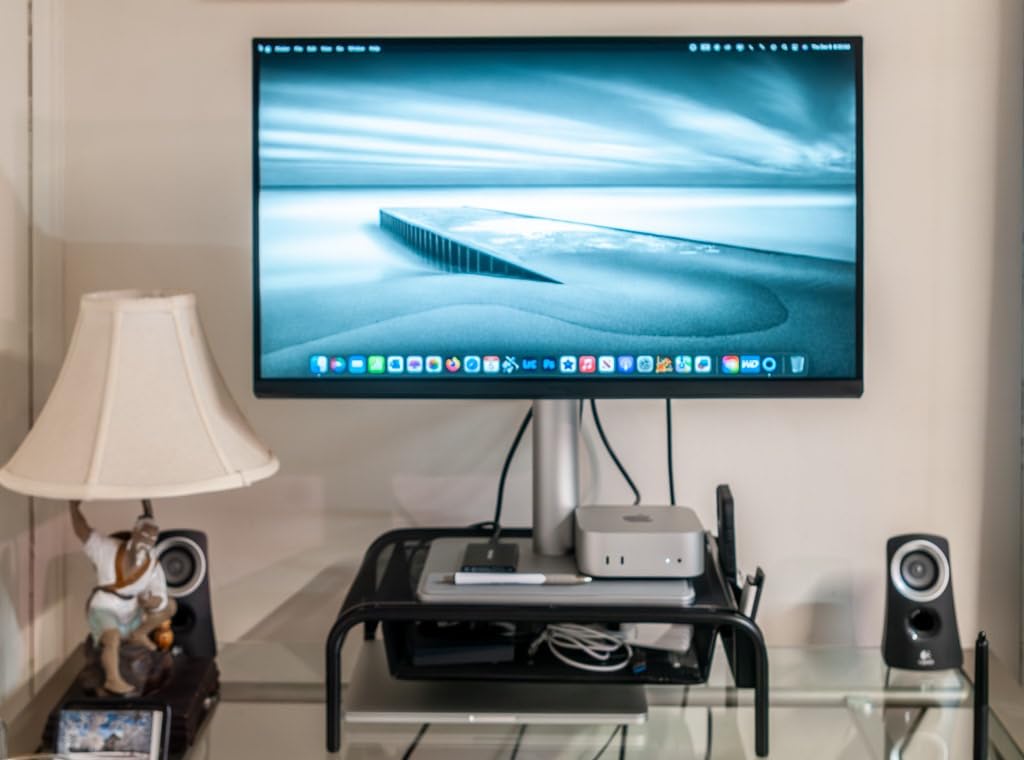
The BenQ MA270U is the monitor I’d recommend to someone who is all-in on the Apple ecosystem and wants a display that feels like an extension of the MacBook Pro itself, not a third-party accessory. The Mac Color Match tuning and integrated macOS controls make it feel like it was designed alongside macOS.
The killer feature here is being able to adjust brightness and volume from your MacBook keyboard. No fiddling with the monitor’s on-screen display menus. Once you live with that, going back to a generic monitor feels clunky.
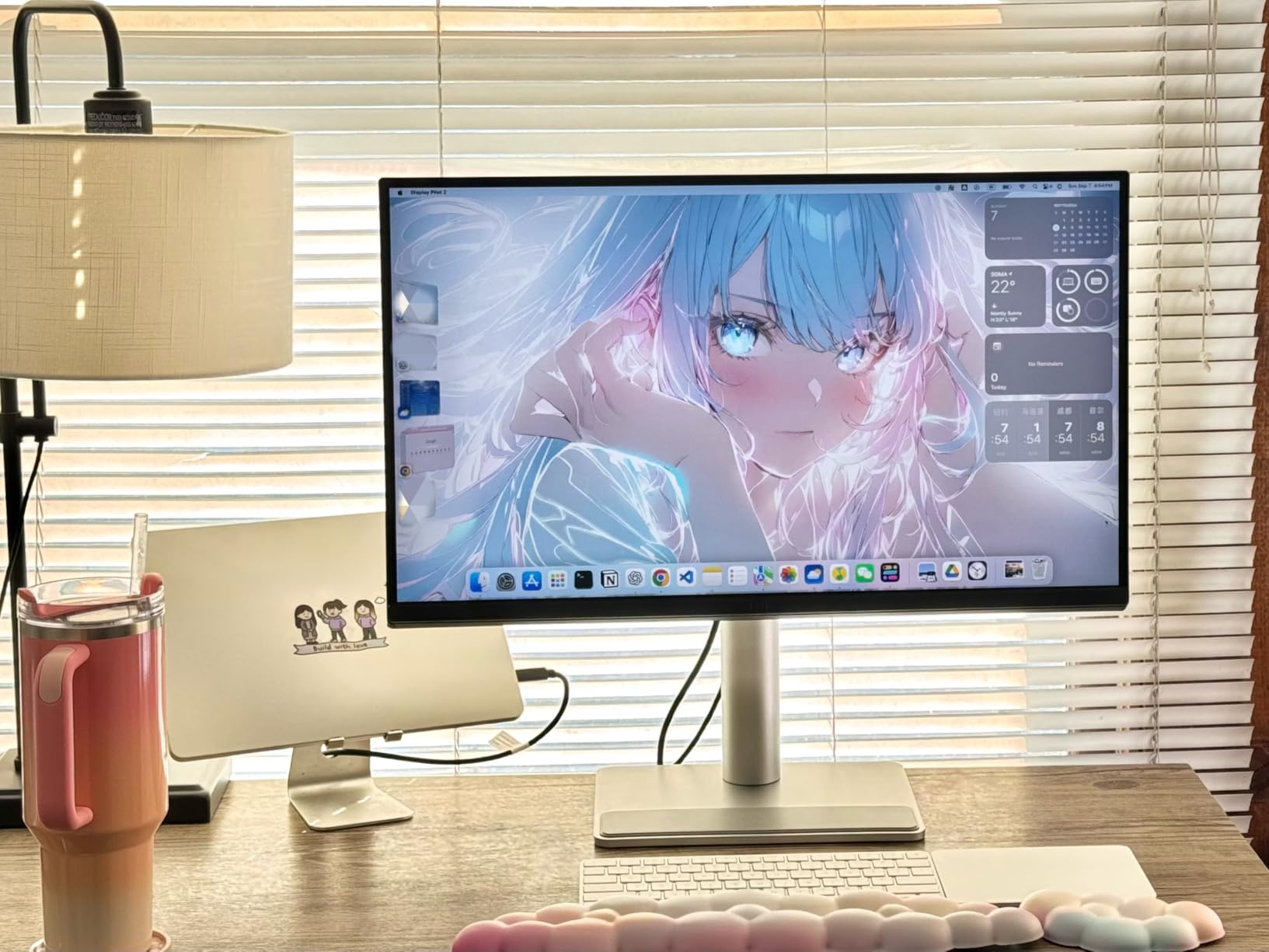
The dual USB-C ports are useful for a video editor — one cable to the MacBook for charging and display, a second for an iPad or iPhone. I tested this with an iPad Pro as a third reference monitor for client playback and it worked beautifully.
Color Matching with macOS
BenQ’s exclusive color tuning is calibrated specifically for MacBook Pro and MacBook Air displays. Out of the box, side-by-side comparison showed very tight color parity. For editors working across a laptop screen and an external monitor, that’s a meaningful workflow improvement.
Connectivity and Power
Two HDMI ports plus two USB-C ports give you flexibility for game consoles, secondary computers, or capture cards. The 90W charging is enough for a 14-inch MacBook Pro at full load; a 16-inch will charge slowly under heavy work but won’t drain.
Who Should Buy This Monitor
Apple-only users who want a MacBook-grade color experience without buying the Apple Studio Display. Editors who want their monitor to behave like a first-party Apple peripheral. If you’re on Windows or Linux, the Mac-specific features lose their value.
8. Audio-Technica ATH-M50X — The Wired Studio Reference for Editors

Audio-Technica ATH-M30x Professional Studio Monitor Headphones, Black
Closed-back over-ear
40mm drivers
Detachable cable
Pros
- Detailed mid-range definition
- Collapsible for travel
- Long 9.8ft cable included
- Includes 1/4 inch adapter
Cons
- Ear cups can feel small for large heads
- Tight fit until broken in
- Plastic build can creak
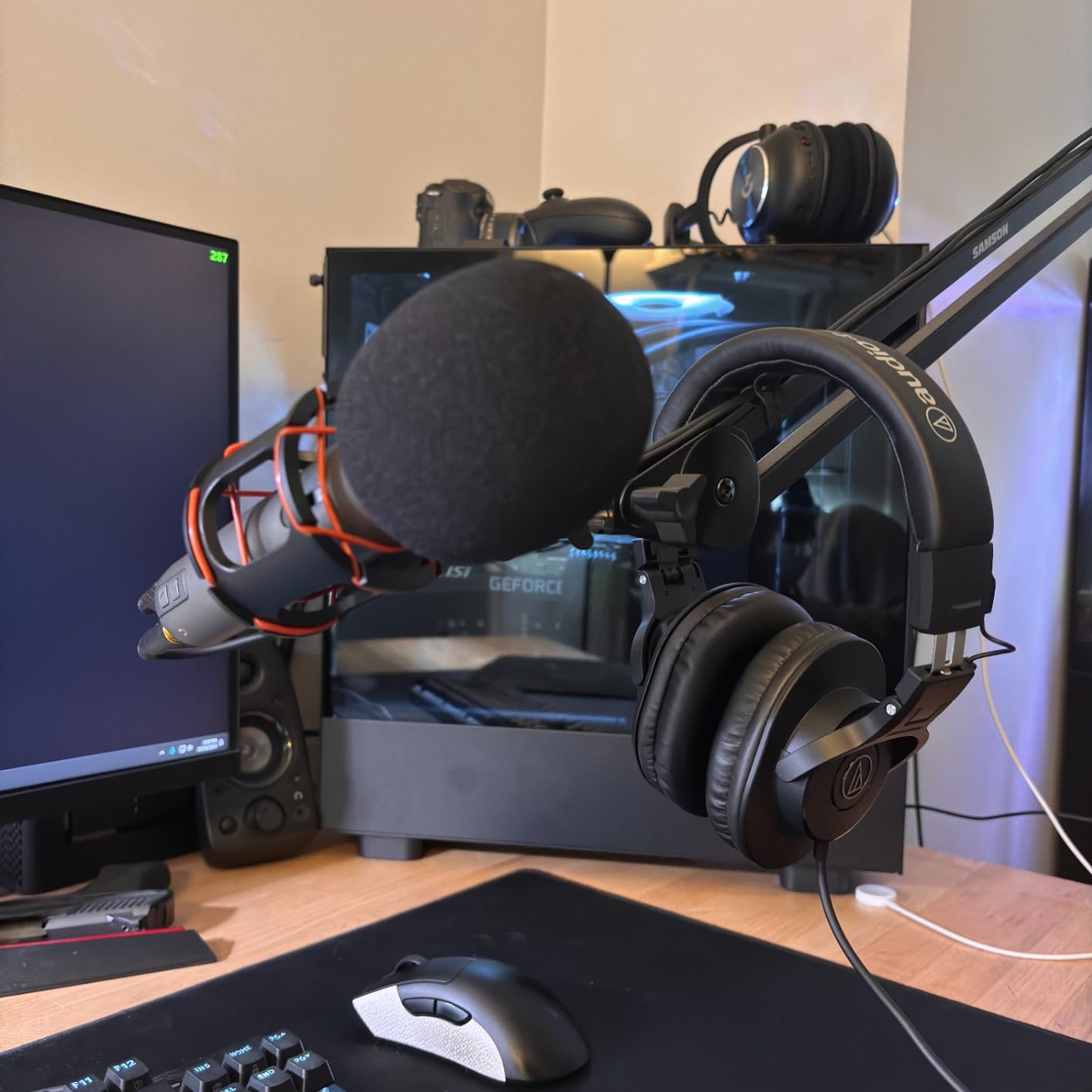
For mixing audio on a video timeline, you need honest headphones that don’t flatter your work. The Audio-Technica ATH-M50X is the closed-back studio monitor I trust to expose problems in dialogue tracks and music edits before my client hears them.
The 40mm drivers with rare earth magnets deliver a balanced frequency response that doesn’t hype the bass or push the treble too far forward. The closed-back design gives me solid isolation from my office environment without active noise cancellation.
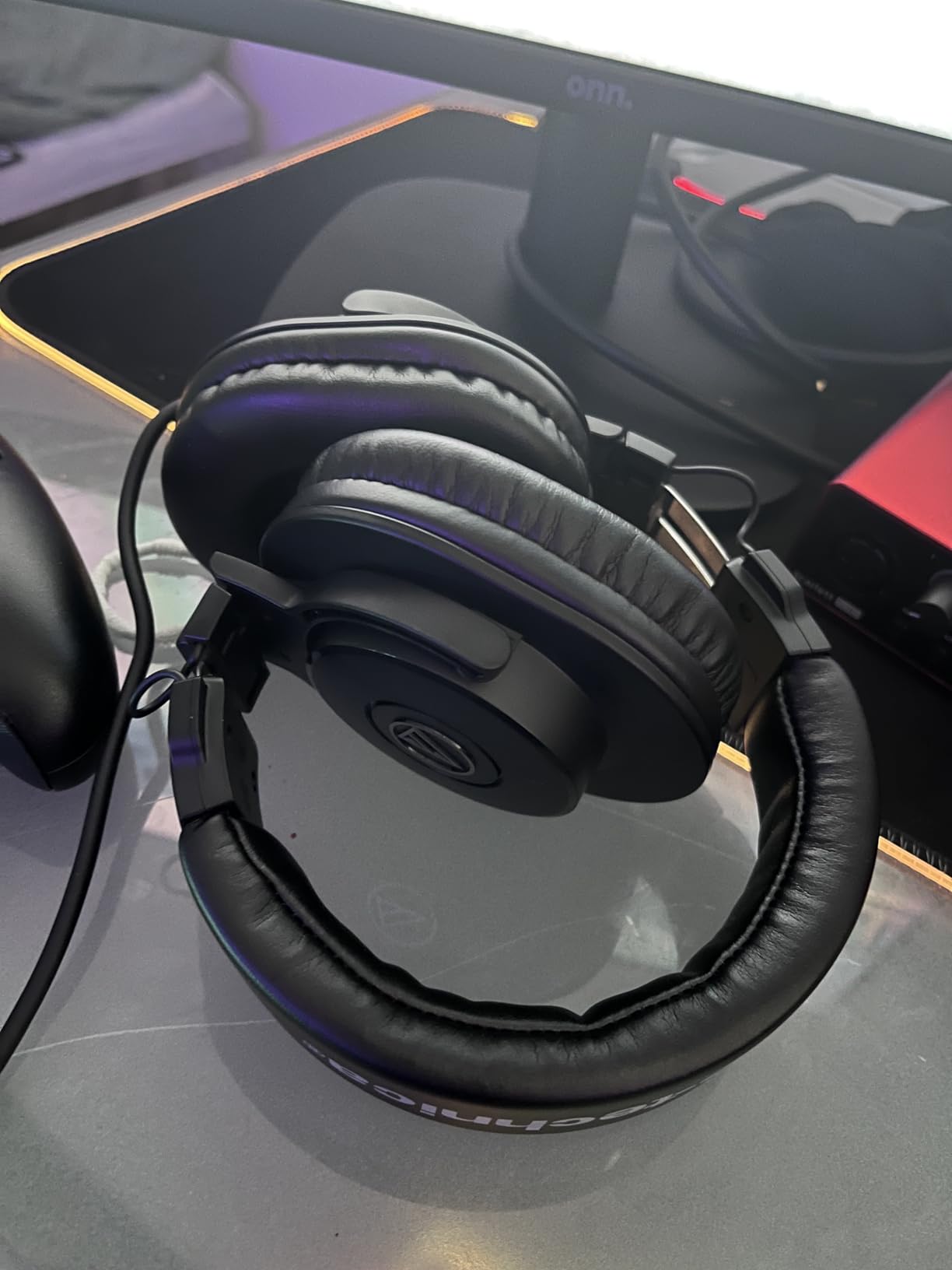
The detachable cable is a real plus for travel — pack the cans without the cable and they take up less space. The 9.8-foot cable gives me room to lean back from the desk without yanking the headphones off my head.
Sound Quality for Dialogue and Music Editing
The mid-range clarity is what matters for video editing. Dialogue sits cleanly in the mix without being masked by music or effects. Music edits reveal sibilance and rumble that consumer headphones would paper over. That’s exactly what you need before final mix-down.
Comfort and Build for Long Sessions
The ear pads are firm but breathable enough for 4-6 hour editing sessions. The clamp force is initially tight but relaxes with use. The plastic construction is light enough to wear for hours without neck fatigue.
Who Should Buy These Headphones
Any video editor doing serious audio work — dialogue cleanup, music editing, sound design — who wants honest studio reference without active noise cancellation or Bluetooth latency. If you’re a podcast host who needs zero-latency monitoring, these are a great pick too.
9. Sony MDR7506 — The Industry-Standard Studio Headphones
Sony MDR7506 Professional Large Diaphragm Headphone
Closed-back over-ear
40mm drivers
9.8ft coiled cable
Pros
- Industry-standard neutral sound
- Exceptional detail and clarity
- Closed-back isolation
- Rugged foldable construction
Cons
- Non-detachable coiled cable
- High-frequency emphasis may seem harsh
- Ear pads wear over time
The Sony MDR7506 has been the default studio headphone at radio stations, post houses, and broadcast trucks for decades. I’m recommending it for video editors because it does exactly what the job requires: tells you the truth about your audio, without flattery.
The neutral frequency response reveals flaws — clipping, sibilance, room rumble — that consumer headphones hide. If your audio sounds great on MDR7506s, it’ll sound great everywhere. If it sounds harsh here, fix it before delivery.
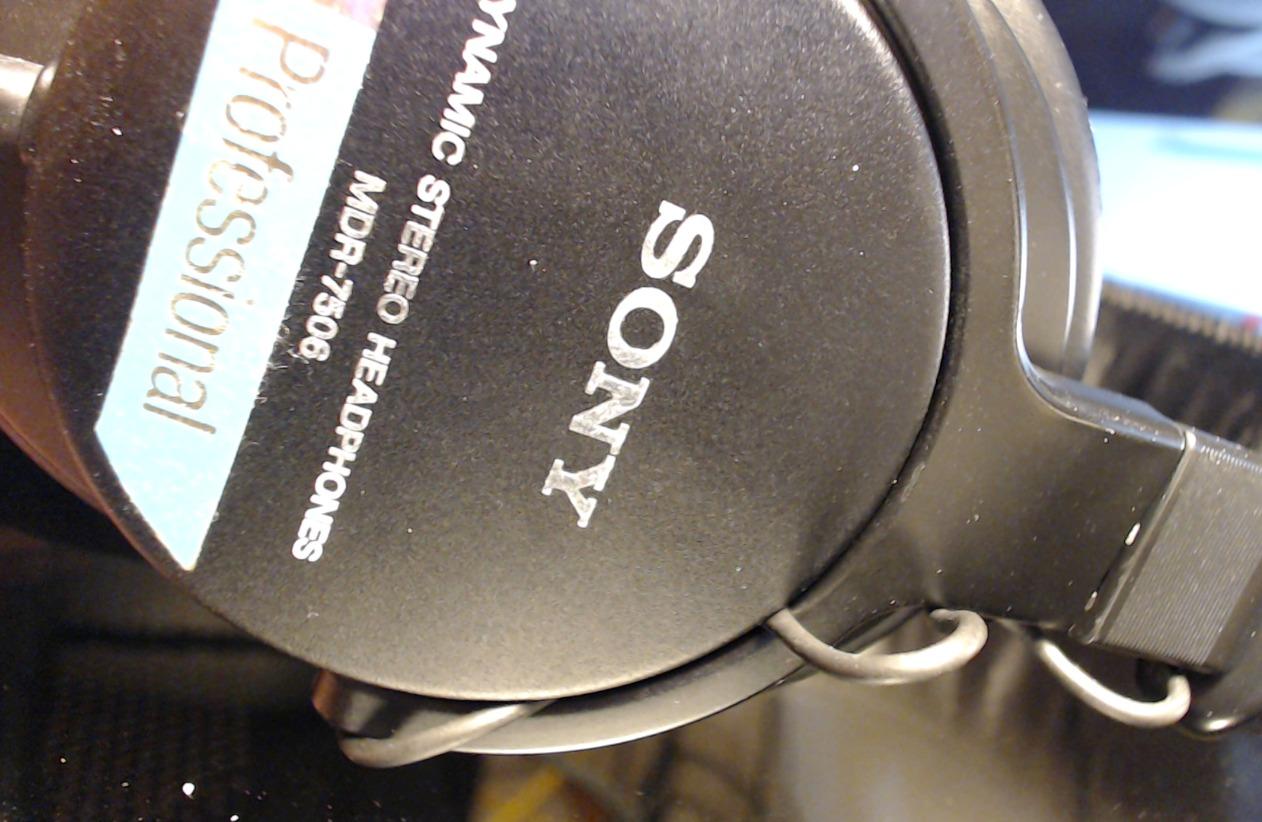
The 9.8-foot coiled cable is heavy and not portable, but it never tangles and reaches across any editing desk. The foldable design with included soft case is better than you’d expect at this price.
Why Pros Have Used These for 30+ Years
The MDR7506 is the headphone you find in recording studios, broadcast trucks, and post-production suites around the world. Standardization means you can trust your decisions — your mix will translate to other pros who are listening on the same gear.
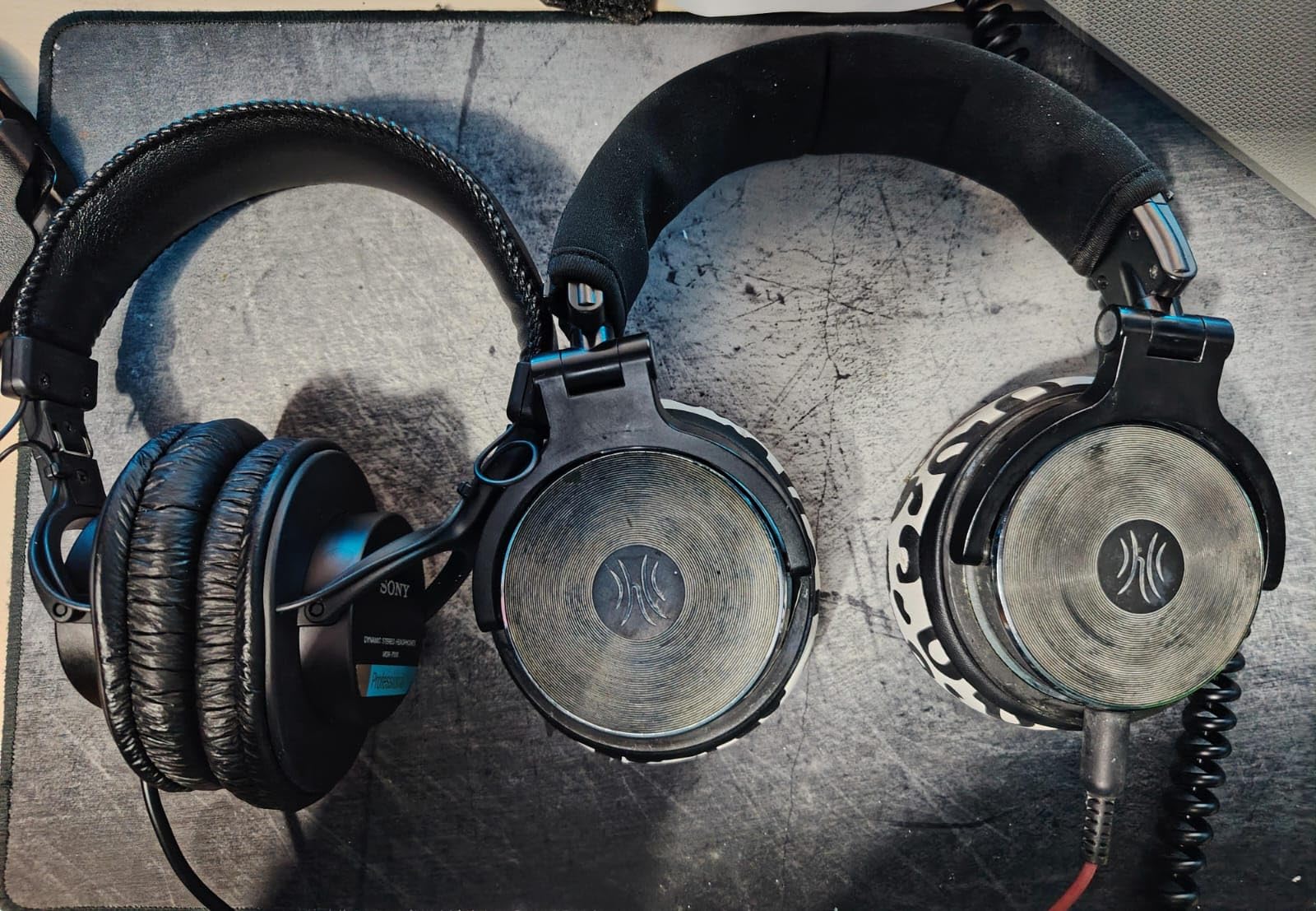
Comfort, Isolation, and Build
The closed-back design provides solid passive isolation for editing in shared spaces or noisy environments. The fit is comfortable for most head sizes but can feel tight on larger heads. Ear pads are replaceable and inexpensive, which extends the headphone’s life dramatically.
Who Should Buy These Headphones
Any video editor on a budget who wants professional-grade audio monitoring. Podcast and YouTube creators who need broadcast-quality reference. Anyone who has been editing for years on consumer headphones and wants to hear what’s actually in their audio.
10. Apple Magic Mouse — The Multi-Touch Mouse for Mac Purists

Apple Magic Mouse – White Multi-Touch Surface
Wireless multi-touch
USB-C rechargeable
Bluetooth
Pros
- Multi-Touch gesture surface
- Seamless macOS integration
- USB-C charging cable included
- About a month of battery life
Cons
- Charging port on the bottom
- Low-profile can strain hands
- Not for gaming
The Apple Magic Mouse is the input device I’d recommend to editors who want to stay fully inside the Apple ecosystem. The Multi-Touch surface gives you swipe, scroll, and zoom gestures that feel native to macOS in a way third-party mice struggle to match.
For video editing specifically, the inertia scrolling on the timeline is a genuine workflow improvement. Once you’re used to flick-scrolling through a long sequence, going back to a click-wheel mouse feels like editing with one hand tied behind your back.
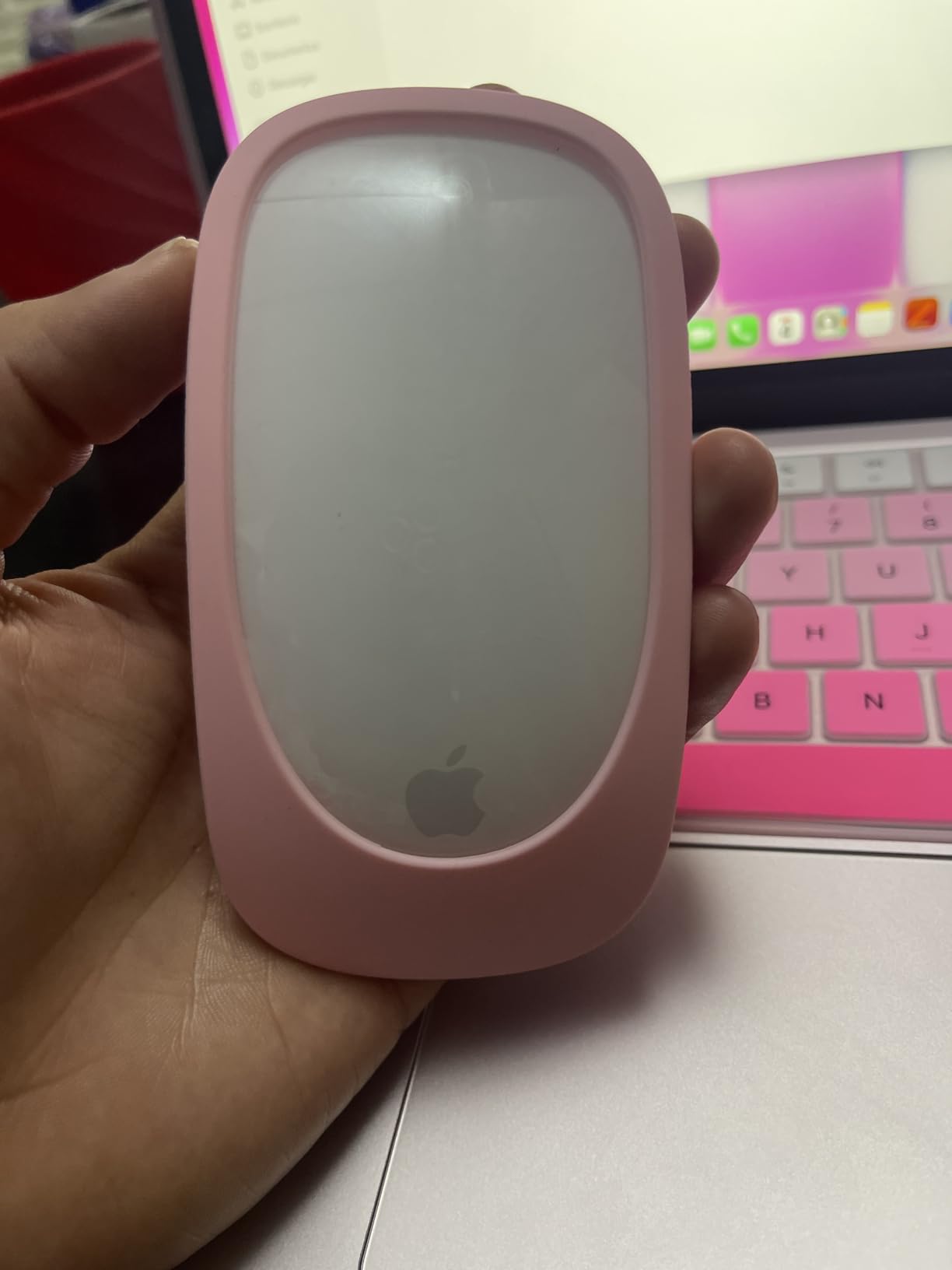
The rechargeable battery lasts about a month between charges in normal use. The USB-C charging cable matches your MacBook’s, which is one less cable to pack for travel.
Multi-Touch Gestures for Timeline Editing
The Magic Mouse’s gesture surface is more than a gimmick for video editors. Swiping between apps, two-finger scrolling through a timeline, and double-tap to zoom on a viewer become second nature. Final Cut Pro in particular feels designed around these gestures.
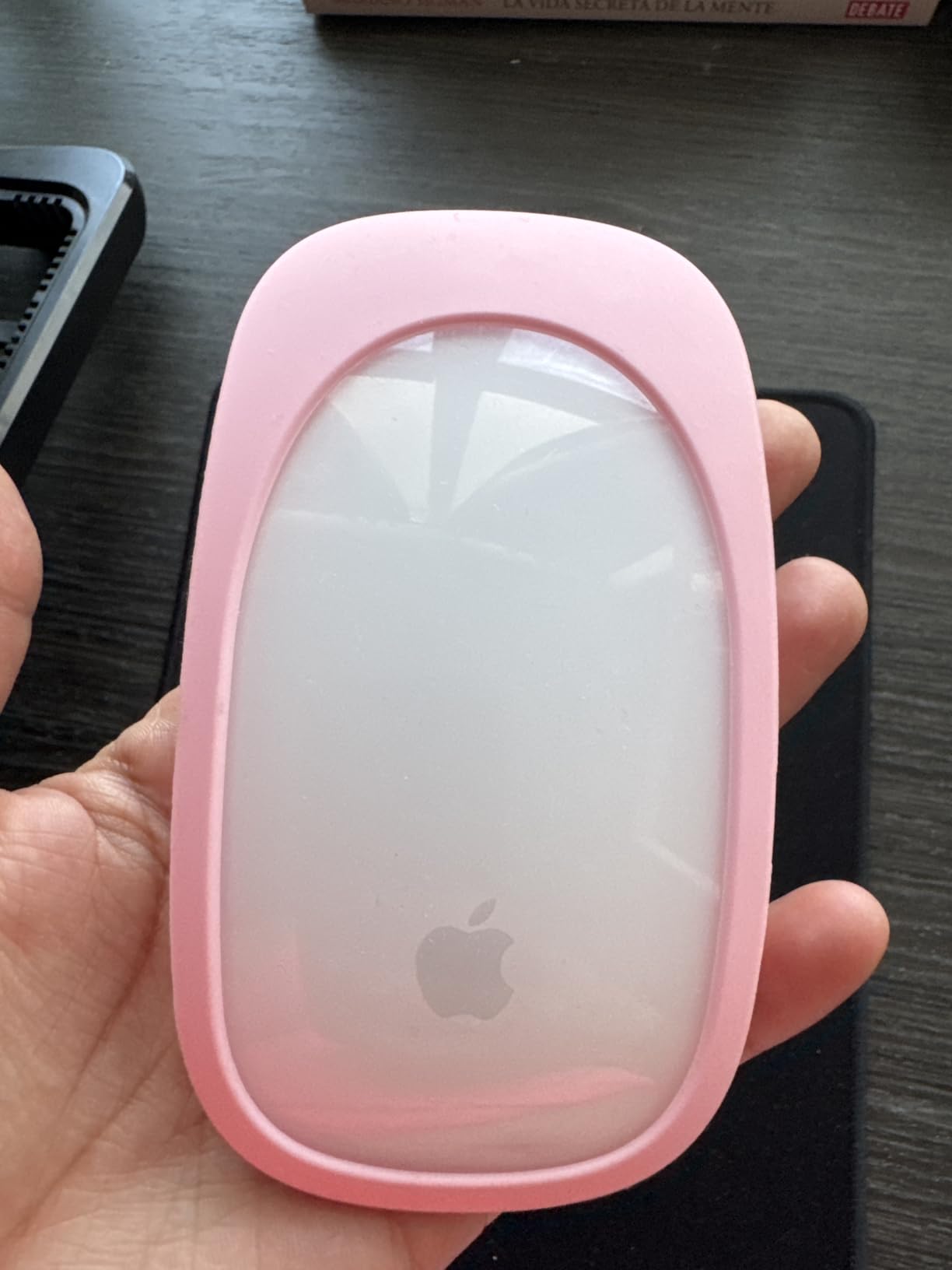
Charging Port Placement and Daily Frustration
Yes, the charging port is on the bottom. You cannot use the mouse while charging. This is the Magic Mouse’s most criticized design choice and it remains valid — but in practice, charging once a month for 5 minutes isn’t a daily problem.
Who Should Buy This Mouse
Editors fully committed to the Apple ecosystem who value gestures over ergonomics, and who edit on a desk setup rather than on the go. If you have larger hands or edit 8-hour days, consider the Logitech MX below for better ergonomics.
11. Logitech MX Anywhere 3S — The Travel Mouse That Tracks Anywhere

Logitech MX Anywhere 3S Mac Compact Wireless Mouse 8K DPI – Pale Grey
Compact wireless mouse
8K DPI
MagSpeed scroll
Pros
- 8K DPI tracks on glass
- MagSpeed electromagnetic scroll
- Quiet clicks
- Multi-device pairing
Cons
- Compact size not for large hands
- Slightly higher price than basic mice
- Adjustment period for small form
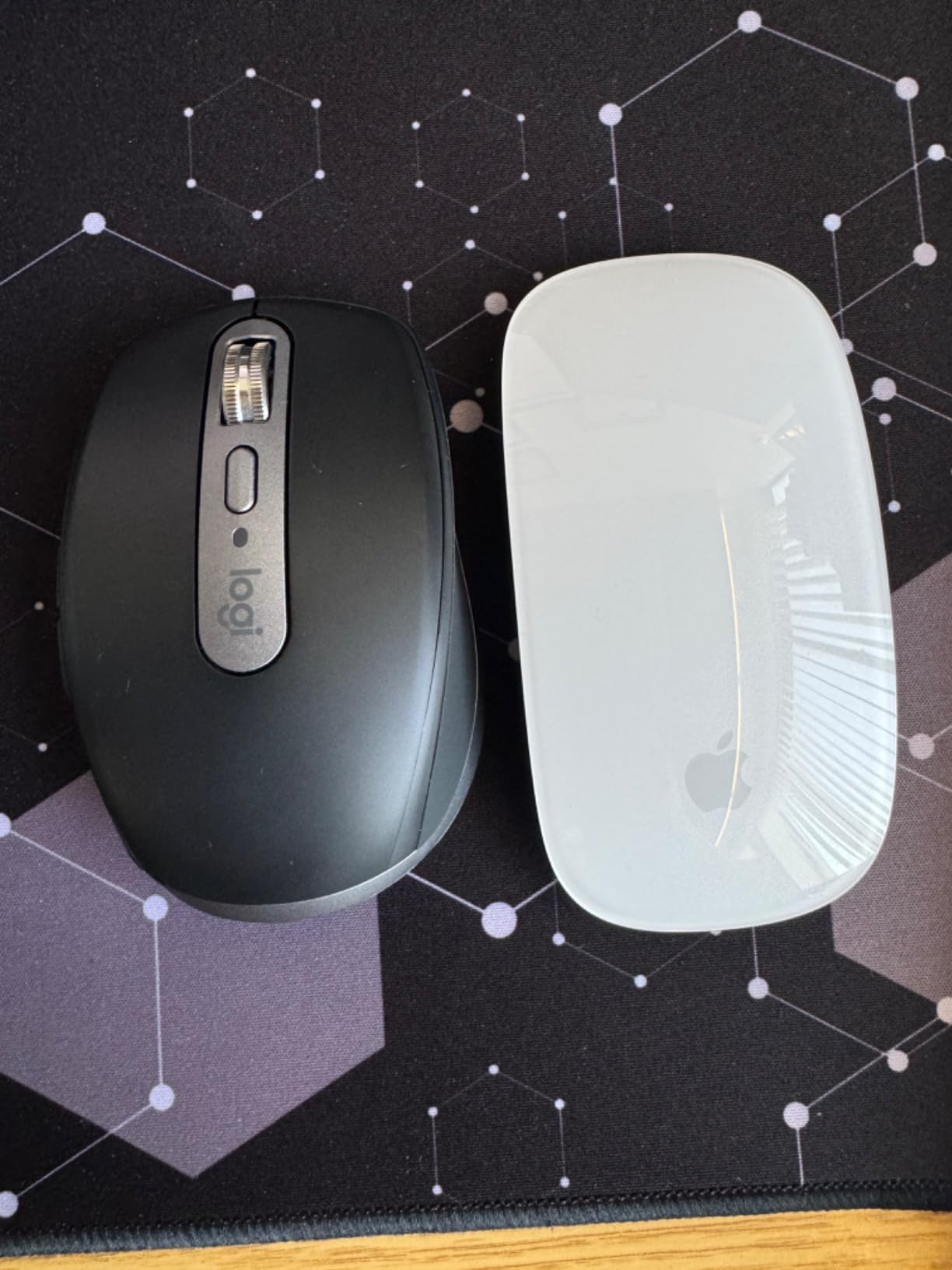
The Logitech MX Anywhere 3S is the mouse I keep in my travel bag. It’s small enough to fit in a jacket pocket, tracks on literally any surface including hotel glass desks, and the MagSpeed scroll wheel is the best I’ve used on a portable mouse.
For video editors who move between locations, this is the mouse that makes working on the road feel less compromised. The Pale Grey color matches Apple hardware and the macOS optimization means no driver fuss on a fresh MacBook.
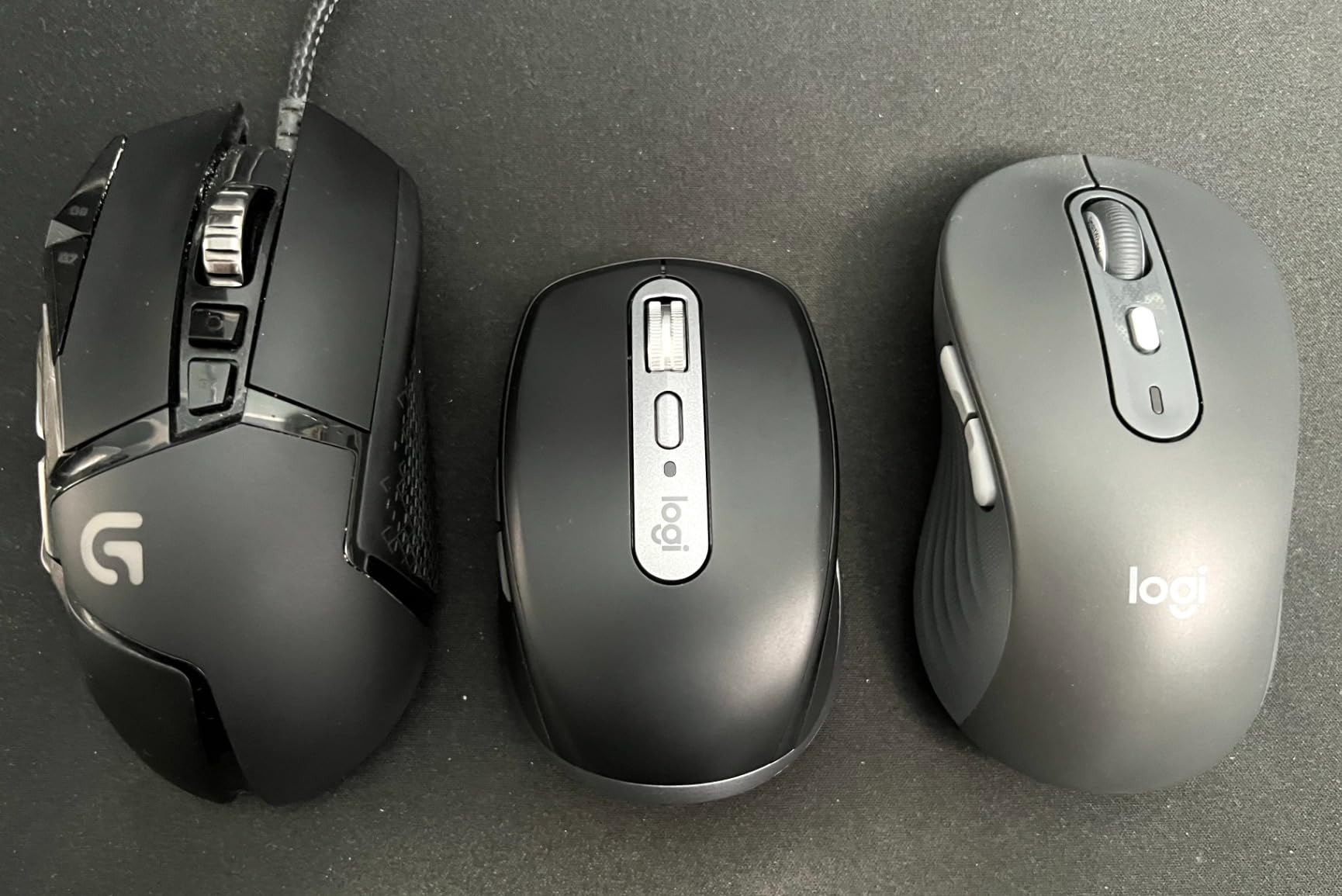
The 8K DPI sensor is overkill for most editing tasks but means the mouse tracks reliably on any surface — including glass tables at coffee shops, which I have definitely edited on.
MagSpeed Scrolling for Long Timelines
MagSpeed scrolling hits 1000 lines per second and switches between ratchet and free-spin modes automatically. Scrolling through a 30-minute timeline becomes a flick of the finger. It’s the single best productivity feature on any portable mouse I’ve tested.
Multi-Device Pairing Across Macs and iPads
The MX Anywhere 3S pairs with up to three Apple devices and switches between them with a button on the bottom. For editors who work across a MacBook Pro, an iPad for client review, and an iMac at the office, this saves juggling multiple mice.
Who Should Buy This Mouse
Traveling video editors, freelancers who work at client sites, and anyone who edits in cafes, hotel rooms, or co-working spaces. If you’re at a fixed desk 8 hours a day, the larger Logitech MX Master is a better ergonomic choice.
12. Keychron C1 Wired Mechanical Keyboard — The Budget Mechanical That Doesn’t Skimp

Keychron C1 Wired Mechanical Keyboard for Mac and Windows, 87-Key TKL USB-C Board, White Backlight, Gateron G Pro Brown Switch, Compact for Office, Typing and Light Gaming
87-key TKL mechanical
USB-C wired
Gateron Brown
Pros
- Gateron Brown tactile switches
- TKL layout saves desk space
- Mac/Windows dual layout
- USB-C to USB-A cable included
Cons
- Wired-only connection
- Plastic housing
- Pre-mapped function keys can confuse
The Keychron C1 is the mechanical keyboard I’d recommend to a video editor who’s never used a mechanical board before and doesn’t want to spend $150 to find out if they like the feel. The Gateron Brown switches give you tactile feedback without the loud click that drives your co-workers crazy.
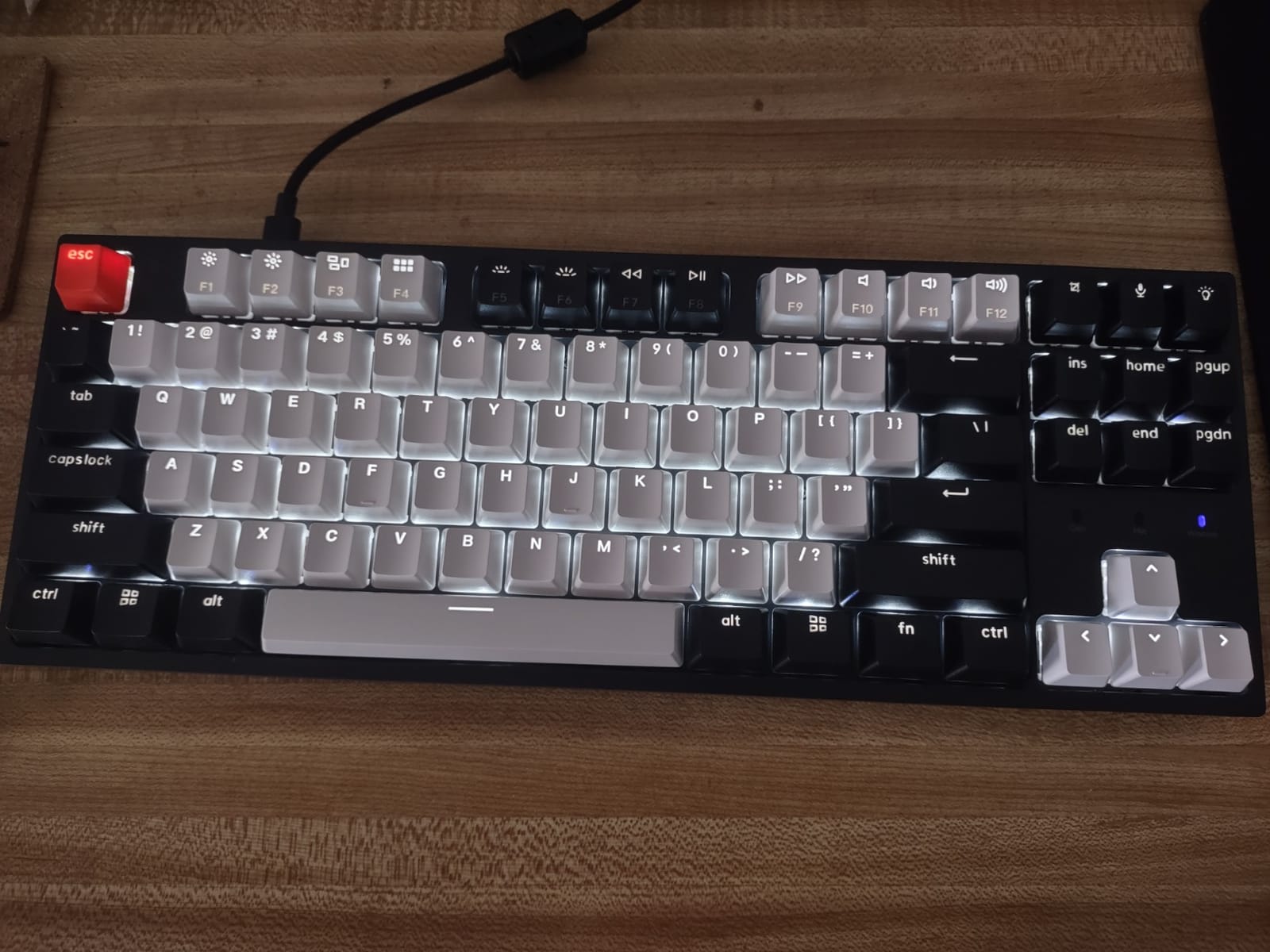
The tenkeyless layout (87 keys) saves desk space for mouse movement and a second monitor. For video editing, having more horizontal mouse real estate matters more than having a number pad.
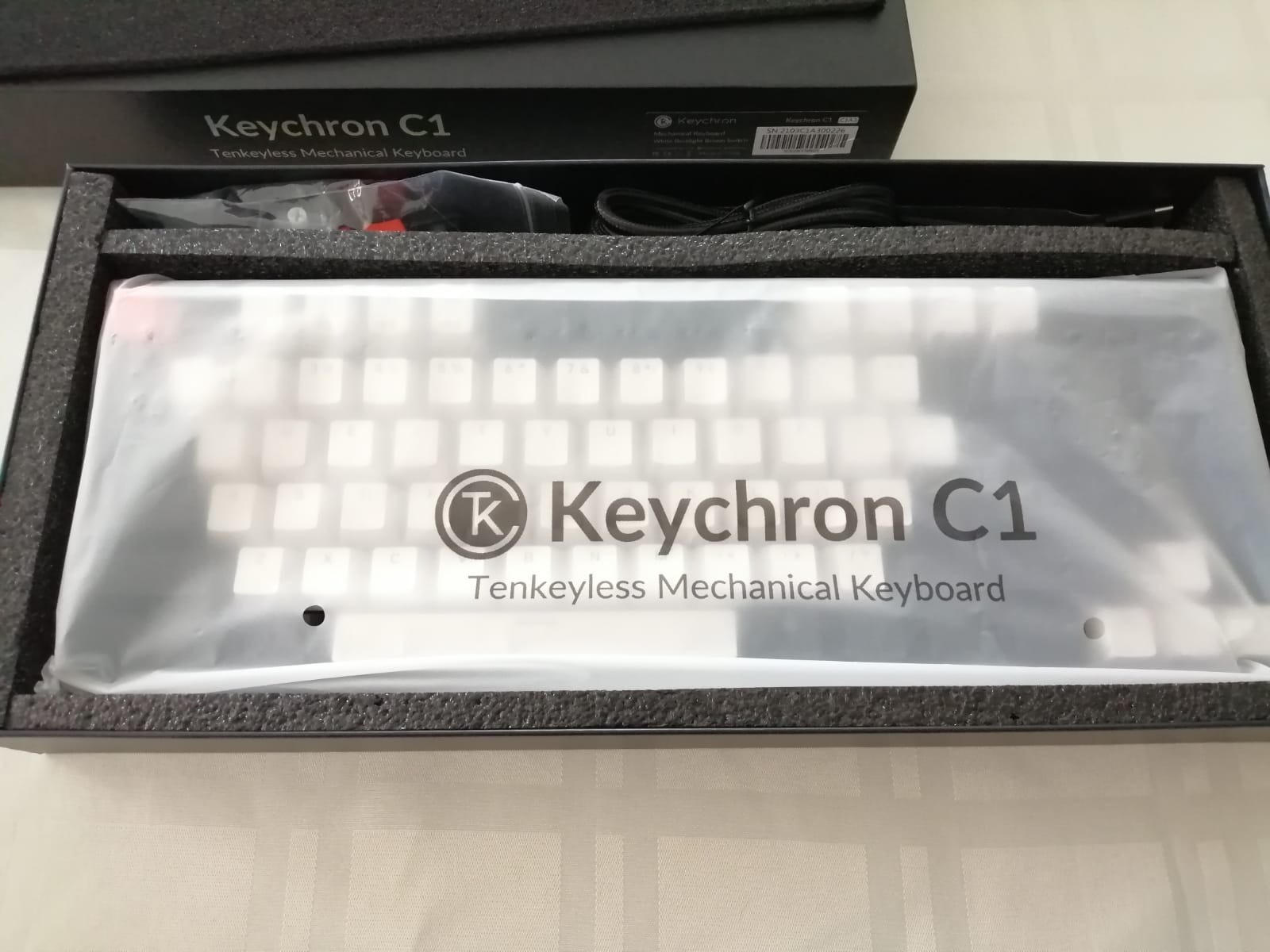
Mac/Windows dual layout with included keycaps and a hardware toggle on the back means this board works perfectly with a MacBook Pro out of the box. The USB-C connection is stable and instant — no Bluetooth pairing issues.
Tactile Switches for Editing Shortcuts
Gateron Brown switches give a soft bump with each press — enough feedback to feel confident in keyboard shortcuts without being loud. For editors hitting ⌘B, ⌘K, and J/K/L all day, the tactile feel improves accuracy compared to scissor-switch laptop keyboards.
Mac and Windows Compatibility
The included Mac-specific keycaps (Option, Command) replace the Windows keys, and a switch on the back swaps the modifier layout. This is the rare budget mechanical keyboard that genuinely works on macOS without third-party software.
Who Should Buy This Keyboard
Video editors curious about mechanical keyboards, students building their first editing setup, and budget-conscious freelancers. If you already know you like mechanical boards and want premium feel, step up to the Logitech MX Mechanical Mini below.
13. Logitech MX Mechanical Mini for Mac — The Premium Low-Profile Mechanical

Logitech MX Mechanical Mini Mac Wireless Keyboard Low-Profile – Space Grey
80-key low-profile mechanical
Bluetooth
USB-C
Pros
- Smart auto-illumination backlight
- Multi-device Bluetooth pairing
- 10-month battery without backlight
- Mac-optimized layout
Cons
- Keys can require more pressure
- Bluetooth-only no wired option
- Premium price for a Mini
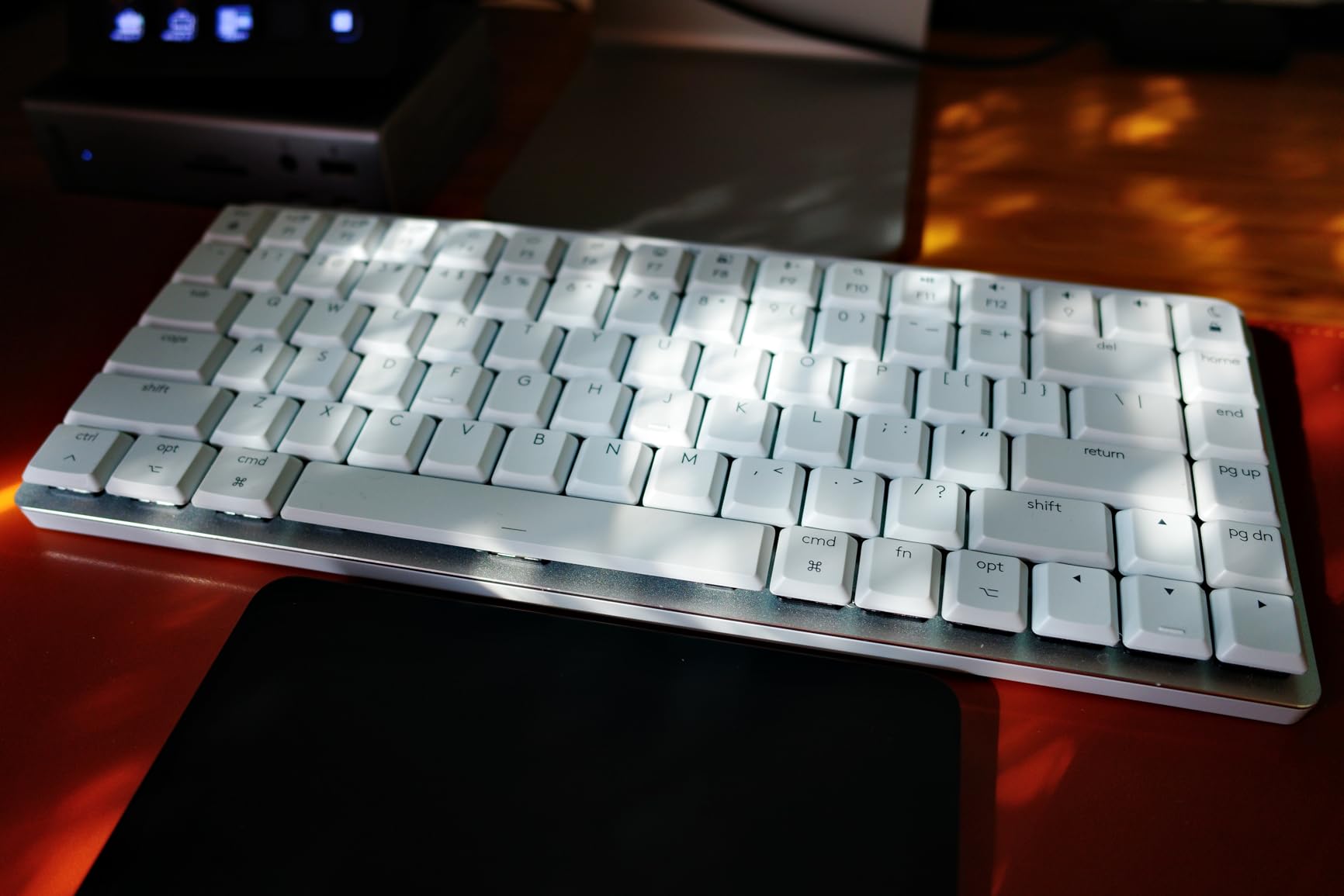
The Logitech MX Mechanical Mini is the keyboard I’d recommend to video editors who want a premium typing experience without the bulk of a full-size mechanical board. The low-profile switches feel closer to a laptop keyboard but with the satisfying tactile bump of a mechanical.
The smart backlighting is the standout feature — proximity sensors detect your hands and light up the keys before you touch them, then dim when you walk away. It’s not just a gimmick; it genuinely extends battery life and looks beautiful in dim edit suites.
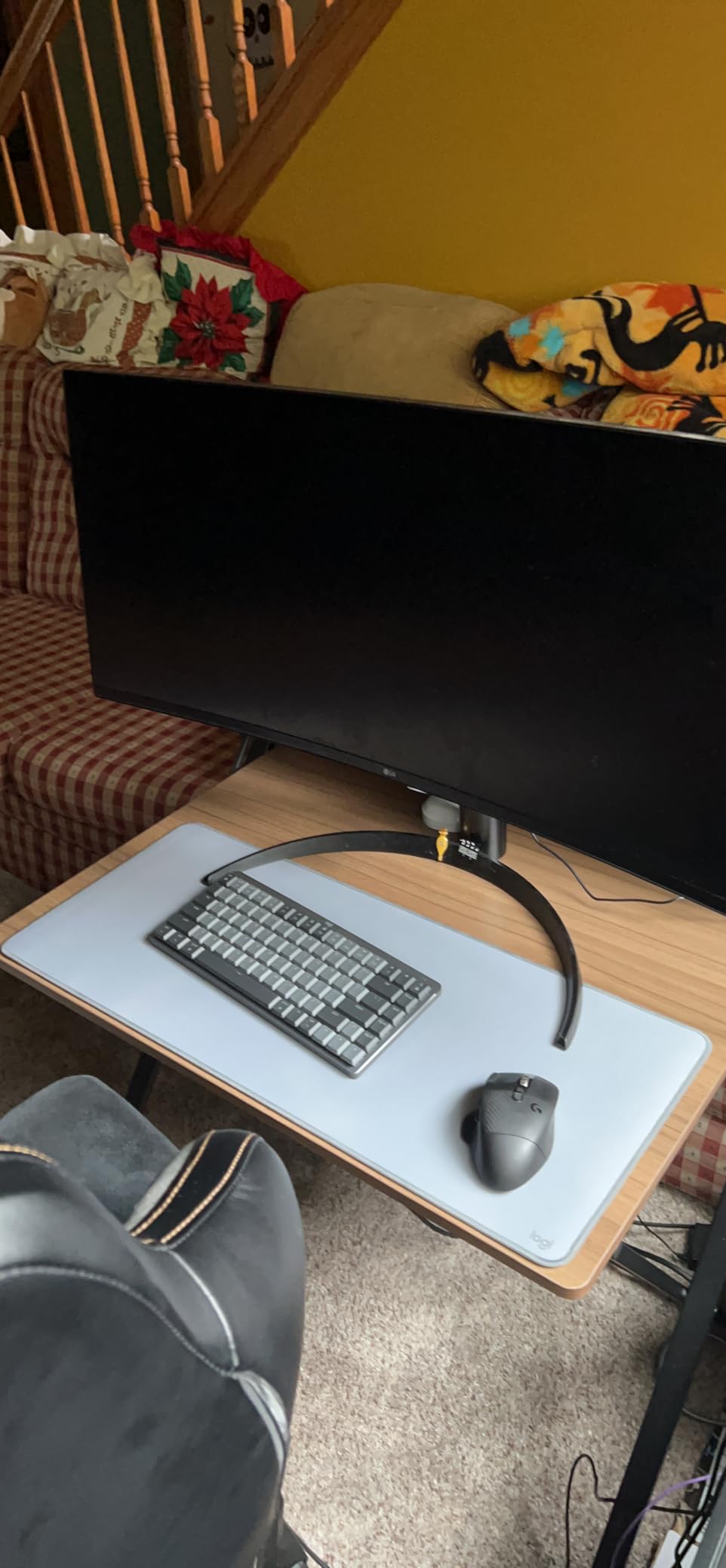
The Mac-specific layout is dialed in. The Option and Command keys are in the right places, and the function row includes macOS-native shortcuts. I didn’t need to remap anything in Logi Options+ to feel at home.
Low-Profile Switches and Typing Feel
Logitech’s tactile quiet switches give a precise bump without the click-clack of traditional mechanicals. For video editors in shared offices or home setups with thin walls, this matters — you can hit shortcuts all day without driving people crazy.
Multi-Device Workflow for MacBooks and iPads
The MX Mechanical Mini pairs with up to three Apple devices via Bluetooth. Switching between my MacBook Pro and an iPad used as a third monitor takes one button press. For editors with multiple Apple devices, this is the seamless experience you’d want.
Who Should Buy This Keyboard
Video editors who want a premium typing experience and value multi-device connectivity over switch customization. Apple ecosystem users who want a keyboard that feels native. If you want hot-swappable switches, look at enthusiast boards instead.
14. Elgato Wave:3 MK.2 USB Microphone — The Voiceover Mic for Solo Creators

Elgato Wave:3 MK.2 USB Condenser Microphone, DSP Effects
USB condenser microphone
24-bit/96kHz
Clipguard 2.0
Pros
- Clipguard 2.0 prevents distortion
- Auto Gain calibration
- Onboard DSP effects
- Compact desk-friendly design
Cons
- Limited to cardioid pattern
- Plastic mount feels less premium
- Wave Link software learning curve
If you’re a video editor who also records voiceovers, narration, or podcast audio, the Elgato Wave:3 MK.2 is the USB microphone I’d recommend. It’s not the cheapest, but the audio quality and software integration justify the price for anyone serious about vocal recording.
The Clipguard 2.0 system is the killer feature — it virtually eliminates audio clipping even if you get excited mid-take and shout into the mic. As someone who has ruined too many recordings with surprise laughter, this is a meaningful workflow improvement.
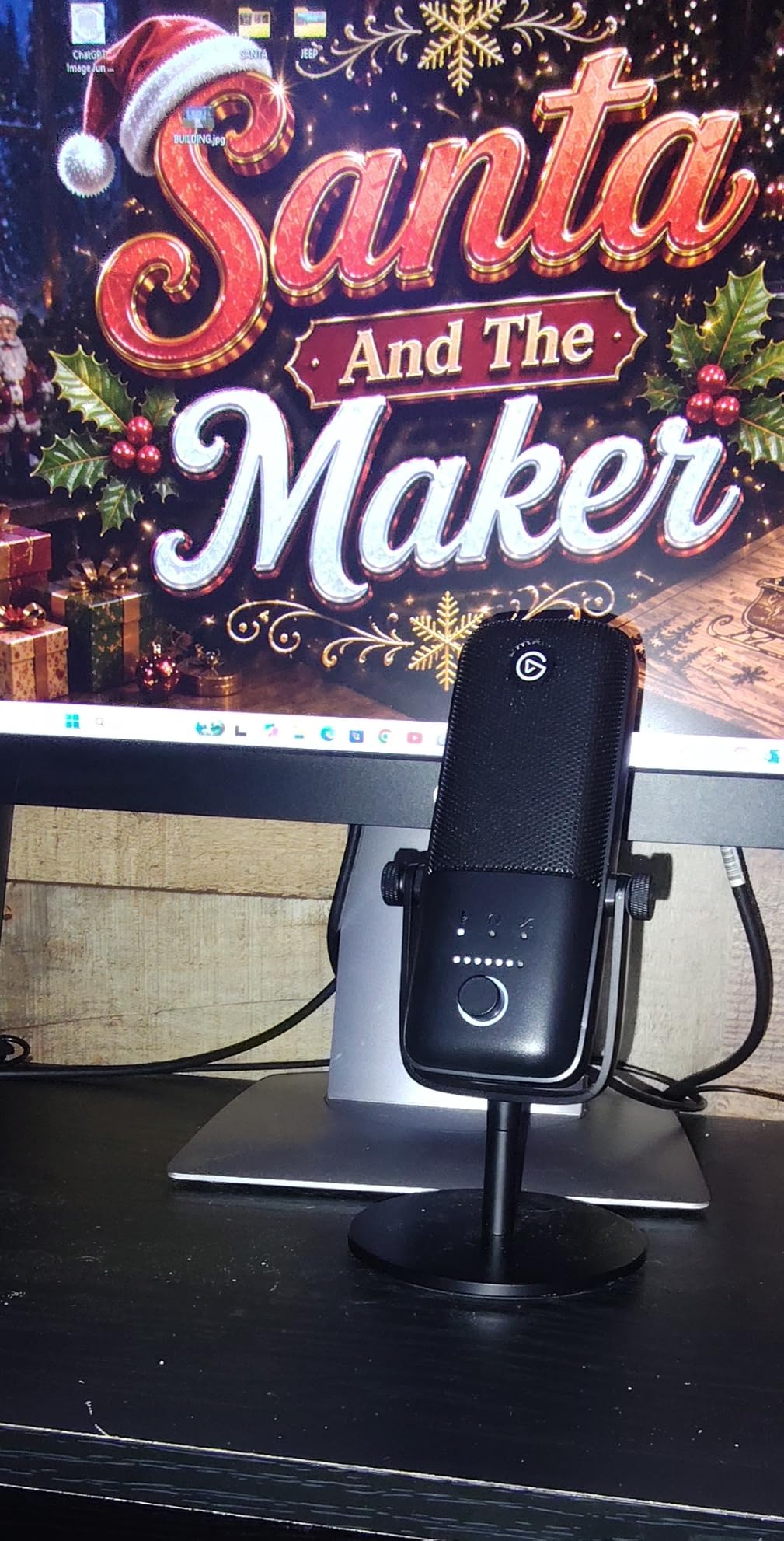
The 24-bit/96kHz audio resolution gives you broadcast-quality recordings straight into Final Cut Pro or Audition. The compact footprint fits on a desk next to a laptop without blocking your second monitor.
Auto Gain and Clipguard for Real-World Recording
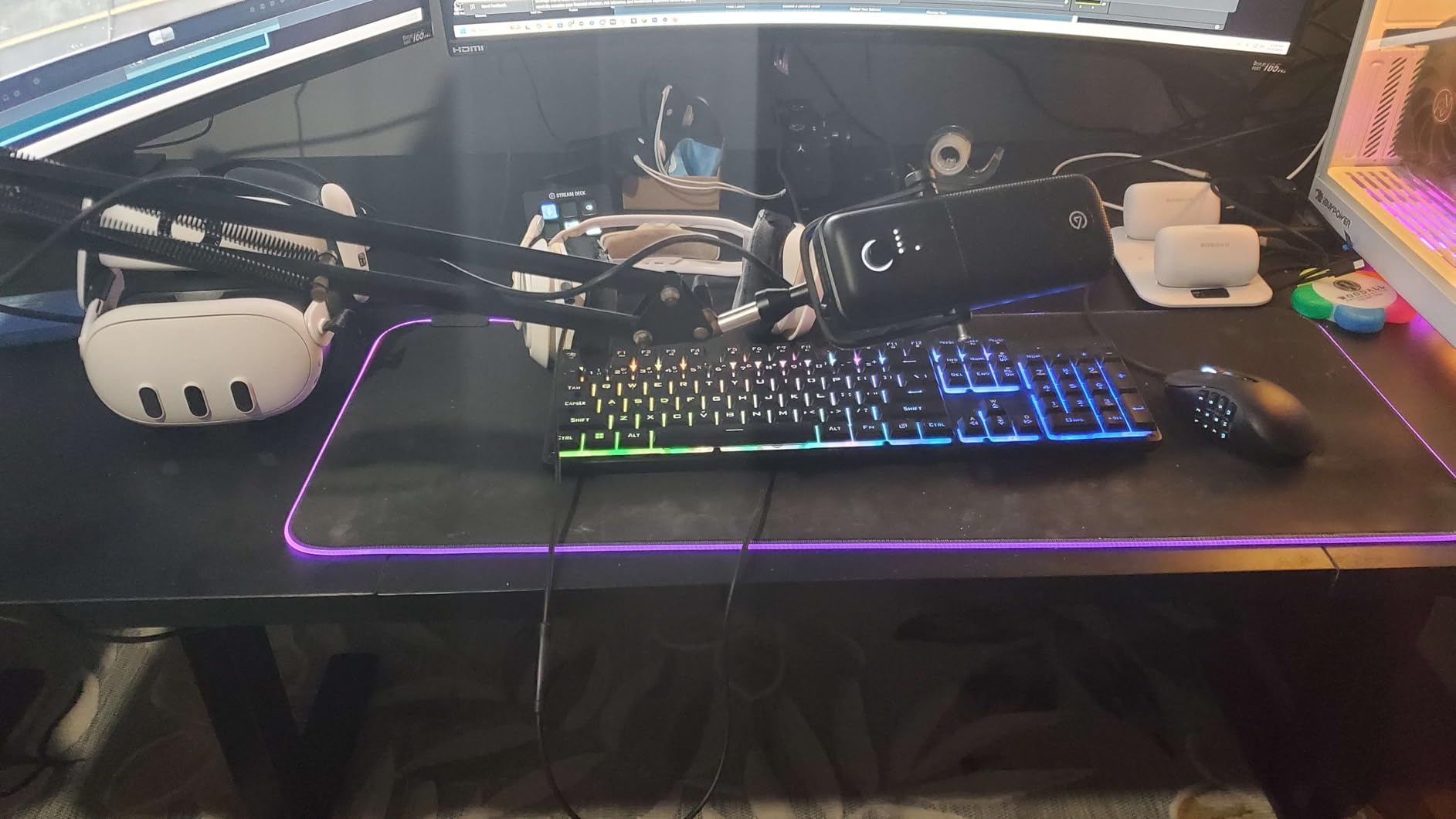
Auto Gain calibration sets levels automatically when you first use the mic — no fiddling with gain knobs to find the sweet spot. Clipguard 2.0 monitors the signal in real time and reroutes hot peaks through a secondary path to prevent distortion.
Wave Link Software and Audio Routing
Wave Link lets you mix multiple audio sources (mic, system audio, music apps) into separate streams for your DAW or streaming software. For video editors doing narration over music, this is the cleanest way to capture clean stems without a hardware mixer.
Who Should Buy This Microphone
Solo video editors who record their own voiceovers, YouTubers who need broadcast-quality narration, and podcasters who want studio sound without an audio interface. If you record multi-person interviews, the Blue Yeti below with multiple pickup patterns is a better fit.
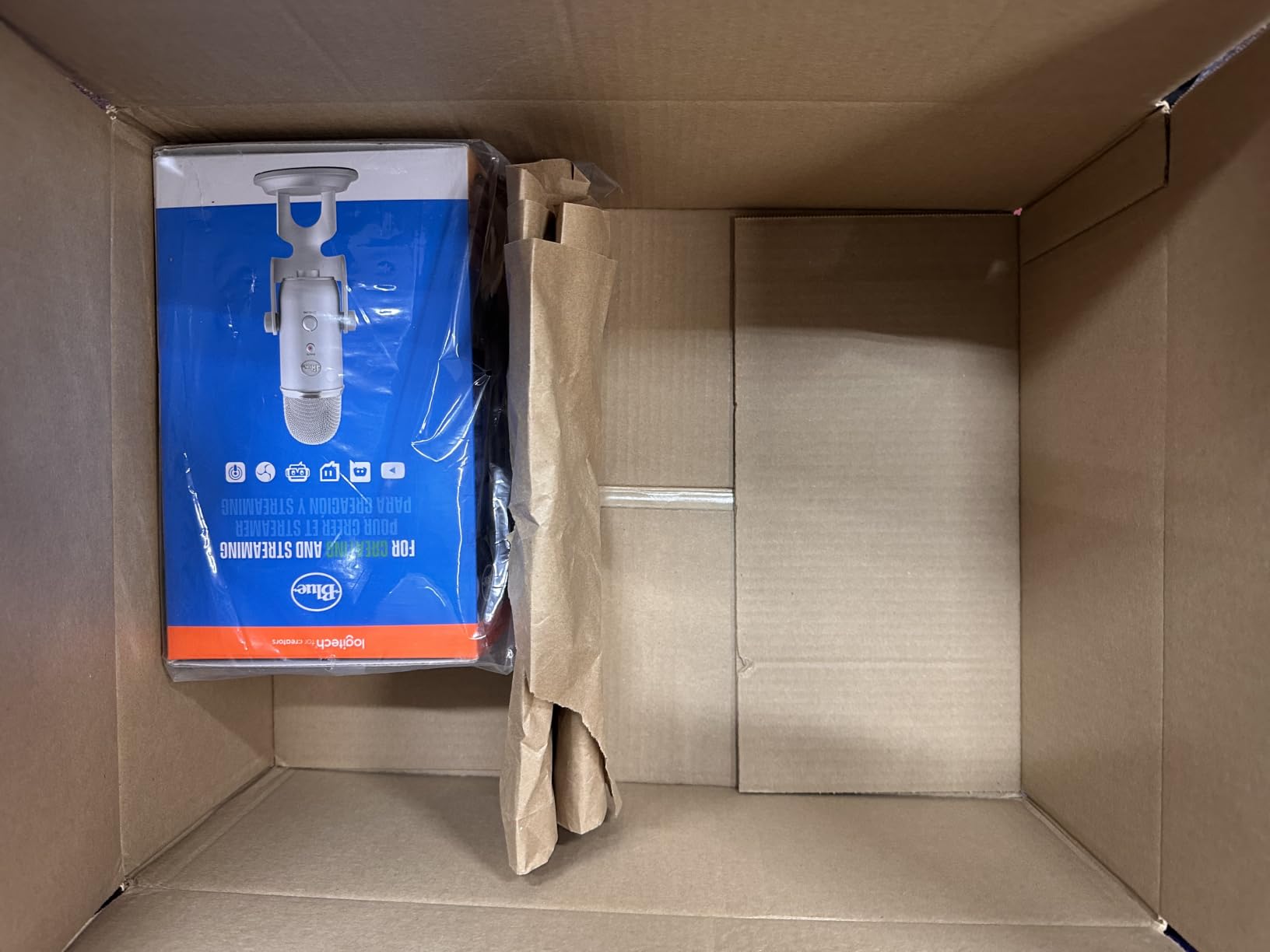
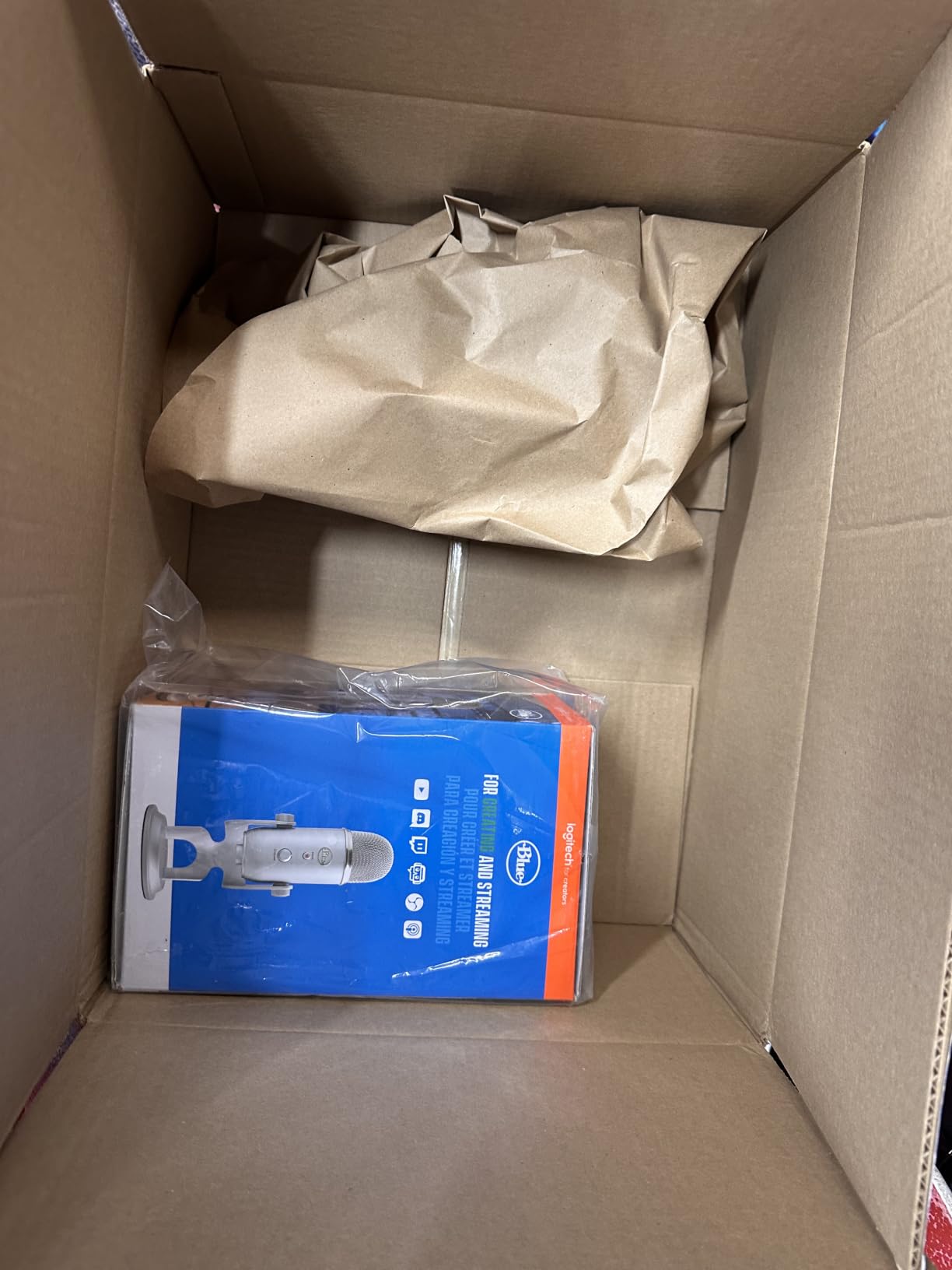
15. Blue Yeti USB Microphone — The Versatile Studio Mic for Multi-Person Recording

Logitech Creators Blue Yeti USB Microphone for PC, Mac, Gaming, Recording, Streaming, Podcasting, Studio and Computer Condenser Mic with Blue VO!CE effects, 4 Pickup Patterns, Plug and Play – Blackout
3-capsule USB condenser
4 pickup patterns
Blue VO!CE
Pros
- Four pickup patterns for any scenario
- Blue VO!CE vocal effects
- Plug-and-play on Mac
- Zero-latency headphone monitoring
Cons
- Uses older micro-USB port
- Large desk footprint
- Sensitive to room noise
The Blue Yeti has been the default USB microphone for content creators for over a decade, and for good reason. Four pickup patterns, broadcast-quality audio, and plug-and-play simplicity make it the most versatile USB microphone you can buy for the price.
For video editors recording interviews, podcasts, or multi-person voiceovers, the Yeti’s bidirectional and omnidirectional patterns are invaluable. One mic, four ways to capture — that’s a real workflow win over single-pattern mics.
The Blue VO!CE software adds broadcast-style vocal effects without a separate DAW. For YouTube creators recording weekly content, this means polished audio without spending time in post.
Four Pickup Patterns for Every Recording Scenario
Cardioid for solo voiceovers. Omnidirectional for round-table discussions. Bidirectional for two-person interviews across a table. Stereo for ASMR or music recording. The Yeti replaces several specialty microphones with one versatile unit.
Onboard Controls and Zero-Latency Monitoring
The front-panel gain, mute, and pattern selector let you adjust without diving into software. The 3.5mm headphone jack delivers zero-latency monitoring — critical for narration work where you need to hear yourself in real time.
Who Should Buy This Microphone
Video editors who record interviews, podcasts, or multi-person voiceovers. Content creators who want broadcast-quality audio with software polish. Anyone who wants a single USB mic that handles any recording scenario.
How to Choose the Right MacBook Pro Accessories for Your Video Editing Workflow
After testing all 15 of these accessories across real editing projects, the pattern is clear: the right MacBook Pro accessories for video editors depend entirely on where and how you edit. Here’s the framework I use when recommending gear.
Storage Architecture for 4K and 8K Media
For 1080p and casual 4K editing, a single 1-2TB portable SSD like the SanDisk Extreme is plenty. For 6K and 8K workflows, you need either the Samsung T9’s 2000MB/s bandwidth or a multi-drive RAID setup off a Thunderbolt dock. Always keep a second drive for backups — drive failure is a matter of when, not if.
If you edit on location, prioritize IP-rated drives with drop protection. The SanDisk Extreme and Samsung T9 both meet that bar. For studio-bound editors, you can prioritize raw speed over durability.
Color Accuracy and Display Calibration
For YouTube, social content, and corporate video, the LG 27UP850K-W at 95% DCI-P3 is enough. For client-facing color work where you’re grading for delivery, step up to the ASUS ProArt PA279CRV with Calman verification. If you’re all-in on the Apple ecosystem and want first-party feel, the BenQ MA270U is the move.
Whichever monitor you pick, budget for a colorimeter calibration within the first month. The factory calibration drifts, and your client delivery depends on accurate color at the time of export.
Connectivity and Dock Topology
If you’re on a base M4 or M5 MacBook and need dual external displays, the Plugable TBT-UDM is currently the cleanest certified path. For Pro/Max MacBook Pros with native dual-display support, the Anker 7-in-1 hub covers most travel and office setups without the dock footprint.
Always check that your hub or dock provides enough Power Delivery wattage for your specific MacBook Pro under load. A 14-inch needs 70W minimum, a 16-inch needs 96W minimum for full-performance charging during heavy exports.
Audio Capture and Monitoring
If you only edit other people’s footage, you need honest studio headphones — the Audio-Technica ATH-M50X or Sony MDR7506 are both excellent choices at different price points. If you record your own voiceovers, the Elgato Wave:3 MK.2 gives you broadcast-quality sound with software polish. For multi-person interviews, the Blue Yeti’s four pickup patterns handle any scenario.
Don’t rely on your MacBook Pro’s built-in speakers for audio decisions. They flatter everything and you’ll miss problems until your client hears them on real speakers.
Ergonomic and Input Device Decisions
For long editing sessions, the input device you use for 8 hours a day matters more than any other accessory. The Logitech MX Anywhere 3S for travel, the Apple Magic Mouse for Mac purists, and the Keychron C1 or Logitech MX Mechanical Mini for keyboard work are all solid starting points.
If you’re editing 8+ hours a day, consider a wrist rest and a laptop stand to bring the screen to eye level. None of these made the top 15, but they prevent the wrist and back pain that ends editing careers early.
Frequently Asked Questions
What accessories do I need for video editing on a MacBook Pro?
At minimum, you need external storage (a 1-2TB portable SSD like the SanDisk Extreme), a color-accurate monitor (95% DCI-P3 or better), studio headphones for audio monitoring (Audio-Technica ATH-M50X or Sony MDR7506), and a USB-C hub if you need to connect multiple devices. For a complete professional setup, add an editing keyboard, voiceover microphone, and a Thunderbolt dock for desktop use.
Is the MacBook Pro good enough for video editing without accessories?
The MacBook Pro with M-series chips is powerful enough for most video editing on its own, but accessories like external storage, a color-accurate monitor, and studio headphones dramatically improve the experience. Internal storage fills up quickly with 4K footage, color grading requires an external display with wide gamut coverage, and built-in speakers cannot reliably reveal audio issues.
What is the best video editing tool for MacBook Pro — Final Cut Pro, Premiere, or DaVinci Resolve?
Final Cut Pro is optimized for Apple Silicon and offers the fastest performance on MacBook Pro. Adobe Premiere Pro has the largest user base and best third-party plugin support. DaVinci Resolve is free with a paid Studio version that includes the best color grading tools in the industry. For most video editors, the choice comes down to workflow preference and team standardization.
Do I need a special USB-C hub or dock for a MacBook Pro M4 or M5?
Yes, especially if you want dual external monitors on a base M4 or M5 MacBook. Apple’s base M-series chips officially support only one external display without software tricks. The Plugable Thunderbolt 4 Dock (TBT-UDM) breaks that limit with native dual 4K@60Hz output. For Pro/Max MacBook Pros, any quality USB-C hub like the Anker 7-in-1 will work for single-display setups.
Final Picks: Building Your MacBook Pro Video Editing Setup
If you’re building a video editing setup from scratch and want the best MacBook Pro accessories across the board, start with the SanDisk Extreme Portable SSD for storage, the ASUS ProArt PA279CRV for color-accurate monitoring, and the Sony MDR7506 for honest audio reference. Add the Anker USB-C hub for travel and the Plugable Thunderbolt 4 Dock for desktop, and you have a complete post-production setup that covers ingest through delivery.
For voiceover and podcast work, swap the Sony MDR7506 for the Audio-Technica ATH-M50X and add the Elgato Wave:3 MK.2 microphone. For multi-camera interview work, the Blue Yeti replaces the Wave:3 with its four pickup patterns. Your MacBook Pro deserves these accessories in 2026 — and so does your next project.