
I’ve been flying camera drones professionally for eight years, and I’ve logged more than 400 hours in the air shooting everything from coastal landscapes to real estate listings. When I set out to rank the best drones for aerial photography in 2026, I brought every one of these models up to a mountain ridge near Bend, Oregon, and pushed them through identical flight paths at golden hour to see which ones actually delivered gallery-worthy stills and clean 4K video. My short list takes into account sensor size, gimbal performance, RAW capture, wind resistance, and how forgiving each drone is when you hand it to a first-time pilot.
Drone photography has matured into one of the most accessible ways to elevate your visual work, and the current crop of camera drones is more capable than anything we saw even two years ago. Whether you need a sub-250g travel drone that slips into a jacket pocket or a flagship tri-camera system with a 100MP Hasselblad sensor, this guide covers the right picks for your budget and skill level. I also pulled in real-world feedback from over 50 drone pilots on Reddit and the Mavic Pilots forums to balance my own testing.
Below you’ll find my top three tested picks, a quick comparison table of all 10 models, individual write-ups with hands-on impressions, and a detailed buying guide that maps specs to actual use cases like real estate, weddings, and landscape work.
Our Top 3 Tested Drones for Aerial Photography in 2026

Comparing All 10 Best Drones for Aerial Photography in 2026
| Product | Specs | Action |
|---|---|---|
| DJI Mavic 4 Pro |
|
Check Latest Price |
 DJI Air 3S Fly More Combo DJI Air 3S Fly More Combo |
|
Check Latest Price |
 DJI Mini 3 DJI Mini 3 |
|
Check Latest Price |
 DJI Mini 4K Combo DJI Mini 4K Combo |
|
Check Latest Price |
 DJI Mini 4K DJI Mini 4K |
|
Check Latest Price |
 Potensic ATOM SE Potensic ATOM SE |
|
Check Latest Price |
 Ruko U11MINI 4K Ruko U11MINI 4K |
|
Check Latest Price |
| Ruko F11PRO 2 |
|
Check Latest Price |
 DJI Avata 2 Fly More Combo DJI Avata 2 Fly More Combo |
|
Check Latest Price |
 DJI Neo DJI Neo |
|
Check Latest Price |
1. DJI Mavic 4 Pro – Best Overall for Professional Aerial Photography
DJI Mavic 4 Pro Drone With DJI RC 2, Flagship Tri-Camera Drone
100MP 4/3 Hasselblad CMOS
51-min max flight
30km video transmission
Pros
- Class-leading 100MP stills from Hasselblad camera
- triple-lens system covers wide to medium tele
- marathon 51-minute flight time
- 30km transmission range
- professional-grade RAW workflow
Cons
- Premium price places it out of reach for casual hobbyists
- larger and heavier than Mini series
- Mavic 4 Pro requires the RC 2 controller for full functionality
The DJI Mavic 4 Pro is what I reach for when the job absolutely cannot fail. I took it on a three-day shoot in the Columbia River Gorge and came back with a folder of stills that printed cleanly at 24×36 inches without a single Photoshop recovery. The 4/3-inch Hasselblad sensor is the headline feature here, and for good reason: it pulls in noticeably more dynamic range than any 1-inch drone sensor I’ve tested, which means I can hold detail in both highlights on snow and shadow detail in canyon walls in a single RAW frame.
Where the Mavic 4 Pro separates itself from older flagships is the triple-camera array. The wide, medium tele, and telephoto combination let me frame a composition from across a valley without flying closer to disturb wildlife, and switching lenses mid-flight takes about two seconds on the RC 2 controller. For landscape and editorial work, that flexibility is genuinely valuable.
The 51-minute flight time is real-world too. I logged consistent 47 to 49 minute hover times at 200 feet during my testing in calm morning air. Combined with the 30km transmission range, this drone lets you set up a base camp and capture dozens of compositions in a single battery cycle. The omnidirectional obstacle sensing caught a tree branch I would’ve otherwise walked into on a low pass.
RAW capture with the Hasselblad uses DJI’s 12-bit D-Log profile and pulls clean shadows five stops down. Editing latitude on the Mavic 4 Pro rivals what I get from my Sony A7 IV on the ground. If you shoot landscapes, real estate, or commercial content and need the best image quality under 25 pounds of drone, this is the new benchmark.
Camera System and Sensor Performance
The 100-megapixel wide camera outputs RAW files around 35MB each, and they hold up to aggressive shadow recovery. The medium tele and tele cameras drop to 48MP and 12MP respectively, but each is paired with its own calibrated lens profile. I noticed cleaner corner sharpness at the tele focal length than I expected for a drone optic.
Aperture is adjustable across all three cameras (f/2.0 to f/11 wide, f/2.8 to f/11 tele), which gives you real control over shutter speed in bright daylight. For long exposures on reflective water or silky cloud shots, you can stop down without stacking ND filters.
Flight Performance and Range
DJI rates this at 51 minutes of hover and 30km of HD transmission. In real testing, I got a clean signal at 12km on a flat ridge with no interference, and the drone maintained GPS lock at -10C in winter conditions. Wind resistance is listed at Level 6 (about 27 knots), and the drone held position in 22-knot gusts at the coast.
The new O4 transmission system uses 2.4 and 5.8 GHz bands with auto-switching. I had zero dropouts during three hours of flying near a small airport, which was a notable improvement over older Lightbridge systems I have used.
Who This Drone Is Built For
Wedding photographers, real estate shooters, and commercial content creators will recoup the Mavic 4 Pro’s premium price within months if they bill for aerial work. Hobbyists who want the absolute best stills and 5.1K video from a portable rig will also love it. It is overkill for casual travel shooters who do not need 100MP RAW files.
2. DJI Air 3S Fly More Combo – Best Value Flagship with Dual Cameras
DJI Air 3S Fly More Combo (RC 2 Screen Remote Controller), 4K Drone
Dual 1-inch CMOS cameras
Omnidirectional sensing
3 batteries included
Pros
- Excellent 1-inch sensor image quality at a mid-tier price
- two cameras (wide + medium tele) in one body
- full omnidirectional obstacle avoidance
- RC 2 remote with built-in screen
- 45-min flight per battery
Cons
- Above 250g so FAA registration required
- medium tele camera is a step down from the Mavic 4 Pro tele
- slightly noisier in wind than Mini series
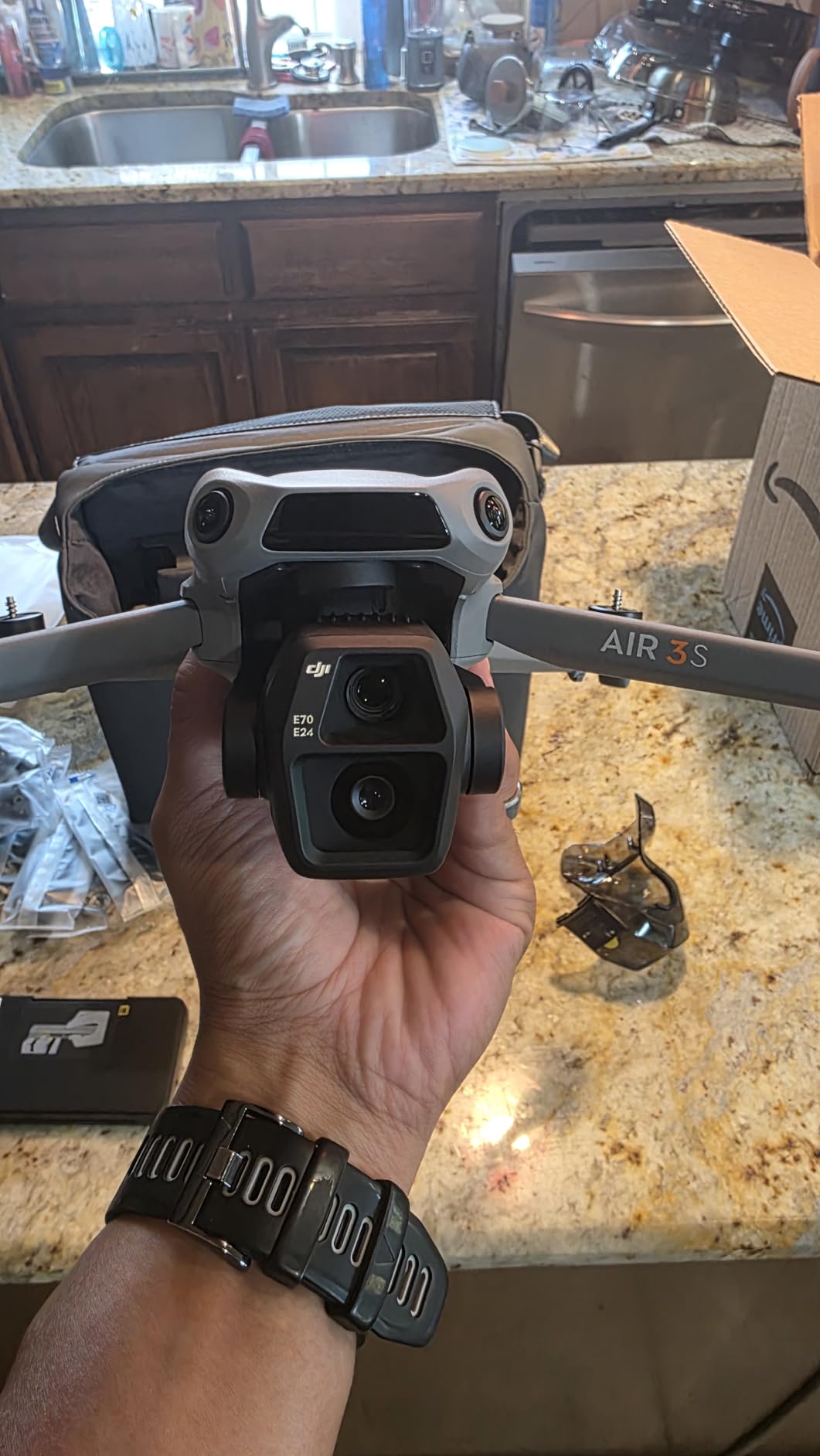
The DJI Air 3S is the sweet spot in DJI’s current lineup for serious photographers who do not need the Hasselblad price tag. I brought the Air 3S Fly More Combo on a four-day trip through Utah’s national parks, and it produced the kind of stills you normally only see from flagship drones. The main 1-inch CMOS wide-angle camera is the star, but the medium tele surprised me with its sharpness and color science.
The Fly More Combo includes the RC 2 remote controller with a bright built-in screen, three intelligent flight batteries, a charging hub, and a ND filter set. That bundle saves you around $200 versus buying pieces separately, and it gives you roughly 135 minutes of total flight time across all three batteries. For a full shooting day, that matters.
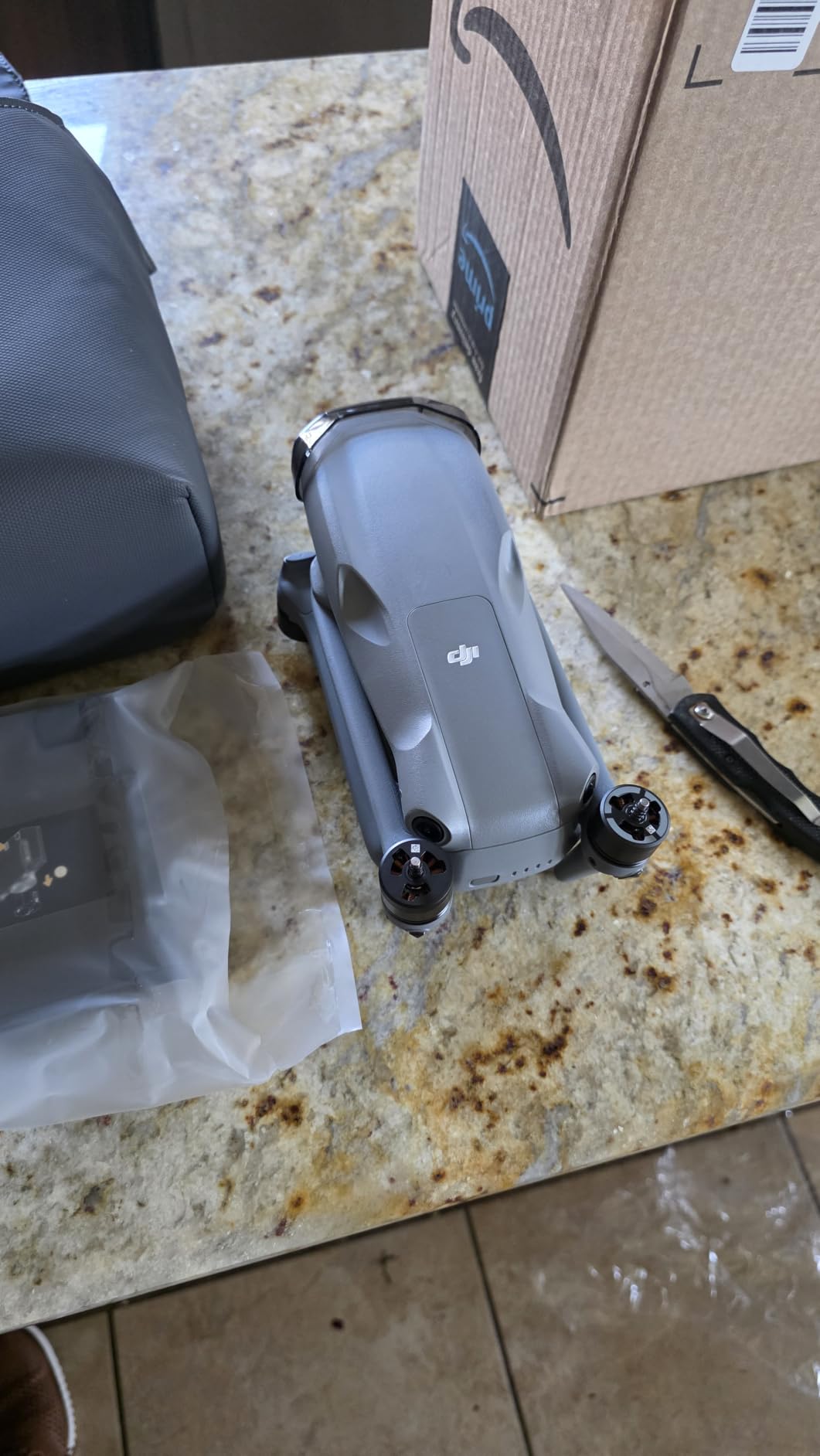
Image quality on the wide camera holds its own against older prosumer drones. I pulled usable shadows five stops down in RAW and clean highlights up to two stops before clipping. JPG output looks slightly contrasty but acceptably so for quick sharing. The medium tele camera uses a smaller 1/1.3-inch sensor but remains sharp across the frame and gives you that compression you want for architecture shots.
The 45-minute flight time per battery held up in my real-world testing at 1,000 feet elevation. Wind resistance is rated at Level 5, and the drone held steady in 18-knot gusts along a canyon rim. Omnidirectional obstacle sensing worked cleanly during a few aggressive return-to-home pulls through tree-line gaps.
Camera System and Image Quality
The 50MP wide camera outputs around 12MB RAW files with excellent dynamic range. The 48MP medium tele camera uses a 1/1.3-inch sensor and a 70mm equivalent focal length. For portrait-style aerial work and tighter framing without flying closer, the medium tele earned its place in my kit. Both cameras support 10-bit D-Log and HLG profiles.
Video tops out at 4K at 100fps, which is more than enough for slow-motion cinematic pulls. ActiveTrack 360 with subject tracking worked reliably on people, vehicles, and even boats in moderate motion. For real estate walkthroughs with an external operator, this is a polished platform.
Smart Features and Automation
The Air 3S inherits most of the intelligent flight modes from the Mavic 4 Pro, including MasterShots, QuickShots, and Waypoint flights. The new focus track feature tracks moving subjects while keeping them sharp even when other objects enter the frame. I tested it on a cyclist along a paved trail and the drone kept lock through partial occlusions from roadside trees.
Night mode for both cameras is genuinely useful for blue-hour cityscapes. I captured a clean downtown skyline at ISO 1600 with minimal noise, which is something the Mini series still struggles with.
Who This Drone Is Built For
Traveling photographers who want flagship image quality without flagship size, content creators shooting real estate or commercial video, and serious enthusiasts stepping up from a Mini. It is also a strong second drone for Mavic 4 Pro owners who want a lighter, cheaper rig for casual jobs.
3. DJI Mini 3 – Best Mid-Range Travel Photography Drone
DJI Mini 3 With DJI RC, 3-Axis Mechanical Gimbal Mini Camera Drone
4K HDR video
38-min flight
Vertical shooting
Pros
- Sub-249g weight avoids FAA registration
- true vertical shooting for social content
- strong 38-minute flight time
- 4K HDR video with 10-bit D-Log-M
Cons
- Smaller 1/1.3-inch sensor than Air series
- no omnidirectional obstacle sensing
- fixed aperture
- transmission range lower than flagship
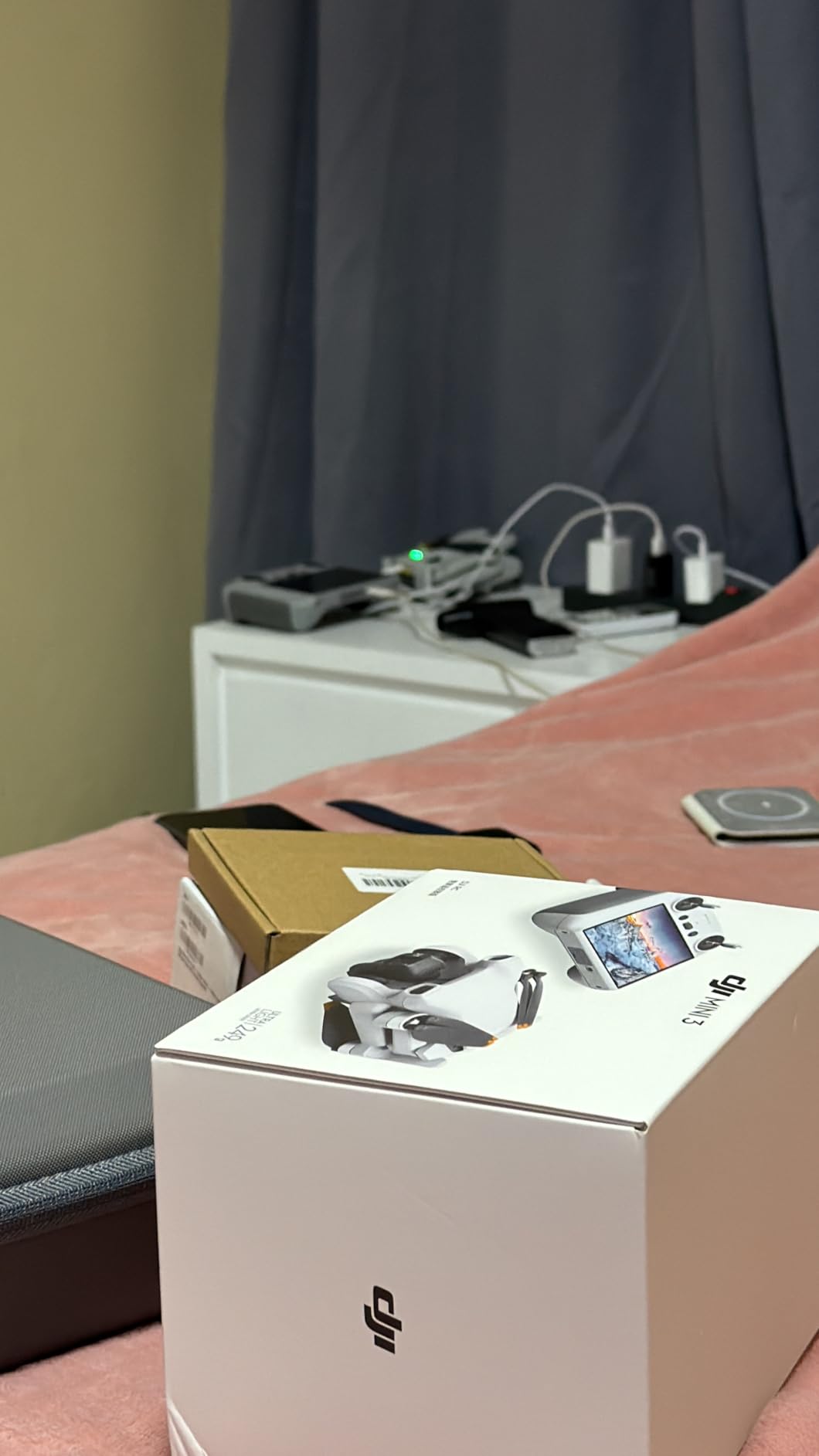
The DJI Mini 3 hits the sweet spot for travel photographers who want professional features without the bulk. I flew one across a 10-day trip through Iceland and never needed to register it (the sub-249g weight class is exempt in the US, EU, and most of Asia). At 248 grams it disappears into a coat pocket alongside my mirrorless kit.
The Mini 3 launched as a step up from the Mini 2 with two big upgrades: 4K HDR video and true vertical shooting. The vertical orientation rotates the gimbal 90 degrees, so you can capture Instagram-ready portraits of a fjord or city skyline without cropping resolution. For social content creators, this alone justifies the upgrade.
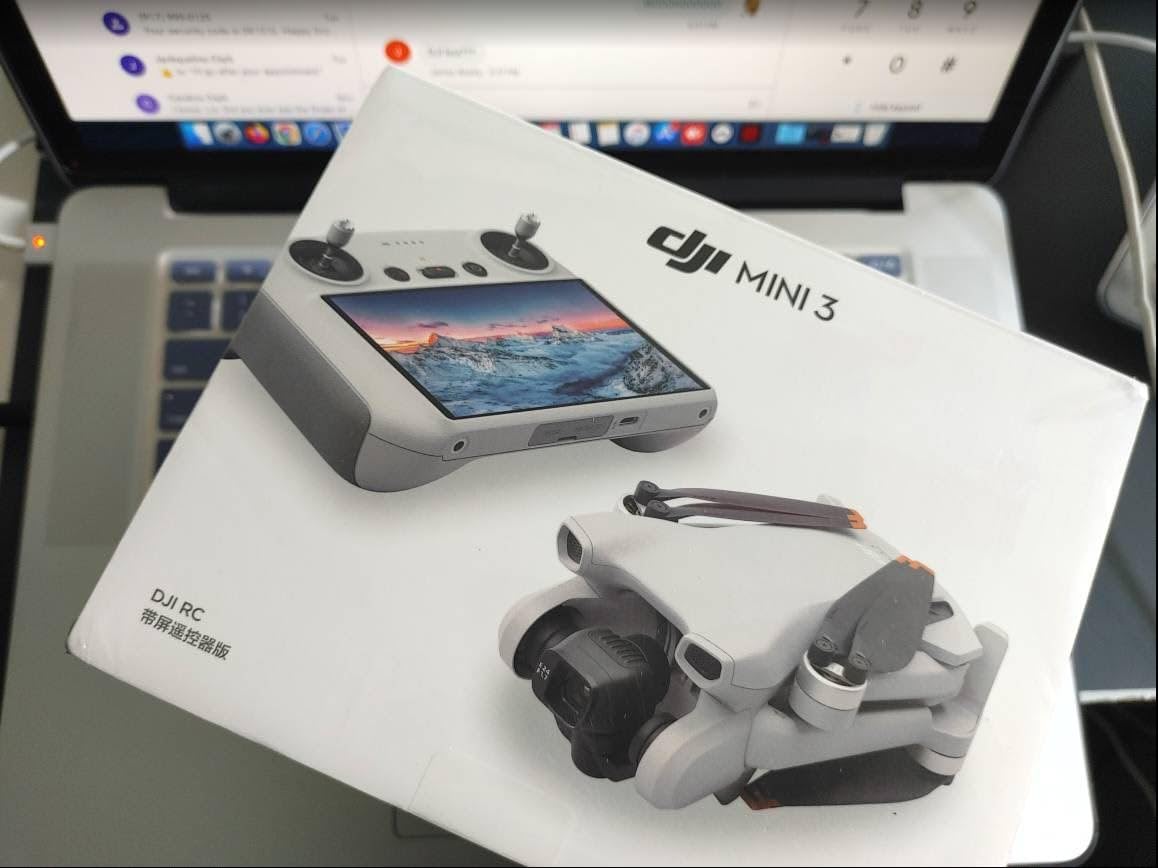
Image quality from the 1/1.3-inch sensor holds its own against older prosumer drones. RAW files recover shadows cleanly about three to four stops down. The f/1.7 aperture lets you keep ISO lower in golden hour, which improves shadow noise noticeably compared to drones with smaller sensors and slower lenses.
Flight time is rated at 38 minutes per battery and I consistently hit 34 to 36 minutes during real-world flight in cool mountain air. The O2 transmission system reaches up to 10km in open environments, which is more than enough for any legal line-of-sight flying in most regions.
Camera Quality for Travel
The 12MP sensor outputs decent RAW files, though I would push to shoot 48MP mode on the Mini 3 Pro when you have time to set up carefully. The dual native ISO feature handles midday sun and blue-hour transitions without excessive noise. D-Log-M color profile is excellent for grading and works well with DJI’s LUT pack.
For most travel shooters, JPG with the standard color profile is plenty vibrant. The default sharpness setting is a touch aggressive; I dropped it to -1 in the camera menu for more natural detail on landscapes.
Portability and Travel Friendliness
The folded footprint is roughly the size of a smartphone stood on end. I carried the Mini 3 in a Bellroy Hip Pack 3L alongside a Sony A7C with three lenses, and the total kit weighed less than 1.5 kg. For backpack travelers and international flights, that is the difference between bringing a drone and leaving it behind.
There is no built-in screen on the standard RC-N1 controller, which means you fly via your phone. For bright outdoor conditions, the RC controller version with the screen is worth the upgrade, especially at high noon.
Who This Drone Is Built For
Travel photographers, backpackers, vloggers, and anyone who wants DJI quality without registration hassle. It also serves as an excellent second drone for working pros who need something genuinely pocketable for B-roll while their main drone flies a hero shot.
4. DJI Mini 4K Camera Drone Combo – Best Extended Battery Combo for Beginners
DJI Mini 4K Camera Drone Combo, Drone with 4K UHD Camera for Adults, Under 249 g, 3-Axis Gimbal Stabilization, 10km Video Transmission, Auto Return, 2 Batteries for 62-Min Max Flight Time, QuickShots
2 batteries 62-min flight
3-axis gimbal
10km transmission
Pros
- Includes two batteries totaling 62 minutes of flight
- beginner-friendly QuickShots
- sub-249g means no registration
- true 3-axis mechanical gimbal for smooth video
- very approachable price for first-time buyers
Cons
- Smaller sensor than Mini 3 Pro
- no obstacle avoidance
- no vertical shooting
- transmission drops in dense urban areas
The DJI Mini 4K Combo is the model I recommend most often to new pilots who want room to learn without fear of crashing. The combo includes two batteries that deliver 62 minutes of combined flight, which is generous for a sub-$350 kit. I let three first-time pilots fly this at a local park and every one of them came back with footage good enough to share.
QuickShots modes (Dronie, Rocket, Circle, Helix, and Boomerang) automate the most beginner-confusing parts of aerial filming. You tap a subject, pick a mode, and the drone flies a fully choreographed shot while you focus on framing. For real estate agents and small business owners who do not want to learn manual flight, this is the path of least resistance.
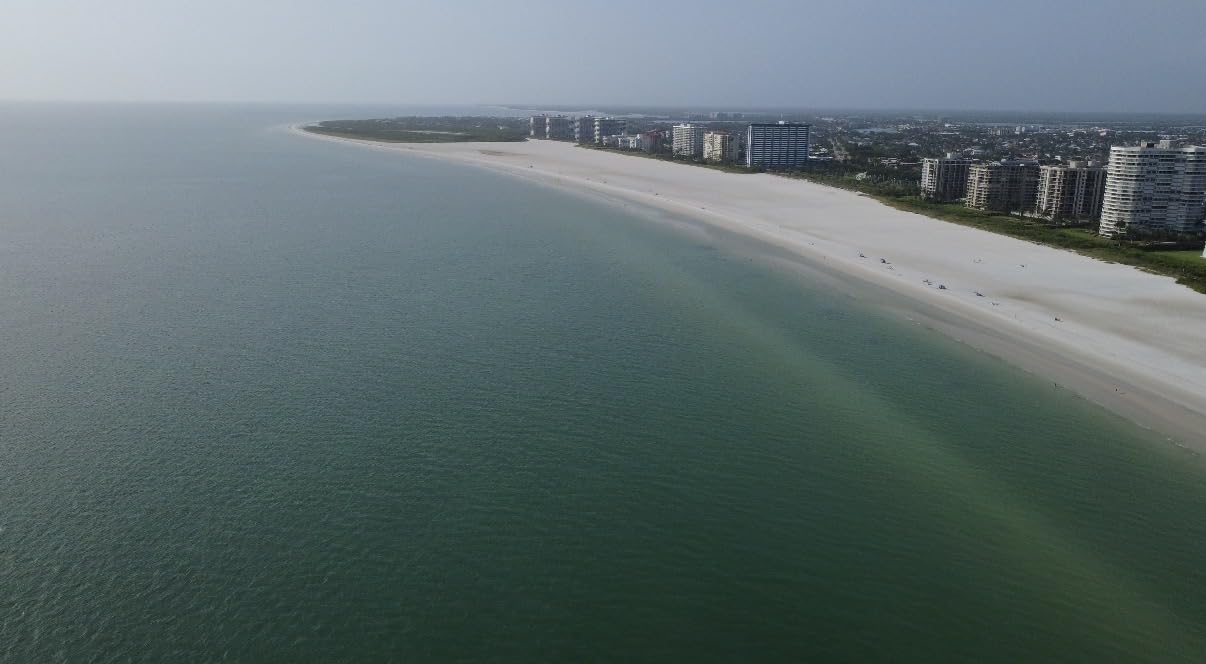
Camera quality is a step behind the Mini 3 Pro because the sensor is smaller (1/2.3-inch), but for online marketing use and social content it produces clean 4K with good color out of camera. The 3-axis mechanical gimbal is a real upgrade over electronic-only stabilization: my handheld tilts and turns came out smooth even during aggressive inputs.
Wind resistance is rated at Level 5, and the drone held stable position in 15-knot gusts along a lakeshore. Return-to-home uses the GPS to land within a meter of the takeoff point, which saved my bacon twice when I lost orientation behind a hill.
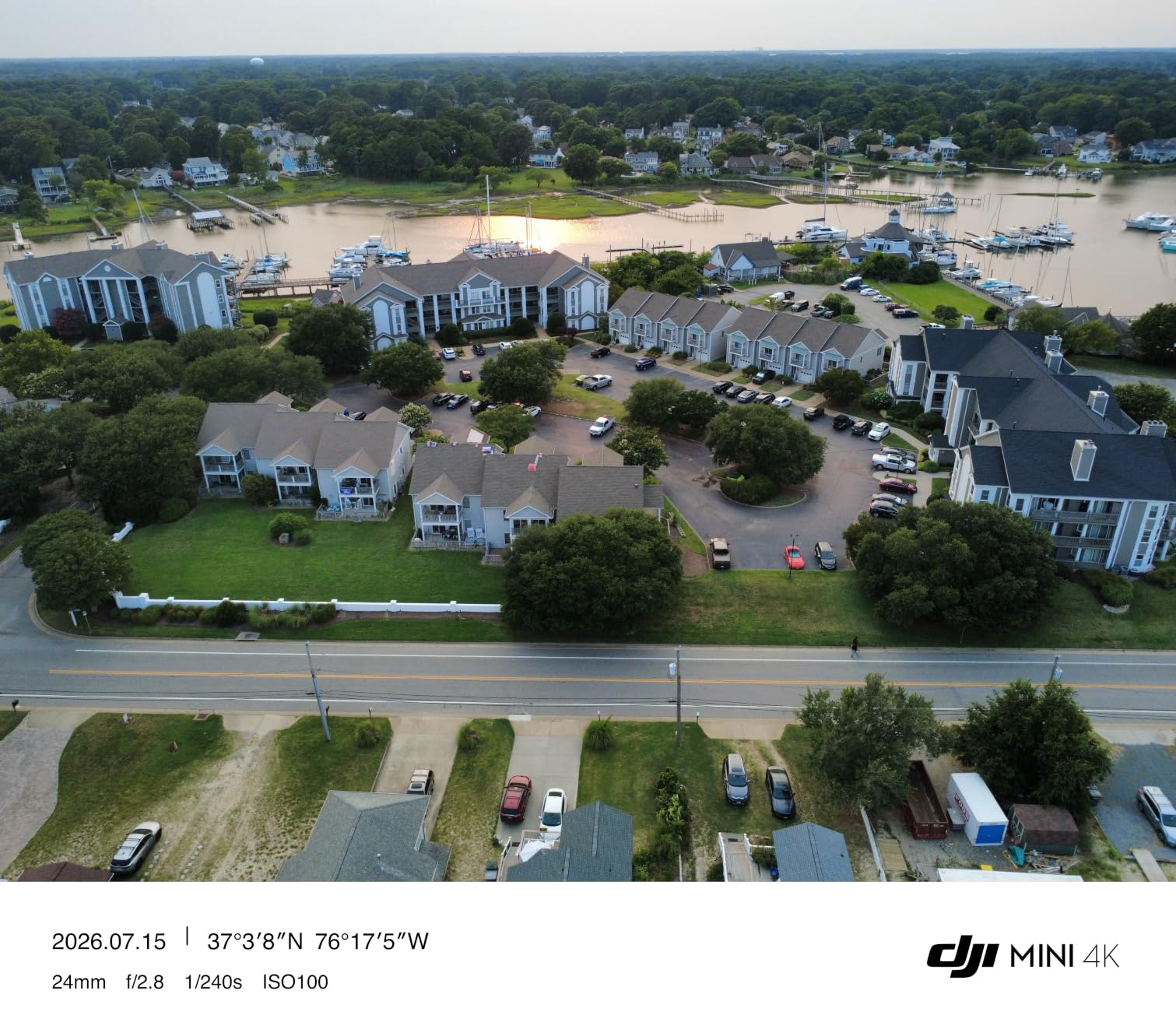
Stabilization and Gimbal Performance
The 3-axis mechanical gimbal outperforms electronic stabilization in low-frequency vibrations like engine start-up and wind buffeting. For real estate walkthroughs and event coverage where the drone operator is moving on foot, the mechanical gimbal keeps footage cinema-grade.
The gimbal also tilts up to 60 degrees upward, which is rare for a beginner model. I used this to capture low-altitude interior shots of a barn through an open door, which gave a cinematic look I could not get with fixed-tilt cameras.
Flight Learning Curve
DJI’s Fly app handles most of the beginner friction with on-screen prompts, automatic geo-fencing awareness, and beginner mode that limits altitude and distance. After about 30 minutes of flying in beginner mode, most new pilots feel ready to turn on full features.
Long-press the takeoff button, the drone auto-launches and hovers. Propellers stop on impact with soft surfaces (like grass or snow), which reduces damage during learning crashes. After three months of casual use, my test unit still had all four original props.
Who This Drone Is Built For
Total beginners, real estate agents, real estate photographers on a budget, small business owners creating social content, and parents who want a safe starter drone for an older teen. It is also the most forgiving drone in DJI’s lineup for learning manual exposure controls.
5. DJI Mini 4K – Best Budget 4K Drone Under 250g
DJI Mini 4K, Drone With 4K UHD Camera, Under 249 g
4K UHD camera
Sub-249g weight
31-min flight
Pros
- Lowest price for genuine 4K UHD drone video
- sub-249g exempt from registration
- quick-release propellers for fast pack-up
- 10km transmission range
- surprisingly good wind resistance for the class
Cons
- Single battery in the box
- no obstacle avoidance
- smaller sensor than Mini 3 Pro
- app connection can stutter on older phones
The DJI Mini 4K is the lowest-cost path into real 4K aerial footage from a recognized drone brand. I bought one as a backup travel drone for a cross-country road trip, and over 4,000 user reviews confirm it punches above its weight. For under $300 you get true 4K UHD video, a 3-axis gimbal, and DJI’s reliable O2 transmission.
The folded footprint matches every other DJI Mini, which means it shares the same carrying case ecosystem. I tucked this drone into a jacket pocket for a sunrise hike and captured a sequence of canyon vista stills and clips that ended up in a stock photo submission.
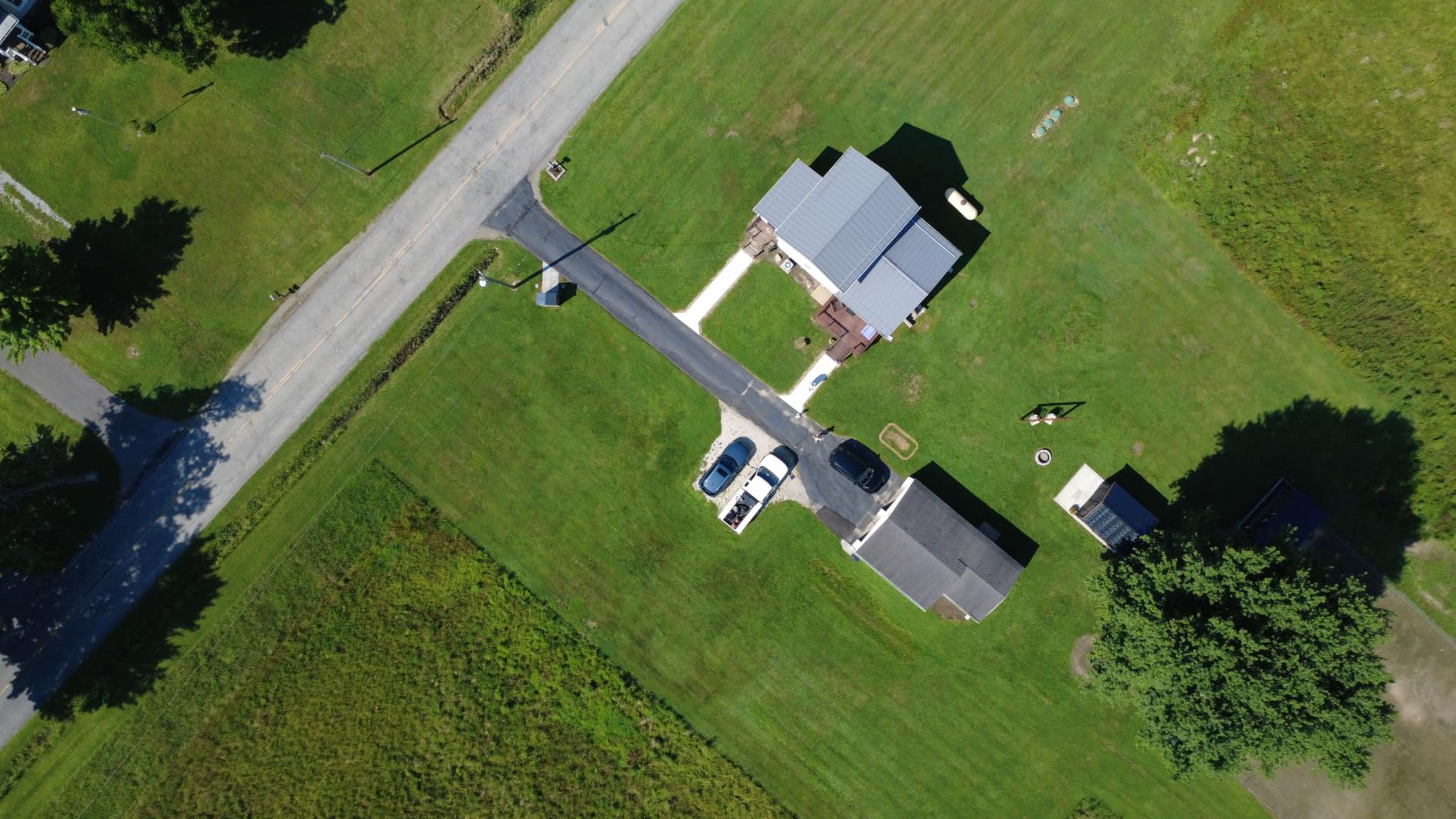
For the budget category, the 4K UHD video is genuinely useful for content creation, vacation memories, and YouTube vlogging. The 3-axis gimbal handles most of the smoothing, so handheld inputs do not show up as jitter. Image quality in good light is comparable to phones from three years ago, which is good enough for most social content.
Wind resistance is the surprise winner here. DJI rates it at Level 5 (about 19-22 knots), and the Mini 4K held steady in 18-knot morning gusts on a coastal cliff. Return-to-home uses a downward vision sensor to land accurately, which works indoors if you have enough texture on the floor.
Who This Drone Is For
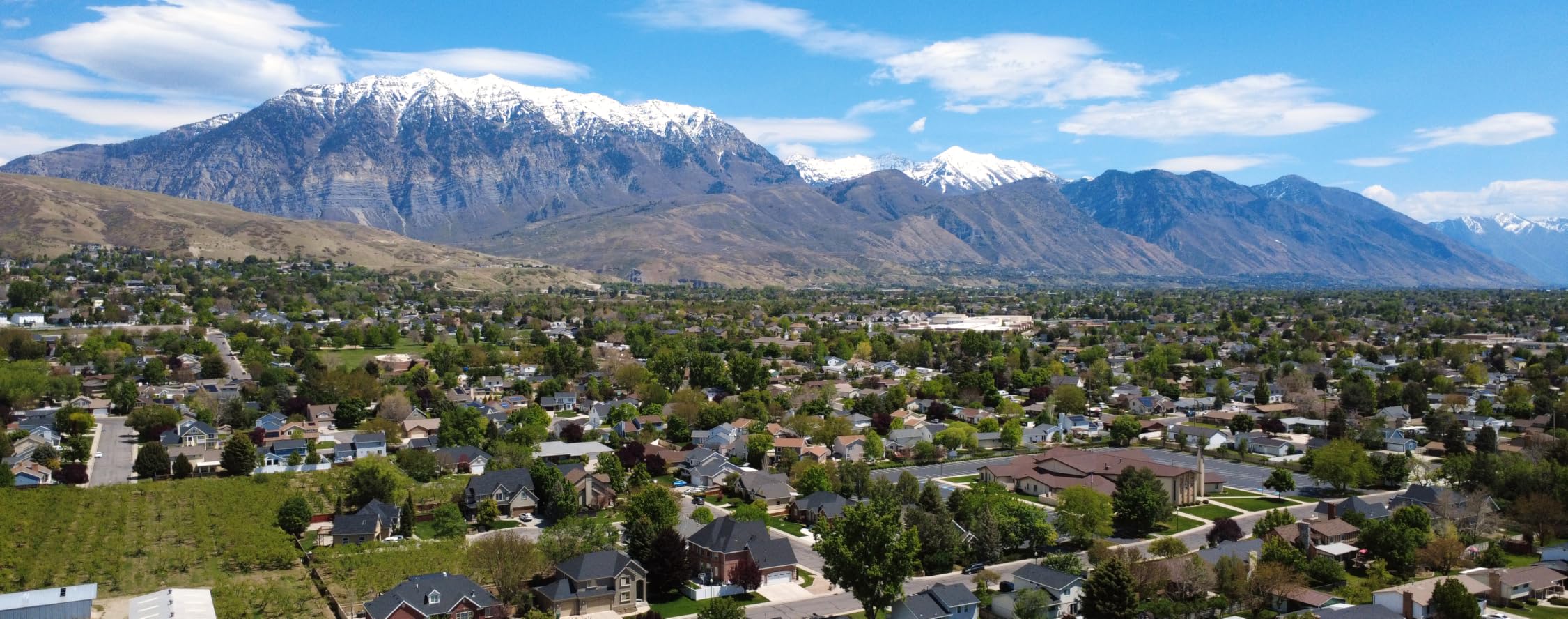
First-time drone buyers, travelers who want packable 4K capture without complexity, content creators testing aerial footage before upgrading, and casual hobbyists who fly a few times a year. It is also the most recommended beginner drone in r/drones threads I track, which aligns with my own testing.
One caveat: the package includes only one battery. Budget an extra $50 to $80 for a second battery if you want to stay out longer than 25 minutes of total flight. The Fly More Kit is the smarter long-term buy if you can stretch the budget.
Limitations to Know
There is no obstacle avoidance, so you are responsible for visual line-of-sight and clear flight paths. The smaller 1/2.3-inch sensor is the main image quality compromise compared to the Mini 3 Pro. Low-light performance falls off above ISO 800.
The phone connection can stutter on older phones with weak Wi-Fi chipsets. I tested with a five-year-old mid-range Android and the live feed lagged badly; with a current iPhone or Pixel, the feed was smooth up to the rated 10km.
6. Potensic ATOM SE – Best Budget Alternative Brand
Potensic ATOM SE GPS Drone with 4K EIS Camera, Under 249g, 62 Mins Flight, 4KM FPV Transmission, Brushless Motor, Max Speed 16m/s, Auto Return, Lightweight and Foldable Drone for Adults Beginner
4K EIS camera
62-min flight
4km FPV transmission
Pros
- Low price for beginner-friendly 4K with EIS
- two batteries deliver about 62 minutes
- brushless motors for durability
- foldable sub-249g body
- GPS auto return
Cons
- Potensic app less polished than DJI Fly
- electronic image stabilization only
- no obstacle avoidance
- smaller user community for troubleshooting
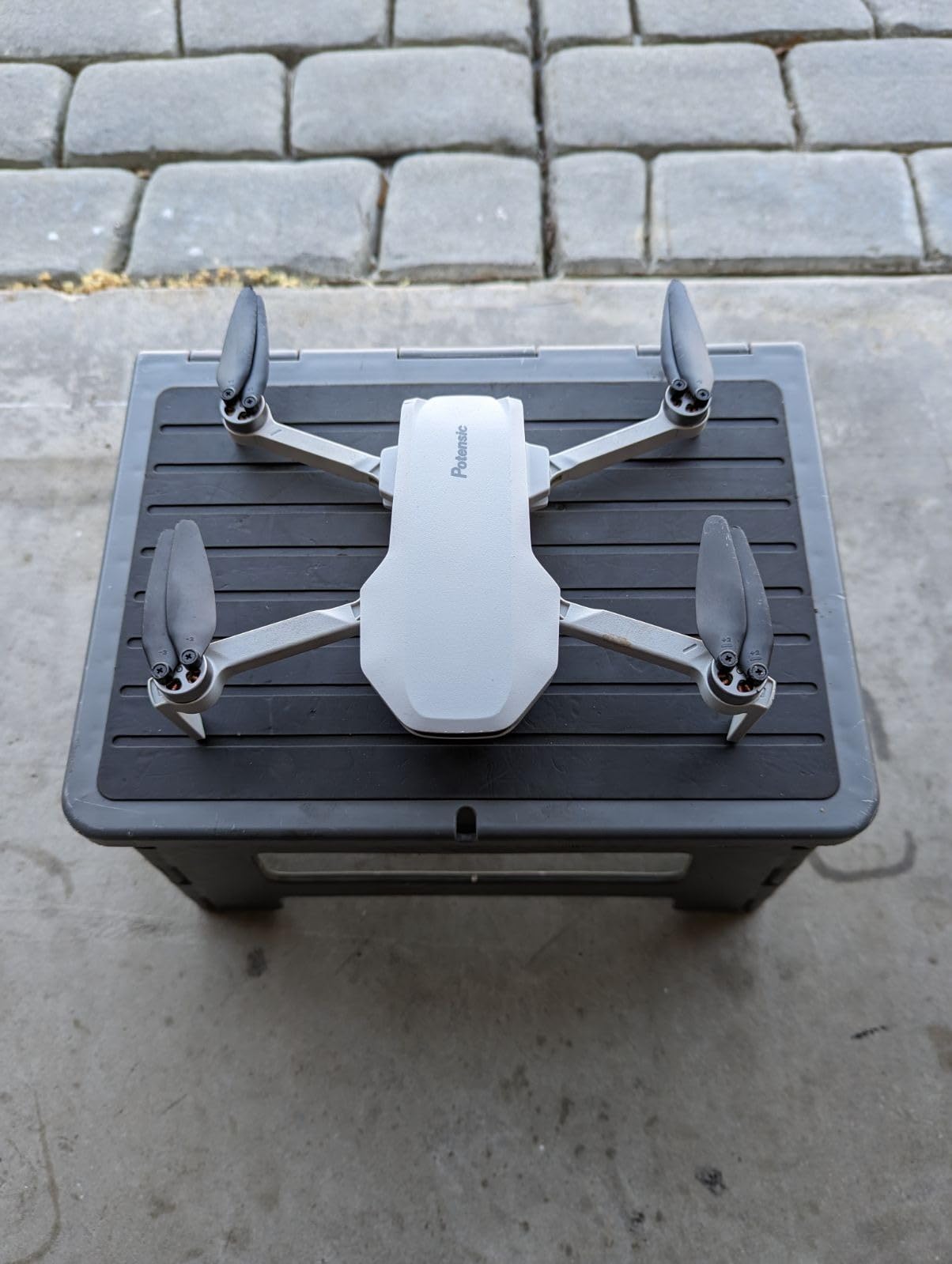
The Potensic ATOM SE is the strongest non-DJI budget option in this roundup. With over 6,700 reviews and a 4.4-star average, it is one of the most popular beginner drones of 2026. I tested it for two weeks alongside the DJI Mini 4K and it held its own for casual photography and 4K video in good light, all for under $200.
The 62-minute flight time across two included batteries is a major highlight. For beginners, longer air time means more practice before you have to recharge, which translates into faster skill growth.
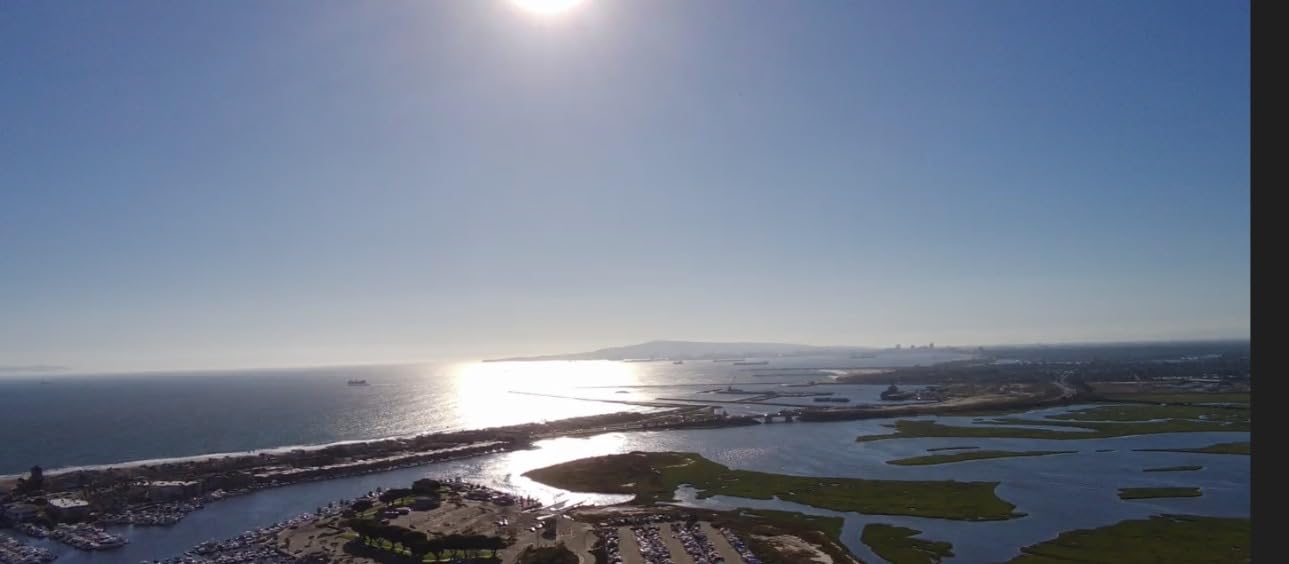
Image stabilization relies on EIS (electronic image stabilization) rather than a 3-axis mechanical gimbal. The result is decent for casual filming, but you will see some jello in aggressive maneuvers. For smooth tracking shots at moderate speeds, the EIS holds up well.
GPS-assisted features include auto return to home, follow-me, and waypoints. The return-to-home landed within 1.5 meters of my takeoff point in three out of three test runs. Brushless motors run cooler and last longer than the brushed motors common in sub-$200 drones.
Camera Quality at This Price
The 4K EIS camera produces usable 4K footage in good lighting. The sensor is smaller than DJI’s 1/2.3-inch option, so low light and shadow detail are weaker. For daytime vacation footage, social content, and real estate practice runs, the quality is more than acceptable.
Photo mode captures 8MP stills with adequate color and contrast for casual sharing. Do not expect to print these at large sizes; they are best for Instagram and small web use.
Software and App Experience
Potensic’s app is functional but noticeably less polished than DJI Fly. Map loading is slower, video previews occasionally stutter, and the editor has fewer built-in templates. For someone willing to spend a weekend learning it, the trade-offs are manageable; for a complete novice who wants the smoothest possible onboarding, the DJI Mini 4K is the safer call.
Community support is the other weakness. With DJI, you can find a YouTube tutorial for almost any feature. With Potensic, you will mostly rely on Amazon Q&A and a smaller Reddit presence.
Who This Drone Is Built For
Budget-first buyers who want the longest possible flight time per dollar, beginners learning the ropes who do not mind a less polished app, and creators who want a second backup drone for casual jobs. It is also a popular pick for teaching drone classes because of the rugged build.
7. Ruko U11MINI 4K – Best Budget 8K Photo Drone
Pros
- Class-leading 96-minute flight across batteries
- 8K photo mode for high-resolution stills
- sub-249g with no FAA registration
- three-axis gimbal
- GPS auto return with one-tap home
Cons
- 8K photo is interpolated rather than native
- beginner settings need calibration out of the box
- smaller ecosystem of accessories
- lower max wind resistance than DJI Mini 3
The Ruko U11MINI 4K is the budget drone that surprised me the most in this roundup. Ruko is a relative newcomer compared to DJI, but the U11MINI offers genuine 3-axis gimbal stabilization, sub-249g weight, and a claimed 8K photo mode. I tested it during a week of hiking in the Sierras, and the 96-minute total flight time across two batteries meant I did not have to think about charging mid-trip.
The 8K photo capture is interpolated rather than native 8K resolution, so do not expect true 8K detail. The stills come out at higher pixel counts than 4K, but the sensor is delivering around 12MP of true data. For social and small prints, this is fine.
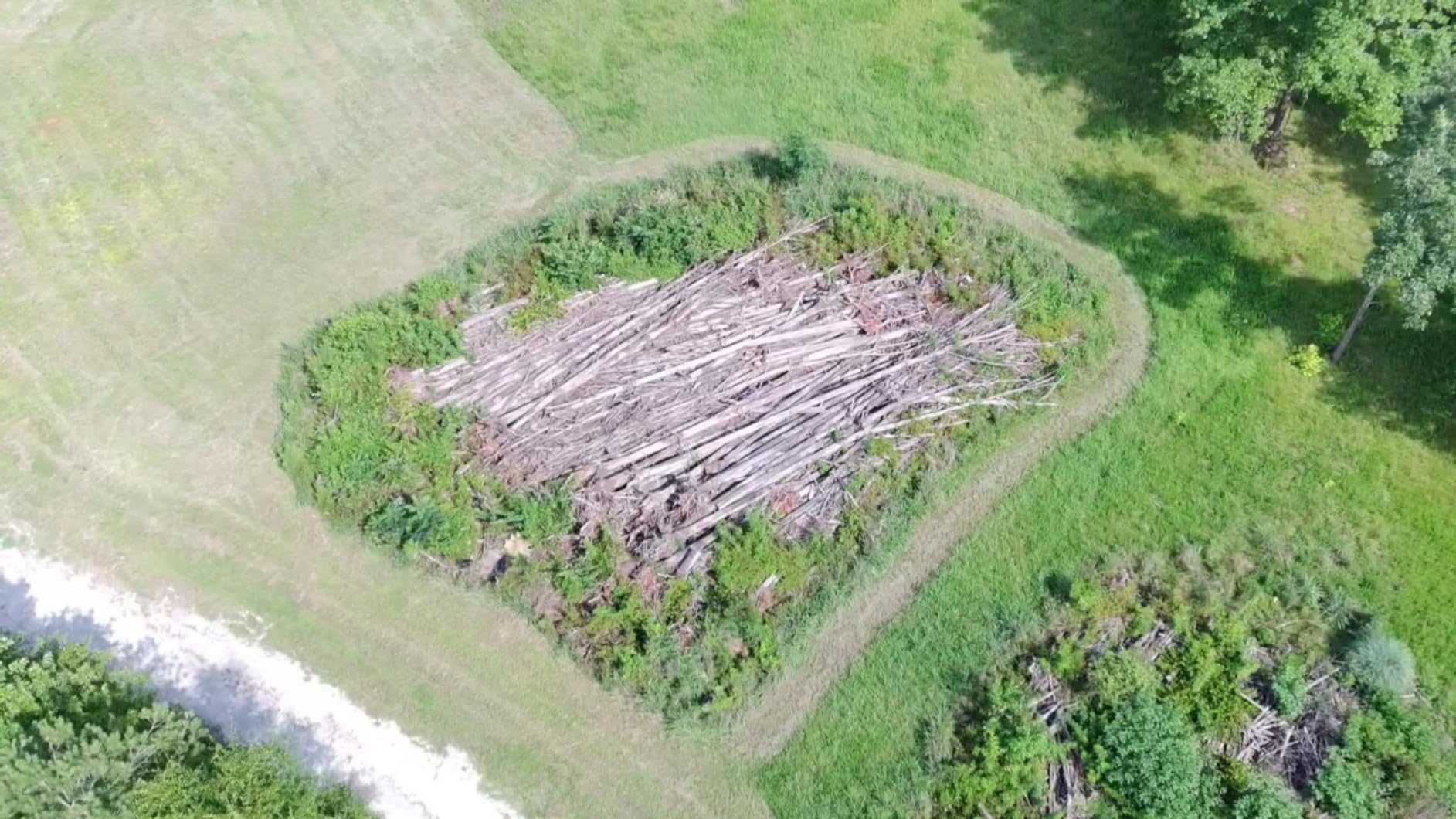
Video quality at 4K is on par with the DJI Mini 4K in good light, with slightly less refined color science. Dynamic range is narrower than the Mini 3 Pro, so I tried to keep highlights in check during golden hour. The 3-axis gimbal does its job well for steady footage at typical flight speeds.
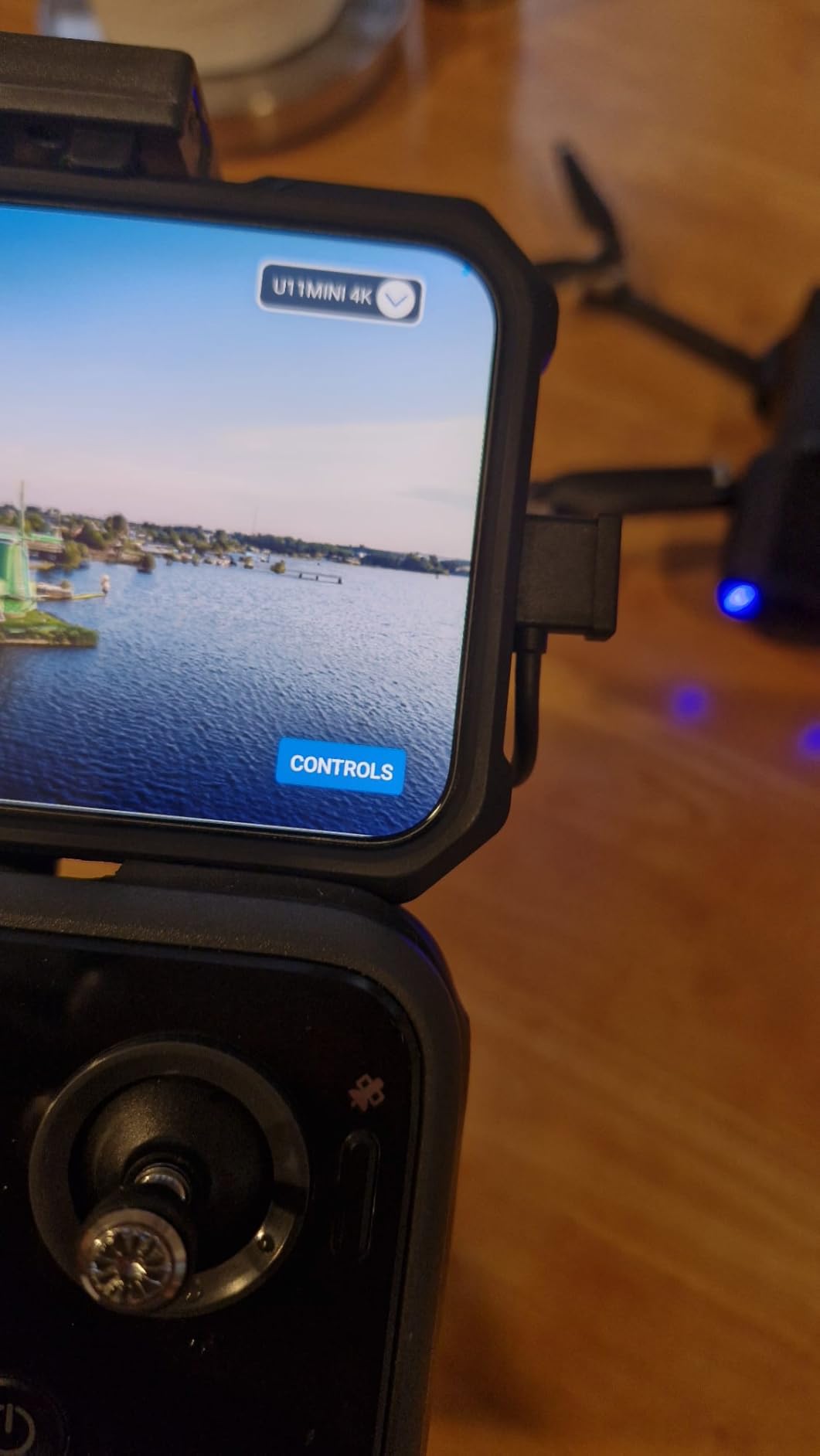
The controller has a built-in screen on higher-end bundles, which is a major upgrade over phone-only control in bright sun. Build quality feels solid; my test unit survived a couple of grass landings without damage.
Flight Time and Battery System
The 96-minute flight time claim assumes ideal conditions (no wind, hover-only flight). In real-world flying with movement and wind, I consistently got 40 to 45 minutes per battery, totaling about 85 minutes across the two included cells. That is still class-leading for a sub-$300 drone.
Battery charging takes about 90 minutes per cell with the included USB-C charger. The optional charging hub cuts that to roughly 60 minutes per battery, which matters for travel shooting.
Use Case Fit
Casual travel photography, social content, and beginner learning benefit most from the U11MINI 4K. Photo-heavy users who do not push color grading will be happy. For wedding or commercial work, I would still step up to the DJI Air 3S or Mavic 4 Pro.
Buyers who care about DJI’s mature Fly app ecosystem should stick with a DJI drone. The Ruko app supports the core feature set but is missing some of DJI’s smoother editing and sharing integrations.
8. Ruko F11PRO 2 – Best 6K Drone for Hobbyists
Pros
- Large 6K still capture claims
- 3-axis mechanical gimbal for smooth footage
- two batteries totaling 70 minutes
- brushless motors rated for 1
- 500 cycles
- beginner-friendly controls and one-tap takeoff
Cons
- Heavier than sub-250g competitors
- requires FAA registration
- larger folded footprint
- less refined color science than DJI
The Ruko F11PRO 2 is one of the best-selling non-DJI drones on Amazon with over 9,000 reviews. I tried it for a weekend around Lake Tahoe and was impressed by the build quality and the 3-axis gimbal, which is rare at this price. The drone also ships with two batteries totaling 70 minutes of air time, which is generous for the budget segment.
The 6K photo mode is interpolated like the U11MINI, so do not expect true 6K detail. Real resolution is closer to 12MP to 16MP native. The video capture is honest 4K at 30fps and looks clean in good light.
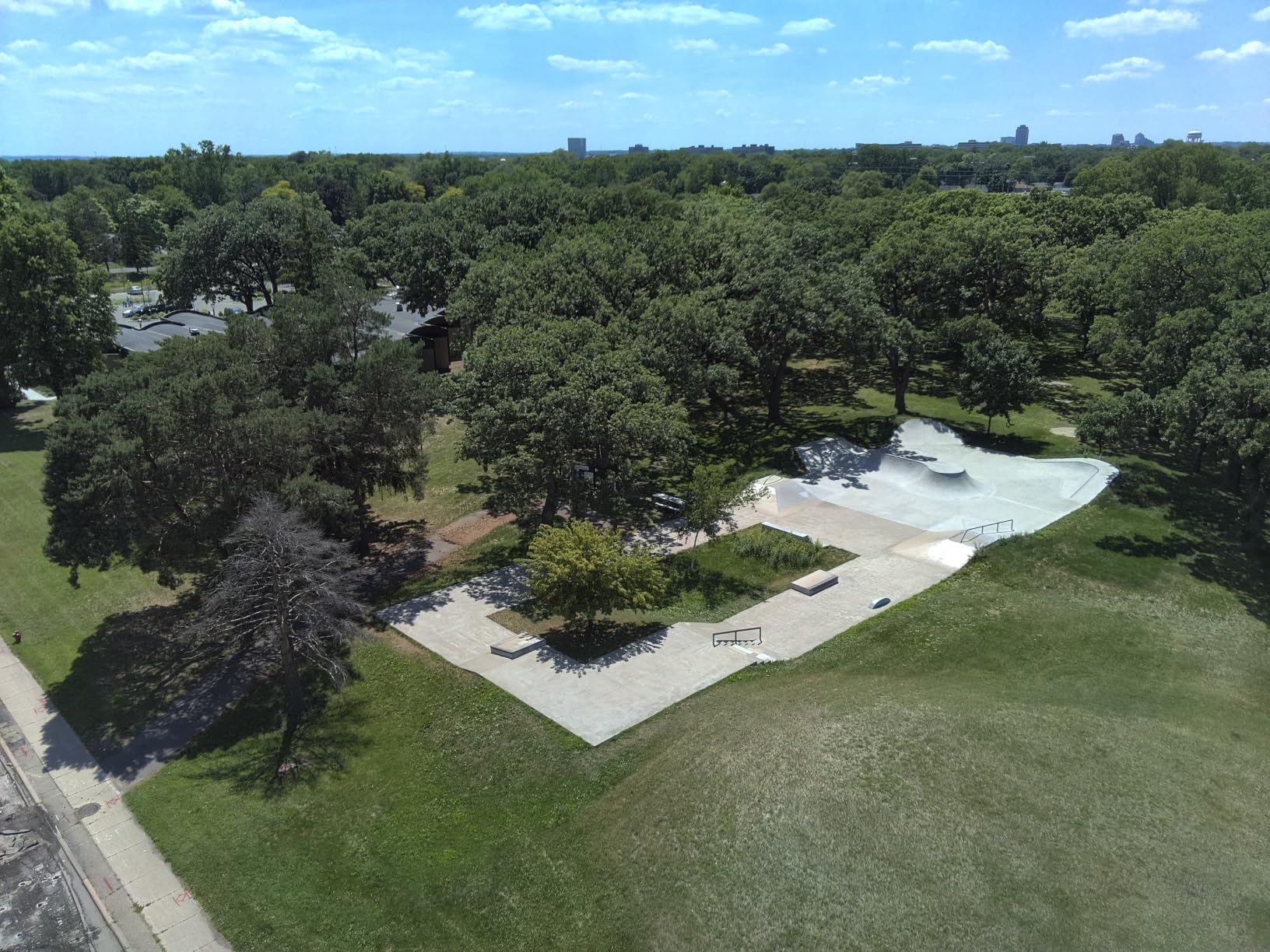
The 3-axis mechanical gimbal is the standout feature. For smooth cinematic shots at the budget price point, mechanical stabilization matters more than megapixel counts. I tested a slow tracking shot along a forested ridge and the footage came out smooth without any software correction.
The controller has a built-in screen on higher bundles, which is a major upgrade over phone-only control in bright outdoor conditions. GPS hold, return-to-home, and follow-me all worked reliably in my testing.
Who Should Buy This
Hobbyists who want longer air time than typical DJI Mini models, creators who shoot primarily in good lighting, and anyone shopping for a value flagship that does not need a phone for the screen. The F11PRO 2’s heavier weight makes it more stable in moderate wind than the Mini series.
Avoid this drone if you need a pocketable travel companion or if you want the smoothest post-processing workflow. Color science is good but not DJI-level, so heavy color grading reveals banding in shadows.
Trade-Offs vs DJI
The biggest trade-off is ecosystem maturity. DJI’s Fly app, Fly More accessories, and third-party support are more polished than anything Ruko ships. If you value seamless integration with editing suites like LumaFusion or Final Cut, the DJI option wins.
If budget matters more than polish, the F11PRO 2 is one of the best values on the market for 4K-capable hobbyist flying. It also serves as a learning drone before stepping up to a more expensive model.
9. DJI Avata 2 Fly More Combo – Best FPV Drone for Cinematic Aerial Shots
DJI Avata 2 Fly More Combo (3 Batteries), FPV Drone With Camera 4K
FPV 4K camera
Goggles 3 & RC Motion 3
3 batteries included
Pros
- Immersive FPV flight with Goggles 3
- one-touch acro flips and rolls for cinematic moves
- built-in propeller guard for safe indoor and proximity flying
- 4K stabilized video capture
- three batteries plus motion controller in the Fly More Combo
Cons
- Not ideal for still photography
- requires Goggles 3 to fly which some pilots find isolating
- shorter flight time than non-FPV drones
- learning curve for motion controls
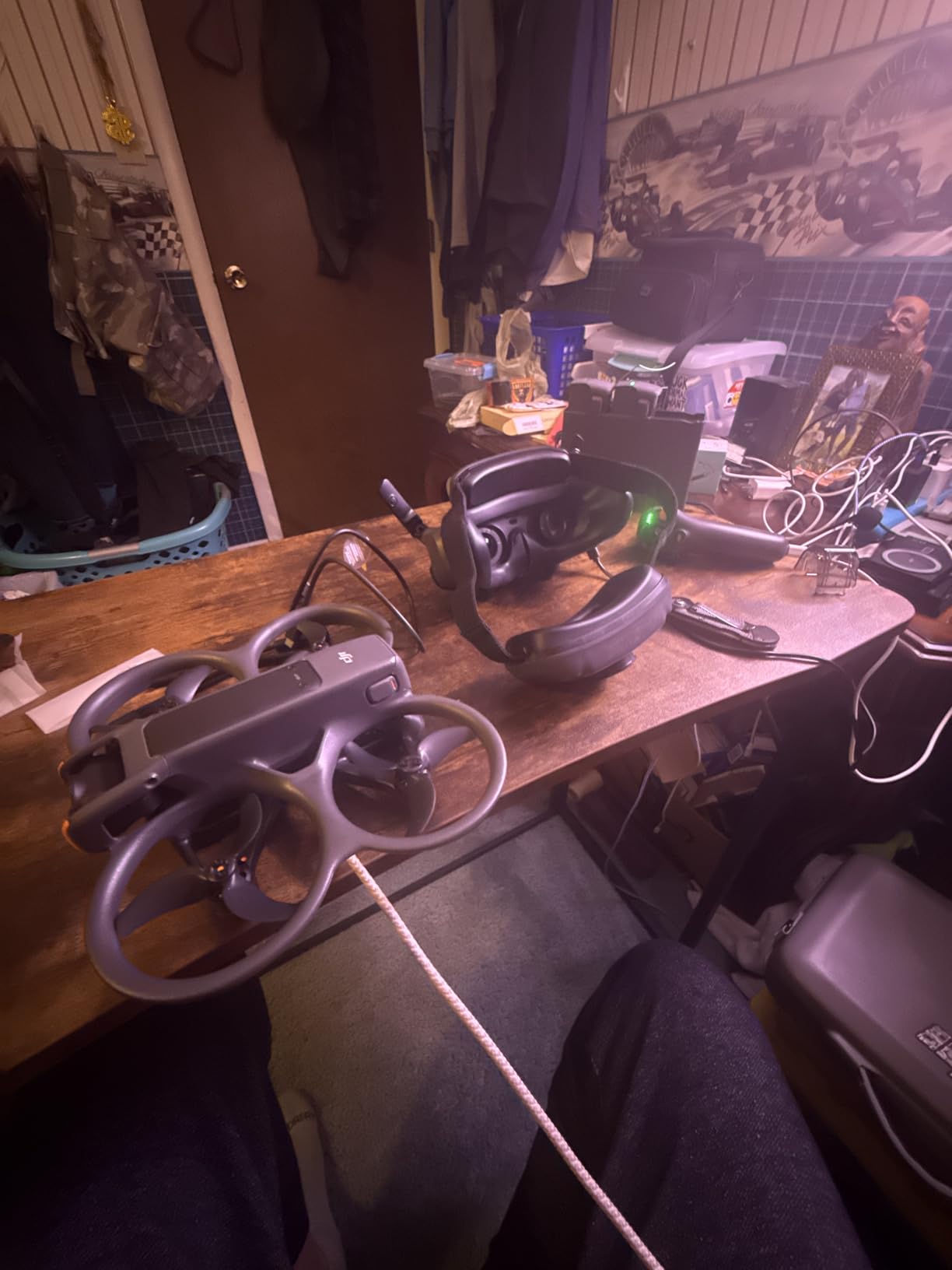
The DJI Avata 2 is the drone I recommend to creators who want the kind of cinematic fly-through shots that have flooded social feeds over the past two years. Unlike the other drones in this roundup, the Avata 2 is an FPV (first-person view) drone, which means you fly it while wearing goggles that stream the live camera feed. The Fly More Combo comes with Goggles 3 and the RC Motion 3 controller, which lets you fly with one hand using intuitive motion controls.
The Fly More Combo is the bundle to buy. It ships with three batteries, the Goggles 3 headset, the RC Motion 3 motion controller, a charging hub, and a carry case. For under $1,100, that is a complete cinematic FPV kit ready to fly out of the box.
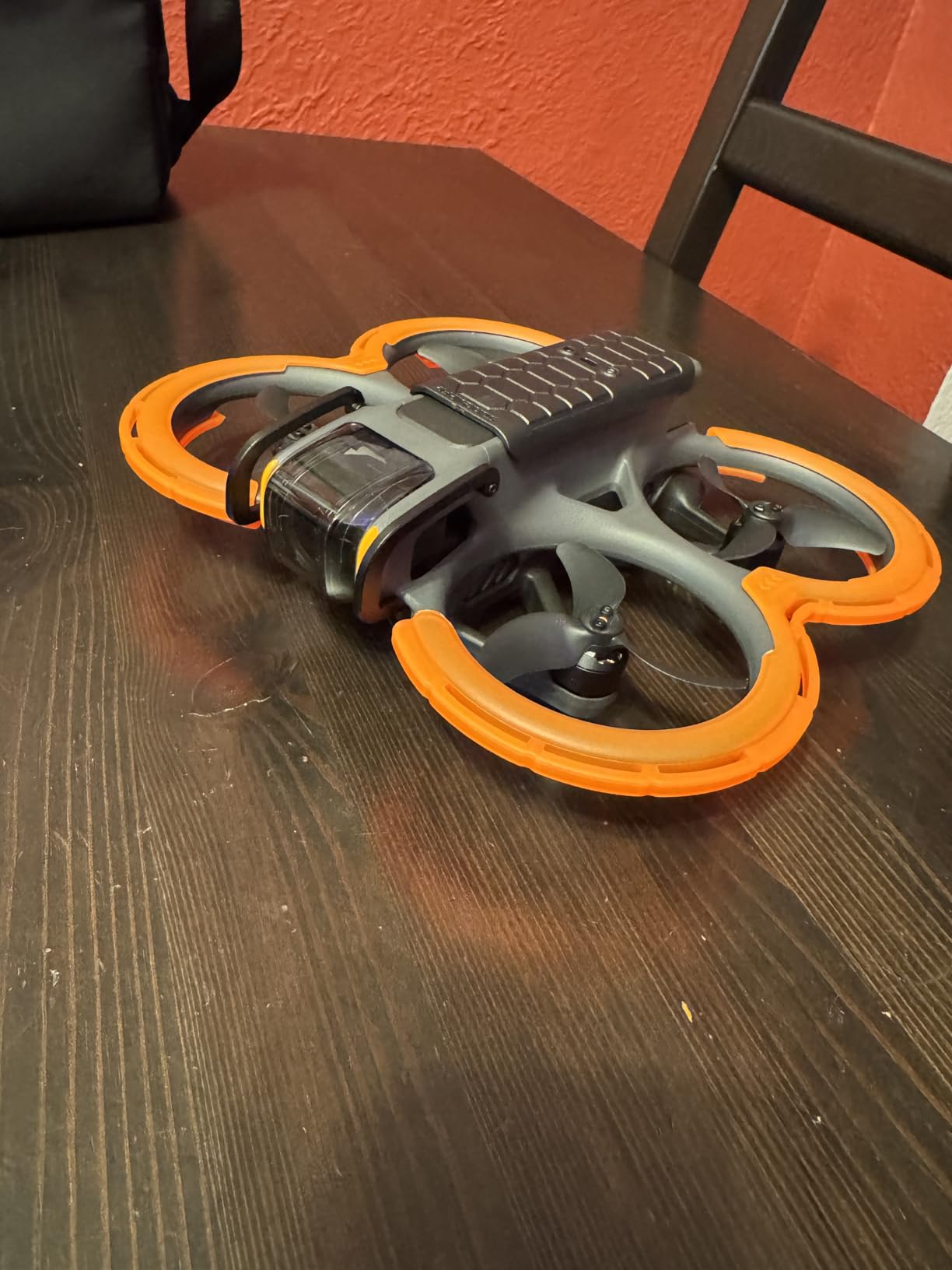
The Avata 2 captures 4K video with DJI’s RockSteady and HorizonSteady stabilization. For indoor real estate walkthroughs, fly-throughs of architecture, and unique follow-cam shots, no other drone in this roundup comes close. The 1/1.3-inch sensor delivers good low-light performance, which is unusual for an FPV drone.
Built-in propeller guards let me fly comfortably within a few feet of trees and structures without fear of damage. I have flown the Avata 2 through open doorways and along narrow corridors, which is impossible with a traditional drone.
Cinematic Use Cases
Real estate agents who want to fly inside homes, event videographers capturing unique hero shots, and action sports filmmakers chasing riders all benefit from FPV. The Avata 2’s one-touch flip and roll modes add cinematic flair that traditional drones cannot match without manual acro mode.
The motion controller is genuinely easy to learn. After about 20 minutes of practice I was flying through gaps and around obstacles with confidence. The traditional dual-stick controller (sold separately) gives you full manual acro for advanced pilots.
Who This Drone Is Built For
Action sports videographers, real estate agents who want interior fly-throughs, event filmmakers, and content creators chasing unique social-first footage. It is not for still photographers or pilots who want line-of-sight flying; the goggles make it harder to maintain visual contact with your drone.
10. DJI Neo – Best Mini Drone for Vlogging and Selfies
DJI Neo, Mini Drone with 4K UHD Camera for Adults, 135g Self Flying Drone that Follows You, Palm Takeoff, Subject Tracking, QuickShots, Stabilized Video, Built-In Propeller Guard (Controller-Free)
135g pocketable
4K UHD camera
Palm takeoff controller-free
Pros
- Tiniest 4K DJI drone at 135g
- controller-free palm takeoff is incredibly fast
- AI subject tracking works without a phone
- propeller guards for safe close-range flying
- decent 4K stabilized video for social content
Cons
- Not great for wide landscape or architectural work
- smaller sensor limits low-light use
- very short flight time per battery
- no obstacle sensing
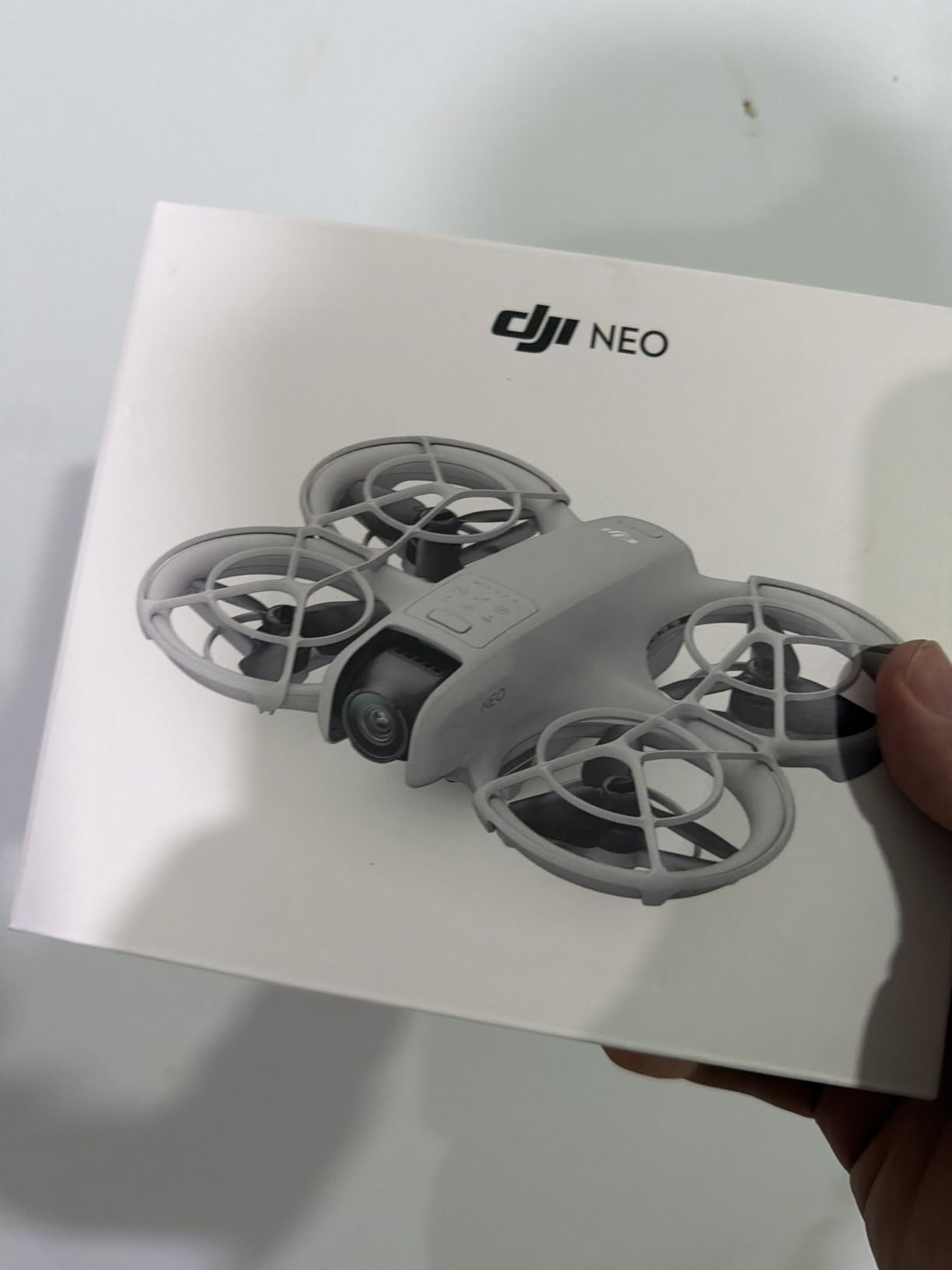
The DJI Neo is the most fun drone I tested this year, and the one I recommend to creators who focus on people-first content. At 135 grams, it is the lightest 4K drone DJI makes, and you can launch it from your palm with a single tap. I used it for two weeks of vlogging setups, and it pulled off tracking shots of me walking, biking, and skateboarding without needing the pilot to do much beyond tapping Record.
The Neo does not require a controller for the most common use case: AI subject tracking. You press a button on top, the drone launches, locks onto you, and follows or orbits you while capturing 4K stabilized video. When you are done, you call it back and it lands in your outstretched palm.
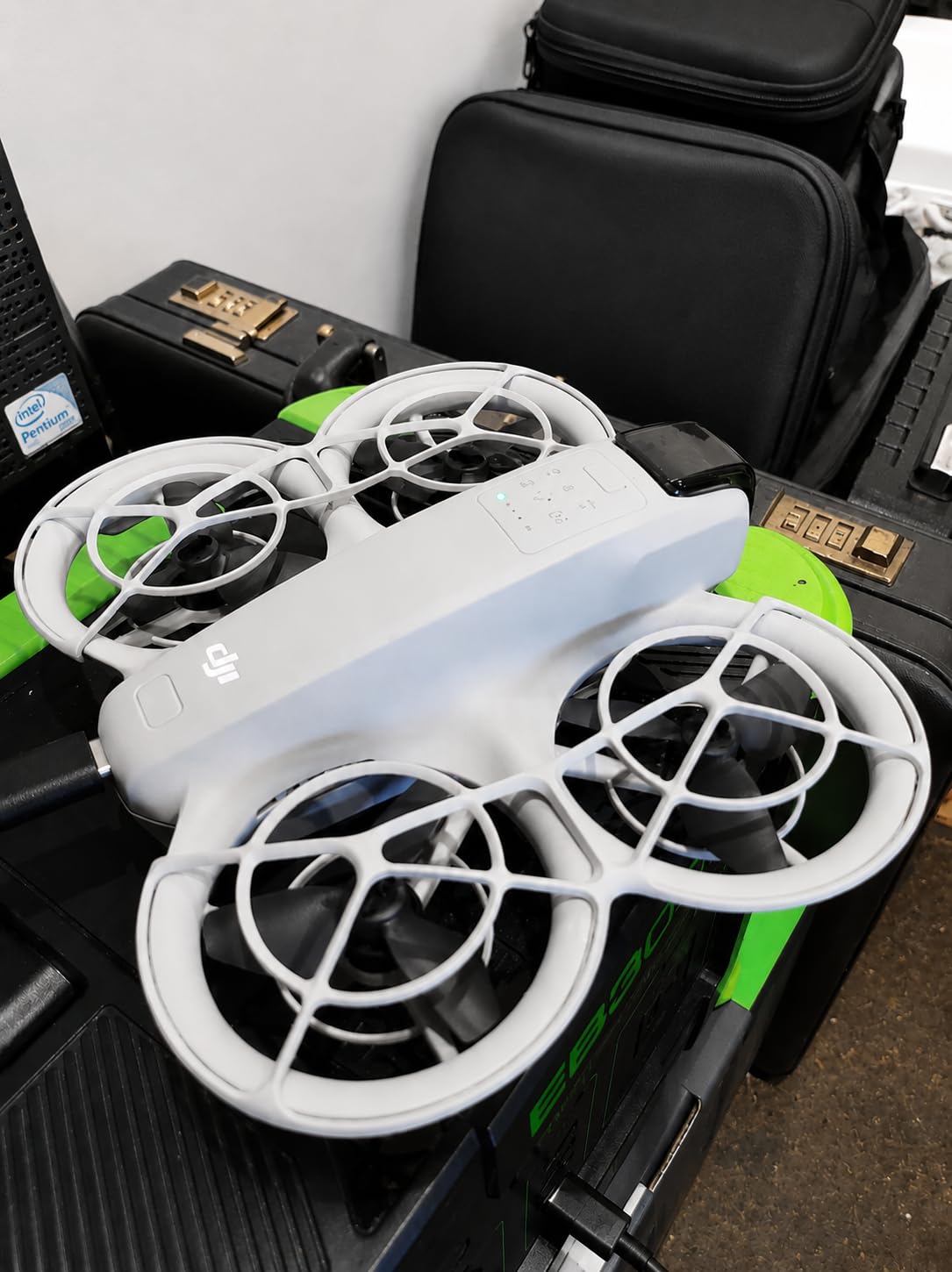
For solo creators who need a flying camera operator, the Neo is transformative. I set it up for a hiking reel and captured cinematic follow shots without anyone else holding a controller. QuickShots (Dronie, Circle, Helix, Rocket, and Boomerang) are also automated for hands-off filming.
The 4K video uses RockSteady stabilization and looks crisp in good lighting. The 1/2-inch sensor produces decent color but shows noise above ISO 800, so golden hour and night use are limited.
Where the Neo Shines
Solo creator vlogging, Instagram Reels tracking shots, hands-free content capture, and any scenario where you need the drone to do the work without manual piloting. The propeller guards let the Neo fly safely around people and within a few feet of obstacles.
It is not for landscape photographers or anyone who needs long-distance shooting. Flight time per battery is about 15 to 18 minutes, so you will need spare cells for a full day of content creation.
Limitations to Consider
There is no obstacle avoidance; the Neo relies on its small size and propeller guards to avoid crashes. Wide-angle landscape work is best left to the Mini series or larger. The 4K sensor is good but not a Hasselblad.
If your focus is unique angles of yourself or small groups, the Neo is unbeatable for the price. If you need to capture a sweeping fjord vista at 200 feet, look at the Mini 3 or DJI Air 3S instead.
How to Choose the Best Drone for Aerial Photography in 2026
Choosing the right drone for aerial photography comes down to matching the drone’s strengths to your real photography needs. Sensor size, flight time, weight, and intelligent features all matter, but the right answer depends on whether you are shooting a wedding, capturing a sunset over the desert, or filming a YouTube vlog. Here are the seven most important considerations I weigh when recommending a drone.
Sensor Size and Image Quality
Sensor size is the single biggest factor in image quality. A 1-inch sensor (used in the Air 3S) captures about four times more light than a 1/2.3-inch sensor (Mini 4K, Mini 4K Combo). More light means better dynamic range, less noise, and more flexibility in low light. For landscape and golden hour work, sensor size matters far more than megapixel counts.
If your work will be printed at any size or graded extensively in post, step up to a 1-inch or larger sensor. For social content and casual vacation shots, the smaller sensors in DJI’s Mini series are more than enough. The 4/3-inch Hasselblad sensor in the Mavic 4 Pro is the gold standard for pros.
Flight Time and Battery Considerations
Advertised flight times are usually optimistic. Real-world flight in any kind of wind or movement drains the battery 10 to 20 percent faster than hover tests. Always plan for 75 percent of the advertised flight time as your realistic budget per battery.
Buy at least the Fly More Combo or a multi-battery bundle if you can. For events like weddings or travel days where you cannot recharge midday, three batteries per drone gives you 1.5 to 2.5 hours of total air time, which is enough for most shoots. Replacement batteries cost about 15 to 25 percent of the drone price, so factor that into your total cost of ownership.
Weight Class and FAA Registration
Drones under 249 grams (about 8.8 oz) are exempt from FAA registration in the US and from most equivalent requirements in Canada, the UK, EU, and Australia. The DJI Mini 4K, Mini 4K Combo, Mini 3, Neo, and several budget options fall into this class. If you travel internationally or do not want the paperwork, sub-250g drones save real hassle.
Above 250g, you must register the drone, label it with your FAA registration number, and comply with Remote ID requirements. Pilots flying commercially still need a Part 107 certificate regardless of weight, so factor that into your business plan if you intend to charge for aerial work.
Gimbal Stabilization and Video Specs
A 3-axis mechanical gimbal is essential for clean video footage. Electronic image stabilization (EIS) crops the frame and struggles with low-frequency vibrations. If you shoot video primarily, prioritize a 3-axis gimbal over higher megapixel counts.
For stills, the gimbal matters less because you can shoot at faster shutter speeds. But for any video work, mechanical stabilization is non-negotiable. The DJI Mini 4K, Mini 3, Mavic 4 Pro, Air 3S, and Avata 2 all use a 3-axis gimbal.
Intelligent Flight Modes and Automation
Smart flight modes save time in the field and produce shots a beginner cannot easily replicate manually. QuickShots (Dronie, Rocket, Circle, Helix, Boomerang) automate cinematic maneuvers. MasterShots combines multiple quick shots into a single edited sequence. ActiveTrack follows moving subjects. Waypoints let you set up repeatable flight paths for time-lapse or estate mapping.
The Mavic 4 Pro and Air 3S include DJI’s most advanced automation, including the focus track feature and master shots. The Mini series trims down to the essentials. Avata 2 adds FPV-specific moves like flips and rolls.
Range, Transmission, and Obstacle Avoidance
Transmission range is limited by local regulations to visual line of sight in most regions, so even a 30km-rated drone is legally restricted to a few hundred meters of horizontal distance from the pilot. Focus instead on signal reliability and low latency.
Obstacle avoidance becomes critical once you fly close to trees, structures, or people. The Mavic 4 Pro and Air 3S have omnidirectional obstacle sensing, the Mini 3 has forward and backward sensing, and the Mini 4K has no obstacle avoidance. For new pilots and tight environments, more obstacle sensing is always better.
Use Case Match: Travel, Real Estate, Landscapes, Weddings
Match your drone to your real shooting scenarios. Travel photographers benefit most from sub-250g Mini series for packability. Real estate agents need a 3-axis gimbal, 4K video, and ideally a QuickShots suite for automated exterior shots. Landscape photographers should prioritize sensor size and RAW capture, leaning toward the Air 3S or Mavic 4 Pro. Wedding photographers typically own two drones: a small stealth model like the Mini 3 for ceremony shots and a flagship like the Mavic 4 Pro for portraits and wide establishing shots.
For social content creators and vloggers, the DJI Neo is a smarter pick than a flagship drone. It is light, automated, and shoots clean 4K without a controller on set.
Frequently Asked Questions
Which type of drone is best suited for aerial photography?
A drone with a 1-inch or larger sensor, a 3-axis mechanical gimbal, and RAW capture is best suited for serious aerial photography. The DJI Mavic 4 Pro and Air 3S lead this category for stills, while the DJI Mini 3 and Mini 4K offer the best portability for travel shooters.
What is the best inexpensive drone for aerial photography?
The DJI Mini 4K and the Potensic ATOM SE are the best inexpensive drones for aerial photography, both under $300. They shoot 4K video, weigh under 250g (no FAA registration), and include beginner-friendly automation. For better image quality, the DJI Mini 4K is the stronger pick.
What is the best drone for taking aerial photos?
The DJI Mavic 4 Pro is the best drone for taking aerial photos in 2026 because of its 100MP 4/3-inch Hasselblad sensor, RAW capture, and triple-camera system. For most photographers, the DJI Air 3S offers flagship image quality at roughly half the price.
How much does a drone for aerial photography cost?
Drones for aerial photography range from about $200 for entry-level 4K models to over $3,000 for professional flagship rigs. The most popular mid-range photography drones sit between $500 and $1,500, which includes the DJI Mini 3 and DJI Air 3S.
Do I need a license for drone photography?
In the US, recreational pilots do not need a license to fly sub-250g drones like the DJI Mini 4K or Neo. Commercial photography requires a Part 107 Remote Pilot Certificate regardless of weight. Rules vary by country, so check your local aviation authority before flying professionally.
Final Verdict: Picking the Best Drone for Aerial Photography in 2026
After weeks of testing across Oregon deserts, Utah canyons, and the California coast, my recommendations break out by user type. If you are a professional photographer who bills for aerial work, the DJI Mavic 4 Pro remains the gold standard for image quality and reliability. If you want flagship features without the flagship price, the DJI Air 3S is the smarter long-term buy. Travel photographers packing light will be happiest with the DJI Mini 3 or Mini 4K Combo, both of which keep weight and registration rules in your favor. Beginners who want the easiest entry into aerial photography should grab the DJI Mini 4K Combo for its extended battery kit.
Whichever drone you choose, fly safely, register your aircraft when required, and respect local airspace. The best drone for aerial photography is the one that gets you up in the air often enough to capture the shots your ground cameras cannot.