
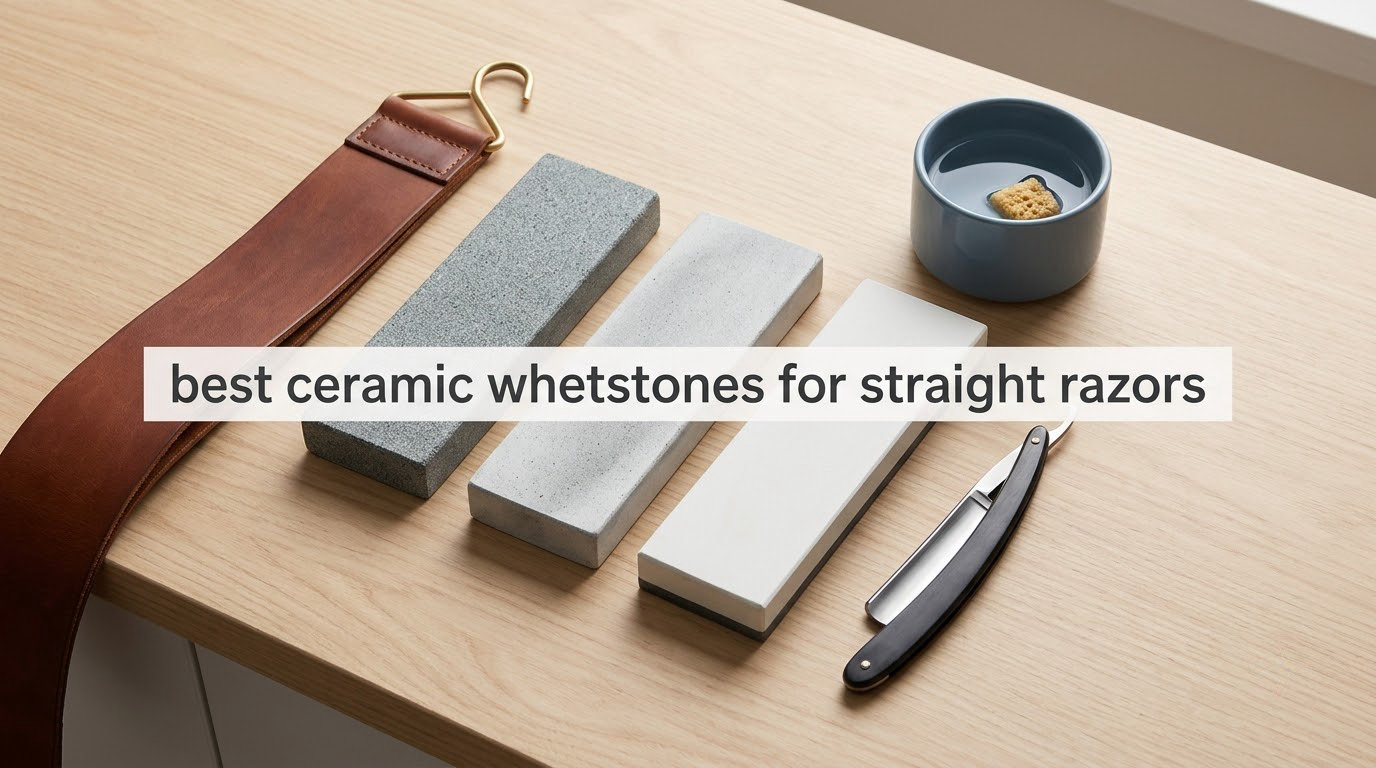
The short answer: the best ceramic whetstone for straight razors is the one that holds its flatness, cuts without loading up, and does not need soaking. Our top pick is the Shapton K0704 5000 grit for finishing, paired with the Shapton K0702 1000 grit for bevel setting. Most people can build a complete ceramic progression around two or three stones and never touch a natural Arkansas block or a Japanese waterstone.
I have spent years honing straight razors on ceramic stones at the bench and I still keep coming back to them for one reason: repeatability. A waterstone is wonderful when it works, but its feedback changes every time it soaks, wears, and dishes. A ceramic stone gives the same surface every session, which matters enormously when you are trying to learn a fixed 20-25 degree bevel rather than chase a moving target.
That said, ceramic has honest limits, and I want to be straight with you about them before the picks. Ceramic stones give almost no tactile feedback. You will not feel a bevel the way you feel it on Arkansas or on a coticule. If you are coming from natural stones and you rely on feel alone, the adjustment is real and takes a few sessions. The trade-off is that ceramic never needs perpetual correction, never needs soaking, and costs a fraction of a good natural hone.
Our Top 3 Ceramic Whetstones for Straight Razor Honing
Shapton K0704 5000 Grit
- Polishing power for finishing
- Storage case doubles as base
- 8.3 x 2.8 x 0.6 inch stone


All 11 Ceramic Whetstones Compared for Straight Razor Work
| Product | Specs | Action |
|---|---|---|
| Shapton K0704 5000 Grit |
|
Check Latest Price |
| Shapton K0702 1000 Grit |
|
Check Latest Price |
| Shapton K0710 8000 Grit |
|
Check Latest Price |
 Naniwa Chosera 3000 Grit Naniwa Chosera 3000 Grit |
|
Check Latest Price |
 Suehiro Cerax 1010 1000 Grit Suehiro Cerax 1010 1000 Grit |
|
Check Latest Price |
 Naniwa Super Ceramic SS-1000 Naniwa Super Ceramic SS-1000 |
|
Check Latest Price |
 Naniwa Chosera SS-800 Naniwa Chosera SS-800 |
|
Check Latest Price |
 Naniwa Chosera SS-400 Naniwa Chosera SS-400 |
|
Check Latest Price |
 Suehiro Cerax 320 Suehiro Cerax 320 |
|
Check Latest Price |
 Naniwa Super Ceramic SS-5000 Naniwa Super Ceramic SS-5000 |
|
Check Latest Price |
 Naniwa Ebijirushi IN-2004 Naniwa Ebijirushi IN-2004 |
|
Check Latest Price |
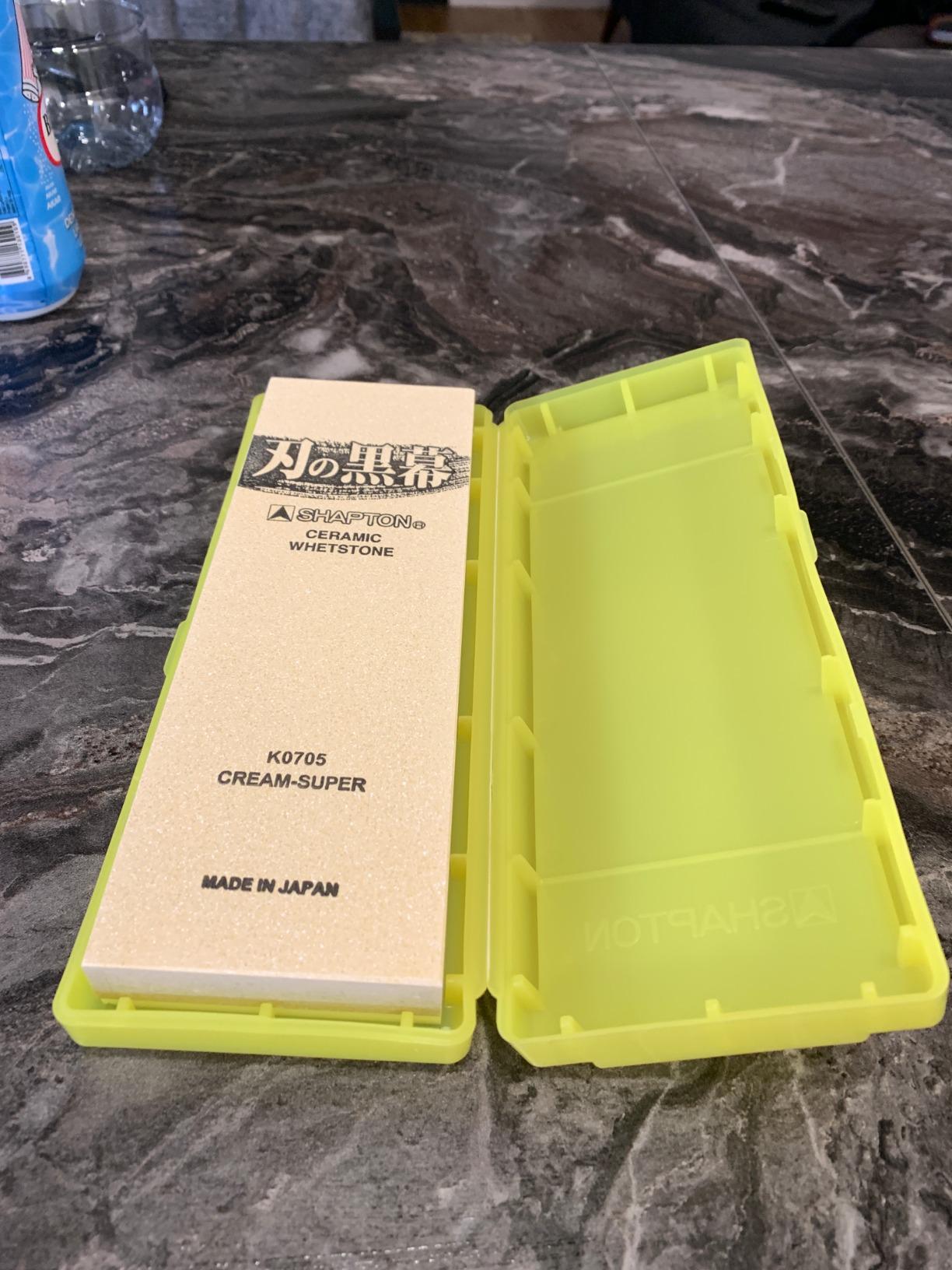
1. Shapton K0704 5000 Grit – The Best Ceramic Whetstone for Straight Razor Finishing
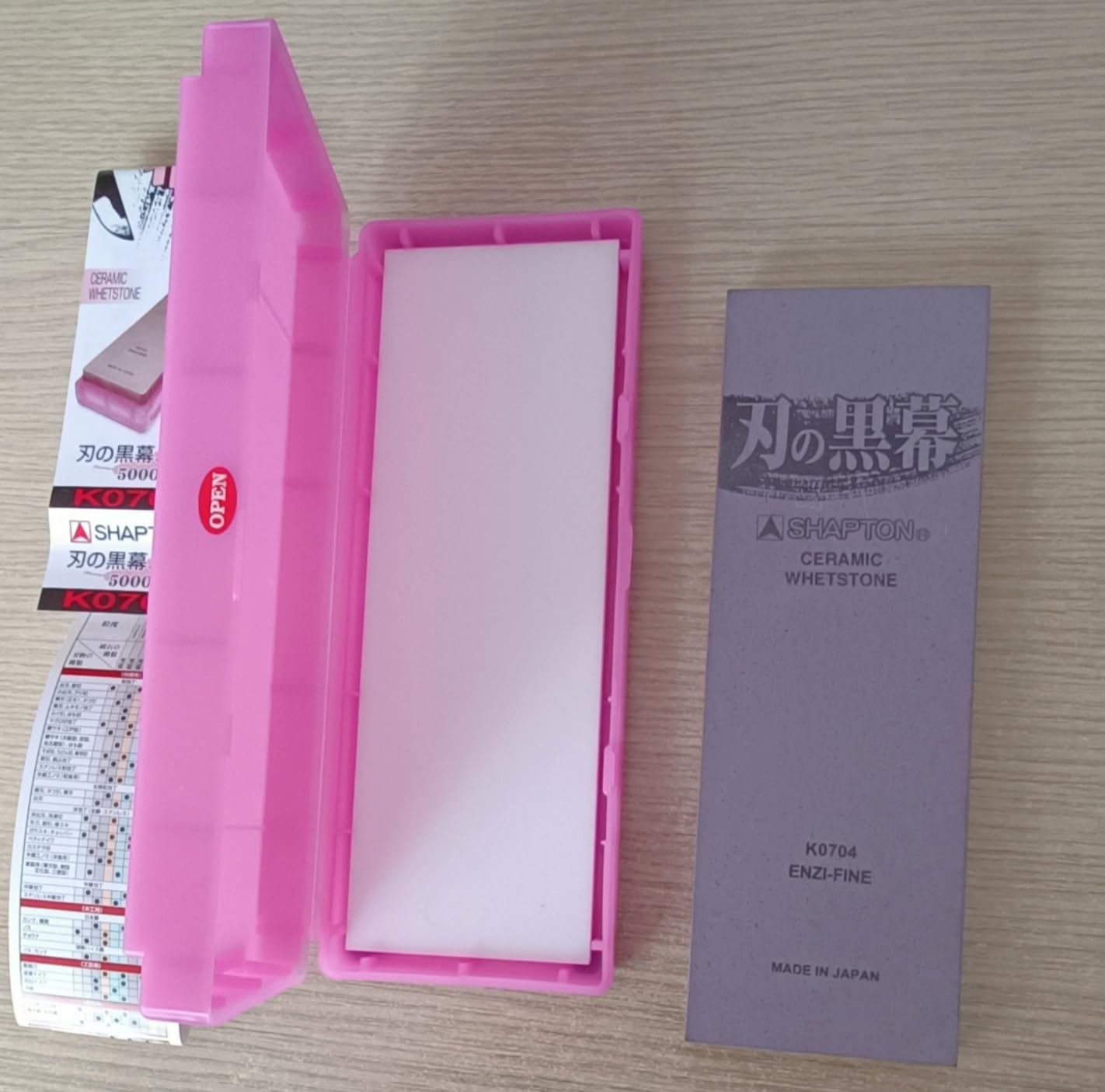
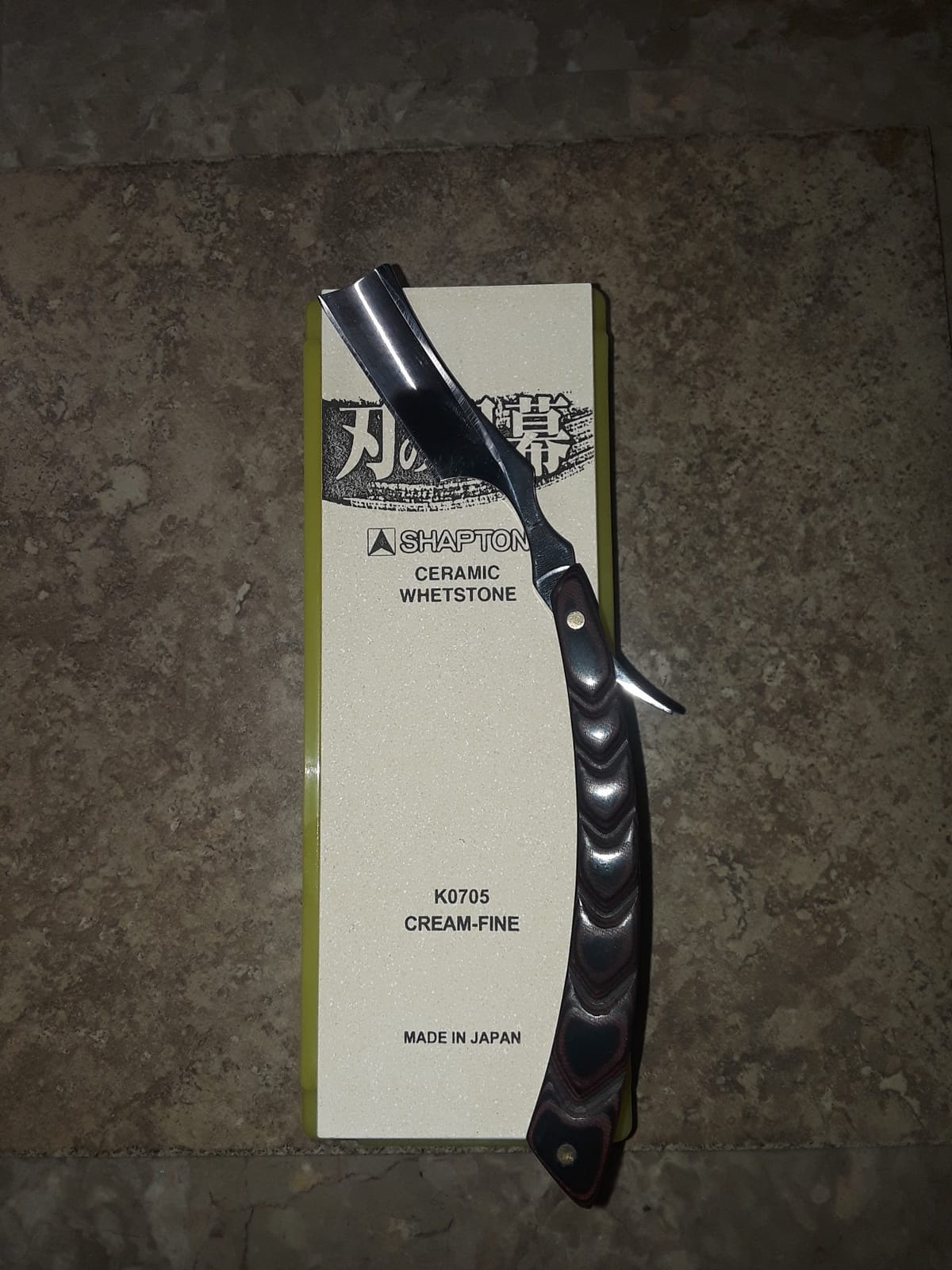
Shapton K0704 Blade Blade, #5000, Finish Enge
#5000 finishing grit
210 x 70 x 15 mm stone
0.5 kg
Case doubles as base
Splash and go ceramic
Pros
- High polishing power at a finishing grit
- Storage case doubles as a sharpening base
- Consistent grit with very slow wear
- No soaking required
Cons
- Feedback feels less smooth than natural finishing stones
- Not a bevel-forming stone on its own
This is the stone I hand to people who already own a coarse hone and want the last step to look like glass. At 5000 grit it polishes faster than most finishing stones and it does it with almost no cleanup, which is the part that matters when you are doing finishing passes on a razor spine-adjacent edge.
What stands out for straight razor work is the combination of polish and predictability. Reviewers consistently describe the finished edge as polished and razor-ready, and with more than 5700 ratings behind the listing, the consistency claim is well earned.
The case that ships with it doubles as the sharpening base. For razor work that is more than a convenience: a stone that walks around under your hands is a stone that will dish unevenly, and dishing on a finishing stone ruins the finish you paid for.
Polishing power is the whole point at 5000 grit
A finishing stone is judged by how quickly it closes a burr into a refined edge and how little tooth it leaves behind. This one does both well. I have used it as the last ceramic stage before a strop on razors with hardened stainless spines and it will take a bevel that looks coarse at 3000 grit and make it look polished in a short session.
The tradeoff is that it leaves almost nothing for your fingers to read. There is no grit feedback on this stone, so if you try to judge progress by feel you will overwork it. Watch the edge instead.
Flatness and the case base keep the finish even
The stone measures 8.27 by 2.76 by 0.59 inches and weighs 0.5 kg, so it is heavy enough to stay put on a wet bench. The molded base that stores it gives you a consistent, repeatable platform each session, which is what stops the long slow dishing that ruins finishing stones.
Who this stone suits and who it does not
Buy this one if you already set your bevels on a coarser stone and you want a partner for it in the same brand and the same splash-and-go routine. Reviewers note the atypical feedback compared with natural finishing stones, so if you are new to sharpening entirely, pair it with a lower-grit stone rather than expecting it to do the whole job.
Skip it if you want a single stone that sets and finishes a bevel. That is not what a 5000 grit is for, and reviewers are candid that this is not a primary bevel-forming stone.
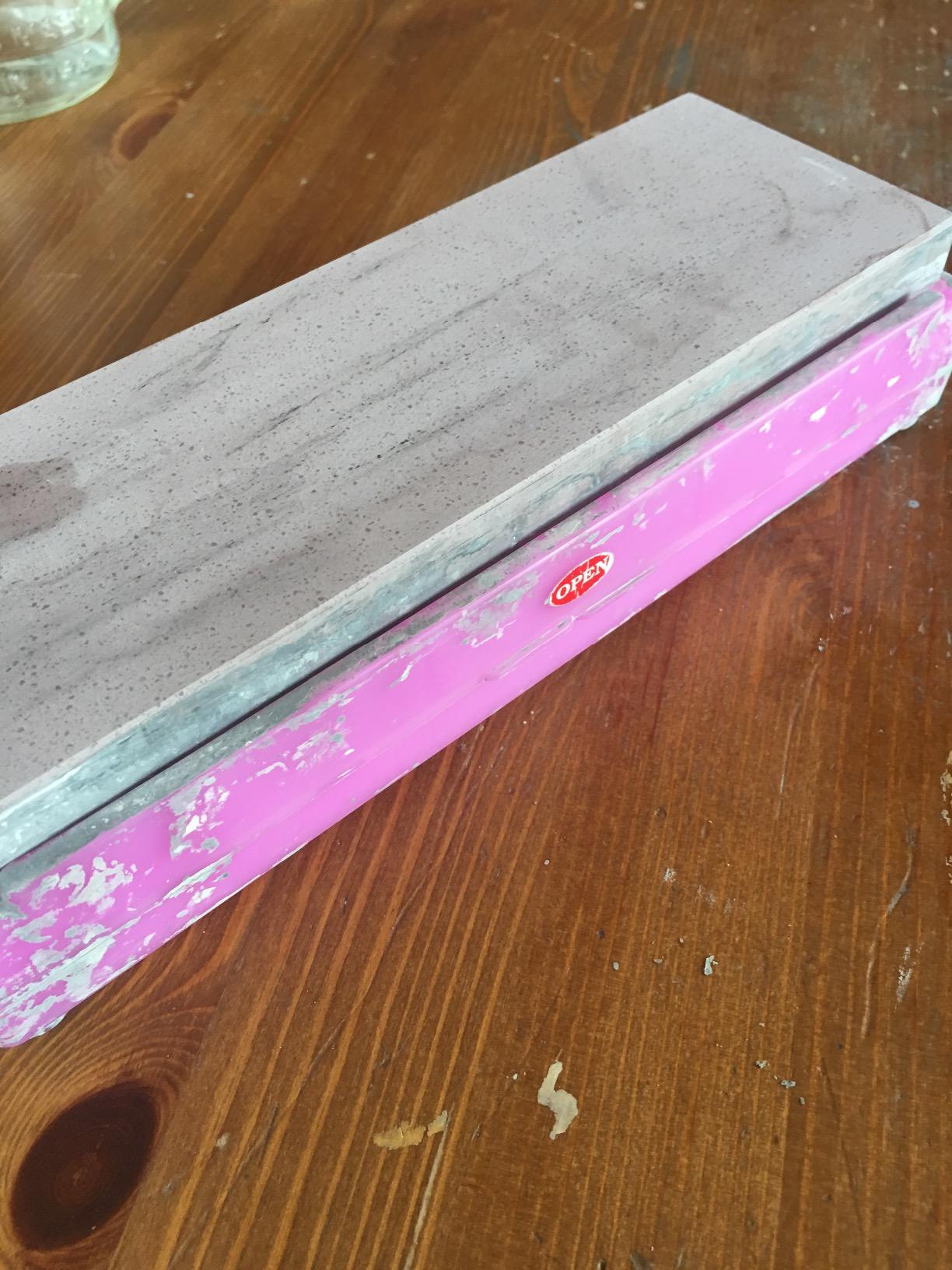
2. Shapton K0702 1000 Grit – Best Value Ceramic Bevel Setter for Straight Razors
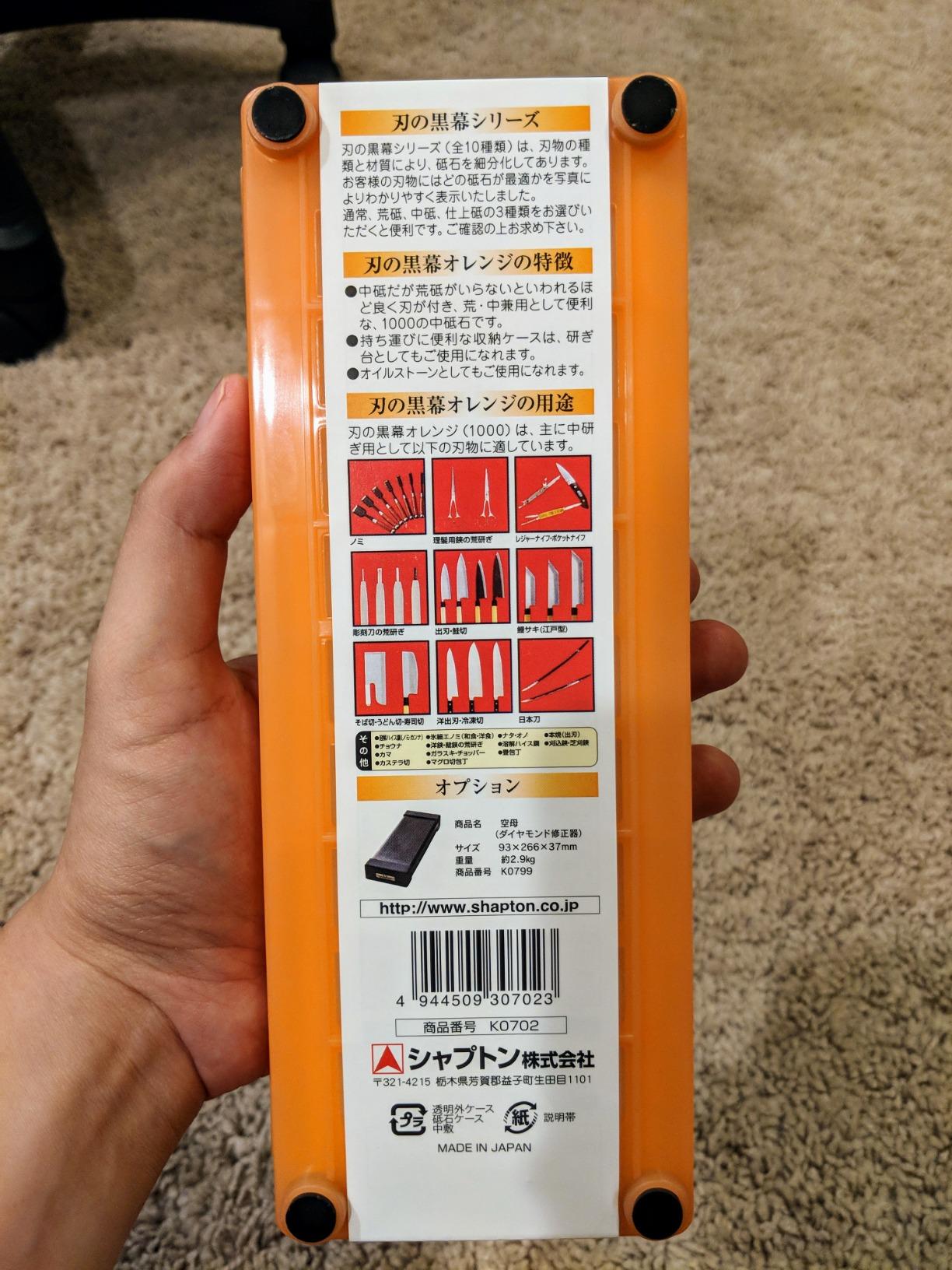
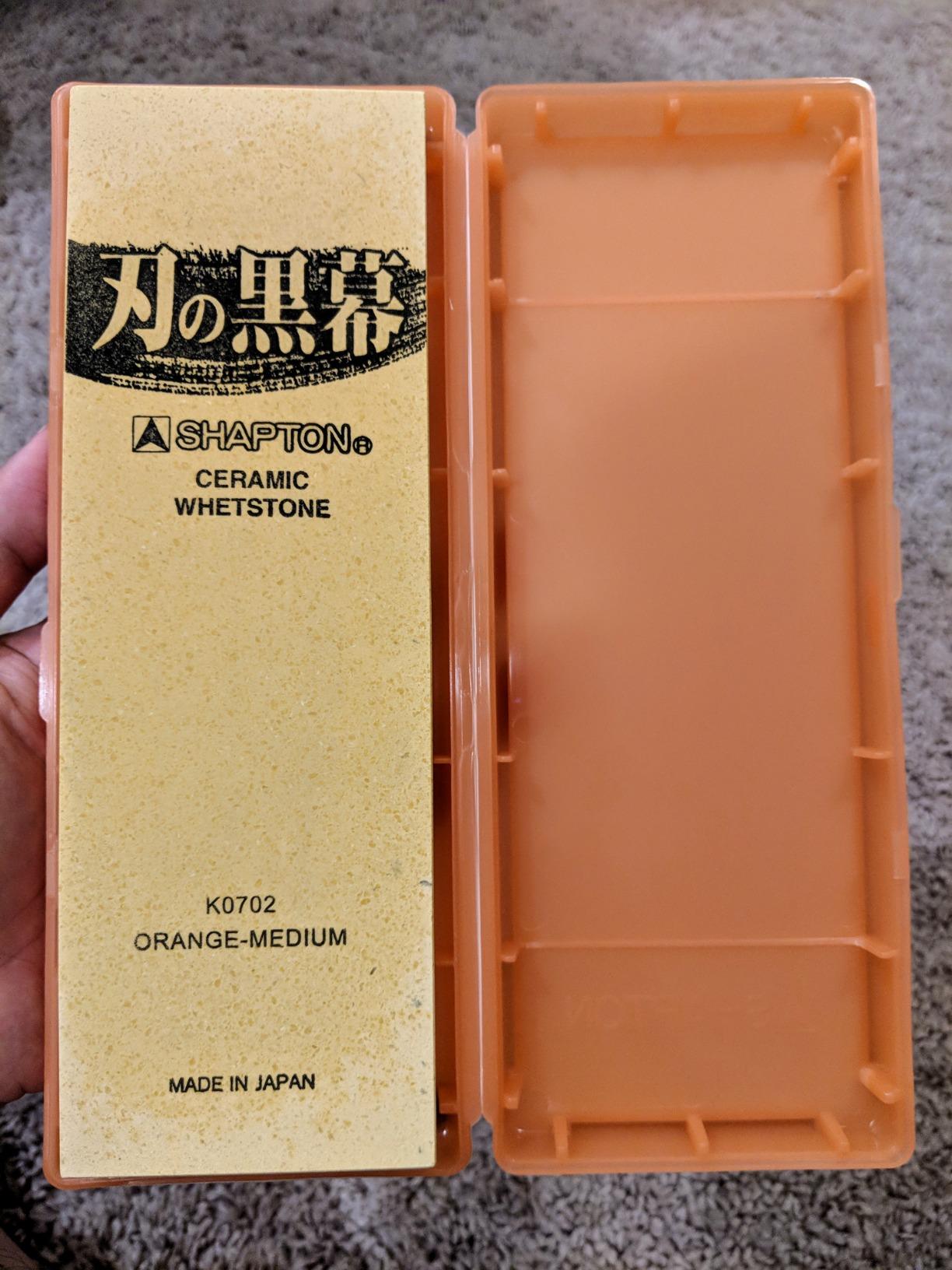
Shapton K0702 Blade, #1000, Medium, Orange
#1000 medium grit
210 x 70 x 15 mm stone
Orange colour
Cleans up with water
Pros
- Versatile grit that can start or finish most jobs
- Hard ceramic that stays flat
- Cleans up easily with water
- Strong best seller ranking in the category
Cons
- Leaves a toothier edge than a dedicated polishing stone
- Can chip if dropped or handled roughly
This is the workhorse in the Shapton line and the stone I recommend to anyone starting out with straight razor sharpening. At 1000 grit it sits exactly where a razor bevel wants to be set and then maintained, and it is forgiving enough to learn on.
Reviewers call it fast-cutting, slow-wearing and forgiving, with good tactile feedback for a ceramic stone. That last part matters more than it sounds, because most ceramic stones give you nothing to feel and this one gives you a little.
For straight razor owners this is the stone that keeps a hollow-grind edge from being over-honed. It removes steel at a rate you can see, then stops.
Why 1000 grit is the working grit for razors
Bevel setting on a straight razor wants a stone that removes steel quickly and evenly across a 20-25 degree angle. A 1000 grit ceramic does that in a manageable number of strokes and leaves a burr you can actually see and then remove. Going coarser than this on a razor usually means gouging, and going finer means you are polishing before the bevel is even true.
The listing itself describes it as good enough to use as a rough or medium sharpener, which is a fair summary of where it sits between a reprofiling stone and a finishing stone.
Durability, flatness and cleanup
It holds its flatness well and wears slowly, which means the face you learn on this year is the face you still have next year. It cleans up with water, which keeps maintenance down to a rinse and a wipe.
The honest limitation is the finish. It leaves a toothier edge than a dedicated polishing stone, so a razor honed only on this will feel good but will not look polished. Stropping closes it up more effectively than any amount of extra work on this grit.
Who should buy this stone
Buy it if you hone weekly or every few days and want one stone that handles both fresh bevel setting and routine maintenance without changing grit. It is the single best value in this roundup for razor owners for exactly that reason.
Be aware that ceramic edges can chip if the stone is dropped or knocked against a hard bench. That is a handling rule, not a flaw in the stone, but it is worth saying out loud.
3. Shapton K0710 8000 Grit – Premium Mirror Polish Ceramic for Straight Razors
Shapton K0710 Melon 8000 Blade Finishing
#8000 finishing grit
210 x 70 x 15 mm stone
500 g weight
Flat from the box
Pros
- Produces a polished mirror-like edge on razors and hard steels
- Flat out of the box with only a light lap needed
- Hard wearing dense ceramic body
- Splash and go with no mud
Cons
- Low tactile feedback compared with coarser stones
- Needs some swarf loading to reach a full mirror polish
- Softer than 12000 grit so heavy pressure can gouge
The 8000 grit is where a ceramic-only progression stops being adequate and starts being genuinely good-looking. On a straight razor, this is the stone that turns a merely sharp edge into one you can see the light travel along.
Reviewers regularly cite it as the go-to final polishing stage before stropping, specifically for razor edges, and highlight that it achieves a smooth finish comparable to a natural whetstone.
It arrived flat for me and for most buyers, needing only a light lap. For a finishing stone on a hollow-grind razor, that saves you a step that most ceramic stones force on you.
Mirror finish versus natural stone finish
The honest comparison with natural stones is that Arkansas and Belgian coticule produce a slightly different character of polish, a bit more draw and a bit of tooth retained in the final edge. The 8000 grit gets you very close visually and functionally, and if your strop is in good shape you will not feel the difference day to day.
Users on Badger & Blade have argued ceramic feels too hard for their taste and prefer stopping at 3000 or 4000 grit with stropping doing the rest. That is a legitimate preference. This stone exists for the opposite view.
Pressure control is the real learning curve
At 8000 grit the ceramic is softer than the 12000 grit stones, and reviewers caution against heavy pressure with a tipped blade because you can gouge. Once the bevel is set and you are refining rather than cutting, use almost no downward force and let the stroke do the work.
Who should buy the 8000 grit
Buy it if you care about the appearance of the edge as much as its function, or if you sharpen vintage razors with hardened steel that needs a very fine finishing stage. Pair it with a 1000 or 3000 grit stone in front and a strop behind.
4. Naniwa Chosera 3000 Grit – The Best All-Round Ceramic Hone for Straight Razors
Chosera 3,000 Grit Stone – with base
#3000 grit ceramic
210 x 70 x 25 mm
1 kg with base
65 x 47 x 32 mm dresser
Pros
- Fast cutting with excellent polish for a 3000 grit
- Very slow wearing and resistant to loading
- Pleasant buttery tactile feedback
- Easy to clean with a spray bottle
Cons
- Some units arrive cracked from shipping or handling
- Stone is glued to the base and cannot be flipped
- Air dry after use to reduce cracking risk
If you want one stone that does the middle of the job well, this is it. At 3000 grit the Chosera sits between bevel setting and mirror finishing, and owners describe it as the best all-round finishing stone in the range with a balance of bite and polish.
For straight razors that middle position is genuinely useful. It is fine enough to refine a burr you set at 1000 and coarse enough to keep correcting small errors on a new bevel before you commit to finishing.
It is also the only stone in this roundup described as having buttery tactile feedback, which is a real change from the dead feel most ceramic delivers.
Thickness matters more than the grit number
This stone is 25 mm thick and weighs 1 kg. That is a genuinely solid block for razor work, and it is the reason it feels stable while you work on a small piece of steel with big hands. Heavier stones dish more slowly and give you a more consistent face.
Cracking reports and how to avoid them
The most common complaint across reviews is that some units arrive cracked, apparently from shipping or handling. Performance on cracked stones is generally reported as unaffected, but inspect yours on arrival. The second most common is that the stone is glued to its plastic base and cannot be removed or flipped.
Air dry it after every use. Uneven drying is what cracks ceramic, and that single habit eliminates most of the complaints in this category.
Who should buy the Chosera 3000
Buy it if you hone regularly, want strong tactile feedback, and prefer one dependable mid-grit stone over a large collection. It is a good match for a 1000 grit stone up front and a strop behind.
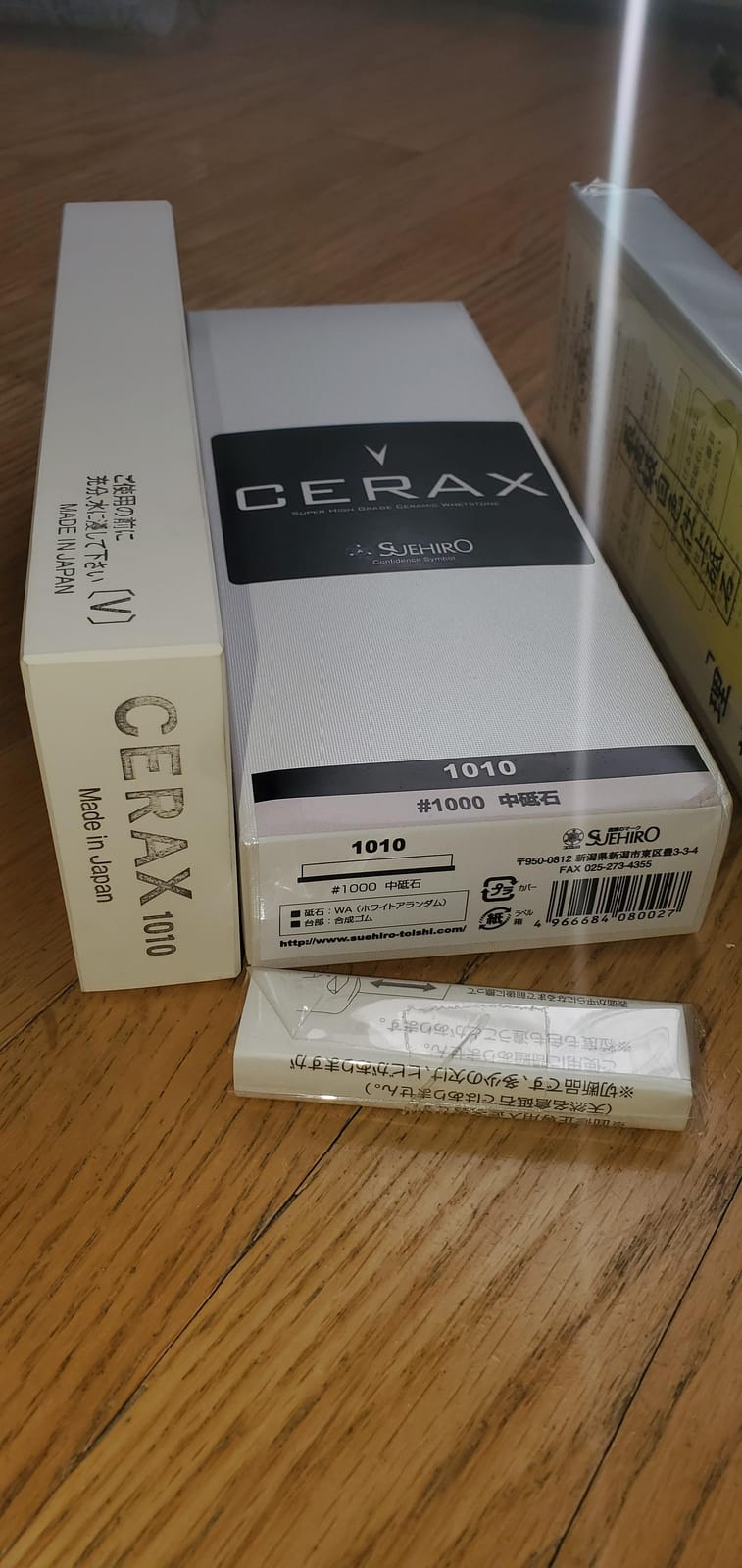
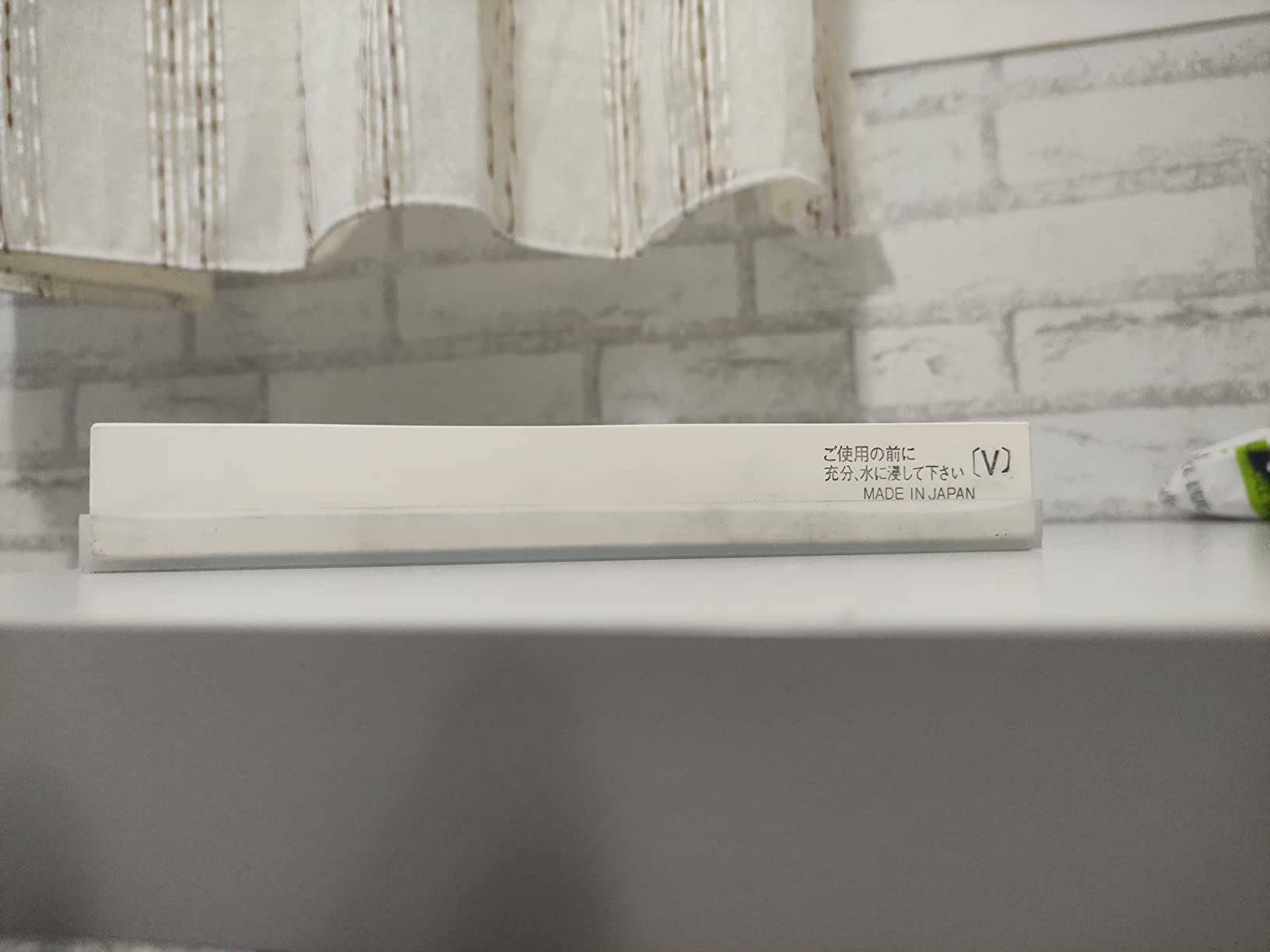
5. Suehiro Cerax 1010 1000 Grit – Best Ceramic Starter Stone for Straight Razor Beginners
Suehiro Cerax 1010 Grit #1000 Sharpening Stone
#1000 medium grit
8.07 x 2.87 x 1.14 inch
Ceramic body
White stone
Pros
- Cuts quickly and resets edges fast
- Durable ceramic body that resists dishing
- Good tactile feedback for a 1000 stone
- Inexpensive way into a Japanese ceramic progression
Cons
- A 1000 grit is a stepping stone and not a final polish
- Thin stone is more prone to chipping than a 25 mm block
The Cerax 1010 is the stone I suggest to someone who owns a straight razor, has never stoned it, and does not want to spend a large amount of money to find out whether they enjoy sharpening.
One user in a knives community put it well, describing budget ceramic stones as cheap but good, noting the grinds are consistent and will teach good habits since you will not be fighting the stone. That is exactly the right use case for a first ceramic.
Users like the fast cut, consistent surface and durability, and typically pair it with coarser and finer Cerax stones to build out a full progression as their skill grows.
Feedback is the beginner advantage here
At 1000 grit this stone gives you enough tactile feedback to learn stroke pressure and angle without the deadness that frustrates people on finer ceramics. For a first attempt at a fixed bevel, that is worth more than any amount of extra polish capability.
The thin stone question
This one is thinner than the 25 mm Naniwa blocks and is more prone to chipping if you knock it. For straight razor work that is not a dealbreaker, but it is another argument for working on a padded bench rather than a metal one.
Who should buy it
Buy it if your razor needs routine maintenance rather than major repair, and you want one dependable medium grit to learn on. You will eventually want a finer stone, but you do not need one on day one.
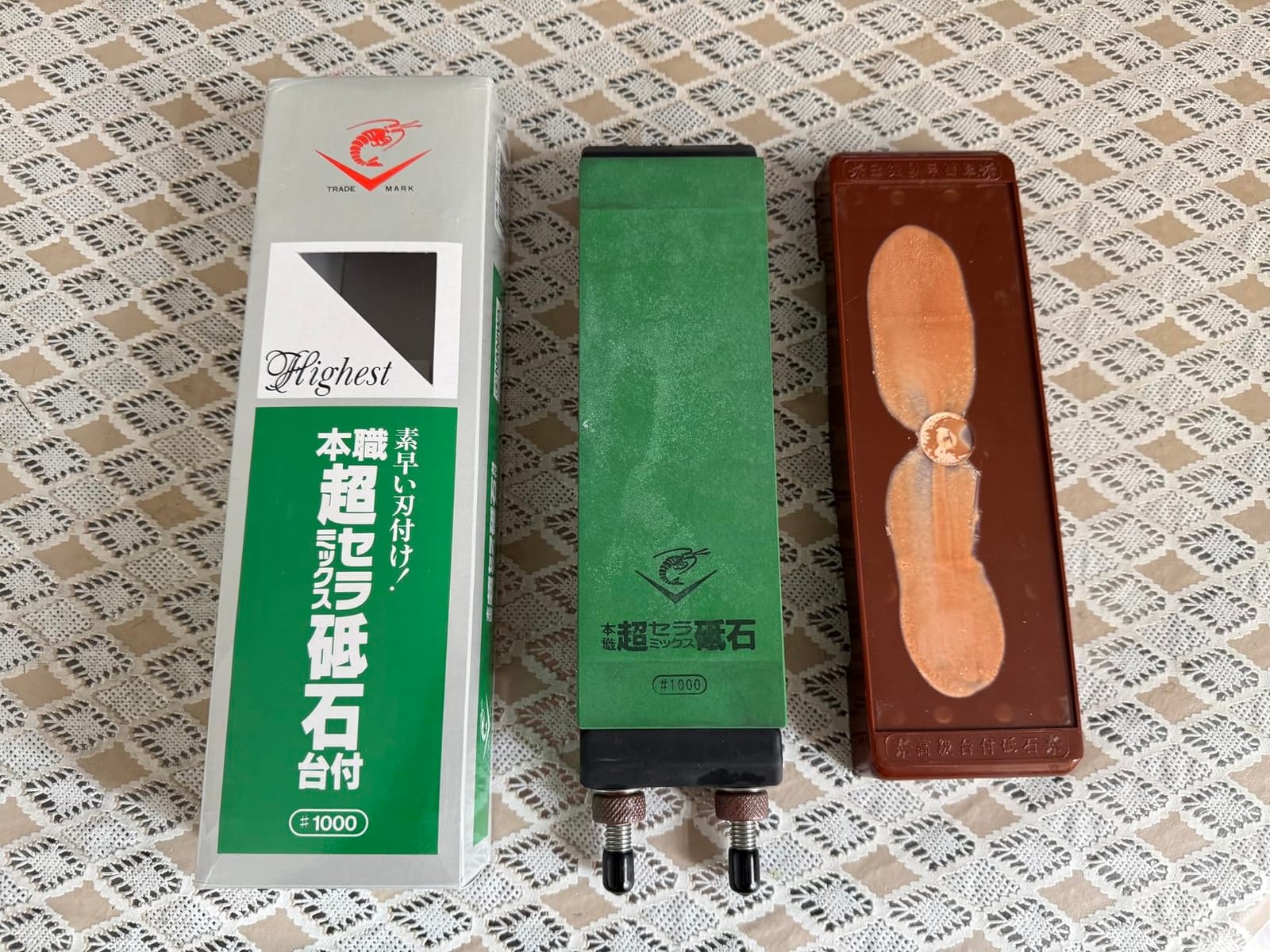
6. Naniwa Super Ceramic SS-1000 – Thick Block Ceramic Hone for Straight Razor Daily Use
1,000 Grit Super Ceramic Water Stone with a Base (Japan Import)
#1000 medium grit
210 x 70 x 25 mm
0.9 kg
Green stone with base
Pros
- Hard fast-cutting surface with smooth tactile feel
- Very slow wearing and holds flat well
- No soaking and no mud
- Base and nagura dressing stone included
Cons
- Stone is glued to the plastic base and cannot be removed
- Needs occasional lapping to stay flat over heavy use
This is the standard first hone in serious sharpening kits and it has earned that position. At 1000 grit in a 25 mm block, it is a proper working stone rather than a light one, and it is the one I reach for when a razor just needs a refresh rather than a rebuild.
Reviewers praise the balance of cut speed, feedback and polish above its nominal grit, along with its resistance to loading. Loading is the enemy of ceramic stones because it glazes the face, and a stone that resists loading keeps its bite for years.
It is 210 by 70 by 25 mm, which is the size you want for a razor because it gives you room to lay the blade down lengthwise without running off the edge.
Why thickness beats grit for razor work
A razor is a small piece of hard steel worked over a short stone face. Thin stones flex and rock under that load, and a rocking stone produces an uneven bevel that no amount of careful technique will fix. A 25 mm block at 0.9 kg simply does not move.
The trade is that the stone is bonded to its plastic base. That is convenient for stability and inconvenient if you ever need to flatten the surface yourself with a diamond plate.
Lapping frequency on this stone
Forum consensus is that ceramic stones should be lapped before nearly every honing session with a diamond plate, though plenty of users question whether that is really necessary each time. On this one, reviewers note it needs occasional lapping to keep flat over heavy use, which puts it on the lighter end of that requirement.
Who should buy it
Buy it if you hone every few days and want a thick, stable, no-soak stone that will not degrade over a decade of use. It is an excellent companion to the Shapton 5000 grit for finishing.
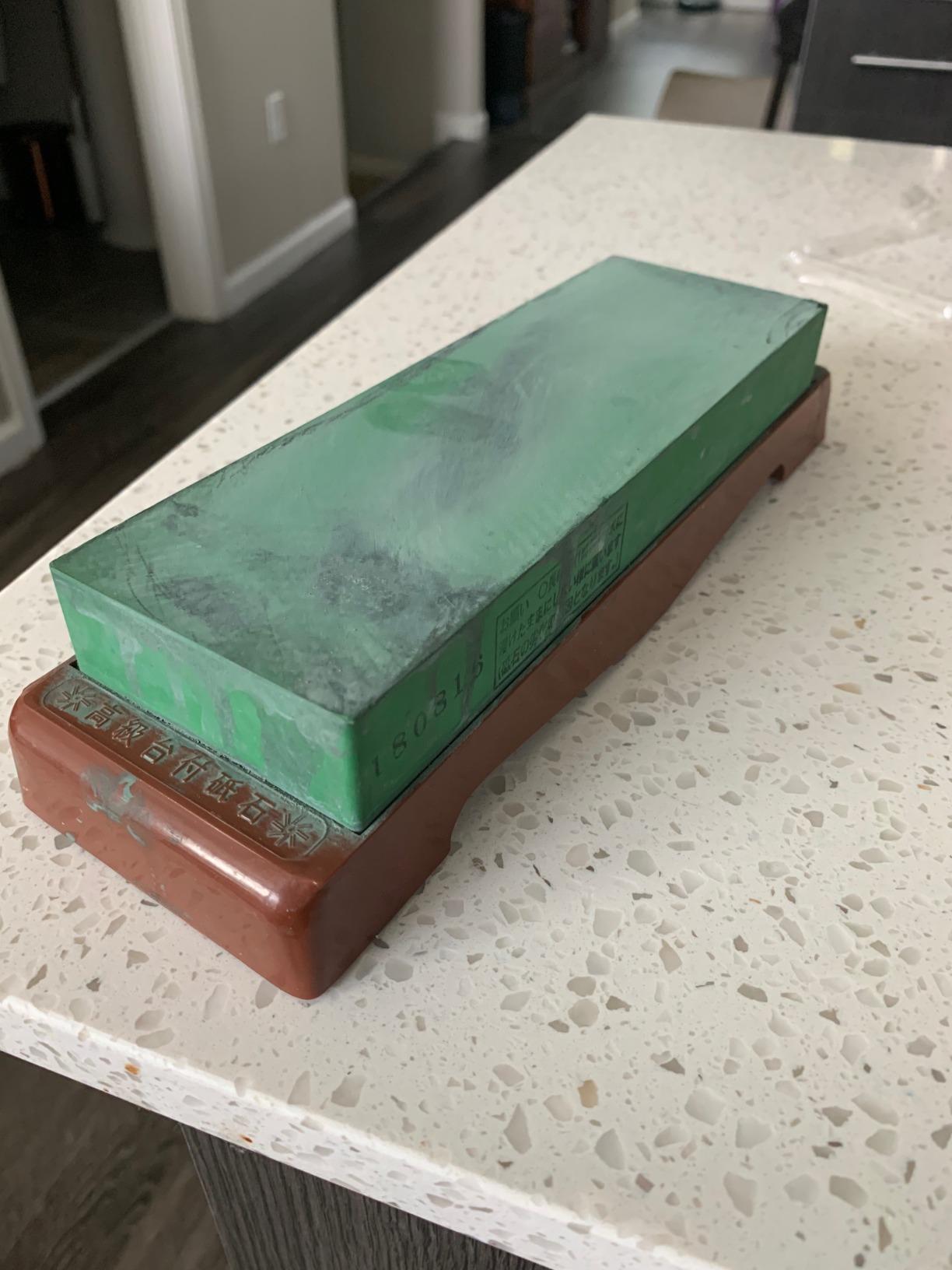
7. Naniwa Chosera SS-800 800 Grit – Fast Stock Removal Ceramic for Straight Razor Reshaping
Shrimp Corporation SS-800 Professional Super Ceramic Whetstone with Base #800
#800 grit medium
210 x 70 x 25 mm
0.9 kg
Brown stone with dresser
Pros
- Fast even cutting with strong stock removal
- Extremely high share of five-star ratings among verified reviews
- Hard slow-wearing ceramic that stays flat
- Base and dressing stone included
Cons
- Coarse grit leaves a pronounced burr needing a finer follow-up
- Stone is bonded to the base limiting flattening access
The 800 grit is the stone for when a straight razor needs more than maintenance. It is considered one of the most consistent medium-coarse ceramic hones available, and users highlight predictable stock removal and a smooth splash-and-go surface.
On razors this grit is where you reshape a bevel that has been over-polished into something too fine, or correct a slightly crooked edge before committing to finishing. It is a corrective tool as much as a sharpening tool.
Of the stones here it has the strongest concentration of five-star ratings, at 91 percent across verified reviews, which is a fair signal for consistent manufacturing rather than a lucky batch.
Where 800 grit sits in a razor progression
Between 400 and 1000, 800 grit removes steel at a pace where you can still watch your angle. Use it when the bevel exists but the edge is not behaving, and skip it entirely for routine touch-ups where 1000 grit and a strop will do the job.
Burr management on coarse ceramics
Coarse grit leaves a pronounced burr, and on a hollow-grind razor that burr is fragile. Work it off with light pressure on the next stone rather than trying to remove it on the coarse stone, and keep strokes to the flat of the stone rather than the edges.
Who should buy it
Buy it if you sharpen more than just razors, or if you regularly restore vintage razors that have seen hard use. Its 210 by 70 by 25 mm face gives you room for long, straight strokes that make resizing faster.
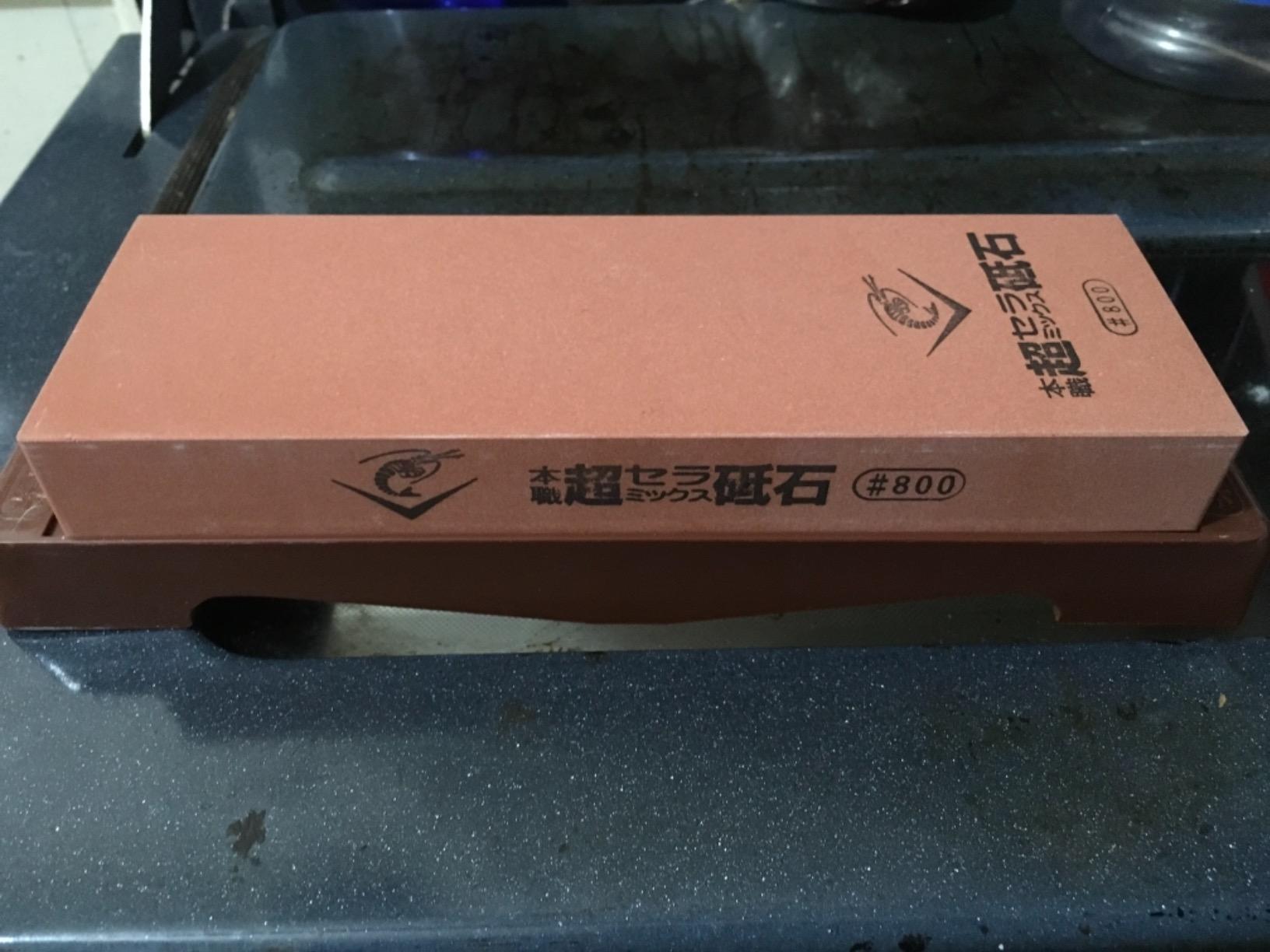
The included 65 by 47 by 32 mm dressing stone is a nagura-style block for clearing swarf and keeping the face open, which matters more on coarse ceramics than on fine ones.
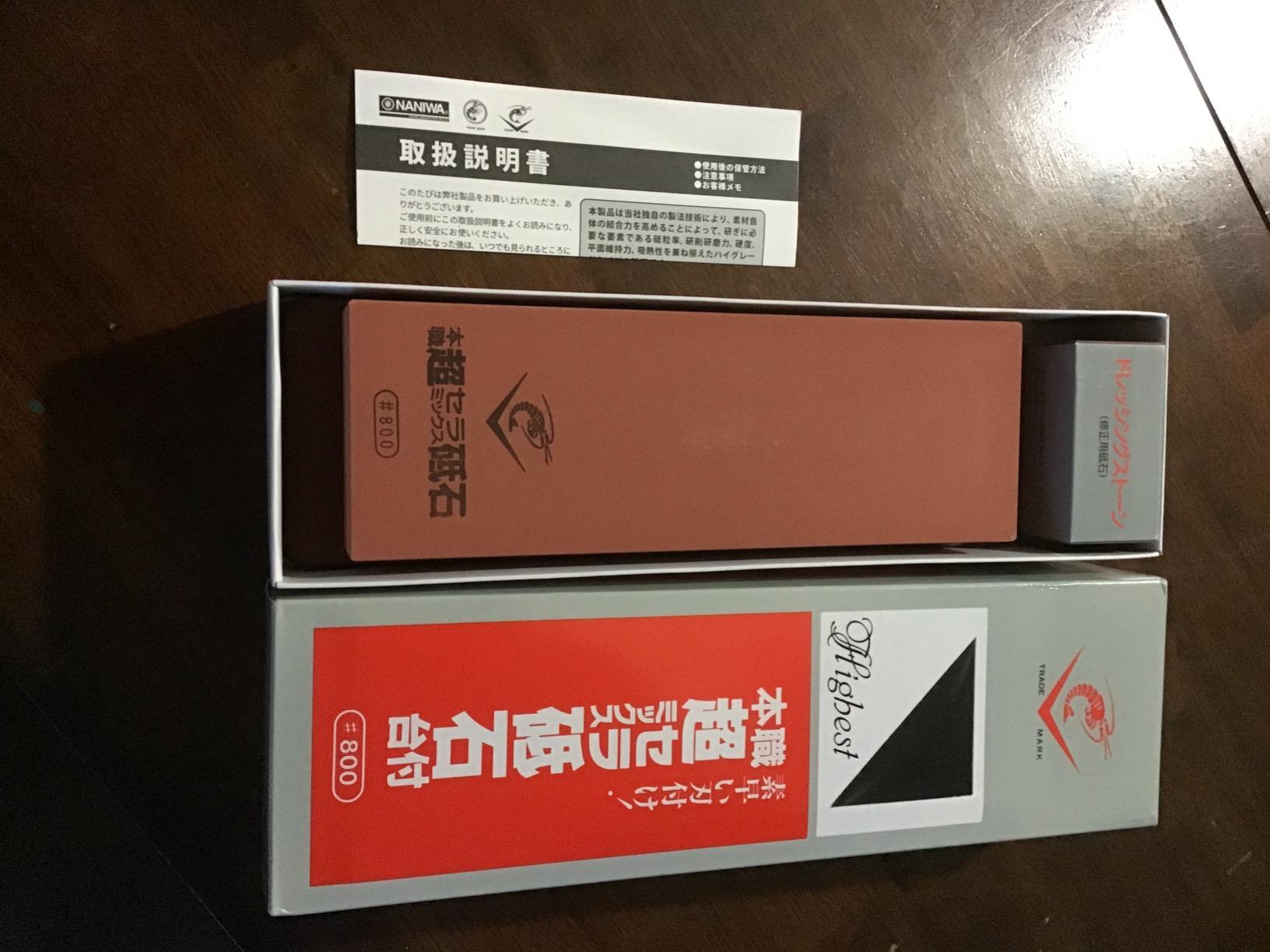
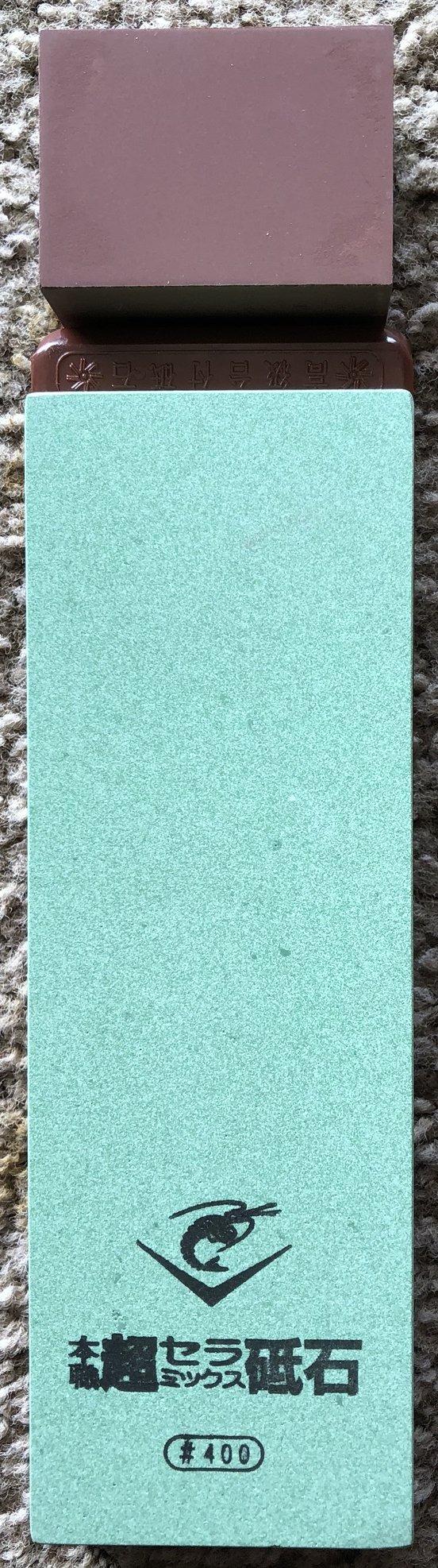
8. Naniwa Chosera SS-400 400 Grit – Coarse Ceramic Stone for Straight Razor Repair
Naniwa Chosera Whetstone SS-400 Grit 400
#400 grit coarse
210 x 70 x 25 mm
1 kg
Sturdy holder with toishi
Pros
- Strong abrasive power with smooth consistent feel
- Reprofiles and sets bevels without clogging
- Large working area speeds stock removal
- Hard enough to stay flat through heavy use
Cons
- Can crack if left attached to the base and dried unevenly
- Absorbs more water than finer grits
- May need more passes than expected
The 400 grit is the recommended starting stone in the Chosera line for reprofiling, chip repair and bevel setting. Reviews stress its fast, free-cutting action and minimal loading, along with the need to dry it evenly to avoid cracking.
For straight razors this is a repair tool. If your razor has a dinged spine, a chip near the tip, or an edge that has been ground unevenly by someone else, this is the stone that fixes the geometry before any finishing begins.
It is also the stone to avoid overusing. On a hollow-grind razor, 400 grit removes steel quickly, and the whole point of a hollow grind is that you remove as little as possible.
Coarse work on a hollow-grind razor
The technique that keeps a hollow-grind safe is to lay the blade down at a shallow angle, use minimal pressure, and count your strokes rather than working until the edge looks right. Keep the spine slightly rolled to one side and never let the blade rock, because rocking at 400 grit digs a hollow into the bevel that you will spend an hour removing.
Water behaviour is different at coarse grits
This stone absorbs more water than the finer grits and needs even drying. The recurring cracking complaint across the Chosera line is tied to leaving a bonded stone to dry unevenly, especially in a dry climate. Take it off the holder, dry both faces, and let it sit before putting it away.
Who should buy it
Buy it if you restore razors, own a wedge or half-wedge that gets dropped, or want the ability to fix a bad hone job without sending the razor elsewhere. For pure shaving maintenance it is more tool than you need.
9. Suehiro Cerax 320 – Wide Surface Coarse Ceramic for Straight Razor Bevels
Pros
- Fast stock removal resets dull edges and removes chips
- Extra large working area speeds long sessions
- Clear tactile feedback you can feel
- Stays relatively flat with correct technique
Cons
- Requires 10-15 minutes soaking before each use
- Clogs under very heavy use and needs cleaning
- Too coarse for regular touch-ups
The Cerax 320 is the widest stone in this roundup at 210 by 75 by 30 mm, and that extra width is its reason to exist. When you are reprofiling a razor bevel or working around a chip, the larger face means fewer repositioning strokes and faster stock removal.
Reviewers like the aggressive cut and the large surface but point out the soaking requirement, the need for a flattening plate, and the fact that a comparable diamond plate is often more convenient for coarse work. That is a fair criticism and worth weighing.
The tactile feedback is the surprise. This is a coarse stone that lets you feel the steel working, which is the opposite of what people expect from ceramic.
Soaking changes the character of the work
This is an immersion stone: 10 to 15 minutes in room-temperature water, or until bubbling stops and water sits on top. That soaking loads the surface, slows the cut slightly and produces a slurry. It works, but it is the opposite of the splash-and-go routine most ceramic users prefer.
Where it fits against a diamond plate
At 320 grit, a diamond plate does the same coarse work faster with no soaking. The argument for this stone is the feel and the width. If you already own a coarse diamond plate, this is a refinement tool rather than a necessity.
Who should buy it
Buy it if you do frequent reprofiling work and value the tactile feedback more than the convenience of dry use. Skip it as a first stone if your razor only needs maintenance.
10. Naniwa Super Ceramic SS-5000 – Superfinishing Ceramic for Straight Razor Polish
Sanelli Ambrogio SS-5000 Naniwa Polishing Industry Shrimp Mark, Professional Super Ceramic Whetstone with Base
#5000 superfinishing grit
210 x 70 x 25 mm
0.9 kg
Stand and dresser included
Pros
- Excellent mirror finish and strong cutting at 5000 grit
- Well regarded as a mid-range hone for straight razor work
- Very high material removal for a fine grit
- Stand and cleaning stone included
Cons
- Softer than coarser Chosera stones and chips under heavy pressure
- Drinks more water than lower grit Chosera stones
- Pressure sensitive with a learning curve
The 5000 grit is used mainly as the final finishing stage, and owners report a beautiful, buttery polish along with good value. Several buyers consider a 3000 grit sufficient for most work, which is a fair signal that you should not buy this unless your strop cannot get you there.
For straight razor work it is well regarded as a mid-range hone, which is exactly the position it occupies: fine enough to close everything up, coarse enough to fix small scratches from the previous stage.
Pressure control is mandatory at this grit
This stone is softer than the coarser Chosera stones and reviewers warn that it chips if pressure is applied aggressively. The technique is simple and non-negotiable: let the stone do the work, use a light touch, and keep the blade flat rather than tilted.
Surface appearance is not damage
Some owners notice a crackled look to the surface caused by the binding material. That is cosmetic and does not affect performance. Knowing this in advance saves you from rejecting a perfectly good stone.
Who should buy it
Buy it if you finish with a leather strop and want the stone to do more of the polishing for you. If your strop is in good condition and you are happy stopping at 3000, save the money.
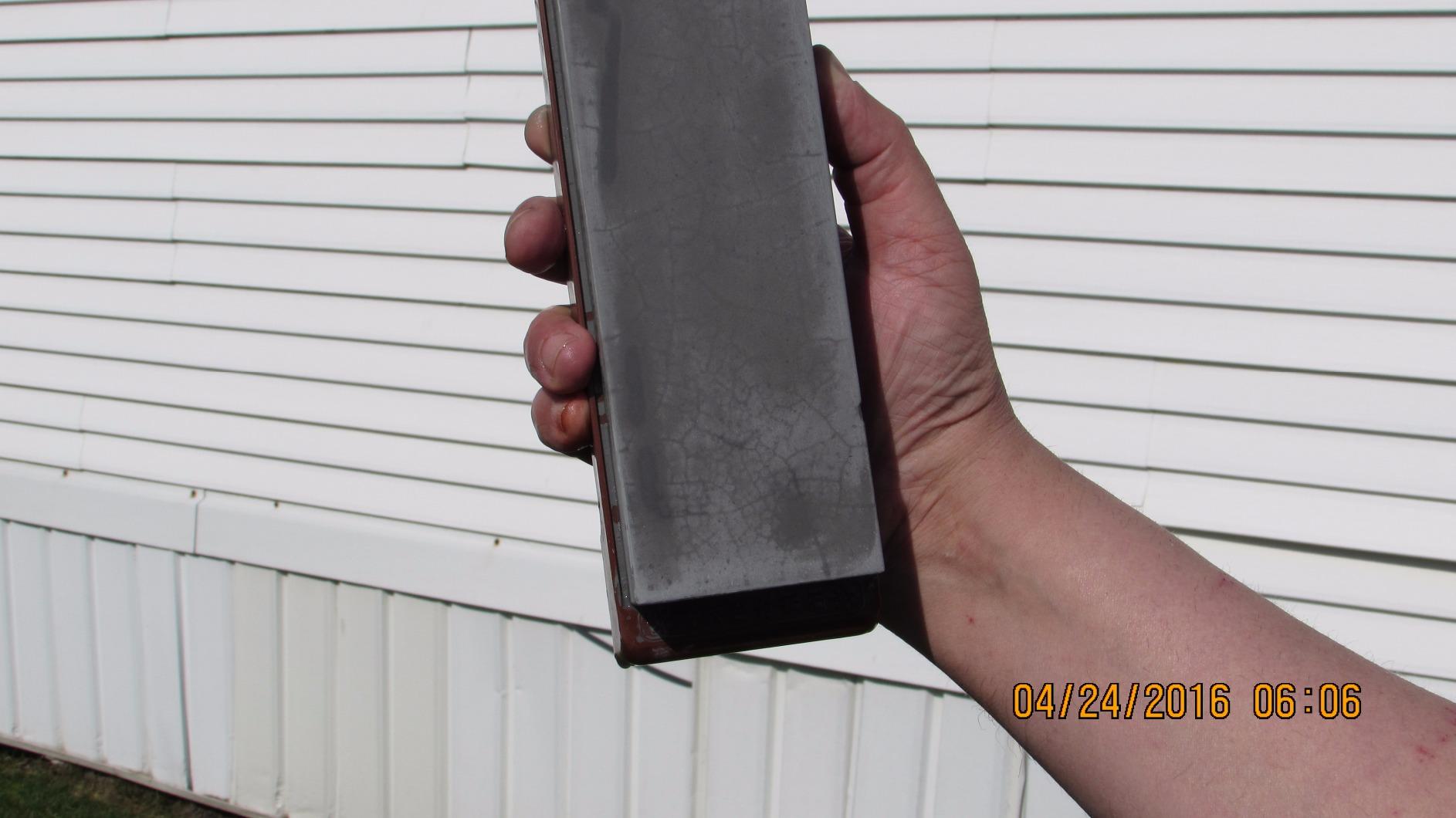
Dry it evenly after use. This stone drinks more water than the lower-grit Chosera stones, and it is bonded to its base, so even drying is what keeps it crack-free.
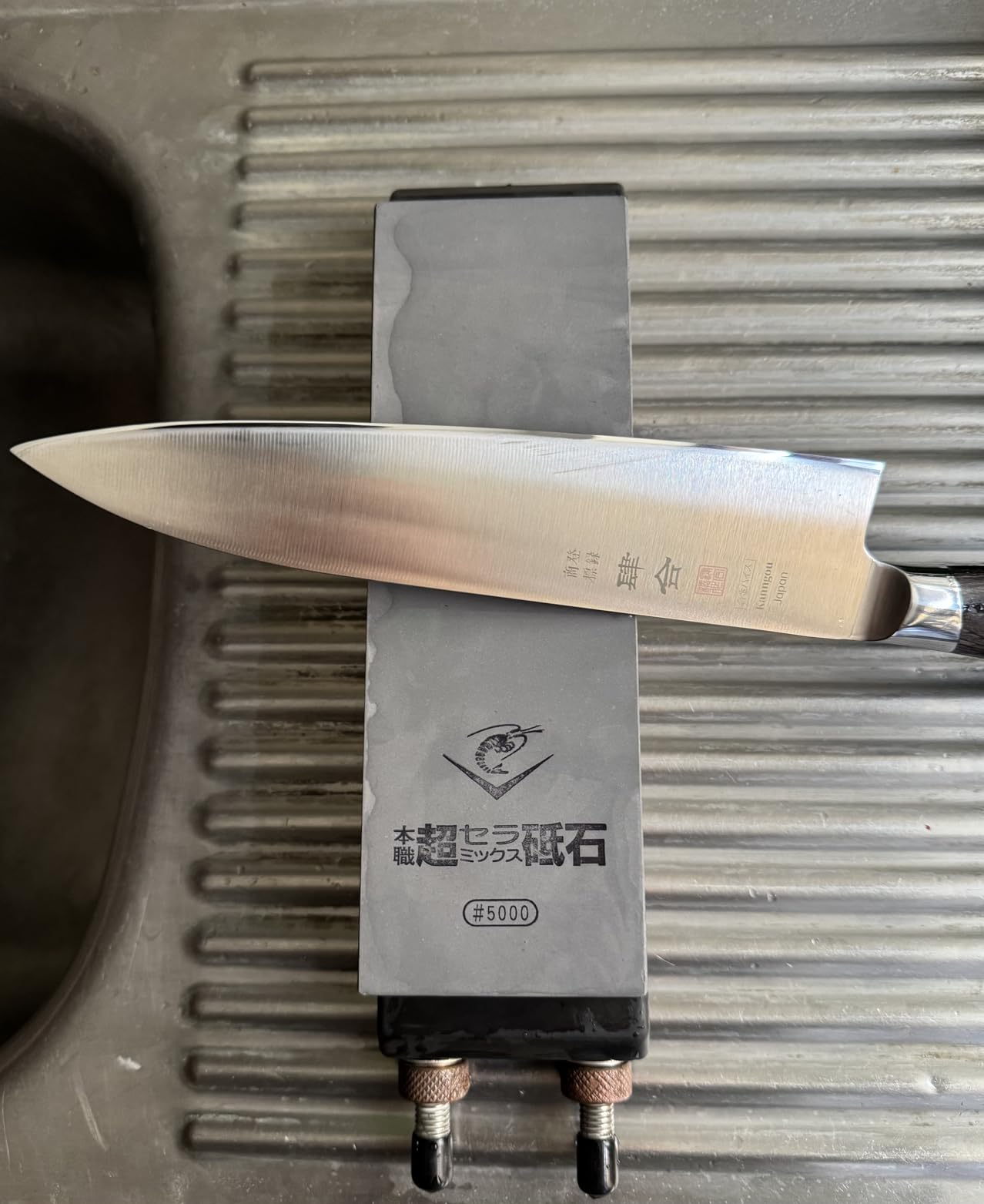
11. Naniwa Ebijirushi IN-2004 400 Grit – Low Cost Ceramic Entry for Straight Razors
Naniwa Ebijirushi Japanese Ceramic Sharpening Stone Whetstone with Base Grit No. 400 IN-2004 from Japan
#400 grit medium coarse
210 x 70 x 10 mm
Thin stone
Holder included
Pros
- Lowest cost ceramic whetstone in the roundup
- Large sanding surface for fast stock removal
- Compact 10 mm profile works with the included holder
Cons
- Thin 10 mm stone is more prone to chipping than thicker blocks
- Lowest rating in the set with more mixed reviews
- Less proven than the Shapton and Chosera options
The Ebijirushi is the cheapest way into Japanese ceramic, and for a first stone on a razor you do not yet own properly, that has real value. The large sanding surface removes stock quickly at 400 grit.
I would be direct about the compromises. It carries the lowest rating in this roundup, with a noticeably higher share of two-star and one-star reviews than the others, and the thin 10 mm profile is more prone to chipping than the 25 mm blocks above it.
It is included here because budget ceramic still teaches good habits, but it is a trainer, not a long-term partner.
Thin stones and straight razor stability
A 10 mm stone is more than half the thickness of the Naniwa blocks, and it will flex under pressure. On a razor, that flex translates into an uneven bevel that you will correct later on another stone. The included holder helps, but it does not replace mass.
Who should buy it
Buy it if your budget is the deciding factor and you want to learn how a fixed bevel behaves on ceramic before committing more. If you can stretch to a thicker stone, you will spend less time correcting the uneven bevel this one tends to leave.
What Grit Progression Does a Straight Razor Need on Ceramic?
A straight razor needs three things from a stone, in order: a true bevel, a refined bevel, and a polished edge. The grit progression that gets you there is short, and most people who struggle are buying too many grits instead of too few.
Here is the working progression I use, and the job each stage does.
Stage 1, 400 to 800 grit: set the bevel. Use this only when the bevel is wrong, the edge is chipped, or you are starting from scratch. On a straight razor, a 20-25 degree bevel means the stone touches only the very edge, and coarse grit gets you there in the fewest strokes with the least risk of digging unevenly. Stop as soon as the burr runs the full length of the edge.
Stage 2, 1000 grit: the working grit. This is where a straight razor actually lives. A 1000 grit stone sets a new bevel and maintains an existing one, and it is the grit I would buy first if buying only one.
Stage 3, 3000 grit: refine. This removes the scratch pattern left by 1000 grit and closes the burr into something you can strop. Many experienced sharpeners stop here and rely on the strop, and Badger and Blade users specifically prefer stopping at 3000 or 4000 grit.
Stage 4, 5000 to 8000 grit: polish. Optional. This is where the mirror finish comes from. If your strop is well maintained with good paste, you can skip it.
Stage 5, the strop: finish. Every time. A straight razor edge is not finished until it has been drawn on a loaded leather strop. The strop aligns the burr and polishes the apex, and no stone replaces it.
The most common mistake is buying a 5000 grit stone and never leaving 1000. The second most common is over-honing, taking a razor to a high grit every week when a strop and a 1000 grit touch-up would have preserved the steel.
How to Sharpen a Straight Razor on a Ceramic Whetstone
Sharpening a straight razor on ceramic is not hard, but the mistakes that cause gouging all come from the same place: too much pressure and too much angle. Here is the sequence that works.
1. Lap the stone first. Ceramic needs a diamond lapping plate check before each session. Lay the plate on a flat surface, put a 10 micron diamond film on it, and rub the stone face against it in a figure-eight until it shows uniform grey. Skipping this step means honing on a concave face, which produces a rounded bevel.
2. Wet the stone, do not soak it. A spray bottle is enough for splash-and-go ceramics. Lay a few drops of water on the face and spread them with your fingers. No soaking, no mud, no waiting.
3. Set the angle. Lay the razor spine down and rest the heel lightly on the stone, which gives roughly 20 to 25 degrees on most razors. A guide helps if you are learning, but a folded paper triangle held against the spine works and costs nothing.
4. Use the middle of the face. Stay well away from the edges and corners of the stone. The edges wear concave fastest and will round your bevel.
5. Use almost no pressure. Ceramic cuts hard. Let the weight of the blade do the work. If you are leaning on the stone, you will gouge, especially on a full hollow grind where the bevel sits close to the spine.
6. Draw the full length of the edge on every stroke. Short strokes concentrate work in the middle of the edge and leave the ends untouched.
7. Feel for the burr, then look for it. Run a fingernail gently down the edge from the heel toward the tip, in the direction that catches. Then confirm with your thumb. Do not rely on skin sensation alone on a ceramic stone, because it gives you little.
8. Change grit only when the scratch pattern is uniform. Move from 1000 to 3000 when the burr is gone and the 1000 grit scratch pattern has been fully overwritten.
9. Strop before and after. A few strokes on a loaded leather strop before you start tell you where the weak points are. A full session on the strop afterwards finishes the edge.
10. Clean and dry the stone. Rinse the face, wipe it flat and let it dry fully, preferably face up so both faces dry evenly. This is what prevents the cracking that shows up in reviews of the bonded Naniwa stones.
Do You Need to Soak or Lap a Ceramic Whetstone?
No, you do not need to soak a ceramic whetstone. Resin-bonded ceramic works dry or with a light spray of water, and unlike a waterstone it does not soften, sludge, or lose its flatness when soaked. A spray bottle and your fingers are the whole preparation.
The single exception in this roundup is the Suehiro Cerax 320, which is a soaking stone: 10 to 15 minutes in room-temperature water until bubbling stops. Treat that as the exception, not the rule.
Lapping is the more important habit. Forum consensus is that ceramic stones should be lapped with a diamond plate before nearly every honing session, though plenty of users question whether that is truly necessary each time. My own compromise is to lap before any session where I set a bevel, and to check the face with a straightedge if the stone has been unused for weeks.
A hollow-grind razor is far more sensitive to a dishing stone than a chef’s knife is, because the bevel is thin and the pressure is light. A stone that is even slightly concave will round your edge and you will not notice until the shave disappoints.
On drying: ceramic cracks from uneven drying, not from use. Let it dry face up, away from radiators and dry air, and never put it away warm. Cracking from shipping is a separate problem that affects the bonded Naniwa stones most.
On loading: if a ceramic stone starts feeling slick or slow, that is swarf building up. Rub it with a nagura dressing stone or the included dresser and the bite returns. Woodnet users report more sticktion with Shapton stones than alternatives, so if your Shapton ever feels sticky, dress it before blaming the grit.
Ceramic Whetstone vs Ceramic Honing Rod: What Is the Difference?
A ceramic whetstone abrades steel to remove metal. A ceramic honing rod aligns an existing edge and does almost nothing to the steel itself. They are different tools that happen to share a word, and confusing them is one of the most common mistakes on these searches.
A whetstone carries an abrasive grit bonded to a rigid block. It cuts steel, removes steel, and dulls your edge if you use it carelessly. A honing rod, ceramic or otherwise, is a hard rod with a fine longitudinal groove that straightens a rolled or misaligned edge back into line. It restores sharpness that is already there; it cannot set a bevel, repair a chip, or remove a burr.
The practical consequence for straight razors is straightforward. Ceramic rods are essentially irrelevant for razor work. A straight razor needs a real edge set into a real bevel, which means a stone. If a listing mentions a rod, it is not the tool you are looking for.
Ceramic rods do have a place. They are fast, pocketable, need no water, and work on modern hardened stainless kitchen knives that hold an edge well. They are simply not a substitute for a whetstone on a straight razor.
How to Choose a Ceramic Whetstone for Straight Razors
Choose for thickness before grit
For straight razor work, stone thickness is the most under-rated buying criterion. A 25 mm block at roughly 0.9 to 1 kg will not rock and will dish slowly. A 10 mm stone will flex under light pressure and produce an uneven bevel you will have to correct.
The stones in this roundup at 25 mm include the Naniwa Chosera 3000, SS-1000, SS-800, SS-400 and SS-5000. The Shapton stones are 15 mm, which is thinner but acceptable for finishing work where pressure is light. The Ebijirushi at 10 mm is the thinnest here and the least forgiving.
Match the grit to what your razor actually needs
Most straight razors need 1000 grit and a strop. Add 3000 grit if you want the edge to look better. Only reach for 400 or 800 grit if you repair or restore. Only reach past 5000 if you are chasing a mirror finish that your strop cannot deliver.
Every grit number should have a job attached to it before you buy it. A stone you cannot name a use for is a stone you will not use.
Look at the base, not just the stone
A non-slip rubber base or a case that doubles as a stand keeps the stone from walking. Walking stones dishing unevenly is the most common cause of bad bevels. Two of the stones here ship with a molded case or stand that doubles as the base, which is a genuine advantage at the bench.
Be aware that most Naniwa stones are bonded to their plastic bases and cannot be removed or flipped. That is fine for use, and inconvenient if you ever need to flatten one yourself.
Decide how much feedback you need
Ceramic’s defining trait is that it gives very little tactile feedback. If you learn by feel, pick the stones reviewers single out for feel, which includes the Chosera 3000 described as buttery and the Cerax 320 described as clearly tactile. If you learn by watching the edge, any of these will suit you.
Know when ceramic is the wrong choice
Ceramic will get you a clean, consistent, repeatable edge. It will not give you the draw and the slight residual tooth that natural Arkansas or a Belgian coticule leaves behind, and some wet shavers genuinely prefer that finish. If you care about that character, a coticule is a better finishing stone.
A ceramic whetstone for straight razors is also not the right tool if you want the fastest possible stock removal on a badly damaged edge, where a diamond plate will beat it comfortably.
Budget tiers and what actually changes
Budget ceramic stones under about 40 dollars are thinner and less consistent, but the grinds are usable and they teach good habits. Mid-tier stones in the 40 to 80 dollar range are where the 25 mm blocks and reliable flatness live. Above that you are paying for finish consistency and brand reputation more than for capability.
For a straight razor owner the practical upshot is simple: spend on one thick stone at a middle grit, and add a finer stone only when you are certain you need it.
Frequently Asked Questions
Do you need to soak a ceramic whetstone?
No. Ceramic whetstones are resin-bonded aluminum oxide and are used splash-and-go: spray a little water on the face, spread it with your fingers, and start honing. Soaking is unnecessary and does no good, because unlike a waterstone the ceramic does not soften or sludge. The one exception in this roundup is the Suehiro Cerax 320, which is a soaking stone and asks for 10 to 15 minutes of immersion.
What grit should I start with for a straight razor?
Start with 1000 grit for most straight razor work. It sets a new bevel quickly and also handles routine maintenance without removing much steel, which matters on a hollow-grind razor. Go coarser, to 400 or 800 grit, only when you are reprofiling, repairing chips, or fixing a bevel that is already wrong. Finish with a strop every time, and add 3000 grit only if you want the edge to look more refined.
What is the recommended honing angle for a straight razor?
Aim for roughly 20 to 25 degrees per side, which on most razors means laying the spine down on the stone and resting the heel very lightly against the face. For a half-hollow or full hollow grind you can stay a little shallower than for a wedge. The important thing is consistency rather than an exact number: hold the same angle from heel to tip, because a wandering angle is what produces a rounded, uneven bevel.
Is a 1000 grit whetstone enough on its own?
For maintenance honing, yes. A 1000 grit ceramic stone plus a good leather strop will keep a straight razor sharp indefinitely, and most experienced wet shavers stop at 1000 or 3000 and let the strop do the finishing. What 1000 grit cannot do is repair chips, correct a bad bevel, or produce a mirror finish, so keep a coarser stone on hand if you restore razors or want a polished bevel.
Do you need to lap a ceramic whetstone before every session?
Lapping with a diamond plate is the habit most recommended, because even a slightly concave face will round a thin hollow-grind bevel and you will not notice until the shave disappoints. A light check before sessions where you are setting a bevel is sensible; for routine touch-up honing on a hard ceramic that resists dishing, checking the face with a straightedge occasionally is usually enough. The stones that need lapping most are the softer and coarser grits.
What is the difference between a ceramic whetstone and a ceramic honing rod?
A ceramic whetstone carries bonded abrasive grit and physically removes steel. It sets bevels, repairs chips and removes burrs. A ceramic honing rod is a hard grooved rod with no abrasive power that only realigns an already-sharp edge back into true, and it cannot set a bevel or remove steel at all. For straight razor work the rod is essentially irrelevant; you need a real whetstone, though rods work well for modern hardened kitchen knives.
Can a ceramic stone alone produce a shaving sharp straight razor?
Yes, a ceramic-only progression of 1000 grit to 3000 or 5000 grit followed by a strop will produce a clean, consistent, shaving-sharp edge that most people are perfectly happy with. What ceramic does not reproduce is the draw and slight residual tooth that natural Arkansas or a Belgian coticule leaves behind. If that finer character matters to you, finish on a natural stone or coticule, and treat the ceramic as the bevel-setting and refining stage.
Final Verdict: Which Ceramic Whetstone Should You Buy?
If you want one answer, take the Shapton K0704 5000 grit as the finishing half of a pair and add the Shapton K0702 1000 grit to set and maintain your bevels. That combination covers everything a straight razor needs, it stays flat, it never needs soaking, and both stones come from the same maker so their grits behave consistently.
If you would rather own one thick stone and learn on it, the Naniwa Super Ceramic SS-1000 is the one I would pick, because the 25 mm block does not rock and it gives you some tactile feedback while you find your angle.
If your razor needs repair rather than maintenance, add a coarse stone. The Naniwa Chosera SS-800 handles most resizing, and the SS-400 goes further when you are reprofiling or chasing a chip.
If you want the best-looking edge and do not mind the price, the Shapton K0710 8000 grit gets closest to a natural stone finish, and the Naniwa Chosera 3000 is the sensible middle if you prefer feedback over gloss.
Whichever route you take, the routine is what produces results: lap the stone, spray it wet, keep roughly a 20-25 degree angle with almost no pressure, strop every session, and let the stone dry face up before putting it away. Pick your stone, set the angle, and go slowly on the first few sessions.