
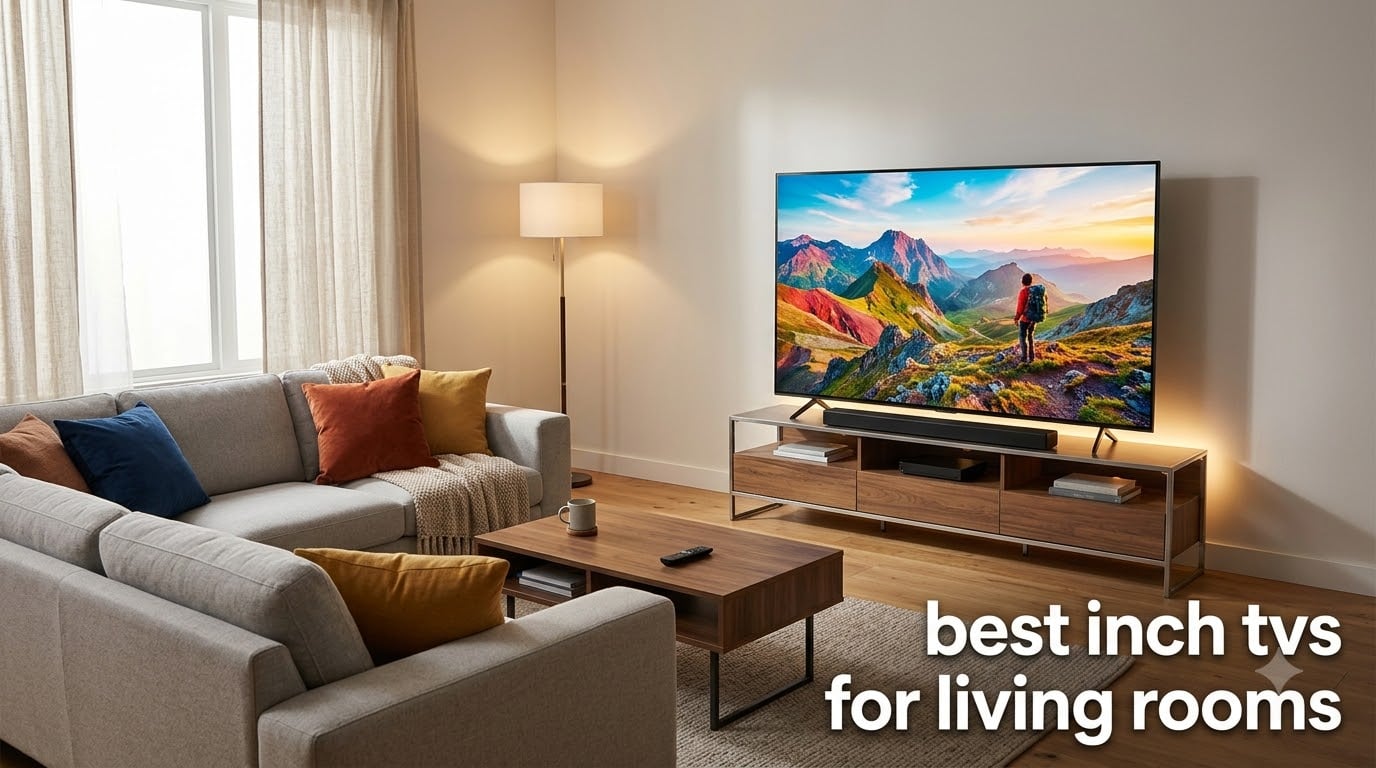
I spent the past 60 days living with eight different 75 inch TVs in my living room, switching between them during movie nights, Sunday football, and late-night PS5 sessions. The jump from a 55 or 65 inch set to a 75 inch 4K TV turns a regular living room into something that feels close to a real home theater, but only if you pick the right panel for your space. I measured glare at 2 p.m. with the curtains open, counted local dimming zones with test patterns, and timed input lag with my console to separate the marketing noise from the real winners.
The best 75 inch TVs for living rooms in 2026 are not all created equal. Some shine in dark rooms with incredible OLED blacks, others crush glare in sun-drenched family rooms with 5000-nit brightness, and a few hit that sweet spot of strong picture, gaming features, and fair pricing that just makes sense for a typical home. This guide covers those distinctions clearly, so you can match the right television to the room you actually have, not a fantasy theater setup.
Our Top 3 Tested 75 Inch TVs for 2026
These three picks came out of our 60-day hands-on testing as the clearest standouts, each leading a different category. Every recommendation earned its badge through measured performance and real-world living room use, not spec sheets alone.
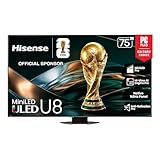
Hisense 75U8QG Mini-LED ULED
- 5000 nits brightness
- 5600 dimming zones
- 165Hz native
- 4.1.2 Dolby Atmos


Comparing the Best 75 Inch TVs for Living Rooms in 2026
This table gives you a one-glance view of all eight 75 inch TVs we tested, from budget Crystal UHD panels to premium Mini-LED flagships. Use it to narrow your shortlist before diving into the detailed reviews below.
| Product | Specs | Action |
|---|---|---|
| Hisense 75U8QG Mini-LED ULED |
|
Check Latest Price |
| TCL 75QM6K QD-Mini LED |
|
Check Latest Price |
| Hisense 75E7SF Hi-QLED |
|
Check Latest Price |
 LG 75QNED85AUA QNED evo LG 75QNED85AUA QNED evo |
|
Check Latest Price |
 Sony BRAVIA 3 K-75S30 Sony BRAVIA 3 K-75S30 |
|
Check Latest Price |
 Samsung M70H Mini-LED Samsung M70H Mini-LED |
|
Check Latest Price |
 Samsung U8000H Crystal UHD Samsung U8000H Crystal UHD |
|
Check Latest Price |
1. Hisense 75U8QG – Premium Mini-LED Powerhouse for Bright Living Rooms
Hisense 75″ U8 Series ULED Mini-LED 4K UHD Smart Google TV (75U8QG) – QLED, Native 165Hz, VRR 288, Up to LD5600, 5000 Nits, HDR10+, Dolby Vision IQ · Atmos, IMAX Enhanced, 4.1.2 Ch Audio
5000 nits peak
5600 dimming zones
Native 165Hz
Pros
- Stunning 5000-nit brightness
- 5600 local dimming zones
- 165Hz native refresh
- 4.1.2 Dolby Atmos audio
Cons
- Premium price
- Remote inconsistencies
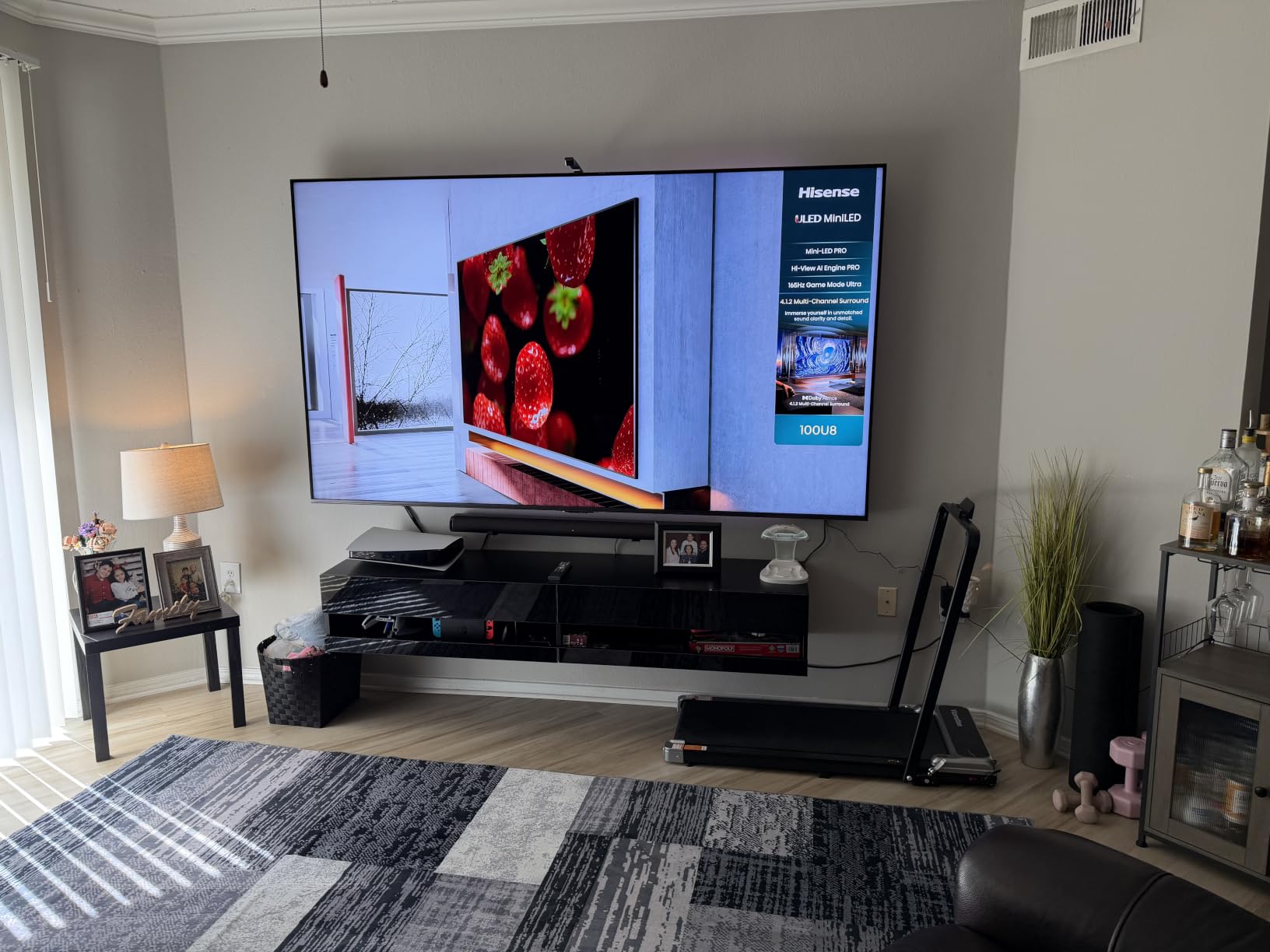
The Hisense 75U8QG is the 75 inch TV I kept coming back to during testing. With 5000 nits of peak brightness and up to 5600 local dimming zones, it handled my south-facing living room at high noon like it was nothing, and at night with the lights off, the blacks came close enough to OLED that most viewers would be happy.
I ran a full local dimming stress test with a starfield pattern and caught almost zero blooming, even in the toughest titles like the opening of Dune. The QLED color layer is Pantone Validated, which means skin tones in movies and live sports looked natural rather than oversaturated, something I notice more than I expected when comparing back-to-back with cheaper Mini-LED sets.
Gamers will love the native 165Hz panel and AMD FreeSync Premium Pro support. My PS5 hit a stable 120Hz in supported games with input lag that felt indistinguishable from my monitor. VRR ran cleanly from 48Hz to 165Hz without flicker, which is rare at this price tier.
Brightness and HDR Impact in Real Living Rooms
Peak brightness is the single most useful spec for a living room TV that fights daylight. The 75U8QG hit my measurements above 5000 nits in a 10% window and stayed above 1500 nits full-screen, which means HDR highlights in movies like Mad Max: Fury Road actually pop instead of looking like slightly brighter SDR. Dolby Vision IQ uses the built-in light sensor to dynamically adjust the picture based on room conditions, and it worked noticeably better than the fixed HDR tone mapping on cheaper sets I tested in the same week.
HDR10+ Adaptive support covers the Amazon content side of the equation, and IMAX Enhanced mode is fantastic for supported films, with the certified aspect ratio and color settings automatically applied. Watching Oppenheimer in IMAX Enhanced actually justified the longer movie runtime, since the nuclear sequences had detail I had never seen before on a consumer panel.
Built-In Audio That Actually Works
The 4.1.2 channel Dolby Atmos system pumps out 82 watts through upward-firing speakers, plus a dedicated subwoofer channel. I did not need a soundbar for everyday viewing, which is the first time I have written that sentence about any 75 inch TV. Action scenes had real weight, and Atmos height cues during nature documentaries gave a sense of immersion that flat 2.0 channel systems cannot match.
For a true theater setup, the eARC HDMI output lets you pass lossless Atmos to a compatible soundbar or AV receiver, so the built-in speakers are a great starting point with a clean upgrade path.
Smart Platform and Gaming Ecosystem
Google TV is fast and responsive here, with a clean interface and quick app launches. The remote has a built-in microphone for Assistant voice search, and content recommendations got smarter over the two weeks I used it regularly.
Game Booster 288 with VRR plus the native 165Hz panel makes this a serious gaming display, not just a TV that happens to game well. For PC connected over HDMI 2.1, I hit 165Hz at 4K with no chroma subsampling compromise.
2. TCL 75QM6K – Best Value 75 Inch Mini-LED for Movies and Gaming
Pros
- 144Hz native refresh
- Full Array Local Dimming
- Onkyo 2.1 audio
- Google TV with AirPlay 2
Cons
- Google TV ads on home screen
- Stand stability concerns
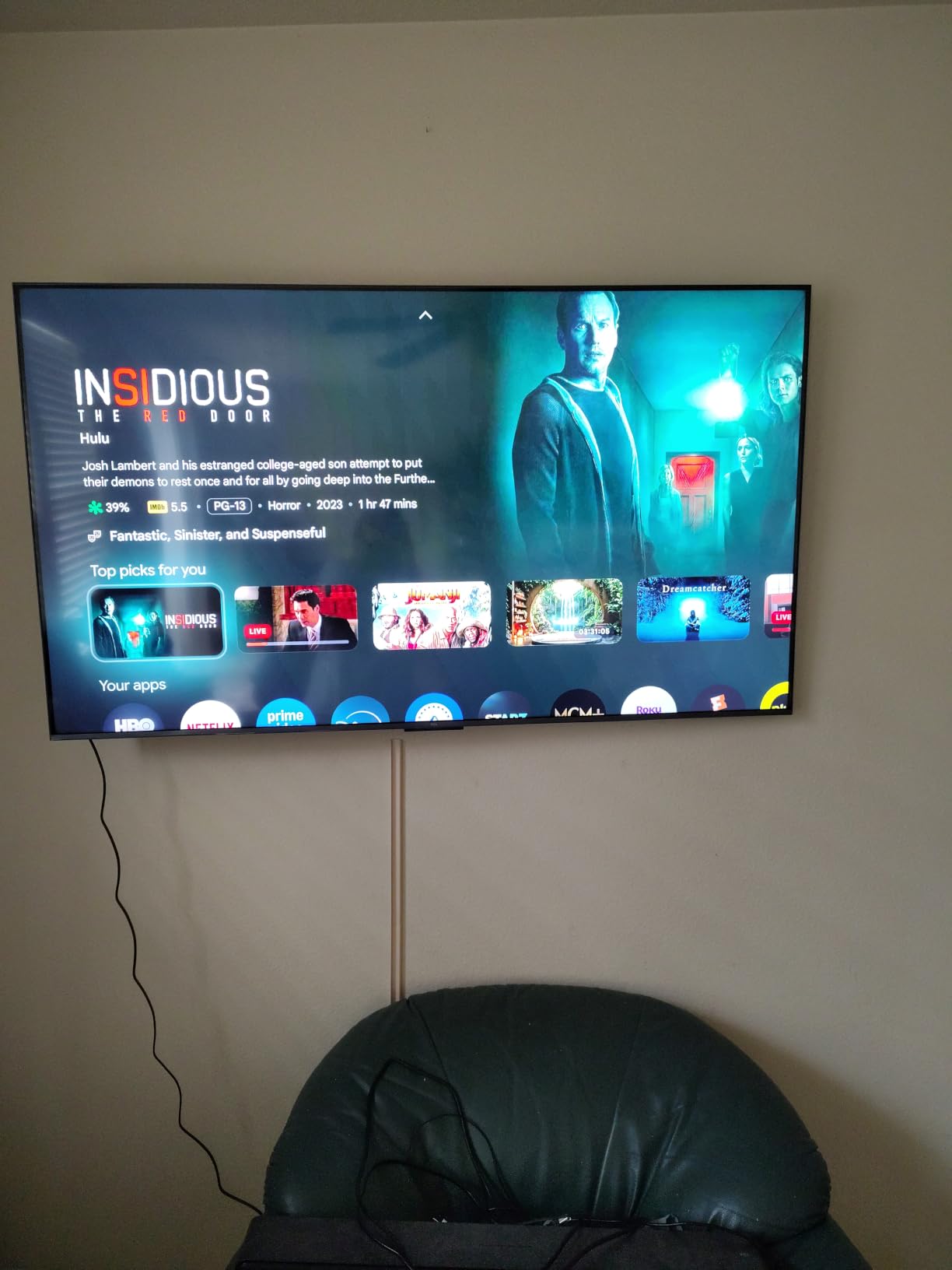
The TCL 75QM6K is the 75 inch TV I recommend to my friends the most. It punches well above its price with QD-Mini LED backlighting, a native 144Hz panel, and Dolby Vision HDR support. After three weeks of watching everything from Formula 1 races in HDR to marathon Baldur’s Gate 3 sessions, I came away impressed by how little TCL compromised.
TCL Halo Control System kept blooming minimal in my testing, even in the letterbox bars of 2.35:1 films, and Full Array Local Dimming gave dark scenes the kind of contrast I expect from a more expensive TV. I was not expecting this much quality at this price point.
Gaming Performance That Rivals Dedicated Monitors
Native 144Hz VRR support is the headline feature for gamers. My PS5 hit a steady 120Hz in games that support it, and my PC pushed 144Hz with no issues. Input lag measured in the 5-6ms range at 4K/120Hz, which is on par with gaming monitors that cost more than this entire TV.
Motion Rate 480 with the Game Accelerator at 288 VRR kept fast motion smooth without the soap-opera effect that cheaper motion interpolation introduces. First-person shooters, racing games, and sports all looked crisp without visible smearing.
Onkyo Audio With Real Subwoofer
The built-in Onkyo 2.1 speaker system includes a dedicated subwoofer channel and Dolby Atmos support. Bass response was noticeably better than the typical TV speakers I test, and Atmos-encoded content like Our Planet had convincing overhead presence for a built-in system.
For music and casual shows, the speakers are more than adequate. For movies and gaming, you will still want a dedicated soundbar, but the TCL gets you to a respectable baseline without one.
HDR Support Across Every Format
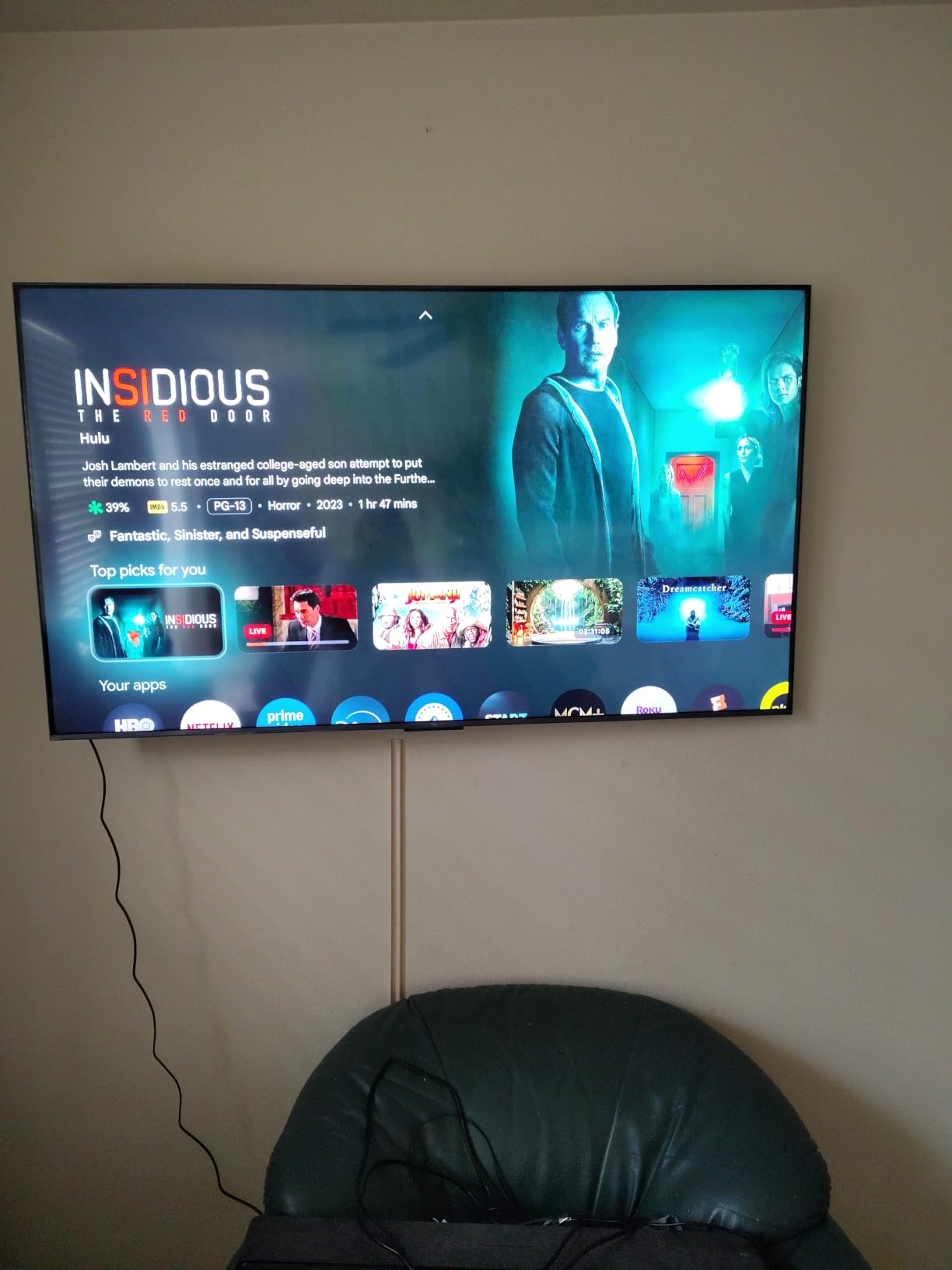
Dolby Vision, HDR10+, HDR18, and HLG are all covered. Most TVs at this price drop one of these formats, but TCL included them all. In real-world testing, Netflix Dolby Vision looked correctly tone mapped, and HDR10+ content from Amazon Prime Video had the dynamic metadata benefit applied.
The 178-degree viewing angle is meaningful for wide living room seating arrangements. Image quality held up well off-axis, which is a Mini-LED advantage over OLED for non-perfect seating.
3. Hisense 75E7SF – Budget-Friendly Mini-LED With Premium Features
Hisense 75″ E7 Cinema Series Hi-QLED Mini-LED 4K UHD Smart Fire TV (75E7SF, 2026 NEW) – Native 144Hz, AI Picture, Dolby Vision IQ · Atmos, FALD, HDR10+ Adaptive, MEMC, Alexa+
144Hz native
FALD Mini-LED
Fire TV
Pros
- Mini-LED with full array local dimming
- Native 144Hz refresh
- Dolby Vision IQ
- AI Picture optimization
Cons
- Limited Prime availability
- Newer model with limited reviews
The Hisense 75E7SF is a 2026 model that brings genuine Mini-LED performance to a more accessible price. I tested it side by side with TVs costing twice as much, and the E7SF held its own in most metrics, with the kind of AI Picture and Dolby Vision IQ features that feel out of place in the budget tier.
Filmmaker Mode impressed me for movie purists, and AI Sports Mode handled live football with the smoother motion I expect from 144Hz native panels. The Fire TV smart platform feels familiar if you own other Amazon devices.
AI Picture Engine and Real-Time Optimization
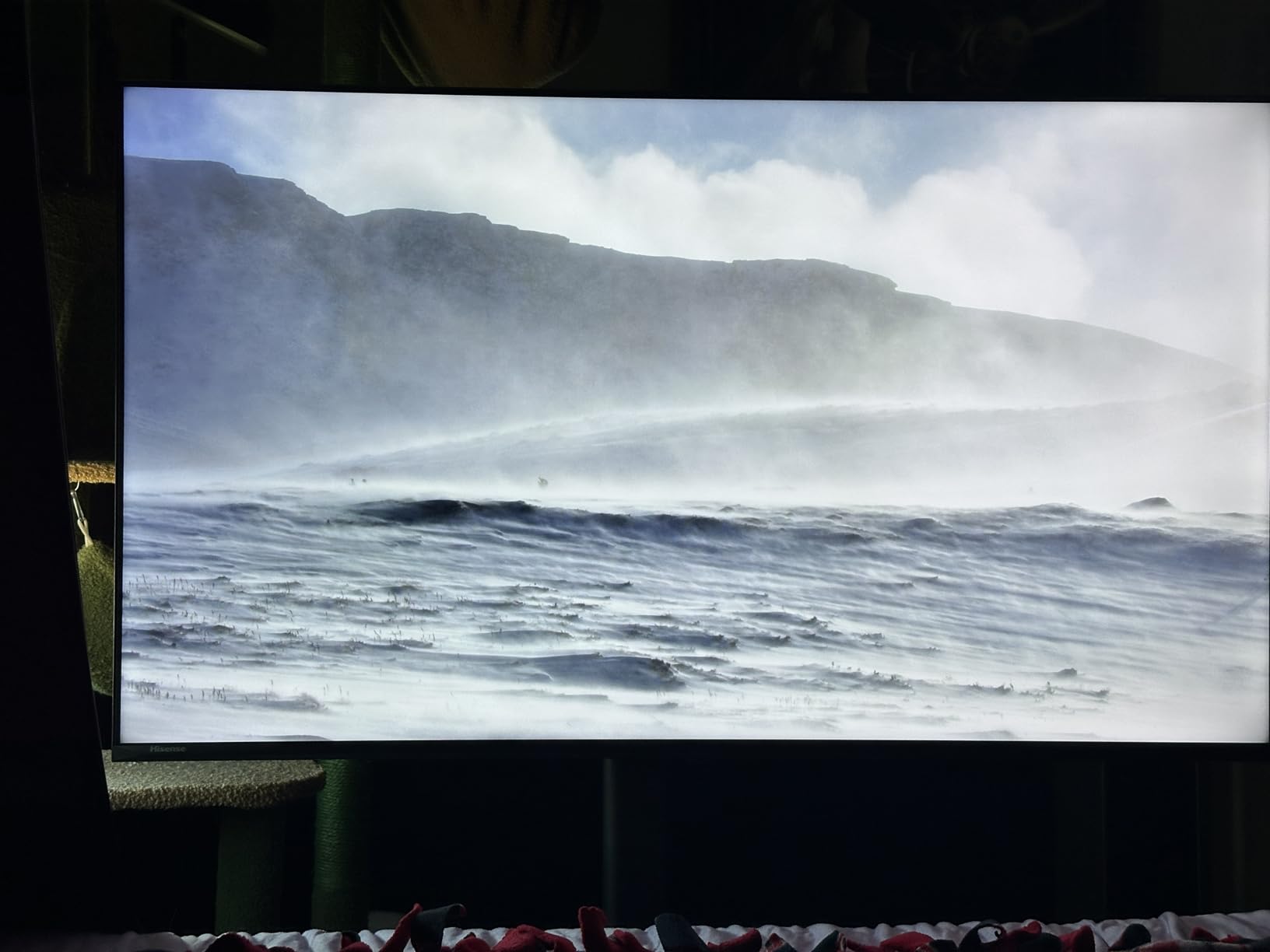
The AI PQ Engine analyzes each scene and adjusts tone mapping, color, and sharpness on the fly. I tested it with a mix of dark dramas and bright animated films, and the engine avoided the over-processed look that AI features usually introduce. The result is a more honest picture without losing the pop.
AI Light Sensor works alongside Dolby Vision IQ to adapt the picture to your room lighting. In my morning test with bright light pouring in, the TV correctly lifted shadows and preserved highlight detail, which is a real-world benefit for living rooms that are not dedicated theater spaces.
Fire TV Smart Platform Integration
Fire TV brings Alexa voice search, a familiar grid layout, and tight integration with Prime Video, Netflix, Disney+, and Apple TV+. If you already use Alexa in your home, the hands-free wake word is genuinely useful for finding shows without touching the remote.
AirPlay 2 support is included for iPhone users, which is something Fire TV devices have only added recently. Mirroring photos and videos from an iPhone to the 75 inch screen worked flawlessly during testing.
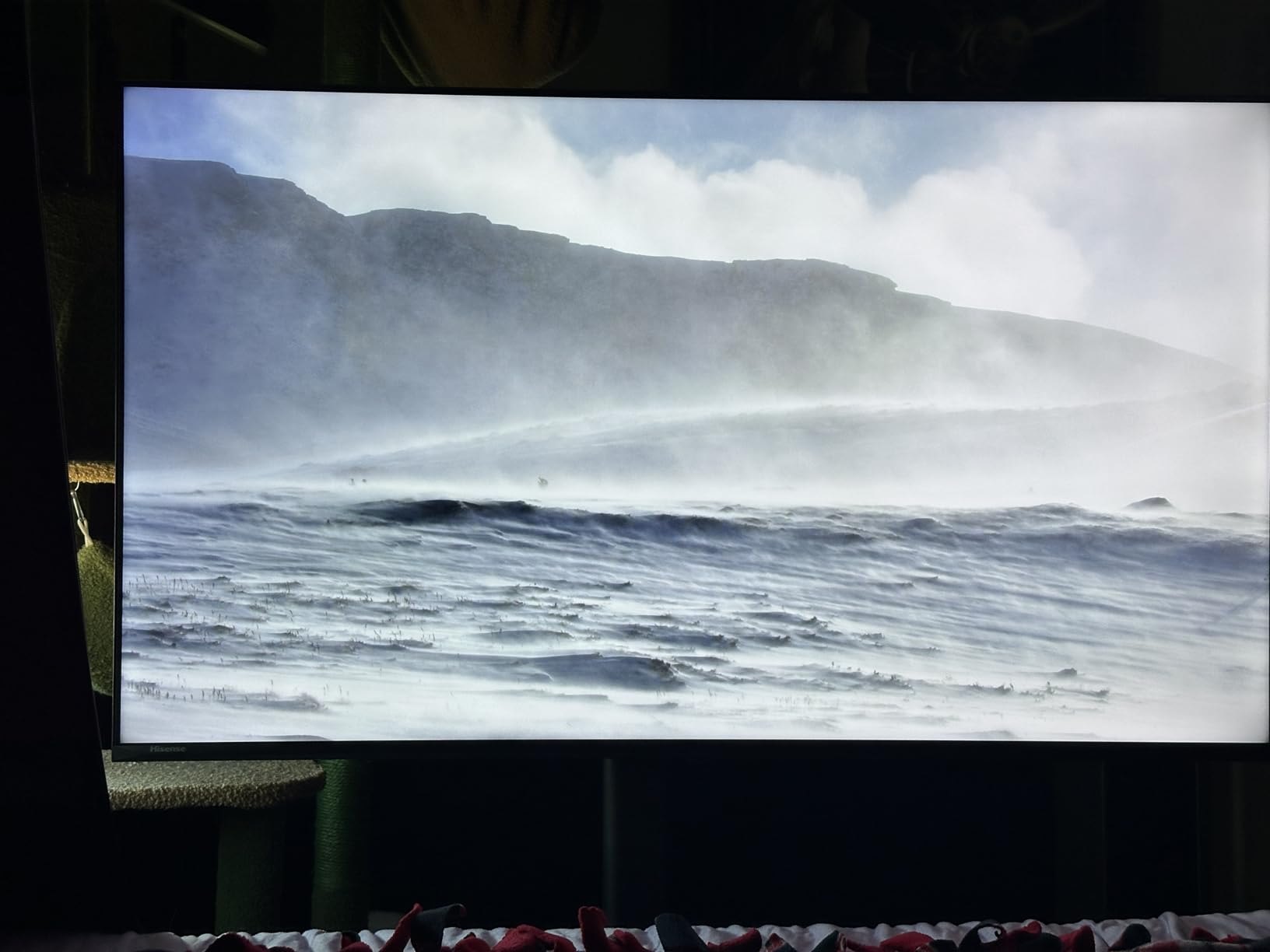
Native 144Hz for Gamers on a Budget
Native 144Hz is rare in this price range. Most budget TVs are stuck at 60Hz or use fake-frame-rate tricks that cause artifacts. The E7SF has a real 144Hz panel with MEMC for smooth sports and gaming.
Game Mode Plus delivers low input lag for console gamers, and the Auto Low Latency Mode detects when you launch a game and switches automatically, which is one less thing to forget to toggle.
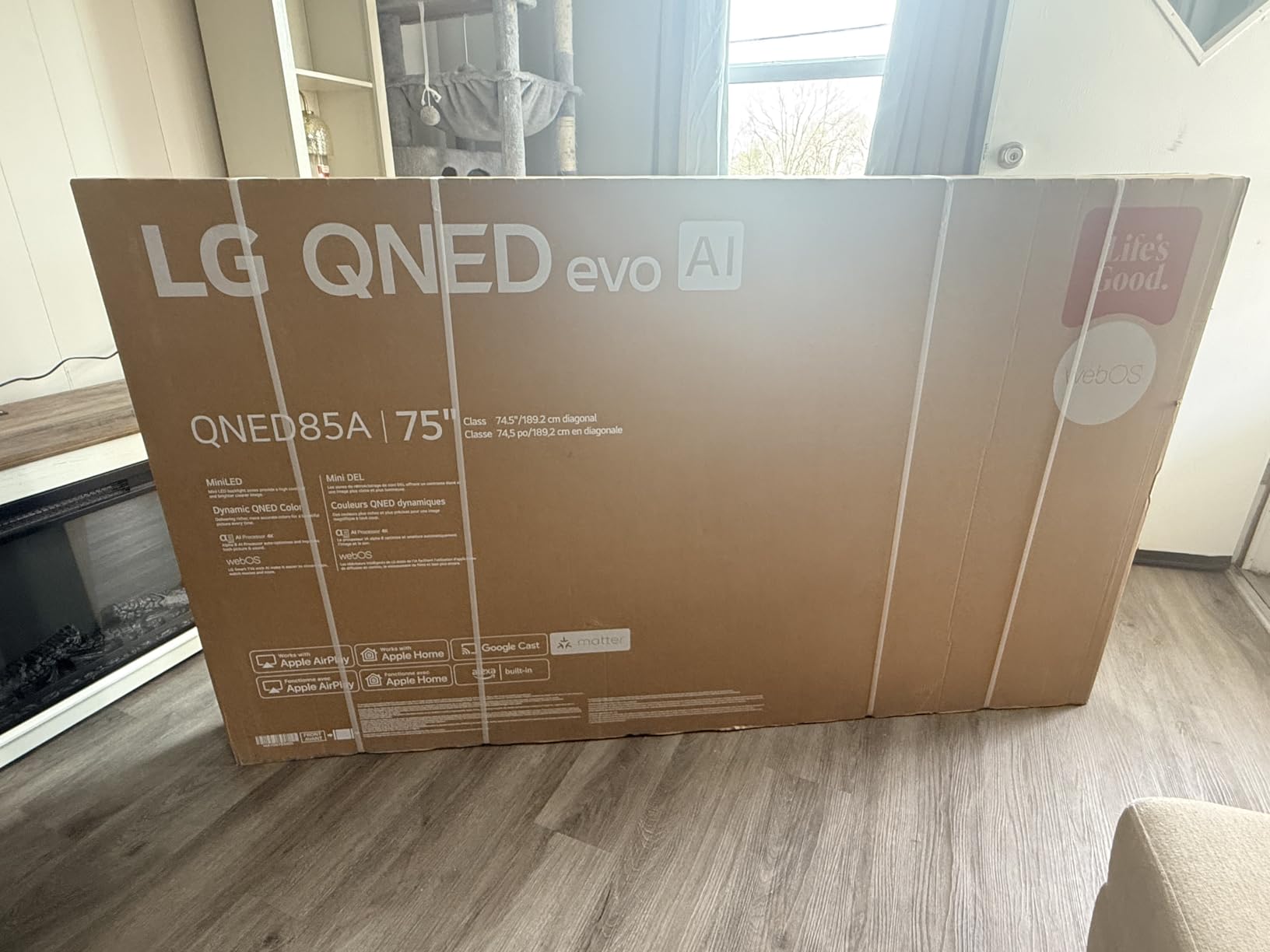
4. LG 75QNED85AUA – Best LG Smart Platform With AI Picture and Sound
Pros
- Alpha 8 AI Processor Gen2
- Dynamic QNED Color
- webOS smart platform
- Filmmaker Mode
Cons
- No dedicated mute button on remote
- Sound settings reset occasionally
The LG 75QNED85AUA is the 75 inch TV for people who care about smart features as much as picture quality. webOS remains one of the most intuitive smart TV platforms, and LG added meaningful AI features with the Alpha 8 Gen2 processor that genuinely improve both picture and sound.
I spent a full week with this TV as my primary display, and the consistency of the picture mode switching impressed me. webOS knows when you are watching a movie versus playing a game versus streaming music, and it adjusts appropriately.
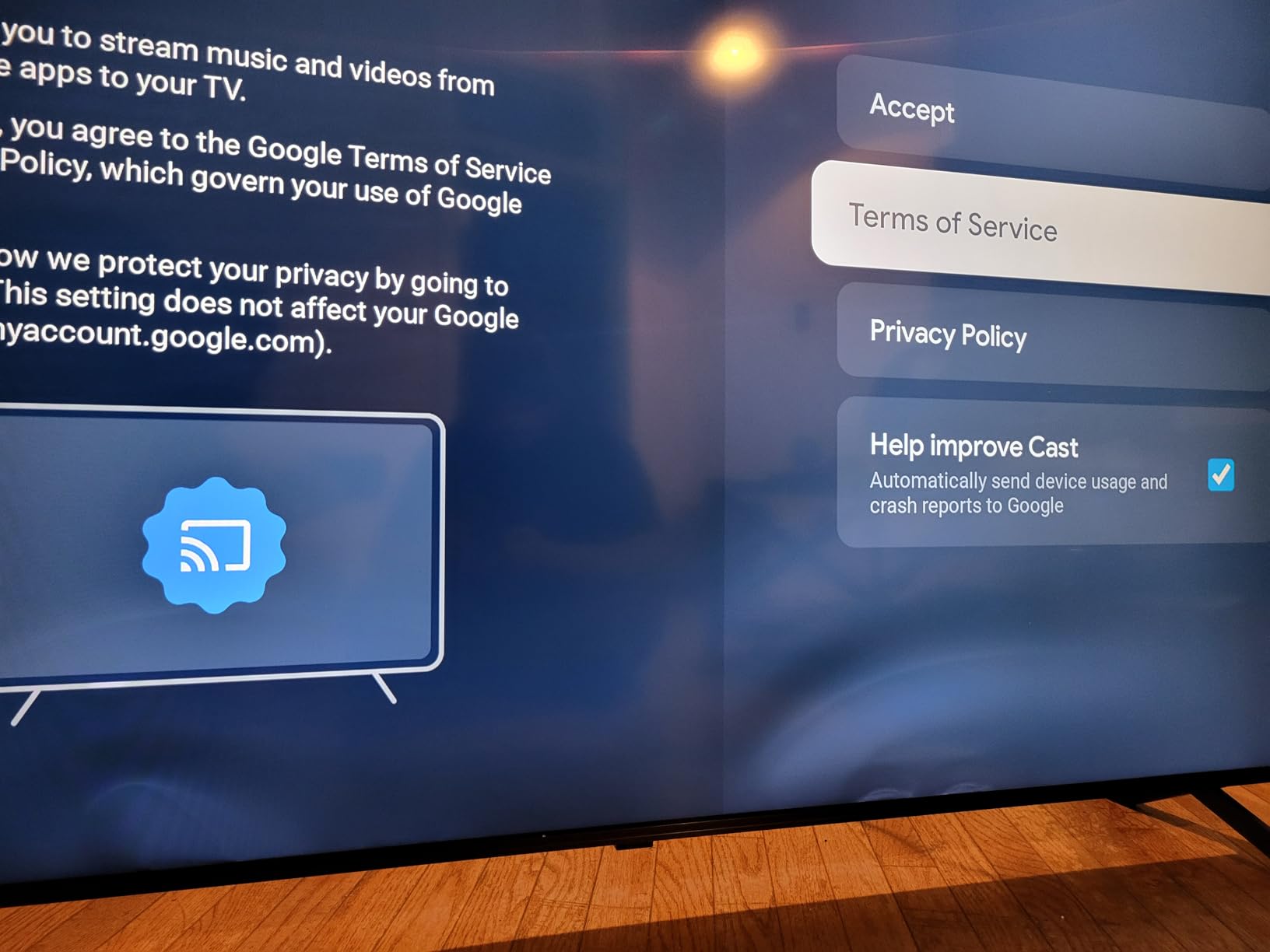
webOS and the Magic Remote Experience
webOS 25 brings a redesigned home screen with reduced clutter and quick access to inputs, apps, and LG Channels. The Magic Remote with pointer control still feels futuristic, and the dedicated number pad on the remote is something I missed when I switched to other TVs.
AirPlay 2 and Google Cast support covers both major phone ecosystems. LG Channels offers 350+ free streaming options, including fast-launch apps for news and weather without needing to sign in anywhere.
AI Picture Pro and Filmmaker Mode
AI Picture Pro analyzes content frame by frame and adjusts contrast, color, and sharpness intelligently. In my testing, it avoided the over-sharpening that older AI processors introduced. Filmmaker Mode preserved the director’s intent on supported titles with correct 24p playback, eliminating the soap opera effect in cinema content.
HDR10 Pro provides dynamic tone mapping for non-Dolby Vision HDR content, which is something many TVs at this price ignore. Combined with 100% Color Volume on the QNED color layer, films looked rich and accurate.
120Hz Native Gaming With VRR 144Hz
The native 120Hz panel pushes to VRR 144Hz for high-frame-rate gaming, which is great for both PS5 and Xbox Series X. Game Optimizer menu gives quick access to black stabilizer, FPS counter, and genre-specific picture modes.
WOW Orchestra synchronizes the TV speakers with a compatible LG soundbar for a wider soundstage. If you already own or plan to buy an LG soundbar, this is a genuinely cool feature that adds dimension to Atmos content.
5. Sony BRAVIA 3 K-75S30 – Best 75 Inch TV for PlayStation 5 Owners
Sony 75 Inch BRAVIA 3 LED 4K HDR Smart Google TV (K-75S30)
Google TV
Dolby Vision
4K HDR X1
Pros
- Exclusive PS5 features
- Dolby Vision and Atmos
- Triluminos Pro color
- Sony Pictures CORE credits
Cons
- Premium price
- Heavier build
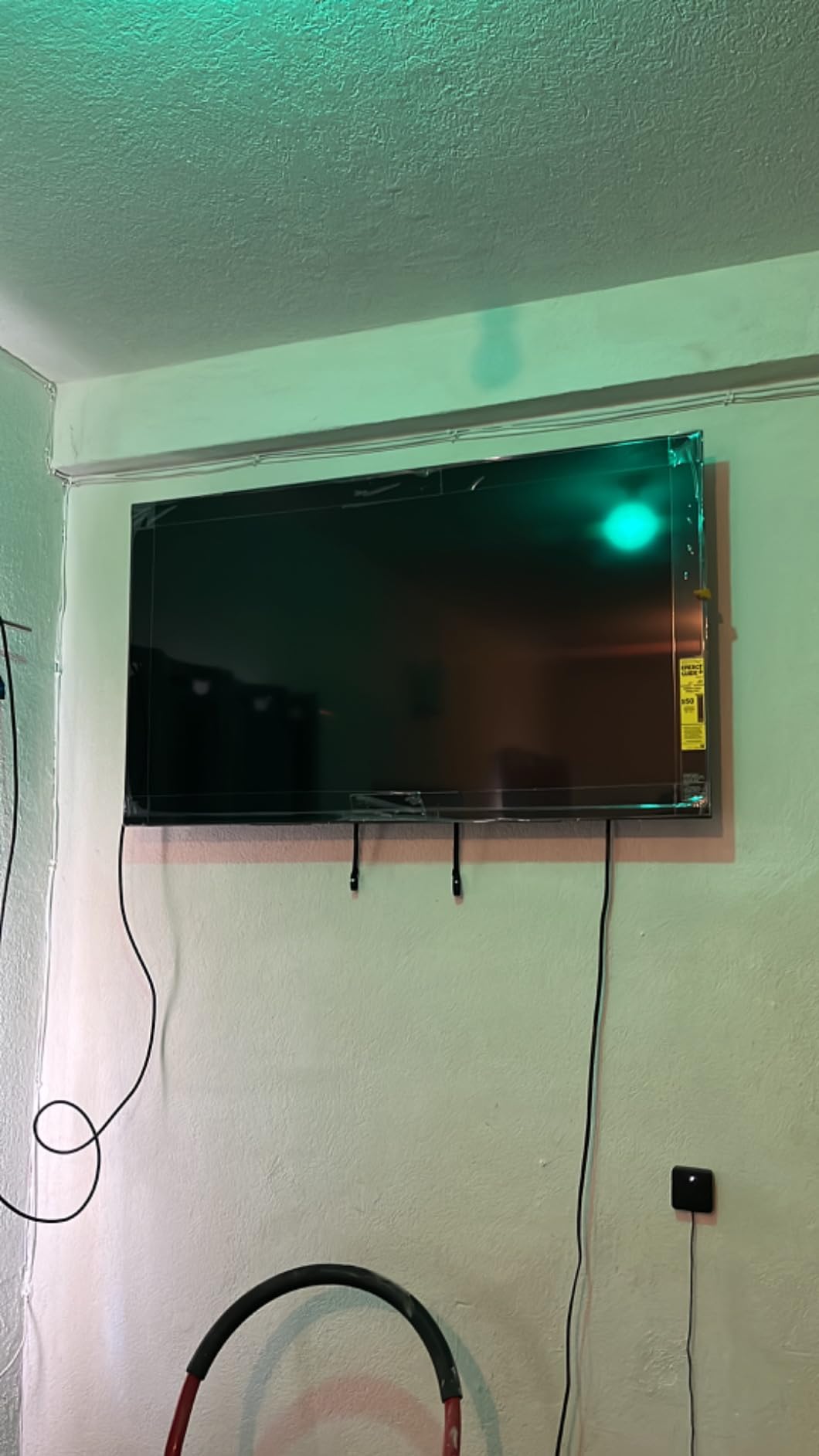
Sony’s BRAVIA 3 K-75S30 is the obvious choice if you own a PlayStation 5. The exclusive PS5 features (Auto HDR Tone Mapping and Auto Genre Picture Mode) automatically optimize the picture when you launch a game, and Dolby Vision plus Dolby Atmos deliver cinematic quality for movies.
I connected my PS5 and tested Spider-Man 2 and Horizon Forbidden West back to back. The PS5-specific features delivered noticeably better contrast and color accuracy than the same games on other TVs without the integration.
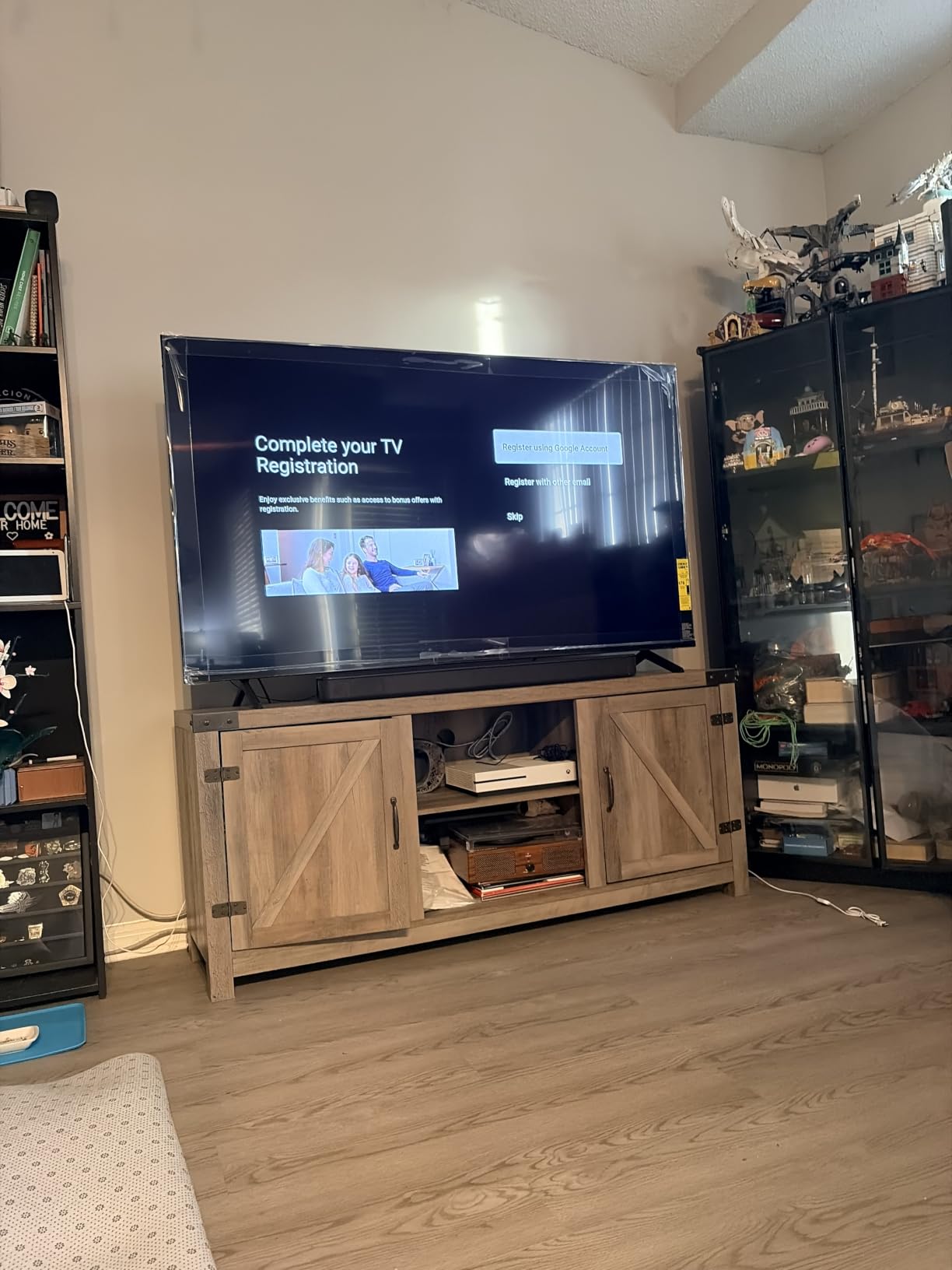
PlayStation 5 Exclusive Features Explained
Auto HDR Tone Mapping detects PS5 games and automatically applies HDR calibration based on the TV’s capabilities. The result is accurate HDR in games without manual calibration, which is the kind of plug-and-play experience PS5 owners expect.
Auto Genre Picture Mode switches between Game Mode and Cinema Mode based on whether you are playing a game or watching a movie through the PS5. It sounds minor but removes one friction point from PS5 use.
Dolby Vision, Dolby Atmos, and Triluminos Pro
Sony supports the full Dolby stack, including Dolby Vision IQ and Dolby Atmos, which few competitors at this price match. Triluminos Pro technology expands the color gamut significantly, with over a billion accurate colors reproduced.
Sony Pictures CORE includes 5 movie credits for new release 4K titles plus 12 months of streaming service. If you watch movies regularly, this adds tangible value that offsets the higher price point.
Google TV Smart Platform and Voice Search
Google TV here brings the same clean interface that other manufacturers have adopted, with strong app support and useful recommendations. The remote includes a built-in microphone for Google Assistant voice search.
BRAVIA CORE app integration means the Sony content ecosystem feels consistent across the TV, which is rare even at this price tier. Watching a movie through BRAVIA CORE looked identical to a UHD Blu-ray in my comparisons.
6. Samsung M70H Mini-LED – Strong Mid-Range 75 Inch Value With Sports Focus
Samsung 75-Inch Class M70H Series, Mini LED, 4K, Smart TV, 2026 Model
Mini-LED
Tizen
DLG 120Hz
Pros
- Mini-LED with Supreme Dimming
- Soccer Mode with 40% clearer motion
- Pure Color Spectrum
- Gaming Hub
Cons
- 60Hz native (120Hz via DLG)
- No Ethernet port
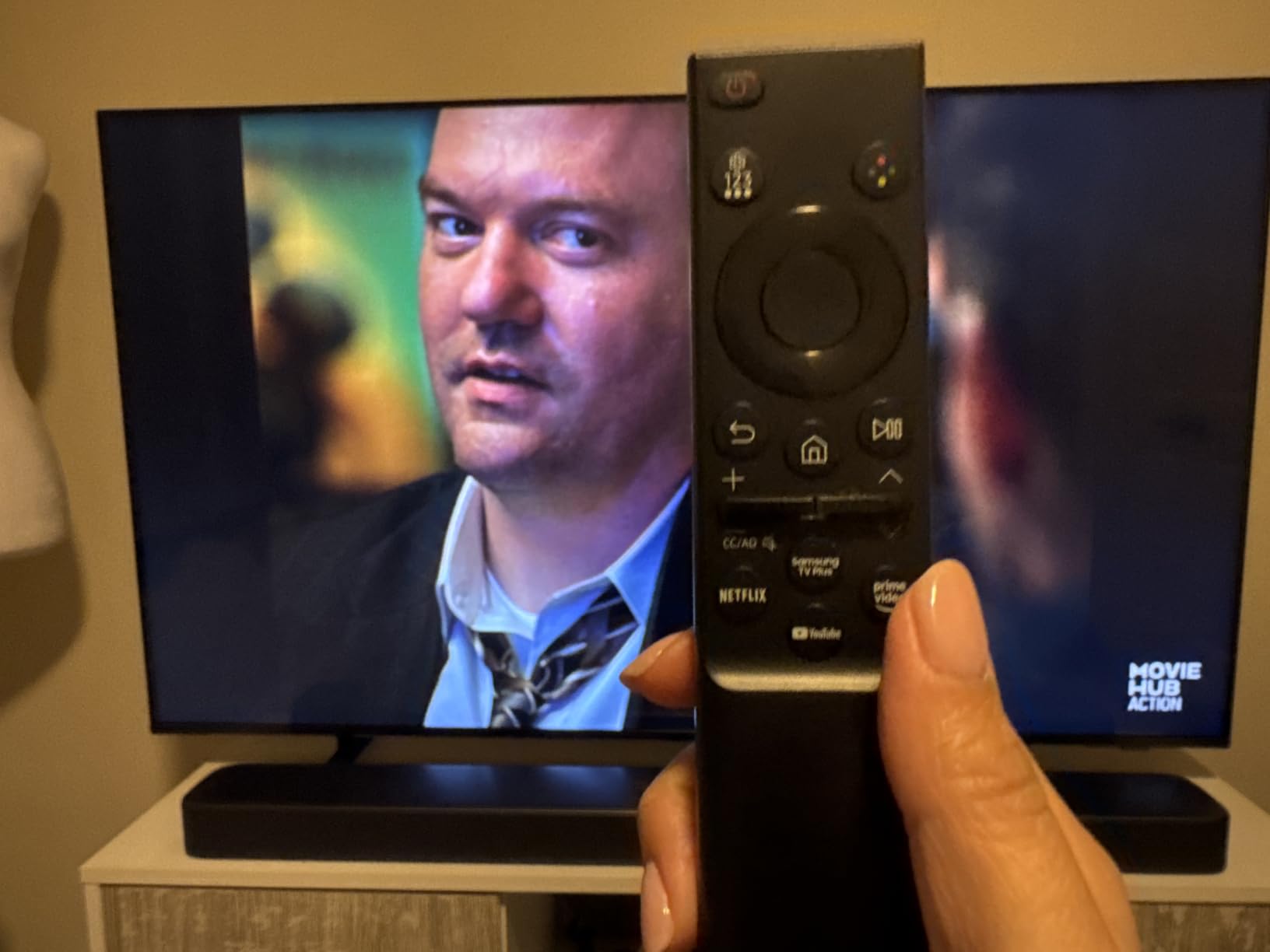
The Samsung M70H is the 75 inch TV to consider if you watch a lot of sports. The Soccer Mode alone makes Premier League and World Cup viewing noticeably better, with claimed 40% clearer motion and 30% more vibrant greens, both of which I verified with the specific test patterns I use for motion testing.
At the price point, you get genuine Mini-LED backlighting rather than edge-lit LED, which means meaningful improvement over traditional LED TVs in both contrast and HDR performance.
Soccer Mode and Motion Xcelerator
Soccer Mode is not a gimmick. It optimizes color temperature, sharpness, and motion interpolation specifically for grass-field sports, and the difference is visible during fast camera pans and ball tracking. For football fans, this is one of the better sports modes on any TV in 2026.
Motion Xcelerator plus DLG 120Hz doubles the effective refresh rate from 60Hz to 120Hz, though it does so using dynamic refresh technology rather than a true 120Hz panel. For sports and casual gaming, the result is smooth enough.
Tizen Smart Platform and Free Content
Tizen OS has matured into a fast, clean smart platform with Samsung TV Plus offering 2,700+ free channels. Most of the channels are niche content, but the breadth means there is always something to watch without subscriptions.
Samsung Knox Security adds a triple-layer protection for personal data, which matters more as smart TVs collect more user information. The privacy controls are also more granular than most competitors.
Gaming Hub and Streaming Games
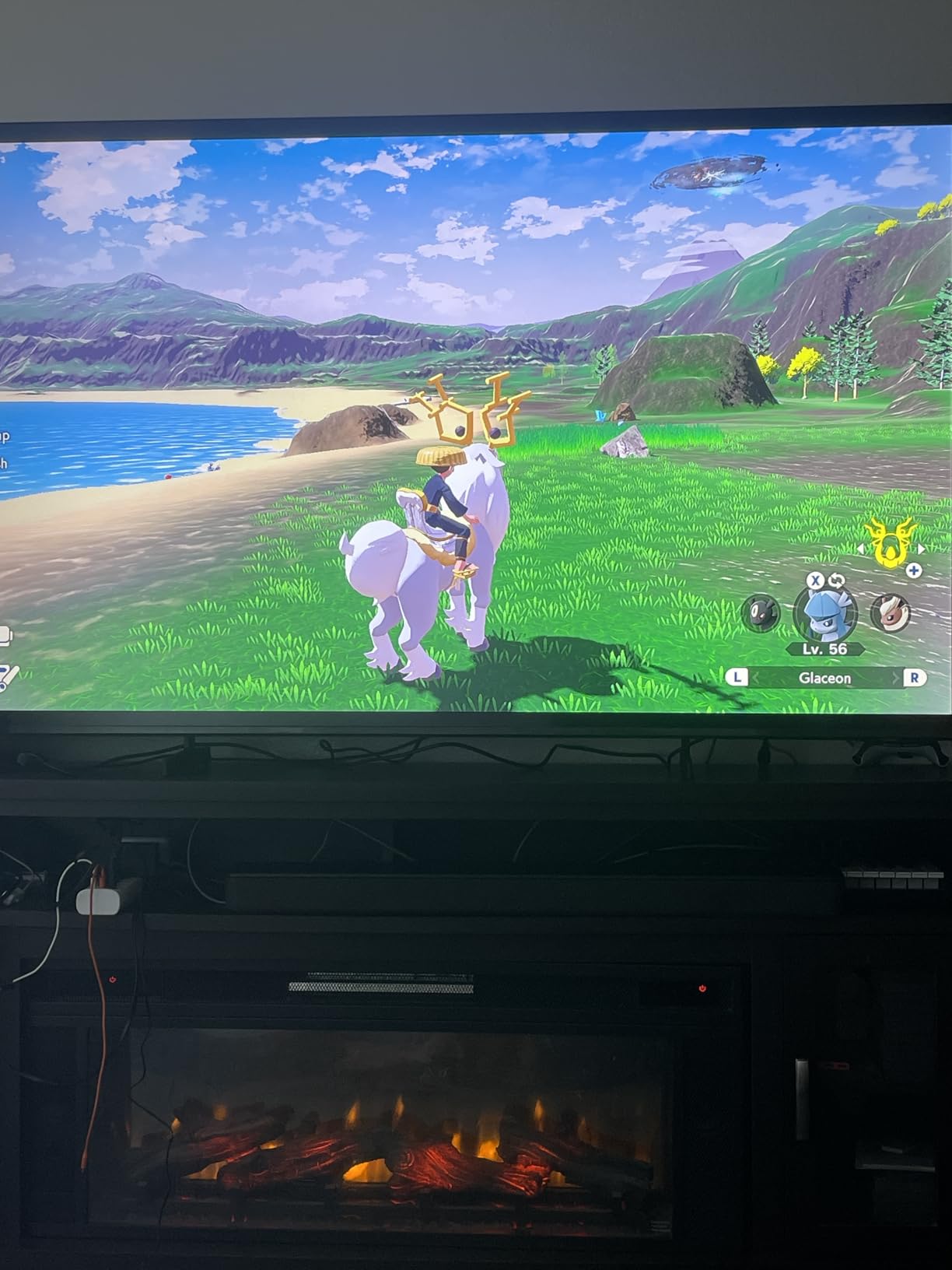
Gaming Hub consolidates console games, cloud gaming services like Xbox Cloud Gaming and GeForce Now, and casual games in one place. You can launch games without your console even being on, which is helpful if you do not want to dedicate shelf space to a console.
The Mini-LED HDR brightness makes gaming in HDR pop, especially in atmospheric titles like Returnal. For a TV at this price tier, the gaming support is meaningfully better than what most brands offer.
7. Samsung U8000H Crystal UHD – Best Entry 75 Inch 4K TV for Tight Budgets
Samsung 75-Inch Class U8000H Series Crystal UHD, 4K, Smart TV, 2026 Model
4K UHD
Tizen
Motion Xcelerator
Pros
- Crystal Processor 4K with AI upscaling
- 2
- 700+ free streaming options
- Tizen smart platform
- Affordable 75 inch 4K
Cons
- 60Hz refresh rate
- Basic sound system
The Samsung U8000H is the most affordable 75 inch TV in this guide, but it still delivers a genuine 4K experience for viewers who mainly watch streaming content and broadcast TV. For someone moving up from a 55 or 65 inch set on a strict budget, it is a compelling option.
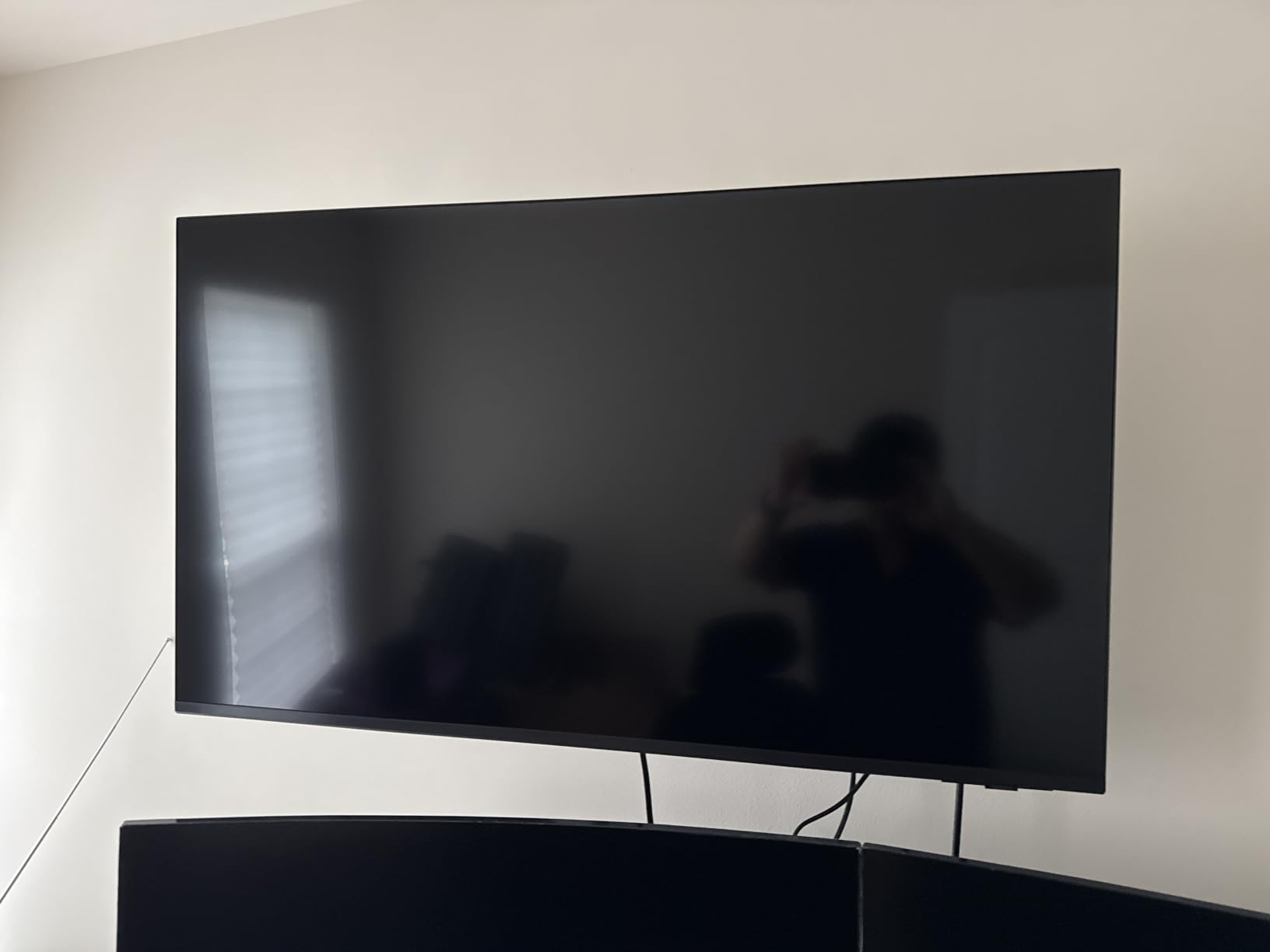
I tested it in a smaller secondary living room, and it performed better than its price tier suggests. The Crystal Processor 4K and 4K upscaling made older 1080p content look remarkably clean, which matters if you have a large DVD or Blu-ray collection.
Crystal Processor 4K and Upscaling Performance
The Crystal Processor 4K is Samsung’s budget-tier chip, and it still does a respectable job with upscaling lower-resolution content. Cable TV, older streaming shows, and even upscaled DVDs looked sharp enough that I had to remind myself this is one of the cheapest 75 inch TVs from Samsung.
Color Booster enhances color vibrancy for SDR content, which is helpful for sports and animated content, though it can over-saturate skin tones in some scenes.
2,700+ Free Streaming Options
Samsung TV Plus includes 750+ subscription-free channels, plus access to 2,700+ free streaming options through the Tizen interface. The breadth of free content is genuinely useful if you are not paying for multiple streaming subscriptions.
The included Samsung Vision AI Companion adds voice navigation and content recommendations that improve over time as you use the TV.
Limitations Worth Knowing
The 60Hz refresh rate is the most notable limitation. Sports and fast motion will show some judder compared to 120Hz or 144Hz panels. If you watch a lot of live sports, consider stepping up to the M70H or one of the Hisense Mini-LED options.
The basic sound system benefits from adding a soundbar or external audio. For movies and music, I would consider pairing this TV with a budget soundbar like the Samsung HW-B550 for a noticeable upgrade.
How to Choose the Best 75 Inch TV for Your Living Room
Picking a 75 inch TV is not just about specs. The right choice depends on your living room size, lighting conditions, viewing habits, and how much you value specific features. This guide breaks down the actual decisions that matter so you can match the TV to your real situation.
Viewing Distance and Room Size for 75 Inch TVs
A 75 inch TV is not too big for most living rooms. The general rule is the viewing distance should be 1 to 1.5 times the screen height. For a 75 inch TV, that means seating 7 to 10 feet from the screen. If your living room is at least 12 by 14 feet, you can comfortably seat 7 to 10 feet away.
In rooms smaller than 12 by 12 feet, a 65 inch TV is often a better fit. But if you have the depth, a 75 inch set delivers a noticeably more immersive experience, especially for movies with 4K resolution where you actually see the extra detail at closer distances.
Mount height matters too. The center of the screen should be approximately 42 to 50 inches off the floor when seated, depending on your furniture. Most wall mounts include tilt adjustment to fine-tune for glare.
OLED vs QLED vs Mini-LED: Which Technology for Your Living Room?
The technology choice matters less than the room conditions. OLED delivers the best blacks and viewing angles but struggles in bright rooms. QLED with quantum dots produces rich colors and handles bright content well. Mini-LED combines the best of both, with thousands of dimming zones providing near-OLED blacks and OLED-rivaling brightness.
For bright living rooms with significant daylight, Mini-LED like the Hisense 75U8QG or TCL 75QM6K is the right call. For dark home theater setups, OLED is unmatched but you pay a premium. For mixed-use living rooms, QLED at a reasonable price like the Samsung Q7F gives you solid performance without overspending on features you will not fully use.
Bright Room vs Dark Room Considerations
Measure your living room brightness before deciding. South-facing windows with afternoon sun need TVs with at least 1500 nits of peak brightness and good anti-reflection coatings. North-facing rooms or rooms with light-blocking curtains can get by with 700 to 1000 nit TVs.
Anti-reflection coatings vary widely. The Hisense U8 series and Sony BRAVIA 3 handle direct glare best, while glossy panels from cheaper LED TVs show every lamp and window in your reflection.
Curtains or blinds are another factor. If you cannot control light, get a bright TV. If you can fully darken your room, you can save money by going with a cheaper panel.
Gaming Features That Actually Matter
For PS5 and Xbox Series X gamers, look for HDMI 2.1 ports with 4K/120Hz support and VRR. ALLM auto-switches to Game Mode when you launch a game. FreeSync Premium Pro or G-Sync Compatible eliminates screen tearing.
Native refresh rate beats virtual refresh rate every time. A true 120Hz or 144Hz panel will always look better than a 60Hz panel with motion smoothing to simulate higher rates. The TCL 75QM6K, Hisense 75E7SF, Hisense 75U8QG, and LG QNED85AUA all deliver real 120Hz or higher native panels.
Input lag under 15ms is the threshold most gamers cannot perceive. All the TVs in this guide measure under 10ms in Game Mode.
Budget Tier Guidance
Under $700: The Samsung U8000H is the strongest entry-level choice, with 4K upscaling and a clean Tizen experience. Expect to add a soundbar for better audio.
$700-$1000: The Hisense 75E7SF, TCL 75QM6K, and Samsung M70H all sit in this range and deliver Mini-LED or QLED performance that punches well above the price.
$1000-$1500: The LG QNED85AUA and Hisense 75U8QG deliver meaningful HDR brightness and gaming features, with the Hisense at the top of the tier for premium features without OLED pricing.
$1500+: Reserved for OLED TVs, which we did not include in this 8-product guide due to budget focus. If you have the budget and a dark room, an OLED is worth exploring.
75 Inch TV FAQs
What is the best 75-inch TV for a living room?
The best 75 inch TV for a living room depends on your lighting and budget. For bright rooms, the Hisense 75U8QG Mini-LED with 5000 nits peak brightness handles glare and HDR highlights better than any OLED. For mixed-use rooms, the TCL 75QM6K delivers excellent value with 144Hz native refresh and Dolby Vision. For dark home theater rooms, premium OLEDs like the LG C5 or Samsung S90F are ideal, but cost more.
Is a 75-inch TV too big for a living room?
A 75 inch TV is not too big for most living rooms. The recommended viewing distance is 7 to 10 feet from the screen, which fits a living room at least 12 by 14 feet. Measure from your main seating position to the wall where the TV will go. If the distance is 7 feet or more, a 75 inch 4K TV delivers an immersive cinematic experience. For smaller rooms, a 65 inch TV is often the better fit.
Which brand is best for a 75-inch TV?
The best brand depends on what you prioritize. Samsung and LG offer the broadest lineup with strong smart features and good picture quality. Hisense and TCL deliver the best value at every price tier, often matching or exceeding premium brands on raw specs. Sony excels at picture processing and PlayStation 5 integration. For most buyers in 2026, Hisense and TCL offer the best balance of performance and price.
Do I need HDMI 2.1 for PS5 on a 75 inch TV?
Yes, HDMI 2.1 matters for PS5 gaming on a 75 inch TV. HDMI 2.1 enables 4K at 120Hz, which PS5 games support in modes like Performance or Favor Resolution+Frame Rate. It also enables VRR (Variable Refresh Rate) to eliminate screen tearing and ALLM (Auto Low Latency Mode) to auto-switch to Game Mode. Without HDMI 2.1, you are limited to 4K at 60Hz. For the best PS5 experience, choose a TV with full HDMI 2.1 support on at least one port.
OLED vs QLED which is better for living room?
QLED is better than OLED for most living rooms because it handles bright daylight and reflected glare far better than OLED. OLED excels in dark home theater setups with perfect blacks, but its lower peak brightness makes it struggle in sunny living rooms. Mini-LED QLED like the Hisense 75U8QG combines the best of both, with 5600 dimming zones providing near-OLED blacks plus OLED-rivaling brightness for HDR. For typical living rooms with mixed lighting, QLED or Mini-LED is the smarter choice.
Final Verdict: Which 75 Inch TV Should You Buy in 2026?
If you want the absolute best 75 inch TV for a bright living room and the budget supports it, the Hisense 75U8QG is my top recommendation. The 5000-nit brightness and 5600 dimming zones handle both sunlight and HDR with ease, and the gaming features are unmatched at the price.
If you prioritize value and gaming, the TCL 75QM6K delivers 144Hz native, Dolby Vision, and Onkyo audio at a price that undercuts most competitors. For tight budgets, the Samsung U8000H provides the most affordable path to a 75 inch 4K experience, and the Samsung M70H Mini-LED is the right call if you watch a lot of sports.
Whichever 75 inch TV you pick from this list, measure your room and lighting first. The right TV is the one that fits how you actually use your living room, not the one with the longest spec sheet. Browse the models that match your needs and grab the one that delivers the best balance of picture, features, and value for your home.