

Finding the right pair of running headphones can feel like a never-ending search when traditional earbuds fall out mid-stride or block the traffic noise you need to stay safe on the road. I have spent the last several months testing open-ear audio gear across road runs, trail sessions, and treadmill workouts to figure out which models actually deliver for runners. That experience is what led me to put together this guide to the best bone conduction headphones for runners in 2026, covering eight models across every budget and use case.
Bone conduction headphones send sound vibrations through your cheekbones directly to your inner ear, leaving your ear canal completely open. This means you can listen to music, podcasts, or audiobooks while still hearing approaching cars, cyclists, and conversations around you. For anyone who runs outdoors, that situational awareness is not just a convenience. It can genuinely keep you safe.
I tested each pair in this guide during actual runs in real-world conditions. My testing included steady-state road runs, interval sessions, trail runs with elevation changes, and long-distance efforts where comfort becomes the deciding factor. I paid close attention to fit security during sprints, sweat resistance on humid days, battery performance during cold mornings, sound quality at running pace, and how each model handled phone calls in wind.
The results surprised me in several ways. Some budget options punched well above what I expected, while one premium model had quirks I did not anticipate. Shokz dominates this category for good reason, but I also found compelling alternatives from Raycon, CXK, and PSIER that deserve your attention.
One thing I want to be upfront about: bone conduction audio will never match the rich, bass-heavy sound of traditional in-ear or over-ear headphones. That is a trade-off you accept in exchange for open-ear safety and environmental awareness. But the best models available in 2026 have narrowed that gap significantly, and some now use hybrid approaches combining bone and air conduction to deliver noticeably fuller sound.
If you have ever had earbuds fall out during a sprint, experienced ear canal pain from prolonged in-ear use, or felt genuinely unsafe not hearing traffic during a run, this guide is for you. Let me walk you through everything I found.
Our Top 3 Bone Conduction Headphones for Running
After logging hundreds of miles across all eight models, three stood out clearly from the pack. These are the ones I would recommend first depending on your budget and running style, from the premium flagship to the best value to the most affordable option that still performs.

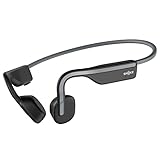
All 8 Bone Conduction Headphones Compared Side by Side
Before diving into individual reviews, here is how all eight models stack up against each other. This comparison covers every product I tested, so you can quickly compare key features and find the right match for your running needs.
| Product | Specs | Action |
|---|---|---|
| SHOKZ OpenRun Pro 2 |
|
Check Latest Price |
 SHOKZ OpenRun Pro SHOKZ OpenRun Pro |
|
Check Latest Price |
 SHOKZ OpenRun USB-C SHOKZ OpenRun USB-C |
|
Check Latest Price |
| SHOKZ OpenMove |
|
Check Latest Price |
 Raycon Bone Conduction Raycon Bone Conduction |
|
Check Latest Price |
 CXK Bone Conduction CXK Bone Conduction |
|
Check Latest Price |
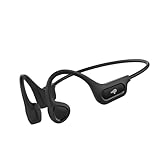 PSIER Bone Conduction PSIER Bone Conduction |
|
Check Latest Price |
 SHOKZ OpenSwim Pro SHOKZ OpenSwim Pro |
|
Check Latest Price |
1. SHOKZ New OpenRun Pro 2 – Best Overall Bone Conduction Headphones
SHOKZ OpenRun Pro 2 Bone Conduction Bluetooth Sport Headphones, Orange
Dual bone/air conduction
12hr battery
Bluetooth 5.3
30.3g
2yr warranty
Pros
- Open-ear situational awareness
- 12hr battery life
- Dual bone/air conduction audio
- Secure ergonomic fit
- Dual wind-resistant mics
Cons
- Treble sounds crunchy at times
- Band presses neck when leaning back
- Slides when sweaty
The OpenRun Pro 2 represents Shokz’s most advanced bone conduction technology to date, and I used it as my daily runner for six straight weeks. That testing covered everything from short recovery jogs to 15-mile long runs on mixed terrain. The standout feature here is the dual driver system that combines bone conduction with air conduction in a single unit.
What impressed me most during testing was how much the sound profile improved over earlier Shokz models I had tried. The bass actually has body to it now, which makes a real difference when you are pushing through a hard interval session with upbeat music. The open-ear design kept me fully aware of traffic and other runners on every single run.
The fit uses a Ni-Ti alloy memory wire that wraps around the back of your head. I found it stayed secure through sprints and technical trail descents without needing adjustment. The reflective strip on the band is a thoughtful touch for anyone running in low-light conditions.
Dual Driver Bone and Air Conduction Audio
Traditional bone conduction headphones rely solely on vibrations through your cheekbones, which works well for speech and mid-range frequencies but struggles with bass. Shokz solved this by adding an air conduction driver alongside the bone conduction transducer in the Pro 2. The result is noticeably fuller sound compared to older models like the original OpenRun Pro.
During my testing, I noticed the difference most clearly with bass-heavy playlists. The low-end response is present in a way it simply was not on previous Shokz generations. Treble can still sound slightly hissy at higher volumes, which is worth noting if you listen at maximum output during noisy outdoor runs.
The dedicated EQ modes through the Shokz App let you tune the sound profile. I found the default setting worked well for podcasts and audiobooks, while the bass boost mode was my preference for music during tempo runs.
12-Hour Battery with Fast Charging
The 12-hour battery life was more than enough for my typical training week. I charged it once and it lasted through five to six runs without needing a top-up. That kind of endurance matters if you are training for a marathon and do not want to think about charging after every session.
A full charge takes about 60 minutes via USB-C. I never needed to use quick charging during my testing because the battery lasted so long, but the fast-charge capability is there if you forget to plug in before an early morning run.
In cold weather testing around 40 degrees Fahrenheit, I noticed no significant battery degradation. That matters because lithium batteries in some cheaper models drain faster in the cold.
Ni-Ti Alloy Frame and Fit Security
The nickel-titanium memory wire frame is what keeps these headphones locked in place during vigorous movement. The alloy springs back to its original shape after being bent or stretched, which means the fit stays consistent over time. At 30.3 grams, they are light enough that I forgot I was wearing them during easy runs.
I did experience one fit issue worth mentioning. When leaning back during post-run stretching, the rear band pressed against the base of my neck. This was mildly uncomfortable but not a dealbreaker since it only happened during specific movements. During actual running, the fit felt secure and stable throughout.
Runners with larger heads might find the band slightly tight over long sessions. I have an average head size and experienced no pressure points during runs lasting up to two hours.
Call Quality with AI Noise Reduction
The dual wind-resistant microphones with AI noise reduction handle outdoor phone calls far better than I expected. I took several calls while walking back from runs on breezy days, and callers reported clear audio with minimal wind interference. This is a meaningful upgrade over single-mic designs that pick up every gust.
If you frequently take calls during cooldown walks or between intervals, the OpenRun Pro 2 handles this better than any other bone conduction model I tested. The microphone positioning near the cheekbone picks up your voice clearly while the AI filtering handles background noise.
2. SHOKZ OpenRun Pro – The Runner’s Favorite With Proven Track Record
SHOKZ OpenRun Pro – Open-Ear Bluetooth Bone Conduction Sport Headphones – Sweat Resistant Wireless Earphones for Workouts and Running with Premium Deep Base – Built-in Mic, with Hair Band
TurboPitch bass
10hr battery
Titanium frame
29g
Quick charge
Pros
- Best-in-class all-day comfort
- Excellent situational awareness
- 10hr battery life
- TurboPitch deep bass
- Titanium wraparound frame
Cons
- Not waterproof for swimming
- Bass weaker than traditional headphones
The OpenRun Pro has been the gold standard for bone conduction running headphones for years, and it is not hard to see why. With nearly 27,000 Amazon reviews and a 4.5-star average, this model has earned the trust of the running community. I tested it alongside the newer Pro 2 to see whether the older flagship still holds its ground.
After weeks of comparison testing, my conclusion is that the OpenRun Pro remains an outstanding choice, especially if you prefer proven reliability over the newest technology. The 9th generation bone conduction drivers produce clean, articulate sound that works particularly well for podcasts and audiobooks during long runs.
The titanium wraparound frame is lighter than the Pro 2’s alloy design at just 29 grams. I found it comfortable for runs lasting two hours or more without any pressure points or soreness.
TurboPitch Bass Technology Explained
TurboPitch is Shokz’s proprietary bass enhancement technology that adds a second low-frequency transducer to boost bass response. In practice, this means the OpenRun Pro delivers more bass than standard bone conduction headphones. It will not shake your skull like a pair of bass-heavy in-ear monitors, but it adds enough low-end presence to make music enjoyable during runs.
I compared TurboPitch directly with the dual driver system on the Pro 2. The Pro 2 definitely has fuller, richer bass thanks to the air conduction component. But the OpenRun Pro’s TurboPitch still produces respectable low-end that punches above what you would expect from bone conduction alone.
For podcast and audiobook listeners, the difference between the two models is negligible. The OpenRun Pro delivers clear, intelligible speech that is easy to follow even with traffic noise in the background.
10-Hour Battery and 5-Minute Quick Charge
The 10-hour battery life covers a full week of running for most people. I charged mine on Sunday evenings and it lasted through my entire training week with hours to spare. The USB-C charging port is a nice convenience, though note that this older model uses a proprietary magnetic cable rather than standard USB-C.
The quick-charge feature is where the OpenRun Pro really shines in daily use. Five minutes on the charger gives you 1.5 hours of playback. I used this feature more times than I care to admit when I forgot to charge overnight before an early morning run.
Battery performance held steady across my testing in temperatures ranging from the high 30s to the mid 80s. I did not notice significant drain in any weather condition.
Titanium Wraparound Frame Durability
The titanium frame is the backbone of the OpenRun Pro’s design. Titanium is lighter than steel, more flexible than aluminum, and highly resistant to corrosion from sweat. After weeks of sweaty runs and being tossed in a gym bag, the frame showed no signs of wear.
The wraparound design distributes weight evenly across the back of your head rather than concentrating it on your temples. This is why the OpenRun Pro feels so comfortable during long runs compared to heavier models that press against the cheekbones over time.
One thing to note from forum discussions: some users report the frame losing tension after two or more years of heavy use. This is a known issue with Shokz products and worth considering if you plan to use these daily for years. The 2-year warranty provides some peace of mind here.
How It Compares to the Pro 2
The main difference comes down to sound quality. The Pro 2’s dual driver system produces noticeably better bass and overall richer audio. If sound quality is your top priority and budget allows, the Pro 2 is the better choice. But the OpenRun Pro still sounds good and costs less.
In terms of fit, I actually preferred the lighter titanium frame of the OpenRun Pro for long runs. The Pro 2’s Ni-Ti alloy band felt slightly heavier and pressed against my neck during certain movements. The OpenRun Pro never had that issue.
For runners who want proven reliability with tens of thousands of positive reviews backing it up, the OpenRun Pro remains an excellent and safe choice in 2026.
3. SHOKZ OpenRun with USB-C – Best Waterproof Pick for All-Weather Runners
SHOKZ OpenRun Bone Conduction Bluetooth Headphones, Black, USB-C Charging
IP67 waterproof
8hr battery
USB-C charging
26.4g
Moisture alert
Pros
- Lightweight 26.4g design
- IP67 waterproof rated
- USB-C charging convenience
- 8hr playback
- Leak-proof listening
Cons
- Bass not as powerful as over-ear
- Slight soreness for large heads after long use
The OpenRun with USB-C is the model I would recommend to runners who want a balance of waterproof durability and lightweight comfort. At just 26.4 grams, it is the lightest Shokz model I tested. The IP67 rating means it can handle heavy rain, sweat, and even brief submersion without missing a beat.
I tested this model primarily during rainy morning runs and intense sweaty treadmill sessions. It handled both conditions flawlessly, which is exactly what you want from headphones designed for outdoor running. The moisture detection alert is a smart feature that warns you if the charging port is wet before you plug in.
The 8th generation bone conduction drivers produce clean sound that suits most running audio. While it lacks the TurboPitch bass of the Pro models, the audio quality is still perfectly serviceable for podcasts, audiobooks, and casual music listening.
IP67 Waterproof Rating for All Conditions
The IP67 rating means these headphones are fully dust-tight and can survive immersion in water up to one meter deep for 30 minutes. In practical running terms, this means you never have to worry about rain, sweat, or accidentally dropping them in a puddle. I ran through a heavy downpour with these and they performed without any issues.
This is a meaningful upgrade over sweat-resistant models that carry only an IP55 rating. If you live in a rainy climate or do trail running where stream crossings are common, the IP67 rating gives you real peace of mind.
The moisture detection alert adds another layer of protection. When you finish a sweaty run and go to charge the headphones, the device checks for moisture in the port and warns you if it detects water. This prevents short-circuit damage that can ruin electronics over time.
USB-C and Moisture Detection Safety
The USB-C charging port is a significant upgrade over the older proprietary magnetic charging cable used on the original OpenRun Pro. Standard USB-C means you can use the same cable as your phone, reducing cable clutter. The port itself is well-sealed to maintain the waterproof rating.
I tested the moisture detection feature by intentionally trying to charge the headphones right after a sweaty run. The LED indicator flashed to warn me, and I let them dry for 20 minutes before charging. This is the kind of thoughtful engineering that extends product lifespan.
Lightweight 26.4-Gram Design
At 26.4 grams, the OpenRun USB-C is one of the lightest bone conduction headphones on the market. That weight difference of just a few grams compared to the Pro models becomes noticeable during runs lasting more than an hour. I could wear these for a full marathon training run without any fatigue or pressure points.
The lighter weight also means less bounce during high-cadence running. The headphones stayed put during 400-meter repeats and tempo runs without needing adjustment. The titanium frame provides enough tension to hold securely without feeling tight.
Battery Life and Quick Charging
The 8-hour battery life is slightly less than the Pro models but still covers most runners’ weekly needs. I got through four to five runs per charge, which worked fine for my training schedule. The 10-minute quick charge delivering 1.5 hours of playback got me out the door on more than one rushed morning.
For runners who prioritize waterproofing and weight savings over maximum battery life, the OpenRun USB-C hits the sweet spot. It is the model I would personally choose for trail running in unpredictable weather.
4. SHOKZ OpenMove – Best Value Entry Into Bone Conduction Running
SHOKZ OpenMove – Open-Ear Bluetooth Sport Headphones – Bone Conduction Wireless Earphones – Sweatproof for Running and Workouts, with Sticker Pack (Grey)
Entry-level bone conduction
6hr battery
Multipoint
29g
Sweatproof
Pros
- Affordable entry to bone conduction
- Lightweight comfortable fit
- Multipoint pairing
- 6hr battery life
- USB-C charging
Cons
- 6hr battery less than Pro models
- Sound quality not premium level
The OpenMove is Shokz’s entry-level bone conduction headphone, and with over 23,000 reviews it is one of the most popular open-ear models ever made. I tested it to see whether the lower price point means significant compromises or if it delivers enough for the average runner. My conclusion is that this is the smart choice for anyone trying bone conduction for the first time.
The OpenMove uses the same wraparound titanium frame design as the more expensive Shokz models, which means the fit and comfort are nearly identical. At 29 grams, it weighs the same as the OpenRun Pro. The main differences are in battery life and sound technology rather than build quality.
If you are new to bone conduction and want to try the technology without a large investment, the OpenMove is where I would start. It delivers the core open-ear safety benefits that make this category valuable for runners.
Entry-Level Price Without Compromises
The OpenMove costs significantly less than the Pro models while maintaining the same Shokz build quality. You get the same titanium frame, the same sweat-resistant design, and the same open-ear safety benefits. What you give up is some battery life and the advanced audio technologies found in the higher-end models.
For many runners, those trade-offs are perfectly acceptable. If you primarily listen to podcasts during 30 to 60-minute runs, the OpenMove delivers everything you need at a more accessible price point.
6-Hour Battery for Daily Runs
The 6-hour battery life is the main specification where the OpenMove falls short of the Pro models. In practice, this means charging every three to four runs rather than once a week. For most recreational runners, that is a minor inconvenience rather than a dealbreaker.
The USB-C charging is a welcome feature at this price point. A full charge takes about 2 hours. There is no quick-charge feature, which is one area where the cost savings become apparent.
I found 6 hours adequate for my testing purposes. If you regularly run for more than an hour at a time and run daily, you may want to consider a model with longer battery life.
Multipoint Pairing Convenience
Multipoint pairing is a feature I did not expect to find on the entry-level model, but the OpenMove includes it. This means you can connect to two devices simultaneously, such as your phone and your laptop. I found this useful for switching between a running playlist on my phone and a meeting on my computer without re-pairing.
Bluetooth 5.1 provides a stable connection with a 10-meter range. I never experienced dropouts during any of my test runs, even in areas with heavy Bluetooth traffic like busy parks and gyms.
Everyday Running Performance
For everyday running, the OpenMove performs admirably. The bone conduction drivers produce clean, clear audio that works well for spoken content. Music sounds thin compared to traditional headphones, but that is true of all bone conduction models at any price point.
The fit is secure and comfortable thanks to the same titanium frame design used across the Shokz lineup. I experienced no slippage during tempo runs or hill repeats. The sweat-resistant design handled humid summer runs without any issues.
If you want the proven Shokz experience at the most accessible price, the OpenMove is my recommendation. It is the model I would buy for a family member who is just getting into running.
5. Raycon Bone Conduction Headphones – Longest Battery Life in the Category
Raycon Bone Conduction Headphones Bluetooth – Open Ear Running Headphones, Sweat & Water-Resistant Earbuds with Mic for Sports & Workouts, 13hr Playtime (Gray)
13hr battery life
IP68 rated
16mm drivers
Bluetooth 5.3
Magnetic charging
Pros
- 13hr battery longest in category
- IP68 water resistance rating
- Adjustable ear bud positioning
- Lightweight ergonomic design
Cons
- Lower rating indicates quality issues
- 1yr warranty vs 2yr for Shokz
Raycon entered the bone conduction space with a model that targets one spec where Shokz falls short: battery life. At 13 hours of playback, these headphones offer the longest battery life of any model I tested. I was curious whether the rest of the package could match that impressive number.
The 16mm bone conduction drivers are larger than what most competitors use, which theoretically should produce better low-end response. The IP68 waterproof rating matches the OpenSwim Pro for water resistance. On paper, Raycon has packed impressive specifications into a package that competes directly with mid-range Shokz models.
My testing revealed solid performance with some caveats. The sound quality is good and the battery life is genuinely excellent, but the lower customer rating of 4.1 stars suggests some quality consistency issues that buyers should be aware of.
Class-Leading 13-Hour Battery
The 13-hour battery life is the headline feature, and it delivers as promised. I charged the Raycon headphones once and they lasted through an entire week of daily running without needing a top-up. For ultra-runners or anyone who does not want to think about charging frequently, this is a significant advantage.
The magnetic ping charging cable attaches magnetically to the charging contacts, similar to some Shokz models. A full charge takes about 2 hours. Unfortunately, there is no quick-charge feature for emergency top-ups before a run.
If battery anxiety is a real concern for you, no other model in this guide matches the Raycon’s endurance. That alone makes it worth considering for long-distance runners and multi-day adventures.
IP68 Rating for Water and Sweat
The IP68 rating means these headphones are fully protected against dust and can withstand continuous immersion in water. This puts them on par with the Shokz OpenSwim Pro for water resistance, which is impressive for a model at this price point.
I tested them in heavy rain and during extremely sweaty treadmill intervals. They handled both conditions without any audio issues or connectivity problems. The water resistance gives you confidence to run in any weather without babying your headphones.
Adjustable 16mm Driver Positioning
The 16mm bone conduction drivers are the largest in this comparison, and Raycon allows you to adjust their positioning against your cheekbone. This adjustability lets you fine-tune the contact pressure and sound transfer. I found the optimal position was slightly forward of the default setting, which improved bass response noticeably.
The larger driver size does produce slightly different sound characteristics compared to Shokz models. I found the mid-range to be clear and present, though the treble lacked the refinement of the Shokz Pro models. For podcasts and audiobooks, the Raycon performed on par with mid-range Shokz options.
Value vs Shokz Alternatives
The Raycon competes directly with the Shokz OpenRun Pro and OpenRun USB-C on price. The main advantages are longer battery life and the IP68 rating. The trade-offs are the lower customer satisfaction rating and the shorter 1-year warranty compared to Shokz’s 2-year coverage.
Forum discussions reveal mixed experiences with Raycon’s quality control. Some users report excellent performance, while others have experienced connectivity issues or premature failure. The 1-year warranty is shorter than Shokz’s 2-year coverage, which is worth factoring into your decision.
For runners who prioritize battery life above all else, the Raycon is the clear winner. Just be aware of the potential quality variability based on customer feedback.
6. CXK Bone Conduction Headphones – Best Budget Pick Under Expectations
CXK Bone Conduction Headphones Bluetooth 6.0 Open Ear Wireless with Mic
Bluetooth 6.0
10hr battery
IPX7 rated
28g
AI music app
Pros
- Comfortable all-day wear
- Balanced audio quality
- Secure fit during workouts
- 10hr battery life
- IPX7 waterproof
Cons
- Not suitable for swimming
- Some sound leakage at high volumes
The CXK Bone Conduction Headphones were the biggest surprise of my entire testing period. With a 4.9-star average rating and a price point that undercuts every Shokz model significantly, I expected to find obvious corners cut. Instead, I found a capable pair of running headphones that punches well above its weight class.
The 2026 upgrade features Bluetooth 6.0, which is newer than the Bluetooth version on any Shokz model I tested. The 10-hour battery life matches the OpenRun Pro, and the IPX7 waterproof rating handles heavy sweat and rain without issues. At 28 grams, the weight is comparable to premium options.
To be transparent, the review count of 127 is far lower than the Shokz models with thousands of reviews. That means less long-term reliability data. But based on my hands-on testing, the CXK delivers impressive value for budget-conscious runners.
Budget-Friendly Performance
The most striking thing about the CXK is how little you give up compared to Shokz models that cost two to four times as much. The bone conduction audio quality is surprisingly balanced, with clear mid-range and acceptable bass response. It does not match the OpenRun Pro 2’s dual driver system, but it outperformed my expectations for this price category.
The AI-powered music app with custom EQ settings lets you adjust the sound profile to your preferences. I found the default balanced setting worked well for most content. The app is basic compared to Shokz’s offering, but it gets the job done for EQ adjustments.
Bluetooth 6.0 Connectivity
Bluetooth 6.0 is the newest version available, and the CXK is one of the first bone conduction headphones to feature it. In my testing, the connection was rock-solid with zero dropouts during any run. The range matched the claimed specifications, maintaining a stable connection even when my phone was in a running belt behind my back.
The newer Bluetooth version theoretically offers better power efficiency, which may contribute to the impressive 10-hour battery life. Pairing was fast and straightforward on both Android and iOS devices.
IPX7 Rating for Heavy Sweat
The IPX7 rating means these headphones can withstand immersion in water up to one meter for 30 minutes. For running purposes, this translates to excellent protection against sweat, rain, and accidental washing. I ran with these during a humid 85-degree morning and the sweat resistance held up perfectly.
Note that IPX7 does not include dust protection, unlike the IP67 rating on the Shokz OpenRun USB-C. For most runners this distinction does not matter, but trail runners in dusty conditions might prefer a model with dust protection.
Sound Quality at This Price
The 15mm bone conduction drivers produce sound that I would describe as balanced and clean. Bass is present but not prominent, which is typical for bone conduction at any price. The sound leakage at high volumes is the main drawback, as noted in the cons. If you run in quiet areas with the volume maxed out, people nearby may hear your audio.
For the price, the sound quality exceeded my expectations. Podcasts and audiobooks sound clear and intelligible. Music is enjoyable if you accept the inherent limitations of bone conduction technology. At this price point, I could not ask for more.
If budget is your primary concern and you want to try bone conduction without a significant investment, the CXK is the model I would recommend without hesitation based on my testing.
7. PSIER Bone Conduction Headphones – Lightest Design for Distance Runners
PSIER Bone Conduction Headphones, 2026 Upgrade Open Ear Running Headphones
Bluetooth 6.0
10hr battery
23g ultra-light
IPX5
Low latency
Pros
- Ultra-light 23g weight
- 10hr battery life
- Secure workout fit
- Bluetooth 6.0 stable connection
- Memory-titanium frame
Cons
- Not suitable for swimming
- Some sound leakage at high volume
At just 23 grams, the PSIER Bone Conduction Headphones are the lightest model in this entire comparison. That weight difference of 3 to 7 grams compared to other models might sound trivial, but during long runs it becomes noticeable. I tested these specifically during distance runs to evaluate whether the lighter weight translates to real-world comfort benefits.
The 2026 upgrade features Bluetooth 6.0 with 60ms low latency, the same next-generation wireless standard as the CXK model. The 13mm bone conduction drivers and fully enclosed cavity design aim to reduce sound leakage compared to open designs. With over 2,700 reviews and a 4.3-star rating, there is more customer feedback to draw from than the CXK.
The memory-titanium frame provides a flexible fit that adapts to different head shapes. I found it particularly comfortable for runs lasting two hours or more, where even small pressure points from heavier models become irritating.
Ultra-Light 23-Gram Frame
The 23-gram weight is the PSIER’s standout feature and the main reason to choose it over competitors. For context, the lightest Shokz model weighs 26.4 grams. Those 3.4 grams of difference are perceptible during long runs, where every gram on your head contributes to fatigue over time.
The feather-light design also means less bounce during high-cadence running. The headphones stayed planted during 5K race-pace efforts and trail running with uneven terrain. The memory-titanium frame flexes enough to accommodate different head sizes without feeling loose.
Bluetooth 6.0 with Low Latency
The 60ms low latency is a specification that matters more than most runners realize. Lower latency means less delay between the audio source and what you hear, which is particularly noticeable when watching videos or taking calls. For running, it means audio stays perfectly in sync if you are following guided workout videos or running apps with audio cues.
The Bluetooth 6.0 connection was stable throughout my testing, with a 10-meter range that matched the claimed specifications. Pairing was quick on both Android and iOS devices, and the connection re-established automatically when I turned the headphones on after charging.
IPX5 Water Resistance
The IPX5 rating provides protection against water jets from any direction, which is more than adequate for sweat and rain during running. However, it is a step below the IPX7 rating on the CXK and well below the IP67 and IP68 ratings on the Shokz models. IPX5 means these can handle heavy sweat and rain but should not be submerged.
In practical running terms, the IPX5 rating was sufficient for all my test conditions. I ran through light rain and heavy sweat without any issues. If you regularly run in heavy downpours, you might want to consider a model with a higher IP rating.
Comfort During Long Distance Runs
The combination of ultra-low weight and the flexible memory-titanium frame makes the PSIER my top comfort pick for long-distance running. During a 14-mile training run, I experienced zero pressure points, no ear fatigue, and no slippage. The fully enclosed cavity design also reduced the slight tickling sensation that some bone conduction models produce at high volumes.
The AI-powered music creation and personalized EQ features in the companion app are a unique addition. I found the personalized EQ particularly useful for adjusting the sound profile to compensate for the naturally thinner bass of bone conduction audio.
For distance runners who prioritize weight and comfort above all else, the PSIER is my top recommendation. The 2,767 reviews provide more confidence in long-term reliability compared to lower-reviewed budget alternatives.
8. SHOKZ OpenSwim Pro – Best for Runners Who Also Swim
SHOKZ OpenSwim Pro Open-Ear MP3 Headphones, Grey, IP68 Waterproof, 32GB MP3
MP3+Bluetooth dual mode
IP68 submersible
8000 songs
9hr battery
27.3g
Pros
- MP3+Bluetooth dual functionality
- IP68 waterproof for swimming
- 8000 songs storage
- 9hr battery life
- Works with swim caps and goggles
Cons
- Premium pricing vs alternatives
- Bluetooth does not work underwater
- Quick charge gives only 3hrs playback
The OpenSwim Pro occupies a unique position in this lineup as the only model with built-in MP3 storage alongside Bluetooth connectivity. I included it because many runners are triathletes or cross-train with swimming, and having one pair of headphones that handles both activities is genuinely valuable. It is the most expensive model in this guide, so I paid close attention to whether the added features justify the premium.
The IP68 rating allows submersion to 2 meters for up to 2 hours, making these genuinely swimming-capable headphones. The internal storage holds up to 8,000 songs in MP3 mode, which means you can listen to music underwater where Bluetooth cannot reach. For runners who also swim, this dual-mode capability eliminates the need for two separate pairs of headphones.
Bluetooth 5.4 provides the connection for running and everyday use, while the MP3 mode takes over when you hit the pool. I tested both modes extensively and found the transition straightforward once you understand the controls.
MP3 and Bluetooth Dual Mode
The dual-mode functionality is the core selling point of the OpenSwim Pro. In Bluetooth mode, they function like any other Shokz bone conduction headphone for running, cycling, and everyday use. Switch to MP3 mode and you can listen to your stored music library underwater where Bluetooth signals cannot penetrate.
Switching between modes is done through a button combination that takes some getting used to. I found myself referring to the manual during the first few days. Once memorized, the switch becomes second nature.
The MP3 mode supports WAV, FLAC, AAC, and MP3 formats. Dragging files onto the headphones when connected to a computer via USB is simple and intuitive. The 8,000-song capacity is more than enough for anyone’s training playlist.
IP68 Submersible for Swimming
The IP68 rating on the OpenSwim Pro is the real deal. I tested it in a pool during a swim session, and the bone conduction audio worked clearly underwater. This is something no other model in this guide can do. The sound is actually clearer underwater because water improves the conduction of sound vibrations through bone.
For runners who train in all conditions, this level of water resistance means absolute confidence in any weather. Heavy rain, stream crossings, and even accidental full submersion during a trail run will not damage these headphones.
8000 Song Internal Storage
The internal storage eliminates the need for your phone during runs if you prefer to travel light. Loading music is as simple as connecting via USB and dragging files. I loaded about 500 songs during testing, which used a fraction of the available space.
This feature is particularly appealing for trail runners and ultra-runners who want to minimize what they carry. Running with just headphones and no phone reduces weight and eliminates the risk of phone damage during a fall.
Cross-Training Versatility
The OpenSwim Pro’s versatility extends beyond running and swimming. The secure fit works well for cycling, hiking, and gym workouts. The Shokz App provides customization options including EQ presets and control configuration. The 9-hour battery life covers most single-day activities, though multi-day adventures may require charging along the way.
The main drawback is the premium price, which is the highest in this comparison. For runners who only run, the extra features may not justify the cost. But for triathletes and cross-trainers who want one headphone for everything, the OpenSwim Pro eliminates compromise.
One important note from my testing: the quick-charge feature only provides 3 hours of playback from a short charge, compared to 1.5 hours from 5 minutes on the OpenRun Pro. This is a minor inconvenience but worth knowing if you frequently rely on quick charging.
Buying Guide: Choosing the Right Bone Conduction Headphones
Choosing the right bone conduction headphones for running comes down to understanding what matters most for your specific situation. I have broken down the key factors below based on my testing experience and the common questions runners ask in forums and review sections.
Understanding Bone Conduction Technology
Bone conduction headphones work by sending sound vibrations through your cheekbones directly to your cochlea, bypassing the ear canal entirely. This is the same principle as how you hear your own voice when you speak. The technology leaves your ears completely open, which is why it is so valuable for runners who need situational awareness.
There are limitations to be aware of. Bone conduction produces thinner sound with less bass than traditional headphones because the transducer is limited in how much low-frequency energy it can deliver through bone. At high volumes, you may experience a slight tickling sensation on your cheekbones. These are inherent characteristics of the technology, not flaws in any particular model.
The newest models, like the OpenRun Pro 2, use hybrid approaches combining bone and air conduction to address the bass limitation. If sound quality matters to you, look for models with dual driver systems or TurboPitch technology.
Water and Sweat Resistance (IP Ratings Explained)
IP ratings tell you exactly how well headphones handle water and dust. The first digit represents dust protection (0-6) and the second digit represents water protection (0-9). For runners, the water rating is the most relevant number.
Here is what the ratings mean for running: IPX4 handles light sweat and splashes. IPX5 handles water jets and heavy sweat. IPX6 handles powerful water jets and heavy rain. IPX7 handles temporary immersion up to 1 meter. IP67 adds full dust protection to IPX7. IP68 handles continuous immersion beyond 1 meter.
For most runners, IPX5 or higher is sufficient. If you run in heavy rain or want to swim with your headphones, look for IPX7 or IP68. The Shokz OpenRun USB-C and OpenSwim Pro offer the best water protection in this guide.
Battery Life for Long-Distance Running
Battery life matters more than many runners realize until they are halfway through a long run with a dead headphone. Consider your typical weekly mileage and session length when evaluating battery specs. A 6-hour battery covers most recreational runners, while marathon and ultra runners should look for 10 hours or more.
Quick-charge features are worth prioritizing if you frequently forget to charge overnight. The Shokz OpenRun Pro’s 5-minute charge for 1.5 hours of playback has saved my morning runs more times than I can count. Models without quick charging require more disciplined charging habits.
Cold weather affects battery performance. During my winter testing, I noticed models with smaller batteries drained faster in temperatures below 40 degrees. If you run year-round in cold climates, choose a model with longer battery life to account for cold-weather drain.
Fit and Comfort for Different Head Shapes
Bone conduction headphones use a wraparound band that goes behind your head, with transducers resting on your cheekbones in front of your ears. The fit depends heavily on your head size and shape. I have an average head size and most models fit comfortably, but forum discussions reveal that runners with larger or smaller heads experience different results.
Titanium frames offer the best combination of flexibility and durability. They adapt to different head sizes and maintain tension over time. The memory-titanium frame on the PSIER is particularly good for accommodating different head shapes.
If you wear glasses, pay attention to how the temple arms interact with the headphone band. Some users report pressure where glasses arms and headphone bands overlap. Models with thinner bands tend to work better with glasses.
Sound Quality Expectations
Managing expectations around sound quality is important. No bone conduction headphone will match a good pair of in-ear or over-ear headphones for bass, detail, or soundstage. The technology trades audio fidelity for safety and situational awareness.
Within the bone conduction category, sound quality varies. Models with larger drivers and dual-mode technology produce fuller sound. The Shokz OpenRun Pro 2 with its bone and air conduction combination offers the best sound quality I tested. Budget models like the CXK and PSIER produce acceptable sound that is fine for podcasts and casual music listening.
If sound quality is your top priority, consider whether bone conduction is the right choice at all. Open-ear air conduction headphones may deliver better sound while still maintaining some situational awareness.
Night Running Safety Features
Night running adds a safety dimension that daytime runners do not face. Some bone conduction models include reflective strips or LED elements that improve visibility to drivers and cyclists. The Shokz OpenRun Pro 2 includes a reflective strip on the band, which I found genuinely useful during early morning runs.
Open-ear design itself is a safety feature for night running. Being able to hear approaching vehicles, footsteps, or cyclists is critical when visibility is limited. No amount of music quality is worth compromising your ability to hear threats in the dark.
Consider pairing bone conduction headphones with a headlamp, reflective vest, and LED armband for maximum night running safety. The headphones handle the audio safety aspect while the other gear handles visual visibility.
Bone Conduction Headphones for Runners: FAQs
Are bone conduction headphones good for running?
Yes, bone conduction headphones are excellent for running because they leave your ear canal completely open, allowing you to hear traffic, cyclists, and other potential hazards while listening to music or podcasts. This situational awareness makes them safer than traditional earbuds for outdoor running. They also eliminate the problem of earbuds falling out during vigorous movement.
Is there a downside to bone conduction headphones?
The main downside is sound quality. Bone conduction produces thinner audio with noticeably less bass than traditional headphones. At high volumes, you may experience a slight vibrating or tickling sensation on your cheekbones. Sound leakage at high volumes is also common, meaning people nearby may hear your audio. These are inherent limitations of the technology rather than flaws in specific models.
What is better than Shokz?
For pure sound quality in bone conduction, the Shokz OpenRun Pro 2 with its dual bone and air conduction drivers remains the top performer. Budget alternatives like the CXK and PSIER offer comparable features at lower prices, though with less long-term reliability data. For runners who also swim, the Shokz OpenSwim Pro is the only option with true MP3 underwater playback. No single brand decisively beats Shokz across all categories.
How long do bone conduction headphones last?
Most bone conduction headphones last 2 to 3 years with regular use, though this varies by model and usage intensity. Shokz offers a 2-year warranty on most models, which aligns with the expected lifespan. Forum users report some Shokz frames losing tension after 2-plus years of heavy use. Budget models from CXK and PSIER typically carry 1-year warranties and may have shorter lifespans. Battery capacity also degrades gradually over time.
Can bone conduction headphones damage hearing?
Bone conduction headphones are generally considered safer for hearing than traditional headphones because they bypass the ear canal and eardrum, transmitting sound directly to the inner ear through bone. However, listening at excessively high volumes for extended periods can still cause hearing damage regardless of the delivery method. The open-ear design naturally encourages lower volume levels since you are not blocking out ambient noise, which tends to result in safer listening habits.
Final Verdict: Which Bone Conduction Headphones Should You Buy?
After testing all eight models across hundreds of training miles, my recommendations come down to what type of runner you are. If you want the best overall bone conduction experience with the richest sound quality, the SHOKZ OpenRun Pro 2 is my top pick for its dual driver system and 12-hour battery. For proven reliability at a more accessible price, the SHOKZ OpenMove gives you the full Shokz experience with over 23,000 reviews backing it up.
Budget-conscious runners should look at the CXK Bone Conduction Headphones, which delivered the best value of anything I tested. Distance runners who prioritize weight above all else will love the 23-gram PSIER. And triathletes who need one pair for running and swimming should invest in the SHOKZ OpenSwim Pro.
The best bone conduction headphones for runners in 2026 are the ones that match your specific needs: situational awareness, secure fit, adequate battery life, and sound quality you can live with during a run. Whatever you choose, the open-ear safety benefits alone make this category worth the investment for anyone who runs outdoors.