
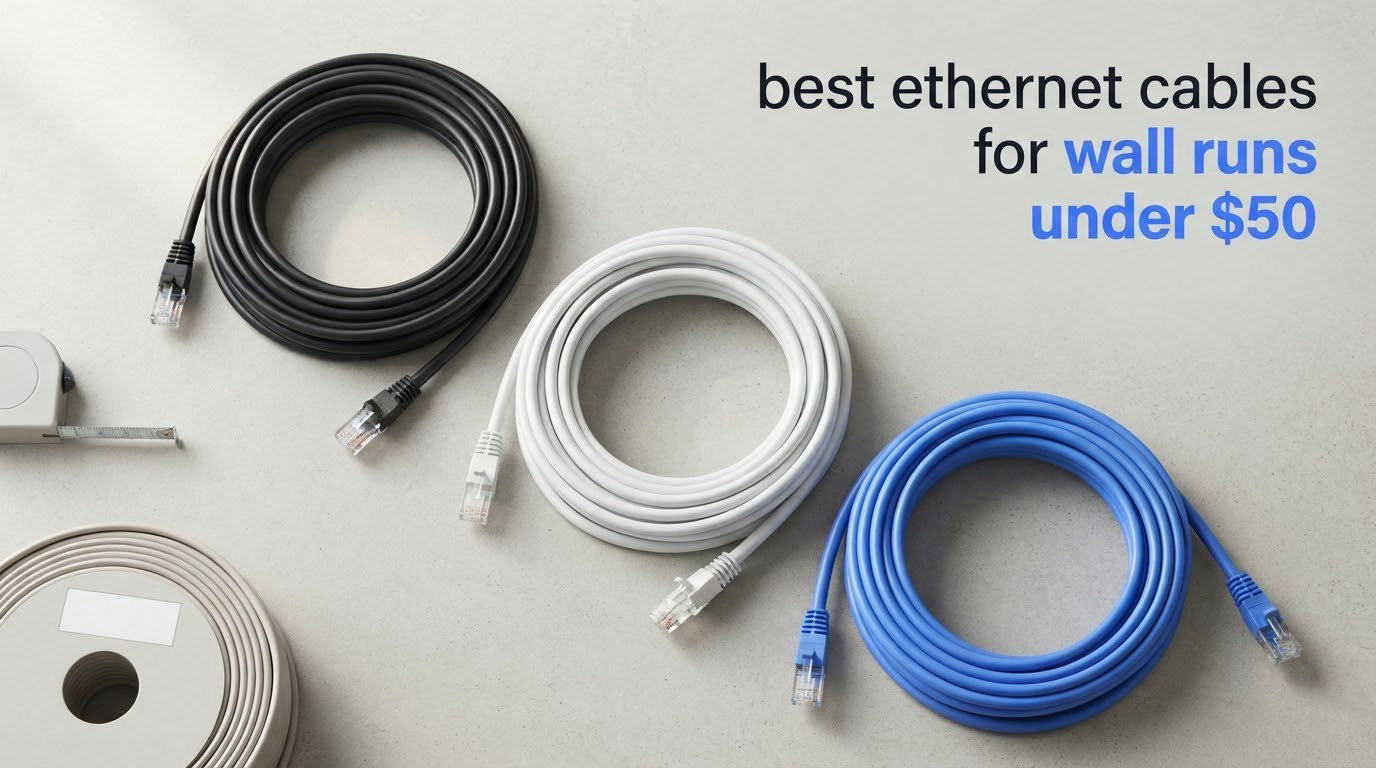
Every cable in this guide is priced at or under the fifty dollar line, and every one is pure copper rather than copper-clad aluminum. The best ethernet cables for wall runs here all clear a fifty dollar ceiling, led by the Cable Matters 100 foot Cat 6 snagless cable: solid 24 AWG bare copper, a 4.8 rating across more than 22k reviews, and a jacket that survives a permanent burial.
That constraint changes how you buy. A patch cord is built for a desk, not a wall cavity, and a cable with the wrong fire rating is the one mistake you cannot fix without reopening drywall. So we filtered the field down to eight cables that all clear the budget ceiling, then checked every one for conductor material, gauge, jacket rating and real review history.
We have compared these eight cables side by side, run the numbers on length and headroom, and matched each pick to the wall it is actually suited for. If you are still deciding between wired and wireless for your setup, our WiFi versus Ethernet breakdown covers the speed side before you drill anything.
Our Top 3 In-Wall Cables on a Sub-50-Dollar Budget

Ultra Clarity Cat 6 100ft
- Solid 24 AWG copper
- ETL verified CM jacket
- Re-terminable
- 4.7 from 17586 reviews

Cable Matters Cat 6A Shield…
- S/FTP shielding
- 26 AWG bare copper
- 10GbE headroom
- 4.7 from 8089 reviews
Comparing the 8 Best Ethernet Cables for Wall Runs
The table below is the whole field in one view, with the two facts that decide most in-wall purchases: what the conductor is made of, and what the jacket is rated for. Pure copper and a printed CM or CMR rating are the baseline, not the upgrade.
| Product | Specs | Action |
|---|---|---|
| Cable Matters Cat 6 100ft Black |
|
Check Latest Price |
| Cable Matters Cat 6A Shielded 100ft |
|
Check Latest Price |
| Ultra Clarity Cat 6 100ft Black |
|
Check Latest Price |
 Syston Cat 6E Bulk 100ft White Syston Cat 6E Bulk 100ft White |
|
Check Latest Price |
 AvesView Cat 6 Shielded 100ft AvesView Cat 6 Shielded 100ft |
|
Check Latest Price |
 Jadaol Cat 6 100ft White Jadaol Cat 6 100ft White |
|
Check Latest Price |
 Maximm Cat 6 200ft White Maximm Cat 6 200ft White |
|
Check Latest Price |
 10Gsupxsel Cat 6 200ft Black 10Gsupxsel Cat 6 200ft Black |
|
Check Latest Price |
Which Brand of In-Wall Ethernet Cable Is Best?
For most homes, a UL or ETL listed Cat 6 cable with solid bare copper conductors and a CM or CMR jacket is the best in-wall ethernet cable, and Monoprice, UGREEN, Cable Matters, StarTech and Tripp Lite are the brands worth trusting. Choose CMR for any run that travels between floors, CM for a single-story interior wall, and reject anything that says CCA.
The awkward part is that most of the cable sold in those brands is patch cable, not wall cable. A patch cable arrives with molded RJ45 connectors on both ends, which is exactly what you cannot use mid-wall. The bulk spool in the Syston pick below is the only true in-wall product in this roundup, and that is a deliberate choice rather than an oversight.
There is a second trap. Buying a 100 foot patch cable and stapling it through a wall cavity technically works, and plenty of people do it, but you have now committed to a termination you cannot see, made at both ends by a factory, with no way to re-terminate later. If you already have the wall open, bulk cable plus keystone jacks costs you a few dollars more and gives you a run you can service in twenty years.
1. Cable Matters Cat 6 100ft – The Dependable Copper Standard for Permanent Runs
Cable Matters 10Gbps Snagless Cat 6 Ethernet Cable, 100ft, Black
Cat 6
24 AWG bare copper
550 MHz
100 feet
10 Gbps
PoE++
Pros
- 24 AWG bare copper confirmed in the technical spec
- Over 22k ratings mean failures would surface early
- Snagless boot survives routing and repeated unplugging
- PoE PoE+ and PoE++ on one cable
- Spools and coils easily for whole-home pulls
Cons
- Unshielded
- so it picks up noise near mains runs
- Stiff jacket fights tight-radius bends
- Not CMR rated so it is not for between-floor code work
This is the cable we come back to. The build is unremarkable in the best possible way: 24 AWG bare copper, a PVC jacket, gold-plated contacts and molded strain-relief boots, specced at 550 MHz for 10 gigabit transfers. It holds a 4.8 average across more than 22k ratings, which is the deepest feedback base of anything in this guide.
What that review volume buys you is early warning. When a copper claim is inflated, thousands of buyers notice within weeks, and this cable has survived that scrutiny at scale. Reviewers describe it as a no-frills, dependable run that several of them picked specifically to replace a failing wireless link or a cheap Cat 5e drop and immediately saw throughput recover.
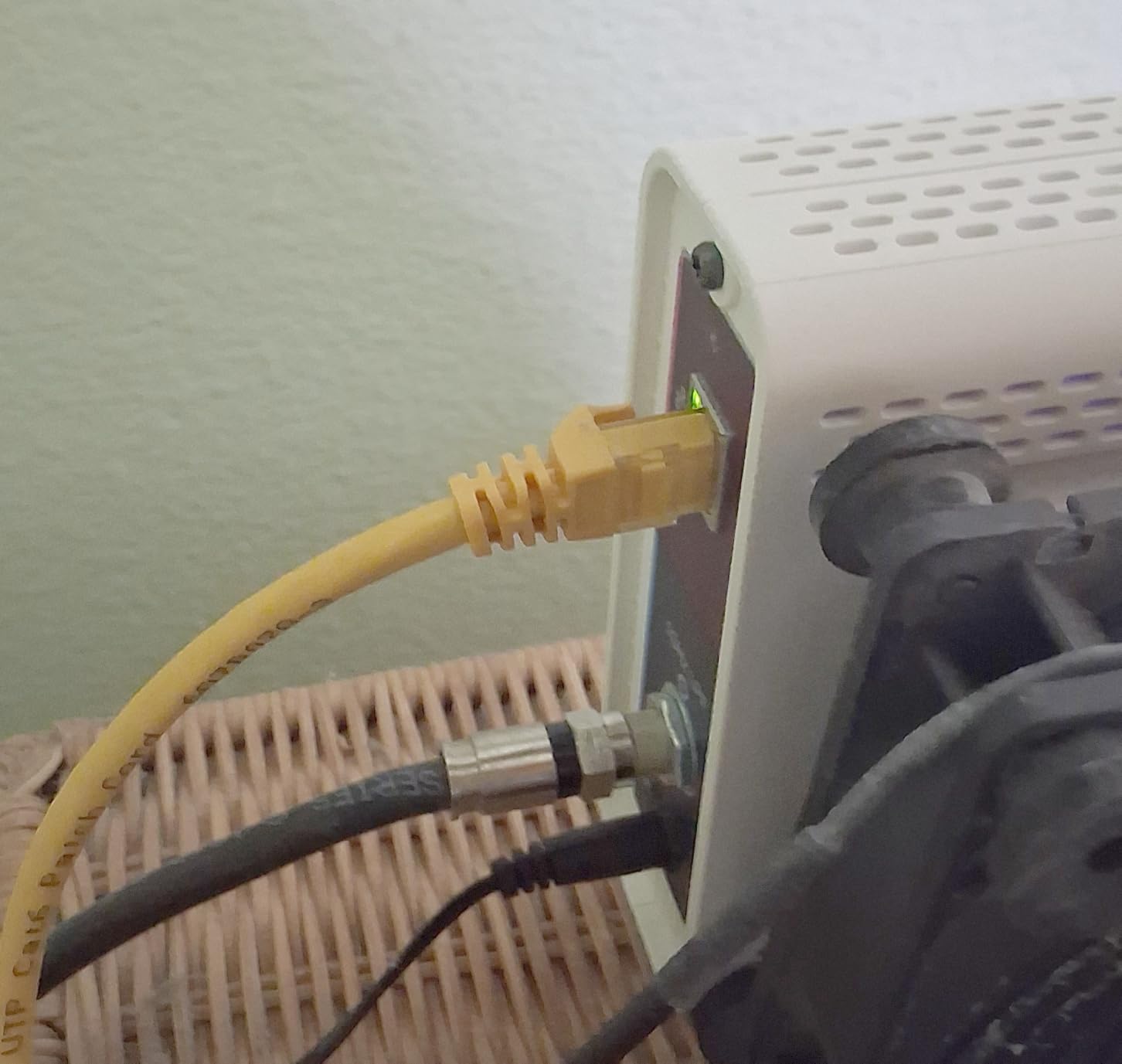
Two practical notes before you commit. First, the jacket is stiff, and international reviewers specifically call out that it spools and coils well for whole-home work even though it dislikes sharp corners. Second, the spec sheet lists indoor and outdoor use, but there is no plenum or riser rating printed for a between-floor path, so treat it as a single-story and finished-space cable.
Why 24 AWG Bare Copper Is the Number to Look For
24 AWG is the sweet spot for residential copper runs: thick enough to carry 10 Gbps over distance without much attenuation, thin enough to fish through drilled holes and a standard 15/16 inch boring bit. The bare copper confirmation matters because copper-clad aluminum uses the same gauge marking and looks identical once the jacket is stripped.
Reviewers of this cable repeatedly frame it as the reliable option rather than the exciting one, and a few note that it is used for servers, printers and routers in home labs. If your run terminates into a wall plate on one end and a switch on the other, the conductor gauge is what determines whether your link is stable at the far end.
550 MHz, PoE++ and What It Means for a Future-Proof Wall
At 550 MHz and 10 gigabits per second, this cable covers every home networking application available today, including 2.5GbE service and multi-gigabit NAS transfers. The PoE, PoE+ and PoE++ support means one run can carry both data and power to an access point or an IP camera.
The honest limit is distance. Cat 6 loses its comfortable margin for 10 Gbps as runs get long, so if you are pulling from an attic down to a basement office far past 100 feet, look at the shielded Cat 6A pick further down instead.

Where This Cable Is the Wrong Choice
Skip it in a plenum space such as a dropped ceiling, where a CMP-rated jacket is required, and skip it in a garage or crawl space where temperatures swing. It is also unshielded, so a route that shares a stud bay with mains wiring or a run behind a dimmer switch is a better candidate for screened cable.
Because the connectors are molded on, this is a finished-run cable. If you want to terminate both ends yourself inside a wall, buy bulk spool cable instead and step down to the Syston option or an equivalent.
2. Cable Matters Cat 6A Shielded 100ft – Screening for Noisy Houses and Long Backbones
Cable Matters 10Gbps Snagless Shielded Cat 6A Ethernet Cable, 100ft, Black
Cat 6A
S/FTP screened
26 AWG bare copper
550 MHz
100 feet
Pros
- S/FTP foil screening cuts EMI and crosstalk on mains-adjacent routes
- Maintains full 10 Gbps throughput at 100 feet and beyond
- Stiff but flexible snagless boot feels premium
- Cat 6A bandwidth headroom for future upgrades
Cons
- Noticeably stiffer
- so bends need planning
- Heavier jacket is harder to pull through tight conduit
- Not plenum or riser rated
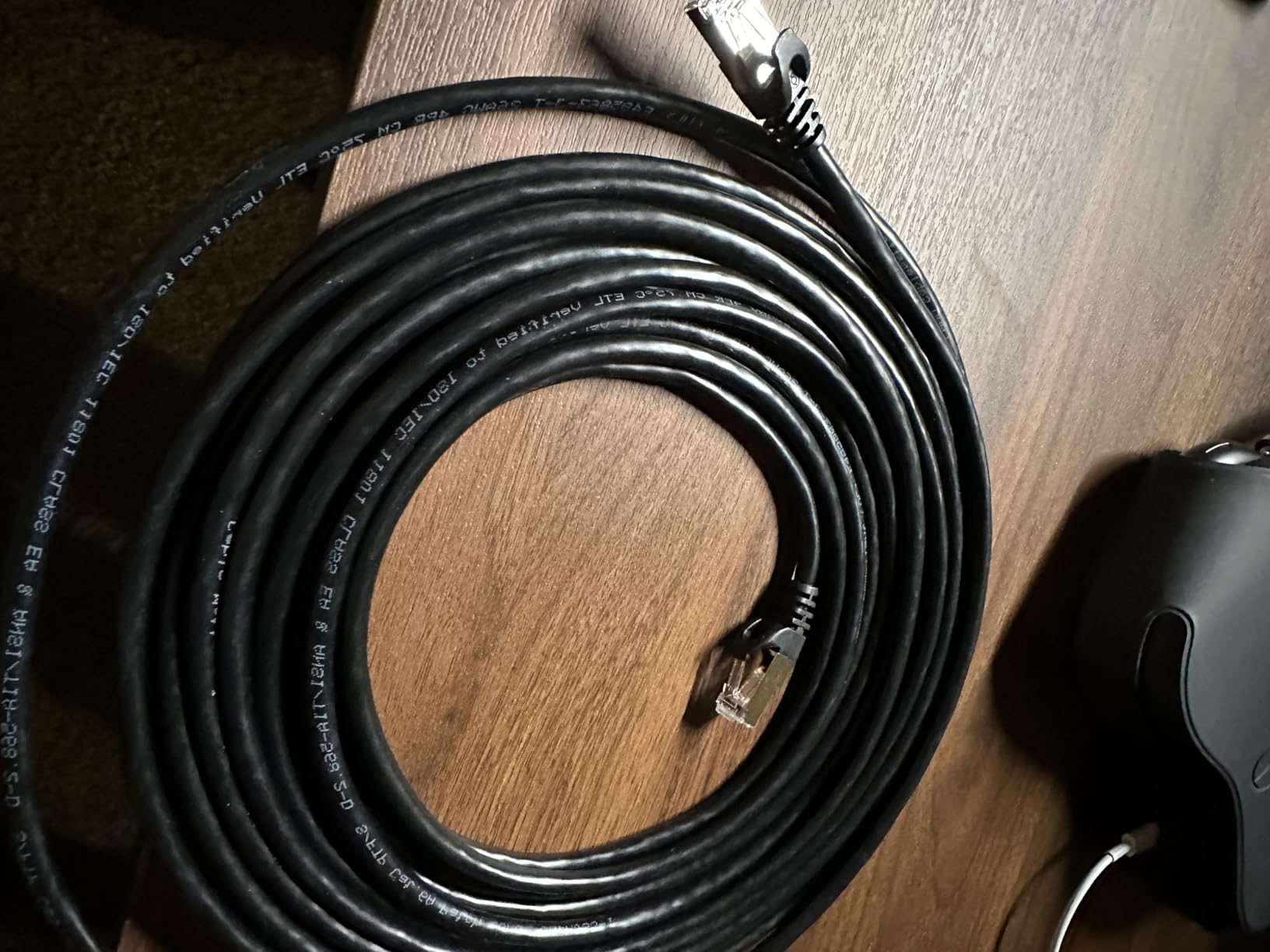
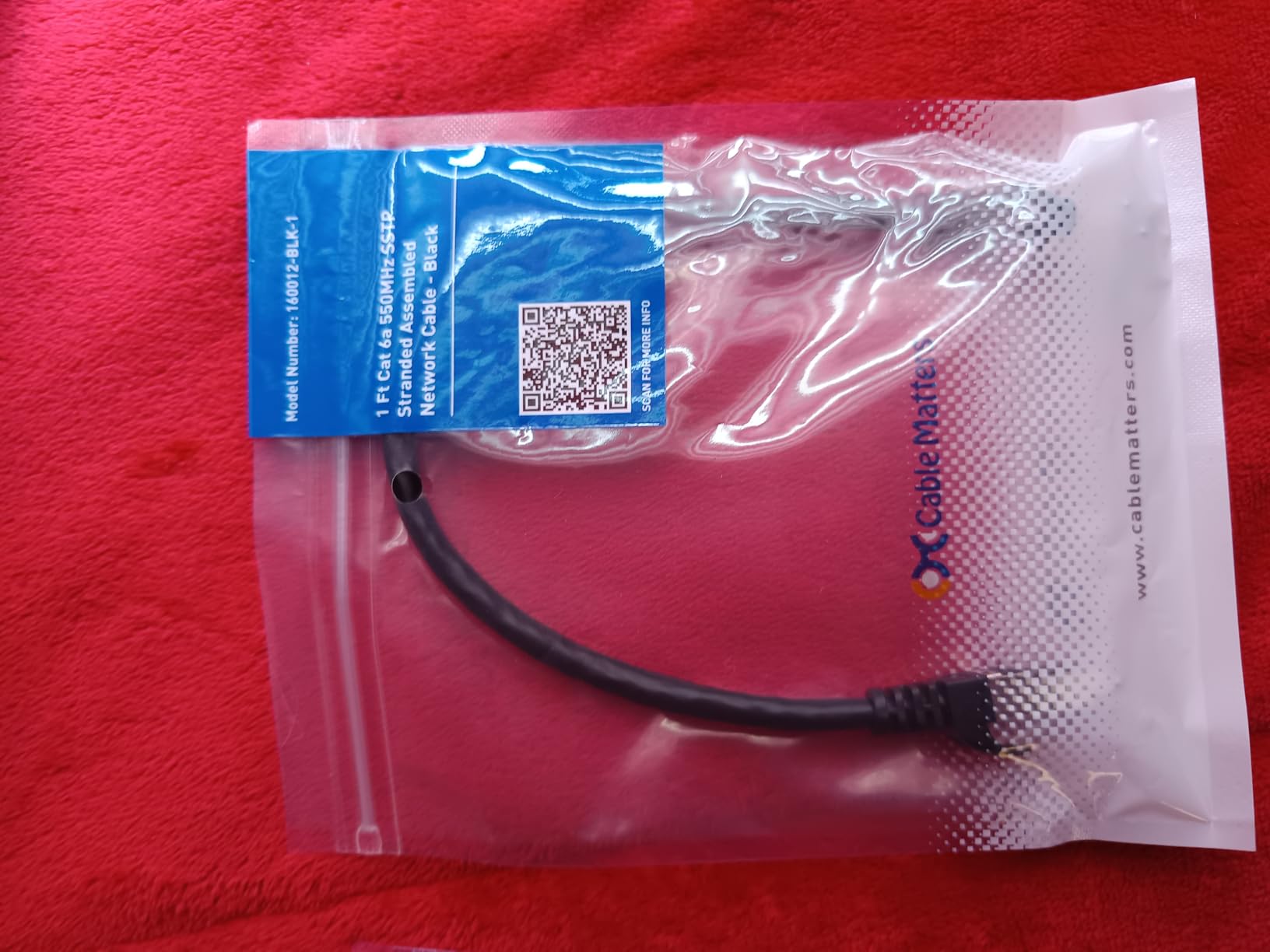
Same brand as our top pick, one category higher and with screening. The technical spec calls out SSTP/SFTP screened foil twisted pair construction, 26 AWG bare copper and shielded RJ45 connectors, meeting or exceeding TIA/EIA 568-C.2 Category 6A performance. Reviewers treat it as the dependable long backbone cable rather than a desk accessory.
Shielding is the whole point here. People running cable alongside power lines or between floors consistently report the screening holding up with no dropped packets, and that is the scenario where an unshielded Cat 6 in the same wall would give you intermittent links at 2:00 in the morning.
Cat 6A Headroom for a Run You Cannot Reopen
Cat 6A is rated to 500 MHz for 10GBASE-T, and this cable is specced at 550 MHz, so you are buying performance margin rather than meeting a minimum. For a wall run that will stay closed for a decade, that margin is the difference between a cable that is merely adequate and one that will carry a future switch without a second visit.
The category also matters for PoE at the top of the range. PoE++ runs at higher current through the same conductors, and thicker pair geometry is what keeps voltage drop manageable on a long powered run to a camera or an access point.
Where the Bulk Shows Up: Stiffness and Conduit Fills
The trade-off reviewers name most often is stiffness. At 100 feet and above, the cable is noticeably less flexible than a standard patch lead, and installers describe planning gentle bends instead of sharp 90 degree turns. The 2.1 pound weight versus 6 ounces for the unshielded model is a fair signal of that difference.
That bulk also matters if you are fishing through existing conduit. Shielded cable takes more space inside the pipe, and squeezing a screened run into a conduit already stuffed with coax or power can leave you short of pull strength. Measure the conduit fill before you commit.
Best Rooms for This One
Smart home hubs, access point backhaul, a garage office, and any wall where electrical wiring shares the cavity. Reviewers who switched to it report stable 2.5GbE and 10GbE links and confidence that the run will not need revisiting later, which is precisely the buying case for a permanent installation.
Leave it out of a plenum space. The listing does not carry a CMP rating, and a screened cable in a plenum still needs the plenum-rated jacket to be code-appropriate.
3. Ultra Clarity Cat 6 100ft – The Best Value Run You Can Re-Terminate Yourself
Ultra Clarity Cables Cat6 Ethernet Cable 100 FT 10Gbps Long Cable, Black
Cat 6
8 solid 24 AWG copper
UTP
500 MHz
100 feet
ETL verified
Pros
- ETL verified with a CM-grade PVC jacket
- Thick insulation walls suit permanent buried runs
- Can be cut down and re-terminated for custom lengths
- Steady gigabit link with no dropouts
Cons
- Unshielded UTP gives negligible EMI protection
- Thinner than the listing photos suggest
- Locking tabs run unusually long on some units
Ultra Clarity is the pick that makes the most sense for a first in-wall project. Eight solid 24 AWG copper conductors in four unshielded twisted pairs, PE cross insulation to isolate the pairs, a 5.8mm CM-grade PVC jacket and gold-plated RJ45 contacts, ETL verified and RoHS compliant, all at the lower end of this field.
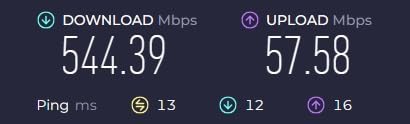
Reviewers frame it almost entirely around value. Several bought it to replace a failing low-cost cable and immediately had their connection back at full service speed, with 900 Mbps service performing exactly as expected over the 100 foot run. That is the normal outcome for solid copper Cat 6 on a home circuit.
ETL Verified and CM-Grade: What That Jacket Actually Permits
The CM designation on the jacket is the part to notice. CM, short for communications general, is the basic residential in-wall rating and it is exactly what you want for a same-floor run between a wall plate and an access point. The ETL verification gives you an independent lab mark, which is the trust signal buyers in networking forums treat as more meaningful than any brand name.
It is not a riser or plenum rating. If your path goes up through a floor joist cavity, or into a dropped ceiling, this jacket is the wrong code and the wrong product, and you should move to a CMR or CMP line instead.
Re-Terminating and Cutting to Length
Several reviewers highlight that this cable can be cut down and re-terminated for custom jobs, which makes it a sensible bridge for someone who wants one length for several drops. Thick insulation walls give it durability for permanent runs, and standard colour-coded solid pairs seat well in keystone and snap-down jacks.
The cost of that flexibility is field termination time. Twenty-four AWG solid conductor needs a decent crimp tool and a steady hand, and 23 AWG is easier still. If you have never terminated a jack before, budget an evening for practice on a scrap length before you do the real drop.
Two Complaints Worth Knowing Before You Order
Buyers mention the cable being thinner than the listing photos suggest, and locking tabs that are unusually long on some runs, which caused a fit issue in one setup with a particular device. Neither is a deal breaker, but both are the kind of detail that turns a clean install into an afternoon of troubleshooting if you were not warned.
One reviewer also questioned whether the jacket print matches the claimed category. That kind of scepticism is healthy in this niche, and it is why checking for a printed ETL or UL mark rather than trusting the marketing name is the habit worth building. Our gaming ethernet cable guide covers the desk-end choices in more depth if the run is not going in a wall.
4. Syston Cat 6E Bulk 100ft – Real Riser-Rated Cable for Between-Floor Runs
Syston Cat 6E Ethernet Cable Bulk White 100FT, 23 AWG Solid Copper UTP, CMR
Cat 6 bulk
CMR riser rated
23 AWG solid copper
600 MHz
100 feet
no connectors
Pros
- CMR riser rating is code-appropriate for in-wall vertical runs
- 23 AWG solid bare copper with an internal pair separator
- Bulk no-ends format gives full control over run length
- Jacket strips cleanly and pulls through drilled holes easily
Cons
- Sold without RJ45 connectors so jacks and a crimp tool are required
- Cat 6E is a vendor marketing label rather than a formal category
- 23 AWG is slower to terminate than 24 AWG
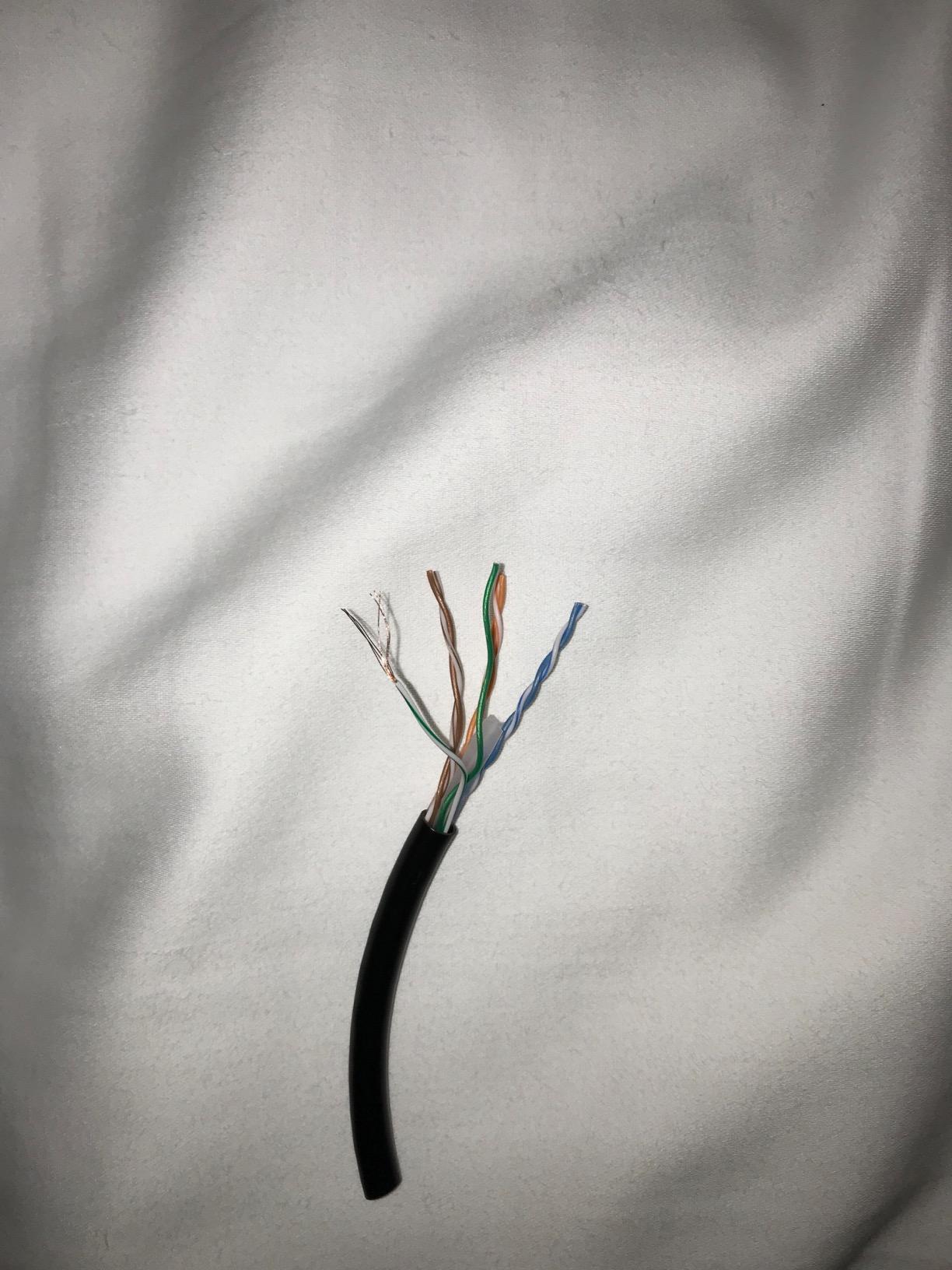
This is the only genuine wall cable in the roundup. It arrives as a 100 foot white spool with no connectors fitted, 23 AWG solid pure bare annealed copper, an internal spline to reduce crosstalk, and a CMR, CL3R and FPLR rated flame-retardant jacket for in-wall vertical pathways.
Installers who already know Ethernet wiring rate it highly for custom work. They note that the internal spline keeps the four pairs aligned, the jacket strips cleanly, and it survives being pulled through drilled holes and bends. Hardwired installs are reported to roughly double throughput against the previous wireless link.
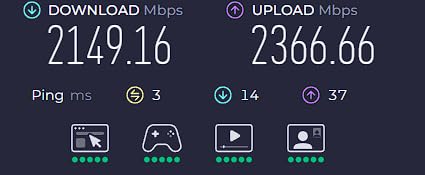
Why CMR Is the Rating That Matters Most in a Two-Story House
CMR means communications riser, and it is the rating built for a path that goes vertically. In a two-story home, the run from an attic down to a basement or an upstairs closet typically passes through a floor cavity where fire performance matters far more than it does inside a single-storey wall. CMR is the jacket for that path, and it is the reason the best in-wall default for most homes is CMR rather than CM.
The listing is explicit about compliance: ANSI/TIA 568-2.D, ANSI/TIA 862, ISO/IEC 11801, ICEA S-102-700, NEC and CEC type CMR under UL1666, UL and ETL listed, RoHS compliant. Any of those markings printed on the jacket is what an inspector or an electrician will look for.
23 AWG Solid Copper and the Spline
23 AWG is thicker than the 24 and 26 AWG in most of this list, and thicker conductor means less attenuation over a long vertical drop plus more headroom for PoE at the far end. The internal spline physically holds the four pairs apart inside the jacket, which is the mechanical fix for internal crosstalk that gets worse as pairs are handled roughly during a pull.
Solid conductor is the right construction for a fixed in-wall path. It is easier to terminate into a keystone jack and gives predictable impedance, and unlike stranded conductor it will not relax and drift inside the wall after you close it up.
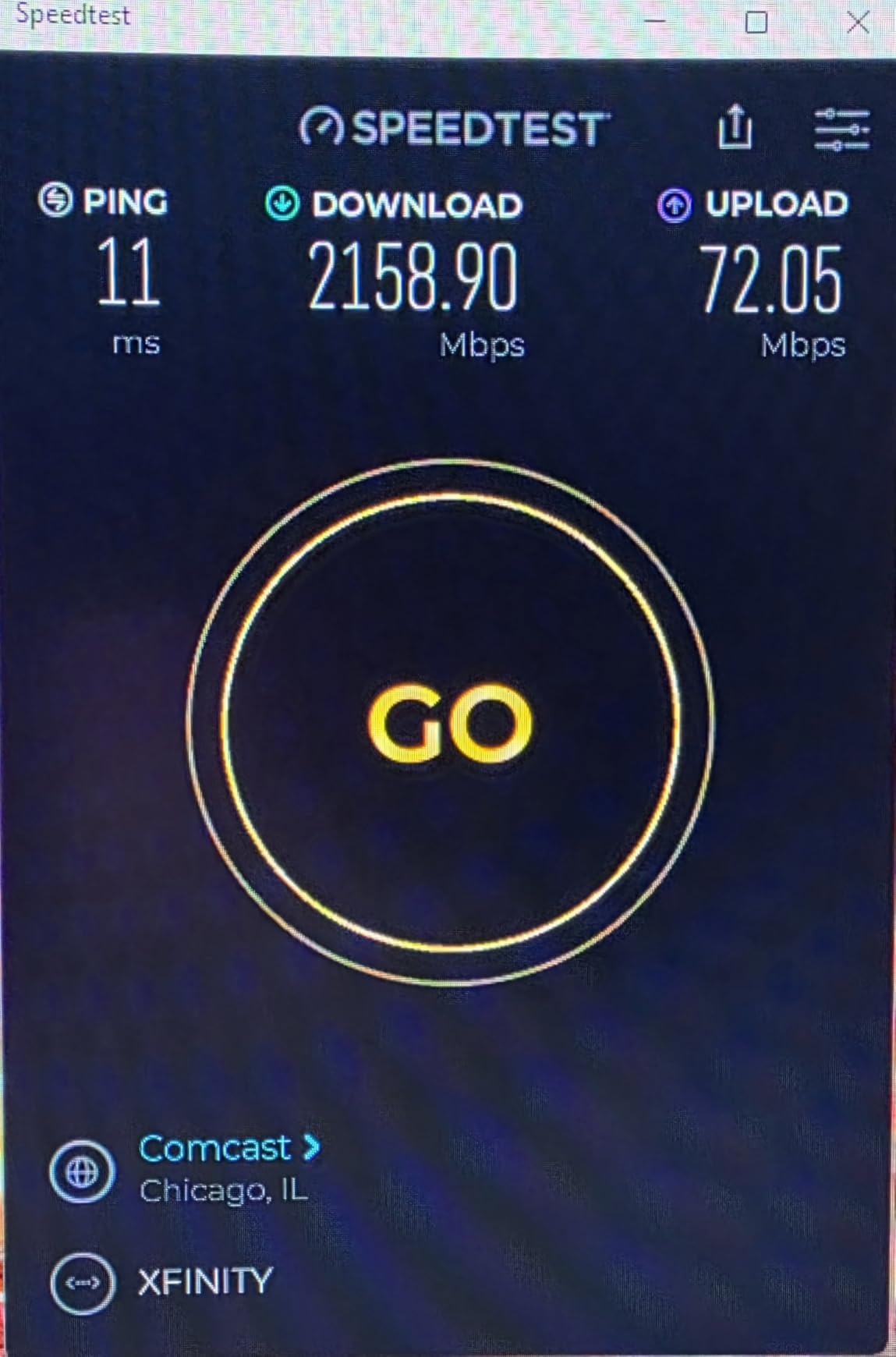
The Labelling Caveat Nobody Mentions
The product is sold as Cat 6E, and that is not a TIA category. Long-time reviewers flag it as a vendor term, and the honest way to read the listing is as Cat 6 construction with a 600 MHz claim. The compliance and category lines in the technical details are what you should verify against the print on the jacket you receive.
One buyer returned a spool after measuring slower throughput than a known-good Cat 6 run, and another reported that the conductor gauge did not match the advertised 23 AWG. That does not condemn the cable, but it is a reminder to test the first run before you terminate every jack in the house.
You will also need keystone jacks, a wall plate and a crimp tool, which our buying guide covers further down. If you would rather not terminate anything, the Cable Matters pick at number one is already fitted with connectors.
5. AvesView Cat 6 Shielded 100ft – Budget Screening for Electrically Noisy Routes
AvesView CAT 6 Shielded 100 ft Ethernet Cable, Indoor High-Speed (SFTP) 10Gbps Shielded CAT 6 Ethernet Cable 100 ft for Internet, Router, Computer, PlayStation, Xbox, POE Camera, Printer, Black
Cat 6
SFTP screening
24 AWG
550 MHz
100 feet
indoor rated
Pros
- SFTP screening holds signal integrity on longer in-wall routes
- 550 MHz supports 10 Gbps for NAS servers and cameras
- Strain-relief boot gives a durable connection at both ends
- Discreet black jacket suits home and office installs
Cons
- Foil layers add bulk that is harder to pull through conduit
- Listed for indoor use only
- Smaller review base than the established cable brands
Screening is the reason this cable is here. The construction is SFTP, with each twisted pair wrapped in its own aluminium foil plus an overall aluminium-magnesium screen, on 24 AWG conductors rated to 550 MHz for 10 Gbps transfers.
Buyers in noisy environments, routing alongside mains or between floors, cite it for maintaining stable throughput. The cable holds a 4.7 average with an 85 percent five-star share, and the recurring theme in reviews is straightforward value: SFTP shielding across a full 100 foot run.
SFTP Versus S/FTP: What the Extra Foil Does
Both constructions screen the cable, and the difference is where the foil sits. SFTP puts a screen around each pair and shares an overall braid or screen, so every pair is individually isolated from its neighbours and from the outside environment. In a wall that shares a cavity with power wiring, that per-pair isolation is the whole game.
What screening will not do is fix a run that is too long or badly terminated. Shielding reduces external noise; it does nothing about attenuation, so a 200 foot shielded run in a hot attic still needs a gauge that suits the distance.
Where the Foil Costs You
Foil layers add diameter, and reviewers flag that as the main drawback: bulk makes the cable harder to pull through conduit and easier to snag on a sharp stud edge. Plan the pull path before you spool it, and expect a more careful bend radius than an unshielded cable of the same length.
The listing is indoor only, so keep it out of an exterior wall, a garage or a crawl space. It is also a newer listing with a smaller review base, which means less long-term field feedback on jacket ageing than the established brands have accumulated.
Who This Suits
Older homes with cloth or rubber-insulated wiring near the stud bay, homes running a switch or dimmer on the same circuit as the data path, and anyone running from a detached building back to the main house through an interior wall segment. In all three cases the screened construction buys margin that an unshielded cable of the same category would not.
It is a strong complement to the Cable Matters Cat 6A rather than a replacement for it, since the Cat 6A pick carries a heavier conductor and a higher bandwidth ceiling. Choose the AvesView when your route length is moderate but your environment is loud.
6. Jadaol Cat 6 100ft – The UL Listed Starter Cable with Clips Included
Jadaol [UL Listed] Cat6 Ethernet Cable 100ft with Clips 10Gbps PoE++, White
Cat 6
24 AWG pure copper
550 MHz
100 feet
UL Listed
includes clips
Pros
- UL Listed and TIA/EIA-568-B.2 verified
- 24 AWG pure copper with a waterproof UV-resistant jacket
- Lightweight round jacket routes easily around corners
- Clips included for securing the run
- Rated for above-ground indoor and outdoor routing
Cons
- Standard CM jacket rather than plenum or riser rated
- Unshielded so it is not suited to heavy electrical interference
- Bulk quantity listing can be confusing about length included
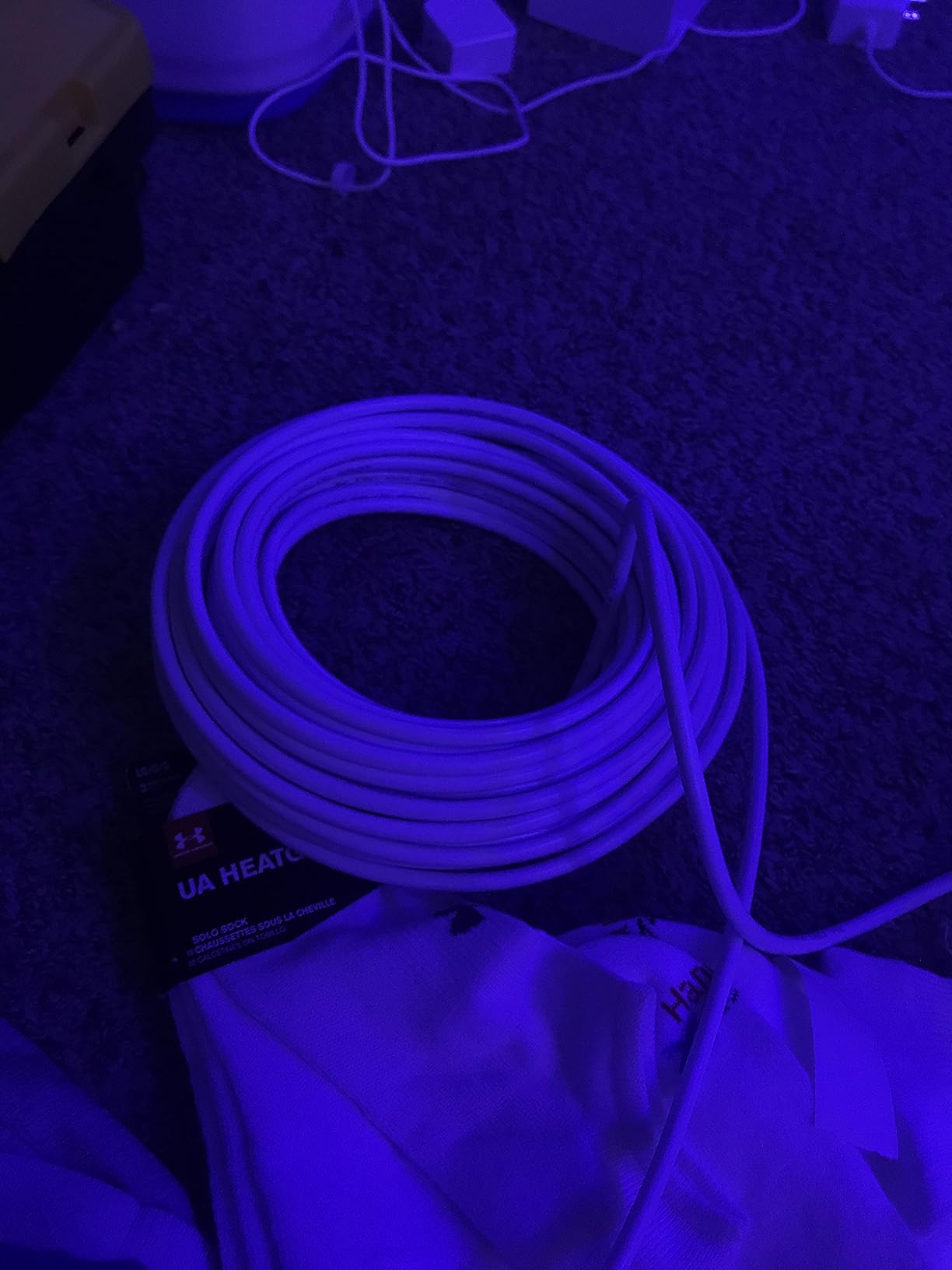
Jadaol is the pick for a buyer who wants a verifiable listing mark without moving up a category. It is UL Listed, RoHS compliant and TIA/EIA-568-B.2 verified, built on 24 AWG pure copper conductors, rated to 550 MHz for 10 Gbps, and it holds the number one category rank of the eight cables we screened, with 4.7 across 873 ratings.
Reviews are overwhelmingly practical and satisfied: plug-and-play performance, clean connector seating, and a jacket thick enough to hide in a wall crease or run outside for cameras. Gaming-focused buyers report consistent ping with zero disconnects, and 2.5GbE subscribers measured noticeably higher throughput after replacing older cabling.
![Jadaol [UL Listed] Cat6 Ethernet Cable 100ft with Clips 10Gbps PoE++, White customer photo 1](https://www.manbolo.com/wp-content/uploads/2026/09/B0D3J54J91_customer_1.jpg)
Why the UL Mark Matters More Than the Brand
In this niche the credibility hierarchy is unusual. Buyers in networking forums consistently rank a printed UL or ETL listing number ahead of brand reputation, because the mark means an independent lab has verified the jacket against a fire rating and a category standard. A UL listing on a generic-looking cable is worth more to you than an unlisted cable from a famous name.
This cable also states PoE++ support, which means one run can carry data and power to an access point, a PoE camera or a VoIP phone without a nearby outlet. For a whole-home wiring plan, that headroom is the difference between adding devices later and re-opening walls later.
Waterproof and UV-Resistant Without Being a Wall Cable
The jacket is described as waterproof and UV-resistant for above-ground indoor and outdoor routing, which makes it useful for patios, garages, workshops and outdoor cameras. That is a genuine convenience for the camera-drop scenario, where the last few feet of a run often end up outside.
It has a standard CM jacket, not a plenum or riser rating. It can handle an above-ground exterior segment, but it is not a between-floor riser cable and it is unshielded, so keep it away from heavy electrical interference.
![Jadaol [UL Listed] Cat6 Ethernet Cable 100ft with Clips 10Gbps PoE++, White customer photo 2](https://www.manbolo.com/wp-content/uploads/2026/09/B0D3J54J91_customer_2.jpg)
The Clips Are a Real Detail
It includes cable clips for securing the run, which is a small thing that saves a trip to the hardware store. Clips matter more than most people expect on a surface-mounted or raceway run, where cable that moves at a connector is cable that eventually gets pulled out of a port.
One minor confusion flagged in reviews is that the listing is structured as a bulk quantity, so it is worth confirming what actually ships in the box. A handful of buyers also describe it as a straightforward patch cable at a basic price point rather than premium gear, which is fair: the value here is the listing mark, not exotic construction.
If you need a thin cable that will fit an existing tight conduit without a fight, the 200 foot flexible pick below is the better fit for that specific problem.
7. Maximm Cat 6 200ft – Long Reach for Single-Floor and Office Runs
Maximm Cat6 Ethernet Cable 200 Ft, 10 Gbps 550 MHz, Snagless RJ45, White
Cat 6
24 AWG solid copper
550 MHz
200 feet
white jacket
PoE
Pros
- Genuine solid copper rather than CCA construction
- Holds full gigabit throughput with minimal line loss over long runs
- Snagless connectors survive being pulled through wall cavities
- White jacket suits finished visible installs
- Can be cut and re-terminated for permanent runs
Cons
- 24 AWG is thin
- which makes crimping harder
- Gentle bend radii needed rather than sharp 90 degree turns
- CM-rated jacket rather than plenum or riser
- Included clamps do not match the white cable
Two hundred feet is the difference between one purchase and two splices, and that is why this cable earns its place. It is 24 AWG solid copper with HDPE insulation and a cross-spline separator to minimise internal crosstalk, ANSI/TIA-568-C.2 compliant, rated to 550 MHz, and finished in a white jacket for installs where the cable stays visible.
Reviewers praise it repeatedly for being genuine solid copper rather than copper-clad aluminium at a competitive price, and for holding near-full line speed over long runs. One user measured a consistent 980 Mbps on a 1 Gbps service at 250 feet, which is about as good as a 1 Gbps circuit can present.
Long-Run Performance and What Line Loss Looks Like
Over a 200 foot run, attenuation is the whole story. Solid copper with a cross-spline separator holds the pair geometry steady, so the link stays stable at gigabit speeds where thinner or poorly-separated cable starts producing errors. The 50-micron gold-plated contacts and molded snagless boots add a little margin at both terminations.
It also supports Power over Ethernet for cameras, access points and VoIP phones, and it stays backward compatible with Cat 5 and Cat 5e, so it will carry an older device without complaint. If you are re-terminating ends yourself, several installers report cutting their own runs successfully.
Termination and Bend Radius: The Two Practical Limits
Twenty-four AWG is thin, and reviewers name that as the top criticism because it makes crimping a connector more difficult than 23 AWG. Budget time for a good crimp tool and a practice piece, and use a jack designed for solid conductor rather than reusing a stranded-compound connector.
The second limit is bend radius. Tight 90 degree turns are not recommended, and snagless connectors that survive being pulled through wall cavities still do not enjoy being levered sideways during the pull. Pull with fish tape, keep the bends gentle, and this cable behaves exactly as the reviews describe.
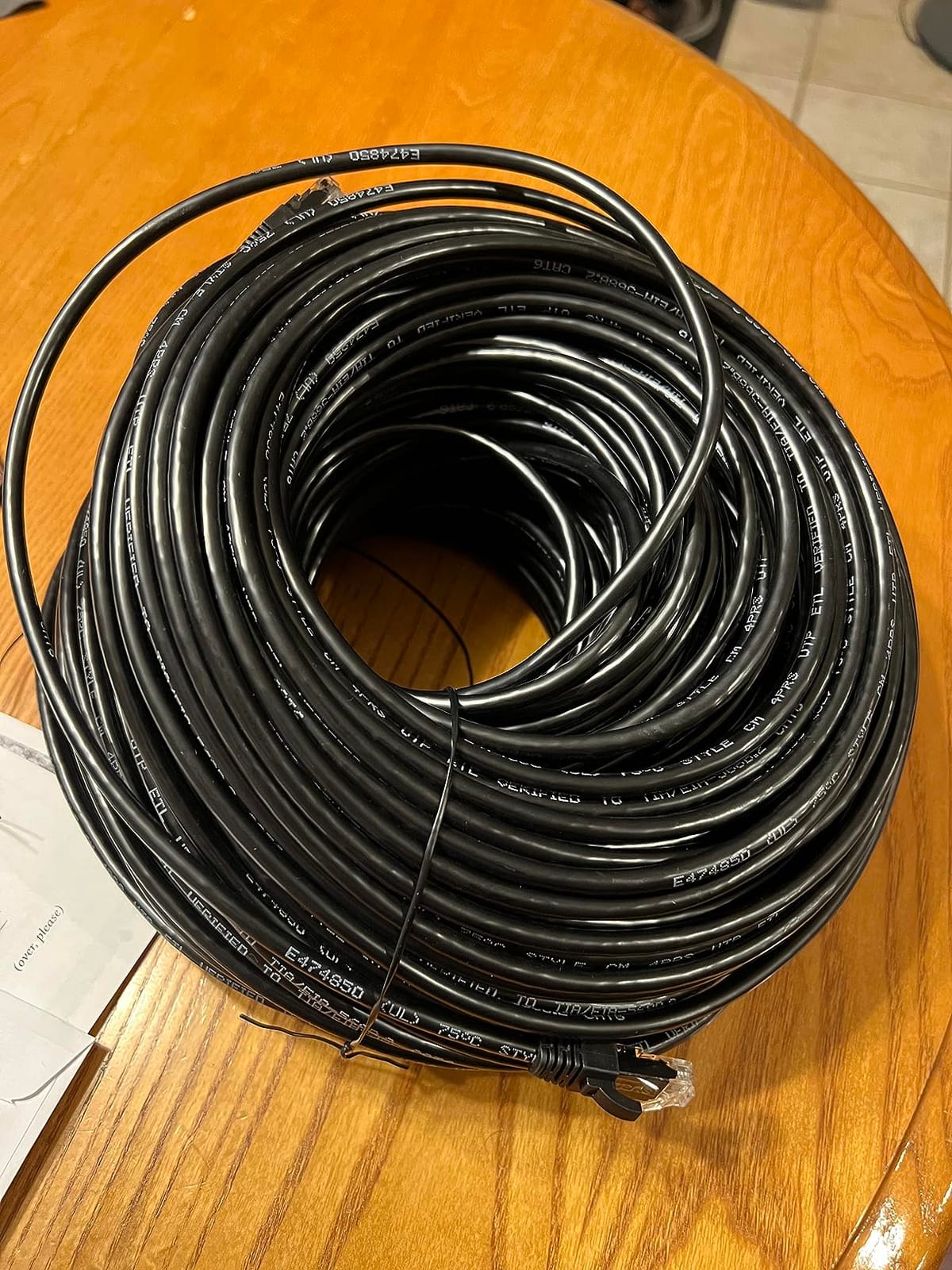
Where the White Jacket Earns Its Keep
White disappears against a painted wall, a baseboard or a white desk, which makes this the pick for finished rooms where the run stays exposed rather than buried. The 200 foot length also covers a large office, a shop floor or a whole single-floor rewire from one purchase.
Two small annoyances: the jacket is CM-rated rather than riser or plenum rated, so it is a same-floor cable, and the included mounting clamps are black against white cable. Bring your own white clips if the run is visible.
If the same 200 feet has to climb between floors, buy the CMR spool instead and accept a longer afternoon of termination. If it has to squeeze into a very tight conduit, the flexible 200 foot option below is a better match.
8. 10Gsupxsel Cat 6 200ft – The Flexible Option for Tight Pathways
10Gsupxsel Cat 6 Ethernet Cable 200FT Outdoor&Indoor, Cat6 Ethernet Patch Cable 10Gbps, High-Speed UTP Cat6 Network Cable Pure Copper, Cat 6 Cable for Home and Office Network, Black
Cat 6
26 AWG pure copper
550 MHz
200 feet
black
flexible UTP
Pros
- Rated for 10 Gbps at 550 MHz with ANSI/TIA 568.2 D compliant pure copper
- Markedly more flexible than standard ethernet cable
- Snagless plugs protect the latch during cable-management routing
- Indoor and outdoor rated for garage attic and exterior routing
- PoE and PoE+ for cameras and access points
Cons
- 26 AWG is the thinnest conductor in this roundup
- Unshielded UTP offers no EMI protection for in-wall runs
- Lesser-known brand with a smaller long-term field history
Flexibility is the reason this cable made the list. It holds a 4.8 average matching the highest in this roundup, with 87 percent of reviews at five stars, and that is the standout feature reviewers name again and again. Buyers describe it as easier to route than a standard patch cable through tight pathways, which is exactly the problem that stops a lot of in-wall pulls.
The build is 26 AWG pure copper compliant with ANSI/TIA 568.2 D, rated to 550 MHz for 10 Gbps throughput, with snagless plugs and PoE plus PoE+ support under IEEE 802.3at and 802.3af. It is rated for indoor and outdoor use, which covers a garage or attic segment on a mixed run.
Flexibility as the Feature You Are Actually Buying
Cable length is rarely the real problem on a tricky pull. The problem is a stud bay already full of pipes, a tight bend around a joist, or a conduit run that has to turn twice. A more flexible jacket gives you a better chance of a clean pull without kinking, and a kinked cable is a cable with degraded geometry that may still test fine today and fail after a temperature swing.
The snagless plug design protects the latch when the cable is routed through managers and pathways, which is the other half of that problem. Molded strain relief is doing real work here rather than sitting in a spec sheet for show.
Thin Gauge Versus Distance
Twenty-six AWG is the thinnest conductor in this roundup, and thin gauge costs you margin over distance. If your run is long, ambient temperature is high, or you plan to push PoE+ power down the line, a thicker conductor like the 24 AWG in the Maximm or 23 AWG in the Syston spool is the safer buy.
Buyers also flag that a lesser-known brand carries less long-term field history than the legacy cable manufacturers, and the review volume is smaller. That is a fair trade for flexibility, as long as you are not burying the longest run in your house in it.
Best Used For
Short to medium drops in tight existing conduit, retrofits where you cannot fish anything thicker, and cable-management-heavy desk or rack builds where a 200 foot length needs to coil neatly. It also works well for the last few feet of an exterior run to an outdoor camera, given the indoor and outdoor rating.
It is unshielded, so it is not the answer for a wall shared with mains wiring. In that case pair the flexibility idea with the screened option further up this list instead.
How to Choose an In-Wall Ethernet Cable: Jacket Rating, Category, and Conductor
Three decisions determine whether an in-wall run works for twenty years: the jacket rating, the category, and the conductor material. Get all three right and the rest is detail. Get any one of them wrong and you either have an unsafe installation or a cable you cannot replace without demolition.
CM vs CMR vs CMP vs CMX: the Rating Printed on the Jacket
CM, CMR, CMP and CMX are NEC fire ratings, and each one tells you where the cable is permitted to go. Here is the decision rule: CM for a single-story interior wall, CMR for any vertical or between-floor run, CMP for a plenum space such as a dropped ceiling, and CMX for exposed or limited-use outdoor and ingress locations.
CMR is the sensible residential default because it is rated for the harder path and costs relatively little more than CM. CMP is a plenum rating and is not interchangeable with CMR, despite a persistent belief that one can substitute for the other in a home. CMX is the lowest limited-use indoor/outdoor rating and is restricted by diameter and by single or duplex dwelling use, so it is not the cable you drag through a two-story house.
One rule catches people out. Outdoor or OSP cable may only come inside a structure for a limited distance before it has to transition to an indoor-rated jacket, a commonly cited figure being 50 feet, so a long exterior run that ends up indoors is not automatically compliant.
What the Rest of the Jacket Printing Tells You
Read the jacket before you buy, not after. You are looking for four things: a UL or ETL listing mark, a category such as Cat 6 or Cat 6A, a fire rating such as CM or CMR, and a conductor gauge such as 23 AWG. A genuine cable prints all four legibly along its length, together with a length marking every thousand feet.
If the print is smeared, generic, or says CCA, put it back. Extremely low pricing per foot is the most reliable signal that you are looking at copper-clad aluminum, which is the single most repeated complaint about cable in home networking forums.
Cat6 vs Cat6A vs Cat8 for a Permanent Run
Cat 6 is enough for essentially all home networking, and it is the right answer for most rooms. Cat 6A adds bandwidth headroom to 500 MHz, which matters when you are running to a distant office, pushing PoE++, or simply refusing to open the wall again. Cat 8 targets short data centre links at 2 GHz and gains you nothing in a house.
Forum consensus in home networking is consistent on this point: Cat 6 handles gigabit service without complaint anywhere in a house, and its 10 G capability becomes less comfortable at the far end of a long run. Choose Cat 6A where distance, power or permanence is the deciding factor, and skip Cat 8 entirely.
Copper or CCA: the Mistake Buried in Walls
Pure copper beats CCA in every way that matters for a permanent in-wall install. Copper-clad aluminum has a higher DC resistance, a smaller real cross-section, and it is brittle, which is why it is difficult to terminate and why it can crack when the cable is bent around a joist. Worse, the resistance means more heat for the same current under PoE.
The r/HomeNetworking consensus is blunt: stay away from CCA, because it is not up to real Cat spec and can yield very bad results. Get full copper Cat 5e, 6 or 6A. Burying a CCA cable in a wall is exactly the case where that compromise stops being recoverable, because you will not find out it is the problem until the link starts dropping packets years later.
Solid or Stranded Conductor, and Why 23 AWG Beats 26 AWG
Solid conductor is the right choice for a fixed in-wall run. It is easier to terminate into a keystone jack, holds its geometry after installation, and gives predictable impedance. Stranded conductor flexes more, which makes it the better choice for a patch cable that will be handled, not a cable you will bury.
On gauge, thicker is better for distance and for power: 23 AWG first, then 24 AWG, then 26 AWG last. A thin conductor is fine for a short drop and increasingly marginal for a long run or a high-power PoE device, so if your run goes from an attic to a basement, buy the thicker option even if it is harder to terminate.
How Much Cable to Buy, Including the 10 Percent Overage Rule
Measure the path, then add ten percent. For a typical two-story run, a common estimate is roughly 150 feet from an attic down to a basement or closet, and for a two-drop renovation, 300 feet is a common working figure. Measure in two directions rather than trusting a floor plan drawing, and add the ten percent for service loops, bends and mistakes.
Service loops matter more than people expect. Leave a small loop of slack at each end inside the wall, because a cable with zero slack cannot be re-terminated later without cutting, and a cable with slack can. This is the cheapest future-proofing on the entire project and it costs nothing but a few extra feet.
Fishing the Run: Boxes, Jacks, Wall Plates, and What the Budget Does Not Cover
A fifty dollar cable budget is a cable budget, not an install budget. On top of the spool you will need keystone jacks for each end, a wall plate, a crimp tool and die set, fish tape for the pull, and either low-voltage boxes or the drill time to find a stud-free path. Any of those can push the real total past the original ceiling on a multi-drop job.
The single biggest cost surprise is usually labour rather than parts. Drywall cut, patch and paint is the expensive part of the job, which is exactly why the opening advice in this guide is to make one correct decision now rather than two cheap ones and a demolition later.
Start by finding out what is already in the wall. Coax-to-Ethernet conversions can leave an existing pathway, and some homes have conduit left over from a previous install that saves the entire pull. If a device in the room needs a low-power connection alongside data, our USB-C hub with ethernet guide covers the desk-end options for anything that is not going in a wall.
Plan the buffer cables in the same trip if you can. Our long-run HDMI cable guide and our long-run USB-C cable guide both cover the short in-room links where an ethernet port is not the right answer.
Two install habits separate a run that works from a run that keeps working. Strip the jacket carefully without nicking the pair insulation, because a nick in the conductor is the classic cause of a link that tests correctly today and fails after a month of thermal cycling. And test the first run end to end before you terminate the second.
Frequently Asked Questions
Which brand of in-wall Ethernet cable is best?
Monoprice, UGREEN, Cable Matters, StarTech, MediaBridge and Tripp Lite are the most trusted names for in-wall cable. The brand matters less than three specs: solid bare copper conductors, a printed UL or ETL listing mark, and a CM or CMR jacket rating. Buy CM for a single-story interior wall and CMR for any between-floor run.
What’s the difference between CMR and CMP cable?
CMR is a communications riser rating, permitted for vertical and between-floor pathways. CMP is a communications plenum rating, required inside air-handling plenum spaces such as dropped ceilings and raised floors. They are not interchangeable: a plenum space needs CMP, and a riser shaft needs CMR. For most residential walls, CMR is the sensible default.
Is CCA cheaper than copper, and is it safe to bury in a wall?
Yes, CCA is cheaper per foot, and no, it is not a good choice for a permanent in-wall run. Copper-clad aluminum has higher DC resistance and is brittle, so it is hard to terminate, can crack during a tight bend, and generates more heat under PoE load. Home networking consensus is to use full pure copper in walls.
Should I run Cat6 or Cat6A in my house?
Run Cat6 for standard home networking, gigabit service, and access point drops. Run Cat6A when the run is long, when you need PoE++ headroom, or when you want to be certain you will never reopen the wall. Cat6A holds 10GBASE-T at 500 MHz, while Cat6 is rated to 250 MHz and gets less comfortable at long distance.
How much Ethernet cable do I need for a wall run?
Measure the full path in both directions, then add 10 percent for bends, service loops and mistakes. A common two-story attic-to-basement run lands around 150 feet, and a two-drop renovation often needs roughly 300 feet. Leave a small slack loop at each end so the cable can be re-terminated later without cutting into the wall.
Which Cable Should You Buy?
If you want the single safest default for most homes in 2026, take the Cable Matters 100 foot Cat 6 in solid 24 AWG bare copper. It has the deepest review history in this roundup, covers gigabit and multi-gig service with PoE++ headroom, and it stays inside the fifty dollar ceiling with room for your jacks and plates.
Match the pick to the wall instead. Running between floors means CMR, which points you to the Syston bulk spool and its 23 AWG solid copper. A mains-adjacent or electrically noisy route means screening, which points to the Cable Matters Cat 6A or the AvesView SFTP cable. A long same-floor run to a garage office means the Maximm 200 foot, and a tight existing conduit means the flexible 200 foot option.
The rule that covers every case: verify the UL or ETL mark, the fire rating and the copper content on the jacket before it goes into the wall, buy ten percent extra footage, and keep CCA out of the house entirely. Get those four right in 2026 and the run will still be serving your network long after the devices you install it for have been replaced twice.