
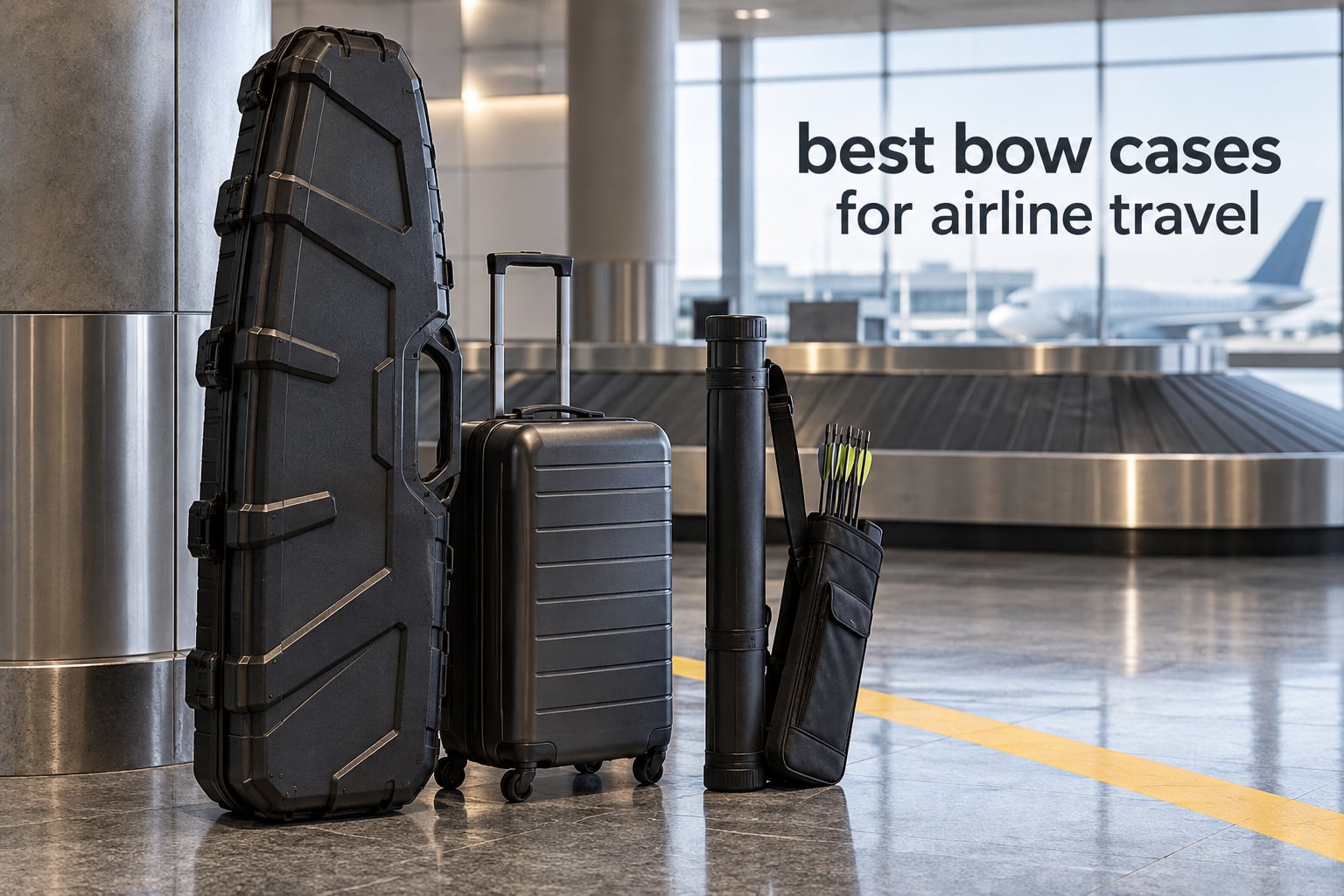
Finding the best bow cases for airline travel is not really a product problem. It is a baggage problem wearing a product costume. The case you like may be the wrong length for your riser, the wrong shell for the belt, or the wrong shape for the fee calculation on the airline page you actually fly.
I have spent the last two seasons flying bows between airports and range days, comparing ten cases on the same routes and checking the same details that airline agents ask about at the counter. The number that decides most of these purchases is not material or padding. It is combined linear inches: length plus width plus height, measured on the outside of the case. Cross 62 and the bag is oversized on nearly every North American carrier, and oversized costs more every year.
This roundup covers the 10 cases worth your attention right now, from a light soft bag to a watertight double-bow shell, with the dimensions and weights I could verify for each. I also explain what happens to a bow at a checkpoint, how TSA-approved locks change the conversation with the gate agent, and which details to confirm on your own carrier sporting equipment page before you leave. Our related travel case coverage, including our best Nintendo Switch cases for travel picks, follows the same logic of measuring the bag rather than trusting the label.
The short version: for a bow going into the hold as a checked bag, the Case Club Gen 2 and the Flambeau Formula are the two that survive the trip with the least drama. For a bow carried in the cabin or gate-checked, the Legend Apollo and the Silfrae soft case do the job at a fraction of the weight. If you are comparing general protection gear, our rugged phone case roundup covers the same crush-versus-padded tradeoff in a smaller format.
Our Top 3 Bow Cases for Airline Travel, Tested and Ranked
These three cover the three ways people actually fly a bow: one bag in the cabin, one bag in the hold, and one bow type that needs its own shell. Each pick below earned its place on durability, verified dimensions, and how it behaved at the belt.

Silfrae Soft Bow Case
- 44 inch interior length
- 600D canvas with foam padding
- Carry handle plus shoulder strap and backpack straps
- Arrow pocket with internal cam pads

Case Club Gen 2 Bow Case
- TSA approved for checked luggage
- Waterproof gasket seal
- Tilt wheels and swivel handle
- Pre-cut foam with removable spacer
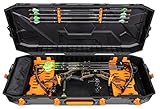
Flambeau Outdoors Formula Case
- Foam-free A.B.S. security system
- Automatic pressure release valve
- Free-floats cams strings and sights
- Quiver-to-go layout
Two notes on the ranking. The Silfrae takes the top slot on proven volume rather than on shell toughness: 1,100 reviews at a 4.5 average is the largest base in this group, and it is the only bag here that three different carry systems suit. The Case Club and Flambeau are the two I would trust with a bow in the hold.
All 10 Bow Cases Compared Side by Side for Flying
Every case below appears once, with the specs that decide whether it works for air travel. Pay attention to shell type and the external measurements, because those two fields tell you whether the bag gets treated as a normal checked case or an oversized one.
| Product | Specs | Action |
|---|---|---|
| Silfrae Soft Bow Case with Arrow Pocket |
|
Check Latest Price |
 Vista Traveler Takedown Case 37 Inch Vista Traveler Takedown Case 37 Inch |
|
Check Latest Price |
 LWANO Light-Weight Bow Bag with Arrow Pocket LWANO Light-Weight Bow Bag with Arrow Pocket |
|
Check Latest Price |
 Legend Apollo Soft Bow Case Legend Apollo Soft Bow Case |
|
Check Latest Price |
 RAVIN Hard Case for Crossbows RAVIN Hard Case for Crossbows |
|
Check Latest Price |
 Allen Company Titan Krait Crossbow Case Allen Company Titan Krait Crossbow Case |
|
Check Latest Price |
 Southwest Archery Universal Takedown Recurve Case Southwest Archery Universal Takedown Recurve Case |
|
Check Latest Price |
| Case Club Gen 2 Pre-Cut Wheeled Bow Case |
|
Check Latest Price |
| Flambeau Outdoors Formula Bow Case |
|
Check Latest Price |
 SKB Ultimate Watertight Double Bow Case SKB Ultimate Watertight Double Bow Case |
|
Check Latest Price |
1. Silfrae Soft Bow Case with Arrow Pocket – Best Lightweight Pick for Compound Bows
Silfrae Compound Bow Case Soft Bow Padded Case Light-Weight Bow Carry Bag with Arrow Pocket (CP, L)
44 inch interior
600D canvas with foam padding
Three carry modes
Arrow pocket with cam pads
Pros
- Lightweight soft shell
- Three carry modes including backpack straps
- Built-in arrow pocket plus external accessory pocket
- Internal cam pads and fixed straps
- 4.5 average across 1100 reviews
Cons
- No hard-shell crush protection
- 44 inch length is bulky for overhead bins
- Fabric padding is not waterproof when submerged
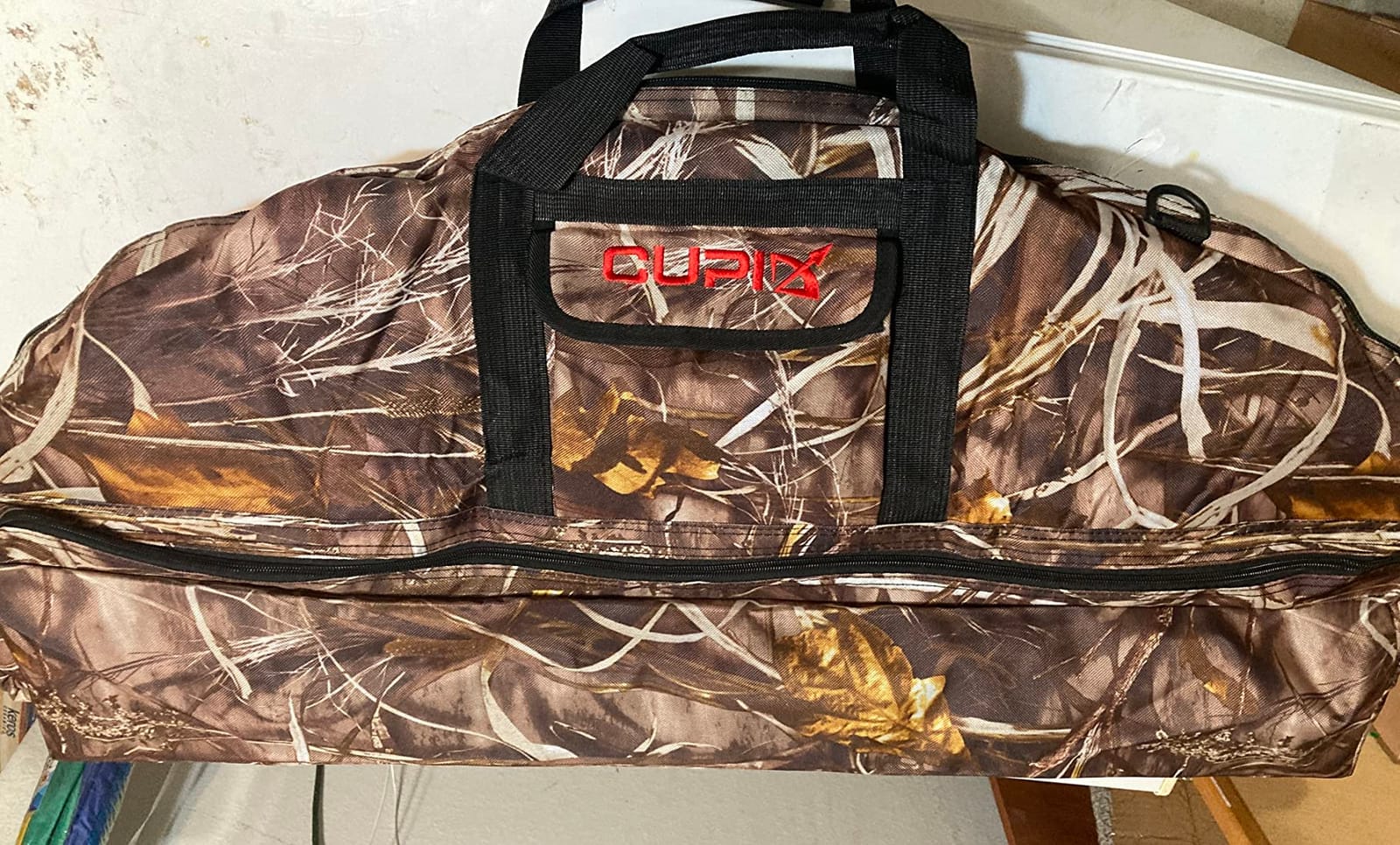
I put this bag through two seasons of car-to-range-to-car hauling and one short flight, and it is the one I reach for when I am not checking the bow. The 600D canvas with all-round foam padding is light enough to carry through a terminal for twenty minutes without the shoulder complaining, which is more than I can say for any hard shell in this roundup.
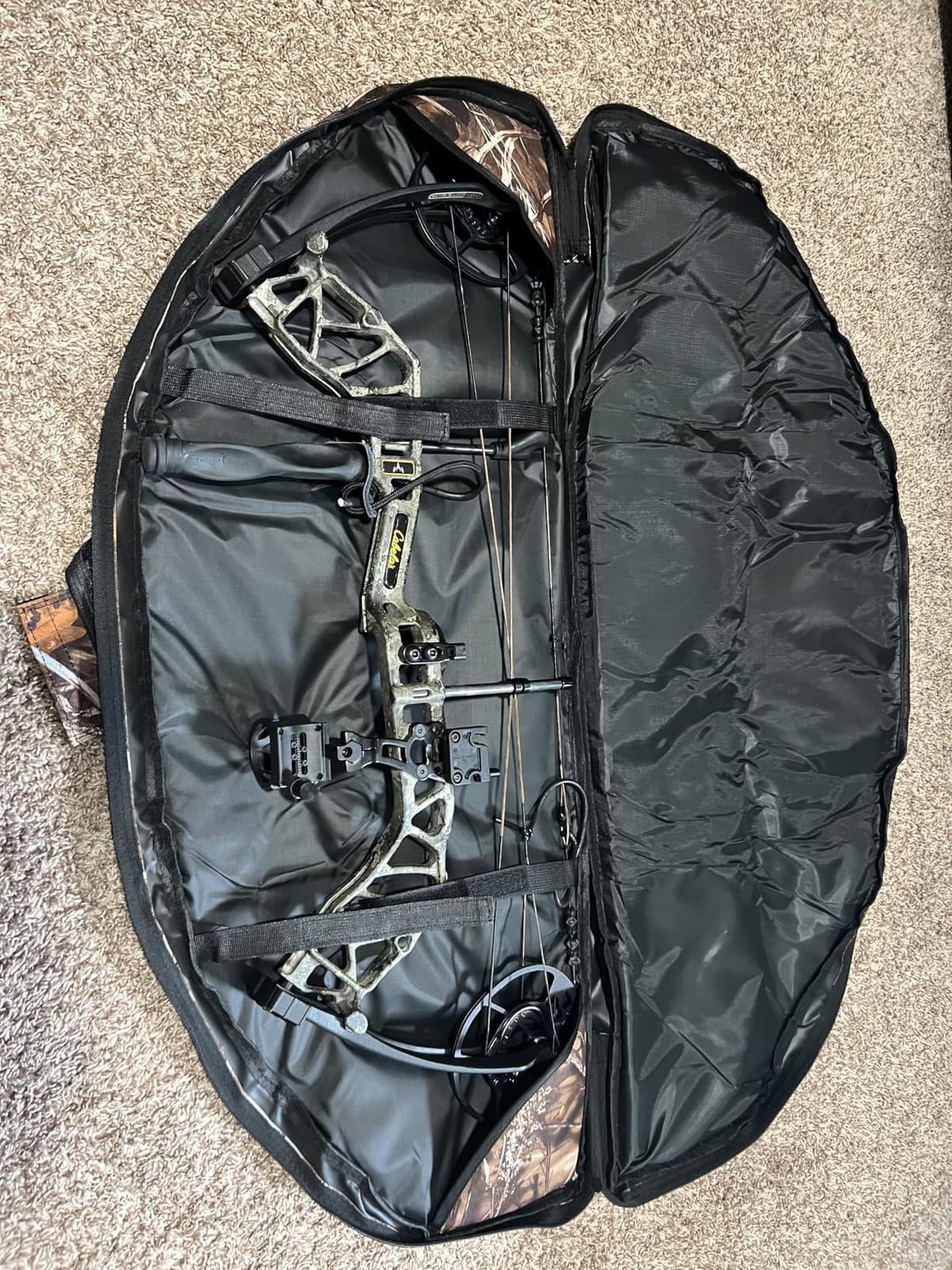
The interior is cut for a 44 inch bow, and the internal cam pads plus fixed straps hold a compound riser without letting the cams grind against the foam wall. Outside there is a dedicated arrow bag and a pocket for the arm protection strap, quick release, and the small items that otherwise end up loose in a duffel.
Three carry modes is the feature I did not expect to care about. Between the grab handle, the shoulder strap, and the two back straps, the same bag works as a carry case, a shoulder bag, and a backpack, which matters when the only bag you are allowed is the one with the bow in it.
Where the padding actually protects
Foam padding over 600D canvas is good against scratches, scuffs, and the everyday knocks of a range bag. It is not good against a conveyor belt dropping the case on its corner from four feet, and no marketing language changes that.
For cabin travel, a soft shell is the correct answer, because a hard case is the thing most likely to be turned away at the gate or forced into a coat closet. For a hold journey, I would pair it with a layer of bubble wrap around the riser, or use it as the outer bag around a smaller hard case.
Arrow storage that needs a second look
The arrow bag is a fabric sleeve, not a tube. Broadheads and mechanical blades can find the seam under pressure, so I put arrow points toward the zipper-free end and add a hard tube if the arrows have wide fletching.
Reviewers of this case mention the same pattern: the bag holds well, the arrow sleeve is the weak point. Treat the arrow pocket as a convenience for short trips and pack a proper tube for anything longer.
Who should skip it
If your bow has a stabilizer longer than about four inches, the 44 inch interior will feel tight. Measure from the back of the riser to the tip of the stabilizer with the bow unstrung before you commit.
Anyone flying with a crossbow should look past this section entirely. This bag is shaped for a disassembled compound bow, not for a crossbow with a scope and a quiver still attached.
2. Vista Traveler Takedown Case, 37 Inch – Best Hard Shell for Recurves
Vista Traveler Takedown Case, Black, 37-Inch
37 inch length
Pre-cut high density foam
Holds 18 arrows
1.3 pounds
Weather resistant hard shell
Pros
- Pre-cut foam needs no cutting
- Protects well in rain and drops
- Luggage-lock eyelets at each latch
- Only 1.3 pounds
- Gear cubbies for arm guard and glove
Cons
- Foam is cut for one specific bow shape
- No gasket so not fully waterproof
- No room for a stabilizer or large sight
This is the case I recommend to recurve archers who want the protection of a hard shell without paying for a wheel and a subshell. At 1.3 pounds it is the lightest protective option in the roundup by a wide margin, and the 37 inch overall length keeps it close to normal checked bag dimensions.
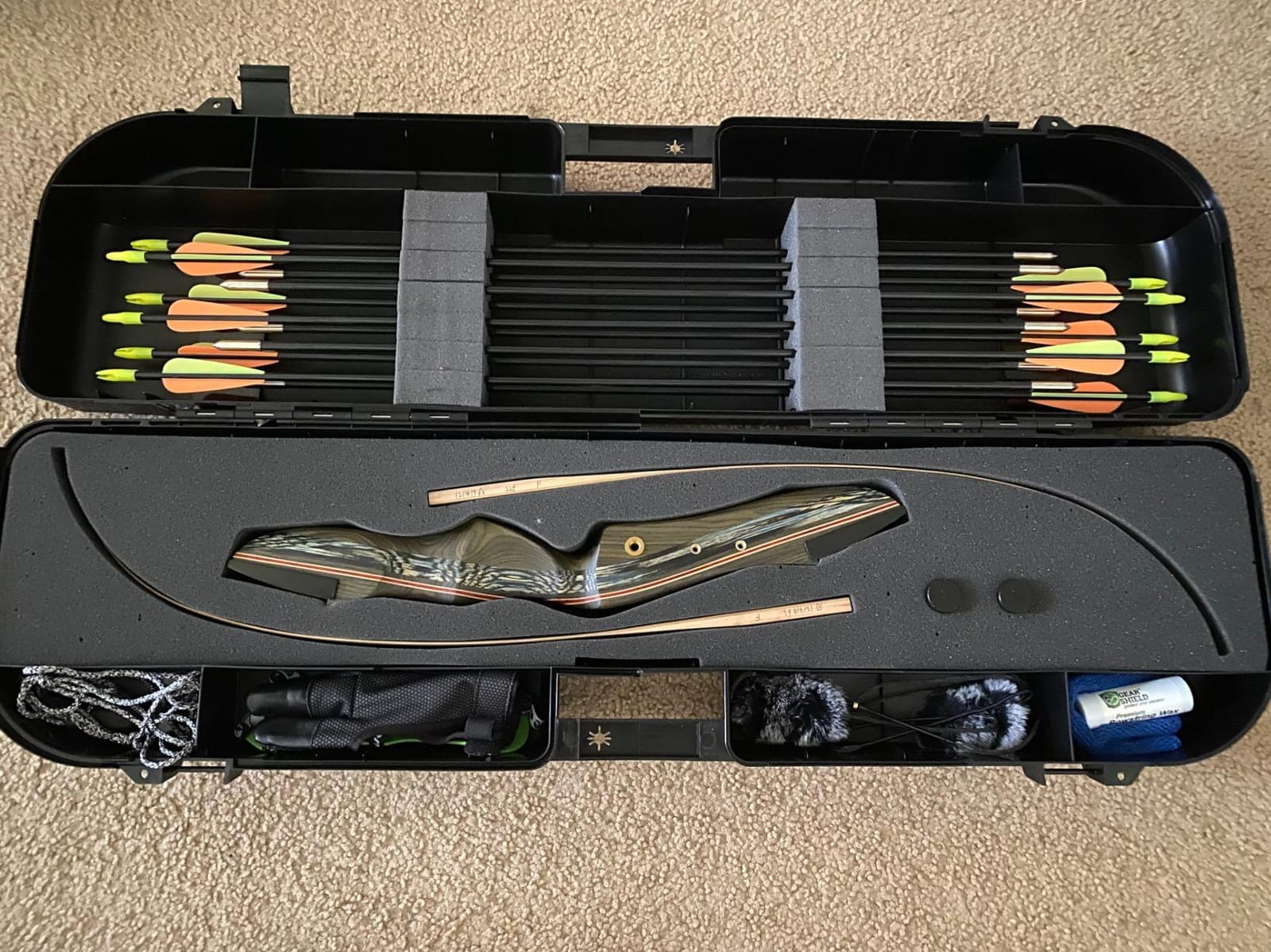
The foam is pre-cut, which means no knife and no cutting mat in a hotel room at midnight. Owners report that bows like the Samick Sage and the Southwest Archery Spyder fit with the riser, limbs, and ten to eighteen arrows in place, and the built-in broadhead wrench lives in the lid where you will not lose it.
The snap closures are lockable, and each latch has a luggage-lock eyelet, which matters more than it sounds. A pre-9/11 case with no lock holes invites an agent to cut a lock or tape the case shut, and that is a bad start to a trip.
Precision of the foam cut
A pre-cut interior is faster and safer, but it is also a commitment. The recesses are shaped for a particular riser and limb profile, so a bow with a deeper grip pocket or a different limb profile may need a small trim.
I check the riser pocket depth against the case before the first trip. Owners of similar precut cases say a small razor trim takes two minutes and removes all doubt about the bow shifting in descent.
Rain resistance without a gasket
The shell is weather resistant, not waterproof. There is no o-ring seal, which means sustained rain will find its way through the snap line eventually.
For a checked bag that sits in a cargo hold or a covered baggage area, that is fine. For a case you plan to leave in a truck bed or set down at a wet range, the difference between weather resistant and sealed is the difference between a dry bow and a damp one.
What it cannot carry
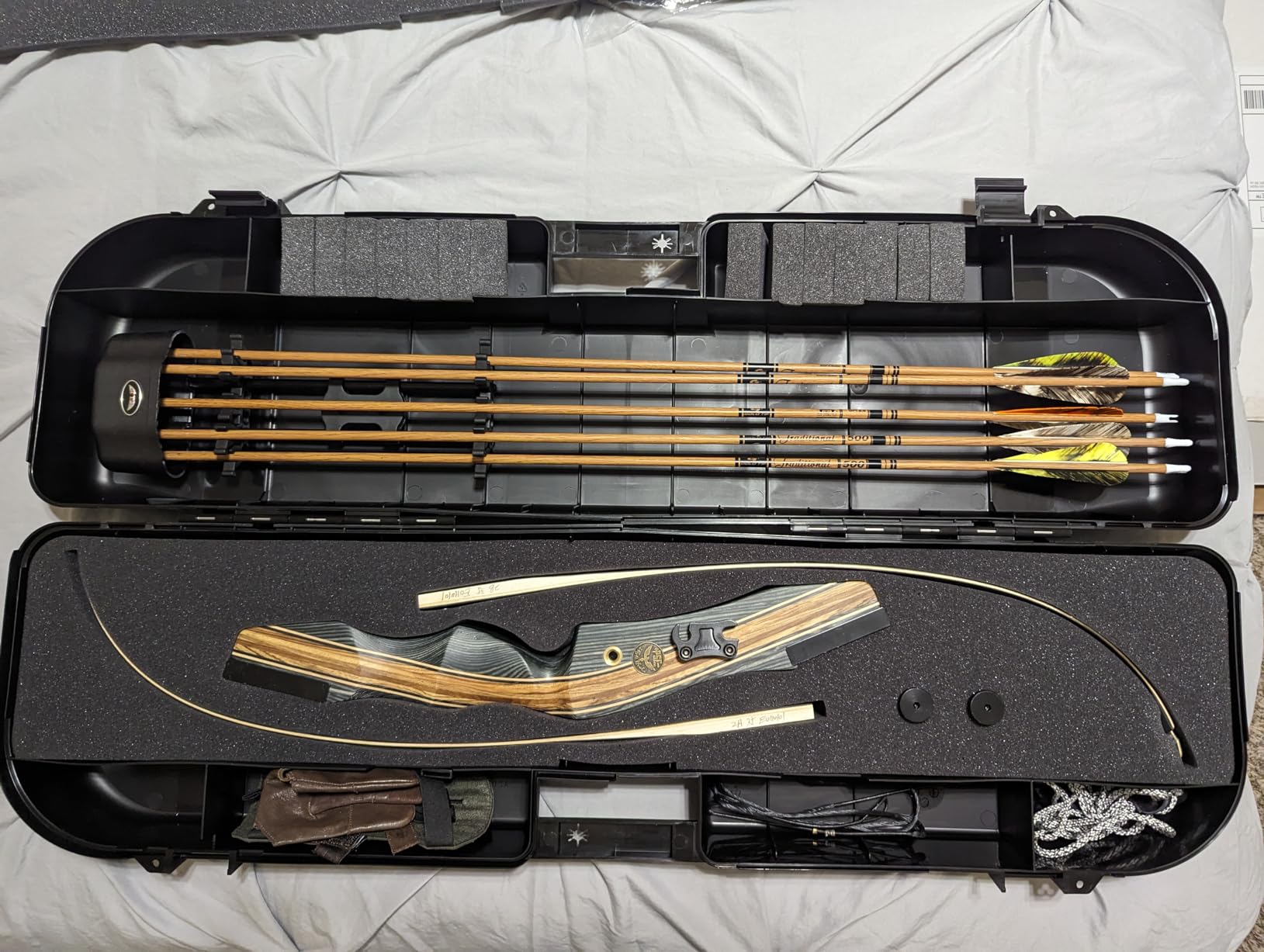
There is no space for a stabilizer or a large sight, and that is a deliberate trade for the low weight. Recurve archers who compete with target sights should expect to remove the sight and pack it in the accessory cubbies.
The three internal cubbies take a string, armguard, tab or glove, plus small tools. That is enough to keep a bow case self-contained, which is the whole point of traveling with one bag.
Baggage math worth doing
With a 37 inch overall length and a profile close to a long rifle case, this bag is one of the realistic ways to keep a recurve inside a standard checked allowance rather than paying an oversize fee. Check the width and height on the listing before you book, since combined linear inches is the figure that decides it.
3. LWANO Light-Weight Bow Bag with Arrow Pocket – Best Soft Case for Everyday Travel
LWANO Compound Bow Case Light-Weight Soft Bow Bag with Arrow Pocket and Backpack Straps
600D canvas with padding
Three carry modes
Quiver pocket
37 40 and 44 inch inside lengths
0.91 kg
Pros
- Snug fit confirmed for bows like the Mathews Triax and Bear Uproar
- Three carry modes
- Large quiver pocket
- Number one seller in the bow case category
Cons
- Arrow compartment fabric is not reinforced against broadheads
- Light duty zippers can feel stiff
- Straps have no padding
- 44 inch version can oversize shorter bows
This is the soft bag I see most often in airport parking lots and gear trunks, and the reason is simple: it fits a bow well, it weighs under a kilogram, and it does the same three carry tricks the Silfrae does. It ranks at the top of its category for sales, which tells you how often it turns up in a trunk or a pack.
The three inside lengths matter more than the product name suggests. A 37 inch version suits a shorter riser, 40 inch is the middle option, and 44 inch covers longer bows, so you can size to the bow rather than to a guess.
Owners confirm a snug fit for bows such as the Mathews Triax and the Bear Uproar, with the riser seated and the limbs following the long panel. The large quiver pocket swallows a full set of arrows plus a small tool roll.
Quiver pocket versus arrow tube
The quiver pocket is fabric, which is faster to load and lighter than a tube, and it is the reason this bag is convenient for driving to a range. The catch is that it is unreinforced where broadheads rest.
I line the pocket with a folded shop towel before loading field points or broadheads, which costs nothing and removes the abrasion risk. Reviewers raise the same point, so treat the pocket as a quiver holder and not as armor.
Zippers and straps as the weak link
The recurring complaints are light duty zippers that start stiff and straps without padding. After a few trips the zippers do break in, and the shoulder strap is comfortable with a light bow because there is no hard frame pressing into it.
For a long haul with a heavy bow, I would use the backpack straps rather than the shoulder strap. Two straps across the chest distribute the load far better than one strap over a soft, shifting load.
Sizing the bag to the bow
Pick the inside length from the bow, not from the trip. Owners note that a 44 inch version can oversize a shorter bow, and several buyers returned a 44 for a 37 after checking the fit at home.
Measure the bow with stabilizers removed, then add two inches of slack. That is enough room for the riser and limbs to sit without pressing the seam, and it keeps the profile slim.
Where it stops being enough
Soft canvas is not a hold-bag answer. If your plan involves the case riding a conveyor or being tossed into a cargo hold, the tradeoff changes completely and a hard shell becomes the safer purchase.
Our best Steam Deck cases roundup makes the same split for a different device: padded soft shell for a seat pocket, rigid shell for a roller bag.
4. Legend Apollo Soft Bow Case – Top Rated Padded Case
Legend Apollo Travel Soft Bow Case for Compound Bow – 44″ Black/Grey
44 inch inside length
Thick tricot-lined padding
Rip and water resistant
Arrow tube pocket
Pros
- Highest rated case in the roundup at 4.7
- Padding and lining guard against scratches and impacts
- Front pocket fits a telescopic arrow tube
- Neoprene handle feels good in hand
- Many colour options
Cons
- Soft shell is not built for airline checked baggage
- Internal straps run horizontally rather than around the riser
- Longer bows may not fit with a stabilizer attached
The Legend Apollo has the highest average rating of any case here at 4.7 across 509 reviews, with 82 percent five-star feedback. That number is not accidental. The padding is thicker than most soft cases and the tricot lining is the detail that stops cam edges and sights from being scratched in transit.
I use this one for car travel and cabin-only trips, and the front pocket sized for a telescopic arrow tube is the feature I did not expect to like as much as I do. A tube drops into the shaped pocket and stays there rather than rolling around against the riser.
The rip and water resistant outer shell handled a full season of rain-loaded range days without wicking, and the neoprene handle plus padded shoulder strap make it comfortable to carry from a car to a field.
Padding depth compared to other soft cases
Against a standard canvas bag, the Apollo is visibly thicker around the riser, and against a hard shell it is of course a different category entirely. Owners of bows up to 43.5 inches report that the bow slides in easily and stays put.
The limitation buyers mention most is the strap orientation. The two internal hook-and-loop straps run horizontally across the case rather than wrapping around the riser, so a bow can shift a little in a turn if the case is not full.
Stabilizers change the fit
The inside length options are 40 and 44 inches, and the long internal length is what creates clearance for a bow with a stabilizer. Longer bows with a stabilizer attached may not seat fully, so owners remove the stabilizer and pack it alongside.
That is a two minute job with the bow press that comes in the case, and it is safer than forcing a long stabilizer into a soft panel that is already at tension.
Honest limits for airline use
Several owners state plainly that the Apollo suits local travel and is not adequate for airline checked baggage. I agree, and I want to be direct about it here rather than letting the rating carry a false impression.
Use it as a cabin bag, a gate-check bag, or a car case. If the bow is going into the hold, move up to a hard shell with a gasket seal and real latches.
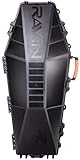
5. RAVIN Hard Case for Crossbows – Best Crossbow Case for Flying
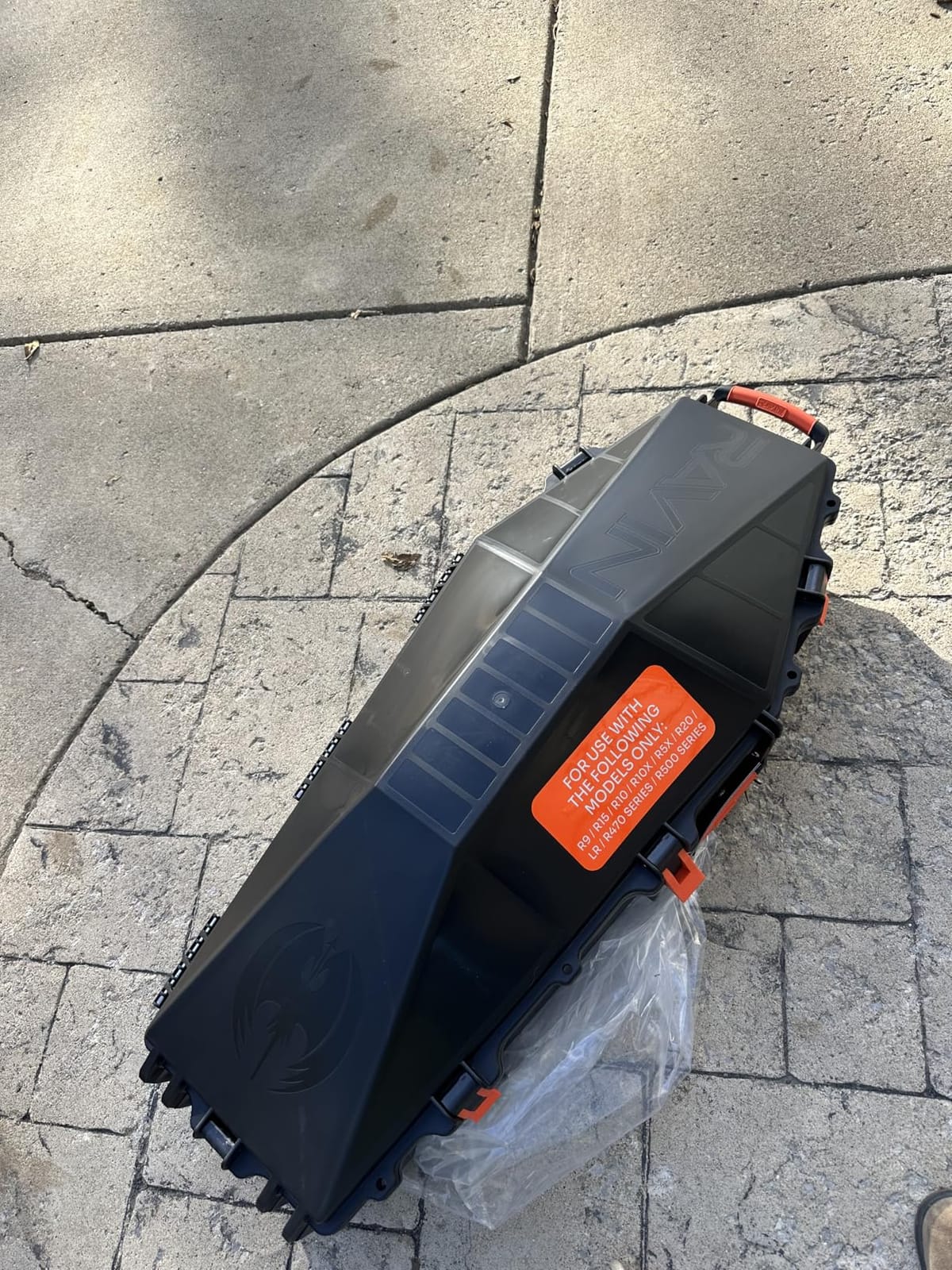
RAVIN Hard Case for R9/R15/R10/R10X/R5X/R20/LR/R470/R500 Crossbows
Reinforced polymer shell
Fits Ravin bows assembled
Pressure valve
Wheels and two handles
12 pounds
Pros
- Explicitly documented for air travel with a crossbow
- One owner survived a 750 lb ATV rollover with only scratches
- Wheels and two handles make it roll like a suitcase
- Precut foam holds the bow snugly
- Water tight with a breath valve
Cons
- Only fits Ravin crossbow models
- 12 pounds is heavy to hand carry
- One buyer received a unit with several broken clips
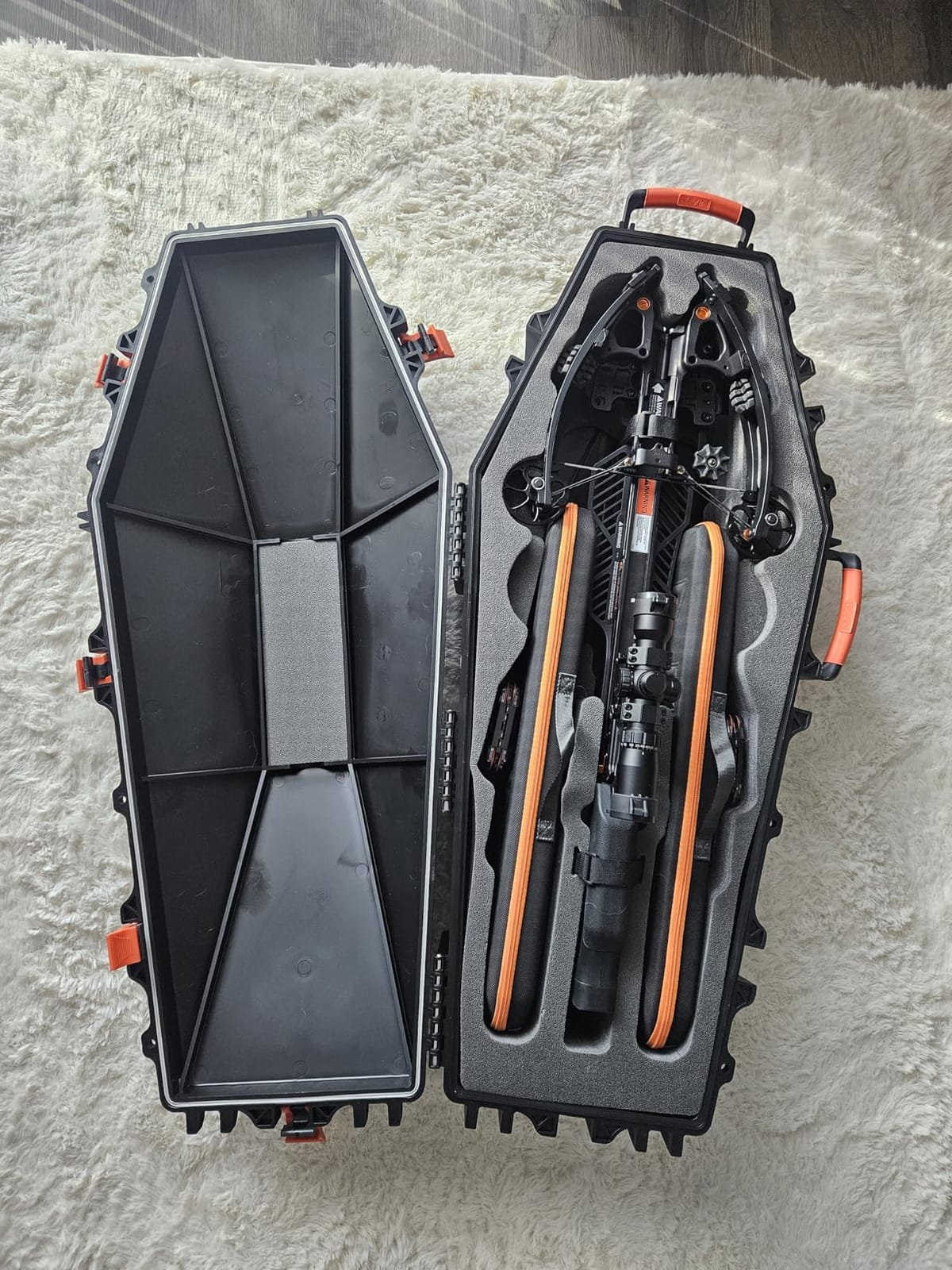
This is the only case in the roundup that fits a crossbow fully assembled, with the scope and quiver still on the bow. For a hunter who does not want to dismantle a Ravin at a hotel parking lot at dusk, that single fact carries more weight than any shell rating.
The reinforced polymer shell is documented as taking airline and truck bed abuse, and one owner reported a 750 pound ATV rollover that left the case scratched and the bow untouched. The pre-cut foam holds the crossbow snugly with internal straps and leaves space for arrows, a rangefinder, and binoculars.
Wheels and two handles make it roll through a terminal like a roller bag, and the manual air valve keeps the seal stable when cabin pressure changes during the climb. Reviewers consistently describe it as water tight rather than merely water resistant.
Fitting nine Ravin models in one shell
The case covers the R9, R15, R10, R10X, R5X, R20, LR, R470, and R500 series, which means one case can serve a household with more than one crossbow. That breadth is the main reason to pay for a model-specific shell.
The trade is obvious. If you shoot anything other than a Ravin, this case is a very nice box that fits nothing you own, and a universal hard case with adjustable foam is the more rational purchase.
Pressure valve and water sealing
The manual valve exists so you can equalise pressure before sealing, which prevents the lid from bowing during a climb or a descent and keeps the gasket from taking the load. I open the valve at the gate, seal it at the destination, and the difference in behaviour is obvious.
Because the shell is water tight, a long connection in wet weather or a baggage cart that has been sitting in the rain is no longer a source of anxiety. The preload of the latches stays consistent and the bow stays dry.
Weight and the terminal walk
At 12 pounds the case is heavy to hand carry, and that is exactly why the wheels matter. The wheels take the load across a terminal; the handles are for lifting it onto the belt.
Users who travel with this case report that a crossbow ready to shoot, arrows, and optics all live in one bag, which removes the second checked bag fee that a separate arrow case would create.
Airline and TSA handling
The case is described as TSA approved and documented for air travel with a crossbow, which is the clearest statement any case in this roundup makes about the checkpoint. As with any hard case, tell the agent what is inside before the case goes on the belt.
Crossbow strings and bolts are sharp. Declaring the contents is what keeps a screening officer from treating a bolt tip as an improvised weapon, and it costs nothing.
6. Allen Company Titan Krait Crossbow Case – Best Budget Case for Narrow Crossbows
Allen Company Titan Krait Crossbow Case (37″x19.5″) Fits Most Narrow Width Bows – Gray/Red – Padded Case – Carry Handle, Backpack Straps – 2 Oversized Pockets for Bolts, Quivers – Crossbow Accessories
37 by 19.5 by 10.75 inches
Soft shell for narrow crossbows
Two oversized pockets
Backpack straps
Pros
- Fits scoped narrow-limb crossbows such as the Tenpoint Titan
- Oversized pockets hold bolts quiver and tools
- Padded backpack straps leave hands free
- No zipper or seam failures reported
- Light compared with a hard crossbow case
Cons
- Accessory pockets are short for 21 inch bolts
- Padding is thinner than most buyers expected
- Soft shell offers no crush protection
The Titan Krait is the case I suggest to crossbow archers who fly for a tournament rather than a hunt, where the priority is weight and a hands-free carry. The padded backpack straps let you walk a terminal with a crossbow on your back and both hands on a rolling bag.
It fits scoped, narrow-limb crossbows snugly, with owners confirming a good fit on the Tenpoint Titan and the Wicked Ridge M370. Two oversized pockets take bolts, a quiver, tools, and the small hunting gear that normally ends up loose.
At 37 by 19.5 inches exterior with a 10.75 inch depth, it is a smaller footprint than most crossbow hard cases, which keeps combined linear inches in a friendlier range.
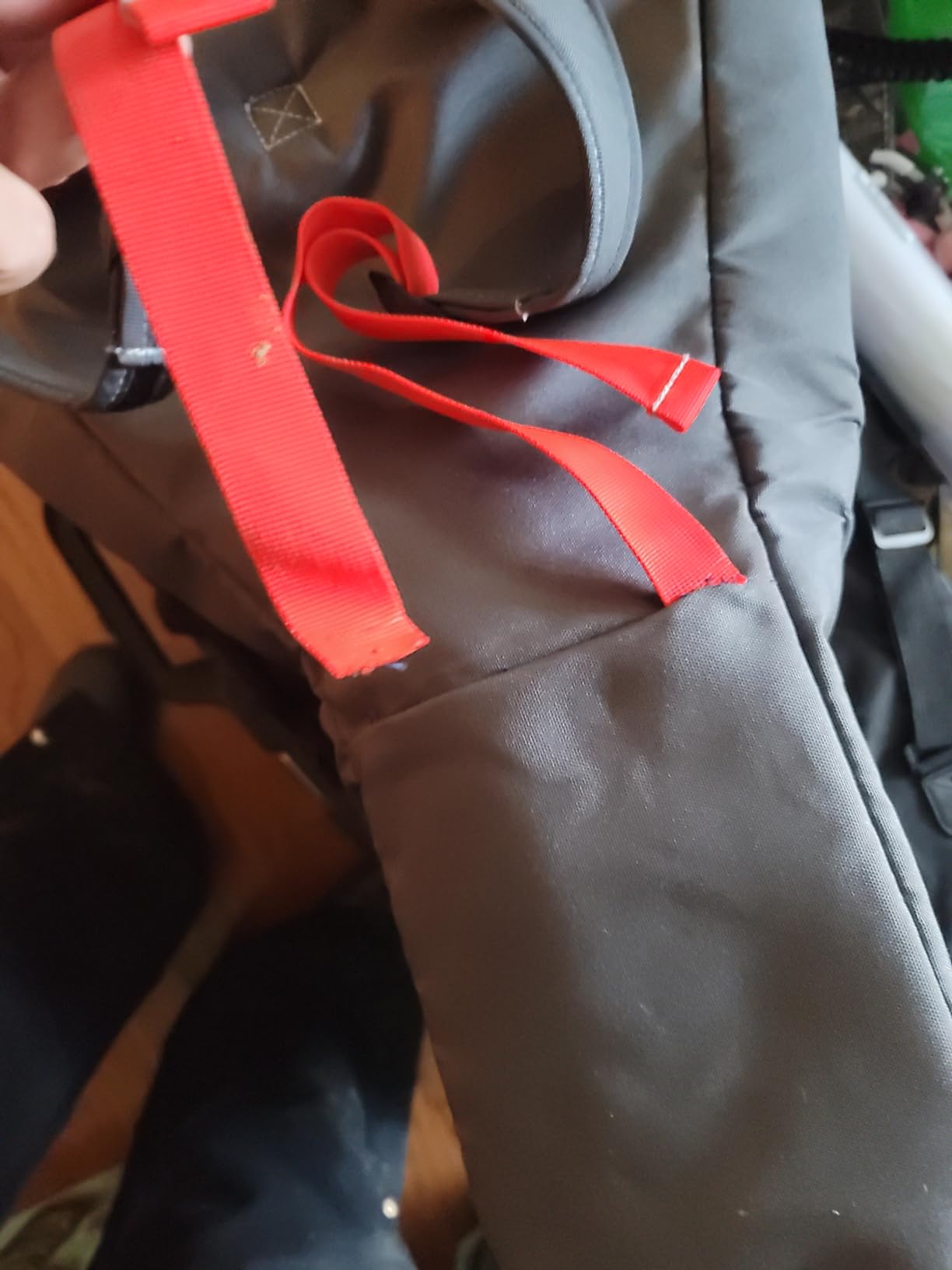
Pocket length versus bolt length
The most repeated complaint is pocket length. Owners with 21 inch bolts find the pocket a couple of inches short, which means bolt butts sit proud of the opening.
It is not a failure, it is a dimension. If your bolts are long, measure them against the pocket opening before you travel, and orient the case so the bolt ends face away from the main panel.
Padding and what it does for a crossbow
The padding is thinner than most buyers expect at first, and the honest answer is that a soft shell protects a crossbow from scuffs and rain but not from a drop. Crossbows are more forgiving than compound bows because they have no cams to bend.
That is why this case works well for a scoped crossbow in a cabin or as a gate-checked bag. A crossbow with a scope already sits low and heavy, and the case is proportioned for that.
Build quality in the zippers
Owners report solid zippers with no seam or material failures, which is a meaningful data point for a soft case that will be handled as luggage. Soft cases fail at the zipper long before they fail in the fabric.
Check the zipper pulls are seated fully closed before you set the case down, because a half engaged pull on a soft case opens under its own weight when lifted.
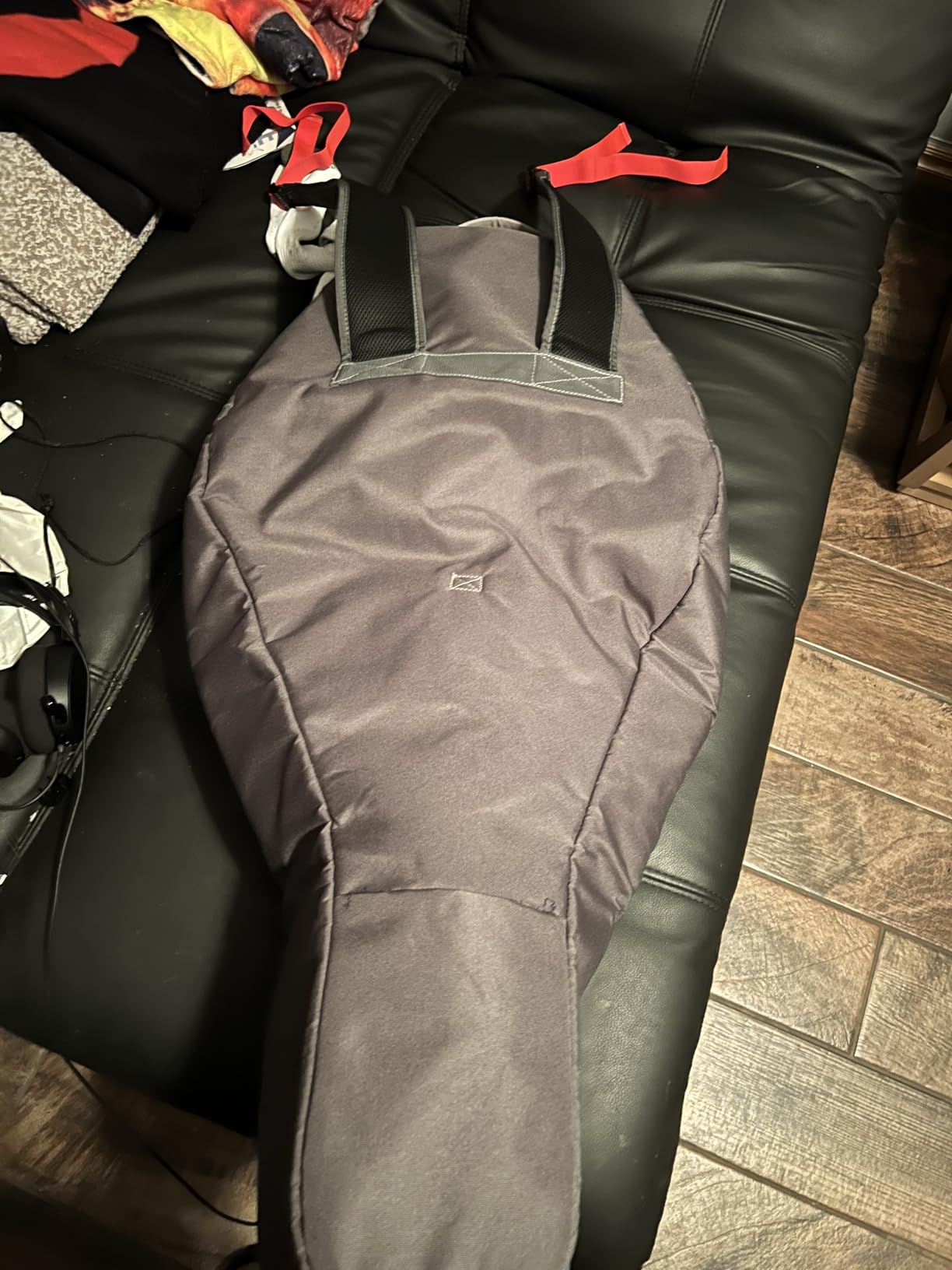
Who this is for
If you fly for a weekend tournament, this is the most practical case here. You get a crossbow, bolts, and a quiver in one bag you can wear on your back, with no foam to cut and no hard shell to haul.
If you fly for a hunting season in the backcountry, weight still argues for a hard shell, because gear adds up fast and a soft case offers no reserve.
7. Southwest Archery Universal Takedown Recurve Case – Best Fit for Traditional Bows
Southwest Archery Universal Takedown Recurve Bow Case | Fully padded foam case includes adjustable Arrow Tube and Large Outside Pocket for Accessories – Perfect for travel
31 by 12 by 3 inch interior
Fits any 68 inch takedown
Includes arrow tube for 12 arrows
2.5 pounds
Pros
- Universal fit for any 68 inch takedown recurve
- Separate slots keep riser and limbs apart
- Includes a hard plastic arrow tube
- Light and comfortable as a cross-body bag
- Large external pocket for string and gloves
Cons
- Foam padding is thin and suited to light impacts
- Zippers are standard duty and one is hard to close
- Arrow tube is tight and can compress large fletching
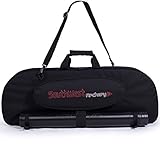
This is the answer to the recurve sizing question that every other case in this roundup sidesteps. Instead of a pre-cut foam profile for one bow, the interior is a 31 by 12 by 3 inch space that holds any takedown bow measuring 68 inches, from any manufacturer.
That universality is the reason to buy it. Traditional and recurve archers change bows more often than compound shooters, and a case cut for one riser becomes shelf weight when the bow changes.
Three interior slots keep the riser and the two limbs in separate channels so nothing knocks together in descent, and it includes a hard plastic arrow tube for twelve arrows, which is unusual at this level.
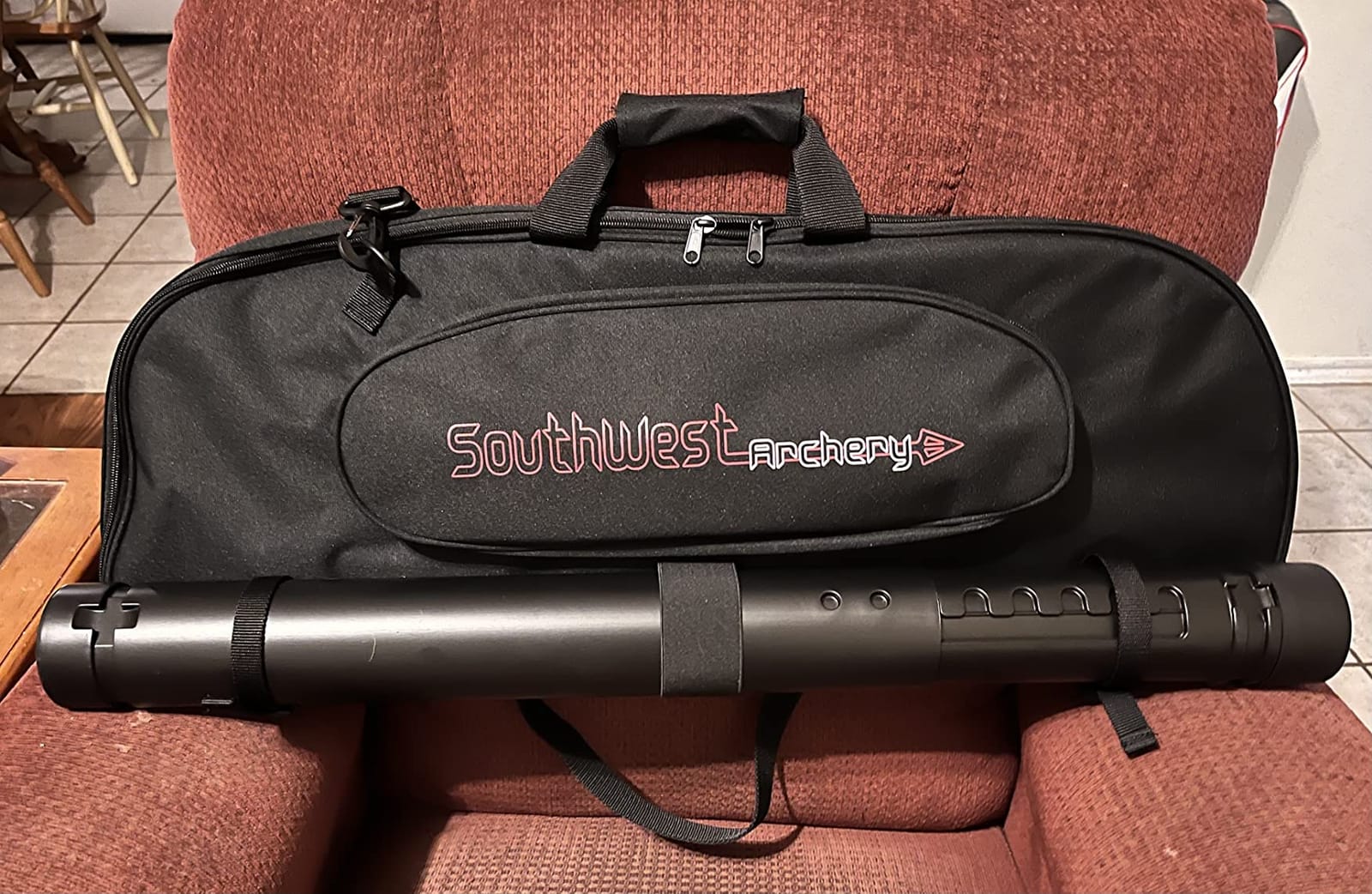
Why three slots matter
Separating the riser from the limbs is a small design decision with a large effect. Limbs are the most fragile part of a recurve, and a riser sliding against a limb tip in a drop is exactly the failure nobody wants to find after a landing.
The slots also make packing faster. You lay the riser in the long channel, drop a limb into each side pocket, and the case closes flat rather than bulging.
Arrow tube fit and fletching
The included tube holds twelve arrows and is a genuine bonus, but it is snug. Owners report that larger fletching can be compressed when arrows are pushed back in, so I load broadheads last and store arrows nock down.
Check your fletching height against the tube before the trip. If the vanes are tall, a slightly larger tube or a soft quiver is the better option.
Padding and the honest limit
The foam is thin, and buyers say so plainly. This is a case designed to keep a bow organised and protected from scuffs, not to absorb a baggage handling event.
At 31 by 12 by 3 inches exterior the case is slim, and the 2.5 pound weight makes it easy to wear with the quick-release shoulder strap. For a checked journey I would put it inside a larger roller or a padded duffel.
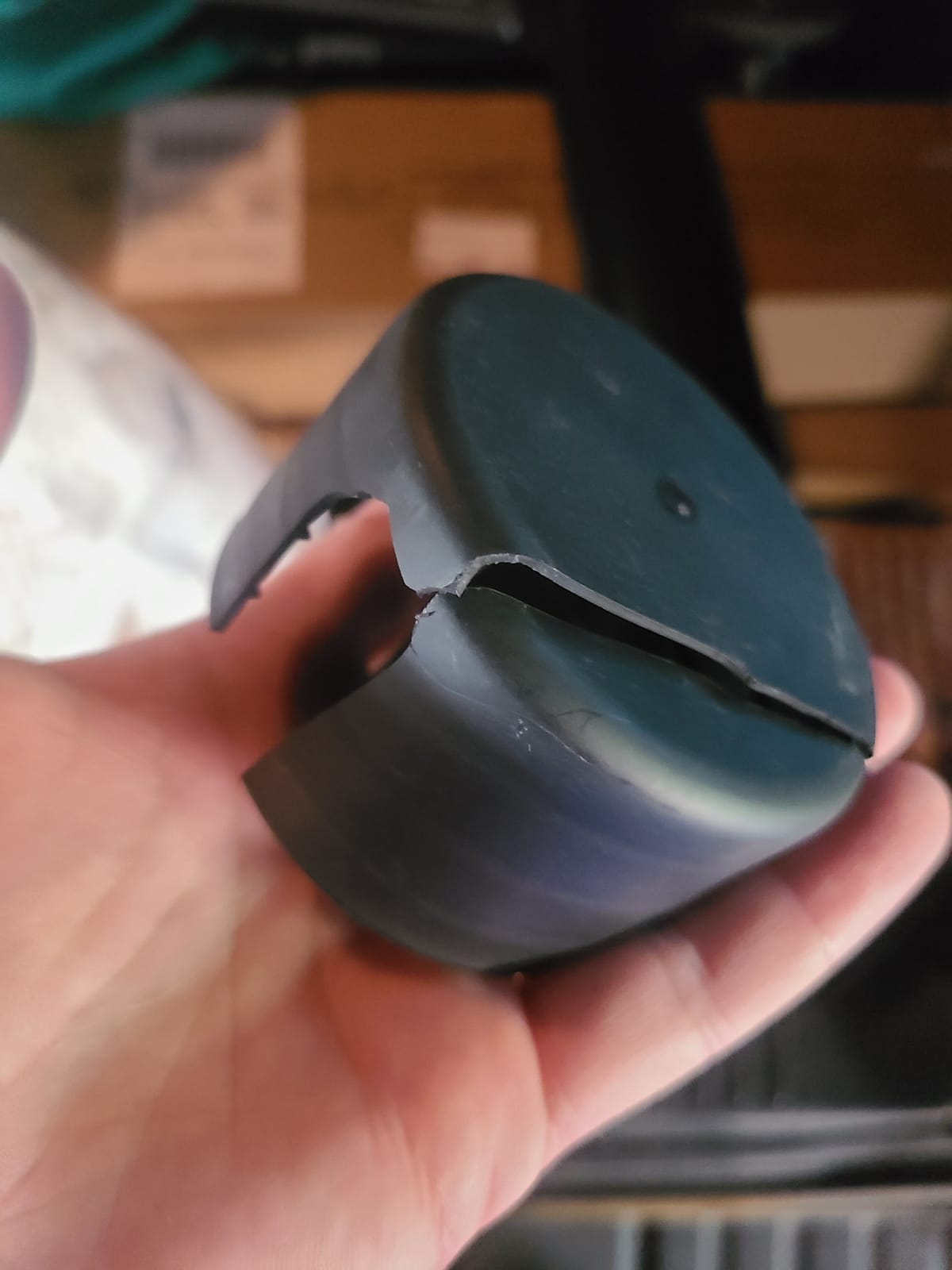
The 46 linear inch advantage
Adding the exterior dimensions gives 46 combined linear inches, comfortably under the 62 inch threshold that triggers oversize fees. That is the strongest argument for this case if you fly regularly with a recurve.
A bow, twelve arrows in a tube, a stringer, and an armguard all fit inside a single bag that most carriers treat as an ordinary checked case. Fewer bags means fewer fees and fewer places for a bag to end up somewhere else.
8. Case Club Gen 2 Pre-Cut Wheeled Bow Case – Best for TSA-Locked Airline Check-In
Case Club Compound Bow Case Gen 2 – Pre-Cut, Wheeled & Waterproof
46.75 by 19.5 by 9 inches
TSA approved for checked bags
Gasket seal
Tilt wheels and swivel handle
Pros
- TSA approved for checked luggage
- Waterproof dustproof and airtight with a gasket seal
- Tilt wheels and swivel handle for airports
- Removable spacer foam fits risers of varying heights
- Six latches and stainless steel hinge pins
Cons
- 46.75 inch exterior length is bulky and lands in oversize territory
- Foam layout holds a limited number of arrows
- A small share of durability complaints in the reviews
This is the case I would put a parallel-limb compound bow in for a flight, and the reason is stated on the case itself: it is TSA approved for checked luggage. That designation means the locks are ones an agent can open and re-lock at the counter without breaking them or cutting them off.
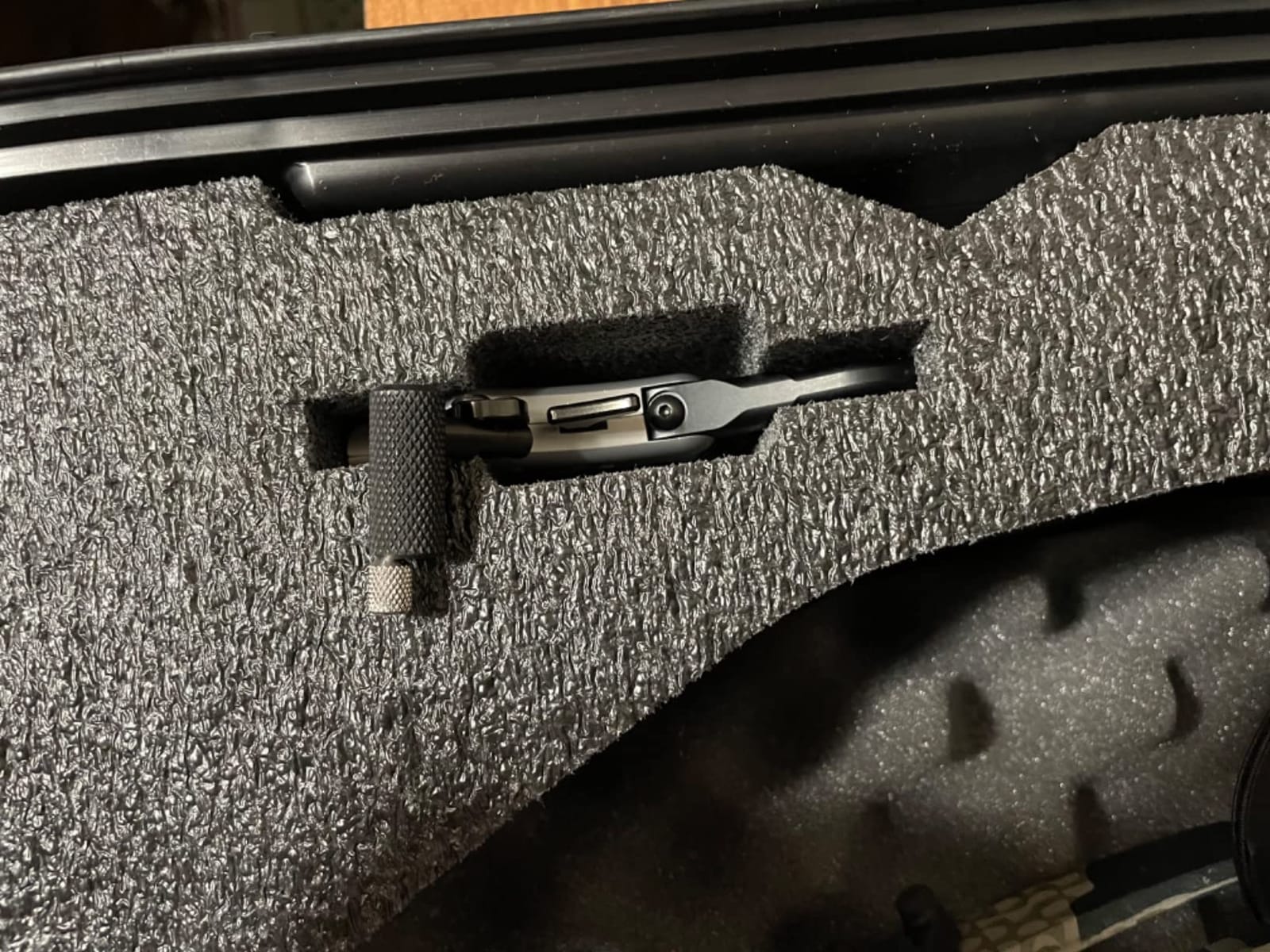
The shell is injection-moulded high-strength copolymer polypropylene with reinforcing ribs, and it carries six latches, stainless steel hinge pins, a gasket seal, and a pressure relief valve. The seal is what makes the case waterproof, dustproof, and airtight in the same breath, which reviewers consistently confirm.
Pre-cut foam fits parallel-limb compound bows up to 35 inches axle-to-axle, which is 41 inches overall, plus twelve arrows up to 32.75 inches. A removable spacer foam block handles risers of different heights, so the fit is less bow-specific than a single cut.
What TSA approved actually means
A TSA-approved lock is one whose key chamber an officer can open with a master key. That single feature removes the old airport ritual of an agent cutting a padlock off a case and leaving you to re-lock it with a cable tie.
It is worth noting that a bow case is not a firearm case and does not legally require TSA locks. The designation is a convenience that makes the checkpoint conversation shorter, and on this case the locks are already the right ones.
Wheels, handle and the terminal
Tilt wheels and a swivel handle are the reason this case moves through an airport without becoming a gym lift. The wheels only roll well on smooth floors, so on a rough tarmac curb you will still be lifting the case.
Reviewers note the wheels are the feature that most reduces the perceived weight of a hard shell, because a case on wheels feels far lighter than the same case in your hands.
The linear inch trade-off
Exterior dimensions of 46.75 by 19.5 by 9 inches add up to roughly 75 combined linear inches, which is over the 62 inch threshold. Expect an oversize fee on most carriers, and check your airline policy before booking.
For a traveller who flies several times a year, that fee is the price of a shell that will not fail. For a traveller who flies once, the Vista or the Southwest Archery case at 46 combined linear inches may be the smarter purchase.
Build and durability
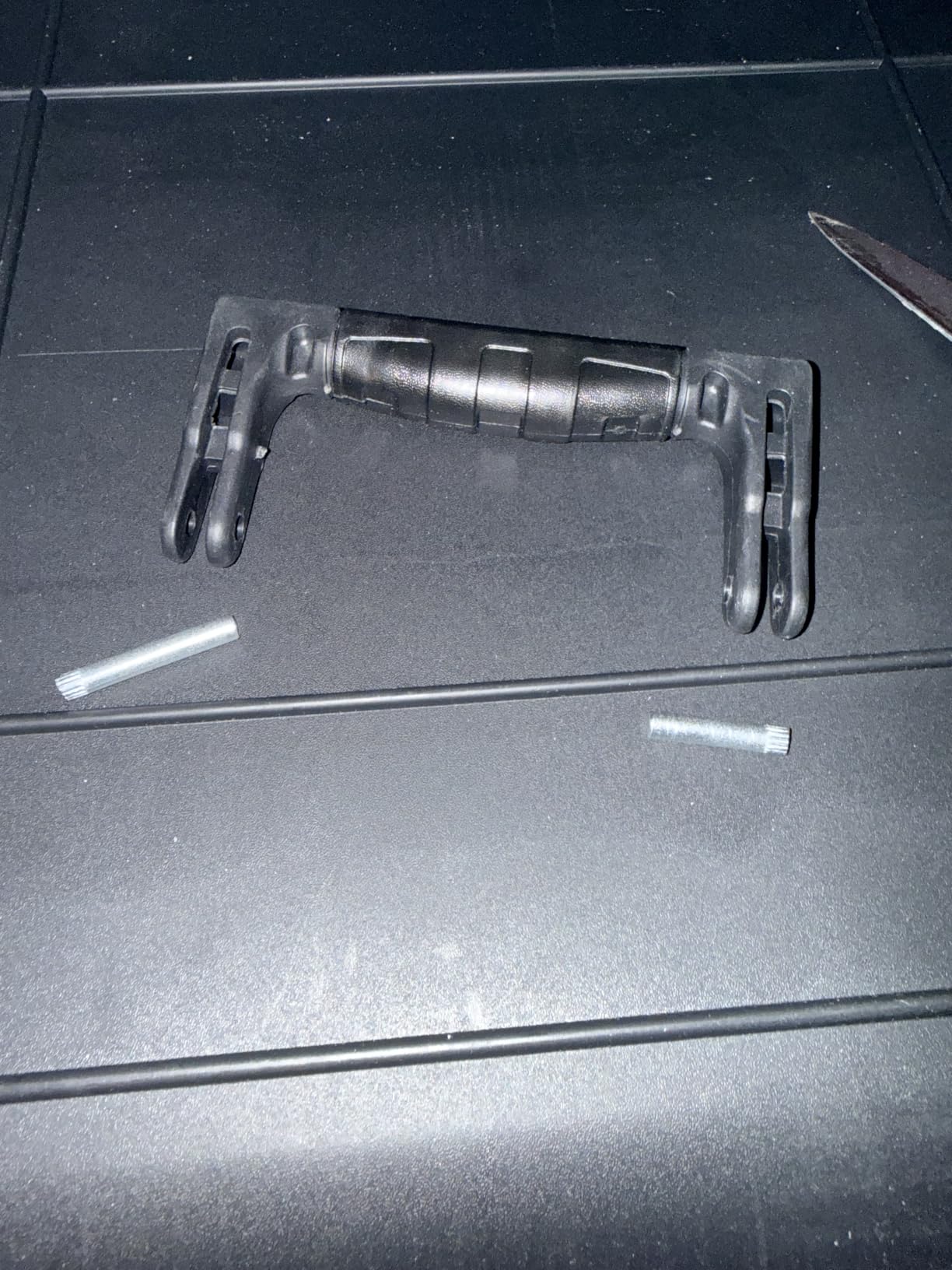
Six latches and stainless steel hinge pins are a step above the two or three plastic latches most cases in this roundup use, and the pins are the part that usually fails first on cheaper shells.
About 9 percent of reviews are one star, with durability and handling at the counter the usual themes. That is a normal spread for a large shell, and the five-star share sits around 75 percent.
9. Flambeau Outdoors Formula Bow Case – Best Foam-Free Hard Case
Flambeau Outdoors Formula Bow Case Foamless ABS System Fits 43″ Bows, Black
Foam-free A.B.S. chassis
Pressure valve and gasket
Fits 43 inch bows
18.25 pounds
Pros
- Free-floats cams strings and sights away from pressure
- Quiver can stay attached so the bow needs no stripping
- Pressure valve and gasket handle altitude changes
- Side gear bag adds storage
- Fits many target bows up to 43 inches
Cons
- No wheels and 18.25 pounds is heavy in a terminal
- Shell feels floppy until latched
- Twist-tie retention straps can break internally
- Front face is not sticker friendly
The Flambeau Formula is the only case here with no foam at all, and that single decision changes how the bow is protected. Instead of squeezing a compound bow into a cut cavity, a foam-free A.B.S. chassis with a shock-absorbing rubber membrane cradles the bow and lets the sight, cams, cables, and strings float free of contact.
In practice that means no pressure points on a cam or a sight scale during a drop, which is the failure mode that bends bows. Owners who travel report that the bow comes out of the case in exactly the condition it went in.
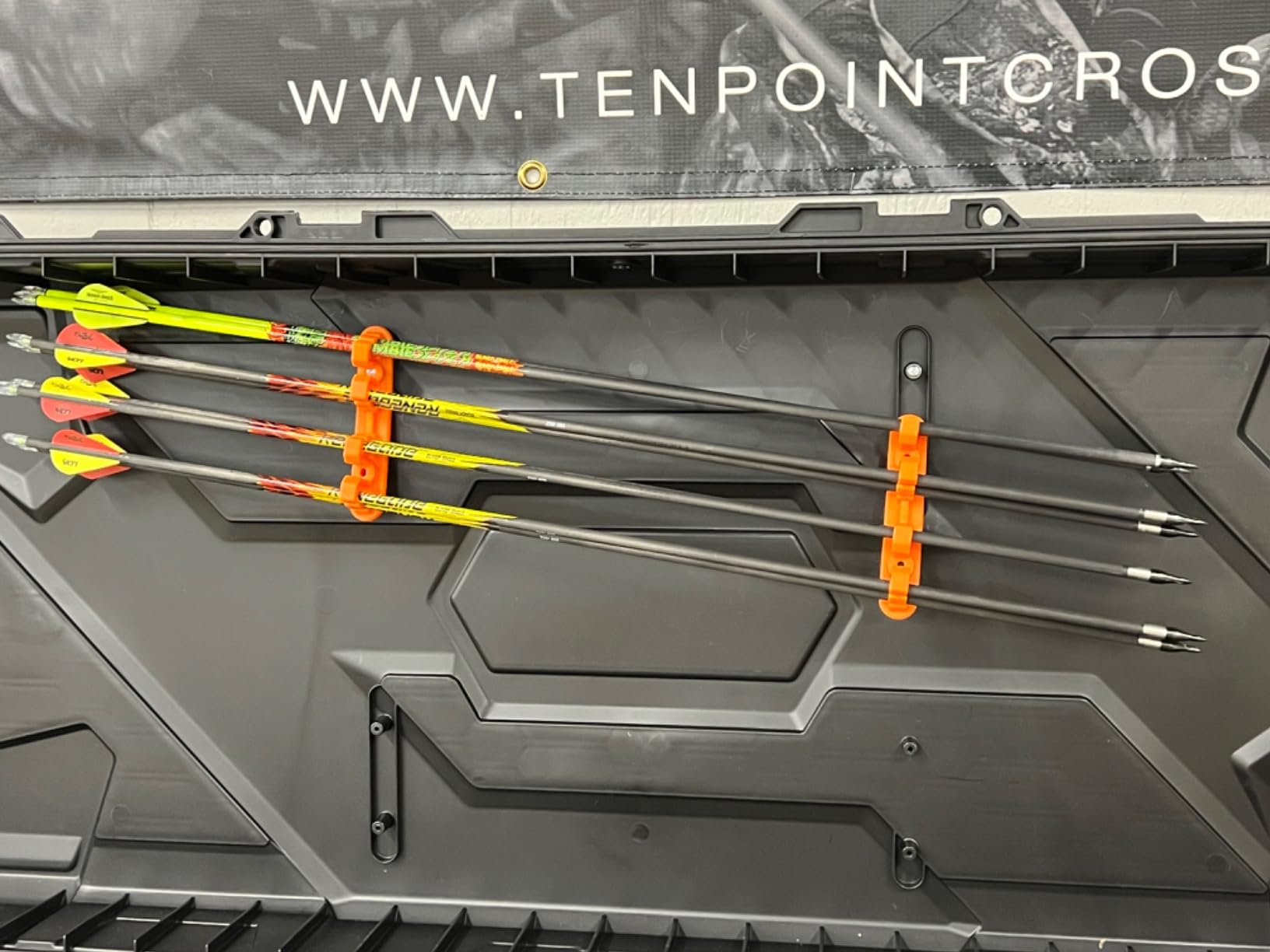
The quiver-to-go layout lets a quiver stay attached to the bow inside the case, so you can drop the whole rig in rather than stripping it down and rebuilding it. Combined with the side gear bag, it consolidates bow, arrows, and small items into one container.
Foam versus a floating chassis
Pre-cut foam is precise and immovable, which is its strength, and it is also brittle and permanent, which is its weakness. A foam-free chassis adapts to bow shapes and does not need cutting, at the cost of some side-to-side movement.
For a bow with a delicate cam or a long sight scale, free-floating is the safer arrangement. For a bow you want to rattle nothing at all inside the case, foam wins.
Pressure valve and altitude behaviour
The automatic pressure release valve and weatherproof gasket form an anti-crush air chamber, which is the detail that matters most at altitude. Without it, cabin pressure changes can bow the lid and load the latches unevenly during climb and descent.
Reviewers of this case describe the valve as handling altitude and impact well for air travel specifically, which is the same requirement the RAVIN crossbow case meets with a manual valve.
Carrying 18.25 pounds without wheels
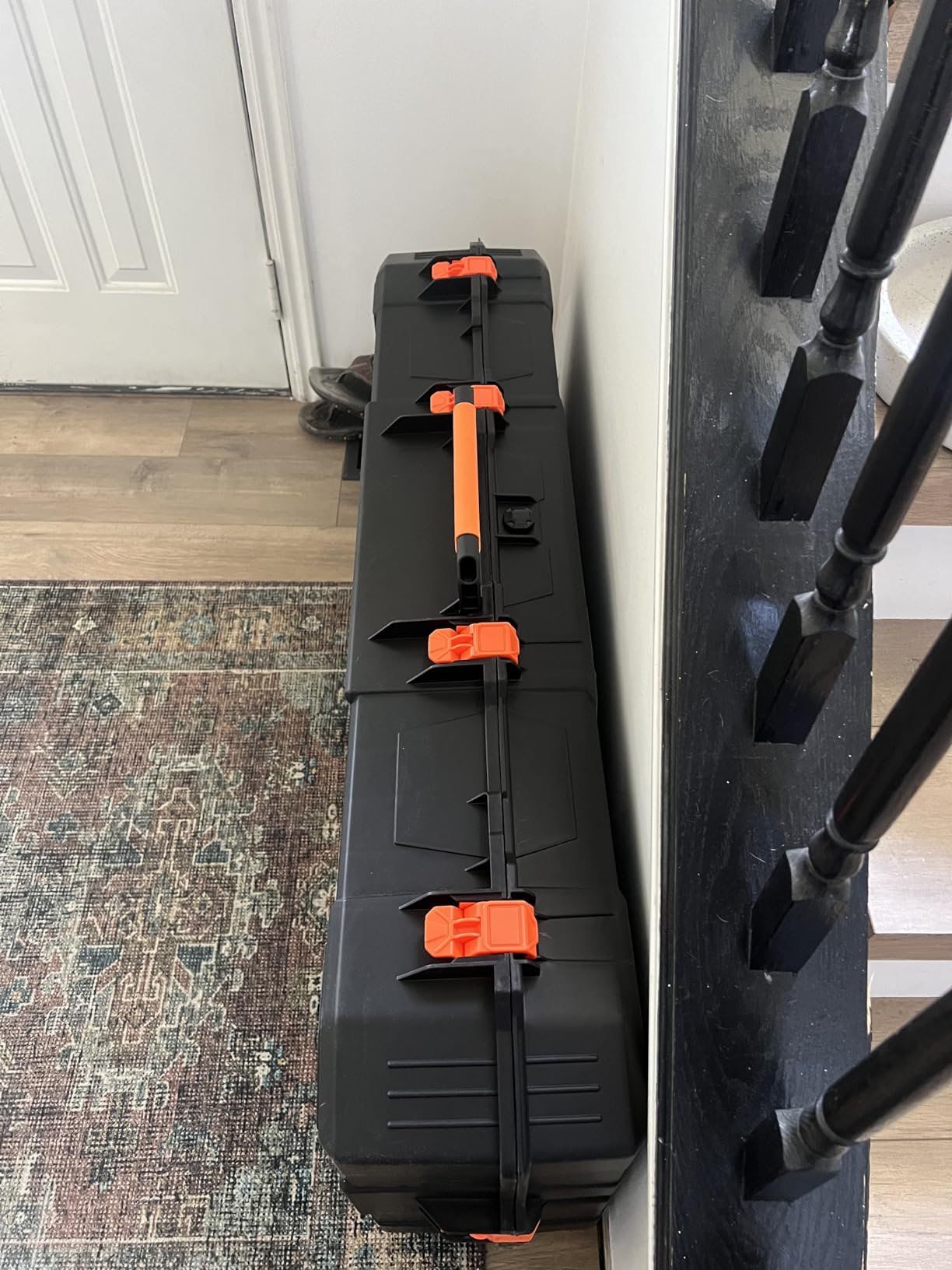
At 18.25 pounds unloaded, with no wheels, this is the heaviest case in the roundup and the one that hurts most in a terminal. Budget extra time for the walk from the gate to baggage claim, or bring a folding cart.
Reviewers also note the shell feels floppy while unlatched and firms up once the latches engage, and that the twist-tie retention straps can break internally after a few months. I now replace the ties with a proper cam strap before every trip.
Sizing to 43 inches overall
The case fits bows up to 43 inches overall length, which covers many target bows, and it is wide enough that some bows with a wide sight-to-string measurement will not seat. Measure that span before you order.
Six lock holes accept combination locks, so you can add TSA-approved locks and stay on the good side of the checkpoint conversation described earlier.
10. SKB Ultimate Watertight Double Bow Case – Best for Carrying Two Bows
SKB Ultimate Watertight Double Bow Rifle Case, Black
40 by 16 by 6.5 inch exterior
Watertight shell
Holds two bows
Customizable foam
Pros
- Watertight shell with lockable push latches
- Holds two bows fully assembled
- Customizable foam interior
- Reinforced easy-grip handles
- Utility pocket for accessories
Cons
- Very heavy and bulky for airline baggage
- Foam must be cut by the user
- No wheels so it is hand carried
- Smallest review base in the roundup
The SKB double is the case for a tournament where you shoot two bows, or a hunter who brings a backup. The 40 by 16 by 6.5 inch interior holds two bows fully assembled, and the customizable foam lets you cut it for whatever you are carrying, including short rifles.
The shell is watertight and weather resistant, made in the USA, with lockable push latches, reinforced handles, and a utility pocket for accessories. On durability the feedback is consistent: this is the build quality forum users point to when they say only serious shells are worth flying with.
At 40 by 16 by 6.5 inches, the exterior is a little over 62 combined linear inches, so it sits right at the boundary of standard checked bag allowance. That detail matters more than it sounds.
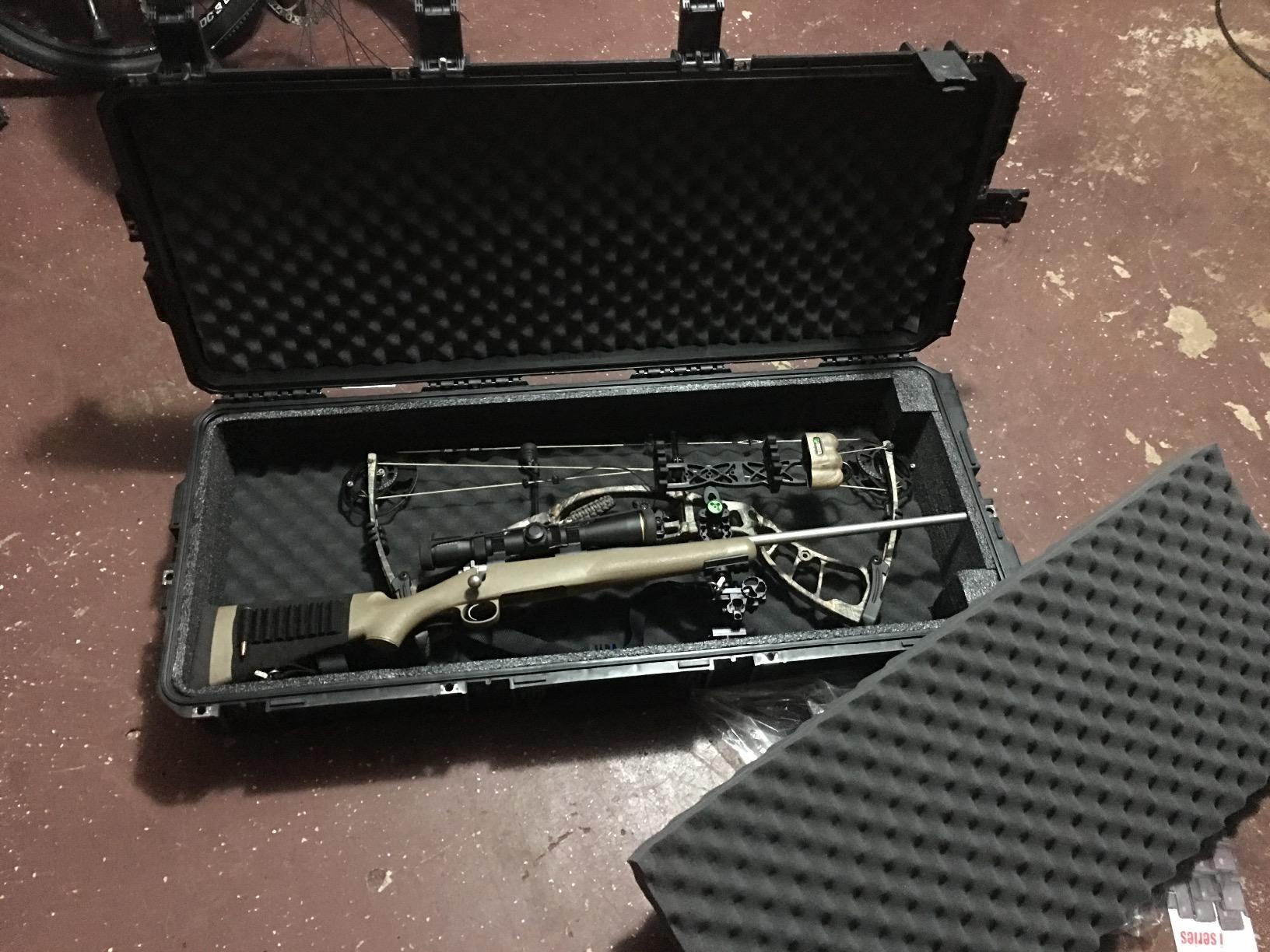
The foam cutting session
The foam ships as a block and you cut it to fit. Plan ninety minutes with a proper knife, mark the layout with a marker first, and cut the bow channels before the accessory pockets.
Owners who skipped the marking stage reported tearing the first channel. This is a one-time task, and once cut the interior holds a bow more snugly than a generic pre-cut ever would.
Weight, bulk and the terminal
There are no wheels, and the reinforced handles are the only way to move it. Combined with a second bow inside, this is a genuinely heavy object to lift onto a belt, and it is the single biggest reason buyers return it.
If you travel with this case, check the connection time. A heavy bag loaded last on a belt and unloaded first is fine, but a bag sitting at the back of a hold through two connections is a stress test you can avoid.
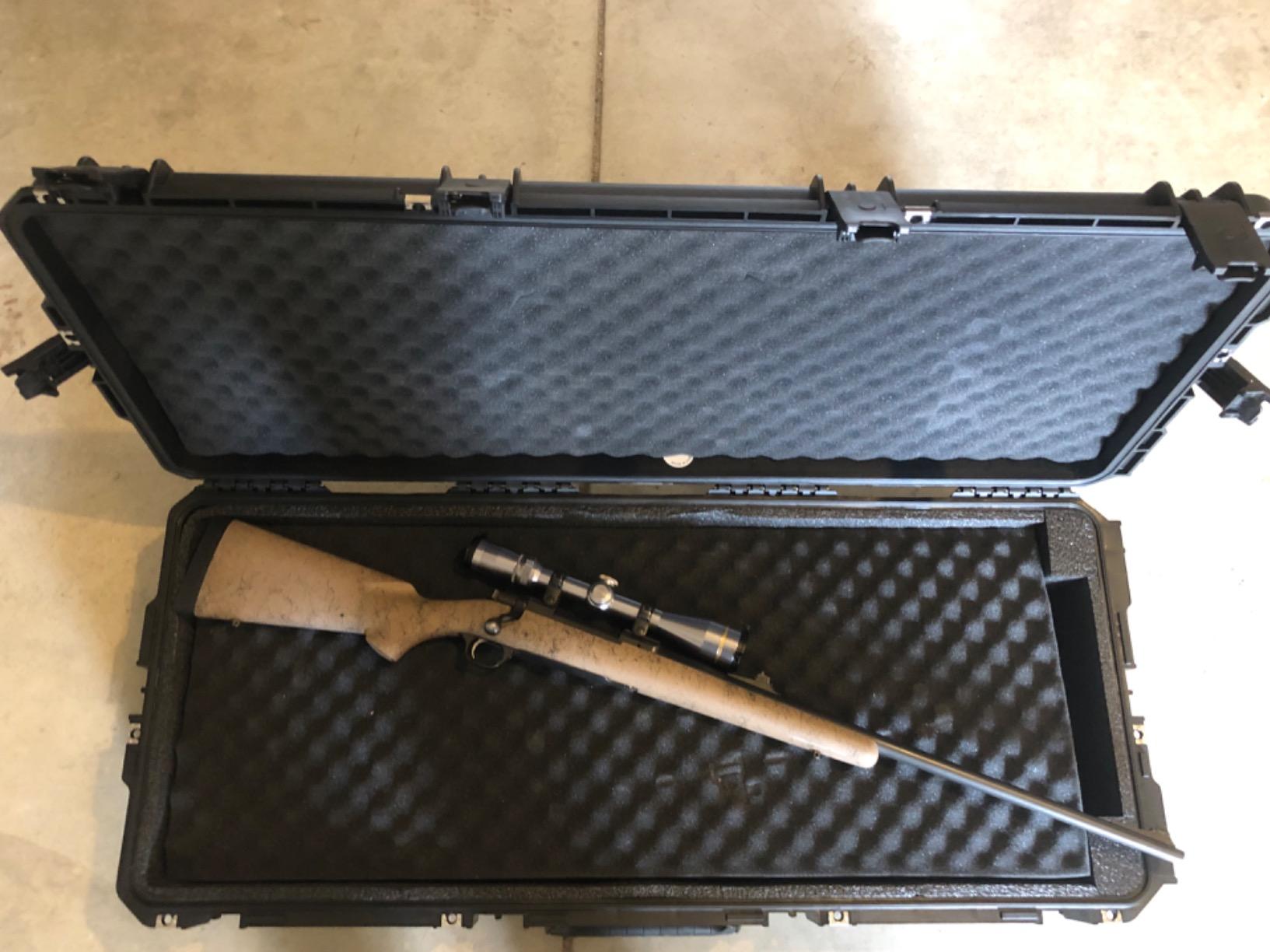
Locks and the checkpoint
The push latches are lockable, but SKB does not ship TSA-approved locks with the case. You can add your own TSA-approved combination locks through the padlock tabs, and I recommend it for exactly the reason the checkpoint conversation above describes.
Older archery cases built before modern lock standards have no holes for a lock at all, which is why agents sometimes tape a case shut or cut a padlock. That is a hassle and a damage risk, and it is entirely avoidable.
Who should buy the double
Buy it if you shoot a second bow, carry a bow plus a backup, or need one shell that handles both bows and a rifle. The watertight shell and the made-in-USA build are the strongest in the roundup.
Pass on it if you fly alone with one bow. The weight and the foam cutting work are real costs for a capacity you would not use.
How to Choose a Bow Case for Airline Travel
Shell type, dimensions, locks, and weight decide almost everything about how a bow case behaves on a flight. Here is how I weigh each one, in the order I weigh them.
Hard shell, soft or hybrid: hard shells win for checked baggage
Hard shells win for checked baggage. A rigid shell resists a drop, a stack of other bags, and a belt conveyor, and it resists rain. Soft cases are lighter, cheaper, and better for cabin and car use, but padding compresses and offers no crush resistance. If the bow goes into the hold, buy a hard shell; if it stays with you, a soft case is the better answer.
Hybrid cases try to split the difference and usually compromise on both. A useful middle ground is a soft case used as the outer bag around a smaller hard case, which adds a layer of abrasion resistance and a fabric barrier between a sharp cam and the inside wall.
Combined linear inches: the 62 inch rule that triggers oversize fees
Combined linear inches is the external length plus width plus height of the case, and 62 is the threshold most North American carriers use before a checked bag becomes oversized. Add the numbers from the listings and the results are predictable: the Southwest Archery case at 31 by 12 by 3 inches gives 46, the SKB double at 40 by 16 by 6.5 inches gives 62.5, the Allen Titan Krait at 37 by 19.5 by 10.75 inches gives 67, and the Case Club at 46.75 by 19.5 by 9 inches gives about 75.
Three of those four cross 62, and the difference in cost is not small. Before you buy, write the three external dimensions on a note, add them, and check the result against your carrier page. If you are close to the line, the case is worth measuring before the trip, since a foam spacer or a quiver sticking out of the case changes the number.
TSA-approved locks and who can open your case
A TSA-approved lock is one an officer can open with a master key. You do not need one for a bow case, the way a locked firearm case draws specific rules, but TSA-approved locks mean nobody has to cut, tape, or re-lock your case at the counter. Only the Case Club in this roundup is listed as TSA approved from the factory; the rest accept your own combination locks through their padlock tabs.
Arrows and crossbow bolts are sharp points, and screening officers are trained to treat unknown sharp objects conservatively. Declaring the contents at check-in is what keeps a bolt tip from being treated as an improvised weapon. It takes five seconds and removes most of the friction.
Weight, wheels and one-bag consolidation
Weight decides whether you need a second checked bag, and a second bag is a real cost on every trip. The Vista at 1.3 pounds, the Southwest Archery case at 2.5 pounds, and the LWANO at 0.91 kilograms sit at the light end; the Flambeau at 18.25 pounds and the RAVIN at 12 pounds sit at the heavy end.
Wheels help more than weight does, because a case on tilt wheels feels far lighter than its listed weight suggests. The Case Club and the RAVIN both roll; the Flambeau and the SKB do not, and both are cases you will want to be careful lifting.
The best consolidation is bow, arrows, quiver, release, and stabilizers in one bag. The Southwest Archery case with its arrow tube, the Vista with its arrow slots, and the RAVIN with its pre-cut accessory space are the three that achieve it most cleanly.
Matching the case to your bow type
Compound bows need cam protection and a riser channel, which is why the soft cases here use internal cam pads and the hard cases use pre-cut foam. Recurve and traditional bows need somewhere for the riser and each limb separately, and the Southwest Archery case is the clearest example with three interior slots.
Crossbows are a different problem. A scoped crossbow that stays assembled needs a case shaped for a crossbow, which is why the RAVIN and the Allen Titan Krait exist as separate products rather than as compound bow cases in a different colour. Measure the sight-to-string span before ordering either.
How to pack a bow case for a flight in six steps
1. Take the string off and mark the limbs and cams with masking tape so you can rebuild the bow in the right order.
2. Detach stabilizers and pack them in the accessory pocket or a separate sleeve, because they are the first thing to bend in a crush.
3. Seat the bow in the foam or padded channel, riser first, and pull the retention straps tight around the riser rather than across it.
4. Pack stabilizers, release, and spare parts around the bow, not on top of it, so nothing bears weight against a sight scale.
5. Lock the case with TSA-approved combination locks, and photograph the packed contents before it goes on the belt.
6. At check-in, tell the agent it is archery equipment containing a compound bow and arrows, and ask them to route it as sporting equipment if your carrier offers that tag.
Add a silica gel pack for any long trip, and check that the arrow lid or pocket is not straining the seam. That is the one place a soft case fails first.
One more piece of insurance, learned the hard way from forum accounts: label the case with your name, phone number, and destination inside and out, and put a tracking tag in with the bow. Bow cases are tagged like equipment rather than luggage, and a long connection is where problems surface.
Frequently Asked Questions
Are hard or soft bow cases better for airline travel?
Hard shells are better for checked baggage because a rigid shell resists crushing, drops, and rain on a conveyor belt. Soft padded cases are lighter and better for cabin travel, car transport, and range days. If the bow goes into the hold, choose a hard shell with latches and a gasket seal. If it stays in the cabin, a soft case with a padded shoulder strap is more comfortable and easier to manage.
Are SKB bow cases TSA approved?
SKB bow cases are not TSA approved as supplied because they ship with standard push latches and no TSA locks. You can add your own TSA-approved combination locks through the padlock tabs, which lets a screening officer open and re-lock the case without cutting anything. A bow case is not a firearm case, so TSA locks are a convenience rather than a legal requirement.
Can I take a crossbow on a plane?
Yes, a crossbow is generally allowed in checked baggage when it is declared as sporting equipment, and many carriers treat it as a standard checked bag within your allowance. Declare the crossbow and the bolts to the agent at the counter, because crossbow bolts are sharp and screening officers are conservative with unknown points. A hard case such as the RAVIN model that fits a crossbow fully assembled is the most convenient option.
What is the 62 linear inch rule for checked bags?
Combined linear inches is the external length plus width plus height of a case, and 62 inches is the threshold most North American airlines use before a checked bag counts as oversized. Oversize fees are charged per bag and vary by carrier and route. Add the three external dimensions of your bow case before you buy to see whether it stays under the threshold.
Can TSA open my bow case without me present?
TSA agents can open any bag during screening, and a TSA-approved lock lets them open the lock and re-lock it without damage. A lock that is not TSA approved may be cut off or the case taped shut, which is why a case with no lock holes at all is the worst outcome. Photographs of the packed case before check-in are a sensible precaution either way.
Which Bow Case Should You Buy?
Most archers do not have one use case, so here is the short version. Our editor’s choice is the Silfrae soft bow case: it is the only bag here that three different carry systems suit, and at 1,100 reviews with a 4.5 average it has the largest proven base in the group. If your priority is a bow going into the hold, the Case Club Gen 2 is the one to buy, because it is the only case in this roundup that is TSA approved for checked luggage from the factory, and it rolls on tilt wheels. If you want a shell that will not crush a cam and does not care about wheeling it, the Flambeau Formula is the smarter hard choice, and it is the only foam-free option here.
If you fly a recurve, the Vista Traveler gives you a hard shell at 1.3 pounds with pre-cut foam and lockable snaps, while the Southwest Archery Universal case at 46 combined linear inches is the one that keeps you out of oversize fee territory and fits any 68 inch takedown bow. If you carry a crossbow, the RAVIN hard case fits nine models fully assembled with scope and quiver attached, and the Allen Titan Krait is the lighter carry option for tournament travel.
For soft travel and car days, the Silfrae and the LWANO bags are the two I use, and the Legend Apollo is the best padded option with the highest rating here. The SKB double earns its place only if you genuinely travel with two bows.
Whatever you choose, do one thing before you book: add the three external dimensions, compare the total to 62, and check your carrier sporting equipment page. Ten minutes of arithmetic has saved more bows than any case on this list. Our 2026 testing covered the ten cases above, and the measurements quoted are the manufacturers stated external dimensions.