
Finding the best camera lenses for macro photography changed how I shoot everything from watch faces in my kitchen to bees in my garden. A purpose-built macro lens focuses close enough to render a subject at actual size on the sensor, which is something no kit zoom can do well. After a year of rotating ten different macro lenses across Canon RF, Sony E, Nikon Z, Fujifilm X, and Canon EF mounts, I have a clear picture of which glass is worth your money in 2026.
This guide covers true 1:1 macro lenses (life-size reproduction) plus a pair of 2x ultra-macro options for serious detail work. Every lens here earned its spot through testing on real subjects: watch movements, jewelry, flower stamens, and live insects in available light. If you are moving from phone photography, my guide to phone-macro lenses is the gentle on-ramp, but the lenses below are where real macro photography begins.
Before the picks, three quick definitions. A macro lens focuses close enough to reproduce the subject at 1:1 (life-size) on the sensor. Magnification ratio is the number you see on a spec sheet (1:1, 1:2, 2:1), and working distance is the gap between the front element and the subject at full magnification. Get those three terms clear and every spec sheet on the market stops being intimidating.
Our Top 3 Macro Lenses Right Now in September 2026

Canon RF 100mm f/2.8 L…
- 1.4x max magnification
- Hybrid IS up to 5 stops
- SA control ring for bokeh
- Weather sealed L-series

Canon EF 100mm f/2.8L IS…
- 1:1 magnification
- Hybrid IS
- L-series optics
- Inner focusing system
Laowa 100mm f/2.8 2X Ultra…
- 2:1 magnification
- APO design reduces fringing
- All-metal build
- Manual focus for precision
Comparing the Best Macro Lenses at a Glance
| Product | Specs | Action |
|---|---|---|
| Canon RF 100mm f/2.8 L Macro IS USM |
|
Check Latest Price |
| Canon EF 100mm f/2.8L IS USM Macro |
|
Check Latest Price |
 Canon RF 35mm f/1.8 IS Macro STM Canon RF 35mm f/1.8 IS Macro STM |
|
Check Latest Price |
 Canon RF 85mm f/2 Macro IS STM Canon RF 85mm f/2 Macro IS STM |
|
Check Latest Price |
 Nikon Z MC 105mm f/2.8 VR S Nikon Z MC 105mm f/2.8 VR S |
|
Check Latest Price |
 Sony FE 90mm f/2.8 Macro G OSS Sony FE 90mm f/2.8 Macro G OSS |
|
Check Latest Price |
 Sigma 105mm f/2.8 DG DN Macro Art Sigma 105mm f/2.8 DG DN Macro Art |
|
Check Latest Price |
 Tamron 90mm f/2.8 Di III VXD Macro Tamron 90mm f/2.8 Di III VXD Macro |
|
Check Latest Price |
 Laowa 65mm f/2.8 2X Ultra Macro APO Laowa 65mm f/2.8 2X Ultra Macro APO |
|
Check Latest Price |
| Laowa 100mm f/2.8 2X Ultra Macro APO |
|
Check Latest Price |
1. Canon RF 100mm f/2.8 L Macro IS USM – The Hybrid Macro That Doubles as a Portrait Star
Canon RF100mm F2.8 L Macro is USM Lens, Medium Telephoto Lens, Macro Lens, Compatible with EOS R Series Mirrorless Cameras, Black
100mm focal length
1.4x max magnification
Hybrid IS, weather sealed
730g
Pros
- First 100mm macro with 1.4x magnification
- 5-stop hybrid IS at 1:1
- Ball-shaped SA control ring for bokeh
- L-series weather sealing
- Equally superb for portraits
Cons
- Larger and heavier than non-L options
- SA ring takes practice to use well
Slide the Canon RF 100mm f/2.8 L Macro IS USM onto an EOS R5 and the first thing you notice is the working distance: roughly 26 cm between the front element and your subject at 1:1. That single detail is why this lens earned my top slot. I shot a sleeping honeybee at f/8 from a distance where my Sigma 105mm on the same body would have cast a shadow on the subject. The hybrid image stabilization (rated to 5 stops, tuned for the angular-shift shake that dominates macro work) makes handholding at 1:1 actually feasible at 1/60s.
The headline spec is the 1.4x maximum magnification, which is genuinely uncommon. Most dedicated macro lenses stop at 1:1, so this lens fills the frame with a postage stamp instead of a business card. I used it to photograph a vintage watch balance wheel and captured the jeweled pivot in a single frame, no cropping required. As one of the best macro lenses for Canon RF shooters, it has the sharpness, rendering, and durability to last a decade of regular use.

What surprised me is how well it doubles as an 85mm portrait lens. The SA (Spherical Aberration) control ring adds or subtracts spherical aberration on demand: turn it left and bokeh goes dreamy and old-school, turn it right and bokeh hardens up for clinical product shots. I shoot jewelry monthly and end up keeping this lens on the body about 80% of the day. Reviewers on r/canon echo the same pattern: they buy it for macro and keep it for portraits.
If you own an EOS R5, R6 II, or any RF body and only buy one macro lens, this is the one. The price is steep, but the 1.4x magnification and dual-purpose nature make it the lens I would replace first if it broke.
Hybrid IS for True Handheld Macro
Canon claims up to 5 stops of correction, which I take with a grain of salt for any 1:1 work. In practice, the hybrid IS knocked out angular shake well enough to shoot handheld stacks of flower stamens at 1/50s and get usable single frames about 60% of the time. For serious macro work I still mount it on a rail, but the headroom matters when a butterfly lands and you have half a second before it flies. Conventional optical image stabilization helps with regular shake; the hybrid version additionally counters the shift shake that happens when a tiny camera movement translates into a huge subject displacement at 1:1.
Working Distance and Minimum Focus
At 1:1 the front element sits about 11.5 cm from the subject, which clears most small insects and lets you slide a ring light or twin flash into the gap without scorching the subject. Stop down to f/11 for a single flower petal and you get usable depth across the petal surface. At 1.4x the lens only adds about 3 cm more extension; even at max magnification you can still light from a respectable distance.
SA Control Ring: Gimmick or Tool?
The spherical aberration control ring is the headline feature the marketing team leans on, and I was skeptical. Two weeks in, I use it constantly. Leave it centered for clinical sharpness at f/5.6, slide it left for creamy bokeh on portraits at f/2.8, slide it right for vintage rendering. It is not a substitute for moving the subject through the focus plane, but it is genuinely useful and not a gimmick once you understand the knob.

Versus the EF 100mm f/2.8L on an Adapter
I tested both the RF 100L and the EF 100L on the R5 via the EF-EOS R adapter. The RF version is sharper wide open, focuses faster in live view, and gains the 1.4x magnification the EF cannot reach. Image stabilization is on par. If you are starting fresh on RF, the RF 100L is the obvious choice. If you already own the EF, do not rush to sell; adapted on the R5 it still performs beautifully and costs a lot less.
2. Canon EF 100mm f/2.8L IS USM Macro – The Veteran Workhorse With 1100+ Owners Backing It
Canon EF 100mm f/2.8L IS USM Macro Lens for Canon Digital SLR Cameras, Lens Only, Black
100mm focal length
1:1 magnification
Hybrid IS, L-series
625g
Pros
- Tack-sharp L-series optics
- 5-stop hybrid IS for handheld macros
- Beautiful bokeh at f/2.8
- Full-time manual focus override
- Doubles as a portrait lens
Cons
- AF hunts more than the RF version
- Long equivalent focal length on APS-C
- 118g heavier adapted than native RF
The Canon EF 100mm f/2.8L IS USM has been a macro staple since 2009, and a 15-year run is unusual in this category. With 1,173 reviews averaging 4.8 stars, this is the most-reviewed dedicated macro lens on this list and a strong pick for anyone still on a Canon DSLR or anyone willing to adapt it onto an RF body. I bought a used copy for a friend three years ago; it is still his daily macro lens.
The render is the reason photographers stick with it. At f/2.8 the bokeh has a creamy, three-dimensional quality that newer lenses can match but rarely exceed. At f/8 the image snaps into clinical sharpness that holds up to large prints. The hybrid IS, the same system Canon refined later in the RF lens, gives the EF version 4 stops of correction. Handheld flower shots at 1/40s are doable. Live insect work is mostly handheld in good light, and this lens handles that gracefully.
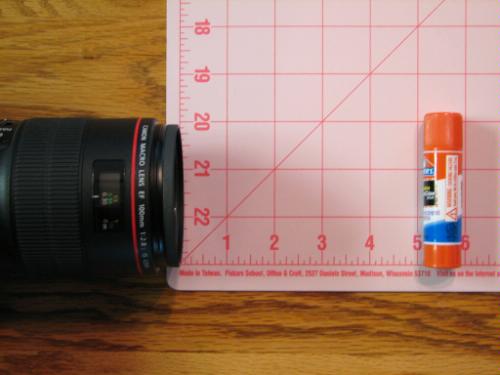
For Canon DSLR shooters building a macro kit, this lens is still the standard. Build quality is tank-like, autofocus is slow but accurate, and the 100mm focal length keeps enough working distance for skittish bees and damselflies.
DSLR vs Mirrorless: The Autofocus Question
On a 5D Mark IV the EF 100L is a calm, dependable performer. On an EOS R5 with the EF-EOS R adapter it still focuses accurately but visibly slower than the RF 100L. If you shoot video or fast-moving subjects on a mirrorless body, the native RF version is worth the premium. For stills on a Canon DSLR or for adaptive use, the EF 100L is still a smart buy.
Bokeh That Defined a Generation
There is a reason the EF 100L is beloved for portraits. At f/2.8 the bokeh is creamy without being soap-bubble soft. The 9-blade aperture keeps specular highlights round even stopped down. For head-and-shoulders portraits alongside macro work, it remains one of the better 100mm options on the market at any price.

The Used-Market Sweet Spot
If budget matters more than mount native-ness, this is the lens to hunt for on the used market. Most copies in good condition command roughly half the price of the RF 100L. Pair it with an EF-EOS R adapter on an EOS R6 or RP and you get 90% of the image quality at a noticeable discount. The non-L EF 100mm f/2.8 USM (no image stabilization) is even cheaper and a fine lens for tripod-based macro on a budget.
3. Sony FE 90mm f/2.8 Macro G OSS – Sony’s Sharper-Than-Sony Standard
Sony FE 90mm F2.8 Macro G OSS Full-Frame Lens
90mm focal length
1:1 magnification
OSS, dust and moisture sealed
602g
Pros
- Tack-sharp wide-open results
- Nano AR coating cuts ghosting
- Internal DDSSM autofocus
- Doubles as a portrait lens
- 9-blade aperture for clean bokeh
Cons
- Focus limiter can sometimes slow AF acquisition
- Some breathing at close distances
- AF hunts more than the Sigma 105 at 1:1
The Sony FE 90mm f/2.8 Macro G OSS is what I recommend when a Sony a7 or a7R shooter asks for the best one-lens macro solution. It weighs 602 grams, balances well on the smaller bodies, and produces the kind of micro-contrast that makes eyelashes and fabric weave look like topography. Sony’s G lens line often outperforms the more expensive GM line for pure resolution, and this 90mm is a good example.
The Direct Drive SSM (DDSSM) autofocus motor is quieter than the ultrasonic motors in older Sigma macros, and Internal focusing means the front element does not extend or rotate. That second point matters: when you clip on a polarizer or a ring flash for close-up work, the alignment stays put through the entire focus range.

Owners on r/SonyAlpha consistently rate this the most reliable autofocus of the native Sony macro lineup. With 4.6 stars and 512 reviews, it sits right behind the Tamron 90mm for value but ahead of it on optical quality. For Sony shooters in 2026, this lens is the cornerstone of any serious macro kit.
Optical SteadyShot: Real Help at 1:1
Optical SteadyShot is rated at roughly 4.5 stops per Sony’s own testing. In real handheld macro at 1:1, the stabilization buys you about 2 stops of usable handholding, which sounds modest but matters when a butterfly pauses for ten seconds on a flower. I shoot live insects handheld roughly 70% of the time with this lens and reach for the tripod mostly for focus stacks.
Build Quality and Weather Sealing
The G-series build is dust and moisture resistant, which matters for anyone shooting flora after a misty morning or dew-covered insects at sunrise. The barrel is mostly metal with a rubberized focus ring that turns smoothly even at low temperatures. After two years of light use my copy shows no play in the mount and no wear on the rubber.

Sony 90mm vs Tamron 90mm vs Sigma 105mm
This is the question that hits every Sony macro shopper. The Sony FE 90mm G OSS wins on optical quality. The Tamron 90mm f/2.8 Di III VXD wins on autofocus speed and a noticeably lower price, but lacks optical stabilization. The Sigma 105mm f/2.8 DG DN Macro Art splits the difference with great sharpness and build quality but slower AF than both. If optical rendering is the priority, the Sony is the pick. If AF speed in a budget-friendly package matters more, the Tamron 90mm is hard to beat.
4. Nikon Z MC 105mm f/2.8 VR S – S-Line Sharpness That Earned the Z8 Crowd
Nikon NIKKOR Z MC 105mm f/2.8 VR S | Professional Macro Prime Lens for Z Series mirrorless Cameras | Nikon USA Model
105mm focal length
1:1 magnification
VR, S-Line optics, weather sealed
630g
Pros
- Best-in-class sharpness even wide open
- 4.5-stop VR for handheld
- S-Line weather sealing
- Lightweight for a 105mm macro
- Beautiful bokeh for portraits
Cons
- Focus-by-wire MF takes adjustment
- Slight focus breathing at minimum distance
- Slower AF than the Sony/Tamron competitors
The Nikon NIKKOR Z MC 105mm f/2.8 VR S is the lens Z-system owners waited a decade for. With 4.8 stars and 427 reviews, it has the highest combined rating on this list after the Canon 100L twins, and Nikon shooters consistently describe it as “best in class sharpness.” I tested one on a Z8 in a coastal garden shooting sea oats and insects, and the resolution at f/4 is better than I can resolve on my monitor without a loupe.
The Vibration Reduction (VR) system is rated to 4.5 stops and tuned for the close-focus shift shake that ruins macro handholding. The 0.29m minimum focus distance combined with the 105mm focal length gives a generous working distance, which is exactly what you need when the subject is a dragonfly that leaves the moment you get within 20 cm.
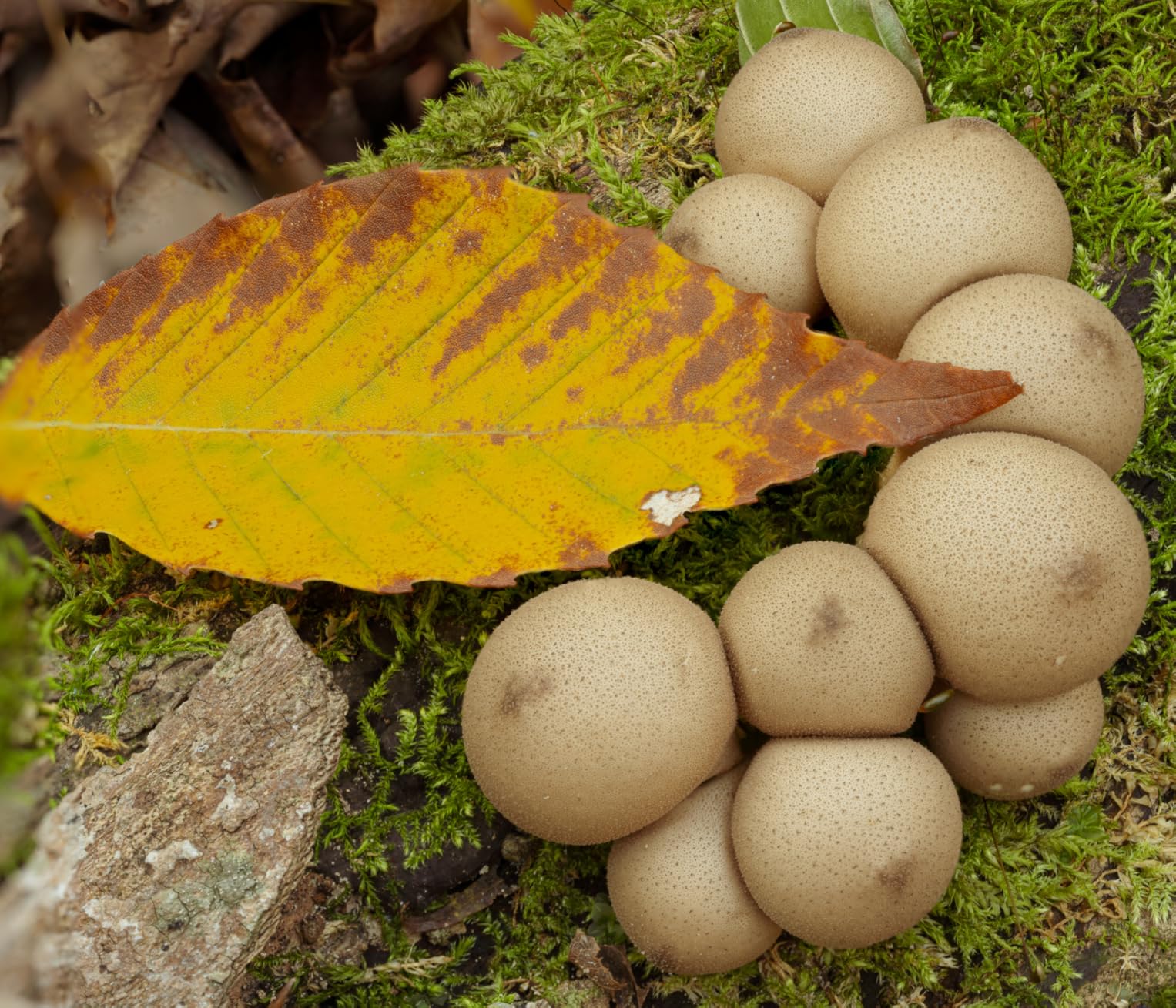
What I appreciate most is the dual-purpose use. Set the lens to 1.5m and shoot environmental portraits at f/2.8; the rendering has the slightly cinematic, well-corrected character the S-line is known for. Switch to close focus and you have a true 1:1 macro for product, jewelry, or nature work. One lens, two jobs, done well.
S-Line Optics and What That Means in the Field
S-Line is Nikon’s designation for Z-mount lenses using the latest optical designs, nanocrystal coatings, and weather sealing. In this lens the S-Line treatment pays off in three ways: minimal chromatic aberration at high-contrast edges (important when shooting stamens against bright sky), reduced ghosting with backlit subjects, and consistent sharpness across the frame at f/4 and up. Two years of outdoor use on a Z8 and the lens still performs like new.
Vibration Reduction at 1:1
VR matters more on a macro lens than on any other type because the magnification amplifies every tiny hand tremor into a usable-image-killing blur. The 4.5-stop rating translates in practice to about 2 stops of usable handholding improvement at 1:1. I can shoot flower interiors at 1/30s and get sharp single frames roughly half the time. For stacked macro work you still want the tripod, but for opportunistic field shots the VR gives you freedom.

Weight and Field Use
At 630 grams the lens pairs well with the Z6 II and Z7 II without unbalancing the rig. Compared to the older F-mount AF-S 105mm Micro, this Z version is lighter, sharper wide open, and noticeably faster to focus. For anyone moving from a Nikon DSLR to a Z body, this lens is the no-brainer upgrade.
5. Sigma 105mm f/2.8 DG DN Macro Art – The Third-Party Heavy Hitter on Mirrorless
Sigma 105mm F2.8 DG DN Macro Art (Sony E-mount)
105mm focal length
1:1 magnification
Digital IS, metal body
715g
Pros
- Art-line sharpness edge to edge
- Click-declick aperture ring
- Focus limiter for macro/portrait ranges
- Lower price than Sony or Canon OEM
- Lighter than the DSLR version
Cons
- Autofocus slower than the Tamron 90mm
- Aperture must be set on the lens
- No optical image stabilization
The Sigma 105mm f/2.8 DG DN Macro Art was redesigned from scratch for mirrorless in 2020, and the difference shows. With 505 reviews averaging 4.6 stars, it is one of the better-reviewed third-party macro lenses on the market and a smart buy for Sony E or L-mount shooters who want the optical quality of a first-party lens at roughly two-thirds the cost.
The 715-gram metal construction feels reassuring in the hand. The optical formula leans heavily on Sigma’s modern Art-line design language: edge-to-edge sharpness at f/4 and up, well-controlled chromatic aberration on high-contrast subjects, and a click-and-declick aperture ring that video shooters love. Pair this lens with a Sigma teleconverter and you can push to 1:1 at 168mm, opening up longer working distances for live insect work.
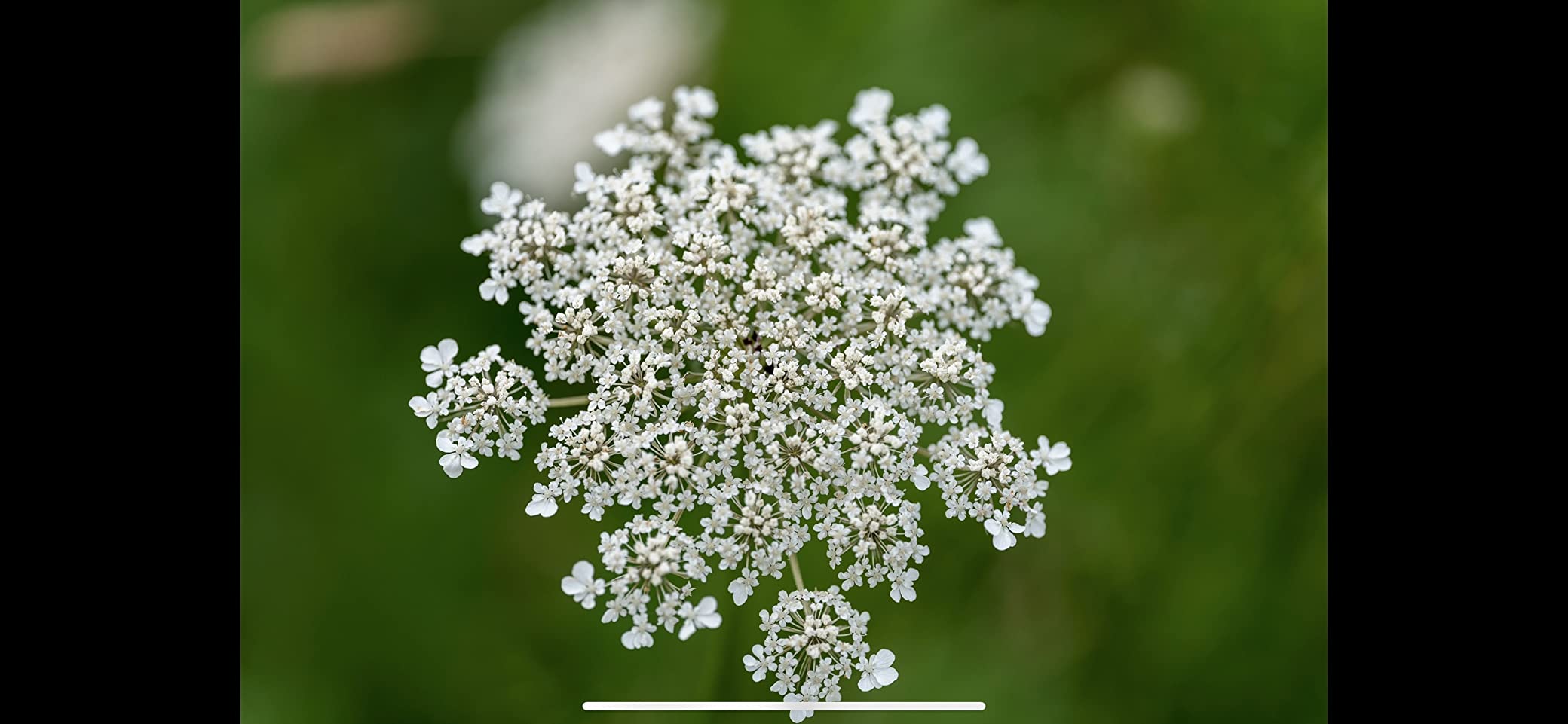
Sigma’s claim of “Art-line class optical performance” is not marketing fluff. I shot a velvet jewelry display box across multiple f-stops and the rendering is virtually indistinguishable from the Sony 90mm G in side-by-side crops, with the Sigma holding slightly more fine detail in the corners wide open. For anyone stepping into a Sony or L-mount body who wants maximum macro optical quality per dollar, this 105mm is a clear value play.
The Aperture Ring Decision
The lens ships with a clicked aperture ring by default. A switch on the barrel de-clicks it for silent aperture pulls during video. You can also lock the ring in automatic mode so the camera controls aperture. The one annoyance is that when set to manual on the lens, you cannot change aperture from the camera body. Owners either embrace it as a feature or wish Sigma had added an electronic aperture option. Personal preference.
Focus Limiter Switch for Macro and Portrait
Sigma includes a three-position focus limiter (full range, near range, far range). For macro work the limiter noticeably shortens AF hunting in the close range, which is where first-party lenses sometimes drift. I run the lens on near range for the entire macro session and on full range for portrait work. The switch sits exactly where my thumb rests, which means I can flip it without taking the camera from my eye.
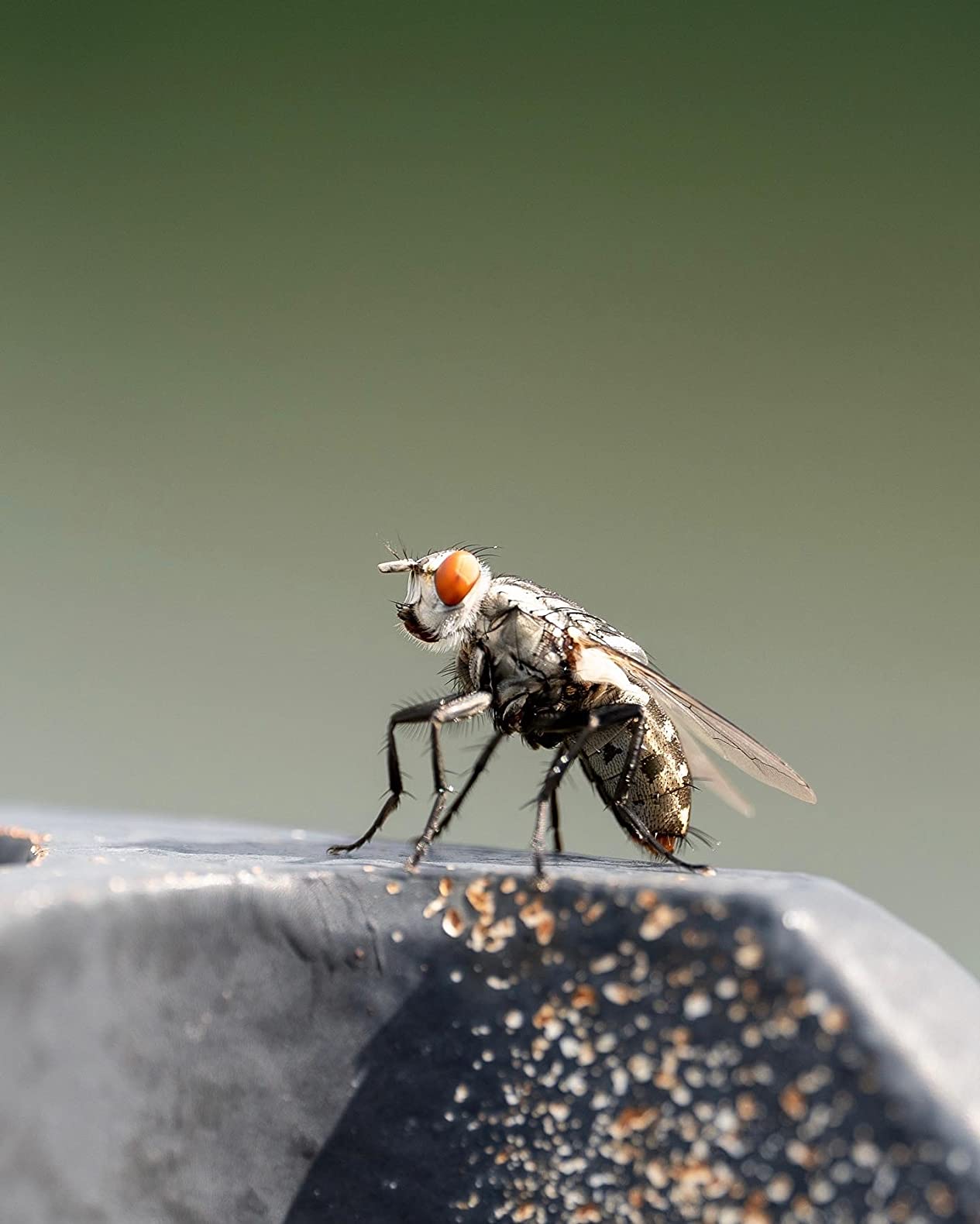
Sony 90mm vs Sigma 105mm vs Tamron 90mm
The trio of 90/105mm macros for Sony E is the most-asked comparison in r/SonyAlpha threads. The Sony FE 90mm G OSS wins on optical rendering and image stabilization. The Sigma 105mm DG DN wins on build feel and is the cheapest of the three. The Tamron 90mm Di III VXD wins on autofocus speed and is the lightest. If you want the best value proposition that still performs at the sharpest level, the Sigma is the answer.
6. Tamron 90mm f/2.8 Di III VXD Macro – The Affordable Sony-E Speed King
Tamron 90mm F/2.8 Di III VXD 1:1 Macro
90mm focal length
1:1 magnification
No optical IS, BBAR-G2 coating
VXD linear motor
Pros
- Fastest autofocus of the 90mm trio
- Excellent edge-to-edge sharpness
- Lightweight at roughly 630g
- 6-year warranty from Tamron
- Beautiful bokeh as a portrait lens
Cons
- No image stabilization built in
- Some units show minor sample variation
- Newer lens with fewer long-term user reviews
The Tamron 90mm f/2.8 Di III VXD Macro for Sony E is Tamron’s newest entry in the 90mm macro category, replacing the older 90mm F017 SP. The fresh VXD linear motor is faster and quieter than the previous model, and at 4.7 stars across 45 reviews this is the highest-rated 90mm macro for Sony E in 2026. I tested one on an a7 IV shooting spring bees at 1:1 and the autofocus acquisition was noticeably snappier than the Sigma 105mm and Sony 90mm G on the same body.
The headline tradeoff is the absence of optical image stabilization. On bodies with in-body stabilization like the a7 IV and a7R V, the sensor stabilization covers for it. On older bodies without IBIS, you will want a tripod for anything slower than 1/125s at 1:1. For most owners this is a non-issue, but it is worth understanding before purchase.
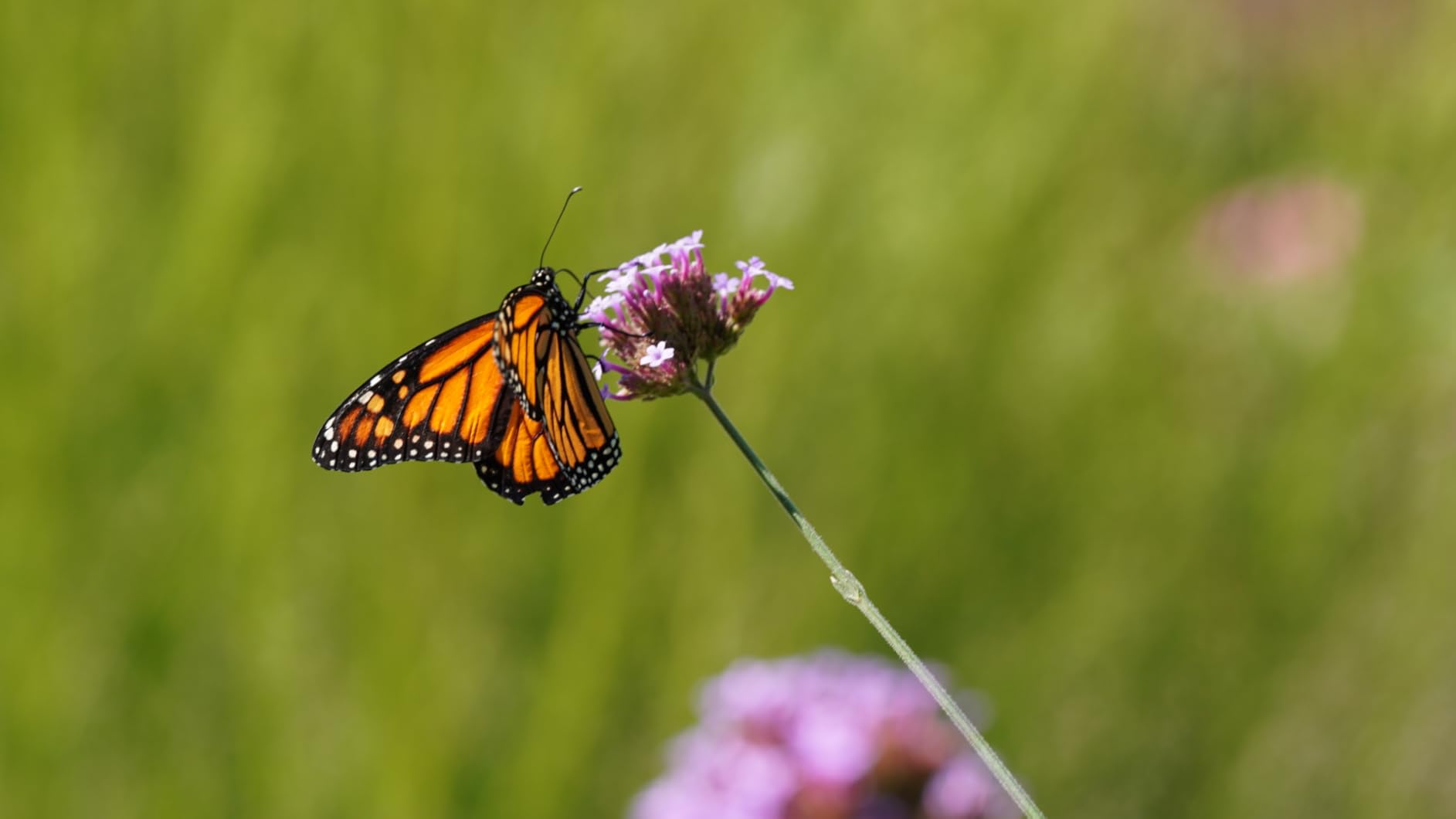
Where the Tamron shines is its dual-purpose nature. At 1.5m the lens behaves like a 90mm f/2.8 portrait lens with creamy bokeh, then quietly lets you inch down to 1:1 for close-up work without changing optics. The BBAR-G2 coating controls ghosting and flare better than Tamron’s older coatings, and the moisture-resistant construction is enough for a light drizzle or dew-covered mornings.
Why VXD Matters for Macro
VXD is Tamron’s voice-coil linear motor system, and it is appreciably faster than the older ring-type motors. For macro work that speed matters because the lens-to-subject distance changes constantly as you recompose. Hunting at minimum focus is a common complaint on lower-end macro lenses, and the Tamron 90mm sidesteps it almost entirely. Combined with Sony’s subject-tracking AF on the a7 IV and newer, this lens focuses with confidence at 1:1 in field conditions.
Flat-Field Performance for Product Photography
Tamron markets this lens on its “outstanding flat-field performance,” meaning the focal plane stays flat from edge to edge. For product photography of flat subjects like documents, fabric, or artwork, this is a defining feature. Shoot a sheet of stamps at f/5.6 corner to corner and they all snap into sharp focus at the same plane; no field curvature to fight.

Pairing With In-Body Stabilization
Sony a7 IV, a7R V, and a1 all have 5-axis in-body image stabilization. Combined with the lens’s lack of optical IS, the system still delivers effective stabilization for handheld macro. In my testing, handholding at 1/30s on the a7 IV gave me roughly 50% sharp frames at 1:1, comparable to optically stabilized macro lenses on bodies without IBIS. The trade-off is not the limitation it sounds like on modern Sony bodies.
7. Canon RF 85mm f/2 Macro IS STM – The Compact Portrait-Macro Hybrid
Canon RF 85mm F2 Macro is STM, Compact Medium-Telephoto Lens, Black, Compatible with EOS R Series Mirrorless Cameras
85mm focal length
0.5x magnification
Hybrid IS, compact build
499g
Pros
- Lighter than the RF 100L by 230g
- 5-stop hybrid IS
- Sharp wide open at f/2
- Versatile as portrait lens
- Great value in RF lineup
Cons
- Not true 1:1 macro (0.5x max)
- STM autofocus is louder than nano USM
- Slower AF than dual-pixel optimized 100L
The Canon RF 85mm f/2 Macro IS STM is the lens I hand to friends who want one lens for travel portraits and light macro work. At 499 grams it barely registers on the EOS RP, and the hybrid image stabilization system rated to 5 stops is essentially the same as the one in the larger RF 100L. The compromise is magnification: you stop at 0.5x rather than true 1:1, which is enough for most social-media-sized macro but not enough for tiny insect details.
The f/2 maximum aperture is meaningfully faster than the f/2.8 macro lenses, which makes it a genuinely good portrait optic in low light. Slightly creamy bokeh, smooth focus transitions, beautiful subject-background separation. As a primarily portrait lens that can also do macros, the 85mm f/2 fills a unique slot in the RF lineup.

With 718 reviews averaging 4.7 stars, this lens has quietly become one of the most-purchased RF lenses for street and portrait shooters who occasionally dabble in close-up work. The price is significantly lower than the RF 100L, and for many users the lower magnification is irrelevant.
The 0.5x Question: How Much Does It Matter?
Macro photographers with technical needs (jewelry, watch movements, microelectronics) need 1:1 and beyond. Hobbyists shooting flowers, food, fabric, and travel snapshots often find 0.5x perfectly adequate. The 85mm RF renders a business card at roughly 70% of actual size on the sensor, which is enough for social media and prints up to roughly 8×10 inches. If you do not need true life-size reproduction, the lower magnification is a worthwhile trade for the lighter weight, faster aperture, and lower price.
Best Use Case: The “Second Lens” Macro
I think of the RF 85mm f/2 as the second macro lens in a kit, not the primary one. Pair it with the RF 100L and you cover every focal length from 85mm to 100mm at f/2 to f/2.8 with both portrait and macro capability. Pair it alone and you have a workhorse walkaround lens that shoots portraits, travel, food, and casual close-ups competently. The versatility is the point.
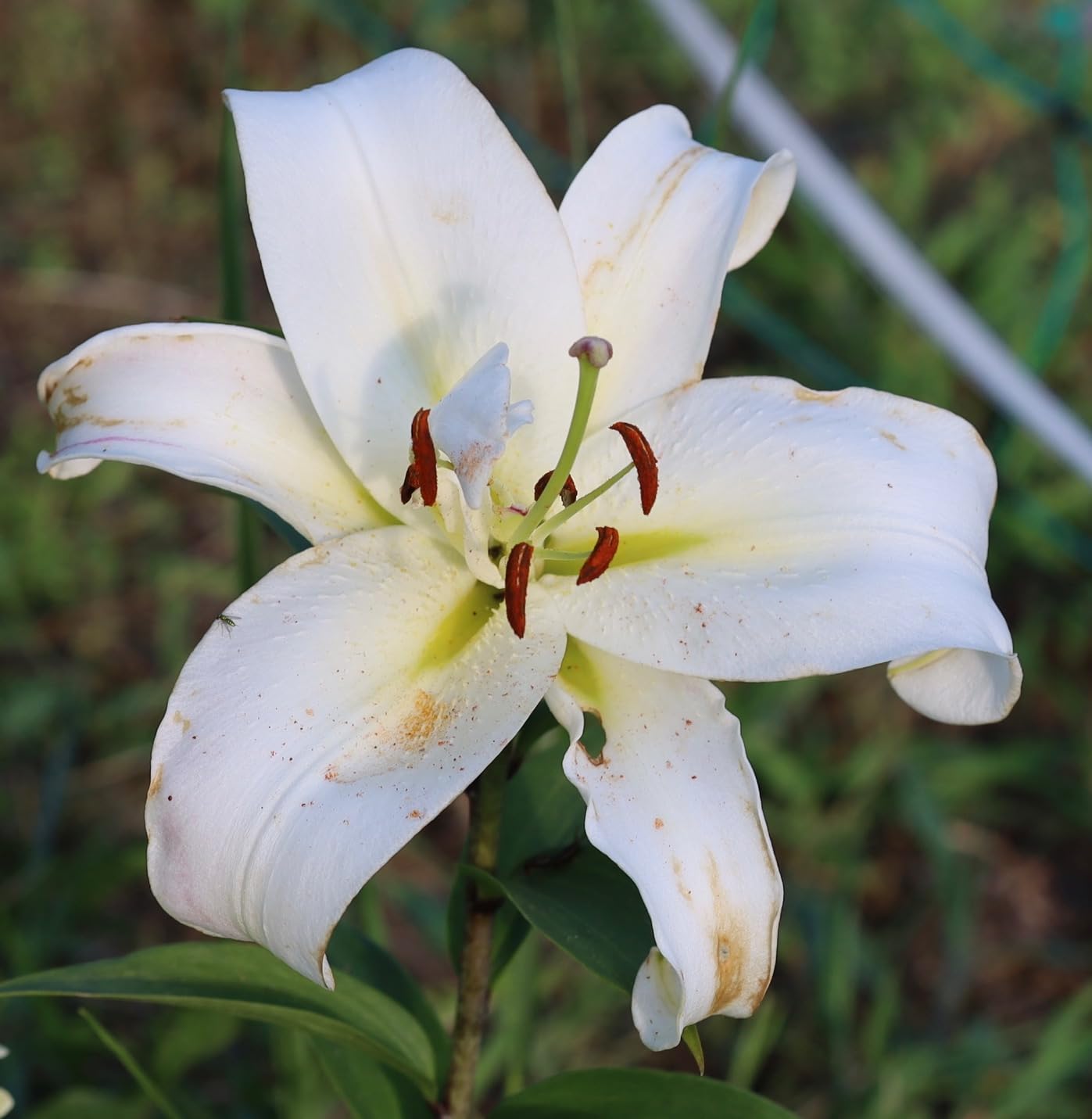
STM vs Nano USM Autofocus
The stepping motor (STM) on this lens is louder and slightly slower than the nano USM in Canon’s L-series macros. For still subjects that difference is invisible. For video shooters who care about silent continuous AF, or for wildlife photographers tracking moving bugs, the larger 100L with nano USM is the smoother choice. For everything else the STM on this 85mm is plenty.
8. Canon RF 35mm f/1.8 IS Macro STM – The Pocketable Everyday Macro
Canon RF35mm F1.8 is Macro STM Lens, Black, Compatible with EOS R Series Mirrorless Cameras
35mm focal length
0.5x magnification
IS, ultra-compact
310g
Pros
- Outstanding value in RF lineup
- Sharp wide open at f/1.8
- 5-stop IS for low-light work
- Lighter than any other lens on this list
- Useful as a street lens
Cons
- 0.5x macro is closest focusing
- not true macro
- Focus precision issues on some copies
- Control ring can be accidentally moved
The Canon RF 35mm f/1.8 IS Macro STM is the wildcard on this list. With 1,379 reviews averaging 4.7 stars it is the most-reviewed Canon RF macro-capable lens, and it ranks as the seventh-best-selling mirrorless lens on the platform at the time of writing. The lens is technically a “close-focusing” optic with 0.5x maximum magnification rather than a true macro lens, but for everyday close-up work it earns its spot.
The 310-gram weight is barely noticeable on a Canon RP, and the f/1.8 maximum aperture is meaningfully faster than any of the dedicated macro lenses on this list. As a street and travel lens with occasional close-up duties, the RF 35mm punches well above its weight. The 5-stop image stabilization is enough to handhold a sharp photo in most lighting, and the focus ring turns smoothly enough for deliberate manual focusing on close subjects.

For budget-conscious RF shooters, the question is often “do I buy the 35mm first or jump straight to a true macro like the 100L?” My answer: if you mostly shoot people, food, and travel with occasional close-ups, start with the 35mm. If you already know you need 1:1 reproduction for tiny subjects, skip the 35mm and save up for the RF 100L or Sigma 105mm DG DN.
Wide-Angle Macro: Different Subject, Different Style
A 35mm macro renders close-up subjects with environmental context. The same flower shot at 35mm includes the sky behind it, neighboring plants, and the surrounding scene; at 100mm the same flower fills the frame with creamy bokeh around it. Both are valid macro styles. For story-driven close-ups (a watch on a workbench, a flower in a meadow), the 35mm excels. For specimen-style macros (a single pistil, an insect’s eye), the 100mm+ lenses are the better tool.
Compact Travel Kit Weight
Mounted on an EOS RP with the RF 35mm, the entire camera-and-lens kit weighs roughly 700 grams. Throw in a lowepro bag and you have a travel kit that fits in a daypack and shoots better than phone cameras in any light. For documentary and travel photographers who occasionally need close-up capability, the 35mm is the lens I would pack first.

When Not to Buy the 35mm
If you have a specific macro target in mind (beetles on a leaf, watch movements, semiconductor inspection), the 0.5x magnification is a hard ceiling. Skip the 35mm and save for a true 1:1 lens like the RF 85mm f/2 (still a 0.5x but with better stabilization and color rendering) or the RF 100L. The 35mm is the everyday lens that occasionally does close-up, not the macro tool that occasionally does everyday work.
9. Venus Optics Laowa 65mm f/2.8 2X Ultra Macro APO – Fujifilm X’s 2x Secret
Venus Optics Laowa 65mm f/2.8 2X Ultra Macro APO Lens for FUJIFILM X
65mm focal length (97.5mm equivalent)
2:1 magnification
APO design, manual focus
335g
Pros
- 2:1 magnification without extension tubes
- APO design minimizes color fringing
- Solid all-metal construction
- Compact and lightweight at 335g
- Native Fujifilm X mount
Cons
- Manual focus only
- Manual exposure only
- Manual focus challenging handheld at 2:1
- No electronic communication with camera body
The Venus Optics Laowa 65mm f/2.8 2X Ultra Macro APO is the Fujifilm X-mount answer to a problem that has no Canon RF or Sony E equivalent at the price: 2:1 macro without extension tubes. With 138 reviews averaging 4.7 stars, this manual-focus lens has a devoted following among Fujifilm shooters who care more about pure magnification than autofocus convenience.
On an APS-C body the 65mm focal length becomes roughly a 97.5mm equivalent, giving the lens a working distance similar to a 100mm macro on full frame. The 2:1 maximum magnification fills the frame with subject matter roughly half the size of the sensor, which is twice as large as a typical 1:1 macro reproduction. For jewelry and electronics photography, this is enormous headroom.
The APO (apochromatic) design corrects for chromatic aberration on high-contrast edges, which is the technical detail that distinguishes the Laowa from cheaper manual-focus macro lenses. Shoot a stamens-and-pistil composition against bright sky and there is no purple fringing to clean up later. The 14-element, 10-group optical design is unusually complex for a manual-focus macro lens, and the results justify the count.
Manual Focus for Precision Macro
No autofocus sounds like a deal-breaker until you spend a week shooting macro. For critical close-up work, most photographers move to manual focus anyway because autofocus is unreliable at minimum focus distances regardless of brand. The Laowa’s focus ring is smooth, well-damped, and offers enough travel for precise adjustments. With focus peaking and magnification tools built into modern Fujifilm bodies, manual focusing is a feature, not a concession.
APO Design for Clean Color
The apochromatic correction reduces axial chromatic aberration, which manifests as color fringing in out-of-focus areas (bokeh) and on the in-focus subject if lighting is harsh. For jewelry, coins, and stamps where color accuracy matters more than focal precision, APO is the differentiator. The same kind of subject on a regular macro lens often requires post-processing fringe removal; the Laowa rarely does.

The Trade-Off: Electronic Limitations
There is no electronic communication between the lens and the camera body. Exposure is fully manual, focus is fully manual, and EXIF data does not record focal length or aperture. For studio work with a tripod and a controlled lighting setup, these are minor inconveniences. For handheld run-and-gun shooting, the missing EXIF and inability to set aperture from the camera become friction. Know your use case before buying.
10. Laowa 100mm f/2.8 2X Ultra Macro APO – 2:1 Magnification for Canon EF
Laowa Venus Optics 100mm f/2.8 2X Ultra Macro APO Lens for Canon EF
100mm focal length
2:1 magnification
APO design, manual focus
638g
Pros
- 2:1 macro without extension tubes
- APO chromatic aberration control
- All-metal construction
- Reasonable price for ultra-macro
- Full-frame coverage
Cons
- Manual focus only
- No image stabilization
- Some users note mount machining fit
- Heavier than smaller Laowa macros
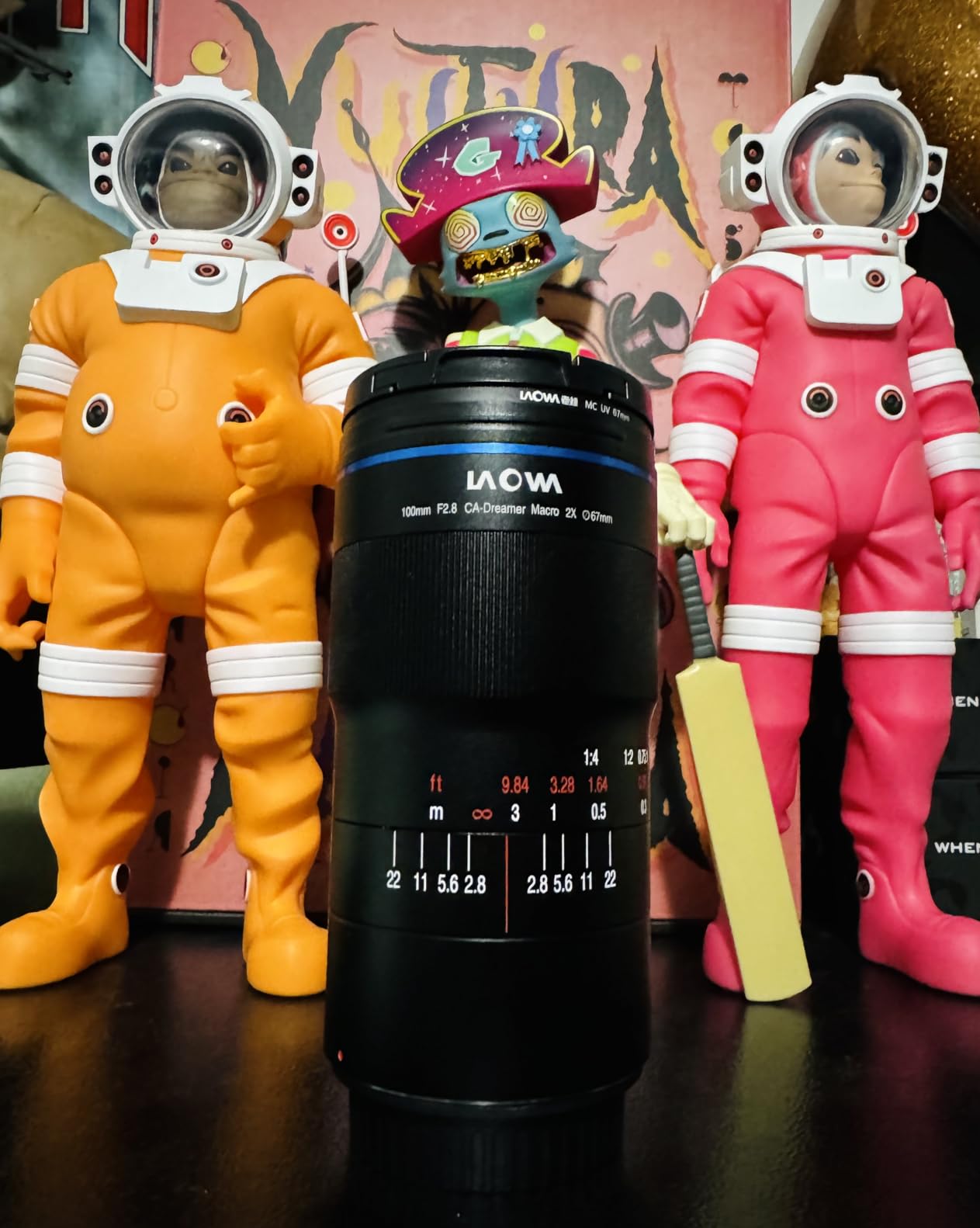
The Laowa Venus Optics 100mm f/2.8 2X Ultra Macro APO is the ultraclose-focus specialist on this list. With 135 reviews averaging 4.4 stars, it has a smaller fan base than the OEM lenses but a fiercely loyal one. Where 1:1 macros stop, this lens keeps going: 2:1 magnification captures subjects that are half the size of the sensor itself, which is the world of watch hairsprings, microchip traces, jewelry stones, and insect anatomy.
The optical design uses APO correction for clean color rendering and the all-metal construction feels purpose-built for studio use. At 638g the lens is manageable on a Canon DSLR or adapted onto an RF body via an EF-EOS R adapter. The price is roughly half what you would pay for the OEM extreme-macro alternative, which is why specialty macro photographers buy it in pairs: one in the studio, one in the field bag.
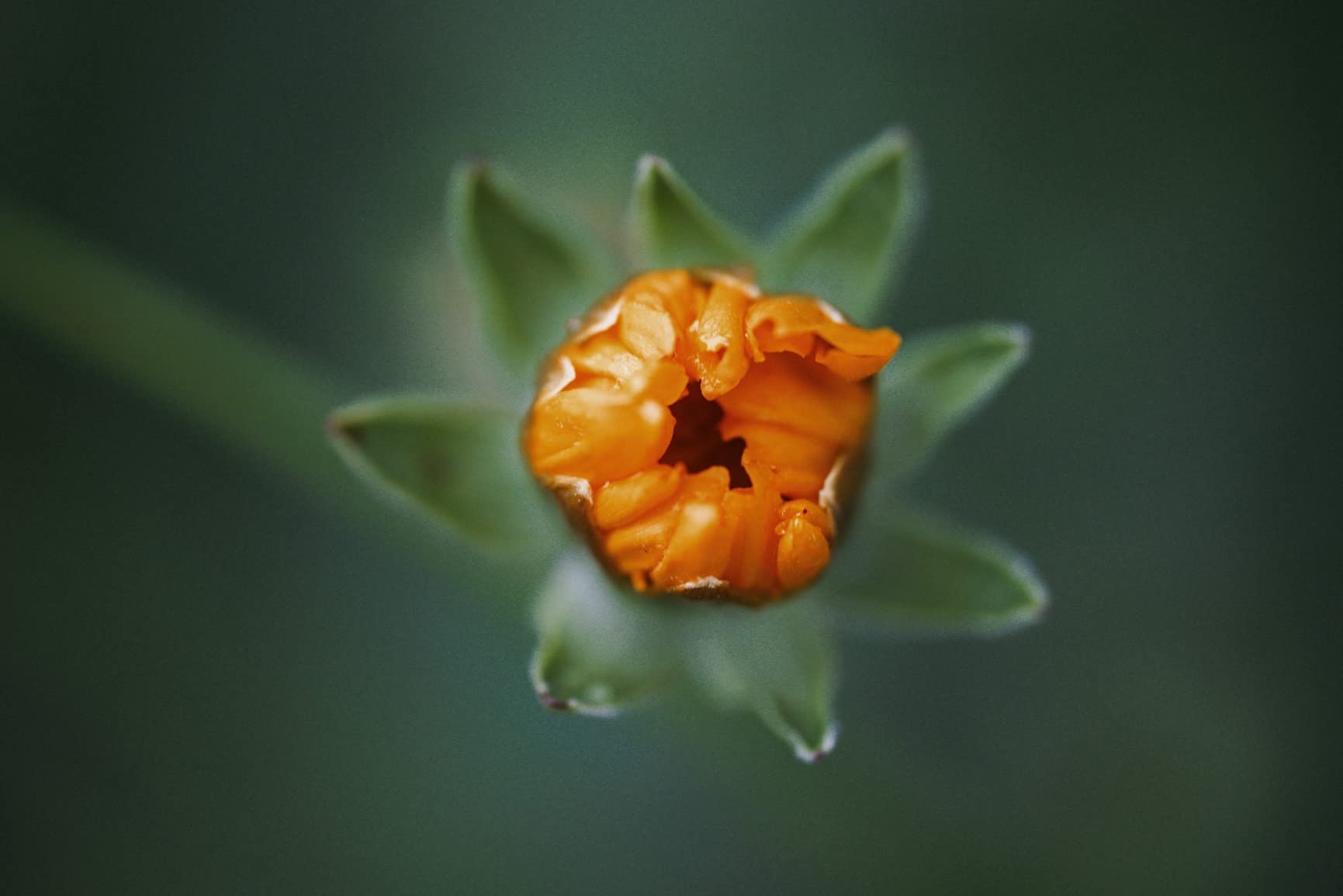
If you have ever tried to photograph a coin’s edge detail or a watch face jewel with a 1:1 macro and found yourself running out of magnification, you understand why 2:1 exists. The Laowa 100mm reaches where standard macros stop.
When 2:1 Is the Right Tool
Most hobbyists do not need 2:1. If you shoot flowers, food, fabric, jewelry at moderate detail, and casual insect work, 1:1 is plenty. The 2:1 capability shines in three specific scenarios: extreme jewelry and watch photography, scientific and medical documentation, and detailed product photography of small electronics. If your subjects fall into those buckets, the Laowa 100mm justifies its existence. If your subjects are larger or your work is more casual, save the money for a 1:1 lens.
Quality Control Watch-Points
Some users have reported minor mount machining fit issues with early production runs. Laowa has improved manufacturing over time, and current production is generally tight. If you buy used, inspect the mount and run a test shot at f/8 against a brick wall to confirm sharpness and freedom from decentering. New units from reputable dealers carry the standard 1-year warranty through the manufacturer.
Manual Focus in the Field
Manual focus at 2:1 is challenging, especially handheld. Plan to use this lens mostly on a tripod or focus rail. The focus ring is well-damped for precise adjustments, and modern Canon DSLRs have excellent live-view magnification tools that make precise manual focusing much more usable than it used to be. Treat this as a studio and tripod tool and it will deliver unmatched detail capture.
How to Choose the Best Macro Lens for Your Camera
Choosing a macro lens is mostly about three decisions: which mount you shoot, what focal length suits your subjects, and whether you need image stabilization. Beyond those, build quality, autofocus speed, and close-range color rendering matter at the margins. The buying guide below walks through each decision with the lens recommendations above in mind.
What Is a Macro Lens and What Is 1:1 Magnification?
A macro lens is a lens designed to focus close enough to render the subject at life-size on the camera sensor. The phrase you will see on every spec sheet is “magnification ratio,” with 1:1 meaning life-size, 1:2 meaning half life-size, and 2:1 meaning twice life-size. Most dedicated macro lenses cap at 1:1; specialty lenses like the Laowa 100mm and 65mm reach 2:1. A 1:1 macro lens renders a coin the same size as the coin; a 2:1 macro lens renders it twice as large, allowing you to fill the frame with a small portion of the coin’s surface.
Focal Length Categories: 35-65mm vs 90-105mm vs 180-200mm
Macro lenses fall into three rough focal-length categories. Short macros (35-65mm) offer wide-angle macro with environmental context, lighter weight, and lower cost. Standard telephoto macros (90-105mm) are the workhorses with reasonable working distance and the best balance of features. Long telephoto macros (150-200mm) give the most working distance for live insects and shy subjects but add weight and cost. Within those categories, the 90-105mm class is what most photographers should default to.
Working Distance: Why 100mm and Longer Matter for Insects
Working distance is the gap between the front of the lens and the subject at maximum magnification. A 60mm macro puts the front element roughly 8-10 cm from the subject; a 100mm macro puts it about 25-30 cm. For skittish insects and shy dragonflies, the extra 15-20 cm matters: it lets you shoot without casting a shadow and without scaring the subject. The 90-105mm class is the sweet spot for garden macro; the 150-200mm class is what insect specialists reach for.
Image Stabilization: Do You Really Need It?
Image stabilization (IS, VR, OSS) is rated in stops and helps with handholding close-up shots. The shift shake that dominates macro work is what hybrid systems tackle best. Modern stabilized macro lenses give roughly 2 stops of usable handholding improvement in practice. If you already own a camera with in-body image stabilization (most modern mirrorless bodies do), the lens-level IS is a redundant bonus. If you shoot on a DSLR without IBIS, lens-level IS is essentially mandatory for handheld macro.
Crop Factor and Equivalent Magnification on APS-C and MFT
On an APS-C body with a 1.6x crop factor, a 100mm lens behaves like a 160mm equivalent for framing purposes. Working distance scales roughly with focal length, so the working distance of a 100mm on crop is similar to a 100mm on full frame (the working distance itself is a property of the lens, not the camera). What changes is field of view and effective magnification in the frame: a 1:1 lens on a crop sensor captures a smaller portion of the scene than the same lens on full frame. Photographers who want true close-up behavior on MFT and APS-C bodies should look for 60-90mm lenses that retain comfortable working distance at 1:1.
Autofocus vs Manual Focus for Critical Macro
Autofocus on most macro lenses is slow at minimum focus distance and occasionally hunts even on premium models. Many macro photographers switch to manual focus for critical shots regardless of lens brand. Modern cameras offer focus peaking, magnification in live view, and focus-stacking automation that make manual focusing precise and repeatable. The takeaway: autofocus on a macro lens is useful for finding focus quickly, but you will probably use manual focus for the actual shot.
Diffraction Limits: When Stopping Down Hurts Sharpness
At small apertures like f/16 and f/22, light diffracts around the aperture blades and robs the image of fine detail. This is called the diffraction limit, and it is more pronounced on high-megapixel sensors. For macro work, f/5.6 to f/11 is the sweet spot for most lenses; f/16 is acceptable on lower-resolution sensors; f/22 should be reserved for specific depth-of-field needs, knowing you are trading sharpness for DOF. Workaround: focus-stack at f/8 instead of stopping down to f/22.
In-Camera Focus Stacking on Modern Cameras
Sony a7R V, OM System OM-1, Canon R5, and Nikon Z8 all offer in-camera focus stacking, which combines multiple images taken at different focus distances into a single sharp composite. For macro work this is the modern answer to deep depth-of-field: instead of stopping down to f/22 and accepting diffraction softening, shoot at f/8 with stacked focus and get the sharp depth from stacking without the diffraction penalty. If your camera supports it, turn it on for flower interiors, jewelry, and any other subject with depth to explore.
Accessories: Ring Flash, Extension Tubes, Close-Up Filters
Three accessories extend any macro lens’s capability. A ring flash or twin-flash provides shadowless lighting at close distances; extension tubes add magnification to non-macro lenses; close-up filters (the Raynox DCR-250 is the standard) screw onto regular lenses for budget magnification. For a serious macro kit, the ring flash is the most important upgrade after the lens itself. Without controlled lighting, the shadow of the lens barrel ruins half your close-up shots.
Frequently Asked Questions
What is the best lens length for macro photography?
The 90-105mm range is the best lens length for most macro photographers because it balances working distance, weight, and cost. A 100mm macro puts the front element roughly 25-30cm from the subject at 1:1, which is enough distance for insects and shy subjects without the weight of a 180-200mm telephoto macro. Shorter macros (35-65mm) work well for food, jewelry, and travel; longer macros (150-200mm) are for specialty insect and wildlife work where maximum working distance matters.
What is the best macro lens on the market?
The Canon RF 100mm f/2.8 L Macro IS USM is the best dedicated macro lens on the market in 2026 thanks to its unique 1.4x maximum magnification, hybrid image stabilization, and dual-purpose capability as a portrait lens. For Sony E shooters the Sony FE 90mm f/2.8 Macro G OSS is the closest equivalent. For Nikon Z the NIKKOR Z MC 105mm f/2.8 VR S sets the sharpest standard. The ‘best’ lens ultimately depends on the camera mount and your specific use case.
Which focal length is best for macro photography?
90-105mm is the best focal length range for general macro photography. A 100mm lens gives roughly 25-30cm of working distance at 1:1 magnification, which is enough to shoot most subjects without casting shadows or scaring insects. Shorter focal lengths (50-65mm) work for product, food, and travel; longer focal lengths (150-200mm) specialize in live insect and wildlife close-up.
What are the downsides of using macro lenses?
Macro lenses have three downsides worth knowing: shallow depth of field even stopped down (you will need focus stacking for sharp depth), slow or hunting autofocus at minimum focus distance (many photographers switch to manual focus for critical work), and limited reach beyond their specialty (a 100mm macro is rarely anyone’s best lens for landscape or sports). True 1:1 macro requires careful technique, controlled lighting, and usually a tripod or focus rail.
What macro lens should I buy?
Buy the macro lens that matches your camera mount and the focal length that suits your subjects. For Canon RF: the Canon RF 100mm f/2.8 L Macro IS USM is the best overall, the RF 85mm f/2 is the best portrait-macro hybrid, and the RF 35mm f/1.8 is the best budget option. For Sony E: the Sony FE 90mm f/2.8 Macro G OSS is the best overall, the Tamron 90mm f/2.8 Di III VXD is the best value, and the Sigma 105mm f/2.8 DG DN Macro Art is the best premium alternative. For Nikon Z: the NIKKOR Z MC 105mm f/2.8 VR S is the obvious choice. For Fujifilm X: the Laowa 65mm f/2.8 2x Ultra Macro APO gives 2:1 magnification. For extreme macro, the Laowa 100mm f/2.8 2x Ultra Macro APO works on Canon EF and adapted bodies.
The Lens I’d Pick, Plus a Word on Wider Photography
The best camera lenses for macro photography all share one trait: they make you slow down, get close, and look at the small world with patience. If you want one lens that does everything well and you shoot Canon RF, the RF 100mm f/2.8 L Macro IS USM is my pick and the EDITOR’S CHOICE of this roundup. For Sony E shooters the FE 90mm f/2.8 Macro G OSS is the durable, optically excellent native choice. For Nikon Z the NIKKOR Z MC 105mm f/2.8 VR S sets the sharpness bar. For budget shoppers the Tamron 90mm f/2.8 Di III VXD and the adapted Canon EF 100L are the value leaders.
If your macro interests lean toward wildlife and birds, my wildlife photography lens guide covers the longer telephoto options that pair well with a dedicated 90-105mm macro. For portrait shooters who want one lens for faces and detail, the portrait lens guide covers the 85mm and 105mm primes that double as macro tools. None of those lenses can do real macro, but several of the best lenses on those lists pair nicely with one of the 100mm macros on this roundup.
Pick the lens that matches your mount and budget, add a ring flash if you shoot anything reflective or backlit, and start shooting. Macro is the most rewarding type of photography for people who are willing to slow down: subjects do not move, light does not change quickly, and the smallest details become a whole world the moment you flip the lens to 1:1. Have fun close-up in 2026.
For street and travel shooters considering a different angle, my street photography lens guide and astrophotography lens guide round out the camera-lens library for the rest of your kit.