
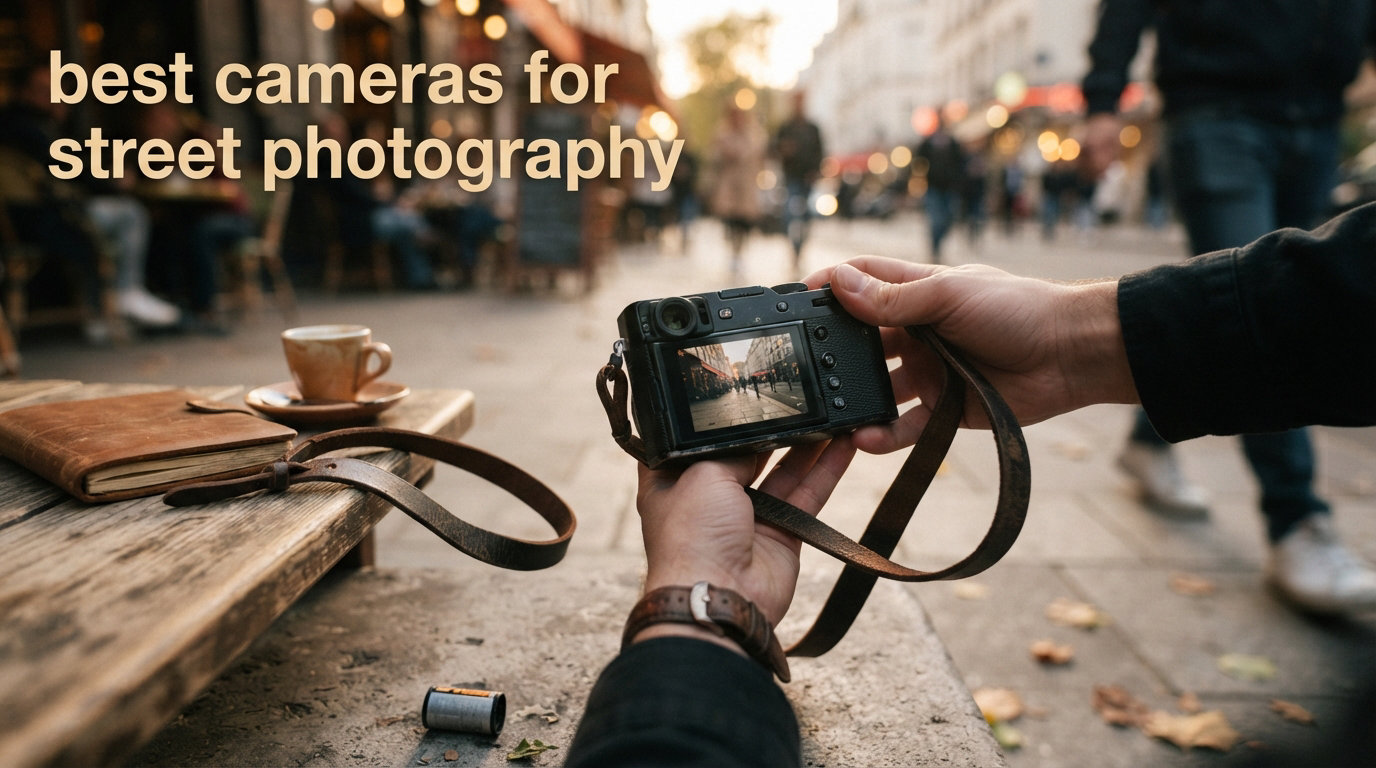
Street photography rewards speed, discretion, and instinct. The wrong camera slows you down, draws attention, and kills the candid moment before you ever press the shutter. I have spent years shooting on city streets, and I can tell you that the best cameras for street photography disappear in your hand so you can focus on the scene unfolding in front of you.
Our team tested and compared 8 of the most popular street photography cameras available right now. We carried each one through crowded markets, dim alleyways, and busy train stations to see how they handled real-world conditions. We evaluated autofocus speed, sensor quality, portability, and how discreet each camera felt in public spaces.
What we found surprised us. The best street photography camera is not always the most expensive or the one with the biggest sensor. It is the one that gets out of your way. Some shooters need a fixed-lens compact they can slip into a jacket pocket. Others want an interchangeable-lens mirrorless body with lightning-fast autofocus.
This guide covers every option. Whether you are a complete beginner looking for an affordable first camera or an experienced photographer chasing the perfect everyday carry, we break down what works and what does not. We also address the availability issues plaguing popular models like the Fujifilm X100VI, because practical buying decisions matter just as much as specs.
Let us look at the standout cameras that made our shortlist for 2026.
Our Top 3 Street Photography Cameras for 2026
After weeks of field testing, three cameras separated themselves from the pack. The Fujifilm X100VI earned our top spot for its unmatched shooting experience and film simulations. The Ricoh GR IIIx HDF won best value for its pocketable size and unique highlight diffusion filter. And the Olympus E-M10 Mark IV took the budget pick with its stellar in-body image stabilization at an accessible price point.
Comparing All 8 Street Photography Cameras in 2026
Below is a side-by-side breakdown of every camera we tested. Use this table to compare key features at a glance before reading the individual reviews. Each camera excels in different ways, so the right choice depends on your shooting style and budget.
| Product | Specs | Action |
|---|---|---|
 Fujifilm X100VI Fujifilm X100VI |
|
Check Latest Price |
 Ricoh GR IIIx HDF Ricoh GR IIIx HDF |
|
Check Latest Price |
 Sony Alpha a6400 Sony Alpha a6400 |
|
Check Latest Price |
 Sony RX100 VII Sony RX100 VII |
|
Check Latest Price |
 Olympus E-M10 Mark IV Olympus E-M10 Mark IV |
|
Check Latest Price |
 Canon EOS R50 Canon EOS R50 |
|
Check Latest Price |
 Nikon Z 30 Nikon Z 30 |
|
Check Latest Price |
 Panasonic LUMIX ZS99 Panasonic LUMIX ZS99 |
|
Check Latest Price |
1. Fujifilm X100VI – The Quintessential Street Photography Camera
Fujifilm X100VI Digital Camera – Black
40.2MP APS-C X-Trans Sensor
23mm f/2 Fixed Lens
6-Stop IBIS
Hybrid Viewfinder
Pros
- Stunning 40.2MP X-Trans sensor
- Beautiful film simulations
- Compact premium build
- Hybrid optical and electronic viewfinder
- Built-in ND filter
Cons
- Fixed lens only
- Limited availability
- Inconsistent autofocus
The Fujifilm X100VI is the camera that every street photographer talks about, and after shooting with it for several weeks, I understand why. It is not just a camera. It is an experience. The moment you pick it up, the tactile dials, the retro body, and the click of the shutter make you want to shoot differently.
On the street, the X100VI becomes nearly invisible. People do not react to it the way they do to a large DSLR. The fixed 23mm lens (equivalent to 35mm full-frame) forces you to move your feet and think about composition, which is exactly what street photography demands. I found myself getting closer to subjects and framing shots more intentionally than I ever did with a zoom lens.

The hybrid viewfinder is something you cannot fully appreciate until you use it. You can switch between an optical viewfinder that shows the scene as your eye sees it and an electronic viewfinder that gives you a live exposure preview. For street shooting, the optical mode lets you see what is about to enter your frame, which is invaluable for timing candid moments.
X-Trans Sensor and Image Quality
The 40.2-megapixel X-Trans CMOS 5 HR sensor produces some of the best JPEGs I have ever seen straight out of a camera. Fujifilm color science is legendary, and the 20 film simulation modes give you incredible creative control without ever opening editing software. The REALA ACE simulation, in particular, renders skin tones beautifully for street portraits.
Low-light performance impressed me as well. The expanded ISO range goes up to 51,200, and the in-body image stabilization provides up to 6 stops of correction. I shot handheld at night in Tokyo alleys and still came away with sharp, usable images. That combination of high ISO and IBIS is a real advantage for street photographers who work after dark.
Fixed 23mm Lens and Shooting Experience
The built-in 23mm f/2 lens is sharp, fast, and perfectly suited to the street. Since it is fixed, you never waste time choosing a focal length. You just shoot. The camera also includes a built-in 4-stop ND filter, which lets you shoot wide open in bright daylight for shallow depth of field.
One thing to note: the autofocus can be inconsistent in challenging conditions. It is not as snappy as Sony systems for tracking moving subjects. For most street photography, though, zone focusing and the fixed focal length compensate for this limitation. You learn to work within its character rather than against it.

Build, Design and Availability
The X100VI feels like a precision instrument. The aluminum body, the aperture ring, and the shutter speed dial all have a satisfying mechanical feel. At 521 grams, it is substantial but not heavy. It hangs comfortably around your neck or fits in a small camera pouch.
Be aware that availability is a real problem. Fujifilm cannot make these fast enough, and scalper pricing has driven costs well above retail. If you find one at a fair price, grab it. If not, the other cameras on this list are excellent alternatives that are actually in stock.
2. Ricoh GR IIIx HDF – The Ultimate Pocket Street Camera
RICOH IIIx HDF, Premium Digital Compact Camera with a Built-in Highlight Diffusion Filter, 24MP APS-C Size CMOS Sensor, 40mmF2.8 GR Lens (in the 35mm Format)
24MP APS-C Sensor
40mm f/2.8 Lens
Built-in HDF Filter
3-Axis Shake Reduction
Pros
- Ultra pocketable design
- Built-in highlight diffusion filter
- Excellent APS-C image quality
- Discreet silent shooting
- USB charging convenience
Cons
- No 4K video
- Slower autofocus
- No built-in flash
- Premium price point
If the Fujifilm X100VI is the camera everyone talks about, the Ricoh GR IIIx is the one experienced street photographers actually carry every day. It is smaller than a smartphone, fits in any pocket, and produces images that rival cameras twice its size. I slipped this camera into my jeans pocket and forgot it was there until I needed it.
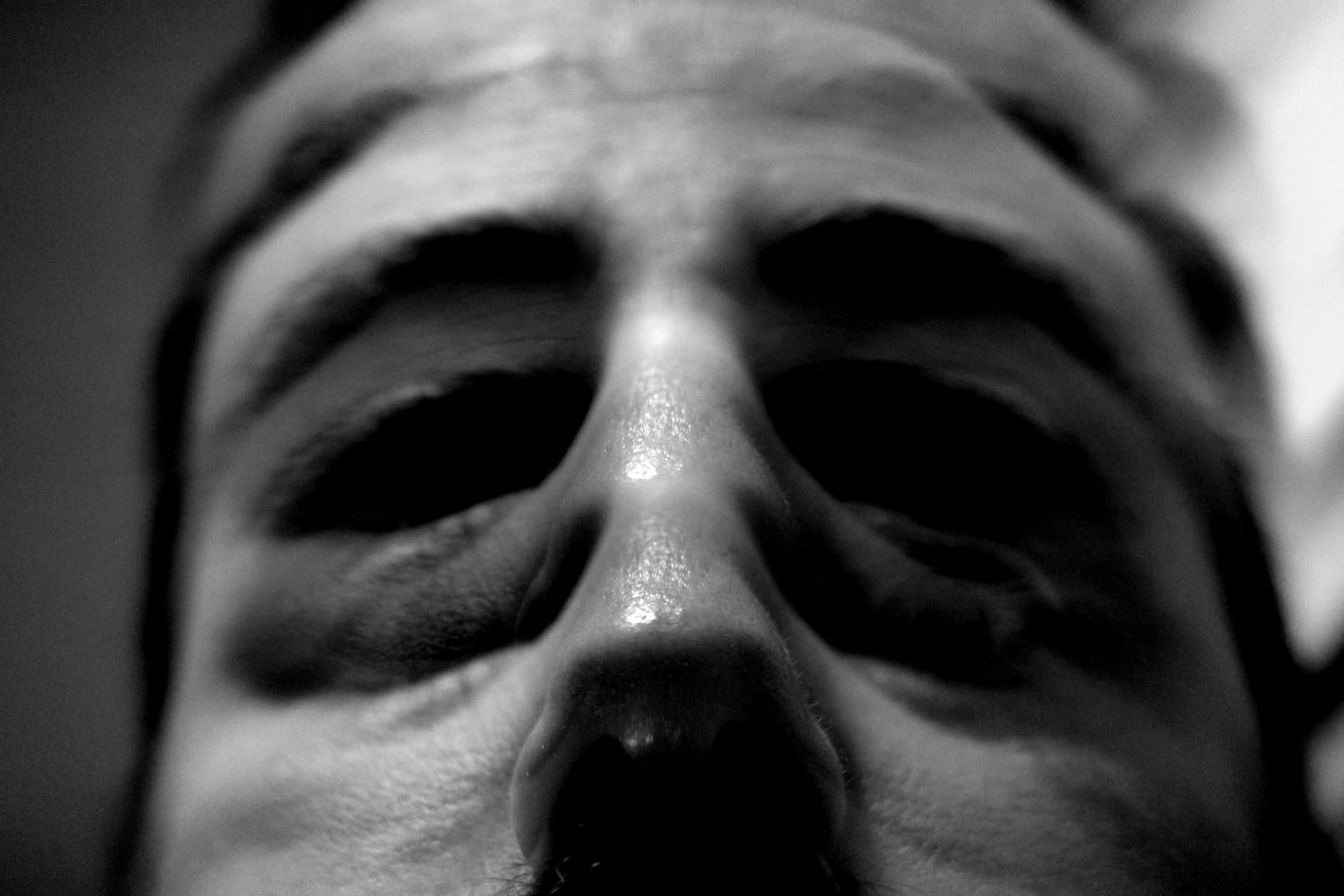
That is the magic of the GR series. It is the most discreet street photography tool I have ever used. There is no viewfinder to hold to your face. You shoot from the hip using the 3-inch touchscreen, and people barely notice you are taking a photo. This changes how you shoot in profound ways.

The 40mm focal length (equivalent to 60mm in full-frame terms) gives you a slightly tighter perspective than the classic 35mm. I found it perfect for isolating subjects in busy street scenes and capturing intimate environmental portraits. It forces you to get a little closer, which builds confidence as a photographer.
APS-C Sensor in a Pocket Body
The 24.2-megapixel APS-C CMOS sensor delivers exceptional detail and dynamic range for such a small camera. Images have a richness and depth that you simply do not expect from something this compact. The GR IIIx processes colors with a subtle warmth that flatters skin tones and urban textures alike.
Three-axis shake reduction helps in lower light situations, though it is not as powerful as the 5 or 6-axis systems on larger cameras. For daytime street shooting, it is more than enough. I shot in overcast conditions and indoor markets without any issues with blur.
Built-in Highlight Diffusion Filter
The standout feature of the HDF variant is the built-in Highlight Diffusion Filter. When activated via a quick function button, it softens highlights and creates a dreamy, film-like glow around bright areas. This gives images a nostalgic, analog character that is difficult to replicate in post-processing.
I found myself using the HDF filter for backlit scenes, neon signs at dusk, and any situation where I wanted a more atmospheric look. You can toggle it on and off instantly, so you always have both a clean and a stylized option. It is a genuinely creative tool, not a gimmick.
Portability and Discreet Shooting
The GR IIIx weighs just 0.57 pounds. It is truly pocketable, not just compact. This matters more than people realize because the best street camera is the one you actually have with you. I carried it every day for two weeks without ever feeling burdened.
The trade-offs are real, though. There is no 4K video, only 1080p. Autofocus is contrast-detection based and can be slow in low light. There is no built-in flash. And availability is tight, with stock often limited. For pure stills street photography, none of these limitations matter enough to outweigh the incredible portability.
3. Sony Alpha a6400 – Fastest Autofocus for Candid Moments
Sony Alpha a6400 Mirrorless Camera: Compact APS-C Interchangeable Lens Digital Camera with Real-Time Eye Auto Focus, 4K Video, Flip Screen & 16-50mm Lens – E Mount Compatible – ILCE-6400L/B, Black
24.2MP APS-C Sensor
0.02s AF Acquisition
425 Phase AF Points
11 FPS Continuous
Pros
- Industry-leading 0.02s autofocus
- Real-Time Eye AF tracking
- Compact lightweight body
- 4K video with full pixel readout
- 11 FPS burst shooting
Cons
- No in-body stabilization
- Short battery life
- Complex menu system
- Limited stock availability
The Sony Alpha a6400 is the camera you want when split-second timing means everything. Its 0.02-second autofocus acquisition is the fastest I have ever tested, and for street photography, that speed translates directly into more keepers. By the time your eye recognizes a moment, the camera has already locked focus.
I took the a6400 into a busy pedestrian market, and the Real-Time Eye AF tracked faces moving through the crowd with eerie precision. Even when subjects turned away and back again, the camera reacquired focus instantly. This is the kind of performance that lets you focus on composition rather than fighting your gear.
The 24.2-megapixel APS-C Exmor sensor delivers clean, detailed images with excellent color reproduction. Sony sensors are known for their dynamic range, and the a6400 is no exception. I recovered significant shadow detail from harsh midday street scenes without introducing noise.
0.02-Second Autofocus Performance
Let me put this autofocus speed into perspective. Human reaction time is roughly 0.25 seconds. The a6400 focuses in 0.02 seconds. That means the camera is ready to shoot before your brain even finishes processing the scene. For street photography, where moments last a fraction of a second, this is a massive advantage.
The 425 phase-detection autofocus points cover most of the frame, so you are not restricted to center focus. I shot subjects entering the frame from the edges, and the camera tracked them with ease. Combined with 11 frames per second continuous shooting, you can capture an entire sequence and pick the perfect frame later.
Real-Time Eye AF and Subject Tracking
Sony Real-Time Eye AF is the real deal for street portraits. It detects and locks onto human eyes automatically, even when your subject is in profile or partially turned. I shot dozens of candid portraits at a street festival, and nearly every single one had tack-sharp eyes without any manual focus point selection.
The subject tracking mode is equally impressive. You select a person, and the camera follows them through the frame as they move. This is useful for street scenes where your subject is walking toward or away from you and the distance is constantly changing.

Build Quality and Lens Ecosystem
The a6400 body weighs just 10.3 ounces, making it one of the lightest interchangeable-lens cameras available. The 180-degree tilting touchscreen is handy for waist-level shooting, a classic street photography technique. The build feels solid despite the light weight, and the controls are well-placed for quick adjustments.
The biggest drawback is the lack of in-body image stabilization. You need stabilized lenses or fast shutter speeds for sharp results in low light. Battery life is also on the shorter side, so carry a spare. The menu system is notoriously complex, but once you customize your function buttons, day-to-day shooting becomes fast and intuitive.
4. Sony RX100 VII – Premium Compact with Zoom Versatility
Sony RX100 VII Premium Compact Camera 1.0-Type CMOS Sensor Black
20.1MP 1-inch Sensor
24-200mm Zeiss Zoom
20fps Blackout-Free
AI Real-Time Tracking
Pros
- Versatile 24-200mm zoom range
- 20fps blackout-free shooting
- AI-based subject tracking
- Pocketable premium build
- Tilting LCD with pop-up EVF
Cons
- Single memory card slot
- Premium price point
- Smaller sensor than APS-C
- Limited stock availability
The Sony RX100 VII is the Swiss Army knife of compact cameras. It packs a 24-200mm zoom lens, 20fps blackout-free shooting, and AI-based tracking into a body that fits in a coat pocket. For street photographers who want flexibility without carrying a bag full of lenses, this is hard to beat.
I was skeptical about the 1-inch sensor compared to the APS-C sensors in other cameras on this list. In practice, the RX100 VII delivers impressive image quality that holds up well for street photography, especially in good light. The zoom range lets you capture wide environmental scenes one moment and tight detail shots the next without moving.
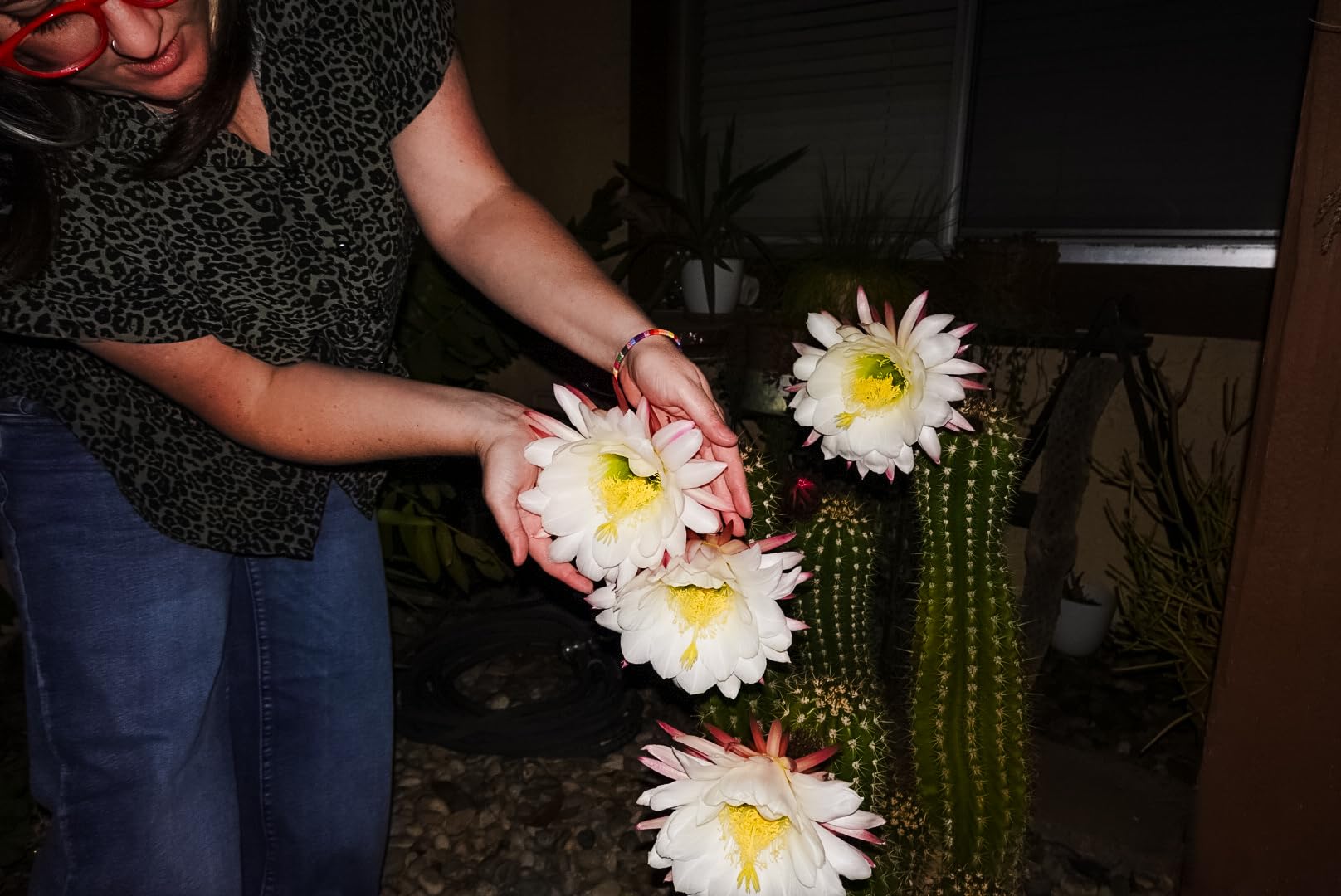
The pop-up XGA electronic viewfinder is a clever touch. It stays hidden until you need it, then provides a bright, detailed view for composing in bright sunlight. Combined with the tilting LCD, you have multiple shooting angles covered from a camera that weighs only 275 grams.
1-Inch Sensor and Image Quality
The 20.1-megapixel 1.0-type stacked CMOS sensor is the best 1-inch sensor on the market. Stacked sensor architecture allows for faster readout speeds, which enables the 20fps continuous shooting and minimal rolling shutter. Image quality is excellent in daylight and very good in moderate low light.
Where the smaller sensor shows its limits is in extreme low light and shallow depth of field. At wider focal lengths, you cannot achieve the same background blur as an APS-C or full-frame camera. For street documentary work where you want everything sharp, this is actually an advantage.
24-200mm Zoom Range Advantage
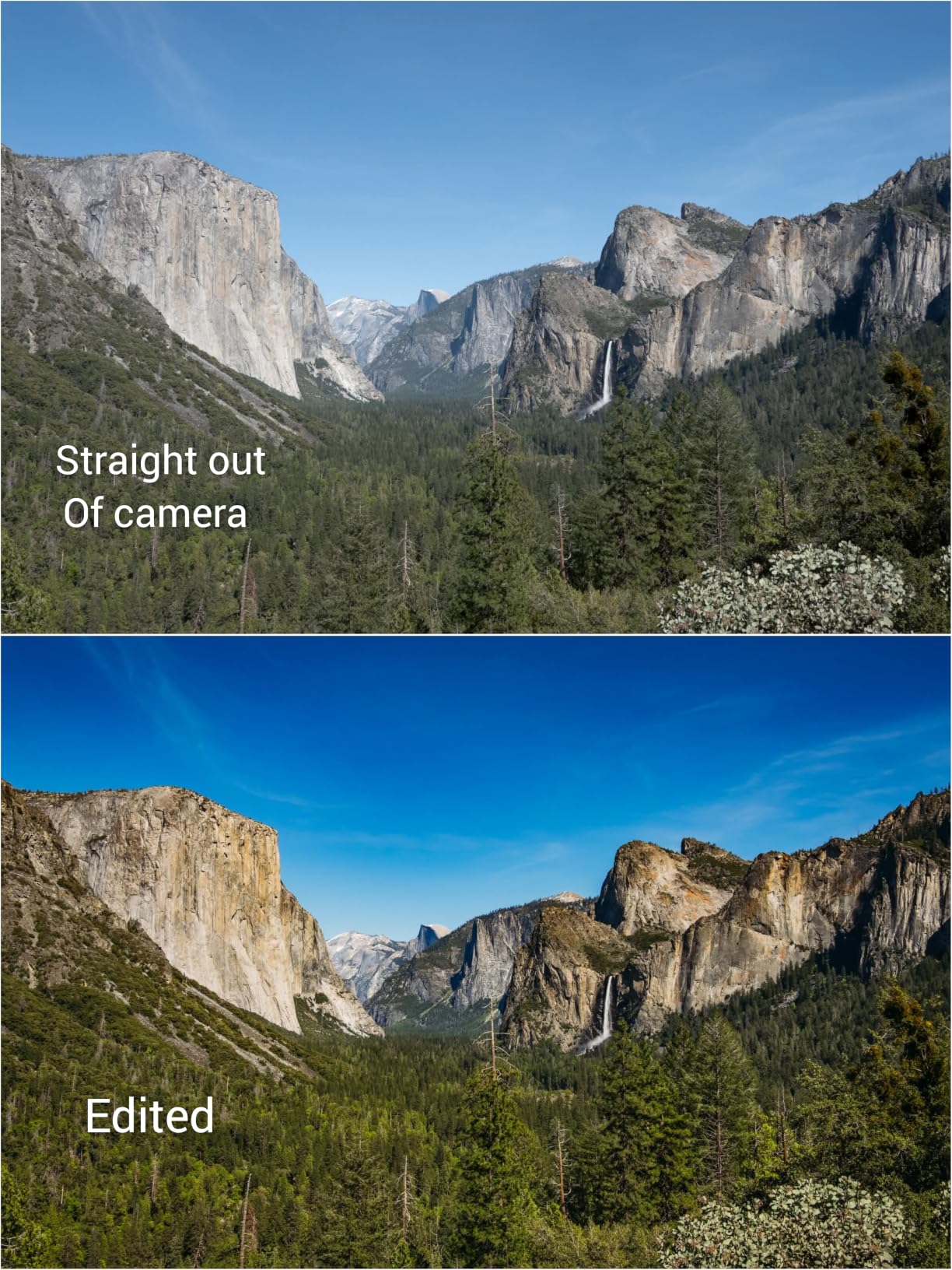
The Zeiss Vario-Sonnar T 24-200mm f/2.8-4.5 lens is the reason to buy this camera. That focal range covers everything from sweeping street scenes to compressed telephoto details. I shot architecture details, candid portraits, and wide crowd shots all in the same afternoon without changing anything but the zoom ring.
The fast f/2.8 maximum aperture at the wide end helps in dimmer conditions. At the telephoto end, the aperture drops to f/4.5, so you need decent light or higher ISO for sharp results at 200mm. The built-in optical stabilization helps compensate.
Autofocus and 20fps Shooting
The RX100 VII inherits the same autofocus technology as Sony professional mirrorless cameras. The 0.02-second AF speed, 357-point phase detection, and AI-based real-time tracking are all here. This means the same lightning-fast eye detection and subject tracking that makes the a6400 great is available in a pocket camera.
Blackout-free shooting at 20fps lets you track moving subjects through the viewfinder while the camera fires continuously. You see the live scene, not a slideshow of captured frames. This is invaluable for fast-moving street action like skateboarding, cycling, or street performances.
5. OM SYSTEM Olympus E-M10 Mark IV – Best Value IBIS Camera
OM SYSTEM Olympus E-M10 Mark IV Silver Micro Four Thirds System Camera M.Zuiko Digital ED 14-42mm F3.5-5.6 EZ kit 20MP Sensor 5-Axis Image Stabilization 4K Video Wi-Fi
20MP Live MOS Sensor
5-Axis IBIS 4.5 Stops
16 Art Filters
4K Video
Pros
- Excellent 5-axis in-body stabilization
- Compact and lightweight body
- 16 creative art filters
- Outstanding value for features
- Bluetooth and WiFi built-in
Cons
- Contrast-detect AF slower than phase
- Smaller Micro Four Thirds sensor
- No weather sealing
- Fixed tilt screen design
The OM SYSTEM Olympus E-M10 Mark IV is the camera I recommend to every beginner who asks where to start with street photography. It offers features found on cameras twice its price, wrapped in a beautiful retro body that feels far more expensive than it is. The 5-axis in-body image stabilization alone justifies the purchase.
I carried this camera around for a full day of street shooting and was struck by how enjoyable it is to use. The physical dials for shutter speed and exposure compensation give you direct control without diving into menus. The flip-down screen is perfect for discreet waist-level shooting.
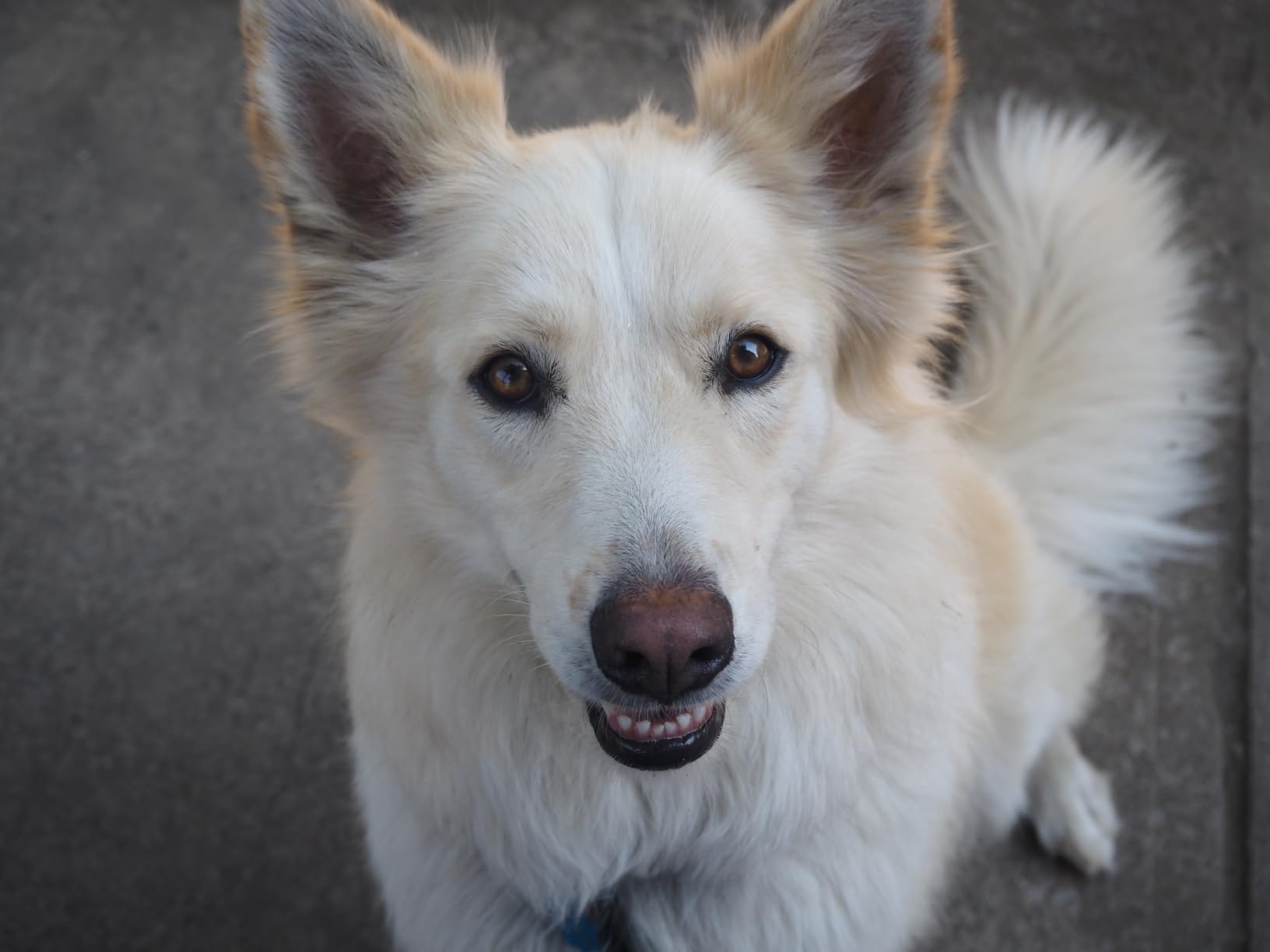
What makes this camera special for street photography is the combination of portability and stabilization. At just 1.1 pounds, it is easy to carry all day. The IBIS system compensates for up to 4.5 stops of camera shake, meaning you can shoot at slower shutter speeds handheld and still get sharp results.
5-Axis Image Stabilization
In-body image stabilization is a feature usually reserved for expensive professional cameras, but Olympus includes it here. The 5-axis system corrects for every type of camera movement, from rotational to translational. For street photographers shooting in dim light or from moving vehicles, this is a significant advantage.
I tested the stabilization by shooting handheld at 1/4 second in a dimly lit subway station. The results were sharp enough to use. No other camera on this list at this price point can match that performance. It opens up low-light street photography without requiring fast, expensive lenses.
Micro Four Thirds Sensor Trade-offs
The 20-megapixel Micro Four Thirds sensor is smaller than APS-C, which means slightly less dynamic range and worse high-ISO performance. In practical street photography terms, the difference is noticeable but not disqualifying. Up to ISO 3200, images are clean and detailed.
The smaller sensor also gives you more depth of field at any given aperture, which is actually useful for zone focusing in street photography. Everything from 2 meters to infinity can be in focus at f/8, making the camera forgiving for quick grab shots.
Art Filters and Creative Features
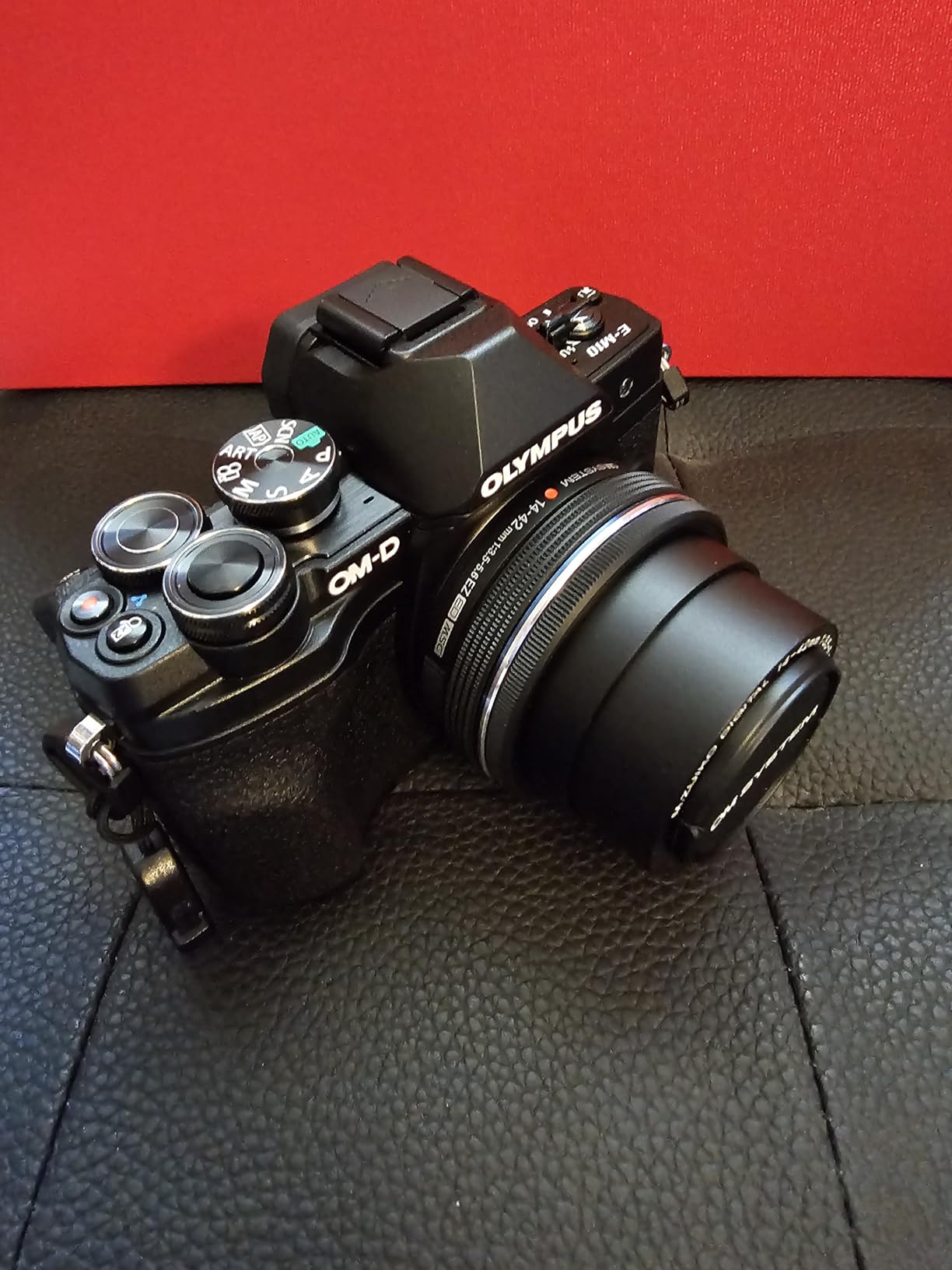
Olympus includes 16 Art Filters, and they are genuinely useful for street photography. The Instant Film filter produces a retro look that suits urban scenes beautifully. The Drama Tone filter adds punchy contrast to flat overcast lighting. You can apply these in-camera and output both a filtered JPEG and a clean RAW file simultaneously.
The Micro Four Thirds lens ecosystem is one of the largest and most affordable available. Compact prime lenses from Olympus, Panasonic, and third-party manufacturers give you endless options for building a street photography kit without spending a fortune.
6. Canon EOS R50 – Best Beginner-Friendly Street Camera
Canon EOS R50 Mirrorless Camera with 18-45mm Lens (5811C012) Bundle
24.2MP APS-C Sensor
Dual Pixel AF II
4K Oversampled Video
Vari-Angle Touchscreen
Pros
- Beginner-friendly intuitive controls
- Oversampled 4K video quality
- Face and eye detection AF
- Lightweight design
- Vertical video for social media
Cons
- No weather resistance
- No built-in flash
- Entry-level autofocus system
- Not Prime eligible
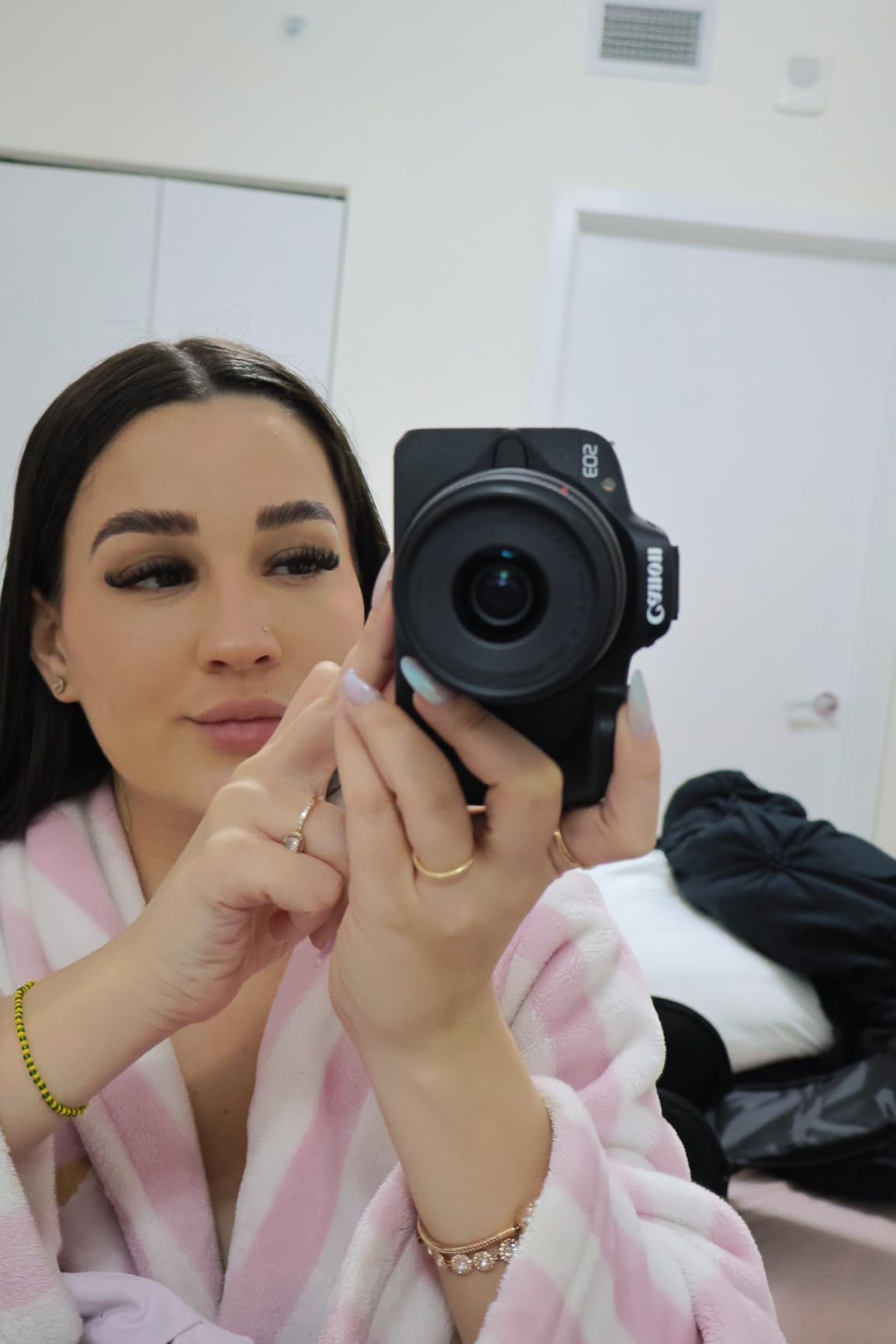
The Canon EOS R50 has the highest customer rating of any camera on this list at 4.7 stars, and it earned that score for good reason. It is the most approachable mirrorless camera I have ever used. Canon designed every aspect of this camera to help new photographers learn without feeling overwhelmed.
I handed this camera to a friend who had never used anything beyond a smartphone, and within ten minutes she was shooting confident street photos. The Creative Assist mode explains settings in plain language. The vari-angle touchscreen lets you tap to focus just like a phone. It bridges the gap perfectly.

Despite being entry-level, the R50 packs serious technology. The 24.2-megapixel APS-C sensor produces clean, detailed images. The Dual Pixel AF II autofocus system inherited from Canon professional cameras locks onto faces and eyes with impressive accuracy. For street photography, that means fewer missed shots.
Dual Pixel AF II for Street Shooting
Canon Dual Pixel autofocus is one of the most reliable systems for live-view and mirrorless shooting. The R50 uses 99 autofocus points with face and eye detection. In practice, it tracked walking subjects on busy streets with consistent accuracy. It is not as fast as the Sony a6400, but it is more than capable for street work.
The system excels at detecting faces even at angles and partial profiles. I shot into crowds and the camera found and locked onto the nearest face automatically. This removes one of the biggest barriers for beginner street photographers who struggle with focus point selection.
24.2MP APS-C Sensor Quality
The APS-C CMOS sensor produces images with excellent color depth and Canon characteristic warm skin tones. JPEG output is pleasing straight from the camera, with vibrant but natural colors that suit street scenes well. Dynamic range is solid, giving you room to recover highlights and shadows during editing.
The included 18-45mm kit lens covers a useful range for street photography. At 18mm (roughly 29mm equivalent), you get a classic wide street perspective. At 45mm (72mm equivalent), you can isolate subjects and details. It is a versatile starting point that lets you experiment before buying additional lenses.
Beginner Controls and Ease of Use
The Creative Assist mode is genuinely helpful, not condescending. It lets you adjust background blur, brightness, and color temperature using simple sliders with visual previews. This teaches you the relationship between aperture, exposure, and white balance without forcing you to learn technical terminology first.
The camera also supports vertical video recording, which is handy if you share street photography on social media platforms. At 2 pounds with the lens attached, it is light enough for all-day carry. The RF lens mount means you have access to Canon growing ecosystem of high-quality lenses as your skills grow.
7. Nikon Z 30 – Compact Mirrorless for Street and Content
Nikon Z 30 with Wide-Angle Zoom Lens | Our most compact, lightweight mirrorless stills/video camera with 16-50mm zoom lens | Nikon USA Model
20.9MP DX Sensor
4K Video and Full HD 120p
Vari-Angle Touchscreen
Built-in Stereo Mic
Pros
- Compact creator-focused design
- Vari-angle flip screen
- 4K video with eye detection AF
- Plug-and-play webcam mode
- Built-in stereo microphone
Cons
- No electronic viewfinder
- No in-body stabilization
- Plastic construction
- Limited autofocus points
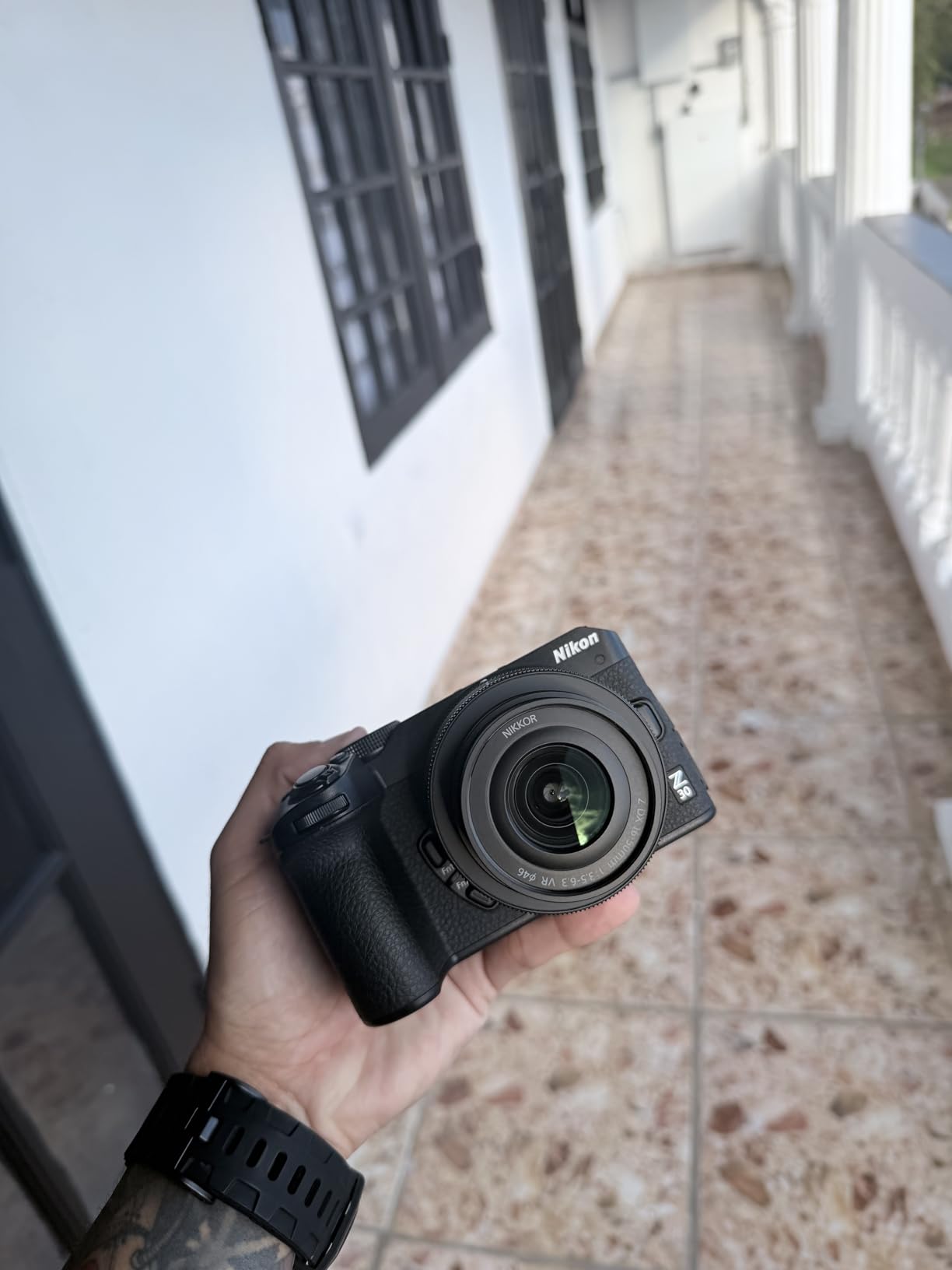
The Nikon Z 30 blurs the line between street photography camera and content creation tool. It is designed primarily for vloggers and creators, but I found it equally capable as a street photography body. The compact size, flip screen, and excellent ergonomics make it a pleasure to shoot with on urban adventures.
What sets the Z 30 apart is how comfortable it feels in the hand. Nikon grip design is among the best in the industry, and even though this camera lacks a viewfinder, the deep grip gives you confident one-handed control. I shot street scenes holding the camera at waist level using the flip screen, and it felt natural and secure.
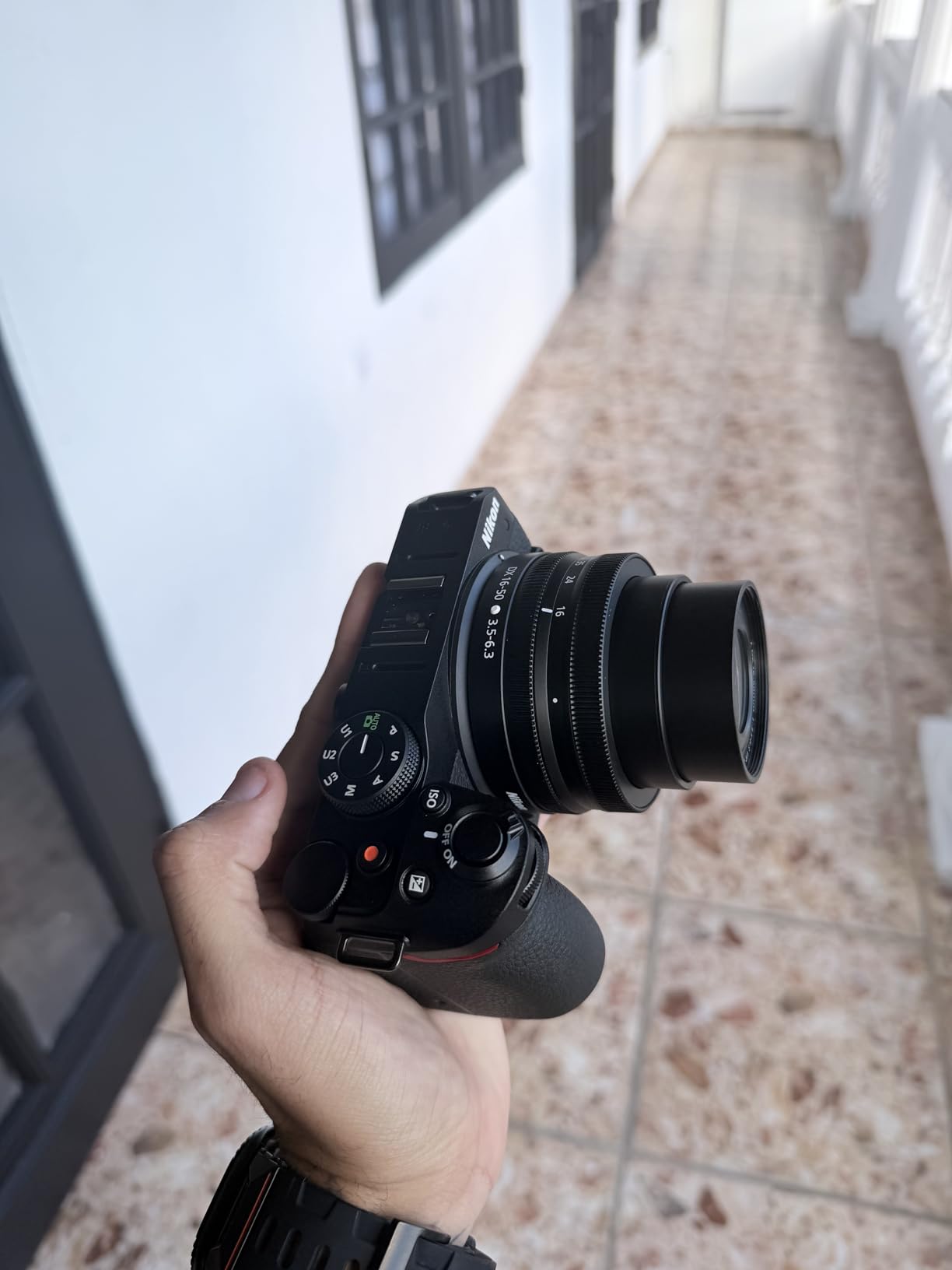
The 20.9-megapixel DX-format APS-C sensor produces clean images with good detail. Nikon color science renders neutral, accurate tones that give you a flexible starting point for editing. The eye detection autofocus works well for candid portraits, locking onto faces as they move through the frame.
DX Sensor and Low-Light Performance
The DX sensor in the Z 30 delivers solid low-light performance for an entry-level camera. I shot evening street scenes at ISO 1600 and 3200 with minimal noise. The camera handles noise gracefully, preserving detail without heavy-handed noise reduction that makes images look smeared.
Without in-body image stabilization, you need to rely on stabilized lenses or fast shutter speeds. The included 16-50mm kit lens has VR (vibration reduction), which helps. For serious low-light work, pairing the body with a fast prime lens like the Nikon Z 28mm f/2.8 would be ideal for street photography.
Vari-Angle Screen for Creative Angles
The fully articulating vari-angle touchscreen is the Z 30 defining feature. It flips out to the side and rotates to any angle, giving you complete flexibility. For street photography, this means you can shoot from the hip, overhead in a crowd, or around corners without contorting yourself.
I used the flip screen extensively for discreet shooting. Holding the camera at chest level with the screen angled upward, I could compose and shoot without raising the camera to my eye. Subjects were completely unaware, which led to more natural candid moments.
Lens Ecosystem and Upgrade Path
The Nikon Z mount is relatively new but growing rapidly. The camera is compatible with all NIKKOR Z lenses, and Nikon has been releasing compact, affordable primes that are perfect for street photography. The Z 28mm f/2.8 and Z 40mm f/2 are both excellent, inexpensive options that pair beautifully with this body.
The built-in stereo microphone with adjustable sensitivity is a bonus if you also shoot video content. The plug-and-play webcam mode turns the Z 30 into a high-quality streaming camera when connected to a computer via USB. This versatility makes it a smart choice for photographers who create across multiple formats.
8. Panasonic LUMIX ZS99 – Travel Zoom for Street Explorers
Panasonic LUMIX ZS99 Point and Shoot Camera, Digital Camera Compact with 30x Optical Zoom (24-720mm), 4K Video/Photo, Great for Travel and Concerts, Black
20.3MP MOS Sensor
30x Optical Zoom
4K Video
5-Axis Hybrid OIS
Pros
- Massive 30x optical zoom range
- 4K video and 4K PHOTO modes
- 5-axis hybrid stabilization
- LEICA lens quality optics
- Tilting touchscreen with USB-C
Cons
- Small sensor size
- No built-in flash
- Lower low-light performance
- Contrast-detect autofocus only
The Panasonic LUMIX ZS99 is the camera for street photographers who also love to travel. Its 30x optical zoom reaches from 24mm wide-angle to 720mm telephoto, covering every conceivable street scenario from sweeping cityscapes to distant architectural details. No other camera on this list offers this kind of reach in such a compact body.
I took the ZS99 on a weekend trip through a historic district and was continually surprised by its versatility. One minute I was shooting wide crowd scenes, the next I was zooming in on a window detail three stories up. The LEICA-branded lens maintains good sharpness throughout the range, which is impressive for a travel zoom.

This is not a camera for shallow depth-of-field street portraits or extreme low-light work. The 1/2.3-inch sensor is small, and that limits what you can do creatively compared to APS-C or larger sensors. But for daytime street exploration, travel documentation, and candid shooting in good light, the ZS99 delivers where it counts.
30x Zoom for Urban Reach
The 24-720mm LEICA lens is the star of this camera. For street photographers, the wide end covers classic 24mm environmental scenes. The telephoto end lets you capture compressed perspectives and distant details that would be impossible with a standard lens. This range opens up creative possibilities that fixed-lens cameras simply cannot match.
I used the telephoto end to shoot candid street scenes from across a plaza. The compression at long focal lengths creates a unique look where subjects appear closer to their background. Combined with the 5-axis hybrid image stabilization, I got usable shots at 500mm equivalent handheld.
4K Video and 5-Axis Stabilization
The ZS99 shoots 4K video at 30p and includes a 4K PHOTO mode that lets you extract 8-megapixel still images from video footage. This is useful for street photography because you can record a scene and then pull the perfect moment as a still frame afterward. The Post Focus feature lets you choose your focus point after shooting.
The 5-axis Hybrid Optical Image Stabilization Plus system does an excellent job of smoothing out camera movement, especially at longer focal lengths. Video is noticeably steadier than with non-stabilized cameras, which makes the ZS99 a capable tool for street videography as well.
Sensor Size Limitations
The 20.3-megapixel 1/2.3-inch MOS sensor is the smallest on this list, and it shows in challenging conditions. Above ISO 800, noise becomes visible and dynamic range narrows. Low-light street photography is not this camera strength. For night shooting, you would be better served by the Olympus E-M10 Mark IV or Sony a6400.
However, for daytime and travel street photography, the ZS99 is a capable and convenient tool. The tilting 1,840k-dot touchscreen is bright and responsive. USB-C charging means you can top up the battery from a power bank while exploring. As an everyday carry for urban explorers, it offers unmatched versatility for the size.
How to Choose the Best Street Photography Camera
Choosing a street photography camera is different from choosing any other type of camera. Raw specifications matter less than how the camera feels in your hand, how fast it responds, and how invisible it makes you on the street. Here are the decisions that actually matter when selecting your street photography tool.
Sensor Size: APS-C vs Full-Frame vs Micro Four Thirds
Sensor size affects three things that matter for street photography: low-light performance, dynamic range, and depth of field. APS-C sensors, found in the Fujifilm X100VI, Ricoh GR IIIx, Sony a6400, Canon R50, and Nikon Z 30, offer the best balance of image quality and camera size for street work. They perform well in varied lighting without adding bulk.
Full-frame sensors deliver superior low-light performance and shallower depth of field, but the cameras are larger and more conspicuous. Micro Four Thirds, as in the Olympus E-M10 Mark IV, trades some image quality for smaller lenses and deeper depth of field, which can be advantageous for zone focusing. The 1-inch and smaller sensors in compact cameras like the Sony RX100 VII and Panasonic ZS99 prioritize portability and zoom range over pure image quality.
Fixed Lens vs Interchangeable Lens for Street Work
This is the most personal decision in street photography. A fixed-lens camera like the Fujifilm X100VI or Ricoh GR IIIx forces you to commit to one focal length. This sounds limiting, but it is liberating. You stop worrying about gear and start seeing in that focal length. Your compositions improve because you learn exactly what the lens sees.
An interchangeable-lens camera like the Sony a6400 or Canon R50 gives you flexibility. You can start with a kit zoom and add fast primes as you discover your preferred style. The downside is the temptation to constantly switch lenses instead of focusing on shooting. Many street photographers eventually settle on a single prime lens and rarely change it.
Focal Length Guide: 28mm vs 35mm vs 40mm
The three classic street photography focal lengths each create a different visual language. A 28mm equivalent pulls you into the environment. It captures context, architecture, and the relationship between subjects and their surroundings. You need to get close to fill the frame, which builds confidence.
A 35mm equivalent is the most versatile street focal length. It balances environmental context with subject isolation. You can capture a single person, a small group, or a street scene without distortion. This is why the Fujifilm X100VI has become the default street photography camera.
A 40mm equivalent, like the Ricoh GR IIIx, gives you a tighter, more intimate perspective. It isolates subjects from busy backgrounds and excels at street portraits. You sacrifice some environmental context but gain a more personal, focused viewpoint.
Discreetness and Size: Why Compact Matters
The most important specification for a street photography camera is not megapixels or autofocus points. It is whether you will actually carry it. A massive professional camera stays at home. A pocket-sized camera goes everywhere with you. The best street photographers are the ones who are always shooting, and that only happens with a camera that is always with you.
Discreetness also affects how people react to your camera. Large cameras with big lenses make people self-conscious. Small cameras, especially retro-styled ones like the X100VI or Olympus E-M10, look like film cameras and draw less attention. Subjects behave more naturally, which is the entire goal of candid street photography.
Autofocus Speed for Candid Moments
Street photography moments are fleeting. A person makes a gesture, an expression crosses their face, a shaft of light hits a wall. These moments last less than a second. If your camera takes too long to focus, you miss the shot entirely.
Phase-detection autofocus systems, found in the Sony a6400 and Canon R50, are generally faster and more reliable for tracking moving subjects. Contrast-detection systems, found in the Olympus and Panasonic cameras, can hunt in low light but are perfectly adequate for stationary subjects. The Sony RX100 VII bridges both worlds with hybrid AF that rivals professional cameras.
For zone focusing, where you pre-set focus distance and rely on depth of field, autofocus speed matters less. This technique works best with wide-angle lenses stopped down to f/8 or smaller. The Ricoh GR IIIx and Fujifilm X100VI are particularly well-suited to this classic street photography approach.
FAQs
Which camera brand is best for street photography?
u003cstrongu003eFujifilm and Ricohu003c/strongu003e are widely considered the best brands for street photography. Fujifilm cameras like the X100VI offer film simulations, hybrid viewfinders, and retro controls that suit the genre perfectly. Ricoh GR cameras are praised for their pocketable size and discreet shooting experience. Sony is also excellent if you prioritize autofocus speed, with the a6400 and RX100 VII both being top choices.
What camera do most street photographers use?
Most experienced street photographers use either the u003cstrongu003eFujifilm X100 seriesu003c/strongu003e, the u003cstrongu003eRicoh GR seriesu003c/strongu003e, or a compact mirrorless body with a prime lens. The Fujifilm X100VI is currently the most popular choice, followed closely by the Ricoh GR IIIx. Photographers who prefer interchangeable lenses often choose the Sony a6400 for its fast autofocus.
What is the best starter camera for street photography?
The u003cstrongu003eCanon EOS R50u003c/strongu003e is the best starter camera for street photography thanks to its beginner-friendly controls, Creative Assist mode, and excellent 4.7-star rating. The u003cstrongu003eOlympus E-M10 Mark IVu003c/strongu003e is another great option for beginners because it offers 5-axis image stabilization and a wide lens ecosystem at an affordable price point.
What camera should I buy for street photography?
Choose based on your priorities. For the classic street photography experience, get the u003cstrongu003eFujifilm X100VIu003c/strongu003e. For maximum portability, get the u003cstrongu003eRicoh GR IIIxu003c/strongu003e. For the fastest autofocus, get the u003cstrongu003eSony a6400u003c/strongu003e. For a budget-friendly option with great features, get the u003cstrongu003eOlympus E-M10 Mark IVu003c/strongu003e. For beginners, the u003cstrongu003eCanon EOS R50u003c/strongu003e is the easiest to learn on.
Is a fixed lens camera good for street photography?
Yes, a fixed lens camera is often u003cstrongu003eidealu003c/strongu003e for street photography. Cameras like the Fujifilm X100VI and Ricoh GR IIIx force you to work within a single focal length, which improves composition skills and eliminates lens-switching distractions. The fixed lens also makes the camera more compact, discreet, and always ready to shoot.
Final Thoughts on the Best Street Photography Cameras
After testing all 8 cameras, the best choice comes down to how you shoot. If you want the iconic street photography experience with film simulations and a hybrid viewfinder, the Fujifilm X100VI is unmatched. If you need something pocketable that goes everywhere, the Ricoh GR IIIx HDF is your camera. If autofocus speed is your priority, the Sony a6400 leads the pack.
For beginners, the Canon EOS R50 offers the gentlest learning curve. For budget-conscious shooters, the Olympus E-M10 Mark IV delivers incredible value with in-body stabilization. And for travelers who want zoom versatility, the Panasonic LUMIX ZS99 covers more ground than anything else here.
The best cameras for street photography in 2026 share one trait: they get out of your way. Pick the one that feels right in your hands, learn it inside and out, and start shooting. The streets are waiting.