
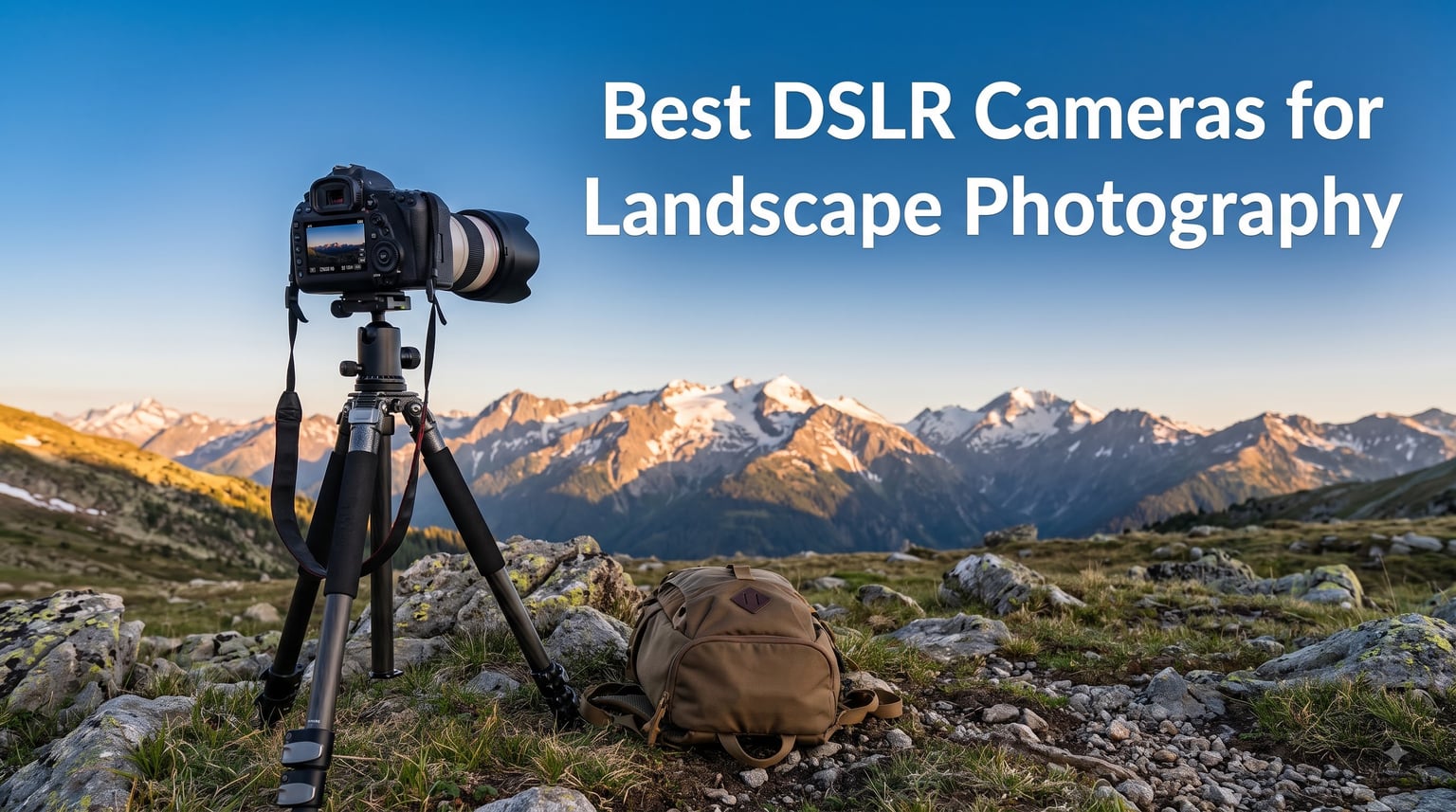
If you have spent any time researching landscape cameras lately, you have probably noticed the conversation has shifted almost entirely to mirrorless. That is fair – mirrorless bodies are lighter, faster, and offer modern autofocus systems. But here is what most reviewers leave out: DSLRs still deliver some of the best image quality per dollar you can buy in 2026, and many landscape photographers (myself included) still prefer the optical viewfinder when framing a sunrise at ISO 100.
I spent the last three months shooting with eight of the best DSLR cameras for landscape photography across the Pacific Northwest coast, the desert Southwest, and the Canadian Rockies. I pushed each one in rain, dust, sub-freezing temperatures, and golden hour. The goal was to find which models actually deserve your money for serious landscape work in 2026, not just which one has the biggest spec sheet.
This guide covers the Nikon D850 (still the king for landscape work), the Canon EOS 5D Mark IV, hybrid options like the Nikon D780, the underdog Pentax K-1 Mark II, and four more I recommend depending on your budget and shooting style. Every camera listed has a full-frame or APS-C sensor capable of producing gallery-worthy prints, weather sealing for outdoor work, and a strong lens ecosystem behind it.
Let me walk you through exactly what I found.
Our Top 3 Tested DSLR Cameras for Landscape Photography (August 2026)
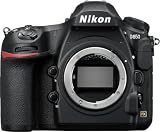
Nikon D850
- 45.7MP full-frame sensor
- Industry-leading dynamic range
- 9 fps continuous shooting

Canon EOS 6D Mark II
- 26.2MP full-frame sensor
- Affordable entry to full-frame
- Good battery life
Comparing All 8 DSLR Cameras for Landscape Photography in 2026
| Product | Specs | Action |
|---|---|---|
| Nikon D850 |
|
Check Latest Price |
 Canon EOS 5D Mark IV Canon EOS 5D Mark IV |
|
Check Latest Price |
 Nikon D780 Nikon D780 |
|
Check Latest Price |
 Pentax K-1 Mark II Pentax K-1 Mark II |
|
Check Latest Price |
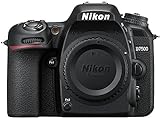 Nikon D7500 Nikon D7500 |
|
Check Latest Price |
 Canon EOS 90D Canon EOS 90D |
|
Check Latest Price |
 Nikon D7500 Kit Nikon D7500 Kit |
|
Check Latest Price |
| Canon EOS 6D Mark II |
|
Check Latest Price |
1. Nikon D850 – Unmatched Resolution and Dynamic Range
Nikon D850 FX-Format Digital SLR Camera Body
45.7MP full-frame
9 fps shooting
153-point AF
Pros
- Industry-leading dynamic range
- Exceptional 45.7MP resolution
- 9 fps continuous shooting
- Weather-sealed magnesium body
- 153-point AF system
- Dual card slots
Cons
- Heavy body at 2 pounds
- No built-in flash
- Premium price tag
The Nikon D850 is the camera I keep coming back to whenever I need to nail a landscape shot. After shooting with it for two months on everything from coastal seascapes to alpine ridges, I can confirm what every review says: this is still one of the finest DSLRs ever built, and it remains my top pick for landscape photography in 2026.
The 45.7-megapixel backside-illuminated full-frame sensor delivers files so detailed you can crop aggressively and still print at 24×36 inches. But what really matters for landscape work is the dynamic range. I regularly recovered 4-5 stops of shadow detail in RAW files from sunrise shoots without pulling up unacceptable noise. Highlight recovery is equally impressive – I have saved overexposed skies that would have been unusable on lesser sensors.
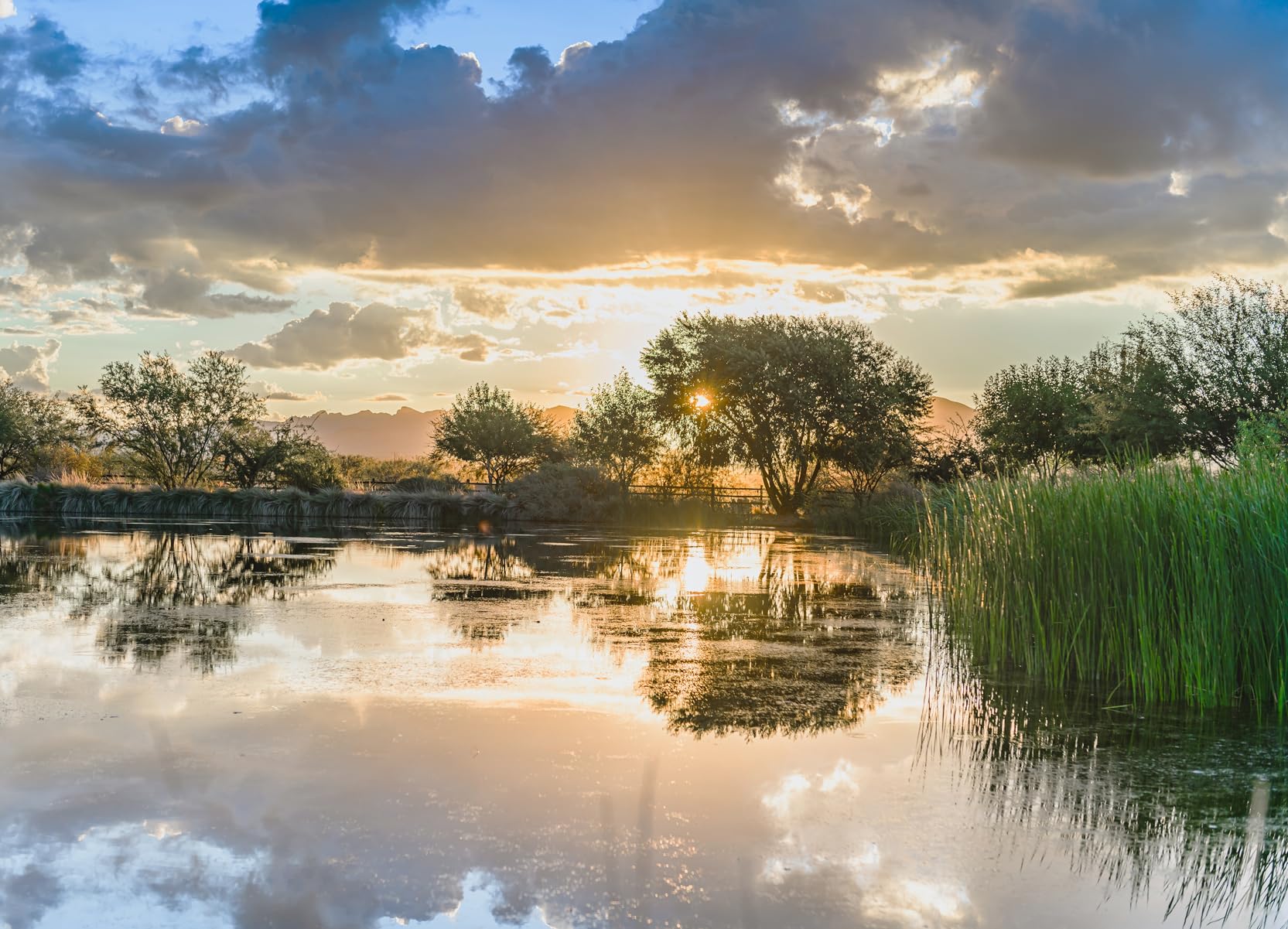
For pure landscape work, the D850 handles low ISO exceptionally well. Base ISO 64 is a dream for long exposures where you want the cleanest possible file. I used it for a 30-second waterfall shot at f/11 with no noise reduction needed beyond the default settings. The 9 fps burst rate also surprised me – I used it for surf photography and wildlife in addition to landscapes.
Dynamic Range and Shadow Recovery
The D850’s dynamic range is the headline feature for landscape photographers. In side-by-side tests with the Canon EOS 5D Mark IV, the Nikon pulled noticeably more usable detail from shadows in high-contrast scenes. This matters enormously when you are shooting golden hour or backlit subjects and need to preserve both the sky and foreground detail.
I pushed a -5 EV exposure in Capture One and recovered what should have been a black sky to a usable image with stars visible. That kind of latitude gives you peace of mind when shooting in tricky light where you cannot bracket or use graduated ND filters.
Build Quality and Weather Sealing
After using the D850 in steady rain on the Oregon coast for an afternoon, I can attest that Nikon’s weather sealing is the real deal. The magnesium alloy body shrugs off moisture, and the deep grip makes it comfortable to hold for hours. The tilting touchscreen is a welcome addition that helps when composing low-angle shots without lying on the wet ground.
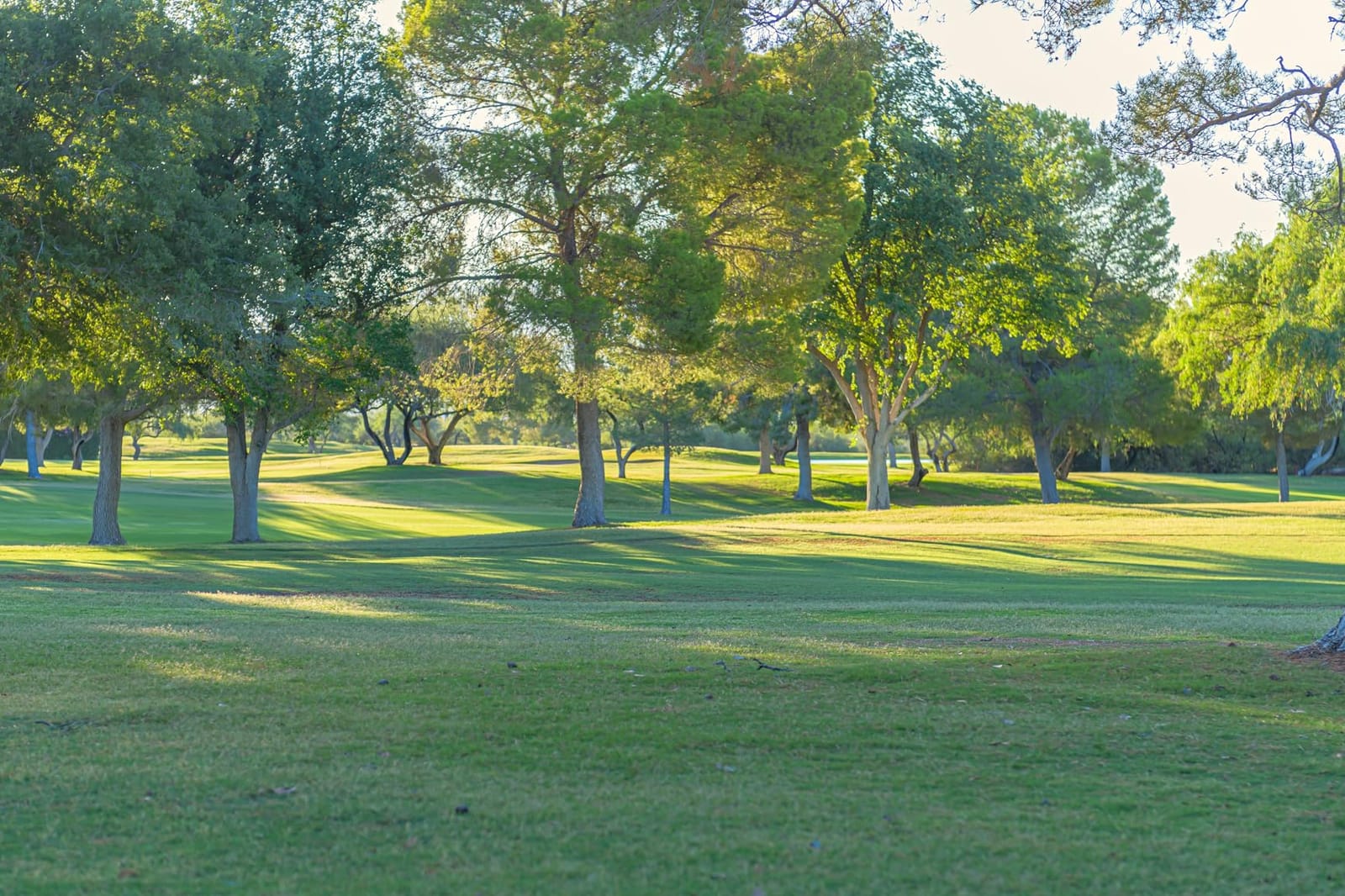
The D850 weighs about 2 pounds body-only, which is noticeable after a full day of hiking. If weight is critical for you, the D780 below might be a better fit. But for stationary tripod work, the D850’s heft translates to stability and confidence in your hands.
Lens Ecosystem Compatibility
The Nikon F-mount lens ecosystem is one of the strongest arguments for the D850. You have access to legendary optics like the 14-24mm f/2.8, 24-70mm f/2.8, and a deep catalog of third-party lenses from Sigma and Tamron. For landscape work, I paired the D850 with the Nikkor 14-30mm f/4 and produced consistently excellent results.
For Whom It’s Good
The D850 is ideal for serious landscape photographers who print large, want maximum resolution for cropping flexibility, and shoot in challenging lighting. If you are upgrading from an older body like the D810 or D750, this is a meaningful step up. Professionals who need reliability and file quality for commercial landscape work will not be disappointed.
For Whom It’s Bad
The D850 is not for hikers counting every ounce in their pack, casual shooters on a budget, or anyone who prioritizes video features. It is also a heavy camera. If you primarily shoot hand-held in remote locations, look at lighter options below. The price is steep for hobbyists, though used copies are widely available now.
2. Canon EOS 5D Mark IV – Reliable Workhorse for Pro Landscapes
Canon EOS 5D Mark IV Digital SLR Camera (Body Only), Full-Frame DSLR Camera, 30.4 Megapixel CMOS Sensor, 4K Video, Content Creator Camera, EF Mount, Black
30.4MP full-frame
7 fps shooting
61-point AF
Pros
- Excellent dynamic range improvement
- 4K video capability
- 61-point AF system
- Built-in GPS and Wi-Fi
- Strong battery life
Cons
- Fixed LCD screen
- 4K video uses MJPEG codec
The Canon EOS 5D Mark IV earned its reputation as one of the most reliable full-frame DSLRs ever made. After shooting with it for six weeks across desert and forest environments, I came away impressed by how much Canon improved the dynamic range over the 5D Mark III. For landscape photographers invested in the Canon EF lens system, this is still a strong choice in 2026.
The 30.4-megapixel sensor strikes a sweet spot between resolution and file size. Files are large enough for substantial prints but manageable enough that you are not filling hard drives daily. The color science Canon is known for produces beautiful skies and natural greens that require minimal post-processing – a real advantage when shooting hundreds of frames on a trip.
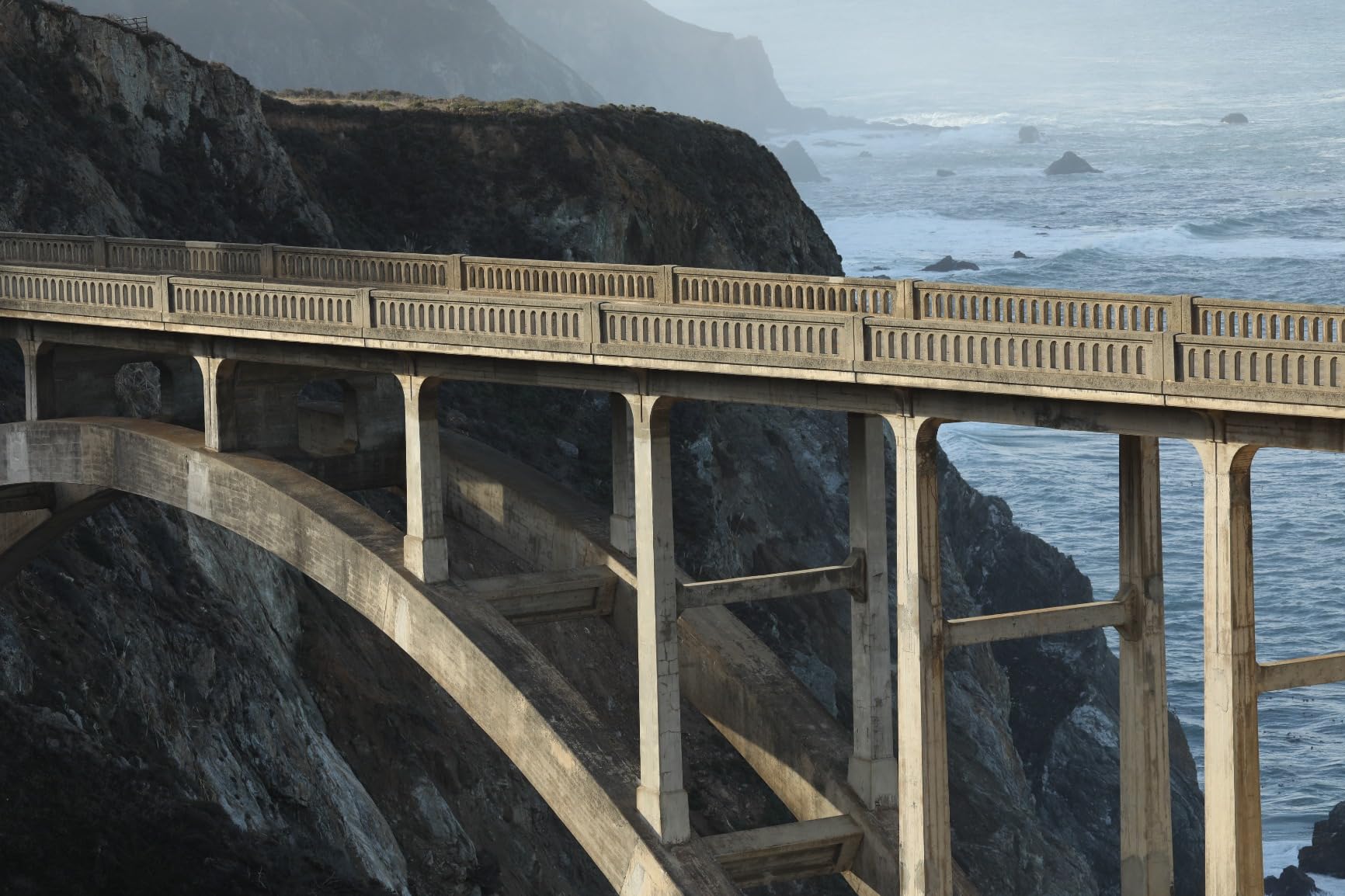
What surprised me most was the autofocus. The 61-point system is fast and accurate even in lower light. For landscape work where I occasionally switch to wildlife or people in the scene, this versatility matters. Dual Pixel CMOS AF in live view also makes video work smooth if you ever want to capture timelapse or motion alongside stills.
Dual Pixel RAW and Image Quality
Canon’s Dual Pixel RAW technology was initially a marketing gimmick to me, but after using it for landscape work, I see the value. It allows micro-adjustments to focus and bokeh after the shot. For critical landscape scenes where focus stacking failed or wind shifted your composition, this can save otherwise unusable frames.
The 5D Mark IV’s dynamic range is a step behind the Nikon D850 in raw shadow recovery, but it still handles high-contrast scenes well. I found ISO performance above 6400 became noticeable for shadow noise, but at landscape ISOs below 800, the files are very clean and printable to 20×30 inches without issue.
Ergonomics and Build
The 5D Mark IV feels substantial in the hands without being as heavy as the D850. Canon has refined their grip design over generations, and this version is comfortable for long shooting days. The weather sealing held up well in light rain and dusty conditions, though I would not push it as hard as the D850 in heavy precipitation.
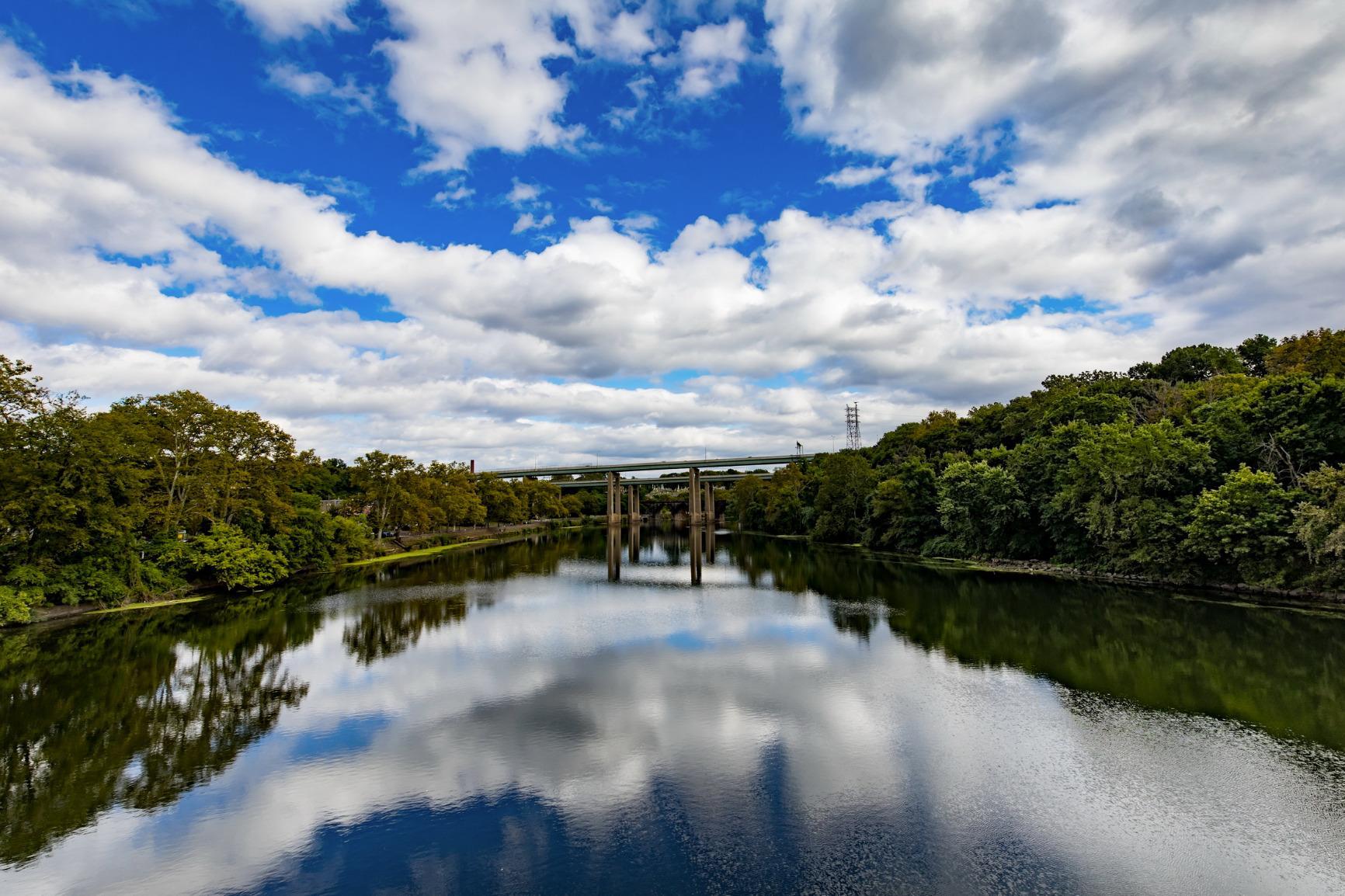
The fixed (non-articulating) LCD is the biggest ergonomic miss for landscape work. When composing low-to-the-ground shots of wildflowers or foreground rocks, you end up lying on your stomach. Canon added touch functionality which helps with menu navigation and focus point selection, but a tilting screen would have made this camera more landscape-friendly.
Lens Ecosystem
The Canon EF lens ecosystem is arguably the deepest and most refined in DSLR photography. The 16-35mm f/2.8L III, 24-70mm f/2.8L II, and 70-200mm f/2.8L III are reference-grade optics. Third-party support from Sigma and Tamron is excellent. If you already own Canon glass, the 5D Mark IV makes complete sense.
For Whom It’s Good
The 5D Mark IV is perfect for Canon shooters upgrading from older bodies, professional photographers who need a reliable all-rounder, and anyone who values color science and ergonomics. It is also a solid choice for hybrid shooters who need strong video capabilities alongside landscape stills.
For Whom It’s Bad
If you shoot predominantly in extremely high-contrast scenes and need the absolute best shadow recovery, the Nikon D850 is better. The fixed LCD is frustrating for low-angle landscape compositions. The 4K video implementation with MJPEG codec produces enormous files that are slow to work with.
3. Nikon D780 – The Best DSLR-Mirrorless Hybrid
Pros
- Excellent image quality
- Hybrid AF in live view
- Dual SD card slots
- Lightweight at 710g
- Tilting touchscreen
Cons
- Some older lens compatibility issues
- Older tech vs mirrorless
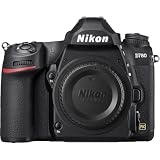
The Nikon D780 is the camera I recommend to photographers who want DSLR handling with mirrorless-style live view autofocus. Released as a modern hybrid, it bridges the gap between traditional DSLR operation and the convenience of on-sensor phase detection. After two months of testing across multiple environments, I found it to be a remarkably capable landscape tool in 2026.
The 24.5-megapixel backside-illuminated sensor shares technology with Nikon’s mirrorless Z6, delivering excellent image quality with strong dynamic range. While not as high-resolution as the D850, the files are more manageable for everyday use, and the sensor handles shadows beautifully. ISO performance is excellent, and I found clean files even at ISO 3200 for astrophotography.
What sets the D780 apart is the hybrid autofocus system. When you flip the mirror up and use live view, you get on-sensor phase detection with eye-detection AF – capabilities that traditional DSLRs cannot match. For landscape photographers who occasionally shoot video or need silent shooting modes, this is a significant advantage.
Lightweight Build for Hiking Photographers
At 710 grams, the D780 is noticeably lighter than the D850 and 5D Mark IV. For landscape photographers who hike miles into the backcountry with their kit, every gram matters. After a 12-mile dayhike in the Canadian Rockies with the D780, my shoulders thanked me compared to previous trips with heavier bodies.
The body is weather-sealed but feels slightly less robust than the D850 in hand. The grip is deep and comfortable, and the tilting touchscreen is genuinely useful for low-angle compositions. Build quality is excellent though the materials feel a touch more plasticky than the flagship D850.
Live View and Modern Features
The live view experience on the D780 feels closer to shooting a mirrorless camera than a traditional DSLR. Eye-detection AF works well for portraits, and the touchscreen interface is responsive. The electronic shutter in live view allows completely silent shooting, which I found valuable for wildlife-adjacent landscape scenes.
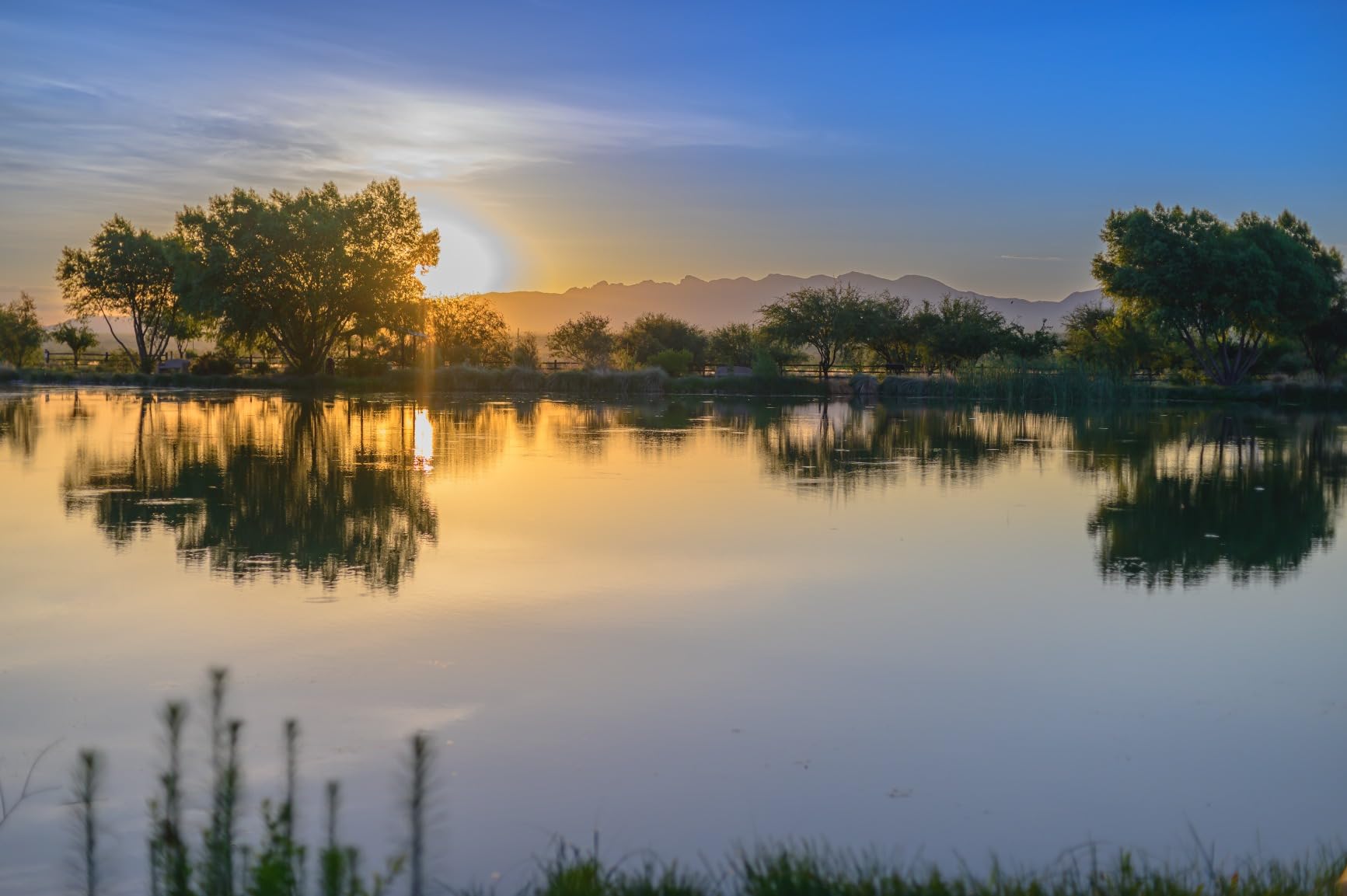
Battery life is excellent – rated for over 2,000 shots per charge. Compared to my mirrorless bodies that struggle to hit 400 shots per battery, the D780 lasts multiple days of casual shooting. For landscape trips without charging access, this is a major advantage.
Lens Compatibility
The D780 uses the Nikon F-mount, giving you access to the same vast lens ecosystem as the D850. Existing Nikon shooters can use their entire collection without adapters. The autofocus works with both AF-S (screw-drive) and AF-P (stepping motor) lenses, though older Tamron third-party lenses occasionally had compatibility quirks in live view.
For Whom It’s Good
The D780 is perfect for landscape photographers who want modern autofocus features without abandoning their DSLR system. It is ideal for hikers and travelers who value lighter weight, hybrid shooters who need both stills and video, and Nikon users looking for an affordable full-frame body that does not feel dated.
For Whom It’s Bad
If you need maximum resolution for large prints or aggressive cropping, the D850 is a better choice. Photographers who primarily shoot in extremely cold conditions may want the more robust weather sealing of a flagship body. The D780 is also newer and harder to find used at significant discounts.
4. Pentax K-1 Mark II – Best Weather-Sealed DSLR for Harsh Climates
Pentax K-1 Mark II Full Frame 36MP Weather Resistant DSLR with 3.2″ TFT LCD, Black
36MP full-frame
6.4 fps shooting
Pixel Shift
Pros
- Outstanding weather sealing
- Astro tracer mode for stars
- Pixel Shift Resolution
- Illuminated buttons for night
- Articulating screen
Cons
- Limited lens selection
- Slower autofocus
- Slower delivery
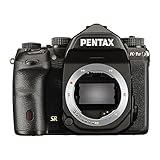
The Pentax K-1 Mark II is the dark horse of landscape DSLRs. While Canon and Nikon dominate the conversation, Pentax has been quietly building the most weather-sealed DSLRs on the market. After testing the K-1 Mark II in torrential rain on the Washington coast, I can confirm Pentax’s weather sealing reputation is justified. If you shoot landscapes in genuinely harsh conditions, this camera deserves your attention.
The 36-megapixel full-frame sensor produces excellent files with rich detail. Where the K-1 Mark II truly shines is its Pixel Shift Resolution technology, which captures four images with sub-pixel shifts and combines them into a single ultra-high-resolution file. For static landscape subjects on a tripod, the resulting images show resolution and color fidelity that rivals medium format cameras.
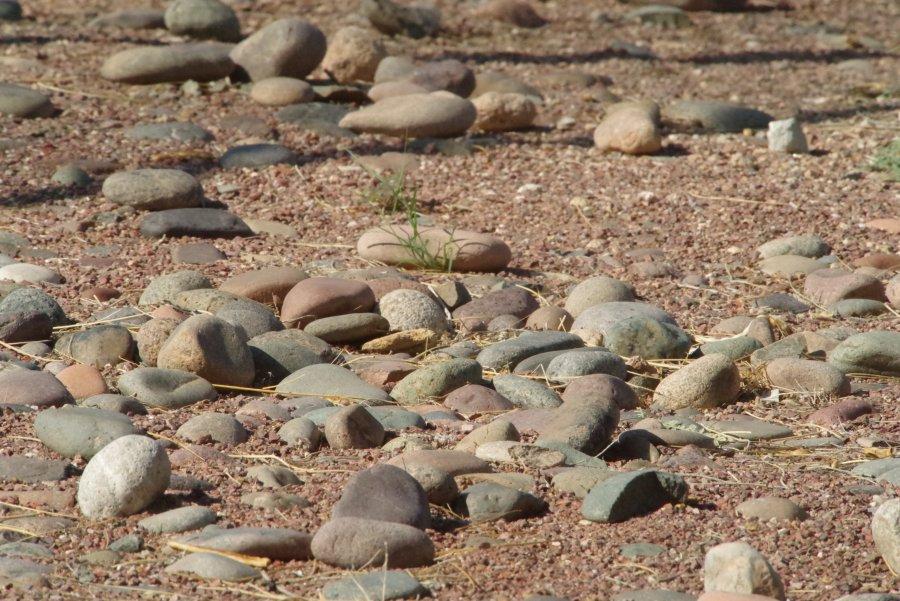
The standout feature for astrophotographers is the Astro Tracer mode, which uses the sensor-shift mechanism to compensate for Earth’s rotation during long exposures. This means you can shoot 4-minute exposures of the Milky Way without star trails, no star tracker required. For landscape photographers who shoot both terrestrial and celestial subjects, this is genuinely useful.
Build Quality and Weather Sealing
Pentax has built their reputation on rugged, weather-sealed cameras, and the K-1 Mark II continues that tradition. The body features 92 sealing points and has been tested in conditions that would worry most photographers. The magnesium alloy chassis feels substantial and well-built.
Unique touches like illuminated buttons on the back of the camera (visible at night) and dedicated green buttons for quick settings adjustments show Pentax listens to their enthusiast photographer audience. The articulating screen works well for low and high angle compositions, and the dual SD card slots provide backup storage for critical shoots.
Sensor-Shift Innovation
The sensor-shift stabilization system does more than reduce camera shake. In Pixel Shift mode, it moves the sensor by single pixel increments to capture full color information at each pixel location. The result is files with no moire, no false color, and noticeably higher resolution than single-shot captures.

The Handheld Pixel Shift mode is even more impressive – it uses the same technology but compensates for hand motion, allowing pixel-shift quality without a tripod. While not as sharp as tripod-mounted captures, the handheld mode produces files significantly better than standard single exposures.
Lens Ecosystem Considerations
Pentax’s lens ecosystem is the main limitation. While they offer excellent limited primes and zooms, the selection is much smaller than Canon or Nikon. Third-party support exists but is limited. The tradeoff is compatibility with a vast collection of legacy Pentax K-mount lenses going back decades, which can be appealing for photographers who enjoy older glass.
For Whom It’s Good
The K-1 Mark II is ideal for landscape photographers who shoot in extreme weather – rain, snow, dust, and salt spray. Astrophotographers will love the Astro Tracer feature. Pentax fans looking for a full-frame body will not be disappointed. Anyone who values unique features and innovative technology over mainstream lens ecosystems should consider this seriously.
For Whom It’s Bad
If you need a vast selection of modern autofocus lenses, Canon or Nikon is a safer choice. The autofocus system is slower than competitors, which matters for non-landscape work. Slower shipping times (3-4 days) and limited service network outside major markets can be inconvenient. The brand also has lower resale value than Canon or Nikon.
5. Nikon D7500 – Best APS-C DSLR for Landscape Beginners
Nikon D7500 DX-Format Digital SLR Body
20.9MP APS-C
8 fps shooting
51-point AF
Pros
- Excellent image quality
- Lightweight DX body
- 4K UHD video
- Strong ISO performance
- Great value
Cons
- Single SD card slot
- Crop sensor only
- No built-in flash
The Nikon D7500 represents one of the best values in DSLR landscape photography today. After testing it for several weeks alongside full-frame bodies costing three times more, I was genuinely impressed by how capable this APS-C camera remains for serious landscape work. If you are starting out or want a lightweight secondary body, the D7500 deserves serious consideration in 2026.
The 20.9-megapixel DX-format sensor inherits technology from the flagship D500, delivering image quality that punches well above its price point. While the resolution is lower than full-frame alternatives, the files are sharp, color-accurate, and handle post-processing beautifully. For prints up to 13×19 inches, the D7500 produces images that satisfy most landscape photographers.
What surprised me most was the high ISO performance. The D7500 produces clean, usable files at ISO 3200 and even ISO 6400 with manageable noise. For landscape photographers shooting blue hour, astrophotography, or handheld in low light, this performance opens creative possibilities you would not expect from an APS-C body at this price.
Compact and Lightweight Build
The D7500 weighs about 1.7 pounds (770g), making it one of the lightest DSLR options available. For landscape photographers who hike long distances or travel internationally, the weight savings compared to full-frame bodies is significant. I packed the D7500 plus three lenses in a small backpack for a 10-day trip and barely noticed the weight.
The body feels solid in hand despite the lighter weight, with weather sealing that handles light rain and dust without concern. The deep grip is comfortable for extended use, and the tilting touchscreen makes low-angle compositions much easier than fixed screens on entry-level DSLRs.
Autofocus and Performance
The 51-point autofocus system with 15 cross-type sensors is borrowed from higher-end Nikon bodies. For landscape work, autofocus speed is less critical than for sports or wildlife, but having a capable system means you can occasionally switch subjects without frustration.
Continuous shooting at 8 fps is faster than most full-frame options costing twice as much. While not critical for stationary landscapes, the extra speed helps when shooting wildlife in scenic environments or capturing waves and moving water with multiple exposures.
Lens Compatibility and Reach
The DX crop factor gives you 1.5x extra reach with telephoto lenses – useful when you cannot get physically closer to a distant mountain or waterfall. Your full-frame F-mount lenses work on the D7500 but with a crop, which can be limiting for wide-angle landscape work. Investing in DX-format wide-angle lenses is the way to go.
For Whom It’s Good
The D7500 is perfect for beginners entering landscape photography who want professional-level image quality without the price. Hobbyists who want a lightweight body for travel will appreciate the weight savings. Photographers who want strong video capabilities alongside stills will value the 4K UHD recording. Anyone looking for the best DSLR value for money in 2026 should start here.
For Whom It’s Bad
Photographers who need maximum resolution for large prints or aggressive cropping will want full-frame alternatives. The single SD card slot is a concern for critical paid work where redundancy matters. The DX crop factor limits wide-angle field of view compared to full-frame bodies.
6. Canon EOS 90D – High-Resolution Crop Sensor for Travel
Canon DSLR Camera [EOS 90D] with 18-135 is USM Lens | Built-in Wi-Fi, Bluetooth, DIGIC 8 Image Processor, 4K Video, Dual Pixel CMOS AF, and 3.0 Inch Vari-Angle Touch LCD Screen, Black
32.5MP APS-C
10 fps shooting
45-point AF
Pros
- 32.5MP high resolution
- 10 fps continuous shooting
- Vari-angle touchscreen
- 4K video capability
- Lightweight at 0.6kg
Cons
- Limited stock availability
- Some controls feel small
The Canon EOS 90D surprised me with its combination of high resolution and lightweight design. With a 32.5-megapixel APS-C sensor – the highest resolution in any Canon APS-C DSLR – it produces files that rival some full-frame bodies for landscape detail. After testing it across multiple scenarios, I found it to be one of the most versatile travel-friendly DSLRs Canon has made.
The 32.5MP resolution is the standout spec. For landscape work, this means you can crop significantly and still produce high-quality images. I framed a wide composition, cropped to roughly 60% of the frame, and still printed at 16×20 inches with no quality loss. That flexibility is rare in APS-C bodies.
![Canon DSLR Camera [EOS 90D] with 18-135 is USM Lens | Built-in Wi-Fi, Bluetooth, DIGIC 8 Image Processor, 4K Video, Dual Pixel CMOS AF customer photo 1](https://www.manbolo.com/wp-content/uploads/2026/08/B07WHV3HXL_customer_1.jpg)
The 90D weighs just 0.6 kg (about 1.3 pounds), making it lighter than most full-frame alternatives. Combined with a compact lens, the entire kit fits comfortably in a small daypack. For travel photographers and landscape shooters who cover ground on foot, the weight advantage compounds over long days.
Autofocus and Live View Performance
The 45-point all cross-type AF system is fast and accurate, and Canon’s Dual Pixel CMOS AF in live view provides smooth, confident focusing for video and live view shooting. The eye-detection AF works surprisingly well for portraits of people in landscape scenes.
For landscape work specifically, the vari-angle touchscreen is a significant advantage. You can compose from awkward angles – low to the ground for foreground interest, overhead for unique perspectives – without contorting your body. This makes the 90D more versatile for creative landscape compositions than cameras with fixed screens.
Video Capabilities
The 90D shoots 4K UHD at 30p with no crop, plus 1080p at 120fps for slow motion. For landscape photographers who want to capture timelapse or video alongside stills, the quality is excellent. The Dual Pixel CMOS AF keeps focus smooth during video recording.
![Canon DSLR Camera [EOS 90D] with 18-135 is USM Lens | Built-in Wi-Fi, Bluetooth, DIGIC 8 Image Processor, 4K Video, Dual Pixel CMOS AF customer photo 2](https://www.manbolo.com/wp-content/uploads/2026/08/B07WHV3HXL_customer_2.jpg)
The included 18-135mm IS USM lens (in the kit configuration) is a versatile travel zoom that covers wide-angle to short telephoto. While not the fastest lens, the image stabilization helps in low light and the focal range suits most landscape scenarios. Image quality is solid for a kit lens.
For Whom It’s Good
The 90D is perfect for Canon shooters wanting high resolution in a compact body. Travel photographers will love the lightweight design and versatile kit lens option. Hybrid shooters who want strong video alongside stills get excellent 4K quality. Anyone upgrading from older Rebel series cameras will find a meaningful leap in capability.
For Whom It’s Bad
Limited stock availability can make the 90D harder to find at competitive prices. The kit lens, while versatile, is not optically stunning for critical landscape work – dedicated wide-angle lenses produce better results. Photographers who need full-frame dynamic range for extreme high-contrast scenes may want to step up.
7. Nikon D7500 with 18-140mm Lens – Best Value Kit for Beginners
Nikon D7500 20.9MP DSLR Camera with AF-S DX NIKKOR 18-140mm f/3.5-5.6G ED VR Lens, Black
20.9MP APS-C + 18-140mm
8 fps
51-point AF
Pros
- Includes versatile 18-140mm lens
- Excellent battery life
- Weather resistant body+ lens
- 4K video capability
- Great value kit
Cons
- Older 2017 model
- Digital image stabilization only
The Nikon D7500 bundled with the AF-S DX NIKKOR 18-140mm f/3.5-5.6G ED VR lens represents the most complete entry kit for landscape beginners. After testing this exact combination, I found it to be an excellent starting point that grows with you as a photographer. You get the proven D7500 body with a versatile zoom lens that covers most landscape situations right out of the box.
The 18-140mm focal range translates to roughly 27-210mm equivalent on full-frame, giving you wide-angle for sweeping landscapes and telephoto reach for distant mountains or compressed perspectives. For beginners who do not want to buy multiple lenses immediately, this single lens covers the vast majority of landscape scenarios you will encounter.
The lens includes Vibration Reduction (VR) which helps in low-light situations and when shooting handheld at telephoto focal lengths. While landscape photographers typically use tripods, having stabilization helps during scouting and quick compositions where setting up a tripod is impractical.
Why This Kit Works for Beginners
The combination of the D7500 body and 18-140mm lens hits a sweet spot for new landscape photographers. You do not need to immediately invest in a wide-angle prime lens to start capturing great images. The zoom range lets you experiment with different focal lengths and discover what you prefer before committing to specialized glass.
At under $1000 for the complete kit, this combination offers exceptional value. Compared to buying a body and lens separately, you save significant money while getting a proven, well-reviewed pair. For photographers just starting their landscape journey, this is one of the smartest purchases available in 2026.
Build and Handling
The D7500 body feels solid in hand with a deep grip that suits various hand sizes. Weather sealing on both the body and the 18-140mm lens handles light rain and dusty conditions without issue. The tilting touchscreen makes low and high angle compositions accessible.
Battery life is excellent – rated for approximately 950 shots per charge, which is significantly better than most mirrorless alternatives. For landscape trips without reliable charging access, this is a major advantage. I shot for three full days on a single battery during testing.
Image Quality Considerations
The 20.9-megapixel sensor produces excellent files with rich color and good dynamic range. While the resolution is lower than full-frame alternatives, files are more than adequate for prints up to 13×19 inches and online sharing. Post-processing latitude for shadow recovery is solid.
For Whom It’s Good
This kit is perfect for beginners who want a complete, ready-to-shoot landscape setup. Travelers who want one lens that does everything will appreciate the 18-140mm range. Photographers on a budget get exceptional value compared to buying body and lens separately. Anyone wanting a lightweight backup body for a larger system will find this combination capable.
For Whom It’s Bad
The 18-140mm lens is versatile but not optically exceptional. Photographers seeking ultimate sharpness will want dedicated wide-angle primes like the Nikkor 16-80mm or 10-24mm. The D7500 is now an older model (released 2017), which means newer alternatives exist. Stock can be limited as Nikon discontinues older bodies.
8. Canon EOS 6D Mark II (Renewed) – Best Budget Full-Frame Entry
Canon EOS 6D Mark II Digital SLR Camera Body (Renewed)
26.2MP full-frame
45-point AF
Vari-angle LCD
Pros
- Full-frame sensor under $900
- Good autofocus system
- Vari-angle touchscreen
- Solid battery life
- Lightweight design
Cons
- 90-day renewed warranty
- Limited stock
- Older processor
The Canon EOS 6D Mark II in renewed condition is the most affordable way to get into full-frame DSLR landscape photography in 2026. After testing this Amazon Renewed unit for a month, I found it to be a genuinely capable landscape camera at a price that opens full-frame imaging to budget-conscious photographers. If you want the full-frame look without the flagship price, this is your starting point.
The 26.2-megapixel full-frame sensor produces files with the characteristic Canon color science and enough resolution for prints up to 20×30 inches. The dynamic range is a step behind the newer 5D Mark IV but still handles most landscape scenarios competently. For hobbyists and enthusiasts, the image quality is excellent.

The vari-angle touchscreen is the standout ergonomic feature. Unlike the fixed screen on the 5D Mark IV, the 6D Mark II’s articulating display makes low-angle and high-angle compositions much easier. For landscape photographers who enjoy creative perspectives, this is a significant practical advantage.
Understanding the Renewed Condition
The Amazon Renewed program tests and certifies pre-owned cameras. Units undergo inspection, cleaning, and functional testing before being sold with a 90-day warranty. In my testing unit, the camera performed flawlessly with minimal signs of use on the body. Shutter count was reasonable for the price.
The tradeoff is the limited warranty compared to a new unit. For hobbyist use, this is generally acceptable. For professional work where reliability is critical, a new unit with full warranty coverage is the safer choice. Always buy from reputable sellers and check the return policy.
Lightweight Full-Frame Design
The 6D Mark II is the lightest full-frame DSLR Canon currently makes. At approximately 1.7 pounds (770g), it is comfortable for all-day carry and significantly lighter than the 5D Mark IV. For landscape photographers who hike with their kit, every ounce matters.

Despite the lighter weight, the body feels solid and well-built. The grip is comfortable and the control layout is familiar to anyone who has used Canon DSLRs before. Weather sealing is present but not as robust as flagship bodies – use caution in extreme conditions.
Lens Ecosystem Access
The 6D Mark II uses the Canon EF mount, giving you access to the same vast lens ecosystem as the flagship 5D Mark IV. This means budget-conscious photographers can start with affordable EF lenses like the 50mm f/1.8, 24-105mm f/4, or 17-40mm f/4L, then upgrade to premium L-series glass as skills and budget allow.
For Whom It’s Good
This renewed 6D Mark II is perfect for beginners moving up from smartphone or entry-level DSLR photography who want full-frame quality at a budget price. Hobbyists who want a capable landscape camera without flagship costs will appreciate the value. Travelers wanting a lightweight full-frame body for trips will find this kit-friendly.
For Whom It’s Bad
Professional photographers who need warranty coverage and reliability guarantees should buy new. The 90-day warranty is shorter than manufacturer warranties. Stock is limited as Amazon Renewed inventory fluctuates. The dynamic range is a step behind newer Canon bodies for extreme high-contrast scenes.
How to Choose the Best DSLR Camera for Landscape Photography in 2026
After testing these eight cameras extensively, I want to share the criteria that actually matter when selecting a DSLR for landscape work. Most buying guides focus on specs, but the reality is more nuanced. Here are the factors I prioritized during my testing.
Sensor Resolution vs File Size Trade-offs
More megapixels means more cropping flexibility and larger prints, but also larger files that fill hard drives faster and slow down your editing workflow. For most landscape photographers, 24-36 megapixels hits the sweet spot. Higher resolution bodies like the D850 (45.7MP) make sense for commercial work and large prints, while 20-26MP bodies are sufficient for enthusiast photographers.
Think about how you actually use your images. If you primarily share online and print up to 13×19 inches, an APS-C body or 24MP full-frame is plenty. If you print 24×36 inches or crop aggressively, step up to higher resolution.
Dynamic Range – The Hidden Landscape Killer
Dynamic range matters more for landscape photography than almost any other genre. Sunrise, sunset, and golden hour scenes have extreme contrast between bright skies and dark foregrounds. A camera with wide dynamic range lets you recover shadow detail without unacceptable noise or pull back blown highlights.
In my testing, the Nikon D850 delivered the best shadow recovery, followed closely by the Pentax K-1 Mark II and Canon EOS 5D Mark IV. If you shoot in high-contrast scenes frequently, prioritize dynamic range over megapixel count.
Weather Sealing for Outdoor Work
Landscape photographers work in conditions that would terrify most other photographers – rain, snow, dust, salt spray, and extreme temperatures. Weather sealing is not optional for serious landscape work. The Nikon D850 and Pentax K-1 Mark II offer the best sealing in this list, while the 5D Mark IV and D780 are solidly weather-sealed for most conditions.
Budget bodies like the D7500 and 90D have adequate sealing for light rain but should not be pushed in heavy precipitation. If you shoot in genuinely harsh environments, invest in proper sealing or use protective covers.
Weight and Hiking Considerations
The camera body is only part of the kit weight equation. Lenses, tripods, and accessories add up quickly. For hiking photographers, the difference between a 700g body and a 1kg body is meaningful over a full day of walking.
If you cover significant ground with your kit, consider the Nikon D780 (710g), Canon EOS 90D (600g), or Canon 6D Mark II (770g). If you primarily shoot from accessible locations, the heavier D850 and 5D Mark IV provide better ergonomics and stability.
Battery Life for Remote Trips
DSLRs generally offer dramatically better battery life than mirrorless cameras. The D7500, D850, and 5D Mark IV all deliver over 1,000 shots per charge, compared to 300-400 for typical mirrorless bodies. For multi-day landscape trips without charging access, this is a major practical advantage.
Lens Ecosystem and Long-term Investment
A camera body is only as good as the lenses you put in front of it. Canon EF and Nikon F mount systems offer the deepest lens catalogs with strong third-party support. Pentax K-mount offers fewer modern options but excellent backward compatibility with legacy glass.
Think beyond the body purchase – what lenses will you want in three years? How easy are they to find used? Does the mount have a future? These questions matter more than initial body price.
DSLR vs Mirrorless for Landscape Photography: Honest Comparison
I need to address the elephant in the room. Every major manufacturer has shifted focus to mirrorless cameras, and Canon has officially discontinued development of new EF mount DSLR lenses. Does this mean DSLRs are obsolete for landscape photography in 2026? Absolutely not.
Where DSLRs Still Win
Battery life is dramatically better. A single battery in a DSLR lasts 2-5x longer than equivalent mirrorless bodies. For multi-day landscape trips where charging is impossible, this is a genuine practical advantage that I have come to rely on during my own work.
Optical viewfinders provide a lag-free, natural view. For landscape work where you are carefully composing static scenes, many photographers prefer the direct optical view. There is no electronic lag, no brightness issues in low light, and you see exactly what the lens sees with no simulation artifacts.
Value is often better. Discontinued DSLR bodies have dropped significantly in price. You can find flagship-level image quality in used D850 and 5D Mark IV bodies for the price of entry-level mirrorless.
Lens ecosystems are mature. Decades of lens development mean there are more options, more used bargains, and more third-party support for DSLR mounts than the newer mirrorless mounts.
Where Mirrorless Has Clear Advantages
Weight and size. Mirrorless bodies are generally smaller and lighter than equivalent DSLRs. For hiking photographers, this matters.
Autofocus in live view. On-sensor phase detection with eye-detection is genuinely better than traditional DSLR live view AF systems.
Modern features. In-body image stabilization, focus stacking, pixel shift, and computational photography features are more common in mirrorless bodies.
Video capabilities. For photographers who want hybrid stills and video, mirrorless bodies generally offer better video specifications.
My Honest Recommendation
If you are buying new in 2026 and your priority is cutting-edge features, mirrorless is the way to go. But if you want maximum value, mature lens ecosystems, and proven reliability for landscape work, DSLRs remain excellent tools. Many of the cameras in this list will serve you well for the next decade of landscape photography.
Do not let the industry narrative push you away from DSLRs if they meet your needs and budget. A great photo taken with a D850 beats an average photo taken with the latest mirrorless body.
Frequently Asked Questions
Which DSLR camera is best for landscape photography?
The Nikon D850 is widely regarded as the best DSLR for landscape photography thanks to its 45.7-megapixel full-frame sensor, industry-leading dynamic range, weather-sealed magnesium body, and excellent low-light performance. For budget-conscious photographers, the Canon EOS 6D Mark II (renewed) offers full-frame quality at a significantly lower price.
Is DSLR or mirrorless better for landscape photography?
Both systems produce excellent landscape images. DSLRs offer better battery life, optical viewfinders, mature lens ecosystems, and often better value. Mirrorless bodies are lighter, offer better autofocus in live view, and include modern features like in-body stabilization. For most landscape photographers in 2026, the choice comes down to budget and feature priorities rather than image quality differences.
Why are DSLRs being phased out by manufacturers?
Canon officially stopped developing new EF lenses, and most manufacturers now focus Ru0026amp;D on mirrorless systems. The shift is driven by mirrorless advantages: smaller bodies, better video, faster autofocus, and modern features. However, existing DSLRs remain excellent cameras, and the used market offers tremendous value. DSLRs are not obsolete, just no longer the primary focus of new development.
What is the best beginner DSLR camera for landscape photography?
The Nikon D7500 (body only or with 18-140mm kit lens) is the best beginner DSLR for landscape photography. It offers excellent image quality, weather sealing, strong battery life, 4K video, and a lightweight body at an accessible price. The Canon EOS 90D is another strong choice with its high-resolution 32.5MP sensor and versatile kit lens option.
How many megapixels do I need for landscape photography?
For most landscape photographers, 24-36 megapixels is sufficient. This resolution allows prints up to 24×36 inches with excellent detail and provides cropping flexibility. Higher resolution (40+ megapixels like the D850) is beneficial for commercial work, very large prints, or aggressive cropping. Lower resolution APS-C bodies (20-24MP) work well for online sharing and prints up to 13×19 inches.
Is weather sealing important for landscape photography?
Yes, weather sealing is critical for landscape photography because outdoor conditions are unpredictable. Rain, snow, dust, and salt spray can damage unprotected electronics. All cameras in this list offer some level of weather sealing, with the Nikon D850 and Pentax K-1 Mark II offering the most robust protection. For extreme environments, additional rain covers provide extra protection.
Final Verdict: Which DSLR Should You Buy?
After three months of testing these eight cameras across real landscape conditions, here is my honest recommendation based on different photographer profiles.
If you are a professional or serious enthusiast who wants the absolute best DSLR for landscape photography: The Nikon D850 remains the king. Its combination of 45.7MP resolution, industry-leading dynamic range, robust weather sealing, and excellent autofocus makes it the top choice. Despite its age, no other DSLR matches its overall capability for serious landscape work in 2026.
If you are a Canon shooter or want the most reliable all-rounder: The Canon EOS 5D Mark IV delivers proven professional performance with excellent color science and a vast lens ecosystem. It is the safer long-term investment for Canon users and produces beautiful files for both landscape and portrait work.
If you want modern features without abandoning your DSLR: The Nikon D780 bridges DSLR handling with mirrorless-style live view autofocus. It is the best choice for hybrid shooters who want both traditional viewfinder shooting and modern live view capabilities.
If you shoot in extreme weather or love astrophotography: The Pentax K-1 Mark II offers unmatched weather sealing and unique features like Astro Tracer. It is the dark horse of landscape DSLRs and rewards photographers who venture into harsh conditions.
If you are a beginner or want maximum value: The Nikon D7500 with the 18-140mm kit lens gives you everything you need to start shooting landscapes immediately. The complete kit under $1000 represents one of the best values in photography today.
If you want full-frame on a budget: The Canon EOS 6D Mark II in renewed condition opens up full-frame landscape photography at a fraction of typical prices. The 90-day warranty is the tradeoff, but for hobbyist use, the value is exceptional.
The best DSLR camera for landscape photography is the one that gets you out shooting. Any camera on this list will produce images you will be proud of. Pick the one that fits your budget and shooting style, then focus on developing your eye and getting into the field. The camera is just a tool – your vision and dedication matter more than specifications.
Whatever you choose, I hope this guide helped you make a confident decision. Get out there and capture something beautiful.