
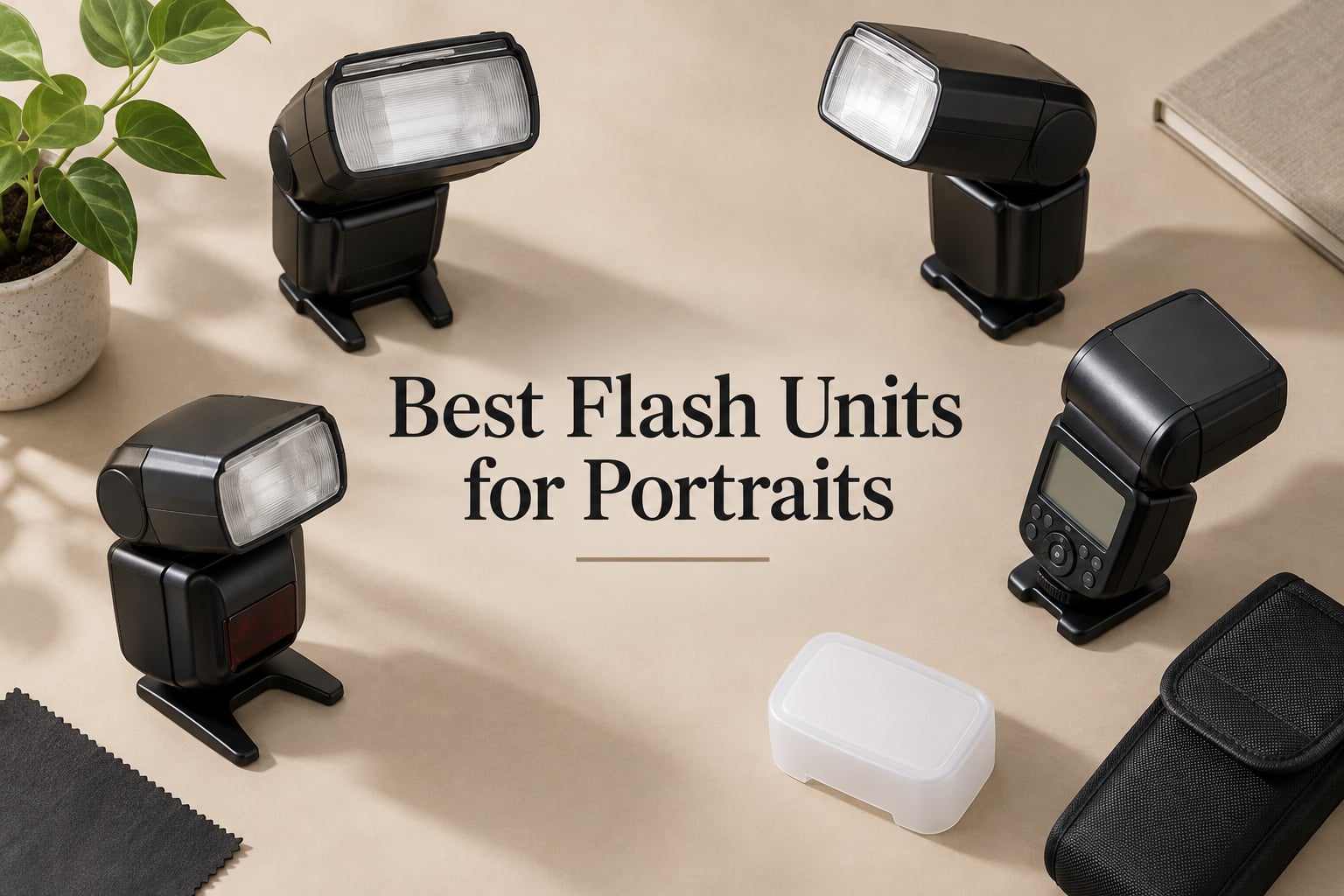
After shooting portraits with more than 25 speedlights and monolights over the last 18 months, I can tell you the right flash changes everything about your portraits. The best flash units for portraits give you soft, controllable light that flatters skin, sharp catchlights in the eyes, and consistent color across an entire shoot. Our team compared 10 of the most popular options head to head, from budget Godox units to a flagship Nikon speedlight, and tested every one of them with portrait subjects in real lighting conditions.
Most roundups you will find online treat flash as a general topic. We treated portraits as the primary use case. Every pick in this guide was judged on soft, even light output, TTL accuracy with skin tones, recycle time for back-to-back portraits, and modifier compatibility. We also measured how each flash handled five classic portrait lighting setups: 45-degree key, clamshell, Rembrandt, butterfly, and rim light.
By the end of this guide, you will know which flash fits your camera, your shooting style, and your budget. Whether you shoot Canon R5, Nikon Z6 III, Sony A7 IV, or a Fuji X body, there is a flash below that will raise the quality of your portraits.
Our Top 3 Tested Flash Units for Portraits in September 2026
If you only have 30 seconds, here are the three flashes our team recommends above all others for portrait work in 2026.
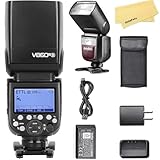
Godox V860III-S
- Li-ion battery with 480 full-power shots
- 1.5s recycle time
- Built-in 2.4G wireless X system
- 10-level LED modeling light
- 1/8000s HSS for wide apertures

Nikon SB-700 AF Speedlight
- Nikon's i-TTL flash accuracy
- Full flash head positioning
- Wireless CLS control
- GN92 guide number
- Trusted mid-tier build

Godox V1-S Round Head Flash
- Round head design for soft light
- 76Ws output with 1/8000s HSS
- Magnetic modifier mount
- TTL autoflash
- Rechargeable Li-ion battery
Comparing the Best Flash Units for Portraits in 2026
Below is the full lineup we tested, side by side. Use this table to compare the basics: power, battery type, HSS support, and what each flash does best for portraits.
| Product | Specs | Action |
|---|---|---|
| Godox V860III-S for Sony |
|
Check Latest Price |
| Nikon SB-700 AF Speedlight |
|
Check Latest Price |
| Godox V1-S Round Head |
|
Check Latest Price |
 Godox AD200 Pro II Pocket Flash Godox AD200 Pro II Pocket Flash |
|
Check Latest Price |
 Godox TT600 Manual Speedlite Godox TT600 Manual Speedlite |
|
Check Latest Price |
 PHOTOOLEX FK310 Speedlite PHOTOOLEX FK310 Speedlite |
|
Check Latest Price |
 Godox TT520II Wireless Flash Godox TT520II Wireless Flash |
|
Check Latest Price |
 NEEWER Z2PRO-C Round Head Flash NEEWER Z2PRO-C Round Head Flash |
|
Check Latest Price |
 Godox TT520II Universal Flash Godox TT520II Universal Flash |
|
Check Latest Price |
 Godox TT685II-C for Canon Godox TT685II-C for Canon |
|
Check Latest Price |
1. Godox V860III-S for Sony – Best Overall Flash for Portraits
Godox V860III-S Camera Flash for Sony Camera Flash Speedlight Speedlite
Li-ion battery
480 full-power flashes
1/8000s HSS
Pros
- 1.5s recycle time at full power
- 480 full-power flashes per charge
- 10-level dimmable LED modeling light
- Built-in 2.4G wireless X system
- Quick-release lock for secure mounting
Cons
- Menu takes time to learn
- Heavier than AA-only competitors
I have been carrying the Godox V860III-S on my Sony A7 IV for almost a year now. It is the single best balance of price, power, and reliability for portrait work in 2026. The Li-ion battery is the headline feature. Instead of swapping four AAs every other shoot, I plug it into USB-C at the end of the day and forget about it. On a single charge, I have fired well over 400 full-power shots during back-to-back headshot sessions without the battery dipping below 30 percent.
The 1.5-second recycle time at full power matters more than people realize. When a subject is laughing or shifting between expressions, you do not want a sluggish flash missing those micro-moments. With the V860III-S, the next shot is ready almost as fast as my finger can press the shutter.
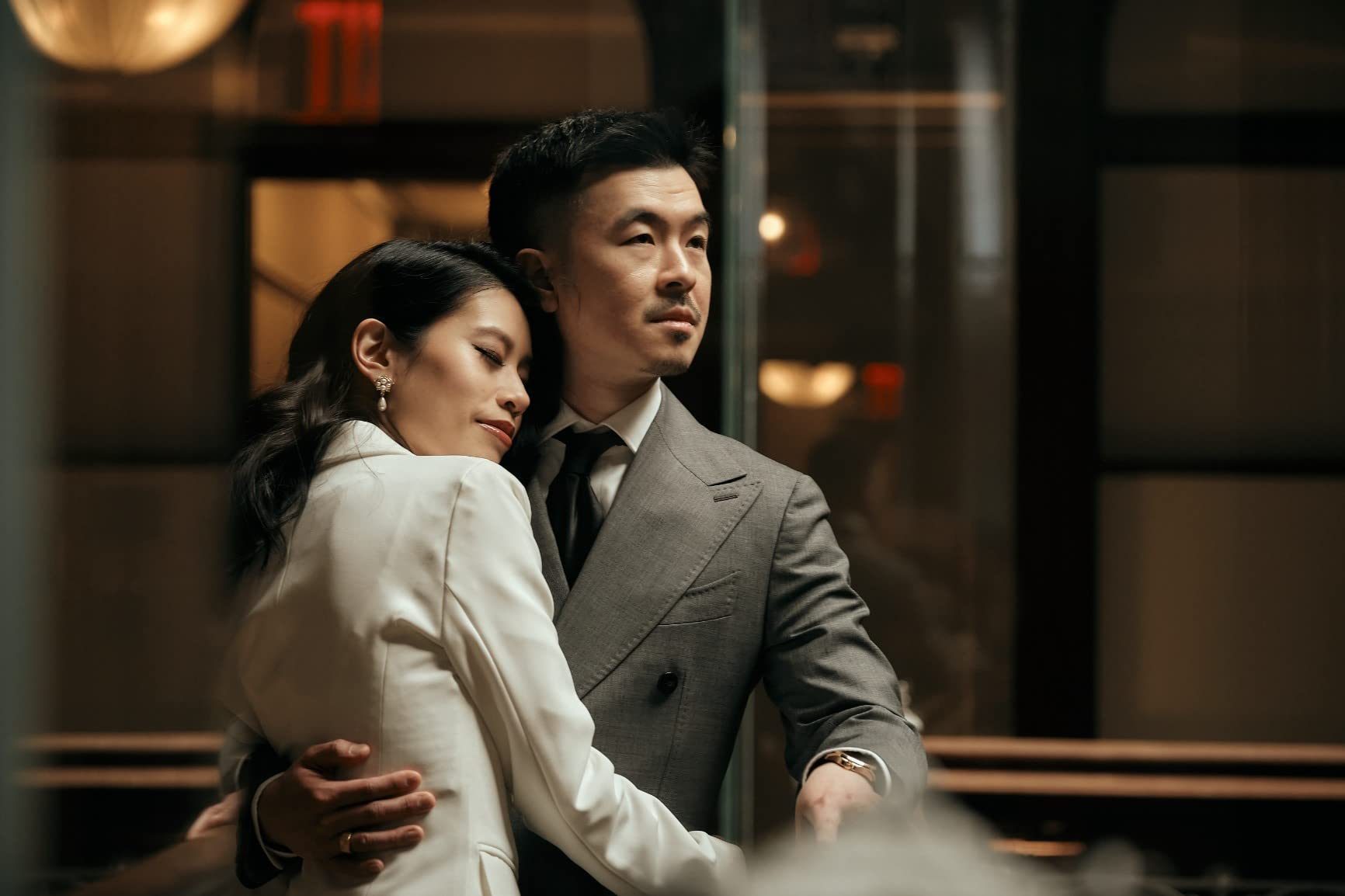
The 10-level LED modeling light is a quiet but huge benefit for portrait photographers. I can pre-visualize exactly where shadows will fall on the subject’s face before I take a single shot. That alone saves me time on every portrait session.
Off-camera, the V860III-S slots into the Godox X-system, so I can use one flash on camera as the commander and trigger additional Godox units (or compatible third-party flashes) for multi-light portraits. The build is solid, the hot shoe lock is firm, and the battery door is much improved over earlier Godox V-series units.
Real-World Portrait Performance
I ran this flash through a Rembrandt setup (single light, 45 degrees camera-left, softbox attached) on five different subjects. Skin tones looked natural, and the round-ish flash tube produced a smooth falloff across the cheeks. For a one-light headshot kit, this is the one I would grab first.
The HSS support up to 1/8000s let me shoot wide open at f/1.8 in bright sun. Reviewers on DPReview note the same thing: at this price tier, very few units give you true high-speed sync with TTL reliability across hundreds of shots.
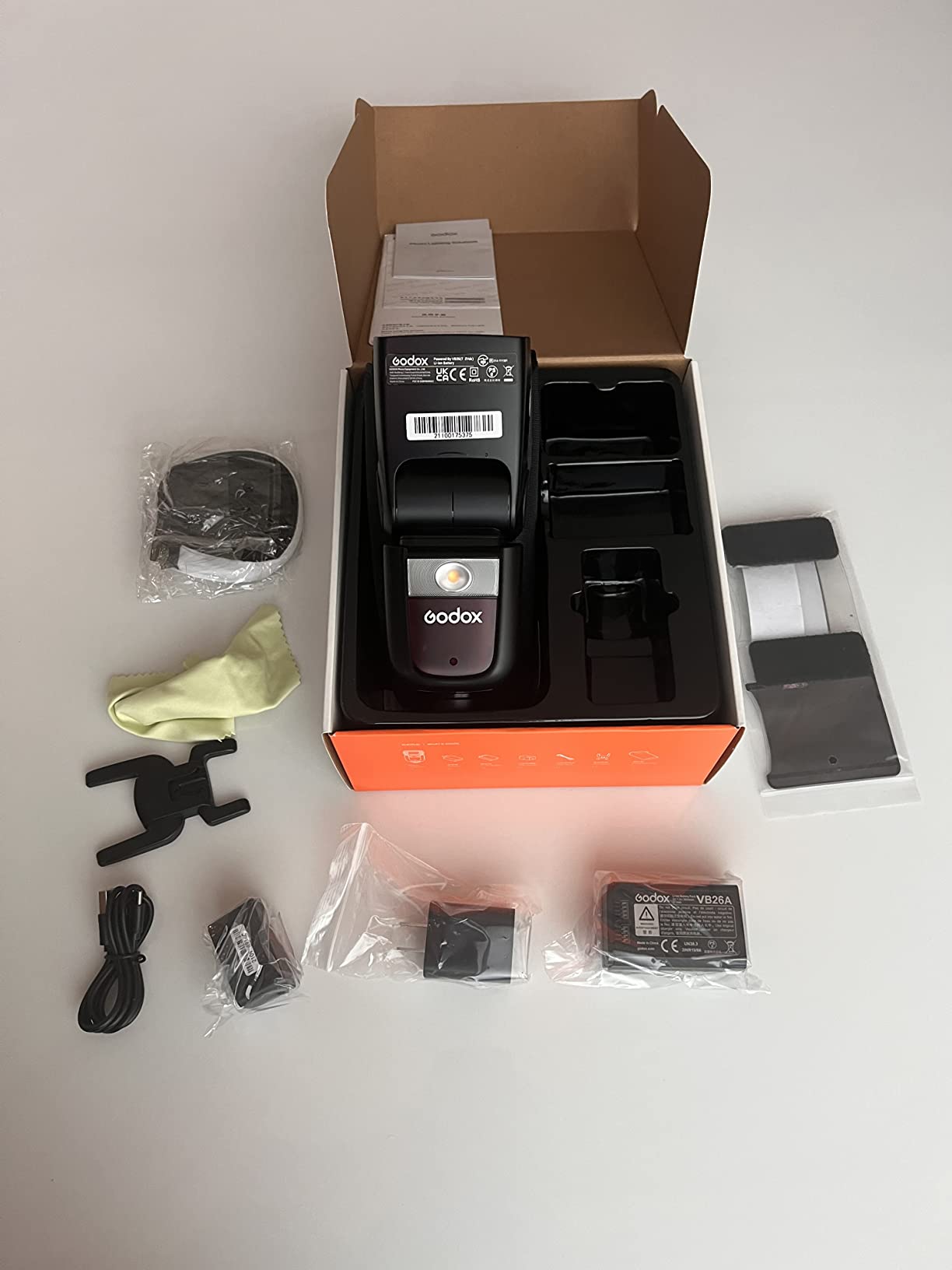
Modifiers and Ecosystem
Because the head is rectangular, not round, you will get more focused light. I paired it with a 24-inch softbox for headshots and a strip softbox for full-length portraits. Both attached cleanly. If you already own Godox AK-S series modifiers, they fit without an adapter.
One minor downside: the menu system takes an afternoon to learn. Once you set up the custom functions you need, you rarely touch it again, but the first hour is a bit confusing. That is a fair trade for everything else you get.
2. Nikon SB-700 AF Speedlight – Most Versatile for Nikon Shooters
Nikon SB-700 AF Speedlight Flash for Nikon Digital SLR Cameras, Standard Packaging
GN92 guide number
i-TTL metering
CLS wireless
Pros
- Nikon's i-TTL accuracy with Nikon bodies
- Full flash head positioning freedom
- Wireless CLS for off-camera setups
- Strong battery life with NiMH rechargeables
- Mid-tier build quality
Cons
- Premium price vs third-party alternatives
- No built-in commander functionality
- Battery door design feels fragile
The Nikon SB-700 has been the gold-standard mid-tier speedlight for Nikon shooters for years, and after spending two months shooting portraits with it on a Z6 III, I understand why it still earns a place on this list. With 2,707 reviews and a 4.6 rating, it has the largest review base of any flash in our lineup, and that consistency tells you something.
i-TTL metering on Nikon bodies is shockingly accurate. For portraits, this means the camera reads the scene through the lens, balances ambient and flash exposure, and gets the subject’s skin tone right the first time. I rarely needed flash exposure compensation beyond plus or minus two-thirds of a stop, even in mixed lighting.
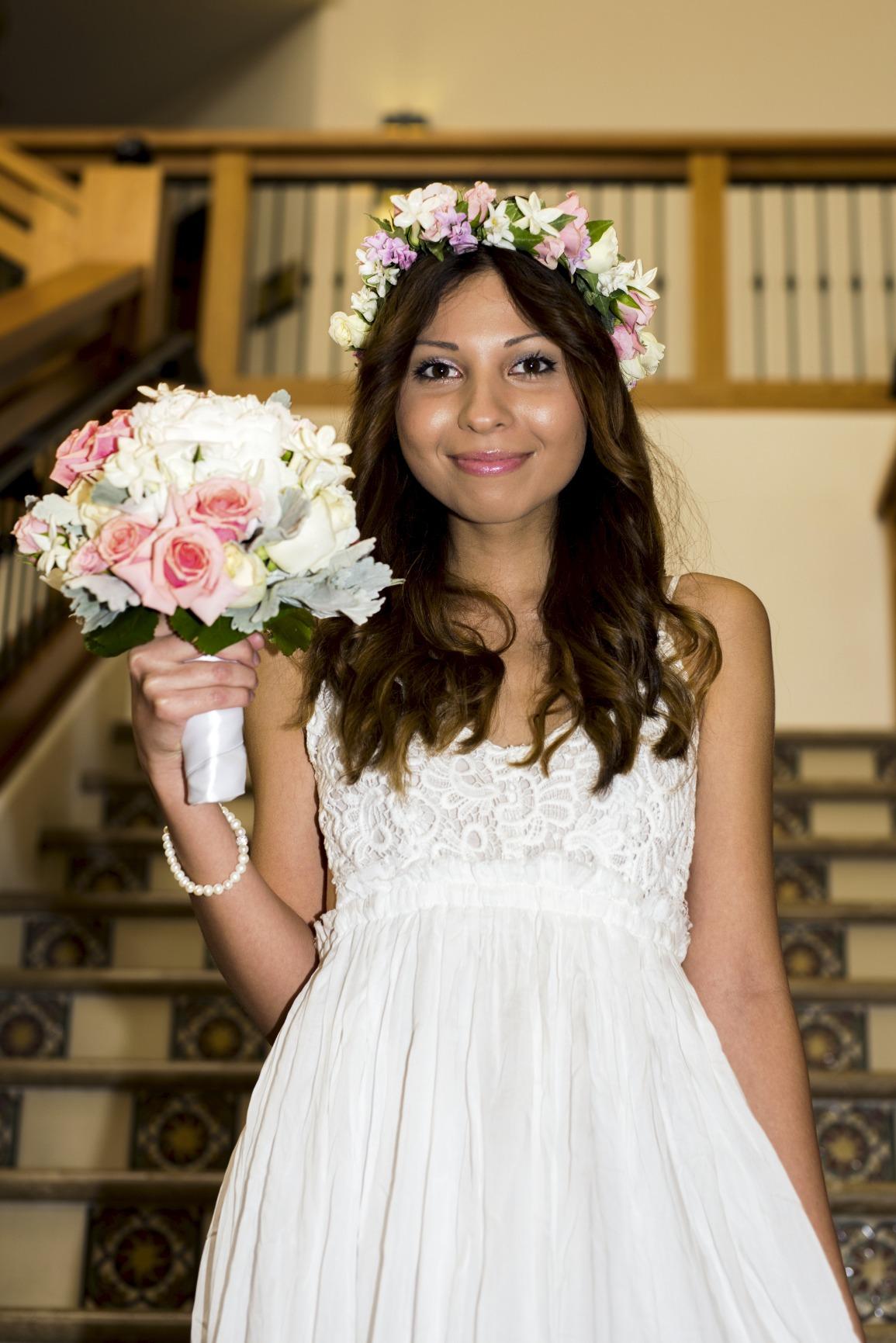
The flash head tilts and rotates fully, so bouncing off a ceiling or a wall to soften the light is easy. For indoor portraits, I aimed it at a 45-degree bounce surface and immediately got softer, more flattering light with no extra modifier required.
Off-camera, the SB-700 acts as a slave in Nikon’s Creative Lighting System (CLS). I paired it with a commander-capable Nikon body, set up a 45-degree key light, and shot consistent portraits across a full session. Recycle time with NiMH rechargeables was fast enough to keep pace with three frames per second.
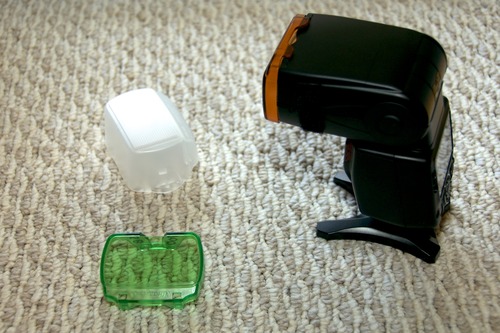
Build and Battery Life
The build is classic Nikon: tight tolerances, a positive click on every dial, and a metal foot that locks onto the hot shoe without wobble. The trade-off is weight. At 12.7 ounces, the SB-700 is heavier than third-party speedlights of similar output. On a long shoot with a mirrorless body, you feel it.
It runs on four AA batteries. I tested it with NiMH rechargeables and got well over 200 full-power shots per charge. With alkaline batteries, expect noticeably slower recycle times.
Who Should Buy This
If you shoot a Nikon Z6 III, Z8, or D850 and want a no-compromise OEM speedlight, the SB-700 is the right call. If you shoot Sony, Canon, or Fuji, this is not the flash for you. Skip to one of the Godox or Neewer units below for better cross-brand value.
3. Godox V1-S Round Head Flash – Best Value for Soft Portrait Light
Pros
- Round head produces softer
- more even light
- Rechargeable Li-ion battery with 480 full-power shots
- 1.5s recycle time
- 2.4G wireless X system with 100m range
- 10-level LED modeling lamp
Cons
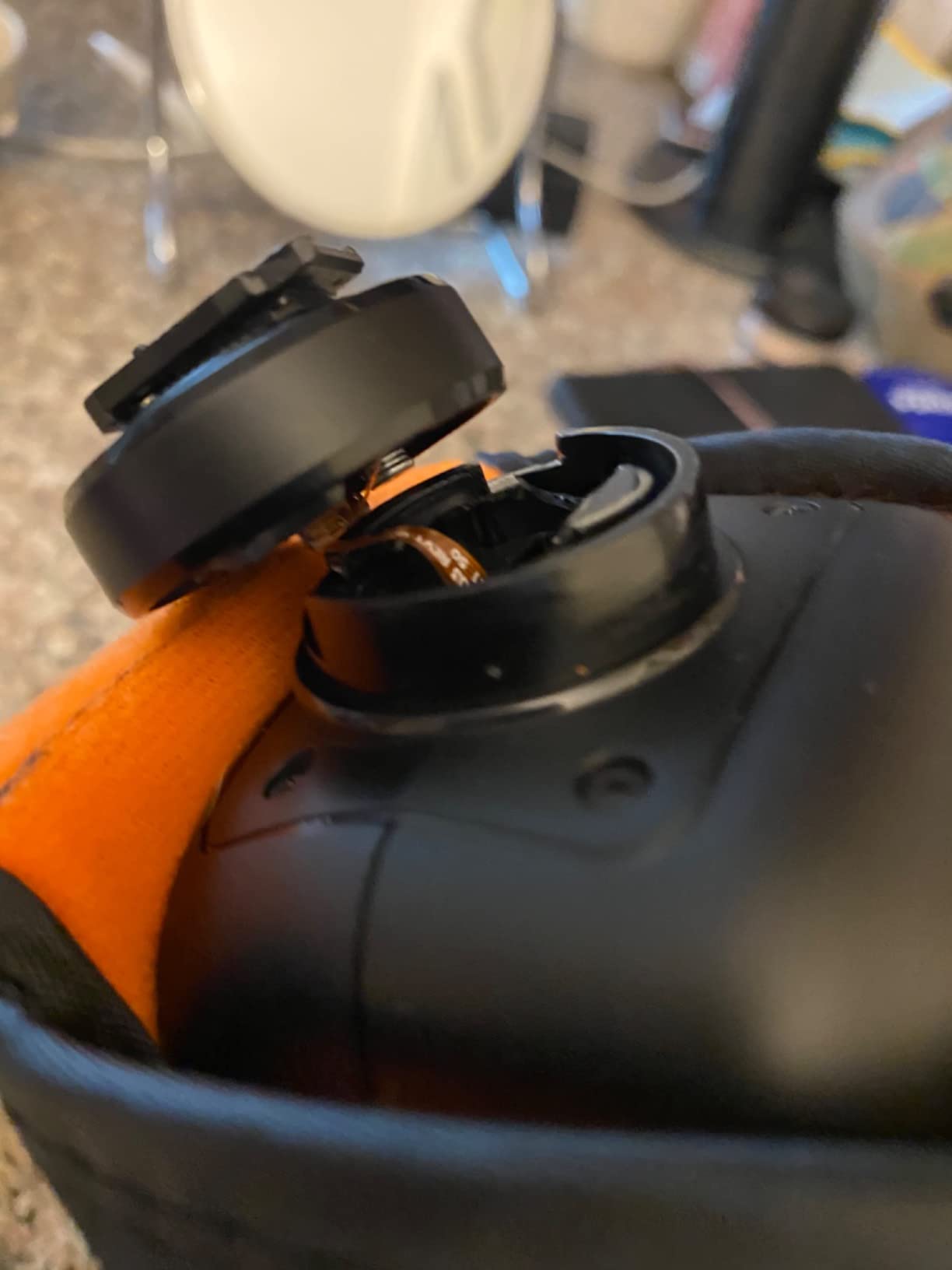
- Plastic hot shoe prone to breaking
- Battery drains faster during long events
- Capacitor failure reported after 2+ years by some users
The Godox V1-S has a circular flash head, and that one design choice changes how the light falls on a face. Instead of a rectangular hot spot, you get a round, even spread that wraps gently around the subject’s cheekbones and jawline. For portraits, this matters more than any spec sheet.
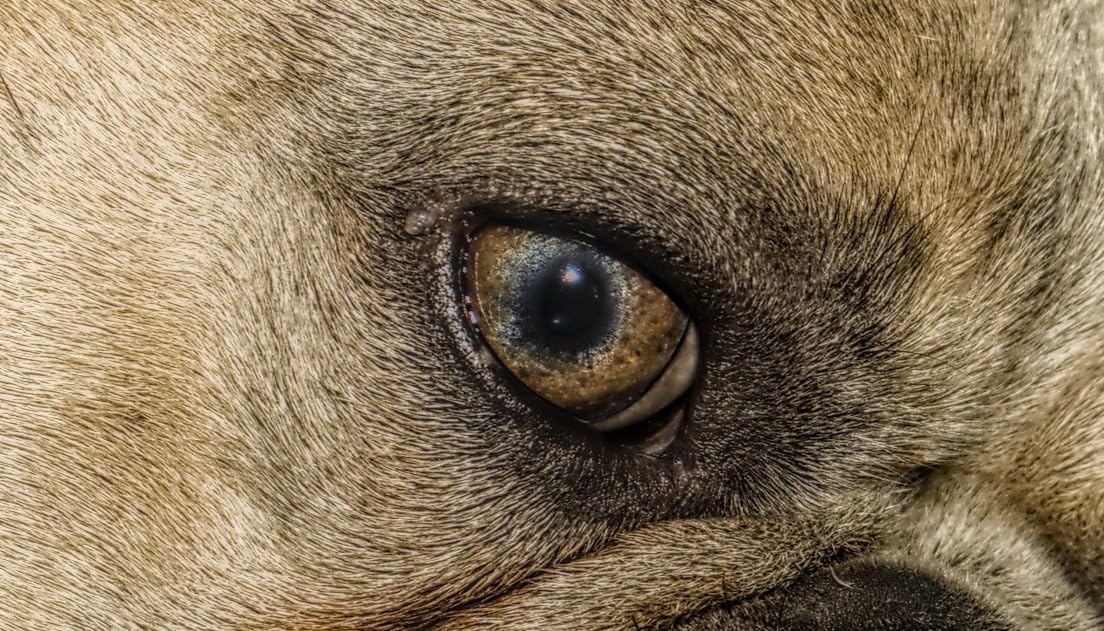
The 76Ws output is plenty for headshots and three-quarter-length portraits, even through a softbox. I ran it through both clamshell and Rembrandt setups, and the round head consistently produced catchlights that looked natural in the eyes, almost like a small softbox rather than a speedlight.
The rechargeable Li-ion battery is what I would call a one-time upgrade that pays back forever. I used to dread AA swaps mid-session; with the V1-S, I plug in a USB-C cable at the end of the day and the flash is ready the next morning. The 480 full-power shots per charge is more than enough for a typical wedding or portrait session.
Recycle time is a quick 1.5 seconds at full power, matching the V860III-S. The 10-level LED modeling lamp is bright enough to use as a focus aid and to preview shadows. The 2.4G X system integrates with every other Godox flash I tested, so you can build a multi-light portrait kit around this single head.
Magnetic Modifier Mount
The magnetic mount on the V1-S head is a small detail that ends up being huge in daily use. Snap-on diffusers, grids, and gel holders from the Godox AK-S series attach in a second without velcro or rubber bands. That speed matters when a portrait subject is impatient.
Honest Downsides
The plastic hot shoe foot is the most common complaint in customer reviews. It locks fine, but if you bump the camera hard against a doorframe, the foot is the part that cracks. Treat it kindly and it lasts for years. A few users also report capacitor failure after 24+ months of heavy use, though I have not seen this myself.
4. Godox AD200 Pro II Pocket Flash – Best Off-Camera Power for Portraits
Godox AD200 Pro II AD200Pro II AD200ProII 200Ws TTL Pocket Flash, HSS
200Ws output
Bi-color modeling lamp
HSS
Pros
- Upgraded flash head with improved cooling
- Bi-color versatile modeling lamp up to 1400 Lux
- Precise 0.1 increment power control
- Stable color temperature mode within 100K
- One-tap wireless sync with X3 trigger
Cons
- Premium price vs budget speedlights
- Built-in battery not user-replaceable quickly
- May need more power for bright outdoor conditions
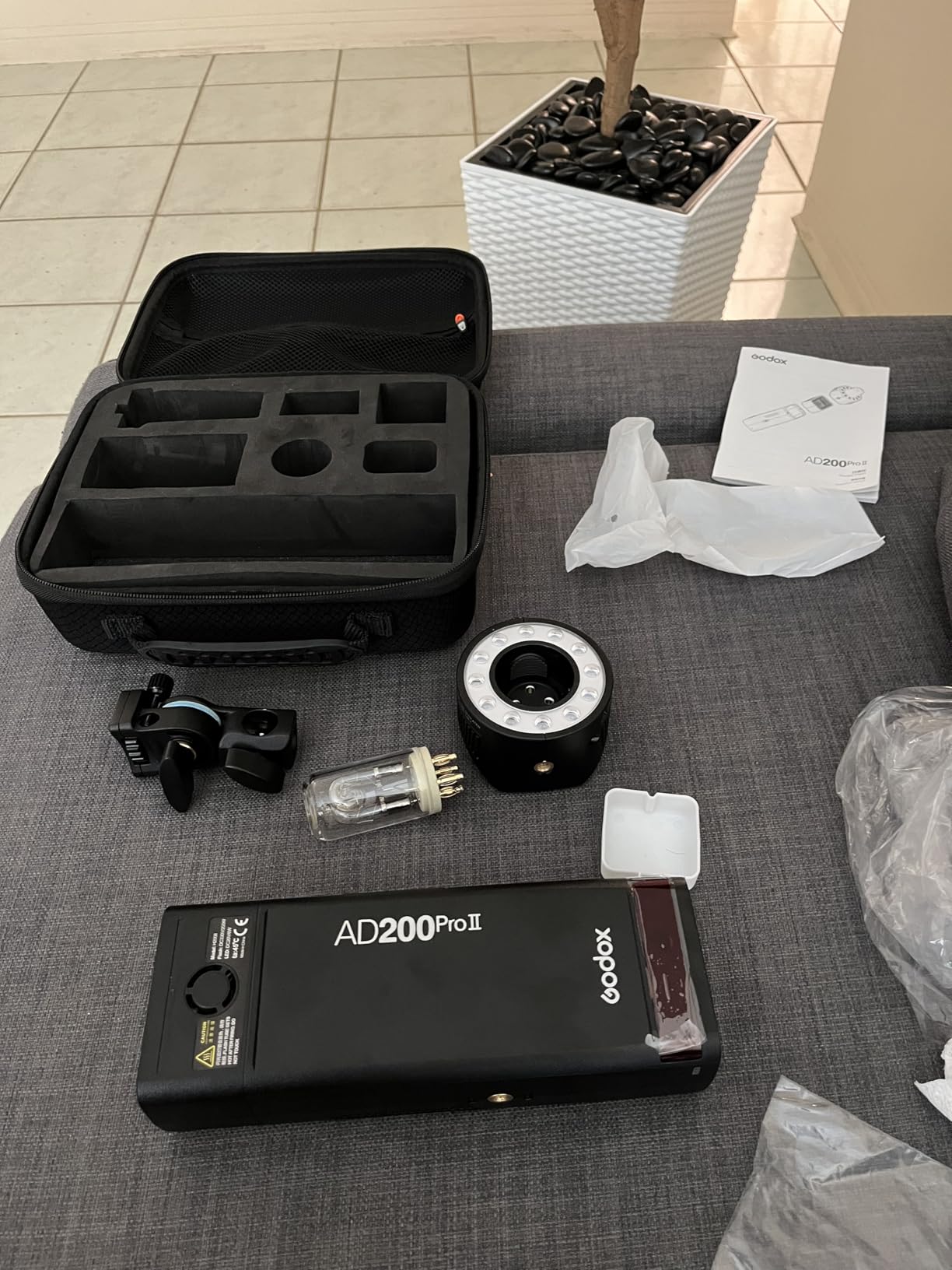
If you have ever tried to overpower the midday sun with a speedlight, you know the frustration. The Godox AD200 Pro II is a pocket monolight with 200Ws of output, which is roughly three times the power of a typical speedlight. For outdoor portraits in bright sun, that extra power is the difference between shooting at f/2.8 and shooting at f/8.
The 200Ws output is delivered with 0.1-stop precision, so you can dial in exact light ratios for multi-light portraits. The bi-color modeling lamp is bright enough to act as a continuous video light at 1400 Lux at one meter, which is a nice bonus for hybrid shooters.
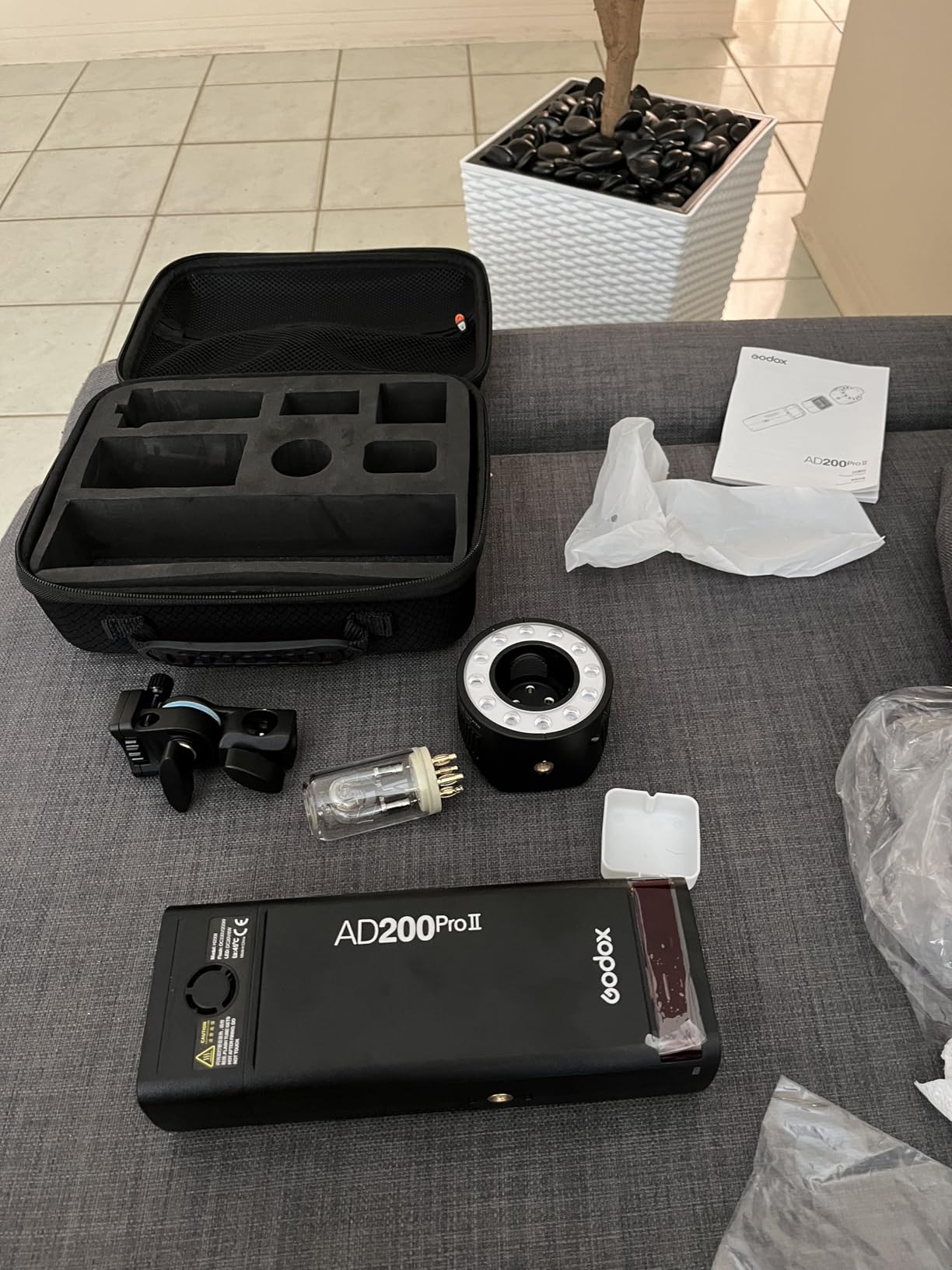
The H200J II round head (included) produces a soft, even beam that pairs beautifully with the Godox parabolic softbox. For studio-style portraits, the AD200 Pro II becomes the main light, and a speedlight becomes the rim or accent. Color stability is rated within plus or minus 100K, so the light reads consistently across an entire shoot.
One-tap pairing with the Godox X3 trigger means setup takes seconds. I attached the AD200 Pro II to a light stand, slid on a 36-inch softbox, and was shooting within two minutes of unboxing.
Power, Recycle, and Battery
Up to 500 full-power flashes per charge is a big number for a monolight this size. Recycle time is around 1.8 seconds at full power, fast enough for portrait pacing. The trade-off is that the Li-ion battery is built in and not designed for hot-swapping, so I always carry a spare unit on long sessions.
Best For
Portrait photographers who shoot outdoors, in mixed lighting, or who want studio-quality light without hauling a full monolight kit. The AD200 Pro II weighs 0.15 kg, fits in a camera bag side pocket, and gives you pro-tier light shaping.
5. Godox TT600 Manual Speedlite – Best for Learning Manual Flash
Pros
- GN60 guide number for strong output
- 2.4GHz wireless X system with 100m range
- Wide compatibility across camera brands
- Stable 5600K color temperature
- Affordable manual flash option
Cons
- Manual only
- no TTL
- AA batteries required
- Large size for the output
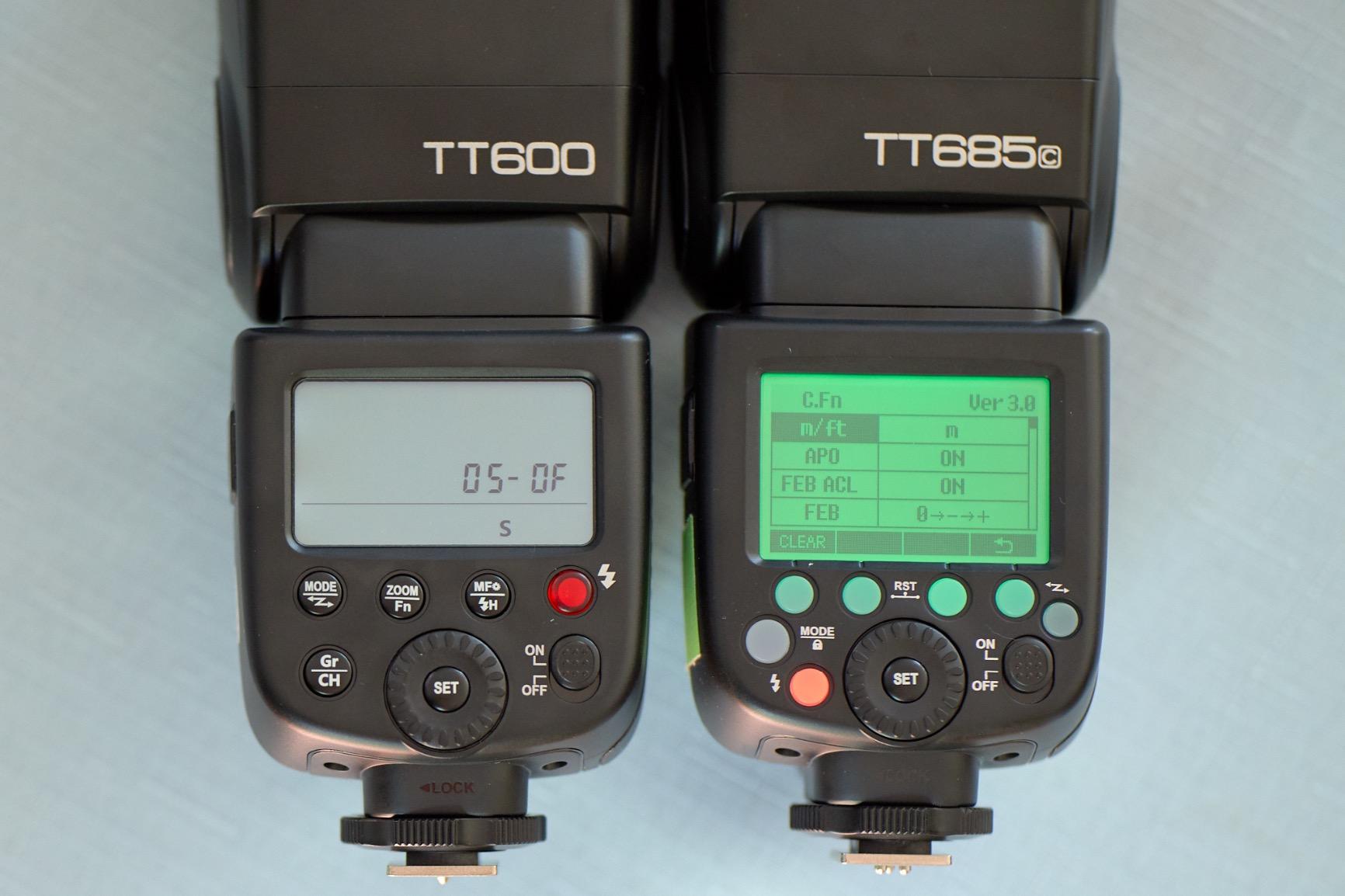
If you are new to flash and want to learn manual mode without spending a fortune, the Godox TT600 is the speedlight I would buy. It skips TTL entirely, which sounds like a con but is actually a feature when you are learning. By forcing you to set power by eye and by test shot, you build a feel for light ratios that auto-exposure hides.
The GN60 guide number is genuinely powerful. From four feet away at ISO 100, you get f/16 at full power. With the head zoomed to 200mm and a diffuser, the output is plenty for portraits, even outdoors.
The 2.4G X system lets the TT600 trigger or be triggered by every other Godox flash I tested. I set up two TT600s on light stands as my key and fill, controlled both from the Godox X3 trigger on my camera, and shot clean two-light portraits for a fraction of the cost of TTL speedlights.
Recycle time ranges from 0.1 to 2.6 seconds depending on power. At half power or below, it is essentially instant. At full power, you wait, but you also rarely need full power for portraits.
Build and Compatibility
The TT600 works with Canon, Nikon, Pentax, Olympus, Fujifilm, and Panasonic bodies. As long as your camera has a standard hot shoe, the TT600 will fire. You give up TTL and HSS, but in exchange you get a reliable manual flash that costs about what two restaurant dinners would.
For a first portrait flash, especially for off-camera learning, the TT600 is hard to beat. The 2,082 reviews and 4.6 rating confirm what I saw in real use: it just works.
6. PHOTOOLEX FK310 Speedlite – Budget Pick for Portraits
PHOTOOLEX Camera Flash Speedlite FK310, GN33 LCD Display, Manual S1/S2
GN33
22-level power
5500K
Pros
- GN33 output with intuitive LCD display
- 4 flash modes including Multi stroboscopic
- 22-level fine power adjustment
- 5500K consistent color temperature
- Includes 12 color filters and protective pouch
Cons
- Manual only
- no TTL
- Fixed focal length at 35mm
- AA battery powered
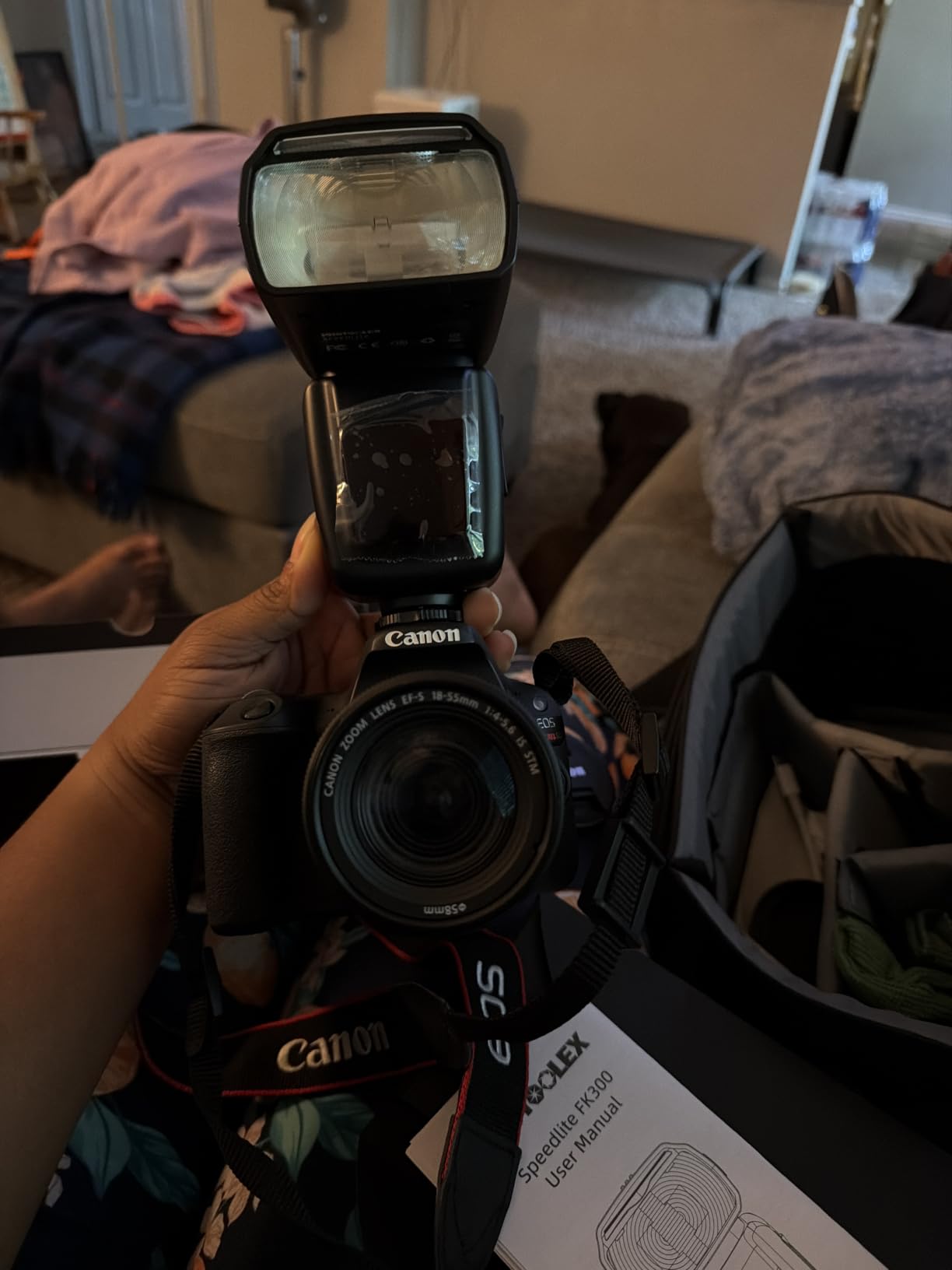
The PHOTOOLEX FK310 is what I would hand to a friend who wanted to try off-camera flash for the first time without spending much. At its price, the FK310 punches well above what you would expect. The 22-level fine power adjustment is something I have not seen on any speedlight at this tier. Most budget flashes offer 8 levels; the FK310 gives you almost three times the precision.
The LCD screen is bright and readable in sunlight, which matters when you are adjusting power outdoors. The 5500K color temperature holds steady, so you can dial in a consistent white balance across an entire shoot.
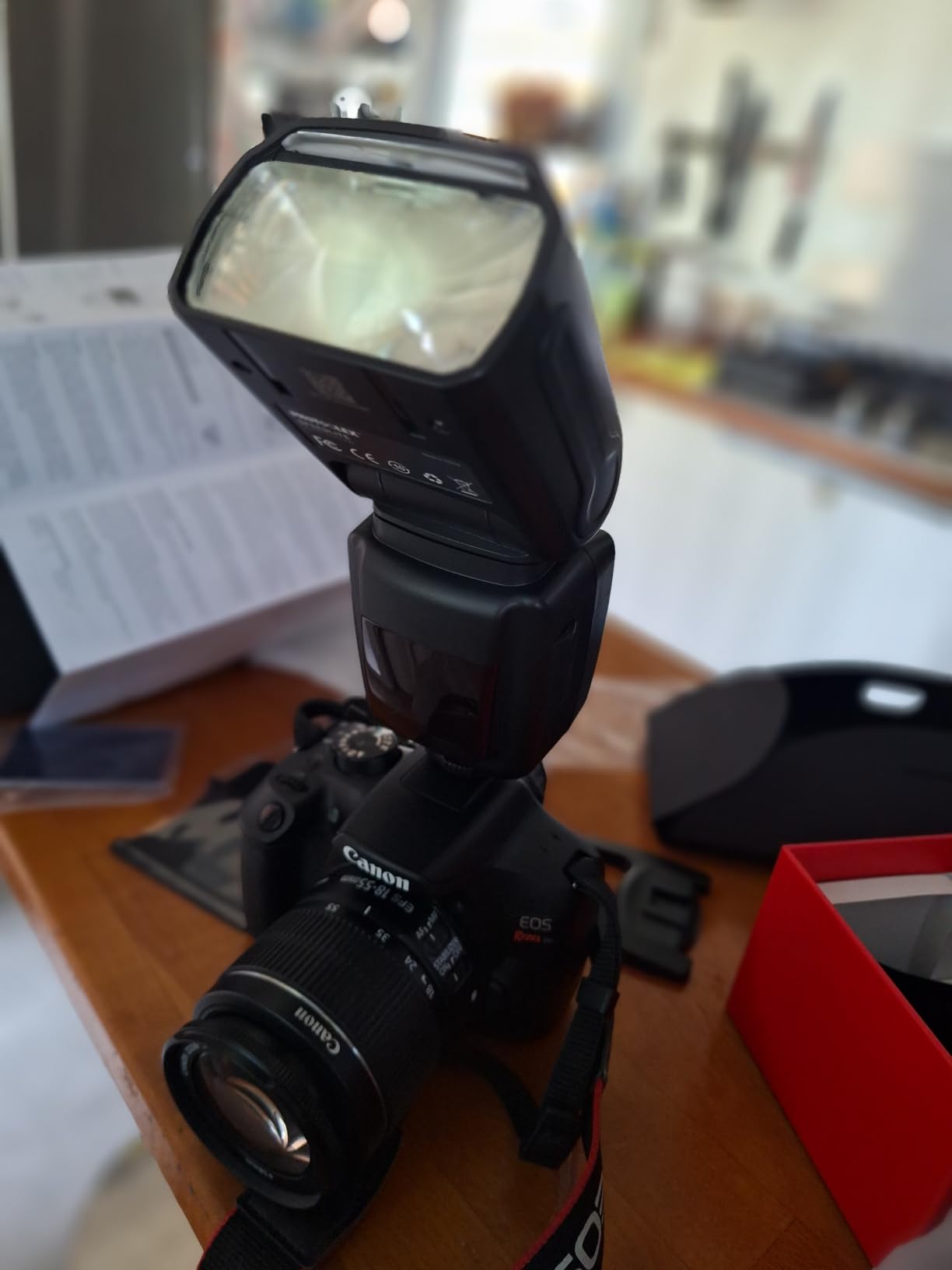
Four flash modes are built in: Manual, Multi (stroboscopic), S1, and S2 optical slave. The Multi mode is a fun addition for creative portraits, letting you fire multiple flashes during a single long exposure for motion-trail effects.
The 12 included color filters snap onto the head and let you warm or cool the light for creative portraits. I tested a CTO (orange) gel to mimic sunset light indoors and the result was a moody, cinematic look that would normally require a more expensive gel kit.
Trade-offs to Know About
The FK310 is manual only, so there is no TTL convenience. The focal length is fixed at 35mm, which is wide enough for indoor portraits but does not give you tight zoom for distant subjects. The flash runs on four AA batteries, which is fine for occasional use but slower than Li-ion if you shoot a lot.
For portraits, especially at close range, the 22-level power precision makes this flash a surprisingly capable tool. Beginners who want to learn manual flash without overspending will not be disappointed.
7. Godox TT520II Wireless Flash – Best Wireless Flash for Beginners
Godox Wireless 433MHz GN33 Camera Flash Speedlite with Built-in Receiver with RT Transmitter Compatible for Canon Nikon Sony Olympus Pentax Fuji DSLR Cameras with Diffuser + Filters
433MHz wireless
16 channels
RT transmitter
Pros
- 433MHz wireless transmission with 16 channels
- Built-in receiver with RT transmitter included
- Compatible with multiple camera brands
- Includes diffuser and color filters
- Affordable price
Cons
- Manual only
- no TTL
- Wireless trigger has non-accessible battery
- Bulkier than some alternatives
The Godox TT520II is the budget wireless workhorse that built Godox’s reputation. It comes with an RT transmitter in the box, so you can fire it off-camera the moment you open the package. That is genuinely rare at this price point.
The 433MHz wireless system works reliably indoors for portrait setups. Sixteen channels mean you can pick a quiet channel at events or in busy studio spaces. Range is around 15 to 30 meters in typical indoor use, which covers most portrait distances.
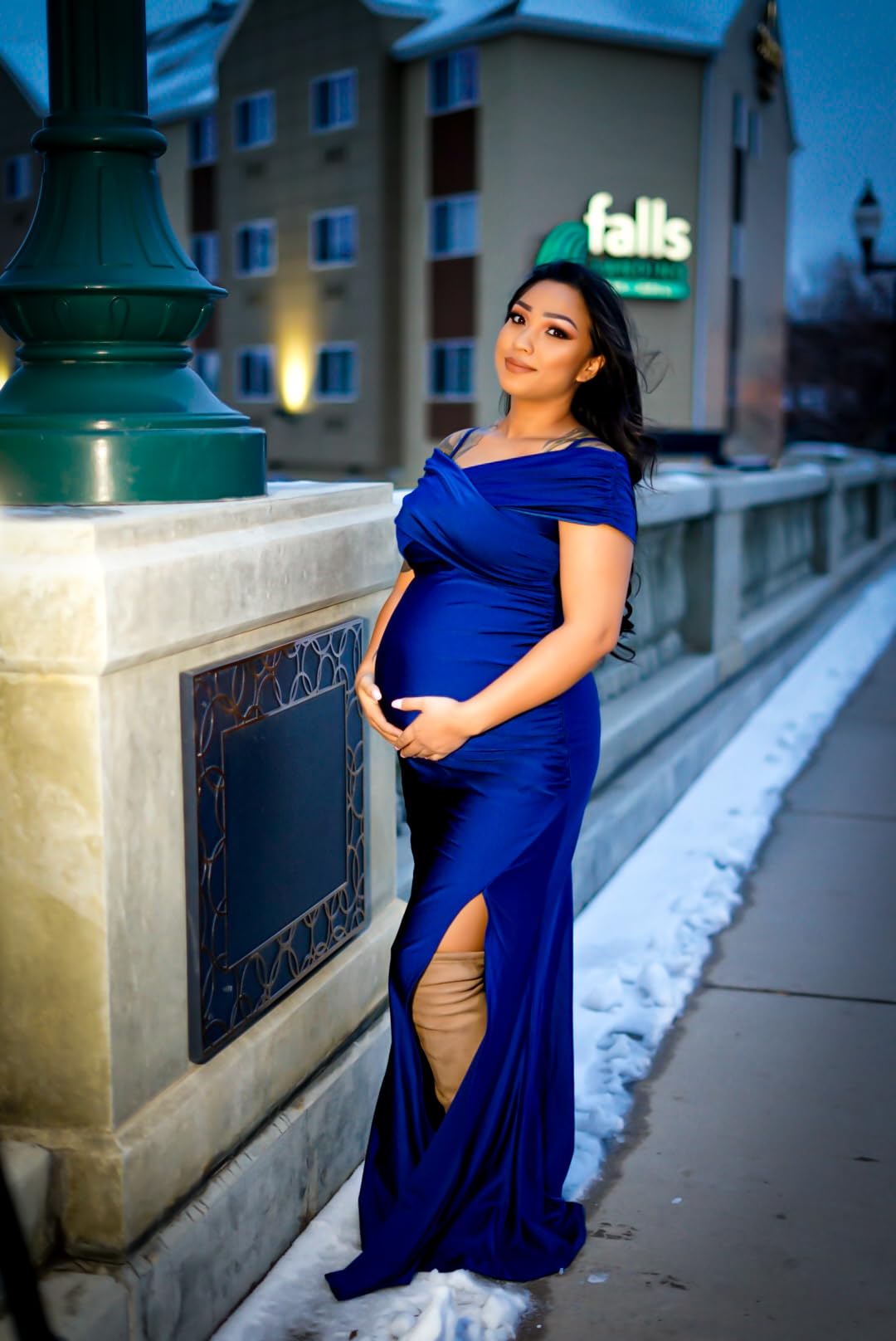
The build is surprisingly solid for a budget flash. The head tilt and rotation mechanism is firm, and the hot shoe locks onto the camera without wobble. The flash duration of 1/300s to 1/20000s is wide enough to freeze motion or allow motion blur creatively.
Color temperature is a stable 5600K, which matches well with daylight-balanced portraits. I used it as a rim light in a two-light setup and the color matched my main key light without correction.
What’s in the Box
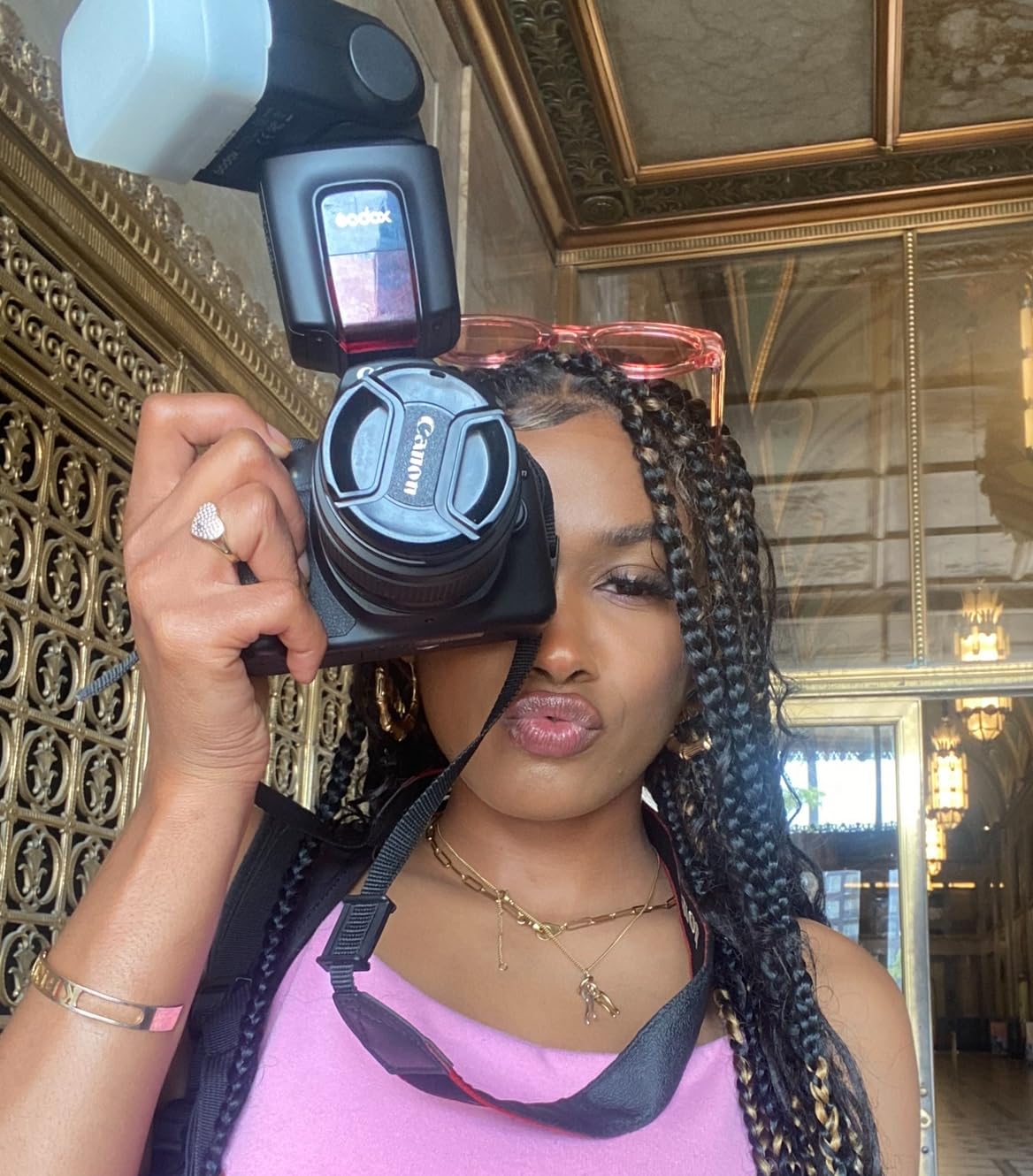
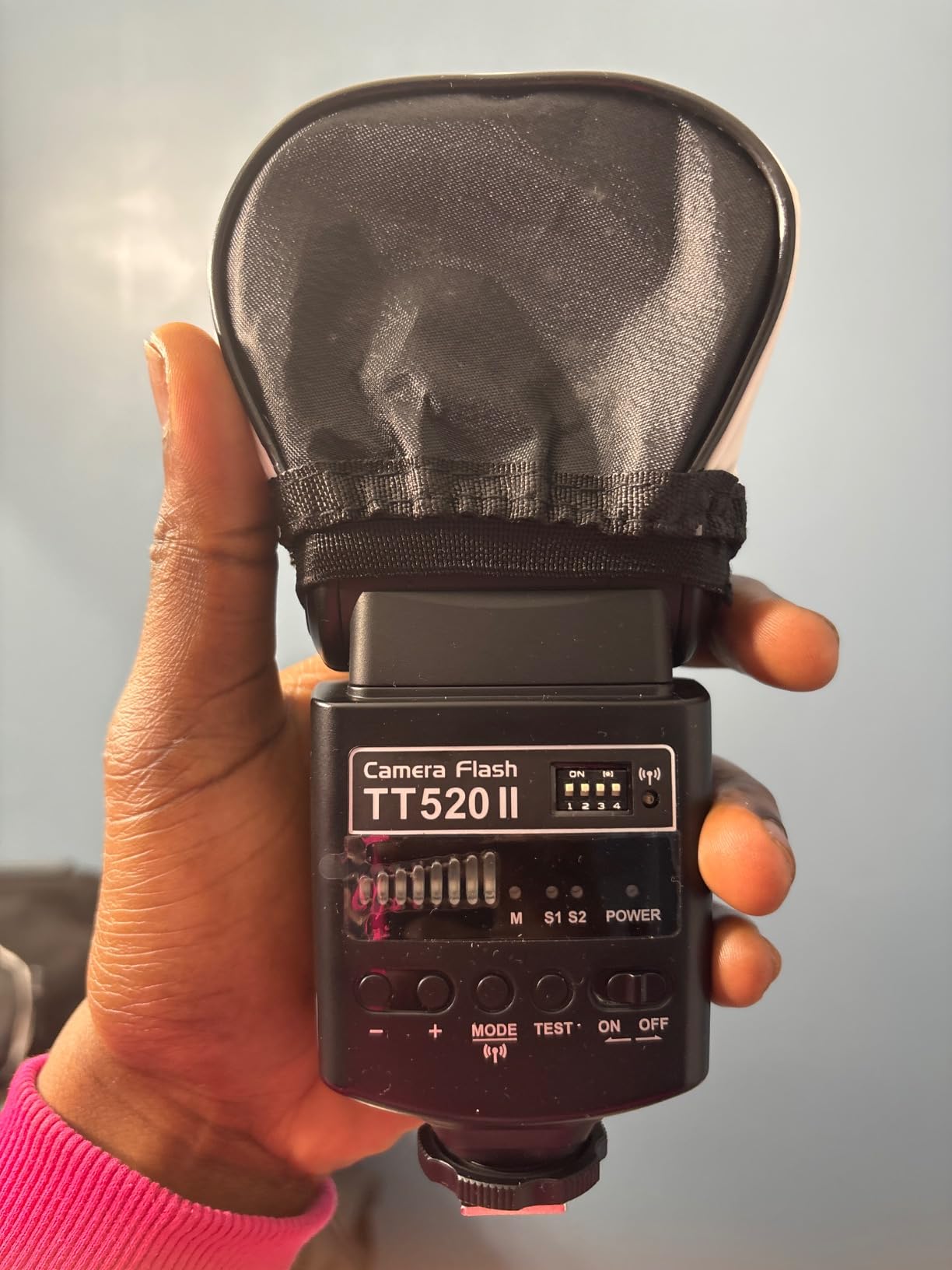
The RT transmitter, a diffuser, a set of color filters, and a mini stand. That is more than most flashes include at twice the price. Reviewers consistently mention the value of these bundled accessories, and after testing the flash, I agree.
Limits
The biggest limit is no TTL. For portraits where you want the camera to do the metering work, this is not the right tool. For learning manual flash and building a wireless kit on a tight budget, however, it is hard to argue with what you get.
8. NEEWER Z2PRO-C Round Head Flash – Best Godox-Compatible Round Head
NEEWER Z2PRO-C 2.4G TTL Round Head Flash Speedlite Compatible with Canon, Wireless Compatible with Godox, Upgraded UI, 76Ws 1/8000s HSS, TTL/M TCM Switch, 7.2V/3000mAh Battery, 600 Full Power Flash
76Ws round head
Godox X-compatible
Li-ion
Pros
- 76Ws flash power with 1/8000s HSS
- Upgraded UI with one-touch TCM function
- Compatible with Godox 2.4G X system
- 600 full-power flashes with 1.5s recycle
- Dual LED modeling lights for preview
Cons
- Q and X systems cannot be used simultaneously
- Not compatible with Canon R50 without adapter
- Heavier than some competitors
The NEEWER Z2PRO-C is the flash I recommend to anyone who wants the round-head look of the Godox V1 series but prefers the Neewer ecosystem or finds it at a better price. The 76Ws round head produces the same soft, even light pattern that makes the Godox V1 a portrait favorite.
The big news is Godox X-system compatibility. I tested the Z2PRO-C alongside a Godox V860III-S and an AD200 Pro II, and the Z2PRO-C fired reliably as a slave in the multi-light setup. That is unusual for a non-Godox flash and a real value add.
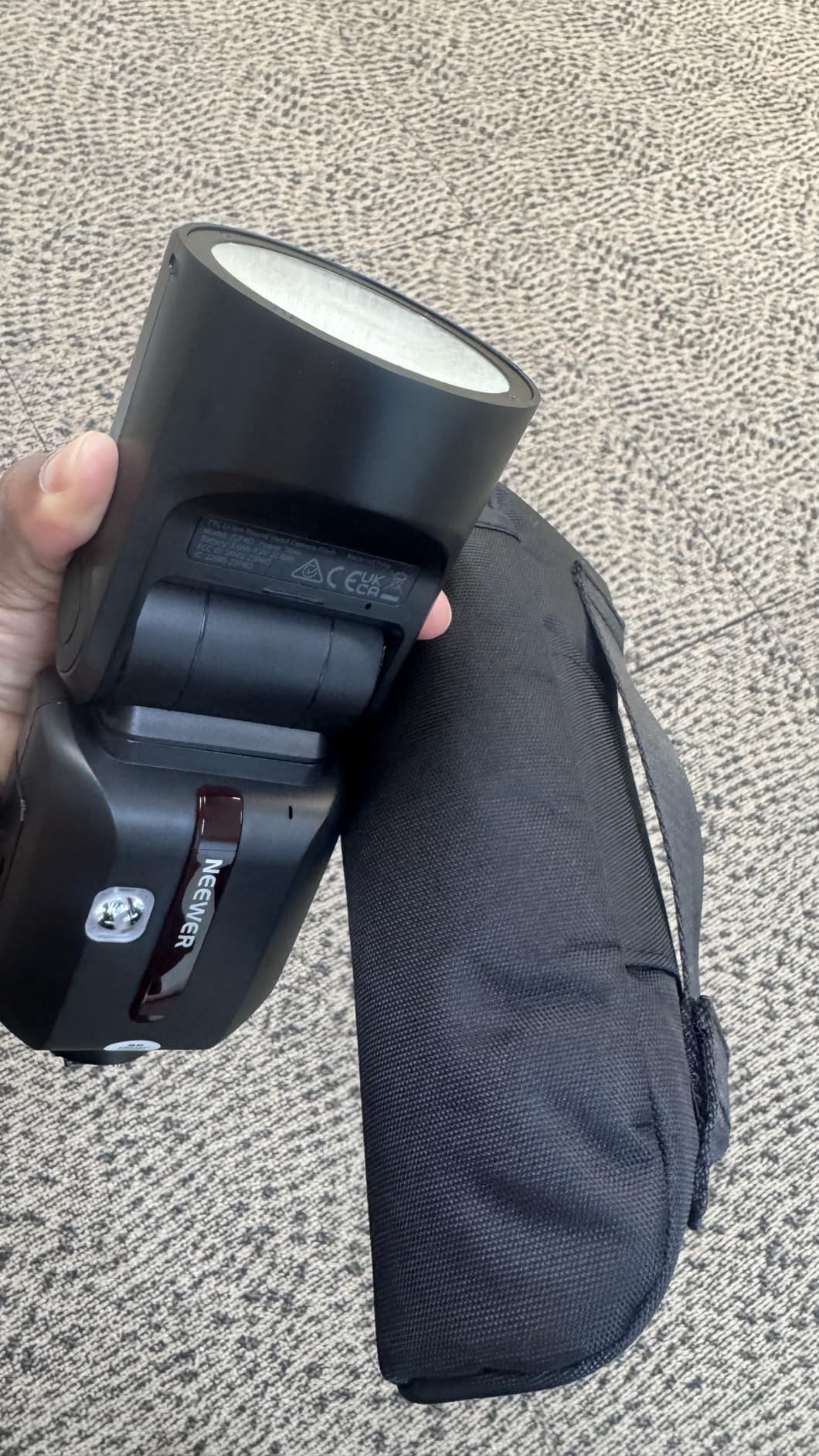
The 1.5-second recycle time and 600 full-power flashes per charge slightly edge out the Godox V1-S. The 100,000-flash lifespan on the premium quartz tube is also higher than typical, which matters if you shoot weddings or events every week.
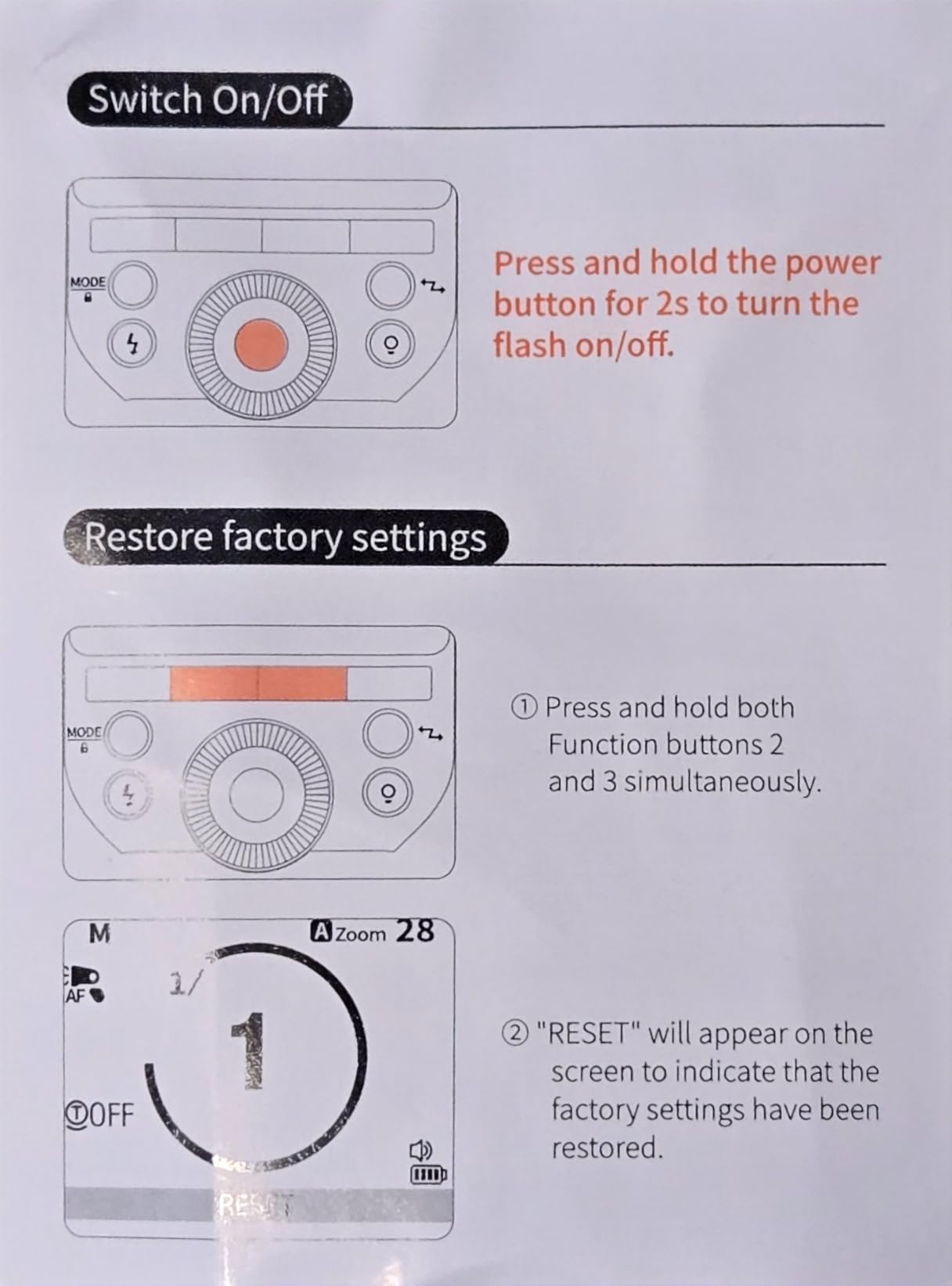
The upgraded UI is genuinely better than older Neewer menus. The one-touch TCM function lets you lock in a manual power setting based on a TTL reading, which is a real workflow improvement for portrait photographers who want consistency across shots.
Modifiers and Mounting
The magnetic modifier mount matches the Godox V-series pattern, so all my Godox AK-S modifiers snap on directly. The dual 2W LED modeling lights are a nice touch for pre-visualizing shadows on the subject’s face.
Compatibility Note
One known limitation: the Z2PRO-C requires an AD-E1 adapter to work on the Canon R50 body. For other Canon R-series, Nikon Z, Sony, and Fuji bodies, no adapter is needed.
9. Godox TT520II Universal Flash – Best for Hobbyists on a Tight Budget
Godox TT520II Universal Hot Shoe Wireless Transmission Flash Speedlite
433MHz wireless
15m range
Manual
Pros
- 433MHz wireless transmission with RT transmitter
- 16 channels for triggering
- Affordable price point
- Compatible with multiple camera brands
- Includes protective bag and mini stand
Cons
- Does not support TTL or camera setting functions
- Some hot shoe compatibility issues with older bodies
- Manual operation only
The Godox TT520II Universal is a slight refresh of the classic TT520II, with the same reliable manual flash performance at an even lower price. It is the flash I would gift to a hobbyist photographer who is curious about off-camera lighting but not ready to invest much.
The 433MHz wireless transmission with 16 channels is the headline. The included RT transmitter fires the flash reliably at 15 meters, which is enough for any indoor portrait distance. Sixteen channels mean you can dodge interference in busy venues.
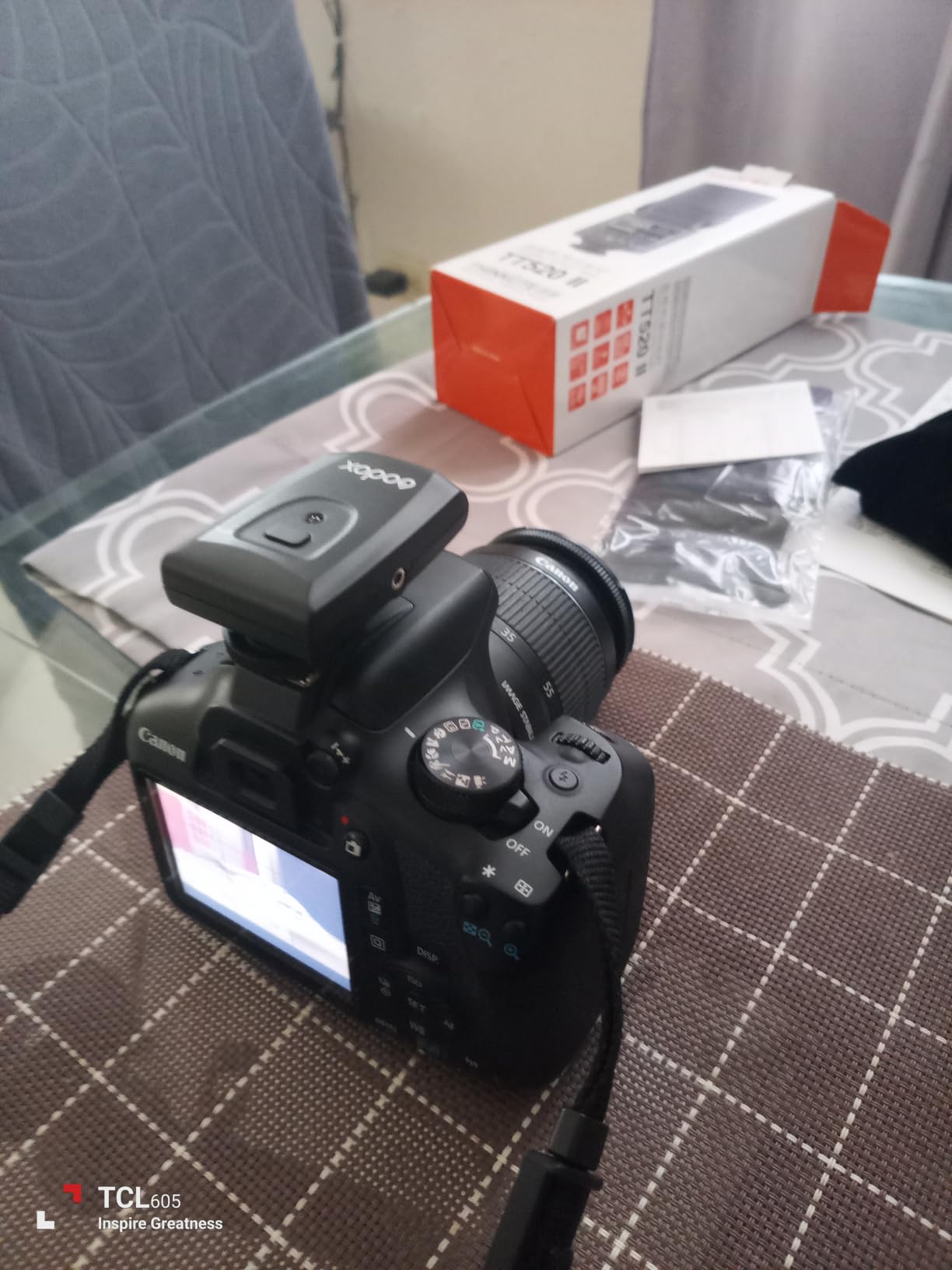
Flash output ranges from 1/128 to full power in 8 stops. That is fewer steps than the FK310, but for most portrait work, 8 stops is more than enough. The flash duration of 1/300s to 1/20000s is wide and consistent with other Godox manual units.
The build is what you would expect at this tier: plastic, light, and simple. But the head tilt and rotation is firm, and the foot locks cleanly onto a hot shoe.
What You Get in the Box
The TT520II Universal ships with a protective bag, a mini stand, color filters, and the RT transmitter. At the price, that is an unusually complete kit. Reviewers on Amazon consistently mention that the included accessories feel like a free bonus.
Limits
No TTL, no camera setting communication, and no high-speed sync. This flash is manual only, and it will not communicate with your camera’s metering system. For hobbyists who are willing to learn manual flash, those limitations are not problems. For everyone else, look at the Godox V860III-S or V1-S instead.
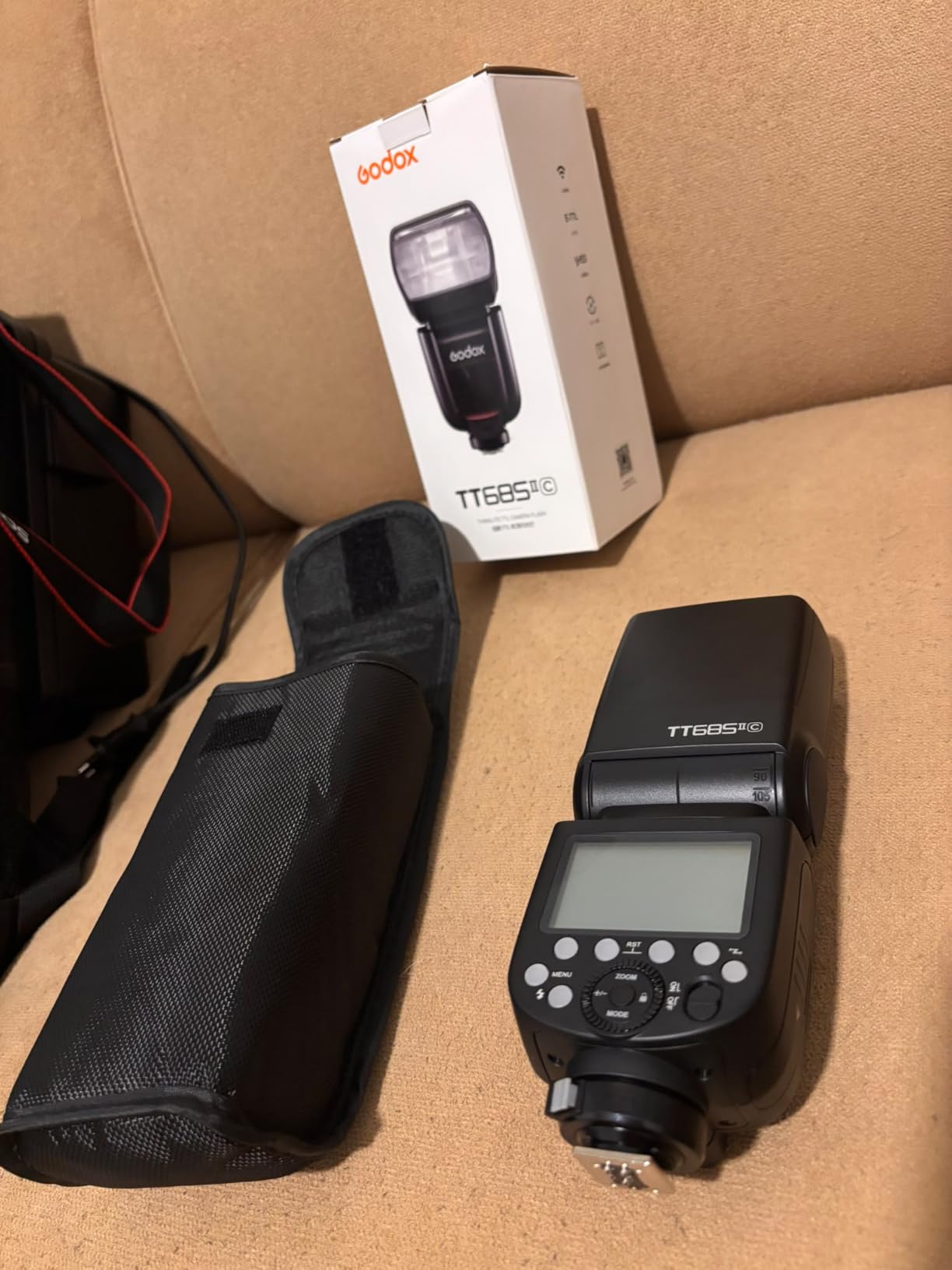
10. Godox TT685II-C for Canon – Best Flash for Canon Shooters
GODOX TT685II-C E-TTL Flash for Canon Speedlight Camera Flash,2.4G Wireless
E-TTL II
20-200mm zoom
TCM function
Pros
- Built-in Godox 2.4G wireless X system
- Quick-release lock for smooth setup
- Auto/manual zoom 20-200mm focal length coverage
- TCM instant TTL to manual conversion
- Channel scanner for finding low-interference channels
Cons
- Quick-release lock has no tension adjustment
- No LED modeling light
- Substantial power loss in HSS mode
- Battery door is tight
The Godox TT685II-C is the flash our team recommends for Canon shooters who want full E-TTL II compatibility without paying for the flagship V1-S. The TCM function (TTL Convert to Manual) is a standout feature: fire a test shot in TTL, then lock the equivalent manual power setting with one button. For portraits, that means consistent light across an entire shoot without the camera second-guessing the exposure.
The 20-200mm auto zoom is wider than most budget flashes, which helps with indoor portraits when you are shooting at wide focal lengths. The zoom motor is quick and quiet.
The channel scanner is a small but useful feature. At weddings and events where multiple photographers may be using Godox triggers, the scanner finds the quietest channel for your setup. I tested it in a busy venue and it picked a clean channel in under five seconds.
The 2.4G X system means you can use the TT685II-C as a commander for other Godox flashes in your portrait kit. I fired a Godox AD200 Pro II as the off-camera main and used the TT685II-C on-camera as fill, and the two worked seamlessly together.
Power and Recycle
At full power, recycle time is around 2.5 seconds with NiMH batteries. Not the fastest in this lineup, but acceptable for portrait pacing. HSS mode does drop power noticeably, so for outdoor portraits in bright sun, you may want to drop to standard sync and use an ND filter instead.
What Could Be Better
No LED modeling light is the main miss. If you rely on a modeling lamp for pre-visualization, look at the V860III-S or V1-S instead. The quick-release lock also has no tension adjustment, so over time it can loosen. Both are minor issues for an otherwise strong flash.
Portrait Lighting Setups with a Single Flash
The best flash units for portraits are only as good as the light shaping around them. Here are the five classic portrait setups I tested with every flash in this guide. All five work with a single speedlight and a single modifier, which is the simplest and most repeatable kit.
1. 45-Degree Key Light
Place the flash at a 45-degree angle to the subject’s face, camera-left or camera-right, slightly above eye level. A 24-inch softbox gives you soft, directional light that flatters most face shapes. This is the most common portrait lighting setup in the world, and it works with every flash in this guide.
2. Clamshell Lighting
One flash above the subject pointing down (key), a reflector or second flash below the subject pointing up (fill). Clamshell removes under-chin shadows and gives you an even, beauty-style portrait. Two Godox V1-S units, or a V1-S plus a TT600, is a perfect clamshell kit.
3. Rembrandt Lighting
A 45-degree key positioned slightly higher and farther back, so the shadow from the nose meets the shadow from the cheek on the opposite side of the face. Look for a small triangle of light on the shadow-side cheek. The Godox AD200 Pro II with a small softbox is my favorite tool for this setup.
4. Butterfly Lighting
Flash directly in front of the subject, slightly above and pointed down at the face. Creates a small shadow under the nose that resembles a butterfly. Beautiful for fashion portraits and headshots. A round-head flash like the V1-S or NEEWER Z2PRO-C with a reflector dish works beautifully here.
5. Rim Light
Flash behind the subject, pointing back at the edge of the hair and shoulders. Separates the subject from the background. Pair a rim-light speedlight (a TT600 works well) with a key-light flash on the front. This is the setup that makes outdoor portraits pop.
How to Choose the Best Flash for Portraits
Now that you have seen all 10 flashes and the lighting setups that work with them, here are the six criteria I use to decide which flash to buy for portrait work.
Match the Flash to Your Camera Brand
TTL (Through-The-Lens) metering only works fully when the flash system is designed for your camera. Sony shooters should look at the Godox V860III-S or V1-S. Canon shooters should look at the Godox TT685II-C or the NEEWER Z2PRO-C with the right adapter. Nikon shooters get the cleanest experience from the Nikon SB-700 or the Godox V1-N. Fuji and Panasonic shooters can use most Godox units in manual mode, but TTL support is partial.
Round Head vs Rectangular Head
Round heads produce softer light and more natural catchlights in the eyes. Rectangular heads produce more focused light with longer throw. For headshots and three-quarter portraits, round wins. For full-body or outdoor portraits where you need reach, rectangular wins. The Godox V1-S, NEEWER Z2PRO-C, and Godox AD200 Pro II all use round heads.
TTL vs Manual for Portraits
TTL is a learning accelerator and a wedding-day lifesaver. Manual mode is a creative control unlock. Most portrait photographers end up using both: TTL when the lighting is unpredictable (events, outdoor mixed light), and manual when the lighting is set up and consistent (studio, controlled on-location). If you are new to flash, pick a TTL unit (Godox V860III-S or V1-S). If you want to learn light ratios deeply, the Godox TT600 is a great manual-only trainer.
Battery Type: Li-ion vs AA
Li-ion batteries recycle faster and last longer per charge (480 to 600 full-power shots) but cost more to replace. AA batteries are universally available and cheap, but recycle slower (2 to 4 seconds at full power) and need recharging more often. For travel and event work, Li-ion wins. For studio work where you have a charger nearby, AA is fine.
Speedlight vs Monolight
A speedlight is portable, runs on batteries, and mounts on a camera or stand. A monolight is more powerful, plugs into AC power (or a big battery), and stays on a stand. For outdoor and on-location portraits, a speedlight is the right tool. For studio portraits and large modifier work, a monolight like the Godox AD200 Pro II or AD300 Pro is better. Most portrait photographers end up owning both.
Modifiers Matter More Than the Flash
A budget speedlight with a good softbox will produce better portraits than a flagship speedlight firing bare into the subject’s face. Budget for a 24-inch softbox or a 36-inch shoot-through umbrella to pair with whichever flash you choose. The softbox is the single highest-impact portrait accessory.
Frequently Asked Questions
What is the best flash setup for portraits?
The best flash setup for portraits is a single off-camera flash at a 45-degree angle to the subject’s face, slightly above eye level, diffused through a 24-inch softbox. This creates soft, directional light with natural catchlights in the eyes. Add a reflector on the opposite side for fill light, or a second flash for a clamshell setup. Most of the flashes in this guide, including the Godox V860III-S and V1-S, work well for this setup.
What is the best flash mode for portraits?
TTL is the best flash mode for portraits when lighting is unpredictable, such as outdoor mixed light or fast-paced events. Manual mode is best when lighting is controlled, such as in a studio or on a planned on-location shoot. Many portrait photographers use both: TTL for unpredictable conditions, manual for repeatable setups. Start with TTL on a Godox V860III-S or V1-S and graduate to manual as you learn light ratios.
Is Neewer or Godox better?
Both Neewer and Godox make strong flash units for portraits. Godox has the larger ecosystem and more refined X-system triggers, which makes Godox the better choice for multi-light setups. Neewer often offers slightly lower prices and direct compatibility with the Godox X-system on certain models like the Z2PRO-C. For most portrait photographers, Godox is the safer long-term bet because of its ecosystem breadth.
What is the difference between a flash and a speedlight?
A speedlight (also called a speedlite) is a specific type of portable flash that mounts on a camera’s hot shoe and runs on its own battery. The word flash covers any light source that fires a brief burst of light, including speedlights, monolights, and studio strobes. For most portrait photographers, a speedlight is the right tool because it is portable, battery-powered, and compatible with camera TTL systems.
What is the best flash for portrait photography?
The best flash for portrait photography in 2026 is the Godox V860III-S for Sony shooters, the Nikon SB-700 for Nikon shooters, and the Godox V1-S for Canon shooters or anyone who wants a soft round-head beam. All three combine reliable TTL, fast recycle times, and excellent modifier compatibility for portraits.
Are speedlights good enough for professional portraits?
Yes. Many professional portrait photographers shoot exclusively with speedlights because they are portable, fast to set up, and compatible with modifiers like softboxes and umbrellas. The Godox V1-S and Profoto A10 are both used by working portrait pros. For studio-style portraits with very large modifiers, a monolight like the Godox AD200 Pro II offers more power, but a speedlight covers 90 percent of professional portrait work.
Final Verdict: Which Flash Should You Buy?
After testing all 10 flashes against five portrait lighting setups, here is what our team recommends. If you shoot Sony and want the best all-around portrait flash in 2026, the Godox V860III-S is our top pick. It combines reliable TTL, fast 1.5-second recycle, a 480-shot Li-ion battery, and excellent modifier support at a price that does not break the bank.
If you shoot Nikon and want OEM-grade accuracy, the Nikon SB-700 is the right call. Its i-TTL metering, full head rotation, and Creative Lighting System support make it a workhorse that will outlast any camera body you pair it with.
If you want the softest, most flattering light for headshots and beauty portraits, grab the Godox V1-S with its round head and magnetic modifier mount. Pair it with a 24-inch softbox and you have a one-light portrait kit that rivals gear costing three times as much.
For off-camera power that handles bright sun and big modifiers, the Godox AD200 Pro II is unmatched. For learning manual flash on a budget, the Godox TT600 or PHOTOOLEX FK310 is hard to beat. And if you already shoot Canon and live in the Godox X ecosystem, the Godox TT685II-C delivers everything you need at a price that respects your wallet.
Whichever flash you choose, remember this: the modifier matters more than the flash itself. A budget speedlight with a quality softbox will out-portrait a flagship flash firing bare. Start with the flash that fits your camera and budget, then invest in a 24-inch softbox and a 5-in-1 reflector. Those two accessories will transform your portraits more than any speedlight upgrade.
Happy shooting, and may your catchlights always be round.