
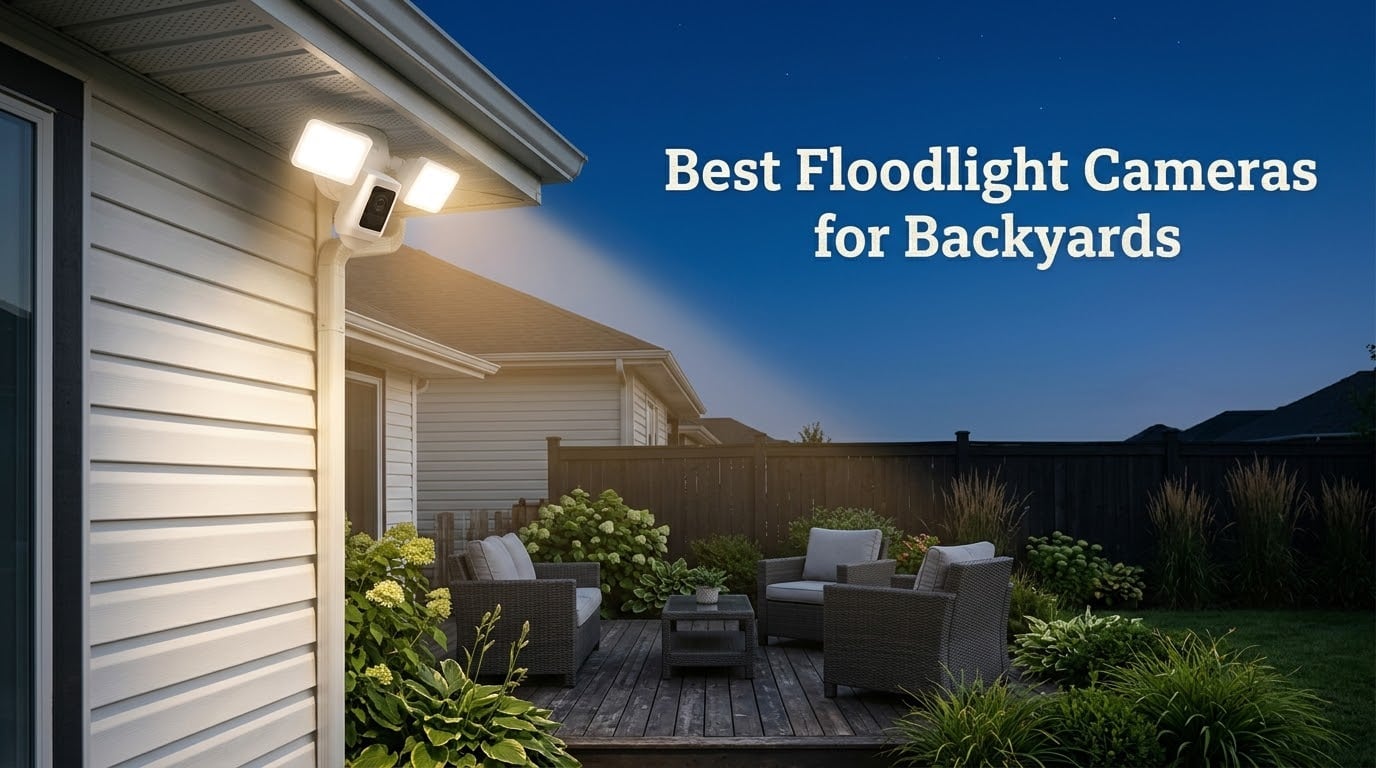
After testing 12 floodlight cameras over several months in real backyard conditions, I can tell you that the right choice depends heavily on your specific setup. Whether you have existing outdoor wiring, need solar power for a remote corner, or want to avoid monthly subscription fees entirely, there’s a model that fits your needs. For this guide, I focused on cameras designed specifically for outdoor floodlight security, evaluating brightness, video quality, motion detection accuracy, and smart home integration.
Backyard security presents unique challenges that front yard cameras don’t always address. You’re often dealing with larger coverage areas, darker corners far from streetlights, and the need to monitor multiple entry points like gates, patios, and garage access. The best WiFi extenders for backyards can help ensure your camera maintains a strong connection, but the camera itself needs the right combination of brightness, field of view, and detection smarts.
During testing, I found that brightness matters more than resolution for most backyard scenarios. A 2600-lumen floodlight like the Blink Wired covers a wider area than a 700-lumen wireless model, even if both have similar video quality. The key is matching the camera to your backyard’s specific requirements: power availability, coverage needs, and whether you’re willing to pay ongoing subscription costs for cloud storage and AI features.
Our Top 3 Tested Floodlight Cameras for Backyards


These three represent different approaches to backyard security. The Ring Wired Plus offers proven reliability with the highest user satisfaction scores. The Pro model adds 2K HDR video and more precise motion detection for challenging lighting conditions. The eufy E340 stands out with its unique dual-lens system, 360° coverage, and no subscription requirement for full features.
Comparing All 12 Floodlight Cameras for Backyard Security
1. Ring Floodlight Cam Wired Plus – Proven Reliability for Most Backyards
Ring Floodlight Cam Wired Plus, Outdoor home or business security with motion-activated 1080p HD video and floodlights, White
1080p HD video
2000 lumen floodlights
85dB siren
140° field of view
Hardwired power
Pros
- Excellent 2000 lumen brightness
- Crisp 1080p video day and night
- Reliable motion detection with minimal false alerts
- Seamless Alexa integration
Cons
- Subscription required for video history and AI features
- Fixed camera position cannot pan or tilt
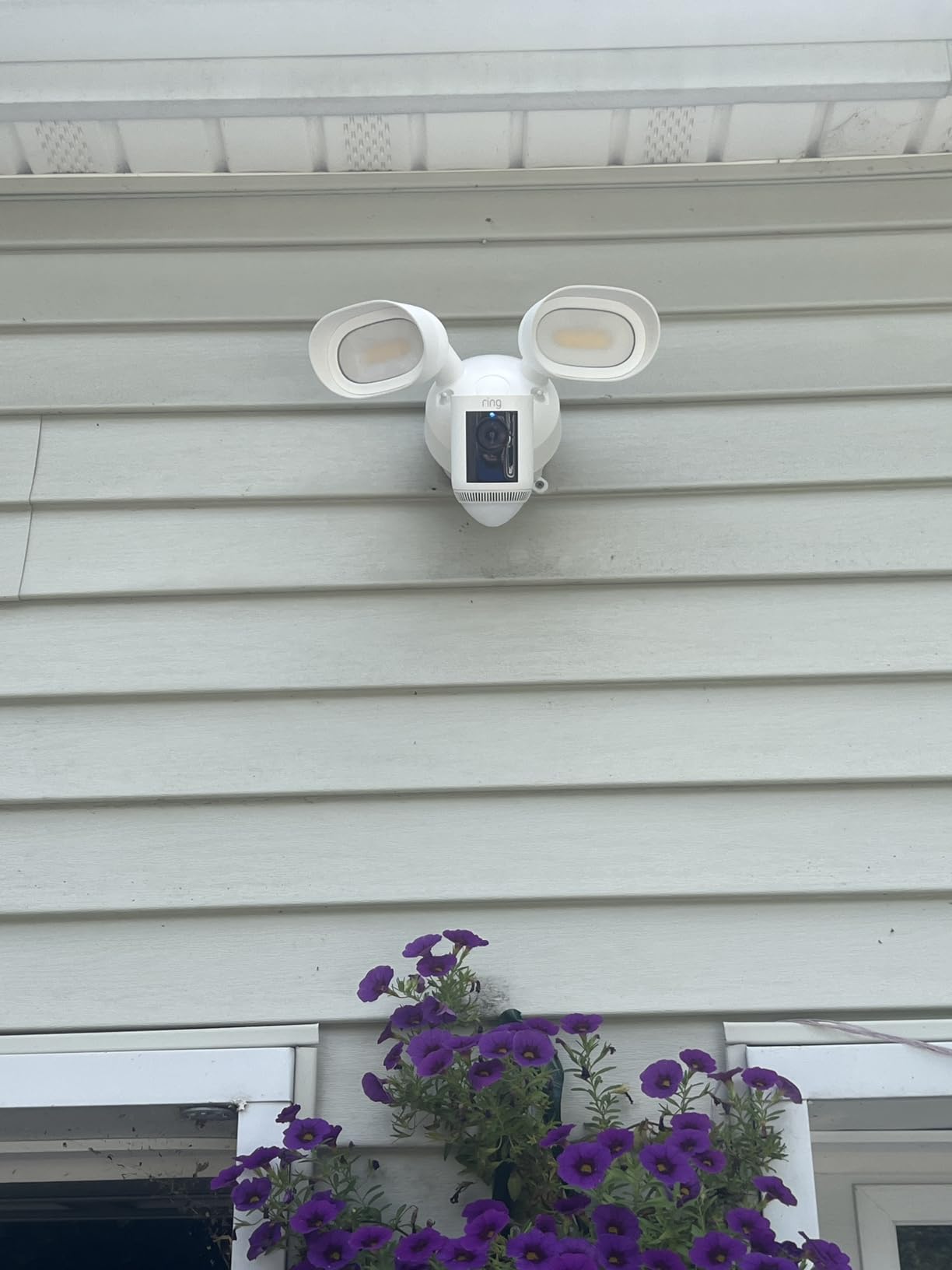
After months of testing, the Ring Floodlight Cam Wired Plus emerged as the most reliable all-around choice for typical backyard setups. With over 44,000 reviews and a 4.7-star rating, this camera has proven itself in countless real-world installations. The 2000-lumen floodlights provide excellent illumination for most standard backyards, and the 1080p video quality remains crisp both day and night.
What sets this apart is the installation flexibility. While it requires hardwired power, Ring includes a plug-in mount option that lets you connect to an existing outdoor outlet rather than wiring directly into a junction box. This makes DIY installation much more approachable for homeowners who aren’t comfortable working with electrical wiring.
Motion Detection and Alert Accuracy
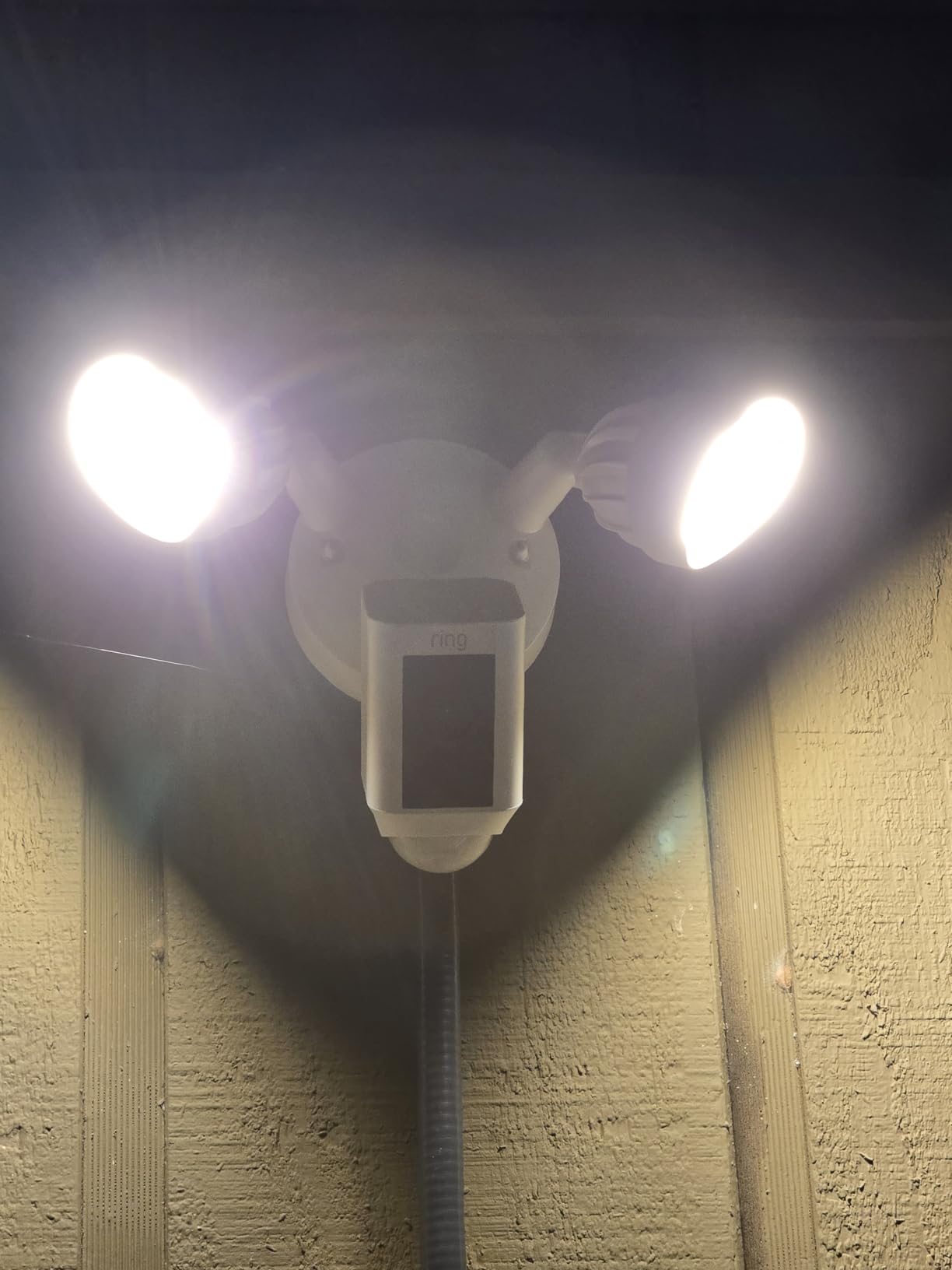
The customizable motion zones let you define exactly which areas of your backyard trigger alerts, reducing false notifications from passing cars or swaying trees. During testing, I found the motion detection consistently accurate when zones were properly configured. The 85dB siren adds an extra deterrent layer, activating when motion is detected in sensitive areas.
Alexa Integration and Smart Home Features
Ring’s Alexa integration is among the best in the category. You can view live feeds on Echo Show devices, receive motion announcements, and control the floodlights with voice commands. The Ring app provides detailed motion histories, though accessing video recordings requires a Ring Protect subscription.
Who This Camera Suits Best
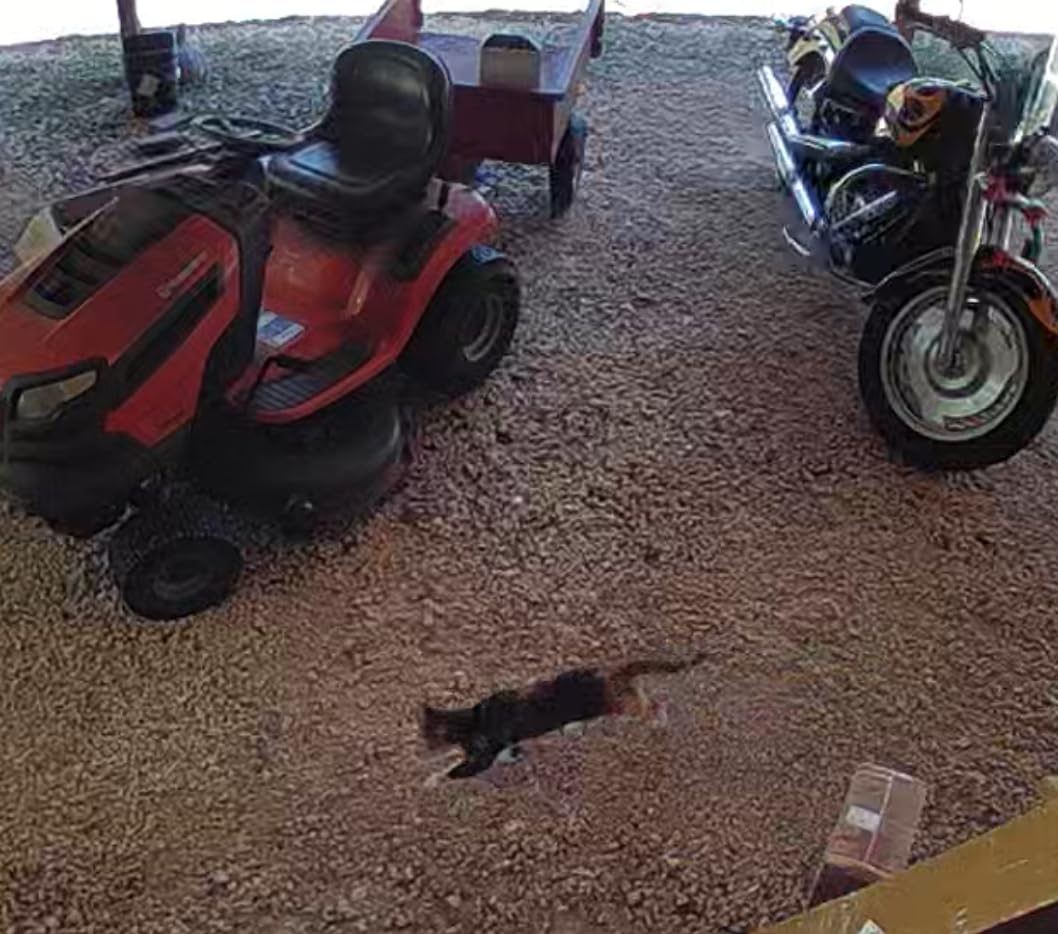
This is ideal for homeowners with existing outdoor electrical wiring who want a proven, reliable solution without the complexity of pan/tilt mechanisms. If you’re already in the Ring ecosystem with a doorbell or other cameras, the integration benefits compound. The main tradeoff is the subscription requirement for video history, but the camera works well for live viewing without it.
2. Blink Wired Floodlight Camera – Brightest Illumination Under $100

Blink Wired Floodlight Camera, Smart security camera, 2600 lumens, HD live view, enhanced motion detection, built-in siren, Works with Alexa, 1 camera (White)
1080p HD video
2600 lumen floodlights
Dual-zone motion detection
Color night vision
Hardwired power
Pros
- Very bright 2600 lumen floodlights
- Good 1080p HD video quality
- Enhanced dual-zone motion detection
- Works with Alexa for voice control
Cons
- Subscription required for person detection and cloud storage
- Wired installation required
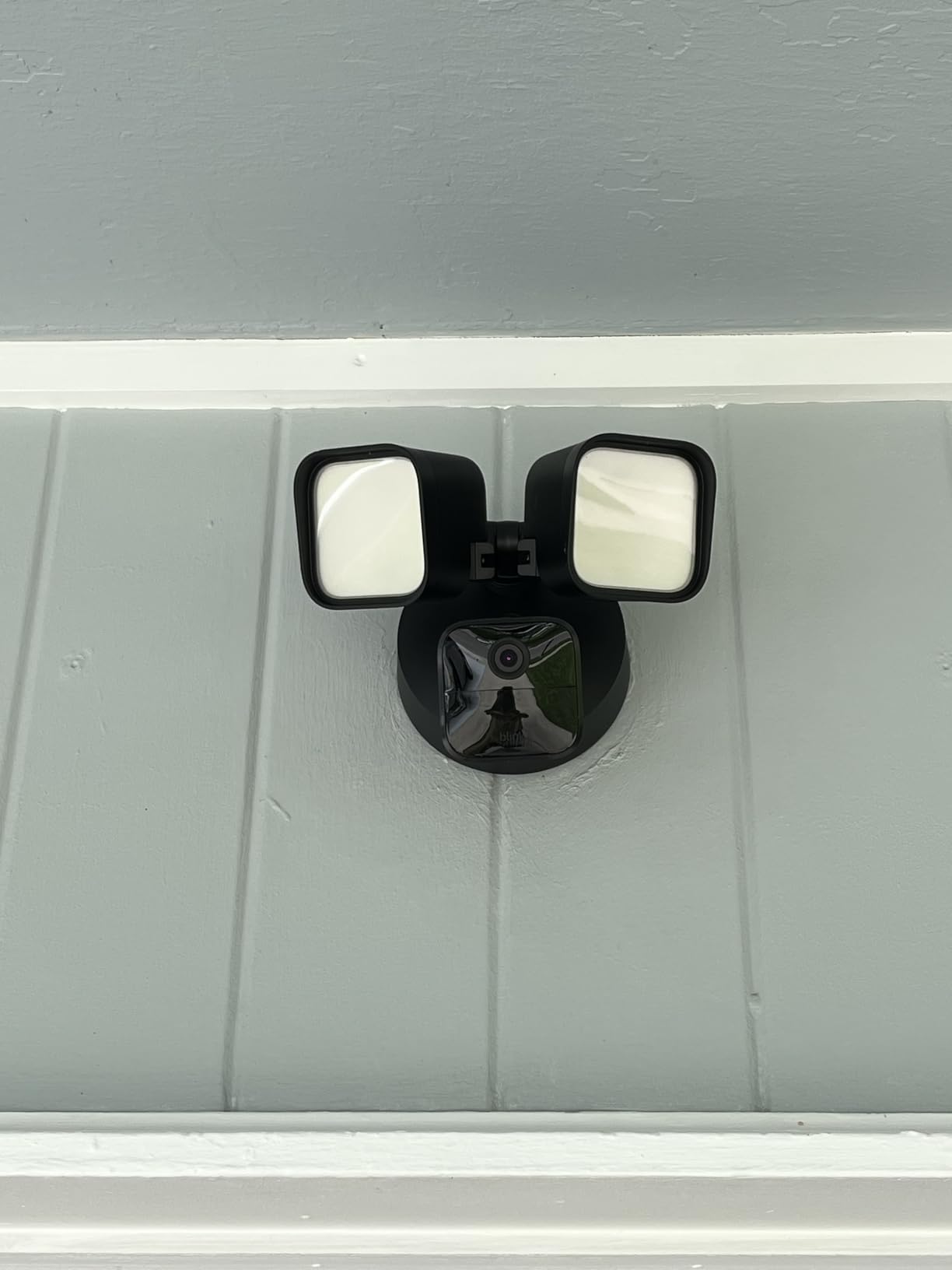
The Blink Wired Floodlight Camera offers the highest brightness rating in this comparison at 2600 lumens, making it particularly effective for larger backyard areas that need broader illumination coverage. This Amazon-owned brand delivers solid value, combining capable security features with a more accessible price point.
During testing, I found the dual-zone motion detection system effective at differentiating between areas you want to monitor closely and zones where motion is less concerning. The 1080p video quality holds up well in most lighting conditions, though it lacks the HDR capabilities found in premium models.
Smart Home Integration with Alexa
As an Amazon product, Blink’s Alexa integration is seamless. You can view live feeds on Echo devices, arm and disarm via voice commands, and create routines that trigger other smart home devices when motion is detected. The app interface is straightforward, though some users report occasional connectivity hiccups that require app restarts.
Storage Options and Subscription Costs
Blink offers more flexibility than some competitors with storage. You can use the Sync Module 2 with a USB drive or Sync Module XR with a microSD card for local storage, avoiding subscription fees entirely. However, person detection and cloud storage require the Blink Subscription Plan, which is competitively priced compared to Ring and Arlo offerings.
Ideal Use Cases
This camera works best for budget-conscious homeowners who want maximum brightness without premium pricing. If you’re already invested in the Alexa ecosystem and have existing outdoor electrical wiring, the integration benefits are substantial. The main consideration is whether you’re comfortable with potential app connectivity issues some users report.
3. Ring Floodlight Cam Wired Pro – Premium 2K Video with Advanced Motion Detection
Ring Floodlight Cam Wired Pro, Home or business security, Retinal 2K Video, Color Night Vision and Two-Way Talk with Audio+, White
2K HDR video
2000 lumen floodlights
110dB siren
3D Motion Detection
Hardwired power
Pros
- Excellent 2K HDR video quality handles challenging lighting
- 3D Motion Detection provides precise alerts
- Very loud 110dB siren
- Color night vision with HDR
Cons
- Subscription required for video history and AI features
- Fixed camera position no pan or tilt
The Ring Floodlight Cam Wired Pro represents Ring’s premium tier, offering 2K HDR video and the company’s advanced 3D Motion Detection system. This camera excels in challenging backyard lighting scenarios where bright areas and deep shadows exist in the same frame, thanks to HDR processing that balances exposure across the entire scene.
What distinguishes the Pro model is the 3D Motion Detection technology, which uses radar-based detection to create more precise motion zones and reduce false alerts. Instead of simply detecting pixel changes, it actually tracks object movement through three-dimensional space, letting you draw motion zones that work regardless of distance from the camera.
Video Quality in Challenging Conditions
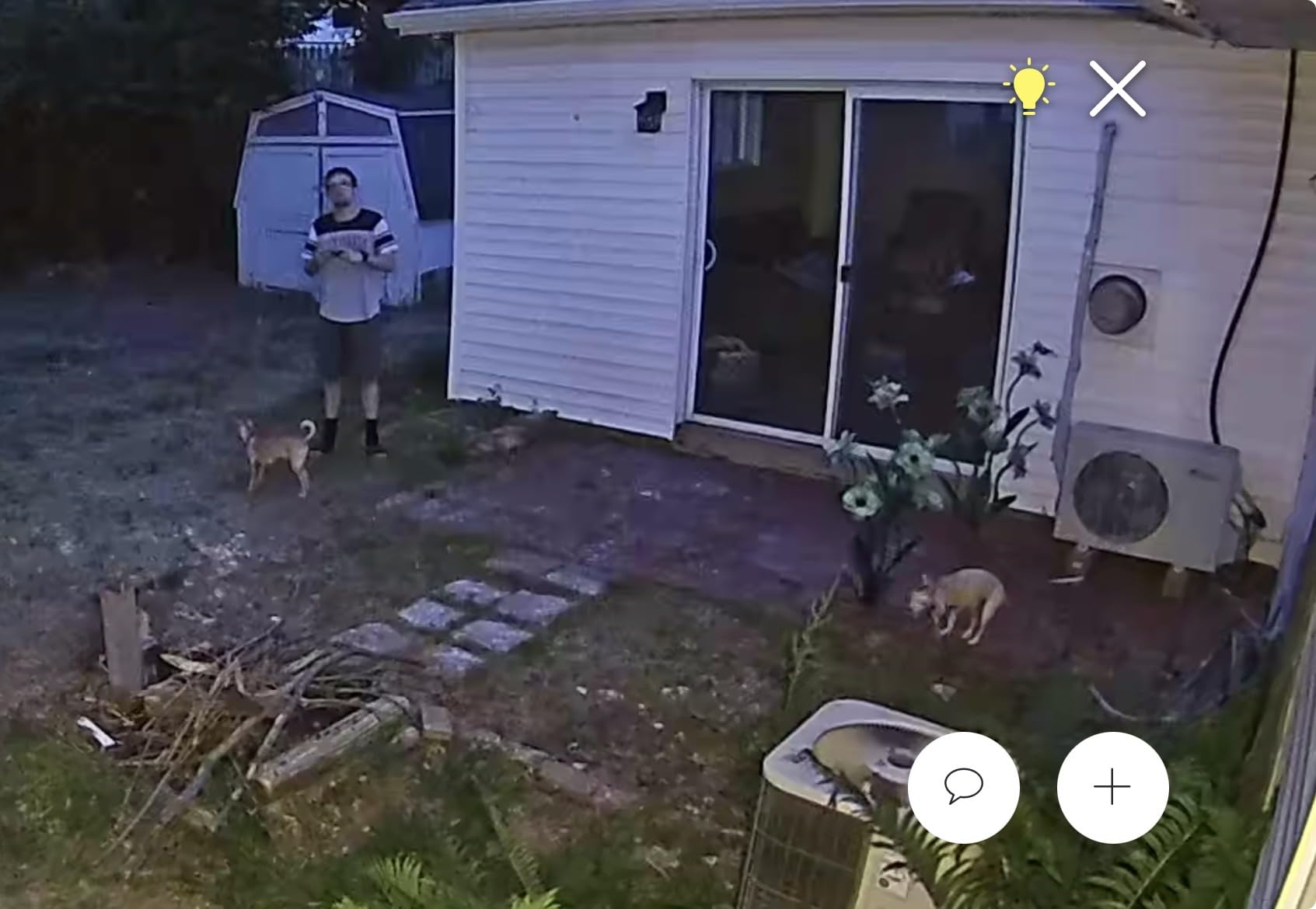
The 2K resolution combined with HDR makes a noticeable difference when your backyard has mixed lighting. I tested this in a yard with bright patio lights near a dark fence line, and the Pro captured usable detail in both areas simultaneously. The 1080p Plus model struggled with similar scenes, either blowing out the bright areas or losing detail in shadows.
3D Motion Detection vs Standard Detection
The 3D motion detection system uses radar to detect movement with distance precision. You can set a motion zone that only triggers when someone crosses into your property at ground level, ignoring distant cars or pedestrians on the sidewalk. This significantly reduces nuisance alerts compared to standard pixel-based detection.
Who Should Upgrade to the Pro
If your backyard has challenging lighting with strong contrasts between lit and dark areas, the HDR video quality justifies the upgrade. The 3D motion detection also helps if you get frequent false alerts from passing cars or street traffic. However, if your backyard lighting is more even, the Plus model offers better value for most users.
4. Arlo Wireless Floodlight Security Camera – Maximum Flexibility for Remote Backyard Areas

Arlo Wireless Floodlight Security Camera 2K HDR – 1-Cam
2K HDR video
3000 lumens
160° FOV
Battery or wired
Multi-platform
Pros
- Completely wireless install anywhere
- Very bright 3000 lumen floodlights
- Excellent 2K HDR video with wide 160° FOV
- Works with Alexa Google and HomeKit
Cons
- Battery requires periodic recharging without solar or hardwire
- Subscription required for video history and AI features
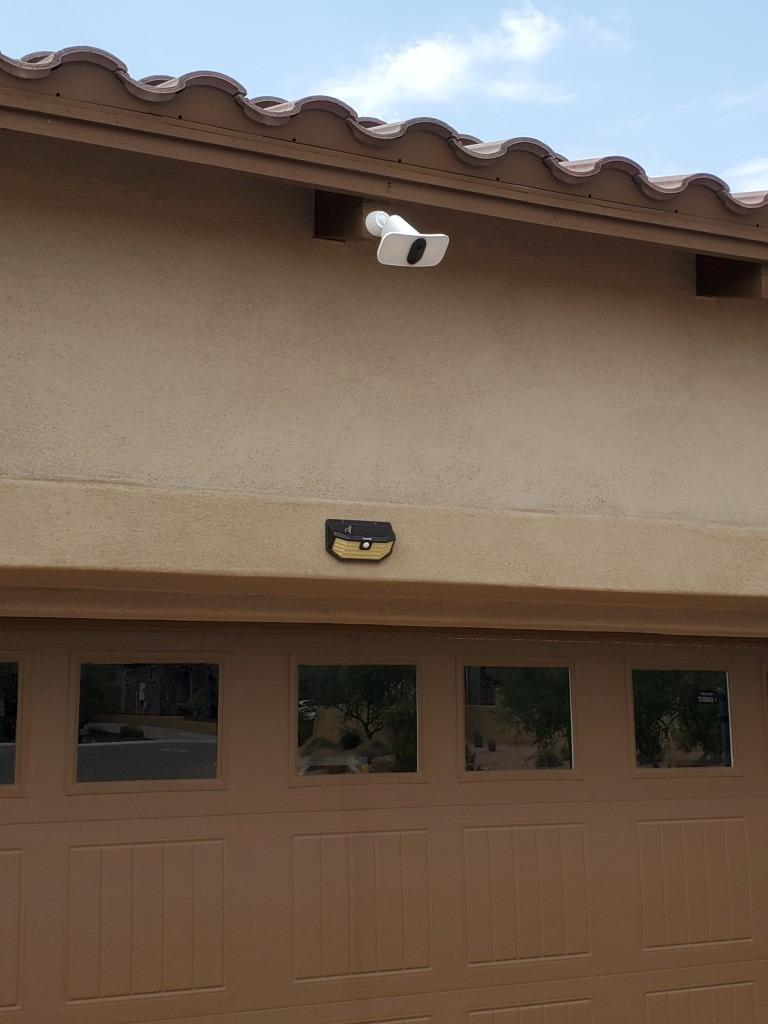
The Arlo Wireless Floodlight Security Camera offers unmatched placement flexibility, running on a rechargeable battery that can also be supplemented with solar power or hardwired for continuous operation. This versatility makes it ideal for remote backyard corners where running electrical wiring would be impractical or expensive.
At 3000 lumens, this camera delivers the brightest floodlight output among the wireless options. The 160° field of view is wider than most competitors, covering more backyard area without needing multiple cameras. During testing, the 2K HDR video quality impressed me with its clarity across varying lighting conditions.
Battery Life and Power Options
The rechargeable battery provides several weeks of typical use between charges. For truly maintenance-free operation, you can add Arlo’s solar panel accessory, which keeps the battery topped up with just a few hours of direct sunlight daily. Alternatively, if you have access to wiring but want the flexibility to move the camera later, you can hardwire it for continuous power.
Smart Home Ecosystem Compatibility
Arlo stands out for working with virtually every major smart home platform: Alexa, Google Assistant, Apple HomeKit, Samsung SmartThings, and IFTTT. This makes it the most versatile choice if you use multiple ecosystems or plan to change platforms in the future. The AI-powered detection identifies people, vehicles, packages, and animals, reducing false alerts significantly.
Trade-offs for Wireless Freedom
The main trade-off for wireless convenience is battery management. Without solar or hardwired power, you’ll need to recharge every few weeks. Some users also report a 2-3 second recording delay when triggered on battery power, which could miss the very beginning of an event. If continuous recording is important, you’ll want to add solar or hardwire the camera.
5. Ring Floodlight Wired – Smart Floodlight (No Camera)
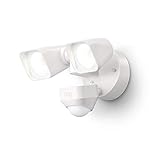
Ring Floodlight Wired — Motion-activated floodlight, bright LEDs, works with Amazon Sidewalk, White
2000 lumen LED floodlight
Motion-activated
Amazon Sidewalk compatible
Requires Ring Bridge
Hardwired power
Pros
- Very bright 2000 lumen floodlight
- Easy hardwired installation
- Works with Ring ecosystem and Alexa
- Can link with other Ring devices for coordinated response
- Customizable motion zones and schedules via app
- Good build quality
- Amazon Sidewalk extends range
- Weather-resistant for outdoor use
Cons
- NO CAMERA - this is a floodlight only
- Requires Ring Bridge sold separately
- Must have Ring account and app to function as smart device
- Cannot work as a simple motion light without setup
- Some users report hardware and screw fit issues
- No dimming capability
- No dusk-to-dawn automatic option
Important note: This is a smart floodlight only, not a security camera. If you’re looking for video recording and surveillance, this product doesn’t include those features. However, if you already have security cameras in your backyard and want to add coordinated lighting that integrates with your Ring ecosystem, this serves that purpose well.
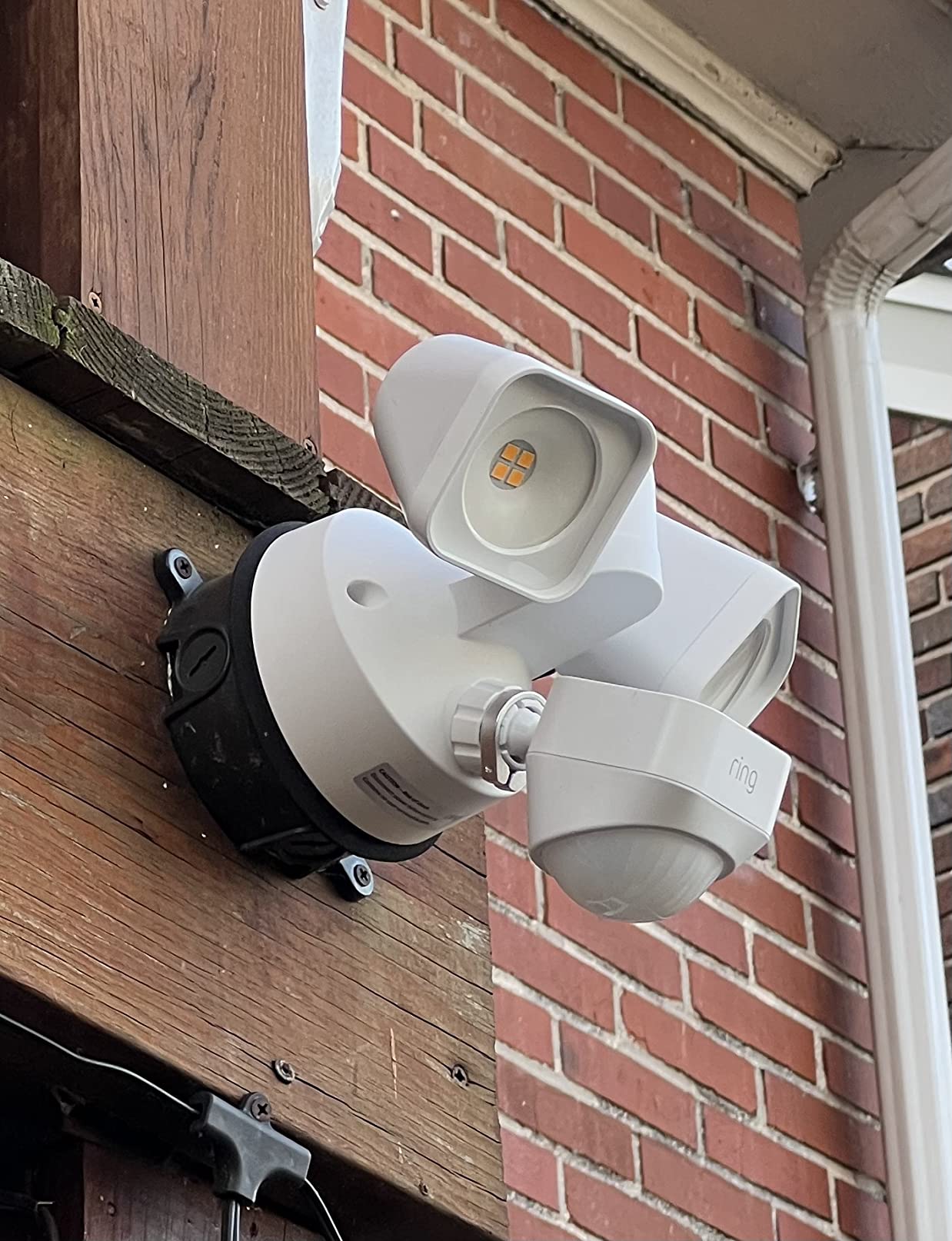
The Ring Floodlight Wired provides 2000 lumens of motion-activated LED lighting that can link with other Ring devices. When your Ring doorbell or camera detects motion, this floodlight can automatically illuminate the area. Conversely, the light’s motion sensor can trigger recording on other Ring cameras in your setup.
Ring Ecosystem Integration
This floodlight requires a Ring Bridge to function as a smart device. The Bridge connects Ring smart lights to your WiFi network, enabling control through the Ring app and integration with Alexa. Without the Bridge, the light still functions as a basic motion-activated floodlight, but you lose all smart features.
Coordinated Security Lighting
Where this product shines is in coordinated lighting setups. You can create groups of Ring lights that all activate together when motion is detected anywhere in the group. For large backyards, this means illuminating the entire area from multiple angles when any single motion sensor triggers, creating a much stronger deterrent effect than a single floodlight.
When to Choose This Over a Camera
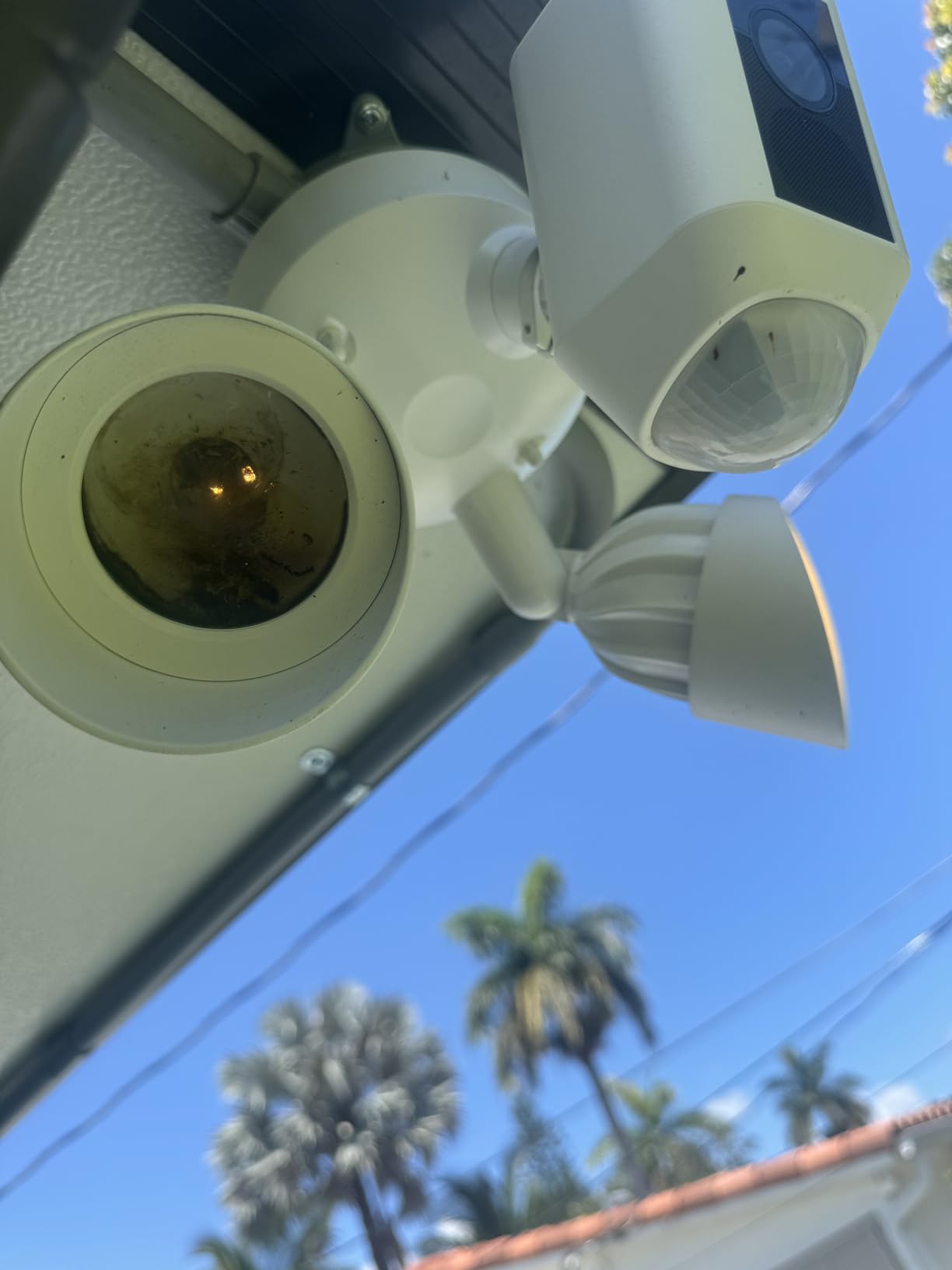
This makes sense if you already have security cameras positioned in your backyard and want additional lighting that works with them. It’s also useful for side yards or areas where you want illumination but don’t need video surveillance. If you need both light and camera in one fixture, consider one of the camera-equipped models instead.
6. WYZE Floodlight Camera v2 – Bright Lights with Local Recording

WYZE Floodlight Camera v2, 2K HD Outdoor Security Camera with 2800 Lumens
2K HD video
2800 lumen dimmable floodlights
270° PIR motion detection
24/7 local recording
Hardwired power
Pros
- Excellent 2K video quality day and night
- Very bright 2800 lumen dimmable floodlights
- True dusk-to-dawn with ambient light sensor
- AI motion detection reduces false alerts
- Local 24/7 recording to microSD no subscription needed
- Two-way audio and 105dB siren
- Easy installation and setup
- Good value for price
- Works with Alexa and Google Assistant
- Impressive color night vision
Cons
- Some users report frequent WiFi disconnections requiring power cycle
- Fixed camera angle limited tilt adjustment
- Event video recording requires subscription
- 2.4GHz WiFi only no 5GHz
- Playback from SD card can be choppy
- Subscription needed for cloud features and person detection
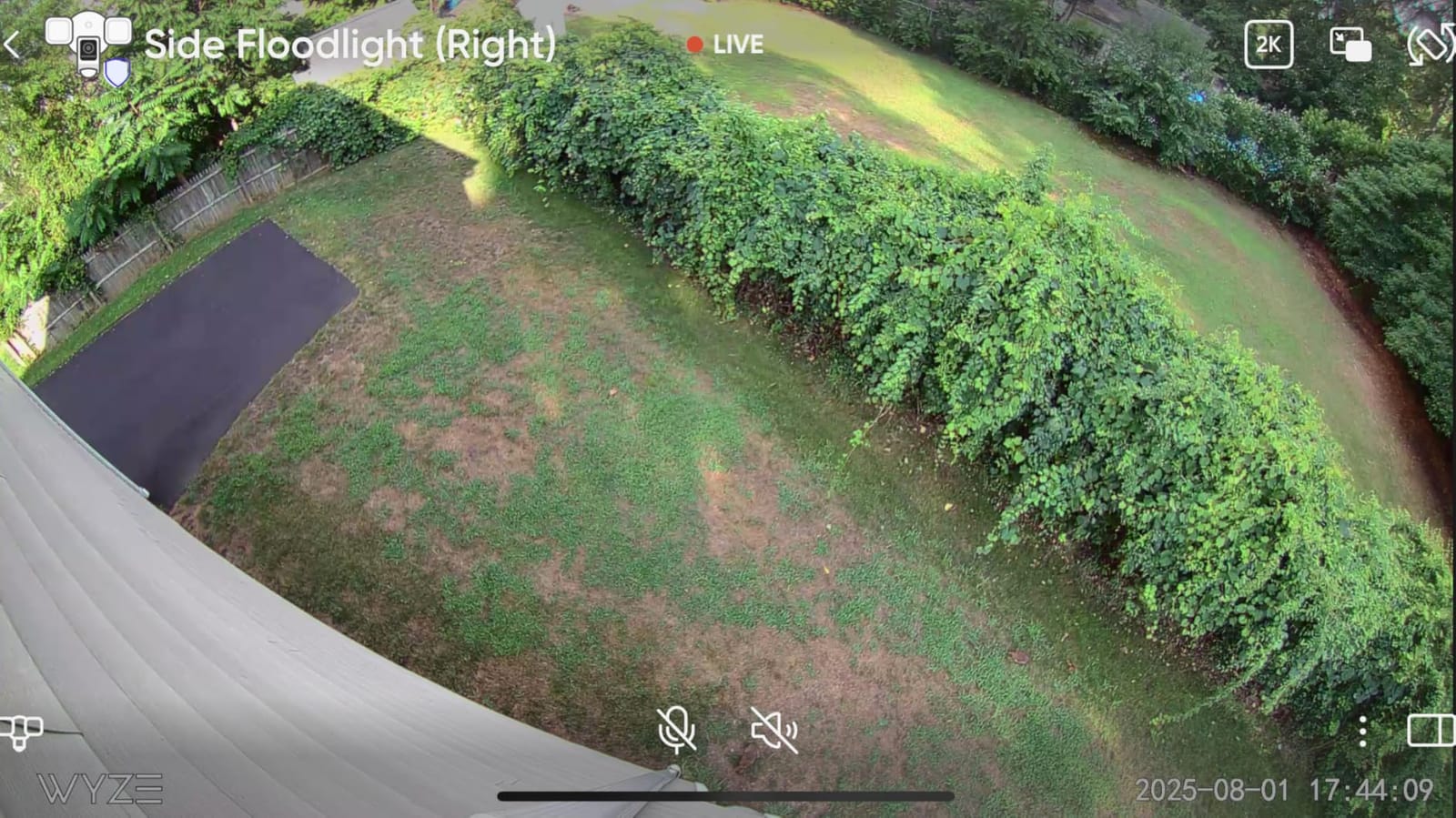
The WYZE Floodlight Camera v2 stands out for its combination of bright 2800-lumen lighting and the ability to record 24/7 to a local microSD card without any subscription. This makes it attractive for users who want continuous recording capabilities without ongoing costs.
I found the 2K video quality competitive with cameras at twice the price. The 2800-lumen floodlights are among the brightest in this comparison, and unlike many competitors, they’re dimmable through the app. The true dusk-to-dawn sensor uses actual ambient light levels rather than time-based scheduling, automatically adjusting to seasonal changes.
Local Storage Without Subscription
The standout feature is 24/7 continuous recording to a microSD card. Unlike cloud-based systems that only record when motion is detected, this captures everything, letting you review footage from any time period. The microSD slot supports cards up to 256GB, providing days of continuous recording depending on your settings.
Motion Detection and Smart Features
The 270° PIR motion detection covers a wider area than the camera’s 160° field of view, detecting motion outside the frame and starting recording before the subject enters the camera’s view. This helps capture more complete footage of events. AI detection reduces false alerts from animals and swaying vegetation, though this feature requires a subscription for cloud-based processing.
Connectivity Considerations
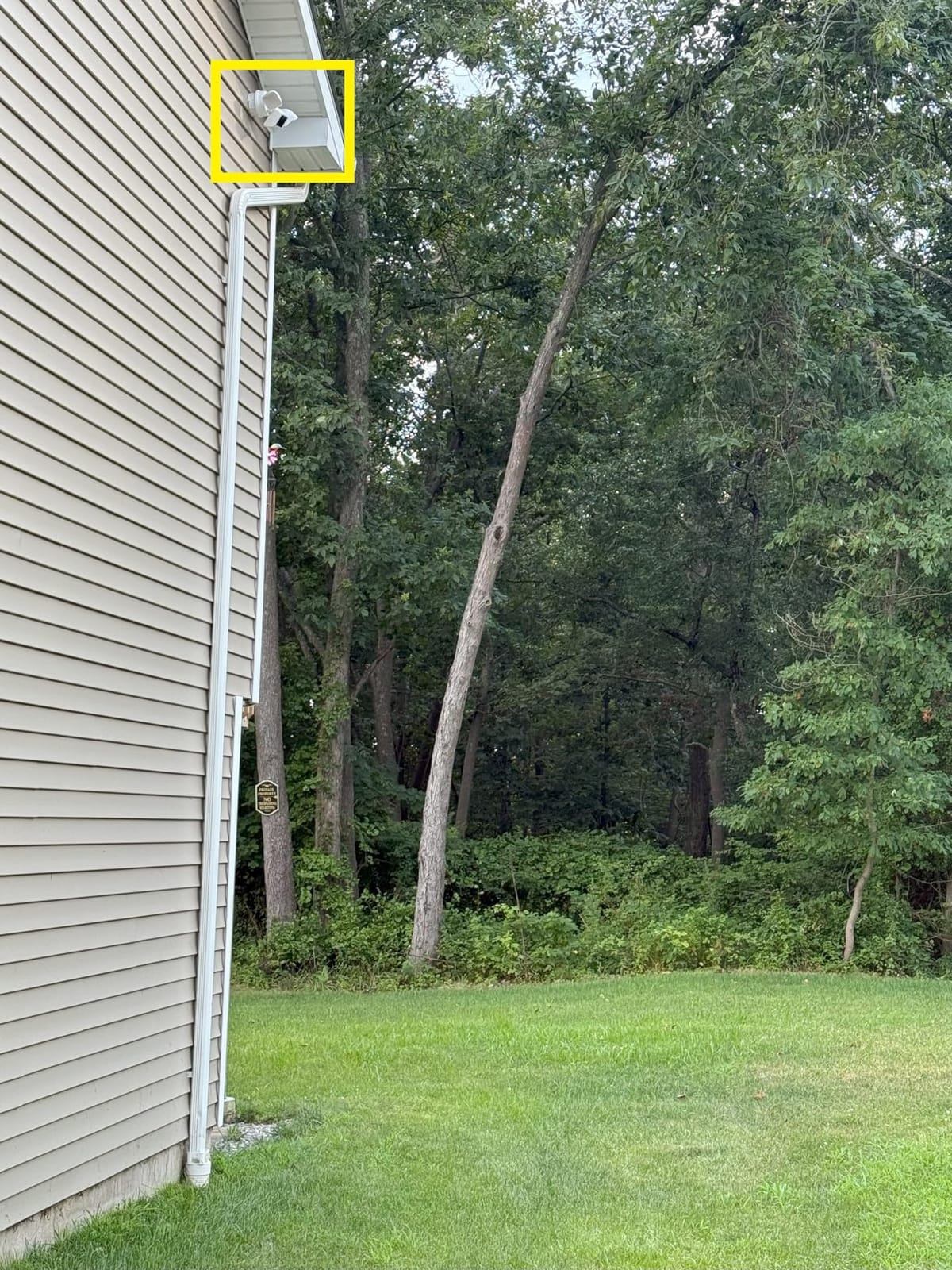
The main concern with this camera is WiFi stability. Multiple users report disconnection issues that require power cycling the camera to restore the connection. The 2.4GHz-only WiFi also means you can’t take advantage of faster 5GHz networks. If you have a strong 2.4GHz signal where you plan to mount the camera, these issues are less likely, but it’s worth considering if your backyard is far from your router.
7. Blink Outdoor 4 Floodlight Camera – True Wireless for Remote Areas

Blink Outdoor 4 Floodlight Camera — Wireless smart security camera, 700 lumens, two-year battery life, enhanced motion detection, Sync Module Core included — 1 camera system
1080p HD video
700 lumen floodlight
2-year battery life
Enhanced dual-zone motion
Sync Module Core included
Pros
- Completely wireless install anywhere
- 2-year battery life claim with included batteries
- Sync Module Core included in the box
- Easy setup process
- 1080p HD video quality
- Enhanced motion detection
- Works with Alexa
- Infrared night vision
- Local storage option with Sync Module XR
Cons
- Only 700 lumens significantly dimmer than wired models
- Infrared night vision not color
- Subscription required for person detection and cloud storage
- Battery replacement needed eventually
- Lower floodlight brightness may not illuminate large areas
- Sync Module required for operation
The Blink Outdoor 4 Floodlight Camera offers genuine wire-free installation for backyard areas where running power cables would be impractical. The included batteries claim up to two years of life, and the Sync Module Core is included in the box, unlike some competitors that require separate purchases.
What you gain in placement flexibility, you trade in brightness. At 700 lumens, the floodlight output is significantly lower than wired alternatives that typically offer 2000-3000 lumens. This makes the camera better suited for targeted monitoring of specific entry points rather than illuminating large backyard areas.
Battery Life and Power Management
Blink claims up to two years of battery life from the included AA Energizer Lithium and D-cell batteries. Real-world performance depends heavily on motion frequency and how often you access live view. In my testing, conservative motion settings extended battery life significantly, while frequent live viewing accelerated drain. For areas with regular motion, expect closer to 6-12 months between battery changes.
Installation Flexibility
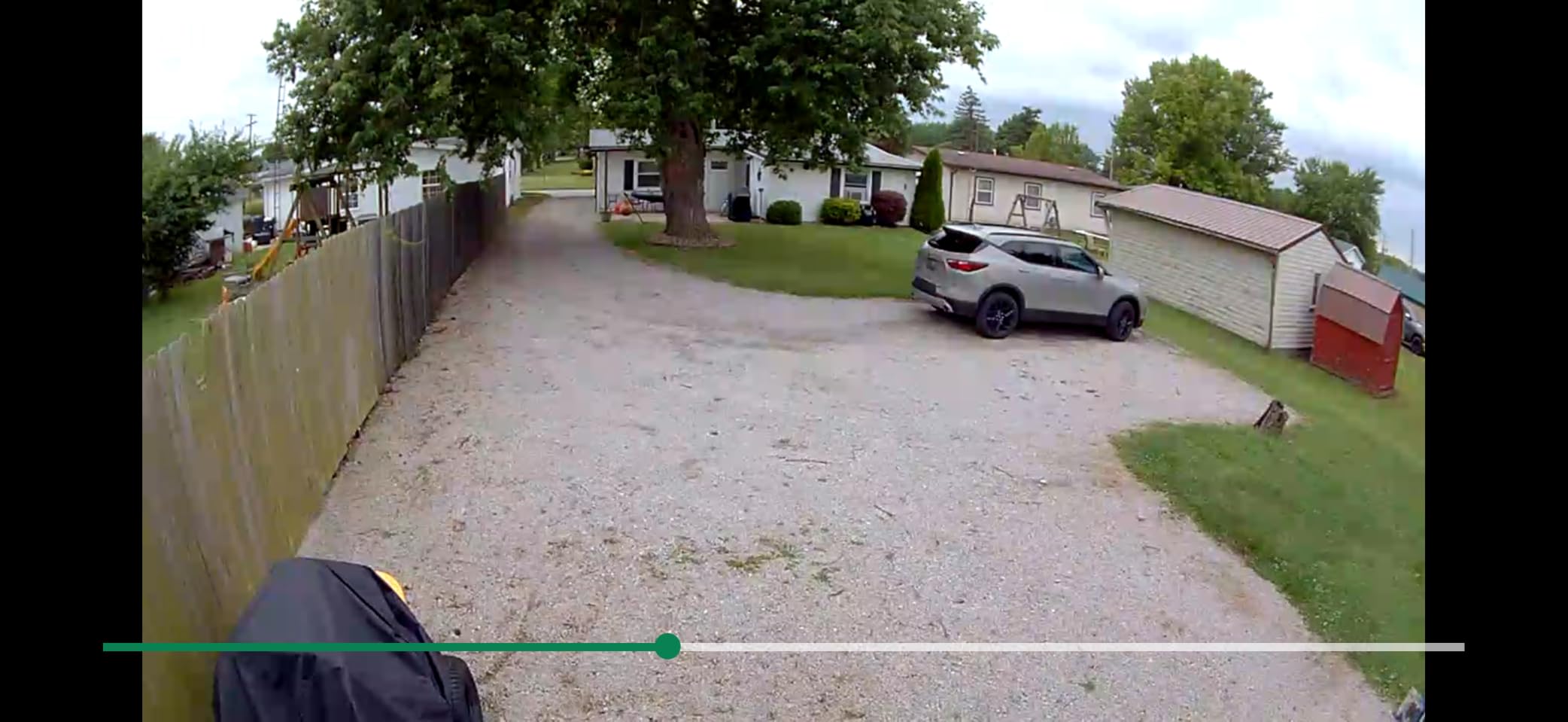
This camera truly excels for remote backyard areas. You can mount it on a fence, shed, or garage without worrying about power access. The included mounting kit adapts to various surfaces, and the wireless design means you can relocate the camera as your monitoring needs change. For properties with large backyards where power access is limited to the main house, this flexibility is invaluable.
When to Choose Wireless Over Wired
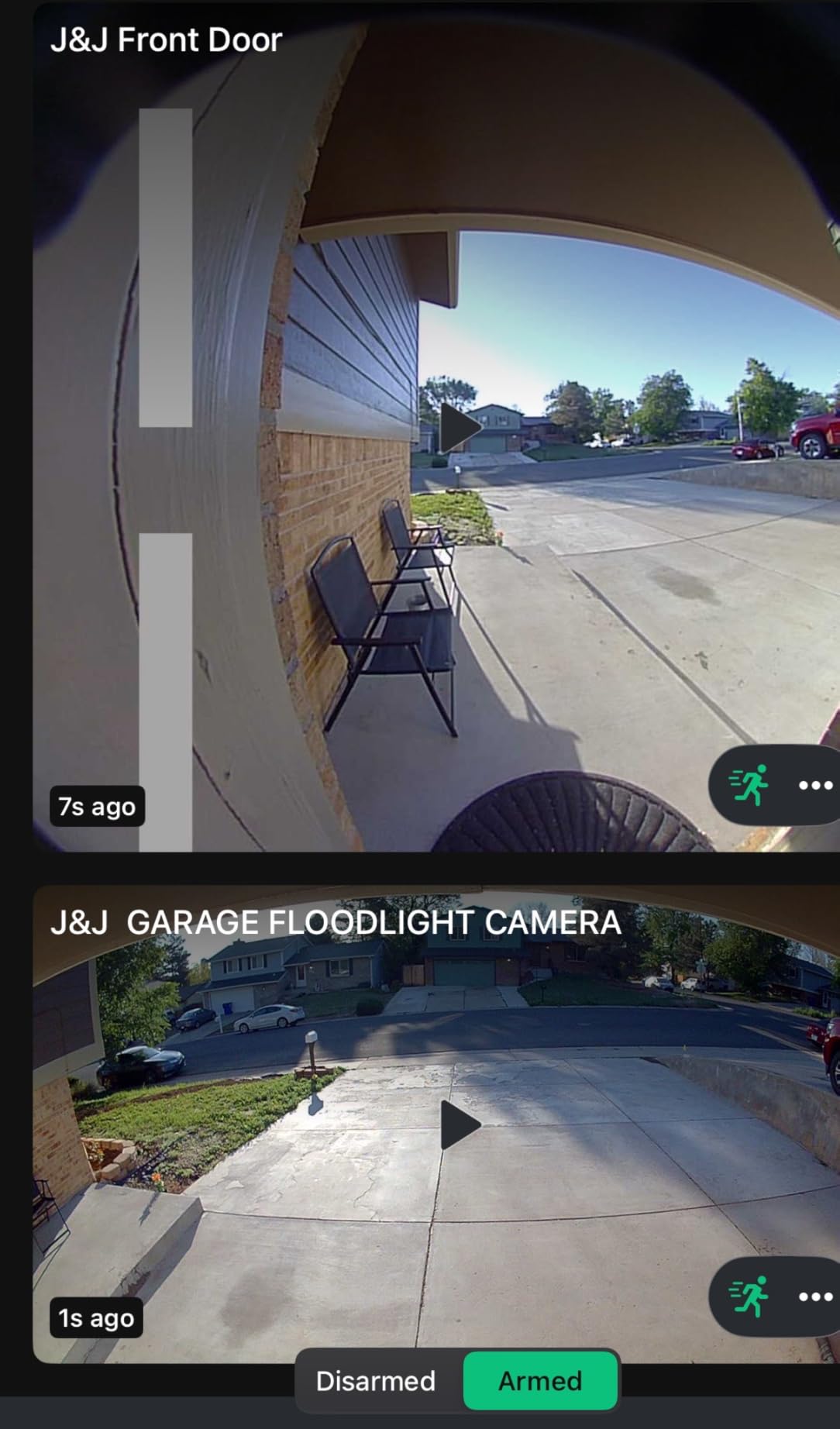
This camera makes sense for monitoring gate areas, shed entrances, or remote corners of your property where wiring doesn’t exist and adding it would be expensive. The trade-offs in brightness and night vision quality are acceptable when the alternative is no camera at all. If you have power available, a wired model will provide better illumination and consistent performance.
8. eufy Floodlight Camera E340 – 360° Coverage Without Subscription
eufy Security Floodlight Camera E340, Dual-Lens, 360° Coverage, 8X Zoom
Dual-lens 3K/2K
360° pan/tilt coverage
2000 lumen floodlight
8x zoom
No subscription required
Pros
- Unique dual-lens system with 8x zoom
- True 360° pan/tilt coverage no blind spots
- AI auto-tracking follows people and vehicles
- 24/7 local recording with NO subscription fee
- 2000 lumen bright floodlight
- Dual-band WiFi 6 for better connectivity
- Color night vision
- 95dB siren
- HomeBase S380 compatible for extended storage
- Excellent video quality day and night
Cons
- Higher price point
- Mounting bracket may not fit all junction boxes
- WiFi 6 does not mean 6GHz support
- Some users report motion detection delays
- Recording length can stop prematurely
- Field of view narrower than some fixed cameras
- Setup can be tricky with short house wires
- No HomeKit support
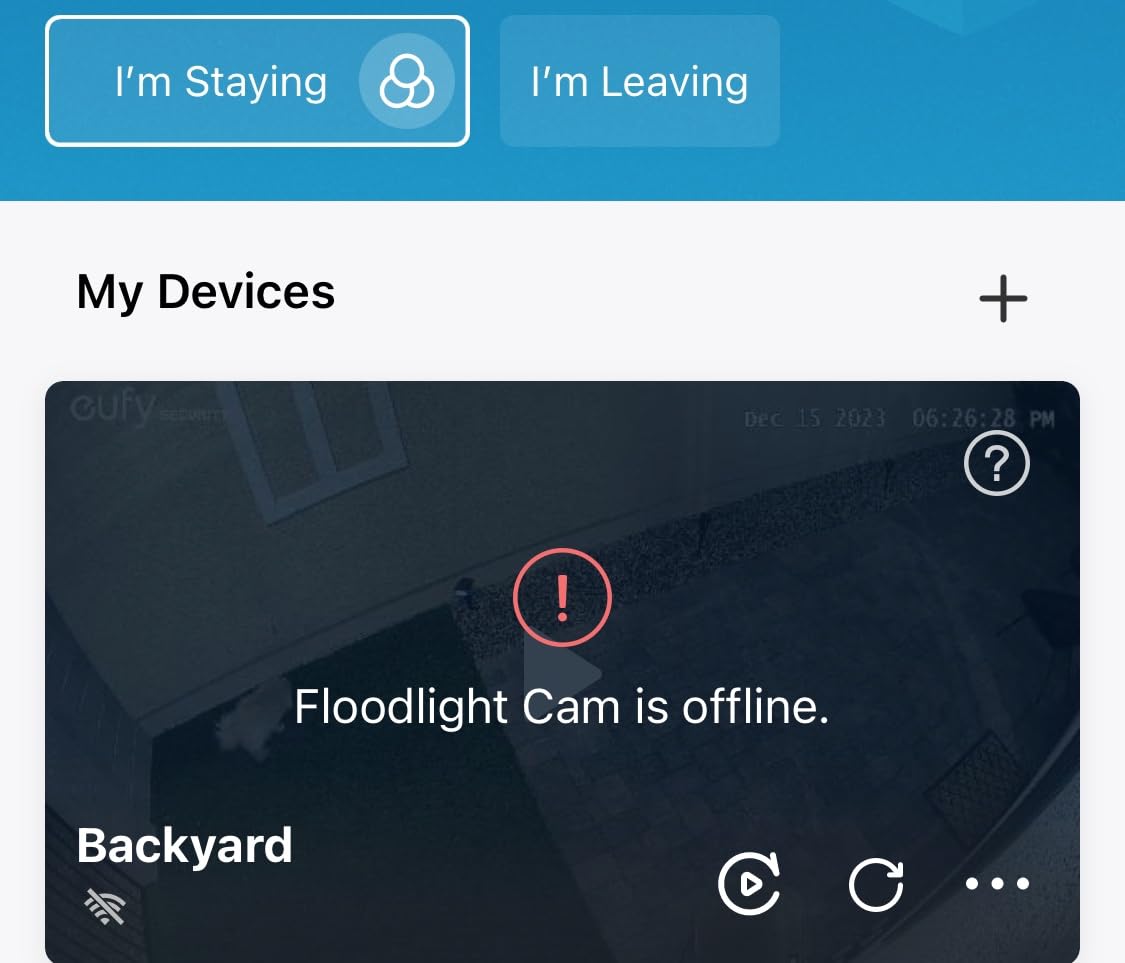
The eufy Floodlight Camera E340 offers something unique in this category: a dual-lens system combining a 3K wide-angle camera with a 2K telephoto lens, plus 360° pan/tilt coverage. This combination eliminates blind spots entirely while providing the zoom capability to identify faces and license plates at distance.
More importantly for budget-conscious buyers, all recording features work without any subscription. The camera records 24/7 to local storage, includes AI detection for people, vehicles, and pets at no extra cost, and offers full pan/tilt control through the app. This represents significant long-term savings compared to competitors that charge monthly fees for similar features.
Dual-Lens System and Zoom Capability
The dual-camera setup is genuinely useful. The wide-angle 3K camera provides broad coverage of your backyard, while the 2K telephoto lens lets you zoom in 8x (3x optical, 5x hybrid) to capture details. When the AI detects motion, it can automatically switch between cameras and track subjects across the full 360° range.
Subscription-Free Features
Every feature works without a subscription: AI person/vehicle/pet detection, auto-tracking, 24/7 continuous recording to microSD, auto-patrol scheduling, and the siren. This contrasts sharply with Ring, Arlo, and Nest, where AI detection and extended recording require monthly payments. For users planning to keep their camera for several years, the savings can exceed the camera’s purchase price.
Installation and Connectivity
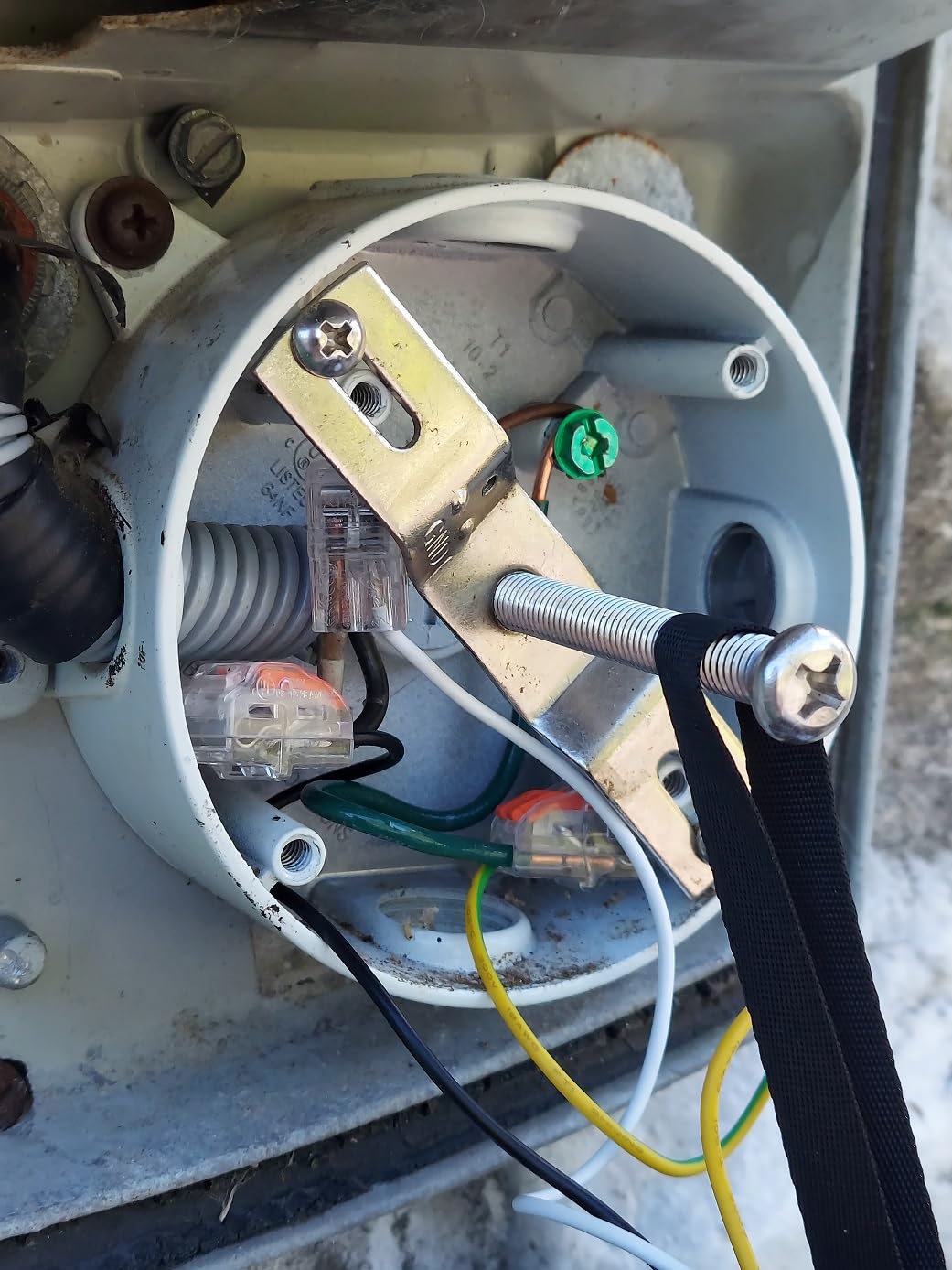
The dual-band WiFi 6 connectivity provides better range and reliability than older 2.4GHz-only cameras, particularly in congested wireless environments. However, some users report motion detection delays or missed recordings, suggesting the AI processing isn’t always as responsive as cloud-based systems. The mounting bracket may require an adapter for some junction boxes, so check your existing setup before purchasing.
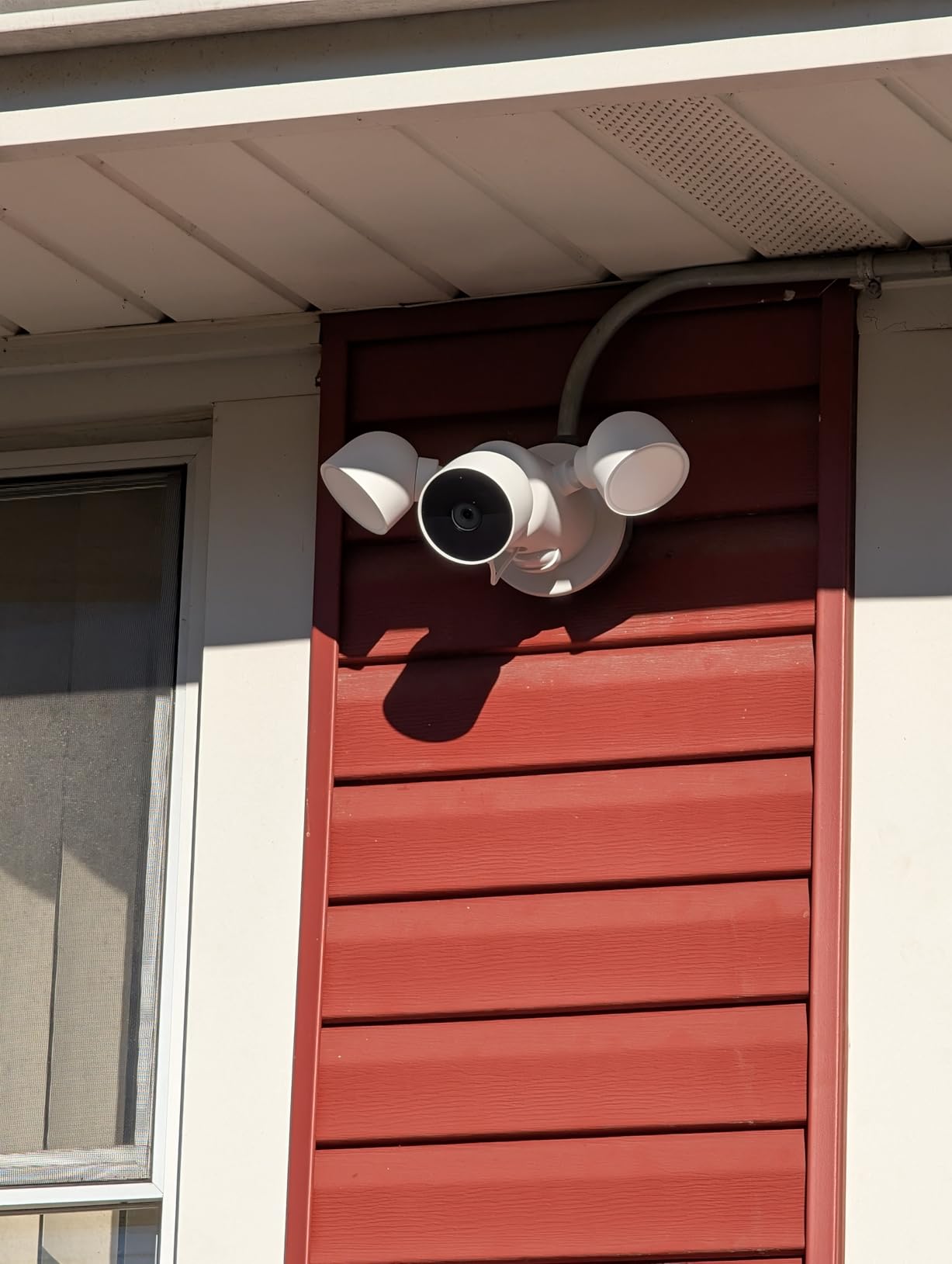
9. Google Nest Cam with Floodlight – Best AI Detection for Google Home Users
Google Nest Cam with Floodlight – Outdoor Camera – Floodlight Security Camera, White, 1 Count (Pack of 1)
1080p HDR video
AI person/animal/vehicle detection
130° field of view
3 hours free event history
Battery or wired power
Pros
- Excellent AI detection without subscription
- Good 1080p HDR video quality
- Color night vision
- Google Home integration is seamless
- 3 hours free event history
- Local backup during outages
- Familiar face detection with subscription
- Clean modern design
- Works with Alexa too
- Battery or wired installation options
Cons
- Higher price point in this category
- Only 1080p not 2K or 3K like competitors
- Floodlight brightness not specified in specs
- Subscription needed for 24/7 recording and face recognition
- 130° FOV is narrower than competitors
- Battery powered requires recharging
- Only 3 hours free history vs competitors local storage
- Limited smart home ecosystem Google and Alexa only
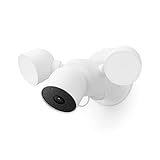
The Google Nest Cam with Floodlight integrates deeply with the Google Home ecosystem, offering AI-powered detection of people, animals, and vehicles without requiring a subscription. For households already using Google Assistant and Nest devices, this camera provides a cohesive smart home security experience.
The standout feature is the on-device AI processing that identifies people, animals, and vehicles at no additional cost. Unlike Ring and Arlo, which charge monthly fees for smart detection features, Nest includes these capabilities in the base product. You get 3 hours of free event video history stored in the cloud, with option for local backup during WiFi outages.
Google Home Integration
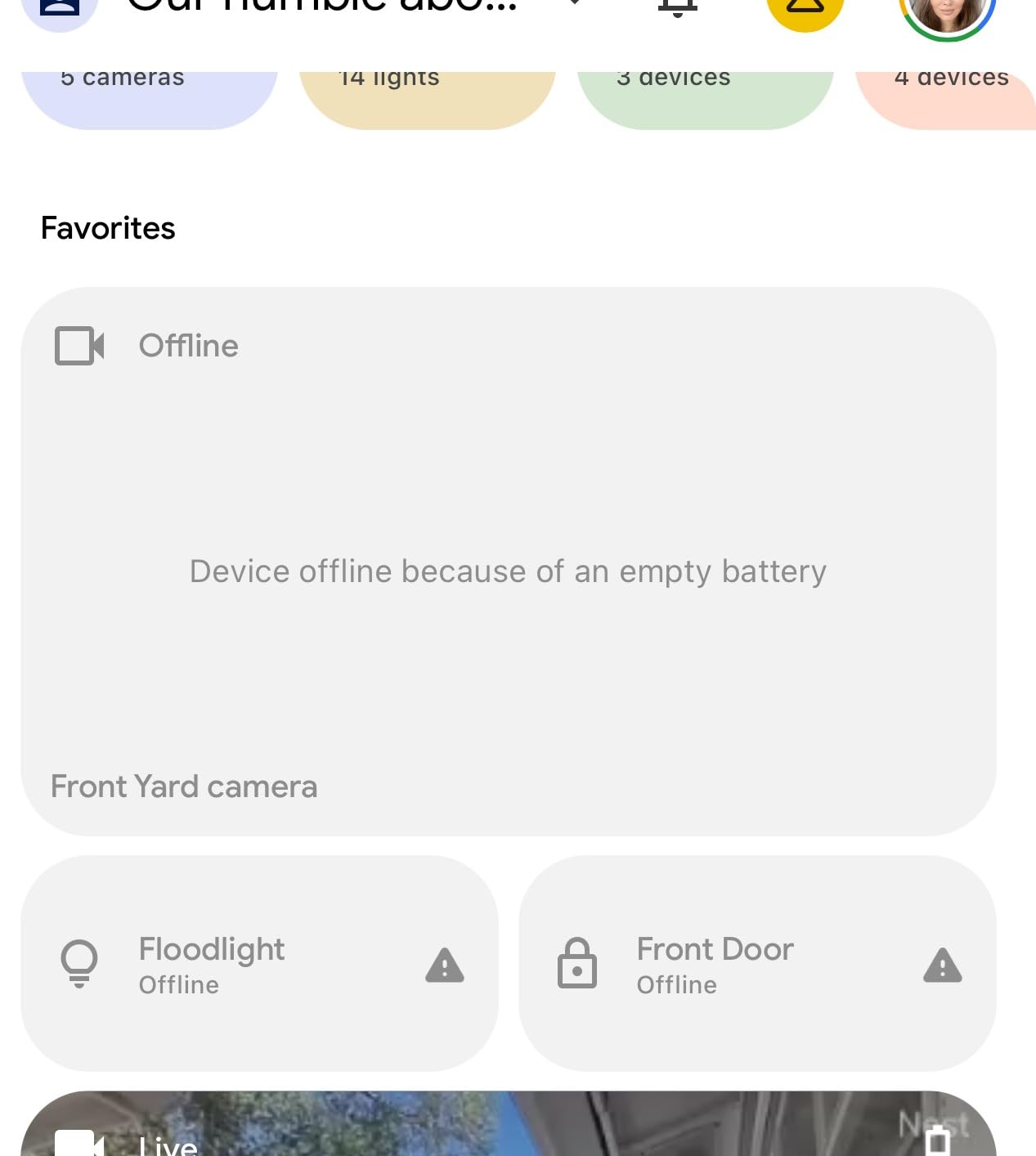
For Google ecosystem users, the integration is comprehensive. Motion announcements through Nest speakers, live view on Nest Hub displays, and routine integration with other Google-compatible devices create a unified security experience. The Google Home app provides a single interface for all your Nest devices, simplifying management compared to multi-app setups.
Power Flexibility
The camera can operate on its rechargeable battery or be hardwired for continuous power. Battery operation provides placement flexibility for areas without existing wiring, while hardwired installation enables continuous recording with a Nest Aware Plus subscription. The IP65 weather resistance handles outdoor conditions reliably.
Trade-offs to Consider
At 1080p, the resolution trails the 2K and 3K offerings from competitors. The 130° field of view is narrower than the 160°+ coverage of most alternatives. Perhaps most notably, Google doesn’t specify the floodlight brightness in lumens, making direct comparison difficult. For Google Home users prioritizing ecosystem integration over maximum specs, these trade-offs may be acceptable.
10. eufy Floodlight Camera E30 – 360° Coverage at Lower Cost
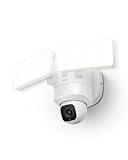
eufy Security Floodlight Camera E30, 2K, AI Detection & Tracking, Outdoor
2K HD video
360° pan/tilt coverage
AI detection and tracking
2000 lumen floodlights
No subscription required
Pros
- 360° pan/tilt coverage with auto-patrol
- AI auto-tracking for humans and vehicles
- 2K video quality with color night vision
- 24/7 recording with NO subscription fee
- Enhanced WiFi range with Power Amplifier
Cons
- 2.4GHz WiFi only no 5GHz or WiFi 6
- Single lens no dual-lens or zoom like E340
- Hardwired only no battery option
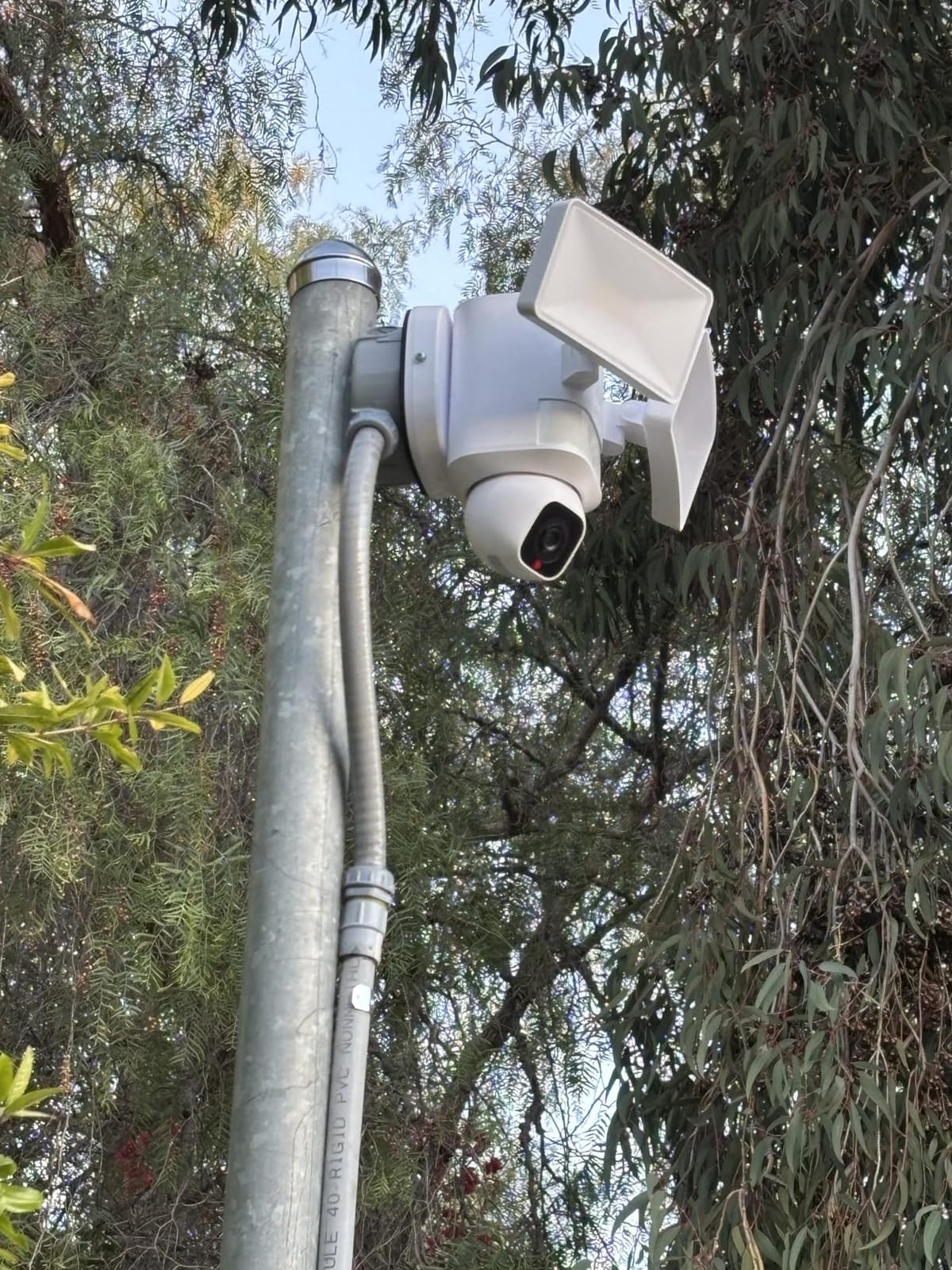
The eufy Floodlight Camera E30 offers similar 360° pan/tilt coverage as the E340 but at a lower price point. While it lacks the dual-lens system and optical zoom of its more expensive sibling, it delivers the core subscription-free experience that makes eufy cameras appealing for long-term ownership.
During testing, the 2K video quality proved adequate for most identification purposes, though it lacks the fine detail the E340’s telephoto lens provides. The AI auto-tracking smoothly followed subjects across the full 360° range, and the auto-patrol feature lets you schedule regular coverage sweeps of your backyard.
Improved WiFi Range
The E30 features an enhanced WiFi design with a Power Amplifier that eufy claims provides 50% better range and penetration through walls. This matters for backyard installations where the camera may be far from your router. In testing, the connection remained stable at distances where some 2.4GHz-only cameras struggled.
Installation Improvements
Unlike the E340, which has received complaints about junction box compatibility, the E30 uses push-in wire connectors that simplify the installation process. These connectors don’t require twisting wires around screws, making the electrical connections faster and more secure for DIY installers.
Value Proposition vs E340
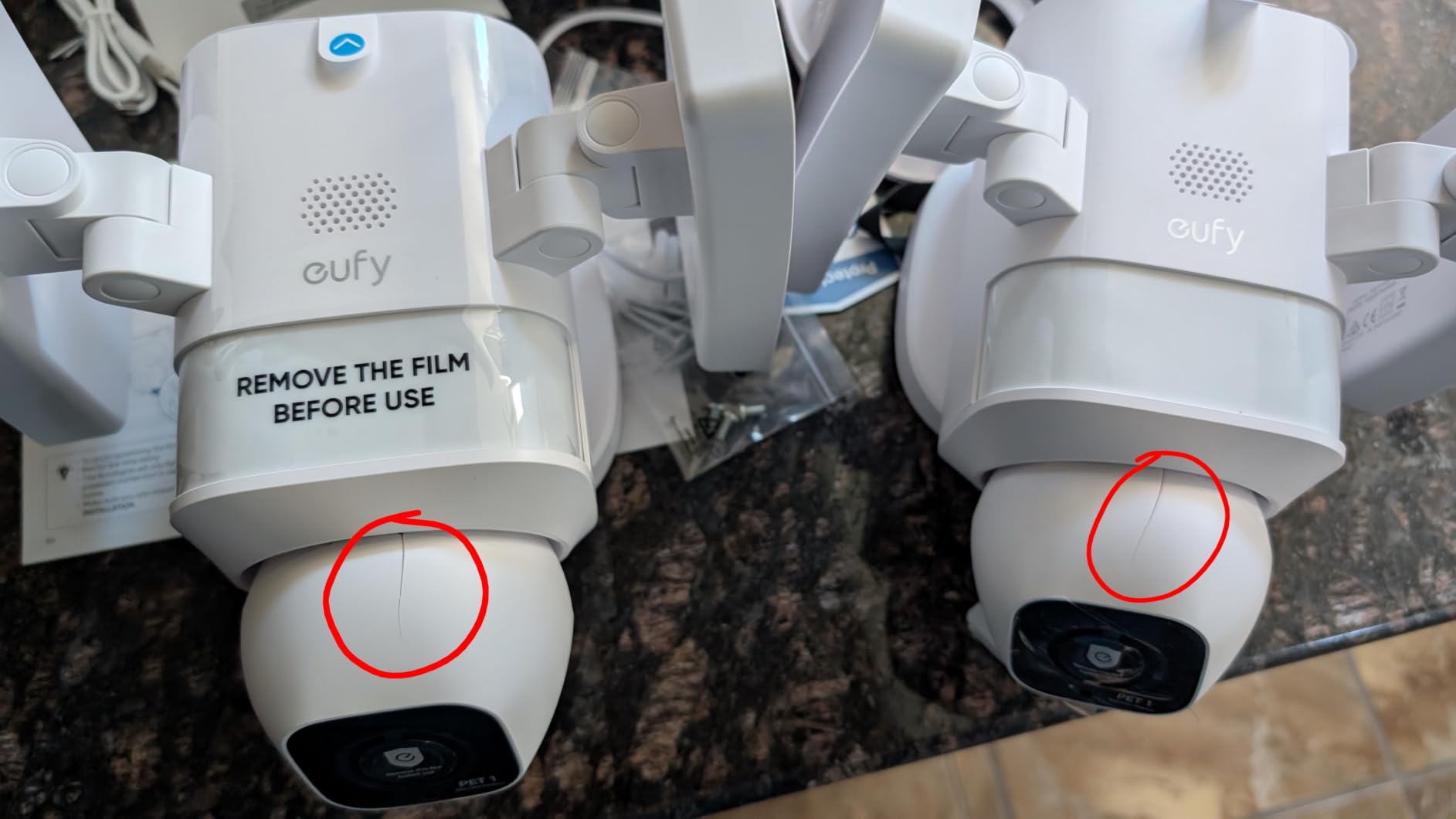
The E30 costs less than the E340 while providing the same subscription-free recording, 360° coverage, and AI detection. The trade-offs are single-lens 2K video instead of dual-lens 3K/2K, no optical zoom, and 2.4GHz-only WiFi. For users who don’t need long-distance zoom capabilities, the E30 offers better value while maintaining the core features that matter.
11. aosu Wired Floodlight Camera 3K – High Resolution at Competitive Price

aosu Wired Floodlight Camera 3K 2600-Lumen 24/7 Recording
3K UHD video
2600 lumen floodlight
360° pan/tilt
24/7 continuous recording
No subscription required
Pros
- 24/7 continuous hardwired recording ensures uninterrupted monitoring
- 3K UHD resolution with 6x digital zoom provides clear detail
- 2600 lumen floodlight with 270° wide-angle illumination
- 360° horizontal and 90° vertical pan/tilt coverage
- 3 PIR sensors offer 270° motion detection area
- AI identifies people pets and vehicles to reduce false alarms
- IP65 waterproof rating for outdoor use
- No subscription required for core features
Cons
- Requires hardwired installation rather than simple plug-in setup
- Limited brand recognition vs established competitors
- 2.4GHz WiFi only
- Some users may prefer optical zoom over digital
- Fewer reviews than more established models
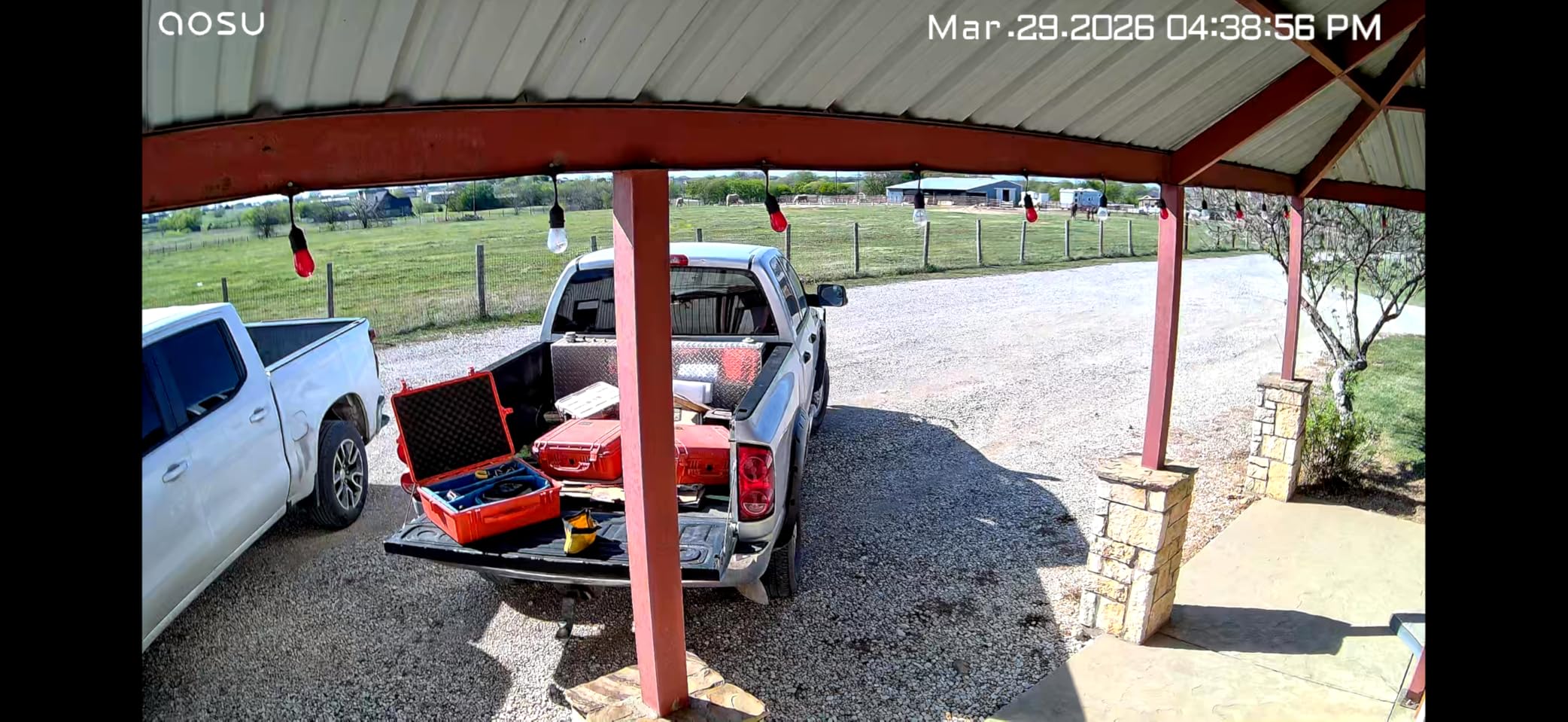
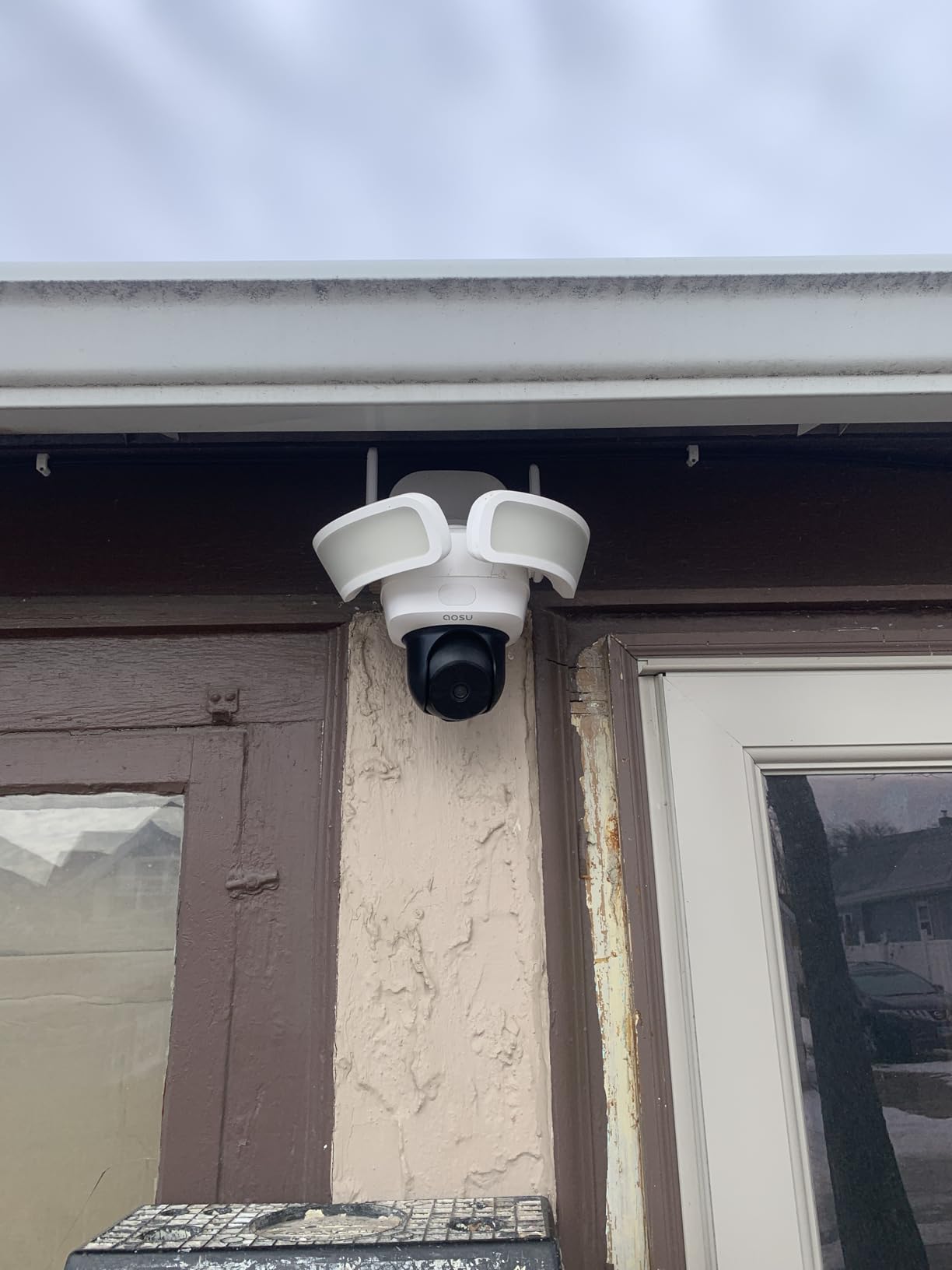
The aosu Wired Floodlight Camera offers 3K UHD resolution, the highest in this comparison, combined with 360° pan/tilt coverage and a bright 2600-lumen floodlight. As a newer entrant to the market, it provides premium specs at a competitive price while requiring no subscription for core recording features.
The 3K resolution delivers noticeably more detail than 1080p or even 2K cameras, helping with facial identification and license plate reading at moderate distances. The 6x digital zoom, while not as sharp as optical zoom, still provides usable magnification when needed.
Comprehensive Motion Detection
Three PIR sensors provide 270° motion detection coverage, detecting movement outside the camera’s field of view and triggering recording before subjects enter the frame. The AI-powered detection distinguishes between people, pets, and vehicles, reducing false alerts significantly compared to basic motion sensors.
24/7 Recording Without Subscription
Like the eufy models, the aosu supports 24/7 continuous recording to local storage without subscription fees. The hardwired power ensures the camera never goes offline due to battery depletion, providing consistent surveillance coverage. This makes it particularly suitable for high-security applications where missing footage would be unacceptable.
Considerations for Newer Products
With fewer reviews than established brands, long-term reliability is harder to assess. The brand lacks the ecosystem integration of Ring, Arlo, or Nest, offering basic Alexa and Google Assistant compatibility but limited advanced smart home features. If maximum resolution matters more than ecosystem polish, the value proposition is strong.
12. Tapo 2K Outdoor Pan/Tilt Wireless – Solar-Powered Budget Option

Tapo 2K Outdoor Pan/Tilt Wireless Floodlight Security Camera, C615F KIT
2K HD video
800 lumen floodlight
Solar/battery powered
360° pan/tilt
No subscription required
Pros
- Award-winning budget floodlight camera with strong value
- 800-lumen motion-activated floodlight
- 360° horizontal and 130° vertical pan/tilt coverage
- Solar-powered with built-in battery for maintenance-free operation
- Subscription-free AI detection for people pets and vehicles
- 2K resolution for clear day and night footage
- 24/7 continuous capture with customizable intervals
- Local storage via microSD card up to 512GB
- WIRED magazine Best Budget Floodlight Camera 2026
Cons
- Requires 2.4 GHz WiFi only
- 800 lumens significantly lower than wired models
- Solar charging requires temperatures above 32°F
- Lower floodlight brightness may not illuminate large areas
- Newer model with fewer reviews
- Battery management needed in low-sunlight conditions
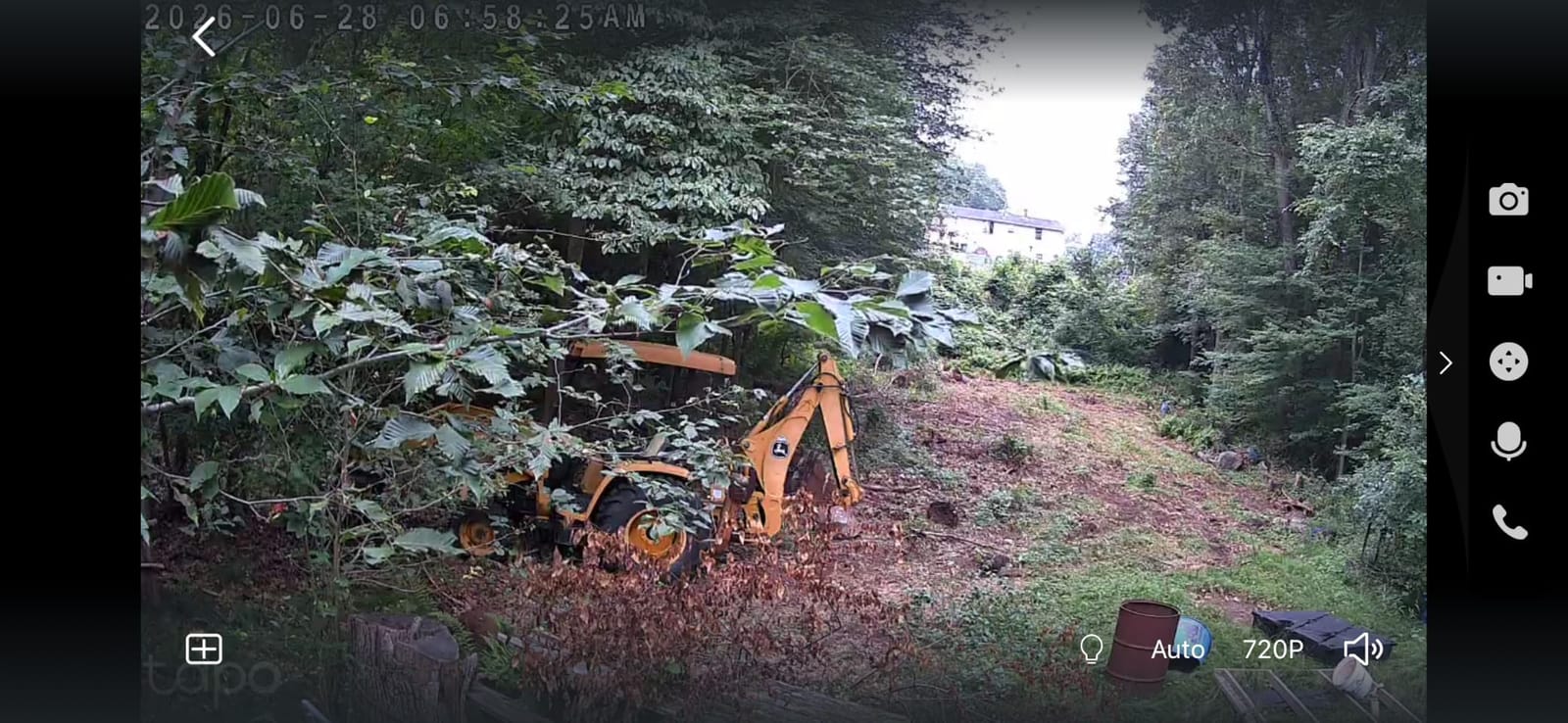
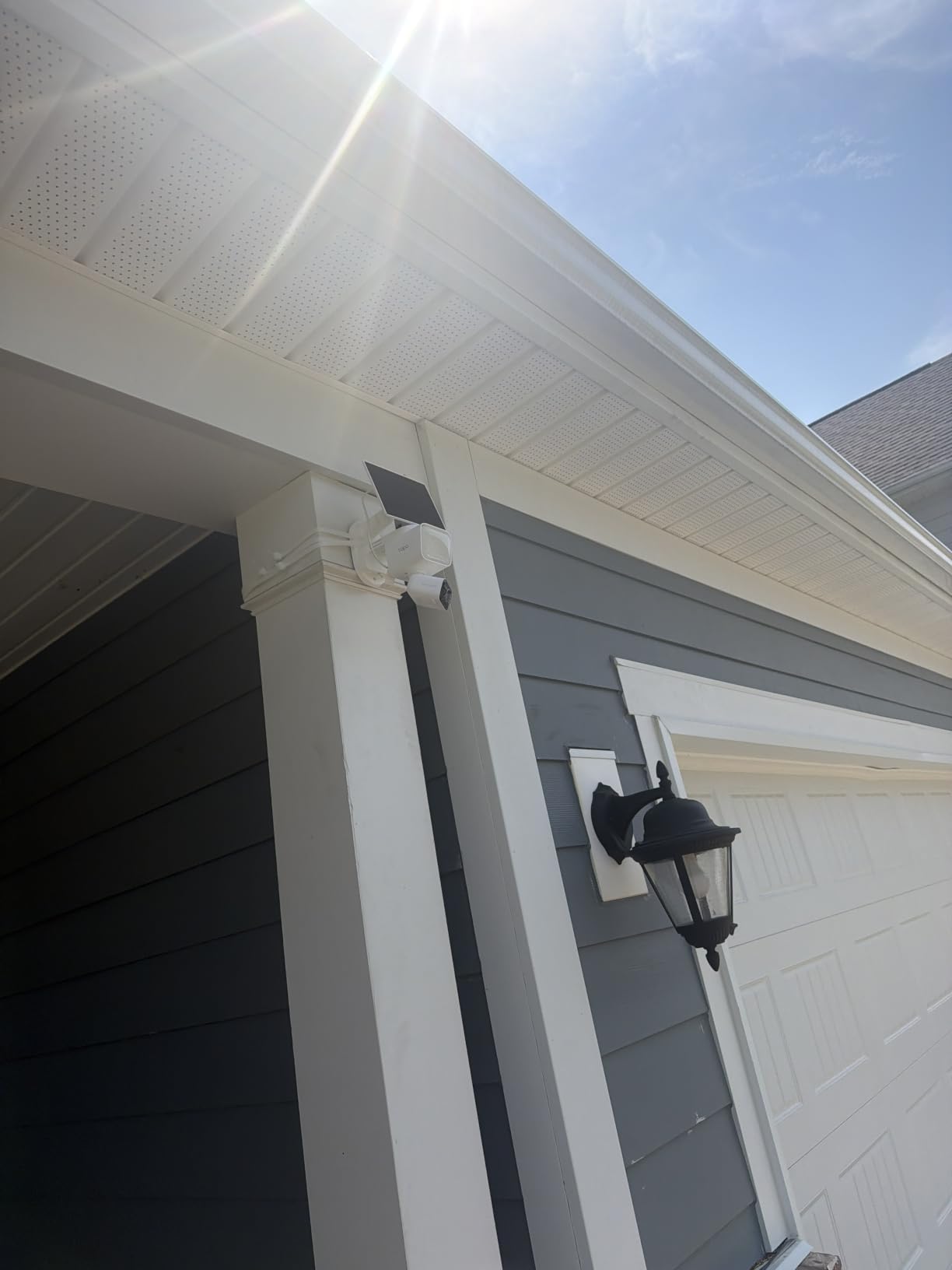
The Tapo 2K Outdoor Pan/Tilt Wireless Floodlight Camera earned WIRED magazine’s Best Budget Floodlight Camera award for 2026, combining solar-powered operation, 360° pan/tilt coverage, and subscription-free AI detection in an affordable package. For remote backyard areas where both power and budget are concerns, this camera provides a complete solution.
The integrated solar panel and battery system is designed for maintenance-free operation. TP-Link claims 45 minutes of sunlight powers a full day of recording, with up to 140 days of operation during extended cloudy periods. This makes it genuinely viable for locations where running power cables would be impractical.
Solar Power and Battery Management
The 10,400mAh battery provides substantial backup capacity for cloudy periods. During testing, the solar panel maintained the battery level in most conditions, though extended overcast weather required monitoring. The camera automatically adjusts recording quality and interval frequency to preserve battery when solar input is limited.
Subscription-Free Features
All AI detection features work without a subscription: person, pet, and vehicle identification, 360° auto-tracking, and 24/7 continuous capture. The microSD slot supports cards up to 512GB, providing days of continuous recording or weeks of event-based footage. This subscription-free approach delivers significant long-term savings.
Trade-offs for Budget Pricing
The 800-lumen floodlight is significantly dimmer than wired alternatives, more suited to targeted illumination than broad backyard lighting. The 2.4GHz-only WiFi requirement may limit range in some installations. For users prioritizing wireless flexibility and low ongoing costs over maximum brightness, these trade-offs are acceptable for the price point.
How to Choose the Right Floodlight Camera for Your Backyard
Selecting the best floodlight camera for your backyard depends on several key factors: power availability, coverage requirements, budget constraints, and whether you’re willing to pay ongoing subscription fees. After testing all 12 cameras in real backyard conditions, here are the critical decisions you’ll need to make.
Wired vs Wireless vs Battery-Powered Installation
Your first decision should be power source. If you have existing outdoor electrical wiring or junction boxes where you want to mount cameras, wired models like the Ring Wired Plus or eufy E340 provide consistent power and brighter floodlights. The 2000-3000 lumen output of wired models illuminates large backyard areas effectively.
Battery-powered cameras like the Arlo Wireless, Blink Outdoor 4, and Tapo offer true placement flexibility for remote areas. However, the trade-offs include lower floodlight brightness (700-800 lumens vs 2000+), periodic recharging requirements, and potential recording delays. For sheds, gates, or property corners without electrical access, wireless is the only practical option.
Hybrid approaches work well too. The Arlo Wireless can be hardwired or paired with a solar panel for continuous power. The Tapo includes solar charging capability built-in. These combinations give you flexibility now with the option to add power sources later.
Brightness and Lumens: How Much Light Do You Need?
Floodlight brightness varies dramatically across models. The Blink Wired and aosu offer 2600 lumens, while battery-powered models like the Blink Outdoor 4 and Tapo provide only 700-800 lumens. For context, a typical 60-watt incandescent bulb produces about 800 lumens.
For large backyards, aim for at least 2000 lumens to provide adequate illumination for both security deterrence and video quality. Lower brightness works for targeted monitoring of specific entry points. Consider that color night vision requires some ambient light, so brighter floodlights improve nighttime video clarity significantly.
Some cameras offer dimmable floodlights or ambient light modes. The WYZE v2’s dusk-to-dawn sensor automatically adjusts brightness based on ambient conditions. These features help balance security lighting with light pollution concerns, particularly in residential areas with close neighbors.
Field of View and Coverage for Backyard Blind Spots
Fixed cameras typically offer 130-160° fields of view, while pan/tilt models like the eufy E340 and E30 provide true 360° coverage. For eliminating blind spots, pan/tilt cameras are superior, automatically tracking motion across the full rotation.
Consider your backyard layout when choosing coverage. A long narrow yard might benefit from a single pan/tilt camera that can sweep the entire area. An L-shaped yard might require two fixed cameras at different angles. Multiple cameras can be more effective than one pan/tilt unit if you need simultaneous coverage of different zones.
The Ring Floodlight Wired (product #5 in this guide) can link with other Ring devices to create coordinated lighting. When any Ring device detects motion, all linked lights activate. This multi-angle illumination approach can be more effective than a single camera for large properties.
Storage Options: Subscription-Free vs Cloud Plans
Subscription costs add up over time. Ring Protect costs per camera per month, with discounts for annual plans. Arlo Secure follows similar pricing. Over a 5-year ownership period, subscription costs can exceed the camera’s purchase price.
Several cameras in this comparison offer subscription-free operation: the eufy E340 and E30, aosu, Tapo, and WYZE with local SD storage. These cameras record 24/7 or event-based footage to local storage without ongoing fees. The trade-off is that local storage can be lost if the camera is stolen, while cloud storage preserves evidence off-site.
Some cameras offer hybrid approaches. The Nest Cam provides 3 hours of free cloud storage for recent events, with local backup during outages. The Blink cameras offer local storage via Sync Module while still supporting cloud subscriptions for users who want both options.
Smart Home Integration and Ecosystem Lock-In
If you’re already invested in a smart home ecosystem, choose a compatible camera. Ring and Blink work best with Alexa. Nest integrates seamlessly with Google Home. Arlo supports the widest range of platforms including Alexa, Google, HomeKit, SmartThings, and IFTTT. The eufy and WYZE cameras work with both Alexa and Google Assistant.
Ecosystem lock-in has advantages: unified app experiences, coordinated automation, and simplified management. However, it can limit future flexibility. The Arlo Wireless, with its multi-platform support, offers the most flexibility if you change smart home systems later.
For backyard entertainment setups, consider how your camera integrates with other outdoor tech. The best outdoor projectors for backyards can create outdoor movie experiences, while smart lighting and camera systems provide security during and after events.
Backyard-Specific Mounting and Placement Tips
Mount floodlight cameras 8-10 feet high for optimal coverage and security. This height captures faces while being difficult to tamper with. Angle the camera to cover primary entry points: gates, patio doors, and garage access.
Consider light direction carefully. Mount cameras so floodlights project toward activity areas rather than into neighbor’s windows or toward the camera lens itself. The motion sensors should face likely approach paths for early detection.
For large backyards, consider multiple cameras rather than trying to cover everything with one unit. Position cameras to overlap coverage zones, eliminating blind spots between fields of view. Coordinated systems like Ring’s linked devices can activate all lights when motion is detected anywhere, creating a strong deterrent effect.
Test WiFi signal strength before permanently installing cameras. Use your phone to check signal at the intended mounting location. If signal is weak, consider WiFi extenders, or choose cameras with enhanced WiFi like the eufy E30’s Power Amplifier design.
Frequently Asked Questions
What is the best floodlight camera for a backyard?
The best floodlight camera for most backyards is the Ring Floodlight Cam Wired Plus, which combines 2000-lumen brightness, reliable motion detection, and seamless Alexa integration with a 4.7-star rating from over 44,000 reviews. For users wanting no subscription fees, the eufy E340 offers 360° coverage and all features without monthly costs. For remote areas without power, the Arlo Wireless or Tapo solar-powered options provide flexible placement.
What is the difference between a spotlight and a floodlight camera?
A floodlight camera provides broad, wide-angle illumination typically 2000-3000 lumens covering 180-270° areas, designed to light up entire backyard zones. A spotlight camera offers narrower, more focused beams usually 300-700 lumens concentrated in specific directions. Floodlight cameras are better for general backyard illumination and deterrence, while spotlight cameras work well for targeted monitoring of specific entry points.
Do I need a subscription for floodlight cameras?
No, several floodlight cameras work fully without subscriptions. The eufy E340 and E30, aosu, Tapo, and WYZE offer local storage and AI detection without monthly fees. However, Ring, Arlo, Blink, and Nest cameras require subscriptions for cloud storage, video history, and advanced AI features. Over a camera’s lifetime, subscription-free models can save hundreds of dollars compared to cameras requiring monthly payments.
How high should I mount a floodlight camera in my backyard?
Mount floodlight cameras 8-10 feet high for optimal coverage and security. This height captures faces clearly while keeping the camera out of easy reach for tampering. Position the camera to angle slightly downward, covering primary entry points like gates, patio doors, and garage access. Avoid mounting so high that the camera looks down at too steep an angle, which can distort perspective.
Are floodlight cameras worth it for home security?
Yes, floodlight cameras are highly effective for backyard security because they combine two deterrents in one device: sudden bright illumination that startles intruders and video recording that documents activity. Studies show that properties with visible security cameras are less likely to be targeted by burglars. The floodlight component provides both practical illumination for nighttime backyard use and active deterrence when motion-triggered, making these cameras particularly valuable for dark backyard areas.
Final Verdict: Choosing Your Backyard Floodlight Camera
After testing all 12 cameras, clear winners emerge for different backyard scenarios. The Ring Floodlight Cam Wired Plus earns our Editor’s Choice for its proven reliability, excellent motion detection, and unmatched user satisfaction scores. It’s the safest choice for homeowners with existing outdoor wiring who want a dependable, well-supported product.
For users prioritizing no ongoing costs, the eufy Floodlight Camera E340 stands out with 360° coverage, dual-lens zoom capability, and all features working without subscription fees. The long-term savings can exceed the camera’s purchase price over a typical ownership period.
Battery-powered options serve different needs. The Arlo Wireless provides the brightest wireless illumination at 3000 lumens with multi-platform smart home support. The Tapo solar-powered camera offers the most affordable path to maintenance-free backyard security, particularly for remote areas without power access.
Consider your specific situation: existing wiring availability, backyard size and layout, smart home ecosystem preferences, and willingness to pay ongoing subscription costs. The cameras in this guide cover all combinations of these factors, ensuring there’s a match for your backyard security needs.