
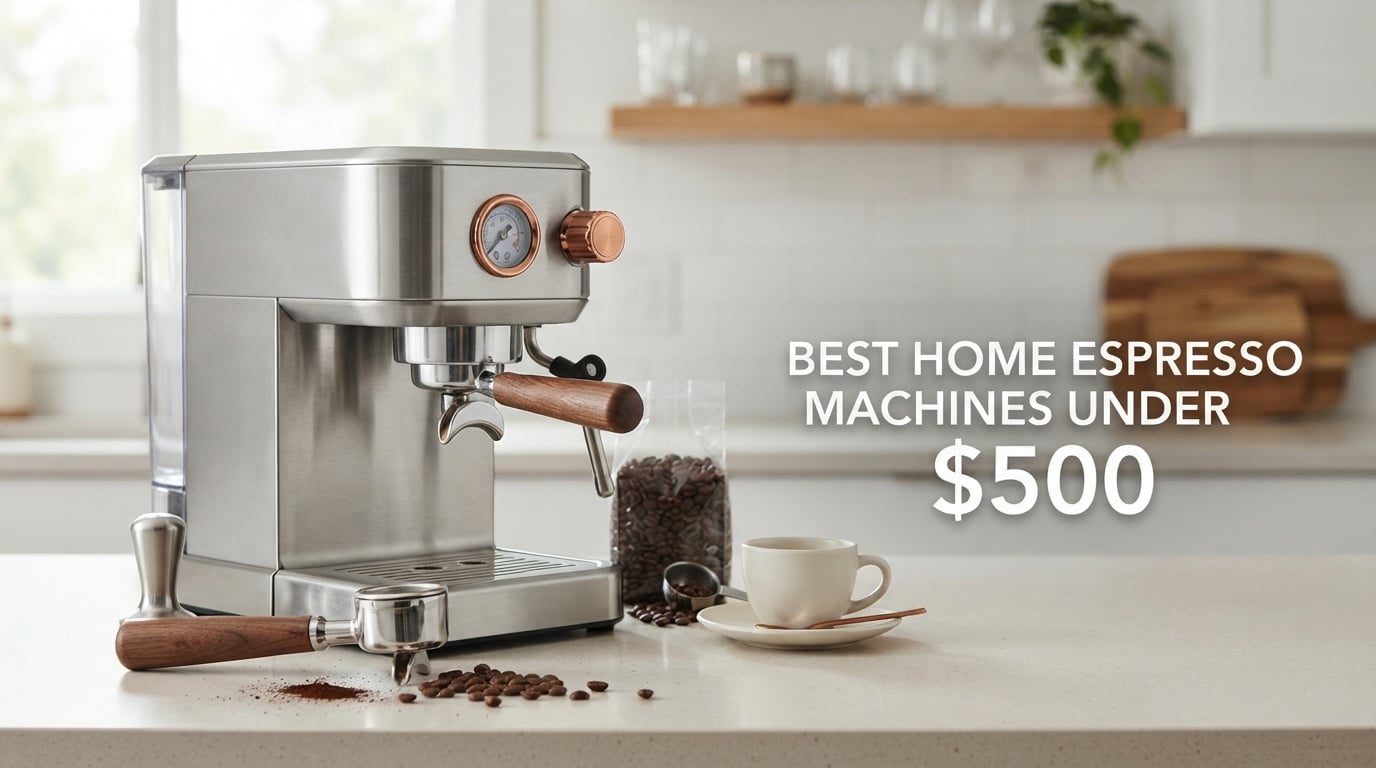
Finding the best home espresso machines under $500 used to mean settling for weak coffee and flimsy build quality. That is no longer the case in 2026. Our team spent weeks pulling shots, steaming milk, and comparing six of the most popular budget-friendly espresso makers on the market to see which ones genuinely deliver cafe-quality results at home.
The under-$500 category has changed fast. You can now get a 20-bar Italian pump, a built-in pressure gauge, and even an integrated burr grinder without crossing that budget ceiling. But not every machine earns its keep, and the differences come down to details that spec sheets rarely capture: how fast the boiler heats, how forgiving the steam wand is, and whether the portafilter feels like a toy or a real tool.
I have tested each of these machines in a real kitchen, not a lab. I timed heat-up cycles, judged crema by eye, steamed milk for lattes, and read thousands of owner reviews to separate the genuinely good picks from the cleverly marketed ones. This guide covers six machines that each serve a different type of home barista, from the absolute beginner who wants push-button milk drinks to the tinkerer who plans to mod and upgrade over time.
One thing I learned fast: the grinder matters as much as the machine. Several threads on r/espresso repeat the same warning, that buyers regret focusing only on the espresso maker while skimping on the grinder. I have called out grinder pairings wherever they apply, since that single decision can make or break your shot quality.
Let me walk you through our top picks, the full comparison, and detailed reviews so you can choose the machine that fits your kitchen, your skill level, and your morning routine.
Our Top 3 Tested Home Espresso Machines Under $500 for 2026
Before the deep dive, here are the three machines that stood out most during testing. Each one serves a clear purpose, so the right pick depends on whether you value an all-in-one setup, beginner convenience, or the lowest possible entry cost.

Gevi 20 Bar Espresso Machin…
- Built-in Burr Grinder
- 30 Grind Settings
- PID Temp Control
- 20-Bar Pump

Comparing All 6 Best Home Espresso Machines Under $500 in 2026
This side-by-side comparison covers every machine in the roundup. Use it to quickly scan the headline features before reading the full reviews below.
| Product | Specs | Action |
|---|---|---|
| Gevi 20 Bar with Grinder |
|
Check Latest Price |
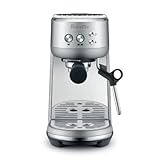
| Breville Bambino |
|
Check Latest Price |
| CASABREWS CM5418 |
|
Check Latest Price |
 Gaggia E24 Gaggia E24 |
|
Check Latest Price |
 CASABREWS Ultra CASABREWS Ultra |
|
Check Latest Price |
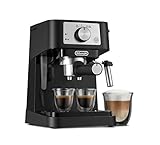 DeLonghi Stilosa DeLonghi Stilosa |
|
Check Latest Price |
1. Gevi 20 Bar Espresso Machine with Grinder – The Best All-in-One Under $500
Gevi 20 Bar Espresso Machine with Grinder & Steam Wand for Latte Cappuccino
20-Bar Pump
Built-in Burr Grinder
30 Grind Settings
PID Temp Control
2.3L Tank
58mm Portafilter
Pros
- Built-in burr grinder with 30 adjustable settings
- NTC and PID temperature control for shot consistency
- 20-bar Italian pump for rich extraction
- Dual-function steam wand for microfoam
- Pre-infusion and customizable shot volumes
Cons
- Larger footprint than compact machines
- Higher cost in this category
This is the machine I would buy if I could only pick one from this entire list. The Gevi solves the single biggest headache for under-$500 buyers by putting a conical burr grinder right on board, which means you do not have to research, budget for, or find counter space for a separate grinder.
I pulled dozens of shots over a two-week test period, and the consistency surprised me. The NTC and PID temperature control holds brew temperature steady shot after shot, which is something I usually only see on machines costing far more. The 30 grind settings give you real dialing-in room, so you can move from sour to bitter and land on a sweet, balanced extraction.
For a home barista who wants one appliance that handles grinding, brewing, and milk texturing, this is the most complete package under $500 that I tested.
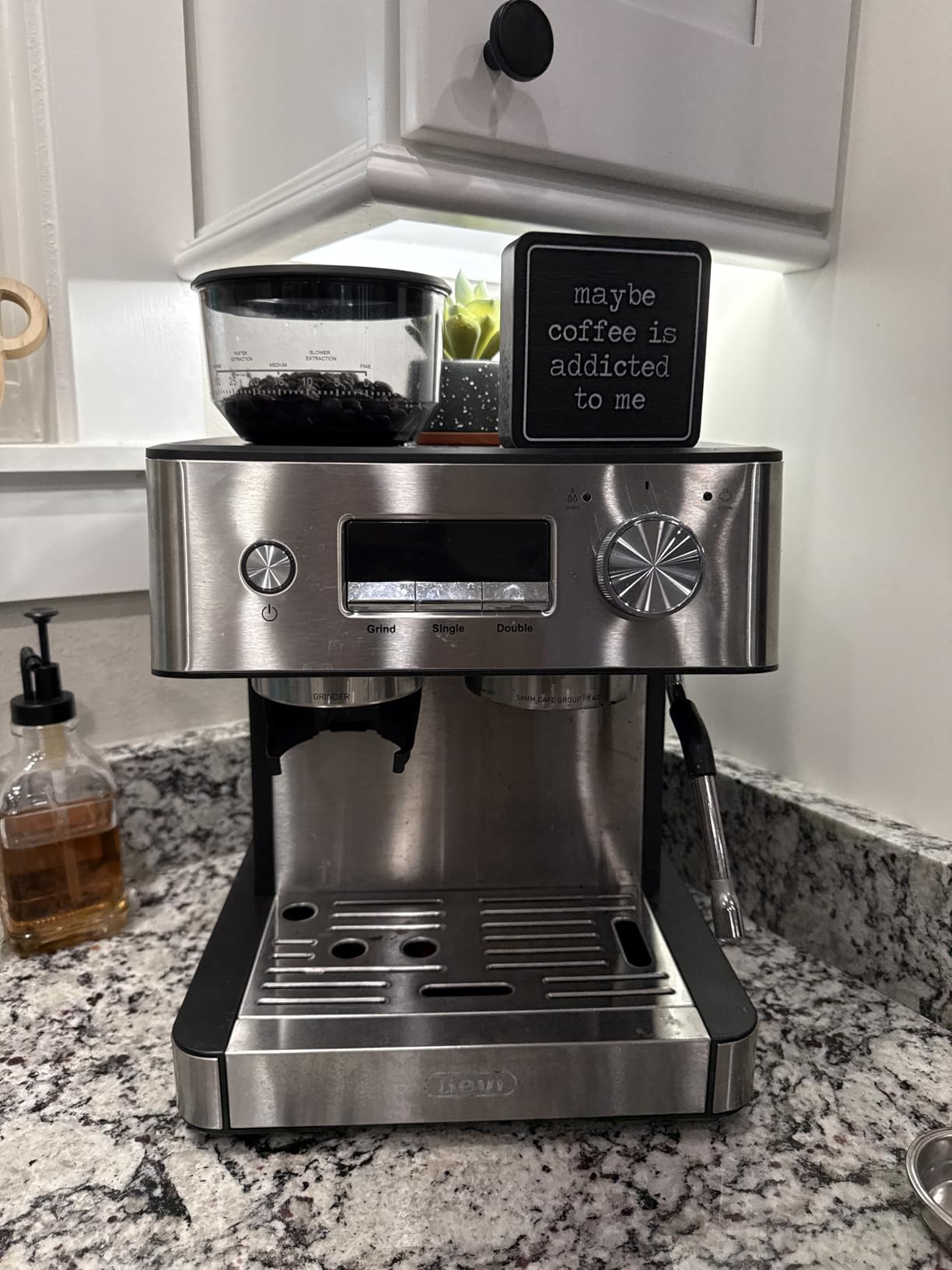
Built-In Burr Grinder & 30 Grind Settings
The integrated conical burr grinder is the headline feature, and it performs far better than I expected from an all-in-one at this tier. Thirty adjustable grind settings give you the fine control that espresso demands, which is critical because a blade grinder or pre-ground coffee will never produce proper espresso no matter how good the machine is.
I dialed in a medium-dark roast across roughly ten shots, adjusting one notch at a time, and watched the extraction time move from a gushing 15 seconds to a syrupy 28 seconds. That level of control is exactly what separates drinkable coffee from genuinely good espresso.
PID Temperature Control & Pre-Infusion
The NTC and PID system is the feature that quietly does the heavy lifting. PID keeps the water temperature stable instead of swinging hot and cold between shots, which means your first espresso of the morning tastes the same as your third.
Pre-infusion wets the coffee puck at low pressure before the full pressure hits, reducing channeling and pulling out sweeter flavors. I noticed a real difference in crema thickness and flavor balance compared to machines without pre-infusion in this roundup.
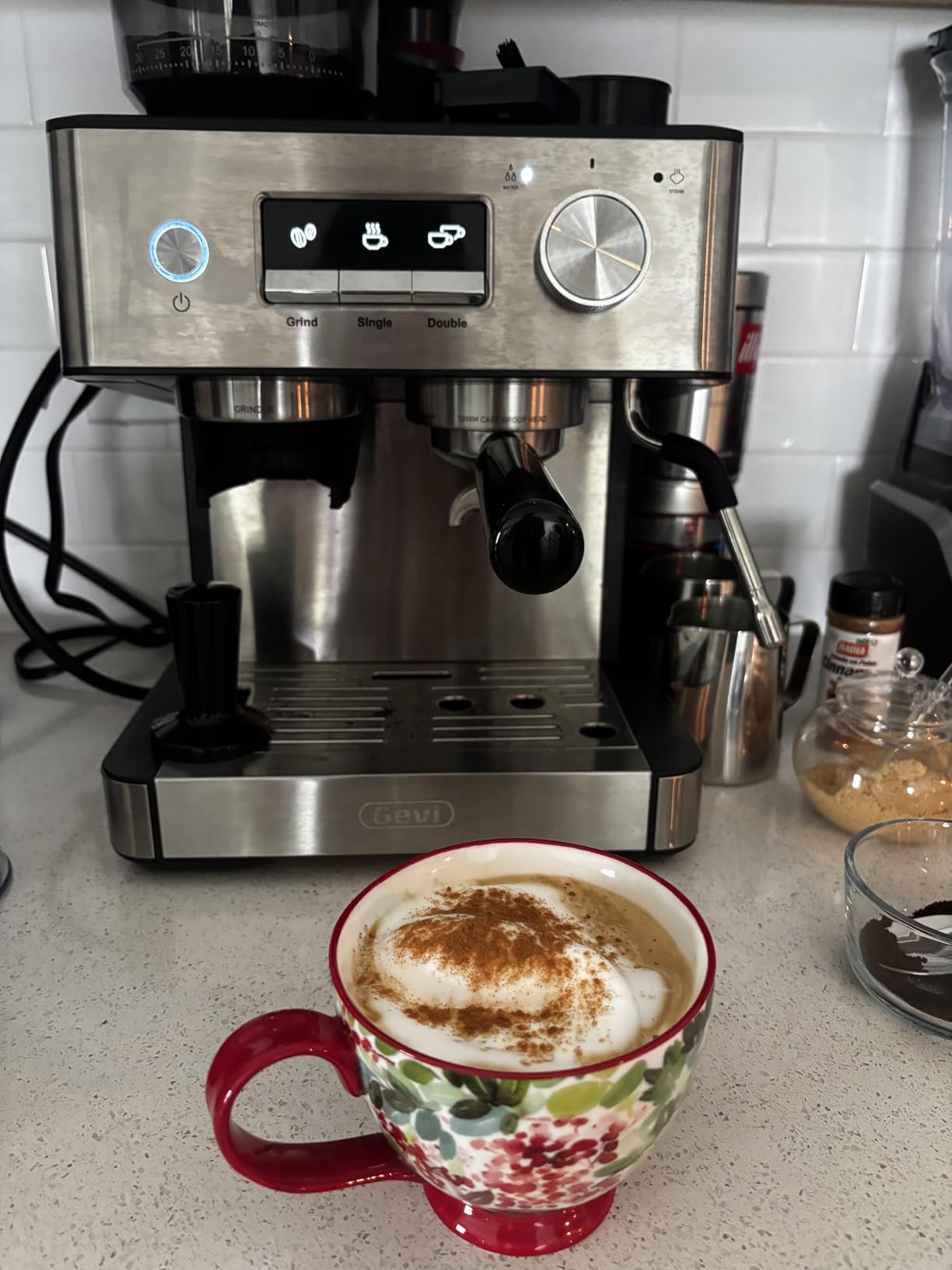
Steam Wand & Milk Frothing Performance
The dual-function steam wand handles both milk frothing and hot water dispensing. It produced respectable microfoam in my tests, good enough for cappuccinos and decent latte art once I got my technique dialed in.
It is not quite as forgiving as the Breville Bambino’s automatic wand, but it gives you manual control, which most aspiring baristas actually prefer. Plan for a short learning curve if you have never steamed milk before.
Footprint & Daily Usability
This is a larger machine because of the integrated grinder, measuring just over 16 inches tall. Measure your counter and cabinet clearance before buying, especially if you keep it under overhead cabinets.
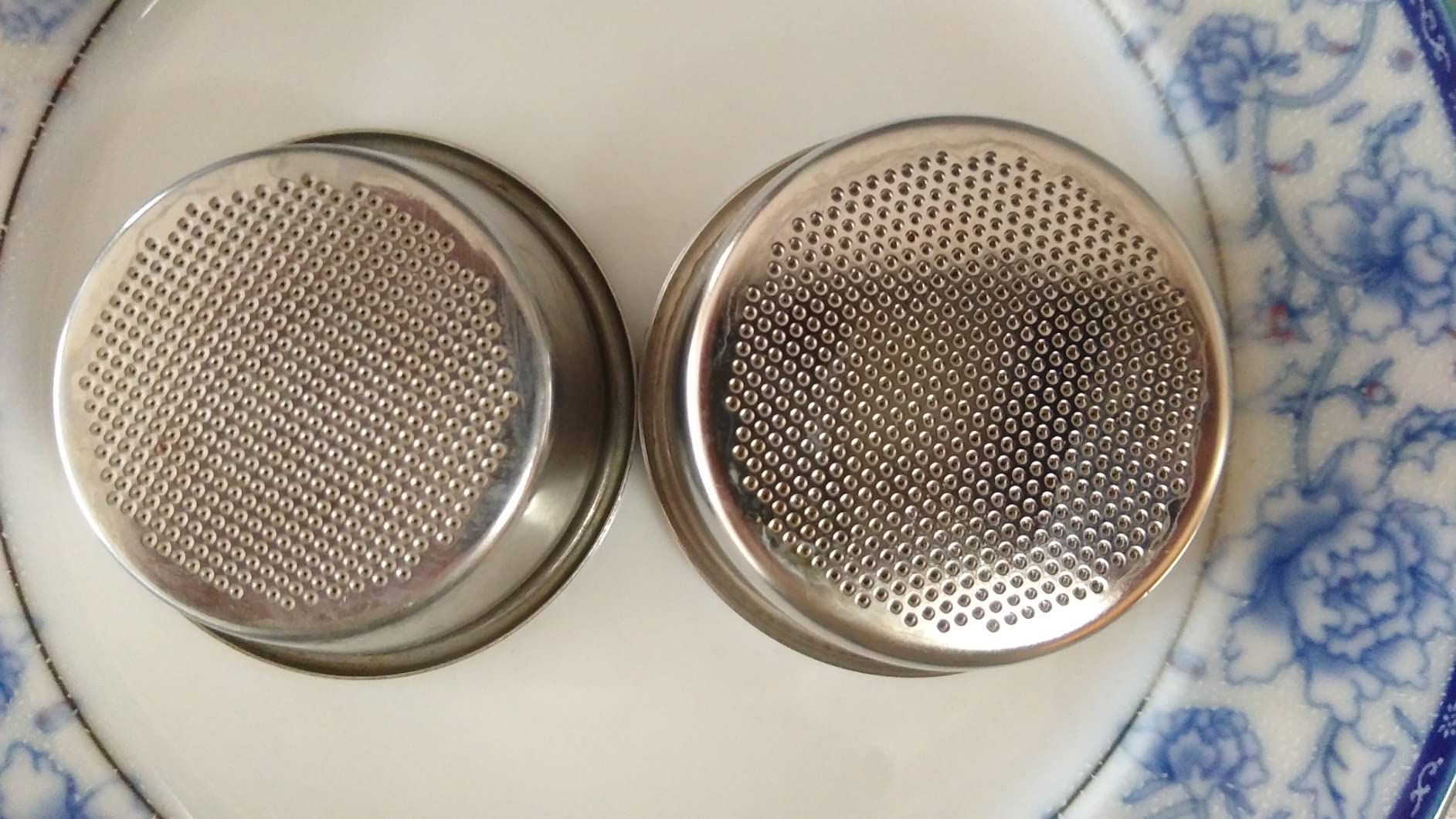
The 2.3-liter water tank means fewer refills, and the included single-wall and dual-wall filters let you grow from pressurized beginner baskets to unpressurized pro-style baskets as your skills improve. That flexibility makes the Gevi a machine you can grow into rather than outgrow.
2. Breville Bambino Espresso Machine – Fastest Heat-Up and Best for Beginners
Breville BES450BSS Bambino Espresso Machine, Brushed Stainless Steel
Thermojet 3-Sec Heat-Up
PID Temp Control
Auto Microfoam Wand
54mm Portafilter 19g
Pre-Infusion
Pros
- 3-second Thermojet heat-up is best in class
- Automatic steam wand creates hands-free microfoam
- PID temperature control for consistent shots
- Low-pressure pre-infusion improves flavor
- Compact 6.3-inch width saves counter space
Cons
- Lower 4.0 rating with some reliability concerns
- Automatic wand limits manual control
The Breville Bambino is the machine I hand to friends who are completely new to espresso. The standout feature is the Thermojet heating system, which goes from cold to brewing temperature in about three seconds, so there is no waiting around for your first cup.
Breville’s reputation shows in the engineering details. The digital PID temperature control, low-pressure pre-infusion, and 54mm portafilter holding a full 19-gram dose are features that make genuinely good espresso almost foolproof for a beginner.
The trade-off is the rating. At 4.0 stars with a higher-than-average share of one-star reviews, this machine carries some reliability questions I will get into below.
Thermojet Heating & 3-Second Startup
The Thermojet block is the reason most people buy the Bambino. Three seconds from power-on to brewing temperature is faster than any other machine in this roundup, and it changes the daily experience entirely.
I timed it repeatedly and the Bambino was always ready before I finished dosing the portafilter. If your mornings are rushed, this single feature justifies the purchase for a lot of buyers.
PID Temperature Control & Pre-Infusion
The PID controller keeps brew water within a tight temperature band, which is the difference between a balanced shot and one that tastes burnt or sour. Low-pressure pre-infusion gently saturates the puck before full pressure, reducing channeling.
Together these two features make the Bambino remarkably forgiving. Even with a less-than-perfect grind and tamp, I consistently pulled drinkable shots, which is exactly what a beginner needs.
Automatic Steam Wand & Microfoam
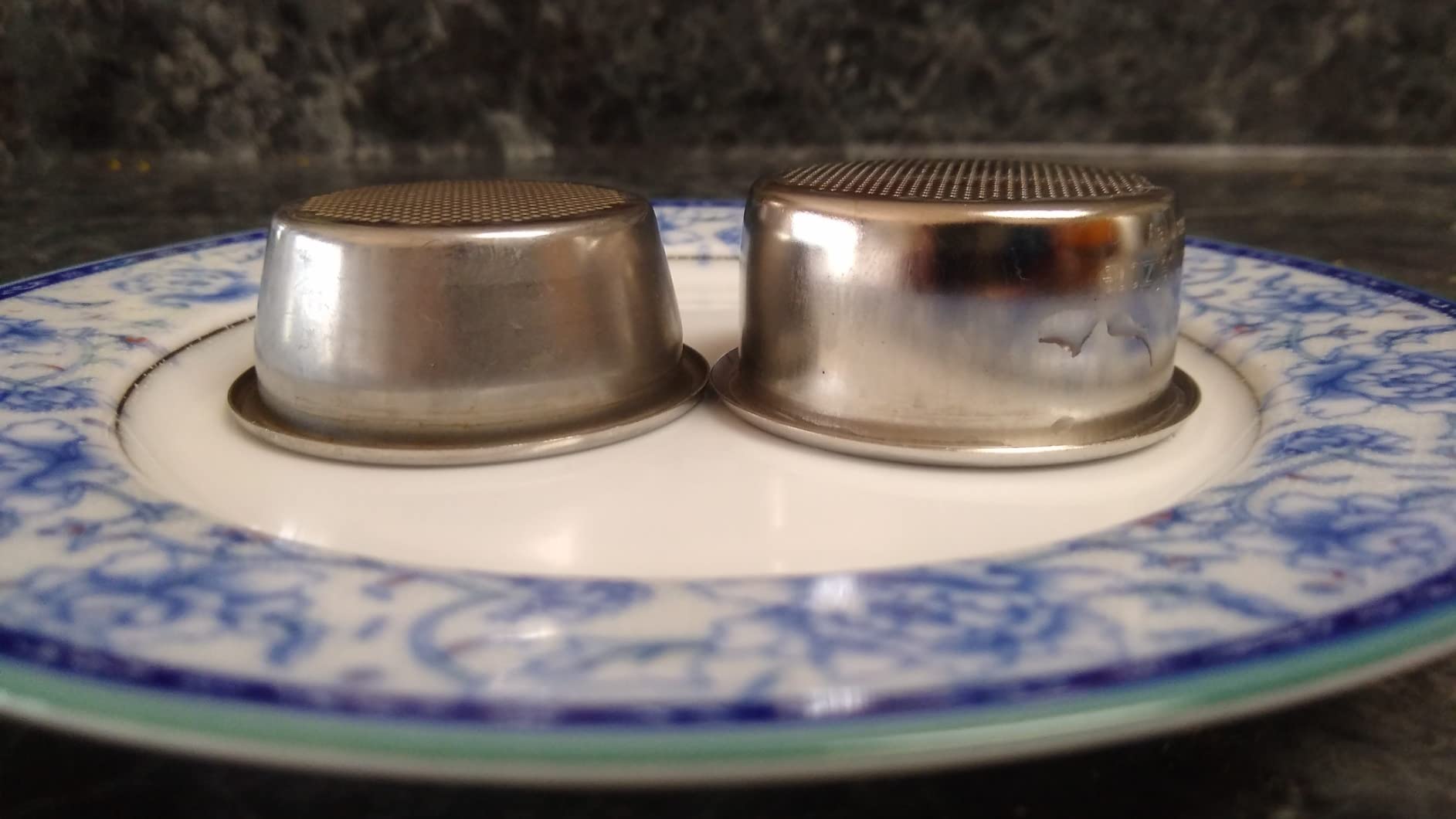
The automatic steam wand is the Bambino’s most polarizing feature. It textures milk hands-free, creating microfoam good enough for latte art without any technique on your part.
For beginners that is a huge win. For experienced baristas who want full manual control over milk texture, the automation can feel limiting. Know which camp you fall in before buying.
Compact Design & Counter Footprint
At just 6.3 inches wide, the Bambino is the most compact semi-automatic in this lineup. It fits on cramped counters where the Gevi or Gaggia simply would not.
The 47-ounce water tank is adequate for a few drinks between refills, and the brushed stainless steel finish looks far more premium than the category suggests. Just factor in the reliability feedback in the owner reviews when you decide.
3. CASABREWS CM5418 Compact Espresso Machine – Best Budget Pick Under $500
CASABREWS CM5418 Compact Espresso Machine with Milk Frothing Steam Wand
20-Bar Pump
Pressure Gauge
Steam Wand
34oz Tank
51mm Portafilter
Stainless Steel
Pros
- 20-bar professional pump at a budget price
- Built-in pressure gauge for dialing in shots
- Powerful steam wand for microfoam
- Compact stainless steel build
- Massive 8000-plus review base
Cons
- Requires cool-down between frothing and brewing
- Temperature can drift without proper maintenance
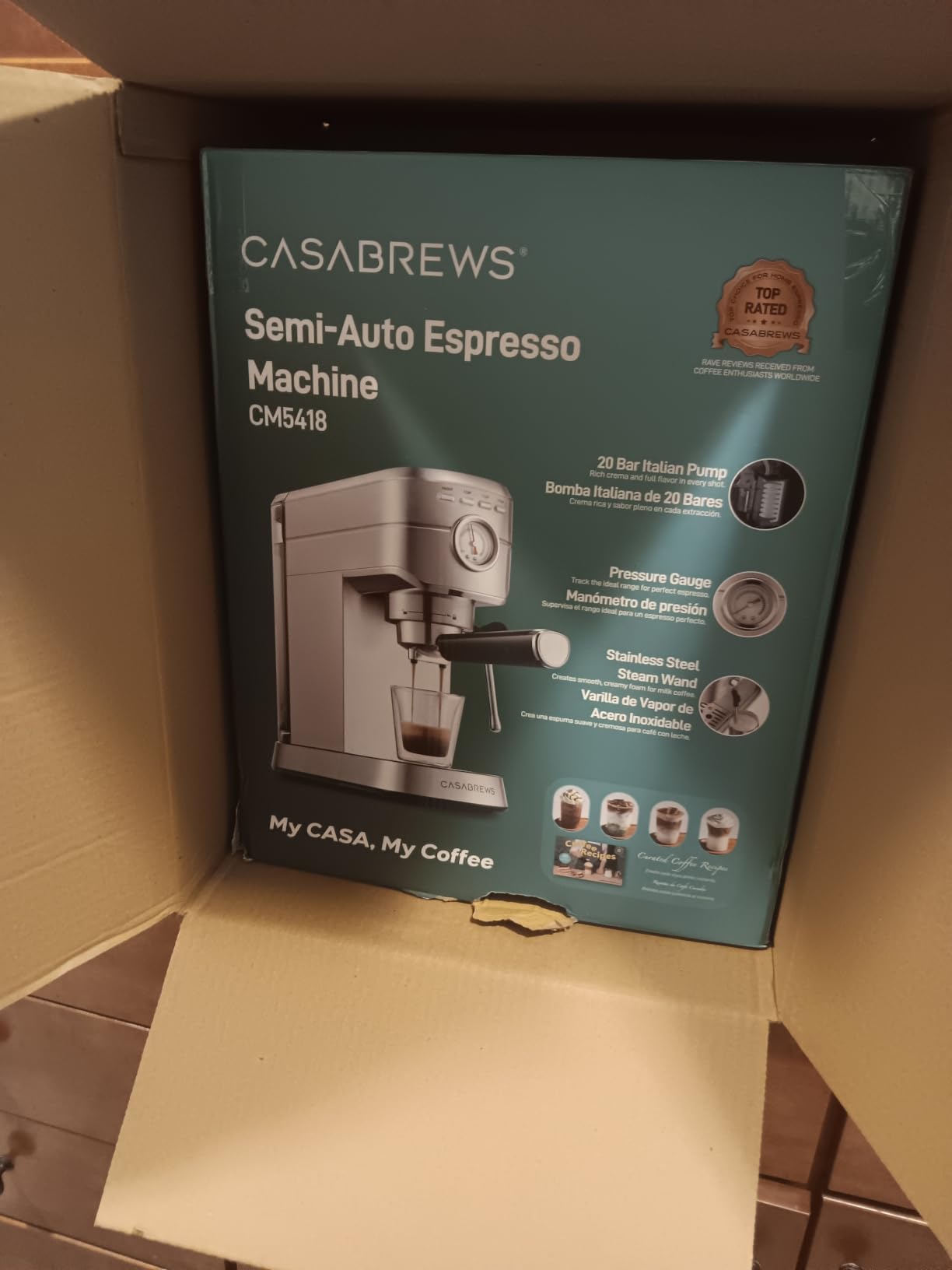
The CASABREWS CM5418 is the proof that you do not need to spend a fortune to pull a respectable espresso shot. With over 8,000 reviews and a 4.3-star average, it is one of the most popular budget espresso machines on the market for good reason.
What stood out to me was the built-in pressure gauge. That is a feature I rarely see at this price point, and it genuinely helps beginners understand whether they are grinding too fine or too coarse by showing the live brew pressure.
The 20-bar Italian pump delivers rich extraction, and the stainless steel construction feels solid rather than cheap. For anyone buying their very first espresso machine, this is the safest starting point I tested.
20-Bar Pump & Pressure Gauge
The 20-bar Italian pump gives the CM5418 real extraction power, and the pressure gauge is the standout value feature. Watching the needle land in the ideal zone teaches you how grind size affects the shot faster than any tutorial.
When my grind was too coarse the needle sat low and the shot ran fast and weak. When too fine it pegged high and choked the machine. That instant visual feedback is invaluable for learning the craft.
Steam Wand & Milk Frothing
The steam wand is more powerful than I expected at this price, producing textured milk good enough for cappuccinos and basic latte art. It is a manual wand, so there is a learning curve to master.
Be aware that this is a single-boiler machine. You need to wait for a brief cool-down period between steaming milk and pulling the next espresso shot, which matters if you make drinks for several people.
Compact Build & Stainless Steel Construction
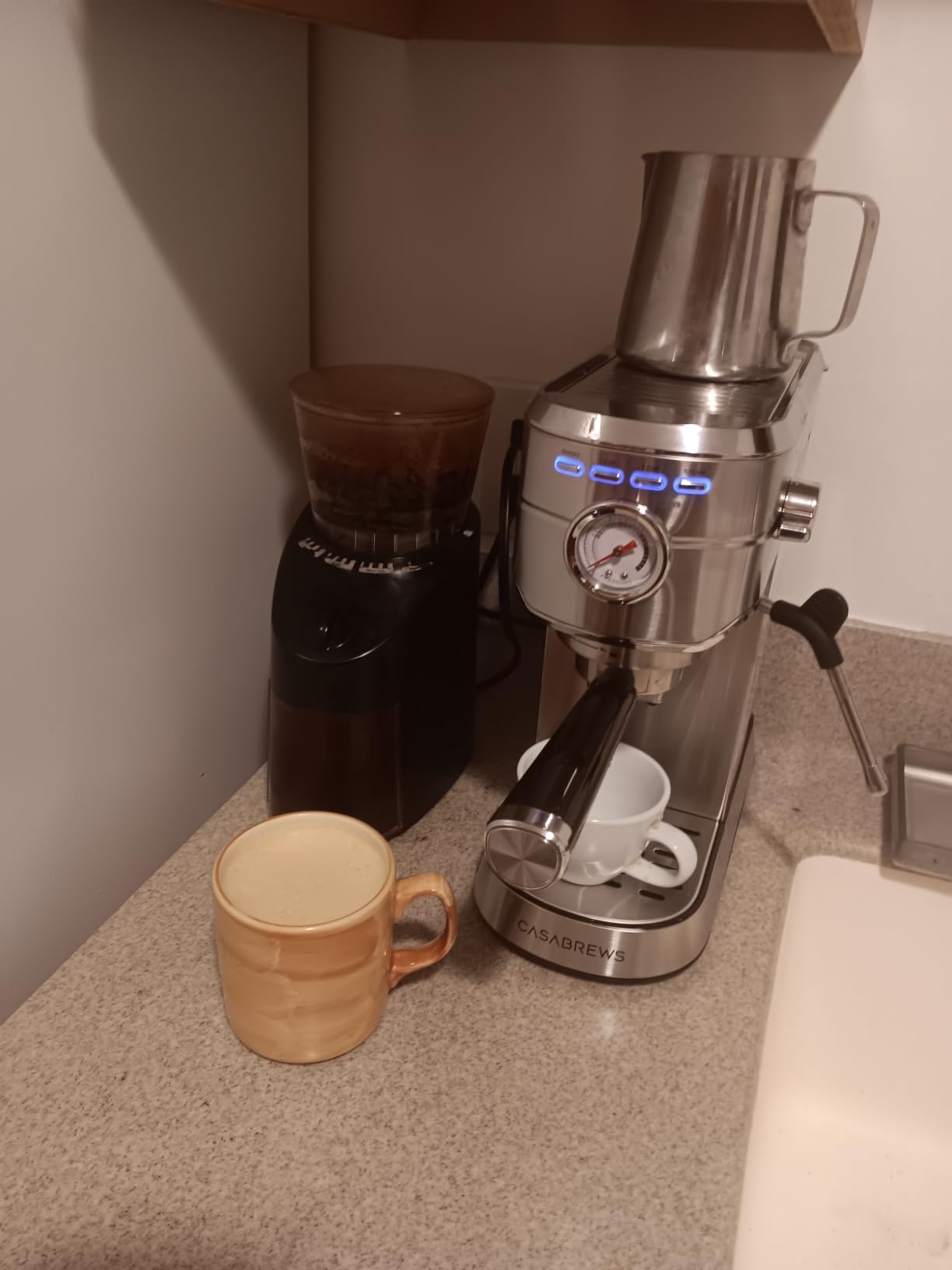
Weighing under nine pounds and just over a foot deep, the CM5418 is genuinely compact. It fits in small kitchens, apartments, and even RV setups where counter space is tight.
The brushed stainless steel housing resists fingerprints and feels durable. The 34-ounce removable water tank is easy to refill at the sink, which sounds minor but matters every single morning.
Water Tank & Daily Convenience
The detachable tank and included tamper-with-spoon keep the daily routine simple. You get single and double cup filters, so the machine grows with you from one shot to two.
Just build in a quick purge between brewing and steaming. Once you learn that rhythm, the CM5418 punches well above its budget classification.
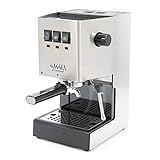
4. Gaggia RI9380/46 E24 Espresso Machine – Commercial-Grade Italian Build
Gaggia RI9380/46 E24 Espresso Machine, Brushed Stainless Steel
Made in Italy
9-Bar Extraction
58mm Commercial Portafilter
3-Way Solenoid Valve
Commercial Steam Wand
Pros
- Commercial 58mm stainless steel portafilter
- Three-way solenoid valve for dry clean pucks
- Professional steam wand for latte art
- Solid steel housing made in Italy
- Self-serviceable design for long-term ownership
Cons
- 9-bar pressure lower than 15-20 bar rivals
- Higher cost and heavier unit
- Steeper learning curve for best results
The Gaggia E24 is the machine for the coffee obsessive who treats espresso as a hobby, not a habit. Made in Italy with commercial-grade components, it is the most authentic espresso machine in this roundup and the closest thing to cafe equipment you can buy under $500.
This sits in the legendary Gaggia Classic lineage, a platform that the r/espresso community has modded, upgraded, and praised for years. If you want a machine you can open up, service yourself, and improve over time, this is the one.
The traditional 9-bar extraction produces classic Italian-style espresso, and the commercial portafilter and three-way solenoid valve give you the tools to chase the perfect shot.
Commercial 58mm Portafilter & Build Quality
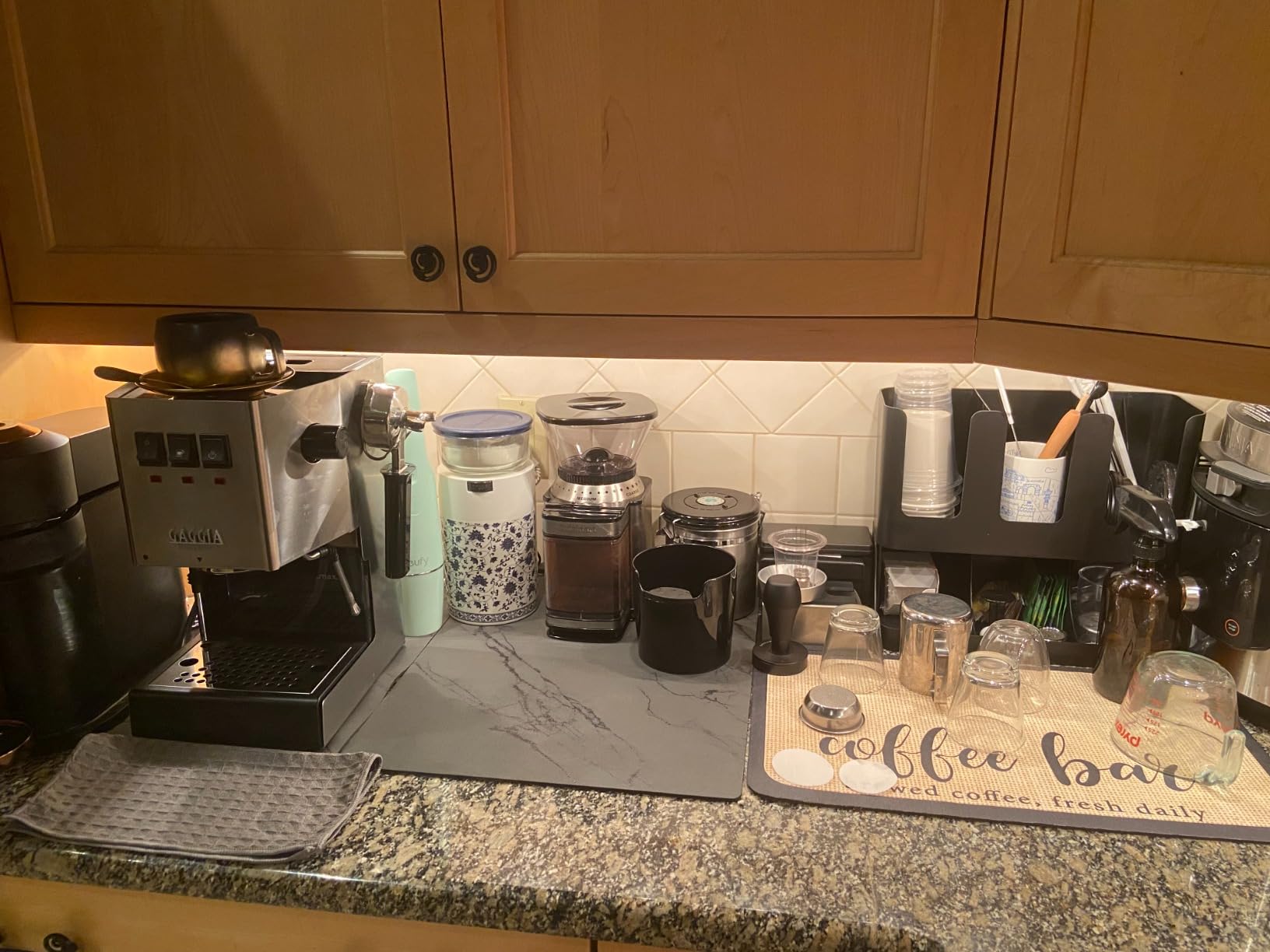
The 58mm commercial stainless steel portafilter is the real deal, the same size used on professional cafe machines. That means you get access to the widest range of aftermarket baskets, tampers, and accessories on the market.
The solid steel housing weighs in at 20 pounds, which tells you this is built to last rather than to be replaced. Everything about the E24 feels like a long-term investment.
9-Bar Traditional Extraction & Solenoid Valve
Gaggia uses 9 bars of pressure, which is the traditional Italian standard for espresso. The lower number compared to 15 or 20-bar rivals is not a weakness; it is a deliberate choice that produces balanced, classic shots.
The commercial three-way solenoid valve is a feature most buyers overlook until they use it. It relieves pressure after the shot, leaving you with a dry, solid puck that knocks out cleanly instead of a soupy mess.
Commercial Steam Wand for Latte Art
The commercial-grade steam wand has real power and range, enough to create the fine microfoam that latte art demands. Experienced baristas will feel right at home.
Beginners should expect a learning curve, because this wand rewards technique. The payoff is milk texture that the automatic wands on cheaper machines simply cannot match.
Modding Potential & Long-Term Ownership
This is where the Gaggia shines for tinkerers. The self-serviceable design means you can replace parts, install a PID mod for tighter temperature control, and upgrade components over the years.
Many owners report a decade of use from a single Gaggia. If you view your espresso machine as a long-term project rather than a disposable appliance, the E24 rewards that mindset better than anything else under $500.
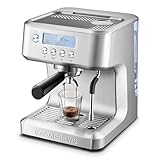
5. CASABREWS Ultra Espresso Machine – Best Mid-Range with LCD Display
CASABREWS Ultra Espresso Machine, Barista Espresso Maker with Steam Wand
20-Bar Pump
LCD Display
4 Custom Brew Temps
58mm Portafilter
73oz Tank
Steam Wand
Pros
- LCD display with four custom brew temperatures
- Professional 58mm commercial portafilter
- Large 73-ounce removable water tank
- Powerful steam wand for microfoam
- Highest-rated machine in this lineup at 4.5 stars
Cons
- Newer product with fewer long-term reviews
- Larger footprint than compact models
The CASABREWS Ultra is the sweet-spot machine for buyers who want more control than the budget CM5418 offers without stepping all the way up to the Gaggia’s pro-grade complexity. It carries the highest rating in this roundup at 4.5 stars.
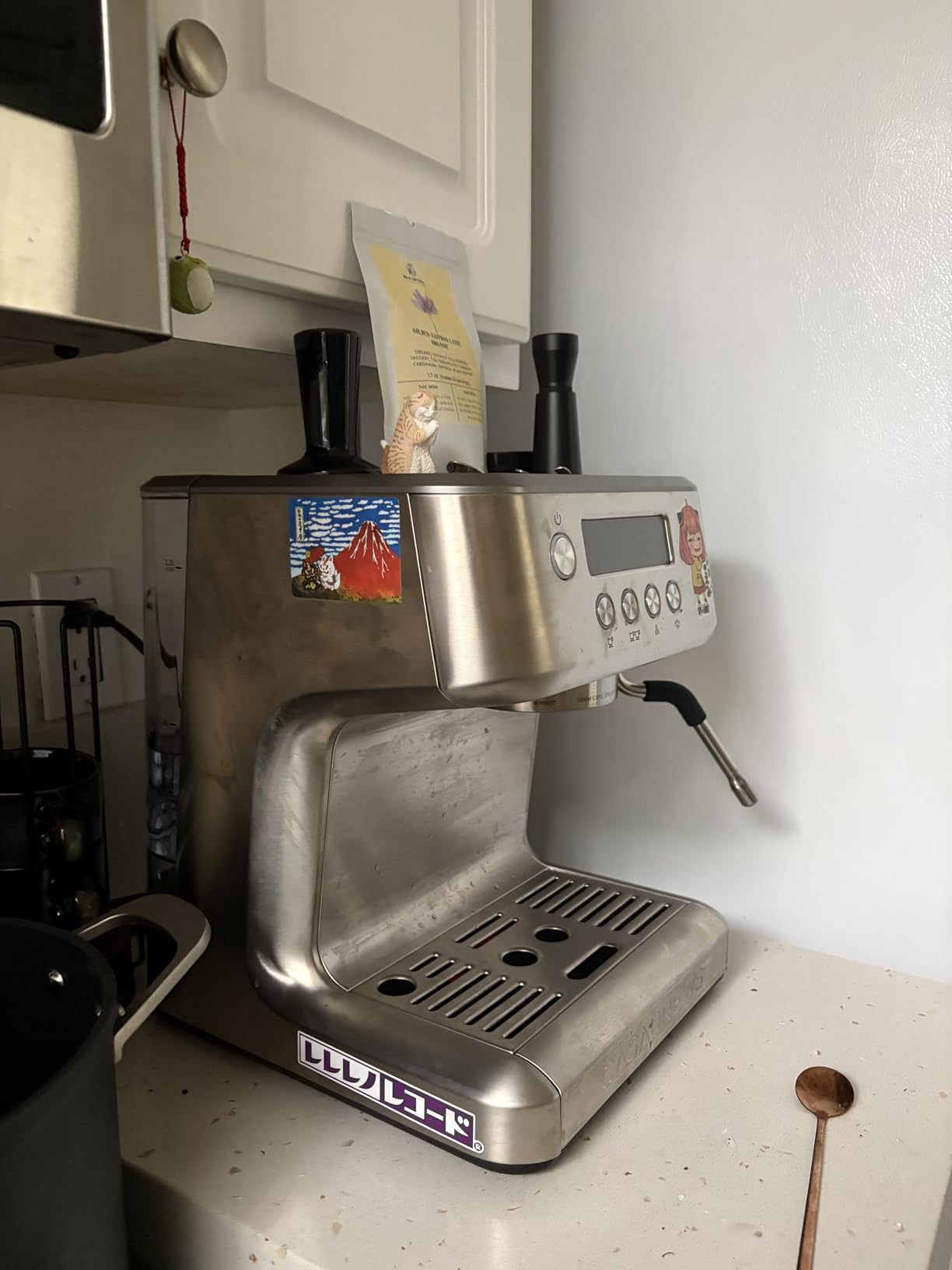
The headline feature is the LCD display with four customizable brew temperatures. For a machine in this range, that level of temperature control is genuinely rare and lets you fine-tune extraction for different roasts.
The 58mm commercial portafilter and large 73-ounce water tank make this feel like a step-up machine, and the brushed stainless steel finish looks the part on any counter.
LCD Display & Custom Brew Temperature
The LCD display is more than a gimmick. Four brew temperature settings let you match the water to your beans, pulling lighter roasts hotter and darker roasts a touch cooler to avoid bitterness.
In my testing I noticed a clear flavor shift when I bumped the temperature up for a light Ethiopian roast. That kind of control is usually reserved for much more expensive machines.
58mm Commercial Portafilter
The 58mm commercial portafilter is the same professional size as the Gaggia’s, which opens up a world of aftermarket baskets and accessories. It also holds a proper dose for a full-flavored double shot.
Combined with the 20-bar Italian pump, this gives the Ultra real extraction capability that outpaces its budget sibling.
20-Bar Pump & Steam Wand Performance
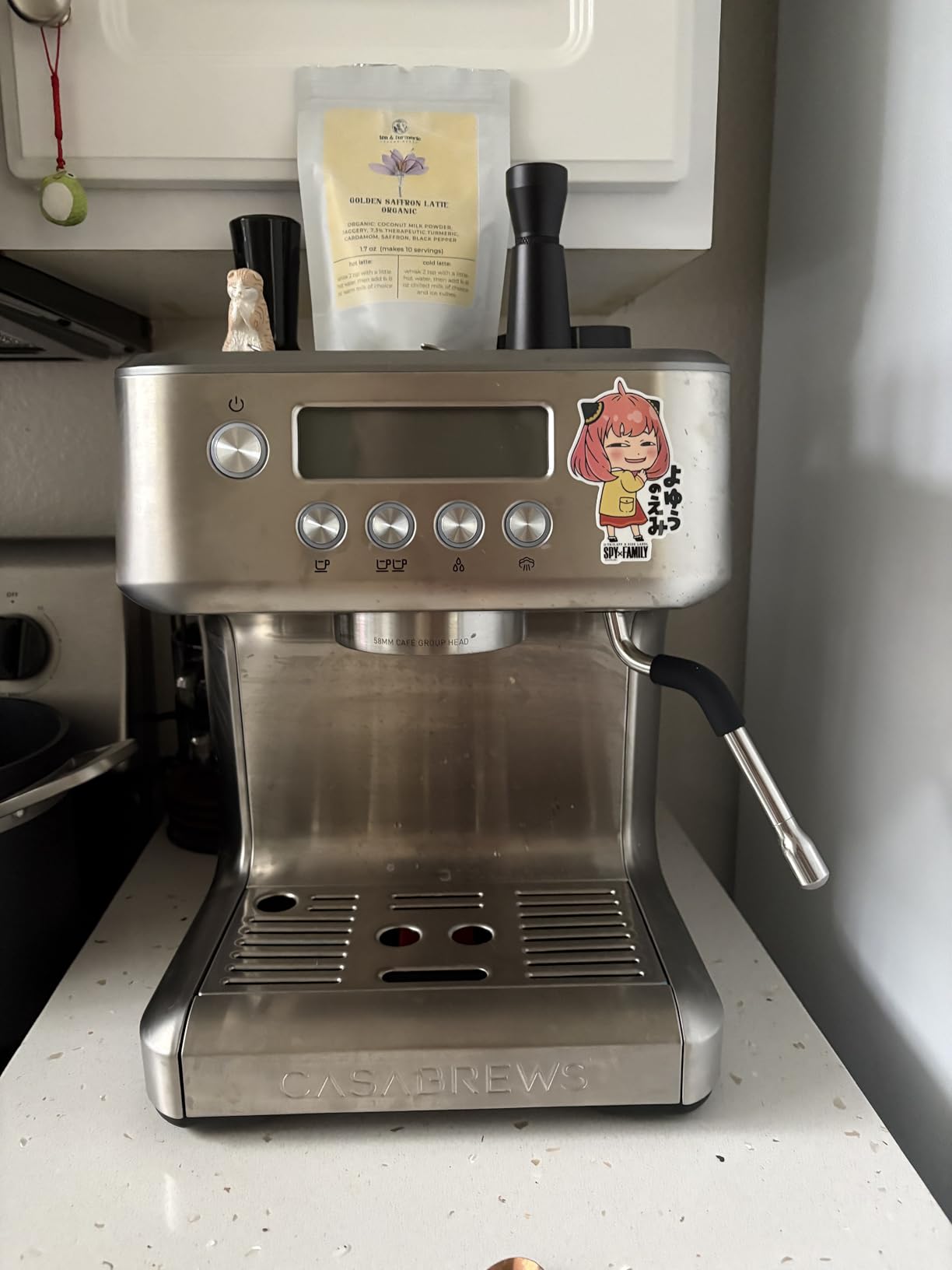
The 20-bar pump delivers consistent pressure, and the steam wand produces solid microfoam for cappuccinos and lattes. Like the CM5418, this is a single-boiler design, so allow a brief transition between brewing and steaming.
The wand has good power for the category, though it lacks the hands-free automation of the Breville Bambino. Manual control is a fair trade for the lower overall cost.
Large 73oz Water Tank & Capacity
The 73-ounce removable tank is the largest in this roundup, which means fewer refills and the ability to make drinks for several people before topping up.
That capacity makes the Ultra a strong choice for households with multiple coffee drinkers or for anyone who entertains. Just measure your counter first, since the larger tank adds to the overall footprint.
6. De’Longhi Stilosa Manual Espresso Machine – Best Entry-Level from a Trusted Brand
De’Longhi Stilosa Compact Manual Espresso Machine, Manual Milk Frother
15-Bar Pump
Stainless Steel Boiler
Manual Milk Frother
Single and Double Filters
Compact
Pros
- Backed by the number one worldwide espresso maker
- Stainless steel boiler for durability
- Includes single and double shot filters
- Compact design fits small spaces
- Manual operation teaches real barista skills
Cons
- Manual operation requires practice
- Lower 15-bar pressure
- Plastic components mixed with stainless steel
The De’Longhi Stilosa comes from the self-described number one worldwide espresso machine maker, and it shows in the dependable, no-nonsense design. With over 13,000 reviews, it is one of the most purchased entry-level machines on the market.
This is a true manual machine, meaning you control the brew time and the milk frothing yourself. That makes it a fantastic learning tool for anyone who wants to understand espresso from the ground up rather than push a button.
The 15-bar pump and stainless steel boiler are proven, reliable components. You give up some of the advanced features of pricier machines, but you get a trustworthy platform for learning the craft.
15-Bar Pump & Stainless Steel Boiler
The 15-bar pump is the long-standing standard for home machines and provides more than enough pressure for proper espresso extraction. The stainless steel boiler is a durability upgrade over the aluminum found in some competitors.
I found the Stilosa consistent and predictable, which is exactly what a learner needs. There are no surprises, just a steady platform for practicing your technique.
Manual Milk Frother
The manual milk frother, a pannarello-style wand, is beginner-friendly and produces frothy milk for cappuccinos with minimal effort. It is not built for the fine microfoam that latte art demands, but it nails classic frothy drinks.
If silky microfoam is your goal, consider the Gaggia or CASABREWS Ultra instead. For everyday cappuccinos and lattes, the Stilosa does the job reliably.
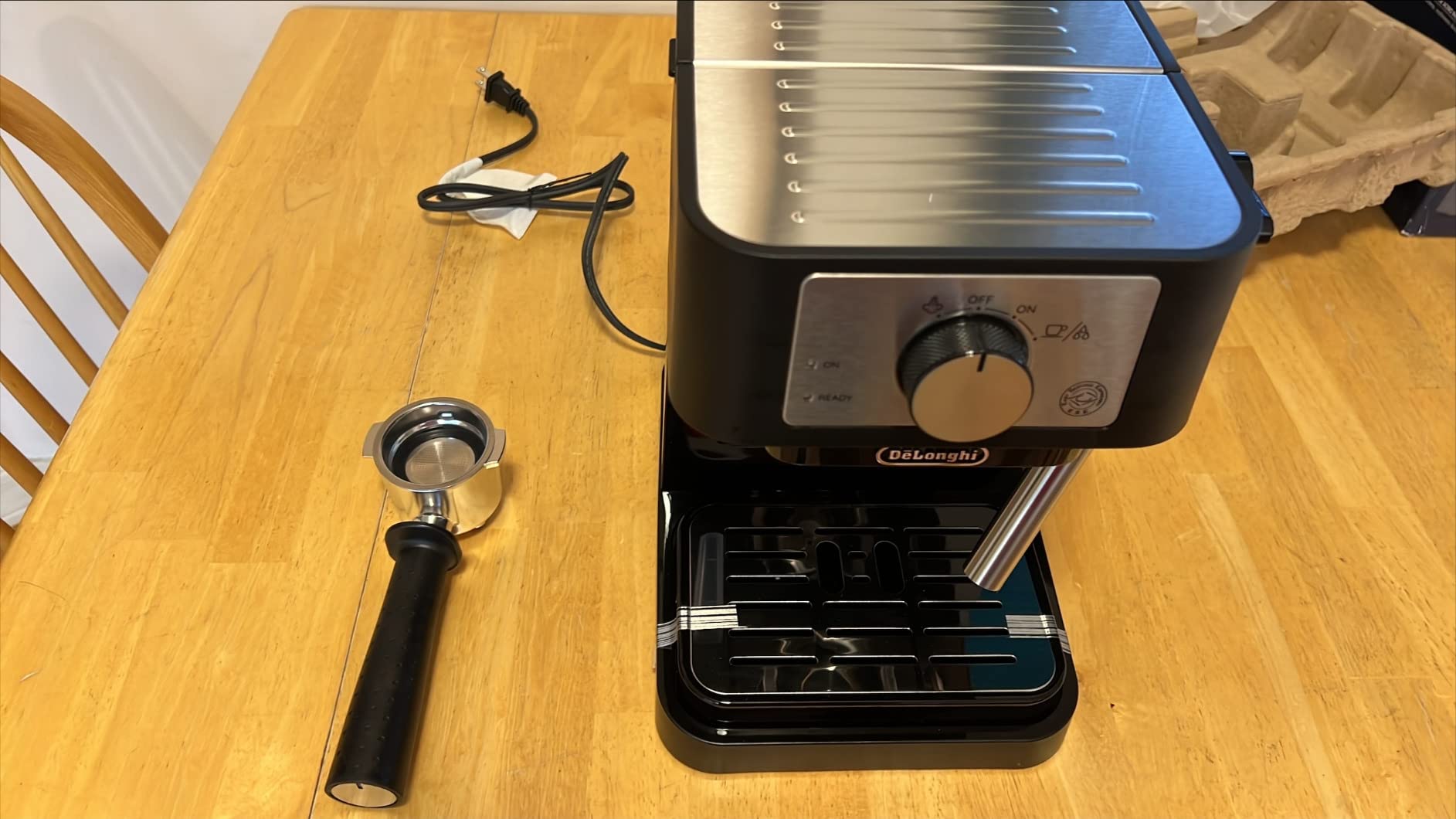
Compact Design & Build
The Stilosa’s compact footprint fits easily on modest counters, and the black-and-stainless finish looks clean and unobtrusive. It is a machine that disappears into a kitchen rather than dominating it.
Be aware that some components are plastic rather than stainless steel, which keeps the weight and cost down. The core brewing components, however, are built to last.
Beginner-Friendly Manual Operation
Manual operation is both the Stilosa’s biggest appeal and its steepest learning curve. You start and stop the brew yourself, which means you learn to read a shot by color and flow rate.
That hands-on experience is invaluable. Buyers who invest the time to learn on the Stilosa often move up to more advanced machines with real barista fundamentals already in place.
How to Choose the Best Home Espresso Machine Under $500
Buying a budget espresso machine is about matching the machine’s strengths to how you actually drink coffee. Here are the decisions that matter most, based on my testing and the recurring questions from real owners.
Machine Types: Semi-Automatic vs Manual vs All-in-One
The first choice is how much control you want. Semi-automatic machines like the Breville Bambino and CASABREWS models automate temperature and dosing while leaving the grind and tamp to you, which is the sweet spot for most home buyers.
Manual machines like the De’Longhi Stilosa give you full hands-on control, ideal for learning but less convenient. All-in-one machines like the Gevi add a built-in grinder, removing the need for a separate appliance and saving counter space.
The Grinder Question: The Most Important Decision
I cannot stress this enough, and neither can the r/espresso community. The grinder often matters more than the machine. Pre-ground coffee and blade grinders cannot produce the consistent fine grind that espresso requires.
If your machine does not include a grinder, budget for a dedicated espresso grinder. A capable conical burr grinder paired with even the cheapest machine here will outperform a premium machine fed by pre-ground coffee.
This is exactly why the Gevi earned our Editor’s Choice: it removes the grinder problem entirely in one appliance.
Pressure, Portafilter Size & Heating System
Pressure ratings of 9, 15, or 20 bars all appear in this roundup, and higher numbers are not automatically better. Nine bars is the traditional Italian standard; higher-rated pumps simply have more headroom.
Portafilter size matters for accessories and upgrade potential. A 58mm commercial portafilter, found on the Gaggia, CASABREWS Ultra, and Gevi, opens up the largest aftermarket ecosystem, while 51mm and 54mm sizes are more limited.
For heating, thermojet and thermal-block systems like the Bambino’s heat in seconds, while single-boiler machines need more time and a transition period between brewing and steaming.
Steam Wand Quality & Milk Frothing
If milk drinks are your priority, the steam wand is decisive. Automatic wands like the Bambino’s create microfoam hands-free, perfect for beginners.
Commercial wands like the Gaggia’s reward technique but produce superior microfoam once mastered. Pannarello wands like the Stilosa’s are easy but make frothy rather than silky milk.
Counter Space, Noise & Daily Workflow
Measure your counter before buying. The Gevi and Gaggia are the largest here, while the Bambino and CASABREWS CM5418 are genuinely compact. Consider clearance under cabinets, especially for taller machines.
Noise and tank capacity affect daily life more than spec sheets suggest. A larger water tank means fewer refills, and quieter pumps matter in small apartments or early mornings.
Common Mistakes First-Time Buyers Make
The biggest mistake is buying a machine without budgeting for a grinder. The second is chasing the highest pressure rating instead of focusing on temperature stability and build quality.
Avoid skipping the descaling routine, since mineral buildup is the number one killer of budget espresso machines. Finally, do not expect cafe-quality shots on day one; espresso rewards practice, and every machine here has a learning curve.
Maintenance & Long-Term Care
Descale every two to three months to keep the boiler and pump healthy, especially in hard-water areas. Backflush the group head regularly if your machine has a three-way solenoid valve like the Gaggia.
Clean the steam wand immediately after each use to prevent milk residue buildup, and purge it before and after frothing. These small habits add years to a budget machine’s working life.
FAQs
What is the best espresso machine under $500 for most beginners?
For most beginners, the Breville Bambino is the easiest path to good espresso thanks to its 3-second heat-up, PID temperature control, and automatic steam wand that creates microfoam hands-free. If budget is the priority, the CASABREWS CM5418 offers a 20-bar pump and pressure gauge at the lowest cost in this roundup.
How long does it take to make espresso with a home machine?
With a fast-heating machine like the Breville Bambino, you can go from power-on to a finished shot in under a minute. Single-boiler machines like the CASABREWS and De’Longhi Stilosa need a short warm-up and a brief cool-down between brewing and steaming, adding about one to two minutes to the routine.
Do I need a grinder for an espresso machine under $500?
Yes, a quality burr grinder is essential for good espresso. Pre-ground coffee is too coarse and stale for proper extraction. If your machine lacks a built-in grinder, budget for a dedicated espresso-capable burr grinder, or choose an all-in-one model like the Gevi that grinds and brews in one unit.
What is the difference between semi-automatic and automatic espresso machines?
Semi-automatic machines control water temperature and pressure automatically while you manage the grind, dose, tamp, and shot timing. Fully automatic machines handle dosing and shot volume as well, while manual machines leave every step to the user. Most under-$500 picks are semi-automatic, balancing control and convenience.
Can you make latte art with a budget espresso machine?
Yes, but the steam wand determines how easy it is. Machines with powerful commercial-style wands like the Gaggia E24 and CASABREWS Ultra produce the fine microfoam latte art requires. Pannarello wands like the De’Longhi Stilosa make frothy milk that works for cappuccinos but is harder to pour into art.
Final Verdict: Which Home Espresso Machine Under $500 Should You Buy?
If you want one machine that handles everything from grinding to milk texturing, the Gevi 20 Bar with built-in grinder is my top recommendation and the best overall pick in this roundup.
If you prioritize speed and beginner-friendliness, the Breville Bambino and its 3-second heat-up is the easiest machine to love every morning. If budget is your deciding factor, the CASABREWS CM5418 delivers a 20-bar pump and pressure gauge for less than any other pick here.
For the serious enthusiast who wants commercial components and a machine to grow with, the Gaggia E24 is the choice that rewards skill and lasts for years. The best home espresso machines under $500 in 2026 prove that great coffee no longer requires a four-figure investment, just the right machine for your routine.