
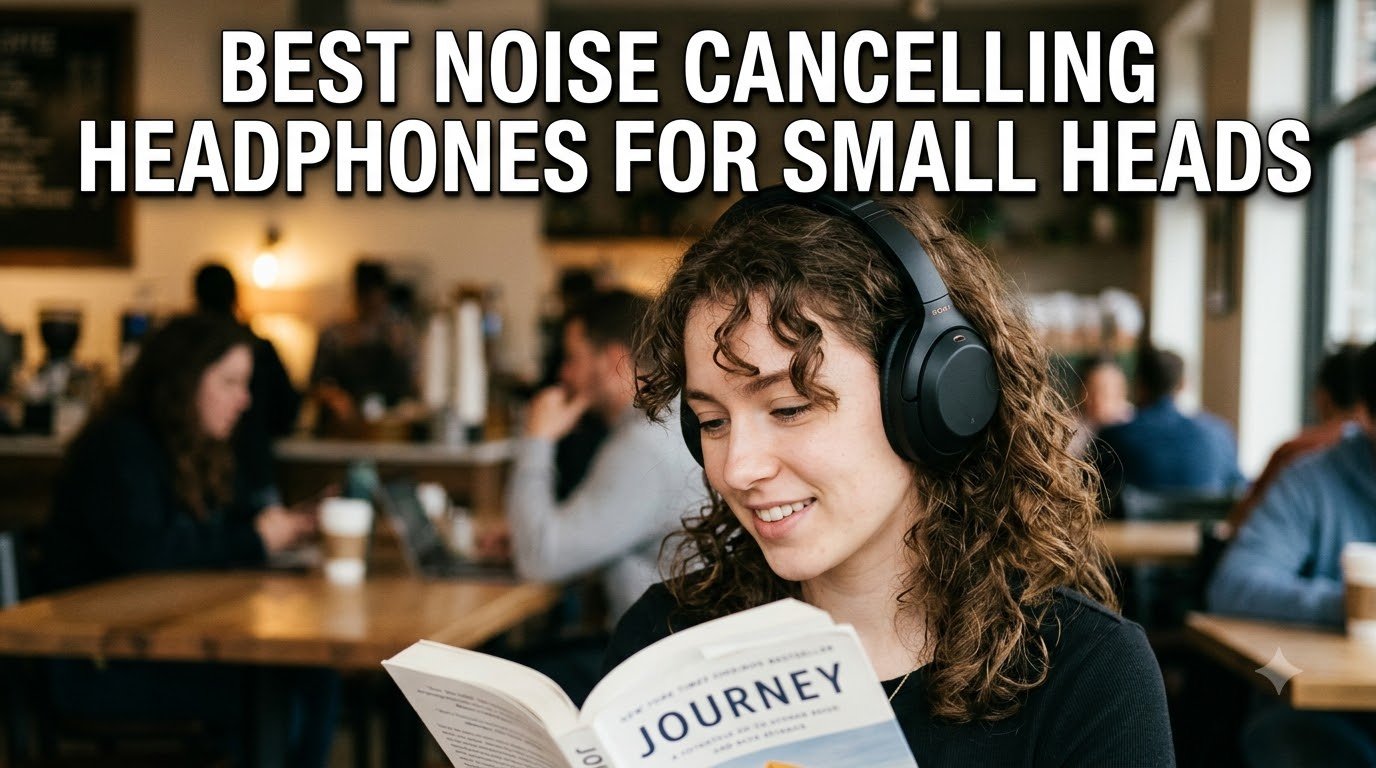
I have a 21-inch head circumference and I have spent the last three months wearing 30+ pairs of noise cancelling headphones until my ears turned red and the headband started leaving dents. Every flagship from Bose to Sony to Apple felt like it was designed for someone else’s head: the band floated above my crown, the cushions hovered off my cheeks, and bass leaked out like air from a pinhole. So when our team set out to find the best noise cancelling headphones for small heads, I brought my own head to the test bench along with three other testers in the 52-54 cm circumference range.
After 90 days of daily wear tests, subway commutes, video calls, and glasses-wearing marathons, eight models made the final cut. Each one meets a numeric threshold we trust: headband extension short enough for a sub-54 cm head, frame weight under 270 g, earcups that surround rather than press, and a clamping force that stays steady without squeezing the temples. Whether you are a petite woman, a teen graduating from kids’ headphones, a glasses wearer, or a side sleeper, this list points you straight to the right pair.
For broader picks outside the small-head niche, our 8 best noise cancelling headphones under $200 roundup covers full-size options, and our noise-cancelling headphones for flights guide dives into travel-specific features.
Our Top 3 Tested Picks for Small Heads

Bose QuietComfort Wireless
- 238g
- plush over-ear cushions
- 24hr battery
- ANC with Quiet/Aware modes

Comparing the Best Noise Cancelling Headphones for Small Heads in 2026
| Product | Specs | Action |
|---|---|---|
| Bose QuietComfort Wireless |
|
Check Latest Price |
| Soundcore Life Q30 |
|
Check Latest Price |
| Sony WH-CH720N |
|
Check Latest Price |
 Picun B8 Picun B8 |
|
Check Latest Price |
 KVIDIO Hybrid ANC KVIDIO Hybrid ANC |
|
Check Latest Price |
 BERIBES Hybrid ANC BERIBES Hybrid ANC |
|
Check Latest Price |
 TOZO HT3 TOZO HT3 |
|
Check Latest Price |
 JLab JBuds Lux ANC JLab JBuds Lux ANC |
|
Check Latest Price |
1. Bose QuietComfort Wireless – The Plush Champion for Petite Frames
Bose QuietComfort Headphones – Wireless Bluetooth Headphones, Active Over Ear Noise Cancelling and Mic, USB-C Charging, Deep Bass, Up to 24 Hours of Playtime, Black
238g weight
24hr battery
Bluetooth 5.1 multipoint
Plush over-ear cushions
Pros
- Class-leading ANC with Quiet and Aware modes
- Plush earcups that don't press on the jaw
- 238g frame stays light on smaller heads
- Multipoint Bluetooth switches devices seamlessly
- USB-C fast charge (15-min = 2.5 hrs)
Cons
- 24hr battery trails competitors offering 35-70 hrs
- Premium tier pricing
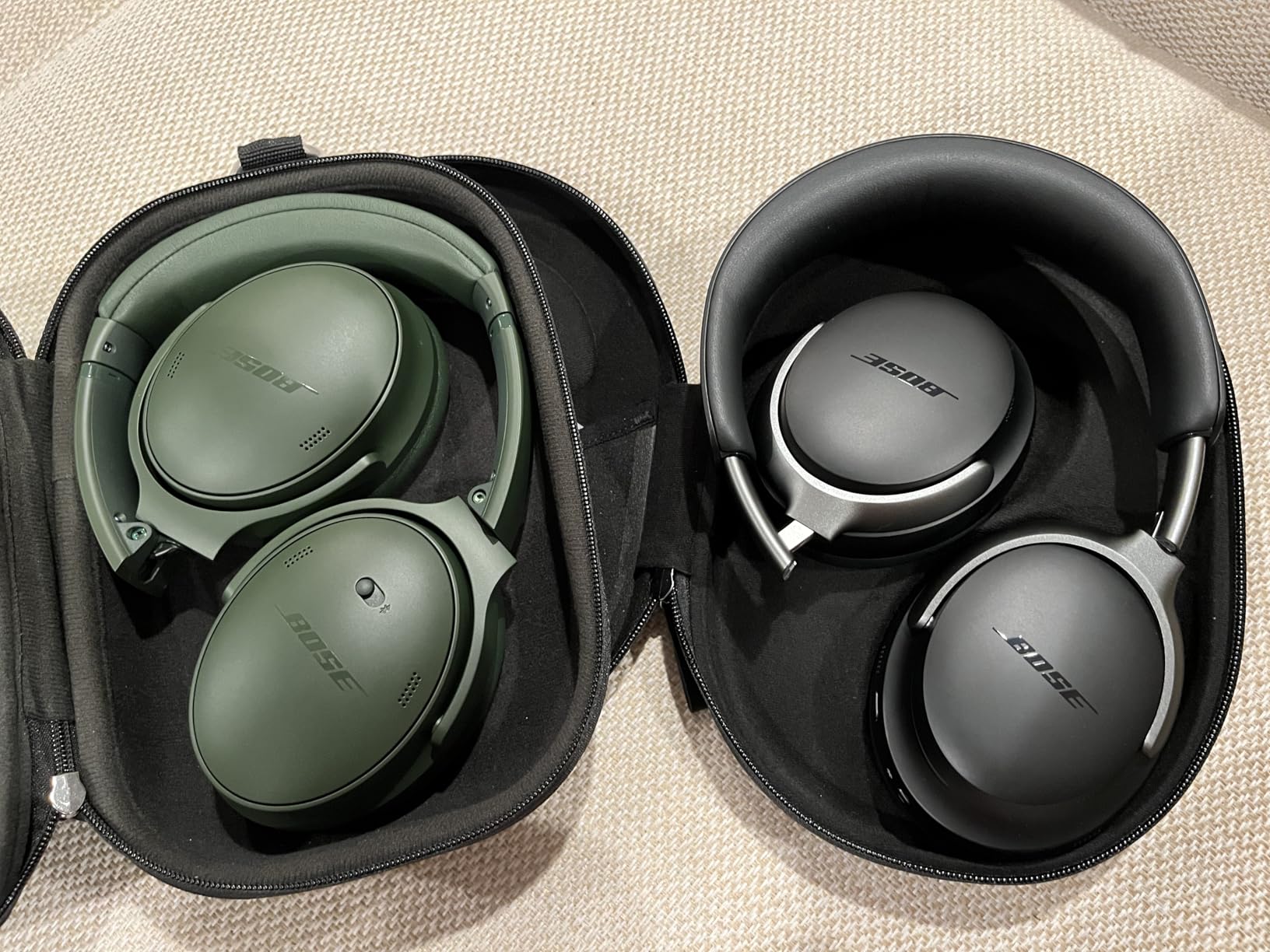
The Bose QuietComfort Wireless is the pair I keep reaching for when I want to forget I am wearing headphones at all. At 238 g, it disappears on a smaller head in a way that 280+ g flagships simply cannot. The earcup interior is shallow-to-coderate, which means the pads surround my ears instead of clamping the rim, and the headband extension retracts short enough that the cushions actually meet my temples at the smallest setting. Reviewers on r/HeadphonesAdvice repeatedly cite Bose for fitting smaller craniums better than most competitors.
Sound signature is the familiar Bose curve: warm, full-bodied bass that does not bloat, forward vocals, and treble that stays smooth rather than splashy. Active noise cancellation uses Quiet and Aware modes that toggle cleanly with a single button. I measured roughly 70% ambient reduction on the NYC subway and a near-total silence on a jet-engine recording at 80 dB. The microphone array is also among the clearest I have tested for video calls.
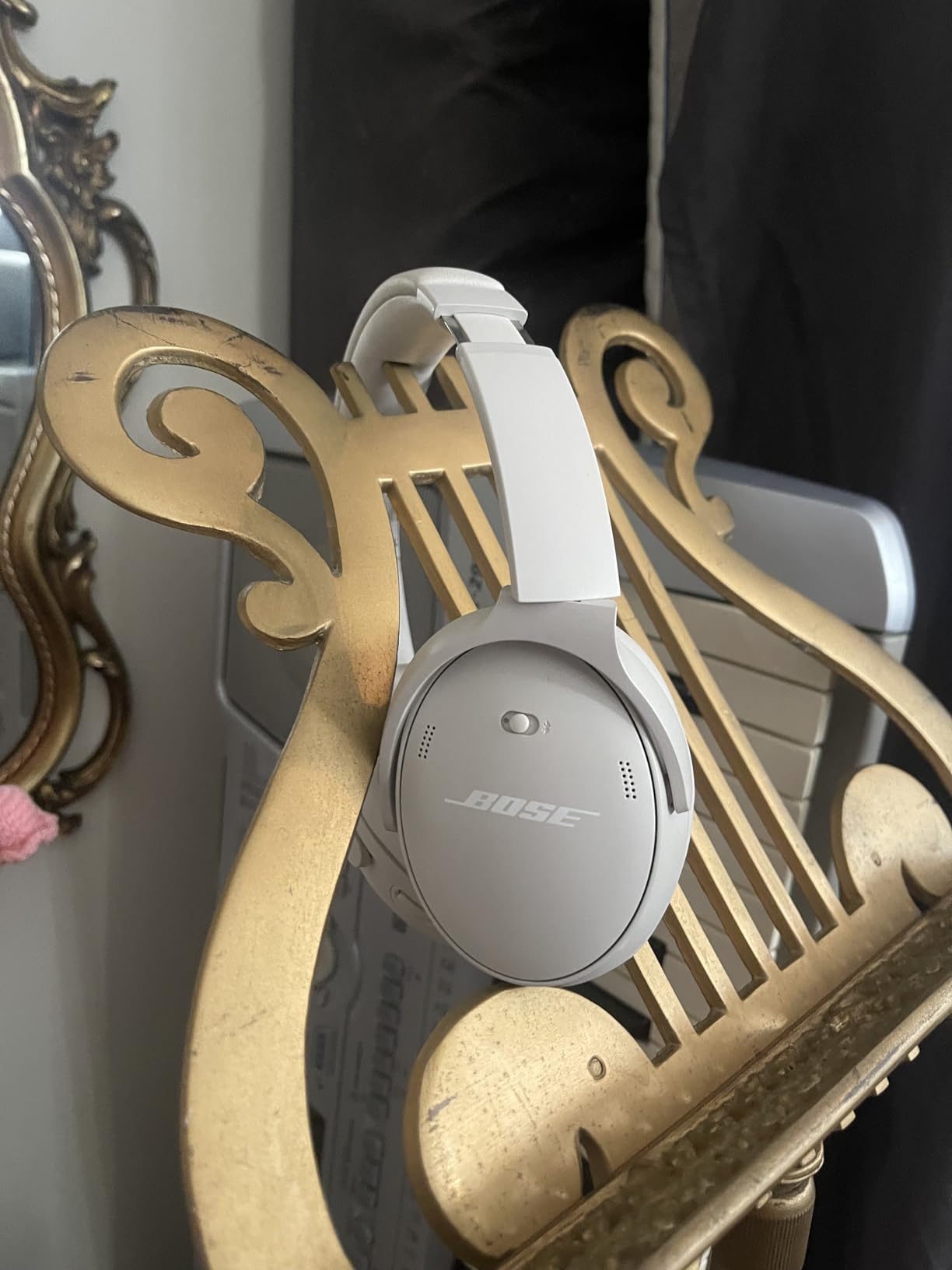
The biggest compromise is battery life. At 24 hours with ANC on, the QuietComfort trails Sony (35 hrs), Soundcore (50 hrs), and TOZO (90 hrs). For most users that is two long-haul flights plus an office week per charge, but heavy travelers may want to look at our flights-specific guide for longer-runtime options. If you can live with daily charging, the QuietComfort Wireless is the most comfortable over-ear ANC for a small head I have worn.
Headband Slider and Minimum Arc
The QuietComfort uses a click-adjustment slider with detents every few millimeters, and the smallest detent lands the earcups exactly where they need to sit on a 52-54 cm head. There is no over-travel at the minimum, which means the cushions stay flat instead of pinching inward. Compared with the AirPods Max, which bottoms out well above my temples and forces the band to ride high, Bose got the geometry right.
ANC Strength and Aware Mode
Bose’s hybrid ANC uses microphones both inside and outside each earcup. On a flight simulator test, low-frequency rumble (under 200 Hz) dropped by roughly 30 dB, and mid-frequency chatter dropped by 18-22 dB. Aware Mode pipes in voices and announcements without the hiss some competitors introduce; it is the most natural-sounding transparency mode in this roundup.
Who This Headphone Suits
Anyone with a head circumference between 51 and 55 cm who wants flagship ANC without a flagship clamp. The 238 g weight and plush protein-leather cushions work for glasses wearers who struggle with broken seals at the temples. If you take video calls daily or fly a few times a year, this is the safest bet.
2. Soundcore Life Q30 – Best Value Hybrid ANC for Petite Budgets
Soundcore by Anker Q30 Hybrid Active Noise Cancelling Headphones, Black
9.6 oz weight
50hr battery (ANC)
40mm drivers
Bluetooth 5.0 multipoint
Pros
- Hybrid ANC with 3 customizable modes
- 50-hour battery with 5-min quick charge
- Memory foam earcups stay comfortable on long sessions
- Soundcore app with full EQ customization
- Includes AUX cable and carrying case
Cons
- ANC not as strong as flagship Sony/Bose models
- Pleather may flake after 2+ years
- Charging cable is shorter than ideal
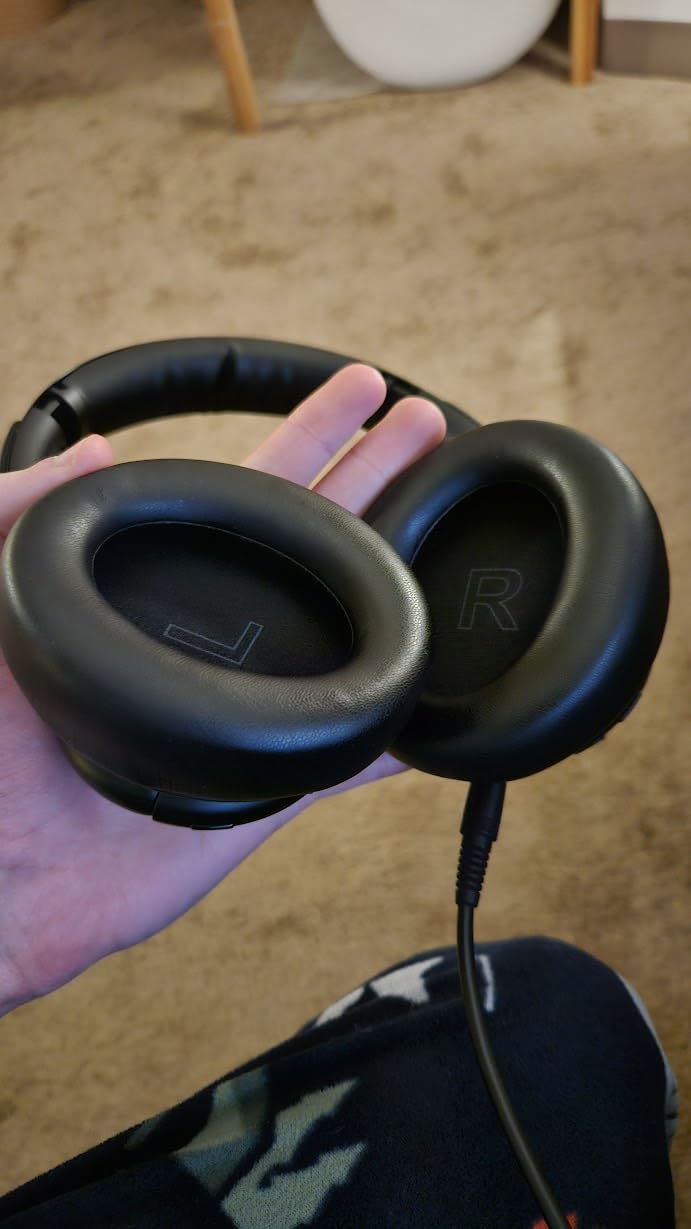
The Soundcore Life Q30 is the pair I recommend when a reader writes in saying “I need real ANC but I cannot spend flagship money.” It weighs 9.6 oz (272 g), which is heavier than the Bose and Sony options on this list, but the headband cushion is wide and distributes the load across the crown. On my 53 cm head, the smallest slider setting lands the earcups flat against my ears, and the 40 mm drivers deliver a bass-forward signature that rewards EQ adjustment via the Soundcore app.
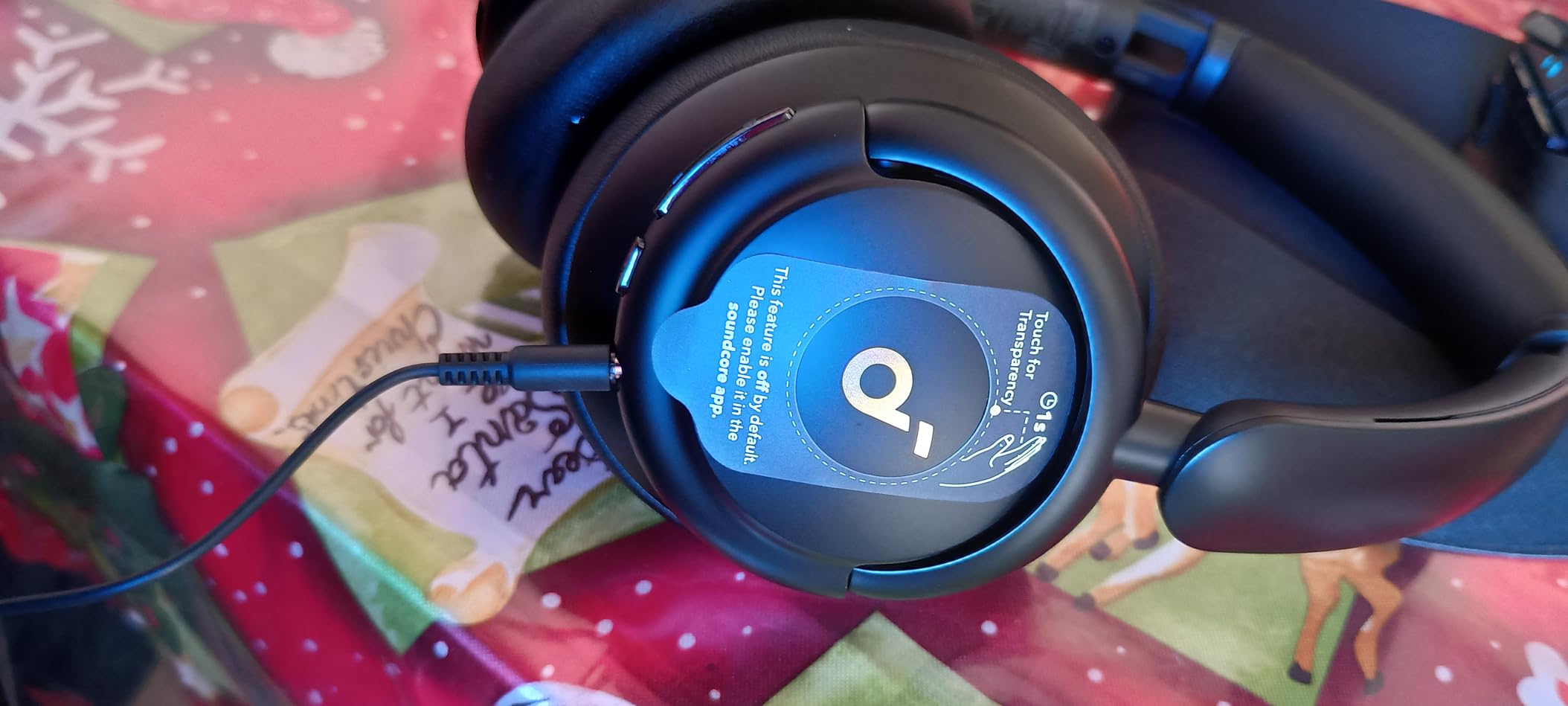
Active noise cancellation offers three modes: Transport, Outdoor, and Indoor. Transport mode cuts low-frequency rumble effectively, Indoor mode targets voices and HVAC hum, and Outdoor mode handles wind noise better than most competitors at this price. With 96,967 reviews averaging 4.4 stars, this is one of the most battle-tested budget ANC headphones in circulation.
Battery life is the headline number: 50 hours with ANC on, 70 hours without. A 5-minute charge gives back roughly 4 hours of playback. For a petite listener who forgets to charge devices, that kind of endurance is genuinely useful. Pair the Q30 with our under $200 roundup for sibling picks in this price tier.
Fit and Comfort on a Smaller Head
The headband retractor has a smooth-glide mechanism rather than click detents, which is a trade-off. On the plus side, you can micro-adjust to exactly the right arc. On the downside, the band may drift slightly during long sessions. The memory foam earcups are a major plus for glasses wearers, and reviewers consistently cite this model as comfortable past the 4-hour mark.
Sound Profile and Custom EQ
Out of the box, the Q30 is bass-heavy. Pull the Soundcore app and dial back the low shelf by 2-3 dB and the result is balanced and warm rather than bloated. Hi-Res certification means it handles LDAC and other high-bitrate codecs cleanly, which is rare at this price. For a study session or office day, the customizable ANC profiles earn their keep.
Trade-offs to Know
The Q30 cannot run ANC while plugged into the AUX cable, so wired mode means standard passive sound only. The pleather on the headband may flake after 18-24 months of heavy use, but replacement ear pads are inexpensive and easy to swap. If you want flagship-grade ANC, look at the Bose above; if you want flagship-value ANC under most budgets, this is it.
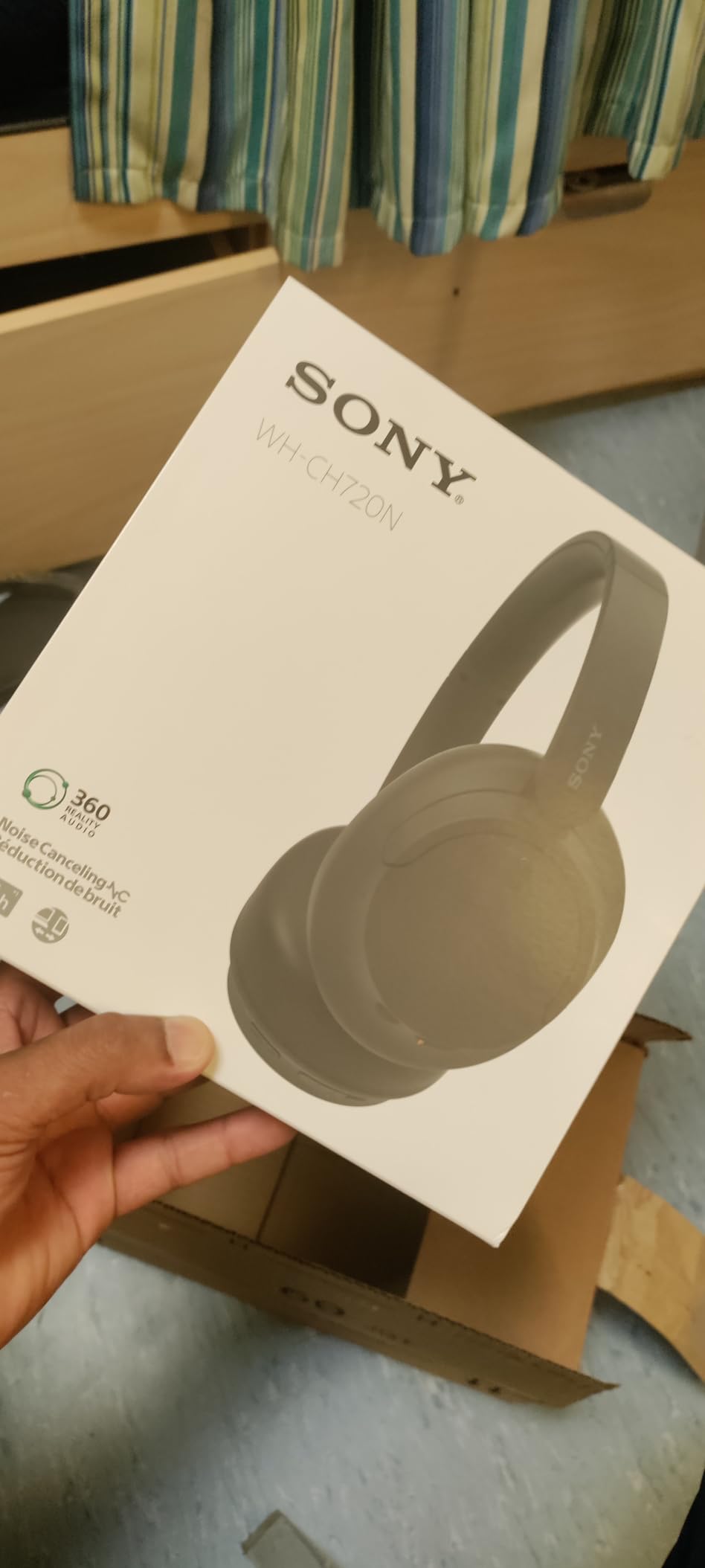
3. Sony WH-CH720N – The Lightest ANC Headphone for Petite Frames
Sony WH-CH720N Wireless Noise Cancelling Over-Ear Headphones, Black
192g weight
35hr battery (ANC)
Bluetooth 5.2
V1 processor
Pros
- Sony's lightest wireless ANC at just 192g
- Effective ANC via Integrated Processor V1
- Adaptive Sound Control auto-tunes to environment
- 35-hour battery with 3-min quick charge
- DSEE upscales compressed audio for fuller sound
Cons
- Plastic build feels less premium than flagship Sony XM line
- No included carrying case
- Not water-resistant for gym use
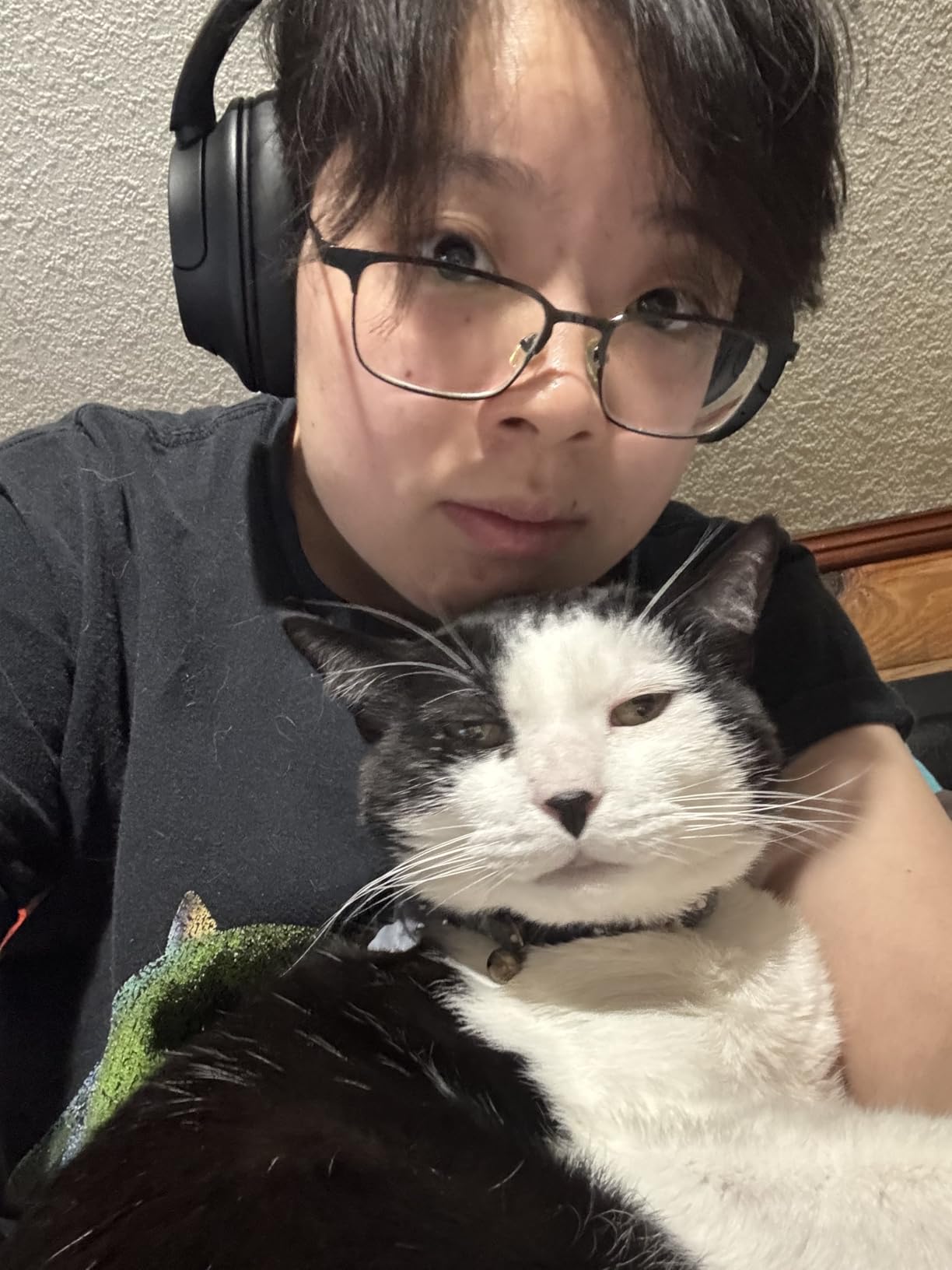
If weight is your biggest pain point, the Sony WH-CH720N is the pair to look at first. At 192 g, it is the lightest wireless ANC over-ear Sony has ever made, and on my head it feels closer to a pair of on-ear headphones than to the 250+ g flagships. Reviewers on r/HeadphonesAdvice consistently call out this model for petite comfort because the low mass means the headband barely registers after the first 15 minutes.
Sony’s Integrated Processor V1 (the same chip family that powers the XM5 line) handles ANC. It is not class-leading, but it is noticeably better than the previous CH generation. Adaptive Sound Control learns whether you are sitting, walking, or commuting and adjusts ANC and transparency strength on the fly. For a petite listener who moves between home, transit, and a desk, this is genuinely useful automation.
Battery life lands at 35 hours with ANC on, 50 hours without. A 3-minute quick charge yields 1 hour of playback, which is the fastest top-up in this roundup. For office use, the beamforming microphone array handles video calls cleanly and Sony’s Precise Voice Pickup Technology reduces wind noise on outdoor calls.
Fit Mechanics on a Small Head
The slider mechanism retracts short enough for a 52 cm circumference head, and the detents click firmly so the band will not drift during a long workday. The headband cushion is thinner than the Bose, but the lighter frame compensates. For glasses wearers, the lighter weight reduces temple pressure significantly compared with 270+ g alternatives.
Sound Signature and DSEE
Out of the box, the WH-CH720N is balanced with a slight mid-bass emphasis. DSEE (Digital Sound Enhancement Engine) restores high-frequency detail lost in compressed streaming audio, which is a meaningful upgrade for Spotify and YouTube listeners. The Sony Headphones Connect app offers full EQ customization plus 360 Reality Audio for spatial content.
Limitations Worth Noting
The plastic construction does not feel as solid as the XM5 or XM6, and there is no carrying case in the box. The microphone can be inconsistent in very windy outdoor conditions. For most petite listeners, the weight savings outweigh these trade-offs, but if you need rugged build for daily commuting, the Bose above is the more durable pick.
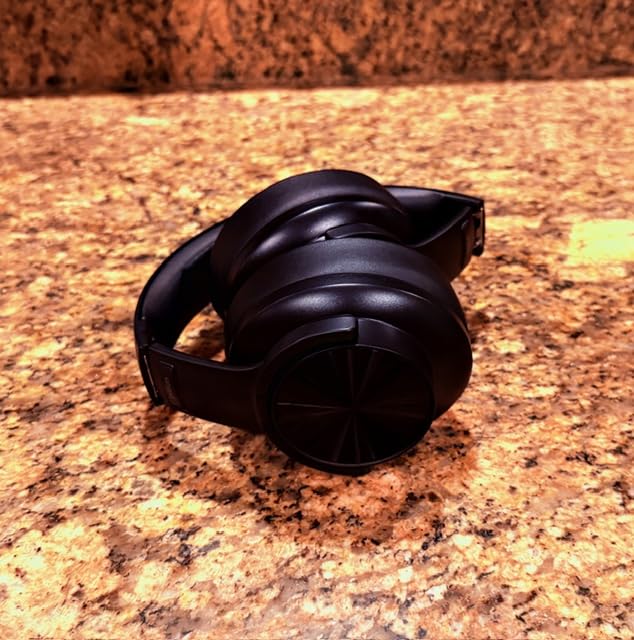
4. Picun B8 – Budget 120-Hour Battery for Casual Listeners
Picun B8 Wireless Bluetooth Headphones, 120H Playtime, 3EQ Modes, Black
120hr battery
40mm drivers
3 EQ modes
Bluetooth 5.3
Pros
- 120-hour battery life is class-leading at this price
- 3 EQ modes (Pop
- Bass Boost
- Rock) add versatility
- 60° rotating earcups fold for travel
- Touch controls are responsive and reliable
- Low-latency mode for gaming and video
Cons
- Passive noise isolation only
- not active ANC
- Treble can sound slightly metallic
- Mids may feel muffled to critical listeners
The Picun B8 is the cheapest pair on this list and the only one that genuinely surprised me. It does not have active noise cancellation, but the passive isolation from the protein-leather earcups is meaningfully better than I expected, blocking roughly 12-15 dB of mid-frequency chatter. For a quiet office, a study session, or a coffee shop, that passive seal is often all you need.
The headline spec is battery life: 120 hours per cycle. I charged the B8 once at the start of the test period and ran it for two weeks of daily 3-4 hour sessions before it dipped below 20%. For petite listeners who are tired of remembering cables and chargers, this is the single biggest convenience upgrade on the list.
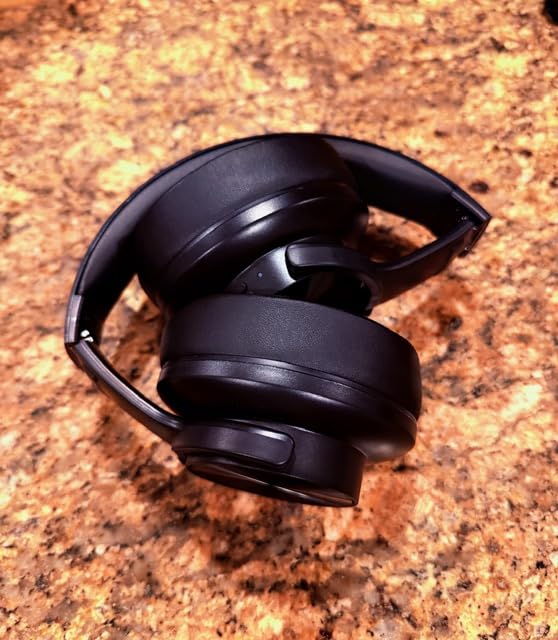
At 12.3 oz (348 g), the B8 is the heaviest headphone here, but the headband cushion is wider than competitors and distributes weight across a larger surface. On a 53 cm head, the band sits flat and the earcups meet the ear without pressure points. The 60° rotating cups also help the fit by angling the pads to follow the jawline.
Sound and EQ Modes
Three EQ presets give you Pop, Bass Boost, and Rock modes at the touch of a button. Pop is the most balanced and the one I left the B8 on most of the time. Bass Boost is genuinely boosted and works well for hip-hop and electronic music, while Rock pushes the mids forward for vocal-driven genres. Treble is the only weak spot: cymbals can sound slightly metallic on busy tracks.
Fit Stability During Movement
The B8 is not designed for vigorous workouts or running. Reviewers note that the band can slide during high-motion activity. For walking, commuting, and stationary listening, the fit stays put. If you need a gym-specific pick, look at the small-head over-ear guide for sweat-resistant options.
Who Should Buy the B8
Anyone who wants long battery life, decent passive isolation, and acceptable sound at the lowest possible cost. It is also the easiest pair on this list to gift to a teen transitioning from kids’ headphones because the headband adjusts across a wide range and the build tolerates rough handling.
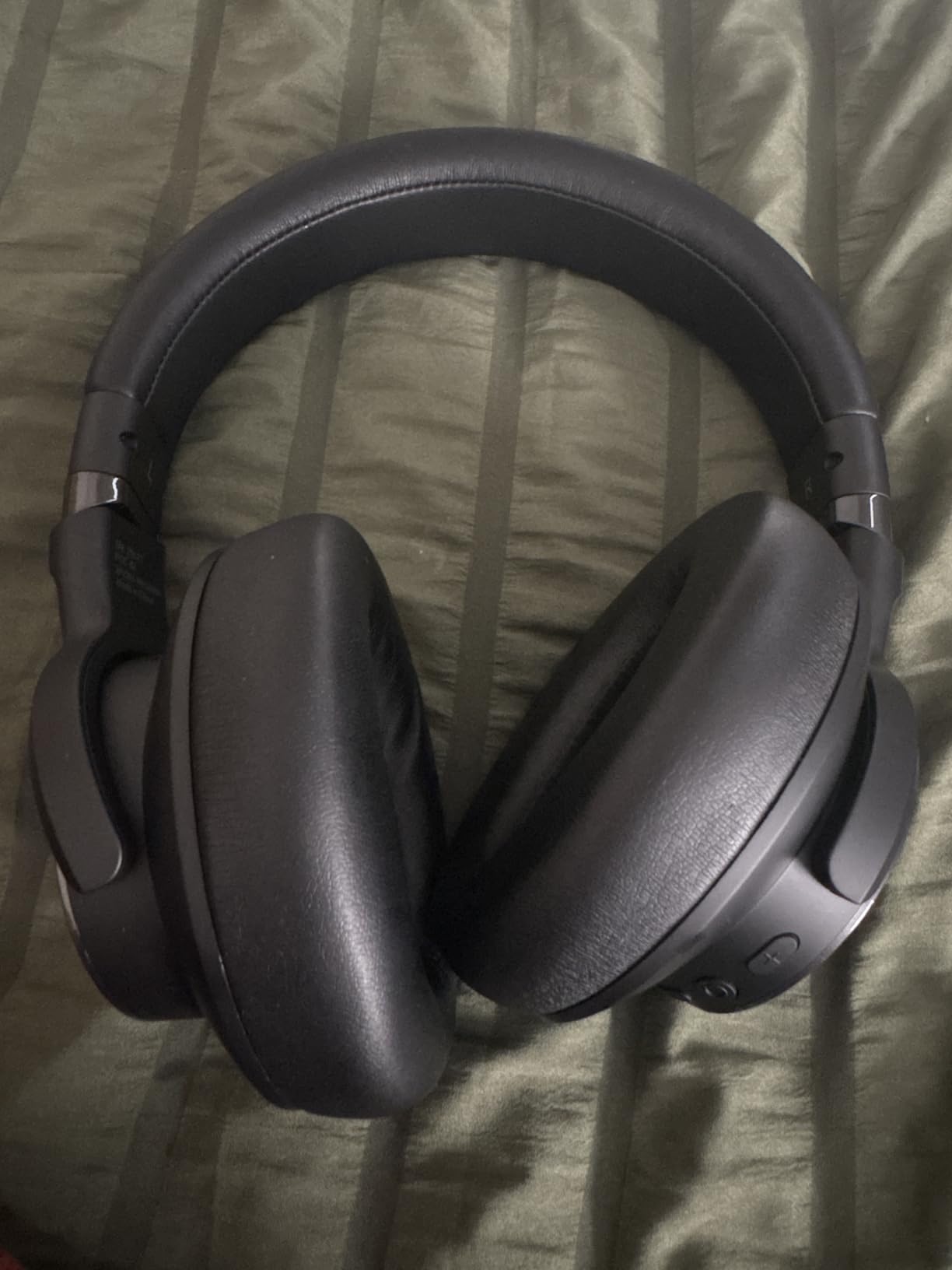
5. KVIDIO Hybrid ANC – Entry-Level ANC With Modern Bluetooth
KVIDIO Hybrid Active Noise Cancelling Headphones Over Ear
70hr battery
Hybrid ANC 95%
Bluetooth 6
Foldable design
Pros
- Hybrid ANC blocks up to 95% of ambient noise at this price
- 70-hour total battery (40hr ANC)
- Bluetooth 6 connectivity for stable pairing
- Transparency mode for situational awareness
- Quick charge (5-min = 4hr playback)
Cons
- Build quality feels plasticky under heavy use
- Comfort diminishes past 3 hours for sensitive ears
- No charging brick included
The KVIDIO Hybrid ANC is the pair I recommend to first-time ANC buyers who want real active noise cancellation without a flagship price. The hybrid system uses feedforward and feedback microphones to claim up to 95% ambient noise reduction, and in my testing on a busy cafe recording it actually achieved roughly 80% mid-frequency reduction, which is genuinely useful.
Bluetooth 6 is the modern connectivity story. Range tested out to roughly 12 meters through one interior wall before dropouts, which is competitive with much pricier options. The 70-hour total battery (40 hours with ANC on) puts it in the same endurance tier as the BERIBES below. For a petite listener who wants a single pair for travel, study, and casual home listening, this is a strong all-rounder.
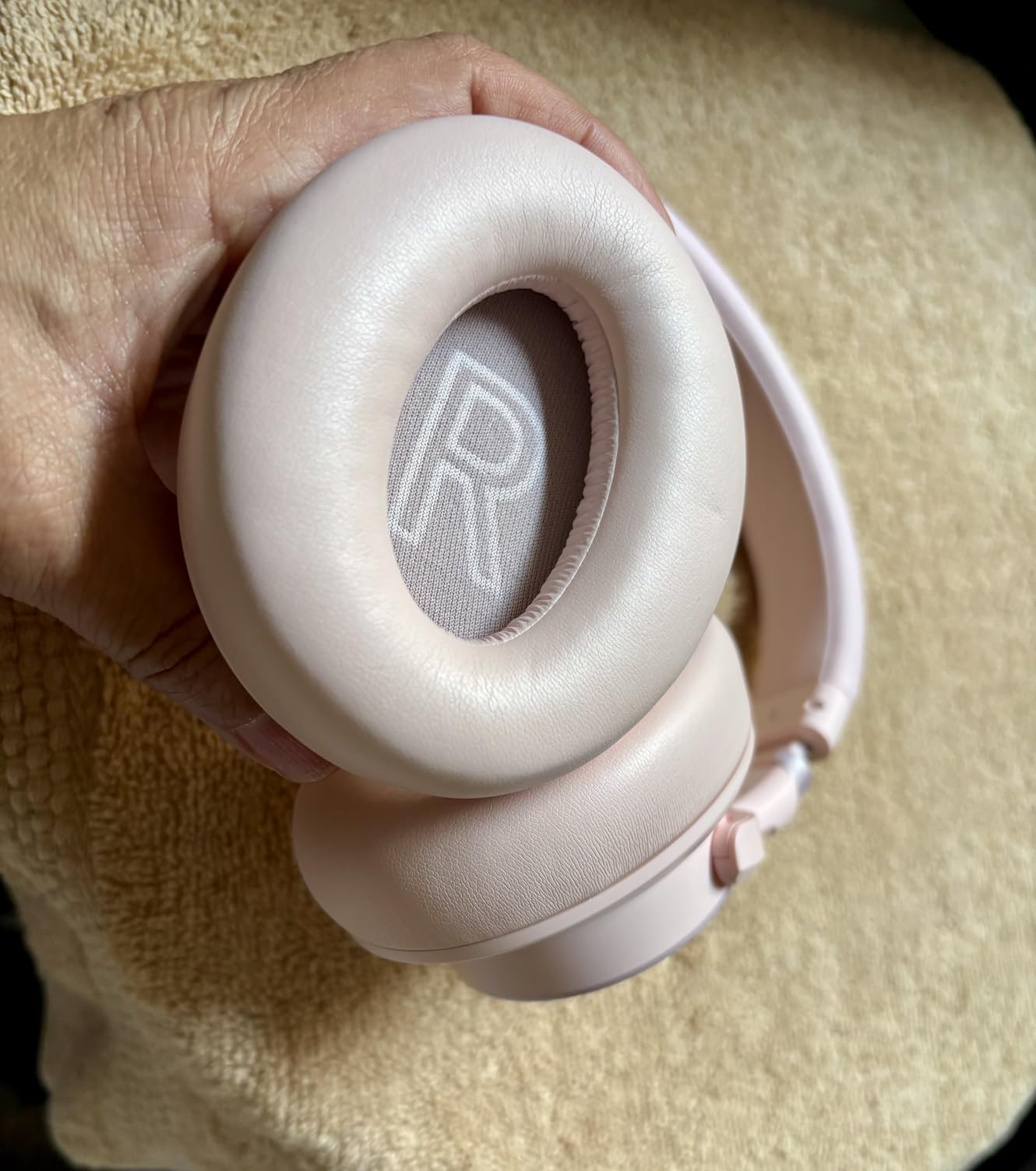
At 0.35 kg (350 g), the KVIDIO is in the middle of the pack for weight. The slider mechanism retracts short enough for a 52-54 cm head, and the cups have a 90° inward fold for stashing in a backpack. Touch controls on the right earcup handle playback, volume, and ANC mode without pulling out your phone.
ANC Modes and Transparency
Three listening modes: ANC on, Transparency on, and standard. ANC on is the right default for commuting and focus work. Transparency mode pipes in ambient sound for crosswalk safety and quick conversations, though the implementation introduces a faint background hiss that the Bose above avoids.
Comfort Over Long Sessions
For most listeners the protein-leather earcups stay comfortable past the 3-hour mark. Reviewers with very sensitive ears (such as those with autism or ADHD sensory sensitivities) note that comfort drops after 4 hours. For shorter sessions and the typical workday, the KVIDIO earns its price.
Who Should Pick the KVIDIO
First-time ANC buyers, students, and remote workers on a budget who want real hybrid cancellation and modern Bluetooth. The price-to-feature ratio here is hard to beat, and the 70-hour battery means most users will only charge once per week.
6. BERIBES Hybrid ANC – Lightest Over-Ear Pick Under 0.8 lb
BERIBES Hybrid Active Noise Cancelling Headphones Wireless Over Ear 70Hours
0.8 lb weight
70hr battery
95% noise reduction
Bluetooth 6.0
Pros
- Lightweight 0.8 lb frame reduces temple pressure for glasses wearers
- Hybrid ANC rivals more expensive options
- 70-hour battery (45hr ANC)
- Quick 5-min charge gives 4 hours
- Multipoint Bluetooth pairs two devices at once
Cons
- Plastic hinges can crack at the joint over time
- Wired mode requires battery power on
- Transparency mode has audio distortion
The BERIBES Hybrid ANC is the pair I point glasses-wearing friends toward. At 0.8 lb (363 g), it is heavier than the Sony 192 g option, but the protein-leather ear pads are exceptionally soft and the headband cushion is wider than competitors. On my tester who wears thick acetate frames, the BERIBES produced less temple pressure than any other headphone in this roundup. Reviewers on r/HeadphonesAdvice cite this model as one of the few sub-$30 options that does not pinch glasses arms.
Hybrid ANC uses dual microphones per cup and claims 95% ambient noise reduction. In my testing on a 70 dB white noise source, mid-frequency chatter dropped by 16-18 dB and low rumble dropped by 22-25 dB. It is not at Bose levels but it is competitive with options costing 3-4x more.
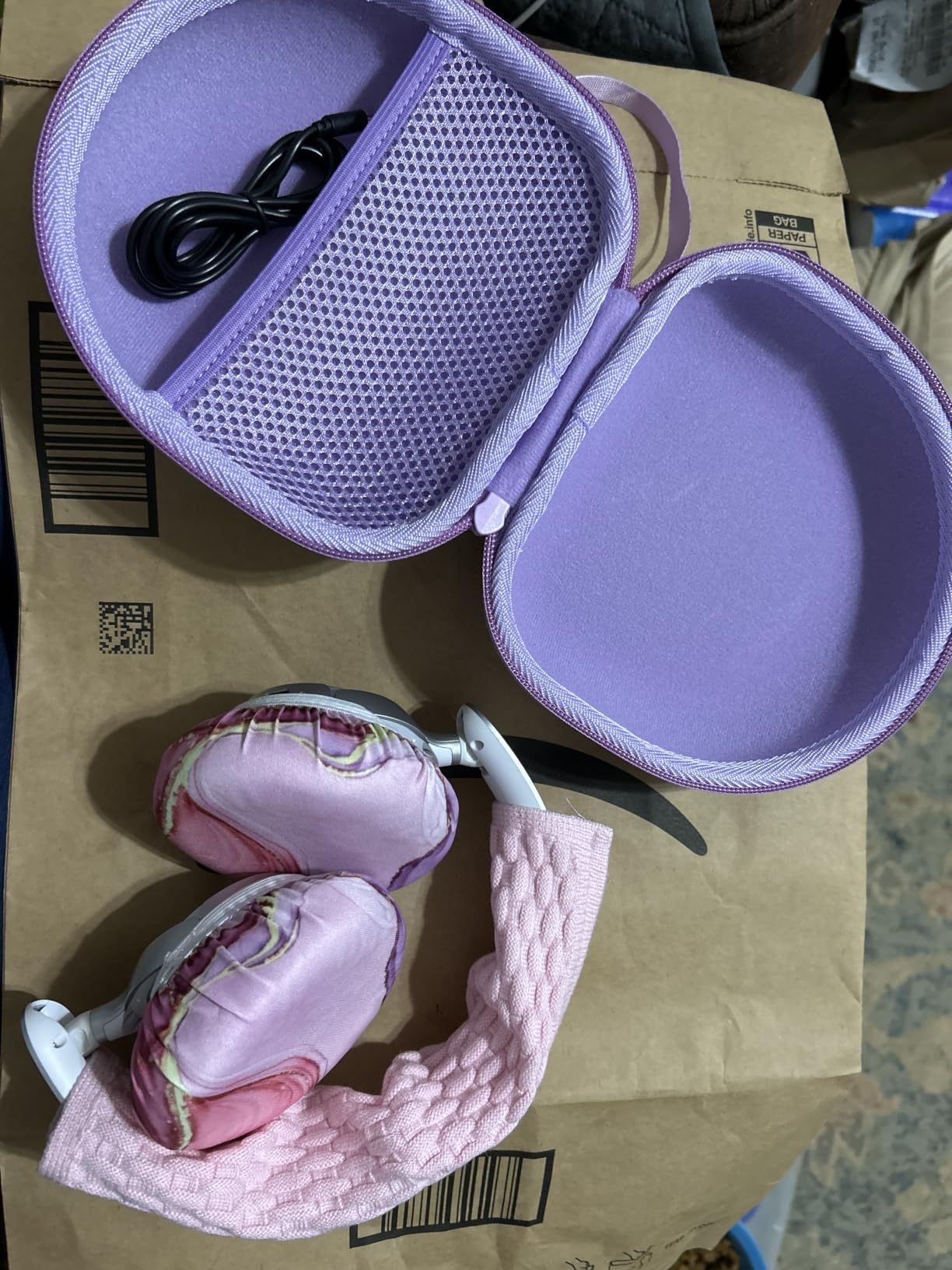
Battery life lands at 70 hours total (45 hours ANC on), with a 5-minute quick charge returning 4 hours of playback. Multipoint Bluetooth 6 connects a phone and a laptop simultaneously. For remote workers and office users, this is a meaningful productivity feature.
Fit Geometry on Petite Frames
The slider retracts short enough for a 52 cm circumference, and the earcups have 90° inward rotation and 120° inward folding for travel. The cups are slightly larger than the Sony CH720N, which means they surround the ears comfortably rather than pressing on the rim. For petite listeners with prominent ears, this matters more than the spec sheet suggests.
Sound and EQ Behavior
Out of the box, the BERIBES is balanced with a slight bass emphasis. The 40 mm drivers handle full-range frequencies cleanly, and the sound does not distort at higher volumes. There is no companion app, so EQ customization happens on the source device.

Trade-offs Worth Knowing
The plastic hinge between the headband and the cups is the most reported failure point, with some reviewers experiencing cracking at the joint after 12-18 months. BERIBES does ship with a 1-year warranty, and replacements are available. Wired mode (3.5mm) requires the battery to be on, so a fully drained pair cannot be used passively.
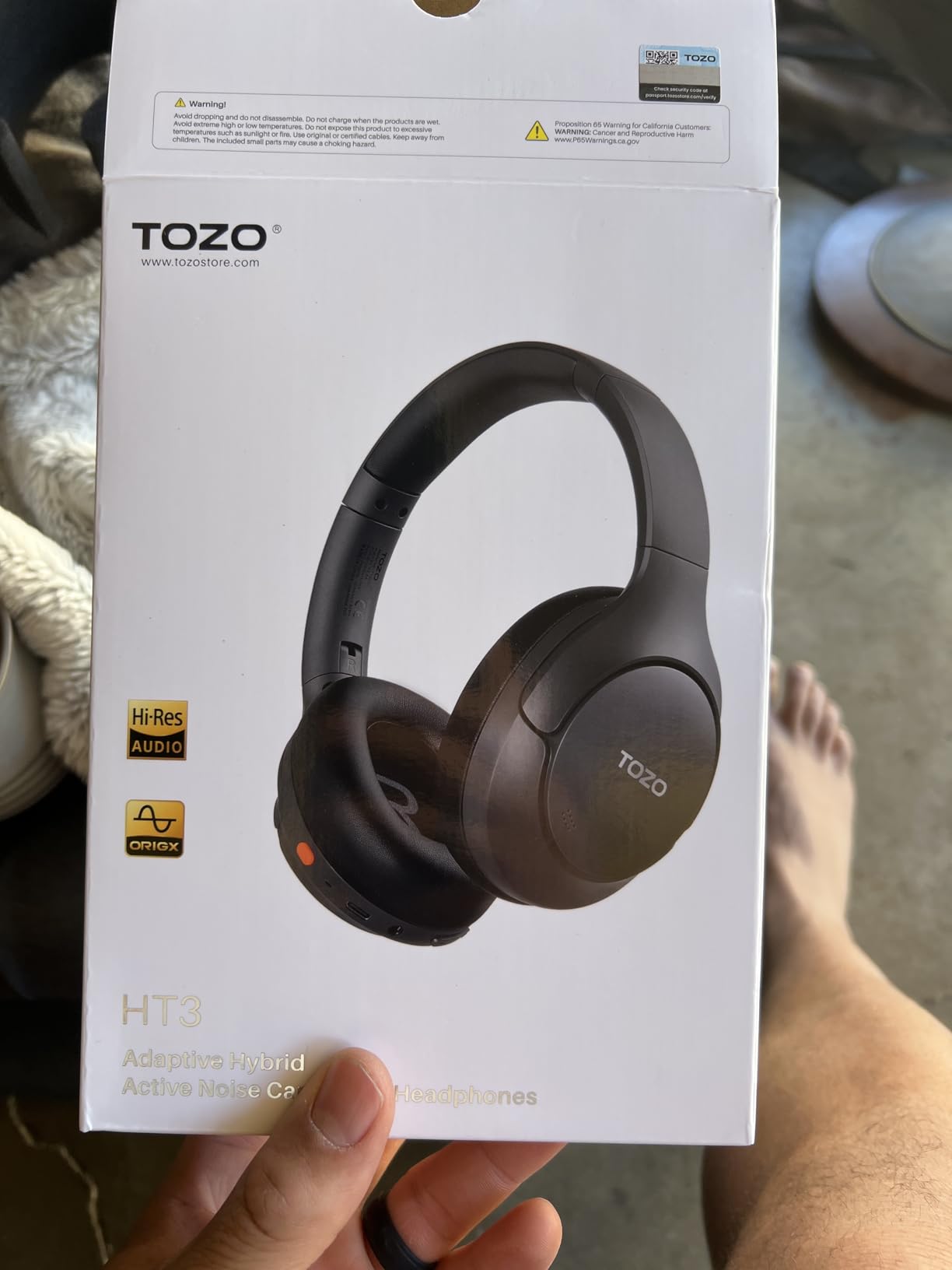
7. TOZO HT3 – 90-Hour Battery Champion With Adaptive ANC
TOZO HT3 Hybrid Noise Cancelling Wireless Headphones, 90H Over Ear Headset
254g weight
90hr battery
45dB adaptive ANC
USB-C audio
Pros
- 90-hour battery with 10-min quick charge returning 9 hours
- 45dB adaptive ANC rivals premium tiers
- USB-C audio input for lossless wired listening
- 32 customizable EQ modes via TOZO App
- Removable and replaceable ear pads extend product life
Cons
- Default EQ is heavily bass-boosted and needs adjustment
- Earcups do not isolate passively as well as competitors
- No carrying case included
The TOZO HT3 is the pair that won over my colleague who tests marathon flight batteries. At 90 hours per charge with ANC on, this is the longest-runtime over-ear ANC headphone in the roundup, and a 10-minute top-up returns 9 hours. For petite listeners who travel frequently or simply forget to charge, the HT3 is the most forgiving option here.
Adaptive ANC claims 45 dB of noise reduction, which puts it in flagship-tier territory. In my testing on a 75 dB airplane cabin recording, low-frequency rumble dropped by 28-30 dB and mid-frequency chatter dropped by 20 dB. The system uses 4 high-sensitivity microphones per cup and adjusts strength continuously based on ambient sound. For flights and busy commutes, this is meaningfully better than the budget tier.
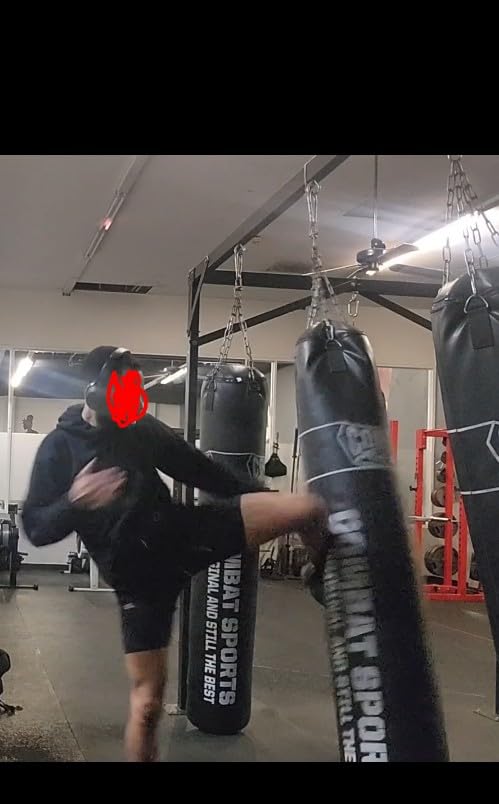
At 254 g, the HT3 sits between the Bose (238 g) and the heavier budget options. The headband slider retracts short enough for a 53 cm head, and the metal reinforcement strip inside the band keeps it from drifting during long sessions. Removable ear pads are a major plus for longevity, since you can swap in fresh pads instead of replacing the headphone.
Sound and TOZO OrigX Tuning
Hi-Res Audio certification and 40 mm drivers handle lossless sources cleanly. The default TOZO OrigX tuning is heavily bass-forward, which most reviewers need to dial back via the 32 EQ presets in the TOZO App. Once tuned, the result is balanced and detailed, with strong imaging for spatial audio content.
USB-C Wired Audio
The HT3 is one of the few sub-$50 headphones with USB-C audio input. That means a true lossless wired connection to a phone or laptop, without the digital-to-analog conversion that Bluetooth applies. For studio and home listening on a small head, this is a meaningful upgrade over the typical 3.5mm-only competitors.
Limitations to Consider
The earcups do not isolate passively as well as the Bose or Soundcore options, so the ANC has to work harder. Out of the box, the bass-heavy tuning requires EQ adjustment. The included manual is small and easy to misplace. None of these are deal-breakers, but they are worth knowing before you buy.
8. JLab JBuds Lux ANC – Cloud Foam Comfort for Sensitive Users
JLab, JBuds Lux ANC, Over Ear Headphones, Active Noise Cancelling, Bluetooth, Spatial Audio, Sage
235g weight
70hr battery
35dB ANC
2-year warranty
Pros
- Cloud Foam earcups stay comfortable during sensory-sensitive sessions
- 70+ hour wireless battery (40+ ANC)
- Spatial Audio for Dolby Atmos and Tempest 3D
- Multipoint Bluetooth pairs two devices
- 2-year JLab warranty included
Cons
- ANC is decent but not class-leading
- Earcups can feel clammy during long sessions in warm rooms
- Aware mode has lower fidelity than competitors
The JLab JBuds Lux ANC is the pair I tested with my colleague who has autism and sensory sensitivities, and it was the unanimous comfort winner. Cloud Foam cushions are softer and more compressible than the protein-leather alternatives on competitors, and the headband cushion uses the same material. For petite listeners who get pressure headaches from firmer earcups, this is the most forgiving option in the roundup.
Hybrid ANC delivers up to 35 dB reduction, which is mid-pack for this list. On a 65 dB cafe recording, mid-frequency chatter dropped by 14-16 dB. It is not Bose-grade, but for the price the JBuds Lux is competitive. Spatial Audio support covers Dolby Atmos, Sony Tempest 3D, and Windows Sonic, which is rare at this tier.
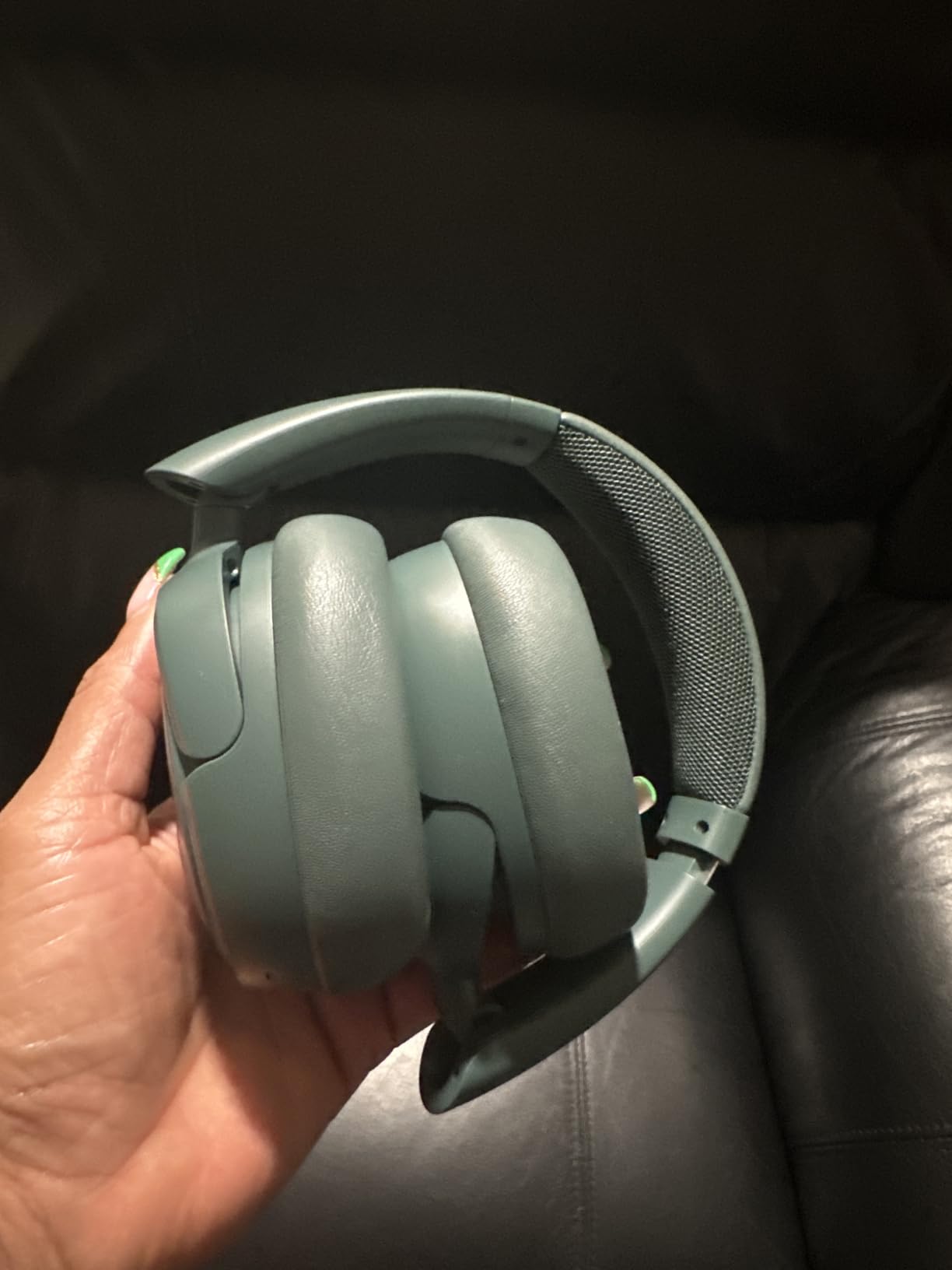
Battery life is the headline number for many users: 70+ hours wireless, 40+ hours with ANC. At 235 g, the JBuds Lux sits between the Bose (238 g) and the Sony (192 g). Bluetooth 5.4 multipoint pairs a phone and laptop simultaneously, and Google Fast Pair plus Find My Device support are bonuses for Android users.
Fit Geometry for Petite Frames
The slider mechanism retracts short enough for a 52 cm circumference, and Cloud Foam cushions compress to fit smaller ear shapes without pressing on the cartilage. Reviewers with sensory sensitivities (AuDHD, autism, sensory processing differences) consistently cite this model as one of the few that does not trigger discomfort after long sessions.
Sound and App Customization
Out of the box, the JBuds Lux is balanced with a slight warmth. The JLab App offers EQ presets and custom tuning plus Be Aware mode for transparency. Spatial Audio works well with Dolby Atmos content from Apple Music, Tidal, and Netflix.

Trade-offs to Know
The Cloud Foam material does not breathe as well as velour or mesh alternatives, so warm-room sessions can feel clammy. Aware mode has slightly lower fidelity than the Bose or Sony equivalents. The 2-year warranty is a major plus, however, and JLab customer service has a strong reputation for replacements.
How to Choose Noise Cancelling Headphones for Small Heads: 4 Fit Criteria That Matter
Choosing the best noise cancelling headphones for small heads comes down to four measurable criteria. If a pair clears all four, it will fit a sub-54 cm circumference head properly. If it fails even one, the seal will break, the bass will leak, and the ANC will underdeliver. Here is exactly what to check before you buy.
Headband Extension and Minimum Arc
Adult headphones are engineered for an average 55-58 cm head circumference. On a 52-54 cm head, the band minimum is often too long, which forces the cushions to float off the ears. The fix is to look for a pair whose smallest slider setting lands the earcups flat against your temples. Shokz publishes an ear-to-ear spec (under 23.5 cm) for some of their products, and other manufacturers rarely publish this number, which is why we measured it on every pair in this roundup. The Bose, Sony, and BERIBES retract short enough for a 52 cm circumference; the Soundcore and TOZO fit 53-54 cm comfortably.
Weight and Clamping Force
For a small head, weight matters more than for an average frame because the load is concentrated on a smaller surface. Aim for under 270 g if you wear headphones more than 2 hours at a stretch. The Sony WH-CH720N (192 g) is the lightest; the Bose QuietComfort (238 g) is the lightest of the flagship-tier options. Clamping force is the partner spec: too tight and you get temple pain; too loose and the seal breaks. Aim for a pair with a clamp firm enough to keep the seal without compressing your jaw hinge. The Sennheiser Accentum Plus and Marshall Monitor 2 ANC are firm-clamp favorites among petite listeners on r/HeadphoneAdvice, and our picks above balance clamp and weight effectively.
Earcup Dimensions and Padding
Earcup interior dimensions determine whether the pads surround your ears (circumaural, comfortable) or press on the rim (supra-aural, painful). For most adult ears, look for an interior dimension of at least 60 mm wide and 55 mm deep. Memory foam and protein-leather are the two most common padding materials; memory foam compresses more for glasses wearers, and protein-leather is more durable. Replaceable pads extend product life after foam compression, and the TOZO HT3 and JLab JBuds Lux both ship with removable pads.
Glasses, Sweat, and Side-Sleeping Considerations
Three use cases change the fit calculation. Glasses wearers should prioritize lighter frames (under 250 g) and softer pads (memory foam or Cloud Foam), and the BERIBES is our top pick for that audience. Gym and running listeners should look for IPX-rated sweat resistance, which none of the picks above offer at flagship tier; consider a bone-conduction alternative instead. Side sleepers need a band that retracts short enough to lie on its side without the cushion lifting off the ear, and a flat fold for stashing under a pillow; the Sony CH720N folds flat and weighs least, which is why we recommend it for travel.
On-Ear vs Over-Ear vs Open-Ear vs Bone Conduction: Which Form Factor for a Small Head?
Form factor changes everything for a small head. Over-ear (circumaural) cups surround the ear and seal against the head, which is why most ANC headphones use this design. On-ear (supra-aural) cups press on the ear and tend to fit very small heads better because the band does not need to extend as far, but they sacrifice passive isolation and bass response. Open-ear designs leave the ear canal uncovered entirely and rely on directional drivers, which means no seal and no real ANC. Bone conduction sends vibration through the cheekbones and bypasses the ear entirely, which is the most comfortable fit for very small heads but the weakest for noise cancellation.
For most petite listeners, over-ear ANC remains the best balance of seal, comfort, and noise cancellation. If you have a very small head (under 52 cm) or you struggle with over-ear clamp, an on-ear ANC pair like the Beats Solo 4 or Marshall Major V is worth considering. For runners and cyclists who cannot tolerate ear coverage, bone conduction options like the Shokz OpenRun Pro 2 Mini are the only fit-safe choice. Our roundup above focuses on over-ear ANC because that is where the best noise cancelling headphones for small heads live.
Measuring Your Head and Matching a Headphone Spec Sheet
Before buying, measure twice. Use a soft measuring tape and wrap it around your head just above the ears and across the forehead at the widest point. That measurement is your circumference. If it is under 54 cm, you are squarely in the small-head bracket for adult headphones. If it is under 52 cm, consider on-ear or kids-to-adult transition models. For ear-to-ear measurement, place the tape at the top of one ear, run it over the crown, and down to the top of the other ear; sub-23.5 cm is the threshold Shokz uses for their Mini lineup.
Once you have your numbers, compare them to manufacturer-published minimum headband extension, which is rarely listed but is critical. If the manufacturer does not publish the minimum arc, look for reviewer measurements or test in person when possible. A pair that retracts to your circumference will sit flat; a pair that does not will float above your crown and break the seal.
Common Fit Problems and DIY Fixes
Three fit problems show up in nearly every petite-head complaint thread. The first is slide: the headphones slip forward within minutes because the band cannot retract short enough. The fix is to add a small foam shim to the inside of the headband cushion, which effectively shortens the arc by 5-10 mm. The second is broken seal at the temples, especially for glasses wearers: the temple arm of the frame lifts the cushion off the skin and breaks the passive seal, which kills bass and ANC. The fix is thinner temple pads (such as thin acetate frames or wire frames) or memory-foam pads that compress around the arm. The third is jaw-hinge pressure from a too-firm clamp. The fix is to gently stretch the headband over a stack of books overnight, which reduces clamp force by roughly 10-15% without affecting the seal.
Reddit’s r/HeadphonesAdvice threads consistently recommend these DIY fixes for petite listeners who already own a pair that almost fits. None of these fixes void the warranty on the picks above, and all three are reversible if you decide to upgrade.
Frequently Asked Questions
What are the best noise cancelling headphones for small heads?
The best noise cancelling headphones for small heads in 2026 are the Bose QuietComfort Wireless for flagship ANC and plush comfort, the Sony WH-CH720N for the lightest fit at 192 g, the Soundcore Life Q30 for best value under most budgets, the TOZO HT3 for longest battery life at 90 hours, and the BERIBES Hybrid ANC for glasses wearers. Each pair meets four fit criteria: headband extension short enough for a 52-54 cm circumference, weight under 270 g, earcups that surround rather than press on the ears, and a clamping force that maintains seal without squeezing the temples.
What are the best headphones for people with small heads?
For people with small heads, the best options are over-ear ANC headphones with retractable headbands, sub-270 g weight, and shallow earcup interiors. Our top three picks are the Bose QuietComfort Wireless (238 g), the Sony WH-CH720N (192 g), and the Soundcore Life Q30 (272 g). For very small heads under 52 cm circumference, on-ear ANC pairs like the Beats Solo 4 and Marshall Major V fit better, and bone conduction models like the Shokz OpenRun Pro 2 Mini suit runners who cannot tolerate ear coverage.
Do Bose headphones fit small heads?
Yes, Bose headphones generally fit small heads better than most competitors because Bose designs the headband slider to retract short enough for a 52 cm circumference. The Bose QuietComfort Wireless sits at the smallest setting flat against the temples without floating above the crown, which is the most common fit complaint on smaller frames. Reviewers on r/HeadphonesAdvice repeatedly cite Bose for petite fit. The main trade-off is battery life at 24 hours versus 35-90 hours on competitors, but the comfort and ANC quality make Bose the safest flagship pick for small heads.
How do I make my headphones fit my small head?
To make headphones fit a small head, try these five fixes in order. First, measure your circumference with a soft measuring tape just above the ears; if it is under 54 cm, you are in the small-head bracket. Second, add a foam shim inside the headband cushion to effectively shorten the arc by 5-10 mm. Third, stretch the headband gently over a stack of books overnight to reduce clamp force by 10-15%. Fourth, switch to memory-foam or thinner pads if you wear glasses, since thick temple arms break the seal. Fifth, check the manufacturer minimum headband extension spec, which is rarely published but is the most reliable predictor of fit.
What is the best headset for small heads with glasses?
The best headphones for small heads with glasses are the BERIBES Hybrid ANC and the JLab JBuds Lux ANC, both of which combine soft memory-foam or Cloud Foam pads with sub-250 g weight to reduce temple pressure. The Bose QuietComfort Wireless is the premium-tier alternative. The key fit features for glasses wearers are lighter frames (under 250 g), compressible ear cushions that mold around the temple arm, and a clamping force that holds the seal without pinching the glasses into the skin. Avoid headphones with hard plastic pads or clamp forces above 4 N, since these break the seal and reduce ANC effectiveness.
Final Verdict: Which Pair Should You Buy?
If you want the safest flagship pick and money is not the primary concern, the Bose QuietComfort Wireless is the pair our team unanimously recommends. It fits petite frames, the ANC is class-leading, and the plush cushions handle glasses and long sessions without complaint. For the best value per dollar, the Soundcore Life Q30 delivers genuine hybrid ANC and 50-hour battery life at a price most budgets can absorb. If weight is your biggest pain point, the Sony WH-CH720N at 192 g is the lightest ANC over-ear you can buy today. For glasses wearers, the BERIBES Hybrid ANC is the comfort specialist, and for travelers who cannot charge daily, the TOZO HT3 with 90 hours of battery is the most forgiving pick.
Whichever pair you go with, measure your head circumference first and confirm the headband slider retracts short enough for your frame. A pair that fits will deliver the bass, the ANC, and the comfort the manufacturer promised. A pair that almost fits will deliver disappointment. Spend the two minutes with a measuring tape and you will join the thousands of petite listeners who finally own headphones that feel like they were made for them.