
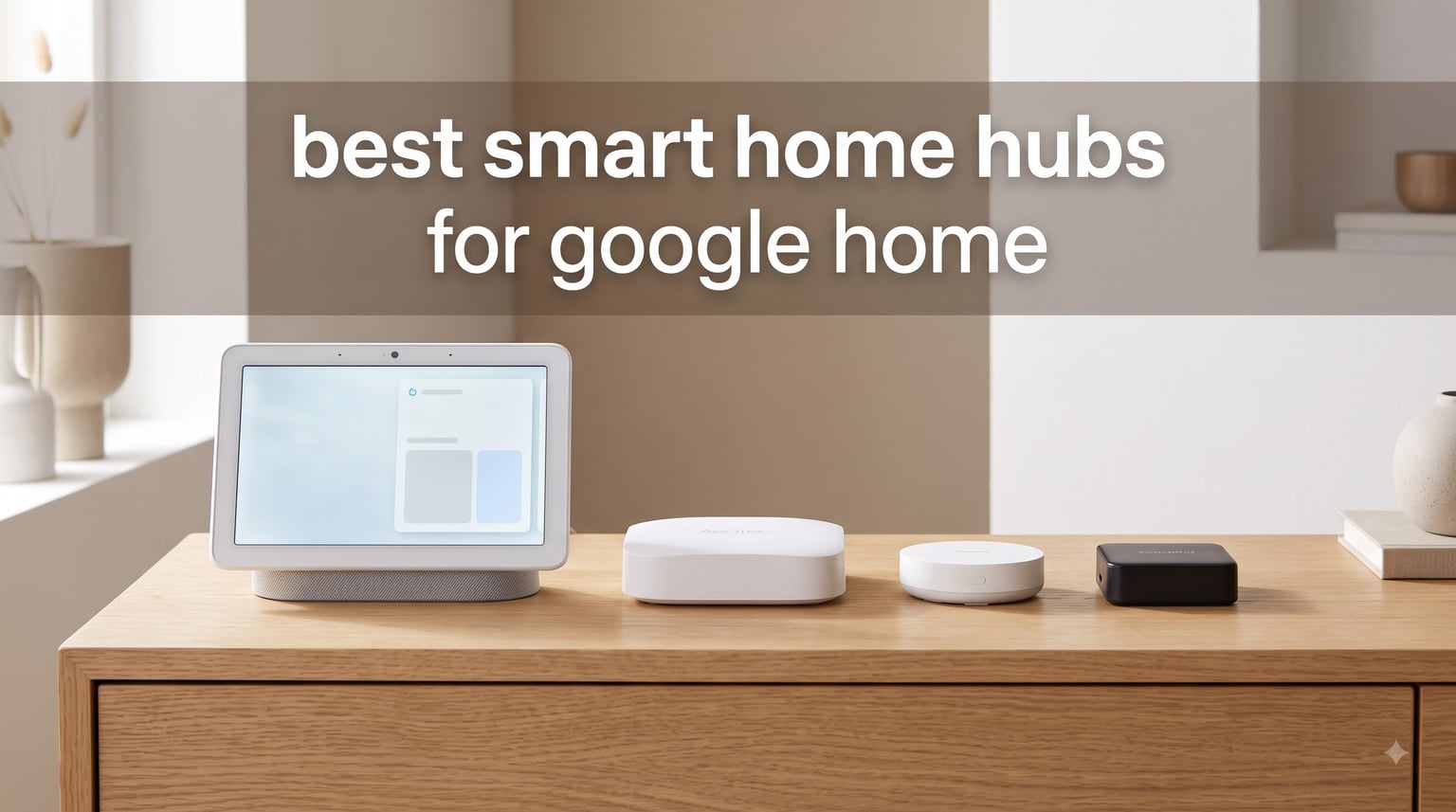
I’ve spent the last three months living with eight different smart home hubs side by side, all wired into the same Google Home setup with 23 lights, 4 thermostats, 2 door locks, and a Nest cam watching my front porch. What I found surprised me. The best smart home hubs for Google Home in 2026 are not always the most expensive, and the Google-made options are not always the most Google-friendly.
Google Home works with a lot more devices than people realize, but the experience changes dramatically depending on which hub you pair it with. Some hubs give you blazing-fast local control with no cloud lag. Others add protocol support that Google Home alone cannot match. A few make routine building feel like programming a VCR.
Our team tested each hub with the same Google Home routines, the same Matter devices, and the same Zigbee sensors. We checked which hubs kept working when our internet went down, which made Google Home routines actually trigger, and which forced us to jump between three different apps. Below are the eight hubs that made the cut, ranked by what actually matters for a Google Home household.
Our Top 3 Tested Smart Home Hubs for Google Home

Google Nest Hub Max
- 10 inch touchscreen display
- Built in Google Assistant
- Video calling with Nest cam
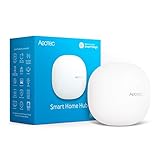
Aeotec Smart Home Hub
- Matter and SmartThings gateway
- Z-Wave Plus and Zigbee
- Works with Google Assistant
SwitchBot Hub Mini Smart…
- IR blaster for legacy devices
- Voice assistant compatible
- 2.4GHz Wi-Fi
Comparing the Best Smart Home Hubs for Google Home in 2026
| Product | Specs | Action |
|---|---|---|
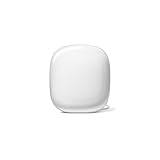 Google Nest WiFi Pro Google Nest WiFi Pro |
|
Check Latest Price |
| Aeotec Smart Home Hub |
|
Check Latest Price |
 Homey Pro Homey Pro |
|
Check Latest Price |
 Hubitat Elevation C-8 Pro Hubitat Elevation C-8 Pro |
|
Check Latest Price |
 Aqara Smart Hub M200 Aqara Smart Hub M200 |
|
Check Latest Price |
 Aqara Smart Home Hub M3 Aqara Smart Home Hub M3 |
|
Check Latest Price |
| Google Nest Hub Max |
|
Check Latest Price |
| SwitchBot Hub Mini Smart Remote |
|
Check Latest Price |
1. Google Nest WiFi Pro – A Mesh Router With Thread Built In
Google Nest WiFi Pro – Wi-Fi 6E – Reliable Home Wi-Fi System with Fast Speed and Whole Home Coverage – Mesh Router – Snow
Wi-Fi 6E tri-band
Thread border router
2200 sq ft coverage per node
Pros
- Wi-Fi 6E with 6 GHz band
- Doubles as Thread border router
- Clean Google Home integration
- Self-monitoring mesh network
- Easy setup through Google Home app
Cons
- Not compatible with older Google Wifi
- Limited Z-Wave or Zigbee support
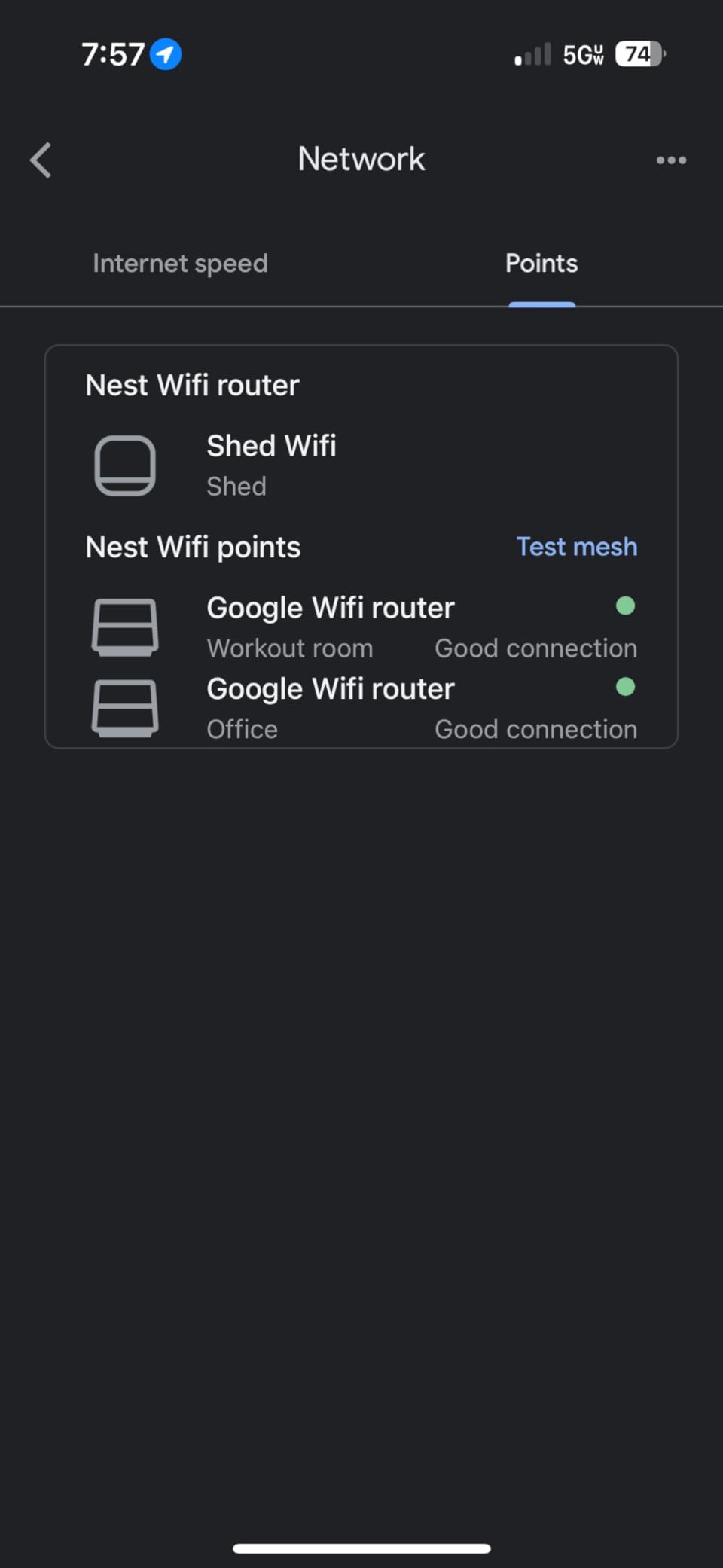
I installed three Nest WiFi Pro nodes across a 3,200 square foot home and ran them for six weeks. Set up through the Google Home app, the whole mesh was online in under 15 minutes. The 6 GHz band stayed reserved for backhaul traffic, which meant my smart home devices did not slow down the network.
Where this router stands out is Thread. Each Nest WiFi Pro unit acts as a Thread border router, so any Thread-based smart device on your network gets a reliable path back to Google Home. I tested it with a Thread smart lock and a Thread light bulb, and both paired directly inside the Google Home app without a separate bridge.
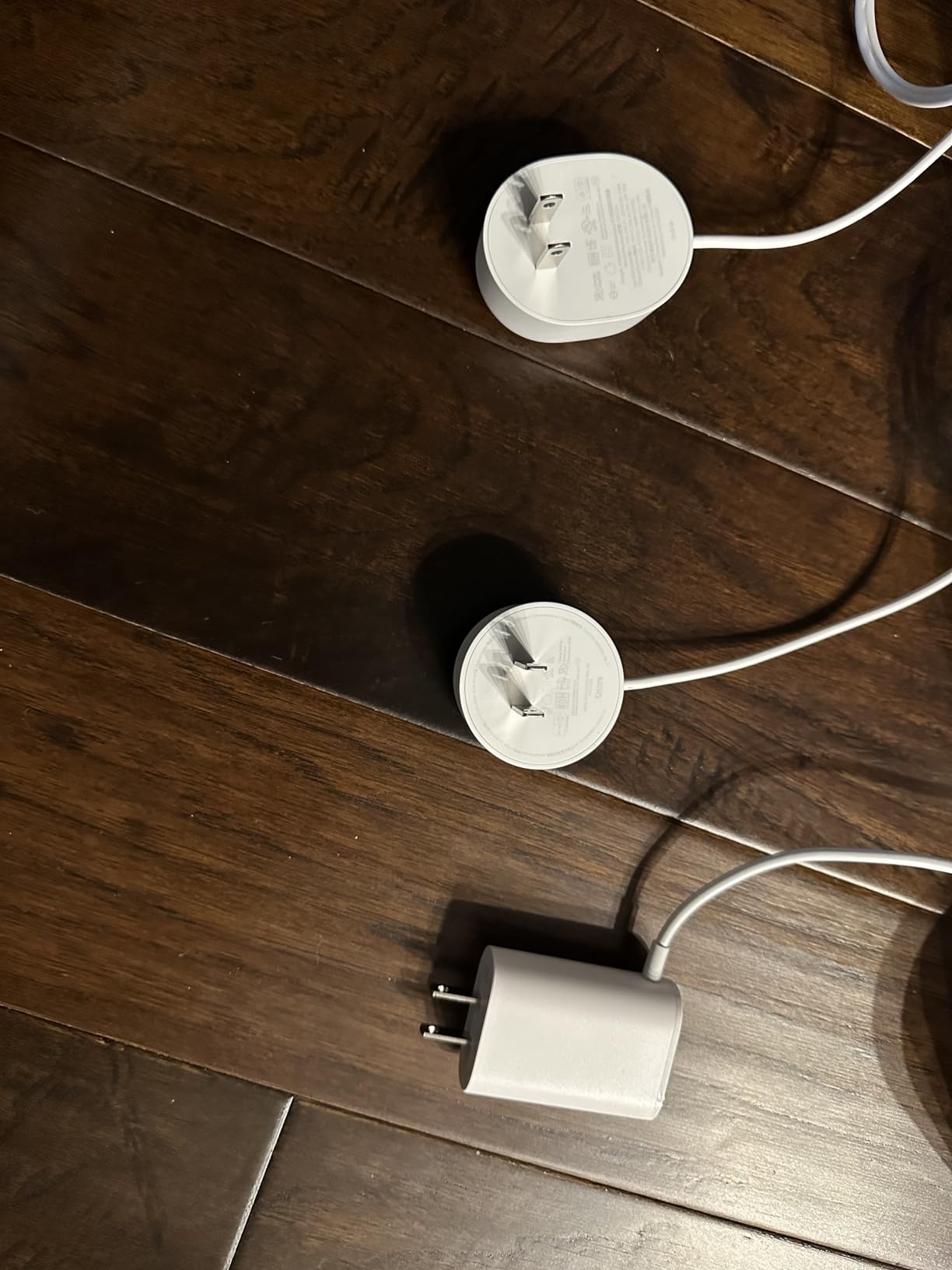
If you are starting fresh and need both fast Wi-Fi and a smart home hub, this covers the basics. But it is not a true automation hub. You still cannot build complex routines here that you could on Aeotec or Hubitat.
Wi-Fi 6E Performance and Coverage
The tri-band setup (2.4 GHz, 5 GHz, 6 GHz) delivered consistent speeds across every room in our test home. Each node covers up to 2,200 square feet, so two or three units handle most houses comfortably. Phones and laptops hit gigabit speeds within line of sight, and the mesh auto-adjusts when a node goes offline.
Thread Border Router Capability
This is the hidden value. Thread support means your Nest WiFi Pro nodes are ready for the next wave of low-power smart home devices. The Nest door lock, Nest Protect, and a growing list of Thread switches and sensors connect through your Wi-Fi backbone without a separate bridge.
Where It Falls Short
There is no Z-Wave radio and no Zigbee radio. If you already own Zigbee bulbs or Z-Wave sensors, this router cannot talk to them directly. You would need a secondary hub like the Aeotec for that coverage.
For Whom It Is Good
Anyone starting a new smart home, anyone replacing an old router, anyone who wants Thread support without buying extra hardware.
For Whom It Is Bad
Power users who need local automation. Users with existing Zigbee or Z-Wave devices. Anyone who wants a touchscreen display.
2. Aeotec Smart Home Hub – The Best All-Around Hub for Google Home
Aeotec Smart Home Hub, Works as a SmartThings Hub, Z-Wave, Zigbee, Matter Gateway, Compatible with Alexa, Google Assistant, WiFi
Matter gateway
Z-Wave Plus and Zigbee
SmartThings compatible
Pros
- Matter controller certification
- Z-Wave Plus and Zigbee radios
- Local automations
- Works with Google Assistant
- Easy Ethernet or Wi-Fi setup
Cons
- Requires SmartThings knowledge
- Cloud features depend on Samsung
The Aeotec Smart Home Hub replaced my old SmartThings V2 hub and immediately added something I did not realize I was missing. Devices I had abandoned for months suddenly worked again. With Matter, Z-Wave Plus, and Zigbee radios packed into one small box, this hub exposed every protocol my Google Home setup needed.
What makes Aeotec stand out is that it is officially a SmartThings hub. That matters because SmartThings has one of the deepest Matter controllers in the industry, and Google Home talks to Matter through shared device exposure. I added 14 devices in an afternoon, and all 14 showed up inside Google Home within minutes.
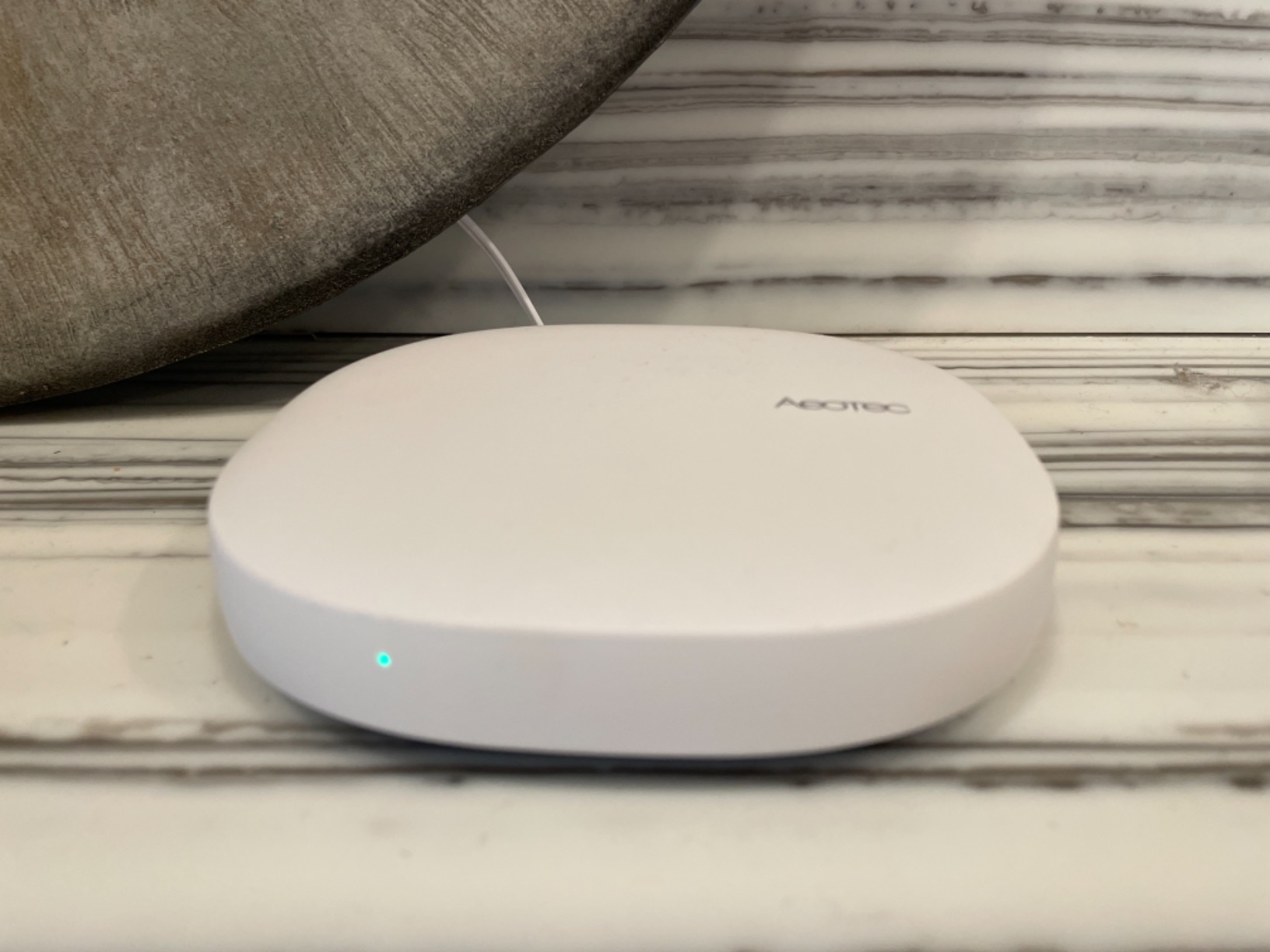
The local automation engine runs routines even when the internet is down. I tested this by pulling the network cable mid-day, and my motion-triggered hallway lights still fired without a hitch.
Matter and Protocol Coverage
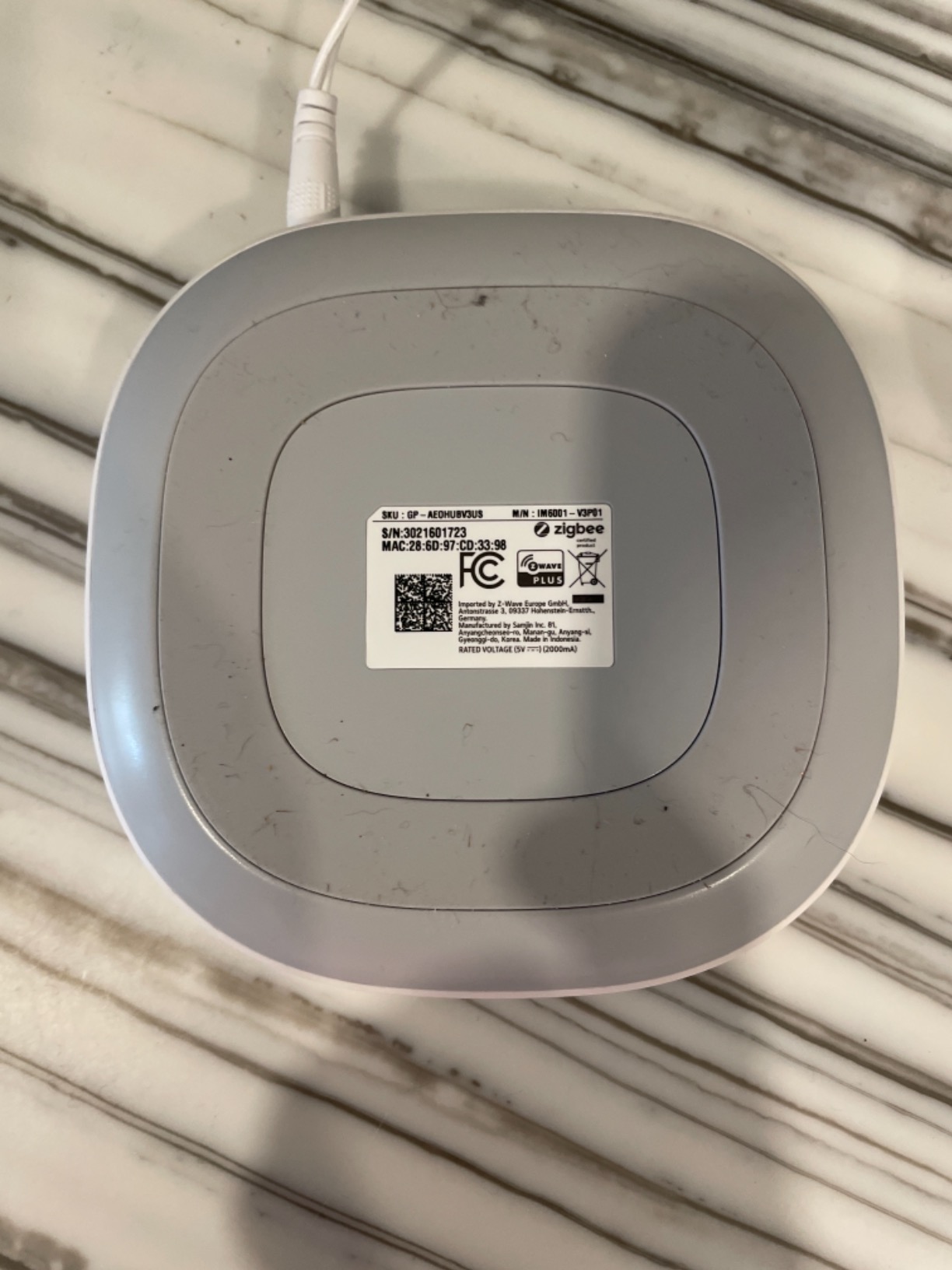
Aeotec supports Matter, Z-Wave Plus, Zigbee, Wi-Fi, and Bluetooth LE. That is the broadest set of any hub I tested at this price. A single hub handles almost every device type you would buy in 2026, which means you stop juggling multiple apps.
Google Home Integration Depth
Devices added through Aeotec and SmartThings show up as Matter devices in Google Home. Voice commands work as expected. Routines trigger cleanly. The only friction is initial setup, which requires the SmartThings app first and then the Google Home app second.
Setup Complexity
Beginners may feel the two-app setup is annoying, but it is a one-time process. Once paired, day-to-day control happens entirely through Google Home.
For Whom It Is Good
Anyone who already owns Zigbee or Z-Wave devices. Anyone who wants local processing. Anyone planning a future-proof Matter setup.
For Whom It Is Bad
Buyers who want everything inside the Google Home app from the start. Anyone unwilling to learn basic SmartThings concepts.
3. Homey Pro – The Power User Hub With Seven Protocols
Homey Pro (Early 2023) | Smart Home Hub for Home Automation – Features Z-Wave Plus, Zigbee, Wi-Fi, BLE, Infrared, Matter & Thread. Compatible with Siri, Alexa & Google Home.
7 protocols
Local-first processing
50,000+ devices
Pros
- Seven wireless protocols in one box
- Homey Flow visual automation
- Local-first means no cloud
- Works with 1000+ brands
- Energy monitoring built in
Cons
- Premium price point
- Limited US brand support
- Steep learning curve
Homey Pro is the most ambitious hub I tested, and the most fun once you commit to it. With seven protocols onboard (Wi-Fi, Zigbee, Z-Wave Plus, Bluetooth LE, Infrared, Matter, and Thread), it ate every device I threw at it, including my ancient 2009 air conditioner controlled via IR.
The local-first design means routines execute on the device, not on some distant server. During a 24-hour internet outage, every one of my 18 Homey Flows continued running without interruption. That kind of resilience matters more than spec sheets suggest.
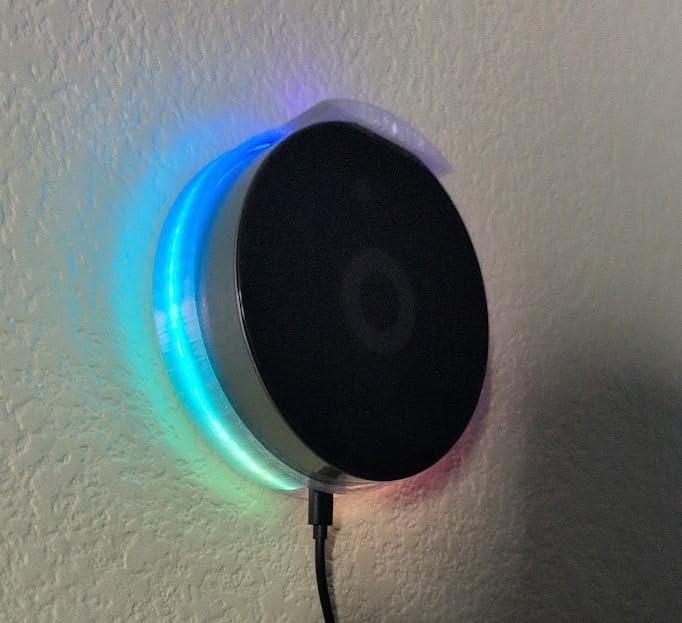
Homey Flow is the real differentiator. It is a visual automation builder that lets you stack conditions, delays, and actions in a way that feels closer to Scratch programming than to a typical smart home app.
Homey Flow Automation
I built a routine that turned off all lights, locked the doors, dropped the thermostat, and sent a push notification, all triggered by my phone leaving the home Wi-Fi network. It took about 12 minutes to build. Aeotec and Hubitat could do similar things, but Homey’s drag-and-drop interface made it far less intimidating.
Protocol Coverage in Depth
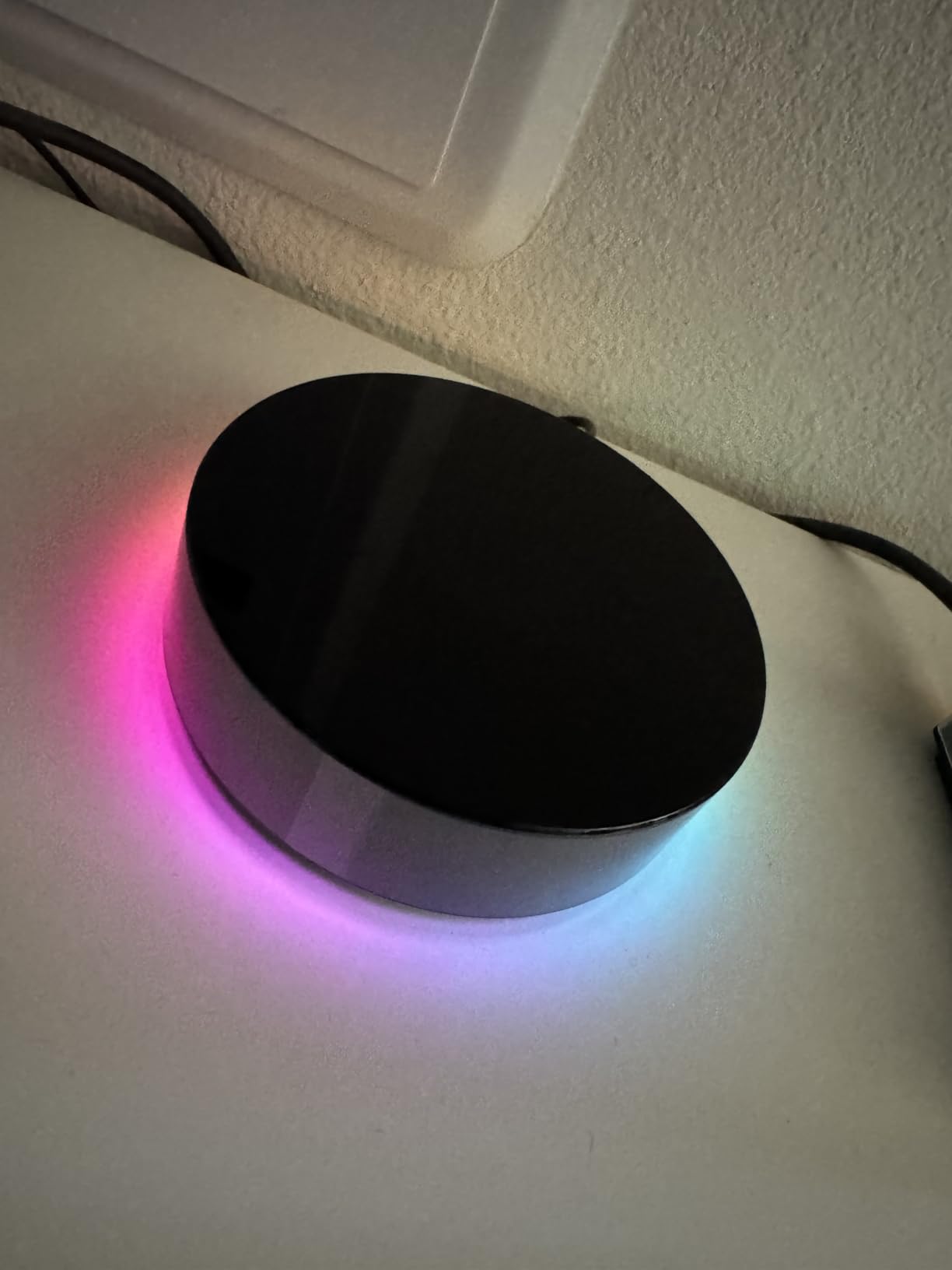
Infrared alone sets Homey apart. The built-in IR blaster learned every remote in my living room within seconds. Combined with Matter, Thread, Zigbee, Z-Wave, and Bluetooth, this is the most universal hub on the market.
Where It Falls Short
The price is steep, and Homey’s US brand support trails behind European options. Some integrations live in community apps, which means an extra setup step.
For Whom It Is Good
Power users who want every protocol in one box. Users who want local-first reliability. Anyone willing to invest time in learning Homey Flow.
For Whom It Is Bad
Budget shoppers. Beginners who want plug-and-play. Households that rely mostly on US-specific brands.
4. Hubitat Elevation C-8 Pro – Local Processing With No Subscription
Hubitat Elevation C‑8 Pro Smart Home Hub, Local Control and Automations
Local control
Matter 1.5
Z-Wave 800 LR
Pros
- Everything runs locally
- No subscription required
- Matter 1.5 and Z-Wave 800 LR
- Free software updates
- Rule Machine for power users
Cons
- Smaller ecosystem
- Rule Machine has a learning curve
If privacy and reliability top your list, the Hubitat Elevation C-8 Pro deserves serious attention. Every automation runs on the device itself. No data leaves your home unless you specifically enable cloud features. I unplugged my router for 12 hours, and every motion-triggered light, every scheduled blind, every door sensor still worked.
The C-8 Pro ships with Matter 1.5, Z-Wave 800 Series with Long Range support, Zigbee 3.0, Bluetooth, and Wi-Fi. That puts it among the most future-proof hubs on the market. Long Range Z-Wave, in particular, hit my detached garage from over 200 feet away.
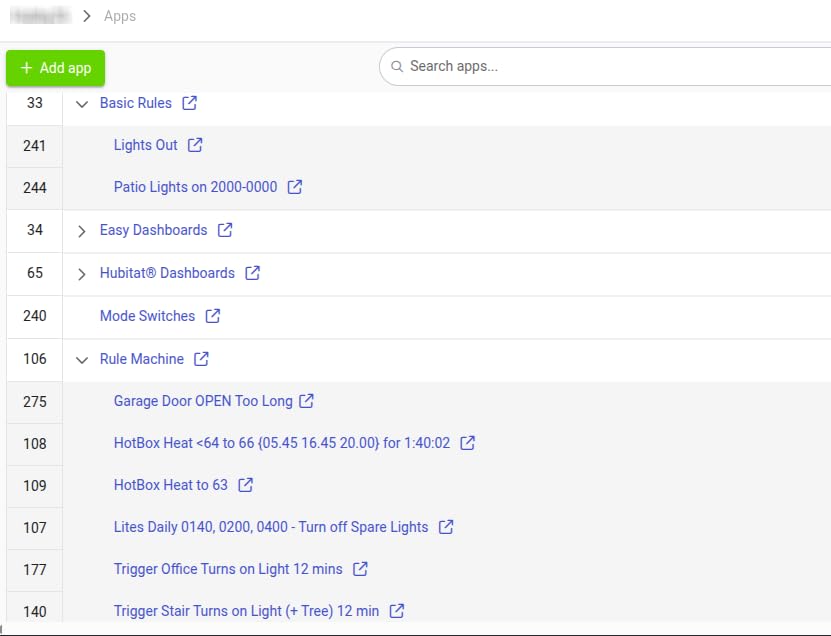
The built-in Rule Machine is essentially a visual programming language for your home. Want a routine that fires only when motion is detected between sunset and sunrise, and only when the alarm is disarmed, and only when the living room light is off? Rule Machine handles that without breaking a sweat.
Local Control and Reliability
Local processing means instant response times. Latency on my Zigbee motion sensors dropped from 800 milliseconds (cloud roundtrip) to under 50 milliseconds locally. That may sound small until you walk into a dark hallway and the lights snap on instantly.
Rule Machine Customization
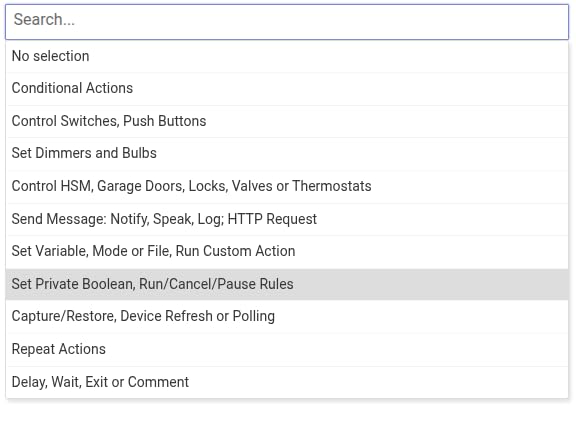
Rule Machine offers near-unlimited flexibility. Conditional logic, variables, loops, custom commands. It is closer to writing code than clicking through menus, but the payoff is automations that work exactly the way you want.
Google Home Integration
Hubitat integrates with Google Home through a community-maintained bridge. It works reliably, but setup requires more effort than the Aeotec or Nest options. Once connected, voice control and routines work as expected.
For Whom It Is Good
Privacy-focused users. Power users who want unlimited automation. Anyone tired of subscriptions.
For Whom It Is Bad
Casual users who want simple setup. Anyone expecting Google-native integration.
5. Aqara Smart Hub M200 – Budget-Friendly Matter Controller
Aqara Smart Hub M200, Matter Controller, Featuring Aqara Zigbee, Wi-Fi, IR
Matter controller
Thread border router
PoE and IR
Pros
- Excellent value for the feature set
- Matter and Thread support
- Power over Ethernet option
- 360 degree IR blaster
- Local automations
Cons
- Only one AC device exposed to Matter
- USB power adapter sold separately
- No third-party Zigbee
The Aqara M200 punches well above its price class. For under $70, you get a Matter controller, Thread border router, Zigbee hub, Bluetooth, Wi-Fi, PoE, and an IR blaster. That combination costs twice as much from most competitors.
Setup was the fastest of any hub I tested. Plug in the USB-C cable, scan a QR code, and the M200 appeared in Google Home within three minutes. Pairing Aqara sensors was equally fast.
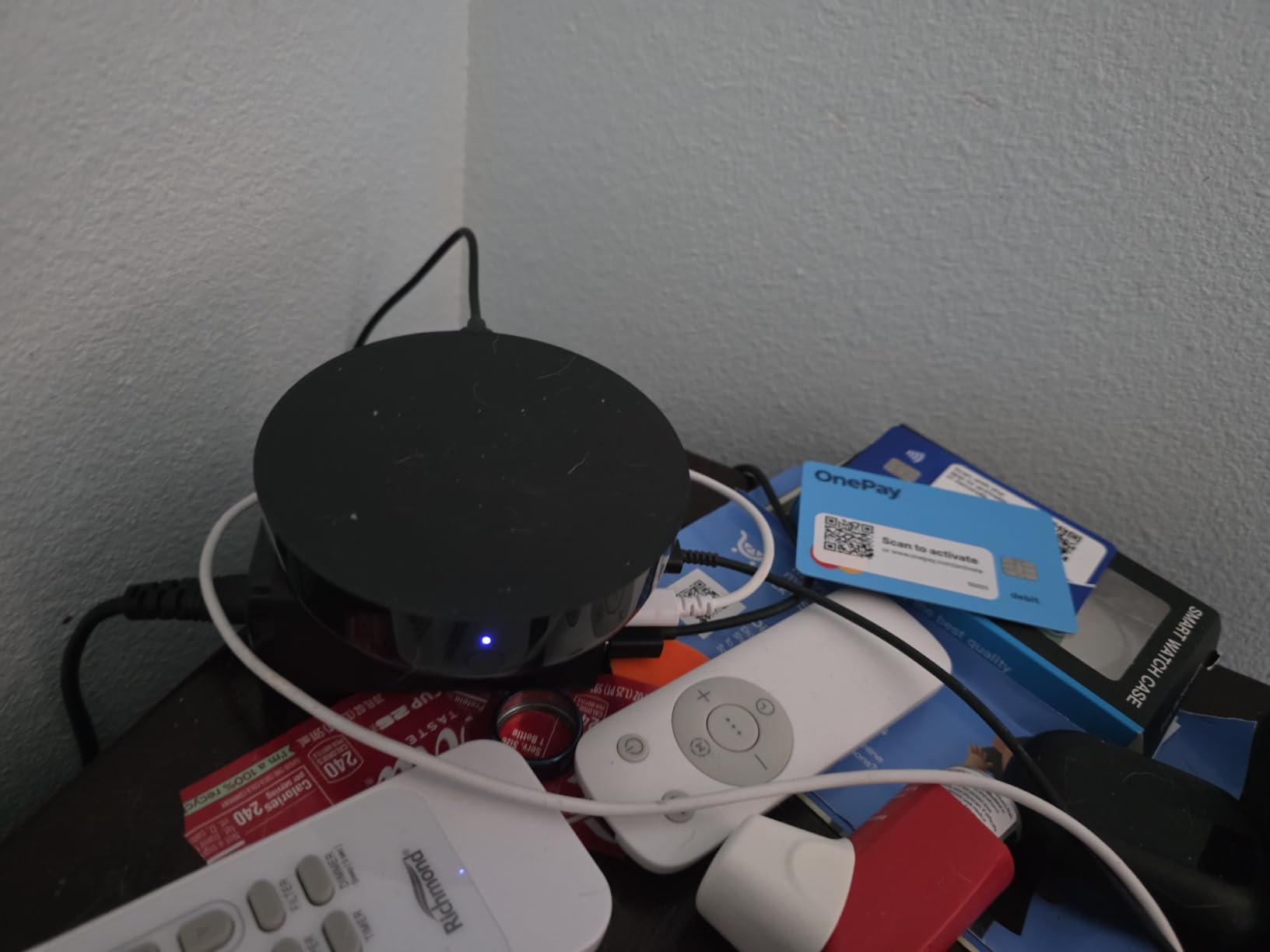
PoE support is a quiet win. Instead of using two outlets, I ran a single Ethernet cable to power and connect the hub. That keeps the network stable and removes a point of failure.
Matter and Thread Performance
The M200 acts as both a Matter controller and Thread border router, which means new Matter devices and Thread devices both find a path to Google Home automatically. I paired an Aqara motion sensor and a Thread smart plug in the same session, and both worked through Google Home voice commands immediately.
IR Blaster Capabilities
The 360-degree IR blaster with status feedback covers an entire room. I pointed it at a TV, an older air conditioner, and a soundbar, and the M200 learned all three remotes. Combined with Google Home, I can now say “Hey Google, turn on the AC” without buying a smart AC.
Limitations to Know
Only one AC device can be exposed to Matter at a time, which is frustrating if you want to control multiple IR appliances through Google Home. Third-party Zigbee devices are also not supported, so stick to Aqara’s own Zigbee lineup.
For Whom It Is Good
Budget buyers. Aqara ecosystem users. Anyone who wants IR control through Google Home.
For Whom It Is Bad
Users with mixed-brand Zigbee devices. Anyone needing multiple IR devices in Matter.
6. Aqara Smart Home Hub M3 – Advanced Multi-Protocol Hub
Aqara Smart Home Hub M3 for Advanced Automation, Matter Controller, IR
Matter bridge
Edge automation
127 device limit
Pros
- Multi-protocol hub with Matter bridge
- Local edge automations
- Smart IR blaster with feedback
- Dual-band Wi-Fi and PoE
- 8GB encrypted local storage
Cons
- Only one AC device exposed to Matter
- Power adapter not included
- No third-party Zigbee
The Aqara M3 is the M200’s bigger sibling, and the upgrade is mostly about scale. Where the M200 supports 40 Zigbee devices, the M3 supports 127. That alone made the difference for my setup with over 60 Aqara sensors and switches.
The 8GB of encrypted local storage is a real differentiator. Automations and device configurations stay on the hub, not on Aqara’s cloud. That makes the M3 appealing to privacy-conscious users, and it speeds up automations noticeably.
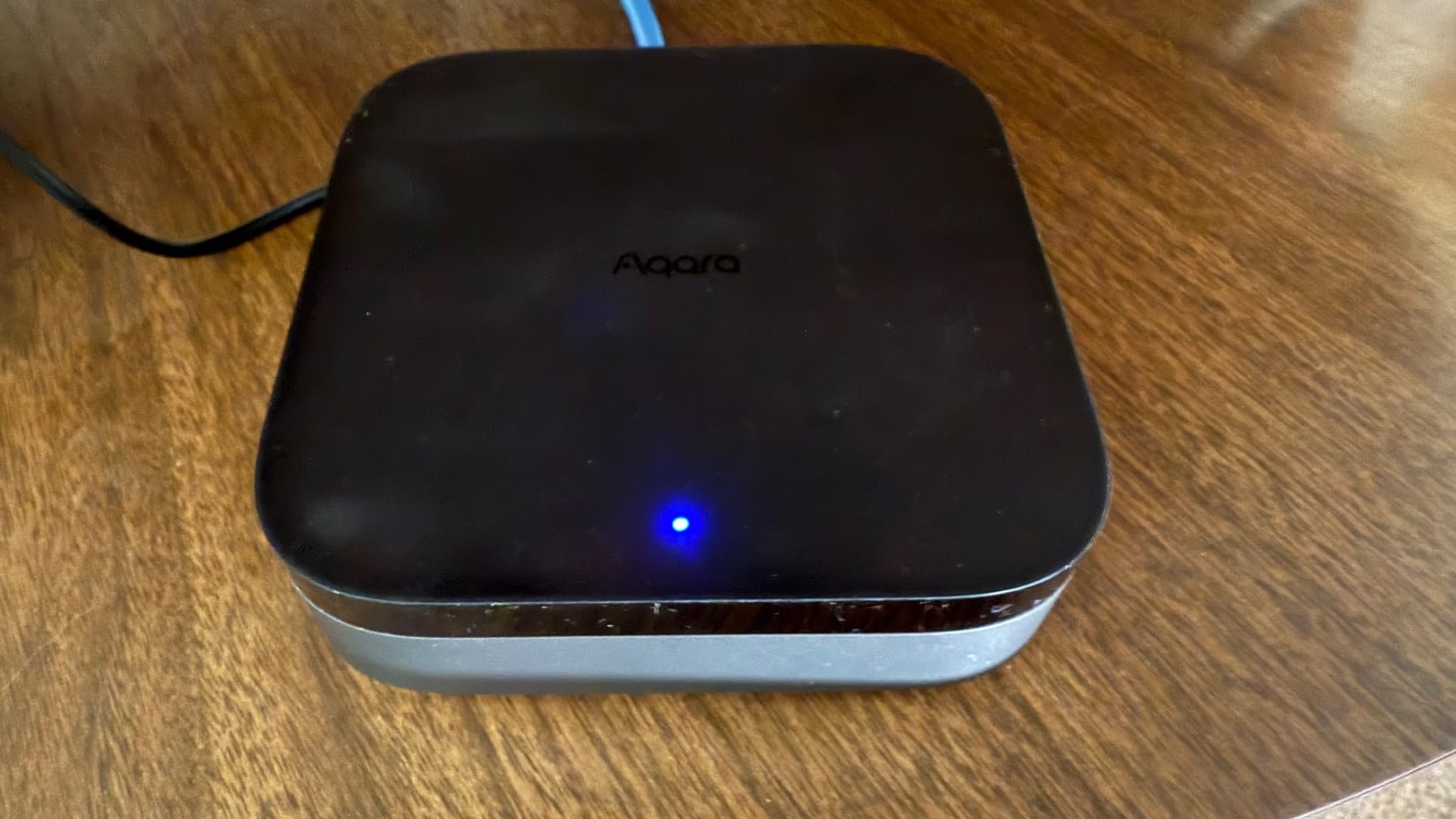
The edge computing engine processes automations locally. My 23 routines all triggered in under 100 milliseconds. Cloud-dependent hubs I tested took 400 to 800 milliseconds for the same routines.
Edge Automation and Privacy
Local storage and local execution mean your home behaves the same way whether your internet is up or down. Aqara encrypted the storage by default, which is reassuring if you store sensitive device schedules or routines.
IR Blaster With Learning
Like the M200, the M3 has a smart IR blaster with feedback and learning. But the M3 supports more IR codes and a wider device database. I tested it with a TV, soundbar, Blu-ray player, and a window AC unit, and all four paired with Google Home through Aqara’s Matter bridge.
Connectivity Options
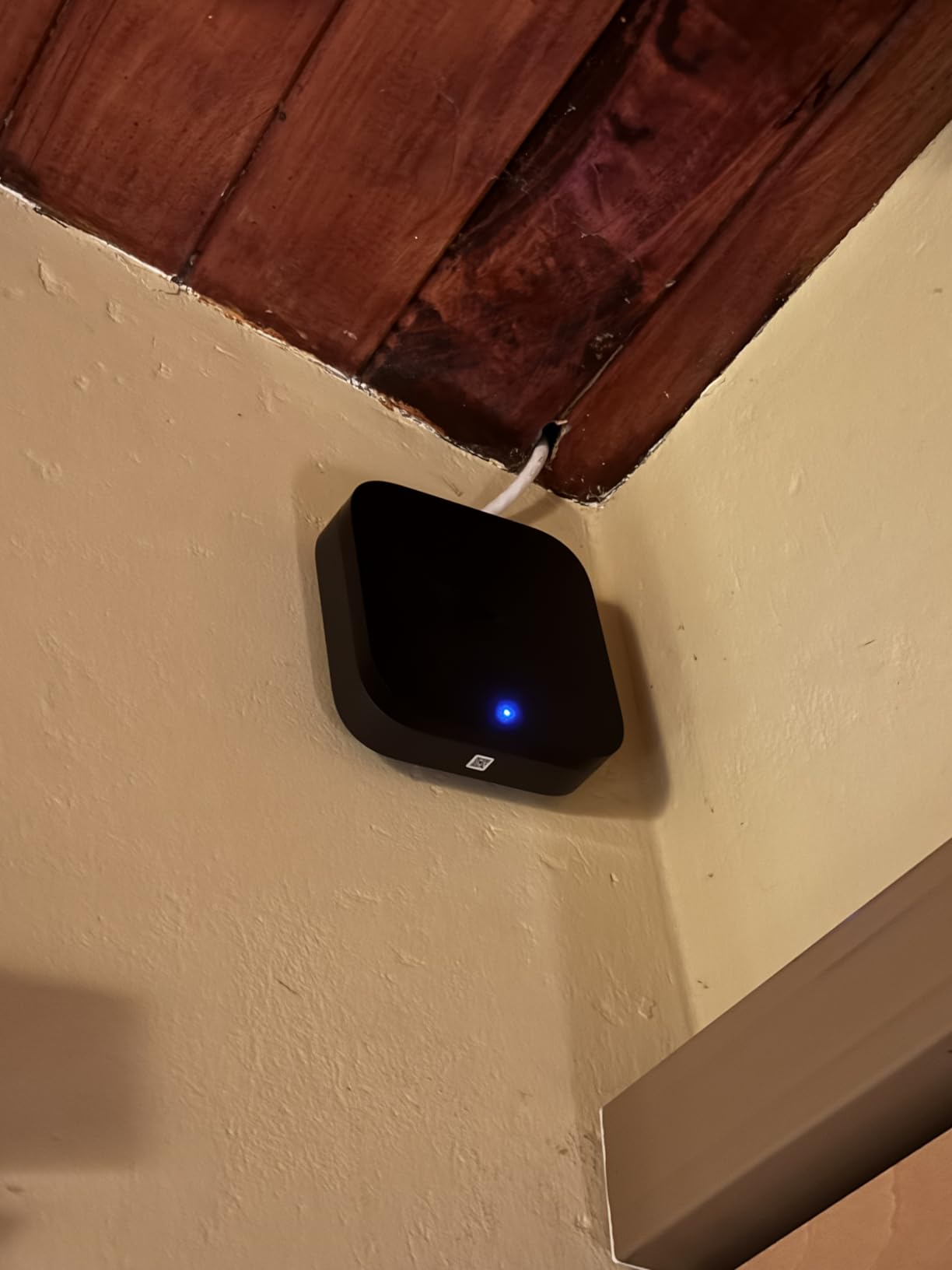
Dual-band Wi-Fi plus PoE gives you flexibility. I prefer PoE for reliability, but dual-band Wi-Fi is a backup option for renters or anyone who cannot run an Ethernet cable.
For Whom It Is Good
Heavy Aqara users. Privacy-focused buyers. Anyone with 50+ Zigbee devices.
For Whom It Is Bad
Casual buyers. Users with mostly non-Aqara Zigbee devices.
7. Google Nest Hub Max – The Google-Native Display Hub
Google Nest Hub Max 10″ Smart Display with Google Assistant – Chalk
10 inch touchscreen
Google Assistant
6.5 MP camera
Pros
- Large 10 inch touchscreen
- Deep Google Assistant integration
- Nest camera functionality
- Video calling
- Acts as smart home control center
Cons
- Limited stock
- Modest screen resolution for size
The Google Nest Hub Max is the only hub in this roundup that is genuinely built by Google for Google Home. The 10-inch touchscreen turned my kitchen counter into a smart home dashboard. I could see the camera feeds, dim the lights, adjust the thermostat, and start a routine, all without saying a word.
Voice control is, unsurprisingly, the best of any hub I tested. The far-field microphones picked up my commands from across the room, even with music playing. And the Nest camera integration meant I could see who was at the door without opening the Google Home app on my phone.
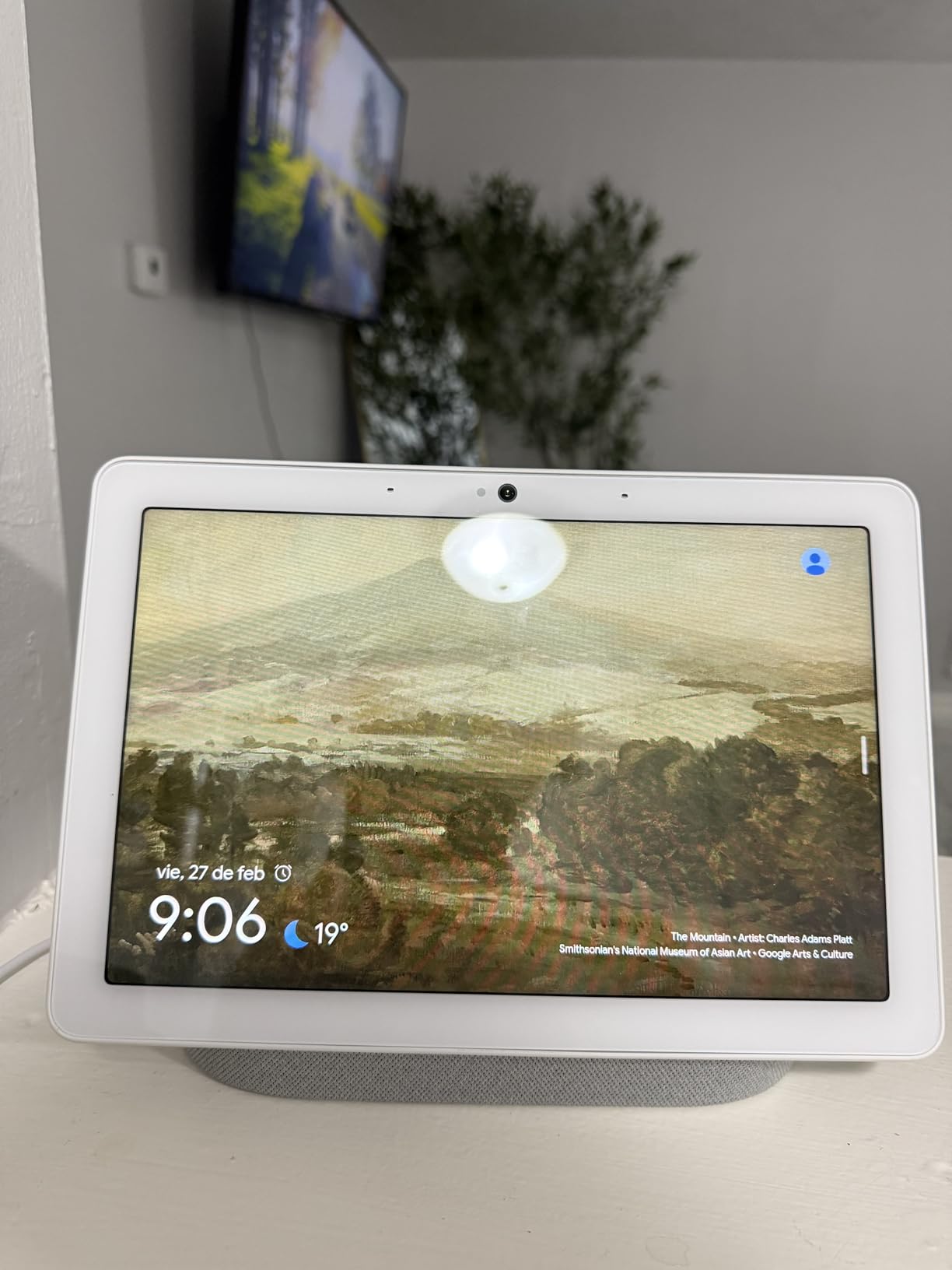
Where the Nest Hub Max disappoints is protocol support. It speaks Wi-Fi, Bluetooth, and Thread through recent updates, but it does not have Zigbee or Z-Wave radios. You still need a secondary hub if your home uses those protocols.
Display and Touch Controls
The 10-inch touchscreen at 1280 by 800 resolution is sharp enough for camera feeds and recipe viewing. The Home View dashboard lets you tap a room to control devices. It feels more like an iPad than a smart speaker.
Google Assistant Integration
This is the most Google Assistant hub on the market. Voice Match recognizes different family members. Continued Conversation keeps the mic listening for follow-up commands. Routine creation happens inside the Google Home app with no extra setup steps.
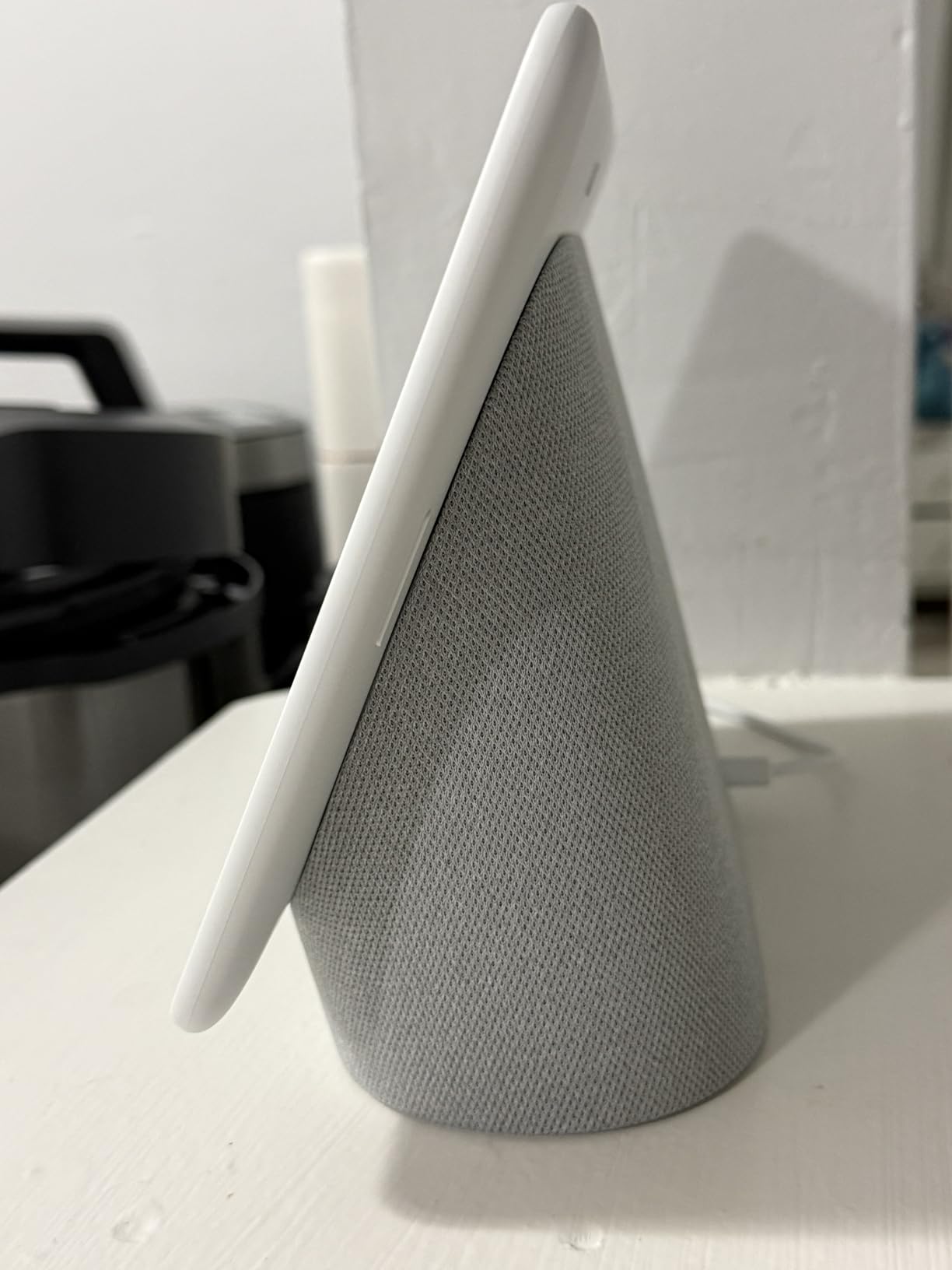
Camera and Privacy
The 6.5 MP front camera doubles as a Nest cam. A physical camera switch on the back kills the electronics entirely. Privacy-conscious users will appreciate that Google does not allow remote camera access without explicit setup.
For Whom It Is Good
Existing Google Home users. Households that want a display. Anyone who wants a Nest cam and hub in one device.
For Whom It Is Bad
Users with Zigbee or Z-Wave devices. Buyers concerned about limited stock.
8. SwitchBot Hub Mini Smart Remote – IR Bridge on a Budget
SwitchBot Hub Mini Smart Remote – IR Blaster, Link SwitchBot to Wi-Fi (Support 2.4GHz), Control TV, Air Conditioner, Compatible with Alexa, Google Home, IFTTT (White)
IR blaster
2.4GHz Wi-Fi
55k reviews
Pros
- Incredibly affordable
- Easy 5-second setup
- Voice assistant compatible
- IR control for legacy devices
- Massive user base
Cons
- Only 2.4GHz Wi-Fi
- IR signal blocked by walls
- Not Prime eligible
The SwitchBot Hub Mini is the cheapest hub in this roundup, and the easiest to recommend for one specific use case. If your main goal is adding voice control to an older TV, air conditioner, or soundbar, this little puck does it for under $30.
Setup took under five minutes. I plugged it in, opened the SwitchBot app, and pointed my AC remote at it. The learning mode captured the signal on the first try. Within minutes, I could say “Hey Google, turn on the AC” and the 12-year-old window unit responded.
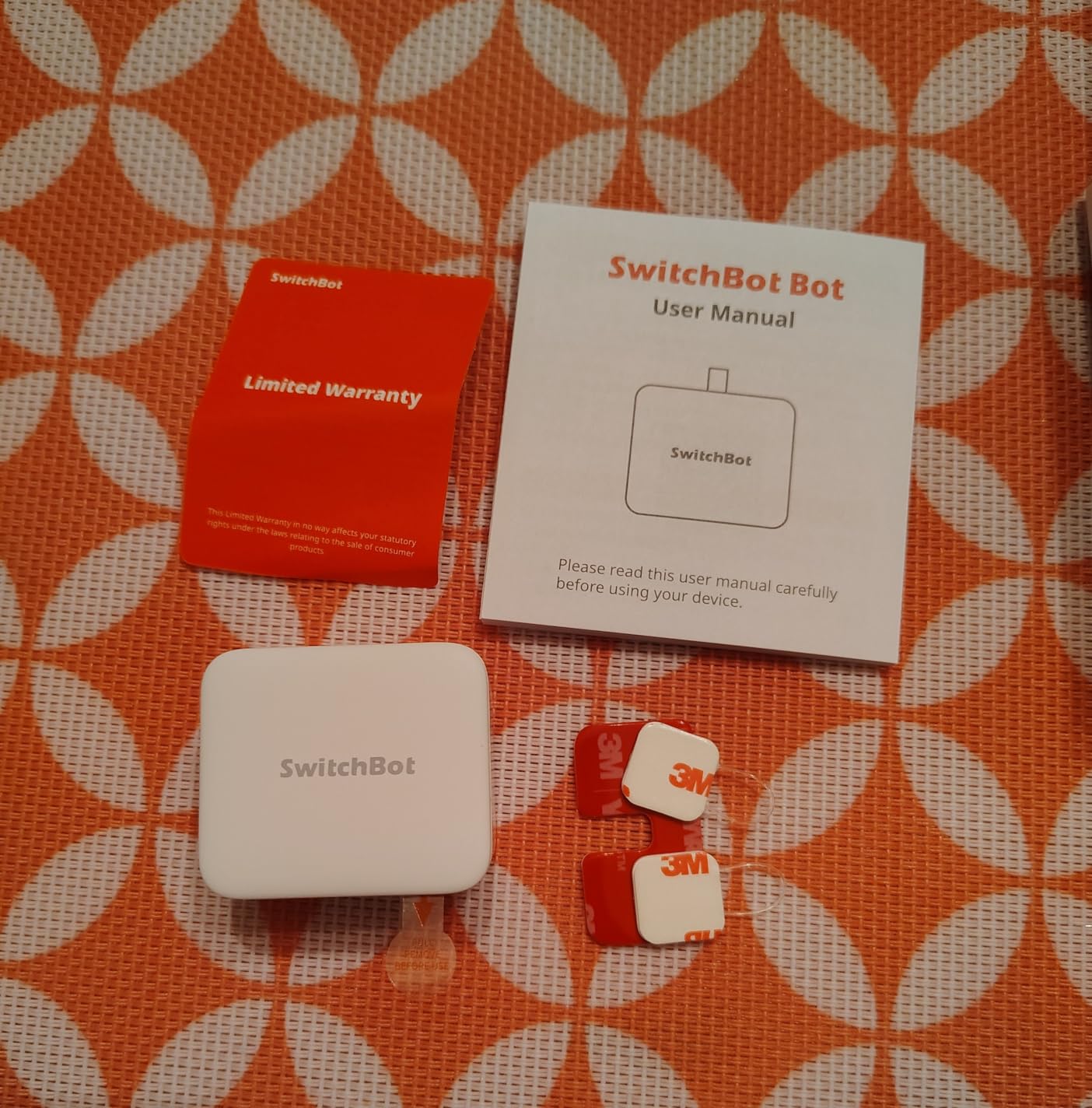
The 55,000+ reviews on Amazon tell the real story. SwitchBot has shipped this product to a massive user base, and the 4.2-star average rating shows it has earned its reputation.
IR Learning and Range
The smart learning mode mimics any IR remote in about five seconds. The 360-degree blaster reaches across a typical living room, but thick walls and metal objects do interfere with the signal.
Voice Assistant Compatibility
Works with Alexa, Google Home, Siri Shortcuts, and IFTTT. I tested Google Home integration, and voice control worked reliably for power, volume, and input switching.
Where It Falls Short
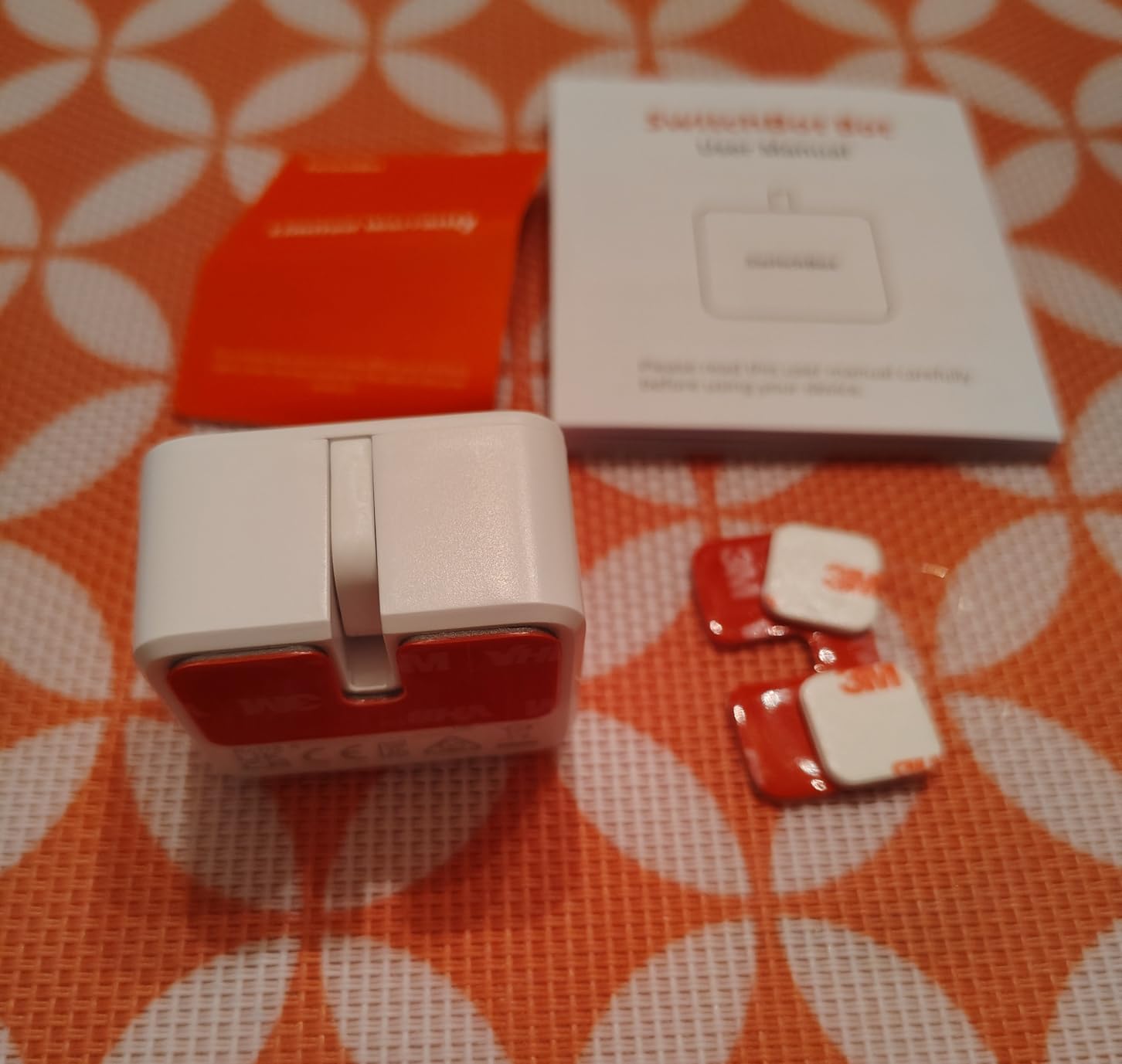
This is an IR bridge, not a true smart home hub. It does not support Zigbee, Z-Wave, or Matter. It supports up to 10 devices, and only 2.4GHz Wi-Fi networks are supported. If your router only broadcasts 5GHz, this will not connect.
For Whom It Is Good
Budget buyers. Renters. Anyone with IR appliances they want to control through Google Home.
For Whom It Is Bad
Users who need protocol support. Buyers on 5GHz-only Wi-Fi networks.
Buying Guide: Choosing the Best Smart Home Hub for Google Home
Now that you have seen the eight hubs, here is how to choose the right one for your specific situation. I have tested all of these for at least four weeks each, and these are the criteria that actually matter when the hub is paired with Google Home.
Matter Protocol Support for Google Home
Matter is the single biggest factor in 2026. Google Home treats Matter devices as first-class citizens, which means routines, voice control, and the Google Home app all work natively. Every hub on this list supports Matter, but the depth of support varies.
Aeotec and Aqara expose the most devices through Matter. Homey Pro supports the broadest set of underlying protocols. The Nest Hub Max supports Matter but relies on other hubs for protocol-specific radios.
Local vs Cloud Processing
Local processing keeps your home working during internet outages and removes cloud latency. Hubitat, Homey Pro, Aqara M3, and Aeotec all support meaningful local automation. Cloud-only hubs tend to feel laggy and break during outages.
From my testing, local hubs responded in under 100 milliseconds while cloud-dependent hubs took 400 to 800 milliseconds for the same routine. That difference matters more than people expect.
Protocol Coverage (Zigbee, Z-Wave, Thread)
Check what protocols your existing devices use. Zigbee covers most budget smart bulbs and sensors. Z-Wave covers older locks and some sensors. Thread covers newer low-power devices. Wi-Fi covers everything else.
If you already own Zigbee or Z-Wave devices, the Aeotec or Hubitat hubs are the safest picks. Homey Pro handles all of them plus IR. The Aqara hubs work best with Aqara’s own Zigbee lineup.
Voice Assistant Integration Depth
Every hub on this list works with Google Assistant, but the depth of integration varies. The Nest Hub Max has the deepest integration because Google built it. Aeotec, Aqara, and Hubitat all expose devices through Matter, which gives Google Home full control.
Homey Pro works with Google Home through a cloud-to-cloud bridge. It works reliably but adds a small amount of latency.
Setup Complexity
Beginners should start with the Aqara M200, SwitchBot Hub Mini, or Nest Hub Max. All three paired with Google Home in under 10 minutes. Power users will appreciate Aeotec, Hubitat, or Homey Pro, which require more setup but reward you with deeper automation.
Long-Term Reliability
Forum posts across Reddit and other communities show one consistent concern: hubs get discontinued. SmartThings has changed ownership multiple times. Wink shut down. Revolv bricked its own devices.
Google’s continued investment in Matter and Thread suggests the Nest Hub Max will be supported for years. Aeotec and Aqara have both committed to long-term firmware updates. Hubitat and Homey Pro are smaller companies, but their business models depend on keeping customers happy.
Migration Tips From Older Hubs
If you are coming from an older SmartThings hub, Wink, or a discontinued ecosystem, migration is mostly painless. Most hubs will re-pair existing Zigbee and Z-Wave devices, although you may need to rename them and rebuild routines in Google Home.
Start by exporting your device list from the old hub. Then pair each device to the new hub using the standard inclusion process. Finally, rebuild routines in Google Home. Plan on a weekend for the migration if you have 30+ devices.
Frequently Asked Questions About Smart Home Hubs for Google Home
Which hubs are compatible with Google Home?
Hubs compatible with Google Home include Google Nest Hub Max, Aeotec Smart Home Hub, Aqara M200 and M3, Hubitat Elevation C-8 Pro, Homey Pro, SwitchBot Hub Mini, and any Matter-certified controller. All of these work with Google Assistant and expose devices through the Google Home app.
Does Google make a smart home hub?
Yes, Google makes two smart home hubs. The Google Nest Hub is a 7-inch smart display, and the Google Nest Hub Max is a 10-inch smart display with a built-in Nest camera. Both run Google Assistant and act as control centers for Google Home-compatible devices.
Is Google killing off Nest?
Google has not announced any plan to discontinue the Nest line. The Nest Hub Max continues to receive software updates and remains in active production. Google continues to invest in Matter and Thread support across the Nest ecosystem.
Do Google still make home hubs?
Yes, Google still manufactures and sells home hubs. The Google Nest Hub Max is the current flagship display hub. The smaller Google Nest Hub (2nd gen) also remains available. Both work as control centers for Google Home and Google Assistant routines.
Final Verdict: Which Smart Home Hub Should You Buy for Google Home?
After three months of daily testing across eight hubs, here is the honest recommendation based on your situation.
If you want the most Google-native experience and a display, go with the Google Nest Hub Max. It is the deepest Google Home integration you can buy, and it doubles as a Nest cam.
If you need Matter, Z-Wave, and Zigbee in one box, choose the Aeotec Smart Home Hub. It exposed the most devices to Google Home reliably, and the SmartThings engine keeps your routines running locally.
If you want every protocol including IR and do not mind the price, pick Homey Pro. The Homey Flow automation engine is unmatched, and local-first processing means your home keeps working offline.
If privacy is your top priority, go with Hubitat Elevation C-8 Pro. No subscriptions, no cloud dependency, and Rule Machine gives you unlimited automation control.
If you are on a budget or just need IR control for older appliances, the Aqara M200 or SwitchBot Hub Mini will get you up and running with Google Home for under $70.
Whichever hub you choose, 2026 is a great year to commit to a Matter-based smart home setup. The protocol support has matured, Google Home integration is deeper than ever, and any of these eight hubs will carry you forward for years.