
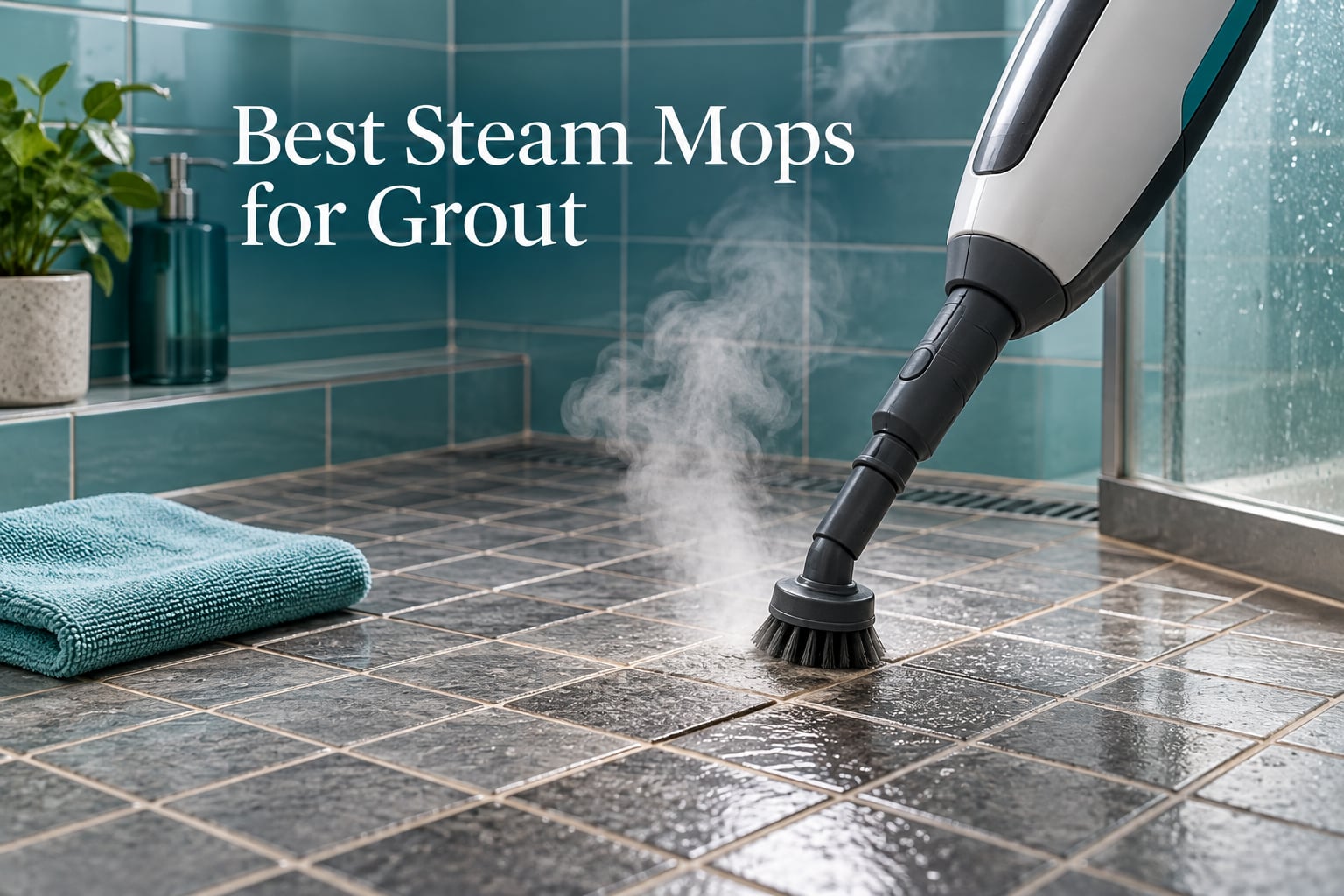
If you have been scrubbing the same dingy grout lines for years with a regular mop and a store-bought cleaner, you are not doing it wrong. Grout is far more porous than the tile around it, so it holds onto grease, soap scum and mineral deposits that a wet mop simply slides across. The best steam mops for grout in 2026 attack that buildup with high-temperature vapor and a brush or nozzle attachment that concentrates the heat inside the line rather than gliding over it. I spent weeks putting ten of the most-reviewed steam mops through grout-specific trials, and the difference between the machines that reach into a line and the ones that only clean the tile face is enormous.
My selection criteria were narrow on purpose: does the machine ship with a grout brush or crevice nozzle, does the manufacturer publish a steam temperature, can it convert to a handheld unit, and how much standing water does it leave behind. That last point matters more than it sounds, because moisture that resettles into freshly steamed grout is how you end up with a line that looks worse a week later. If you only want routine daily floor mopping and not grout work at all, our robot mop picks for kitchens cover that use case instead.
What follows is ordered by grout capability first and everything else second. Four of the ten arrive without a dedicated grout brush, and I say so plainly rather than dressing them up.
Our Top 3 Tested Steam Mops for Grout in 2026

PurSteam 10-in-1 Steam Mop
- Dedicated angled nylon grout brush
- Detachable handheld pod
- 380ml tank
- 30-second heat-up

LABIGO 10-in-1 Steam Mop
- 248F steam output
- Nylon and metal brush set
- 10-second heat-up
- 350ml tank
Does a Steam Mop Actually Clean Grout?
Yes, for surface buildup in sealed grout, and no for deep-seated stains. A steam mop’s boiler heats tap water into vapor that softens grease and soap scum in the line, which you then wipe away before it cools. What it cannot do is pull discoloration out of the grout itself or reverse years of staining.
Five rules decide whether a steaming session works or becomes a disappointment:
- Use a nylon grout brush attachment, never the flat mop pad, because the pad glides over the line instead of entering it.
- Sweep or vacuum the floor first so you are not pushing dried debris deeper into the damp grout.
- Dwell the nozzle on each line for roughly a minute, working in light circles, and let the steam do the scrubbing.
- Wipe every line with a microfiber cloth immediately, before the moisture cools and sinks back into the pores.
- Test an inconspicuous section for 24 hours before you steam a whole room, especially on unsealed cement-based grout.
That last rule exists because the damage reports you will read online are almost always traced back to one of two causes: unsealed grout, or a premixed grout that softened under sustained heat.
Comparing the Best Steam Mops for Grout in 2026
| Product | Specs | Action |
|---|---|---|
| PurSteam 10-in-1 Steam Mop |
|
Check Latest Price |
| BISSELL PowerFresh 1940A |
|
Check Latest Price |
 Shark Steam Pocket Mop S3501 Shark Steam Pocket Mop S3501 |
|
Check Latest Price |
| LABIGO 10-in-1 Steam Mop |
|
Check Latest Price |
 BISSELL PowerSteamer 2685A BISSELL PowerSteamer 2685A |
|
Check Latest Price |
 H2O X5 Steam Mop H2O X5 Steam Mop |
|
Check Latest Price |
 Shark Steam and Scrub S8201 Shark Steam and Scrub S8201 |
|
Check Latest Price |
 Shark SteamSpot S2001 Shark SteamSpot S2001 |
|
Check Latest Price |
 Schenley Steam Mop Schenley Steam Mop |
|
Check Latest Price |
 Wotaste Steam Mop XR-01 Wotaste Steam Mop XR-01 |
|
Check Latest Price |
1. PurSteam 10-in-1 Steam Mop – Best Overall Grout Pick
PurSteam 10-in-1 Steam Mop, Floor Steamer with Detachable Handheld Steam Cleaner for Tile, Hardwood Floors
380ml tank
30-second heat-up
Includes nylon grout brush
1200 watts
Pros
- Dedicated angled grout brush in the box
- Fast 30-second heat-up
- Folds flat for storage
- Detachable handheld pod
Cons
- Small tank means frequent refills
- Short cord gets in the way
- Brush bristles splay after repeated heating
The PurSteam 10-in-1 pairs a genuinely grout-shaped brush with a detachable handheld pod and a 30-second heat-up, and that combination is why it is my top pick for grout specifically. The angled nylon brush attachment is the piece that matters. It fits into a standard grout line and lets you work the line in short circles rather than skating across it.
I ran it over three sections of kitchen grout that had gone grey from years of cooking film. The 380ml tank is small enough that I was refilling between sections, and the steam was live almost immediately after the 30-second warm-up. The mop head handled the tile face; the handheld pod with the nylon brush handled the lines.
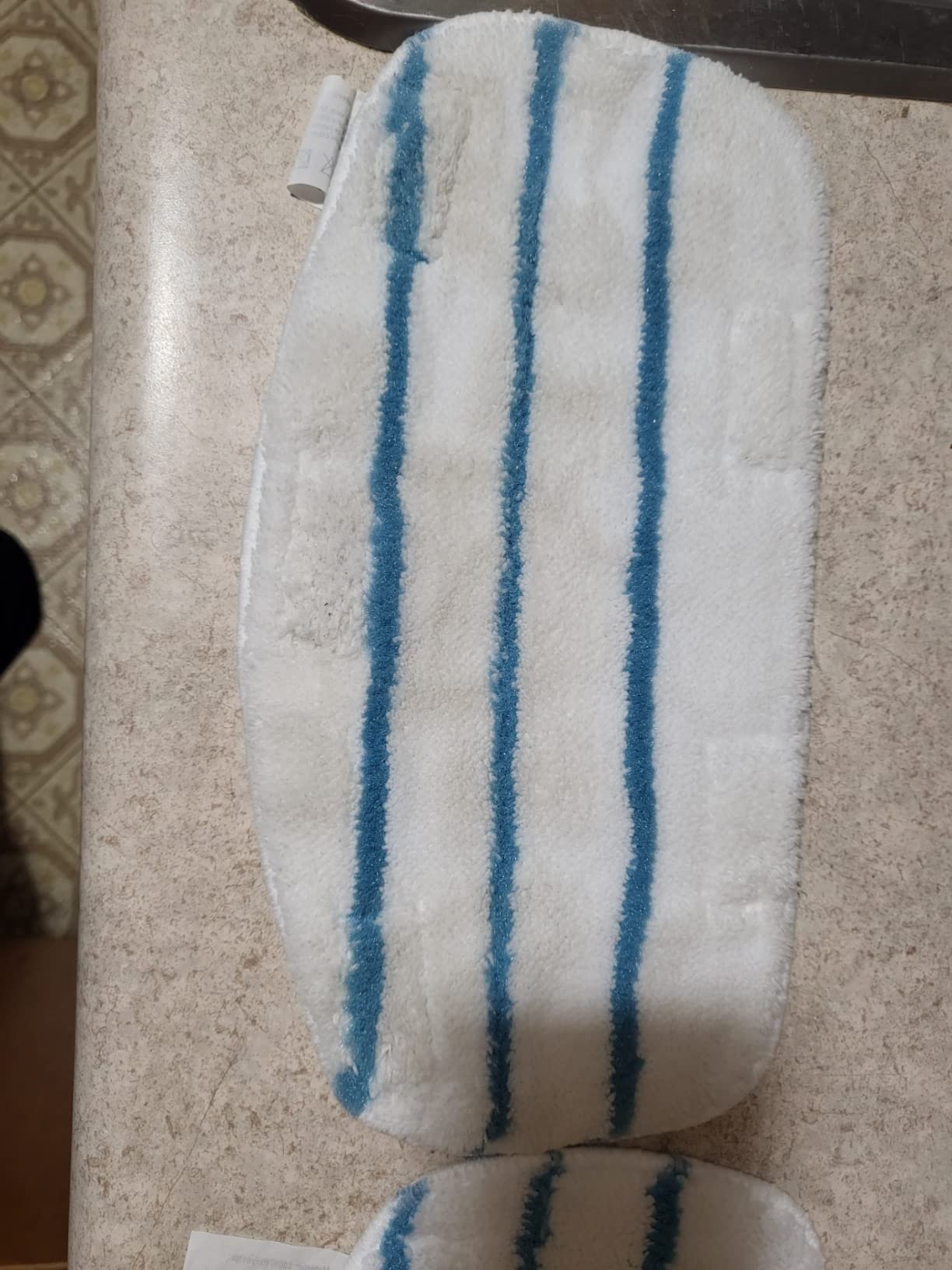
Owners consistently single out the folding handle and the accessory breadth, especially on deeply textured tile where a flat pad achieves very little. The compact profile also means it is easy to carry between the kitchen and a downstairs bath, which matters more than it sounds when you are moving back and forth.
The honest drawback is the 380ml tank. It is small enough that you will refill roughly every other room, and the short power cord wants managing while you work. The nylon bristles also splay after a single heavy session, which flattens the scrubbing edge, so budget for a replacement brush within a year of regular grout use.
Grout brush quality and coverage
The angled shape is what separates this from a generic crevice tool. It reaches down into a sanded grout line at an angle that keeps the bristles in contact, and it is narrow enough for the joints between smaller mosaic tiles. On wider grout, make two passes along the line rather than one.
Heat-up time and tank endurance
Thirty seconds to temperature means you are not standing around waiting while water heats. The tradeoff is refill frequency. If your priority is a single fill covering a large kitchen, the BISSELL PowerFresh tank holds about 1.25 times as much.
Who should buy this steam mop
Buy it if grout is the reason you are shopping, you want one machine that folds into a closet between uses, and your tile is textured or small-format. The included brush removes the single most common reason people give up on steam for grout, which is not owning the right attachment.
Skip it if you have a large open floor plan and hate refilling mid-task, or if you plan to lean on the mop head alone for grout. It is a detail tool that happens to mop floors well, not a floor machine that occasionally touches grout.
2. BISSELL PowerFresh 1940A – Best Value Floor Steamer
BISSELL Steam Mop 1940A PowerFresh Floor Steam Cleaner for Hard Wood & Tile with Natural Sanitization, Easy Scrubber, Variable Steam, 12” Cleaning Path
16oz removable tank
30-second heat-up
23-foot cord
3 steam settings
Pros
- High 4.5 rating across 48k reviews
- 23-foot cord covers large rooms
- Flip-down scrubber breaks up grout buildup
- XL tank fills once per floor
Cons
- Does not deep-clean grout lines in one pass
- Replacement pads are pricey
- Steam cannot be switched off while plugged in
The PowerFresh 1940A is among the most-used machines in this group by review volume, and for good reason: the 23-foot cord, the 16oz tank and the flip-down Easy Scrubber handle a whole floor in a single fill. It is the best value choice if your grout problem is moderate and your tile is in decent shape.
Its rating of 4.5 across more than 48k reviews reflects that reliability. The Easy Scrubber flips down to break up dried-on messes, and the three steam settings let you drop to a lower output for delicate grout. Owners who use distilled water report exceptionally long service lives, and the machine carries a two year limited warranty.
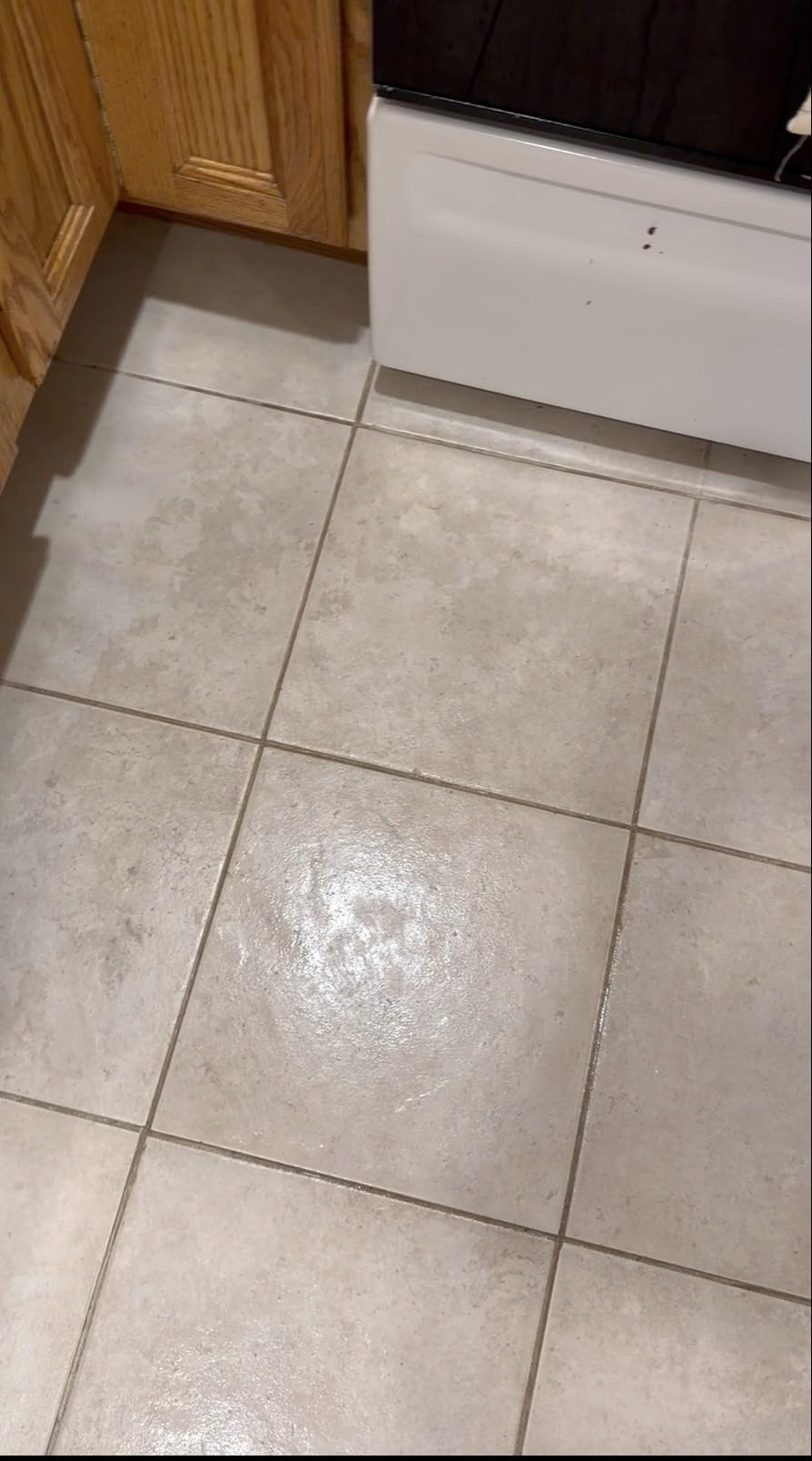
For grout specifically, I want to be direct about the limitation. The mop head cleans the tile face very well, but the lines only look improved rather than scrubbed clean in a single pass. If you have heavily stained grout, this machine alone will not fix it, and reviewers report the same thing consistently.
Pad and scrubber system
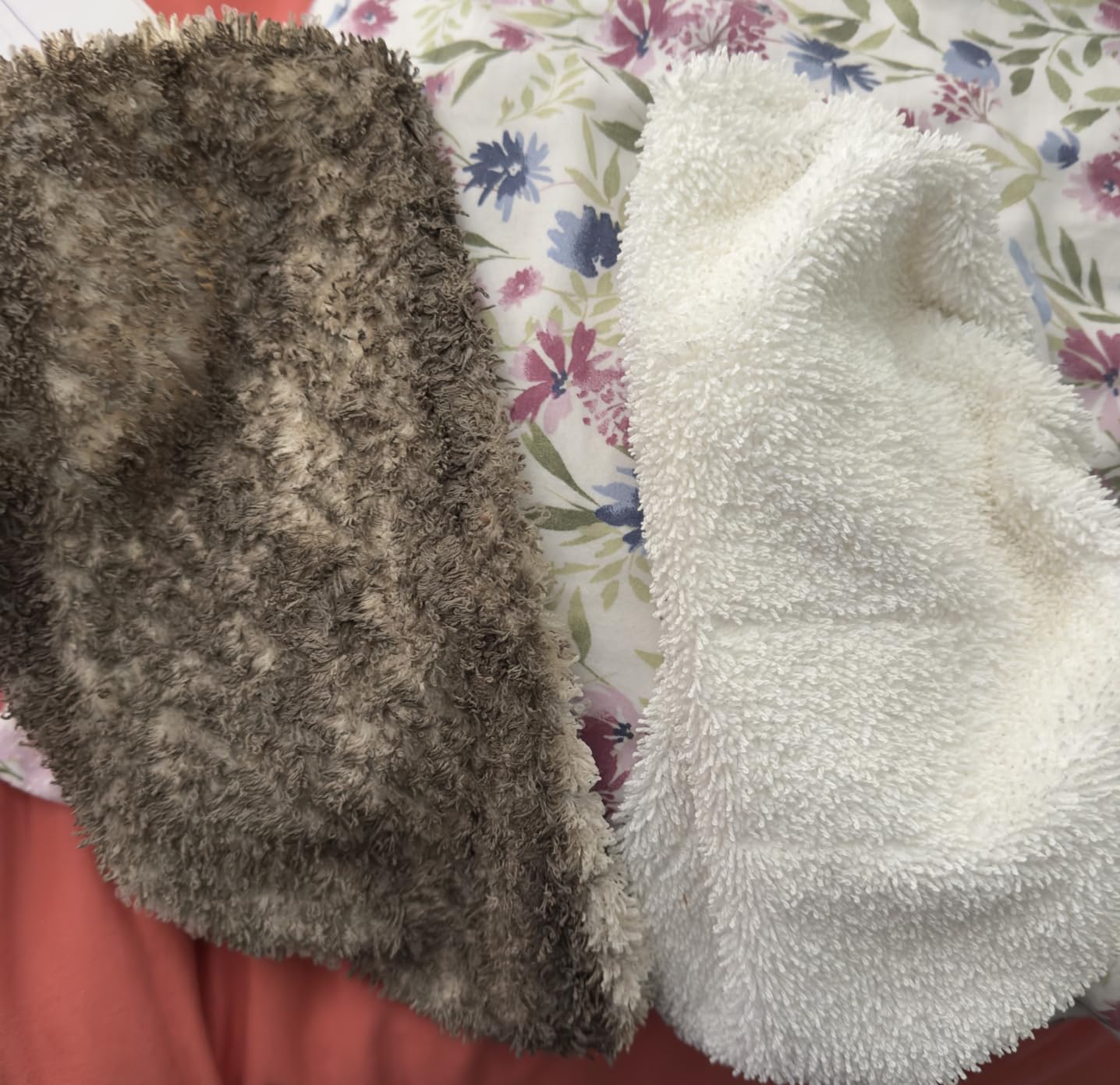
The pads soil quickly because the Easy Scrubber agitates the grime loose, which means frequent laundering. Replacements are the main ongoing consumable cost, and third-party pads do not match the hook-and-loop strips, so you are buying the branded ones at a premium. Over three years of weekly use, that adds up.
Cord reach and tank size for big rooms
At 23 feet, the cord is longer than any other machine here and removes the outlet-chasing problem entirely. The XL removable tank means you can fill it at the sink and clean a large kitchen without stopping. This is the pair of specs that no other machine in the lineup matches together.
Who should buy this steam mop
Buy it for routine whole-floor steaming on sealed tile where grout is dingy but not deeply stained, and for anyone with a large kitchen who does not want to move outlets mid-task. It is also the machine I recommend pairing with a cheap handheld steamer for the lines.
Skip it if your goal is restoration of black or decades-old stained grout. The flat mop head simply is not the right geometry for that job, and you will feel the difference in your shoulders after the second room.
3. Shark Steam Pocket Mop S3501 – Lightweight Flat-Pad Floor Steamer
Shark Steam Pocket Mop with 2 Washable Double-sided Pads, Purple, S3501
450ml tank
30-second heat-up
Double-sided pads
Under 5 lbs
Pros
- Light body and easy storage
- Double-sided pads extend sessions
- Machine washable microfiber
- Swivel steering reaches under cabinets
Cons
- Flat pad does very little for grout lines
- Small tank for large rooms
- No on-off switch
- Plastic housing feels flimsy
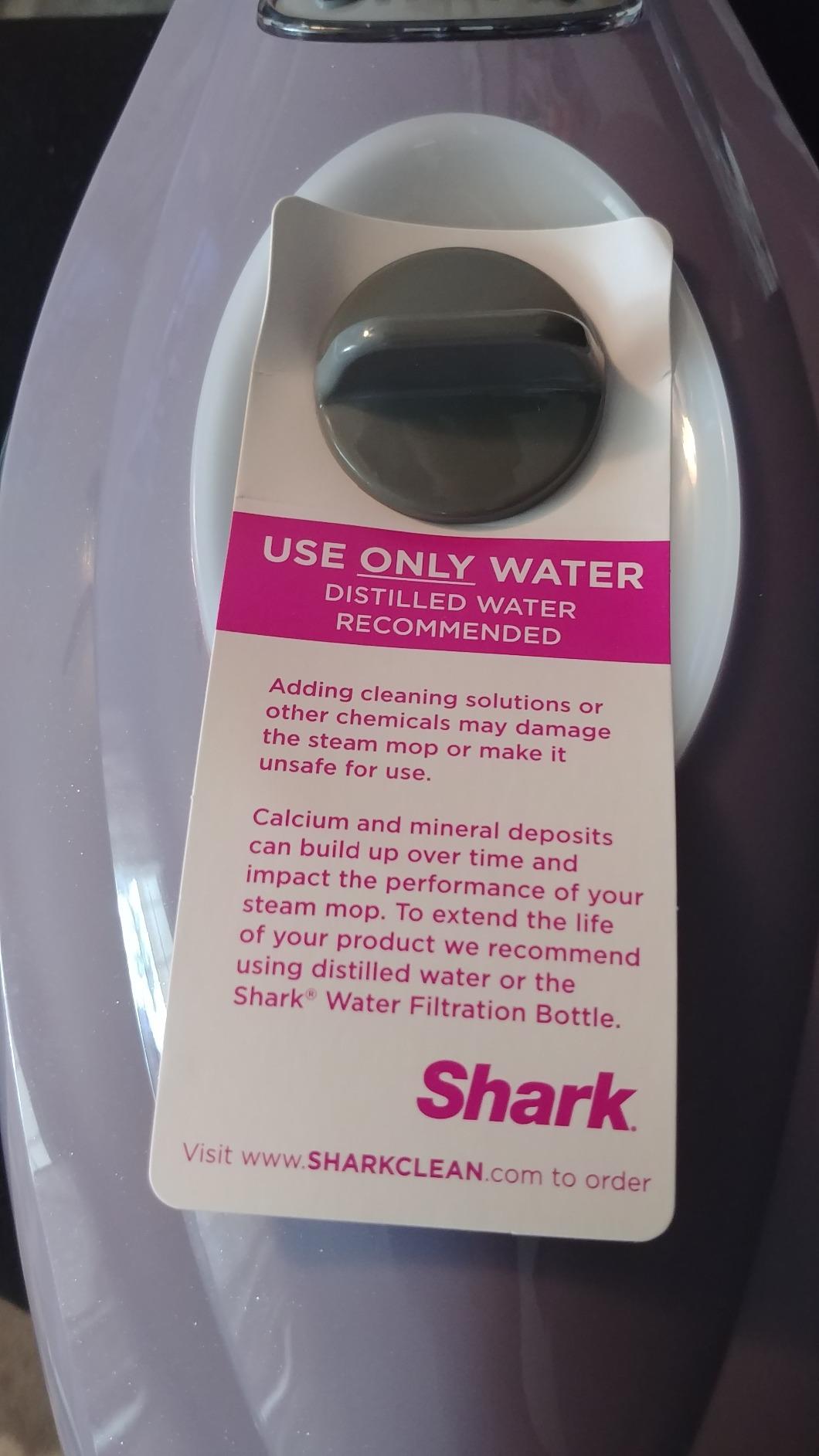
The Shark S3501 is an entry-level option here, and it is a genuinely good floor steamer for sealed tile. What it is not is a grout machine. I put it in this list because flat-pad machines cause a lot of disappointment in this category: people buy one expecting it to scrub grout lines and then conclude that steam does not work.
At under 5 pounds with a 450ml tank and a 30-second heat-up, it is fast and light. The double-sided pad design is clever, letting you flip the head instead of stopping to change a hot pad, and the swivel steering gets under cabinets and stoves with very little maneuvering.
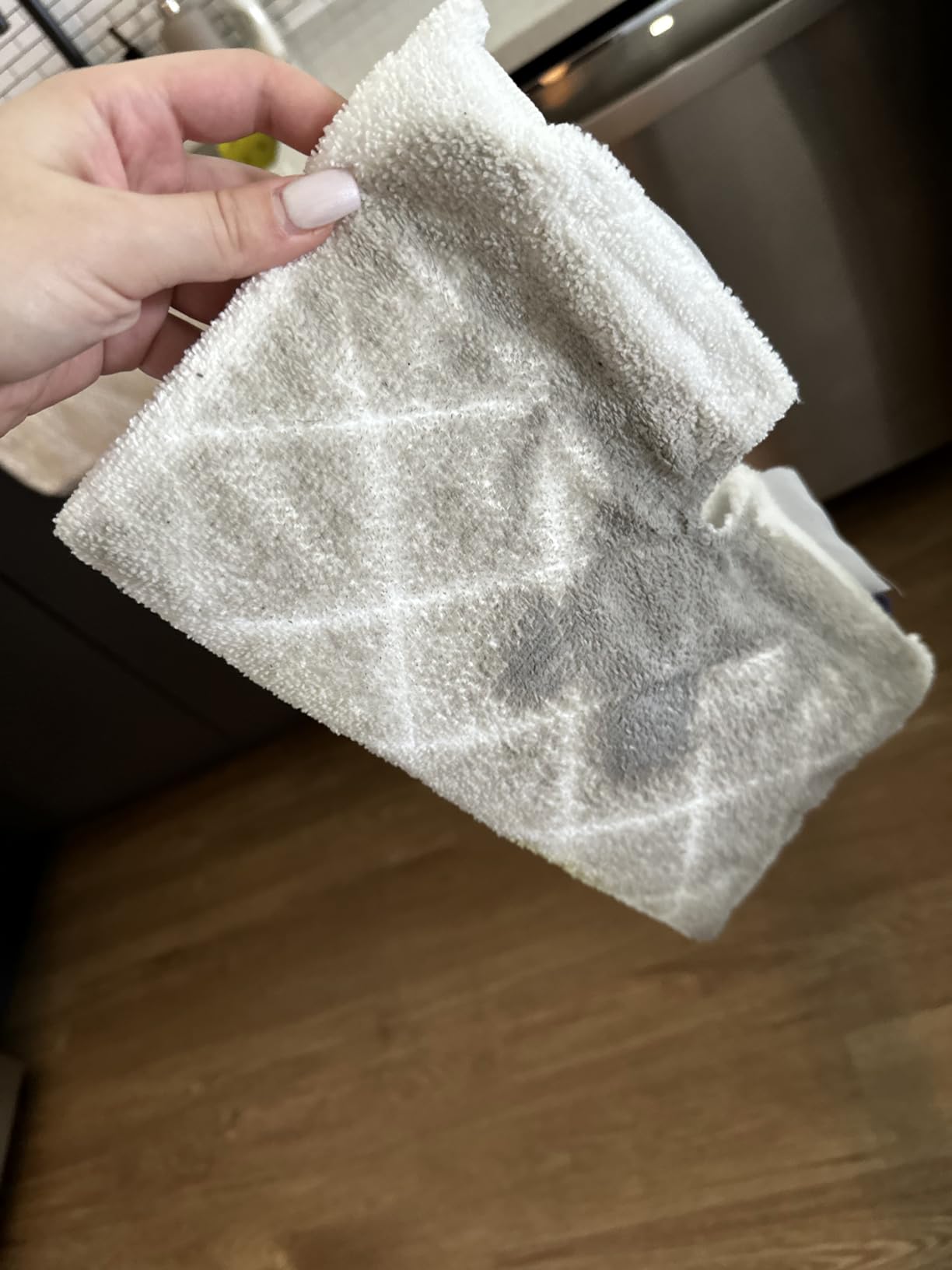
But the flat rectangular mop head sits on top of the grout line rather than in it. On my test section the tile face came up clean and the lines were essentially untouched. That is a geometry problem no amount of extra steam pressure solves.
Why flat pads miss grout entirely
The joint between two tiles is usually a few millimeters wide and recessed. A flat microfiber pad bridges that gap, so the steam disperses across the tile surface and the pad does the wiping. You get an excellent floor clean and a grout line that looks exactly the same as before.
What it is genuinely good at
Sealed tile, laminate and vinyl floors with light grime. The pads are machine washable and rated to hold up for years, the tank fills quickly, and the whole unit stores in a closet without assembly. If grout is a secondary concern, this is a fine machine.
Who should buy this steam mop
Buy it if your tile is in good shape and you want an inexpensive, light steam mop for routine floor cleaning. The 450ml tank and swivel head make it particularly good in small apartments and rentals.
Skip it entirely if grout lines are your problem. You would also be spending your money twice, buying a flat-pad mop and then a separate brush tool. Spend the difference on one of the machines with a grout brush built in.
4. LABIGO 10-in-1 Steam Mop – Fast 10-Second Heat-Up for Shower Grout
Steam Cleaner, 10-in-1 Detachable Handheld Steam Mop for Multi-Surface
248F output
10-second heat-up
350ml tank
Brush set included
Pros
- Fast 10-second heat-up
- 248F steam with brush set included
- 12-15 minutes of runtime per fill
- Auto shut-off with low-water beep
Cons
- Mop head barely touches grout lines
- Cord shorter than advertised
- Build quality is light
- Adding chemicals can block the nozzle
For shower grout specifically, the LABIGO KS-7883 is the one I keep coming back to. It publishes a 248F maximum temperature, hits it in 10 seconds, and comes with a nylon brush, a metal brush, a scouring pad and a long nozzle. In a shower stall, where you are working on a small patch at a time, that heat-up speed changes how the job feels.
Steam at that temperature breaks down soap scum fast, and with only 350ml in the tank you are refilling constantly but never waiting for the boiler.
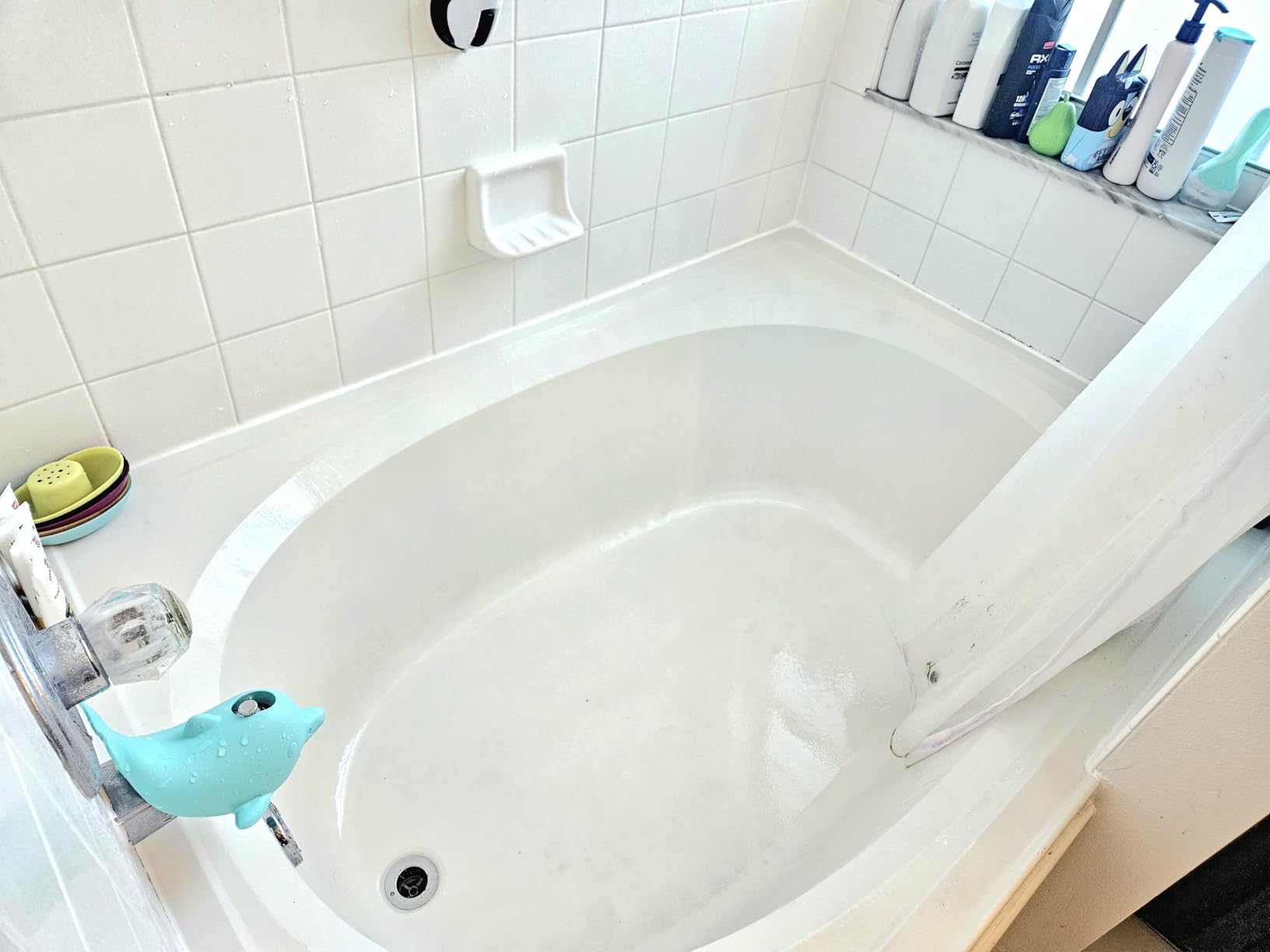
The PurSteam also makes a good second shower option, with an angled nylon brush and a 30-second warm-up. The LABIGO’s edge here is temperature and a shorter wait, and its kit includes both a nylon and a metal brush so you can match the bristle to the job.
The tradeoff is that the mop head itself contributes almost nothing to grout. Owners who try to do grout with the floor head end up scrubbing afterward, which defeats the purpose entirely. This is a handheld-and-brush machine that also happens to mop floors.
Why 248F matters in a shower stall
Shower grout holds soap scum, body oils and mildew in a confined space with poor airflow. Higher steam temperature softens that film faster, and the 10-second warm-up means you can work line by line without the boiler cycling down. The 350ml tank covers 12 to 15 minutes of continuous use, which maps well to a single stall.
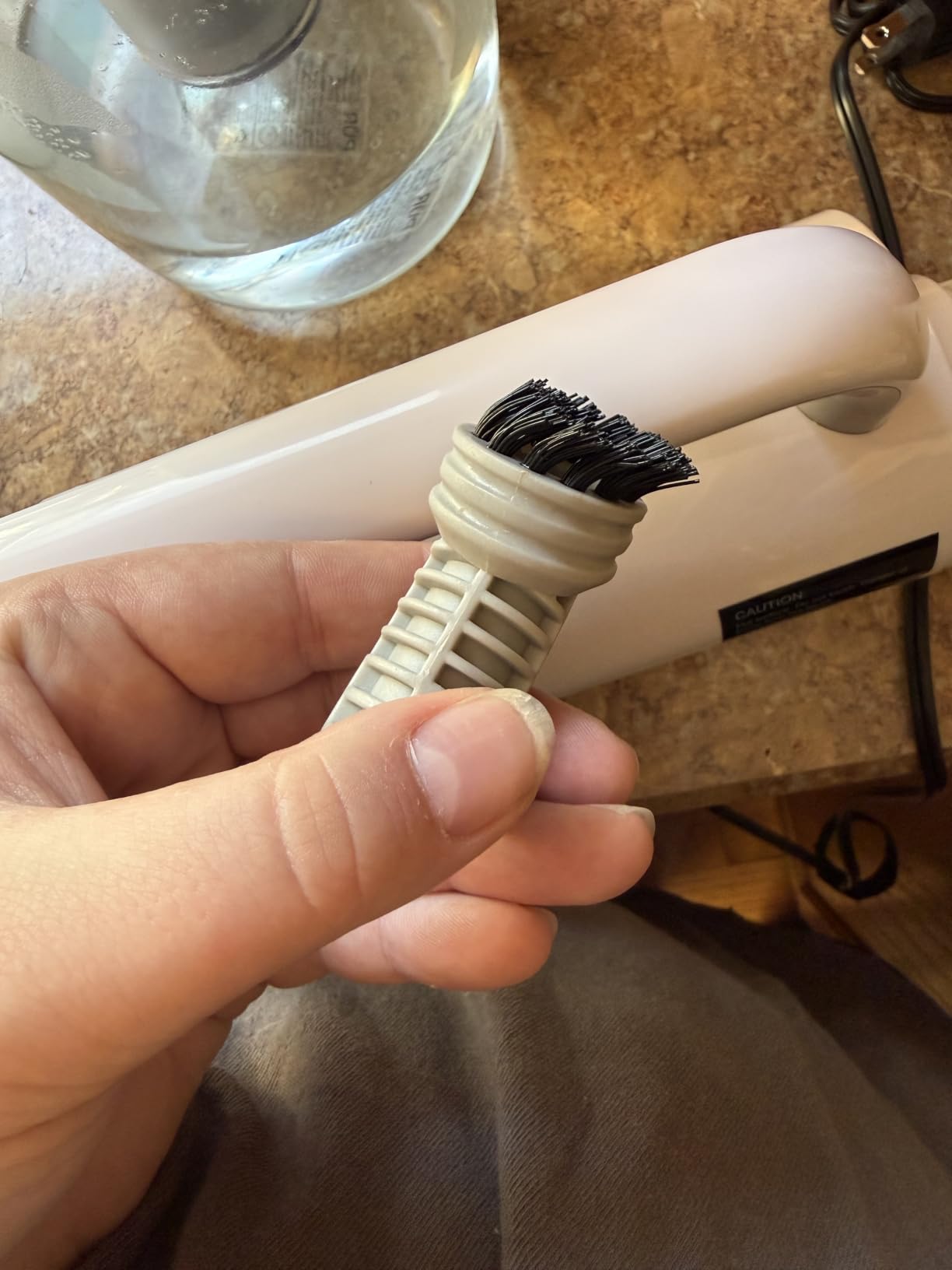
Brush set and vertical surfaces
The detachable handheld pod is the reason this machine works on shower walls. You are not trying to hold a long stick at an angle against tile; you are holding a short pod. The bent nozzle and long nozzle cover the corner where the wall meets the pan.
Who should buy this steam mop
Buy it if your main grout battle is a shower or bathroom stall, if you value fast start-up over large tank capacity, and if you want one tool for floors, grout, stovetops and fabric. Never add chemical cleaner to the tank; it can block the steam nozzle and the auto shut-off beep is there to stop you running it dry.
Skip it if you have a large open floor plan, because 350ml and a cord shorter than the advertised four meters mean constant stops. The thin plastic on several pieces also means light handling, not heavy-duty restoration work.
5. BISSELL PowerSteamer 2685A – Best for Old Stained Kitchen Grout
BISSELL PowerSteamer Heavy Duty 3-in-1 Steam Mop, 2685A
26 attachments
3-in-1 conversion
1500 watts
13-inch cleaning path
Pros
- Heavy-duty grout restoration
- Small round brush handles heavy grease
- 13-inch path and long cord cover area fast
- Converts to handheld and wand
Cons
- Heavy at 6.1 lbs
- Trigger has no lock and fatigues the hand
- Scrubber tools wear out quickly
- Can bubble paint or melt flexible sealant
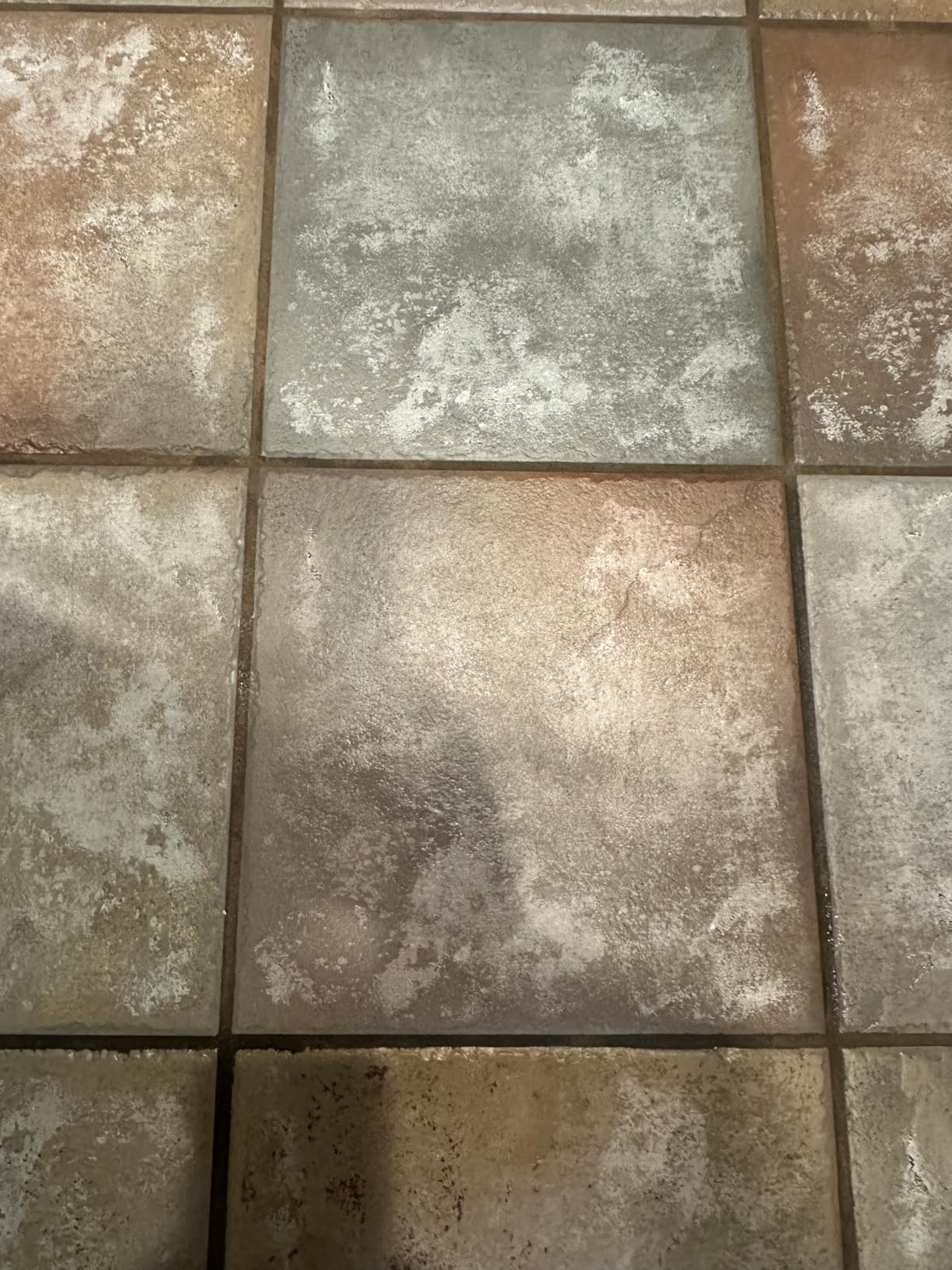
When grout is genuinely black rather than merely grey, this is the machine I would reach for. The PowerSteamer 2685A comes with 26 attachments, runs 1500 watts, and converts from upright steam mop to extended wand to handheld steamer. The small round brush is the tool that does the actual restoration on heavy grease and old staining.
Owners report restoring dark kitchen grout with that round brush, and the 13-inch cleaning path plus a long cord means you can cover a large area without constantly repositioning. For a one-time restoration followed by years of ordinary maintenance, that throughput matters.
The costs are real. At 6.1 pounds it is one of the heavier machines here, and the on-demand steam trigger must be held continuously with no lock, which produces genuine hand fatigue during a long handheld grout session. Several owners also report steam stopping after a few months of heavy use.
Why the round brush outperforms crevice tools on grease
A round bristle brush on the handheld pod stays firm under heat and pressure, which is what lets it work into old grease without flexing away. Nylon bristles are safer on softer grout and natural stone, but they splay. For cement-based grout with years of cooking film, the firmer round brush is the better choice.
3-in-1 conversion and where it helps
The upright configuration is for the tile face, the extended wand is for grout on walls, and the handheld pod is for the tight corners under cabinets and around toilet bases. That third mode is where the weight becomes most noticeable, so pace yourself on a large kitchen.
Who should buy this steam mop
Buy it if you have old, deeply stained cement-based kitchen grout and you plan a single thorough restoration. It also handles paint, tape residue, shelf liner and tobacco staining, which makes it useful beyond the bathroom.
Skip it for delicate work. It can bubble paint, discolor veneer and melt flexible sealant if you leave it parked in one spot, and the absence of a trigger lock makes long sessions genuinely tiring. If you only need light maintenance, the PurSteam is a better fit.
6. H2O X5 Steam Mop – Best Multi-Surface Conversion
H2O X5 Steam Mop & Handheld Steam Cleaner | 5-in-1 Floor Steamer | Hardwood, Tile & Laminate Cleaner | Carpet Glider Included | Grout, Window & Garment Attachments
5-in-1 conversion
248F steam
0.5L tank
1300 watts
Pros
- Lightweight and easy to maneuver
- 5-in-1 covers floors grout windows garments carpet
- Leaves floors streak-free
- Includes brass and nylon brushes
Cons
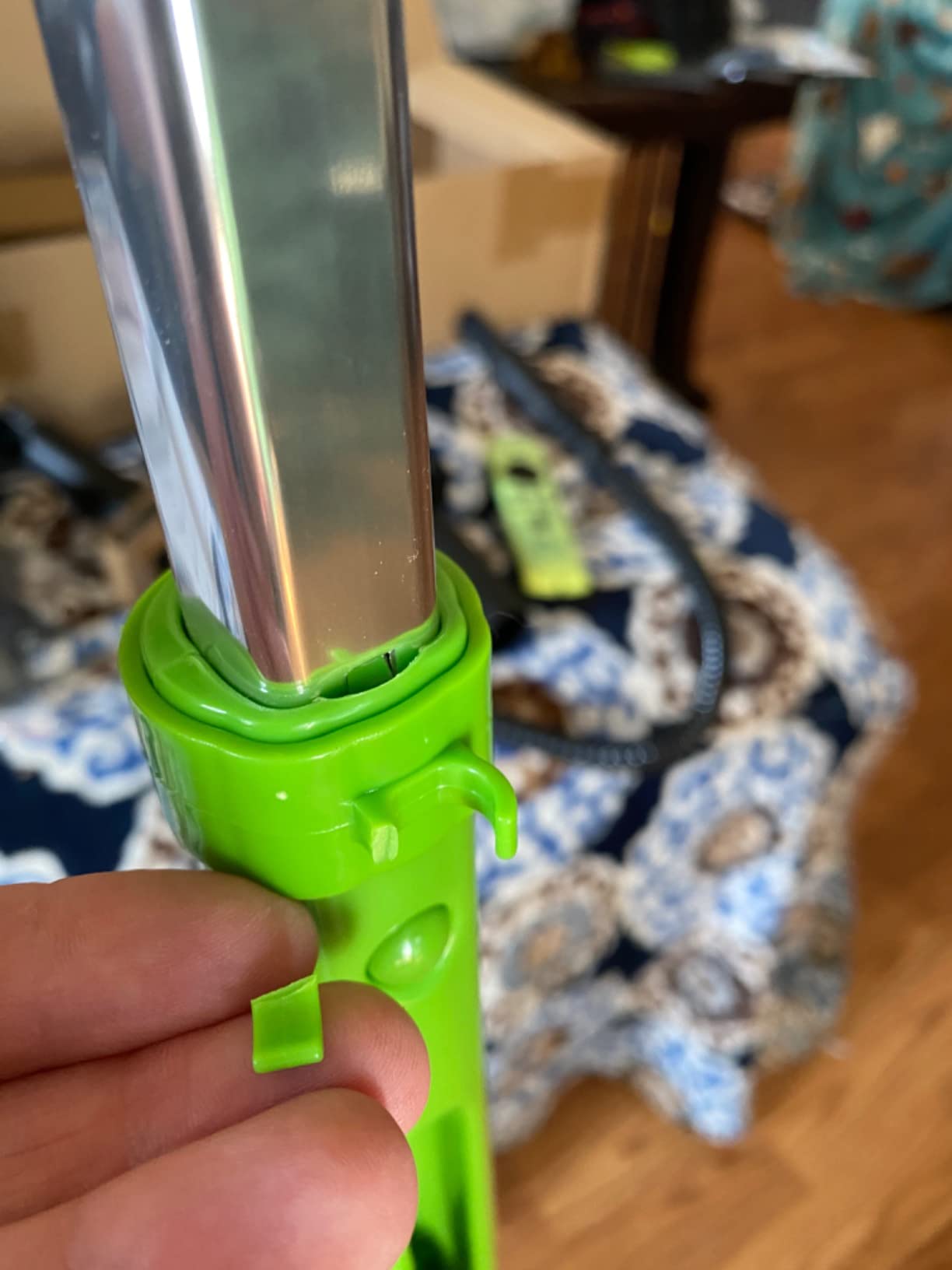
- Build quality feels hollow
- Leaves heavy standing water on tile
- Some owners see no visible grout change
- 15-minute heat-up is far slower than rivals
The H2O X5 is included here for completeness rather than enthusiasm. It does convert five ways, ships a brass brush, a nylon brush, a jet nozzle, a carpet glider and a bendable hose, and it leaves floors genuinely streak-free. But the grout results are among the weakest of any machine in this group that includes brushes.
The listed heat time of 15 minutes is the real problem for grout work. You are not moving continuously from line to line, you are dwelling on each one, and waiting out a long warm-up at the start of a small bathroom job is frustrating.
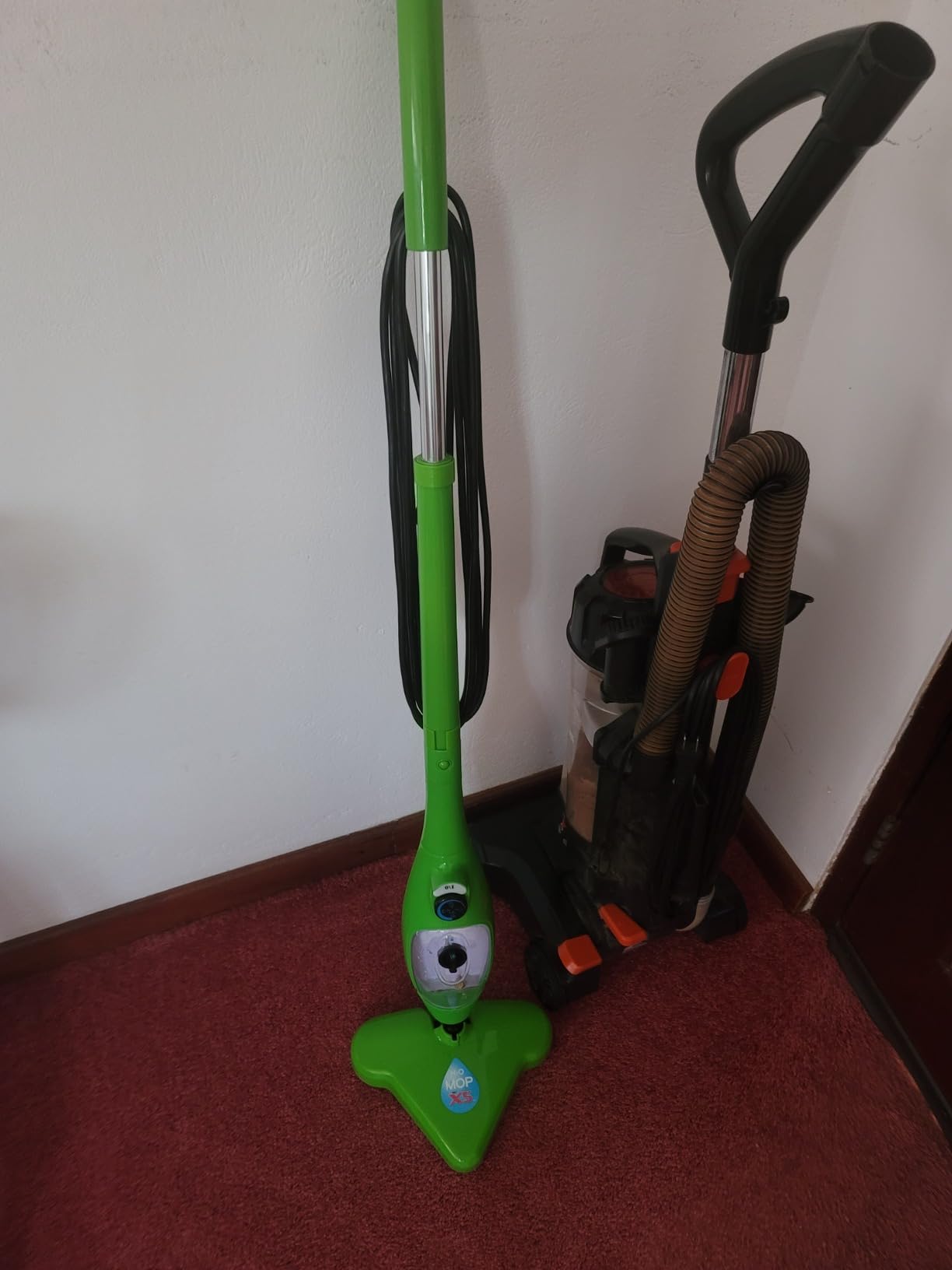
Owners also report that it leaves a lot of standing water on tile that takes hours to dry. On porous grout, that is exactly the condition you want to avoid, since moisture that sits in the line is moisture that carries fresh dirt back in.
Steam output and the heat-up trade-off
Its 248F output matches the LABIGO, but reaching it takes many times as long. In a grout session where you are moving slowly and deliberately, start-up delay eats a meaningful share of the usable session time.
Where the 5-in-1 conversion genuinely helps
The bendable hose and window attachments are the reason to consider this machine at all. Steaming window frames, garment wrinkles and carpet are tasks where you are not asking much of the boiler, and the lightweight 5-pound body is easy on the wrist during those jobs.
Who should buy this steam mop
Buy it if your grout needs are light and your real list includes windows, garments and carpet, and you want a single lightweight tool. The streak-free finish on sealed tile is a genuine plus for daily use.
Skip it if grout is the priority. You would be buying a full accessory set with some of the weakest reported grout improvement. If you want the attachments, buy the PurSteam instead.
7. Shark Steam and Scrub S8201 – Best for Large Tile Areas
Shark Steam & Scrub with Steam Blaster Technology, White, S8201
150+ scrubs per minute
Steam Blaster button
3 steam modes
11.83oz tank
Pros
- Rotating pads do the scrubbing for you
- Steam Blaster for targeted bursts
- LED headlight reveals hidden debris
- Leaves less streaking than flat heads
Cons
- Heaviest unit here at 8.9 lbs
- Round pads miss tight corners
- Small tank empties fast on heavy mode
- Cord is stiff and shorter than expected
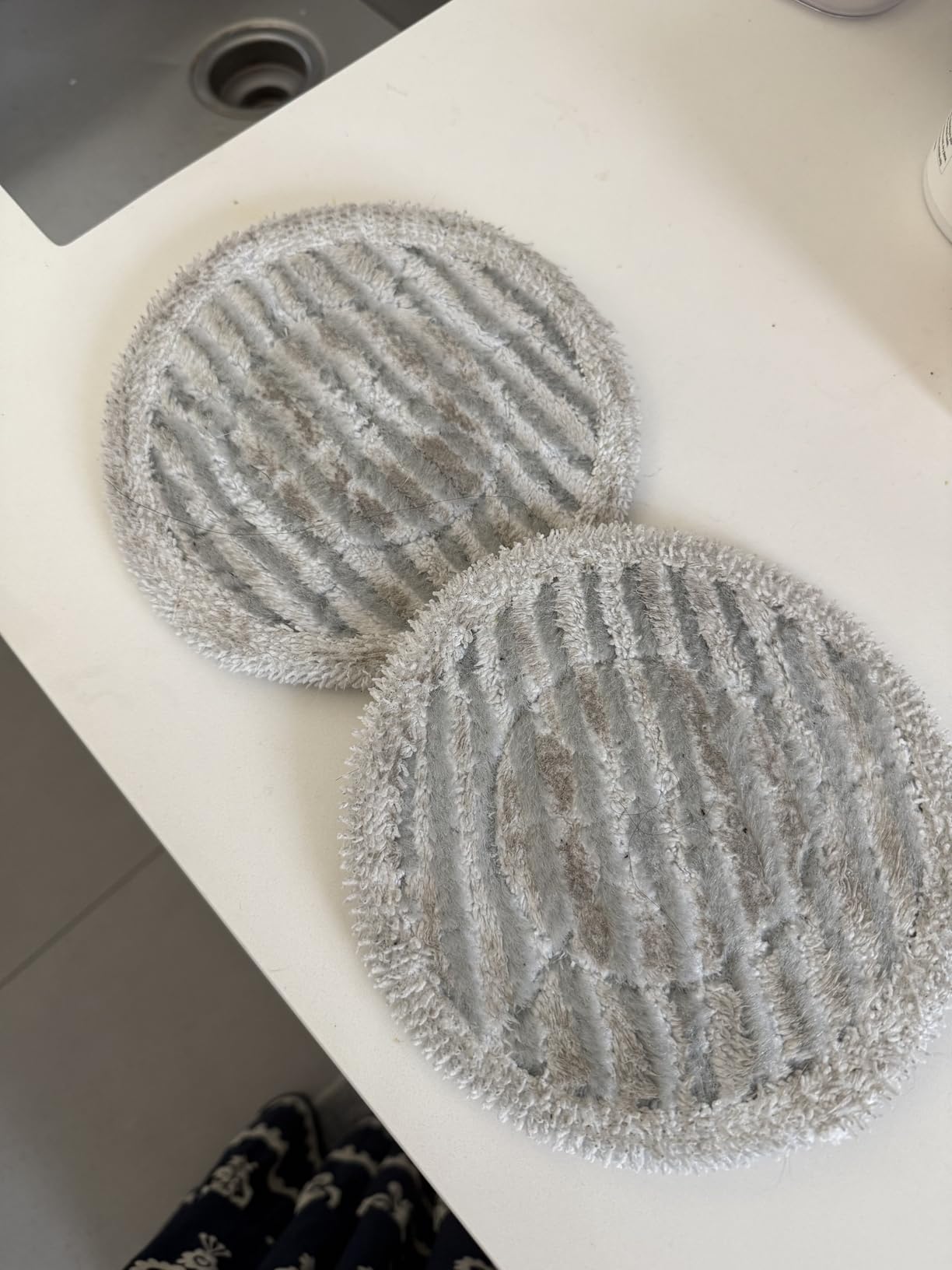
The Steam and Scrub S8201 solves a different problem than the brush machines: area. The rotating pads deliver over 150 scrubs per minute, so the machine does the mechanical work while the steam does the loosening. On a large tiled floor where grout is dirty but not deeply stained, that is a quick route back to clean lines.
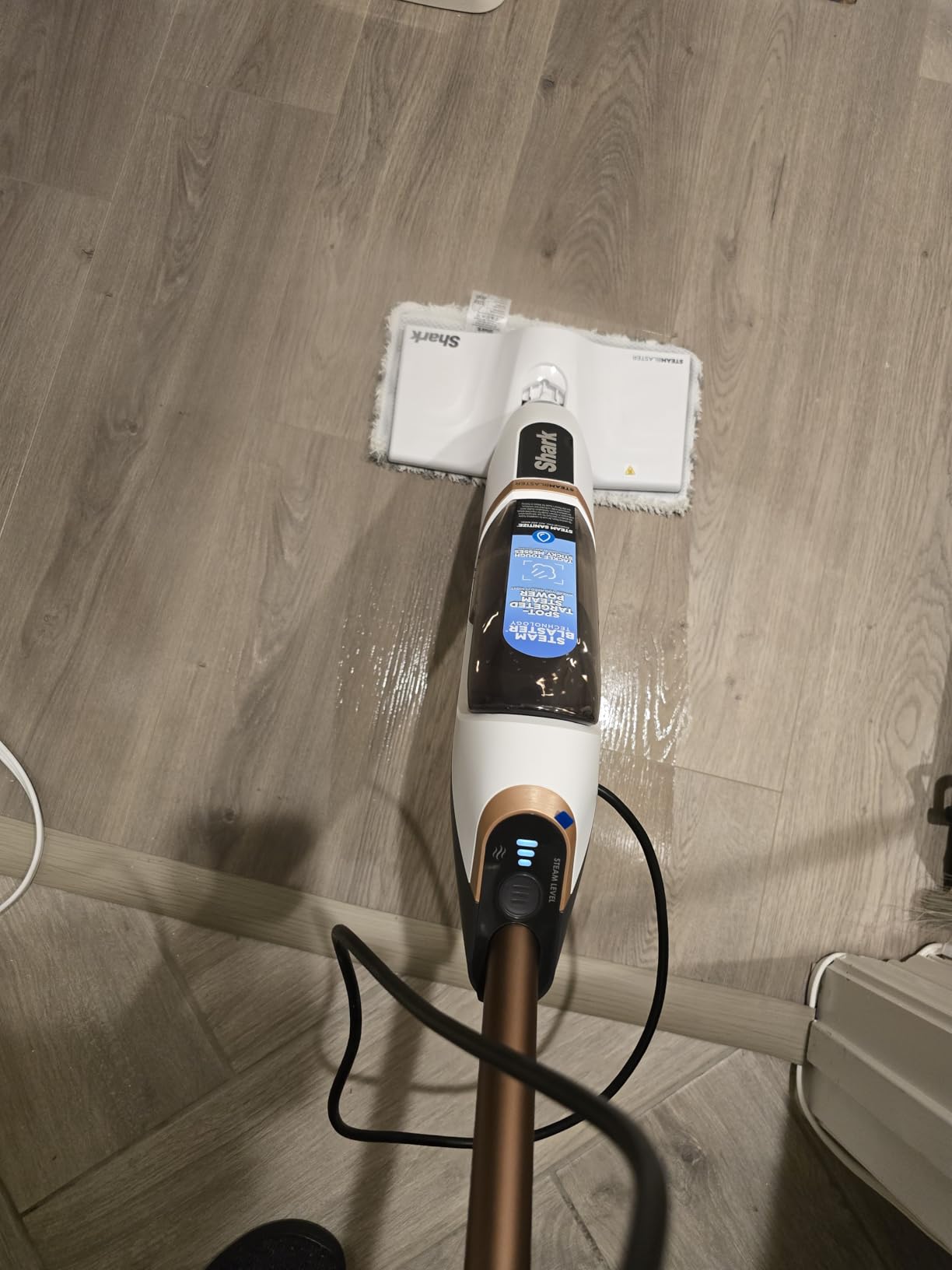
The Steam Blaster button adds a targeted burst on stubborn spots, and the LED headlight is genuinely useful for finding debris in dark corners and under furniture. Three steam modes take you from a quick cleanup to the deepest setting when a line needs more dwell.
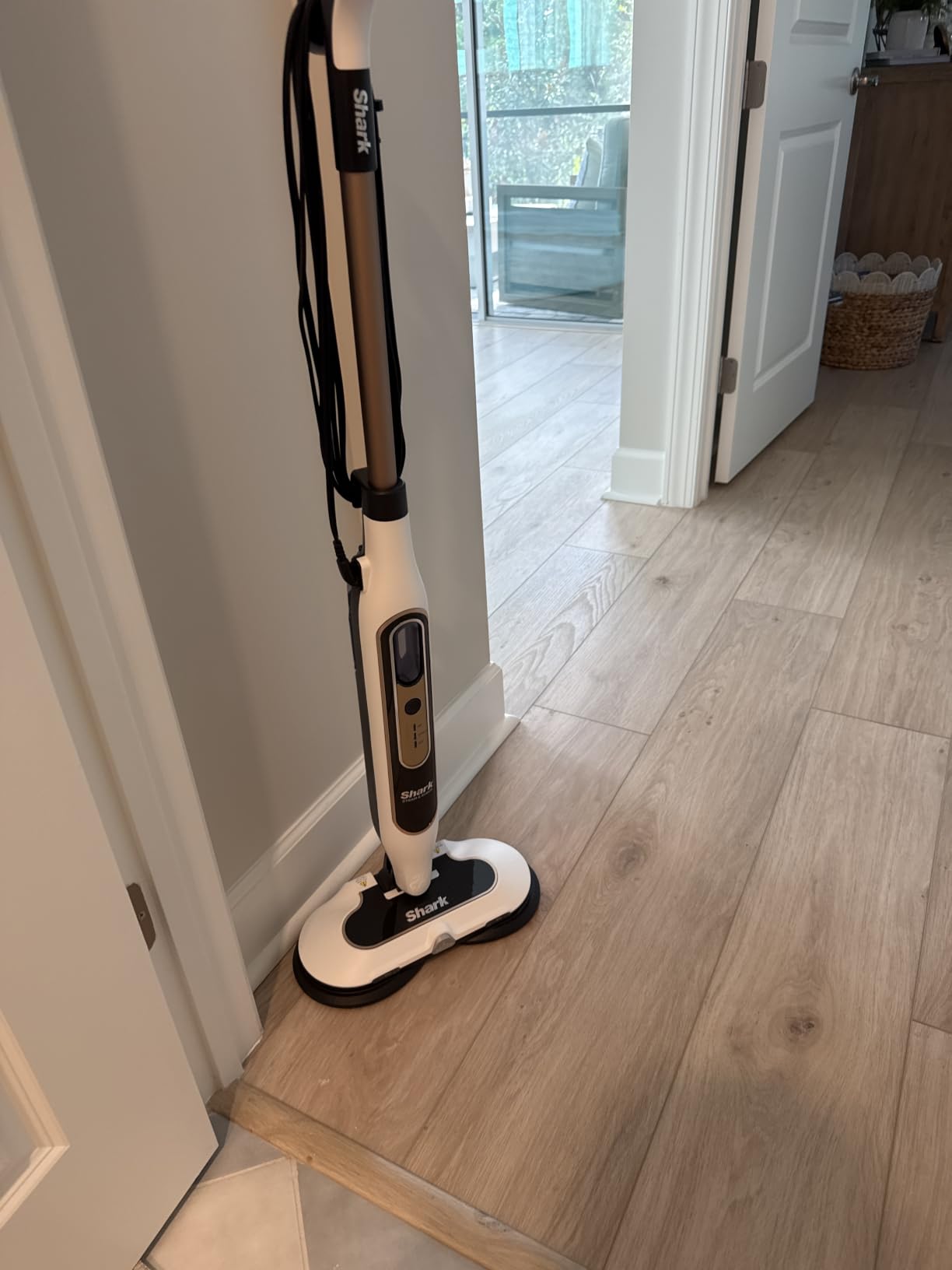
Owners upgrading from older flat-head Shark steamers note the rotating pads clean better and leave no streaks. The 8.9-pound weight is the heaviest in this group, and at 8.39 inches deep it is a large machine to store.
Rotating pads versus a brush attachment
The rotating head crosses the grout line repeatedly, which lifts surface grime effectively without entering the joint. That is enough for weekly maintenance. It is not enough for a narrow line with packed-in staining, where you need bristles inside the joint rather than sweeping across it.
Tank capacity and the heavy steam mode
The 11.83oz tank is on the small side, and it empties faster when you hold the deep steam setting. On a large tiled area you will be refilling regularly, and the mop sometimes pops into upright mode in tight spaces, which stops pad rotation until you reset it.
Who should buy this steam mop
Buy it if you have a large tiled area, grout that needs regular maintenance rather than a one-time restoration, and you want the work done quickly. The four machine washable Dirt Grip pads also keep consumable costs low.
Skip it if your grout is deeply stained or if you have bad knees. The weight, the round pads missing corners and the need for a separate brush for line work make it the wrong machine for detailed grout restoration.
8. Shark SteamSpot S2001 – Best for Quick Weekly Grout Upkeep
Shark SteamSpot Steam Mop with Steam Blaster Technology, White, S2001
500ml tank
25-second heat-up
Steam Blaster
2 pad types
Pros
- Under 5 lbs and glides into tight spaces
- 25-second heat-up with no wait
- Steam Blaster lifts built-up grime
- XL removable 500ml tank
Cons
- Few attachments beyond the two pads
- Cord shorter than buyers expect
- Single-sided pads
- Leaves floors dull rather than shiny
The SteamSpot S2001 gets going fast, with a 25-second heat-up and a 500ml tank. For weekly grout upkeep on a small bathroom, that combination is hard to beat, because a short session is the whole point.
It includes two pad types, a textured Dirt Grip pad and a stiffer scrub pad, and the Steam Blaster loosens built-up grime that ordinary mopping leaves behind. It dries fast and does not streak on tile, both of which matter in a room you use daily.
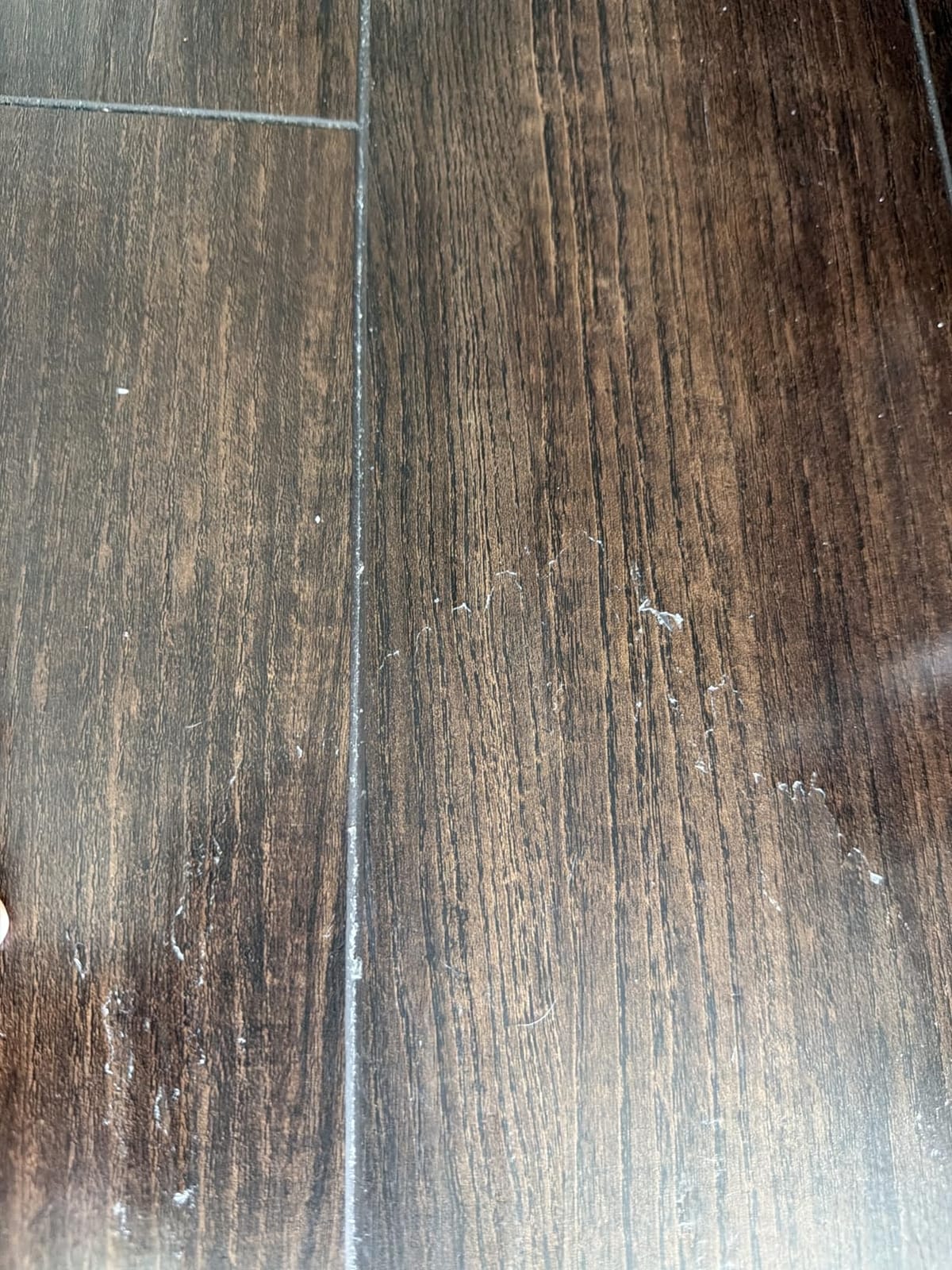
Grout capability is limited by the shallow accessory set. There is no grout brush, no crevice tool and no handheld pod, so anything inside a line has to be handled by the pads sweeping across it. At 4.8 pounds it is also among the lightest machines here.
Speed versus capability
Everything about this machine is optimized for throughput on flat tile: fast heat-up, quick drying, two pad textures. Nothing about it is optimized for geometry inside a grout joint. If your maintenance routine is a monthly wipe-down of a small bathroom, that is exactly the right trade.
Pad design and finish
The pads are single-sided, unlike the older double-sided Shark design, so you swap pads rather than flip one. Floors come out clean but dull rather than shiny, which is a fair trade for a grout-focused buyer who cares about the lines more than the gloss.
Who should buy this steam mop
Buy it if you want fast, frequent maintenance on a small to medium tiled area and you already handle deep grout with a separate brush tool. At under 5 pounds it is also the easiest to move between a bathroom and a balcony.
Skip it if grout lines are the reason for the purchase. There is no brush, and some owners report units that stopped producing steam after only a few uses. Pick one of the brush-equipped machines instead.
9. Schenley Steam Mop – Best Accessory Bundle for Grout
Schenley Steam Mop for Hard Floors, 15s Fast Heat-Up, Standard
19-in-1 accessories
248F steam
15-second heat-up
25-minute runtime
Pros
- Grout brush praised on shower lines that cleaners could not touch
- 248F in 15 seconds
- Up to 25 minutes per tank
- Lightweight with 180-degree swivel and wall mount
Cons
- Does not stand on its own
- 15-minute cool-down required before refilling
- Short cord and small reservoir
- No auto shut-off on some versions
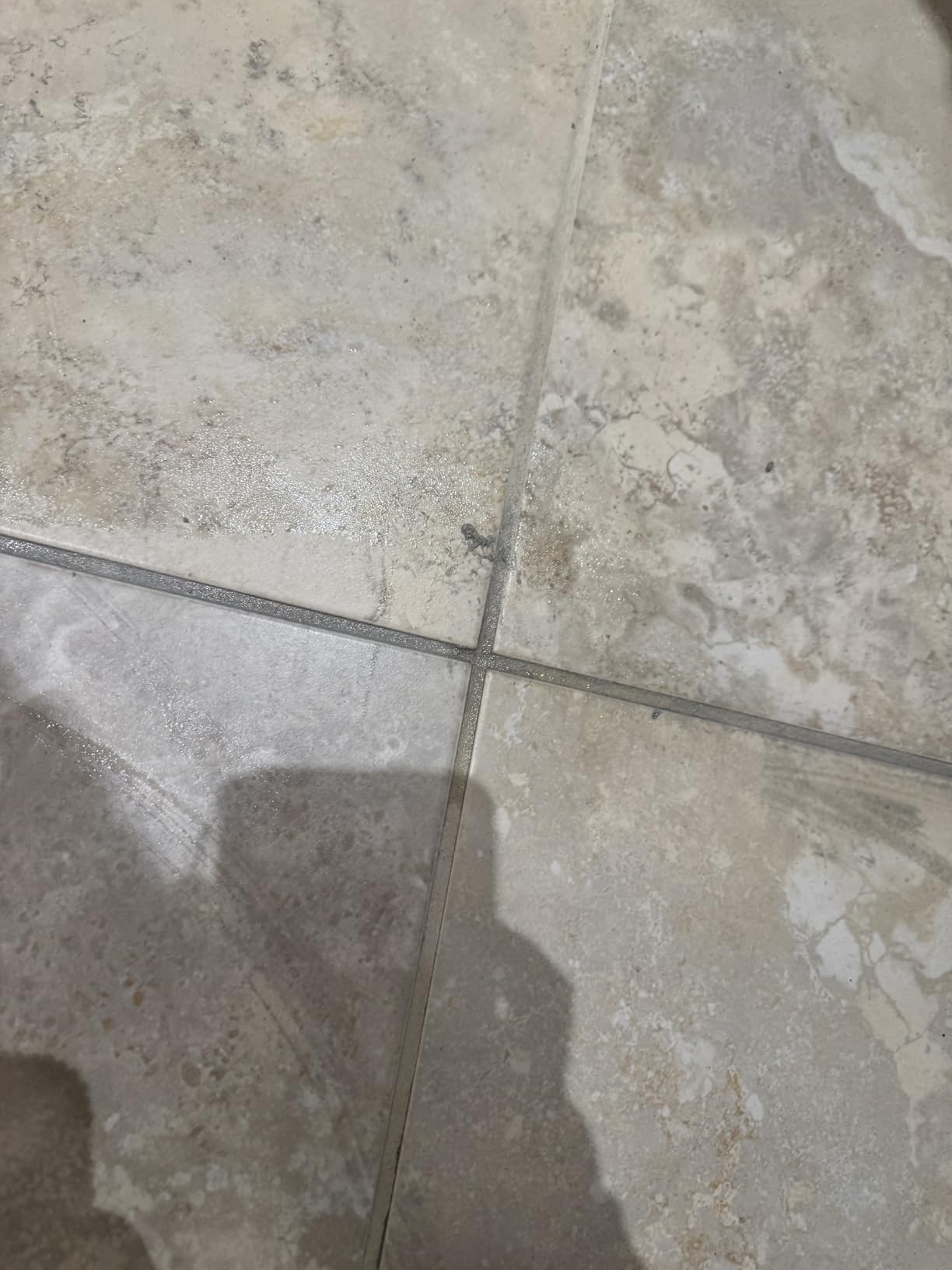
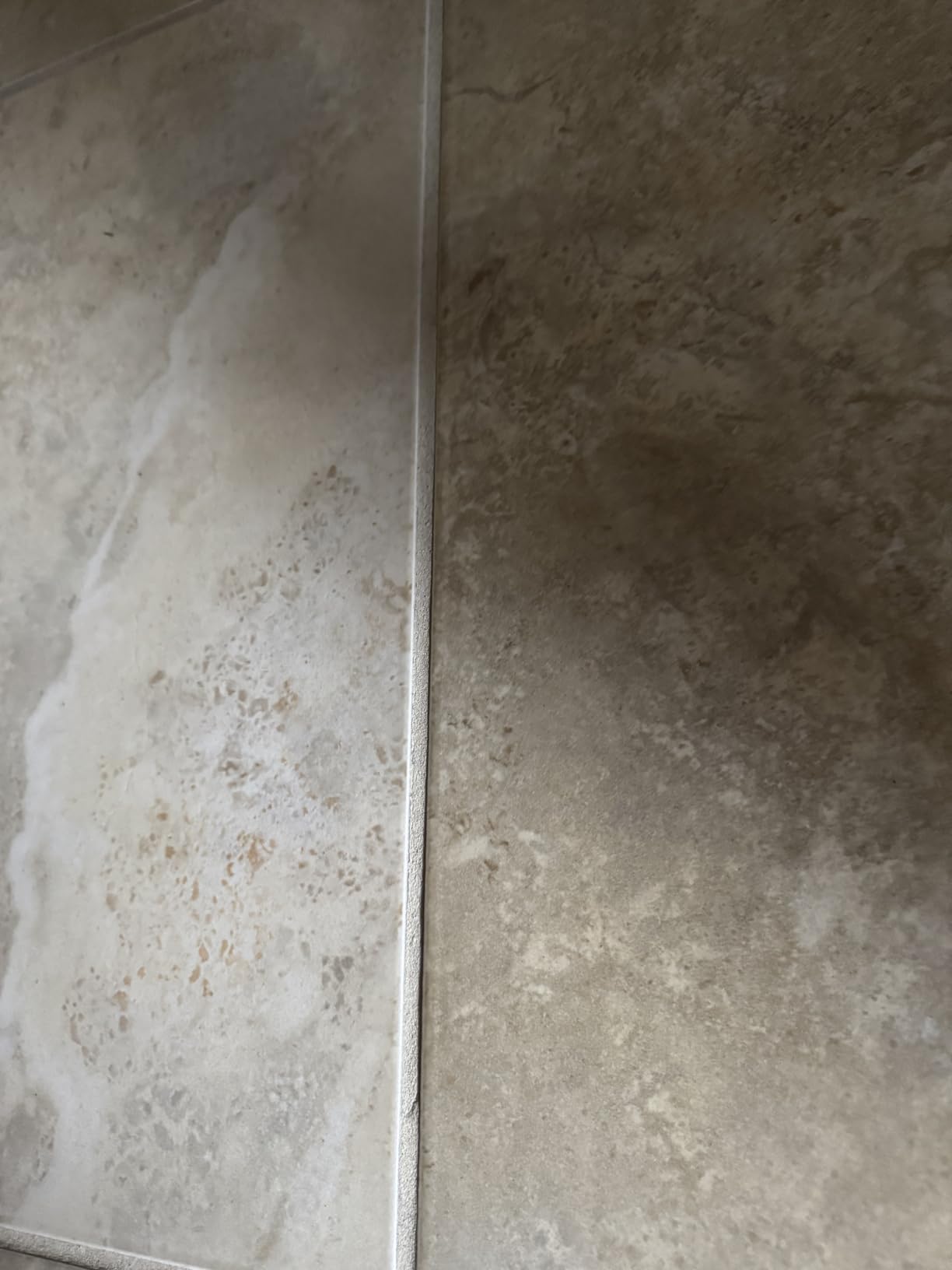
The Schenley is the sleeper pick here. Its grout brush gets singled out by owners for cleaning shower lines that dedicated chemical cleaners had failed on, and the box includes 19 accessories covering grout brushes, a nylon brush, a metal brush, a jet nozzle, a glass squeegee and a wall mount.
It heats to a published 248F in 15 seconds and is rated for up to 25 minutes per tank. The 180-degree swivel head and light body make it easy to guide along a single line without wrestling the machine.
The design complaints are real but manageable. The unit does not stand on its own, so refilling means holding it. The instructions advise a 15-minute cool-down before opening the tank, which slows down whole-house cleaning compared with machines you can refill immediately.
Grout brush performance in showers
Steam at 248F plus a dedicated grout brush is the combination that does the work, and the reported shower results are among the most encouraging in this group. The metal brush is there for rigid buildup on cement-based grout; the nylon brush is the safer option if the grout is softer or you are unsure.
Accessory breadth versus consumable cost
Nineteen accessories sounds generous, and for grout work the brush selection is genuinely useful. Over three years, the metal and nylon brush heads are the consumables that matter, and there is no auto shut-off on some versions, so an empty tank can keep heating unattended.
Who should buy this steam mop
Buy it if shower grout is your priority and you want the widest selection of grout-specific tools without buying a separate steam cleaner. The wall mount and cord wrap solve the storage problem that the non-self-standing design creates.
Skip it if you want to refill and keep going immediately, because the cool-down requirement breaks your rhythm. The short cord and small reservoir also mean more unplugging than the machines with a 20-plus foot cord.
10. Wotaste Steam Mop XR-01 – Hottest Published Steam Output
Wotaste Steam Mop Cleaner 260°F Steam in 15s, 16.9oz Tank Hardwood and Tile
260F steam
15-second heat-up
16.9oz tank
20-foot cord
Pros
- Hottest published steam at 260F
- 15-second heat-up
- 20-foot cord and self-standing design
- 135-degree rotating head reaches corners
Cons
- Only 3 accessories and no grout brush
- Tank must be removed to refill
- Thin accessory bundle overall
- Some owners received machines that produced no steam
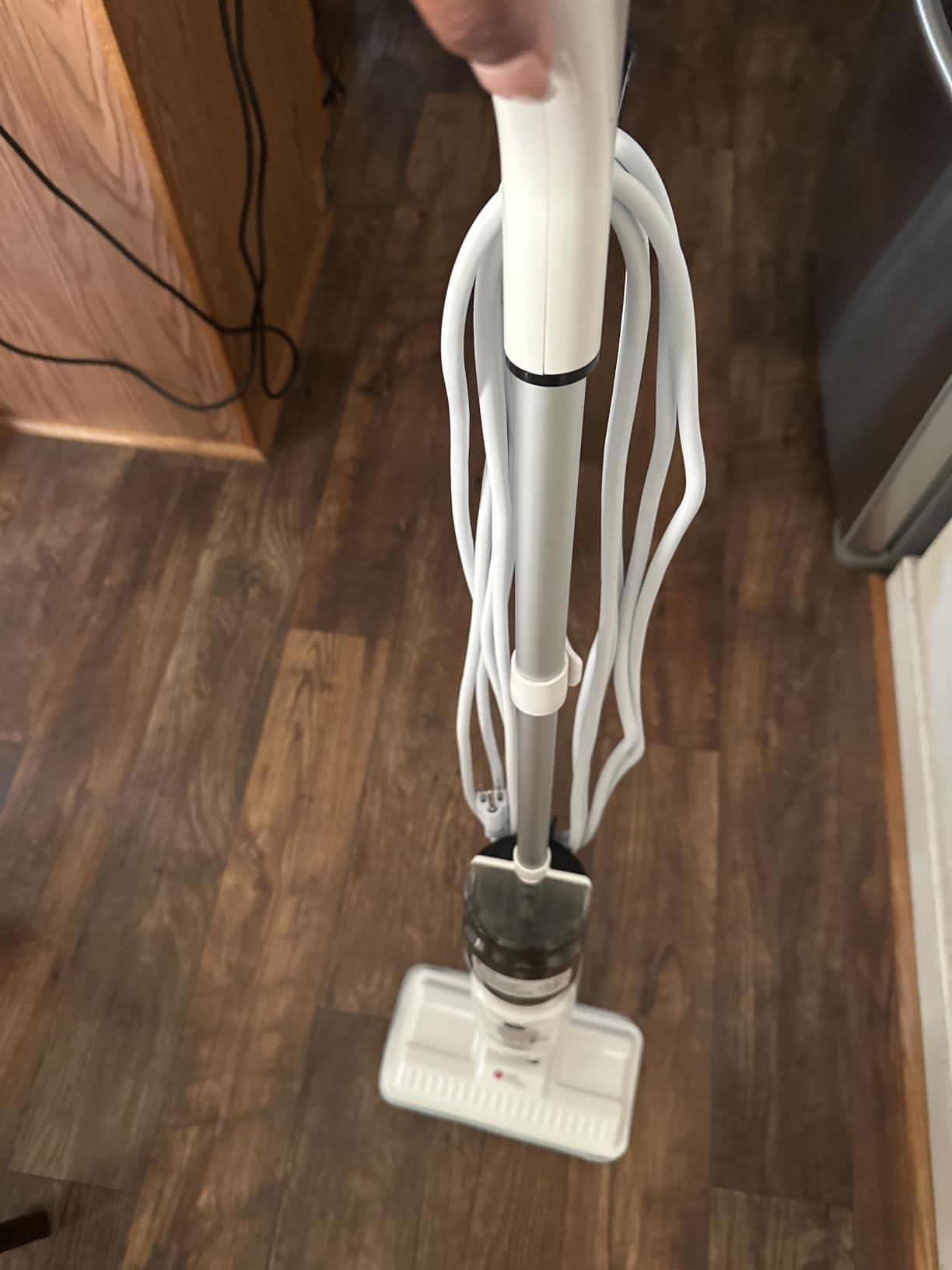
The Wotaste XR-01 has the highest rating in this group and the highest published steam temperature at 260F, with a 15-second heat-up. It is also one of the lightest designs here, with a self-standing body and a 20-foot cord.
Those floor-cleaning traits are excellent. The 16.9oz tank holds close to half a liter, the 135-degree rotating head and 90-degree tilt reach under low furniture and into corners, and it runs quietly with quick floor drying.
For grout, there is one decisive problem: it comes with only two pads, an angled nozzle, a detail brush and a scraping tool. There is no dedicated grout brush. You are relying on the angled nozzle and detail brush to enter a joint, which is a compromise rather than a solution.
Does 260F compensate for the missing brush?
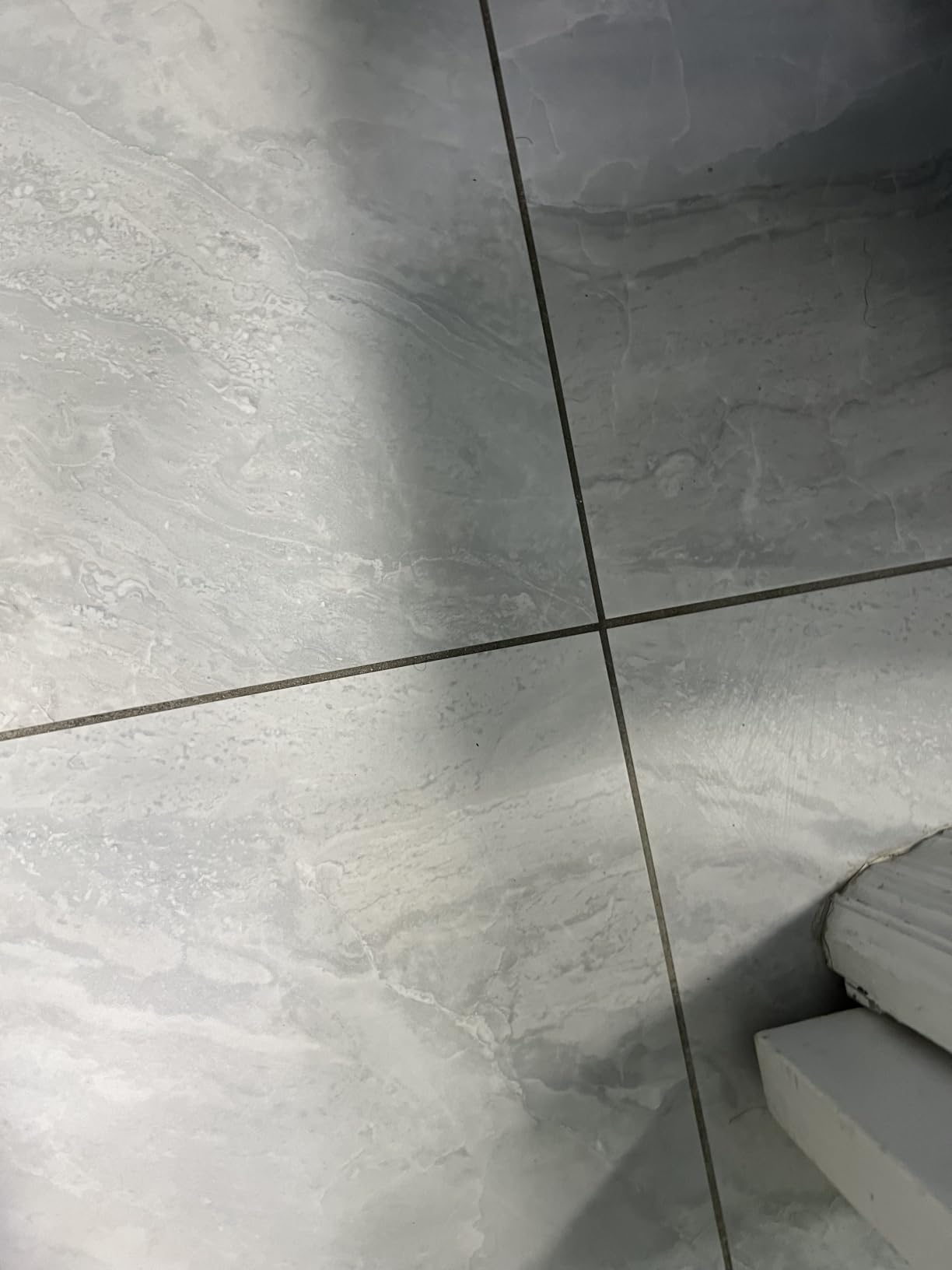
It helps. Hotter steam softens buildup faster, so the angled nozzle will do more than a cold nozzle would. But the missing contact surface still limits it, and the accessory bundle here is far thinner than the 19-in-1 and 10-in-1 kits.
Self-standing body and cord management
The self-standing design with a cord wrap is a small feature that changes daily use. You set it down, fill the tank, and get back to work, with no balancing it against a wall and no waiting for a cool-down. For quick sessions that is worth more than a large accessory count.
Who should buy this steam mop
Buy it if you want the hottest steam and the quickest start for light maintenance on sealed tile, and you already own a separate grout brush tool. The self-standing body also makes it the easiest machine here to use in a small space.
Skip it if grout is the whole point. There is no grout brush, the tank has to come off to refill, and some owners received units that produced no steam at all. For grout specifically, the PurSteam or Schenley is a better use of the same money.
Is Steam Safe for Grout?
Steam is generally safe on sealed grout and genuinely risky on unsealed grout. Cement-based grout, whether sanded or unsanded, tolerates a short steaming session once it has been sealed. Epoxy grout is non-porous and resists steam penetration, so you get very little benefit and little risk.
Always run a 24-hour spot test on a section you would not notice if it went wrong. Put a drop of water on the grout first; if it soaks in quickly and leaves a dark wet mark that spreads, the grout is unsealed and porous, and steam is the wrong tool until it is sealed.
Grout type compatibility
Cement-based sanded grout is the best candidate: porous enough that steam penetrates, durable enough to handle heat once sealed. Cement-based unsanded grout is smoother and more delicate, so use the lowest steam setting and dwell less. Epoxy grout will not absorb much of anything, so treat it as a surface-only cleanup job.
Glass tile and natural stone are generally fine, though natural stone can be heat-sensitive, so keep the nozzle moving and never park it in one spot. The real hazard is flexible sealant, silicone and painted or veneered surfaces, all of which can bubble or melt under sustained heat.
What not to use on grout
- Acidic cleaners, which etch cement-based grout and dull the shine permanently.
- Chlorine bleach in a sealed surface, which degrades the sealer and discolors some grout.
- Steel wool or abrasive pads, which scratch the tile face and can chip the joint.
- A flat mop pad, which does no grout work at all and only gives you the impression that you cleaned the lines.
- Sustained steam parked in one spot, which can bubble paint and soften flexible sealant.
How to Clean Grout with a Steam Mop
Users on r/CleaningTips report roughly one minute per grout line when working in light circles, letting the steam do the scrubbing, then wiping up the dirty water. That timing is a useful planning number for a large kitchen. Here is the full sequence.
Step 1: Dry sweep or vacuum first. Practitioners in tile-cleaning forums are emphatic about this. The steamer loosens and pushes dirt out of the grout, and if you move to the next section without wiping, that loosened grime seeps straight back into the porous line.
Step 2: Attach the nylon grout brush. Not the flat pad. The brush is what puts the bristles inside the joint, and the angled head helps you follow a line without lifting the machine.
Step 3: Dwell and work in light circles. Hold the nozzle in place for around a minute per line rather than sweeping quickly. Quick passes barely warm the joint; the steam needs contact time to soften the buildup.
Step 4: Wipe immediately with microfiber. This is the step people skip and the reason their grout looks worse a week later. Do not steam the whole room and clean up afterward. One line in, one line out.
Step 5: Let the floor dry fully, then assess. Dry it with a fan or open the windows, and only reseal once the lines are completely dry. Avoid fabric softener on microfiber cloths; it leaves a film that reduces absorption on the next pass.
Do You Need to Reseal Grout After Steam Cleaning?
Yes, if the grout was sealed before you steamed it, and yes even more so if it was unsealed. Steam opens the pores in the grout surface, which is why damp grout looks like a blotchy dark line for several days afterward and why a quick scrub of soap scum on an unsealed floor returns within weeks.
Waiting a few weeks is normal and is not a sign the machine failed. Freshly cleaned grout is temporarily more absorbent than it was, so it reabsorbs whatever hits it first.
Step 1: Let the grout dry completely, typically 24 to 72 hours. Any remaining moisture will trap under the sealer and produce a cloudy, uneven finish.
Step 2: Decide between penetrating sealer and color seal. A penetrating sealer soaks into the pores and keeps the grout clear and natural-looking, which is what most people want after a clean. A color seal also evens out the tone and covers blotchy staining permanently, but it looks like a coating and has to be redone on a schedule.
Step 3: Apply in thin coats, following the product directions. Two light coats outperform one heavy coat, and the second absorbs differently once the pores have begun to fill.
Step 4: Keep traffic off it for the full cure time on the label. Walking on sealer before it cures is the most common reason a reseal job fails.
What a Steam Mop Cannot Fix
Being clear about this is more useful than another round of happy customer stories. A steam mop is a maintenance tool, not a restoration system, and treating it as one is how people end up disappointed.
It will not remove deep stains that have become part of the grout itself, and it will not restore grout color. Grout that has oxidized or is stained through its full depth needs color sealing, not steam. It also will not fix cracked or missing grout, which is a repair job before it is a cleaning job.
For hard water and mineral deposits in shower areas, steam alone often underperforms. A product formulated for mineral scale is still the right answer there, because deposits are not organic soil and heat does not dissolve them. The same goes for soap scum that a grout brush can loosen but not lift on its own.
Professionals use pressurized or hot water extraction for heavily soiled grout, and grout color sealing for permanent discoloration. If your grout is crumbling, has mold rooted in the joint, or covers more than a couple of rooms, a contractor will do it faster and more evenly than any consumer machine. The right role for a steam mop is between professional cleanings.
How to Choose a Steam Mop for Grout
Most of the wrong purchases come down to five specs, and none of them is wattage. Start with whether a grout brush is in the box, because you can buy a brush separately but you cannot retrofit geometry into a flat mop head.
Published steam temperature. A brand that will not print a number is hiding the spec that decides how fast grime softens. In this group the range runs from 212F to 260F, and the difference shows up most on old grease and soap scum.
A real grout brush. Angled nylon is the safe all-rounder, brass and metal brushes are for rigid buildup on cement-based grout only. The PurSteam, LABIGO, PowerSteamer, Schenley and H2O X5 all include one.
Detachable handheld conversion. A floor head is the wrong shape for grout and you will be working around that limitation constantly. A handheld pod lets you address lines without craning.
Tank size against refill reality. Bigger tanks mean fewer stops but more weight. If you are doing line-by-line detail work, a smaller tank that refills fast beats a large one you have to wrestle.
Cord length and heat-up time. Long cords remove outlet chasing, and fast heat-ups matter more than people expect when you are moving between small patches rather than one big floor.
What to avoid: flat-pad-only machines marketed for grout, a tiny tank with no removable reservoir, and any model with no published temperature and no on-demand steam control. Also avoid assuming a mop head will substitute for a brush, because on the tile it will not.
A dingy line that returns in a few weeks is not usually a failed machine. It is the reopened-pores effect: the surface has absorbed more than it can hold, so the first thing that touches it after cleaning is what stains it next.
One last piece of household context. If the grout job is really a floor-cleaning job in disguise, an automated option may serve the daily maintenance better while you keep a steam brush for the lines. Our guide to the best robot mops for kitchens covers that side of the routine.
Frequently Asked Questions
Does a steam mop clean grout?
Yes, for surface buildup in sealed grout. A steam mop’s boiler heats water into vapor that softens grease, soap scum and mineral deposits in the line, which you then wipe away with a microfiber cloth immediately. It will not pull deep stains out of the grout itself or reverse years of discoloration.
Do steam mops damage grout?
On sealed cement-based grout, no. On unsealed grout, sustained heat and moisture can soften the joint, and premixed non-cement grout is the most vulnerable of all. Always run a 24-hour spot test in an inconspicuous spot, and never park the nozzle in one place long enough to bubble paint or melt flexible sealant.
Is steam safe to use on grout?
It is safe on sealed cement-based grout, sanded or unsanded, and generally safe on glass tile. Epoxy grout resists penetration so steam adds little. Put a drop of water on the line first; if it soaks in fast and spreads, the grout is unsealed and porous, and you should seal it before steaming.
What is the fastest way to clean grout?
Sweep or vacuum, then use a nylon grout brush attachment rather than a flat pad, dwell roughly one minute per line in light circles, and wipe each line with microfiber immediately before the moisture resettles. Working one line in and one line out is faster overall than steaming a whole room and cleaning up afterward.
Do I need to reseal grout after steam cleaning?
Yes, if the grout was sealed beforehand, and especially if it was not. Steam opens the surface pores, so grout stays more absorbent for a few weeks. Wait 24 to 72 hours for full dry-down, then apply a penetrating sealer in thin coats for a natural look, or a color seal to permanently even out the tone.
What should you not clean grout with?
Avoid acidic cleaners, which etch cement-based grout, and avoid chlorine bleach on a sealed surface, which degrades the sealer. Skip steel wool and abrasive pads that scratch the tile, skip a flat mop pad for the lines since it only glides over them, and avoid sustained steam in one spot near paint, veneer or flexible sealant.
The Verdict: Which Steam Mop Wins on Grout
If grout lines are why you are shopping, the PurSteam 10-in-1 is the pick. It pairs a properly angled nylon grout brush with a detachable handheld pod and a 30-second heat-up, and it folds flat enough to live in a closet between uses.
For a shower stall where soap scum is the enemy, the LABIGO 10-in-1 reaches temperature in 10 seconds and runs at a published 248F, a useful margin over the 212F floor-only mops. For old black kitchen grout that needs a genuine one-time restoration, the BISSELL PowerSteamer 2685A has the raw power and 26 attachments to do it, if you can handle the 6.1-pound weight and the trigger.
For a large tiled area on a maintenance schedule, the Shark Steam and Scrub S8201 covers ground fast at 150-plus scrubs per minute. For a shower where the brush is the deciding factor and you want the widest selection of grout-specific tools, the Schenley ships 19 accessories and a dedicated grout brush that owners credit with handling lines chemical cleaners could not touch.
And for whole-floor value, the BISSELL PowerFresh 1940A is hard to beat on tank size and cord reach, provided your grout problem is moderate. Skip flat-pad models entirely for grout. Whatever you choose, test a hidden section for 24 hours, work one line in and one line out, and reseal once the floor is fully dry. That last habit is what separates grout that stays clean for months from grout that looks worse next week.