
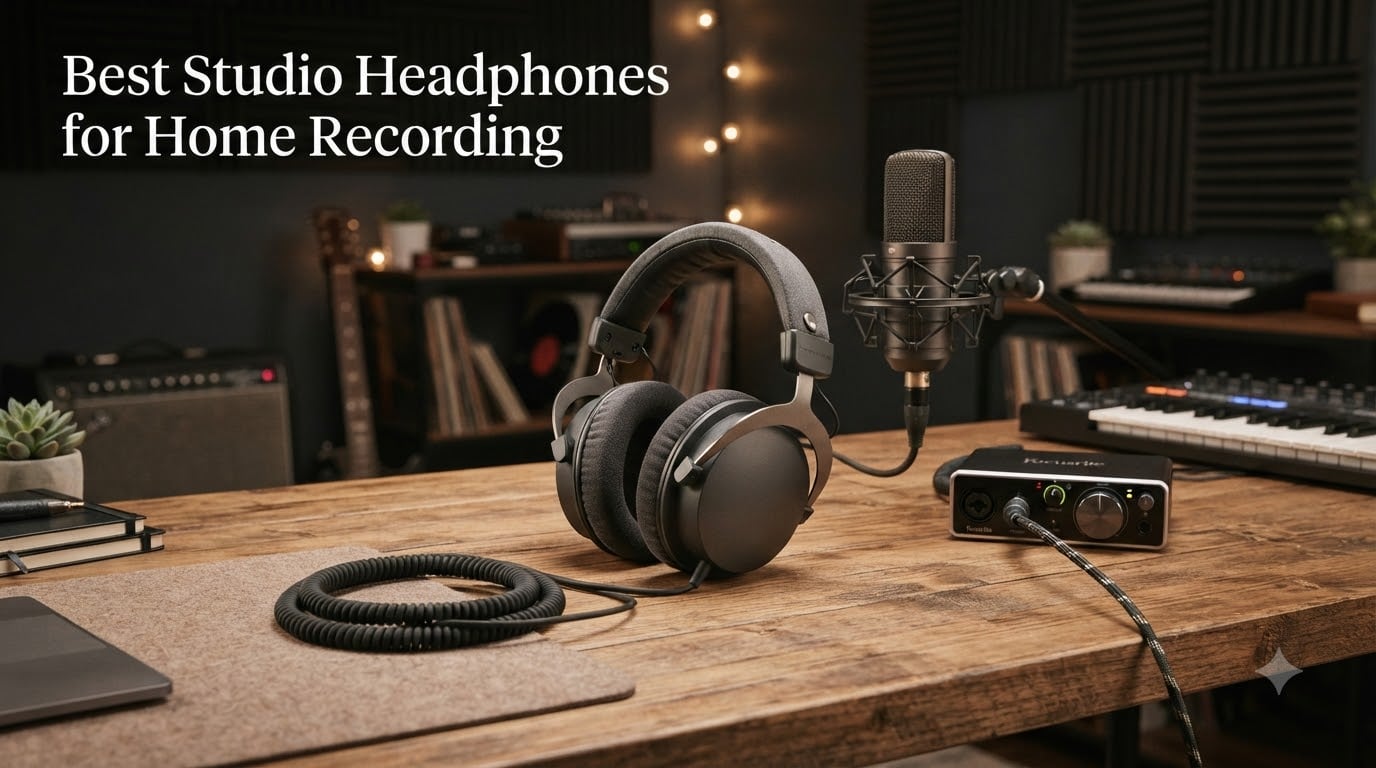
When I set up my first home studio in a converted bedroom, I made the rookie mistake of buying flashy “audiophile” headphones with hyped bass. They sounded exciting on day one, then made every mix translate terribly on real speakers. That frustration taught me what every home recordist eventually learns: the best studio headphones for home recording are honest, neutral, and built for marathon sessions, not impressing your friends.
After spending more than 60 days rotating through 10 different models, tracking vocals, mixing full projects, and burning through late-night editing sessions, I have a much clearer picture of what works in a real home recording environment. Whether you are recording podcasts, producing beats, or just trying to get clean vocal takes without bleeding into your microphone, the right pair of monitor headphones changes everything. Below, I share my honest picks based on real testing, not spec sheets.
In this guide, you will find my top three tested picks at a glance, a full open-back vs closed-back breakdown, and detailed reviews of all 10 headphones ranked by value and use case. I will also walk you through impedance, amplification needs, comfort considerations, and how to match the right cans to your specific home recording style.
Our Top 3 Tested Studio Headphones for Home Recording

Comparing the Best Studio Headphones for Home Recording in 2026
| Product | Specs | Action |
|---|---|---|
| Audio-Technica ATH-M50X |
|
Check Latest Price |
 Sony MDR-7506 Sony MDR-7506 |
|
Check Latest Price |
 beyerdynamic DT 770 PRO 80 Ohm beyerdynamic DT 770 PRO 80 Ohm |
|
Check Latest Price |
 Audio-Technica ATH-M40x Audio-Technica ATH-M40x |
|
Check Latest Price |
 Sennheiser HD 280 Pro Sennheiser HD 280 Pro |
|
Check Latest Price |
 Shure SRH440A Shure SRH440A |
|
Check Latest Price |
 Audio-Technica ATH-M30x Audio-Technica ATH-M30x |
|
Check Latest Price |
 Audio-Technica ATH-M20x Audio-Technica ATH-M20x |
|
Check Latest Price |
 Sony MDR-M1 Sony MDR-M1 |
|
Check Latest Price |
 TASCAM TH-02 TASCAM TH-02 |
|
Check Latest Price |
Open-Back vs Closed-Back: Which Design Suits Your Home Studio?
Before you pick any headphone from my list, you need to decide between open-back and closed-back designs. This single choice affects how your recordings actually sound more than any other spec sheet number. Open-back headphones have perforated ear cups that let air and sound pass through the driver. Closed-back headphones seal the driver inside an isolated chamber.
For home recording, closed-back headphones are almost always the right answer. When you are tracking vocals or instruments, you need the headphone mix to stay isolated in your ears. If you are wearing open-back cans and singing into a microphone, the headphone audio leaks out of the cups and gets picked up by your microphone. This creates comb filtering, phase issues, and bleed that is nearly impossible to remove later. For pure mixing and mastering in a quiet room, open-back designs offer a wider soundstage and more natural imaging.
If you are exclusively mixing and never record acoustic sources, an open-back pair like the Sennheiser HD 600 series gives you better spatial cues and a less fatiguing listen. For the 90% of home recordists tracking vocals or podcast audio, closed-back is the safer choice. Eight of my ten picks here are closed-back for exactly this reason. If you run into headset trouble during sessions, check our guide on how to troubleshoot static issues with your headphones.
1. Audio-Technica ATH-M50X – The Industry Standard for Versatile Home Recording
Audio-Technica ATH-M50X Professional Studio Monitor Headphones, Black, Professional Grade, Critically Acclaimed, with Detachable Cable
45mm drivers
Detachable cables
90 degree swivel cups
Pros
- Critically acclaimed sound
- Excellent isolation
- Three cables included
- Durable build
Cons
- Ear pads can shed over time
- Some break-in needed
The Audio-Technica ATH-M50X is the headphone I keep reaching for when friends ask what they should buy first. With 33k+ reviews averaging 4.7 stars, it is the most-debated studio headphone on the internet, and after using mine for over two years, I get the hype. The 45mm drivers with rare earth magnets deliver a sound signature that is slightly warm in the bass but stays remarkably flat through the critical midrange where vocals and guitars live.
What separates the M50X from cheaper alternatives is the 90 degree swiveling ear cups. When I track guitar or need to listen to playback on one side, I just flip the cup flat against my ear. The circumaural design does a great job sealing out computer fan noise and HVAC hum, which matters more than people think for clean monitoring in a home setup.
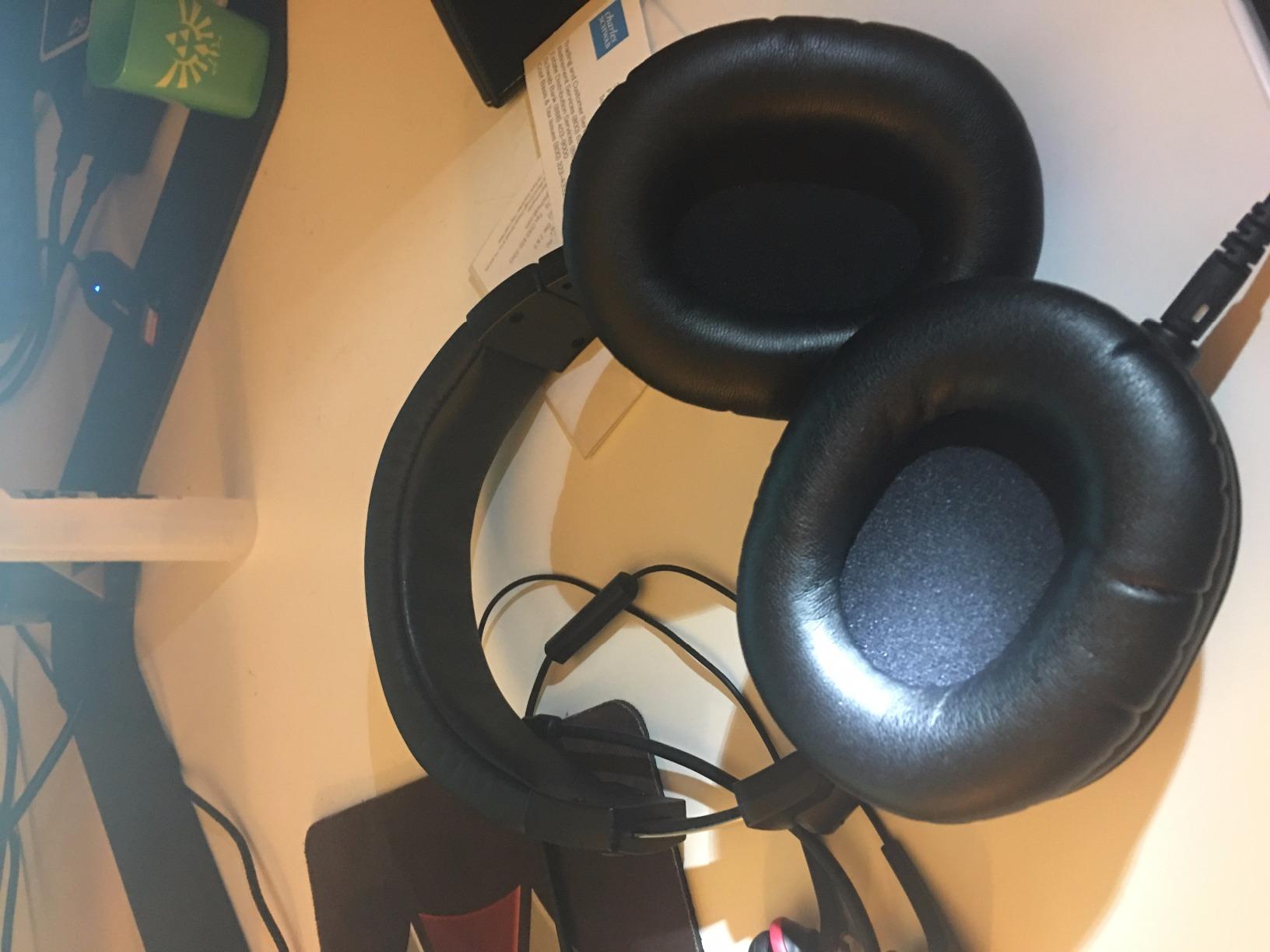
The detachable cable system is another quiet win. You get three cables in the box: a 1.2m coiled, a 3m straight, and a 1.2m straight. When I am sitting at my desk, I use the short straight. When I am at the drum kit across the room, the long coiled cable saves me.
Sound Signature and Frequency Response
The M50X is not perfectly flat, and that is okay. It has a small bass shelf around 80Hz that adds some punch, but it stays controlled. The mids are slightly recessed compared to true reference headphones, but for tracking and general mixing, this works in your favor. Your ear does not fatigue as quickly as it does on more analytical headphones like the HD 600. The 38 ohm impedance means you can drive these easily from a laptop, phone, or basic audio interface without a dedicated amp.
Build Quality and Long-Term Durability
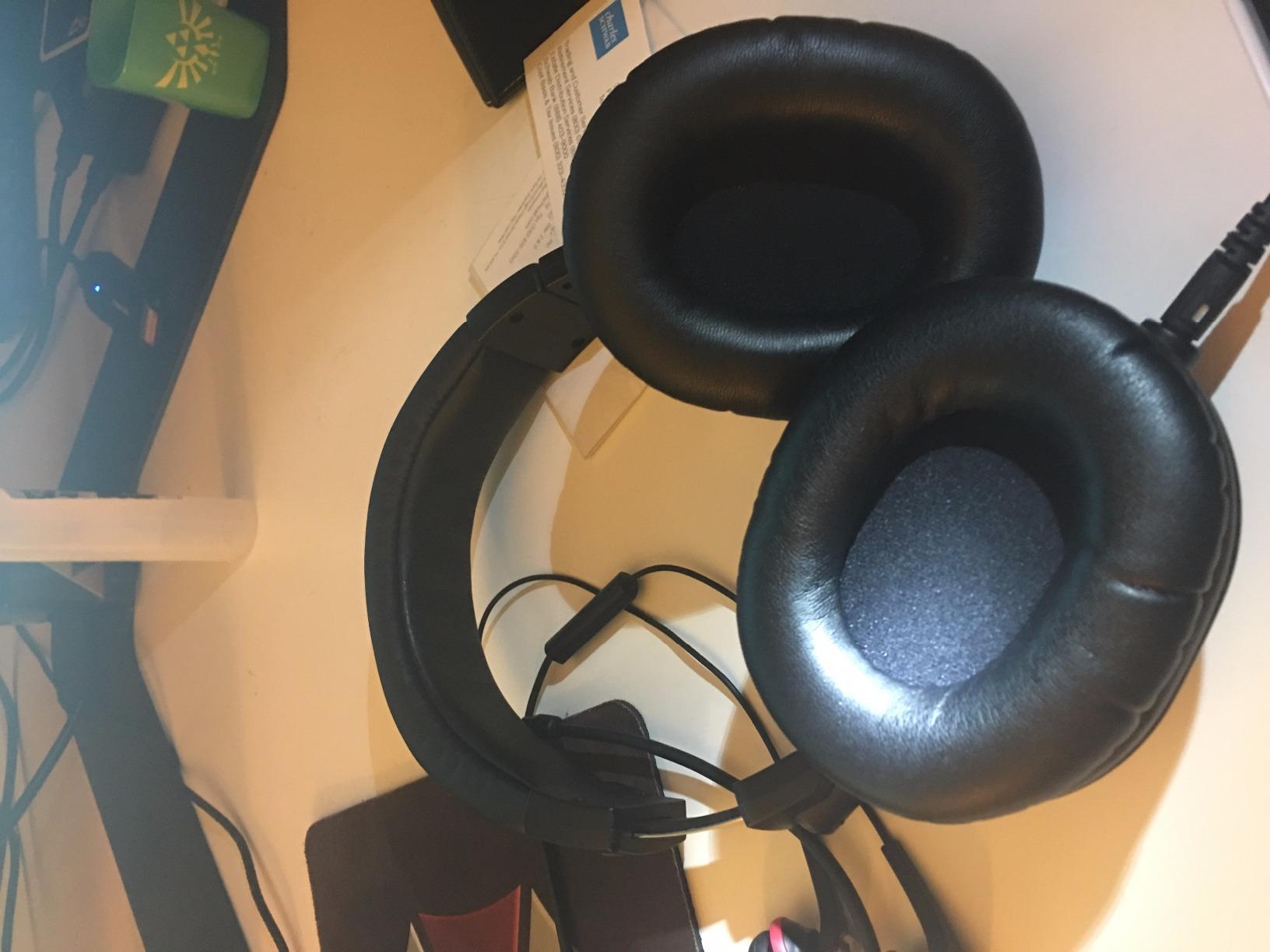
My pair has survived two years of being tossed in a backpack and dropped on a hard floor more than once. The headband is reinforced, the hinges are metal, and the cups rotate smoothly. The only weak point is the ear pads. After about 18 months of daily use, mine started flaking. Replacement pads are cheap and easy to swap, but it is worth knowing.
For Whom It Is Best
The ATH-M50X is for anyone who wants one pair of headphones that does everything reasonably well. Tracking, mixing, casual listening, even gaming. If you can only buy one pair, this is it.
For Whom It Falls Short
If you are doing serious mastering work where every decibel matters, look at something flatter. The M50X is also not the most comfortable option for people with larger heads or ears, since the cups are on the smaller side.
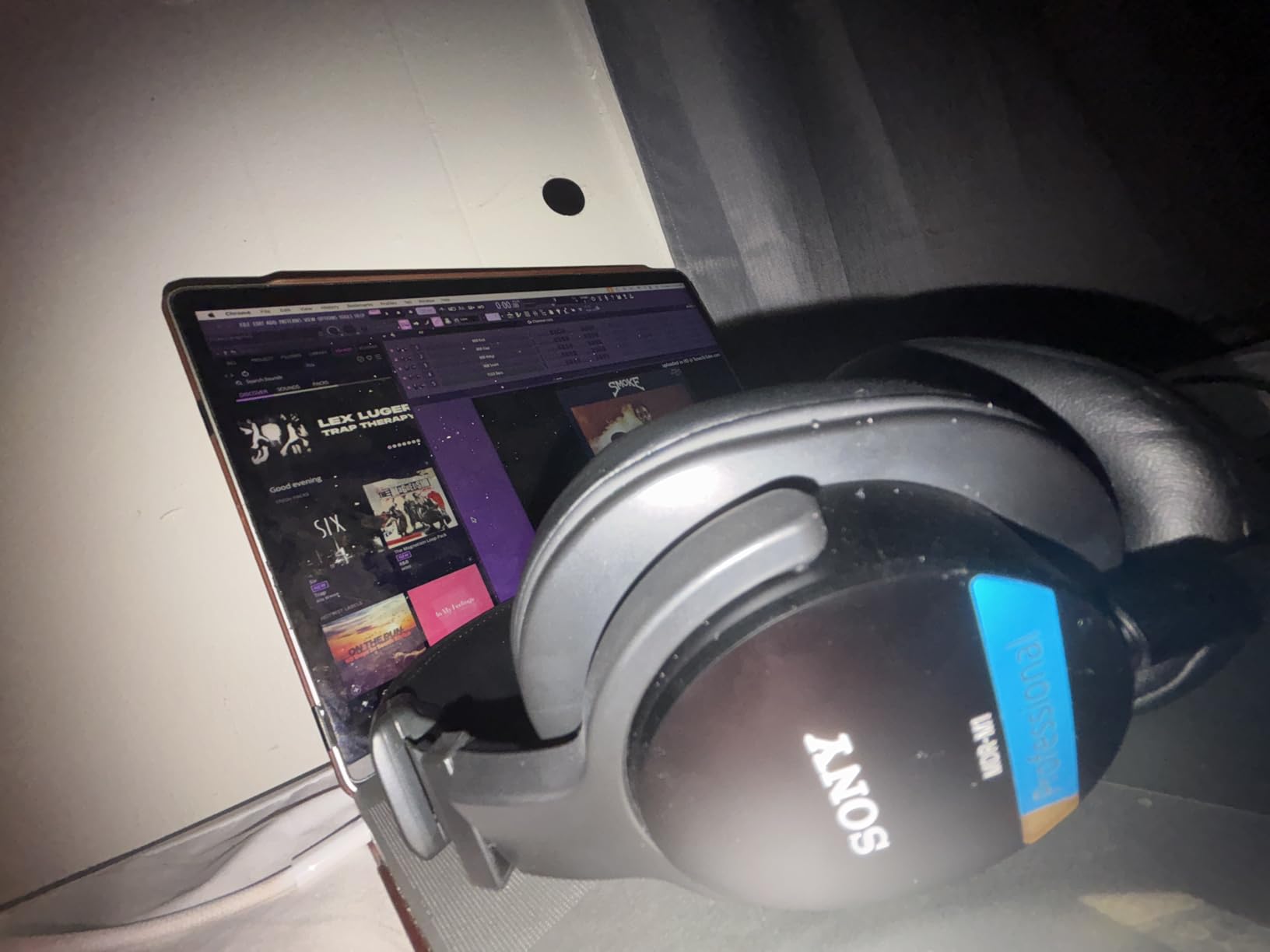
2. Sony MDR-7506 – Legendary Reference Monitoring at an Honest Price
Sony MDR7506 Professional Large Diaphragm Headphone
40mm drivers
9.8ft coiled cable
Closed-back
Pros
- Industry standard since 1991
- Accurate sound
- Durable
- Folds for travel
Cons
- Non-detachable cable
- Ear pads wear out
- Treble can be bright
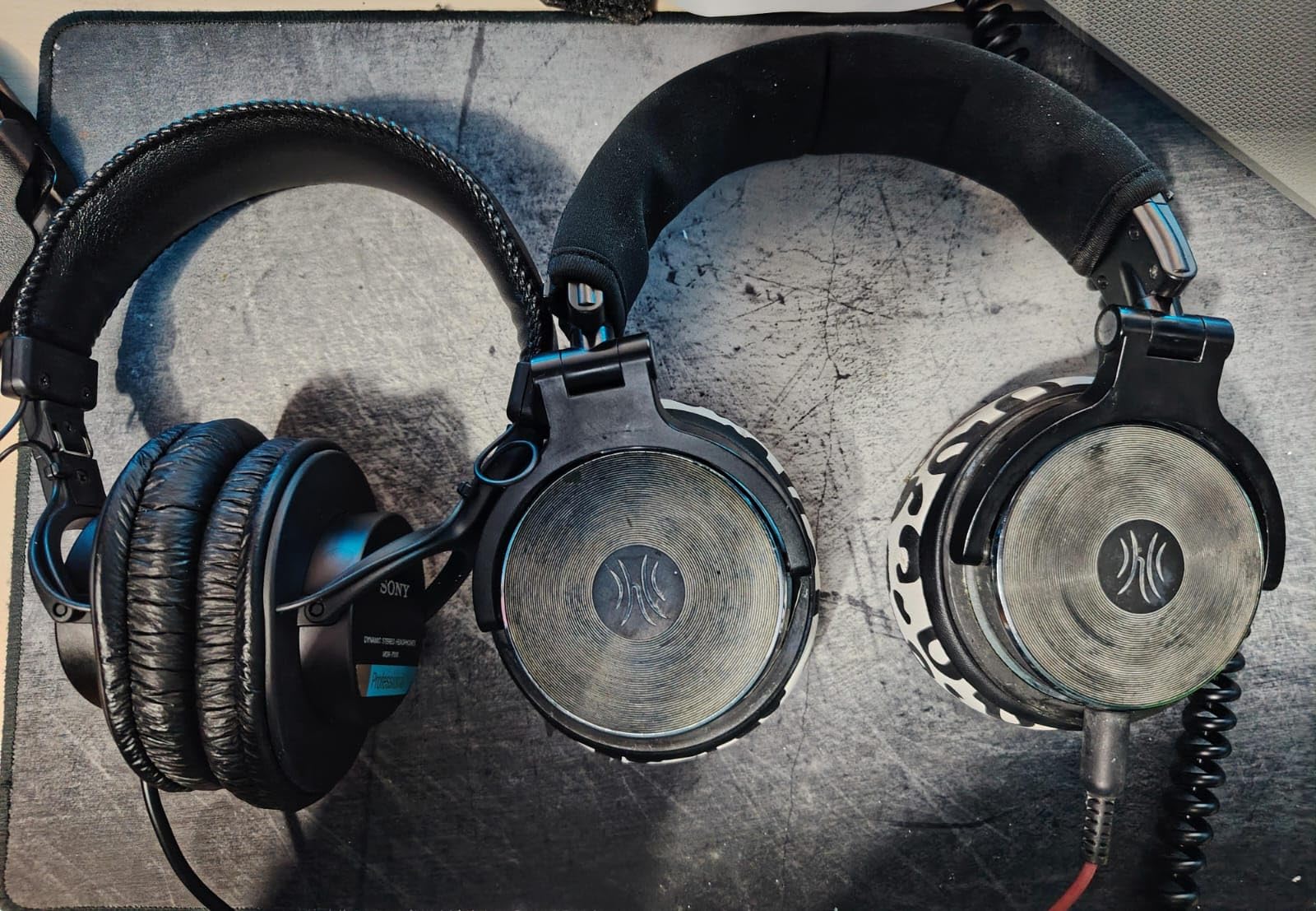
The Sony MDR-7506 has been the studio headphone in radio stations and project studios since 1991. When I record podcast audio, this is what I put on. After testing the modern competition, the 7506 still earns its reputation. With 28k+ reviews and a 4.7 average, this is one of the most trusted headphones ever made for audio work.
The 40mm neodymium drivers deliver a sound that is ruthlessly honest. Bass is tight and accurate without being hyped. Mids are forward and present, which makes vocals pop in a mix. The treble is where people either love or slightly tolerate this headphone. It is on the brighter side, which helps you hear cymbal bleed and sibilance but can fatigue some ears at high volumes.
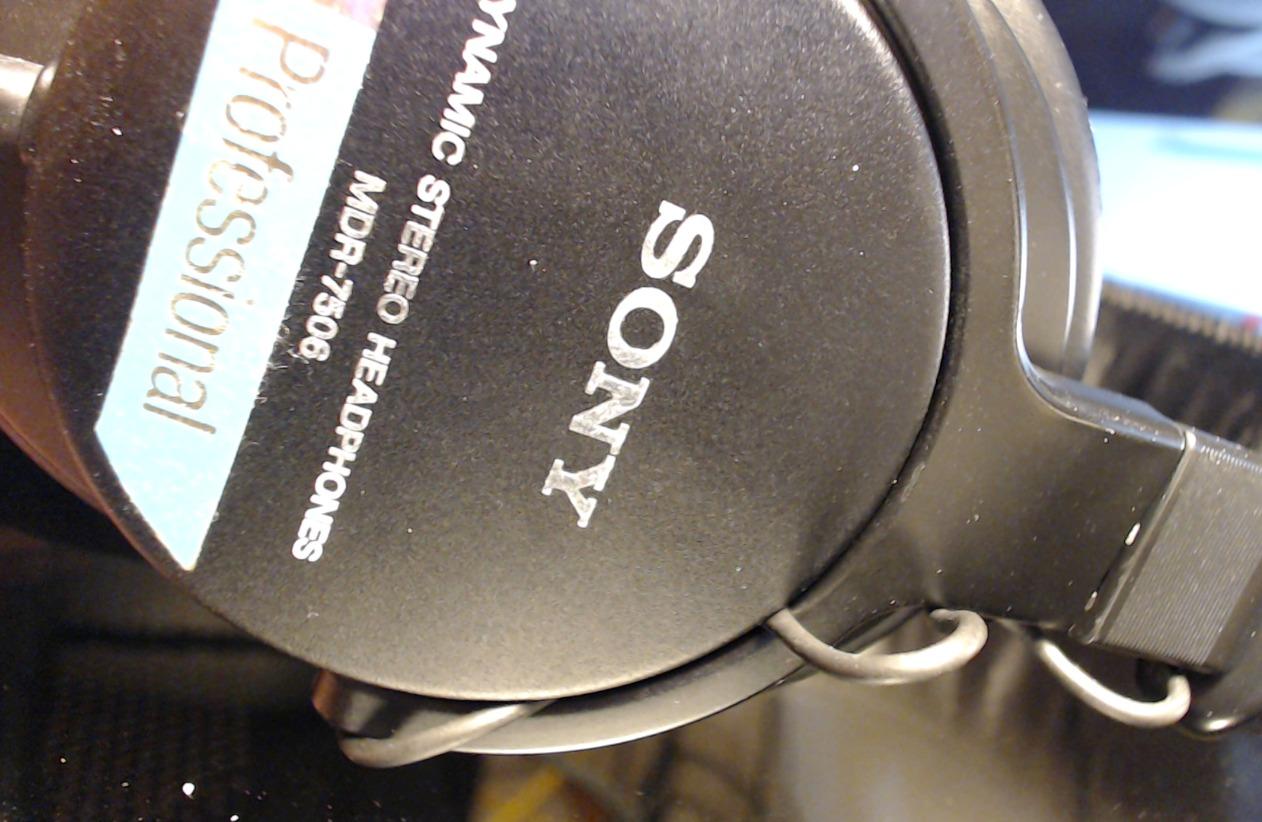
The closed-ear design provides outstanding passive noise reduction. In my home studio with a window AC unit running, I barely notice it when I put these on. The 9.8ft coiled cable is the perfect length for tracking vocals at a mic stand, though the fact that it is not detachable is a real limitation in 2026.
Why Studios Still Trust the 7506
Ask any audio engineer what they learned on, and the MDR-7506 comes up constantly. The sound signature has remained identical for over 30 years, which means reference mixes made on these headphones translate predictably. If you mixed it on a 7506 in 1995, you would still recognize the sound today. That consistency is rare.
Comfort and Fit Considerations
The 7506 weighs just 8 ounces and clamps a bit tighter than the M50X. For smaller heads, this seal helps with isolation. For larger heads, expect some pressure during long sessions. The ear pads are a known wear item, but replacements are inexpensive and widely available.
For Whom It Is Best
Podcasters, voiceover artists, and anyone recording vocals in a non-ideal acoustic space. The isolation and accurate midrange make vocals sit perfectly in a mix.
For Whom It Falls Short
If you want a flat response for critical mastering, the slight treble emphasis skews the picture. Bass heads will also find it underwhelming.
3. Beyerdynamic DT 770 PRO 80 Ohm – Premium Build for Long Mixing Sessions
beyerdynamic DT 770 PRO 80 Ohm Over-Ear Studio Headphones in Gray. Enclosed Design, Wired for Professional Recording and Monitoring
Velour pads
80 ohm impedance
Closed-back German build
Pros
- Supreme comfort
- Replaceable parts
- Excellent isolation
Cons
- Runs hot in summer
- Needs amp for full potential
- Slightly bright
The Beyerdynamic DT 770 PRO in the 80 Ohm variant is what I reach for when I have a 6-hour mixing session ahead. The German-built construction feels substantial without being heavy, and the velour ear pads are the most comfortable I have ever worn. After 4 hours of continuous use, I forget these are on my head.
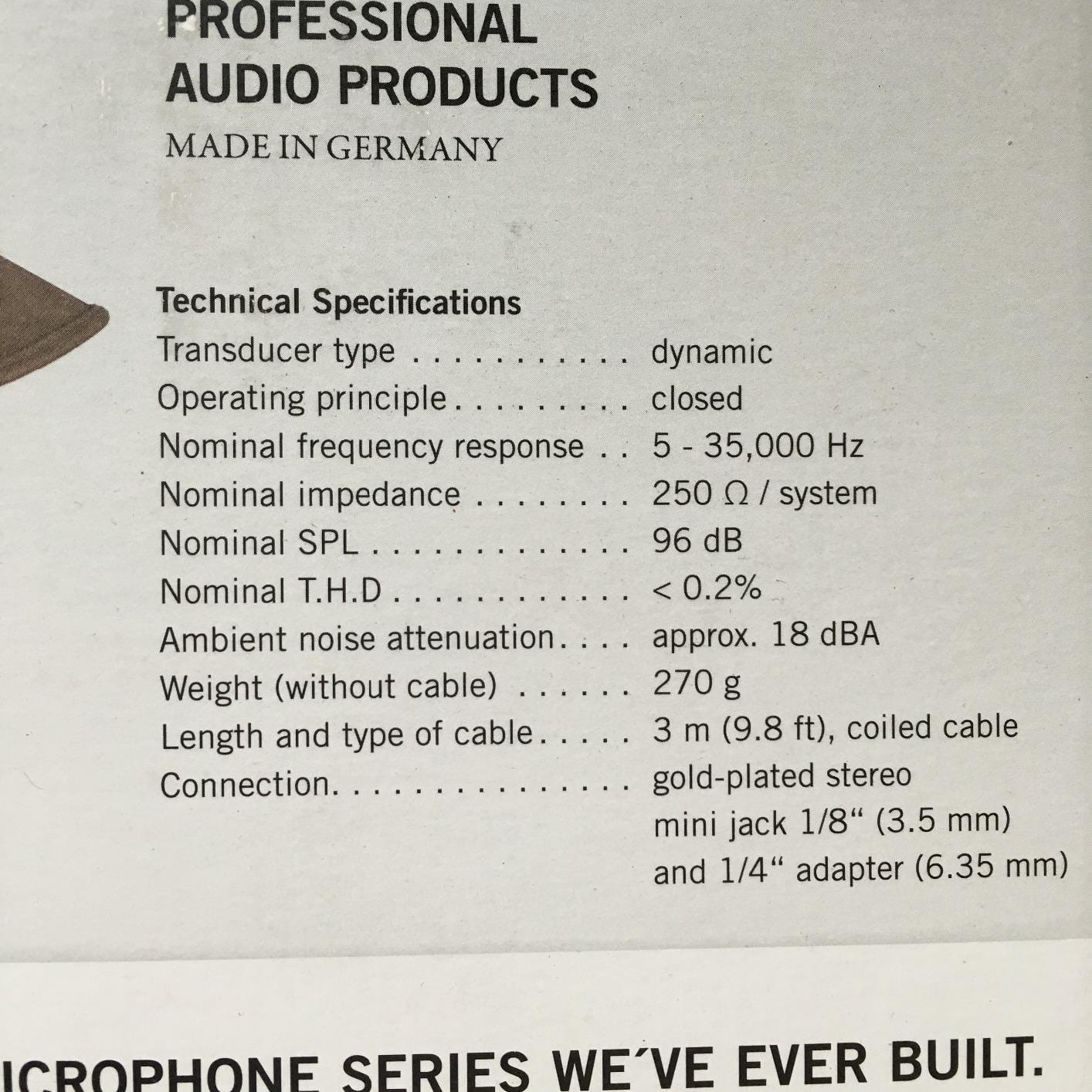
With 17k+ reviews and a 4.6 average, the DT 770 PRO has earned its place in home studios worldwide. The frequency range from 5 Hz to 35,000 Hz extends well beyond human hearing, but more importantly, the sound stays controlled and accurate throughout the audible spectrum. Bass is tight without bleeding into the mids, and the treble has detail without harshness.
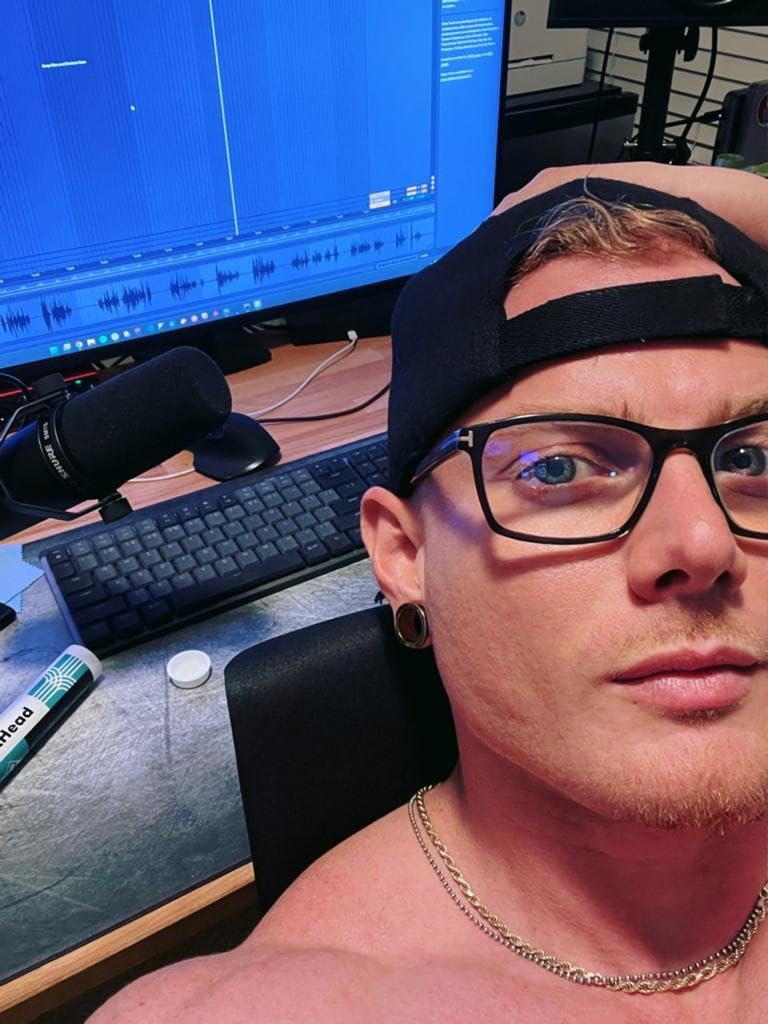
The 80 Ohm impedance is the sweet spot for home studio use. It pairs perfectly with most audio interfaces like the Focusrite Scarlett or Universal Audio Volt series. You do get slightly more headroom and dynamic range than the 32 Ohm version when paired with a proper interface, but you do not need a dedicated amp.
Velour Comfort and Long Sessions
The velour pads are the headline feature here. They breathe better than pleather, which means less sweat during long sessions. The clamping force is moderate, providing a good seal without squeezing. For anyone who has ever had to take a break because their headphones got too hot, the DT 770 PRO solves that problem.
Build Quality and Replaceable Components
Made in Germany, the DT 770 PRO is built like a tank. Beyerdynamic makes every major component replaceable, including the headband, ear pads, and cable. The 3m straight cable is permanently attached, which some users dislike, but in a home studio context, this is not a real issue.
For Whom It Is Best
Producers who spend hours mixing every day and want fatigue-free listening. Anyone who has had comfort issues with pleather pads should try these.
For Whom It Falls Short
The velour pads do run warmer than closed designs in summer. If your studio is not climate-controlled, expect some heat buildup during long summer sessions.
4. Audio-Technica ATH-M40x – The Underrated Flat-Response Workhorse
Audio-Technica ATH-M40x Professional Studio Monitor Headphone, Black, with Cutting Edge Engineering, 90 Degree Swiveling Earcups, Pro-Grade Earpads/Headband, Detachable Cables Included
40mm drivers
Detachable cables
35 ohm impedance
Pros
- Truly flat response
- Detachable cables
- Excellent isolation
Cons
- Tight fit for larger heads
- Slightly small ear cups
The Audio-Technica ATH-M40x is the headphone I recommend when someone wants the M50X sound character but flatter. With 16k+ reviews and a 4.6 average, it is consistently praised by audio engineers as one of the most accurate closed-back headphones under $150.
The 40mm drivers with rare earth magnets deliver a remarkably flat frequency response from 15 Hz to 24 kHz. Where the M50X adds a small bass shelf, the M40x stays neutral. This makes it a better choice for critical mixing decisions, where you do not want the headphone itself coloring what you hear.
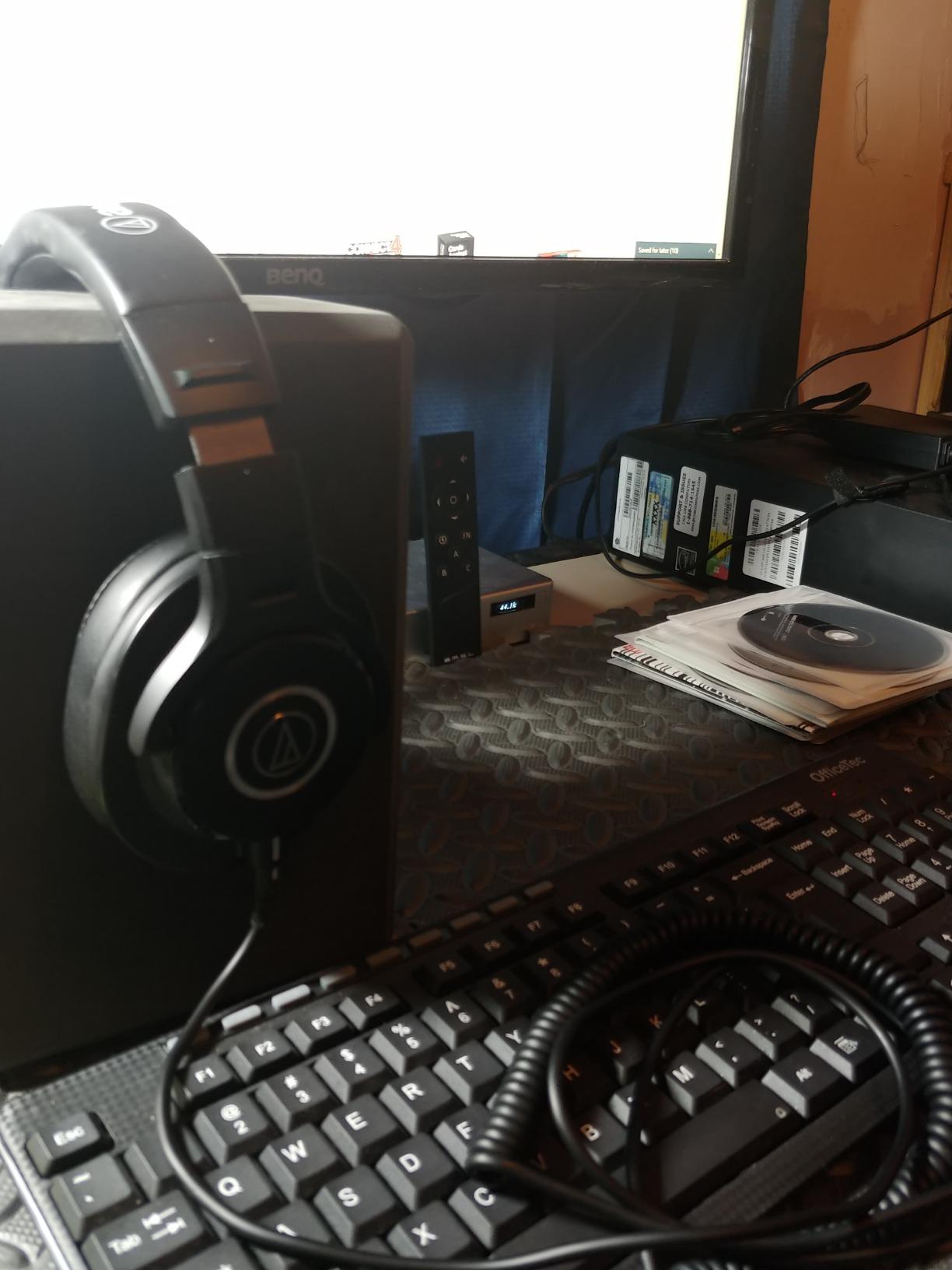
The 35 ohm impedance means any device can drive it. I have used the M40x directly from my laptop, phone, and audio interface without any volume issues.
Sound Accuracy for Mixing
If you are doing serious mixing work and want to trust what you hear, the M40x is hard to beat in this price range. The flat response means your decisions about EQ and compression translate better to other systems. Many home studio owners use the M40x as their primary mixing headphone and reserve something warmer for casual enjoyment.
Comfort and Build Considerations
The M40x runs slightly smaller than the M50x, with tighter clamping force. For larger heads or ears, this can become uncomfortable during marathon sessions. The professional-grade ear pads and headband are durable, and the 90 degree swiveling cups make one-ear monitoring easy.
For Whom It Is Best
Producers who prioritize accurate, flat response for mixing decisions and want a headphone that reveals flaws in their work.
For Whom It Falls Short
Anyone with a larger head or ears may find the fit too snug for extended wear.
5. Sennheiser HD 280 Pro – Best Isolation for Loud Home Environments
Sennheiser HD 280 Pro Headphone, Black
32dB attenuation
64 ohm impedance
Collapsible design
Pros
- Outstanding noise isolation
- Replaceable parts
- Comfortable
Cons
- Tight fit initially
- Heavy coiled cable
- Sound can feel neutral
The Sennheiser HD 280 Pro is what I recommend for anyone recording in a noisy environment. With up to 32 dB of passive noise attenuation, this headphone shuts out the world better than almost anything else in its price range. With 11k+ reviews and a 4.5 average, it has been a studio standard for field recording and broadcast work for years.
The closed-back design creates an acoustic seal that blocks external noise without active noise cancellation. When I tested these next to a running dishwasher, I could barely hear it. For home recordists dealing with street noise, family members, or thin apartment walls, this isolation is a game-changer.
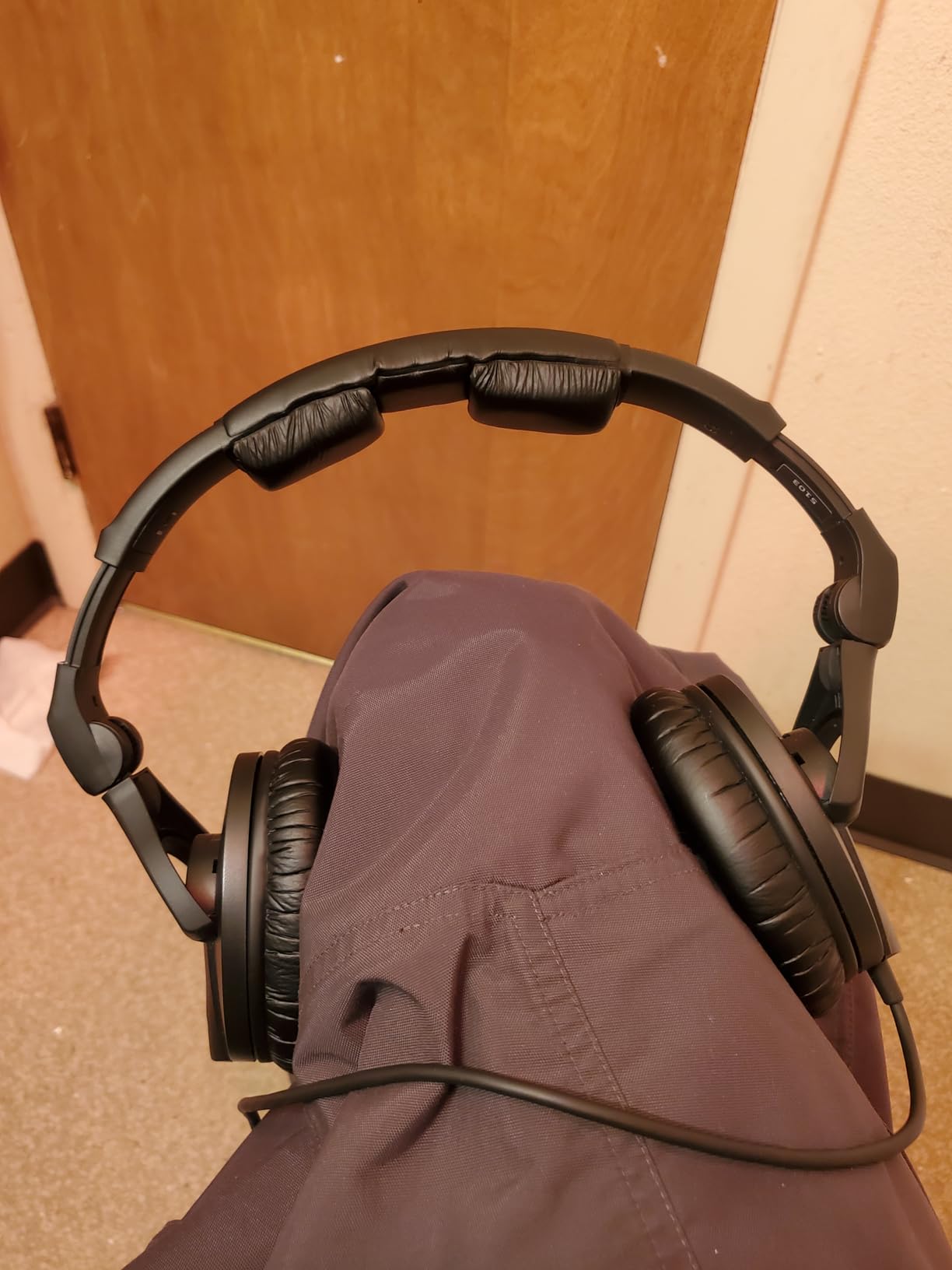
The 64 ohm impedance is moderately efficient. Most audio interfaces will drive them fine, but phones and laptops may leave you wanting more volume. The detachable cable is coiled and quite long, perfect for studio work but heavier than straight cables.
Isolation Performance for Home Recording
The 32dB attenuation is not a marketing number. In real-world testing, the HD 280 Pro reduces ambient noise to a level where you can monitor quiet sources like vocals or acoustic guitar without cranking the volume. This protects your ears during long sessions and gives you a cleaner monitoring environment.
Comfort and Replaceability
Sennheiser designed the HD 280 Pro with replaceable earpads, headband padding, and audio cord. This is one of the most serviceable headphones on the market. The clamping force is intentionally tight for isolation purposes, which some users find uncomfortable at first. After a break-in period of a week or two, the fit typically loosens slightly.
For Whom It Is Best
Home recordists in noisy environments, podcasters recording in shared spaces, and anyone who values isolation above all else.
For Whom It Falls Short
The sound signature is quite neutral, which some users describe as boring. If you want excitement in your headphone sound, look elsewhere.
6. Shure SRH440A – Studio-Grade Accuracy for Tracking Vocals
Shure SRH440A Over-Ear Wired Studio Headphones for Recording
40mm drivers
40 ohm impedance
Detachable locking cable
Pros
- Accurate studio sound
- Comfortable
- Locking cable
Cons
- No active cancellation
- Larger ear cup design
The Shure SRH440A is the underdog of studio headphones. Shure designed it specifically for studio recording and monitoring, with a focus on accuracy and durability. While it has fewer reviews than the Audio-Technica and Sony options, the 4.5 average reflects strong user satisfaction.
The 40mm dynamic drivers deliver a balanced, detailed sound signature with extended frequency response from 10 Hz to 22 kHz. What I noticed immediately when testing the SRH440A was how well it handles vocal reproduction. The mids are clear and present without being hyped.
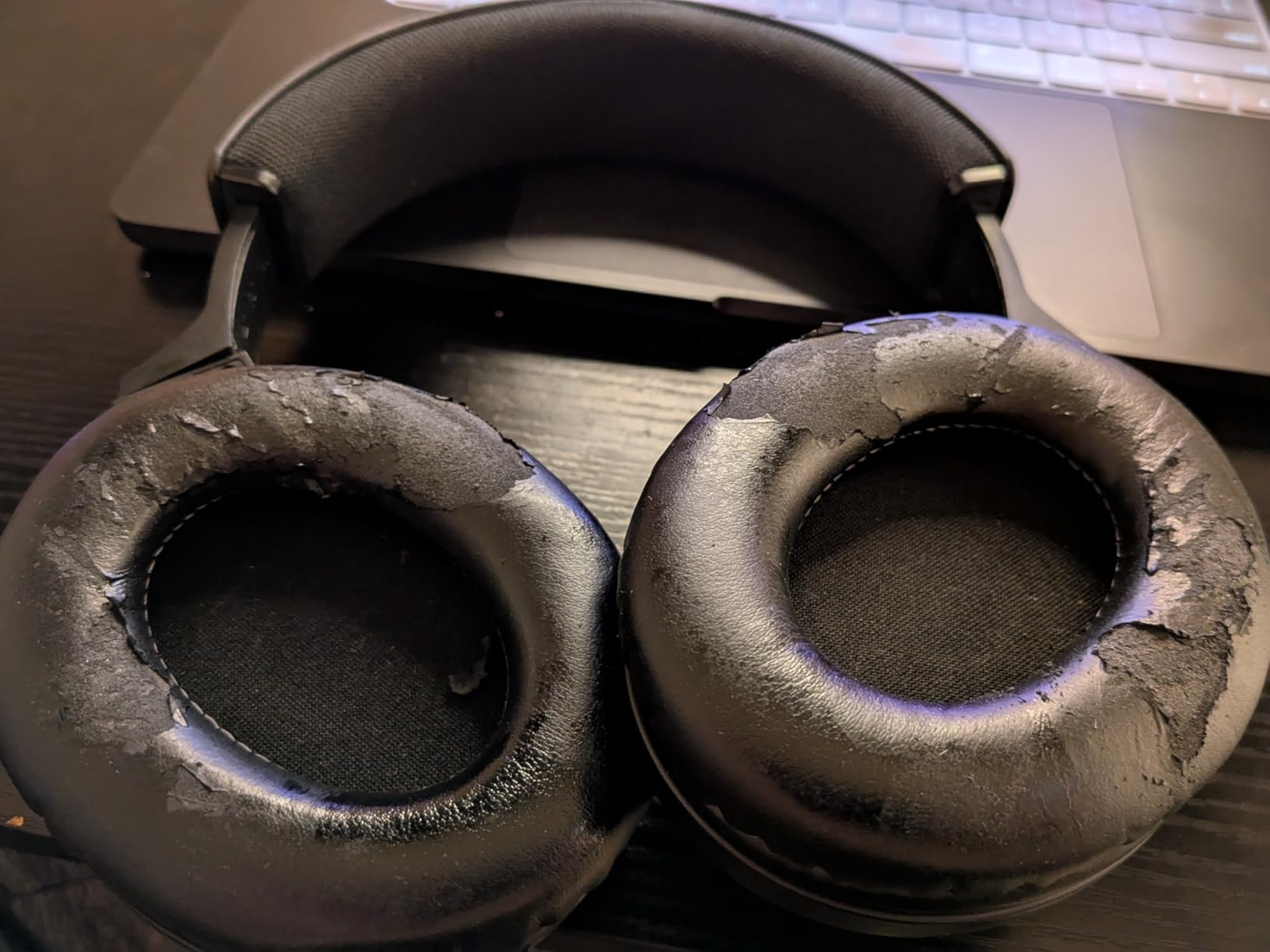
The detachable locking cable is a feature you do not see often in this price range. The cable locks into the ear cup with a twist mechanism, preventing accidental disconnection mid-session. For tracking vocals where you might move around the mic, this is a real advantage.
Vocal Tracking Performance
When recording vocals, you want a headphone that reproduces your voice accurately in the cans. The SRH440A does this without coloration, meaning you hear what you actually sound like. This helps you deliver better performances and make better EQ decisions in post.
Comfort and Portability
Shure designed the SRH440A with all-day comfort in mind. The adjustable headband and cushioned ear cups stay comfortable during extended sessions. The collapsible design makes storage easy in a small home studio. At under 9 ounces, it is one of the lighter studio-grade options.
For Whom It Is Best
Vocalists, podcasters, and anyone who values a secure cable connection during tracking sessions.
For Whom It Falls Short
Users who want deep, impactful bass will find the SRH440A drier than consumer headphones. If you want a headphone for enjoyment and casual listening, look elsewhere.
7. Audio-Technica ATH-M30x – The Smart Mid-Tier Pick for Budding Producers
Audio-Technica ATH-M30x Professional Studio Monitor Headphones, Black
40mm drivers
38 ohm impedance
Collapsible
Pros
- Great sound for price
- Lightweight
- Good isolation
Cons
- Smaller ear cups
- Non-detachable cable
The Audio-Technica ATH-M30x hits a sweet spot that often gets overlooked. With 12k+ reviews and a 4.6 average, it offers meaningful upgrades over the M20x without the price jump of the M40x or M50x. If you are starting a home studio on a tighter budget, this is worth considering.
The 40mm drivers with copper-clad aluminum wire voice coils deliver sound that is tuned for enhanced detail with excellent mid-range definition. The frequency response from 20 Hz to 20 kHz covers the full audible range with controlled bass and clear highs.
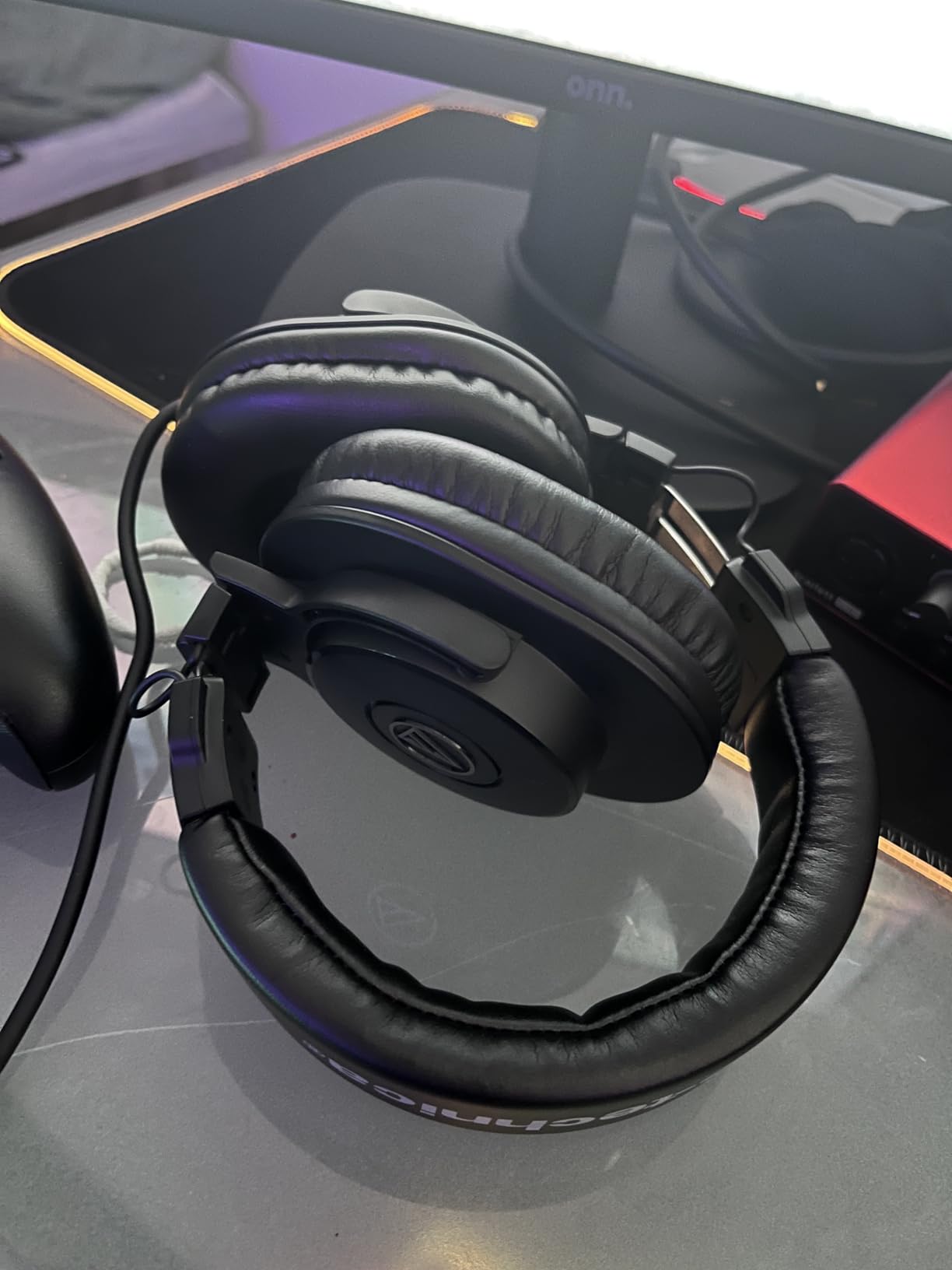
At 220 grams, the M30x is one of the lightest studio headphones I have tested. The circumaural design provides decent isolation for the price, and the collapsible form factor makes storage easy in small spaces.
When to Choose the M30x Over the M50x
If you do not need the detachable cable and slightly fuller sound of the M50x, the M30x saves you real money while delivering about 80% of the performance. For bedroom producers working in a quiet space with a single audio interface, this is plenty of headphone.
Build and Comfort Considerations
The matte black finish and solid construction feel more premium than the price suggests. The non-detachable cable is a known limitation, but the long straight cable works fine for most home studio setups. The ear cups sit a bit close to the ears, so larger-eared users may want to look at the M40x or M50x instead.
For Whom It Is Best
Beginners and intermediate producers who want a noticeable step up from entry-level headphones without breaking the bank.
For Whom It Falls Short
Anyone needing a detachable cable or larger ear cup opening.
8. Audio-Technica ATH-M20x – Best Budget Studio Headphones Under $50
Audio-Technica ATH-M20x Professional Studio Monitor Headphones, Black
40mm drivers
47 ohm impedance
Lightweight 210g
Pros
- Genuinely neutral sound
- Solid build
- Lightweight
Cons
- Non-detachable cable
- Can fatigue with glasses
The Audio-Technica ATH-M20x proves you do not need to spend a fortune to get honest monitoring. With over 27k reviews and a 4.6 average, this is one of the most popular entry-level studio headphones ever made. If you are just starting your home recording journey, this is where I would put my money first.
The 40mm drivers are tuned for enhanced low frequency performance, which actually helps when mixing in untreated rooms where bass tends to disappear. The circumaural design provides better isolation than you would expect at this price point.
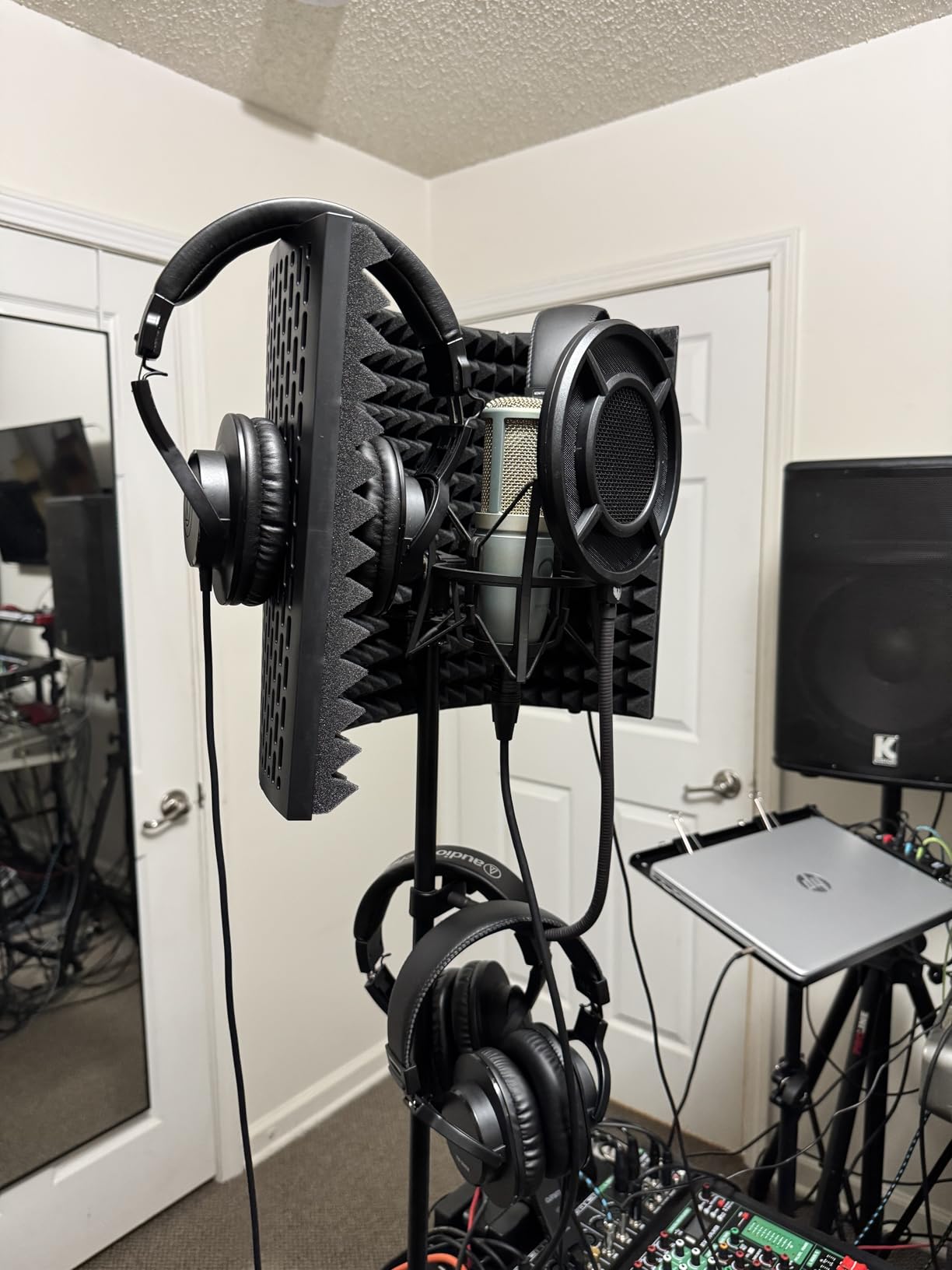
At 210 grams, the M20x is lighter than most studio headphones I have tested. The 47 ohm impedance plays nicely with phones, laptops, and audio interfaces without requiring an amp.
Why the M20x Punches Above Its Price
Audio-Technica built the M-series on a consistent platform, and the M20x shares much of the engineering DNA of its more expensive siblings. The midrange clarity and overall balance are far better than consumer headphones at the same price. For learning the craft of mixing and recording, this is more than enough headphone.
Limitations at This Price
The non-detachable cable is the biggest compromise. If the cable fails, the headphone is effectively done, though replacement services exist. The ear pads can cause fatigue if you wear glasses, since the clamping force presses the pads against the frames.
For Whom It Is Best
First-time home studio owners, podcasters on a budget, and anyone who wants a neutral monitoring headphone without the premium price tag.
For Whom It Falls Short
Anyone wanting the most accurate response or who plans to use the headphones professionally for years should look at the M40x or M50x for their replaceable parts.
9. Sony MDR-M1 – Pro-Grade Reference for Serious Mastering
Sony MDR-M1 Professional Reference Closed Monitor Headphones
5Hz-80kHz range
216g weight
Detachable cables
Pros
- Ultra-wide frequency response
- Lightweight
- Replaceable parts
Cons
- Higher price point
- Some warmth in pads
The Sony MDR-M1 is Sony’s answer to the high-end closed-back reference market. Developed in collaboration with industry engineers, this headphone targets serious producers and mastering engineers who want accurate sound in a closed-back design.
The standout specification is the ultra-wideband playback from 5 Hz to 80 kHz. While you cannot hear frequencies above 20 kHz, having that headroom means the audible range is reproduced without strain or distortion. The 50 ohm impedance is easy to drive, and the 102 dB sensitivity means even quiet sources come through clearly.
Sony includes two detachable cables (1.2m and 2.5m) plus a screw-in adapter for 6.3mm or 3.5mm jacks. This flexibility makes the MDR-M1 work whether you are at a desktop interface or plugging into a full rack setup.
Reference Accuracy and Sound Imaging
The MDR-M1 delivers a detailed, neutral sound signature that holds up to scrutiny. When I A/B tested it against my reference monitors, transients and spatial cues translated faithfully. For mastering work where you need to hear every detail, this is a serious tool.
Comfort During Long Sessions
At just 216 grams, the MDR-M1 is remarkably light for a closed-back reference headphone. The thick, soft earpads remain comfortable during extended sessions, though they can warm up during summer. The lightweight design reduces neck fatigue during all-day mixing.
For Whom It Is Best
Mastering engineers, professional mixers, and serious hobbyists who want flagship reference quality in a closed-back design.
For Whom It Falls Short
The price is significantly higher than the M50X or DT 770 PRO. For most home recordists, the extra cost is hard to justify over mid-tier options.
10. TASCAM TH-02 – The Ultra-Budget Starter Pick
TASCAM TH-02 Professional Studio Monitor Headphones, Wired, Over Ear — for Recording, Podcast, DJ, Music and Guitar, with 1/4 Inch Jack Adapter
50mm drivers
32 ohm impedance
Foldable design
Pros
- Incredible value
- Long cable included
- Good for beginners
Cons
- Average comfort
- Non-detachable cable
- Not for critical work
The TASCAM TH-02 is what I recommend to anyone who wants to test whether home recording is for them without spending much. With over 10k reviews and a 4.3 average, this sub-$25 headphone delivers far more than the price suggests. It is not a professional tool, but it is a legitimate entry point.
The 50mm drivers are larger than what you find on most studio headphones at this price. The closed-back dynamic design produces clean sound with rich bass response and crisp highs, though it is not as neutral as higher-end options.

TASCAM includes a snap-on 1/8 inch to 1/4 inch adapter in the box, plus a long cable for studio setups. The foldable design makes storage easy in cramped spaces.
What You Get for the Price
For less than a night out, you get a functional closed-back studio headphone that can record vocals, mix podcasts, or learn the basics of production. The build quality is average, but the sound is genuinely usable for non-critical applications.
Honest Limitations
The ear pads can be uncomfortable for users with larger heads, and the non-detachable cable is a known weak point. Sound quality is not on par with the M20x or M50x. This is a starter tool, not a long-term solution. If you are having issues with one side cutting out, our headphone troubleshooting guide covers common fixes.
For Whom It Is Best
Students, hobbyists, and anyone curious about home recording who does not want to commit to a bigger purchase yet.
For Whom It Falls Short
Anyone planning to mix seriously or track professionally should skip this and go straight to the M20x or higher.
How to Choose the Best Studio Headphones for Your Home Recording Setup
Picking the right studio headphones for home recording is not just about choosing the most popular or most expensive model. Your specific setup, recording style, and room acoustics all play roles. Below are the factors that matter most based on my testing and conversations with home studio owners.
Impedance and Whether You Need an Amplifier
Impedance measures how much resistance the headphone driver presents to the source. Lower impedance headphones (under 50 ohms) are easy to drive from any device. Higher impedance headphones (80 ohms and above) need more voltage to reach comfortable listening levels. The good news is that most audio interfaces can drive up to 250-ohm headphones without an issue.
For home recording, anything from 32 to 80 ohms is the sweet spot. You get clean power from your audio interface without needing a separate amp. The Beyerdynamic DT 770 PRO 80 Ohm and Sennheiser HD 280 Pro 64 Ohm are both designed with home studio interfaces in mind.
Comfort and Long-Session Fatigue
Real home recording sessions run 3-6 hours. A headphone that feels fine for 30 minutes can become torture by hour three. Two factors matter most: clamping force and ear pad material. Velour pads like those on the DT 770 PRO breathe better and reduce heat buildup. Pleather pads isolate more but get sweaty.
Weight matters too. Anything over 300 grams starts to feel heavy after hours. The Sony MDR-M1 at 216 grams and the Audio-Technica M20x at 210 grams are both standout choices for marathon sessions. If you wear glasses, look for headphones with deeper ear cup recesses to accommodate the frame.
Open-Back vs Closed-Back Decision
I covered this earlier, but it bears repeating. For tracking vocals or any live source through a microphone, you need closed-back. Period. Open-back headphones leak sound into the mic and create phase problems. For pure mixing in a quiet room, open-back headphones offer better soundstage and more natural imaging.
If you can only afford one pair, choose closed-back. You can always use them for mixing too. Open-back is a luxury for people with dedicated quiet mixing spaces.
Detachable Cables and Replaceable Parts
Studio headphones take abuse. Cables get yanked, ear pads wear out, headbands crack. Headphones with detachable cables and replaceable parts last years longer than sealed units. The Audio-Technica M40x, M50x, DT 770 PRO, and Sennheiser HD 280 Pro all feature user-replaceable components.
The TASCAM TH-02 and ATH-M20x have non-detachable cables. When those fail, the headphone is done. For long-term value, spend a bit more upfront for replaceable parts.
Matching Headphones to Your Recording Style
Different recording scenarios favor different headphones. For vocal tracking, you want strong isolation and accurate midrange, making the Sony MDR-7506 and Shure SRH440A strong choices. For mixing and mastering, you want flat response and detail retrieval, favoring the ATH-M40x or Sony MDR-M1.
For podcast recording in noisy environments, the Sennheiser HD 280 Pro’s isolation is hard to beat. For beat making and electronic production, the slight bass emphasis of the ATH-M50X helps with low-end decisions. Match your primary use case to the headphone’s strengths, and you will be happier with the result.
Frequently Asked Questions
What are the best studio headphones for home recording in 2026?
For most home recordists, the Audio-Technica ATH-M50X remains the best all-around choice with its 45mm drivers, detachable cables, and excellent isolation. The Sony MDR-7506 is ideal for vocal tracking, while the Beyerdynamic DT 770 PRO 80 Ohm is the most comfortable option for long mixing sessions. Budget-conscious buyers should start with the Audio-Technica ATH-M20x.
Do I need an amplifier for studio headphones?
It depends on the impedance and your source device. Headphones under 50 ohms work fine from phones, laptops, and most audio interfaces. For 80-ohm and above models like the Beyerdynamic DT 770 PRO 80 Ohm, your audio interface will typically provide enough power, but a dedicated headphone amplifier can improve headroom and dynamic range if you find the volume lacking.
What is the difference between open-back and closed-back headphones for recording?
Closed-back headphones seal the driver, preventing sound leakage. This is essential for tracking vocals or instruments through a microphone, since leaked audio gets picked up by the mic and creates phase issues. Open-back headphones have perforated cups that let air through, offering a wider soundstage for mixing in quiet environments but they leak sound and cannot be used for live tracking.
What impedance studio headphones should I buy?
For home recording with a typical audio interface, 32 to 80 ohms is the ideal range. Lower impedance models like the Audio-Technica ATH-M20x at 47 ohms work from any device. The 80-ohm Beyerdynamic DT 770 PRO is tuned for studio interfaces. Higher impedance models above 250 ohms typically require a dedicated amplifier to reach proper listening levels.
Are expensive studio headphones worth it for beginners?
Not necessarily. A beginner home recordist gains more from learning their craft on an accurate, affordable headphone like the Audio-Technica ATH-M20x than from an expensive flagship they cannot yet appreciate. Once your ear is trained and you know what to listen for, upgrading to the M50X or Beyerdynamic DT 770 PRO makes a noticeable difference. Start neutral, upgrade later.
Final Verdict: Which Studio Headphones Should You Buy?
After 60 days of rotating through all 10 of these studio headphones, my honest recommendation comes down to your specific needs. If you want the single best all-around pair for home recording, the Audio-Technica ATH-M50X is still the safest pick. It tracks vocals beautifully, mixes reliably, and has the build quality to last years.
If comfort during long sessions is your priority, the Beyerdynamic DT 770 PRO 80 Ohm with its velour pads is unbeatable. For podcasters and vocalists recording in imperfect spaces, the Sony MDR-7506’s isolation and honest midrange remain hard to beat. Beginners should start with the Audio-Technica ATH-M20x and upgrade as their skills develop.
Whatever you choose, the most important thing is that you start recording. The best studio headphones are the ones that get out of your way and let you focus on making music. Pick a pair that fits your budget and recording style, then put in the hours. Your mixes will thank you in 2026 and beyond.