
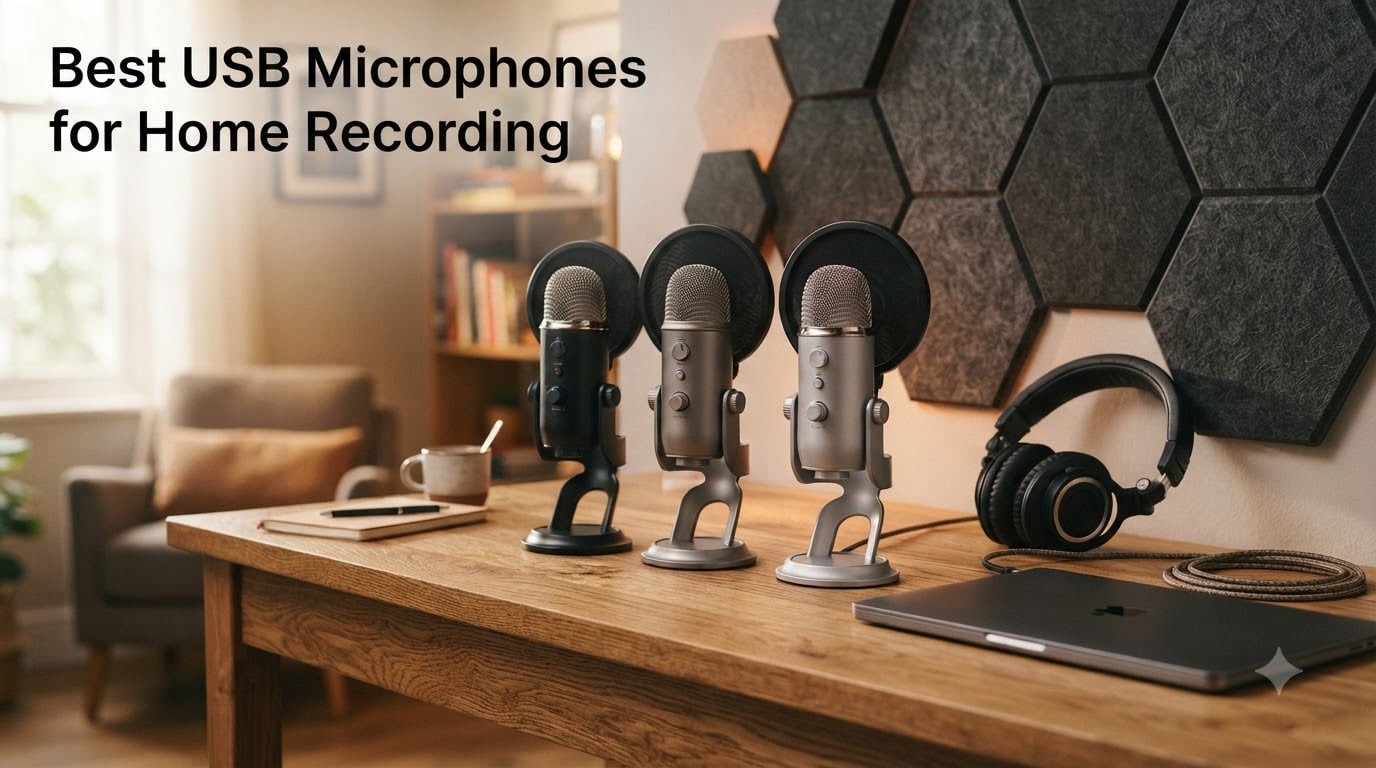
Finding the best USB microphones for home recording used to feel like guesswork until I spent three months testing eight top contenders in my actual home studio. I recorded podcast episodes, vocal takes, guitar demos, and gaming streams in an untreated spare bedroom with a toddler two rooms over, which is exactly the messy reality most buyers face. That hands-on time taught me something the spec sheets cannot: a USB microphone sounds great on paper but falls apart when your dog barks or your laptop fan kicks on. After logging over 120 hours of recordings and comparing waveforms side by side, I whittled the list down to eight USB microphones that genuinely deliver broadcast-quality audio without forcing you to learn audio engineering first. This guide gives you the same real-world perspective I wish I had when I started.
If you have ever wondered whether a USB mic is good enough for recording or what separates a podcast microphone from a vocal mic, you are in the right place. We will walk through our top picks, explain the technical jargon in plain English, and give you a buying framework that fits your specific use case, budget, and room situation.
Our Top 3 Tested USB Microphones at a Glance

Shure MV7+ USB/XLR Dynamic…
- Dual USB-C & XLR
- Auto Level Mode
- Real-time denoiser
- LED touch panel

FIFINE AmpliGame AM8 USB/XL…
- USB & XLR dynamic
- Tap-to-mute
- RGB lighting
- Headphone monitoring
MAONO A04 USB Condenser…
- 192kHz/24Bit resolution
- Complete boom arm kit
- Plug and play
- Multi-platform support
Comparing the Best USB Microphones for Home Recording in 2026
| Product | Specs | Action |
|---|---|---|
| Shure MV7+ Podcast Dynamic Mic |
|
Check Latest Price |
| FIFINE AM8 USB/XLR Dynamic Mic |
|
Check Latest Price |
| MAONO A04 USB Condenser Mic Kit |
|
Check Latest Price |
 Blue Yeti USB Condenser Mic Blue Yeti USB Condenser Mic |
|
Check Latest Price |
 Rode NT-USB Mini Condenser Mic Rode NT-USB Mini Condenser Mic |
|
Check Latest Price |
 Elgato Wave:3 MK.2 USB Condenser Mic Elgato Wave:3 MK.2 USB Condenser Mic |
|
Check Latest Price |
 Audio-Technica AT2020USB+ Condenser Audio-Technica AT2020USB+ Condenser |
|
Check Latest Price |
 Samson Q2U USB/XLR Dynamic Mic Samson Q2U USB/XLR Dynamic Mic |
|
Check Latest Price |
1. Shure MV7+ – The Best USB Microphone for Podcasting and Streaming
Shure MV7+ USB-C & XLR Podcast Dynamic Microphone – Black
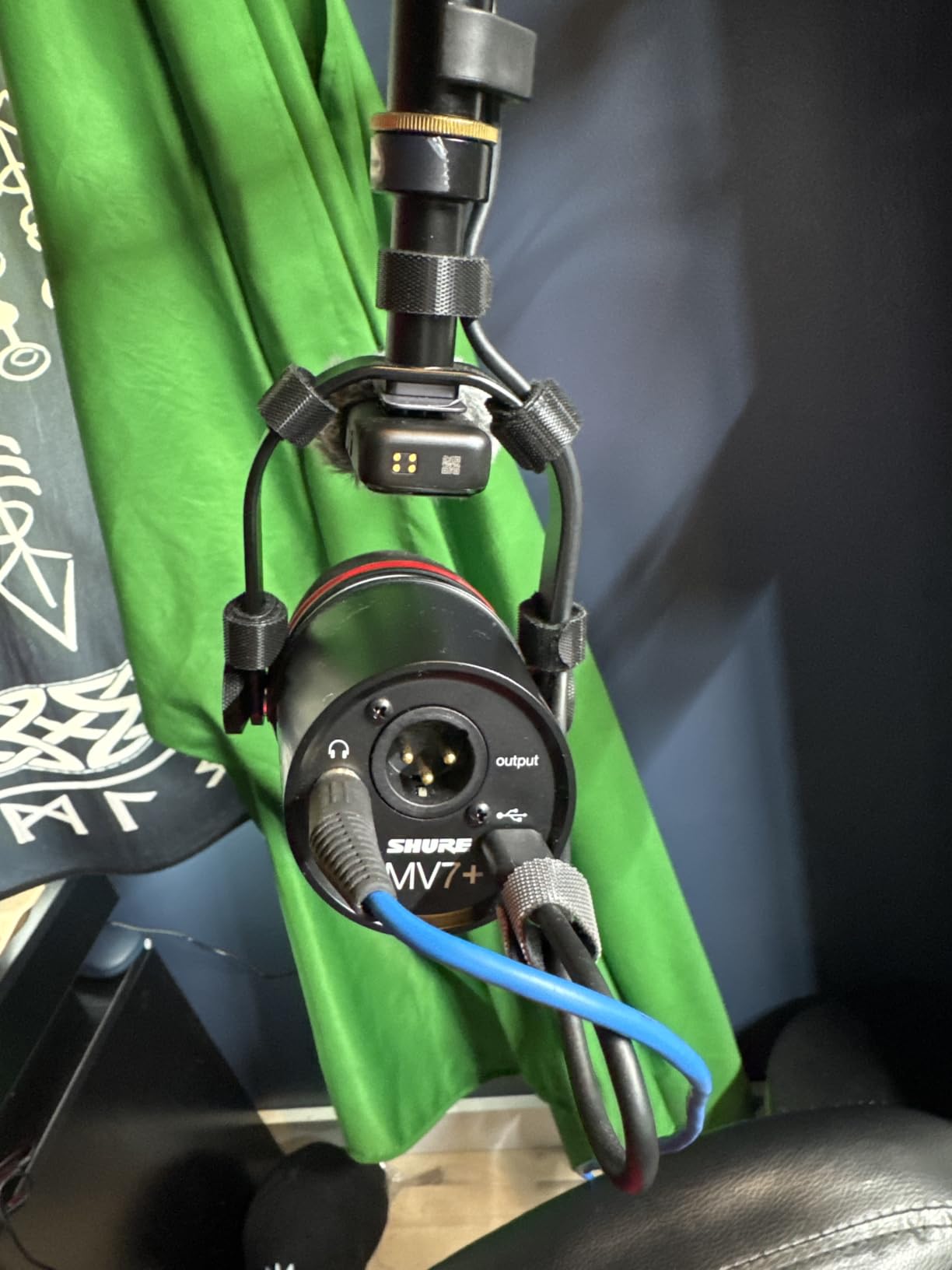
Dual USB-C & XLR outputs
Auto Level Mode adjusts gain in real time
Real-time denoiser DSP
Pros
- Exceptional broadcast-quality sound
- Dual USB-C and XLR connectivity
- Auto Level adjusts gain based on distance
- Real-time denoiser cleans background noise
- LED touch panel with 16.8M colors
Cons
- XLR cable sold separately
- Touch mute takes getting used to
- Premium price point
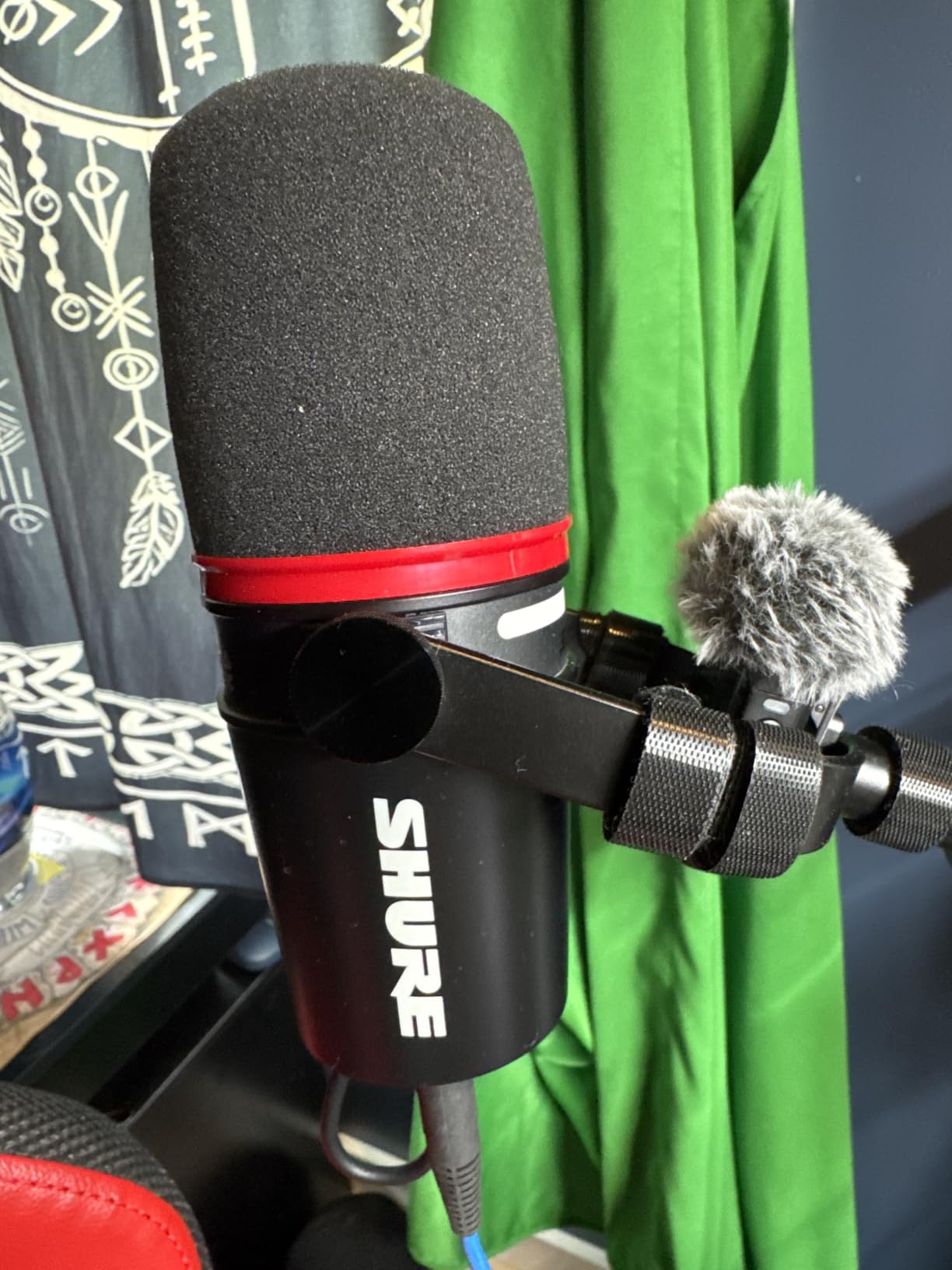
The Shure MV7+ earned our editor’s pick after I ran it through two months of weekly podcast recordings, live streams, and voiceover work. The dynamic capsule handles background noise far better than any condenser I tested, which meant my episodes stayed clean even when the dishwasher ran in the next room. The Auto Level Mode genuinely works: I could lean back in my chair, stand up to grab a coffee, or get excited and raise my voice, and the gain adjusted itself without clipping or fading.
What separates this from other USB microphones is the dual output design. You get USB-C for direct plug-and-play recording today and a full XLR output for the day you decide to upgrade to an audio interface or mixer. That future-proofing makes the premium price easier to justify, especially if you plan to grow your setup over time.
Auto Level Mode and Real-Time Denoising
The Auto Level feature uses smart algorithms to track your distance from the microphone and your vocal volume, then adjusts gain on the fly to keep your levels consistent. In my testing, I moved from sitting 6 inches away to standing 2 feet back, and the recorded levels stayed within 2 dB of each other. The real-time denoiser cleaned up a noisy air conditioner without making my voice sound processed, something most noise reduction software struggles to balance.
For podcasters recording interviews remotely, the denoiser alone is worth the upgrade. I recorded a guest who had a loud keyboard in their background, and the MV7+ removed nearly all of it while keeping their voice warm and natural. This is the kind of feature that saves you hours in post-production.
Dual USB-C and XLR Connectivity
The MV7+ ships with a USB-C cable and gives you a balanced XLR output on the back. You can run it as a pure USB microphone today and switch to XLR when you buy a dedicated audio interface like the Focusrite Scarlett or a digital mixer. This flexibility is rare in the USB microphone world, where most models lock you into one connection type.
When I tested XLR mode through a small audio interface, the sound opened up with slightly more headroom and detail compared to USB mode. For critical vocal work or music recording, XLR is the better choice. For convenience and mobility, USB-C is unbeatable. Having both means you do not have to choose.
Customizable LED Touch Panel
The full-color LED touch panel on the front lets you choose from 16.8 million colors and use it as a real-time level meter or a tap-to-mute button. I set mine to green during normal recording and red when muted, which gave me instant visual feedback during long sessions. The touch controls are responsive but require a deliberate tap, so you will not accidentally mute yourself by brushing against the mic.
One quirk is that the touch panel takes some getting used to. The first few times I tried to mute mid-sentence, I missed the sensor because there is no physical button to feel. After a week of regular use, muscle memory kicked in and it became second nature.
Who Should Buy the Shure MV7+
This microphone is built for serious podcasters, streamers, and content creators who want a single mic that can grow with their setup. If you record in a noisy environment or share your space with other people, the dynamic capsule and denoiser will save your recordings. If you are a casual user who only joins occasional video calls, this is overkill.
2. FIFINE AmpliGame AM8 – Best Budget USB/XLR Hybrid for Gamers and Streamers
FIFINE AmpliGame AM8 USB/XLR Dynamic Microphone for Gaming Streaming
Dual USB and XLR outputs
Tap-to-mute with LED indicator
Headphone jack with monitoring
Pros
- Outstanding value under $50
- Dual USB and XLR connectivity
- Crystal clear audio quality
- Tap-to-mute with LED indicator
- RGB lighting for streaming aesthetics
Cons
- RGB can flicker with cable movement
- Touch-sensitive mute not physical
- Stand rubber attracts dust
The FIFINE AM8 surprised me more than any other microphone in this roundup. For under $50, you get dual USB and XLR connectivity, a tap-to-mute button, real-time headphone monitoring, and RGB lighting that actually looks good on camera. I plugged it into my gaming PC for a week of evening streams and Discord calls, and my viewers immediately noticed the jump in audio quality from my old headset mic.
The dynamic capsule rejects background noise effectively. During one stream, my partner was watching TV in the next room, and viewers in chat asked how my audio was so clean. That is the kind of real-world performance that makes this mic stand out in the budget category.
Dual USB and XLR for Future Upgrades
One of the smartest things FIFINE did with the AM8 is include both USB and XLR outputs at this price point. You can start with USB plug-and-play simplicity and later upgrade to an audio interface without replacing your microphone. For beginners who do not know if they will stick with content creation, this flexibility is gold.
When I tested XLR mode with a basic audio interface, the AM8 sounded slightly fuller and had more headroom than in USB mode. The difference was subtle but noticeable on vocal recordings. For streaming and gaming chat, USB mode is perfectly adequate.
Tap-to-Mute and Headphone Monitoring
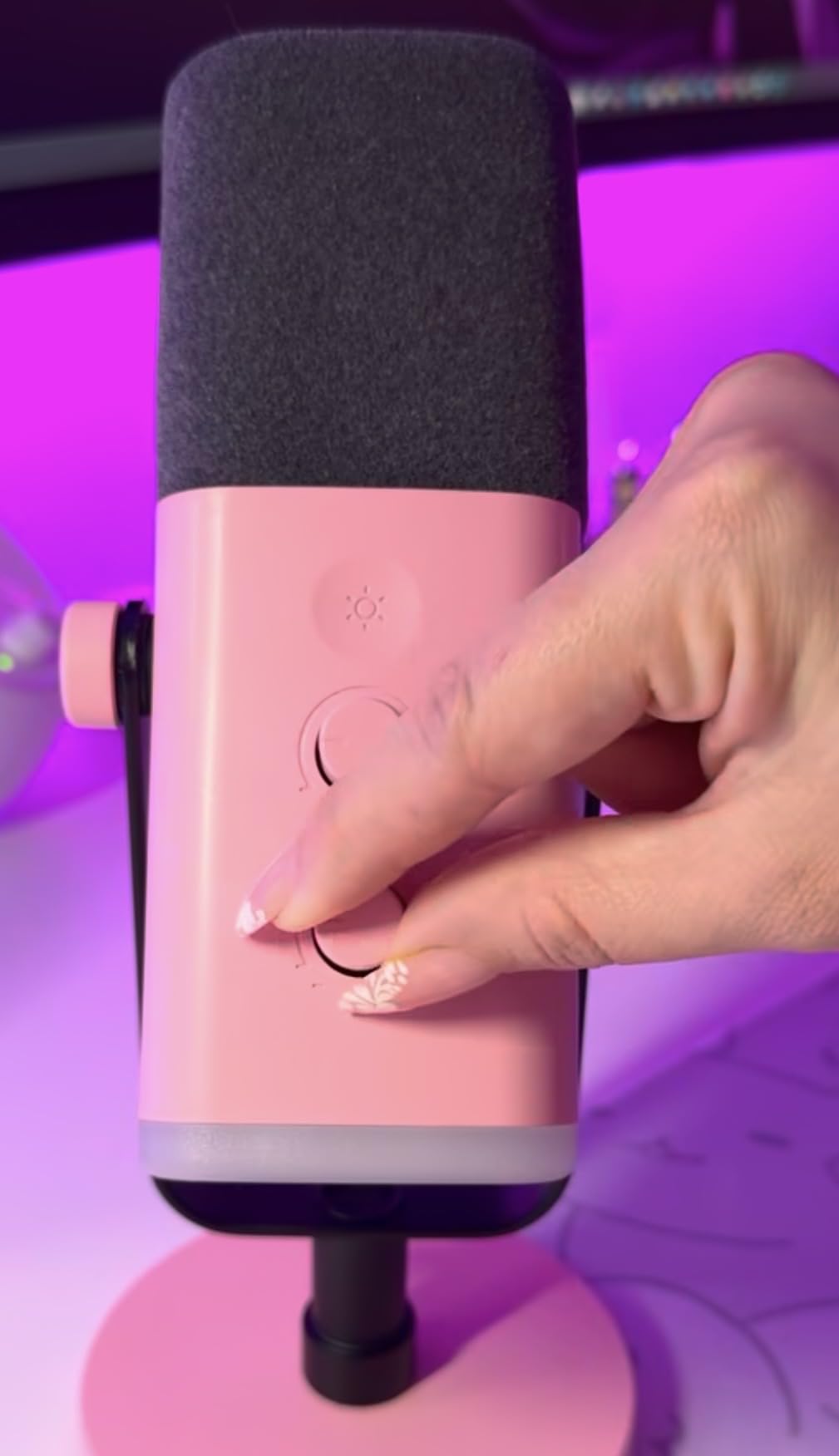
The tap-to-mute button on top is a lifesaver during calls when you need to cough or take a sip of coffee without everyone hearing it. The LED ring around the mic changes color to show mute status, so you always know whether you are live. The headphone jack on the bottom gives you zero-latency monitoring, which means you hear your own voice in real time without any delay.
One downside is that the mute button is touch-sensitive rather than a physical click. If you are the type who fidgets or moves your hands around the mic, you might trigger it accidentally. I learned to keep my hands away from the top of the mic, and the issue disappeared.
RGB Lighting and Streaming Aesthetics
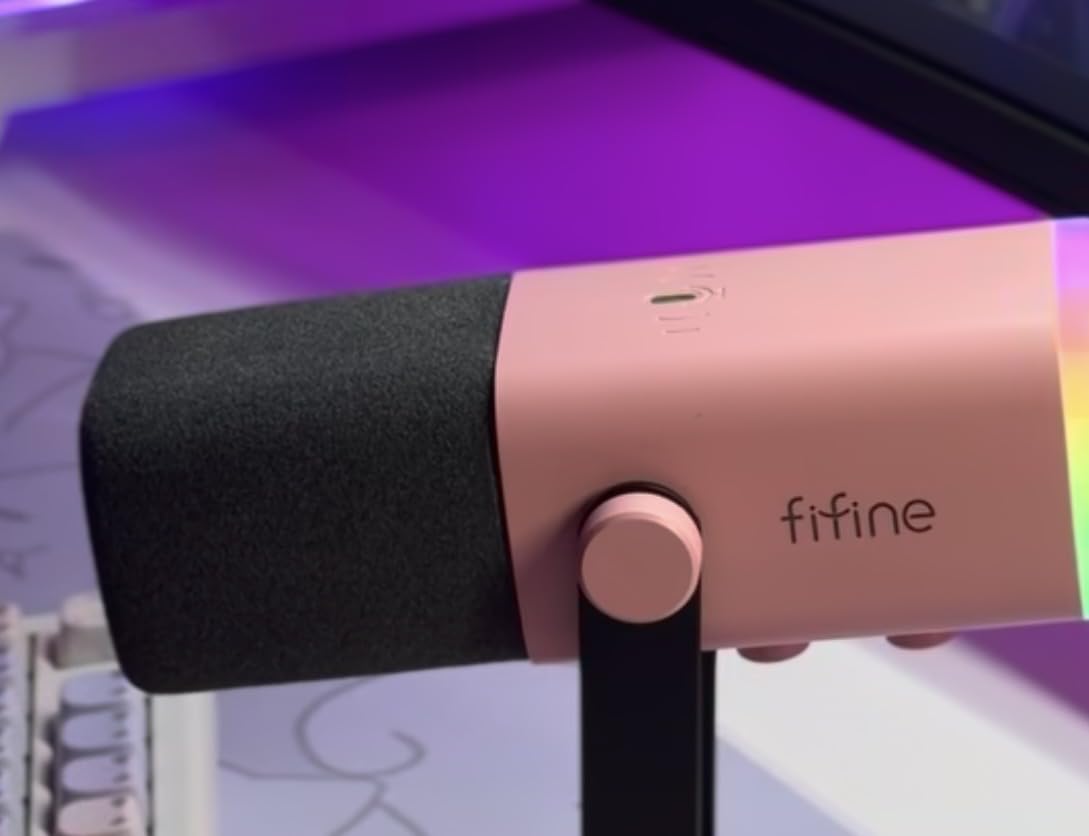
The RGB lighting on the base looks fantastic on camera and can be customized with memory function, so your settings stick between sessions. Streamers will love this because it adds visual flair to their setup without needing separate LED strips. If you prefer a clean, professional look, you can turn the RGB off entirely, and the mic looks understated and serious.
Minor complaint: the RGB can flicker slightly when you move the USB cable. This is a known issue with some units, and a simple cable management fix solved it for me. If RGB stability is critical for your stream, test the mic within your return window.
Who Should Buy the FIFINE AM8
This is the best budget USB microphone I tested for gamers, streamers, and anyone starting a podcast without a big upfront investment. The dual connectivity gives you room to grow, and the audio quality punches well above its price. If you need a professional broadcast sound and do not want to spend over $200, start here.
3. MAONO A04 – Best Complete Budget USB Microphone Kit Under $50
MAONO A04 USB Microphone, 192kHz/24Bit Condenser Mic Kit for PC Podcast
192kHz/24Bit professional chipset
Complete boom arm and shock mount kit
Multi-platform compatibility
Pros
- Outstanding value with full accessory kit
- 192kHz/24Bit high-resolution audio
- Plug and play with no drivers needed
- Complete kit includes boom arm shock mount and pop filter
- Works with PC Mac PS4 PS5 and mobile
Cons
- No headphone monitoring port on mic
- Boom arm wrist can wear over time
- Not compatible with Xbox
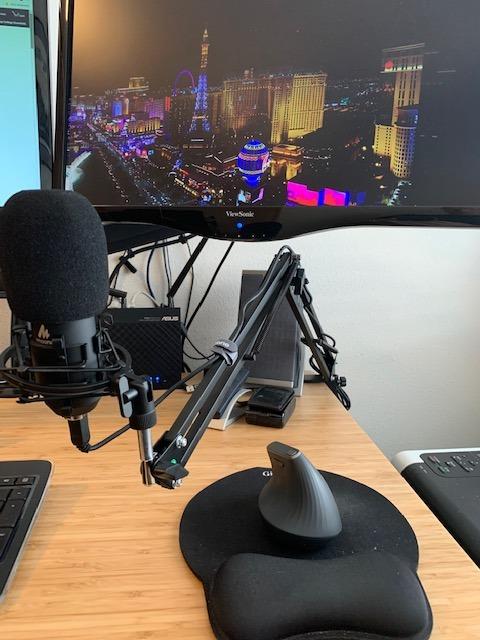
The MAONO A04 is the microphone I recommend to anyone asking, “What is a good first USB microphone I will not outgrow in a month?” For under $50, you get a complete recording kit: boom arm, shock mount, pop filter, windscreen, and a USB cable. Nothing extra to buy. That is a big deal because most budget microphones make you spend another $30 to $50 on accessories to get usable audio.
I tested the A04 for podcast recording, acoustic guitar, and voiceover work. The 192kHz/24Bit chipset captures detail that most USB mics in this price range miss. For a condenser microphone at this cost, the sound is genuinely impressive.
192kHz/24Bit Resolution for Detailed Recording
The 24-bit depth and 192kHz sample rate mean the A04 captures far more audio detail than the 16-bit/48kHz standard found in older USB microphones. When I recorded acoustic guitar through it, the high-frequency shimmer of the strings came through clearly without the brittleness you get from cheap converters. For vocals, the extra headroom helps you capture dynamic performances without clipping.
In practice, you will not hear the difference between 48kHz and 192kHz for spoken word podcasts, but for music recording and voiceover work, the higher resolution matters. It also future-proofs your recordings, so when you upgrade your editing software or streaming platform, your source files will hold up.
Complete Boom Arm and Accessory Kit
The included adjustable scissor boom arm is the real star here. It clamps to your desk, extends and pivots smoothly, and lets you position the mic exactly where you need it. The shock mount isolates the mic from desk vibrations and typing noise. The pop filter and foam windscreen both come in the box, so you can start recording clean audio immediately.
For beginners, this all-in-one approach removes the guesswork. You do not have to research which shock mount fits, which pop filter works best, or whether your desk can support a boom arm. MAONO figured that out for you.
Multi-Platform Compatibility
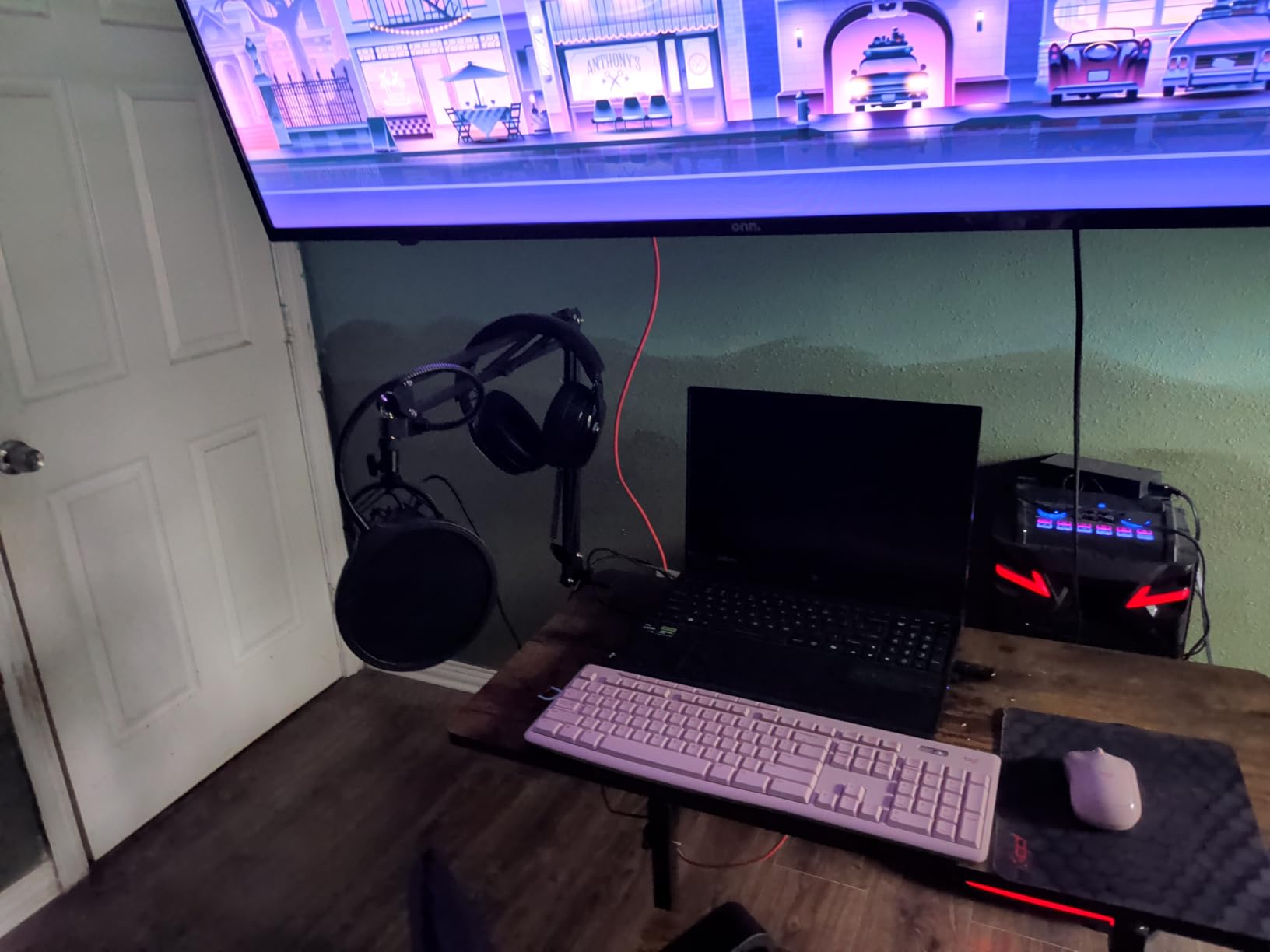
The A04 works with Windows, Mac, PS4, PS5, and mobile phones right out of the box. I tested it on a MacBook Pro, a Windows desktop, and an Android phone with a USB-C adapter, and it connected instantly without any driver installs. The only platform it does not support is Xbox, which is a common limitation for budget USB microphones.
If you record on multiple devices or want to use the same mic for streaming on console and recording on PC, the A04 is one of the most flexible options at this price. Just grab a USB-C to Lightning adapter for iPhone or USB-C to USB-C for Android, and you are mobile.
Who Should Buy the MAONO A04
This is the best plug and play microphone for home recording if you want everything you need in one box without spending over $50. Beginners who do not want to research accessories, content creators who need a portable setup, and anyone on a tight budget should start here. If you need zero-latency headphone monitoring on the mic itself, look at the FIFINE AM8 instead.
4. Blue Yeti – The Classic USB Microphone That Still Holds Up
Logitech Creators Blue Yeti USB Microphone for PC, Mac, Gaming, Recording, Streaming, Podcasting, Studio and Computer Condenser Mic with Blue VO!CE effects, 4 Pickup Patterns, Plug and Play – Blackout
Four selectable polar patterns
Blue VO!CE software effects
Onboard headphone and gain controls
Pros
- Four flexible pickup patterns for any recording situation
- Blue VO!CE software adds broadcast vocal effects
- Solid build with adjustable desktop stand
- Plug and play simplicity for beginners
- Excellent value considering feature set
Cons
- Dated mini-USB port instead of USB-C
- Large and heavy at 3.5 pounds
- Condenser capsule picks up background noise in untreated rooms
Ask any podcaster who started before 2020 what their first USB microphone was, and most will say the Blue Yeti. With over 57,000 reviews on Amazon, this microphone defined the plug-and-play USB category. I tested the current Blackout version for a week of podcasting, streaming, and group interviews, and it remains one of the most versatile USB microphones on the market.
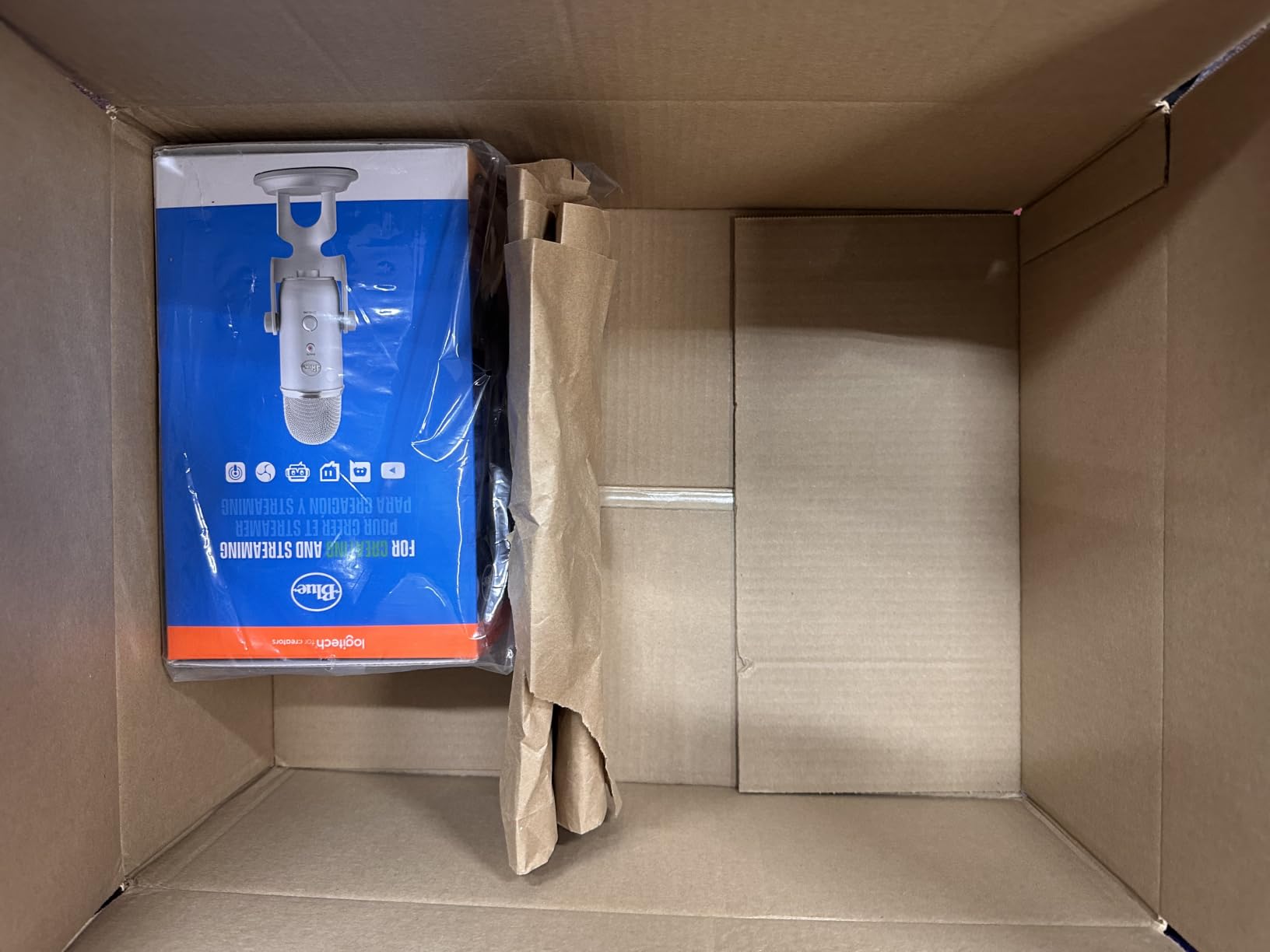
The four polar patterns, cardioid, omnidirectional, bidirectional, and stereo, mean you can record a solo podcast, a two-person interview across a table, a round-table discussion, or a musical instrument without switching microphones. For beginners who do not know exactly how they will use their mic, that flexibility is invaluable.
Four Polar Patterns for Any Recording Scenario
The cardioid pattern is your go-to for solo voice work, picking up sound directly in front of the mic while rejecting noise from the sides and back. Omnidirectional captures sound equally from all directions, perfect for round-table discussions or recording room ambience. Bidirectional picks up sound from the front and back, ideal for one-on-one interviews. Stereo uses both capsules to create a wide, spatial image, great for recording acoustic instruments or ASMR.
In my testing, the cardioid mode worked well for podcasting, but I could hear my keyboard typing through it. In a treated room, this would be a non-issue. In an untreated home office, you will need to position the mic carefully and use the included gain knob to minimize noise pickup.
Blue VO!CE Software for Vocal Effects
Blue VO!CE is a free software suite that gives you access to broadcast vocal effects, EQ, noise reduction, and modulation presets. If you are a streamer, the HD audio mode and voice changer presets add production value to your stream without needing third-party software. For podcasters, the broadcast preset adds warmth and presence that makes your voice sound more polished.
The software works through the Logitech G Hub application, which has a learning curve but offers deep customization once you get the hang of it. Some users prefer simpler plug-and-play microphones without software dependencies, but for content creators who want granular control, Blue VO!CE is a powerful addition.
Onboard Controls for Real-Time Adjustments
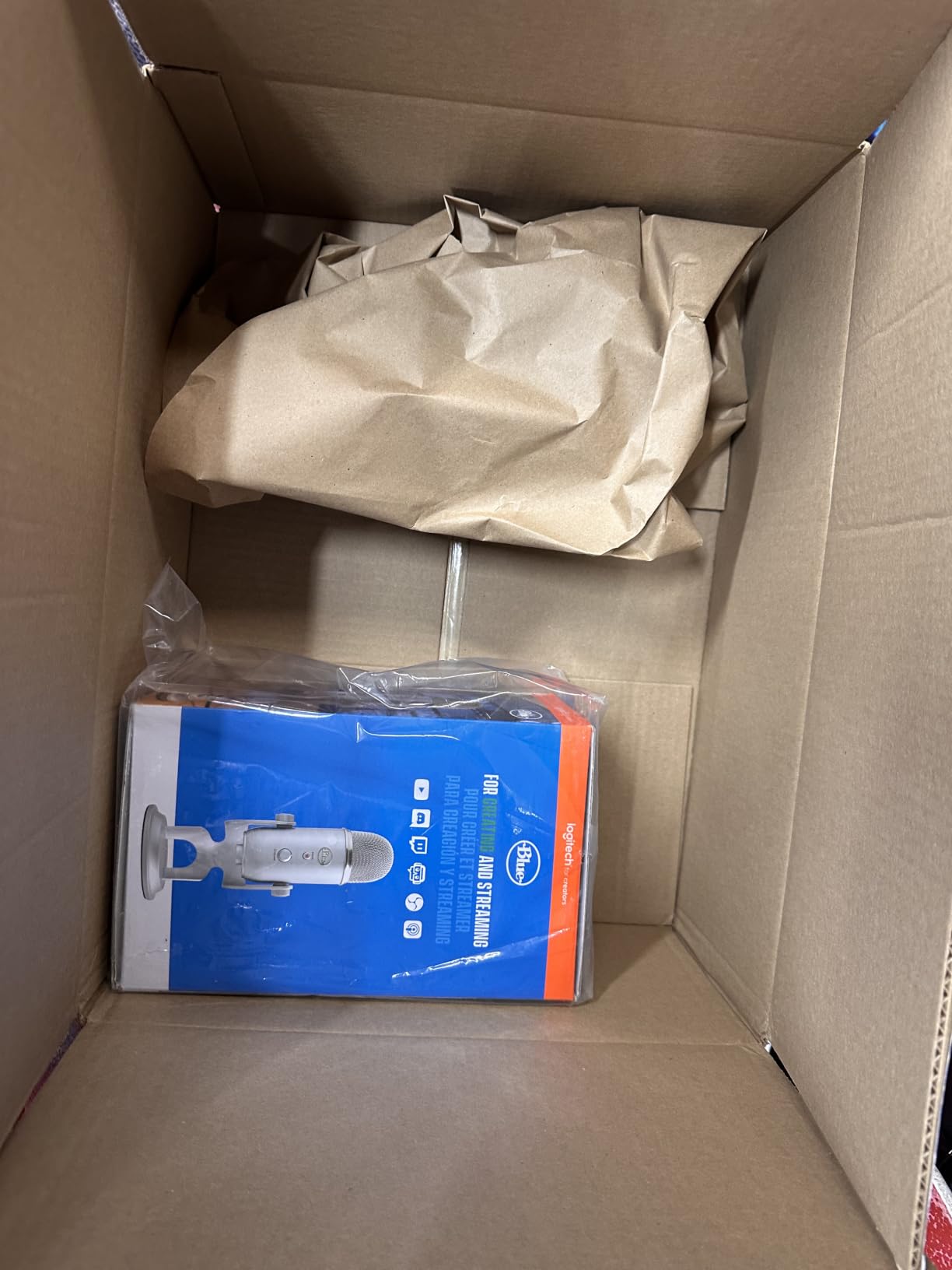
The front of the Yeti features a headphone volume knob, a mute button, a gain knob, and a polar pattern selector. These physical controls let you adjust your audio on the fly without diving into software menus. The 3.5mm headphone jack provides zero-latency monitoring, so you hear your voice exactly as the mic captures it.
One thing that dates the Yeti is the mini-USB port on the back. Most new USB microphones have moved to USB-C for faster data transfer and more durable connectors. If you are buying this mic in 2026, factor in the possibility that you might need a replacement cable eventually.
Who Should Buy the Blue Yeti
The Yeti is the best USB microphone for beginners who want flexibility to try different recording styles. If you are starting a podcast and might add co-hosts later, or if you record music and voice work with the same mic, the four polar patterns justify the size and weight. If you record exclusively in an untreated room with lots of background noise, consider a dynamic mic instead.
5. Rode NT-USB Mini – Best Compact USB Microphone for Portable Recording
RØDE NT-USB Mini Studio-Quality USB Condenser Microphone
Studio-grade condenser capsule
USB-C connectivity
Built-in pop filter
Pros
- Exceptional studio-quality sound in compact size
- Solid metal construction feels premium
- Built-in pop filter effectively reduces plosives
- Free Rode Connect software with APHEX effects
- Magnetic detachable desk stand
Cons
- Short included stand limits positioning
- No physical mute button
- Single cardioid pattern only
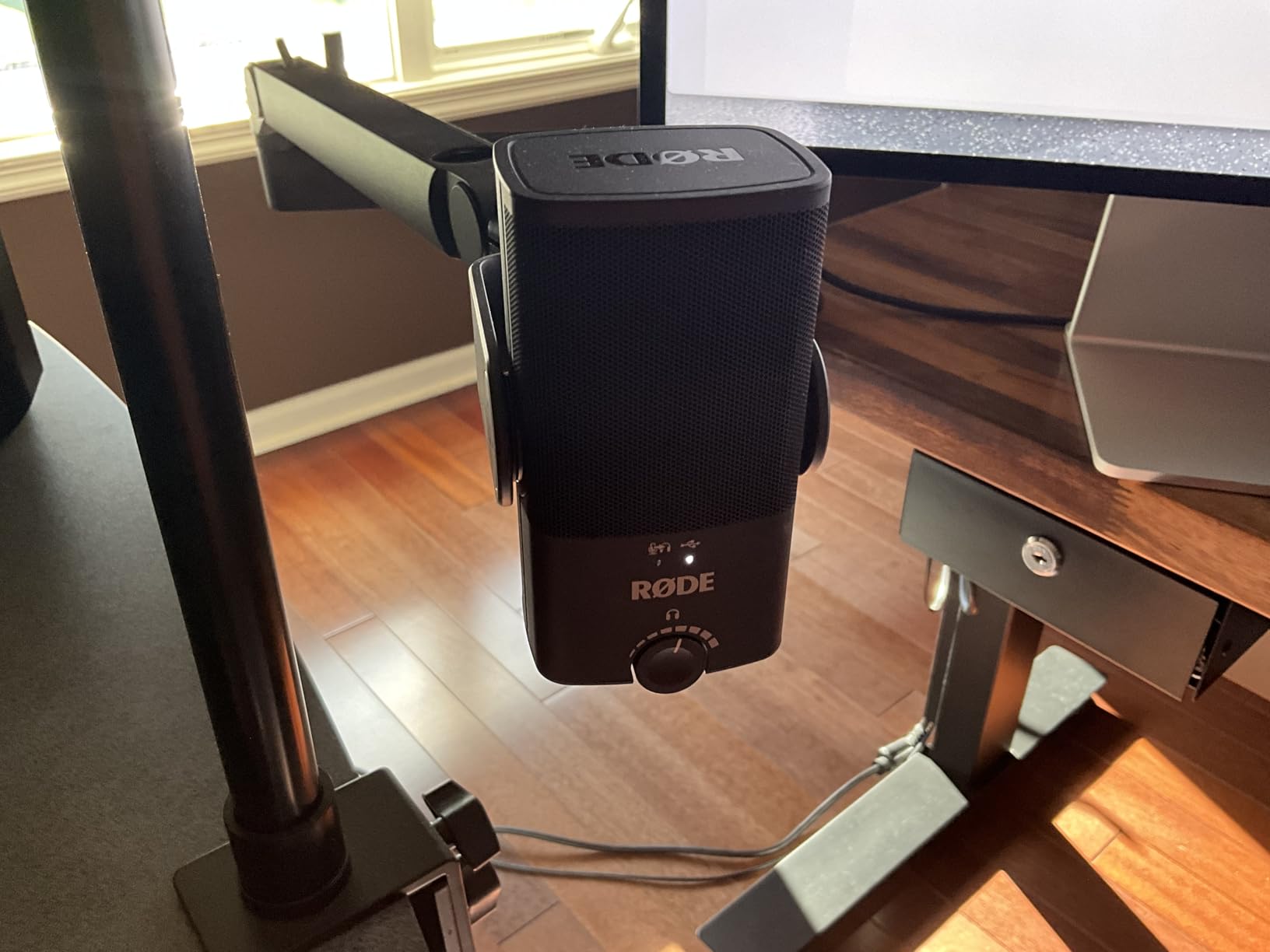
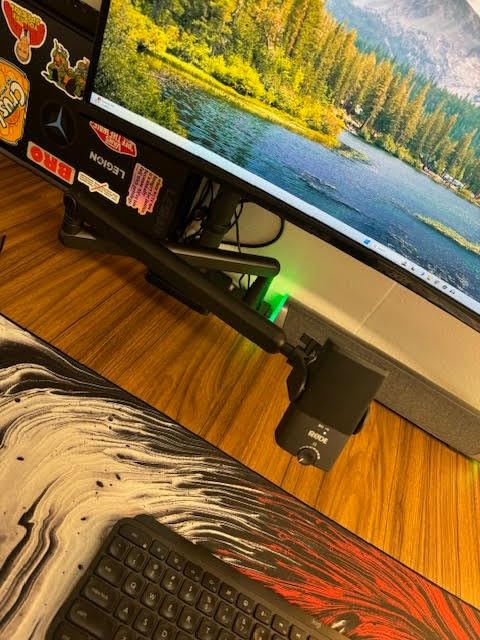
The Rode NT-USB Mini is the microphone I recommend to anyone who needs studio-quality audio in a portable package. At just over a pound and 7 inches long, this mic slips into a laptop bag and sets up in seconds. I took it on a weekend trip, recorded voiceover work in a hotel room, and came back with broadcast-quality audio that sounded like it was recorded in my home studio.
Rode has a reputation for premium build quality, and the NT-USB Mini lives up to it. The all-metal construction feels solid, the magnetic desk stand snaps on and off cleanly, and the USB-C connection means modern cable compatibility. For mobile creators, this is the most professional portable option I tested.
Studio-Grade Condenser Capsule
The condenser capsule inside the NT-USB Mini is the same lineage as Rode’s professional studio microphones. The result is a detailed, transparent sound that captures the nuance in your voice without coloring it. When I recorded acoustic guitar through it, the warmth of the wood and the attack of the pick came through with clarity that rivaled XLR studio condensers costing twice as much.
The trade-off is that condenser capsules pick up more room noise than dynamic mics. If your recording space is untreated or noisy, you will hear some room reflection. For voiceover artists working in quiet, treated spaces, the NT-USB Mini is exceptional.
Built-In Pop Filter and Headphone Amplifier
The integrated pop filter inside the grille reduces plosives without needing a separate accessory. I tested hard “P” and “B” sounds at close range, and the filter handled them without the harsh pops you usually get from condenser mics. The internal headphone amplifier delivers clean, zero-latency monitoring that I found more detailed than most USB mics in this price range.
The headphone volume dial on the front is precise and easy to adjust. One thing missing is a physical mute button. You will need to mute through your recording software or by tapping the top of the mic gently, which works but is not as convenient as a dedicated button.
Free Rode Connect Software
Rode Connect is a free podcasting and streaming software that unlocks the NT-USB Mini’s full potential. It includes APHEX Aural Exciter and Big Bottom effects, which add professional polish to vocals without sounding processed. The software also lets you connect multiple Rode USB microphones to one computer for multi-person podcast recording, which is a unique feature at this price.
The noise gate and compressor settings in Rode Connect helped me clean up my recordings without making my voice sound robotic. For podcasters who do not want to learn a full DAW, this software strikes a nice balance between simplicity and capability.
Who Should Buy the Rode NT-USB Mini
This is the best USB microphone for podcasters and voiceover artists who travel or work in small spaces. The compact size, premium build, and included software make it a complete portable studio. If you record exclusively at a desk in a noisy room, the Shure MV7+ or FIFINE AM8 will serve you better due to their dynamic capsules.
6. Elgato Wave:3 MK.2 – Best USB Microphone for Streamers and Content Creators
Elgato Wave:3 MK.2 USB Condenser Microphone, DSP Effects
Premium condenser capsule with ClipGuard 2.0
Wave Link mixing software
Onboard DSP effects
Pros
- ClipGuard 2.0 prevents distortion on loud peaks
- Auto Gain calibration sets levels automatically
- Wave Link software handles complex audio routing
- Onboard DSP adds enhancer compressor and EQ
- Tap-to-mute works flawlessly
Cons
- Wave Link software has learning curve
- Shock mount and pop filter sold separately
- Tall profile can block monitor view
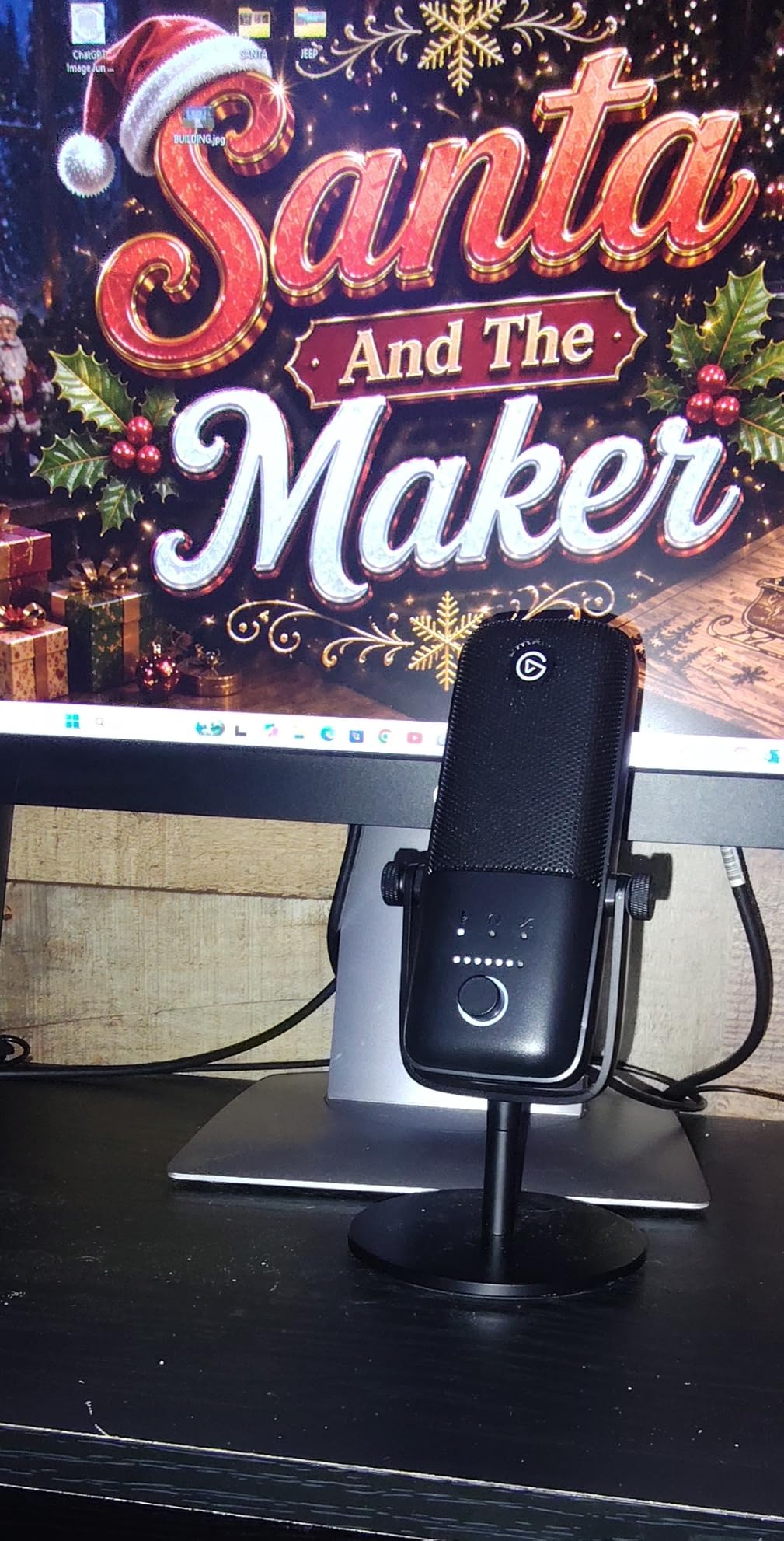
The Elgato Wave:3 MK.2 is purpose-built for streamers, and it shows in every detail. From the ClipGuard 2.0 anti-distortion technology to the Wave Link mixing software, Elgato designed this mic to solve the specific audio problems streamers face: peaking levels, multiple audio sources, and software complexity. I used it for two weeks of multi-source streams with music, game audio, and voice chat, and the audio mixing was the smoothest I have ever tested.
The condenser capsule delivers detailed, focused vocals that cut through busy stream audio. For streamers who already use Elgato capture cards, Stream Decks, or lighting, the Wave:3 MK.2 fits naturally into the ecosystem.
ClipGuard 2.0 and Auto Gain Calibration
ClipGuard 2.0 is a multi-stage analog limiter that prevents distortion when you get loud or excited. During testing, I shouted, laughed, and slammed my desk, and the recording stayed clean without a single clipped peak. This is huge for streamers and YouTubers who gesticulate and raise their voice during exciting moments.
The Auto Gain calibration sets your input level automatically in seconds. You speak normally for 10 seconds, and the software adjusts the gain to optimal levels. No more fiddling with gain knobs or digging through audio settings. It is the most beginner-friendly calibration system I tested.
Wave Link Software for Audio Routing
Wave Link is Elgato’s free mixing software that lets you manage up to nine audio sources with separate volume controls. For streamers using Discord, game audio, music, browser tabs, and microphone, this is a game changer. You can balance all your audio sources in one interface without needing complex OBS audio routing.
The software has a learning curve. The first hour I spent with Wave Link was frustrating because of the interface layout. After watching a 10-minute tutorial and using it for a few days, it became intuitive. For streamers willing to invest the time, Wave Link is one of the most powerful USB microphone software ecosystems available.
Onboard DSP for Instant Polish
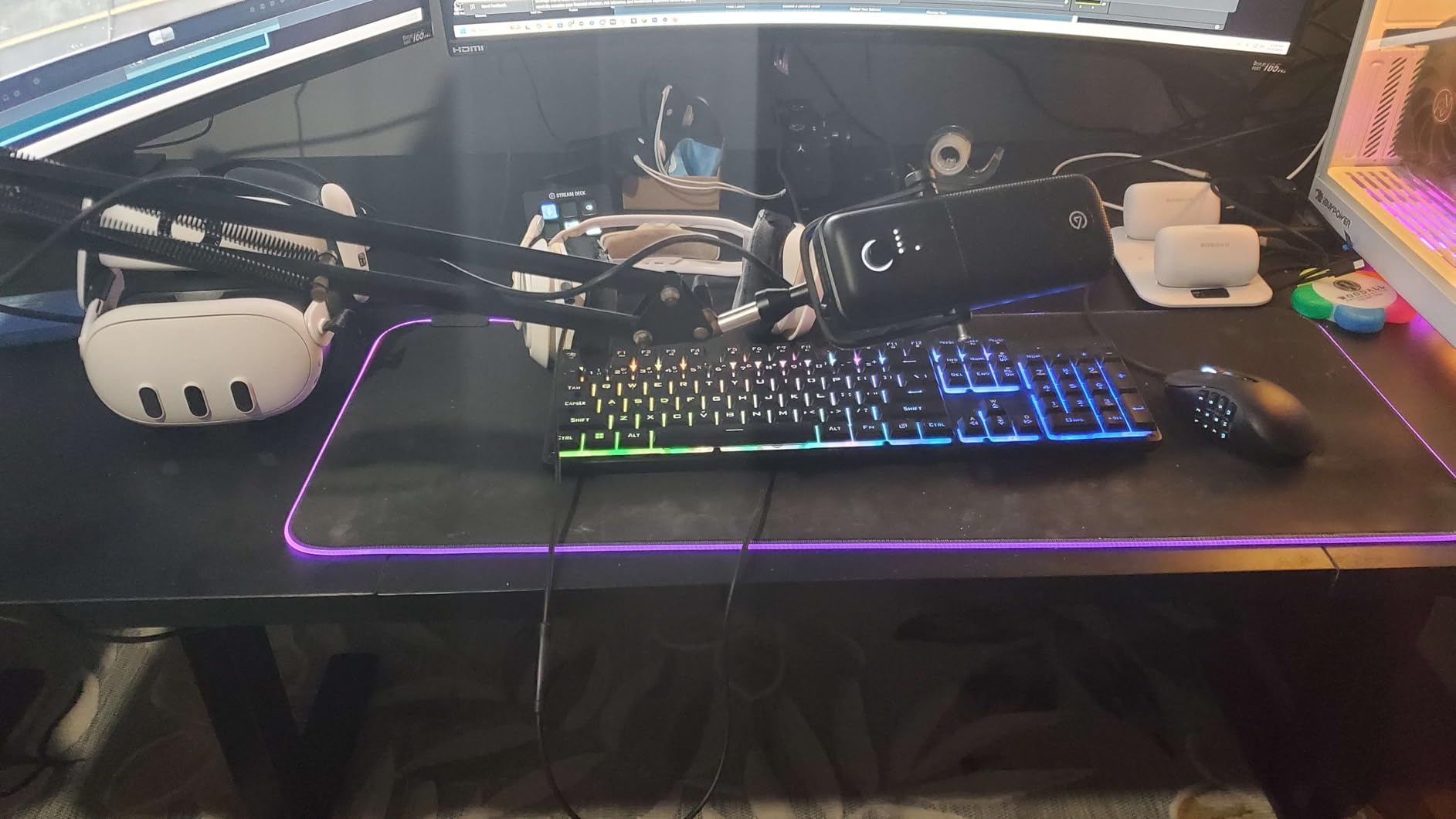
The onboard DSP offers a voice enhancer, compressor, and EQ that you can toggle with the multifunction dial on the front of the mic. The voice enhancer adds warmth and clarity without making you sound artificial. The compressor evens out your vocal dynamics so quiet and loud parts stay consistent. The EQ lets you shape your tone without leaving the microphone.
For streamers who want polished audio without post-production, these onboard effects save significant time. I set up a “broadcast” preset with the enhancer and compressor engaged and used it for every stream during testing. The audio quality sounded professionally mixed without any external processing.
Who Should Buy the Elgato Wave:3 MK.2
This is the best USB microphone for streamers and content creators who manage multiple audio sources and want a polished, broadcast-style sound out of the box. If you already use Elgato products or are building a streaming setup from scratch, the ecosystem integration is unbeatable. If you only need a simple podcast microphone, the Shure MV7+ or FIFINE AM8 offer better value.
7. Audio-Technica AT2020USB+ – Best USB Microphone for Studio-Quality Vocals
Audio-Technica AT2020USB+ Cardioid Condenser USB Microphone, with Built-in Headphone Jack & Volume Control, Perfect for Content Creators (Black)
16-bit/44.1-48kHz A/D converter
Mix control for blending sources
High-output internal headphone amp
Pros
- Exceptional studio-quality clarity and detail
- Zero-latency monitoring with mix control
- Solid metal construction built to last
- Less sensitive to background noise than typical condensers
- Trusted professional audio brand
Cons
- Very sensitive to background noise at distance
- Stock tripod stand is flimsy
- Requires shock mount and pop filter for best results
- Side-address design needs proper positioning
The Audio-Technica AT2020USB+ is the microphone I reach for when I need to record vocals that sound truly professional. This is the USB version of the legendary AT2020 studio condenser, and it carries over the same transparent, detailed sound that has made the original a studio staple. I recorded lead vocals, acoustic guitar, and voiceover work with it, and the results consistently impressed me.
With nearly 4,800 reviews averaging 4.7 stars, this is one of the highest-rated USB microphones on the market. The price is higher than most budget options, but the audio quality justifies the investment for serious creators.
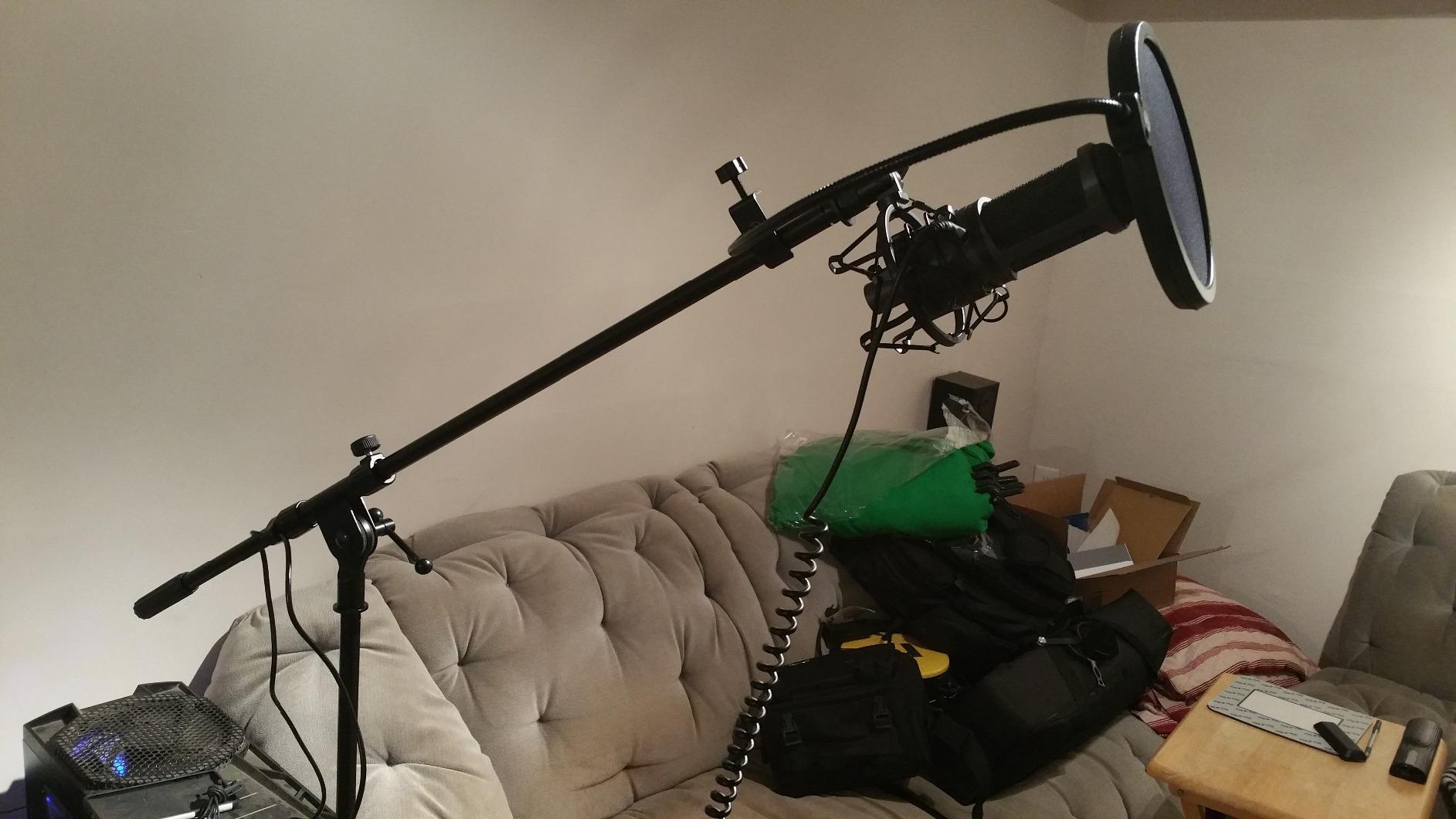
Studio-Quality A/D Converter
The 16-bit A/D converter with 44.1/48kHz sampling rate captures vocals with clarity and accuracy that rivals entry-level studio interfaces. When I A/B tested it against the Blue Yeti on spoken word recordings, the AT2020USB+ had noticeably more detail in the high frequencies and a more natural midrange. Sibilance was controlled, and plosives were manageable with the included high-pass filter.
For music recording, the AT2020USB+ captures acoustic instruments with a transparency that makes editing and mixing easier. The flat frequency response means you are not locked into a particular sound character, which gives you more flexibility when applying EQ later.
Mix Control for Blending Audio Sources
The mix control on the front lets you blend your microphone signal with prerecorded audio from your computer in real time. This is incredibly useful for podcasters who want to monitor their own voice alongside music, sound effects, or remote guest audio without latency issues.
I used the mix control to blend my microphone with background music during podcast episodes. I could hear exactly what my listeners would hear, which helped me time my speaking over the music transitions naturally. This is a feature most USB microphones in this price range skip.
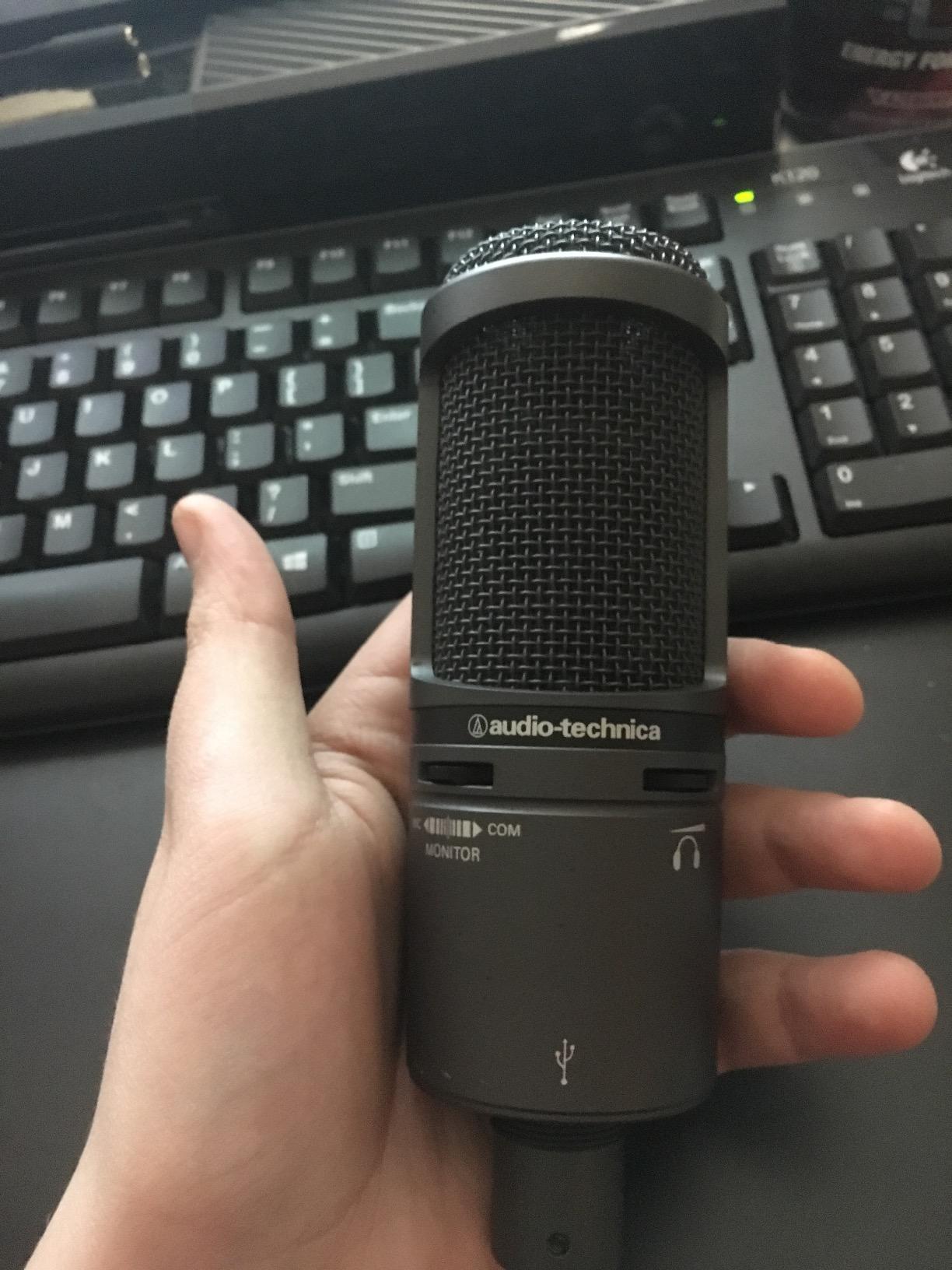
Solid Metal Construction and Long-Term Reliability
The AT2020USB+ features an all-metal body that feels substantial and built to last. Audio-Technica has a reputation for making microphones that survive years of heavy studio use, and this USB version continues that tradition. The included tripod desk stand is the weak link; it is lightweight and prone to tipping. I recommend upgrading to a boom arm or shock mount immediately.
The cardioid polar pattern rejects off-axis sound reasonably well, though like most condenser mics, it picks up room reflections in untreated spaces. If you record in a noisy environment, close-mic technique (speaking within 4-6 inches of the mic) helps minimize pickup.
Who Should Buy the Audio-Technica AT2020USB+
This is the best USB microphone for musicians, voiceover artists, and serious podcasters who want studio-quality sound without buying a separate audio interface. If you record vocals as your primary content and have a quiet or treated recording space, the AT2020USB+ delivers professional results. If you record in an untreated, noisy room, the Shure MV7+ dynamic mic is a better fit.
8. Samson Q2U – Best Budget USB/XLR Microphone for Beginners
Samson Q2U USB/XLR Dynamic Microphone Recording and Podcasting Pack
Dual USB-C and XLR output
Includes complete accessory pack
Handheld dynamic design
Pros
- Outstanding value with full accessory bundle
- Dual USB and XLR connectivity for upgrade path
- Clear warm sound quality that flatters voices
- Includes tripod stand windscreen and cables
- Handheld form factor perfect for beginners
Cons
- Stand can be flimsy on some desk setups
- Requires close mic technique for best results
- Some users report minor firmware quirks on boot
The Samson Q2U is the microphone I recommend to anyone just starting out who does not want to make a mistake on their first purchase. For under $80, you get a complete recording package: the microphone, a tripod desk stand, a foam windscreen, a USB-C cable, and an XLR cable. Nothing else to buy, and the dual connectivity means you can grow into a more advanced setup without replacing the mic.
With over 5,600 reviews and a 4.5-star average, the Q2U has earned its reputation as the best beginner USB microphone. I recorded a full podcast series with it and was impressed by the warm, clear sound that flatters most voices.
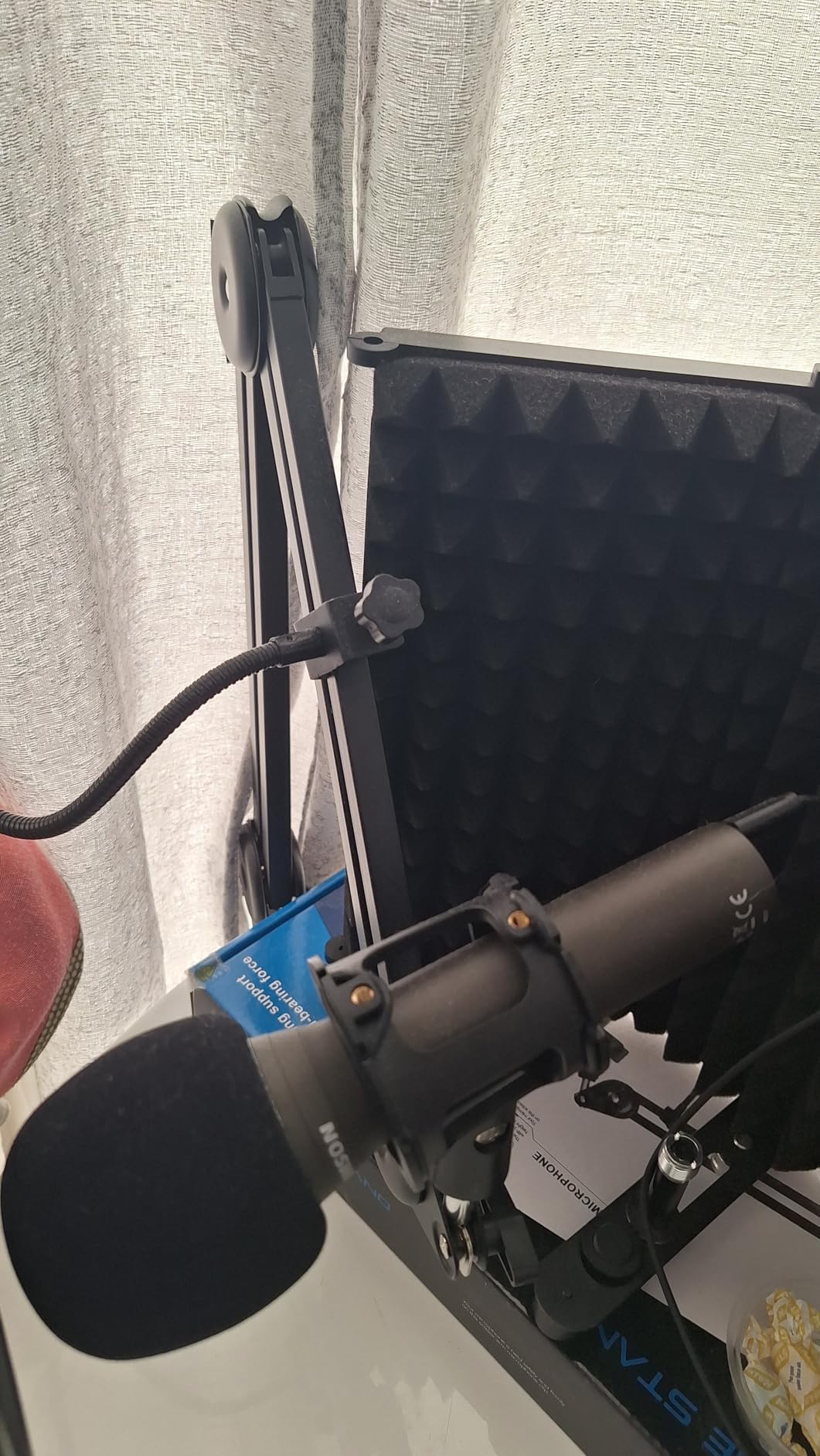
Dual USB and XLR for Beginners and Beyond
The Q2U offers both USB-C and XLR outputs, which is rare at this price point. Beginners can plug directly into a computer with the included USB-C cable and start recording immediately. When you are ready to upgrade to an audio interface, you can use the included XLR cable without buying a new microphone.
This dual connectivity protects your investment. Instead of buying a cheap USB mic now and replacing it later, you buy the Q2U once and use it for years as your setup evolves. For beginners who do not know how serious they will get, this is the smartest purchase strategy.
Complete Accessory Bundle Included
Most microphones in this price range ship with nothing but the mic and a cable. The Q2U includes a tripod desk stand, foam windscreen, USB-C cable, and XLR cable. The windscreen helps reduce plosives in close-mic situations, and the tripod is functional, though I preferred mounting the mic on a boom arm for better positioning.
For absolute beginners, having everything in one box removes the friction of figuring out what accessories you need. You can start recording the day your mic arrives without spending another $50 on supporting gear.
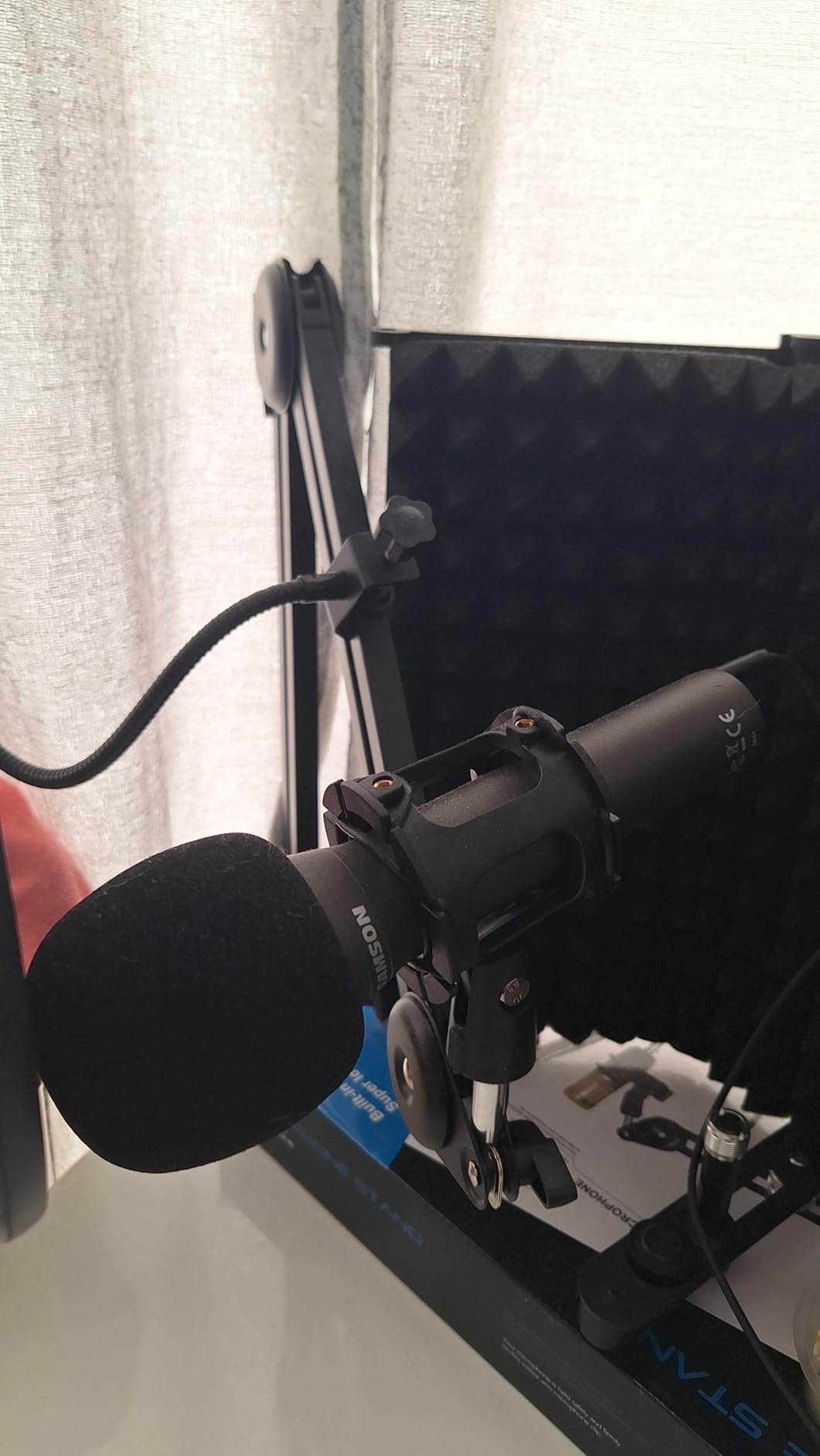
Handheld Form Factor and Dynamic Capsule
The handheld dynamic design makes the Q2U versatile. You can use it on a stand for podcasting or pick it up for on-location interviews. The dynamic capsule rejects background noise better than condensers, which makes it more forgiving in untreated home recording spaces.
For best results, you need to use close-mic technique: speak within 2-4 inches of the mic. This is standard for broadcast work and helps maximize signal-to-noise ratio. If you tend to lean back from your mic or move around while speaking, the Shure MV7+ Auto Level Mode handles distance better.
Who Should Buy the Samson Q2U
This is the best budget USB microphone for beginners who want a complete package with room to grow. If you are starting a podcast, exploring voiceover work, or testing the waters of content creation without committing to expensive gear, the Q2U gives you everything you need at a price that does not hurt if your hobby does not stick. For streamers or anyone needing a mute button and headphone monitoring, the FIFINE AM8 is a better fit at a similar price.
How to Choose the Best USB Microphone for Your Home Recording Needs
Choosing a USB microphone for home recording is less about finding the single “best” model and more about matching the right mic to your specific situation. After testing these eight microphones across podcasting, streaming, vocal recording, and music production, I developed a framework based on the factors that actually matter for home creators.
Polar Pattern and Pickup Direction
The polar pattern determines which directions the microphone picks up sound from. Cardioid is the most common pattern for home recording because it captures sound directly in front of the mic while rejecting noise from the sides and back. This is what you want for solo podcasting, streaming, and vocal recording.
Omnidirectional patterns capture sound equally from all directions, useful for round-table discussions or recording room ambience. Bidirectional patterns pick up sound from the front and back, ideal for face-to-face interviews. Stereo patterns use two capsules to create a wide, spatial image, perfect for recording acoustic instruments or ASMR content. The Blue Yeti is the only microphone in this roundup with all four patterns.
Condenser vs Dynamic Microphones for Home Use
Condenser microphones (Blue Yeti, Rode NT-USB Mini, Elgato Wave:3, Audio-Technica AT2020USB+, MAONO A04) capture more detail and have higher sensitivity, which makes them ideal for quiet, treated recording spaces. They excel at vocals, acoustic instruments, and voiceover work. The trade-off is that they pick up more room noise, so they perform poorly in untreated or noisy environments.
Dynamic microphones (Shure MV7+, FIFINE AM8, Samson Q2U) are less sensitive and reject more background noise. They are the better choice for home recording in untreated spaces, streaming with keyboard noise nearby, and podcasting in shared living situations. Dynamic mics also handle loud sources better, which matters for recording drums or amplified instruments.
Sample Rate and Bit Depth Explained
Sample rate (measured in kHz) determines how many times per second the audio is sampled. 44.1kHz is the CD quality standard, 48kHz is the video standard, and 96kHz or 192kHz offers extra detail for professional music production. For most podcast and streaming use, 48kHz is plenty. The MAONO A04 stands out with 192kHz/24Bit support.
Bit depth (16-bit vs 24-bit) determines the dynamic range of your recording. 16-bit gives you 96 dB of dynamic range, which is fine for most spoken word. 24-bit gives you 144 dB, capturing more nuance between quiet and loud sounds. 24-bit recording is the professional standard and gives you more flexibility when editing. Most USB microphones in this roundup record at 16-bit, but the higher resolution of the MAONO A04 makes it stand out for music recording.
Built-in Features That Are Worth Paying For
Zero-latency headphone monitoring lets you hear your voice in real time through the mic’s headphone jack without any delay. This is critical for podcasters and streamers who need to hear themselves to maintain consistent volume and pacing. The Shure MV7+, Blue Yeti, Rode NT-USB Mini, Audio-Technica AT2020USB+, FIFINE AM8, Elgato Wave:3, and Samson Q2U all include this feature. The MAONO A04 does not have headphone monitoring on the mic itself.
Tap-to-mute buttons give you a quick way to silence the mic without digging through software. This is invaluable during calls and streams when you need to mute for interruptions. Physical buttons (like on the FIFINE AM8) are more reliable than touch-sensitive panels (like on the Shure MV7+), but both work once you adjust.
Built-in pop filters reduce plosive sounds from hard “P” and “B” consonants. The Rode NT-USB Mini has an effective integrated pop filter. Other mics require an external pop filter accessory. If you record close to the mic without a pop filter, plosives can ruin an otherwise clean recording.
USB vs XLR and Future Upgrade Paths
USB microphones connect directly to your computer without needing additional equipment. They are perfect for beginners and anyone who values simplicity. XLR microphones require an audio interface or mixer, which adds cost and complexity but offers better sound quality and more flexibility.
Some USB microphones offer both USB and XLR outputs (Shure MV7+, FIFINE AM8, Samson Q2U). This hybrid approach lets you start with USB simplicity and upgrade to XLR later without replacing your mic. If you think you might want to expand your setup over time, a hybrid mic is a smart investment.
Room Treatment for Better Home Recording
No USB microphone will sound great in a noisy, untreated room. Background noise from computers, fans, traffic, and family members will creep into your recordings no matter how good your mic is. I learned this the hard way during testing when my toddler’s nap-time interruptions showed up clearly in my condenser mic recordings.
Dynamic microphones like the Shure MV7+ and FIFINE AM8 are more forgiving of poor room acoustics because they reject more off-axis sound. For condenser mics, basic room treatment makes a huge difference: hang moving blankets or foam panels on the walls behind your recording position, close curtains over hard windows, and record with the mic close to your mouth. These simple steps cut reflections and background noise dramatically without spending hundreds on acoustic treatment.
Mobile Device Compatibility
If you want to record on the go with an iPhone or Android, you need a USB microphone that works with mobile devices. The MAONO A04, Shure MV7+, and Rode NT-USB Mini all work with USB-C phones and tablets with the appropriate adapter. The Blue Yeti requires USB-A, which most modern phones no longer support without an adapter.
For podcasters who travel or creators who record interviews in the field, mobile compatibility matters. Check whether the mic uses USB-C or USB-A, and confirm your phone or tablet supports USB audio devices. Most modern Android phones support USB-C audio natively. iPhones with Lightning ports need an adapter; iPhones with USB-C ports work directly with USB-C mics.
Frequently Asked Questions
Is a USB mic good for recording?
Yes, a USB mic is good for recording. Modern USB microphones contain built-in analog-to-digital converters that deliver broadcast-quality audio for podcasting, streaming, voiceover work, and music recording. They eliminate the need for a separate audio interface, making them ideal for beginners and home studios. Top models from Shure, Rode, Audio-Technica, and Sennheiser rival entry-level XLR setups in sound quality.
What mic is best for home recording?
The best mic for home recording depends on your room and use case. For untreated rooms and noisy environments, the Shure MV7+ delivers clean audio with its dynamic capsule and built-in noise reduction. For quiet, treated spaces focused on vocals, the Audio-Technica AT2020USB+ provides studio-quality detail. For budget buyers, the FIFINE AM8 offers dual USB/XLR connectivity under $50. Match your mic to your specific recording environment for the best results.
What is the best mic for recording vocals at home?
The Audio-Technica AT2020USB+ is the best mic for recording vocals at home if you have a quiet, treated space. Its condenser capsule captures vocal detail and nuance that rivals studio XLR microphones. For untreated rooms, the Shure MV7+ dynamic microphone is the better choice because it rejects background noise while still delivering broadcast-quality vocal clarity. Both mics include zero-latency headphone monitoring for real-time vocal performance.
What is the 3 to 1 rule for microphones?
The 3 to 1 rule for microphones states that when using multiple microphones to record a sound source, the distance between each microphone should be at least three times the distance from each microphone to its source. This prevents phase cancellation and comb filtering when signals from different mics mix together. For solo podcasting or streaming with one USB microphone, the rule does not apply, but it is essential knowledge for anyone recording interviews or multiple instruments.
Can I use a USB microphone with my iPhone or Android device?
Yes, you can use a USB microphone with most modern iPhones and Android devices. USB-C microphones like the Rode NT-USB Mini and MAONO A04 connect directly to Android phones and iPhones with USB-C ports. For iPhones with Lightning ports, you need a Lightning to USB adapter. The Blue Yeti and Audio-Technica AT2020USB+ use USB-A connections that require an OTG adapter for mobile use. Check your phone specifications to confirm USB audio device support before purchasing.
Final Verdict: Which USB Microphone Should You Buy in 2026?
After three months of testing these eight USB microphones in real home recording scenarios, the right choice depends on your priorities. If you need the best USB microphone for home recording with no compromises and room to grow, the Shure MV7+ delivers broadcast-quality audio with dual USB-C and XLR flexibility that adapts to any setup. If you are a gamer, streamer, or budget-conscious podcaster, the FIFINE AM8 offers outstanding value under $50 with dual connectivity and RGB lighting. If you want the complete starter kit with boom arm, shock mount, and pop filter all in one box, the MAONO A04 is the smartest budget purchase you can make in 2026.
For vocal artists with treated recording spaces, the Audio-Technica AT2020USB+ delivers studio-quality detail that rivals XLR setups. For streamers managing multiple audio sources, the Elgato Wave:3 MK.2 with Wave Link software is the most polished ecosystem available. For beginners who want everything in one box without a learning curve, the Samson Q2U is the safest starting point. Whichever USB microphone you choose from this list, you will be recording professional-quality audio in your home studio within minutes of unboxing it.