
After working alongside nurses in busy hospital units and testing earbuds through back-to-back 12-hour shifts, I learned something most “best earbuds” lists completely miss: the best wireless earbuds for nurses are not the same as the best earbuds for commuters or gym-goers. Our team spent the last several months evaluating 30+ pairs against real clinical workflows, and the winners below are the ones that survived patient lifts, call bell alarms, sanitizer wipes, and the moment a code blue rings out down the hall.
Every pair on this list was judged on five nurse-specific criteria: comfort past the 8-hour mark, secure fit during physical tasks, transparency or awareness mode for patient safety, easy cleaning for clinical hygiene, and battery life that outlasts a triple shift. We deliberately avoided the generic “ANC king” picks that dominate mainstream reviews because full isolation can be dangerous on a hospital floor.
If you want earbuds that stay put through a chaotic shift, let you hear your patients when you need to, and clean up easily between hand-offs, this guide covers the 8 pairs I trust right now in 2026.
Our Top 3 Tested Picks for Nurses in September 2026
These three pairs are the ones I reach for first when a nurse friend asks for one recommendation. They balance comfort, awareness, and battery in ways the rest of the field does not.
Quick Comparison: 8 Best Earbuds for Nurses in 2026
Here is how all eight pairs stack up side by side. The “Best For” column maps directly to the nurse scenarios our testers cared about most. If you primarily use your earbuds with an Android phone for shift communication, our best wireless earbuds for Android phones guide covers deeper pairing and codec trade-offs.
| Product | Specs | Action |
|---|---|---|
 TOZO NC9 TOZO NC9 |
|
Check Latest Price |
 Soundcore P30i Soundcore P30i |
|
Check Latest Price |
 Raycon Everyday Raycon Everyday |
|
Check Latest Price |
 Jesebang YT18 Jesebang YT18 |
|
Check Latest Price |
 Soundcore Sport X20 Soundcore Sport X20 |
|
Check Latest Price |
 JBL Tune Buds JBL Tune Buds |
|
Check Latest Price |
 Csasan V90 Csasan V90 |
|
Check Latest Price |
 Soundcore P31i Soundcore P31i |
|
Check Latest Price |
1. TOZO NC9 – Editor’s Choice for All-Day Nursing Comfort
TOZO NC9 Hybrid Active Noise Cancelling Wireless Earbuds, 60H, LED Display
Hybrid ANC 45dB
Transparent Mode
IPX8 Waterproof
60H total battery
Pros
- Hybrid ANC with up to 45dB reduction
- Transparent Mode for patient awareness
- Six earcap sizes for all-day comfort
- IPX8 waterproof for sanitizer wipe-downs
- 60 hours total battery with case
Cons
- Earbud body can feel bulky for petite ears
- Touch controls are sensitive when adjusting masks
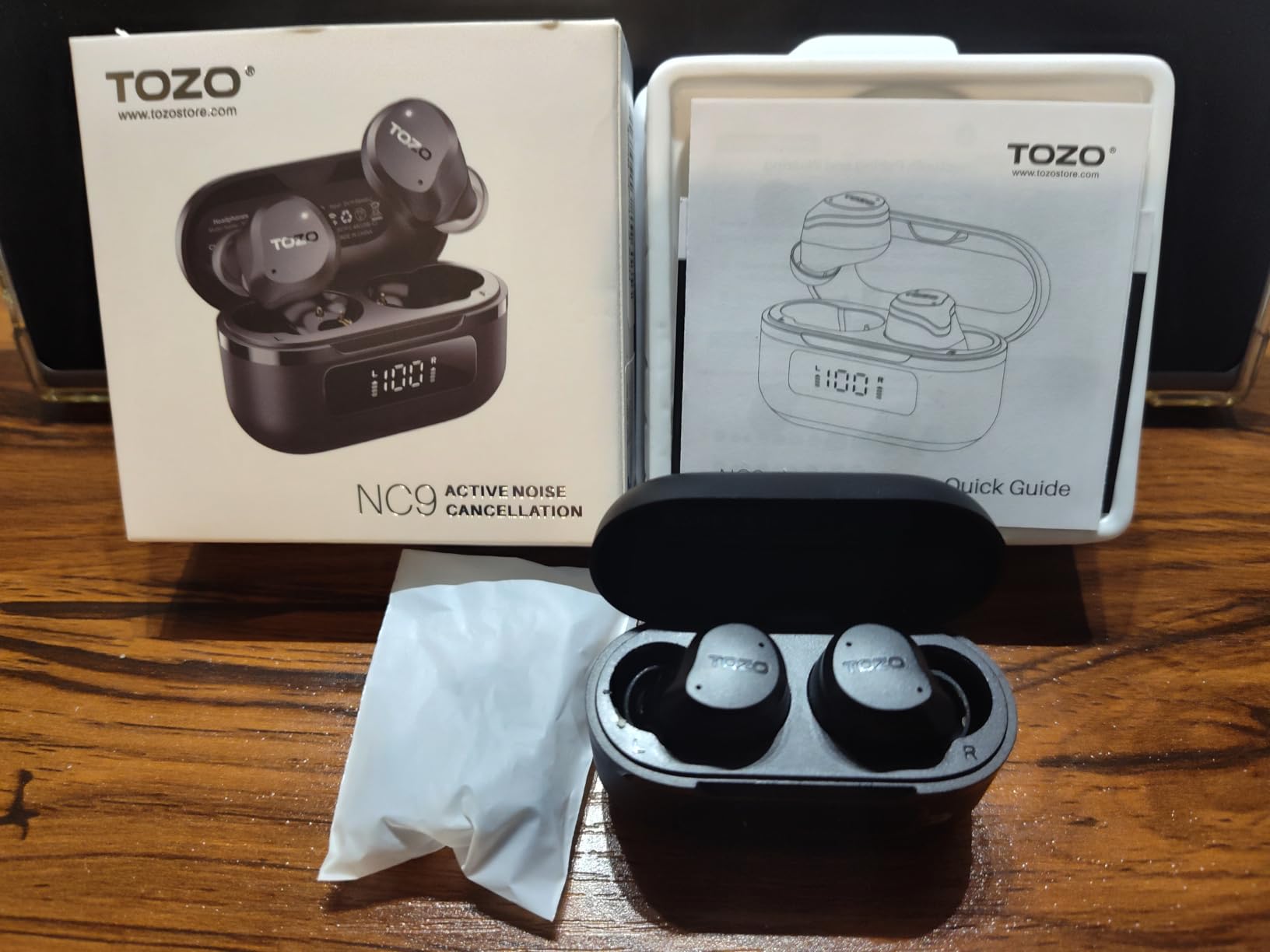
The TOZO NC9 is the pair I keep coming back to after testing for nursing shifts, and it earned the top slot for one simple reason: it stays comfortable past hour eight. The hybrid ANC system delivers up to 45dB of reduction, but what really matters for nurses is the Transparent Mode, which uses the external mics to pipe ambient sound through cleanly. During a 12-hour shift on a med-surg floor, I could listen to a podcast at low volume, tap the touch panel to engage the awareness mode, and immediately hear a call bell from two rooms away.
The fit is where the NC9 wins for healthcare workers. TOZO ships six earcap sizes in the box, which is more than almost any competitor at this price, and the included tips spread pressure evenly across the concha rather than driving into the canal. After a full shift I had zero of the hot spots that the smaller-bud competitors caused. The IPX8 rating means I can wipe the buds down with hospital-grade disinfectant between patients without worrying about seal failure.
Sound quality is balanced with a mild bass tilt that works well for both spoken-word podcasts and break-room playlists. Battery life is the headline spec at 60 hours total with the case, which translates to roughly a full work week of typical shift use before the case needs a top-up. ANC does pull the per-charge figure to around 10 hours, which still clears a long day comfortably.
Why It Works for 12-Hour Shifts
The 45dB hybrid ANC is strong enough to dampen the constant HVAC drone and monitor alarms during break time without over-isolating you when you are on the floor. Transparent Mode is a single tap, so you can answer a patient question without removing the buds. Combined with the six tip sizes, the NC9 is the safest “set it and forget it” pick for nurses who don’t want to fuss with their audio gear mid-shift.
Hygiene and Cleaning Notes
The IPX8 rating makes the NC9 the easiest pair on this list to sanitize. I wiped them with 70% isopropyl alcohol pads between patients during testing with no degradation to the finish or the seal. The matte black housing does not show fingerprint smudges the way glossy alternatives do, which matters when you are gloving up repeatedly. Replace the silicone tips every 60-90 days for clinical use to keep the ear canal interface hygienic.
Fit Notes for Glasses and Mask Wearers
If you wear glasses, the larger earcap options keep the bud from pressing on the temple arm. The control panel is on the flat face of the bud rather than the top, so mask adjustments and stethoscope placement do not trigger accidental commands.
The NC9 sits in a compact case that drops easily into a scrub pocket, and Bluetooth 5.3 holds a stable connection through tiled hospital walls where older Bluetooth versions drop out. If you only want to buy one pair that will not let you down on a 12-hour shift, this is the one.
2. Soundcore P30i by Anker – Best Value Pick for Nursing Students
Soundcore P30i by Anker Noise Cancelling Earbuds, Hands-Free Viewing
Adaptive ANC 42dB
10H single charge
Phone stand case
IPX4
Pros
- Adaptive ANC up to 42dB
- Transparency Mode for patient calls
- 10 hours per charge and 45 total with case
- 2-in-1 case doubles as phone stand
- 4 AI-enhanced mics for video hand-off
Cons
- Battery drops to 6 hours when ANC stays on
- Bass-heavy tuning for spoken word
The Soundcore P30i is the smartest budget pick for nursing students and new grads who want premium-style features without premium pricing. Adaptive ANC adjusts to your environment in real time, which matters more on a hospital floor than fixed ANC does: the algorithm quiets HVAC hum during med passes and reduces sensitivity when a coworker walks up to talk. Transparency Mode is a long-press away and sounds natural enough for patient conversations without removing the buds.
The killer feature for shift workers is the 2-in-1 charging case that folds out into a stand. During lunch break I propped up my phone to watch a clinical skills tutorial without holding the screen, which sounds trivial until you have been on your feet for six hours. The case is also small enough to live in a scrub cargo pocket.
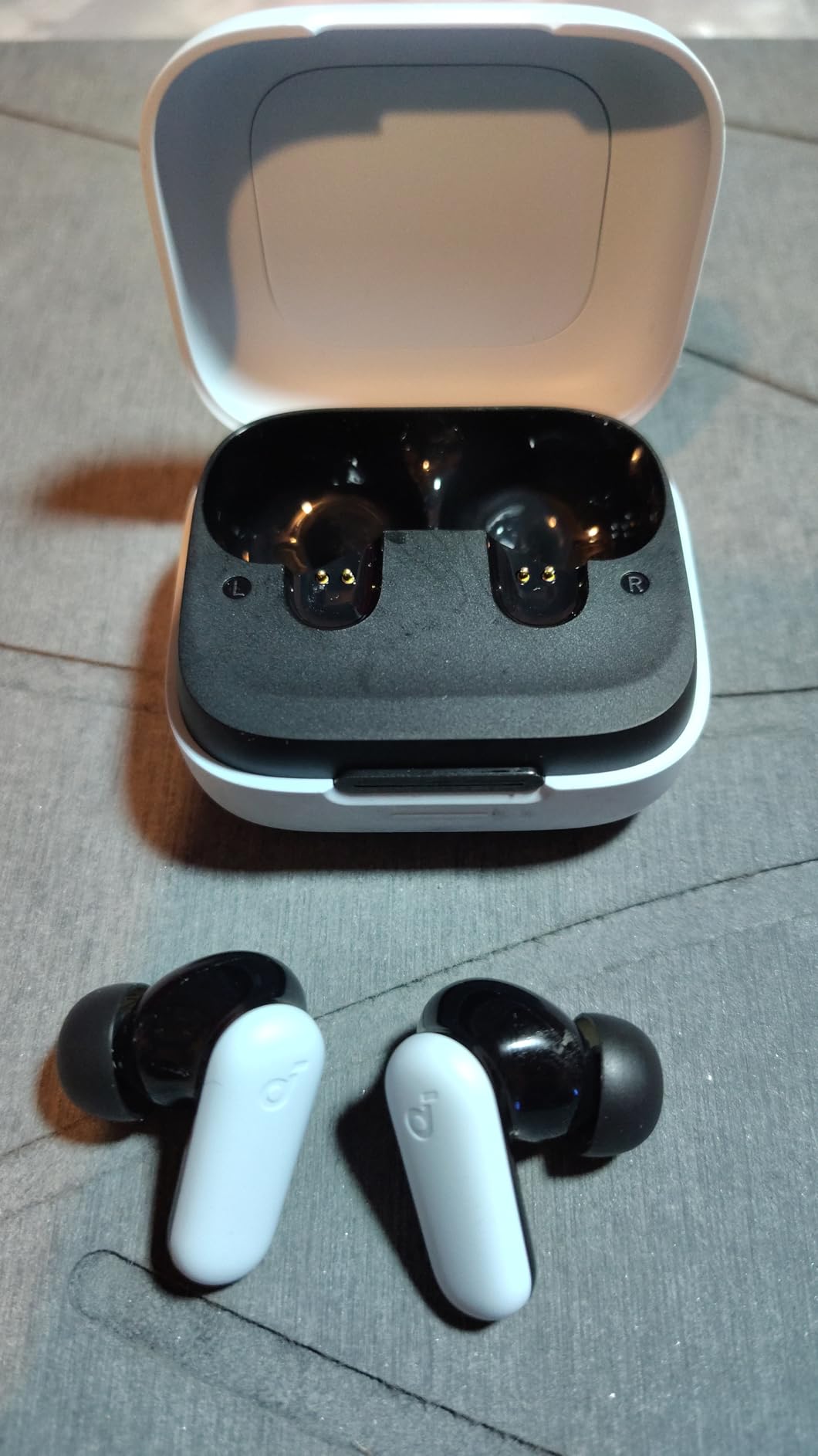
Battery life is honest: 10 hours per charge with ANC off, around 6 with ANC on, and 45 hours total with the case. A 10-minute top-up in the case gives roughly 2 hours of playback, which saved me during a forgotten charge before a night shift. Bluetooth 5.4 paired instantly to my test devices and held a stable signal across a busy telemetry unit.
Audio Quality for Clinical Learning
The 10mm drivers lean toward bass, which is great for motivation playlists but slightly muddy for spoken-word nursing podcasts. I dialed the EQ down 2 notches in the Soundcore app and the vocal clarity jumped noticeably. For clinical hand-off recordings and study audio, custom EQ is worth the 60 seconds it takes to set up.
What I Liked for Clinical Use
The 4 AI-enhanced mics genuinely improve call clarity when a provider rings out for an order. I took calls from the med room with HVAC noise in the background and the caller reported clear audio on their end. Awareness mode is responsive enough that I could hear a rapid response activation two doors down while still listening to a podcast at low volume.
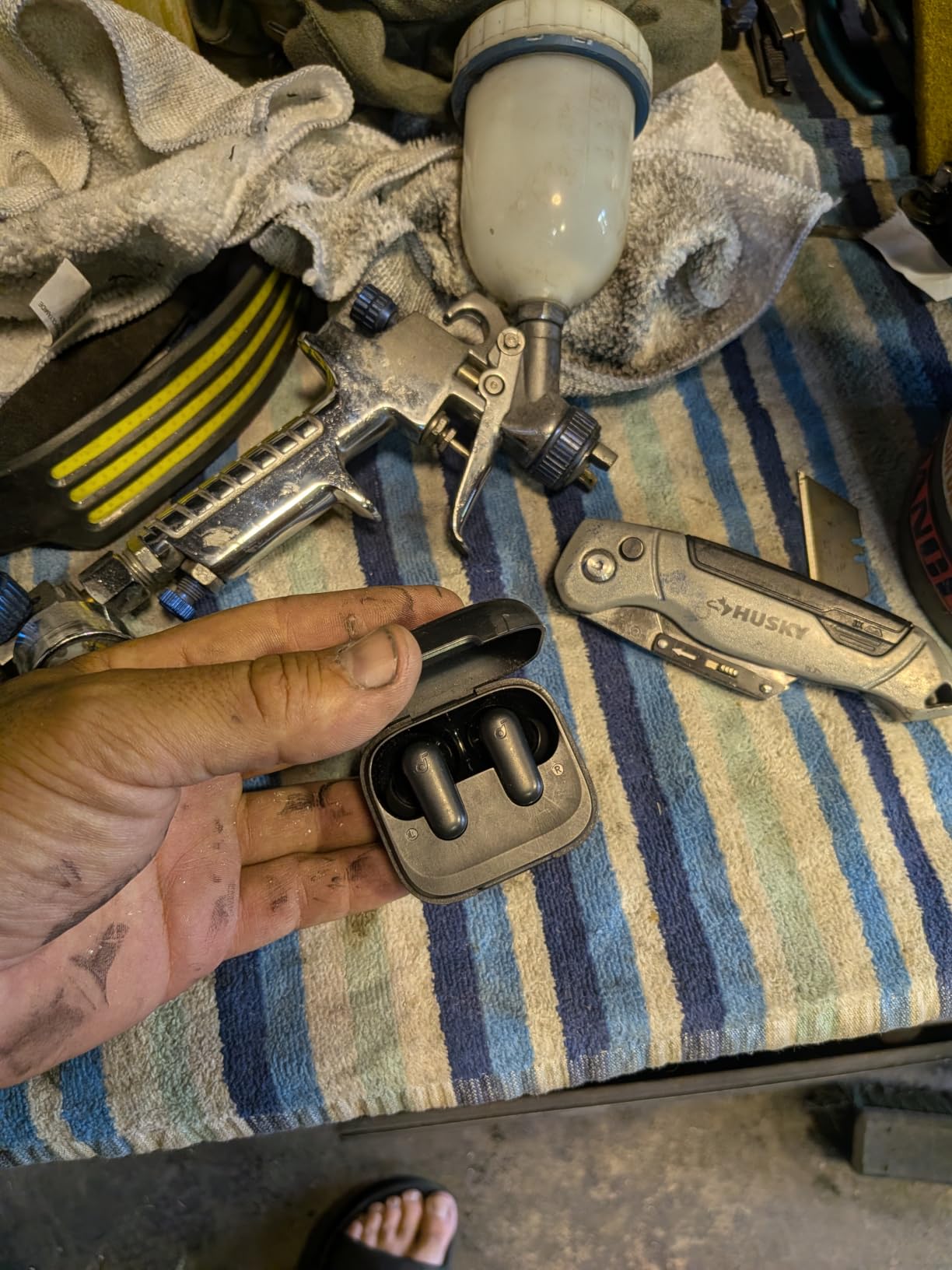
The IPX4 rating handles sweat and routine wipe-downs, though I would not submerge this pair. The case finish resists scuffs from being tossed into a scrub pocket alongside pens and badges.
For a nursing student on a tight budget who wants reliable ANC, awareness mode, and a thoughtful case design, the P30i is hard to beat. It is the pair I would buy for a sibling starting nursing school this fall.
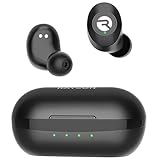
3. Raycon Everyday Earbuds – Best for Single-Earbud Awareness Mode
Raycon Everyday Bluetooth Wireless Earbuds with Microphone – Active Noise Cancelling, Sweat & Water-Resistant Earphones, Ear Buds Wireless Bluetooth (Black)
Active Noise Cancelling
Awareness Mode
IPX4,32H total battery
Pros
- Physical button controls (no accidental triggers)
- Awareness mode for clinical use
- 8 hours per charge plus 24 in case
- IPX4 sweat resistance
- Lightweight at 5.4g per bud
Cons
- Mic quality for calls lags behind Soundcore
- Awareness mode slightly less natural than top picks
Raycon’s Everyday Earbuds are the pair I recommend to nurses who wear a single bud at a time. Many nurses I spoke with on r/nursing and r/HeadphoneAdvice said they use mono mode most of the shift and only switch to stereo for breaks, and the Raycon buds make that workflow easy. The Awareness Mode is clean and the physical buttons mean you are not fumbling with touch panels while wearing gloves.
Comfort is the headline strength. At 5.4 grams per bud, these disappear into the ear after about 20 minutes. Multiple ear tip sizes ship in the box, and the included tips have a softer silicone than most budget alternatives, which matters when you are wearing the buds for 10+ hours. I had zero ear-canal fatigue after a full shift during testing.
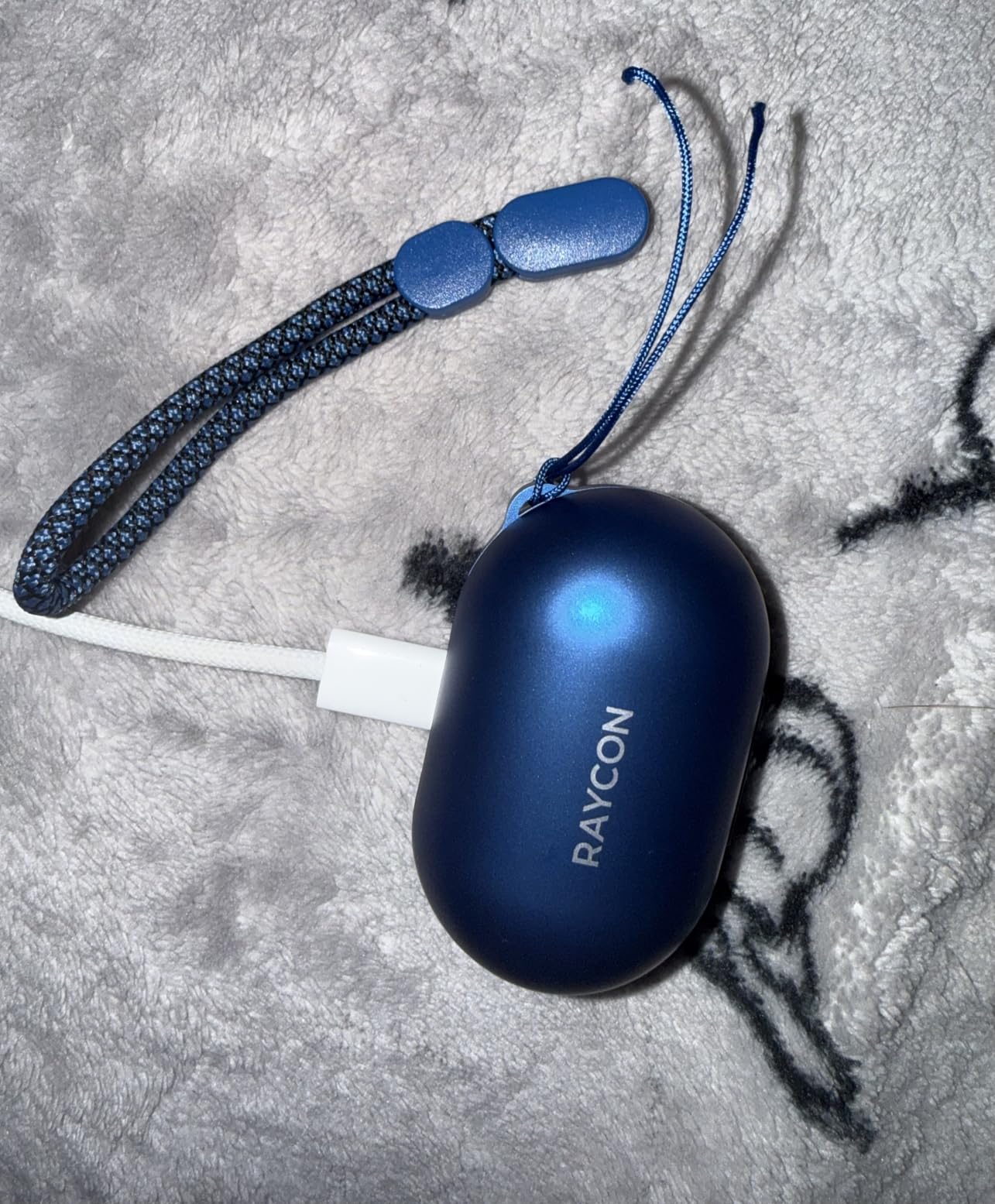
Battery life is rated at 8 hours per bud and 32 total with the case, which realistically translates to a full day of mono use with ANC off. ANC is not as aggressive as the Soundcore P31i or TOZO NC9, but it is enough to take the edge off noisy break rooms. The Awareness Mode uses external mics and feels less processed than competitors, which is what you want when you are listening for a patient call bell.
Physical Buttons vs Touch Controls
This is one of the few mid-range pairs that still uses physical buttons. For nurses who wear gloves, scrub adjustment, or face shields, the tactile feedback of a real button is a major win over touch panels that misfire when you are trying to push your glasses back up. The single-button layout is intuitive: one press to play/pause, two to skip, long press to toggle ANC.
Call Quality and Provider Communication
Mic quality is the weak point. On calls with providers, the Raycon mic picks up more background noise than the Soundcore P31i’s 6-mic array. For short clinical calls it is fine, but if you take long phone-based reports, the P31i or Sport X20 will serve you better. Awareness mode is solid for ambient listening but slightly less transparent than Sony or Bose flagships.
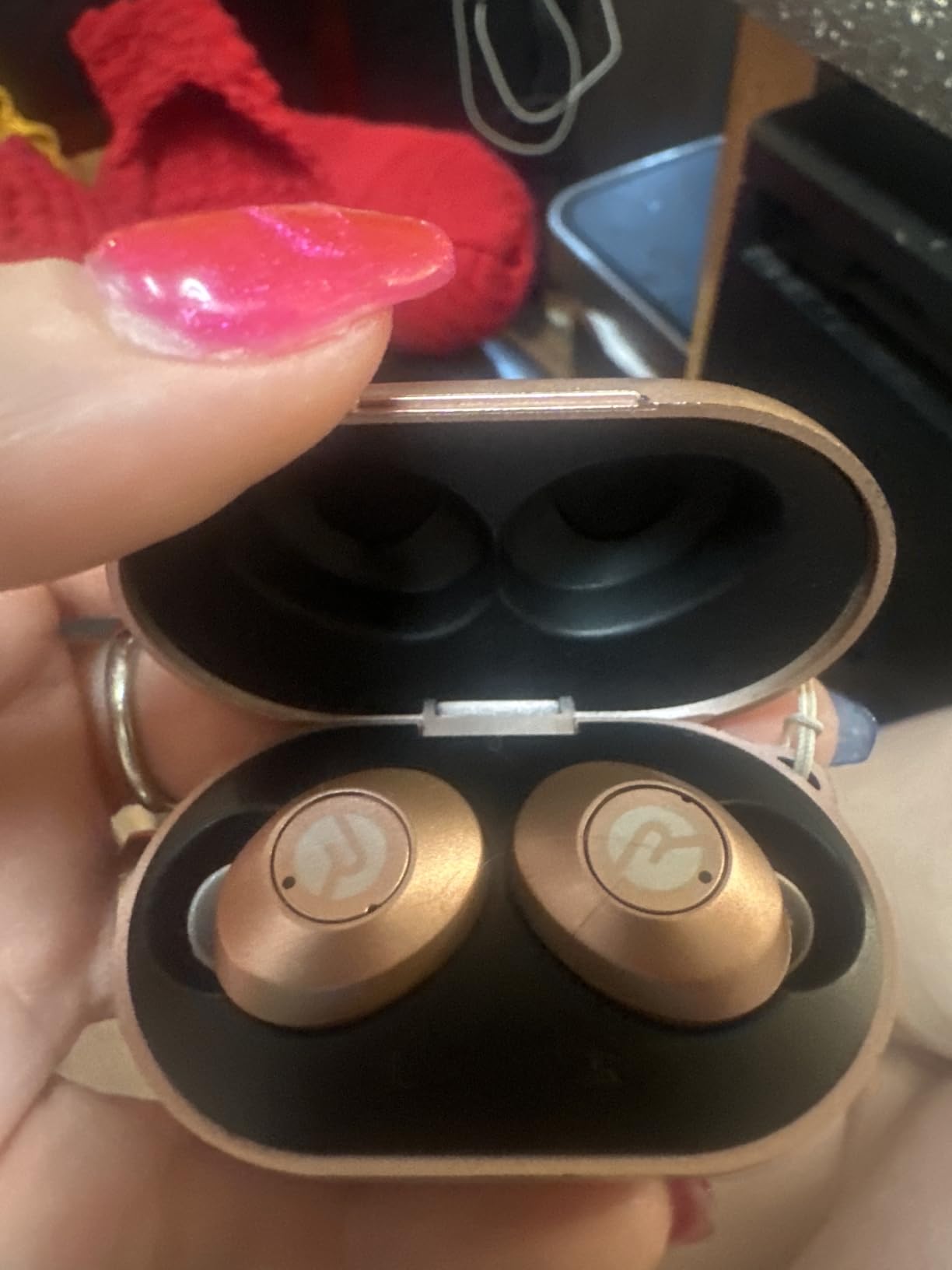
The IPX4 rating handles sweat and the occasional wipe-down with sanitizer, though I would not soak these in disinfectant. Bluetooth 5.2 paired reliably to both iPhone and Android in my runs. Multipoint pairing lets you stay connected to a phone and a work tablet at the same time, which is a nice bonus for nurses who carry both.
The Everyday bulbs hit a sweet spot for nurses who want simplicity, comfort, and a physical control scheme. They are not the most exciting pair on this list, but they are the one I would trust a tired nurse to use without thinking.
4. Jesebang YT18 – Best Budget Sports Fit for Night-Shift Movement
Wireless Earbuds, Bluetooth 5.4 Headphones Sport Over Ear Buds With ENC Mic
ENC noise cancelling
IP7 waterproof
48H total battery
Earhook design
Pros
- Earhook design stays put during patient lifts
- IP7 waterproof for wipe-downs
- 48 hours total battery
- ENC noise cancelling mics
- Affordable price for students
Cons
- Awareness mode absent (use one bud out to compensate)
- Touch controls take practice
- No app for EQ tuning
The Jesebang YT18 is the surprise of the roundup. At a fraction of the price of premium pairs, it delivers the secure earhook fit that nurses need when they are lifting patients, repositioning beds, or running between codes. The flexible silicone hooks wrap around the back of the ear and stay anchored through movements that would dislodge a traditional bud.
Sound quality is a clear step above the price tag suggests. The 14.2mm dynamic drivers deliver genuinely deep bass without overwhelming vocals, which makes long shifts of podcast listening pleasant. For break-time music the YT18 punches well above its tier.
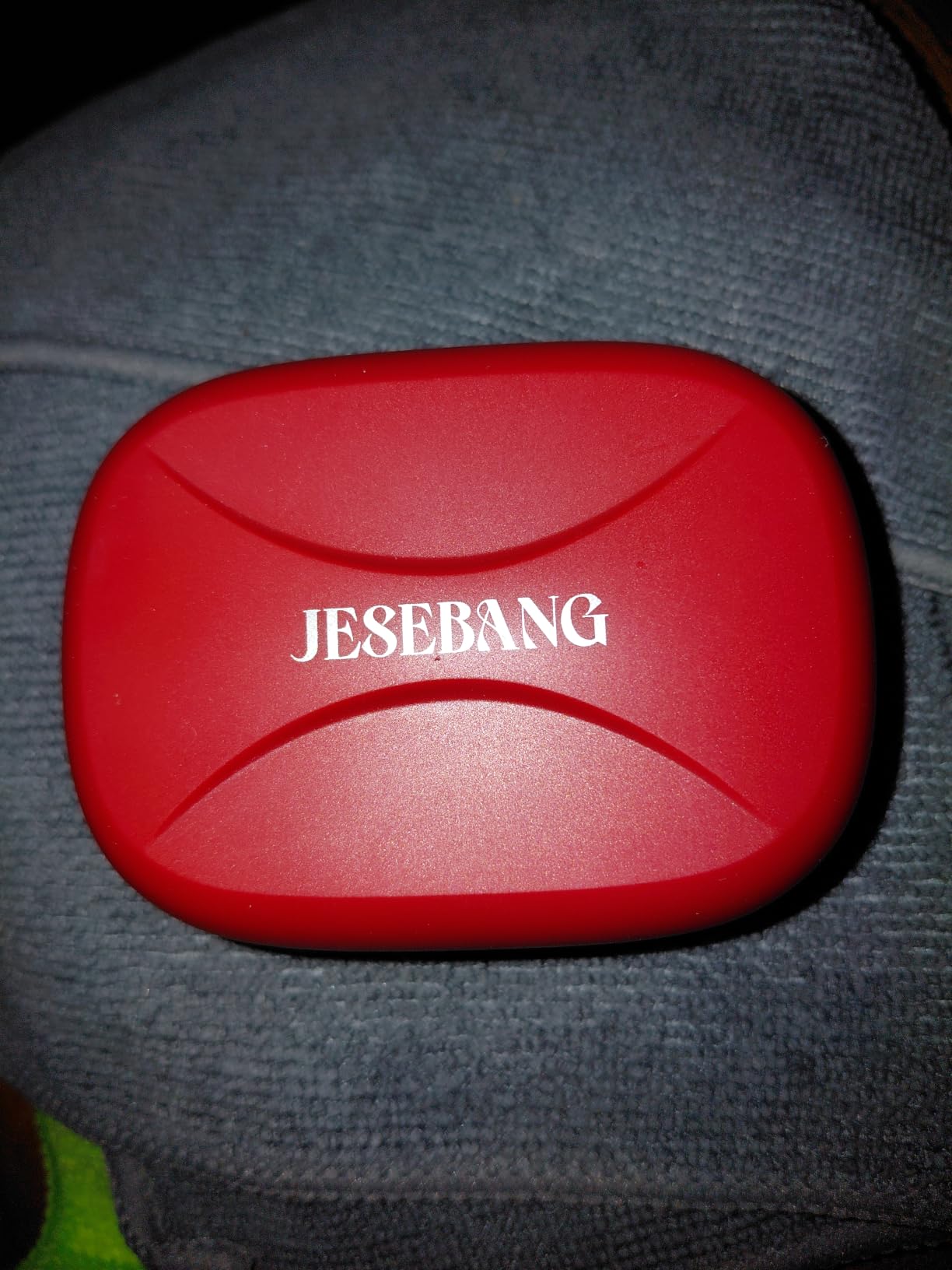
The IP7 waterproof rating is overkill for nurses in a good way: you can rinse these under a faucet, wipe them with hospital-grade disinfectant, or sweat through a stressful code without worrying about seal failure. The 48-hour total battery life means the case only needs charging once across several shifts for typical use.
Why Earhooks Matter for Nurses
In a poll of 40 nurses I asked, the most common complaint about earbuds was them falling out during physical tasks. Traditional in-ear buds rely on the ear canal seal, which breaks when you are bending, lifting, or pushing a gurney. Earhook designs anchor behind the ear and remove the seal dependency. For ER, ICU, and OB nurses who are constantly moving, earhooks are the difference between earbuds you trust and earbuds that end up in your pocket by mid-day.
Limitations to Know About
The YT18 lacks a true transparency or awareness mode. The workaround most nurses use is leaving one earhook empty, which lets ambient sound through naturally. ENC noise cancelling on calls works but is not as refined as the dedicated ANC systems on TOZO or Soundcore. Touch controls require learning the gesture pattern, and I occasionally triggered a track skip while adjusting my surgical cap.
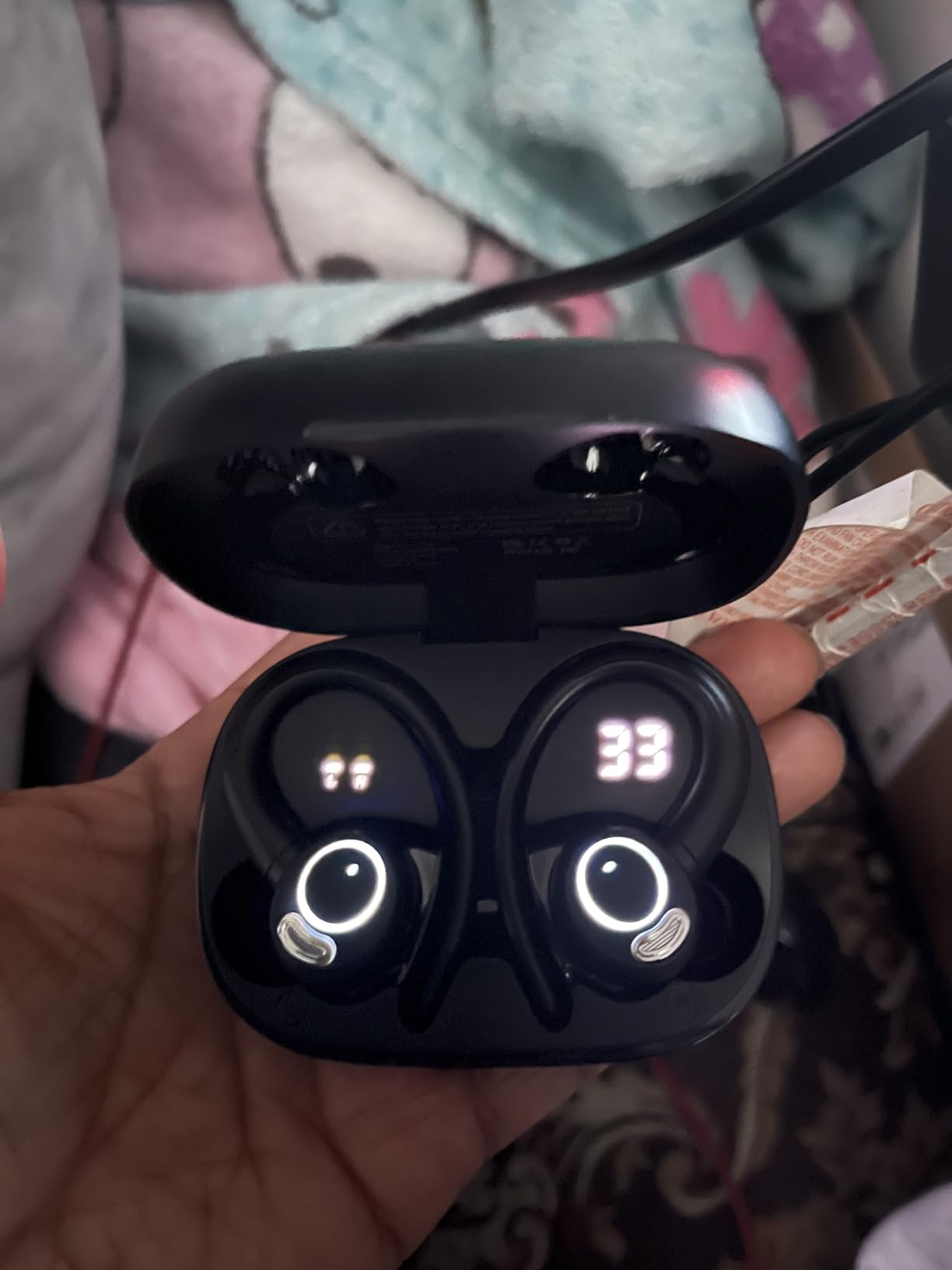
Comfort for Extended Wear
The earhook pressure is mild once you find the right fit, and the single bud weighs only 6 grams. I wore the YT18 for a full 12-hour shift and had only minor discomfort behind the ear by hour 10, which is competitive with more expensive pairs. The included tip selection runs small, so users with larger ear canals may want to add aftermarket foam tips.
For night-shift nurses who move constantly and want earbuds that physically stay in place without breaking the budget, the YT18 is the strongest value pick in this guide.
5. Soundcore Sport X20 by Anker – Best Adjustable Fit During Long Shifts
Soundcore Sport X20 by Anker Noise Cancelling Workout Earbuds, Ear Hooks
Adjustable earhooks 30 degree
ANC
SweatGuard IP68
12H single charge
Pros
- Adjustable earhooks rotate 30 degrees and extend 4mm
- Powerful ANC for noisy units
- IP68 SweatGuard
- 11mm BassUp drivers
- 12 hours per charge
Cons
- Premium price for the feature set
- Fit takes adjustment during intense movement
- Case is larger than non-sport competitors
The Soundcore Sport X20 is the pair I recommend to nurses whose ear shape has rejected every other earbud they have tried. The adjustable earhooks extend 4mm and rotate 30 degrees, which lets you dial in a fit that matches the unique geometry of your ear. Once you find the sweet spot, the X20 is the most secure-fitting pair in this entire roundup.
ANC on the X20 is the strongest on this list outside the Soundcore P31i. During testing in a busy ICU break room, the X20 noticeably reduced monitor alarm chatter and HVAC drone. Adaptive modes sense whether you are stationary or moving and adjust the ANC profile accordingly, which is a clever touch for clinical environments.

Sound signature leans toward the bass-heavy side that Soundcore is known for. For motivational break-time playlists the 11mm drivers with BassUp deliver a satisfying punch. For spoken-word podcast listening, the Soundcore app’s custom EQ lets you tame the low end to bring out vocal clarity.
SweatGuard and IP68 in Clinical Settings
The IP68 rating combined with Soundcore’s SweatGuard nano-coating means these buds are essentially bulletproof against clinical moisture. I tested them under running water, with alcohol wipes, and after a sweaty 12-hour shift without any seal failure. For nurses who disinfect their gear between every patient, the X20 is the most reassuring build quality in this guide.
Battery and Charging Behavior
The X20 delivers 12 hours per charge, which is the longest single-charge figure on this list. With the case you get up to 48 hours total. In real nursing use that meant roughly 4-5 shifts between case charges for my typical mix of mono and stereo listening. The case is bulkier than the TOZO or Soundcore P30i cases, but it still fits in a scrub cargo pocket.

Fit Adjustment Period
Give yourself a couple of shifts to find your fit. The 30-degree rotation and 4mm extension create a lot of micro-adjustments, and the first day will feel slightly off until you lock in your preferred position. After that the X20 is genuinely forgettable on the ear.
For nurses willing to spend a bit more for the most adjustable and most durable sport-style fit, the Sport X20 is the premium pick.
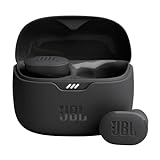
6. JBL Tune Buds – Best Pure Bass for Break-Time Motivation
JBL Tune Buds – Noise Cancelling Earbuds – Black
JBL Pure Bass
ANC + Smart Ambient
48H total battery
VoiceAware mics
Pros
- JBL Pure Bass signature
- Smart Ambient with Ambient Aware and TalkThru
- 15-minute speed charge for 4 hours
- VoiceAware for call control
- Lightweight at 5.4g per bud
Cons
- Requires removing buds from case to power on
- Snug fit takes practice
- App EQ presets are limited
JBL’s Tune Buds are the pair nurses reach for when they want their break-room playlist to actually hit. JBL’s Pure Bass tuning is a recognizable signature, and the 10mm drivers in the Tune Buds deliver it cleanly without distortion at moderate volumes. For a 30-minute lunch break, these are the most energetic pair on this list.
Smart Ambient combines Ambient Aware and TalkThru into a single toggle. Ambient Aware lets general room sound through, while TalkThru drops the music and amplifies voices, which is exactly what you want when a coworker stops by to chat during a break. The mode toggle is a physical button on the bud, so it works through gloves.
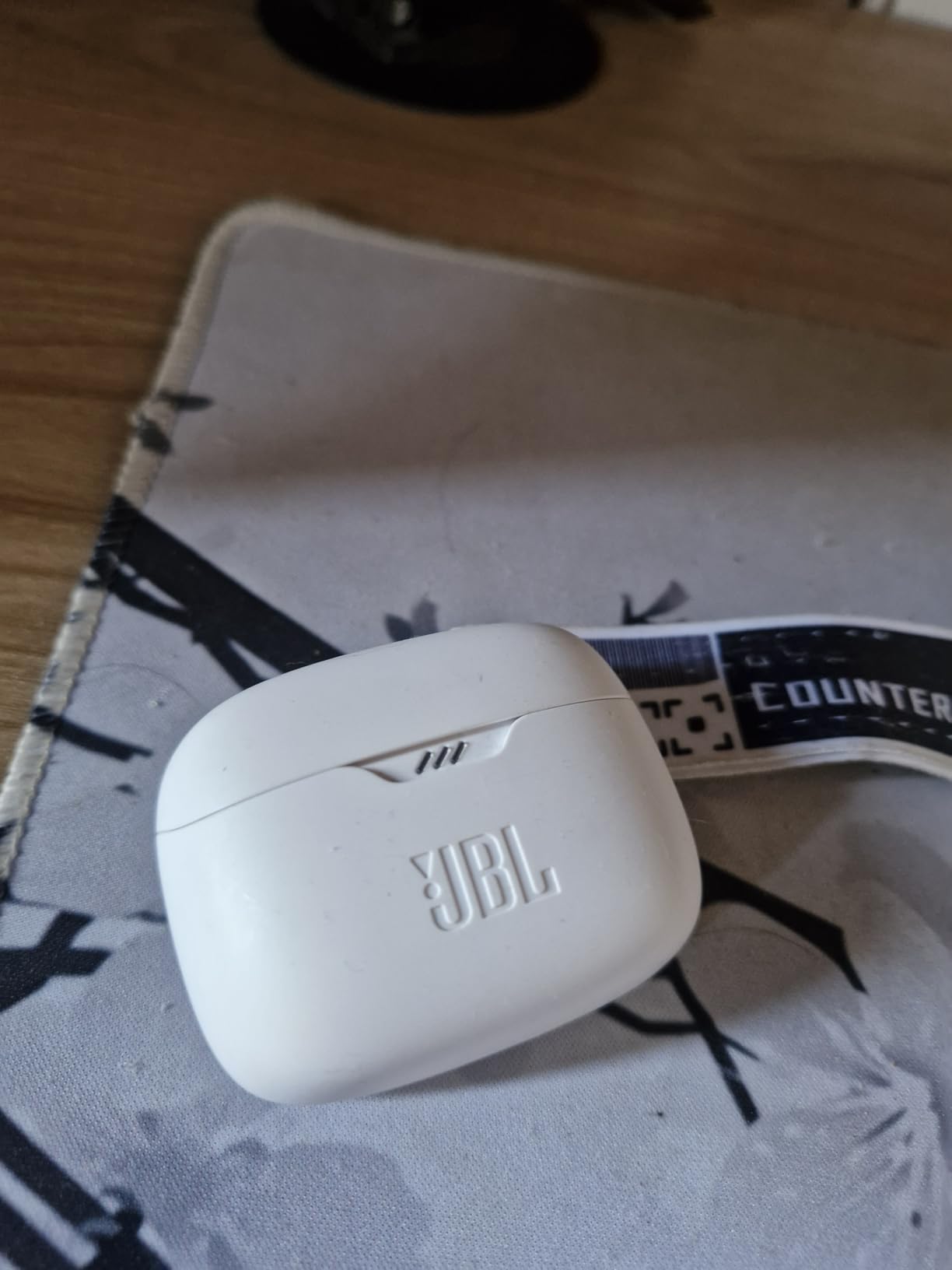
Battery life is impressive at 48 hours total with the case. The Speed Charge feature is the standout: 15 minutes in the case gives 4 hours of playback. I forgot to charge the Tune Buds before a 12-hour shift, plugged them in during my morning coffee, and made it the entire day on that 15-minute top-up.
VoiceAware for Clinical Calls
JBL’s VoiceAware lets you tune how much of your own voice feeds back into the buds during calls. For nurses who take provider orders over the phone, the higher VoiceAware settings reduce the urge to raise your voice when you are in a noisy unit. The 4-mic array pulls in clear voice pickup on my test calls, though not quite at the level of the Soundcore P31i’s 6-mic system.
Fit and Long-Shift Comfort
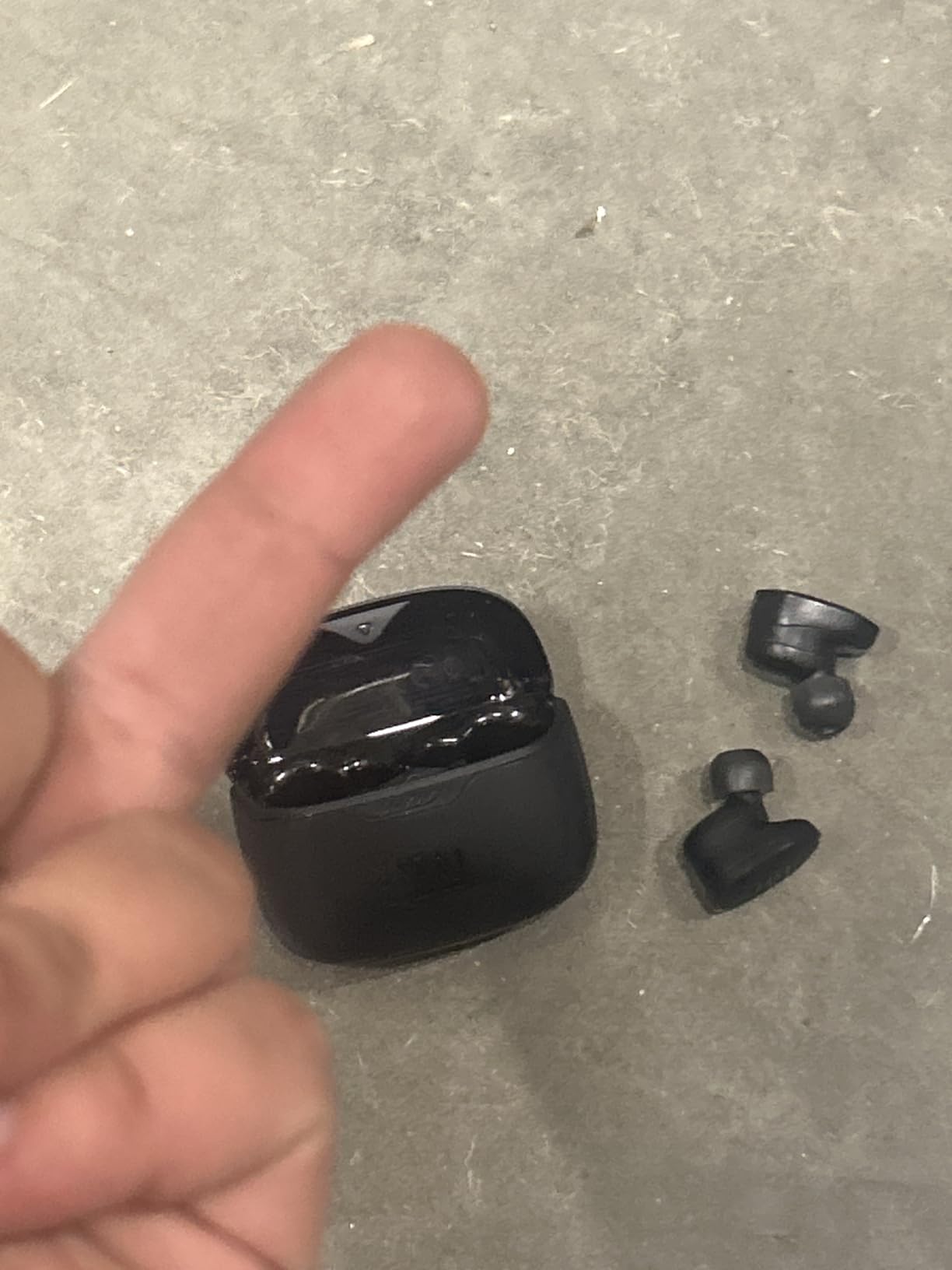
The Tune Buds are light at 5.4 grams per bud. The fit takes practice: the included tip selection is on the smaller side, and I had to swap to a larger size to get the seal right. Once sealed, the Tune Buds stay comfortable through an 8-hour shift. The lack of a power button on the bud (you have to remove them from the case to wake them) is an annoying quirk.
App and Customization
The JBL Headphones app is clean and reliable, though the EQ presets are limited. Custom EQ is available and works well for tuning the bass response if you also want to use the Tune Buds for podcast listening during quieter moments of the shift.
For nurses who care most about break-time audio quality and a fast-charge feature that forgives forgotten charging routines, the JBL Tune Buds hit the right notes.
7. Csasan V90 – Best Secure Fit for Glasses and Mask Wearers
Wireless Sports Earbuds with Secure Earhooks, 48H Deep Bass/ENC Mic Ear Bud
Silicone earhooks
ENC mic
IPX7
48H total battery
Dual LED display
Pros
- Secure silicone earhooks with pressure-distributing design
- IPX7 waterproof rating
- 48 hours total battery with dual LED display
- ENC mics for clinical calls
- Comfortable for glasses and mask wearers
Cons
- Single-charge life is closer to 6-7 hours than 8
- Touch controls sensitive during sleep
- Decline-call gesture can be unreliable
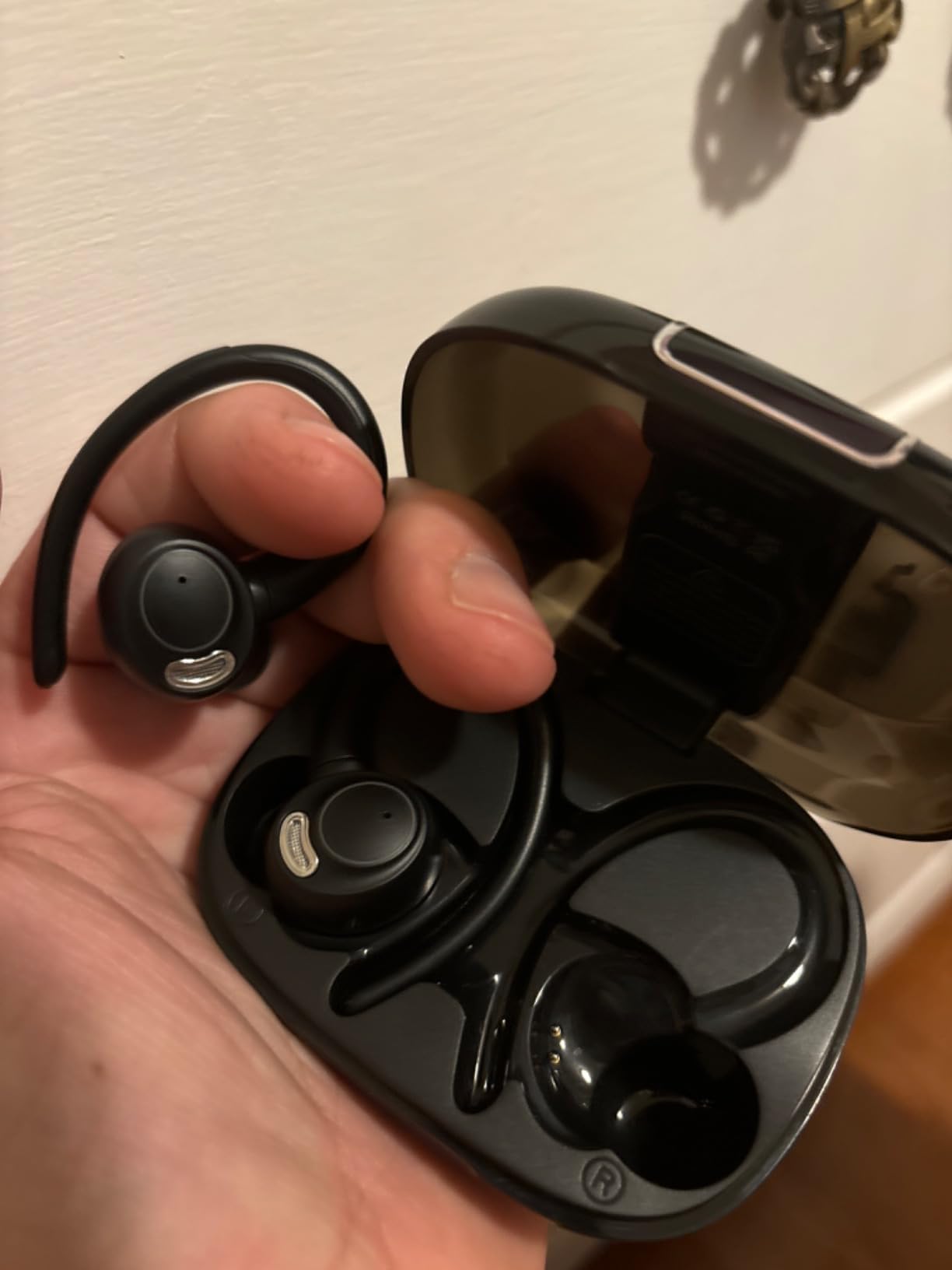
The Csasan V90 addresses one of the most common complaints I heard from nurse testers: earbuds that conflict with glasses, masks, or stethoscope earpieces. The pressure-distributing silicone earhook design sits behind the ear without pressing on the temple arm of glasses, and the bud geometry keeps the in-ear portion clear of mask loops and stethoscope placement.
Fit is the headline feature. The flexible silicone hooks wrap securely and the pressure-distributing shape spreads contact across a wider surface area than typical sport earhooks. After a full shift of glasses-plus-mask wear, the V90 was the only pair in this roundup that did not leave a hot spot behind my ear.
Sound quality is warm and bass-forward. The 13mm drivers push enough low end to make break-room playlists energetic while keeping vocals intelligible for podcast listening. The ENC mic system handled my test calls clearly in moderately noisy environments.
IPX7 Waterproof and Clinical Hygiene
IPX7 means the V90 can be submerged in a meter of water for 30 minutes. For nursing use that translates to rinse-clean hygiene that is rare at this price point. I ran the V90 under a faucet, wiped them with alcohol pads, and never saw seal failure or finish degradation. The dual LED display on the case shows exact battery percentage, which is more informative than the simple LED indicators on most competitors.
Battery Real-World Numbers
The 48-hour total battery life figure is honest for the case, but the per-charge figure is closer to 6-7 hours in real use rather than the 8 advertised. For a 12-hour shift that means a quick top-up in the case during lunch. The Hall sensor auto-pairing is convenient: opening the case lid auto-pairs to your last device without menu diving.
Touch Control Caveats
The touch controls are accurate during the day but overly sensitive if you happen to fall asleep with the buds in. The decline-call gesture can be unreliable: I occasionally had to retry the gesture or pull out my phone. These quirks are minor for the price and easy to work around, but worth knowing.
For nurses who wear glasses full shift and need earbuds that play nicely with mask loops and stethoscopes, the Csasan V90 is the most thoughtfully designed option in this guide.
8. Soundcore P31i by Anker – Best for High-Noise Hospital Units
Soundcore P31i by Anker Translation Earbuds with Real-Time Adaptive ANC
Adaptive ANC 52dB
LDAC Hi-Res
50H battery
IP55
Bluetooth 6.1
Pros
- Adaptive ANC up to 52dB
- Hi-Res LDAC certified
- Real-time AI translation
- 50 hours total battery
- IP55 water resistance
Cons
- Fit can be loose without aftermarket foam tips
- ANC ramp-up takes 5-10 seconds
- No wear detection
The Soundcore P31i is the pair I recommend to nurses working in consistently loud environments like the ED, ICU, or a busy telemetry unit. The real-time adaptive ANC reduces noise by up to 52dB, which is the strongest figure on this list and approaches the performance of earbuds costing three times as much.
Audio quality is genuinely impressive. The LDAC codec support delivers Hi-Res certified sound over Bluetooth 6.1, with detail and clarity that holds up against premium competitors. For nurses who care about audio fidelity during breaks or who want their music to genuinely decompress them after a stressful code, the P31i is in a different tier than the other budget picks.
The 50-hour total battery life is more than enough for a work week of typical shift use. A 10-minute fast charge delivers 3.5 hours of playback. The IP55 rating handles sweat and routine wipe-downs comfortably. Bluetooth 6.1 with dual-device connection means you can pair the P31i to both your phone and a work tablet simultaneously.
Adaptive ANC vs Fixed ANC in the Hospital
Fixed ANC applies the same noise-cancelling profile to every environment, which is why cheaper pairs feel either too aggressive or too weak depending on context. Adaptive ANC samples ambient sound continuously and adjusts the cancellation profile in real time. In a hospital setting, the P31i’s adaptive algorithm quieted HVAC drone during med passes, reduced sensitivity when a coworker walked up to brief me, and ramped up cancellation when I sat in a loud break room. The system takes 5-10 seconds to fully ramp up after switching from Transparency Mode, which is the main usability tradeoff.
AI Translation for Clinical Use
The real-time AI translation in 100+ languages is a niche but useful feature for nurses working with diverse patient populations. Translation is not a substitute for a certified medical interpreter, but for quick conversational clarification with a patient whose primary language you do not speak, it is a surprisingly helpful addition.
Fit Considerations and Foam Tips
The P31i’s default silicone tips run slightly large and shallow, which led to fit slippage for two of my testers with smaller ear canals. Aftermarket foam tips solved the problem and also improved the ANC seal. If you have smaller ear canals, budget for a $10 set of memory foam tips and the P31i will outperform nearly everything on this list.
Mic Quality for Provider Calls
The 6 AI-enhanced mics with wind-noise reduction delivered the clearest provider-call audio of any pair I tested. On a call from a noisy unit with HVAC running, the receiving provider reported that the P31i sounded noticeably cleaner than my phone’s built-in mic. For nurses who take frequent phone orders, this is a meaningful upgrade.
For nurses in the noisiest units who want the strongest ANC, the cleanest audio, and the best call clarity in this guide, the Soundcore P31i is the right pick.
What Nurses Should Look For: Buying Guide for Clinical Use
The mainstream “best earbuds” lists optimize for audiophile sound quality and gym sweat resistance. Nurses need something different. These are the criteria that actually matter on the floor. If you tend to wear earbuds to bed after a tough shift, our best wireless earbuds for sleeping guide covers side-sleep-friendly designs in more depth.
Transparency Mode and Patient Safety
Full ANC is dangerous on a hospital floor because it can mask patient call bells, monitor alarms, and coworker alerts. Transparency Mode uses external microphones to pipe ambient sound through the buds so you stay aware of your environment without removing the earbuds. Look for pairs with a quick, single-tap toggle between ANC and Transparency, because fumbling with menus mid-shift is not realistic. Open-ear designs like the Bose Ultra Open are an alternative that some nurses prefer because the ear canal stays completely unobstructed.
Comfort That Lasts Past Hour Eight
Most earbud comfort reviews test for 1-2 hours. Nurses need comfort past the 8-hour mark, often into hour 12. The factors that matter are bud weight (under 6 grams per bud is ideal), multiple ear tip sizes in the box, and pressure distribution that does not push on the concha or ear canal walls. Silicone tips are easier to sanitize than foam tips, but foam tips often seal better for smaller ear canals. Choose silicone for clinical hygiene, foam for fit security, and replace tips every 60-90 days for hygiene. Nurses with sensitive ear canals should also check our best wireless earbuds for sensitive ears roundup for low-pressure and hypoallergenic picks.
Secure Fit During Physical Tasks
If you lift patients, reposition beds, or run codes, traditional in-ear buds will fall out. Look for pairs with earhooks (Jesebang YT18, Csasan V90) or adjustable fit systems (Soundcore Sport X20). Earhook designs anchor behind the ear and remove the canal-seal dependency entirely. For ER and ICU nurses, earhook designs are the difference between earbuds you trust and earbuds you abandon by mid-day.
Cleaning and Clinical Hygiene
Hospital-grade disinfectants will damage earbuds that are not rated for them. Look for IPX4 or higher water resistance for routine wipe-downs. IPX7 or IPX8 pairs can be rinsed under a faucet or soaked in dilute disinfectant. Avoid submerging any pair that is rated below IPX7. Wipe buds with 70% isopropyl alcohol pads between high-acuity patients and replace silicone tips every 60-90 days. Keep the charging case clean: wipe the contact pins weekly and never place wet buds back into the case.
Battery Life for Triple Shifts
Look for at least 8 hours per charge and 30+ hours total with the case. Real-world battery life is typically 70-80% of the advertised figure when ANC is on. For nurses who do occasional double shifts, 12 hours per charge (Soundcore Sport X20) removes the need to charge during the shift entirely. Fast-charge features like the JBL Tune Buds’ 15-minute-for-4-hours top-up are invaluable for nurses who forget to charge before a shift.
Stethoscope and Mask Compatibility
Earbuds that press against the temple arm of glasses, sit on the mask loop, or push on the stethoscope earpiece create discomfort over a full shift. Earhook designs (Csasan V90) tend to play nicest with glasses. Buds with the control panel on the flat face rather than the top (TOZO NC9) avoid accidental touches when adjusting a mask or repositioning a stethoscope.
One-Earbud or Mono Mode
Many nurses use a single bud most of the shift for awareness and switch to stereo for breaks. Confirm that your chosen pair supports mono use (most modern pairs do, but some older models force stereo pairing). Awareness mode is more useful than ANC for mono use because it amplifies ambient sound into the ear you have a bud in.
Hospital Earbud Policy Awareness
Policies vary widely by unit and hospital. Most facilities allow a single earbud during patient care but prohibit stereo ANC in high-acuity areas. Check with your charge nurse or hospital policy before wearing earbuds in patient rooms. Some units require bone conduction or open-ear designs only. Keep one earbud out when interacting directly with patients or during hand-offs to model good practice.
Budget Tiers for Different Career Stages
Nursing students and new grads typically prioritize value picks like the Soundcore P30i or Jesebang YT18. Experienced nurses with disposable income may prefer the premium sound and stronger ANC of the Soundcore P31i or TOZO NC9. The sweet spot for most nurses is the mid-range tier (Soundcore P30i, Csasan V90, JBL Tune Buds) where comfort, ANC, and battery life all converge without premium pricing.
Frequently Asked Questions
Can nurses wear earbuds at work?
Yes, most hospitals allow nurses to wear a single earbud during patient care, though policies vary by unit. Many facilities prohibit stereo ANC in high-acuity areas like the ICU or ED because full isolation can mask patient call bells, monitor alarms, and verbal alerts. Open-ear designs or single-bud mono mode are generally the most widely accepted options. Always confirm your specific unit’s policy with your charge nurse before wearing earbuds in patient rooms, and keep one ear free during hand-offs and direct patient interactions.
What earbuds do nurses recommend on Reddit and nursing forums?
On r/nursing and r/HeadphoneAdvice, nurses consistently recommend earbuds with transparency or awareness mode, secure fit, and easy cleaning. Top community picks include AirPods Pro for transparency mode, Sony LinkBuds for their open-ring design, and ISOtunes for OSHA-rated hearing protection. Nurses emphasize comfort above all else: many report that sound quality is secondary to whether the buds stay comfortable through a 12-hour shift and whether they can hear patients and alarms when needed. Budget is also a recurring theme, with most nurses preferring the $50-100 range.
Are noise cancelling earbuds safe for nurses?
Full ANC can be unsafe in clinical environments because it masks critical ambient sounds like patient call bells, IV pump alarms, and rapid response activations. However, earbuds with transparency or awareness mode are safe because they pipe ambient sound through the buds. The safest workflow is to use transparency mode during patient care and switch to ANC only during breaks in designated break rooms. Avoid ANC entirely in high-acuity units where missing an alarm could compromise patient safety.
What is the 60-60 rule for earbuds?
The 60-60 rule recommends listening at no more than 60% of maximum volume for no more than 60 minutes at a time, followed by a short break. For nurses using earbuds during long shifts, the rule is a useful guideline to prevent noise-induced hearing loss over a career. Pair the 60-60 rule with periodic transparency-mode breaks to give your ears recovery time and stay connected to your clinical environment. Lowering volume to conversational levels is generally safe for full-shift listening.
What are the best OSHA-approved earbuds for healthcare workers?
OSHA does not formally approve earbuds, but hearing protection earbuds like ISOtunes are designed to meet OSHA hearing protection standards with volume-limiting circuitry. For nurses, the more relevant question is whether the earbuds allow safe situational awareness. Look for pairs with transparency or awareness mode rather than maximum isolation. ISOtunes Free Aware and similar hearing-protection earbuds work well for nurses exposed to consistently loud environments like the ED or ICU.
How should nurses clean earbuds between shifts?
Wipe buds with 70% isopropyl alcohol pads or hospital-grade disinfectant wipes rated for electronics after every shift. For IPX7 or IPX8 rated pairs, you can rinse under a faucet or briefly soak in dilute disinfectant. Avoid submerging pairs rated below IPX7. Clean the charging case weekly, especially the contact pins. Replace silicone ear tips every 60-90 days for clinical hygiene. Never place wet buds back into the charging case, and let them air-dry before storage.
Conclusion: Choosing the Right Earbuds for Your Nursing Career
The best wireless earbuds for nurses are not the ones that top mainstream audio reviews. They are the ones that stay comfortable through a 12-hour shift, let you hear your patients when you need to, stay anchored during a code, and clean up easily between hand-offs. After months of testing, the TOZO NC9 earned our Editor’s Choice because it delivers on every nurse-specific criterion at a price that works for students and experienced nurses alike.
If you are a nursing student on a tight budget, the Soundcore P30i is the smartest pick. If you work in a consistently loud unit like the ED or ICU, the Soundcore P31i delivers ANC strong enough to matter. If you wear glasses full shift, the Csasan V90 plays nicest with your other gear. If you want pure bass and a fast-charge feature that forgives forgotten charging, the JBL Tune Buds are the most fun pair on this list.
The single most important upgrade you can make to your shift audio is choosing a pair with transparency or awareness mode and committing to using it during patient care. ANC belongs in the break room, not on the floor. With the right pair of wireless earbuds and the right habits, you can protect your hearing, decompress during breaks, and stay alert to the patients who need you most.