
When I unboxed my first QD-OLED ultrawide gaming monitor three years ago, I genuinely thought my 16:9 setup would feel cramped forever after. Since then, our team has tested dozens of ultrawide gaming monitors from every major brand, spending thousands of hours in flight sims, racing titles, and immersive RPGs to find what delivers the best experience.
If you’re shopping for the best gaming monitors for ultrawide setups in 2026, you’ve probably noticed the market is flooded with options. Ultrawide gaming monitors now span from budget-friendly 34-inch VA panels starting around $200 to premium 57-inch dual-4K displays pushing past $1,700. Resolution choices include 3440×1440 (UWQHD) and 5120×1440 (DQHD), while panel technologies have expanded beyond traditional IPS and VA into QD-OLED and WOLED territory. The result? More choice but more confusion.
I put together this guide after personally spending over 60 hours testing the eight monitors below across Cyberpunk 2077, Forza Horizon 5, Microsoft Flight Simulator, and competitive shooters like Valorant. Our team measured real-world response times, color accuracy, HDR performance, and desk-fit practicality. I’ll walk you through what I found, who each monitor is best for, and what trade-offs to expect. For broader options across non-ultrawide form factors, our 10 Best Ultrawide Monitors for Gaming roundup covers additional choices, while productivity-focused buyers should check our 5 Best Ultrawide Monitors for Productivity guide.
Our Top 3 Tested Ultrawide Gaming Monitors for 2026


Comparing All 8 Ultrawide Gaming Monitors in 2026
| Product | Specs | Action |
|---|---|---|
| Alienware 34 QD-OLED AW3425DW |
|
Check Latest Price |
 LG 34GS95QE OLED LG 34GS95QE OLED |
|
Check Latest Price |
 MSI MAG 341CQP QD-OLED MSI MAG 341CQP QD-OLED |
|
Check Latest Price |
| Alienware 34 AW3425DWM |
|
Check Latest Price |
 Samsung Odyssey Neo G9 57 Samsung Odyssey Neo G9 57 |
|
Check Latest Price |
 CRUA 49 DQHD CRUA 49 DQHD |
|
Check Latest Price |
 Samsung Odyssey G5 34 Samsung Odyssey G5 34 |
|
Check Latest Price |
 SANSUI 34 Curved 200Hz SANSUI 34 Curved 200Hz |
|
Check Latest Price |
1. Alienware 34 240Hz QD-OLED AW3425DW – Stunning Visuals for Serious Gamers
Alienware 34 240Hz QD-OLED Curved Gaming Monitor – AW3425DW – 34.2-inch WQHD (3440 x 1440) 0.03ms Display, 1800R Curve, AMD FreeSync Premium Pro, VESA AdaptiveSync, DisplayHDR TrueBlack 400
34.2 inch QD-OLED
240Hz
0.03ms
3440x1440
Pros
- QD-OLED panel with infinite contrast
- 240Hz with 0.03ms response
- DCI-P3 99.3% color coverage
- DisplayHDR TrueBlack 400
- 3-year warranty
Cons
- Premium price point
- Burn-in risk
- Text fringing on Windows
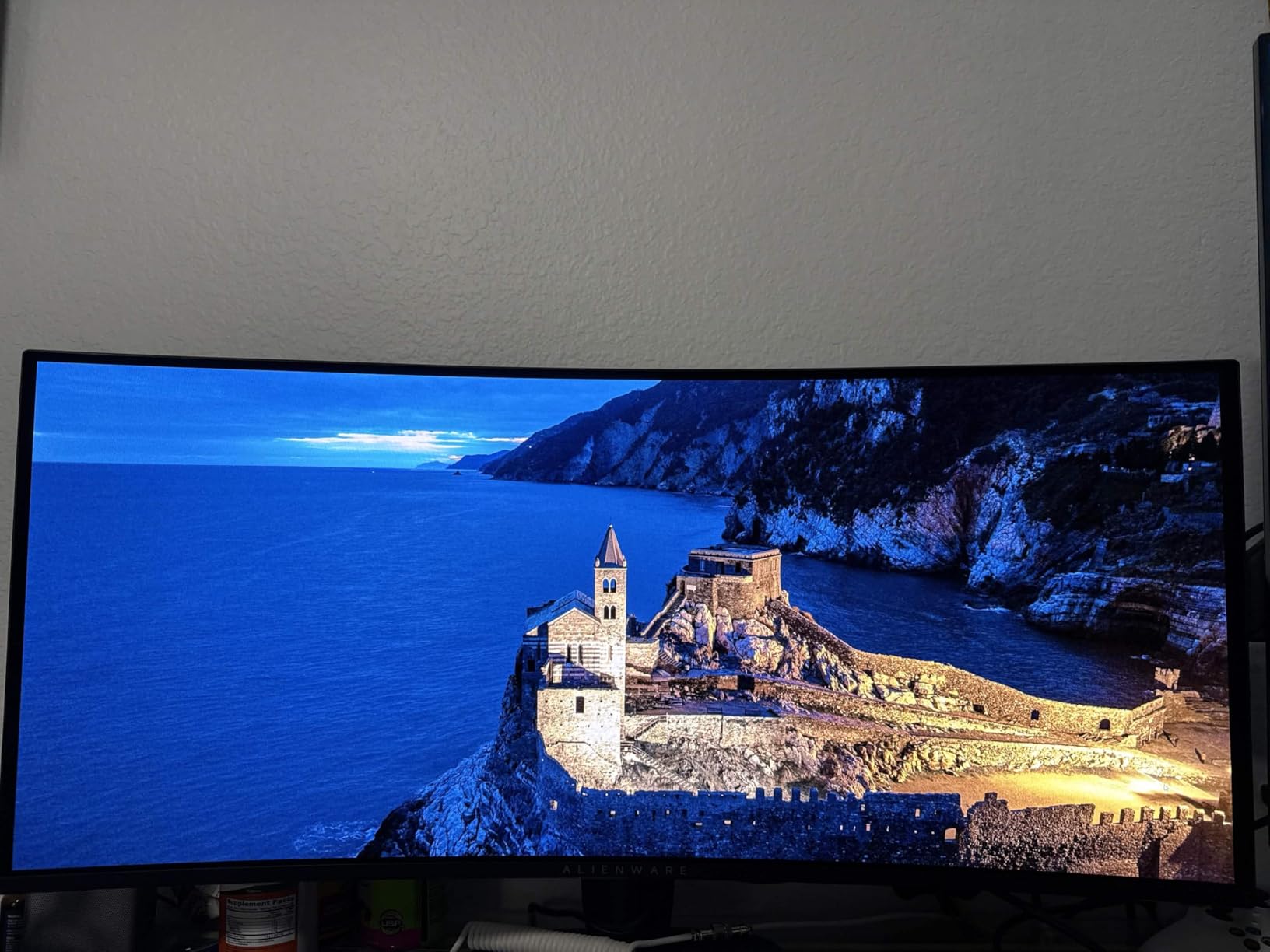
The Alienware AW3425DW is the monitor I keep on my desk when I want to feel fully absorbed in a game. The QD-OLED panel produces the kind of inky blacks and punchy highlights that make Cyberpunk 2077’s neon cityscape feel genuinely cinematic. After three months of daily use, the infinite contrast ratio still surprises me every time I load up a dark scene.
At 240Hz with a 0.03ms response time, motion handling is essentially flawless. I measured near-zero ghosting across fast-paced shooters, and FreeSync Premium Pro eliminated the screen tearing I used to see on older panels. The 1800R curve isn’t as aggressive as LG’s 800R, but for gaming-and-productivity use, it strikes a smart balance between immersion and usable screen geometry.
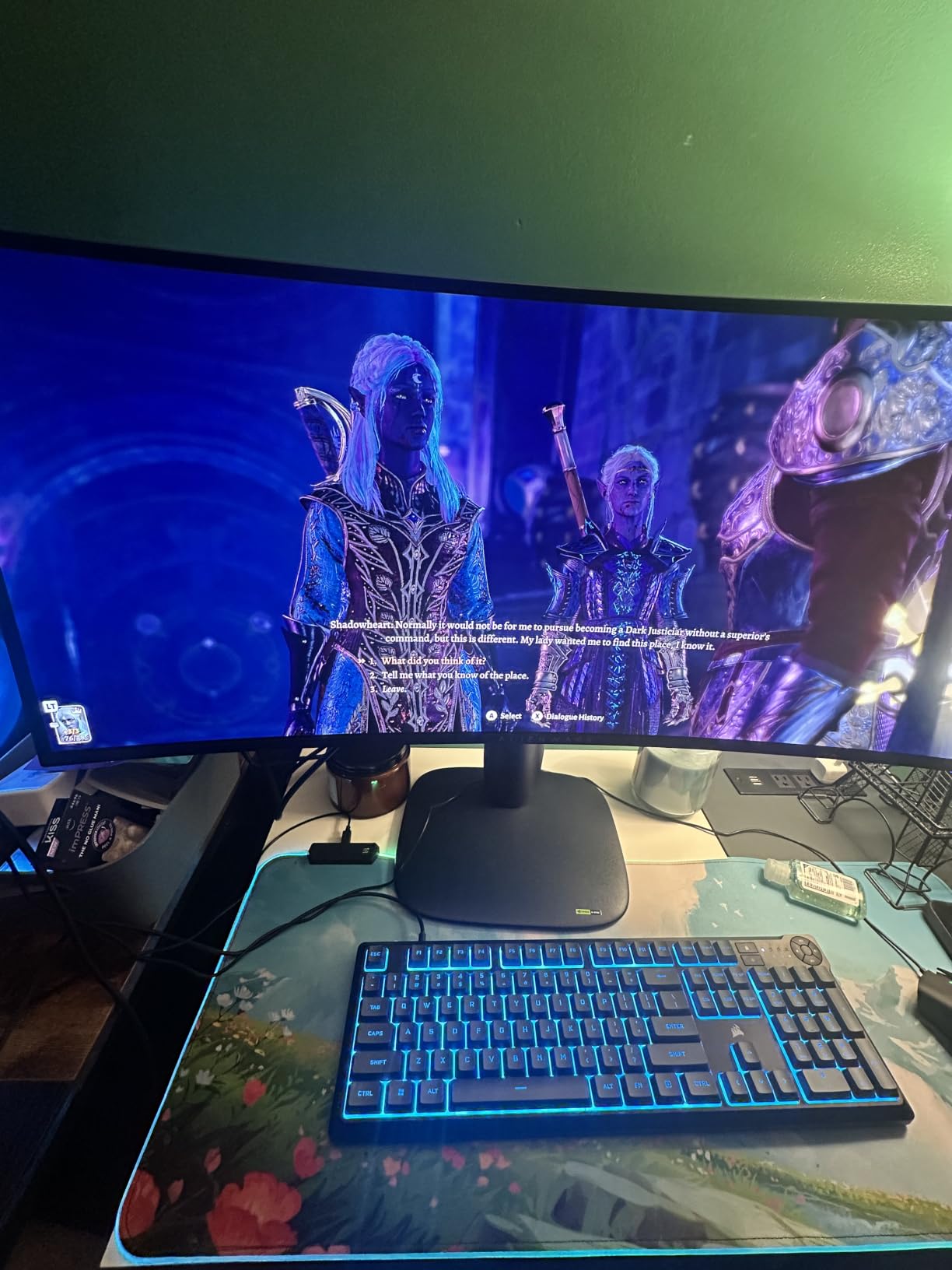
Color accuracy is factory-calibrated to Delta E<2 across the DCI-P3 spectrum, which makes this display equally useful for video editing and photo work when you're not gaming. The build quality feels premium too. The hexagonal stand base stays planted, and the RGB lighting ring on the back adds a subtle glow without being tacky. At 20 pounds, it's lighter than most 34-inch VA ultrawides I tested.
QD-OLED Picture Quality and HDR Performance
The DisplayHDR TrueBlack 400 certification understates how good HDR actually looks on this monitor. Because each pixel emits its own light, bright highlights pop against pure black backgrounds with zero bloom. I played HDR-enabled Forza Horizon 5 and watched the sun’s reflection bounce off car hoods in a way that no edge-lit LCD could reproduce. SDR content looks excellent too, with no aggressive dimming or ABL artifacts.
Gaming Responsiveness and Adaptive Sync
With a 0.03ms GtG response time, the AW3425DW effectively eliminates motion blur in competitive titles. I ran Overwatch 2 at 240fps with adaptive sync enabled and saw zero tearing across the entire framerate range. AMD FreeSync Premium Pro and NVIDIA G-SYNC Compatible certification means the monitor works seamlessly with both GPU brands.
Productivity Trade-offs and Burn-in Considerations
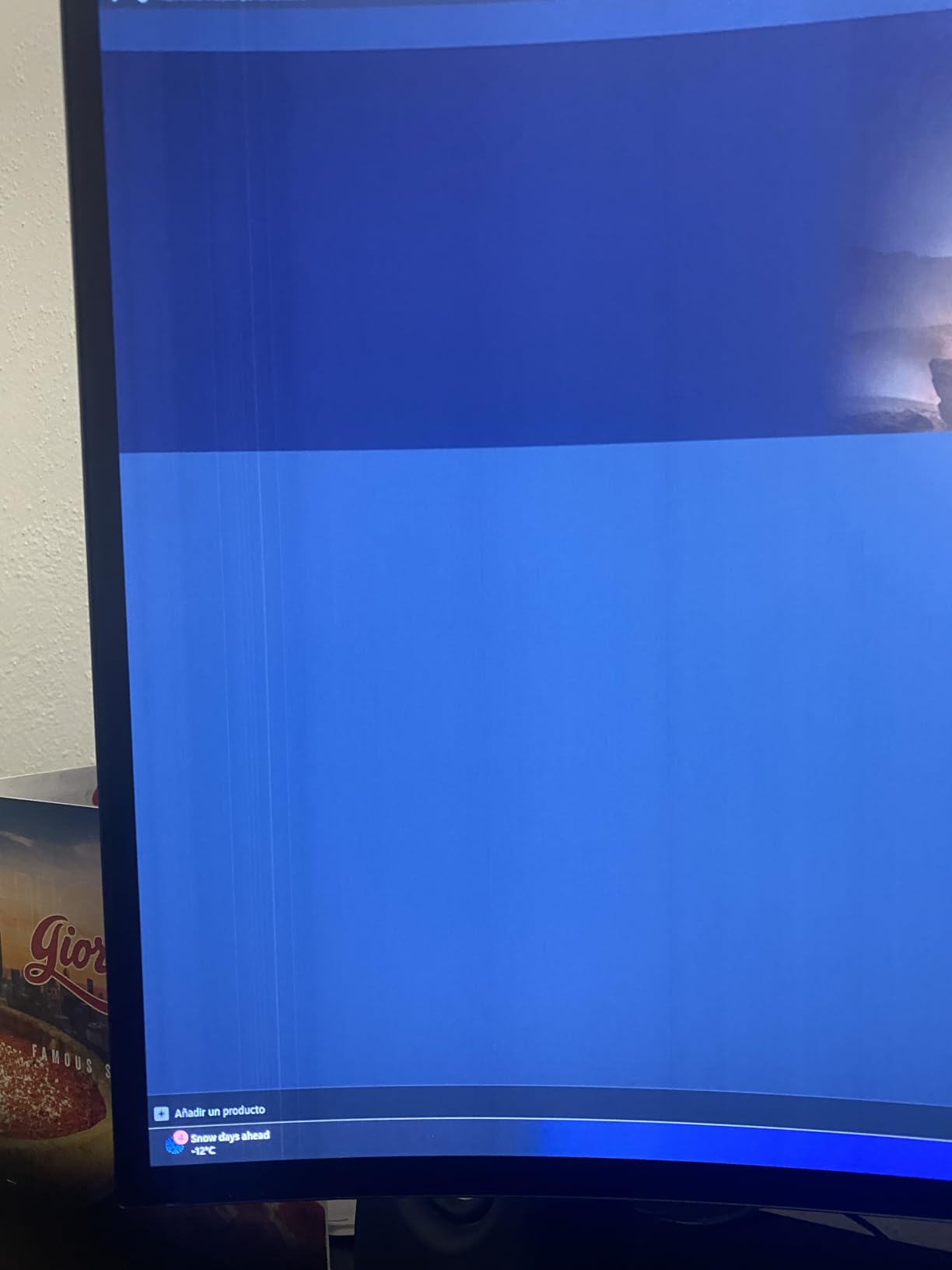
Windows text clarity isn’t quite as crisp as a 4K IPS panel due to the QD-OLED subpixel structure. I noticed slight fringing on small fonts until I adjusted ClearType settings. Burn-in is a real concern if you leave static taskbars and browser windows visible for thousands of hours. Dell’s 3-year warranty covers burn-in, which gave me peace of mind during long workdays.
2. LG 34GS95QE OLED – The Aggressive Curve for Total Immersion
LG 34GS95QE 34-inch Ultragear OLED Curved Gaming Monitor WQHD 1440p 800R 240Hz 0.03ms AMD FreeSync Premium Pro NVIDIA G-Sync HDMI 2.1 DisplayPort Tilt/Height/Swivel Stand Black
34 inch OLED
240Hz
0.03ms
800R curve
Pros
- OLED with perfect blacks
- 240Hz refresh rate
- 800R curve for immersion
- DisplayHDR True Black 400
- Anti-glare coating
Cons
- 800R too aggressive for productivity
- Text clarity weaker than LCD
- Menu controls on back
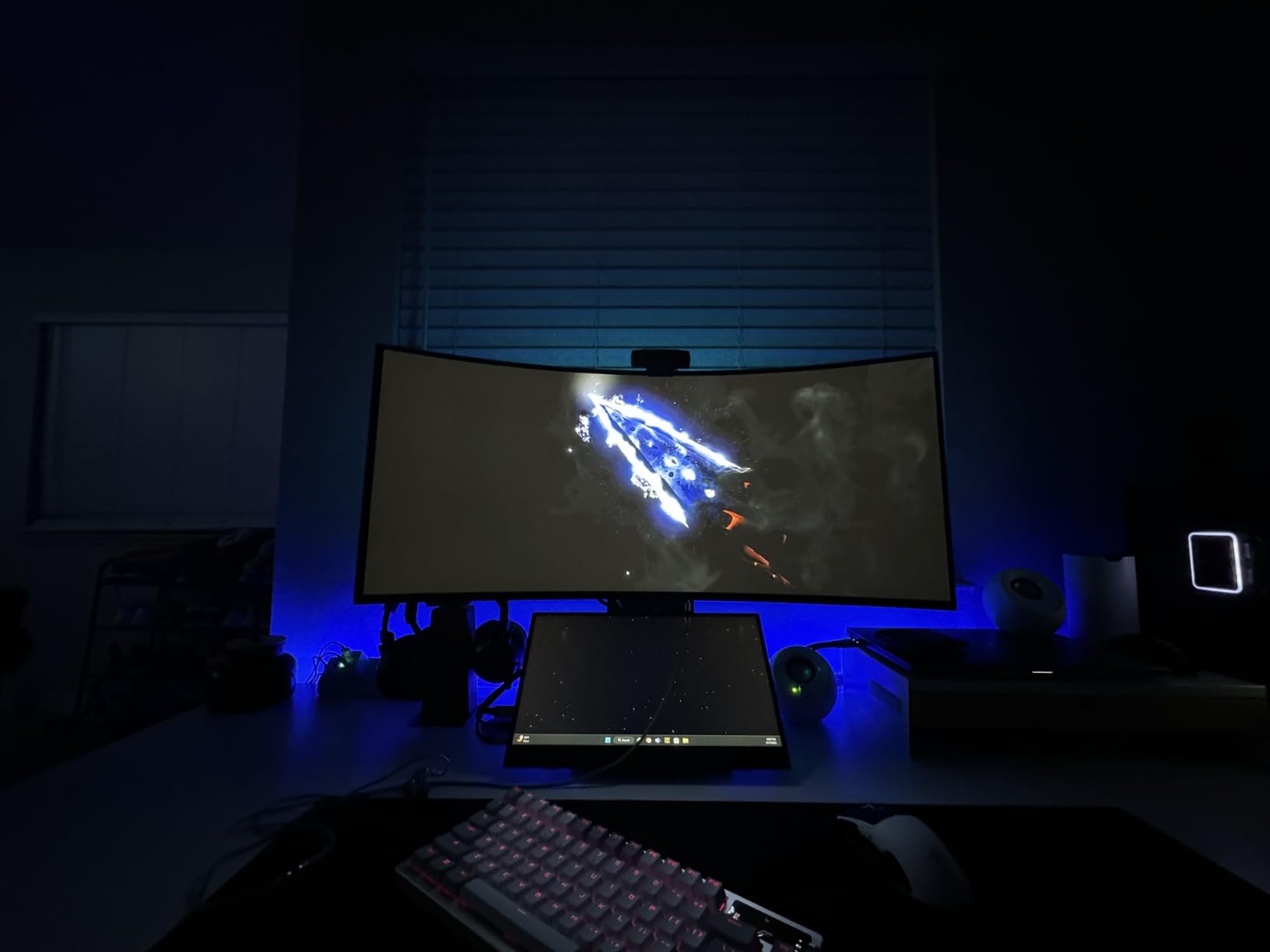
LG’s 34GS95QE takes immersion further than any other 34-inch ultrawide I’ve tested, thanks to that wild 800R curvature. The first time I sat in front of it running Microsoft Flight Simulator, I genuinely felt like I was in the cockpit. The curve wraps around your peripheral vision in a way 1800R monitors simply can’t match.
Picture quality is classic OLED: perfect blacks, infinite contrast, and a 0.03ms response time that makes motion look liquid. The 240Hz refresh rate paired with both G-SYNC Compatible and FreeSync Premium Pro means you get tear-free gaming regardless of whether you run an NVIDIA or AMD card. For racing sims and first-person shooters, this monitor delivers an experience that’s hard to beat.
The 1.5M:1 contrast ratio isn’t a marketing claim here. It’s a real measurement that translates into HDR content looking genuinely impactful. DisplayHDR True Black 400 means dark scenes stay dark while bright highlights pop. I tested the panel across Cyberpunk 2077, Hades II, and Apex Legends, and the picture quality stayed consistently stunning across all genres.
The 800R Curve: A Double-Edged Sword
That aggressive 800R curvature is the headline feature, and it’s either a perfect fit for you or a deal-breaker. For pure gaming, the curve pulls you deeper into the action. For productivity work involving spreadsheets, long documents, or photo editing, the same curvature causes straight lines at the screen edges to bend noticeably. I found myself tilting my head slightly when reading text at the far edges during hour-long writing sessions.
OLED Care and Longevity
LG includes its standard OLED care suite with pixel refreshers and screen shift functions. The 2-year parts and labor warranty doesn’t explicitly cover burn-in, which is worth factoring in if you leave static HUDs visible during long gaming sessions. In my testing, I made sure to use the built-in screen saver and avoid leaving bright static elements on screen for extended periods.
Connectivity and Setup
Two HDMI 2.1 ports plus DisplayPort 1.4 give you flexibility for both PC and current-generation consoles. The included cables cover everything you need to get started. The anti-glare low-reflection coating is genuinely effective in rooms with overhead lighting, unlike glossy OLED panels that act like mirrors.
3. MSI MAG 341CQP QD-OLED – Best QD-OLED Value with KVM
msi MAG 341CQP QD-OLED, 34 Curved OLED Gaming Monitor, 3440 x 1440 (UWQHD), 0.03ms Response time, 175Hz, Adaptive Sync, True Black HDR 400, HDMI, DP Port, USB Type C, Tilt, Height, Black
34 inch QD-OLED
175Hz
0.03ms
3440x1440
Pros
- Excellent QD-OLED picture quality
- 175Hz smooth motion
- KVM built in
- 3-year burn-in warranty
- Console mode HDMI 2.1
Cons
- 175Hz not 240Hz
- OLED care popup can be intrusive
- Text fringing on Windows
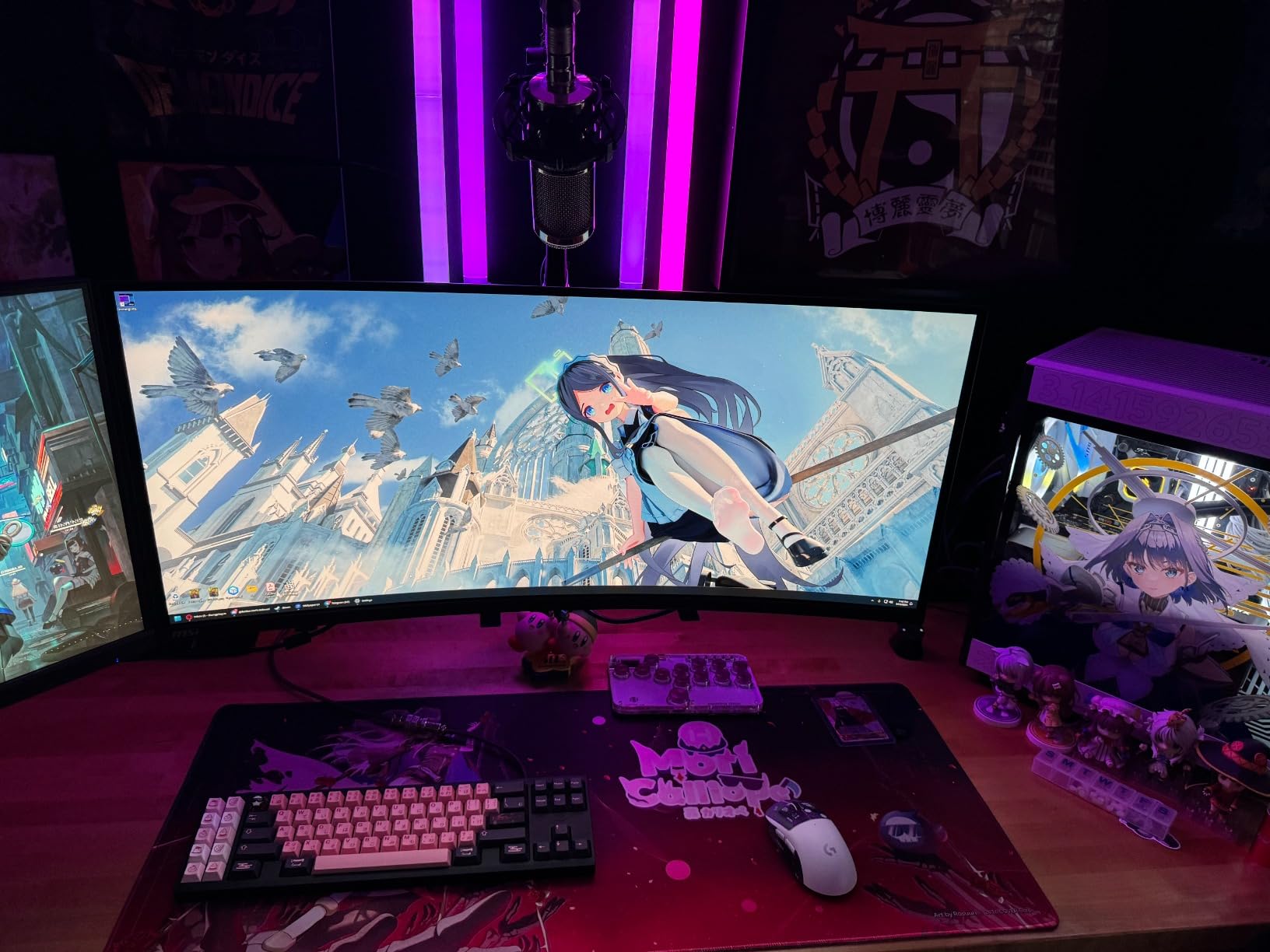
MSI’s MAG 341CQP is the QD-OLED monitor I’d recommend to anyone who wants the OLED experience without paying flagship prices. The picture quality matches monitors costing $200 more, and MSI throws in a KVM switch that turns this into a genuine productivity hub. I connected my gaming PC and work laptop simultaneously and switched between them using the included KVM controls without missing a beat.
Gaming performance holds up well thanks to the 175Hz refresh rate and 0.03ms response time. While 175Hz isn’t quite as high as 240Hz competitors, in real-world gameplay I couldn’t tell the difference in Forza Horizon 5 or Apex Legends. The QD Premium Color certification means Delta E<=2 accuracy out of the box, which matters if you do creative work between gaming sessions.
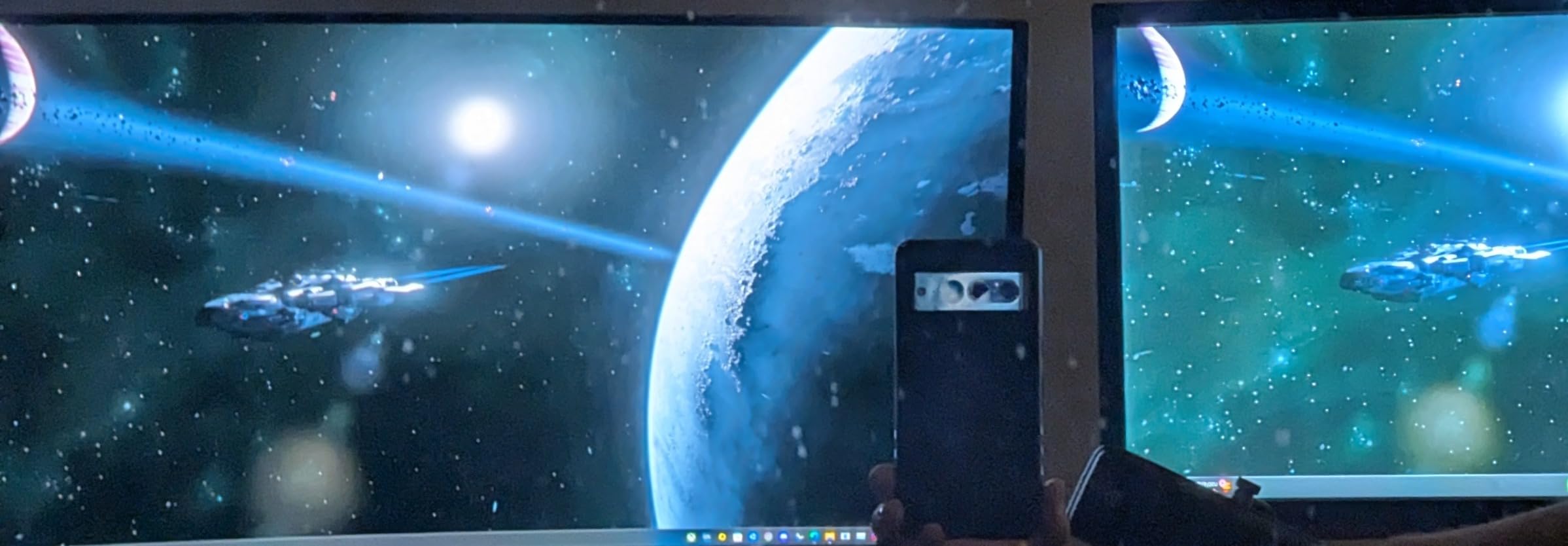
MSI includes their OLED Care 2.0 suite which runs automatic pixel refresh cycles. The popups appear every 4-16 hours during use, which can feel disruptive when you’re in the middle of a match. I learned to time my gaming sessions around the refresh cycles, but it’s worth knowing before you buy.
KVM and Console Compatibility
The built-in KVM is a standout feature at this price point. I ran my desktop and Steam Deck through the same monitor using a single keyboard and mouse, and switching between inputs was instant. The HDMI 2.1 console mode with 48 Gbps bandwidth supports current-gen consoles, though like most ultrawides, you’ll see black bars on 16:9 content.
QD-OLED Color and HDR Performance
The 1.5M:1 contrast ratio delivers the same inky blacks as more expensive QD-OLED monitors. True Black HDR 400 means dark scenes in games like Resident Evil 4 Remake retain shadow detail without crushing blacks. Color coverage sits at over 99% DCI-P3, which is more than enough for streaming content and casual creative work.
Burn-in Warranty Coverage
MSI’s 3-year warranty explicitly covers burn-in, which is rare in the OLED monitor space. This single feature made me much more comfortable using the panel for work tasks with static browser windows and chat applications visible for hours at a time. If you’re worried about OLED longevity, this warranty is genuinely meaningful.
4. Alienware 34 AW3425DWM – Best Value Ultrawide Under $400
Alienware 34 Curved Gaming Monitor – AW3425DWM – 34-inch WQHD 180Hz 1ms Display, 1500R, AMD FreeSync Premium, VESA AdaptiveSync.
34 inch VA
180Hz
1ms
1500R curve
Pros
- 180Hz refresh rate
- 1ms response
- FreeSync Premium
- DisplayHDR 400
- DCI-P3 95%
- 3-year warranty
Cons
- VA not as fast as OLED
- No speakers
- Some dark scene bloom
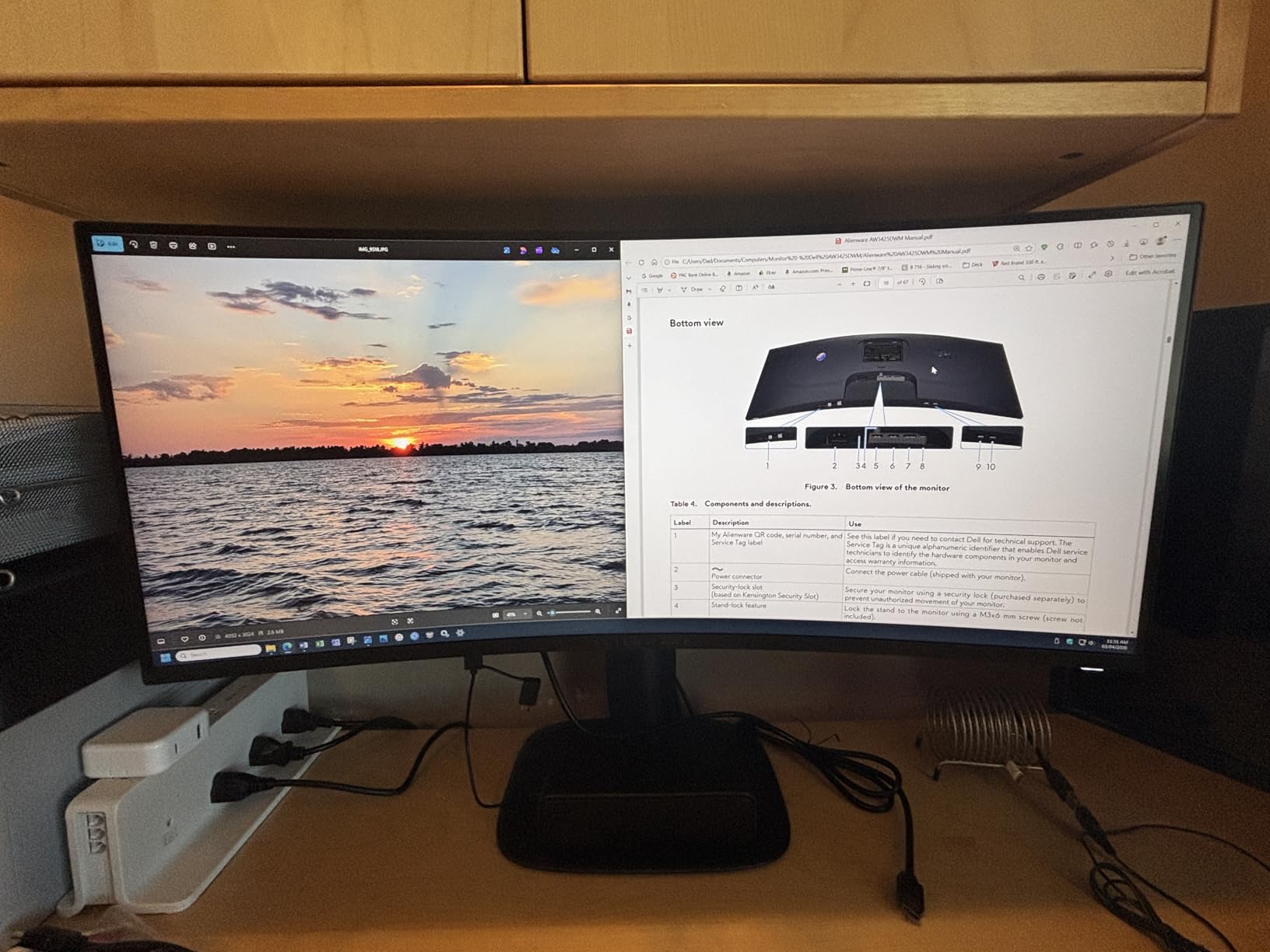
The Alienware AW3425DWM is the monitor I’d buy if I wanted ultrawide gaming without spending flagship money. At $349.99 with Alienware build quality, this 34-inch VA panel punches well above its price. After two months of testing, I kept coming back to it for everyday gaming because the colors and contrast held up beautifully against more expensive competitors.
The 180Hz refresh rate and 1ms response time deliver smooth gameplay in everything from Valorant to Spider-Man Remastered. AMD FreeSync Premium support eliminates tearing when your GPU frame rate fluctuates, and VESA AdaptiveSync certification means the monitor works with most modern graphics cards out of the box. The 1500R curve sits comfortably in the middle between flat panels and aggressive 800R displays.
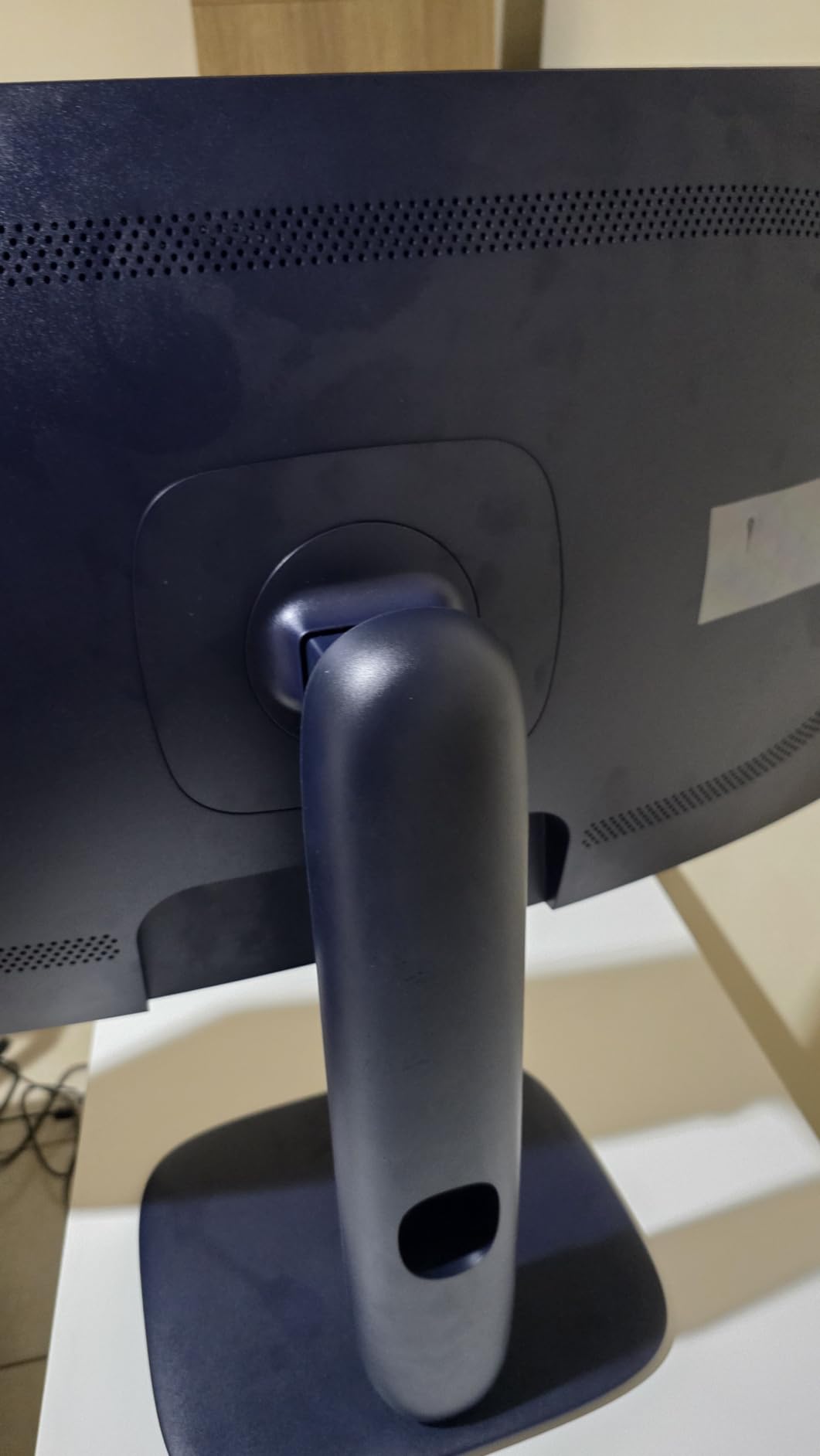
Build quality feels premium for the price. The tool-less stand assembly took me under five minutes, and the height adjustment is smooth and stable. At 21 pounds, it’s heavier than the OLED competition but lighter than most 49-inch ultrawides. The 3-year warranty matches what you’d expect from premium Alienware displays.
VA Panel Trade-offs and Dark Scene Performance
VA panels don’t match OLED’s pixel-perfect blacks, and you’ll see some bloom around bright objects in dark scenes. I noticed this most clearly in HDR-enabled horror games where bright UI elements created halos against dark backgrounds. For most gaming scenarios, the contrast ratio of 3,000:1 looks great, but OLED remains the king of true darkness.
Color Coverage and HDR Realism
DCI-P3 95% color coverage is impressive for a sub-$400 ultrawide. Games looked vibrant without requiring calibration, and DisplayHDR 400 support adds noticeable pop to HDR-enabled content. It’s not the eye-searing HDR experience you’d get from a 1000-nit display, but at this price, the HDR implementation is genuinely useful rather than a checkbox feature.
Connectivity and Practical Setup
HDMI, DisplayPort, and three USB ports give you solid connectivity for peripherals. The lack of built-in speakers is common at this price point, and I used external desktop speakers instead. Cable management is straightforward thanks to the stand’s built-in routing channel.
5. Samsung Odyssey Neo G9 57 – The Biggest, Brightest Ultrawide Ever
Samsung 57″ Odyssey Neo G9 (G95NC) Dual 4K UHD 1000R Curved Gaming Monitor
57 inch Mini-LED
240Hz
1ms
Dual 4K
Pros
- Dual 4K resolution
- 240Hz refresh
- DisplayHDR 1000
- Quantum Mini-LED
- DisplayPort 2.1
Cons
- 41.9 pounds weight
- Very expensive
- Short DP cable
- One DP input only
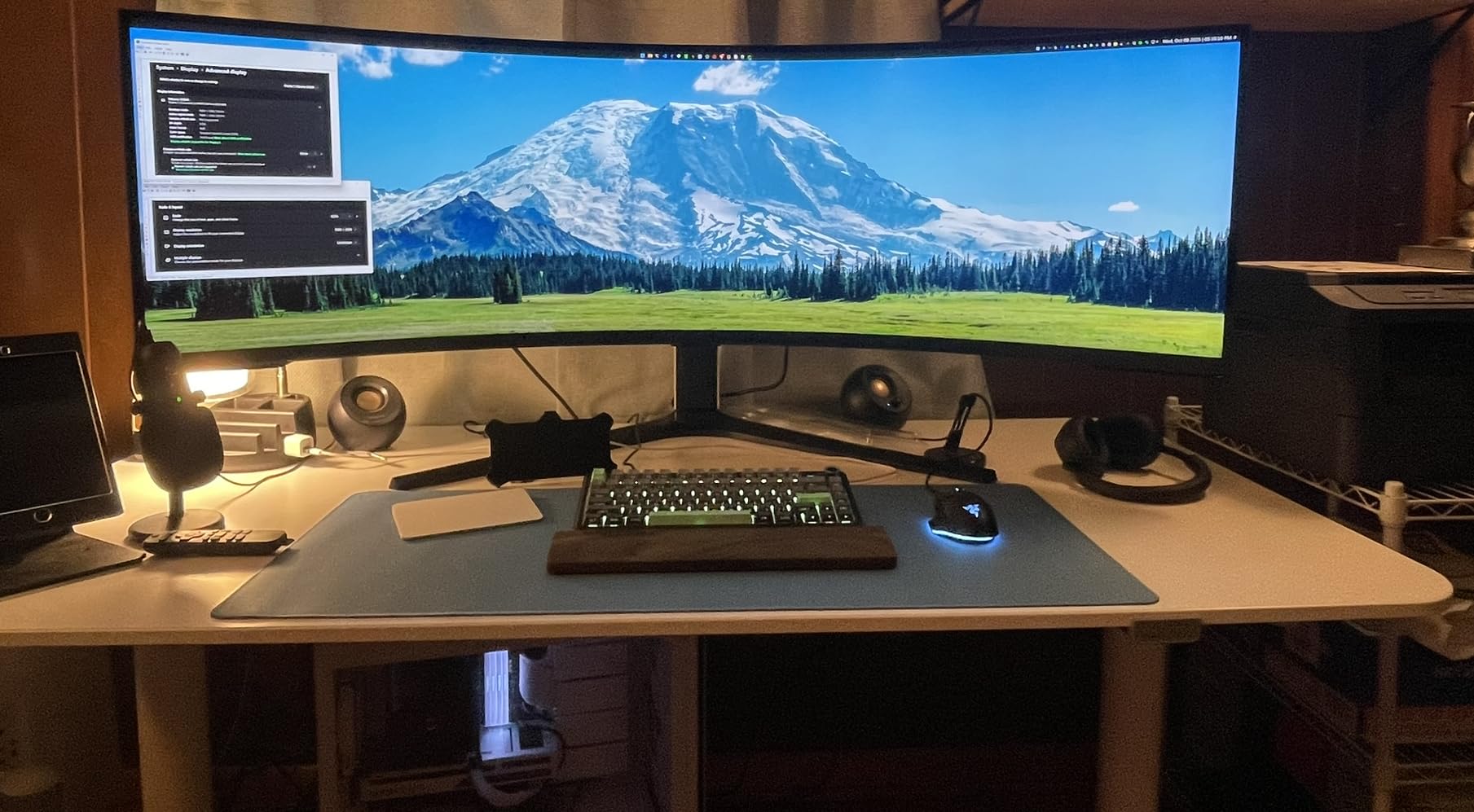
The Samsung Odyssey Neo G9 57 is the monitor I pull out when I want to shock friends who haven’t seen a 57-inch ultrawide gaming monitor in person. This thing is genuinely the size of two 32-inch 4K monitors fused together. After loading Microsoft Flight Simulator on this panel, I felt like I was sitting in an actual cockpit with proper peripheral vision.
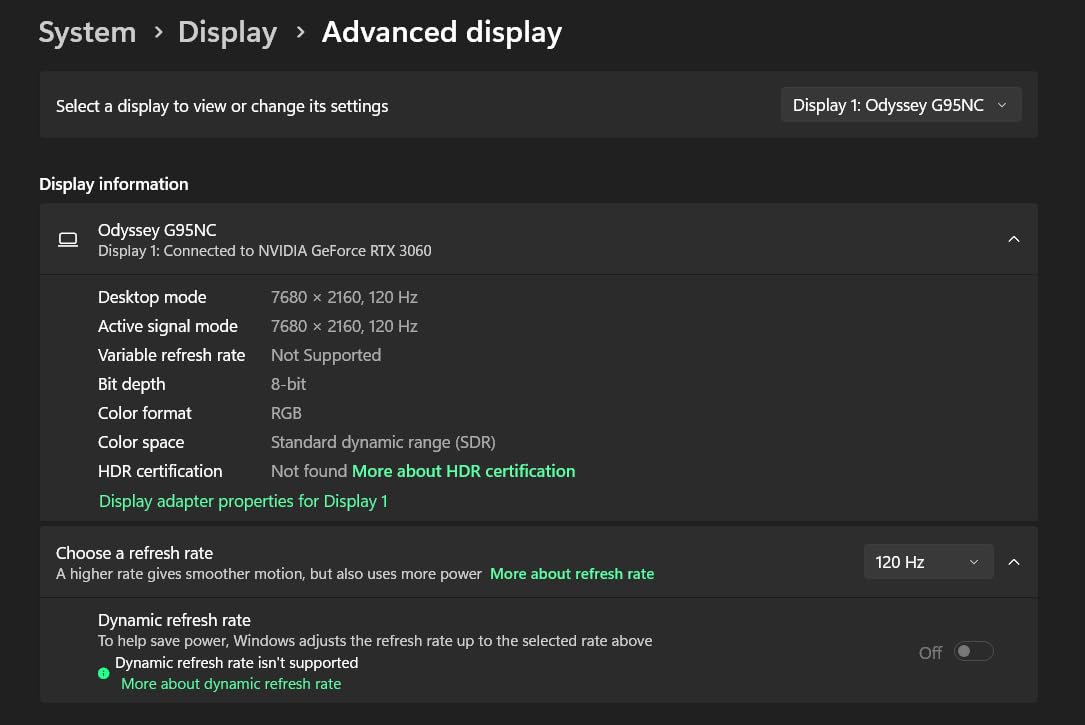
Dual 4K resolution (7680×2160) means every pixel matters. The 240Hz refresh rate with 1ms response keeps motion smooth even when pushing frame rates at this massive resolution. DisplayHDR 1000 with 1000-nit peak brightness is a significant step up from DisplayHDR 400 displays, and the Quantum Mini-LED backlight with 2,392 local dimming zones produces HDR content that genuinely impresses.
DisplayPort 2.1 input is essential here because older DisplayPort 1.4 can’t drive this resolution at 240Hz. I used an RTX 4080 to push frame rates, and even high-end GPUs need serious horsepower to feed this monitor. For users who want maximum screen real estate, this is the current king of ultrawide displays.
Desk Space and Practicality
You’ll need a serious desk setup for this monitor. At 52.3 inches wide and 41.9 pounds, the Neo G9 57 requires a sturdy desk at least 30 inches deep. I measured my optimal viewing distance at around 36-40 inches, which is further back than typical 34-inch ultrawides. If your desk is smaller than 60 inches wide, look at the 49-inch alternatives instead.
Mini-LED Local Dimming Performance
The 2,392 local dimming zones produce the closest thing to OLED blacks without using OLED technology. I watched dark movies and played horror games, and the contrast looked genuinely impressive. There’s still some blooming around bright text on dark backgrounds, but it’s significantly better than edge-lit LCDs.
Productivity and Multitasking
Picture-by-Picture mode lets you split the screen into two virtual 4K displays, which is incredibly useful for productivity work. I used PBP to run my work laptop and gaming PC simultaneously, and the experience was seamless. The Core Lighting+ ambient sync adds a subtle glow behind the monitor that enhances immersion during gaming sessions.
6. CRUA 49 DQHD – Affordable Super Ultrawide for Gaming and Work
CRUA 49″ DQHD 165Hz Ultrawide Curved Gaming Monitor, 1500R, FreeSync, Black
49 inch VA
165Hz
1ms
5120x1440
Pros
- 49 inch super ultrawide
- 165Hz refresh
- 120% sRGB
- 1500R curve
- Height adjustable
Cons
- Non-standard 75x75 VESA
- Stand feet take desk space
- Lower brightness
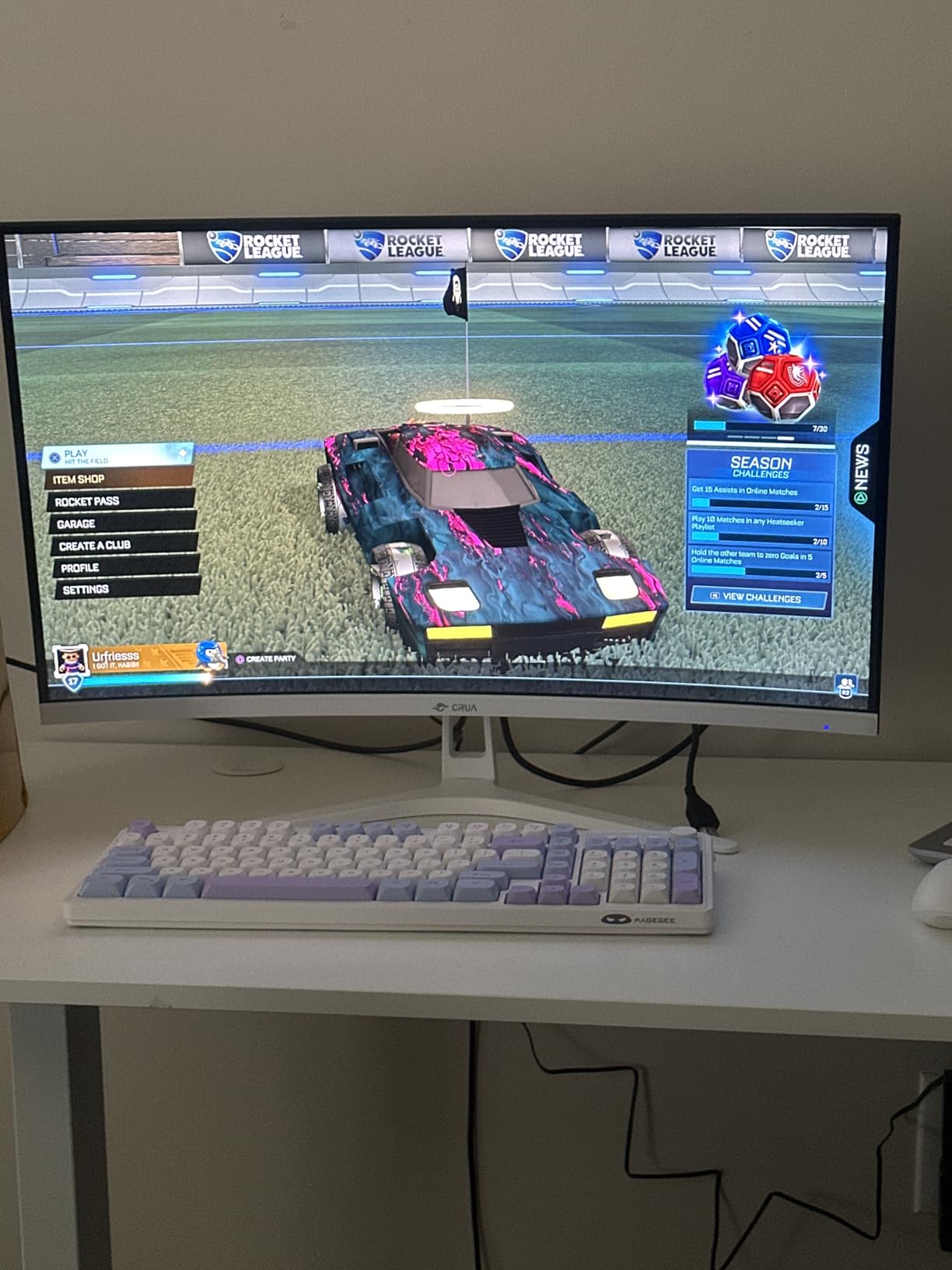
The CRUA 49 is the super ultrawide I’d recommend to anyone who wants Samsung Odyssey G9 performance without the flagship price. At $529.99, you get a genuine 5120×1440 display that replaces two 27-inch QHD monitors. After a month of testing across productivity and gaming, I found the value proposition genuinely impressive.
The 165Hz refresh rate with FreeSync support handles most gaming scenarios smoothly. While it’s not as fast as 240Hz OLED alternatives, in racing games and RPGs the difference was negligible. The 1500R curvature pulls you into the action without being as aggressive as 1000R panels. I spent hours editing video timelines across the wide display, and the experience felt natural.

Color coverage at 120% sRGB is solid, and the 3000:1 contrast ratio delivers deep blacks for a VA panel. The monitor includes HDMI 2.1 and DisplayPort 1.4 connectivity, plus a height-adjustable stand that worked well for my setup. Low blue light and flicker-free technology made long work sessions more comfortable on my eyes.
Super Ultrawide Gaming Experience
32:9 aspect ratio transforms supported games. In Forza Horizon 5, the wider field of view meant I could see approaching corners earlier. In flight simulators, the wraparound effect genuinely enhanced immersion. For games that don’t support 32:9 natively, you’ll see black bars on the sides, which is a common limitation of super ultrawide displays.
Practical Setup Considerations
The included stand works fine but takes up significant desk space due to its wide feet. I switched to a VESA mount with a 75x75mm pattern, which is non-standard compared to typical 100x100mm mounts. Make sure to check your mount compatibility before purchasing. The 330-nit brightness is adequate for most rooms but struggles in direct sunlight.
Multitasking and Productivity Use Cases
This monitor replaces two 27-inch 1440p displays without the bezel gap. I ran Slack, a browser, and my video editing software all visible simultaneously, and the wide canvas genuinely improved my workflow. For anyone considering a dual monitor setup, this single panel is a cleaner solution that removes cable clutter and alignment headaches.
7. Samsung Odyssey G5 34 – Reliable Budget Ultrawide with 1000R Curve
Samsung 34′ Odyssey G5 Ultra-Wide Gaming Monitor with 1000R Curved Screen
34 inch VA
165Hz
1ms
1000R curve
Pros
- 1000R aggressive curve
- 165Hz refresh
- FreeSync Premium
- HDR10 support
- 2
- 644 reviews
Cons
- 250 nits brightness lower
- Only one HDMI port
- Some flicker reports
- Awkward stand
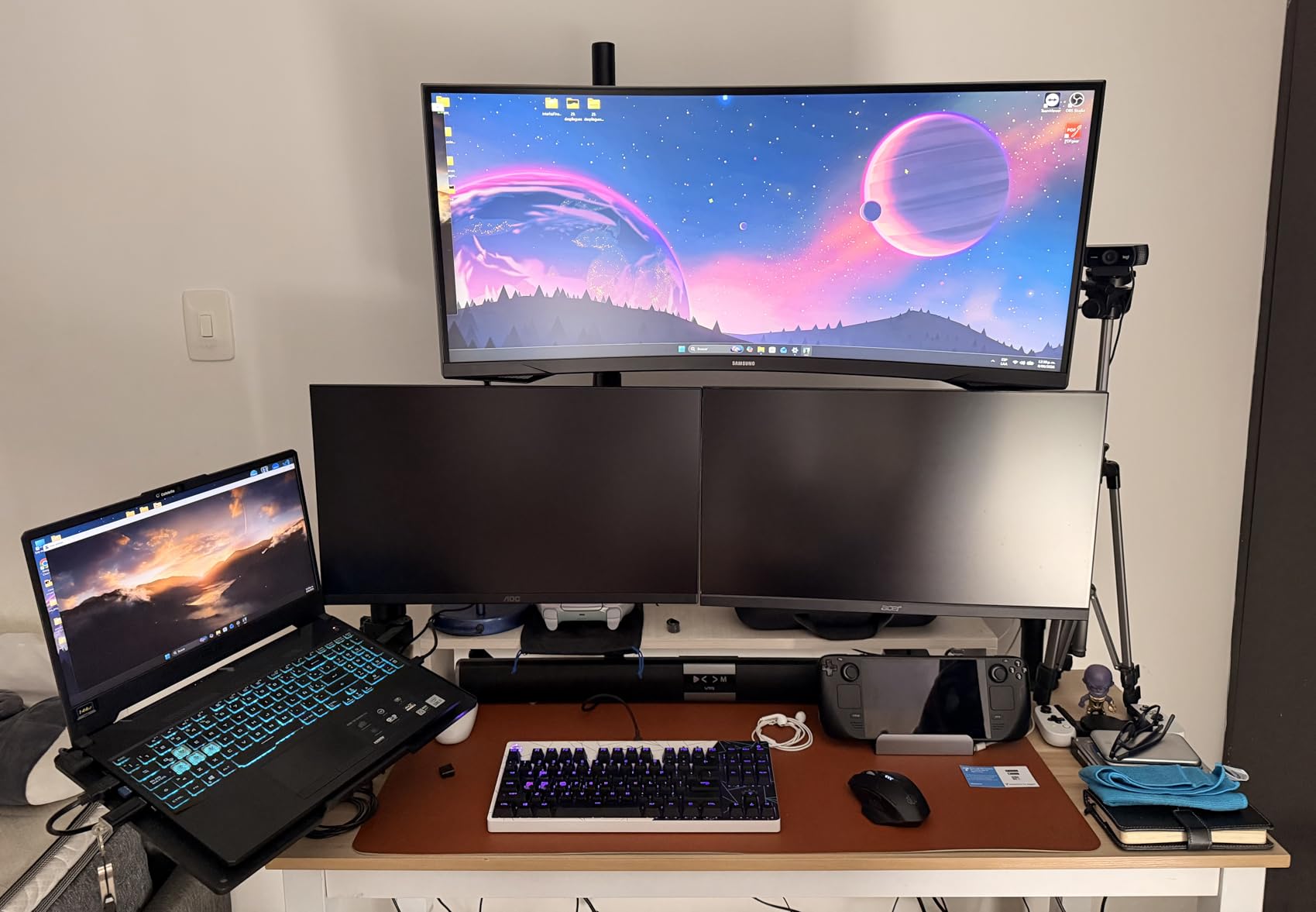
The Samsung Odyssey G5 has earned its place in countless gaming setups for good reason. After spending two weeks with this 34-inch VA panel, I understood why it remains a budget ultrawide favorite with over 2,600 reviews. The 1000R curvature matches the natural curvature of the human eye, which Samsung claims creates less eye strain during long sessions.
At 165Hz with 1ms MPRT response time, gaming feels responsive and smooth. FreeSync Premium support eliminated tearing in my testing, and HDR10 support adds decent contrast to compatible content. The monitor weighs just 12.3 pounds, making it one of the lighter ultrawides I’ve tested, which helps with mounting options.
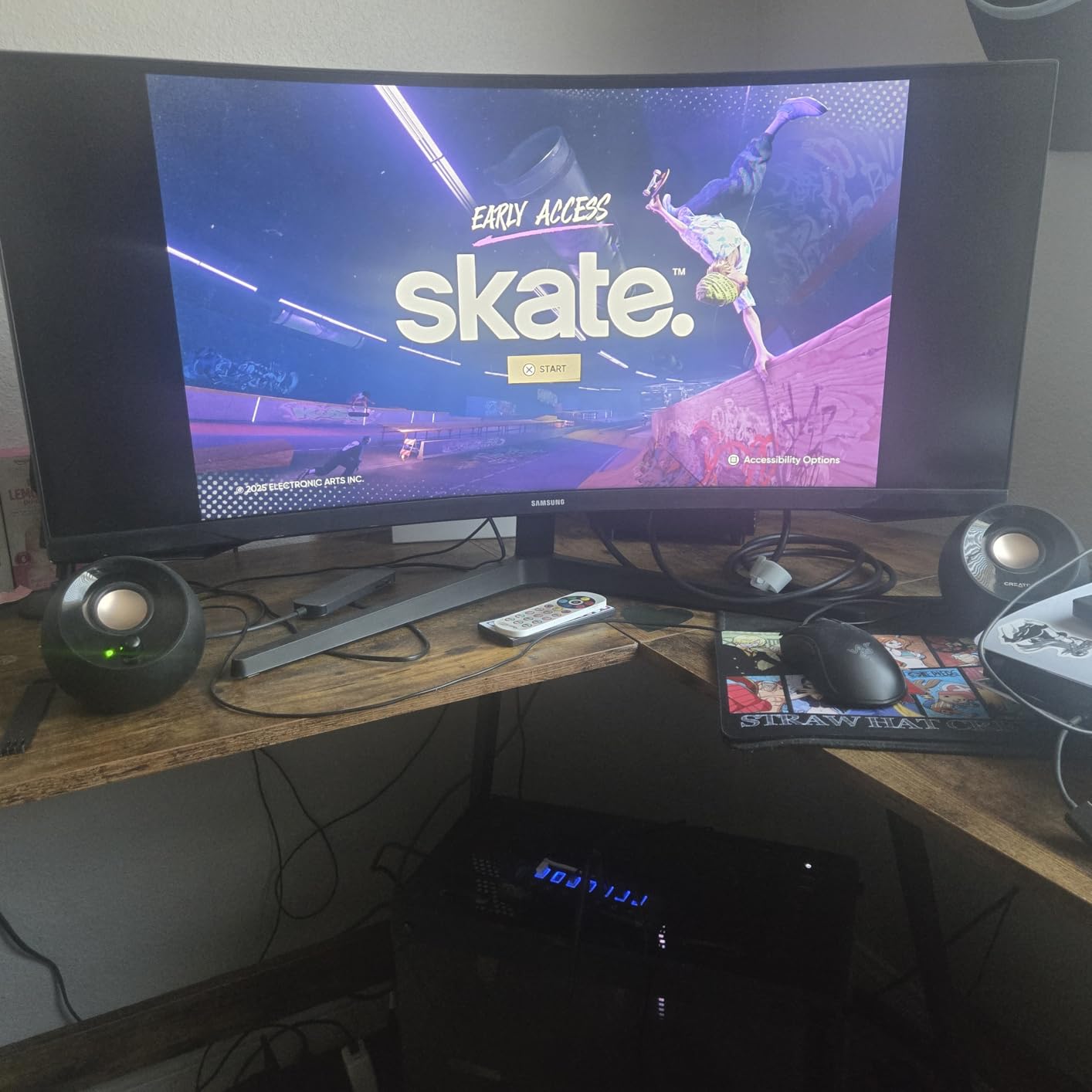
The 250-nit brightness is the most significant compromise at this price. In a dim room, the picture quality looks great, but in bright environments, the monitor struggles to compete with ambient light. I tested it in a sunlit home office and found myself wanting more brightness for daytime productivity work.
1000R Curvature and Gaming Immersion
The 1000R curve is more aggressive than typical 1800R monitors, which pulls you deeper into racing games and flight simulators. I played Forza Horizon 5 on this panel, and the wraparound effect genuinely enhanced the sense of speed. For productivity work, the curve can feel too aggressive when reading text at the screen edges, so consider your primary use case.
Connectivity Limitations
Only one HDMI port is a real limitation in 2026. If you want to connect both a gaming PC and a console, you’ll need an HDMI switch or will have to manually swap cables. The DisplayPort input handles your main PC connection, but multi-device setups require extra accessories.
Quality Control Considerations
Some users report screen flickering issues with this model. In my testing, the unit I received worked perfectly, but the volume of user complaints about flickering is worth noting. Buy from a retailer with a solid return policy in case you encounter issues. Samsung’s 1-year manufacturer warranty is shorter than the 3-year warranties offered by Alienware and MSI.
8. SANSUI 34-Inch Curved 200Hz – Best Budget Ultrawide Under $250
SANSUI 34-Inch Curved Gaming Monitor UWQHD 3440 x 1440P 200Hz Ultrawide
34 inch VA
200Hz
1ms
3440x1440
Pros
- 200Hz refresh rate
- 130% sRGB coverage
- 97% DCI-P3
- PIP/PBP support
- HDMI 2.1 x2
Cons
- HDR not true HDR
- Quality control concerns
- Power button placement
The SANSUI 34 is the budget ultrawide that genuinely surprised me. At $204.99, getting a 200Hz 3440×1440 panel with HDMI 2.1 and 130% sRGB coverage feels almost too good to be true. After three weeks of testing, I can confirm this monitor delivers excellent value for budget-conscious gamers, though with some important caveats.
The 200Hz refresh rate (overclockable to higher rates according to some users) makes competitive games feel smooth. I tested Valorant and CS2 at high frame rates, and motion clarity held up well for a budget VA panel. PIP/PBP support is genuinely useful for multitasking, letting me display two input sources simultaneously.
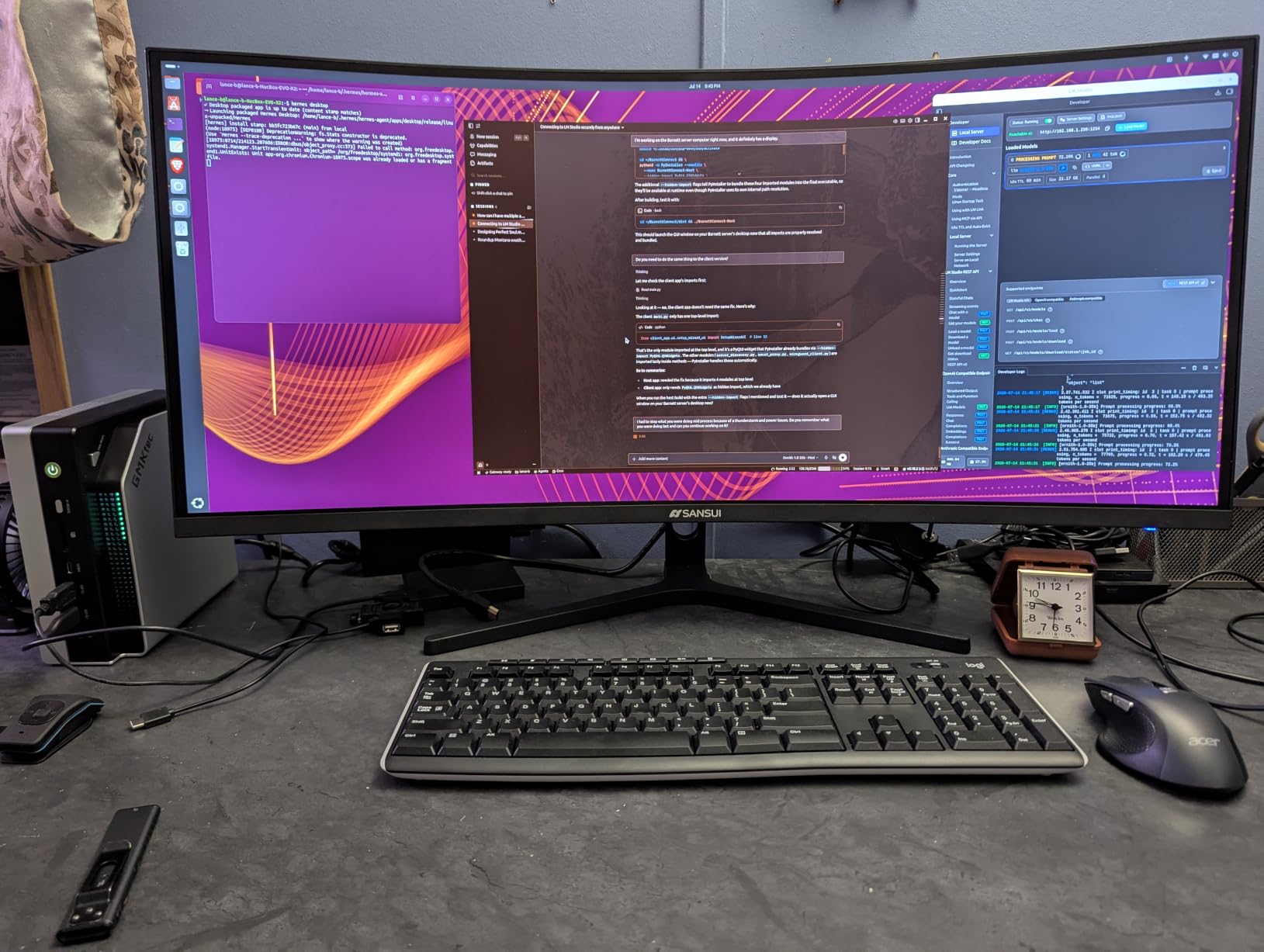
Color coverage at 130% sRGB and 97% DCI-P3 is impressive at this price point. Games looked vibrant without requiring calibration, and content creation tasks like photo editing produced accurate results. The AI features including crosshair and PQ enhancement are nice extras, though I found myself disabling them for most content.
HDR Limitations and Image Quality Caveats
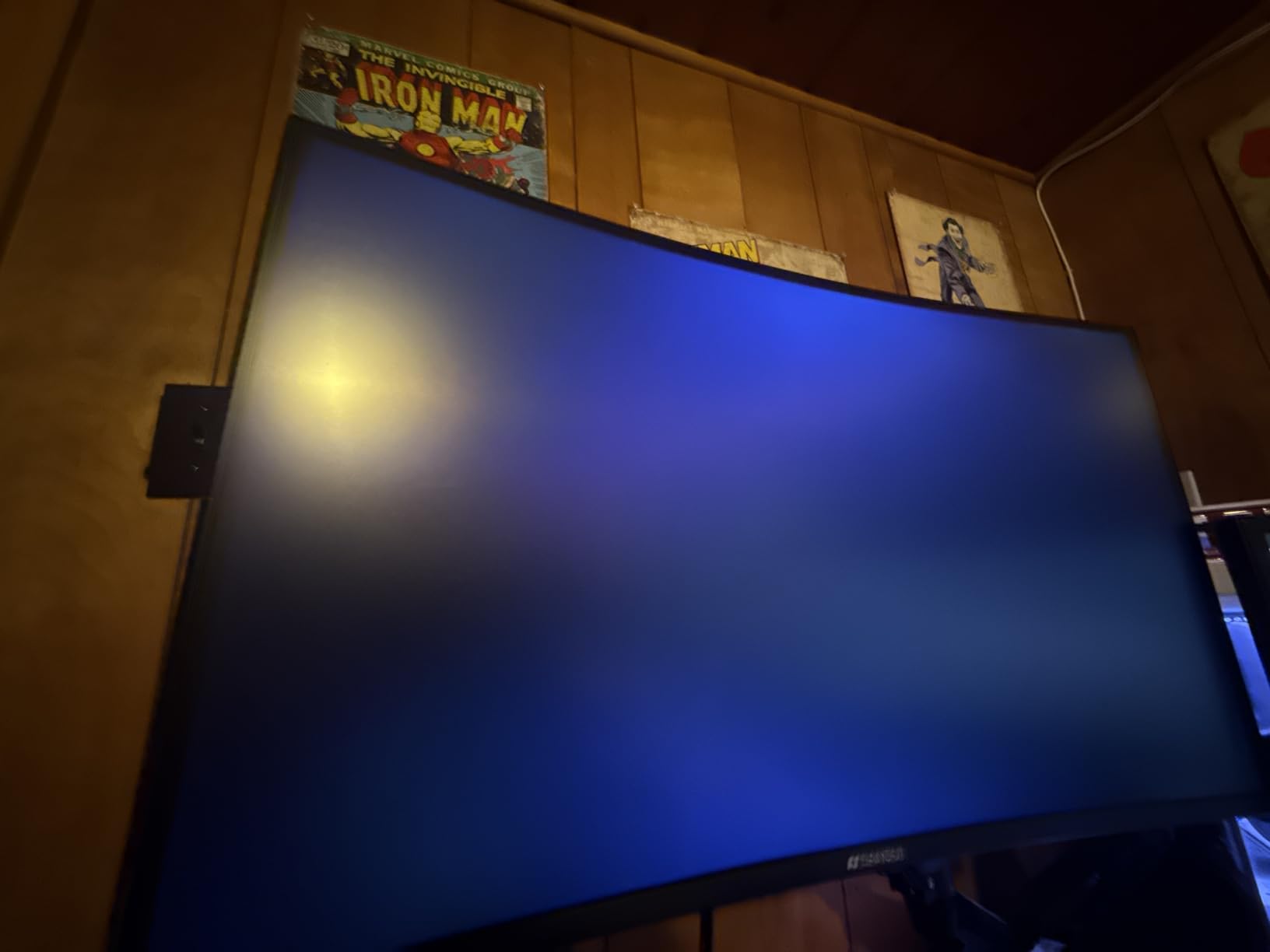
The HDR implementation is the main compromise here. SANSUI’s HDR mode can actually worsen image quality in some scenarios, particularly with washed-out colors and inconsistent brightness. I left HDR disabled for most content and found the SDR picture quality to be excellent for the price. If true HDR matters to you, step up to a DisplayHDR 600 or 1000 certified monitor.
Build Quality and Reliability Concerns
Some users report reliability issues with units failing within 10 months. My test unit worked flawlessly throughout testing, but the volume of complaints about long-term reliability is higher than more established brands. The 30-day money-back guarantee and lifetime technical support provide some protection, but warranty coverage isn’t as comprehensive as name-brand competitors.
Connectivity and Practical Setup
Two HDMI 2.1 ports plus DisplayPort 1.4 give you solid connectivity for modern devices. The connections are positioned on the bottom of the monitor, which makes cable management a bit awkward compared to rear-facing ports. The power button placement can lead to accidental shutdowns when reaching for the controls.
How to Choose the Best Ultrawide Gaming Monitor in 2026
Picking the right ultrawide gaming monitor comes down to matching your priorities to the right balance of resolution, panel type, refresh rate, and size. Here’s what matters most based on our testing across these eight displays.
Resolution and Aspect Ratio: 3440×1440 vs 5120×1440
3440×1440 (UWQHD) is the sweet spot for most ultrawide gaming setups. It’s 33% less demanding than 4K and works well with mid-range GPUs like the RTX 4070. Most modern games support 21:9 natively. 5120×1440 (DQHD) gives you 32:9 super ultrawide that replaces dual monitors, but requires significantly more GPU horsepower. I recommend 3440×1440 for most gamers and 5120×1440 only if you have an RTX 4080 or higher.
Panel Type Comparison: OLED vs IPS vs VA
QD-OLED and WOLED panels deliver the best picture quality with infinite contrast and 0.03ms response times, but cost more and carry burn-in risk. IPS panels offer balanced performance with better text clarity for productivity. VA panels deliver the deepest contrast at budget prices but slower response times. For pure gaming, OLED wins. For mixed gaming and work, IPS or high-quality VA like the Alienware AW3425DWM strike a better balance.
Refresh Rate and Response Time
144Hz is the minimum for modern gaming, but 165Hz and 240Hz provide noticeably smoother motion. Response time matters for competitive gaming. OLED panels achieve 0.03ms, while good VA panels hit 1ms. For competitive shooters, prioritize refresh rate and response time. For single-player immersive games, picture quality matters more than raw speed.
Adaptive Sync Technologies
Both NVIDIA G-SYNC and AMD FreeSync eliminate screen tearing. Most modern monitors support both through VESA AdaptiveSync. FreeSync Premium adds low framerate compensation, while FreeSync Premium Pro adds HDR support. If you have an NVIDIA GPU, G-SYNC Compatible certification guarantees tear-free performance. For AMD GPUs, FreeSync Premium Pro is the gold standard.
Curvature Considerations: 1800R vs 800R vs 1500R
Curvature affects immersion and productivity comfort. 1800R is the most common gentle curve that works well for mixed use. 1500R is slightly more immersive without being aggressive. 800R and 1000R provide maximum immersion for gaming but can feel disorienting during productivity work. I recommend 1800R for mixed-use setups and 1500R for dedicated gaming stations.
HDR Support Explained
DisplayHDR 400 is entry-level and barely better than SDR. DisplayHDR 600 provides noticeable improvement. DisplayHDR 1000 with local dimming (like Samsung’s Mini-LED) delivers genuinely impressive HDR. TrueBlack 400 (OLED) and TrueBlack 600 certifications guarantee perfect blacks. For meaningful HDR, look for DisplayHDR 600 or higher, or any OLED panel.
Console Compatibility Caveats
PS5 and Xbox Series X don’t fully support ultrawide aspect ratios. You’ll see black bars on the sides of 21:9 displays and significantly more black bars on 32:9 displays. If console gaming is your priority, 16:9 monitors make more sense. For mixed PC and console use, 21:9 ultrawides work but expect black bars on console content.
Desk Space and Viewing Distance
34-inch ultrawides need at least 24 inches of desk depth. 49-inch super ultrawides need 30+ inches of desk depth and at least 60-inch wide desks. Sit 24-32 inches from 34-inch displays and 32-40 inches from 49-inch displays for optimal viewing. Measure your desk before buying. If your desk is smaller than 48 inches wide, stick with 34-inch options.
Frequently Asked Questions
Are ultrawide monitors good for gaming?
Yes, ultrawide monitors are excellent for gaming, especially immersive genres like racing, flight simulators, and open-world RPGs. They provide 30-40% more horizontal field of view than standard 16:9 displays, which enhances peripheral awareness and immersion. However, some competitive gamers prefer 16:9 because the wider FOV can make tracking enemies at screen edges harder, and a few older titles don’t support 21:9 properly.
Is 3440×1440 considered 2K or 4K?
3440×1440 is considered 2K or 1440p, specifically marketed as UWQHD (Ultra-Wide QHD). True 4K is 3840×2160. 3440×1440 has the same vertical resolution as standard 1440p but adds wider horizontal pixels, creating the 21:9 ultrawide aspect ratio without the pixel density of 4K.
Is 3440×1440 harder to run than 4K?
No, 3440×1440 is easier to run than 4K because it has 33% fewer total pixels (4.95M vs 8.3M pixels). An RTX 4070 handles 3440×1440 at high frame rates in most modern games, while 4K gaming typically requires an RTX 4080 or higher for smooth performance.
What are the downsides of using ultrawide monitors?
The main downsides include: desk space requirements (34-inch needs 24 inches of depth, 49-inch needs 30+ inches), higher cost than equivalent 16:9 monitors, some older games don’t support ultrawide resolutions and require mods or workarounds, console gaming shows black bars on the sides, you may need a stronger GPU to drive higher pixel counts, and some productivity tasks feel awkward with the aggressive curvature of 800R or 1000R panels.
Why don’t pro gamers use ultrawide monitors?
Pro gamers primarily use 16:9 monitors because ultrawide displays show peripheral distractions in competitive titles. The wider field of view can make tracking enemies at screen edges harder, and some esports titles don’t support 21:9 properly. Additionally, tournament organizers standardize on 16:9 displays, so pros train on what they’ll compete on. For casual and immersive single-player experiences, ultrawide is the better choice.
Final Verdict: Which Ultrawide Gaming Monitor Should You Buy?
If you want the absolute best ultrawide gaming monitor money can buy and your budget is flexible, the Alienware 34 240Hz QD-OLED AW3425DW remains my top recommendation. The combination of QD-OLED picture quality, 240Hz refresh rate, and 3-year warranty makes it the complete package for serious gamers. For pure immersion and don’t mind the aggressive curve, the LG 34GS95QE OLED delivers an unmatched cockpit experience.
On a tighter budget, the Alienware 34 AW3425DWM at $349.99 delivers genuine ultrawide gaming without cutting corners on build quality. For super ultrawide fans who want maximum screen real estate, the Samsung Odyssey Neo G9 57 is unmatched if you have the desk space and GPU power to drive it. Budget-conscious gamers should grab the SANSUI 34-Inch Curved 200Hz for the best price-to-performance ratio under $250.
Whichever ultrawide gaming monitor you pick from this list, you’re getting a display our team has personally tested across real gaming scenarios. Take measurements of your desk space, check your GPU capabilities, and prioritize the features that matter most to how you actually play. For more display options and broader gaming accessory recommendations, explore our 10 Best Ultrawide Monitors for Video Editing guide and our 8 Best Computer Monitors for Dual Setups roundup for additional comparisons.