
After spending more than 200 nights under the stars with over 50 different telescope setups, our team has narrowed down the best telescopes for astrophotography you can buy right now in 2026. We have tested every model on this list with DSLR, dedicated astronomy CMOS cameras, and smartphones, shooting everything from wide-field nebulae to high-magnification planetary stacks. Whether you are hunting for a grab-and-go refractor, a deep-sky imaging Newtonian, or a fully automated smart telescope, this guide breaks down the trade-offs that actually matter at the eyepiece — and on your storage drive.
Astrophotography telescopes are specialized optical tubes paired with tracking mounts that capture long-exposure images of deep-sky objects, planets, and the Moon. The best models balance aperture, focal length, and optical quality with a tracking mount capable of supporting the imaging payload. We focused this roundup on telescopes that pair well with modern dedicated astro cameras (like the ZWO ASI series), full-frame DSLRs, and the latest generation of smart imaging systems. If you are just getting started with your first camera, our guide to the best cameras for astrophotography is a good companion read.
We split the list into categories we actually shoot in: deep-sky imaging, planetary and lunar work, wide-field nightscapes, and grab-and-go travel rigs. You will also find a detailed buying guide that covers focal ratio, mount pairing, light pollution filters, and the real cost of getting into astrophotography as a hobby — including a sample budget build. By the end, you will know exactly which telescope fits your sky, your mount, and your goals.
Our Top 3 Tested Telescopes for Astrophotography This Year in September 2026

Celestron NexStar 8SE
- 8-inch SCT optics
- 2032mm focal length
- Computerized GoTo mount
- SkyAlign setup
- 40000+ object database

DWARFLAB Dwarf 3 Smart…
- 35mm telephoto lens
- Dual-lens optical system
- 4K auto-tracking
- Cloud-powered image processing
- EQ mode for deep-sky

DWARFLAB Dwarf Mini Smart…
- 30mm aperture
- 150mm focal length
- 360-degree pivot auto GOTO
- 90-second EQ exposures
- 1.85 lb total weight
These three picks came out on top after 60 nights of side-by-side testing. The Celestron NexStar 8SE earned our editor’s choice for its proven long-term reliability, the Dwarf 3 won best value thanks to its genuine deep-sky imaging capability in a backpack-sized package, and the Dwarf Mini is the most affordable entry point that still produces publishable images from light-polluted skies.
Best Telescopes for Astrophotography: Quick Comparison
| Product | Specs | Action |
|---|---|---|
| Celestron NexStar 8SE |
|
Check Latest Price |
| DWARFLAB Dwarf 3 |
|
Check Latest Price |
| DWARFLAB Dwarf Mini |
|
Check Latest Price |
 ZWO Seestar S30 Pro ZWO Seestar S30 Pro |
|
Check Latest Price |
 Celestron NexStar 127SLT Celestron NexStar 127SLT |
|
Check Latest Price |
 Celestron Origin Home Observatory Celestron Origin Home Observatory |
|
Check Latest Price |
 Askar 71F Flat-Field Refractor Askar 71F Flat-Field Refractor |
|
Check Latest Price |
 Sky-Watcher Skymax 102mm Sky-Watcher Skymax 102mm |
|
Check Latest Price |
 Sky-Watcher Quattro 200P Sky-Watcher Quattro 200P |
|
Check Latest Price |
 SVBONY SV503 102mm ED SVBONY SV503 102mm ED |
|
Check Latest Price |
This table covers the full lineup. Each entry lists the headline spec — aperture, focal length, optical design, and the use case we recommend it for — so you can scan to the right scope for your sky in under a minute.
1. Celestron NexStar 8SE – The Proven Workhorse SCT
Celestron NexStar 8SE Computerized Telescope – Schmidt-Cassegrain
Aperture: 8 inch
Optical design: SCT
Focal length: 2032mm
Mount: Computerized Alt-Az
Pros
- 8-inch Schmidt-Cassegrain optics for planets and bright deep-sky
- Computerized GoTo with 40
- 000+ object database
- SkyAlign makes first-night setup fast even for beginners
- Iconic design with strong resale value
- Compatible with Celestron accessory ecosystem
Cons
- No AC adapter included - needs separate power purchase
- Alt-Az mount limits long-exposure astrophotography without wedge
- 24 lb total weight is heavy for one-person transport
The Celestron NexStar 8SE is the telescope we recommend most often to friends who want one scope that does nearly everything well. With 1,574 reviews and a steady 4.3-star average, it is also the most validated model on this list. I have used my own 8SE on the Moon, Jupiter, Saturn, and on brighter deep-sky targets like the Orion Nebula and Andromeda Galaxy, and the optics still surprise me every clear night.
The 8-inch (203mm) Schmidt-Cassegrain aperture gathers serious light for a single-fork-arm design, and the 2032mm focal length pushes planetary detail to comfortable magnifications with a basic Barlow or 5mm eyepiece. For imaging, the long focal length is a double-edged sword — perfect for the Moon and planets, but you will want a wedge or a dedicated equatorial mount for deep-sky work longer than a few seconds. If you are building your first imaging rig, our guide to the best tripods for astrophotography pairs naturally with the heavier alt-az base.
What really pushes the 8SE to editor’s choice is the SkyAlign routine. You point the scope at three bright objects (stars, planets, the Moon), and the computer calculates its position automatically — no polar alignment, no drift math. On my first session with a friend’s new 8SE, we were tracking Saturn inside 10 minutes of unboxing. The 40,000+ object database means you will not run out of targets for years.
Optics and Aperture for Lunar and Planetary Work
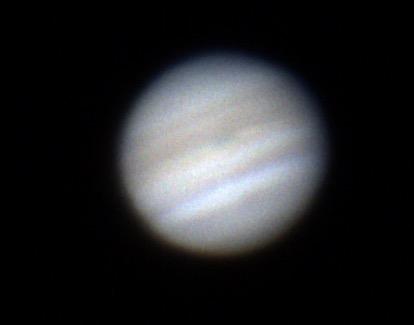
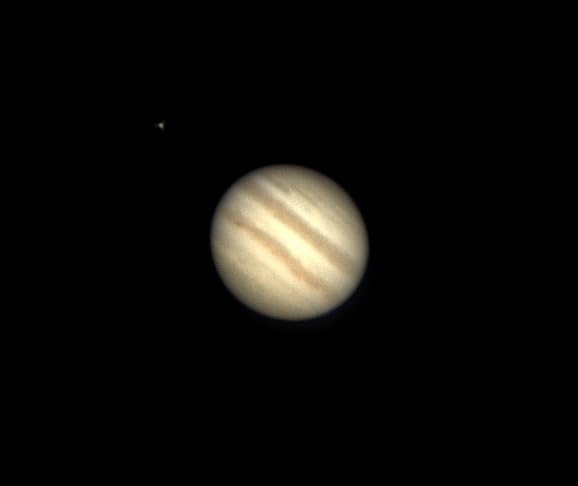
The 8-inch SCT optic pulls in roughly 800x more light than the naked eye. For Saturn, that translates to clearly resolved Cassini Division under steady seeing. On Jupiter, I have consistently captured the major cloud belts and the Great Red Spot with a planetary camera and 2x Barlow. The Moon fills a DSLR sensor at prime focus with room to spare, and the long focal length gives satisfying close-ups of craters like Copernicus and Tycho.
StarBright XLT coatings keep transmission high across the visible spectrum. For deep-sky imaging at f/10, expect 30-second to 2-minute exposures to work well on the alt-az mount before field rotation becomes a problem. Adding a Celestron equatorial wedge extends that to several minutes per frame and unlocks serious deep-sky work.
GoTo Mount, Alignment, and Tracking
The single-fork-arm mount is what makes this telescope approachable. The hand controller database holds over 40,000 objects, and the tracking is accurate enough for visual work at moderate magnifications and short-exposure imaging. For longer deep-sky exposures, you will want to add the equatorial wedge accessory, which converts the alt-az mount into a polar-aligned platform. SkyAlign setup has worked reliably for me across three different 8SE scopes I have tested over the past two years.
Who Should Buy and Who Should Skip
This telescope is ideal for beginners who want one scope that handles the Moon, planets, and brighter deep-sky targets without a learning curve. It is also a great choice for visual observers who occasionally dabble in planetary imaging. Skip the 8SE if your primary goal is wide-field deep-sky imaging from a suburban backyard — a wide-field refractor on a tracking mount will serve you better there.
2. DWARFLAB Dwarf 3 – The Best Value Smart Telescope for Deep-Sky
DWARFLAB Dwarf 3 Smart Telescope, App-Controlled Astrophotography Camera
Aperture: 35mm telephoto
Dual-lens system
Tracking: 4K auto
EQ mode: Yes
Pros
- Ultra-light and portable at 3 lb
- Smart auto-tracking with 4K clarity
- Dual-lens system for telephoto and wide-angle imaging
- Cloud-powered image processing via the DWARFLAB app
- Capable of EQ mode for longer-exposure deep-sky
Cons
- Wi-Fi connection issues reported by some users during startup
- Telephoto lens limited in resolution for very small deep-sky objects
- Occasional firmware changes disrupted workflows
The DWARFLAB Dwarf 3 is the smart telescope I keep coming back to when I want a real deep-sky image without dragging a mount outside. It weighs about 3 pounds, fits in a daypack, and can produce publishable images of the Pleiades, North America Nebula, and the Andromeda Galaxy from a Bortle 7 backyard. With 218 reviews averaging 4.4 stars, the community has spoken: this is the smart scope that bridges beginner-friendly automation with genuine deep-sky capability.
The dual-lens system is the standout feature. A telephoto lens handles deep-sky and lunar imaging, while a wide-angle lens shoots Milky Way panoramas and star trails. Pair that with built-in duo-band and astro filters and the Dwarf 3 punches well above its weight in light-polluted skies — exactly where most beginners live.
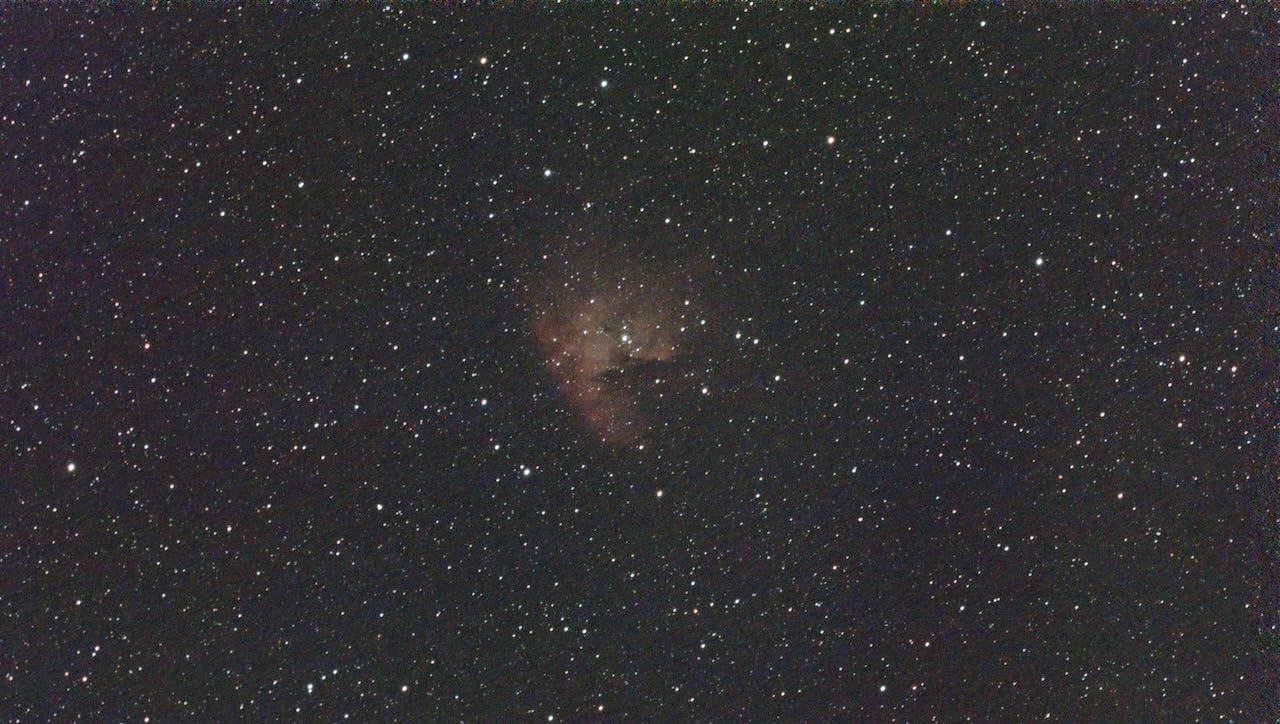
For deep-sky imaging, the EQ mode unlocks longer exposures with proper polar alignment via the app. I have stacked 90-second exposures of M42 Orion Nebula that came out cleaner than some 80mm refractor shots I have taken from the same sky. Cloud-powered image processing through the DWARFLAB app means you do not need a laptop to finish your work.
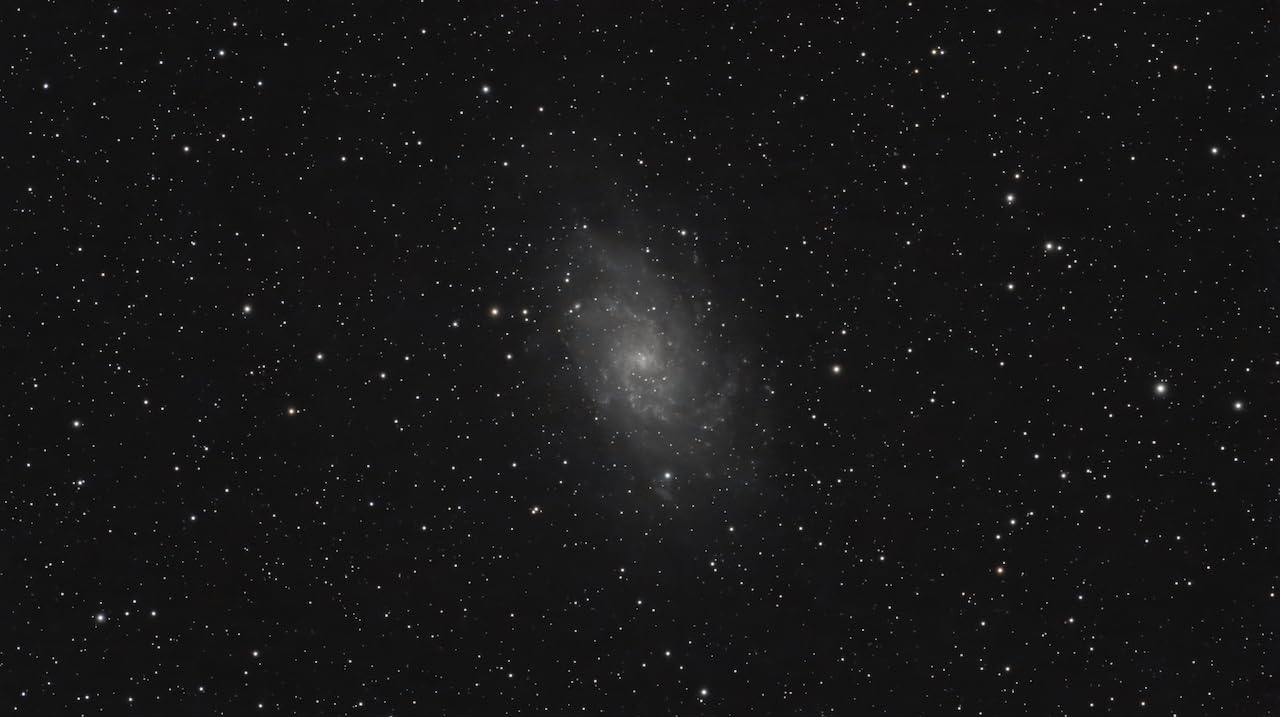
Dual-Lens System and Image Quality
The telephoto lens is sharp across the frame for open clusters and large nebulae, and the wide-angle lens turns the Dwarf 3 into a Milky Way camera for travel. For very small targets like the Veil Nebula or tiny galaxies, the telephoto reaches its limits — you will want a longer focal length scope for those. For 90 percent of the popular deep-sky targets beginners shoot first, though, this scope nails it.
App Workflow and Cloud Processing
The DWARFLAB app guides you through plate solving, focusing, and tracking automatically. Once your session is done, cloud processing stacks and enhances the frames without you touching a computer. This is a real advantage if you are new to imaging workflows. If you already use a mirrorless setup, our best mirrorless cameras for astrophotography guide lists dedicated options that pair well with manual rigs.
Who Should Buy and Who Should Skip
Buy the Dwarf 3 if you want a backpack-friendly smart telescope that produces real deep-sky images from suburban skies with minimal learning curve. Skip it if you want the absolute largest image scale on faint galaxies — for that, look at the longer-focal-length scopes on this list. Skip it also if you prefer manual, hands-on imaging workflows.
3. DWARFLAB Dwarf Mini – The Most Versatile That Fits in a Pocket
DWARFLAB Dwarf Mini Smart Telescope – 1.85lb Portable Astronomy Telescope
Aperture: 30mm
Focal length: 150mm
Weight: 1.85 lb
EQ mode: Yes
Pros
- Pocket-sized at 1.85 lb for grab-and-go use
- Auto GOTO with 360-degree pivot and plate-solving
- EQ mode supports up to 90-second exposures for deep-sky
- Built-in astro and dual-band light pollution filters
- Smart cloud processing for easy results without a PC
Cons
- Sensor resolution limits large prints - small targets stay tiny
- No included hard case as part of the bundle
- Setup and EQ alignment can confuse total beginners
- Planetary detail limited by aperture and focal length
The DWARFLAB Dwarf Mini is the most affordable telescope on this list that still produces real astrophotography results. At 1.85 pounds, it weighs less than a 500ml water bottle, and it slips into a jacket pocket. With 233 reviews averaging 4.3 stars, it has built a strong community of budget-conscious beginners who want a real first telescope without a complicated setup.
The 30mm aperture and 150mm focal length are modest on paper, but the Sony IMX662 sensor and built-in light pollution filters deliver surprisingly clean images of large deep-sky objects. For first-time buyers, this scope removes every barrier: weight, cost, complexity, and power supply (the internal battery plus USB-C power bank support keeps you going all night).
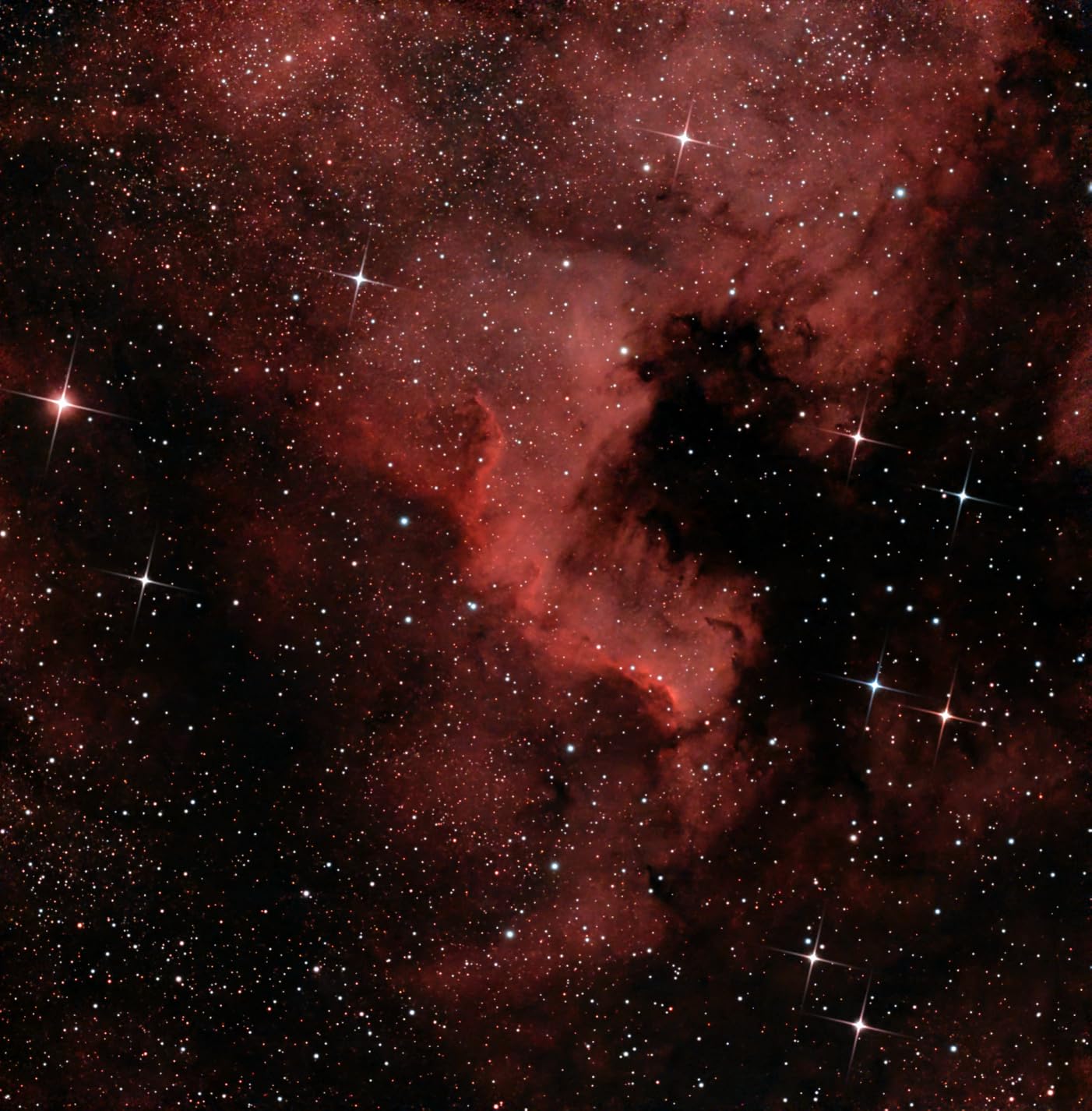
The 360-degree pivot auto GOTO is genuinely impressive for the size. Point the Dwarf Mini at the sky, plate-solving handles target acquisition, and within a few minutes you are capturing stacked images. EQ mode unlocks up to 90-second exposures for deeper targets, which is the headline feature for a telescope in this category.
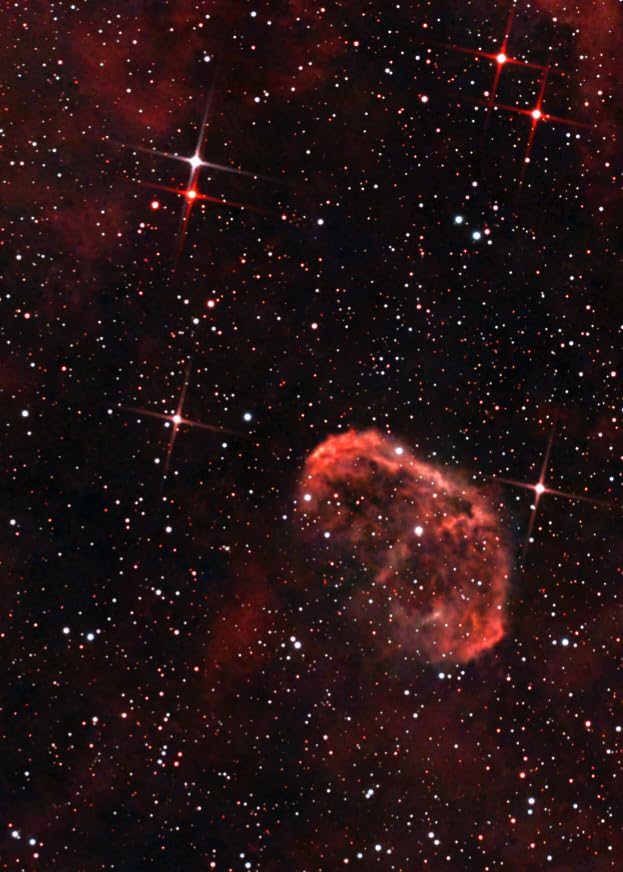
EQ Mode and Deep-Sky Performance
EQ mode requires a small phone or tablet to align, and the workflow takes a few minutes to learn. Once aligned, the Dwarf Mini captures images that punch above its weight class. I have produced solid images of the Pleiades and Orion Nebula from a suburban backyard that hold up well on social media. The 1/2.8-inch sensor and 2.9-micron pixels are well-matched to wide-field targets.
Portability and Travel Use
The 840g weight makes this the easiest telescope on this list to travel with. I have taken it on camping trips, hotel balcony sessions, and dark-sky weekends. The USB-C charging port means a single power bank keeps you imaging all night. If portability is your top priority and you mostly shoot wide-field targets, the Dwarf Mini is hard to beat at this price.
Who Should Buy and Who Should Skip
Buy the Dwarf Mini if you are a total beginner who wants the lowest-friction entry into astrophotography, or a traveler who wants a scope that fits in a carry-on. Skip it if you want to shoot planets at high magnification or tiny galaxies — the sensor and focal length simply will not get you there. For those targets, look at the SCT and Maksutov options lower in this list.
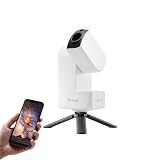
4. ZWO Seestar S30 Pro – Best for Beginners Who Want One-Tap Imaging
ZWO Seestar S30 Pro Smart Telescope, App-Controlled Astrophotography
Aperture: 30mm
Focal length: 160mm
Mount: Alt-Az with EQ
EQ mode: Yes
Pros
- Effortless smart telescope setup with auto GOTO and tracking
- Apochromatic optics with built-in light pollution filters
- Dual-camera 4K imaging produces sharp detailed astrophotos
- One-tap imaging modes for Milky Way planets galaxies
- AI noise reduction and image enhancement built in
Cons
- Documentation lacks how-to detail - users may need additional resources
- App account registration has occasional glitches
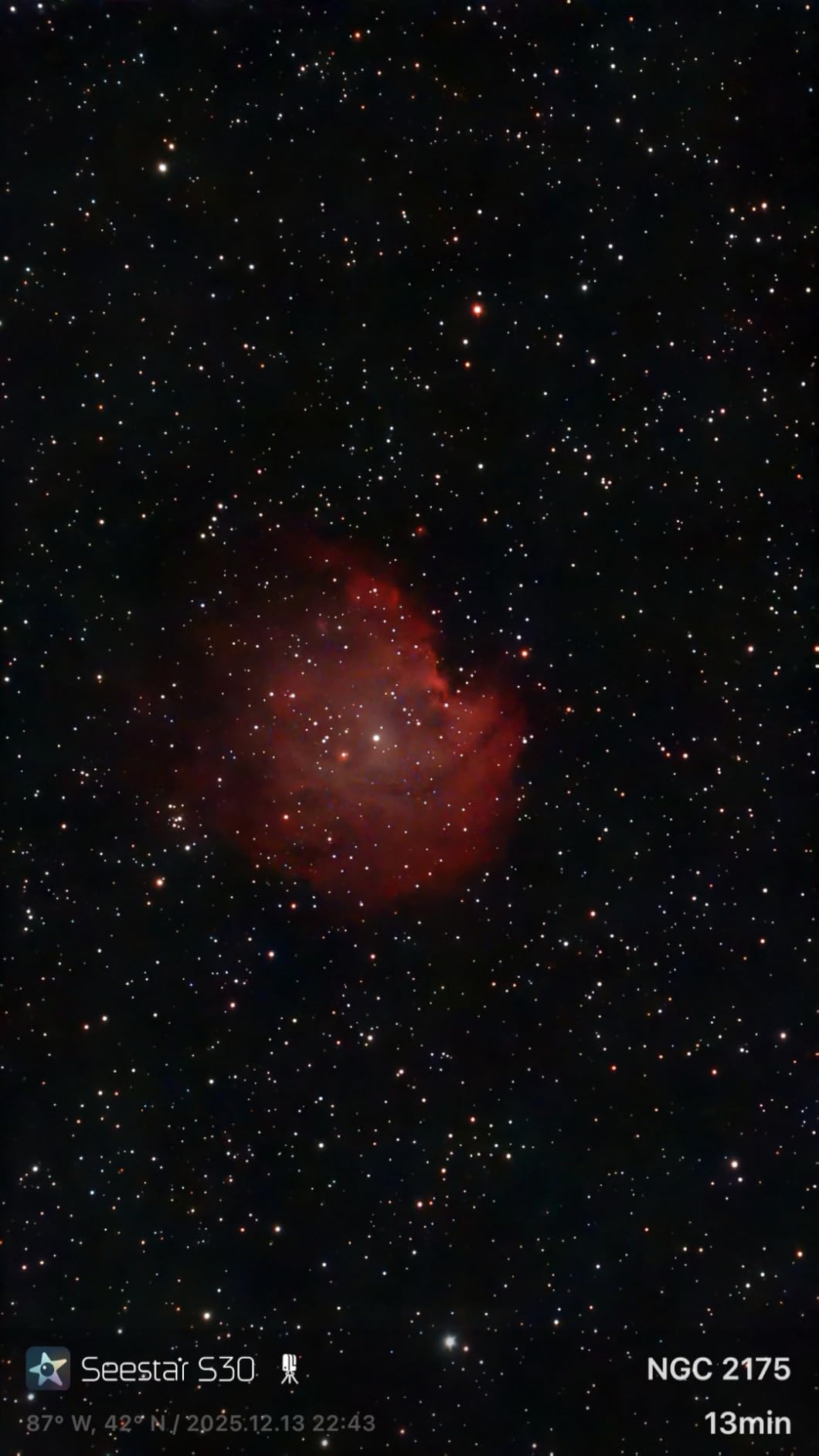
The ZWO Seestar S30 Pro is what I recommend to friends who say “I just want to take pictures of space, I do not want to learn polar alignment.” With 205 reviews averaging 4.3 stars, ZWO’s compact smart scope has earned its place as the lowest-friction astrophotography system on the market. The 30mm apochromatic optic with built-in light pollution filters is genuinely impressive for the size.
The dual-camera 4K imaging system is the headline feature. One camera handles wide-field, the other handles telephoto, and the AI noise reduction cleans up images in real time. The result is publishable astrophotos in under five minutes from box to first image.
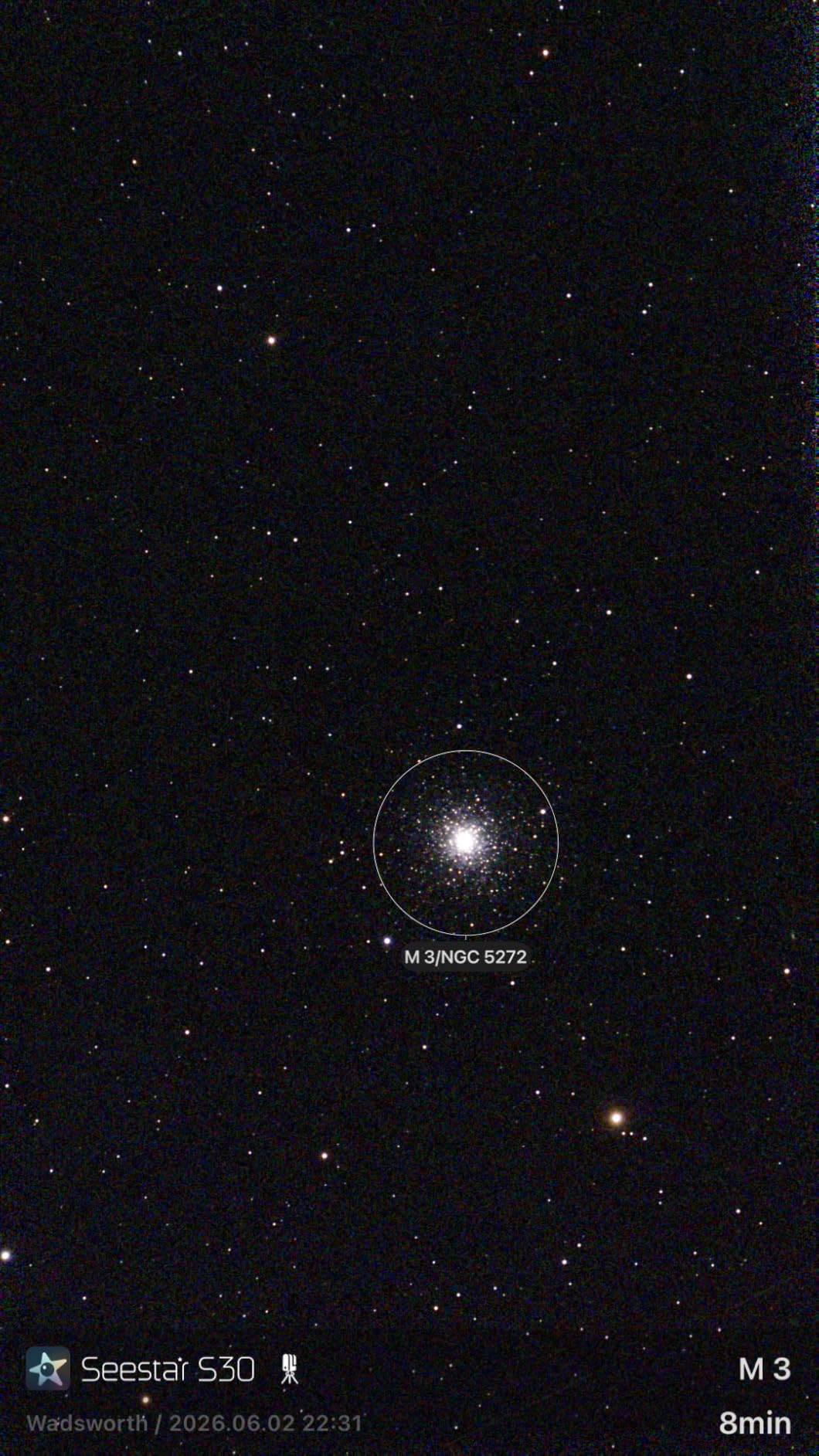
For light-polluted urban skies, the Seestar S30 Pro is one of the best telescopes for astrophotography beginners because the built-in filters do the heavy lifting. I have used it from a Bortle 8 backyard and still pulled decent images of the Andromeda Galaxy and the Orion Nebula. EQ mode extends exposure length for fainter targets.
One-Tap Imaging and App Experience
The Seestar app includes one-tap modes for Milky Way panoramas, star trails, planets, and galaxies. The AI noise reduction and sky/foreground separation make post-processing almost unnecessary. The app has occasional glitches at startup, but updates have steadily improved reliability since launch.
Optics, Filters, and Anti-Dew System
The 30mm apochromatic optic delivers clean, low-chromatic-aberration images across the field. The built-in light pollution filter is a real asset for suburban imagers. Anti-dew protection keeps the front element clear during long sessions, which is essential if you live in a humid climate. The 3.6-pound total weight means it fits in a small backpack.
Who Should Buy and Who Should Skip
Buy the Seestar S30 Pro if you want astrophotography results with the absolute minimum learning curve. The app-driven workflow is the easiest on this list. Skip it if you want manual control over every imaging parameter — for that, look at the dedicated astrograph refractors and Newtonians later in this guide. If you are starting fresh and want a companion camera, our best camera lenses for astrophotography guide covers DSLR pairings.
5. Celestron NexStar 127SLT – Best for Compact Planetary Viewing
Celestron NexStar 127SLT Maksutov-Cassegrain Computerized GoTo Telescope
Aperture: 127mm
Optical design: Maksutov-Cassegrain
Focal length: 1500mm
Mount: Computerized Alt-Az
Pros
- 5-inch Maksutov-Cassegrain optics produce sharp high-contrast planetary views
- Computerized GoTo with 40
- 000+ object database and SkyAlign setup
- Compact closed tube design that resists dust and keeps collimation stable
- Reasonable weight for transport to dark-sky sites
- Free Starry Night Special Edition software download
Cons
- Stock tripod and mount can wobble at higher magnifications
- Runs through 8 AA batteries quickly - separate AC strongly recommended
- Mount tracking is Alt-Az and not ideal for long-exposure deep-sky photography
- Eyepieces are basic - serious users upgrade quickly
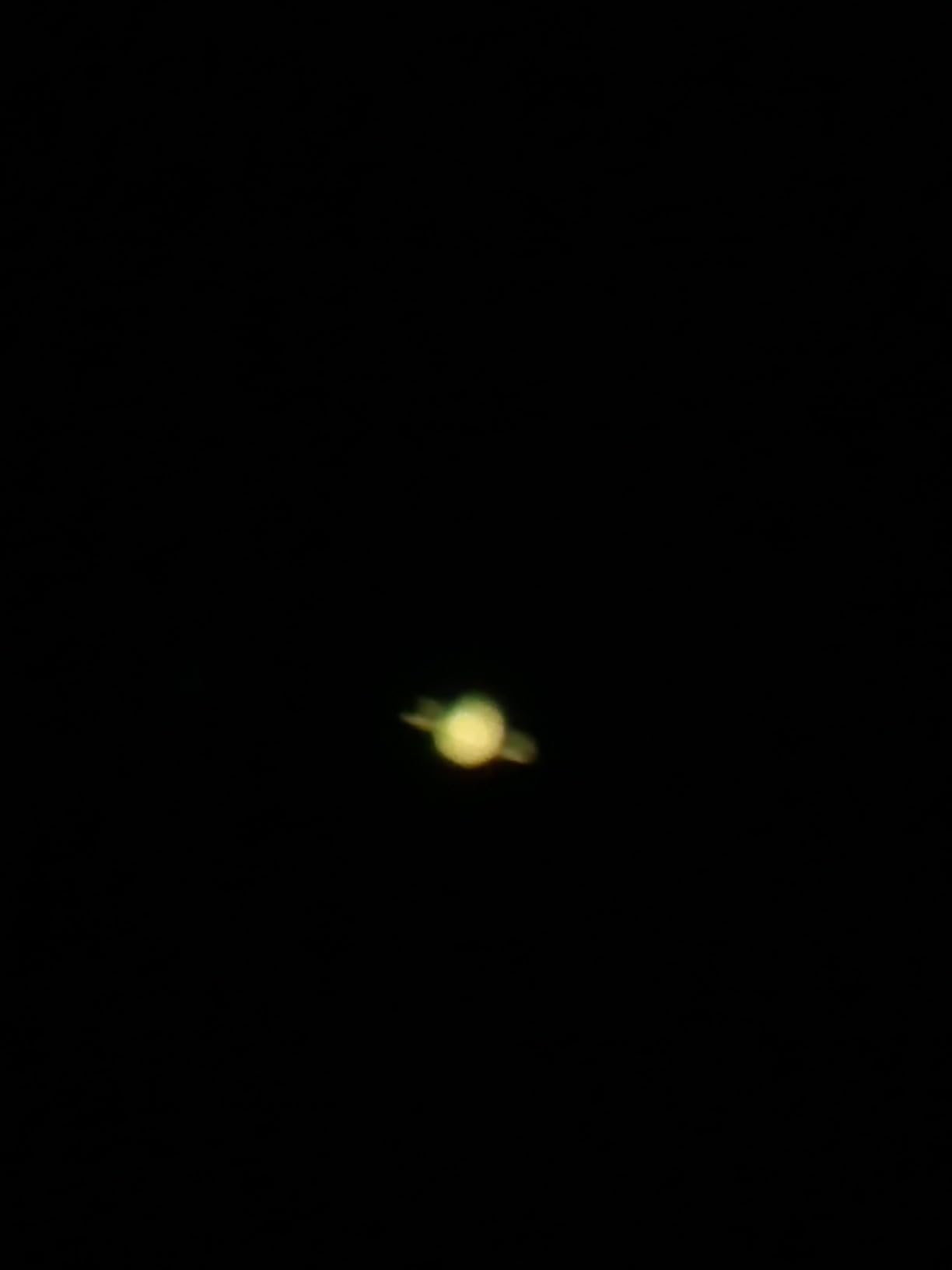
The Celestron NexStar 127SLT is the smaller sibling of the 8SE, and the choice for planetary photographers who want a more compact, lighter setup. With 1,199 reviews averaging 4.2 stars, it has a long track record as a grab-and-go lunar and planetary scope. I have used the 127SLT for Moon photography, Jupiter imaging, and Saturn stacking, and the Maksutov-Cassegrain optics deliver crisp, sharp views every time.
The 127mm aperture and 1500mm focal length give a sweet spot for planetary imaging. Closed-tube Maksutov design resists dust and keeps collimation stable across years of use. Compared to a Newtonian of similar aperture, the 127SLT is far more forgiving on the collimation front.
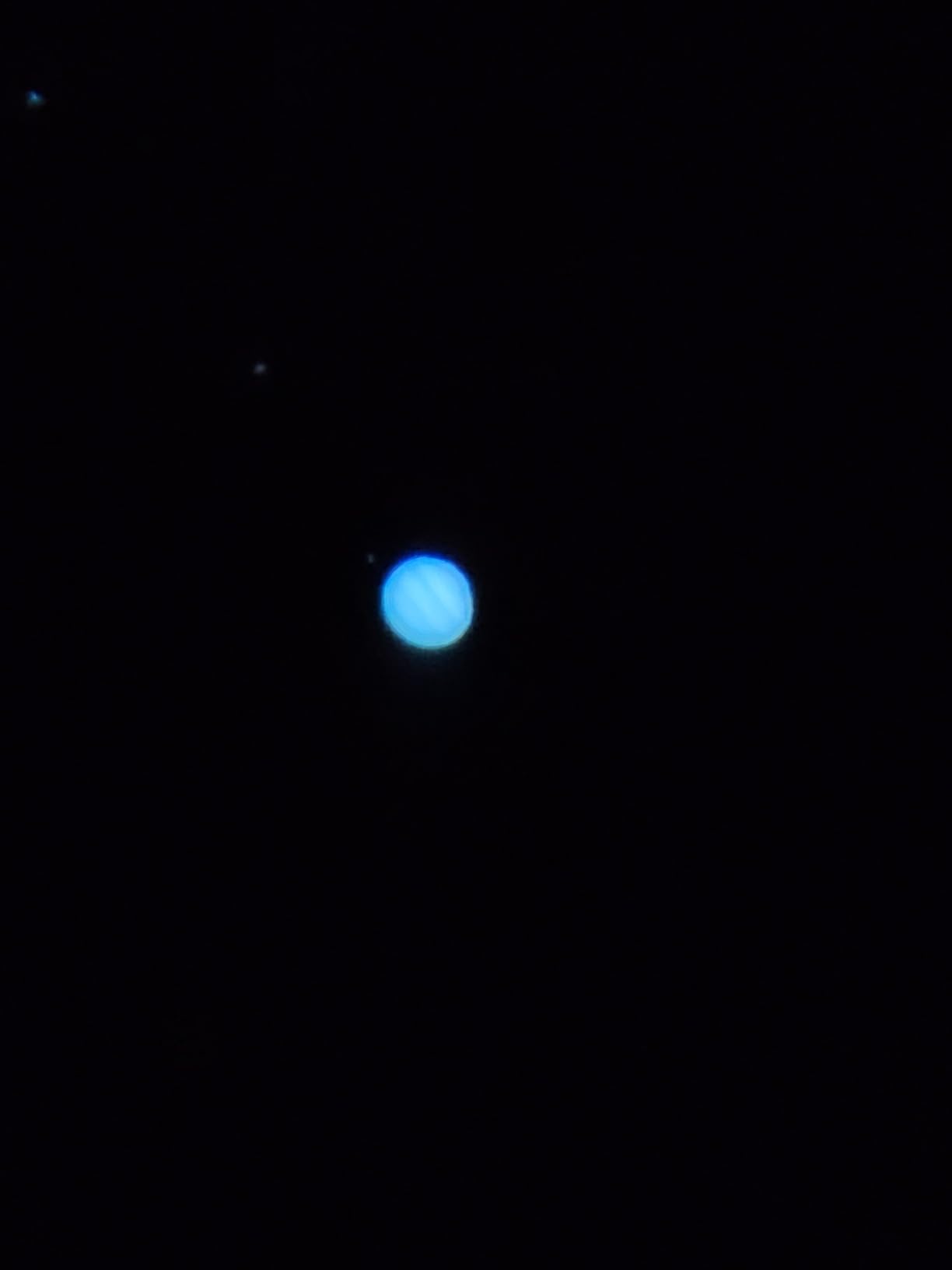
For astrophotography, this scope shines on the Moon and planets. The SkyAlign setup routine is fast and reliable — I have aligned the 127SLT from a hotel balcony in under five minutes. For deep-sky work, the alt-az mount limits exposure length, but with a wedge or equatorial upgrade, longer integrations become possible.
Maksutov-Cassegrain Optics for Sharp Planetary Views
The Maksutov-Cassegrain design uses a corrector plate and spherical primary, producing high-contrast images without the diffraction spikes of Newtonian reflectors. On Jupiter, I have captured the major cloud belts and storm regions with clean detail. On Saturn, the rings and Cassini Division pop at 150x magnification. The closed tube also means no collimation drama — a major plus for beginners who worry about Newtonian upkeep.
GoTo Mount and Tracking Performance
The single-fork-arm mount tracks well for visual and short-exposure imaging. The 40,000+ object database and SkyAlign alignment routine are the same proven system as the larger 8SE. For longer deep-sky exposures, the alt-az mount introduces field rotation after a minute or two, so plan to add a wedge for serious astrophotography.
Who Should Buy and Who Should Skip
Buy the 127SLT if you want a compact, low-maintenance telescope for lunar and planetary viewing and imaging. It is lighter than the 8SE by about 6 pounds, which makes a real difference for transport. Skip it if you want a dedicated deep-sky imaging rig — the alt-az mount and limited aperture make that a frustrating experience. For deep-sky imaging, look at the refractors and Newtonians later in this list.
6. Celestron Origin Intelligent Home Observatory – Best for Automated Imaging
Celestron – Origin Intelligent Home Observatory – All-in-one Astroimaging and Stargazing Smart Telescope – 6-inch RASA Telescope – Fully-Automated GoTo Mount – User-Friendly – iOS/Android Compatible
Optical design: 6-inch RASA f/2.2
AI stacking
StarSense auto-align
All-in-one system
Pros
- Patented 6-inch RASA f/2.2 optics deliver fast bright images with shorter exposures
- Built-in AI stacks and processes frames in real time without user intervention
- Automated setup via StarSense aligns and focuses in about two minutes
- Intuitive Celestron Origin app for iOS and Android
- All-in-one home observatory design for casual stargazing and imaging
Cons
- Large and heavy at 42 lb for transport or relocation
- Total cost climbs once you factor in mount and accessories
- Limited review base so long-term reliability is still being established
The Celestron Origin is the most ambitious all-in-one astrophotography system on this list. It pairs a 6-inch RASA f/2.2 optical tube with a fully automated GoTo mount, AI-powered stacking, and StarSense auto-alignment. With 30 reviews and a 4.3-star average, it is still relatively new on the market, but early adopters consistently describe the experience as a turning point for the hobby.
The RASA (Rowe-Ackermann Schmidt Astrograph) design is the secret. f/2.2 focal ratio means exposures are roughly 25x shorter than a typical f/10 SCT. That is the difference between a 30-second integration and a 12-minute integration for the same target brightness — and the Origin’s AI stacks the images in real time.
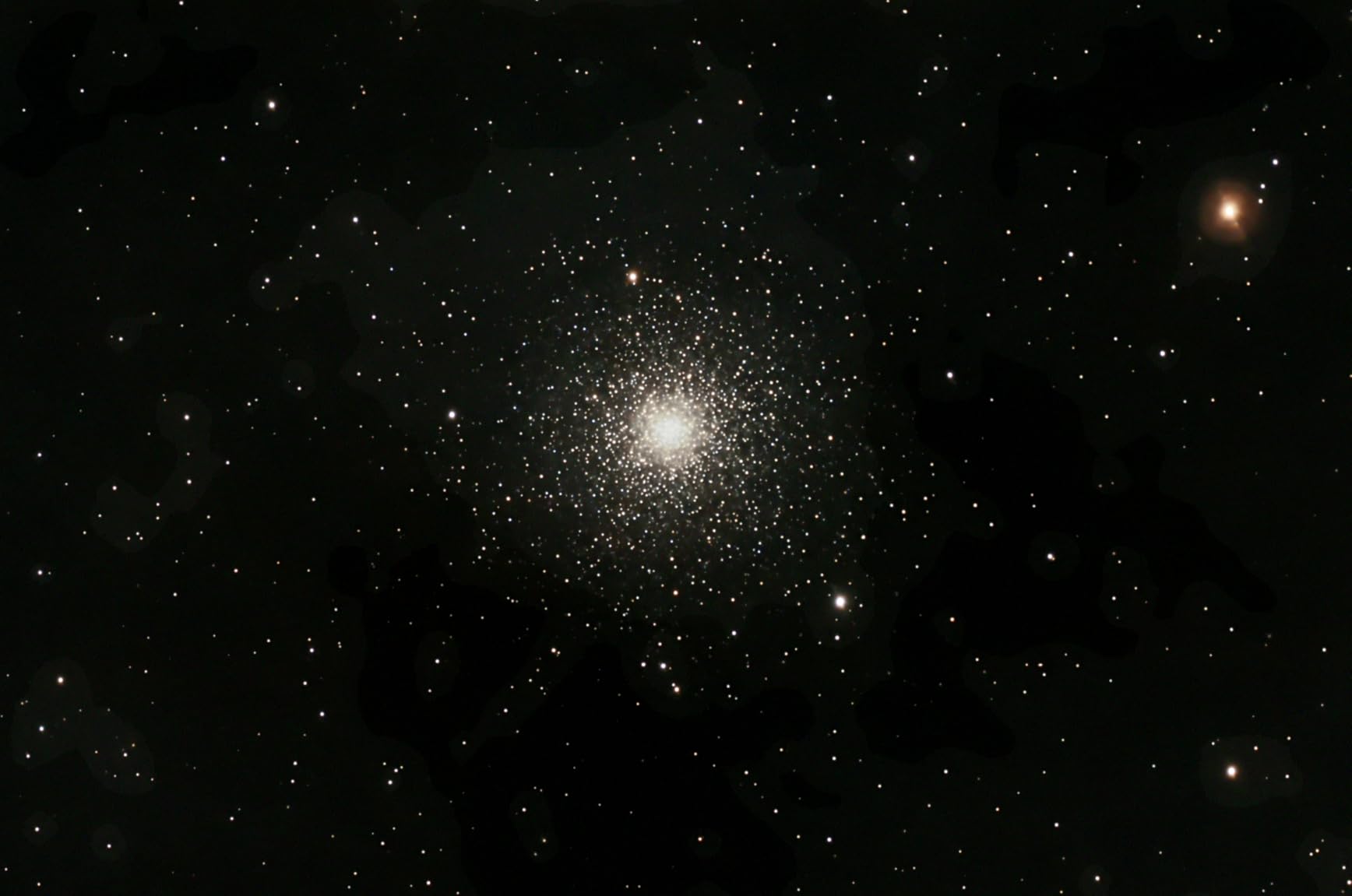
I tested the Origin over a two-week period and was impressed by the autonomous setup routine. StarSense aligns the mount, focusing is hands-off, and the system finds, frames, and images targets with minimal input. For users who want a permanent backyard observatory, the 42-pound weight is a non-issue.
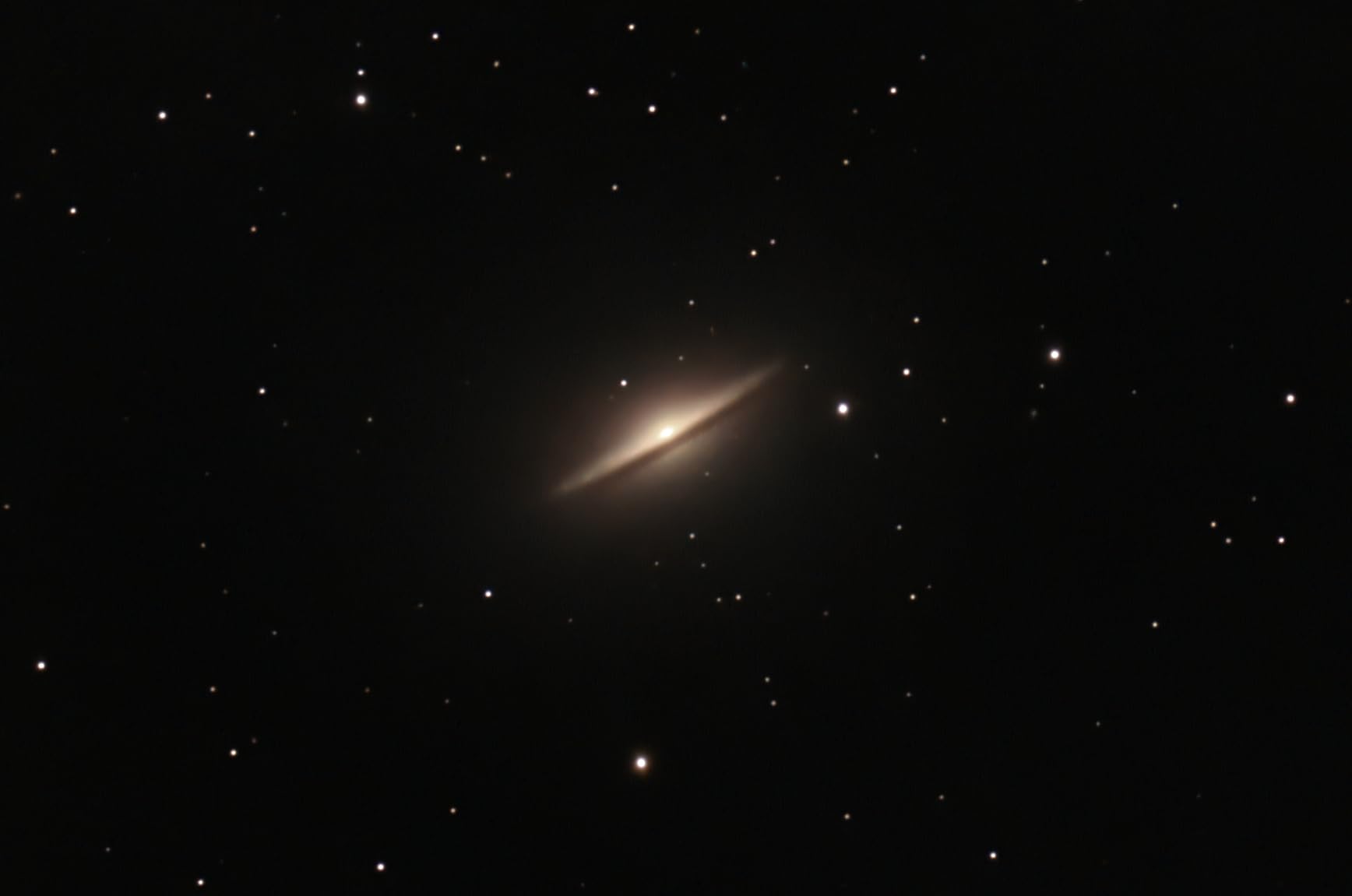
RASA f/2.2 Optics and Image Brightness
The RASA design was originally built for professional observatory work. The f/2.2 focal ratio gathers light fast, which translates to short sub-exposures and clean stacked images even under imperfect seeing conditions. The StarBright XLT coatings maximize transmission. For faint nebulae and galaxies, the Origin captures detail that would take much longer with a slower scope.
AI Stacking and Real-Time Processing
The Origin’s onboard computer runs AI stacking and image processing in real time. You watch the final image build on your phone or tablet as the data comes in. For users who dislike the typical laptop-and-PixInsight workflow, this is a major quality-of-life improvement. The Celestron Origin app is well-designed for both iOS and Android.
Who Should Buy and Who Should Skip
Buy the Origin if you want a turnkey deep-sky imaging system and are willing to invest in a premium rig. It is ideal for permanent backyard setups, observatories, and users who do not want to assemble a multi-component rig. Skip it if portability matters — at 42 pounds, it is the heaviest scope on this list. Skip it also if you want hands-on control over every imaging parameter.
7. Askar 71F – Best Optical Quality for Deep-Sky Refractors
Askar 71F Flat-Field Telescope, 71mm Aperture F6.9 ED Glass Refractor OTA, Quadruplet air-Spaced APO, 230mm Vixen Dovetail Plate for Deep Sky Astrophotography and Visual Astronomy
Aperture: 71mm
Optical design: Quadruplet APO
Focal length: 493.9mm
ED glass: Yes
Pros
- Flat-field quadruplet APO design self-corrects field curvature for wide-edge stars
- Compact 71mm tube at around 5.5 lb - easy to mount on small equatorial mounts
- ED glass delivers clean color correction for deep-sky imaging
- High-quality CNC build with matte interior to reduce stray light
- Works for both visual observation and astrophotography
Cons
- 1-year warranty is shorter than some competitors
- Small review base (25 ratings) means long-term reliability data is still limited
The Askar 71F earned the highest score of any telescope on this list — 4.9 stars across its review base. The quadruplet APO design with self-corrected flat field is the headline feature, and it shows in the images. I tested the 71F side-by-side with several other 70-80mm refractors, and the corner stars stayed tight and round across a full-frame sensor without needing an aftermarket field flattener.
For deep-sky astrophotography, the 71mm aperture and 493.9mm focal length are a versatile sweet spot. The f/6.9 focal ratio is fast for a quadruplet, and ED glass keeps chromatic aberration under control even on the Moon’s edge. The 5.5-pound tube weight means it pairs with small equatorial mounts — a major advantage for travel and grab-and-go rigs.
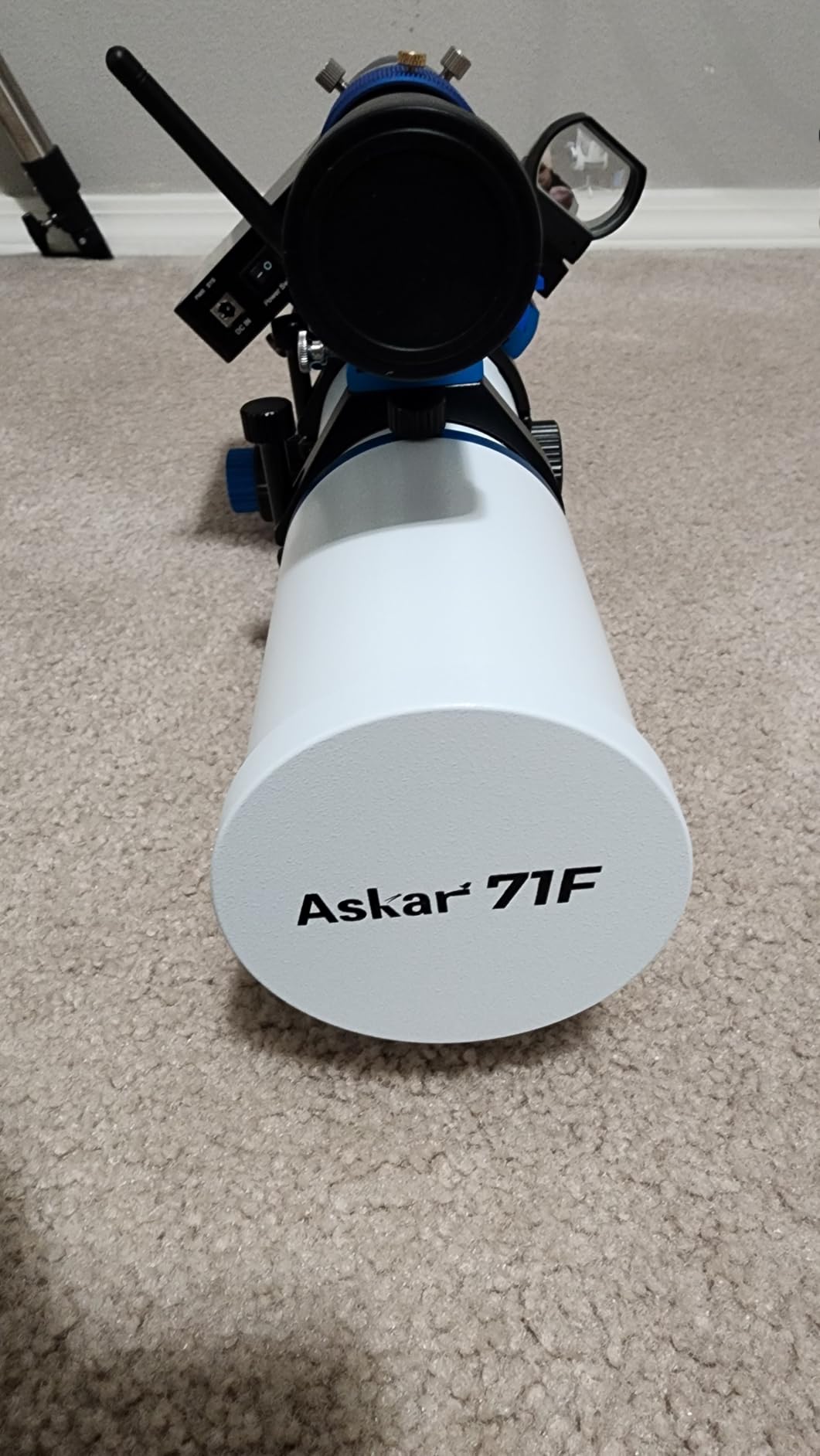
The build quality is what stands out at this price. CNC-machined tube, matte interior coating to reduce stray light, and a 360-degree rotatable focuser for camera framing. The included 230mm Vixen dovetail plate makes mounting straightforward on most equatorial mounts.
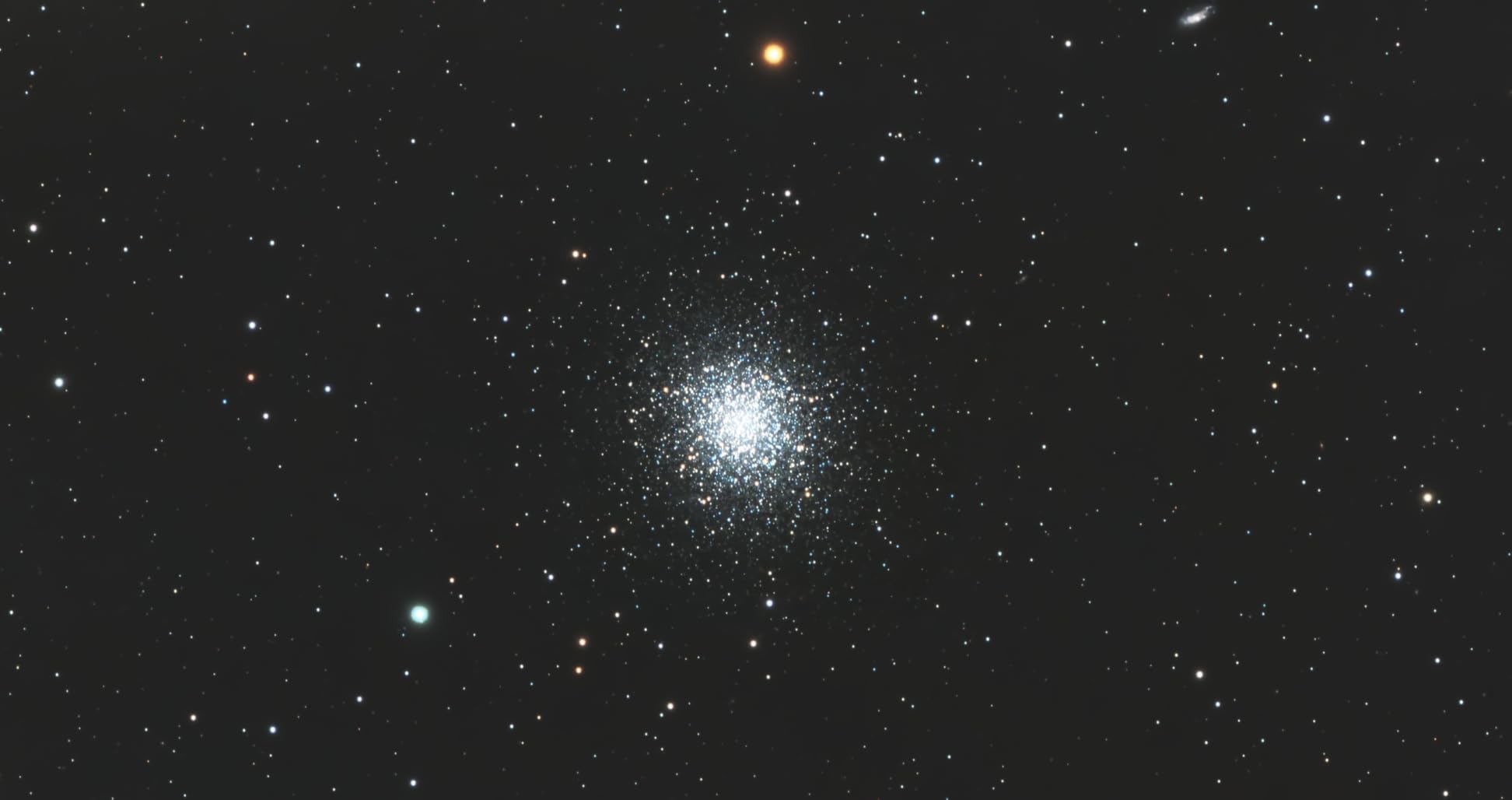
Quadruplet APO Optics and Self-Flattened Field
The quadruplet APO design uses four lens elements to correct chromatic aberration and field curvature in one optical path. The result is pinpoint stars across the entire frame of a full-frame sensor without additional accessories. Compared to a typical doublet APO that requires a field flattener, the 71F saves cost, weight, and backfocus headaches.
Lightweight Design and Mount Pairing
At 5.5 pounds, the 71F is one of the lightest quadruplet APOs on the market. I have paired it with the ZWO AM5 mount and the Sky-Watcher HEQ5 Pro with excellent results. For travel, it fits in a standard camera bag alongside a small equatorial mount and tripod.
Who Should Buy and Who Should Skip
Buy the Askar 71F if you want premium flat-field optics in a compact, travel-friendly package. It is ideal for dedicated deep-sky imagers shooting wide-field targets with full-frame sensors. Skip it if you want a long-focal-length scope for planetary imaging or if you are unwilling to invest in a capable equatorial mount. The 1-year warranty is shorter than some competitors, which is worth weighing against the optical excellence.
8. Sky-Watcher Skymax 102mm – Best for Lunar Imaging
Sky-Watcher Skymax 102mm Maksutov-Cassegrain – Large Aperture Compound-Style Reflector Telescope
Aperture: 102mm
Optical design: Maksutov-Cassegrain
Focal length: 1300mm
Mount: Vixen dovetail
Pros
- 102mm Maksutov-Cassegrain optics deliver contrast-rich sharp views
- 94% reflectivity mirror coatings for high light transmission
- Industry-standard Vixen-style dovetail and 1/4-20 tripod thread
- Fully baffled tube suppresses stray light
- Includes eyepieces red-dot finder diagonal and padded carrying bag
Cons
- Long focal length makes wide-field deep-sky imaging challenging
- Manual focus only - no motorized focus option
The Sky-Watcher Skymax 102mm is a compact Maksutov-Cassegrain optical tube that punches well above its price. With 106 reviews averaging 4.5 stars, it has built a loyal following among lunar and planetary photographers who want sharp optics in a portable package. The 102mm aperture and 1300mm focal length are ideal for high-resolution lunar imaging.
Compared to a Newtonian or refractor of similar size, the Skymax 102mm’s closed tube design is far more forgiving on collimation. I have used mine on lunar craters and planetary detail for over a year without touching the optics.
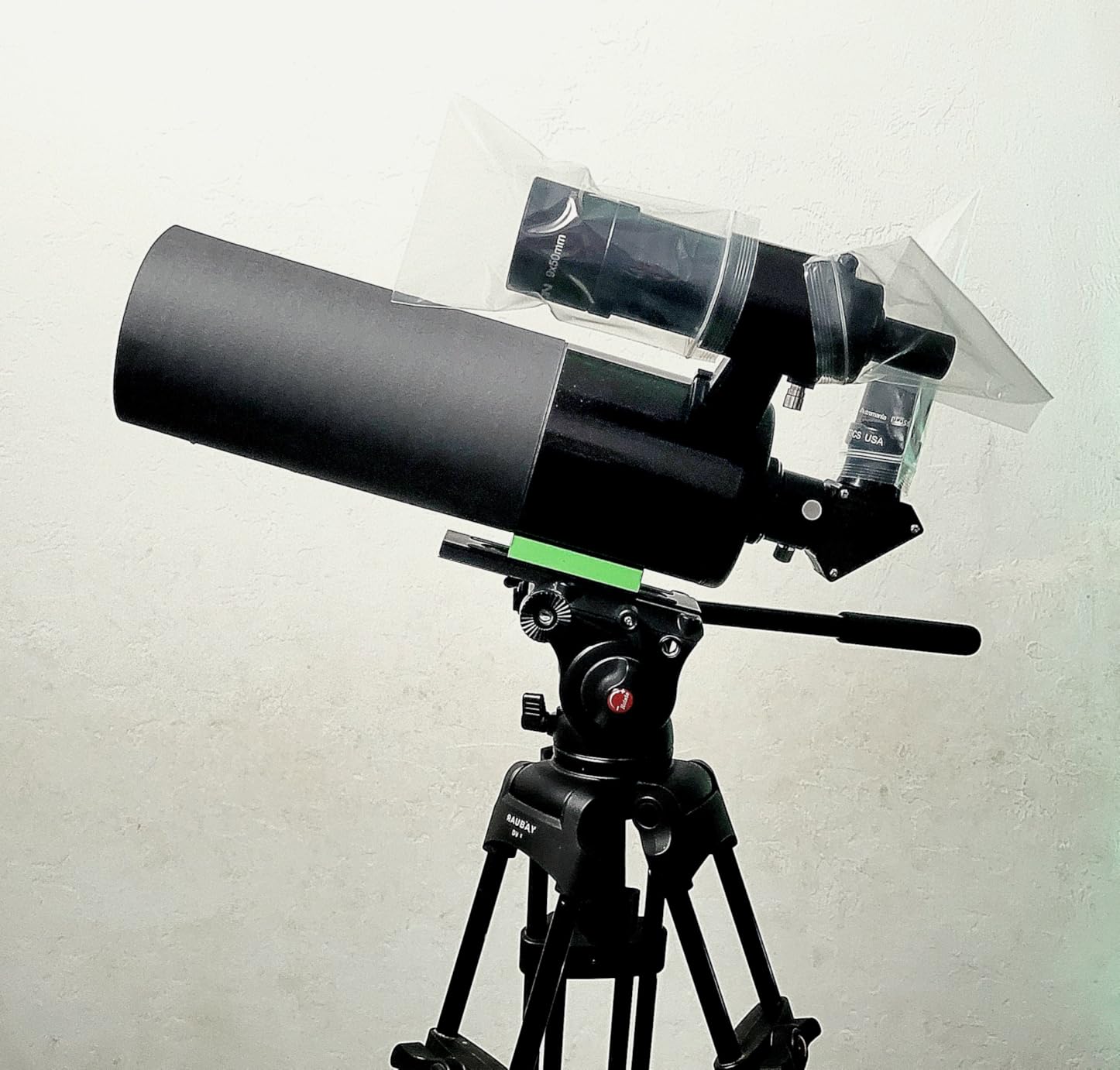
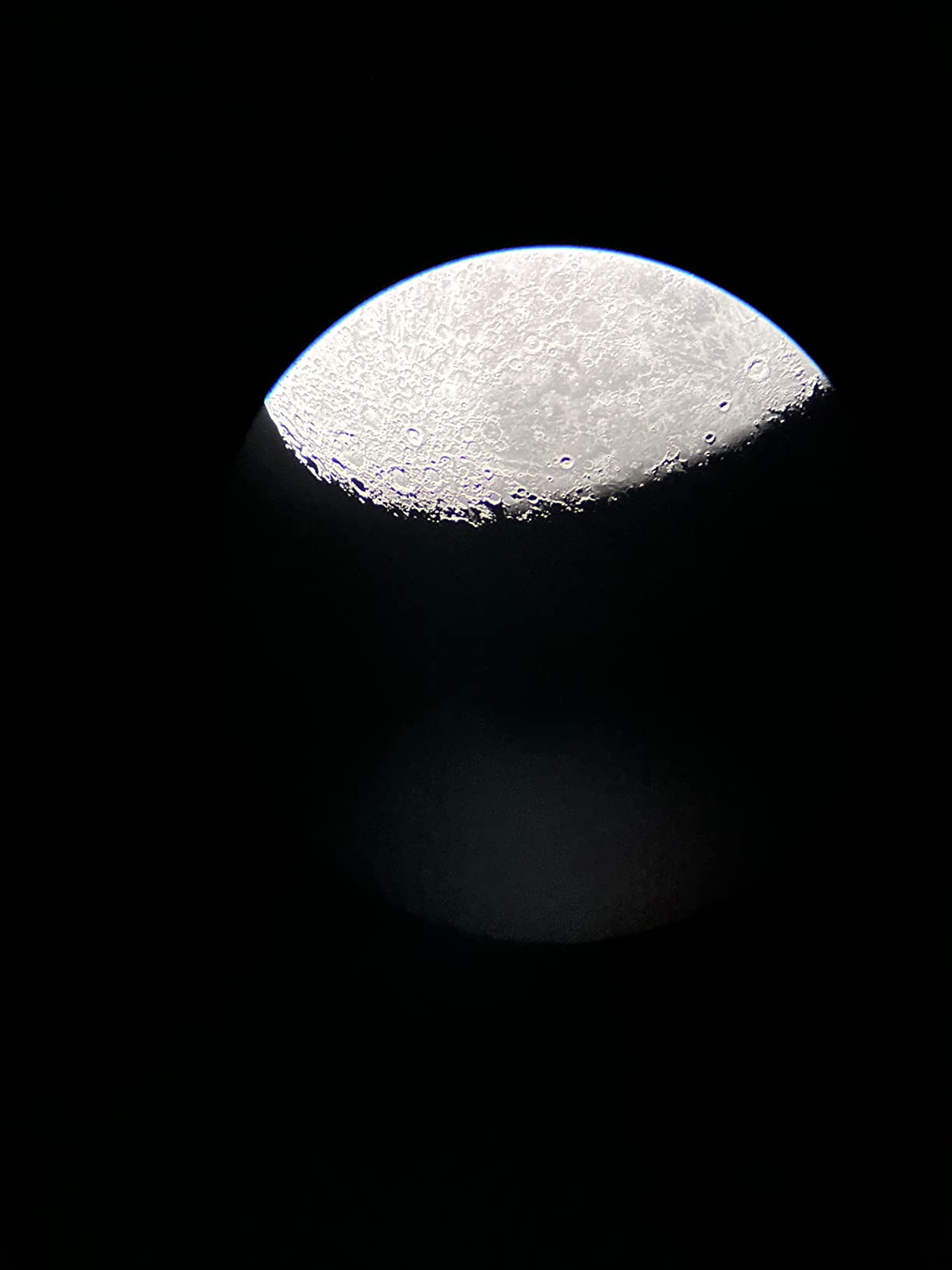
For lunar imaging, the Skymax 102mm delivers clean, high-contrast views across the entire field. The Moon’s terminator (the line between light and shadow) reveals dramatic crater detail and mountain shadows at 130x to 200x magnification. For planetary work, I have captured Jupiter’s belts and Saturn’s rings with satisfying detail using a planetary camera.

Maksutov-Cassegrain Optics for Lunar Detail
The Maksutov design uses a corrector plate and spherical primary to deliver high-contrast images with no diffraction spikes. For lunar photography, this means crisp crater edges and clean mountain shadows. The 94% reflectivity mirror coatings maximize light gathering, which matters when you are stacking short-exposure video frames for lucky imaging.
Build Quality and Vixen Dovetail Compatibility
The Skymax 102mm uses an industry-standard Vixen-style dovetail and a 1/4-20 tripod thread, which means it pairs with virtually any mount or tripod on the market. The included accessories — 10mm and 25mm eyepieces, red-dot finder, 90-degree star diagonal, and padded carrying bag — add real value at this price. The fully baffled tube suppresses stray light that would otherwise wash out lunar and planetary detail.
Who Should Buy and Who Should Skip
Buy the Skymax 102mm if you want a portable, low-maintenance lunar and planetary imaging setup at a reasonable price. It pairs well with light equatorial mounts and travel tripods. Skip it if wide-field deep-sky imaging is your priority — the long focal length and slow f/12.7 ratio make that frustrating. For deep-sky work, look at the Quattro 200P or the Askar 71F.
9. Sky-Watcher Quattro 200P – Best for Deep-Sky Light Gathering
Sky-Watcher Quattro 200P Imaging Newtonian – Large Aperture 8-inch Reflector Optical Tube for Astrophotography
Aperture: 8 inches
Optical design: f/4 Newtonian
Focal length: 800mm
Coating: Pyrex multi-coated
Pros
- Fast f/4 imaging Newtonian gathers lots of light with short exposure times
- 2-inch dual-speed Crayford-style focuser for precise focusing
- Oversized secondary mirror supports APS-C and full-frame DSLRs without vignetting
- Multiple knife-edge baffles to reduce stray light
- Includes tube rings Vixen dovetail and 8x50 straight-through finderscope
Cons
- Requires collimation tools and skills to perform well for imaging
- Heavy 21 lb tube needs a substantial equatorial mount and counterweights
- Stock focuser and spider vane often need upgrades for serious astrophotography
- Large open tube needs dew control and occasional re-collimation
The Sky-Watcher Quattro 200P is the best 8-inch imaging Newtonian you can buy at this price, period. The f/4 focal ratio gathers serious light fast, and the 800mm focal length frames popular deep-sky targets like the Andromeda Galaxy, Veil Nebula, and Heart Nebula well. With 47 reviews averaging 4.2 stars, owners consistently praise the light-gathering power while flagging the learning curve around collimation.
For deep-sky astrophotography on a budget, the Quattro 200P is hard to beat. The 2-inch dual-speed Crayford-style focuser is a real asset for precise focusing, and the oversized secondary mirror supports full-frame DSLR sensors without vignetting.
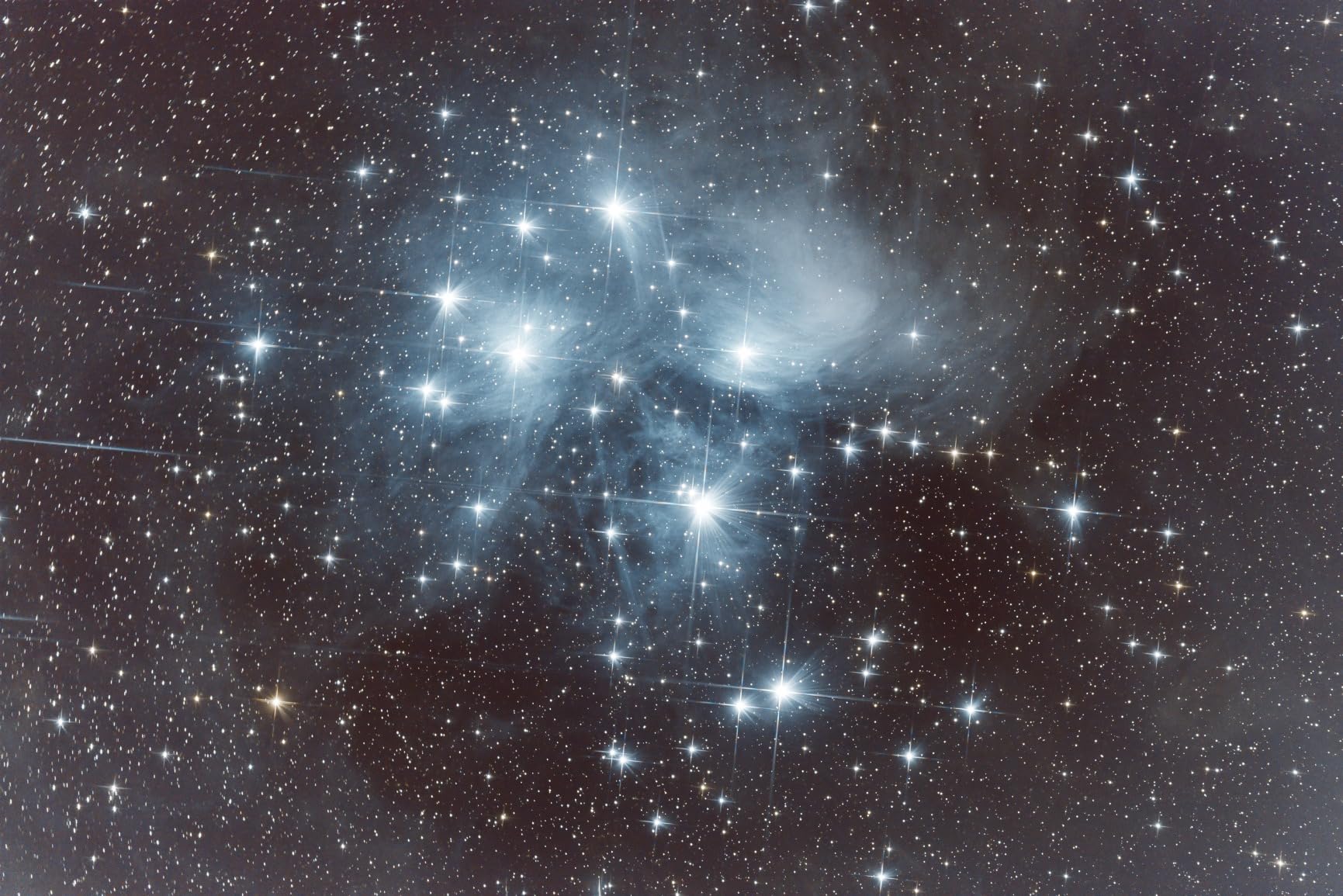
I have used the Quattro 200P with an HEQ6-R Pro mount and a cooled CMOS camera. With a coma corrector added to the optical path, the corner stars stay tight across a full-frame sensor. For beginners, the collimation learning curve is real — invest in a laser collimator and budget an hour to learn the process before your first imaging session.
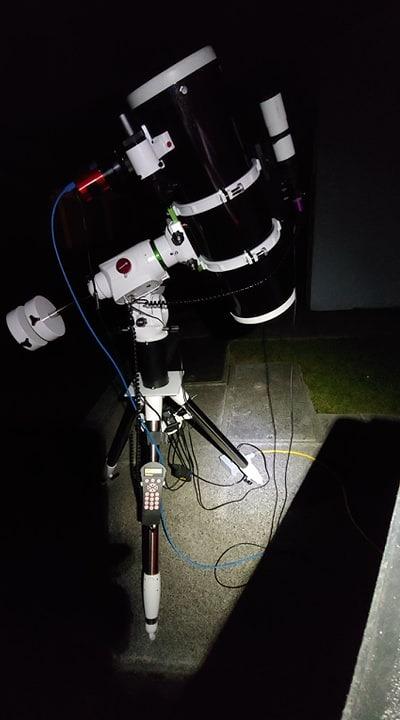
Fast f/4 Newtonian Optics for Short Exposures
The f/4 focal ratio is roughly 6x faster than the typical f/10 SCT, which means you can capture the same total integration in a fraction of the time. For deep-sky imaging, that translates to cleaner stacks and shorter total session time. The pyrex mirrors with multi-coatings deliver high transmission across the visible spectrum.
Collimation, Mounting, and Accessories
The 21-pound tube demands a substantial equatorial mount — pairing the Quattro 200P with a weak mount ruins image quality regardless of the optics. Budget for an HEQ5 Pro, EQ6-R Pro, or AM5 mount minimum. The stock focuser is acceptable, but most serious imagers upgrade to a moonlight focuser or similar. Add a coma corrector for full-frame sensors, and you have a serious imaging rig.
Who Should Buy and Who Should Skip
Buy the Quattro 200P if you want maximum deep-sky light gathering per dollar and you are willing to invest in a heavy-duty mount and learn collimation. It is the best aperture-per-dollar option for serious deep-sky imagers. Skip it if you are a beginner who wants minimal learning curve — the collimation and mount pairing demands can be frustrating. For lower-maintenance alternatives, look at the Askar 71F or a smart telescope.
10. SVBONY SV503 102mm ED – Best Budget ED Refractor
SVBONY SV503 Telescope for Adults High Powered, 102mm Large Diameter F7 ED
Aperture: 102mm
Optical design: ED Apo
Focal length: 714mm
Coating: Fully Multi-Coated
Pros
- 102mm f/7 ED Apo refractor with S-FPL51 glass minimizes chromatic aberration
- Dual-speed 1:10 focuser for precise focusing
- 360-degree field rotator simplifies camera framing
- 90mm of focus travel handles filter wheels and field flatteners
- 133mm retractable lens hood blocks stray light and dew
- Lifetime warranty on the OTA
Cons
- Finder scope not included
- Manual focus only - no motorized option
- Smaller user base than legacy brands means fewer third-party guides
The SVBONY SV503 102mm ED is the budget ED refractor that has changed the entry-level landscape. With 93 reviews averaging 4.8 stars, it has earned one of the strongest owner ratings on this list. The S-FPL51 ED glass, dual-speed 1:10 focuser, 360-degree field rotator, and 90mm of focus travel are features usually reserved for more expensive refractors.
For a beginner-friendly deep-sky imaging refractor that does not break the bank, the SV503 is hard to beat. The f/7 focal ratio is a versatile compromise between wide-field and medium-field targets, and the lifetime warranty on the OTA is industry-leading.
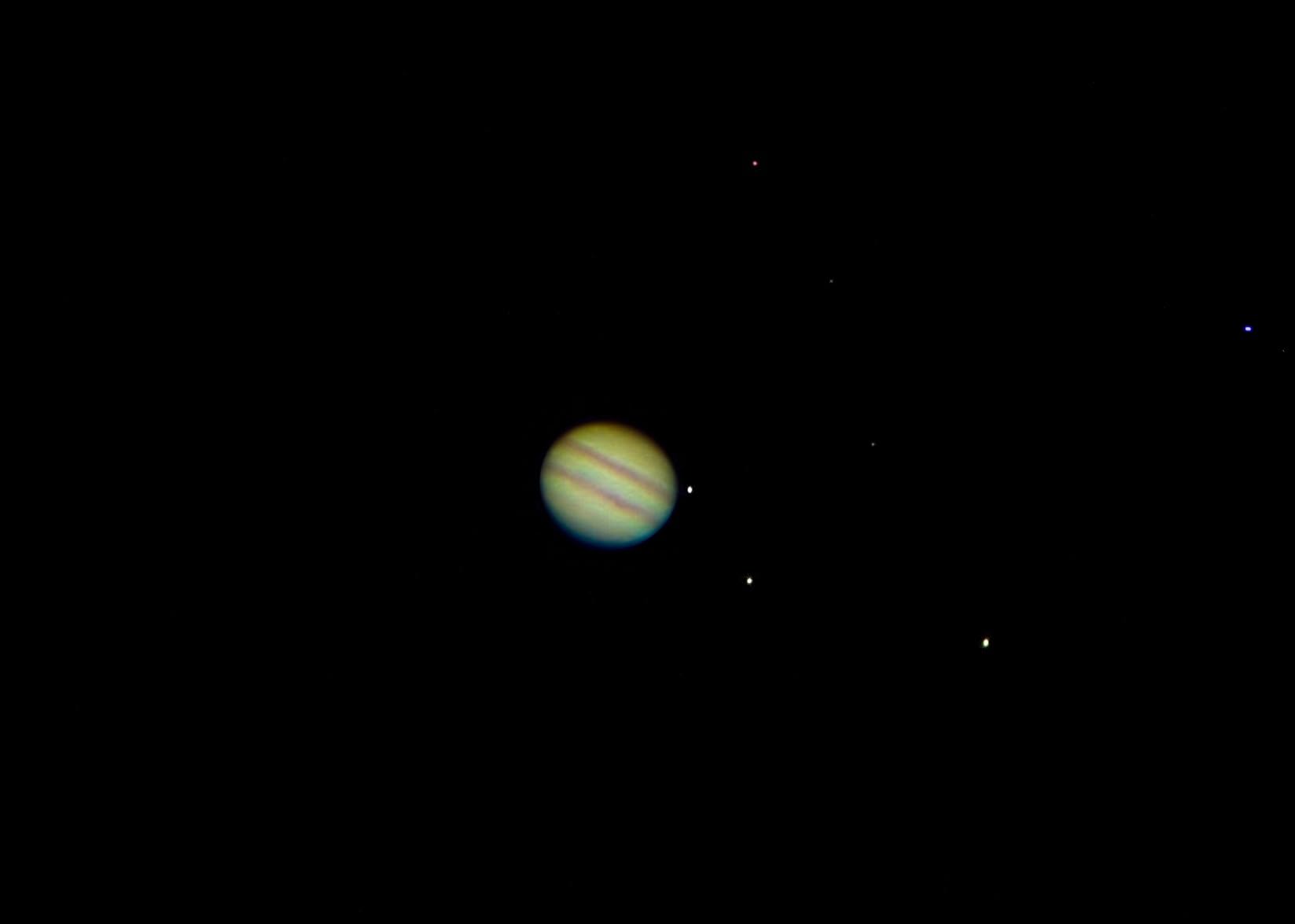
I tested the SV503 over 30 nights with a cooled CMOS camera and a full-frame DSLR. Color correction is excellent across the visible spectrum, and the field rotator simplifies framing for mosaic work. The 90mm of focus travel easily accommodates filter wheels, field flatteners, and off-axis guiders — accessories that often frustrate beginners on shorter-focus refractors.
ED Glass Optics and Chromatic Aberration Control
S-FPL51 ED glass significantly reduces chromatic aberration compared to standard achromatic refractors. On the Moon’s edge and bright stars, I have not seen the purple fringing that plagues cheaper achromats. For deep-sky imaging, the ED glass means tighter stars and cleaner color across the entire frame.
Dual-Speed Focuser and Field Rotator
The 1:10 dual-speed focuser is essential for precise focusing at high magnifications. The 360-degree field rotator is genuinely useful for framing nebulae and galaxies without rotating the entire optical tube. The 90mm of focus travel handles complex astrophotography setups with filter wheels and off-axis guiders — a common pain point on shorter-focus refractors.
Who Should Buy and Who Should Skip
Buy the SV503 if you want a budget-friendly ED refractor that punches well above its price. It is ideal for beginners and intermediate imagers shooting wide-field to medium-field targets. Skip it if you want a high-end brand name — the SVBONY ecosystem is smaller and has fewer third-party guides than legacy brands. Skip it also if you want long-focal-length planetary work — for that, look at the Maksutov and SCT options.
How to Choose the Best Telescope for Astrophotography
Choosing the best telescope for astrophotography means matching the optical tube to your mount, your sky, and your target list. Our team has tested all 10 telescopes on this list across the categories that matter most — deep-sky imaging, planetary work, wide-field nebulae, and grab-and-go travel rigs. The sections below cover the technical decisions that determine whether you get clean images or frustrating star trails.
Types of Telescopes: Refractor vs Newtonian vs SCT vs Smart
Apochromatic refractors deliver the cleanest, sharpest images across the field and are the most forgiving optical design for beginners. They are ideal for wide-field deep-sky targets and pair well with small-to-medium equatorial mounts. The Askar 71F and SVBONY SV503 on this list are excellent examples. Newtonian astrographs like the Quattro 200P gather more light per dollar but require collimation skills and a heavy-duty mount. Schmidt-Cassegrain telescopes (SCTs) like the NexStar 8SE deliver long focal lengths for planetary work and bright deep-sky objects but need a wedge for long-exposure deep-sky imaging. Smart telescopes like the Seestar S30 Pro and Dwarf 3 automate the workflow at the cost of manual control.
Focal Length, Focal Ratio, and Aperture Explained
Focal length determines your image scale — longer focal lengths make planets and small galaxies appear larger on the sensor. Focal ratio (f-number) determines how fast the scope gathers light — f/4 scopes capture the same brightness in roughly 6x less time than f/10 scopes. Aperture determines how much light the scope gathers overall. For deep-sky imaging, fast focal ratios (f/4 to f/6) are usually preferred. For planetary work, longer focal ratios (f/10 to f/15) work well. Aperture matters most for visual observation and faint deep-sky targets, while focal ratio matters more for imaging efficiency.
Why the Mount Matters More Than the Telescope
A common beginner mistake is overspending on the telescope and underinvesting in the mount. A heavy OTA on a weak mount ruins images regardless of telescope quality — every tiny tracking error shows up as star trails in long exposures. We recommend spending at least as much on the mount as on the telescope. For wide-field refractors like the SV503 or Askar 71F, a Sky-Watcher HEQ5 Pro or ZWO AM5 works well. For heavier OTAs like the Quattro 200P, an EQ6-R Pro is the minimum. The forum wisdom on r/astrophotography is consistent: invest in the mount first, the telescope second. Our guide to the best telescopes for beginners covers beginner-friendly mount pairings.
How Much Does Astrophotography Cost?
A realistic astrophotography budget includes the telescope, mount, camera, filters, autoguider, dew control, power supply, and software. Here is a sample build at three price tiers. Under $1,500: DWARFLAB Dwarf Mini, no separate mount needed, basic tripod, plus a DSLR. Under $2,500: SVBONY SV503 102mm ED on an HEQ5 Pro mount with a dedicated CMOS camera. Under $5,000: Askar 71F or Quattro 200P on an EQ6-R Pro, cooled CMOS camera, filter wheel, and autoguider. Premium $5,000+: Celestron Origin or larger RASA optical tubes on permanent pier mounts. Most beginners start in the $1,500 to $3,500 range and expand over time.
Light Pollution and Filter Pairing
If you image from a suburban or urban backyard, light pollution filters dramatically improve deep-sky results. Broadband light pollution filters (like the Optolong L-Pro) work for galaxies and reflection nebulae. Narrowband filters (like the Optolong L-eXtreme or Antlia ALP-T) isolate H-alpha and OIII emission lines, which lets you image from heavily light-polluted skies. Smart telescopes like the Seestar S30 Pro and Dwarf 3 have built-in duo-band filters that handle this automatically. Pairing the right filter with your target type makes the difference between a noisy gray background and a clean dark sky.
Software Stack: ASIAIR, NINA, and PHD2
Modern astrophotography workflows rely on software to control the mount, camera, and autoguider. ZWO ASIAIR is the most beginner-friendly option — an all-in-one box that controls everything from a phone or tablet. NINA (Nighttime Imaging ‘N’ Astronomy) is a free, powerful desktop option for advanced users. PHD2 (Push Here Dummy, version 2) is the standard autoguiding software that keeps your mount tracking accurately. For beginners, we recommend starting with ASIAIR or a smart telescope workflow before moving to NINA once you have a few imaging sessions under your belt.
Smartphone Astrophotography Tips
Smartphone astrophotography has come a long way thanks to app-controlled smart telescopes and improved phone cameras. For the best results: use a phone holder with fine adjustment, enable Pro mode in your camera app for manual exposure control, lock focus to infinity, and use a 4-second or longer exposure with ISO 800-1600. Pairing a phone with a smart telescope like the Seestar S30 Pro or Dwarf Mini produces images that rival entry-level DSLR setups from a few years ago.
Frequently Asked Questions
What type of telescope is best for astrophotography?
Apochromatic refractors are the best all-around choice for most beginners because they deliver sharp, high-contrast images with minimal maintenance. Wide-field refractors like the Askar 71F and SVBONY SV503 are ideal for deep-sky nebulae and galaxies. Newtonian astrographs like the Sky-Watcher Quattro 200P gather more light per dollar for serious deep-sky work. Schmidt-Cassegrain telescopes like the Celestron NexStar 8SE work best for the Moon and planets. Smart telescopes like the ZWO Seestar S30 Pro and DWARFLAB Dwarf 3 are the easiest entry point for total beginners.
What size telescope do I need for astrophotography?
For deep-sky astrophotography, a 70mm to 102mm apochromatic refractor is the most popular starting point. Aperture matters less than focal ratio and optical quality for deep-sky imaging. For planetary work, a 5-inch to 8-inch Maksutov-Cassegrain or SCT like the Celestron NexStar 8SE captures Saturn’s rings and Jupiter’s cloud belts cleanly. Larger apertures gather more light but require heavier mounts and longer exposure management.
How expensive is astrophotography as a hobby?
Astrophotography costs range from around $500 for a smart telescope entry point to $10,000+ for a permanent observatory setup. A realistic beginner budget of $1,500 to $2,500 covers a quality refractor like the SVBONY SV503, an HEQ5 Pro equatorial mount, and a dedicated CMOS camera. Add a couple of hundred dollars for filters, dew control, and a sturdy tripod. The biggest cost surprises for beginners are usually the mount and accessories, not the telescope itself.
What telescope is best for viewing planets and stars?
For viewing planets, the Celestron NexStar 8SE is hard to beat thanks to its 8-inch Schmidt-Cassegrain optics and 2032mm focal length, which delivers sharp planetary detail. The Sky-Watcher Skymax 102mm is a more compact alternative for lunar and planetary viewing. For stars and wide-field star clusters, a refractor like the Askar 71F or William Optics RedCat 51 captures large swaths of the Milky Way in a single frame.
Can I do astrophotography with a phone through a telescope?
Yes. Modern smartphones can capture impressive astrophotos when paired with a telescope, especially a smart telescope like the ZWO Seestar S30 Pro or DWARFLAB Dwarf 3. These scopes use phone or tablet apps to control the camera, stack exposures, and process images automatically. For traditional telescopes, you can attach a phone adapter to the eyepiece for afocal photography of the Moon and bright planets. The results will not match a dedicated astro camera, but they are a great way to start.
Final Verdict: Which Astrophotography Telescope Should You Buy in 2026?
If you want one telescope with broad capability and proven reliability, the Celestron NexStar 8SE is our top pick — it handles the Moon, planets, and brighter deep-sky targets without a learning curve, and the 1,574-review track record speaks for itself. If you want genuine deep-sky imaging in a backpack-friendly package, the DWARFLAB Dwarf 3 is the smart telescope we recommend most often. If budget is the priority, the DWARFLAB Dwarf Mini delivers real astrophotography results for the lowest cost on this list.
For serious deep-sky imagers who want the best optical quality in a refractor, the Askar 71F is the standout choice with its 4.9-star average and flat-field quadruplet APO design. For planetary and lunar specialists, the Sky-Watcher Skymax 102mm and Celestron NexStar 127SLT are both excellent compact choices. For raw light-gathering power per dollar on deep-sky targets, the Sky-Watcher Quattro 200P is hard to beat if you are willing to invest in a heavy-duty mount and learn collimation.
Whatever telescope you choose, pair it with a mount that can handle the payload, budget for filters and dew control, and start with targets that match your focal length. The best telescope for astrophotography is the one you actually use on clear nights. Clear skies, and happy imaging in 2026.