
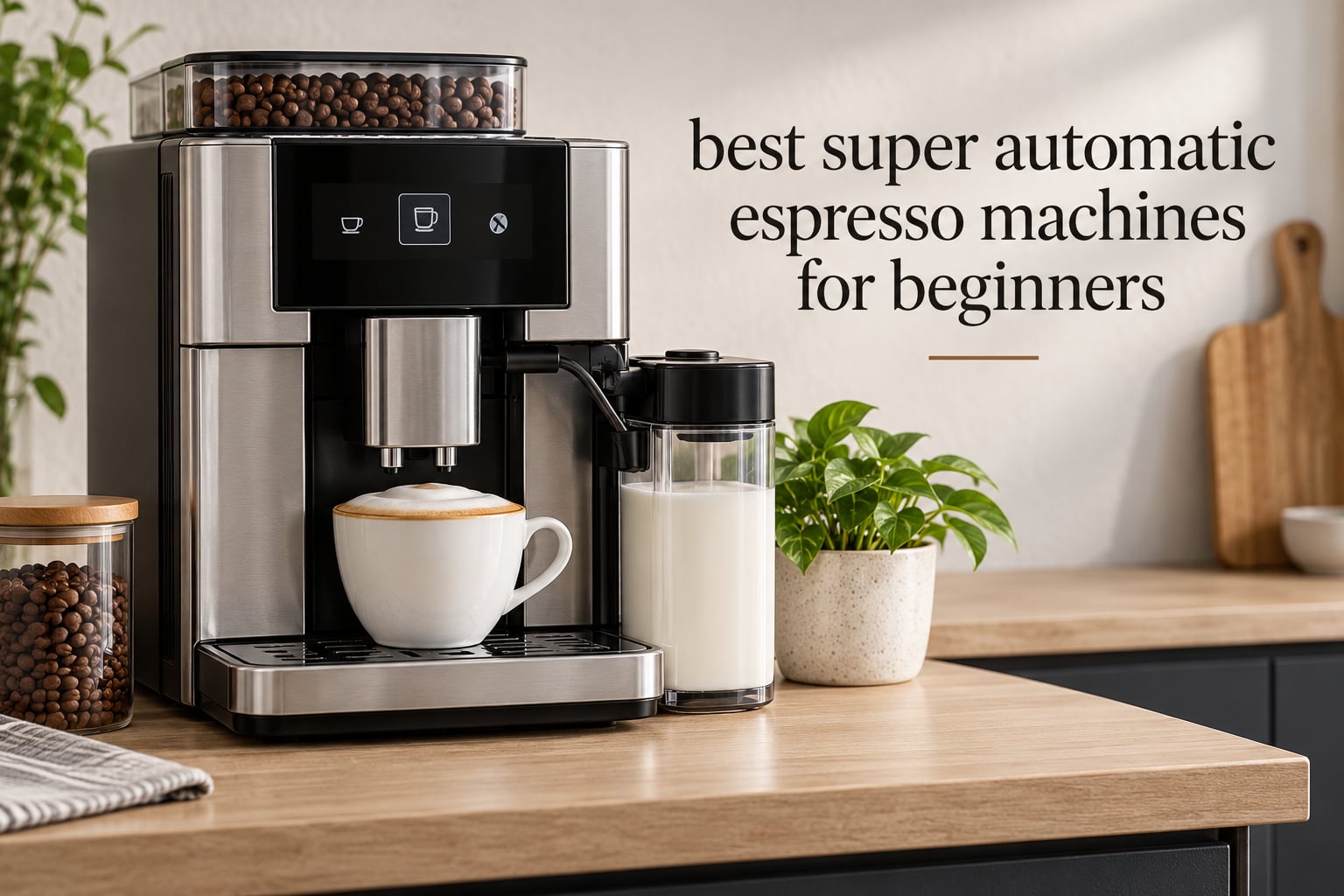
The best super automatic espresso machines for beginners are the ones that grind, tamp, extract and froth without making you touch a portafilter. Put a cup under the spout, press one button, and a hot drink lands in front of you. That single-button promise is why this category exists, and why it suits someone who has never pulled a shot.
My pick for most first-time owners is the Philips 3200 Series, because its tubeless milk system and filter-based descaling avoidance take almost all the maintenance pain out of the format. If hot and cold drinks matter to you, the De’Longhi Rivelia is the one to look at. If you want the shortest path from a box to a decent cappuccino, the Philips 2200 Series does the job at the entry point of this lineup.
I spent weeks reading owner reviews across all ten machines below, focusing on what people say after the honeymoon period: how often they refill, how often they clean, and whether the espresso still tastes good at month six. Every rating and review count quoted here comes straight from those owner reviews, and every specification comes from the manufacturer listing, so you can check any of it yourself.
One warning before we start. Forum threads on r/superautomatic and r/espresso keep raising the same objection: a super automatic will never taste like a manual machine pulled by someone who knows what they are doing. That is true. It is also true that most of those same buyers stopped worrying about it a month after the machine landed, because a repeatable, decent latte at 7am on a weekday beats a theoretically better shot you skip entirely.
Our Top 3 Picks for First-Time Super Automatic Owners


All 10 Super Automatic Espresso Machines Compared at a Glance
Every machine below grinds whole beans, brews under pressure and cleans down automatically to some degree. The differences that actually change your daily life are the milk system, the number of grind settings, how much water the tank holds and how quiet the grinder is.
| Product | Specs | Action |
|---|---|---|
| Philips 3200 Series |
|
Check Latest Price |
| De’Longhi Magnifica Evo |
|
Check Latest Price |
 Philips 2200 Series Philips 2200 Series |
|
Check Latest Price |
 Philips 4400 Series Philips 4400 Series |
|
Check Latest Price |
 EUHOMY Automatic Espresso Machine EUHOMY Automatic Espresso Machine |
|
Check Latest Price |
 KitchenAid KF6 Espresso Machine KitchenAid KF6 Espresso Machine |
|
Check Latest Price |
 De’Longhi Dinamica Plus De’Longhi Dinamica Plus |
|
Check Latest Price |
 De’Longhi Rivelia De’Longhi Rivelia |
|
Check Latest Price |
 Cafe Bueno CB-3000 Cafe Bueno CB-3000 |
|
Check Latest Price |
 Ninja AutoBarista Pro Ninja AutoBarista Pro |
|
Check Latest Price |
What a Super Automatic Espresso Machine Actually Does
A super automatic espresso machine is a countertop appliance that grinds whole beans, brews espresso and, on most models, steams milk into a latte or cappuccino entirely at the push of one button, with no manual portafilter work.
The cycle is the same on every machine in this roundup. You fill the bean hopper and the water tank, press a drink, and the machine grinds a measured dose, heats water, forces it through the coffee under pressure, drops the spent grounds into a bin and rinses itself. Milk-capable models push steamed milk from a carafe or through a hose and add it to the cup. Nothing about that sequence requires you to dose, tamp or time an extraction, which is exactly the point for a beginner.
What you give up is control. There is no lever to pull for a sweeter shot, no way to under-extract on purpose, no manual steam wand to practice with. What you gain is consistency: cup 20 tastes like cup 1, which is something most beginners value more than they expect.
Super Automatic vs Semi-Automatic vs Pod Machines: Which Should a Beginner Buy?
If your goal is the lowest-effort possible route to a hot drink, a super automatic wins. If your goal is learning how espresso actually works, a semi-automatic teaches you faster. If your goal is one drink at a time with zero cleaning, a pod machine still wins on effort. The mistake first-time buyers make is choosing a super automatic while expecting semi-automatic results.
Consider a semi-automatic instead if you enjoy the process. Our guide to the best espresso machines for beginners covers that path in detail, and it is cheaper upfront. The trade is a manual grind, tamp and purge routine on every single cup, plus a separate grinder for most setups. Forums on r/espresso routinely steer beginners toward a manual machine plus a standalone grinder, and that advice is sound for anyone who wants to taste the difference between a good shot and a bad one.
Consider a pod machine if your counter is tiny or you drink one black coffee a day. You avoid grinder maintenance, water scale and milk tubing entirely. You also lock in per-cup cost for the life of the machine, which adds up faster than most people expect once beans are included.
Skip the super automatic category entirely if you want to control grind, temperature or extraction. It is also a poor fit if a daily cleaning routine would bother you, because a milk system needs attention whether or not you enjoy it. Our picks for tighter counters are covered in best espresso machines for small kitchens.
What to Expect From Your First Super Automatic
Expect a learning period of roughly two weeks. On most machines the first ten to fifteen cups taste weak until the grinder settles, and owners repeatedly report that the grind adjustment only registers when changed while the grinder is running. That single piece of advice fixes the most common first-week complaint across this whole list.
Expect a daily maintenance habit rather than a weekly one. Rinsing the milk system takes seconds on tubeless designs like the LatteGo units and considerably longer on hose-fed models. Emptying the grounds bin and drip tray typically happens every two or three days. None of it is difficult, but it is a routine, and buyers who treat it as a surprise tend to resent the machine.
Do not expect restaurant quality on a demanding drink. Several owners of machines in this roundup who had previously owned manual setups report the espresso is less intense than they want, and a few report larger coffees tasting weak regardless of settings. Where that shows up most is worth flagging per machine below.
Do expect the cost per cup to drop sharply compared with buying a drink every morning, even counting beans, filter cartridges, descaling solution and milk cleaner. Over a year of daily home espresso plus one milk drink, the arithmetic works in your favour well before the machine needs any repair.
1. Philips 3200 Series – The Easiest First Machine for a True Beginner
Philips 3200 Series Fully Automatic Espresso Machine, LatteGo Milk Frother, 5 Coffee Varieties, Intuitive Touch Display, 100% Ceramic Grinder, AquaClean Filter, My Coffee Choice, Black (EP3241/54)
Tubeless LatteGo milk system
Ceramic burr grinder
AquaClean filter, 2 year warranty
8 kg, 10 by 17 by 15 inch
Pros
- One-touch selection of five drink types
- No tubes in the milk system
- cleans in about 15 seconds
- AquaClean filter removes descaling for up to 5000 cups
- Touch display is easy for a first-time user
- Aroma Extract system keeps temperature steady cup to cup
Cons
- Bean hopper holds only about half a pound
- Daily water and milk washing plus weekly brew-group cleaning
- Grinder noise is noticeable early in the morning
- Large countertop footprint
- Some owners find the coffee weaker than manual output
The Philips 3200 is the machine I would put in front of someone who has never owned an espresso machine of any kind. It makes five drinks, and each one comes out of the same touch display without a hidden second step. The learning curve is short because there is genuinely nothing to learn.
What makes it the safest first purchase is maintenance. The LatteGo carafe has no tubes and no hidden channels, so it rinses clean in about 15 seconds or goes straight into the dishwasher. Combined with the AquaClean filter, which the manufacturer rates at up to 5000 cups before descaling, that removes almost all of the upkeep that makes people abandon these machines.
Why the tubeless milk system matters more than the spec sheet
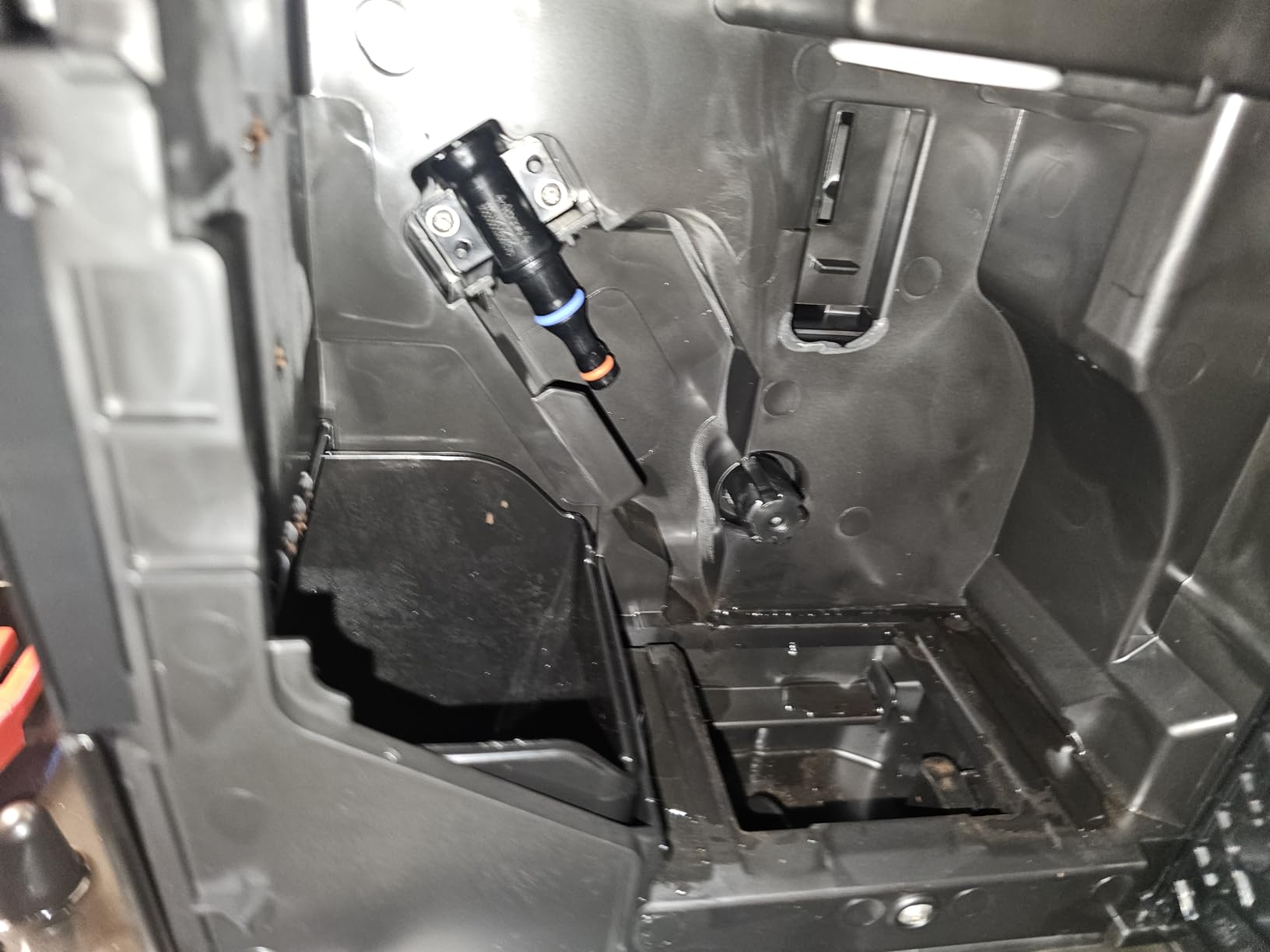
The single most common complaint about super automatics, from forums and owner reviews alike, is a milk circuit that clogs because nobody rinsed it. Eliminating tubes removes the failure mode entirely. With two pieces and no channel between them, a rinse is genuinely enough for daily use, and the carafe still goes in the dishwasher when you want a deeper clean.
Ceramic burrs and what they trade away
The 100 percent ceramic grinder is quiet and consistent, and it avoids the metallic character some owners hear from steel burrs. Forum buyers treat ceramic as a slight step down in durability compared with steel, and that is a fair trade for most homes. The grinder on this model is not the quietest in the roundup, but it is unremarkable rather than intrusive.
Where it falls short for some buyers
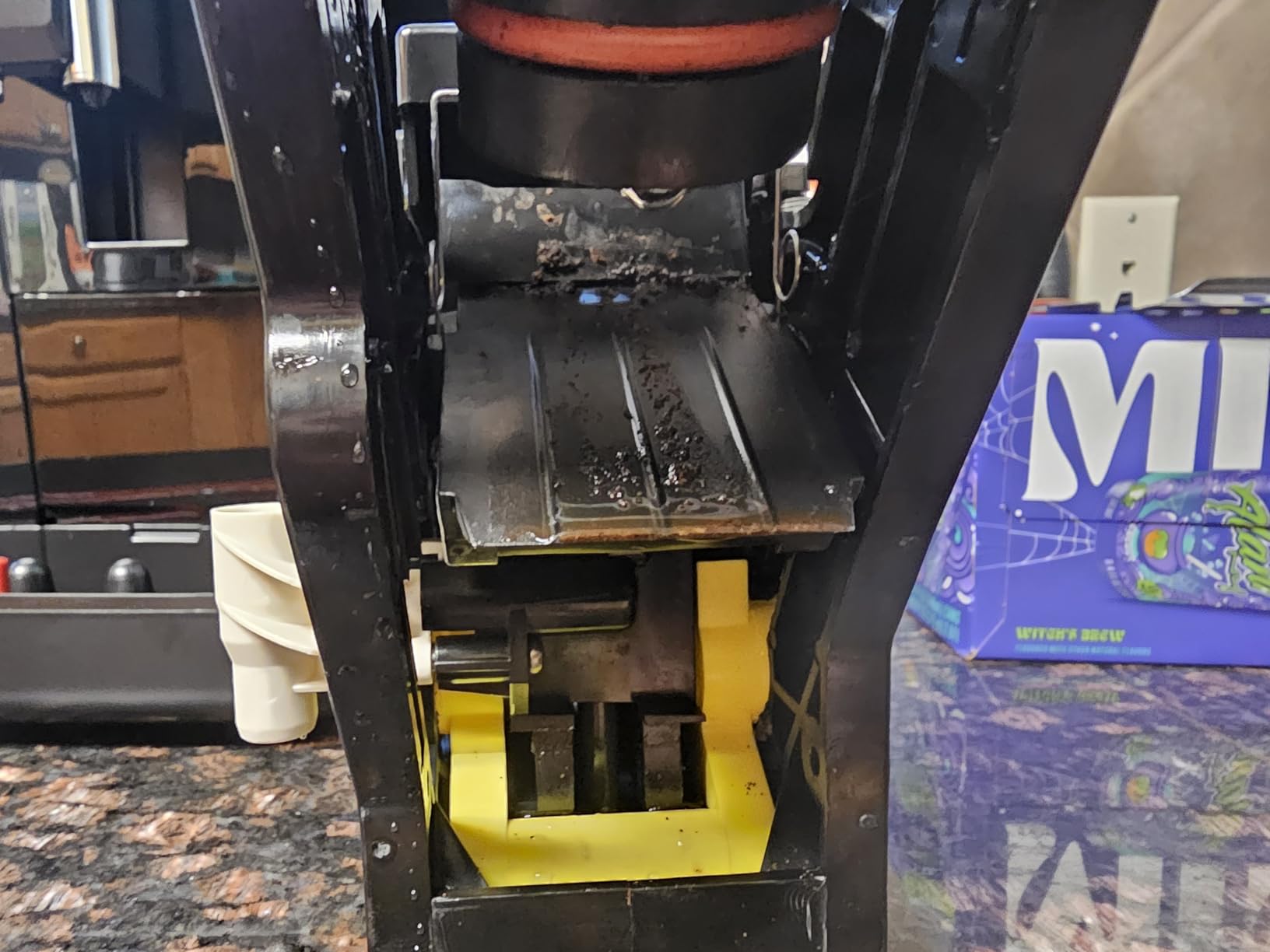
The bean hopper is the weak point, holding only about half a pound of beans, which means refilling every few days for a two-drink-a-day household. The footprint is also among the larger here at 10 by 17 by 15 inches, so measure your counter before ordering. And a minority of owners coming from manual machines report the espresso is less intense than they prefer.
2. De’Longhi Magnifica Evo – Saved Recipes and the Broadest Brand Servicing Network
De’Longhi Magnifica Evo Automatic Espresso Machine, Milk Frother, Silver
My Latte saved custom recipes
15 bar pump
Ground coffee input supported
21.2 lb, 19.5 by 12 by 16 inch
Pros
- Freshly grinds beans for each cup
- Milk frother handles oat milk well and needs minimal effort
- One-button operation with a drink ready in a minute or two
- Grind size
- strength
- temperature and foam all adjustable
- Dishwasher-safe removable parts and auto-clean
- Owners report two years of daily use with one replaced part
Cons
- Bulky on the counter
- Grinder and boiler are noisy early in the morning
- Espresso less intense than shots from a manual Breville
- Cannot brew into a tall travel mug without removing the tray insert
- Cleaning becomes a daily task rather than a weekly one
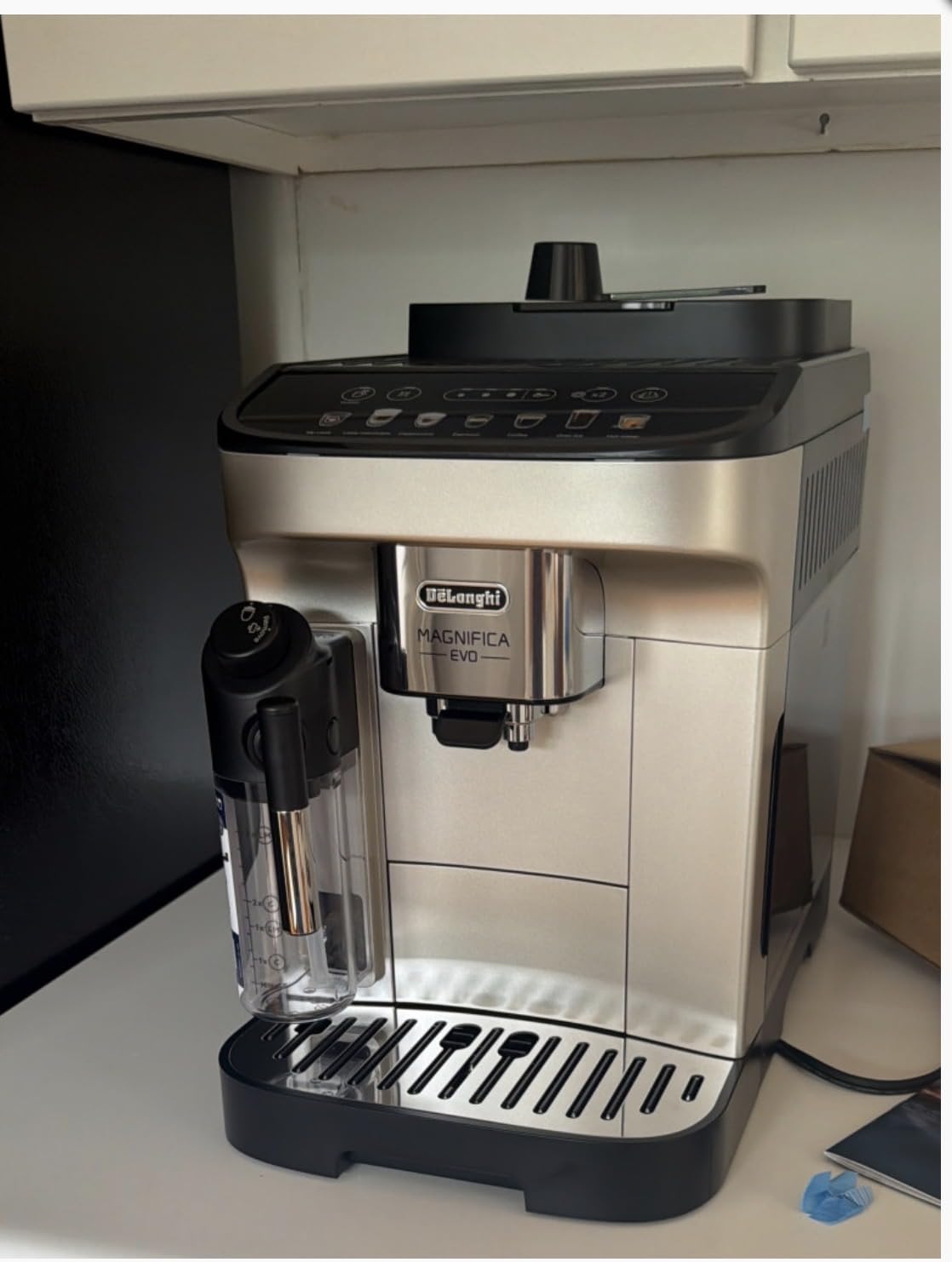
The Magnifica Evo is the pick for anyone who wants to dial in over time rather than accept whatever the default recipe produces. My Latte lets you save a custom recipe and recall it with one press, which means you can build up to your own cappuccino instead of learning a manual workflow. Grind size, coffee strength, temperature and milk foam are all adjustable independently.
De’Longhi is also the brand that shows up most often in long-term ownership reports on forums, with owners describing years of daily use and minimal part replacement. That matters for a heavy appliance. Parts availability and brand servicing depth are harder to find than a good feature list.
Espresso strength and the manual-machine comparison
One owner returned this machine because the espresso was not as intense as shots from a manual Breville. That is a fair report, and it recurs across this category: a super automatic extracts consistently but conservatively. The adjustment path here is real, though. Owners report that after a short grind-adjustment period the output settles into a repeatable, well-liked result.
Size and travel mug clearance
At 19.5 by 12 by 16 inches and 21.2 pounds, this is one of the larger machines in the roundup. If you drink from a tall travel mug, note that the spout will not clear one without pulling the tray insert, which is a daily annoyance for anyone who commutes with their coffee.
Cleaning is a daily habit here
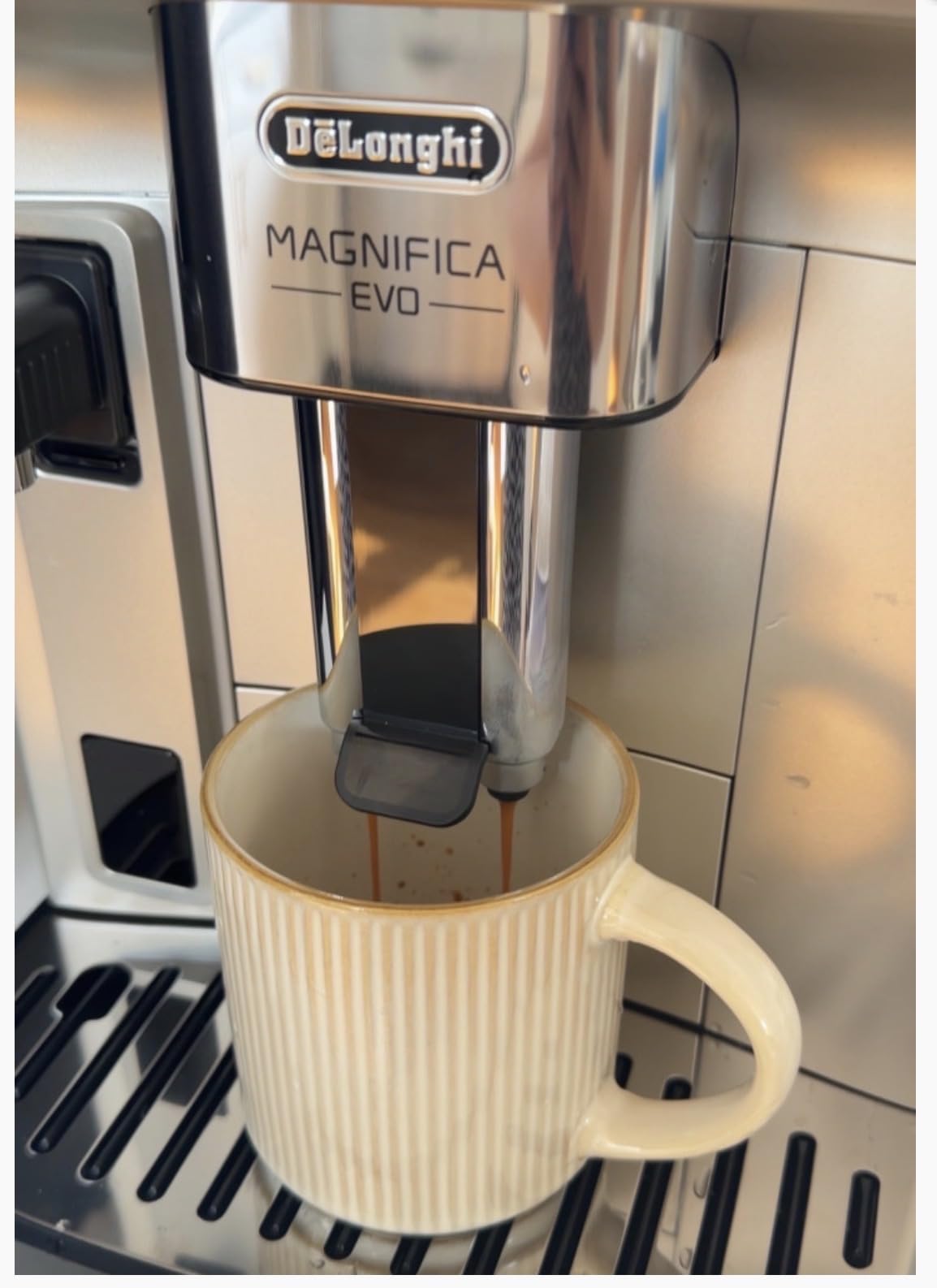
Owners describe refilling water, washing the milk carafe and emptying the grounds bin every two to three days as routine rather than optional. Descaling reliability is not perfect either, with at least one documented owner reporting a repeat descaling failure that forced a replacement. Budget for a descale cycle every few months and use filtered water.
3. Philips 2200 Series – The Lowest-Friction Way Into the Category
Philips 2200 Series Fully Automatic Espresso Machine, LatteGo Milk Frother, 3 Coffee Varieties, Intuitive Touch Display, 100% Ceramic Grinder, AquaClean Filter, Aroma Seal, Black (EP2230/14)
LatteGo tubeless milk system
AquaClean filter, no descaling for up to 5000 cups
8 kg, 10 by 15 by 17 inch
2 year manufacturer warranty
Pros
- Sets up and runs without a learning curve
- AquaClean filter removes descale cycles entirely
- LatteGo carafe produces a good froth layer
- Compact body suits smaller counters
- Owners report it performing like far costlier machines
Cons
- Small water reservoir and a fast-filling waste bin
- Machine purges water into the drip tray on every cycle
- First several brews can taste weak before the grinder settles
- Milk frother does not heat milk enough for a hot cappuccino
- Water warning light can appear with a full tank
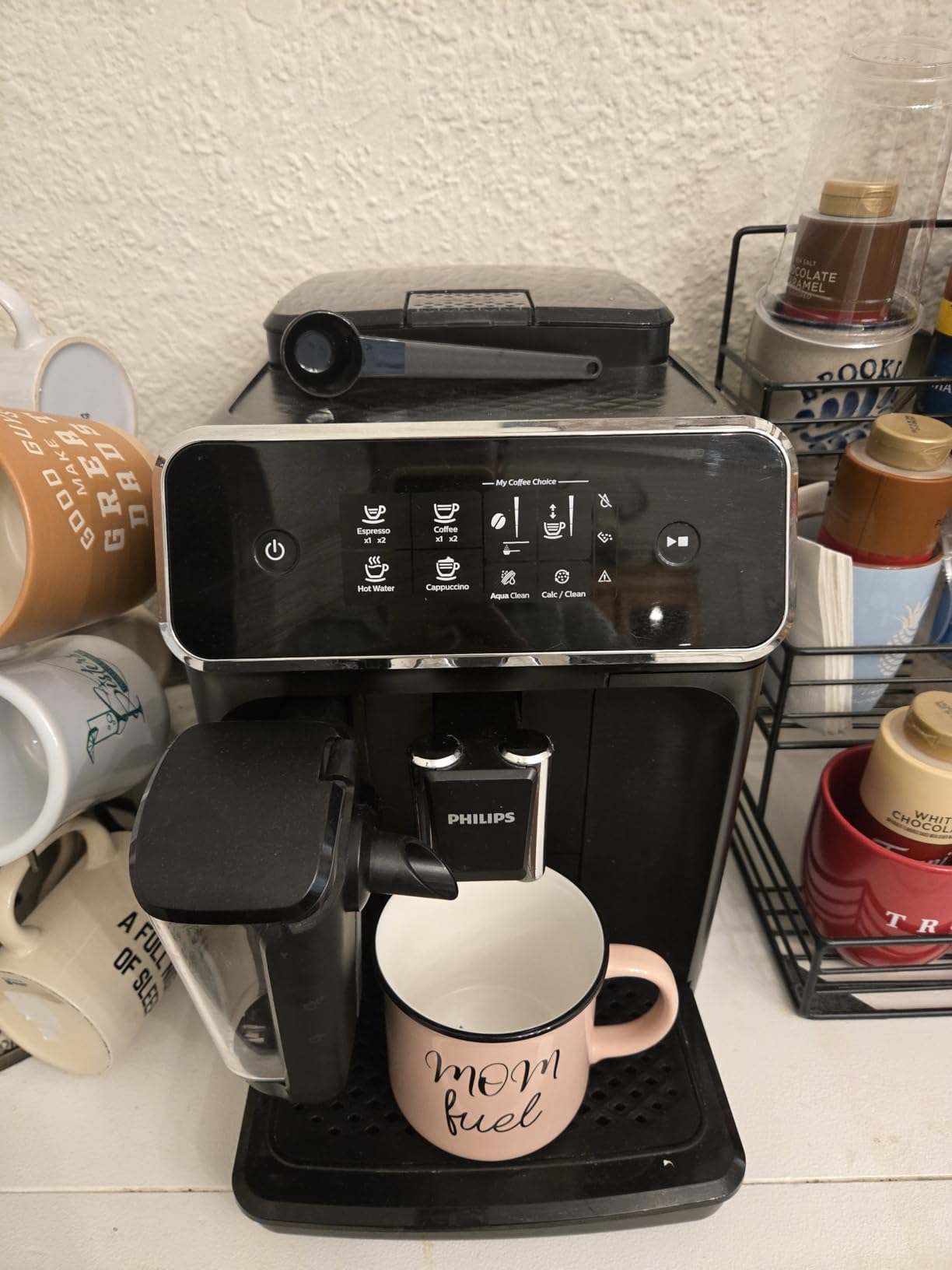
Three drinks is all this machine offers, and for most people moving off pod machines that is plenty. Espresso, coffee and cappuccino sit on one touch display, the AquaClean filter handles water scale, and the tubeless carafe rinses in seconds. There is almost nothing here to break your concentration on day one.
It is also the smallest water tank in the set, which is the one complaint that recurs most. Owners who drink more than a couple of cups a day refill often, and the waste bin needs emptying just as regularly. If you are a two-coffee-a-day drinker with a small kitchen, our guide to home espresso machines in the lower range is worth a look alongside it.
The first-cup weak taste is normal
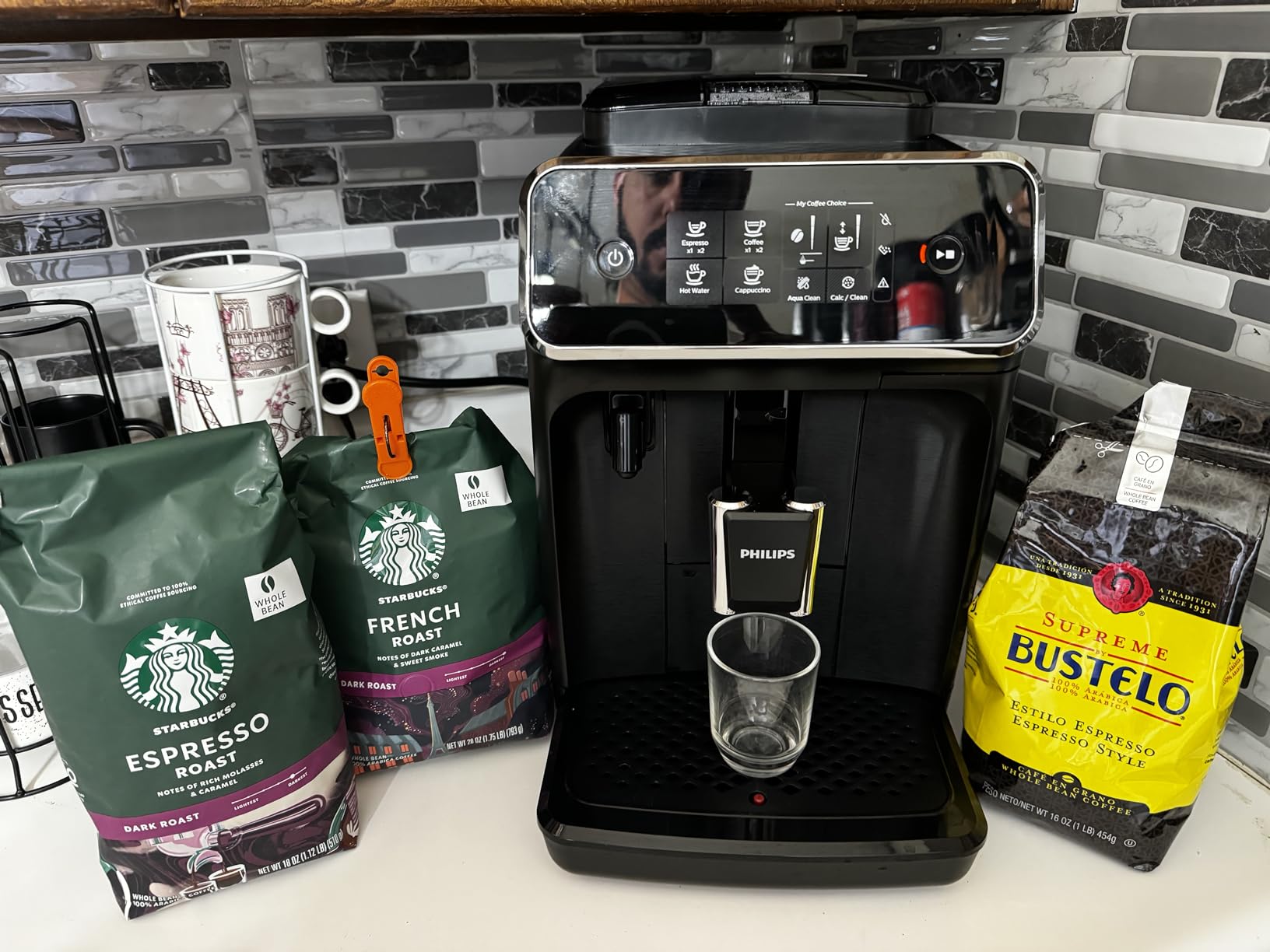
Multiple owners note that the first ten to fifteen brews taste weak while the grinder calibrates. The fix is on the machine: the grind setting only changes while the grinder is running. Set it mid-brew, one notch at a time, and the cup gets noticeably more intense within a few days.
Cappuccino temperature is the compromise
The milk frother does not heat milk enough for some owners, so cappuccinos arrive warm rather than hot. If you want a genuinely hot milk drink, the 3200 Series or a LatteCrema machine handles it better. If you mostly drink black coffee, this matters much less.
Small water management quirks to plan around
The machine purges rinse water into the collection tray on every self-clean cycle, so the tray fills faster than the cup count suggests. Some units also show a water warning with a full tank until the tank is removed and reseated. Neither is serious, but both are more noticeable than they should be.
4. Philips 4400 Series – The Quietest Grinder for Early Mornings
Philips 4400 Series Fully Automatic Espresso Machine, LatteGo Milk System, Integrated Grinder, 12 Hot & Iced Coffee Pre-Sets, Quick Start, SilentBrew, 15-Bar Pressure, Black Chrome (EP4444/90)
SilentBrew 40 percent quieter than earlier models
12 hot and iced presets
Removable brew group
1.8L tank, 17.6 lb
Pros
- SilentBrew shielding makes grinding unusually quiet
- 12 hot and iced presets with strength
- volume and milk level adjustable
- 3-part LatteGo system rinses in 10 seconds
- Removable brew group makes deep cleaning accessible
- QuickStart is ready in 3 seconds
Cons
- Espresso can taste watery with soggy pucks
- Grinder will not grind fine enough for a strong shot
- Water tank needs refilling every few cups
- Plastic body rather than steel
- Beans can bridge in the hopper if they are oily
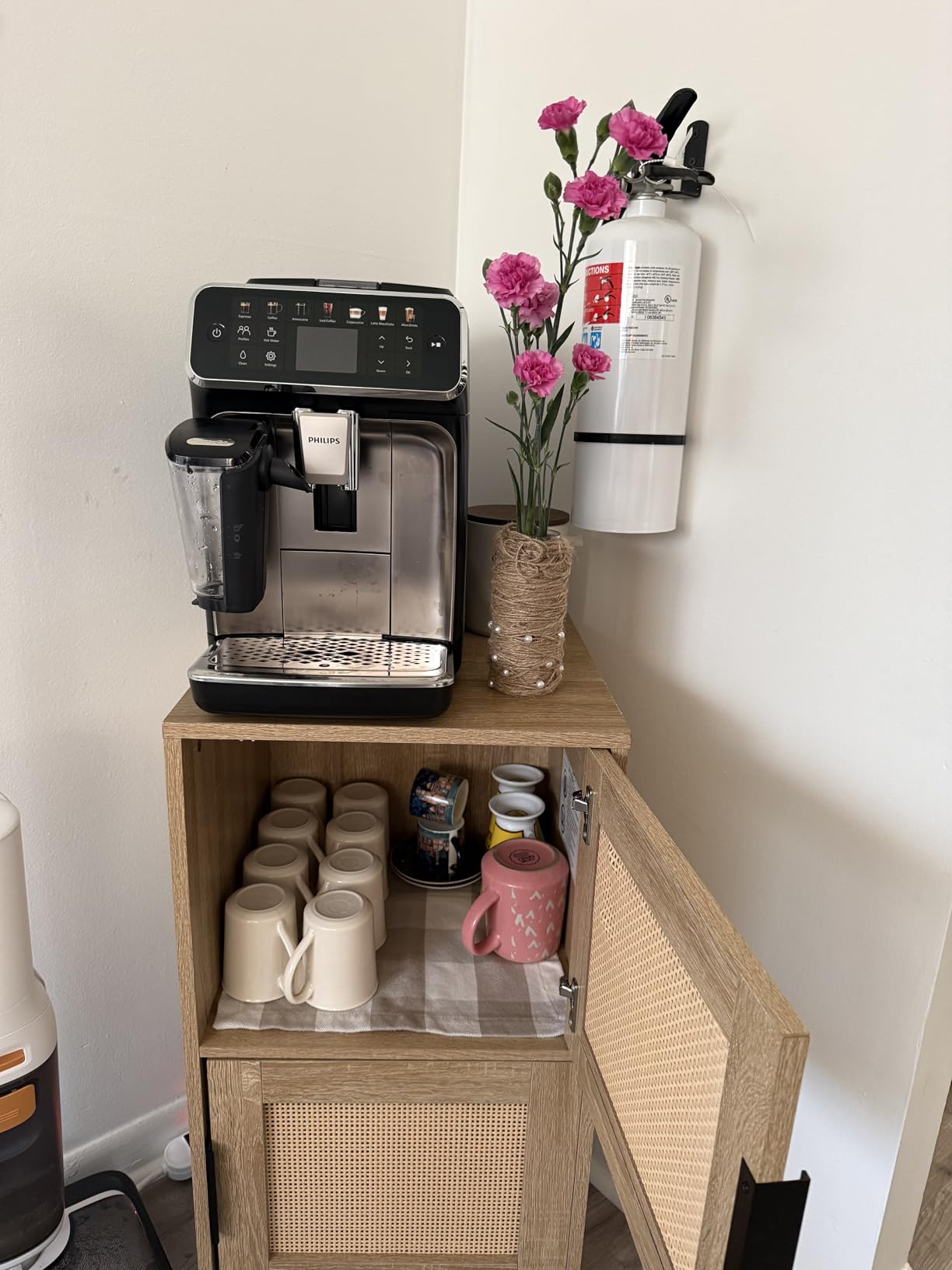
The reason to buy this machine is the noise. Owners report checking to confirm the grinder was even running, which is not something anyone says about the rest of this roundup. If someone else is asleep when you make your first cup, SilentBrew shielding is a genuine feature rather than a marketing line.
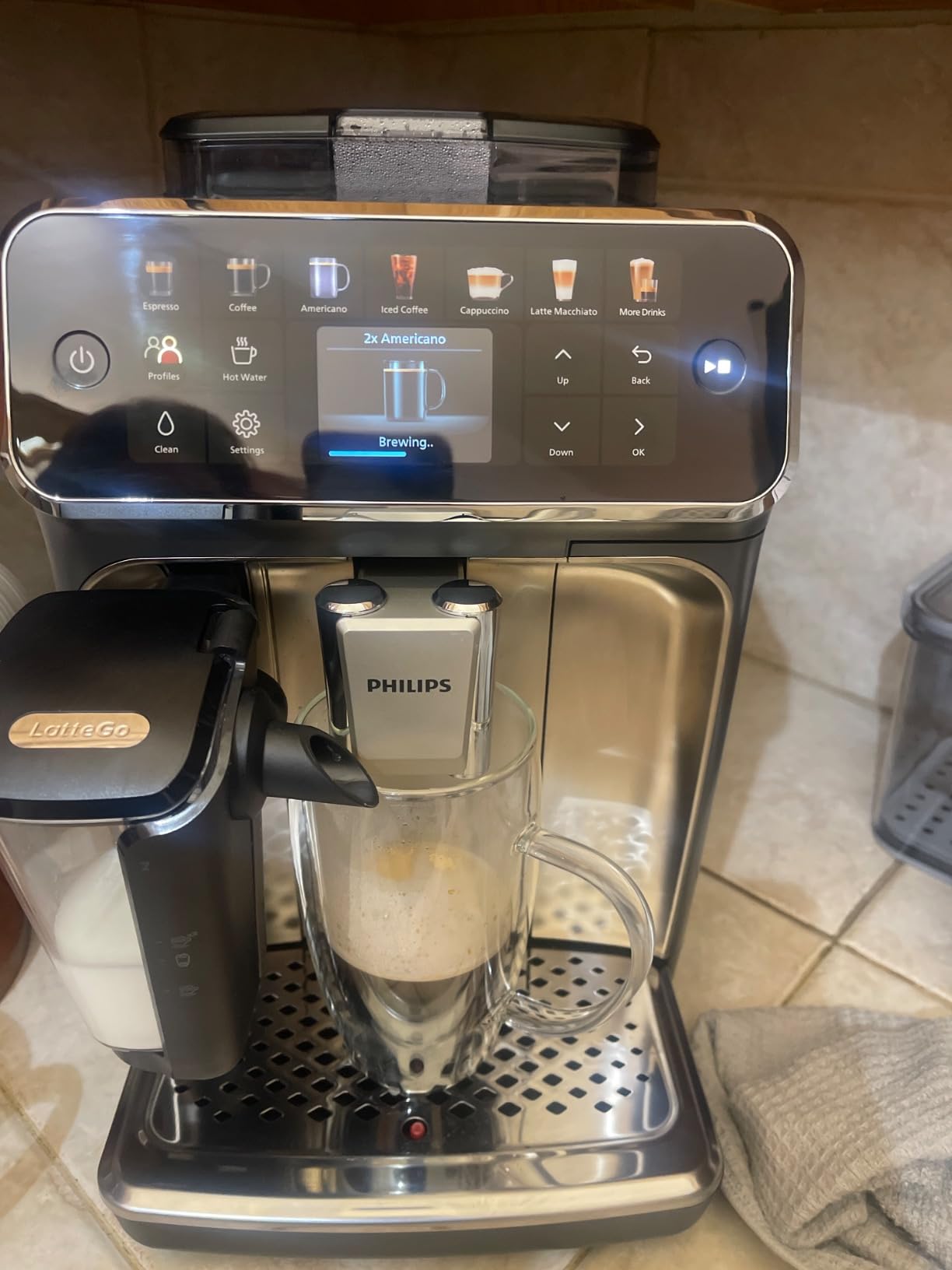
The drink range is also the widest in the Philips line at 12 hot and iced presets, and the 3-part LatteGo system rinses clean in about 10 seconds. For a household that drinks a lot of iced coffee in warmer months, that combination is hard to match at this tier.
The espresso weakness nobody should gloss over
This machine carries the lowest average rating in the roundup at 3.8, and the cause is a split between people who love the drink variety and a vocal group who report consistently weak, watery espresso and soggy pucks that never improved after running several pounds of beans through. The grinder does not reach a fine enough setting for a strong shot. Milk drinks perform much better than plain espresso in most reviews.
Water handling needs attention early on
The tank holds 1.8 litres and needs refilling every few cups for some owners, which was the biggest surprise in the first weeks. Rinse water also drains into the drip tray at startup and shutdown. The saved profiles store per-drink settings rather than one global preference, so you still pick each drink individually.
Bean choice matters more here than elsewhere
Oily beans bridge in the hopper and stall the grinder. Pick drier, fresher beans and stir the hopper occasionally. If you take espresso seriously rather than as a fast morning drink, weigh this machine’s quietness against a competitor with a finer grinder.
5. EUHOMY Automatic Espresso Machine – The Most Grind Adjustment for the Money
EUHOMY Automatic Espresso Machine with Built-in Grinder and Milk Frother
20 bar pump with 15 grind levels
1.5L tank and 200g bean hopper
19.2 lb, 17.4 by 7.3 by 13.1 inch
Touchscreen with status alerts
Pros
- 15 grind levels and 20 bar pump beat most machines at this tier
- Integrated milk system needs no separate wand handling
- Status alerts for beans
- water
- grounds and part placement
- Adjustable spout height fits varied cup sizes
- Automatic cleaning program and one-touch bean purge
Cons
- Touchscreen menus add navigation for some settings
- Beans
- water and grounds still need manual management each cycle
- Small review base means limited long-term durability data
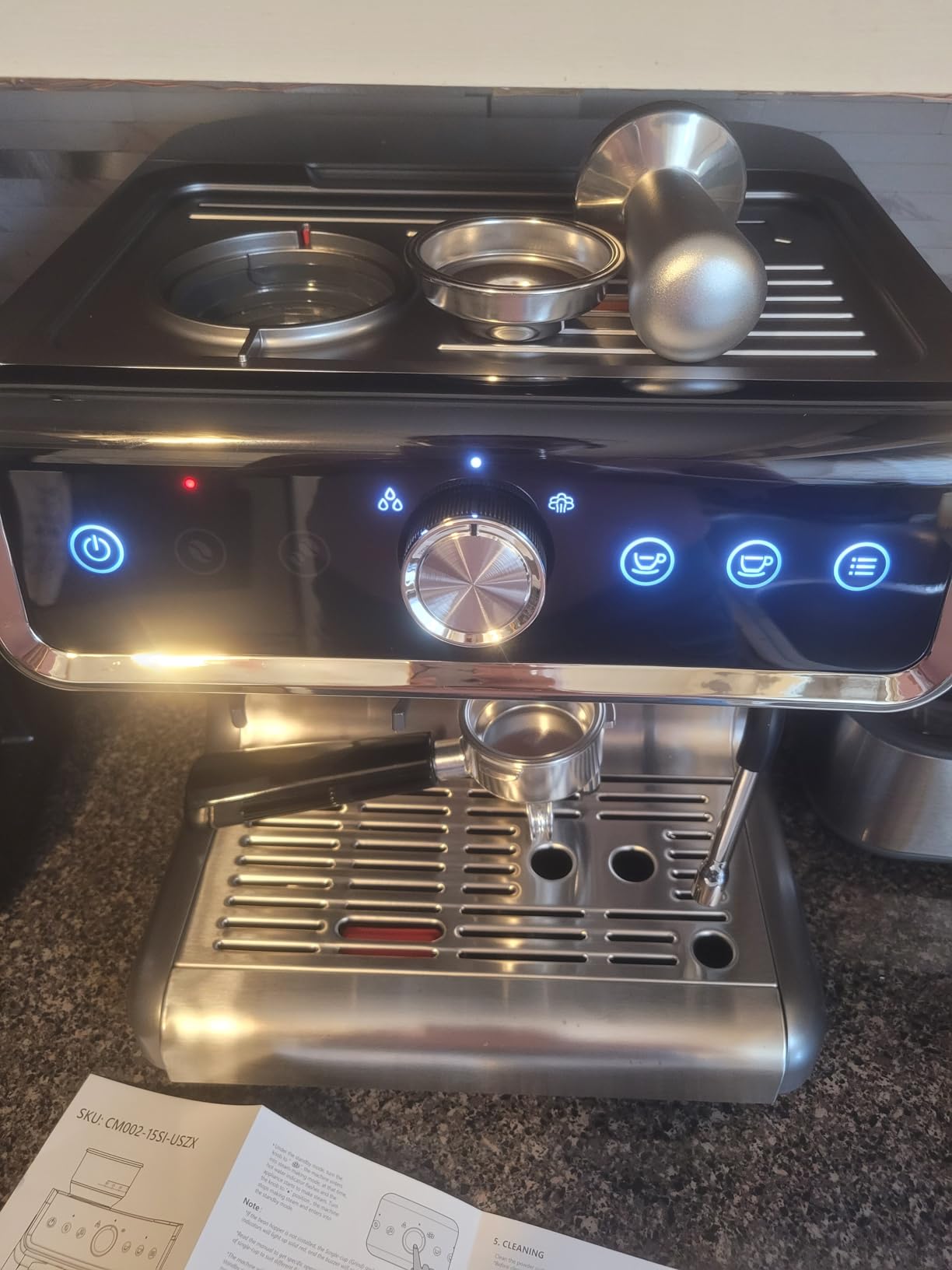
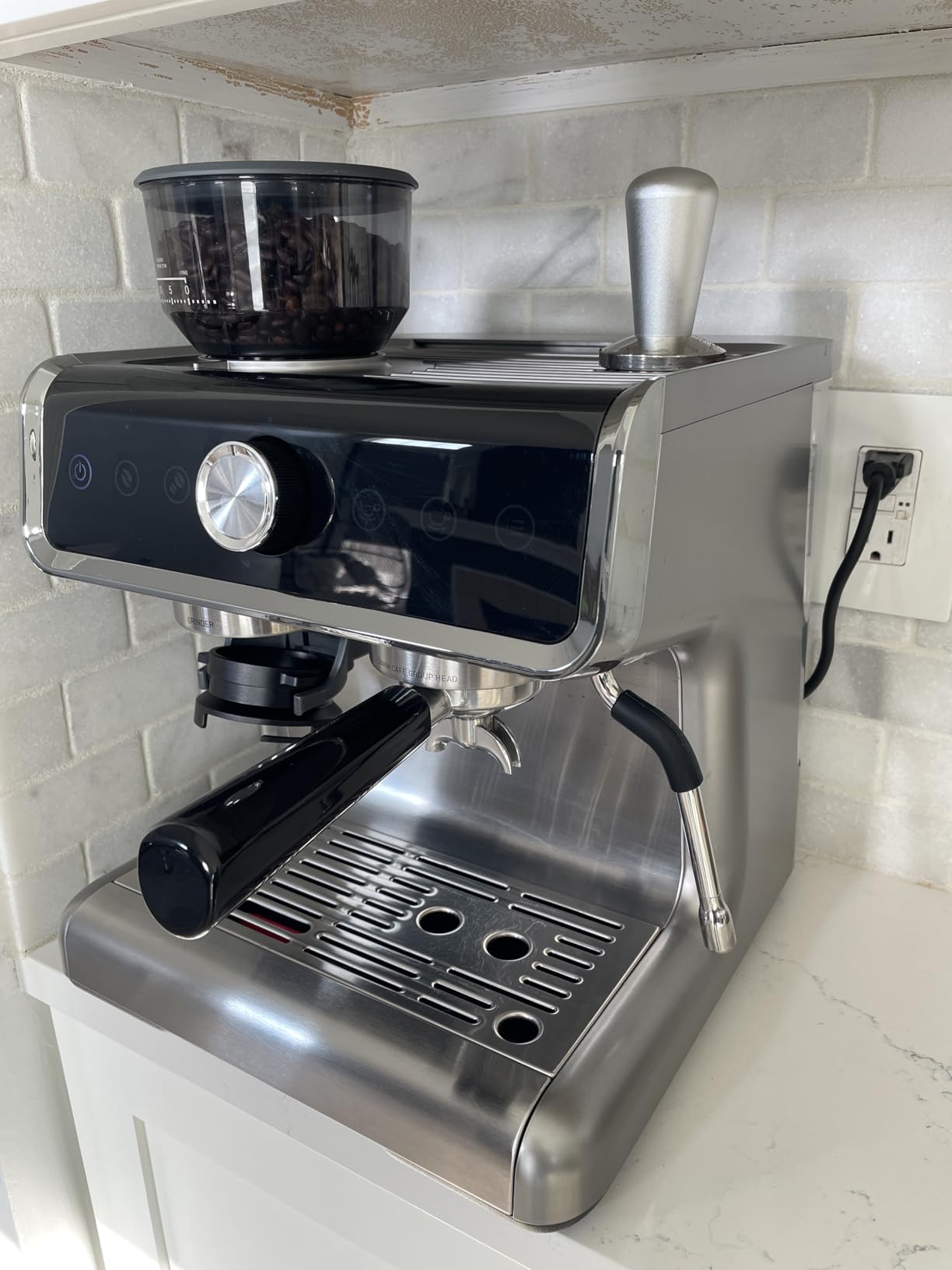
On paper this is the most adjustable machine at the accessible end of the range: 15 grind levels against the 13 offered by a De’Longhi Dinamica Plus, plus a 20 bar pump. If you enjoy the idea of tuning rather than accepting defaults, that matters.
The practical extras are aimed at first-time owners too. Real-time notifications tell you when beans, water, grounds or parts need attention, and the spout height adjusts for different cup sizes, which cuts down on splashing with a taller mug.
Refill frequency is better than most
The 1.5 litre tank and 200 gram hopper are the larger pair in this roundup, so you refill less often than you would on a Philips 2200 or 3200. That difference shows up quickly in a two-person household.
What the small review base means for you
There are 129 owner reviews here, which is a fraction of what the Philips and De’Longhi machines have. Satisfaction looks solid at 4.2, but long-term durability is simply not documented. If you want evidence before committing to a machine you will keep for years, a better-documented brand is the safer route, and the wider roundup of espresso machines for home baristas covers those options.
The touchscreen tradeoff
Some options sit behind drink menus, so reaching them takes more tapping than a physical button or a two-line display. The status alerts partly compensate by telling you what the machine needs rather than making you diagnose it.
6. KitchenAid KF6 Espresso Machine – Metal-Clad Durability for a Shared Kitchen
KitchenAid Fully Automatic Espresso Machine KF6, KES8556PL, Porcelain White
15 one-touch recipes
Metal-clad construction with 2 year warranty
2.2L water tank
Removable bean hopper
Pros
- Metal-clad body built for long service
- Smart dosing keeps grind volume consistent
- 15 recipe options without manual technique
- Large 2.2L tank cuts down refills
- Removable hopper twists out to switch beans quickly
- Milk hose works with a container you choose
Cons
- Milk drinks need a separate container connected manually
- Hose and removable parts need regular cleaning
- Highest price tier in this roundup
- Limited published feedback at 177 reviews
The KitchenAid is the one in this roundup built from metal rather than plastic, and it is the one I would choose for a shared kitchen, an office or any home that will see heavy daily use. A plastic shell is the first thing to crack or scuff after a few years of being shoved around a counter.
Automatic smart dosing removes the grind guesswork for new owners, and the 15 recipe options cover everything from espresso and americano to latte and cappuccino. The 2.2 litre tank is the largest here, so it refills least often of the machines with a fixed tank.
The milk system is the weak point
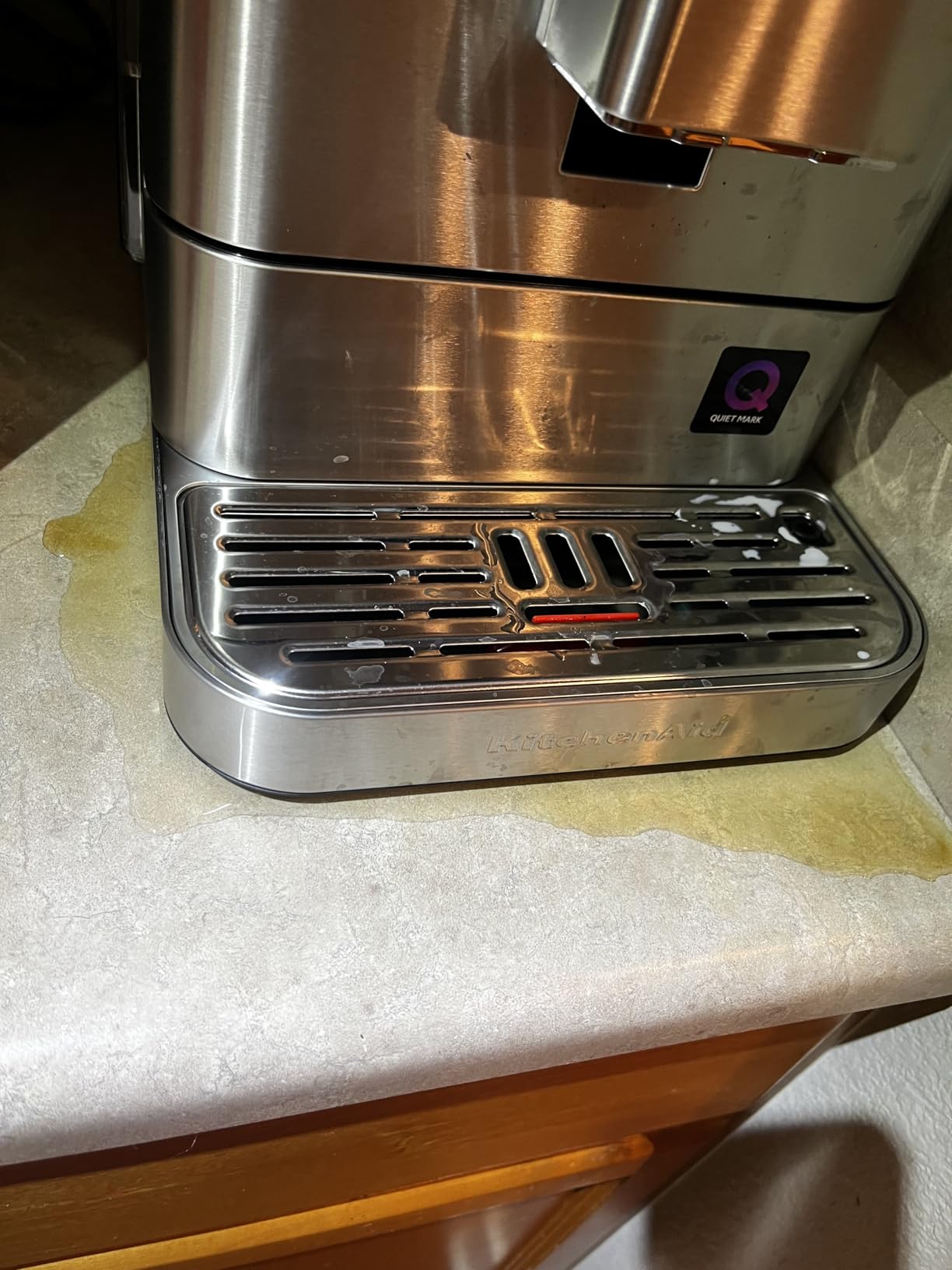
This machine does not include a carafe. You supply your own container, and a hose runs milk from it into the cup. That means more parts to wash on a schedule and one more thing to forget before a morning rush. It is also the most likely reason the one-star share sits at 14 percent here.
Hopper and bean switching
The bean hopper twists and lifts out, which makes swapping between regular and decaf beans straightforward with no spills. That is a small detail that matters in a household where two people want different things in the morning.
Warranty and the value question
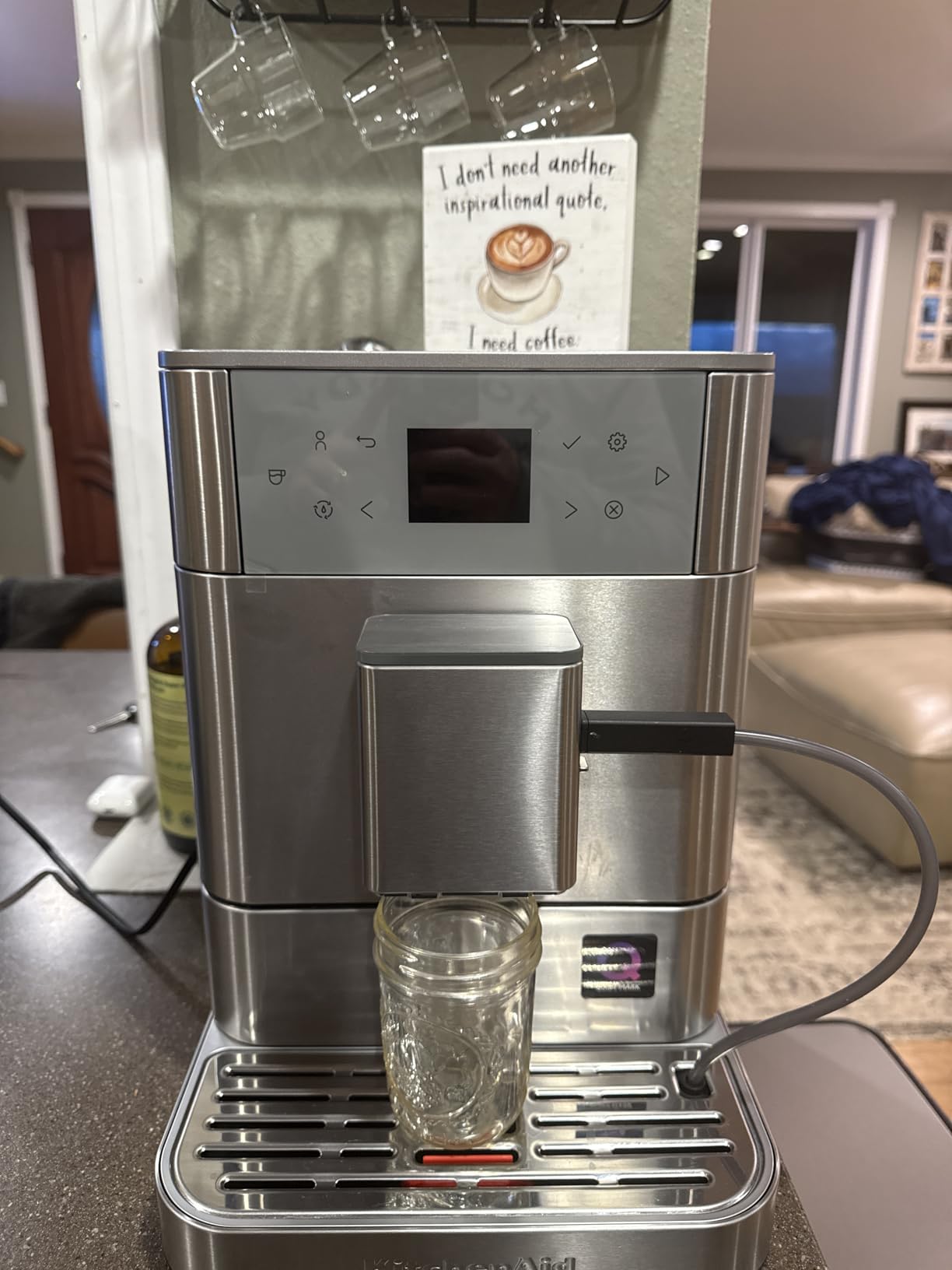
The metal body and 2 year warranty justify a step up in cost for heavy use. For a single drinker in a small kitchen, you are paying for build quality and tank capacity you may not use. Check your counter space first: the body is 18.5 by 10.2 by 14.3 inches.
7. De’Longhi Dinamica Plus – Four User Profiles for a Crowded Morning
De’Longhi Dinamica Plus Fully Automatic Espresso Machine – Brew Personalized Coffee for up to 4 User Profiles, 24+ Recipes, Built in Grinder & Automatic Milk Steam Wand with 3 Frother Modes
Up to 4 user profiles
13-setting conical burr grinder
3.5-inch TFT touchscreen
21.7 lb, 16.9 by 9.3 by 13.7 inch
Pros
- Supports up to 4 user profiles
- 24 drink options with guided on-screen imagery
- 13-setting conical burr grinder handles any bean
- Strength and volume highly adjustable
- Quiet for a machine in this class
- Drinks come out hot with adjustable temperature
- Purging and line cleaning handled automatically
Cons
- Milk carafe port vacuums on and is hard to detach
- Frequent purge cycles waste water and fill the tray
- Profiles cannot be saved without brewing a cup
- Manual is less informative than expected for the price
With four user profiles, this is the machine to buy if the household is sharing one kitchen and everyone wants a different drink. Each person saves their own strength, volume and recipe settings, and the display surfaces the most-used drinks first. That removes the morning negotiation entirely.
It also carries 24 one-touch or customised recipes, which is more than most machines here, and the 3.5-inch touchscreen shows images of the drinks rather than a list of names. For a first-time owner, that guidance removes a surprising amount of guesswork.
The grinder covers a genuine range of beans
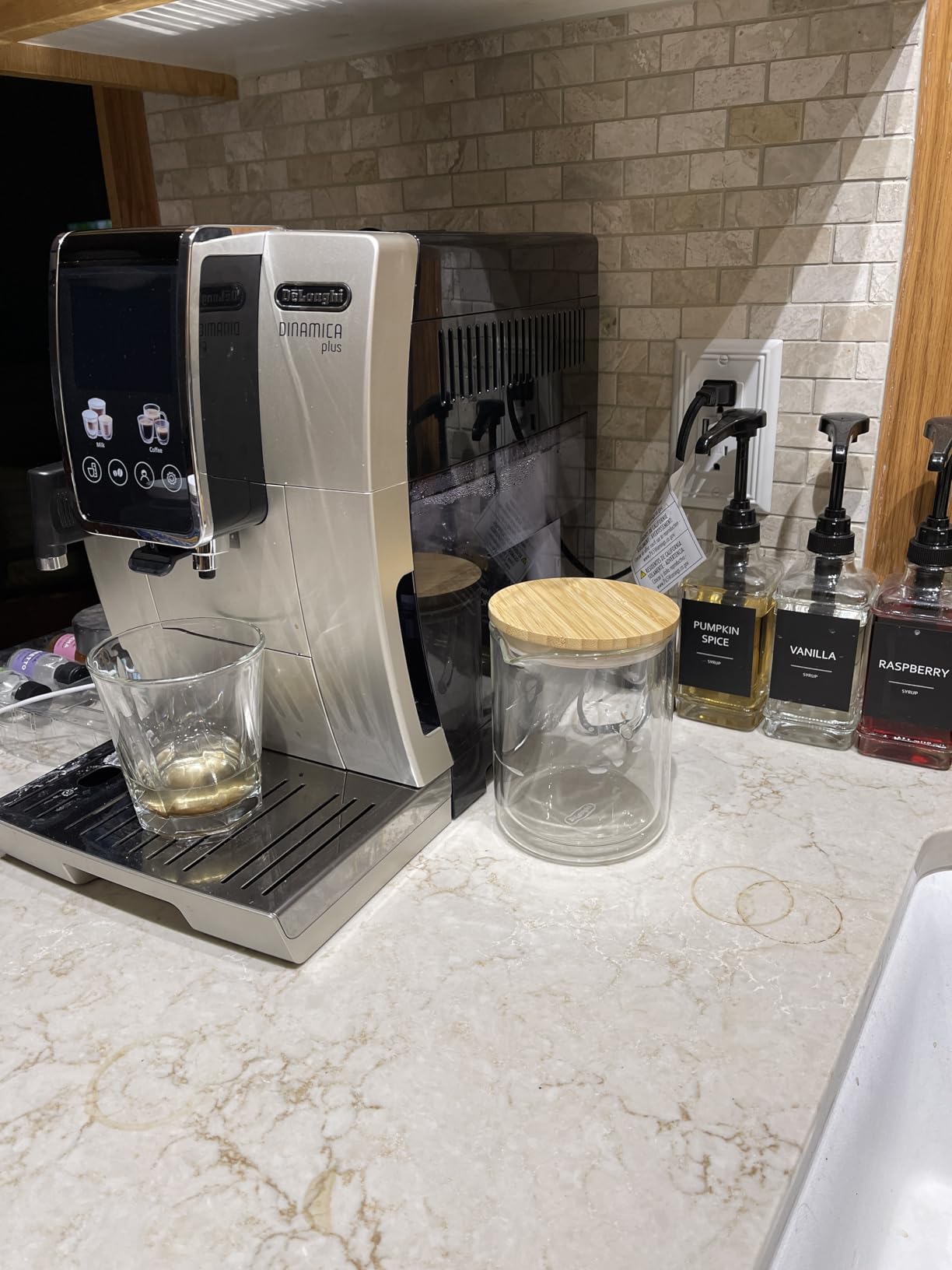
Thirteen conical burr settings is enough to move from a light blend to a dark roast without changing beans. Several owners report it quieter than expected for a machine with a conical burr grinder, and that drinks come out hot with temperature adjustable in settings.
Two ergonomic details that annoy people
The milk carafe port is extremely snug and forms a vacuum seal, making the carafe hard to pull off. Separately, the machine purges on startup, after each drink and at shutdown, which wastes water and fills the tray often enough that you will empty it daily.
Profile setup has a catch
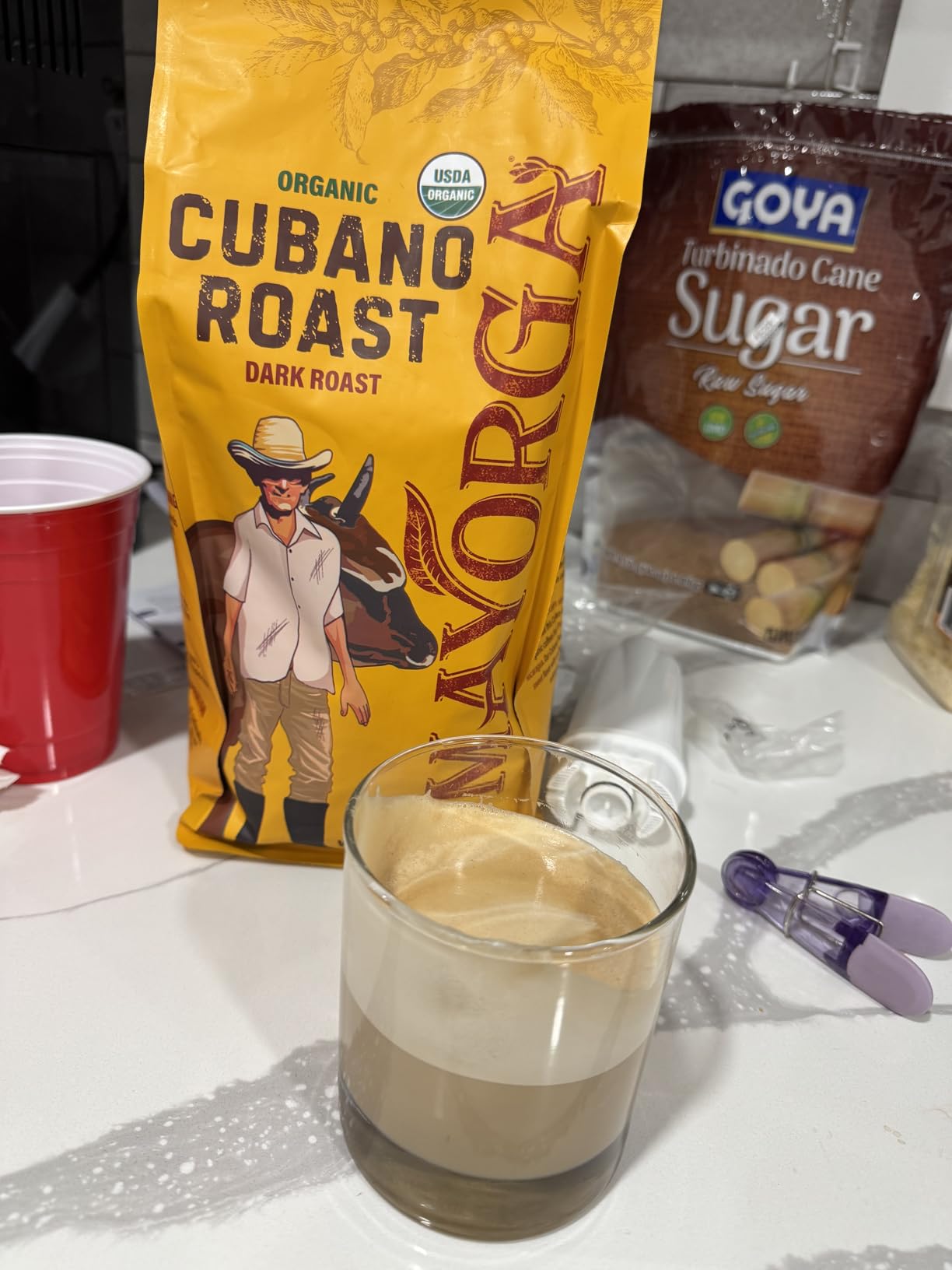
You cannot save a profile without actually brewing a cup, so setting up four users takes four brews. The manual is also thinner than expected at this level, so plan a little time reading the on-screen prompts instead of the booklet. One owner returned this machine feeling the output lagged a Philips 5400 at a higher cost, so taste expectations still apply.
8. De’Longhi Rivelia – Hot and Cold Drinks and Sub-Three-Minute Cold Brew
De’Longhi Rivelia Automatic Espresso Machine, Milk Frother, White
50 plus one-touch recipes
Cold extraction cold brew under 3 minutes
Dual bean containers
13 grind settings, 2 user profiles
Pros
- 50 plus hot and cold recipes including iced latte and cold brew
- Dual bean containers separate regular and decaf beans
- Milk system disassembles completely for the dishwasher
- Two user profiles prevent preference conflicts
- Quiet grinder and about two minutes from power on to drinking
- Handles oat and almond milk as well as dairy
Cons
- Grounds bin and drip tray emptied every day
- Large coffees can come out too weak
- Milk temperature too low for some owners
- More waiting than expected for a premium machine
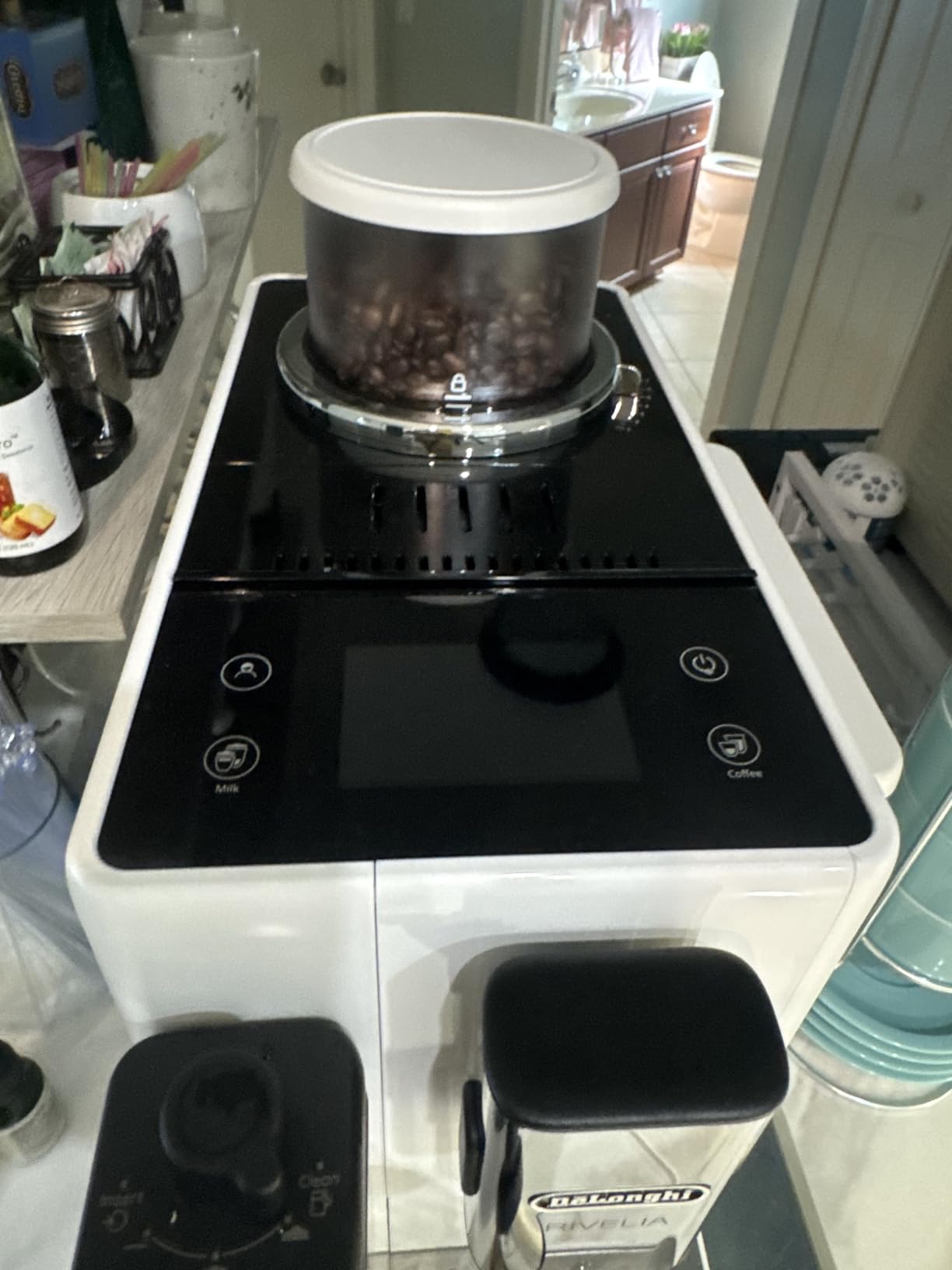
This is the highest-rated machine in the roundup at 4.4, with 82 percent of owners giving five stars. It carries 50 or more one-touch recipes spanning hot and cold, including iced cappuccino, iced latte and cold brew produced in under three minutes by cold extraction. If you think of coffee as a year-round cold drink, nothing else here covers that.
The dual bean containers solve a real household problem. One person drinks decaf, the other does not, and separate hoppers mean no swapping beans back and forth or cleaning one hopper between uses.
The milk system is genuinely well engineered
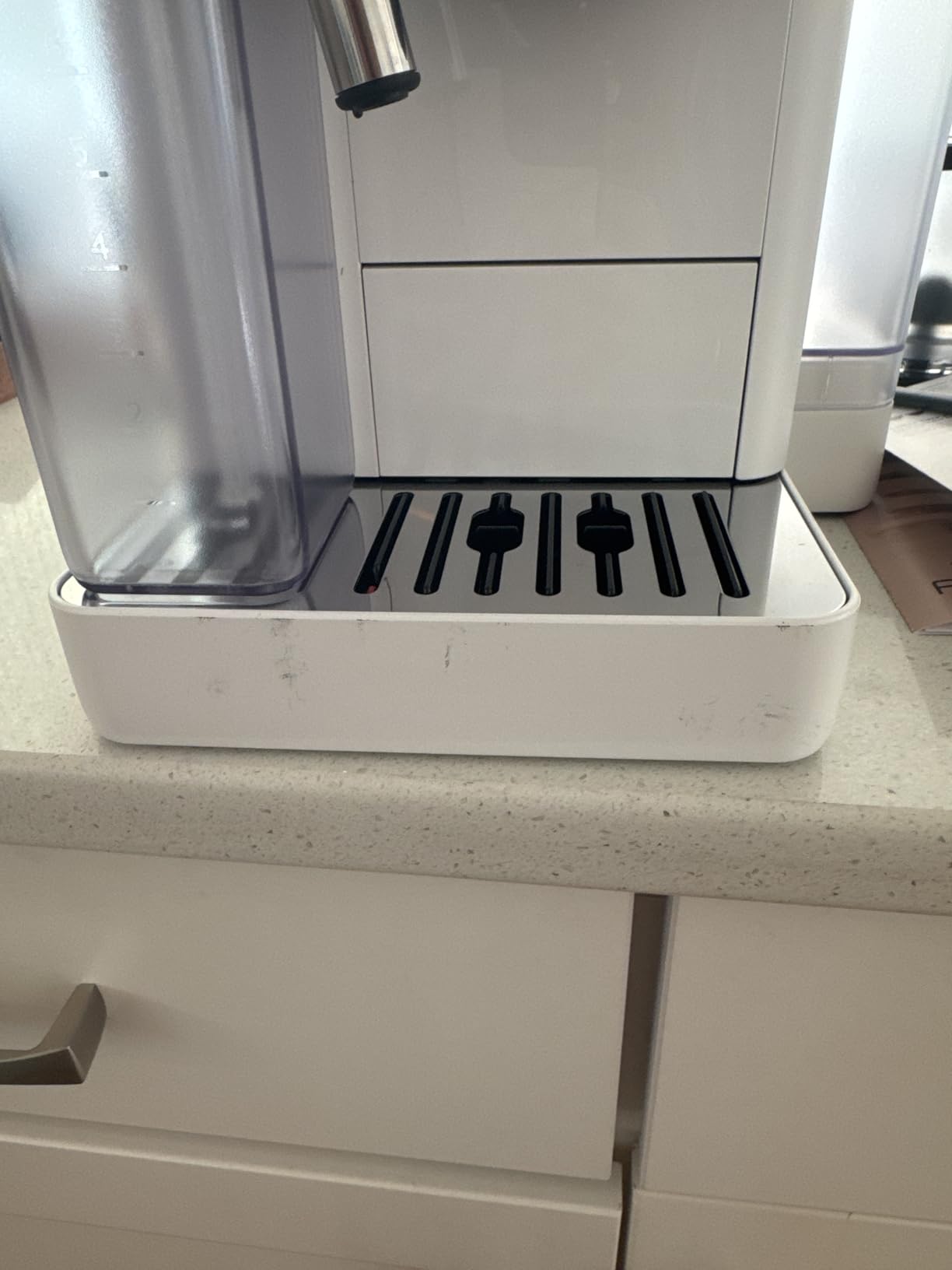
Owners describe the LatteCrema assembly as disassembling completely for the dishwasher and call it exceptionally well designed. That is not a small point in a category where the most common complaint is a milk circuit that clogs. Two LatteCrema systems cover hot and cold foam separately, and oat and almond milk both work.
Heat-up speed and footprint
Owners report roughly two minutes from power on to drinking, with a quiet and consistent burr grinder across 13 settings. It also fits under a countertop, which is unusual for a machine this feature-rich. The 2 year warranty extends by one extra year with product registration.
Where the enthusiasm cools
Daily emptying of the grounds bin and drip tray is a genuine chore. Larger coffees can taste weak regardless of bean or setting, and some owners find the milk not hot enough. A small number report a frother that stopped producing foam after a few months, plus a repeated emptying message that would not clear with poor support response, so keep the registration and expect occasional part wear.
9. Cafe Bueno CB-3000 – The Most Customizable Drinks on the List
Cafe Bueno Super Automatic Espresso Machine For Home – Coffee Machine With Grinder & Milk Frother For Latte, Cappuccino, Macchiato – Auto Wake & Sleep – All Milk Types
19 drink options with double versions
7-inch touchscreen
Four self-cleaning cycles
26.5 lb, 18 by 11.25 by 14.5 inch
Pros
- 19 customizable drinks plus doubles across every style
- Once tuned the grinder produces consistent
- well-formed pucks
- Beans ground fresh for every cup so coffee is never stale
- Four self-cleaning cycles including deep brewer clean
- Fast heat-up with a drink in under two minutes
- Sleek design and automatic notifications
Cons
- Milk froth container is not included
- Water tank sits at the back so refills need the machine pulled out
- Heaviest machine here at 26.5 pounds
- Documented grinder and milk tube failures
- Customer service hard to reach
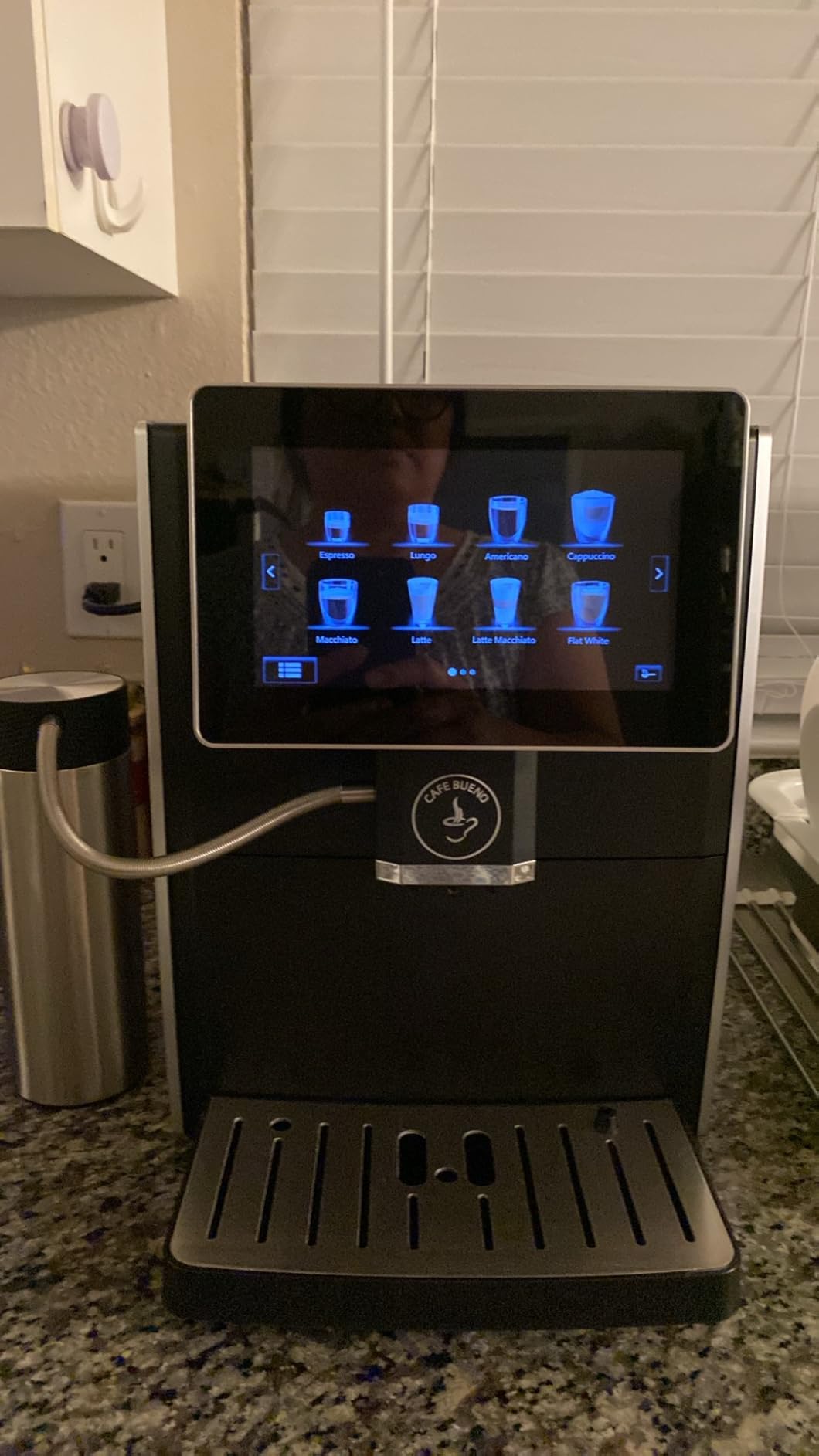
Coffee quality is not this machine’s problem. Multiple owners compare the output favourably to coffee-shop drinks, praise the 19 customizable options covering espresso, lungo, americano, cappuccino, macchiato, latte, flat white, warm milk, foam and hot water, and note how quickly it heats up. If you want to adjust grind, grounds amount, temperature, water and foam level independently, nothing else here gives you this many dials.
The touchscreen is 7 inches with automatic notifications for water, grounds and beans, so a beginner never has to guess why the machine stopped mid-cycle. It is also rated for up to 10 cups a day in home use.
Reliability and support are the real tradeoffs
This is where I would steer a cautious buyer elsewhere. Owners document a milk suction tube that stopped working after six months despite cleaning after each use, and one grinder that failed within weeks. Repeated reports also describe difficulty reaching customer service or a human. On a heavy appliance, brand support is part of the product.
The milk container is a separate purchase
The froth container is not included and has to be bought separately, and with creamers the tube, container and nozzles need deep cleaning weekly or more often. Add that to the four built-in self-clean cycles and the weekly chore is real.
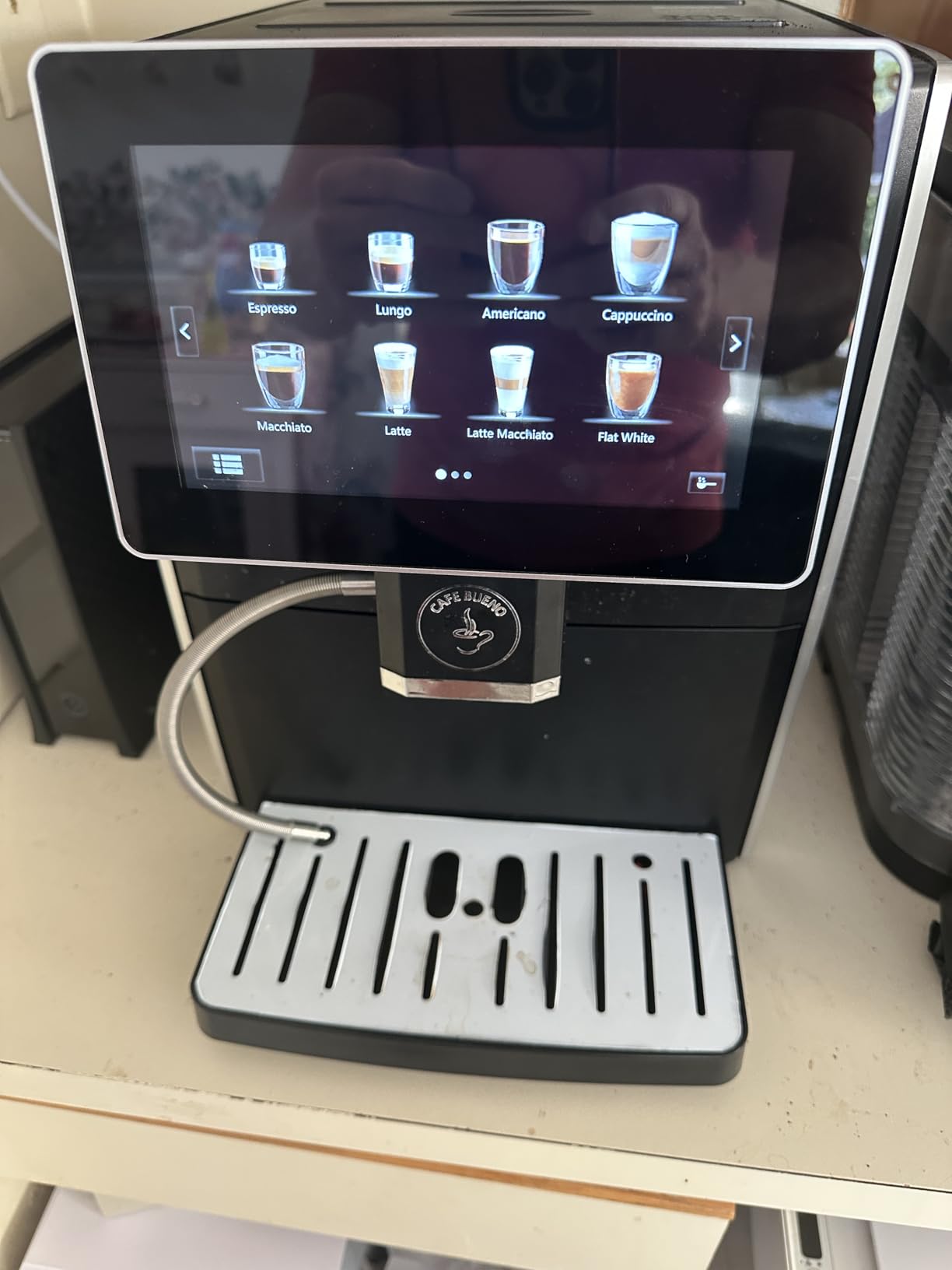
Rear tank and counter weight
The water tank sits at the back of the machine, so you must pull it forward and lift it under a low cabinet. At 26.5 pounds it is also the heaviest here, which matters if you ever need to move it for cleaning behind the unit. Drinks also run hotter than some owners expect.
10. Ninja AutoBarista Pro – The Widest Grind Range, the Thinnest Track Record
Ninja AutoBarista Pro Fully Automatic Espresso, 13 Drink Options, AE1051
Grind iQ with 50 grind settings
13 hot and iced one-touch drinks
100 percent ceramic burr
Auto-rinse with self-drying interior fan
Pros
- 50 grind settings
- the widest adjustment range here
- 13 one-touch hot and iced drinks including cold brew
- Produces genuine espresso with real crema
- Microfoam works hot or iced with dairy or plant milk
- Auto-rinse
- removable parts and a self-drying fan simplify cleanup
- Stainless steel body at 1650 watts
Cons
- Only 52 ratings
- so long-term reliability is undocumented
- One of the largest footprints in the roundup
- Ties to AC and DC power rather than a standard corded supply
- Swappable hoppers mean more parts to store and wash
The headline number is 50 grind settings under Grind iQ technology, auto-calibrated for balanced flavour, against 13 to 15 on every competitor here. On paper this is the most capable grinder in the roundup, and owners specifically note it produces a real espresso with genuine crema rather than an imitation-style shot.
Thirteen one-touch drinks span hot and iced, including cold brew and frothy cappuccino, and the milk jug makes microfoam with dairy or plant-based milk. Cleanup is the least hands-on of the group: auto-rinse, removable parts and an interior fan that dries the machine after use.
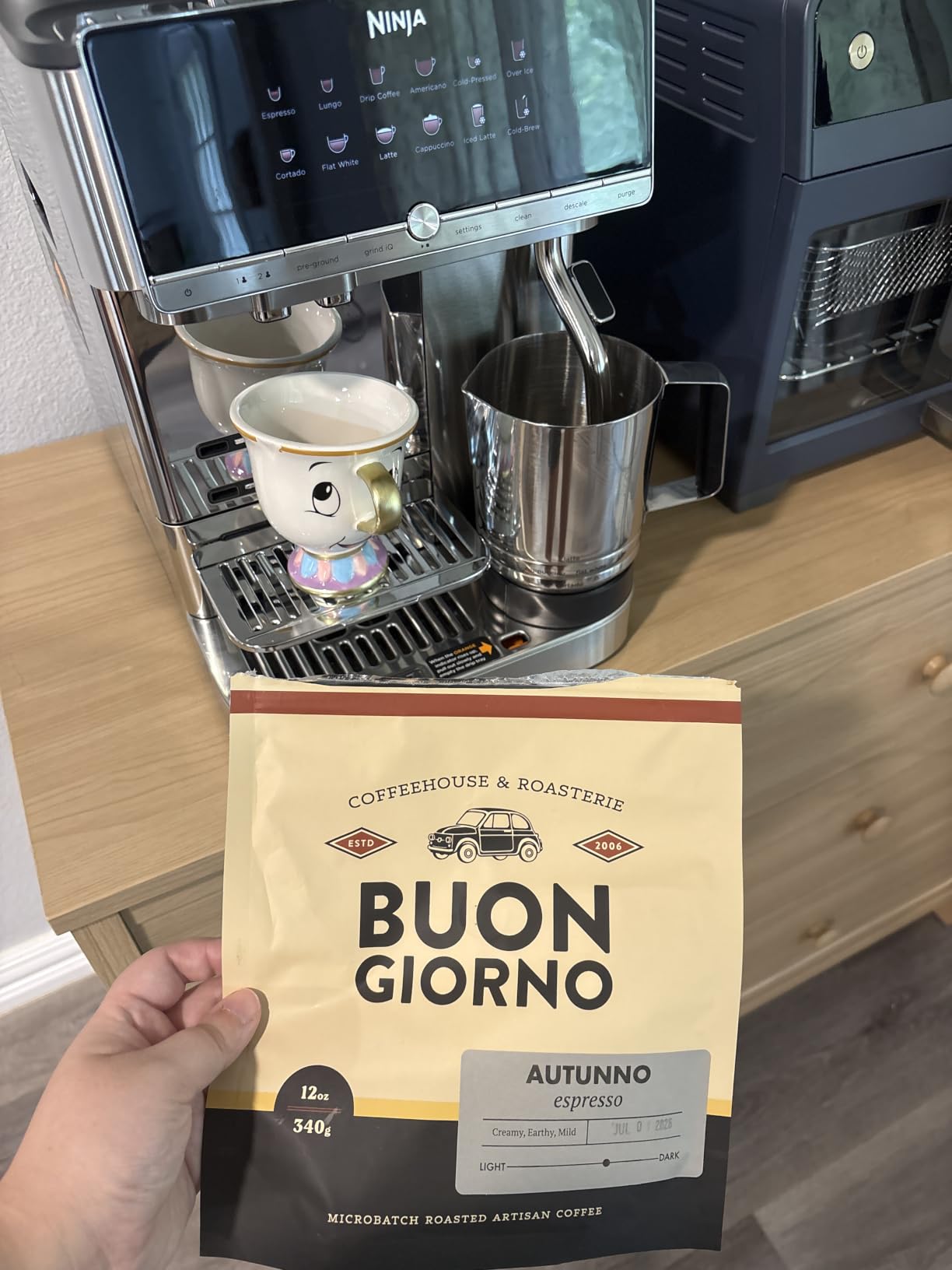
Two hoppers, and the parts that come with them
Swappable hoppers are included, so regular and decaf stay separate. The trade is more components to store and wash. The machine also ties to AC and DC power rather than a standard corded electric supply, which is worth checking against your outlet arrangement.
The evidence base is thin, and that is the deciding factor
There are 52 ratings on this machine, the smallest base in the roundup by a wide margin. Specification depth is not a substitute for owner history, and a heavy appliance is a poor place to be an early adopter. The stainless body at 1650 watts is substantial, and the 21.7 by 14.6 by 19.4 inch footprint is one of the largest.
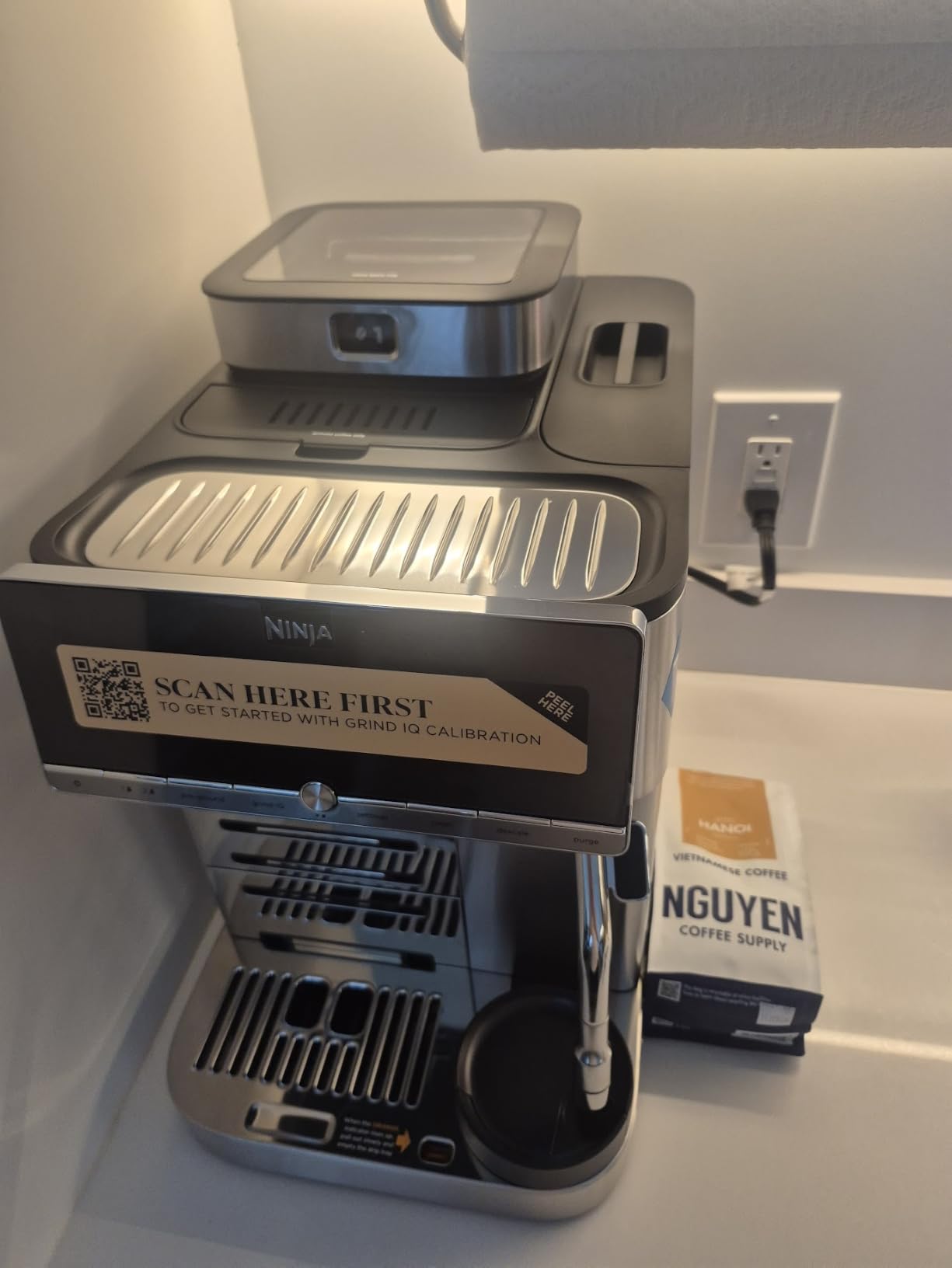
Who this suits
Pick this machine if you want maximum grind range and barely want to think about cleaning, and you are comfortable taking on a newer model with limited long-term feedback. If proven durability matters more to you than a wide adjustment dial, choose one of the better-documented picks above.
How to Choose a Super Automatic Espresso Machine Without Regretting It
Grinder: burr type and how many settings matter
The grinder decides how much of the difference you will actually notice. Most machines here use conical burrs, either ceramic or a mix, and offer 13 to 15 settings with only minor changes between neighbouring settings. The Ninja’s 50 settings stand apart, but that extra range only pays off if you rotate beans or chase extraction changes deliberately. For a beginner, a 13-setting grinder with an adjustment you can change while the grinder runs matters more than the headline number.
Milk system: tubeless carafe versus hose and wand
This is the decision I would make first. Tubeless systems, such as the Philips LatteGo and the De’Longhi LatteCrema carafes, have no tube to clog and rinse clean in 10 to 15 seconds or go in the dishwasher. Hose-fed machines like the KitchenAid need a container you supply and parts you wash on a schedule. If you drink one black coffee a day, skip this entirely and buy the coffee-only machine, not the milk-capable one.
Heating and temperature control
Heating systems differ more in milk temperature than in espresso temperature. Owners report machines whose milk arrives warm rather than hot, which is a common disappointment. If cappuccino is your main drink, prioritise a machine where owners specifically say the milk comes out hot, and check whether temperature is adjustable in settings.
Water tank and bean hopper size for your household
Tanks in this roundup run from a very small reservoir on the Philips 2200 to 2.2 litres on the KitchenAid. Rule of thumb: one person drinking two cups a day is fine with a small tank, and a household of three or more refills several times a day. Bean hoppers holding around a pound or more mean fewer refills. Also check the tank position, because a rear-mounted tank on a machine that sits under a cabinet turns every refill into a lifting job.
Cleaning burden and descaling
Budget for daily and weekly tasks, not monthly ones. Daily is rinsing the milk system and emptying the drip tray; weekly is washing carafe parts and cleaning the brew group; quarterly is descaling. Machines with an AquaClean filter are rated for up to 5000 cups before descaling, which genuinely removes a chore. Buy descaling solution and cleaning tablets from the same brand when you order the machine.
Counter space and cup clearance
Measure before ordering. These machines range from a compact footprint to well over 20 inches deep, and the tallest options will not fit under a low cabinet. Cup height matters too, since a tall travel mug will not clear the spout on several models without pulling the tray insert. Our small kitchen espresso guide covers the footprint question in more depth.
Reliability, warranty and parts
This is the criterion most roundups skip. Owner review volume is the best public proxy for long-term data: a machine with thousands of reviews has a visible record of what breaks, while a 52-rating machine does not. Warranty length is worth comparing, and some brands extend coverage when you register the product. Forum buyers repeatedly ask who services a machine after warranty, and that answer differs by brand and region.
Frequently Asked Questions
What is the best espresso machine for a beginner?
For most beginners the best choice is a super automatic with a tubeless milk system and a filter-based descaling system. The Philips 3200 Series is our top pick because its LatteGo carafe has no tubes, rinses in about 15 seconds and the AquaClean filter removes descale cycles for up to 5000 cups. If you only drink black coffee, buy a coffee-only model instead and skip the milk system entirely.
Is DeLonghi or Breville better?
De’Longhi wins for beginners because its super automatics use a detachable milk carafe that rinses clean quickly, while Breville’s strengths sit in semi-automatic machines where you control the shot manually. De’Longhi also shows up most often in long-term ownership reports on coffee forums. Choose Breville instead if you want to learn manual technique, not for one-button convenience.
Which super automatic espresso machine is the most reliable?
Reliability is best judged by how much long-term owner history exists. The Philips 3200 Series has the largest review base in this roundup at more than 6000 ratings, and De’Longhi models show up repeatedly in multi-year ownership reports on forums. Machines with only a few dozen ratings, such as newer models, cannot be judged for durability yet. Warranty length is a useful secondary signal.
Are super automatic espresso machines worth it?
Yes, for most people who drink several coffees a day. They remove the two hardest parts of home espresso, grinding consistently and extracting under pressure, so you get a repeatable drink without a learning curve. The catch is maintenance: milk systems need daily rinsing, the drip tray empties every few days, and the espresso is less intense than a manual pull. If you only drink one black coffee a day, a pod machine costs less.
Which is better, Nespresso or a super automatic machine?
A super automatic makes better espresso because it grinds fresh whole beans and brews under real pressure. A pod machine makes a weaker drink but needs no grinder maintenance, no water descaling and no milk tubing. Pick a super automatic if you drink several cups daily and want cappuccinos or lattes. Pick pods if your counter space is tiny or you want zero cleaning between cups.
How long does a super automatic espresso machine last?
With descaling on schedule and the milk system rinsed after each use, owners report many years of daily service on mainstream brands, and forum members describe keeping a machine for a decade or more in family use. The machines that fail early usually had milk components clogging or scale left untreated. Register the product if the brand offers an extra warranty year and keep spare carafes and filters on hand.
Which Super Automatic Espresso Machine Should You Buy?
If you want the lowest-risk path into the category, the Philips 3200 Series is the pick. The tubeless milk system and AquaClean filter remove the two chores that push people off these machines, and more than 6000 owner ratings mean you are not buying blind.
If you plan to make cold drinks and iced coffee through the summer, the De’Longhi Rivelia covers hot and cold with sub-three-minute cold brew and two bean hoppers for decaf. If several people share one machine, the De’Longhi Dinamica Plus holds up to four user profiles. If you share a kitchen with heavy daily use, the metal-clad KitchenAid KF6 is built for it. If you want maximum grind adjustment and minimal cleaning, the Ninja AutoBarista Pro offers 50 grind settings and a self-drying interior fan.
Whichever one you choose, buy whole beans, adjust the grinder while it is running, and give it two weeks before judging the taste. That habit alone resolves most of the disappointment first-time owners report about their first super automatic espresso machine in 2026.