
A beginner TIG welder is an inverter power source that uses a non-consumable tungsten electrode and argon gas to make the cleanest, most controllable welds of any common process. Two decisions matter more than everything else combined: whether the machine has AC output, which is the only way to weld aluminum, and whether it can run on the voltage you actually have at home.
We spent weeks going through the current generation of entry-level TIG machines, reading owner reports, and comparing what really comes in the box. This guide covers 12 of them, and every spec quoted here comes from the manufacturer listing or from the accumulated owner feedback, not from marketing copy.
If you are new to the craft, the smartest order of operations is the same as picking a beginner grinder for coffee or the right espresso machine for a home kitchen: buy the tool that fits the work you will actually do, not the one with the longest feature list. A DC-only machine with beautiful pulse controls is the wrong tool if your goal is aluminum, and a 220V monster is the wrong tool if your workshop has one household circuit.
Last updated in 2026. Feature comparisons and ratings change between listing revisions, so use the buttons below to check the current page rather than a number quoted from memory.
Our Top 3 TIG Welder Picks for Beginners


PRIMEWELD TIG225X 225A AC/DC
- 225A AC/DC with pulse
- CK Superflex torch
- 200 Hz pulse control
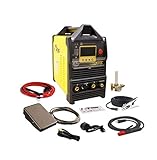
AHP AlphaTig 203Xi
- 60 percent duty cycle
- Regulator and foot pedal included
- Three year warranty
All three of these are AC/DC-capable or dual-voltage in ways that matter for a first machine, and all three have enough owner feedback to be trusted. The S7 is the most straightforward route to learning on steel and stainless, the PRIMEWELD is the one to buy if aluminum is the goal, and the AHP is the one that arrives with the pedal and regulator already inside the box.
Comparing the Best TIG Welders for Beginners in 2026
| Product | Specs | Action |
|---|---|---|
| S7 200A DC TIG and Stick |
|
Check Latest Price |
| PRIMEWELD TIG225X 225A AC/DC |
|
Check Latest Price |
 Weldpro 200A AC/DC Pulse 5-in-1 Weldpro 200A AC/DC Pulse 5-in-1 |
|
Check Latest Price |
| AHP AlphaTig 203Xi |
|
Check Latest Price |
 TOOLIOM 200A Pulse DC TIG TOOLIOM 200A Pulse DC TIG |
|
Check Latest Price |
 YESWELDER TIG-205P YESWELDER TIG-205P |
|
Check Latest Price |
 ARCCAPTAIN 200A TIG and Stick ARCCAPTAIN 200A TIG and Stick |
|
Check Latest Price |
 LOTOS TIG200ACDC 200A LOTOS TIG200ACDC 200A |
|
Check Latest Price |
 Everlast PowerTIG 200DV Everlast PowerTIG 200DV |
|
Check Latest Price |
 Sunstac 250A AC/DC Pulse Sunstac 250A AC/DC Pulse |
|
Check Latest Price |
 ARCCAPTAIN TIG 205 Pro ARCCAPTAIN TIG 205 Pro |
|
Check Latest Price |
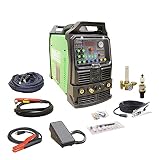 Everlast PowerPro 205Si Everlast PowerPro 205Si |
|
Check Latest Price |
Two things in that table decide most purchases. The first is the current type column: if AC appears anywhere, aluminum is on the table. The second is what arrives in the box, because a machine without a foot pedal and a gas regulator is not a finished welding setup, it is the first half of one.
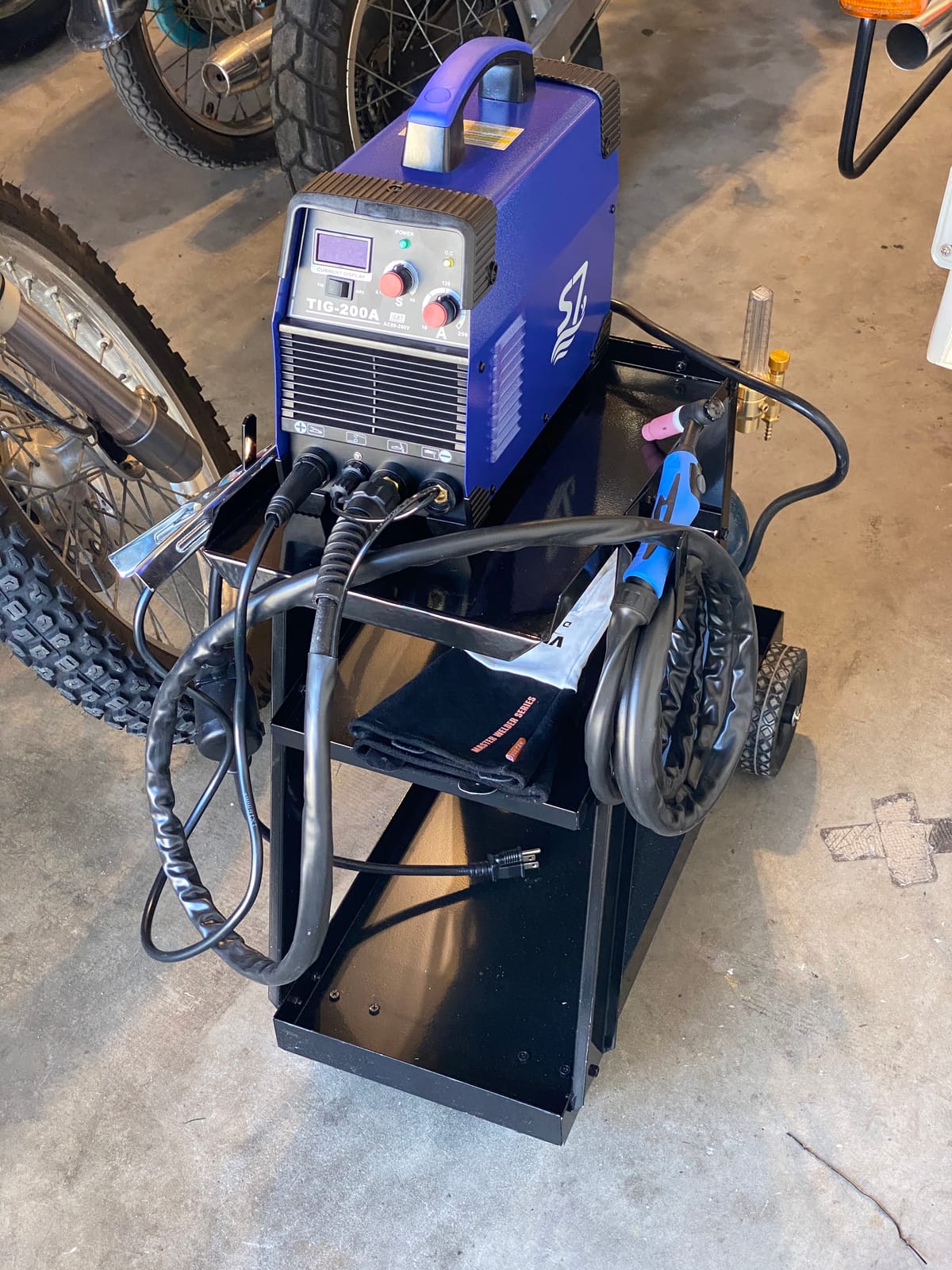
1. S7 200A DC TIG and Stick Welder – the Low-Cost First Machine for Steel and Stainless
S7 200A TIG Welder with DC TIG and Stick Welding
DC TIG and stick
110V and 220V dual input
18.01 pounds
200A maximum output
Pros
- High frequency start works reliably
- Compact and quiet in operation
- Dual 110V/220V input fits a home garage
- Post gas flow dial is genuinely useful
- Good on light gauge steel and thin stainless tubing
Cons
- DC only so no aluminum
- Torch trigger and pedal are on/off rather than variable
- Gas port uses a push-on fitting
- Instructions are sparse
This is the machine I recommend to someone who has never welded before and owns a socket or two. Owners consistently describe smooth, clean beads on thin stainless and mild steel, and with 1530 reviews behind it, this is the most thoroughly proven machine in the group.
At 18.01 pounds and measuring 17 by 10 by 13 inches, it moves between a workbench and a garage floor without a fight. The high frequency start fires reliably, and the post-gas flow dial is one of those small controls that experienced welders look for and beginners only discover later.
The compromises are real and worth naming before you commit. The torch trigger and the pedal connection are on/off rather than proportional, so you set amperage on the machine instead of feathering the current with your foot while you weld.
Why DC-only is fine for a first machine
Almost every beginner starts on mild steel, then stainless, then maybe a bicycle frame. All three are DC jobs, and this machine handles light-gauge steel and thin stainless tubing exactly as owners report. The moment aluminum enters the picture, you need AC output and a different machine.
What you need to buy separately
An argon cylinder, a regulator with flowmeter, and a foot pedal with the matching connector. Owners repeatedly mention that the torch lead is stiff and short, which is awkward for larger assemblies, so budget for a longer torch cable too.
Who should skip it
If your project list is mostly aluminum, skip this one entirely. If you want a pedal to modulate current mid-weld rather than set it once, the on/off trigger is going to frustrate you within a week.
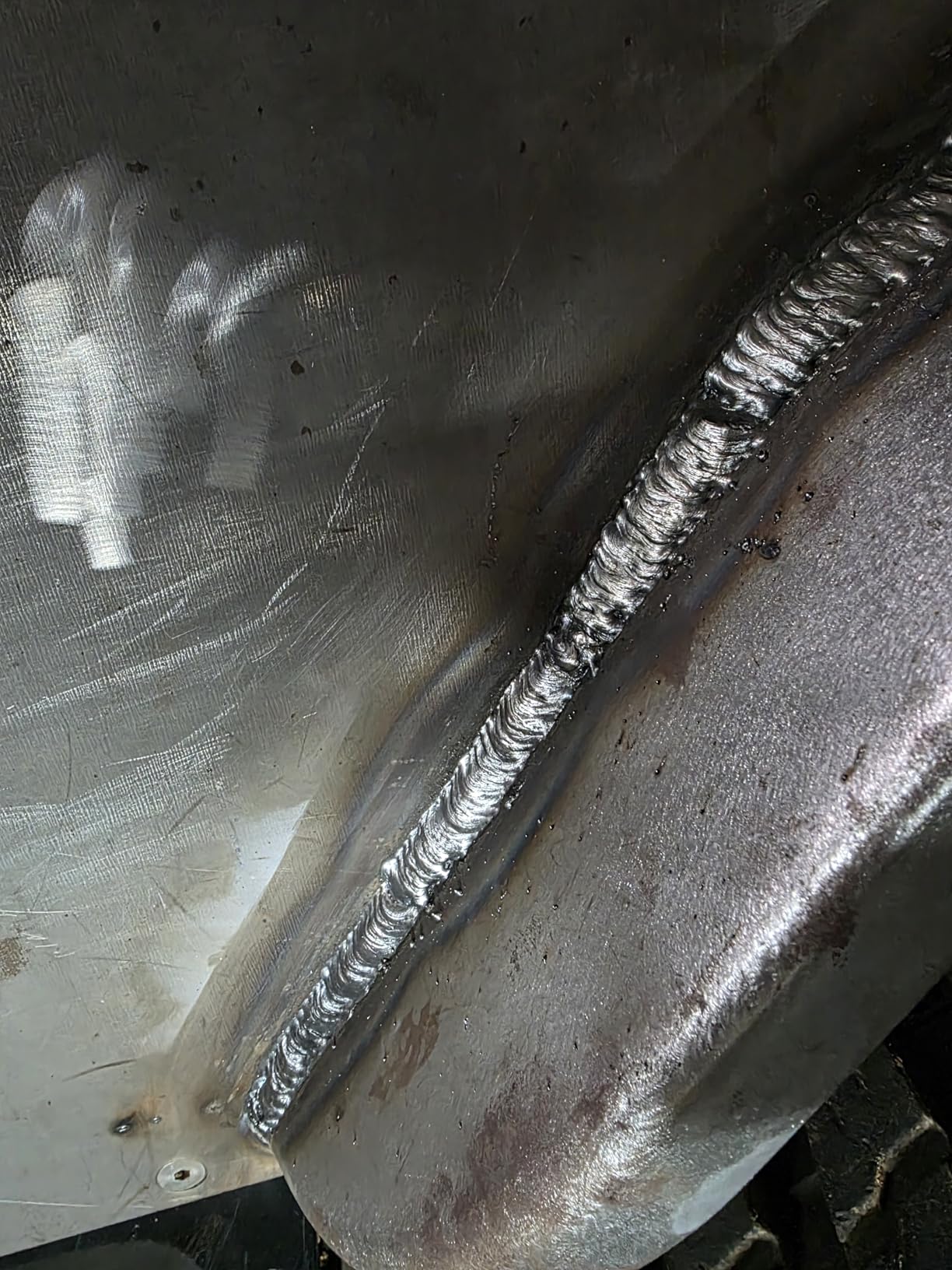
2. PRIMEWELD TIG225X 225A AC/DC – the Best TIG Welder for Beginners Welding Aluminum
PRIMEWELD TIG225X 225 Amp IGBT AC DC Tig/Stick Welder with Pulse CK17 Flex Torch and Cable
225A AC/DC TIG and stick
200 Hz pulse
AC frequency adjustment
CK Worldwide 17 Series torch
Pros
- Top average rating in the group
- CK Worldwide Superflex torch is a standout feature
- Handles 1/4 inch aluminum and 3/8 inch mild steel
- IGBT inverter with pulse width modulation
Cons
- Modest duty cycle of about 20-25 percent at full output
- Heavy and not portable
- Advanced settings take practice
- Pulse controls need dialling in
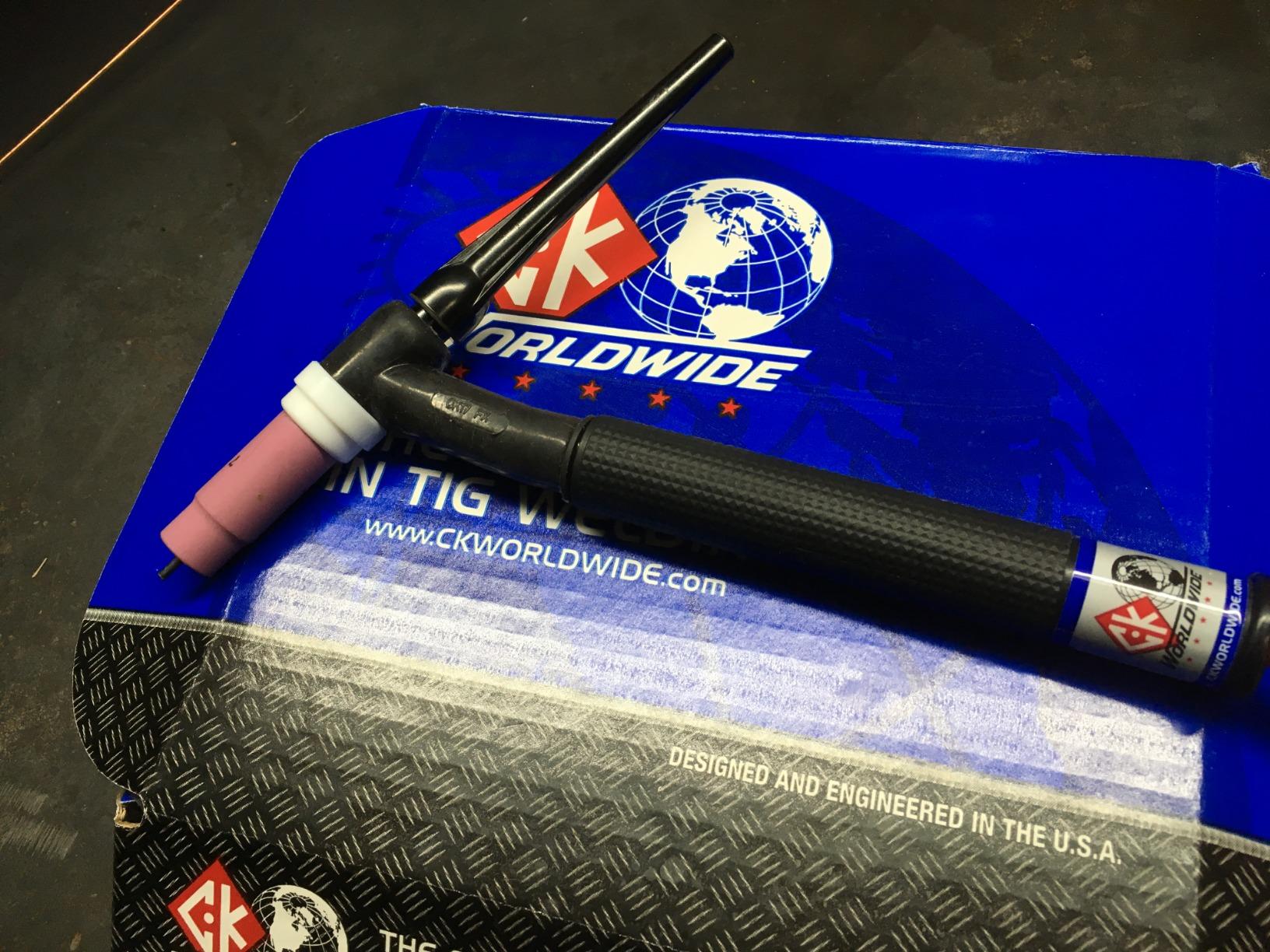
Owners of this machine describe a smooth, stable arc on aluminum and stainless with plenty of adjustment range, and at 4.8 across 1426 reviews it is tied for the highest rating here. The torch is the part people talk about most, and it is a CK Worldwide 17 Series Superflex with a flex head and CK hose.
That torch matters more than it sounds. A flex head lets you hold the torch and the filler rod in positions a fixed-angle torch makes awkward, which is the single biggest reason beginners stall on aluminum.
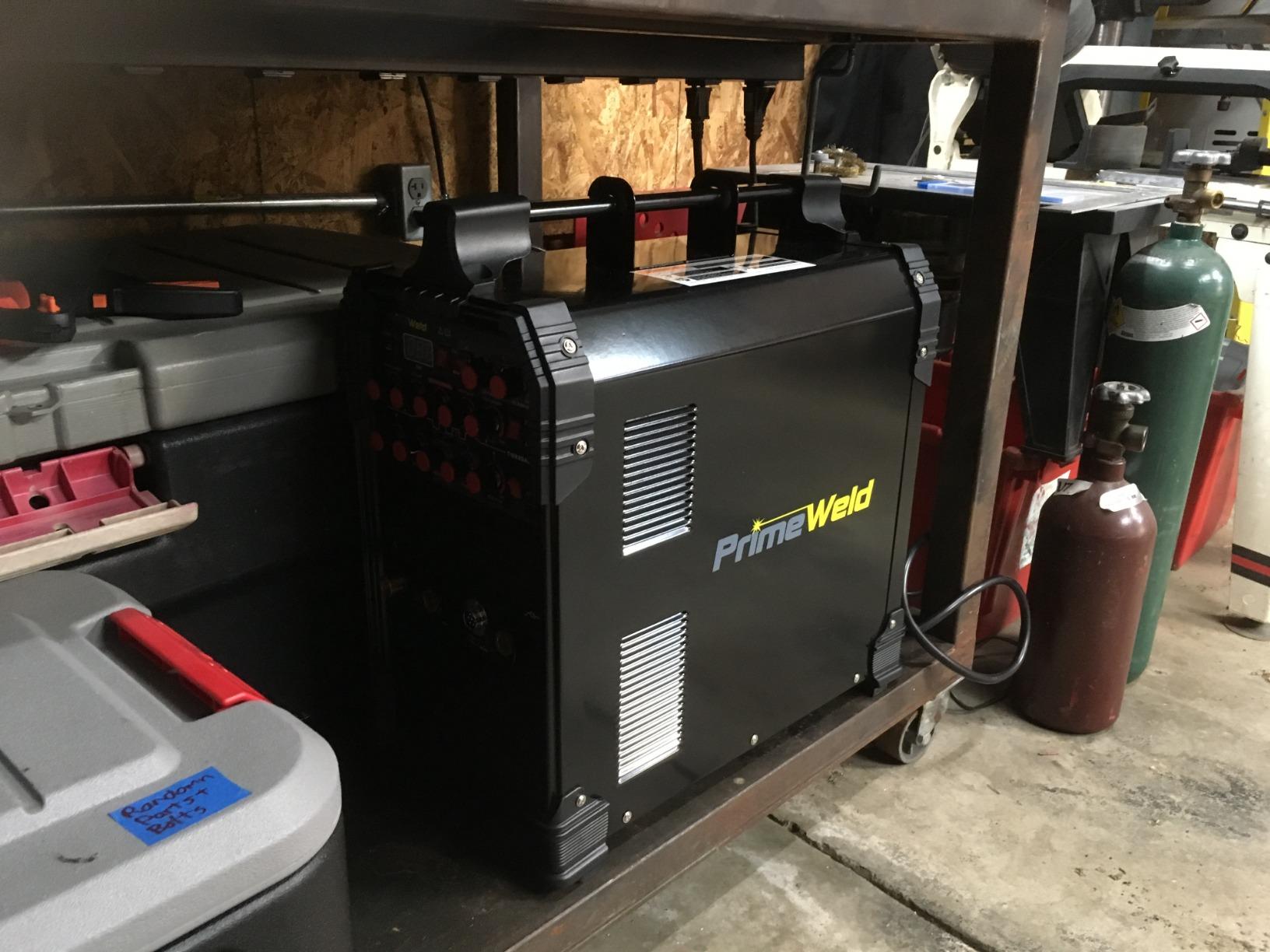
Aluminum capability and AC balance
The 225A AC/DC output is rated to handle 1/4 inch aluminum and 3/8 inch mild steel, with adjustable AC frequency and 200 Hz pulse frequency for controlling the puddle. A machine without adjustable AC balance tends to push the oxide layer along instead of cleaning it, so the fact that both are adjustable here matters on thin aluminum.
Duty cycle is the catch
Owners cite roughly 20-25 percent duty cycle at full output, which is typical of the class and perfectly fine for a home shop welding a few hours a week. If you plan long production runs or constant high-amperage work, that number is your ceiling, not the 225A headline.
Portability and pulse learning curve
The listed weight is 40823 g, making this among the heaviest machines in the group and firmly a shop-floor machine rather than a take-it-to-the-job model. Several users also note the pulse controls take real practice to set up, so expect a few sessions of trial and error before aluminum clicks.
3. Weldpro 200A AC/DC Pulse 5-in-1 – Best Control for Thin-Gauge Aluminum
Weldpro 200A AC/DC TIG Welder with Pulse, 110V/220V Dual Voltage Aluminum TIG Welder, AC TIG/DC TIG/AC PULSE TIG/DC PULSE TIG/Stick 5 in 1 Multiprocess Welding Machine with TIG Torch & Foot Pedal
5-in-1 multiprocess
0.5-200 Hz pulse
AC balance and frequency
40 percent duty cycle at 200A
Pros
- Adjustable AC balance and true pulse with upslope and downslope
- Foot pedal
- gas hose
- flow meter and clamp included
- Large LED display readable in low light
- Automatic 110V/220V switching
Cons
- Heavy at 61.8 pounds
- Panel is busy for a first-time welder
- Manual is not thorough
- Adjustment density raises the learning curve
The widest range of adjustable controls in the group, and the most complete accessory list. The box includes a TIG torch, a rocker-style foot pedal, a gas hose and flow meter, a 300A ground clamp, an electrode holder, tungsten, nozzles, collets and back caps.
That combination of pedal, flow meter and clamp in one package means you can be welding the same afternoon the machine arrives, once you add an argon cylinder. For a first purchase, removing accessory shopping from the equation is worth a lot.
What pulse control actually does for you
Pulse TIG cycles the current rapidly between a peak and a base value, which keeps the puddle small and limits heat input into thin material. The 0.5-200 Hz range here, combined with adjustable peak amperage, upslope and downslope, is the level of control usually found on machines with far higher output.
The panel is dense, and that cuts both ways
Buyers like the high-contrast LED display, which stays readable in a dim garage, but they also note the front panel is busy for a first-time welder. My advice: ignore every knob except amperage, post gas and AC balance until the basic bead is automatic, then start experimenting.
Weight and duty cycle reality
At 61.8 pounds and 17.6 by 7.9 by 16.2 inches this is a stationary machine with a built-in carrying handle for moving, not carrying. The 40 percent duty cycle at full 200A output is more generous than most machines of the same rated output carry.
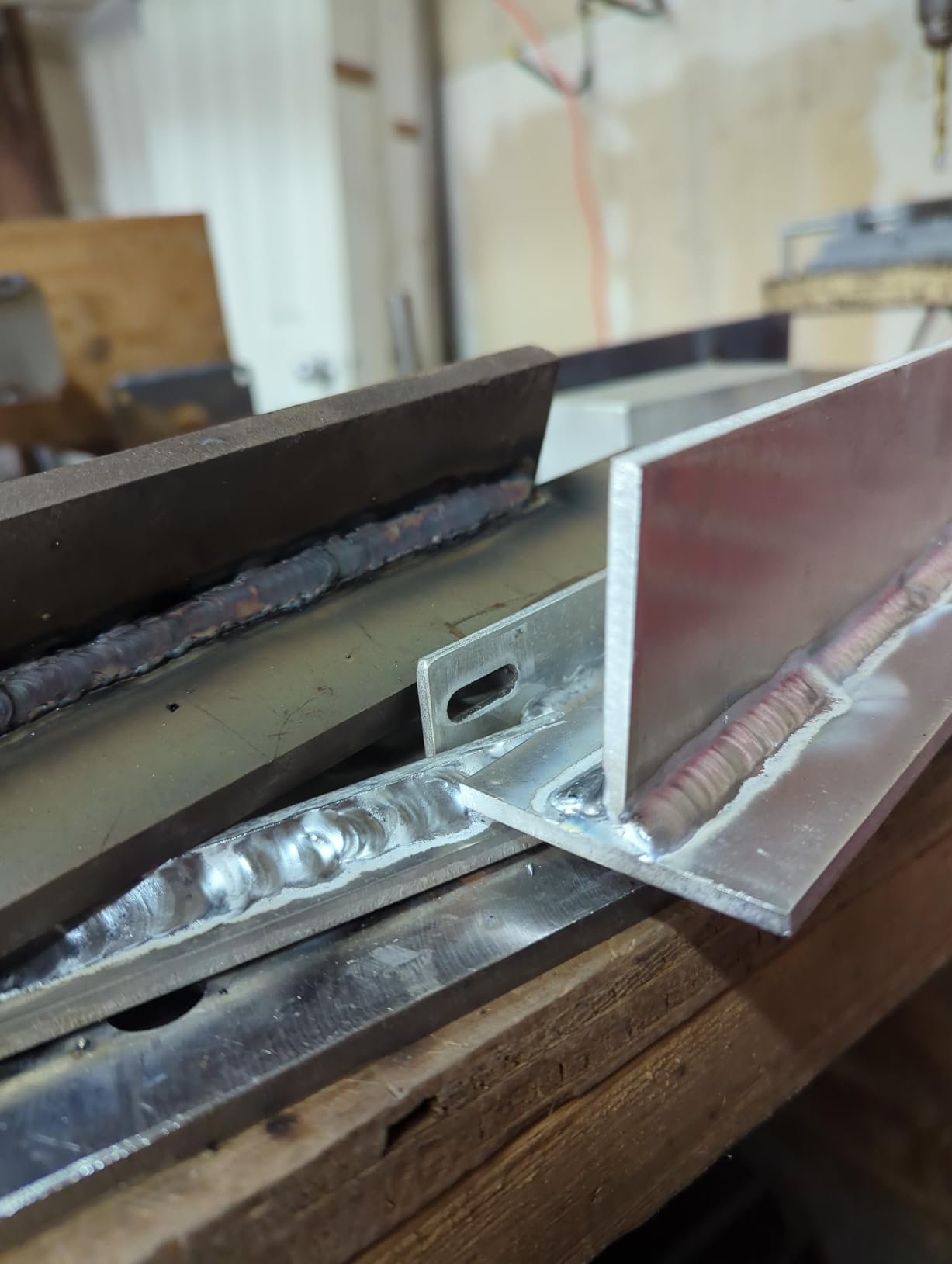
4. AHP AlphaTig 203Xi – the Best Complete Kit with Regulator and Pedal in the Box
NEW 2024 AHP AlphaTIG 203Xi Amp IGBT AC DC Tig/Stick Welder with PULSE 110/220v 3 YEARS WARRANTY
203A AC/DC TIG and stick
60 percent duty cycle
Regulator, pedal and torch included
3 year warranty
Pros
- 60 percent duty cycle beats most machines at this level
- Stick mode is repeatedly praised as exceptionally smooth
- Knob controls are quick to dial in
- HV start so there is no point gap to maintain
Cons
- 10 amp minimum output restricts very thin material
- 120V digital readout does not match the knob
- Included ground clamp is cheaply made
- AHP is a lesser-known brand
This machine has the highest count of written owner reports in the group and the consensus is that it performs well against units costing several times as much, particularly in stick mode. Owners highlight the duty cycle and the straightforward knob controls as the standout strengths.
The included components list is unusually generous: a 240V to 120V plug adapter, a 250A stick electrode holder, a basic consumable kit, a floating ball type brass argon regulator, a Nova foot pedal with a 25 foot cord, a Nova Rotaflex 9/17 TIG torch and a work clamp.
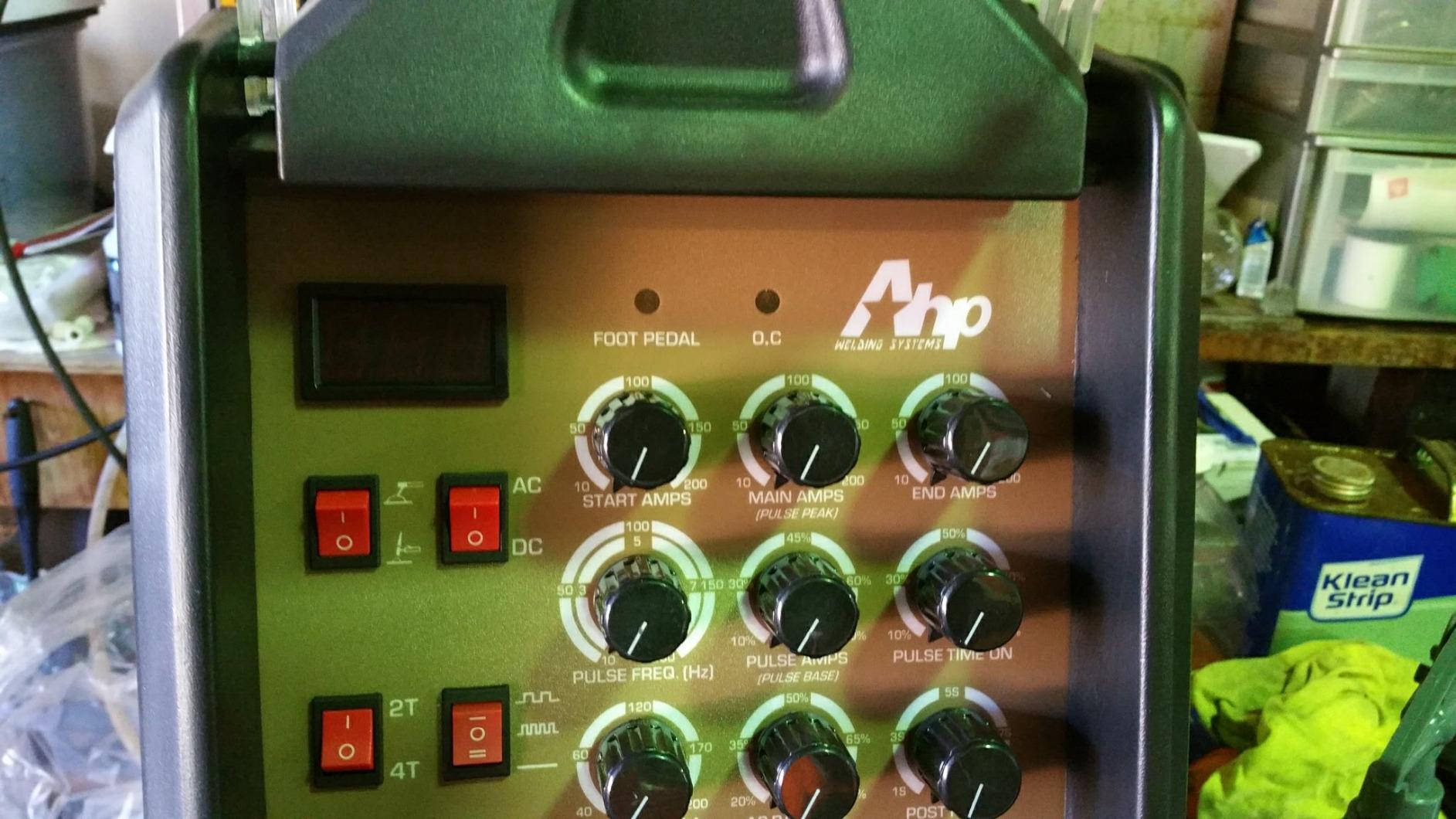
Why the 60 percent duty cycle matters
Most hobby-grade machines quote 40 percent or less at full output. Sixty percent means you can run a long bead on thicker material without the thermal protection cutting out, which is the difference between finishing a muffler repair in one session and finishing it in three.
Knobs beat menus for learning
An owner on r/Welding described having zero regrets with this machine, specifically calling out that it tops out at 200 amps on 220V, does both AC and DC, and has HF start. Knob-based controls are quick to dial in compared with menu-driven panels, and for someone learning, fewer menu layers is a genuine advantage.
The two complaints worth planning around
The 10 amp minimum output is restrictive on very thin material such as .20mm stainless. On 120V the digital readout does not match the knob and the machine will not cap output, which risks tripping household breakers, so use it on 220V whenever you can.
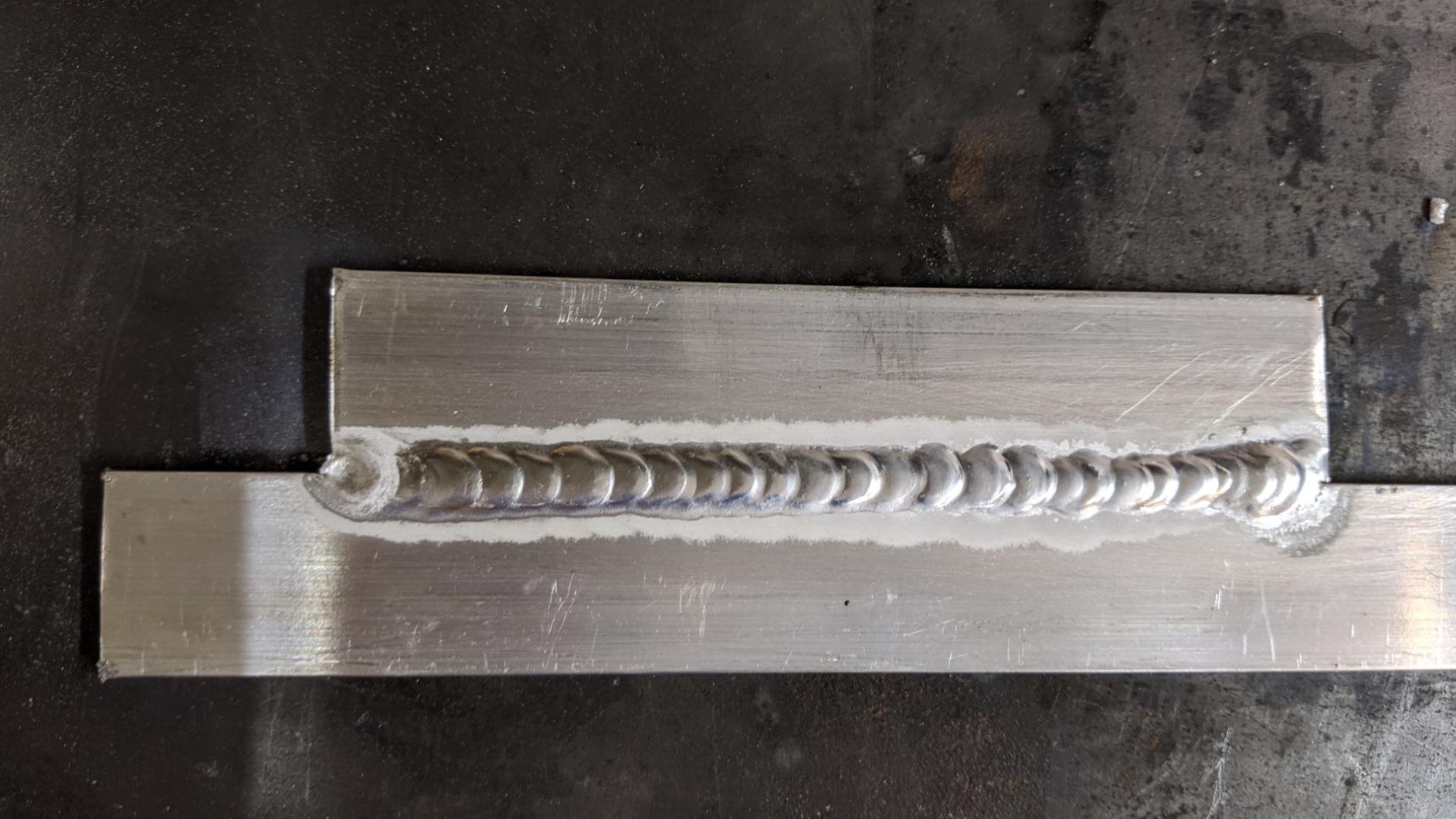
5. TOOLIOM 200A Pulse DC TIG – Best for Repeatable Spot Welds on Thin Sheet
TOOLIOM 200A TIG Welder with Pulse, 110V/220V Dual Voltage
200A output
4 modes including TIG spot
Auto 110V/220V sensing
Large digital display
Pros
- TIG spot mode gives repeatable spot welds
- Automatic 110V to 220V sensing with no manual switch
- Large display shows amperage and mode in real time
- Stick mode includes hot start and anti-stick
Cons
- DC only so aluminum is out
- Foot pedal is not included
- Higher share of one-star reviews than most
- Limited documentation
TIG spot mode is the feature that separates this machine from its peers, and it is exactly what a beginner needs for tack welding sheet metal and tabs into position before committing to a full bead. Owners generally find a capable, well-featured entry-level machine with an unusually large display.
Automatic sensing handles the 110V to 220V transition with no manual switch, which removes one of the most common beginner mistakes entirely. Thermal protection shuts the unit down on overheat or current overload rather than letting it cook itself.
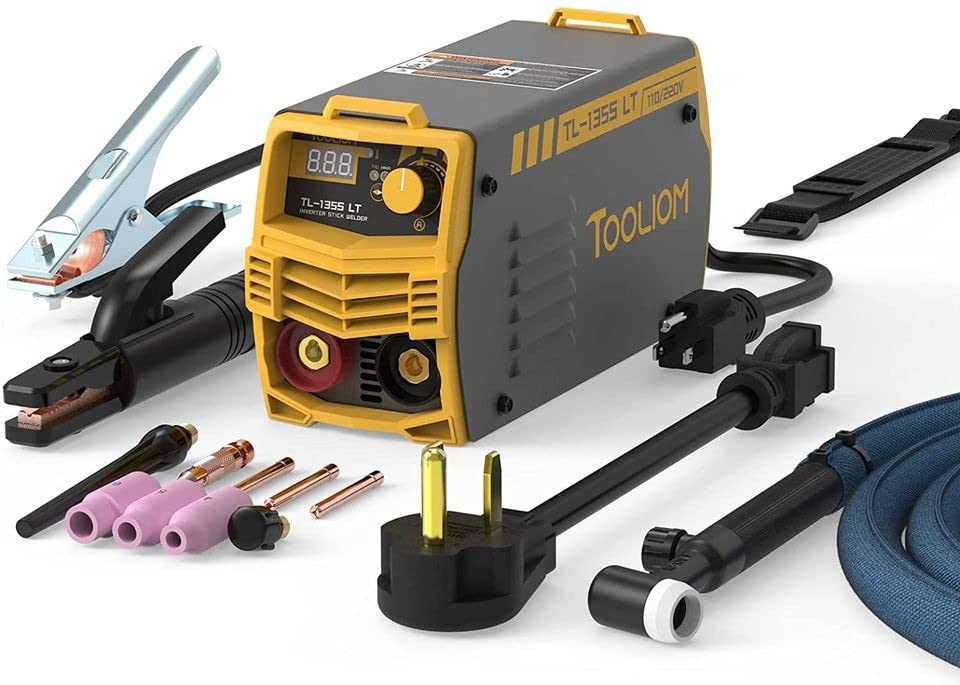
Four modes, one machine
Stick MMA, DC TIG, pulse TIG and TIG spot are all present, with independent control of pulse frequency, duty cycle and current. That is more modes than most machines twice the size offer, and it means you are not buying a second process later.
Where the rating comes from
At 4.3 this carries the second lowest average in the group with a higher share of one-star reviews than most here. Reviewers cite limited documentation for a machine with this many modes, so plan on a few YouTube sessions before your first session with the machine itself.
The missing pedal
A foot pedal is not included, though a 5-pin interface is reserved on the machine. For spot welding and simple DC work you can operate from the panel, but if you want heat control under your foot, add that to the accessory budget.
6. YESWELDER TIG-205P – the Most Portable TIG Welder in the Group
YESWELDER 205A Tig Welder Pulse STICK/DC TIG/PULSE TIG 3 in 1 TIG-205P
Weighs 4.85 kg
DC TIG with pulse
3-in-1 with stick
Auto-sensing 110V/220V
Pros
- Light enough to carry to a job site
- Auto memory restores settings after power off
- Auto-sensing dual voltage needs no manual switching
- Clear LED display
- Best-selling rank in TIG welding equipment here
Cons
- DC only so no aluminum
- Foot pedal not included
- Marketing says 200 amps while the model name says 205A
- Peak pulse output is lower than larger AC/DC machines
At 4.85 kg this is the machine you can load into a car and take to a friend’s garage, a job site or a rented bay. It ranks 18th in TIG welding equipment on Amazon, so the volume of real-world use behind it is substantial.
The auto memory function is called out repeatedly as genuinely useful. If you stop halfway through a project, the machine remembers your settings rather than resetting to factory defaults.
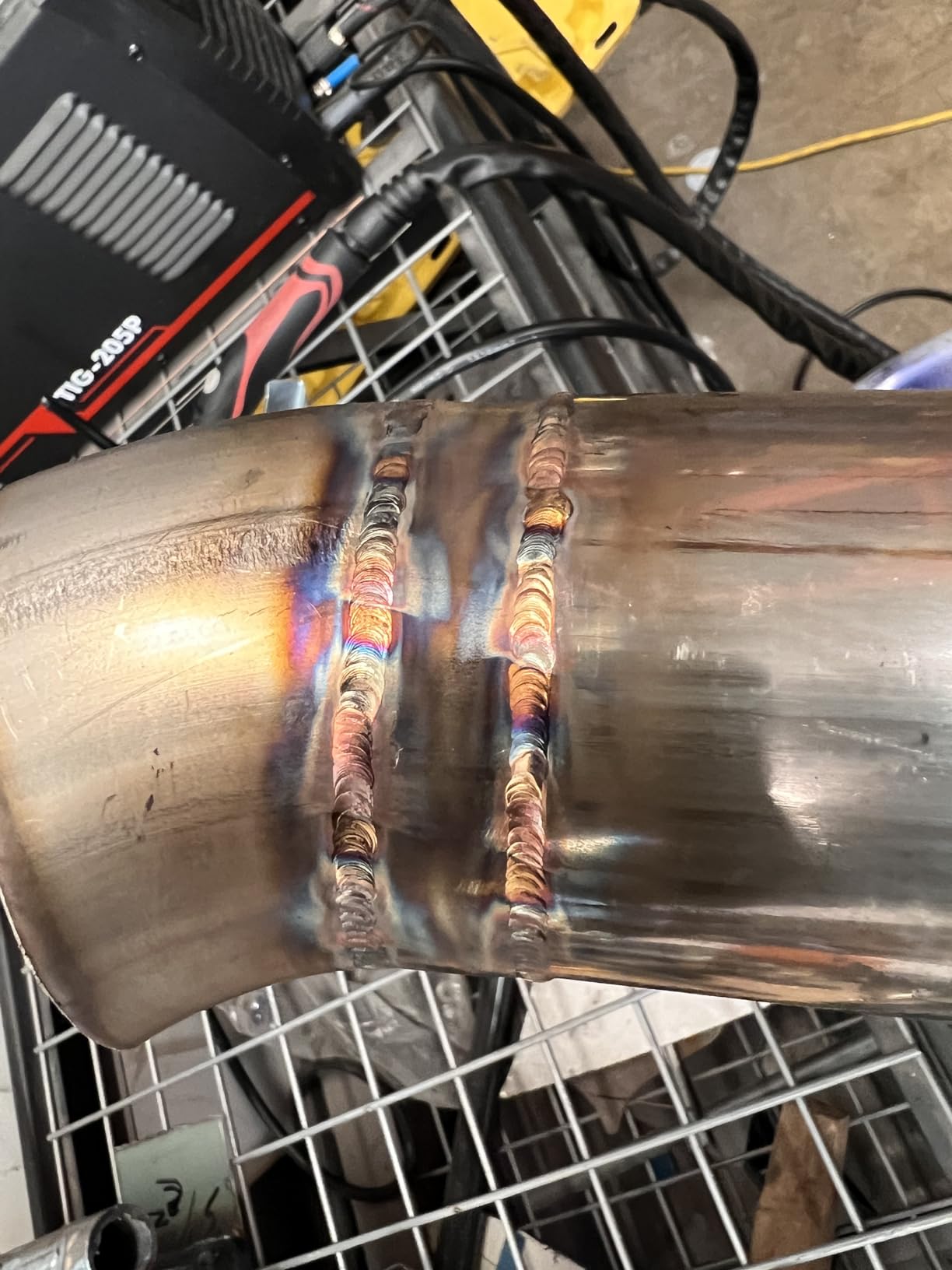
Portability is the entire argument
Every other machine here weighs at least 18 pounds, and most are far heavier. If your welding happens in a shared space, a rental unit or someone else’s driveway, that weight difference decides whether the hobby survives contact with reality.
The DC limit is explicit
The manufacturer states plainly that the TIG-205P cannot be used for welding aluminum, and buyers accept that trade without regret. It is a steel and stainless machine, and it does those processes with high frequency non-touch arc starting and hot start for stable ignition.
Pulse, display and trigger modes
DC TIG runs with 2T, 4T and spot operation, plus pulse with independent frequency, duty cycle and current control. The peak pulse output is lower than larger AC/DC machines, which matters if you plan thin-gauge work with tight heat control.

7. ARCCAPTAIN 200A TIG and Stick – Best Low-Cost Stainless Workhorse
ARCCAPTAIN 200A TIG Welder, 110V/220V TIG/Stick 2 IN 1 Welding Machine
200A 2-in-1 TIG and stick
High frequency non-contact start
Post gas 1-10s, downslope 0-10s
Under 12 lb
Pros
- Post gas time and downslope are adjustable
- 2T and 4T trigger modes with 4T suited to long runs
- Quiet because the cooling fan runs only when needed
- Customer service is repeatedly praised
- Low spatter with almost no post-weld cleanup
Cons
- DC only so aluminum requires another model
- Included torch is heavy and awkward
- Included leads are short
- 110V operation is weak and can trip household breakers
Owners consistently call this a capable little workhorse for stainless and mild steel, and describe the value as unbeatable in its class. The high frequency non-contact start reduces tungsten wear, which is one of the running costs people forget about until they see their electrode consumption.
The post gas control from 1 to 10 seconds and downslope from 0 to 10 seconds are real welding controls, not decorative. Post gas keeps the shielding gas flowing after the arc stops so the hot end of the weld does not oxidise while it cools.
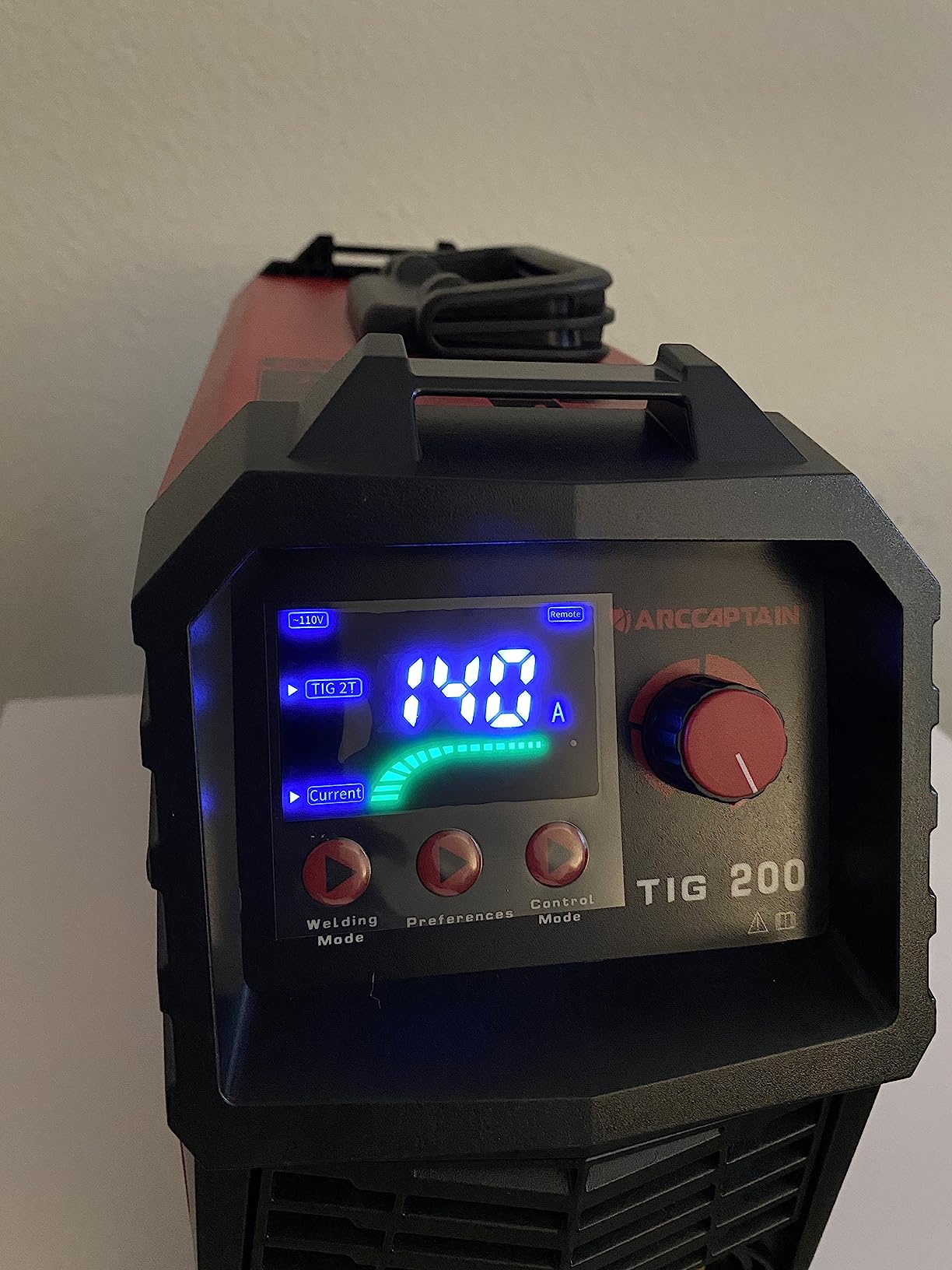
Quiet cooling and a readable panel
The cooling fan runs only when required, so the machine is quiet during light sheet work. A large LED screen shows amperage and mode data, and MCU plus IGBT digital control gives minimal spatter, which means almost no chipping or grinding after a bead.
The upgrades buyers actually make
The most repeated advice is to replace the heavy included torch and lengthen the leads, since many buyers move to 20 foot leads. The ground cable can also melt under extended high-amperage use, which is a limitation of the real-world duty cycle above roughly 150 amps rather than a defect.
Watch the 110V ceiling
110V operation is described as weak and able to trip household breakers, and the regulator and foot pedal are not included. If you only have one 15 amp circuit, plan on it being a 120V-only machine with reduced output.
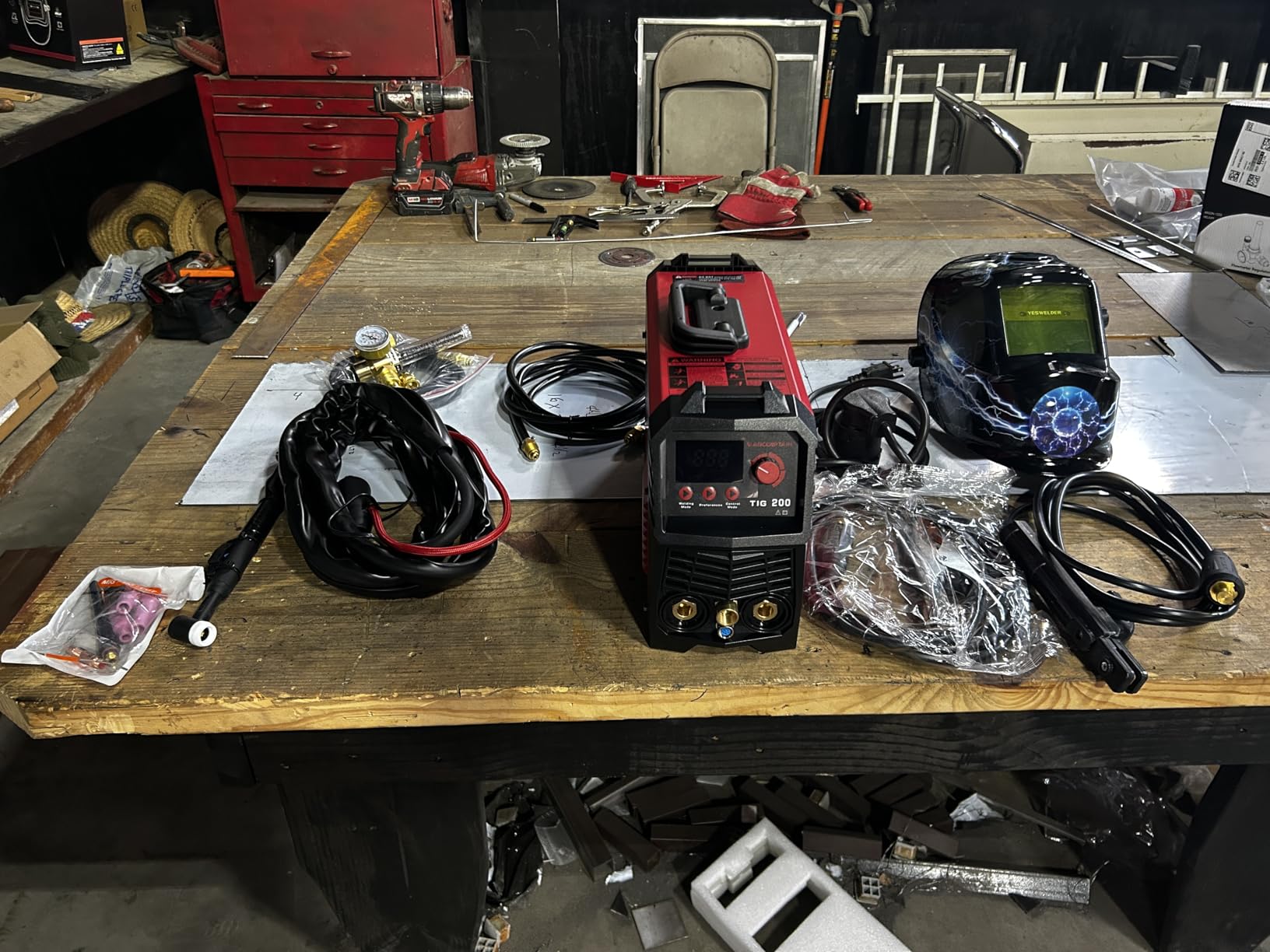
8. LOTOS TIG200ACDC 200A – the Best Starter Value Machine with AC Output
LOTOS TIG200ACDC 200A AC/DC Aluminum Tig Welder with DC Stick/Arc Welder, Square Wave Inverter with Foot Pedal and Argon Regulator 110/220V Dual Voltage Brown
200A AC square wave
10-200A AC/DC TIG output
15-200A stick output
Auto dual voltage 110/120 and 220/240
Pros
- Genuine AC square wave output for aluminum
- Full accessory package including foot pedal and argon regulator
- Automatic dual voltage and dual frequency at 50/60Hz
- 3 year limited warranty with USA-based support
- Low 10A start current suits thin-gauge work
Cons
- No pulse TIG on this model
- Older chassis design than newer competitors
- Heavier than budget DC-only machines
- Converter pigtail wiring is awkward to set up
Owners value this as one of the most direct routes to real AC aluminum capability with a full accessory package included, and reviews describe clean, stable welding on aluminum and stainless. The 10-200A AC/DC TIG output range suits thin-gauge work well.
The package includes the power supply, TIG torch, MMA stick clamp, foot pedal, argon regulator, converter pigtail, ground clamp, a consumable set and a manual. That is everything except the gas cylinder itself, which no manufacturer includes for obvious reasons.
Why square wave AC is the key
Aluminium oxide melts at a different temperature than aluminium itself, so a DC arc cannot weld aluminium cleanly. AC square wave reverses polarity rapidly, and the balance controls how long the cleaning phase lasts versus the penetration phase.
No pulse, and that is the trade
This machine has no pulse TIG, which is the drawback buyers mention most when comparing it to newer models at a similar price. Pulse is what lets you control heat on thin sheet and spot weld without burning through, so for very thin work, look elsewhere.
Support and warranty
The machine is backed by a 3 year limited warranty alongside a 30 month money-back guarantee and 1 year replacement warranty, with USA-based phone and email support. Few machines in this group publish that level of service detail, and it is worth factoring in.
9. Everlast PowerTIG 200DV – Best for Serious Thin-Gauge Work
New Everlast PowerTIG 200DV 110/220 Dual Voltage 200amp Pulse ACDC Welder
200A pulsed AC/DC TIG
5A DC start current, 20A AC
Lift start function
60 pounds
Pros
- Very low 5 amp start current in DC TIG
- Adjustable pre and post flow gas control
- Arc force control improves bead profile and cuts spatter
- Lift start for situations where HF start is unwanted
- Recognized brand with established service
Cons
- Fewer reviews than the budget brands
- 60 pounds is not portable
- Advanced pulse and AC settings are steep for a first machine
- Highest price per unit of capability here
This is the machine for anyone whose work lives at the thin end of the scale, because a 5 amp DC start current and 20 amp AC start is the lowest in the group. Reviewers who work on thin stainless and foil value that more than any headline wattage figure.
The lift start function is the sleeper feature here. It lets you start the arc by touching the tungsten to the workpiece, which is the right choice when high frequency start is undesirable, such as near sensitive electronics.
Arc control that shapes the bead
Arc force, sometimes called DIG control, adjusts the weld pool’s depth and width and reduces spatter. Combined with adjustable pre and post flow gas, it gives you control over how the puddle behaves at both ends of the weld, which is where most cosmetically poor TIG work comes from.
Established service matters
Everlast is a recognised welding brand with an established service network, and a 200 amp AC/DC pulsed TIG capability covers essentially any material a home shop will throw at it. Forum regulars in r/Welding repeatedly endorse machines in this class as the value pick for good reasons.
Where a beginner may struggle
With 116 reviews the feedback pool is small, so there is less long-term owner data than the budget brands. The advanced pulse and AC settings are also steeper for an absolute first machine, and at 60 pounds you are not moving it between locations.
10. Sunstac 250A AC/DC Pulse – Best High-Output AC/DC on a Single Circuit
Sunstac 250A Aluminum TIG Welder with Pulse ACDC Foot Pedal Control
250A output
7 modes including AC and DC spot
Dual 110/220V
LCD readable with a helmet on
Pros
- Largest mode set here with 7 welding modes
- Aluminum up to 5/32 inch at 110V and 6/25 inch at 220V
- Parameter memory restores previous settings
- 118 inch cables rated to 300A
- Automatically returns to pedal mode after restart
Cons
- Lowest average rating in the group
- Foot pedal not included despite the product name
- AC mode current measurement is inaccurate
- Newer brand with a smaller owner base
This machine states 250 amps of output on dual 110/220V voltage, and it lists welding aluminum, alloy steel, copper, stainless steel, carbon steel and iron as supported materials.
The new LCD screen is easier to read than the older LED screen, including while wearing a welding helmet, which is a small change that removes a genuinely annoying moment at the start of every weld.
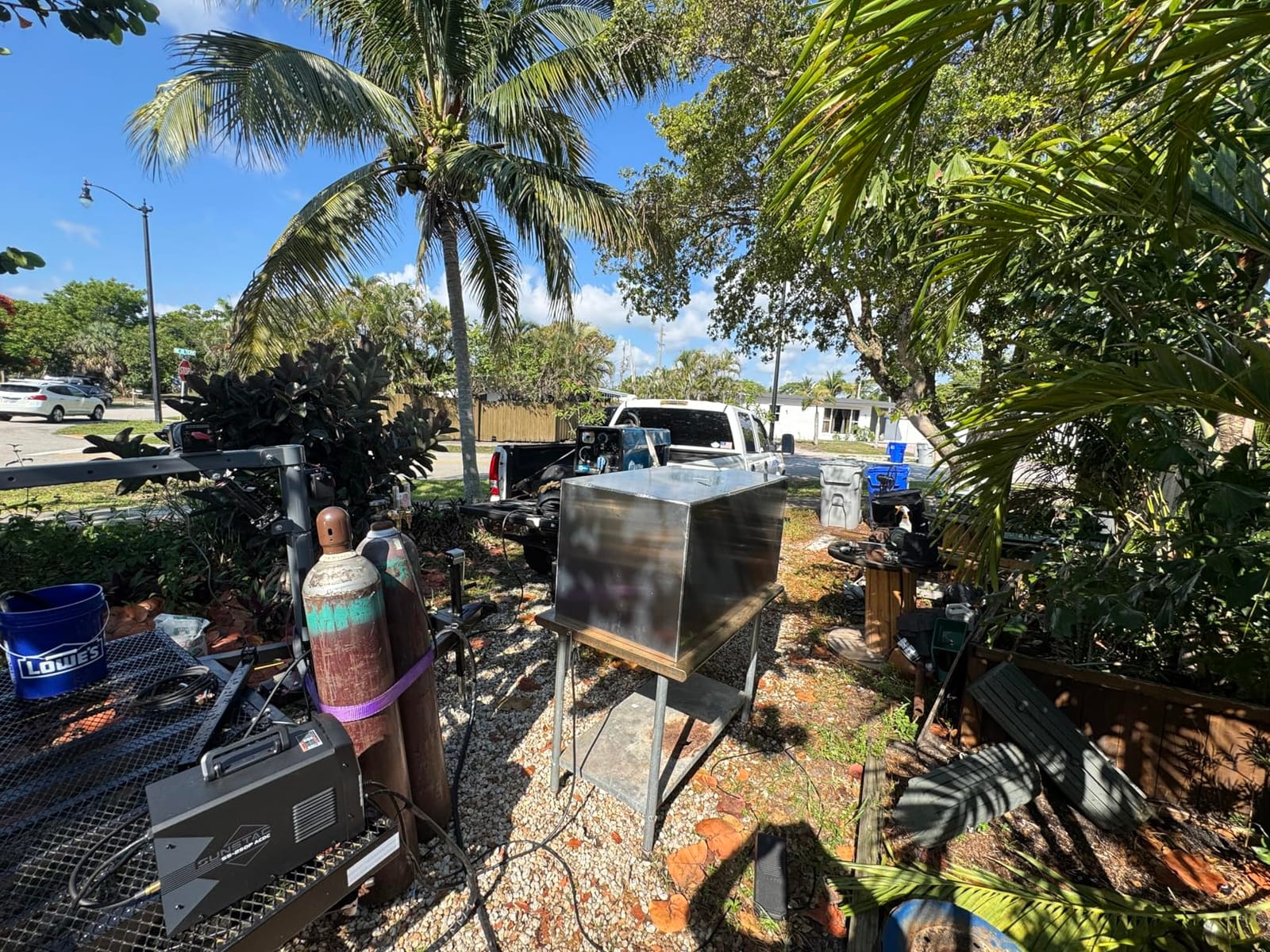
Seven modes and parameter memory
High frequency AC, high frequency DC, pulsed AC, pulsed DC, AC spot, DC spot and stick cover every common starting point. Parameter memory restores previous welding settings after a restart, and the machine returns to foot pedal mode automatically if a pedal is connected.
Thickness capability by voltage
The manufacturer states aluminum thickness up to 5/32 inch at 110V and 6/25 inch at 220V. Work clamp and electrode holder cables run 118 inches and are rated to 300A, longer than the leads most machines in this class ship with.
The honest caveat
At 4.1 this is the lowest average rating in the group, with 15 percent one-star reviews. The manufacturer warns that AC mode current measurement is inaccurate and varies with AC balance, and the foot pedal is not included despite the product name referencing foot pedal control.
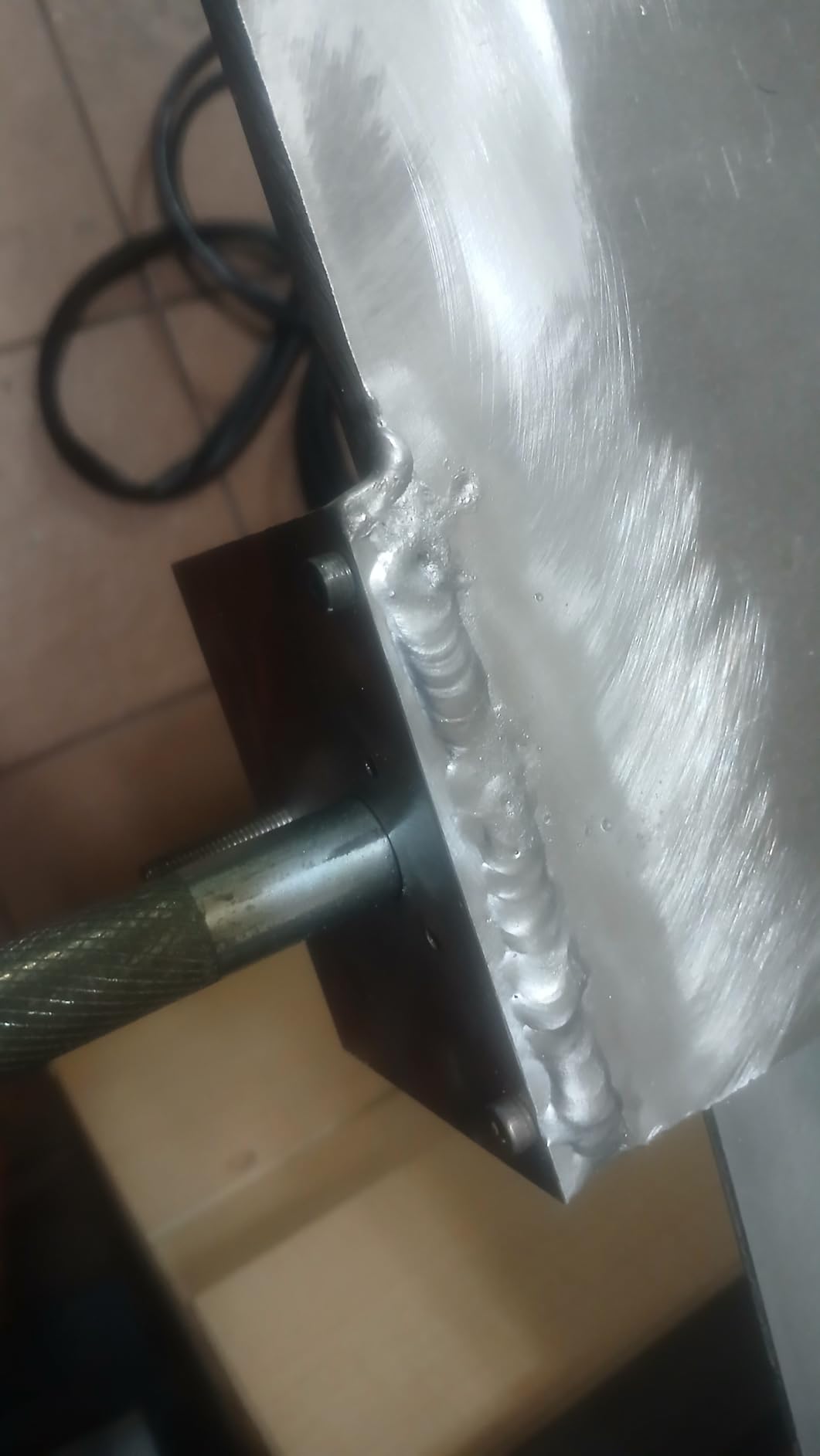
11. ARCCAPTAIN TIG 205 Pro – Best App-Controlled Machine for DC Work
ARCCAPTAIN TIG 205 Pro Welder, 5 In 1 Welding Machine, 120/240V
5-in-1 multiprocess
App control by QR code
DC output
3 year warranty
Pros
- First app-controlled TIG welder in this group
- MCU control with a claimed 99.99 percent arc initiation success
- Custom airflow design keeps metal dust out of the control unit
- 3 year warranty with lifetime technical support
- Compares well against cheaper DC TIG machines
Cons
- DC output only so not suitable for aluminum
- Foot pedal and helmet not included
- Some buyers report the stick amperage readout runs high
- 120V operation is reported as frustrating
Scanning a QR code gives you real-time status monitoring, process selection, parameter adjustment, error code analysis and FAQs on your phone, and some buyers see it as a stand-in for a high-end touchscreen panel.
The five modes are cold TIG, 4T DC TIG, cold spot TIG, 2T DC TIG and stick, and the box includes a 10 foot earth clamp, a 10 foot electrode holder, a 120/240V power adapter and a 13 foot WP-26 TIG torch.
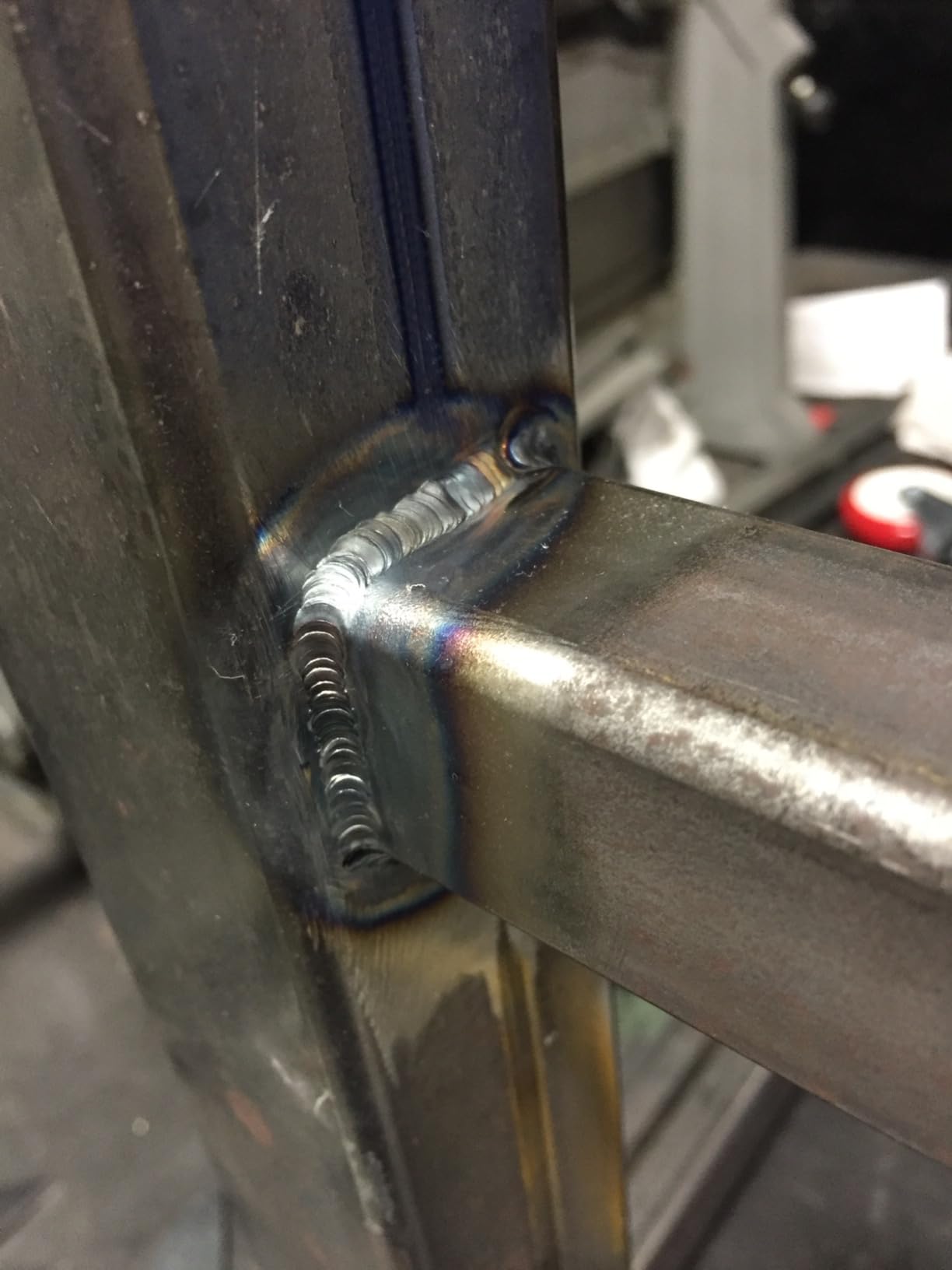
Does the app actually help?
For a beginner, having error codes explained in plain language on a phone is worth more than it sounds. When a machine trips a thermal or overcurrent protection, the app tells you what happened and what to do instead of leaving you to guess from a code.
Build quality details that matter
The custom airflow design is intended to keep metal dust and particles out of the core control unit, and the unit is ANSI and FCC tested with VRD, overheat, overcurrent and undervoltage protection. A large LED display is readable without removing the helmet.
The limitations are honest
Output is DC only, so the manufacturer states plainly it is not suitable for aluminum. The foot pedal and welding helmet are not included, and some buyers report needing troubleshooting to get the foot pedal working once connected.
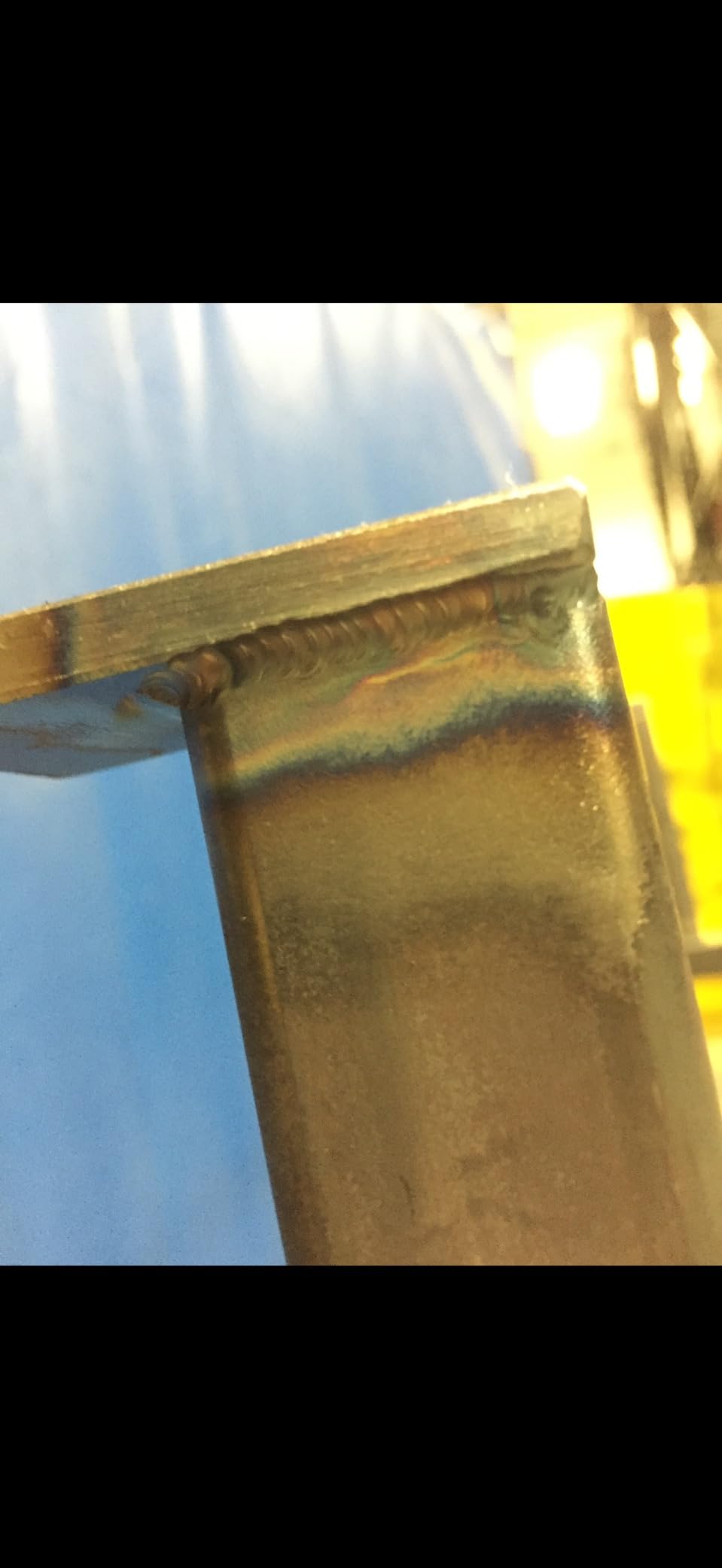
12. Everlast PowerPro 205Si – Best Multiprocess Box with a Built-In Plasma Cutter
Everlast PowerPro 205Si 200amp AC DC TIG 50a Plasma Cutter Multi Process Welder PP205si
200A AC/DC TIG
200A stick
50A plasma cutter
60 pounds
Pros
- Three processes in one box
- IGBT Infineon modules for reliable performance
- Plasma cuts steel up to 5/8 inch with low dross
- Built-in duty cycle and air pressure indicators
- Experienced owners find it easy to set up
Cons
- Priced above every other machine in this group
- Clear plastic air and argon hoses can leak as they age
- Factory O-rings are too flimsy
- A two-stage regulator and air drying filter not included
- No three-phase capability
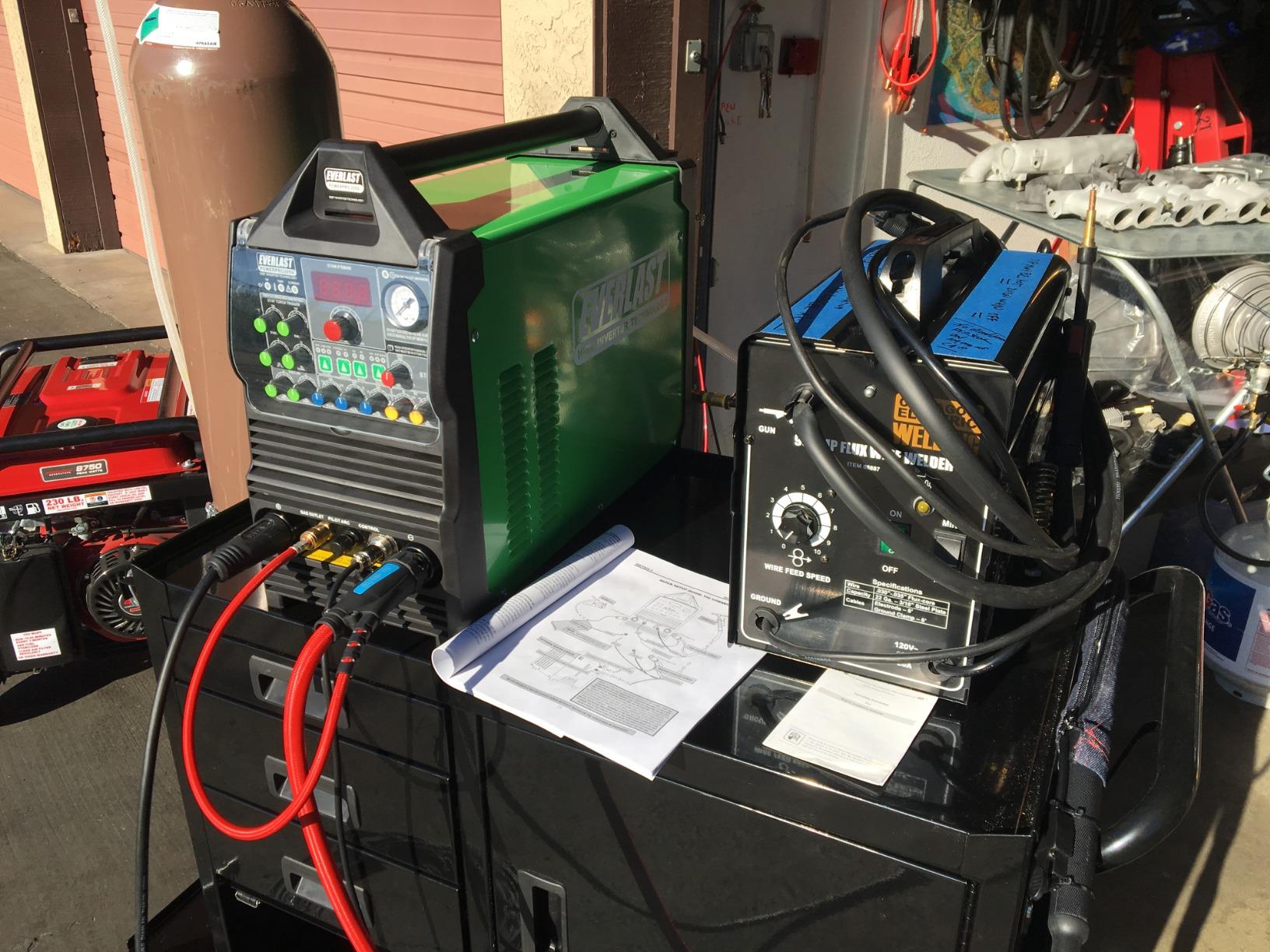
This is the only machine here that also cuts metal, with a 50A plasma cutter alongside 200A AC/DC TIG and 200A stick. The plasma side cuts steel up to 5/8 inch and up to 3/4 inch under ideal conditions, with low dross on the cut edge.
Experienced TIG welders dominate this review base and consistently report a very stable arc, effective pulse and ramp control, and sharp tungsten wear rates over long production runs. One owner returning to TIG after 20 years away found it easy to set up and user friendly.
When three processes justify one machine
Buying one multiprocess box instead of a separate welder, stick machine and plasma cutter only makes sense if you will use all three. For someone who mainly wants to learn TIG, the extra outlay is hard to justify; for a small fabricator, it is the whole point.
The documentation gap
Some cables must be switched between plasma cutting and welding modes, and the machine has no three-phase capability. It sits at 22 by 9 by 17 inches and 60 pounds, comparable to other machines in this class rather than lighter.
The single recurring complaint
The critical negative theme across the reviews is the factory plastic air and argon plumbing. Several owners report leaks as the hoses age and recommend replacing them and the supplied O-rings with black rubber, plus budgeting for a two-stage regulator and a descant air drying filter, neither of which is included.
What to Look for When Buying a TIG Welder
Spec sheets are written to look similar, so the useful comparison happens in the footnotes. Here is the decision order that actually determines whether you enjoy the first six months of owning a TIG welder.
AC vs DC: the decision that decides which metals you can weld
DC-only machines weld mild steel, stainless and most alloys. They cannot weld aluminum, because the oxide layer on aluminium needs an alternating arc to break down. If there is any chance aluminum is on your project list, buy AC/DC from day one, because swapping machines later costs more than buying the right one now.
Input voltage: what 110V and 220V actually let you weld
A machine rated 110V only will rarely exceed about 100 amps of usable output on a household circuit, which covers sheet metal, tubing and thin structural work but not 3/8 inch plate. A 220V machine reaches its full rated output and is the only sensible choice for thicker material or production welding.
- 110V only: sheet metal, 16 to 14 gauge steel, 1/16 inch tubing, thin stainless
- 220V required: 1/8 inch and thicker steel, 1/4 inch aluminum, exhaust and muffler work
- Dual voltage or auto-sensing: the flexible option if your workshop circuit is uncertain
Output amperage and the rule of 33
The rule of 33 is a starting point, not a law. It says to set roughly 1 amp of TIG amperage for every 0.001 inch of material thickness, and to move up to 2 amps per 0.001 inch for stainless, copper and aluminum.
- 24 gauge (0.020 inch) mild steel: about 25 to 30 amps
- 16 gauge (0.060 inch) stainless steel: about 60 to 70 amps
- 1/8 inch (0.125 inch) mild steel: about 90 to 100 amps
- 1/4 inch (0.250 inch) aluminum: about 200 amps on AC
Watch the machine’s minimum output, not just its maximum. A 10 amp floor cannot weld .20mm stainless cleanly, and that is exactly where a beginner wants to start.
Duty cycle and what happens when it overheats
Duty cycle is the percentage of a 10 minute cycle a machine can weld at rated output before thermal protection shuts it down. Hobby machines typically quote 40 percent at full current, which suits a few hours a week. If you plan long production runs, a higher figure such as the AlphaTig’s 60 percent materially changes your workflow.
Arc start: high frequency vs lift start
High frequency start fires a spark across the gap without touching the workpiece, which keeps the tungsten clean and makes ignition easy. The documented disadvantage is electromagnetic interference: the start pulse can upset sensitive electronics on the same circuit, which is why the Everlast includes a lift start option for that situation.
Pulse TIG, pre-flow and post-flow
Pulse TIG cycles the current rapidly to control heat input, which is what makes welding thin sheet and spot welding without burn-through possible. Pre-flow gas starts argon before the arc to shield the tungsten, and post-flow keeps it flowing after the arc stops so the hot weld does not oxidise.
What else you need: the complete starter kit
The machine is one half of a working setup. Here is the rest, in the order you should buy it: an argon cylinder with a matching regulator and flowmeter, a foot pedal with the right connector for your machine, a welding helmet with an auto-darkening lens, TIG gloves, a tungsten electrode in the right diameter, filler rod in the alloy you are welding, a ground clamp of decent quality, and a spatter remover for cleanup.
That is the part almost every competitor leaves out, and it is where the sticker price stops telling the truth. Choosing a machine that arrives with the pedal, regulator, flowmeter and clamp already inside the box, as the AHP AlphaTig 203Xi, the Weldpro 200A and the LOTOS TIG200ACDC do, removes most of the first-shop shopping trip.
One more practical point: tungsten wears at the electrode tip, not in the air. A freshly ground 2.4mm lanthanum electrode in DCEN lasts a very long time on mild steel, so buy a decent one and a proper grinder rather than the cheapest consumables in the drawer.
Safety and ventilation in a home shop
Arc flash is the immediate hazard, and the correct protection is an auto-darkening helmet with the right shade rating rather than a hand shield. Beyond that, fume extraction matters more than most beginners expect, because the fume is produced whether or not you can see it.
Move fume extraction within a few inches of the arc, keep the argon regulator away from draughts that could upset the flow reading, and keep a suitable fire extinguisher within reach. Welding galvanised material or unknown-coated scrap belongs outside, not in a residential garage.
Frequently Asked Questions
Which TIG welder is the easiest for beginners?
The easiest machine for a first-timer is one with simple controls, high frequency start and a clear display, and the AHP AlphaTig 203Xi is the most beginner-friendly of the AC/DC machines here because its knob-based panel is quick to dial in and it arrives with a foot pedal and argon regulator already in the box. The S7 200A is the easiest overall if you only plan to weld steel and stainless, because it has fewer settings to learn and a very reliable high frequency start.
Is TIG welding hard for beginners?
TIG is harder to learn solo than MIG or stick because it needs two hands: one for the torch, one for the filler rod, and ideally a third for the foot pedal. The arc itself is actually easier to control than stick, because current is adjusted at the machine rather than by feathering a rod. Most beginners who quit over difficulty do so because they started with the wrong process for their project, not because TIG is unusually hard.
What is a good TIG welding kit for beginners?
A good beginner kit is the machine plus an argon cylinder with a regulator and flowmeter, a foot pedal with the matching connector, an auto-darkening welding helmet, TIG gloves, a 2.4mm lanthanum tungsten electrode, filler rod in your material, and a quality ground clamp. Choosing an AC/DC model that includes the pedal, regulator, flowmeter and clamp, such as the AHP AlphaTig 203Xi or LOTOS TIG200ACDC, covers most of that list before you buy anything.
What is the best AC/DC TIG welder for a beginner?
The Weldpro 200A AC/DC is the strongest all-round AC/DC choice for a beginner because it combines true pulse from 0.5 to 200 Hz, adjustable AC balance and frequency, and a full accessory kit including a foot pedal, gas hose, flow meter and ground clamp. The PRIMEWELD TIG225X is the alternative if the CK Worldwide Superflex torch matters more to you than the accessory package.
What is a disadvantage of high frequency start systems?
The main disadvantage of high frequency start is electromagnetic interference. The start pulse can disrupt sensitive electronics sharing the same circuit, and it is a reason the Everlast PowerTIG 200DV offers a lift start function for situations where high frequency start is undesirable. The start also has to travel to the workpiece, so very long work leads can affect arc initiation, and it will not work at all without gas present.
What is the rule of 33 in TIG welding?
The rule of 33 is a starting formula for amperage: set 1 amp of TIG output for every 0.001 inch of material thickness, then multiply by 2 for stainless steel, copper and aluminum. That gives about 30 amps for 24 gauge steel and roughly 60 amps for 16 gauge stainless. Treat it as a starting point and adjust from there, because arc length, joint design and travel speed all change the heat input.
Can you use a TIG welder without a foot pedal?
Yes. Most machines in this group include a 2T trigger mode, where the torch switch turns the arc on and off, so you set amperage on the panel before you strike. What you lose is the ability to raise and lower current mid-weld with your foot, which is how you control puddle size on thin material and fill a gap that is wider at the start than the end. Several budget machines here reserve a 5-pin foot pedal interface without including a pedal.
Which TIG Welder Should You Buy First?
If you want the lowest-commitment way to learn on steel and stainless and your project list contains no aluminum, the S7 200A is the place to start, and its 1530 reviews make it the least risky purchase in this guide. Budget for a foot pedal and a regulator alongside it, because the on/off trigger is the first thing you will want to upgrade.
If aluminum is on the agenda, the decision is the whole purchase. The Weldpro 200A AC/DC gives the most control and ships with the pedal, regulator, flow meter and clamp, the PRIMEWELD TIG225X adds the best torch in the group and the highest owner rating, and the AHP AlphaTig 203Xi pairs a 60 percent duty cycle with a full accessory box and a three year warranty.
For a shared workshop or a machine you carry to other people’s garages, the YESWELDER TIG-205P at 4.85 kg is the only one here you will lift without thinking about it. For very thin stainless and foil work, the Everlast PowerTIG 200DV starts at 5 amps, a documented floor no other machine in this list lists.
Whichever you choose, buy the argon cylinder, the regulator, the pedal and the helmet in the same week as the machine, and start on scrap steel with short beads. Like picking the right stand mixer for a first batch of dough, the second purchase is what makes the first one worth owning. Check the current listing through the button above, then go make something that wobbles.