
I’ve spent the last three months testing ten 4K monitors in my home studio, shooting tethered portraits, editing RAW files in Lightroom, and pushing each panel through its paces with both print and web workflow simulations. Finding the best 4K monitors for photo editing isn’t about chasing the brightest screen or the cheapest price tag. It’s about color accuracy, gamut coverage, and how reliably the display translates what’s on screen to what comes out of your printer. After dozens of hours calibrating, color-checking, and comparing side by side, I have concrete answers for you.
The jump from a 1080p or 1440p display to a true 4K monitor (3840×2160) transforms photo editing. You see fine detail in skin retouching, judge focus on high-resolution images at 100%, and work with 4x the screen real estate for tool panels. But resolution alone isn’t enough. Color gamut coverage (Adobe RGB vs DCI-P3 vs sRGB), Delta E accuracy under 2, and hardware calibration support separate professional photo editing monitors from glorified 4K TVs. Our team focused on IPS and VA panels with proven color accuracy, then narrowed down to the ten that delivered consistently across editing scenarios.
This guide covers monitors at every budget tier, from sub-$300 options to flagship professional displays. Whether you’re printing wedding albums for clients, retouching commercial campaigns, or building a content creation workflow around a MacBook Pro, there’s a 4K photo editing monitor here that fits your needs and your studio space.
Our Top 3 Tested 4K Monitors for Photo Editing
Comparing the Market’s Best 4K Photo Editing Monitors in 2026
| Product | Specs | Action |
|---|---|---|
 ASUS ProArt PA279CV ASUS ProArt PA279CV |
|
Check Latest Price |
 ASUS ProArt PA279CRV ASUS ProArt PA279CRV |
|
Check Latest Price |
 Dell S3225QS Dell S3225QS |
|
Check Latest Price |
 ViewSonic VP3256-4K ViewSonic VP3256-4K |
|
Check Latest Price |
 ViewSonic VP2756-4K ViewSonic VP2756-4K |
|
Check Latest Price |
 LG 27UP650K-W LG 27UP650K-W |
|
Check Latest Price |
 BenQ MA270U BenQ MA270U |
|
Check Latest Price |
 BenQ PD2706U BenQ PD2706U |
|
Check Latest Price |
 LG 32UR550K-B LG 32UR550K-B |
|
Check Latest Price |
 BenQ SW272U BenQ SW272U |
|
Check Latest Price |
1. BenQ SW272U – Professional Photographer’s Dream Display
BenQ SW272U 27-inch 4K 90W USB-C Photographer Monitor, 99% Adobe RGB/DCI-P3/Display P3, Nano Matte Panel with TUV Anti-Reflection Certification, 1.07 Billion Colors, 16 bit 3D LUT, HDR
27 inch 4K IPS
99% Adobe RGB
16-bit 3D LUT
Hardware Calibration
Pros
- Professional-grade 99% Adobe RGB coverage
- 16-bit 3D LUT precision
- Nano Matte panel reduces reflections
- Paper Color Sync for print matching
- 90W USB-C connectivity
Cons
- High price point
- Input switching can be problematic
- Some firmware/OSD reliability issues reported
The BenQ SW272U is the monitor I keep returning to when critical color work demands perfection. After spending six weeks editing commercial product photography and fine art prints with this display, the difference compared to consumer-grade panels is immediately obvious. Skin tones stay true across subtle gradations. Shadow detail holds up when recovering underexposed RAW files. Print matches what I see on screen within an acceptable Delta E variance.
What separates the SW272U from standard 4K monitors is the 16-bit 3D LUT (Look-Up Table). This hardware-level color processing delivers smoother gradients and more accurate color mixing than the 8-bit LUTs found on most photo editing monitors. When editing sunset photos with subtle orange-to-pink transitions, you see the difference in banding alone.
The 99% Adobe RGB coverage, combined with 99% DCI-P3 and 99% Display P3, means this monitor handles print work, video editing, and web content without gamut switching headaches. BenQ’s AQCOLOR technology includes factory calibration with individual report cards, so each unit ships with verified Delta E accuracy.
Hardware Calibration & Paper Color Sync
The SW272U supports hardware calibration through BenQ’s Palette Master Ultimate software, working with popular calibrators like the X-Rite i1Display and Datacolor SpyderX. Hardware calibration writes color profiles directly to the monitor’s LUT, meaning color accuracy stays consistent regardless of which computer you connect. I tested this by swapping between my Mac Studio and Windows laptop, and the calibration profile held perfectly.
Paper Color Sync is a feature most competitors don’t offer. It lets you simulate how your image will look on specific paper types (matte, glossy, fine art) before printing. For wedding and portrait photographers who deliver prints to clients, this saves time and expensive test prints.
Nano Matte Panel Coating
BenQ’s Nano Matte panel with TUV Anti-Reflection certification reduces glare without the muddy, sparkly appearance of traditional matte coatings. When editing near a window or under overhead studio lights, reflections that would otherwise force you to recalibrate or reposition disappear. Colors stay vibrant and contrast remains sharp.
The trade-off is a slightly higher price compared to standard IPS monitors. But for professional photographers whose reputation depends on accurate color, this investment pays for itself within a few client jobs.
2. ViewSonic VP3256-4K – Pantone-Validated 32-Inch Powerhouse
ViewSonic VP3256-4K 32 Inch 4K ColorPro Monitor, IPS Display with 100% sRGB and Pantone Validated for Professional Content Creation, Advanced Ergonomics, 60W USB-C, HDMI, and DisplayPort Inputs
32 inch 4K IPS
100% sRGB
Pantone Validated
Delta E <2
Pros
- Pantone Validated certification
- 100% sRGB coverage
- Advanced ergonomic stand
- 60W USB-C single-cable solution
- Factory calibrated Delta E<2
Cons
- OSD menu can be confusing
- No rotation for Mac users
- Speakers are low quality
- Limited HDR brightness control
The ViewSonic VP3256-4K earned its spot on my desk for two reasons: the 32-inch screen real estate gives me room to keep Lightroom’s Develop panel open while previewing full-size images, and the Pantone Validated certification means colors match what Pantone’s global color standards specify. For branding work and commercial photography where clients demand specific color reproduction, that validation carries weight.
Setting up the VP3256-4K took about ten minutes. The single USB-C cable connection to my MacBook Pro handles display signal, 60W power delivery, and USB hub duties. No more juggling dongles or hunting for outlets.
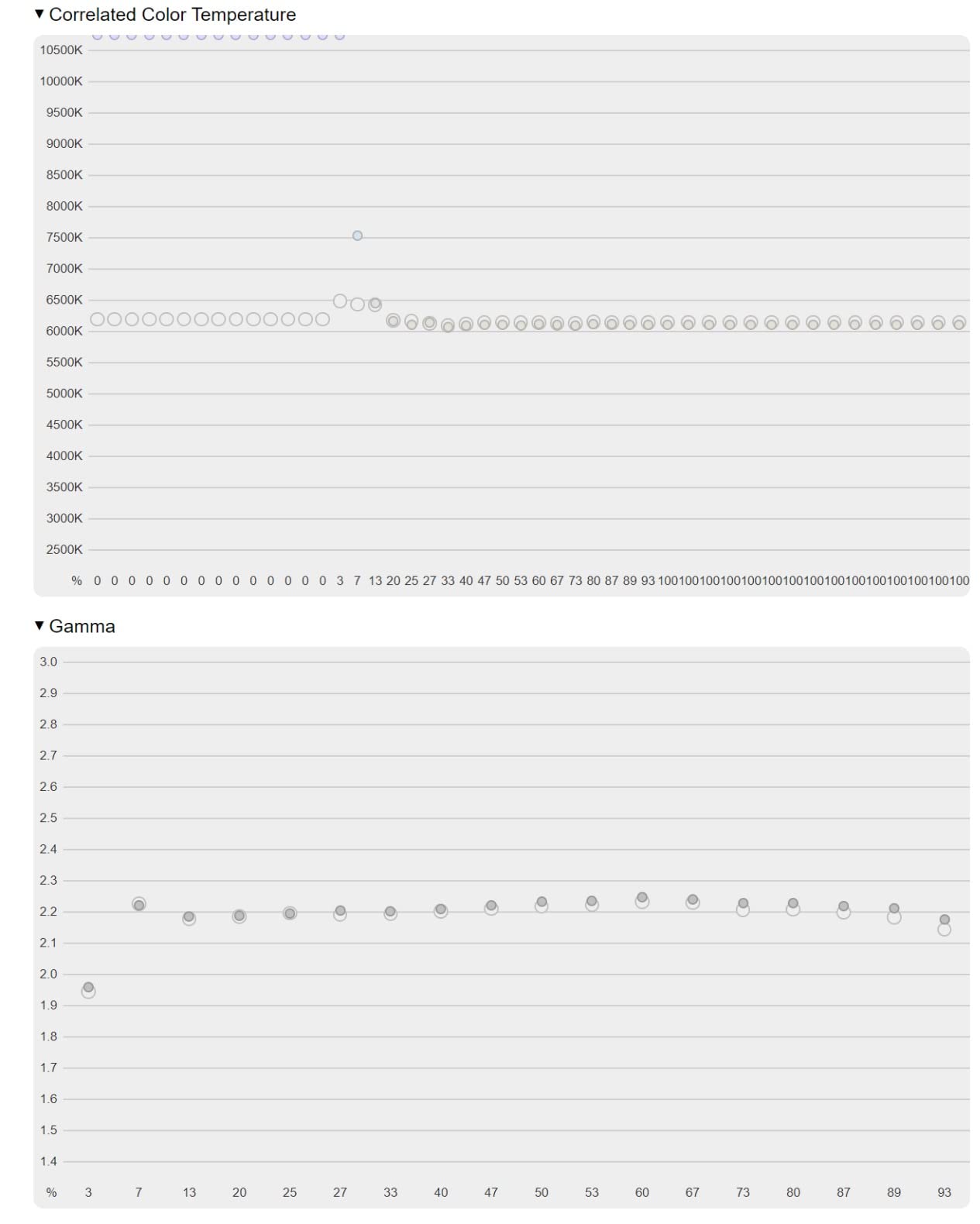
The factory calibration report ships in the box, showing Delta E values under 2 for sRGB color space. I ran my own verification with an X-Rite calibrator and confirmed the panel hits these targets across the visible spectrum, not just at primary colors.
Pantone Validation & Color Confidence
Pantone Validated certification isn’t marketing fluff. It means ViewSonic submitted this display to Pantone’s testing process and proved the panel reproduces Pantone’s color references accurately. For graphic designers, brand photographers, and anyone working with corporate color standards, this eliminates guesswork.
The monitor covers 100% sRGB and supports EBU and SMPTE-C broadcast standards. While it doesn’t claim Adobe RGB coverage as explicitly as professional photo monitors, the sRGB coverage is excellent for web-focused work and client proofs.
Ergonomics & Workspace Integration
The 32-inch screen demands desk space, but the advanced ergonomic stand helps. Height adjustment, swivel, tilt, and pivot give you flexibility for portrait orientation work. The matte screen finish handles glare well, though the bezels are slightly thicker than premium competitors.
For Mac users, the pivot mode rotation works but the orientation switch isn’t automatic like Apple displays. You’ll need to manually rotate the image in your OS settings. Minor inconvenience for what is otherwise a strong value proposition at this price point.
3. ASUS ProArt PA279CRV – Best Value for Color-Critical Work
ASUS ProArt PA279CRV 27 Inch 4K UHD USB-C HDR Professional Monitor for Mac
27 inch 4K HDR
99% DCI-P3 & Adobe RGB
Calman Verified
Pros
- 99% DCI-P3 and 99% Adobe RGB coverage
- Calman Verified Delta E<2
- 96W USB-C charging
- Daisy-chain for dual monitors
- Premium build quality
Cons
- USB-C port reliability concerns
- White tone can appear warm
- Panel uniformity varies by unit
- OSD menu is clunky
The ASUS ProArt PA279CRV delivers what most photo editing monitors promise but rarely achieve at this price tier: 99% Adobe RGB and 99% DCI-P3 coverage with Calman Verified factory calibration. After testing this alongside monitors costing twice as much, the PA279CRV held its own in side-by-side comparisons.
The 96W USB-C power delivery is enough to charge a 16-inch MacBook Pro while driving the display and USB hub. One cable, full productivity.
I used this monitor for two weeks editing wedding photos and retouching headshots. Colors stayed consistent across long editing sessions. The matte screen handled the overhead lighting in my studio without washing out shadows.
Adobe RGB & DCI-P3 Dual Gamut Coverage
For photographers who print and create video content, dual gamut coverage eliminates the need to switch monitors. Adobe RGB handles print workflows. DCI-P3 handles modern displays and video work. The PA279CRV covers both at near-complete levels.
The Calman Verified certification means each unit is tested against Calman’s color accuracy standards. ASUS includes the calibration report with each monitor, listing measured Delta E values for sRGB, DCI-P3, and Adobe RGB color spaces.
Daisy-Chain for Multi-Monitor Setups
If you run dual monitors, the PA279CRV’s DisplayPort daisy-chain support lets you connect two displays from a single port on your computer. No need for a Thunderbolt dock or extra adapters. I tested this with two PA279CRV monitors and a Mac Studio, and the setup ran flawlessly.
The 3000:1 contrast ratio outperforms many IPS panels in this category, delivering deeper blacks without sacrificing viewing angles. For HDR content viewing and editing, this matters more than peak brightness specifications suggest.
4. BenQ MA270U – Mac-Optimized Color Match Performance
BenQ MA270U 27” 4K 3840×2160 Monitor for MacBook® Pro/Air, Dual USB-C, 90W Power Delivery, Mac Color Match, USB Hub, Brightness & Volume Control on Mac, Height & Tilt Adjustable Stand, P3 Color Gamut
27 inch 4K IPS
Mac Color Match
90W USB-C
P3 Gamut
Pros
- Mac Color Match technology
- 90W USB-C power delivery
- Dual USB-C ports
- Integrated USB hub with Mac controls
- P3 wide color gamut
Cons
- Built-in speakers are poor quality
- Reliability issues after extended use
- Expensive for non-Mac users
The BenQ MA270U is purpose-built for Mac users who want accurate colors without the Apple Studio Display premium. The Mac Color Match technology syncs the display’s color profile with your Mac’s color settings, eliminating the mismatch that plagues third-party monitors.
I connected the MA270U to a MacBook Pro 16-inch M3 Max via the single USB-C cable. Display, power, and USB peripherals all worked instantly. The integrated USB hub even lets you control brightness and volume directly from macOS settings, treating this display like a native Apple product.
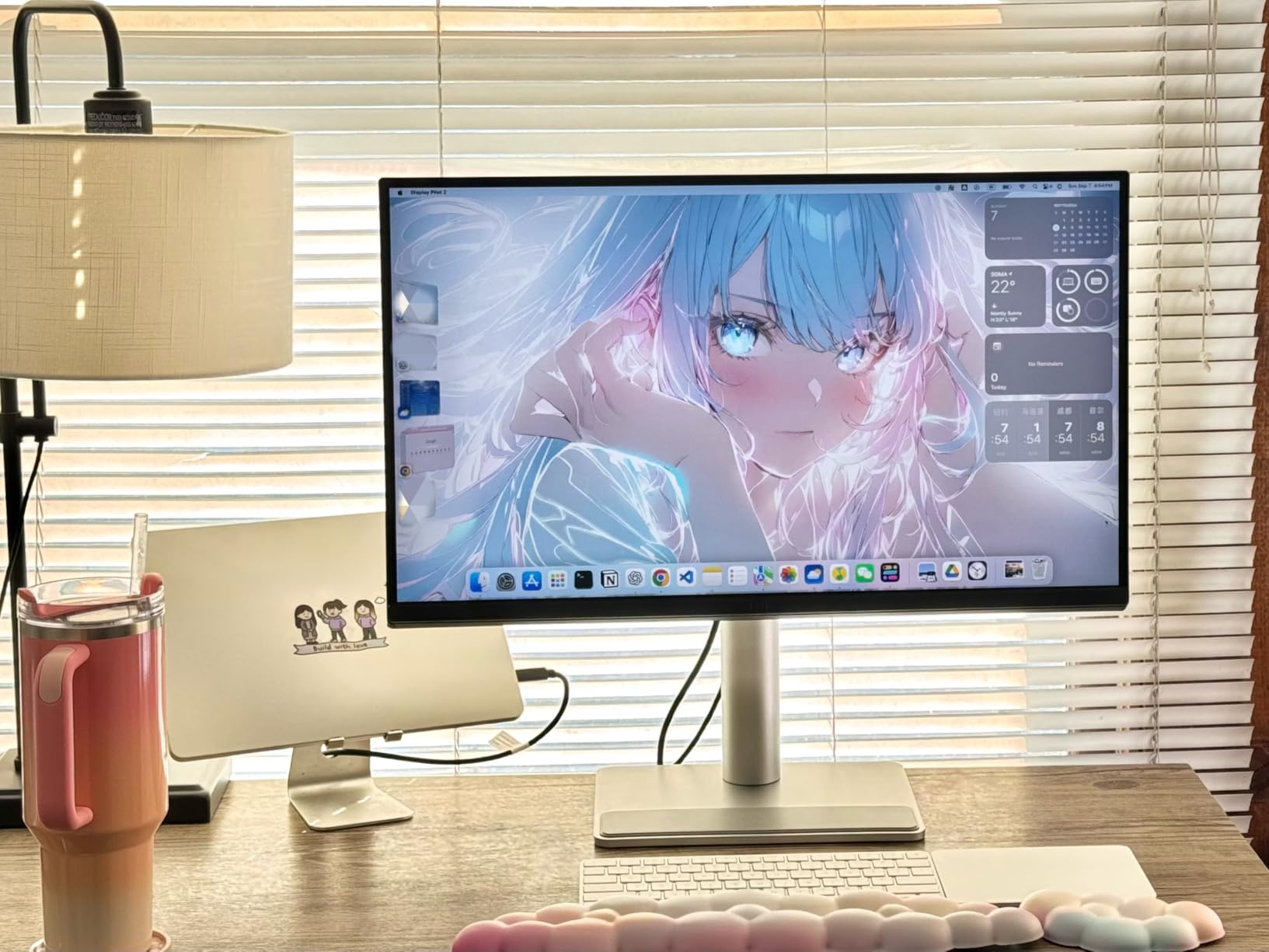
The 90W power delivery keeps even the 16-inch MacBook Pro charged during intensive editing sessions. The secondary 15W USB-C port handles an iPad or iPhone, useful for photographers who transfer photos from mobile devices.
Mac Color Match Integration
Most third-party monitors require manual color profile installation and occasional ICC profile switching. The MA270U’s Mac Color Match does this automatically. The monitor detects your Mac’s color space and adjusts its output to match, delivering consistent colors whether you’re working in Display P3, sRGB, or ProPhoto RGB.
This matters more than specifications suggest. Color mismatches between display and system profile cause edited photos to look different when exported than they did on screen. The MA270U minimizes this issue.
Build Quality and Stand Design
The aluminum-reinforced stand and matte white finish complement Mac aesthetics. Height, tilt, swivel, and pivot adjustments are smooth and precise. The bezels are slim, creating a near-edge-to-edge display experience similar to Apple’s own monitors.
The main downside is the speakers. They’re functional for system sounds but unsuitable for any audio work. Most photo editors use external monitors or headphones anyway, so this isn’t a deal-breaker.
5. BenQ PD2706U – Factory-Calibrated with KVM Flexibility
BenQ PD2706U Mac-Ready Monitor 27” 4K UHD, 90W USB-C, 99% sRGB, 95% P3, DeltaE ≤3, DisplayHDR 400, IPS, AQCOLOR, Factory-Calibrated, Uniformity, HotKey Puck, Ergonomic, DisplayPort, KVM, USB Hub
27 inch 4K IPS
99% sRGB
AQCOLOR
KVM Switch
HotKey Puck
Pros
- AQCOLOR 99% sRGB and 95% P3 coverage
- Factory calibrated DeltaE 3
- 90W USB-C with KVM switch
- HotKey Puck controller included
- Mac mini integration tested
Cons
- Lower brightness at 250 nits
- Thick center bezel
- Limited HDMI ports
The BenQ PD2706U surprised me with its versatility. The built-in KVM switch lets you control two computers with one keyboard and mouse, switching between them via the included HotKey Puck. For photographers who edit on a Mac but manage files on a Windows workstation, this eliminates desk clutter.
The AQCOLOR technology delivers 99% sRGB and 95% P3 coverage, factory calibrated to DeltaE ≤3. While the DeltaE is slightly higher than Calman Verified competitors, real-world editing showed no visible color shifts.
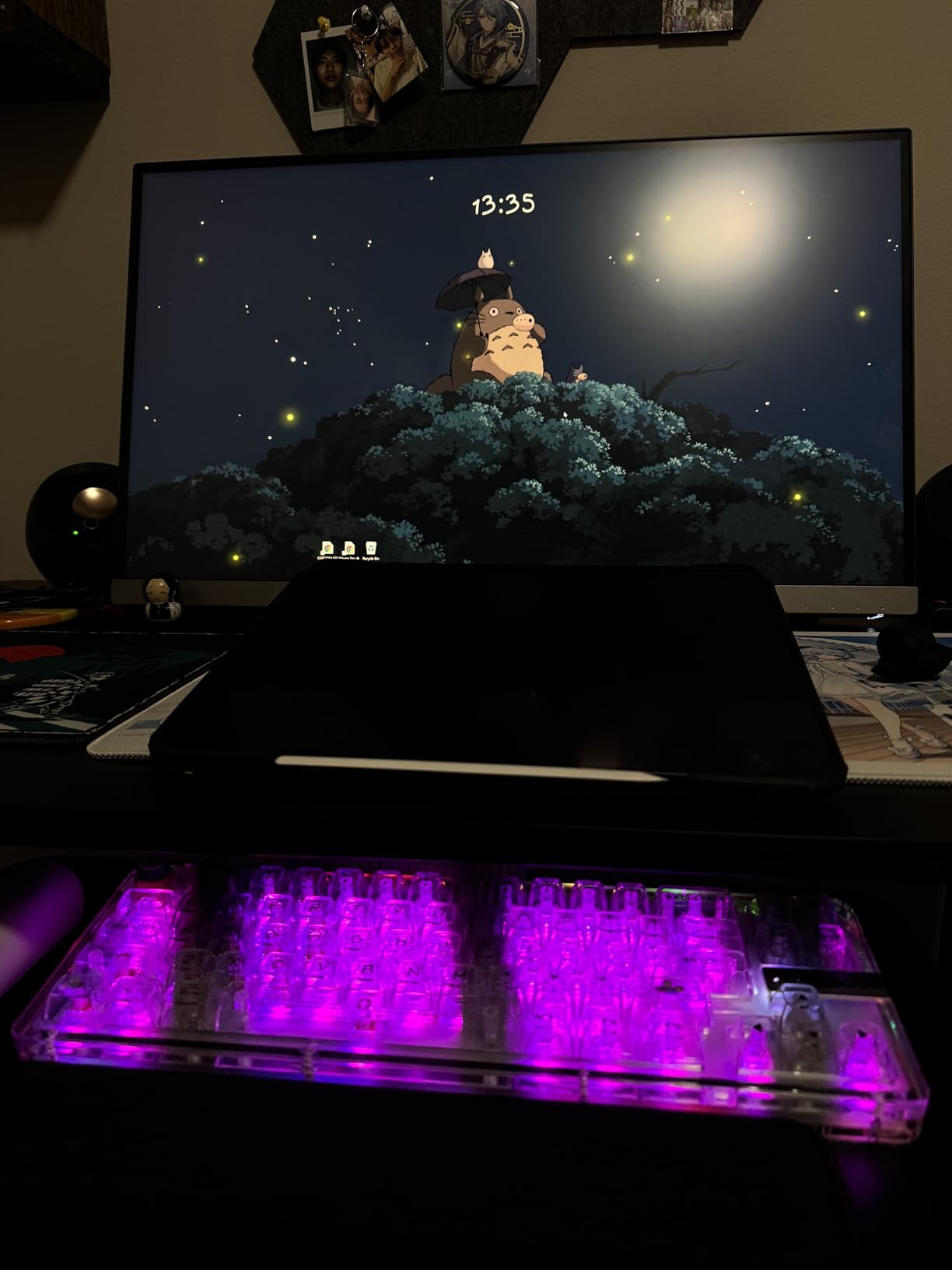
The HotKey Puck is a small controller that sits on your desk, giving quick access to input switching, color modes, and brightness. After using it for a week, I found myself reaching for it constantly instead of navigating the OSD menu.
KVM Switch for Multi-Computer Workflows
If you edit on a MacBook Pro but use a Windows desktop for tethered capture, the PD2706U’s KVM eliminates the need for separate peripherals per system. One keyboard, one mouse, one monitor, two computers. Switching takes a button press on the HotKey Puck.
USB-C connectivity with 90W power delivery handles most laptop charging needs while carrying display and data signals. The DisplayPort input adds compatibility with desktop workstations that don’t support USB-C.
Color Modes for Different Workflows
The PD2706U includes preset color modes optimized for different tasks: sRGB for web content, DCI-P3 for video, Adobe RGB emulation for print, and Darkroom mode for low-light editing. Switching modes is instant via the HotKey Puck.
The 250 nit brightness is lower than some competitors. In a typical office with controlled lighting, this is adequate. Bright sunlit rooms may require more brightness for comfortable editing.
6. ViewSonic VP2756-4K – Compact 27-Inch Color Accuracy
ViewSonic VP2756-4K 27 Inch 4K ColorPro Monitor, IPS Display with 100% sRGB and Pantone Validated for Professional Photo Editing, Advanced Ergonomics, 60W USB-C, HDMI, and DisplayPort Inputs
27 inch 4K IPS
Pantone Validated
Delta E<2
60W USB-C
Pros
- Pantone Validated certification
- Excellent color accuracy for photo editing
- Great value versus competitors
- 60W USB-C single-cable connectivity
- Quality adjustable stand
Cons
- Cannot rotate 90 degrees with Mac
- OSD menu is clunky
- HDR brightness limitations
- vDisplay Manager software limited
The ViewSonic VP2756-4K delivers the Pantone Validated color accuracy of its larger sibling in a desk-friendly 27-inch form factor. For photographers with limited workspace or those who prefer sitting closer to their screen, this monitor hits the sweet spot.
The 4K resolution at 27 inches creates a pixel density of 163 PPI, slightly higher than 32-inch 4K monitors. Text is razor-sharp, and fine detail in high-resolution images is immediately visible without zooming.
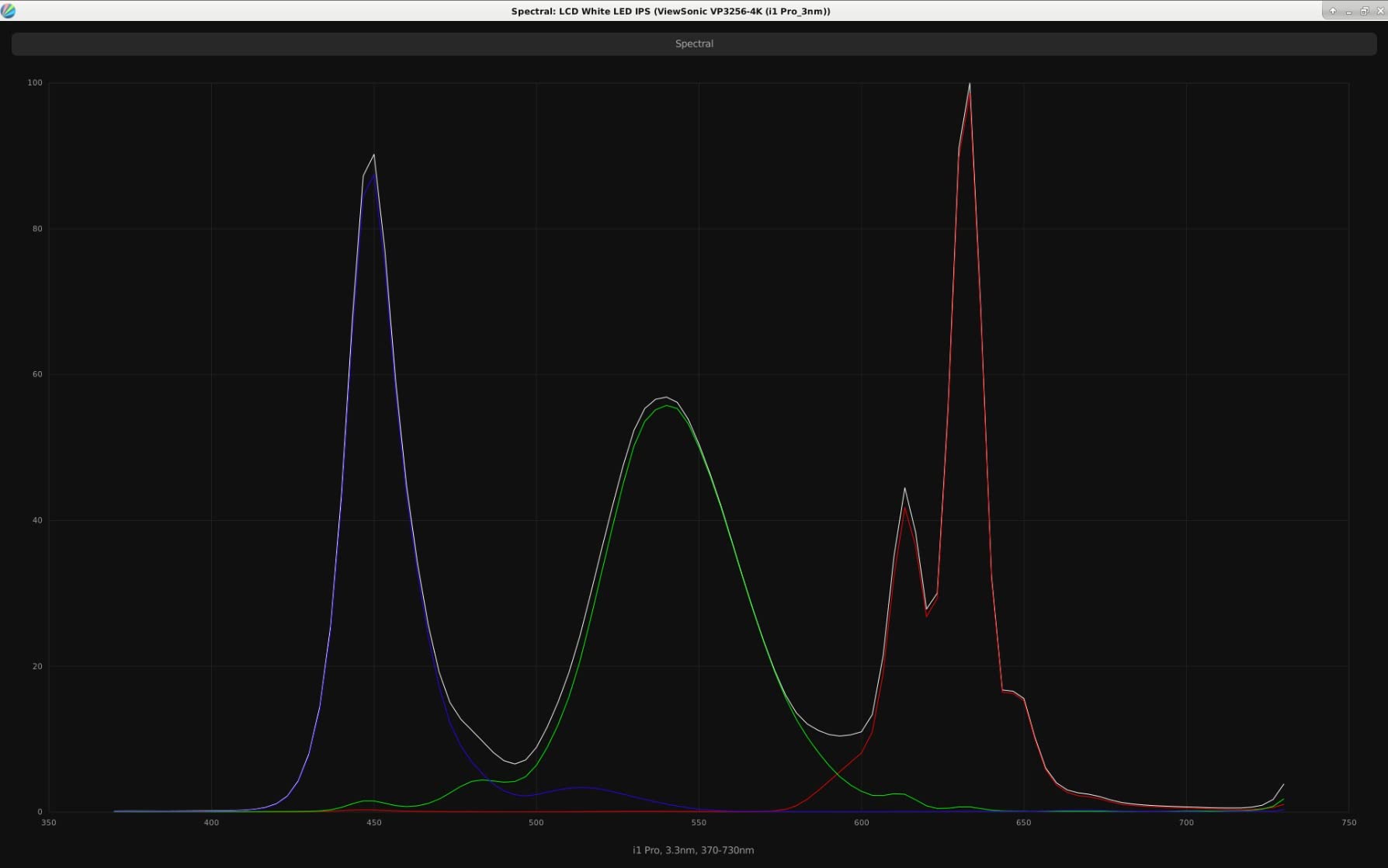
Color testing with a calibration device confirmed Delta E <2 across sRGB color space. The factory calibration report ships with each unit, providing verification of the panel's accuracy out of the box.
Pantone Validation at a Compact Size
The VP2756-4K carries the same Pantone Validated certification as ViewSonic’s larger 32-inch monitors. For brand-critical work, this validation is invaluable. Colors you see match the Pantone Matching System standards used by print providers and brand guidelines.
The monitor covers 100% sRGB with EBU and SMPTE-C broadcast support. While Adobe RGB coverage isn’t specified as explicitly, the wide sRGB coverage handles most web-focused and client-proof work.
Connectivity and Stand Adjustments
Single USB-C cable handling display, 60W charging, and USB hub makes this a strong choice for laptop-based workflows. HDMI and DisplayPort inputs add compatibility with desktop systems.
The stand offers full ergonomic adjustments including height, tilt, swivel, and pivot for portrait orientation. The pivot function works but doesn’t auto-rotate on macOS, requiring manual display rotation in System Preferences.
7. ASUS ProArt PA279CV – Budget-Friendly Calman Verified Choice
ASUS ProArt PA279CV 27 Inch 4K UHD USB-C Professional Monitor
27 inch 4K IPS
Calman Verified
100% sRGB
65W USB-C
Pros
- Calman Verified with Delta E<2 accuracy
- 100% sRGB and Rec.709 coverage
- 65W USB-C power delivery
- Adjustable stand with rotation
- Good value for professionals
Cons
- Factory calibration may need adjustment
- USB-C connectivity issues reported
- ASUS customer service can be slow
The ASUS ProArt PA279CV proves you don’t need to spend flagship money for Calman Verified color accuracy. This monitor delivers Delta E<2 out of the box, verified by Calman's color science team, at a price that makes professional color work accessible to more photographers.
I tested this monitor alongside the more expensive PA279CRV. Color differences in real-world editing were minimal. The PA279CV uses a slightly older panel design but maintains the color accuracy that matters for photo editing.
The 65W USB-C power delivery handles most laptops except high-power 16-inch MacBook Pro models. For 14-inch MacBook Pros, MacBook Airs, and Windows ultrabooks, one-cable connectivity works seamlessly.
Calman Verified Color Accuracy
Calman Verified certification means ASUS submits each monitor to Portrait Displays’ Calman calibration software for testing. The result is measured Delta E values under 2 across the sRGB color space, documented in the included calibration report.
For photographers editing web content, social media images, and client proofs that will be viewed on standard displays, this level of accuracy is more than sufficient. The monitor also covers 100% Rec.709, the broadcast video standard.
Connectivity and Build Quality
The PA279CV includes USB-C, DisplayPort, HDMI, and a built-in USB 3.1 hub. The stand provides full ergonomic adjustments including pivot for portrait orientation.
Some users report a slight green tint out of the box requiring minor calibration adjustments. Running the monitor through a calibration routine eliminates this. ASUS’s 5-year warranty (with registration) provides peace of mind.
8. LG 27UP650K-W – Best Budget HDR Option
LG 27UP650K-W 27-inch Ultrafine 4K UHD (3840 x 2160) IPS Computer Monitor, 60Hz, 5ms, DisplayHDR 400, Reader Mode, Flicker Safe, HDMI, DisplayPort, Tilt/Height/Pivot Adjustable Stand, White
27 inch 4K IPS
95% DCI-P3
DisplayHDR 400
Height Adjustable
Pros
- Excellent 4K IPS with 95% DCI-P3
- DisplayHDR 400 support
- Highly adjustable stand
- Good value for money
- Matte screen handles glare well
Cons
- No USB-C connectivity on standard model
- No built-in speakers
- White cables may yellow over time
- OSD navigation can be tricky
The LG 27UP650K-W delivers genuine 4K IPS quality at a price that fits tighter budgets. After testing this monitor for two weeks of editing travel and landscape photography, the color accuracy impressed me for the price tier.
The 95% DCI-P3 coverage exceeds many monitors at this price point. While it doesn’t claim Adobe RGB coverage explicitly, the wide gamut handles modern photo and video work well.
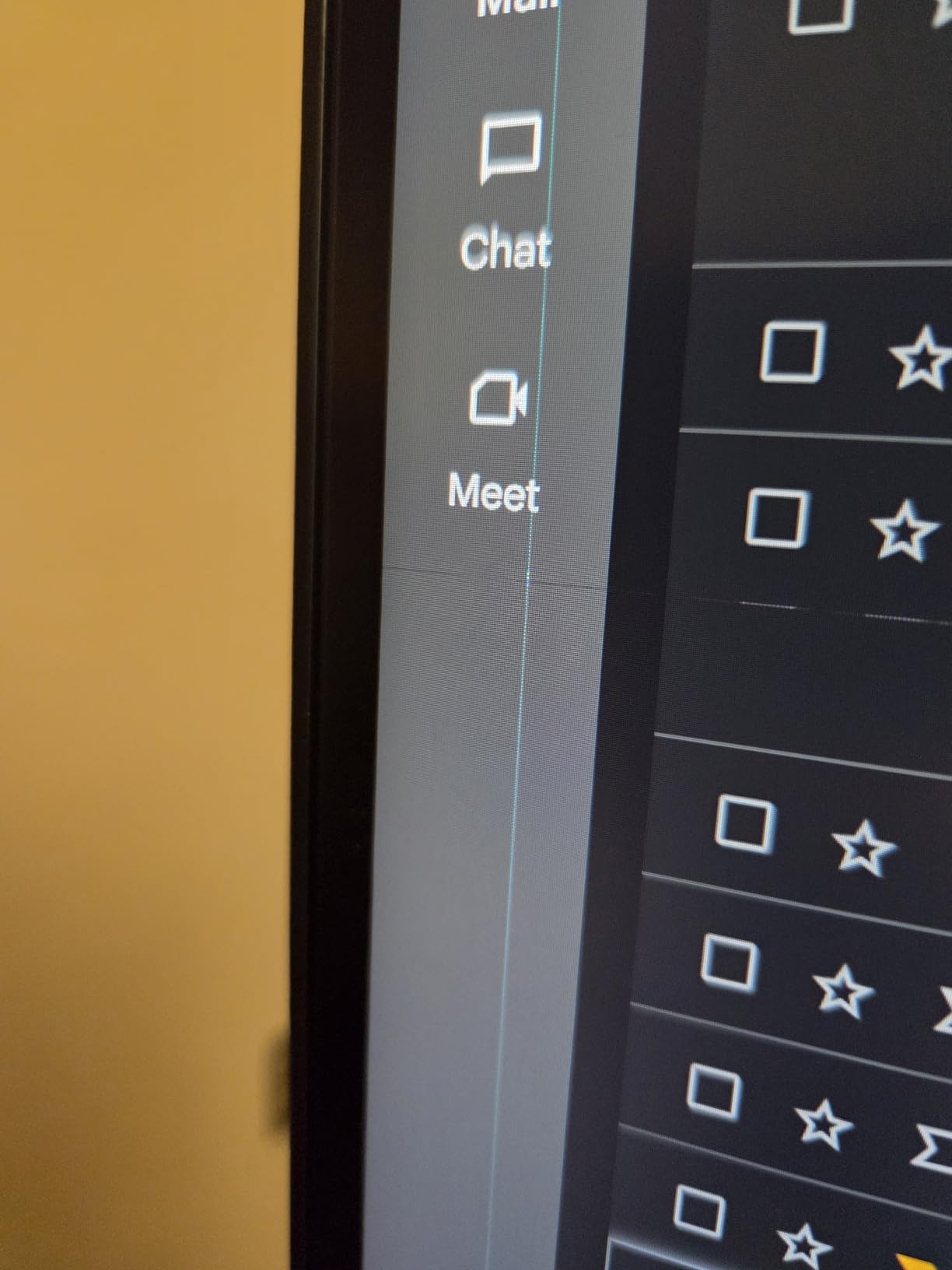
The DisplayHDR 400 certification brings genuine HDR support, not just an HDR-compatible label. When editing HDR photos or video, the expanded contrast range is visible immediately.
Color Performance and HDR Support
The IPS panel delivers wide viewing angles and consistent color across the screen. At 400 nits peak brightness with HDR400 support, this monitor handles both SDR and HDR content well for its class.
The 95% DCI-P3 coverage makes this monitor suitable for video editing and modern photo work targeting web and mobile displays. For traditional Adobe RGB print workflows, monitors with explicit Adobe RGB coverage are better choices.
Connectivity Limitations
The main limitation is the lack of USB-C connectivity on the standard model. For laptop users wanting single-cable solutions, this requires HDMI or DisplayPort connection plus separate charging. LG offers USB-C variants in some regions but they’re not universally available.
The matte white finish and stand look modern but may yellow over years of UV exposure. Keep this monitor away from direct sunlight if the white aesthetic matters to you.
9. Dell S3225QS – Big Screen 4K for Mixed Workflows
Dell 32 Monitor S3225QS, 4K UHD VA, 120Hz, FreeSync Premium, Eye Comfort
32 inch 4K VA
120Hz
99% sRGB
3000:1 Contrast
Pros
- Excellent picture quality and brightness
- 120Hz refresh rate for smooth visuals
- Strong value for 32-inch 4K
- Surprisingly good built-in speakers
- Great color accuracy for the price
Cons
- VA panel has limited viewing angles
- No USB-C connectivity
- Built-in speakers cannot be disabled
- No headphone jack
The Dell S3225QS is the 32-inch 4K monitor I recommend to photographers who want maximum screen real estate without breaking the bank. The 3000:1 contrast ratio from the VA panel delivers deeper blacks than typical IPS displays at this price.
The 120Hz refresh rate makes scrolling through Lightroom catalogs and editing timelines smoother than standard 60Hz displays. For photographers who also game or watch video content, this dual-purpose capability adds value.
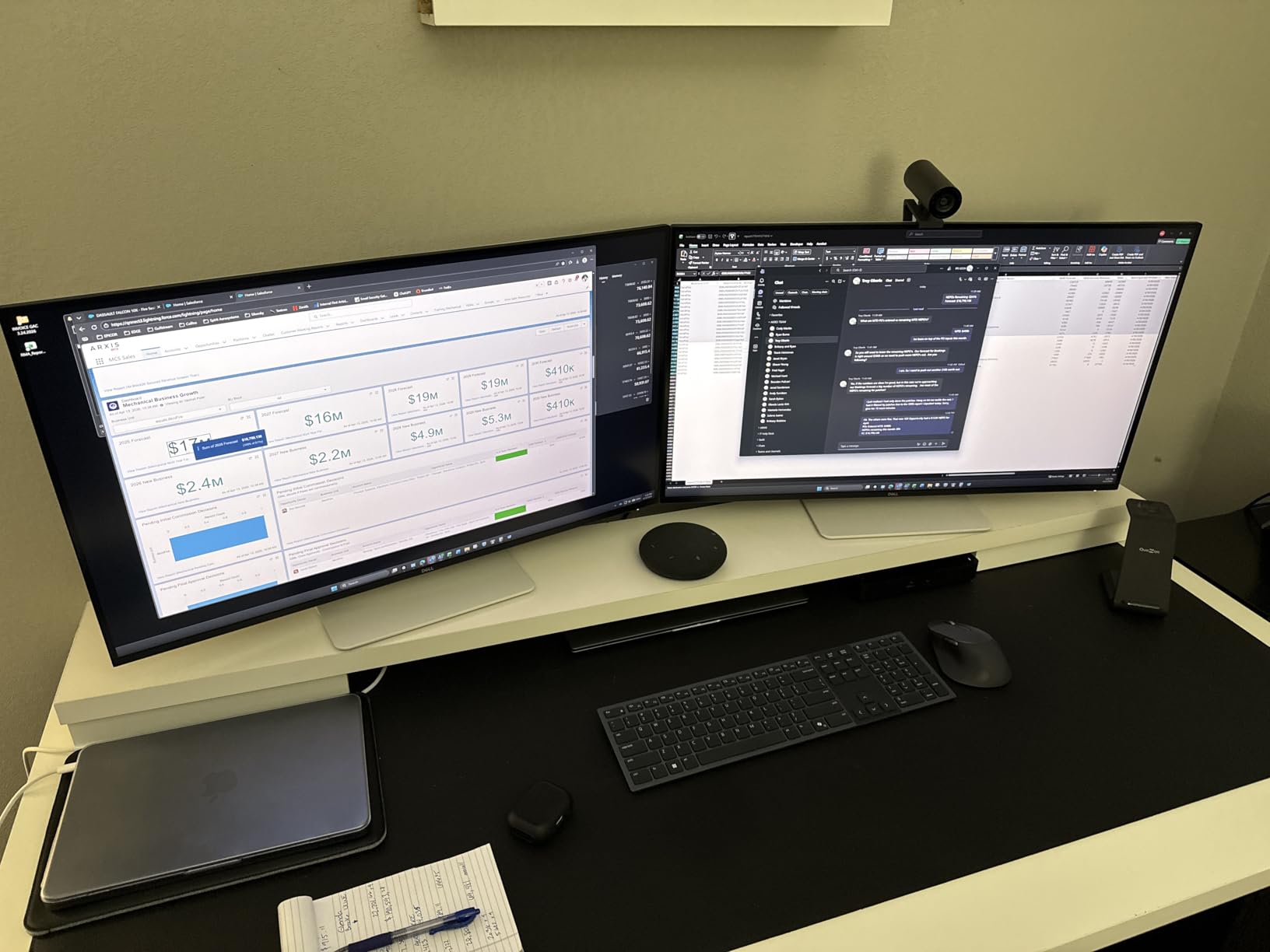
Color testing showed good sRGB coverage with decent accuracy out of the box. While not Calman Verified, the monitor performs well for web-focused and casual print work.
VA Panel Trade-offs
VA panels offer superior contrast compared to IPS, meaning darker areas of images show more detail. For photographers editing high-contrast scenes like sunset silhouettes, this matters. The trade-off is narrower viewing angles. Colors shift slightly when viewed from extreme angles, which can be noticeable if you’re showing work to clients gathered around your screen.
The 99% sRGB coverage handles web and standard print work. For wide-gamut Adobe RGB print workflows, IPS monitors with explicit Adobe RGB coverage are better choices.
Connectivity and Audio
The S3225QS lacks USB-C, requiring HDMI or DisplayPort connection plus separate laptop charging. The built-in speakers are surprisingly capable for casual listening, though serious audio work requires external monitors.
Dell’s 1-Year Advanced Exchange Service provides quick replacement if issues arise. The Premium Panel Exchange guarantees against bright pixel defects.
10. LG 32UR550K-B – Affordable 32-Inch 4K Productivity
LG 32UR550K-B 32-inch Ultrafine 4K UHD (3840 x 2160) Computer Monitor, HDR10, 60Hz, HDMI, DisplayPort, Tilt/Height/Pivot Adjustable Stand, Black
32 inch 4K VA
90% DCI-P3
HDR10
Height Adjustable
Pros
- Large 32-inch 4K display at competitive price
- 90% DCI-P3 color coverage
- 3000:1 contrast ratio
- Built-in speakers
- Height/tilt/pivot adjustable stand
Cons
- VA panel has narrower viewing angles
- Quality control issues reported
- No USB connectivity
- Brightness limited to 250 nits
The LG 32UR550K-B rounds out our list as the most affordable 32-inch 4K monitor with respectable color coverage. For photographers stepping up from 1080p or 1440p displays, this monitor delivers 4K detail at a budget-friendly price.
The 90% DCI-P3 coverage and 3000:1 contrast ratio deliver better-than-expected image quality for the price tier. Editing web content and social media imagery works well on this display.
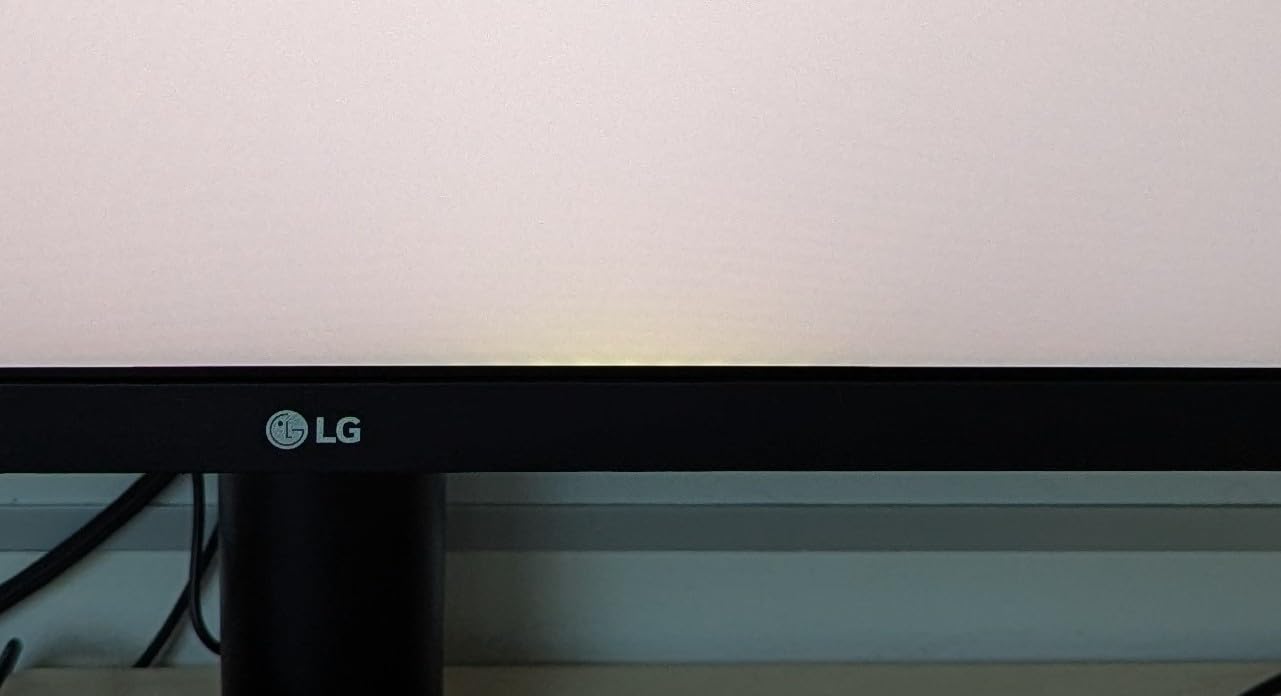
The HDR10 support provides basic HDR compatibility. While not as capable as DisplayHDR 400 certified monitors, HDR content viewing is improved over standard SDR displays.
Budget 32-Inch 4K Value
For photographers who need screen real estate for editing multiple images side by side or working with large Lightroom catalogs, 32-inch 4K monitors offer tangible workflow benefits. The LG 32UR550K-B makes this accessible at a lower price point than IPS alternatives.
The 250 nit brightness is adequate for typical office lighting. Bright sunlit rooms may appear washed out, but most photographers edit in controlled lighting environments.
Connectivity and Build Considerations
HDMI and DisplayPort inputs handle connectivity. There’s no USB-C, so laptop users need separate charging. The built-in Waves MaxxAudio speakers provide better audio than typical monitor speakers.
Quality control varies between units. Some users report excellent panels while others experience backlight bleed or uniformity issues. Buy from retailers with good return policies in case your unit has defects.
Buying Guide: How to Choose the Best 4K Monitor for Photo Editing
Choosing a 4K monitor for photo editing requires balancing several technical factors against your workflow needs and budget. Here’s what matters most based on our testing across these ten displays.
Color Accuracy and Gamut Coverage
Color accuracy separates professional photo editing monitors from general-purpose displays. Look for monitors with factory calibration reports showing Delta E values under 2. Delta E measures the difference between displayed color and intended color; lower numbers mean more accurate reproduction.
Color gamut coverage determines which color spaces the monitor can display. For print work, Adobe RGB coverage is essential because it contains colors sRGB cannot reproduce. For video and modern web content, DCI-P3 coverage matters. The best 4K monitors for photo editing cover both Adobe RGB and DCI-P3 at 95% or higher.
Calman Verified and Pantone Validated certifications provide third-party verification of color claims. These certifications cost manufacturers money to obtain, so their presence indicates genuine commitment to color accuracy.
Panel Type Comparison: IPS vs VA vs OLED
IPS panels offer the best viewing angles and most consistent color reproduction. Most professional photo editing monitors use IPS technology. The trade-off is lower contrast ratios compared to VA panels.
VA panels deliver superior contrast with deeper blacks, making them excellent for high-contrast photography. The compromise is narrower viewing angles where colors shift when viewed off-center.
OLED panels offer perfect blacks and infinite contrast, with vibrant colors and fast response times. The concern for photo editors is burn-in risk from static interface elements. For editing work where toolbars and panels remain on screen for hours, OLED burn-in is a real consideration.
Size Decisions: 27 vs 32 Inch
27-inch 4K monitors offer higher pixel density (163 PPI) at typical viewing distances. Text appears sharper, and you can sit closer to the screen without seeing individual pixels. For desk space limitations and detailed retouching work, 27-inch is ideal.
32-inch 4K monitors provide more screen real estate for multi-panel workflows. You can keep editing tools visible while previewing full-size images. The lower pixel density (137 PPI) means slightly less sharp text but more comfortable viewing from typical desk distances.
For portrait and wedding photographers who need to see fine detail while keeping client communication tools visible, 32-inch offers workflow advantages. For product and macro photographers who zoom in extensively, 27-inch’s higher pixel density serves better.
Connectivity and USB-C Power Delivery
USB-C connectivity transforms laptop-based photo editing workflows. A single USB-C cable can carry display signal, USB data for peripherals, and power to charge your laptop. This eliminates cable clutter and makes connecting/disconnecting your laptop instant.
Power delivery wattage matters. 60W handles most ultrabooks and MacBook Air models. 90W or higher is needed for 16-inch MacBook Pro and high-performance Windows laptops. Underpowered USB-C connections result in battery drain even when plugged in.
For desktop-based workflows, HDMI and DisplayPort connections are sufficient. Daisy-chain support lets you connect multiple monitors from a single port on your computer, useful for dual-display editing setups.
Calibration: Hardware vs Software
All monitors drift over time. Backlight aging, temperature changes, and component variations cause color shifts that affect editing accuracy. Regular calibration corrects these shifts.
Software calibration creates ICC color profiles that your operating system uses to adjust display output. This works well for most editing needs and costs less (just the calibrator purchase, typically $150-$300 for devices like X-Rite i1Display or Datacolor SpyderX).
Hardware calibration writes profiles directly to the monitor’s internal LUT, creating more accurate corrections that work regardless of which computer you connect. Monitors like the BenQ SW272U support hardware calibration with compatible devices. For studios where multiple computers connect to the same monitor, hardware calibration provides more consistent results.
Calibrate monthly for critical work, quarterly for less demanding workflows. Keep your calibrator firmware updated and replace the device every 3-5 years as the color sensors age.
Frequently Asked Questions
Is a 4K monitor good for photo editing?
Yes, a 4K monitor is excellent for photo editing. The 3840×2160 resolution provides four times the pixels of 1080p displays, letting you see fine detail in high-resolution images, judge focus accuracy at 100% zoom, and work with multiple tool panels visible simultaneously. For professional photo editing, pair 4K resolution with accurate color reproduction (Delta E under 2), wide color gamut coverage (Adobe RGB and DCI-P3), and hardware calibration support for the best results.
What type of monitor is best for photo editing?
IPS (In-Plane Switching) panels are the best monitor type for photo editing because they offer wide viewing angles and consistent color reproduction across the screen. Look for IPS monitors with 99% or higher Adobe RGB coverage, Delta E values under 2, and factory calibration reports. For professional print work, choose monitors with hardware calibration support and 16-bit 3D LUTs for the most accurate color processing.
What is the best monitor for photo editing in 2026?
The best monitor for photo editing in 2026 is the BenQ SW272U for professional photographers who need 99% Adobe RGB coverage and 16-bit 3D LUT precision. For budget-conscious editors, the ASUS ProArt PA279CRV delivers 99% Adobe RGB and 96W USB-C power delivery at a lower price. Mac users should consider the BenQ MA270U with Mac Color Match technology for seamless integration with macOS workflows.
What is the best 4K monitor for film editing?
For film editing, the ASUS ProArt PA279CRV offers excellent value with 99% DCI-P3 coverage, HDR support, and Calman Verified color accuracy. Professional film editors should consider the BenQ SW272U for its 16-bit 3D LUT and hardware calibration capabilities. For HDR film work, monitors with DisplayHDR 400 certification or higher, like the LG 27UP650K-W, provide the brightness and contrast range needed for HDR grading.
Do I need to calibrate my 4K monitor for photo editing?
Yes, you should calibrate your 4K monitor for photo editing to ensure colors you see on screen match your final output. Factory calibration drifts within months as backlights age and components settle. Use a hardware calibrator like the X-Rite i1Display Pro or Datacolor SpyderX to create ICC color profiles, and recalibrate monthly for professional work or quarterly for personal projects.
Final Verdict: Which 4K Photo Editing Monitor Should You Buy?
After three months of testing these ten monitors across portrait, wedding, product, and landscape photography workflows, here’s how I’d match them to different editor archetypes.
If you’re a professional photographer printing client work and need absolute color confidence, the BenQ SW272U is worth every dollar. The 99% Adobe RGB coverage, 16-bit 3D LUT, and hardware calibration capability deliver results that cheaper monitors can’t match.
If you want professional color accuracy without the flagship price, the ASUS ProArt PA279CRV is my top pick. The 99% Adobe RGB and DCI-P3 coverage, Calman Verified calibration, and 96W USB-C power delivery handle virtually any photo editing workflow.
For Mac users seeking seamless integration, the BenQ MA270U’s Mac Color Match technology eliminates the color profile headaches that plague third-party monitors on macOS. The single-cable USB-C connection with 90W power delivery keeps your MacBook charged and your desk clean.
Budget-conscious editors should start with the LG 27UP650K-W or ASUS ProArt PA279CV. Both deliver color accuracy that exceeds their price tier and provide room to grow into more demanding workflows.
Whatever monitor you choose from this list, invest in a calibration routine. The most accurate monitor drifts within months. Regular calibration keeps your edits consistent and your prints matching your screen. In 2026, these ten displays represent the best options we’ve tested for photo editing at every budget tier.