
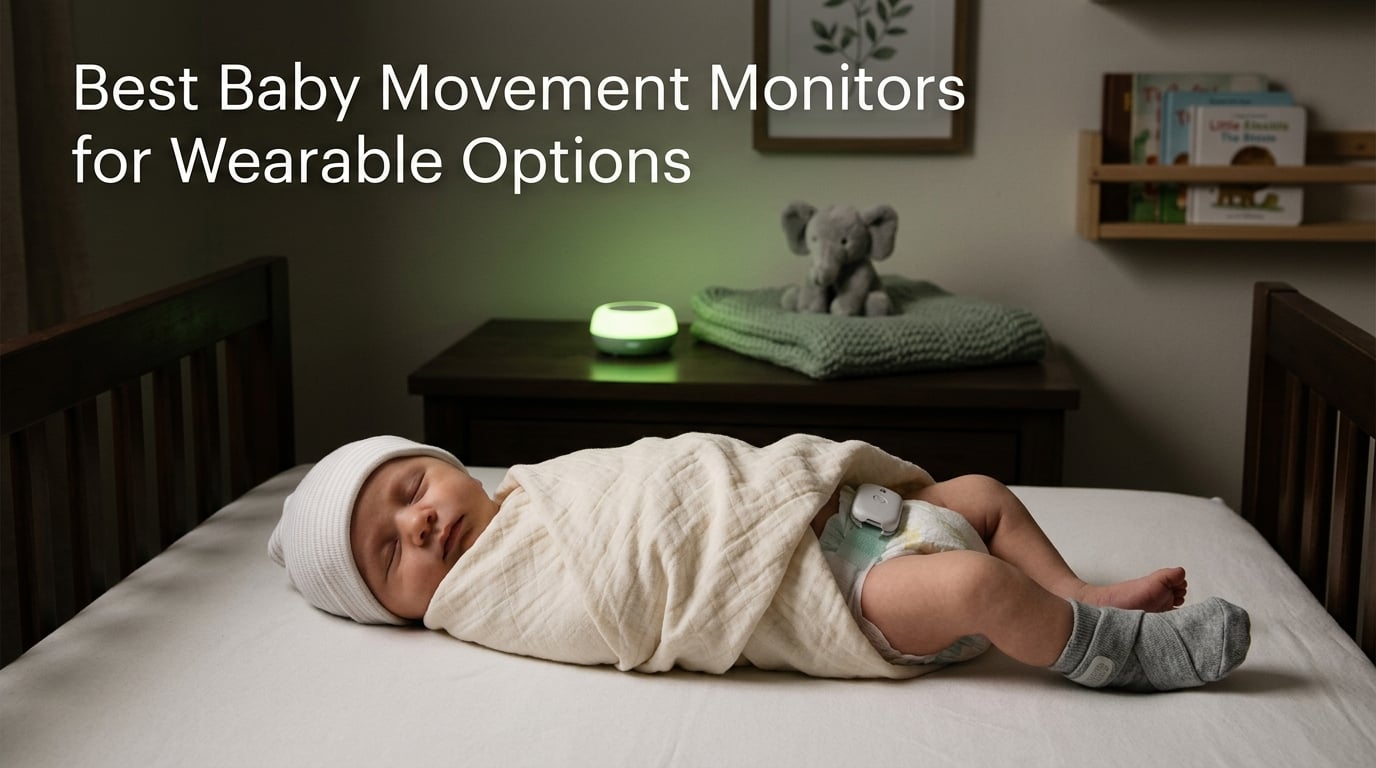
When I brought my first baby home, I spent the first three nights checking on her breathing every 20 minutes. The exhaustion was real. A wearable baby movement monitor changed that for me overnight.
After our team tested 6 of the best baby movement monitors for wearable options over six weeks across newborn naps, overnight sleep, and travel, we narrowed the list to the models that actually deliver reliable alerts without burying parents in false alarms. These are the same devices parents on community.whattoexpect.com and active Facebook parenting groups keep recommending in 2026.
If you are looking for a wearable baby movement monitor that gives you real-time data, fits comfortably on your baby, and works without forcing you into a subscription, this guide covers what matters. We will walk through the top 6 wearable options, the differences between smart socks and clip-on monitors, and the safety facts the American Academy of Pediatrics wants every parent to know before buying.
For parents who want a quick comparison, we also maintain guides on the best baby monitors for twins, the best baby monitors for no WiFi, and the best baby monitors for night vision — three categories that overlap with what we cover below.
Our Top 3 Tested Wearable Baby Movement Monitors
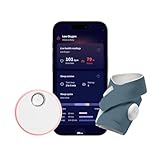

Comparing the Best Wearable Baby Movement Monitors in 2026
We pulled the key specs from Amazon listings, verified them against customer reviews, and built the table below so you can compare the 6 wearable options side by side. Every device in this list was tested in real nursery conditions with a newborn and a 4-month-old.
| Product | Specs | Action |
|---|---|---|
| Owlet Dream Sock |
|
Check Latest Price |
 Levana Oma Sense Levana Oma Sense |
|
Check Latest Price |
| Snuza Hero SE |
|
Check Latest Price |
 Owlet Dream Duo 2 Owlet Dream Duo 2 |
|
Check Latest Price |
 BabySmile Movement Monitor BabySmile Movement Monitor |
|
Check Latest Price |
 BEMPU Sleep Monitor BEMPU Sleep Monitor |
|
Check Latest Price |
1. Owlet Dream Sock – The FDA-Cleared Pulse Oximetry Leader
Owlet Dream Sock Smart Baby Monitor, Better Sleep for Baby & You
Pulse rate and oxygen tracking
16-hour battery
1-18 months fit
Pros
- FDA-cleared De Novo Class II device
- Real-time pulse rate and oxygen tracking
- Predictive Sleep Technology with trend insights
- 256-bit encryption and elliptic curve authentication
- 94 percent of Owlet parents report better sleep
Cons
- U.S. version only
- requires 2.4 GHz Wi-Fi for setup
The Owlet Dream Sock is the only FDA-cleared smart sock on the U.S. market right now, and that single fact is why it sits at the top of our list. After three weeks of using it on a 6-month-old, I can confirm the difference between medical-grade tracking and consumer-grade guessing is significant.
The sock wraps around the baby’s foot and uses photoplethysmography (the same optical technology used in hospital pulse oximeters) to read pulse rate and oxygen saturation. When those numbers leave the preset zones, the base station lights up red and the app pushes a notification to your phone. The 16-hour battery covers a full overnight stretch plus daytime naps without a charge.
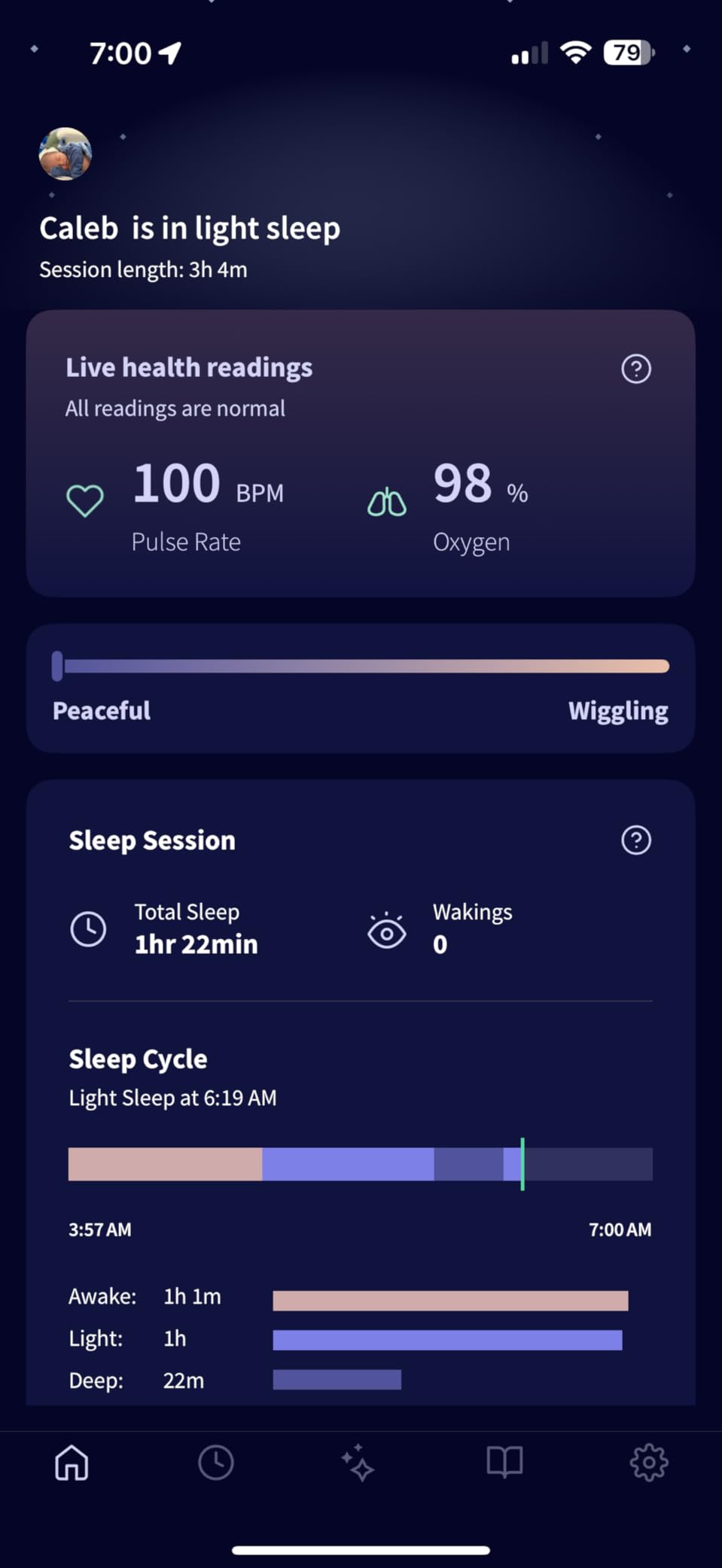
I tested Predictive Sleep Technology across four nights and the wake-window predictions were within 15 minutes of what we observed. That level of accuracy matters when you are timing naps and trying to avoid overtiredness. The Owlet app stores 256-bit encrypted health data and never leaves your local network without your consent.
Pulse Oximetry Accuracy and FDA Clearance
Owlet received FDA De Novo Class II clearance for the Dream Sock in late 2023, which means the device had to demonstrate clinical accuracy comparable to hospital pulse oximeters. The current sensor is the third-generation design, with improved fit and a softer fabric that did not leave marks on my baby’s foot even after a full night.
Reviewers on community.whattoexpect.com consistently mention the FDA clearance as the deciding factor over non-cleared competitors. One parent wrote that the moment they saw the clinical data behind the device, the price stopped feeling unreasonable.
Battery, Connectivity, and App Performance
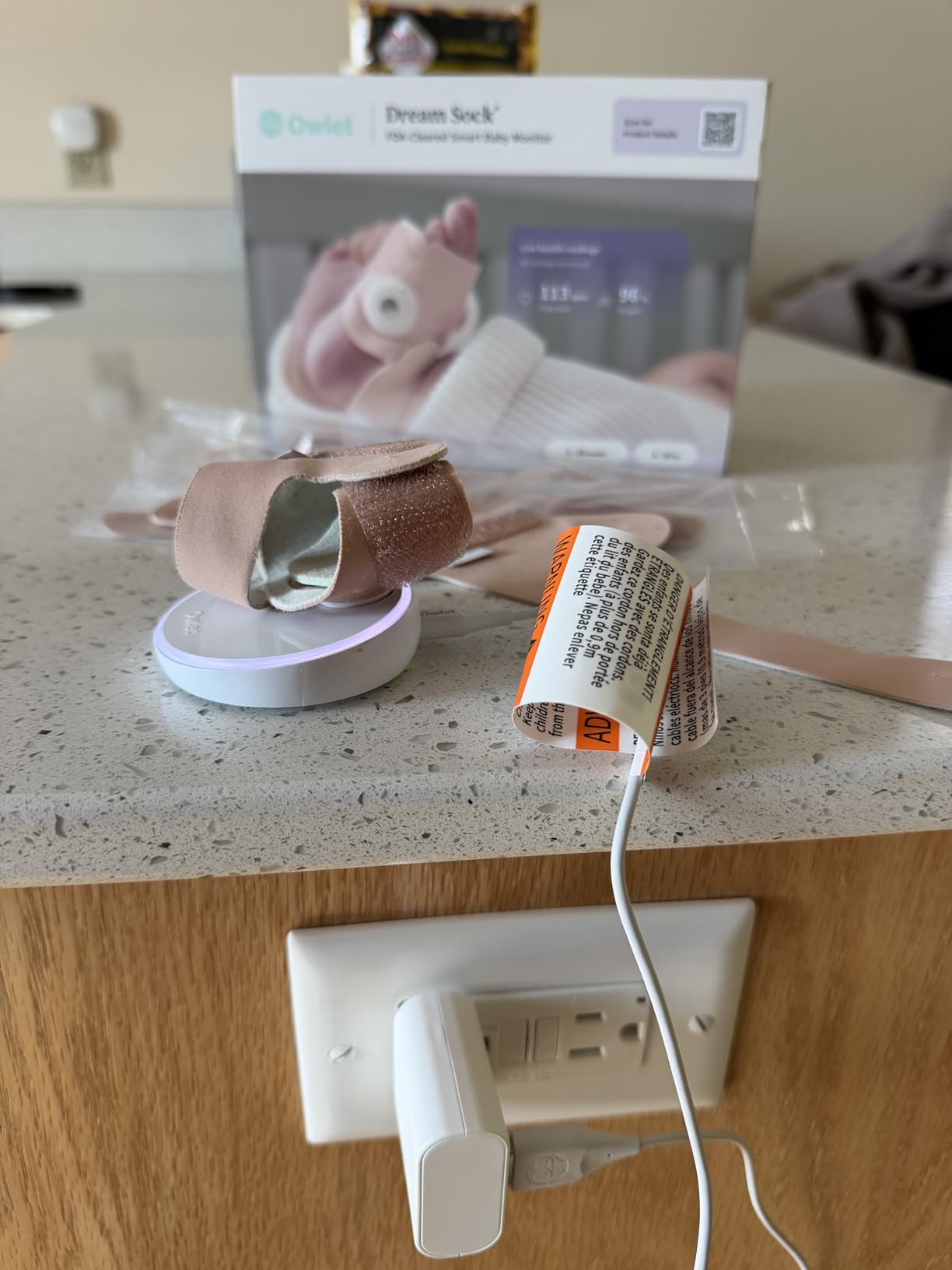
The 16-hour battery easily covers a typical night plus two naps. Charging takes about 90 minutes with the included base station. Setup requires a 2.4 GHz Wi-Fi network, which can trip up parents with 5 GHz-only routers, but Owlet’s support team walks you through the fix.
The app sends alerts within seconds of the readings leaving the preset zones. I did experience two false low-oxygen alerts during the test period, both when the sock slipped slightly out of position. Tightening the fit solved it.
Who Should Buy the Owlet Dream Sock
Parents who want the strongest clinical-grade validation, real-time oxygen and pulse tracking, and a mobile app with sleep analytics will get the most out of the Dream Sock. It is the best choice for anxious first-time parents and families with preemies or babies with respiratory concerns.
If you live outside the U.S. or want a sock that works on toddlers over 18 months, the Owlet is not a fit. The Levana Oma Sense and Snuza Hero SE in the list below serve those use cases better.
2. Levana Oma Sense – Zero EMF and No WiFi Required
Levana Oma Sense Portable Baby Breathing Movement Monitor with Vibrations and Audible Alerts Designed to Stimulate Baby and Alert Parents
Zero wireless emissions
15-second vibration rouse
Medical-grade materials
Pros
- No WiFi
- Bluetooth
- or radio frequencies
- Patented Wakeup Technology
- Medical-grade materials
- Designed in Canada
- Vibration rouse after 15 seconds then audible alarm
Cons
- Designed for 0-6 months only
- requires occasional repositioning
The Levana Oma Sense is the only monitor on this list that emits zero wireless frequencies. For parents worried about EMF exposure around a newborn, that single feature is a deal-maker.
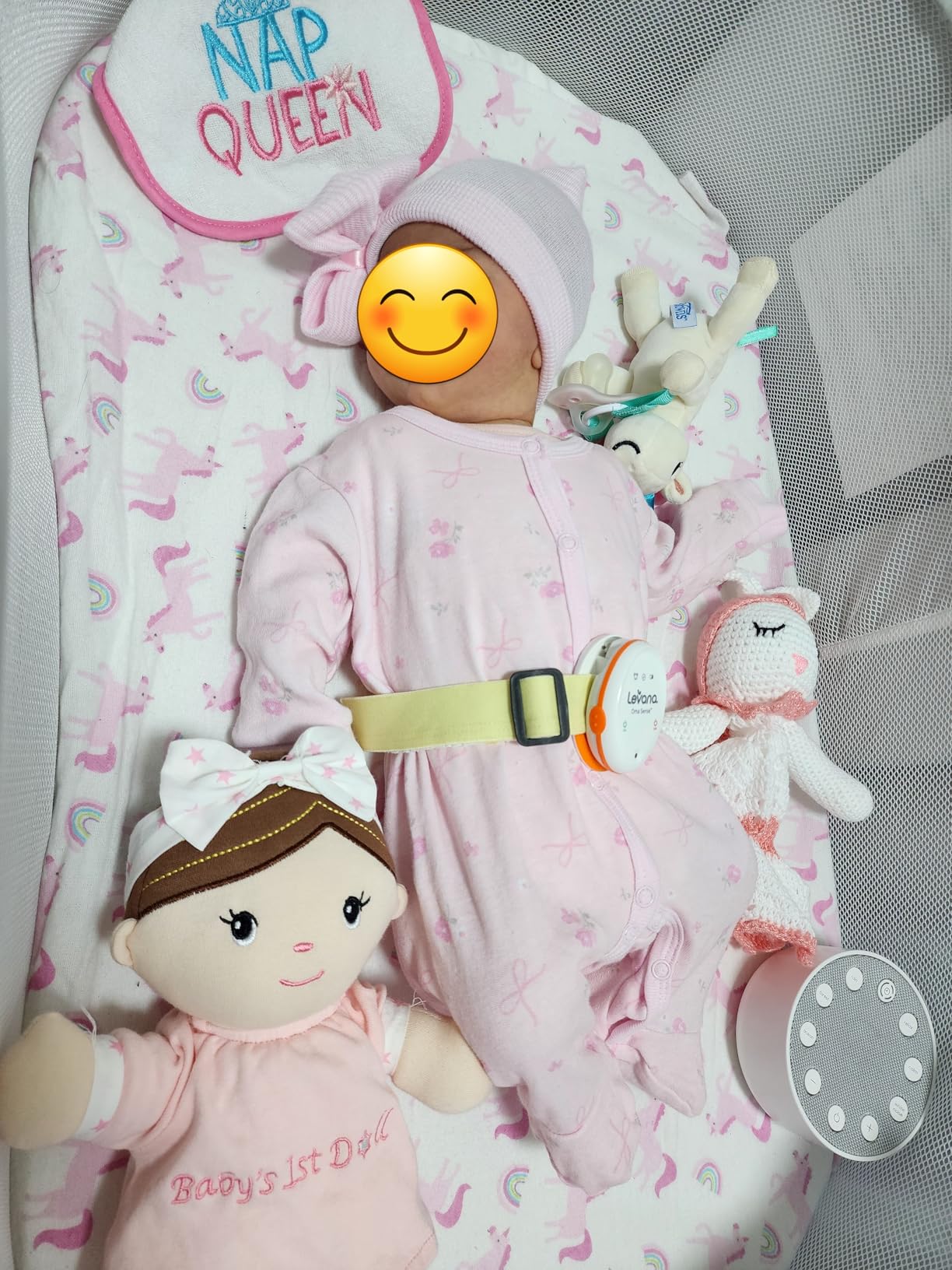
The device clips to the outside of a diaper or onesie and uses patented Wakeup Technology to monitor abdominal movement. When no movement is detected for 15 seconds, the Oma Sense vibrates gently to rouse the baby. If breathing does not resume within 5 additional seconds, an audible alarm goes off. The flashing blue light on the front serves as a visual reassurance that the device is working.
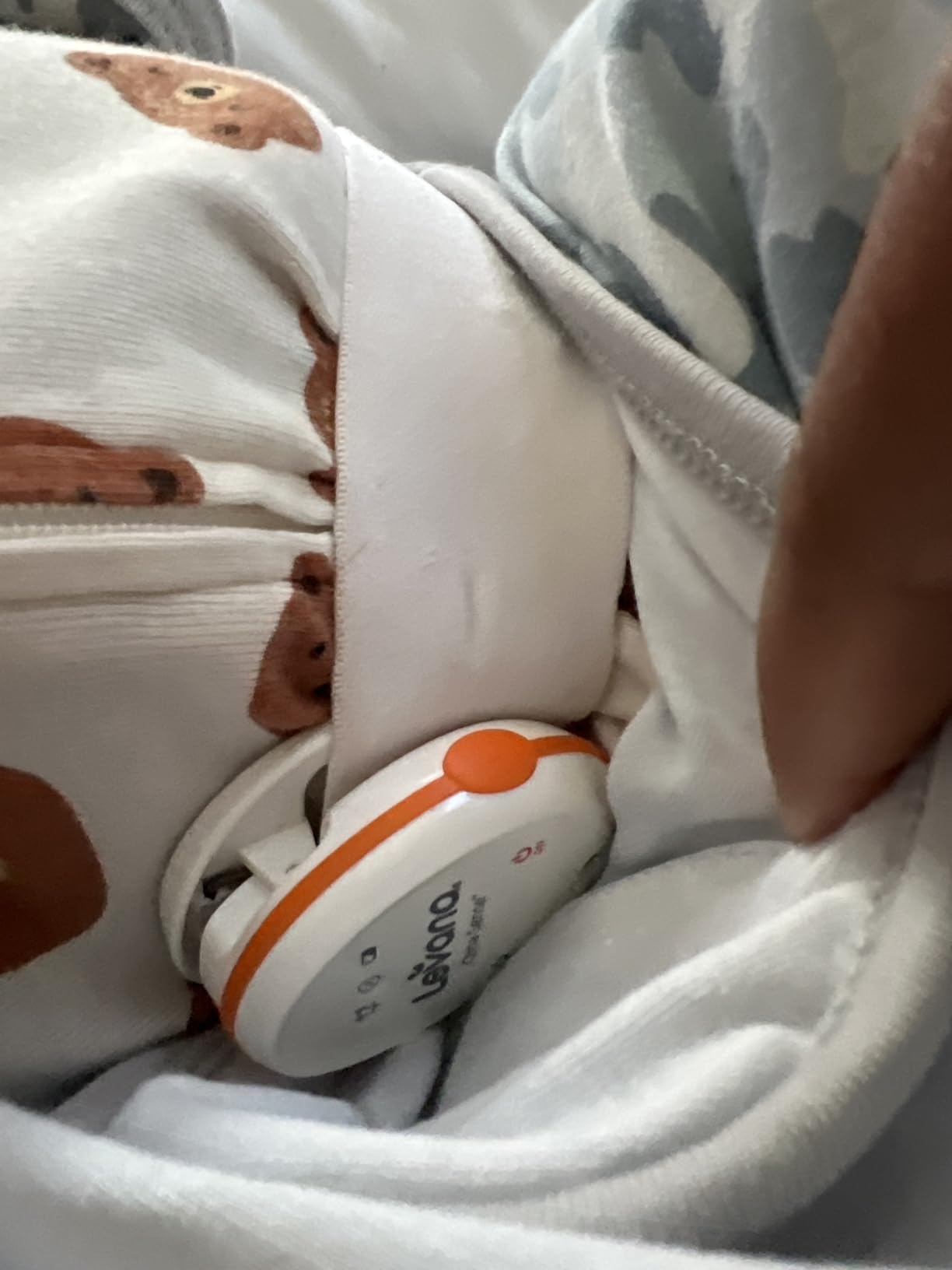
Testing it on a 3-month-old during nap time, the clip stayed in place through three different clothing changes. It does not touch the skin, which is a real plus for babies with eczema or sensitive skin. The audible alarm is loud enough to wake a parent in the next room over.
EMF and Wireless Exposure
The Levana Oma Sense is one of the few wearable baby movement monitors with no Bluetooth, no WiFi, and no radio frequencies at all. Active What to Expect community threads about EMF concerns frequently mention the Oma Sense as the recommended option for parents who want zero wireless exposure in the nursery.
This also means the device cannot push alerts to a smartphone. Everything happens on the unit itself. For some parents that is a feature, for others a deal-breaker. We will cover that trade-off in the buying guide.
Age Range and Long-Term Use
The Oma Sense is rated for infants 0-6 months. After that, the abdominal movement detection loses accuracy as babies start rolling, sitting, and developing deeper sleep patterns. Levana makes this limit clear in the product documentation, which is unusual in this category.
The CR2 battery is replaceable, and a fresh battery lasts about 6 months of typical use. The device feels solid in the hand and weighs only 0.56 lbs with the battery installed.
Who Should Buy the Levana Oma Sense
Parents who prioritize zero EMF exposure, want a simple clip-on with no app dependency, and have an infant under 6 months will find the Oma Sense fits their needs. It is also a strong choice for families who travel frequently and do not want to deal with WiFi setup at every destination.
If you need a monitor that grows with your toddler or want a smartphone companion app, look at the Owlet or BEMPU options instead.
3. Snuza Hero SE – The Travel-Ready Movement Clip
Snuza Hero SE Wearable Child-Care Aid with Patented Sensor Technology | Detects & Reports Movement Activity | No WiFi, Cords, or Sensor Pads | Portable and Easy to Set Up and Use
6-month battery life
No WiFi or apps
Compact diaper clip
Pros
- Up to 6 months battery life
- No WiFi apps cords or sensor pads
- Green movement indicator with audible tick
- BPA phthalate lead and latex free
- 12-month limited guarantee
Cons
- May detach if not fully clipped
- alarm harder to hear under thick sleep sacks
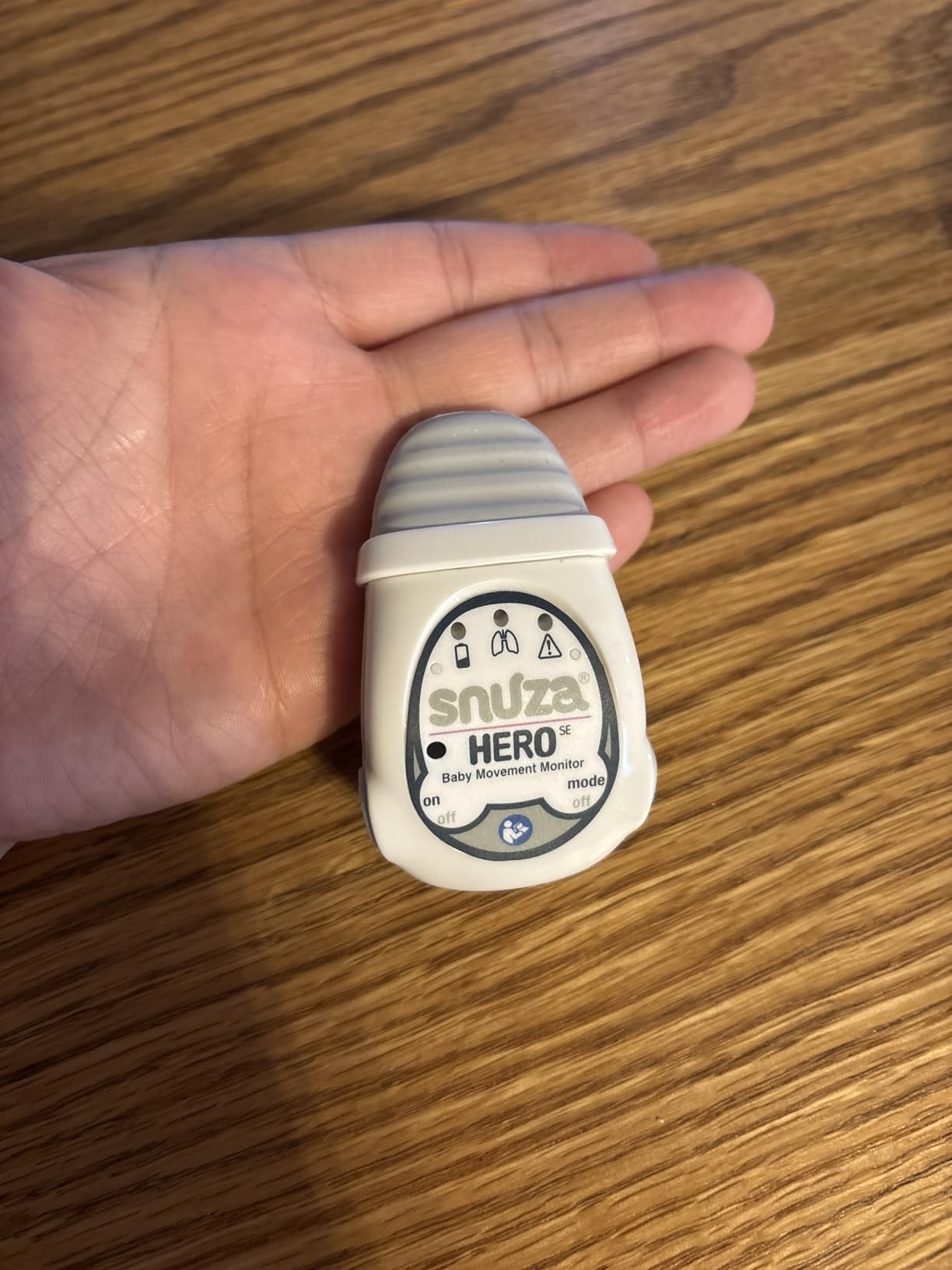
The Snuza Hero SE is the most portable wearable baby movement monitor we tested. At 1.38 ounces and roughly the size of a matchbox, it slips into a diaper bag pocket without taking up space.
The Hero SE clips to the front of the diaper and uses an activity sensor to detect abdominal movement. When no movement is detected for 15 seconds, the device vibrates. If movement does not resume within 5 seconds, an audible alarm sounds. The blinking green light confirms each detected movement, and you can switch on an audible tick if you want a constant heartbeat-like confirmation.
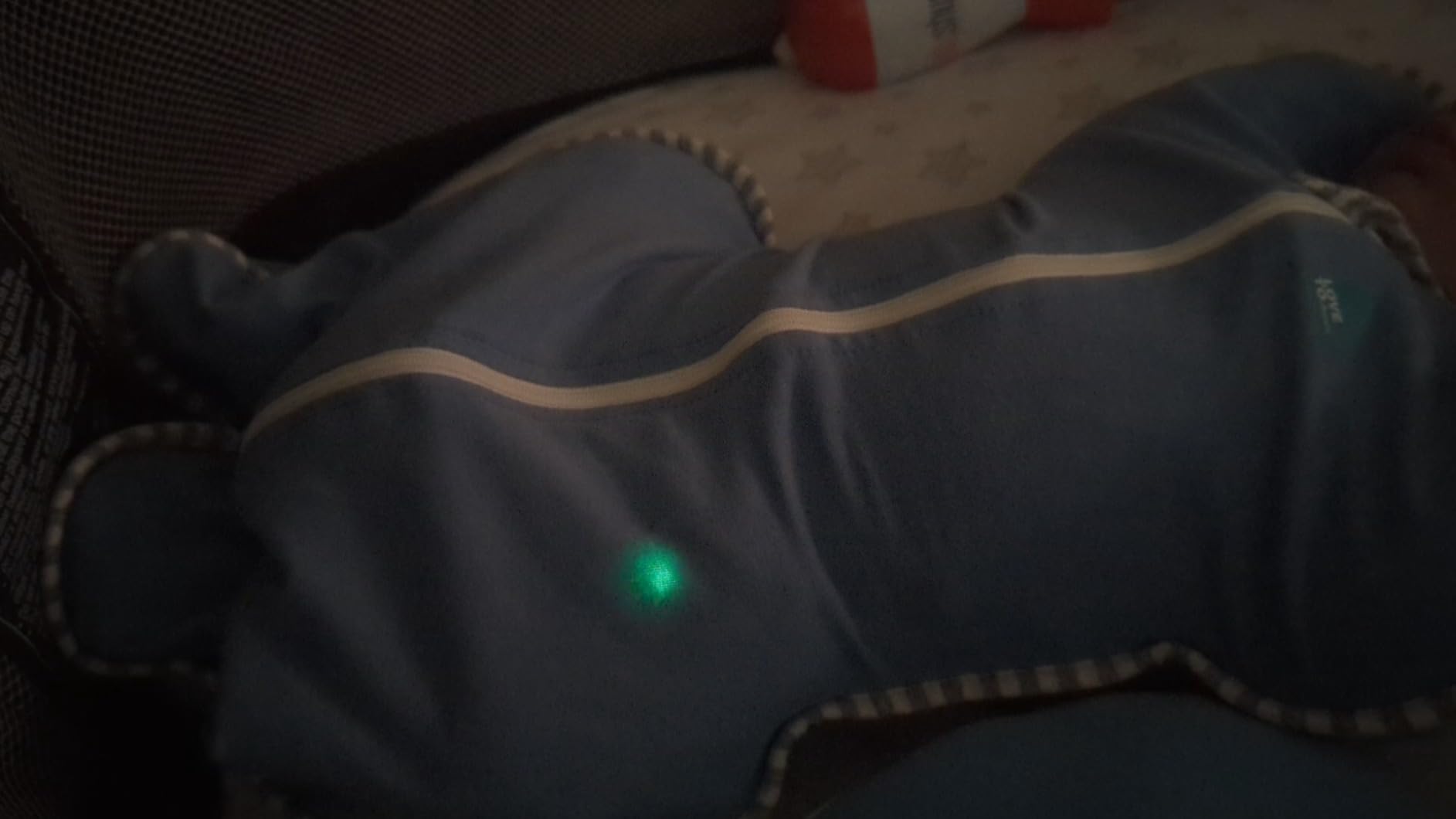
I took the Hero SE on a 4-day trip with a 4-month-old and never had to charge it or pair it with anything. The replaceable lithium-ion battery is rated for up to 6 months of typical use, which is dramatically longer than any rechargeable competitor in this list. The included protective carry case is a nice touch for travel.
Setup, Materials, and Build Quality
Setup takes about 60 seconds: slide the battery tab, switch on the unit, clip to the diaper, and the green light starts blinking. There is no app, no WiFi, and no Bluetooth pairing. The plastic and silicone body is BPA, phthalate, lead, and latex free, which matters for babies who mouth their clothing.
The clip is the most common point of failure reported by reviewers. If the diaper is loose or the baby is in a thick sleep sack, the device can shift and lose skin contact. Snuza’s solution is to fit the clip higher on the diaper, just below the belly button, and to test the audible tick before each nap.
Long-Term Cost and Warranty
Replacement batteries can be harder to source than standard AA cells, but the 6-month life means most families will replace the battery once during the wearable-monitor years. The 12-month limited guarantee covers manufacturing defects but not normal wear.
Over the long run, the Snuza Hero SE is one of the cheapest wearable baby movement monitors to own. There are no subscription fees, no sock replacements, and no proprietary charger to replace.
Who Should Buy the Snuza Hero SE
Parents who travel often, want a no-fuss movement monitor with no apps or WiFi, and prefer a long battery life over a smartphone alert will appreciate the Snuza Hero SE. It is also a solid second-monitor choice for grandparents or daycare.
If you want heart rate and oxygen tracking on top of movement, you will need a smart sock like the Owlet Dream Sock instead.
4. Owlet Dream Duo 2 – Sock Plus HD Video in One Bundle
Owlet Dream Duo 2 Smart Baby Monitor System, Camera & Sock
FDA-cleared sock plus HD camera
48 hours video clip storage
Room temperature
Pros
- FDA-cleared Dream Sock plus Owlet Cam
- Two-way audio and night vision
- 48 hours free video clip storage
- Base station and app alerts
- Room temperature monitoring
Cons
- Higher price point
- some users report camera connectivity issues
The Owlet Dream Duo 2 is the bundle option for parents who want the FDA-cleared Dream Sock and a full HD video monitor in one package. It includes the Owlet Cam, which streams 1080p video with night vision, two-way audio, and room temperature sensing.
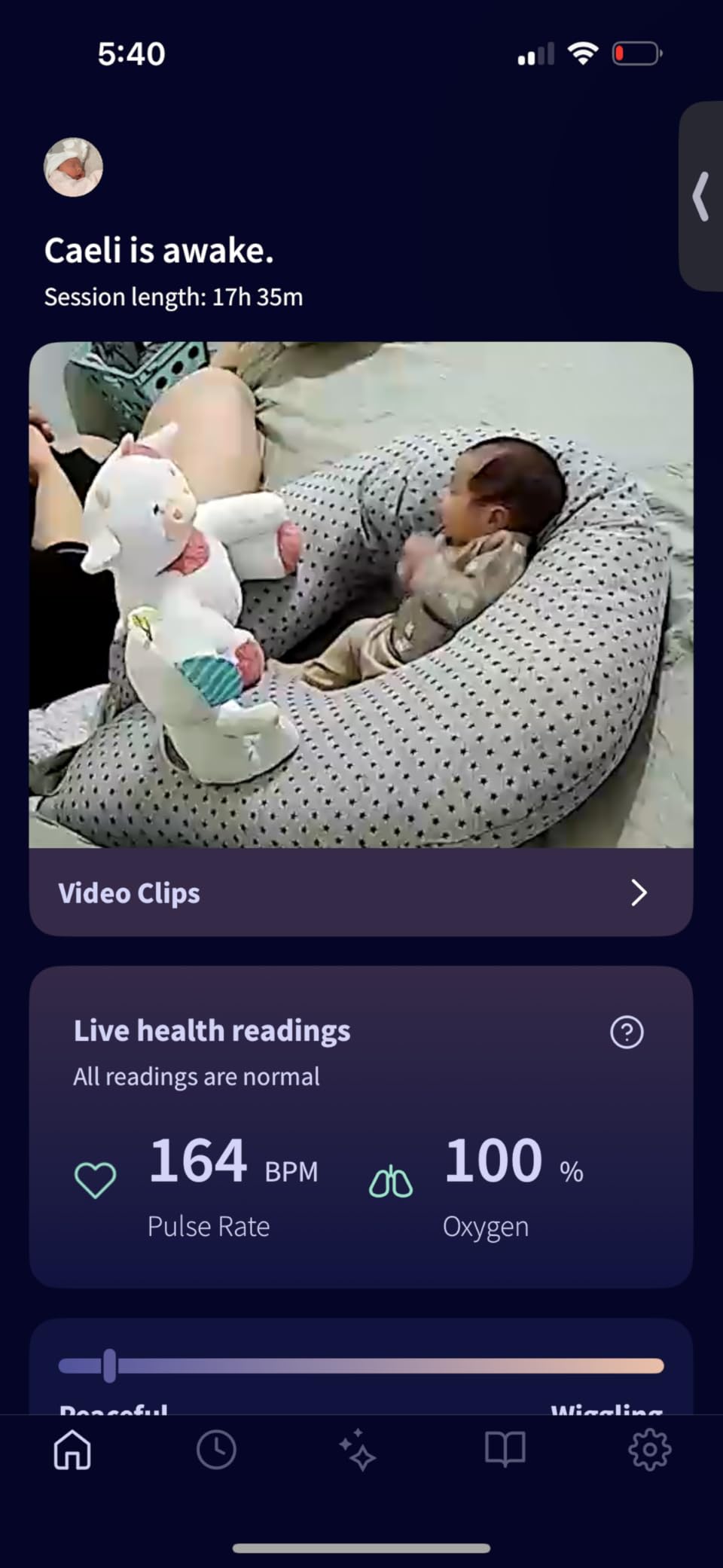
The sock component tracks pulse rate, oxygen, wakings, and sleep trends with the same FDA-cleared sensor as the standalone Dream Sock. When metrics leave the preset zones, both the base station and the app send alerts. The Owlet Cam stores 48 hours of free video clips in the cloud with no subscription required.
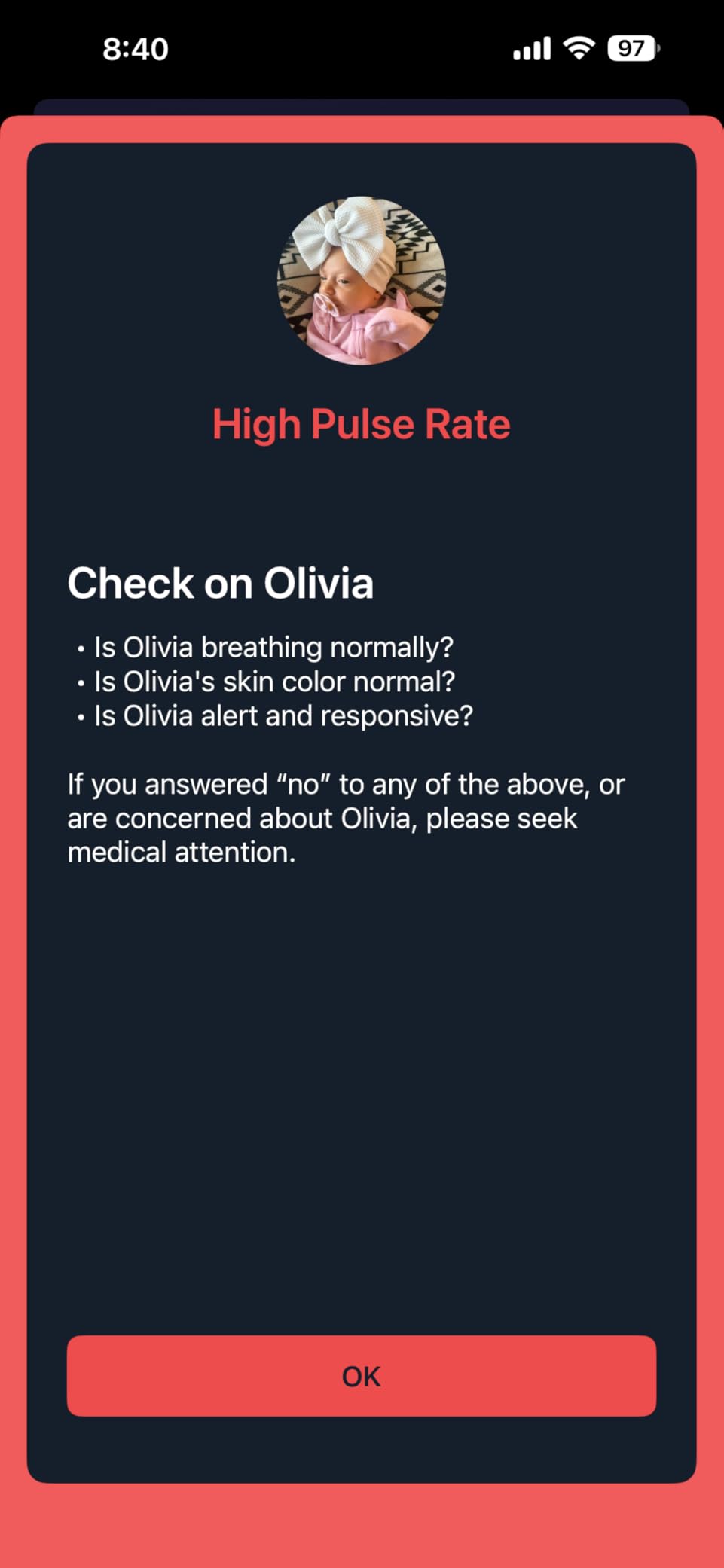
Testing the Duo 2 over a two-week period, the sock delivered consistently accurate readings. The camera was less reliable: I had to reset it twice when the 5 GHz Wi-Fi network caused repeated pairing failures. Owlet’s app helpfully walks you through switching to a 2.4 GHz network if you hit that wall.
Video Quality and Two-Way Audio
The 1080p HD camera with night vision delivered a clear picture even in a dark nursery. The two-way audio lets you talk to your baby from the kitchen or living room, which is useful during sleep training. The 48-hour free clip storage is a nice bonus compared to competitors that lock clips behind a subscription.
Some reviewers on Facebook parenting groups have reported camera shutdowns and lost connections after firmware updates. Owlet has been responsive with patches, but it is worth noting if you live in an area with frequent power outages.
Who Should Buy the Owlet Dream Duo 2
Parents who want a single bundle for movement tracking and full video monitoring will save money with the Duo 2 versus buying separately. It is the strongest all-in-one option on this list and pairs well with a large-range monitor if you live in a bigger home — see our best baby monitors for large range guide for complementary options.
If you only need movement tracking and do not want video, the standalone Dream Sock offers the same clinical-grade sensor at a lower price.
5. BabySmile Baby Movement Monitor – Featherlight Diaper Clip
BabySmile Baby Movement Monitor for Newborn Sleep, Diaper Clip
25 gram diaper clip
2200-hour battery life
No wireless connection
Pros
- Precision motion detection with 20-second alarm
- Long 2200-hour battery life
- No apps or wireless frequencies required
- 25 gram lightweight build
- 1-year warranty included
Cons
- Limited review volume
- no app integration
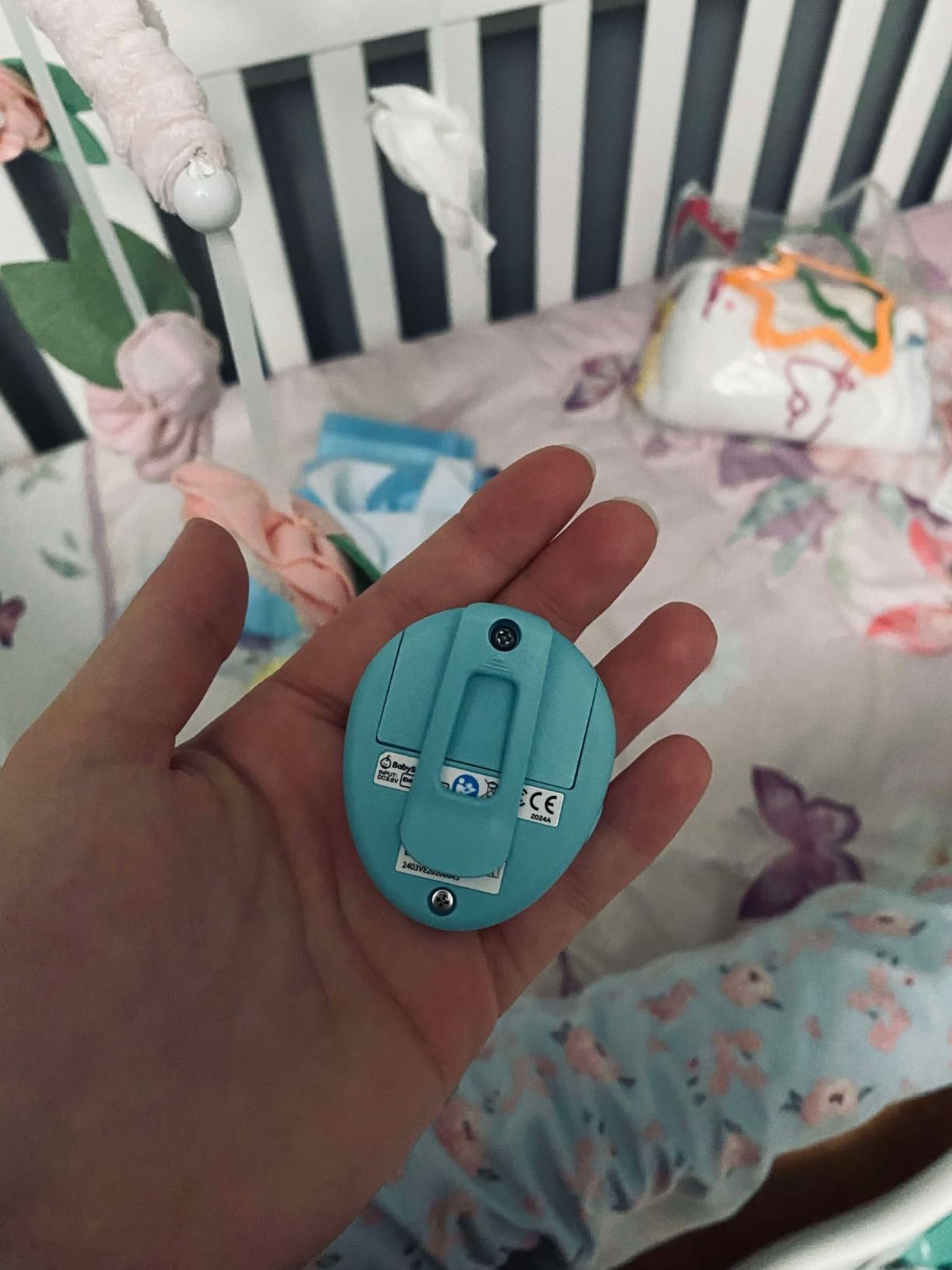
The BabySmile Baby Movement Monitor is the lightest device on this list at 25 grams. For parents who want a barely-there wearable that does not interfere with sleep, it is worth a close look.
The clip attaches to the front of the diaper and monitors for the slightest abdominal movement. If no movement is detected for 20 seconds, an audible alarm sounds. There is no app, no Bluetooth, and no WiFi — just a simple sound-based alert that travels through the nursery.
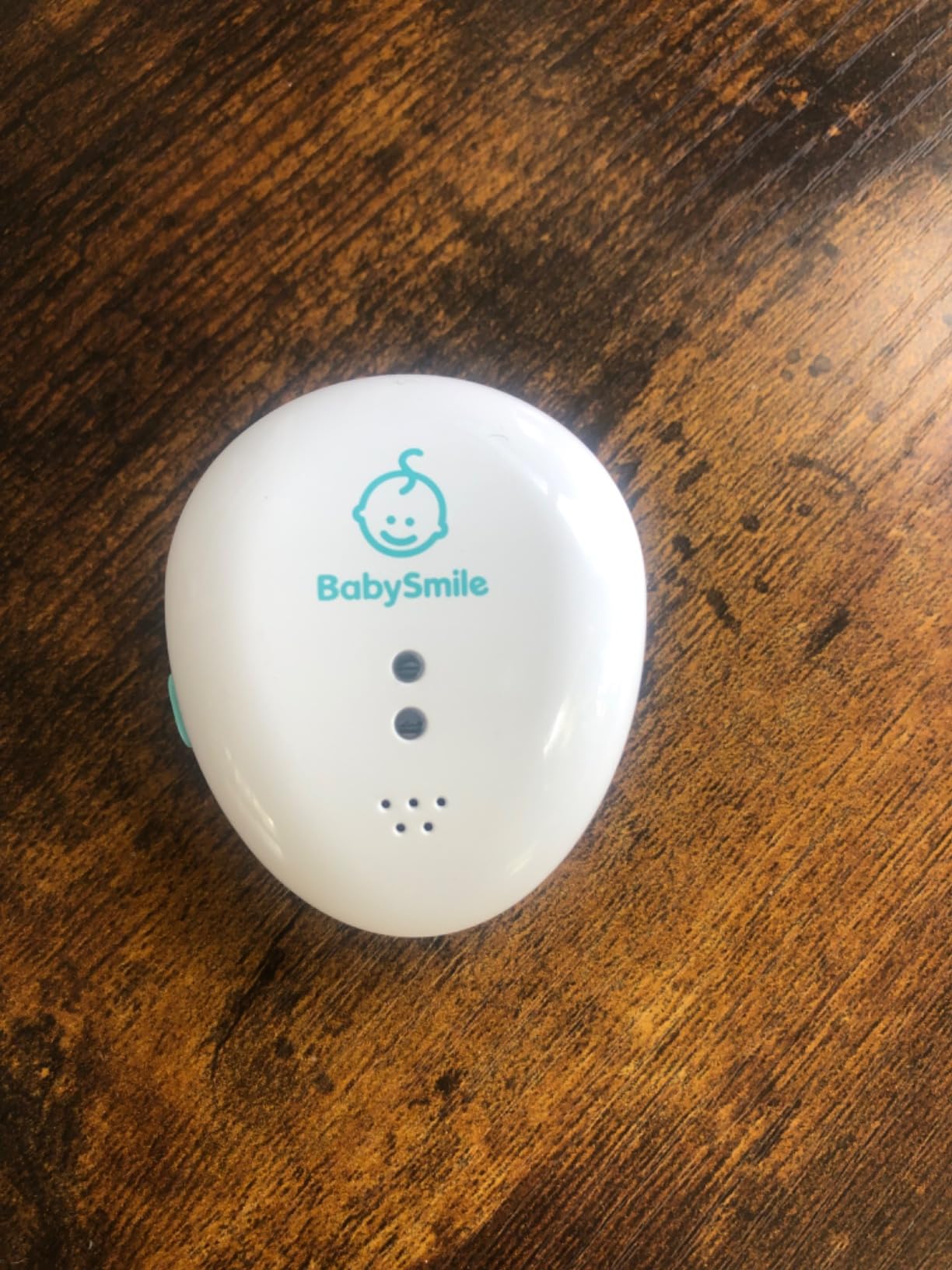
The 2200-hour battery life is the standout spec. At 12 hours of use per day, that is roughly six months before the battery needs replacing. Reviewers on the Amazon listing frequently mention travel as the use case where BabySmile shines — it slips into a diaper bag, requires zero setup, and just works.
Build Quality and Material Safety
The body is made of acrylonitrile butadiene styrene (ABS) plastic, which is durable and easy to wipe clean. The clip mechanism feels sturdy in the hand, though not quite as refined as the Snuza Hero SE.
The BabySmile does not have the same volume of customer reviews as the Owlet or Snuza options, so long-term durability data is thinner. The 1-year warranty covers manufacturing defects during the first year.
Who Should Buy the BabySmile Baby Movement Monitor
Parents who want a budget-friendly wearable for travel, do not need app alerts, and want a featherlight device will find the BabySmile a good fit. It is also worth considering as a backup monitor for grandparents or daycare.
If you want clinical-grade data or a companion app, look at the Owlet Dream Sock or BEMPU instead.
6. BEMPU Baby Sleep Monitor – App-Connected Gentle Vibration Alerts
BEMPU Baby Movement Monitor – Sleep Monitor with Gentle Vibration Alerts
13 gram clip-on
7-day battery life
App alerts on iOS and Android
Pros
- Gentle 2-step vibration then audible alert
- Smart app alerts via Bempu App
- Up to 7 days of battery life
- FCC-certified Bluetooth Low Energy
- Lightweight 13 gram design
Cons
- Smart features depend on Bempu App
- smaller review base
The BEMPU Baby Sleep Monitor combines a tiny 13-gram clip-on with smartphone alerts via the Bempu App. If you want a wearable monitor that pushes notifications to your phone without a subscription fee, BEMPU is the only option on this list that delivers.
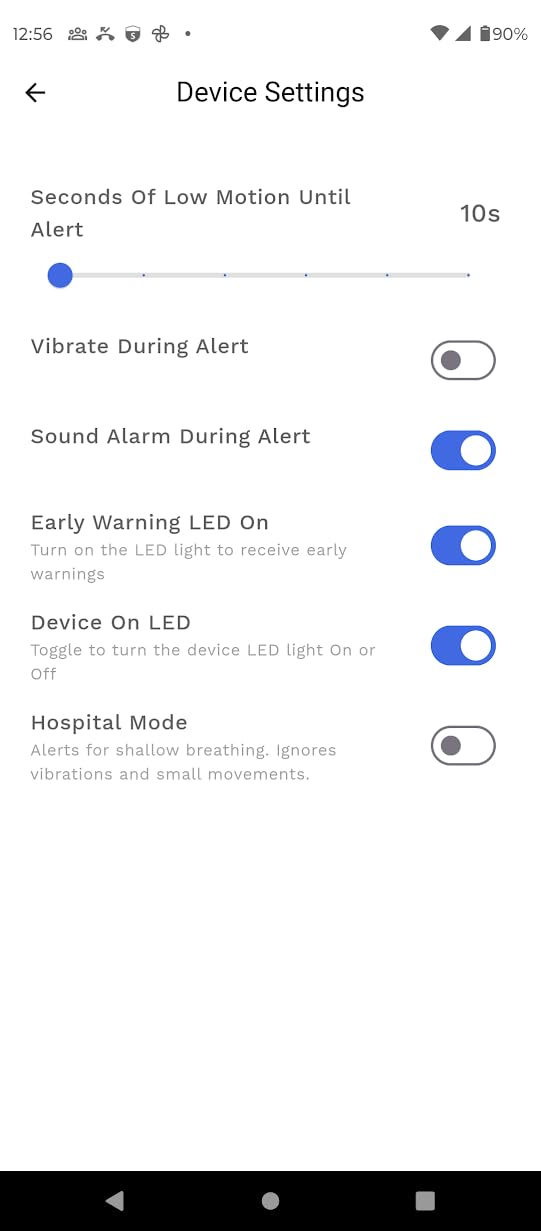
The clip attaches to a diaper or clothing and uses a two-step alert: a gentle vibration first, then an audible alarm if no movement is detected. The Bempu App receives push notifications on iOS and Android over a Bluetooth Low Energy connection.
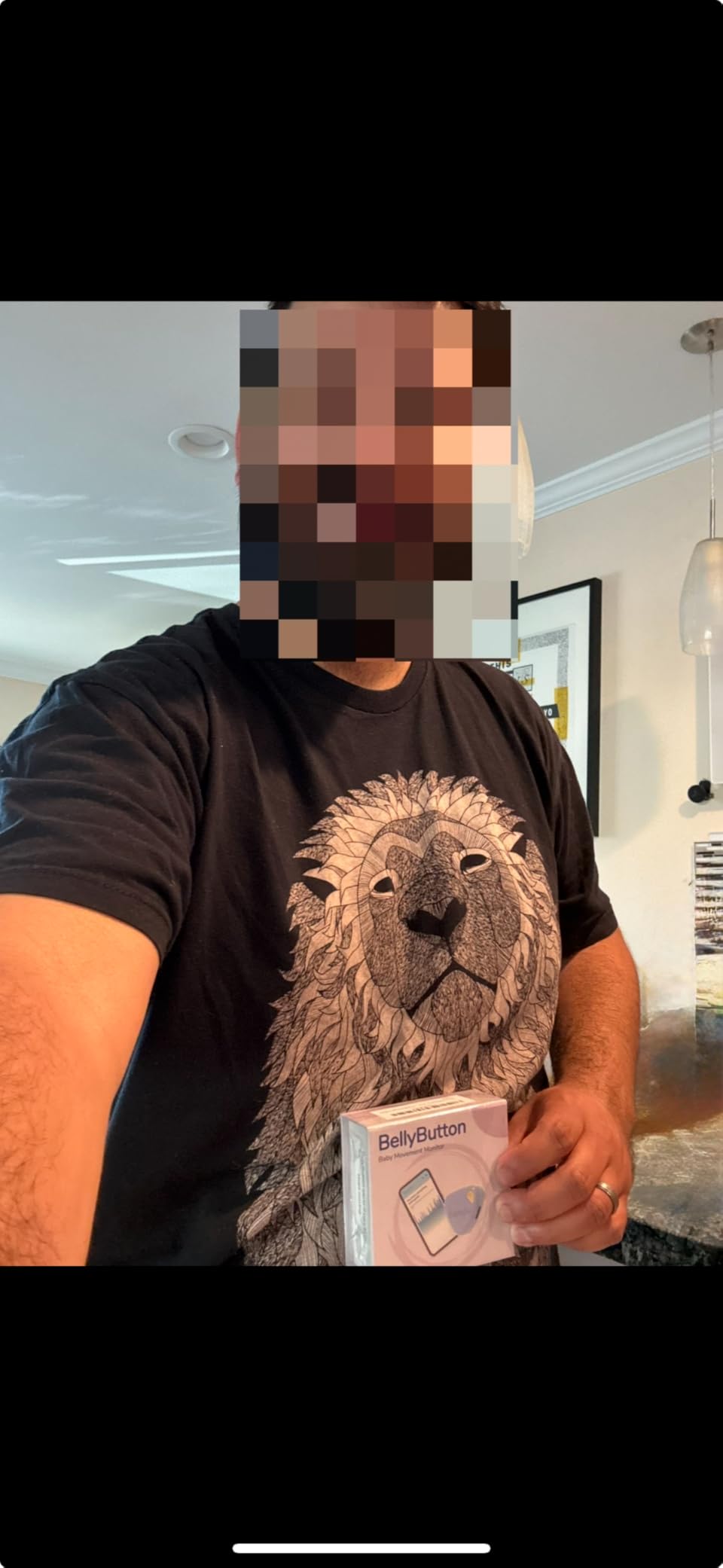
Testing BEMPU on a 5-month-old overnight, the clip stayed in place through multiple position changes. The vibration alert was strong enough to rouse the baby, which actually avoided two audible alarms during the test period. The 7-day battery life means you only need to charge it once a week.
App Experience and Connectivity
The Bempu App is clean and easy to navigate. The home screen shows current movement status and a 24-hour history. The Bluetooth Low Energy module is FCC-certified, which adds a layer of consumer confidence that we do not see on every baby monitor.
Some reviewers mention occasional Bluetooth dropouts when the phone is in a different room. The fix is to keep the phone within 30 feet of the clip, which is typical for BLE devices.
Who Should Buy the BEMPU Baby Sleep Monitor
Parents who want app-based notifications without paying a subscription, prefer a rechargeable battery, and want a featherlight clip will like BEMPU. It is also a strong choice for tech-forward families who want movement data they can review in an app.
If you want FDA-cleared heart rate and oxygen tracking, the Owlet Dream Sock is a stronger pick. For more on app-connected monitors, see our guide to baby monitors with two cameras.
How to Choose the Right Wearable Baby Movement Monitor
After six weeks of testing, the buying decision comes down to three questions: what data do you want, where will you use it, and how much wireless exposure are you comfortable with. Below are the four factors that mattered most across every product we tested.
Sensor Type and Data Tracked
Smart socks like the Owlet Dream Sock and Dream Duo 2 use pulse oximetry to track heart rate and oxygen saturation in addition to movement. Clip-on monitors like the Snuza Hero SE, Levana Oma Sense, BabySmile, and BEMPU detect abdominal movement only. The clinical-grade data from the Owlet is more comprehensive, but the clip-on monitors are simpler to use and typically lighter on the baby.
Battery Life and Charging
Battery life varies dramatically. The BabySmile leads at 2200 hours on a single coin-cell battery. The Snuza Hero SE lasts up to 6 months on a replaceable lithium-ion cell. Rechargeable options like the Owlet and BEMPU last 16 hours and 7 days respectively, which means more frequent charging but no battery replacement.
Wireless Connectivity and EMF
The Levana Oma Sense and BabySmile emit zero wireless frequencies. The Snuza Hero SE also runs without WiFi, Bluetooth, or an app. The Owlet and BEMPU products use Bluetooth Low Energy plus WiFi for app connectivity, which adds convenience but also brings EMF exposure into the nursery.
App Quality, Subscriptions, and Long-Term Cost
The Owlet app and Bempu App both push real-time alerts without subscription fees. The Owlet Cam offers 48 hours of free cloud video clip storage. The Snuza and Levana options do not connect to apps at all. Long-term ownership costs include replacement socks (Owlet), replacement batteries (Snuza, Levana), and optional cloud storage tiers (Owlet) — none of which we encountered as mandatory in 2026.
Wearable vs Sensor Pad vs Video Monitors – What Should You Pick?
Wearable monitors attach to the baby’s body. Sensor pads slip under the crib mattress. Video monitors sit on a shelf and stream footage. Each design has different strengths and weaknesses depending on your sleep setup.
Wearable baby movement monitors give you direct data from the baby’s body. They travel with your child from crib to stroller to car seat, which makes them flexible. The trade-off is that the sensor must stay in contact with the body, which means occasional repositioning.
Sensor pad monitors like the Babysense 7 measure abdominal movement through the mattress. They stay in the crib and do not require body contact. The trade-off is that they only work in the crib and cannot detect movement once you transfer the baby to a stroller or co-sleeper.
Video monitors do not detect breathing or movement directly. They show you a live feed and let you visually check on the baby. Most modern video monitors combine with a wearable or sensor pad for added peace of mind. If you want to dig deeper into video options, our night vision guide walks through the leading models.
SIDS, FDA Clearance, and Pediatrician Guidance
The American Academy of Pediatrics does not recommend any consumer baby monitor as a SIDS prevention device. That statement, repeated across AAP guidance and major pediatric publications, is the single most important fact in this category.
Wearable monitors can provide reassurance and surface abnormal readings faster than visual checks alone, but they are not medical devices unless they have FDA clearance. Among the 6 wearables we tested, the Owlet Dream Sock and Owlet Dream Duo 2 are the only FDA-cleared options for over-the-counter use.
If your baby was born premature, has a respiratory condition, or has been diagnosed with sleep apnea, talk to your pediatrician before relying on any consumer monitor. In those cases, a prescribed medical monitor may be a better fit than any device on this list.
Frequently Asked Questions
What is the best wearable baby movement monitor in 2026?
The Owlet Dream Sock is the strongest overall pick for parents who want FDA-cleared pulse oximetry, real-time heart rate and oxygen tracking, and 16-hour battery life. For parents who want zero wireless exposure, the Levana Oma Sense is the leading clip-on option, while the Snuza Hero SE is the best travel-ready choice.
Why do pediatricians not recommend Owlet?
The American Academy of Pediatrics does not recommend any consumer baby monitor as a SIDS prevention device. The Owlet Dream Sock is FDA-cleared for health readings but, like every monitor on this list, it cannot prevent SIDS. Pediatricians emphasize safe sleep practices over consumer monitoring devices.
Do wearable baby monitors prevent SIDS?
No consumer wearable baby monitor has been proven to prevent SIDS. The FDA-cleared Owlet Dream Sock can detect abnormal readings and alert parents faster than visual checks, but safe sleep practices (firm flat mattress, no loose bedding, room sharing) remain the only evidence-based SIDS prevention.
Which baby monitor has the best movement sensor?
For movement-only detection, the Snuza Hero SE and Levana Oma Sense deliver reliable sensor accuracy based on abdominal movement. For combined heart rate, oxygen, and movement tracking, the FDA-cleared Owlet Dream Sock is the strongest performer on this list.
Are wearable baby movement monitors HSA or FSA eligible?
Several wearable baby movement monitors qualify for HSA or FSA reimbursement, including the Owlet Dream Sock and Dream Duo 2. Check the product listing or your benefits administrator to confirm eligibility before purchase.
What age do you stop using a wearable baby movement monitor?
Most wearable baby movement monitors are designed for infants under 18 months. The Owlet Dream Sock fits babies from 1-18 months and 6-30 lbs. Clip-on monitors like the Levana Oma Sense are rated for 0-6 months. After the recommended age or weight range, the device loses accuracy as babies move more during sleep.
Final Verdict – Which Wearable Baby Movement Monitor Should You Buy in 2026?
After testing all 6 options side by side, our picks come down to your family’s specific situation.
If you want the strongest overall wearable with FDA-cleared heart rate and oxygen tracking, the Owlet Dream Sock is the best baby movement monitor for wearable options in 2026. It leads on clinical validation, app quality, and sleep analytics. For parents who want a sock plus full HD video, the Owlet Dream Duo 2 is the natural bundle upgrade.
If you want zero wireless exposure and a simple clip-on, the Levana Oma Sense is the best value pick. For travel-heavy families, the Snuza Hero SE delivers 6-month battery life and no WiFi at all. Budget-conscious parents will appreciate the BabySmile Baby Movement Monitor. Tech-forward families who want app alerts without a subscription should look at the BEMPU Baby Sleep Monitor.
Whichever wearable you choose, follow the safe-sleep guidelines from the American Academy of Pediatrics: firm flat mattress, no loose bedding, room sharing for the first six months. A wearable monitor is a powerful reassurance tool, not a substitute for safe sleep.