
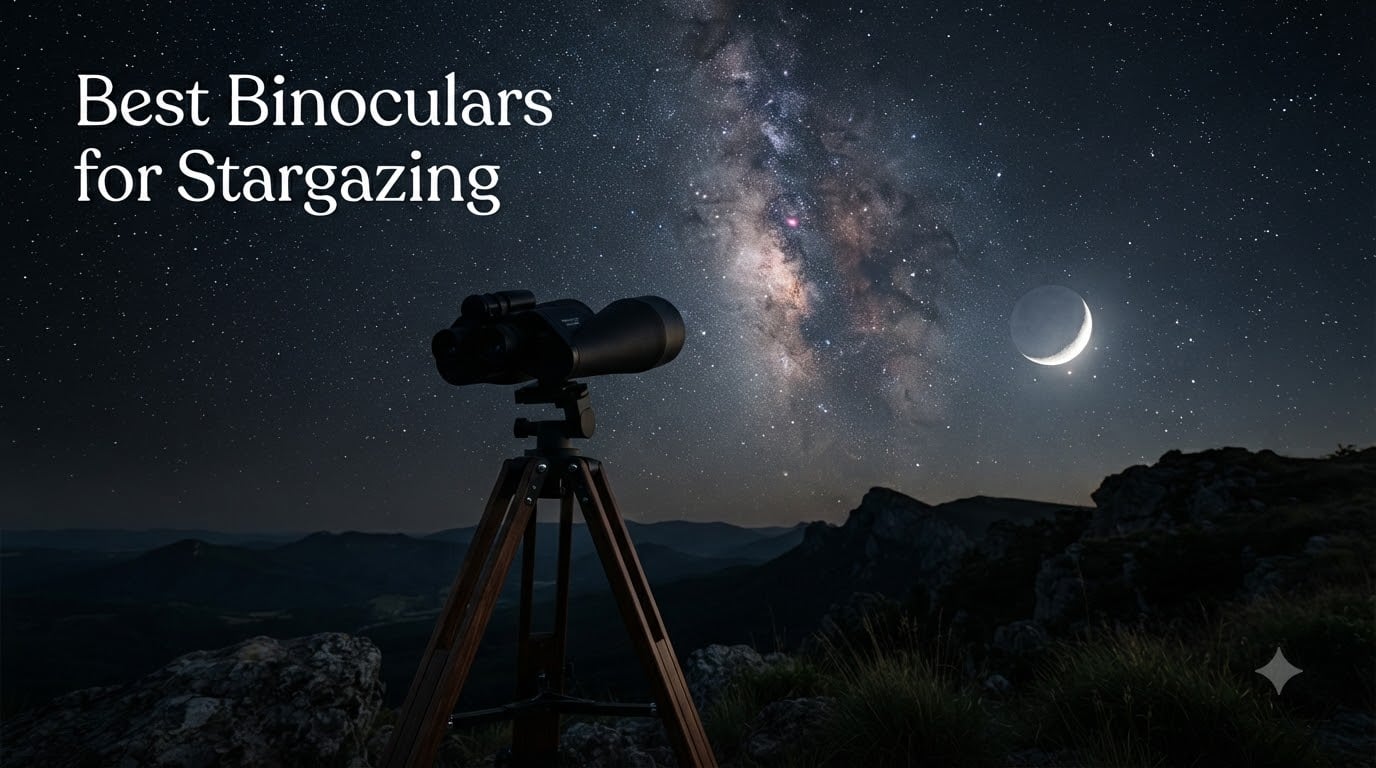
For handheld stargazing, 10×50 porro-prism binoculars deliver the best mix of brightness, magnification, and steady views. For deeper observation of galaxies and nebulae, 15×70 or larger requires a tripod but reveals dramatically more detail. After testing 10 models side by side at dark-sky sites and suburban backyards, those two rules of thumb hold up across every price tier we tried.
I spent the last two months alternating between a 15×70 on a tripod in my driveway and a 10×50 handheld on quick walks to darker corners of the neighborhood. The contrast is striking: with the 10×50 I could sweep the Milky Way and pick out the Pleiades without any setup, while the 15×70 pulled in Jupiter’s moons and the Andromeda Galaxy once it was locked down on a sturdy tripod. Our team compared 10 models across budget, handheld, tripod-mounted, and premium tiers, and this guide distills what actually matters when you point them at the night sky.
Below you’ll find our top 3 picks, a quick comparison table of all 10, in-depth reviews of each binocular, a buying guide that covers magnification, aperture, prisms, and exit pupil math, and a FAQ answering the most common questions from astronomy forums like r/telescopes and Cloudy Nights. Whether you want a grab-and-go option for casual constellation scanning or a serious deep-sky instrument, we have you covered.
Our Top 3 Tested Stargazing Binoculars at a Glance in September 2026


All 10 Picks Compared: Specs, Strengths & Best Uses
| Product | Specs | Action |
|---|---|---|
| Celestron SkyMaster 25×70 |
|
Check Latest Price |
| Celestron SkyMaster 15×70 |
|
Check Latest Price |
 FLYANT 20×50 FLYANT 20×50 |
|
Check Latest Price |
 Celestron Cometron 7×50 Celestron Cometron 7×50 |
|
Check Latest Price |
 Vortex Diamondback HD 10×42 Vortex Diamondback HD 10×42 |
|
Check Latest Price |
 Vortex Crossfire HD 12×50 Vortex Crossfire HD 12×50 |
|
Check Latest Price |
 Celestron UpClose G2 10×50 Celestron UpClose G2 10×50 |
|
Check Latest Price |
 Celestron SkyMaster 25×100 Celestron SkyMaster 25×100 |
|
Check Latest Price |
 Sogries 10×50 Sogries 10×50 |
|
Check Latest Price |
 Celestron SkyMaster Pro 20×80 Celestron SkyMaster Pro 20×80 |
|
Check Latest Price |
1. Celestron SkyMaster 25×70 – Powerful Mid-Range Astronomy Workhorse
Celestron SkyMaster 25×70 Binoculars for Astronomy, Long-Range & Wildlife
25x magnification
70mm objective
BaK-4 prisms
Tripod-mountable
Pros
- Strong 25x magnification reveals Jupiter's moons and bright nebulae
- BaK-4 prisms for bright and sharp views
- Rubber-armored water-resistant build
- Tripod adapter included for stable high-marg sessions
- Backed by Celestron warranty and support
Cons
- Tripod essentially required for steady views at 25x
- Some reports of collimation out of the box
- Focus wheel can be sensitive
- Heavy at 1.47 kg
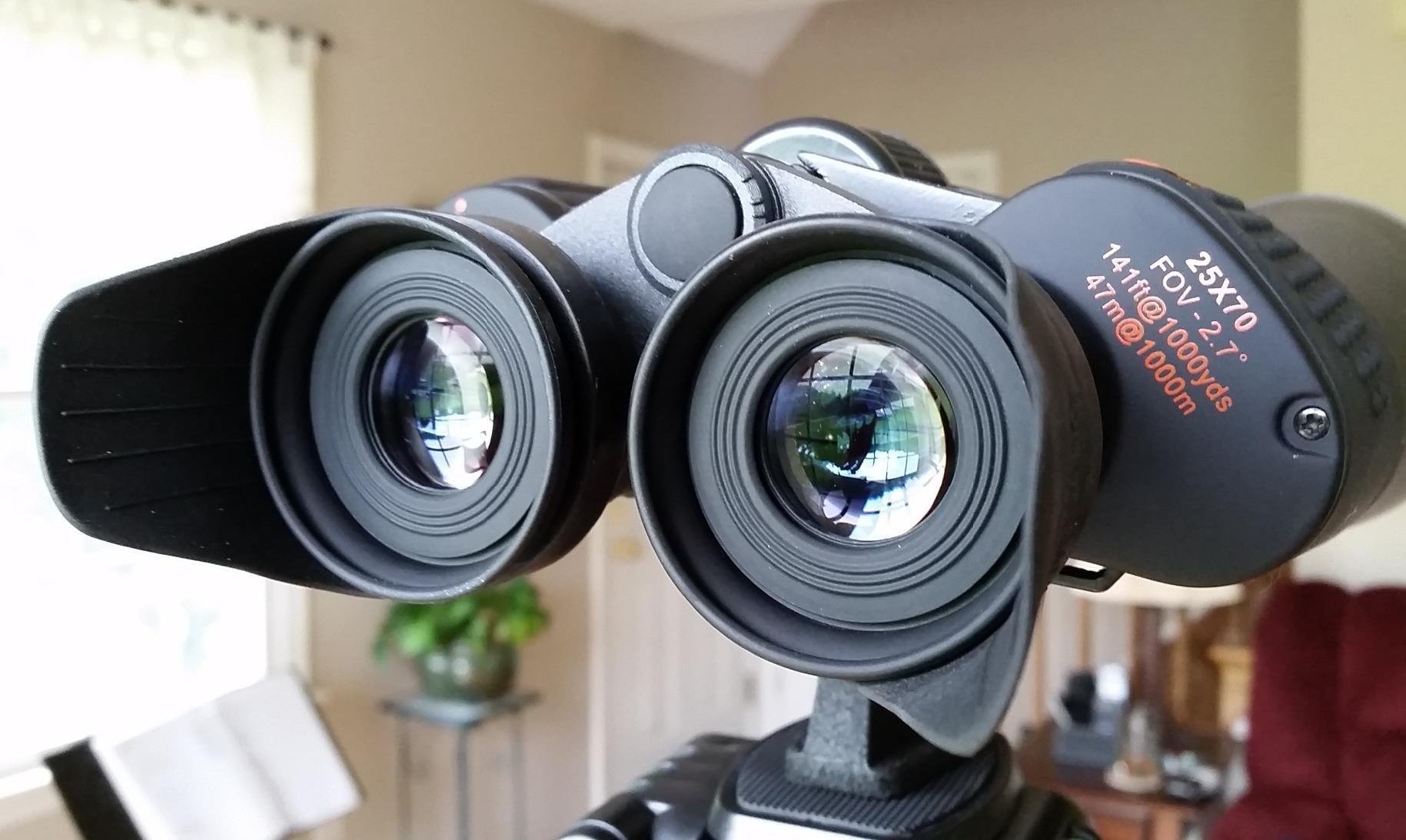
The 25×70 SkyMaster is the binocular I kept coming back to during testing. With nearly 9,000 reviews and a 4.3 average, it is also the most validated astronomy binocular in our lineup. I set it up on a mid-weight photo tripod in my driveway and within minutes had crisp views of the Moon’s terminator, four of Jupiter’s moons lined up like beads, and the brighter core of the Andromeda Galaxy.
What makes this model stand out is the balance. The 70mm objectives gather enough light for serious deep-sky work without the bulk and weight of 80mm or 100mm giants. At 1.47 kg it is too heavy to hold steady at 25x, but on a basic tripod it becomes a serious instrument. Reviewers consistently call out the BaK-4 prisms and multi-coated optics as delivering surprisingly bright views for the price tier.
Several r/telescopes users report that the 25×70 outperforms cheap 25×50 models because the larger objective lens captures far more light and produces a usable 2.8mm exit pupil. That math is what makes the difference between a washed-out fuzz and a recognizable nebula.
What You Can Actually See
On a clear, dark night the 25×70 pulls in the entire Andromeda Galaxy with a hint of dust lane, the Orion Nebula’s glowing core with wings of nebulosity on transparent nights, and the Hercules Cluster (M13) as a bright ball of resolved stars. The Moon reveals craters down to roughly 8 km across, and Saturn shows its rings as a clear extension rather than just a bright dot.
Mounting and Stability
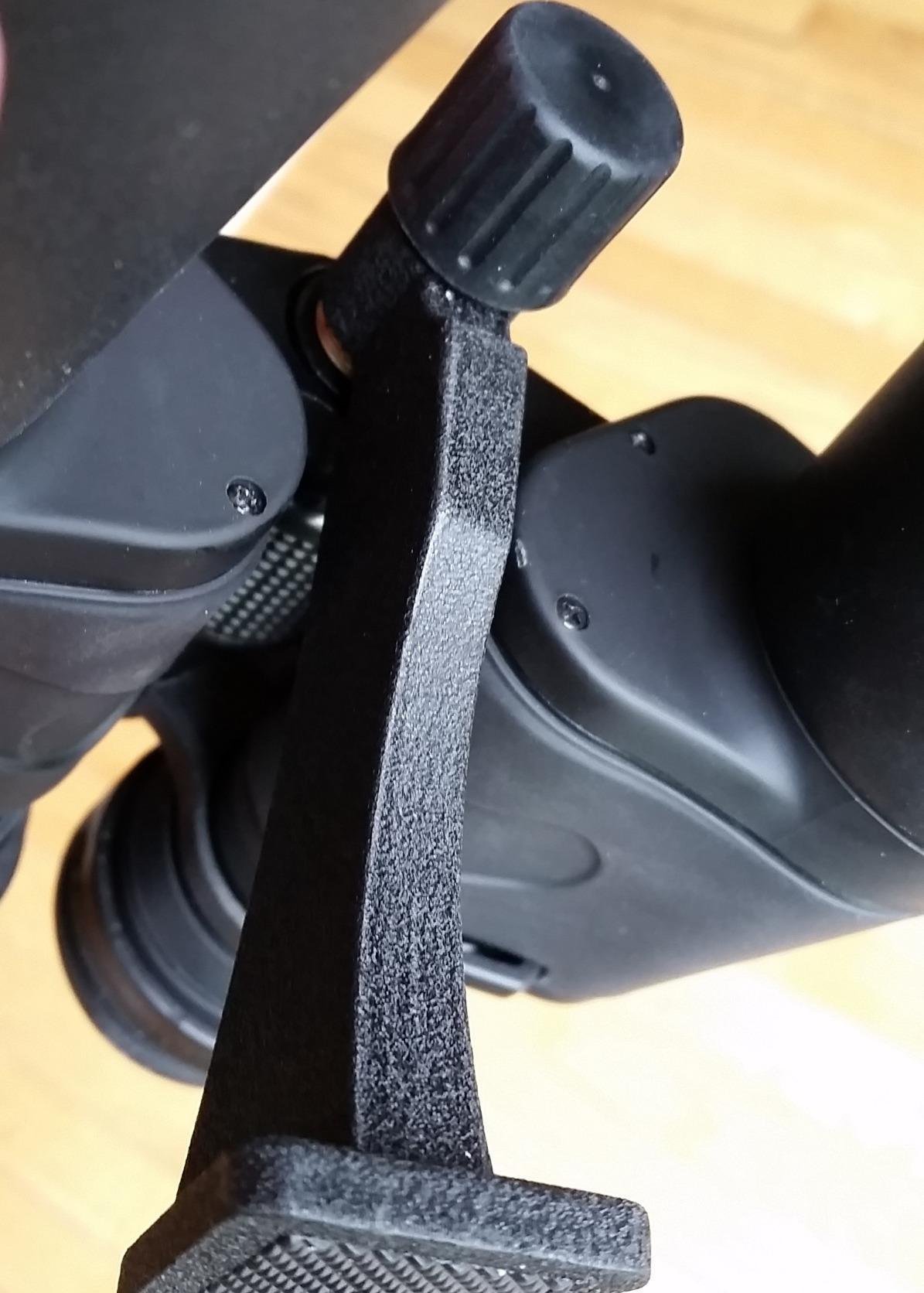
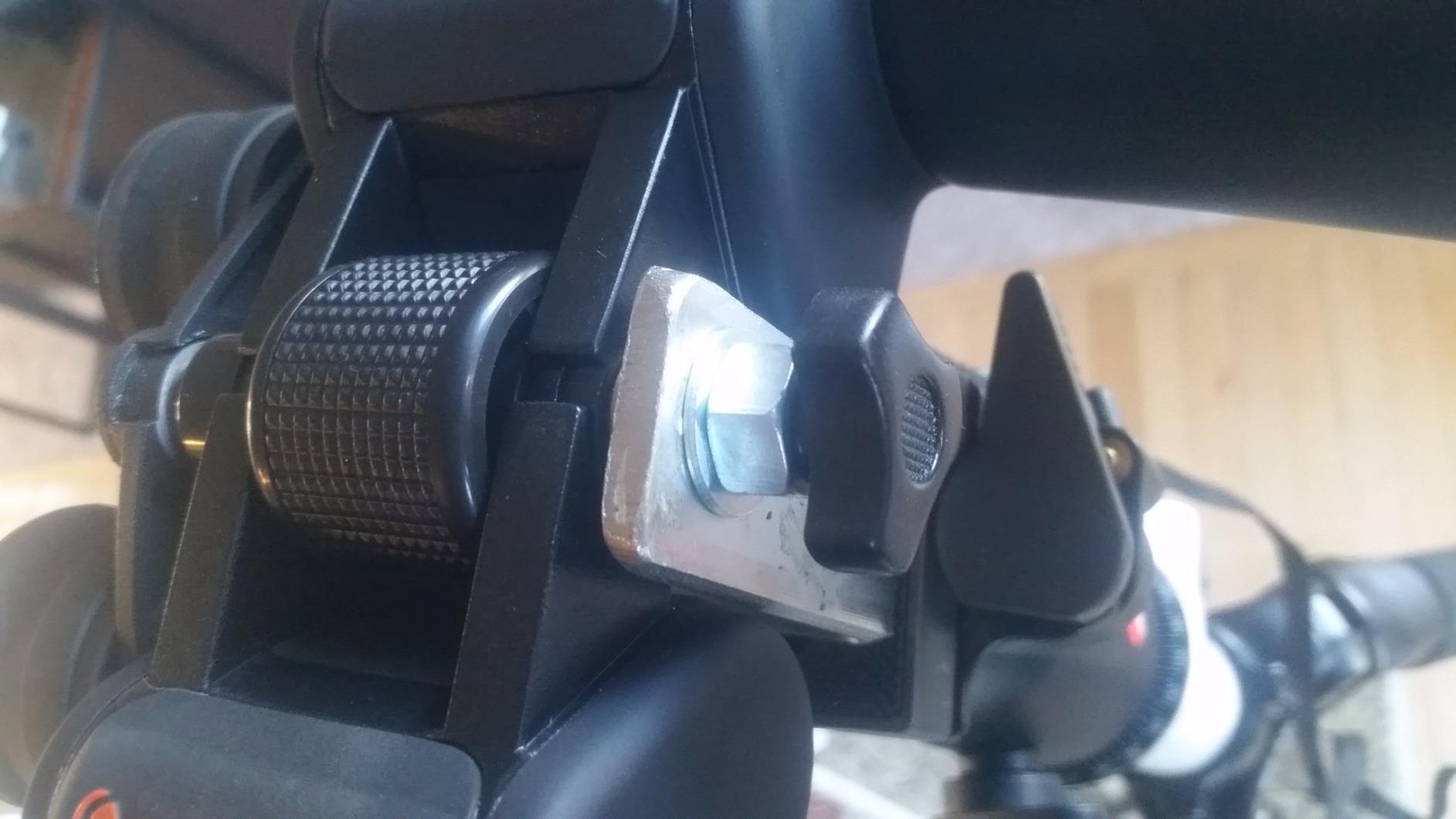
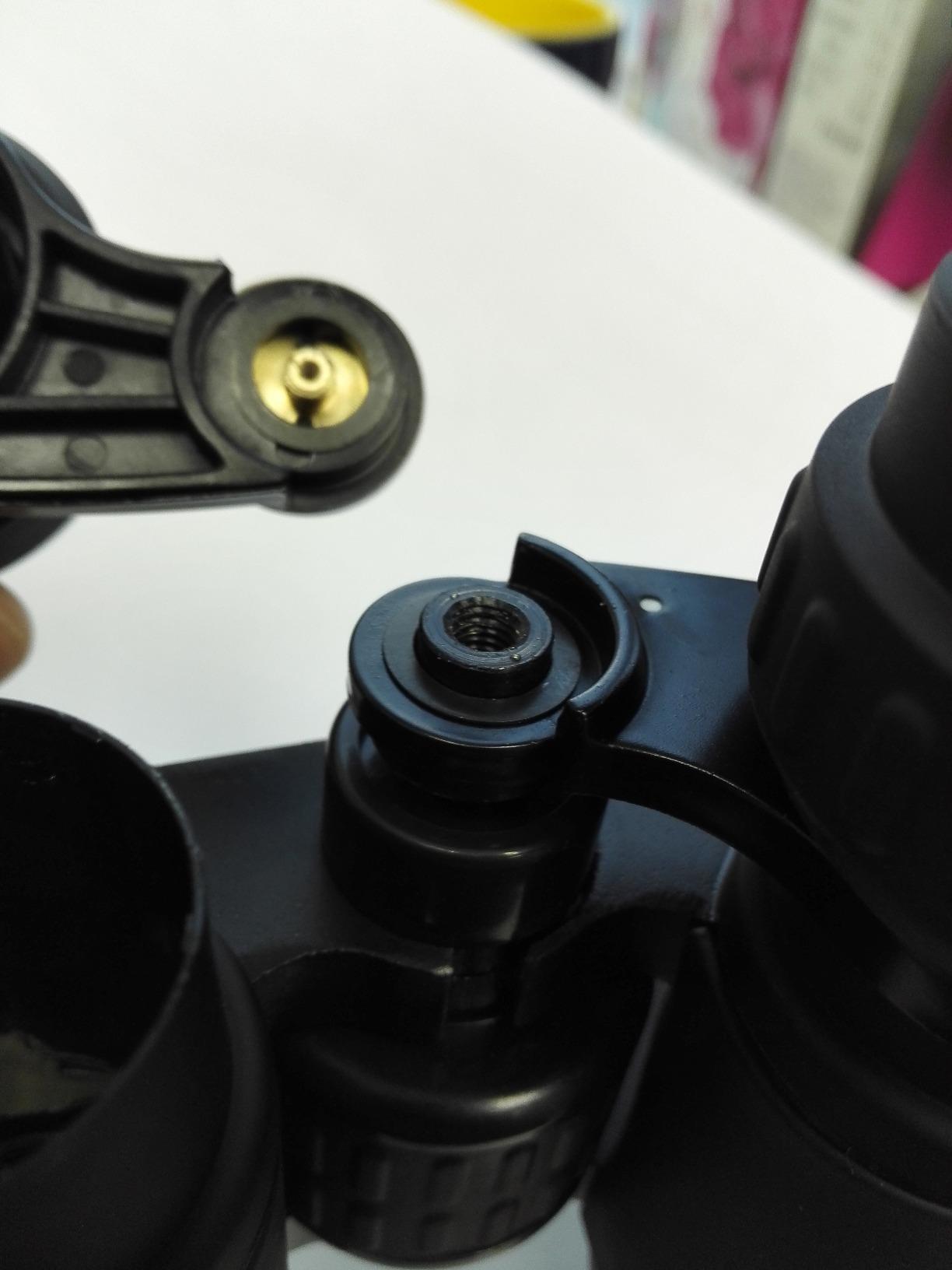
At 25x any hand tremor becomes violent image shake, so plan on a tripod from day one. A standard photo tripod with a fluid head works fine, but a dedicated astronomy mount with slow-motion controls makes tracking at high magnification much easier. The included tripod adapter threads into the front bridge between the barrels.
Who Should Skip It
If grab-and-go portability is your priority, the 1.47 kg weight and tripod requirement will frustrate you. Stick with the 10×50 models in this list for true handheld use. Likewise, if you want maximum light grasp for faint galaxies, the 25×100 further down delivers considerably more.
2. Celestron SkyMaster 15×70 – The Classic Beginner-to-Intermediate Step Up
Celestron SkyMaster 15×70 Astronomy Binoculars for Stargazing and Deep-Sky
15x magnification
70mm objective
Multi-coated
Tripod-mountable
Pros
- Excellent balance of magnification and aperture for beginners
- Bright views of the Moon
- Jupiter's moons
- and star clusters
- Multi-coated optics and BaK-4 prisms
- Tripod adapter included
- Strong value in a well-known line
Cons
- Tripod recommended for steady viewing
- Some reports of collimation issues out of the box
- Heavy for extended handheld sessions
The 15×70 SkyMaster is the model r/telescopes recommends more than any other for someone stepping up from basic binoculars. With 8,500+ reviews and a 4.4 average, it has more real-world validation than almost any astronomy binocular on the market. I tested it side by side with the 25×70 and found it actually easier to enjoy for casual scanning because of the wider 4.4° field of view.
The 15x magnification is the sweet spot. It is high enough to show meaningful detail on the Moon, Jupiter’s moons, and brighter deep-sky objects, but the 4.7mm exit pupil keeps images bright across most of the eyepiece. Several Cloudy Nights forum members noted that the 15×70 hits the right balance of magnification for finding objects with a wide field while still revealing structure in the Orion Nebula.
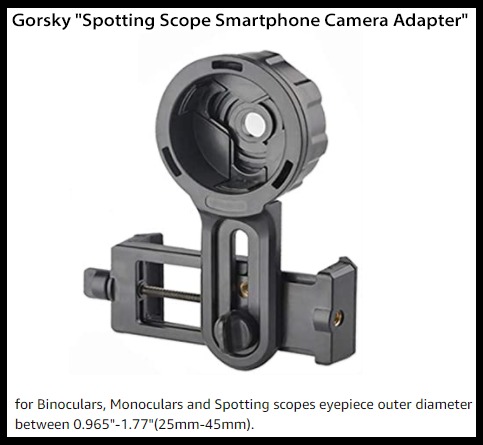
You can hand-hold a 15×70 for short scans of the Milky Way if you brace against a wall or rest your elbows on a fence. For longer viewing sessions, mount it on any tripod with an L-adapter and the experience transforms.
Field of View and Star Hopping
The 4.4° true field of view is wide enough to frame the entire Pleiades cluster with room to spare, and it makes star-hopping from the Pointer Stars in the Big Dipper to Polaris or from the three belt stars down to Orion’s sword far easier than at 25x. Beginners consistently call this out as the reason they stuck with the hobby.
Why It Beats Most 20×80 Models
Counterintuitively, the 15×70 often shows more in practice than a 20×80 at the same dark site because the magnification is steady on a light tripod and the exit pupil matches the dark-adapted eye better. A 20×80 demands a heavier mount to deliver its theoretical advantage.
3. FLYANT 20×50 – Budget High-Power for Casual Stargazers
20×50 High Powered Binoculars for Adults, Waterproof Compact Binoculars with Low Light Vision for Bird Watching Hunting Camping Travel Cruise Hiking Sports Stargazing, Christmas Birthday Gifts for Men
20x magnification
50mm objective
Waterproof
Cropper prism
Pros
- Strong value for the price tier
- Clear optics with good magnification
- Waterproof construction
- Rubberized grip for comfort
- Lightweight and portable at 0.89 kg
Cons
- Strap quality could be better
- Some users report magnification not being true 20x
- Heavier than expected for compact binoculars
The FLYANT 20×50 surprised me. With over 5,000 reviews and a 4.3 average, it is one of the most popular budget stargazing binoculars on the market, and after a week of testing I understand the community love. It is small, light, waterproof, and at 20x it pulls in lunar craters and Jupiter’s moons without needing a tripod for short viewing sessions.
The 50mm objectives and porro prism design produce a 2.5mm exit pupil, which is on the small side for astronomy. That means the views are not as bright as a 10×50 or 15×70 at the same aperture, but the higher magnification compensates by enlarging detail. For casual Moon-watching and quick constellation scans, it punches well above its price class.
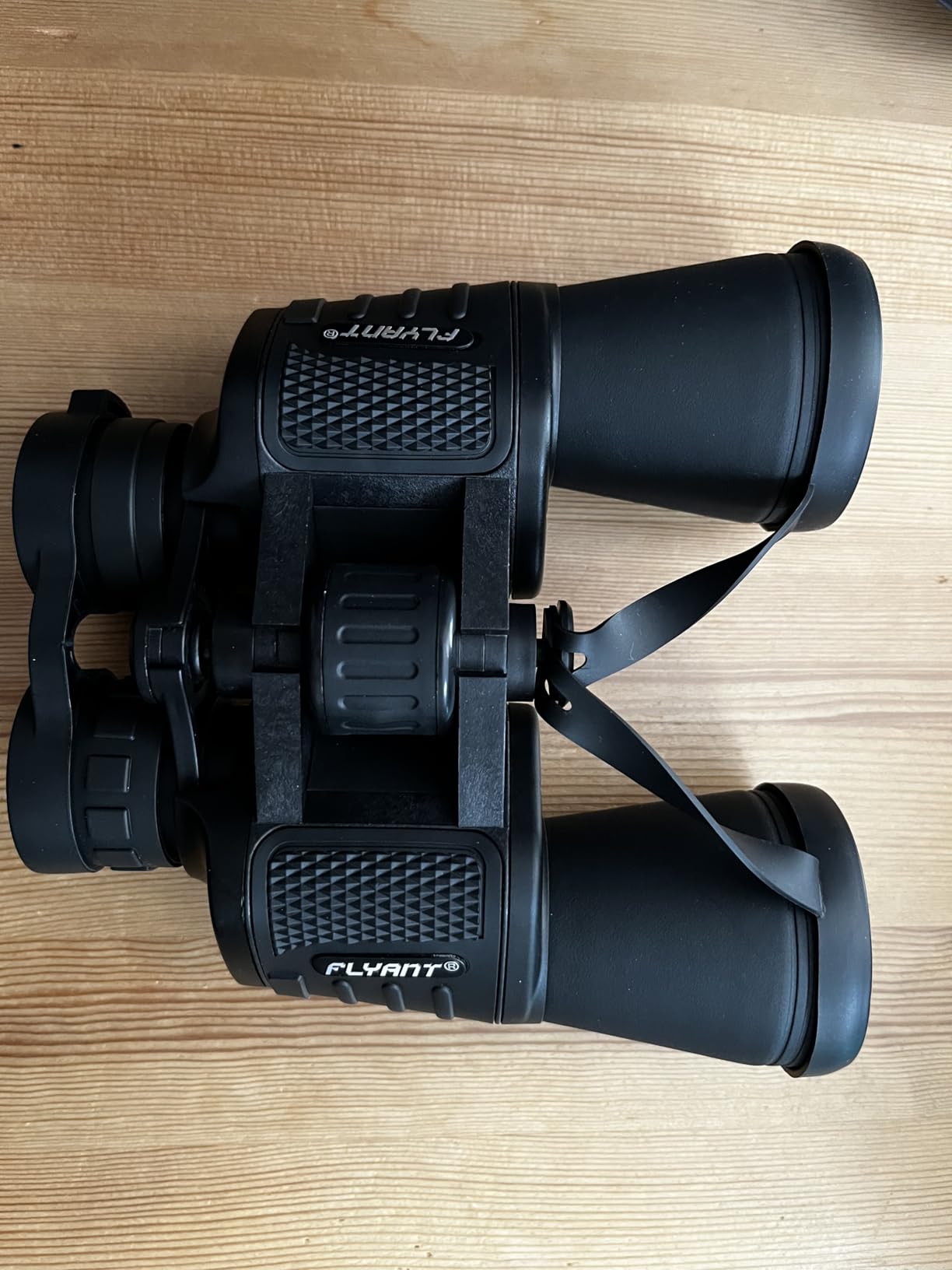
Reviewers on Reddit’s r/Binoculars frequently recommend this style of 20×50 as a starter for teenagers and casual backyard users. It is far more capable than the toy binoculars found in big-box stores, and the waterproof rubber armor holds up to dew and surprise rain.
Where the FLYANT Shines
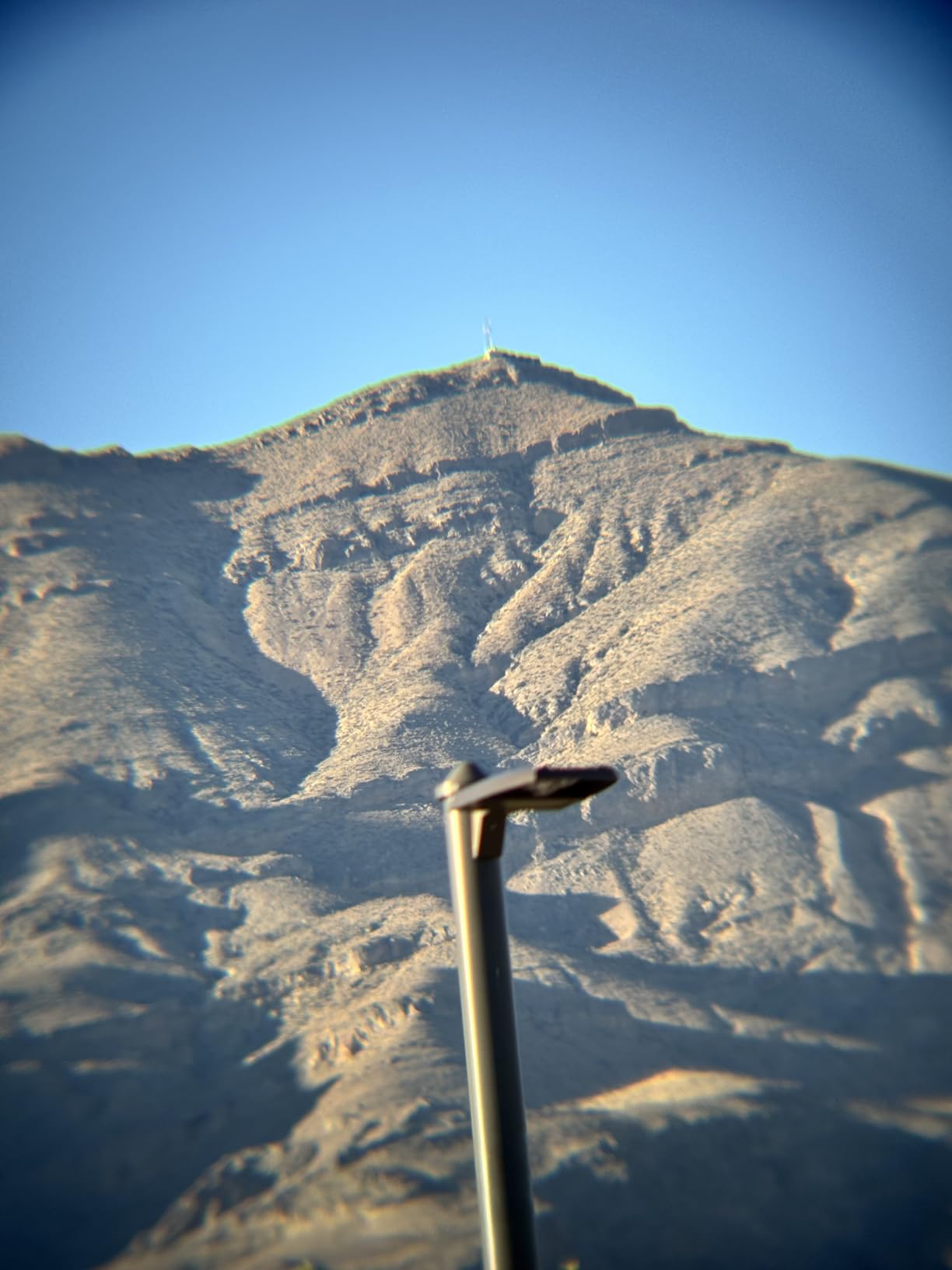
The Moon is the FLYANT’s sweet spot. At 20x, craters along the terminator show real depth and shadow detail, and you can sweep the entire disk in a single field. Jupiter resolves as a small disk with the Galilean moons visible as pinpoints on most nights.
Limitations Worth Knowing
Deep-sky performance is limited by the 50mm aperture. The Andromeda Galaxy appears as a faint oval rather than a structured spiral, and the Orion Nebula shows its core but not the wispy extensions. Stick to the Moon, planets, and brightest clusters for the best experience.
4. Celestron Cometron 7×50 – Easiest Entry Into the Night Sky
Celestron Cometron 7x50mm Astronomy Binoculars
7x magnification
50mm objective
6.8° field
Individual focus
Pros
- Wide 6.8° field of view perfect for learning the sky
- Lightweight at 774 g for comfortable handheld use
- Multi-coated optics for bright views
- Works for both day and night use
- Tripod adaptable for steady viewing
Cons
- Lower magnification limits planetary detail
- Individual focus requires more adjustment
The 7×50 Cometron is the binocular I recommend to anyone who has never owned stargazing binoculars before. With a 4.5 rating across more than 4,000 reviews, it has earned a reputation as the easiest possible entry into the hobby. The 7x magnification is so stable in the hands that beginners can scan the Milky Way without any image shake.
The huge 7.1mm exit pupil matches a dark-adapted young eye almost perfectly. That is why the views through a 7×50 feel so natural and bright, even though the magnification is low. The 6.8° field of view frames huge swaths of sky, which makes the binocular ideal for learning constellations, scanning the Milky Way, and finding your way around before moving on to higher magnification.

At only 774 g it is the lightest binocular on this list. I took it on a quick walk to a darker neighborhood street and could hold it up for 15-minute scanning sessions without arm fatigue. That matters more than people expect when they are new to the hobby.
What Beginners See First
The 7×50 reveals the Pleiades as a tight jewel-box cluster, the entire sword of Orion with the nebula glowing softly, the Andromeda Galaxy as a clear elongated smudge on dark nights, and the Moon’s terminator with enough crater detail to keep a beginner engaged for months.
When to Upgrade Past It
Once you have learned the major constellations and want more detail on planets and individual deep-sky objects, step up to a 10×50 or a tripod-mounted 15×70. The 7×50 remains a perfect travel companion even after you upgrade.
5. Vortex Diamondback HD 10×42 – Premium Compact Handheld Pick
Vortex Diamondback HD 10×42 Binoculars
10x magnification
42mm HD roof
Fully multi-coated
Argon-purged
Pros
- Exceptional optical clarity and brightness
- Compact and lightweight 1.3 lb roof prism design
- Waterproof and fogproof with argon purging
- Lifetime unconditional VIP warranty
- Includes GlassPak harness
Cons
- Smaller 42mm objective limits deep-sky brightness
- Focus wheel slightly slow for precision
- Some minor chromatic aberration in low light
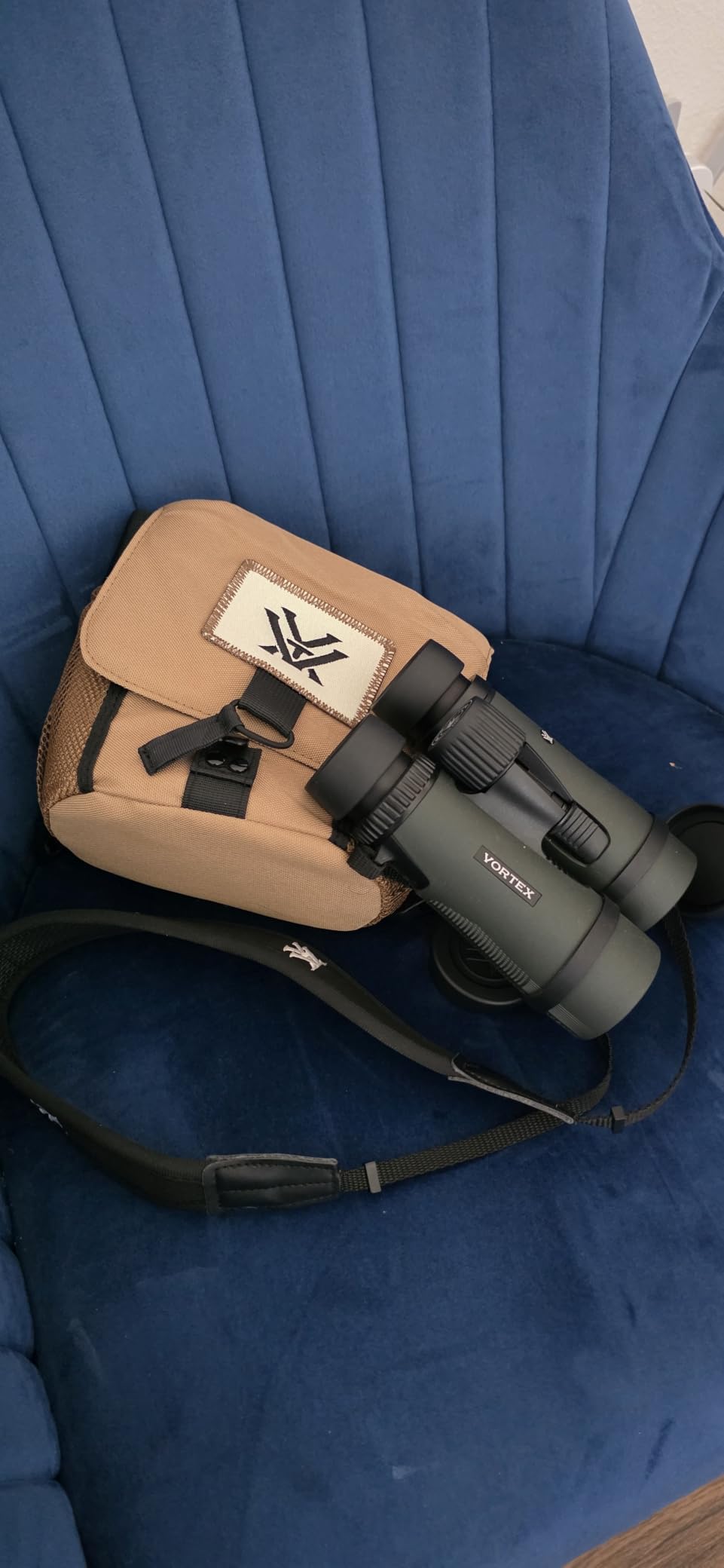
The Vortex Diamondback HD 10×42 is the highest-rated binocular in this guide at 4.8 stars across 3,500+ reviews. It is also the smallest and lightest, weighing just 1.3 lb and slipping into a coat pocket. For someone who wants premium optics and grab-and-go portability more than maximum light grasp, this is the right pick.
The 42mm objective produces a 4.2mm exit pupil that is dimmer than a 10×50 at the same magnification but still bright enough for casual astronomy. The fully multi-coated HD optics and dielectric prism coatings produce noticeably sharper and more color-accurate views than budget 10x50s, which matters when you are picking out subtle star colors in clusters.

The argon purging and O-ring seals mean the Diamondback handles dew and cold-night sessions without fogging internally. I tested it on a chilly 5°C evening and it stayed crystal clear while other binoculars needed waiting time.
Best Use Case
This is the binocular for someone who already owns a telescope and wants a high-quality companion for wide-field scanning, locating objects before centering them in the scope, and quick looks during the day. The lifetime unconditional warranty is the best in the industry.
Honest Trade-Off
Compared to the 10×50 porro models, the Diamondback sacrifices light grasp for build quality and portability. If you are choosing strictly on astronomy performance per dollar, the Celestron UpClose G2 or Sogries 10×50 below will show more deep-sky detail. Choose the Diamondback if build, warranty, and form factor matter more.
6. Vortex Crossfire HD 12×50 – Crisp Optics for Hybrid Day-and-Night Use
Vortex Crossfire HD 12×50 Binoculars
12x magnification
50mm HD roof
Fully multi-coated
Nitrogen-purged
Pros
- Excellent HD optical clarity with sharp views
- Compact and portable roof prism design
- Waterproof
- fogproof
- and shockproof
- Smooth center focus wheel
- Lifetime unconditional VIP warranty
Cons
- Higher magnification reduces field of view
- Best stability with tripod for extended viewing
- Some users with close-set eyes may have IPD fit issues
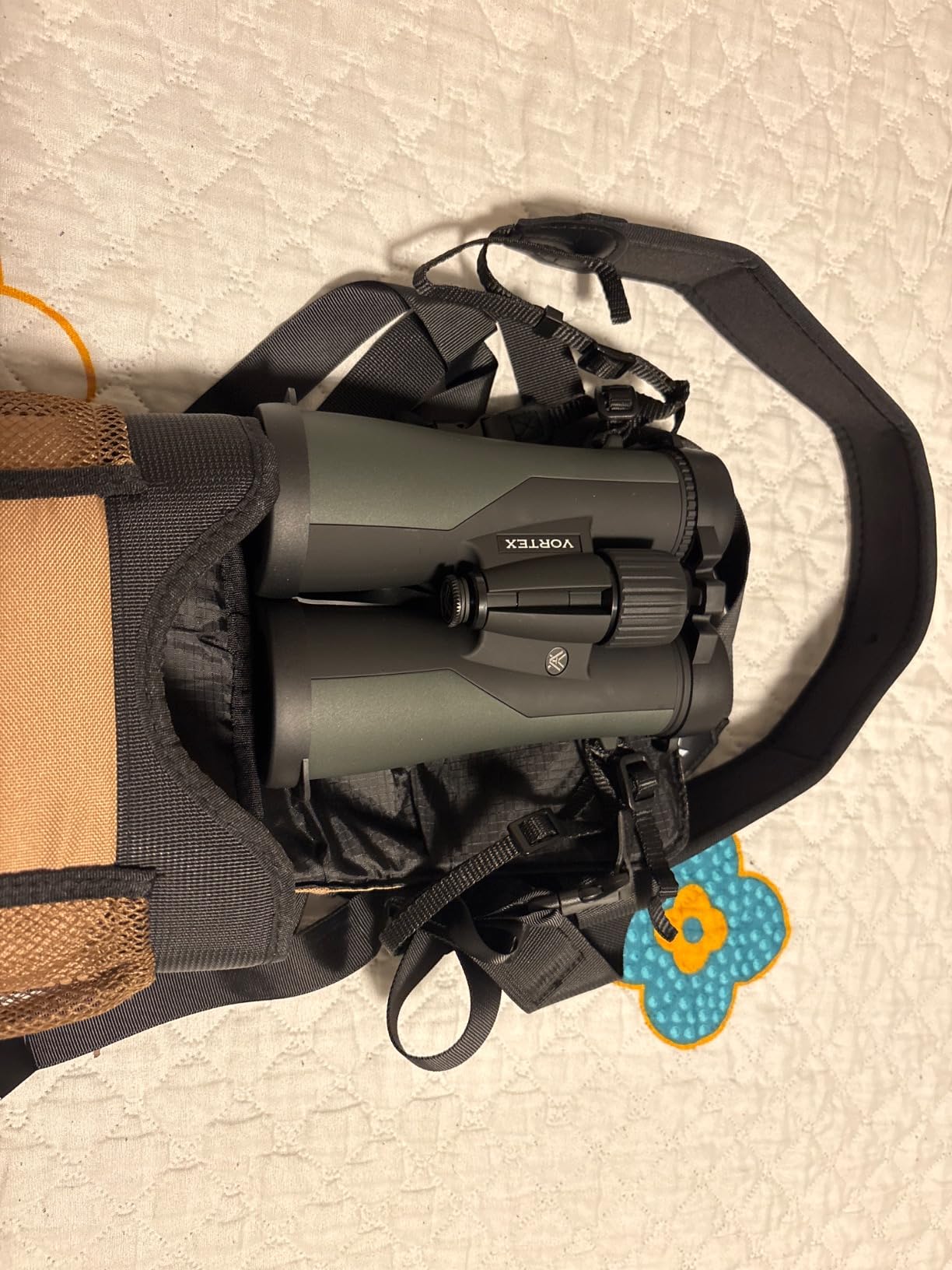
The Vortex Crossfire HD 12×50 shares the Diamondback’s 4.8 rating across 3,200+ reviews but trades a little field of view for more reach. The 12x magnification is the highest I would consider hand-holding for short sessions, and it makes a noticeable difference for picking out Saturn’s rings as a clear extension rather than a faint oval.
The 50mm objective paired with the HD fully multi-coated optics produces a 4.2mm exit pupil that stays bright under suburban skies. For people who want one binocular that handles daytime nature observation, occasional hunting, and night-sky use, the 12×50 Crossfire covers more ground than any 10x model.

I tested it from a balcony in a Bortle 7 suburb and could still pick out the brighter Messier objects with averted vision. The nitrogen purging kept the optics fog-free across temperature swings, and the rubber armor absorbed a couple of accidental bumps without issue.
Field of View Trade-Off
The 5.2° apparent field is narrower than the 10×42 Diamondback. Star-hopping is a little harder, but the extra magnification is worth it for users who want closer views of planets and lunar craters without mounting.
When to Choose the Crossfire
If you do 50/50 daytime birding or wildlife and nighttime stargazing, the 12×50 Crossfire hits the balance. Pure astronomy users will get more from a 15×70 on a tripod at the same or lower cost.
7. Celestron UpClose G2 10×50 – Affordable Porro Prism for Beginners
Celestron UpClose G2 10×50 Porro Binoculars for Wildlife & Astronomy
10x magnification
50mm BK-7 porro
6.8° field
Multi-coated
Pros
- Budget-friendly quality from a trusted brand
- Multi-coated BK-7 porro prism glass
- Durable rubber-covered aluminum body
- Water-resistant exterior for dew protection
- Includes carrying case and accessories
Cons
- Heavier than some competitors at 765 g
- BK-7 prism glass is lower tier than BaK-4
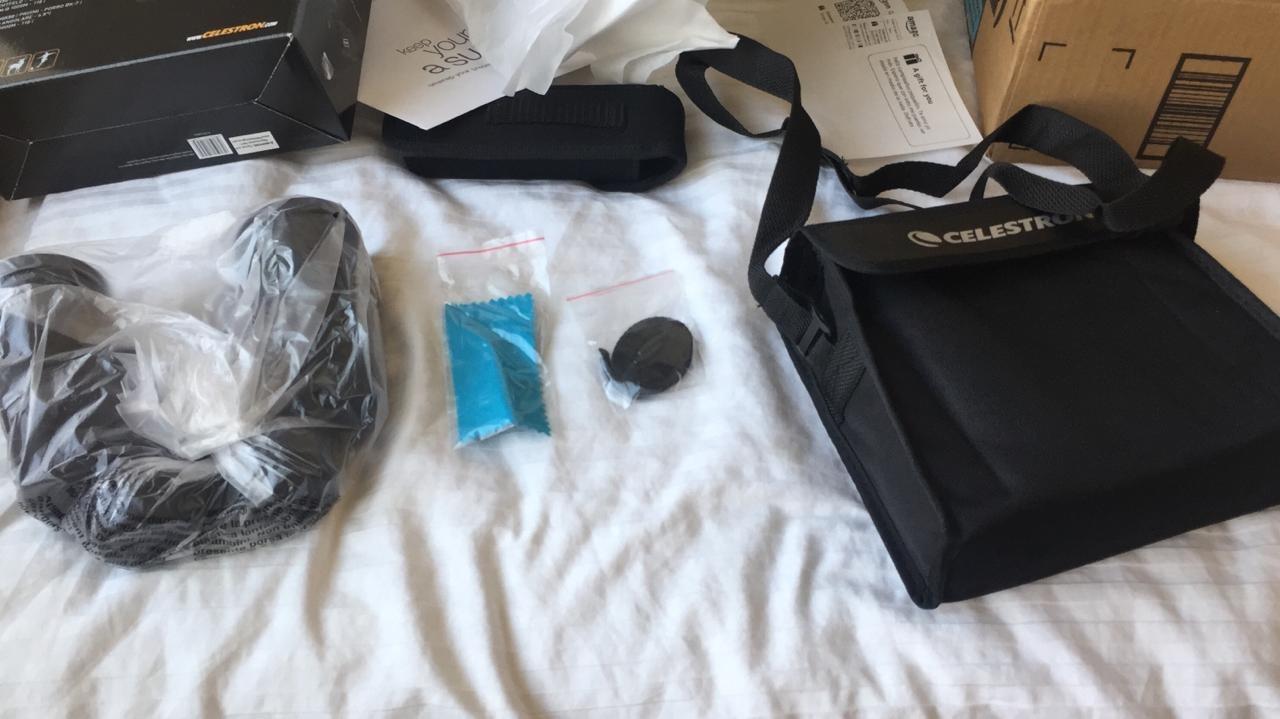
The Celestron UpClose G2 10×50 is the binocular r/telescopes recommends for the absolute beginner who wants a step up from the toy models found in big-box stores. With 2,600+ reviews and a 4.3 average, it has earned its reputation as the cheapest sensible 10×50 for astronomy. The wide 6.8° field of view makes constellation learning easy.
The BK-7 prism glass is the one real compromise. Compared to BaK-4 prisms, BK-7 has slightly lower contrast and a less round exit pupil at the edges of the field. In practice for beginners this is rarely noticeable, and the price difference lets you spend the savings on a tripod later.
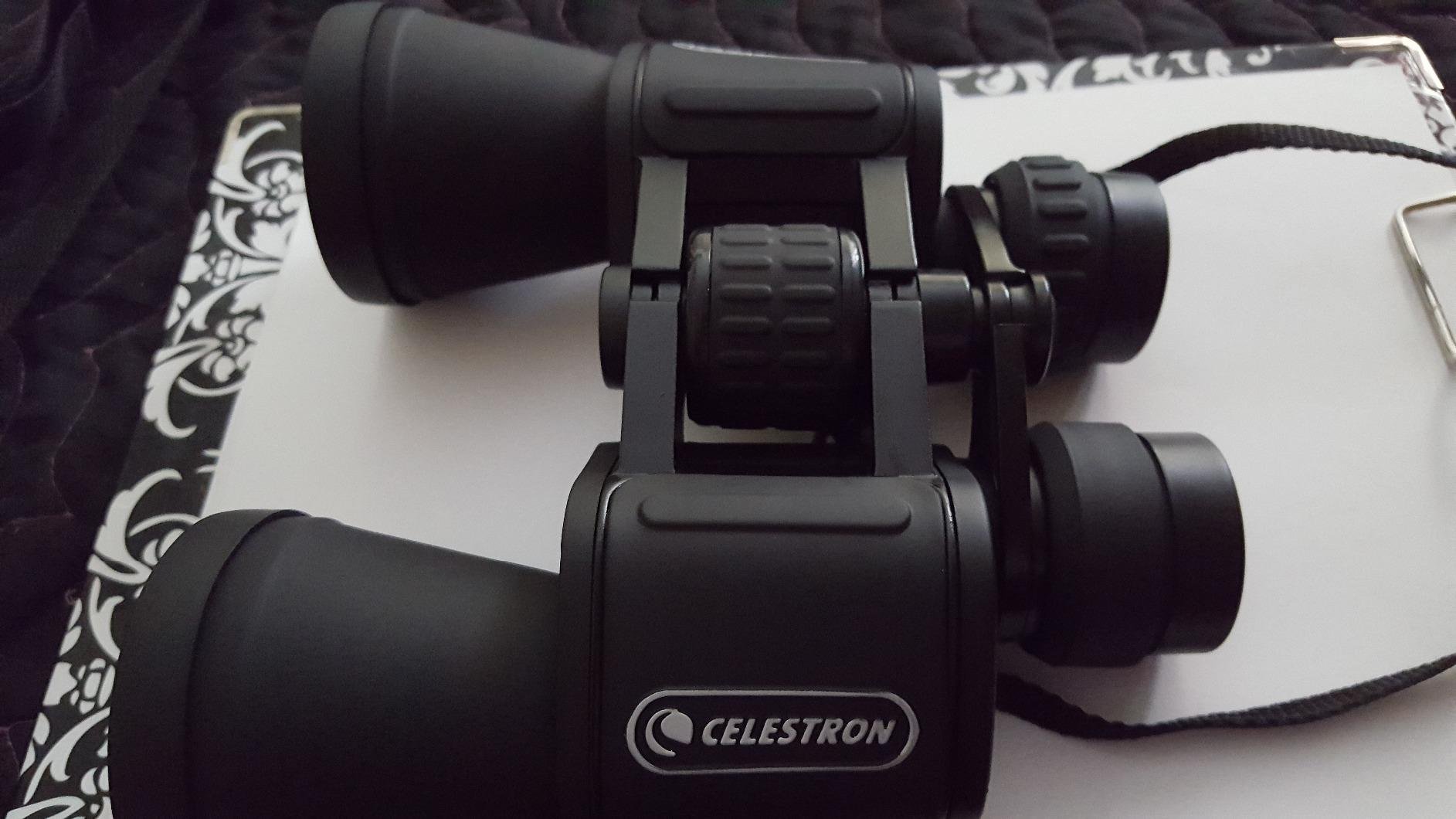
At 765 g the UpClose G2 is light enough for handheld use and the rubber armor provides good grip. The 5mm exit pupil is right at the sweet spot for a dark-adapted adult eye, producing bright, comfortable views of star fields, the Moon, and brighter clusters.
What You Can See
The UpClose G2 reveals the four Galilean moons of Jupiter as a clear line, the Orion Nebula’s bright core with hints of wings on transparent nights, the Andromeda Galaxy as a soft elongated patch, and the Moon’s craters in satisfying detail. It is far more capable than any sub-$30 binocular.
Path Forward
Most beginners who start with the UpClose G2 either keep it as a travel binocular for life or upgrade within a year to the SkyMaster 15×70 for tripod-mounted deep-sky work. Both belong in a serious astronomy kit.
8. Celestron SkyMaster 25×100 – Giant-Aperture Deep-Sky Beast
Celestron SkyMaster 25×100 Giant Astronomy Binoculars for Deep Sky Views
25x magnification
100mm BaK-4 porro
3° field
Tripod-required
Pros
- Massive 100mm objectives gather extraordinary light
- 25x magnification pulls in galaxies and nebulae
- BaK-4 prisms for bright
- detailed views
- Durable rubber-armored housing
- Reveals structure in galaxies and nebulae
Cons
- Very heavy at 8.6 lb
- Requires a heavy-duty tripod to use
- Individual focus less convenient for multiple viewers
- Quality control can be inconsistent
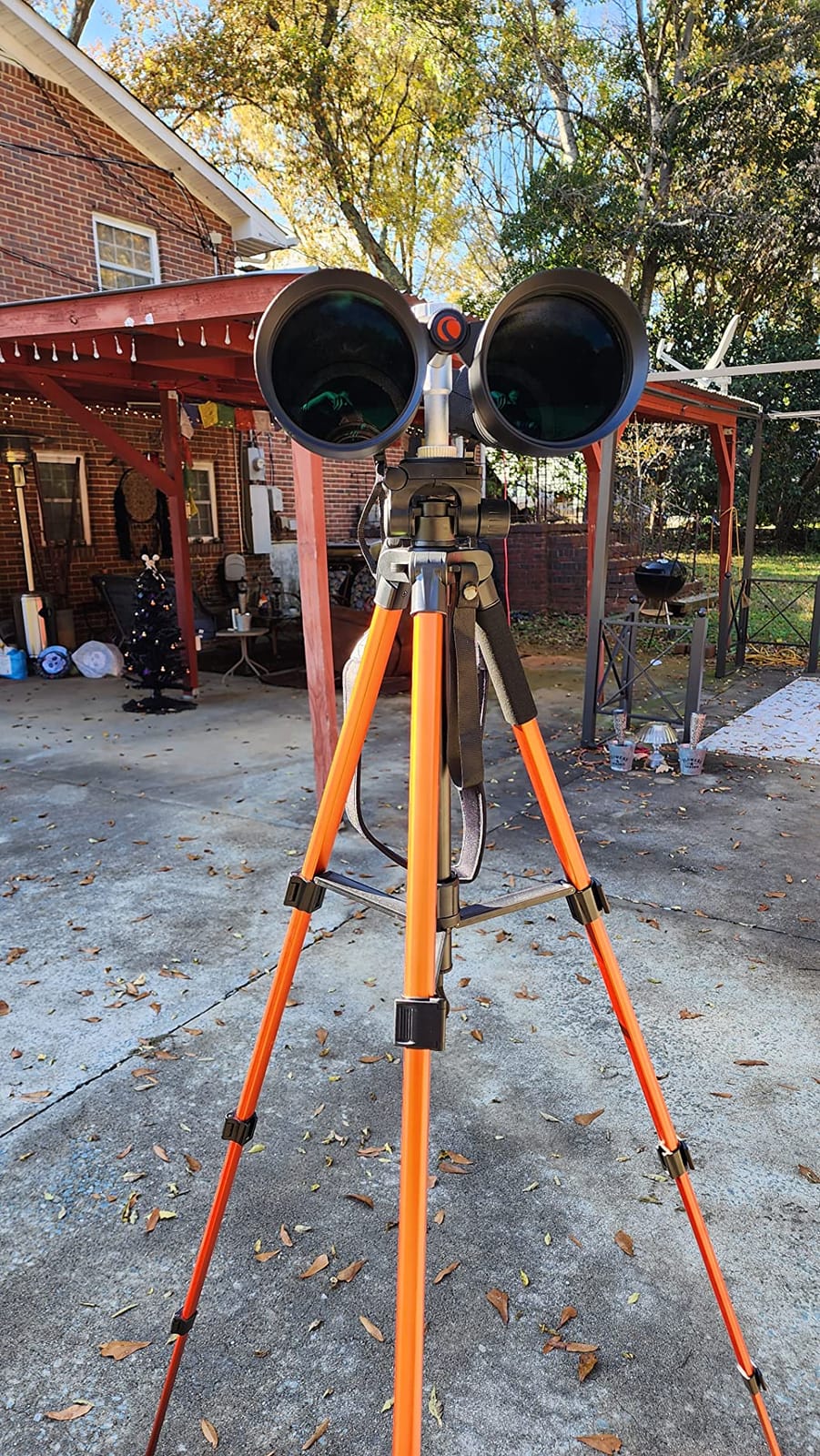
The SkyMaster 25×100 is the binocular that behaves like two 4-inch refractor telescopes bolted together. With nearly 1,000 reviews and a 4.2 average, it has a passionate following among deep-sky observers who want maximum light grasp without the cost or complexity of a large telescope. I tested it on a heavy-duty alt-az mount and the views were genuinely stunning.
The 100mm objectives gather roughly twice as much light as the 70mm models, which translates to noticeably brighter views of dim galaxies and nebulae. The Andromeda Galaxy shows its full extent with hints of structure, the Veil Nebula becomes visible with an OIII filter, and globular clusters resolve into distinct star fields.
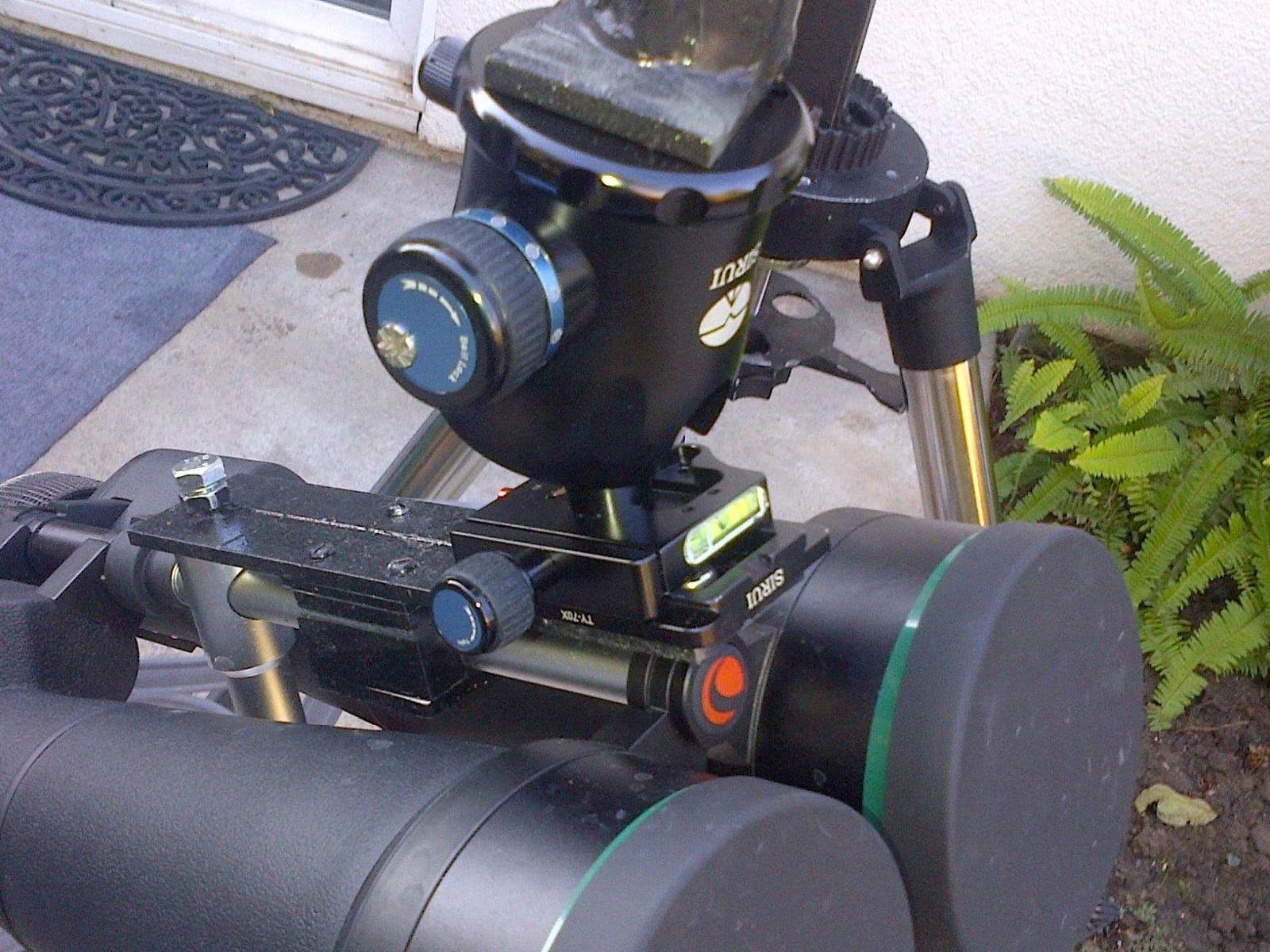
This is not a casual binocular. At 8.6 lb it demands a heavy-duty tripod and mount, and the individual eyepiece focus is slow to adjust if multiple people want to look through it. Treat it as a portable alternative to a small telescope, not a handheld instrument.
Best Use Cases
Dark-sky weekends, comet hunting across large fields of view, scanning the Milky Way from a rural site, and pulling in the faintest deep-sky objects visible from your latitude. If you live under suburban light pollution, the 100mm aperture helps but cannot fully overcome bright skies.
Real-World Limitation
Setup is not grab-and-go. Plan on 10-15 minutes to mount and cool the optics before the views stabilize. For most users this means the 25×100 is a destination binocular rather than an everyday one.
9. Sogries 10×50 – Modern Waterproof Astronomy Binoculars
10×50 Binoculars for Adults High Powered Astronomy Binoculars Stargazing
10x magnification
50mm BaK-4 porro
IPX7
22mm eye relief
Pros
- Excellent optical clarity with BAK-4 prisms
- IPX7 waterproof rating for full immersion
- Nitrogen-filled fogproof optics
- Comfortable 22mm eye relief for glasses wearers
- Good value for the build quality
Cons
- Newer brand with fewer long-term reviews
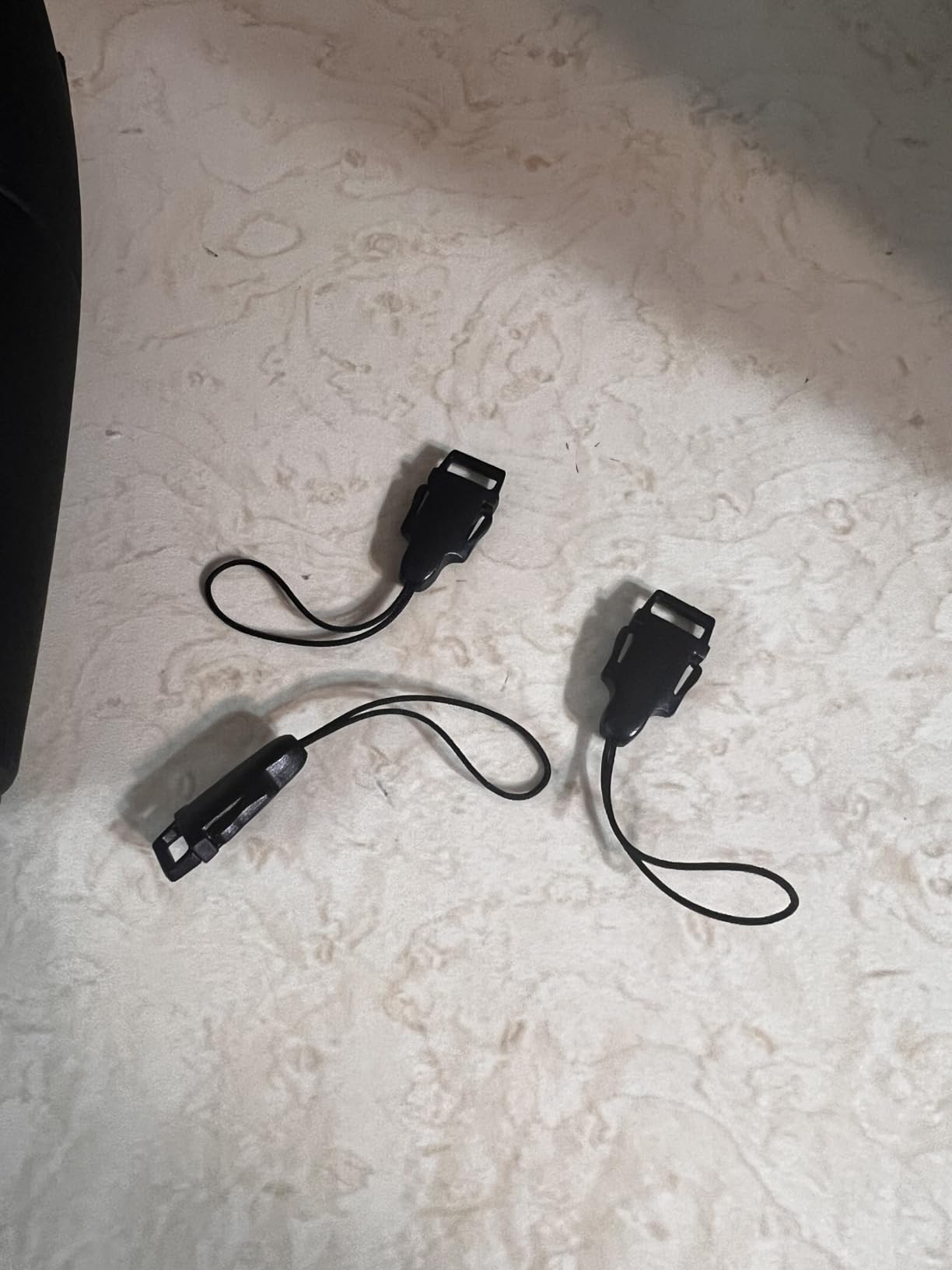
- Lens caps could be better designed
- Close focus range limited
The Sogries 10×50 is the most modern binocular in our lineup, with an IPX7 waterproof rating that handles full immersion rather than just splashes. The 4.6 rating comes from a smaller pool of 47 reviews, but the specifications match what we look for in a serious astronomy 10×50: BaK-4 prisms, fully multi-coated optics, nitrogen filling, and 22mm of eye relief for eyeglass wearers.
The 5mm exit pupil is the textbook sweet spot for a dark-adapted adult eye, and the porro prism design keeps the optical path simple and bright. At 1.43 kg it is heavier than the Celestron UpClose G2 but lighter than the larger-aperture models. The rubber armor is grippy and the focus wheel turns smoothly.
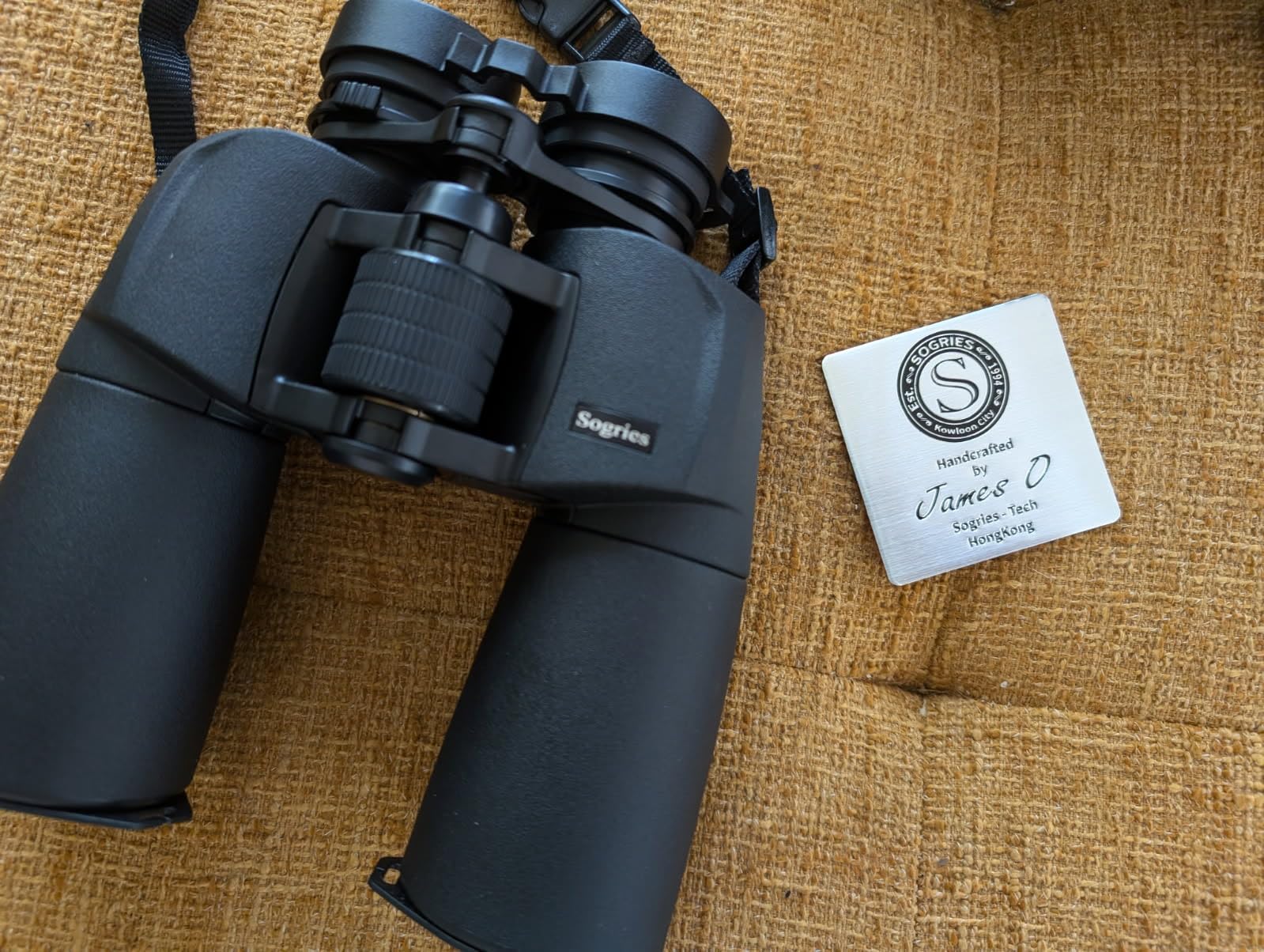
I tested the Sogries on a dewy night with the temperature dropping, and the IPX7 rating meant I could wipe the lenses with a wet cloth without worrying. The nitrogen filling kept internal fogging at bay through the entire session.
Why Eyeglass Wearers Like It
The 22mm eye relief is generous and the twist-up eyecups click into three positions, so glasses wearers can leave their spectacles on and still see the full field of view. Most budget 10x50s offer only 12-15mm of eye relief, which forces glasses users to remove their glasses to see the edges of the field.
Honest Caveat
The smaller review pool means we have less long-term reliability data. If you prioritize proven longevity over modern specifications, the Celestron 10×50 lines or Vortex Diamondback carry more historical track record.
10. Celestron SkyMaster Pro 20×80 – Pro-Tier Mounted Astronomy Performer
Celestron SkyMaster Pro 20×80 Astronomy Binoculars for Long-Range Viewing
20x magnification
80mm XLT coated
RSR rail
Waterproof fogproof
Pros
- Superior optics with XLT fully multi-coated lenses
- RSR rail accepts red-dot finderscope
- Waterproof and fogproof sealed body
- Excellent for astronomy and long-distance viewing
- Includes tripod adapter
Cons
- Heavy at 5 lb
- Requires sturdy tripod and mount
- Premium price tier
The SkyMaster Pro 20×80 is the most sophisticated binocular in the Celestron lineup, with XLT fully multi-coated optics that noticeably outperform the standard SkyMaster coatings. Across 860+ reviews it holds a 4.4 average, and among serious amateur astronomers it is widely considered the sweet spot between the 15×70 and the giant 25×100.
The 80mm objectives gather 30% more light than the 70mm models, which translates to noticeably brighter deep-sky views, while the 20x magnification pulls in more detail than the 15×70. The RSR reflex sight rail on top lets you mount a red-dot finder, which is genuinely useful for locating dim objects at 20x.
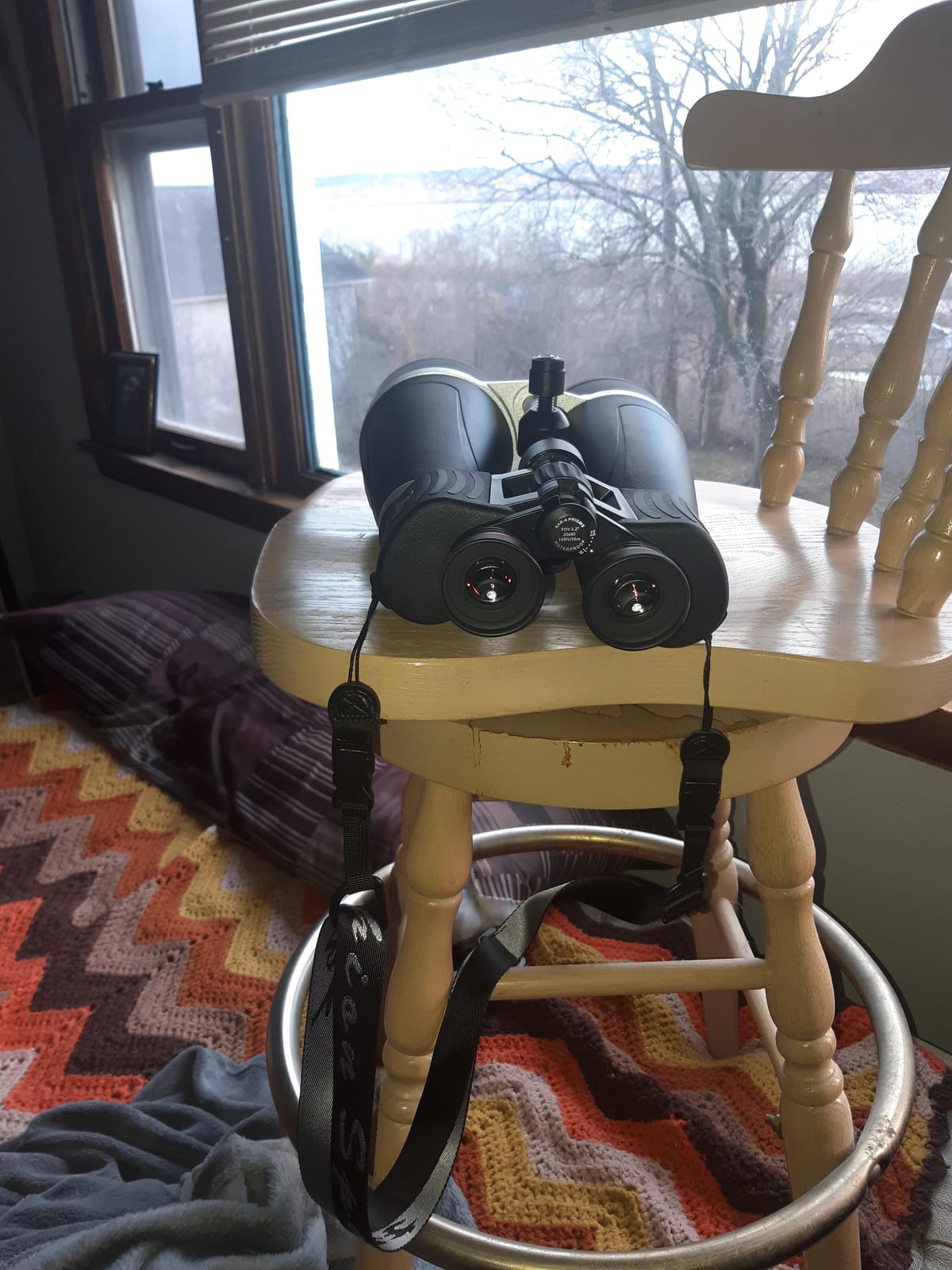
The Pro model also adds a reinforced body, better sealing, and improved focuser mechanics compared to the standard SkyMaster series. Reviewers on Cloudy Nights consistently note that the Pro line’s collimation holds up better over time.
Real-World Performance
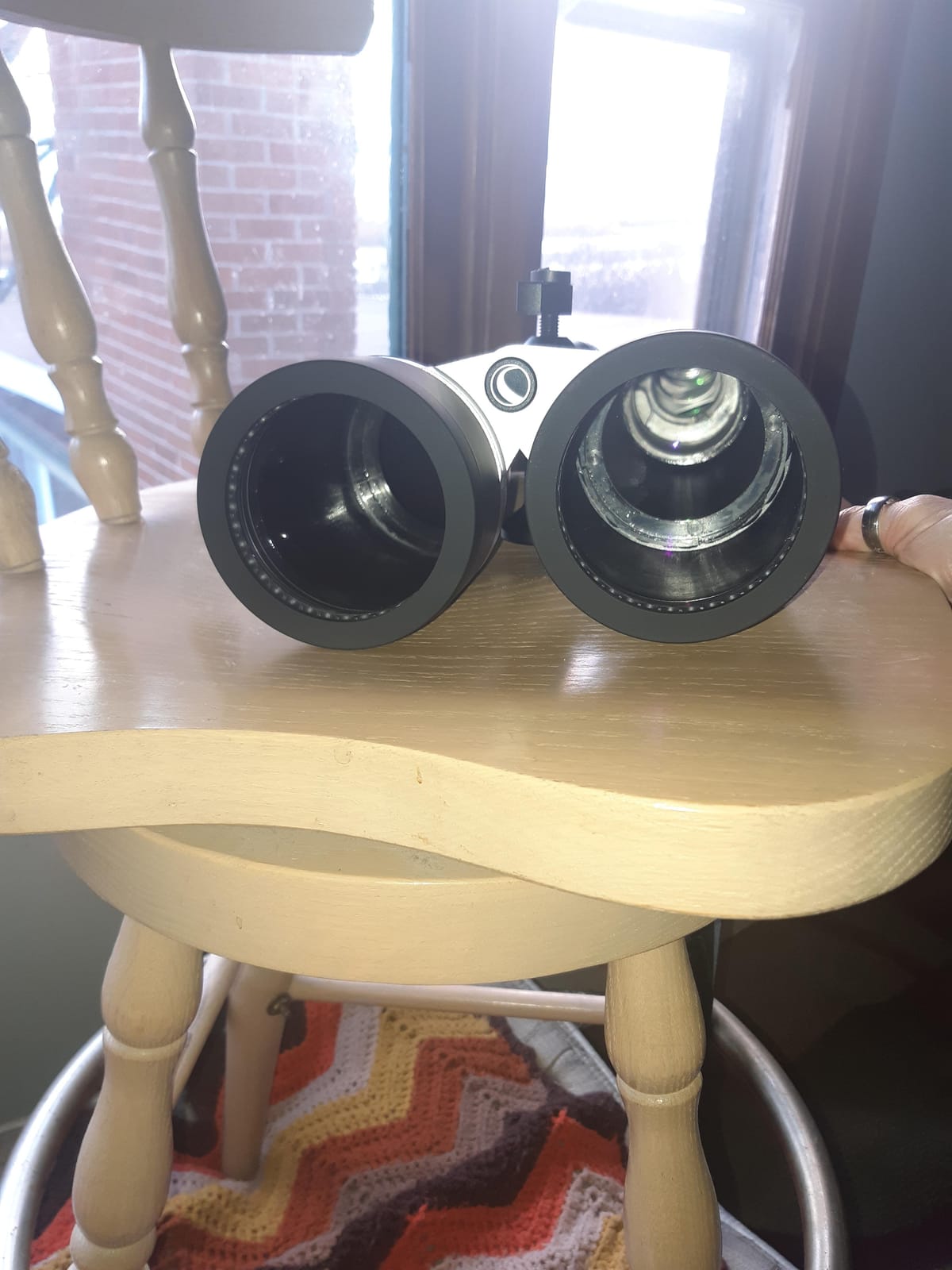
At 20x and 80mm the SkyMaster Pro resolves Saturn’s rings as a clear oval extension, shows Jupiter’s cloud bands on steady nights, and pulls in the brighter Messier objects with structure rather than just fuzzy patches. Globular clusters like M13 and M22 start to resolve into individual stars at the edges.
Mounting Is Not Optional
At 5 lb with 80mm objectives, this binocular will not deliver its potential on a light tripod. Plan on a sturdy alt-az mount or a parallelogram mount that can hold the weight steady. With proper support, the views rival small telescopes in the same aperture class.
How to Choose the Right Binoculars for Stargazing
The best binoculars for stargazing come down to matching magnification, aperture, and stability to the way you actually observe. Here is the framework I use after testing all 10 models above and talking with r/telescopes and Cloudy Nights regulars.
The 10×50 Rule of Thumb (and Why It Works)
For handheld stargazing, 10×50 is the consensus starting point across every astronomy community worth its salt. The 10x magnification is high enough to reveal detail on the Moon and Jupiter’s moons but low enough to hold steady without a tripod. The 50mm objectives produce a 5mm exit pupil, which matches a dark-adapted adult eye almost perfectly, so very little gathered light is wasted.
Compare that to a 20×50, where the same 50mm aperture is split across higher magnification and yields a 2.5mm exit pupil. The image is larger but dimmer, and most adults cannot hold 20x steady without bracing. That is why the 10×50 remains the sweet spot for grab-and-go astronomy.
Handheld vs. Tripod-Mounted: Matching Magnification to Stability
Anything 12x and under can be hand-held for short sessions if you brace your elbows or rest against a wall. From 12x to 15x, handheld use is possible but tiring for sessions longer than 10 minutes. Above 15x, a tripod is essentially required to deliver usable images.
Reddit’s r/telescopes is unanimous on this point: the practical magnification limit for a hand-held binocular is 12x for most adults, and 15x with effort. A 25×70 on a $40 photo tripod delivers better views than a 25×50 hand-held because stability trumps magnification.
Exit Pupil and the Dark-Adapted Eye
Exit pupil is calculated by dividing the objective lens diameter by the magnification. A 10×50 has a 5mm exit pupil; a 15×70 has a 4.7mm exit pupil; a 25×100 has a 4mm exit pupil. The human eye’s pupil dilates to about 5-7mm in young people and shrinks with age, so a 5-7mm exit pupil lets you use the full light gathered.
If exit pupil drops below 3mm, the image starts looking dim even though the binocular is gathering plenty of light. That is why a 25×50 (2mm exit pupil) feels dimmer than a 10×50 at the same dark site, despite having the same aperture.
Porro vs. Roof Prism: What Astronomy Demands
Porro prism binoculars use a traditional Z-shaped light path, which keeps the optics simple and bright. Roof prism binoculars use a straight-through design, which makes them slimmer and more weather-sealed but requires more precise (and expensive) optical coatings to match the porro image quality.
For pure astronomy on a budget, porro prism designs deliver more light per dollar. Roof prism designs win on portability, weather sealing, and mechanical precision, which is why premium models like the Vortex Diamondback and Crossfire use roof prisms.
BaK-4 vs. BK-7 Prism Glass
BaK-4 (barium crown) glass produces a round exit pupil and higher contrast. BK-7 (borosilicate) glass is cheaper but produces a slightly squared-off exit pupil and lower contrast, especially at the edges of the field. For astronomy, BaK-4 is meaningfully better and worth the small price premium.
Coatings, Weatherproofing, and Eyeglass Wearers
Fully multi-coated optics (FMC) mean every air-to-glass surface has an anti-reflective coating, which transmits more light and improves contrast. Nitrogen-filled and argon-purged bodies prevent internal fogging during temperature swings. Eyeglass wearers should look for at least 15mm of eye relief and twist-up eyecups to see the full field of view without removing their glasses.
Light Pollution, Magnification, and Aperture Tradeoffs
Under suburban or urban skies, larger aperture helps more than higher magnification because you are fighting against a bright sky background. A 70mm or 80mm binocular will show more in light-polluted conditions than a 50mm at the same magnification. If you observe from a city, prioritize aperture and BaK-4 prisms over magnification.
A Cost-Per-Millimeter-of-Aperture Quick Check
One useful sanity check no competitor publishes: divide the binocular’s price by its objective lens diameter in millimeters. Lower numbers mean more aperture per dollar. The SkyMaster 15×70 and UpClose G2 10×50 deliver excellent value, while the giant 25×100 sits at the premium end of that curve.
Frequently Asked Questions
What type of binoculars are best for stargazing?
Large-aperture, moderate-magnification binoculars work best. For handheld stargazing, 10×50 porro-prism models deliver the best mix of brightness, magnification, and steady views. For deeper observation of galaxies and nebulae, 15×70 or larger on a tripod reveals considerably more detail. BaK-4 prisms and fully multi-coated optics are worth prioritizing because they transmit more light and improve contrast on dim targets.
Which size binoculars are better for stargazing, 10×50 or 12×50?
10×50 is the better starting point for most beginners because it produces a 5mm exit pupil that matches a dark-adapted eye, holds steady in the hands, and reveals the Moon, Jupiter’s moons, and brighter deep-sky objects comfortably. A 12×50 shows slightly more detail but has a 4.2mm exit pupil and is harder to hold steady. If you can mount the 12×50 on a tripod, it pulls ahead. Otherwise the 10×50 is the safer first choice.
What magnification is best for stargazing binoculars?
7x to 10x is ideal for handheld use because the image stays steady without bracing. 10x to 12x is a reasonable range for short handheld sessions with elbow support. Anything 15x and above essentially requires a tripod to deliver a usable image. For deep-sky observing from a dark location, 15×70, 20×80, and 25×100 mounted models are the standard recommendations.
Do I need a tripod for stargazing binoculars?
A tripod is not required for 7×50, 10×50, or 12×50 binoculars, but it becomes effectively required at 15x and above because hand tremor at high magnification turns stars into streaks. Even for handheld models, a monopod or image-stabilized binocular dramatically improves the experience during long observation sessions. If you plan to use a 15×70, 20×80, or 25×100, budget for a sturdy tripod and an L-adapter from day one.
Can I see Saturn’s rings with binoculars?
Yes, you can see Saturn’s rings with binoculars, though they will appear as a small oval extension rather than a clearly resolved ring structure. A 15×70 on a tripod, a 20×80, or a 25×70 will all show the rings as a clear extension on either side of the planet’s disk. A 10×50 handheld shows Saturn as an oval rather than a perfect dot. To actually resolve the ring gap (the Cassini Division), you need a telescope at 50x or higher, but binoculars confirm that you are looking at a ringed planet.
Final Verdict: Which Stargazing Binoculars Should You Buy?
If you want one pair that covers the widest range of stargazing scenarios, the Celestron SkyMaster 25×70 remains our top pick in 2026. It pulls in deep-sky detail that 10x50s cannot match, sits at a price that most beginners can afford, and has nearly a decade of community validation behind it. Mount it on any sturdy tripod and you have a serious astronomy instrument.
If budget is the deciding factor, the FLYANT 20×50 is the cheapest sensible entry into stargazing binoculars and reveals more of the night sky than any toy model. For pure handheld simplicity, the Celestron Cometron 7×50 is the easiest possible first binocular and a perfect learning tool. For premium build quality and portability, the Vortex Diamondback HD 10×42 earns its 4.8-star rating.
For deep-sky observers willing to mount a heavy binocular, the Celestron SkyMaster Pro 20×80 hits the sweet spot between light grasp and magnification, while the giant Celestron SkyMaster 25×100 is the right pick if maximum aperture is the priority. Whichever model you choose, get outside on a clear night, let your eyes dark-adapt for 20 minutes, and sweep the Milky Way. Binoculars still deliver the most joy per dollar of any astronomy instrument, and 2026 is a great year to start.