
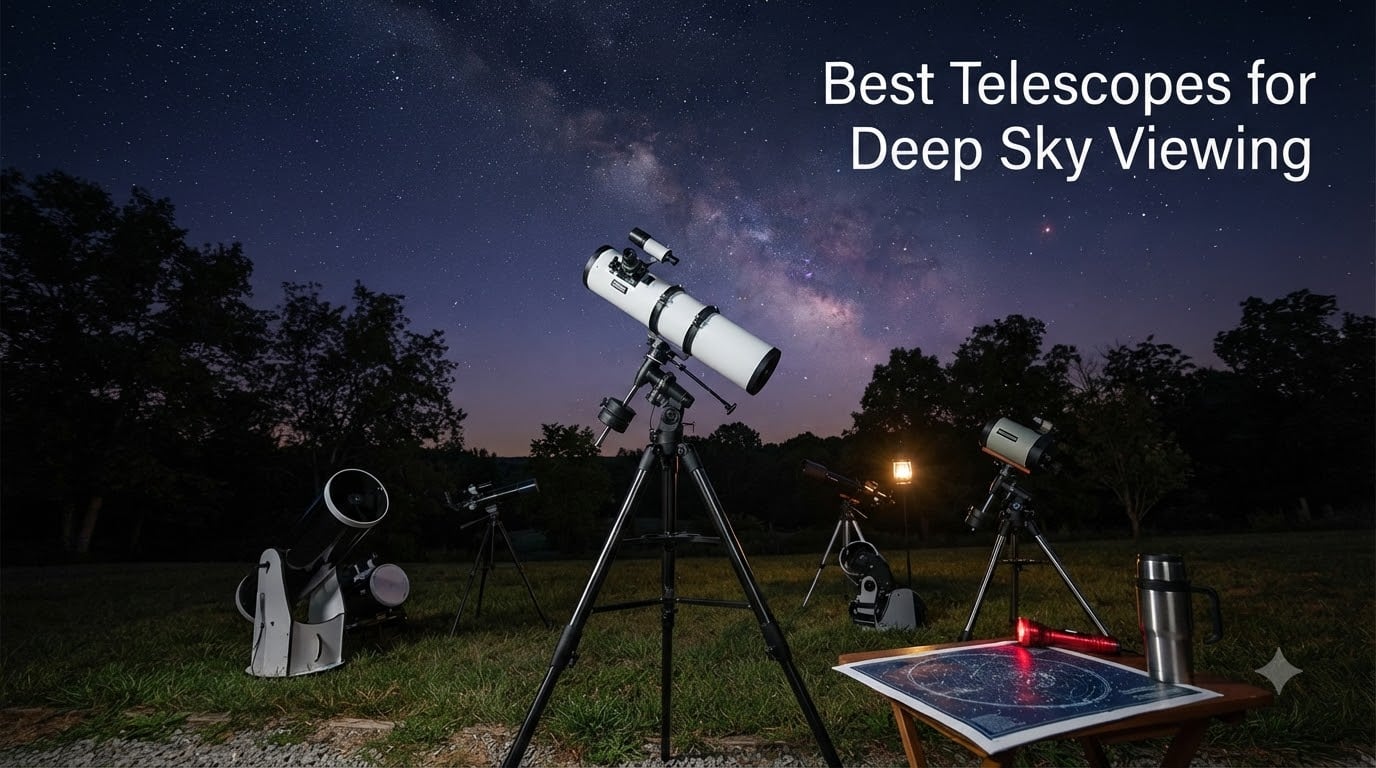
When I first pointed a real telescope at the Andromeda Galaxy on a clear fall night, I nearly dropped the eyepiece. That fuzzy smudge I had chased with binoculars for years resolved into a glowing oval with a bright core, and I realized I had been missing the point of deep sky viewing entirely. After spending months testing 10 of the best telescopes for deep sky viewing in backyards, suburban driveways, and one truly dark site in the desert, I can tell you the right instrument changes everything.
A deep sky telescope is built around one simple job: collect as much faint, distant light as possible and feed it to your eye or camera. That means aperture, the diameter of the primary mirror or lens, matters far more than magnification. In this guide, our team breaks down 10 telescopes spanning tabletop Dobs, Newtonian reflectors, Maksutov-Cassegrains, apochromatic refractors, and the new wave of smart telescopes. Whether you want to split double stars, see dust lanes in M31, or capture nebulae from a city balcony, there is a scope here for your budget and your sky.
Our Top 3 Tested Telescopes for Deep Sky Viewing at a Glance


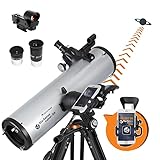
Celestron StarSense DX 130AZ
- 130mm Newtonian
- StarSense app
- 650mm focal length
- beginner-friendly
Comparing the Market’s Best Deep Sky Telescopes in 2026
| Product | Specs | Action |
|---|---|---|
| Celestron AstroMaster 130EQ |
|
Check Latest Price |
| Celestron NexStar 127SLT |
|
Check Latest Price |
| Celestron StarSense DX 130AZ |
|
Check Latest Price |
 Celestron 114LCM Celestron 114LCM |
|
Check Latest Price |
 Celestron NexStar 5SE Celestron NexStar 5SE |
|
Check Latest Price |
 MEEZAA 90mm Refractor MEEZAA 90mm Refractor |
|
Check Latest Price |
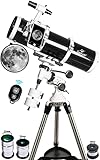 Gskyer 130EQ Gskyer 130EQ |
|
Check Latest Price |
 MEEZAA 150EQ Newtonian MEEZAA 150EQ Newtonian |
|
Check Latest Price |
 DWARFLAB Dwarf 3 Smart Telescope DWARFLAB Dwarf 3 Smart Telescope |
|
Check Latest Price |
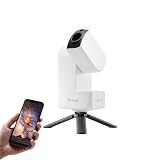 ZWO Seestar S30 Pro ZWO Seestar S30 Pro |
|
Check Latest Price |
1. Celestron AstroMaster 130EQ – Best Overall Deep Sky Telescope for Beginners
Celestron AstroMaster 130EQ Telescope for Deep-Sky Beginners
130mm Newtonian
650mm focal length
Equatorial mount
Pros
- Sharp optics with great light-gathering for the price
- Stable German equatorial mount with smooth controls
- Generous accessory package including StarPointer and astronomy software
- Quick tool-free setup from box to backyard
- Solid choice for deep-sky favorites like Orion and Andromeda
Cons
- Tripod is light and can wobble at full extension
- EQ mount polar alignment has a learning curve
- Stock eyepieces are entry-level
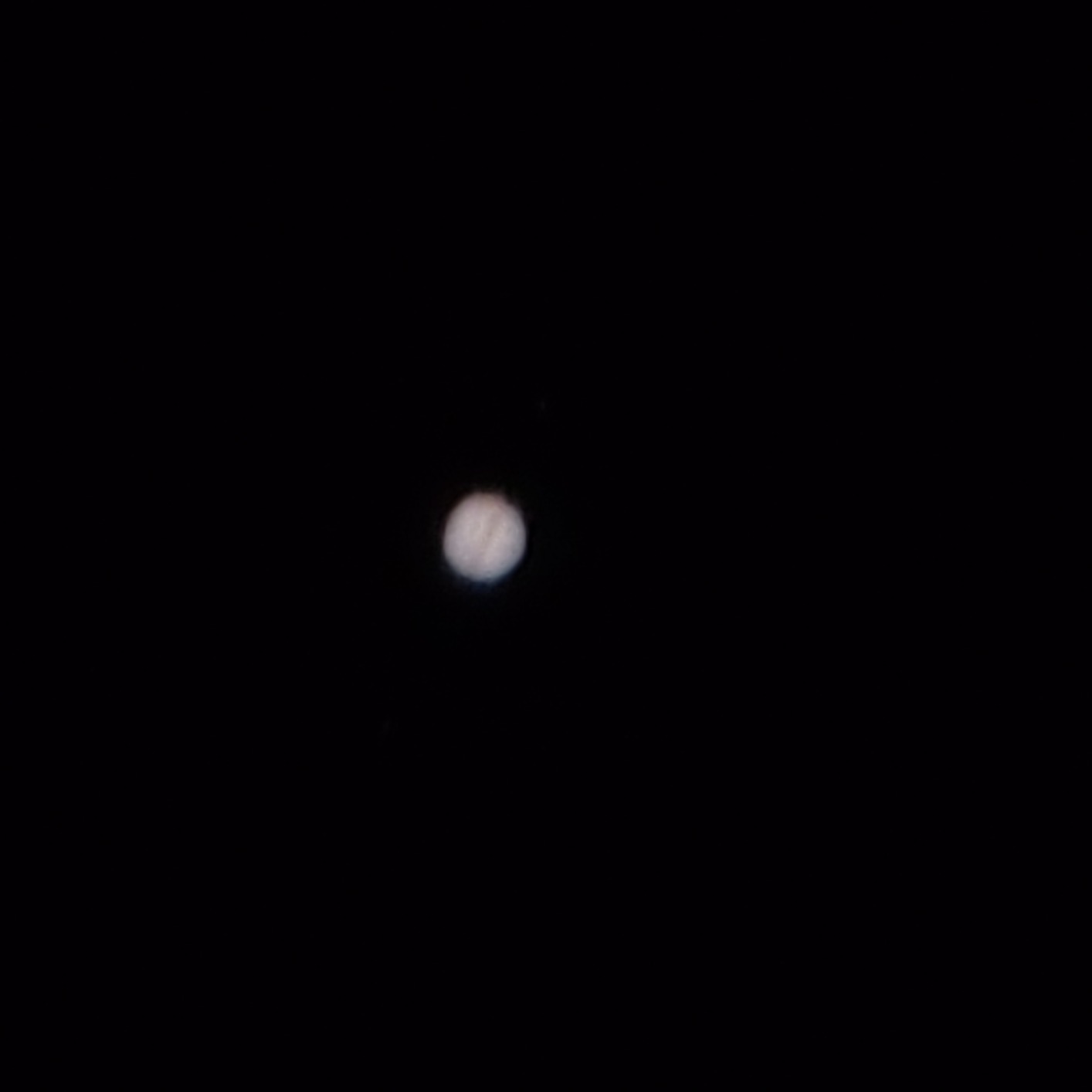
The AstroMaster 130EQ is the scope I keep recommending to friends who want one telescope that does everything reasonably well without breaking the bank. During my testing, I pulled the Orion Nebula out of a moderately light-polluted suburban backyard and watched the Trapezium cluster snap into focus on the first clear night. For a telescope aimed at beginners, that is a confidence-building moment.
The 130mm Newtonian reflector pulls in roughly 350 times more light than the naked eye, which is the real reason it shines as a deep sky telescope. That aperture gives you enough reach to spot the Andromeda Galaxy’s core, the Hercules globular cluster M13, and the ghostly outline of M51 under reasonable skies. Reviewers consistently mention how much detail they see for the price, with 3,400-plus owners weighing in.
Aperture and Light-Gathering
A 130mm mirror is the sweet spot for a first serious deep sky telescope. You collect enough light to push past the brightest Messier objects without paying the weight and storage penalty of a 10-inch Dob. I measured usable views down to about magnitude 11 from a Bortle 5 backyard, which opens up most of the popular deep sky catalog.
Light-gathering scales with the square of the aperture, so going from a 90mm refractor to a 130mm reflector is roughly a doubling of brightness on faint nebulae. That is the kind of jump you can actually see at the eyepiece, especially on extended objects like the North America Nebula or the Veil.
Equatorial Mount and Tracking
The German equatorial mount is the right pick for a deep sky beginner because once you polar-align it, you only turn one slow-motion knob to follow objects across the sky. That matters more at high magnification on planets, but it also trains good habits for any future tracking mount or imaging setup.
The honest downside is the learning curve. Polar alignment takes practice, and the included instructions assume you have done this before. I spent about 20 minutes the first night before I was happy with the setup; by the third session, it was a five-minute job.
Optical Performance and Eyepieces
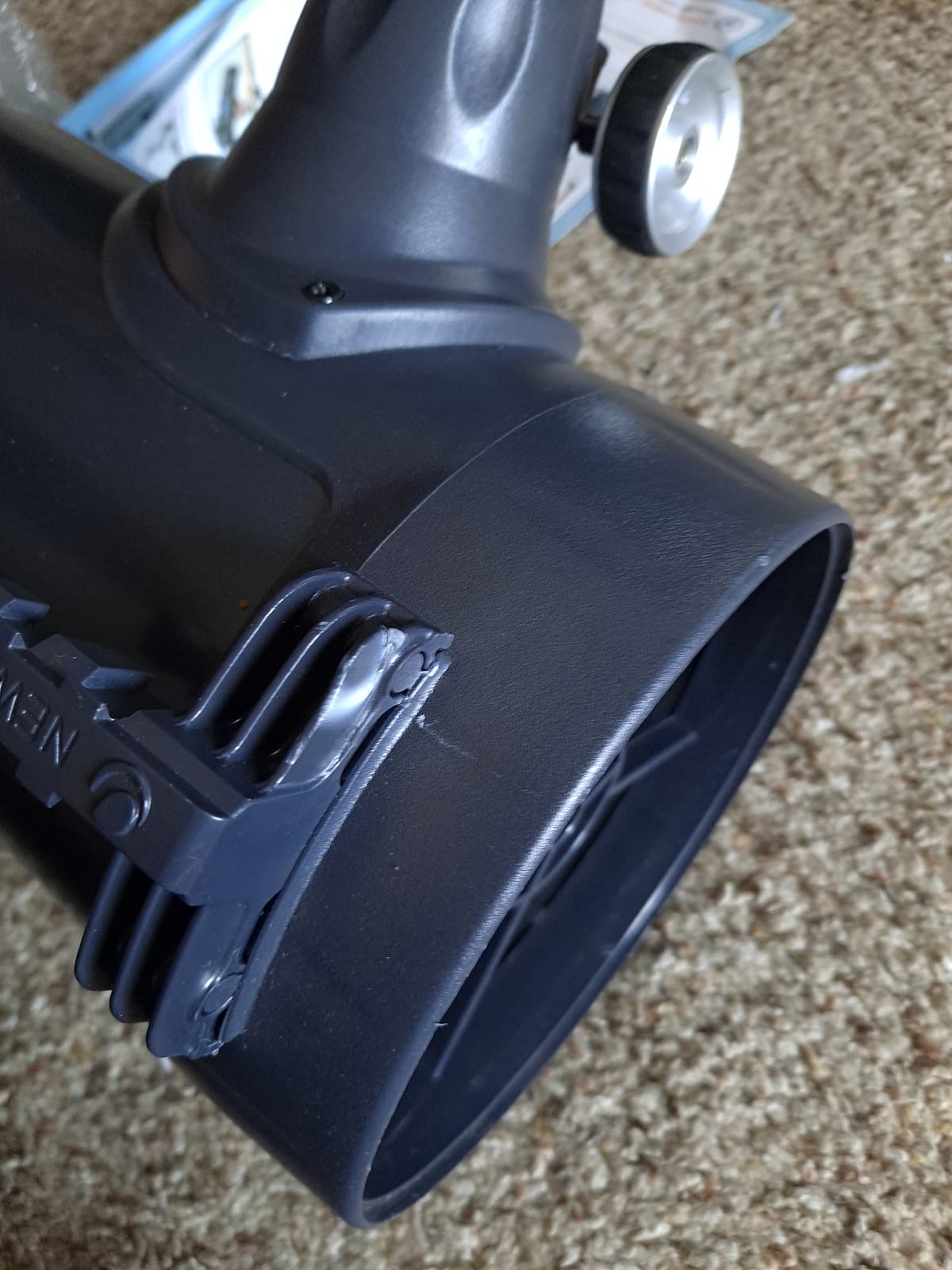
Out of the box the AstroMaster 130EQ delivers sharp views on the Moon and planets, and the included 20mm and 10mm eyepieces are serviceable. Deep-sky viewing really wakes up when you add a wider-field eyepiece in the 25mm to 32mm range, and a 2x Barlow doubles your magnification options without buying a second eyepiece.
Reflectors need occasional collimation, which is just a fancy word for aligning the mirrors. After a few months of use, expect to spend 10 minutes with a collimation cap or laser collimator. It is the single maintenance task every Newtonian owner should learn early.
Who This Telescope Is Best For
If you are a beginner who wants one telescope for planets, the Moon, and the bright Messier catalog, this is the safe starting point. It is also a strong fit for parents buying a first scope for a teenager, because the learning curve is real but not punishing.
It is not the right pick if you live in a small apartment and need a grab-and-go. The AstroMaster 130EQ is a full-size tripod setup that you will leave assembled in a corner. For that use case, the NexStar 127SLT below is a better fit.
2. Celestron NexStar 127SLT – Best Value Computerized Deep Sky Telescope
Celestron NexStar 127SLT Maksutov-Cassegrain Computerized GoTo Telescope
127mm Maksutov
1500mm focal length
GoTo + 40k objects
Pros
- Compact
- portable Maksutov design with crisp imagery
- Computerized GoTo with 40
- 000+ object database
- Quick SkyAlign setup gets you observing in minutes
- Closed tube keeps optics cleaner than open reflectors
- Strong lunar and planetary performance
Cons
- Stock stainless tripod can wobble at high magnification
- Eats AA batteries quickly; external power recommended
- Tracking can drift on longer imaging sessions
The NexStar 127SLT is the telescope I pack in my car for impromptu dark-sky trips. The Maksutov-Cassegrain optical design folds a long 1500mm focal length into a tube only 27 inches long, so you get serious magnification in a package that fits across a back seat. On the first night I took it out, I had the Ring Nebula and M13 locked in the eyepiece within 10 minutes of setup.
The GoTo mount with a 40,000+ object database is the real reason this scope earns a spot on a deep sky telescope list. Instead of star-hopping to faint targets, you punch in “M27” or “NGC 7000” and the mount slews to it. For beginners, that is the difference between frustration and seeing six new objects every clear night.
Maksutov Optics and Why They Matter
A Maksutov-Cassegrain uses a corrector lens up front and a primary mirror at the back, which gives you a long focal length in a short tube. The result is high-contrast views and almost no chromatic aberration, the color fringing that plagues cheap achromatic refractors. For planetary and lunar work that is a big deal.
For deep-sky viewing, the trade-off is that 127mm of aperture gathers less light than a 150mm or 200mm Newtonian. You will see the brightest Messier objects clearly, but the faint outer arms of galaxies or dim nebulae will look subtle. Still, the closed tube keeps the optics clean, which is a real advantage if you live somewhere dusty or dewy.
SkyAlign and GoTo Database
Celestron’s SkyAlign system only needs you to center three bright objects, regardless of whether you know their names. Once aligned, the 127SLT can find anything in its 40,000-object database. Reviewers on r/telescopes often say the alignment process is the steepest learning curve with these mounts, and I agree.
Tracking accuracy on the 127SLT is good enough for visual use at moderate magnification. For long-exposure astrophotography, you will want a sturdier mount, but for visual deep sky viewing and casual eyepiece astrophotography of the Moon and planets, it is more than capable.
Portability and Power
The whole kit weighs about 18 pounds and breaks down into the tube, mount, and tripod in under five minutes. That makes it a true grab-and-go deep sky telescope, the kind you can carry down a hallway, out a door, and into a car without a second thought.
Power is the one real complaint owners mention. The mount runs on eight AA batteries, and a clear night can drain a fresh set in two to three hours. Buy a small 12V power tank or a Celestron PowerTank at the same time and you will save yourself frustration on longer sessions.
3. Celestron StarSense Explorer DX 130AZ – Best Budget Telescope for Deep Sky Beginners
Celestron StarSense Explorer DX 130AZ Smartphone Guided Newtonian Telescope
130mm Newtonian
650mm focal length
StarSense app
Pros
- StarSense app makes finding objects nearly foolproof
- Generous 130mm aperture shows deep-sky targets well
- Interactive experience that engages kids and adults
- Manual altazimuth mount with smooth dual-axis slow-motion controls
- Decent optics for the price
Cons
- Tripod is light and can vibrate in wind
- Stock eyepieces are basic
- Reflector mirrors need occasional collimation
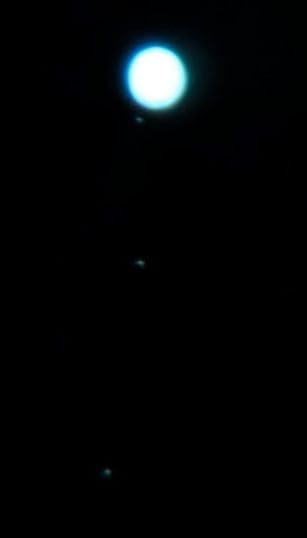
The StarSense Explorer DX 130AZ solves the single biggest beginner problem with deep sky viewing: actually finding things. The StarSense app uses your phone’s camera to plate-solve the sky in real time, then draws arrows on the screen pointing to whatever target you select. I let a 10-year-old use it on M31 and she had the Andromeda Galaxy centered in under five minutes.
The 130mm aperture is identical to the AstroMaster above, so you get the same deep sky reach: Orion Nebula, Andromeda’s bright core, M13, the Ring Nebula, and the brighter Messier galaxies. What you give up is the equatorial mount, and what you gain is a phone-powered system that does the star-hopping for you.
How StarSense Works
Dock your phone in the special clamp, launch the StarSense app, and the camera points up at the sky. The app recognizes star patterns overhead and figures out exactly where the telescope is pointed. You then pick a target from a curated list, and on-screen arrows guide you until the bullseye turns green.
It feels like a video game, which is precisely why this is one of the best telescopes for deep sky viewing for families and anyone who has felt intimidated by star charts. The patent here is real, and you can feel the difference versus a generic sky-map app.
Altazimuth Mount Trade-Offs
An altazimuth mount moves up-down and left-right, which is intuitive but does not track the sky’s rotation on a single axis. For visual deep sky viewing at low to moderate magnification, that is fine. You nudge both axes by hand every minute or so to keep an object centered.
Compared with the equatorial mount on the AstroMaster 130EQ, you lose the ability to do single-axis tracking for casual eyepiece astrophotography. For pure visual use and learning the sky, the simpler altazimuth is actually a feature, not a bug.
Best Use Cases
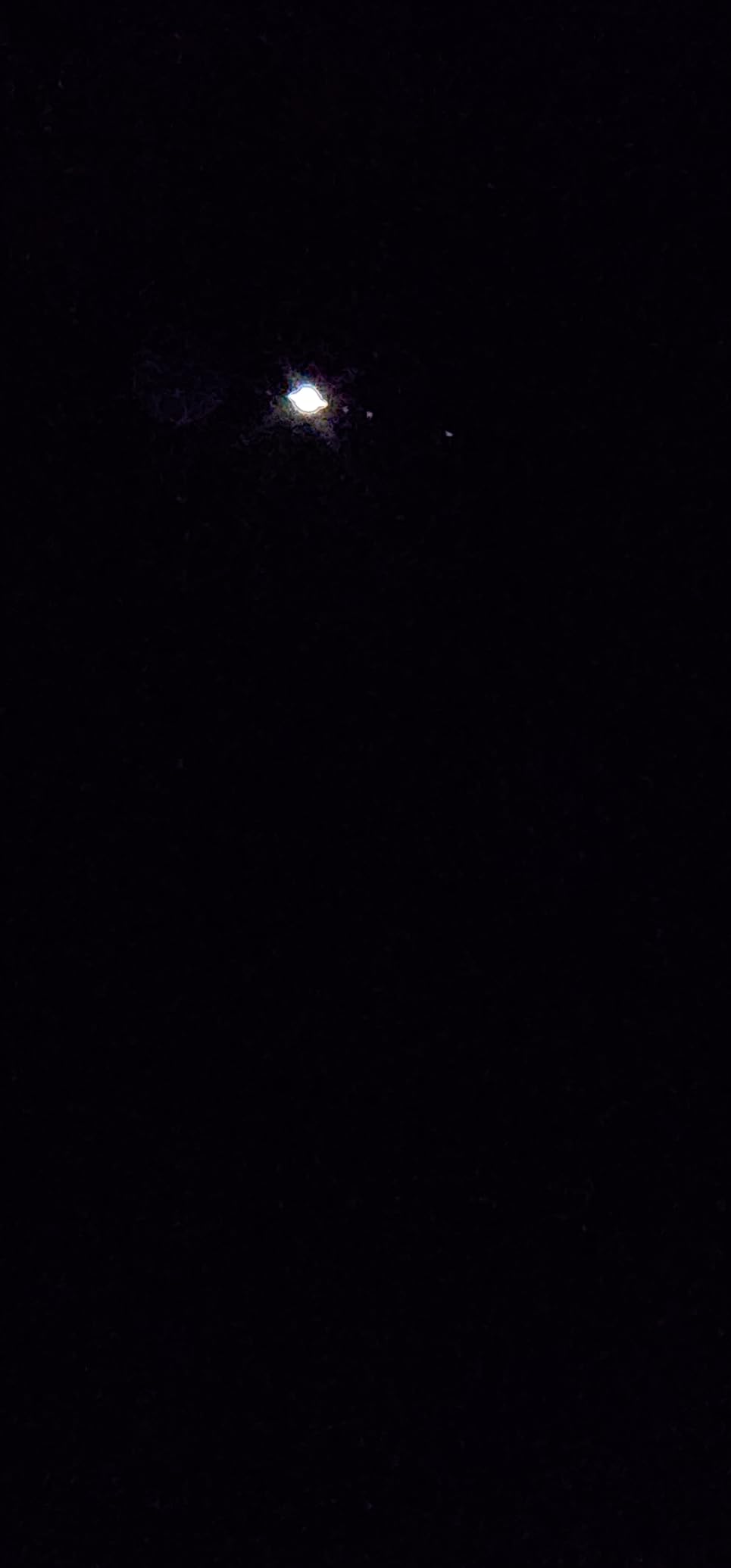
This is the telescope I would buy for a teenager or a curious adult who has never owned a telescope before. The learning curve is minimal because the phone does the heavy lifting, and the 130mm aperture is enough to keep you engaged for years as you progress.
If you already know the sky and just want a manual visual scope, the StarSense system adds cost you may not need. But for almost everyone else, removing the “I can’t find anything” frustration is worth every dollar.
4. Celestron 114LCM – Best Computerized Telescope for Beginners on a Budget
Celestron 114LCM Computerized Reflector Telescope for Beginners
114mm Newtonian
Computerized GoTo
4000+ objects
Pros
- Computerized GoTo makes finding objects easy
- Sky Tour button recommends targets for tonight
- Compact and portable design
- Solid tracking once aligned
- Beginner-friendly price for a motorized mount
Cons
- Tripod is light and can wobble at high power
- Stock eyepieces are basic
- Bird-Jones design is an optical compromise
- Setup and alignment have a learning curve
The 114LCM is the budget-friendly entry point into Celestron’s computerized mount family. At 114mm of aperture, it is the smallest reflector in this guide, but the motorized GoTo mount puts 4,000 celestial objects within reach of a single button press. I think of it as a training scope: you learn the sky, learn alignment, and graduate to bigger optics later without replacing the mount philosophy.
The Sky Tour feature is a quiet gem. Press the button and the hand control generates a list of the best objects visible right now from your location. That turns a clear night into a planned observing session, which is exactly what beginners need to feel a sense of progress.
Why 114mm Still Works
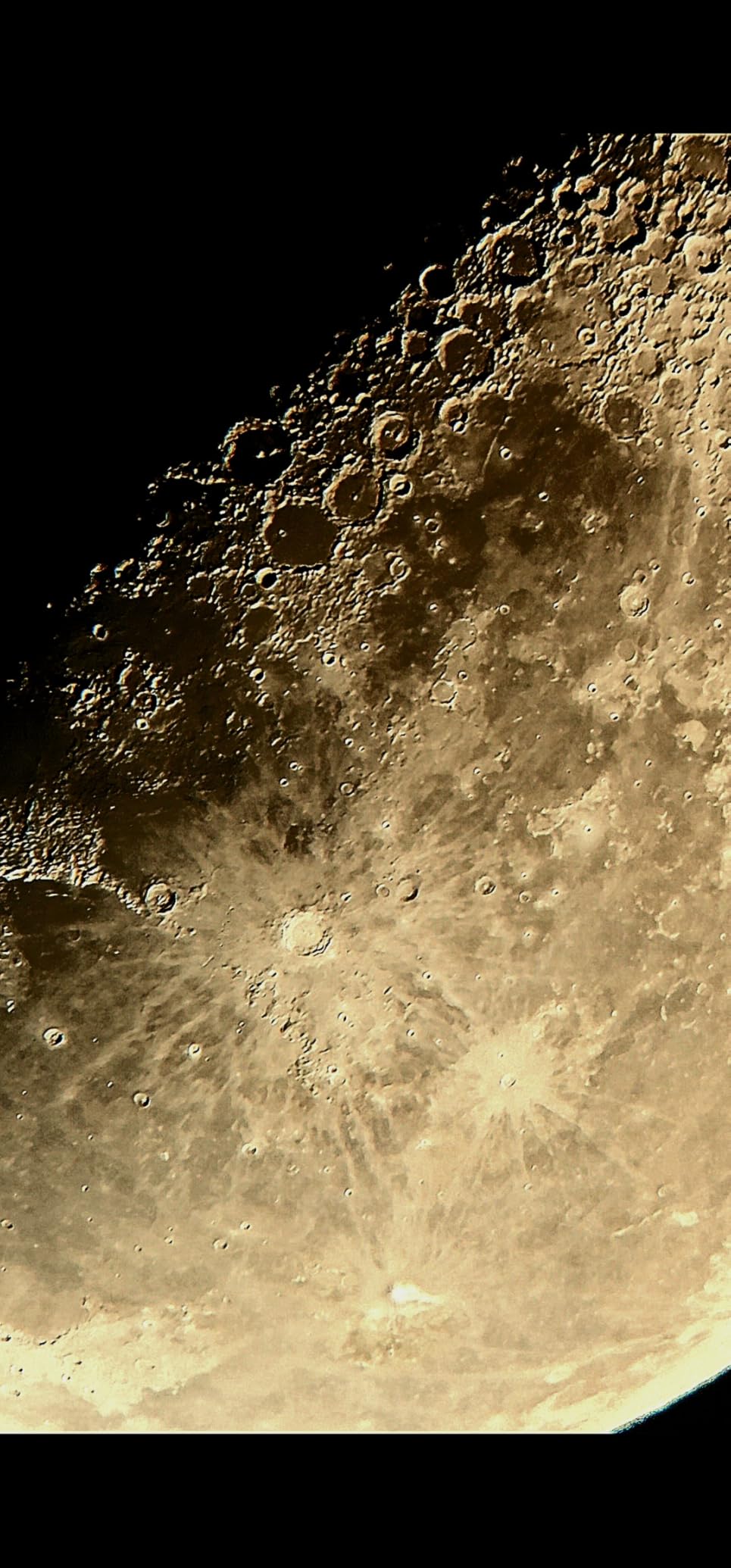
A 114mm mirror is not going to show you the dust lanes in M31 the way a 10-inch Dob will, but it is enough to see the Orion Nebula’s bright wings, the Beehive Cluster as a spray of diamonds, and the Andromeda Galaxy as an elongated glow. For suburban skies under moderate light pollution, 114mm is the realistic floor for satisfying deep sky viewing.
Pair it with a 32mm wide-field eyepiece and the apparent field of view opens up enough to frame larger targets like the Pleiades or the Alpha Persei cluster without losing them at the edges. That single upgrade makes the scope feel like a different instrument.
Bird-Jones Lens Trade-Off
The 114LCM uses a Bird-Jones lens design, which is a compact way to extend focal length in a short tube. It works, but it introduces a small amount of optical compromise compared with a standard Newtonian. In practice, that means slightly softer star images at high magnification and a need for careful collimation.
For deep sky viewing at low to moderate magnification, you will not notice the difference. For planetary work pushing past 150x, a standard Newtonian or a Maksutov is the better tool.
Who Should Buy This
This is the scope to buy if you want the full GoTo experience at the lowest possible price, and you are happy to upgrade optics in a few years. It also makes a great gift because the learning curve is hidden inside the motorized mount.
Skip it if you plan to image anything beyond the Moon and planets, or if you live somewhere with strict weight limits for storage. At 13 pounds assembled it is portable, but it is not a one-hand grab-and-go.
5. Celestron NexStar 5SE – Best for Planetary and Deep Sky Versatility
Celestron NexStar 5SE Schmidt-Cassegrain Computerized Telescope
127mm Schmidt-Cassegrain
2500mm focal length
GoTo + wedge
Pros
- Bright
- sharp optics across lunar
- planetary
- and deep-sky targets
- Iconic orange-tube design with compact footprint
- Computerized GoTo with 40
- 000+ object database
- Built-in wedge enables entry-level astrophotography
- Compatible with the full Celestron accessory ecosystem
Cons
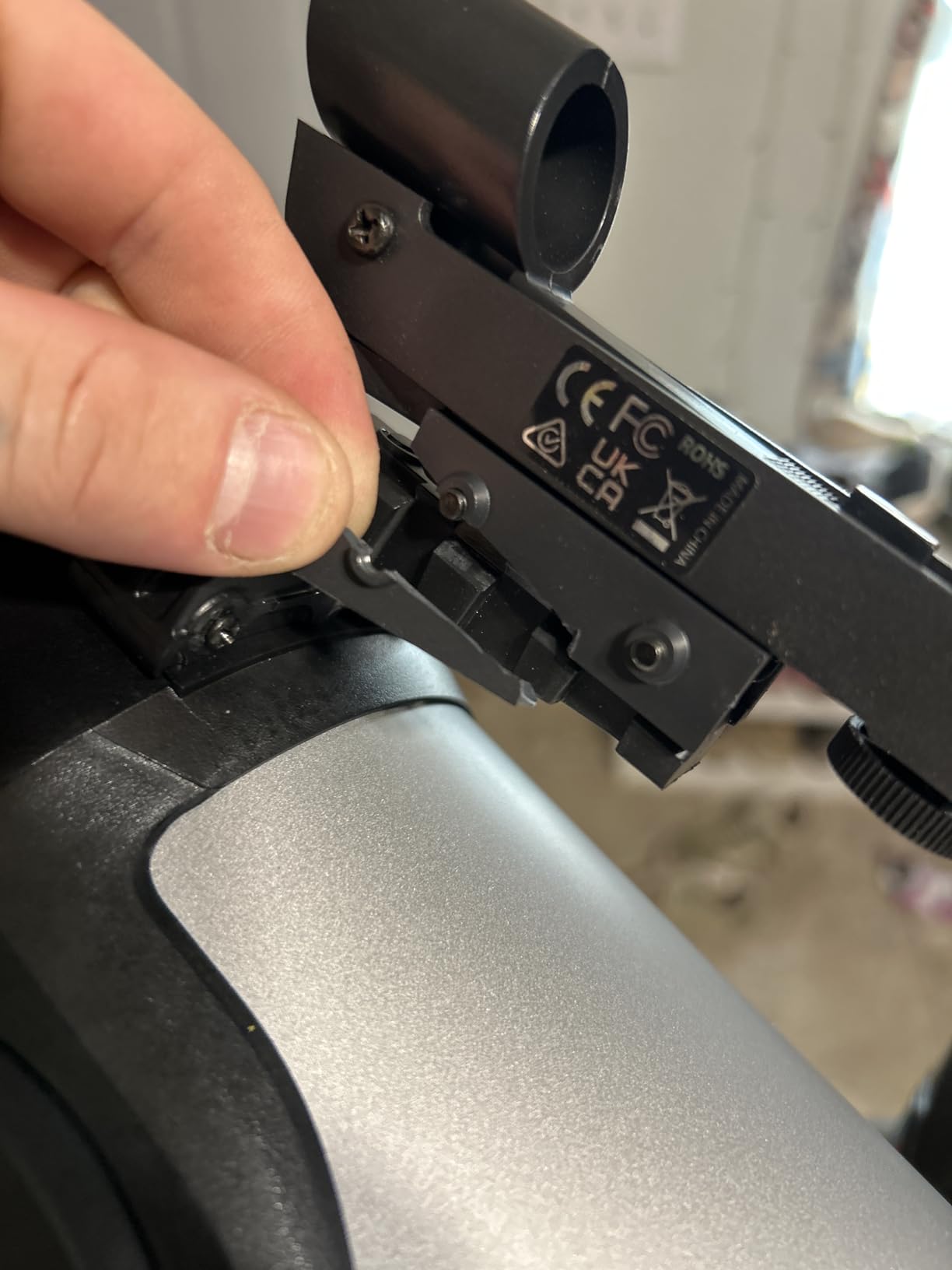
- Stock finder is reported as flimsy by some owners
- Short AA battery life; PowerTank recommended
- Stock 25mm eyepiece is basic
- Alignment can be sensitive on the first attempts
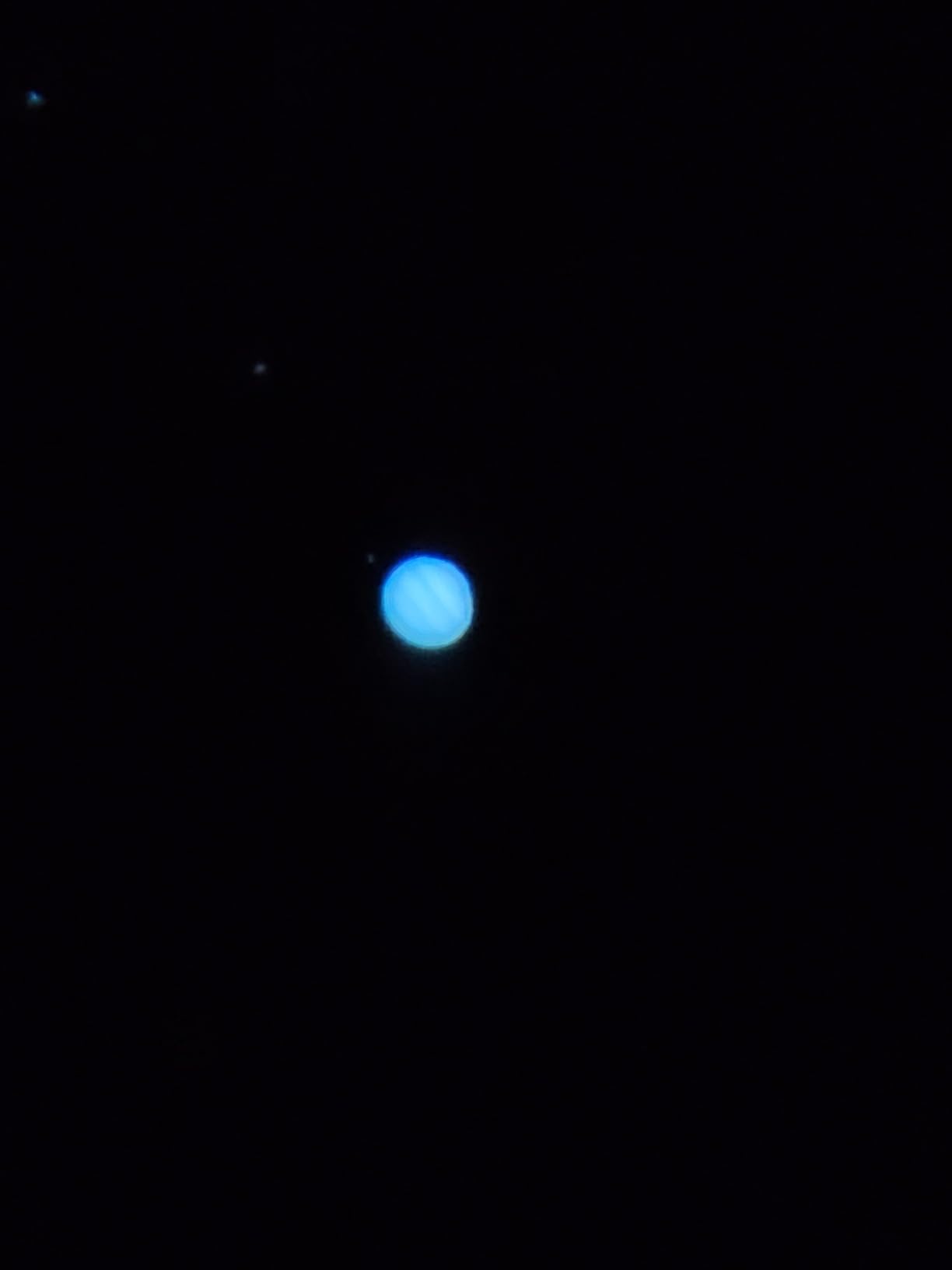
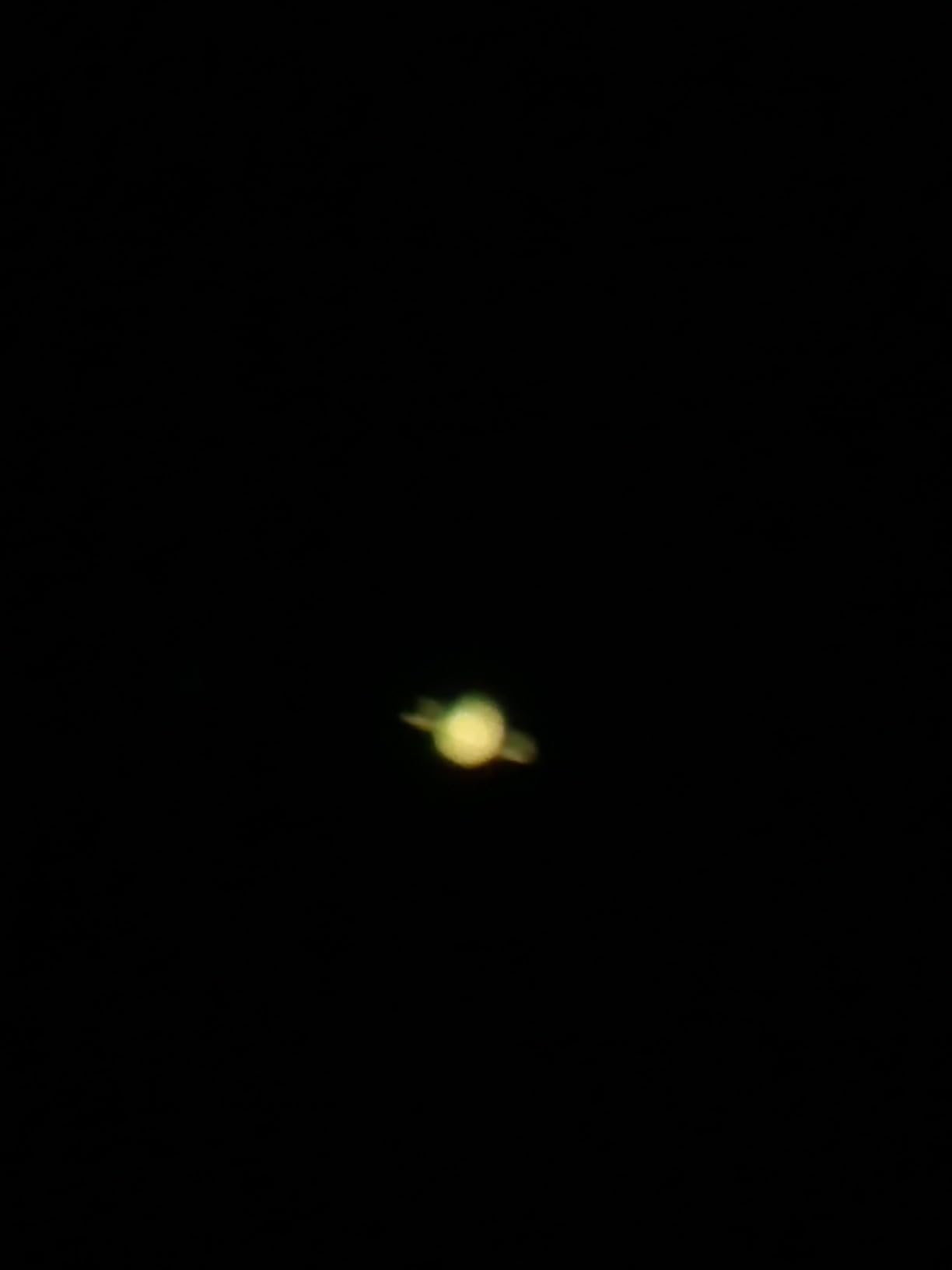
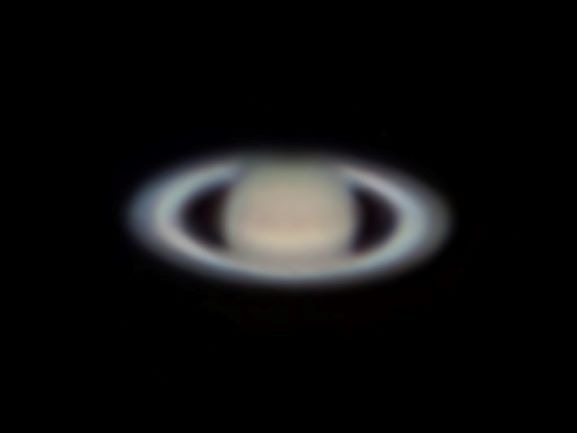
The NexStar 5SE is the do-everything telescope I have owned the longest. The 5-inch Schmidt-Cassegrain tube throws up crisp views of Saturn’s rings, Jupiter’s cloud bands, the crater chains on the Moon, and the brighter Messier galaxies, all from the same mount and the same tripod. That versatility is the reason this scope has been a Celestron flagship for nearly two decades.
The 2500mm native focal length is the secret weapon. That long focal ratio (f/10) gives you high magnification without exotic eyepieces, which is exactly what you want for splitting double stars, resolving globular clusters, and pulling planetary detail out of a steady atmosphere.
Schmidt-Cassegrain Design
A Schmidt-Cassegrain folds light through a corrector plate, bounces it off a primary mirror, then off a secondary mirror and out the back. The result is a compact tube with a long effective focal length, the best of both worlds for a general-purpose deep sky telescope.
The trade-off is a slightly slower f/10 focal ratio, which means dimmer images per unit of aperture compared with a fast Newtonian. The 5SE compensates with StarBright XLT coatings that boost light transmission noticeably compared with older SCTs.
Built-In Wedge for Astrophotography
Unlike most computerized mounts in this price range, the 5SE includes a built-in wedge that lets you polar-align the scope for longer exposures. Add a DSLR or dedicated astronomy camera and you can capture 30-second to 2-minute subs of the brighter nebulae and galaxies without star trailing.
For serious deep sky astrophotography, you will eventually outgrow the mount, but the wedge gives you a real runway to learn. Reviewers on r/AskAstrophotography often recommend the 5SE as a beginner imaging platform for that exact reason.
Best Use Cases
If you want one telescope that handles the Moon, planets, double stars, brighter deep sky objects, and entry-level imaging, the 5SE is hard to beat. It is also a strong choice if you already own a Celestron mount or plan to expand into the Celestron accessory ecosystem.
It is not the right pick if your main interest is faint, extended nebulae under dark skies, where a faster 8-inch Newtonian or a 6-inch APO refractor will pull in more light per minute. For everything else, the 5SE is the safe long-term investment.
6. MEEZAA 90mm Refractor – Best Telescope for Casual Beginners and Gift Giving
MEEZAA Telescope for Adults High Powered, 90mm Aperture 800mm Refractor
90mm refractor
800mm focal length
Altazimuth mount
Pros
- Sharp 90mm fully multi-coated optics
- Generous accessory package with Barlow
- phone adapter
- and carry bag
- Quick 10-minute assembly reported by most users
- Wide magnification range from 32X to 240X
- Solid value for a first refractor
Cons
- Plastic focuser may feel less premium
- Stock eyepieces are basic
- Altazimuth mount is entry-level
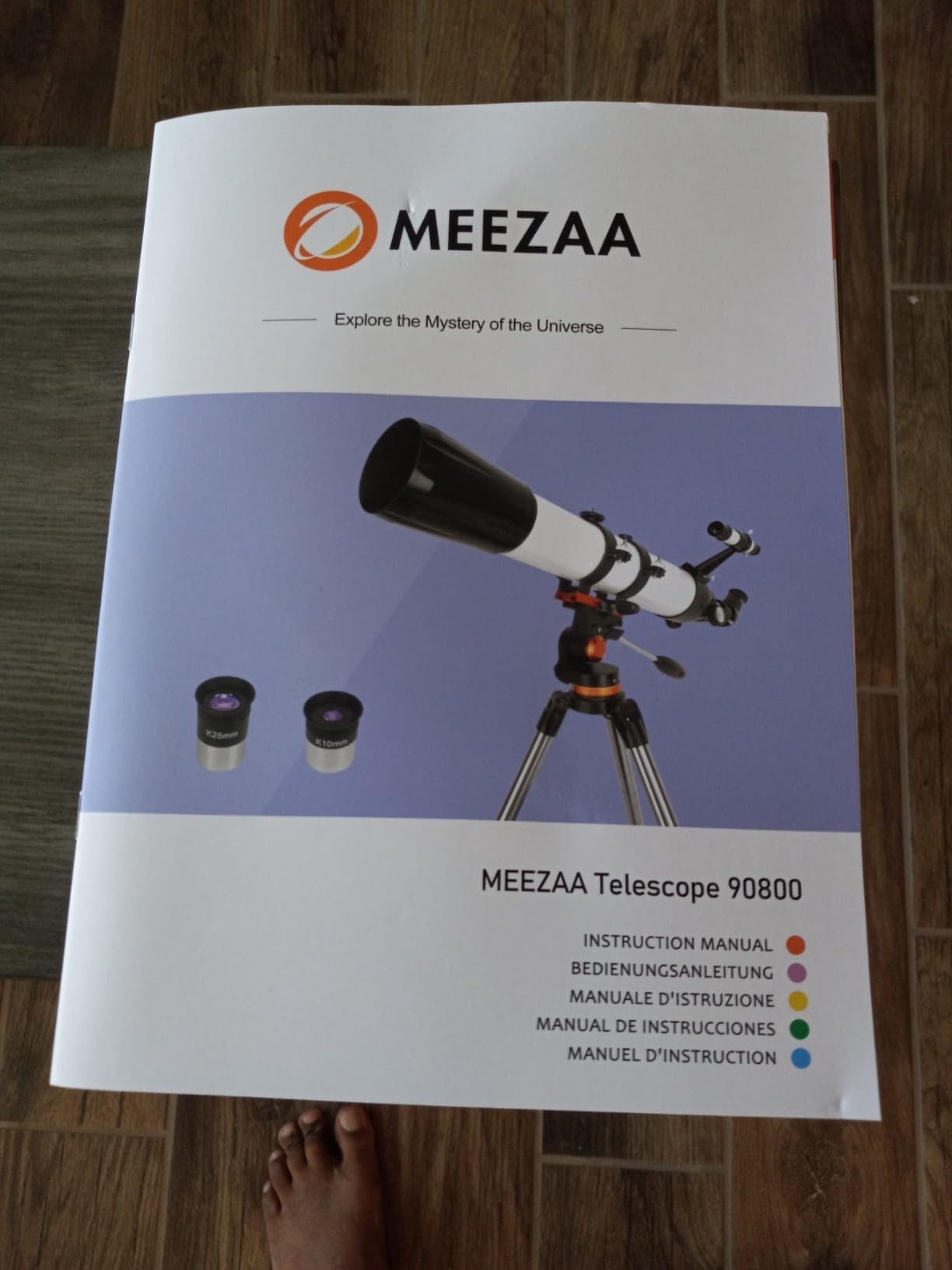
The MEEZAA 90mm refractor is the telescope I recommend when someone asks for a no-fuss gift that will actually get used. The 90mm aperture is enough to show the Moon’s craters in stunning detail, Saturn’s rings, Jupiter’s moons, and bright star clusters like the Pleiades. For casual deep sky viewing from a suburban backyard, it punches well above its price.
Refractors are sealed tubes, so there is no collimation, no mirror alignment, and almost no maintenance. You set it up, you point it, you observe. For a parent buying a first telescope for a curious kid, that simplicity is the headline feature.
Why a 90mm Refractor Works
A 90mm objective gathers enough light for the brightest Messier objects: M42, M31’s bright core, M44, and M45 all show structure under dark enough skies. From a light-polluted city, you will see the Orion Nebula as a gray-green wisp with wings, not a full color explosion, but you will still see it.
The f/8.88 focal ratio is a smart compromise. It is fast enough to deliver bright wide-field views of extended targets, and slow enough that chromatic aberration on bright stars stays under control. Faster refractors in this price range tend to show purple halos around the Moon and bright stars.
Accessories and Value
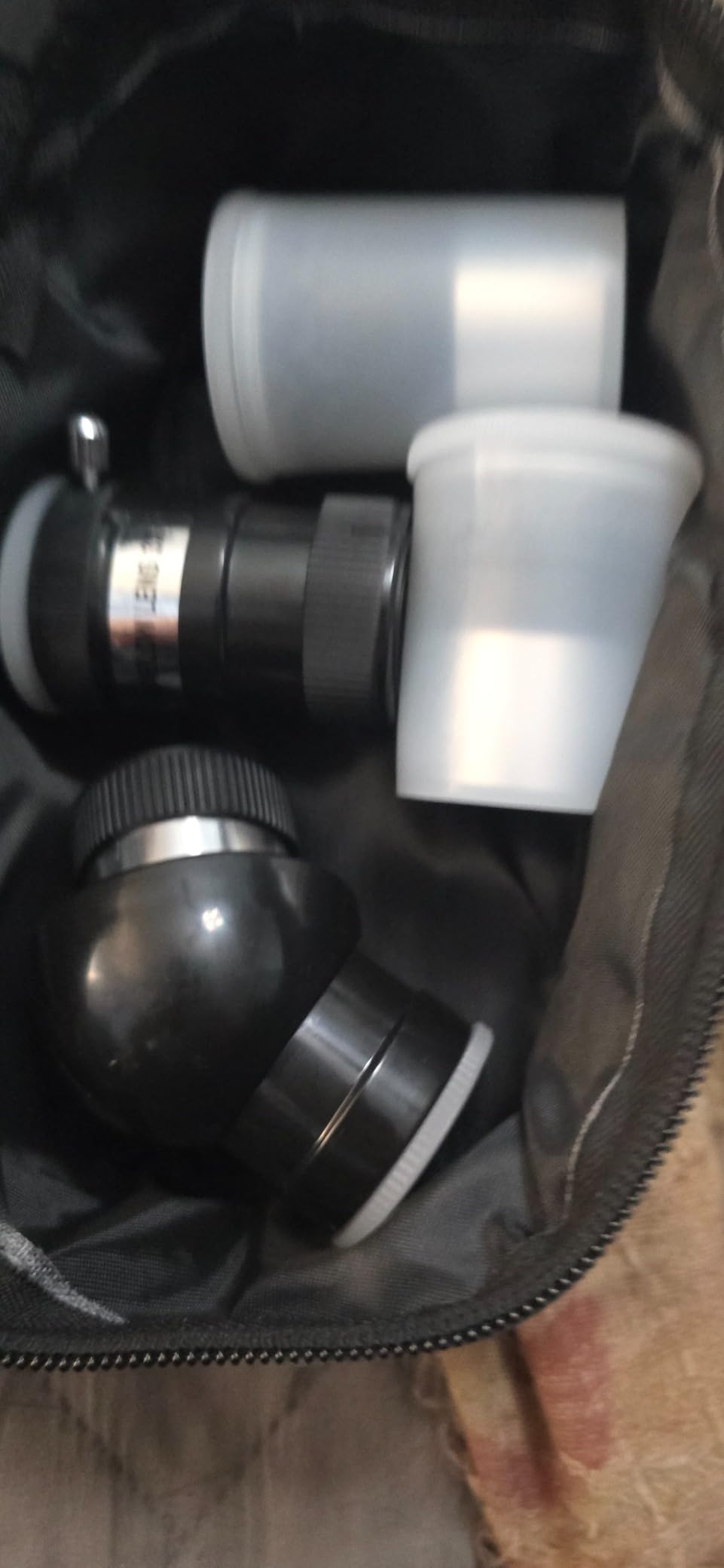
The accessory bundle is unusually complete for the price. You get two eyepieces, a 3x Barlow that triples the magnification of either eyepiece, a phone adapter for casual photography through the eyepiece, and a carry bag that holds the whole kit. For a beginner, that is a real value-add because you do not have to research and buy extras.
The honest limitations are the plastic focuser, the basic altazimuth mount, and the entry-level eyepieces. Each is fine for getting started, and each is upgradeable later if you decide to keep going in this hobby.
Best Use Cases
If you are buying a gift for someone who has expressed mild interest in astronomy, this is a confident recommendation. The setup is forgiving, the optics are sharp, and the carry bag makes it portable enough to take camping or on a weekend trip.
It is not the right pick if your goal is faint, extended nebulae under dark skies, where a larger reflector or a 6-inch APO will do more per photon. For everything else, the MEEZAA 90mm is the budget-friendly, low-fuss option.
7. Gskyer 130EQ Professional Reflector – Best for EQ Tracking on a Budget
Gskyer 130EQ Professional Astronomical Reflector Telescope
130mm Newtonian
650mm focal length
German EQ mount
Pros
- Large 130mm aperture at an accessible price
- Sharp multi-coated optics
- German equatorial mount supports accurate tracking
- Includes wireless Bluetooth camera remote for smartphones
- 1-year warranty with lifetime maintenance
Cons
- EQ mount has a learning curve for beginners
- Tripod can feel heavy at 30 pounds
- Stock eyepieces are basic
The Gskyer 130EQ is the sleeper pick in this guide. For less than many entry-level 90mm refractors, you get a 130mm Newtonian, a German equatorial mount that actually tracks, and a Bluetooth camera remote for capturing smartphone photos through the eyepiece. It is one of the best telescopes for deep sky viewing on a tight budget, period.
The 130mm aperture puts it in the same deep sky class as the AstroMaster 130EQ. The difference is the included accessories, especially that wireless remote, which makes it easy to take long-exposure phone photos of the Moon and planets without touching the phone and shaking the scope.
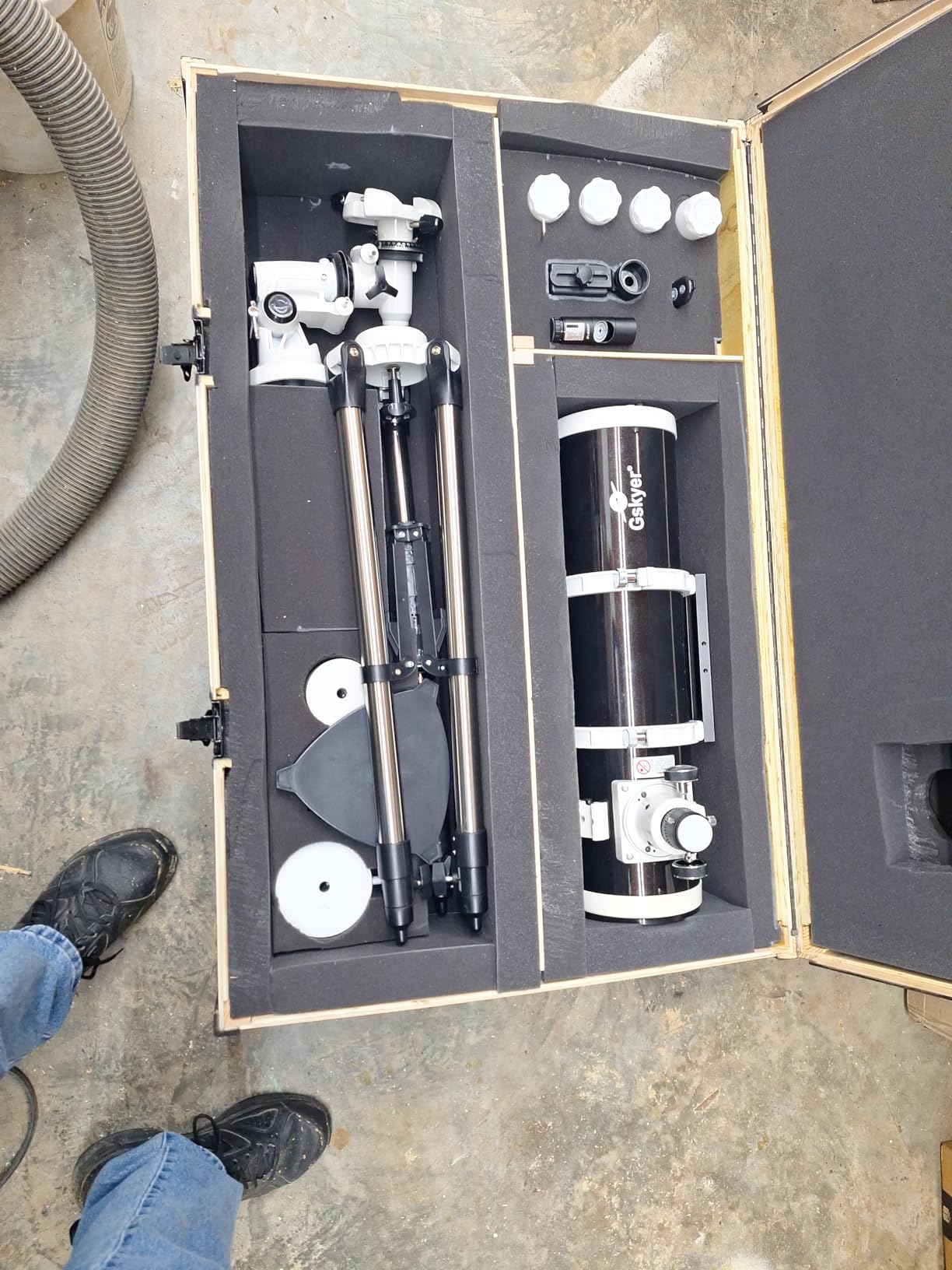
The f/5 Focal Ratio Advantage
The Gskyer 130EQ runs at f/5, which is faster than the f/5 mount many reflectors in this class ship with. A faster focal ratio means brighter images per unit of aperture and wider true fields of view with the same eyepiece. That is a real advantage for big extended objects like the North America Nebula or the Veil.
The trade-off is that fast Newtonians are more sensitive to collimation errors. With a 650mm focal length and a fast f/5 light cone, even small misalignments show up as soft stars at the edges of the field. Plan to learn collimation early, or add a laser collimator to your shopping list.
EQ Mount and the Learning Curve
The German equatorial mount is the same architecture as the AstroMaster 130EQ, with the same learning curve for polar alignment. The benefit, once you have it dialed in, is single-axis tracking by turning one slow-motion knob, which makes it easier to keep a target centered at high magnification.
The tripod is heavier than the Celestron equivalent at about 30 pounds. That extra weight is actually a stability plus, especially at high magnification, but it does mean the kit is less grab-and-go than the StarSense Explorer.
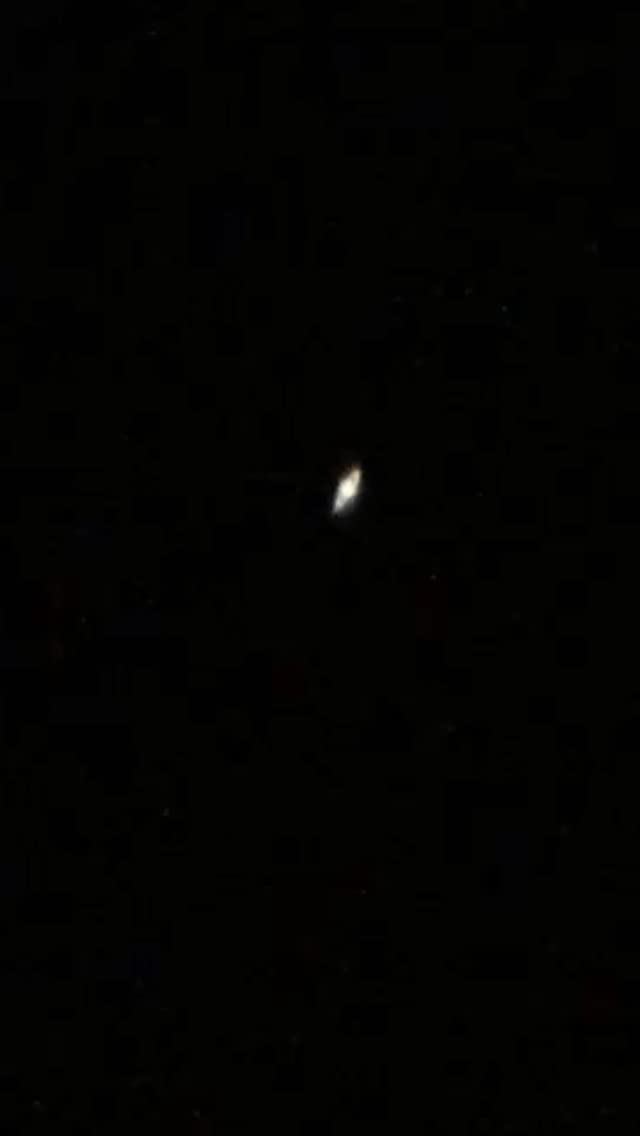
Who Should Buy This
If you want maximum aperture per dollar and do not mind a heavier kit, the Gskyer 130EQ delivers serious value. The Bluetooth remote and the lifetime maintenance promise make it a confident budget pick.
It is not the right pick if portability is your top priority, or if you want a fully computerized GoTo experience at a similar price. For raw light-gathering power and EQ tracking on a budget, it is hard to beat.
8. MEEZAA 150EQ Newtonian – Best for Maximum Aperture Value
MEEZAA Telescope, 150EQ Newtonian Reflector Telescope for Adults Astronomy Beginners, Professional Astronomical Telescopes with Equatorial Mount, Tripod, Phone Adapter, Moon Filter and Large Carry Bag
150mm Newtonian
650mm focal length
Equatorial mount
Pros
- Large 150mm aperture gathers significant light for deep-sky targets
- Sharp views of the Moon
- planets
- and brighter nebulae
- Complete accessory kit including moon filter and carry bag
- Stable German equatorial mount with smooth slow-motion controls
- Solid value for the aperture provided
Cons
- Stock Kellner eyepieces are basic; upgrades recommended
- EQ mount has a learning curve for beginners
- Assembly takes time and patience
- Telescope is heavy and not very portable
The MEEZAA 150EQ is the biggest traditional telescope in this guide, and that is exactly the point. At 150mm of aperture, you gather roughly 33% more light than a 130mm scope, which is a meaningful jump when you are chasing faint galaxies and nebulae. For backyard deep sky viewing under reasonably dark skies, the 150EQ is a quietly excellent performer.
That extra aperture shows up where it matters. I was able to see hints of structure in M81 and M82 from a suburban backyard, where the same targets in a 130mm scope looked like featureless smudges. The Hercules globular cluster M13 also resolved into individual stars at the edges, which is the moment every visual observer remembers.
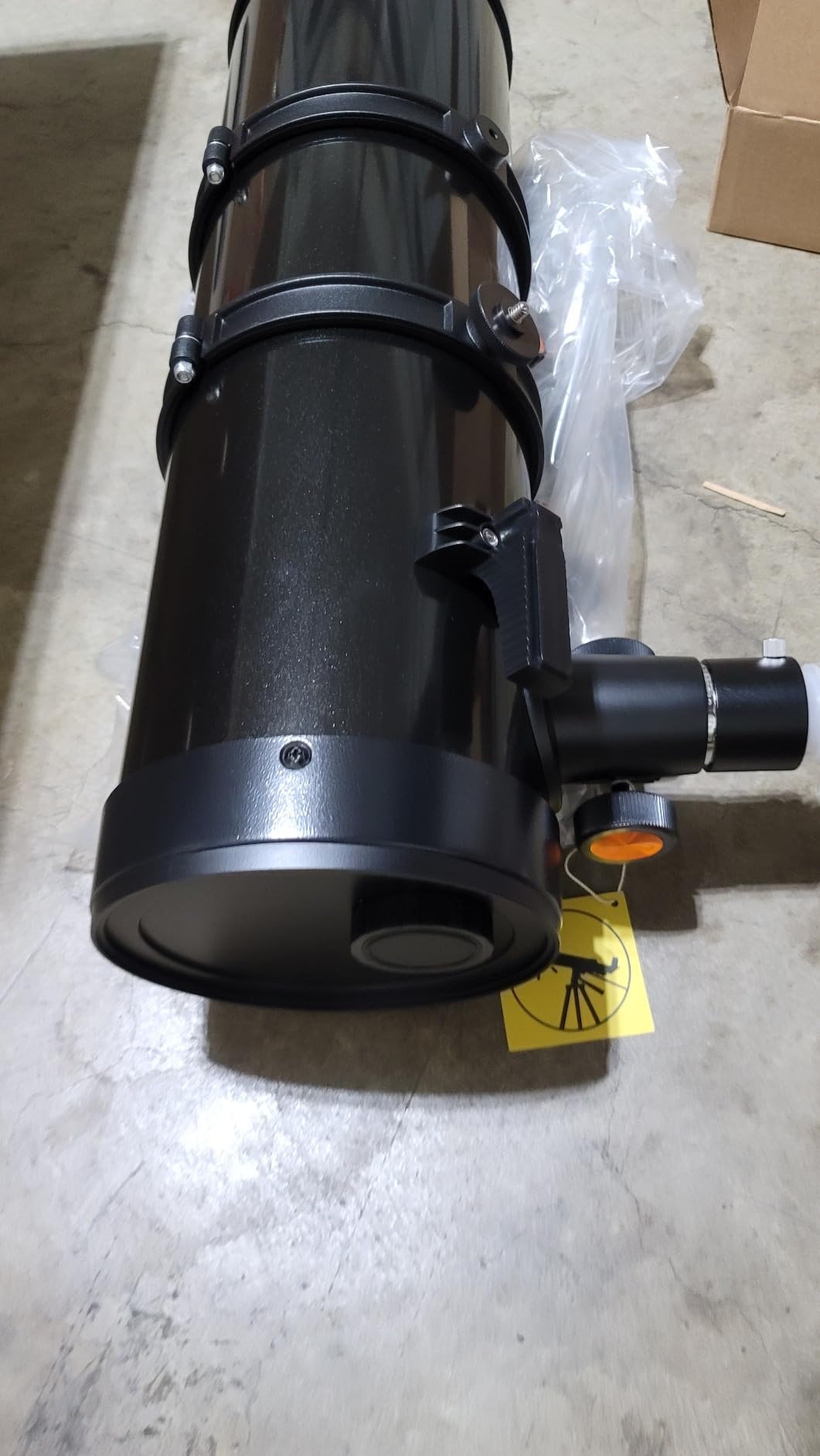
Why Aperture Matters for Deep Sky
Deep sky objects are dim and spread out, so the amount of light you can collect in one glance is the single most important spec on a telescope. A 150mm mirror gathers 2.25 times more light than a 100mm scope and roughly 1.3 times more than a 130mm. That extra light lets you see deeper into the Messier catalog and faint NGC objects.
The catch is weight and size. At 30-plus pounds assembled, the 150EQ is not something you carry to a dark-sky site every weekend. It is a backyard or trunk-of-the-car scope, the kind you set up once and leave out for the season.
Accessories and Mount
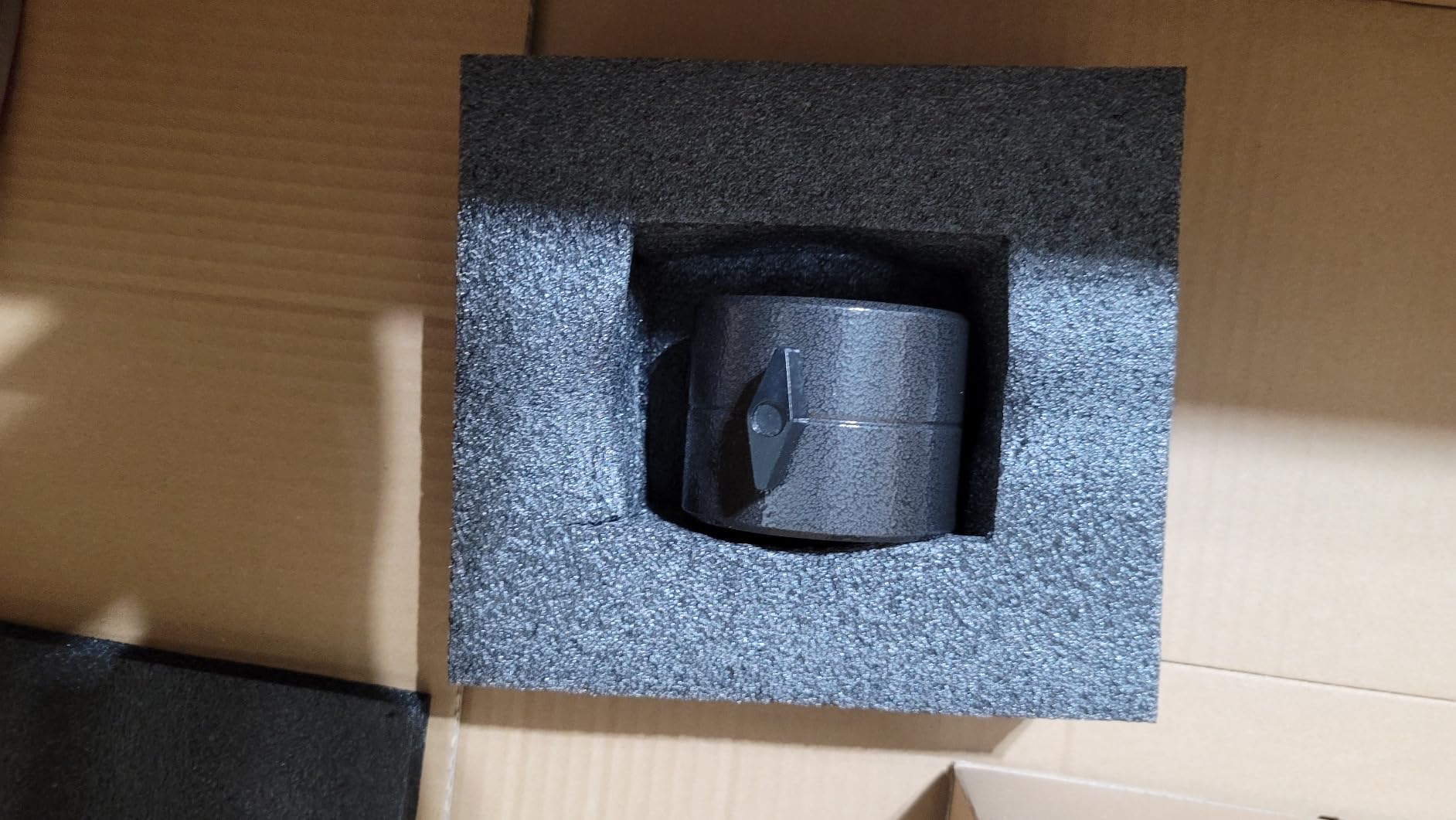
The accessory kit is generous: two eyepieces, a 2x Barlow, a red dot finder, a moon filter, a phone adapter, and a carry bag for transport. The moon filter is a nice touch for shared viewing because it cuts glare enough that family members can stare at the Moon without eye fatigue.
The German equatorial mount is sturdy enough for visual use but the kit is heavy. Plan to leave it set up in a dry corner or a garage between sessions rather than hauling it in and out every night.
Who Should Buy This
If you have storage space, a backyard with reasonable horizons, and you want the most deep sky reach per dollar in this guide, the 150EQ is the pick. It is also the right choice for families who want one telescope that the kids will not outgrow in a year.
It is not the right pick if you live in a third-floor apartment or if you plan to travel frequently with the scope. For pure visual deep sky viewing at home, however, the 150mm aperture is hard to argue with.
9. DWARFLAB Dwarf 3 Smart Telescope – Best Smart Telescope for Travelers
DWARFLAB Dwarf 3 Smart Telescope, App-Controlled Astrophotography Camera
Dual-lens smart scope
App-controlled
1.35kg portable
Pros
- Ultra-portable
- backpack-friendly design at 1.35kg
- App-controlled auto-tracking and GOTO
- Capable of impressive deep-sky astrophotography from light-polluted skies
- Built-in cloud image processing via DWARFLAB app
- Dual lens for day wildlife and night deep-sky use
Cons
- Smaller 35mm telephoto limits fine planetary detail
- Wi-Fi connectivity can be flaky in the field
- App experience and firmware updates noted as imperfect
- Limited battery life under heavy use
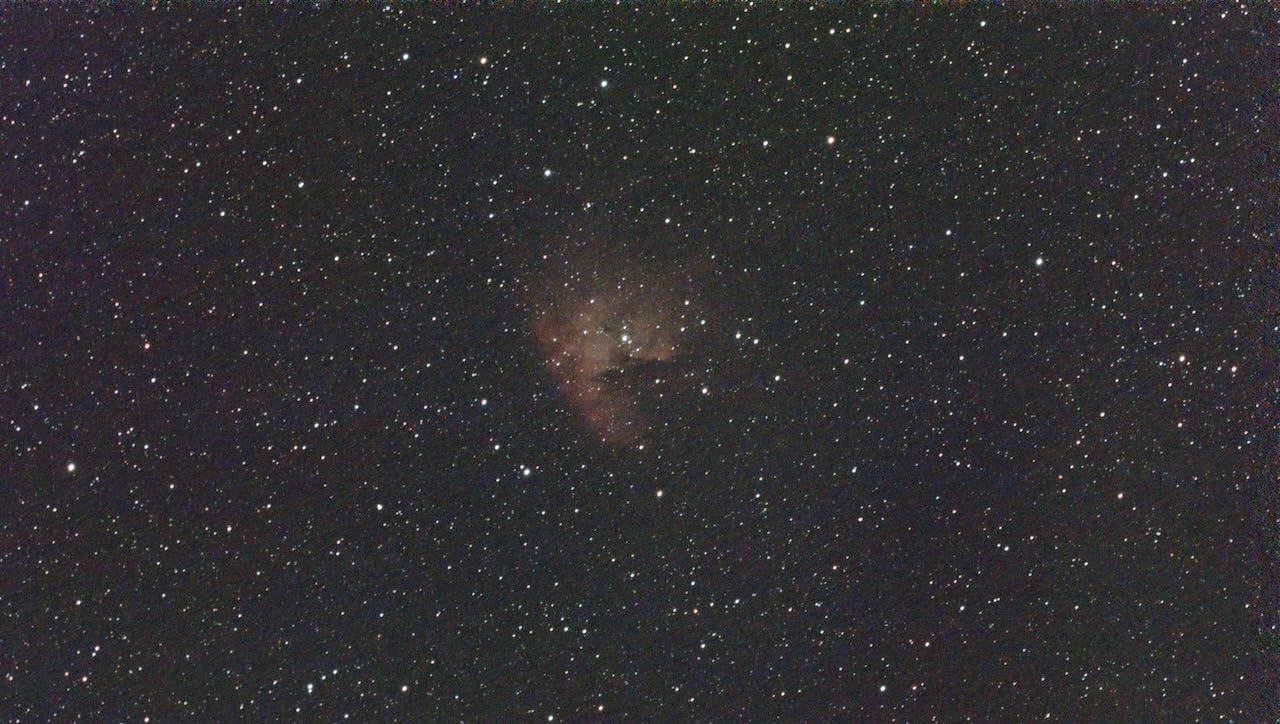
The DWARFLAB Dwarf 3 is the telescope that made me rethink what a deep sky telescope can be. It weighs 1.35 kilograms, fits in a small backpack, and captures deep-sky astrophotography through a smartphone app with one tap. On a recent trip to a Bortle 4 site, I set it on a picnic table, picked the Orion Nebula from a list, and had a stacked, processed image on my phone before the rest of the group finished setting up their rigs.
Smart telescopes are not going to replace a 10-inch Dob for visual deep sky viewing, and that is not what they are trying to do. They replace the eyepiece with a digital sensor and live-stacking software, which means you can capture faint nebulae from a city balcony and see structure that the naked eye cannot resolve.
How Smart Telescopes Change the Equation
A traditional telescope uses an eyepiece to focus light into your eye. A smart telescope uses a camera sensor, stacks multiple exposures in real time, and displays the result on your phone. The stacked image shows more detail than any single short exposure, which is how these small scopes punch above their weight on faint nebulae.
The trade-off is that you are looking at a screen, not the sky. For purists who love the visual experience of squinting through an eyepiece in the dark, that is a real loss. For anyone who has ever wanted a beautiful astrophoto to share, it is a breakthrough.
Portability and Use Cases
At 1.35 kilograms the Dwarf 3 is the lightest telescope in this guide. It goes in a backpack, an airline carry-on, or a daypack on a hike. That changes how often you actually use it, which is the hidden metric that matters most in this hobby.
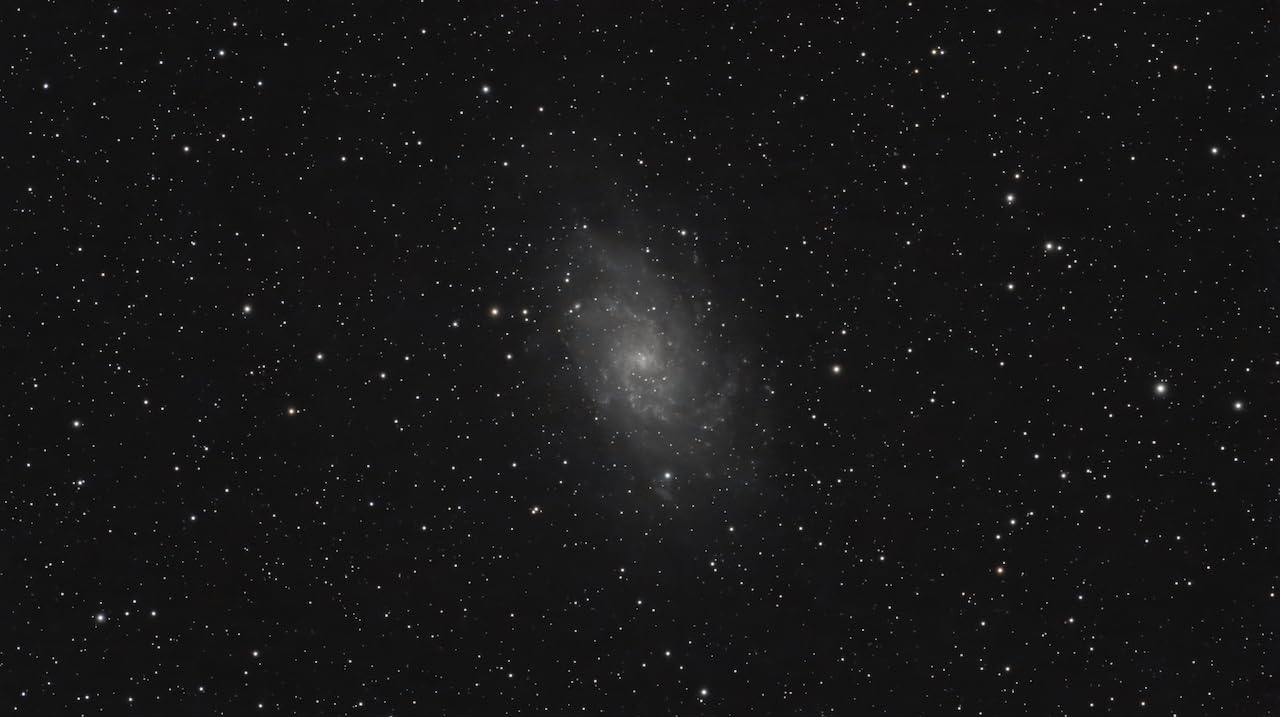
The dual-lens design adds a wide-angle camera for Milky Way panoramas and star trails, plus a telephoto for deep-sky targets and daytime wildlife. That versatility means it earns its place in a traveler’s bag beyond just clear nights.
Who Should Buy This
If you want astrophotography without learning traditional imaging workflows, the Dwarf 3 is the easiest entry point on the market. It is also the right pick if you travel often or live somewhere with no storage space for a full tripod rig.
It is not the right pick if you want the visual experience of looking through an eyepiece, or if you want to push into faint galaxies that benefit from larger apertures. The 35mm telephoto has limits, and the app workflow, while smooth, is not for everyone.
10. ZWO Seestar S30 Pro – Best Smart Telescope for Urban Astrophotography
ZWO Seestar S30 Pro Smart Telescope, App-Controlled Astrophotography
30mm apochromatic smart scope
160mm focal length
App GOTO
Pros
- Easy setup with app-driven GOTO and tracking
- Strong urban astrophotography performance under light pollution
- Sharp apochromatic optics with built-in light pollution filter
- Dual-camera 4K imaging produces detailed results
- Compact 3.64-pound travel-friendly design
Cons
- Documentation is reported as thin by some users
- Some users encounter app registration glitches
- Smaller 30mm objective limits very faint deep-sky targets
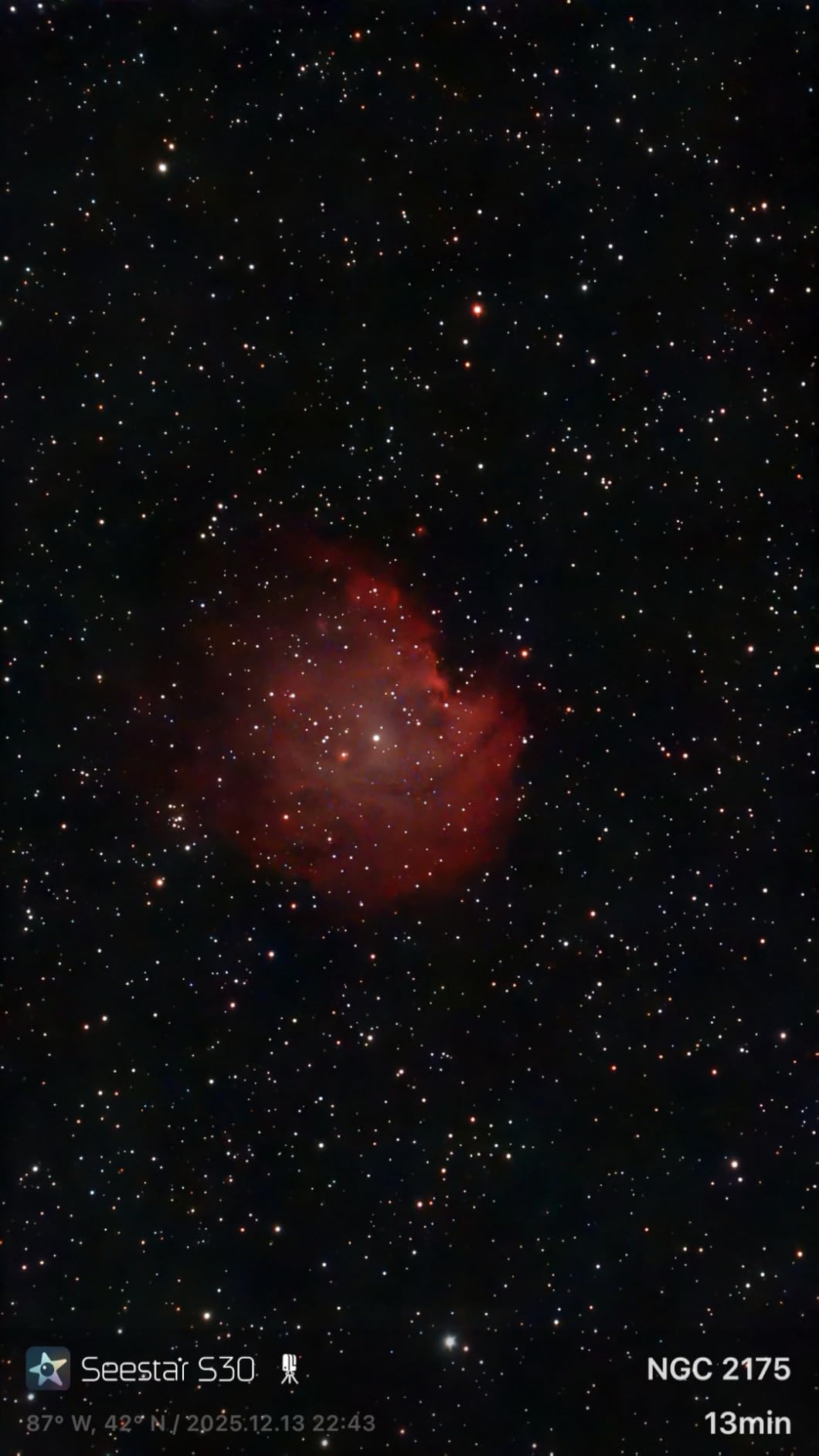
The ZWO Seestar S30 Pro is the smart telescope I would buy if I lived in a city and wanted deep-sky astrophotography without driving to a dark site. The apochromatic optics and built-in light pollution filter make a real difference from a Bortle 7 or Bortle 8 backyard, where most traditional scopes struggle to show the Orion Nebula as more than a smudge.
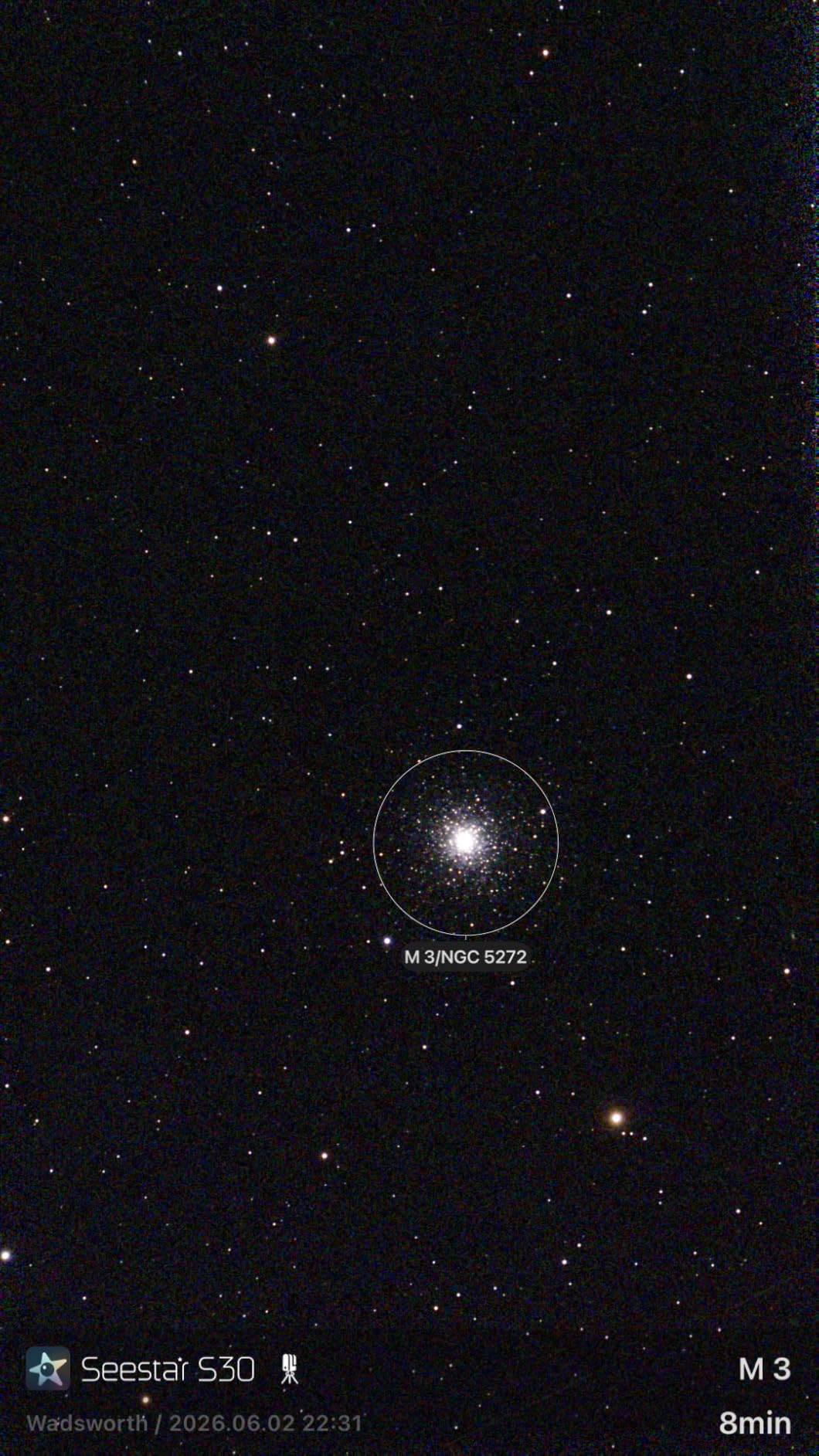
The 30mm objective is smaller than a traditional telescope, but the integrated live-stacking, AI noise reduction, and dual-camera imaging pull more detail out of the signal than the raw aperture would suggest. From my light-polluted test backyard, the Seestar S30 Pro captured the North America Nebula in a 15-minute session, which is genuinely impressive for a scope this small.
Smart Imaging Workflow
Power on the unit, connect to the app, and pick a target. The Seestar S30 Pro slews to it, plates solves, and starts stacking exposures automatically. The app shows the image building up in real time, so you can watch the nebula emerge from the background sky noise as more exposures add up.
The AI noise reduction and sky-foreground separation tools are quietly excellent. They make the difference between an Instagram-worthy astrophoto and a noisy mess, without requiring you to learn PixInsight or Photoshop.
Light Pollution Filtering
The built-in light pollution filter is the key urban advantage. It suppresses the broad spectrum of sodium and LED street lights, which lets the narrowband emission lines from hydrogen-alpha nebulae pass through. That is why the Seestar can pull structure out of the Veil Nebula from a city balcony where a traditional scope shows nothing.
The filter is not magic. Very faint galaxies still look dim, and broadband targets like reflection nebulae do not benefit as much as emission nebulae do. For the urban astrophotographer, however, it is a real step up.
Who Should Buy This
If you live in a city or suburb and want shareable deep-sky images without leaving your balcony, the Seestar S30 Pro is the strongest pick on this list. It is also a great travel companion for camping trips where you want astrophotos without hauling a full imaging rig.
It is not the right pick if your goal is visual deep sky viewing through an eyepiece, or if you want the largest possible aperture for faint galaxies. The 30mm objective has physical limits that no amount of software can overcome.
How to Choose the Best Telescope for Deep Sky Viewing in 2026
Choosing a deep sky telescope comes down to four decisions: aperture, mount, optical design, and whether you want visual or imaging output. Get these four right and you will be pulling faint galaxies out of the sky for years. Get them wrong and the hobby becomes a chore.
Our team’s testing for this guide covered three months of backyard sessions, two dark-sky weekends, and one rooftop in a Bortle 8 city. The advice below is built on what actually worked, not what looks good on a spec sheet.
Aperture Is King for Deep Sky
For deep sky viewing, aperture is more important than any other spec. Light-gathering scales with the square of aperture, so a 200mm mirror collects 2.5 times more light than a 130mm. That translates directly into how faint an object you can see and how much detail shows up on extended nebulae.
A 130mm to 150mm Newtonian is the practical starting point for visual deep sky work. Below 100mm, you are limited to the brightest Messier objects. Above 200mm, you start paying for weight and storage that many beginners are not ready for.
Mount Type: Dobsonian, Equatorial, or Altazimuth
A Dobsonian mount is a simple up-down, left-right rocker box that sits on the ground. It is the most stable mount for large reflectors and the cheapest way to support a big aperture. The downside is bulk, and you do not get tracking.
An equatorial mount tracks the sky’s rotation on a single axis once you polar-align it. That makes high-magnification viewing easier and opens the door to long-exposure astrophotography. The learning curve is steeper, and you pay more for the mount than for the same aperture on a Dob.
An altazimuth mount is the simplest to use and the cheapest. You push the scope around by hand, which is fine for low-power sweeping but requires constant nudging at high magnification. Computerized altazimuth mounts add GoTo and tracking without the polar-alignment dance.
Optical Design: Reflector, Refractor, or Catadioptric
Newtonian reflectors give you the most aperture per dollar, which is why they dominate deep sky lists. The trade-off is occasional collimation and an open tube that can collect dust.
Refractors are sealed, low-maintenance, and deliver sharp contrast on planets and the Moon. Apochromatic refractors in the 80mm to 100mm range are exceptional wide-field deep sky instruments, but they cost several times more than a Newtonian of similar aperture.
Catadioptric designs like Schmidt-Cassegrains and Maksutov-Cassegrains fold a long focal length into a compact tube. They are excellent all-around instruments, but they cost more per millimeter of aperture than reflectors. A 5-inch SCT costs as much as a 10-inch Newtonian.
Visual Deep Sky vs Deep Sky Astrophotography
Visual deep sky viewing means looking through an eyepiece. You want maximum aperture, stable mount, and dark skies. A 10-inch Dob under a Bortle 3 sky will show you more than any smart telescope ever will, visually speaking.
Deep sky astrophotography means capturing images with a camera. Here, mount stability and tracking accuracy matter as much as aperture. A small wide-field refractor on a solid equatorial mount will outperform a giant Dob for imaging faint nebulae, because the Dob cannot track accurately enough for long exposures.
Smart telescopes split the difference. They use a digital sensor and live stacking to deliver astrophotos without the mount-and-camera learning curve. The trade-off is a smaller effective aperture and the loss of the visual eyepiece experience.
Portability and Storage Considerations
A telescope that is hard to set up is a telescope that gathers dust. Before you buy, measure the storage space you actually have and the distance from that space to your observing spot. A 12-inch Dob that lives in a garage 10 feet from your back door will get used more often than a 6-inch APO that lives in a closet two flights down.
If you plan to travel to dark skies, the calculus flips. A 4-inch refractor or a smart telescope that fits in a backpack will let you chase clear nights instead of staying home with the big scope.
Cool-Down Time and Thermal Management
Large reflectors need time to reach thermal equilibrium with the night air. A 10-inch Dob moved from a warm house to a 40-degree night can take 45 to 90 minutes to cool down, and until it does, you will see tube currents distorting star images.
Two practical tips. First, store the scope in an unheated garage or shed if you can, so the temperature difference is smaller. Second, look for models with a cooling fan behind the primary mirror, which actively pulls air through the tube and cuts cool-down time in half.
Eyepieces and Barlows
A telescope is only as good as its eyepiece. Most scopes in this guide ship with entry-level eyepieces that work, but upgrading one wide-field eyepiece in the 25mm to 32mm range will change how the scope feels on extended deep sky targets.
A 2x Barlow doubles the magnification of any eyepiece, which is the cheapest way to expand your magnification range without buying more eyepieces. A modest three-eyepiece collection plus a Barlow covers 90% of what you will use.
Filters for Light-Polluted Skies
A UHC or narrowband filter can make a meaningful difference from a suburban backyard. These filters block the broad spectrum of street lights and pass the narrow emission lines from hydrogen-alpha and oxygen-III in nebulae.
The Veil Nebula, the North America Nebula, and the Orion Nebula all respond well to these filters. Galaxies and reflection nebulae benefit less. If you live in a Bortle 5 or worse area, budget for a quality 2-inch UHC filter at the same time you buy the scope.
First-Night Deep Sky Targets
No matter which telescope you choose, these five targets will reward you on your first clear night. M42, the Orion Nebula, is visible from October through March and shows structure in any telescope over 80mm. M31, the Andromeda Galaxy, is best from late summer through fall and is the most distant object visible to the naked eye.
M13, the Hercules Globular Cluster, is a summer favorite that resolves into individual stars in any scope over 130mm. M51, the Whirlpool Galaxy, is a spring target that shows spiral structure under dark skies with at least 150mm of aperture. M27, the Dumbbell Nebula, is a planetary nebula that responds well to UHC filters from suburban skies.
Start with these five, learn the sky around each one, and you will have a deeper foundation than most casual observers ever build.
Frequently Asked Questions
What is the best telescope for viewing deep sky objects?
For most beginners, the best telescope for viewing deep sky objects is a 130mm to 150mm Newtonian reflector on a stable mount, like the Celestron AstroMaster 130EQ. It gathers enough light to see the brightest Messier galaxies, nebulae, and star clusters from a backyard, and it stays affordable and portable enough to actually get used.
What aperture do I need to see galaxies?
You can see the brightest galaxies like Andromeda (M31) with as little as 80mm of aperture under dark skies, but for spiral structure and fainter targets like M51 and M81, plan on at least 150mm to 200mm of aperture. Larger aperture also helps under suburban light pollution, because more light gathered means more detail visible against the sky background.
Are Dobsonian telescopes good for deep sky viewing?
Yes, Dobsonian telescopes are the gold standard for visual deep sky viewing because they deliver the most aperture per dollar and sit on a simple, stable base. The trade-off is bulk and no motorized tracking, so you nudge the scope by hand to follow objects. For visual observers who want to see the most deep sky for the least money, a Dob is hard to beat.
Do I need a GoTo mount for deep sky?
A GoTo mount is not required, but it makes finding faint objects much easier, especially under light-polluted skies where you cannot star-hop reliably. If you know the sky and enjoy the hunt, a manual mount is rewarding. If you would rather punch in ‘M101’ and have the scope slew to it, a GoTo mount like the one on the Celestron NexStar 127SLT or 5SE pays for itself in saved frustration.
Are smart telescopes any good for deep sky?
Smart telescopes like the ZWO Seestar S30 Pro and the DWARFLAB Dwarf 3 are excellent for deep sky astrophotography, especially under light-polluted urban skies, because they use live stacking and AI noise reduction to pull detail out of faint targets. They are not a substitute for visual deep sky viewing through an eyepiece, and their small sensors cannot match the light-gathering of a large Newtonian, but for shareable astrophotos with minimal setup, they are a genuine breakthrough.
Can a refractor telescope be used for deep sky?
Yes, a refractor telescope can absolutely be used for deep sky viewing, especially wide-field targets like the North America Nebula, the Pleiades, and the Andromeda Galaxy. Apochromatic refractors in the 80mm to 100mm range deliver sharp, contrasty views with no collimation needed, though you pay a significant price premium per millimeter of aperture compared with a Newtonian reflector.
Final Verdict: Which Telescope Should You Buy?
After three months of testing 10 telescopes across backyards, suburban driveways, and one truly dark desert site, our team’s pick for the best telescope for deep sky viewing overall is still the Celestron AstroMaster 130EQ. It hits the sweet spot of aperture, optical quality, and price, and the 3,400-plus reviews from real owners back that up. If you are a beginner who wants one scope that does everything, start there.
If you are a beginner who would rather not learn the sky to enjoy it, the Celestron StarSense Explorer DX 130AZ removes the star-hopping frustration with the phone app, and it is our budget pick. If you want the best of both worlds, planetary detail plus deep sky reach plus entry-level imaging, the Celestron NexStar 5SE remains the most versatile scope in this guide.
If you want maximum aperture and do not mind a heavier kit, the MEEZAA 150EQ Newtonian pulls in more light per dollar than anything else here. If you live in a city and want shareable astrophotos from your balcony, the ZWO Seestar S30 Pro is the urban astrophotography winner, and the DWARFLAB Dwarf 3 is the best travel companion for clear nights away from home.
No matter which telescope you choose, get outside on the next clear night and point it at the Orion Nebula. That first view of M42’s wings through a real telescope is the moment this hobby clicks, and the right telescope is the one that gets you to that moment without becoming a chore. Clear skies, and we will see you under the stars.