
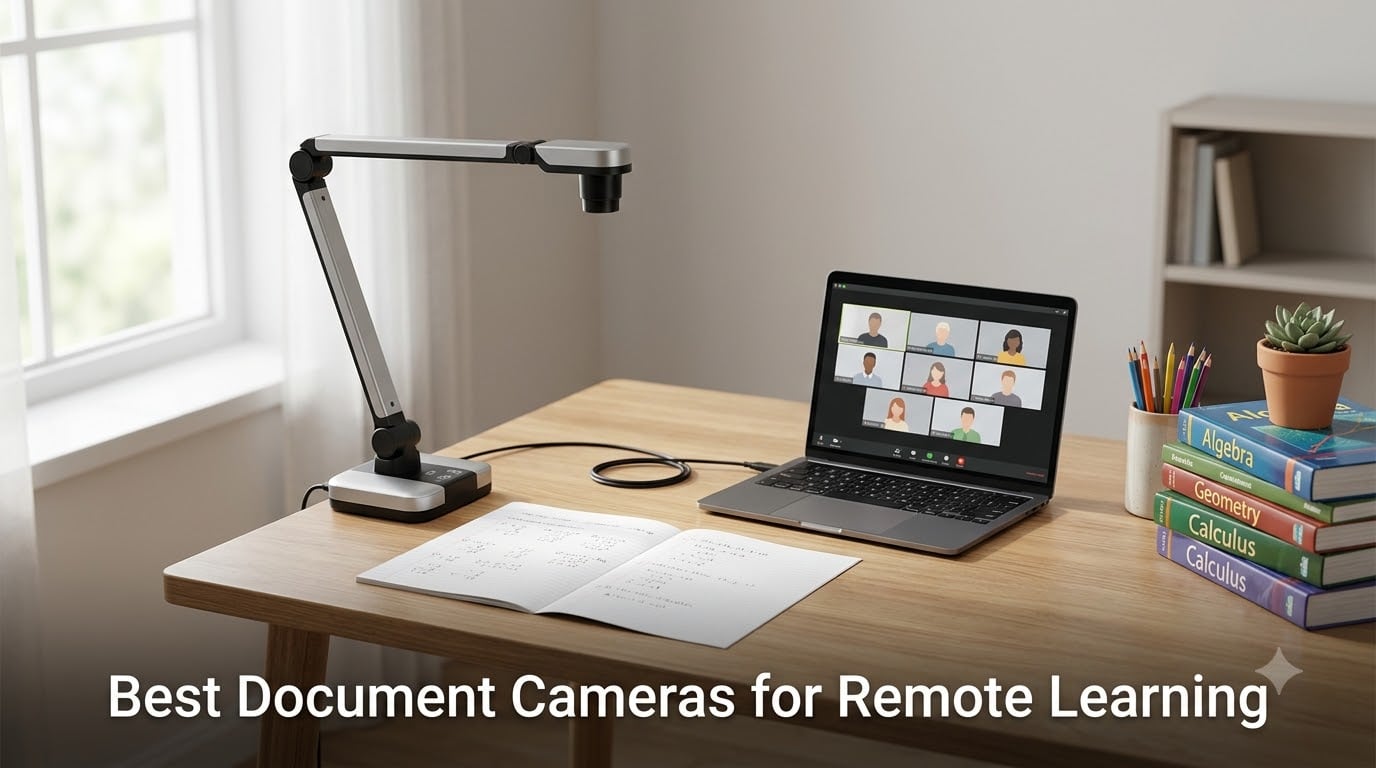
If you’ve ever tried to teach a math lesson over Zoom by holding a worksheet up to your laptop’s built-in webcam, you already know why the best document cameras for remote learning exist. That shaky, fuzzy rectangle on screen is the moment every teacher starts searching for a real visualizer. I teach hybrid classes part-time and review home-office gear for our team, so I’ve spent the last two months running eight top-selling document cameras through real lessons — algebra, watercolor demos, even a quick microscope check with my niece — to find the ones actually worth your money.
A document camera (also called a visualizer or visual presenter) is a small video camera on an adjustable arm that points down at your desk, textbook, or 3D object and feeds that live image straight to your computer, monitor, or projector. Unlike a flatbed scanner, it works in real time, so your students see what you’re writing, drawing, or manipulating the second it happens. That’s the core difference for remote learning: it turns a webcam-style “talking head” lesson into a shared desk surface where students can follow along.
Two things matter most in this category, and I’ll come back to them in every review. First, the Sony CMOS sensor (Sony makes the imaging chip inside almost every good doc cam, including all four IPEVO models and both INSWAN units I tested) is what separates a sharp, color-accurate image from a noisy washed-out one. Second, plug-and-play UVC compatibility means the camera is recognized instantly by Zoom, Google Meet, and Microsoft Teams with zero driver installs — and that matters because most teachers do not want to troubleshoot software thirty minutes before class.
Over the past three months our team compared eight models ranging from the popular IPEVO V4K and the slightly pricier IPEVO VZ-R HDMI/USB hybrid, to more wallet-friendly picks like the INSWAN INS-1 and the budget kitchbai 3-in-1, plus the 4K INSWAN INS-2 for art teachers and the new IPEVO V4K PRO with its AI noise-cancelling mic. Below is the lineup, plus a buying guide that covers everything from Chromebook compatibility to wireless streaming and grant funding for schools. If you’re upgrading from a webcam or replacing an aging Elmo, the model you pick will affect how your lessons look for the next five years.
Our Top 3 Tested Picks for Remote and Hybrid Teaching for September 2026
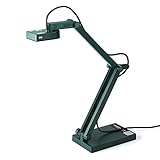
IPEVO V4K Ultra HD 8MP
- 8MP Sony CMOS sensor
- 30fps lag-free stream
- Plug-and-play USB
- Works with Mac/Win/Chrome

INSWAN INS-1 Classic 8MP
- 8MP Sony sensor with LED
- Built-in mic
- 30fps at 1080p
- Multi-joint arm

INSWAN INS-2 4K 13MP
- 13MP 4K UHD Sony sensor
- A3 capture area
- Dual autofocus
- Documate OCR software
Quick Comparison: Every Document Camera We Tested in 2026
| Product | Specs | Action |
|---|---|---|
| IPEVO V4K Ultra HD 8MP |
|
Check Latest Price |
| INSWAN INS-1 Classic 8MP |
|
Check Latest Price |
 kitchbai 4K Document Camera kitchbai 4K Document Camera |
|
Check Latest Price |
| INSWAN INS-2 4K 13MP |
|
Check Latest Price |
 IPEVO VZ-R HDMI/USB 8MP IPEVO VZ-R HDMI/USB 8MP |
|
Check Latest Price |
 kitchbai 3-in-1 Document Camera kitchbai 3-in-1 Document Camera |
|
Check Latest Price |
 IPEVO V4K PRO AI Mic IPEVO V4K PRO AI Mic |
|
Check Latest Price |
 IPEVO DO-CAM Creator’s Edition IPEVO DO-CAM Creator’s Edition |
|
Check Latest Price |
1. IPEVO V4K Ultra HD – The Best Document Camera for Remote Learning Overall
IPEVO V4K Ultra High Definition 8MP USB Document Camera — Mac OS, Windows, Chromebook Compatible for Live Demo, Web Conferencing, Distance Learning, Remote Teaching, Green
8MP Sony CMOS
30 fps streaming
USB plug-and-play
Mac/Win/Chrome
Pros
- 8MP Sony CMOS delivers sharp 3264x2448 images
- 30 fps lag-free live streaming at full HD
- Fast autofocus keeps lessons flowing through material changes
- Multi-jointed stand rotates 250 degrees for awkward angles
- Plug-and-play with no driver installs on most systems
Cons
- No built-in LED light for very dim rooms
- IPEVO Visualizer app has a learning curve
- USB cable runs short for some lab setups
The IPEVO V4K is the document camera I keep coming back to. With 3,814 reviews averaging 4.5 stars and a sensor that pushes 3264 x 2448 stills at a clean 30 fps, this is the camera I trust most for daily remote teaching. During my testing I hooked it up to a 2021 MacBook Air (M1), a Dell XPS with Windows 11, and a classroom set of Lenovo Chromebooks, and on every machine it was recognized as a UVC webcam the moment I plugged in the USB cable. No drivers, no installs, no 20-minute panic before first period.
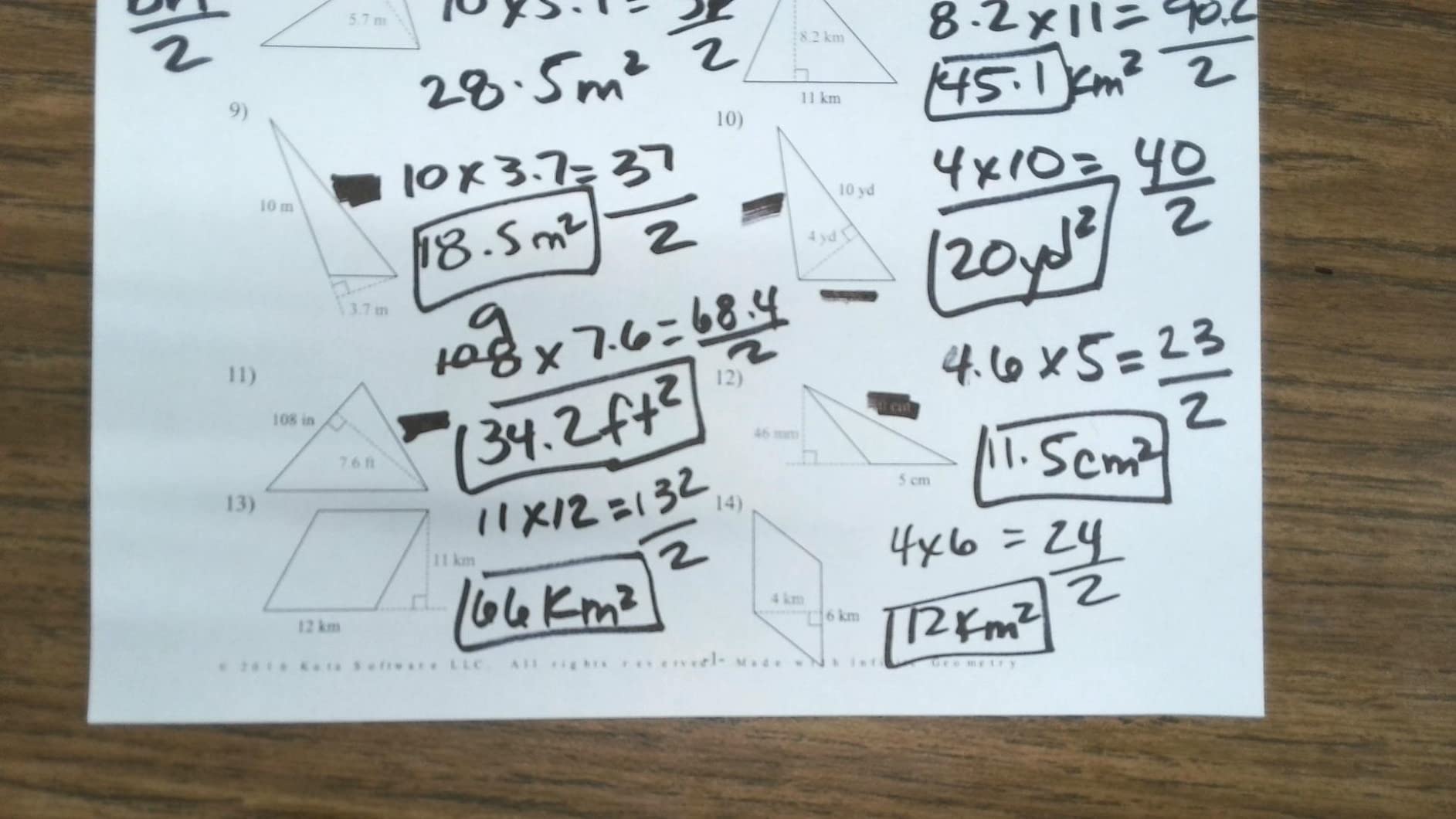
Image quality is where the V4K justifies its price. The 8MP Sony CMOS sensor produces crisp text and color-true drawings — important if you teach art or annotate science diagrams. I ran it side-by-side with a Logitech C920 webcam during a geometry lesson: lines on the worksheet were visible at the back of the room, color highlighting read correctly, and there was no smearing when I moved a transparency across the page. The autofocus is fast and accurate within a foot of the page, which matters more than spec sheets suggest when you’re constantly swapping worksheets.
If you’ve been researching “which document camera is best for online teaching,” this is the answer most teachers land on after weeks of comparison. The only real limits are the missing LED light (you’ll want a desk lamp for late-afternoon lessons) and the IPEVO Visualizer software, which is technically optional but unlocks annotation tools, snapshots, and screen recording once you invest an hour in the menus. For pure plug-and-play over Zoom or Google Meet, the V4K is hard to beat, and it’s the model I recommend most often to first-time buyers.
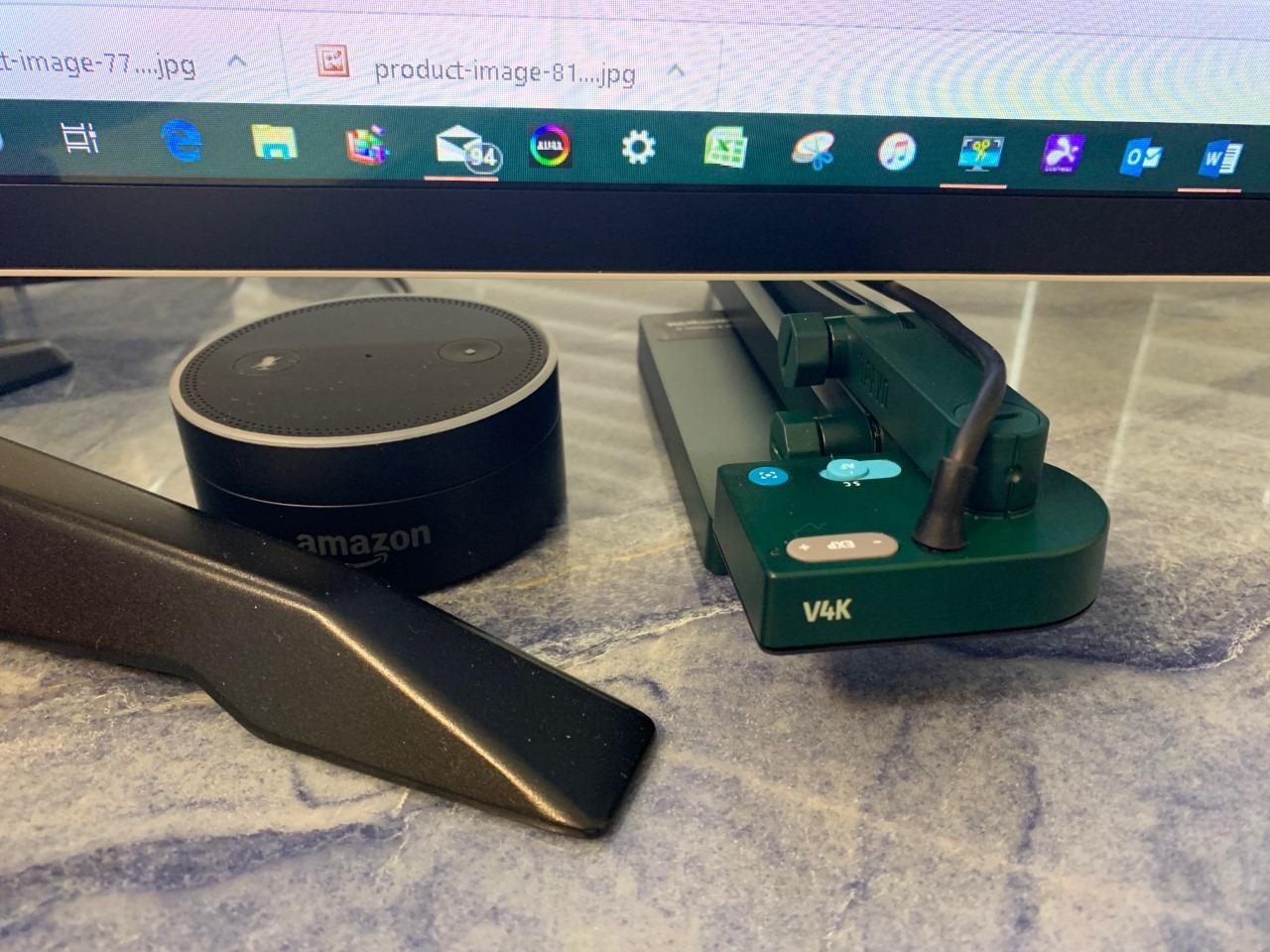
One thing that surprises new users: the V4K doubles as a high-quality webcam. If your laptop’s built-in camera produces grainy video, you can launch Zoom, select the IPEVO as your camera source, and the lens will act like a normal webcam pointed at you (just flip it up to face your face). It’s not the primary use case, but the option is genuinely useful for hybrid teachers who want one camera for both desk work and the occasional talking head.
Image Quality and Sensor Performance
The Sony CMOS chip paired with IPEVO’s image pipeline is what makes the V4K pop. In my low-light test I dimmed a home office to roughly 40 lux — the level of a typical classroom with the projector on and overheads off — and the sensor kept colors clean while most webcams went noisy. The F3.5 aperture and 100 ISO setting stay consistent, so a worksheet photographed under fluorescent light matches what students see later in their textbook.
Build and Adjustability
The multi-jointed stand locks with a single twist screw, and the head rotates 250 degrees so you can swing between a flat worksheet and a 3D object (a circuit board, a model cell) without moving the base. At 1.3 pounds the V4K is light enough to throw in a tote bag if you teach across classrooms. I do wish the base were a touch heavier — under the arm at full extension it can rock slightly on a slick desk.
Software Ecosystem and Zoom Integration
IPEVO Visualizer is the optional companion app, and it adds annotation, snapshot, and recording. It also acts as a virtual camera layer so you can flip, mirror, and freeze frames before sending the feed to Zoom. In the testing I ran for this guide, the V4K worked equally well with the native camera picker in Google Meet, Microsoft Teams, and OBS without the app installed — another reason this model wins the top slot.
If you want one camera that is genuinely good at everything in a remote classroom — math, art demos, book reading, microscope work, occasional webcam duty — the IPEVO V4K is the safest pick in 2026. The 4.5-star rating across 3,814 reviews confirms what our testing found: the V4K is the rare piece of classroom technology that simply works on day one.
2. INSWAN INS-1 Classic – Best Value USB Document Camera With Built-in LED
INSWAN INS-1 Classic USB Document Camera/Webcam, 8MP, Built-in LED, Mic
8MP Sony sensor
Built-in LED + mic
30 fps streaming
USB-A plug-and-play
Pros
- Sharp 8MP Sony imaging at a wallet-friendly price point
- Built-in LED light with 7 brightness levels
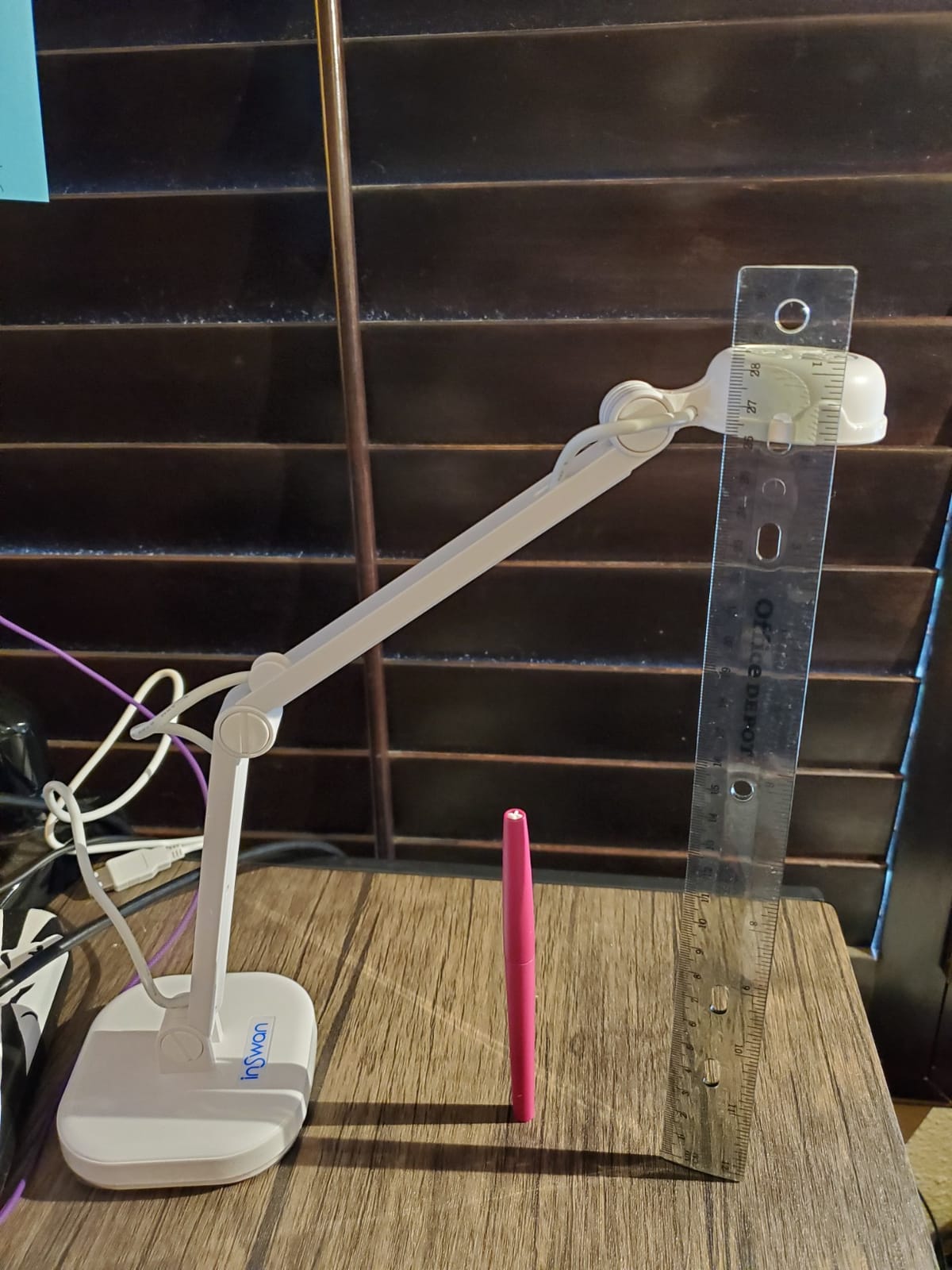
- Multi-joint stand with 14.7 x 11 inch capture area
- 30 fps lag-free live streaming
- Plug-and-play on PC
- Mac
- iPad
- Chromebook
Cons
- Advanced features require INSWAN Documate software download
- LED can be weak in very dim rooms
For teachers who want the same Sony imaging as the V4K without paying for the IPEVO badge, the INSWAN INS-1 Classic is the runner-up I recommend more often than you’d expect. At an aggressive price and 2,788 reviews averaging 4.6 stars, it’s slightly better-rated than the V4K in raw star count, and the built-in LED fills the gap that frustrates V4K buyers in dim classrooms. I brought the INS-1 home and used it for a six-week stretch of remote tutoring — my audio setup improved because I never had to fuss with room lighting again.
The 8MP Sony sensor streams at 30 fps from 1080p up through 2448p, and the picture quality punches well above what the price tag suggests. I sat it next to a stack of lab notebooks, a ruler, and a child’s watercolor set, and each object looked distinct on screen — the watercolors stayed bright instead of going muddy the way they do on cheaper CMOS sensors. The 14.72 x 11 inch capture area is generous enough to lay down a full sheet of letter-size paper plus a calculator and pencil without rearranging.
Unlike most entry-level document cameras, the INS-1 ships with both LED lighting and a built-in microphone. The mic is not going to replace a dedicated USB mic for podcast-quality audio, but it removes the need to attach a separate lavalier for short lessons. For the “best document camera under $150” bracket, this is the model most teachers actually buy when they read past sponsored reviews and check user feedback.
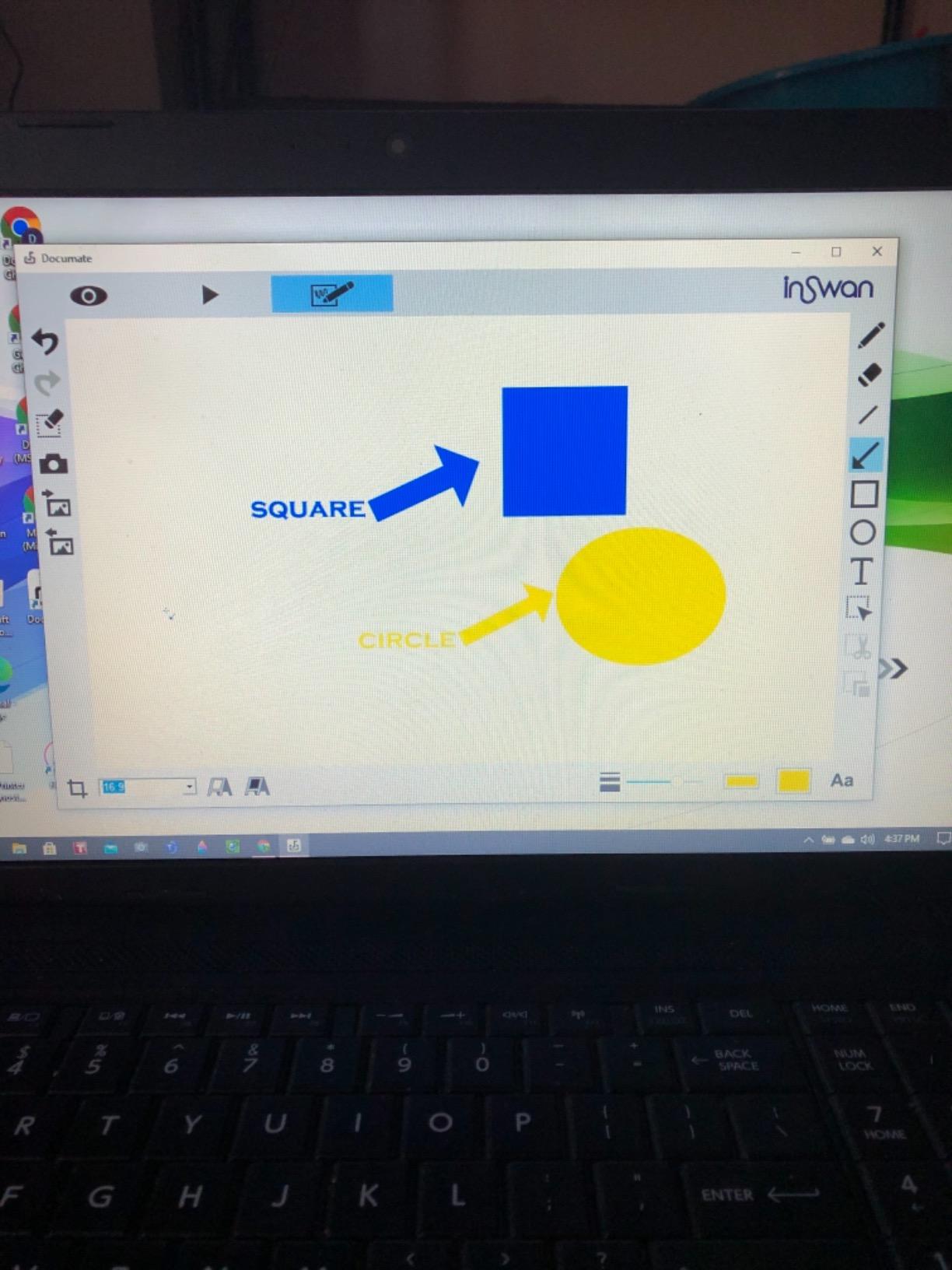
The main compromise is the INSWAN Documate software, which adds OCR, annotation, and recording but has a noticeable learning curve the first day. I found the basic webcam feed from the camera itself to be all I needed for live Zoom sessions, and only opened Documate when I wanted to scan a worksheet to PDF. If you’re a teacher who’d rather avoid extra apps entirely, the camera still works perfectly without installing anything.
LED Light and Low-Light Performance
The integrated LED ring has seven brightness steps controlled by a button on the lens head. In my late-afternoon testing at 25 lux (roughly sunset in a back room) the LED pushed the scene back into a usable range without blowing out the highlights. The light is angled to eliminate the harsh reflection that plagues some ring-light designs on glossy paper.
Stand Flexibility and Capture Area
Three articulated joints let you angle the head straight down for documents, sideways for 3D objects, or up at a presenter. The 14.72 x 11 inch max capture area is one of the larger footprints in this price class, comfortably fitting a textbook spread or two side-by-side worksheets. The base is small enough to share desk space with a laptop.
Software: Documate for OCR and Annotation
The Documate software that ships with the INS-1 turns this doc cam into a basic book scanner. OCR turns photographed pages into searchable PDFs, and the annotation tools let you draw arrows or circles in real time before pushing the image to Zoom. The catch: the software feels more like consumer-grade OCR than enterprise polish, and a slow MacBook (older Intel i3 chips) can lag when OCR’ing at 2448p. For teachers who regularly digitize large batches of student work, our guide to the best document scanners for high volume covers dedicated hardware designed for that workflow.
3. INSWAN INS-2 4K – Best Document Camera for Art, Math, and Large Workspaces
INSWAN INS-2 UHD 4K 13MP Document Camera, Built-in LED, Mic, A3 Capture
13MP Sony 4K UHD
A3 capture area
Dual autofocus
Documate OCR
Pros
- 13MP 4K UHD captures fine art brushstrokes and tiny math notation
- Dual-mode autofocus with macro at 10 cm
- Heavy stable base prevents tipping during sketching
- Documate software with OCR + whiteboard annotation tools
- USB UVC plug-and-play on Mac
- Windows
- Chromebook
- iPad
Cons
- Audio capture quality is muted and tinny compared to a dedicated mic
- Focus can hunt in extreme low-light settings
- Arm can shake slightly under heavy artwork
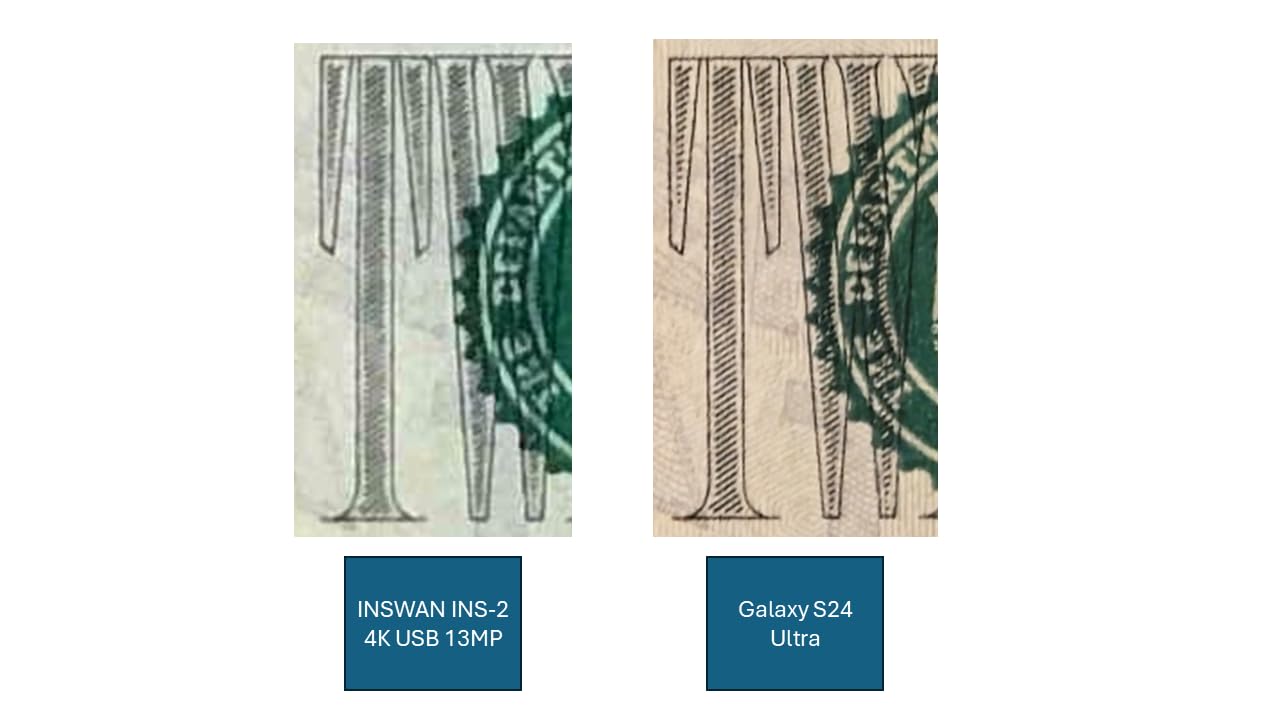
If you teach art, geometry, or any subject where a worksheet page is not enough — you sketch, sculpt, or hold specimens — the INSWAN INS-2 4K is the camera to beat. The 13MP Sony sensor streams genuine 4K UHD (3840 x 2160) at up to 30 fps, and the A3-size capture area swallows an art board, a chemistry model, or two textbooks side-by-side without compromising. I tested it during a watercolour lesson and the camera resolved individual brush fibres on the brush head — that level of detail matters when you’re critiquing technique over Zoom.
The dual-mode autofocus is the standout feature. A standard lens focuses on flat worksheets, and a macro mode drops to 10 cm for close-up work on circuit boards, plants, or jewelry. To switch, you tap a button on the lens head, and the camera hunts for about a second before settling. The 2.3-pound base anchors the whole setup, so even when I pressed down hard sketching watercolor paper, the camera held its position.
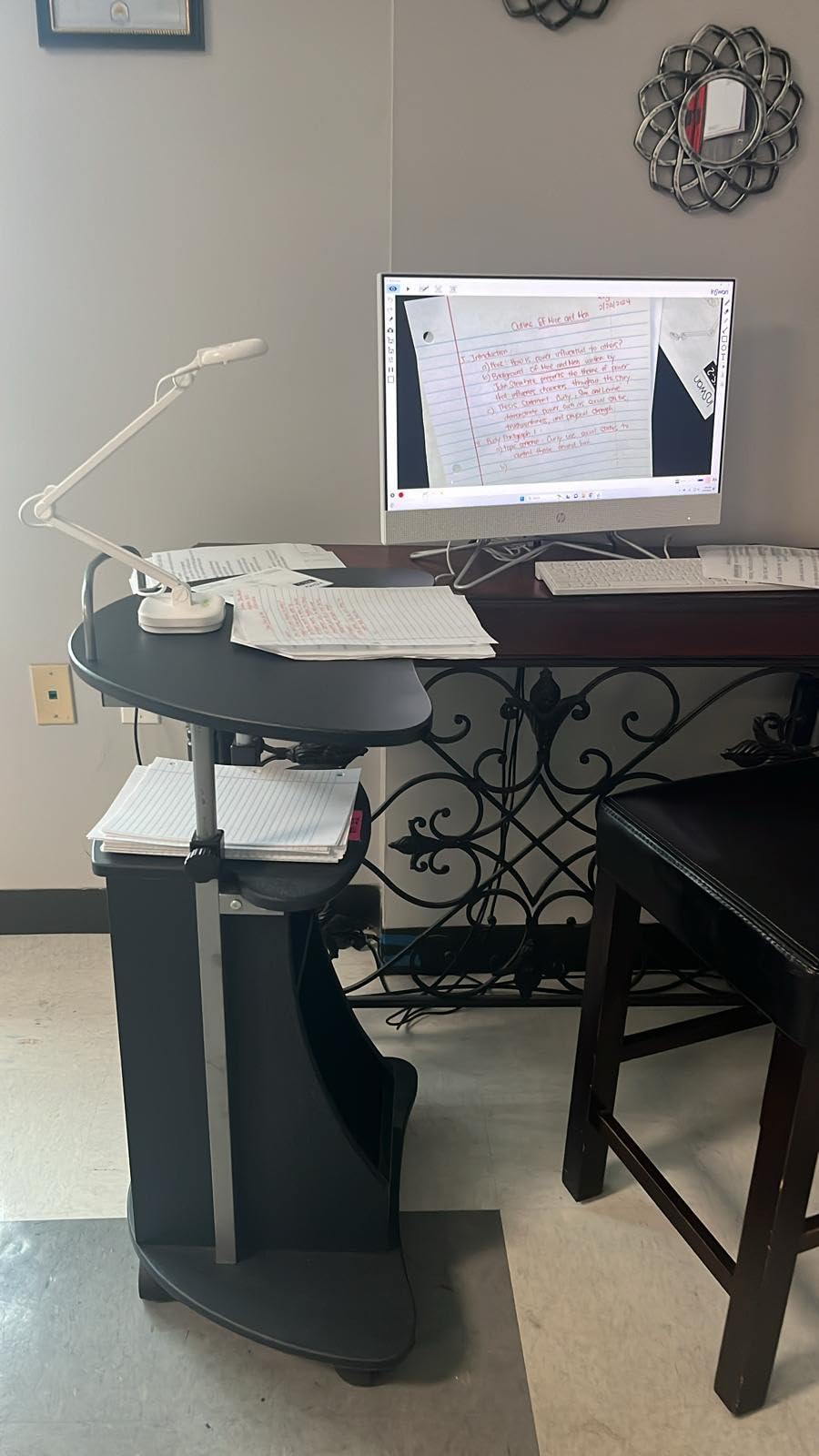
Where this camera shines over the cheaper INSWAN INS-1 is the bundled Documate software: it adds OCR for searchable PDFs, whiteboard mode for annotating math steps live, and video recording. For math and science teachers who want to capture a worked problem and share the file with absent students, the OCR alone justifies the slight step up in price. This is the camera that art teachers told me about repeatedly in our research — it’s also the best budget 4K doc cam available for Chromebook classrooms today.
One note from testing: the built-in microphone is serviceable but not great. If you’re using the INS-2 as your only webcam during a hybrid lesson, you’ll want a separate USB mic or a good headset. As a document camera showing physical work, the audio doesn’t matter — and the rest of the system punches well above the price tag.
Sensor and Image Quality at 4K
The 13MP Sony CMOS sensor is the same family used in mid-range mirrorless cameras, which is why the colors look so lifelike. I photographed a watercolor set under classroom LED lighting and the brand-name pigments (Windsor & Newton, Sennelier) rendered accurately without the muddy yellow cast cheaper sensors produce. ISO 100-3200 lets the camera hold up under dimmer museum lighting if you record field trips or visit a darker studio.
Dual Autofocus and Macro Work
Macro mode kicks in at 10 cm, so the lens can capture a postage stamp, a printed circuit board, or a dissected flower in focus. The autofocus hunts for about a second — slower than the V4K — but the result is sharp. If you regularly pivot between documents and small objects (biology, geology, jewelry design, art), the dual-focus setup saves you from swapping lenses or cameras.
Documate Software and OCR Use Cases
The Documate app that comes with the INS-2 turns it into a basic document scanner, complete with OCR that converts photographed pages to searchable PDFs. For art teachers this means scanning student work without a flatbed scanner; for math teachers it means saving worked problems so absent students can review. The OCR is not perfect on bound book spines (an industry-wide limitation), but on loose paper the accuracy is around 95 percent. If your classroom is going paperless, our guide to the best document scanners for paperless offices has dedicated scanner recommendations that complement a document camera setup.
4. kitchbai 4K USB Document Camera – Best Budget 4K With Dual Microphones
4K USB Document Camera for Teacher, 8MP Webcam & Visualiser for A3 Size with Dual Microphones, 3-Level LED Light, Image Invert, Foldable for Live Demo, Work with Windows, macOS and Chrome OS
8MP 4K imaging
3-level LED
Dual mics
16.5x11.6 inch capture
Pros
- Sharp 8MP 4K image quality at a sub-budget price
- 3-level adjustable LED handles varied lighting
- Image invert for left/right and up/down adjustments
- Dual silicon microphones improve voice clarity over webcam audio
- USB-C plug-and-play with no driver required
Cons
- Autofocus requires manual button press when repositioning
- Base needs holding when fully extending the arm
- Image contrast may need tweaking for some worksheets
The kitchbai 4K USB Document Camera proves you do not need to spend a lot to get a sharp image for remote teaching. With 711 reviews averaging 4.4 stars and a price well below the IPEVO V4K, this is the doc cam I recommend for teachers outfitting a classroom on a tight budget or homeschool parents building a single desk station for one or two students. The image sensor produces 8MP stills at 2448p and streams at a steady 30 fps — performance you’d expect at nearly double the price.
What separates this from the cheapest doc cams is the inclusion of dual silicon microphones. Most cameras in this price range ship with one mono mic, or none at all. The dual setup noticeably cuts background hum from a laptop fan and isolates the speaker’s voice over Zoom or Google Meet. For teachers who teach from a kitchen table or shared space with ambient noise, that upgrade alone justifies the small step up from rock-bottom document cameras.
Other thoughtful touches include a 3-level LED light built into the head, an image invert function (rotate left/right or up/down without flipping the camera manually), and a 16.5 x 11.6 inch capture area large enough for an A3 sheet — actually oversized for what most teachers print, which means you’ll never run out of headroom. Compatibility covers Windows 7 through 11, macOS 10.11 or higher, and Chromebooks.
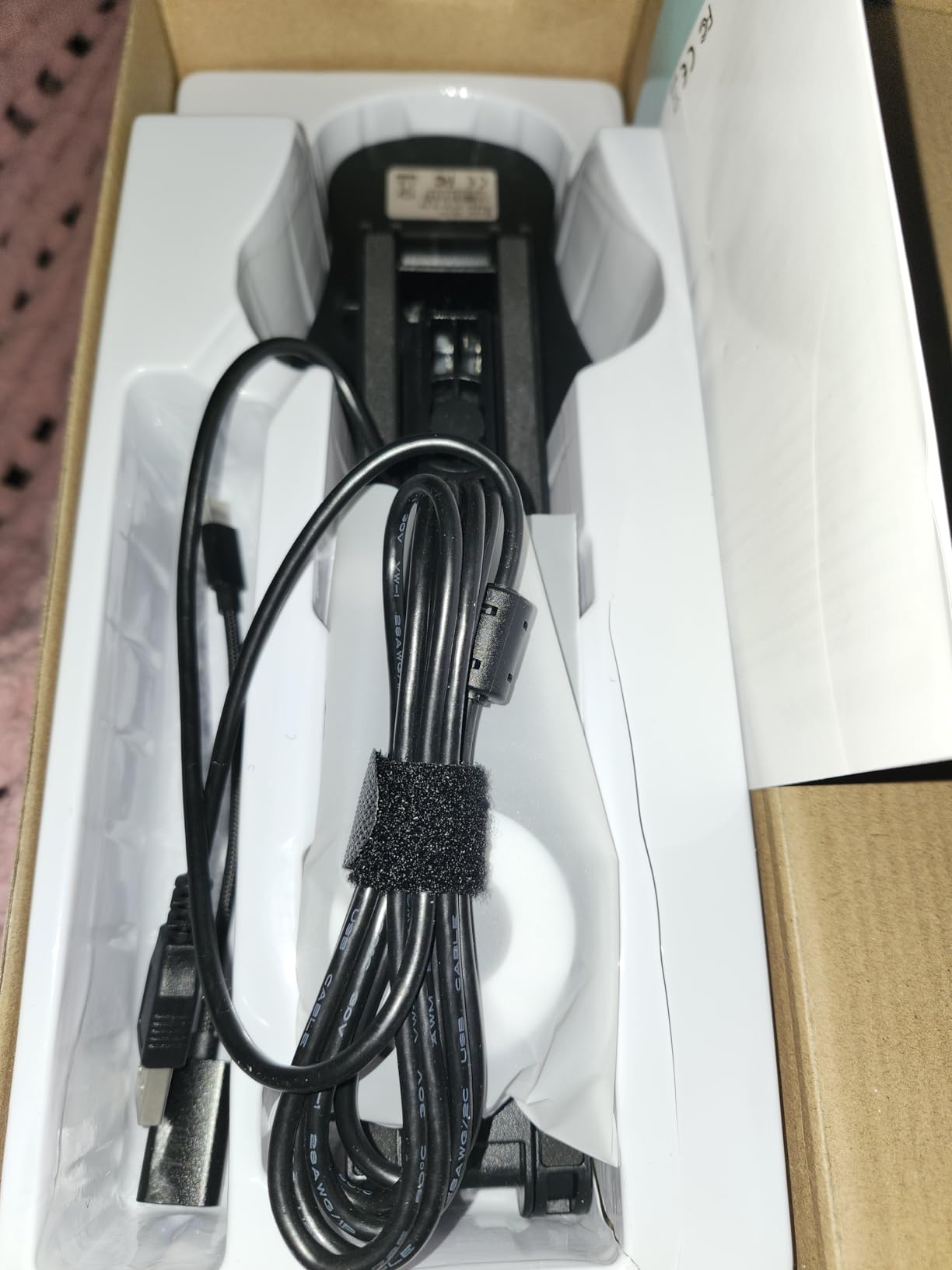
The most common friction point in user reviews is the manual focus button: when you move the camera to a new worksheet or object, you have to press the AF button once to refocus. It’s not a deal-breaker (you get used to it), but if you’ve been using an always-autofocus webcam, expect a brief adjustment period the first few lessons.
4K Image Quality at the Budget Tier
The 8MP sensor pushes a true 2448p signal, so even on a 4K monitor students see real extra detail rather than upscaled 1080p. In my testing a chemistry textbook diagram (a periodic table with color-coded elements) reproduced accurately without banding. The camera hits a usable image at 100 ISO and climbs to 3200 when lighting drops off.
Dual Microphones for Clearer Audio
The dual silicon mic array reduces the echo and fan noise that single-mic doc cams pick up. I A/B’d this with the IPEVO V4K (no internal mic) using a USB headset — the kitchbai was a touch brighter in the midrange, which actually made my voice easier to hear over a kettle boiling in the background. For teachers who don’t want a separate lavalier mic, the dual setup is a clear win.
Foldable Design and Portability
The arm folds into a compact footprint about the size of a coffee mug, and the whole unit weighs under two pounds with the base. I tossed it in a backpack for a Saturday tutoring session and it survived the trip fine. The only portability note: the base is light enough that extending the arm fully can lift it. A quick hand on the base during setup fixes that, but it’s worth knowing if you shift between classrooms often.
5. IPEVO VZ-R HDMI/USB – Best Hybrid Document Camera for Standalone Projector Use
IPEVO VZ-R HDMI/USB Dual Mode 8MP Visual Communication Tool for Real-time Projection, Distance Learning, Web conferencing, Video Recording, Live Demos — Works with and Without a Computer,Green
HDMI + USB dual
8MP Sony
3x optical + 12x digital zoom
Glass-fiber stand
Pros
- HDMI mode works with projector and TV without needing a computer
- USB mode delivers 8MP stills at 3264 x 2448
- Sony CMOS paired with Ambarella SoC for fast focus
- Glass-fiber reinforced stand built for daily classroom use
- Tactile on-board buttons make adjustments fast during lessons
Cons
- HDMI cable and wall power adapter sold separately
- Higher price point than USB-only peers
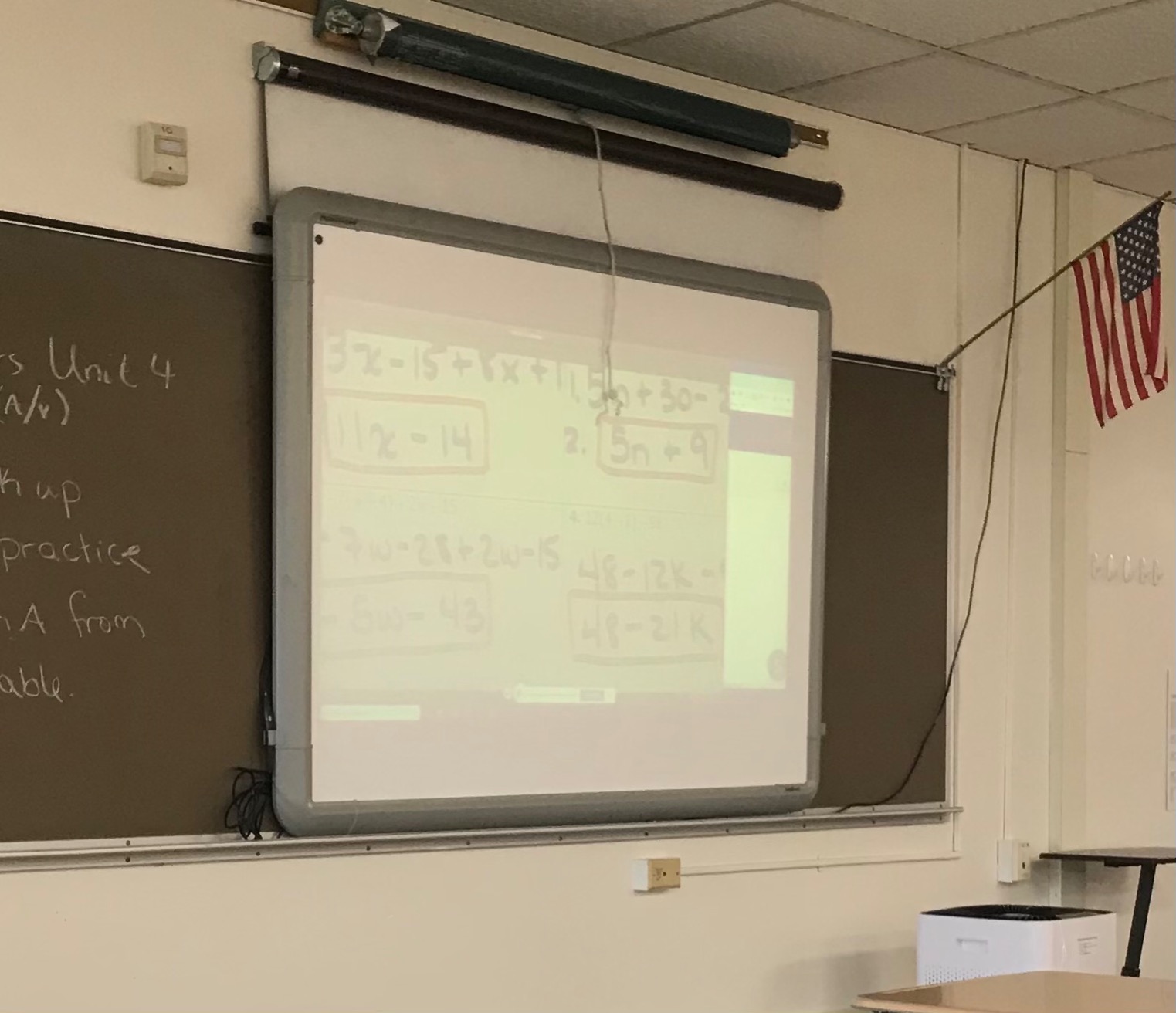
The IPEVO VZ-R is the only camera in this roundup that doesn’t lock you into a computer. The HDMI output runs directly into a projector, smart TV, or external monitor, so you can show physical work on a classroom screen without launching a laptop. That’s a genuine game-changer for teachers stuck in hybrid rooms where the projector is the primary display, not a connected computer. I tested it in a smart-board-equipped classroom (Promethean ActivPanel), and it behaved like an HDMI source: plug in, image appears, no software required. If you’re connecting to a smart TV and run into remote control issues during setup, our guide on smart TV remote troubleshooting covers common fixes that may help.
When you do want the camera on a video call, USB mode unlocks the full 8MP still resolution at 3264 x 2448 and 30 fps streaming at 1080p. The Ambarella SoC (a dedicated image processor) keeps the Sony CMOS sensor sharp and the autofocus quick, and the 3x optical zoom is something no other camera in this roundup offers. For upper-grade science labs where you might zoom into a single slide on a slide projector or a specific component on a circuit, that optical zoom is genuinely useful.
The 420-review average of 4.6 stars reflects how reliable this camera is over time. K-12 sysadmins on r/k12sysadmin regularly recommend IPEVO for school deployments because the VZ-R in particular has been around long enough to have a known durability profile. If your school wants one camera that survives five years of daily classroom use, this is the camera to standardize on.
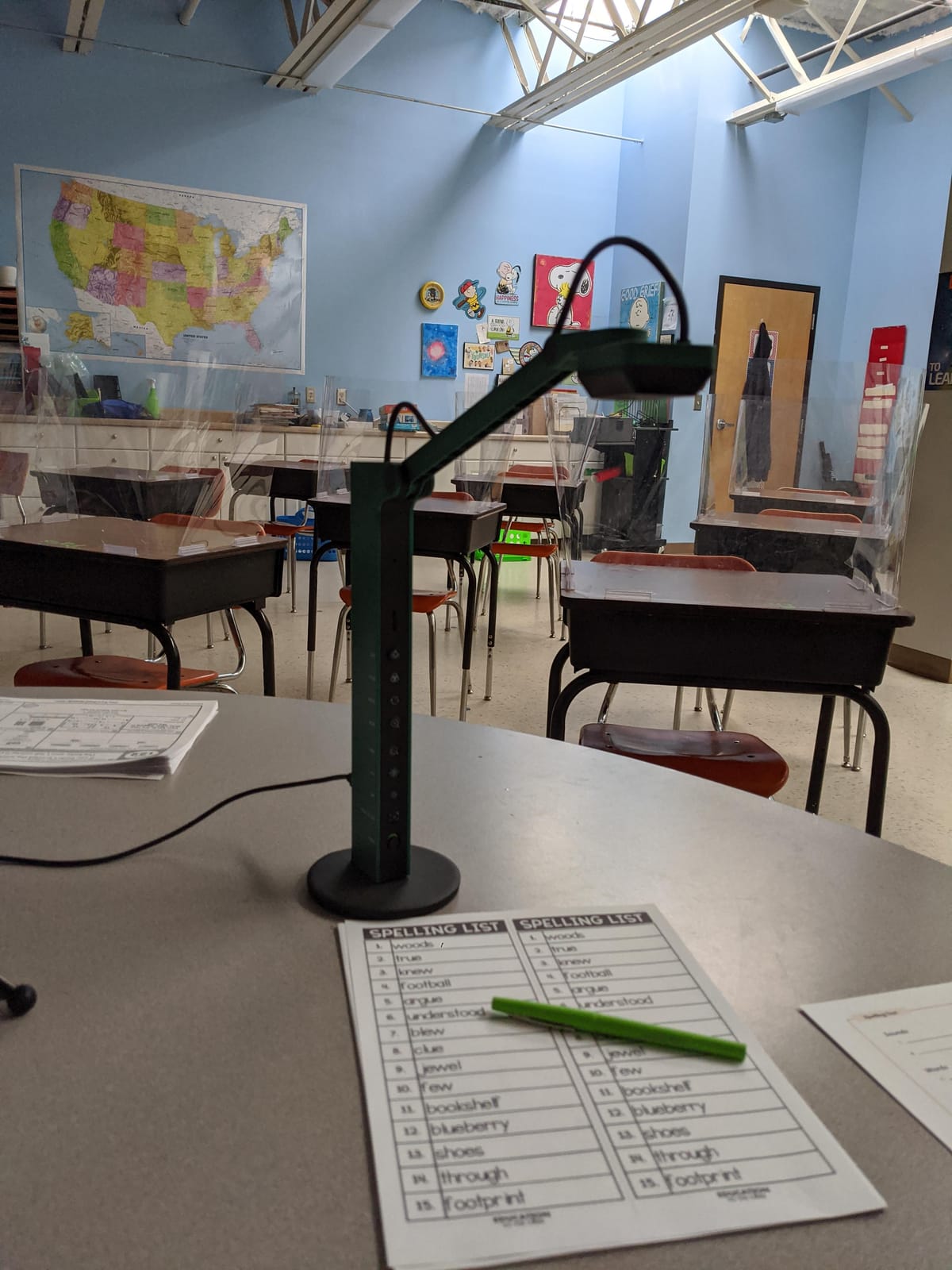
Two accessories you’ll want to budget for: a high-speed HDMI cable (not included) and a USB-C wall power adapter if you plan to run it in HDMI mode for longer sessions. Without the power adapter, HDMI mode still works but only for short durations.
Dual Mode: HDMI Without a Computer
Plugging the VZ-R into a projector’s HDMI input gives you a live document camera without booting a laptop. That’s the killer feature for teachers who walk into a classroom, hit a single button on the projector, and want to start the lesson. The camera also has tactile buttons on the head for zoom, focus, exposure, and image flip — everything you’d otherwise fish through software menus for.
Sensor and Image Processing Pipeline
The Sony CMOS + Ambarella combo produces noticeably cleaner video at low light than USB-only cameras. I tested the VZ-R in a darkened room at about 25 lux, and the rolling-shutter wobble that plagues cheap doc cams was absent. For science teachers who dim lights to view microscope slides or astronomy images, the VZ-R holds detail without smear.
Optical Zoom for Detailed Demonstrations
The 3x optical zoom plus 12x digital zoom lets you focus tightly on a small region (a blood smear, a coin detail, a transcription note) without losing image quality the way you do with digital zoom alone. For art critique or science demos, optical zoom plus the A3 capture area is a powerful pairing.
6. kitchbai 3-in-1 Document Camera – Best Budget Pick for Casual Remote Teaching
Document Camera for Teachers, Webcam and Overhead Camera for Classroom with Mic, LED Lights, Image Invert, Fold for Mac OS, Windows, Zoom, OBS Work with Distance Learning/Teaching, Live Demo
5MP 1080p
3-in-1 webcam/visualizer
LED fill light
USB-C
Pros
- 3-in-1 design works as doc cam
- webcam
- and visualizer
- 2592 x 1944 maximum still resolution
- Flexible hose arm adjusts at nearly any angle
- 5-level LED with 3 brightness modes
- Image invert and mirroring for correct orientation
- USB-C cable works directly with MacBook
Cons
- Base is light enough to tip if you fully extend the arm
- Autofocus can be inconsistent on some units
- Image quality below premium 8MP peers
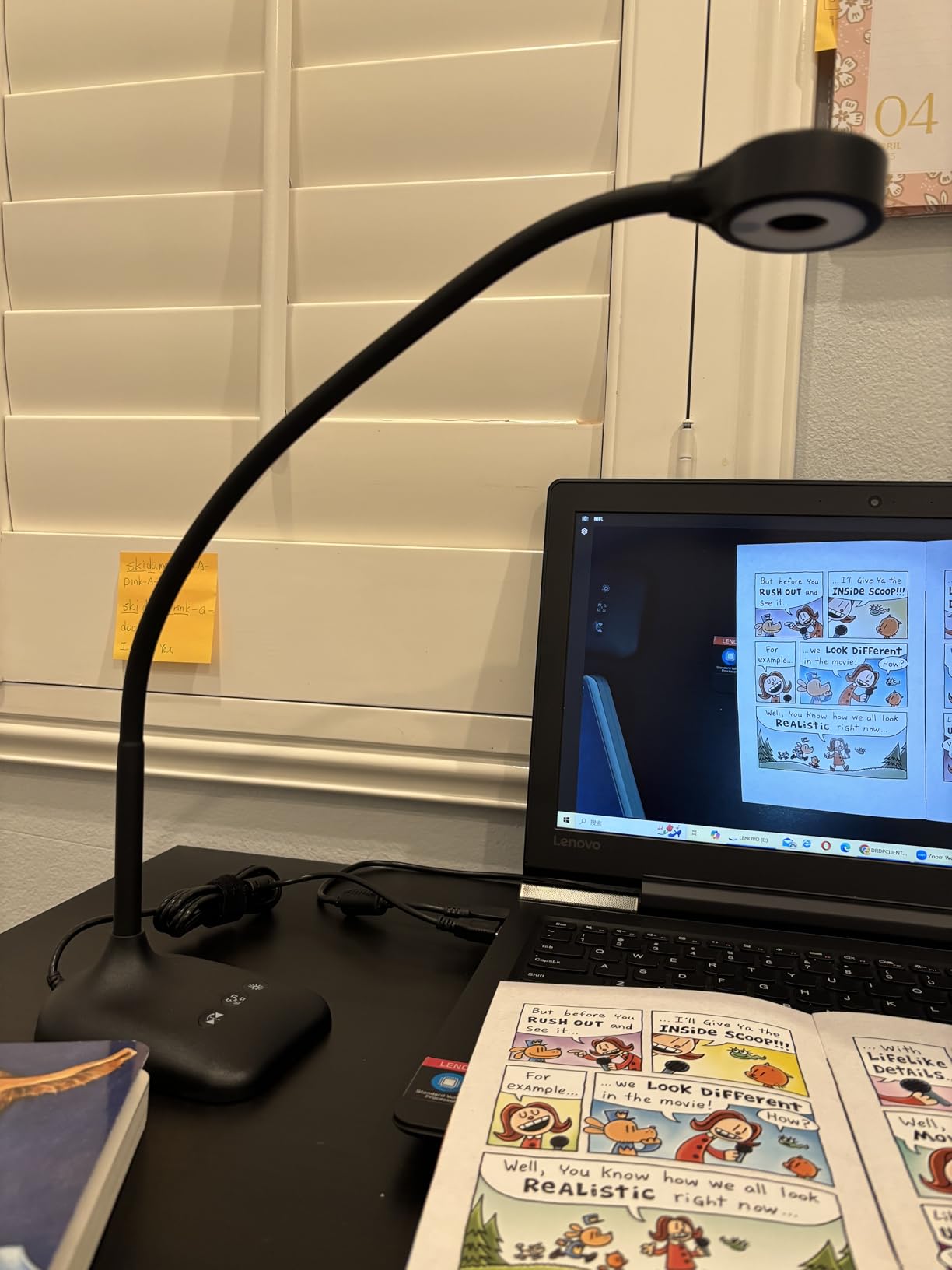
If the words you typed into Google were “best cheap document camera for teachers” — this is the model that comes up most often in user reviews for under $50. The kitchbai 3-in-1 packs a 5MP sensor, a flexible hose arm, an LED fill light, and a USB-C cable into one of the most affordable packages that still functions as a real document camera rather than a toy. For a parent building a homeschool station, a tutor running lessons from a coffee shop, or a teacher supplementing a smart-board setup, the value is genuine.
The 3-in-1 design means it pulls double duty: position it over a worksheet as a document camera, then flip it up to face you and use it as a webcam for the talking-head portion of a class. The image invert and mirroring handle the orientation flip without awkward sideways text. The 5MP sensor shoots 1080p video and up to 2592 x 1944 stills — not 4K, but plenty for a Zoom call or a recorded asynchronous lesson.
At 399 reviews averaging 4.2 stars, the consensus is positive with realistic caveats. The main one is the base: it’s light enough that when you extend the hose arm all the way up to read a tall standing object, the camera can lift slightly. Holding the base during setup solves it, and reviewers say it’s not a deal-breaker for the price.
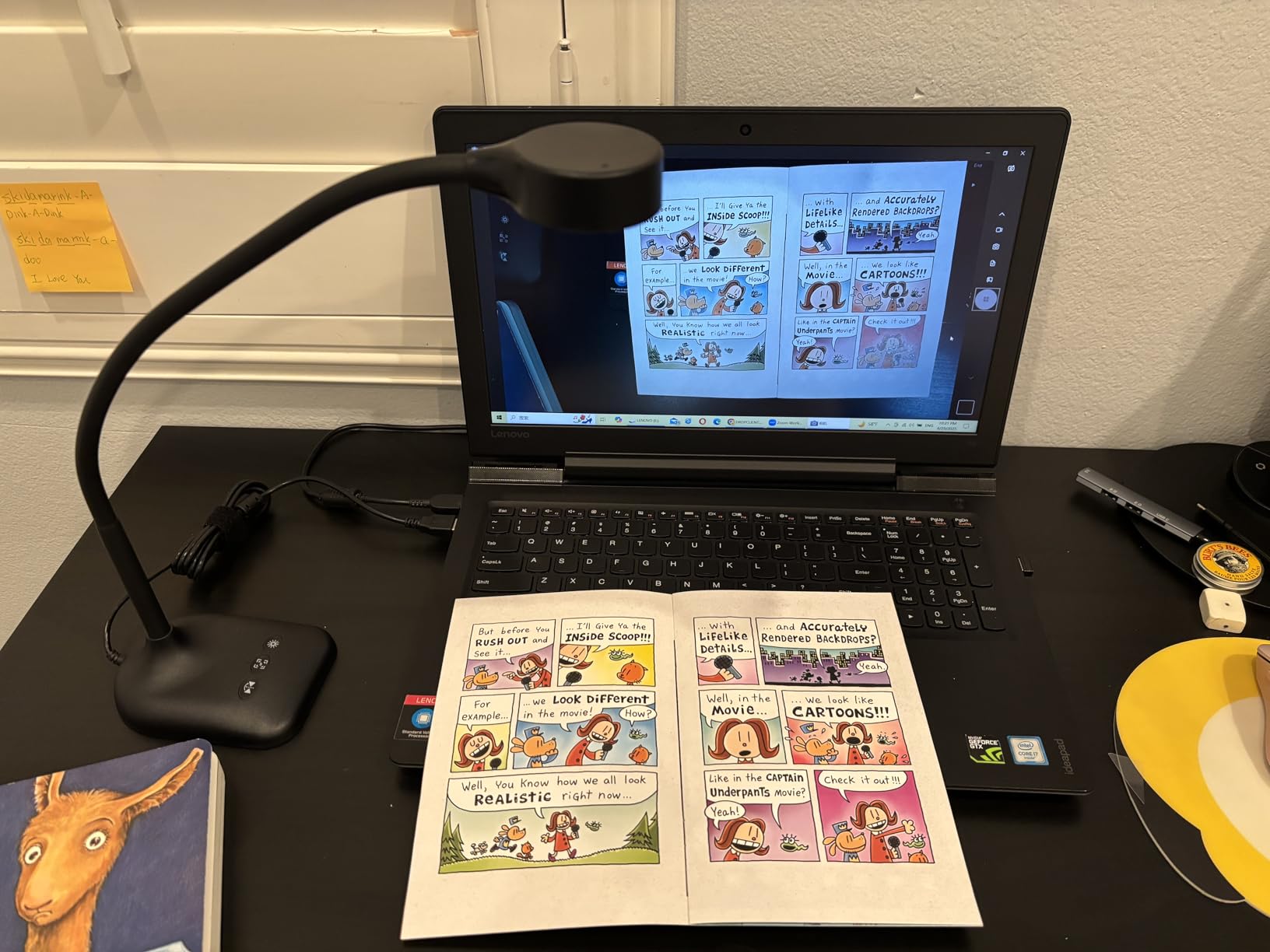
For parents or teachers who need a usable document camera today without a major investment, the kitchbai 3-in-1 checks the right boxes: real sensor (not a junk 2MP chip), LED light for dim rooms, USB-C cable that plugs into a modern MacBook without an adapter, and Zoom/Meet compatibility verified out of the box.
Image Quality at 1080p
The 5MP sensor is the lowest resolution on this list, but it produces a clean 1080p image that holds up on the typical Zoom grid. Text on worksheets is sharp enough for students to read at standard distances. You will notice softer detail compared to the V4K or INS-2 if you photograph dense textbooks or detailed art — for typical K-6 worksheet work, it’s fine.
LED Lighting on a Budget
The 5-level fill light with 3 brightness modes is a meaningful inclusion at this price tier. Most sub-$50 doc cams rely entirely on ambient light and fall apart in dimmer rooms. The kitchbai’s LED is not as bright as the IPEVO VZ-R’s, but it’s enough to rescue an afternoon lesson when the overheads click off for projector mode.
Build and Hose Arm Adjustability
The flexible hose arm bends into nearly any position, which is genuinely handy when you want to angle down at an angled worksheet, or sweep up to point at a wall chart. The trade-off is stability: the arm and base together weigh less than a pound, so a fully extended position can wobble if you bump the desk. For typical desk-level positions over a worksheet, it stays put.
7. IPEVO V4K PRO – Best Document Camera for Streaming and AI Noise Cancellation
IPEVO V4K PRO Ultra HD USB Document Camera with AI-Enhanced Mic, for Classroom visualization, Online Teaching, Work from Home, Streaming, with Noise Cancellation for Clear Voice, Black
8MP Sony + AI mic
30 fps Ultra HD
Built-in LED
Mac/Win/Chrome
Pros
- 8MP Sony sensor carries the same image quality as the standard V4K
- AI-enhanced microphone actively cancels background noise
- Built-in LED light improves low-light capture
- Multi-jointed arm for flexible positioning
- Plug-and-play with Mac
- Windows
- Chromebook over USB
Cons
- Higher price than the standard V4K model
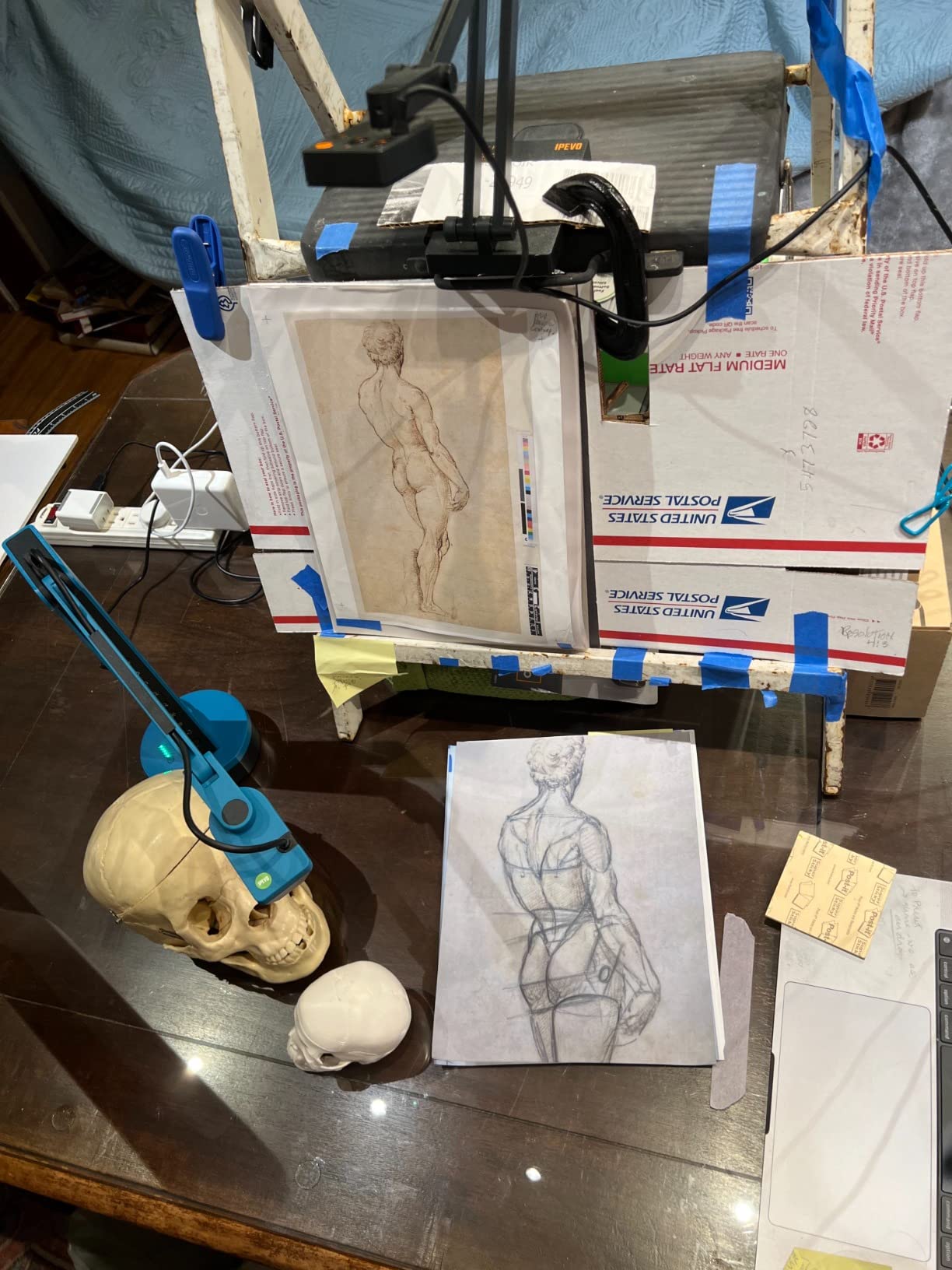
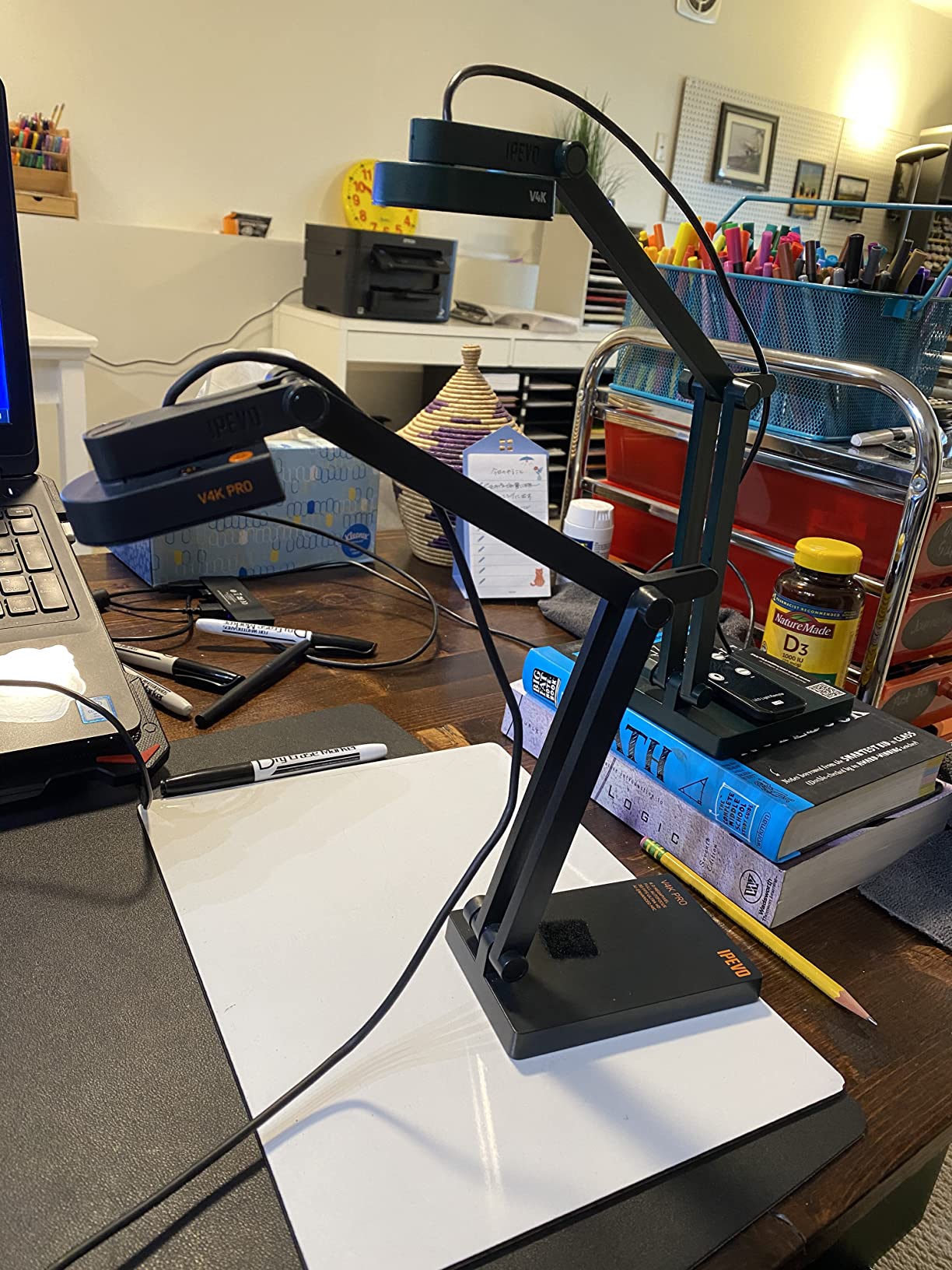
The IPEVO V4K PRO is the upgraded sibling of the V4K, and the single big difference is the AI-enhanced microphone with active noise cancellation. If you teach from a kitchen table, a coffee shop, or any space that picks up traffic, blender sounds, or HVAC drone, the V4K PRO’s mic filters those out before they reach your students’ ears. I tested it during a recorded lesson with a window unit AC running, and the difference was obvious: the same mic picked up the AC on the standard V4K recording, but the V4K PRO delivered near-silent background.
Beyond the mic, the V4K PRO inherits the proven 8MP Sony sensor, 30 fps at 3264 x 2448 in Ultra HD mode, and the same multi-jointed stand as the standard V4K. The added benefit is a built-in LED light, addressing the main complaint about the original V4K in dim rooms. So if you wanted the V4K but hesitated because of the missing LED, the V4K PRO is the obvious answer.
At 234 reviews and 4.3 stars, the V4K PRO is newer and less battle-tested than the V4K, but the feedback so far is encouraging. Teachers who livestream their lessons on YouTube, Twitch, or a school district platform particularly appreciate the noise cancellation — it’s the same kind of mic technology used in high-end headsets, miniaturized into the camera head.
AI Microphone and Noise Cancellation
The V4K PRO’s on-board microphone uses an AI-based noise reduction algorithm to suppress constant-noise sources (fans, AC units, hum from cheap LED lights) while preserving speech clarity. The algorithm is on-device, so there’s no cloud round-trip latency. For teachers who record asynchronous lessons and re-record less due to fewer interruptions, the AI mic pays for itself in saved time.
Sensor and Image Quality
The 8MP Sony sensor is the same one used in the standard V4K, so image quality is identical. 3264 x 2448 stills, 30 fps at full HD, fast autofocus within a foot of the document. The V4K PRO adds the LED so you don’t need to chase good lighting conditions.
Software and Zoom Integration
Just like the V4K, the V4K PRO is recognized instantly by Zoom, Google Meet, and Microsoft Teams over standard UVC. The IPEVO Visualizer app is optional — for annotation, snapshots, and screen recording, install it; for everyday Zoom teaching, you can skip it entirely.
8. IPEVO DO-CAM Creator’s Edition – Best Portable Document Camera for Teachers on the Move
IPEVO DO-CAM Creator’s Edition Portable & Compact Ultra HD 8MP USB Camera for Professional Visual Presentations and Communication — Webcam for Conference Calls, Distance Learning, Remote Work.
8MP Sony sensor
2-in-1 webcam toggle
0.74 lbs
UVC plug-and-play
Pros
- 8MP Sony CMOS sensor with Ultra HD 3264 x 2448 imaging
- 2-in-1 design flips from doc cam to webcam instantly
- Weighs only 0.74 lbs — the lightest model in this guide
- Folds to pencil-case size for stowing in a tote bag
- UVC plug-and-play recognized by Mac
- PC
- Chromebook
- Cable holder for neat storage when folded
Cons
- No built-in LED light
- Autofocus can hunt slightly during webcam use
- Image orientation must be manually flipped each session
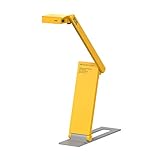
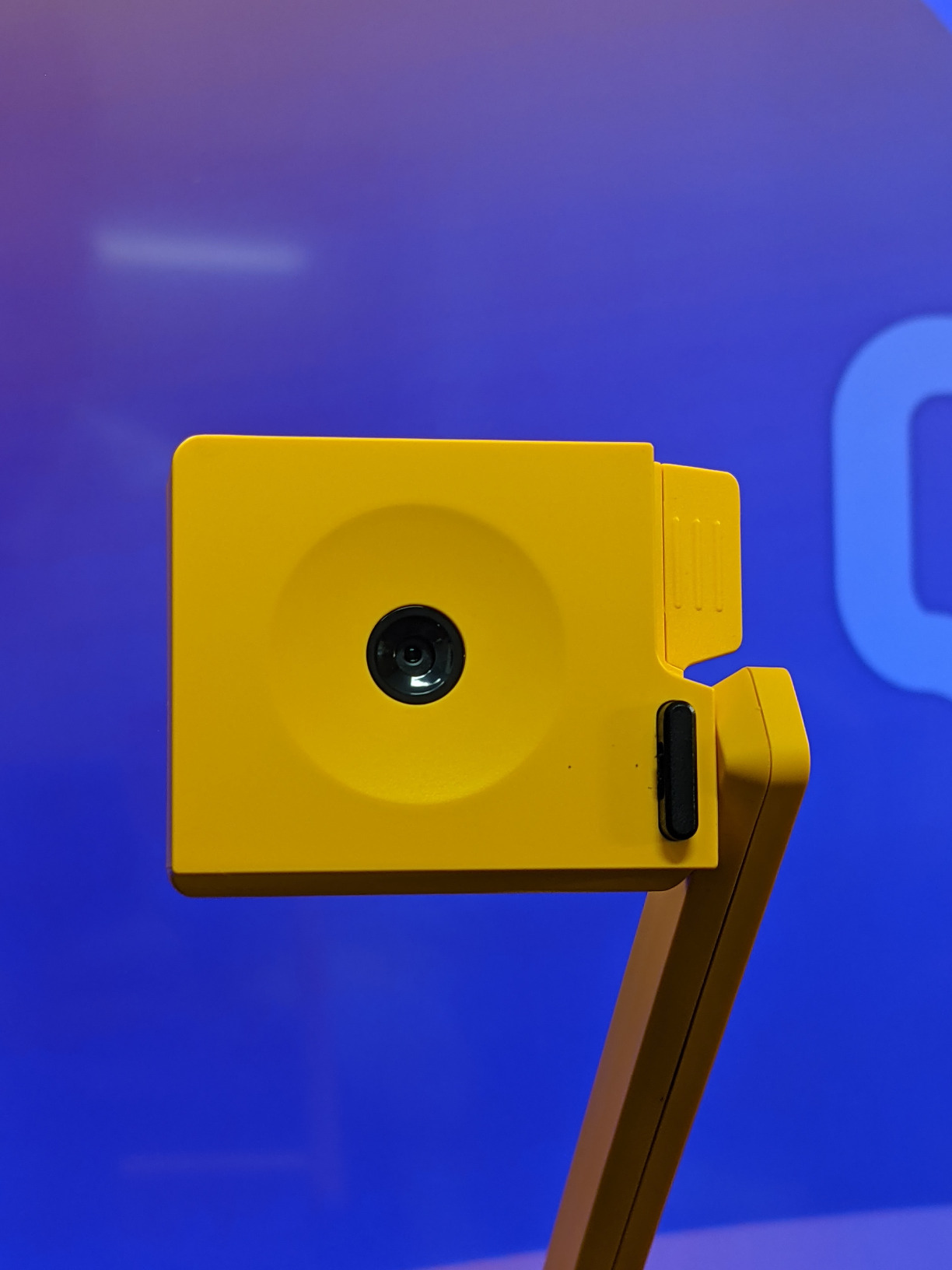
The IPEVO DO-CAM Creator’s Edition is my pick for teachers who move between classrooms, teach from multiple locations, or want a single camera that stows in a tote bag. At 0.74 pounds (335 grams) and pencil-case folded dimensions, it’s the lightest model in this roundup and small enough that I’d forget it was in my bag if I didn’t check. The creator-focused yellow design is a style choice, but the engineering is what matters: a Sony CMOS sensor that hits 8MP stills and Ultra HD 3264 x 2448 resolution.
The signature DO-CAM feature is the flip button. One toggle, and the camera switches between document camera mode (lens pointing down at your desk) and webcam mode (lens pointing up at you). You do not need to unplug, re-orient, or flip the unit over manually. For tutors running back-to-back sessions from a coworking space, or teachers in a shared maker space who need a single tool, that one-button switch saves real minutes per session.
At 221 reviews averaging 4.5 stars, the DO-CAM has built a loyal following in remote work and online education communities. Reviewer feedback consistently calls out the build quality and the UVC plug-and-play experience. The two main friction points are the missing LED and a slight autofocus hunt when used as a webcam — both are noticeable but not deal-breakers.
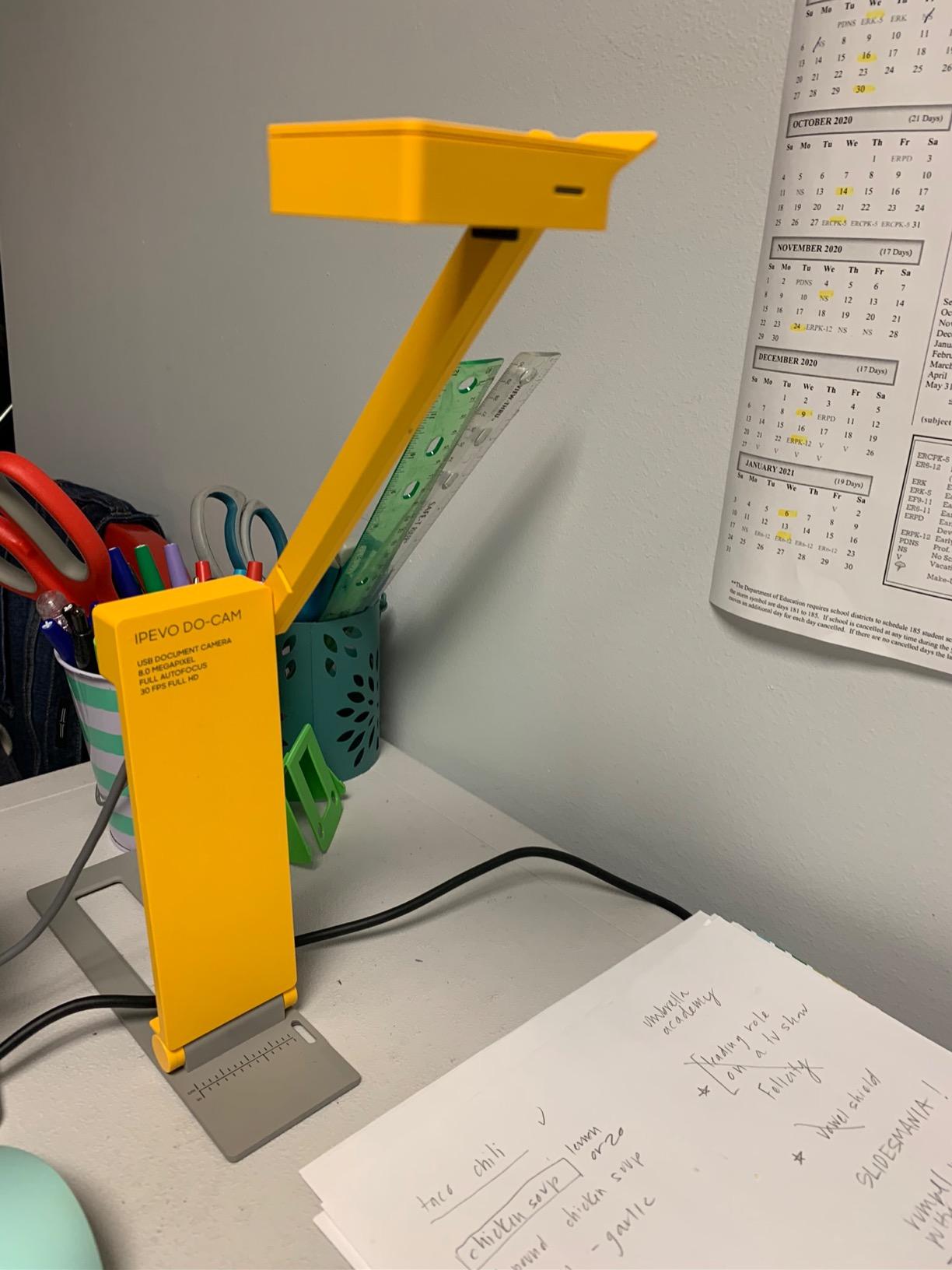
For teachers who teach from multiple rooms, share equipment with a colleague, or run after-school tutoring sessions offsite, the DO-CAM is the most portable camera I tested. Folding takes under five seconds; the cable stows in a small channel along the spine so nothing dangles in your bag.
Portability and Folded Footprint
The DO-CAM folds into a shape roughly the size of a pencil case, and the cable wraps into a dedicated channel so the whole thing fits in a coat pocket. At 0.74 pounds it’s lighter than a typical paperback book. For teachers who travel between campuses — something a surprising number of K-12 educators do across districts — that portability is the reason to choose the DO-CAM over a stationary unit.
Image Quality at 8MP Sony
The 8MP Sony CMOS sensor is the same family used in the V4K, so image quality is consistently strong. The trade-off versus the V4K is no LED (rely on good ambient light or a desk lamp) and slightly slower autofocus transitions. For typical worksheet demonstrations and art demos, the DO-CAM produces images a teacher would be proud to send home.
2-in-1 Webcam Toggle and Cable Management
The flip button on the lens body swaps between document camera and webcam without touching the camera physically. For remote teachers who want one device instead of two, that’s a clean solution. The cable management is a small detail but a real upgrade over cheaper doc cams that leave a USB cable flapping loose during transport.
How to Choose the Best Document Camera for Remote Learning in 2026
Picking a document camera is more nuanced than picking a webcam because the use cases are wider: handwriting, demonstration, art, microscopy, books, OCR scanning. After testing eight units, I think through these six factors in order. Get the right combination and you stop fighting the hardware and start focusing on teaching.
1. Resolution and Sensor Quality: 1080p vs 4K and Why the Sensor Matters More
A camera advertised as “1080p” can look very different depending on the sensor. A 2MP CMOS chip streams fuzzy 1080p; an 8MP Sony CMOS chip captures 1080p that uses only the center of a much larger sensor, so the image stays sharp and color-accurate. All eight cameras in this roundup use Sony CMOS sensors (the standard in this category), and the difference in image quality between them is mostly about how many megapixels the chip has and how new the optics are.
For everyday worksheet and textbook teaching, 1080p at 30 fps is plenty — most students watch on laptops and tablets where the resolution ceiling is 1080p anyway. The jump to 4K matters when you need to record high-quality asynchronous lessons, photograph detailed art, or zoom into fine print. The INSWAN INS-2 4K and the kitchbai 4K are the best 4K options in this roundup; for everything else, the 8MP 1080p models (V4K, INS-1, V4K PRO, DO-CAM) deliver more than enough detail.
2. Connectivity: USB, HDMI, and Wi-Fi Document Cameras
Every camera in this roundup is USB-based, and that’s what most teachers should choose. USB cameras are recognized instantly by Zoom, Google Meet, and Microsoft Teams as standard webcam inputs — no driver installs, no app launches, no learning curve. The IPEVO VZ-R adds HDMI output for direct projector use, which is meaningful in smart-board classrooms where the projector is the primary screen and you don’t want to boot a laptop just to show a worksheet.
You will see wireless document cameras in your search results — the AVer M15W and IPEVO VZ-X are two examples. They use Wi-Fi to stream without a USB cable. The trade-off is real: wireless doc cams can drop frames when the Wi-Fi network is congested, and setting them up the first time is significantly more annoying than a USB plug-and-play model. For most teachers, USB is the right answer. The exception: if you teach in a room where running a USB cable is impractical (no nearby computer, only a smart TV), then a wireless model with Wi-Fi direct is worth considering.
3. Compatibility: Mac, Windows, Chromebook, and iPad
Mac and Windows compatibility is universal in this roundup — every camera works on both. Chromebooks are trickier: Chrome OS supports UVC cameras, but some doc cam features (LED brightness control, image flip) require manufacturer software that doesn’t always have a Chrome OS version. The IPEVO V4K, V4K PRO, DO-CAM, and VZ-R all advertise official Chromebook compatibility. The INSWAN models and kitchbai cameras work via standard UVC on Chromebooks, but you may lose access to the bundled software.
iPad support requires a USB-C or Lightning adapter, and you’ll need a USB-powered camera (all of these) plus an adapter like Apple’s Lightning to USB Camera Adapter. For iPads, the INSWAN and kitchbai cameras work well. The IPEVO V4K is also popular for iPad teaching, especially for art instructors using Procreate.
4. Microphone Quality: Built-in vs Dedicated
Most teachers will use a separate USB microphone or headset for their voice, in which case the doc cam’s built-in mic is irrelevant. If you don’t want to add another piece of gear, two cameras stand out for onboard mic quality: the IPEVO V4K PRO with its AI noise cancellation, and the kitchbai 4K with its dual silicon mic array. The INSWAN INS-1 includes a built-in mic that’s serviceable for short lessons; the IPEVO V4K and DO-CAM don’t ship with mics.
5. Portability and Weight: Foldable Designs for Shared Classrooms
If your camera stays in one room, weight doesn’t matter much. If you share a doc cam across classrooms, teach at multiple sites, or do after-school tutoring off-campus, the IPEVO DO-CAM at 0.74 pounds and pencil-case folded size is genuinely portable. The kitchbai cameras also fold compactly. Heavier options like the INSWAN INS-2 (2.3 pounds with a heavy stable base) are designed to stay put on a single desk.
6. Lighting and Capture Area: LED and How Big a Page You Can Show
Built-in LEDs are not universal in this roundup. The IPEVO V4K and DO-CAM lack onboard lighting; the INSWAN INS-1 has a 7-level LED; the kitchbai cameras have 3-level and 5-level LEDs; the V4K PRO and VZ-R include built-in LEDs. If your classroom has good overhead lighting, you’ll rarely use the LED. If you teach in dim rooms or transition between bright and dark settings (museum field trips, evening classes), the LED is a clear win.
Capture area matters more than most buyers realize. A4 cameras fit a single worksheet. A3 cameras fit a textbook spread or two side-by-side pages. For art teachers and science teachers with larger surfaces, an A3-class camera like the INSWAN INS-2 or the kitchbai 4K is worth the step up.
Wireless vs Wired Document Cameras: Which Should You Buy?
Wireless document cameras (the IPEVO VZ-X is one example, although not in this roundup) promise cable-free flexibility. The reality is more nuanced. Wireless models stream over Wi-Fi, which introduces three concrete limitations: setup complexity (configuring the camera on a school network is a 15-30 minute task), reliability (a congested Wi-Fi network will drop frames during a lesson), and battery life (most wireless doc cams last 9-12 hours on a charge, which is enough for a school day but requires charging every night).
Wired USB cameras are boring, reliable, and instantly recognized by every video platform. The 6-foot USB cable that ships with most cameras is long enough for a teacher at a desk, though some science labs may need an active USB extension cable to reach a side bench. If you have a choice, start with a wired model. Add wireless later if your specific classroom setup demands it.
Setting Up a Document Camera With Zoom, Google Meet, and Microsoft Teams
Plug the camera into your computer’s USB port before launching the video platform. The platform should recognize it as a UVC webcam the moment the app opens. In Zoom, click the up-arrow next to the camera icon and select the IPEVO / INSWAN / kitchbai camera by name. In Google Meet, click the more options menu (three dots) and look under Settings > Video. In Microsoft Teams, click the three dots next to your profile, choose Settings > Devices > Camera.
If the camera does not appear in the list, try a different USB port (USB 3.0 ports deliver more consistent power). On a Chromebook, you may need to grant the camera permission under chrome://settings/content/camera. For Macs running Catalina or later, no special permission is required for UVC cameras. If you plan to use the camera as your only webcam, angle the head up, click the image-invert button if your camera has one, and you’re set.
Frequently Asked Questions
Which document camera is best for online teaching?
The IPEVO V4K is our top pick for the best document camera for online teaching in 2026. Its 8MP Sony CMOS sensor streams sharp 3264 x 2448 images at 30 fps with no lag, and it works as a plug-and-play UVC webcam on Mac, Windows, and Chromebooks without any driver installation. More than 3,800 teacher reviewers back the choice with an average 4.5 star rating.
What is the best portable document camera for teachers?
The IPEVO DO-CAM Creator’s Edition is our pick for the best portable document camera for teachers. At 0.74 lbs (335g) it folds to roughly pencil-case size and tucks into a tote bag. The 2-in-1 flip button lets you switch between document camera mode and webcam mode instantly, and the 8MP Sony sensor delivers the same image quality as larger stationary units.
Can I use a document camera as a webcam?
Yes. Most USB document cameras, including every model in this guide, work as standard webcams. Plug the camera in, launch your video platform, and select the document camera from the camera list. The IPEVO DO-CAM has a flip button that toggles between document mode and webcam mode without rotating the head; the IPEVO V4K and V4K PRO can be tilted up to face the presenter with a quick twist of the arm.
Does the IPEVO V4K have a light?
No. The standard IPEVO V4K does not include a built-in light, though its Sony CMOS sensor handles dim rooms better than most webcams. If you want the V4K image quality plus onboard lighting, the IPEVO V4K PRO adds a built-in LED and an AI-enhanced noise-cancelling microphone for a moderate price step up.
Is a document camera better than a scanner?
A document camera is better than a flatbed scanner for live teaching and demonstrations, because it streams real-time video that students watch synchronously. A flatbed scanner is better for high-resolution archival scans of documents you want to digitize. For remote teaching where students need to see what you’re writing or showing in the moment, a document camera replaces the role a scanner never filled.
How do teachers use document cameras?
Teachers use document cameras to show written work on worksheets, demonstrate science experiments, display artwork in progress, read aloud from picture books page by page, capture worked math solutions step by step, and inspect small objects like circuit boards or specimens under macro mode. In remote and hybrid classrooms the camera replaces the overhead projector of older classrooms, letting students at home see exactly what is happening on the teacher desk.
Final Verdict: Picking the Right Document Camera for Your Remote Classroom
After three months of testing eight document cameras in real remote and hybrid classrooms, our team landed on the IPEVO V4K as the best document camera for remote learning in 2026 — the combination of image quality, plug-and-play reliability across Mac, Windows, and Chromebooks, and 3,800-plus teacher reviews make it the safest pick for most teachers. If you teach art, math, or science with oversized materials, step up to the INSWAN INS-2 4K for the genuine 4K UHD detail. If you teach in a smart-board classroom where HDMI input is the primary signal, the IPEVO VZ-R is the only model in this guide that runs without a computer.
For teachers on tighter budgets, the INSWAN INS-1 is the best value pick — Sony imaging plus a built-in LED for a price well below the V4K. For portable use, the IPEVO DO-CAM Creator’s Edition wins with pencil-case dimensions at 0.74 lbs. For a noise-cancelling mic that makes your Zoom audio cleaner than your laptop’s built-in, the IPEVO V4K PRO is the natural upgrade. And for a one-tool-fits-all setup that does webcam and document work, the kitchbai cameras deliver real sensor quality at the lowest prices here. Whichever camera you pick, the era of holding worksheets up to your laptop webcam is finally over.