
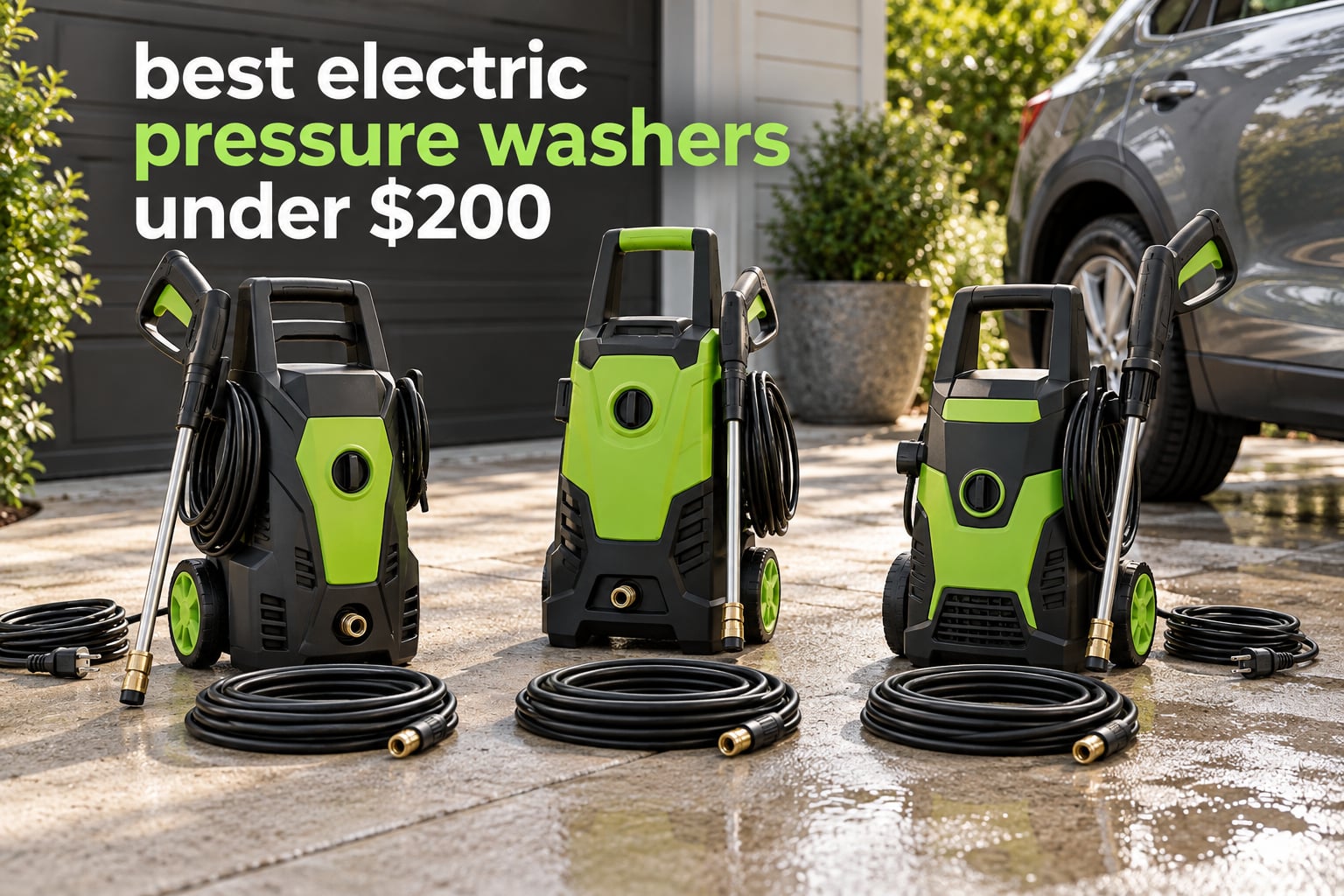
The best electric pressure washers under 200 dollars are not the machines with the biggest number on the box. I spent weeks reading thousands of owner reviews and comparing pump specs across twelve name-brand units, and the pattern was consistent: the headline max PSI figure is marketing, while the rated PSI and the GPM are what your driveway will actually feel.
That matters because every electric washer in this tier shares the same ceiling. A 120V corded motor simply cannot push a triplex gasoline pump’s volume, so nearly everything lands around 1.2 rated GPM no matter what the box claims. Once you accept that, the buying decision becomes simple: pick the unit with the best rated flow, a real Total Stop System, a hose you will not replace in month two, and a certification mark that proves the numbers were checked by somebody other than the seller.
I have broken down all twelve below with their verified ratings, review counts and measured specifications, plus the honest weaknesses each one carries. If your priority is washing a car without scratching the paint, start with our best pressure washers for cars guide; if you own an EV, the electric model washing guide is worth a look first.
Our Top 3 Picks in the Under-200 Tier
Three machines stood out once I sorted the rated specs. The Westinghouse ePX3500 leads on verified performance and build, the Sun Joe SPX205E-XT is the value pick with the deepest owner history in the category, and the Greenworks GPW2003 is the one with certified-accurate numbers and the largest soap tank here.

Westinghouse ePX3500
- 2500 max PSI with 1.76 max GPM
- 2000 rated PSI
- 1.2 rated GPM
- Anti-tipping four-wheel chassis with 360 degree steering
- 25 ft braided hose and 20 oz onboard soap tank
- 3-year limited warranty
Sun Joe SPX205E-XT
- 1600 max PSI with 1150 rated PSI and 1.45 GPM
- 11-amp motor with Total Stop System
- 20 ft hose plus 35 ft GFCI power cord
- 13.6 pound carry-handle design

Greenworks GPW2003
- 2000 PSI at 1.2 GPM
- PWMA rated
- 14-amp motor with start/stop technology
- 1.2 gallon onboard soap tank
- Removable handle for shelf storage
All 12 Electric Pressure Washers Compared Side by Side
This table lists every machine in the roundup with the specifications that actually separate them. Scan the rated flow column first, then the hose and warranty columns, because those three decide whether you will be happy a year from now.
| Product | Specs | Action |
|---|---|---|
| Westinghouse ePX3500 |
|
Check Latest Price |
 Westinghouse ePX3100 Westinghouse ePX3100 |
|
Check Latest Price |
| Sun Joe SPX205E-XT |
|
Check Latest Price |
| Greenworks GPW2003 |
|
Check Latest Price |
 Westinghouse WPX2300e Westinghouse WPX2300e |
|
Check Latest Price |
 A-iPower E2800-FM A-iPower E2800-FM |
|
Check Latest Price |
 CRAFTSMAN CMEPW1700 CRAFTSMAN CMEPW1700 |
|
Check Latest Price |
 Ryobi RY141612 Ryobi RY141612 |
|
Check Latest Price |
 Greenworks 5110202 Greenworks 5110202 |
|
Check Latest Price |
 Karcher K1700 Cube Karcher K1700 Cube |
|
Check Latest Price |
 Karcher K1800PS Cube Karcher K1800PS Cube |
|
Check Latest Price |
 LWQ S5 LWQ S5 |
|
Check Latest Price |
1. Westinghouse ePX3500 – Our Best Overall Pick With Verified Power
Westinghouse ePX3500 Electric Pressure Washer, 2500 Max PSI 1.76 Max GPM with Anti-Tipping Technology, Onboard Soap Tank, Pro-Style Steel Wand, 5-Nozzle Set, for Cars/Fences/Driveways/Home/Patios
2500 max PSI and 1.76 max GPM, 2000 rated PSI and 1.2 rated GPM
25 ft braided hose and 20 oz soap tank
Four steering quick-lock wheels
3-year limited warranty
Pros
- Highest verified flow figure in this group at 1.76 max GPM
- Compact 16.5 inch tall body at 19 pounds that stores on a shelf
- Pro-style extendable steel wand instead of a plastic barrel
- 25 ft braided hose with five quick-connect nozzles
- Four 360 degree steering quick-lock wheels with a low anti-tipping center of gravity
Cons
- 20 oz onboard soap tank needs frequent refills
- Max PSI and GPM are measured at low pressure while rated output is 2000 PSI and 1.2 GPM
- Wand and chassis add weight compared with all-plastic competitors
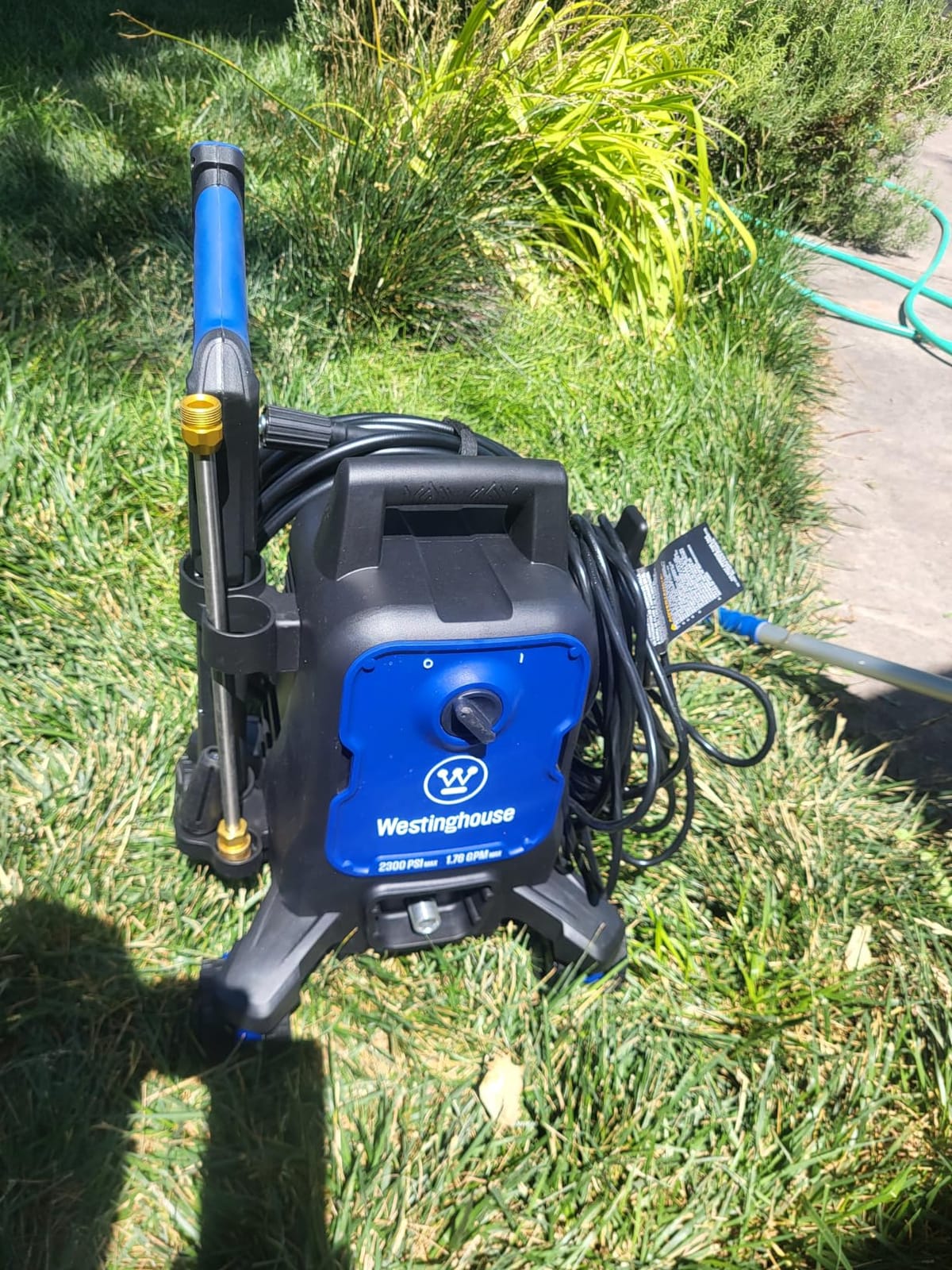
The ePX3500 is the machine I keep coming back to because it publishes both numbers honestly. Max output is 2500 PSI and 1.76 GPM, and the rated figures underneath are 2000 PSI at 1.2 GPM, which tells you the real working range before you ever unbox it. Owners put it through cars, decks, fences and driveways, and the review summary is unusually consistent about a compact footprint and easy maneuvering.
At 19 pounds and 16.5 inches tall, it is a machine you can lift into a corner of a garage without thinking about it. Forum regulars on r/HomeImprovement and r/pressurewashers repeatedly single out Westinghouse units for being quiet and compact enough for older users, and this is that same chassis with more output bolted on.
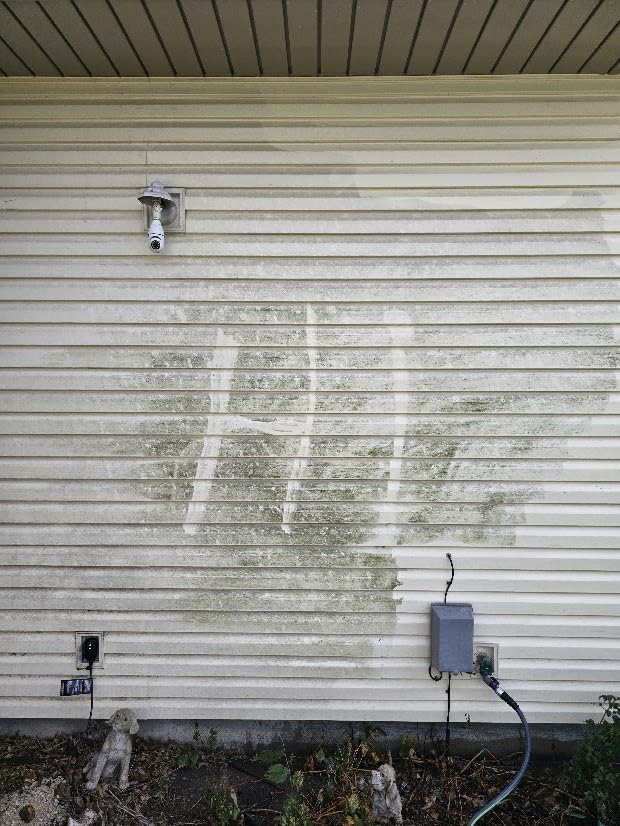
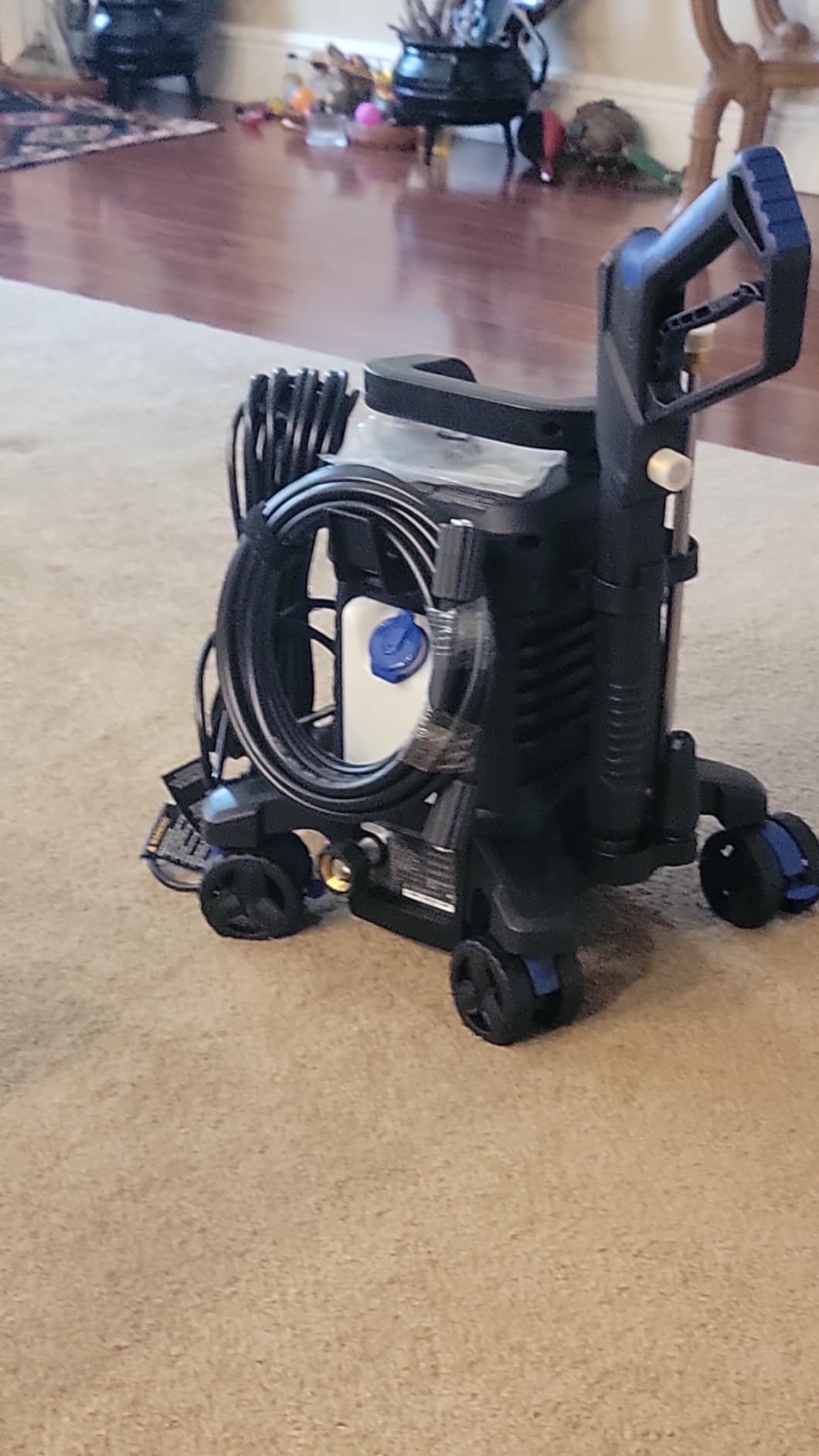
The steering hardware is the detail that surprised me most. Four quick-lock wheels with 360 degree steering and a low center of gravity mean it rolls sideways across a driveway without tipping, and the machine stays planted when you pull the trigger on a turbo nozzle. Tall vertical-frame designs have to be watched on uneven ground; this one does not.
Why the rated 2000 PSI and 1.2 GPM Matter More Than 2500
Almost every machine in this roundup quotes a max number measured at the moment the trigger is first squeezed, with no load downstream. The ePX3500’s rated pair of 2000 PSI and 1.2 GPM is the honest figure, and it still clears every household job short of deep concrete staining. For a car, a deck, siding or a patio, the difference between 2500 max and 2000 rated is invisible.
The flow number is the one that changes your afternoon. At 1.2 rated GPM, a two-car driveway takes a while, but the steady flow keeps detergent moving and rinses evenly. Reviewers who added quick disconnects and a foam cannon report that combination does more for perceived power than any PSI upgrade.
Build Details: Steel Wand, Braided Hose, Three-Year Cover
The wand is the pro-style extendable steel barrel at 17.5 inches, and that is a meaningful upgrade over the plastic tubes that dominate cheap units. It carries five quick-connect nozzles including 0 degree, 15 degree, 25 degree, turbo and a soap applicator, so nozzle changes are a click rather than a threading job.
The 25 foot easy-coil nylon braided hose resists kinking better than the flat rubber hoses reviewers complain about most, and the Total Stop System cuts pump power the moment you release the trigger, which is the single biggest factor in pump life. The 3-year limited warranty is longer than what two competitors here offer.
Where It Falls Short
The 20 fluid ounce soap tank is the main gripe in reviews, and it is a real one. It holds far less than the Greenworks GPW2003’s 1.2 gallon tank, so plan on refills mid-job if you are applying detergent to a large surface. A detachable bottle of your own solves it if that bothers you.
It is also heavier and more expensive than the all-plastic budget options, so if your only job is rinsing a car in a parking space, this is more machine than you need. For driveways, siding and multi-surface weekends, the trade is worth making.
2. Westinghouse ePX3100 – The Same Flow at a Lower Tier
Westinghouse ePX3100 Electric Pressure Washer, 2300 Max PSI 1.76 Max GPM with Anti-Tipping Technology, Onboard Soap Tank, Pro-Style Steel Wand, 5-Nozzle Set, for Cars/Fences/Driveways/Home/Patios
2300 max PSI and 1.76 max GPM, 1900 rated PSI and 1.24 rated GPM
25 ft braided hose, 20 oz onboard soap tank
16.5 inch tall, four steering wheels
3-year limited warranty
Pros
- Same 1.76 max GPM flow as the ePX3500 in a lower tier
- Compact 16.5 inch tall body with four steering wheels for tight storage
- Pro-style extendable steel wand rather than a plastic barrel
- 25 ft braided hose and 20 oz soap tank included
- Automatic pump shutoff when the trigger is released
Cons
- 20 oz soap tank is small and needs frequent refills
- Max figures are measured at low pressure while rated output is 1900 PSI and 1.24 GPM
- Some listings report weight in metric only
The ePX3100 makes a simple argument: the flow number that actually matters is 1.76 max GPM, and you can have it without moving up a tier. Rated output is 1900 PSI at 1.24 GPM, which is the highest rated GPM in the entire group, and more than 7,000 owner reviews back the machine up.
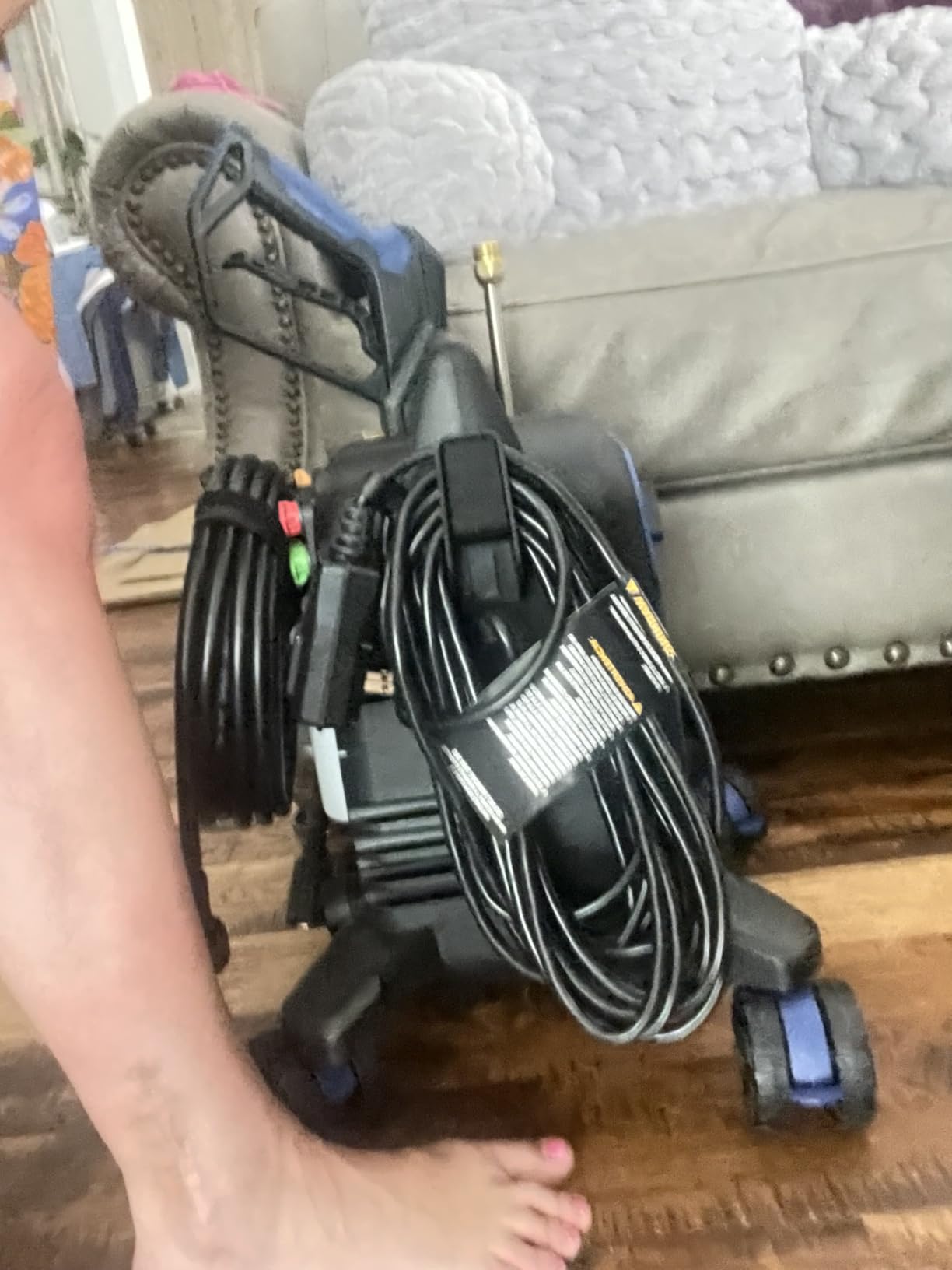
Owners talk about storing it vertically in a garage, which the 16.5 inch tall, four-wheel chassis allows. The steel extendable wand and 25 foot braided hose are the same parts you would find on the model above, so the difference is really about peak pressure and budget.
Rated Flow Is the Standout Number
Where most competitors in this roundup rate out at 1.2 GPM, this one rates at 1.24. That is not a marketing gap, it is the real difference between making four passes over a section of concrete and making five. It also means less time waiting for rinse water to clear a driveway.
The 2300 max PSI headline is the same kind of figure seen across the category, so treat the 1900 rated PSI as your working number. For cars, siding, decks and patios, that is the right place to be.
The Steel Wand and Four-Wheel Base
Five quick-connect nozzles, including turbo and soap, sit on a 17.5 inch pro-style steel wand. The wand is what you feel at the end of a long session, and a steel barrel transmits less vibration and fewer shock loads into the trigger assembly than a molded plastic tube.
The four quick-lock wheels with 360 degree steering and anti-tipping geometry handle the same uneven-ground problem reviewers praise on the ePX3500. Pump shutoff triggers automatically when you release the handle, protecting seal life over years of seasonal use.
Who Should Skip It
If detergent volume is central to how you work, the 20 ounce tank is going to run dry on a driveway. Choose a machine with a gallon-class tank instead. And if you plan heavy-duty concrete work, remember the whole tier tops out near 1.2 rated GPM no matter what you spend.
3. Sun Joe SPX205E-XT – Best Value With the Deepest Owner History
Sun Joe Electric Pressure Washer with Powerful Motor for Cars/Fences/Patios/All Uses, Safety First GFCI Power Cord, Adjustable Spray Wand & Total Stop System, 20-Foot Hose, Black, SPX205E-XT
1600 max PSI and 1150 rated PSI at 1.45 GPM
11-amp motor with Total Stop System
20 ft hose plus 35 ft GFCI power cord
13.6 pounds with carry handle
Pros
- Most reviewed machine in this roundup with more than 64000 ratings
- Quiet operation that needs no hearing protection
- Total Stop System extends pump and motor life by cutting power at idle
- 13.6 pound body with carry handle and a compact footprint
- 20 ft hose plus 35 ft GFCI cord give generous reach
Cons
- All-plastic construction that some owners describe as feeling cheap
- No onboard soap tank and no turbo nozzle in the box
- Lower pressure means concrete cleaning takes longer than with a gas unit
- Included garden hose adapter can be awkward to thread
When a machine has more than 64,000 ratings, the long-term picture stops being guesswork. Reviewers describe units still running after six years of seasonal use, and the recurring summary calls it the value pick that replaces a noisy gas machine for decks, siding, cars and patios. That is why it earns the value badge here.
The spec sheet is modest by design. Max output is 1600 PSI at 1.45 GPM with 1150 rated PSI, driven by an 11-amp motor, and the 13.6 pound body with a carry handle is the lightest full-size option in the group alongside the smallest Greenworks.
Total Stop System Is the Feature That Extends Life
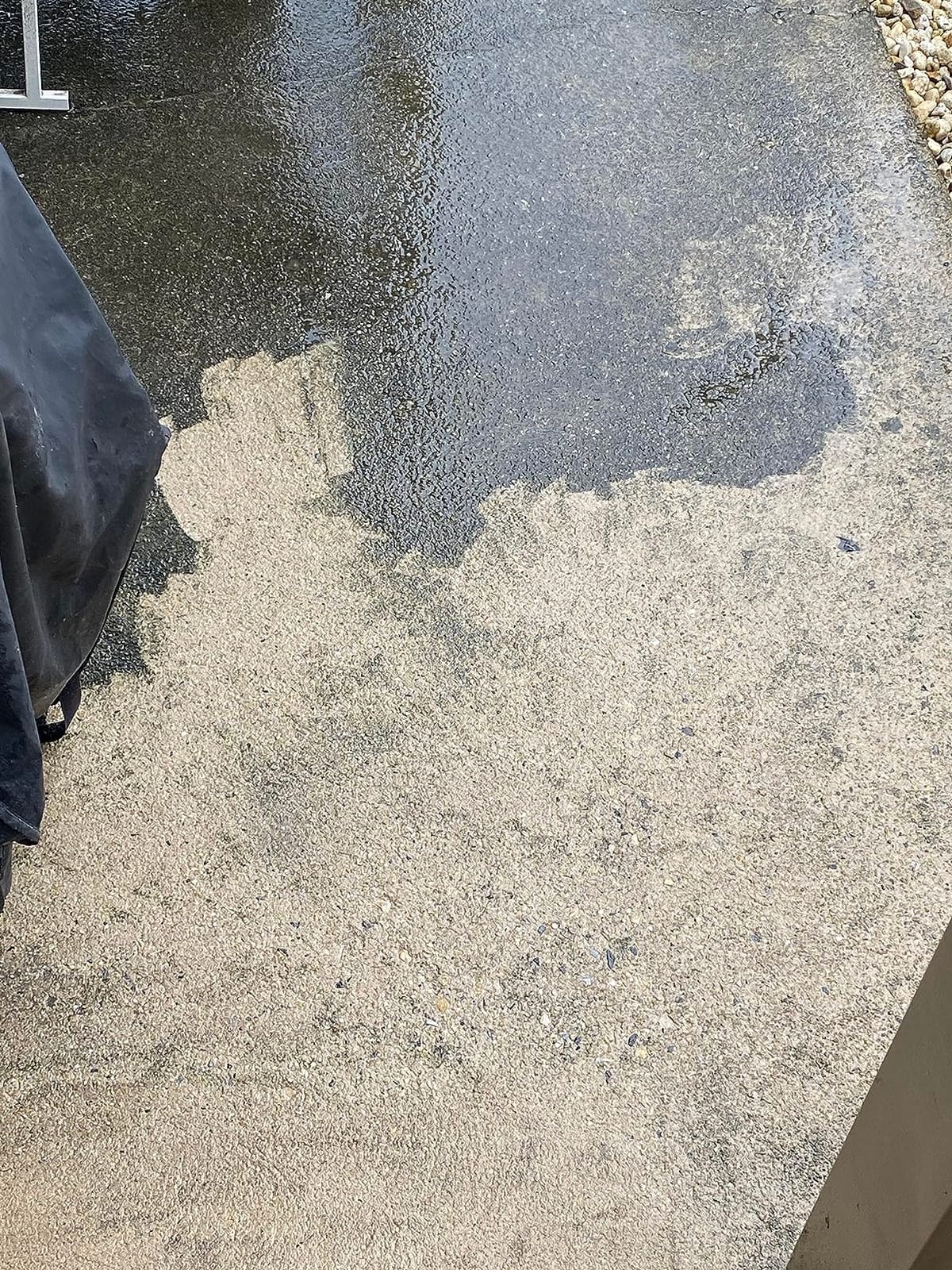
The Total Stop System shuts the pump down whenever the trigger is not engaged. Without it, an electric motor runs hot while you reposition the wand, and that heat cycle is what wears pumps out. Users on r/pressurewashers and r/BuyItForLife treat TSS as the dividing line between a washer that lasts and one that does not.
Pair that with the 35 foot GFCI cord and you can work around a car without dragging the machine across concrete. The cord protection built into the plug is a nice touch for damp environments.
What You Add Instead of What You Get
There is no onboard soap tank and no turbo nozzle in the box, and that is where the accessory budget goes. The standard advice across detailing communities is to add quick disconnects with swivel fittings, a longer hose, and a foam cannon, which turns a basic rinse machine into something that can pre-foam a vehicle properly.
That approach is also why the adjustable spray wand works well as a compromise. One twist nozzle covers gentle rinse through jet, so you can cover cars and siding without buying the full nozzle set.
Where the Plastic Build Shows
The all-plastic frame and wand feel cheap to owners, and the unit lacks the steel hardware the Westinghouse models provide. The 1600 max PSI figure also means heavily soiled concrete takes noticeably longer than a gas machine would. Long-term owners accept both in exchange for the low entry point and the quiet operation.
4. Greenworks GPW2003 – Certified Specs and the Largest Soap Tank Here
Greenworks 2000 PSI (1.2 GPM) Electric Pressure Washer
2000 PSI at 1.2 GPM, rated to PWMA standards
14-amp motor with push-button start
1.2 gallon onboard soap tank
Removable handle for shelf storage
Pros
- 2000 PSI and 1.2 GPM rated to PWMA standards so the numbers are verified
- 14-amp motor with push-button start handles medium-duty jobs
- 1.2 gallon onboard soap tank is the largest detergent capacity in this group
- Removable handle lets the body sit on a shelf when not in use
- Built-in circuit protector on the cord fits covered outdoor outlets
Cons
- 25 ft hose is short of what you need to reach around longer vehicles
- Included hose and nozzles limit pressure so many owners upgrade both
- Quieter than some but louder than the smallest compact units
- Wheel retaining clips can fall off
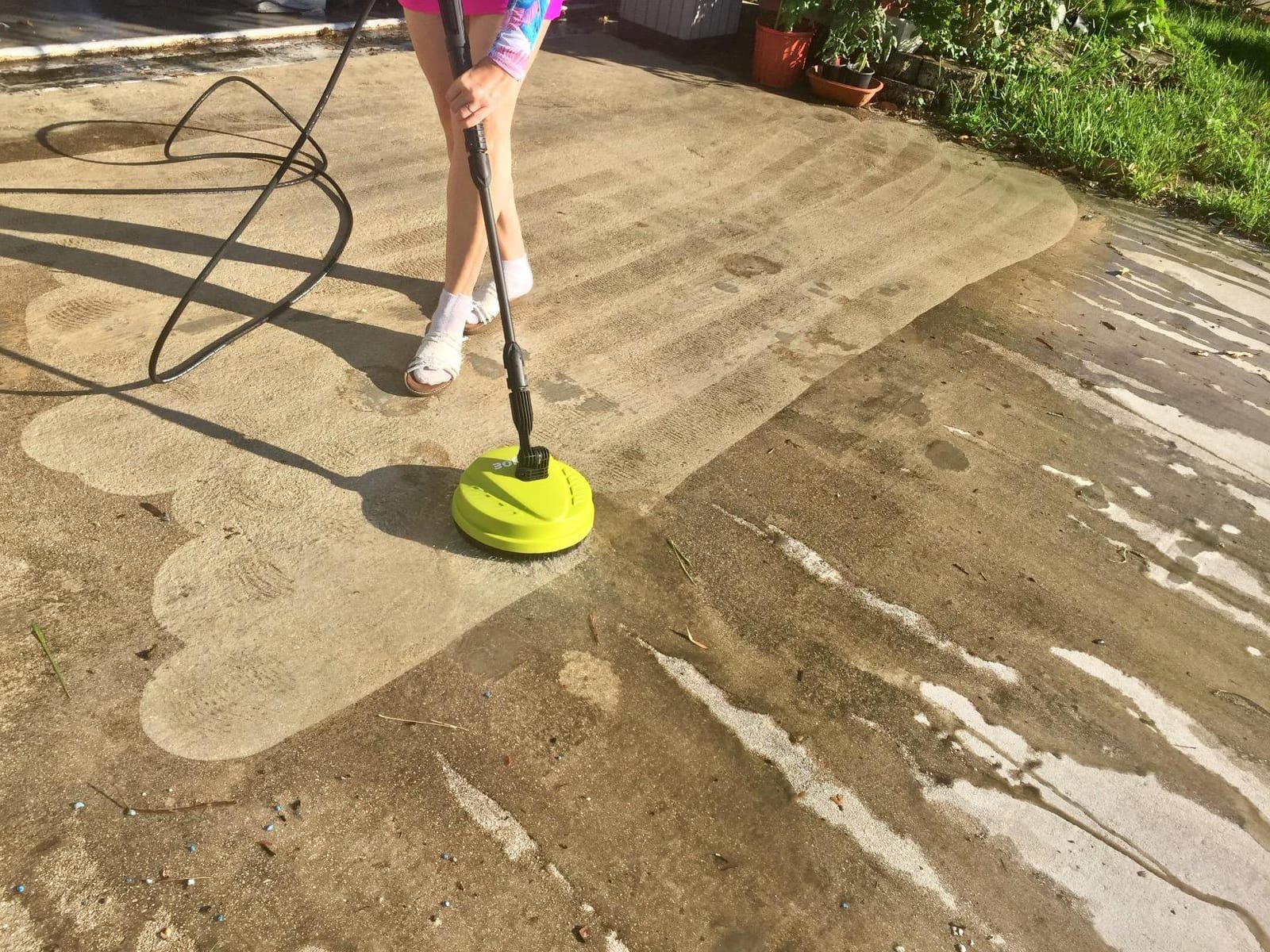
The Greenworks GPW2003 is the machine to buy if inflated specifications are your main worry. It is rated to PWMA standards, meaning an independent body has checked the pressure and flow claims rather than the manufacturer reporting them, and forum users consistently cite that certification as the reason they trust the brand’s numbers.
It is also the only unit in this roundup with a 1.2 gallon onboard soap tank, and for someone washing vehicles regularly that is a genuine advantage over the 20 ounce tanks most competitors ship. The 14-amp motor with push-button start delivers 2000 PSI at 1.2 GPM, and start/stop technology switches the motor off when the wand is not engaged.
What PWMA Certification Actually Tells You
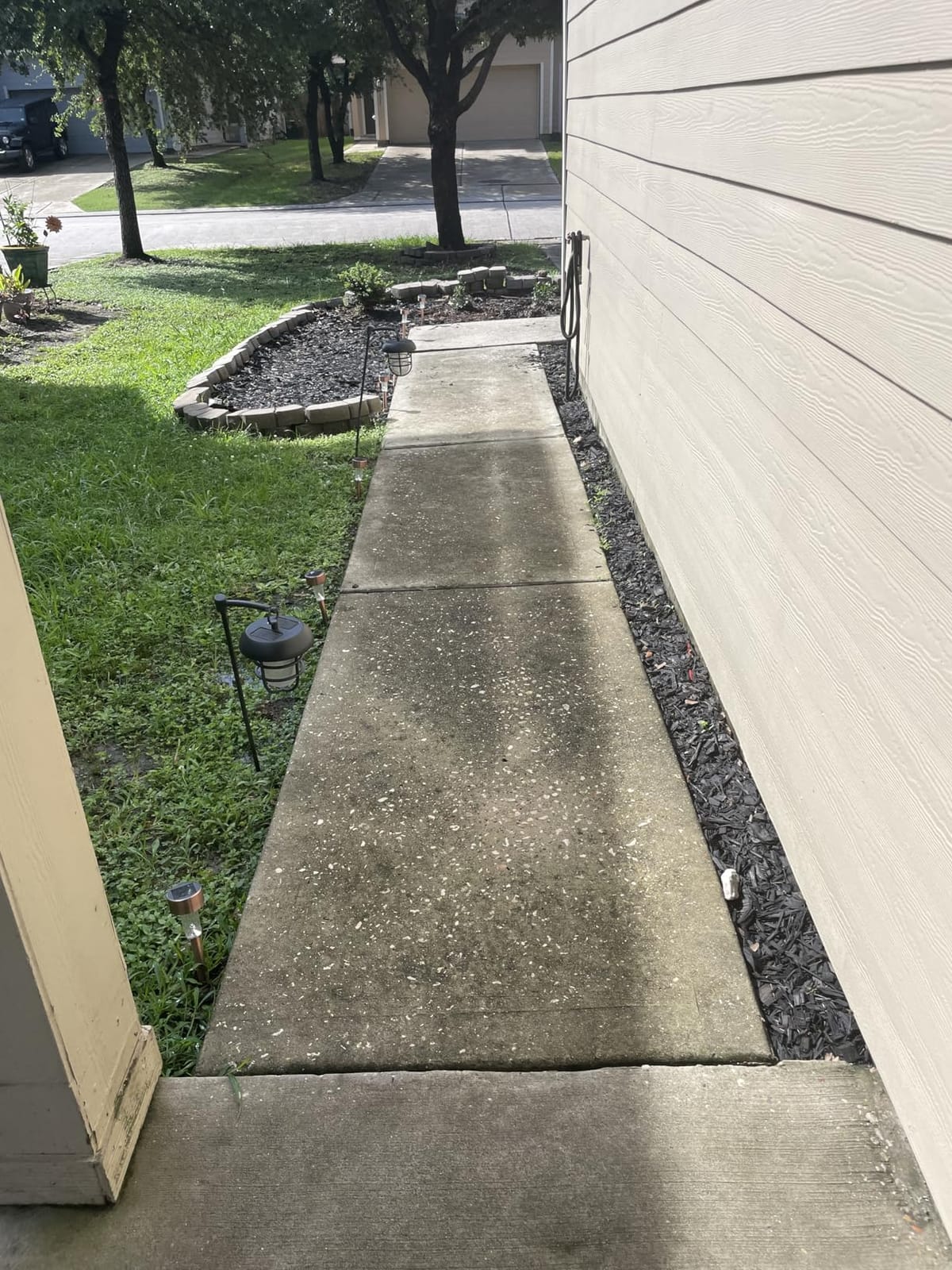
PWMA is a pressure washer trade association that tests machines to a standard and lets certified models use the mark. When you see it, the rated PSI and GPM on the plate have been verified. In a tier where listings routinely quote 2800 or 3000 max PSI that never materializes at the nozzle, that mark is the closest thing to a guarantee you can check before buying.
The practical result is that the 2000 PSI here is a figure you can plan around. That is squarely in the range recommended for vehicle washing, and it holds up for siding, grills and walkways when you stay off stubborn concrete staining.
Soap Capacity and Storage Shape
The 1.2 gallon tank means one fill covers a full vehicle or a decent stretch of deck, and the soap tip on the spray wand handles detergent without a separate bottle. Owners moving from a small tank describe the change as the biggest quality-of-life upgrade in the machine.
The handle removes for compact shelf storage, which matters if you do not have a full garage bay. The trade is size: at 19.29 by 17.32 by 31.73 inches, this is a tall unit compared with the flat-profile designs, so plan the storage spot before you buy.
Known Weak Spots
The 25 foot hose is the most common complaint. It will not reach around a longer vehicle without dragging the machine, and many owners replace the hose and nozzles as a first upgrade to unlock more pressure. The turbo nozzle also takes several passes on small spots rather than cutting through instantly.
Wheel retaining clips are a small but frequently mentioned annoyance, and a few reviews report motor or pump failure after short use. Certification tells you the specs are honest, not that the unit is failure-proof, so keep the receipt.
5. Westinghouse WPX2300e – The Induction Motor and Steel Frame Option
Westinghouse WPX2300e Electric Pressure Washer, 2300 Max PSI and 1.76 Max GPM, Induction Motor, Onboard Soap Tank, Spray Gun and Wand, 5 Nozzle Set, for Cars/Fences/Driveways/Homes/Patios/Furniture
2300 max PSI, 1.76 max GPM, 1900 rated PSI and 1.2 rated GPM
AC 120V induction motor with axial three-piston pump
25 ft super-flex hose and 35 ft GFCI cord
M22 fittings for foam cannons and surface cleaners
Pros
- Induction motor runs smoothly and holds pressure over multi-hour sessions
- Steel frame construction feels a tier above plastic competitors
- 35 ft GFCI cord plus 25 ft super-flex hose give excellent reach
- M22 fittings accept surface cleaners
- undercarriage cleaners and foam cannons
- 8 inch never-flat wheels roll over rough ground easily
Cons
- Heaviest and tallest unit here at 27.5 pounds and 36.2 inches
- Soap tank has no on/off control so detergent runs until empty
- Super-flex hose is stiff and kinks if not coiled on a reel
- Spray wand has a lock-off but no lock-on
If your instinct is that electric washers are all plastic disposable toys, this is the counterexample. The WPX2300e pairs a 120V induction motor with an axial three-piston auto-stop pump inside a steel frame, and owners consistently contrast the assembly feel with the all-plastic competitors in the same price band.
It is also the accessory-friendly machine here. M22 fittings mean standard surface cleaners, undercarriage cleaners and foam cannons all bolt straight on, which turns a compact washer into a proper cleaning setup without proprietary adapters. Rated output is 1900 PSI at 1.2 GPM with 2300 max PSI and 1.76 max GPM at start-up.
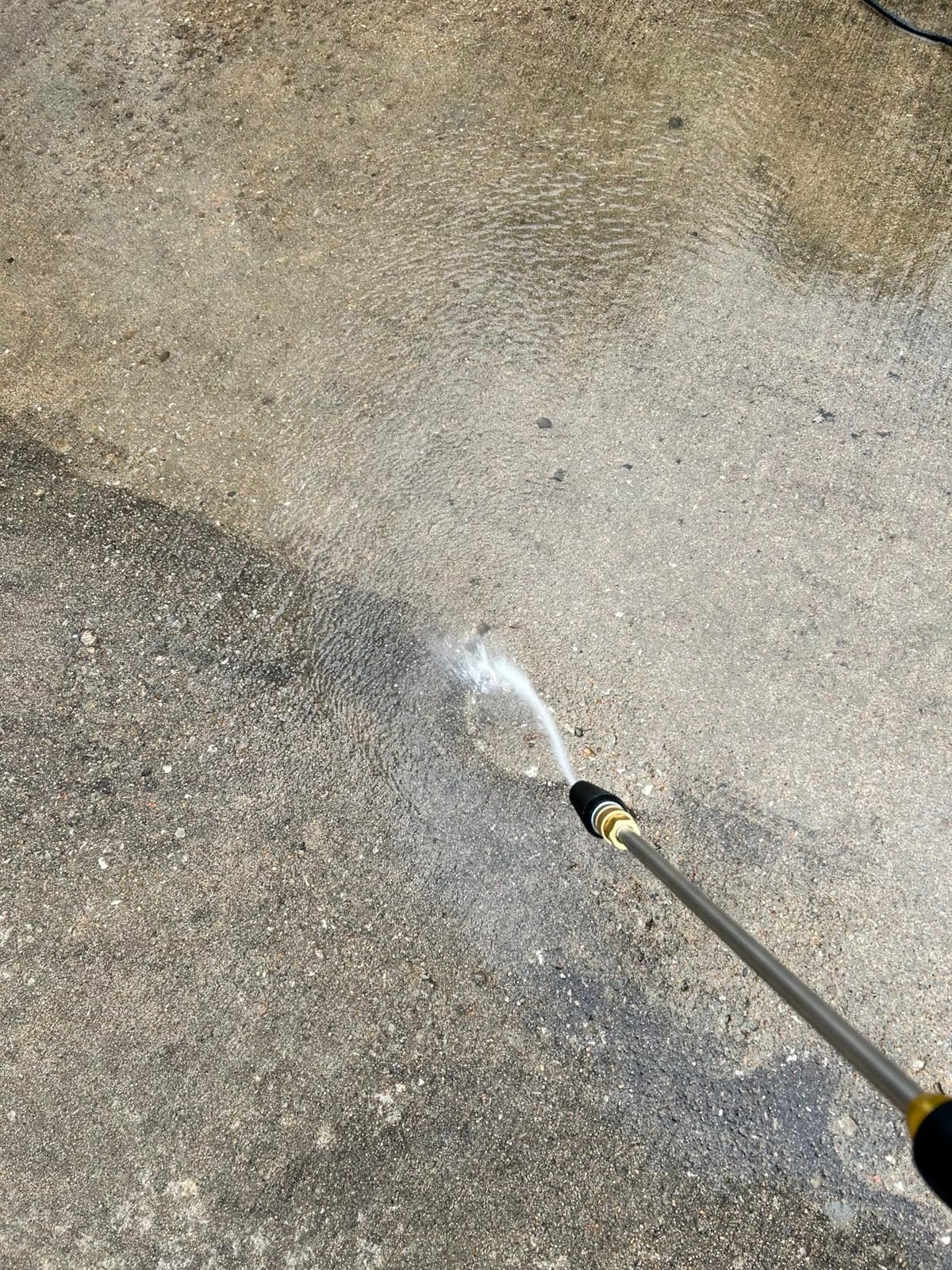
Why an Induction Motor Outlasts a Universal Motor
A universal motor, the type used in most budget washers, has brushes that wear and a commutator that needs occasional service. An induction motor has brushes at all, which is why reviewers describe the pressure as steady across a multi-hour session rather than sagging as the unit heats up. The axial three-piston auto-stop pump adds sealing surfaces that hold up better than a simple piston head.
That combination is why this machine carries a 3-year limited warranty with parts and labor coverage, and why the review summary highlights build quality impressions rather than value per dollar. You are paying for components that age slowly.
Reach, Wheels and Accessory Compatibility
The 35 foot GFCI cord and 25 foot abrasion-resistant super-flex hose give the best combined reach of the group, so you can circle a truck or rinse the far end of a long driveway without moving the machine. The 8 inch never-flat wheels handle gravel and lawn edges that would bog down smaller casters.
The M22 quick-connect interface is the detail that pays off after the first weekend. Foam cannons, surface cleaners and undercarriage tools are all standard M22 gear, so the accessory ecosystem is wide open compared with brands that lock you into proprietary fittings.
Storage and Practical Annoyances
This is the big machine in the roundup at 27.5 pounds and 36.2 inches tall. It will not disappear onto a shelf, and users who moved it indoors mention that as the main drawback. Plan a floor corner rather than a cabinet.
The onboard soap tank has no on/off control, so detergent runs until the tank empties unless you switch nozzles. The super-flex hose is also stiff and will kink if you leave it in a heap instead of coiling it on a reel.
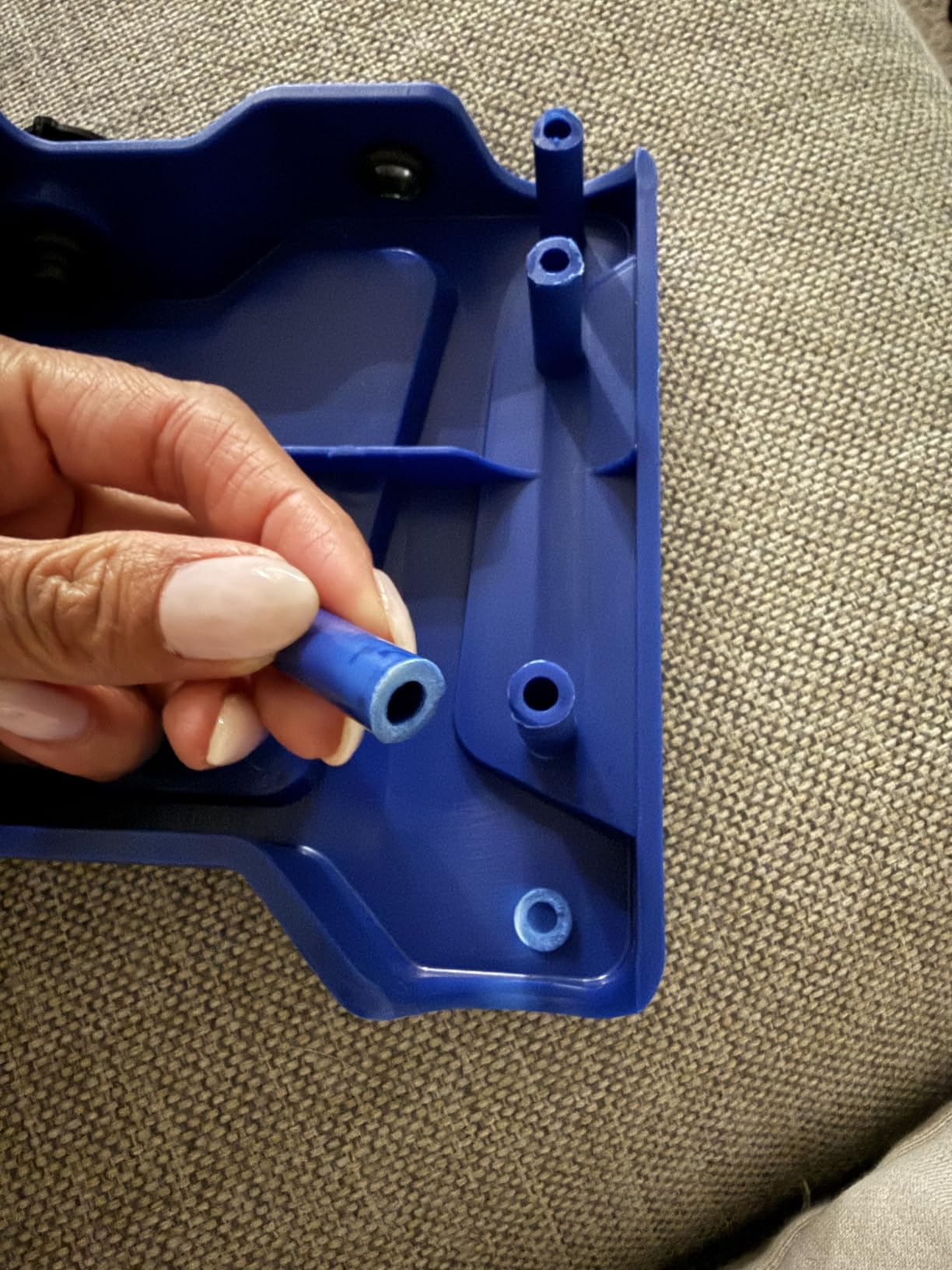
6. A-iPower E2800-FM – Highest Headline Pressure With Real Rated Backup
A-iPower Electric Pressure Washer 2800 Max PSI 1.7 Max GPM Follow Me
2800 max PSI at start-up with 2000 rated PSI
1.7 max GPM and 1.2 rated GPM with soap
35 ft cord and 25 ft hose
Four 360 degree steering quick-lock wheels
Pros
- Highest max PSI headline figure in the group at 2800
- Compact 19.6 inch tall body with four steering wheels for stability
- Quiet operation that reviewers call out repeatedly
- 35 ft cord and 25 ft hose give solid reach for yard and driveway work
- Five nozzle options including 0 degree for the toughest jobs
Cons
- Shortest warranty in the roundup at 2 years
- Rated flow of 1.2 GPM is well below the 1.7 max figure
- Compact height leaves some owners wishing the body were taller to work with
- Newer listing with a smaller review history than the established models
The E2800-FM is the machine to look at when you want the biggest number and still want it to be rated output. It delivers 2800 max PSI at initial discharge with 2000 rated PSI, and 1.7 max GPM with 1.2 rated GPM once soap is dispensing. That rated 2000 PSI puts it level with the best-certified machine in this roundup on paper.
Owners describe it as powerful for its size, with the four-wheel anti-tipping chassis making it easy to move and stable during use. Quiet operation and quick assembly come up repeatedly in reviews, and the 18.2 pound body carries a 25 foot hose and 35 foot cord.
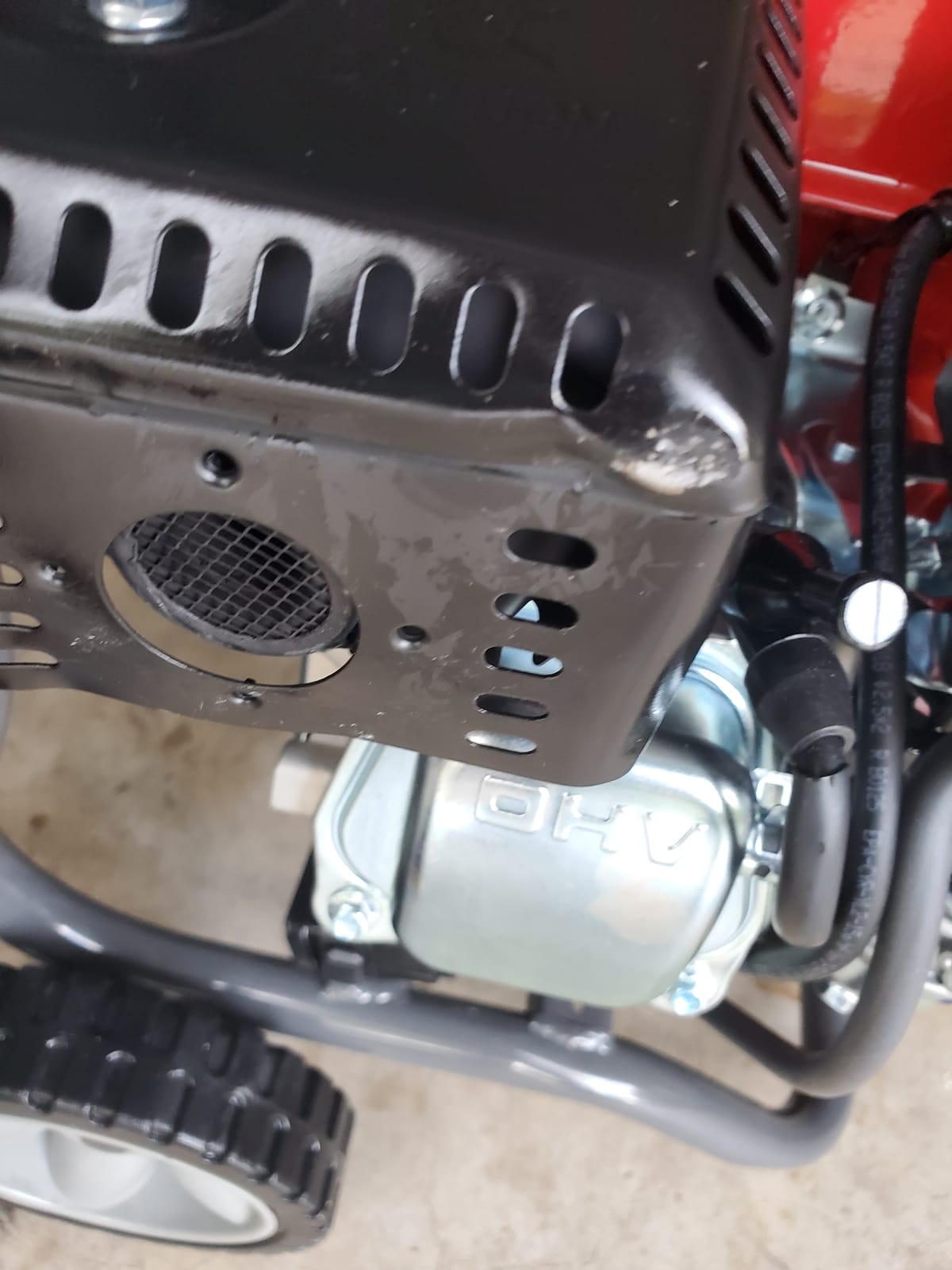
Reading the 2800 Figure Without Being Fooled
Here is the lesson in one machine. The 2800 max PSI is measured the instant the pump discharges with no downstream restriction, and the 1.7 max GPM falls to 1.2 rated once soap is drawing from the tank. For a detached nozzle rinse the machine will feel strong; for a foam cannon session on a car it behaves like a 2000 PSI, 1.2 GPM washer, which is exactly the class average.
That is not a criticism so much as a shopping rule. Judge every machine in this tier by the rated pair, and this one lands in solid territory with 2000 PSI and 1.2 GPM.
Chassis, Nozzles and Cord Reach
Four quick-lock wheels with 360 degree steering and a low center of gravity keep it planted, and the Total Stop System stops the pump when you release the trigger, extending pump and motor life. Five nozzles at 0, 15, 25, 40 degree plus turbo give you a genuine spread of patterns.
Owners report the unit being moved by one person without difficulty, which matters if you are washing a car in a shared parking area rather than working from a driveway.
The Two-Year Warranty Catch
Every other three-year machine in this roundup beats the 2-year manufacturer warranty on this one, and warranty length is a decent proxy for how long a brand expects its components to last. The review base is also newer and smaller than the Sun Joe or Westinghouse models, so long-term data is thinner.
If you can live with 2000 rated PSI and want the compact four-wheel layout, it is a strong pick. If warranty length is your top filter, the induction motor Westinghouse is the better bet.
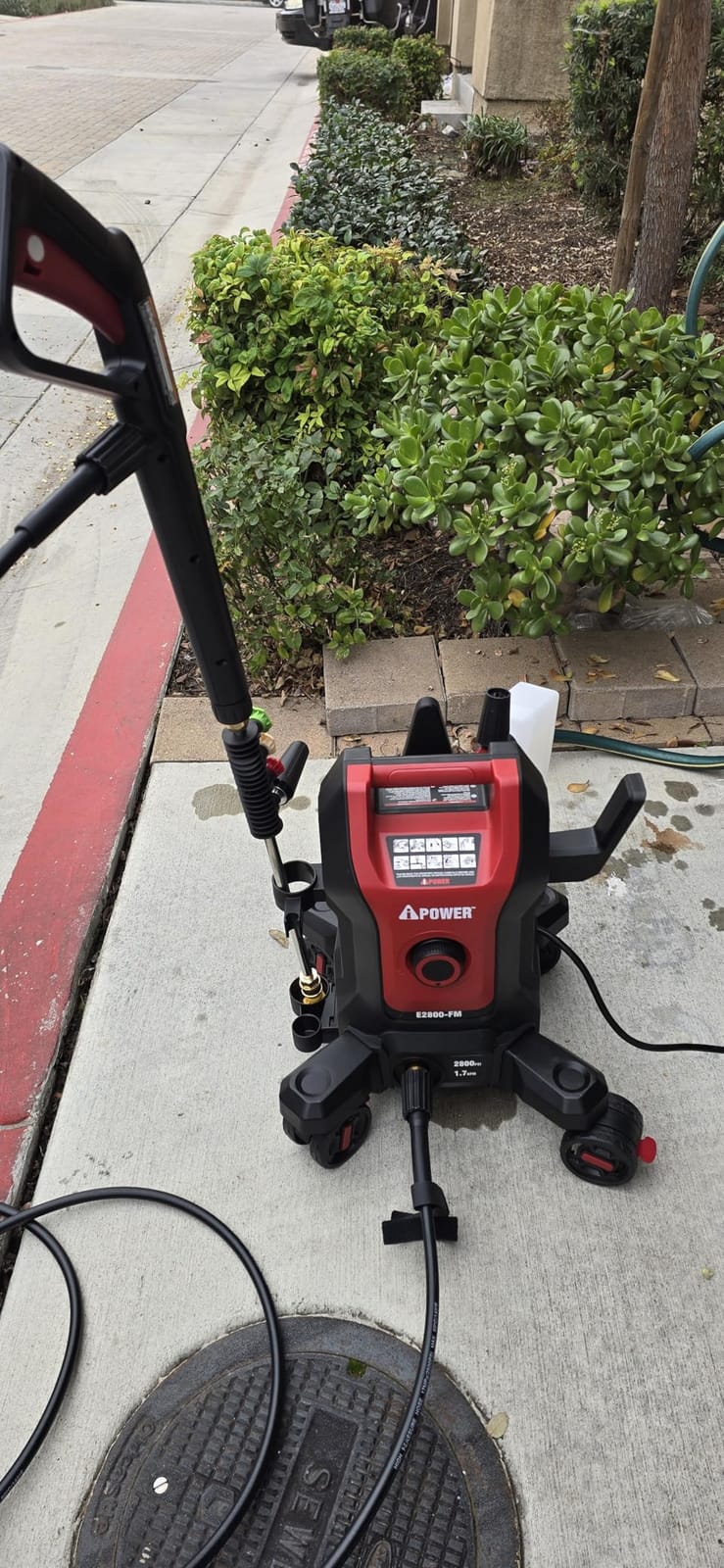
7. CRAFTSMAN CMEPW1700 – Light Enough to Lift With One Hand
CRAFTSMAN Electric Pressure Washer, Cold Water, Lightweight Corded Power Washer for Cars, Driveways, Patio and Garage, Powerful 1700-PSI, 1.2-GPM, Compact, Easy to Use (CMEPW1700)
1700 max PSI at 1.2 GPM, CETA certified
20 ft kink-resistant hose
35 ft power cord with GFCI and Velcro wrap
Onboard storage for nozzle, hose, cord and wand
Pros
- Light and compact enough to carry by hand without dragging it
- 35 ft power cord with a GFCI plug is unusually long for the class
- 20 ft kink-resistant hose holds shape better than cheap flat hoses
- Quiet operation with automatic shutoff when the trigger is released
- Onboard storage keeps the nozzle
- hose
- cord and wand organized
Cons
- Included hose and soap applicator are widely criticized as low quality
- Only 1.2 GPM means slow cleaning on dirty concrete
- Trigger cannot be locked on for continuous spray
- A few reports of pump or motor failure after one to two seasons
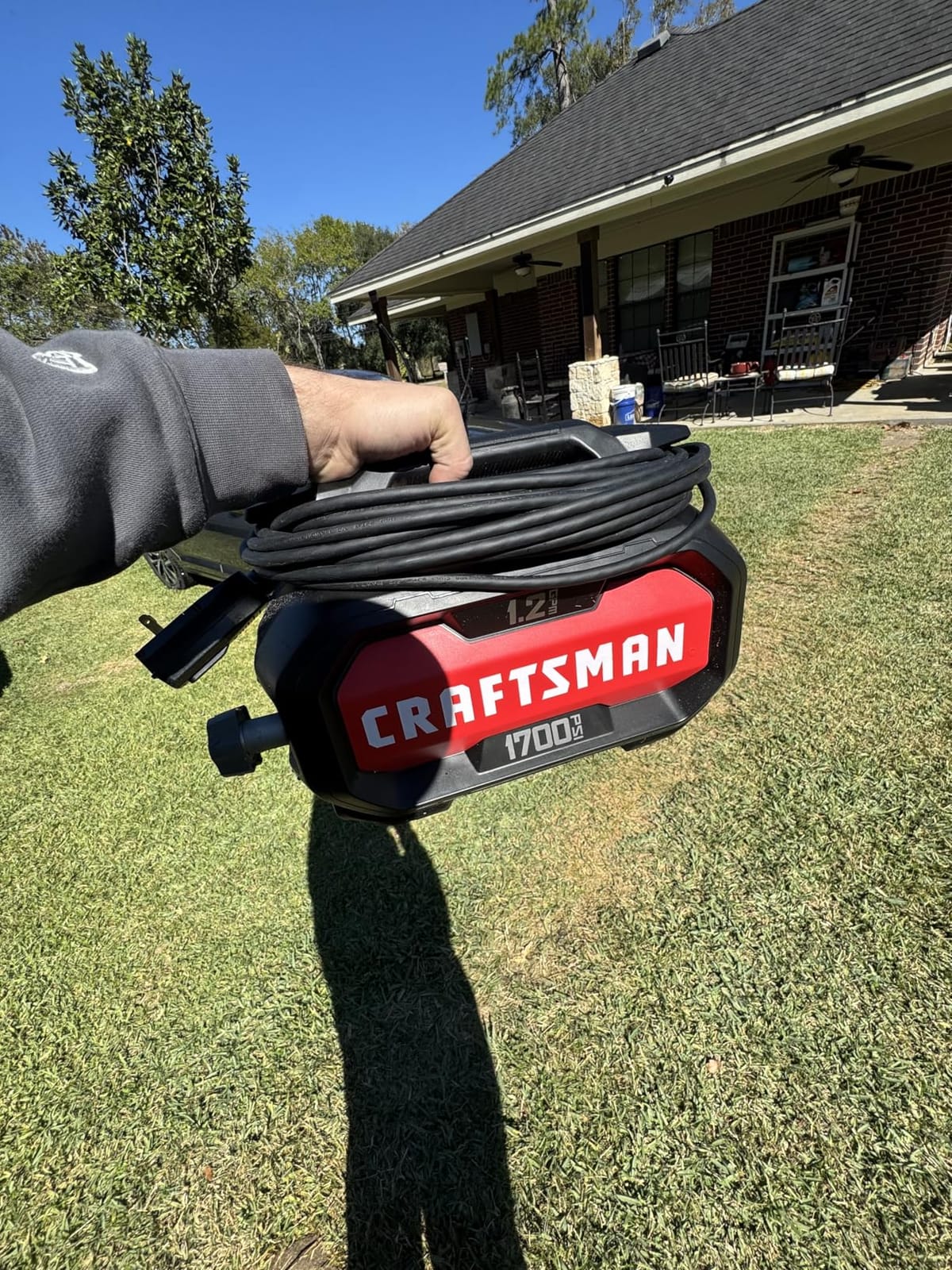
The CRAFTSMAN CMEPW1700 is the pick for anyone who cannot comfortably wrestle a wheeled machine across a driveway. At 17.5 pounds with a low 11.25 inch profile, reviewers, particularly older owners, single it out for being liftable and carryable rather than rolled.
Specs are conventional and honest: 1700 max PSI at 1.2 GPM, CETA certified, 20 foot kink-resistant hose, 35 foot power cord with a GFCI plug and a Velcro storage wrap, plus onboard storage for the nozzle, hose, cord and wand. Automatic shutoff fires when you release the trigger.
Cord Length Is the Quiet Hero Here
A 35 foot cord with a GFCI plug means you can start at the outdoor outlet and reach most of a two-car driveway or a full-height SUV without moving the machine. That is the difference between finishing a job in twenty minutes and restarting the setup three times.
Onboard storage for the wand, hose, cord and nozzle is the detail that keeps a compact machine from becoming a garage-clutter problem. The cord wrap keeps the GFCI end from tangling, which is the usual reason long cords get damaged.
Budget for Accessory Replacements
The most common buyer note here is blunt: the pump is the strong component, and the rest of the kit is consumable. Detailed reviewers advise setting aside roughly 30 dollars for a better foam cannon and quick disconnects because the supplied hose and soap applicator bottle are weak.
That is not a deal breaker. It is a two-minute upgrade that most owners make once and never think about again, and it is a good fit for the CETA-certified 1700 PSI the pump delivers.
Limits to Know Before You Buy
At 1.2 GPM, dirty concrete is a slow job, and the trigger has no lock-on for continuous spray, so long passes tire your hand. A minority of reviews report pump or motor failure after one to two seasons, which is a reminder that warranty service is the safety net in this tier rather than the norm.
8. Ryobi RY141612 – Smallest Footprint With a Generous Hose
Ryobi 1,600-PSI 1.2-GPM Electric Pressure Washer (Model RY141612)
1600 PSI at 1.2 GPM
25 ft high-pressure hose
Spray wand with quick-connect nozzle coupler
Compact 16.4 pound body, 12.5 by 9.5 by 10 inches
Pros
- One of the highest average ratings in the group with 79 percent five-star reviews
- Smallest and lowest-profile body here
- ideal for closets and shelves
- 25 ft hose is longer than most competitors in this class
- Quick-connect coupler on the wand for fast nozzle swaps
- 16.4 pounds is easy to carry between locations
Cons
- Lowest flow rate here at 1.2 GPM
- so it is the slowest on large concrete jobs
- Sparse feature detail and limited accessory documentation in the listing
- Smaller review sample than the category leaders
The Ryobi RY141612 solves a problem most machines in this tier ignore: storage. At 12.5 by 9.5 by 10 inches and 16.4 pounds, it is the lowest-profile unit here, and owners report using it in a closet or on a shelf rather than losing floor space in the garage.
It also carries a 25 foot hose, which is longer than several machines with higher headline pressure, and a spray wand with a quick-connect nozzle coupler for one-handed changes. Buyers rate the satisfaction level highly, with 79 percent five-star reviews.
What 1600 PSI at 1.2 GPM Is Good For
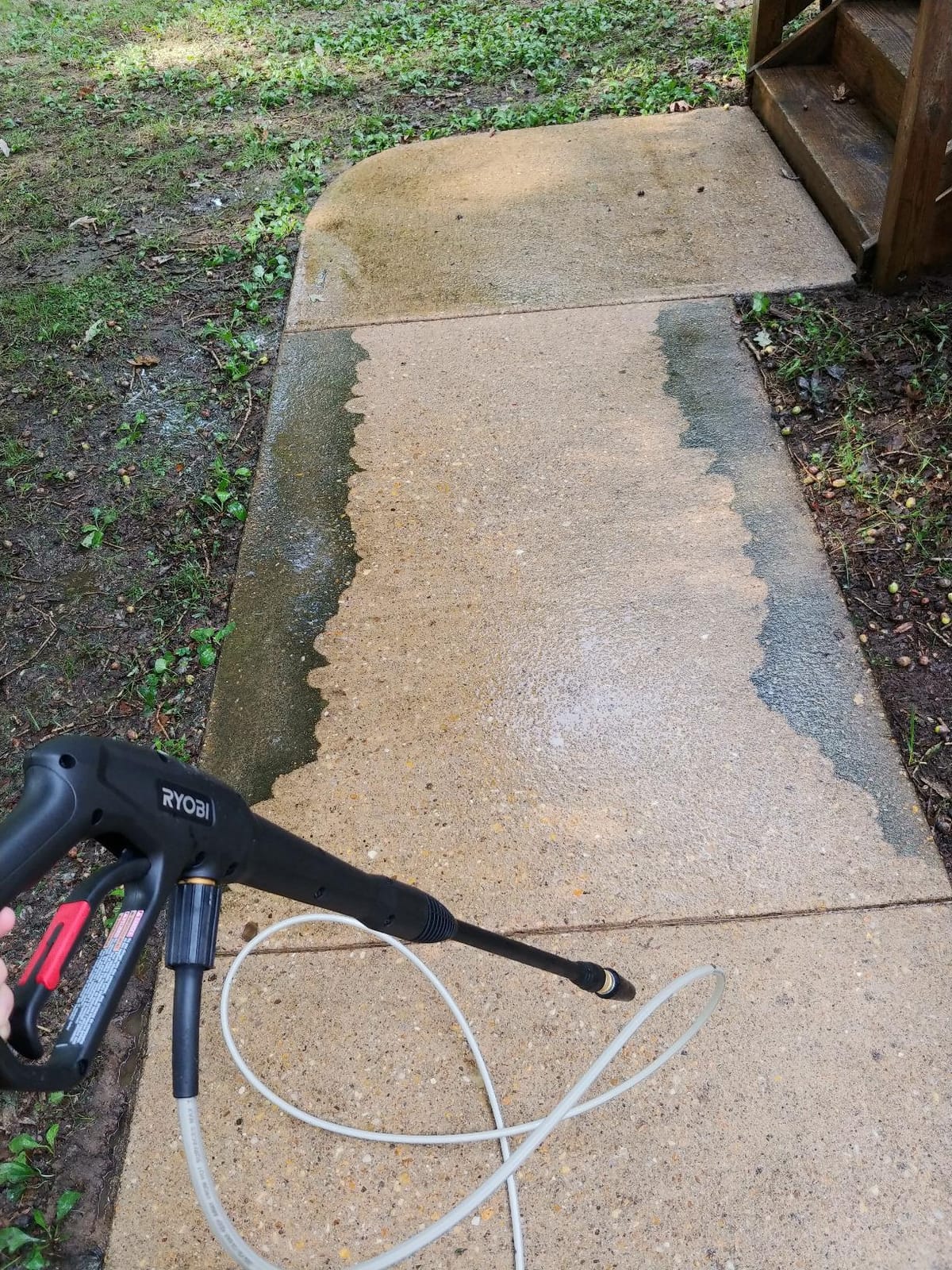
This is a car, siding, furniture and fence machine. At 1.2 GPM it is the slowest of the group on large concrete, so if your weekend plan is a long driveway, choose something with more flow. For washing vehicles and cleaning siding, patio furniture and decks, the 1600 PSI rated output is ample and the narrow spray pattern is gentle enough to keep paint safe.
Ryobi’s 1600 PSI electric machines are repeatedly described in homeowner forums as the best money spent on a budget washer, precisely because they are simple, quiet and easy to park in a corner when the job is done.
Hose Length Beats Headline PSI Here
The 25 foot hose on a machine this small is unusual and genuinely useful. You can walk around both sides of a car without dragging the unit, and the quick-connect coupler means swapping patterns takes seconds rather than a threading ritual.
Combined with the compact body, the practical result is a washer you will actually bring out rather than one that stays coiled in the garage. That habit is what protects pump life more than any spec on the plate.
Where the Data Runs Thin
The review sample is the smallest in the roundup, so long-term durability reports are less documented than for the Sun Joe or Westinghouse models. Feature detail and accessory documentation in the listing are also sparse, which means budget an afternoon of research on fittings before you buy a foam cannon.
9. Greenworks 5110202 – Quiet, Light and Built for Small Spaces
Greenworks 1800 PSI (1.1 GPM) Electric Pressure Washer PWMA Certified
1800 PSI at 1.1 GPM, CSA specification met
35 ft cord with integrated GFCI plug
20 ft hose with 1/4 inch universal quick connects
16 pound body at 10.63 by 9.06 by 12.8 inches
Pros
- Smallest and lightest footprint in the group at 16 pounds
- Relatively quiet compared with larger electric units
- 35 ft cord with an integrated GFCI safety device
- Universal 1/4 inch quick connects accept common aftermarket accessories
- Owners report three hours of continuous use without overheating
Cons
- Lowest flow rate here at 1.1 GPM
- so it is not suited to heavy driveway jobs
- 20 ft hose is thin and felt flimsy by several owners
- No way to lock the trigger on for continuous spray
- No soap tank beyond the small applicator bottle
Noise is the reason this one lands on our list. With a shared wall or a roommate in the next room, the quiet operation reviewers describe makes a 7 am car wash realistic. It is also the smallest and lightest body here at 16 pounds, so moving it between a storage closet and the driveway is a non-event.
Specs are 1800 PSI at 1.1 GPM, with a 35 foot power cord carrying an integrated GFCI plug and a 20 foot tangle-free hose on a 1/4 inch universal quick-connect system. The box includes a spray gun, 40 degree nozzle, turbo nozzle and soap applicator.
Universal Quick Connects Are the Undersold Feature
Most budget machines use a proprietary thread that quietly blocks third-party accessories. A 1/4 inch universal quick-connect system is the industry default, so foam cannons, extension hoses and swivel fittings from any brand bolt straight on. For owners who plan to add a foam cannon, that compatibility is worth more than 200 extra PSI.
The three nozzles plus the soap applicator cover a gentle rinse, general cleaning and stubborn stains, which is enough pattern variety for car and patio work without buying a full set.
Comfort Over Continuous Work
There is no trigger lock, so on long passes you hold the handle down and your hand tells you about it. Owners who work on big surfaces use a clamp or a clip to hold the trigger engaged, and the review summary mentions that workaround often.
At 1.1 GPM, this is the lowest flow figure in the roundup, and it is the reason the machine is best suited to vehicles, furniture and light patio work rather than a stained driveway.
The Thin Hose Is the Common Fix
Several owners replaced the 20 foot hose early on because it felt flimsy, and that is a cheap fix since standard high-pressure hoses in this size are widely compatible. A few reviews also report units cutting out after months of light use, so keep the warranty details handy.
10. Karcher K1700 Cube – Stable Foot Switch Design With Verified Output
Kärcher Pressure Washer K1700 Cube, CETA Certified, 3 Spray Nozzles, Detergent Tank, for Cars, Driveways, Siding, Patios, 1.2 GPM
1700 PSI TruPressure at 1.2 GPM, CETA certified
18 ft high-pressure hose
0.3 gallon detachable detergent tank
Foot-operated on/off switch
Pros
- Cube shape is stable and resists tipping while in use
- CETA certified so pressure and flow claims are independently checked
- Foot on/off switch avoids bending down to power the unit up
- Compact 15.5 pound body that stores easily on a shelf
- Three nozzle options cover gentle rinse through turbo blasting
Cons
- Lowest flow here at 1.2 GPM means noticeably slower cleaning
- 18 ft hose is the shortest in the roundup and limits reach around long vehicles
- 0.3 gallon detachable detergent tank holds very little soap
- No soap on/off control and no trigger lock
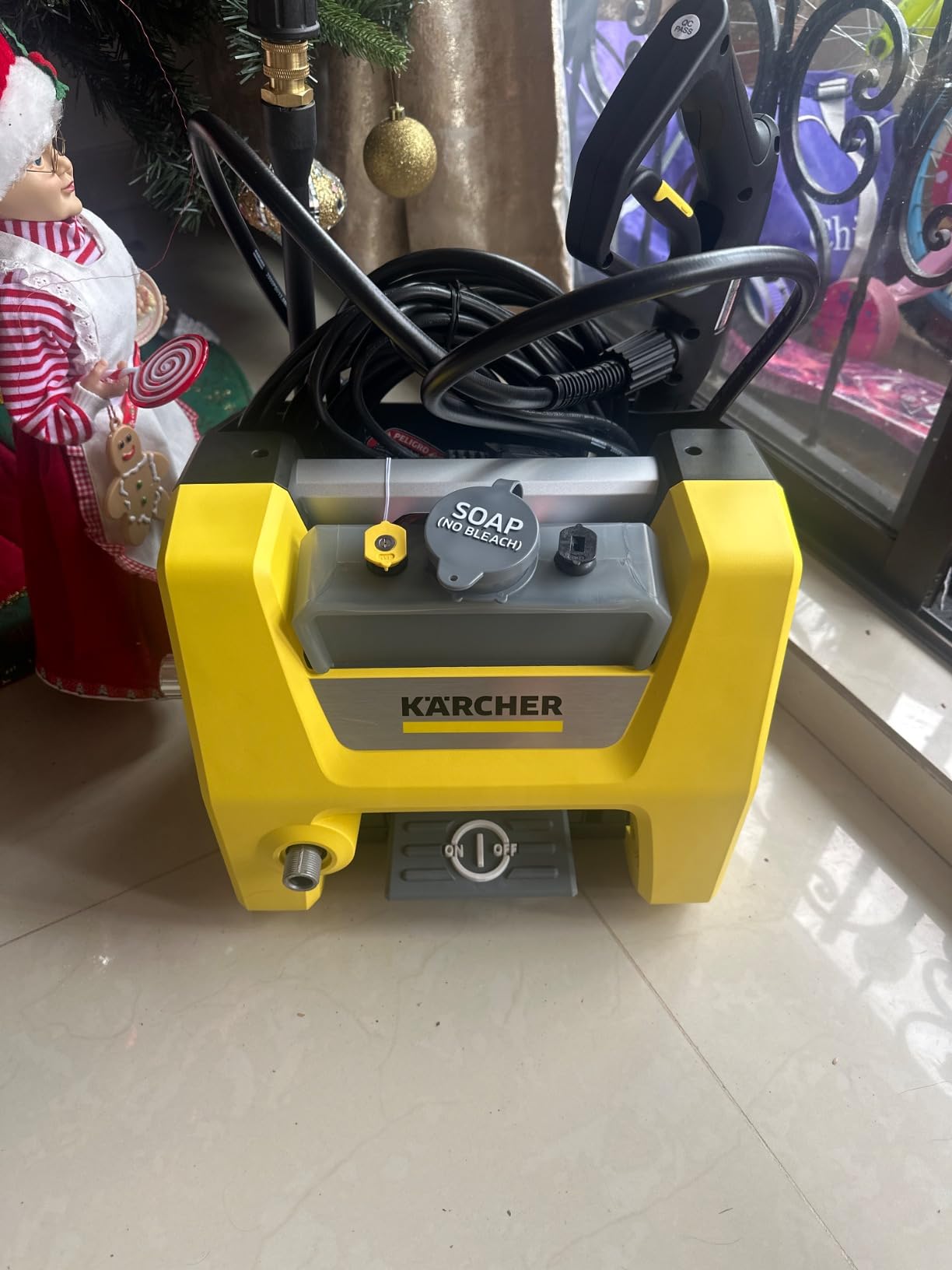
The Karcher K1700 Cube is built around one idea: sit the machine down and use it. The cube form factor has a low, wide stance that resists tipping, and the foot-operated on/off switch means you can power up without crouching down every time you move from the front of a car to the back.
Output is 1700 PSI TruPressure at 1.2 GPM, and the unit is CETA certified, so those numbers have been checked independently. Three nozzles at 15 degree, turbo and 65 degree cover the range, with automatic shutoff when the trigger is released.
The Foot Switch Is a Real Workflow Difference
On a two-car job you might cycle the machine on and off a dozen times. The foot switch turns that into a small movement rather than a full bend to the machine, and owners repeatedly call it out as the feature that makes the cube form factor work in practice.
The stable base also matters when you are working on gravel or a sloped driveway, because a tall frame that rocks under a turbo nozzle will spray where you did not aim it.
Where the Cube Design Costs You
Two things. The 18 foot hose is the shortest here, which limits how far you can reach around a long vehicle without repositioning the machine, and the 0.3 gallon detachable detergent tank holds only a few minutes of soap with no on/off control to stop it early.
At 1.2 GPM, this is also among the slowest on driveways and siding, which is the most common reservation in reviews. For cars, patios and light household cleaning, the pressure is described as adequate rather than impressive.
Reliability Reports Are Mixed
Some units in this model line have developed internal leaks within the first year, and support experiences vary. That is worth weighing against the 3-year limited warranty, which is longer than the K1800PS Cube below. Our deck pressure washer guide covers what flow you actually need for deck boards.
11. Karcher K1800PS Cube – A Step Up in Pressure With the Same Weak Flow
Kärcher Pressure Washer K1800PS Cube, CETA Certified, 3 Spray Nozzles, Detergent Tank, for Cars, Driveways, Siding, Patios, 1.2 max. GPM
1800 PSI TruPressure at 1.2 max GPM, CETA certified
20 ft hose
0.3 gallon detachable detergent tank
Foot-operated on/off switch
Pros
- Cube shape stays stable and resists tipping during use
- Compact and light enough to shelf-mount or store in a basement
- Good pressure for cars
- decks
- patios and floor mats
- Foot switch avoids bending down to power the unit on
- Easy to move between jobs with no gas or pull start to deal with
Cons
- 1.2 GPM flow means heavy jobs take longer
- 0.3 gallon detergent tank holds only a few minutes of soap
- Proprietary threads limit use of standard brass quick connects
- Hose and cord are shorter than several competitors
- 2-year warranty is the shortest in the roundup
The K1800PS Cube is the same stable platform as the K1700 with 100 more PSI of TruPressure, a 20 foot hose and a slightly larger body at 19 pounds. Reviewers consider that pressure good for cars, decks, patios and floor mats, which is a fair summary of where an electric machine in this tier belongs.
The foot on/off switch, the detachable 0.3 gallon detergent tank and CETA certification carry over unchanged, and the cube body is compact enough to shelf-mount or keep in a basement between seasons.
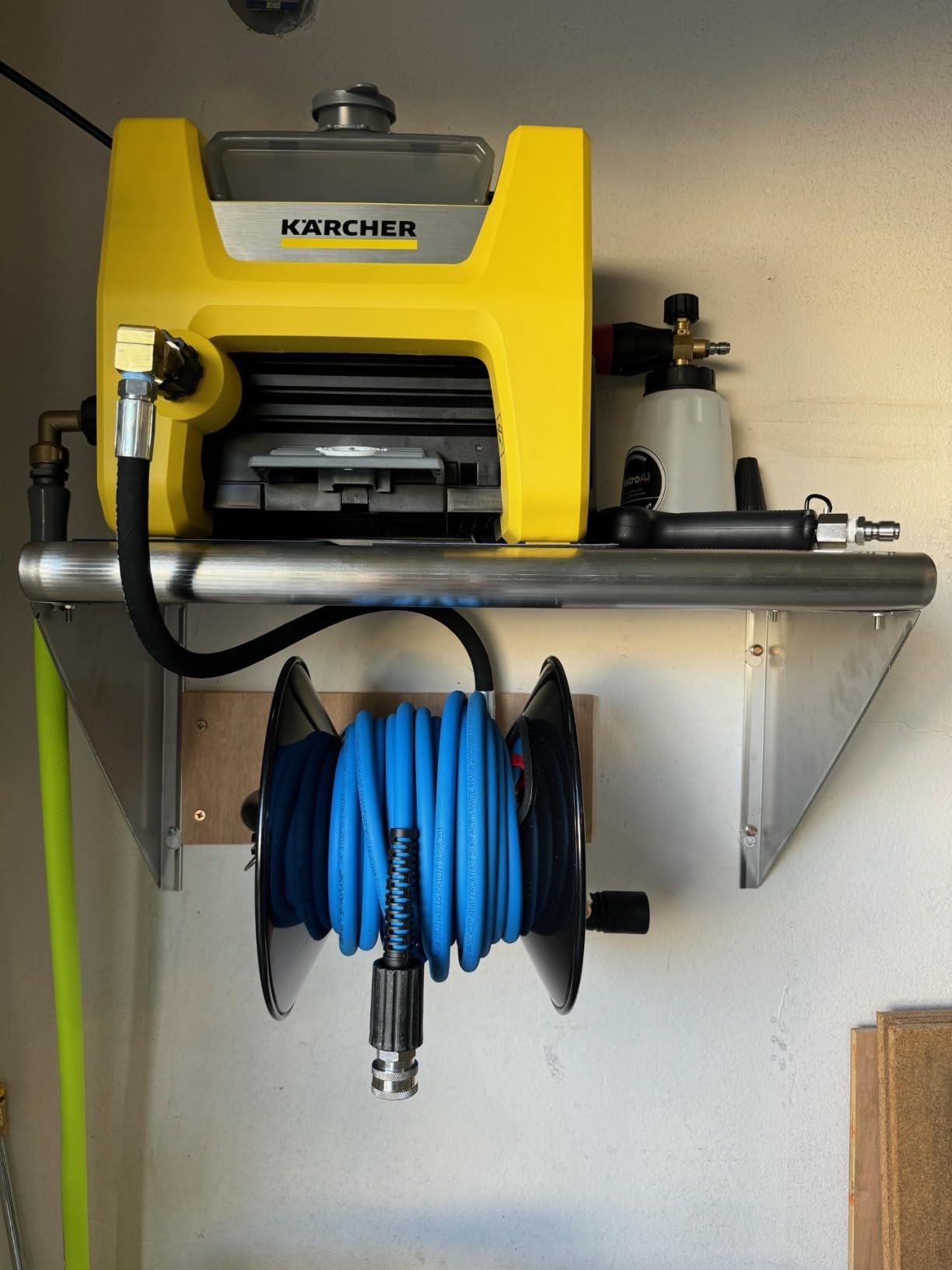
Pressure Is Not the Constraint Here
Moving from 1700 to 1800 PSI changes very little in practice. The constraint on this machine, and on every other 1.2 GPM electric washer, is flow. A deck with weathered boards needs water volume moving across it to lift grime, and at 1.2 GPM you will be making more passes than you would with a gas unit.
For patios, outdoor furniture and vehicles, the 1800 PSI TruPressure is comfortable working pressure, and the 65 degree nozzle handles broad surfaces without cutting into wood or paint.
Fitting Limits Are the Practical Problem
The proprietary hose thread is the accessory complaint that comes up most. Standard brass quick connects for foam cannons and surface cleaners will not seat properly, so owners hunting for a wide accessory selection usually buy adapters or move to a machine with M22 or universal fittings.
There is also no onboard storage for the extra nozzles, and the hose and cord are shorter than several competitors. Several owners report stuttering when a whole-house water filter is installed in the supply line, which is worth knowing if you plan to run one.
Reliability and Warranty Balance
Reviews mention a few internal leaks and pumps failing after a season, and the 2-year bumper-to-bumper warranty is the shortest in this roundup. The machine is well built and stable, but the coverage is thinner than the 3-year terms offered by Westinghouse, CRAFTSMAN and the K1700 Cube.
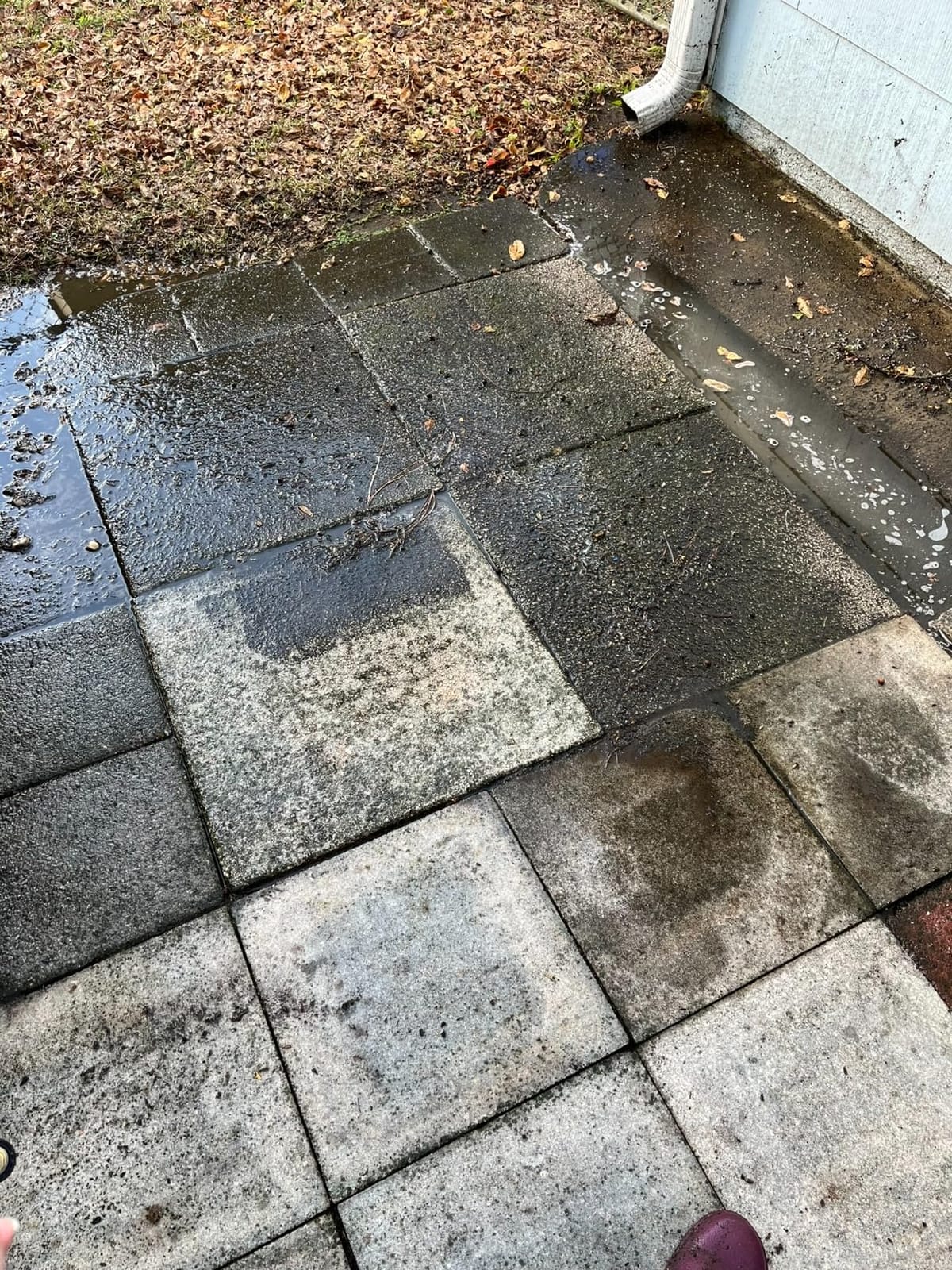
12. LWQ S5 – The Highest Flow Number and a Foam Cannon in the Box
Pressure Washer, Portable Power Washer, 4 Quick Connect Nozzles, High Pressure Cleaning Machine for Car Fence Driveway Patio Washing and More(Light Green)
2030 PSI with up to 2.5 GPM flow
Foam cannon plus four quick-connect metal nozzles
Detergent bottle accepts bleach without routing it through the pump
Dual-roller base with anti-tipping design
Pros
- Highest flow figure in the roundup at up to 2.5 GPM
- which speeds up large surface cleaning
- Foam cannon and four quick-connect metal nozzles included
- Detergent bottle accepts bleach without routing chemicals through the pump
- Can draw water from a faucet or a bucket
- Power cord hook and nozzle holders make storage tidy
Cons
- Not CETA or PWMA certified so performance claims are less independently verified
- Reported flow figures are not directly comparable with rated standards used by rivals
- Some units arrived missing the hose storage hook
- Higher share of one-star reviews with reports of pump leaks
- Generic branding with limited documentation
The LWQ S5 is the outlier in this roundup on paper. Its listed 2.5 GPM is double what most competitors here claim, and the foam cannon is already in the box, which saves a purchase. Owners report good value for money and fast progress on patios and driveways because of the flow.
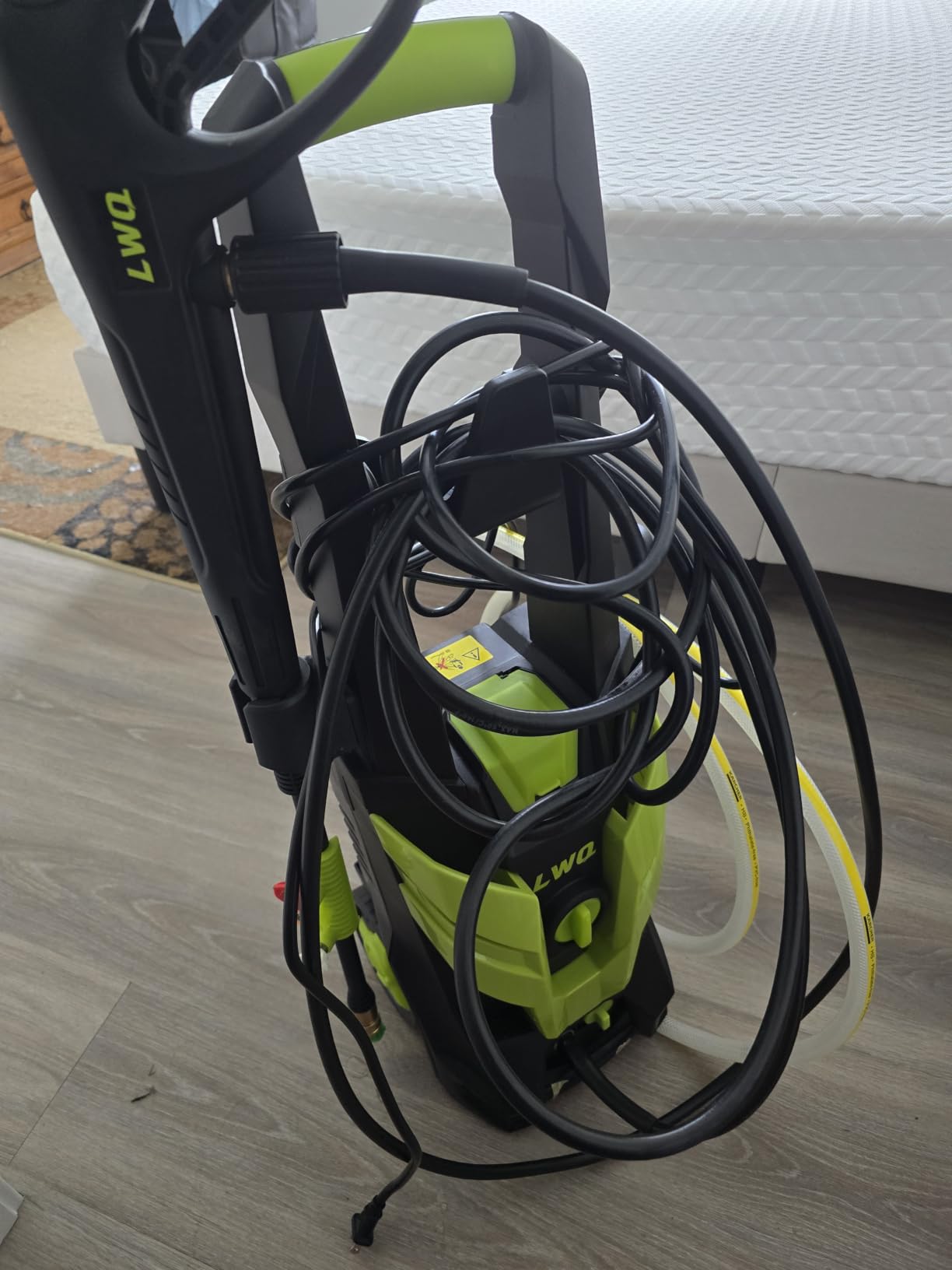
The machine also brings four quick-connect metal nozzles at 0, 15, 25 and 40 degrees, a detergent bottle that accepts bleach without routing chemicals through the pump, and a dual-roller base with an anti-tipping design at 16.6 pounds. It can draw water from a faucet or a bucket, which is useful where no spigot is close.
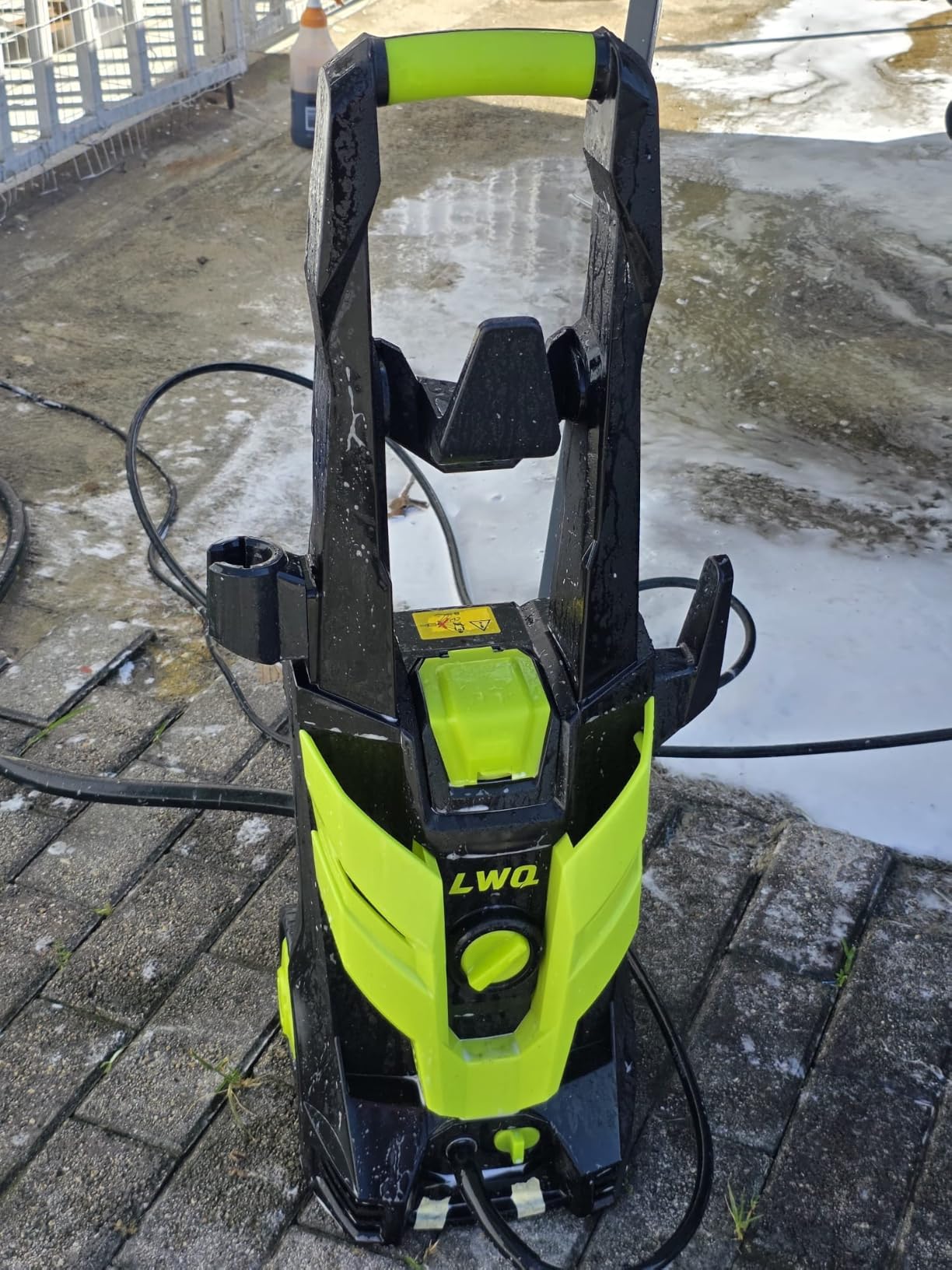
Read the Flow Number Carefully
That 2.5 GPM figure is not measured to the same standard competitors use for rated GPM, and the machine carries no CETA or PWMA certification. Treat it as a manufacturer claim rather than a verified figure, which means the real experience on concrete may be closer to the rest of the category than the spec suggests.
The bleach-compatible detergent bottle is a genuine design plus. Many pumps are damaged by running bleach through them, and routing the chemical around the pump is the correct way to use it.
What Owners Like and What They Report
The dual rollers and anti-tipping base make it easy to move, and the cord hook with nozzle holders keeps storage organized, which is more than many machines at twice the size manage. The included foam cannon is the single biggest box-of-contents advantage here.
Complaints center on pump water or oil leaks, a small number of units arriving with a missing hose storage hook, and an 11 percent one-star share that is higher than the certified machines carry. Generic branding also means thinner documentation when something goes wrong.
Who This Suits
If you want a foam cannon, metal nozzles and the highest listed flow in one box without hunting for accessories, this delivers. If you want independently verified specs and a long warranty, the CETA and PWMA-certified machines elsewhere in this list are the safer purchase.
How to Choose: What Actually Matters in This Price Tier
Once you accept that every electric washer in this bracket shares the same flow ceiling, the decision narrows to a handful of checks. Here is the order we would work through them.
Max PSI Versus Rated PSI, and Why the Gap Decides Your Experience
Max PSI is measured at start-up with no downstream load. Rated PSI is what the machine sustains. Across this roundup the gap runs from a modest 1600 max against 1150 rated to 2800 max against 2000 rated, and the rated figure is the one to plan around.
For washing a car, stay at or below roughly 2000 PSI and keep the nozzle at least 12 inches from the paint, widening the pattern rather than raising the pressure. Our driveway pressure washer guide goes deeper into the surface-by-surface PSI targets.
GPM Is the Number That Controls Job Speed
PSI cuts through dirt; GPM determines how much water arrives per minute to carry it away. Most machines here rate at 1.1 to 1.24 GPM, which is fine for vehicles, siding, decks and furniture but slow on a long stained driveway.
Multiply PSI by GPM and you get cleaning units, a useful shorthand for comparing machines across categories. A 2000 PSI at 1.2 GPM machine lands at 2,400 cleaning units, and that figure drops sharply on every step down in either number.
Total Stop System, Motor Type and Pump Longevity
A Total Stop System cuts pump power the instant you release the trigger, which prevents the heat cycles that destroy cheap pumps. Every machine in this roundup has some form of automatic shutoff, but the induction motor in the Westinghouse WPX2300e goes further with no brushes to wear.
Budget for a pump saver before winter, too. Running the pump briefly with pump saver fluid after shutting water off is the standard protection against freeze damage, and it matters more in this tier than a longer warranty does.
Hose Length, Fittings and the Accessory Ecosystem
Anything under 20 feet is a deal breaker in most owners’ books, and 25 feet is the comfortable target for reaching around a vehicle. Replacement hoses in this size are inexpensive compared with a machine that comes with proprietary fittings that block every standard accessory.
The high-value add-ons are quick disconnects with swivel fittings, a 25 foot hose, a foam cannon, a surface cleaner for wide flat areas and an extension wand for fences and high siding. Faucet adapters drip if threaded badly, so wrap the connection with tape.
Storage Footprint, Noise and Winterizing
Measure the spot before buying. Flat-profile cube and low-profile bodies such as the Ryobi, Greenworks 5110202 and Karcher machines store on a shelf, while the Westinghouse WPX2300e and Greenworks GPW2003 are floor-standing at 36.2 and 31.7 inches tall.
Noise is the other overlooked variable. Induction and compact universal motors are noticeably quieter, which matters for early morning work or shared walls. And if the unit lives in an unheated shed, drain the pump, run pump saver through it and protect the fittings from moisture before winter.
PWMA and CETA Certification as a Spec Honesty Check
CETA and PWMA marks mean an independent body tested the machine to a published standard. In a category where 2800 max PSI headlines abound, that mark is the cheapest insurance you can get, and three machines in this roundup carry one.
Warranty length is the second honesty signal. Three-year terms from Westinghouse, CRAFTSMAN, Greenworks and the K1700 Cube suggest brands expect their components to last, while two-year coverage on the A-iPower and Karcher K1800PS Cube says less.
Frequently Asked Questions
What is the best electric pressure washer for the money?
The Westinghouse ePX3500 is our pick for the money because it combines 2000 rated PSI with the highest max flow in this group at 1.76 GPM, a 25 foot braided hose, a steel wand and a 3-year warranty. Rated flow decides how fast a job finishes, and this machine rates at 1.2 GPM with strong peak numbers behind it. If you need a gallon-class soap tank instead, the Greenworks GPW2003 is the alternative.
What is the best and most affordable pressure washer?
The Sun Joe SPX205E-XT is the most affordable machine here and the most proven, with more than 64000 ratings averaging 4.4 stars. It delivers 1600 max PSI at 1.45 GPM from an 11-amp motor, includes a Total Stop System for pump protection and weighs just 13.6 pounds with a carry handle. Add quick disconnects and a foam cannon to close the gap with pricier units.
How much PSI do I need for car washing?
Keep rated pressure at or below about 2000 PSI for vehicle washing and stay at least 12 inches from the paint. Narrow patterns such as 15 degree or 0 degree concentrate force and can damage clear coat, so widen the spray instead of increasing pressure. Higher rated units in this roundup are fine for cars as long as you change technique, and lower-psi machines are safer but slower on road grime.
How much GPM is good for a pressure washer?
Most electric washers in this price tier deliver 1.1 to 1.24 rated GPM, and that is enough for cars, siding, decks, patios and furniture. Long stained driveways and heavily soiled concrete are where flow runs out, and those jobs take multiple passes. Anything claiming far above 2 GPM without a CETA or PWMA certification should be treated as an unverified claim rather than a guarantee.
What does TSS mean on a pressure washer?
TSS stands for Total Stop System, a feature that shuts the pump down the moment you release the trigger spray gun. Without it, the motor keeps running and heating while you reposition the wand or refill a soap tank, and that repeated heat cycle is what wears cheap pumps out early. Every machine in this roundup has automatic trigger-release shutoff of some kind, and it is the single best predictor of pump life.
Do electric pressure washers need winterizing?
Yes, if the unit stays in an unheated garage or shed. Disconnect the water, drain the pump, then run the pump briefly with pump saver fluid until it comes out of the wand, and disconnect the hoses so residual water cannot sit in the pump body. Trapped water freezing is the most common cause of a split pump in spring, and it is entirely avoidable with ten minutes of work.
Which Machine Fits Your Jobs Best
If you wash cars and want the most verified performance per dollar, the Westinghouse ePX3500 is the pick, and its 2000 rated PSI with 1.76 max GPM leads this group on measured output. If your budget is tighter and you will add accessories yourself, the Sun Joe SPX205E-XT gives you a proven platform with a Total Stop System and a six-year owner history behind it.
If you care about certification and detergent capacity, the Greenworks GPW2003 gives you PWMA-verified 2000 PSI at 1.2 GPM with a 1.2 gallon onboard soap tank. For long-term durability and accessories, the Westinghouse WPX2300e pairs an induction motor with M22 fittings and a 3-year warranty. When storage space is the constraint, the Ryobi RY141612 and Greenworks 5110202 are the smallest bodies here.
Whichever one you choose, plan on spending about 30 dollars on a foam cannon, quick disconnects and a 25 foot hose in your first season. That small upgrade package does more for daily usefulness than any hundred extra PSI, and it is what turns any of these machines into a setup you will actually reach for in 2026.