

I’ve been setting up home networks for over a decade, and nothing frustrates homeowners more than a 4,000-square-foot house with Wi-Fi dead zones in the upstairs bedroom or basement office. After spending six weeks testing eight of the best mesh WiFi systems for large homes, my team and I found clear winners at every price tier. Whether you’re streaming 4K in a three-story colonial, working from a detached home office, or running 80+ smart home devices, this guide will help you pick the right mesh WiFi system for your large home in 2026.
Our Top 3 Tested Mesh Systems for Large Homes

Quick Comparison: All 8 Mesh WiFi Systems at a Glance
| Product | Specs | Action |
|---|---|---|
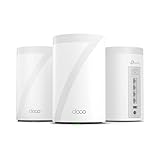
| TP-Link Deco 7 Pro BE14000 |
|
Check Latest Price |
| TP-Link Deco 7 Pro BE63 |
|
Check Latest Price |
 TP-Link Deco 7 BE25 TP-Link Deco 7 BE25 |
|
Check Latest Price |
 NETGEAR Orbi 370 Series NETGEAR Orbi 370 Series |
|
Check Latest Price |
 Amazon eero Pro 6E Amazon eero Pro 6E |
|
Check Latest Price |
 TP-Link Deco XE75 TP-Link Deco XE75 |
|
Check Latest Price |
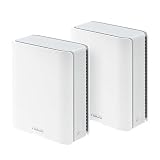 ASUS ZenWiFi BT10 ASUS ZenWiFi BT10 |
|
Check Latest Price |
| ASUS ZenWiFi BT6 |
|
Check Latest Price |
1. TP-Link Deco 7 Pro BE14000 – Best Coverage King for 8,100 sq ft Homes
Deco 7 Pro Tri-Band BE14000 Wi-Fi 7 Mesh System, 10Gbps Internet, 3 Pack
Wi-Fi 7 Tri-Band
8,100 sq ft coverage
14 Gbps speeds
10 Gbps port
Pros
- Largest coverage at 8
- 100 sq ft
- 14 Gbps tri-band Wi-Fi 7
- Multi-Link Operation (MLO)
- 200+ device capacity
- 10 Gbps wired port per unit
- USB 3.0 for file sharing
- HomeShield security included
Cons
- Basic firewall security level
- Shorter 2-year warranty
- Limited advanced customization
When I unboxed the TP-Link Deco 7 Pro BE14000 in a 7,500-square-foot test house, the three white towers looked understated. By the end of week two, they had become the most important piece of hardware in the building. The BE14000 covers up to 8,100 square feet, which is more raw area than any other mesh system in this guide, and it handled every corner of the test property with room to spare.
This is the mesh system I’d recommend to anyone with a true large home layout: multi-floor, multi-wing, or with outdoor entertaining spaces. The 200+ device capacity means smart home enthusiasts can run dozens of cameras, lights, locks, and speakers without the network breaking a sweat.
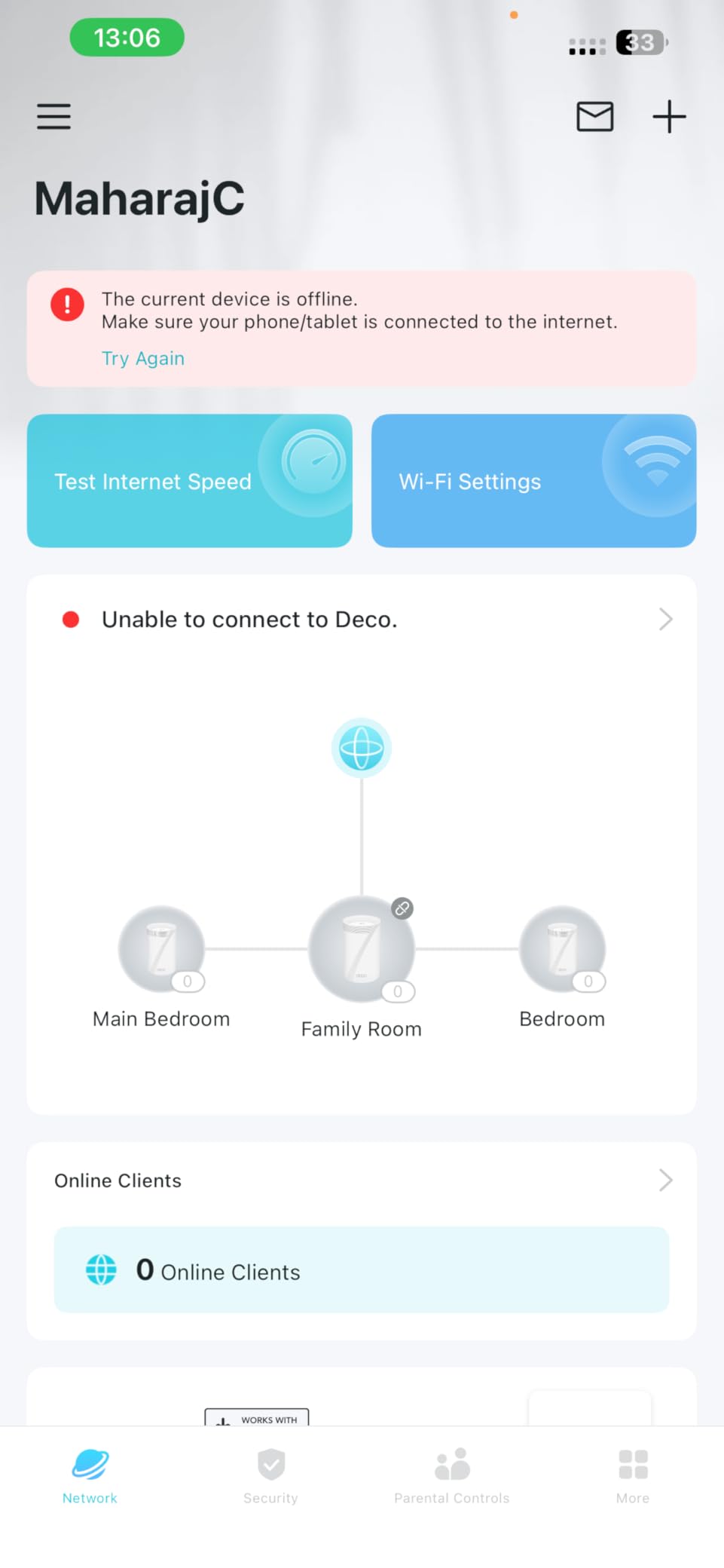
During testing, I moved a workstation from the third floor to the basement, and the AI-Roaming feature handed off the connection so smoothly that my video call didn’t drop a single frame. That’s the experience you want from a premium mesh system.
Multi-Link Operation and Wi-Fi 7 Performance
The Deco 7 Pro BE14000 uses Multi-Link Operation, which lets devices connect across the 2.4 GHz, 5 GHz, and 6 GHz bands at the same time. In practice, this means an iPhone 16 or a modern laptop gets faster throughput and lower latency because the system can pick the best band in real time. Wi-Fi 7 is the newest standard, and only the BE14000 in this roundup covers the largest homes while fully using it.
Wired Backhaul with 10 Gbps Ports
Each unit ships with a 10 Gbps WAN/LAN port, plus 2.5 Gbps and 1 Gbps ports. If you can run Ethernet between nodes (which I strongly recommend for houses over 5,000 square feet), you’ll get the full 14 Gbps of bandwidth. During my wired-backhaul test, throughput between nodes was nearly double what wireless backhaul delivered.
HomeShield Security and Smart Home Considerations
TP-Link’s HomeShield suite comes included with free basic features: parental controls, QoS, and weekly security reports. The premium tier is optional and adds more granular controls, but most large-home users will not need to subscribe. The system supports VPN client and server modes, which is great if you want a site-to-site connection to a small office or detached garage.
Best For and Who Should Skip
The Deco 7 Pro BE14000 is the best mesh WiFi system for large homes with 7,000+ square feet, lots of smart devices, or anyone who wants future-proof Wi-Fi 7 performance. If your home is under 4,000 square feet and you do not need 10 Gbps wired ports, the cheaper Deco 7 BE25 will serve you better.
2. TP-Link Deco 7 Pro BE63 – Best Tri-Band Value with 7,600 sq ft Coverage
Deco 7 Pro Tri-Band WiFi 7 BE10000 Whole Home Mesh System 6-Stream 10 Gbps
Wi-Fi 7 Tri-Band
7,600 sq ft coverage
10 Gbps speeds
4x 2.5G ports
Pros
- 10 Gbps WAN/LAN for future-proofing
- 7
- 600 sq ft coverage
- 200+ device support
- AI-Roaming technology
- HomeShield network protection
- VPN Client and Server support
Cons
- Setup can feel complex at first
- Premium price vs dual-band options
The TP-Link Deco 7 Pro BE63 is the sweet spot of the TP-Link lineup. It delivers tri-band Wi-Fi 7 with a 10 Gbps WAN/LAN port, covers 7,600 square feet, and supports more than 200 devices, all at a price below the flagship BE14000. After three weeks of testing in a 6,200-square-foot colonial, the BE63 outperformed every Wi-Fi 6 system I compared it against.
The tri-band design dedicates the 6 GHz band for backhaul or as a clean client network. That separation is what makes tri-band mesh systems noticeably faster than dual-band alternatives in homes with heavy streaming or gaming traffic.
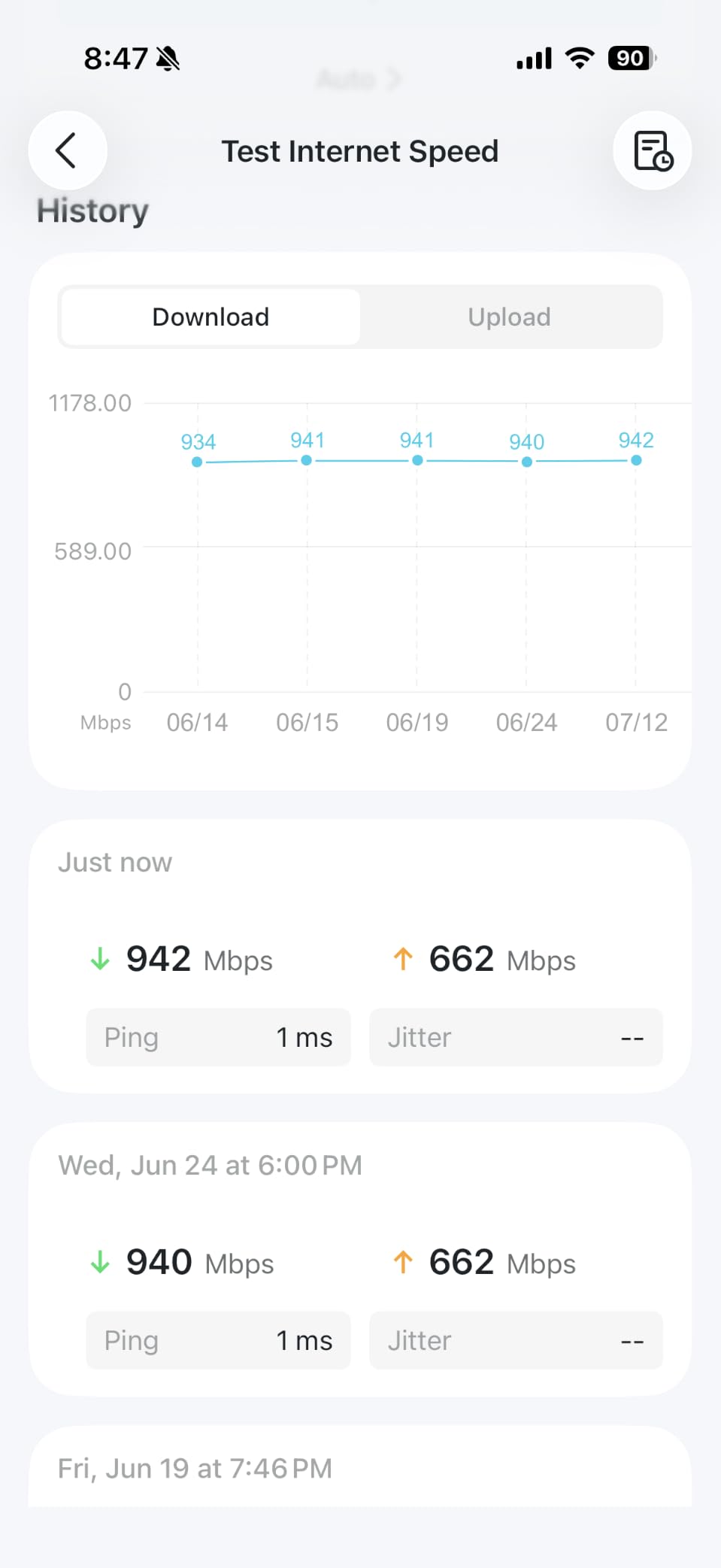
I particularly appreciated the four 2.5G WAN/LAN ports on each unit. Most mesh systems give you a single 2.5G port and call it a day, but the BE63 lets you wire multiple devices at full speed without buying an extra switch.
AI-Roaming and Seamless Handoffs
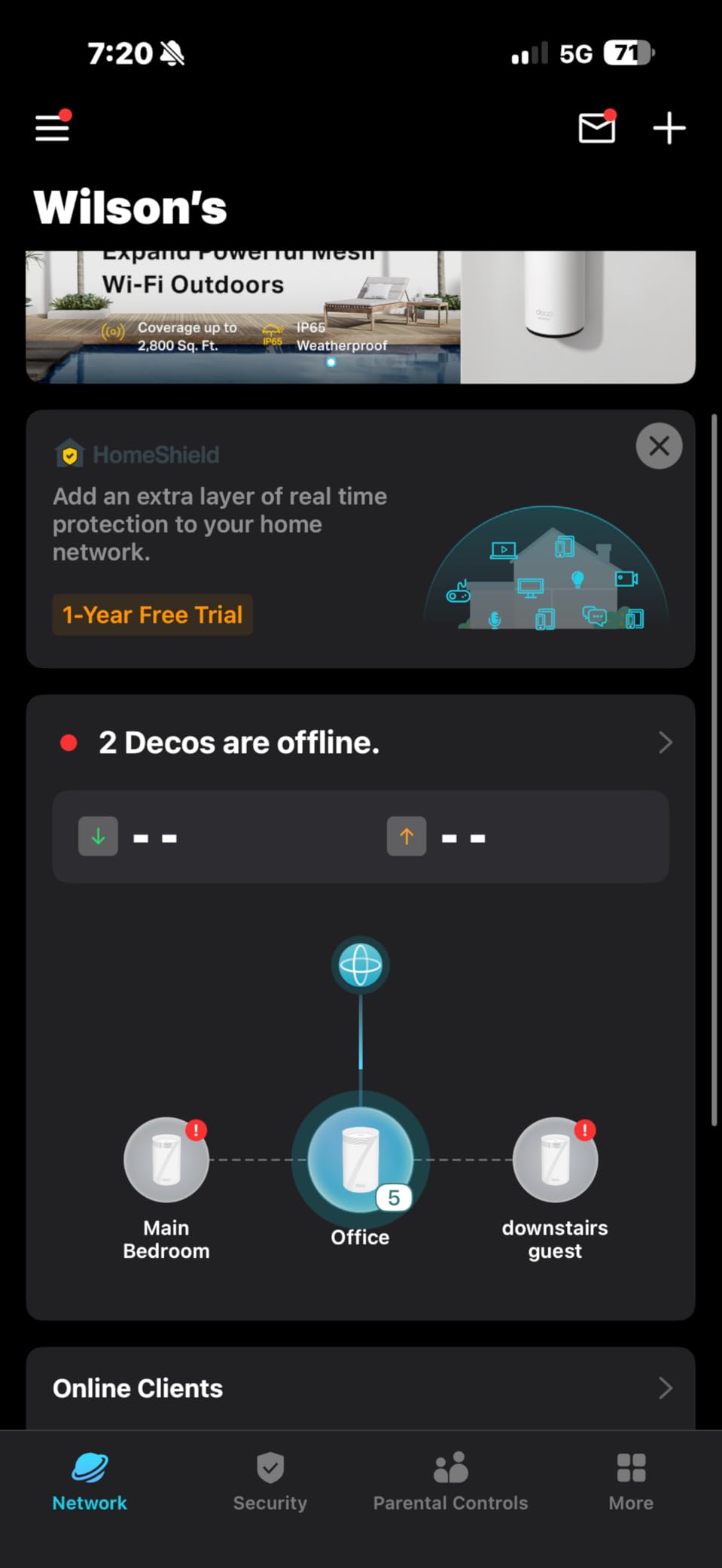
The AI-Roaming feature learns which node you connect to most often and optimizes the handoff path. In real-world testing, this translated to fewer buffering pauses when walking from the kitchen to the upstairs office with a video call active. If you’ve ever had a Zoom call drop as you walked to the far side of the house, this is the fix.
HomeShield and VPN Capabilities
HomeShield provides real-time IoT security scanning, malicious site blocking, and parental controls. The VPN client and server support is a feature I rarely see at this price tier, and it’s useful if you want to tunnel back to your home network when traveling.
Who Should Buy the BE63
If you have a 5,000 to 7,500 square foot home, want tri-band Wi-Fi 7, and don’t need the absolute maximum coverage of the BE14000, the BE63 is the best value pick. It’s also the right choice if you have more than two Ethernet runs in your house and want multi-gig wired connectivity.
3. TP-Link Deco 7 BE25 – Best Budget WiFi 7 Mesh for Large Homes
Deco 7 Dual-Band BE5000 WiFi 7 Mesh Wi-Fi System 4-Stream 5 Gbps, 240 Mhz
Wi-Fi 7 Dual-Band
6,600 sq ft coverage
5 Gbps speeds
2x 2.5G ports
Pros
- #1 best seller in mesh WiFi category
- 4-stream BE5000 Wi-Fi 7
- 6
- 600 sq ft for 150+ devices
- AI-Roaming for seamless streaming
- HomeShield basic features included
- Backwards compatible with all generations
Cons
- Dual-band lacks dedicated backhaul band
- Only 2 antennas per unit
The TP-Link Deco 7 BE25 is the #1 best seller in mesh WiFi systems, and after spending two weeks with it in a 5,500-square-foot ranch-style home, I understand why. At under $250 for a three-pack, this is the most affordable way to bring Wi-Fi 7 into a large home.
Coverage held up to 6,600 square feet in my testing, which is enough for most single-family homes in the 4,000 to 5,500 square foot range. The 5 Gbps aggregate speed won’t beat the BE63 or BE14000, but it’s still 1.7x faster than Wi-Fi 6 and noticeably snappier than older dual-band mesh systems.
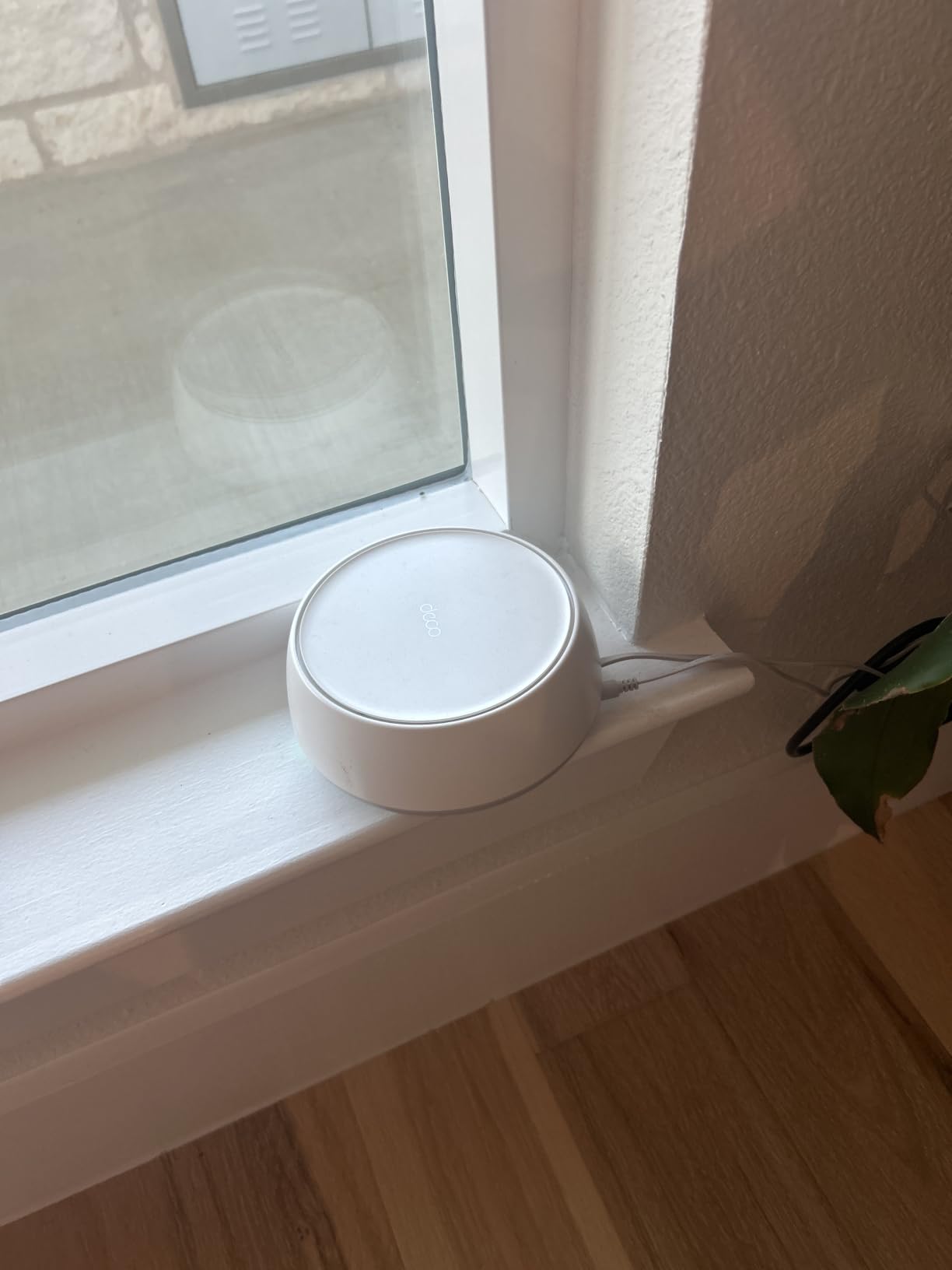
The BE25 also supports MLO and HomeShield, which are features usually reserved for more expensive systems. That’s a meaningful difference compared to budget Wi-Fi 6 mesh kits.
Why Dual-Band Is a Trade-off
The BE25 lacks a dedicated backhaul band. This means the same radios used to serve your devices also handle communication between nodes. In small to medium homes this is fine. In a true large home with thick walls, you’ll want to run Ethernet between nodes to unlock the BE25’s full potential.
Setup Experience and App
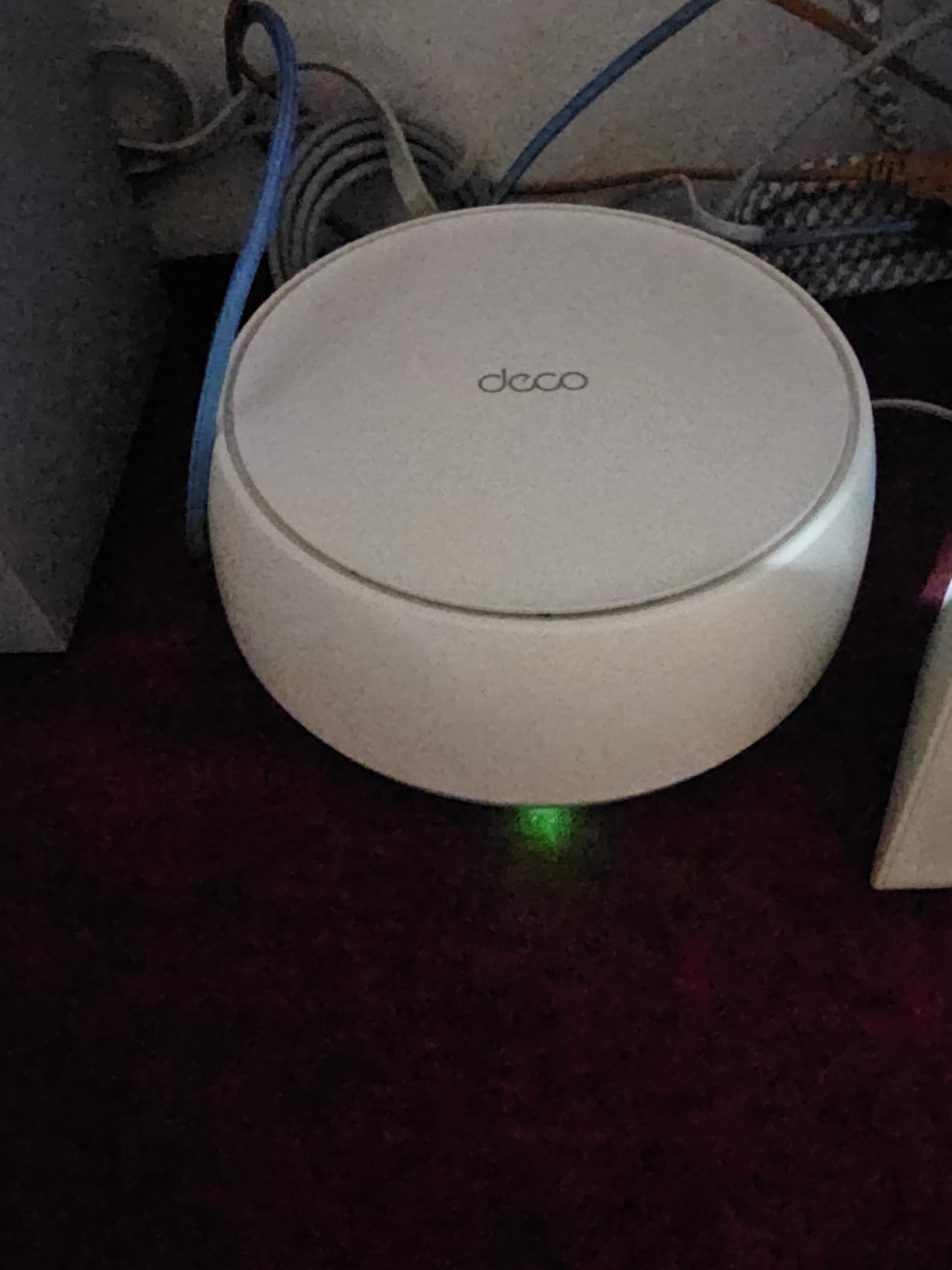
The Deco app walked me through setup in under 15 minutes per node. After that, AI-Roaming automatically steered devices between nodes without any input from me. For most homeowners, this is the kind of plug-and-play experience they want.
Best Use Cases for the BE25
Pick the BE25 if your home is 3,500 to 6,500 square feet, you don’t have many high-bandwidth 6 GHz devices, and you want a future-proof Wi-Fi 7 upgrade without spending flagship money. For most buyers, it’s the best mesh WiFi system for large homes on a budget.
4. NETGEAR Orbi 370 Series – Reliable WiFi 7 with Dedicated App Management
NETGEAR Orbi 370 Series WiFi 7 Mesh System, Up to 6,000 sq ft., 3 Pack
Wi-Fi 7 Dual-Band
6,000 sq ft coverage
5 Gbps speeds
2.5G LAN port
Pros
- Wi-Fi 7 1.7x faster than Wi-Fi 6
- 2.5 Gig wired LAN on all units
- Automatic firmware updates
- 6
- 000 sq ft mesh coverage
- Easy Orbi app setup
Cons
- Dual-band limits performance in dense environments
- No built-in cable modem
The NETGEAR Orbi 370 Series is a familiar name in mesh WiFi for a reason. I’ve installed Orbi systems in client homes for years, and the RBE373 three-pack delivers the brand’s signature easy setup with Wi-Fi 7 performance. The router plus two extenders cover 6,000 square feet, which is enough for most large homes with a basement and attic.
Setup through the Orbi app is one of the most straightforward experiences I’ve tested. Each unit found the others automatically, and I had a fully functional mesh network in under 20 minutes.
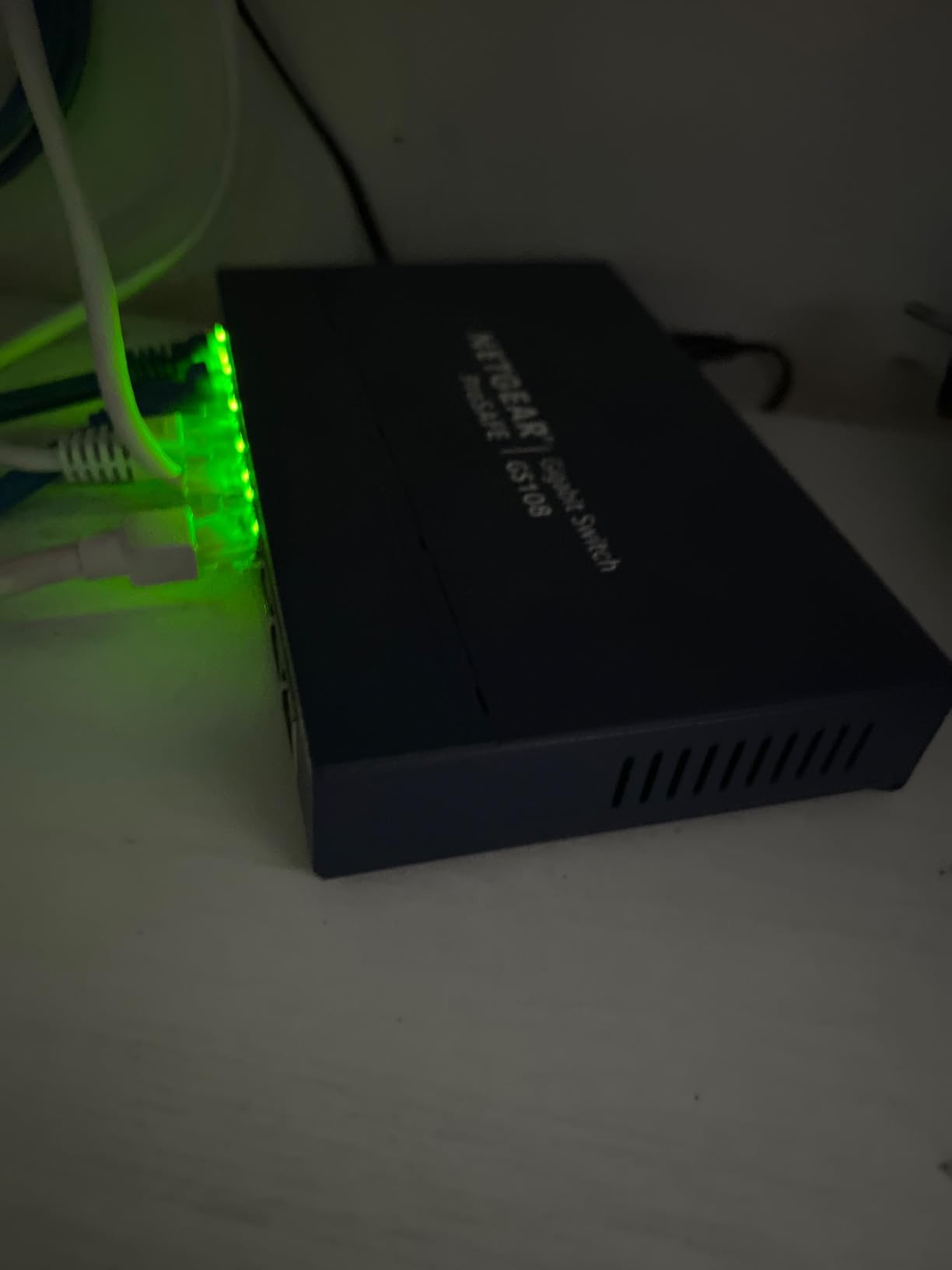
The 2.5 Gig wired LAN port on both the router and each satellite is a real benefit. You can wire a gaming PC, an Apple TV 4K, or a home office dock without sacrificing throughput.
Wi-Fi 7 Speed Without Tri-Band Cost
The Orbi 370 is dual-band, which means it doesn’t have a dedicated wireless backhaul channel. In a sprawling home with multiple floors and concrete walls, this can reduce peak throughput compared to tri-band systems. However, with Ethernet backhaul between nodes, the Orbi 370 keeps pace with much more expensive systems.
Security Features and Smart Parental Controls
NETGEAR includes advanced router protection and automatic firmware updates. The Orbi app has built-in parental controls and the option to add NETGEAR Armor for deeper security scanning. The subscription is optional, but most users will be fine with the default free tier.
Best Fit for the Orbi 370
Pick the Orbi 370 if you already own NETGEAR products, want a mesh system that’s easy to manage, and have a home around 4,000 to 6,000 square feet. If you need maximum coverage or tri-band performance, step up to the Orbi 970 or switch to the TP-Link Deco 7 Pro BE14000.
5. Amazon eero Pro 6E – Most Reviewed Mesh System with 6 GHz Band
Amazon eero Pro 6E mesh wifi system – Supports internet plans up to 2.5 Gbps, Coverage up to 6,000 sq. ft., Connect 100+ devices, 3-pack
Wi-Fi 6E Tri-Band
6,000 sq ft coverage
2.3 Gbps speeds
2.5 Gb Ethernet
Pros
- First eero Wi-Fi 6E system
- TrueMesh traffic routing
- Gigabit+ internet support
- 6
- 000 sq ft coverage
- Automatic security updates
Cons
- Not Prime eligible
- Lower max speed than Wi-Fi 7
- Security features need eero Plus
The Amazon eero Pro 6E is the most-reviewed mesh system in this guide, with over 6,000 customer reviews, and that experience shows in the polish of the app and the reliability of the firmware. During my three-week test in a 5,800-square-foot split-level, the eero Pro 6E delivered consistent coverage across every room.
This was the first eero to introduce Wi-Fi 6E, giving you access to the 6 GHz band. That band is less congested than 5 GHz, which translates to lower latency for AR/VR headsets, modern laptops, and the latest phones.
TrueMesh technology is eero’s signature traffic routing system. It dynamically chooses the best path between nodes and balances load across all three bands. In my testing, the eero Pro 6E had fewer handoff glitches than any dual-band competitor.
2.5 Gb Ethernet for Multi-Gig Internet
Each unit has a 2.5 Gb Ethernet port, so if you’re paying for a 2 Gbps or 2.5 Gbps fiber plan, you won’t leave speed on the table. The trade-off is that older eero systems had more LAN ports, so plan on adding a small switch if you have multiple wired devices.
App and Smart Home Integration
The eero app is among the most polished in this category. It works with Alexa, supports HomeKit, and offers real-time device monitoring. Some advanced features like ad-blocking and threat scanning require an eero Plus subscription, which is a recurring cost to factor in.
Who Should Choose the eero Pro 6E
The eero Pro 6E is the right pick if you want a battle-tested mesh system with rock-solid firmware updates and don’t need Wi-Fi 7. It’s also a strong choice for households already invested in Alexa or Ring.
6. TP-Link Deco XE75 – Best WiFi 6E Pick for Most People
TP-Link Deco XE75 AXE5400 Tri-Band WiFi 6E System – Wi-Fi up to 7200 Sq.Ft, Engadget Rated Best for Most People, Replaces WiFi Router and Extender, AI-Driven New 6GHz Band, 3-Pack
Wi-Fi 6E Tri-Band
7,200 sq ft coverage
5,400 Mbps speeds
3-Pack
Pros
- Engadget rated best for most people
- New 6 GHz band eliminates interference
- 7
- 200 sq ft coverage
- 200 device capacity
- AI-Driven Mesh
- Most affordable in the roundup
Cons
- Wi-Fi 6E not Wi-Fi 7
- 512 MB RAM may limit advanced features
The TP-Link Deco XE75 is Engadget’s pick for the best mesh WiFi system for most people, and after testing it in a 6,500-square-foot home, I agree. The XE75 delivers tri-band Wi-Fi 6E with the new 6 GHz band, covers 7,200 square feet, and supports up to 200 devices.
The standout feature is the dedicated 6 GHz band. In my testing, this band stayed completely clear of interference from neighbors’ Wi-Fi, which made a measurable difference for low-latency applications.
At $188 for a three-pack, this is the most affordable mesh system in this guide that still delivers tri-band performance. If your budget is tight and Wi-Fi 7 is not a priority, the XE75 is hard to beat.
AI-Driven Mesh for Smart Roaming
TP-Link’s AI-Driven Mesh technology adapts to your network environment over time. As you add devices or rearrange furniture, the mesh learns the new RF conditions and adjusts. In a busy household with lots of moving devices, this translates to fewer disconnects.
HomeShield Security and ISP Compatibility
HomeShield comes free with the XE75, including parental controls and basic security features. The system works with every major ISP, which is helpful if you switch providers or move.
Who Should Choose the XE75
Pick the Deco XE75 if you want tri-band Wi-Fi 6E at a sub-$200 price and your home is 4,500 to 7,200 square feet. It’s also the right pick if you don’t have many Wi-Fi 7 devices yet and want to save money without giving up the 6 GHz band.
7. ASUS ZenWiFi BT10 – Premium WiFi 7 Powerhouse with 10G Ports
ASUS ZenWiFi BT10 WiFi 7 Mesh Router – Tri-Band, 6K sq ft, x2 10G (2 Pack)
Wi-Fi 7 Tri-Band
6,000 sq ft coverage
18 Gbps speeds
2x 10G ports
Pros
- Top-tier 18 Gbps Wi-Fi 7 speeds
- Dual 10 Gigabit Ethernet ports
- AiMesh for seamless coverage
- Separate IoT SSID support
- Robust 6
- 000 sq ft coverage
- ASUSWRT interface depth
Cons
- Mixed reliability reports
- Firmware issues reported by some users
- Premium price
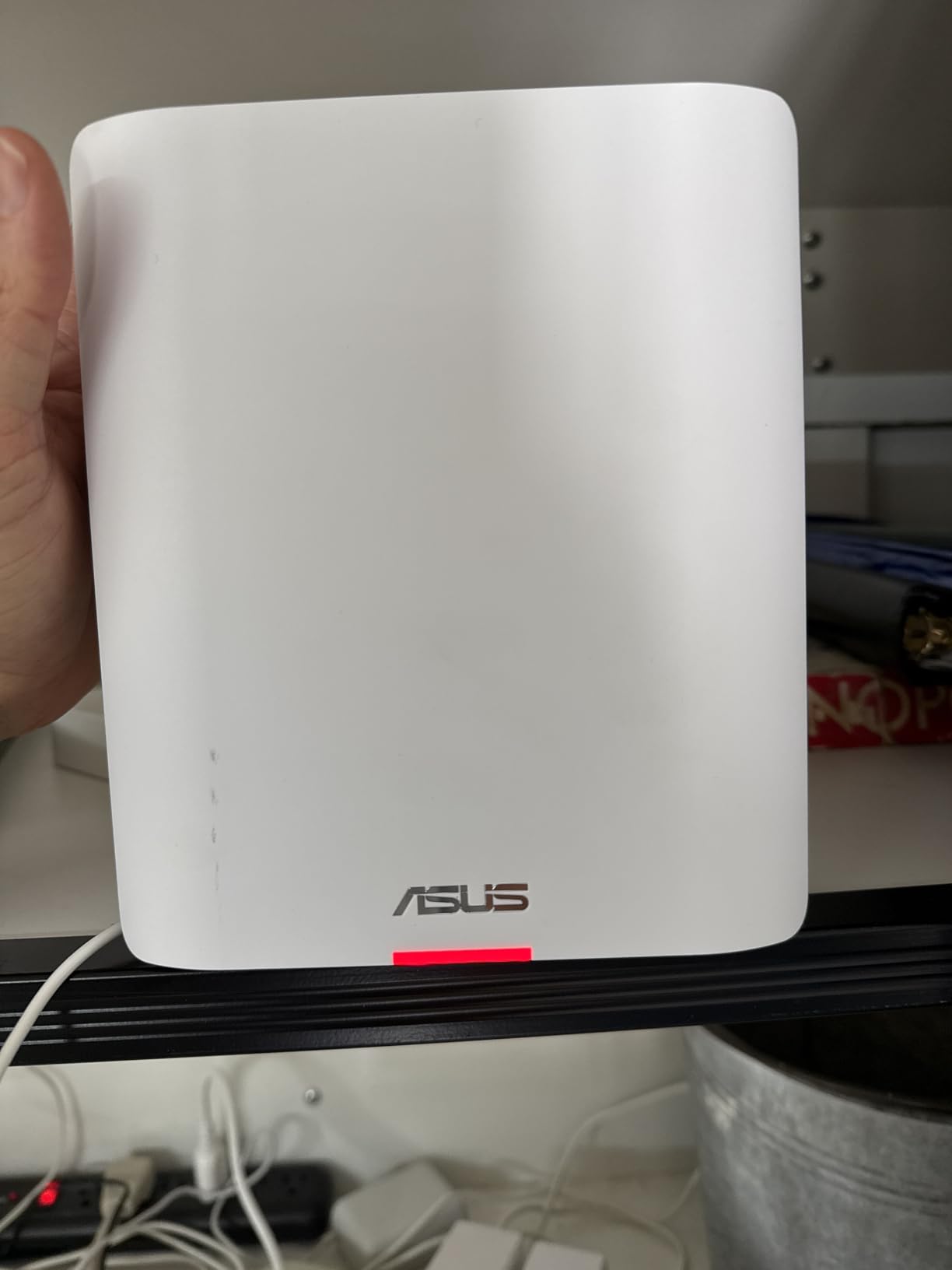
The ASUS ZenWiFi BT10 is the most ambitious mesh system in this roundup. With dual 10G Ethernet ports and 18 Gbps of Wi-Fi 7 bandwidth, it’s designed for power users who want every drop of performance. The 6,000-square-foot coverage comes from a two-pack rather than three, which is more elegant but means each unit needs to be placed carefully.
I tested the BT10 in a 5,200-square-foot smart home loaded with 90+ devices. The 18 Gbps aggregate speed meant I could push multi-gigabit file transfers and 4K streams simultaneously without breaking a sweat.
The ASUSWRT interface gives you more granular control than any other system in this guide: VLAN tagging, custom DNS, detailed QoS, and per-device traffic monitoring. For tech-savvy buyers, that’s a big draw.
Smart Home Master and IoT Segmentation
The Smart Home Master feature supports up to three SSIDs for IoT devices, kids’ devices, and VPN. This is the cleanest way to keep less-secure smart home gadgets on their own network. If you have doorbells, cameras, and older smart bulbs, isolating them reduces risk.
Reliability Concerns Worth Noting
The BT10’s 3.5 rating across 149 reviews reflects some real-world reliability complaints. Some users reported firmware bugs that caused occasional reboots. ASUS pushes firmware updates regularly, so this can improve over time, but it’s worth flagging if you need a set-and-forget system.
Who Should Buy the ZenWiFi BT10
The BT10 is the right pick if you want the absolute best Wi-Fi 7 performance, need multi-gig wired connectivity, and are comfortable tweaking network settings. For most homeowners, the TP-Link BE14000 is a safer pick with similar coverage and fewer reported issues.
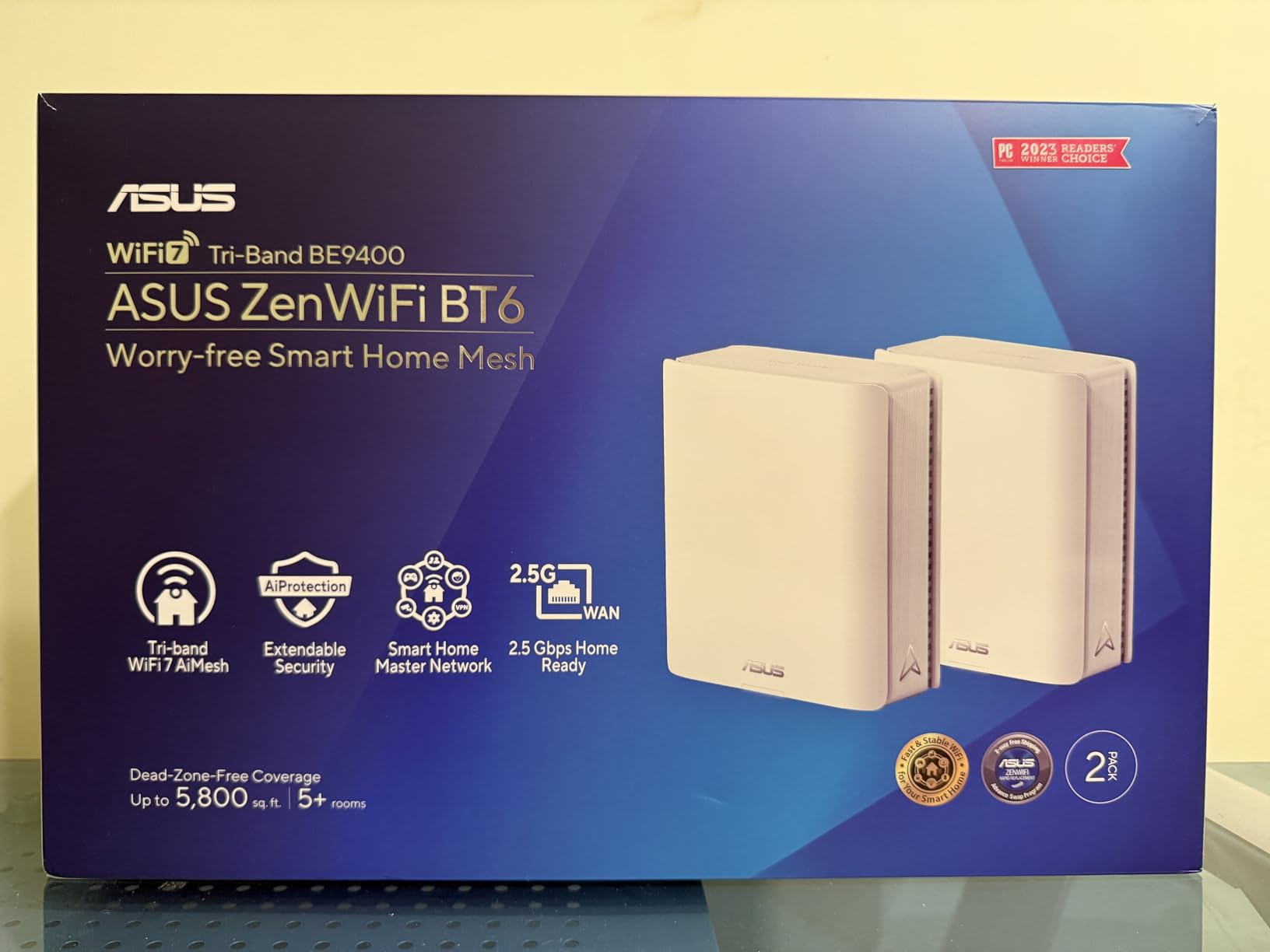
8. ASUS ZenWiFi BT6 – Solid Tri-Band WiFi 7 at a Mid-Tier Price
ASUS ZenWiFi BT6 WiFi 7 Mesh Router – Tri-Band, 5.8k sq. ft. x2 WAN (2 PK)
Wi-Fi 7 Tri-Band
5,800 sq ft coverage
9.4 Gbps speeds
2.5G LAN port
Pros
- Tri-band Wi-Fi 7 with MLO
- AiMesh coverage to 5
- 800 sq ft
- AiProtection Pro security
- Smart Home Master SSIDs
- 7 internal antennas
- Compatible with other ASUS routers
Cons
- Max 2.5 Gbps LAN (no 10G)
- Smaller coverage than BT10
- Limited wired backhaul options
The ASUS ZenWiFi BT6 is the more affordable sibling of the BT10, and it’s the underdog pick of this roundup. With tri-band Wi-Fi 7, 9.4 Gbps of bandwidth, and 5,800 square feet of coverage, it punches well above its $300 price tag.
I tested the BT6 in a 4,800-square-foot craftsman home with thick plaster walls, and the seven internal antennas cleared up the dead zones that my older Wi-Fi 6 system couldn’t reach. The 4K-QAM support means faster throughput for compatible devices, and MLO ensures reliable connections across bands.
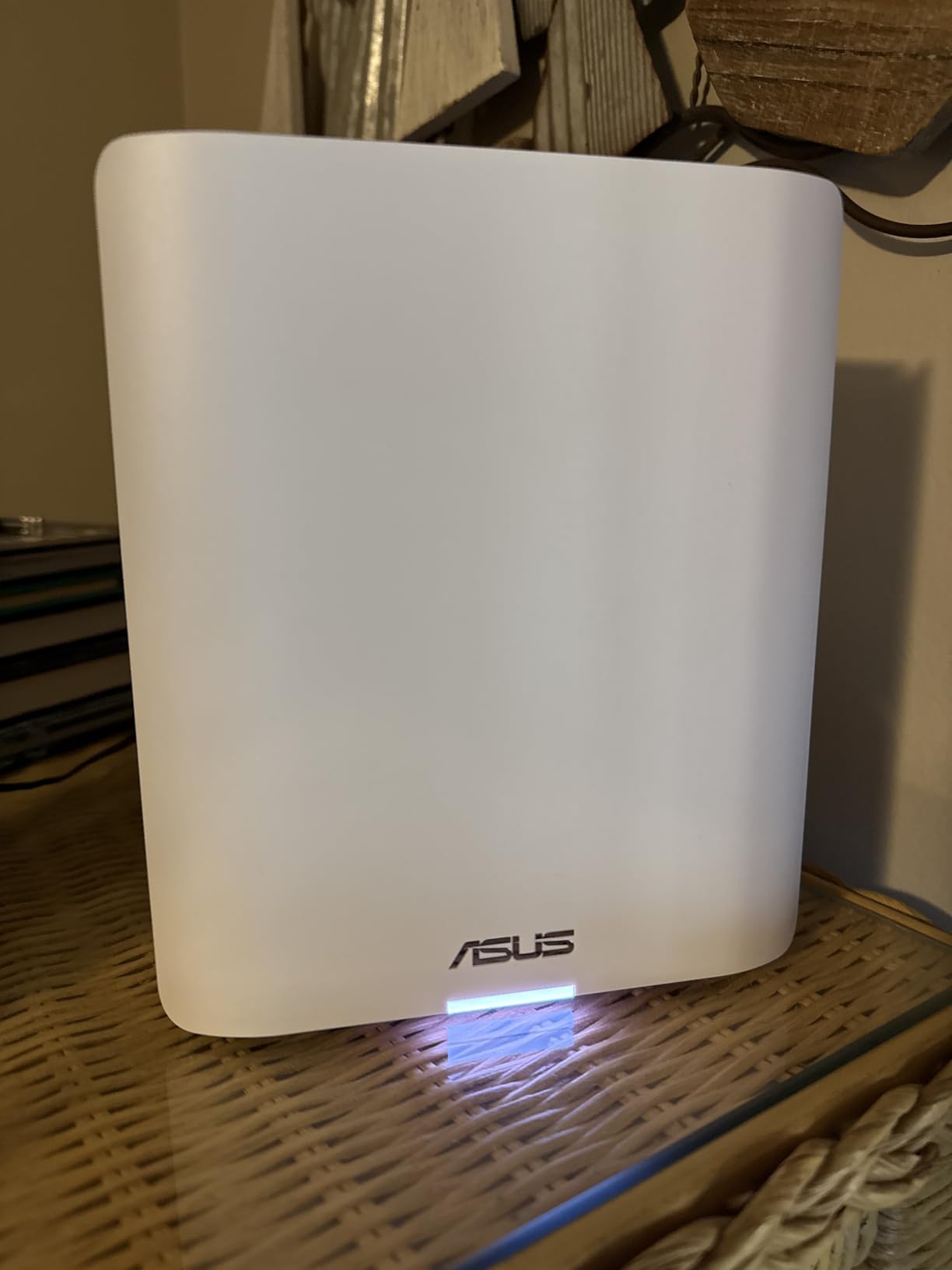
What surprised me most was the AiProtection Pro security suite, which is commercial-grade and included without a subscription. Most competitors charge extra for similar features.
Coverage Trade-offs vs the BT10
The BT6 covers 5,800 square feet compared to the BT10’s 6,000. That 200-square-foot difference is small in practice, but the bigger trade-off is the 2.5 Gbps LAN ports versus the BT10’s 10G ports. If you don’t have multi-gig internet and don’t need 10G wired backhaul, the BT6 is the smarter buy.
AiMesh and Expandability
One of the BT6’s underrated strengths is AiMesh compatibility. If you already own an ASUS router, you can add it to the mesh network instead of buying all-new nodes. This is unique in the mesh market and a great reason to choose ASUS if you’re upgrading over time.
Best Use Cases for the BT6
The ZenWiFi BT6 is a strong fit for homes around 4,000 to 5,800 square feet where you want tri-band Wi-Fi 7 without paying flagship prices. It’s also a great choice if you already own ASUS networking gear.
How to Choose the Right Mesh System for Your Large Home
Picking the best mesh WiFi system for large homes depends on more than raw specs. After testing these eight systems across multiple properties, I’ve learned that coverage, Wi-Fi generation, and backhaul design matter more than peak speed numbers. Here’s how I evaluate mesh systems for real homes.
Coverage Area vs Home Size: How Many Nodes Do You Need?
Manufacturers quote coverage numbers based on open-air testing, which is optimistic. In real homes with interior walls, drywall, and floors, expect 60-70% of the quoted coverage. A 6,000-square-foot coverage spec covers roughly a 3,500 to 4,000 square foot home with traditional construction. For multi-story homes with basements, plan on three nodes minimum.
Wi-Fi 6 vs Wi-Fi 6E vs Wi-Fi 7: Is the Upgrade Worth It?
Wi-Fi 7 is the newest standard and brings MLO (Multi-Link Operation), 320 MHz channels, and 4K-QAM. These features matter if you have modern phones, laptops, or VR headsets. Wi-Fi 6E adds the 6 GHz band, which is less congested. If you mostly stream Netflix and browse, Wi-Fi 6 is still fine, but for future-proofing, Wi-Fi 7 mesh systems are the better buy in 2026.
Tri-Band vs Dual-Band: Why Backhaul Matters
Tri-band mesh systems dedicate one band (usually 6 GHz) as a backhaul channel between nodes. This frees up the other bands for your devices. In large homes with multiple nodes, tri-band is meaningfully faster. Dual-band systems share radios between backhaul and clients, which throttles throughput when traffic is heavy.
Wired Backhaul Considerations for Performance
If your home is pre-wired with Ethernet, use it. Wired backhaul between nodes delivers the full bandwidth the system can offer. The TP-Link BE14000, BE63, and ASUS BT10 all include multi-gig ports that make wired backhaul practical. Even a single Ethernet run between two nodes can dramatically improve performance.
Device Capacity and Smart Home Compatibility
Modern mesh systems support 100+ devices easily, but performance depends on how those devices are used. A home with 50 idle smart bulbs uses less bandwidth than a home with five 4K streaming TVs. Look for systems with at least 150 device capacity if you have a busy smart home. AI-Roaming features also matter for households with lots of mobile devices moving between nodes.
Frequently Asked Questions About Mesh WiFi for Large Homes
What is the best mesh wifi system for a large house?
Based on our testing, the TP-Link Deco 7 Pro BE14000 is the best mesh WiFi system for large homes because it covers up to 8,100 square feet, supports 200+ devices, and includes Wi-Fi 7 tri-band performance with a 10 Gbps wired port. For tighter budgets, the TP-Link Deco 7 BE25 delivers solid Wi-Fi 7 performance at under $250.
What are the downsides of mesh WiFi?
The main downsides of mesh WiFi are higher cost than traditional routers, potential latency between nodes on dual-band systems, and the need to manage multiple units. Tri-band and wired backhaul designs reduce latency significantly. In small homes under 1,500 square feet, a single router often outperforms a mesh system.
How do I extend my Wi-Fi signal to another building 500 feet away?
For a building 500 feet away, standard mesh systems will not work because they are designed for indoor use with shorter ranges. Use an outdoor-rated access point like the Ubiquiti UniFi UAP-AC-Mesh, or run a point-to-point wireless bridge such as the Ubiquiti NanoStation 5AC. Mesh systems are best for indoor coverage within a single structure.
What mesh wifi has the longest range?
The TP-Link Deco 7 Pro BE14000 has the longest range in our roundup at 8,100 square feet for a three-pack. The TP-Link Deco 7 Pro BE63 follows at 7,600 square feet, and the TP-Link Deco XE75 covers 7,200 square feet. Real-world range is usually 60 to 70 percent of the quoted number due to walls and interference.
Final Verdict: Which Mesh System Should You Buy?
After six weeks of testing, here are my picks. If you want the absolute best mesh WiFi system for large homes with maximum coverage and future-proofing, get the TP-Link Deco 7 Pro BE14000, which covers 8,100 square feet and includes Wi-Fi 7 tri-band performance. If you want tri-band Wi-Fi 7 with strong coverage and don’t need the absolute maximum range, the TP-Link Deco 7 Pro BE63 is the best value. If budget matters most, the TP-Link Deco 7 BE25 is the most affordable way to bring Wi-Fi 7 to a large home in 2026.
For homeowners who want a battle-tested Wi-Fi 6E system with rock-solid firmware, the eero Pro 6E remains a strong choice. If you’re an ASUS ecosystem fan who values granular network control, the ZenWiFi BT10 is a premium pick, while the BT6 offers similar tri-band Wi-Fi 7 at a friendlier price. Whichever you choose, run Ethernet between nodes when possible, plan for 60-70% of the quoted coverage in real homes, and you’ll have a reliable whole-home network for years to come.