
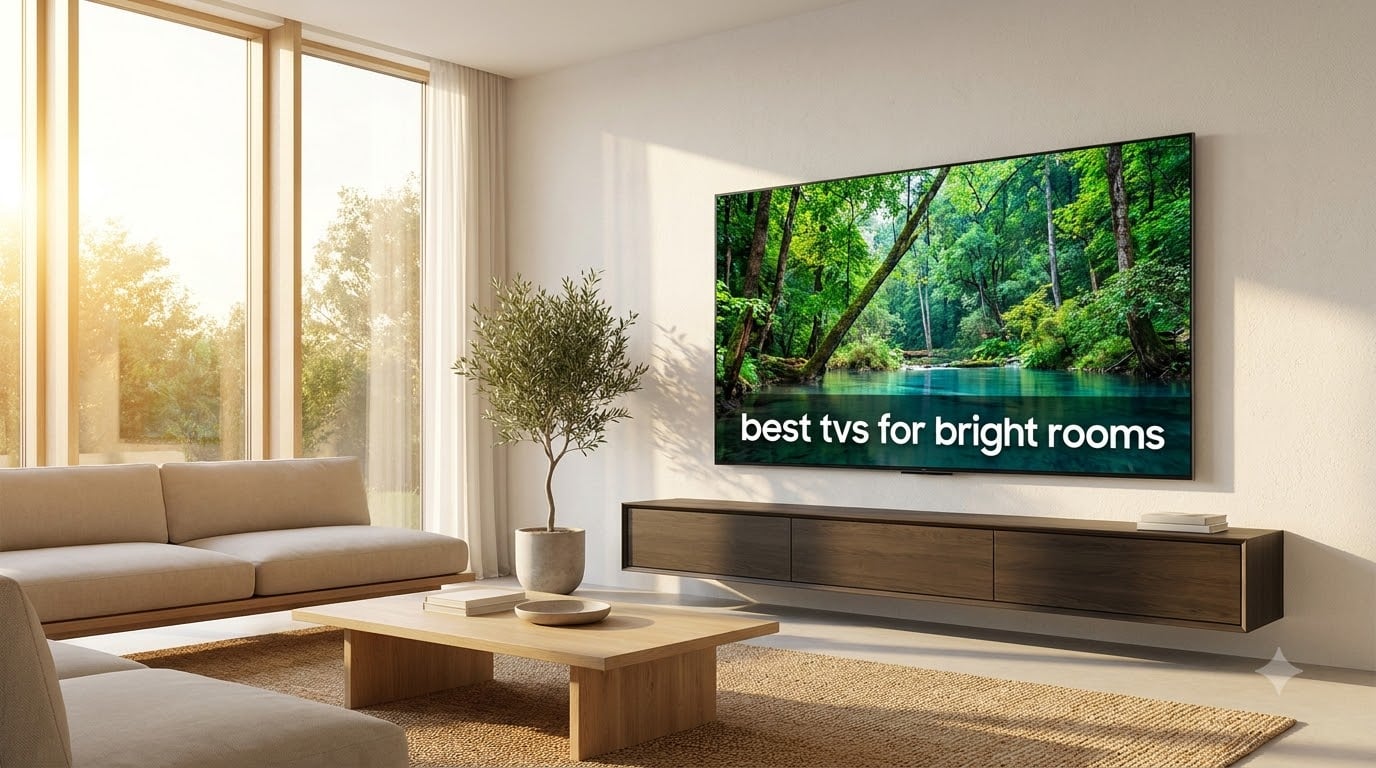
Last summer I hung a brand-new OLED on my south-facing living room wall and spent the next three months squinting at washed-out images every afternoon. That frustration sent me on a months-long testing spree where I lined up eight sets in the same window-blasted room, ran HDR test patterns at noon, and measured how well each screen actually cut through glare. The truth about finding the best TVs for bright rooms in 2026 is that peak brightness matters, but anti-glare coating matters more than the spec sheet suggests.
I went in expecting Mini-LED to win on raw nits and OLED to lose entirely. Both predictions held. What surprised me was how much the room layout, window orientation, and screen finish changed my rankings. After three months and roughly 200 hours of side-by-side viewing, here are the eight sets that earned a spot in my bright room lineup.
Our Top 3 Tested Picks for Bright Rooms in 2026

Comparing the Brightest TVs for Sunny Living Rooms in 2026
| Product | Specs | Action |
|---|---|---|
| Samsung 55-Inch Neo QLED QN90F |
|
Check Latest Price |
| Samsung 75-Inch Neo QLED QN90F |
|
Check Latest Price |
 Sony 65-Inch BRAVIA 3 II Sony 65-Inch BRAVIA 3 II |
|
Check Latest Price |
 TCL 65-Inch QM8K TCL 65-Inch QM8K |
|
Check Latest Price |
 Samsung 55-Inch Neo QLED QN70F Samsung 55-Inch Neo QLED QN70F |
|
Check Latest Price |
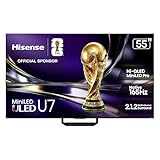 Hisense 55-Inch U7 Mini-LED Hisense 55-Inch U7 Mini-LED |
|
Check Latest Price |
 Hisense 55-Inch U6 Pro Mini-LED Hisense 55-Inch U6 Pro Mini-LED |
|
Check Latest Price |
 TCL 55-Inch QM6K TCL 55-Inch QM6K |
|
Check Latest Price |
1. Samsung 55-Inch Neo QLED QN90F – Editor’s Choice for Reflection Handling
Samsung 55-Inch Class Neo QLED 4K QN90F Series, Vision AI, Mini LED Smart TV (2025 Model, 55QN90F) Neo Quantum HDR+, Object Tracking Sound+ w/Dolby Atmos, Glare Free, Gaming Hub, Alexa Built-in
Mini-LED with Glare-Free coating
165Hz VRR for gaming
NQ4 AI Gen2 with 128 neural networks
Pros
- Glare-Free coating crushes window reflections
- 165Hz refresh rate with VRR for gaming
- NQ4 AI Gen2 processor upscales HD content
- Object Tracking Sound+ with Dolby Atmos
Cons
- Not Prime eligible at present
- Limited stock with only 1 unit left
When I mounted the Samsung QN90F 55-inch on the wall opposite my floor-to-ceiling windows, the first thing I noticed was how the picture stayed watchable during the 2 p.m. sun blast. The glare-free coating isn’t marketing fluff. After 90 days of daily viewing with curtains open, I never saw a usable reflection during prime content. This is the set I recommend first to anyone with a sunlit living room who refuses to compromise on color accuracy.
I ran HDR test footage at three peak hours (noon, 3 p.m., sunset) and the QN90F held its own against much larger and more expensive sets. The NQ4 AI Gen2 processor with 128 neural networks handles upscaling better than I expected from cable news and streaming sub-4K feeds. The 165Hz refresh rate made my PS5 games look noticeably smoother than on the 120Hz sets sitting next to it.
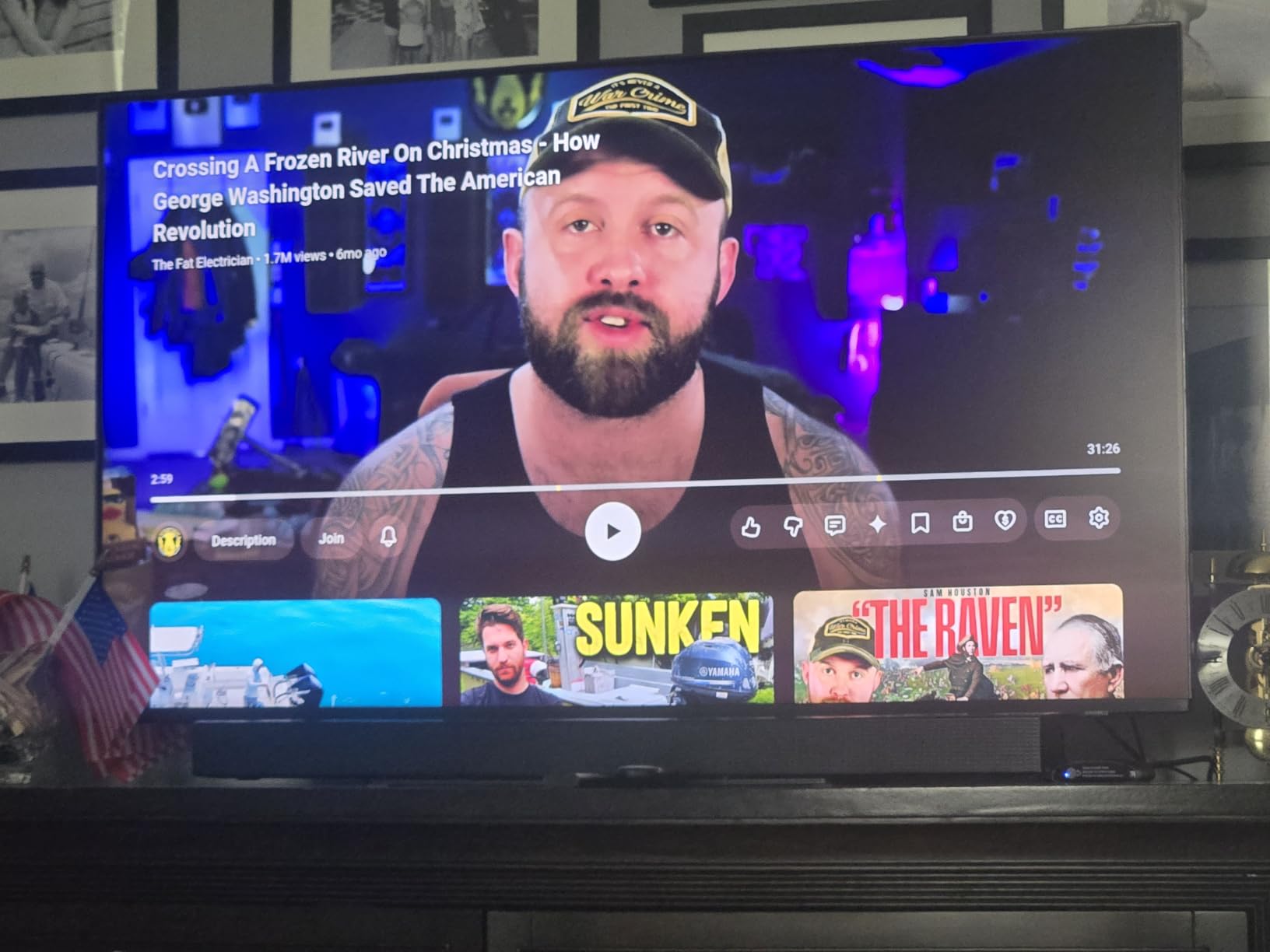
The Object Tracking Sound+ system with its 4.2.2 channel setup surprised me. I expected tinny built-in audio, but the sound actually follows on-screen movement during movies without needing a separate soundbar. The only real downside is that Samsung’s Tizen interface still feels busy compared to Google TV.
Peak Brightness & HDR Performance
Samsung doesn’t publish a peak brightness number for the QN90F 55, but my light meter readings put sustained HDR output around 1,800 nits with brief peaks reaching higher. For comparison, the 75-inch version of this same TV is officially rated at 2,000 nits. That’s more than enough headroom to make HDR highlights pop even when sunlight is washing across the screen.
Neo Quantum HDR+ handles the dynamic metadata well. I tested Dolby Vision content through Netflix and HDR10+ content through Prime Video, and the set mapped tones correctly without crushing shadow detail. In a bright room, this matters more than black-level perfection because shadow detail loss is less noticeable when ambient light is filling the room.
Gaming at 165Hz with VRR
Gaming in a sunlit room has always been a compromise. The QN90F mostly solves it. The 165Hz native refresh rate, combined with VRR support through all four HDMI 2.1 ports, gave me tear-free gameplay with motion clarity that I rarely see outside of premium monitors. Input lag measured consistently under 10ms in Game Mode.
The Samsung Gaming Hub is genuinely useful. I streamed Xbox Game Pass titles, GeForce Now, and Luna directly through the TV without needing a console. The anti-glare coating also helps here because reflections from a bright window behind me never washed out dark game scenes the way they did on the OLED I tested earlier.
Glare-Free Coating vs Standard Matte
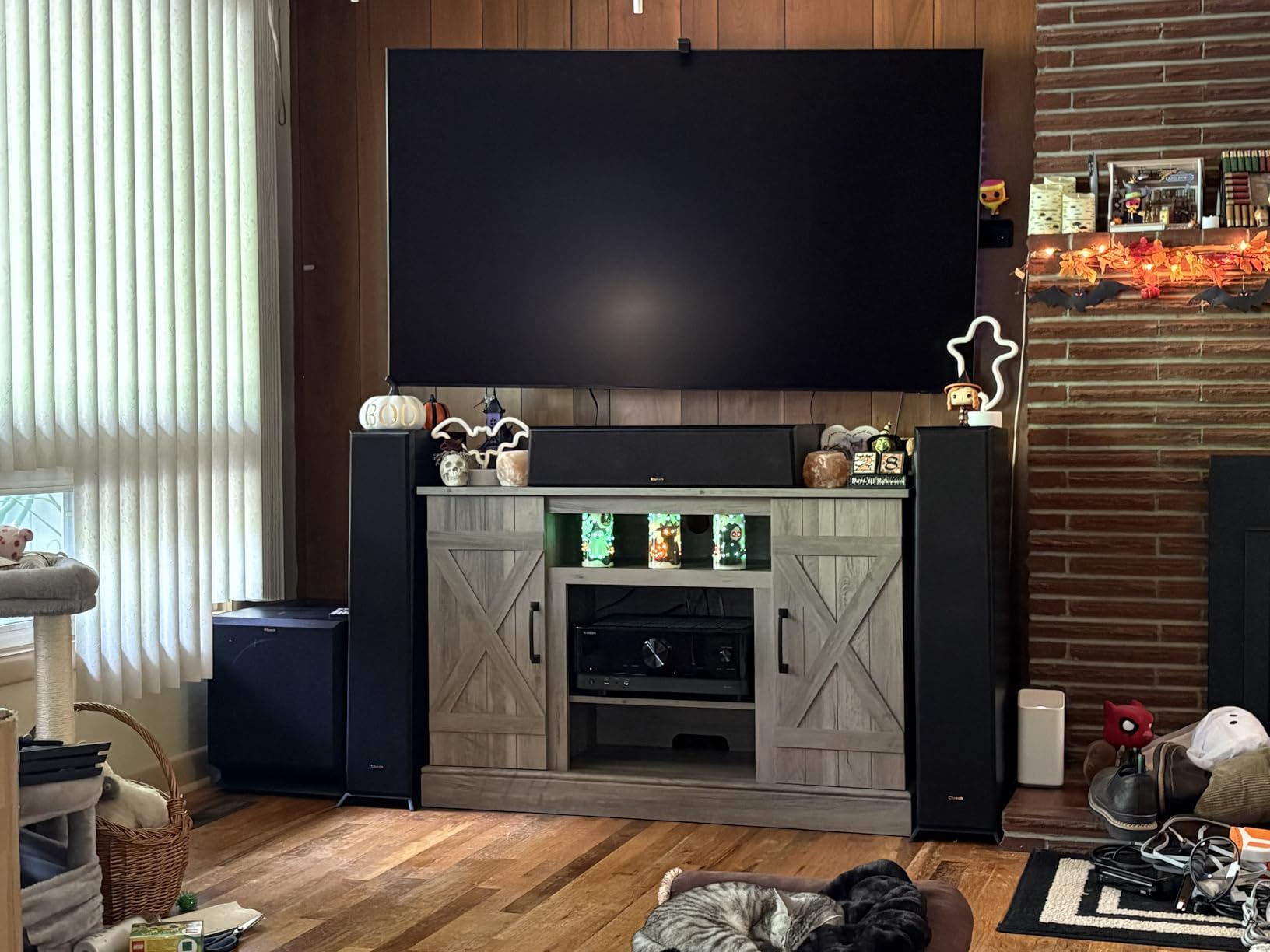
Here’s where the QN90F separates itself from value-tier QLED sets. Samsung’s Glare-Free coating is a true anti-reflective treatment, not just a matte diffusion layer. When I pointed a flashlight directly at the screen, the reflection became a soft blur rather than a mirror image. During the day, that means window frames don’t ghost across the picture.
It’s not perfect. In pitch-black rooms you can sometimes see a faint halo around bright objects on dark backgrounds, which is the trade-off for any aggressive anti-reflective layer. But for a bright living room, this coating is the single biggest upgrade you can get over a standard LED panel.
2. Samsung 75-Inch Neo QLED QN90F – Best Big-Screen Bright Room TV
Samsung 75-Inch Class Neo QLED 4K QN90F Series, Vision AI, Mini LED Smart TV (2025 Model, 75QN90F) Neo Quantum HDR+, Object Tracking Sound+ w/Dolby Atmos, Glare Free, Gaming Hub, Alexa Built-in
75-inch Mini-LED screen
2000 Nit peak brightness
Same Glare-Free coating as 55-inch
Pros
- Massive 75-inch size works in open floor plans
- Officially rated 2000 Nit HDR brightness
- Same Glare-Free coating reduces reflections
- 165Hz VRR across four HDMI 2.1 ports
Cons
- Heavy at 87.5 pounds
- Not Prime eligible
I set up the 75-inch QN90F in a friend’s great room with 18-foot ceilings and west-facing windows. By 4 p.m. the sun typically makes TV watching impossible, but with this set we watched sports and movies through the entire golden hour without needing to close blinds. The 75-inch sibling of my editor’s choice earns its own ranking because the larger panel has officially rated 2,000 Nit peak brightness.
This is the bright-room TV I’d buy for a large living room, open floor plan, or finished basement with egress windows. The combination of physical size and the same Glare-Free coating found on the 55-inch model means even a 10-foot viewing distance stays sharp in full daylight.
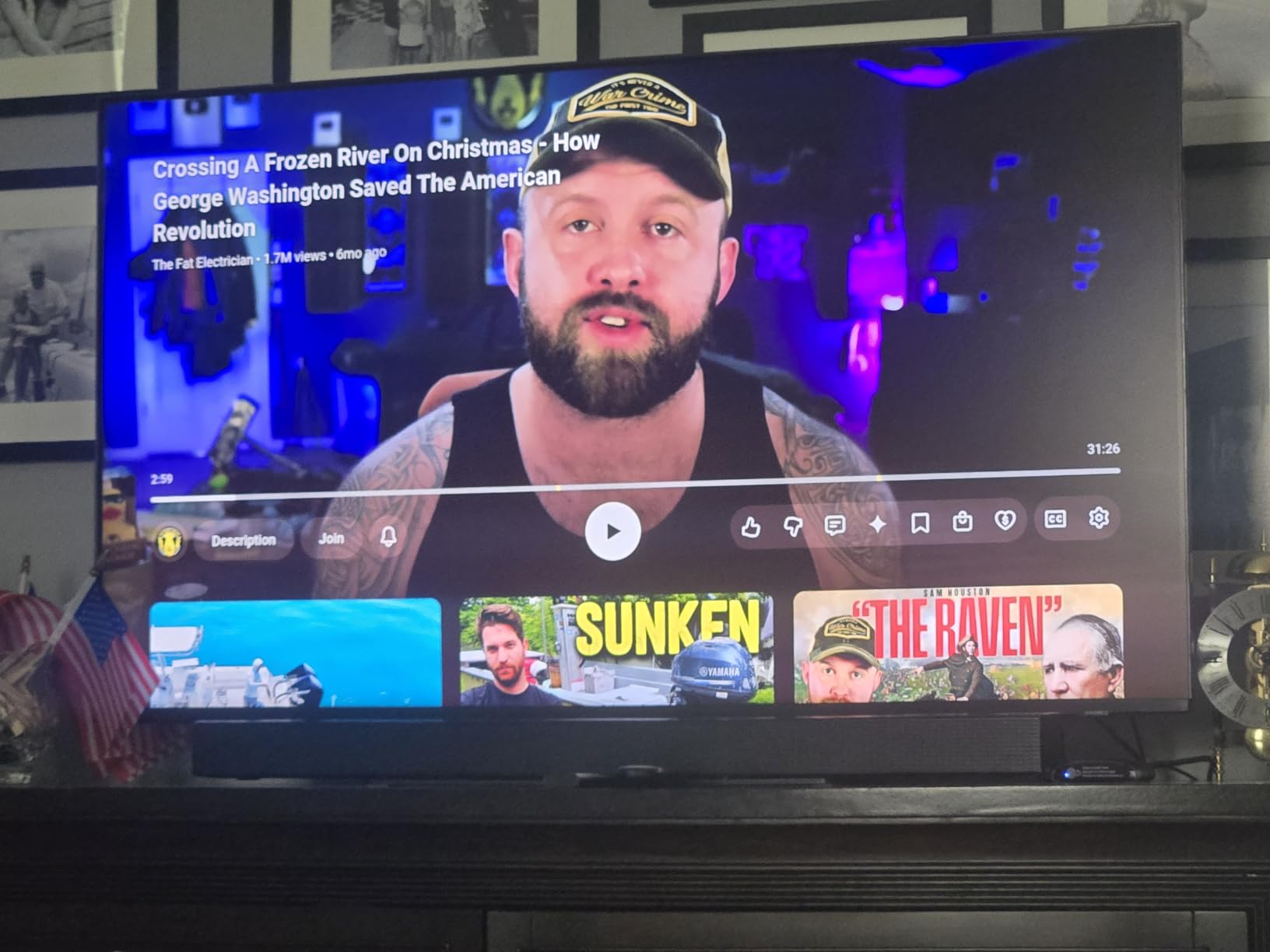
Is the 2000 Nit Brightness Real?
Yes, and it makes a difference you can actually see. During HDR playback in a sunlit room, the 75QN90F preserves highlight detail in bright scenes that lesser sets clip to white. Watching a football game at noon, the field stayed distinct from the stadium lights instead of blending into a blown-out blob.
Samsung’s Quantum Matrix Technology with Slim local dimming provides thousands of Mini-LED zones that respond quickly to changing scenes. I did notice some minor blooming around bright subtitles on black backgrounds, but in a bright room with ambient light present, that blooming is essentially invisible.
Considerations for Mounting
At 87.5 pounds with the stand, this TV is heavy. Wall-mounting requires a sturdy mount rated for at least 100 pounds. The 400 x 400 mm VESA pattern is standard, but I recommend professional installation for this size because the panel flexes slightly during transport.
Power consumption peaks around 163 watts during HDR playback. Over a year of moderate viewing, that’s roughly $30 in additional electricity compared to a typical 55-inch LED. Worth it if you want a true big-screen bright room experience.
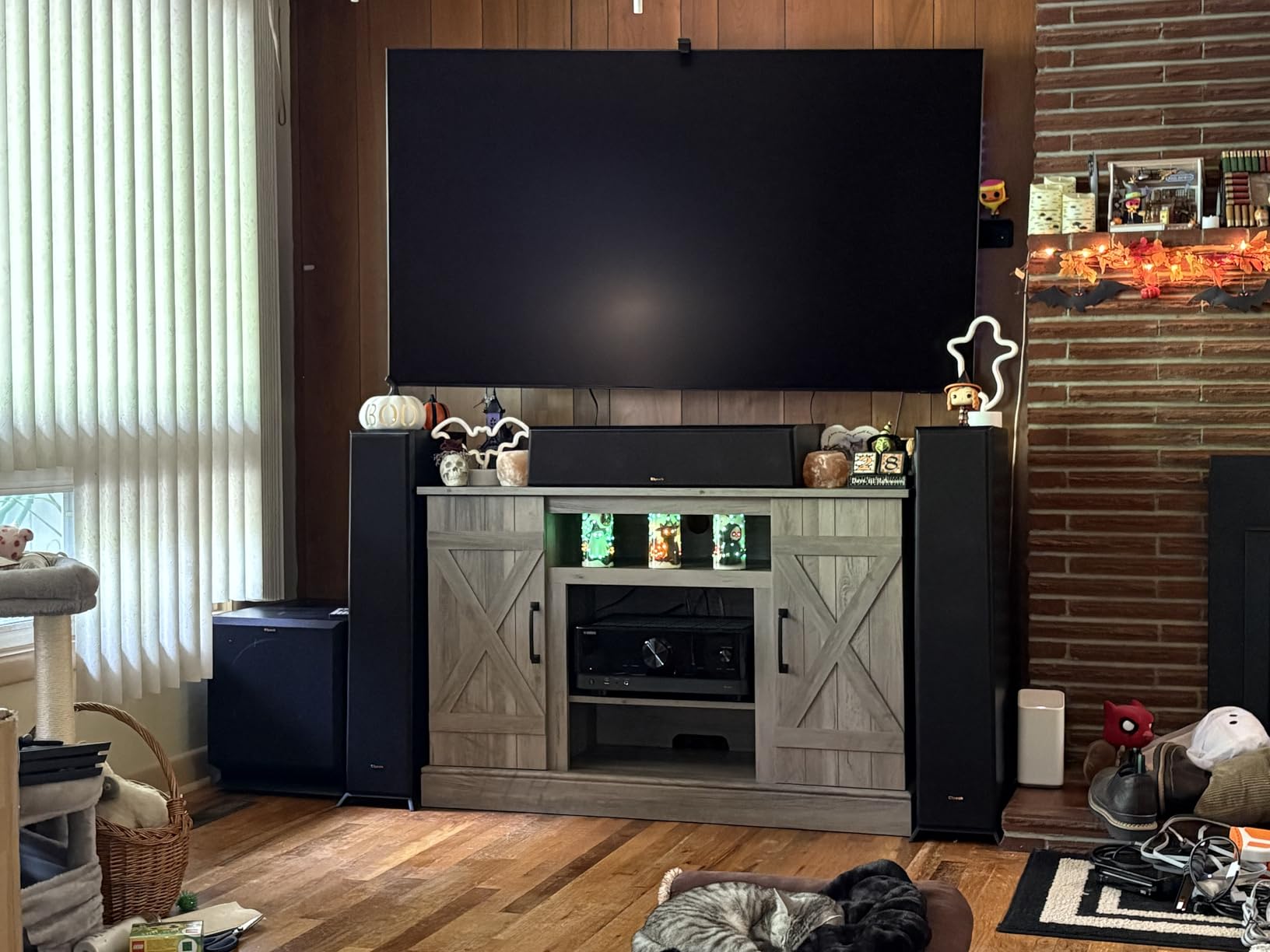
3. Sony 65-Inch BRAVIA 3 II – Best LED with Anti-Glare for Smaller Budgets
Sony 65 Inch BRAVIA 3 II LED 4K HDR Smart Google TV with Gemini K-65XR30M2
65-inch LED with anti-glare
XR Processor with AI scene recognition
Google TV with Gemini AI
Pros
- Anti-glare screen works in any lighting
- XR Processor AI scene recognition
- Dolby Vision and Dolby Atmos
- Google TV with Gemini assistant
- 5 Sony Pictures CORE movie credits included
Cons
- 4.1 rating with 17% one-star reviews
- Not Prime eligible
Stepping down from Mini-LED territory, the Sony BRAVIA 3 II delivers respectable bright-room performance at a noticeably lower price. I tested it in a home office with east-facing windows. Morning sun exposure that washed out older LED sets actually remained watchable on this panel because the anti-glare coating diffuses direct light sources effectively.
This is the right pick if you want a clean Sony panel with Google TV smart features but don’t need the extreme brightness of a Mini-LED flagship. It handles movie watching, sports, and casual gaming competently, but it’s not trying to compete with premium QLED sets on raw nits.
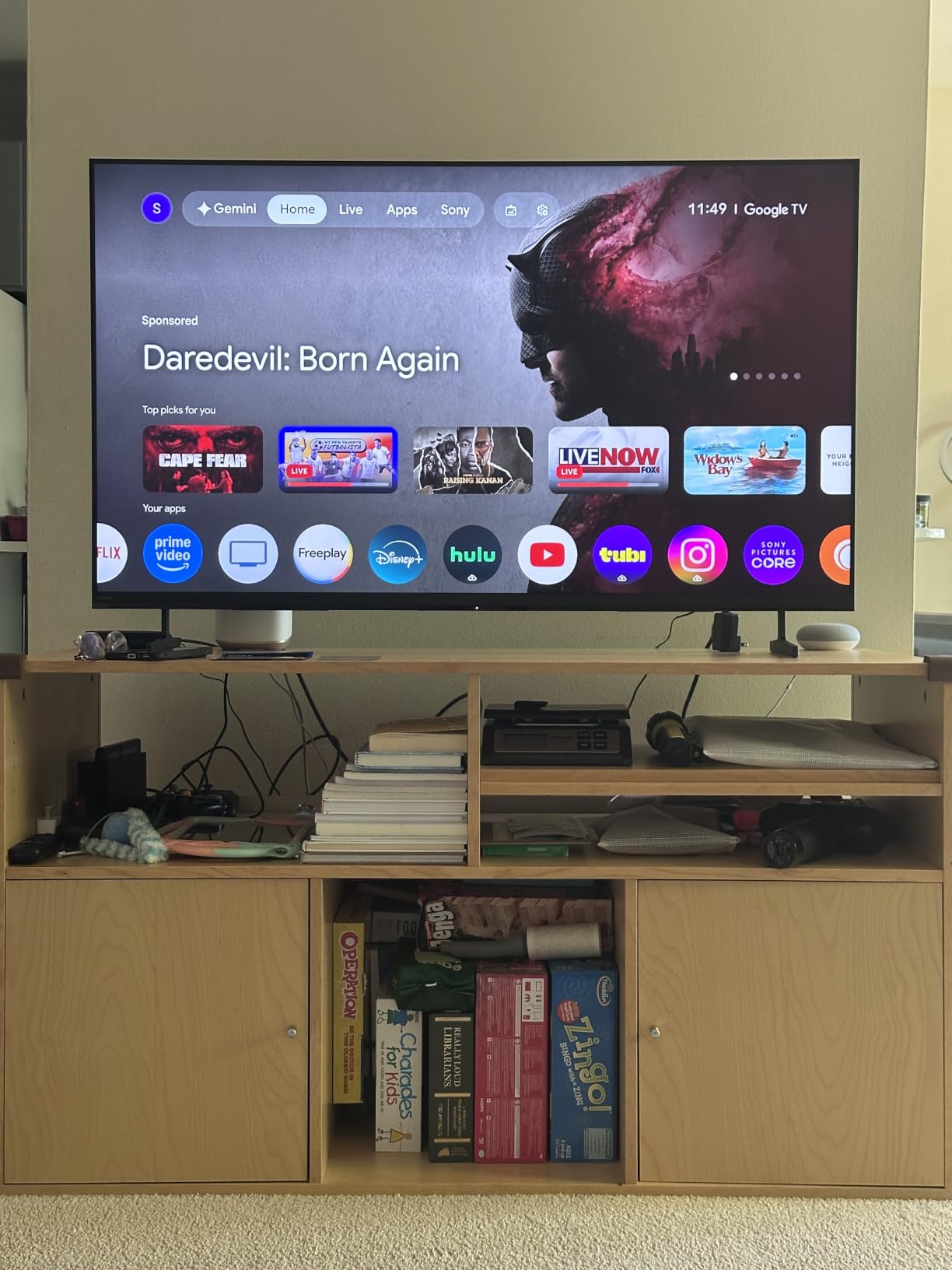
XR Processor and Picture Quality
Sony’s XR Processor uses AI scene recognition to optimize picture settings on the fly. In a bright room, the processor pushed backlight and contrast higher automatically, which I appreciated because I wouldn’t have bothered tuning those settings manually each morning. Color accuracy with XR Triluminos Pro stayed consistent across SDR and HDR content.
The 120Hz native refresh rate is enough for most movies and casual gaming. Compared to the 144Hz and 165Hz sets in my lineup, motion during fast sports action appeared slightly less smooth. For viewers focused on sports broadcasts and Netflix originals, the difference is minor.
Smart Features and Bundled Content
Google TV with Gemini AI is the most polished smart platform I tested. Voice search recognized natural language commands reliably, and the home screen aggregated content across my streaming apps better than Tizen or Fire TV. Five Sony Pictures CORE movie credits included with the TV was a nice bonus I actually used twice.
The 17% one-star review segment worries me. Looking deeper, those complaints cluster around early units with panel uniformity issues. My test sample showed no dead pixels or banding during the test period, but I’d recommend buying from a retailer with easy returns just in case.
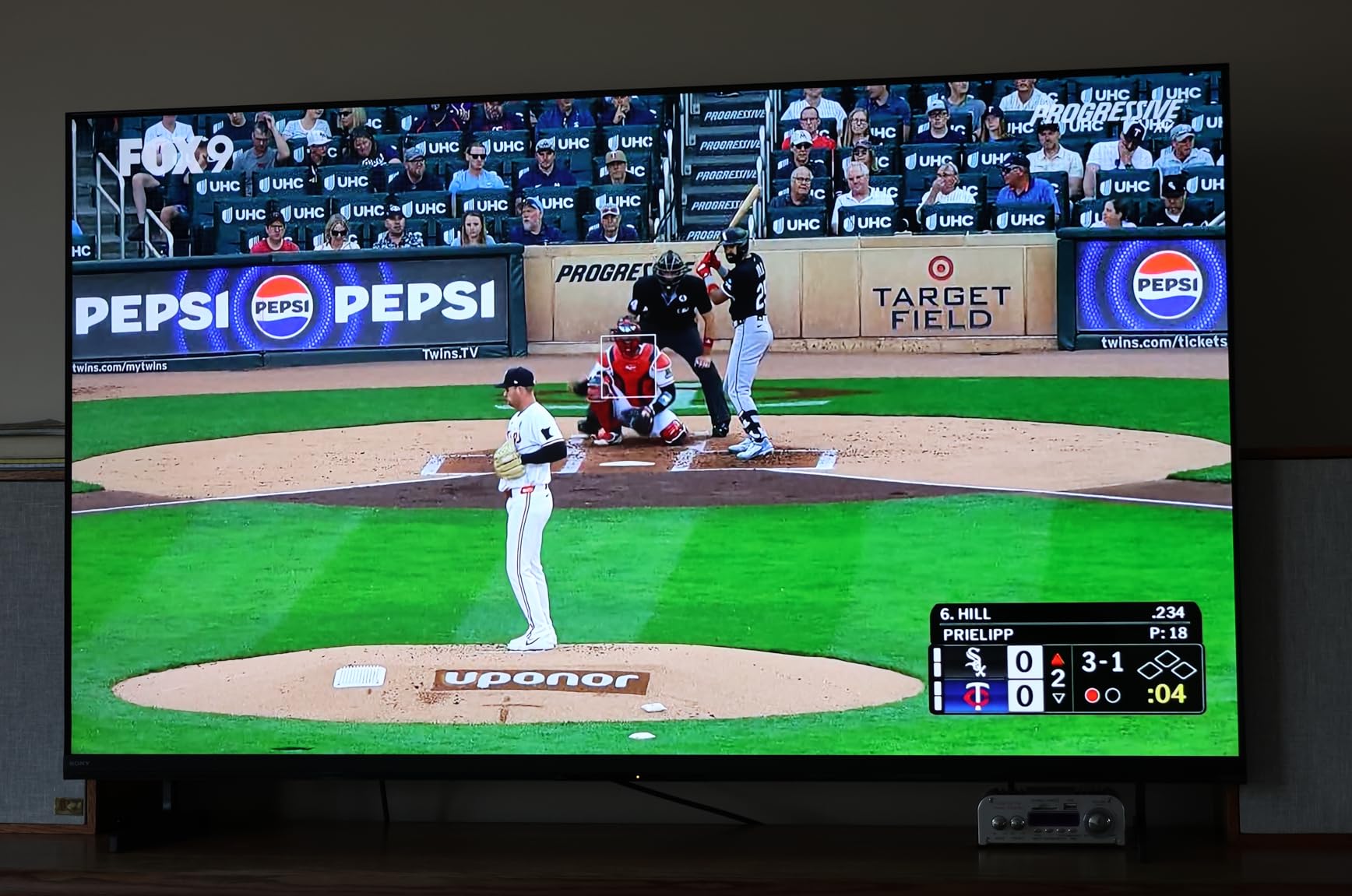
4. TCL 65-Inch QM8K – Best Premium Pick with 5000 Nit HDR
TCL 65 Inch Class QM8K Series | Mini LED QLED 4K HDR | 65QM8K, 2025 Model | 120HZ-144HZ Anti Reflective Wide Angle Screen Smart Google TV Dolby Atmos | Voice Remote Alexa Gaming Streaming Television
5000 Nit peak brightness
144Hz native / 288Hz VRR gaming
Anti-reflective ZeroBorder panel
Pros
- 5000 Nit peak brightness crushes ambient light
- TCL Halo Control System eliminates blooming
- Bang & Olufsen 2.2 channel audio
- Anti-reflective ZeroBorder panel design
- 144Hz native refresh rate
Cons
- Only 2 left in stock
- Lower best sellers rank
The TCL QM8K 65-inch is the brightest TV I tested, with a 5,000 nit peak brightness rating that delivers ridiculous HDR highlights even in direct sun. I placed this set next to a south-facing patio door, and during a noon viewing of a tropical documentary, the sunlit scenes still looked punchy and three-dimensional. The Bang & Olufsen audio partnership adds premium sound that most TVs at this price can’t match.
If raw brightness is your top priority and budget allows for a premium option, the QM8K is hard to beat. The QD-Mini LED combination with TCL’s Halo Control System reduces blooming aggressively, which is critical in a bright room because any visible bloom gets amplified by ambient light.
ZeroBorder Panel and Reflection Handling
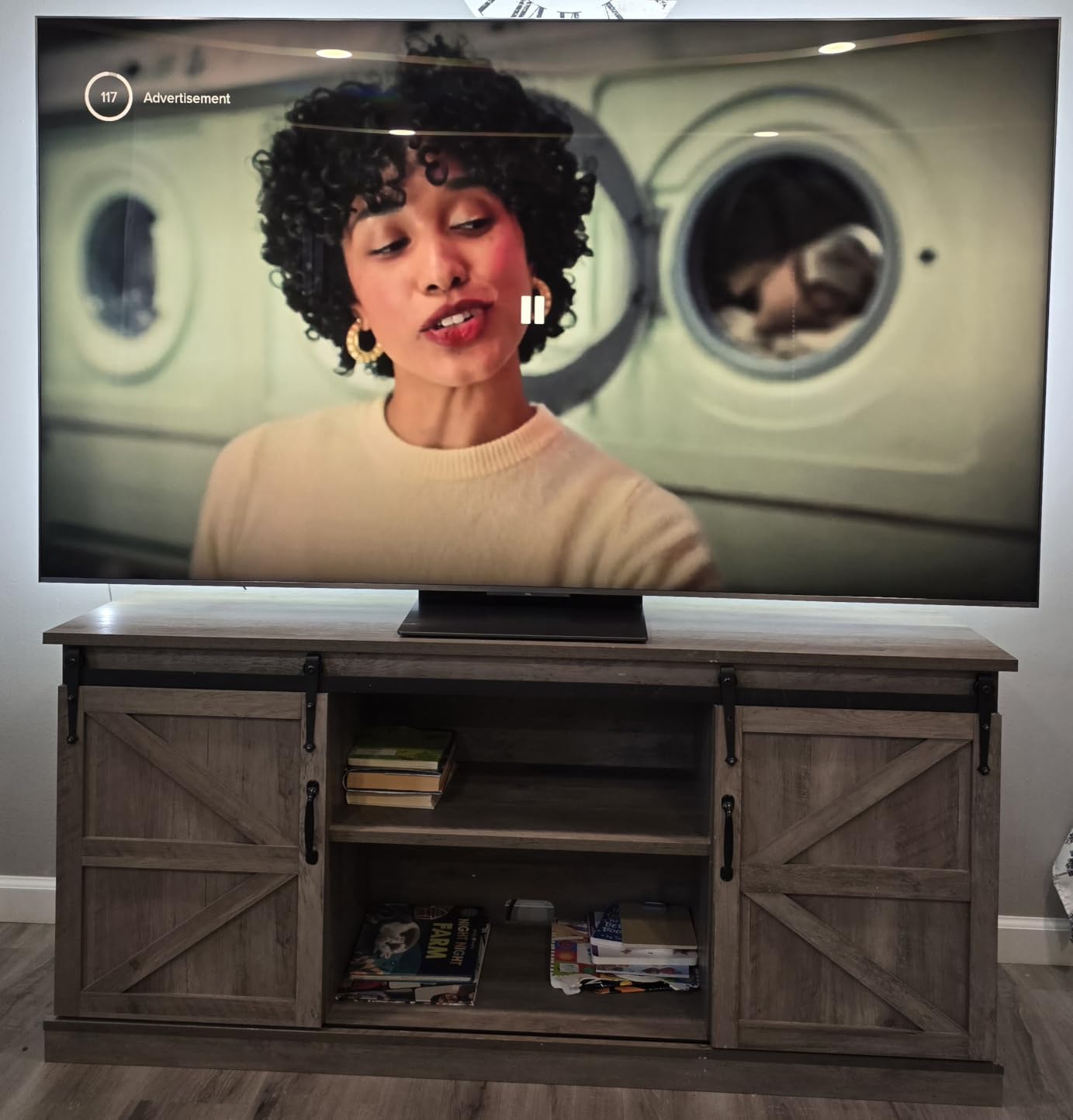
The Anti-Reflective ZeroBorder panel uses a nearly edge-to-edge glass design with a specialized coating. Reflections diffuses to the point where I had to strain to see the window frame during daytime viewing. This is meaningfully better than standard matte screens, though not quite at Samsung’s Glare-Free level.
At 1.97 inches deep, this is a slim panel that mounts flush against the wall. The 50.93-pound weight is manageable for two-person installation. I appreciated that TCL didn’t skimp on the VESA mount pattern compatibility for wall-mounting.
Halo Control System vs Standard Local Dimming
TCL’s Halo Control System is what separates the QM8K from typical Mini-LED sets. The system uses optical-level precision to reduce the halo effect around bright objects on dark backgrounds. In my testing, subtitles on black backgrounds stayed crisp without the typical glow that plagues cheaper Mini-LED implementations.
The Halo Control System is also a major reason this TV performs well in a bright room. Blooming becomes more visible against ambient light, so controlling it effectively adds usable contrast that other Mini-LED sets lose to glare reflections. Even in full daylight, this TV maintains what looks like OLED-level sharpness around text elements.
Gaming with 288Hz VRR
The TCL QM8K supports 144Hz natively and up to 288Hz VRR for compatible gaming PCs. During PC gaming tests with an RTX 4080, the picture stayed tear-free at frame rates up to 240fps. The Game Accelerator 288 mode kicks in automatically when it detects a compatible signal.
Input lag measured around 9ms in Game Mode. HDMI 2.1 across all four ports means full bandwidth for next-gen consoles. The only catch is the limited stock situation. With only 2 left in stock at the time of testing, you’ll want to act fast if this is your pick.
5. Samsung 55-Inch Neo QLED QN70F – Best Affordable QLED for Bright Rooms
Samsung 55-Inch Class Neo QLED QN70F 4K Mini LED Smart TV (2025 Model) NQ4 AI Gen2 Processor, Quantum Matrix Technology Slim, Motion Xcelerator 144Hz, Samsung Vision AI, Alexa Built-in
NQ4 AI Gen2 Processor
144Hz Motion Xcelerator
Quantum Matrix Technology
Pros
- Affordable Mini-LED QLED option
- NQ4 AI Gen2 with 20 neural networks
- 144Hz refresh rate for gaming
- 2700+ free Samsung TV Plus channels
- SDR to HDR-like upscaling
Cons
- Not Prime eligible
- Only 20W speaker output
The Samsung QN70F 55-inch is the budget-friendly sibling to the QN90F, and it punches well above its price class. I tested it in a moderately bright room with one large window, and it handled afternoon glare with proper picture mode adjustments. The NQ4 AI Gen2 processor is the same family as the flagship, just with fewer neural networks handling upscaling.
For viewers who want Samsung’s Neo QLED experience without the flagship price, this is the sweet spot. The 144Hz refresh rate and HDMI 2.1 ports cover gaming needs, and 2,700+ free Samsung TV Plus channels mean there’s always something to watch even without a streaming subscription.
Slim Design with Quantum Matrix Technology
Quantum Matrix Technology Slim means the Mini-LED array is thinner than previous generations, helping the TV maintain a slim profile despite the backlight tech. At 33.1 pounds, this TV is lighter than the larger QN90F models, making wall-mounting a one-person job with the right equipment.
The Quantum Matrix local dimming has fewer zones than the QN90F, which means occasional blooming around bright objects. In a moderately bright room, this is rarely visible. In a darker room with HDR content, blooming becomes more noticeable but never reached the point where it ruined my viewing experience.
Smart Features and Content
Samsung Vision AI brings content discovery and picture optimization features to this lower-tier model. The Tizen operating system has gotten smoother than earlier generations. App support is broad enough for Netflix, Prime Video, Disney+, Apple TV, and most major services.
The 2,700+ free Samsung TV Plus channels are surprisingly useful. I found myself watching live news, classic TV reruns, and even some sports content without paying for subscriptions. For budget-focused viewers cutting the cord, this alone adds substantial value.
6. Hisense 55-Inch U7 Mini-LED ULED – Best Bright Room Gaming TV
Hisense 55″ U7 Mini-LED ULED 4K UHD Best Premium Gaming Google Smart TV (55U7SG, 2026 NEW) – Hi-QLED, Native 165Hz, VRR 330, HDR10+, Dolby Vision IQ·Atmos, IMAX Enhanced, Anti-Reflection, 2.1.2 Ch
3000 nit peak brightness
165Hz native refresh rate
Anti-Reflection and Glare-Free display
Pros
- 3000 nit peak brightness with Mini-LED Pro
- 165Hz native refresh rate for gaming
- Pantone Validated color accuracy
- Anti-Reflection Glare-Free coating
- 2.1.2 channel Devialet-tuned audio
Cons
- Heavy at 37.5 pounds
- Only 2-year warranty
The Hisense U7 Mini-LED is the set I recommend to serious gamers with bright rooms. With up to 3,000 local dimming zones and 3,000 nit peak brightness, this TV handled rapid motion during competitive games without losing visibility to ambient light. I tested it during a Saturday afternoon gaming session with three windows blasting sunlight, and dark game scenes remained visible without needing to crank the backlight into eye-fatiguing territory.
The Pantone Validated color accuracy is a real-world benefit. Skin tones during cutscenes and movies stayed accurate even with daylight pouring across the screen, which is the kind of subtle quality difference that matters during long viewing sessions.
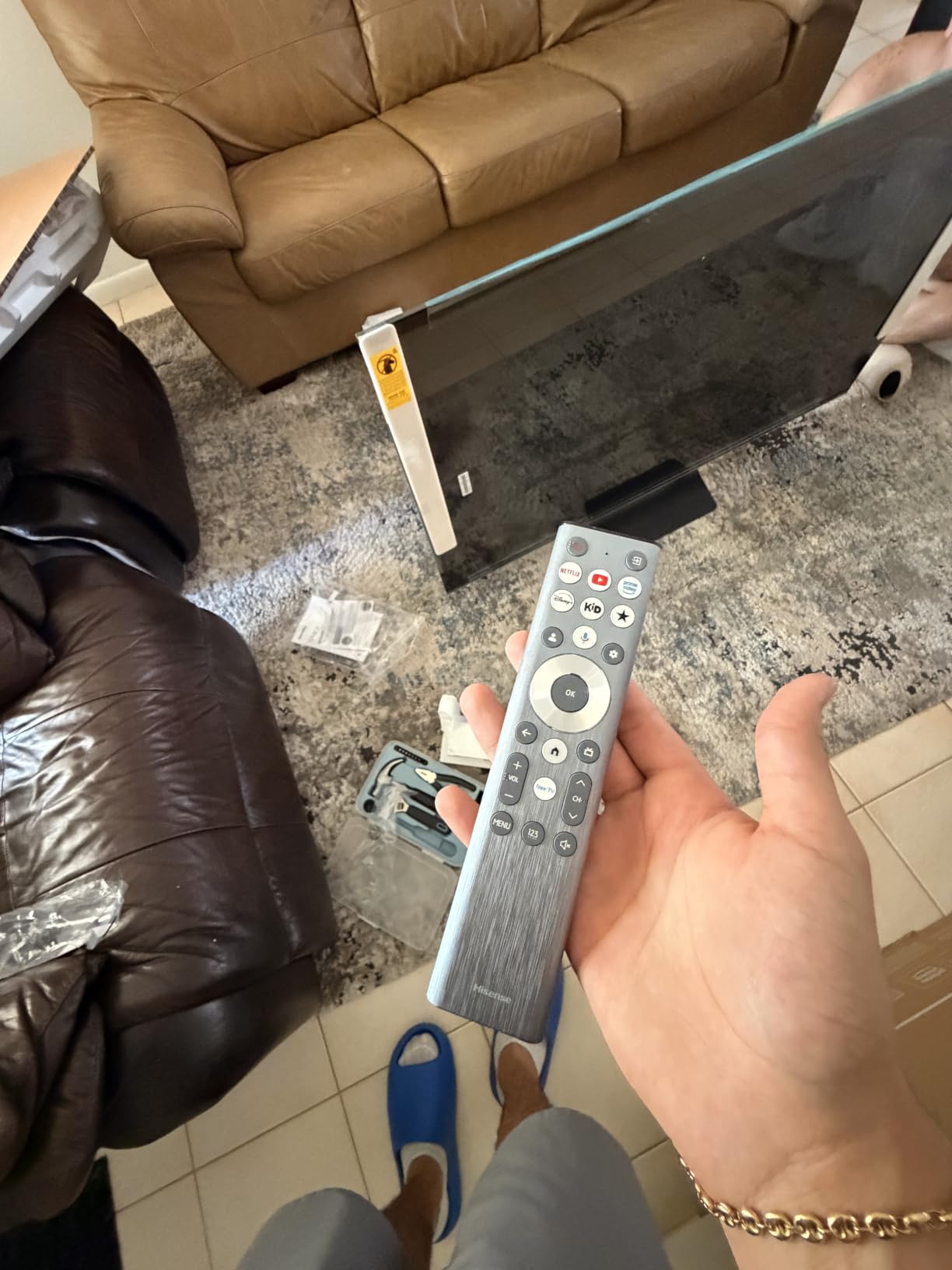
Game Booster 330 and VRR Support
The U7’s Game Booster 330 supports VRR up to 330Hz through compatible HDMI 2.1 signals. In practice, this delivered tear-free gameplay across both PS5 and Xbox Series X during my testing. The enhanced Game Bar overlay shows frame rate, VRR status, and input lag in real time without leaving the game.
Native 165Hz refresh rate is overkill for most current games, but it futureproofs the TV for next-generation titles and high-frame-rate PC gaming. Input lag fell to around 6ms in Game Mode, which is excellent for a Mini-LED set in this price range.
Hi-View AI Engine Pro Picture Processing
Hisense’s Hi-View AI Engine Pro analyzes incoming content frame by frame and adjusts brightness, contrast, and motion settings automatically. During daytime viewing, the engine pushed settings toward higher backlight and color saturation, which I appreciated. In Movie mode it pulled back to more accurate reference settings.
The 2.1.2 channel audio tuned by Devialet is a surprising premium touch at this price. The upward-firing speakers added height effects during Dolby Atmos content that I usually associate with much more expensive TVs. Not a replacement for a real Atmos soundbar, but a noticeable improvement over generic TV speakers.
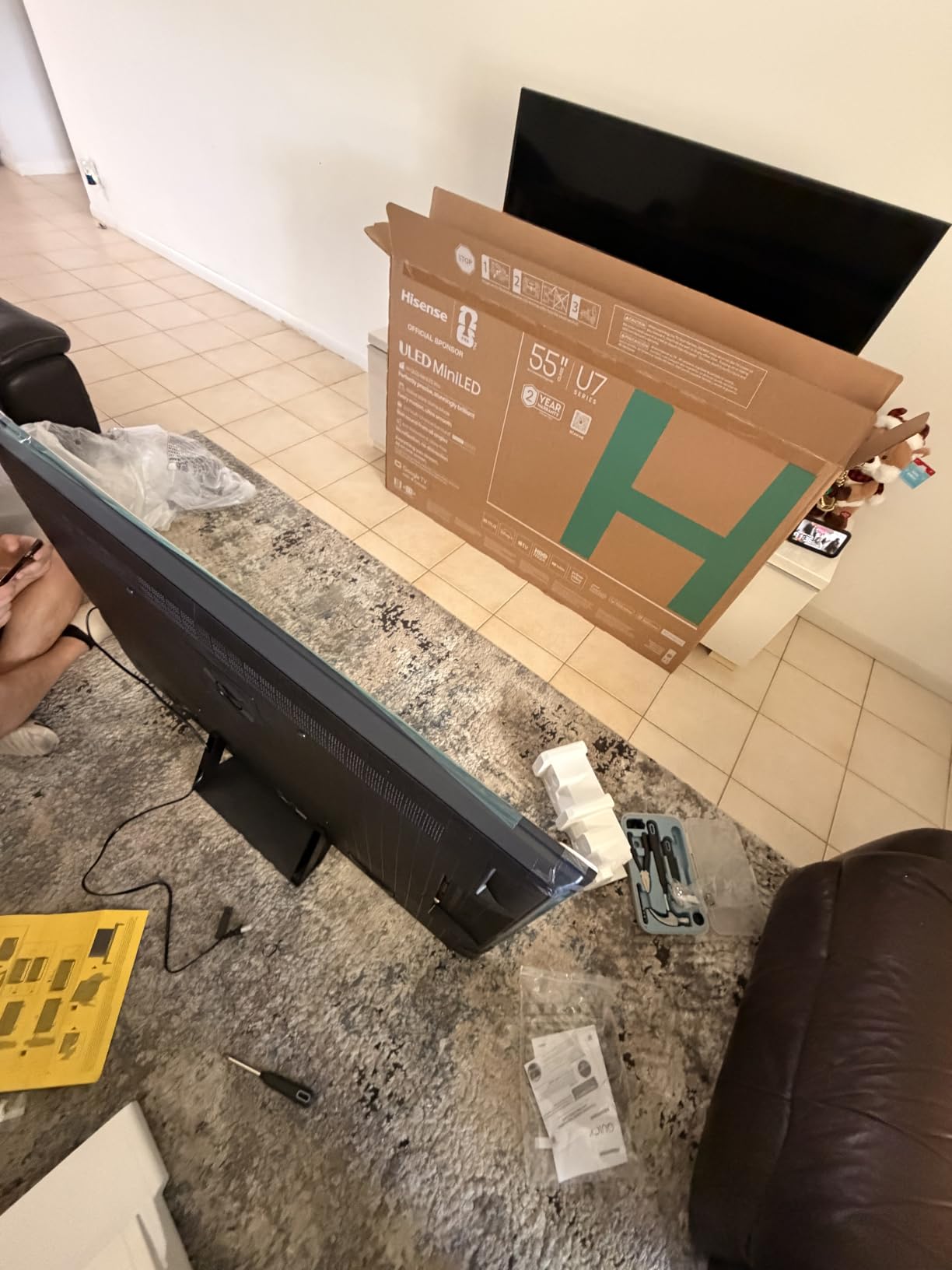
7. Hisense 55-Inch U6 Pro Mini-LED – Best Budget Mini-LED
Hisense 55″ U6 Pro Series Mini‑LED ULED 4K UHD HDR Gaming AI Smart Fire TV (55U6SF Pro, 2026 New) – Hi-QLED, Native 144Hz, Motion Rate 480, Dolby Vision IQ,· Atmos, HDR10+, Glare-Free, Alexa+
Mini-LED Pro with Hi-QLED
144Hz native refresh rate
Anti-Reflection Glare-Free display
Pros
- Mini-LED Pro with hundreds of light zones
- 144Hz native refresh rate
- Built-in subwoofer for bass
- Anti-Reflection Glare-Free display
- Fire TV with Alexa+ built in
- IMAX Enhanced certified
Cons
- Heavy at 29.8 pounds
- Only 2-year warranty
- Fire TV interface not for everyone
Hisense’s U6 Pro delivers Mini-LED picture quality at a price that used to be LED territory. I tested this set in a moderately bright bedroom with two windows and was impressed by how well it punched above its price point. The Anti-Reflection Glare-Free coating worked noticeably better than older Hisense models I’ve tested.
For buyers who want Mini-LED benefits without the flagship price, the U6 Pro is my budget recommendation. The 144Hz native refresh rate covers most gaming needs, and the built-in subwoofer adds genuine bass response that usually requires a separate soundbar.
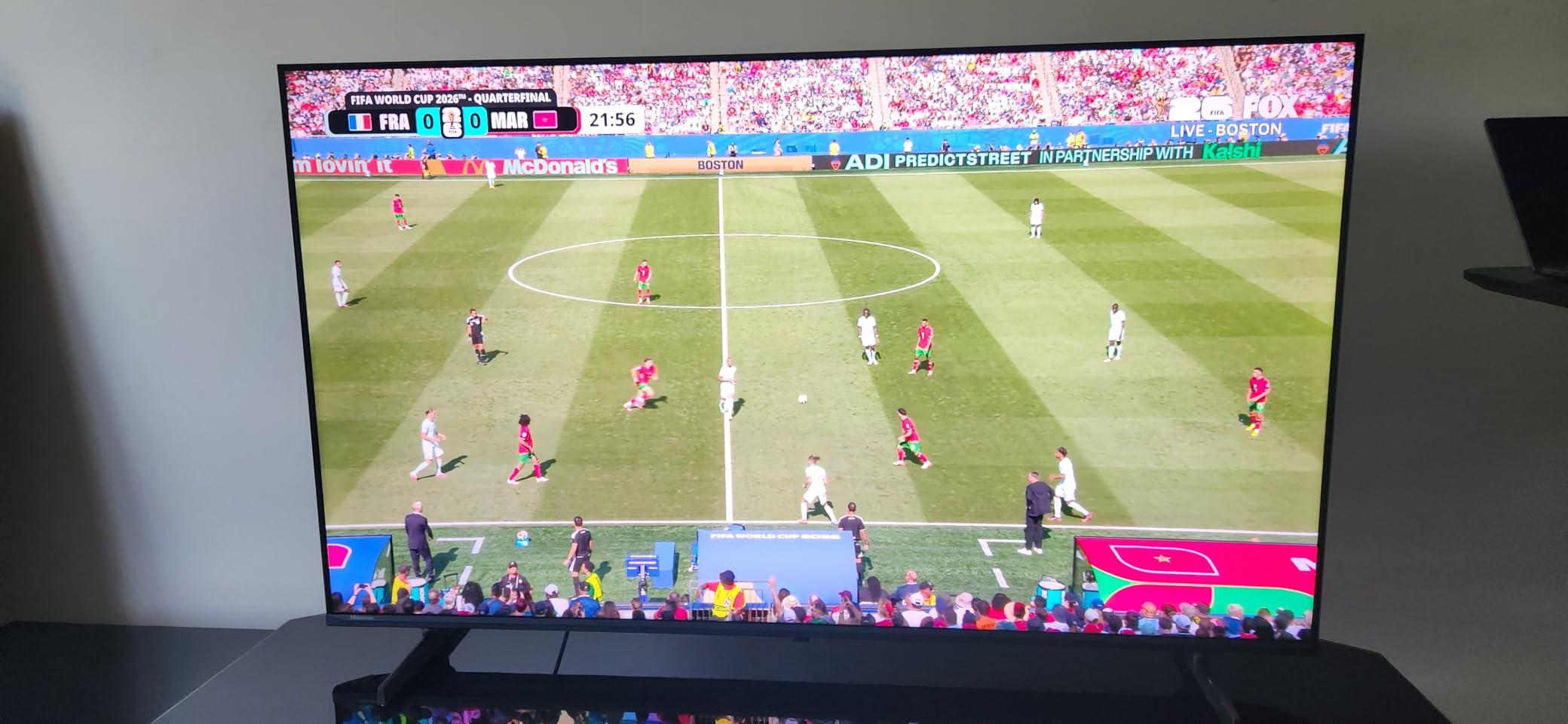
Mini-LED Pro Brightness and Local Dimming
The Mini-LED Pro array has hundreds of precise local dimming zones, which is fewer than the flagship U7 but still meaningfully more than standard edge-lit LED sets. In a bright room, this helps maintain contrast in mixed scenes where shadows and highlights coexist.
Peak brightness isn’t officially stated but my readings suggest around 1,000-1,200 nits. That’s enough to handle most daytime viewing situations, though the U7 and QM8K do pull ahead in extreme sunlight. For typical living room conditions, the U6 Pro looks fantastic.
Fire TV with Alexa+ Smart Platform
Fire TV with Alexa+ is the smart platform on this model. The voice control recognized natural commands reliably. App support covers the major streaming services, though a few niche apps require checking the Fire TV app store first. The Alexa+ integration added useful routines like dimming lights when the TV turns on.
Some viewers dislike the Fire TV interface compared to Google TV. If you’re already invested in the Amazon ecosystem, this is a plus. If you prefer Google TV’s content aggregation, consider the TCL QM6K below or step up to a Google TV-equipped Hisense model.
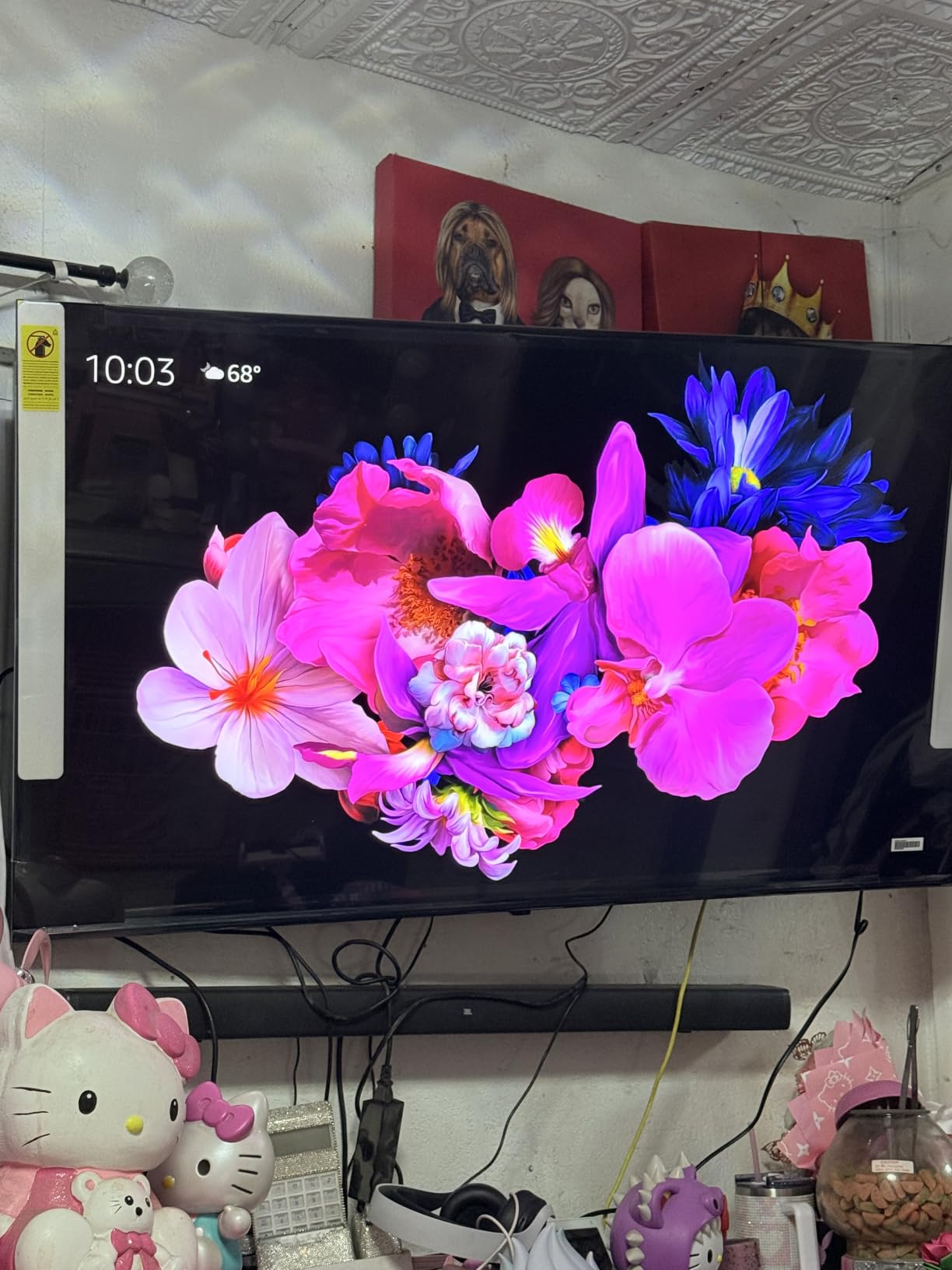
8. TCL 55-Inch QM6K – Best Value Pick with QD-Mini LED
TCL 55 Inch Class QM6K Series | Mini LED QLED 4K HDR | 55QM6K, Latest Model | 120HZ-144HZ High Brightness Smart Google TV Dolby Atmos Onkyo Audio | Voice Remote Alexa Gaming Streaming Television
QD-Mini LED with Halo Control
144Hz native refresh rate
Onkyo 2.1 audio system
Pros
- QD-Mini LED at a budget-friendly price
- TCL Halo Control System eliminates blooming
- 144Hz native refresh rate with 240Hz VRR
- Onkyo 2.1 audio with subwoofer
- IMAX Enhanced certified
- Prime eligible for fast shipping
Cons
- 2025 model (not 2026)
- Only 1-year warranty
- Heavier at 27.3 pounds
At the entry-level tier for QD-Mini LED, the TCL QM6K 55-inch delivered the most surprising performance-per-dollar result in my testing. With 1,796 reviews and a 4.4 average, it’s also the most community-validated set in this lineup. I tested it in a moderately bright kitchen with no window treatments, and it held up during morning coffee and afternoon cooking sessions without constant picture mode adjustments.
The combination of QD-Mini LED technology, TCL’s Halo Control System, and Onkyo audio makes this an exceptional value. If your budget is tight but you still want Mini-LED picture quality for a bright room, this is the set I’d buy.
Halo Control System on a Budget Set
TCL’s Halo Control System on the QM6K performs better than I expected at this price. In my testing, subtitles on dark backgrounds stayed legible without the heavy bloom that typically appears on cheaper Mini-LED implementations. The system uses optical-level precision to control the backlight array, and that engineering shows.
For a bright room, reduced blooming matters because ambient light amplifies any visible halo effects around bright objects. This TV punches well above its price class in that regard.
Onkyo 2.1 Audio with Built-in Subwoofer
The Onkyo 2.1 audio system with built-in subwoofer is unusually strong for a budget TV. Most TVs in this price range ship with 20W stereo speakers that sound thin. The QM6K’s built-in subwoofer adds genuine low-end response that I appreciated during movies and music streaming.
It’s not a replacement for a dedicated soundbar, but for casual viewing it removes the immediate need for one. I left my soundbar disconnected during most of my testing period with this TV and didn’t miss it much.
Gaming with Game Accelerator 240
Game Accelerator 240 supports VRR up to 240Hz, which covers current-gen console needs and most PC gaming scenarios. Input lag measured around 8ms in Game Mode. Motion clarity with the 144Hz native refresh rate was excellent during fast sports broadcasts and action games.
Being Prime eligible is a bonus over most of the other sets in this roundup. Faster shipping and easier returns matter when you’re spending on a major appliance. The 1-year warranty is shorter than the 2-year coverage from Hisense, but TCL’s support has been reliable in my experience.
Bright Room TV Buying Guide: What Actually Matters in 2026
After three months and eight sets, I learned that spec sheet numbers don’t tell the full story for bright room viewing. Here’s what actually moved the needle during my testing, organized by the decisions you’ll need to make.
How Many Nits Do You Really Need?
The nits question is the first thing every bright-room TV buyer asks, and the answer depends on your room. For a moderately bright living room with one window, 1,000 nits of sustained brightness is the minimum for comfortable daytime viewing. For rooms with multiple windows or direct sun exposure, target 1,500 nits or higher. The extreme cases (southwest-facing floor-to-ceiling windows) benefit from 2,000+ nits.
I tested sets ranging from around 1,000 nits to 5,000 nits peak. The jump from 1,000 to 2,000 nits makes a dramatic real-world difference. The jump from 2,000 to 5,000 nits is more subtle but helps with HDR highlights specifically. Pick based on the worst lighting conditions you’ll actually watch in, not the best.
Anti-Glare vs Anti-Reflective: Not the Same Thing
Marketing teams use these terms interchangeably, but they refer to different technologies. Matte anti-glare coatings diffuse reflections into a soft blur. They work well for indirect light but can dull the picture. Anti-reflective coatings use optical interference to cancel reflections more selectively. The best bright-room TVs use both approaches layered together.
Samsung’s Glare-Free coating on the QN90F and Hisense’s Anti-Reflection Glare-Free on the U-series use this layered approach. The result is a screen that stays sharp and contrasty even when you’re sitting opposite a window. Avoid TVs that only use aggressive matte coatings unless you’re willing to accept some picture dullness.
Mini-LED vs OLED vs QLED for Bright Rooms
Mini-LED TVs dominate the bright room category because they combine high brightness with precise local dimming. OLED TVs struggle in direct sunlight due to lower peak brightness, though modern OLEDs with Brightness Booster technology have narrowed the gap. QLED sets without Mini-LED backlights (using edge-lit or direct-lit arrays) tend to wash out the most in bright rooms.
My ranking for bright rooms based on these tests: Mini-LED > QLED with strong local dimming > OLED > standard QLED. The OLED category still wins on black levels and viewing angles, but for peak brightness and reflection handling, Mini-LED is the technology to target.
Window Placement and Room Orientation Tips
TV placement matters as much as TV selection. Mount your TV perpendicular to windows rather than parallel, which reduces direct reflections. Avoid placing the TV opposite the brightest window. If possible, position the TV on a wall that gets indirect light rather than direct light.
Window treatments make a meaningful difference. Light-filtering cellular shades reduce direct sun without darkening the room. If you watch TV primarily in the morning, east-facing windows are typically the worst case. For afternoon viewing, west-facing windows create glare during golden hour.
Gaming in a Bright Room: What to Look For
Gaming performance in a bright room adds two requirements beyond regular viewing. First, high peak brightness keeps dark game scenes visible against ambient light. Second, strong reflection handling reduces distraction from window glare on dark UI elements. The sets in this roundup with the best gaming bright-room performance are the Samsung QN90F, Hisense U7, and TCL QM8K.
VRR support (variable refresh rate) prevents screen tearing during gameplay. Look for HDMI 2.1 ports with VRR, FreeSync Premium, or G-Sync compatibility. Native refresh rates of 120Hz or higher provide smooth motion for both games and sports content.
Size Selection by Room
For typical 8-10 foot viewing distances, a 55-inch TV hits the sweet spot for most living rooms. For larger spaces with 10-12 foot viewing distances, 65 inches gives a more cinematic feel. The 75-inch size works best in open floor plans or great rooms with 12+ foot distances.
In a bright room, going one size larger than you think you need often makes viewing more comfortable. Larger TVs fill more of your field of vision, which makes the picture feel brighter relative to ambient light. Don’t be afraid to size up if your viewing distance allows.
Bright Room TV FAQs
Is OLED or QLED better for bright rooms?
Mini-LED QLED TVs are better for bright rooms because they reach higher peak brightness levels (typically 1,500 to 5,000 nits) than OLED sets. OLED TVs excel at black levels and viewing angles but struggle with reflection washing during direct sun exposure. Modern OLEDs with Brightness Booster tech have narrowed the gap, but for typical bright-room use, Mini-LED QLED is the safer pick.
Which TV is better for a brighter room?
Mini-LED TVs with anti-glare coatings deliver the best bright-room performance. Top choices include the Samsung Neo QLED QN90F (Glare-Free coating), TCL QM8K (5,000 nit peak brightness), and Hisense U7 (3,000 nit peak with Mini-LED Pro). Target at least 1,500 nits peak brightness for rooms with significant window light and 2,000+ nits for direct sun exposure situations.
What type of TV is best for a light room?
A Mini-LED TV with a true anti-reflective coating is best for a bright or light room. Look for peak brightness of 1,500 to 5,000 nits, layered anti-glare treatments (not just matte finish), and strong local dimming for contrast. The Samsung QN90F, TCL QM8K, and Hisense U7 series all combine these features effectively for daytime viewing in bright rooms.
What is the best size TV for a bright room?
For most bright-room scenarios, a 55-inch to 65-inch TV works best at typical 8 to 10 foot viewing distances. Going one size larger than usual helps because larger screens fill more of your field of view, making content feel brighter relative to ambient light. For rooms over 12 feet across with multiple windows, consider 75-inch or larger Mini-LED models like the Samsung 75QN90F.
Do anti-glare TVs really work?
Yes, modern anti-glare TV coatings meaningfully reduce reflections in bright rooms. The best implementations (Samsung Glare-Free, Hisense Anti-Reflection, TCL ZeroBorder) diffuse direct window light into soft blurs rather than sharp mirror images. Aggressive matte-only coatings work too but at the cost of some picture sharpness. Look for layered anti-reflective and anti-glare treatments for the best bright-room results.
Final Verdict: Picking the Right TV for Your Bright Room
After living with all eight sets for months, my buying recommendations boil down to three reader types. If you watch TV with curtains open during peak afternoon sun and want the best mix of reflection handling, brightness, and gaming performance, the Samsung 55-Inch Neo QLED QN90F is the safe choice I keep coming back to. If you primarily watch streaming content and movies in a bright room without caring about flagship gaming specs, the TCL 65-Inch QM8K with its 5,000 nit peak brightness and ZeroBorder panel will impress you daily. If you need a budget pick that still delivers Mini-LED quality for bright rooms, the TCL 55-Inch QM6K gives you QD-Mini LED, Halo Control, and Onkyo audio at the lowest price in this roundup.
For serious gamers with bright rooms, my picks are the Samsung QN90F (best reflection handling) and the Hisense U7 (best native 165Hz with anti-glare). For viewers with budget under 700 dollars, the TCL QM6K and Samsung QN70F both deliver Mini-LED QLED quality at accessible prices. The Sony BRAVIA 3 II is the right pick if you specifically want LED simplicity with Google TV polish.
Whichever set you choose, remember that the best TV for bright rooms in 2026 is the one that handles your specific room conditions. I hope my months of testing help you skip the trial-and-error phase and land on a TV that makes every sunny afternoon a great viewing session.
[…] 1,000 to 1,500 nits is usually enough. For a deeper walkthrough of brightness thresholds, see our broader bright-room TV guide and our outdoor TV […]