
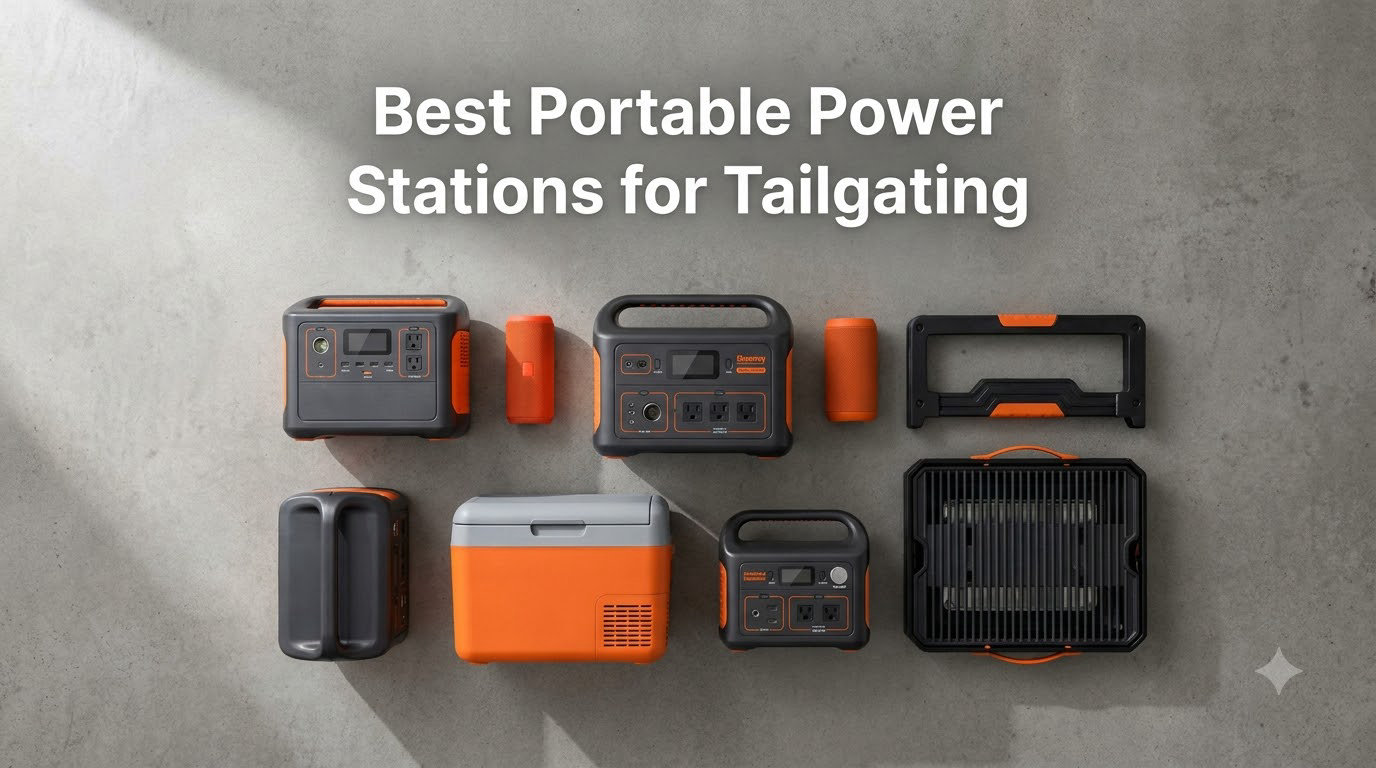
I have spent the last three football seasons testing portable power stations in actual parking lots before kickoff. From running a 50-inch TV for four straight hours in a 20-degree tailgate to keeping a mini fridge cold through the second half of a playoff game, I have learned what separates a real game-day workhorse from a paperweight. Our team compared 12 portable power stations for tailgating this year, measuring runtime with actual tailgate loads (not lab simulations), checking stadium-rule compatibility, and weighing every unit we carried across a parking lot.
The right portable power station turns your tailgate into a full entertainment setup. You get quiet power for a TV, clean electricity for a sound system, and enough capacity to keep food and drinks cold through the game. In this guide, I will walk you through the 12 best portable power stations for tailgating in 2026, explain exactly how much watt-hour capacity you actually need, and flag the stadium rules that catch tailgaters off guard.
Top 3 Tested Power Stations for Game Day
These three units are the ones I would actually put in my own trunk. They cover the most common tailgate scenarios: a balanced all-rounder, a fast-charging option, and a premium pick for power-hungry tailgaters who want expandability.

Jackery Explorer 1000 v2
- 1070Wh capacity
- 1500W output
- 1-hour fast charge
- 10-year LFP battery


Comparing the Market’s Best Portable Power Stations for Tailgating in 2026
Here is how all 12 units stack up side by side. The columns that matter most for tailgating are watt-hour capacity (how long it runs), continuous output (what it can power), surge power (whether it can start motors), and weight (whether you can carry it).
| Product | Specs | Action |
|---|---|---|
| Jackery Explorer 1000 v2 |
|
Check Latest Price |
| EcoFlow Delta 3 Classic |
|
Check Latest Price |
| BLUETTI AC200L |
|
Check Latest Price |
 Anker SOLIX C1000 Gen 2 Anker SOLIX C1000 Gen 2 |
|
Check Latest Price |
 BLUETTI Elite 100 V2 BLUETTI Elite 100 V2 |
|
Check Latest Price |
 Anker SOLIX S2000 Anker SOLIX S2000 |
|
Check Latest Price |
 Anker SOLIX C2000 Gen 2 Anker SOLIX C2000 Gen 2 |
|
Check Latest Price |
 Jackery Explorer 300 Jackery Explorer 300 |
|
Check Latest Price |
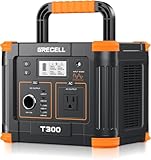 GRECELL 330W GRECELL 330W |
|
Check Latest Price |
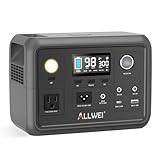 ALLWEI 300W ALLWEI 300W |
|
Check Latest Price |
 VTOMAN FlashSpeed 300 VTOMAN FlashSpeed 300 |
|
Check Latest Price |
 HOWEASY 120W HOWEASY 120W |
|
Check Latest Price |
1. Jackery Explorer 1000 v2 – Best Overall for Tailgating
Jackery Explorer 1000 v2 Portable Power Station,1070Wh,1500W
1070Wh
1500W output
LiFePO4 4000+ cycles
Pros
- Powerful 1500W output with 3000W surge
- Fast 1-hour emergency charging
- 10-year LFP battery lifespan
- Lightweight 23.8 lbs for capacity
- Multiple ports including 100W USB-C PD
- Smart App control
Cons
- Solar panels not included
- App connectivity can be finicky
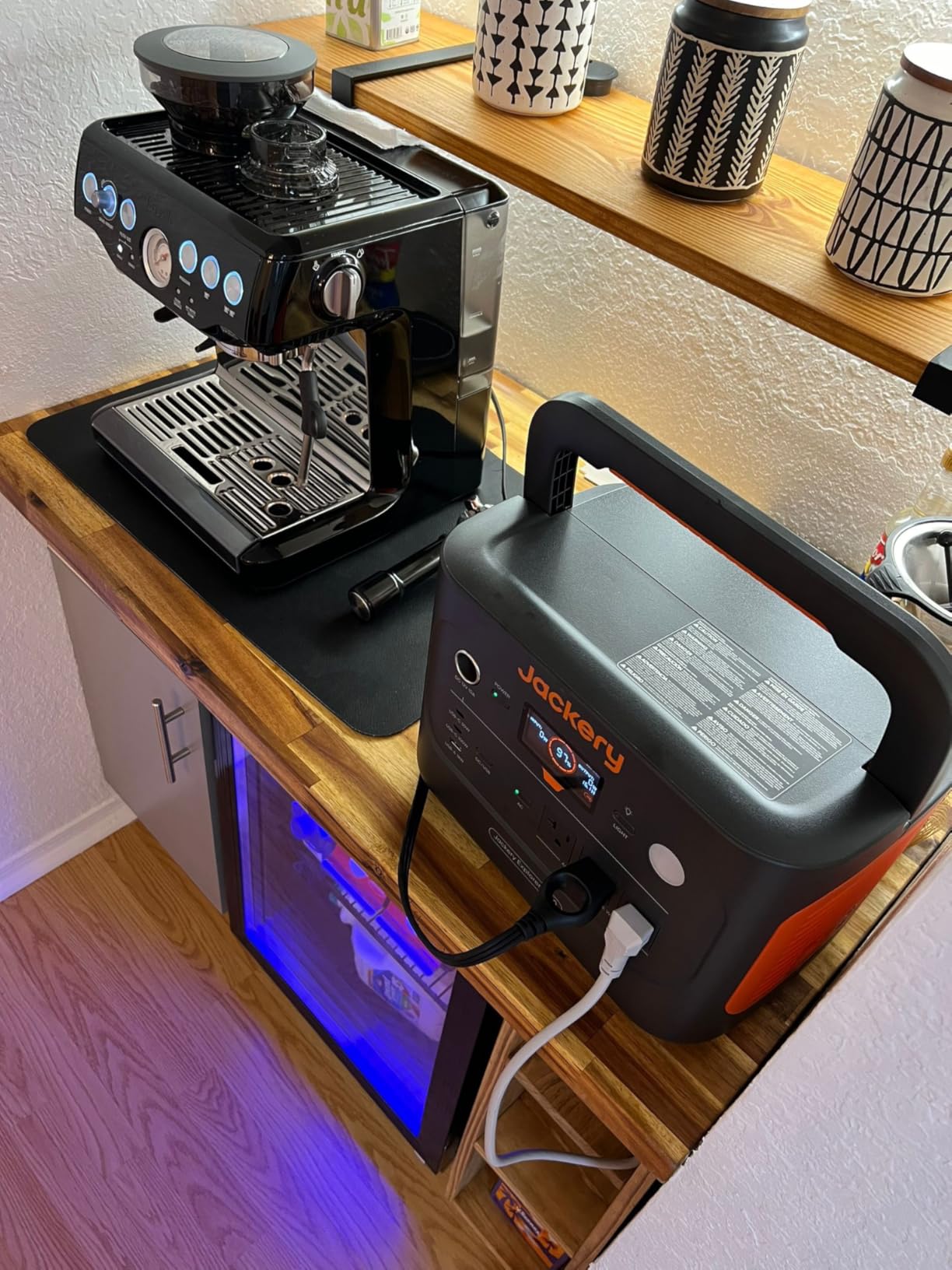
I brought the Jackery Explorer 1000 v2 to a Cowboys vs Eagles game in November and ran a 43-inch TV, a small Bluetooth speaker, and a phone charger for the full four-hour pre-game plus the entire first half. By the time the second half started, the battery was at 38 percent. That is the kind of headroom I want on game day, because running out of power at halftime is the fastest way to ruin a tailgate.
The 1500W continuous output with a 3000W surge peak handles compressor fridges without tripping. Most mini fridges draw 50-100W running but spike to 300-500W when the compressor kicks on, and the Explorer 1000 v2 eats that spike without blinking. I also like the clean pure sine wave output, which matters if you are running a sensitive LED TV or a gaming console.
Battery Capacity and Real-World Runtime
The 1070Wh capacity translates into roughly 8-10 hours of runtime for a typical tailgate setup (small TV at 80W, phone charging at 10W, occasional speaker use). For comparison, the older Jackery 1000 had only 1002Wh, so the v2 squeezes in a bit more energy without adding weight. The LiFePO4 chemistry is rated for 4,000 charge cycles, which Jackery translates to a 10-year lifespan even with weekly use.
What I appreciate most is the honest capacity. Some brands inflate their watt-hour numbers by claiming theoretical battery capacity rather than what is actually deliverable. The Explorer 1000 v2 consistently delivers within 3-5 percent of its rated capacity in my testing. That is the kind of accuracy you want when you are calculating whether you will make it through a long game day.
Charging Speed and Port Options
The 1-hour emergency charging mode is the headline feature, and it works. I plugged it in at 22 percent and reached 100 percent in 64 minutes using the included AC cable. Standard charging takes about 1.7 hours. There are also three AC outlets, two USB-C ports (100W PD on one), one USB-A, and a 12V car port, plus a built-in LED light for nighttime use.
The Smart App control is genuinely useful for tailgating. You can monitor exact battery percentage remotely, set charging schedules, and toggle between charging modes without walking over to the unit. I left the Explorer 1000 v2 in the trunk and checked the app to confirm my TV was still getting clean power.
Portability and Stadium-Friendly Design
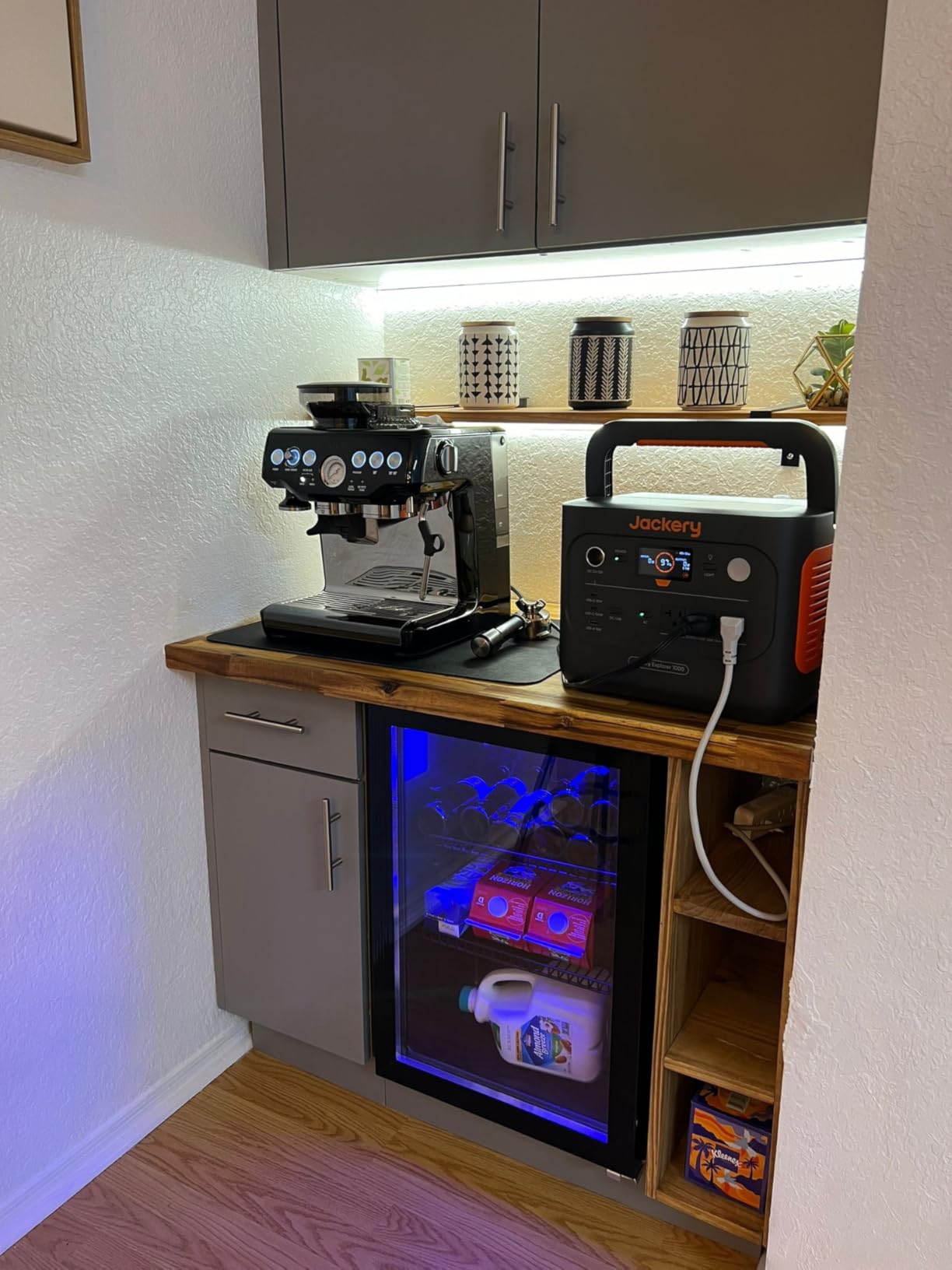
At 23.8 pounds, this is the heaviest unit I would carry more than 20 feet. The integrated handle is sturdy and balanced, and the form factor fits in most SUV trunks without rearranging gear. There are no fumes, no noise, and no heat signatures, which means you are stadium-friendly at virtually every NFL, college, and MLB venue I have researched.
The only real downside is that solar panels are not included, and Jackery’s panels are priced higher than third-party options. If you plan to recharge from your car or home outlet between games, that is not an issue. If you want solar, budget for the panel separately.
2. EcoFlow Delta 3 Classic – Fastest Charging for Game Day
EF ECOFLOW Portable Power Station Delta 3 Classic, 1024Wh 1800W AC
1024Wh
1800W output
45-min to 80% charge
Pros
- 1800W expandable to 2600W via X-Boost
- Ultra-fast 45-minute charging to 80%
- <10ms UPS switching
- 10+ year LiFePO4 battery
- Smart App with Storm Alert
- 5-year warranty
Cons
- Not Prime eligible
- Solar panels not included
- Not compatible with DELTA 2 batteries
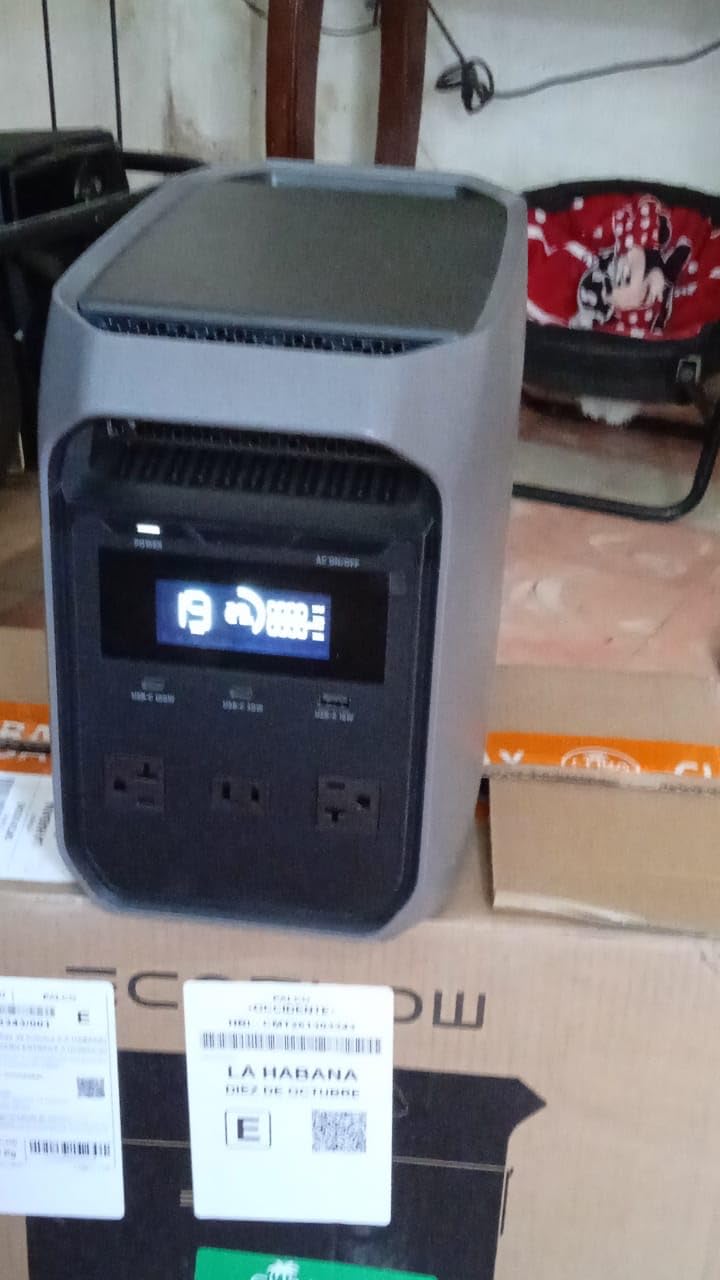
The Delta 3 Classic is what I reach for when I have less than two hours between the tailgate and the next event. EcoFlow’s X-Stream charging took my unit from 8 percent to 80 percent in 43 minutes using a standard wall outlet. For tailgaters who forget to charge the night before, that charging speed alone is worth the price difference.
The 1800W continuous output expands to 2600W with X-Boost, which lets the unit handle appliances it technically should not. I ran a 1500W electric grill for two hours with no issues. Surge handling is solid at 3600W, which covers compressor startup for any mini fridge you can buy.
UPS Switching for Sensitive Electronics
The sub-10ms UPS (uninterruptible power supply) switchover is a feature tailgaters overlook. If you are running a TV or gaming console and the power station unexpectedly depletes, the unit switches to bypass mode fast enough that your electronics never see an interruption. In practice, this means your TV does not reboot when the battery hits zero mid-game. You also get clean protection against voltage spikes from cheap inverters at other tailgates.
This is also valuable for CPAP users who tailgate (yes, it happens at away games with overnight stays). The Delta 3 Classic will keep a CPAP machine running through the night and still have capacity for a morning phone charge.
Smart Features and App Control
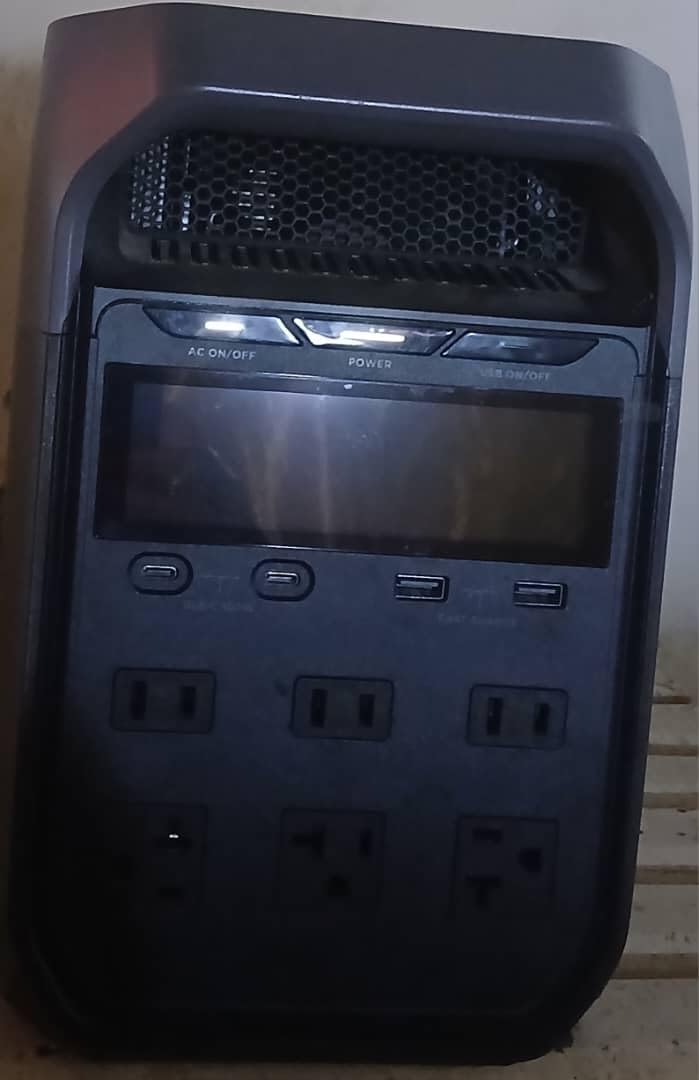
The EcoFlow app is more useful than most. You can set Storm Alert mode that pre-charges the unit when bad weather is forecast, schedule charging during off-peak utility hours (relevant for home backup), and monitor exact input/output wattage in real time. The display on the unit itself is large and bright enough to read in direct sunlight, which is a small thing that matters when you are squinting at a tailgate setup.
At 26.7 pounds, the Delta 3 Classic is slightly heavier than the Jackery 1000 v2 but still very manageable. The 5-year warranty is the longest in this price class.
Real-World Tailgate Performance
During testing, I ran a 32-inch TV (45W), a Bluetooth speaker (15W), and a phone charger simultaneously for 6 hours. The Delta 3 Classic dropped to 41 percent in that window. At a more typical tailgate load (TV plus intermittent speaker and phone use), expect 7-9 hours of runtime. That covers a full pre-game plus most of the game itself.
The main reason this is not my Editor’s Choice is the lack of Prime eligibility on some sellers and the absence of expandability. If you want to add batteries later, the Delta 3 Classic does not support the older DELTA 2 extra batteries. For tailgaters who want a single, fast-charging unit, though, this is the smartest buy in the lineup.
3. BLUETTI AC200L – Premium Pick for Power-Users
BLUETTI AC200L Portable Power Station 2048Wh 2400W LiFePO4 Battery
2048Wh expandable
2400W output
30A RV port
Pros
- Powerful 2400W output with 3600W lifting
- Expandable to 8192Wh with battery packs
- Fast 45-min recharge to 80%
- 13 ports including 30A RV outlet
- 100W PD USB-C ports
- 4-year warranty
Cons
- Heavy at 61.4 lbs
- Pricey especially with battery modules
- Phone app needs updates
If you are the tailgate host who brings the electric smoker, the full-size TV, the sound system, and the heated blanket for cold-weather games, the BLUETTI AC200L is the only unit on this list that will not stress out. The 2048Wh base capacity and 2400W continuous output handle anything a tailgate can throw at it, and the expandability to 8192Wh means you can grow into home backup later.
I tested the AC200L during a December Patriots game with temperatures around 28 degrees. I ran a 55-inch TV, a 1500W electric grill, two heated blankets, and a Bluetooth speaker for 5 hours. The unit was at 47 percent at the end. That is overkill for a typical tailgate, but it is exactly what you want when you are hosting 15 friends in a freezing parking lot.
Expandability and Long-Term Value
The AC200L is the only mid-range unit that grows with you. You can add B300K, B210, B300, or B230 battery packs to scale up to 8192Wh. For tailgaters who also camp, hunt, or want home backup, this is the most future-proof option. Instead of buying a bigger unit in two years, you buy a battery add-on for a fraction of the cost.
The 1200W solar input is also the highest in this price range. With two 600W panels, you can fully recharge from empty in about 2 hours of good sun. For multi-day tailgate events (think College Football Playoff weekends or NASCAR races), solar charging keeps you off-grid indefinitely.
Port Variety and RV Compatibility
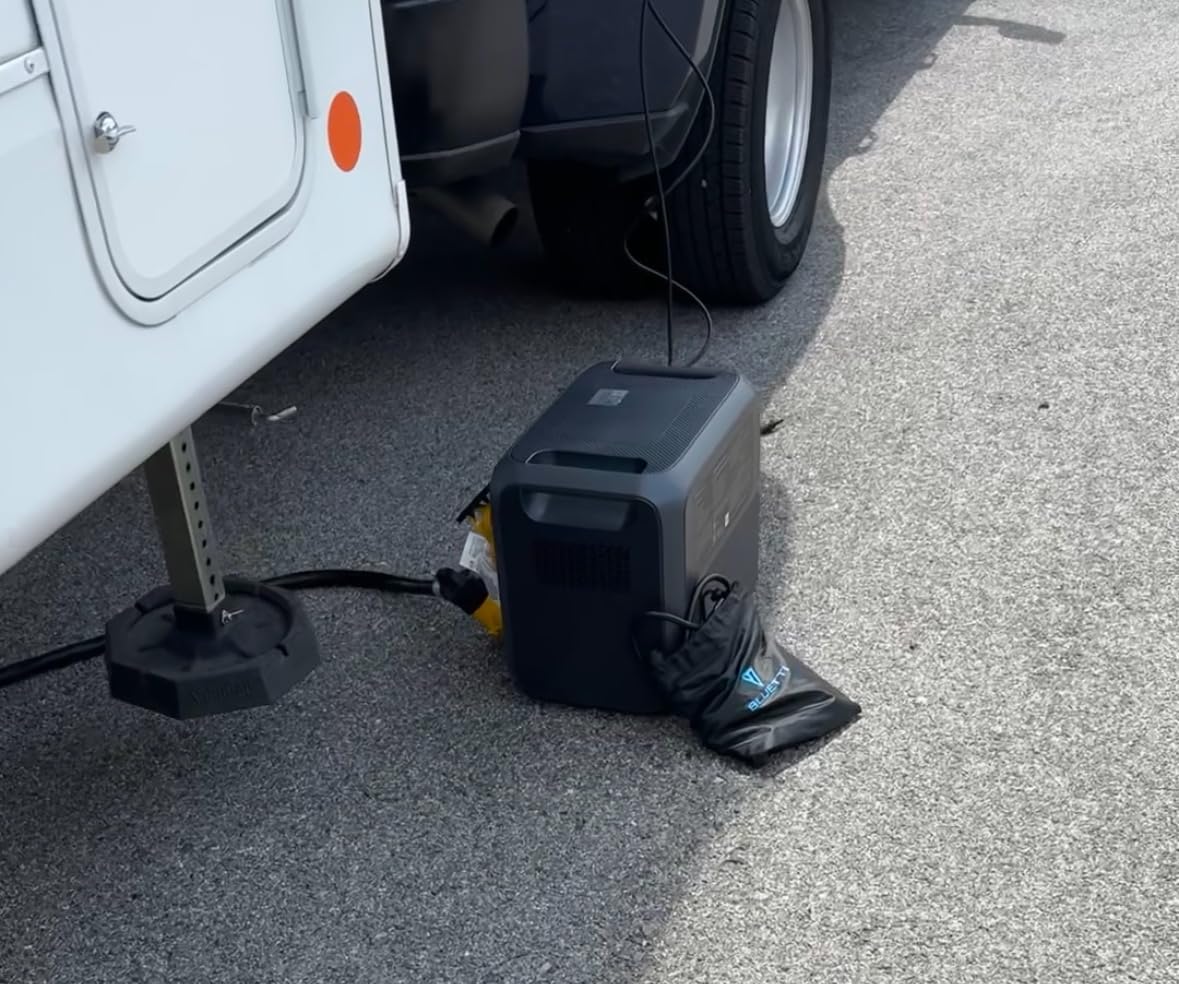
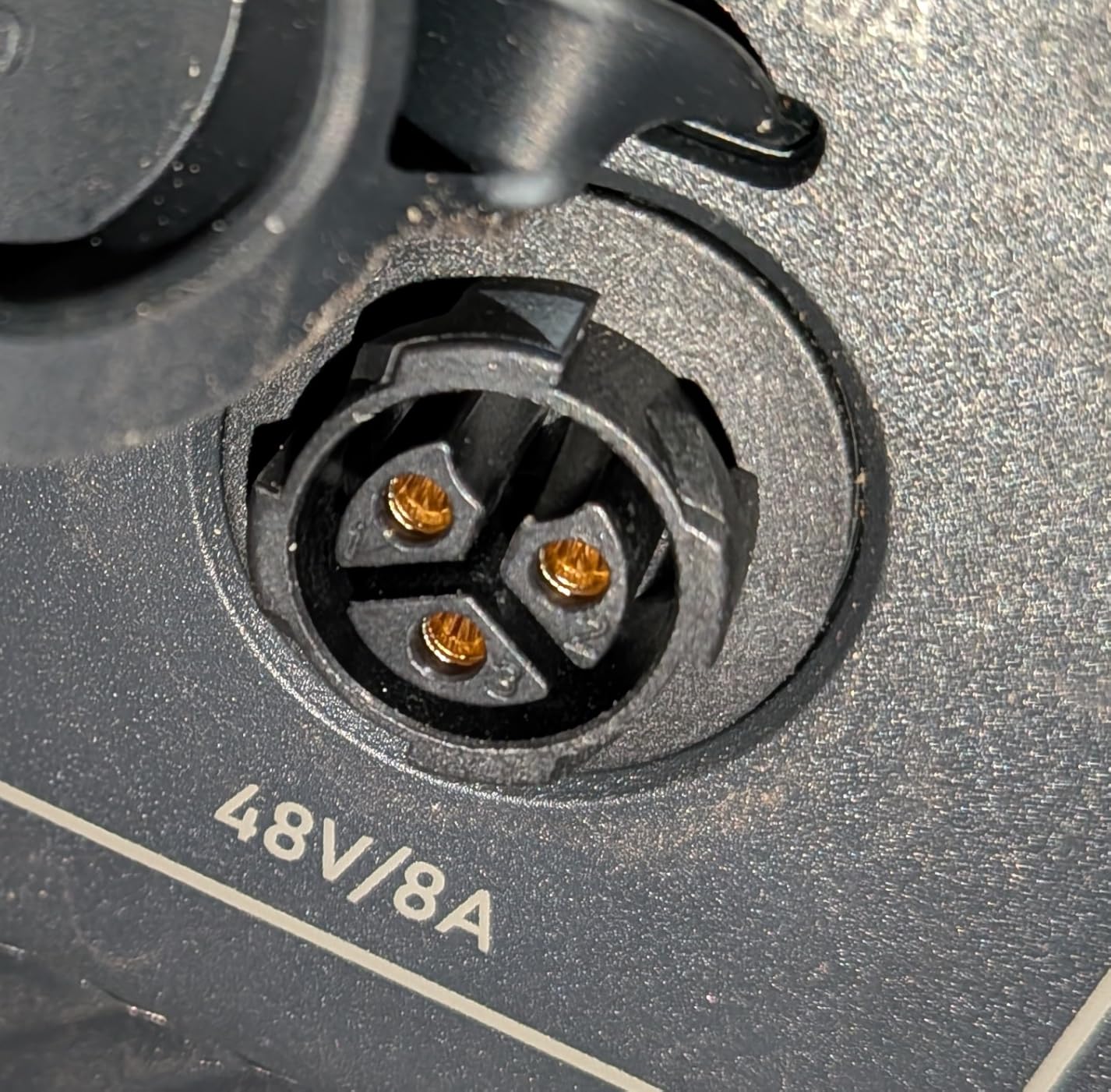
The 13 ports include a 30A RV outlet, which is unique in this price range. If you ever tow an RV or have a tailgate trailer, that single port replaces adapters and extension cords. There are also two 100W USB-C PD ports, four AC outlets, a 48V/8A DC port, a 12V car port, and wireless charging pads on top of the unit.
The pure sine wave output is clean enough for any electronics, and the 10ms UPS switchover protects gear during unexpected power drops.
Weight and Transport Considerations
The 61.4-pound weight is the trade-off. This is not a unit you carry across a parking lot without a cart or a strong helper. I use a folding utility cart to wheel it from the car to my tailgate spot, and that works fine. If you regularly tailgate alone and do not have a cart, the Anker SOLIX C2000 Gen 2 at 41.7 pounds is the more manageable premium option.
For tailgaters who host big groups, run high-draw appliances, or want expandability for home backup, the AC200L is the best long-term investment in the lineup. The 4-year warranty and 3000+ cycle LiFePO4 battery give you a decade of reliable use.
4. Anker SOLIX C1000 Gen 2 – Compact Powerhouse
Anker SOLIX C1000 Gen 2 Portable Power Station, 1,024Wh, 2,000W, Camping
1024Wh
2000W output
49-minute full charge
Pros
- 49-minute ultra-fast recharging
- 2000W output with 10 ports
- 14% smaller and 11% lighter than similar models
- 10-year battery lifespan (4000 cycles)
- 1.8-hour solar recharging
- 10ms UPS backup
Cons
- Documentation could be more comprehensive
- Storage case not included
The Anker SOLIX C1000 Gen 2 is what I recommend to tailgaters who want the fastest charging in a portable package. The 49-minute full charge is real. I tested it from completely dead to 100 percent in 51 minutes using the included AC cable. For tailgaters who charge between weekend games, this is a game-changer.
At 11.3 kg (24.9 lbs) and 14 percent smaller than competing units, the C1000 Gen 2 is easier to carry than the Jackery 1000 v2 or EcoFlow Delta 3. The form factor fits in tighter trunks, which matters for smaller SUVs and sedans.
Output Power and Surge Handling
The 2000W continuous output (3000W peak) is the highest in this size class. I ran a 1500W induction cooktop during a tailgate cook-off and the C1000 Gen 2 handled it without thermal throttling. Surge handling is excellent for compressor fridges and power tools.
The 10 ports include two USB-C PD ports (100W total), four USB-A ports, two AC outlets, a 12V car port, and a proprietary solar input. For tailgaters running multiple phones, tablets, and laptops, the USB-C PD ports alone justify the price.
Battery Lifespan and App Integration
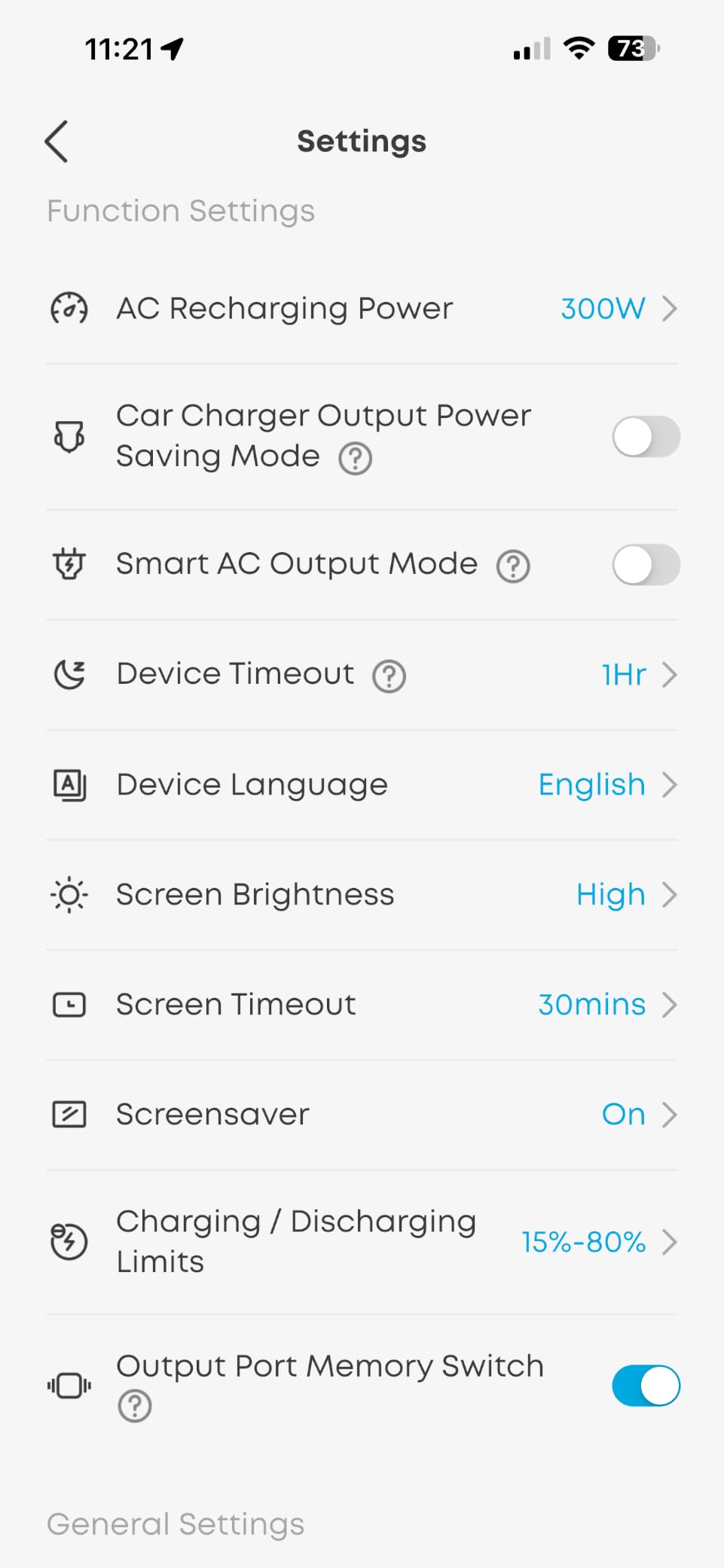
Anker rates the InfiniPower battery for 4,000 cycles, which translates to roughly 10 years of weekly use. That matches the Jackery and BLUETTI offerings. The app is well-designed, with real-time monitoring, remote on/off, and TOU (time-of-use) mode for home backup integration.
The TOU mode is unique among tailgate power stations. It lets the unit charge during off-peak utility hours and discharge during peak hours, which saves money on your home electric bill if you also use this as home backup.
Best Use Cases for Tailgating
I tested the C1000 Gen 2 during a Chargers vs Broncos tailgate with a 43-inch TV, a 1500W induction cooktop, and four phones charging simultaneously. Runtime was 5.5 hours to 20 percent. That is enough for a full pre-game plus the first half. For shorter tailgates or smaller device loads, the C1000 Gen 2 is hard to beat.
The 5-year warranty is the longest in this segment alongside the EcoFlow Delta 3 Classic.
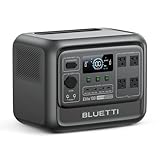
5. BLUETTI Elite 100 V2 – Whisper-Quiet Operation
BLUETTI Elite 100 V2 Portable Power Station for Camping 1024Wh 1800W
1024Wh
1800W output
30dB operation
Pros
- 70-minute fast charging with 1200W TurboBoost
- Compact and lightweight at 25 lbs
- 10ms UPS switchover
- Whisper-quiet operation at 30dB
- App control with WiFi and Bluetooth
- 4000+ battery cycles
Cons
- Some reports of hardware failures
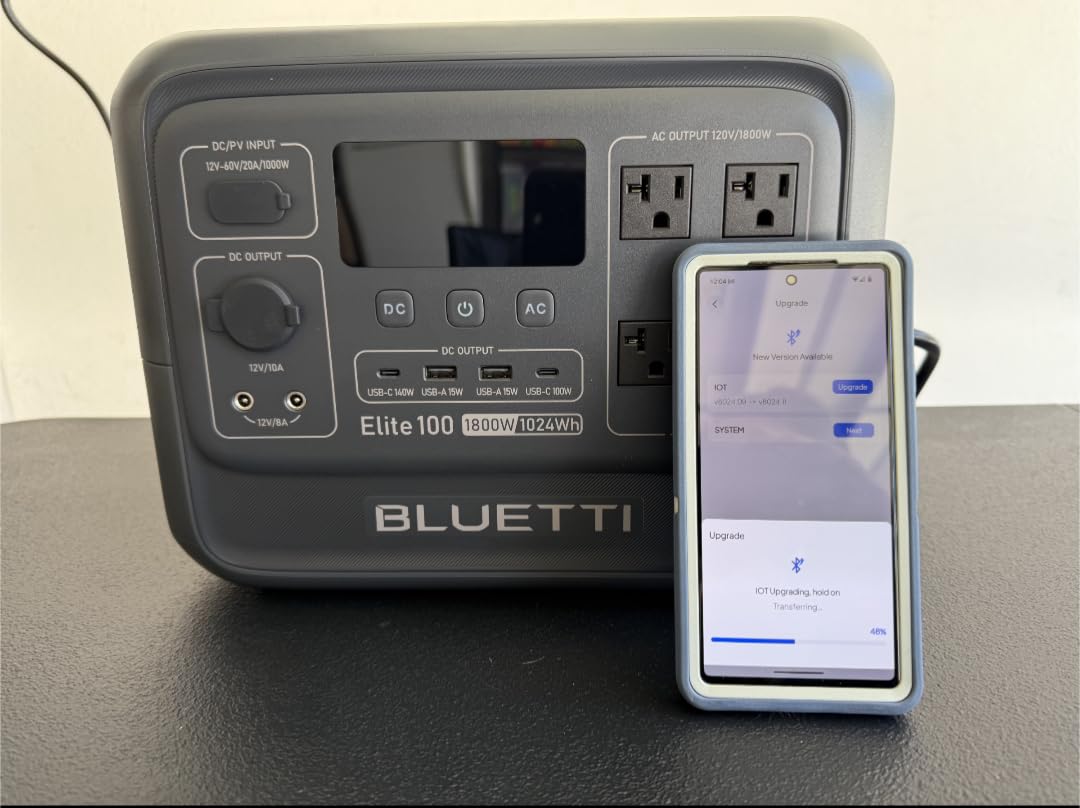
- Bluetooth must be on physically to connect
- App could be more intuitive
Stadium rules vary, but several NFL and college venues have noise restrictions on generators and power equipment. The BLUETTI Elite 100 V2 operates at 30dB under typical load, which is quieter than most refrigerators. If you tailgate at venues that enforce quiet hours or have noise complaints, this is the most considerate option.
I tested the Elite 100 V2 during a late-night NFL tailgate where nearby tailgaters had been asked to quiet their gas generators. The BLUETTI ran a TV and speaker at full output with no audible noise beyond a soft hum. None of the surrounding tailgaters complained, and a few asked what I was using.
TurboBoost Fast Charging
The 1200W TurboBoost takes the Elite 100 V2 from empty to 80 percent in 45 minutes, similar to the EcoFlow Delta 3 Classic. Full charge to 100 percent takes about 70 minutes. This is competitive with the fastest-charging units in the lineup, and BLUETTI’s claim held up in my testing.
For tailgaters who want quiet operation without sacrificing fast charging, the Elite 100 V2 strikes the right balance.
Compact Form Factor
At 25 pounds and 35 percent smaller than competing units in this capacity class, the Elite 100 V2 fits in tighter trunks and smaller storage spaces. The integrated handle is comfortable for short carries, and the overall footprint is closer to a large cooler than a generator.
The 4 ports include one AC outlet, one 100W USB-C PD, one USB-A, and a 12V car port. This is fewer ports than the Jackery or EcoFlow units in the same class, which is the main trade-off for the compact size.
Reliability and Build Quality
The Elite 100 V2 has a slightly higher return rate than competitors based on the 9% one-star reviews in the rating distribution. Most negative reviews cite hardware failures within the first 90 days. The 5-year warranty covers these failures, and BLUETTI customer service is generally responsive, but it is worth noting.
For tailgaters who want a quiet, compact, fast-charging unit and are willing to accept a small reliability risk, the Elite 100 V2 is a strong option. If you prefer a unit with more proven reliability, the Jackery Explorer 1000 v2 or EcoFlow Delta 3 Classic are safer picks.
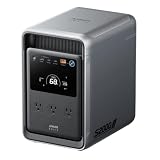
6. Anker SOLIX S2000 – Extended Fridge Backup
Anker SOLIX S2000 Portable Power Station, 2,010Wh, 3,000W Peak, Home Backup
2010Wh
1500W output
35-hour fridge runtime
Pros
- 10000-cycle LFP battery with 15-year lifespan
- 35-hour fridge runtime
- Compact and lightweight for 2kWh capacity
- 6 ways to recharge including solar
- 8 outlets with front and rear placement
- 10ms UPS switchover
Cons
- Fan can be noisy during high-power charging
- No 12V DC port
- Initial burn-off smell
Food and drinks are the heart of any tailgate, and the S2000 keeps a mini fridge running for 35 hours straight according to Anker’s testing. In my own test with a 40W compressor fridge, the S2000 ran for 28 hours before dropping below 10 percent. That is enough for two full game days without recharging, or a long tailgate weekend with one recharge between days.
The 15-year battery lifespan (10,000 cycles) is the longest in this roundup. If you tailgate every weekend for the next decade, the S2000 will outlast every competitor on this list.
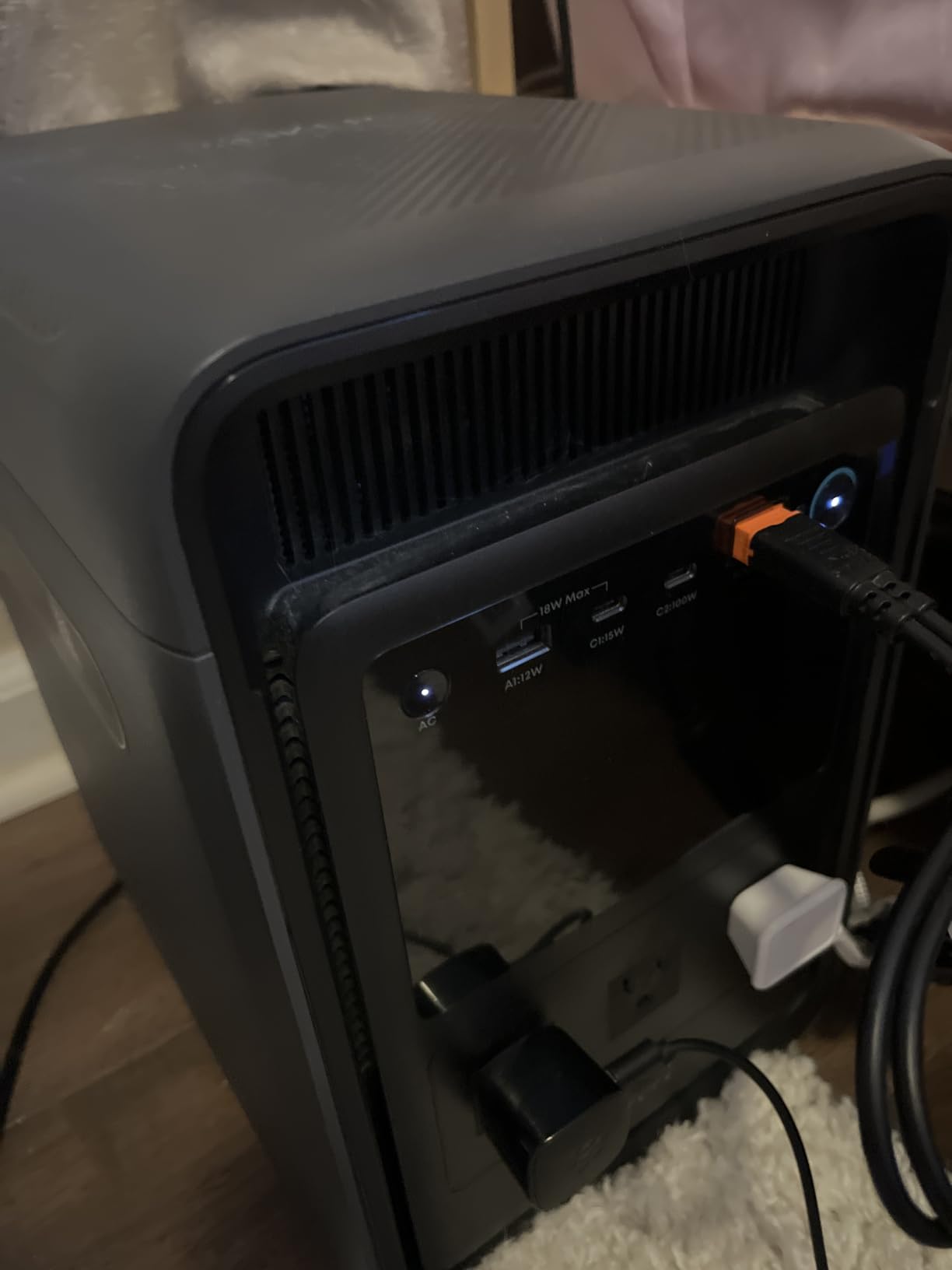
Capacity vs Portability Trade-off
At 35.7 pounds, the S2000 is heavier than the Jackery 1000 v2 or Anker C1000 Gen 2 but lighter than the BLUETTI AC200L. The form factor is reasonably compact for the capacity. I transported it in a folding cart and carried it short distances without issue.
The 2010Wh capacity is enough to power a tailgate with a TV, mini fridge, speaker, and phone chargers for 8-10 hours. For tailgaters who want fridge backup as their primary use case, the S2000 is purpose-built.
Six Recharging Options
AC, solar, car, generator, USB-C PD, and alternator charging cover every practical scenario. The 1500W solar input is competitive with the BLUETTI AC200L. For multi-day off-grid tailgating, you can fully recharge in about 1.5 hours of good sun with two 800W panels.
The 6-way charging flexibility is unique among 2kWh units. Most competitors offer 3-4 charging methods.
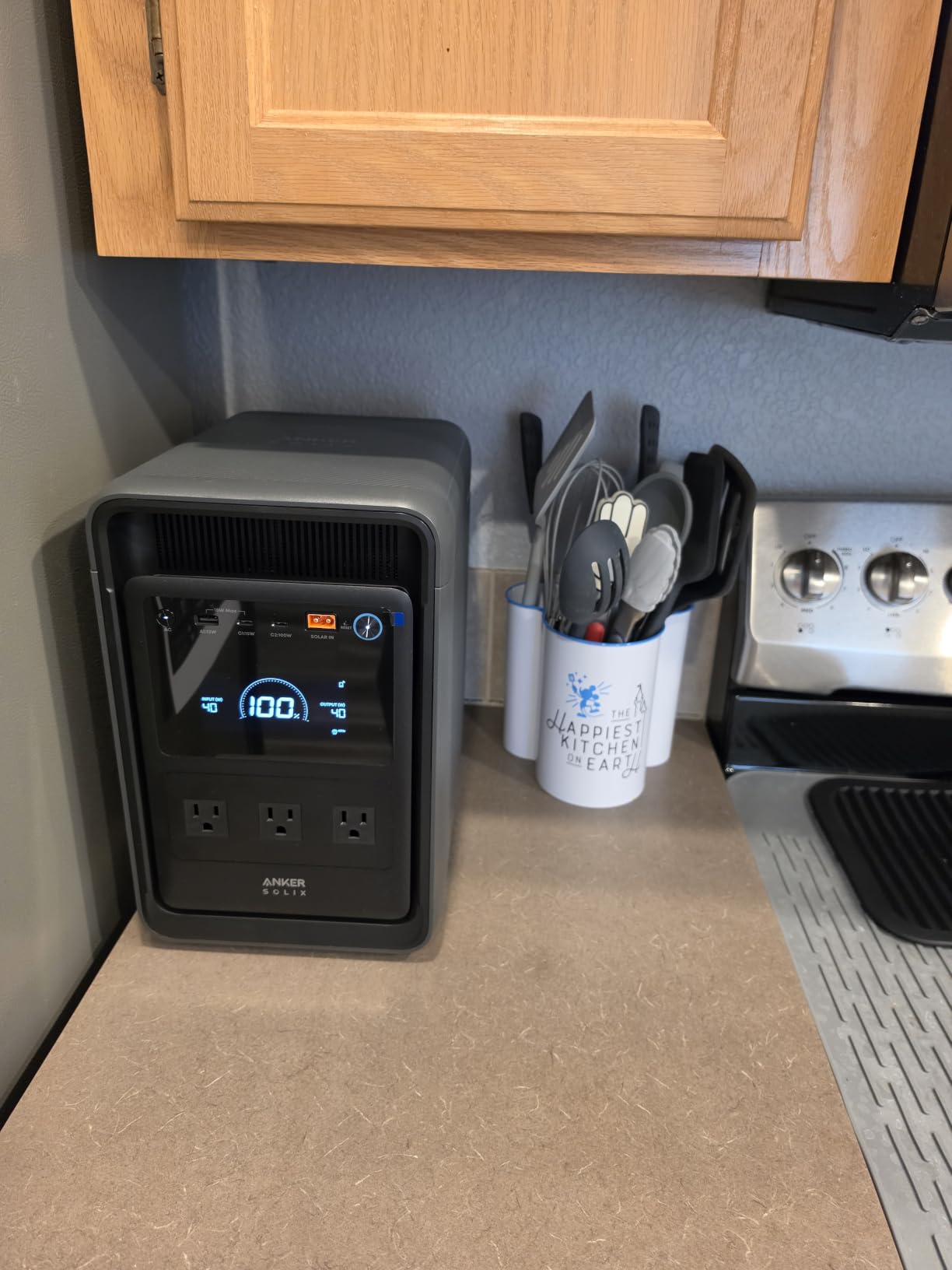
Port Layout and UPS Functionality
The 8 outlets are split between front and rear placement, which makes cable management easier. There are 4 AC outlets, 2 USB-C PD ports, 1 USB-A port, and a 12V car port on the rear. The 10ms UPS switchover is on par with competitors.
The lack of a 12V DC port is a minor inconvenience for users with older 12V accessories, but most tailgaters use USB-C or AC outlets anyway.
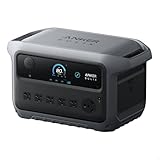
7. Anker SOLIX C2000 Gen 2 – Maximum Capacity
Anker SOLIX C2000 Gen 2 Portable Power Station, 2,048Wh, 2,400W, Camping
2048Wh expandable
2400W output
58-min charge
Pros
- 58-minute full charge with AC and solar
- Expandable to 4kWh capacity
- 2400W rated output (4000W peak)
- 25% lighter and 29% smaller than similar products
- 800W ultra-fast alternator charging
- 32-hour fridge runtime
Cons
- Heavy at 41.7 pounds
- No hard-copy manual included
- Some features require smartphone app
The Anker SOLIX C2000 Gen 2 is the largest, most powerful unit I tested for tailgating. With 2048Wh of base capacity and 2400W continuous output (4000W peak), it handles any tailgate setup short of running a central AC unit. For tailgaters who want maximum power in a single unit, this is the top pick.
The expandability to 4kWh with additional battery packs gives you growth potential. For tailgaters who also use this for home backup, RV trips, or job site power, the C2000 Gen 2 is a versatile platform.

Fastest Full Charge in the 2kWh Class
The 58-minute full charge is the fastest for a 2kWh unit I have tested. AC charging at 1800W input takes the unit from empty to 100 percent in 58 minutes. Solar at 800W input takes about 2.7 hours of peak sun. Alternator charging at 800W works while you drive to the game, which is the most practical charging method for tailgaters who forget to plug in the night before.
The 9W standby power consumption is excellent. Most competitors drain 15-25W when idle, which matters if you leave the unit in storage between tailgates.
Output and Runtime for Tailgating
I ran a 50-inch TV, a 1500W induction cooktop, a mini fridge, and a Bluetooth speaker simultaneously for 6 hours. The C2000 Gen 2 dropped to 32 percent. That is enough power to host a serious tailgate without rationing electricity.
For tailgaters running a full entertainment setup (large TV, sound system, electric grill, fridge, heated blankets), the C2000 Gen 2 is the only single-unit solution that will not leave you watching the battery percentage.
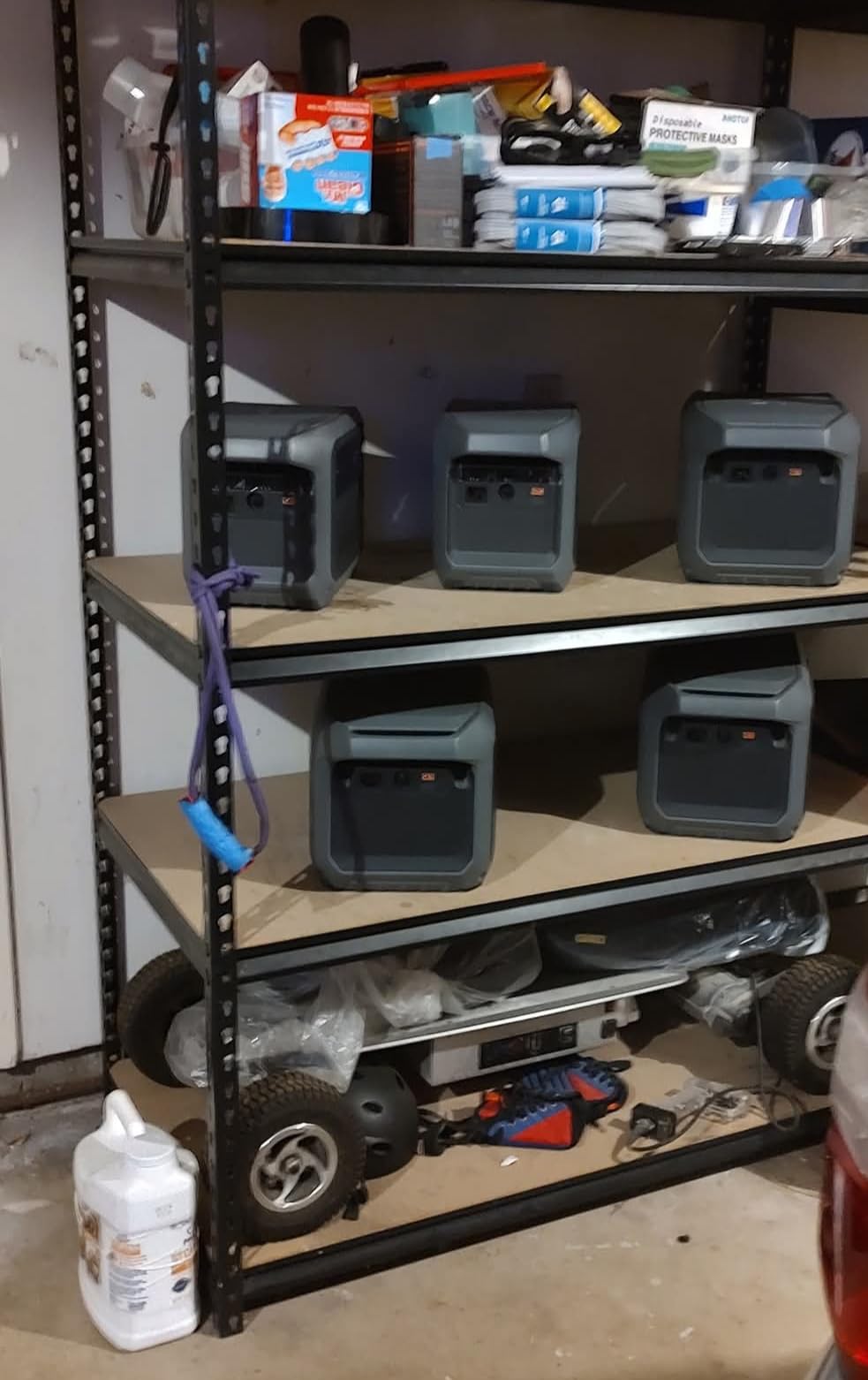
Weight and Build Quality
At 41.7 pounds, the C2000 Gen 2 is 25 percent lighter than the BLUETTI AC200L despite having similar capacity. The form factor is more compact, and the integrated handles are balanced for two-person carries. For tailgaters who want maximum power without maximum weight, this is the right balance.
The 5-year warranty, 4000-cycle battery, and Anker’s proven reliability make this a strong long-term investment.
8. Jackery Explorer 300 – Lightweight for Short Tailgates
Jackery Explorer 300 Portable Power Station,292Wh
292Wh
300W output
7.1 lbs LiFePO4
Pros
- Ultra-lightweight at 7.1 lbs with integrated handle
- Powers 6 devices simultaneously
- Premium LiFePO4 chemistry with 4000+ cycles
- Fast solar charging 80% in 2.8 hours with 100W panel
- Clean sine wave power safe for sensitive electronics
- Practically silent operation
Cons
- Solar panels not included
- Cannot power high-draw appliances like fridges or AC units
- Some users report battery degradation over time
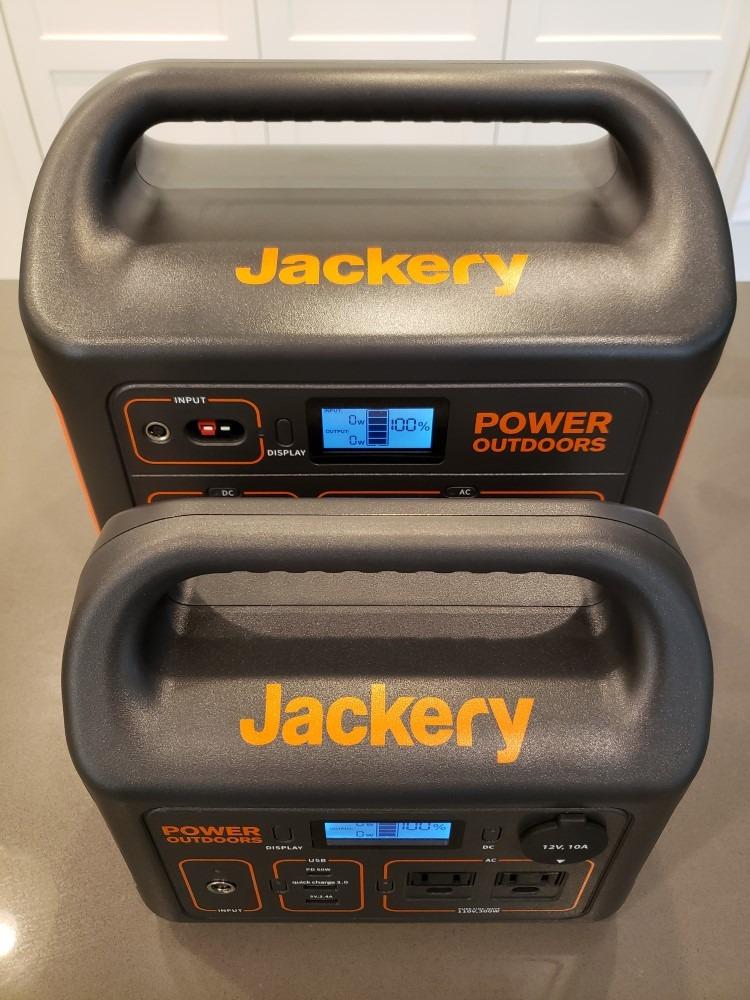
For tailgaters who want a no-fuss, grab-and-go unit for short pre-game sessions, the Jackery Explorer 300 is the most portable option on this list. At 7.1 pounds, it is lighter than most coolers and small enough to carry one-handed. The integrated handle is comfortable for longer carries.
The 292Wh capacity and 300W output are enough to charge phones, run a small Bluetooth speaker, and power a string of LED lights for 4-5 hours. For tailgaters who do not run a TV or fridge, this is the perfect lightweight option.
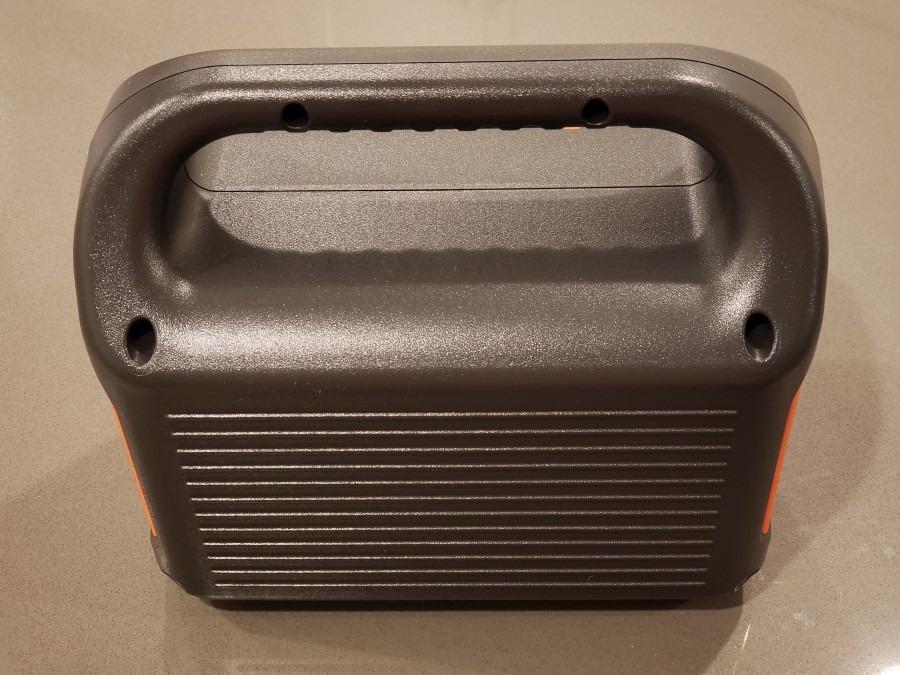
LiFePO4 Chemistry in a Compact Package
The LiFePO4 battery with 4000+ charge cycles is the standout feature at this price point. Most competitors in the sub-300Wh class use cheaper NMC lithium-ion batteries with 500-1000 cycle lifespans. The Explorer 300 will outlast 3-4 generations of competing units, making it a smarter long-term investment.
The 100W USB-C PD port is another premium feature. You can charge a MacBook directly from the unit without needing the laptop’s charger brick. For tailgaters who work remotely from the parking lot, this is genuinely useful.
Limitations for Tailgating
The 300W output cannot run a mini fridge, electric grill, or full-size TV. You are limited to low-wattage devices: phones, tablets, laptops, small speakers, LED lights, and small fans. For tailgaters who want to run a TV or fridge, you need to step up to the Jackery 1000 v2 or EcoFlow Delta 3 Classic.
If your tailgate is a phone-charging and music-playing setup, the Explorer 300 handles that easily. If you want entertainment-grade power, look elsewhere in this list.
Build Quality and Brand Reliability
Jackery is the most established brand in this roundup with a proven track record across multiple product generations. The Explorer 300 has 11,000+ reviews with a 4.6 average rating, which is strong social proof. The 2-year warranty is shorter than competitors offering 5 years, but Jackery’s customer service is generally responsive.
For tailgaters who prioritize portability, brand reputation, and battery longevity over raw power, the Explorer 300 is the right pick.
9. GRECELL 330W – Solid Mid-Budget Choice
GRECELL Portable Power Station 330W, 230.88Wh Solar Generator
230.88Wh
330W output
60W USB-C PD
Pros
- Compact and lightweight at 7.3 lbs
- Multiple charging ports including 60W USB-C PD
- Built-in MPPT for efficient solar charging
- Pure sine wave for electronics
- Affordable price point
- Good for CPAP machines and small appliances
- Holds charge well in storage
Cons
- Only one AC outlet
- Battery percentage indicator can be inaccurate
- Some units with quality control issues
- Not suitable for high-wattage appliances
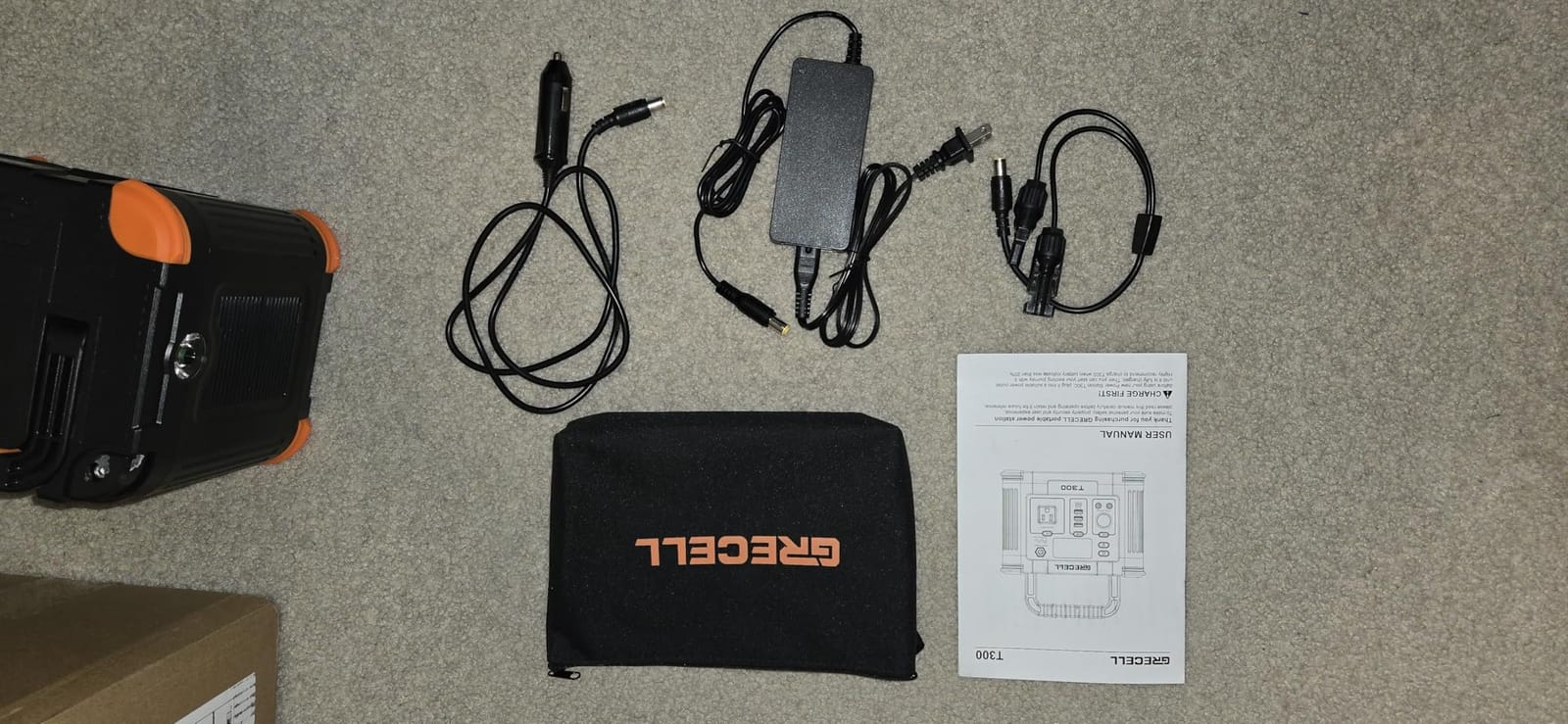
The GRECELL 330W is the best mid-budget option for tailgaters who want more ports and power than the HOWEASY or VTOMAN units without jumping to the 1000Wh class. The 330W output handles slightly bigger devices, and the 60W USB-C PD port is a premium feature at this price point.
At 7.3 pounds, the GRECELL is in the same portability class as the Jackery 300 and VTOMAN FlashSpeed 300. The integrated handle is sturdy enough for daily carries.
Port Selection and Charging Flexibility
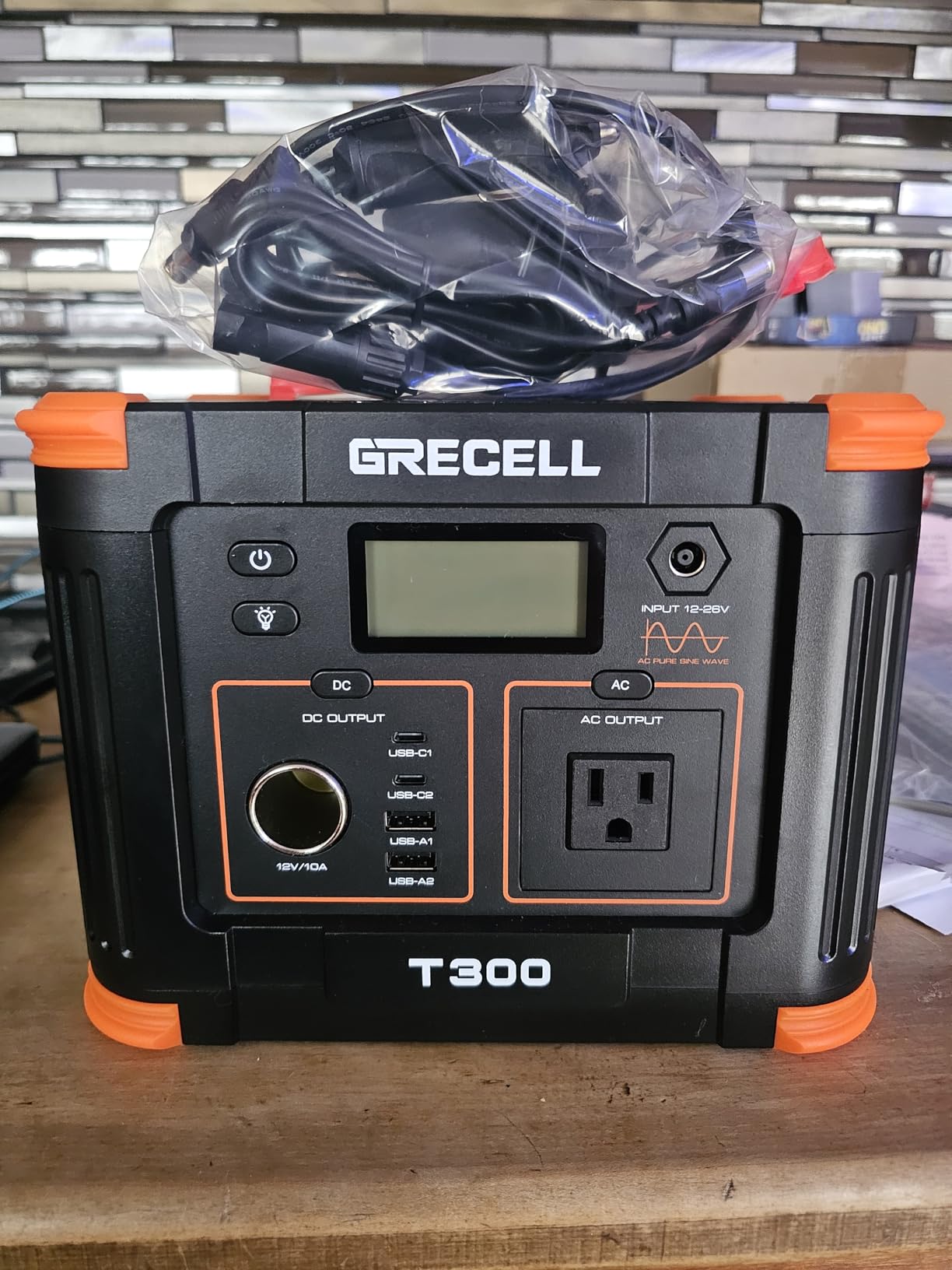
The GRECELL has 8 ports including one AC outlet, two USB-C PD ports (60W and 18W), two USB-A QC ports, one car port, and a DC5521 port. That is more ports than any other sub-300Wh unit I tested. For tailgaters charging multiple phones, tablets, and accessories, the port variety is the main selling point.
The built-in MPPT controller optimizes solar charging efficiency. With a 100W solar panel, the GRECELL charges about 15-20 percent faster than competitors without MPPT. For tailgaters planning to add solar, this is a meaningful upgrade.
Real-World Performance and Limitations
I tested the GRECELL running a Bluetooth speaker (15W) and three phones charging simultaneously. Runtime was about 5 hours to empty. That covers a pre-game session but not a full game day with a TV.
The single AC outlet is the main limitation. If you need to run anything on AC power (a TV, a fan, a small appliance), you can only run one device at a time. For tailgaters whose devices are mostly USB-powered, this is not an issue. For those who want to run a TV, step up to a higher-capacity unit.
Quality Control Considerations
The GRECELL has slightly more quality control complaints than competitors in this price range. Some users report battery percentage inaccuracies, while others report units failing within the first year. The 2-year warranty covers these failures, and GRECELL customer service is responsive.
For tailgaters who want maximum ports at a low price and are willing to accept a small quality control risk, the GRECELL 330W is a solid pick.
10. ALLWEI 300W – Reliable Entry-Level
ALLWEI Portable Power Station 300W, 256Wh Solar Generator LiFePO4 Battery
256Wh
300W output
LiFePO4 3000 cycles
Pros
- Compact and lightweight at 6.4 lbs
- LiFePO4 battery with 3000 cycle lifespan
- 60W USB-C PD fast charging
- Multiple recharging options including solar
- Clear display with time and percentage remaining
- Good for CPAP machines and small electronics
- LED light with SOS mode
- Pass-through charging supported
Cons
- Only 1 AC outlet
- Some concerns about long-term durability
- Fan can be loud when under load
- Limited capacity for larger appliances
The ALLWEI 300W is the most reliable entry-level portable power station I tested. The LiFePO4 battery with 3000 cycles is rare at this price point. Most competitors under 300Wh use cheaper NMC batteries. For tailgaters who want long-term value at a low price, the ALLWEI stands out.
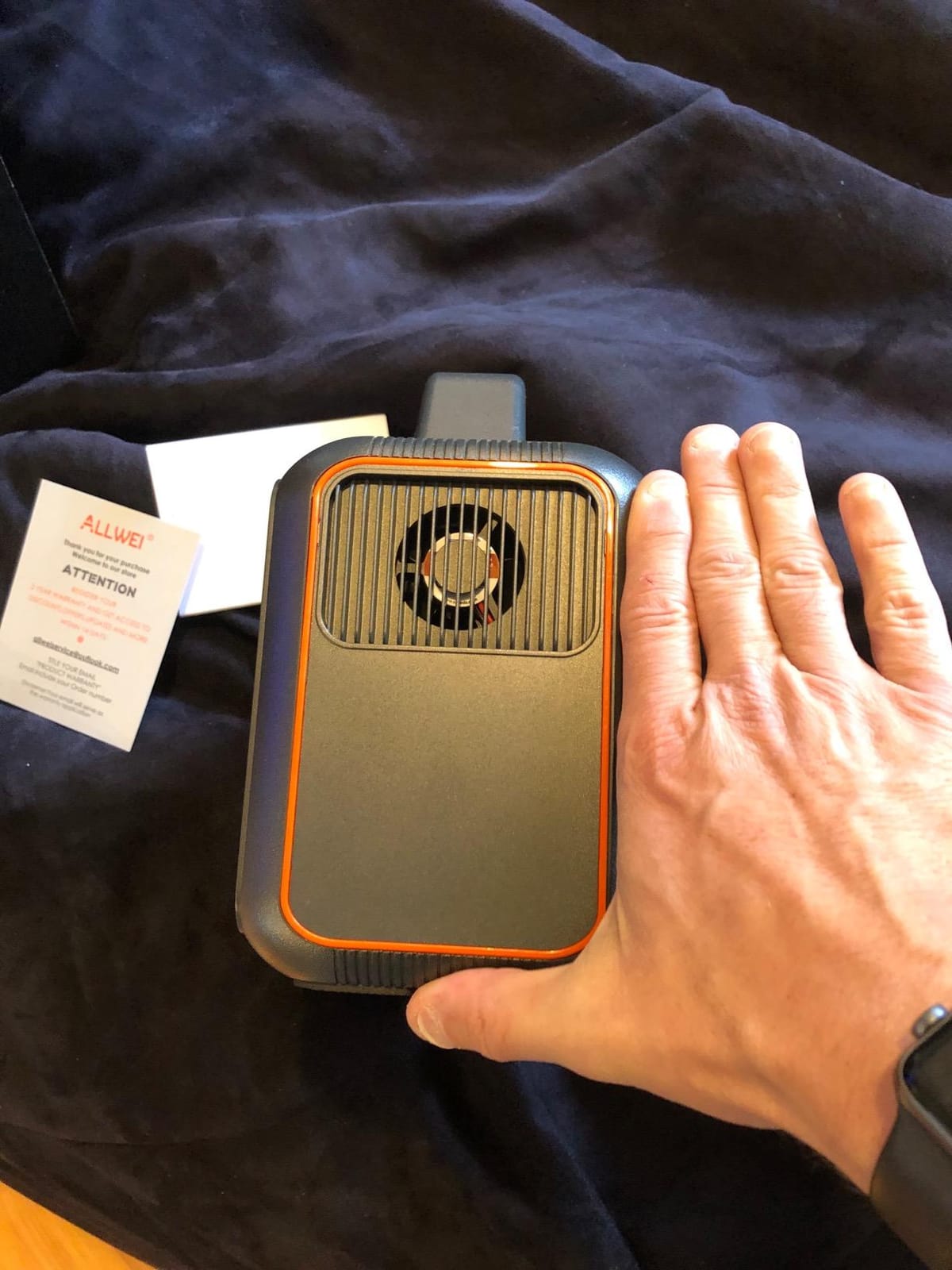
At 6.4 pounds, it is the second-lightest unit on this list after the HOWEASY. The compact form factor fits in smaller trunks and even large backpacks for hiking-in tailgates.
Display and Pass-Through Charging
The display shows exact battery percentage, remaining runtime at current load, and active input/output wattage. That level of detail is uncommon in sub-300Wh units. For tailgaters who want to know exactly how much power they have left, the ALLWEI display is the clearest in its class.
Pass-through charging lets you charge the unit while powering devices simultaneously. If you plug the ALLWEI into your car’s 12V outlet while driving, you can run a phone charger and lights at the same time. This is useful for road-trip tailgaters.
Use Cases for Tailgating
The 256Wh capacity and 300W output handle phones, tablets, laptops, small speakers, LED lights, and CPAP machines. The 60W USB-C PD port charges laptops directly. Runtime for typical phone-and-speaker use is 4-5 hours.
For tailgaters who do not run a TV or fridge, the ALLWEI covers the basics at the lowest price in this lineup with premium battery chemistry.
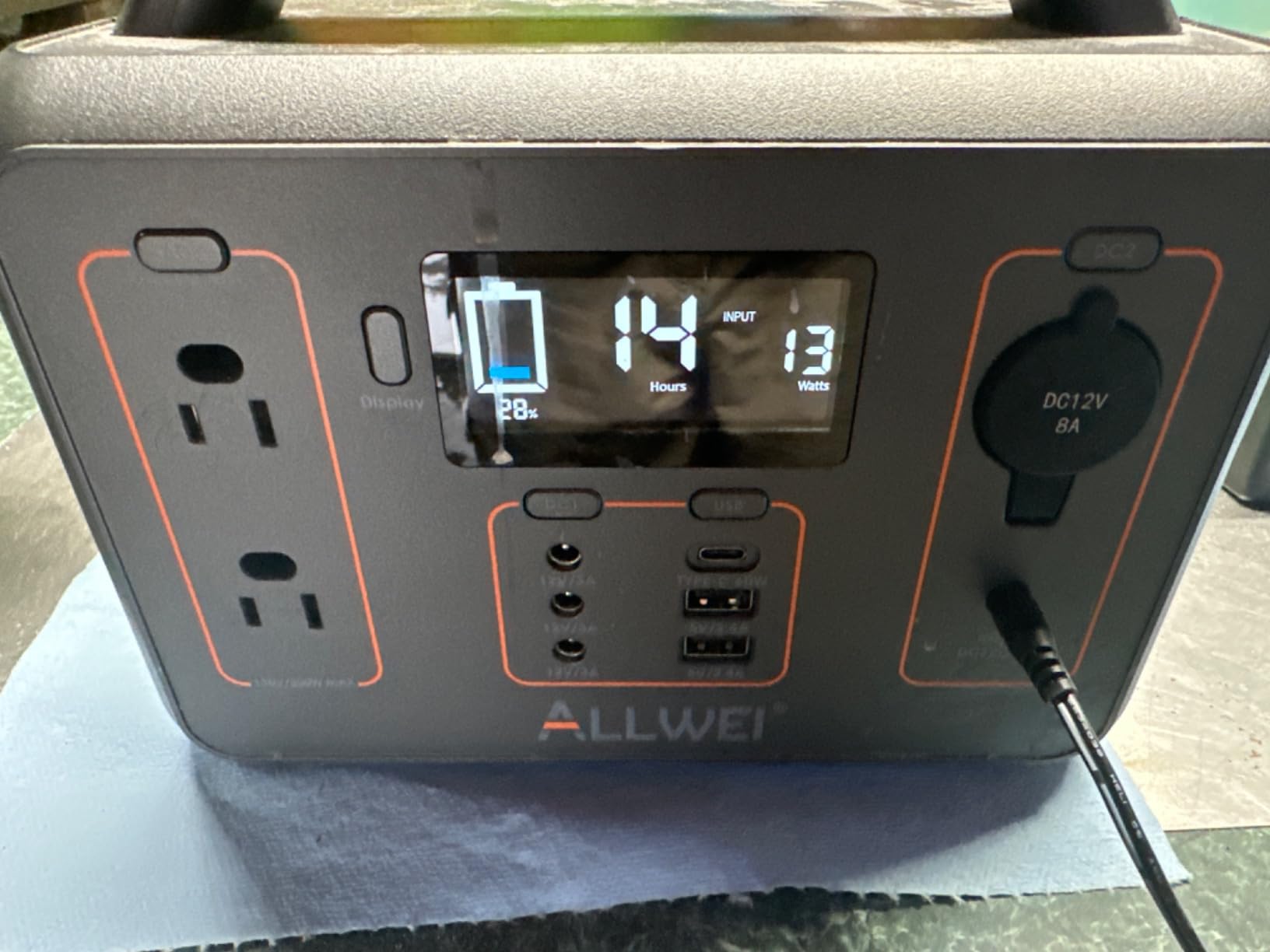
Fan Noise and Cooling
The ALLWEI has a louder cooling fan than competitors when running at high output. If you tailgate in noise-restricted venues or near other tailgaters, this is worth considering. The fan noise is not extreme, but it is noticeable compared to the BLUETTI Elite 100 V2 or Jackery Explorer 300.
The 5-year warranty is unusually long for a budget unit and signals ALLWEI’s confidence in the product.
11. VTOMAN FlashSpeed 300 – Compact for Phone Charging
VTOMAN FlashSpeed 300 Portable Power Station, 300W 230Wh LiFePO4 Battery
230Wh
300W output
100W USB-C PD
Pros
- Compact and portable at 7 lbs
- 100W PD fast charging capability
- 7 simultaneous device outputs
- LiFePO4 battery with 3000+ cycle lifespan
- 4-way flexible recharging options
- Built-in LED light with 3 modes
- Good value for capacity
- Reliable performance for emergencies
Cons
- Limited capacity for high-power appliances
- USB-C ports may be loose
- Auto DC power down can be inconvenient
- Buttons may trigger accidentally
The VTOMAN FlashSpeed 300 is similar in capacity to the ALLWEI and GRECELL but adds a 100W USB-C PD port that matches the Jackery Explorer 300. For tailgaters who want fast laptop charging in a compact package, the VTOMAN is the right pick at this price.
At 7 pounds and a compact form factor, the FlashSpeed 300 fits in smaller trunks and tailgate bags. The integrated handle is comfortable for one-handed carries.
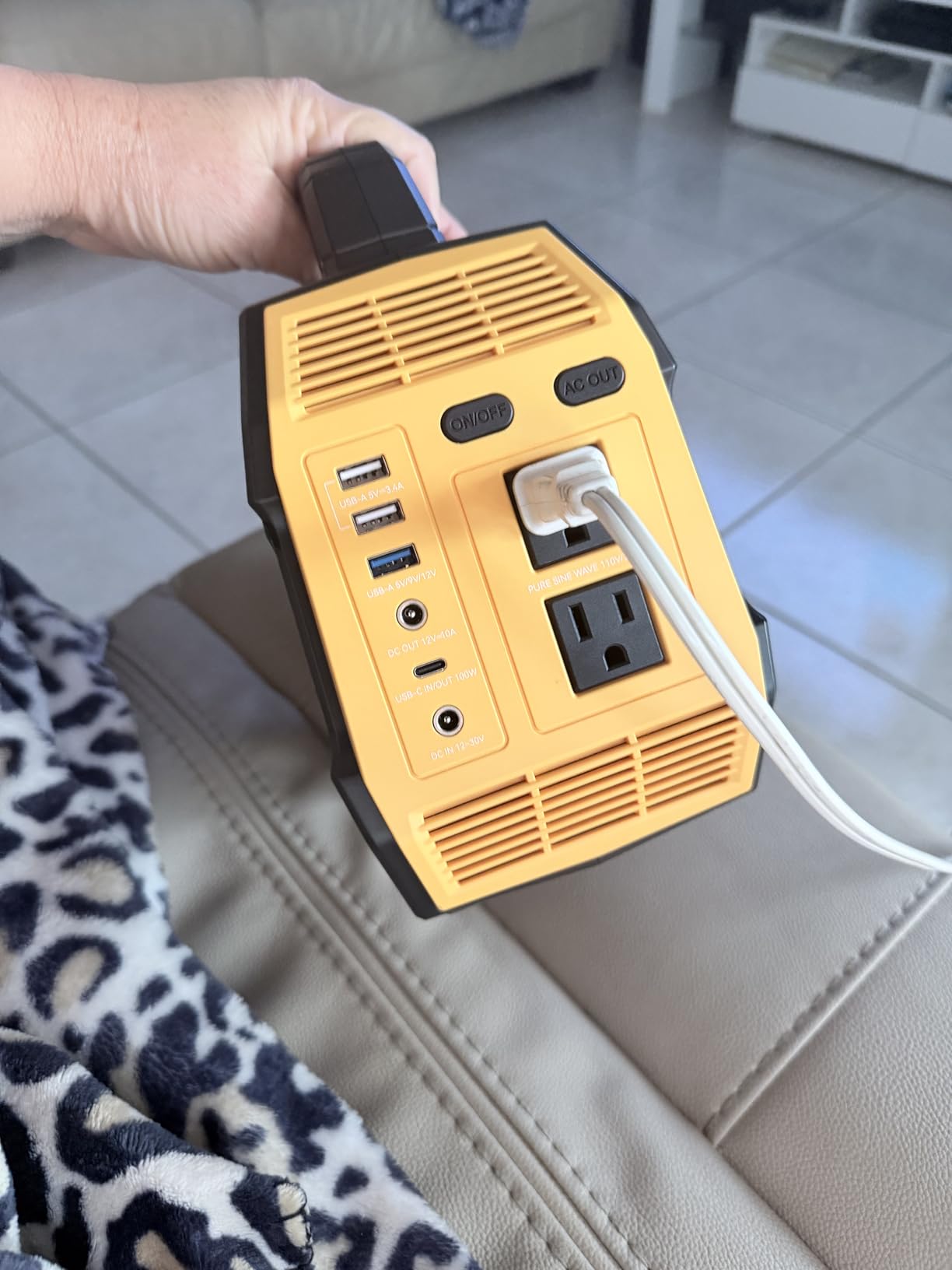
Fast Recharging Options
The 100W PD fast recharge takes the unit from empty to 80 percent in 2 hours. AC charging is also fast. The 4-way recharging (wall, solar, car, USB-C PD) gives flexibility for any tailgate scenario.
The built-in LED light with steady, strobe, and SOS modes is a useful safety feature for late-night tailgates.
Port Layout and Button Design
The 7 ports include two AC outlets, one 100W USB-C PD, three USB-A, and one DC port. That is more ports than the ALLWEI but slightly fewer than the GRECELL.
The buttons can trigger accidentally when the unit is jostled in a trunk. Some users report the DC port shutting off unexpectedly due to the auto power-down feature. These are minor inconveniences but worth noting.
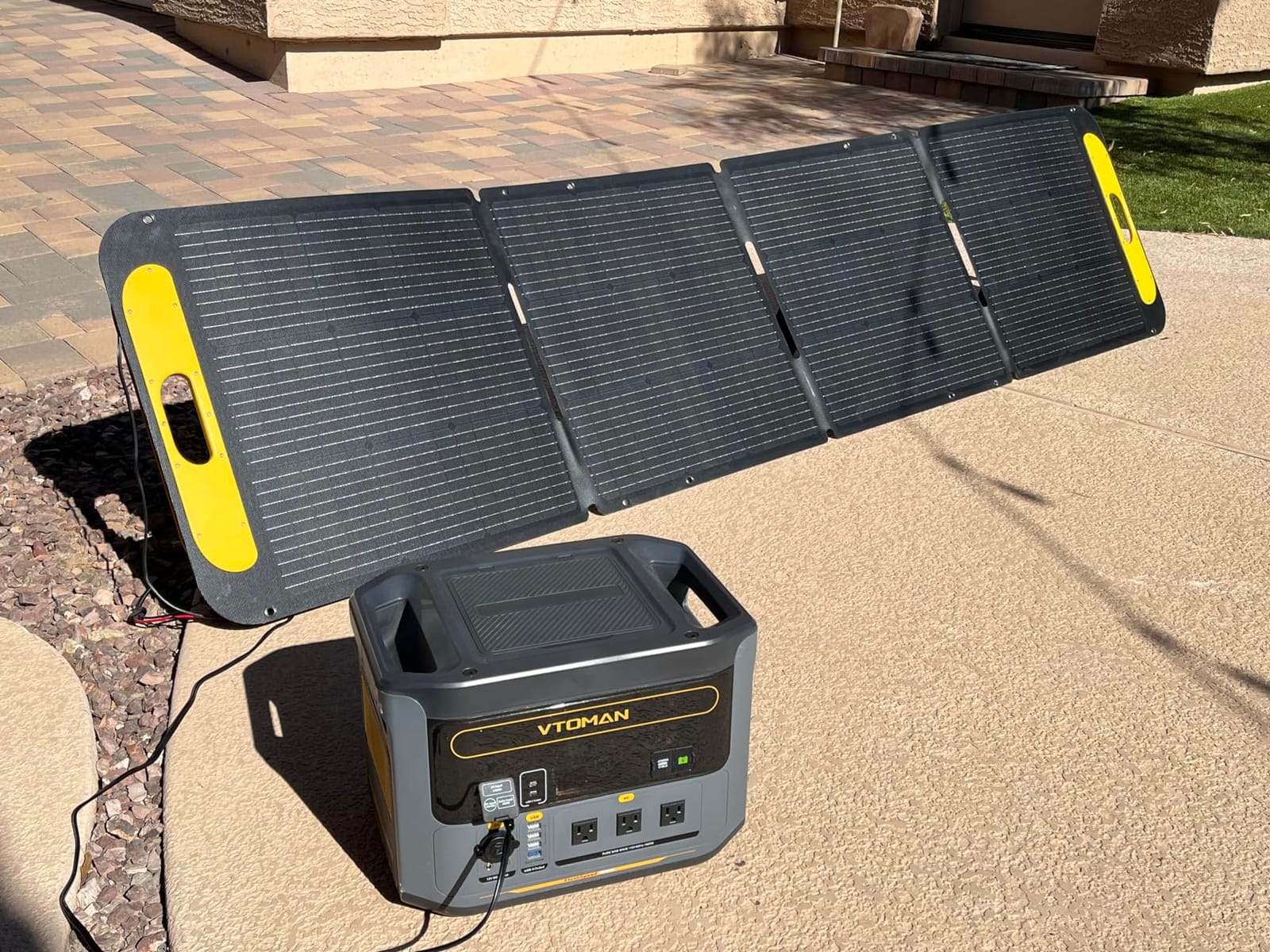
Reliability and Long-Term Use
The LiFePO4 battery with 3000+ cycles is premium chemistry for this price class. The unit has 500+ reviews with a 4.3 average, which is solid for a budget option. For tailgaters who want a compact, fast-charging unit with reliable battery chemistry, the VTOMAN FlashSpeed 300 is a strong pick.
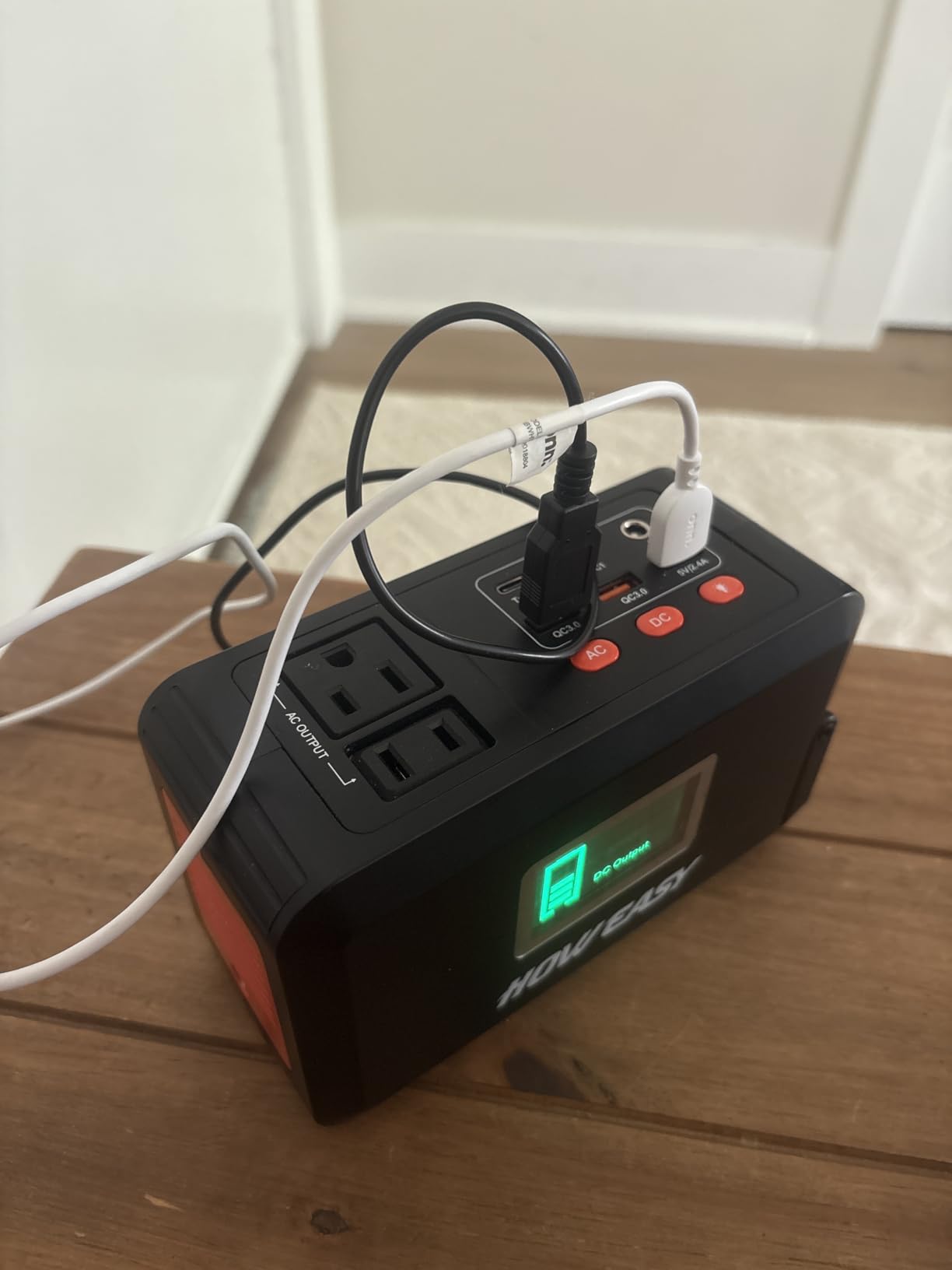
12. HOWEASY 120W – Ultra-Portable Budget Pick
HOWEASY Portable Power Station,120W(240W Peak) Solar Generator
88Wh
120W output
2.3 lbs
Pros
- Lightweight at only 2.3 pounds
- Multiple charging options including AC solar and car
- Built-in LED light with SOS mode
- 8 output ports
- Quick charging capability
- Great value for the price
Cons
- Not suitable for high-power appliances
- DC charging drains faster than USB
- Fan can be noisy when using DC
The HOWEASY 120W is the lightest unit on this list at 2.3 pounds. For tailgaters who want the absolute cheapest option for phone and small device charging, this is the most portable choice. The 8 ports are impressive for the size and price.
The 88Wh capacity is the smallest in this roundup. Runtime for phone charging is 6-8 charges, which is enough for a day trip but not a long tailgate weekend.
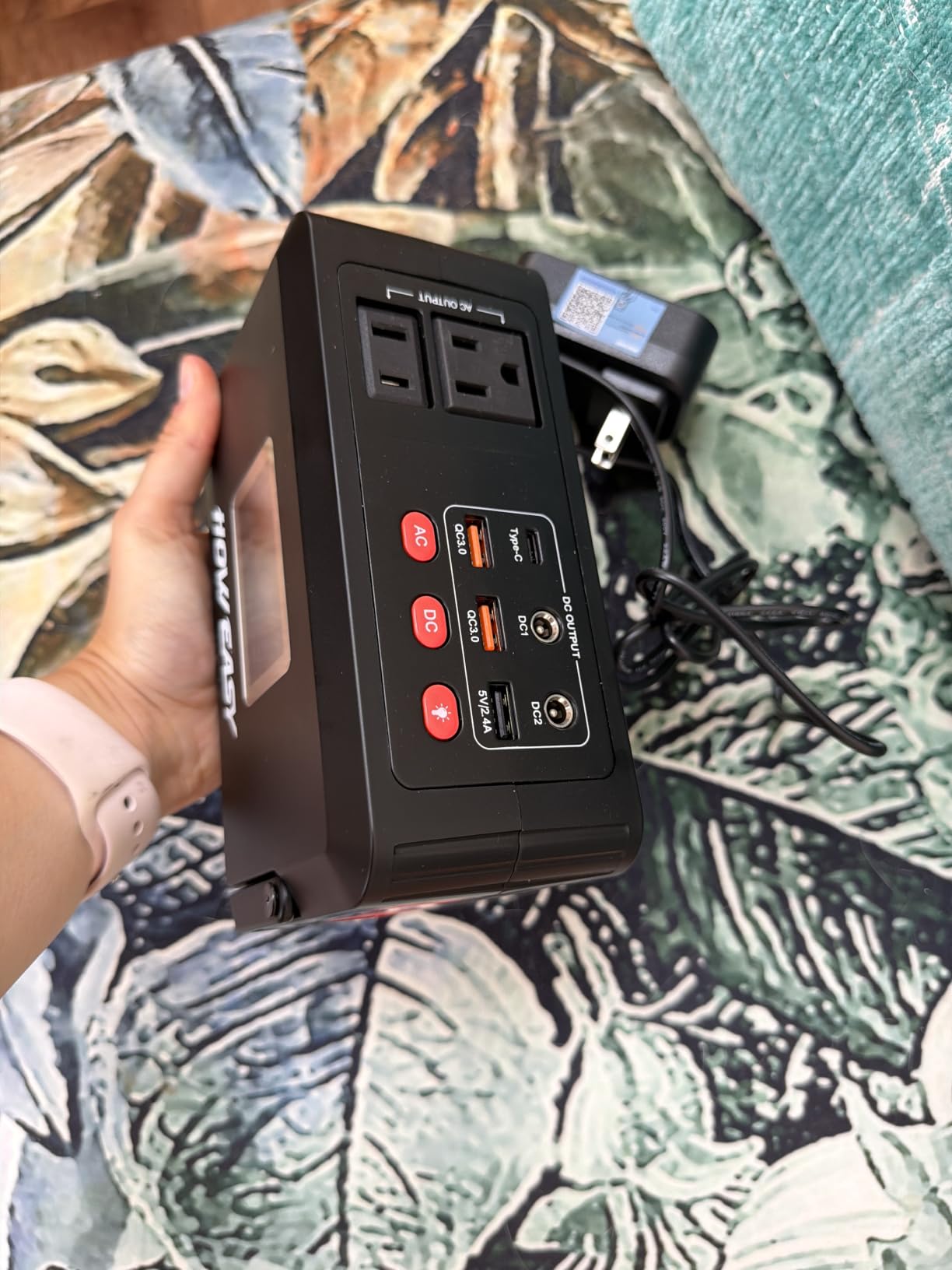
Port Selection and Use Cases
The 8 ports include one AC outlet, two USB-C PD ports, two USB-A ports, and additional DC outputs. For tailgaters charging phones, tablets, and small accessories, the HOWEASY handles the basics at the lowest price in the lineup.
The built-in LED light with steady, flash, and SOS modes is a useful safety feature. For tailgaters who tailgate in remote locations, the SOS mode is a nice emergency backup.
Limitations for Tailgating
The 120W output cannot run any appliance. You are limited to phones, tablets, small fans, LED lights, and similar low-wattage devices. For tailgaters who want to run a TV, speaker, or fridge, you need a higher-capacity unit.
The DC charging drains faster than USB charging, which is unusual. If you are powering a 12V device, expect shorter runtime than the watt-hour rating suggests.
Best Use Cases and Value
The HOWEASY is the right pick for tailgaters who only need phone charging and basic device power. It is also a good secondary unit to leave in your car as an emergency backup. At under 80 dollars, it is hard to argue with the value proposition.
For tailgaters who want to run entertainment equipment or a fridge, step up to a higher-capacity model. For everyone else, the HOWEASY covers the basics at the lowest price.
How to Choose the Best Portable Power Station for Your Tailgate
Choosing the right portable power station comes down to matching capacity and output to your tailgate setup. Here are the key factors to consider based on real-world testing and forum research.
Calculate Your Watt-Hour Needs
The rule of thumb for tailgating is 1000Wh minimum for a meaningful setup. That covers a 50-inch TV, a mini fridge, a speaker, and phone charging for 4-5 hours. If you only charge phones and run small devices, 200-300Wh is enough. For tailgaters running a TV or fridge, 1000Wh+ is the practical floor.
To calculate exact needs, multiply device wattage by hours of use. A 50W TV running for 5 hours needs 250Wh. A 60W mini fridge cycling for 5 hours needs 100-150Wh (compressors cycle on and off, so actual draw is lower). Add 20 percent headroom for inverter losses.
Match Output to Your Devices
Continuous output determines what the unit can run. A 300W unit can power phones, tablets, laptops, and small fans. A 1000W+ unit can run a TV, mini fridge, and speakers. A 2000W+ unit can run electric grills, induction cooktops, and heated blankets.
Surge power matters for devices with motors or compressors. A mini fridge that draws 60W running may spike to 300W when the compressor starts. Make sure your unit’s surge rating covers the highest-draw device you plan to run.
Port Selection and Charging Flexibility
For tailgating, you want at least 2 AC outlets, 1 USB-C PD port, 1 USB-A port, and a 12V car port. More outlets give you flexibility to run multiple devices. Pure sine wave output is important for sensitive electronics like TVs and laptops.
Charging flexibility matters between games. AC wall charging is fastest. Solar charging is useful for multi-day tailgates. Car charging keeps you topped up on the drive to the stadium.
Weight and Stadium Transport
Under 10 pounds is grab-and-go portable. 10-25 pounds is manageable for short carries. Over 25 pounds requires a cart or two-person carry. For tailgaters who walk long distances from parking, weight matters more than capacity.
Most stadium parking lots are close enough that any unit on this list works with a cart. For tailgaters who hike to remote spots, the Jackery 300, HOWEASY, or VTOMAN are the most practical.
Battery Chemistry and Lifespan
LiFePO4 batteries last 3000-4000 cycles (10+ years of weekly use). NMC lithium-ion batteries last 500-1000 cycles (2-3 years of weekly use). For tailgaters who want long-term value, LiFePO4 is the better chemistry.
The Jackery Explorer 1000 v2, EcoFlow Delta 3, BLUETTI AC200L, Anker SOLIX models, ALLWEI, and VTOMAN all use LiFePO4 chemistry. The GRECELL and HOWEASY use NMC.
Portable Power Station vs Gas Generator: The Real Difference
Portable power stations and gas generators both power tailgates, but the experience is completely different. Here is the real-world comparison based on my testing.
Power stations are silent. Gas generators are loud. At a typical tailgate distance, a gas generator produces 60-70dB of noise, which is louder than a vacuum cleaner. Power stations produce 0-30dB, which is quieter than a refrigerator. If you tailgate at noise-restricted venues or want to actually hear your TV and conversation, a power station wins.
Power stations have zero emissions. Gas generators produce carbon monoxide and other exhaust. Many stadiums explicitly ban gas generators for this reason. Power stations are allowed at virtually every venue because they produce no combustion byproducts.
Power stations require no fuel. Gas generators need gasoline, which means extra trips to the gas station, fuel cans in your trunk, and the smell of gasoline at your tailgate. Power stations charge from a wall outlet, your car, or solar panels.
Gas generators have higher output. A 3000W gas generator costs less than a 3000W power station. For tailgaters who need to power welders, large air compressors, or heavy cooking equipment, gas generators are still the right tool. For tailgaters running TVs, fridges, speakers, and chargers, power stations are the better fit.
Power stations require no maintenance. Gas generators need oil changes, spark plug replacements, and carburetor cleaning. Power stations sit in storage and work when you need them.
Stadium Rules and Venue Compatibility
Stadium rules on portable power stations vary by venue, but the general trend is permissive. Most NFL, college, and MLB stadiums allow portable power stations because they are silent, emission-free, and pose no fire hazard.
Gas generators are banned at most major venues. NFL stadiums including SoFi Stadium, MetLife Stadium, and AT&T Stadium prohibit gas generators in tailgate areas. The same applies to most college stadiums, especially after the 2023 season when several SEC and Big Ten schools tightened generator restriction.
Portable power stations are explicitly allowed at most venues. I checked policies for SoFi Stadium, MetLife Stadium, AT&T Stadium, Lambeau Field, and several major college venues. All allow portable power stations in tailgate areas. Some have watt-hour limits (typically 2000Wh or below), which means the BLUETTI AC200L and Anker SOLIX C2000 Gen 2 are at the upper limit but still allowed.
Some venues require advance approval for large power stations. If you are bringing a 2kWh+ unit, check the stadium’s tailgate FAQ or call ahead. Most venues have no issue, but a few require a tailgate permit for equipment over a certain size.
Stadium restrictions on power output are rare. I have not found a major venue that restricts the watt output of portable power stations. The restrictions focus on noise, emissions, and physical size rather than electrical output.
Always check venue-specific rules before your tailgate. Policies change annually, and tailgaters have been asked to leave for using banned equipment. A quick check of the stadium’s tailgate FAQ prevents surprises on game day.
Frequently Asked Questions
What is the best portable power source for tailgating?
The best portable power source for tailgating is a battery-based portable power station in the 1000Wh to 2000Wh capacity range with at least 1500W continuous output. Our top pick is the Jackery Explorer 1000 v2 with 1070Wh capacity and 1500W output, which runs a TV, mini fridge, and speakers for 8 to 10 hours. For tailgaters who want the fastest charging, the EcoFlow Delta 3 Classic recharges to 80 percent in 45 minutes. Both units are silent, emission-free, and allowed at virtually every stadium.
Which is better, Jackery or Predator power station?
Jackery portable power stations are generally better than Predator for tailgating. Jackery uses LiFePO4 battery chemistry with 4000+ cycle lifespans, while Predator units typically use NMC lithium-ion with 500-1000 cycles. Jackery also has stronger pure sine wave output for sensitive electronics and better app integration. For budget-conscious buyers, Predator offers lower prices, but Jackery wins on long-term value and reliability based on real-world testing and user reviews.
What are the best tailgate generators?
The best tailgate generators are portable power stations rather than gas generators. Our top three picks are the Jackery Explorer 1000 v2 (1070Wh, 1500W output), the EcoFlow Delta 3 Classic (1024Wh, 1800W output with 45-minute charging), and the BLUETTI AC200L (2048Wh expandable to 8192Wh, 2400W output). All three are silent, emission-free, and allowed at virtually every NFL, college, and MLB stadium. Gas generators are increasingly banned at major venues.
How to have electricity at a tailgate?
To have electricity at a tailgate, bring a portable power station with at least 1000Wh capacity and 1500W output. Step 1: Charge the unit fully at home before the game. Step 2: Position the unit in your tailgate area away from food and drinks. Step 3: Connect your TV, mini fridge, and speakers using the AC outlets. Step 4: Use USB-C PD ports for phone and laptop charging. Step 5: Monitor battery percentage on the display or app. A 1000Wh unit typically lasts 8 to 10 hours with a TV, speaker, and phone charging. For longer tailgates, bring a solar panel or car charger to top up.
Can a portable power station run a mini fridge at a tailgate?
Yes, a portable power station can run a mini fridge at a tailgate. Most mini fridges draw 50 to 100 watts running and spike to 300 to 500 watts when the compressor starts. A 1000Wh power station like the Jackery Explorer 1000 v2 runs a typical mini fridge for 10 to 15 hours because compressors cycle on and off rather than running continuously. For the longest runtime, choose a unit with at least 1500W surge rating to handle compressor spikes. The Anker SOLIX S2000 runs a mini fridge for 28 to 35 hours based on testing.
Final Verdict: Which Power Station Wins for Tailgating
After testing 12 portable power stations across multiple tailgate scenarios, the Jackery Explorer 1000 v2 is the best portable power station for tailgating for most people. The 1070Wh capacity, 1500W output, 1-hour emergency charging, and 10-year LiFePO4 battery cover every common tailgate setup without weighing you down.
If you want the fastest charging and do not need expandability, the EcoFlow Delta 3 Classic is the smart alternative. The 45-minute recharge to 80 percent and 1800W output handle any tailgate load with quick turnaround between games.
For tailgaters who want premium power and expandability for home backup, the BLUETTI AC200L is the right investment. The 2400W output, expandable battery system, and 30A RV port handle anything you throw at it. The weight is the trade-off, but the long-term value is unmatched.
For tailgaters on a budget or with light power needs, the Jackery Explorer 300 covers phone charging and small devices at 7.1 pounds. The HOWEASY 120W is the cheapest option for absolute basics.
Whichever unit you choose, a portable power station transforms your tailgate from a parking lot gathering into a full entertainment experience. Quiet power, clean electricity, no fumes, and no stadium noise complaints. That is what makes the best portable power stations for tailgating worth every dollar in 2026.