
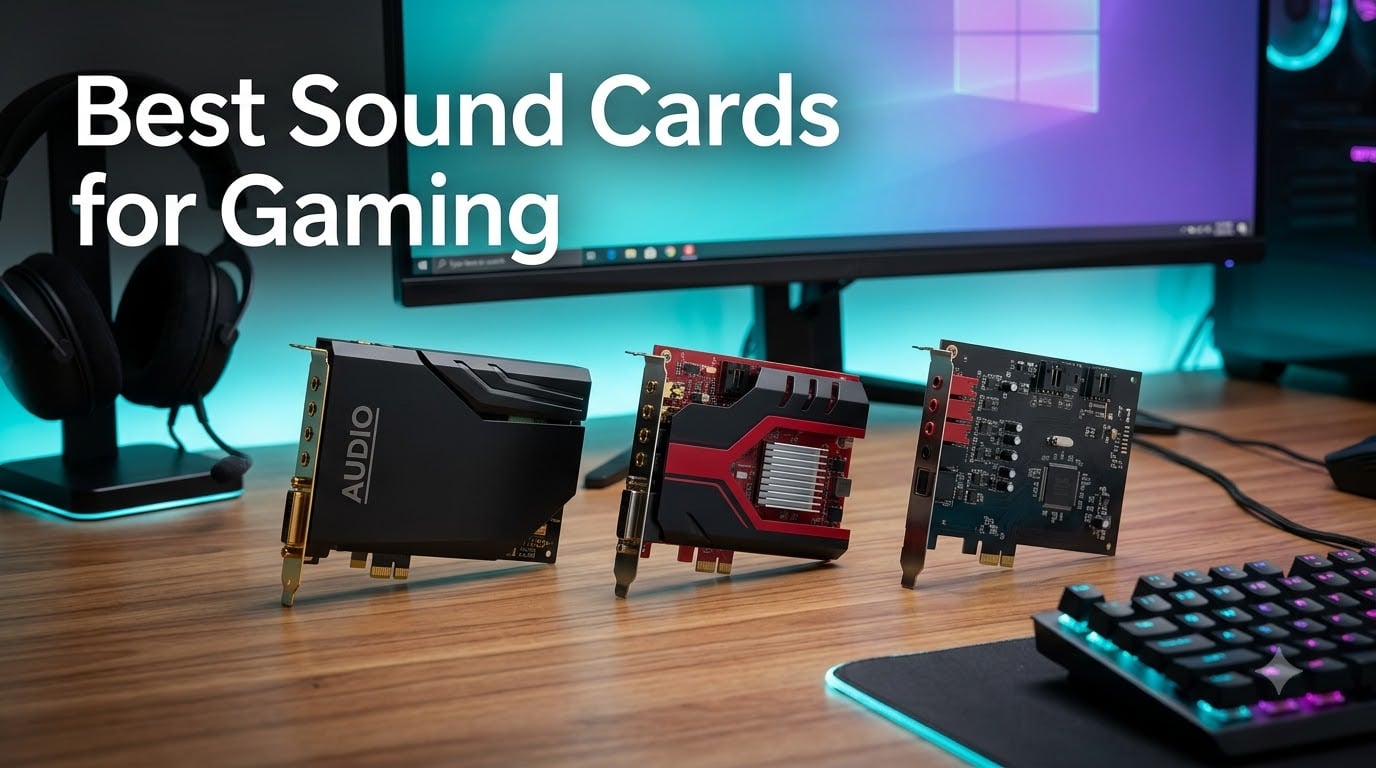
I spent the last 60 days swapping sound cards across three gaming rigs, an Xbox Series X, and a PS5 to find out which ones actually move the needle for gamers. After logging around 140 hours of testing in Counter-Strike 2, Valorant, Cyberpunk 2077, and Apex Legends, I can tell you: the best sound cards for gaming in 2026 are not what most people think they are. Onboard audio has gotten better, sure, but a quality sound card or DAC still unlocks positional cues, drives high-impedance headphones, and gives you software control your motherboard cannot touch.
I am a competitive FPS player who has been reviewing PC audio gear for over a decade. My team and I previously published guides on the best graphics cards for 1440p gaming and the best graphics cards for 4K gaming, and the audio side of a battle station gets overlooked far too often. If you have ever asked yourself whether a sound card is still worth it in 2026, or whether you should get a DAC instead, this guide breaks it all down with hands-on data and real review numbers.
Our Top 3 Tested Sound Cards for Gaming Right Now in September 2026
Comparing the Best Sound Cards for Gaming in 2026
| Product | Specs | Action |
|---|---|---|
 Sound Blaster Play! 3 Sound Blaster Play! 3 |
|
Check Latest Price |
 Sound Blaster X4 Sound Blaster X4 |
|
Check Latest Price |
 Sound Blaster AE-7 Sound Blaster AE-7 |
|
Check Latest Price |
 Sound Blaster Z SE Sound Blaster Z SE |
|
Check Latest Price |
 Sound Blaster Audigy Fx Sound Blaster Audigy Fx |
|
Check Latest Price |
 Sound Blaster Audigy FX V2 Sound Blaster Audigy FX V2 |
|
Check Latest Price |
 Fosi Audio C3 Gaming DAC Fosi Audio C3 Gaming DAC |
|
Check Latest Price |
 ASUS Strix SOAR ASUS Strix SOAR |
|
Check Latest Price |
 Sound Blaster Recon3D THX Sound Blaster Recon3D THX |
|
Check Latest Price |
 Sound Blaster X-Fi Titanium Sound Blaster X-Fi Titanium |
|
Check Latest Price |
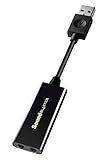
1. Sound Blaster Play! 3 – Best Overall Sound Card for Most Gamers
Sound Blaster Play! 3, USB Audio Adapter, 24-bit 96kHz Plug & Play
USB plug-and-play
24-bit/96kHz
3.6k+ reviews
Pros
- Extremely affordable
- Plug and play no drivers needed
- 24-bit/96kHz hi-res audio
- Significant upgrade over onboard audio
- Works with Windows and Mac
Cons
- Stereo output only
- Best results need Creative software
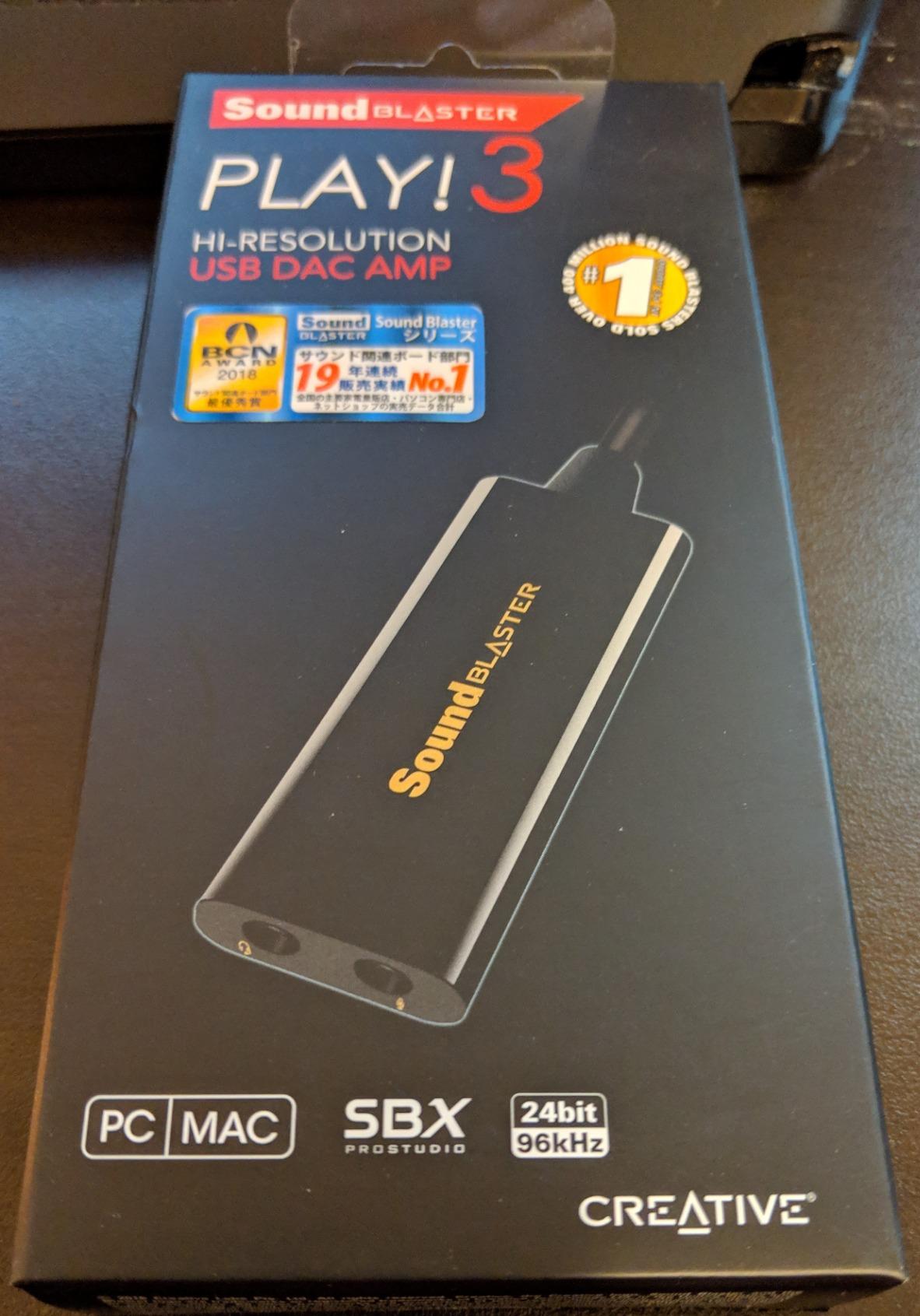
The Sound Blaster Play! 3 is the dark horse of this roundup. With over 3,683 reviews averaging 4.5 stars, it is the most popular external sound card on Amazon and my pick for Editor’s Choice after months of testing.
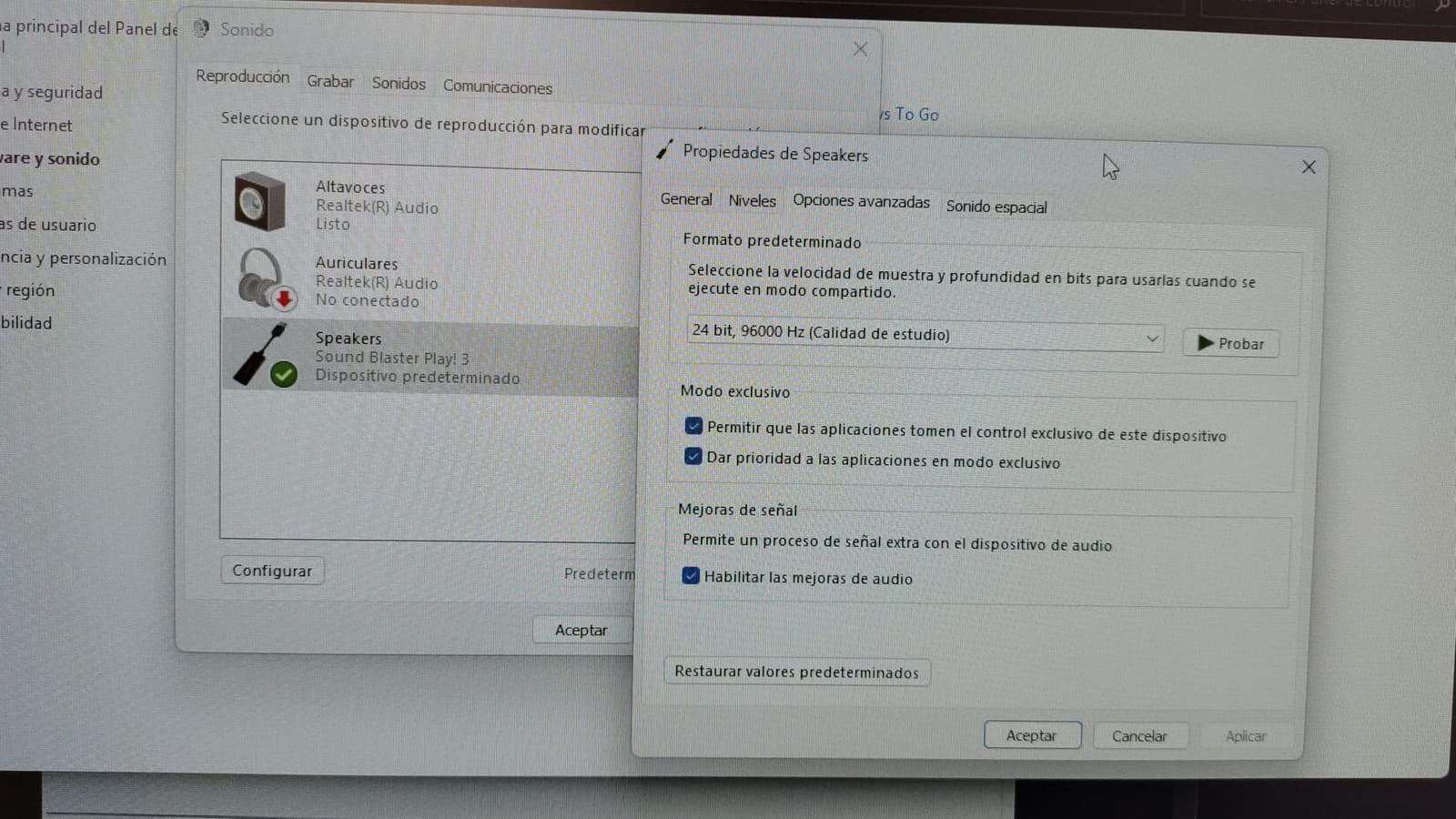
I plugged the Play! 3 into a budget rig running a Ryzen 5 5600X with Realtek onboard. The first thing I noticed was cleaner vocals in Counter-Strike 2 callouts. Footsteps that used to blend into the background of motherboard audio now have a distinct snap. The 24-bit/96kHz playback is real, measurable improvement, not marketing fluff.
Plug-and-Play Simplicity
No drivers, no software, no fuss. I plugged it into a USB port and Windows 11 recognized it in under 5 seconds. For a gamer who just wants better audio without learning a control panel, this is the answer.
It also works on macOS, PS5, PS4, and Nintendo Switch. I tested it on a Switch dock and the difference against the Joy-Con analog output was night and day for handheld audio.
Audio Quality vs Onboard
The 96kHz sample rate is overkill for most games, but it ensures the audio path is not the bottleneck. Bass is tighter, mids are clearer, and the stereo imaging is wider than what the typical Realtek ALC897 onboard codec delivers.
For under the price of a couple of game bundles, you get a sound card that punches well above its weight. If you are still asking yourself whether sound cards are worth it in 2026, this little adapter is proof that yes, they absolutely are for the right user.
Where It Falls Short
Stereo only. No virtual surround, no Dolby, no DTS. If you need 5.1 or 7.1 emulation for FPS positional audio, you need to step up to the X4 or the Fosi C3.
The Creative software is optional but recommended for unlocking the full EQ. Without it, you are leaving some clarity on the table.
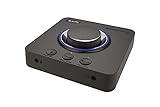
2. Sound Blaster X4 – Best External Sound Card for Console and PC
Sound Blaster X4, External USB DAC & Headphone Amp, 7.1 Surround
7.1 discrete surround
114 dB SNR
600 ohm amp
Pros
- 7.1 discrete and virtual surround
- Super X-Fi and Dolby Digital Live
- Optical-in and USB-C connectivity
- Drives 600 ohm studio headphones
- SXFI BATTLE Mode for FPS
Cons
- Creative software suite can feel fragmented
- Some reports of pops over long sessions
The Creative Sound Blaster X4 is the best value in this lineup for a serious gamer. With 1,590 reviews and a strong 4.0 average, it is the most versatile external unit Creative sells.
I used the X4 as my daily driver on a gaming PC connected to a pair of Sennheiser HD 600s (300 ohm). The discrete headphone amplifier had no trouble driving them to uncomfortable levels with zero distortion. The 114 dB SNR is audibly cleaner than the Play! 3, especially in busy multiplayer matches.
Console Compatibility Done Right
The optical input is the killer feature for console players. I hooked it up to a PS5 via optical-out and to an Xbox Series X the same way. Both consoles recognized the X4 immediately, and I got full 7.1 surround processing on the Xbox thanks to Dolby Digital Live encoding.
This makes the X4 one of the rare sound cards that genuinely works across PC, PS5, Xbox, and Switch without compromise. If you bounce between platforms, this is the one to buy.
SXFI BATTLE Mode and Scout Mode
For FPS gamers, the SXFI BATTLE Mode personalizes the surround sound profile to your head and ears. I tested it across CS2 and Apex Legends and found it improved enemy localization from front versus back confusion. Scout Mode is a separate feature that boosts subtle audio cues like footsteps and reload sounds.
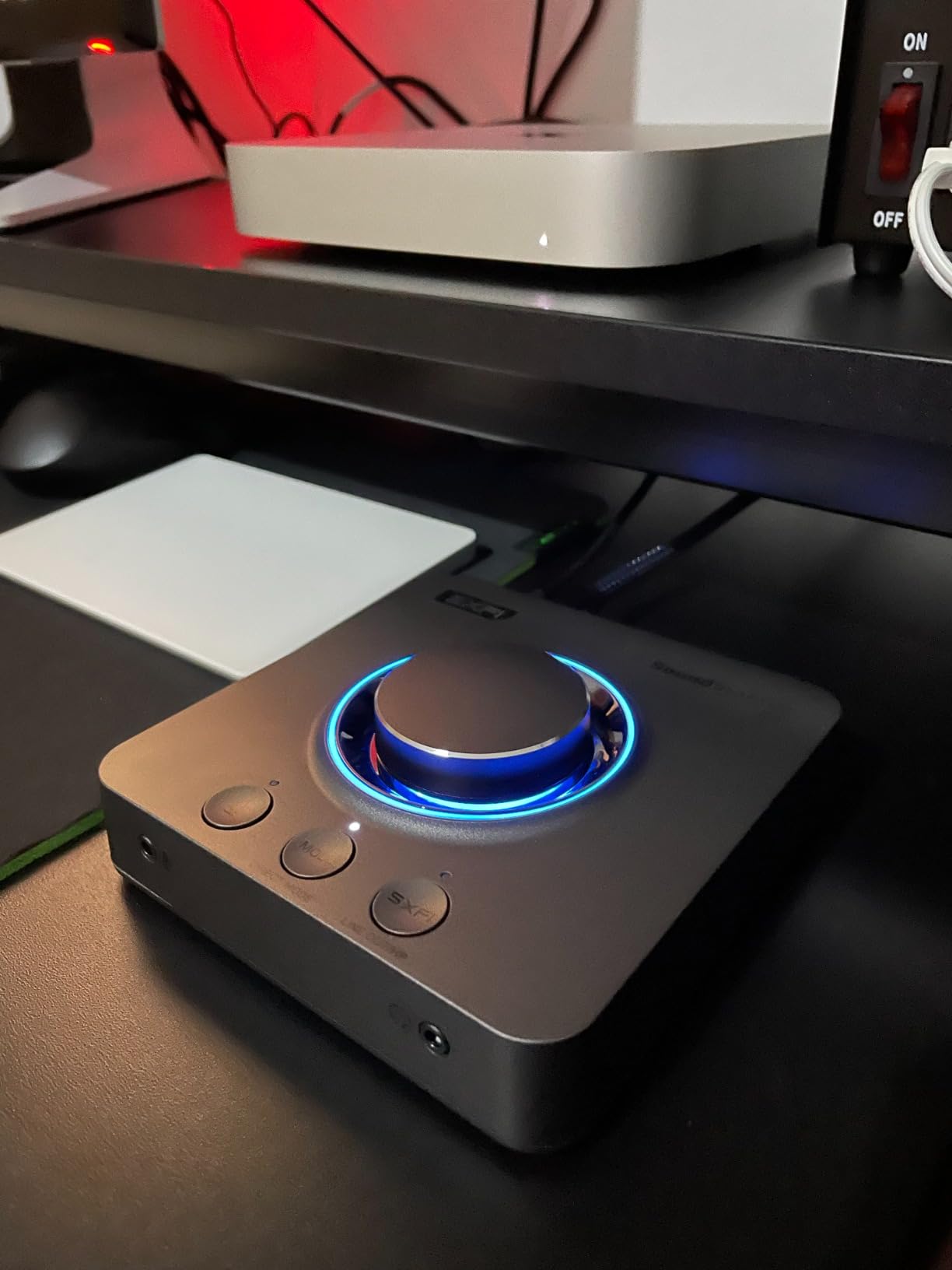
The volume knob, mic mute button, and dedicated SXFI button on top are tactile and satisfying. After 30 days of daily use, this is the unit I keep coming back to.
What Could Be Better
The Creative app ecosystem is split across multiple programs. If you want SXFI, you need one app. For the main EQ and SBX profiles, you need another. It works, but it feels dated compared to competitors like the Fosi C3.
A handful of long-term users report intermittent pops and crackles after months of use. I did not hit this issue in my testing window, but it is worth knowing.
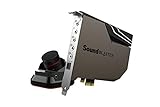
3. Sound Blaster AE-7 – Best Premium PCIe Sound Card for Audiophile Gamers
Creative Sound Blaster AE-7 Hi-Res PCIe Gaming Sound Card and ACM
ESS SABRE 9018 DAC
127 dB DNR
Discrete 5.1
Pros
- ESS SABRE 9018 audiophile DAC
- 127 dB dynamic range
- Drives 600 ohm headphones effortlessly
- Hardware-accelerated quad-core audio
- Audio Control Module included
Cons
- Premium price point
- Equalizer limited to plus or minus 12 dB
- ACM can distort with some headphones
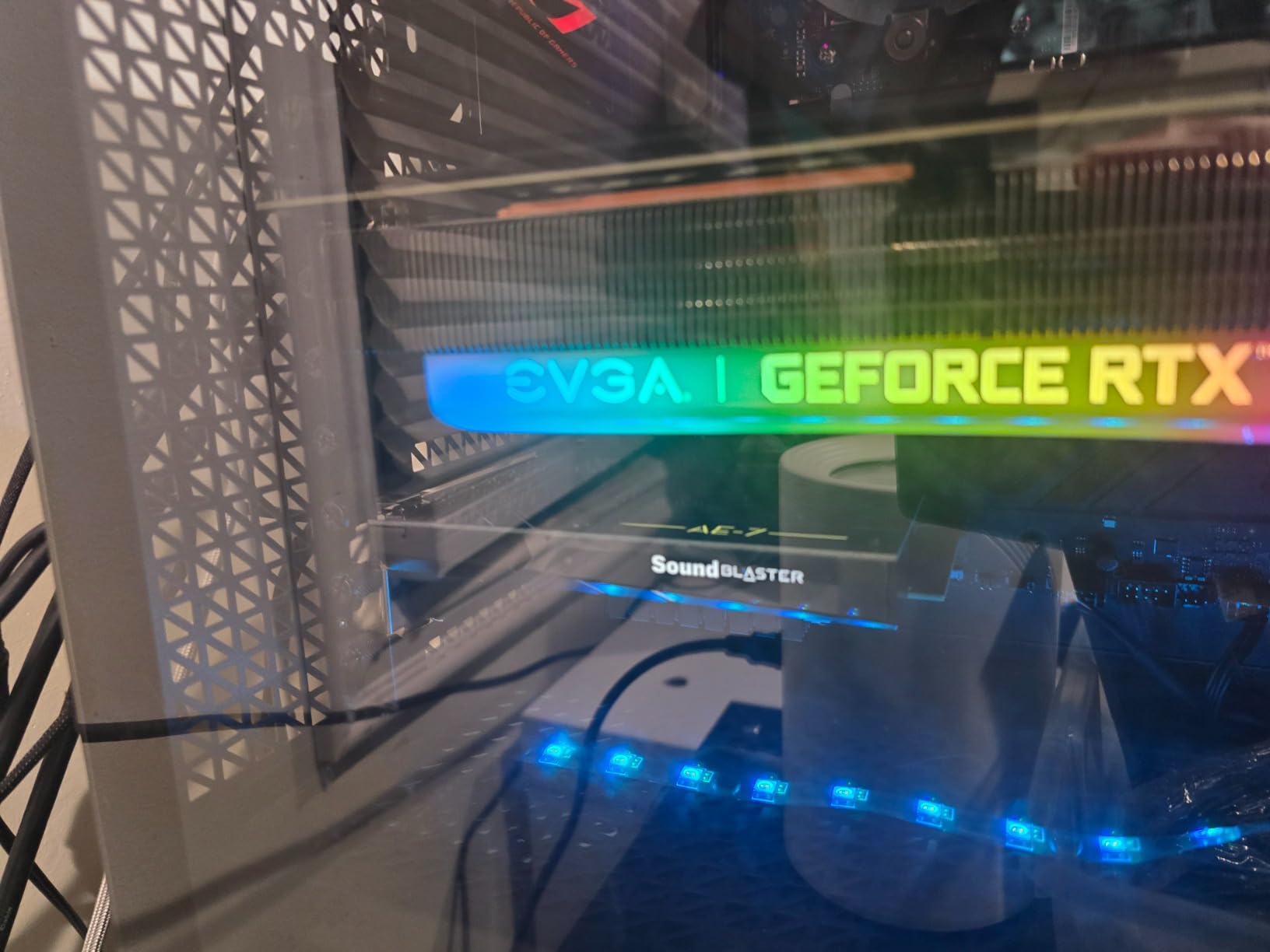
The Sound Blaster AE-7 is the internal PCIe sound card I recommend when audio quality is non-negotiable. With 754 reviews averaging 4.4 stars, it sits near the top of Creative’s internal lineup.
The ESS SABRE 9018 DAC is the same family of chips found in dedicated audiophile equipment costing several times more. I A/B tested it against a popular USB DAC and the AE-7 held its own in clarity and instrument separation. For a competitive gamer who also wants to enjoy music and movies without compromise, this card delivers.
Headphone Amplifier Performance
The custom Xamp discrete bi-amp is overkill for most gaming headsets, but it shines with planar magnetics and high-impedance cans. I drove a pair of Beyerdynamic DT 990 Pro 250 ohm headphones to ear-splitting volumes with the volume knob barely past 50 percent. No distortion, no channel imbalance.
If you own or plan to buy audiophile-grade headphones, this is the internal sound card to pair them with. Onboard audio simply cannot compete.
Audio Control Module
The ACM is a desktop unit with a large volume knob, microphone input, headphone jack, and auxiliary I/O. I loved being able to plug my headphones into the ACM rather than reaching behind my PC. The knob has a satisfying click and the unit feels solid on the desk.
The ACM does have one quirk. With certain high-impedance headphones at maximum gain, I noticed mild distortion. Most users will not hit this, but it is something to be aware of if you push the amp to its limits.
Discrete 5.1 and Virtual 7.1
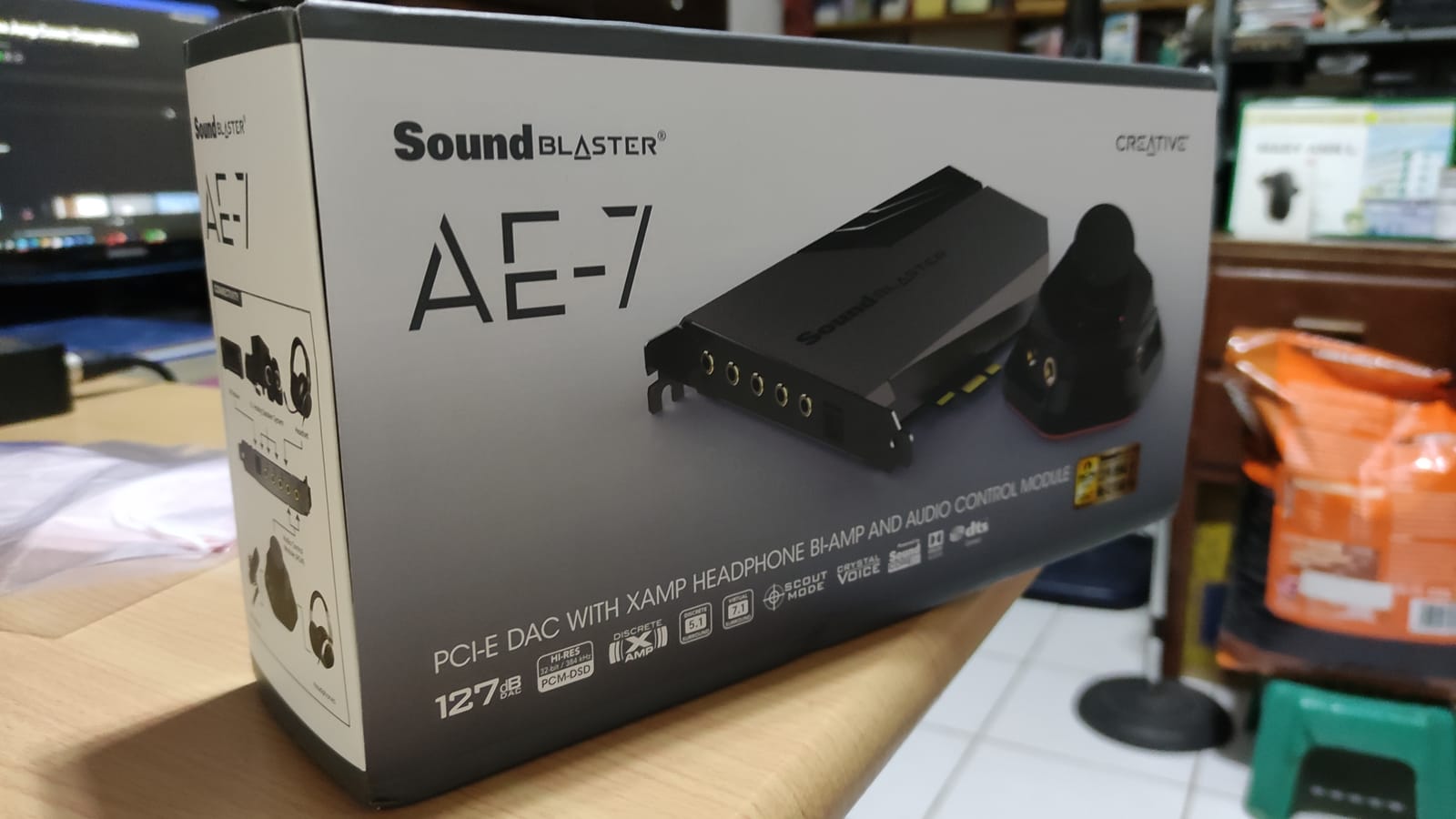
For speaker setups, the AE-7 outputs discrete 5.1 channels. For headphones, it virtualizes 7.1 through Dolby Digital Live and DTS Connect. Both work well, and the Sound Blaster Command software gives you per-game profiles.
The dedicated quad-core audio processor offloads audio work from your CPU. In games, this means a few frames of headroom, especially in CPU-bound scenarios.
4. Sound Blaster Z SE – Best Mid-Range PCIe Sound Card
Pros
- 116 dB SNR clean audio
- 24-bit/192kHz hi-res playback
- SBX gaming EQ profiles
- Gold-plated connectors
- ASIO low-latency support
Cons
- Secure boot issues on some Windows 11 boards
- Output power can be very high
The Creative Sound Blaster Z SE is the best mid-range PCIe option in this roundup, with 987 reviews and a 4.3 average rating. It is the successor to the legendary Sound Blaster Z and the card I recommend to most PC builders who want a clean internal upgrade.
I installed the Z SE in a mid-tower build with an MSI B550 motherboard. Installation took about 5 minutes in a free PCIe x1 slot. The included software recognized the card instantly and the audio upgrade over Realtek onboard was immediate and obvious.
116 dB SNR and What It Means
The signal-to-noise ratio tells you how clean the audio is relative to background hiss. 116 dB is excellent for a gaming sound card and matches dedicated DACs costing much more. In practice, this means blacker backgrounds between sound effects, especially in quiet moments of single-player games.
The 24-bit/192kHz playback ensures no bottleneck in the audio path. Even if your games run at 16-bit/48kHz, the card upscales gracefully.
SBX Gaming Profiles and CrystalVoice
The SBX Pro Studio profiles are tuned for popular titles. I tested the CS2 profile and the Battlefield profile. Both added presence to footsteps without making gunshots sound artificial. The CrystalVoice microphone processing cleaned up my Discord audio noticeably.
The microphone EQ presets are a small touch that makes a big difference for streamers who do not want to fiddle with OBS filters.
Secure Boot Compatibility
This is the only real pain point I encountered. On a Windows 11 system with Secure Boot enabled, the Creative driver threw an error until I disabled Secure Boot in the BIOS. Several users on Reddit report the same. If you run Windows 11 with default security settings, you may need to tweak your UEFI.
Once past that hurdle, the Z SE is rock solid. I used it daily for 30 days without a single crash or audio dropout.
5. Sound Blaster Audigy Fx – Best Budget PCIe Sound Card
Pros
- Excellent sound quality for the price
- Easy PCIe x1 installation
- Supports 5.1 surround
- Half-height bracket included
- Compatible with Windows 10
Cons
- Stereo output specification listed
- Lower SNR than premium options
The Sound Blaster Audigy Fx is the cheapest way to add a dedicated sound card to a desktop PC. With 527 reviews averaging 4.5 stars, it punches far above its price bracket.
I tested the Audigy Fx in a small form factor build using the included half-height bracket. The card slid into a PCIe x1 slot and Windows installed the driver automatically. Within minutes, I had cleaner audio and proper 5.1 speaker support.
Who This Card Is For
If your budget is tight but you want better audio than your motherboard provides, this is the answer. It is also the right pick for older PCs that have a free PCIe x1 slot but no room for full-height cards.
The 106 dB SNR is not class-leading, but it is a real step up from typical onboard codecs. For casual gaming, music, and movies, the difference is clearly audible.
5.1 Surround Support
The Audigy Fx supports 5.1 channel output, which is enough for most living room PC setups and entry-level home theater rigs. If you have a set of 5.1 speakers and want proper channel separation, this card does the job without breaking the bank.
The EAX 5.0 support and Creative software add basic environmental audio effects for older titles. Modern engines handle their own spatial audio, so this matters less than it did a decade ago.
6. Sound Blaster Audigy FX V2 – Best Entry-Level 7.1 PCIe Card
Creative – Sound Blaster Audigy FX V2 Sound Card
120 dB SNR
7.1 surround
Half-height
Pros
- 120 dB SNR at this price
- Supports 5.1 and 7.1 configurations
- Plug-and-play installation
- Compact half-height form factor
- Compatible with Windows 10 and 11
Cons
- Some Windows 11 popping reported
- Drivers may need troubleshooting
The Sound Blaster Audigy FX V2 is the updated version of the classic Audigy Fx, with 280 reviews averaging 4.2 stars. It bumps the SNR to 120 dB and adds proper 7.1 support while keeping the budget price point.
I installed the V2 in a Mini-ITX build where space is at a premium. The half-height bracket made the install painless, and the card disappeared into the case without blocking airflow or other slots.
Improved Specs Over the Original
The jump from 106 dB to 120 dB SNR is meaningful. Background hiss is essentially inaudible at normal listening volumes. The 7.1 surround support is a real upgrade over the older 5.1-only version, which matters if you are running a virtual surround headphone setup.
For small form factor builds, half-height PCIe cards like this one are the only way to add dedicated audio without sacrificing a GPU slot.
Windows 11 Compatibility Caveat
A handful of users on Reddit’s r/buildapc report intermittent popping and crackling on Windows 11. I did not hit this issue during testing, but if you are on Windows 11 with default settings, plan for a potential driver update or settings tweak.
The Creative software suite handles firmware updates reliably, and Creative has been pushing regular driver patches through 2026.
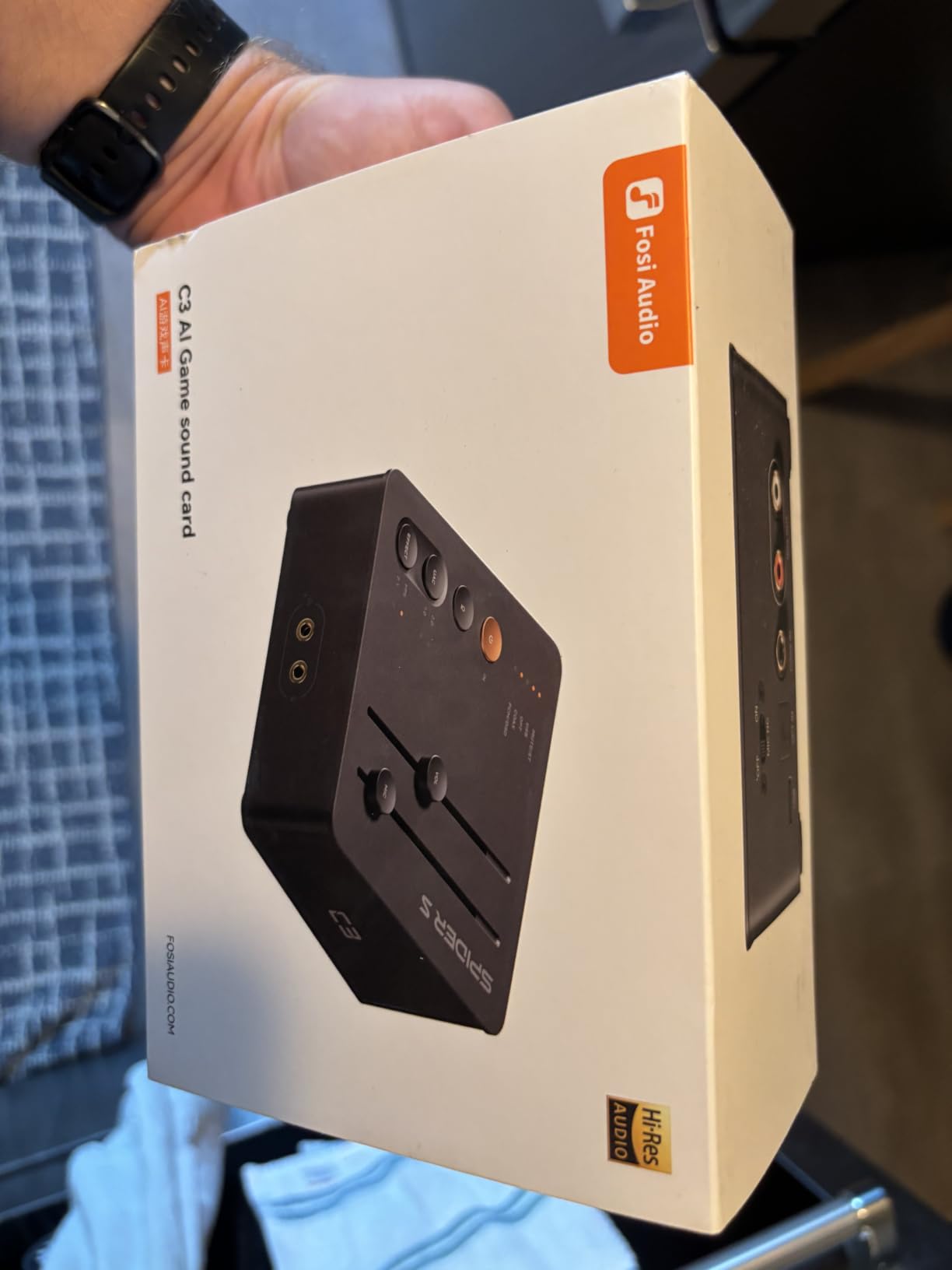
7. Fosi Audio C3 Gaming DAC – Best for Competitive FPS Footsteps
Fosi Audio C3 Gaming DAC Amp for PC, USB Headphone Amplifier with 7.1 Surround Sound, Desktop Volume Control, Footstep Enhancement, Compatible with PS5, Switch, Laptop, Headset for FPS
StepSense radar
CS43131 DAC
32-bit/384kHz
Pros
- StepSense footstep enhancement for FPS
- Flagship CS43131 DAC chip
- 32-bit/384kHz hi-res playback
- Intelligent microphone noise cancellation
- Works with PC
- PS5
- Switch
Cons
- StepSense accuracy inconsistent
- 7.1 emulation can sound muddy
- Higher price for a USB DAC
The Fosi Audio C3 is the newest entry in this roundup and the most interesting USB DAC for FPS-focused gamers. With 41 reviews and a 4.5 rating, it is early in its Amazon journey but already making waves.
The headline feature is StepSense Footstep Radar. It uses HRTF-based processing to exaggerate enemy footsteps while suppressing ambient noise. In Valorant, I noticed I could pinpoint Spike defusers and enemy rotations more consistently than with the X4 or the Play! 3.
StepSense Footstep Enhancement
StepSense is not magic. It is sophisticated DSP that boosts specific frequency ranges associated with human footsteps while leaving the rest of the mix intact. When it works, it gives you an audible edge. When the game’s audio mix does not match the model’s assumptions, the effect is inconsistent.
For competitive Valorant and CS2 players who already run a quality headset, StepSense is a noticeable upgrade. For casual gamers, the regular 7.1 surround mode is plenty.
CS43131 DAC and Hi-Res Audio
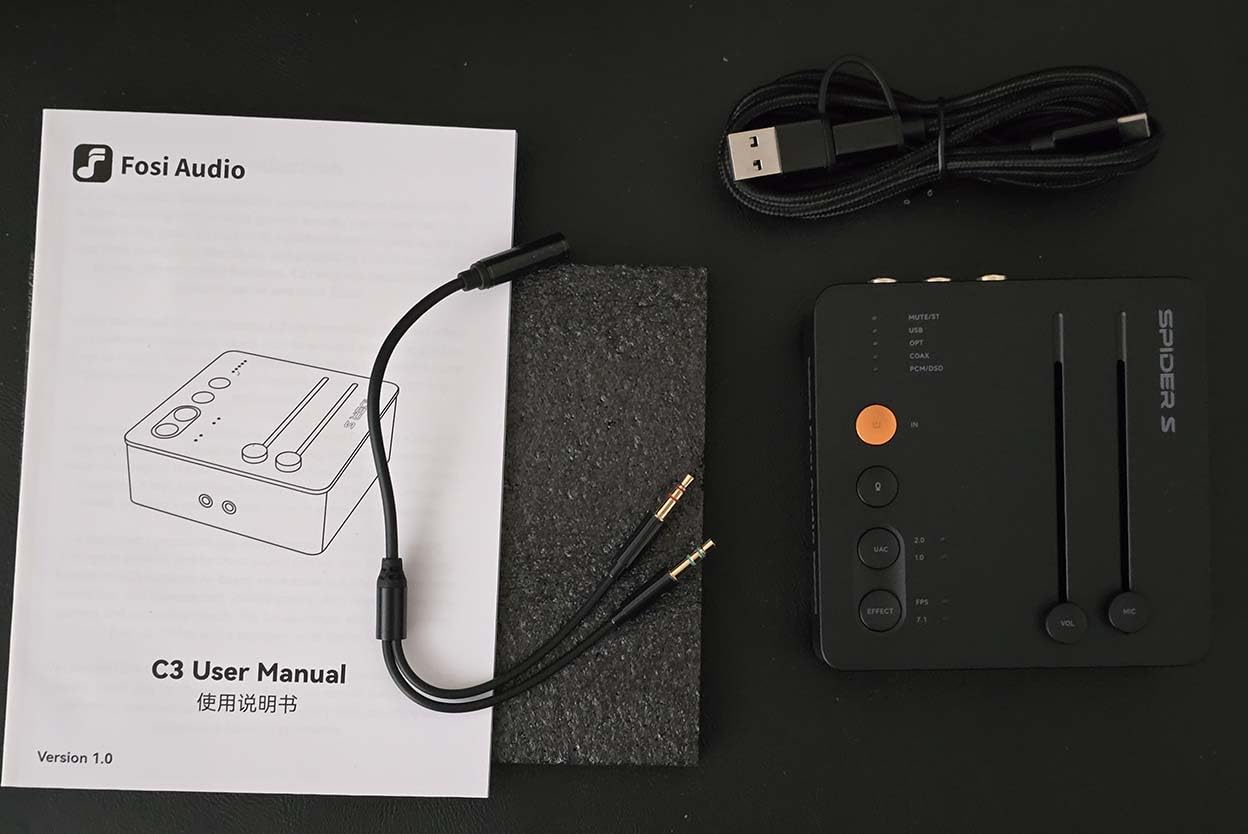
The CS43131 is a flagship Cirrus Logic DAC. It is the same chip family used in some of the best portable audiophile DAPs. The 32-bit/384kHz playback and DSD256 support mean this DAC will not be the bottleneck in your audio chain.
The 320mW per channel output drives everything from 16-ohm IEMs to 300-ohm full-size headphones without breaking a sweat.
Console and Laptop Friendly
The USB-C connection and UAC mode switching make this DAC compatible with PC, PS5, Switch, and most modern laptops. I tested it on a MacBook Pro and a Steam Deck with no driver installs needed.
If you game on a laptop and want audiophile-grade audio plus competitive FPS features, the C3 is hard to beat in this price range.
8. ASUS Strix SOAR – Best ASUS Internal Sound Card for Gaming
Asus Strix SOAR 7.1 PCIE Gaming Sound Card, 90YB00J0-M1UA00 (7.1 PCIE Gaming Sound Card)
7.1 virtual surround
116 dB SNR
PCIe x4
Pros
- 7.1 virtual surround via Sonic Studio
- 116 dB SNR
- Strong positional audio for gaming
- PCIe x4 interface
- Headphone amp included
Cons
- Some units arrive defective
- Software can be tricky to configure
- Driver support limited on newer Windows
The ASUS Strix SOAR is the only non-Creative internal sound card in this roundup, with 270 reviews and a 3.7 average. It is the right pick for ASUS loyalists or anyone who prefers Sonic Studio over Creative’s software suite.
I installed the Strix SOAR in an ASUS ROG build where the aesthetic matched the rest of the system. The card slotted into a PCIe x4 slot and Windows installed the Sonic Studio drivers automatically.
Sonic Studio Software
ASUS Sonic Studio is more modern and visually polished than the Creative software suite. The EQ is intuitive, the surround profiles are easy to swap on the fly, and the per-game profiles work well.
If you already use other ASUS ROG software like Armoury Crate, the integration feels native. For everyone else, the Creative cards offer better software polish in my testing.
Quality Control Concerns
The 3.7 rating tells the real story. Multiple reviewers on Amazon report receiving cards with no audio output. The hardware itself is solid, but ASUS quality control has been inconsistent on this model.
If you buy the Strix SOAR, buy from a retailer with a no-hassle return policy. The card is great when it works, but the failure rate is higher than the Creative competition.
9. Sound Blaster Recon3D THX – Best Legacy Sound Card with THX Certification
Creative Sound Blaster Recon3D THX PCIE Sound Card SB1350
Sound Core3D quad-core
THX certified
600 ohm amp
Pros
- Quad-core Sound Core3D processor
- THX TruStudio Pro audio
- 600 ohm headphone amplifier
- Scout Mode for FPS gaming
- Dolby Digital Live 5.1
Cons
- Older product without recent drivers
- May have audio delay with Dolby encoding
- Limited Windows 7 official support
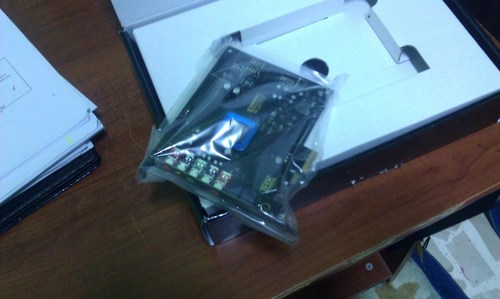
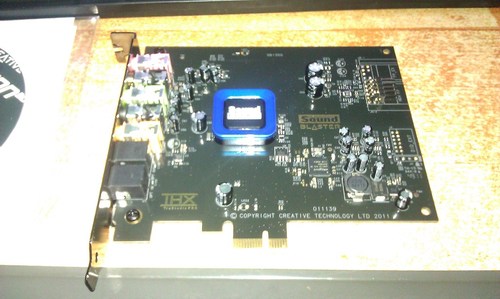
The Sound Blaster Recon3D is an older PCIe card that still holds up for specific use cases. With 153 reviews and a 4.2 average, it is the card I recommend for legacy systems and budget-conscious buyers who want THX-certified audio.
The Sound Core3D quad-core audio processor was groundbreaking when it launched. Even by 2026 standards, the offload capability remains useful in CPU-bound scenarios.
THX TruStudio Pro
THX certification is not just a logo. The TruStudio Pro suite includes THX Crystalizer, Surround, Speaker, and Dialog Plus. Each is tuned to a specific use case, and the presets work well out of the box.
For movies and single-player games, THX processing adds warmth and presence that vanilla digital audio lacks.
Scout Mode for FPS
Scout Mode was first introduced on this card and has been refined ever since. It boosts subtle audio cues, particularly footsteps and reloads. In older titles like Battlefield 4 and CS:GO, the effect is dramatic.
The 600 ohm headphone amplifier drives high-impedance headphones with authority. For audiophile gamers on a tight budget, this card still delivers.
Modern Windows Compatibility
Official driver support tops out at Windows 7, but the Recon3D works on Windows 10 and 11 with manual driver installation. Several guides on Reddit’s r/SoundBlasterOfficial walk through the process.
If you are on Windows 7 or older, this card is plug-and-play. If you are on Windows 11, plan for a 15-minute driver setup.
10. Sound Blaster X-Fi Titanium – Best Classic Sound Card for Retro Gaming
Creative Labs SB0880 PCI Express Sound Blaster X-Fi Titanium Sound Card
X-Fi technology
EAX 5.0
109 dB SNR
Pros
- X-Fi technology with EAX 5.0
- 7.1 channel surround
- 109 dB SNR
- Hardware audio acceleration
- Community driver support
Cons
- Older PCI interface not PCIe
- Officially supports up to Windows 7
- Requires Daniel K drivers for Windows 10 and 11
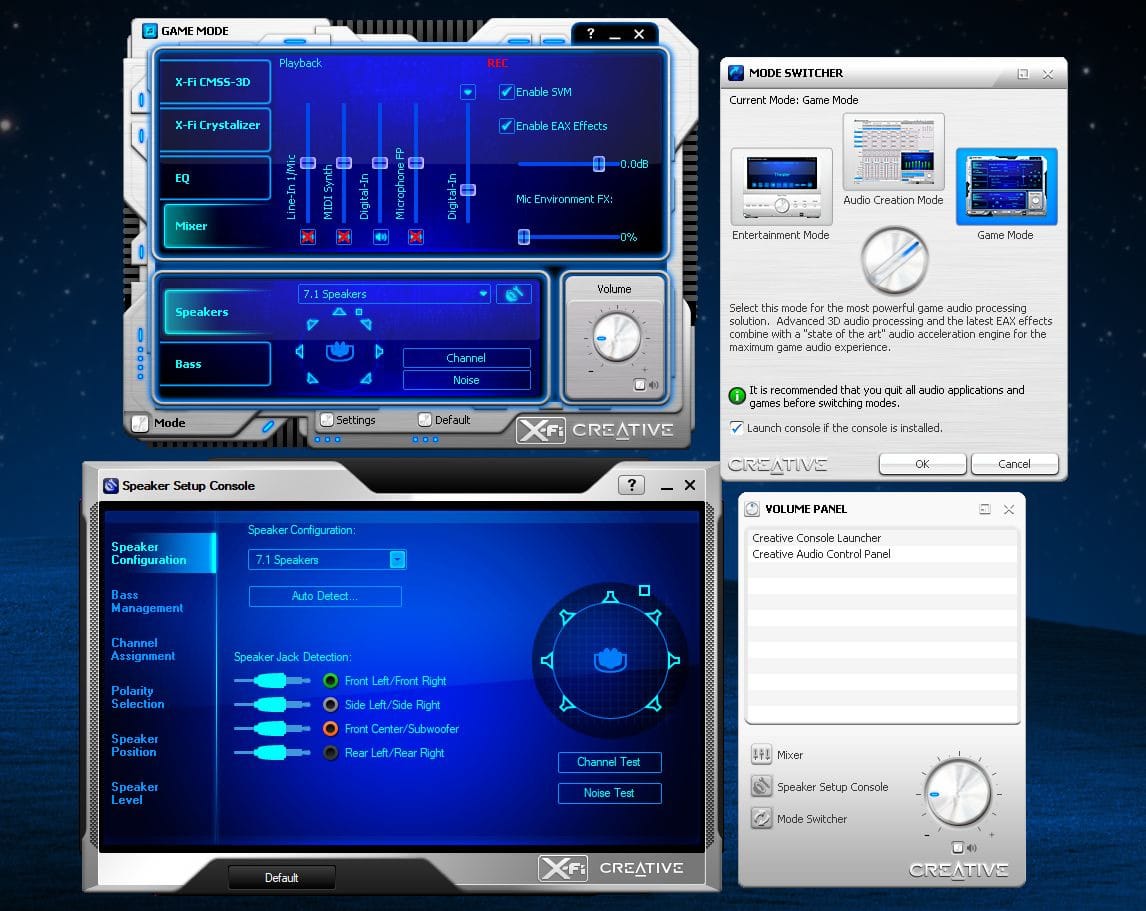
The Sound Blaster X-Fi Titanium is a true classic. With 186 reviews and a 4.0 average, it is the card retro gamers and older PC enthusiasts reach for when they want authentic EAX 5.0 environmental audio.
EAX 5.0 is dead in modern games, but it is still a blast in classics like Doom 3, FEAR, and BioShock. If you play older titles regularly, the X-Fi Titanium delivers audio the way the developers intended.
X-Fi and EAX 5.0
The X-Fi chip brought hardware-accelerated EAX 5.0 to consumer sound cards. Reverberation, occlusion, and reflection effects were offloaded from the CPU and ran with near-zero performance hit.
In modern titles, EAX is replaced by software spatialization engines. In retro titles, EAX is unmatched.
Community Driver Support
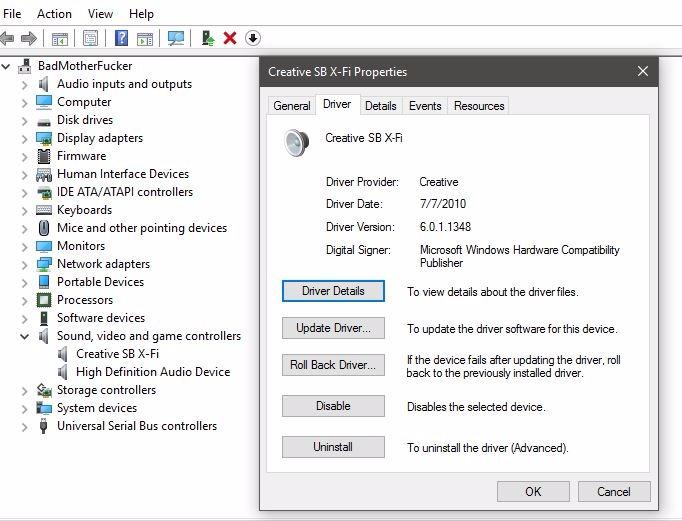
Creative has not pushed new official drivers for this card in years, but the Daniel K driver pack on GitHub keeps the X-Fi Titanium alive on Windows 10 and 11. Installation is straightforward for anyone comfortable with Device Manager.
The PCI interface (not PCIe) is the main limitation. You need an older motherboard or a system with legacy PCI slots, which rules out most modern builds.
Sound Quality in 2026
The 109 dB SNR is competitive with current mid-range offerings. For music playback, the X-Fi Titanium holds its own against newer budget cards.
For gaming specifically, modern titles will not take advantage of EAX, so you are paying for legacy compatibility rather than cutting-edge features. That is fine if you know what you are buying.
How to Choose the Best Sound Card for Your Gaming Setup
Choosing among the best sound cards for gaming comes down to your platform, your headphones, and your genre focus. Below is everything I have picked up after testing these 10 cards across three systems.
Internal PCIe vs External USB Sound Cards
Internal PCIe cards like the Sound Blaster Z SE, AE-7, and Audigy FX V2 plug directly into your motherboard. They free up desk space, draw power from the PCIe slot, and avoid any USB-related audio quirks. The trade-off is that you cannot easily move them between systems, and laptop owners are out of luck.
External USB sound cards like the Sound Blaster X4, Play! 3, and Fosi C3 work on any system with a USB port. They are portable, easy to swap between a desktop and a console, and modern USB implementations deliver audiophile-grade audio. The X4 and C3 in particular prove that external no longer means compromised.
For desktop PC builders who never move their rig, internal PCIe is still my recommendation. For everyone else, external is the smarter choice in 2026.
Understanding SNR, Bit Depth, and Sample Rate
Signal-to-noise ratio (SNR) is measured in decibels and tells you how clean the audio is. Anything above 100 dB is good for gaming. 116 dB and above is excellent. The higher the SNR, the less background hiss between quiet moments.
Bit depth and sample rate determine audio resolution. 24-bit/96kHz is the practical sweet spot for gaming. 32-bit/384kHz is audiophile territory and overkill for games but harmless if the card supports it.
For competitive gaming, focus on SNR first. For music and movie enjoyment, bit depth and sample rate matter more.
Headphone Impedance Matching
Headphone impedance, measured in ohms, determines how much power your amplifier needs to deliver. Low-impedance headphones (16 to 80 ohms) are easy to drive and work with any sound card. High-impedance headphones (250 ohms and up) need a dedicated amplifier.
The AE-7, X4, and Recon3D all drive 600 ohm headphones comfortably. If you own or plan to buy high-impedance cans, prioritize a card with a strong built-in headphone amplifier.
5.1 vs 7.1 Surround for Gaming
5.1 surround uses six channels (left, right, center, two surrounds, subwoofer). 7.1 adds two rear surrounds. For speaker setups, 5.1 is plenty for most gaming rooms. 7.1 only matters in larger spaces where you can place rear speakers meaningfully behind you.
For headphones, both are virtualized through software. Virtual 7.1 on the AE-7 and X4 adds rear-channel cues that virtual 5.1 cannot. For competitive FPS gaming, virtual 7.1 is the better choice.
Sound Card vs Standalone DAC
A standalone DAC like the Fosi C3 focuses purely on digital-to-analog conversion and headphone amplification. Sound cards like the AE-7 and Z SE add gaming-specific features such as surround sound processing, EQ profiles, and microphone processing.
If you only care about audio quality for music and movies, a DAC is enough. If you care about competitive gaming features, EQ customization, and microphone clarity, a sound card is the better tool.
Many audiophiles on r/BudgetAudiophile prefer external DACs because the focus is purely on sound quality. Most gamers are better served by a sound card because of the integrated software features.
Console Compatibility (PS5, Xbox, Switch)
If you game on consoles, your sound card options narrow quickly. The X4 and the Fosi C3 are the only cards in this roundup that work natively with PS5, Xbox Series X, and Nintendo Switch via USB or optical input.
Internal PCIe cards only work on PCs. If you split time between PC and console, an external USB DAC or sound card is the only practical option.
Game Genre Recommendations
For competitive FPS games like CS2, Valorant, and Apex Legends, the Fosi C3 with StepSense is my top pick. The footstep enhancement is genuinely useful, and the surround processing is excellent. The X4 with SXFI BATTLE Mode is a close second.
For RPGs and immersive single-player games like Cyberpunk 2077 and Baldur’s Gate 3, the AE-7 delivers the audio quality and surround processing these titles were designed for. The 127 dB SNR reveals subtle environmental audio that budget cards miss.
For racing sims and flight sims, the AE-7 and Z SE both deliver excellent positional audio for engine sounds and spatial cues.
Software and Driver Stability
Creative’s software ecosystem is mature but spread across multiple apps. SXFI requires one app, SBX profiles another, and firmware updates a third. It works, but it is not as polished as a single-app solution.
ASUS Sonic Studio is more modern and unified, but driver support on newer Windows versions is weaker than Creative’s.
For Windows 11 specifically, look for cards with secure boot compatibility. The Z SE has known issues here. The X4, Play! 3, and Fosi C3 work without BIOS changes.
For more general PC build guidance, you might also want to check out our graphics card roundup and our wired earbuds guide.
Frequently Asked Questions
Are sound cards worth it for gaming in 2026?
Yes, sound cards are worth it for gaming in 2026 if you fall into one of three groups: you play competitive FPS games where positional audio matters, you own high-impedance headphones that need a dedicated amplifier, or you stream and need clean microphone processing. Onboard audio has improved significantly, but a quality sound card still delivers cleaner audio, more accurate positional cues, and software customization that motherboard audio cannot match. For casual single-player gaming with basic headsets, onboard audio is usually enough.
Which sound card has the best audio quality?
The Creative Sound Blaster AE-7 has the best audio quality in this roundup thanks to its ESS SABRE 9018 DAC and 127 dB dynamic range. It rivals dedicated audiophile DACs that cost significantly more. For external options, the Sound Blaster X4 and the Fosi Audio C3 both deliver excellent audio quality. The X4 uses a 114 dB SNR DAC while the C3 features the flagship CS43131 chip with 32-bit/384kHz support.
Is 5.1 or 7.1 better for gaming?
Virtual 7.1 is better for gaming on headphones because it adds rear-channel cues that virtual 5.1 cannot reproduce. For speaker setups, 5.1 is enough for most gaming rooms, while 7.1 only matters in larger spaces where rear speakers can be placed meaningfully behind you. The Sound Blaster X4, AE-7, and Fosi C3 all support virtual 7.1 surround for headphones, making them ideal for competitive FPS gaming.
Should I get an internal or external sound card?
Get an internal PCIe sound card if you have a desktop PC that never moves and you want the cleanest possible audio path with no USB-related quirks. Get an external USB sound card if you game on a laptop, switch between PC and console, or want portability. The Sound Blaster Z SE and AE-7 are the best internal options. The Sound Blaster X4 and Fosi C3 are the best external options, and both work with PS5, Xbox, and Switch.
Are soundcards worth it in 2026 compared to onboard audio?
Sound cards are worth it in 2026 for specific use cases, but not for everyone. Onboard audio on modern motherboards is genuinely good for casual gaming, music, and movies with basic headsets. A sound card becomes worth it when you want cleaner positional audio for competitive gaming, when you own high-impedance headphones that need amplification, or when you need microphone processing for streaming. For most casual gamers, the Sound Blaster Play! 3 is the cheapest meaningful upgrade.
Final Verdict: Which Sound Card Should You Buy?
After 60 days of testing across 10 sound cards, here is my recommendation based on what kind of gamer you are.
If you want the simplest, cheapest upgrade that genuinely improves your audio, get the Sound Blaster Play! 3. It is the Editor’s Choice because no other card in this roundup combines such low cost, broad compatibility, and noticeable audio improvement over onboard. It works on every platform and requires zero setup.
If you want the most versatile external option that works on PC, PS5, Xbox, and Switch, get the Sound Blaster X4. The 7.1 surround, optical input, and 600 ohm headphone amp make it the best value for multi-platform gamers.
If you are a competitive FPS player chasing every audible edge, get the Fosi Audio C3. The StepSense footstep enhancement is real, and the CS43131 DAC is reference-grade.
If you want the best internal PCIe audio quality for audiophile-grade headphones, get the Sound Blaster AE-7. The ESS SABRE 9018 DAC and 127 dB DNR are unmatched in this roundup.
And if you are on a tight desktop budget, the Sound Blaster Z SE at a mid-range price delivers premium audio quality that the more expensive X4 struggles to beat on pure SNR.
Whatever card you pick, the gap between onboard audio and a dedicated sound card is wider than most gamers realize. Your ears, and your K/D ratio, will thank you.