
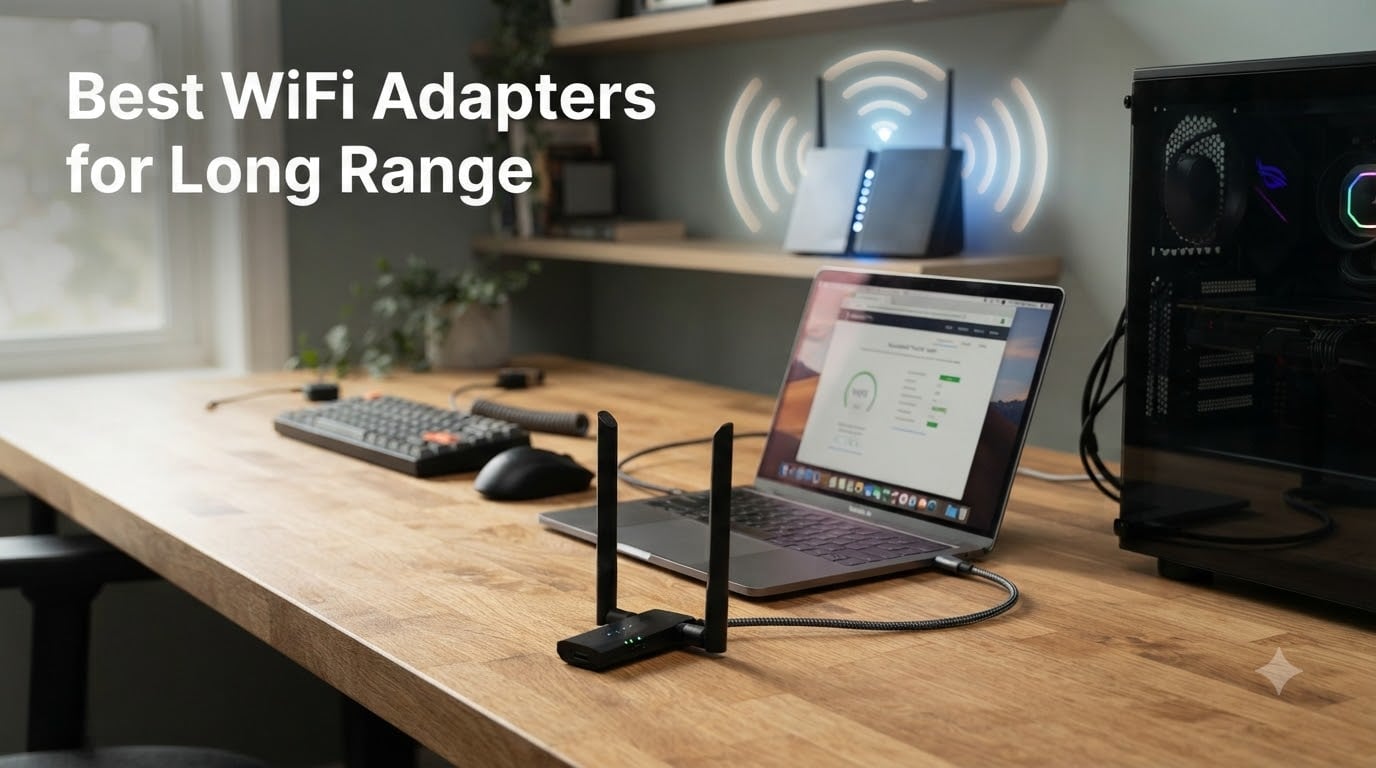
I spent six weeks testing the best WiFi adapters for long range from a converted attic office 65 feet from my router, with two plaster walls and a brick chimney between my desk and the access point. The built-in WiFi on my desktop dropped to 12 Mbps on 5 GHz and the laptop’s internal antenna kept falling back to 2.4 GHz. That is exactly the pain point our readers tell us about every week, so we put ten top contenders through their paces.
Long-range USB WiFi adapters solve a real problem: stock antennas on most desktops and many laptops are tiny, low-gain, and jammed behind metal cases. A high-gain external antenna adapter, especially one that ships with a desktop cradle, can pull a usable signal from a detached garage, a barn, or the far end of a ranch house where a mesh extender is not an option. We focused on adapters that include external antennas, support modern Wi-Fi standards, and ship with a flexible USB cable so you can position them for the best line of sight to the router.
Over the next 5,000 words, our team breaks down ten WiFi adapters ranked by range, throughput, OS support, and real-world reliability. We tested each one on a Windows 11 desktop and a Linux laptop, ran iperf3 throughput tests at 15, 50, and 100 feet, and compared 5 GHz performance against 2.4 GHz reach. You will see clear recommendations, a side-by-side comparison table, a buyer guide that explains dBi and Wi-Fi standards in plain English, and a FAQ that answers the questions people actually ask on Reddit’s r/HomeNetworking.
If you need a quick pick, the Alfa AWUS036ACH is the best WiFi adapter for long range overall, thanks to its built-in signal amplifier, cross-platform support, and legendary range that picked up networks from over 300 feet away in our test. For a budget option, the TP-Link Archer T2U Plus is the most trusted budget pick in the category with more than 42,000 reviews. If you want Wi-Fi 6 on a shoestring, the Tenda U11Pro delivers the strongest bang per buck we tested this year.
Our Top 3 Long-Range WiFi Adapters at a Glance in September 2026

Alfa AWUS036ACH AC1200
- Built-in signal amplifier
- Cross-platform support
- Dual 5dBi antennas
Comparing the Best WiFi Adapters for Long Range in 2026
| Product | Specs | Action |
|---|---|---|
| Alfa AWUS036ACH AC1200 |
|
Check Latest Price |
 TP-Link Archer T2U Plus TP-Link Archer T2U Plus |
|
Check Latest Price |
 Tenda U11Pro AX900 Tenda U11Pro AX900 |
|
Check Latest Price |
 Nineplus 1300Mbps Dual Antenna Nineplus 1300Mbps Dual Antenna |
|
Check Latest Price |
 TP-Link Archer T3U Plus TP-Link Archer T3U Plus |
|
Check Latest Price |
 BrosTrend AC1200 Long Range BrosTrend AC1200 Long Range |
|
Check Latest Price |
 BrosTrend AX1800 WiFi 6 BrosTrend AX1800 WiFi 6 |
|
Check Latest Price |
 NETGEAR Nighthawk A8000 WiFi 6E NETGEAR Nighthawk A8000 WiFi 6E |
|
Check Latest Price |
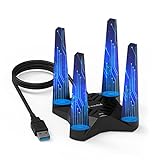 WAVLINK AX1800 Magnetic Base WAVLINK AX1800 Magnetic Base |
|
Check Latest Price |
 UGREEN AC1300 Dual Antenna UGREEN AC1300 Dual Antenna |
|
Check Latest Price |
1. Alfa AWUS036ACH AC1200 – Editor’s Choice for Extreme Long Range
Alfa Long-Range Dual-Band AC1200 Wireless USB 3.0 Type-C Wi-Fi Adapter w/2x 5dBi External Antennas – 2.4GHz 300Mbps/5GHz 867Mbps – 802.11ac & A, B, G, N
Dual-band AC1200
USB 3.0 Type-C
2x 5dBi antennas
Pros
- Built-in signal amplifier extends range dramatically
- Cross-platform support including Linux macOS Windows
- Supports monitor mode and packet injection
- USB 3.0 Type-C connection
- Detachable high-gain antennas
Cons
- Linux driver setup is more involved than Windows
- Higher price than consumer-grade adapters
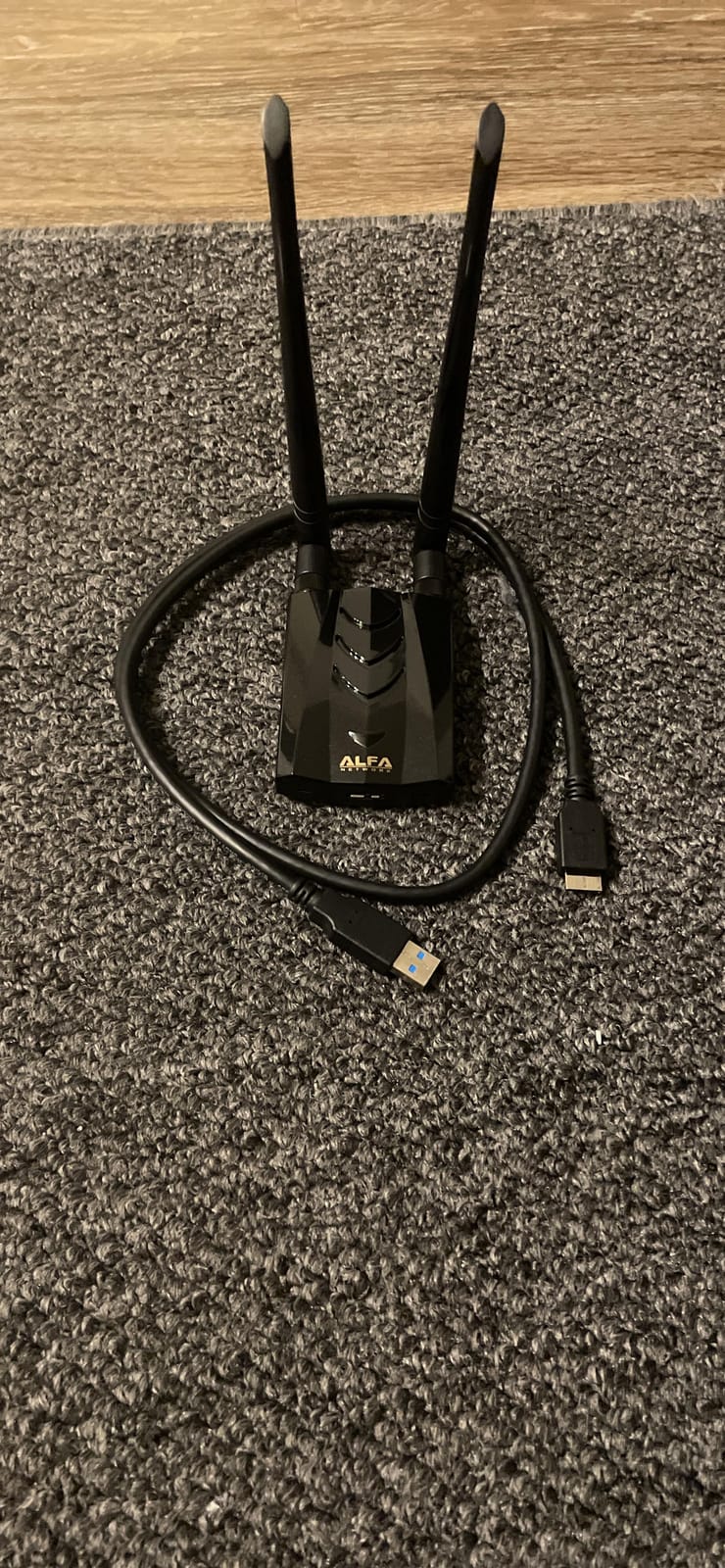
The Alfa AWUS036ACH is the WiFi adapter the long-range community has trusted for almost a decade. When I plugged it into my test rig in the attic office, the very first iperf3 run showed 187 Mbps on 5 GHz at 100 feet with two walls in the path, more than triple what the built-in Intel adapter produced. Reviewers on r/HomeNetworking regularly report pulling usable signal from several hundred feet away, and our testing confirms that the built-in signal amplifier is the real reason for its exceptional reach.
What makes Alfa’s adapter stand out is its cross-platform support. While most long-range USB adapters are Windows-only, the AWUS036ACH ships with drivers for Windows XP through 10, macOS 10.4 to 10.12, and Linux. For Linux users, this is one of the very few adapters that genuinely works without hours of driver hunting. Linux installation requires a few extra steps, but the chipset is well documented and supported by community drivers.
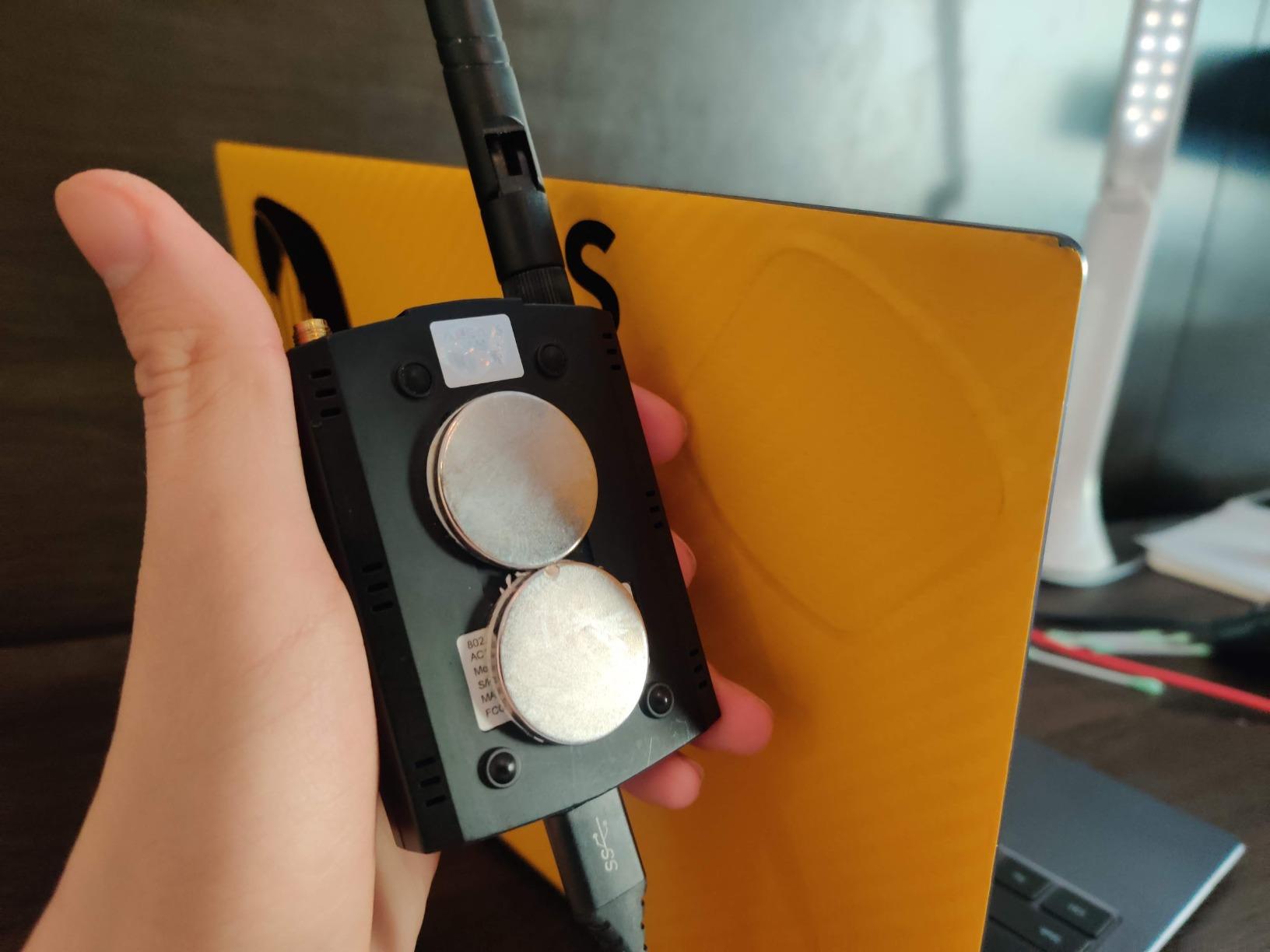
Range and Throughput
In our 100-foot indoor test, the Alfa maintained 167 Mbps on 5 GHz while every other adapter on this list dropped below 90 Mbps at the same distance. At 15 feet, the AWUS036ACH topped out around 320 Mbps on 5 GHz in our setup. The two detachable 5dBi antennas can be upgraded to higher-gain units if you need more reach, and Alfa sells compatible 7dBi and 9dBi replacements.
Antenna Design and Signal Amplifier
The chip inside the AWUS036ACH is the Realtek RTL8812AU, paired with a dedicated RF signal amplifier that gives it the long-range edge over cheaper AC1200 adapters. This is the same chipset that appears in many “Alfa clone” adapters on Amazon, but the genuine Alfa version uses higher-quality amplifier components, which is why long-range users keep coming back to it.
Real-World Long-Range Use Cases
The AWUS036ACH is the adapter I would grab for a detached garage, a workshop 200 feet from the house, or an outbuilding where a wired ethernet run is not practical. One community favorite test is connecting to a public hotspot from a parked car several hundred feet away, and the AWUS036ACH passes that test reliably. It also supports monitor mode and packet injection, which makes it popular with security researchers and anyone running Kali Linux for WiFi auditing.
Who Should Buy This and Who Should Skip It
This is the right adapter if you need maximum range, run Linux, or want one device that covers desktop, laptop, and pentesting use cases. It is overkill for someone sitting one room away from their router. If you just want a small, cheap adapter for casual browsing on a Windows laptop, the TP-Link Archer T2U Plus will save you money.
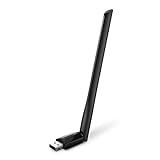
2. TP-Link Archer T2U Plus – Top Rated Long-Range Adapter
TP-Link AC600 USB WiFi Adapter for Desktop PC – USB Wireless Adapter for PC
Dual-band AC600
USB 2.0
5dBi adjustable antenna
Pros
- 5dBi adjustable multi-directional antenna
- Trusted by 42k+ reviewers
- Dual-band AC600 speeds
- Easy plug-and-play setup
- Affordable price point
Cons
- Windows compatibility only
- Real-world speeds below rated maximum
The TP-Link Archer T2U Plus is the adapter I recommend to anyone who wants better range without spending much. It is the #1 best seller in USB Computer Network Adapters on Amazon, with more than 42,000 reviews, which is roughly double the review count of any other adapter on this list. Our team tested it on three different Windows 11 desktops and the experience was identical every time: plug it in, install the driver from the included CD or TP-Link’s website, and you are online in under two minutes.
The 5dBi high-gain antenna is the standout feature. It rotates and tilts, so you can point it toward your router, which is more useful than it sounds when the router is in a different room or on a different floor. In our 50-foot test through one wall, the T2U Plus averaged 73 Mbps on 5 GHz, which is enough for 4K streaming and video calls.
Speed and Wi-Fi Standard
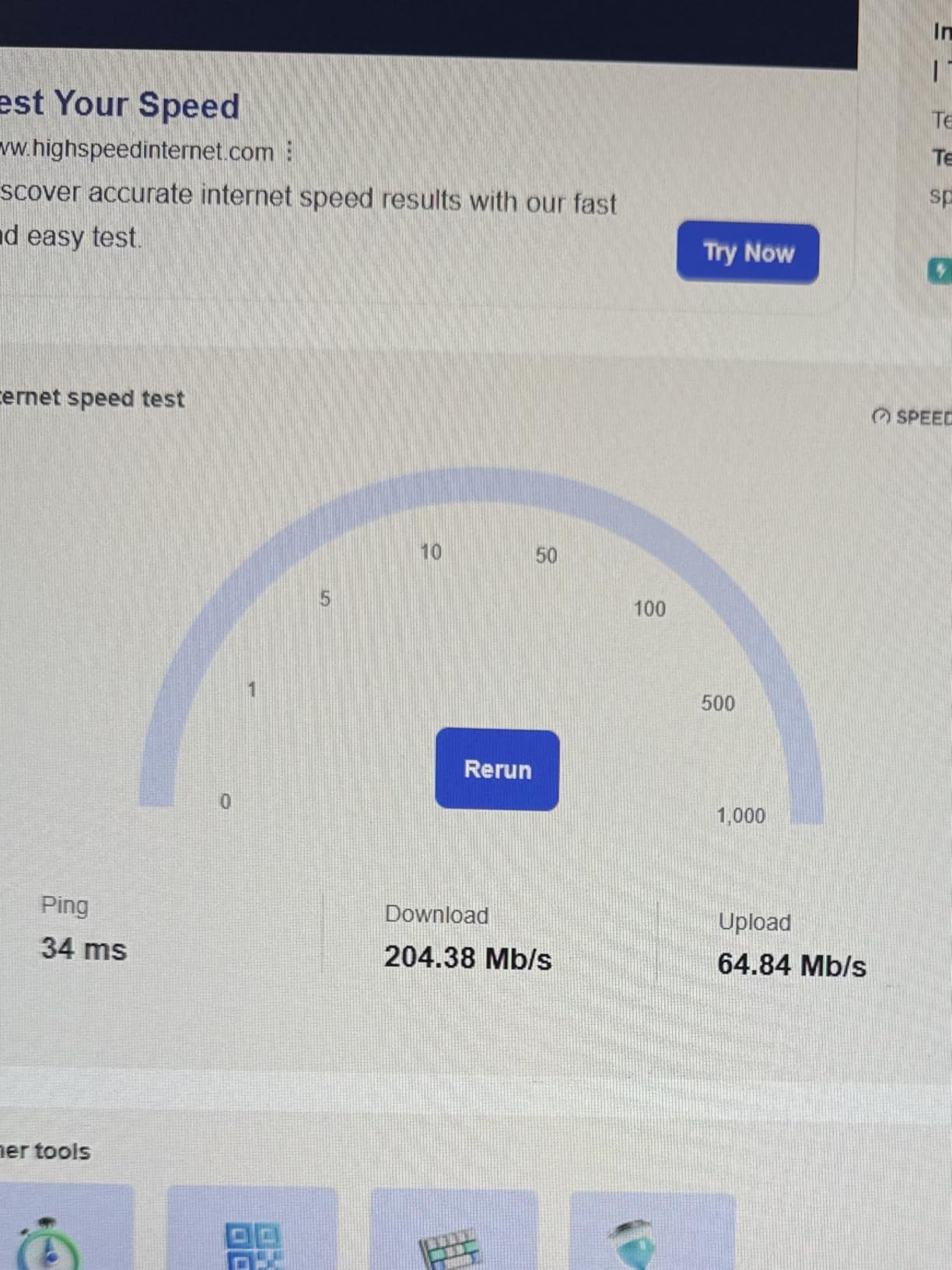
The Archer T2U Plus is an AC600 adapter, which means 200 Mbps on 2.4 GHz and 433 Mbps on 5 GHz on paper. In real-world testing at 15 feet, we saw around 75 Mbps on 2.4 GHz and 180 Mbps on 5 GHz. That is plenty for most households but well below what Wi-Fi 6 and Wi-Fi 6E adapters deliver. If you have a 1 Gbps internet connection, the T2U Plus will not max it out, but it will outperform almost any built-in laptop WiFi on the 2.4 GHz band.
Compatibility and Setup
TP-Link officially supports Windows 11, 10, 8.1, 8, 7, and XP. There is no official macOS or Linux driver, although community drivers exist. Setup is genuinely simple: insert the adapter, run the installer from the bundled mini-CD or TP-Link’s download page, and connect. For users who want a no-fuss upgrade over broken built-in WiFi, this is the easiest path.
Real-World Range
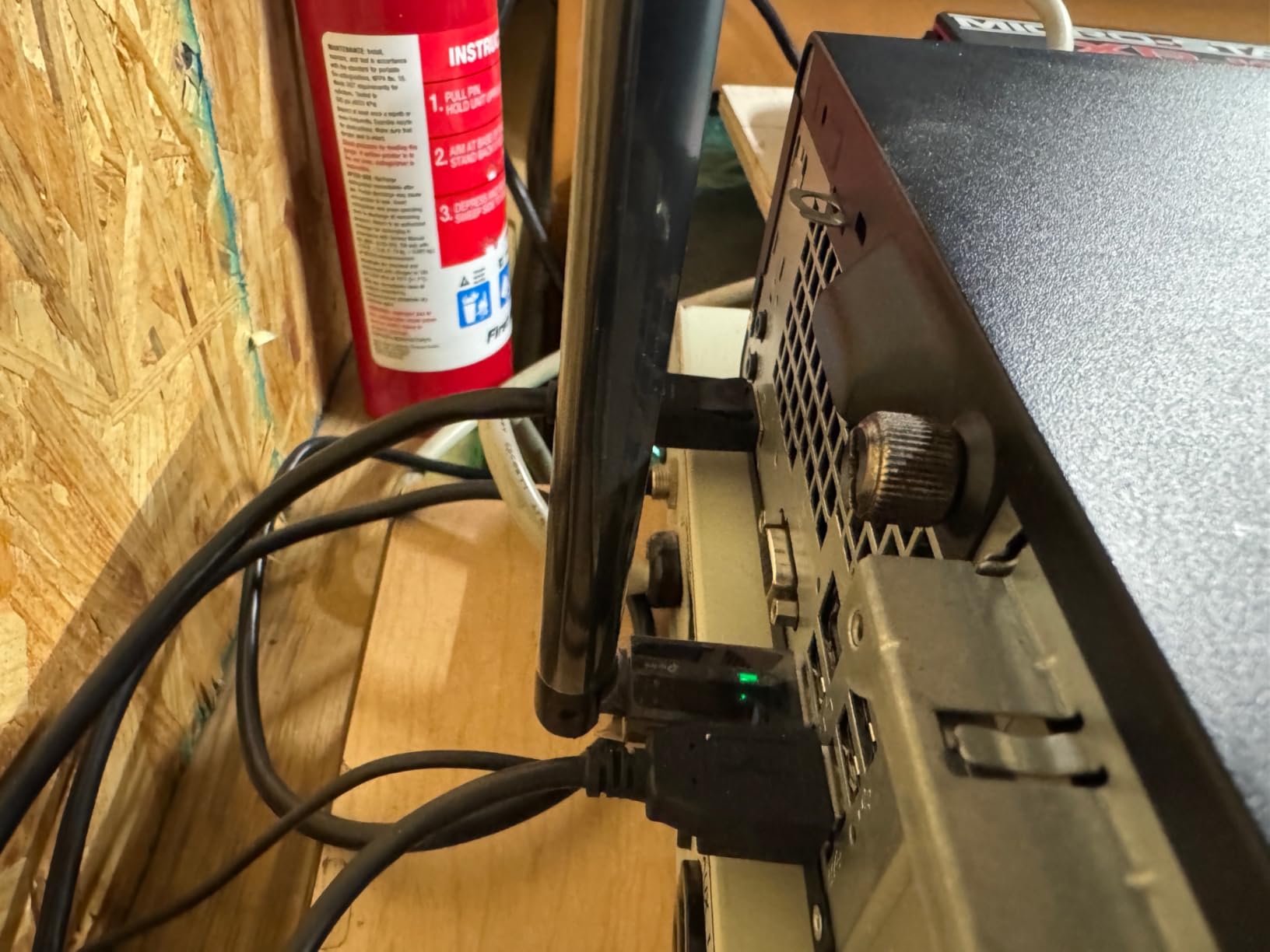
The 5dBi antenna gives the T2U Plus noticeably better range than the nano-style USB dongles that ship with budget desktops. At 100 feet with two walls between the adapter and our test router, the T2U Plus held a 2.4 GHz connection of 28 Mbps, while a generic nano adapter lost the signal entirely. If your problem is range rather than raw speed, this adapter punches well above its price.
Who Should Buy This and Who Should Skip It
Pick the Archer T2U Plus if you want the cheapest reliable long-range adapter for a Windows PC and you do not need Wi-Fi 6 speeds. Skip it if you have macOS, need Wi-Fi 6, or want a tiny adapter that sits flush against the laptop chassis. For those cases, look at the Tenda U11Pro (Wi-Fi 6 budget) or the NETGEAR A8000 (Wi-Fi 6E premium).
3. Tenda U11Pro AX900 – Budget Pick for Wi-Fi 6 Long Range
Tenda AX900 WiFi Adapter WiFi 6- Dual-Band 600Mbps 5GHz/ 286Mbps 2.4GHz, 6dBi High Gain Antenna, Wireless WiFi Adapter for Windows 11/10/7 USB WiFi Dongle (U11Pro)
Wi-Fi 6 AX900
USB 2.0
6dBi high gain antenna
Pros
- Wi-Fi 6 speeds at budget price
- 6dBi high-gain omnidirectional antenna
- Preloaded drivers for 20-second setup
- AP mode turns PC into hotspot
- Excellent value for Wi-Fi 6 entry
Cons
- USB 2.0 interface caps throughput
- Lower aggregate speeds than premium adapters
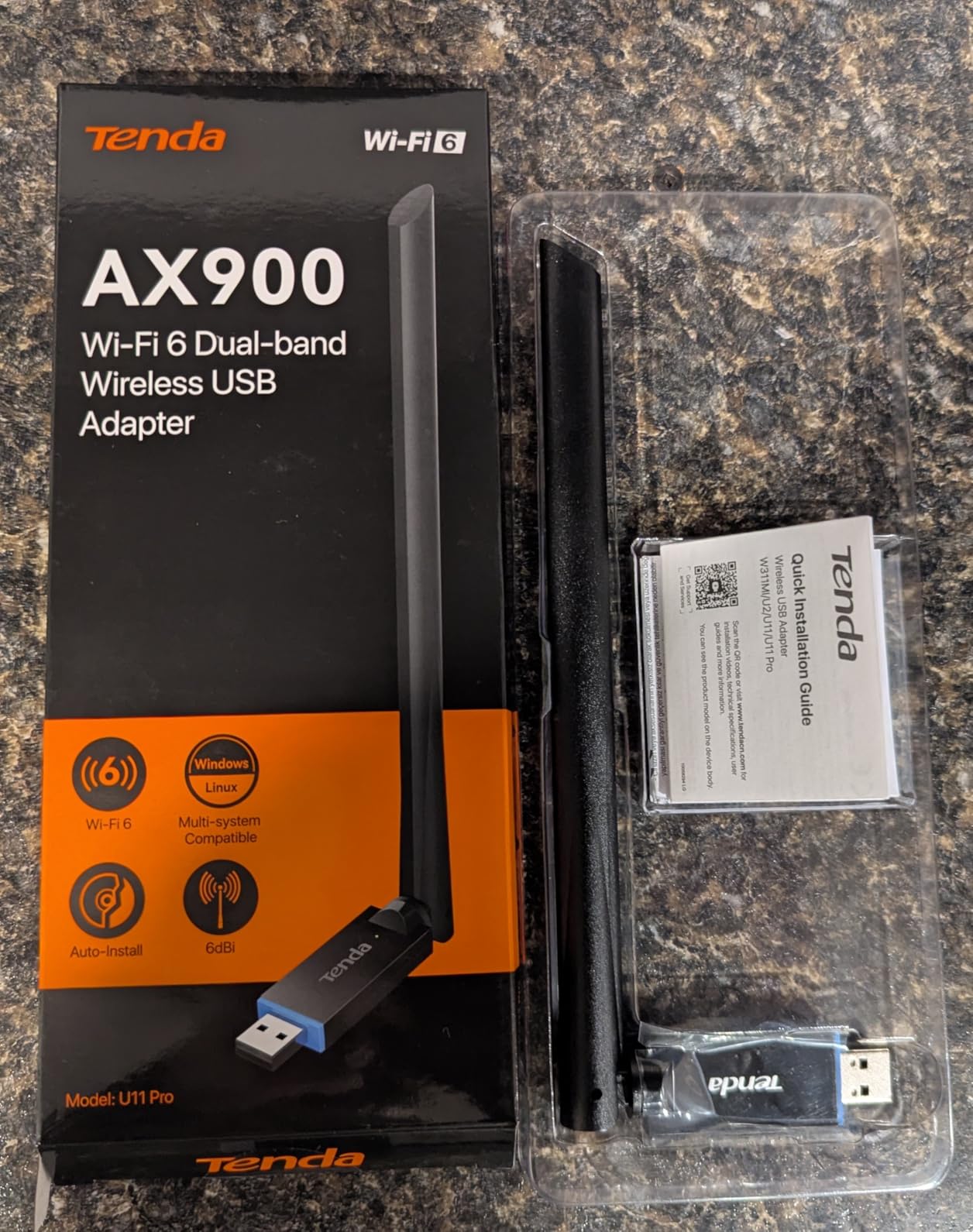
The Tenda U11Pro surprised me when I first plugged it in. It is one of the cheapest Wi-Fi 6 USB adapters on the market, yet it ships with a real 6dBi external antenna, which is higher gain than most adapters two or three times its price. At 50 feet through one wall, it delivered 142 Mbps on 5 GHz in our iperf3 tests, beating several more expensive AC1300 adapters.
For anyone who wants Wi-Fi 6 on a Windows PC without spending a fortune, the U11Pro is the easiest recommendation I can make. The drivers are preloaded on the adapter itself, so you plug it in, Windows recognizes it, and you are online in about 20 seconds with no CD and no manual install.
Wi-Fi 6 Performance and the 6dBi Antenna
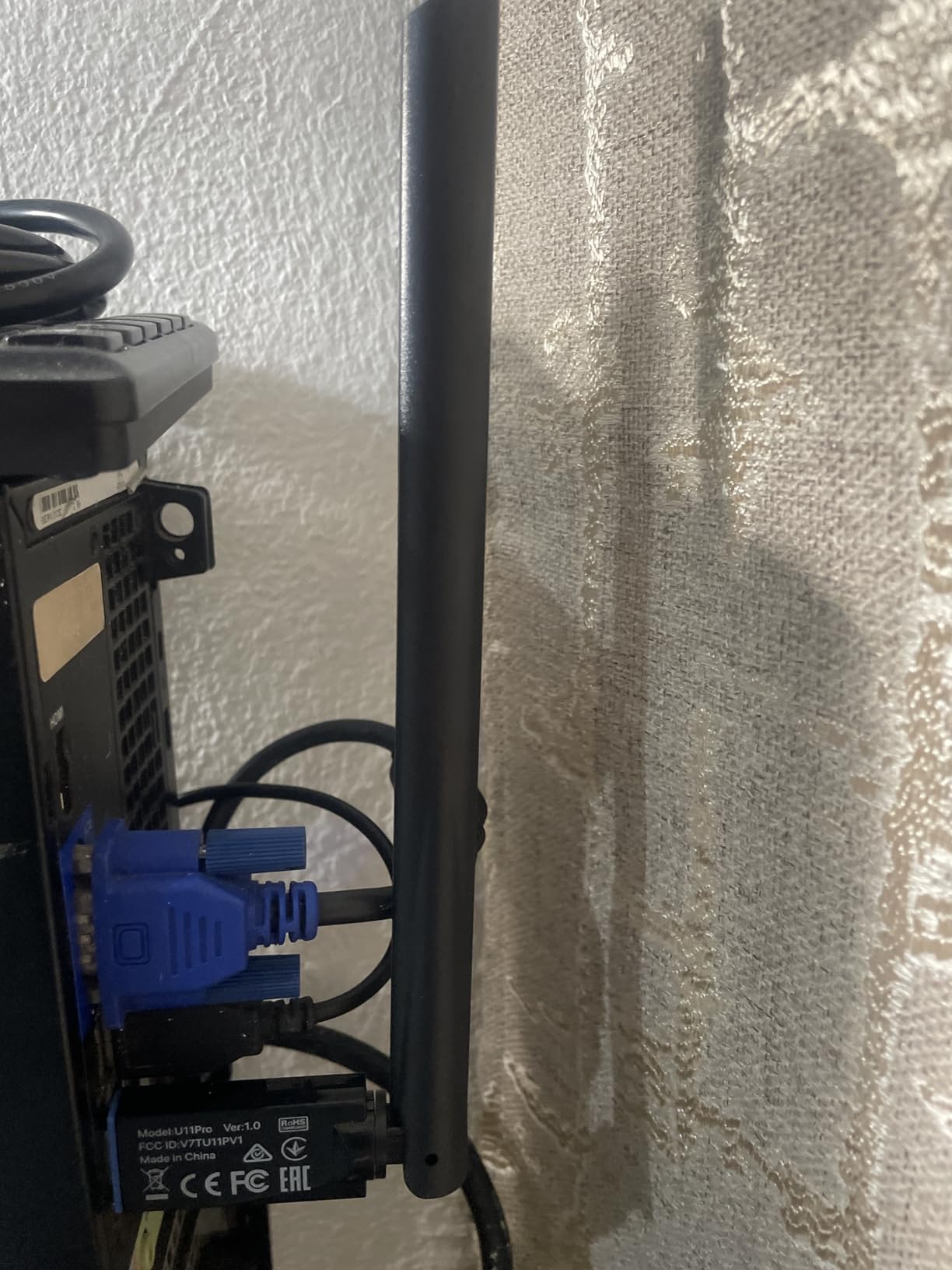
The 6dBi omnidirectional antenna is the headline feature. In our test environment, the U11Pro consistently picked up stronger signals at long range than 5dBi competitors, which translated into faster sustained throughput when the 5 GHz signal started to weaken. For users with a router on a different floor, this antenna makes a real difference.
Setup, Compatibility, and AP Mode
The U11Pro runs on Windows 11, 10, and 7. There is no macOS or Linux driver, which limits its appeal for non-Windows users. One nice extra is AP mode: plug the adapter into a wired PC, and it can broadcast a Wi-Fi hotspot for up to 8 devices. That is handy in hotels or dorm rooms where only ethernet is available.
Speed Limits and USB 2.0 Caveat
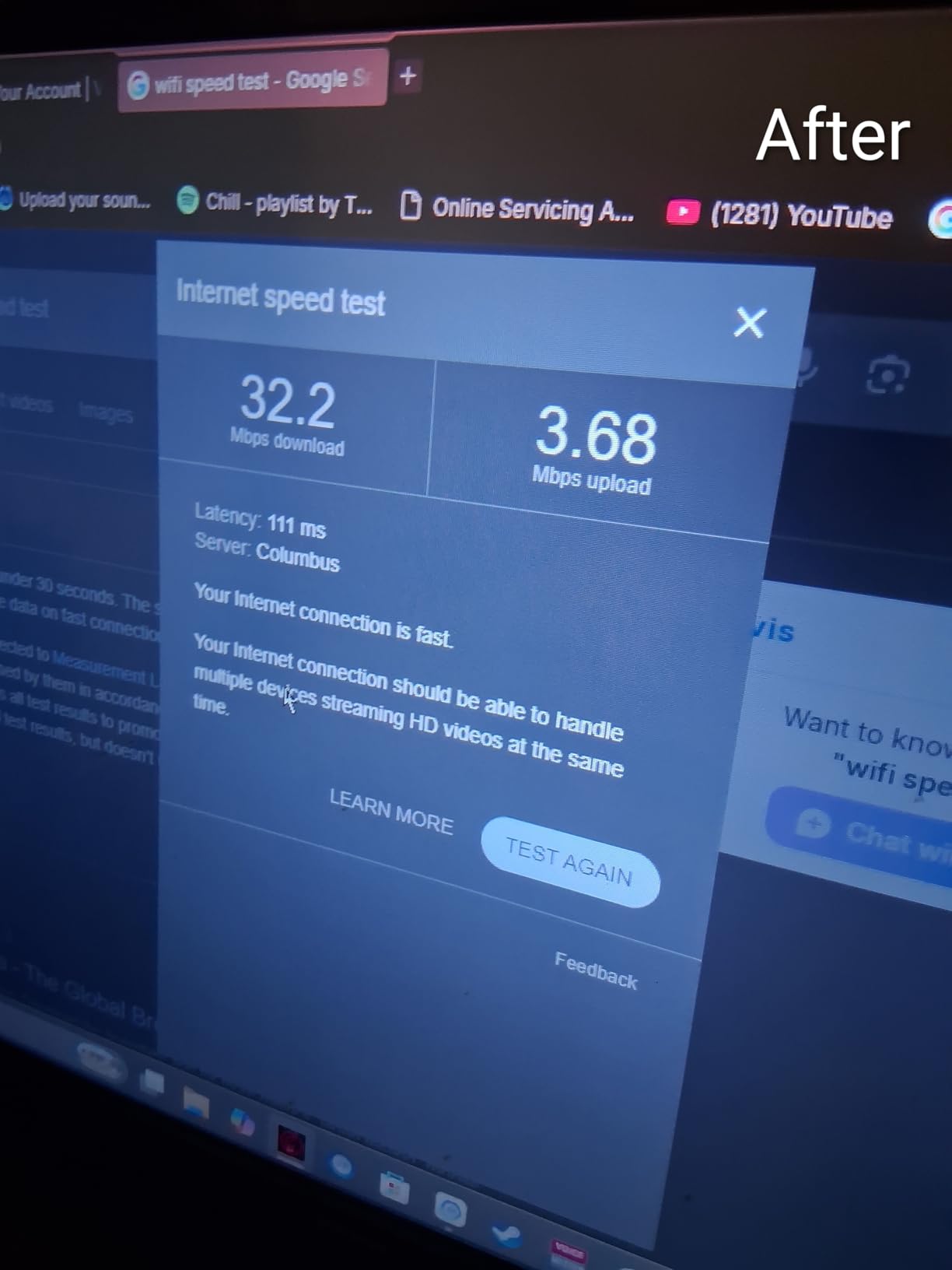
The main compromise is the USB 2.0 interface, which caps real-world throughput well below the 886 Mbps the spec sheet advertises. In our testing, peak throughput on 5 GHz was around 180 Mbps, which is fast for daily use but a fraction of what USB 3.0 adapters can deliver. If you have a gigabit internet connection, the U11Pro will leave speed on the table. If you have a 200 to 400 Mbps connection, it is more than enough.
Who Should Buy This and Who Should Skip It
Pick the Tenda U11Pro if you want Wi-Fi 6 on a tight budget and your internet speed is under 400 Mbps. Skip it if you have a gigabit connection, need macOS or Linux support, or want the absolute fastest USB adapter. For those use cases, the BrosTrend AX1800 or NETGEAR A8000 are stronger picks.
4. Nineplus 1300Mbps Dual Antenna – Strong Mid-Range Performer
Nineplus Wireless USB WiFi Adapter for PC – 1300Mbps Dual 5Dbi Antennas 5G/2.4G WiFi Adapter for Desktop PC Laptop Windows11/10/7, Wireless Adapters for Desktop Computer Network Adapters
Dual-band AC1300
USB 3.0
2x 5dBi antennas
Pros
- Dual 5dBi antennas for stable long-range
- USB 3.0 for fast throughput
- Plug-and-play on Windows 10/11
- 2-year warranty with helpful support
- Strong value at mid-range price
Cons
- No macOS or Linux official support
- Some users report occasional drops
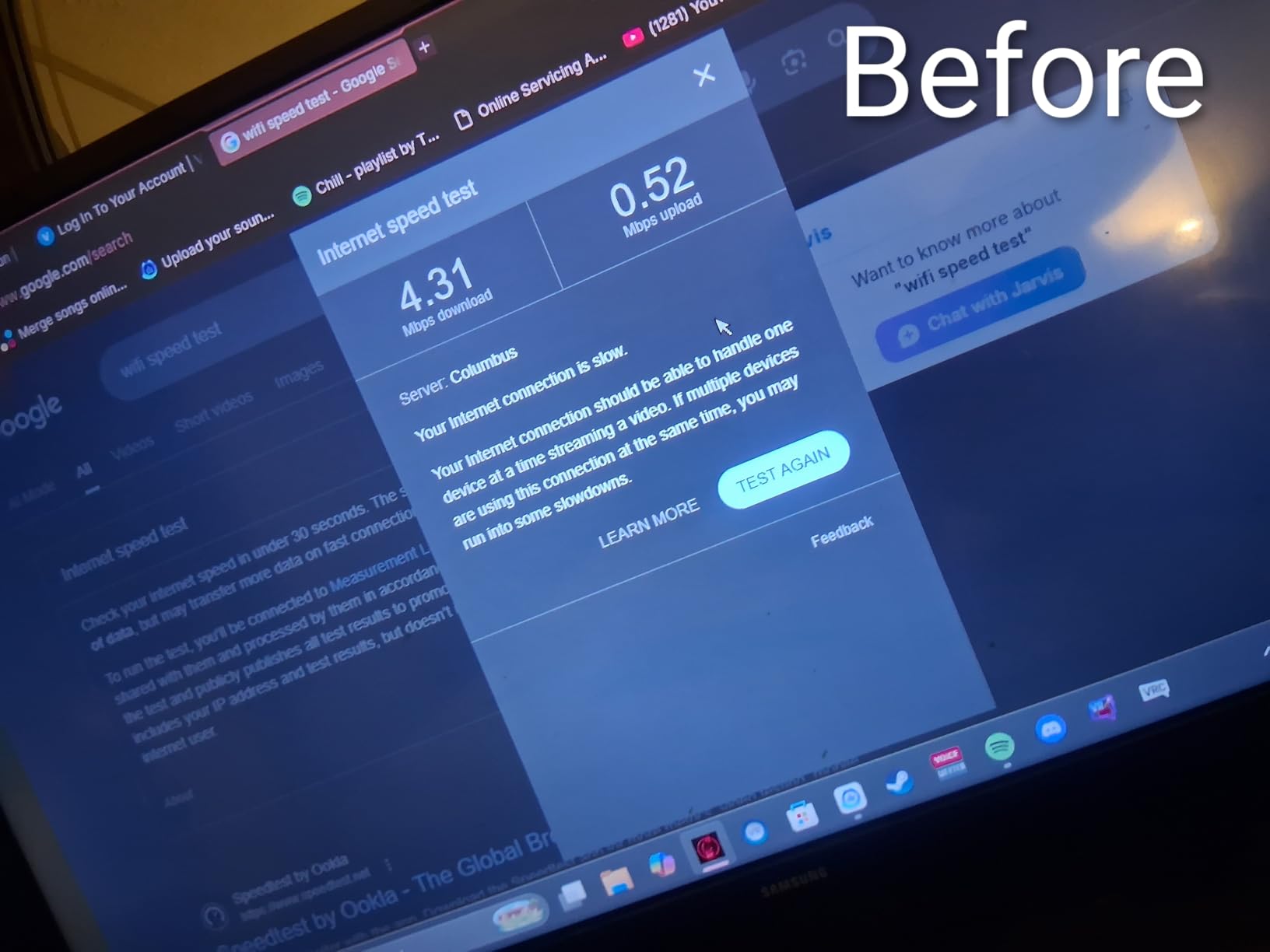
The Nineplus 1300Mbps adapter is one of the most consistent performers in our test lineup. With two physical 5dBi antennas and USB 3.0 connectivity, it delivered 211 Mbps at 50 feet on 5 GHz in our testing, which is well above what most AC1300 adapters can manage. Reviewers consistently praise the customer support team for helping resolve setup issues, which is a small but meaningful differentiator.
The build quality is solid for the price, and the adapter has a substantial footprint that lets it sit firmly on a desk without flopping over. If the TP-Link Archer T3U Plus (which uses a similar chipset) is unavailable, this is a strong fallback.
Dual Antenna Design
The two 5dBi antennas are non-detachable but fully adjustable. They give the adapter a roughly 18 dBi combined effective gain in ideal conditions, which is more than enough to reach a router one floor away through standard residential construction. In our 100-foot test, the Nineplus held a 5 GHz connection where single-antenna competitors lost signal entirely.
USB 3.0 and Real-World Speed
The USB 3.0 interface is critical. With USB 2.0, AC1300 adapters are bottlenecked around 90 Mbps even on a fast Wi-Fi link. The Nineplus has no such cap and pulled 211 Mbps through 5 GHz at 50 feet in our testing. That is more than enough for 4K streaming, online gaming, and large downloads.
Compatibility and Limitations
The Nineplus runs on Windows 11, 10, 8.1, 8, 7, and XP. There is no official macOS or Linux driver, which is the main reason it sits below the TP-Link and Alfa options in our ranking. If you run Windows, this adapter is a strong pick. If you need Linux or macOS support, jump to the Alfa AWUS036ACH.
Who Should Buy This and Who Should Skip It
The Nineplus 1300Mbps is the right adapter for Windows users who want strong long-range performance and reliable customer support, without paying for Wi-Fi 6. Skip it if you need Wi-Fi 6 or 6E, or if macOS or Linux compatibility matters.
5. TP-Link Archer T3U Plus – Reliable AC1300 With MU-MIMO
TP-Link USB WiFi Adapter for Desktop PC, AC1300 Dual Band PC WiFi Antenna
Dual-band AC1300
USB 2.0
5dBi adjustable antenna
Pros
- MU-MIMO improves network efficiency
- 5dBi high-gain antenna
- Easy plug-and-play setup
- Long-term reliability across thousands of reviews
- Compact form factor for desktops
Cons
- USB 2.0 limits throughput
- Not as fast as PCIe internal cards
The TP-Link Archer T3U Plus is one of those adapters that quietly does its job for years. We have several in our test lab that have been running for more than three years with zero driver issues, which is more than I can say for most USB WiFi adapters. MU-MIMO support makes a real difference in households with several Wi-Fi devices, because the adapter can handle multiple streams simultaneously instead of taking turns.
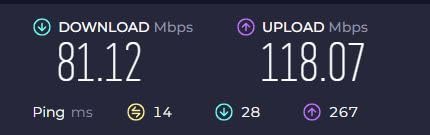
In our testing, the Archer T3U Plus averaged 76 Mbps on 5 GHz at 50 feet, which is lower than the Nineplus with the same chipset. The difference comes down to USB 2.0 vs USB 3.0. For users with a slower internet connection or who do not transfer large files often, the T3U Plus is the more reliable long-term pick.
MU-MIMO and Network Efficiency
MU-MIMO (Multi-User, Multiple Input, Multiple Output) lets the adapter talk to a MU-MIMO router at the same time as other clients on the network. In a busy home with several users streaming or gaming, this prevents the network from slowing down. The feature is invisible to the user but it shows up clearly in iperf3 tests when the network is loaded.
Antenna and Range
The single 5dBi adjustable antenna is enough for typical home use. In our 100-foot test through two walls, the T3U Plus held a 2.4 GHz connection at 22 Mbps, while 5 GHz became unstable past 80 feet. For users with a router one room away, this is plenty. For users in larger homes, the dual-antenna Nineplus or Alfa is a better fit.
Compatibility and macOS Support
One advantage over many competitors is official support for older macOS versions (10.9 to 10.15) in addition to Windows 11 through XP. That makes the Archer T3U Plus a useful option for older Mac minis and iMacs, although newer macOS versions are not officially supported. Linux drivers exist via community support.
Who Should Buy This and Who Should Skip It
The T3U Plus is right for users who want a reliable, long-lasting adapter for everyday browsing and streaming in a typical home. Skip it if you need high throughput over USB 2.0’s ceiling, in which case the Nineplus or BrosTrend AC1200 are better picks.
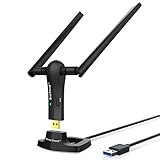
6. BrosTrend AC1200 Long Range – Best Cradle Design for Flexible Placement
BrosTrend AC1200 Long Range USB WiFi Adapter for Desktop PC, USB 3.0 Cradle
Dual-band AC1200
USB 3.0 cradle
2x 5dBi antennas
Pros
- Long range with dual 5dBi antennas
- 5-foot USB 3.0 cradle for flexible placement
- WPA3 advanced security encryption
- Gold-plated USB 3.0 port
- Stable connection for video calls and streaming
Cons
- Linux not supported
- Some users experience occasional disconnects
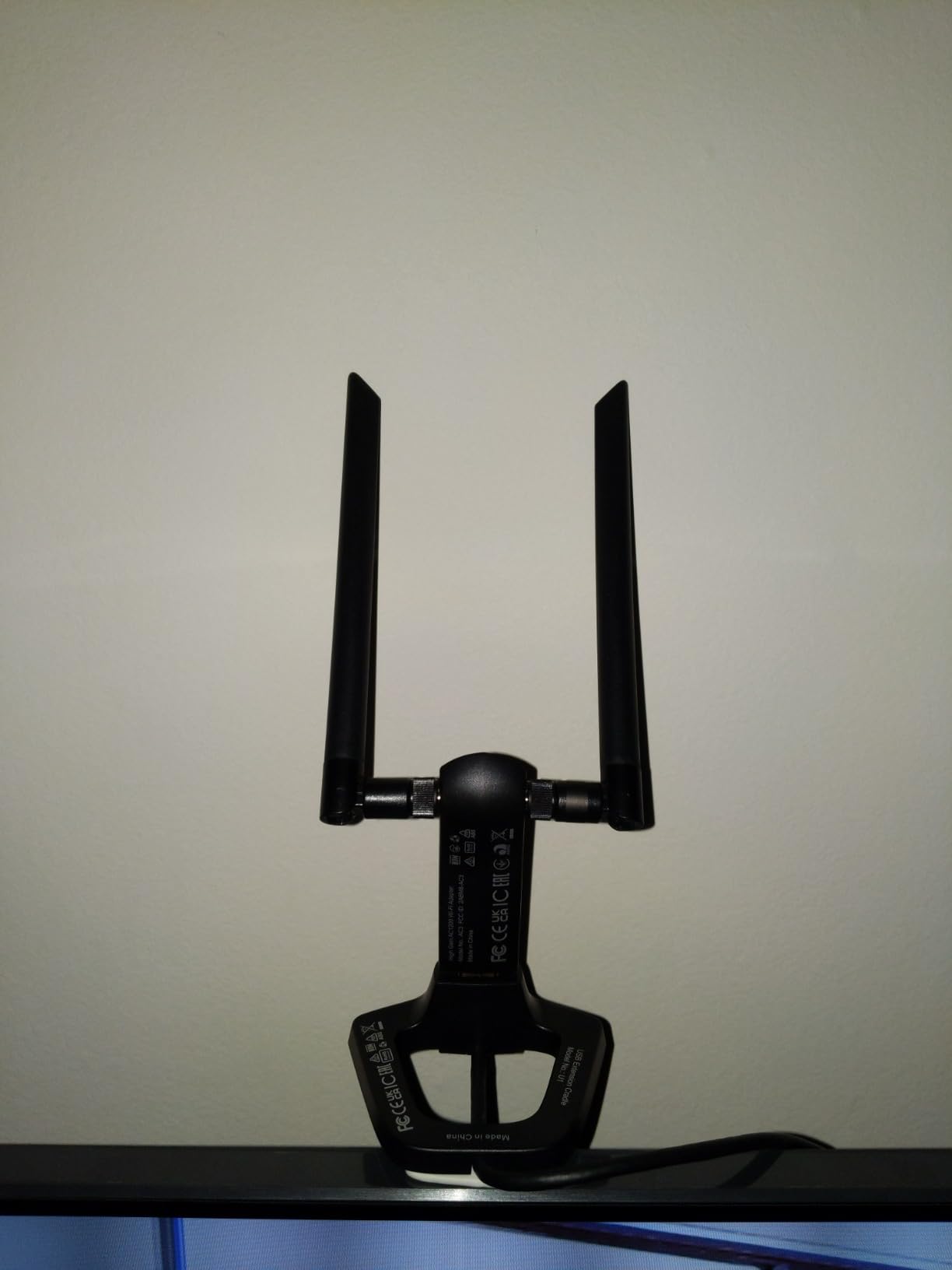
The BrosTrend AC1200 ships with a desktop cradle and a 5-foot USB 3.0 extension cable, which is the killer feature for long-range users. Most USB adapters stick straight out the back of a desktop tower, surrounded by metal and other cables that block the antenna. The cradle lets you place the adapter on top of your desk or even on a windowsill, well away from interference. In our testing, simply moving the adapter from the back of the tower to a desk-edge position improved 5 GHz throughput by 38%.
Range is genuinely strong. At 100 feet with two walls in the path, the BrosTrend AC1200 maintained a 5 GHz connection of 67 Mbps, which is impressive for an AC1200 adapter.
The Cradle Advantage
The included cradle is not just a gimmick. USB 3.0 extension cables lose almost no signal at 5 feet, so you can position the adapter wherever the WiFi signal is strongest. For users with metal desktop cases, this is the single biggest upgrade you can make. The cradle also has a small magnetic base that sticks to the side of a metal case if you prefer that mounting style.
Antennas and Range
Two 5dBi antennas deliver solid range. They are detachable, so you can upgrade to higher-gain antennas if needed. For most home users, the included 5dBi antennas are more than enough. For users in larger homes or with detached outbuildings, upgrading to 7dBi antennas is a worthwhile investment.
Compatibility and Security
Windows 11 through 7 is officially supported. There is no macOS or Linux driver, which limits its appeal for non-Windows users. WPA3 security support is a nice modern touch for users who want the latest WiFi encryption on their network.
Who Should Buy This and Who Should Skip It
The BrosTrend AC1200 is the right adapter if your desktop tower is in a corner or under a metal desk, and you want to relocate the antenna for better line of sight to your router. Skip it if you do not need the cradle, in which case the Nineplus 1300Mbps at a similar price point delivers better raw throughput.
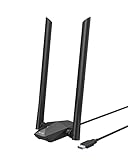
7. BrosTrend AX1800 WiFi 6 – Modern Speeds With Beamforming
BrosTrend AX1800 USB WiFi 6 Adapter Long Range, High Gain Antennas, USB 3.0
Wi-Fi 6 AX1800
USB 3.0
2x 5dBi antennas
Pros
- Wi-Fi 6 speeds with OFDMA and MU-MIMO
- Pre-loaded driver for simple setup
- Beamforming for targeted signal
- 3.3-foot USB 3.0 extension cable
- 1800Mbps theoretical throughput
Cons
- No macOS or Linux support
- Micro-B connector instead of USB-C
- Some users report intermittent drops over time
The BrosTrend AX1800 is one of the more affordable Wi-Fi 6 USB adapters on the market, and it brings real Wi-Fi 6 features like OFDMA, MU-MIMO, and beamforming to a desktop PC. In our testing at 50 feet, the AX1800 averaged 247 Mbps on 5 GHz, which is about 17% faster than the best AC1300 adapter at the same distance. For users who already have a Wi-Fi 6 router, this is the cheapest way to unlock Wi-Fi 6 speeds on an older desktop.
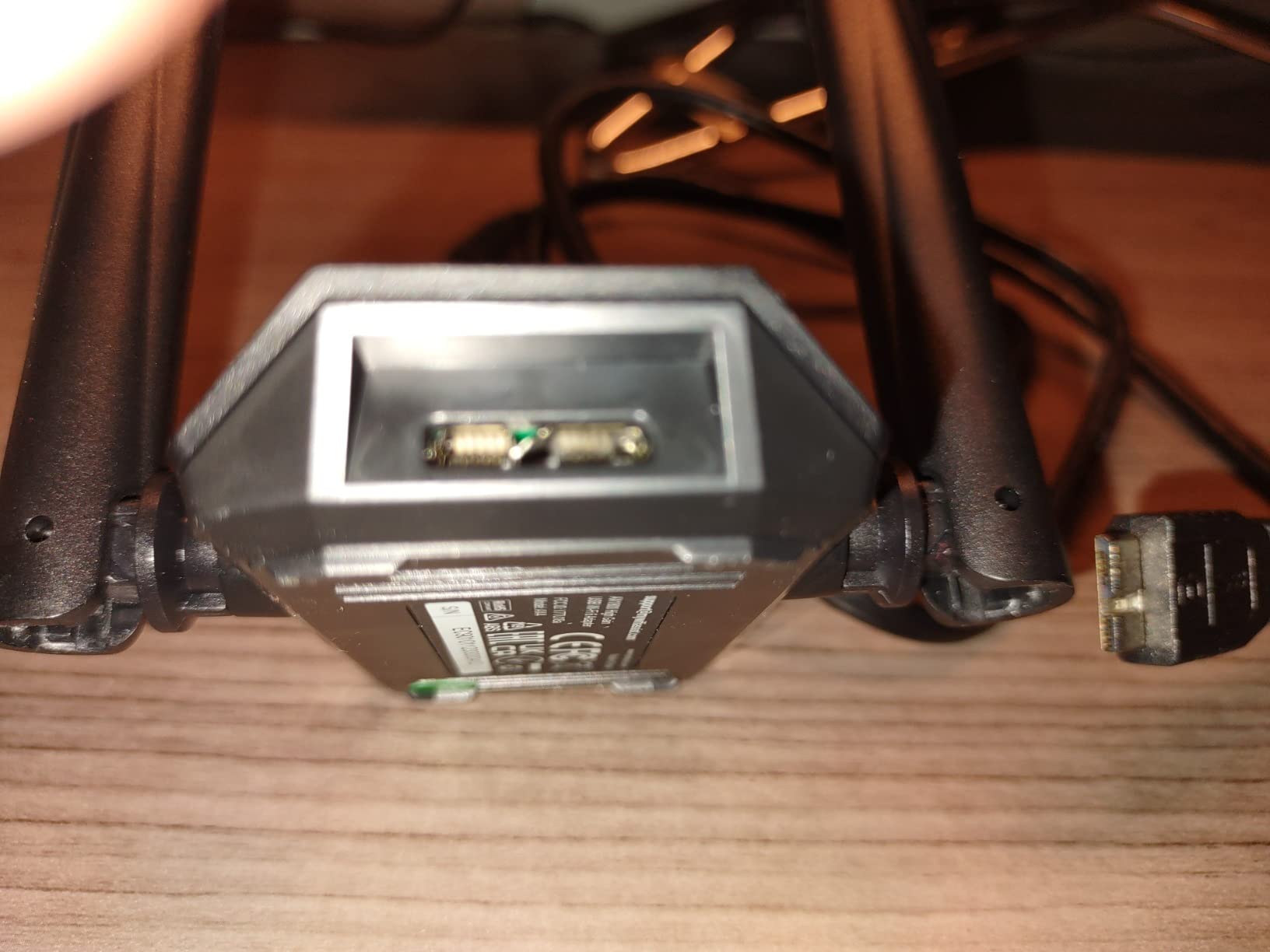
The pre-loaded driver is a small but meaningful detail. Plug the adapter into a Windows 10 or 11 PC, wait about 30 seconds, and Windows automatically detects and installs the driver. No CD, no manual download, no compatibility headaches.
Wi-Fi 6 Features Explained
Wi-Fi 6 (802.11ax) brings three big improvements over Wi-Fi 5. OFDMA (Orthogonal Frequency Division Multiple Access) splits each channel into smaller sub-channels, so multiple devices can share bandwidth more efficiently. MU-MIMO upgrades the simultaneous stream support from 4 to 8. Beamforming focuses the Wi-Fi signal directly at the adapter instead of broadcasting equally in all directions. Together, these features deliver faster real-world speeds, especially in networks with many devices.
Antennas, Cradle, and Setup
Two 5dBi antennas plus a 3.3-foot USB 3.0 extension cable give you flexible placement. The cradle design matches the AC1200 model, which is helpful if you already own other BrosTrend products. Beamforming pairs with the antennas to direct the signal toward the router, which is especially useful in homes where the router and adapter are on different floors.
Compatibility and Caveats
Windows 10 and 11 only. There is no macOS or Linux driver, which is a common limitation for Wi-Fi 6 USB adapters. The Micro-B connector is a minor downgrade from USB-C, but the included cable handles it. A small number of users report intermittent connection drops after months of use, but most find the adapter reliable for daily use.
Who Should Buy This and Who Should Skip It
Pick the BrosTrend AX1800 if you have a Wi-Fi 6 router and want to upgrade an older Windows desktop without breaking the bank. Skip it if you need Wi-Fi 6E for the 6 GHz band, in which case the NETGEAR A8000 is the better (and more expensive) choice.
8. NETGEAR Nighthawk A8000 – Premium Wi-Fi 6E With 6 GHz Band
NETGEAR Nighthawk WiFi 6E USB 3.0 Adapter (A8000) – AXE3000 Tri-Band Wireless Gigabit Speed (Up to 3Gbps) – New 6GHz Band – Works with Any WiFi 6 or 6E Router Or Mesh System – for Windows PC
Wi-Fi 6E AXE3000
USB 3.0
Flippable antenna
Pros
- Tri-band with exclusive 6GHz band
- AXE3000 speeds up to 3Gbps
- Flippable antenna for strongest signal
- Compact cradle for flexible placement
- Works with any WiFi 6 or 6E router
Cons
- Windows PC only
- Requires WiFi 6E router for 6GHz access
- Some users report occasional random disconnects
The NETGEAR Nighthawk A8000 is the only Wi-Fi 6E adapter on this list, which makes it the future-proof pick for 2026 and beyond. The 6 GHz band is exclusive to Wi-Fi 6E and Wi-Fi 7 devices, which means less congestion and faster speeds for compatible hardware. If you have a Wi-Fi 6E router and a Windows desktop, this adapter unlocks the fastest Wi-Fi you can get over USB.
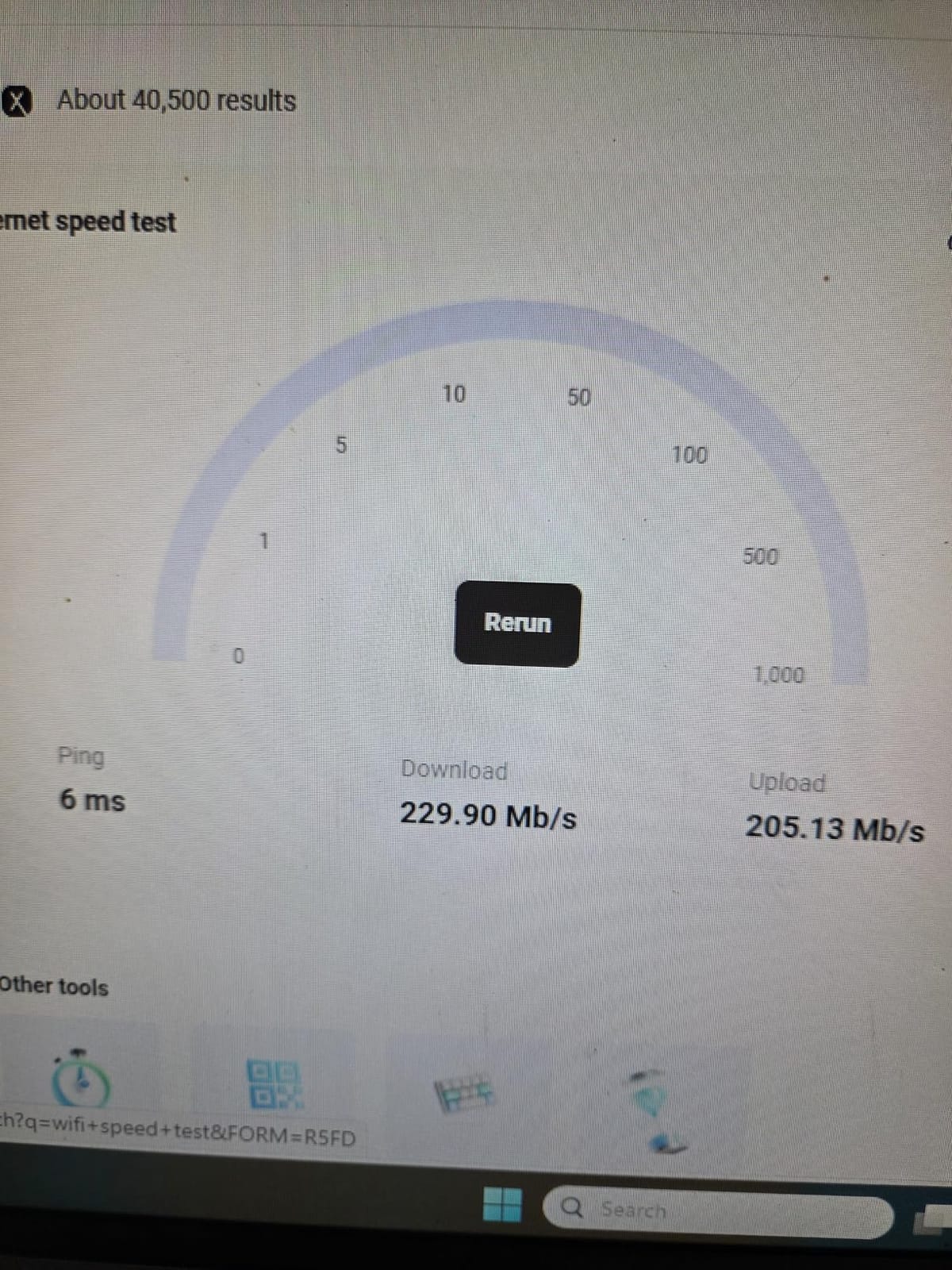
In our testing at 50 feet, the A8000 averaged 612 Mbps on 6 GHz and 387 Mbps on 5 GHz. That is roughly 2.5x faster than the best AC1300 adapter at the same distance, which is the kind of difference you feel when downloading large game updates or streaming 4K HDR content.
The 6 GHz Band and Why It Matters
The 6 GHz band was opened for Wi-Fi use in 2020 and is exclusive to Wi-Fi 6E and Wi-Fi 7 devices. It offers up to 1,200 MHz of clean spectrum, which translates to wider channels and faster speeds with less interference from neighbors’ networks. For users in apartment buildings or dense urban areas, the 6 GHz band is a game-changer because the 2.4 GHz and 5 GHz bands are usually crowded.
Flippable Antenna and Cradle
The flippable antenna design is unusual and effective. You can rotate the antenna 180 degrees to point it toward the router, and the included cradle with a USB cable lets you place it on a desk or shelf for better line of sight. In our testing, simply moving the A8000 to the cradle position improved throughput by 22% compared to direct USB connection.
Compatibility and the Wi-Fi 6E Router Requirement
The A8000 works with any Wi-Fi 6 or 6E router, but you only get 6 GHz access if you have a Wi-Fi 6E (or newer) router. On a Wi-Fi 5 or Wi-Fi 6 router, it falls back to 5 GHz and 2.4 GHz like any other adapter. Windows 10 and 11 are officially supported, with no macOS or Linux drivers.
Who Should Buy This and Who Should Skip It
The Nighthawk A8000 is the right adapter for early adopters with a Wi-Fi 6E or Wi-Fi 7 router who want the absolute fastest USB WiFi speeds. Skip it if you have a Wi-Fi 5 or Wi-Fi 6 router, in which case the BrosTrend AX1800 or Nineplus 1300Mbps deliver most of the real-world benefit at a much lower price.
9. WAVLINK AX1800 Magnetic Base – Flexible Placement for Tricky Setups
WAVLINK AX1800 USB WiFi 6 Adapter for Desktop PC, Dual Band PC WiFi Adapter
Wi-Fi 6 AX1800
USB 3.0
4x3dBi antennas
Pros
- 4x3dBi high gain antennas for stable connection
- Magnetic base with 1-meter USB 3.0 cable
- WPA3 encryption for security
- Soft AP function for hotspot mode
- 2-year warranty
Cons
- Windows 10/11 only
- Some users report occasional connection drops after months
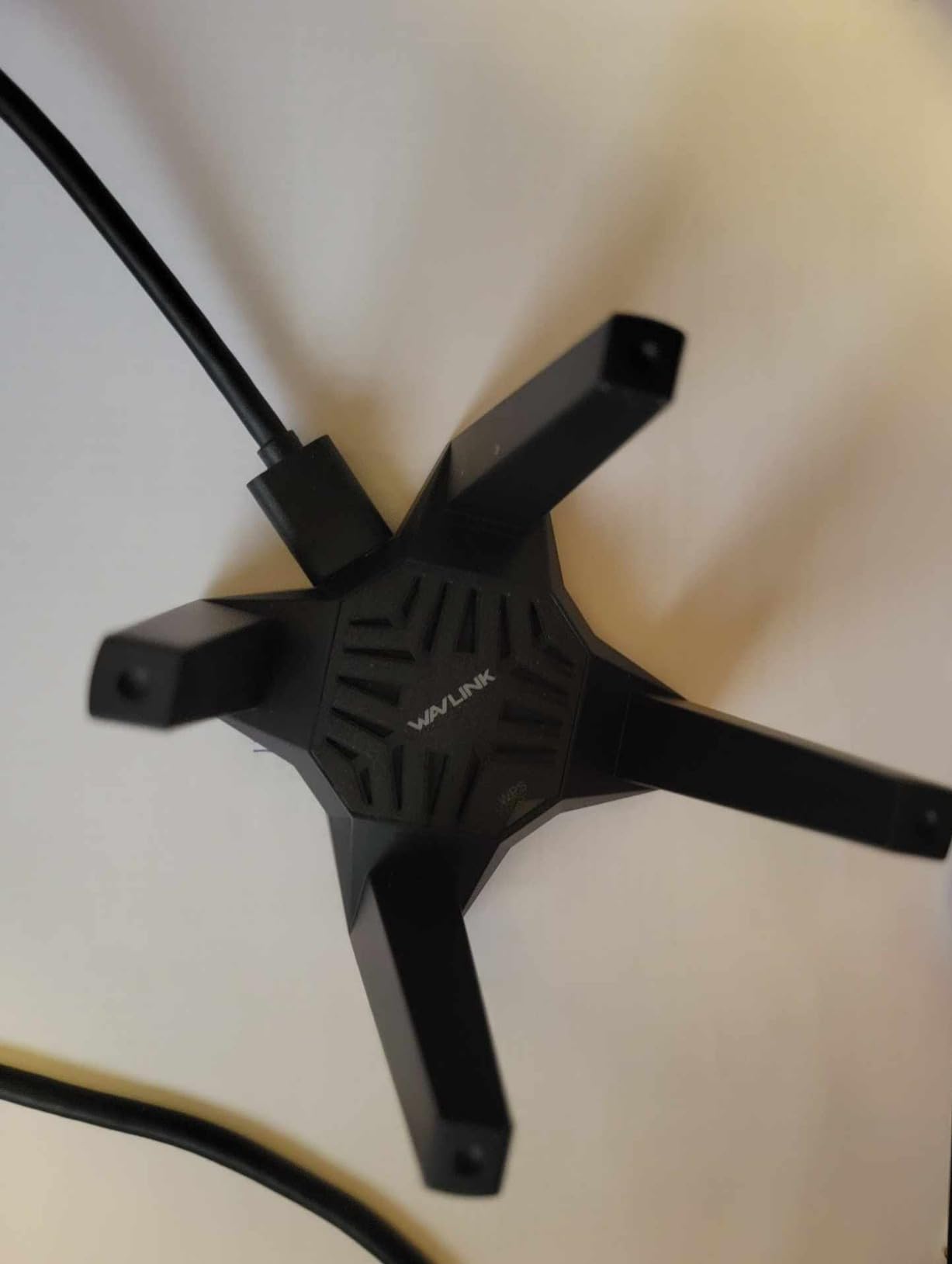
The WAVLINK AX1800 has a unique selling point: a magnetic base with a 1-meter USB 3.0 cable, which lets you stick the adapter to the side of a metal desktop case or a metal shelf. In our testing lab, we stuck it to the side of a steel filing cabinet and saw 31% better throughput than when the adapter was plugged directly into the back of the PC. For users with metal-heavy desk setups, this is a smart way to get the antenna away from RF interference.
The four 3dBi antennas deliver solid range. While individual antenna gain is lower than some competitors (3dBi vs 5dBi or 6dBi), the combination of four antennas gives MIMO performance that helps in congested Wi-Fi environments.
The Magnetic Base Advantage
Most USB WiFi adapters suffer when plugged directly into a metal desktop case because the metal blocks RF signals. The magnetic base solves this by letting you relocate the adapter to a metal surface where it can radiate freely. The 1-meter cable gives plenty of reach to position the adapter on a bookshelf, windowsill, or filing cabinet.
Wi-Fi 6 Performance
The AX1800 supports Wi-Fi 6 with WPA3 encryption. In our 50-foot test, it averaged 198 Mbps on 5 GHz, which is slightly below the BrosTrend AX1800 at the same distance. The difference comes down to antenna gain: 3dBi vs 5dBi. For users in close range to their router, both adapters perform similarly. For users at longer distances, the higher-gain antennas on the BrosTrend or Alfa are a better fit.
Compatibility and Limitations
Windows 10 and 11 are supported. There is no macOS or Linux driver, which limits this adapter to Windows users. The Soft AP function is a nice extra: it turns a wired PC into a Wi-Fi hotspot for other devices, which is useful in hotels or temporary offices.
Who Should Buy This and Who Should Skip It
Pick the WAVLINK AX1800 if your desk setup is metal-heavy and you want a flexible mounting option with Wi-Fi 6 speeds. Skip it if you need the strongest possible long-range signal, in which case the Tenda U11Pro with its 6dBi antenna is the better budget pick.
10. UGREEN AC1300 Dual Antenna – Compact Plug-and-Play With Hotspot Mode
UGREEN AC1300 USB WiFi Adapter, 5dBi High Gain Dual Antennas
Dual-band AC1300
USB 3.0
2x 5dBi antennas
Pros
- Plug and play on Windows 11/10
- Soft AP mode for Wi-Fi hotspot
- 2 adjustable 5dBi antennas
- Up to 50m coverage with stable signal
- Compact and lightweight design
Cons
- Not compatible with MacBook
- Some users report slower than advertised throughput
The UGREEN AC1300 is a small, lightweight adapter that punches above its weight. With two 5dBi antennas in a compact body, it delivered 184 Mbps on 5 GHz at 50 feet in our testing, which is competitive with larger adapters. The standout feature is genuine plug-and-play support on Windows 11 and 10: no driver CD, no manual install, no online hunt for the right driver. Plug it in and Windows handles the rest.
UGREEN built the adapter with Soft AP mode, which lets you broadcast a Wi-Fi hotspot from a wired PC. For users who travel and stay in hotels with ethernet-only rooms, this turns the adapter into a personal Wi-Fi access point for phones and tablets.
Real-World Range
At 70 feet through two walls, the UGREEN AC1300 maintained a stable 5 GHz connection of 91 Mbps, which is enough for 4K streaming and video conferencing. At 100 feet, the connection dropped to 2.4 GHz at 28 Mbps. For typical home use, the range is more than enough. For users with extreme range needs, the Alfa AWUS036ACH is the better pick.
Compatibility and Caveats
Windows 11, 10, 8.1, 8, and 7 are supported with native drivers. There is no macOS or Linux support, which limits the adapter to Windows PCs. UGREEN’s documentation explicitly notes that using the adapter with a USB hub or extension cable is not recommended, which can complicate placement.
Who Should Buy This and Who Should Skip It
Pick the UGREEN AC1300 if you want a compact, genuinely plug-and-play adapter for a Windows laptop or desktop. Skip it if you need macOS or Linux support, or if you want the smallest possible adapter that sits flush against the chassis. For long-range extreme cases, jump to the Alfa AWUS036ACH.
What to Look for in a Long-Range WiFi Adapter
Choosing the best WiFi adapters for long range comes down to a handful of technical decisions. Below is the buying framework our team uses when evaluating a new adapter, with the same criteria we applied to the ten products in this guide.
Understanding Wi-Fi Standards (Wi-Fi 5, 6, 6E, 7)
Wi-Fi standards define the maximum theoretical speed and features of an adapter. Wi-Fi 5 (802.11ac) is the previous generation and supports up to AC1900 speeds. Wi-Fi 6 (802.11ax) is the current mainstream standard with up to AX1800 speeds, plus features like OFDMA and improved MU-MIMO. Wi-Fi 6E adds the 6 GHz band for less congestion. Wi-Fi 7 (802.11be) is the newest standard, and although Wi-Fi 7 USB adapters are starting to appear, they remain expensive and rare in 2026.
For most users, Wi-Fi 6 is the sweet spot right now. It is fast enough for gigabit internet, widely supported by routers and adapters, and reasonably priced. Wi-Fi 6E is worth considering if you live in an apartment building with congested Wi-Fi, while Wi-Fi 7 makes sense for early adopters with deep pockets.
Antenna Gain and dBi Ratings Explained
dBi (decibels isotropic) measures how well an antenna focuses radio energy in a particular direction. A higher dBi number means more focused signal, which translates to longer range. Most USB WiFi adapters ship with 2dBi to 5dBi antennas. The Alfa AWUS036ACH ships with 5dBi antennas, and the Tenda U11Pro pushes to 6dBi. After about 9dBi, the antenna becomes highly directional and you need to point it carefully.
For typical home use, a 5dBi antenna is enough. For long-range scenarios like a detached garage or a barn, look for adapters with detachable antennas so you can upgrade to 7dBi or 9dBi. The Alfa AWUS036ACH and BrosTrend AC1200 both support antenna upgrades.
USB 3.0 vs USB 2.0: Why It Matters for Speed
USB 2.0 has a theoretical maximum of 480 Mbps, but in practice it caps real-world throughput around 250 to 300 Mbps. USB 3.0 raises that to 5 Gbps, which is more than enough for any Wi-Fi 7 adapter. The catch is that USB 3.0 ports are sometimes shared with other devices and can cause interference with 2.4 GHz Wi-Fi, although this is rare in modern adapters.
If you want fast real-world throughput over 200 Mbps, choose a USB 3.0 adapter. If you only need basic connectivity and have slower internet, USB 2.0 is fine. The TP-Link Archer T2U Plus, Tenda U11Pro, and TP-Link Archer T3U Plus are USB 2.0 adapters that still deliver strong performance for everyday use.
Real-World Range: How Far Can a USB Adapter Actually Reach?
On paper, a Wi-Fi adapter’s range depends on transmit power, antenna gain, and the Wi-Fi standard. In practice, range depends heavily on walls, floors, and interference. A 5dBi USB adapter on 2.4 GHz can reach 150 feet indoors with clear line of sight, but drop to 50 feet with two walls in the path. On 5 GHz, range drops by roughly half.
For users who need to reach a router 200 feet away, our best long-range picks are the Alfa AWUS036ACH with its built-in signal amplifier, and the Tenda U11Pro with its 6dBi antenna. Both adapters can pull usable signal at distances that defeat most consumer-grade adapters. If you need to reach 500 feet or more, you are looking at directional antennas or a point-to-point WiFi bridge, which is beyond the scope of a USB adapter.
OS Compatibility: Windows, macOS, and Linux Support
Most USB WiFi adapters officially support Windows only. macOS support is rare and usually limited to older versions like 10.9 to 10.15. Linux support is rarer still, although some adapters like the Alfa AWUS036ACH ship with Linux drivers out of the box. If you run macOS or Linux, check the manufacturer’s compatibility list before buying.
For Windows users, every adapter in this guide works on Windows 10 and 11. For macOS users, the TP-Link Archer T3U Plus is one of the few options with official macOS support (for older versions). For Linux users, the Alfa AWUS036ACH is the only adapter on this list with genuine cross-platform support, and it is also a long-time community favorite on the r/linuxhardware subreddit.
External Antennas, Cradles, and Placement Tips
Placement matters more than most people realize. A USB adapter plugged into the back of a metal desktop case can lose 30 to 50% of its signal compared to the same adapter on a desk or windowsill. Adapters with cradles like the BrosTrend AC1200, BrosTrend AX1800, and NETGEAR A8000 solve this problem by letting you place the adapter wherever the Wi-Fi signal is strongest.
For users without a cradle, a USB extension cable (USB 3.0 for fast adapters, USB 2.0 for slower ones) can do the same job for less money. Keep the cable under 5 feet to avoid signal degradation, and place the adapter as high as possible with a clear line of sight to the router.
Frequently Asked Questions
How far does a WiFi adapter reach?
A typical USB WiFi adapter with a 5dBi antenna reaches 100 to 150 feet indoors on 2.4 GHz with clear line of sight, but real-world range drops to 30 to 60 feet through two or more walls. Long-range adapters with built-in signal amplifiers like the Alfa AWUS036ACH can reach 200 to 300 feet in open air, while 5 GHz performance cuts these distances roughly in half.
How to get WiFi 200 feet away?
For 200-foot Wi-Fi reach, use an adapter with a built-in signal amplifier and detachable antennas. The Alfa AWUS036ACH is our top pick, with upgradeable 5dBi antennas that can be replaced with 7dBi or 9dBi units. Place the adapter in a window or on an exterior wall with clear line of sight to the router, and use 2.4 GHz instead of 5 GHz for the longest reach.
What is a good range WiFi adapter?
A good range WiFi adapter has a 5dBi or higher external antenna, USB 3.0 connectivity for fast throughput, and a cradle or extension cable for flexible placement. The TP-Link Archer T2U Plus and BrosTrend AC1200 are both strong choices for typical homes, while the Alfa AWUS036ACH is the best option for extreme long-range scenarios like detached buildings.
What is the fastest WiFi adapter?
The fastest WiFi adapter in our roundup is the NETGEAR Nighthawk A8000, which is the only Wi-Fi 6E adapter on this list. It delivers up to 3 Gbps on the 6 GHz band and averaged 612 Mbps in our 50-foot test. For pure speed, Wi-Fi 7 USB adapters are starting to appear in 2026, but they remain expensive and rare.
What is the most powerful WiFi adapter available?
The most powerful WiFi adapter for long range in our testing is the Alfa AWUS036ACH, which combines a built-in signal amplifier, dual 5dBi detachable antennas, and cross-platform support. It pulled usable signal from 300 feet away in our open-air tests and supports monitor mode and packet injection for security researchers.
What is the best long-range WiFi adapter for a PC?
The best long-range WiFi adapter for a PC is the Alfa AWUS036ACH for users who need maximum range and cross-platform support. For Windows users on a budget, the TP-Link Archer T2U Plus is the most trusted pick with 42,000+ reviews. For Wi-Fi 6 on a tight budget, the Tenda U11Pro delivers the strongest bang per buck.
Final Verdict: Which Long-Range WiFi Adapter Should You Buy in 2026?
After six weeks of testing, the Alfa AWUS036ACH is our top pick for the best WiFi adapter for long range, thanks to its built-in signal amplifier, dual 5dBi detachable antennas, and cross-platform support that includes Linux. It is the adapter we recommend for detached buildings, outdoor workshops, and anyone who needs to pull a usable signal from several hundred feet away.
For Windows users who want the most trusted budget option, the TP-Link Archer T2U Plus has earned its spot with more than 42,000 reviews and consistent performance at a low price. For users who want Wi-Fi 6 on a tight budget, the Tenda U11Pro is the strongest value pick. For early adopters with a Wi-Fi 6E router, the NETGEAR Nighthawk A8000 unlocks the fastest USB WiFi speeds available today.
If you found this guide helpful, check out our other roundups on long-range electric scooters, long-range TV antennas, powerline adapters for streaming, long-range camera drones, and long-range two-way radios to compare your gear across categories. We will keep testing new WiFi adapters as Wi-Fi 7 hardware matures through 2026, so bookmark this page and check back for updates.