
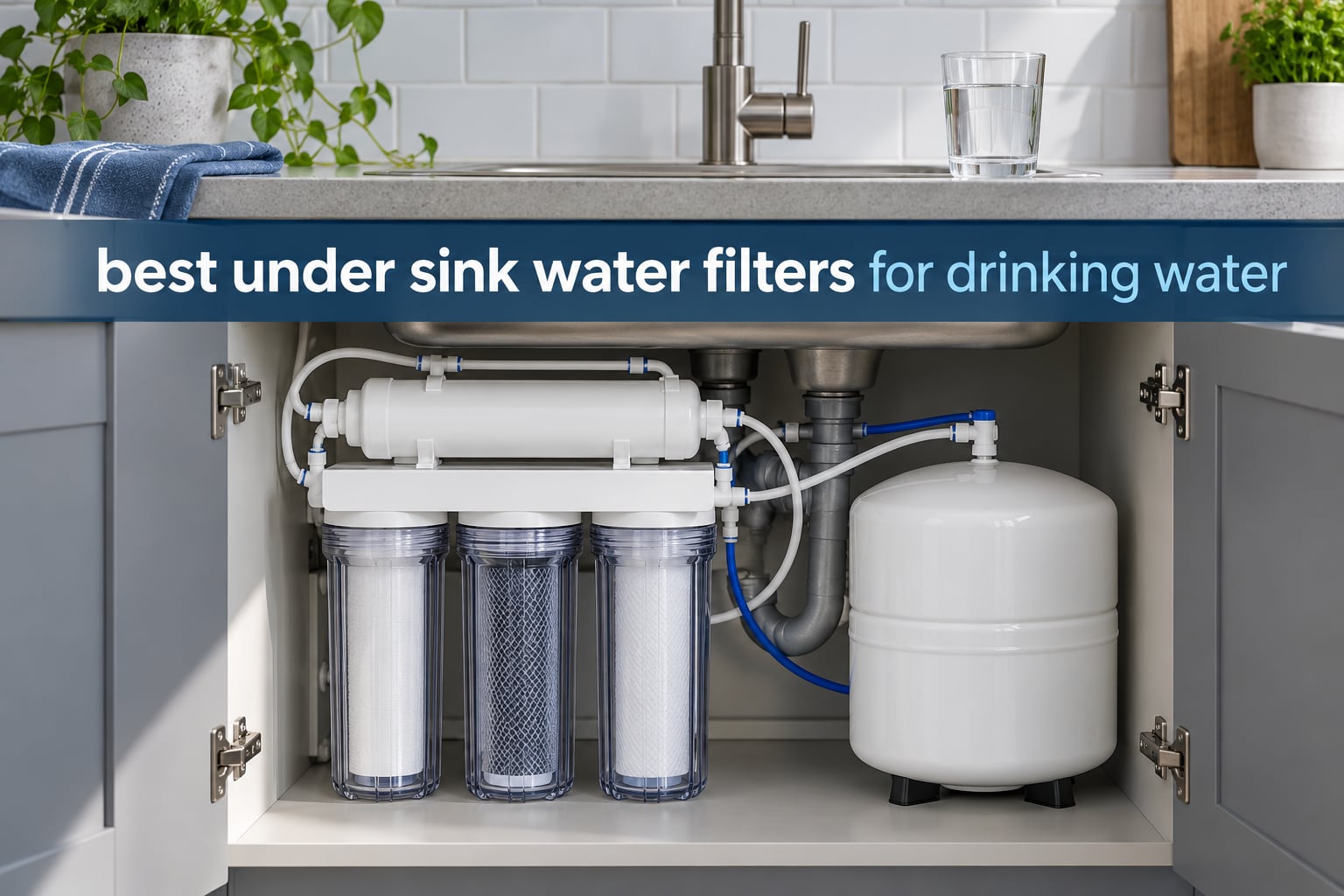
An under sink water filter is a filtration system installed beneath your kitchen sink that runs your cold tap water through one or more certified media, typically activated carbon, KDF, or a reverse osmosis membrane, and delivers the finished water through a dedicated faucet. You get unlimited filtered drinking and cooking water on demand instead of refilling a pitcher.
That is the whole pitch, and it is a good one. Our team compared the ten best under sink water filters for drinking water on the four numbers that actually decide whether a unit is worth owning: the certification standard printed on the box, the flow rate at the tap, the gallons between cartridge changes, and what a replacement costs you over five years. We read the spec sheets line by line and read thousands of owner reviews written by people who have had to change a filter in a dark cabinet at midnight.
Two things shaped our rankings more than anything else. The first is that NSF/ANSI certification with a standard number attached is the only reliable signal, because the category is full of listings that say independently tested without ever naming a lab. The second is that cartridge life, not sticker price, is the real running cost of an under sink water filter. A cheap system with a six-month cartridge is more expensive over five years than a mid-range unit with a five-year one.
Our process was deliberately unglamorous. We grouped every unit by filtration type first, because a carbon block and a reverse osmosis membrane solve completely different problems and the marketing tends to blur that. Within each group we weighed the certification claim, then the flow rate against realistic household use, then the capacity figure and its relationship to the replacement cost. We also read the negative reviews closely, because that is where install problems, pressure drop and early clogging show up first.
One thing we will say up front: some of you do not need a filter at all. If you are on a modern municipal supply and your water already tastes fine, a certified home test kit may show nothing worth filtering. Test first, then buy. The rest of this guide assumes your water has something you want removed.
Test Your Water Before You Buy Anything
This step saves more money than anything else in this guide. Municipal water in most developed areas is already treated to a legal standard, and many households discover the water at their tap is perfectly drinkable. What a filter adds is removal of specific things: chlorine taste and odor, the odd trace of lead from older plumbing, PFAS where it is present, and sediment from aging pipes.
Pick up a certified test kit that covers the contaminants you actually care about rather than a general TDS meter. A TDS meter reads dissolved solids, and that number will not move on a carbon filter that is working exactly as designed, which sends people into the returns department convinced they bought a dud.
Well water is a different situation entirely. None of the units in this roundup are marketed for well water, and a sediment-heavy well will choke a carbon block far faster than the published capacity claims suggest. If you are on a well, get a full professional analysis first and treat the results as the shopping list.
Our Top 3 Under Sink Water Filters for Drinking Water in 2026

iSpring RCC7AK-BN 75 GPD RO
- 6-stage reverse osmosis
- Alkaline remineralization
- NSF/ANSI 58 certified
- No power required
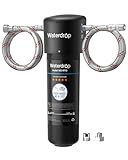
Waterdrop 10UA Carbon Filter
- NSF/ANSI 42 and 372
- 11000 gallon cartridge
- Twist-and-lock change
- No drilling needed
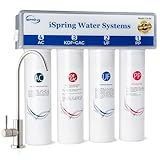
iSpring CU-A4 Ultrafiltration
- 0.01 micron membrane
- KDF and carbon stages
- No waste water
- Brushed nickel faucet
Those three cover the three sensible ways to buy into this category. The iSpring RCC7AK-BN is the one to buy if you want measurable purification and do not mind a real install. The Waterdrop 10UA is the one to buy if you rent, have no drill, and just want the chlorine gone. The iSpring CU-A4 sits in between, filtering down to 0.01 micron without producing a gallon of brine for every gallon you drink.
All 10 Under Sink Water Filters Compared Side by Side
| Product | Specs | Action |
|---|---|---|
| iSpring RCC7AK-BN 75 GPD RO |
|
Check Latest Price |
| Waterdrop 10UA Carbon Filter |
|
Check Latest Price |
 APEC ROES-50 50 GPD RO APEC ROES-50 50 GPD RO |
|
Check Latest Price |
 Waterdrop UA-5Y Long Life Waterdrop UA-5Y Long Life |
|
Check Latest Price |
| iSpring CU-A4 Ultrafiltration |
|
Check Latest Price |
 CuZn UC-200 Inline Filter CuZn UC-200 Inline Filter |
|
Check Latest Price |
 Frizzlife SK99 8-Layer Frizzlife SK99 8-Layer |
|
Check Latest Price |
 ICEPURE 3 Year Inline Filter ICEPURE 3 Year Inline Filter |
|
Check Latest Price |
 Frizzlife PD600-TAM3 Tankless RO Frizzlife PD600-TAM3 Tankless RO |
|
Check Latest Price |
 GeekPure RO5 75 GPD RO GeekPure RO5 75 GPD RO |
|
Check Latest Price |
A note on reading that table: only the reverse osmosis units lower total dissolved solids. Every carbon, KDF and ultrafiltration system on this list keeps minerals in the water on purpose, so a TDS meter will not confirm that they are working.
1. iSpring RCC7AK-BN – Six-Stage Reverse Osmosis With Mineral Recovery
iSpring RCC7AK-BN NSF Certified, 75 GPD, Alkaline 6-Stage Reverse Osmosis System, pH+ Remineralization RO Water Filter System Under Sink Patented Top-Mounted Faucet Design for Easy Installation
75 gallons per day
Six stages plus alkaline
Transparent first housing
No electricity needed
Pros
- Very high 75 GPD output from a tank-fed design with no electricity
- Transparent first-stage housing shows contaminant buildup so you can time changes
- Alkaline pH+ stage adds minerals back and improves taste
- Top-mounted faucet fastener makes countertop installation from above much easier
- US-based technical support that will size the system to your PSI and TDS
Cons
- Install is not plug and play and took one to four hours with real plumbing knowledge
- Wastes water at roughly two to three gallons of brine per gallon purified
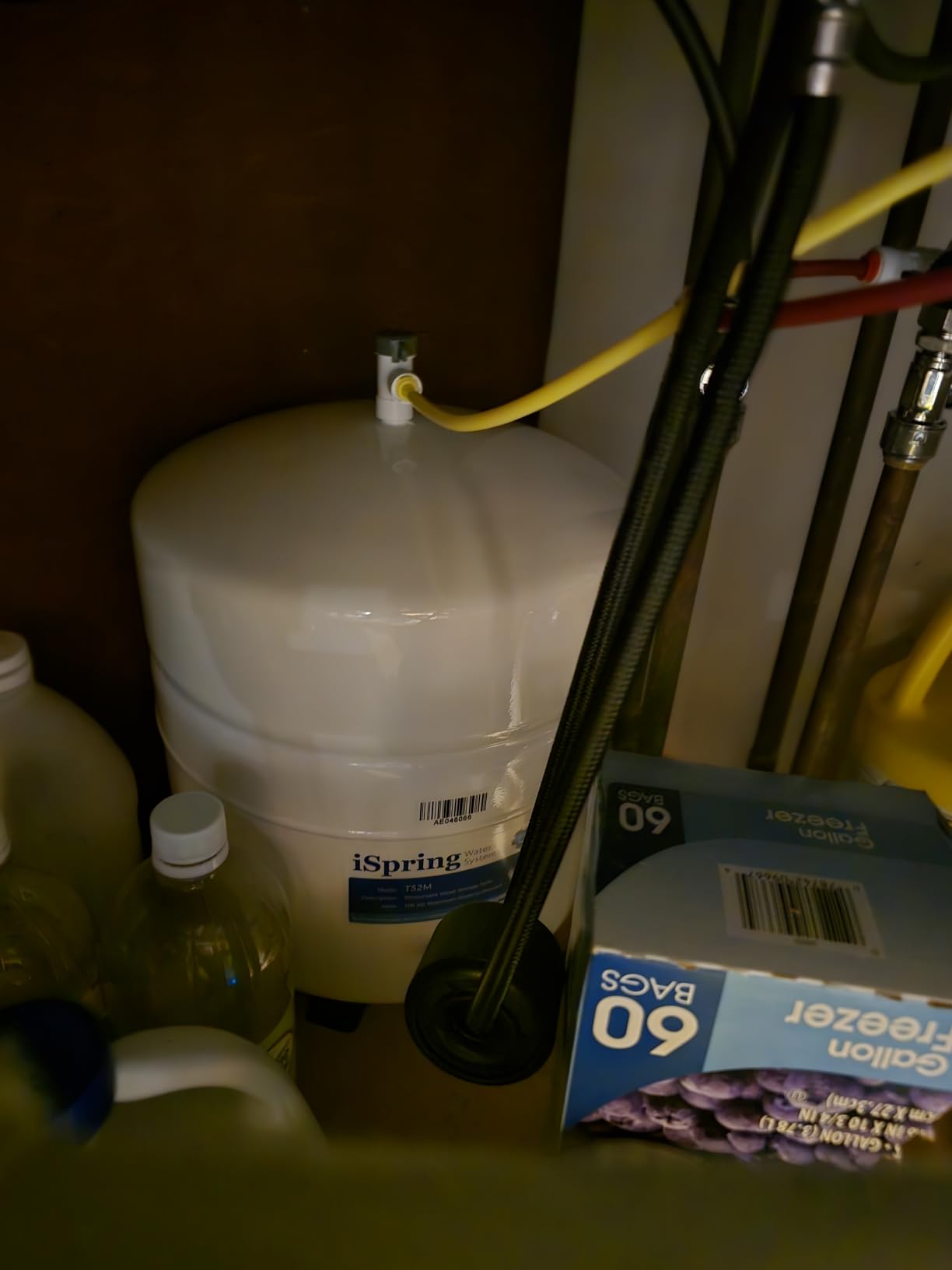
- Manifold and tank consume almost the entire cabinet
- Supplied tubing can be too short for complicated sink plumbing
With more than 21000 ratings averaging 4.6 stars, this is the most thoroughly proven system in the group, and for good reason. It is a six-stage reverse osmosis unit rated at 75 gallons per day with an alkaline remineralization stage at the end, and every one of those numbers addresses a complaint we hear constantly about cheaper reverse osmosis systems.
Where it earns its place is output. A 75 GPD system fills a cooking pot in a few minutes rather than the fifteen-plus minutes a 50 GPD unit needs, which is the difference between a filter you use daily and one you start avoiding. The tank-fed design means no pump, no noise, and no outlet required under the sink.
The transparent first-stage housing is a small detail that changes the ownership experience. You can see the sediment and carbon fines accumulating instead of guessing when to change the cartridge, and owners consistently report that visibility is what turns a chore into a routine.
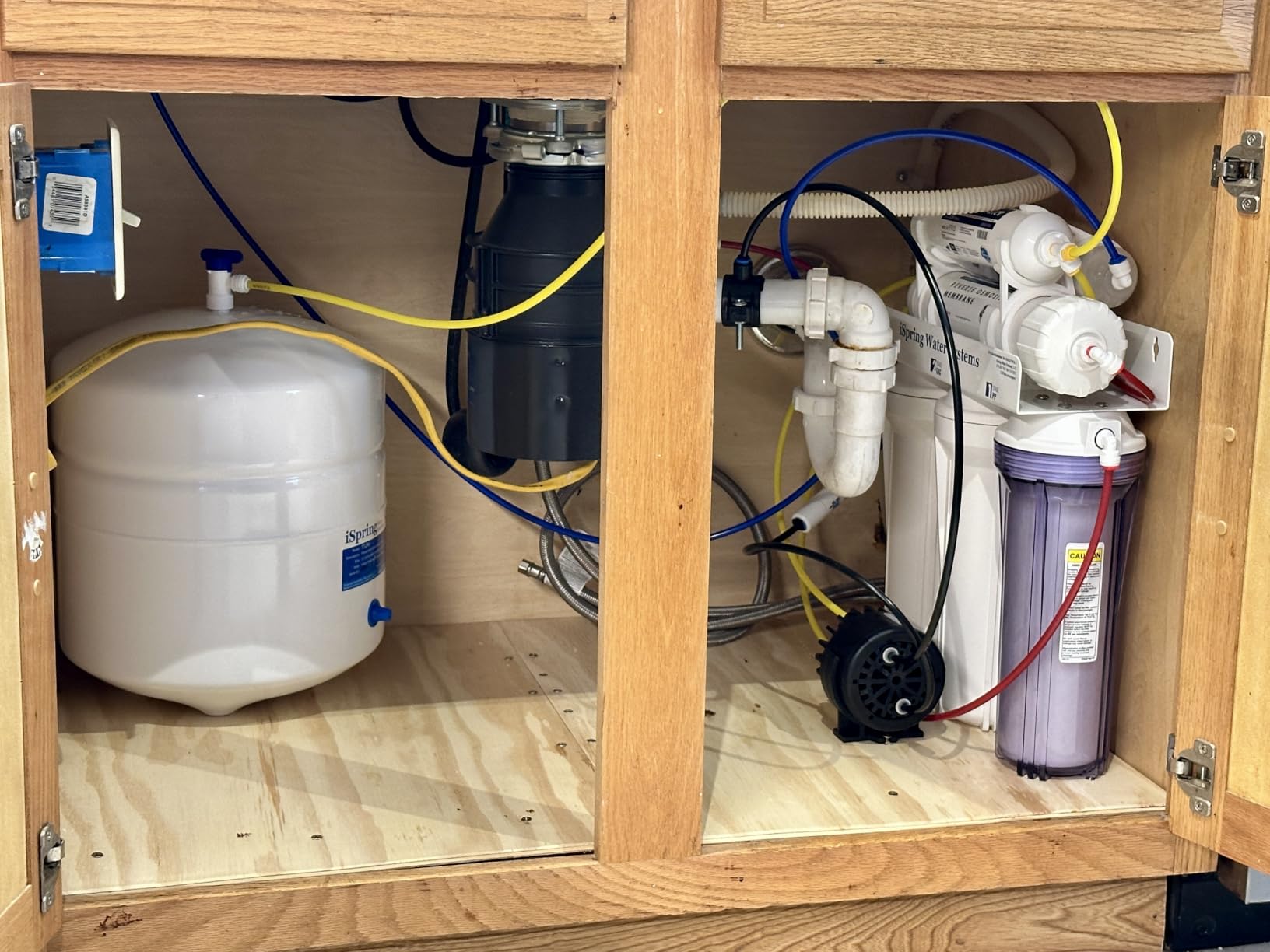
The reduction figures are published against specific contaminants: TDS down 93 to 98 percent, PFAS 96 to 99 percent, lead above 98.9 percent, chlorine 95 to 99 percent, asbestos above 99.7 percent, and fluoride above 97.4 percent. This is a full-system NSF/ANSI 58 certification, which means the rating applies to the assembled unit rather than one cartridge in isolation.
What the Alkaline Stage Actually Fixes
Plain reverse osmosis water tastes flat to many people because the membrane strips out the mineral profile along with the contaminants. The seventh position AK stage in this system raises the pH and puts a natural mineral filter back on the outlet, which is why reviewers describe the taste as closer to bottled water than to laboratory water.
If you dislike strongly mineral-flavoured water, that same stage is a reason to pass. Preferences here are genuinely split, and reviewers report both enthusiasm and mild dislike for the alkalinity.
Installation Reality and the Space It Eats
Be honest with yourself about the install. Owners report one to four hours, a drain saddle on the waste line, and a specific 45-degree cut on the black waste line that the instructions understate. Feed pressure needs to sit above roughly 40 psi or the membrane will not reach rated output.
The unit weighs 12.5 kg and measures 15.5 by 16 by 18 inches, and once the storage tank and manifold are in place the cabinet space is effectively gone. If you store recycling under there, move it first.
Who Should Skip It
Skip this if you are renting, if you have never touched a compression fitting, or if you dislike the idea of routing several gallons to the drain for every gallon you drink. A carbon or ultrafiltration unit gives you cleaner-tasting water with no waste stream and a ten-minute install.
Also skip it if the only thing bothering you is a chlorine smell. That is a taste problem, and it does not require a membrane.
2. Waterdrop 10UA – The Best Under Sink Filter for Renters and Apartments
Waterdrop 10UA Under Sink Water Filter System, NSF/ANSI 42 Certified 1 Year
11000 gallon cartridge
0.75 gpm tested flow
Twist-and-lock change
NSF/ANSI 42 and 372
Pros
- Lowest-cost entry point here with genuine NSF/ANSI 42 certification
- Three-minute twist-and-lock installation with no drilling and no dedicated faucet
- 20 times larger dirt adhesion area than earlier models resists clogging
- Owners report chlorine smell and metallic aftertaste disappearing immediately
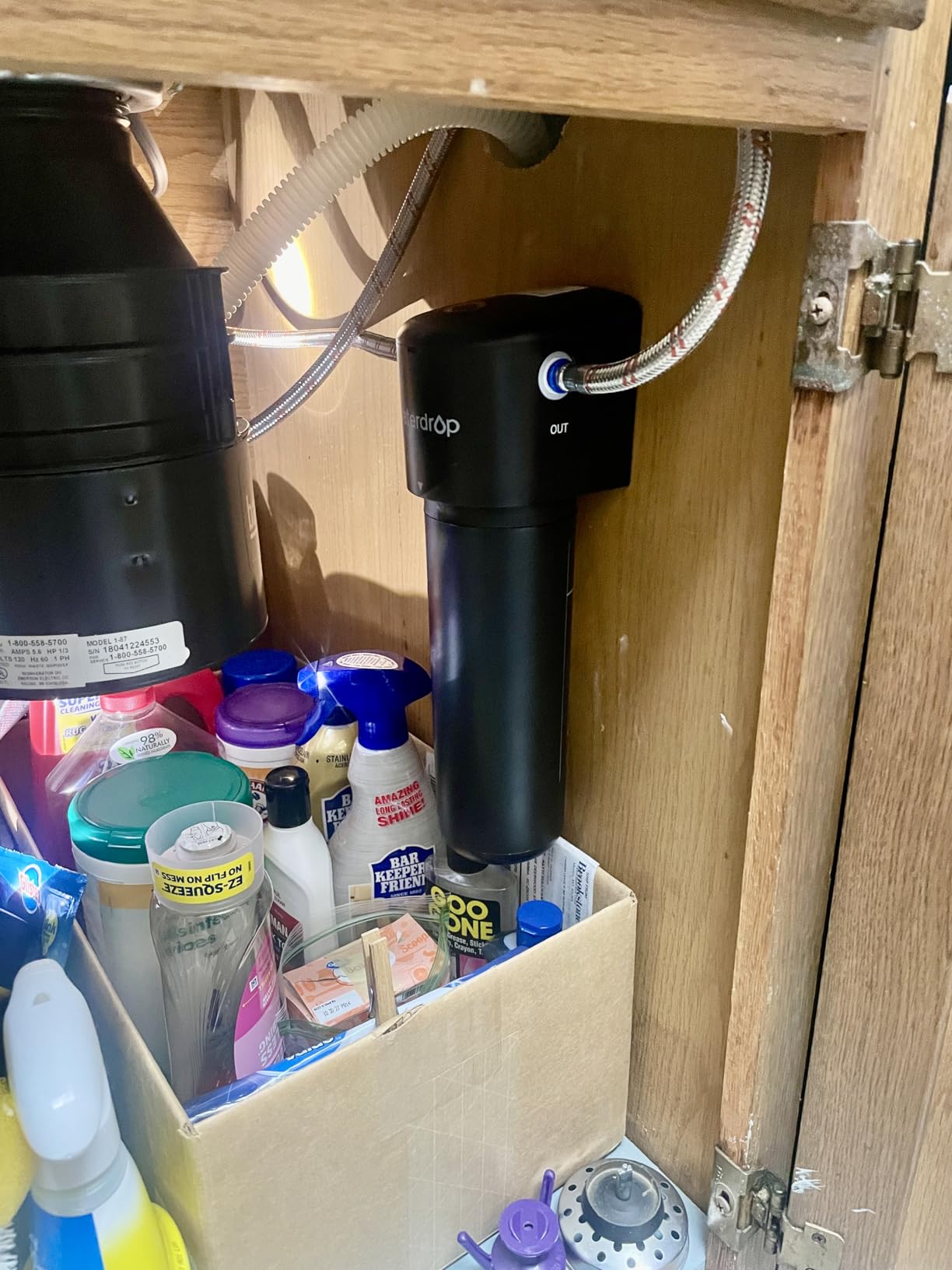
- Compact footprint works in apartments and rentals
Cons
- Does not reduce TDS so a meter reading stays flat or rises slightly
- Cuts cold line pressure by roughly 10 to 15 percent
- Supplied tubing is long and stiff for tight cabinets
- The 3/8 to 1/2 inch converter may not fit unusual faucet threads
This is the unit we hand to friends who call me asking whether an under sink filter is worth it. It weighs 1.31 kg, measures 3.9 by 3.6 by 12.3 inches, and installs in about three minutes without a drill, without a faucet hole, and without an outlet. For most apartments and rentals, it is the entire decision.
The WD-RF10 replacement cartridge is rated at 11000 gallons or 12 months, and the twist-and-lock housing means a change takes about three seconds. Owners routinely quantify the cost per gallon against the pitcher filters they used to buy, and the gap is large enough that the system repays itself on cartridge cost alone within the first year.
It is NSF/ANSI 42 and 372 certified, which is the honest limit of what an activated carbon block in this format can promise. The coconut shell carbon block targets chlorine, bad taste and odor, and the listing states reduction of PFOA and PFOS and lead, though 42 is an aesthetic standard rather than a health-effects one.
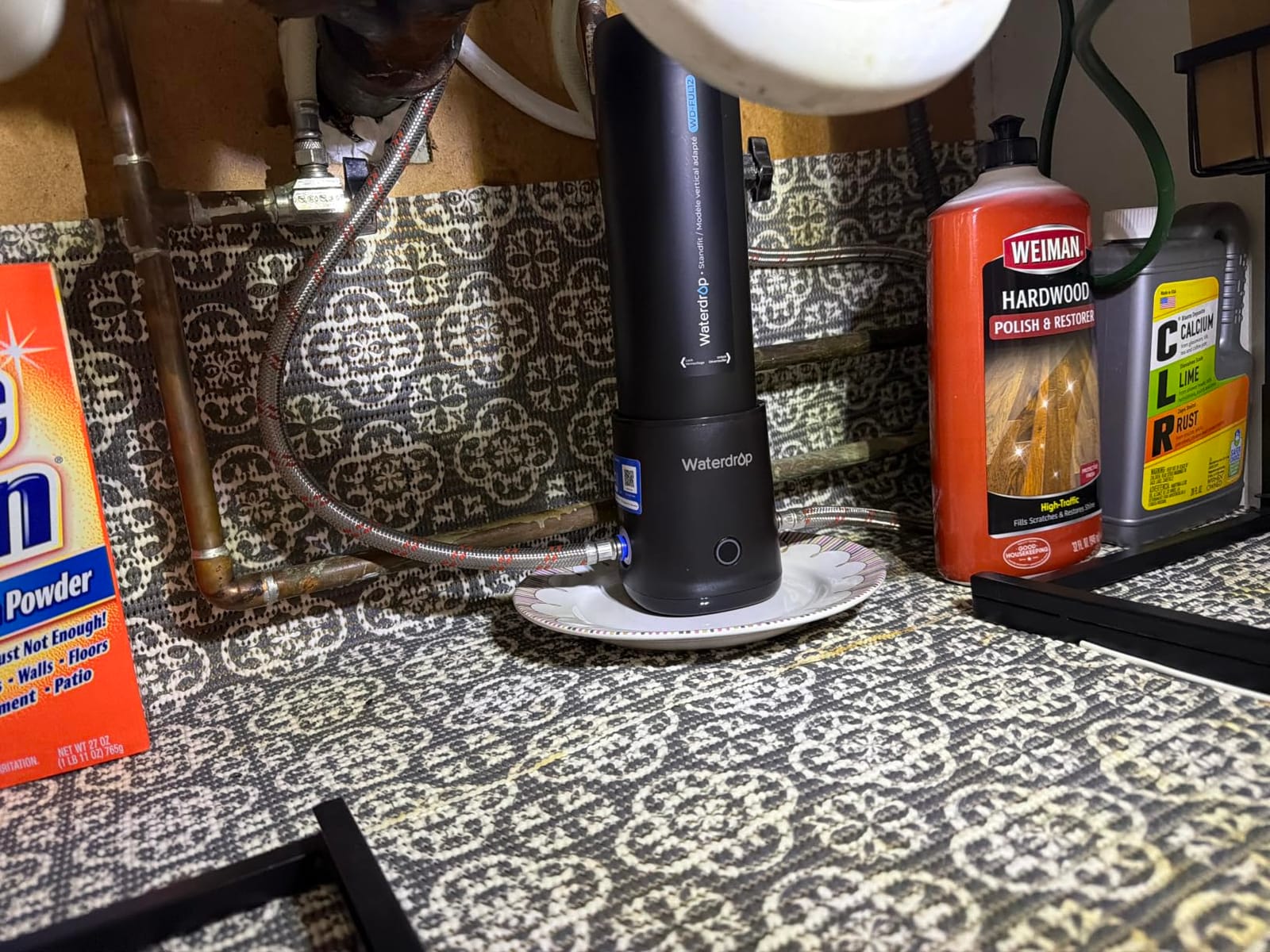
The 20 times dirt adhesion filtration area is the detail that separates this from the carbon filters that used to clog within a month. It is a bigger surface for particulate to stick to, which means more water passes through before the pressure differential climbs and you have to intervene.
Flow Rate: 0.75 GPM Tested, 1.33 GPM at the Outlet
Published flow is 0.75 gallons per minute at 60 psi, and the upgraded 3/8 inch outlet is rated to 1.33 gallons per minute. In practice owners describe a mild reduction in cold line pressure of roughly 10 to 15 percent, which is worth knowing if your apartment already runs at low pressure.
This is the trade for having no tank and no dedicated faucet. Nothing is stored, nothing is dispensed slowly, and the whole assembly hides in a cabinet corner.
Why Your TDS Meter Will Not Move
This is the single most common misunderstanding in the category. The system retains beneficial minerals by design and does not reduce TDS, so a meter reading before and after will look identical. The manufacturer explains this directly, and reviewers confirm that once they understood it, the flat reading stopped bothering them.
If you want a number to drop, you want reverse osmosis instead, and you accept the waste water and the storage tank that come with it.
Who Should Skip It
Skip it if you need dissolved solids removed, if your cold line pressure is already marginal, or if your plumbing is well water. The system is designed for cold municipal tap water and says so plainly. It is also not designed for hot water lines, and fitting it to one is how people damage a cartridge.
3. APEC ROES-50 – Five-Stage Certified Reverse Osmosis With Full-System Certification
APEC Water ROES-50, 5-Stage Under Sink Reverse Osmosis System, 50 GPD
50 gallons per day
Five stages
NSF/ANSI 58 and 372
Includes tank and faucet
Pros
- Full-system NSF/ANSI 58 and 372 certification that many competing units lack
- Removes dissolved solids so a TDS meter shows a measurable drop
- Color-coded quick-connect tubing makes DIY install and servicing straightforward
- Complete package includes filter set faucet tank and install kit
- Brand with more than 20 years of residential filtration experience
Cons
- 50 GPD is roughly two thirds the output of 75 GPD systems so it fills slowly
- Standard RO ratio of two to three gallons of brine per gallon purified
- Consumes significant cabinet space once the tank is added
- Prefilters still need replacing every 6 to 12 months
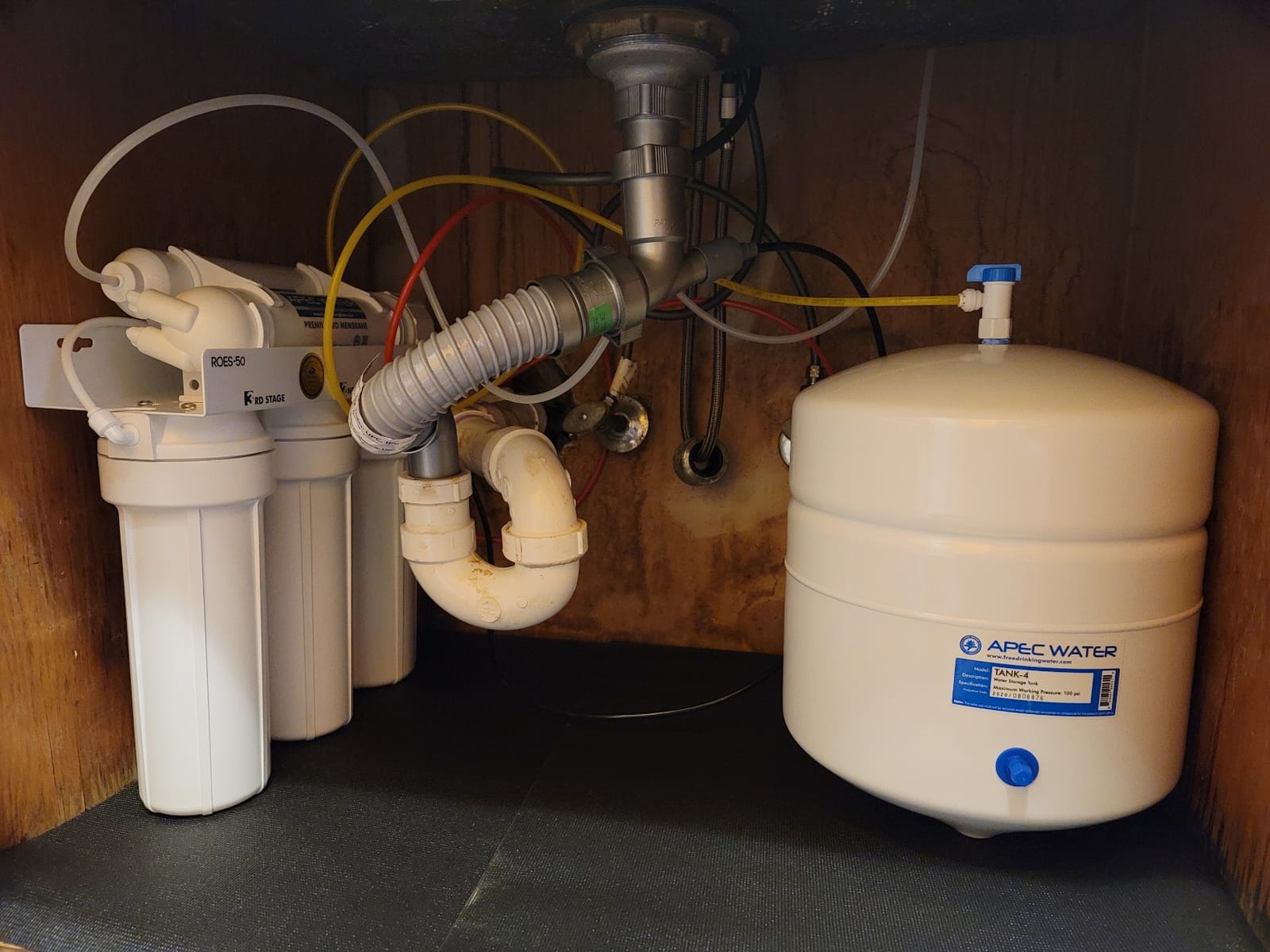
APEC has been building residential and commercial filtration for more than 20 years, and the ROES-50 is the model that shows what that longevity buys you: a five-stage system certified to NSF/ANSI 58 and 372 as a complete unit, rated for feed water up to 2000 ppm TDS, and operating across a 40 to 85 psi band.
The package arrives complete. The Filter-Max-ES50 filter set, brushed nickel faucet, storage tank and install kit are all in the box, which removes the most common complaint about reverse osmosis purchases, the second order of parts you did not know you needed.
Published claims cover arsenic, chlorine, lead, fluoride, heavy metals, PFAS and microplastics at up to 99.99 percent impurity reduction. Because this is a membrane system, dissolved solids actually leave the water, which is the one measurable difference from every carbon unit in this roundup.
50 GPD Versus 75 GPD: What the Difference Feels Like
This is the honest weakness of the ROES-50. At 50 gallons per day, a large pot takes noticeably longer to fill than on a 75 GPD system, and the listing shows a maximum flow rate of 0.03 gallons per minute, which is the slow, tank-fed delivery characteristic typical of this class.
For a couple or a single-person household doing coffee and cooking, 50 GPD is plenty. For a family of four or five filling pasta pots daily, the faster 75 GPD units are the better experience and we ranked them higher for that reason.
Color-Coded Quick Connects and the 40 PSI Floor
The tubing is color-coded, which is a small kindness that saves real time when you are changing a prefilter six months from now in poor light. Feed pressure needs to be at least 40 psi to hit rated output, and hot water above 100 degrees is outside the operating range.
Filter replacement is recommended every 6 to 24 months depending on incoming water quality, with the prefilter at the short end of that range in hard or sediment-heavy areas.
Who Should Skip It
Skip it if you want fast dispensing, if you object to sending several gallons to the drain per gallon drunk, or if cabinet space is tight and a tank will not fit. The 11.3 kg weight and 15.5 by 5.25 by 17 inch footprint are not modest.
4. Waterdrop UA-5Y – Five Years Between Cartridge Changes
Waterdrop UA-5Y 5-Year Under Sink Water Filter System, Ultra Long Life
5 year filter life
0.5 micron carbon block
1.33 gpm
1 year warranty
Pros
- Five year filter life is the longest interval in this roundup and cuts replacements to almost nothing
- Five year prorated replacement warranty backs the long life claim
- Installs in minutes with no drilling faucet or outlet required
- Slim vertical form factor suits small cabinets
- Chlorine and chloramine taste effectively eliminated
Cons
- Noticeable drop in water pressure after installation is the most cited drawback
- Taller 16.7 inch housing needs clearance planned so the cartridge can be removed
- TDS readings do not move because minerals are retained
- Some buyers find the 5 year claim optimistic for their usage
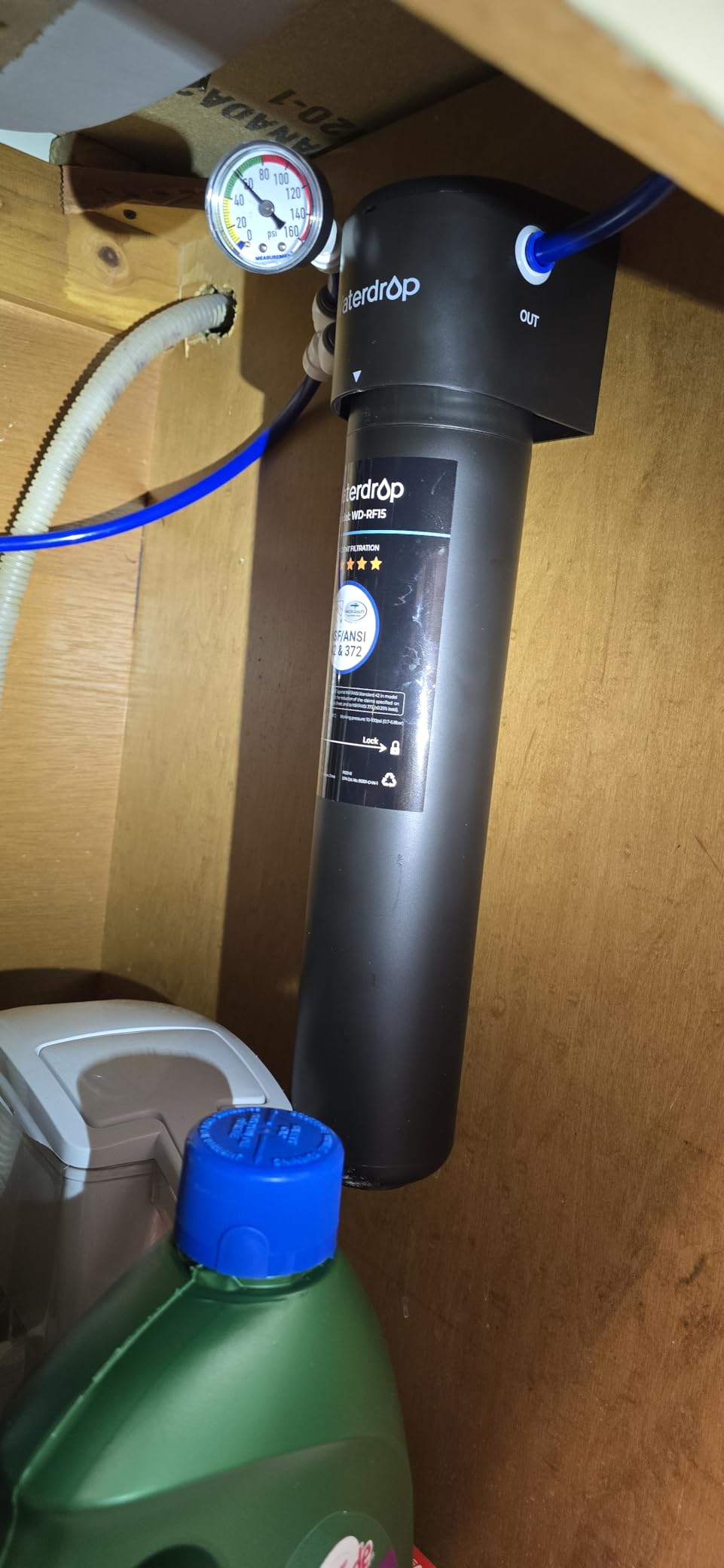
Every under sink filter in this category asks you to remember a date. The UA-5Y removes the date from the list. The WD-UA-5Y carries a five-year service life and a five-year prorated replacement warranty, so if the cartridge expires early the manufacturer covers part of the replacement.
The media is a 0.5 micron activated carbon block, with an SGS test report citing a 99 percent reduction rate on initial performance data. It targets chlorine, chloramine, PFOA and PFOS, turbidity, rust, sand, taste and odor, and the materials are NSF/ANSI 372 certified for lead-free compliance.
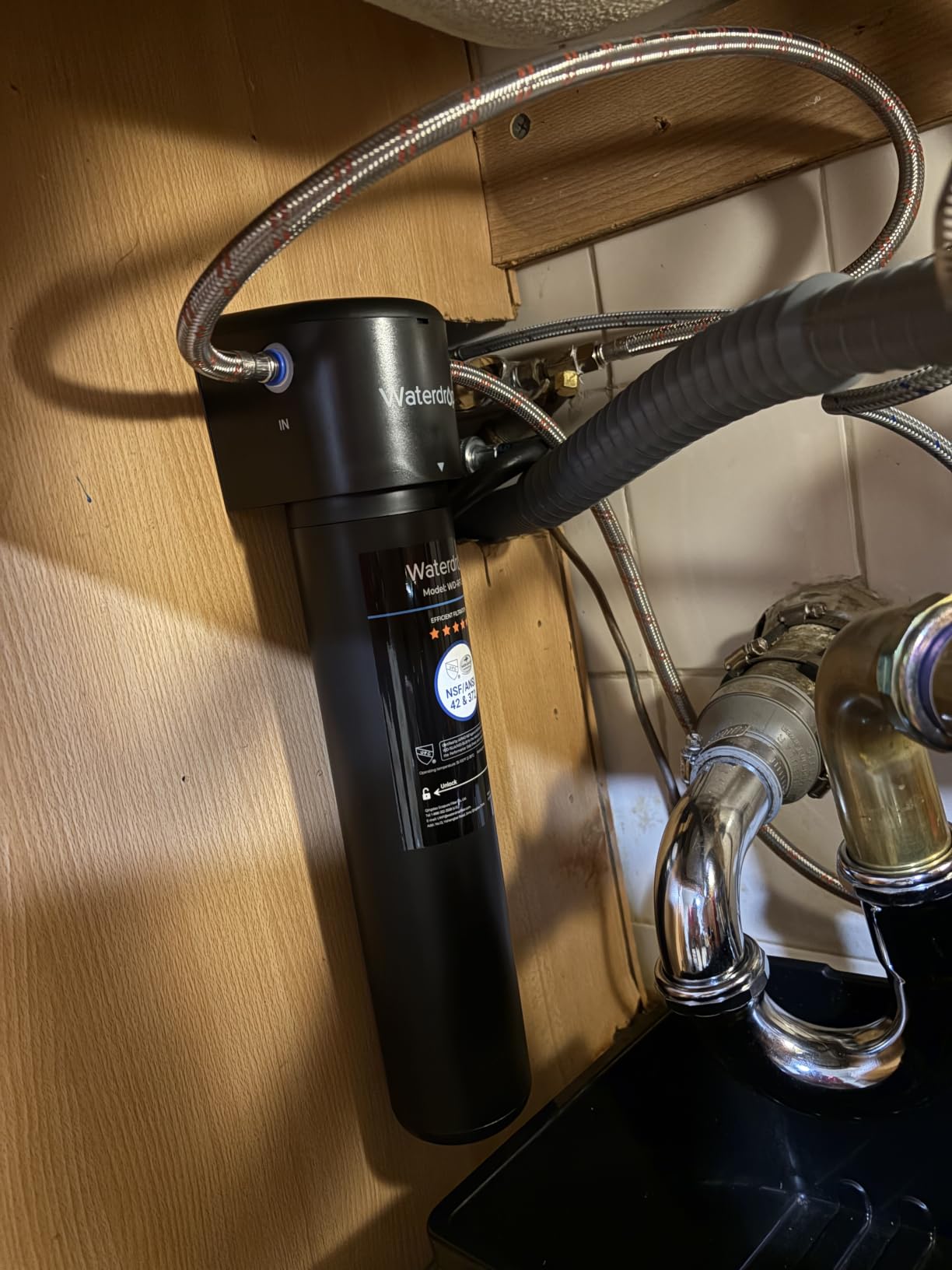
Installation is the simplest of the certified group: no drilling, no dedicated faucet, no electrical outlet, and the unit runs silently on municipal water pressure alone. At 3.6 pounds and 3.9 by 3.6 by 16.7 inches it is a slim vertical column rather than a bulky horizontal canister.
The Pressure Drop Nobody Mentions in the Listing
Flow is listed at 1.33 gallons per minute, and the most common complaint across reviews is that water pressure feels noticeably lower at the tap once the system goes in. On an older house with marginal supply pressure, that drop can be more than cosmetic.
This is the trade for a deeper carbon block. More media in the path means more resistance, and the same physics applies to every long-life carbon unit in this roundup.
Five Years Is a Ceiling, Not a Promise
A handful of buyers report the cartridge exhausted sooner than five years in high-use households. Capacity here is a time claim rather than a gallon figure, so a family drinking heavily every day will get through it faster than a couple who mostly cook with it.
The 3/8 inch compression fittings will not suit a 1/4 inch line such as a typical refrigerator hookup without adapters, and the system is not recommended for well water.
Who Should Skip It
Skip it if your cold line pressure is already low, if you want dissolved solids removed, or if you have less than 17 inches of vertical clearance behind the cabinet door. That last point catches people out, because you need room to pull the cartridge straight up to change it.
5. iSpring CU-A4 – Ultrafiltration That Keeps Minerals and Wastes No Water
iSpring CU-A4 4-Stage Ultra Filtration Under Sink Water Filter System
0.01 micron membrane
Four stages
No tank or waste water
Push-to-connect fittings
Pros
- No waste water and no storage tank so it frees cabinet space and produces no brine
- Push-to-connect fittings take minutes and have not leaked for owners
- Twist on and twist off cartridge changes without disconnecting hoses
- Removes chlorine odor and metallic aftertaste while keeping minerals
- Includes an all-metal brushed nickel faucet
Cons
- Installation instructions are widely criticized as unclear and sometimes for a different product
- Needs a 1-1/8 inch hole for the air-gap faucet larger than the manual states
- New water needs 15 or more gallons of flushing before it tastes right
- Does not reduce TDS which disappoints buyers expecting reverse osmosis
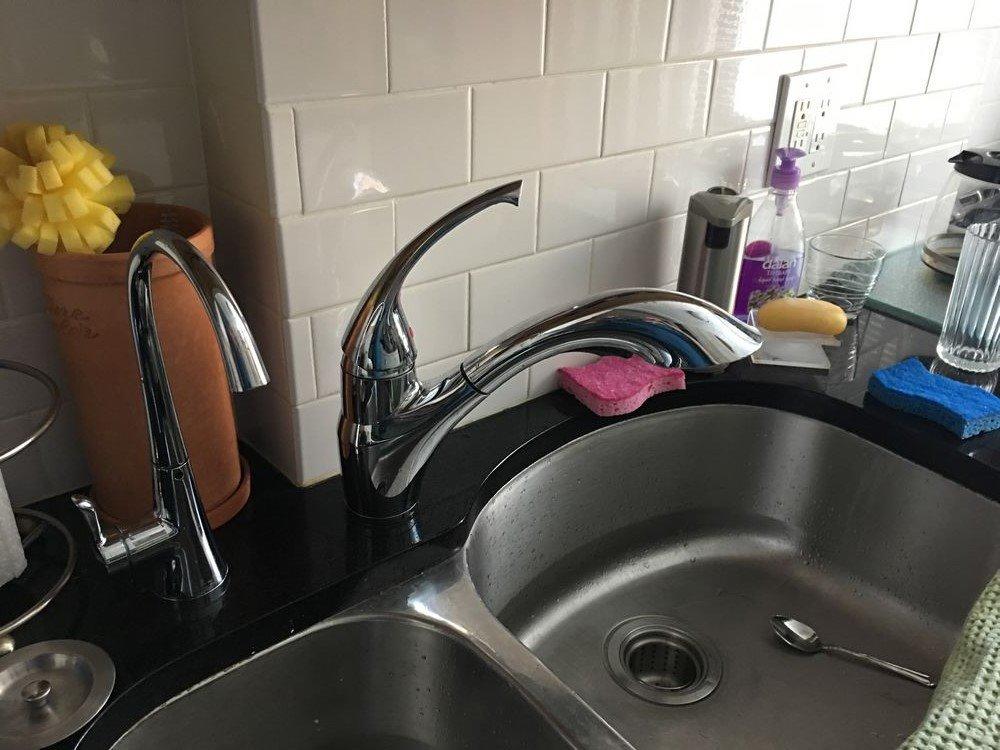
This is the system we recommend to people who like the idea of reverse osmosis but not the waste water, the tank, or the flat taste. The CU-A4 uses a 0.01 micron hollow fiber ultrafiltration membrane rather than a reverse osmosis membrane, and the practical difference is significant: no brine discharge, no storage tank, and the mineral profile stays in the water.
The four stages are a 5 micron polypropylene sediment filter for rust and sand, the 0.01 micron hollow fiber membrane, a KDF and granular activated carbon stage for chloramine and heavy metals, and a fine carbon polishing stage. Rated capacity is 8000 gallons with a filter life of 6 to 12 months depending on source water.
At 2 kg and 10.63 by 4.33 by 12.6 inches it takes up a modest footprint for a four-stage unit, and every water-contacting part is manufactured to NSF/ANSI standards even though the marketing does not lead with a certification number the way the carbon units do.
Why Ultrafiltration Behaves Differently From RO
Ultrafiltration physically strains particles and large molecules out of the water without pushing dissolved salts across a membrane. That is why the 0.01 micron figure sounds more powerful than it is in practice, and why the system will not lower your TDS reading.
What it does very well is reduce chlorine and chlorine treatment by-products by up to 99 percent along with lead, while leaving minerals intact. For a household that dislikes the flatness of reverse osmosis water, that is a genuinely better outcome rather than a compromise.
Push Fittings and the Manual Problem
Push-to-connect fittings are the reason this installs in minutes rather than an afternoon, and the twist-on, twist-off cartridge design means you never have to disconnect a hose to change media. Owners with similar systems report the fittings have not leaked for them.
The weak point is documentation. Reviewers almost universally describe the manual as incomplete, mismatched or written for a different product, particularly around the faucet and water connections. Budget an extra fifteen minutes working it out, and note that the air-gap faucet needs a 1-1/8 inch hole rather than the size stated.
Who Should Skip It
Skip it if you need dissolved solids or hardness removed, if you are installing without a countertop hole and will not drill one, or if you dislike unclear documentation. Also note the reported salt taste when the system is paired with a water softener, which is a real consideration in hard-water homes.
6. CuZn UC-200 – Inline Copper-Zinc Filtration With a Five-Year Interval
CuZn UC-200 Under Sink Water Filter, NSF/ANSI 42 & 372, 5-Year Filter Life
3 stage KDF-55 and carbon
5 year filter life
Inline direct connect
Retains minerals
Pros
- Five year filter life gives the lowest ongoing cost of anything in this roundup
- Minimal flow rate impact with most users reporting nobody notices the difference
- Inline design needs no countertop drilling and mounts in a cabinet corner
- Long reliability record with owners replacing a first unit after five years
- Copper-zinc media drops chlorine to zero on included test strips
Cons
- No TDS reduction so dissolved solids and hardness remain
- Larger inline body than most competitors so clearance must be checked
- Needs a long initial flush and water can taste metallic for up to a week
- Replacement is a whole unit swap rather than a cartridge change
Reviewers treat the UC-200 as the value benchmark among under sink carbon filters, and the reason is arithmetic rather than features. A five-year service life against the six-month interval most competitors quote changes the five-year running cost dramatically, and the media is a straightforward three-stage blend of micro sediment membranes, KDF-55 and coconut shell carbon.
The installation is inline, which means it connects to an existing faucet and needs no countertop hole at all. A stainless steel connection hose is included and all installation parts come in the box. At 5.5 by 14 by 5.5 inches it tucks into a cabinet corner, though that body is larger than most slim carbon units.
NSF/ANSI 42 certified components and materials, lead-free per NSF/ANSI 372, and independently tested for PFAS, PFOA and PFOS, lead and chlorine reduction. It purifies without removing beneficial minerals, and it does not reduce TDS. Only reverse osmosis does that.
The Break-In Week Is Real
Users with test strips report chlorine dropping to zero after installation, but the first several gallons run cloudy and dark while the media primes. Some people report a heavy metallic taste lasting up to a week before the water settles into its final character.
That is a one-time cost, and it is worth knowing about in advance because a first-day taste is the most common reason people return a filter that is working correctly.
When the Whole Unit Goes, Not Just a Cartridge
At end of life you replace the entire unit rather than swapping a cartridge. For a five-year interval that is a minor point, but it does mean you cannot keep the same housing forever, and replacement availability varies outside the US.
An extended five-year warranty is available on registration with CuZn, which is worth doing the moment the unit goes in the cabinet.
Who Should Skip It
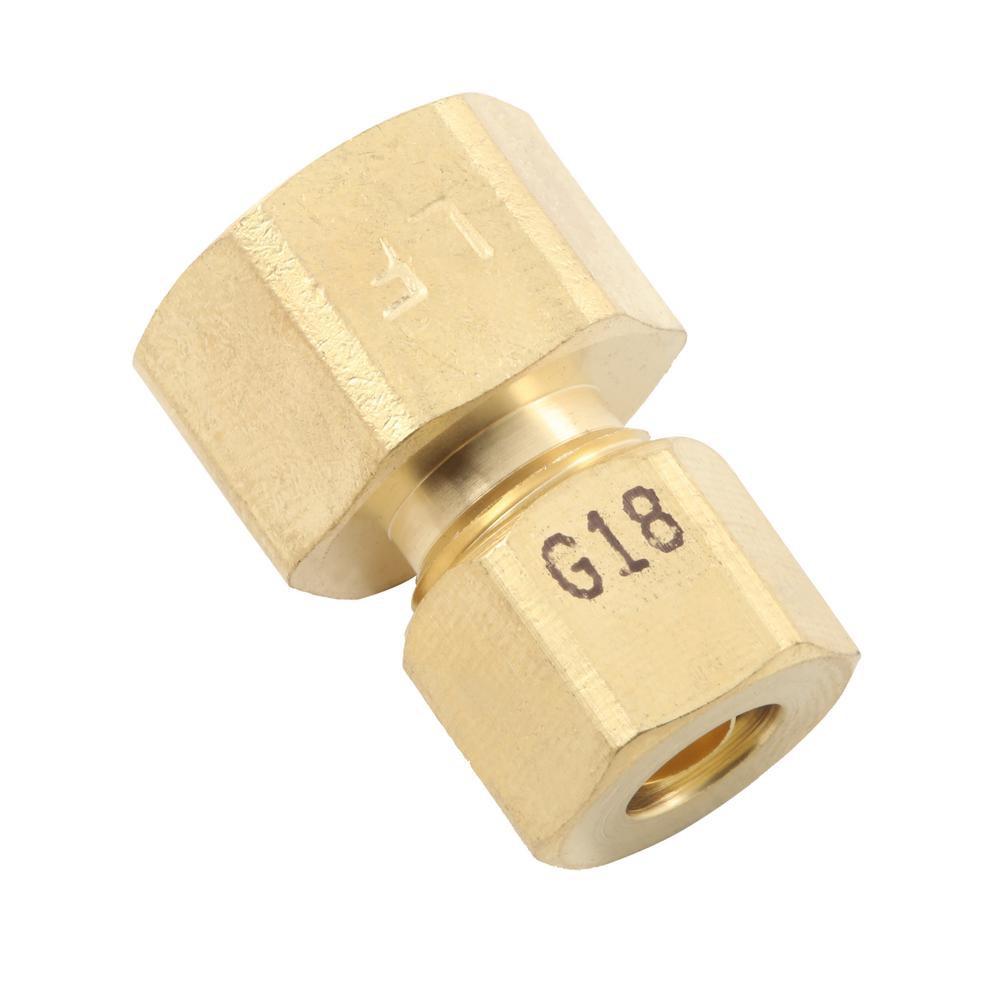
Skip it if you are on well water, if your hard water is the actual problem, or if you want a filter you can service with a cartridge rather than a whole unit. Standard 3/8 inch fittings also will not connect to 1/4 inch lines without adapters.
7. Frizzlife SK99 – Eight Layers of 0.5 Micron Media With a Triple Certification
Frizzlife Under Sink Water Filter System, NSF/ANSI 53&42&372 Certified, 8 Layer 0.5 Micron Water Filtration Reduce Chloramine, PFOA/PFOS, Lead, Chlorine, Bad Taste & Odor, Under Counter, SK99-NEW
0.5 micron 8 layers
IAPMO certified to 42 and 53
Fills a cup in 3 seconds
15 minute install
Pros
- 0.5 micron accuracy across 8 layers is roughly ten times finer than typical competing carbon systems
- Triple certification to NSF/ANSI 42 53 and 372 rather than 42 alone
- Very high flow for a carbon block with a cup filled in about 3 seconds
- Twist-in cartridge changes using the supplied tool without removing the bracket
- Only filter cores are replaced which cuts plastic waste and long-run cost
Cons
- Does not reduce TDS so TDS-based testing shows little change
- Requires a 10-minute initial flush to clear carbon fines
- The included faucet spout is described as wobbly and thin
- No filter-change indicator so owners must set their own reminders
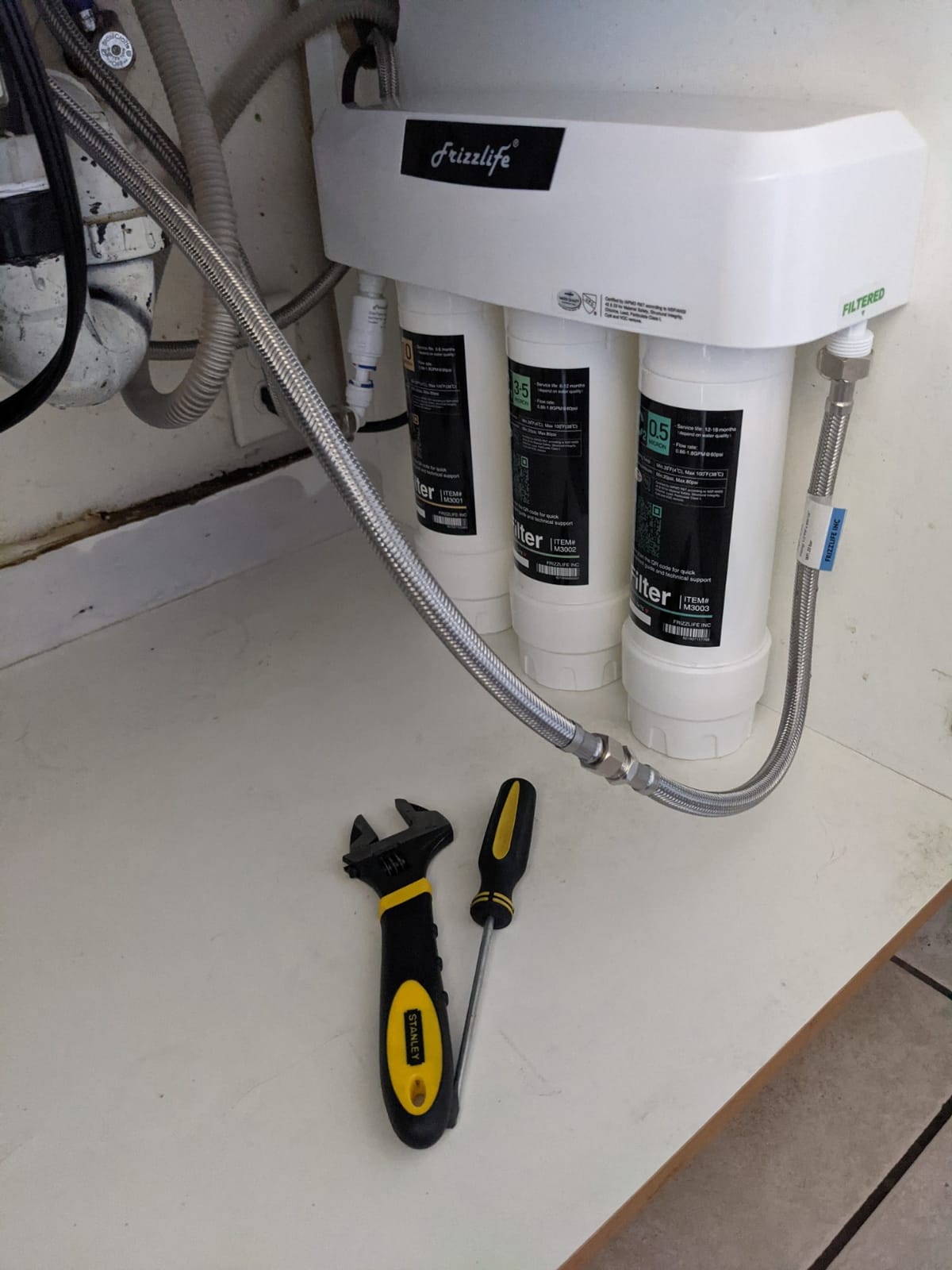
The Frizzlife SK99 is certified by IAPMO against NSF/ANSI 42 and 53, which makes it one of the few carbon systems in this roundup carrying a health-effects standard rather than an aesthetic one alone. Standard 53 is the one that certifies lead reduction, and that distinction matters more than most listings admit.
Flow is the headline number here. The system is rated to 2.5 gallons per minute, operates between 20 and 80 psi, and owners report filling a cup in roughly 3 seconds with one user measuring 1.3 gallons per minute. For a household that actually drinks water, that is a meaningful difference from the 0.75 GPM carbon units.
Filtration accuracy is 0.5 micron across 8 layers of media, roughly ten times finer than typical competitors, and it is certified to reduce lead, chlorine, taste and odor and particulates while leaving minerals in place.
Replace the Cores, Not the Housing
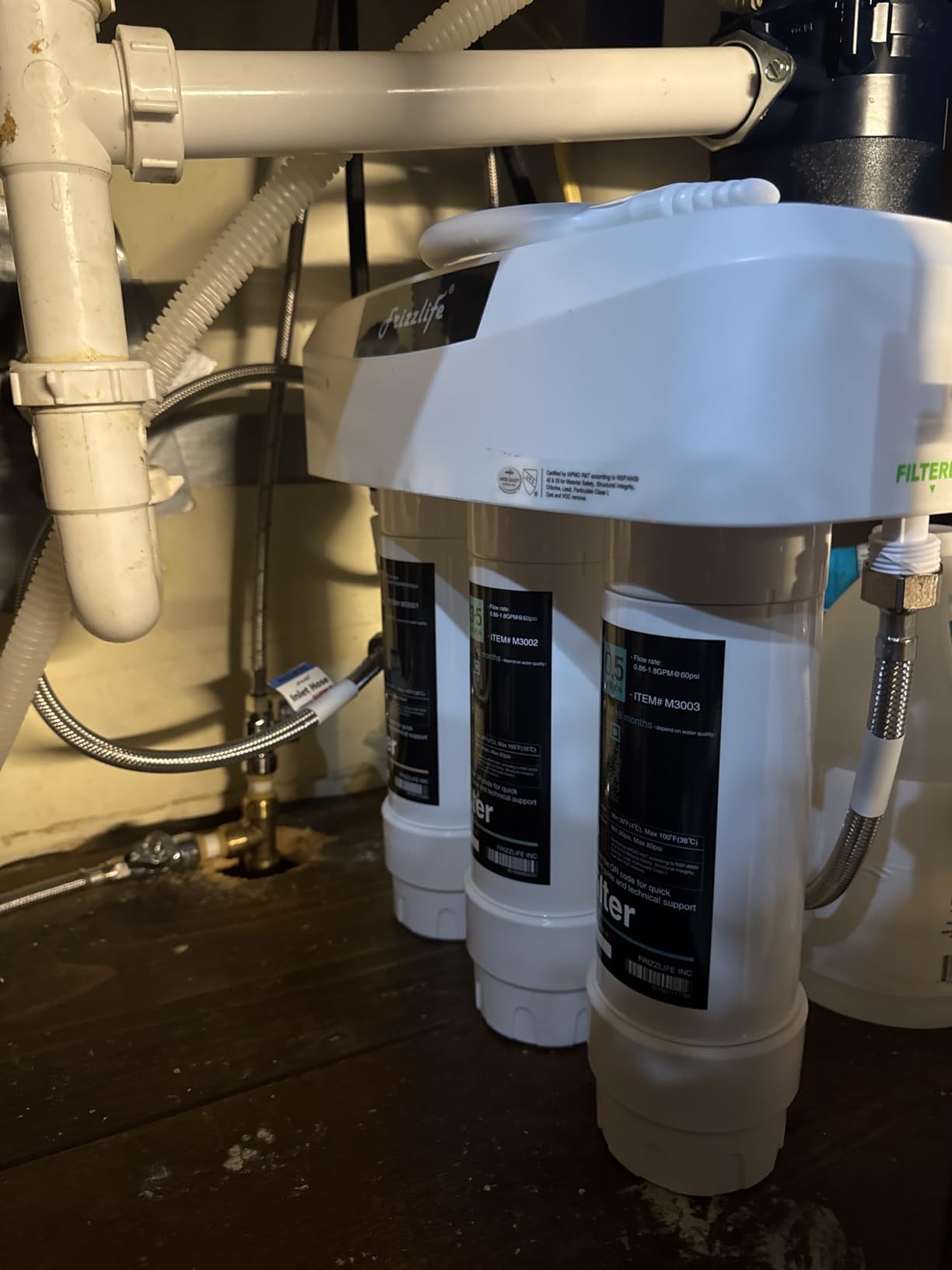
Most under sink filters send you back to the manufacturer for an entirely new plastic assembly at every change. The SK99 uses M3001, M3002, M3003 or the M3005 set, and only the filter cores come out, so the bracket and housings stay under the sink for the life of the installation.
That is a long-run cost saving and a reduction in plastic waste, and owners call it out as the feature they did not expect to care about. An optional IMC-2 kit lets the system feed a refrigerator ice maker as well.
The Pressure Regulator and the Small Hardware Complaints
The NEW revision added an integrated pressure regulator specifically to guard against leaks and cracks, which is a sensible response to how often these units fail at the housing. Installation takes under 15 minutes with no plumber, and a 10-minute initial flush clears carbon fines.
What owners complain about is small: the included faucet spout feels wobbly and thin, there is no filter-change indicator so you must set your own reminder, and tubing can be stubborn to release from the adapter fittings, which is worth considering if you have limited dexterity.
Who Should Skip It
Skip it if you want dissolved solids removed, if you need a certified reduction claim for a contaminant outside the published list, or if the missing change indicator would worry you. It is not designed to reduce hardness or dissolved metals beyond what it is certified for.
8. ICEPURE 3 Year Inline Filter – The Fastest Install in the Roundup
ICEPURE Under Sink Water Filter System, 3 Years or 22000 Gallons Ultra High Life NSF/ANSI 42 Certified, Removes Heavy Metals,Chlorine,Direct Connect Under Counter Drinking Water System, USA Tech
22000 gallon capacity
2.5 GPM tested flow
3 minute install
NSF/ANSI 42 and 372
Pros
- Extremely quick plug and play install with owners reporting 15 minutes or less
- Direct connect to the existing faucet means no drilling and no separate faucet
- High 2.5 GPM flow that most users say causes no noticeable pressure or noise change
- Three year 22000 gallon cartridge is among the longest rated lives available
- Chlorine taste and odor removal is immediate and clearly noticeable
Cons
- Some users find the carbon block saturates and clogs well before the advertised 3 years
- No replacement filter availability outside the US
- French-threaded US fittings need adapters in countries with different plumbing standards
- Does not address hard water and spots returned after about 15 months for one owner
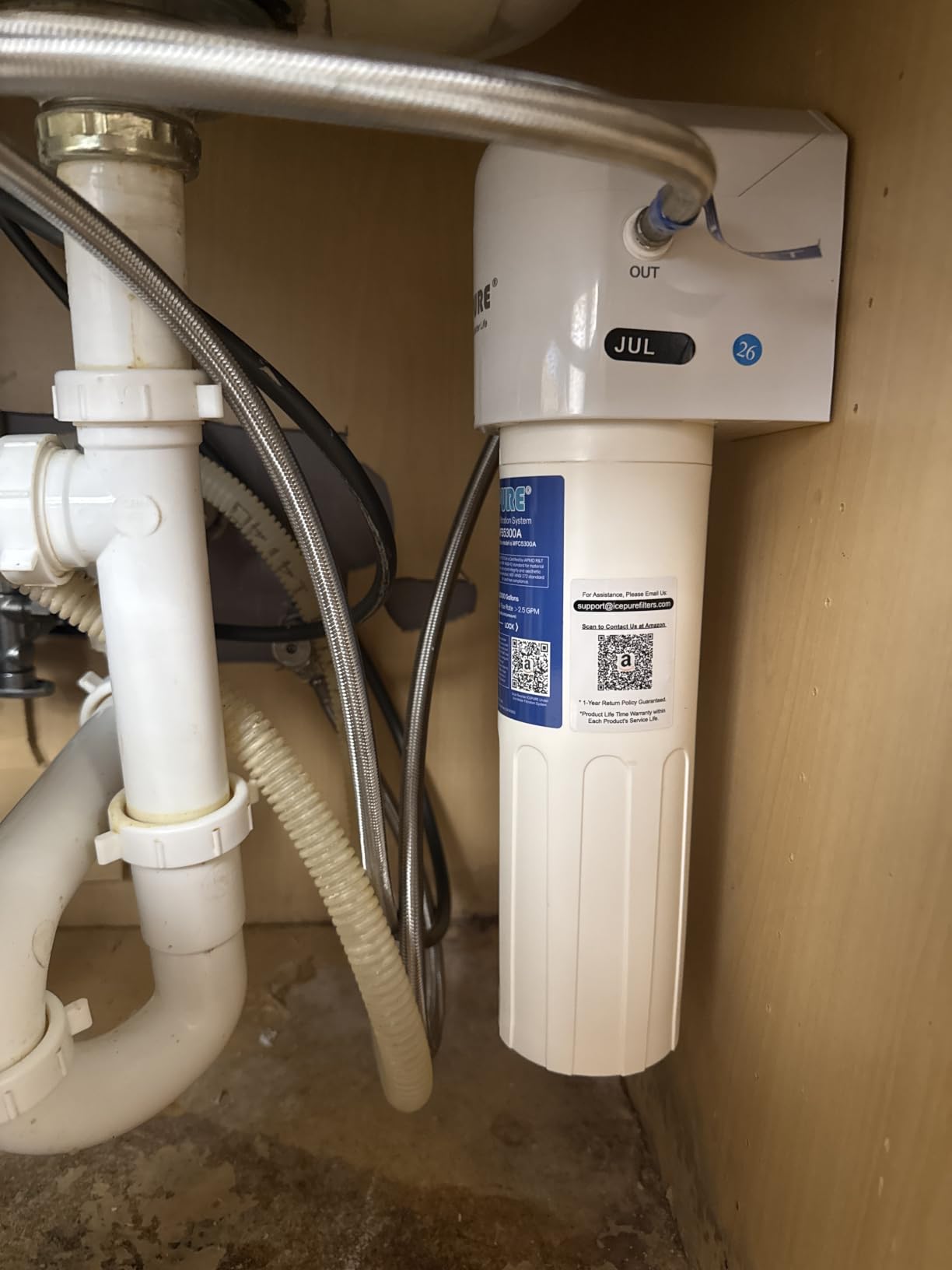
The WFS5300A connects directly to an existing 1/2 inch or 3/8 inch female NPT faucet thread, which means there is no faucet hole, no new faucet, and no reason to call anyone. Owners report completing the install in under 15 minutes with basic tools, and the cartridge changes take about two seconds.
Capacity is 22000 gallons or roughly three years on municipal water, with a 0.5 micron outer carbon block made from BPA-free, food-grade coconut shell carbon. That interval is several times longer than the six-month norm, and the unit is NSF/ANSI 42 and 372 certified.
Flow is tested at 2.5 gallons per minute at 60 psi, and the most common remark in reviews is how little they notice it at the tap. There is no electricity, no noise, and the body works in a kitchen, bathroom, bar, RV or office.
When the Carbon Block Saturates Early
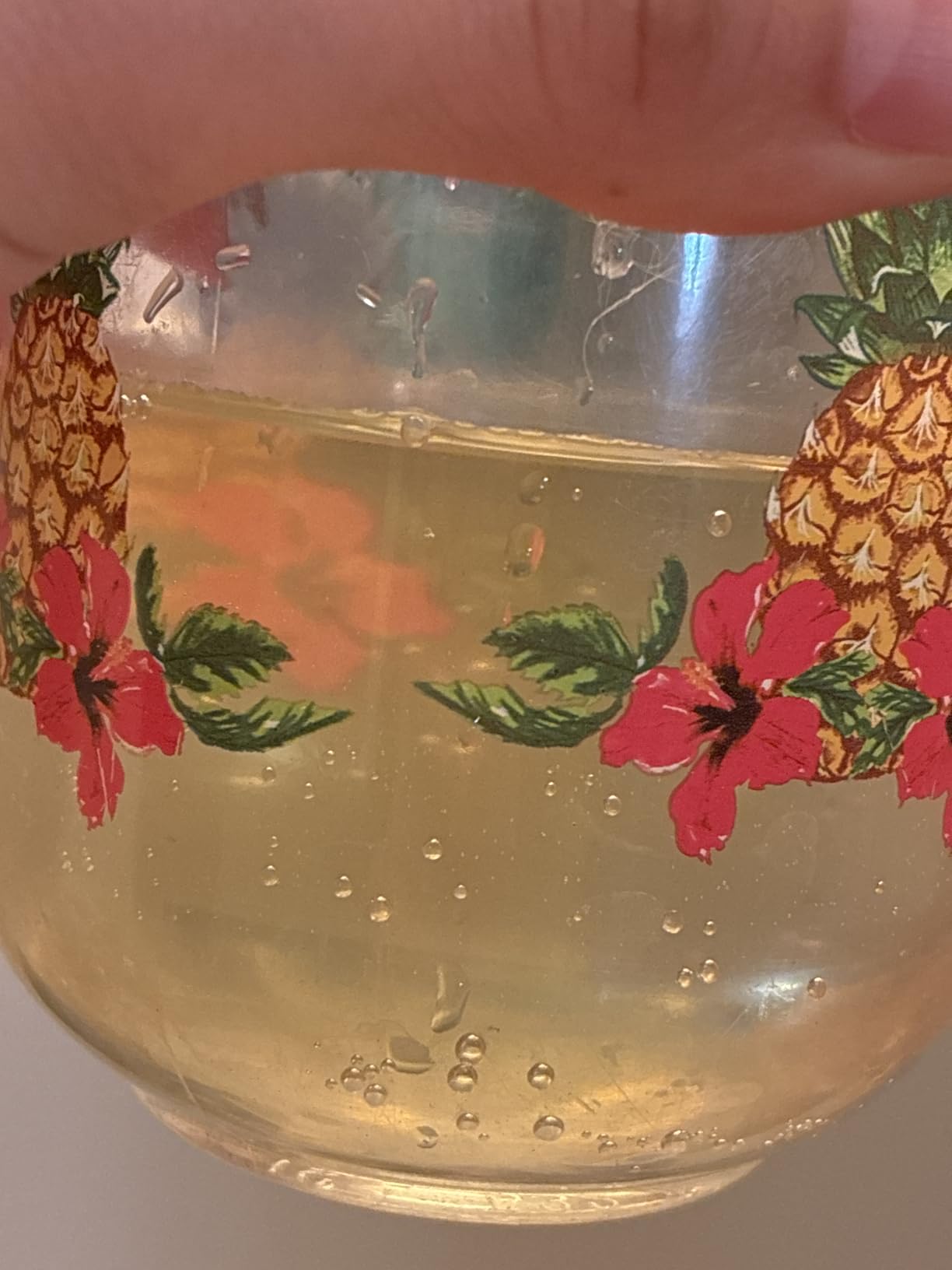
The meaningful criticism is durability. Some users report the block clogging well before the advertised three years, and one owner watching hard water saw spots return on glassware after about 15 months. In sediment-heavy or hard supply, treat the three-year figure as a ceiling.
A short initial flush of a few minutes clears carbon fines before you drink, and the filter life figure appears on the listing page rather than in the printed instructions, so set your own reminder rather than trusting the booklet.
The Geography Problem Is Real
Replacement cartridges are effectively unavailable outside the US, which left one international buyer with a working system and nothing to put in it. The US threaded fittings also need adapters in countries with different plumbing standards, and the cold water line is the only supported connection.
If you are outside the US, that is a reason to choose a system with a more widely available cartridge, not a dealbreaker on this one alone.
Who Should Skip It
Skip it if your supply is hard water, if you are outside the US, or if you want a certification beyond the 42 aesthetic standard. At 4 pounds and 6.81 by 5.39 by 15.55 inches it also needs more clearance than the slim carbon units.
9. Frizzlife PD600-TAM3 – Tankless 600 GPD Reverse Osmosis With a Live TDS Display
Frizzlife Reverse Osmosis Water Filter – Alkaline Mineral pH+, NSF/ANSI 58&53&42&372 Standard, 600GPD Tankless RO Reverse Osmosis System, Under Sink, 2:1 Pure to Drain, Reduce FPAS/PFOA, PD600-TAM3
600 GPD tankless output
2:1 drain ratio
Alkaline remineralization
LED TDS and life display
Pros
- Tankless design frees under-sink space and removes the plastic tank as a pollution source
- 600 GPD output is the highest in this roundup and suits large families
- 2:1 drain ratio cuts water waste by up to 450 percent versus conventional RO
- Alkaline remineralization stage fixes acidic RO taste and adds minerals back
- Smart LED panel shows live TDS and remaining filter life with color-coded reminders
Cons
- Requires an electrical outlet under the sink because of the internal pump
- Sits well above the rest of this roundup in cost
- Alkaline pH adjustment reads as slightly mineral-heavy to some tasters
- Tankless systems depend on the pump so there is a small electric draw
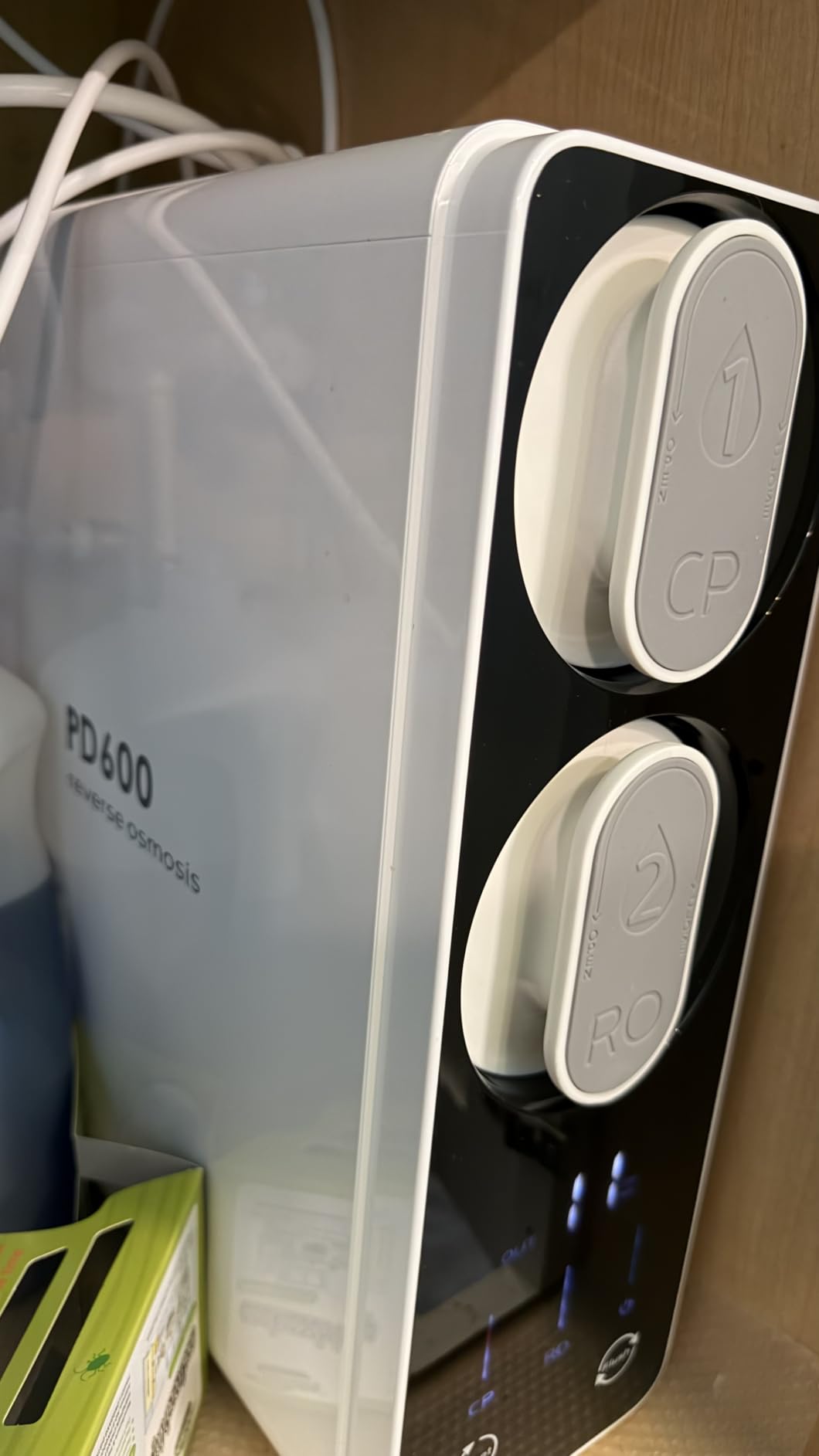
Every other reverse osmosis system in this roundup stores water in a pressurized tank. This one does not, and that single design choice changes three things at once: cabinet space, water taste over time, and how much water goes down the drain.
Output is 600 gallons per day with no tank, filling a 330ml cup in about 10 seconds. There is no reservoir to fill first, so the tap produces water on demand, and the absence of a tank also removes the secondary contamination risk that plastics and stagnant water create in conventional units.
The third stage is an alkaline remineralization filter that raises pH above 7.5 and restores essential minerals, which addresses the flat, acidic taste people associate with reverse osmosis. The stage before it is a pleated carbon compound prefilter protecting a 600 GPD membrane.
The 2:1 Drain Ratio Is the Engineering Story
Conventional reverse osmosis sends three gallons to the drain for every gallon purified, and often more. This system runs at 2:1, which the manufacturer puts as up to 450 percent less water used compared with typical RO systems.
That matters most in households on a water meter, on well pumps, or on a septic system where every gallon of brine has a downstream cost.
The LED Panel Removes the Guesswork
The smart display shows real-time output TDS and remaining filter lifespan, with color-coded indicators to remind you when a cartridge is due. For a system that runs a pump and produces water on demand, knowing the membrane is exhausted matters more than it does on a passive carbon unit.
It is certified to NSF/ANSI 58, 53, 42 and 372, which is the broadest certification set in this roundup, and the operating range is 38 to 100 degrees. Footprint is 14.7 by 5.3 by 15.5 inches.
Who Should Skip It
Skip it if you have no electrical outlet under the sink. The internal pump is the one hard requirement the rest of this roundup does not have, and renters in particular should check for an available outlet before ordering.
Also skip it if the alkaline stage is not a taste you enjoy, or if the price sits outside your budget when the simpler carbon units already cover your water. It is the most expensive system here and the one where the premium buys the most.
10. GeekPure RO5 – Seventy-Five GPD With Twelve Cartridges in the Box
Geekpure 5 Stage Reverse Osmosis RO Drinking Water Filter System-75 GPD
75 gallons per day
0.0001 micron filtration
12 cartridges included
2.8 gallon steel tank
Pros
- 75 GPD capacity with a 2.8 gallon tank matches premium RO output
- Twelve filter cartridges included in the box covering roughly the first two years of use
- Filters to 0.0001 micron reducing arsenic lead fluoride cadmium and heavy metals
- Universal standard-size replacement parts across all stages
- No electricity required so it works without an under-sink outlet
Cons
- Installation and flushing realistically take 1 to 2 hours
- The first two tanks of water must be discarded after a 30 minute flush
- Household size is the limiting factor as a large family may find 75 GPD insufficient
- Lower review volume than the rest of this roundup so the long-term record is less established
The distinguishing offer here is the box. Twelve filter cartridges come in the box, five installed and seven spares, which pushes the effective running cost over the first two years below what most competitors deliver with a single spare set.
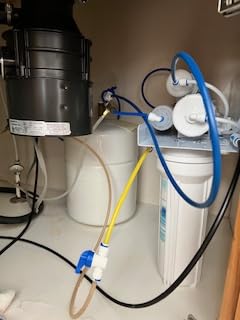
The system itself is a five-stage reverse osmosis rated at 75 gallons per day at 60 psi, filtering to 0.0001 micron and reducing arsenic, lead, fluoride, cadmium and heavy metals. A 2.8 gallon pre-pressurized steel tank holds 5 to 7 psi when empty, which is what delivers the usable flow at the tap.
It runs on water pressure alone with no electricity required, and replacement parts are universal and standard-size across all stages, which is exactly what you want to hear when a cartridge expires in month 20.
Flush Discipline Matters More Here
Filters need a 30-minute flush and the first two tanks of water must be discarded. Combined with the drain saddle work and the tank install, owners should plan on one to two hours rather than the ten minutes a carbon filter takes.
Prefilter life is about one year, the RO membrane runs 2 to 3 years, and overall system service life is 3 to 5 years. Feed pressure needs to sit between 40 and 100 psi, and incoming TDS must stay under 1000 ppm with free chlorine under 0.1 ppm.
Why This One Ranks Last Here
It has the lowest average rating and by far the smallest review base in the group, at about 520 ratings. A long-term track record is exactly what you want in something plumbed into your kitchen, and that record is the thinnest of the ten.
At 28 pounds and 14.2 by 9.5 by 18.1 inches it is also the heaviest and deepest unit here, and a large family at peak use may find 75 GPD tight. If the cartridge bundle is what draws you, the earlier-ranked iSpring RCC7AK-BN delivers more output, higher ratings and a longer review history for a similar ongoing spend.
Who Should Skip It
Skip it if you need the install done in an afternoon, if you want the confidence that comes with thousands of long-term reviews, or if your incoming TDS is above 1000 ppm. The pre-pressurized steel tank is also the one part of the setup you will have to make room for.
How to Choose an Under Sink Water Filter Without Regretting It
Every mistake we see in this category comes from buying the wrong filtration type or buying on sticker price. Six criteria decide the outcome, and they are worth ninety seconds each before you order anything.
1. Read the Certification Number, Not the Marketing Copy
The single most important line on any listing is the NSF/ANSI standard number, and the standards mean different things. NSF/ANSI 42 is aesthetic, covering chlorine taste, odor and sediment. NSF/ANSI 53 is health effects, and it is the one that certifies lead reduction. NSF/ANSI 58 covers reverse osmosis systems as a whole. NSF/ANSI 372 is lead-free material compliance, not filtration at all.
If a listing says independently tested or tested to without naming a standard and a certifying body, treat the claim as marketing. Look for NSF International, IAPMO or WQA as the certifying organization, and check the certification is for the model you are buying rather than a family of products.
2. Match the Filtration Type to the Contaminant
Activated carbon and KDF media handle chlorine, chloramine, taste, odor and heavy metals while keeping minerals in place. Ultrafiltration adds a 0.01 micron membrane that strains particles and larger molecules without producing waste water, and still keeps minerals. Reverse osmosis is the only one of the three that removes dissolved solids, at the cost of a tank, a drain line, and two to three gallons of waste per gallon purified.
Pick the least aggressive type that solves your actual problem. If the complaint is taste, carbon is enough. If a test shows dissolved solids or you want genuinely stripped water, you need reverse osmosis and you should accept what it costs.
3. Let Flow Rate Decide Whether the Faucet Feels Usable
A carbon system at 0.75 gallons per minute feels fine for drinking glasses and slow for cooking. A system rated at 2.5 gallons per minute fills a pot in a reasonable time. A reverse osmosis system delivers its output through a tank, so what matters there is gallons per day rather than instantaneous flow.
As a rough guide, 50 GPD suits a couple, 75 GPD suits a family of three or four, and a large household filling pots daily wants 600 GPD tankless output or accepts a long wait.
4. Filter Capacity Is the Real Cost Driver
Capacity comes in two forms, gallons or months, and both are worth checking against real household use. Six-month cartridges with 2000-gallon ratings look cheap and cost the most over five years. Five-year inline units cost more up front and almost nothing after.
Divide the replacement cost by the rated gallons to get a cost per gallon and compare that against a pitcher filter, which is how owners actually frame the decision. A pitcher you refill twice a day for a family of four is a surprising amount of plastic and a surprising running cost.
5. Choose the Installation Type You Can Live With
A dedicated faucet looks best and gives you a separate tap for filtered water, but it needs a countertop hole and more cabinet space. A direct connect inline system routes to your existing faucet, needs no drilling at all, and is the right choice for renters. A countertop filter needs no plumbing under the sink whatsoever and works anywhere with a suitable faucet, at the cost of counter space.
If drilling is forbidden, do not fight it. Direct-connect systems perform identically once water is flowing; you simply dispense from the main faucet instead of a dedicated one.
6. Remember That Filters Do Not Soften Water
This is the most widespread misunderstanding in the category and it comes up constantly in plumbing forums. An under sink water filter removes contaminants. It does not reduce hardness, and it will not stop white spots on glassware or a kettle. Those are dissolved minerals, and the answer is a water softener, which is a different appliance with a different purpose.
If your goal is spot-free dishes, buy a softener and a carbon filter can still handle the taste. If your goal is drinking water purity, a filter is the right tool and a softener will not get you there.
Installation and Leak Prevention
Under sink water filters are the single most common cause of cabinet water damage in a home, and the reason is almost always a cross-threaded compression fitting rather than a bad product. The fix is procedural.
Measure the Cabinet Before You Order
Measure the height from the cabinet floor to the underside of the sink and the depth to the wall, then subtract the space your existing plumbing already uses. Tall vertical housings such as 16.7 inch carbon columns need clearance above them to lift the cartridge out, not just beside them. A 2.8 gallon storage tank needs a flat footprint roughly 10 inches across.
Also check the countertop before choosing a dedicated faucet model. If there is no faucet hole, a direct-connect system is the only option that does not involve drilling.
Check the Electrical Situation Under the Sink
Most of this roundup runs on water pressure alone and needs no power at all. Tankless reverse osmosis systems with an internal pump do need an outlet, and in many homes the only outlets under the sink are already serving the disposal and the dishwasher. Households have run out of available GFCI slots trying to add one.
Decide this before you buy, because discovering it on install day is a return trip.
Seven Steps That Keep the Cabinet Dry
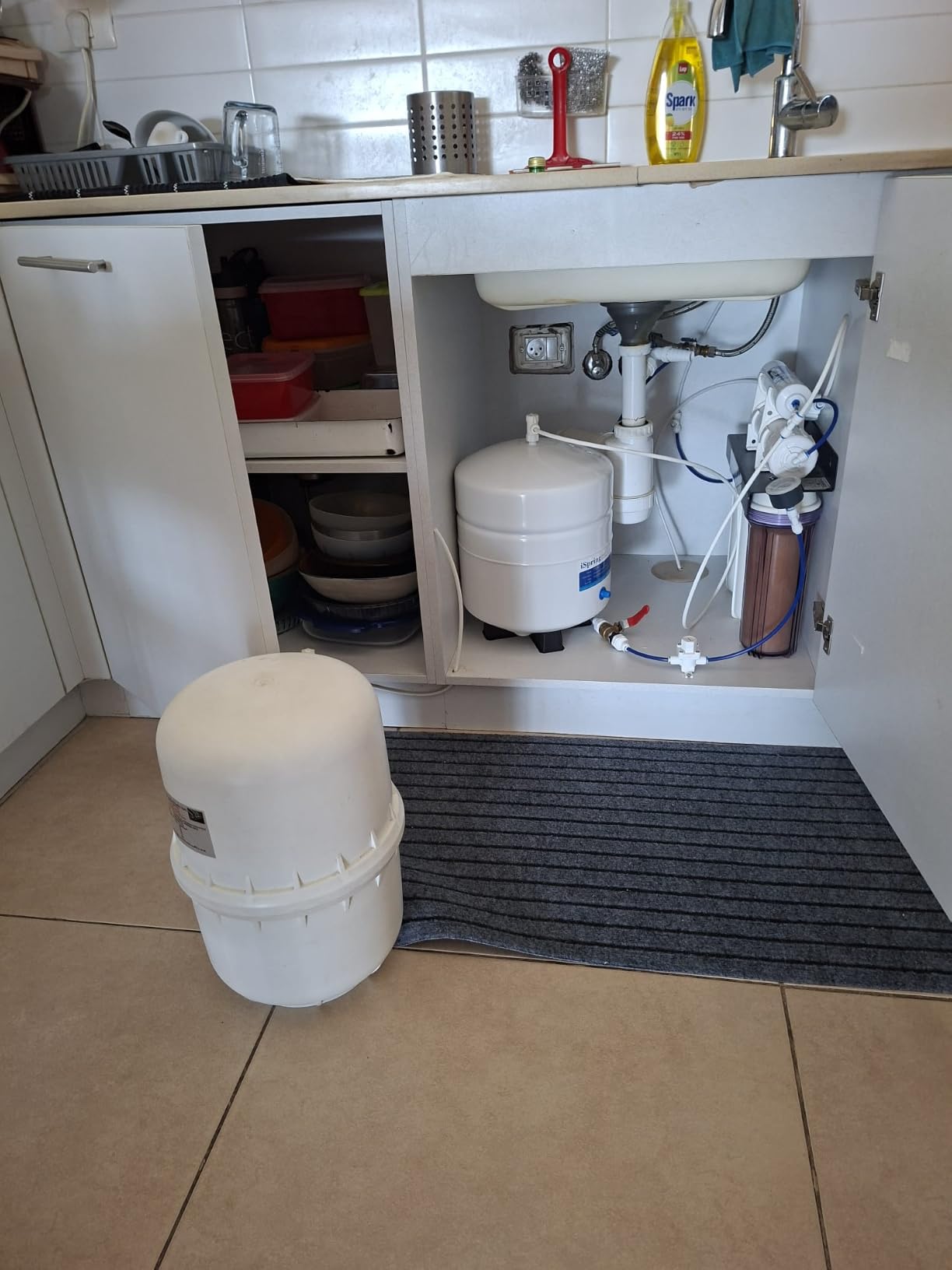
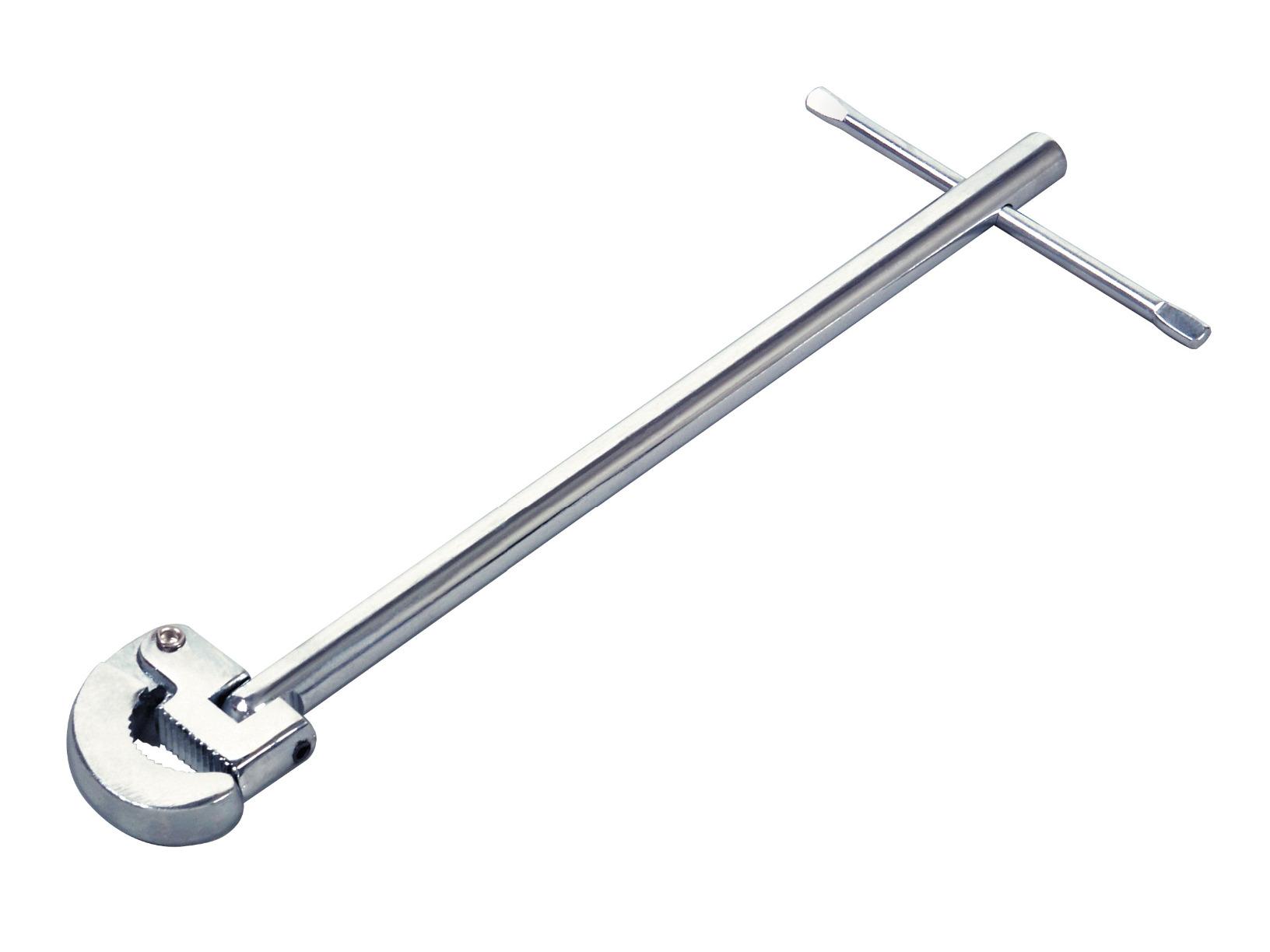
Turn off the cold water supply under the sink and open a faucet to relieve pressure. Read the manual before loosening anything, since manufacturers differ on whether the filter goes before or after the cold line tee. Thread every fitting by hand all the way first, then add a quarter turn with the wrench, because overtightening cracks plastic housings and under-tightening is what causes slow drips. Keep a dry paper towel under each joint while you work and check it again ten minutes later. Fit the drain saddle on the waste line and cut that black line square, then run the tubing in a gentle arc rather than a sharp bend, since kinks at push fittings cause more leaks than the fittings themselves. Flush the system for the time the manual specifies before you drink anything, and place a leak detector or smart shutoff valve under the sink where you will hear it. That last step is cheap insurance against the one failure mode that ruins cabinetry.
We have covered leak detection hardware separately, and it is worth reading our water leak detector guide before you start.
When a Plumber Is Worth Paying For
Call one if you are tapping into a line other than the standard cold shutoff, if you have polybutylene or galvanized supply lines that are brittle, if you need a new countertop hole cut in stone or quartz, or if you are installing a pump-driven system onto a circuit that does not exist. The plumber cost is small compared with water damage from a fitting you torqued past its limit.
For a carbon or direct-connect unit on a modern kitchen, this is genuinely a do-it-yourself job.
Frequently Asked Questions
What is an under sink water filter?
An under sink water filter is a system installed beneath your kitchen sink that runs cold tap water through certified media such as activated carbon, KDF or a reverse osmosis membrane, then delivers the filtered water through a dedicated faucet. It gives you unlimited filtered drinking and cooking water on demand rather than in pitcher batches.
What is the difference between NSF/ANSI 42 and NSF/ANSI 53?
NSF/ANSI 42 is an aesthetic standard covering chlorine taste, odor and sediment, so it certifies the water will taste better. NSF/ANSI 53 is a health-effects standard and is the one that certifies lead reduction. If lead is your concern, look for 53, because a 42 certification alone does not cover it.
How long do under sink water filters last?
It depends entirely on the type. Most carbon systems with a dedicated faucet are rated at 6 to 12 months, inline carbon systems run 3 to 5 years, and reverse osmosis prefilters last 6 to 12 months while the membrane lasts 2 to 3 years. High-use households and hard or sediment-heavy water shorten every one of those intervals.
Do under sink water filters remove PFAS?
Some do, and the certification tells you which. Activated carbon and KDF systems are commonly listed for PFOA and PFOS reduction, and the Frizzlife SK99 carries a health-effects certification. Reverse osmosis systems publish the highest PFAS reduction figures because a membrane physically excludes those molecules. Always check the claimed standard rather than the marketing headline.
Do under sink filters remove hard water?
No. A water filter removes contaminants, and hardness is dissolved calcium and magnesium that no carbon, ultrafiltration or reverse osmosis unit in this roundup is built to reduce. White spots on glassware and kettles need a water softener, which is a separate appliance with a different purpose. The two can be paired, but one does not substitute for the other.
Can I install an under sink filter without drilling my counter?
Yes. Direct-connect inline systems attach to the existing faucet and need no countertop hole at all, which is why they are the right choice for renters and apartments. The tradeoff is that you dispense filtered water from your main faucet instead of a dedicated filtered tap. A countertop filter is the other option when even the cabinet plumbing is off limits.
The Verdict: Which Under Sink Filter Fits Your Household
If you want the most complete purification and can handle a real install, the iSpring RCC7AK-BN is our pick for 2026, with 75 gallons per day, a full-system NSF/ANSI 58 certification and alkaline remineralization that fixes flat-tasting water. If you rent or cannot drill, the Waterdrop 10UA installs in three minutes and carries genuine NSF/ANSI 42 certification at a fraction of the ongoing cost. If you want filtration depth without waste water, the iSpring CU-A4 gives you a 0.01 micron membrane and a dedicated faucet with no tank and no brine.
For households that barely notice maintenance, the CuZn UC-200 and the Waterdrop UA-5Y run three to five years between changes. For large families filling pots daily, the Frizzlife PD600-TAM3 produces 600 gallons a day with no tank, provided you have an outlet under the sink. For fast flow on a carbon budget, the Frizzlife SK99 fills a cup in about three seconds and carries the strongest carbon certification in the group.
And if hard water is what is actually bothering you, no filter here will fix it. Buy a softener for the spots and a carbon system for the taste. Start by testing your water, pick the certification that matches your contaminant, and you will not need to replace anything next year.