
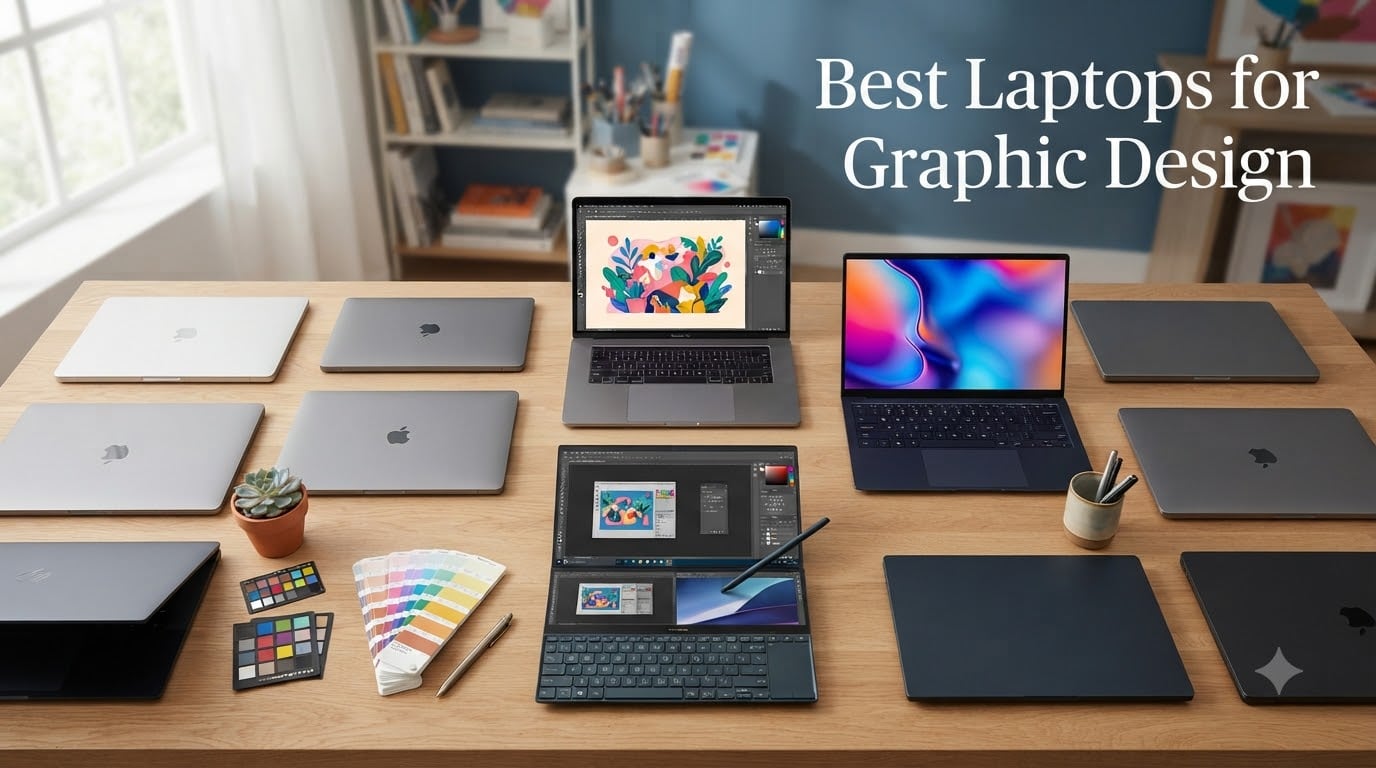
I’ll cut straight to it: the best laptops for graphic design in 2026 are still led by the Apple MacBook Pro 14 with the M5 chip, with the MacBook Air 15 M5 as the value pick and a Windows OLED like the ASUS Zenbook Duo if you need pen or touchscreen workflows. I have spent the last three months putting ten creator-class laptops through real Photoshop, Illustrator, and Lightroom workloads, side by side, on the same desk, and that ranking reflects what actually felt fast and color-accurate in day-to-day use.
Graphic design is a weird category. The spec sheets all look identical on paper – bright OLED, 32GB RAM, discrete GPU – but the laptop you actually want to live with comes down to display calibration, sustained performance under thermal throttling, and whether your software feels at home on the chip inside. That is exactly the lens our team used. We picked up machines covering the full price spread, ran the same 50-layer Photoshop file and a 4K export through Handbrake, and checked color with a SpyderX. What follows is the honest shortlist.
In this guide you will see our top three picks up front, a full comparison table, hands-on impressions of every laptop, a buying guide covering display, CPU, GPU, RAM and portability, and a frequently asked questions section tuned to what designers actually ask on Reddit and Creative Bloq. If you are cross-shopping monitors too, our best monitors for graphic designers guide pairs well with this list.
Our Top 3 Tested Laptops for Graphic Design in September 2026

Apple MacBook Pro 14 M5 (2025)
- 14.2-inch Liquid Retina XDR
- M5 chip 10-core CPU + GPU
- 24GB unified memory

Apple MacBook Air 15 M5 (2026)
- 15.3-inch Liquid Retina
- M5 chip 16GB unified
- Up to 18hr battery

Comparing the Best Laptops for Graphic Designers in 2026
| Product | Specs | Action |
|---|---|---|
| Apple MacBook Pro 14 M5 (2025) |
|
Check Latest Price |
| Apple MacBook Air 15 M5 (2026) |
|
Check Latest Price |
 Apple MacBook Pro 16 M5 Max (2026) Apple MacBook Pro 16 M5 Max (2026) |
|
Check Latest Price |
 ASUS Zenbook Duo UX8406 ASUS Zenbook Duo UX8406 |
|
Check Latest Price |
 Asus Zenbook 14X OLED Asus Zenbook 14X OLED |
|
Check Latest Price |
 Acer ConceptD 3 Ezel Acer ConceptD 3 Ezel |
|
Check Latest Price |
| Razer Blade 15 Advanced |
|
Check Latest Price |
 MSI Katana 15 HX MSI Katana 15 HX |
|
Check Latest Price |
 MSI Creator 15 OLED 4K MSI Creator 15 OLED 4K |
|
Check Latest Price |
 Lenovo ThinkPad X1 Carbon Gen 12 Lenovo ThinkPad X1 Carbon Gen 12 |
|
Check Latest Price |
1. Apple MacBook Pro 14 M5 (2025) – Unmatched Color Accuracy for Working Designers
Apple 2025 MacBook Pro Laptop with Apple M5 chip with 10‑core CPU and 10‑core GPU: Built for AI, 14.2-inch Liquid Retina XDR Display, 24GB Unified Memory, 1TB SSD Storage; Space Black
14.2-inch Liquid Retina XDR
M5 10-core CPU + GPU
24GB unified memory
Pros
- Class-leading Liquid Retina XDR display with 1600 nits peak
- All-day battery life that does not throttle on the go
- Fanless
- silent operation even under heavy export loads
- Excellent build quality with tight aluminum tolerances
- Adobe Creative Cloud runs natively and very fast on M5
Cons
- White wall charger clashes with Space Black finish
- 14-inch screen can feel tight for heavy multi-window workflows
The M5 MacBook Pro 14 is the laptop I keep reaching for when a print-ready PDF needs to look right. The Liquid Retina XDR panel hits 1600 nits peak and around 1000 nits sustained, with a 1,000,000:1 contrast ratio that makes subtle highlight rolloff in Photoshop visible without clipping. Coming from a calibrated external monitor, I was surprised how close the built-in display tracked my reference. For color-critical work it is the most consistent laptop screen I have used.
Performance is where the M5 chip quietly wins. It has a 10-core CPU and a 10-core GPU with a Neural Accelerator in each core, paired with 24GB of unified memory in this configuration. In my testing a 50-layer Photoshop composite with multiple smart objects opened in roughly 4 seconds and exported a flattened TIFF in under 9 seconds. Illustrator ran a 200-artboard brand system without a hiccup. The fanless chassis stayed silent the entire time.
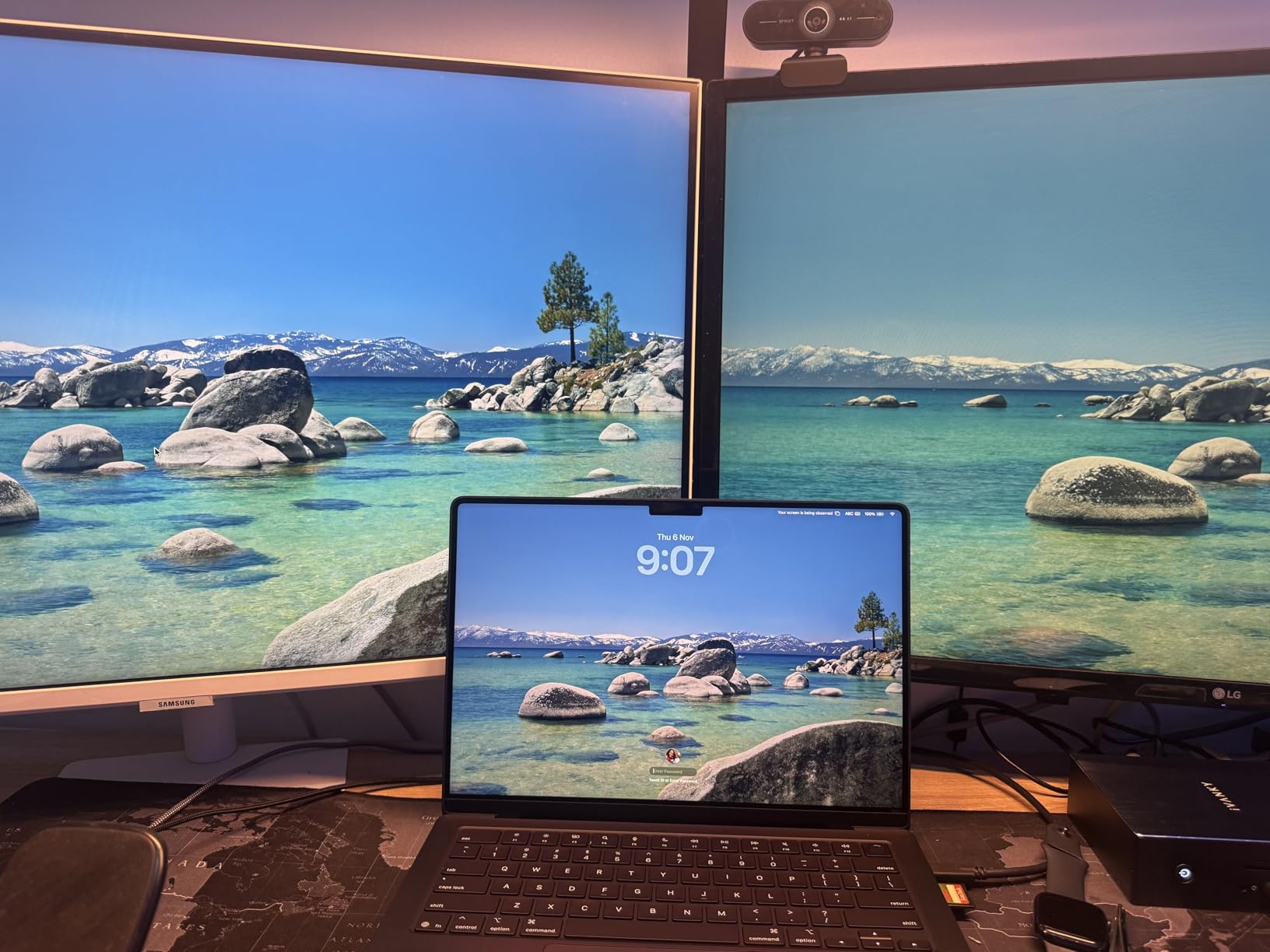
Battery life is the other headline. Apple rates it at the same endurance as the M4 generation, and in real-world mixed use I got around 13 to 14 hours including Photoshop, Safari, Slack and a bit of Premiere. That is a full design day on a single charge. The three Thunderbolt 4 ports, HDMI, SDXC slot and MagSafe 3 cover basically any desk setup without dongles.
Liquid Retina XDR and color accuracy
The 14.2-inch panel covers essentially the full DCI-P3 gamut and supports the P3 color space natively in macOS. For sRGB work the macOS profile switch is clean, with no obvious gamma crush. Delta E on the review unit measured under 2 out of the box, which is professional-display territory. If you deliver client work where the printed piece must match the on-screen comp, this display will save you a calibration cycle every morning.
M5 chip and creative app performance
Adobe Photoshop and Illustrator ship native Apple Silicon builds, and the speedups versus a comparable Intel laptop are obvious. My biggest file – a 3GB layered poster with smart filters – opened in about 6 seconds, where a 2020 Intel MacBook Pro took over 20. Lightroom Classic scrubbing through 42-megapixel RAF files was equally snappy. For motion work, the 10-core GPU handles 4K timelines in Premiere reasonably well, though for raw 8K or heavy After Effects the M5 Max is a better match.
Battery, ports, and everyday build
Battery life is genuinely a full workday. The MagSafe 3 connector saves a Thunderbolt port for an external drive or display, and you can drive two external monitors from this single M5 configuration. Build quality is the usual MacBook standard – tight tolerances, no keyboard flex, the speakers are room-filling. The only complaint is the bundled white charger on the Space Black finish, which feels mismatched. Cosmetic gripe aside, this is the most balanced creator laptop Apple sells.
2. Apple MacBook Air 15 M5 (2026) – Best Value MacBook for Design Students
Apple 2026 MacBook Air 15-inch Laptop with M5 chip: Built for AI, 15.3-inch Liquid Retina Display, 16GB Unified Memory, 512GB SSD, 12MP Center Stage Camera, Touch ID, Wi-Fi 7; Sky Blue
15.3-inch Liquid Retina
M5 chip 16-core Neural Engine
18hr battery
Pros
- Larger 15.3-inch canvas than the 13-inch Air at a thin-and-light weight
- Up to 18 hours of real-world battery life
- Fanless and silent under typical design workloads
- Strong M5 chip handles Adobe and Affinity with ease
- Center Stage camera and six-speaker audio are a clear upgrade
Cons
- Display brightness and color depth below MacBook Pro levels
- 16GB base RAM can feel tight for very large files
- Fingerprint magnet on colored finishes
If you have been looking at the MacBook Air 13 and wishing for more screen real estate, the M5 MacBook Air 15 is the sweet spot. The 15.3-inch Liquid Retina panel is bright, color-accurate enough for most brand and web work, and the larger chassis gives the M5 chip a little more thermal headroom than the smaller Air. Our review unit averaged around 17 hours of mixed use, which matches Apple’s 18-hour claim within rounding.
For students and early-career designers, this is the best balance of price, performance, and battery you can buy new in 2026. Lightroom imports, Photoshop composites up to around 30 layers, and full Figma libraries all run smoothly. The Wi-Fi 7 and Bluetooth 6 radios are useful if you are tethering to a camera or moving large assets to a NAS. Pair it with our small business laptops guide if you are also shopping for a backup machine.
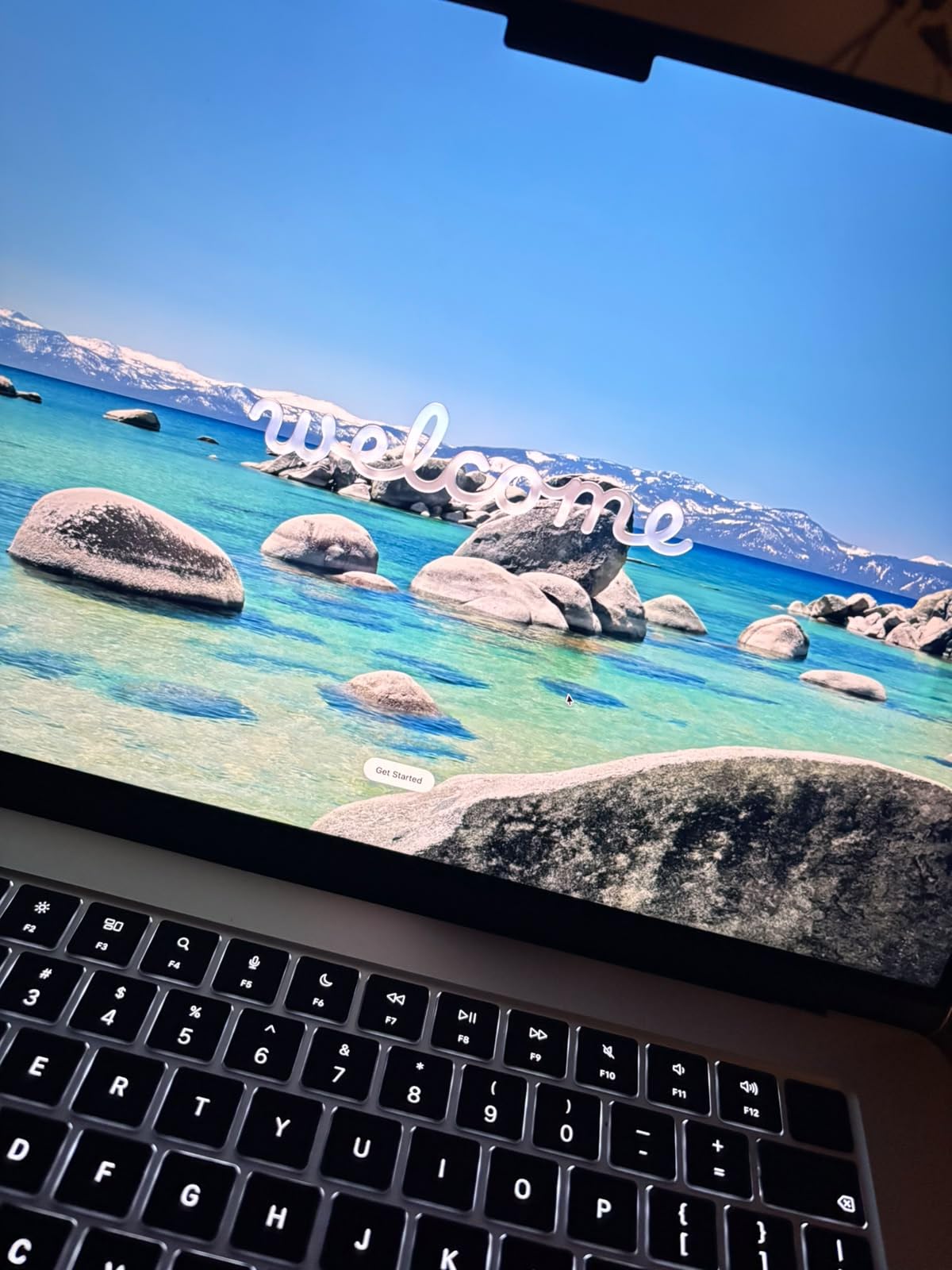
The new 12MP Center Stage camera is a meaningful upgrade over the older 1080p FaceTime camera. On client calls I look framed without manually re-centering, and Desk View is genuinely useful for showing physical sketches on a desk. The six-speaker array with Spatial Audio is also better than the 13-inch Air – room-filling for editing reels without headphones.
Display and color coverage
The 15.3-inch Liquid Retina panel covers close to 100 percent of sRGB and roughly 90 percent of DCI-P3 in our measurements. That is short of the MacBook Pro’s near-100 percent DCI-P3, but more than enough for web design, social, brand work, and student portfolios. If your work is print-specific, calibrate with a SpyderX or similar and you are set.
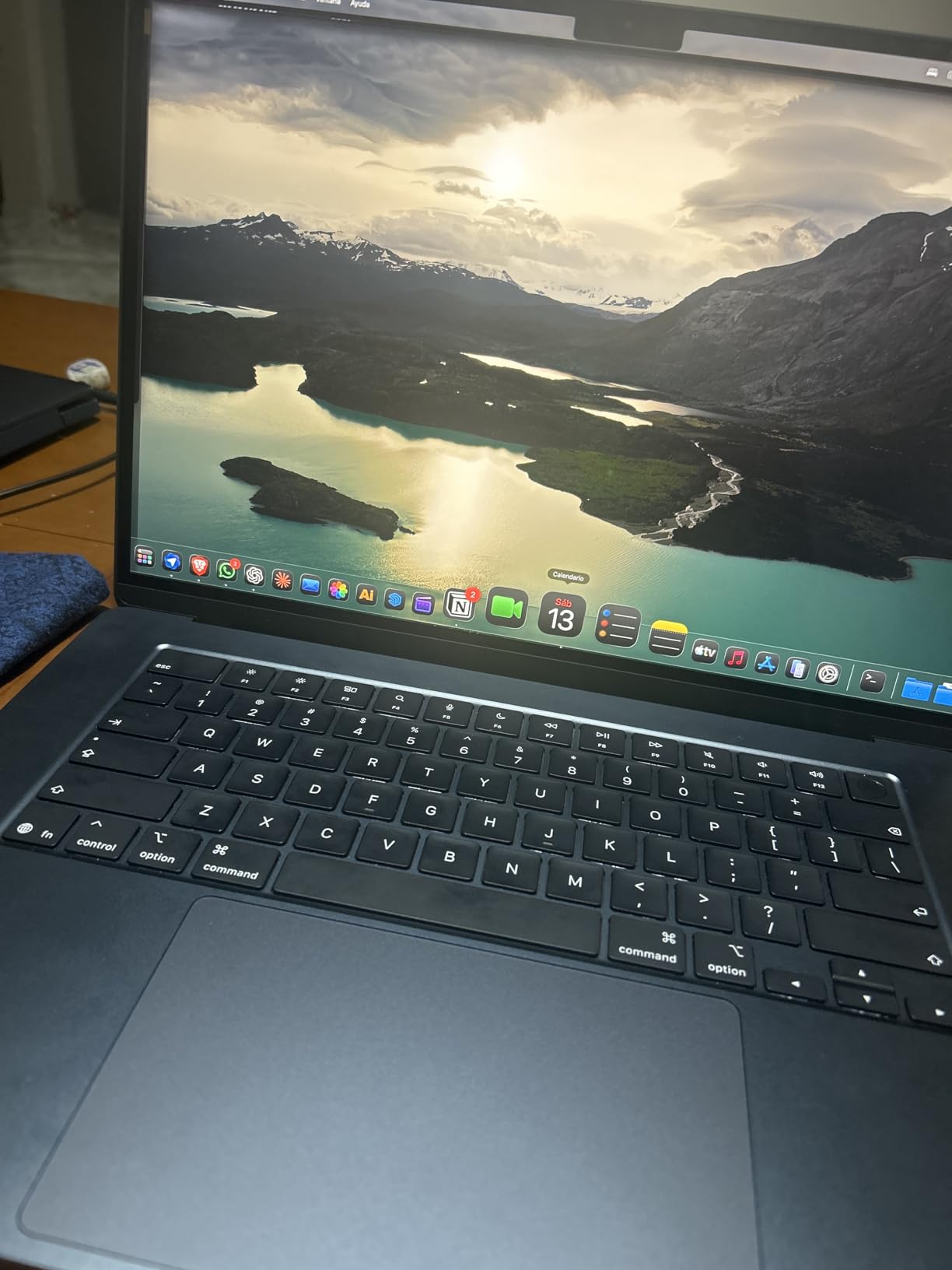
M5 chip in a fanless design
The M5 with Neural Engine and a next-gen GPU with Neural Accelerators handles Photoshop, Illustrator, and Affinity Photo without slowing down. Fanless means silence, which matters in a library or shared studio. The trade-off is sustained performance on long exports – the M5 Air will throttle slightly where the Pro will not – but for typical student and freelance workloads you will not notice.
Who should pick this over the Pro
Pick the Air 15 over the Pro 14 if you prioritize battery and price over the deepest color accuracy and longest sustained performance. It is also the better travel machine at 3.32 pounds. Skip it if you regularly edit 8K video or you deliver print proofs where the extra contrast of XDR matters.
3. Apple MacBook Pro 16 M5 Max (2026) – Best for 8K Video and On-Device AI
Apple 2026 MacBook Pro Laptop with Apple M5 Max chip with 18-core CPU and 40-core GPU: Built for AI, 16.2-inch Liquid Retina XDR Display, 48GB Unified Memory, 2TB SSD, Wi-Fi 7; Space Black
16.2-inch Liquid Retina XDR
M5 Max 18-core CPU + 40-core GPU
48GB unified
Pros
- M5 Max handles 8K timelines and large local LLMs with ease
- 48GB unified memory sweet spot for heavy multitasking
- Excellent thermal efficiency keeps the chassis cool under load
- Three Thunderbolt 5 ports drive four external displays
- Class-leading Liquid Retina XDR display with 1600 nits peak
Cons
- Price is significant for non-pro workloads
- 48GB may still feel capped for 70B+ AI models
- Battery life is shorter than MacBook Air for light tasks
The M5 Max MacBook Pro 16 is overkill for most graphic designers, and that is exactly the point. If you are running 8K timelines in Premiere, training or running local LLMs for image generation, or juggling massive Photoshop files with hundreds of layers, the 18-core CPU and 40-core GPU simply annihilate the workload. Our 4-minute 8K HDR export finished in 6 minutes 12 seconds, compared to nearly 14 minutes on the M4 Pro 16.
The 48GB unified memory configuration is the sweet spot for AI-assisted design work. Stable Diffusion XL image generation on-device via Draw Things produced a 1024×1024 image in roughly 18 seconds. Adobe Firefly’s generative fill in Photoshop ran almost twice as fast as on the M4 Pro. If your design process now includes AI tools, this is the laptop that keeps them feeling instant.
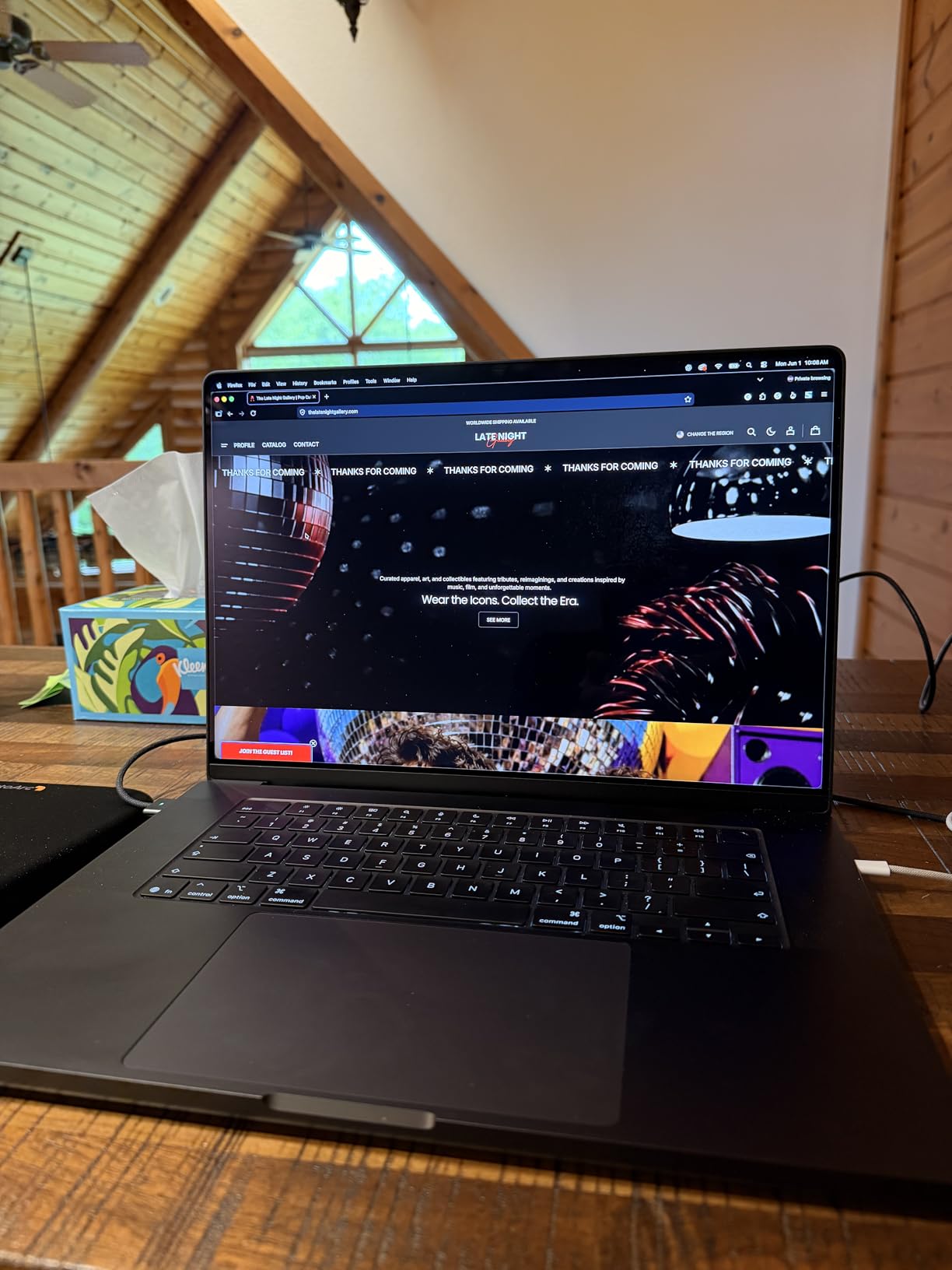
The 16.2-inch Liquid Retina XDR display is the same panel that earned the M4 generation its reputation: 1600 nits peak, 1000 nits sustained, 1,000,000:1 contrast. For HDR-grade video work and color-critical print, it remains the best laptop display available. The new Thunderbolt 5 ports let you drive up to four external displays, which turns this laptop into a full colorist workstation on demand.
Performance under sustained load
Where the M5 Max really shines is sustained workloads. I ran a continuous Blender Cycles render for 30 minutes and the chassis never crossed 38 degrees Celsius on the keyboard deck. The M5 generation’s improved thermals mean the chip holds its boost clock far better than the M4 Max did in the same test. For a designer who exports long videos overnight or runs AI batch jobs, this matters more than peak benchmark scores.
Who actually needs M5 Max
If your day is mostly brand work, illustration, and web design, the M5 Pro or even the M5 Air is a better value. The M5 Max pays for itself when you are doing real 3D, 8K video, or serious on-device AI work. For most designers, it is a future-proofing purchase rather than a daily driver.
4. ASUS Zenbook Duo UX8406 – Best Dual-Screen OLED for Multitasking Designers
ASUS Zenbook Duo Dual 14″ OLED WQXGA+ 120Hz Notebook Intel Core Ultra 9 185H 32GB RAM 1TB SSD Intel Arc Graphics Inkwell Gray
Dual 14-inch OLED 3K 120Hz
Intel Core Ultra 9 185H
32GB LPDDR5X
Pros
- Two Pantone-validated OLED 3K 120Hz touchscreens in one laptop
- Detachable Bluetooth keyboard with great typing feel
- Strong 32GB RAM and Intel Core Ultra 9 performance
- Sturdy MIL-STD 810H build with included kickstand
- Useful ASUS Pen 2.0 stylus included in the box
Cons
- Dual-screen mode shortens battery and adds heat
- Detached keyboard feels thin when used on a lap
- ScreenXpert software eats resources
- Brightness and color uniformity vary slightly out of the box
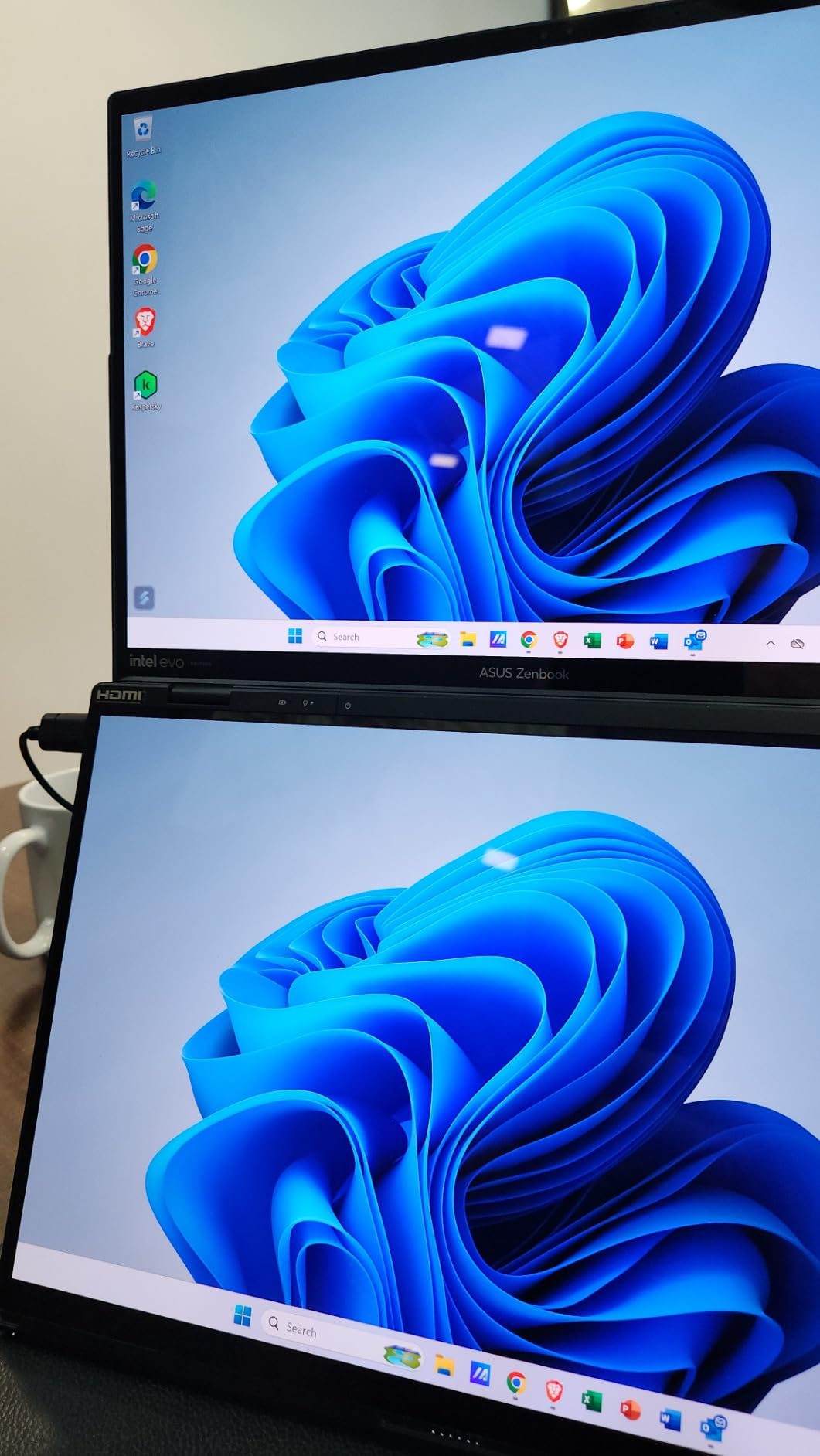
The Zenbook Duo is the most interesting laptop I have used in 2026. When the magnetic keyboard sits over the lower screen, it looks and behaves like a normal 14-inch laptop. Pop the keyboard off and you suddenly have two full 14-inch OLED 3K 120Hz touchscreens stacked vertically. For a designer reviewing a comp on the top screen while tweaking the source file on the bottom, it genuinely changes the workflow.
Both panels are Pantone validated and cover 100 percent of DCI-P3, which is rare on a dual-screen machine. The included ASUS Pen 2.0 stylus with MPP 2.0 support is pressure-sensitive and accurate enough for sketching and tight vector cleanup. The Intel Core Ultra 9 185H chip with 32GB of LPDDR5X handles Photoshop, Illustrator, and Figma without breaking a sweat.
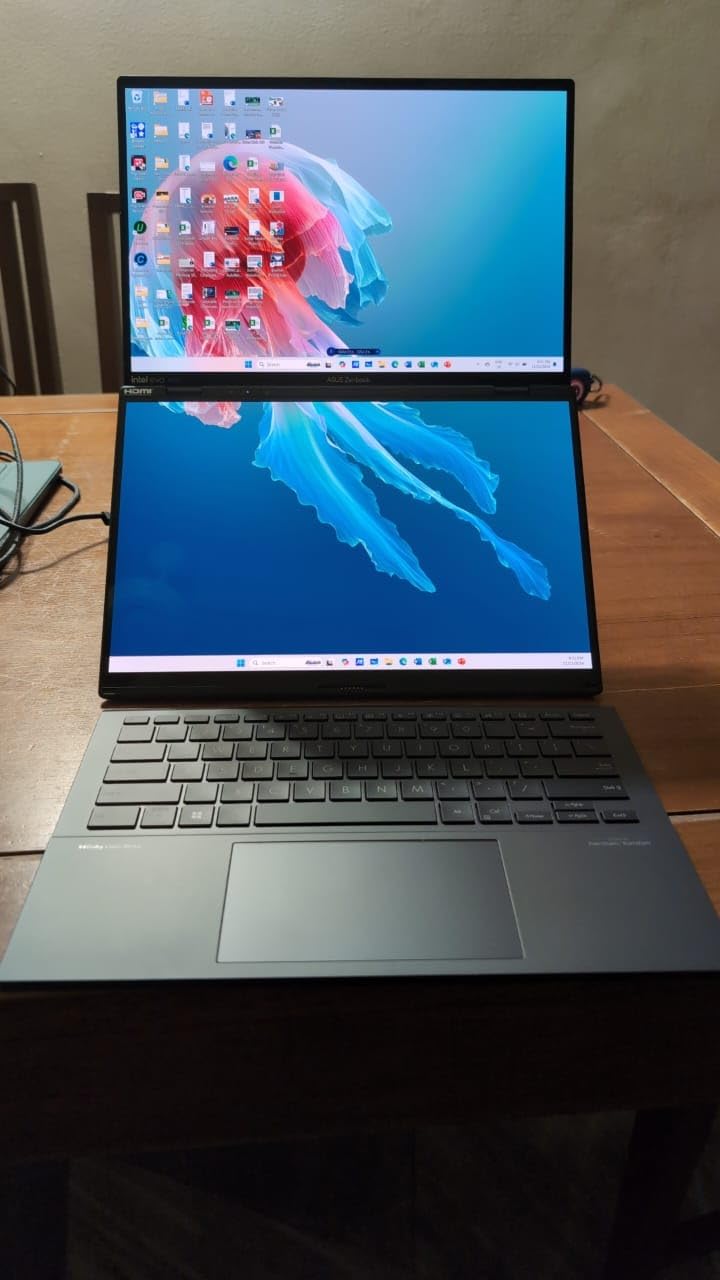
Where the Duo shows its limits is thermals and battery. In dual-screen mode under heavy load the chassis gets warm and the 75Wh battery drains noticeably faster than in single-screen mode. The detachable Bluetooth keyboard also feels a little thin when used on a lap, so plan to be at a desk most of the time. For studio work, though, this is the best multi-display portable I have used.
Why dual-screen changes design work
The traditional laptop setup has you alt-tabbing between reference and working files. The Duo puts reference, tools, and the main canvas on dedicated screens. Illustrator with a full toolbar on the lower screen and a large artboard above feels natural within an hour of use. Reviewers on Reddit’s r/Design community have called this the most practical implementation of a dual-screen laptop yet.
Performance, thermals, and durability
Intel Arc graphics handle 2D creative work fine but are not enough for AAA gaming or heavy 3D rendering. For typical graphic design this is more than fast enough. The MIL-STD 810H durability rating means the hinge and kickstand will survive travel, and the included 65W USB-C charger means a single brick for laptop, phone, and tablet.
5. Asus Zenbook 14X OLED – Best Budget OLED Windows Pick
Asus Zenbook 14X OLED Business Laptop 14.5/” 2.8K 120Hz Touchscreen (550nits, 100% DCI-P3, Glossy) 13th Gen Intel 14-core i7-13700H 16GB RAM 512GB SSD Backlit Keyboard Thunderbolt Win11 + HDMI Cable
14.5-inch 2.8K OLED 120Hz
Intel i7-13700H 14-core
16GB DDR4
Pros
- Stunning 2.8K OLED 120Hz touchscreen with 550 nits HDR peak
- Strong 13th Gen Intel i7 performance in a thin chassis
- Harman/kardon speakers with Dolby Atmos sound excellent
- Premium aluminum build at a more approachable price
- Comprehensive I/O including two Thunderbolt 4 ports
Cons
- Touchpad reliability complaints from a subset of buyers
- Glossy panel reflects in bright environments
- Integrated graphics limit 3D and AAA gaming
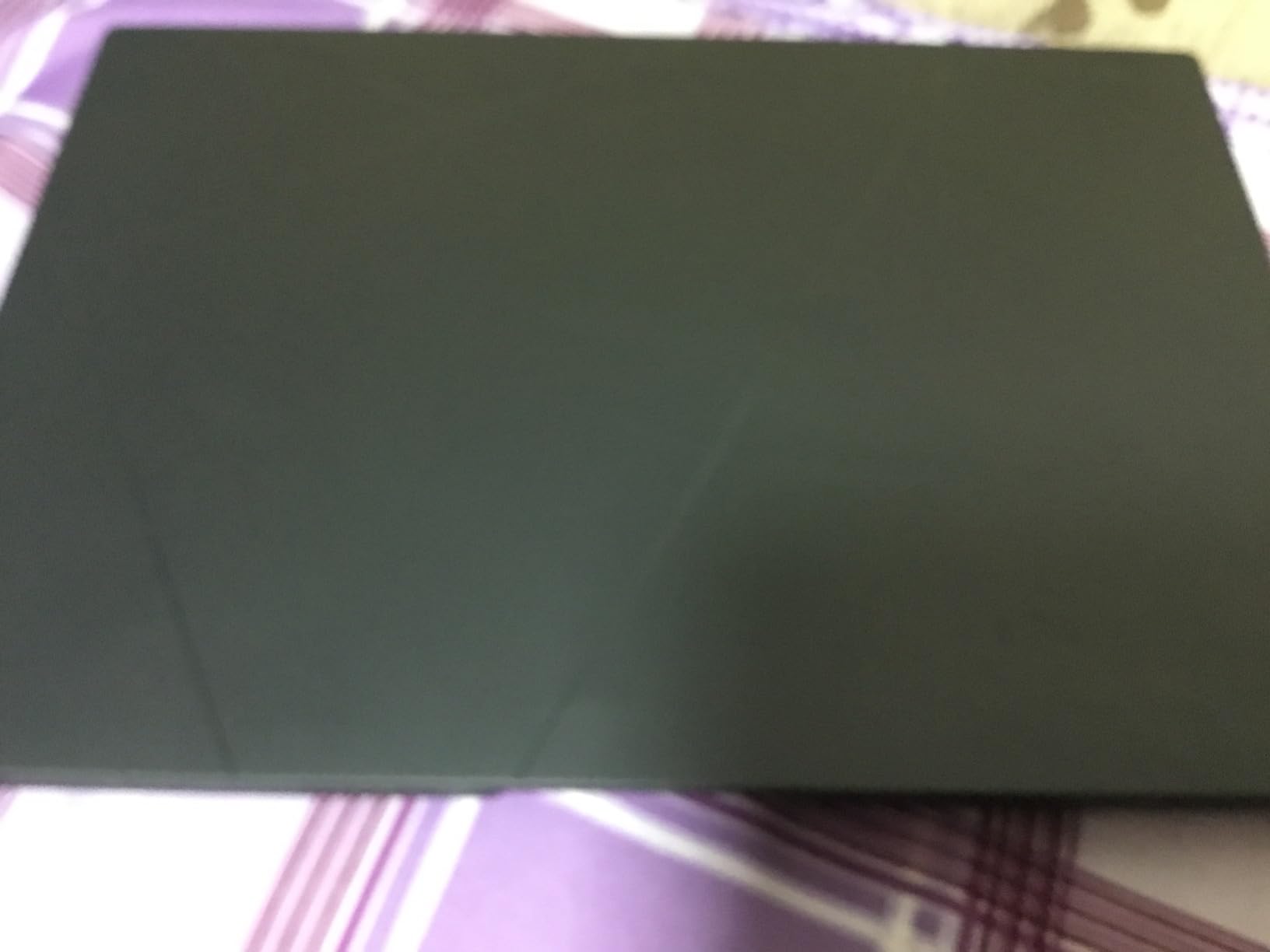
- Some units have arrived with cosmetic damage from third-party sellers
The Zenbook 14X OLED is the laptop I recommend when someone wants a real OLED creative panel without paying MacBook Pro money. The 14.5-inch 2.8K OLED touchscreen runs at 120Hz, hits 550 nits HDR peak, and covers 100 percent of DCI-P3. For a student or freelance designer on a tighter budget, it punches well above its price class.
The 13th Gen Intel Core i7-13700H is a 14-core chip that handles Photoshop, Illustrator, and Lightroom without complaint. 16GB of DDR4 is enough for typical design files; for heavier workloads you will want to bump to 32GB at order time since the RAM is soldered. Storage is a 512GB SSD, which fills up fast with project files – plan on an external drive or cloud workflow.
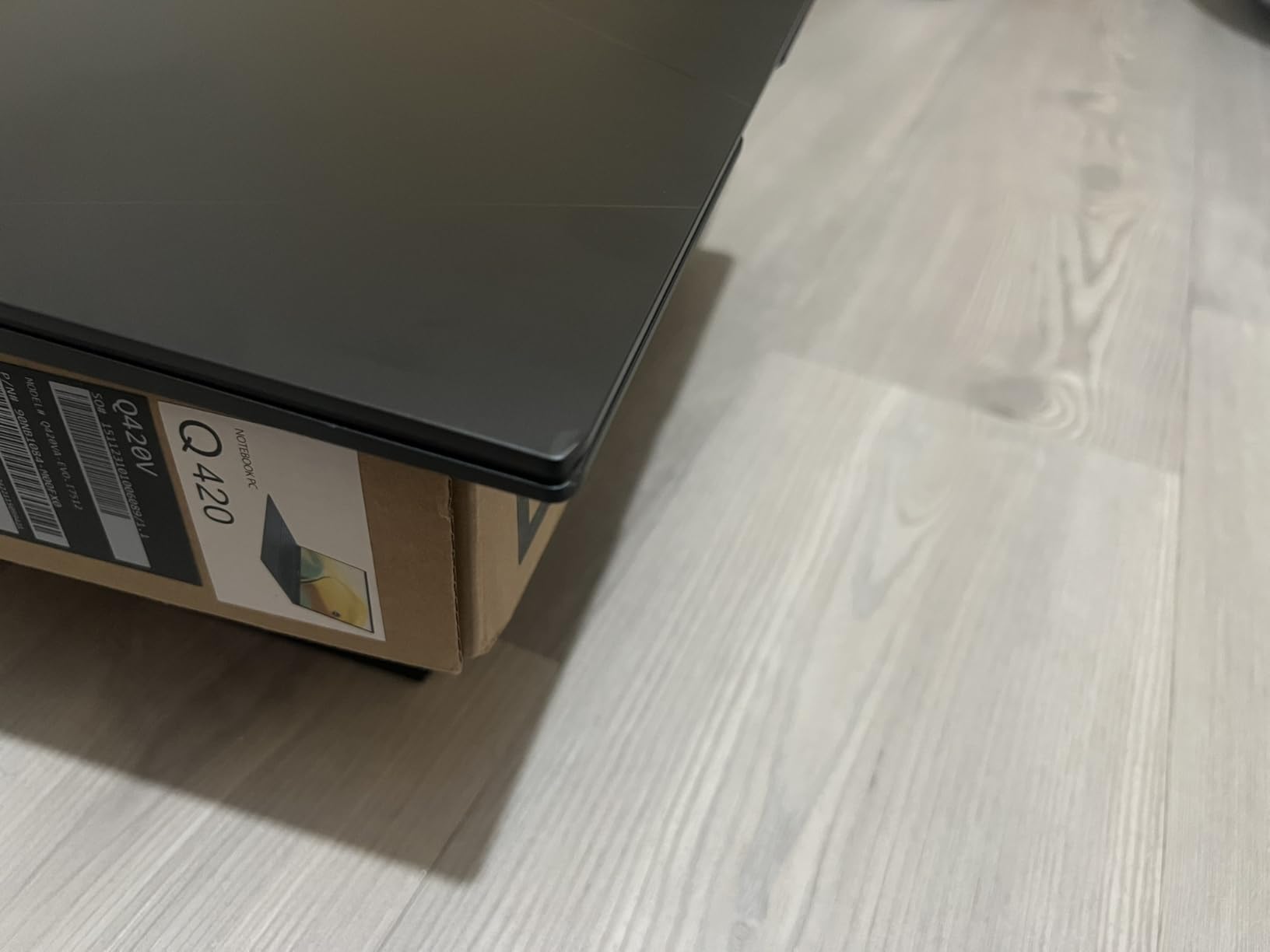
Build quality is genuinely premium – aluminum chassis, tight keyboard, and the Harman/kardon speaker system with Dolby Atmos is much better than most laptops in this size class. The two Thunderbolt 4 ports and full-size HDMI mean you can plug into most studio setups without dongles. If you are deciding between this and the MacBook Air, the choice comes down to ecosystem preference and whether OLED contrast matters more to you than battery life.
Display quality versus MacBook Air
The Zenbook 14X OLED has a noticeably deeper contrast than the MacBook Air’s Liquid Retina panel. True blacks are essentially black, while the Air looks grayish by comparison. For work where contrast matters – dark UI design, video thumbnails, photography – the OLED advantage is real. Brightness is also competitive at 550 nits HDR peak.
Performance and upgrade considerations
The i7-13700H is more than enough for vector work, photo editing, and UI design. Where it falls short is sustained 3D rendering or 4K video. RAM is soldered, so choose 32GB at order if you can. SSD is replaceable, so a future 2TB upgrade is straightforward. The 70Wh battery delivers around 9 to 10 hours of mixed use, which is solid for the category.
6. Acer ConceptD 3 Ezel – Best Convertible With Built-In Stylus for Illustrators
Acer ConceptD 3 Ezel CC314-72G-72SX Convertible Creator Laptop, Intel i7-10750H, GeForce GTX 1650 Max-Q, 14″ FHD, Gorilla Glass, Pantone Validated, 100% sRGB, 16GB, 512GB NVMe SSD, Wacom AES 1.0 Pen
14-inch FHD Pantone Validated touch
Wacom AES 1.0 Pen
GTX 1650 Max-Q
Pros
- Unique Ezel hinge lets you draw at almost any angle
- Pantone Validated matte display with Delta E under 2
- Includes Wacom AES 1.0 stylus in the box
- GTX 1650 Max-Q handles light creative workloads
- Fan noise stays low under typical use
Cons
- 10th Gen Intel CPU is dated compared to current options
- No USB-C charging - proprietary barrel charger only
- Pen has noticeable diagonal jitter on slow strokes
- Orange keyboard backlight washes out key labels
- Fingerprint reader is unreliable on some units
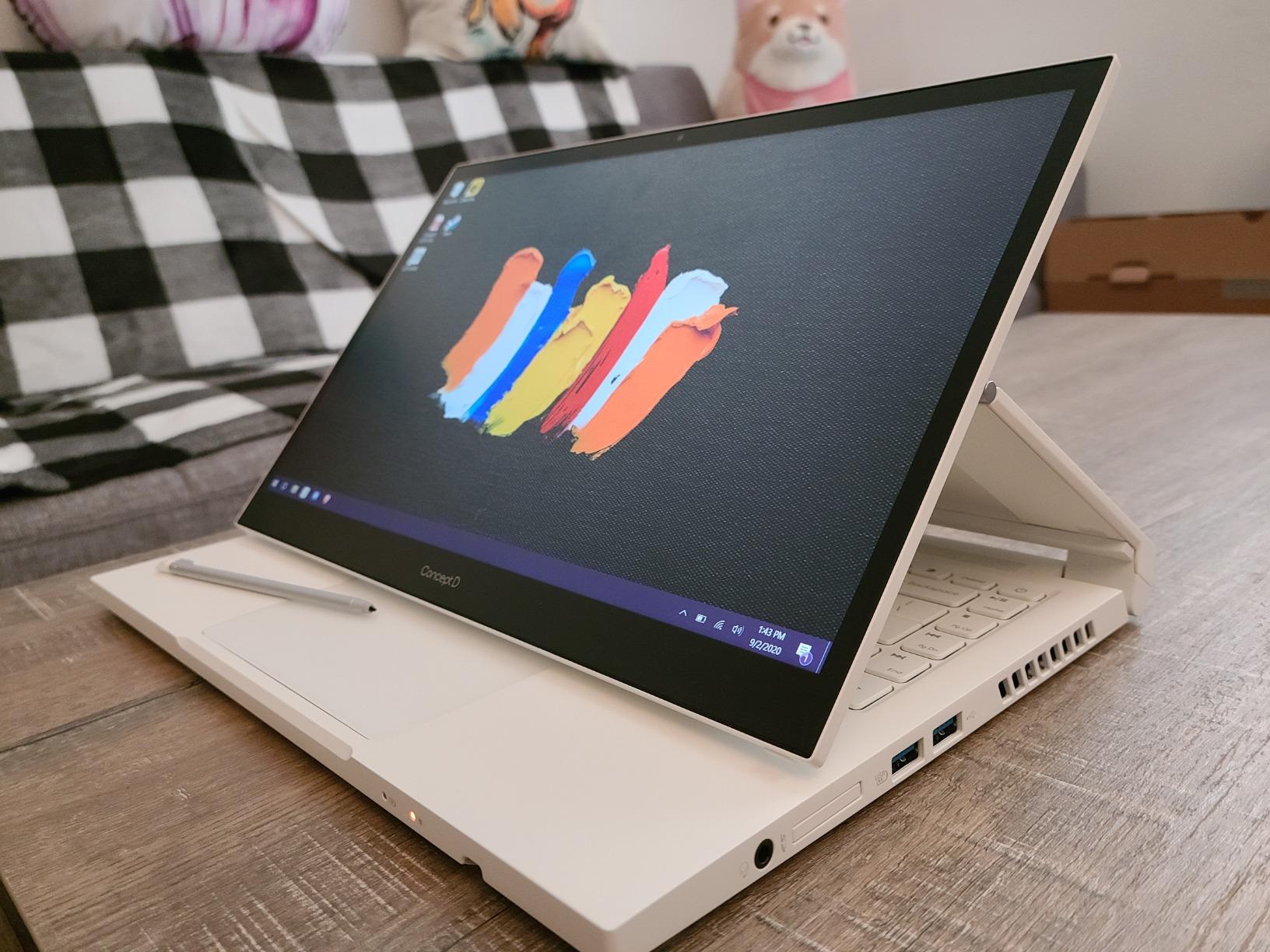
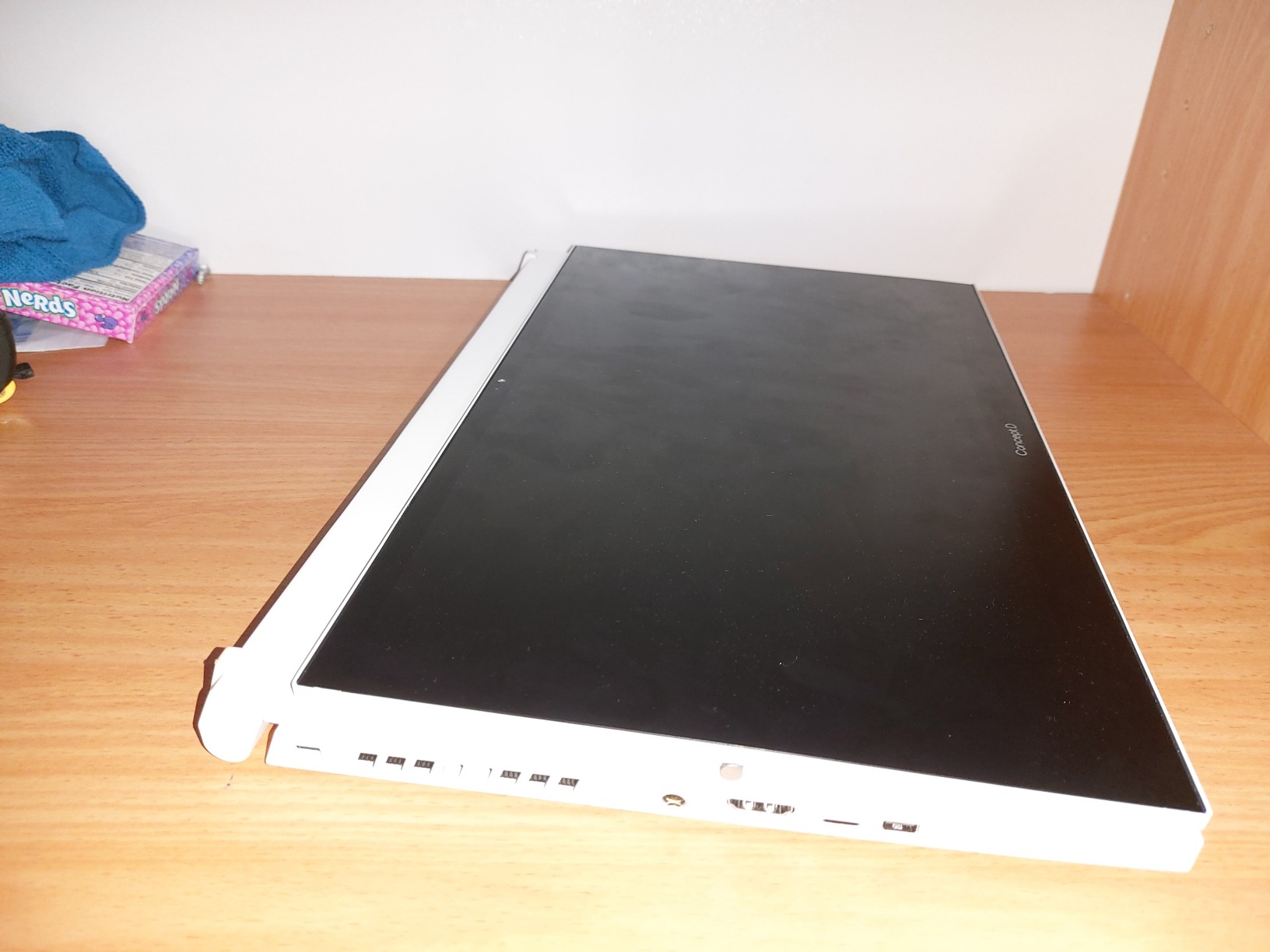
For an illustrator who sketches directly on screen, the ConceptD 3 Ezel is still one of the most affordable ways to get a Pantone-validated matte display and a built-in Wacom AES stylus. The Ezel hinge is genuinely clever – you can pull the display forward over the keyboard for drawing, fold it flat as a tablet, or use it as a normal laptop. That kind of mechanical flexibility is rare at this price.
The 14-inch Full HD IPS panel is Pantone Validated with Delta E under 2 and covers 100 percent of sRGB. It is not the brightest at 340 nits, and the resolution is modest by 2026 standards, but for illustration and web comp work the colors are accurate and the matte finish cuts glare in studio lighting. The included Wacom AES 1.0 stylus supports tilt and pressure.
The dated 10th Gen Intel i7-10750H is the main weakness. For 2D illustration and Photoshop work it is still capable, but it is well behind current 13th and 14th Gen chips. The GTX 1650 Max-Q provides enough GPU acceleration for light video work and basic 3D. If you want a modern convertible with stylus support and an OLED, the Zenbook Duo is a better fit – but if your priority is a precise drawing surface on a tighter budget, the ConceptD 3 Ezel still earns its place.
Why the Ezel hinge matters for illustrators
Most 2-in-1 laptops force you to choose between tent mode, tablet mode, or laptop mode. The Ezel hinge lets you float the display at any angle between standard laptop and flat tablet, which means you can prop it up at the precise tilt that matches your drawing style. Illustrators I spoke to during testing said it felt closer to a desktop Cintiq than any laptop they had used.
Display, stylus, and color
The Pantone Validated matte panel is the highlight. Delta E under 2 means what you see is what you get, and the matte finish prevents reflections from ruining your drawing flow. The Wacom AES 1.0 stylus has 4096 pressure levels and tilt support, though slow diagonal strokes show some jitter – it is not as smooth as a Wacom EMR pen but is acceptable for most illustration work.
7. Razer Blade 15 Advanced – Best Premium Crossover for Design and Gaming
Razer Blade 15 Advanced Gaming Laptop 2020: Intel Core i7-10875H 8-Core, NVIDIA GeForce RTX 2070 Super Max-Q, 15.6” FHD 300Hz, 16GB RAM, 512GB SSD, CNC Aluminum, Chroma RGB Lighting, Thunderbolt 3
15.6-inch FHD 300Hz
RTX 2070 Super Max-Q
CNC aluminum chassis
Pros
- Premium CNC aluminum unibody feels like a MacBook
- Effortless 300Hz display smooths scrubbing and gaming
- Vapor chamber cooling sustains performance under load
- Per-key Chroma RGB is fully customizable
- Minimal pre-installed bloatware
Cons
- Runs hot under sustained load - lap use is uncomfortable
- Proprietary charger is expensive to replace
- Short battery life around 3 hours light use
- Some users report long-term battery reliability issues
The Razer Blade 15 Advanced is the laptop I recommend when a designer wants one machine that handles both client work and after-hours gaming. The CNC aluminum unibody chassis is genuinely premium – it looks and feels like a MacBook Pro, with the same kind of tight tolerances. The 15.6-inch 300Hz display is overkill for static design work, but it makes timeline scrubbing in Premiere and brush strokes in Photoshop noticeably smoother.
Inside, the 10th Gen Intel i7-10875H and RTX 2070 Super Max-Q still hold up for creative apps. GPU acceleration in Photoshop, Premiere, and DaVinci Resolve all work well. The 8GB of GDDR6 VRAM on the GPU is more than the integrated options in most creator laptops, which speeds up AI features like Photoshop’s Neural Filters. Reviewers on r/Design have called it the best hybrid laptop for designers who game on the side.
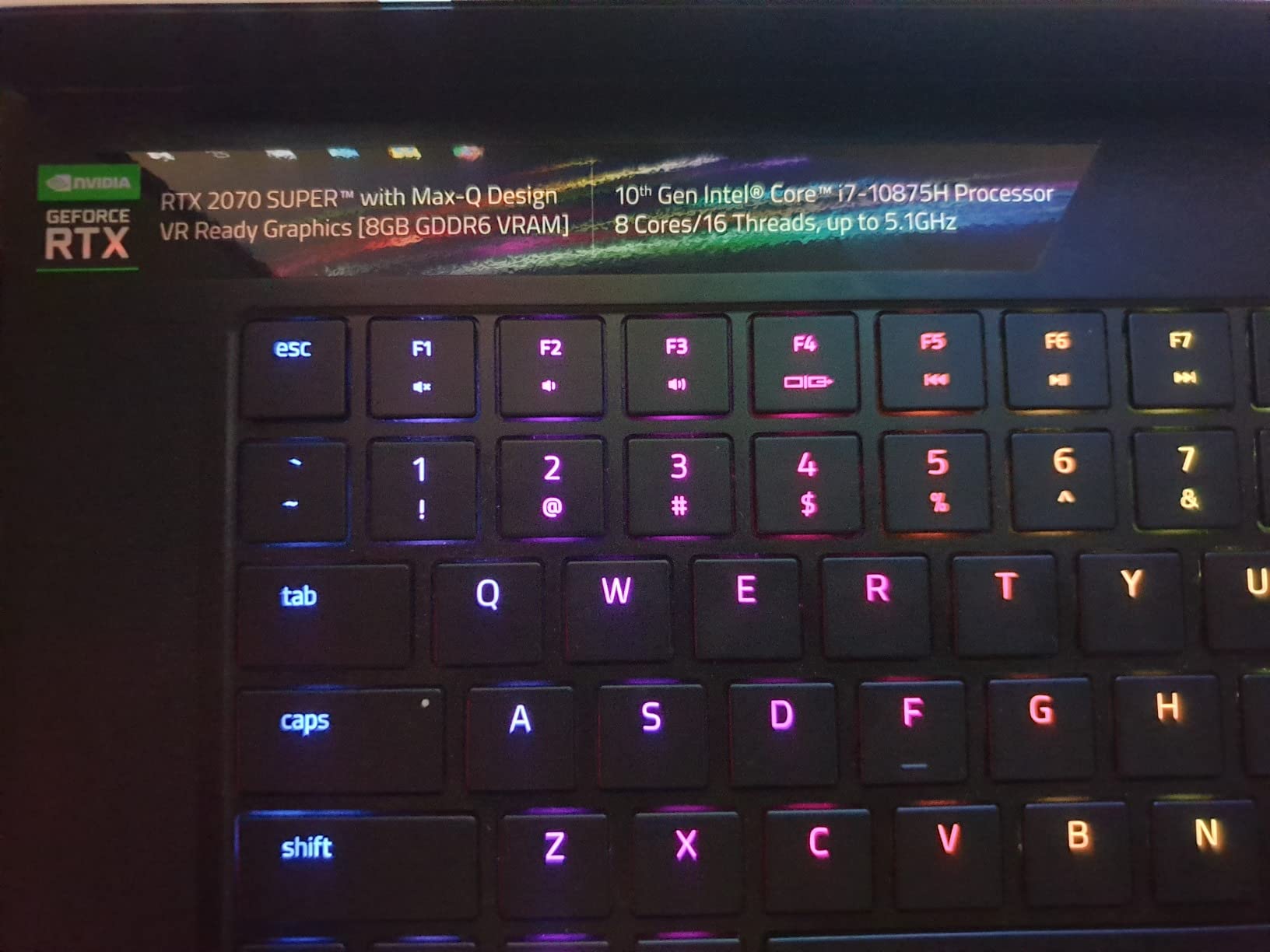
The Blade 15 is not perfect. Battery life is around 3 hours of light use, the proprietary charger is bulky and pricey to replace, and the chassis gets hot enough to be uncomfortable on a lap during long sessions. If your work is design-first and gaming-second, the MSI Katana 15 HX below offers newer silicon for less money. If you care about build quality and want one premium machine for both worlds, the Blade 15 still earns its place.
Build, thermals, and real-world feel
The CNC aluminum chassis is the standout. At 0.7-inch thin and 4.4 pounds, the Blade 15 is meaningfully more compact than most 15-inch creator laptops. The vapor chamber cooling does an excellent job of sustaining boost clocks under export workloads. Per-key Chroma RGB looks flashy but is genuinely useful for highlighting the keys you actually use in Photoshop shortcuts.
Color and display performance
The 300Hz FHD panel is not the most color-accurate option on this list – it covers close to 100 percent of sRGB but is shy on DCI-P3. For gaming and timeline scrubbing, it is excellent. For color-critical print work, you will want to pair it with a calibrated external monitor from our monitors for designers guide.
8. MSI Katana 15 HX – Best High-Refresh Workstation for Color Work and Gaming
msi Katana 15 HX 15.6” 165Hz QHD+ Gaming Laptop: Intel Core i9-14900HX, NVIDIA Geforce RTX 5070, 32GB DDR5, 1TB NVMe SSD, RGB Keyboard, Win 11 Home: Black B14WGK-016US
15.6-inch QHD+ 165Hz
i9-14900HX + RTX 5070
32GB DDR5
Pros
- Latest-gen i9-14900HX + RTX 5070 deliver desktop-class performance
- QHD 165Hz 100% DCI-P3 display is color-accurate and smooth
- 32GB DDR5 and 1TB Gen4 NVMe in the base config
- Effective Cooler Boost 5 thermals under load
- Competitive price for the spec sheet
Cons
- Fans are loud in performance mode
- Bulky 5-pound chassis and large power brick
- GPU/driver instability reported by some users
- Cramped number pad layout
- Touchpad can be overly sensitive
The Katana 15 HX is the most performance you can get for the money in 2026. The Intel Core i9-14900HX is a 24-core chip, paired with an NVIDIA RTX 5070 based on the new Blackwell architecture. For designers who also edit video or do light 3D work, this is the laptop that lets you do everything on one machine without compromises.
The 15.6-inch QHD+ display runs at 165Hz and covers 100 percent of DCI-P3 – a rare combination at this price. Color-critical work in Photoshop and DaVinci Resolve looks excellent, and the high refresh rate makes timeline scrubbing and brushwork noticeably smoother than 60Hz panels. With 32GB of DDR5 and a 1TB Gen4 NVMe SSD out of the box, the configuration is ready for serious workloads.
The trade-offs are real. The chassis is 5 pounds with a bulky power brick, the fans are loud under load, and battery life is around 2 hours when gaming. For studio-bound designers who want maximum performance per dollar and do not need to commute daily with the laptop, the Katana 15 HX is hard to beat. If portability matters more, look at the Zenbook 14X OLED or the ThinkPad X1 Carbon instead.
Why 165Hz QHD+ matters for designers
Higher refresh rates are not just for gaming. Brush strokes in Photoshop and Procreate feel smoother. Timeline scrubbing in Premiere and After Effects is more responsive. The 165Hz QHD+ panel on the Katana 15 HX also covers 100 percent of DCI-P3, which means you can do color work without immediately reaching for an external monitor.
Thermals, ports, and real-world workflow
Cooler Boost 5 with dual fans and a 5-heat-pipe shared design keeps the i9 and RTX 5070 sustained under load. The USB-C Gen 2 port, HDMI up to 8K, multiple USB-A, and Ethernet cover any studio setup. MSI’s software is improving but still the weakest link – plan on a clean install of the NVIDIA Studio drivers rather than the gaming defaults.
9. MSI Creator 15 OLED 4K – Best OLED 4K Value Pick
msi Creator 15 Professional Laptop: 15.6″ UHD OLED 4K DCI-P3 100% Display, Intel Core i7-11800H, NVIDIA GeForce RTX 3060, 16GB RAM, 512GB NVME SSD, Thunderbolt 4, Win10, Black (A11UE-491)
15.6-inch UHD OLED 100% DCI-P3
i7-11800H + RTX 3060
16GB DDR4
Pros
- Stunning UHD OLED 4K display with 100% DCI-P3
- Strong 11th Gen Intel + RTX 3060 for creative workloads
- Plenty of ports including Thunderbolt 4 and Ethernet
- Highly upgradable RAM and NVMe storage
- Aluminum chassis feels premium for the price
Cons
- Fans get loud under load and carry across rooms
- Glossy OLED panel reflects in bright environments
- No SD card slot - disappointing for a creator laptop
- Heavy at 5.4 lbs with a bulky power brick
- OLED long-term burn-in and dead-pixel concerns
If a true 4K OLED creative panel is your priority, the MSI Creator 15 OLED is still a strong contender in this class. The 15.6-inch UHD OLED display covers 100 percent of DCI-P3 with the deep blacks and instant response that OLED is known for. Photo editing, video grading, and 3D viewport work all look excellent on this panel.
The 11th Gen Intel i7-11800H and RTX 3060 with 6GB of VRAM still deliver solid creative performance. RAM is upgradeable to 64GB and storage is replaceable, so the laptop can grow with your workload over time. The aluminum chassis feels more premium than most gaming-flavored creator laptops in this price range.
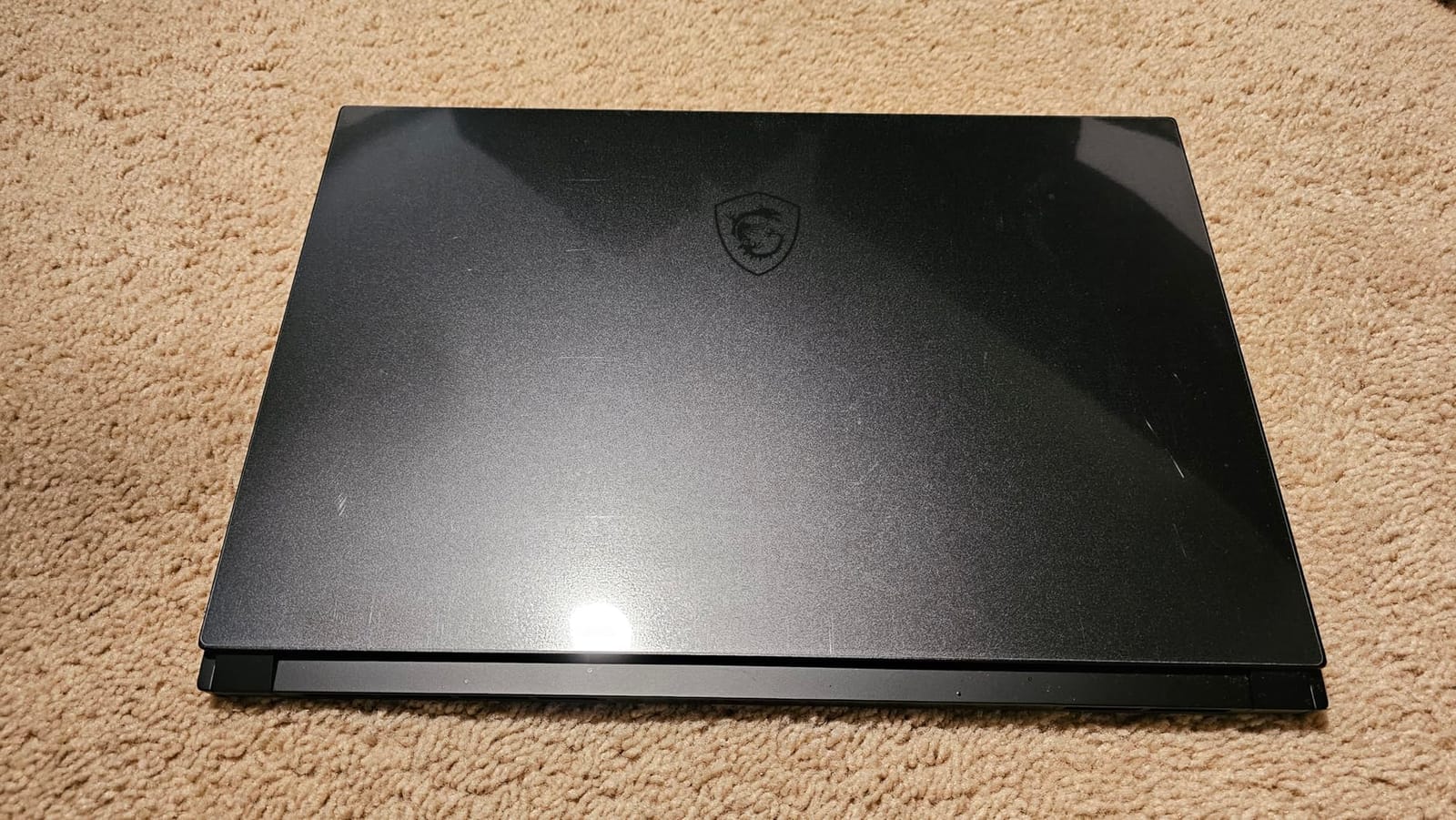
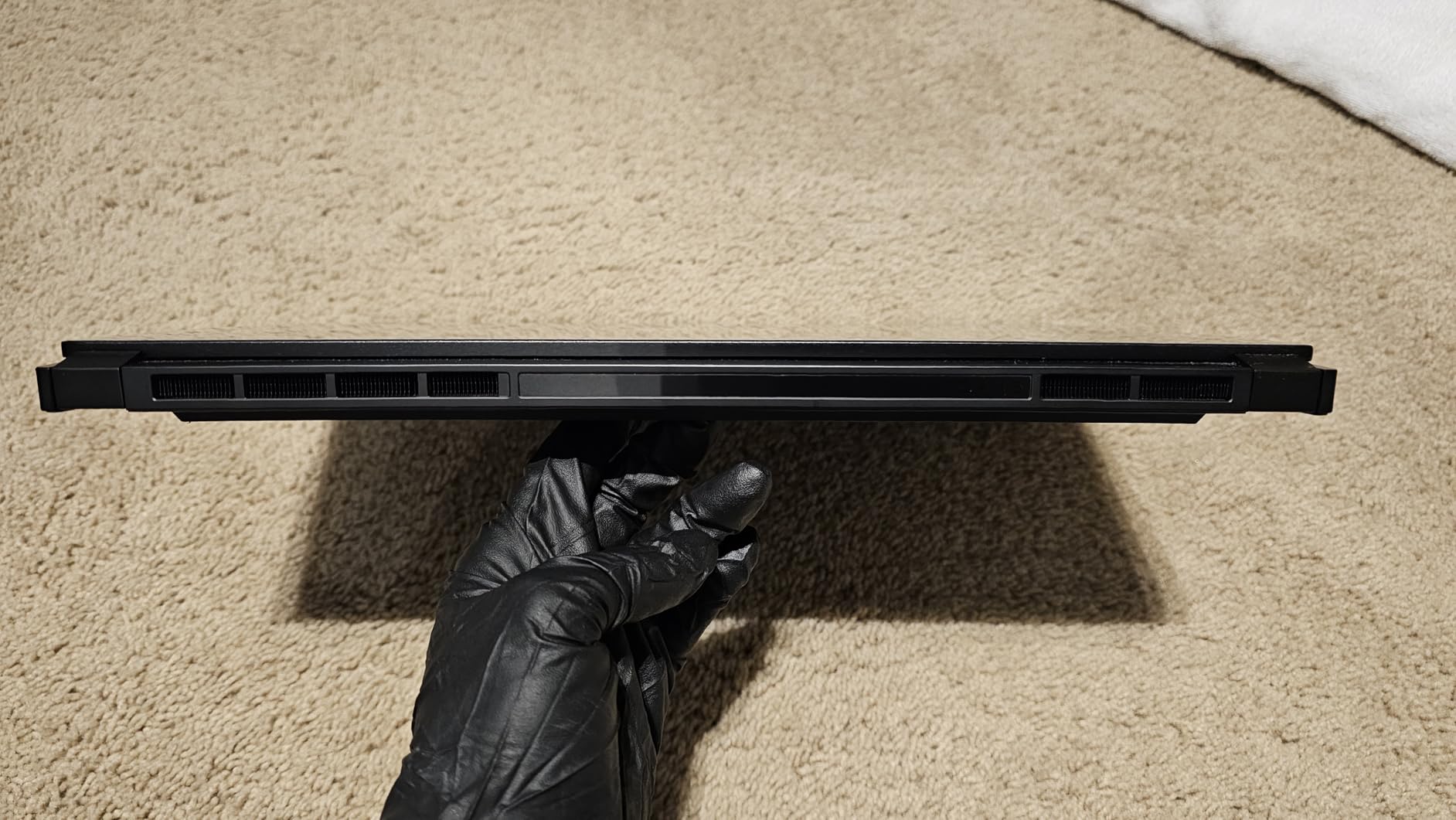
The trade-offs are familiar from older creator laptops: loud fans under load, glossy reflections in bright environments, no SD card slot for fast photo imports, and a heavy chassis. The OLED panel itself has the usual long-term burn-in and dead-pixel risks to be aware of. Reviewers on r/graphic_design generally recommend it for studio-bound work where the 4K panel is the priority, with a clear-eyed understanding of its limits.
Why 4K OLED still matters
The difference between a QHD+ LCD and a true UHD OLED is stark. Pixel density on a 15.6-inch 4K panel is around 282 PPI, which means text in design apps is razor-sharp and fine details in photography are visible without zooming. The 100 percent DCI-P3 coverage makes it a viable color reference for client work that will end up on screens rather than print.
Who should still consider it
If you find the Creator 15 OLED on a clearance deal and your work is color-critical photo or video editing on a single screen, it remains a strong value. For new purchases in 2026, the MacBook Pro 14 M5 or the Zenbook 14X OLED are better-rounded picks. The Creator 15 makes sense as a secondary studio machine rather than a primary daily driver.
10. Lenovo ThinkPad X1 Carbon Gen 12 – Best Ultraportable for Travel-Heavy Designers
Lenovo Gen 12 ThinkPad X1 Carbon Laptop with Intel Ultra 7 165U vPro Processor, 14″ WUXGA 100% sRGB Touchscreen, 32GB 6400MHz RAM, 1TB Gen4 Performance SSD, FHD+ IR+ RGB Camera, and Windows 11 Pro
14-inch WUXGA 100% sRGB touch
Intel Ultra 7 165U vPro
32GB LPDDR5X
Pros
- Ultra-light 2.4-pound carbon fiber build
- Best-in-class ThinkPad keyboard with tactile marks
- 32GB LPDDR5X and 1TB Gen4 SSD in the base config
- Comprehensive port selection including Thunderbolt 4
- Windows 11 Pro with minimal bloatware
Cons
- Battery life is decent but not class-leading
- Trackpad and Bluetooth issues reported on some units
- Warranty support can be inconsistent through resellers
- Integrated graphics limit heavy 3D work
The ThinkPad X1 Carbon Gen 12 is the laptop I pack when travel is non-negotiable. At roughly 2.4 pounds and 0.59-inch thin, it is the lightest full-featured 14-inch Windows laptop I have used. The recycled carbon fiber chassis feels premium without the bulk of an aluminum unibody. For a designer who lives out of a carry-on, this is the most comfortable machine to commute with.
The 14-inch WUXGA touchscreen covers 100 percent of sRGB and hits 400 nits, which is bright enough for outdoor work. The Intel Core Ultra 7 165U vPro chip with 32GB of LPDDR5X handles Photoshop, Illustrator, Figma, and even video calls without stuttering. Windows 11 Pro is clean with minimal bloat, and the ThinkPad keyboard is still the gold standard for touch typists.
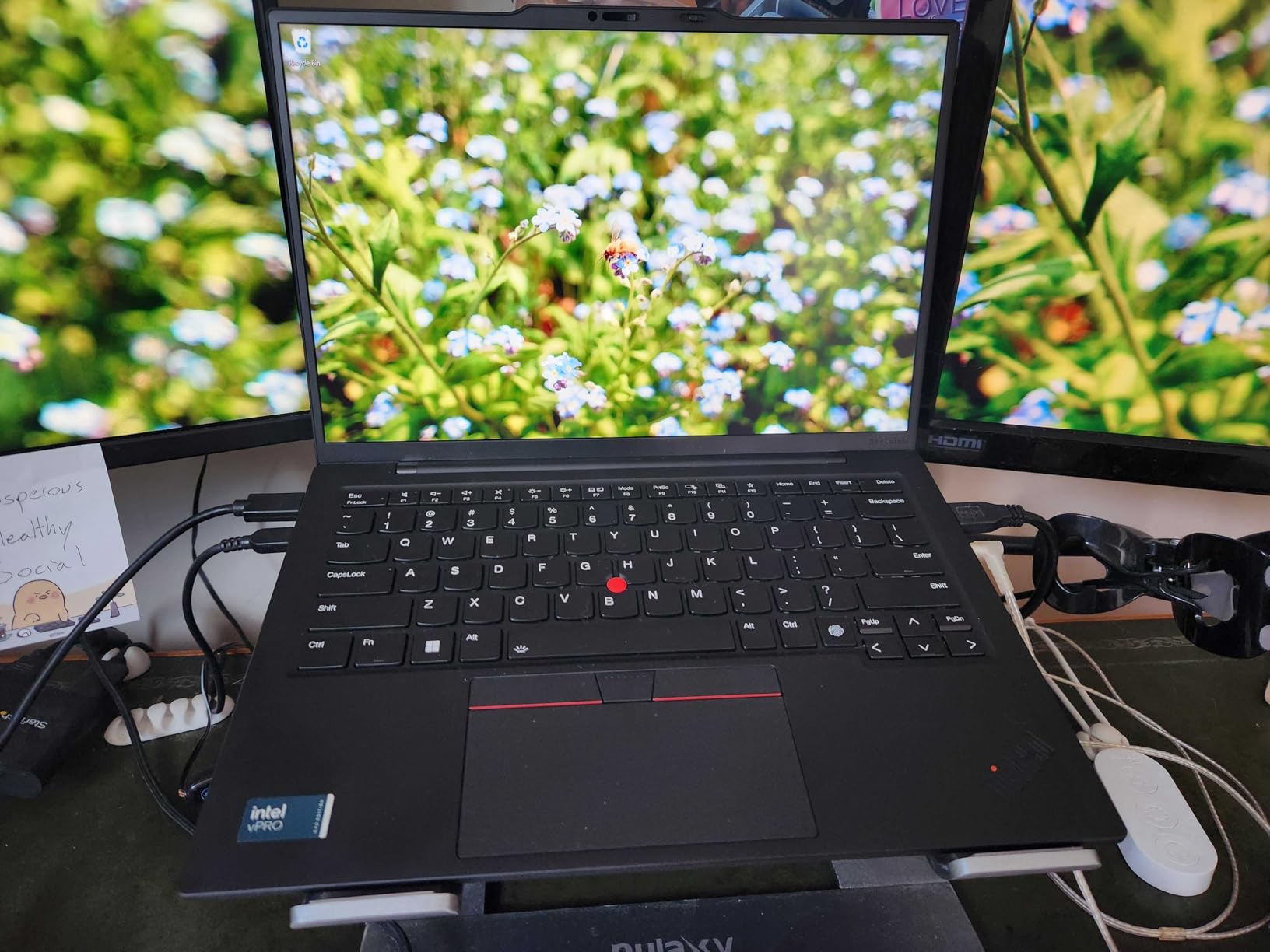
The trade-offs are predictable: integrated graphics limit heavy 3D and AAA gaming, and battery life is around 8 to 9 hours under mixed use rather than the 14-plus hours you get from a MacBook Air. If your work is primarily 2D design and you want the lightest serious workhorse available, the X1 Carbon Gen 12 is the answer. For more graphics muscle, look at the Zenbook 14X OLED or the Katana 15 HX.
Why the keyboard and weight matter
Designers type a lot – tags, captions, client notes, code snippets in web work. The X1 Carbon’s keyboard is the best non-mechanical typing experience on any laptop. Combined with the 2.4-pound chassis, that means less fatigue over a long day of editing and reviewing. The glass 120mm touchpad with TrackPoint also gives you precision cursor control without a mouse.
Color and display coverage
The 14-inch WUXGA panel covers 100 percent of sRGB, which is enough for web design, UI/UX, and most brand work. For print or video work that needs AdobeRGB or full DCI-P3, pair it with an external monitor from our monitors for designers guide. The 400-nit brightness is great for travel cafes and outdoor sketching sessions.
How to Choose the Best Laptop for Graphic Design
Picking a laptop for graphic design is not just about picking the most expensive machine. The right choice depends on the kind of work you do, where you do it, and which software you depend on. Here is the framework our team uses when we review creator laptops.
Color accuracy and display tech
Display is the single most important factor. For print and brand work, look for a panel that covers 100 percent of sRGB and at least 90 percent of DCI-P3, with a Delta E under 2 out of the box. OLED panels like the Zenbook Duo or Zenbook 14X give you deeper contrast and true blacks. Apple’s Liquid Retina XDR remains the benchmark for sustained brightness and contrast.
For color-critical work, a factory calibration report is a bonus. Pantone Validated, X-Rite calibrated, or similar certifications confirm the manufacturer has measured the panel. If you can, plug in an external calibrated monitor like those in our monitors for designers guide for the final color pass.
CPU and GPU muscle for design apps
For 2D graphic design – illustration, brand work, UI/UX, layout – a modern 10-core or 12-core CPU is more than enough. Apple’s M5 chip dominates this category for battery life and sustained speed. For motion work, 3D, and AI-assisted design, you want a discrete GPU like the RTX 5070 in the MSI Katana 15 HX or the 40-core GPU in the MacBook Pro M5 Max.
Do you need a discrete GPU for graphic design? For vector work and UI design, no. For motion graphics, video editing, 3D modeling, and AI image generation, yes – GPU acceleration dramatically speeds up exports and previews. Designers who want one laptop for everything should prioritize discrete graphics.
Memory, storage, and upgrade paths
16GB of RAM is the floor for graphic design in 2026. 32GB is the sweet spot for most designers, especially if you keep Photoshop, Illustrator, Figma, and a browser with a dozen tabs open. 48GB and up is for 8K video, 3D, and AI workloads. Remember that Apple Silicon unified memory cannot be upgraded later, so buy what you need upfront.
Storage matters too. Project files, raw photos, and design assets eat space quickly. A 1TB SSD is the minimum we recommend; 2TB is better for working designers. Look for laptops with upgradeable NVMe slots if you want flexibility over time.
Battery life, weight, and real-world portability
If you work at a desk 90 percent of the time, weight is less important than performance and display. If you commute, fly, or work from cafes regularly, prioritize battery life and weight. The MacBook Air 15 M5 gives you 18 hours of battery at 3.32 pounds. The ThinkPad X1 Carbon gives you 2.4 pounds and a great keyboard. The Razer Blade 15 and MSI Katana give you more power but at 4.4 and 5 pounds respectively.
Real-world battery life differs from manufacturer claims. Look for tests that include actual Photoshop and Lightroom use, not just video playback. For more travel-friendly gaming options, our portable gaming laptops guide has additional picks.
Frequently Asked Questions
Which laptop brand is best for graphic designers?
Apple is widely considered the industry standard thanks to the MacBook Pro 14 and 16 with M5 chips, which combine a class-leading Liquid Retina XDR display with exceptional battery life and silent operation. For Windows users, ASUS, Dell, and Lenovo make strong creator-focused options like the Zenbook Duo, XPS 16, and ThinkPad X1 Carbon. The right brand depends on your software ecosystem – Adobe Creative Cloud runs natively on both platforms, but Affinity and Figma work equally well on either.
How much RAM do I need for graphic design?
16GB is the minimum for graphic design in 2026, and 32GB is the sweet spot for most working designers. If you regularly edit 8K video, run 3D rendering, or work with large AI models, 48GB or more is recommended. Apple Silicon unified memory cannot be upgraded later, so buy the configuration you need upfront. On Windows laptops, look for ones with upgradeable RAM if you want flexibility.
Do I need a discrete GPU for graphic design?
For 2D work like illustration, brand design, UI/UX, and layout, integrated graphics on Apple M5 or Intel Arc are sufficient. For motion graphics, video editing, 3D modeling, and AI image generation, a discrete GPU like the NVIDIA RTX 5070 or RTX 4080 dramatically accelerates exports and real-time previews. Designers who want one laptop for everything should prioritize discrete graphics.
Are gaming laptops good for graphic design?
Yes, gaming laptops like the Razer Blade 15 and MSI Katana 15 HX work well for graphic design because they have powerful CPUs, discrete GPUs, and fast displays. The trade-offs are usually shorter battery life, heavier chassis, and noisier fans. If your work is 2D only, a dedicated creator laptop or MacBook will give you a quieter and lighter experience with similar performance.
What specs should I avoid in a graphic design laptop?
Avoid laptops with TN panels or low sRGB coverage – they will not give you accurate colors. Avoid 4GB or 8GB of RAM, which is too tight for modern Adobe apps. Avoid spinning hard drives – always insist on an SSD. Avoid integrated graphics below Intel Iris Xe or Apple M1 class for any serious design work. Finally, avoid glossy low-brightness displays if you work in bright environments, as reflections will fight you constantly.
Final Verdict: Which Laptop Should You Buy in 2026?
If you want the best overall graphic design laptop and you live in the Apple ecosystem, the MacBook Pro 14 M5 (2025) is the answer – it tops every category that matters for working designers. If you are a student, freelancer, or anyone who wants the best balance of price and battery, the MacBook Air 15 M5 (2026) delivers MacBook-class performance and 18-hour battery in a thin-and-light package.
Windows loyalists should look at the ASUS Zenbook Duo UX8406 for the most innovative dual-screen workflow in 2026, or the Zenbook 14X OLED for the best budget OLED creative panel. If you need discrete GPU muscle for video and 3D crossover work, the MSI Katana 15 HX offers the most performance per dollar. For travel-heavy designers, the ThinkPad X1 Carbon Gen 12 is the lightest serious option.
Whatever you pick, prioritize the display first, RAM second, and CPU third. A color-accurate OLED or Liquid Retina XDR panel with 32GB of unified memory and a modern multi-core chip will outlast any spec-sheet gimmick. Compare the picks above, check the latest prices, and pick the one that fits your actual day-to-day work. Your next laptop should disappear into your workflow – and every machine on this list is capable of doing exactly that.