
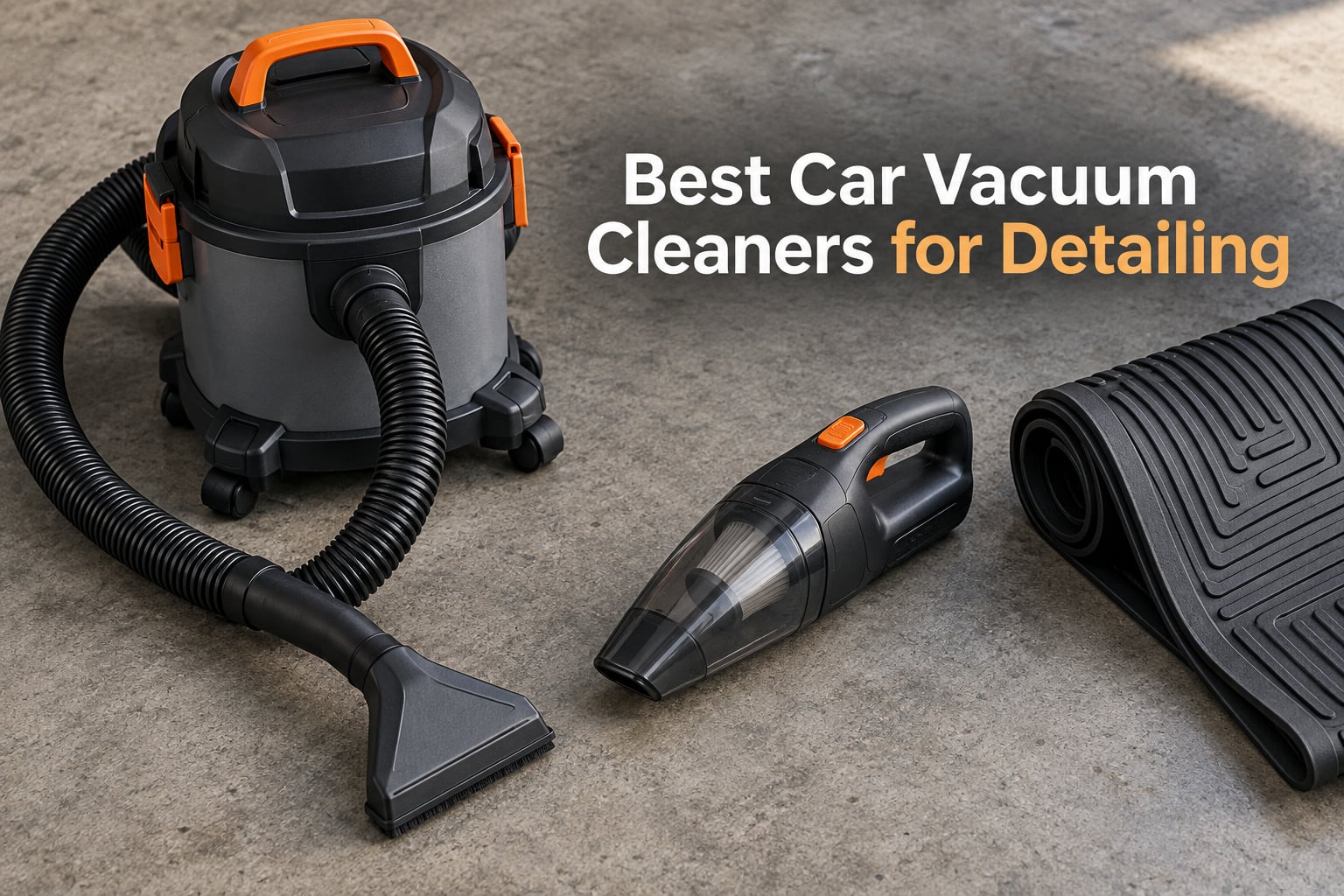
The best car vacuum cleaners for detailing are the ones that actually pull debris out of automotive carpet, not the ones that look tidy in a garage. Most people buy a small cordless handheld because it is cheap and compact, then discover a month later that it moves surface dust around and leaves sand sitting in the floor mat. We spent weeks working through ten of the most capable options for 2026 — from compact cordless handhelds to wall-mount wet/dry shop vacs and all-in-one extractors — and this roundup breaks down what each one is genuinely good at, where it falls short, and who should skip it.
Our approach was straightforward. We looked at published suction figures where a manufacturer offers them, read the aggregate review data on each product, and sorted the category by the job it was built for. A vacuum that extracts a coffee spill from a cloth seat and a vacuum that pulls sand out of a three-year-old sedan footwell are solving different problems, and the ten picks below cover both ends of the range.
If you are still building out your kit, our picks for the best car chargers for fast charging and the best magnetic wireless car chargers cover the other half of a clean, organized cabin.
Our Top 3 Picks for Car Detailing in 2026
Three products stood out after we put them through a full interior clean. The BISSELL Little Green 1400B is the most convincing all-round tool here, the BLACK+DECKER Dustbuster AdvancedClean is the proven lightweight workhorse, and the Armor All AA255W wins on the accessory kit that car interiors actually demand.

BISSELL Little Green 1400B
- 48oz clean water tank
- Spray scrub and suction workflow
- 9.7 pounds corded


Comparing the Best Car Vacuum Cleaners Side by Side in 2026
All ten picks appear below with the specification that matters most for a vehicle interior. Use this table to narrow the field before reading the individual reviews, especially if the deciding factor is tank size, power source or whether wet pickup is available at all.
| Product | Specs | Action |
|---|---|---|
| BISSELL Little Green 1400B |
|
Check Latest Price |
| BLACK+DECKER Dustbuster AdvancedClean |
|
Check Latest Price |
 Fanttik Slim V8 APEX Fanttik Slim V8 APEX |
|
Check Latest Price |
 Svoko LT-145 Svoko LT-145 |
|
Check Latest Price |
 Vacmaster VOM205P Vacmaster VOM205P |
|
Check Latest Price |
| Armor All AA255W |
|
Check Latest Price |
 Vacmaster VBVB611PF Vacmaster VBVB611PF |
|
Check Latest Price |
 Vacmaster Beast VFB511H Vacmaster Beast VFB511H |
|
Check Latest Price |
 Armor All SCC301 Spot Cleaner Armor All SCC301 Spot Cleaner |
|
Check Latest Price |
 Shop-Vac 5-Gallon 3-in-1 Shop-Vac 5-Gallon 3-in-1 |
|
Check Latest Price |
One note on the numbers: only some manufacturers publish a comparable suction figure. Water lift in inches, peak HP, air watts and Pa are not interchangeable, so we quote each manufacturer’s own specification and tell you what it does and does not predict about real pickup.
What Professional Car Detailers Actually Use
Professional detailers do not use dedicated car vacuums. In a detailing community thread, experienced operators named specific systems rather than categories, saying that VacMaid “seems to be the winner amongst many” with Nadair described as a solid alternative, and both praised for dry soil. The rest of the workflow is a wet/dry shop vacuum paired with a hand sprayer, so one machine handles both pre-treatment and recovery.
The practical constraint that shapes those choices is van space. One mobile detailer described prioritizing hose length and a secondary tank over raw suction, because hauling a separate extractor around in a van is impractical. If you are building a business setup, match that logic: buy for reach and redundancy first, then upgrade suction.
For everyone else, the honest read of the pro consensus is that a compact wet/dry shop vacuum between 2 and 5 gallons covers most detailing work in a home garage. Our Bluetooth car adapter picks are a better use of budget space than an oversized canister you will struggle to lift into a trunk.
1. BISSELL Little Green 1400B – Best Overall for Seat and Mat Stains
BISSELL Little Green Multi-Purpose Portable Carpet Cleaner, 1400B
48oz clean water tank
Spray scrub and suction
9.7 pounds corded
Pros
- Lifts deep embedded grime from upholstery and carpet
- 48oz clean water tank covers more per fill
- Compact enough to move between vehicles and stow away
- Does not clog easily on pet hair
- Simple spray scrub and suction workflow
Cons
- Front plate of the tool traps hair along the edges
- Tank can drip slightly when flipped for installation
- Fabrics stay damp and need drying time
This is the machine we kept reaching for. The Little Green is not a vacuum in the dry sense — it sprays solution, agitates with a brush and then vacuums the dirty water back up — which is exactly why it out-performs everything else in this list when the problem is a stain rather than loose grit. Across the review set, owners consistently report lifting pet messes, food spills and marks that have been sitting in upholstery for years.
With a 48oz clean water tank and a 9.7 pound body, it clears a driver’s seat, two door panels and a set of rubber floor mats on one fill, and it is light enough to move between the second and third row of a large SUV without complaint. The included HydroRinse self-cleaning tool and a 3 inch tough stain tool handle the two jobs you will actually repeat.
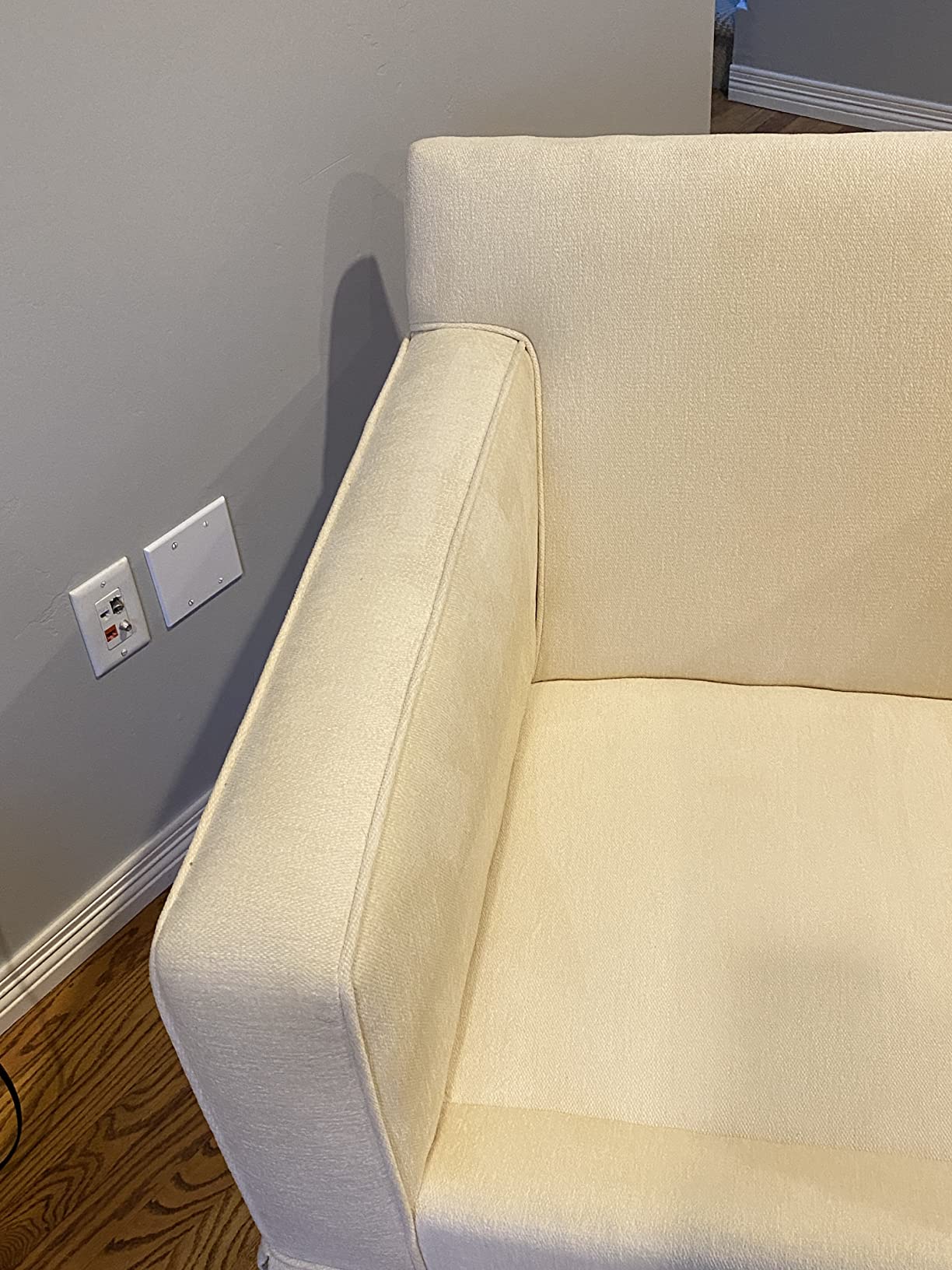
What surprised me most was the volume of owner feedback saying it outperformed larger upright shampooers. That tracks with how the extraction works: the recovery is measured in real water lift, so carpet comes back slightly damp rather than soaked, and it dries much faster in a closed car.
Spray, Scrub and Suction in One Pass
The workflow is genuinely simple. Fill the clean water tank with warm water and a measure of the included trial-size formula, run the tool along the stain in slow strokes, and the machine does the rest. No separate sprayer, no separate extraction pass, and no borrowing a neighbour’s shop vac for the recovery step.
For a pet owner, that single capability is the whole argument. Dry vacuums lift hair off fabric, but they do nothing about the urine staining underneath, and that staining is what people notice when they get in the car.
Tank Size and Setup Time
The 48oz tank is the real upgrade over a spot cleaner. Refills are infrequent enough that you can treat a full set of seats and mats in one sitting instead of stopping every two minutes, and the compact footprint means the machine can live in a cupboard between jobs rather than taking up a garage shelf permanently.
Who Should Skip It
Skip this one if your problem is dry sand and grit, because wet extraction adds moisture without helping with loose debris. It is also the wrong tool for a bare, dried-out carpet you just want to vacuum, and owners note that fabrics stay damp and need time to dry, so it is a poor choice if you need the car back on the road immediately.
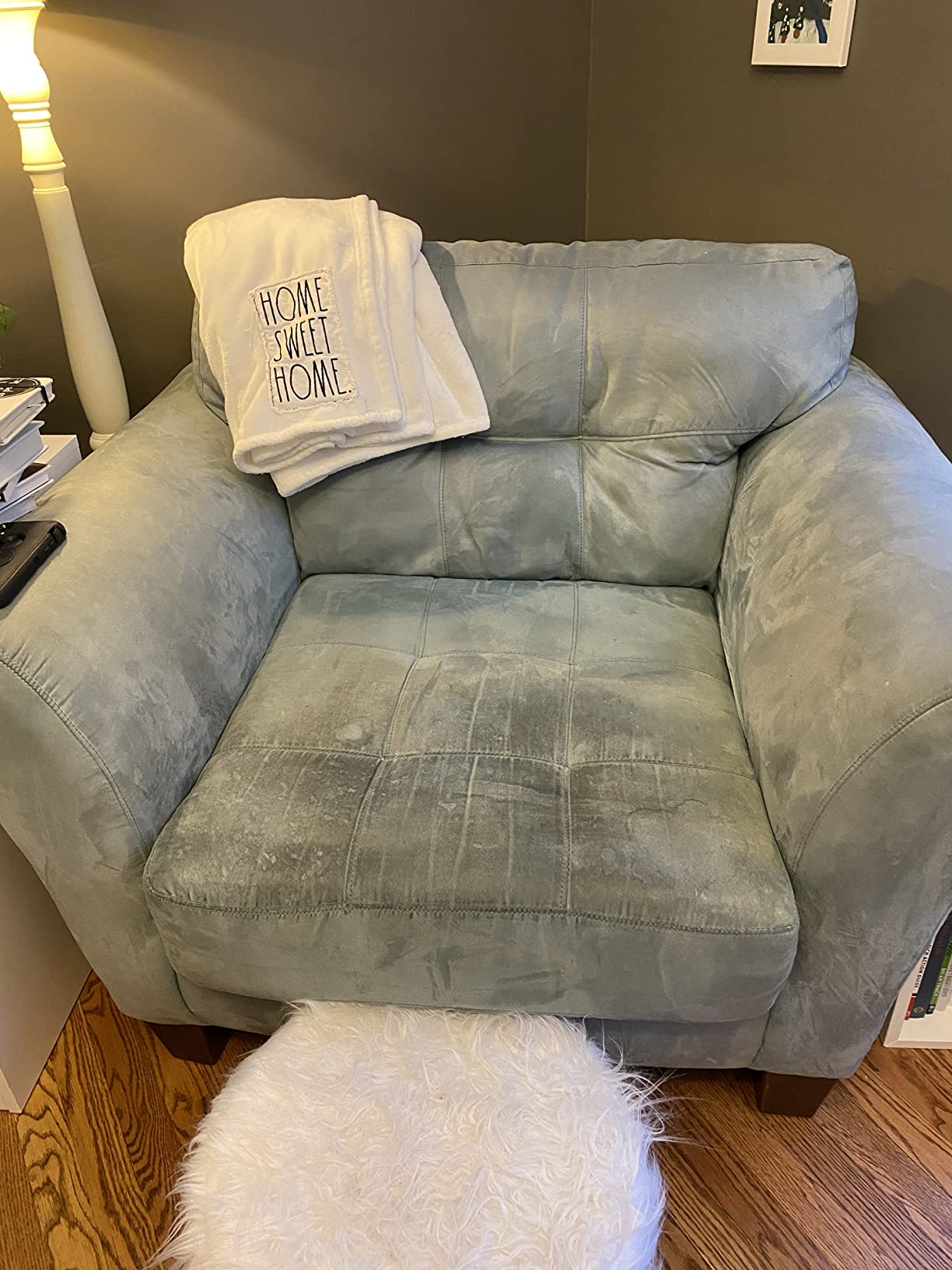
One practical fix worth knowing: the front clear plate of the suction and brush tool cannot be fully removed, so long hair catches along its edges. Pulling it free and clearing the groove every few seats keeps performance steady.
2. BLACK+DECKER Dustbuster AdvancedClean – Best for Small Cars and Quick Crumbs
Black+Decker, Dustbuster AdvancedClean Handheld Vacuum Cordless, Compact Home and Car Vacuum with Crevice Tool, Rotating Nozzle and Charging Station
605 ml bagless dirt bowl
16V cordless
11 minute runtime
Pros
- Compact cordless design that stores easily
- Rotating slim nozzle reaches tight spaces
- Cyclonic action keeps suction consistent
- Translucent bowl empties without touching dirt
- Lightweight at 2.6 pounds
Cons
- Runtime of about 11 minutes per charge
- Charge time of roughly 4 hours
- Small 605 ml bowl fills quickly
With more than 111000 reviews behind it, this is the most proven compact handheld in the category, and for light work it earns that reputation. A two-door coupe or a city car gets fully cleaned between charges, the rotating slim nozzle pivots into seat rails and console gaps, and the pull-out crevice tool extends for the places a standard nozzle cannot enter.
The bowl is translucent and bagless, so you can see when it is filling and empty it without handling the debris. Cyclonic action spins dust off the filter rather than letting it clog, which is why suction stays consistent across a session rather than fading as the bowl fills.
Runtime and Charge Time Reality
About 11 minutes of runtime on a charge is the honest limit of a 16V pack in this size class, and the roughly four-hour charge time is the trade-off. Plan sessions around that: a quick crumb sweep of the cabin, seat rails and footwells between washing the car, rather than an entire deep clean in one pass.
One user in a vacuum forum described trying a full-size cordless stick vacuum in a car and finding it awkward even at that level, asking instead for something compact. This is the answer to that request — 2.6 pounds, one hand, no cable to trip over between the seats.
Noise and Filter Care
At a published 78 dB it is not the quietest unit here, but it is a short-duration tool, so the noise rarely becomes a problem. The washable cartridge filter is the maintenance item to watch: owners report suction dropping sharply when the filter has not been cleaned regularly, so rinsing it after each use pays back quickly.
Who Should Skip It
Skip it for embedded sand, pet hair worked deep into carpet fibres, or any wet cleanup. It is a surface tool with an outstanding convenience profile, and treating it as a deep cleaner is exactly the expectation gap that drives most disappointed car vacuum reviews.
3. Fanttik Slim V8 APEX – Best for Dashboards, Vents and Trim
Fanttik Slim V8 APEX Cordless Car Vacuum & Air Duster, 4-in-1 Portable Mini Vacuum with 19000pa Suction Power for Pet Hair, Type-C Charge, One-Touch Empty for Car, Office Desk, Keyboards (Black)
19000Pa max suction
4-in-1 vacuum blow inflate
1.1 pounds with bag
Pros
- Covers vacuuming blowing inflating and sealing
- 19000Pa handles dust sand and small debris
- Ten included accessories for crevices and pet hair
- HEPA filter traps fine dust
- Type-C charging from car or power bank
Cons
- Weaker than larger models on deep debris
- About 13 minutes runtime in max mode
- Blower attachments can rotate loose with use
This is the vacuum for the parts of a car that a bigger machine will never reach. At 19000Pa from an 80000rpm brushless motor and just 1.1 pounds, it fits in the palm of your hand and moves between the dashboard, the air vents, the gap beside the centre console and the door speaker covers without you having to stop and rethink your approach.
Ten accessories ship in the box, including a crevice nozzle, a flexible hose, a push-in brush for stubborn dust, a multi-surface brush and a pet brush. That is unusual at this size and it means you are not immediately hunting for a three dollar crevice tool the week after you open the box.
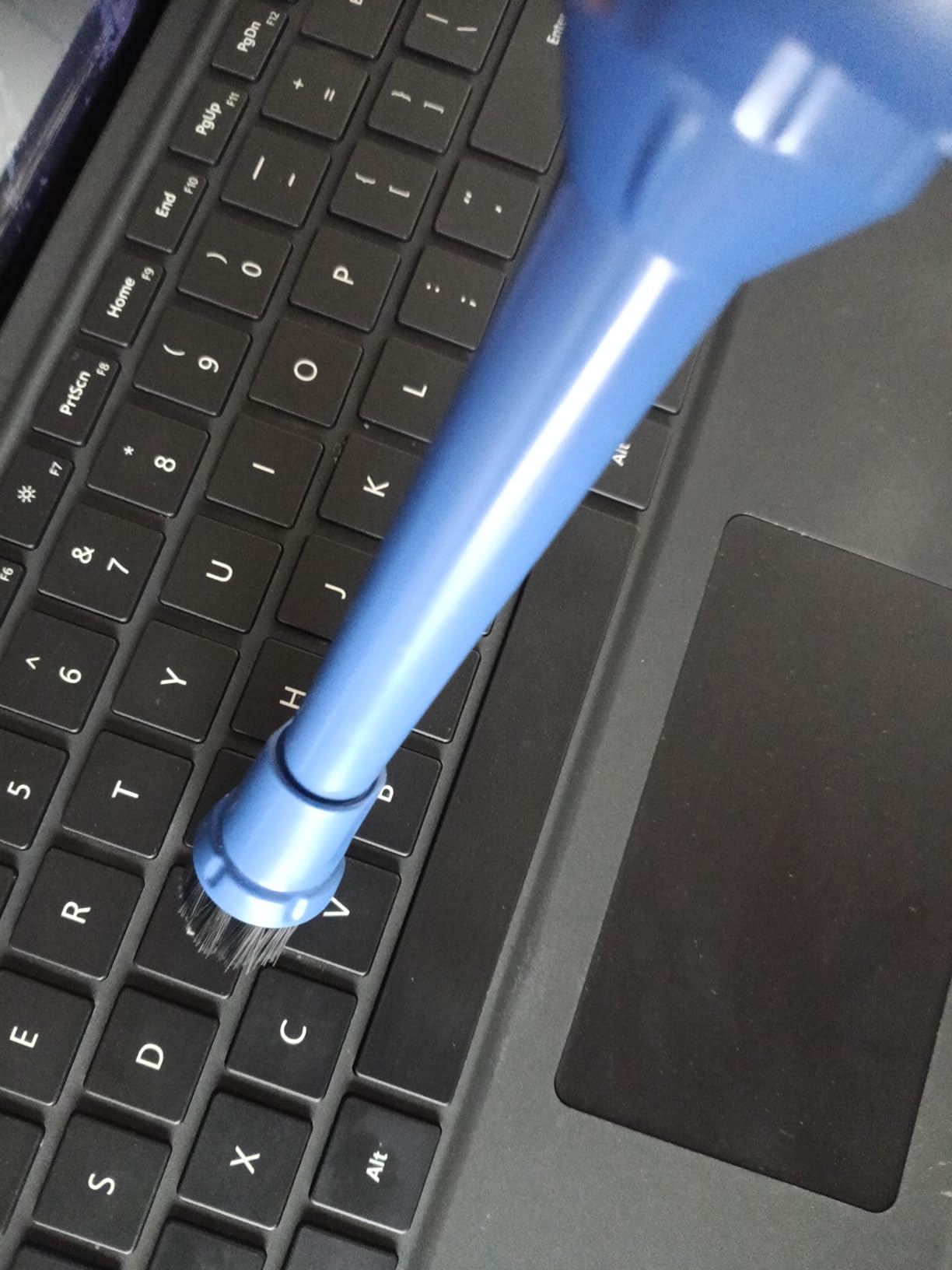
The Air Duster Half of the 4-in-1 Design
The blower function is what separates this from an ordinary handheld. Dust that has fallen behind the glovebox or packed into a vent louvre can be blown back out rather than sucked, and the short and long blow nozzles plus a nozzle brush cover the areas where a vacuum brush simply does not fit. The same motor also handles inflating air mattresses and vacuum-sealing bags, which is useful if you store camping gear in the trunk.
Owner reviews characterise it as a dedicated car-interior tool rather than a deep cleaner, and that is exactly how we use it. Run it before you vacuum, blow the loose dust off trim and seats, then follow with whatever extraction tool you own.
Battery Behaviour and Filter Maintenance
Expect roughly 13 minutes at maximum suction and around 40 minutes in eco mode, with a full charge taking 2.5 to 3 hours. The HEPA filter captures 95.99% of dust and particles, and the two-part assembly disassembles quickly for cleaning, which matters more than the number suggests in a car that has just been driven in from a dusty road.
Who Should Skip It
Skip it if you need to pull water or a spill out of fabric — there is no wet tank, and the small 120ml chamber catches only larger particles. Reviewers also flag that running both vacuum and blower from one motor makes each slightly less effective, so this is a specialist tool rather than a single solution to the whole cabin.
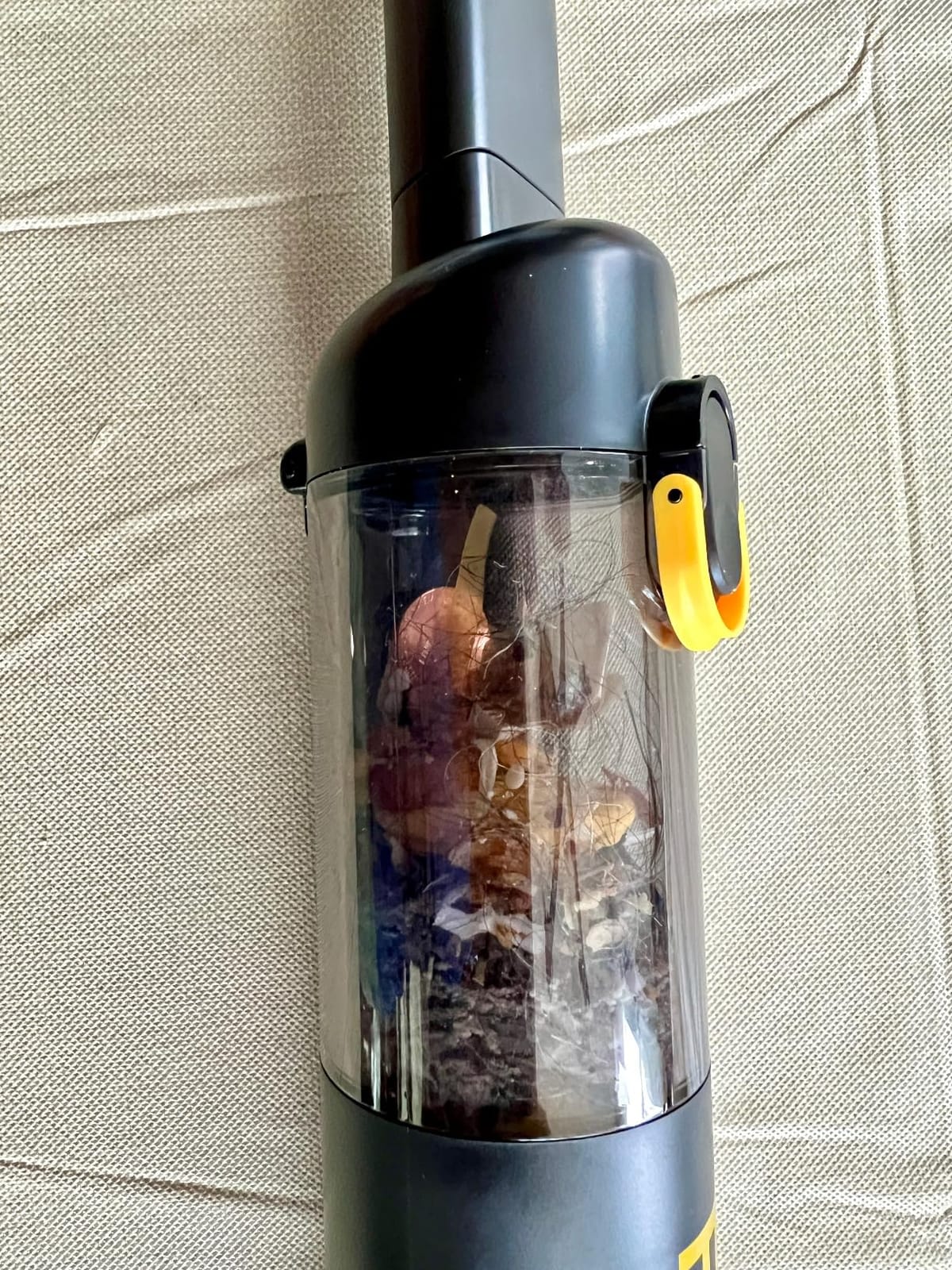
One fix: the blower-mode attachments can be hard to lock and may rotate loose with use. Check them before you rely on the air duster around glass edges and trim seams.
4. Svoko LT-145 – Best for Dark Crevices and Seat Rails
Handheld Vacuum Cleaner, 21000Pa Cordless 4-in-1 Mini Car Vacuum
21000Pa suction
LED headlight
0.8 pounds
Pros
- Strong suction for embedded pet hair and crumbs
- Only 0.8 pounds for one-handed use
- LED headlight illuminates seat crevices
- Blows debris from vents and inflates air mattresses
- HEPA and metal mesh filtration
Cons
- Real suction can fall short of the headline figure
- Turbo mode runtime drops to about 13 minutes
- Charger is not included
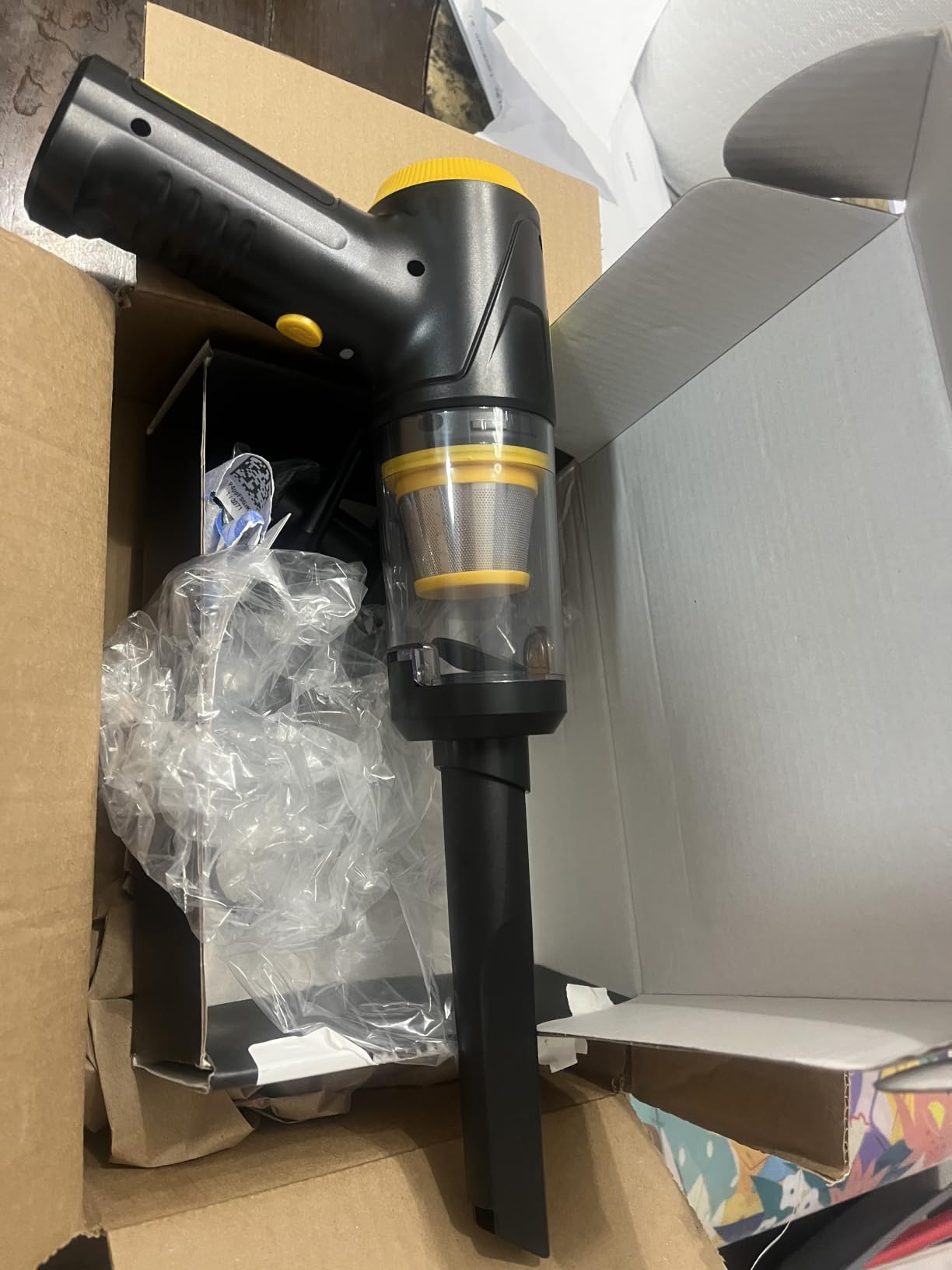
The distinguishing feature here is light. At 0.8 pounds with an integrated LED headlight that switches on at startup, it is the tool we found ourselves using under the driver’s seat and inside seat rails, where you are holding a light in your other hand and craning into a space that swallows anything larger than a car door.
The 21000Pa figure comes from an 85000rpm brushless motor, and the HEPA plus stainless steel mesh filtration traps fine dust well for a unit this small. Recent owners focused on car use report vacuuming an entire vehicle four or five times on a single eco charge, which is genuinely useful for weekly maintenance.
Two Modes, Thirty Minute Gap
Eco mode runs about 40 minutes and turbo about 13, with a full charge taking roughly three hours over USB-C. That gap is the real trade-off: use eco for a whole-car sweep and turbo only for the spot where a hair has wound into a carpet fibre.
Where the Headline Number Falls Short
Be measured about the suction claim. A recurring thread in the reviews is that real pickup does not always match the 21000Pa headline, and that the thin rubber anti-backflow flap can let debris spill back out of the bin. Treat it as a strong maintenance tool for crumbs, dust and surface hair rather than a sand extractor.
The charger is not included, so budget for a USB-C supply if you do not already have one at hand.
Who Should Skip It
Skip it if your car has one thick rubber mat that is permanently embedded with grit, or if you need wet pickup at all. The small dust capacity also means frequent emptying during heavy use, and the anti-backflow flap is a weak point in a vehicle that gets shaken around on rough roads.
One Accessory Is Not Enough for a Full Interior
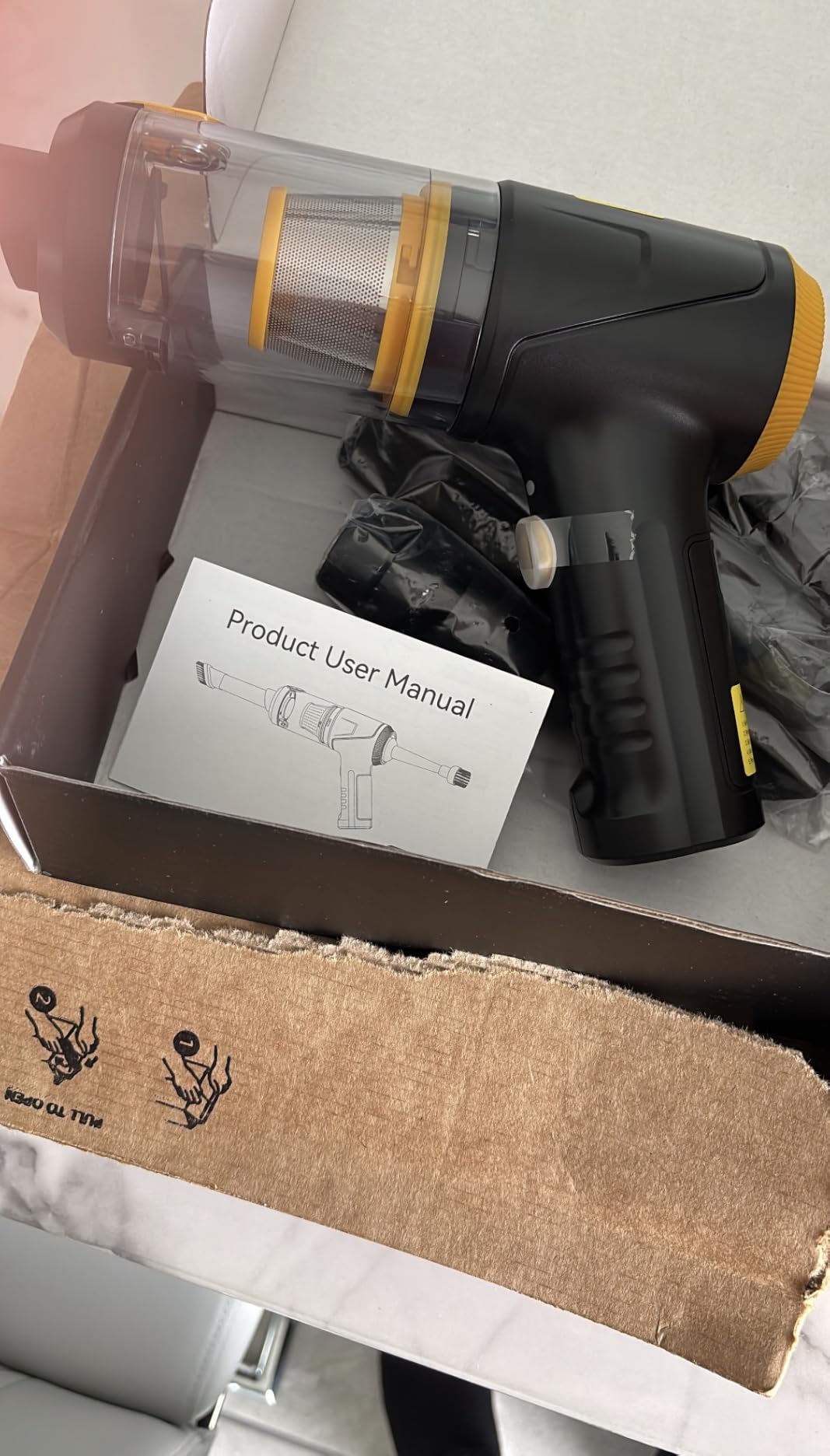
A dusting brush is the only included attachment, so a crevice tool or flexible hose has to be added separately. For a quick fortnightly clean of vents and seat rails that is fine, but budget accordingly if you want the full interior.
5. Vacmaster VOM205P – Best for Small Garages and Wall Mounting
Vacmaster VOM205P 1101 2.5-Gal 2 Peak HP Wall Mount Wet/Dry Vacuum Red
2.5 gallon wet dry tank
Wall mountable
6.2 pounds with light kit
Pros
- Wall mount frees up garage floor and shelf space
- Only 6.2 pounds with a balanced top handle
- Converts to a blower for drying wet carpet
- Dust-sealed switch is easy to hit while carrying
- Bagless design needs no throw-away filters
Cons
- Brush attachment loses suction when fitted
- Power cord is short so an extension cord is often needed
- Some owners find it louder than the published figure
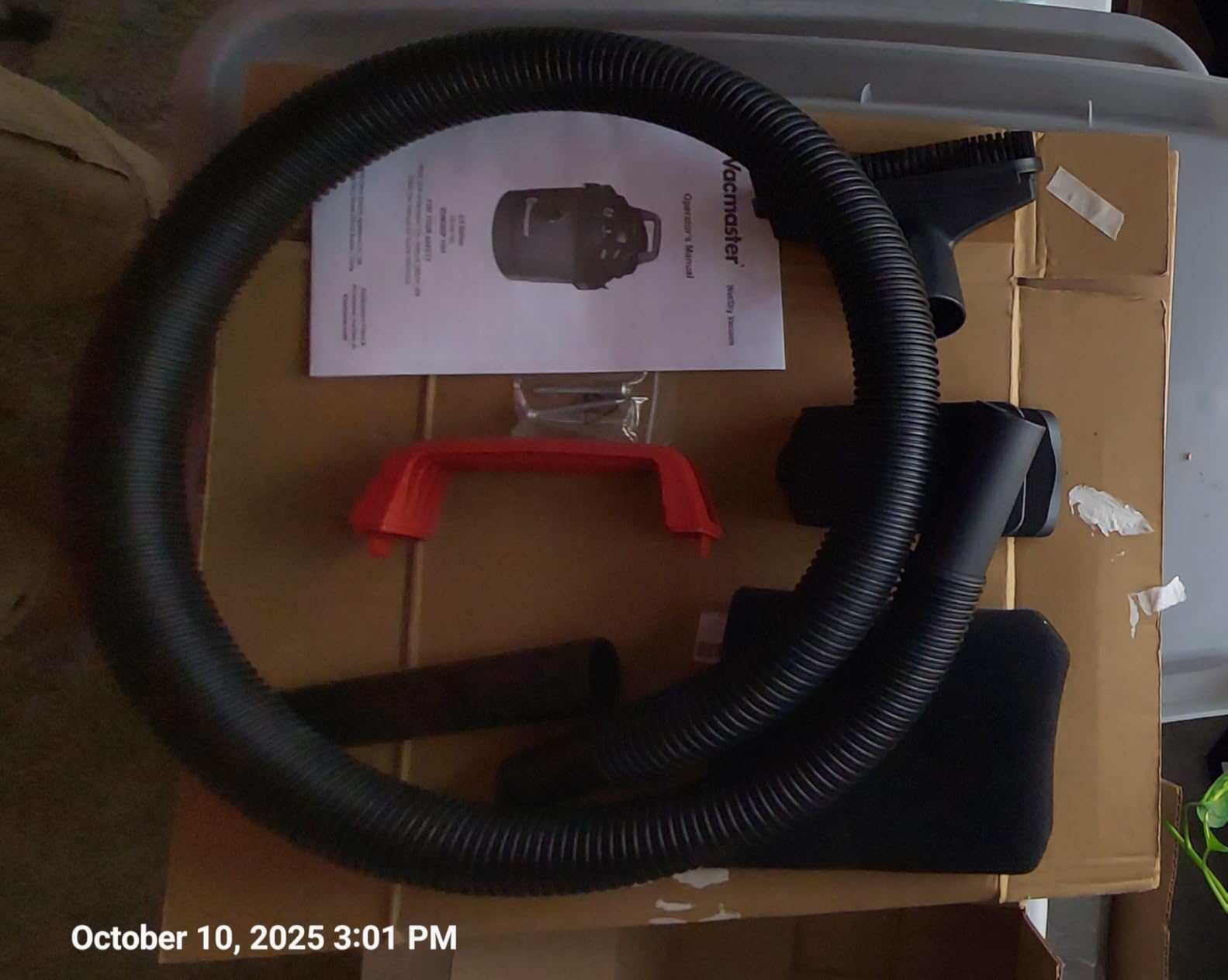
Wall mounting is the feature that makes this one different. In a small garage where a canister on the floor is the difference between parking comfortably and not, hanging the Vacmaster on the wall keeps the 2.5 gallon tank and the accessories out of the way entirely, and the 14 feet of hose and cord reach still covers a whole car from a single outlet.
At 6.2 pounds it is the lightest wet/dry unit in this roundup, and the balanced top handle makes one-handed carry from the wall to the passenger footwell straightforward. Multiple owners describe pulling standing water out of soaked floor mats and then blowing the carpet dry, which is a genuinely useful pairing for anyone who washes their car at home.
Wet and Dry in the Same Tank
Separate dry and foam wet filters are included, so switching between picking up a spilled drink and vacuuming carpet is a matter of removing the head and swapping the filter. That is a two-minute job, and the bagless design means no replacement filters to keep buying, which matters when the vacuum lives in the car or the garage.
Build Details That Matter on a Daily Basis
The dust-sealed on/off switch is positioned so you can hit it while carrying the unit one-handed, and a light kit is included for under-dash work. On-board storage keeps the hose, cord and accessories together, which is a bigger quality-of-life difference than it sounds once the unit is permanently mounted.
Two hardware complaints repeat: the brush attachment loses suction when fitted, and the power cord is short enough that an extension cord is often needed. Several owners also find it louder than the stated 65 dB.
Who Should Skip It
Skip it if you need more than 2.5 gallons of capacity — owners report repeated emptying on heavy jobs — or if you want to move the machine between the garage and the trunk without an extension lead. It is built for one fixed spot.
Best Suction-to-Size Trade-Off Here
Among the wet/dry options, this is the one that gives up the least suction per litre of tank. The 100 air watt motor is not the strongest in the list, but paired with the 14 foot hose it is the most practical unit for a two-car household working in a domestic garage.
6. Armor All AA255W – Best Accessory Kit for Interior Detailing
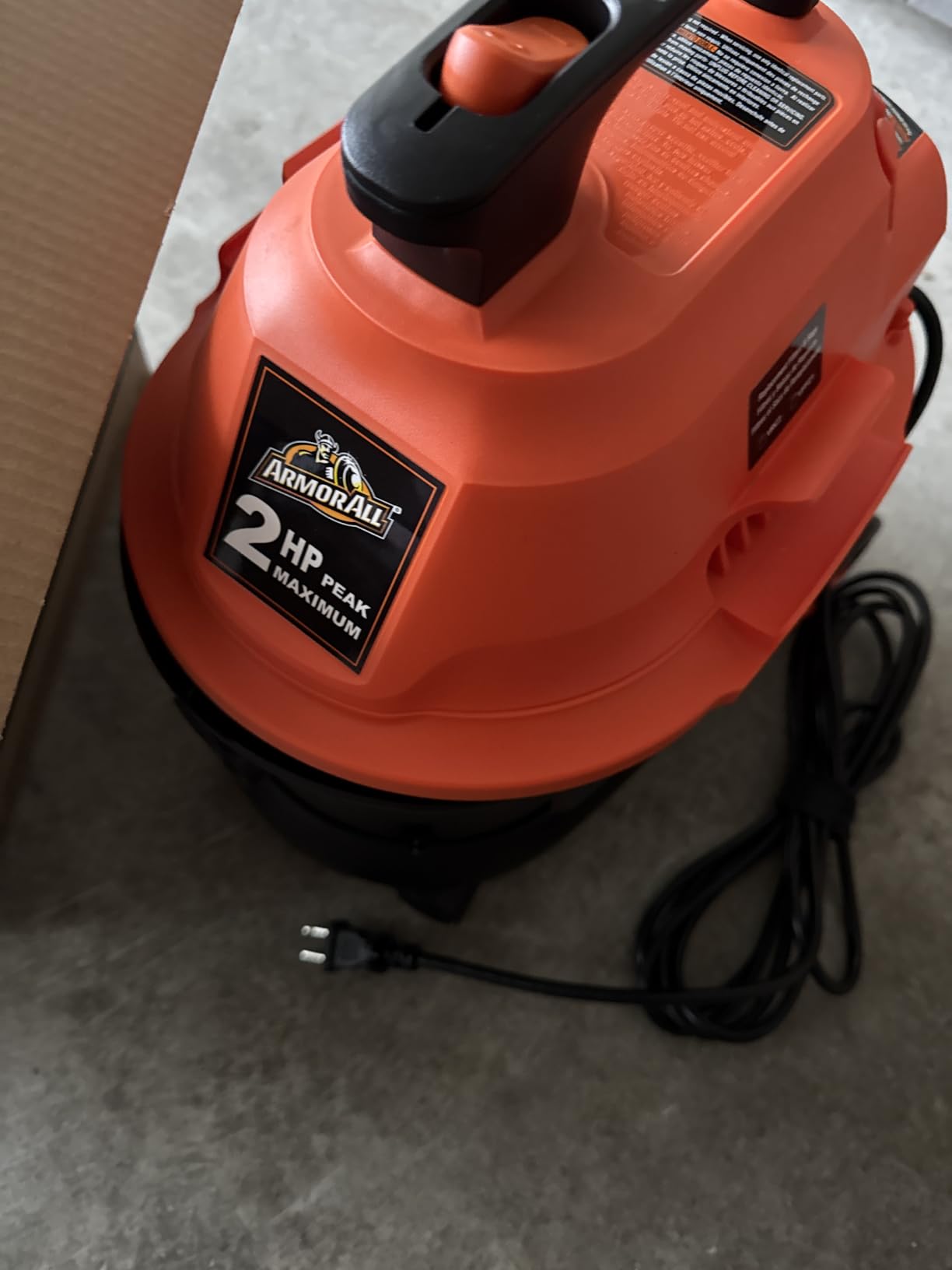
Armor All AA255W 2.5 Gal 2 Peak HP Wet/Dry Utility Vac Orange/Black
2.5 gallon tank
48 inches maximum suction
13 included accessories
Pros
- Thirteen accessories including a deluxe car nozzle and detail brush
- Converts to a blower for drying trim and glass
- Integrated hose cord and nozzle storage
- Reusable cloth dry filter and foam wet filter included
Cons
- Loud at 75 dB during extended use
- Cloth filter needs washing and drying between jobs
- Hose is smaller than some competing wet dry vacs
Thirteen accessories in the box is unusual at this capacity, and the piece that matters most for a car is the deluxe car nozzle — a wide angled floor tool that sits flat against carpet pile and trim rather than hovering above it. Add the crevice tool, a detail brush, three extension wands and the two-in-one utility nozzle, and the jobs that normally send you hunting for tools are already covered.
Published maximum suction is 48 inches at 2 peak HP, with a 720 watt motor, a 12 foot cord and a 6 foot by 1-1/4 inch hose. The 2.5 gallon tank sits on a wheel base with a top handle, so it rolls from the boot to the passenger side without being carried awkwardly.
Blower Conversion for the Drying Stage
Conversion from vacuum to blower is simple and it matters more in a car than anywhere else. After a wet clean or a waterless wash, you can blow dust and moisture out of door shuts, seat rails and around the mirrors rather than leaving the trim wet for days.
Owner feedback on this unit skews strongly positive, and the accessory kit and blower conversion are the two features cited most often as the reason it stands out from other compact wet/dry vacs.
Filter Upkeep and Noise
Two drawbacks come up consistently. It is loud at 75 dB, which is the most sustained running time of any corded unit here, so hearing protection is sensible for a full-day session. The reusable cloth dry filter also needs washing and drying between jobs — a small chore, but one that has to be done or suction suffers.
Who Should Skip It
Skip it if hose diameter matters to you, because the 1-1/4 inch hose limits pickup of large debris such as gravel and twigs. It is also the heaviest unit at this tank size, so a 5 gallon model is a better fit if you will be doing long sessions.
Where It Fits in a Two-Tool Garage
Pairing this with a lightweight cordless handheld gives you the full workflow: blow dust out of trim, vacuum the dry debris, then extract any wet spots. Owners running a business van cited in a detailing forum prioritise hose length over raw suction, and this 6 foot hose plus 12 foot cord is a reasonable middle ground for home use.
7. Vacmaster VBVB611PF 6-Gallon – Best for High-Capacity Jobs
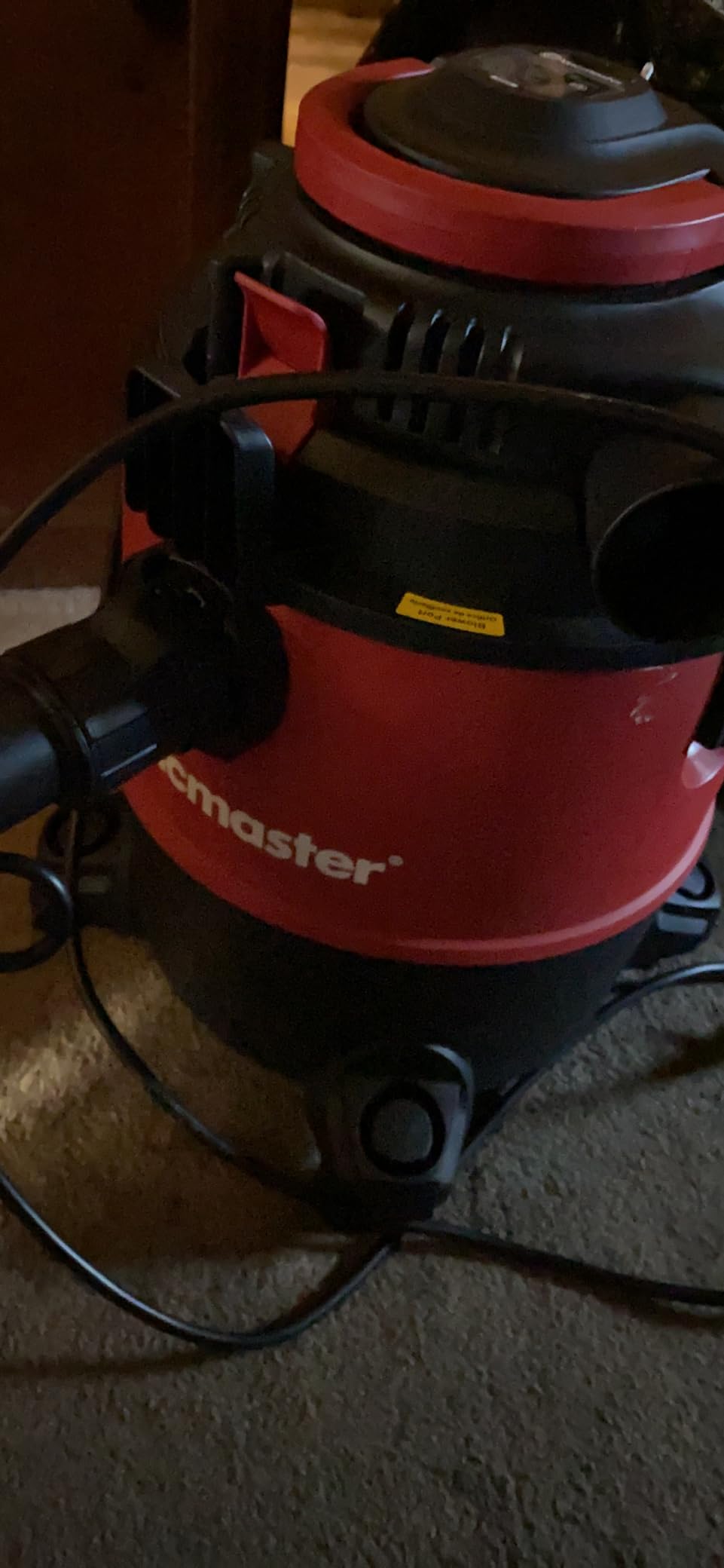
Vacmaster VBVB611PF 1101 6 Gal 5 Peak HP Wet/Dry Vac w. Detachable Blower
6 gallon tank
70 CFM airflow
5 peak HP with detachable blower
Pros
- 5 peak HP and 70 CFM airflow pull dirt from deep carpet pile
- Detachable blower releases with one hand
- Cartridge filter seals tightly to limit dust leakage
- Extraction tip pulls liquid out of auto carpet easily
- Removable hose can be flushed out with a hose
Cons
- Short power cord so an extension cord is usually needed
- No dedicated upholstery tool for car floorboards
- Some attachments and the blower wand cannot be stored on the canister
Six gallons is the difference between emptying twice and emptying five times on a full-vehicle clean, and for someone detailing several cars a week that difference is the entire argument. The 5 peak HP motor with 70 CFM airflow is a genuine step up in raw debris movement, and the detachable blower module releases with one hand and runs up to 190 MPH for clearing leaves and dust off a windscreen before you start.
The wide stance casters roll without tipping even on uneven garage floors, and the cartridge filter seals against the tank lip so fine dust stays in the tank rather than migrating toward the motor over time.
Wet Recovery on Automotive Carpet
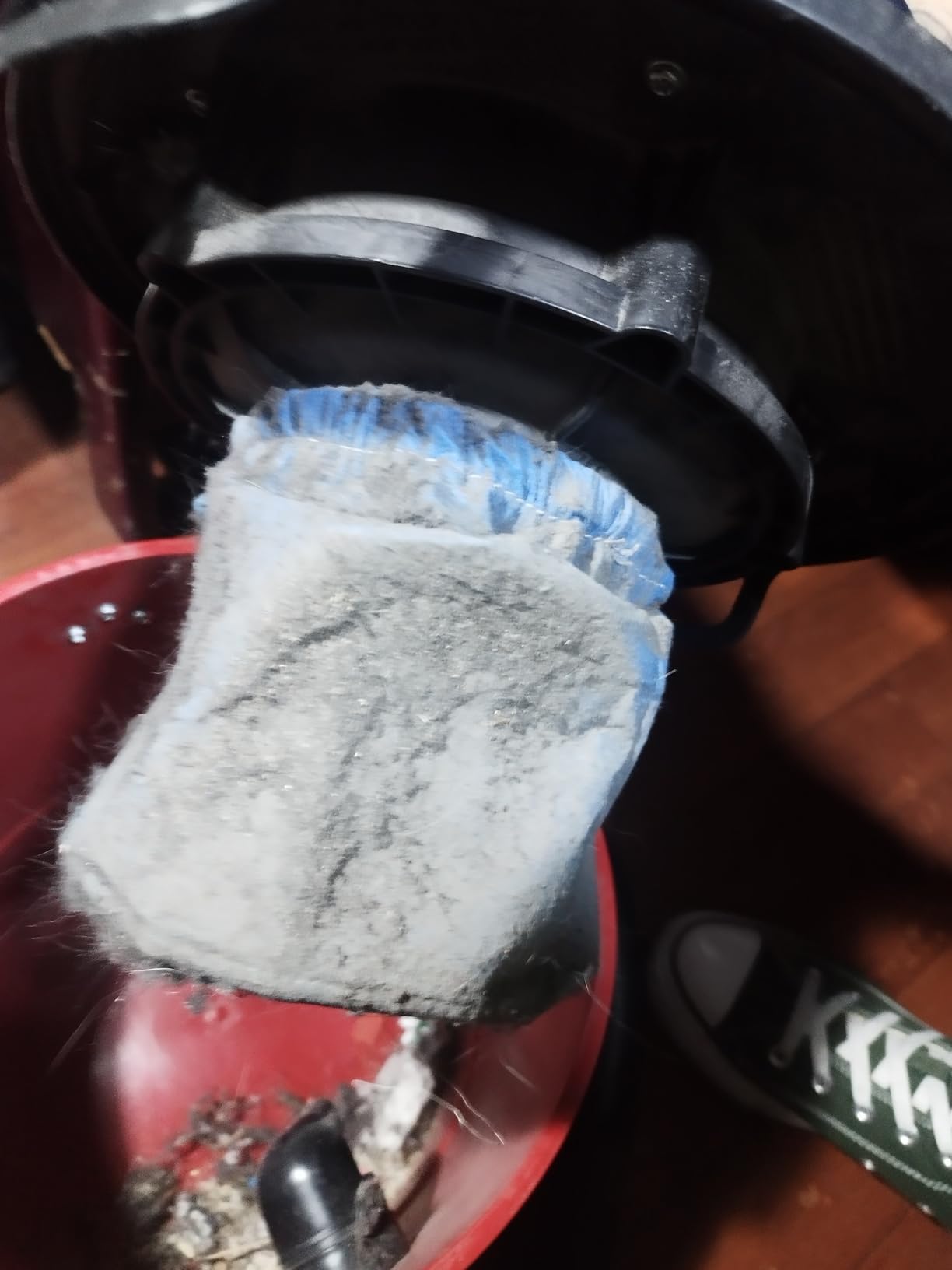
Owners specifically mention the extraction tip pulling liquid out of auto carpet easily, which makes this a sensible companion to a carpet extractor when a full car has been shampooed elsewhere. The closed-end foam wet filter fits like a sock over the intake and does not pull debris past the blades, so it stays usable across a long session.
The Missing Car Nozzle Question
The clearest complaint is that there is no dedicated upholstery tool, so car floorboards end up being handled with the oversized floor brush. The hose is removable, which lets you flush out clogs with a garden hose, but plan on sourcing a car nozzle separately if carpet work is your main job.
It is also the loudest unit in this roundup at 80 dB, and the 7 foot hose is narrow for outdoor twig work, though the 16 feet of combined hose and cord reach covers a full car interior without repositioning.
Who Should Skip It
Skip it if storage is tight — at 13.5 pounds and roughly 19 inches tall this is not a trunk-resident tool, it is a garage-resident one. It also makes little sense for a two-door car where the 2.5 gallon models clear everything in a single pass.
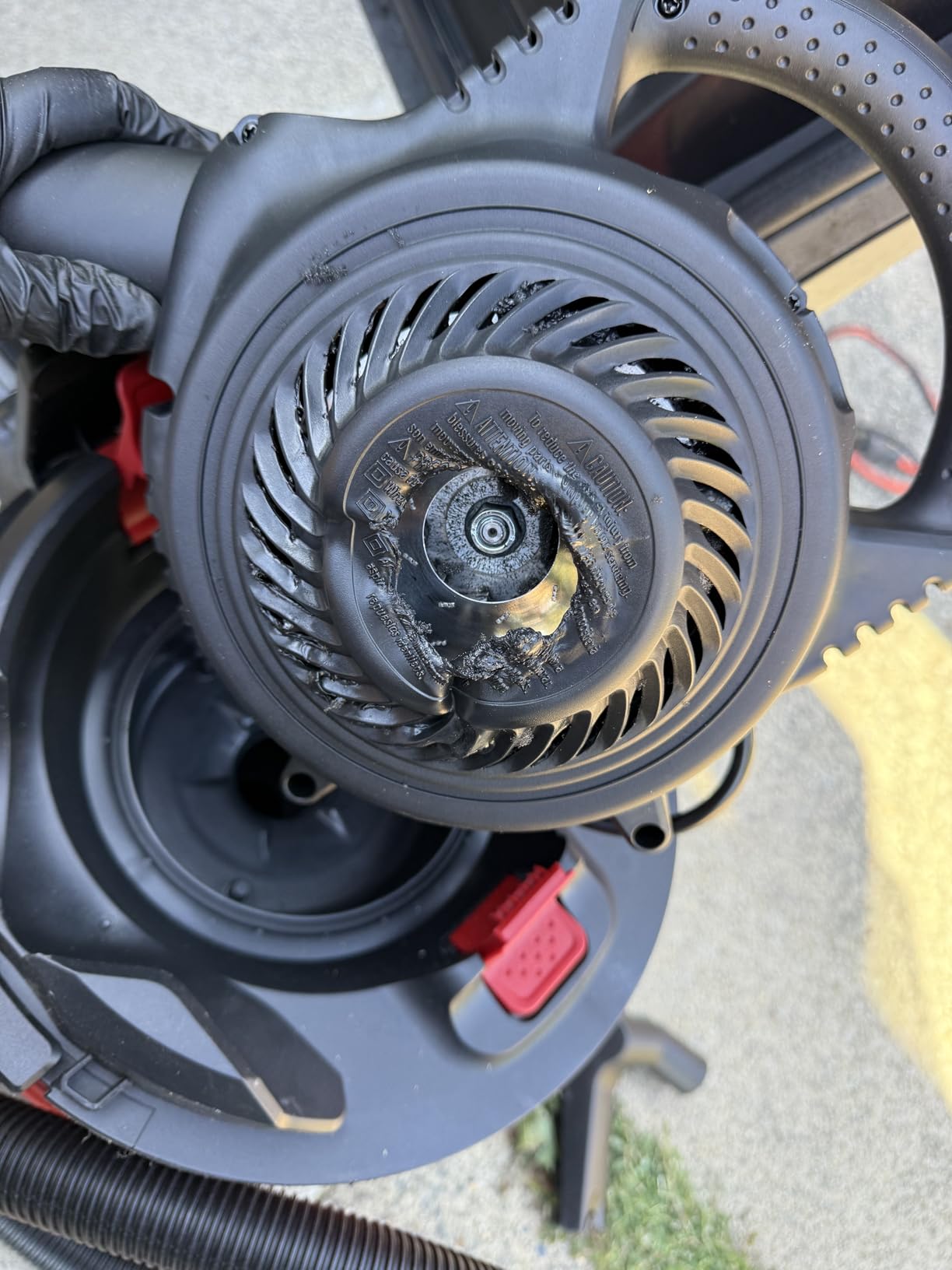
8. Vacmaster Beast VFB511H – Best for Mobile Detailers Working Large Vehicles
Vacmaster Professional Beast Series VFB511H 0201 5-Gal 5.5 PHP Wet/Dry Vac
5 gallon tank
320 air watts
82 inches maximum suction
Pros
- 320 air watts and 20kPa exceed similarly sized 5 HP units
- 5 gallon tank is large for its footprint
- High efficiency cartridge plus dust bag captures 1 micron dust
- 25 feet of cleaning reach from a kink-resistant hose
- Mobile detailers report strong suction on car carpets
Cons
- Louder than the published 72 dB figure
- Accessory tools friction-fit and can pull off
- No drain plug so emptying means lifting and tipping
The Beast is the unit to buy if you are cleaning large vehicles regularly. Its 320 air watt motor delivers 82 inches of maximum suction in a 5 gallon body, and reviewers repeatedly describe it as outperforming larger shop vacs in the same bracket. Mobile detailers report the suction on car carpet specifically, which is the number that matters for this job.
Reach is the other headline: 25 feet of combined hose and cord from a kink-resistant hose, so a full-size pickup or a three-row SUV can be cleaned from a single domestic outlet without moving the machine.
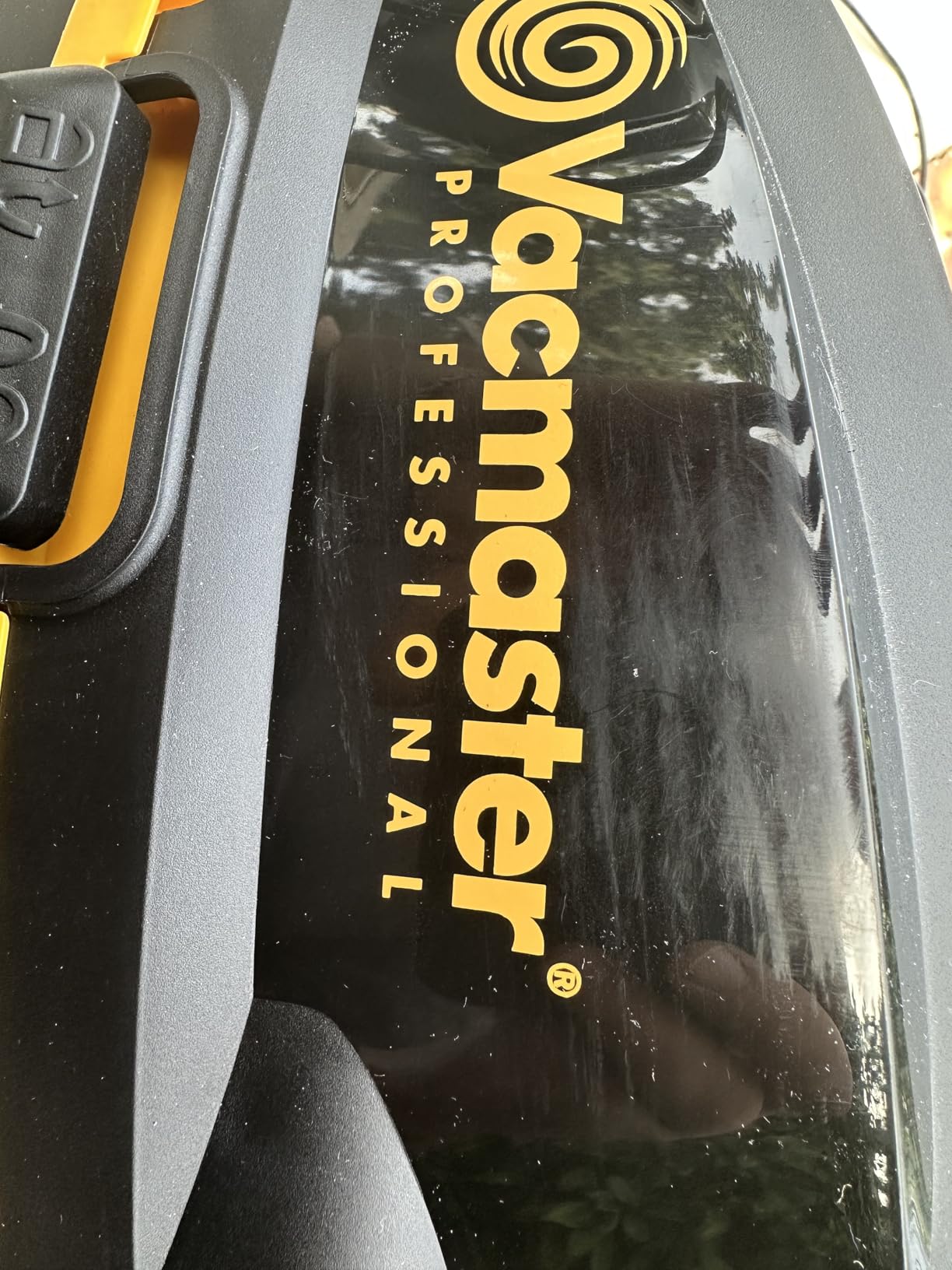
Fine Dust Capture and Filter Choice
The high-efficiency cartridge filter paired with a dust bag captures fine dust down to 1 micron, and switching between dry filter use, wet operation and bagged use is straightforward. For a detailer working older vehicles with tired interior plastics, that dust capture is what keeps the vacuum from coughing debris back out over a clean surface.
Build Weaknesses Worth Knowing Before You Buy
Several practical issues come up. The accessory tools friction-fit on the hose and can pull off under strong suction, so check them between jobs. There is no drain plug, which means emptying the tank means lifting and tipping it. Dust bags sized for this model are difficult to fit and must be worked into the tank, and the locking tabs can loosen if the unit is brushed against a car.
Some owners also report louder operation than the published 72 dB and slower warranty and replacement-part service, both worth factoring in if you depend on the machine for paid work.
Who Should Skip It
Skip it for a passenger car and a weekend clean. At 15.4 pounds, with a plastic tank that feels less premium than metal-bodied competitors, it is built for volume work rather than a single vehicle in a domestic driveway.
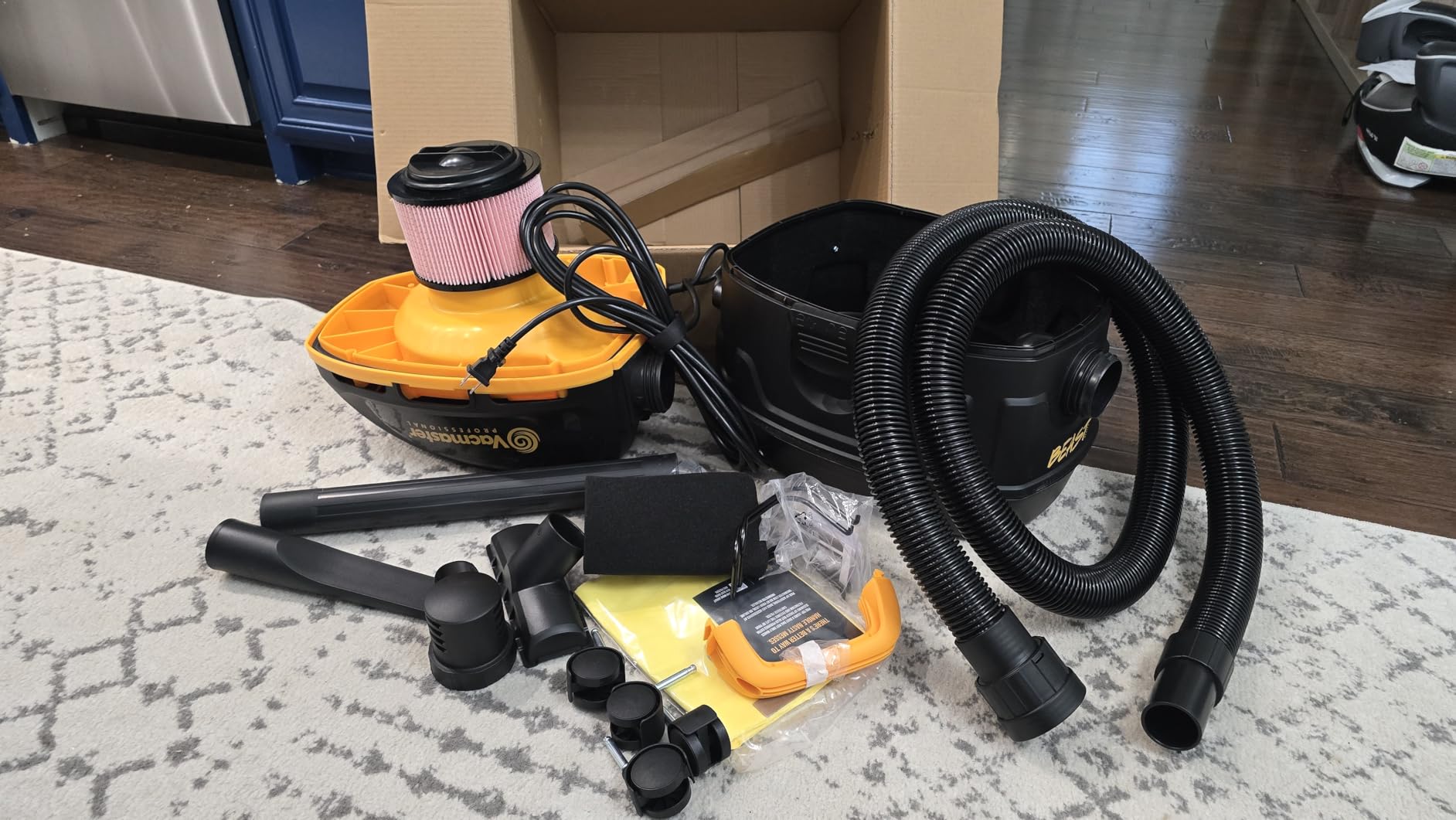
9. Armor All SCC301 Spot Cleaner – Best for Spot and Stain Extraction
Armor All SCC301 0901 Upholstery & Carpet Auto Detailing Spot Cleaner
64 inch water lift
Dual tank design
21 feet of reach
Pros
- Dual tanks keep clean and dirty water separate
- 21 feet of hose and cord reach covers a whole vehicle
- Suction leaves carpet only slightly damp so it dries fast
- Compact body beats hauling out a full-size shampooer
- Hose cord and attachments all store on the machine
Cons
- Small tanks need frequent refilling on larger areas
- Works slowly and suits spots rather than whole floors
- Only a small bottle of solution included
This is the highest-rated product in the set at 4.6 stars, and the reason is a design decision that most competitors skip. The dual-tank setup keeps clean solution and recovered dirty water in separate 0.4 and 0.25 gallon tanks, which prevents you re-vacuuming contaminated water back across a surface you just cleaned.
With 64 inches of water lift and 21 feet of combined hose and cord reach, it cleans a whole vehicle from one wall outlet. Owners bought it for car mats and rugs report visibly dirty recovery water, which is the most honest confirmation that a spot cleaner is doing real work.
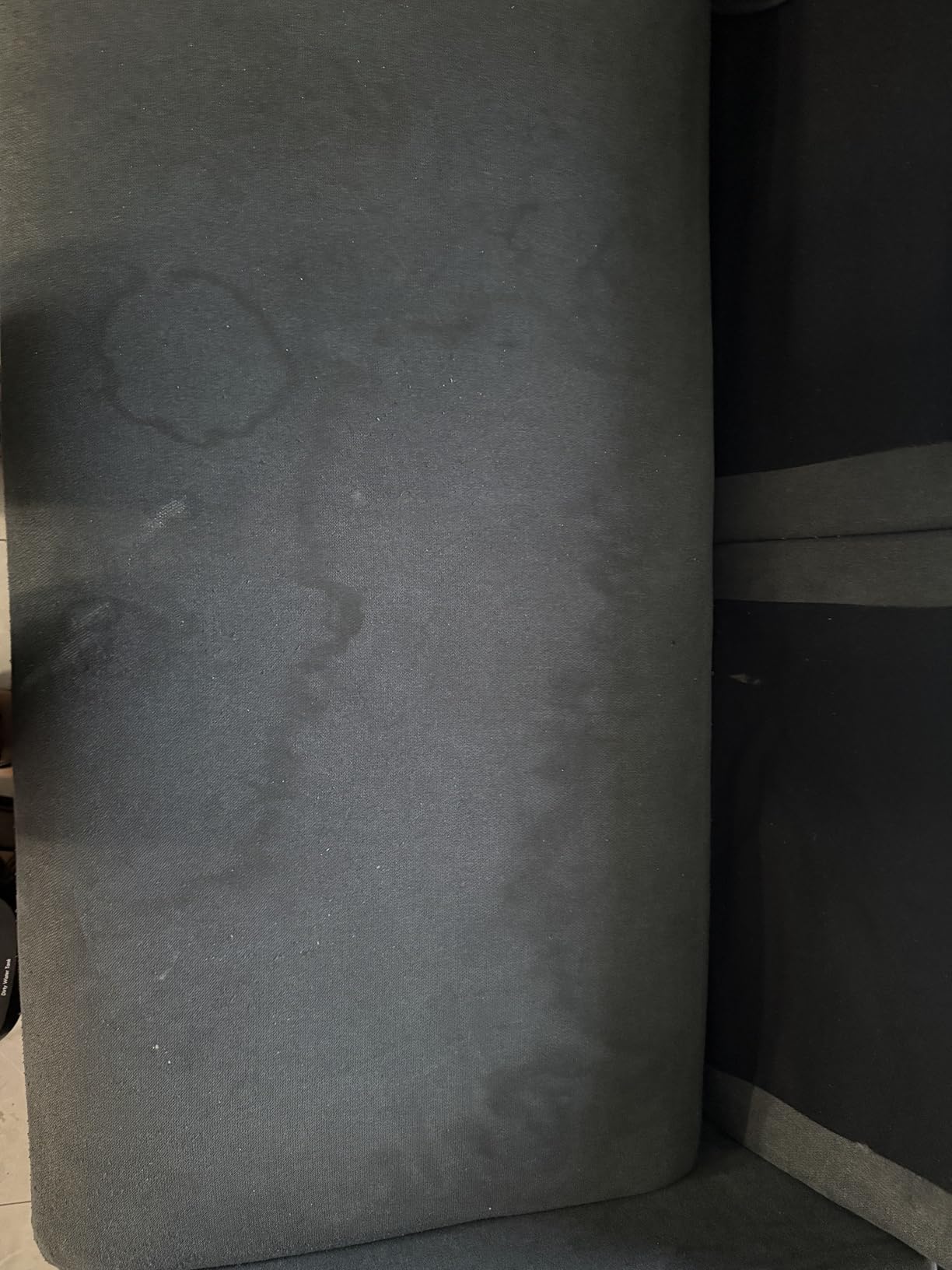
Stays Slightly Damp, Not Soaked
Because the suction is strong, the carpet comes back only slightly damp and dries quickly with the doors open. For a car, that is the difference between finishing a job and arriving the next morning to a musty interior. The included hose cleaning tool means you are not scrubbing the machine itself down after every job.
Where It Is Slow
This is a spot and small-section tool. The small tanks mean frequent refills on larger areas, and the spray-scrub-suction process works slowly, so it is not the right choice for shampooing an entire vehicle interior. A few stubborn stains also survive the pass, so for an old set of seats it is better used alongside a bigger unit rather than instead of one.
Who Should Skip It
Skip it if you need a full-car extraction session in one go, or if you want a full carpet cleaner for home floors. The included solution is a small bottle and the brand formulation is not always easy to find, so verify you can refill it before committing.
Why It Pairs Well With a Dry Vacuum
Used alongside any of the dry picks in this list, it handles the task that a vacuum physically cannot: lifting a stain rather than moving grit. Together they cover most of what a car interior throws at you.
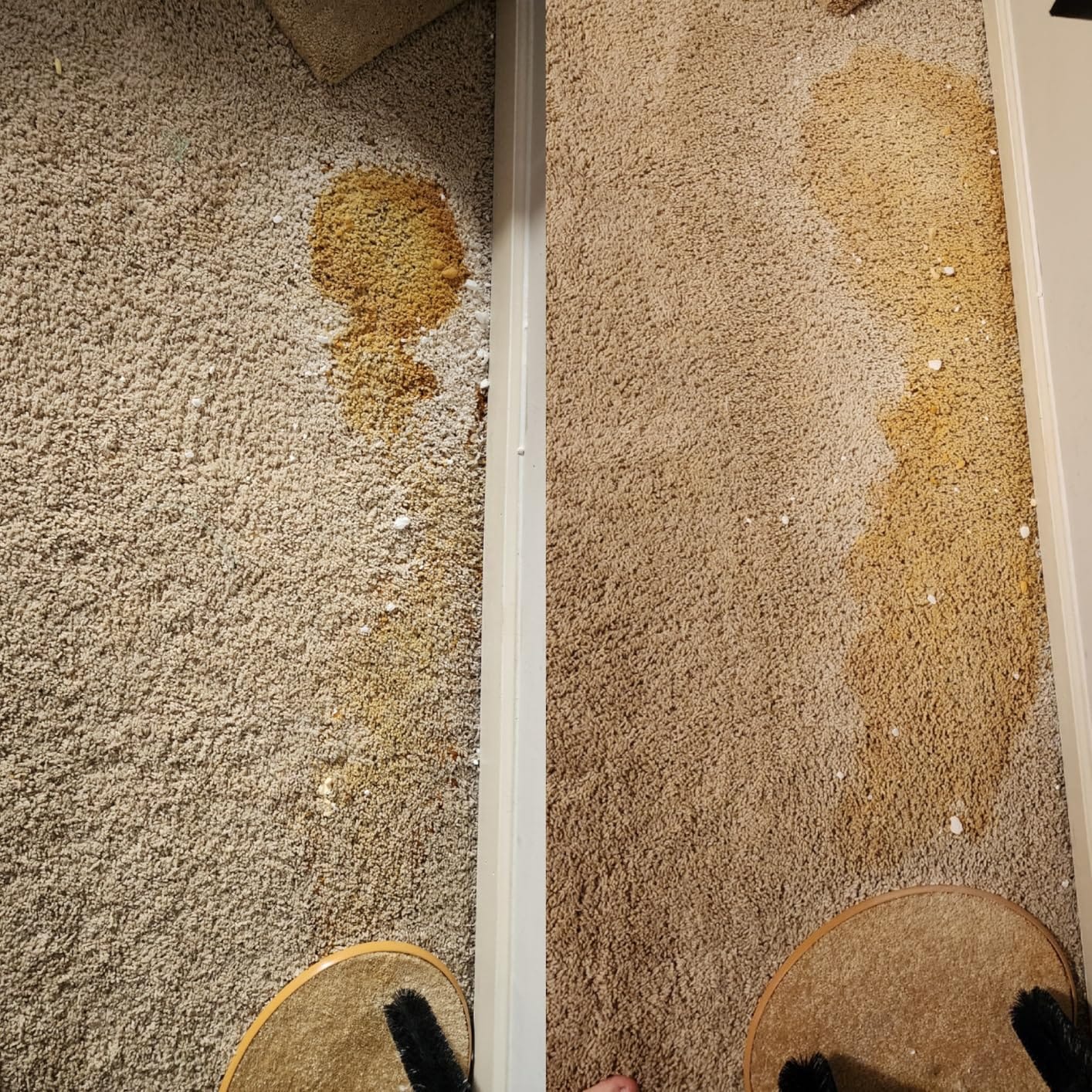
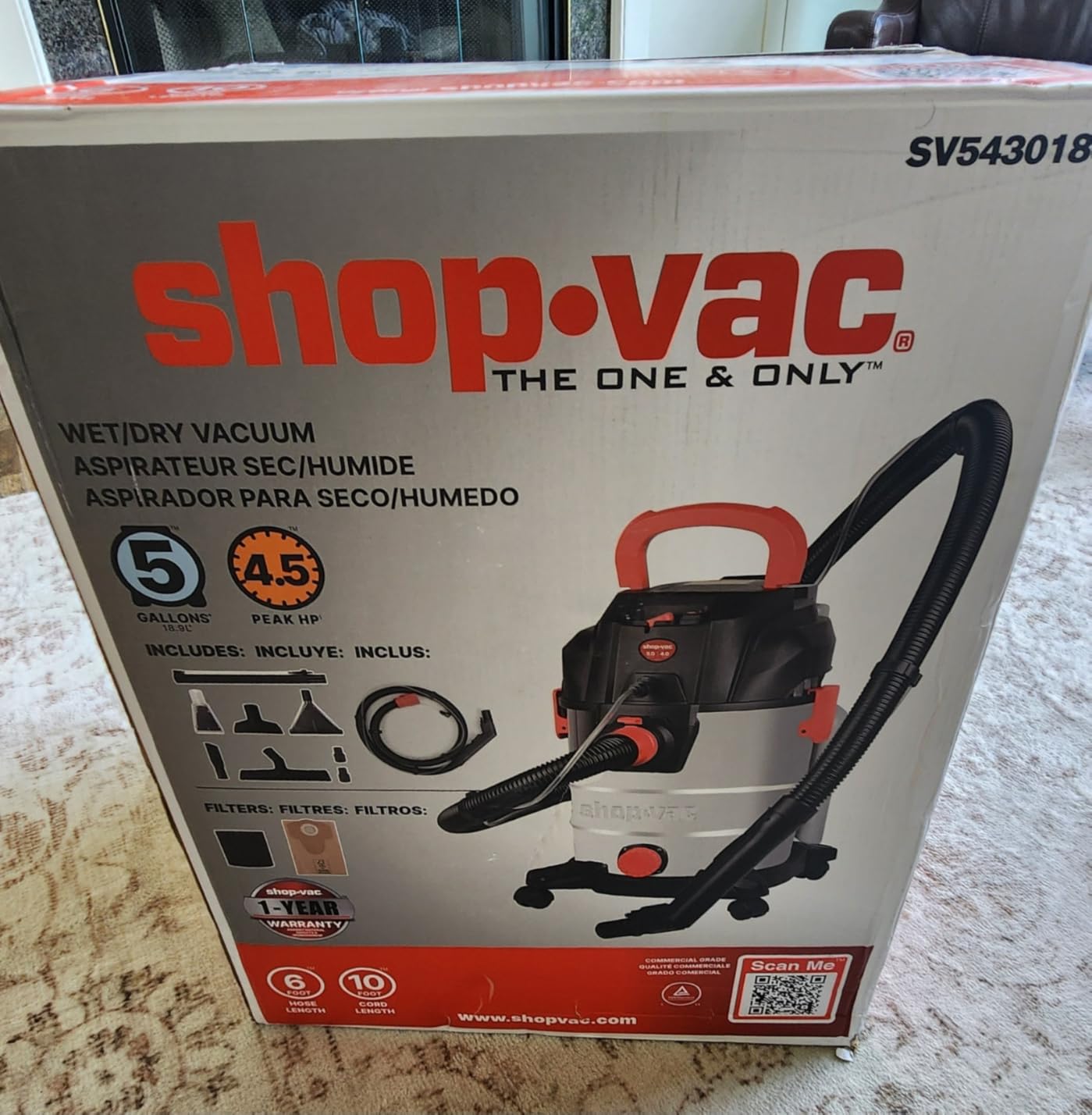
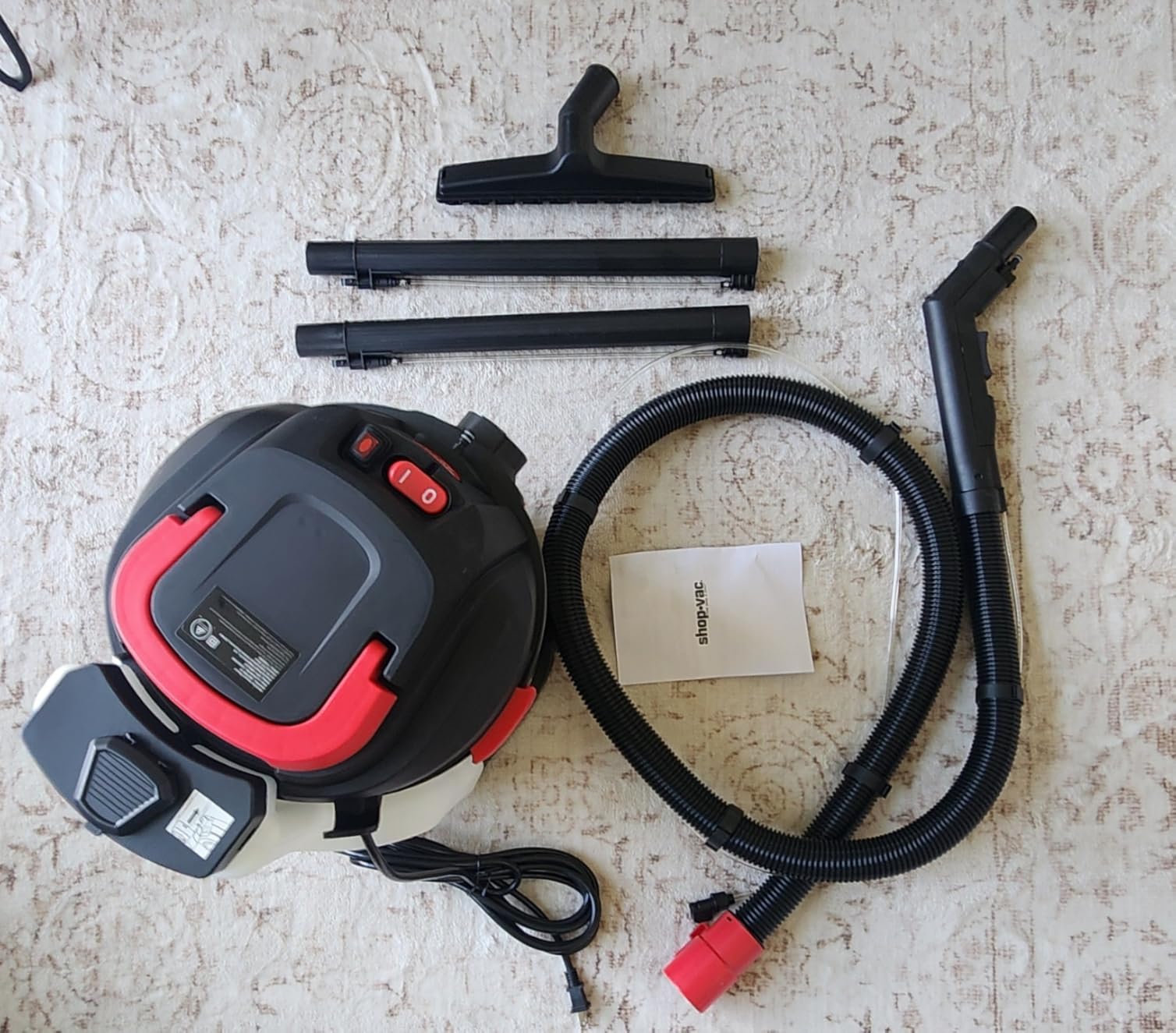
10. Shop-Vac 5-Gallon 3-in-1 – Best All-in-One Spray and Extract Unit
Shop-Vac 5-Gallon 4.5 Peak HP 3-in-1 Wet/Dry/Upholstery Shampoo Vacuum
5 gallon debris tank
4.5L clean water tank
Bottom drain outlet
Pros
- Combines dry vacuuming spraying and water extraction
- 5 gallon debris tank plus 4.5L clean water tank
- Bottom drain empties dirty water without lifting the unit
- Remote spray trigger on the handle switches modes
- 6 foot hose and 10 foot cord cover a full interior
Cons
- Foam filtration only with no HEPA-class fine dust capture
- Higher price point than a conventional wet dry vac
- Larger and heavier than a portable spot cleaner
This is the newest release in the group, and the review base is correspondingly thin at 124 reviews, so treat the durability picture as unproven. What it does, it does in one body: dry vacuuming, spraying and water extraction from a single 4.5 peak HP unit, which removes the need to carry a separate extractor around.
That single-body design is precisely the constraint pros described in a detailing forum, where someone was looking for a wet/dry commercial system that worked all in one because hauling a separate extractor in a van is impractical. The same logic applies in a home garage.
Tank Layout and Drainage
Five gallons of debris capacity plus a 4.5 litre clean water tank allows long sessions without a refill stop, and the bottom drain outlet empties dirty water without lifting or tipping the 15 pound unit. The remote spray trigger on the handle switches between spraying and vacuuming, so you can pre-treat a section and immediately recover it.
Attachments include a handheld shampoo nozzle, an upholstery nozzle, a carpet shampoo nozzle, a crevice tool and a floor brush, and the 6 foot hose with a 10 foot cord covers a full vehicle interior without repositioning.
Filtration Is the Weak Point
Foam filtration is the notable limitation. There is no HEPA-class fine dust capture here, so if your priority is capturing fine dust rather than lifting liquid, one of the cartridge-filtered wet/dry units is a better fit. It is also larger and heavier than a portable spot cleaner, which makes small jobs inefficient.
Who Should Skip It
Skip it if fine dust filtration matters, if you want the lowest entry point into wet/dry ownership, or if you are risk-averse about buying the newest unit in the category. With 124 reviews, long-term reliability is not yet demonstrated by owner experience.
How Much Suction Does a Car Vacuum Need?
Judged in water lift, a car vacuum needs enough suction to overcome the grip of debris worked into dense automotive carpet. Use these bands when reading any specification:
- Under 10 inches of water lift — dust buster class. Fine for crumbs, dust and surface hair on hard trim. It will not move embedded sand.
- Around 25 to 30 inches — the threshold for reliable pickup of loose grit, crumbs and short pet hair from rubber mats and seat bases.
- 45 inches and above — the range where carpet extraction and steady recovery of debris from pile fabric becomes practical.
- 60 inches and above — what you want for heavy sand loads, deep pet hair worked into upholstery, and wet extraction after a wash.
Peak HP and air watts tell you about the motor rather than the airflow at the nozzle, and Pa figures on cordless handhelds are a different measurement again. None of the three predicts sand pickup on its own. A wide floor nozzle also spreads suction thinner than a crevice tool, so the same machine can behave very differently across a cabin.
What Type of Vacuum Is Best for a Car Interior?
Five types dominate this market, and each wins on a different job. Ranked by the suction they typically deliver at the nozzle:
- Coin-operated car wash vacs — the strongest dry suction available to the public, with a claw-style nozzle and a long hose designed to strip a car down. Not something you can own.
- Wet/dry shop vacs — 45 to 80 inches of water lift, a liquid tank, and blower conversion on many models. This is the category that does most real detailing work.
- Cordless stick vacs — strong motors, but physically awkward between seats and under dashboards in a cabin, as owners in a vacuum forum found with models far larger than typical car sizes.
- 12V DC plug-in handhelds — modest suction, and a concern raised repeatedly in detailing communities about both weakness and the load placed on the vehicle battery.
- Mini cordless handhelds — 15,000 to 21,000Pa from small brushless motors. Excellent for vents, consoles and crumbs, not for embedded debris.
The gap between the top and bottom of that list is roughly an order of magnitude in suction, which is why the cheapest car vacuums disappoint people most often. They are dust busters being asked to do carpet work.
Corded, Cordless or 12V DC: Which Power Source Fits Your Garage?
Power source is the decision that shapes everything else, because it decides where the tool can live.
Corded wet/dry shop vac wins on suction and runtime and loses on portability. The manual is in your hand, so you work in one spot at a time. Almost every one of these in our roundup ships with a cord short enough that owners reach for an extension lead, so buy a heavy-duty one and keep it with the machine.
Cordless handheld wins on convenience and loses on runtime. Between 11 and 13 minutes at maximum suction, with charge times from roughly 2.5 to 4 hours, these are touch-up tools by design. Treating them as deep cleaners is the single most common source of disappointment in this category.
12V DC plug-in runs off the vehicle accessory outlet. In a detailing thread, a user who tested a 12V Dustbuster reported that the suction was not as strong as hoped and raised a risk of emptying the vehicle battery. Use them only for light, occasional pickup and keep the engine running — never for a full deep clean on battery alone.
On storage, one recurring theme in buyer discussions is heat. Lithium-ion batteries left in a hot car over summer degrade faster, so if your vacuum lives in the vehicle permanently, a corded model avoids the problem entirely. That is a real argument for the 6.2 pound wall-mounted Vacmaster over a cordless stick.
Wet Extraction vs Dry Vacuuming: Do You Actually Need an Extractor?
A dry vacuum moves grit and hair. An extractor sprays solution into the fabric and vacuums it back out. They are not substitutes, and the question worth asking is whether your problem is loose debris or a stain.
If your complaint is sand, crumbs or hair, a wet/dry shop vacuum with a good car nozzle solves it. Adding water to a carpet that only needs debris lifted out introduces moisture and drying time for no benefit.
If the complaint is a coffee spill, pet urine or a food stain that has soaked through, no amount of dry suction will help — the material is bonded into the fibre. That is where the Little Green, the SCC301 and the Shop-Vac 3-in-1 earn their place. The Little Green offers the most capacity at 48oz, the SCC301 is the most compact, and the Shop-Vac unit is the only one that also handles a full dry vacuum pass.
For most owners, one wet/dry shop vac plus a small cordless handheld covers the whole job for less than buying an extractor and discovering the tanks need constant refilling. If you are still deciding on the electronics side of the build, our multi-port car charger picks sort out powering several devices at once.
Attachments That Matter in a Car Interior
Suction is only half of it, because a car interior is full of gaps a standard floor head cannot enter. The attachments worth owning are narrow and unglamorous:
- Claw or wide angled car nozzle — sits flat against carpet pile and lifts from the surface rather than hovering over it. The Armor All AA255W is the pick in this roundup that includes one as standard.
- Crevice tool — for seat rails, the gap beside the centre console, door shut lines and the seam under the parcel shelf.
- Small detailing brush — for dashboard vents, cup holders, the gap around the gear selector and switchgear. A stiff nylon brush agitates dust free so the vacuum can then take it.
- Flexible hose — extends reach to the far seat of a three-row vehicle without moving the machine.
- Blower nozzle — the most underrated item. It pushes dust out of trim and dries crevices after a wash, which a vacuum head alone cannot do.
Where dust actually collects in a car: dashboard vents and the seams around them, cup holders, the door pocket rails, seat rails, the gap between the seat and centre console, the footwells behind the pedals, the boot side trim, and under the parcel shelf.
On technique for embedded sand, agitate the carpet first with a stiff brush to break the grip between grains and fibres, then vacuum with the claw nozzle. Vacuuming without agitating is the most common reason sand seems impossible to remove.
Storage, Battery Care and Reusing a Vacuum You Already Own
You can absolutely reuse a vacuum you already own, with limits. A corded upright with a hose long enough to reach from a garage wall outlet will clean a car interior well enough for most people, and the strong motor you already paid for is a genuine advantage over a compact handheld.
A cordless stick vac is a harder yes. The suction is usually more than sufficient, but owners report the size and shape being awkward between seats and under dashboards, so budget time for awkward angles or accept a spot-clean rather than a full detail.
Two storage points matter. Corded models should be stored with the cord loosely coiled rather than wrapped tightly at the housing, which cracks the conductors over time. Cordless models should be stored away from vehicles in summer, because heat degrades lithium-ion cells, and a partial charge stored in a hot car is the worst case for battery life.
For wet/dry units, drain the tank before storage and leave the wet filter off to dry. A tank left full with a damp foam filter closed up develops an odour that is genuinely difficult to remove.
Frequently Asked Questions
What vacuums do professional car detailers use?
Professional detailers generally use wet/dry shop vacs paired with a hand sprayer rather than a dedicated car vacuum, and the system has to work as one piece. In a detailing community thread, experienced operators named specific commercial systems instead of categories, with VacMaid described as the most common winner and Nadair as a solid alternative, both praised for dry soil. The deciding factor in a van is hose length and having wet recovery built into the same body, because carrying a separate extractor is impractical.
What is the best car vacuum cleaner for detailing my car?
A compact corded wet/dry shop vacuum with a 2 to 5 gallon tank is the best car vacuum cleaner for most people, because suction measured in inches of water lift matters more than size or cordless convenience. Automotive carpet is dense and holds debris firmly. Look for a car nozzle, a crevice tool and blower conversion, and treat a small cordless handheld as a secondary tool for vents and crumbs rather than the main event.
How much suction does a car vacuum need?
Around 25 to 30 inches of water lift handles loose crumbs, grit and short pet hair. For embedded sand, deep pet hair worked into upholstery and wet extraction after a wash, you want 45 inches and above, ideally 60. Anything under 10 inches is dust-buster class and will only move surface dust. Peak HP, air watts and Pa are different measurements and do not reliably predict sand pickup on their own.
Are small cordless car vacuums worth buying?
Yes, as touch-up tools for crumbs, dust, vents, consoles and cup holders, but not as your primary car cleaner. They run about 11 to 13 minutes at maximum suction and take 2.5 to 4 hours to recharge, so a full deep clean usually needs two or three charge cycles. Their small dust chambers also fill quickly. Many owners report the 16V and 18,000 to 21,000Pa models perform well once expectations are set correctly.
Is a shop vac better than a handheld for cleaning a car?
For embedded sand, pet hair and wet pickup, yes. A wet/dry shop vacuum delivers roughly 45 to 80 inches of water lift against roughly 5 to 30 for a handheld, and it has a liquid tank a handheld does not. The trade-off is portability: you work from one outlet and the tank needs emptying. For a small car cleaned weekly, a handheld is often enough. For a family SUV with pets and beach sand, the shop vac earns its place.
Can I use a regular vacuum to clean my car?
Yes, with two caveats. First, hose length: a vacuum you can position at the car rather than carry into it is far more practical, so a long hose or an extension cord matters. Second, the nozzle. A standard floor head hovers over carpet pile; an angled car nozzle or crevice tool contacts the surface and actually lifts debris. Cordless stick vacs work well on suction but are often too bulky between seats and under dashboards.
Do I need a wet extractor for stains and spills?
Only if the problem is liquid or staining. Dry suction moves grit and hair and does nothing for a soaked-in coffee or urine mark, because the material is bonded into the carpet fibre. If your issue is sand, crumbs or hair, adding water introduces moisture and drying time for no benefit. A spot cleaner with separate clean and dirty water tanks is the cheapest way to cover stains without buying a full extraction setup.
The Right Car Vacuum for the Job You Actually Have
If stains and pet messes are the problem, the BISSELL Little Green 1400B is the pick — its spray, scrub and suction workflow at 48oz is the most complete stain solution here, and it leaves carpet only slightly damp.
If you clean a small car weekly, the BLACK+DECKER Dustbuster AdvancedClean is enough on its own, and its crevice tool and rotating nozzle reach everywhere a cabin hides crumbs.
If the issue is dry debris in a large vehicle, the Armor All AA255W offers the most complete accessory kit including a deluxe car nozzle, and the Vacmaster Beast VFB511H is the strongest suction option for professional volume work.
If you need one tool that sprays, vacuums and extracts in a single body, the Shop-Vac 5-Gallon 3-in-1 does all three without a second machine. And if the problem is gaps and vents rather than carpets, the Fanttik Slim V8 APEX and Svoko LT-145 are lighter than a bottle of water between them.
Whichever you pick, the difference between a satisfying detail and a frustrating one is suction measured honestly and a car nozzle that actually touches the carpet. Start there, and the rest of the cabin falls into place.