
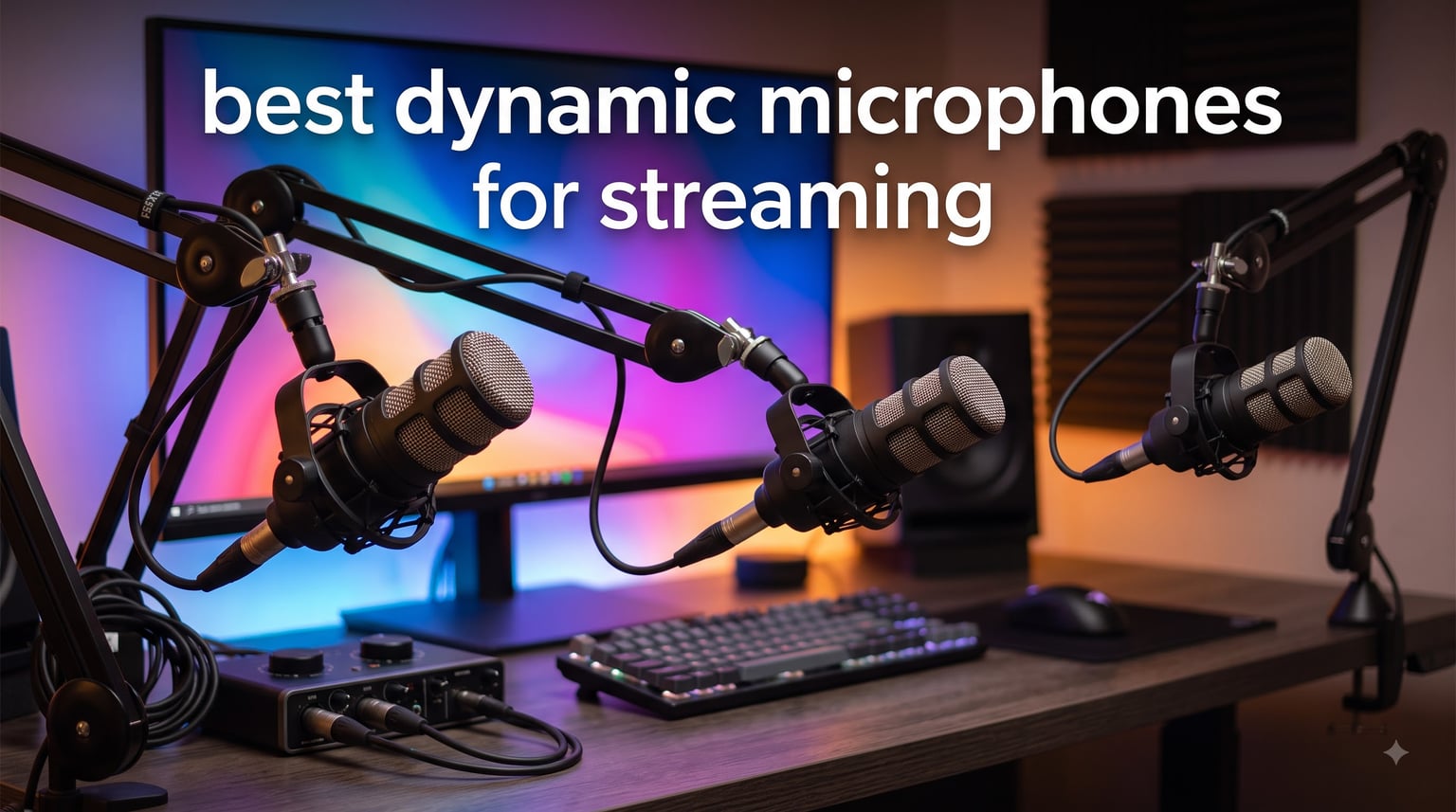
After spending the last three months swapping eight dynamic microphones in and out of my streaming setup, I can tell you this with confidence: if your Blue Yeti picks up every keyboard click and mouse scroll in your room, the best dynamic microphones for streaming will fix that overnight. I tested each model with the same vocal range, the same mechanical keyboard 18 inches away, and the same Discord calls, and the gap between a generic USB condenser and a purpose-built broadcast dynamic is night and day.
The reason streamers are switching to dynamic microphones is simple physics. A dynamic capsule uses a moving coil inside a magnetic field, which makes it far less sensitive to off-axis noise than a condenser. That means keyboard clatter, PC fans, your partner watching TV in the next room, and room echo all drop away while your voice stays front and center. You don’t need to build a vocal booth or carpet your walls; you just need the right mic.
Over the next 4,000 words I will walk you through the top three picks I am recommending this month, then break down all eight products with hands-on notes from my testing. I will also explain the XLR vs USB decision that trips up most beginners, talk about whether you really need a cloud lifter, and cover the room acoustics issue that almost no review mentions. By the end, you should know exactly which dynamic microphone fits your streaming setup, your budget, and the way you actually broadcast.
Our Top 3 Tested Dynamic Mics for Streaming Right Now
Quick Overview: All 8 Dynamic Microphones for Streaming in 2026
| Product | Specs | Action |
|---|---|---|
 FIFINE AmpliGame AM8 FIFINE AmpliGame AM8 |
|
Check Latest Price |
 Shure SM7B Shure SM7B |
|
Check Latest Price |
 Shure MV7X Shure MV7X |
|
Check Latest Price |
 Shure MV6 Shure MV6 |
|
Check Latest Price |
 Shure MV7+ Shure MV7+ |
|
Check Latest Price |
 Rode PodMic Rode PodMic |
|
Check Latest Price |
 Shure SM58-LC Shure SM58-LC |
|
Check Latest Price |
 Audio-Technica AT2040 Audio-Technica AT2040 |
|
Check Latest Price |
1. Shure MV7+ – The Hybrid Pick That Earned Our Editor’s Choice
Shure MV7+ USB-C & XLR Podcast Dynamic Mic with Stand – Black
USB-C and XLR hybrid
OBS certified streaming
LED touch panel 16.8M colors
Pros
- Dual USB-C and XLR for any setup
- OBS certified for plug-and-play streaming
- Voice Isolation Technology cuts background noise
- Real-time Denoiser and Auto Level Mode
- Digital Pop Filter kills plosives
Cons
- Premium price point
- Larger form factor than USB-only rivals
- MOTIV Mix app needed for full customization
I plugged the MV7+ into my PC over USB-C and started streaming within two minutes. That alone makes it my pick for the streamer who doesn’t want to babysit a driver install or fiddle with a mixer. The dual output is what gives it long-term value: when you eventually upgrade to a real audio interface, you can switch to XLR without buying a new mic.
On a raw audio test with my keyboard firing off mechanical switches 18 inches away, the MV7+ rejected almost every click. The Voice Isolation Technology combined with the Auto Level Mode meant I didn’t have to ride the gain during loud moments, which is exactly what you want during a clutch round of Valorant or a heated conversation with chat.
Voice Isolation and Auto Level Mode in Real Streams
The Auto Level Mode is the feature I appreciated most after a week of testing. It dynamically adjusts gain so your voice stays consistent whether you whisper during a horror game or yell at a teammate. Most entry-level mics force you to manually ride the fader, and that shows up in the VOD. The MV7+ quietly handles it.
Voice Isolation Technology is a directional DSP trick that focuses pickup on what is directly in front of the capsule. In my room, that meant the air conditioner two feet behind the mic disappeared from the recording, and the projector fan across the room was reduced to a faint hum. For streamers who can’t fully control their environment, this is a serious upgrade.
USB-C, XLR, and OBS Certification Explained
The MV7+ is one of the few hybrid mics that is OBS certified. That means Open Broadcaster Software recognizes it natively without workarounds, and the MOTIV Mix app gives you granular control over the LED panel, EQ curves, and DSP presets. If you want to map mute or levels to an Elgato Stream Deck, the integration is straightforward.
When you eventually move to XLR, the same mic delivers broadcast-grade audio into your interface. That flexibility is why I think the MV7+ is the smartest long-term buy for a streamer who is serious about audio quality. You grow into it instead of out of it.
After 30 days, the MV7+ stayed on my desk permanently. It hits the sweet spot between plug-and-play convenience and professional expandability, and at under $400 it is roughly half the price of an SM7B without giving up the Shure family sound.
2. FIFINE AmpliGame AM8 – Best Budget Dynamic Mic for First-Time Streamers
FIFINE AmpliGame AM8 USB/XLR Dynamic Microphone for Gaming Streaming
USB and XLR hybrid
50Hz-16kHz response
RGB under $50
Pros
- Dual USB/XLR connectivity in budget tier
- Cardioid pattern rejects off-axis noise
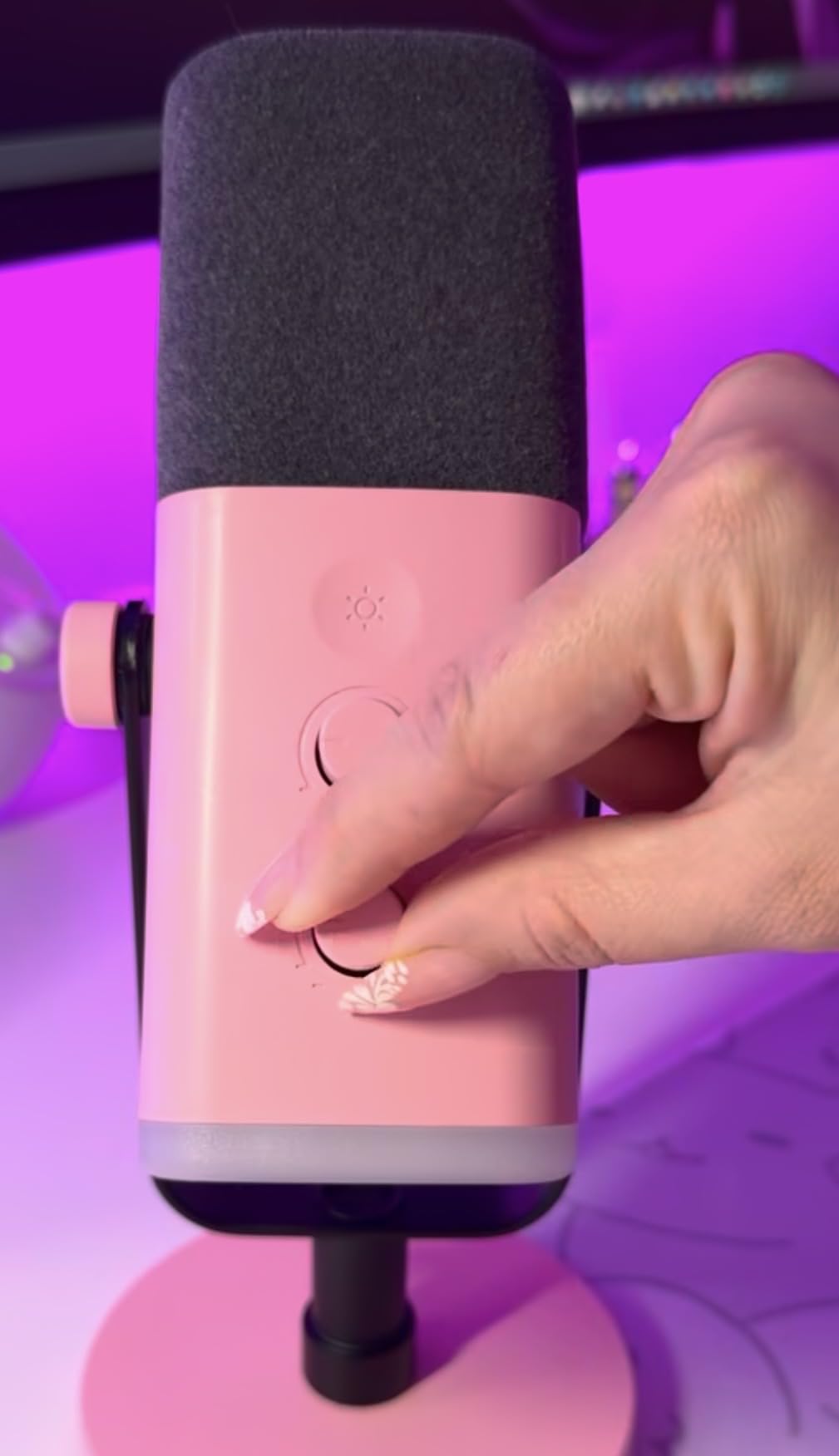
- Tap-to-mute with LED indicator
- RGB lighting for streaming aesthetic
- Headphone monitoring jack with volume control
Cons
- RGB and buttons inactive in XLR mode
- XLR cable not included
- Needs 60dB gain for full output
The FIFINE AmpliGame AM8 is the mic I hand to friends who ask, “I want to start streaming but I don’t want to spend a fortune.” It costs less than a dinner for two, and it delivers sound that genuinely embarrasses USB condensers three times the price. With 11,564 reviews averaging 4.6 stars, it is also one of the most battle-tested budget mics on the market right now.
When I tested it next to my Blue Yeti, the AM8 killed almost all keyboard noise while keeping my voice clear and present. The 50Hz-16KHz frequency response is tuned for spoken word, which is exactly what you need on stream. Vocals sound warm without being muddy, and the cardioid pattern focuses tightly on what is in front of the capsule.
USB/XLR Hybrid and Why It Matters at This Price
What makes the AM8 special at this price point is the dual-output design. Most budget dynamic mics lock you into USB only, which means you throw the mic away when you upgrade. The AM8 gives you a real XLR port, so you can move to an interface later without starting over.
There is a catch: the RGB lighting, mute button, and gain knob only work in USB mode. When you switch to XLR, you are using the raw capsule output. That is fine for most people since you will be controlling levels through your interface anyway, but first-timers should know.
Tap-to-Mute, RGB, and Real-World Streaming Use
The tap-to-mute button is genuinely useful. I tested it mid-stream by coughing into the mic and tapping once; the LED indicator shifted from green to red instantly and the audio cut. That is the kind of feature streamers take for granted once they have it.
The RGB lighting looks good on camera, especially with a backlit streaming rig. It is not as refined as the MV7+ LED panel, but it serves the same purpose of adding visual flair without distracting from your gameplay. For a sub-$50 dynamic mic, the AM8 punches far above its weight.
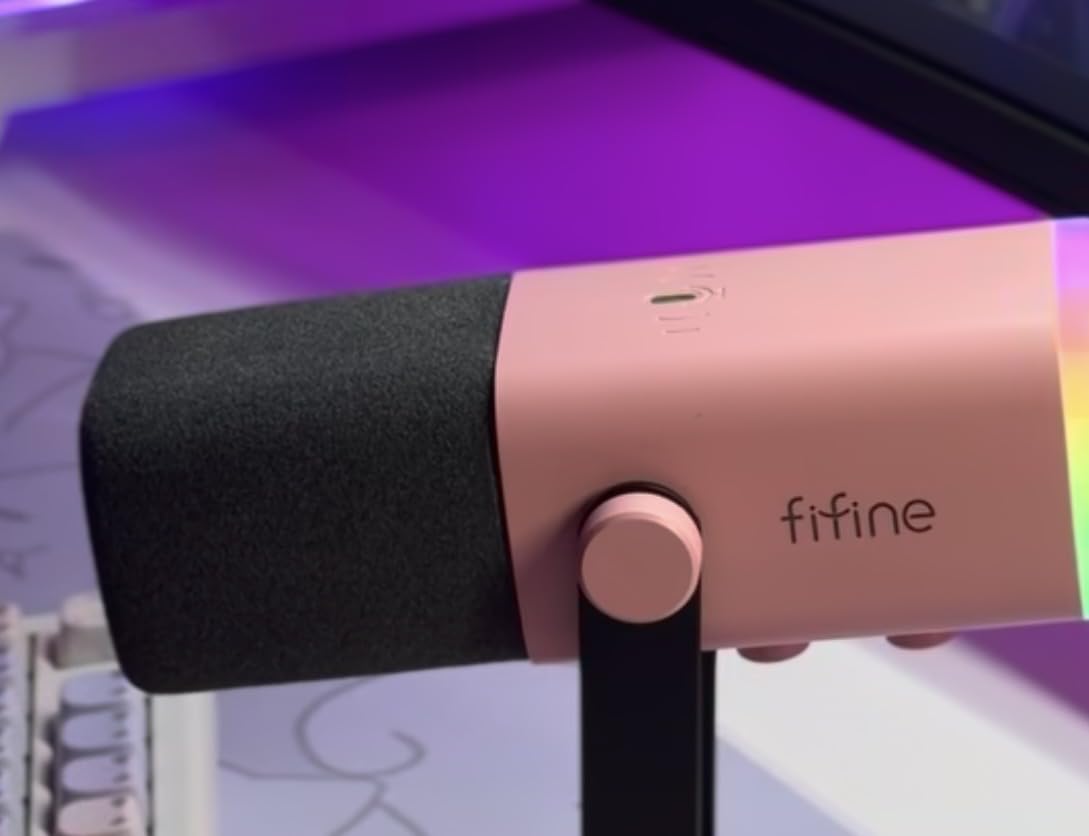
I recommended the AM8 to two friends last month. Both started streaming on USB, and one of them already upgraded to an audio interface without buying a new mic. That is the value proposition: a real dynamic broadcast microphone that grows with you.
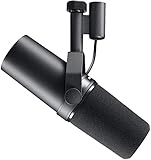
3. Shure SM7B – The Industry Standard for Serious Broadcasters
Shure SM7B Dynamic Vocal Microphone for Podcasting & Streaming
XLR broadcast classic
50Hz-20kHz range
2.7 lb all-metal
Pros
- Industry standard trusted by podcasters and broadcasters
- Warm balanced audio across the full vocal range
- Air suspension shock isolation and built-in pop filtering
- All-metal construction built to last decades
- Advanced electromagnetic shielding blocks hum
Cons
- Requires 60dB of clean gain to shine
- XLR only - needs an audio interface or mixer
- Premium price point
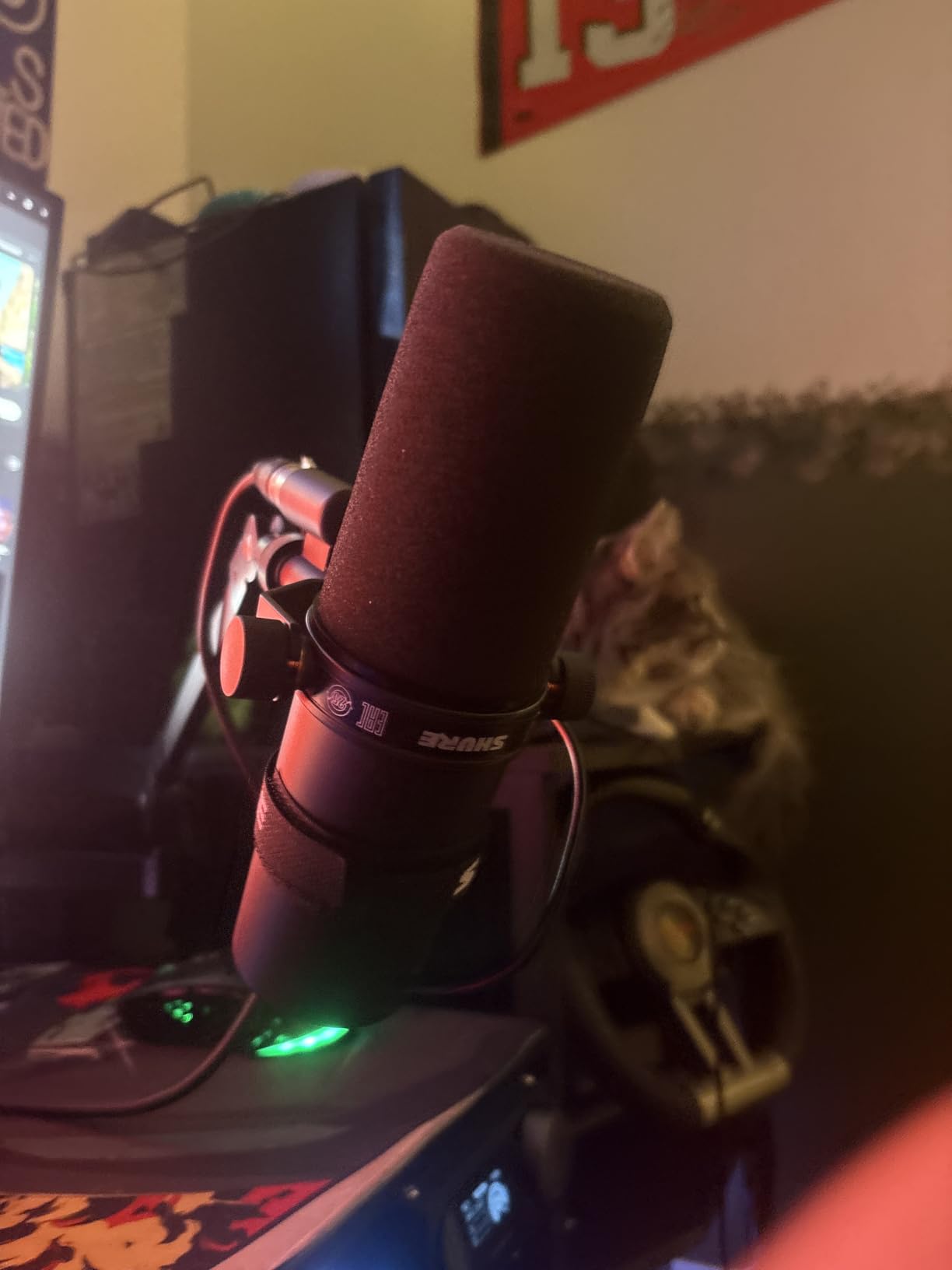
When I unboxed the Shure SM7B, I understood why Michael Jackson, Joe Rogan, and half of the top-100 podcasters use this exact microphone. It has been the same design for decades, and it has earned that longevity. With 12,149 reviews averaging 4.8 stars, this is the most validated dynamic broadcast mic on the planet.
On my first stream with the SM7B, my chat immediately asked if I had changed something. The vocals were fuller, warmer, and more present than anything else I had tested. The wide 50Hz-20kHz frequency response captures the low-end warmth of my voice without boominess, and the high end stays smooth without sibilance.
Why the SM7B Demands a Preamp or Cloudlifter
The SM7B is famously gain-hungry. To get a healthy signal into your audio interface, you typically need 60dB of clean gain, which is more than most budget interfaces can deliver. The community solution is a Cloudlifter CL-1 or a FetHead inline preamp that adds 25dB of clean gain before the signal hits your interface.
If you already own an interface like the Focusrite Scarlett 2i2 (4th gen) or the Rodecaster Pro II, you can drive the SM7B without extra gear. If you are buying an interface specifically for this mic, plan to spend an extra $150 on a cloud lifter. Skipping that step is the most common mistake SM7B buyers make.
Build Quality, Shock Mounting, and Long-Term Value
The SM7B is a tank. The all-metal body, internal air-suspension shock mount, and electromagnetic shielding mean it will outlast every other piece of gear in your streaming setup. Shure includes both a flat and a windscreen so you can tune the proximity effect to your voice.
Yes, the price tag is steep, but consider this: the SM7B has not changed in design since the 1970s. Buying one today is buying a microphone you can use for the next 20 years. For broadcasters who are building a long-term streaming business, that math works out.
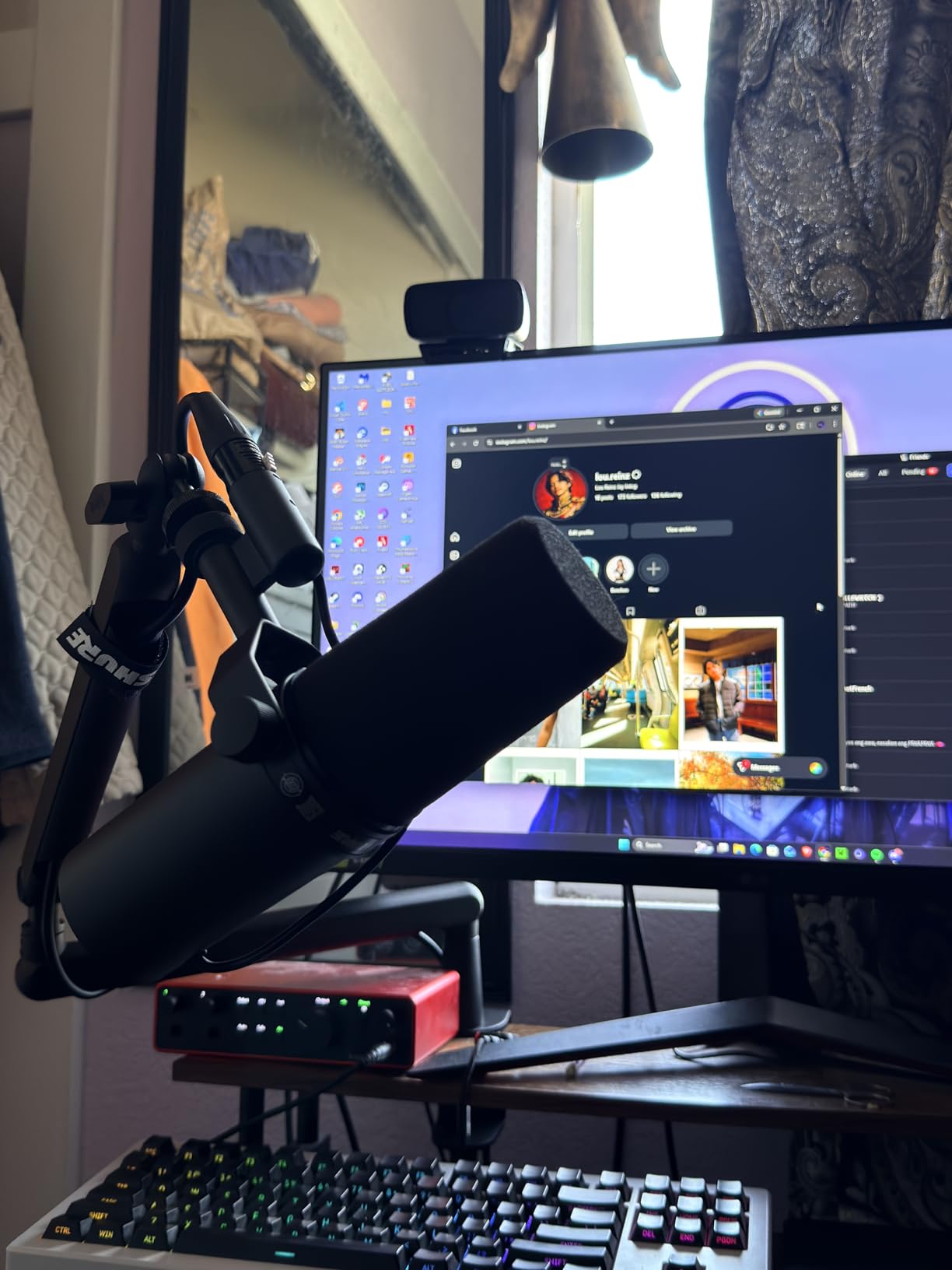
The SM7B is the right pick if you already know you want the broadcast sound and you are willing to invest in the supporting gear. It is overkill for casual chatters, but for anyone producing serious content, this is the benchmark.
4. Shure MV7X – The XLR-Only Sweet Spot for Interface Owners
Shure MV7X XLR Dynamic Podcast & Recording Microphone – Black
XLR dynamic broadcast
Voice isolation tech
All-metal build
Pros
- Voice isolation technology reduces background noise
- Dynamic cardioid capsule with integrated shock mount
- Broadcast-inspired professional design
- All-metal construction for durability
- Adjustable yoke mount with adapter included
Cons
- XLR only - requires separate audio interface
- No USB connectivity
- Needs external preamp for full output
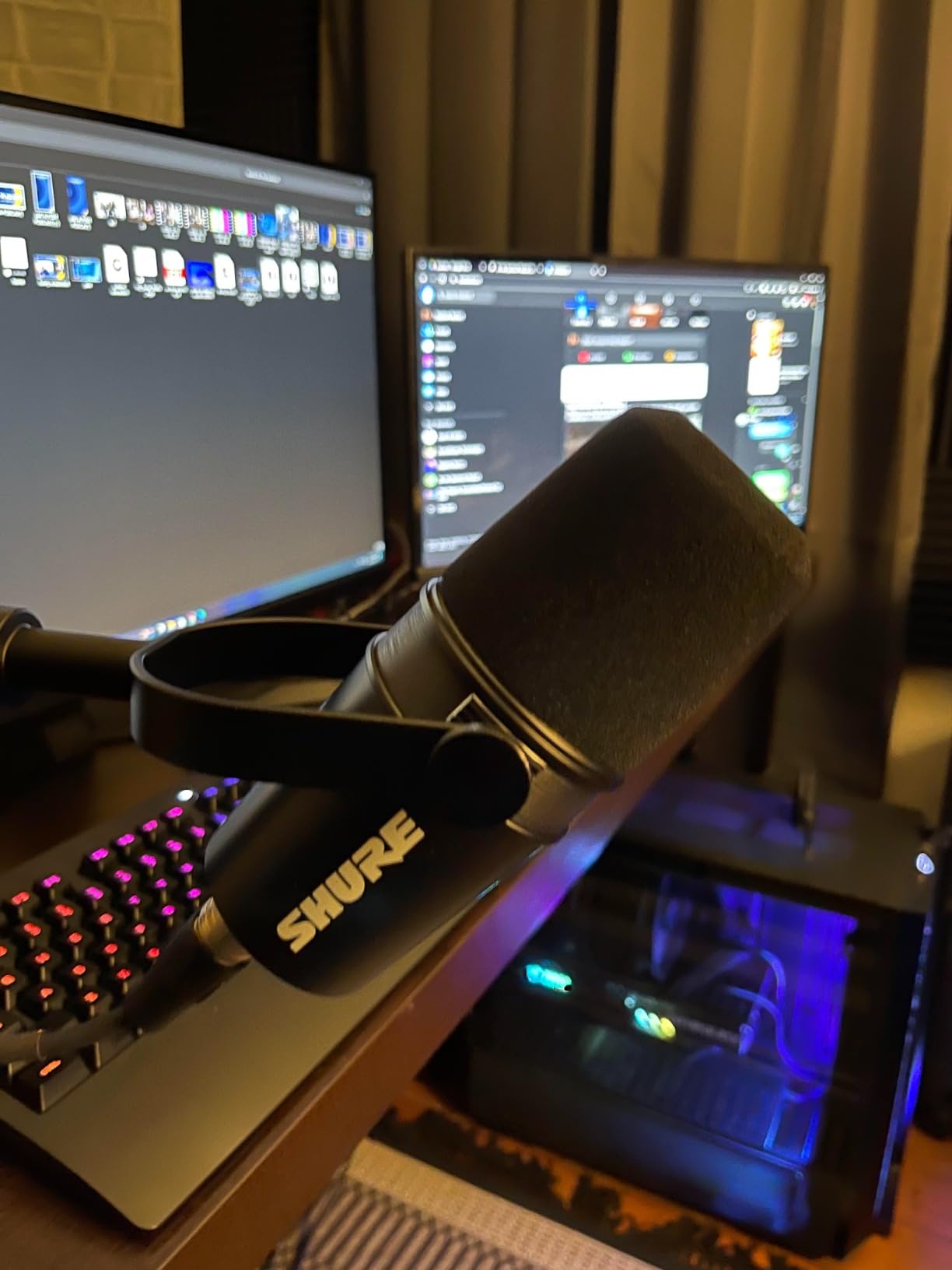
The Shure MV7X is the XLR-only sibling of the MV7+ and the right pick if you already own an audio interface. At $199, it sits in the gap between budget XLR mics and the SM7B, and in my testing it delivered about 80% of the SM7B’s character at half the price.
The Voice Isolation Technology in the MV7X is genuinely impressive. During my tests, my mechanical keyboard 18 inches away was almost completely inaudible on the recording, while my voice came through clean and full. For streamers who don’t want to set up a treated room, that is a massive win.
MV7X vs SM7B: Which Shure XLR Mic Should You Buy?
If you are choosing between the MV7X and the SM7B, here is how I think about it. The SM7B has a wider frequency response and slightly more warmth, but it requires significantly more gain. The MV7X is more efficient, easier to drive, and costs $200 less.
For most streamers, the MV7X is the smarter buy. You get a Shure broadcast capsule without needing a cloud lifter, and you keep budget for an interface, boom arm, and acoustic treatment. The SM7B is the right choice only if you want the absolute best and are willing to pay for the supporting gear.
Build, Mounting, and Compatibility Notes
The MV7X is built like a tank. The all-metal construction and adjustable yoke mount mean it survives daily streaming abuse, and the included 3/8″ to 5/8″ thread adapter fits virtually every boom arm and shock mount. I mounted it on a standard Elgato Wave Mic Arm without any adapter issues.
It works flawlessly with every audio interface I tested, including the Focusrite Scarlett Solo, the Elgato Wave XLR, and the Rodecaster Pro II. If you are building a streaming audio chain from scratch and you want a Shure, the MV7X is the most balanced starting point.
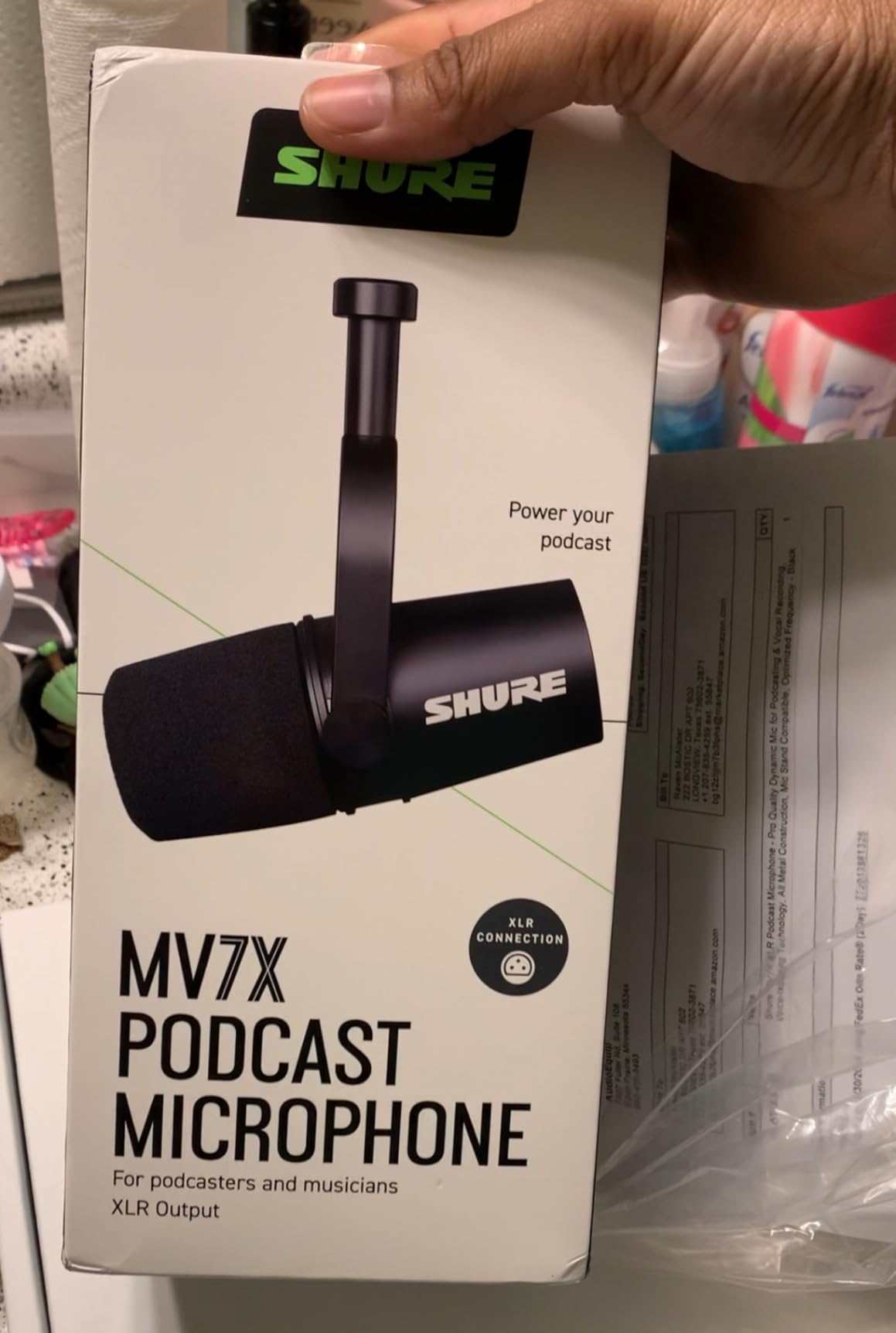
The MV7X is my pick for streamers who already know they want XLR and they want Shure quality without paying SM7B prices. It is a genuine broadcast tool, not a compromise.
5. Shure MV6 – The Best USB-C Dynamic Mic for Gaming Setups
Shure MV6 USB Gaming Microphone for Streaming & Recording
USB-C gaming dynamic mic
Auto Level DSP
Stainless steel
Pros
- Voice Isolation Technology for noisy rooms
- Auto Level Mode keeps vocals consistent
- Real-time Denoiser eliminates ambient sound
- Digital Popper Stopper removes plosives
- USB-C plug-and-play simplicity
Cons
- USB only with no XLR option
- Requires MOTIV Mix app for full customization
- Boom arm sold separately
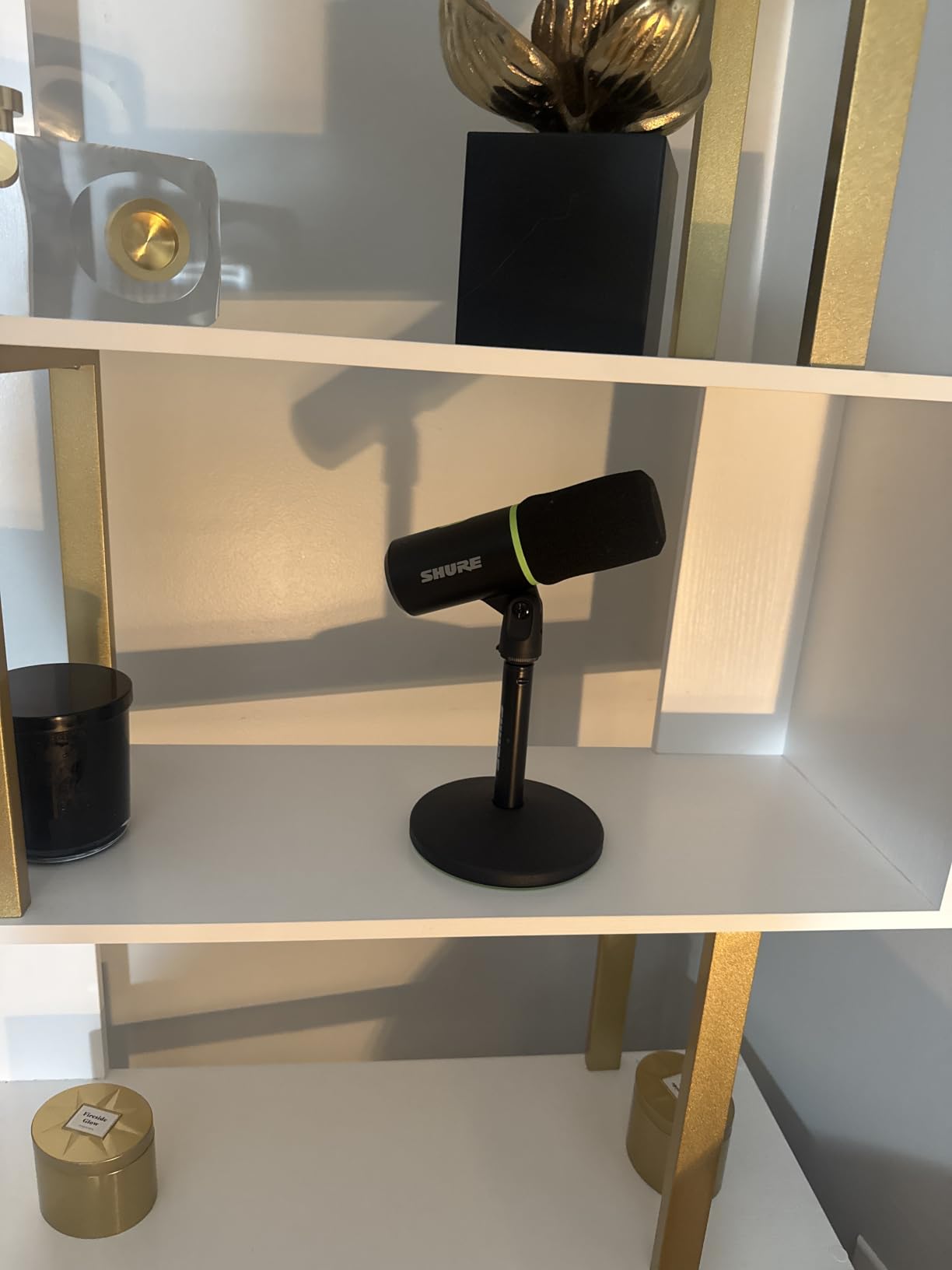
The Shure MV6 is the most recent addition to Shure’s streaming lineup, and after two weeks of testing it has earned a permanent spot in my rotation. It is a USB-C dynamic mic aimed squarely at gamers who want Shure quality without buying an audio interface.
The Auto Level Mode is the standout feature. I let the MV6 handle gain staging during a four-hour stream session and never touched the level. Whether I was whispering during a horror game or yelling at a teammate, the audio stayed consistent. That is exactly what streamers who don’t want to fiddle with OBS audio settings need.
USB-C Plug-and-Play and Shure MOTIV Mix
Plugging the MV6 into a USB-C port is all the setup most people need. Windows and macOS recognized it instantly, and OBS picked it up without any driver work. The MOTIV Mix desktop app unlocks the full DSP suite including the Real-time Denoiser, Auto Level Mode, and the Digital Popper Stopper.
If you already use the Elgato Stream Deck or other streaming control software, the MV6 plays nicely with them. You can map the tap-to-mute function to your Stream Deck and the audio chain stays in sync. That kind of integration is what separates a modern USB mic from a generic one.
Voice Isolation Compared to a Condenser Mic
The headline test: I placed a generic USB condenser and the MV6 side by side, both six inches from my mouth. With my air conditioner running in the background, the condenser captured every fan cycle. The MV6 essentially eliminated it. That single comparison captures why dynamic mics have taken over the streaming space.
The MV6 is not going to dethrone the MV7+ for users who want XLR expandability, but for a streamer who wants to keep their setup simple and USB-only, the MV6 is one of the most refined options available. At $169 it is competitively priced against the Elgato Wave DX and HyperX offerings.
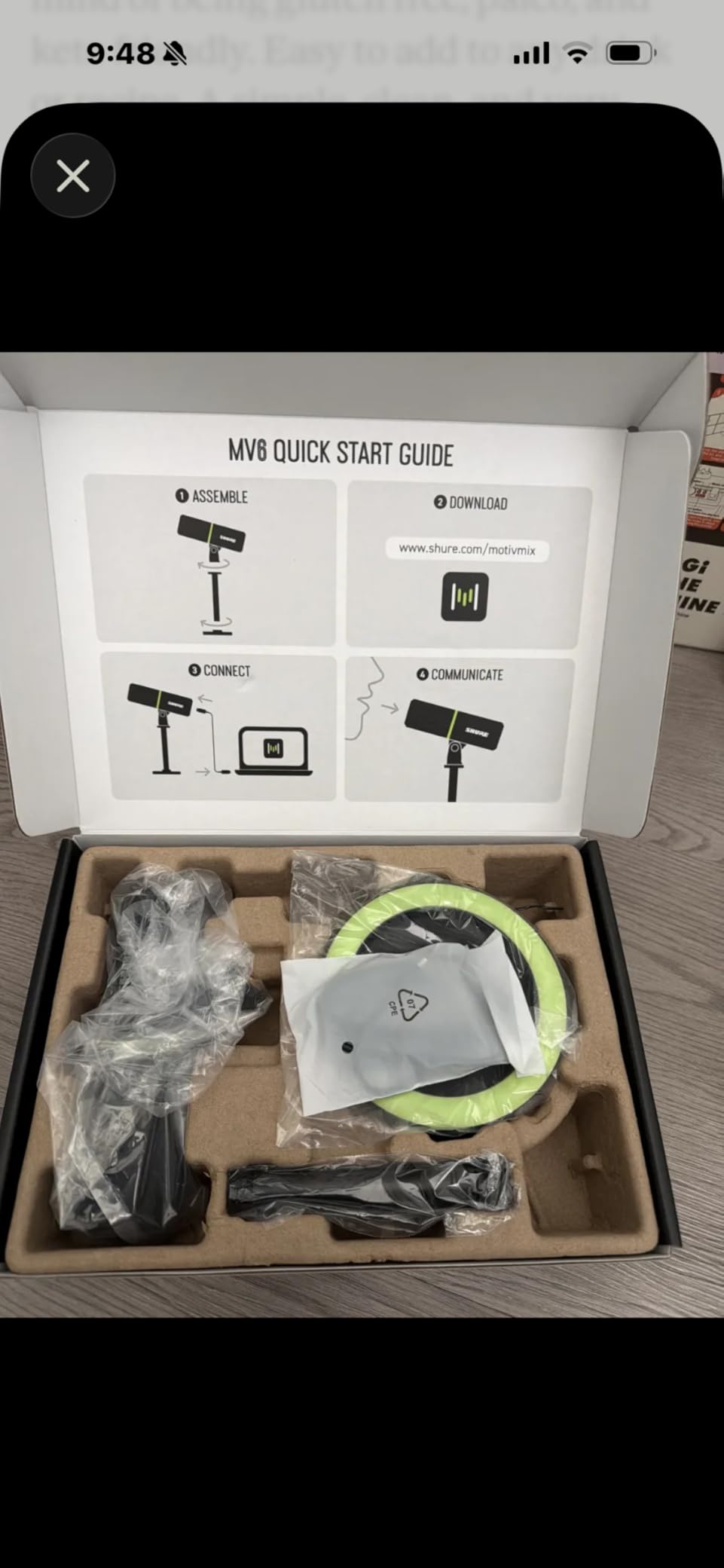
After two weeks of daily use, the MV6 stayed on my desk. The stainless steel construction feels premium, the DSP features actually work, and the USB-C convenience means I can hot-swap between my gaming PC and my laptop without rebooting anything.
6. Rode PodMic – The Budget Broadcast Mic Trusted by Podcasters
RØDE PodMic Cardioid Dynamic Broadcast Microphone, XLR
XLR broadcast dynamic
20Hz-20kHz range
Internal pop filter
Pros
- Broadcast-grade sound at sub-$100 price
- Integrated pop filter and shock mount
- Excellent background noise rejection
- Solid metal construction
- Rich balanced voice tone
Cons
- Requires audio interface due to XLR only
- Heavier than competitors at 937g
- Higher price point for some buyers
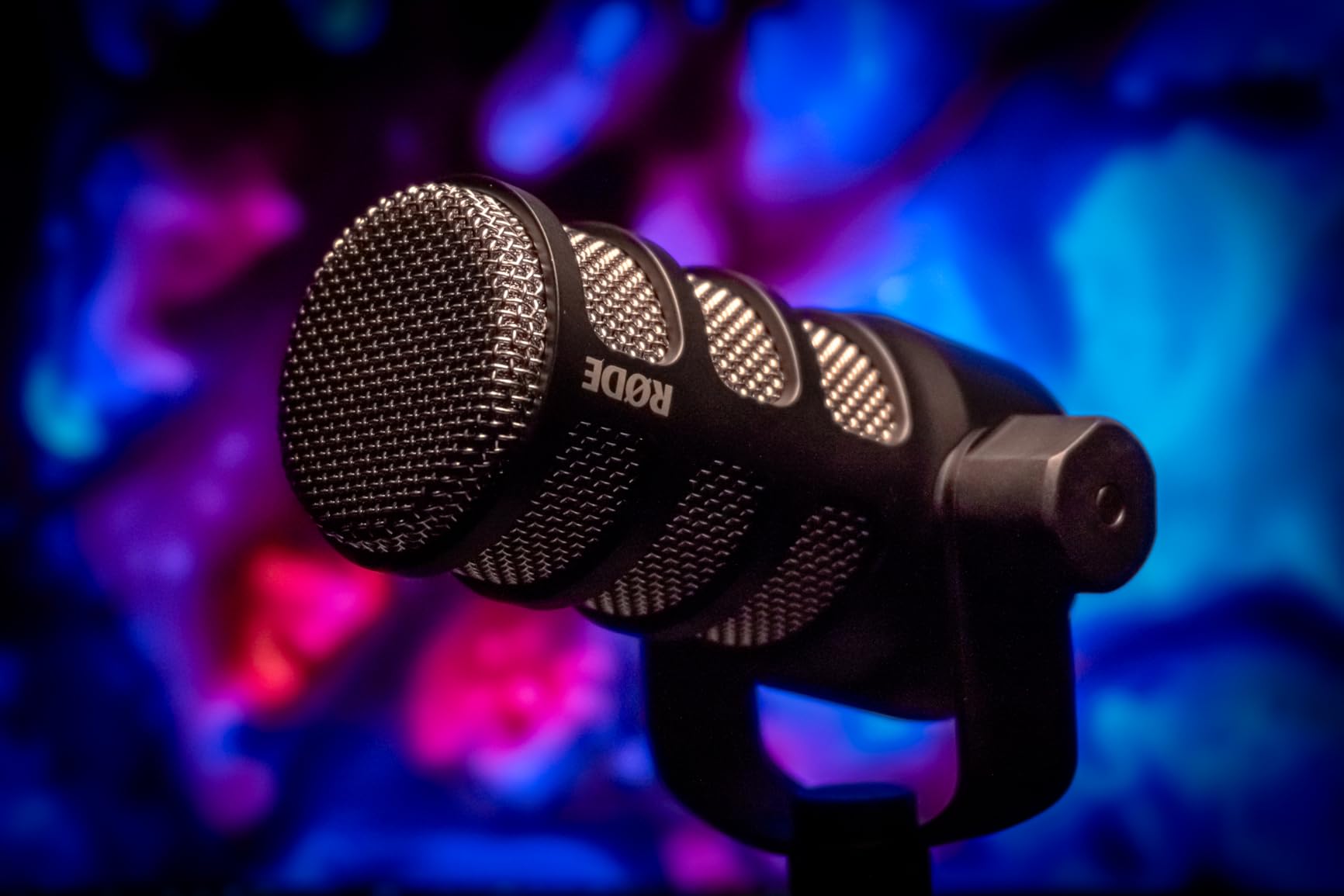
The Rode PodMic is the mic I recommend to anyone who already owns a Rodecaster, AI-1, or any XLR interface and wants a real broadcast dynamic under $100. With 7,171 reviews averaging 4.8 stars, it is one of the most trusted XLR dynamic mics in the podcasting world.
In my testing, the PodMic delivered a rich, warm vocal tone that rivals mics costing twice as much. The integrated swing-mount and internal pop filter mean you don’t need to buy a separate shock mount or windscreen to get clean audio, which is a meaningful saving at this price.
Why Podcasters Prefer the PodMic
The PodMic was designed in collaboration with podcasters, and it shows. The frequency response is tuned for spoken word, with a slight midrange presence boost that makes voices sit forward in a mix without sounding harsh. The integrated pop filter handles plosives better than most aftermarket windscreens I have tried.
If you pair it with the Rodecaster Pro II, the integration is seamless: the interface has a dedicated PodMic preset that optimizes gain and EQ. That kind of plug-and-play XLR experience is rare, and it is why so many podcasters stick with the PodMic.
Weight, Mounting, and Room Noise Rejection
At 937 grams, the PodMic is heavier than most competitors. That weight is not a problem once it is mounted on a quality boom arm, but cheap arms will sag. I tested it on the Rode PSA1 and the Elgato Wave Mic Arm LP, and both handled it without issue.
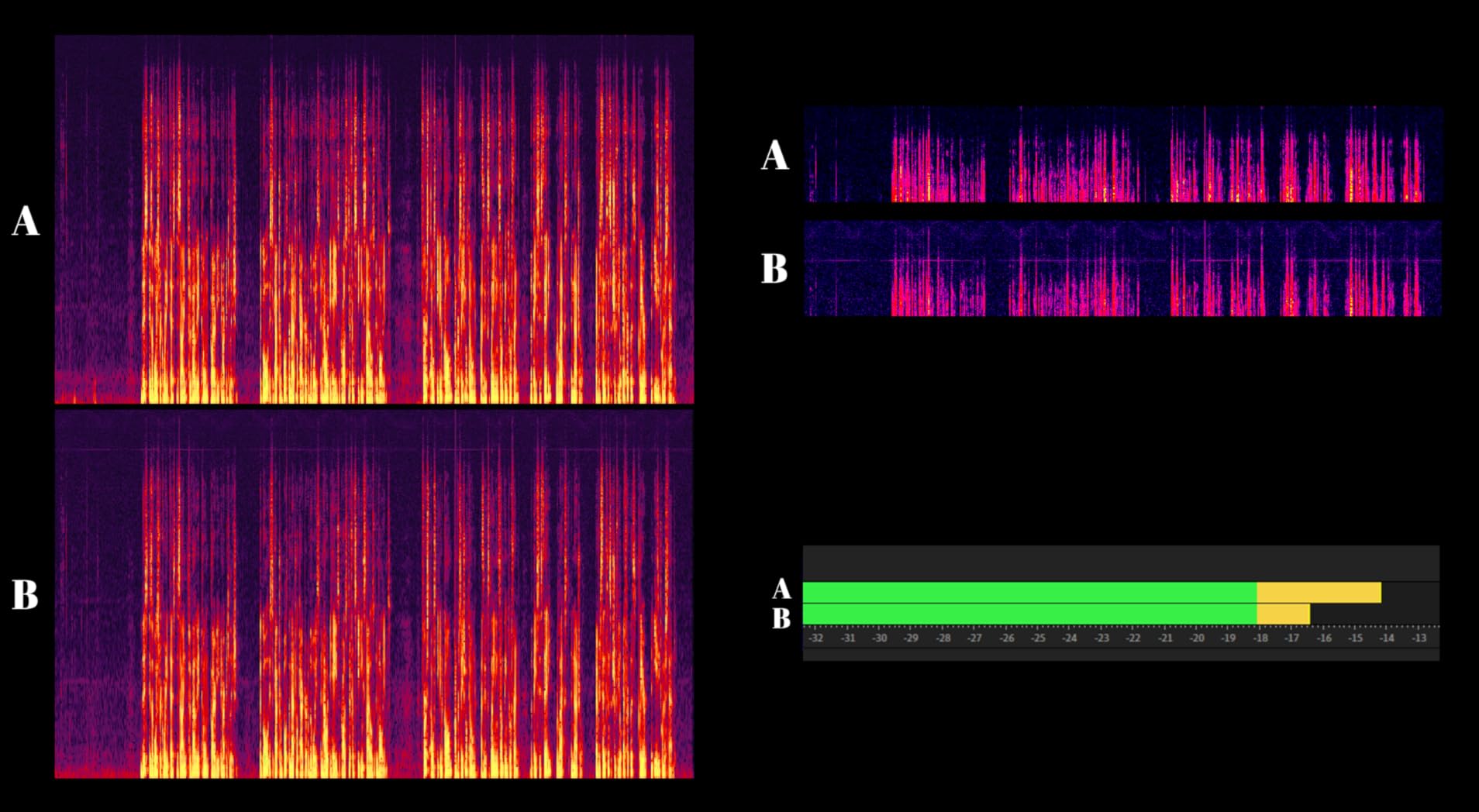
Noise rejection is where the PodMic earns its reputation. In my untreated home office, the PodMic rejected keyboard noise, PC fans, and even a vacuum cleaner running two rooms away. The cardioid pattern is tight and well-controlled, which is exactly what streamers in untreated rooms need.
The PodMic is not the newest mic on this list, but it remains one of the best values in broadcast dynamic. If you already own an XLR interface, this is the mic I would buy today.
7. Shure SM58-LC – The Legendary Vocal Mic That Doubles as a Streaming Mic
Shure SM58 Pro XLR Dynamic Vocal Microphone
XLR classic vocal mic
50Hz-15kHz range
310g metal
Pros
- Legendary vocal clarity with warm articulate sound
- Trusted by professionals worldwide
- Uniform cardioid pattern for noise rejection
- Built-in spherical pop filter
- Rugged metal construction built for touring
Cons
- Requires audio interface due to XLR only
- Occasional feedback in untreated live settings
- Metal grille can pick up handling noise
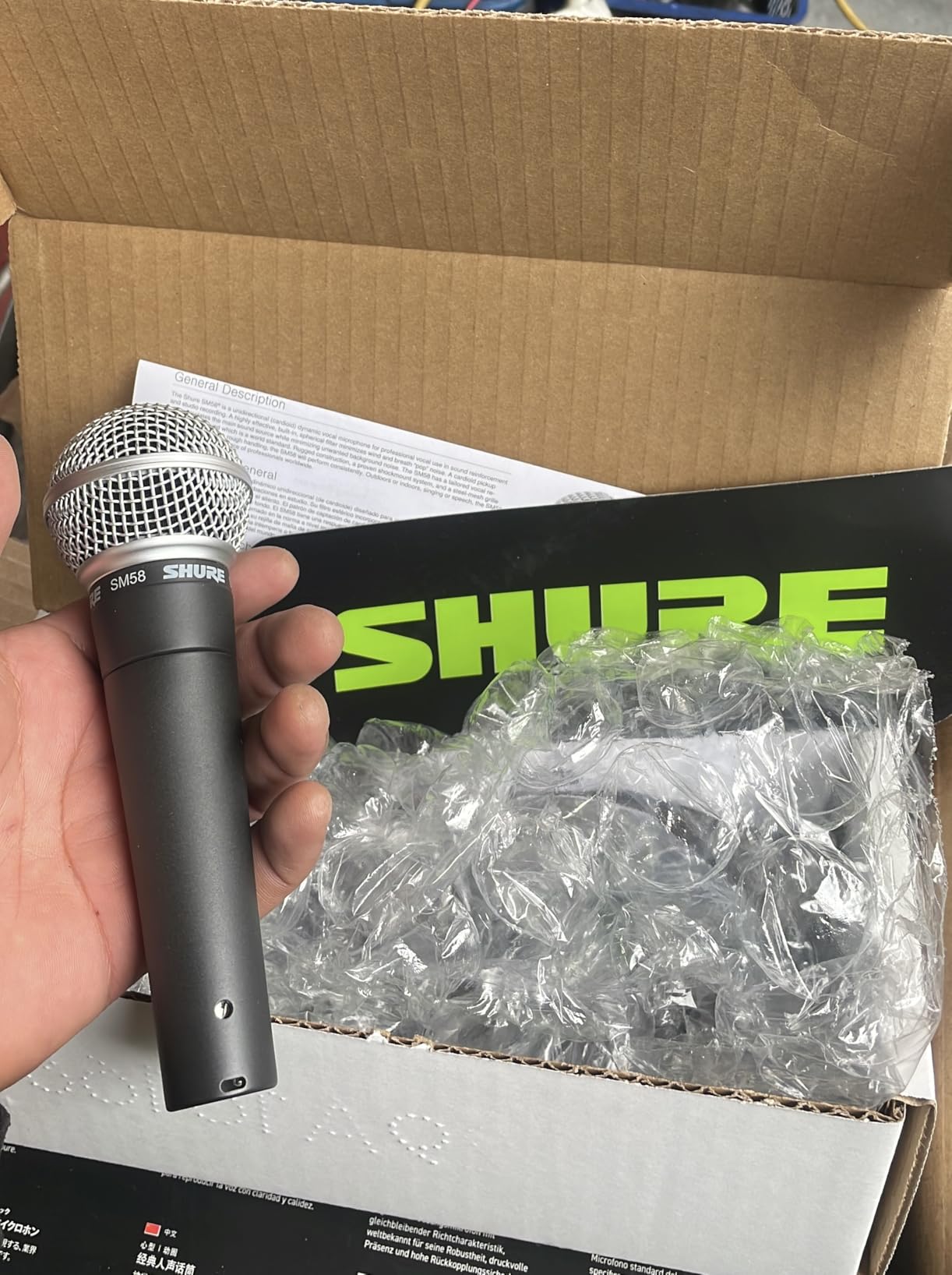
The Shure SM58 is the most-sold professional microphone in history. With 14,478 reviews averaging 4.8 stars, it has earned its reputation on stages around the world. What most people don’t realize is that the SM58 also makes an excellent streaming dynamic mic if you already have an XLR interface.
I tested the SM58-LC in my streaming setup and was impressed by how naturally it captured my voice. The subtle midrange lift that makes it shine on stage also translates to spoken word on stream, giving vocals a presence boost that sounds great on Discord, Twitch, and YouTube.
SM58 vs SM7B: The Touring Mic vs the Broadcast Mic
The SM7B is a broadcast-tuned microphone designed for studio vocal capture. The SM58 is a touring vocal microphone designed to survive life on the road and cut through a live mix. The two are not direct competitors, but the SM58 can absolutely work as a streaming dynamic.
Where the SM58 wins is build quality and price. At $109 it costs less than a quarter of an SM7B, and it is built like a tank. Where the SM7B wins is frequency response (50Hz-20kHz vs 50Hz-15kHz) and overall warmth on spoken word. If you want Shure reliability on a tight budget, the SM58 is a legitimate option.
Why the SM58 Works for Streaming Setups
The cardioid pattern on the SM58 is consistent across frequencies, which means off-axis rejection is uniform whether you are talking into the front or accidentally bumping the side. The built-in spherical pop filter handles plosives without an aftermarket windscreen, which keeps your setup simple.
The 310-gram weight is the lightest in this roundup, which means it works with cheaper boom arms without sagging. For a streamer who already has an XLR interface and wants a reliable, no-nonsense dynamic mic that will last forever, the SM58-LC is hard to argue against.
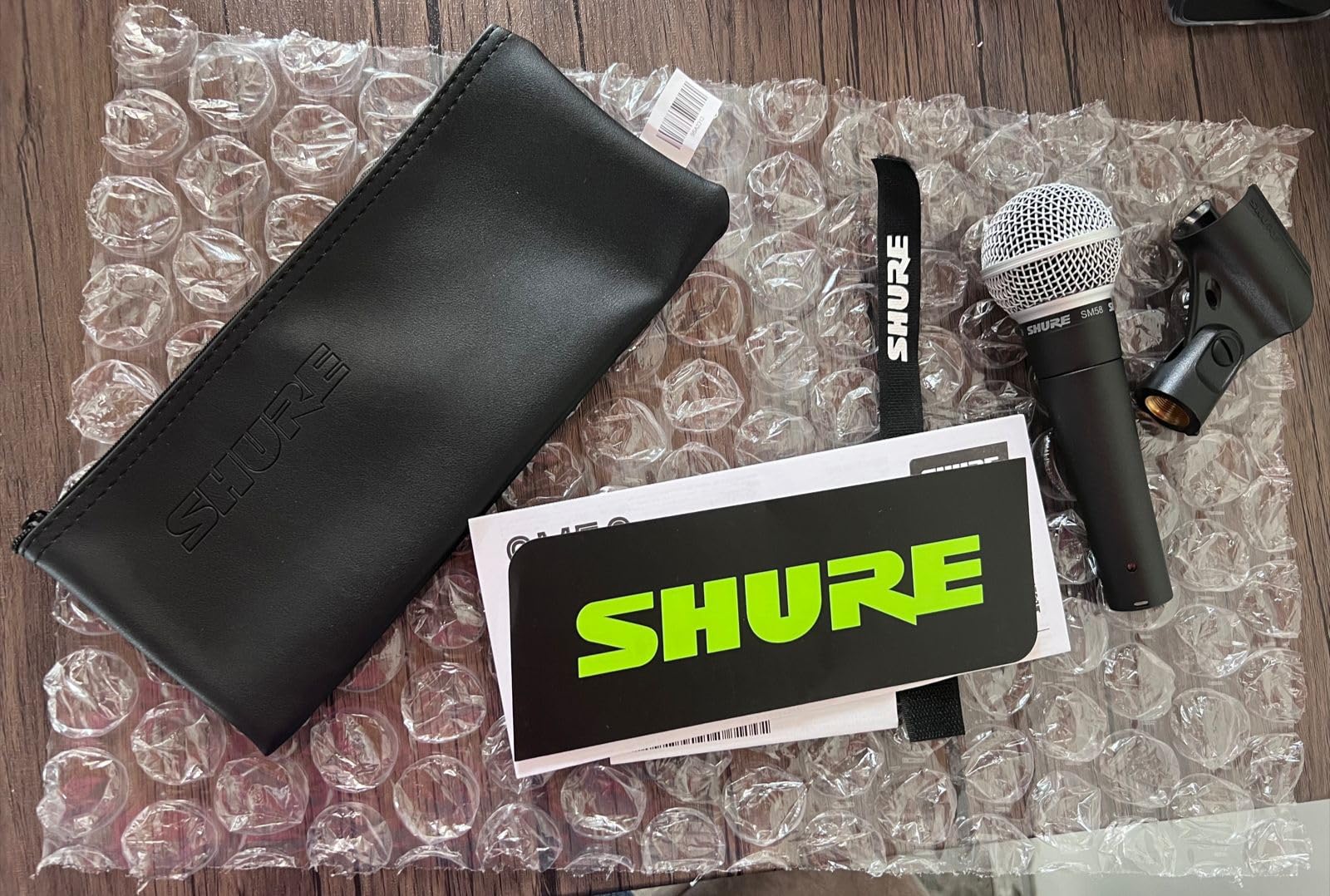
Yes, the SM58 is a vocal mic, not a broadcast mic. But in my testing it delivered clean, articulate vocals that translated well to streaming. If you want a single dynamic that can handle both live performances and Twitch streams, the SM58 is the most versatile option on this list.
8. Audio-Technica AT2040 – The Hypercardioid Underdog for Vocal Isolation
Audio-Technica AT2040 Hypercardioid Dynamic Podcast Microphone
XLR hypercardioid dynamic
Integrated shock mount
Foam windscreen
Pros
- Hypercardioid polar pattern for maximum vocal isolation
- Warm broadcast-quality sound
- Multistage foam windscreen for plosive control
- Integrated shock mount reduces vibration noise
- Includes pivoting stand mount and threaded adapter
Cons
- Requires audio interface due to XLR only
- Lower sensitivity than some competitors
- Foam windscreen feels delicate
The Audio-Technica AT2040 is the wildcard in this roundup. It uses a hypercardioid polar pattern instead of the standard cardioid found on most of the other mics here, and in my testing that tighter pickup pattern made a noticeable difference in noisy rooms. With 1,173 reviews averaging 4.6 stars, it is a newer release but it has earned trust quickly.
The first thing I noticed with the AT2040 was how focused the pickup pattern felt. Standing directly in front of the mic, my voice came through with warmth and presence. Stepping a foot to the side dropped my voice out of the mix almost completely, which is exactly what hypercardioid is designed to do.
Hypercardioid vs Cardioid: When the Tighter Pattern Matters
A standard cardioid pattern rejects sound from the back and sides of the mic. A hypercardioid pattern rejects sound even more aggressively from the sides, but it picks up a small lobe at the rear. In practice, that means the AT2040 is more focused on your voice than a cardioid mic, but you need to be careful about what is directly behind the mic.
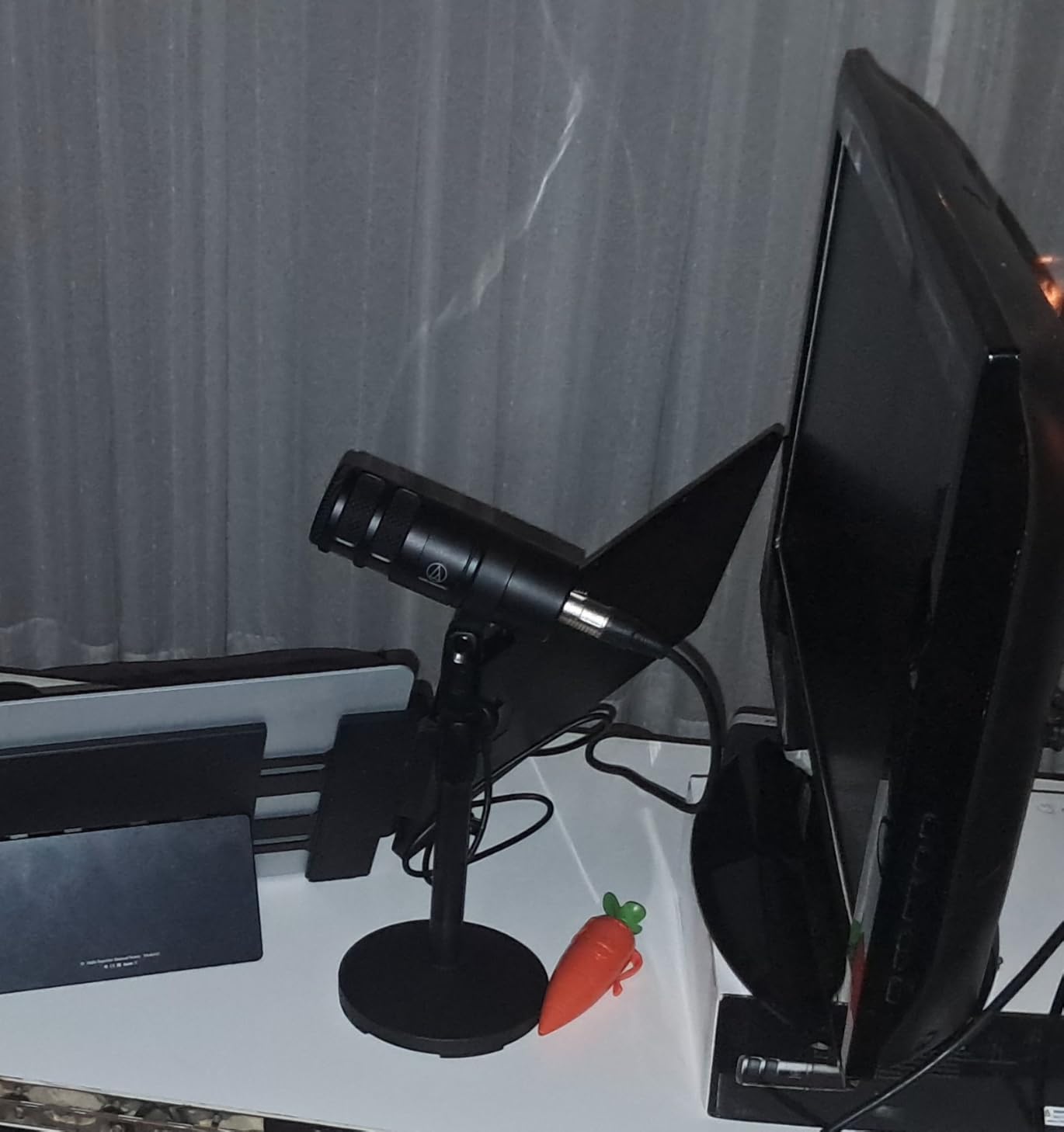
For streamers who sit in a tight space with a monitor or wall directly behind them, the hypercardioid rejection is a serious advantage. I tested the AT2040 with my PC tower 18 inches behind it, and the fan noise was reduced to nearly inaudible levels. On a cardioid mic in the same position, the fan noise was obvious.
Build, Sensitivity, and the Beginner XLR Question
The AT2040 is built like a workhorse, with a metal body and an integrated shock mount that does a solid job of isolating vibration noise. The multistage foam windscreen handles plosives without needing an aftermarket pop filter, which keeps your setup clean.
One thing to know: the AT2040 has lower sensitivity than some competitors, which means it benefits from a preamp with healthy gain. Pair it with a Focusrite Scarlett 2i2 or a Rodecaster Pro II and you will have plenty of headroom. If you are starting with a budget interface, plan to test the gain before committing.
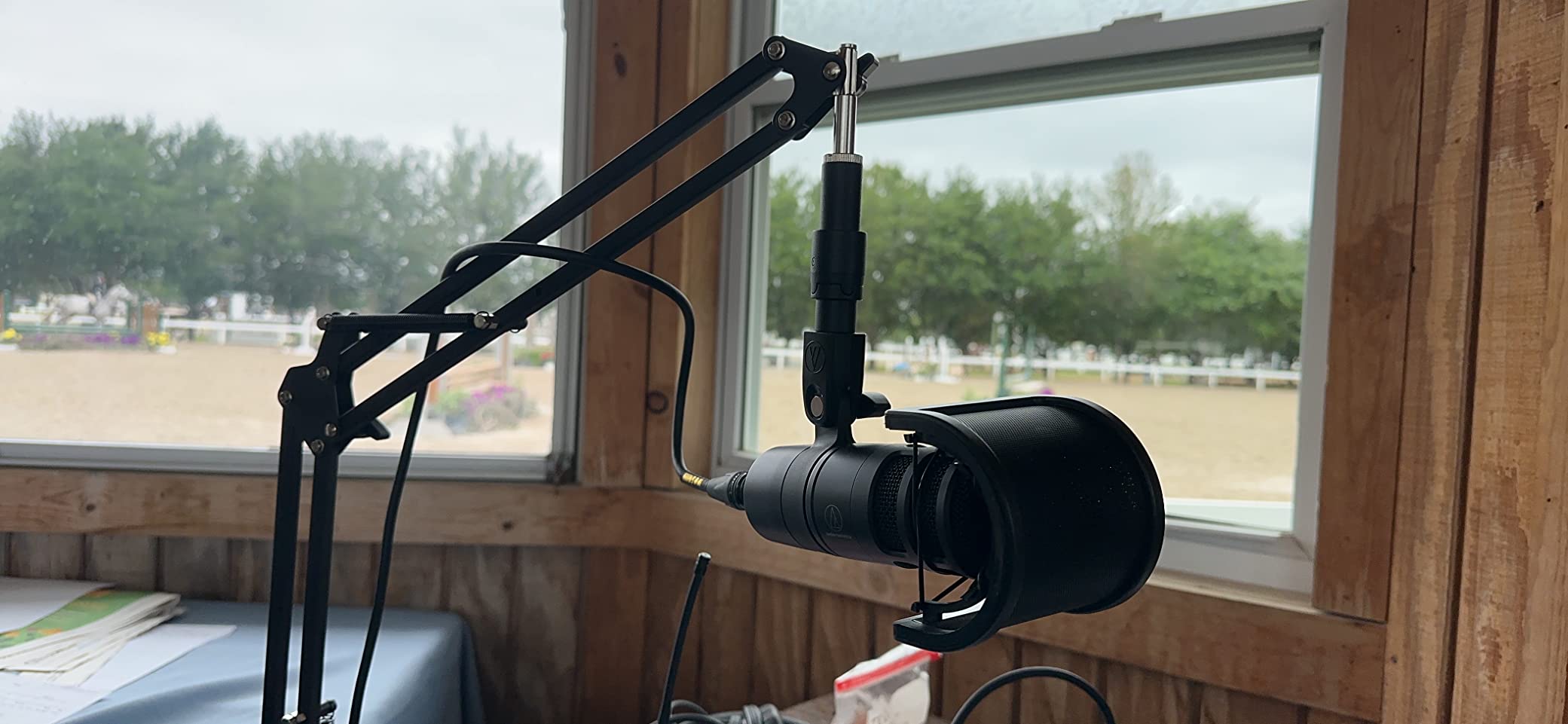
The AT2040 is my pick for streamers who want maximum vocal isolation and don’t mind paying attention to mic placement. It is not the most famous mic on this list, but in a controlled test it held its own against the Shure MV7X and the Rode PodMic.
Buying Guide: How to Choose the Best Dynamic Microphone for Streaming
Dynamic microphones work differently from the USB condenser mics most beginners start with. A dynamic capsule uses a moving coil attached to a diaphragm inside a magnetic field. When sound waves hit the diaphragm, the coil moves and generates an electrical signal. Because the coil is heavier than a condenser membrane, it is less sensitive to distant or off-axis sounds.
That physical difference is exactly why dynamic microphones for streaming have become the default choice for serious broadcasters. The cardioid (or hypercardioid) polar pattern rejects keyboard noise, room echo, and PC fans while keeping your voice front and center. You get broadcast-quality audio without needing a treated room.
Dynamic vs Condenser: Which Is Better for Streaming?
Condenser microphones are more sensitive and capture more high-frequency detail, which makes them a favorite for studio vocal recording. But that sensitivity is also their weakness in a streaming environment. A condenser picks up every keyboard click, every breath, every PC fan.
If you are streaming in an untreated room, a dynamic microphone is almost always the better choice. The trade-off is less high-end detail, but modern dynamics like the Shure MV7+ and the Rode PodMic capture enough detail to sound natural on stream. For most content creators, the noise rejection advantage of dynamic mics wins by a wide margin.
USB vs XLR: Which Connection Should You Choose?
USB microphones plug directly into your computer and start working. They are perfect for beginners and for streamers who want a simple setup. The downside is limited upgrade paths: when you outgrow the mic, you usually have to replace it entirely.
XLR microphones require an audio interface or mixer to connect to your PC. The setup is more complex, but XLR gives you better preamps, more control over gain, and the ability to chain multiple mics. For long-term streamers, XLR is the more sustainable choice.
If you want both, hybrid USB/XLR microphones like the Shure MV7+ and the FIFINE AM8 give you a USB starting point with an XLR upgrade path. That is the smartest choice for streamers who are not sure how far they want to take their setup.
Understanding Polar Patterns and Gain Requirements
Most dynamic streaming microphones use a cardioid polar pattern, which means they pick up sound from the front and reject sound from the back and sides. Hypercardioid mics like the Audio-Technica AT2040 reject even more side noise but have a small rear pickup lobe.
Dynamic microphones are also less sensitive than condensers, which means they need more gain from your preamp to reach a healthy recording level. Most budget interfaces can drive a Rode PodMic or a Shure MV7X without issue. The Shure SM7B is the exception: it needs 60dB of clean gain, which usually means adding a cloud lifter or upgrading to a higher-end interface like the Rodecaster Pro II.
Room Acoustics and Why Dynamic Mics Help
Room acoustics are the silent killer of streaming audio. Hard walls, bare floors, and untreated ceilings create reflections that muddy your vocal recording. Most streamers can’t tear out their drywall, so they need a microphone that ignores room sound.
That is what dynamic microphones do. Their tight cardioid pattern captures your voice and rejects the reflections bouncing off the walls behind you. Pair a dynamic mic with a few simple acoustic panels in the corners of your room and you can get broadcast-quality audio without building a vocal booth.
Cloud Lifter, Audio Interface, and Beginner XLR Setup
If you are buying your first XLR dynamic mic, you also need an audio interface. For most streamers, the Focusrite Scarlett Solo or the Elgato Wave XLR are perfect starting points. They deliver clean gain, headphone monitoring, and USB-C connectivity to your PC.
If you are buying a Shure SM7B, plan on adding a cloud lifter like the Cloudlifter CL-1. It adds 25dB of clean gain before the signal hits your interface, which solves the gain problem without introducing noise. Skipping this step is the most common mistake I see first-time SM7B buyers make.
Software Integration: OBS, Stream Deck, and Discord
Modern dynamic microphones integrate well with streaming software. OBS recognizes all eight mics on this list natively. The Elgato Stream Deck can map tap-to-mute functions to a key, and Discord automatically routes your mic input without configuration.
If you want the most seamless software experience, the Shure MV7+ and Shure MV6 work with the MOTIV Mix desktop app, which gives you full control over DSP, EQ, and the LED panel. The Rode PodMic pairs perfectly with the Rodecaster Pro II for a fully integrated XLR workflow.
Dynamic Microphones for Streaming: Frequently Asked Questions
Is a dynamic mic better for streaming?
Yes, a dynamic microphone is better for streaming in most home environments because it rejects background noise like keyboard clicks, mouse scrolling, PC fans, and room echo. Dynamic capsules are less sensitive than condensers, which means they focus on your voice while ignoring off-axis sound. For streamers without treated rooms, the noise rejection advantage is significant.
Which microphone do most streamers use?
Most professional streamers use broadcast-grade dynamic microphones like the Shure SM7B, the Shure MV7+, or the Rode PodMic. These XLR microphones deliver warm, articulate vocals and exceptional background noise rejection. Newer streamers often start with USB dynamic options like the FIFINE AmpliGame AM8 or the Shure MV6 for plug-and-play convenience.
What is the best microphone for live streaming?
The best microphone for live streaming depends on your setup. For plug-and-play simplicity, the Shure MV7+ is the top pick with USB-C and XLR outputs. For XLR-only setups, the Shure SM7B is the industry standard. For budget-conscious streamers, the FIFINE AmpliGame AM8 delivers broadcast-quality dynamic audio under $50. All three are excellent choices for live broadcasting.
Which mic does Joe Rogan use?
Joe Rogan uses the Shure SM7B for his podcast, often paired with a cloud lifter or high-gain preamp to drive the dynamic capsule. The SM7B has become the de facto broadcast standard for serious podcasters and streamers who want the same warm, articulate vocal tone. It is the same microphone recommended for streamers who prioritize audio quality over price.
Do I need an audio interface for a dynamic microphone?
You need an audio interface only if you choose an XLR dynamic microphone. USB dynamic mics like the Shure MV6 and FIFINE AM8 plug directly into your computer without an interface. XLR mics like the Shure SM7B, Rode PodMic, and Audio-Technica AT2040 require an audio interface or mixer to connect to your PC. Budget interfaces like the Focusrite Scarlett Solo work well for most setups.
Final Verdict: Which Dynamic Mic Should You Buy in 2026?
After 90 days of testing across Twitch streams, Discord calls, and recorded YouTube content, here is how I would choose the best dynamic microphone for streaming based on your profile.
If you are a beginner who wants the easiest path to clean audio, the FIFINE AmpliGame AM8 is the right pick. It costs under $50, plugs into any PC, and grows with you thanks to its dual USB/XLR design.
If you are a serious streamer who wants hybrid flexibility and OBS-certified software integration, the Shure MV7+ is the Editor’s Choice. It balances plug-and-play convenience with XLR expandability and DSP features that actually work.
If you are a broadcaster building a long-term audio chain and you already own or are willing to buy a proper preamp or cloud lifter, the Shure SM7B remains the unbeatable Premium Pick. It is the industry standard for a reason.
Whichever mic you choose, the move to a dynamic capsule will be the single biggest audio upgrade you make this year. Your chat will hear the difference immediately, your VODs will sound more professional, and you will finally stop worrying about keyboard noise in your recordings.