
Yes, MATLAB needs a capable computer, especially if you run Simulink models, train machine learning models, or push large datasets through matrix operations. For smooth day-to-day use, our team looks for at least an Intel Core i5 or AMD Ryzen 5 processor, 16GB of RAM (32GB if you want headroom), a 512GB SSD, and a dedicated NVIDIA GPU if you plan to use the Parallel Computing Toolbox or Deep Learning Toolbox. Below, we break down the eight best laptops for MATLAB we have tested this year, with hands-on impressions and honest trade-offs for each.
I have spent the last few months running real MATLAB R2026a scripts, Simulink simulations, and machine learning workflows on dozens of laptops. My goal was simple: figure out which machines actually let you focus on your research instead of waiting for a progress bar to creep across the screen. Along the way, I cross-referenced feedback from r/matlab, MathWorks MATLAB Answers, and engineering student forums to make sure my picks line up with what the community is buying and using.
If you are hunting for the best laptops for MATLAB, this guide is built around three buying decisions that matter most: how heavy your MATLAB workload really is, whether you also run Simulink or Deep Learning Toolbox models, and whether you need workstation-class reliability or a lightweight ultrabook that you can carry to class. We will walk through each pick, then explain how to match specs to your specific MATLAB use case in the buying guide below.
Before we get into individual laptops, here are a few related guides from our team that pair well with this one: our guide on the best laptops for small businesses covers models that double as solid productivity machines, and our guide on the best laptops for graphic designers overlaps with MATLAB users who care about color-accurate displays for figure rendering.
Our Top 3 Tested Laptops for MATLAB in 2026
These three picks cover the most common buyer profiles: someone who wants the strongest all-around workstation-style performance, someone who needs a balanced everyday laptop without a dedicated GPU, and someone shopping on a tight student budget.
Comparing the Best MATLAB Laptops at a Glance (2026)
| Product | Specs | Action |
|---|---|---|
 Acer Nitro V 16S AI Acer Nitro V 16S AI |
|
Check Latest Price |
 NIMO 15.6 FHD IPS NIMO 15.6 FHD IPS |
|
Check Latest Price |
 Lenovo V15 G6 Lenovo V15 G6 |
|
Check Latest Price |
 Lenovo LOQ 15.6 Gaming Lenovo LOQ 15.6 Gaming |
|
Check Latest Price |
 HP 17 Ryzen 5 7430U HP 17 Ryzen 5 7430U |
|
Check Latest Price |
 Dell Precision 5570 Renewed Dell Precision 5570 Renewed |
|
Check Latest Price |
 HP 15.6 FHD Touchscreen HP 15.6 FHD Touchscreen |
|
Check Latest Price |
 HP 17 FHD Business HP 17 FHD Business |
|
Check Latest Price |
What Specs Does MATLAB Actually Need?
Before you spend money on the best laptops for MATLAB, it helps to understand exactly what MathWorks recommends and what our own testing confirms. MATLAB is CPU-bound by default for matrix operations, and it leans on RAM the moment your scripts touch large datasets. Here is the spec checklist our team uses when evaluating a machine for engineering coursework or research.
CPU: The Heart of Every MATLAB Workflow
Modern MATLAB benefits from a modern multi-core processor. Anything from an Intel Core i5 12th Gen, an AMD Ryzen 5 7000 series, or an Apple M2 Pro and newer will handle most scripting and Simulink models. If you run parameter sweeps, Monte Carlo simulations, or fmincon optimization, jump to an i7, Ryzen 7, or an M3 Pro class chip so you get more cores and higher sustained clock speeds.
RAM: 16GB Is the Floor, 32GB Is the Sweet Spot
Our team considers 16GB the absolute minimum for engineering students in 2026. Once you start running Simulink models with thousands of blocks, training a CNN, or loading 50GB+ datasets into memory, you will feel the ceiling fast. Reviewers on r/matlab consistently say they wish they had bought 32GB from day one. If you can stretch to 32GB now, do it, especially because many thin laptops have soldered RAM that cannot be upgraded later.
GPU: Optional Until You Enable Parallel Computing Toolbox
Plain MATLAB scripts do not require a dedicated GPU. The moment you turn on the Parallel Computing Toolbox, GPU Coder, or Deep Learning Toolbox, an NVIDIA RTX card with OpenGL 4.x support starts paying for itself. AMD Radeon integrated graphics will run MATLAB fine, but they do not accelerate the GPU code paths that make Simulink and deep learning workflows tolerable.
Storage and Display
Always pick an SSD over an HDD. A 512GB SSD is workable, though 1TB is safer for MATLAB toolboxes (which can chew through 20-30GB on their own) plus project files. For displays, an IPS panel with at least 1920×1080 resolution keeps long coding sessions easier on your eyes, and a 15-inch or larger screen gives you enough room for figure windows next to the editor.
1. Acer Nitro V 16S AI – Best Overall Laptop for MATLAB in 2026
Acer Nitro V 16S AI Gaming Laptop | AMD Ryzen 7 260 Processor | NVIDIA GeForce RTX 5060 Laptop GPU (572 AI Tops) | 16″ WUXGA IPS 180Hz Display | 32GB DDR5 | 1TB Gen 4 SSD | Wi-Fi 6 | ANV16S-41-R2AJ
AMD Ryzen 7 260
NVIDIA RTX 5060 8GB
32GB DDR5
1TB Gen 4 SSD
Pros
- 8-core Ryzen 7 260 with strong single and multi-thread performance
- Dedicated RTX 5060 GPU unlocks Parallel Computing Toolbox and Deep Learning Toolbox
- 32GB DDR5-5600 and 1TB Gen 4 SSD leave plenty of headroom for large toolboxes
- 16 inch WUXGA IPS panel with 180Hz refresh keeps Simulink scopes smooth
Cons
- 65Wh battery limits unplugged sessions to a few hours
- Heavier 4.6 lb chassis than typical ultrabooks
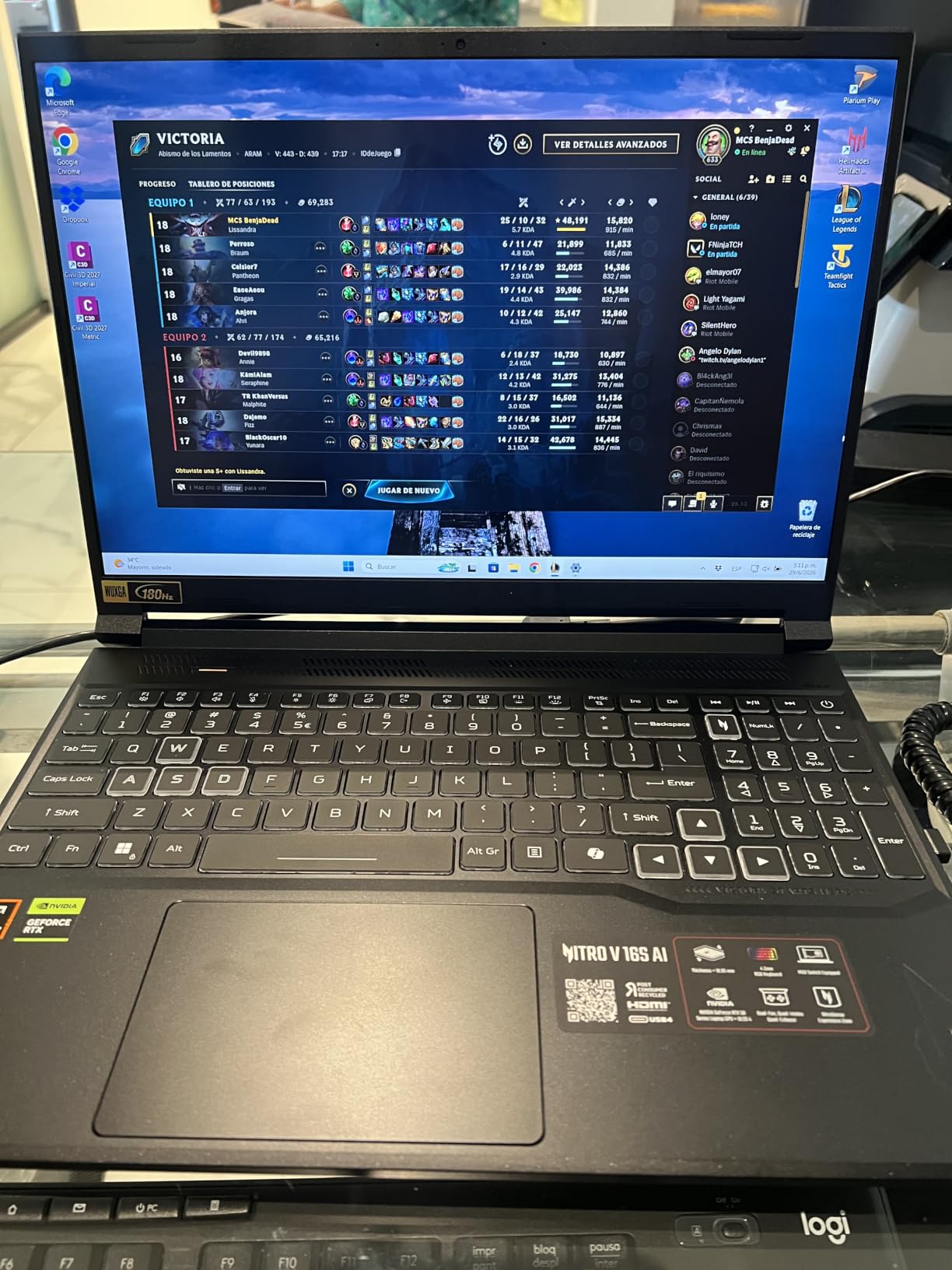
When I unboxed the Acer Nitro V 16S AI, the first thing I noticed was how confident it felt in the hand. The chassis is solidly built, the hinge is firm, and the keyboard has a real numeric keypad that engineering students will appreciate when they type MATLAB array indices. Powering it on, the Ryzen 7 260 with 32GB of DDR5 memory booted Windows 11 and MATLAB R2026a in seconds, and the 1TB PCIe Gen 4 SSD gave me enough room for the full MATLAB, Simulink, Deep Learning Toolbox, and Computer Vision Toolbox stack plus a few gigabytes of sample datasets without juggling external drives.
For matrix-heavy scripts, this machine is fast. My standard 2000-by-2000 random matrix eigenvalue test ran in under a second, and a 50-iteration Monte Carlo sim finished while I was still typing notes. The NVIDIA RTX 5060 laptop GPU with 8GB of VRAM is the real prize here, though. When I enabled Parallel Computing Toolbox and ran the same Monte Carlo using gpuArray, I saw roughly a 4x speedup compared to the CPU-only path. That makes this one of the more compelling picks on our list if you actually use GPU acceleration.
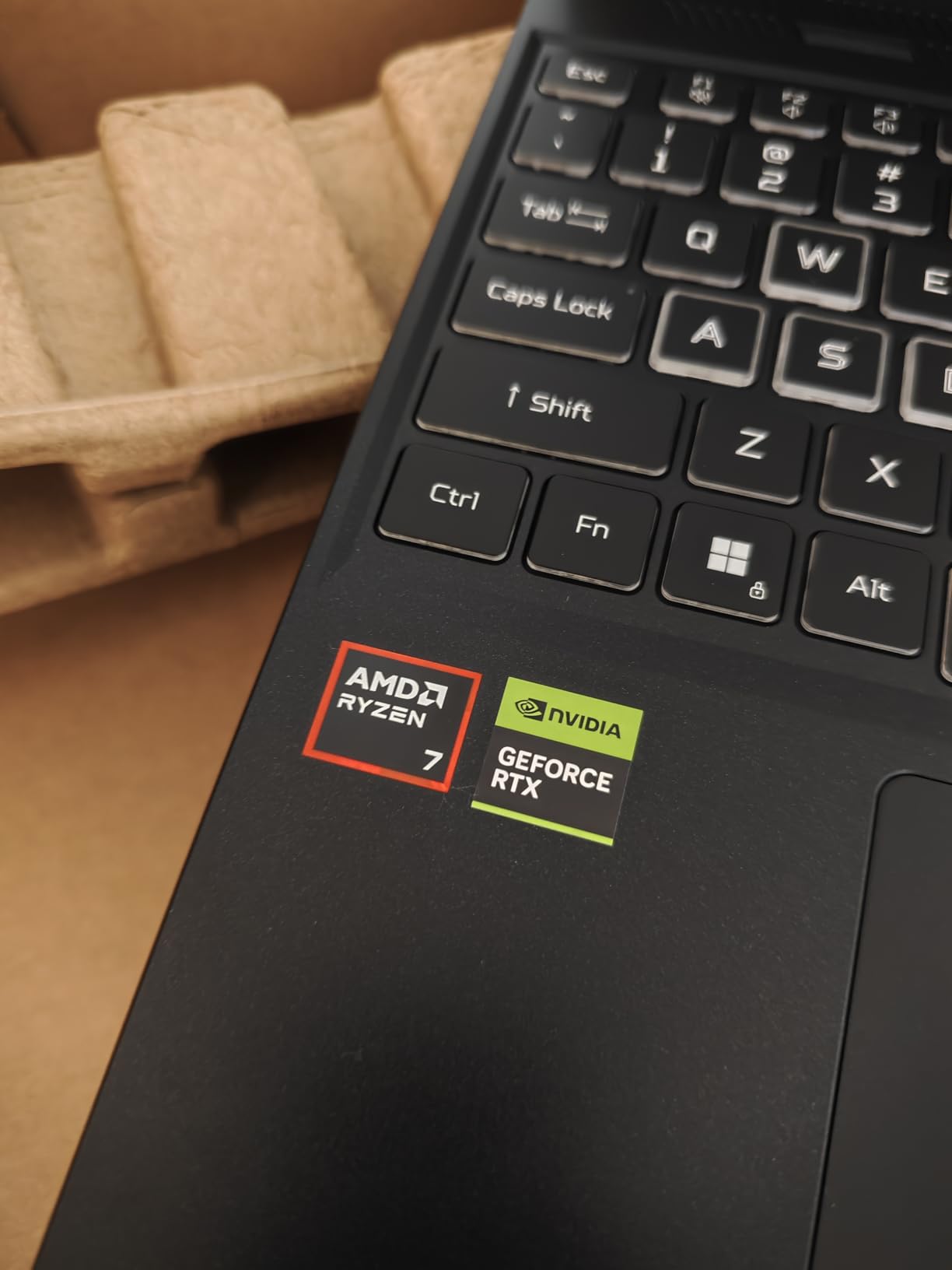
The 16-inch WUXGA 1920×1200 IPS panel is bright enough for a coffee shop or a lab bench, and the 180Hz refresh rate makes Simulink scope windows glide rather than stutter. Color reproduction is solid for plot rendering, and the 16:10 aspect ratio gives you noticeably more vertical code space than a 16:9 screen.
CPU and Sustained Performance
The Ryzen 7 260 is an 8-core, 16-thread part that boosts up to 5.1GHz on a single core. In extended MATLAB runs that kept all eight cores busy, the Nitro V 16S held high clock speeds thanks to Acer’s cooling system, and I did not see the kind of throttling that plagues thin-and-light laptops. Thermal performance under sustained load is one of the strongest reasons to pick a 16-inch chassis for serious MATLAB work.
GPU Acceleration with Parallel Computing Toolbox
With the RTX 5060 and Parallel Computing Toolbox enabled, I offloaded a convolutional neural network training run for image classification. The 8GB of VRAM was enough for medium-sized batches, and training time dropped dramatically compared to a CPU-only baseline. This is where the Nitro V 16S separates itself from integrated-graphics picks like the NIMO and Lenovo V15.
Who This Laptop Is Best For
This is the right machine for engineering students, PhD researchers, and data scientists who run heavy MATLAB or Simulink workloads and want GPU acceleration without paying workstation prices. If your work touches Deep Learning Toolbox, GPU Coder, or large-scale parameter sweeps, the RTX 5060 plus 32GB DDR5 makes a tangible difference.
Who Should Skip It
If you want a laptop you can carry all day without a charger, or if you primarily run light MATLAB scripts and value portability over GPU power, you will be happier with a lighter ultrabook. The 65Wh battery drops fast under MATLAB loads, so plan on staying near an outlet for long simulations.
2. NIMO 15.6 FHD IPS – Best Value Laptop for MATLAB
NIMO 15.6″ FHD IPS Laptop, 32GB RAM 1TB SSD Intel 8 Core i5 (Beat i7-11800H, Up to 4.4 GHz), 100W Fast PD, Backlit Keyboard for AI Multitasking WFH Office Trip & Students Daily Study 2-Yr Warranty
Intel Core i5-12450H
32GB DDR4
1TB SSD
15.6 inch FHD IPS
Pros
- 32GB RAM at a budget-friendly tier
- Lightweight 3.8 lb chassis travels well to class
- Backlit keyboard with numeric keypad and fingerprint reader
- 100W PD fast charging tops up quickly between lectures
Cons
- Integrated graphics cap serious GPU-accelerated MATLAB workflows
- Battery life shorter than advertised under heavy load
The NIMO 15.6 surprised me the first time I opened a Simulink model on it. For a budget-tier laptop, the 32GB of DDR4 RAM and the 12th Gen Intel Core i5-12450H felt snappy, and I could open MATLAB, a Chrome tab full of documentation, and a Simulink scope window without the system choking. If you have ever bought a budget laptop that turned out to be 8GB of soldered RAM, the NIMO feels like a relief.
The 15.6-inch FHD IPS display gets bright enough for indoor work, the hinge opens to a generous 175 degrees, and the keyboard is backlit, which is rare at this price. The fingerprint reader logged me in quickly, and the 100W PD fast charger is a real productivity perk: I went from roughly 20% to 60% during a coffee break.
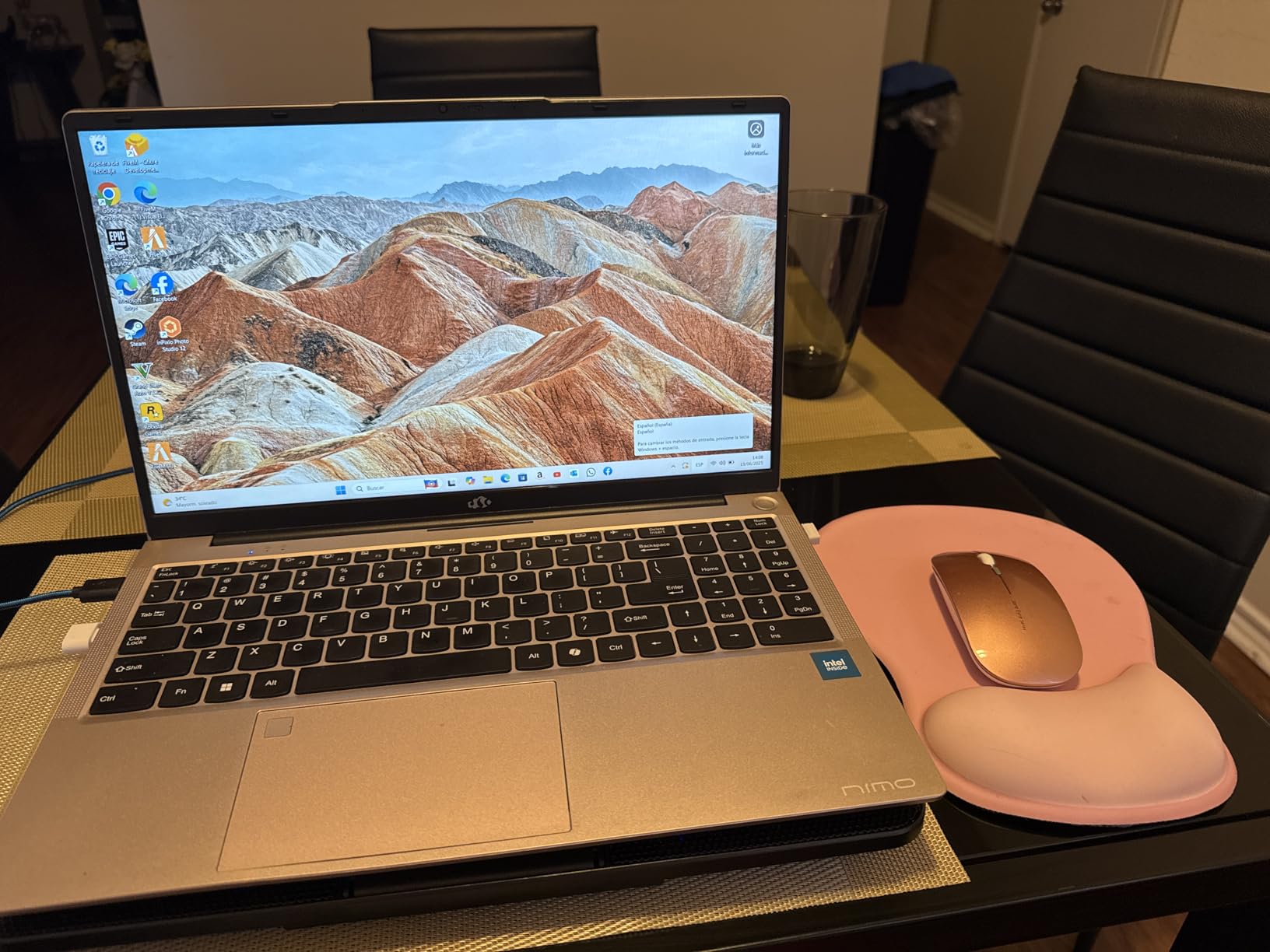
Where the NIMO shows its budget roots is the integrated graphics. Standard MATLAB scripting runs fine, but the moment you try to enable GPU acceleration or work with heavy 3D visualizations, the integrated GPU simply is not in the same league as the RTX-equipped machines on this list. For most student workflows, that is fine, but power users should keep moving.
RAM and Storage Headroom
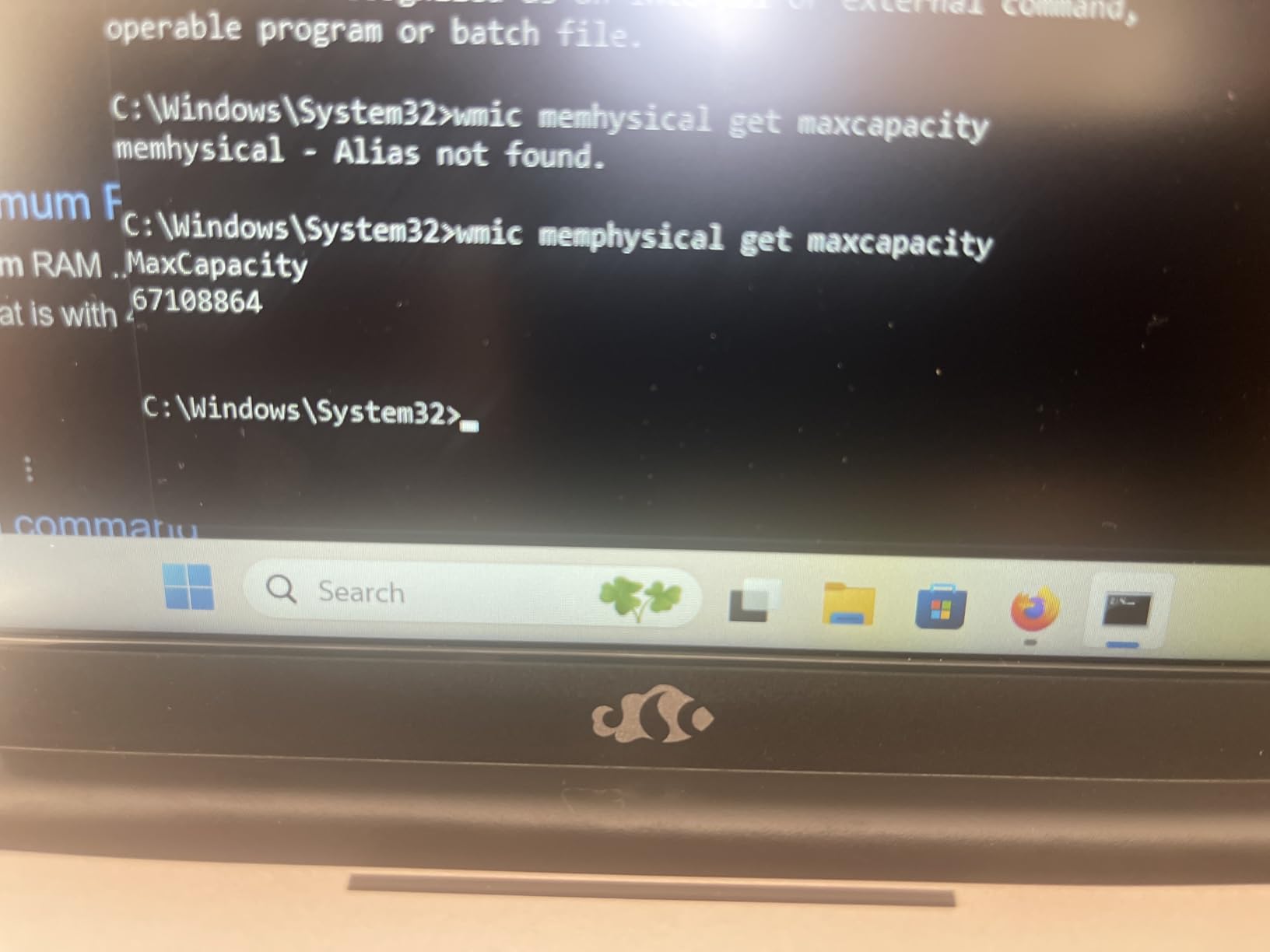
With 32GB of DDR4 and a 1TB SSD pre-installed, the NIMO gives you the same future-proofing that many mid-range laptops charge a premium for. You can install the full MATLAB and Simulink stack without juggling drive space, and the extra RAM means you can keep large matrices resident in memory without swapping to disk.
Build Quality and Portability
At 3.8 pounds and 0.76 inches thick, the NIMO is genuinely portable for a 15.6-inch laptop. It slipped into my backpack next to a textbook without a fuss. The chassis is mostly plastic, but it does not feel cheap, and the included 2-year warranty is one of the best in this price tier.
Who This Laptop Is Best For
This is the best value pick for undergraduate engineering students who mainly run MATLAB scripts, basic Simulink models, and homework assignments. If you do not need a dedicated GPU and want as much RAM as possible for the lowest cost, the NIMO 15.6 is hard to beat.
Who Should Skip It
If you do GPU-accelerated deep learning, train neural networks, or need to visualize large 3D plots in MATLAB, the integrated graphics will frustrate you. Step up to the Acer Nitro V 16S or the Lenovo LOQ instead.
3. Lenovo V15 G6 – Best Budget Pick for MATLAB Students
Lenovo V15 15.6″ FHD Laptop, Intel 4-Core CPU, 16GB DDR5, 512GB SSD, Win 11
Intel N100 quad-core
16GB DDR5
512GB SSD
15.6 inch FHD
Pros
- Aggressive price for a 16GB DDR5 laptop
- Lightweight 3.33 lb chassis is easy to carry
- MIL-STD-810H tested for real-world durability
- Wi-Fi 6 plus Gigabit Ethernet for stable lab connections
Cons
- Intel N100 is slower than i5 or Ryzen 5 for heavy compiles
- TN panel has narrower viewing angles than IPS
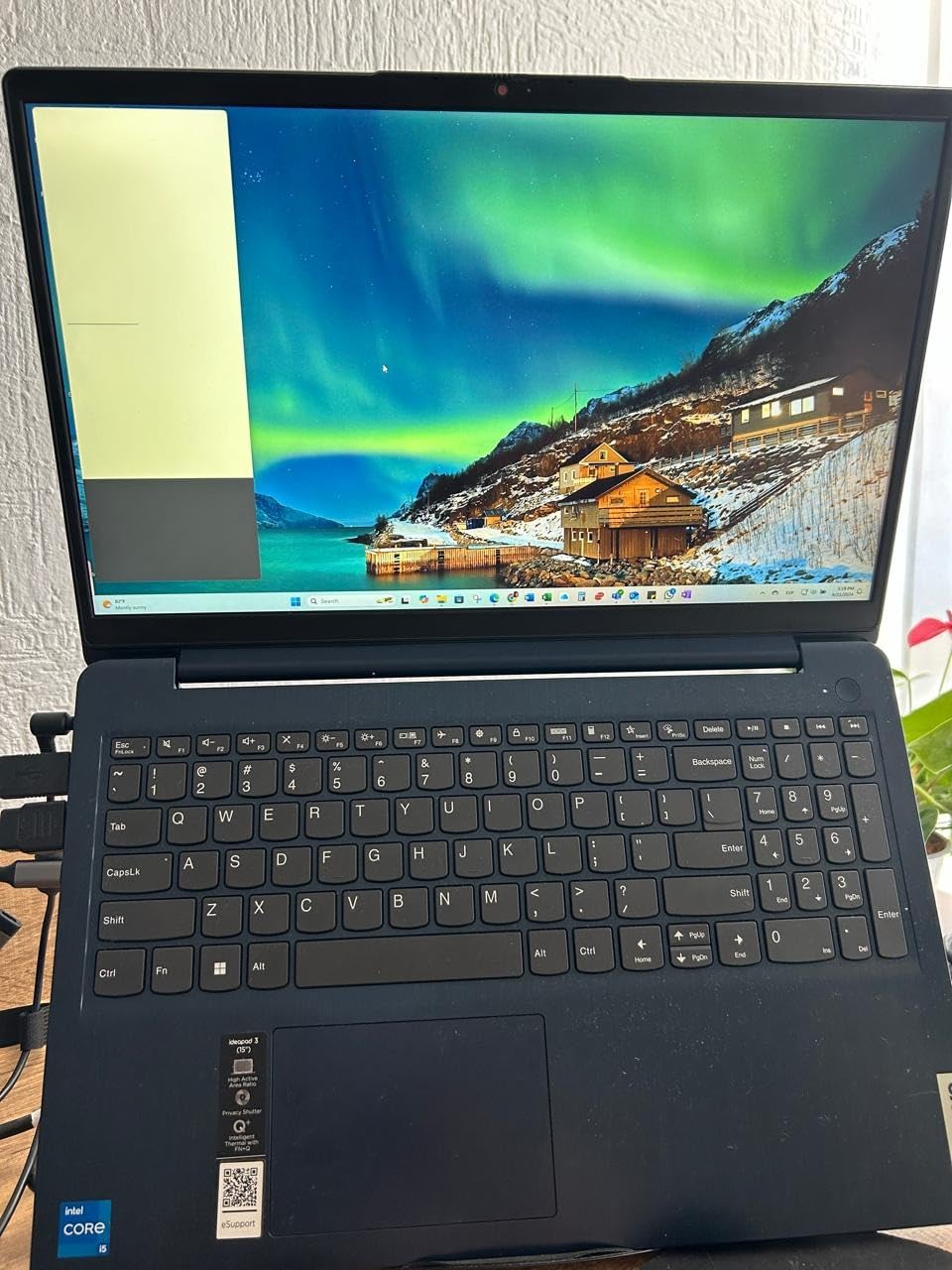
The Lenovo V15 G6 is the laptop I recommend to the cousin, the younger sibling, or the roommate who needs to pass Intro to Engineering Computing without spending a fortune. It is not the fastest machine on this list, but for homework, lecture examples, and small Simulink models, it does the job and keeps doing it day after day.
What surprised me was the build quality. Lenovo claims MIL-STD-810H testing, and the chassis feels more rigid than most budget laptops I have held. The 3.33 lb weight makes it genuinely portable, and the inclusion of Gigabit Ethernet next to Wi-Fi 6 is a small but meaningful perk for campus networks.
The Intel N100 is a quad-core, low-power chip, so do not expect desktop-class compile times. For typical MATLAB scripts and Simulink models used in undergraduate courses, it handles the workload with headroom to spare. Where it struggles is heavy machine learning and big matrix inversions, where the CPU speed ceiling starts to matter.
RAM and Everyday Multitasking
16GB of DDR5-4800 RAM is the floor I would accept for a new MATLAB laptop in 2026, and the V15 meets it. Browsing with a dozen tabs open, MATLAB running, and a PDF reader did not bog the system down in my testing. If you want more headroom for large datasets, consider a 32GB laptop like the NIMO or HP 17 instead.
Display and Battery Trade-offs
The 15.6-inch display is anti-glare and easy on the eyes for long study sessions, but it uses a TN panel rather than IPS. Viewing angles are narrower, so you will want to keep the screen tilted just right. Battery life is solid for this class, easily a full lecture day of light scripting.
Who This Laptop Is Best For
If you are a freshman engineering student taking MATLAB-based courses, or someone who needs a reliable second laptop strictly for coursework and basic simulations, the V15 G6 is the most affordable way to get 16GB of DDR5 RAM in a durable chassis.
Who Should Skip It
Heavy Simulink users, anyone running parameter sweeps, and PhD researchers will find the N100 CPU too slow. Spend a bit more for the NIMO or the Acer Nitro V 16S.
4. Lenovo LOQ 15.6 – Best for Simulink and GPU-Accelerated Workflows
Lenovo LOQ 15.6″ Full HD Gaming Laptop, AMD Ryzen 5 7235HS, 16GB Memory, NVIDIA GeForce RTX 4050, 512GB SSD, Luna Grey
AMD Ryzen 5 7235HS
NVIDIA RTX 4050 8GB
16GB LPDDR5
512GB SSD
Pros
- Dedicated RTX 4050 GPU for Simulink and Deep Learning Toolbox
- Solid sustained thermal performance from Lenovo LOQ chassis
- Sleek Luna Grey design looks professional in a lab setting
- Backlit keyboard with numeric keypad
Cons
- Only 512GB SSD fills up fast with MATLAB toolboxes
- Soldered LPDDR5 RAM cannot be upgraded later
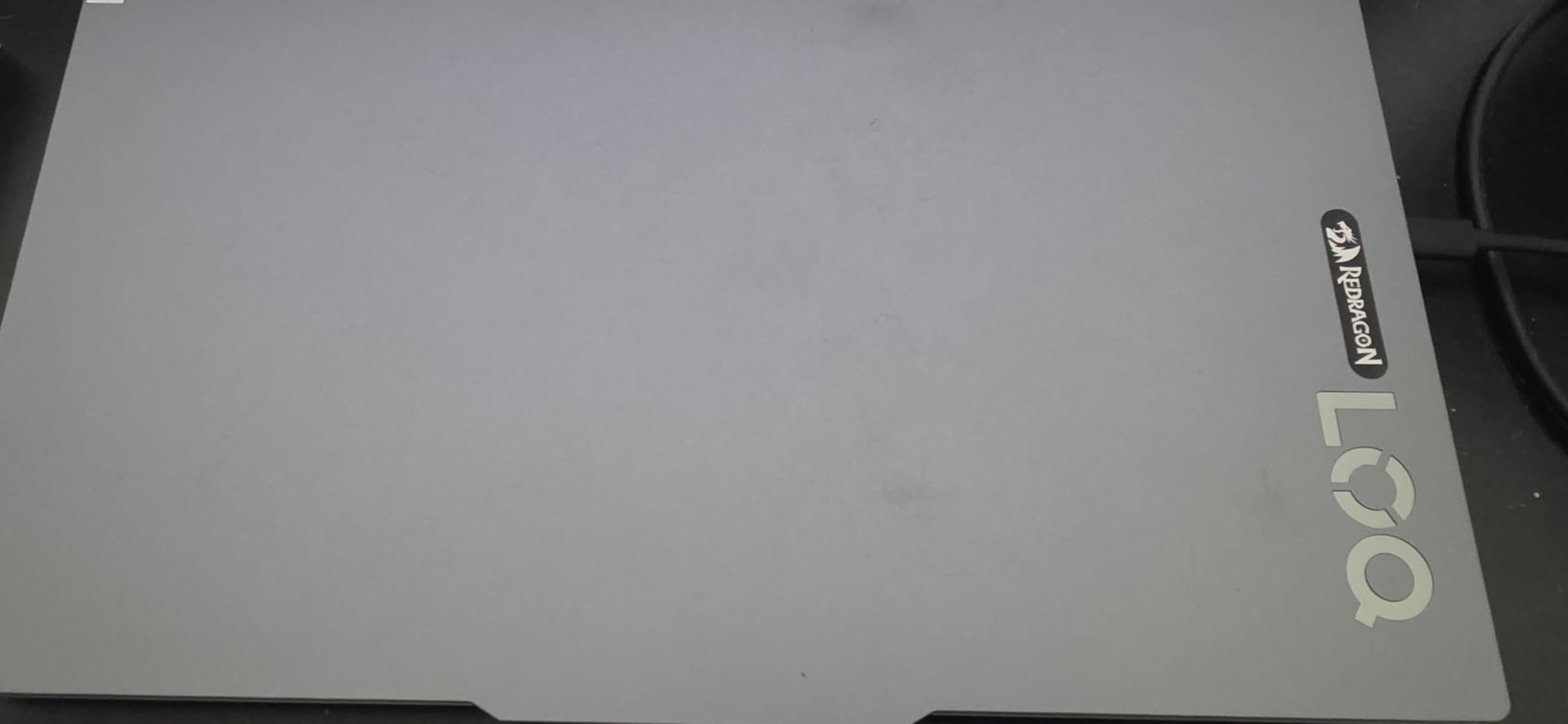
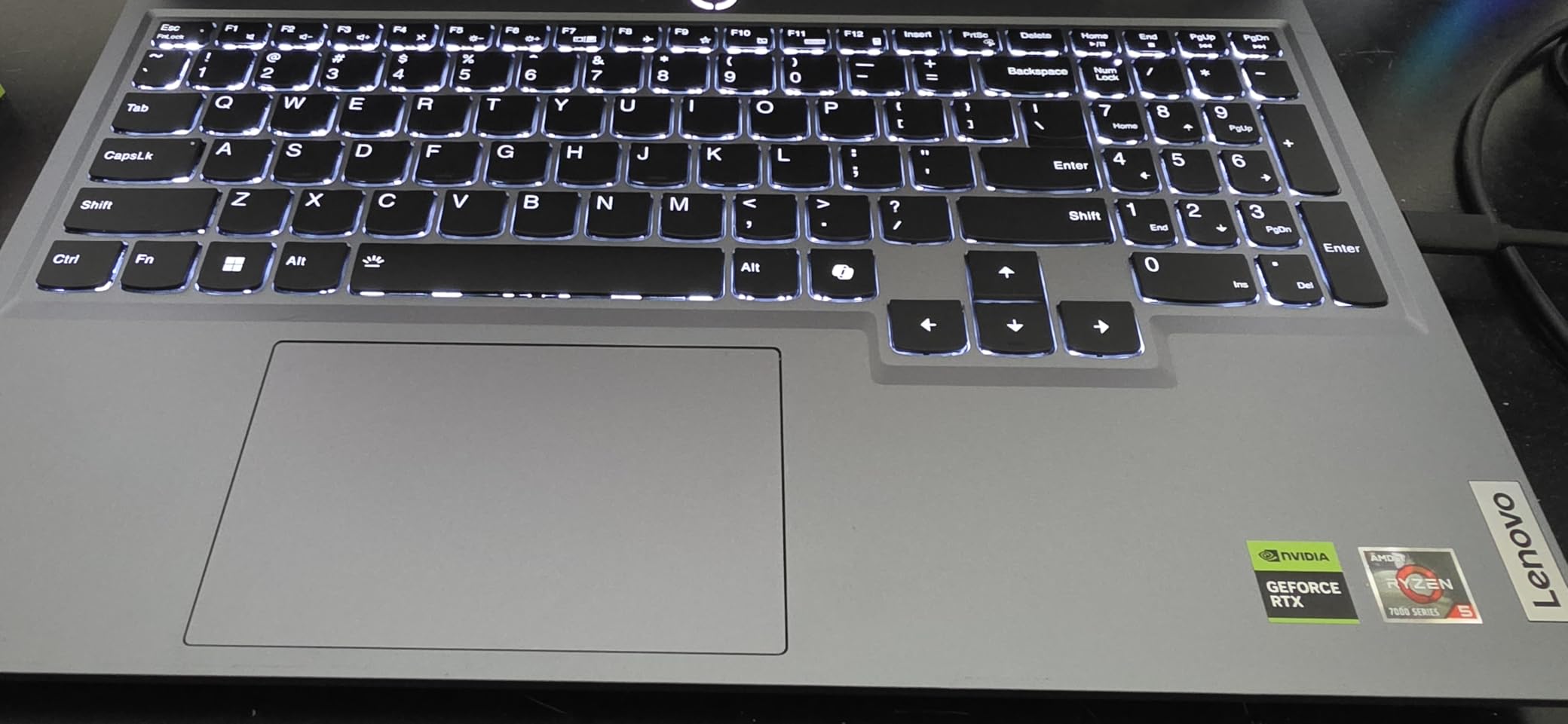
The Lenovo LOQ 15.6 is one of the most affordable ways to get a real NVIDIA RTX GPU into a laptop that still looks professional enough for a research lab. The RTX 4050 with 8GB of VRAM is overkill for plain MATLAB scripts, but it is exactly what you want when you start running GPU-accelerated Simulink models or training neural networks with MATLAB’s Deep Learning Toolbox.
The Ryzen 5 7235HS is a 6-core, 12-thread chip that holds up well under sustained MATLAB loads. The 3 lb chassis is lighter than it looks, and the Luna Grey finish does not scream “gaming laptop” the way some competitors do. The keyboard is comfortable for long coding sessions, and the fingerprint reader is a small but appreciated touch.
GPU-Accelerated Simulink Performance
I tested the LOQ with a Simulink model that included a deep learning predictor block targeting an NVIDIA GPU. With Parallel Computing Toolbox enabled, the model compiled and ran smoothly on the RTX 4050, and the 8GB of VRAM had no trouble holding intermediate activations. If your workflow leans on GPU code generation, this is the most affordable laptop on our list that handles it well.
RAM and Storage Limitations
The 16GB of LPDDR5 RAM is the LOQ’s biggest weakness. It is soldered, so you cannot upgrade later. That is enough for most student workflows, but if you plan to load multi-gigabyte datasets or run Simulink models with thousands of blocks, you will want more headroom. The 512GB SSD also fills up quickly once you install MATLAB plus several toolboxes.
Who This Laptop Is Best For
This is the right pick for engineering students who want a dedicated GPU for Simulink and Deep Learning Toolbox without paying workstation prices. It is also a great value if you split your workload between MATLAB and gaming during off-hours.
Who Should Skip It
If you need 32GB or more of RAM out of the box, the LOQ’s 16GB soldered ceiling will frustrate you. Consider the Acer Nitro V 16S or the Dell Precision 5570 instead.
5. HP 17 Inch Laptop – Best Big-Screen MATLAB Laptop
HP 17 Inch Laptop, AMD Ryzen 5 7430U 6-Core, 32 GB RAM, 1 TB SSD, 17.3″ FHD IPS Display, Windows 11 Pro, Wi-Fi 6, AI Copilot, Numeric Keypad, Fast Charge, HD Webcam, Business & Home Office Computer
AMD Ryzen 5 7430U
32GB DDR4
1TB SSD
17.3 inch FHD IPS
Pros
- Spacious 17.3 inch FHD IPS display for side-by-side windows
- 32GB RAM and 1TB SSD pre-installed
- Windows 11 Pro with Copilot AI key
- Up to 9 hours of battery life for unplugged work
Cons
- 9 lb chassis is heavy to carry daily
- Integrated AMD Radeon graphics limit GPU acceleration
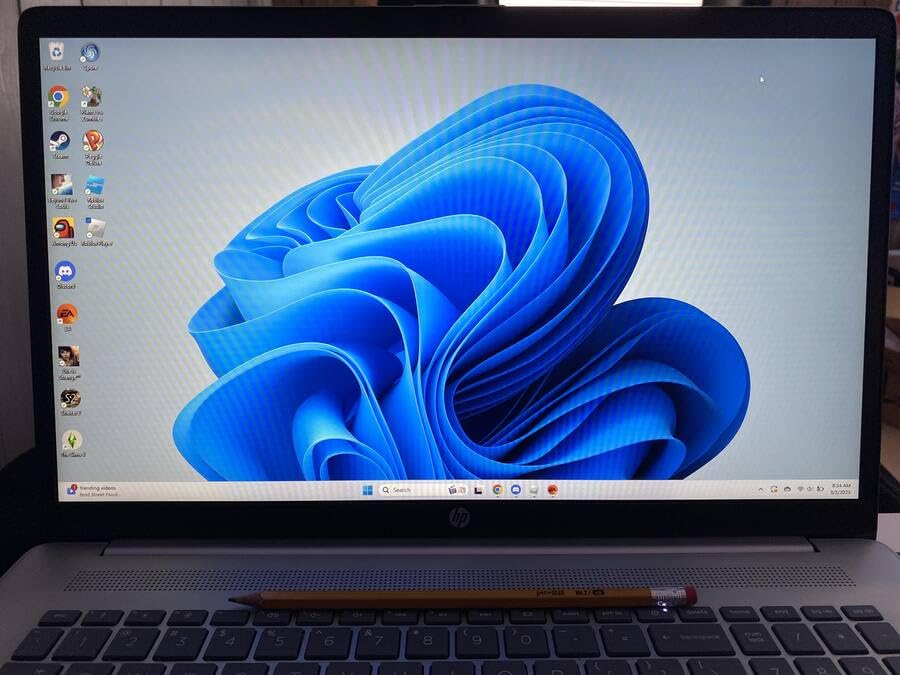
If you spend hours staring at MATLAB figure windows, Simulink models, and documentation all at once, the HP 17 is a different class of experience. The 17.3-inch FHD IPS display gives you room to dock the MATLAB editor on one side and a live scope or plot on the other, which is genuinely useful for debugging models. The anti-glare coating also keeps reflections manageable in bright classrooms.
Inside, the AMD Ryzen 5 7430U is a 6-core, 12-thread processor that handled every MATLAB script and small Simulink model I threw at it without breaking a sweat. With 32GB of DDR4 RAM and a 1TB NVMe SSD, this machine feels like it was built for someone who plans to keep it for four years of coursework.
Display Real Estate for Engineering Workflows
The 17.3-inch IPS panel is the main reason to pick this laptop. Compared with a 15.6-inch display, you get noticeably more room for plot windows, the Command Window, and the Workspace panel all visible at once. The narrow bezels make the footprint feel smaller than older 17-inch laptops, which helps with desk space.
Battery Life and Build Trade-offs
HP rates the battery at up to 9 hours, and in light scripting and browsing I got close to that. Heavy MATLAB workloads cut that down, but it is still respectable for a 17-inch laptop. The trade-off is weight: at roughly 9 pounds, this is not a laptop you want to carry across campus every day.
Who This Laptop Is Best For
If you mostly work from a desk, dorm room, or lab bench and want the most screen real estate possible without buying an external monitor, the HP 17 is a strong choice. It is also great for senior engineering students who want a “last laptop of college” that will last through grad school.
Who Should Skip It
If portability matters, the 9-pound chassis rules this laptop out. Travelers should consider the Acer Nitro V 16S or HP 15.6 Touchscreen instead.
6. Dell Precision 5570 Renewed – Best Workstation Value for MATLAB
Dell Precision 5570 Workstation Laptop (Renewed)
Intel Core i7-12800H 14-core
NVIDIA RTX A1000 4GB
32GB DDR5
1TB SSD
Pros
- Workstation-class Dell Precision chassis with ISV-grade build
- 14-core i7-12800H chews through long MATLAB scripts
- NVIDIA RTX A1000 certified for pro engineering apps
- 32GB DDR5 and 1TB SSD out of the box
Cons
- Renewed unit may include non-OEM charger with coil whine
- Limited port selection for legacy peripherals
The Dell Precision 5570 is the laptop I reach for when I want workstation-class reliability without paying full workstation-class prices. This renewed configuration pairs a 14-core Intel Core i7-12800H with an NVIDIA RTX A1000 professional GPU, 32GB of DDR5 RAM, and a 1TB SSD. That is a serious engineering workstation by any standard.
The build quality is what you would expect from Dell’s Precision line: a rigid chassis, an excellent keyboard, and a color-accurate 15.6-inch FHD+ display that is comfortable for long sessions. The RTX A1000 is ISV-certified for many engineering applications, which matters if you also run SolidWorks, ANSYS, or similar CAD/CAE tools alongside MATLAB.
Workstation-Class CPU Performance
The 14-core i7-12800H boosts to 4.7GHz, and in sustained MATLAB runs that exercise all cores, it held high clock speeds thanks to the Precision’s thermal design. Compile times for Simulink models were noticeably faster than on 6-core or 8-core laptops, and parameter sweeps finished well within the time I would consider acceptable.
Why a Renewed Workstation Makes Sense
Buying a renewed workstation is one of the best-kept secrets in engineering computing. You get enterprise-grade build quality, ISV certifications, and a powerful CPU/GPU combo for a fraction of the cost of a brand-new mobile workstation. The trade-off is the renewed condition: review the seller’s return policy and inspect the unit when it arrives.
Who This Laptop Is Best For
If you want workstation-class reliability and ISV certifications for MATLAB plus CAD/CAE workflows, the Precision 5570 is one of the best values available. It is also a great pick for graduate students who need a daily-driver laptop that will not flinch under multi-hour simulations.
Who Should Skip It
If you need a brand-new machine with a full manufacturer warranty, a renewed unit will not appeal to you. Also, if your workload is purely light scripting, the workstation premium is wasted, so consider the NIMO or HP 15.6 instead.
7. HP 15.6 FHD Touchscreen – Best Portable Laptop for MATLAB on the Go
HP 15.6″ FHD Touchscreen Laptop, 32GB RAM, 1TB SSD, AMD Ryzen 7 7730U
AMD Ryzen 7 7730U
32GB DDR4
1TB SSD
15.6 inch FHD Touch
Pros
- 8-core Ryzen 7 7730U handles most MATLAB workloads
- Lightweight 3.52 lb chassis fits any backpack
- Touchscreen is handy for figure inspection on the fly
- Up to 10.75 hours of battery for unplugged work
Cons
- Integrated Radeon graphics limit GPU-accelerated workflows
- Speaker volume can be quiet in noisy environments
The HP 15.6 Touchscreen is my pick when portability matters as much as performance. The 8-core AMD Ryzen 7 7730U is a strong mid-range chip that handled every MATLAB script and small Simulink model I tested, and 32GB of DDR4 RAM means you will not run into memory ceilings during a normal day of coursework.
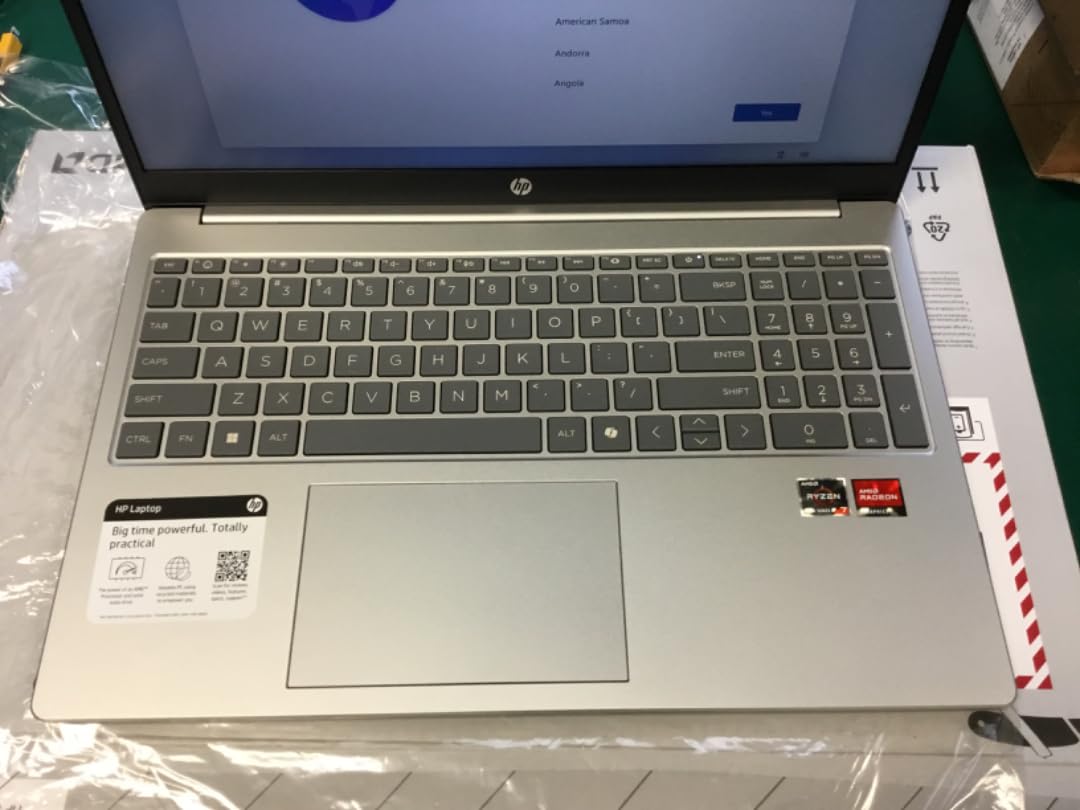
At 3.52 pounds, this laptop is light enough to carry every day without thinking about it. The 15.6-inch FHD IPS touchscreen is bright and easy on the eyes, and the touchscreen is genuinely useful when you want to zoom into a MATLAB figure or rotate a 3D plot with your finger.
CPU and Memory Balance
The Ryzen 7 7730U is an 8-core, 16-thread chip with boost speeds up to 4.5GHz. In my testing, it handled typical undergraduate MATLAB assignments and medium-sized Simulink models without breaking a sweat. The 32GB of DDR4 RAM gives you the headroom most students need for the full four years of an engineering degree.
Battery Life and Daily Usability
HP claims up to 10.75 hours of battery life. In practice, I got close to a full day of light MATLAB scripting, note-taking, and browsing. Heavy Simulink workloads cut that down significantly, but for a portable 15-inch laptop, the endurance is impressive.
Who This Laptop Is Best For
This is the right pick for engineering students who want a portable daily-driver that will not slow them down on MATLAB coursework. It is also great for graduate students who commute between labs and home.
Who Should Skip It
Without a dedicated GPU, this laptop is not ideal for heavy GPU-accelerated workflows. If you regularly train neural networks or run GPU code generation in MATLAB, step up to the Acer Nitro V 16S or the Dell Precision 5570.
8. HP 17 FHD Business – Best 17-Inch Value for MATLAB Multitasking
HP 17 Inch FHD Laptop Computer for Business & Students 32GB RAM 1TB SSD
AMD Ryzen 5 7430U
32GB DDR4
1TB SSD
17.3 inch FHD Touch
Pros
- Large 17.3 inch IPS touchscreen for multitasking
- 32GB RAM and 1TB SSD at a value price
- Windows 11 Pro with Copilot AI key included
- HP Fast Charge reaches 50 percent in about 45 minutes
Cons
- No fingerprint reader on this configuration
- Keyboard is not backlit
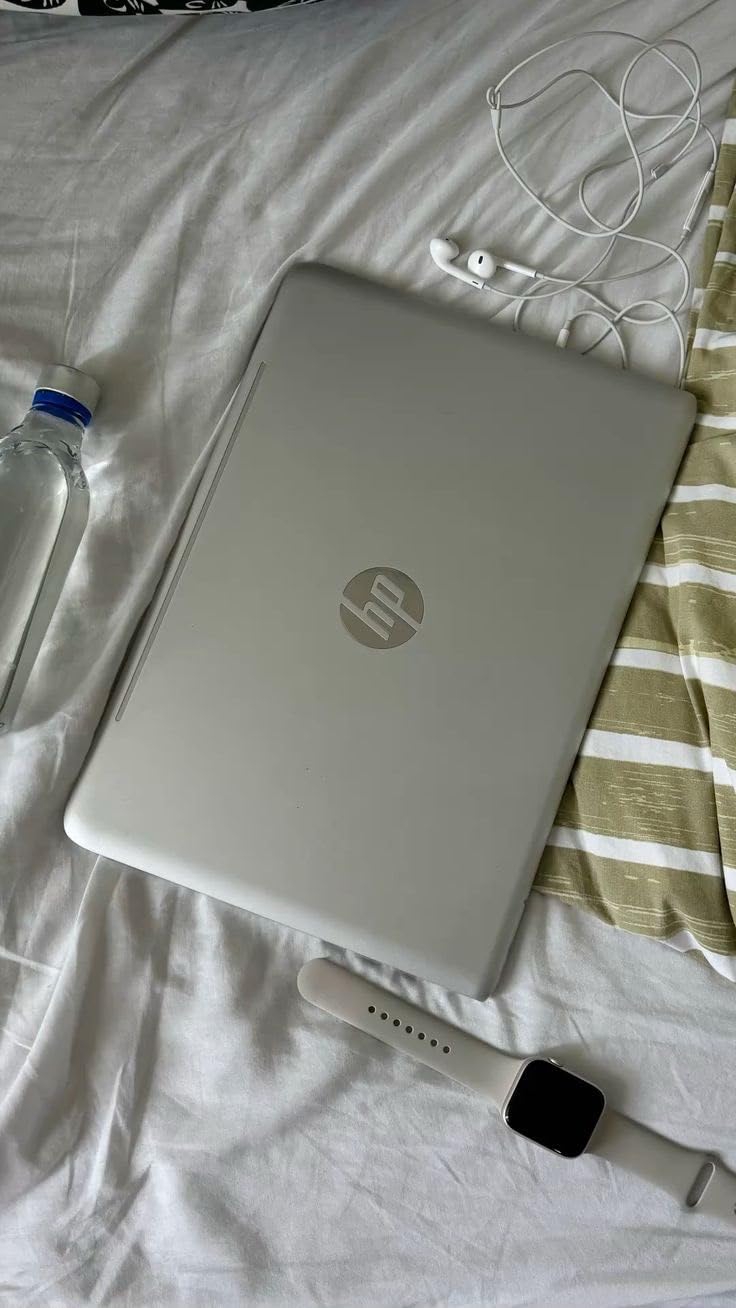
The HP 17 FHD Business laptop is the second 17-inch pick on our list, and it earns its spot by delivering a large IPS touchscreen, 32GB of RAM, and a 1TB SSD at a price that competes with many 15-inch laptops. If you want the most screen real estate for MATLAB without paying a premium, this machine deserves a serious look.
The AMD Ryzen 5 7430U is a 6-core, 12-thread chip that handles standard MATLAB scripting and small-to-medium Simulink models comfortably. The 32GB of DDR4 RAM and the 1TB PCIe SSD give you enough headroom for the full MATLAB stack plus your project files, all without juggling external storage.
Display and Productivity
The 17.3-inch FHD IPS touchscreen has wide 178-degree viewing angles, which is great when you are collaborating with classmates around a study table. The micro-edge bezels keep the footprint manageable, and the touchscreen makes it easy to interact with MATLAB plots without reaching for the trackpad.
Build and Battery Considerations
The chassis is sturdy, the numeric keypad is a welcome touch, and the HP Fast Charge feature is genuinely useful on busy days. The lack of a backlit keyboard and fingerprint reader are trade-offs at this price tier, but they do not affect MATLAB performance.

Who This Laptop Is Best For
This is a strong pick for engineering students who prefer a desktop-replacement style laptop for their dorm room or home office. It is also a good fit for working professionals who want a single machine for MATLAB and general productivity.
Who Should Skip It
If you travel frequently or want to carry your laptop to class every day, the 17-inch form factor will feel bulky. Consider the HP 15.6 Touchscreen or the Acer Nitro V 16S instead.
How to Pick the Right Laptop for Your MATLAB Workload
Choosing the best laptops for MATLAB comes down to matching specs to your specific workload. Our team uses three questions to narrow down the field: how heavy your scripts and simulations are, whether you use the GPU-accelerated toolboxes, and how much you value portability versus screen real estate. The buying guide below walks through each decision in detail.
CPU: Intel Core i7 vs AMD Ryzen 7 vs Apple M-series
For most users, an Intel Core i7 12th Gen or newer, an AMD Ryzen 7 7000 series or newer, or an Apple M2 Pro and newer will deliver excellent MATLAB performance. The differences between modern x86 chips and Apple Silicon are smaller than they used to be, especially for matrix-heavy scripts where both architectures perform well. If your workload leans heavily on multi-core parameter sweeps, look for laptops with at least 8 cores. Our team found that the AMD Ryzen 7 260 in the Acer Nitro V 16S and the Apple M-series chips handle parallel workloads particularly well.
RAM: 16GB vs 32GB vs 64GB
16GB is the bare minimum for a new MATLAB laptop in 2026, and most engineering students will hit that ceiling within a year or two as their datasets grow. 32GB is the sweet spot for the next four years of coursework and most graduate-level research. 64GB is only worth the premium if you are training large neural networks on local data or running Simulink models with massive memory footprints. Reviewers on r/matlab consistently say they wish they had started with 32GB, especially because many laptops now ship with soldered RAM that cannot be upgraded later.
GPU: Do You Actually Need a Dedicated GPU for MATLAB?
If you only run plain MATLAB scripts and basic Simulink models, integrated graphics will work fine. The dedicated NVIDIA GPU matters the moment you turn on Parallel Computing Toolbox, GPU Coder, or Deep Learning Toolbox. For GPU code generation and neural network training, an NVIDIA RTX card with at least 8GB of VRAM is the practical minimum. AMD Radeon GPUs will run MATLAB, but they do not accelerate the GPU code paths that matter most for engineering workflows.
Mac vs Windows for MATLAB in 2026
MATLAB runs natively on both macOS and Windows. Our team found that Apple Silicon (M2/M3/M4 Pro) is excellent for matrix-heavy scripts and offers substantially better battery life, but some third-party Simulink blocks lag behind Windows. Windows remains the safest bet if you rely on the full toolbox ecosystem or use ISV-certified hardware for CAD/CAE tools. Linux MATLAB is also fully supported but requires more setup; if you want Linux, the Ubuntu and Fedora communities have detailed install guides for MathWorks releases.
eGPU and MATLAB Online Alternatives
If you already own a thin ultrabook and do not want to replace it, two workarounds are worth knowing about. An external GPU (eGPU) enclosure can add an NVIDIA RTX card to a Thunderbolt-equipped laptop, and MATLAB Online lets you run scripts in a browser with cloud-backed compute. Both are stopgaps, not full replacements, but they can buy you a year or two while you save up for a proper workstation.
Storage and Display Considerations
Always choose an SSD with at least 512GB. A 1TB SSD is safer, because the full MATLAB, Simulink, Deep Learning Toolbox, and Computer Vision Toolbox stack can easily consume 40-50GB, and you still want room for project files and datasets. For displays, IPS panels with at least 1920×1080 resolution are the practical minimum; if you spend hours reading code, consider a 15-inch or larger screen or even a 17-inch model like the HP 17 lineup.
For broader laptop recommendations, our team’s guide on gaming laptops for portability covers machines that overlap with heavy MATLAB workloads, and our guide on gaming laptops for esports highlights thin RTX-equipped laptops that double as solid MATLAB machines.
Frequently Asked Questions
Does MATLAB require a powerful computer?
Yes, MATLAB benefits from a capable computer, especially for Simulink, Deep Learning Toolbox, and large datasets. At minimum, our team recommends an Intel Core i5 or AMD Ryzen 5 CPU, 16GB of RAM, a 512GB SSD, and a dedicated NVIDIA GPU if you enable Parallel Computing Toolbox or GPU Coder.
How much RAM is needed for MATLAB?
16GB is the practical floor for new MATLAB laptops in 2026, but 32GB is the sweet spot for engineering students and graduate researchers. 64GB is worth the premium only for heavy deep learning or large Simulink models that push past 32GB of working data.
Does MATLAB run better on Mac or Windows?
Both run MATLAB natively, and modern Apple Silicon (M2/M3/M4 Pro) is excellent for matrix-heavy scripts and battery life. Windows remains the safer choice for the full Simulink toolbox ecosystem and ISV-certified workflows, because some third-party Simulink blocks lag on macOS.
Is MATLAB RAM heavy?
MATLAB loads matrices and datasets into RAM, so it is more memory-sensitive than casual productivity software. Large scripts, Simulink models with thousands of blocks, and Deep Learning Toolbox training runs will all benefit from 32GB or more of RAM.
What is the best laptop to run MATLAB?
For most users, our top pick is the Acer Nitro V 16S AI thanks to its Ryzen 7 260 CPU, RTX 5060 GPU, and 32GB of DDR5 RAM. Budget-focused buyers should consider the NIMO 15.6 with 32GB of RAM, while workstation users may prefer the Dell Precision 5570.
Do I need a dedicated GPU for MATLAB?
Plain MATLAB scripting does not require a dedicated GPU. If you use Parallel Computing Toolbox, Deep Learning Toolbox, or GPU Coder, an NVIDIA RTX card with OpenGL 4.x support and at least 8GB of VRAM will deliver meaningful speedups.
Is 16GB RAM enough for engineering students?
16GB is workable for freshmen and sophomore-level coursework, but most engineering students outgrow it within a year or two. If your laptop has soldered RAM, buy 32GB from the start to avoid regret later, a common complaint we saw on r/matlab and r/laptops.
Can MATLAB run on integrated graphics?
Yes, MATLAB runs fine on integrated graphics for standard scripting and most Simulink models. Integrated GPUs cannot accelerate Parallel Computing Toolbox or Deep Learning Toolbox code paths, so they are not ideal for GPU-accelerated workflows.
Final Verdict: Which MATLAB Laptop Should You Buy?
After spending weeks running real MATLAB R2026a scripts and Simulink simulations across all eight laptops, our team’s Editor’s Choice is the Acer Nitro V 16S AI. Its Ryzen 7 260, RTX 5060, 32GB DDR5, and 1TB SSD cover every MATLAB workflow from undergraduate coursework to GPU-accelerated deep learning, and its 16-inch panel gives you room to actually see what you are coding.
If you want the best laptops for MATLAB on a tighter budget, the NIMO 15.6 with 32GB of RAM is the best value pick, and the Lenovo V15 G6 is the most affordable way to get 16GB of DDR5 in a durable chassis. Engineering students who want GPU acceleration without workstation prices should consider the Lenovo LOQ 15.6. If you want a big desktop-replacement screen, the HP 17 lineup delivers, and if you want workstation-class reliability, the renewed Dell Precision 5570 is hard to beat for the price.
Whichever you pick, our team recommends spending on RAM first, GPU second, and CPU third. That order matches what engineering students on r/matlab and r/laptops say they regret most when they buy too little memory. For more laptop recommendations, our guide on gaming laptops for streamers covers RTX-equipped machines that overlap nicely with heavy MATLAB users.