
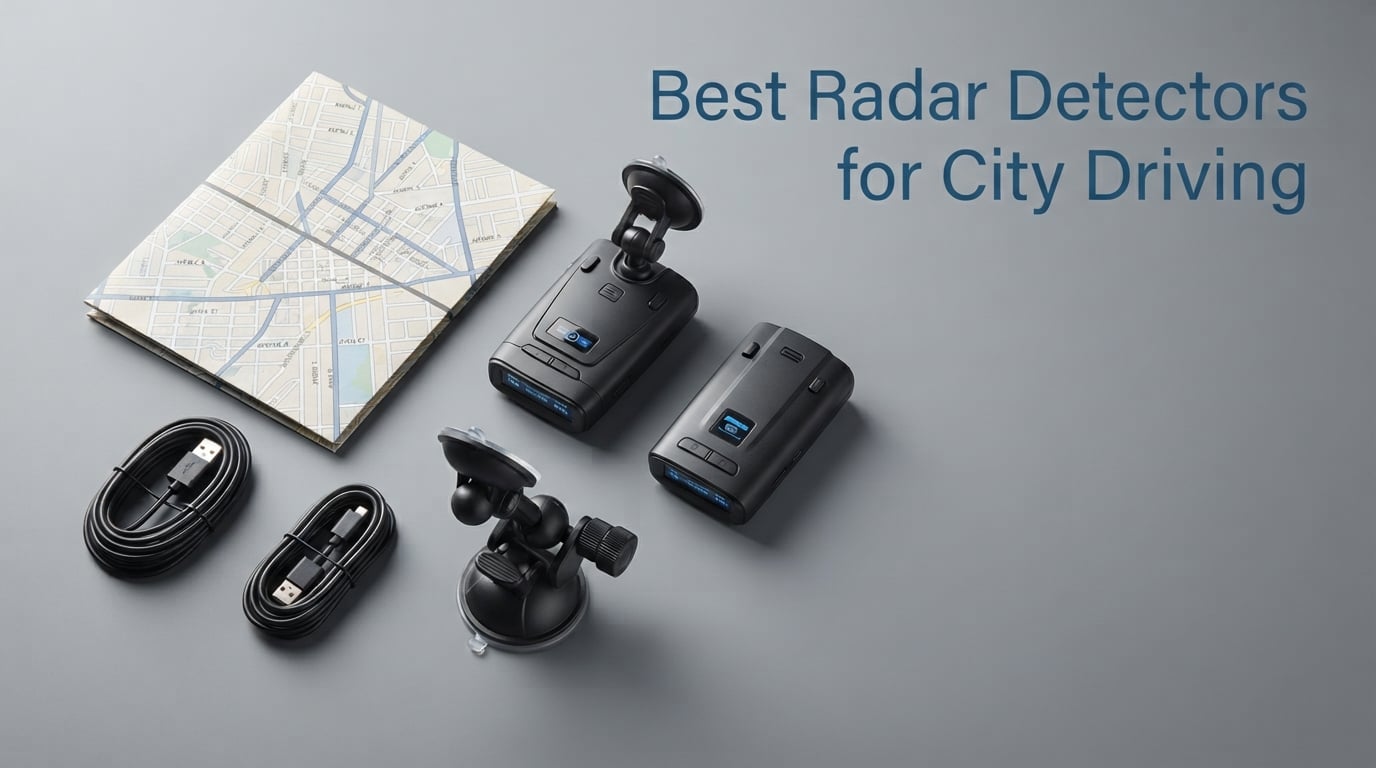
If you drive mostly in town, the best radar detectors for city driving in 2026 are the ones that stay quiet, not the ones that see the farthest. The Uniden R3 is our top pick: built-in GPS mute memory permanently silences the same store door or garage entrance on every pass, and owners repeatedly call its filtering better than detectors costing two or three times as much. The Uniden R7 adds front and rear antennas with directional arrows, and the Radenso XP is the pick if raw quietness on a fixed commute matters more to you than anything else.
I have logged 2026 of commuting with a detector bolted to a windshield through downtown grid traffic, arterial roads lined with adaptive cruise systems, and apartment parking garages. What surprised me early on was how much of the signal traffic in a city is not police. Automatic doors, blind-spot radar, parking assist, toll gantries, and hospital or casino transmitters fill the same bands that police radar uses. A detector that reacts to all of it trains you to ignore it within about a week.
That is why this list is ranked differently from a highway roundup. On an open interstate, range and early warning time decide the outcome. On a city commute, a slightly shorter detection distance paired with permanent GPS lockouts is worth far more, because a detector you trust is one you actually react to. Expect the first two weeks to be noisy while your route gets learned, then judge the unit on how quiet it becomes.
Our Top 3 Radar Detectors for City Driving
These three cover the realistic range of city needs: a value pick for most commuters, an arrow-equipped upgrade for dense downtown work, and a filtering specialist for drivers whose false alerts are constant.
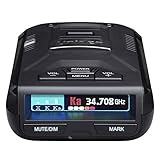
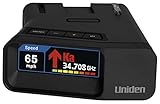
Uniden R7
- Dual antennas with arrows
- Large multi-color OLED
- GPS mute memory
- Quiet mode threshold
Comparing 10 Radar Detectors Head to Head for City Traffic
Every model below is included here for a reason. The columns that matter for city driving are filtering behaviour, whether it can permanently silence a recurring spot, and how much setup you have to do before it gets quiet.
| Product | Specs | Action |
|---|---|---|
| Uniden R3 |
|
Check Latest Price |
| Uniden R7 |
|
Check Latest Price |
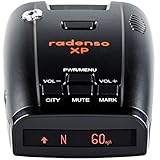 Radenso XP Radenso XP |
|
Check Latest Price |
 Cobra RAD 480i Cobra RAD 480i |
|
Check Latest Price |
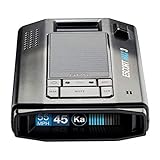 Escort MAX 3 Escort MAX 3 |
|
Check Latest Price |
 Valentine One V1 Gen 2 Valentine One V1 Gen 2 |
|
Check Latest Price |
 Whistler CR93 Whistler CR93 |
|
Check Latest Price |
 Escort Redline 360c Escort Redline 360c |
|
Check Latest Price |
 Escort MAX 360c MKII Escort MAX 360c MKII |
|
Check Latest Price |
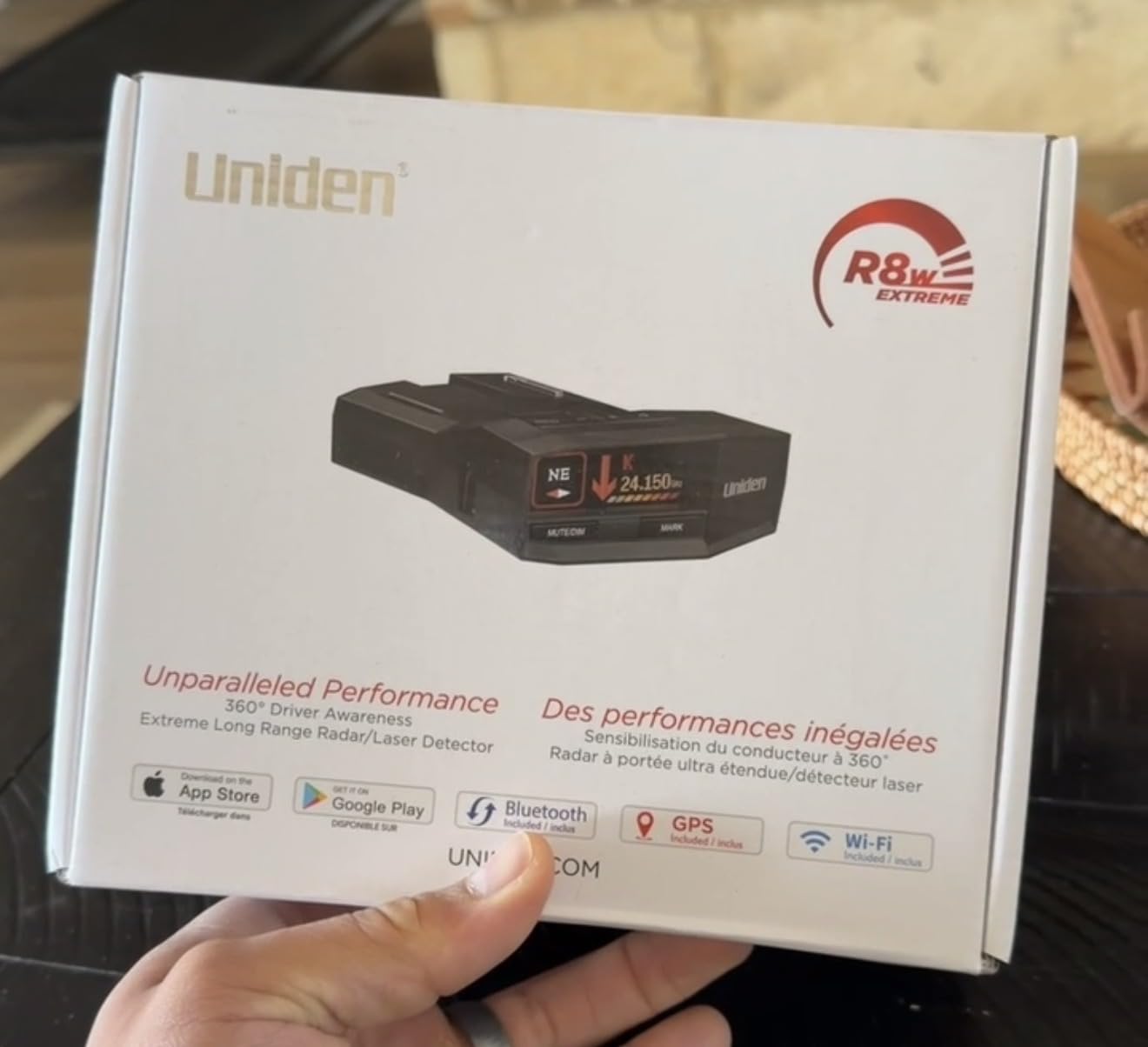
 Uniden R8W Uniden R8W |
|
Check Latest Price |
How We Evaluated Detectors for City Driving
Every detector in this guide was assessed against the same five criteria, and all of them are city criteria rather than highway ones. First, false alert behaviour on a repeated route, because a fixed commute is the hardest test of filtering. Second, lockout ability, specifically whether the unit can permanently record a nuisance location rather than muting it for a few seconds.
Third, setup cost. A detector that needs an hour of menu work before it behaves well is a poor city tool for anyone who just wants alerts to mean something. Fourth, mount stability through heat, since adhesive and suction mounts are the most common hardware failure we see reported. Fifth, legality screening, since buying a detector you cannot legally use in your state helps nobody.
We also weighed owner reports of long-term use over one to two years rather than first impressions, because a detector that starts quiet and becomes chatty after a firmware update is a different product than one that is quiet from day one. We did not rank on maximum detection distance, since in stop-and-go traffic you rarely have room to use it.
1. Uniden R3 – The Best Radar Detector for City Driving Overall
Uniden R3 EXTREME LONG RANGE Laser/Radar Detector, Record Shattering Performance, Built-in GPS w/ Mute Memory, Voice Alerts, Red Light & Speed Camera Alerts, Multi-Color OLED Display , Black
Built-in GPS mute memory
Preloaded red light and speed camera database
Multi-color OLED display
Programmable voice alerts
Pros
- Class-leading detection range in the category
- GPS MARK feature records recurring store-door and garage false alerts
- Quiet mode noticeably reduces downtown noise compared with non-GPS detectors
- OLED display shows band signal strength and current speed
- Free firmware and camera database updates
Cons
- Supplied suction cup mount is weak in hot weather
- Heavy K-band filtering can delay detection until very close
- Needs tuning out of the box
- US camera database is of no use outside the United States
The R3 is the unit I keep coming back to for town driving. Owners describe it as the value benchmark in the whole category, and the city-specific reason is the GPS mute memory working in combination with the MARK feature. A shopping plaza door that triggers the detector on every visit gets recorded once and then stays silent permanently, which is exactly the behaviour a daily commuter needs.
It also ships with a preloaded red light and speed camera database and free firmware updates, so you are not opening an app on a red light to check anything. The multi-color OLED shows band, signal strength and your current speed, and the programmable voice alerts mean you can run it hands-free without looking at it.
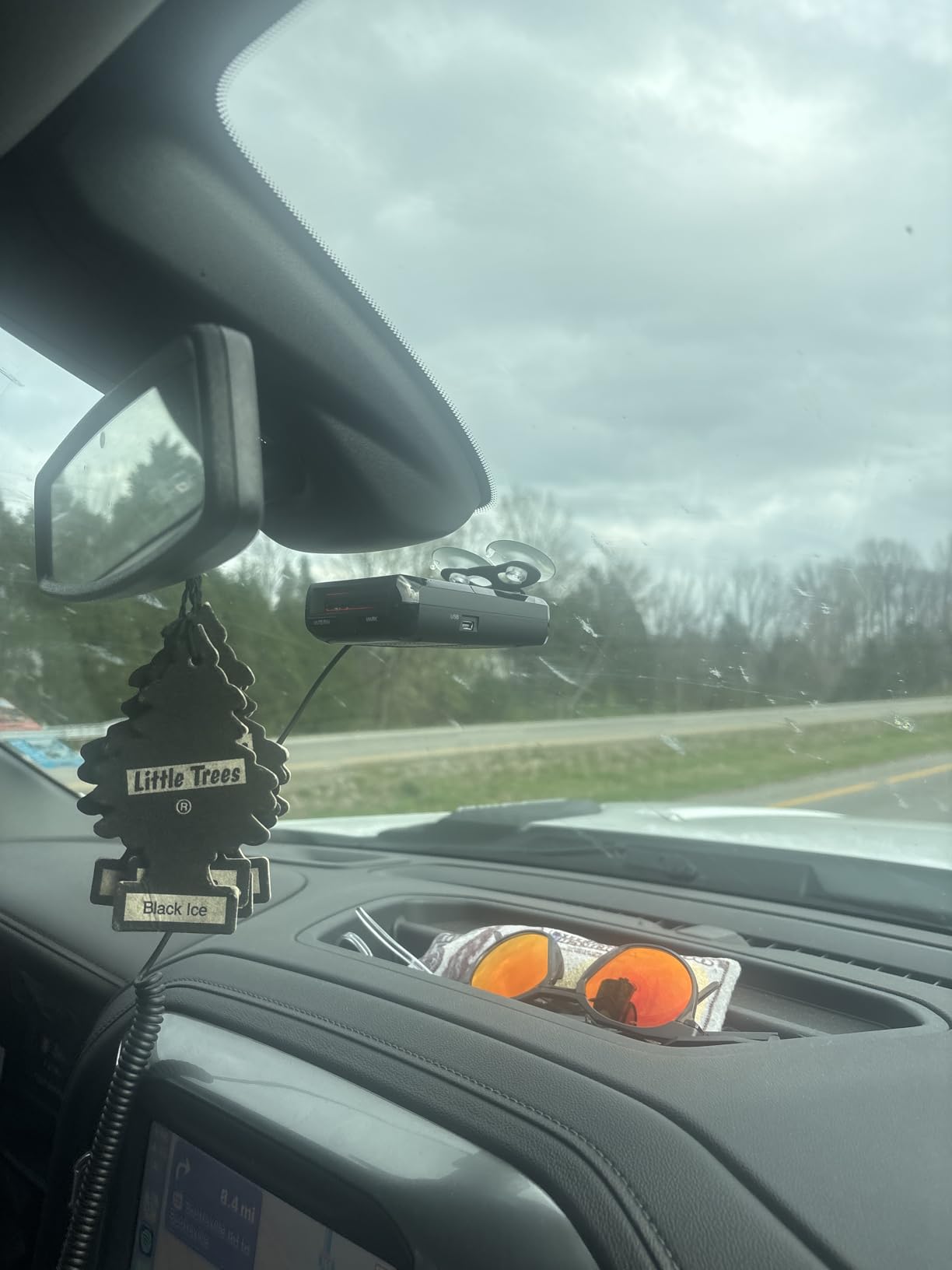
How the MARK and GPS mute memory handle a repeat route
This is the feature that makes the R3 the city recommendation rather than a highway one. Mute memory records a location once you have driven it a few times and silences that exact point on every later pass, so a garage entrance, a hospital driveway or a plaza sensor stops costing you attention after the first week. The tradeoff is that you need to drive the route a few times before the learning pays off, so the first ten days feel noisier than they will be.
K-band filtering, the quiet mode threshold and what filtering costs you
The R3 filters K-band aggressively, which is the right call in a city full of modern vehicle parking radar but is also the most common complaint from owners. Several reviewers note that a heavily filtered K-band signal can stay quiet until the officer is quite close. If you run aggressive filtering, raise the Quiet mode speed threshold so it stops muting below the speed you actually drive in town.
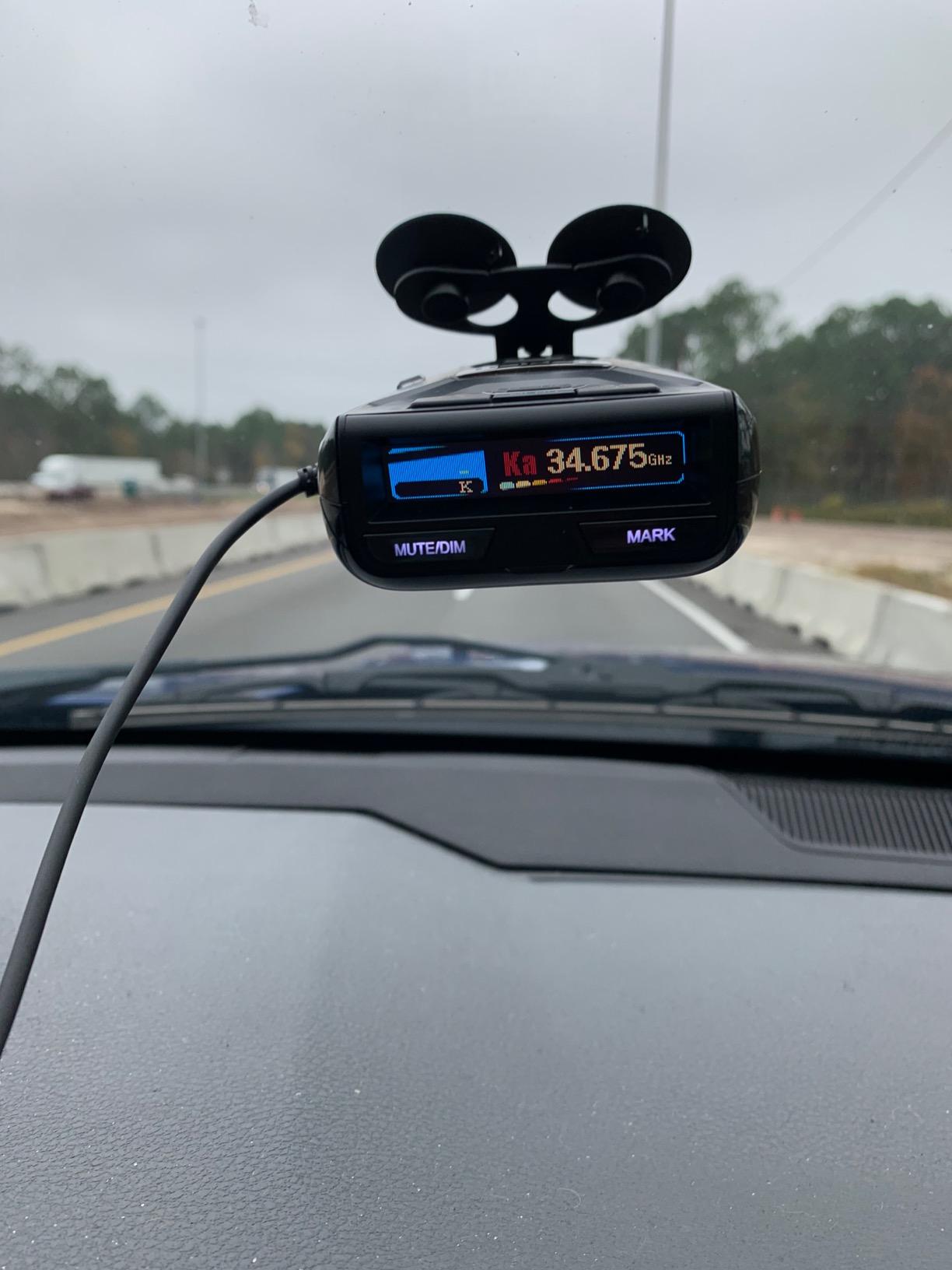
The hardware gripes are consistent and easy to plan around. The included suction cup is the flimssy part in summer heat, so budget for a heavier mount, and the unit does need an afternoon of setup to block out newer Honda and Acura parking radar through firmware updates before it settles down.
2. Uniden R7 – Best With Directional Arrows for Downtown Driving
Uniden R7 Extreme Long-Range Laser-Radar Detector, Built-in GPS w/ Real-Time Alerts, Dual-Antennas Front & Rear w/Directional Arrows, Voice Alerts, Red Light Camera and Speed Camera Alerts
Dual antennas front and rear with directional arrows
Large multi-color OLED display showing up to 4 signals
GPS mute memory and self-learning
Quiet mode speed threshold
Pros
- Extremely long detection range with early warning in stop-and-go traffic
- Arrows identify which cross street a signal is on
- Deep customization of band thresholds tones arrow colors and alert priority
- GPS mute memory removes repeat false alerts on a daily commute
- Large display tracks multiple simultaneous signals
Cons
- Extensive menus require real setup time
- No Bluetooth so firmware updates need a PC
- Arrows can occasionally misattribute the source direction
- Camera database is North America only
Arrows are the feature that changes daily city driving, and that is how owners describe the R7. A single-antenna detector tells you a signal exists; the R7’s dual antennas tell you which cross street the patrol car is on, which in a downtown grid is the difference between a useful warning and a reason to suddenly brake in traffic.
Multiple reviewers specifically praise how quiet the unit becomes once self-learning and mute memory have mapped a commute. The large multi-color OLED can track up to four signals at once, which matters when you are surrounded by adaptive cruise systems rather than police.
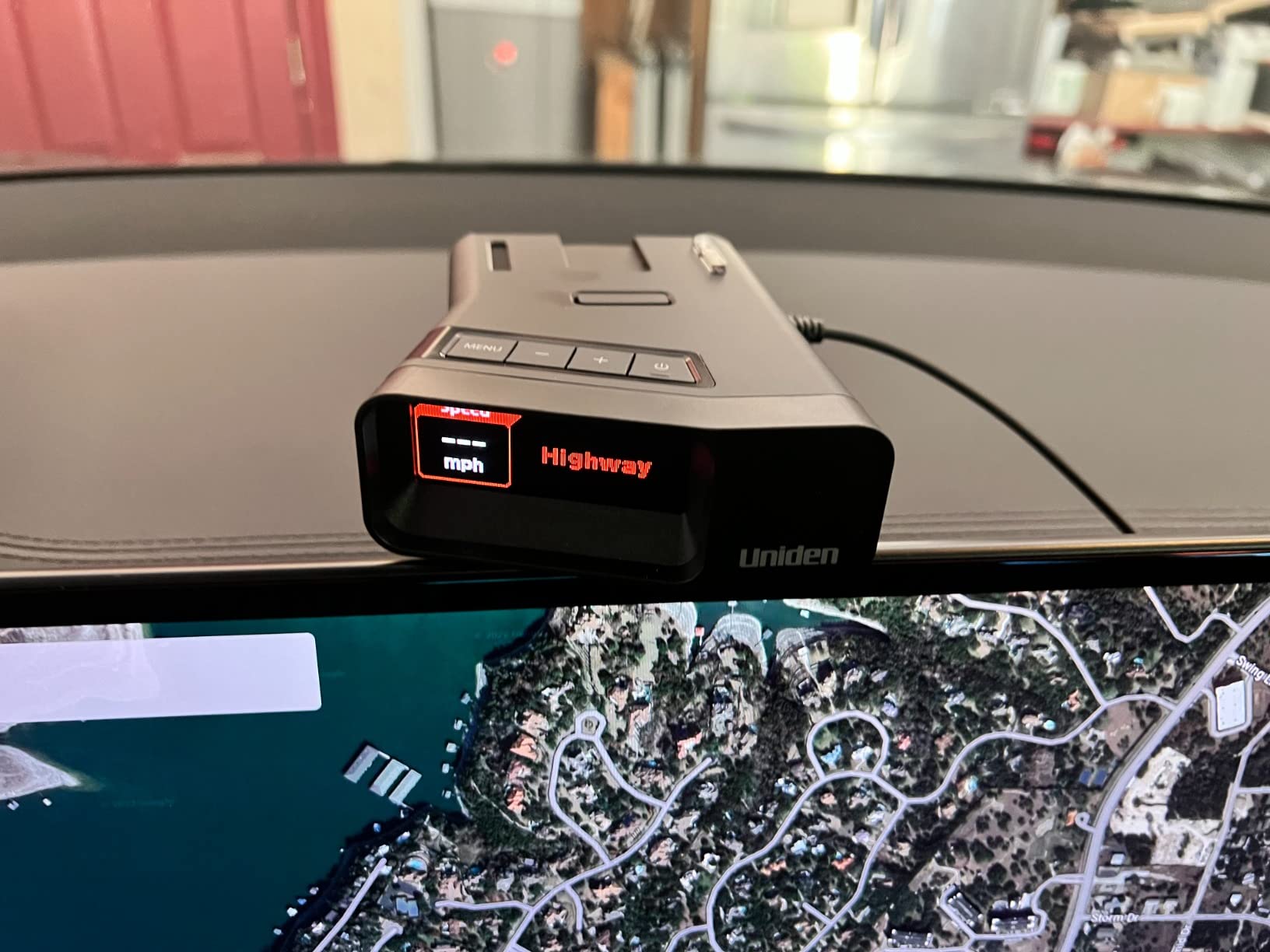
Arrows in stop-and-go traffic versus a single antenna
In dense traffic a front-and-rear setup earns its extra cost quickly, because the alternative is guessing whether a signal is the car ahead, a car behind you, or a stoplight radar. The arrows narrow that down in a second. They are not perfect, and some owners report the occasional misattributed direction, but the accuracy is good enough that most stop checking the display.
Menus, quiet mode and the missing Bluetooth link
The honest drawback is configuration. The R7 exposes deep control over band thresholds, tones, arrow colors and per-band scan priority, and that depth costs real setup time before it behaves well. There is no Bluetooth, so firmware updates mean unplugging the unit and connecting it to a PC, which some owners treat as a feature because the detector never asks for your phone.
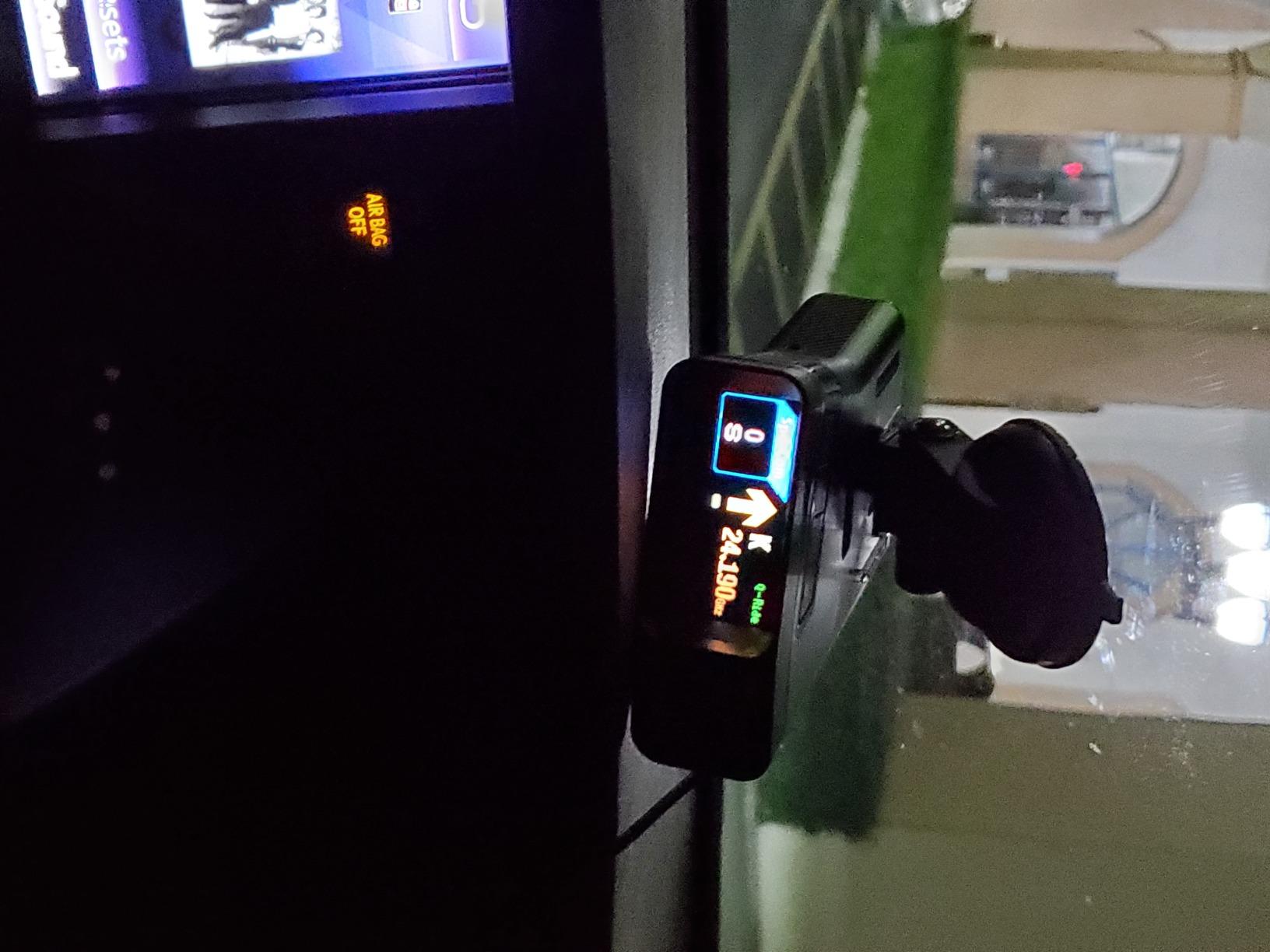
3. Radenso XP – Best Value Pick for Quieting a Fixed Commute
Radenso XP Radar & Laser Detector with GPS Lockouts
GPS lockout memory for repeatable false-alert locations
Adjustable K and X band sensitivity
Automatic muting below a set speed
Speed-based automatic sensitivity
Pros
- Best-in-class filtering of blind-spot and traffic monitor false alerts
- GPS lockouts cleanly silence store doors and repeated city routes
- Adjustable K-band sensitivity is especially useful in a large city
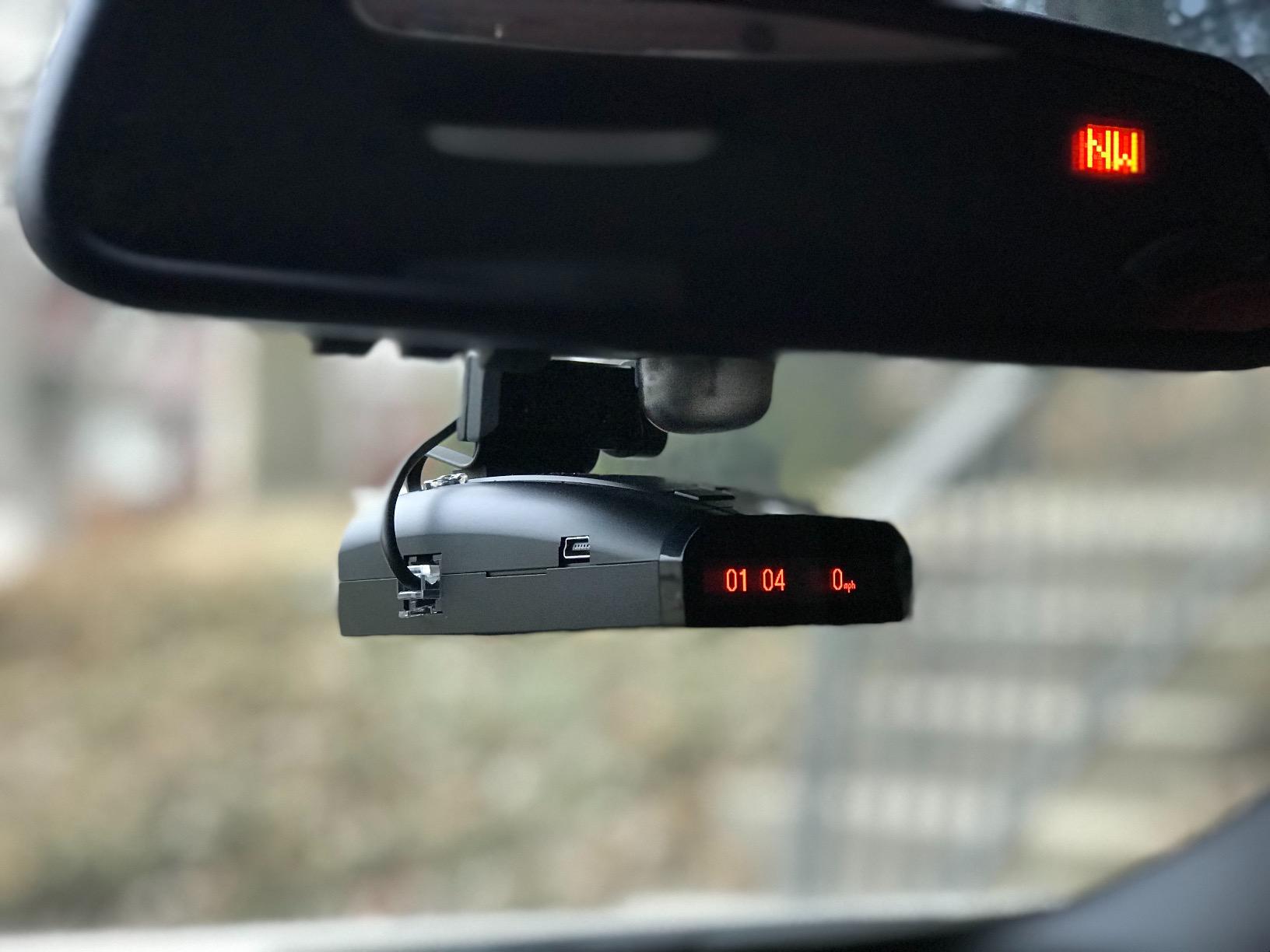
- Smart dark mode keeps the display black until an alert fires
- Large buttons are easy to operate while driving
Cons
- Power plug is mounted on the driver side adding cable clutter
- No printed instructions in the box
- Volume is not loud enough over heavy diesel cab noise
- Can fire laser alerts for Opticom-equipped emergency vehicles
The XP earns the value slot because urban drivers consistently credit it with the quietest performance in its price class. The adjustable K and X band sensitivity is the part that matters in a large city, since it lets you tune the two bands that carry the most civilian radar without touching the bands police actually rely on.
Reviewers coming from other brands report noticeably fewer blind-spot and false laser alerts, and the GPS lockouts cleanly handle the same store doors that bother everyone else. The smart dark mode keeps the screen black until something fires, which is a genuine comfort in night driving.
Adjustable K-band sensitivity versus fixed filtering
Most detectors give you an on or off switch for K band. The XP gives you a range, and in a city that difference is substantial: you can back sensitivity off in a dense downtown without going fully blind on the band. Automatic muting below a speed you select handles the parking lot and side street phase of the trip on its own.
What the design gives up
Two design choices cost this model some points. The power plug sits on the driver side, which adds cable clutter across your sightline, and there are no printed instructions in the box, so you are working from a website guide that several owners say does not always match the menu order. Volume is also modest, which matters if you drive heavy diesel vehicles.
4. Cobra RAD 480i – Best Budget Detector for Everyday City Driving
Cobra RAD 480i Laser Radar Detector, Long Range Detection, Bluetooth, Black
Front and rear LaserEye detection
Updateable IVT Filter with anti-falsing circuitry
Digital Signal Processing for laser response
Bluetooth Drive Smarter shared alerts
Pros
- Very few false K-band and X-band alerts for its price tier
- Front and rear LaserEye gives full-vehicle coverage
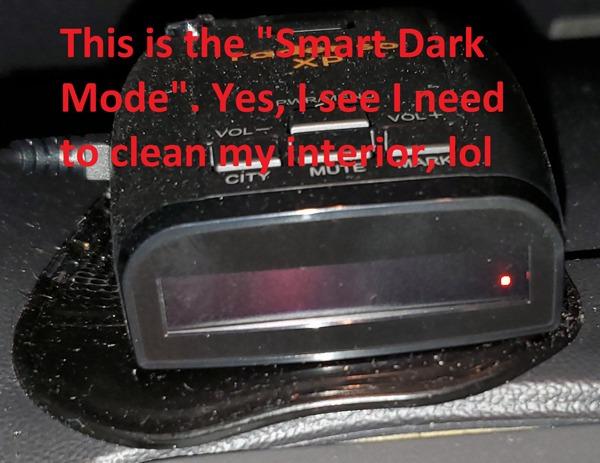
- Clear bright display with a discreet dark mode
- Suction cup mount holds through temperature changes
- Auto sensitivity mode adjusts filtering by speed
Cons
- Smartphone app connectivity is unreliable
- Power cord has no in-line buttons so muting needs reaching the unit
- Mute memory is not effective and it can lock onto a signal
- No GPS lockouts without the app
The RAD 480i is the entry point most city drivers actually need. Its digital signal processing filters much of the noise from blind-spot and parking assist radar found in traffic, and owners recommend disabling certain bands and relying on auto sensitivity as the fastest way to settle it down out of the box.
The bright display is readable in daylight and drops to a discreet dark mode at night, and the suction cup holds through temperature changes well enough to move the detector between vehicles without fuss. At this tier, that combination of front and rear LaserEye coverage and a workable filter is hard to argue with.
What you give up without a GPS database
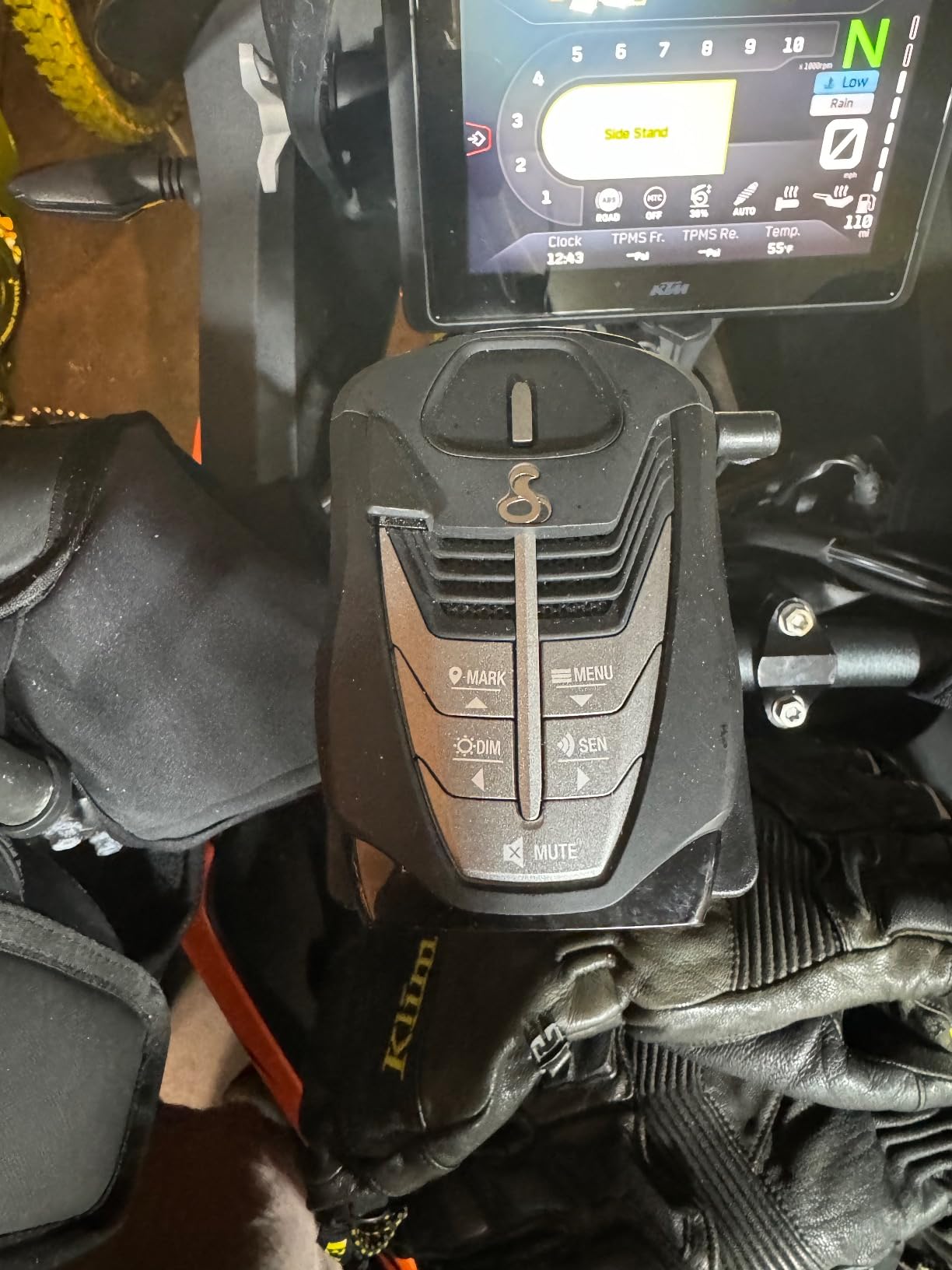
This is the central limitation for city driving. Without GPS lockouts, the detector cannot permanently remember a specific recurring spot, so the same plaza door on your route is a permanent part of your commute rather than a problem you solve once. The app adds shared community alerts, but review feedback on the Bluetooth connection is consistently mixed, and app-based lockouts are not the same as a built-in database.
Audio and cord quirks worth knowing
Two smaller issues come up repeatedly. The power cord has no in-line buttons, so muting means reaching up to the unit, and mute memory itself is not effective enough to trust, with some owners reporting the detector locking onto a signal and not releasing it. A small number of units also lose audio after roughly a year and a half of service.
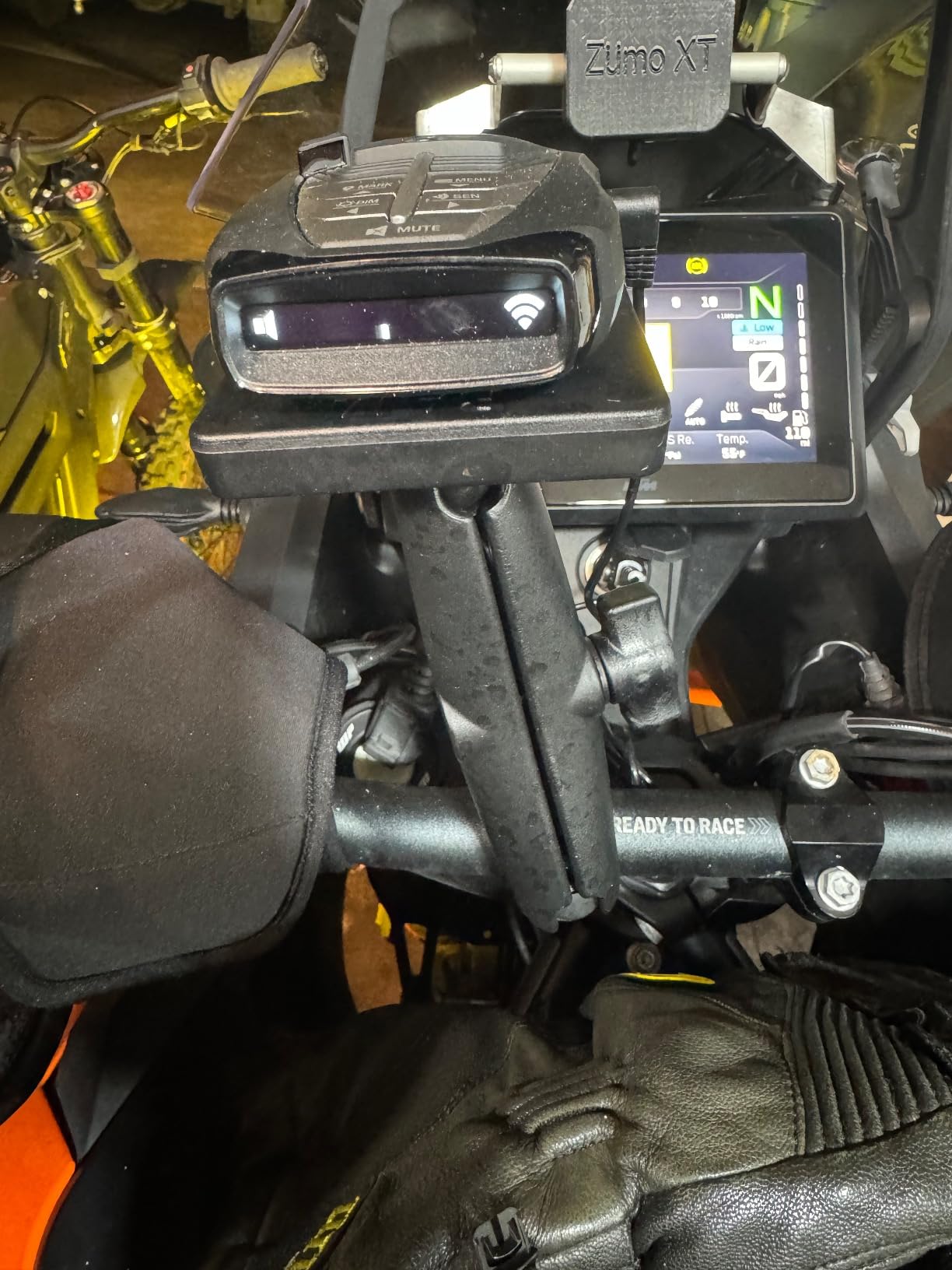
5. Escort MAX 3 – Best for App-Based Band Control
Escort MAX 3 Laser Radar Detector, Bluetooth Connectivity, Premium Range
AutoLearn GPS that learns routes after repeat trips
Variable speed sensitivity adjusts filtering to driving speed
Defender Database for camera alerts
Bluetooth connectivity
Pros
- AutoLearn noticeably reduces repeat city false alerts on a set commute
- Fewer blind-spot monitor alerts than older Escort models
- App allows individual band toggling to remove X and K band noise
- Display output works through Bluetooth with the vehicle head unit
- Solid mounting bracket
Cons
- Scanning can be slow with multi-second delay before an alert
- Suction mount loses grip and slides down the windshield
- No directional arrows
- App learning curve needed to get the filtering benefit
The MAX 3 is a strong step up from entry models, and the reason city drivers like it is the combination of AutoLearn route learning with per-band toggling in the app. Being able to switch individual bands off and then watch repeat false alerts disappear on a set commute is the part that actually changes the daily experience.
Variable speed sensitivity adjusts filtering to how fast you are moving, which fits a commute that mixes arterials with side streets. Display output also works through Bluetooth with the vehicle head unit, so you are not looking at a small screen stuck to the glass.
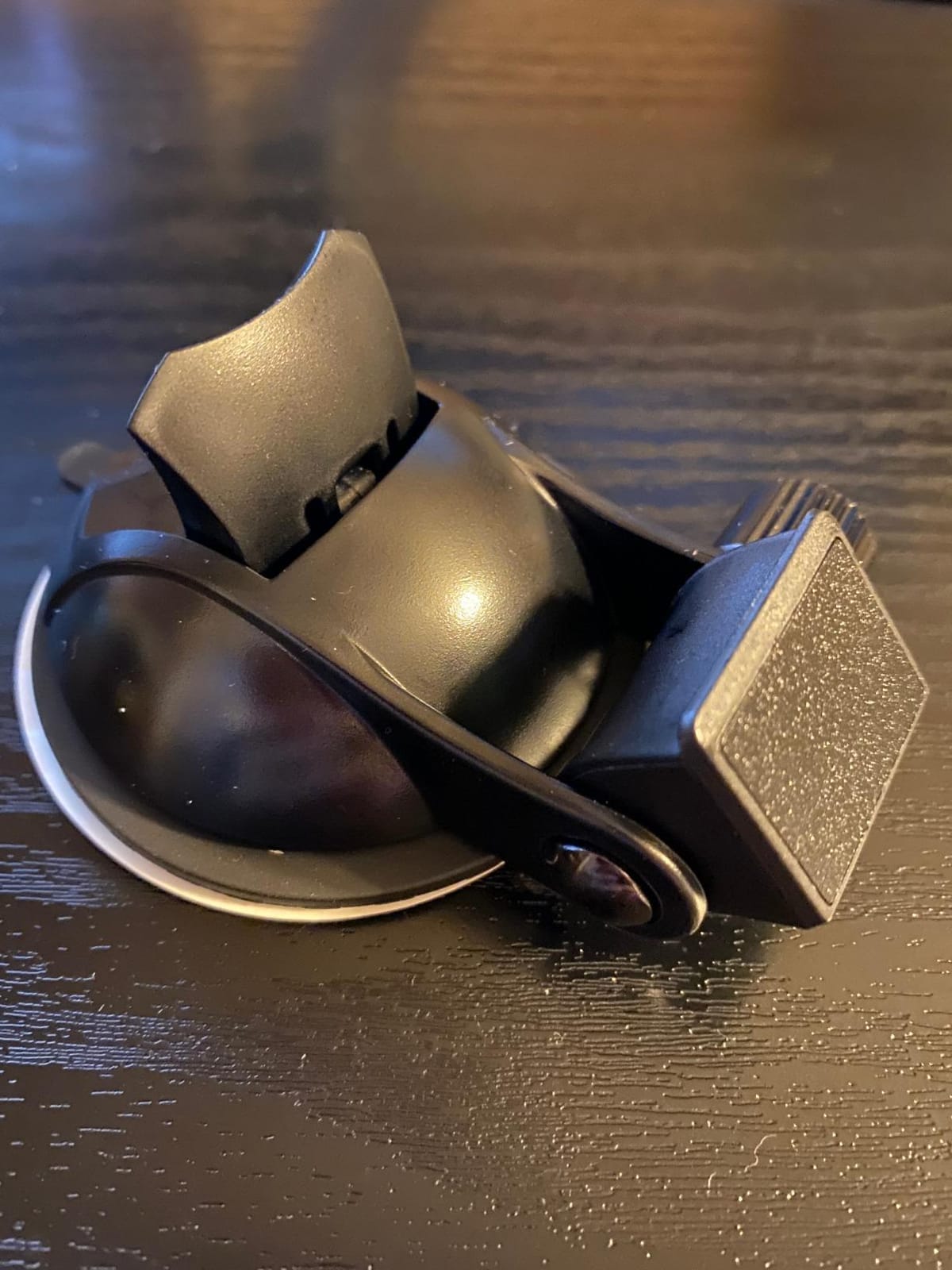
Speed-based filtering on a mixed commute
Variable speed sensitivity is more useful in town than on a highway, because your speed profile changes constantly. The detector can hold back on sensitivity at low speeds where civilian radar dominates and open up when you get onto a through road. Experienced owners comparing it side by side with a Uniden R3 report that scanning can still be slow, with multi-second delays before an alert in some tests.
No arrows, and a mount that slides
There is no directional capability here, so in stop-and-go traffic you get a signal without a direction. The suction mount is the other recurring complaint, sliding down the windshield over time. And the filtering benefit is only as good as the app configuration, which means budget real setup time before judging it.
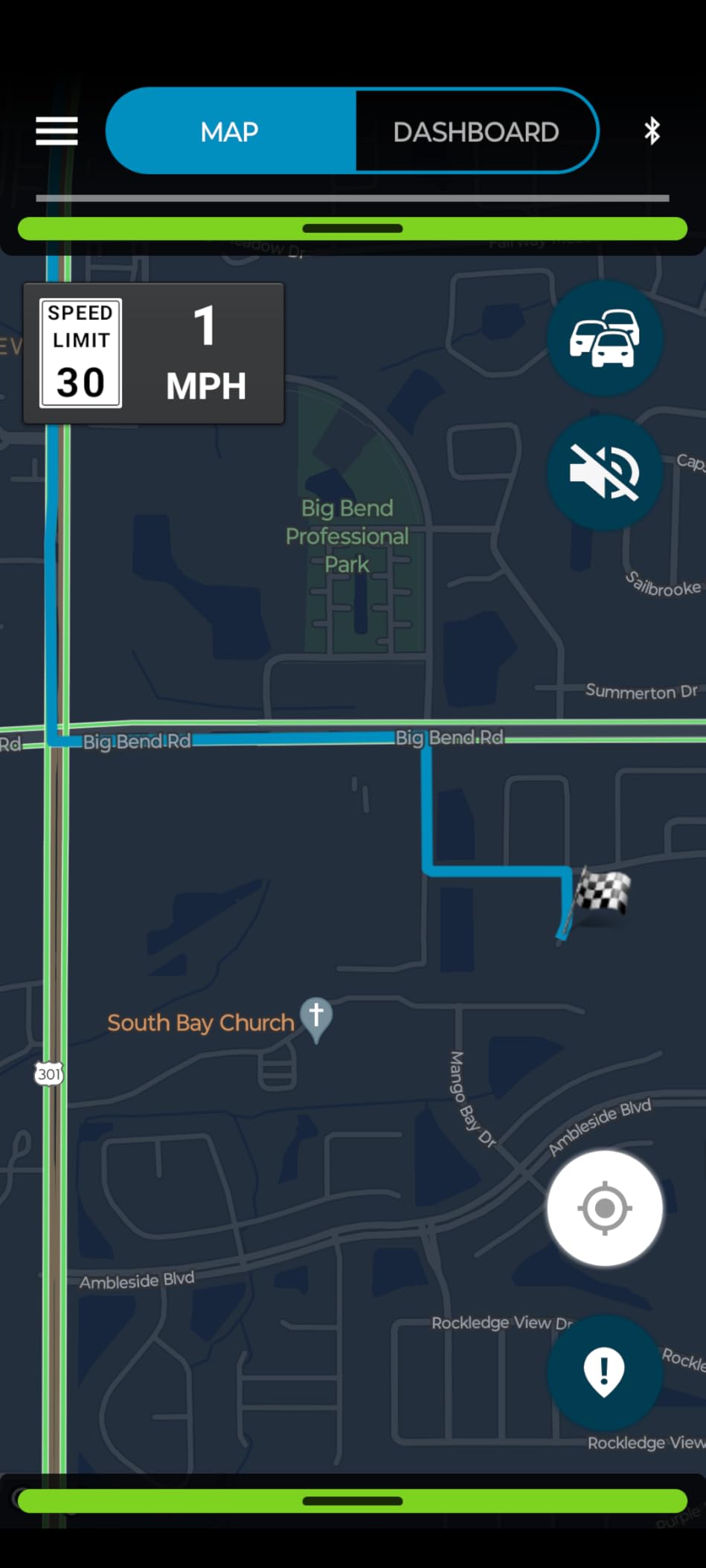
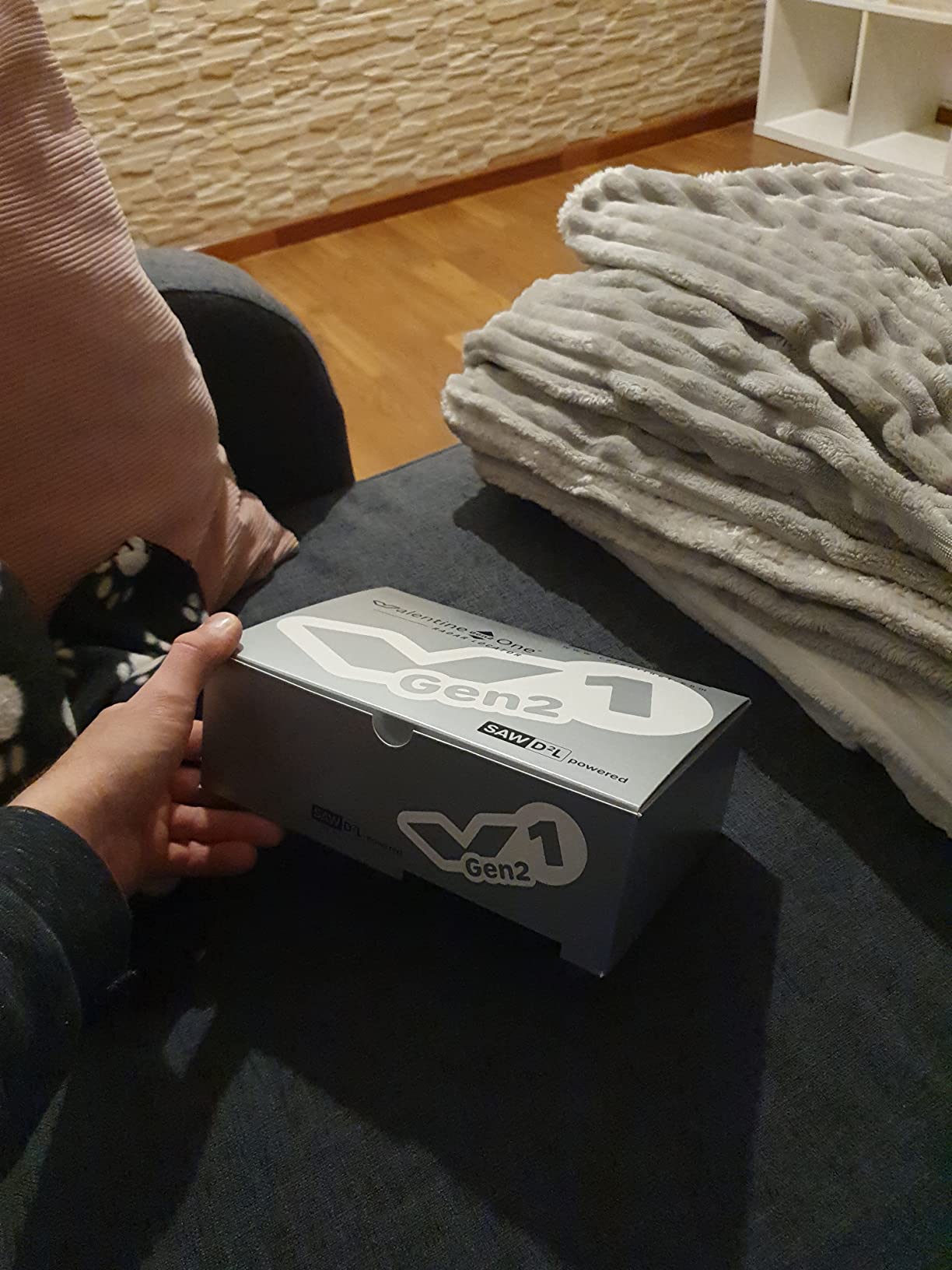
6. Valentine One V1 Gen 2 – Best Simple Detector for Calm City Driving
Valentine One V1 Gen 2 Radar Detector
X K Ka and Super Wideband Ka detection
Ku band coverage at 13.45 GHz
Rear radar antenna
Directional signal source indicator
Pros
- Excellent long-range detection with alerts well over a mile out when radar is left on
- Stays quiet on a typical town drive so alerts are trustworthy
- Simplified interface that does not overwhelm the driver
- Directional indicator and signal strength readouts are useful in gridlock
- Learns recurring false signals and stops repeating them
Cons
- Does not detect radar detector detectors such as VG-2 or Spectre
- Some testers report weak instant-on response
- V1 Connection app is complex to configure
- Mounting is sensitive because laser detection needs a clear line of sight
Long-time owners of chatty detectors tend to end up here, because the V1 Gen 2 stays silent on a normal town drive. That silence is the whole point: when it does alert, you believe it. The interface is deliberately plain, which drivers who dislike feature-heavy units treat as the main benefit rather than a compromise.
The directional indicator and signal strength readouts are genuinely useful in city gridlock, where knowing a radar source is behind you is better than nothing. It also picks up Ku band, which most competing detectors in this group do not cover.
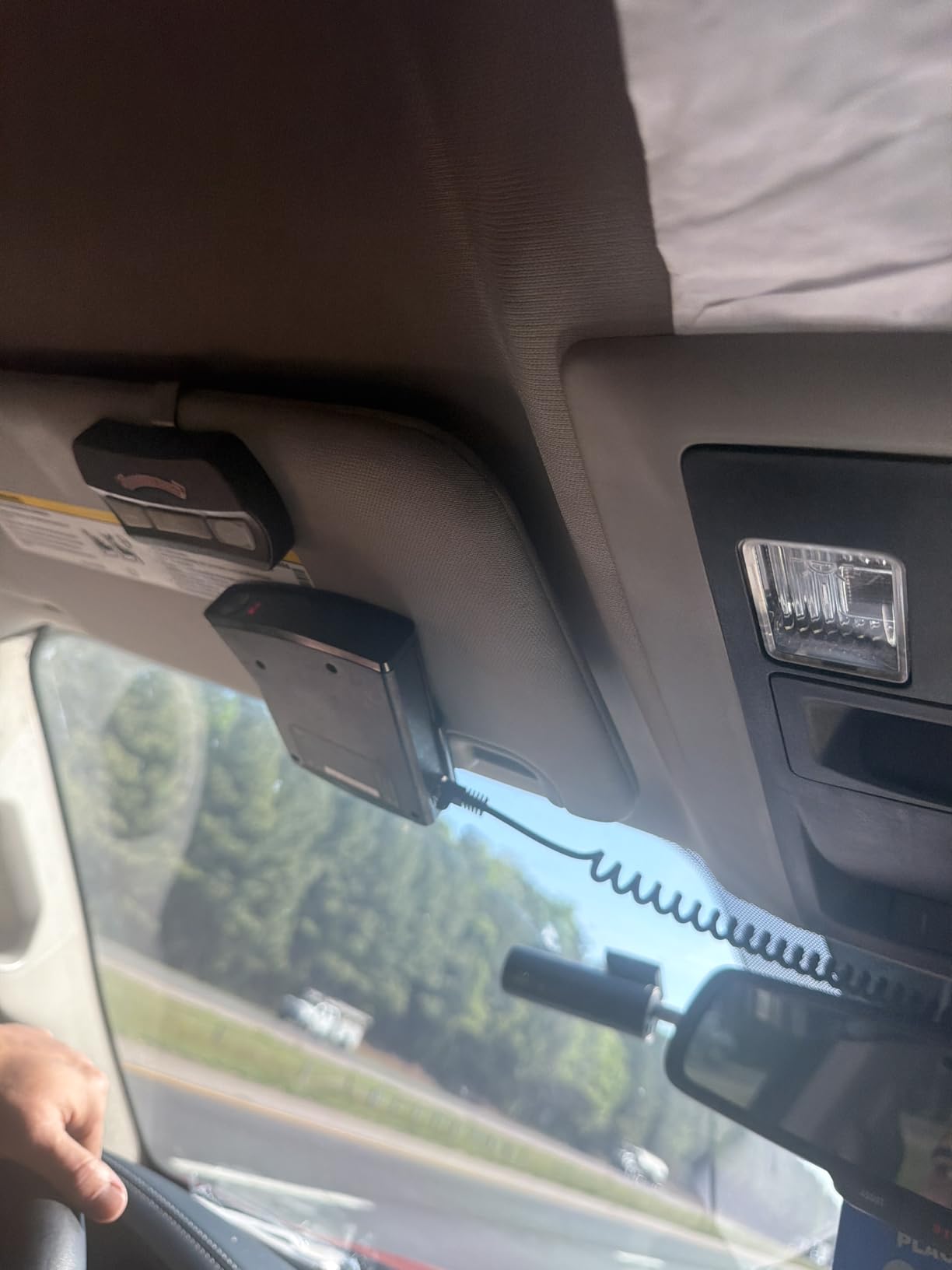
Why quiet beats configurable for some drivers
There is a real argument for a detector with less to configure. Every menu option is another way to get it wrong, and a device that is genuinely quiet out of the box removes the temptation to fiddle while driving. The trade is that you give up the ability to tune filtering per band when a particular stretch of road proves troublesome.
The two compromises you should know about
First, it does not detect radar detector detectors such as VG-2 or Spectre, so the legal protection that feature provides is absent. Second, some testers report weak instant-on response, meaning certain modern radar can beat the warning time you would get from a Uniden at the same distance. Mounting also needs care, because laser detection requires an unobstructed line of sight through the windshield.
7. Whistler CR93 – Best Subscription-Free GPS With Automatic City Mode
Whistler CR93 High Performance Laser Radar Detector: 360 Degree Protection, Bilingual Voice Alerts, and Internal GPS , Black
Internal GPS that learns routes and marks camera locations
FDSR and TFSR filtering for BSM and automatic doors
GPS-assisted city mode reduces sensitivity automatically
Bilingual English and Spanish voice alerts
Pros
- Internal GPS handles route learning and camera alerts with no subscription
- GPS-assisted city mode cuts urban false alerts without manual adjustment
- FDSR and TFSR filtering suppresses blind-spot and automatic-door noise
- Bilingual voice alerts with a high-contrast OLED display
- All mounting hardware and a printed guide in the box
Cons
- Steep learning curve given the feature list
- Alerts rely on audible voice prompts that can be hard to hear in a noisy cabin
- Far fewer user reviews so long-term feedback is thinner
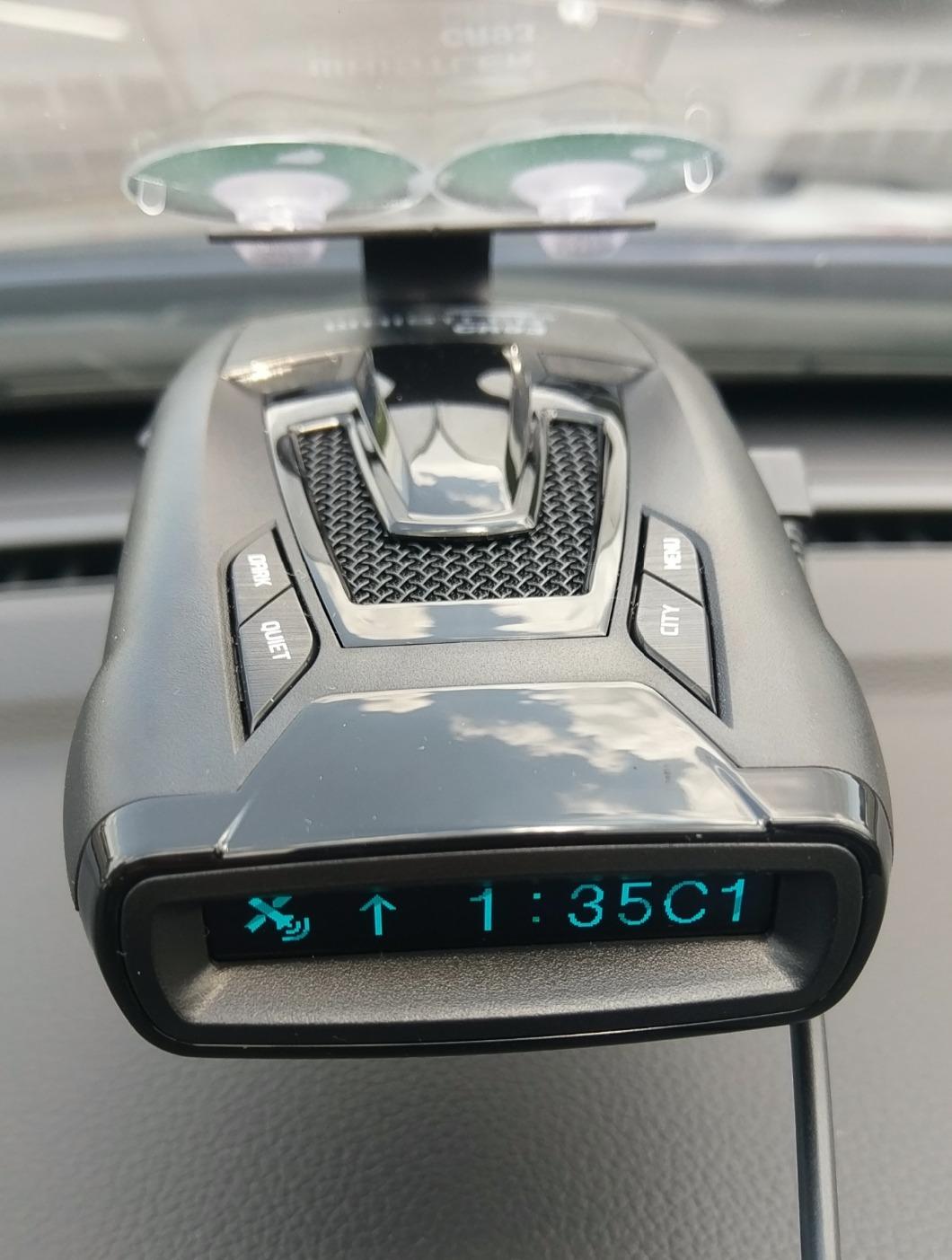
The CR93 is the set-and-forget option. Its internal GPS learns your routes and marks red light and speed camera locations with no app, no account and no subscription, and the GPS-assisted city mode reduces sensitivity automatically at lower speeds. For a commuter who does not want to touch menus, that combination is the appeal.
FDSR and TFSR filtering target exactly the two worst urban noise sources: blind-spot monitors and automatic doors. Bilingual English and Spanish voice alerts, selectable tones, and a printed guide in the box make setup less dependent on a phone.
Automatic city mode versus a speed threshold you set
Most detectors use a Quiet or City mode that switches on a speed threshold. The CR93 instead lets the GPS decide, dropping sensitivity as you slow. In practice that means a trip through a dense downtown does not require you to remember to change modes, which is a genuine safety benefit in stop-and-go traffic where manual adjustments get skipped.
The thin-review trade-off
Two honest caveats. The feature set is steeper than it looks for a model aimed at simplicity, and alerts are voice-based, which some owners find hard to hear in a noisy cabin. The smaller review pool also means fewer long-term durability reports than the Uniden and Escort flagships have accumulated, so you are buying on design rather than on a decade of owner feedback.
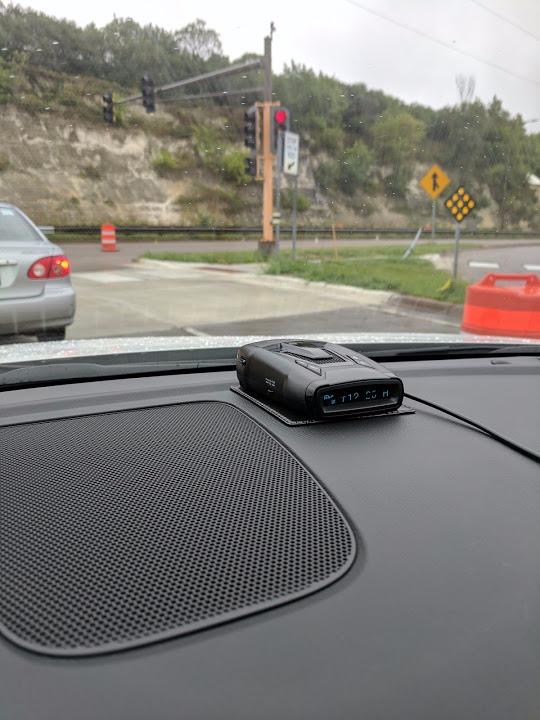
8. Escort Redline 360c – Best 360 Awareness in a Premium Package
Escort Redline 360c Plug and Play Radar Detector, Extreme Range
Processor reported as 25 times faster than the Redline EX
AI assisted filtering with GPS Autolearn and IVT Filter
360 degree awareness with GPS accuracy within 2.5 meters
SmartCord USB with AutoMute
Pros
- Extreme detection range with fast processor response
- AI assisted filtering plus GPS Autolearn reduces repeat city false alerts
- 360 degree directional awareness with accurate GPS positioning
- Includes SmartCord USB with AutoMute and an easy magnetic mount
- Shared community alerts through Drive Smarter
Cons
- Premium pricing for the feature set
- Bundled accessories need a separate hardwire kit purchase in some setups
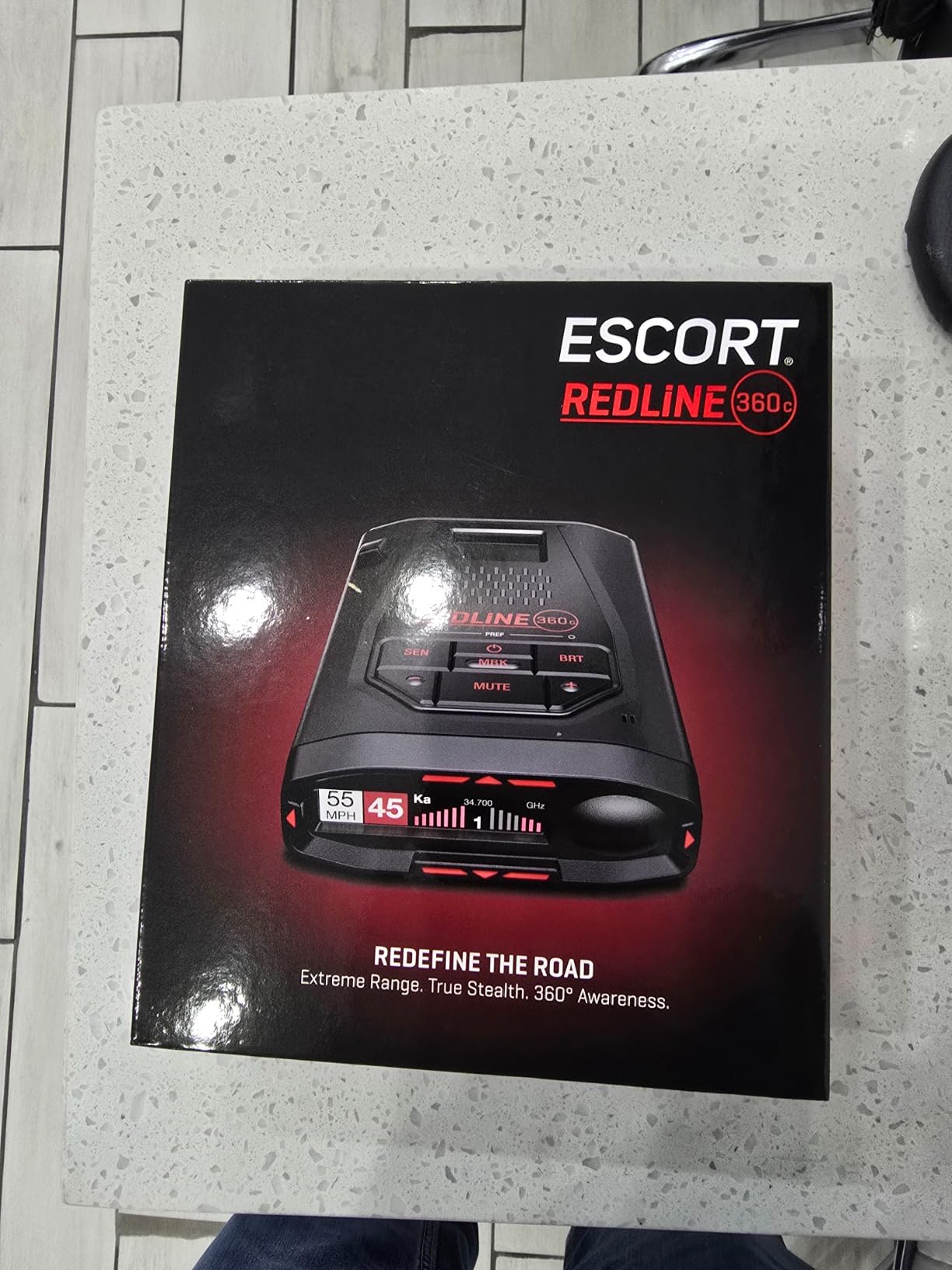
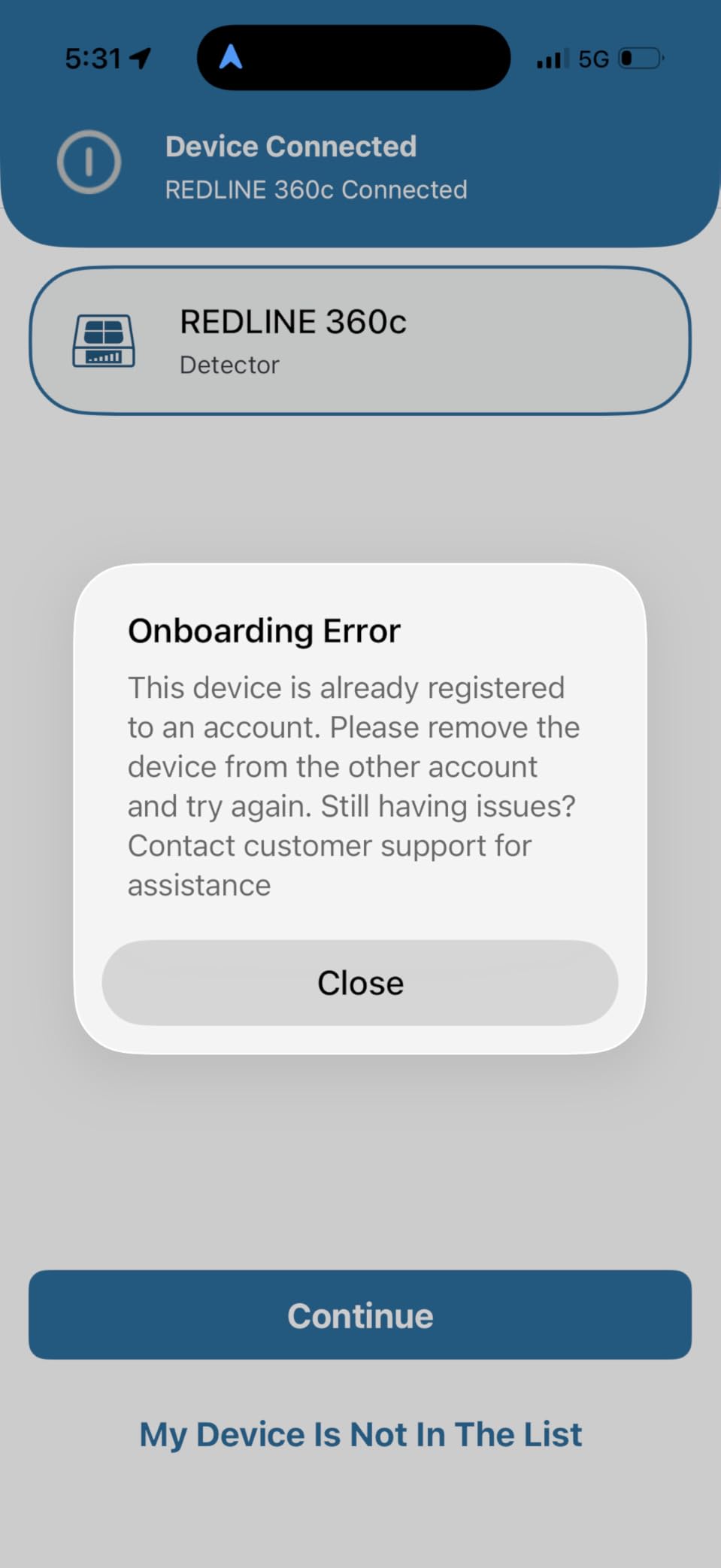
The Redline 360c is Escort’s no-compromise plug-and-play answer, and the city story is the combination of AI assisted filtering with GPS Autolearn. Owners describe the unit as staying quiet on a fixed city route once the route has been learned, which is precisely the behaviour that makes a detector usable daily.
The kit is unusually complete for a premium unit: a magnetic mount, a SmartCord USB with AutoMute so you can silence from the cord rather than reaching up, and shared community alerts through Drive Smarter with CarPlay and Android Auto. GPS accuracy within 2.5 meters keeps lockouts from bleeding onto a road you actually need coverage on.
Autolearn, IVT filter and advanced stealth combined
Three systems work together here. Autolearn records recurring routes and mutes them permanently, the updateable IVT filter rejects known civilian radar emitters, and the advanced stealth technology limits what a radar detector detector can pick up. The faster processor is the part you feel: response on the K and Ka bands is quick enough that a signal from a cross street arrives before the officer has a reading on your vehicle.
Where the money goes, and where it does not
Be honest about the economics. The range advantage is real but largely wasted in a city, where you rarely have clear road ahead. What you are paying for here is filtering sophistication, a complete install kit, and cord-level muting. If your driving is 90 percent residential side streets, the money is better spent elsewhere on this list.
9. Escort MAX 360c MKII – Best for Suppressing Modern Vehicle Radar
Escort MAX 360c MKII Laser Radar Detector, 360° Directional Arrows, Black
M13 platform with 50 percent improved range over the original
Dual antennas with directional arrows from all four directions
Enhanced filtering for collision avoidance and blind-spot monitoring
Autolearn GPS and dual-band Wi-Fi updates
Pros
- Marked improvement filtering collision avoidance and blind-spot radar from older Escort units
- Autolearn reliably blocks automatic store doors along a repeated route
- Directional arrows show where a signal originates and multiple signals display at once
- Good customization through the app or front buttons
- Solid volume and clean styling
Cons
- Some units reported a black screen within a few months requiring a power cycle
- Wi-Fi firmware updates can take over an hour
- Drive Smarter app is less capable than Waze or Google Maps
- Larger and heavier than earlier Escort models
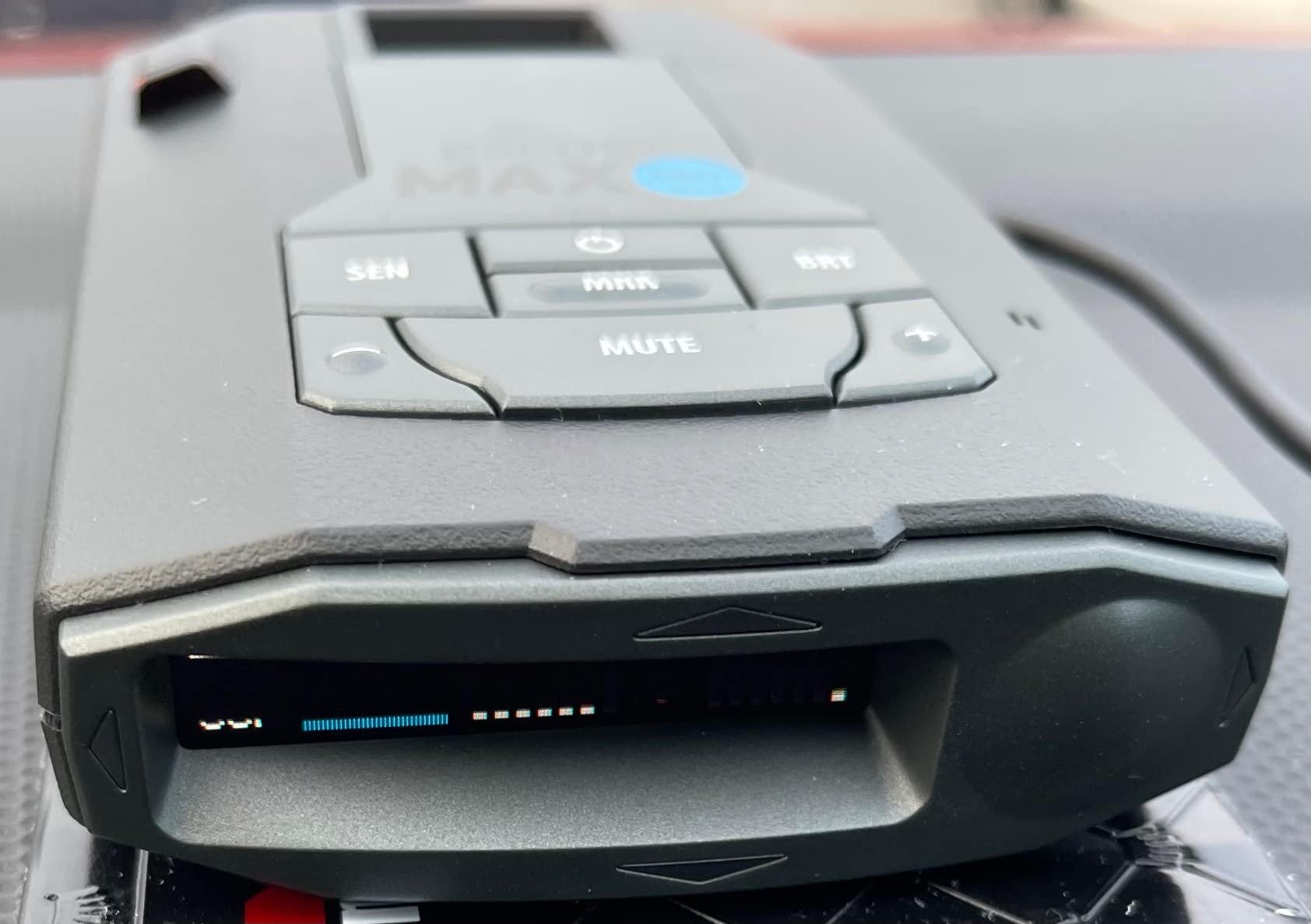
The MKII has the clearest upgrade story in the group for city drivers, and it is not about range. Owners moving from an older MAX 360 in a car with lane-keeping and blind-spot radar report that the problem simply disappeared with this model, because the enhanced filtering for collision avoidance systems was rebuilt on the M13 platform.
Autolearn handles automatic store doors along a repeated route, and the arrows from all four directions let you locate a signal rather than just detect it. Customization is available through the app or the front buttons, so you can ignore the phone entirely if you prefer.
What the enhanced filtering actually targets
Modern cars emit a great deal of radar that a detector cannot distinguish from police signals by frequency alone. Collision avoidance, blind-spot monitoring and parking sensors all broadcast in overlapping ranges, so filtering has to work on signal behavior and pattern rather than simple rejection. That is what the MKII improves, and in a parking-heavy downtown it is the difference between a usable detector and one that never stops chirping.
The reliability and update caveats
Two things temper the recommendation. A distinct group of owners report the display going black within a few months, fixable only with a power cycle, and that is a durability problem you will live with daily. Separately, Wi-Fi firmware updates are reported to take over an hour, and reviewers rate the Drive Smarter app as less capable than Waze or Google Maps, so USB updates through a PC are often faster.
10. Uniden R8W – Best for Detectors That Update Themselves
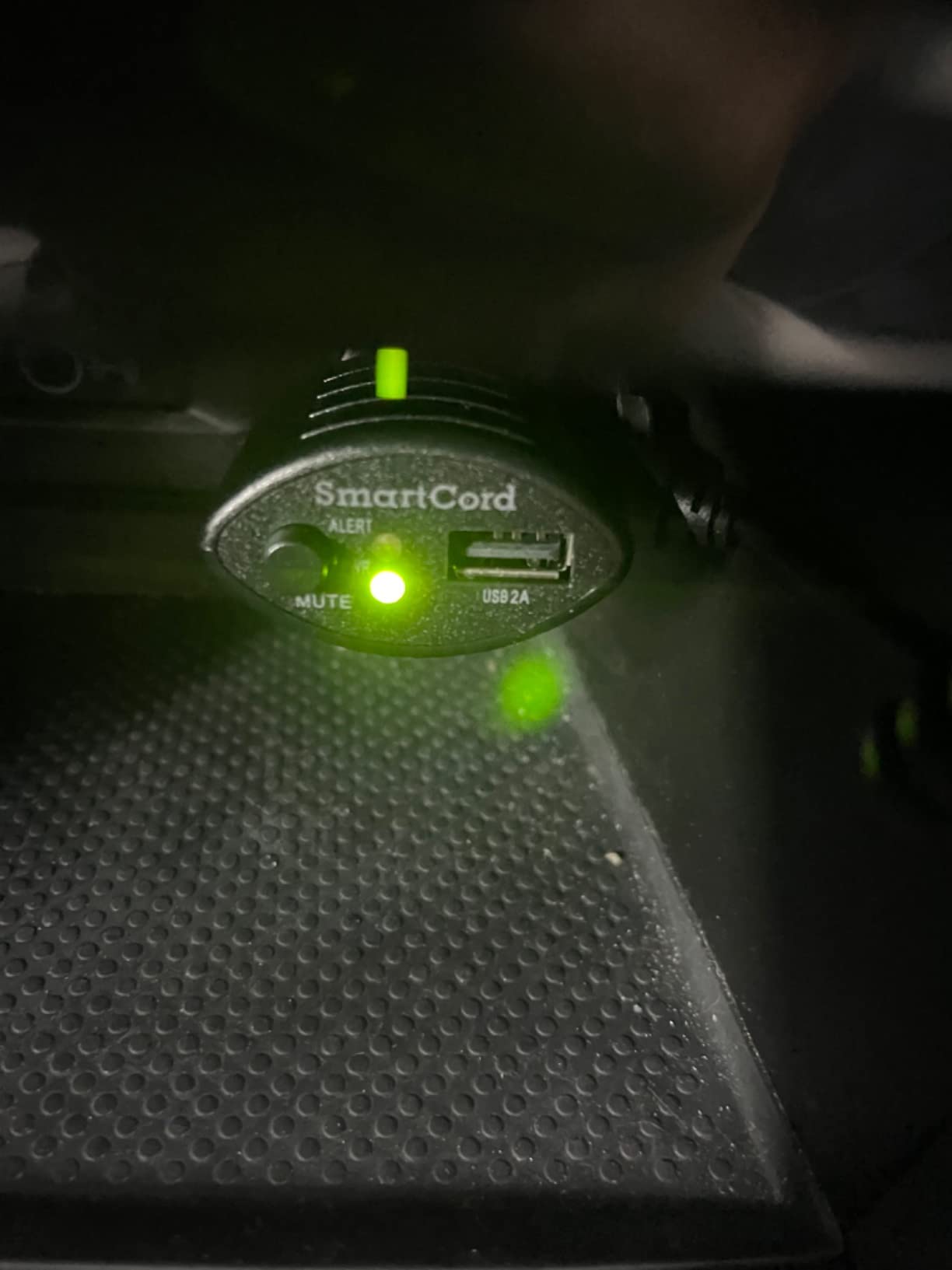
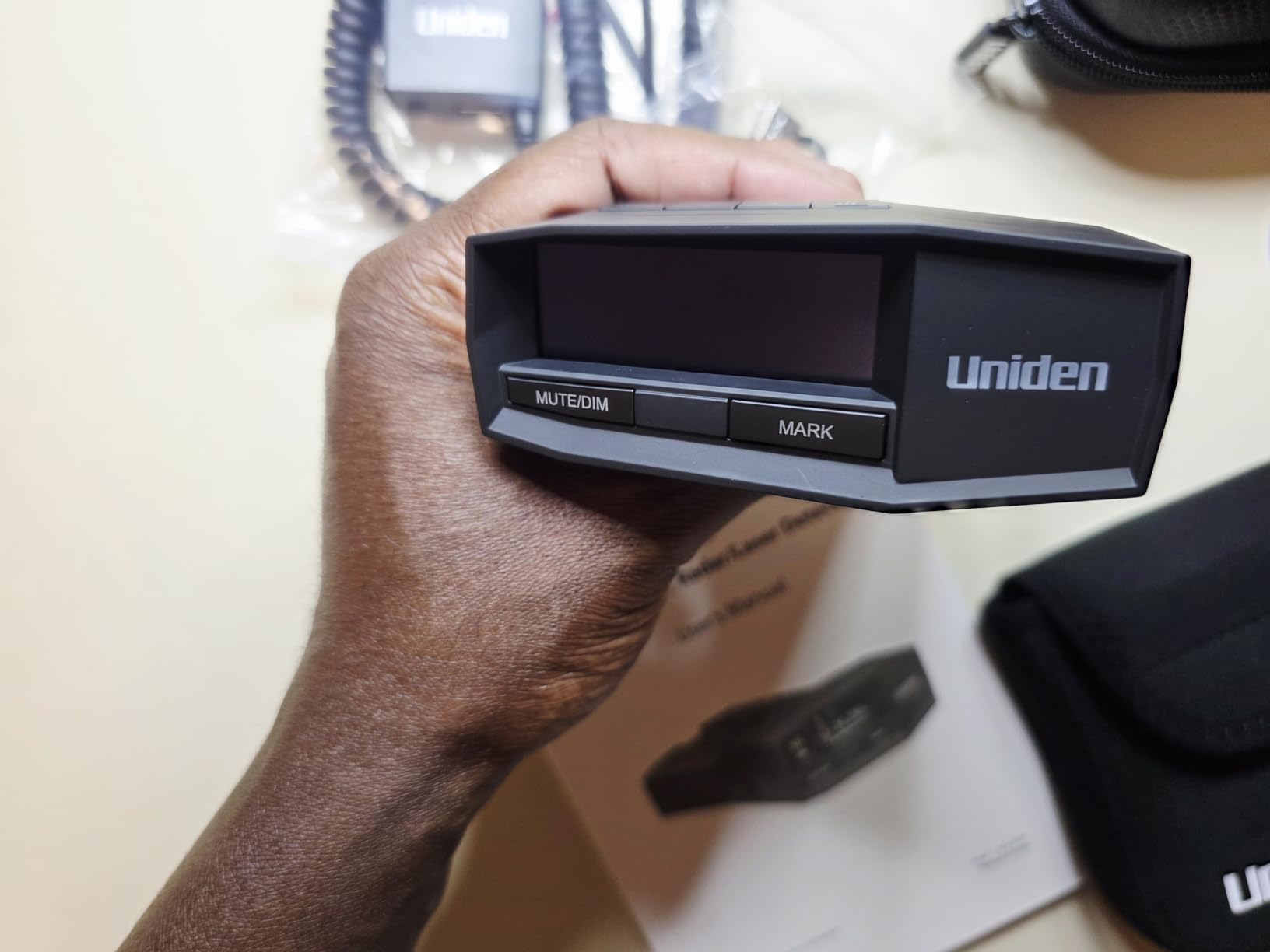
Uniden R8W (new Model) Extreme Long Range Laser/Radar Detector, 360° Awareness, Directional Arrows, Wi-Fi, Bluetooth, GPS, Real-Time Voice Alerts, Red Light & Speed Camera Alerts, R/TACH App
Dual Blackfin digital signal processors
Dual antennas with 360 degree directional awareness
Built-in GPS with auto-mute memory
Wi-Fi and Bluetooth with the R/TACH app
Pros
- Exceptionally sensitive detection that triggers well before radar picks up the vehicle
- Directional arrows plus voice alerts identify direction band and strength
- Over-the-air Wi-Fi updates mean the unit can stay in the car
- Companion app and Waze integration add community and camera data
- High quality power cord with in-line mute and a solid sticky mount
Cons
- Premium price with no radar-detector-detector detection
- Some units reported dead on arrival with no power
- Needs several hours of settings study to exploit fully
- Loud alerts can be intrusive in quiet urban driving
The R8W is the practical flagship pick rather than the automatic one. The over-the-air Wi-Fi update path is the feature owners single out most, because you no longer have to remove the unit from the windshield and connect it to a computer after every database refresh. The R/TACH app and Waze integration add community and camera data on top of the built-in GPS.
Detection sensitivity is the other headline, with owners reporting alerts well before the radar unit acquires your vehicle. Directional arrows and voice alerts name the direction, band and strength so you can keep your eyes forward, and the supplied cord has an in-line mute button with a solid sticky mount that holds in heat.
Why the update path matters more in a city
City filtering is a moving target. New vehicle radar designs and new civilian emitters appear constantly, and a detector that needs a laptop each time it goes stale will simply be left on default settings, which is where the false alerts come from. A detector that updates in the driveway on its own will stay current, and that keeps the difference between a useful unit and a noisy one for years rather than months.
Quality control and the loud-alert problem
The rating is held back by a visible cluster of one-star reports, including units that powered on dead with no power at all, so inspect the unit on arrival. There is no radar-detector-detector detection either. And the alerts are loud, which owners in quiet urban driving describe as intrusive enough that you will want to turn the voice prompts down in the first hour.
City vs Highway Mode: What Actually Changes
Use City mode in town and Highway mode on open roads, and the reason is that the two modes trade detection distance against false alert suppression. Highway mode opens up sensitivity on every band so you get maximum warning time, which is exactly what you want with clear road ahead but exactly what you do not want on a street lined with parked cars that have active safety radar.
City mode narrows the bands that generate the most civilian noise and applies stronger filtering, accepting that a real signal may not register until it is closer. On a grid-lock commute where you rarely have room to react anyway, that trade is clearly correct. If your driving is mixed, several of the picks here handle it automatically by speed threshold, and the Whistler CR93 takes that further with a GPS-assisted city mode that needs no input from you at all.
What Causes Radar Detector False Alarms in the City
Nearly all urban false alerts come from civilian devices broadcasting in the same frequencies as police radar, and the fix is always a specific filter rather than turning the sensitivity down. These are the sources you will actually meet on a city route:
Automatic doors and automatic sliding entrances at supermarkets, pharmacies and plazas. These are the single most common source and the reason GPS lockout matters so much, since a fixed door is a fixed location your detector can permanently ignore.
Adaptive cruise control and collision avoidance systems in modern cars, which broadcast strong forward radar in overlapping bands. The Radenso XP, the Escort MAX 360c MKII and the Whistler CR93 are all noted by owners for handling this better than their competitors.
Blind-spot monitoring and parking sensors, which run constantly in traffic and are the main K-band offender. Adjustable K-band sensitivity and a firmware update that adds K-band blocks for newer parking radar are the two mitigations worth having.
Unintentional police-band radar from casino, hospital and stadium transmitters, plus toll and traffic-signal systems. Nothing filters these by design, so the only answer is a GPS lockout at that exact point.
Automatic vehicle transponders and garage access systems in apartment complexes, which is why a residential commute produces a surprising number of alerts until the detector learns the route.
Nearby law enforcement at a fixed site, such as a traffic division or a police impound lot, produces strong steady radar that reads as a moving threat.
How to GPS-Lockout a Recurring False Alert
This is the single most useful city skill, and it takes about ten minutes once you understand the sequence. You need a detector with built-in GPS and a MARK or MUTE MEMORY button, which covers every pick on this list except the Cobra RAD 480i.
1. Drive the route normally for about a week. The GPS needs several passes over the same coordinates to decide a signal is recurring rather than a passing patrol car. Skip this and you will lock out a spot you actually want warned about.
2. Turn detection off before you reach the spot. On most models this is a dedicated DIM or OFF button, and it prevents the detector from recording the location as one you pass through.
3. Pass the false-alert source with detection off. Drive through it normally. Some models use a soft mute where you simply hold the MUTE button instead, and the unit records the location automatically when the signal disappears.
4. Press and hold MARK or MUTE MEMORY immediately after. The display confirms the coordinates were stored. You now have a permanent lockout for that exact spot, and it applies every time you drive that route again.
5. Repeat for every recurring nuisance point on the route. A typical city commute has three or four: a plaza door, a garage ramp, a hospital driveway. Your alert rate drops sharply over the first month as the count grows.
To clear a lockout you select the stored point from the memory list and hold the delete key, and that matters because a road that changes layout can otherwise leave you permanently unprotected at a point where enforcement has genuinely moved.
What to Look for When Buying a City Radar Detector
Filtering first, range second
For city driving, filtering quality outranks maximum detection distance, and this is the opposite of how most roundups rank things. Range only pays off when you have clear road and time to slow down. A detector that alerts accurately at a shorter distance is a better tool on a street where every alert competes with adaptive cruise signals from the cars around you. Look for review language about blind-spot filtering and automatic-door rejection rather than about miles of warning.
GPS lockout versus auto-mute memory versus auto-learn
These three are constantly conflated. Auto-mute memory simply stays muted at a location once, so the next pass is quiet, but it forgets eventually. GPS lockout stores coordinates permanently and never forgets. Auto-learn is software that notices a repeated signal in the same place and suppresses it without you doing anything. You want the first two from the GPS, and auto-learn as a bonus that quietly improves things while you drive.
Bands in plain English
Three microwave bands matter, and you can ignore the rest. X band at 10.525 GHz is older police radar, rare now, but also the band used by some garage and stadium systems, which is why X alerts are often false in cities. K band at 24.125 and 24.150 GHz is the busy one: police still use it, and so do vehicle parking radar, which makes it the main source of your false alerts. Ka band at 33.4 to 36 GHz is modern police radar, fast-moving guns, and the band where maximum detection distance actually matters.
Directional arrows in stop-and-go traffic
Arrows are a city feature more than a highway one. On an open road you can see the cruiser behind you. In dense gridlock you cannot, and a front-and-rear detector tells you whether the signal is ahead, behind, or to the side. If your commute involves multi-lane arterials and busy intersections, arrows earn their cost; if you drive quiet residential streets, they matter much less.
What laser detection is actually worth
Be realistic here. Laser is a beam, not a broadcast, so there is no early warning in the way radar gives you, and detection at close range can be too late regardless of which detector you buy. A laser signal you catch is a bonus; a laser signal you miss is not a failure of the unit. Marketing language about laser detection tells you very little, so weight it far below filtering and GPS features.
Mounting, heat and power
The most common hardware failure we saw reported is a suction cup letting go in summer heat, and it is worth budgeting for a heavier mount or a dash fastener from the start. Hardwire kits avoid the 12V socket entirely, which is convenient but is a separate purchase on some of these kits. Keep the unit mounted high enough to clear the hood line, and if the model is laser-sensitive, keep the windshield area in front of it clear.
Apps, subscriptions and distraction
Bluetooth control and over-the-air updates are genuinely useful, but several forum regulars make the opposite point: they do not want to fiddle with a phone while driving. Bluetooth gives you band toggles and display routing, while Wi-Fi mainly means the unit stays current without a laptop. A subscription for a camera database is a real ongoing cost that one pick on this list avoids entirely, and free firmware updates are the norm among Uniden and Escort models.
On the same topic, it is worth pairing a detector with a dash cam setup for evidence after an incident rather than for speed warnings. Our guide to the best dash cams for night driving covers the recording side, which a radar detector cannot help with at all. If you also want the rest of a detection kit sorted, our picks for the best metal detectors for beach hunting and the best metal detectors for gold prospecting cover the other side of the hobby.
Radar Detector Legality in the US
Radar detectors are legal for private vehicles in every US state except Virginia and the District of Columbia, where using one in a private car is a primary offense. Many states, including California, prohibit mounting anything on the windshield that obstructs the view, so check your tint and mounting rules before you install.
Separate rules apply to commercial vehicles. In several states, including California, New Jersey, Massachusetts and New York, trucks and certain other commercial classes are barred from having radar detectors at all. Window tint limits also vary widely, and a dark tint can stop an officer seeing a mounted unit in the first place, which is a separate issue from legality.
One more thing to know: a radar detector detector, often called RDD or VG-2, is used in a handful of states to spot detectors. Some models on this list are immune to it, and the Valentine One V1 Gen 2 notably is not, so check your state before buying.
Waze vs a Radar Detector for City Driving
They are complementary rather than competing, and most owners run both. Waze is better at speed cameras and red light cameras, because crowdsourced reports accumulate fast and give you a street name at zero cost. A radar detector is better at live mobile patrol, which no app can see, because a moving officer broadcasting radar leaves no report trail until someone is pulled over.
What an app cannot do is warn you in advance. Waze tells you a camera is at an intersection you are already approaching; a detector with GPS alerts gives you that warning before the intersection, and arrows tell you which direction the cruiser is actually on. If your route is mostly fixed and camera-heavy, the app alone may be enough. If you drive arterial roads where mobile patrol works, you need hardware.
Frequently Asked Questions
Should I have my radar detector on Highway or City mode?
Use City mode in town and Highway mode on open roads. Highway mode opens sensitivity on every band for maximum warning time, which is what you want with clear road ahead. City mode narrows the noisiest bands and filters harder, accepting a real signal may register later. In stop-and-go traffic that trade is the right one, since filtering accuracy matters more than distance. Several models also switch automatically by speed threshold or by GPS.
What causes radar detector false alarms in the city?
Almost all urban false alerts come from civilian devices sharing police frequencies. The main sources are automatic doors at shops and plazas, adaptive cruise control and collision avoidance systems, blind-spot monitors and parking sensors, and transmitters at casinos, hospitals and stadiums. Garage access systems in apartment complexes cause many of the rest. GPS lockout is the general answer, because it silences a fixed source permanently.
Are radar detectors still effective?
Yes, for radar. They are far less useful against laser, because laser is a narrow beam rather than a broadcast, so there is little or no warning time. Police still use radar heavily on highways and arterials, and fixed red light and speed cameras do not defeat a detector at all, since built-in GPS databases warn you about them in advance. A detector earns its place in the city mainly through filtering and camera alerts.
Can cops tell if you have a radar detector?
Usually not directly. A radar detector detector is used in only a handful of states, and the ones that can pick detectors up, such as VG-2 and Spectre, are detectable by only some models. A visible or obvious windshield mount can still attract attention, so low-profile mounting matters as much as technical immunity. Check your own state rules before buying.
Is Waze better than a radar detector for city driving?
No, they cover different things. Waze is stronger for speed cameras and red light cameras, because crowdsourced reports accumulate quickly and cost nothing. A detector is stronger for live mobile patrol, which no app can see until someone is stopped. Most owners run both, using the app for fixed cameras and the detector for moving officers.
Final Verdict: Which City Radar Detector Should You Buy
For most commuters, the Uniden R3 is the right call. Its GPS mute memory permanently solves the recurring false alerts that make people abandon detectors, it carries a free preloaded camera database, and owners rate its filtering above detectors costing several times more.
If you drive dense downtown and want to know which direction the cruiser is on, take the Uniden R7 with its front and rear antennas. If false alerts are your specific complaint and your commute is fixed, the Radenso XP is the cheapest path to silence. Spend as little as possible and still want front and rear coverage? The Cobra RAD 480i does the job, minus permanent lockouts.
Drive mostly residential streets and want zero fuss? The Whistler CR93 does GPS route learning with no subscription and switches into city mode by itself. Budget the first month for setup and lockouts on any of these, because no detector is quiet on day one. Our picks for the best radar detectors for city driving in 2026 all reward the small amount of early configuration that makes them trustworthy every day after.