
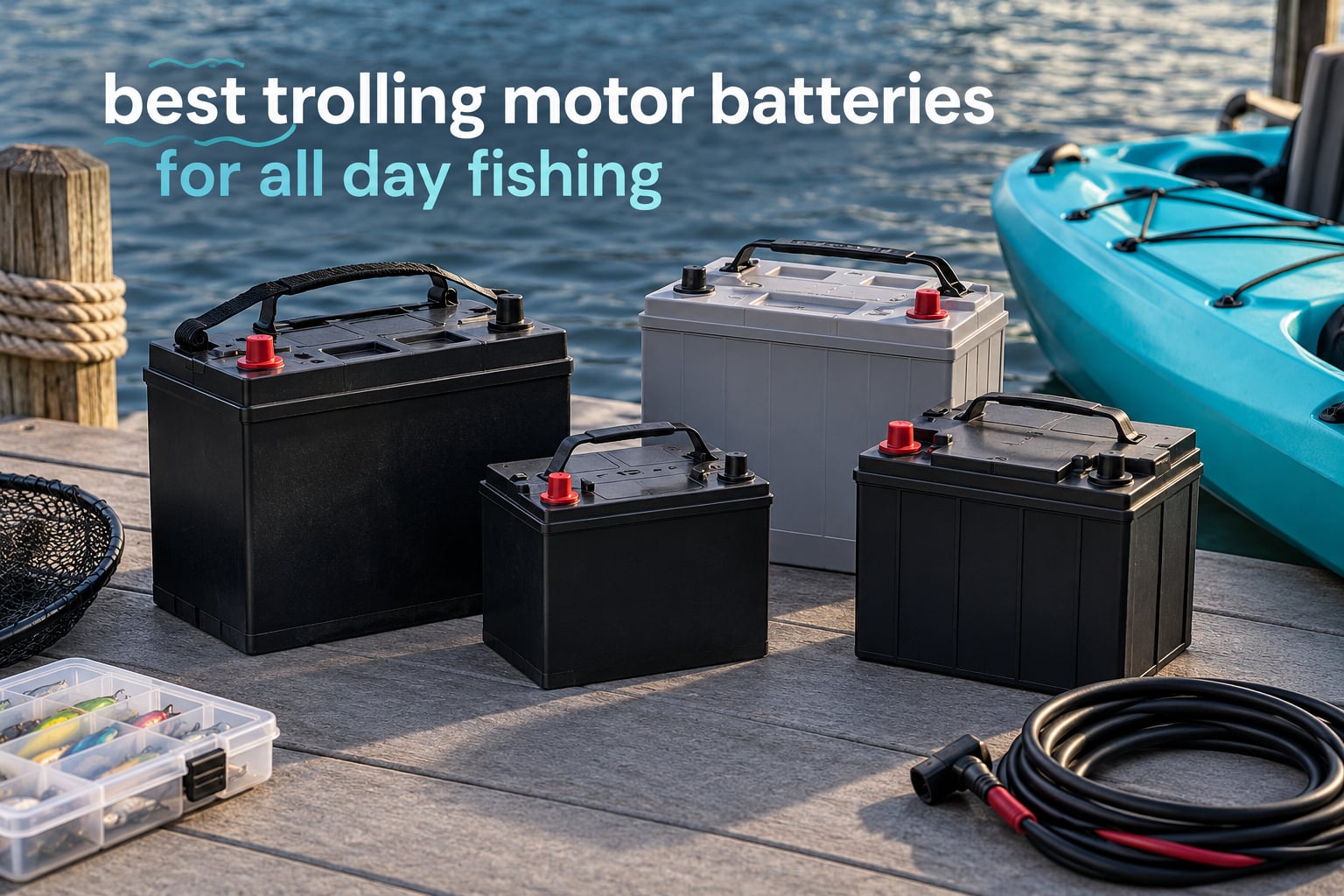
The best trolling motor batteries for all day fishing are 12V 100Ah LiFePO4 packs: they deliver roughly 1280Wh of usable energy, weigh about half of a comparable AGM battery, and hold voltage steady until the day is done.
I spend a lot of time reading owner reviews on trolling motor batteries, and the same anxiety shows up in every forum thread: will this thing actually get me back to the ramp? A 100Ah number on a label tells you almost nothing about a day on the water, because the useful figures are amp draw at your throttle setting, usable depth of discharge, and how much the pack weighs in your hands.
Our team worked through spec sheets, weight, group sizing and owner feedback across ten batteries, then ran the runtime math for each one against realistic motor loads. Everything in the best trolling motor batteries for all day fishing roundup below is scored against the same question: launch to return without a mid-day charge.
One thing worth saying up front, because it changes the entire buying decision. In a long-running r/boating discussion, an angler fishing 10 to 60 miles offshore with a 36V motor asked whether 50Ah was really enough. The consensus answer on that thread was that spot lock is surprisingly energy efficient and that actual hard trolling is the real energy hog. If you spend your day anchored, you need far less capacity than a continuous runner. If you spend it dragging baits across a bay, capacity is everything.
That distinction runs through every section below. Here is what we found, and where each battery genuinely earns its place.
Our Top 3 Trolling Motor Batteries for a Full Day on the Water


MARSENERGY 12V 100Ah Group 24
- 4500 cycles at 100% depth
- 21 lb
- Group 24 drop-in
- 5-year warranty
These three cover the widest spread of real fishing duty: a proven sealed lead-acid bank, a feature-rich 12V lithium pack with app monitoring, while the lightest full-size lithium still rates highest with owners.
Comparing the Best Trolling Motor Batteries for All Day Fishing in 2026
| Product | Specs | Action |
|---|---|---|
| WEIZE Deep Cycle AGM 12V 100Ah |
|
Check Latest Price |
| LiTime 12V 100Ah Bluetooth LiFePO4 |
|
Check Latest Price |
 BtrPower 36V 50Ah LiFePO4 BtrPower 36V 50Ah LiFePO4 |
|
Check Latest Price |
 LiTime 12V 50Ah LiFePO4 LiTime 12V 50Ah LiFePO4 |
|
Check Latest Price |
 Redodo 36V 50Ah LiFePO4 Group 31 Redodo 36V 50Ah LiFePO4 Group 31 |
|
Check Latest Price |
 SUPER EMPOWER 12V 100Ah Group 24 SUPER EMPOWER 12V 100Ah Group 24 |
|
Check Latest Price |
 DC HOUSE 12V 100Ah Bluetooth LiFePO4 DC HOUSE 12V 100Ah Bluetooth LiFePO4 |
|
Check Latest Price |
| MARSENERGY 12V 100Ah Group 24 |
|
Check Latest Price |
 LOSSIGY 36V 100Ah LiFePO4 Package LOSSIGY 36V 100Ah LiFePO4 Package |
|
Check Latest Price |
 XZNY Compact 24V 100Ah LiFePO4 XZNY Compact 24V 100Ah LiFePO4 |
|
Check Latest Price |
The All-Day Runtime Math: How Many Hours You Actually Get
Runtime is the one number nobody gets right, and the math is simpler than most spec sheets make it look. Divide your amp-hour capacity by the amps your motor actually pulls at your chosen throttle, then apply a chemistry penalty for lead-acid.
Here is the short version for a 100Ah pack: at 10 amps of draw you get about 10 hours on LiFePO4 and about 5 hours on AGM. At 25 amps, roughly 4 hours on lithium and 2 hours on lead-acid. At full throttle with a motor pulling 50 amps, you get about 2 hours on lithium and about 1 hour on lead-acid. That last figure is why no serious all-day angler runs a big motor wide open for eight hours.
- 30 lb thrust motor, half throttle (about 8-10 amps): a 100Ah LiFePO4 pack runs a full 8 to 10 hours. A 50Ah pack covers most of a shorter day.
- 55 lb thrust motor, half throttle (about 15-20 amps): a 100Ah LiFePO4 bank gives 5 to 6 hours of hard running, far longer if you are spot-locked. AGM of the same size gives about half that.
- 55 lb motor at full throttle (about 40-50 amps): 100Ah LiFePO4 lasts roughly 2 hours. This is a trolling number, not a cruising number, and it is why most offshore setups run two banks.
- 70-80 lb thrust motor, hard trolling (about 30 amps): a 12V 100Ah pack is not enough. You need a 24V or 36V bank, which is where the 36V and 24V packs in this roundup earn their place.
- 100-120 lb thrust 36V motor (about 50 amps): a 36V 50Ah pack runs about 1 hour at hard draw. Tournament anglers report 8-plus hours because much of that day is spent holding position, not dragging.
- Spot-locked duty cycle: holding position on a spot-lock GPS anchor draws a fraction of cruising current, which is why forum consensus treats 50Ah lithium as genuinely enough for an all day on the water for many anglers.
One more correction to a common myth: a 100Ah lead-acid bank does not deliver twice the runtime of a 100Ah lithium bank because it holds more charge. It delivers roughly the same usable energy as a 50Ah lithium pack, because lead-acid should be stopped at around half charge to protect its life. If you also shoot photos or run a bow camera all day, the endurance math on camera batteries for long shoots follows the same usable-capacity rule.
1. WEIZE 12V 100Ah AGM – The Most Proven All-Day Bank
Weize Deep Cycle AGM 12 Volt 100Ah Battery, Maintenance-Free, 3% Self-Discharge Rate, 1150A Max Discharge Current, Perfect for RV, Solar, Trolling Motor, Wind, Marine, Camping and Off-Grid System
Sealed AGM lead-acid
100Ah capacity
57 lb
6.73 x 12.99 x 8.43 inch
1-year warranty
Pros
- Holds a strong charge under sustained trolling load
- Maintenance-free sealed construction with no acid spill risk
- 1150A maximum discharge current
- Very large owner review base for a marine deep-cycle battery
- Handles RV and solar duty as well as marine use
Cons
- 57 pounds is a two-handed lift into a boat hatch
- Lead-acid depth of discharge cuts usable capacity roughly in half
- Shorter service life than any lithium pack here
- 1-year warranty is among the shortest in this group
This is the battery we kept coming back to for anyone who just wants a proven bank that works. Owners describe dependable power for trolling motors and heavy RV and solar loads, and the sealed AGM construction means no watering, no vent caps and no acid clean-up after a rough day.
The 1150A maximum discharge figure is generous headroom, and the 1 to 3 percent monthly self-discharge rate is sensible for a battery that will sit through a winter. Customer service gets repeated mention for replacing damaged batteries quickly.
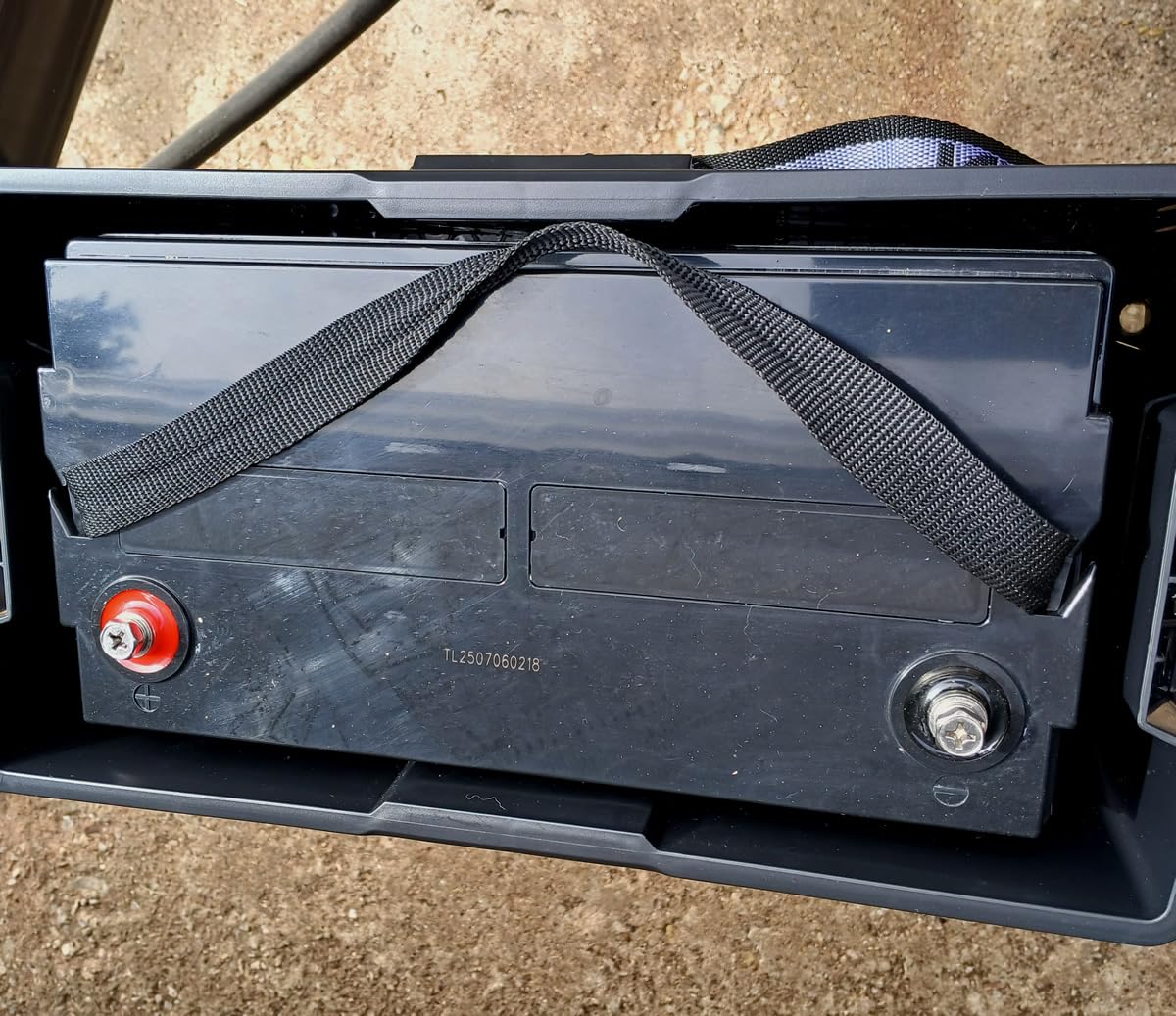
The honest drawback is weight. At 57 pounds, this is a genuinely two-handed lift into a console box or a battery tray, and on a small jon boat you would feel every pound of it. It is also one of the larger footprints in the group at nearly 13 inches long.
Where AGM Still Wins
If you already own a lead-acid charger, this is the cheapest path to a full day of trolling without changing anything else on the boat. AGM is also far more forgiving if your boat sits in cold conditions without a charger, and charging temperature range here runs from 14F to 122F with no special cold-weather protocol.
The trade-off is arithmetic you cannot argue with. Stop the AGM at 50 percent depth and you are running a 50Ah usable bank in a 57-pound box, against a 100Ah lithium bank that weighs 22 pounds.
Who Should Skip It
Anyone chasing a multi-year service life, anyone who cares about trim and handling on a small boat, and anyone who can accept buying a dedicated LiFePO4 charger should look at the lithium options instead.
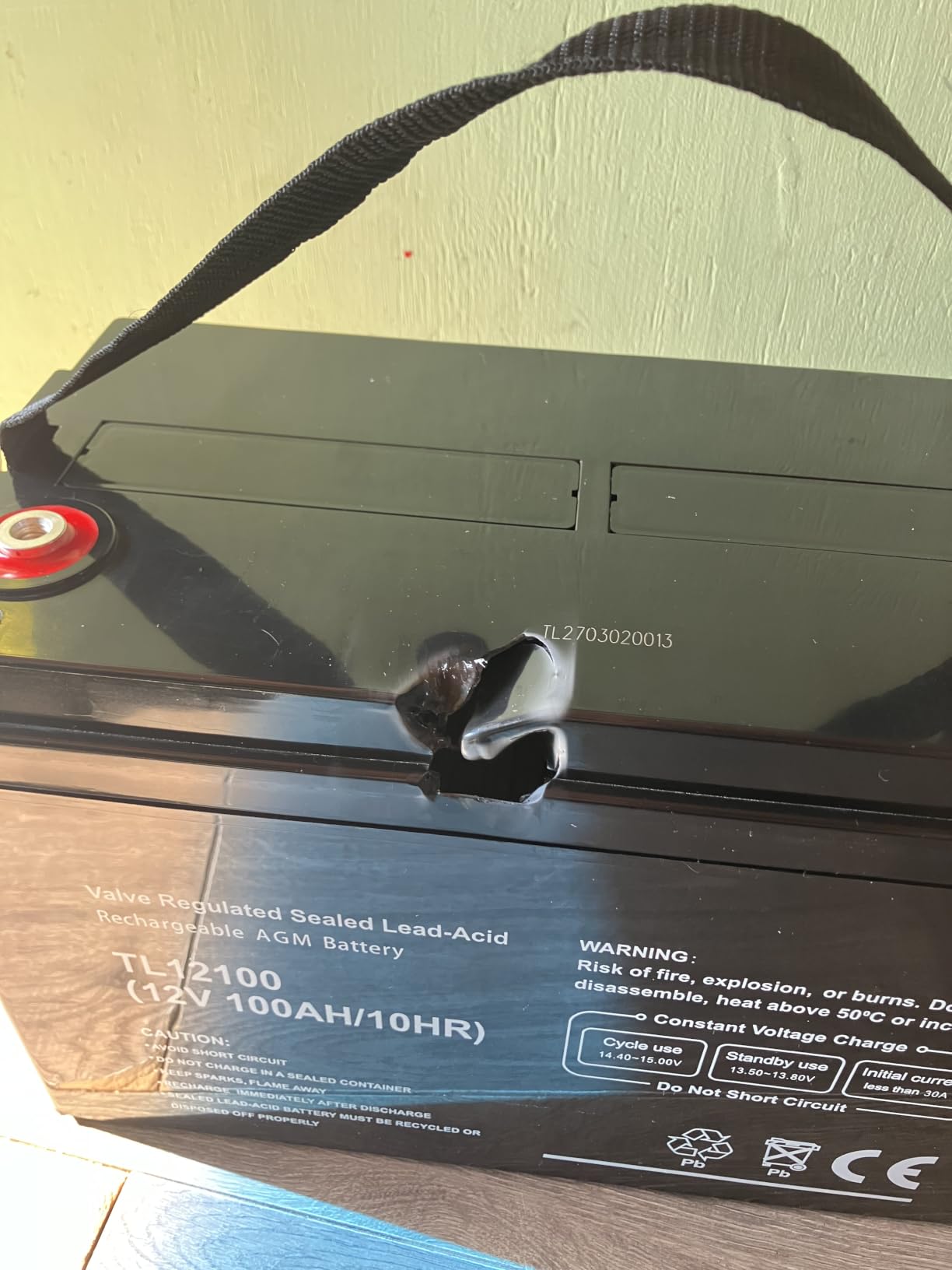
A minority of owners report individual batteries that never reached full state of health, so keep your receipt and test on arrival. It is a small share of reviews, but it is worth a voltage check before the first trip.
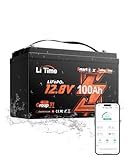
2. LiTime 12V 100Ah Bluetooth LiFePO4 – Best App-Monitored 12V Bank
Litime 12V 100Ah Trolling Motor LiFePO4 Battery for Marine, Boat, Yacht
1280Wh LiFePO4
22.2 lb
Group 31 case
App monitoring
5-year warranty
Pros
- Roughly half the weight of a comparable AGM bank
- Bluetooth app gives accurate state-of-charge and live amp draw
- Enough usable capacity for long days in strong wind
- Recharges to full in a few hours
- Terminal hardware and a wrench included
Cons
- Must be activated with a lithium or MPPT charger before first use
- App percentage reads poorly for very low-draw devices
- Some batteries arrive unable to connect or accept charge
- Arrives at partial charge so budget an initial full charge
This is the pack our team recommends to a 12V angler who wants to see real numbers while fishing. The Bluetooth app reports state of charge, live amp draw and system status, and owners specifically single it out as valuable during propeller testing when you need to know actual load.
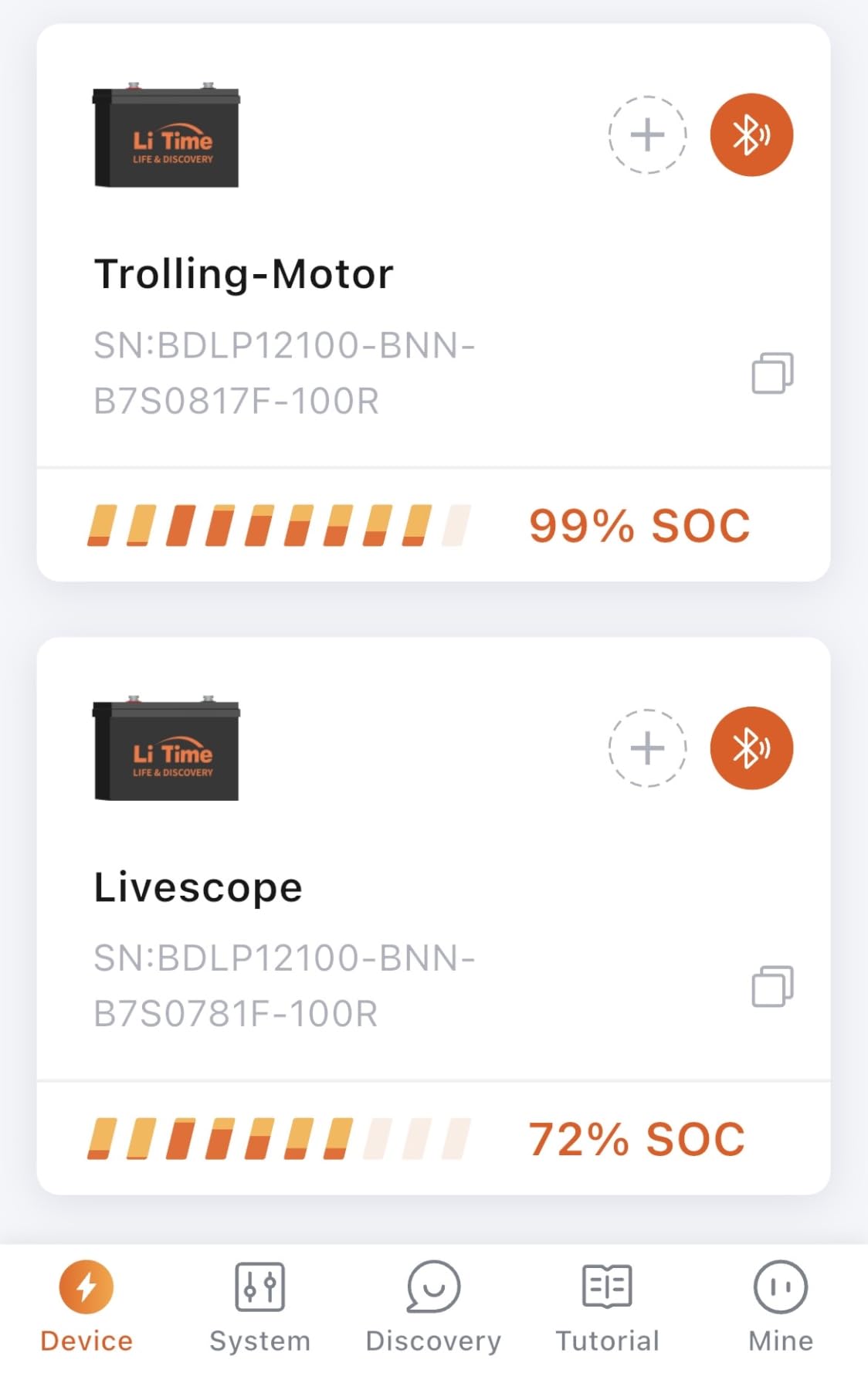
On paper it is a strong all-day proposition: 1280Wh in a standard Group 31 case at 22.2 pounds, rated for 30 to 70 lb thrust motors, with 20-plus safety protections and an IP65 salt-resistant housing. Cycle life is quoted at 4000 cycles at 100 percent depth of discharge and 15000 at 60 percent.
Voltage Behaviour and Low-Temperature Cutoff
The flat LiFePO4 discharge curve is what makes an all day feel like an all day. A lead-acid bank sags under load, the motor bogs, and you get less usable capacity than the label promised. A lithium pack holds its voltage and the thrust stays consistent until the end of the day.
Cold-weather protection is built in: charging stops below 32F and discharging stops below -4F. Plan around that in shoulder season, because a lithium battery parked in a freezing boat will not take a charge until it warms up.
Expanding and Future-Proofing
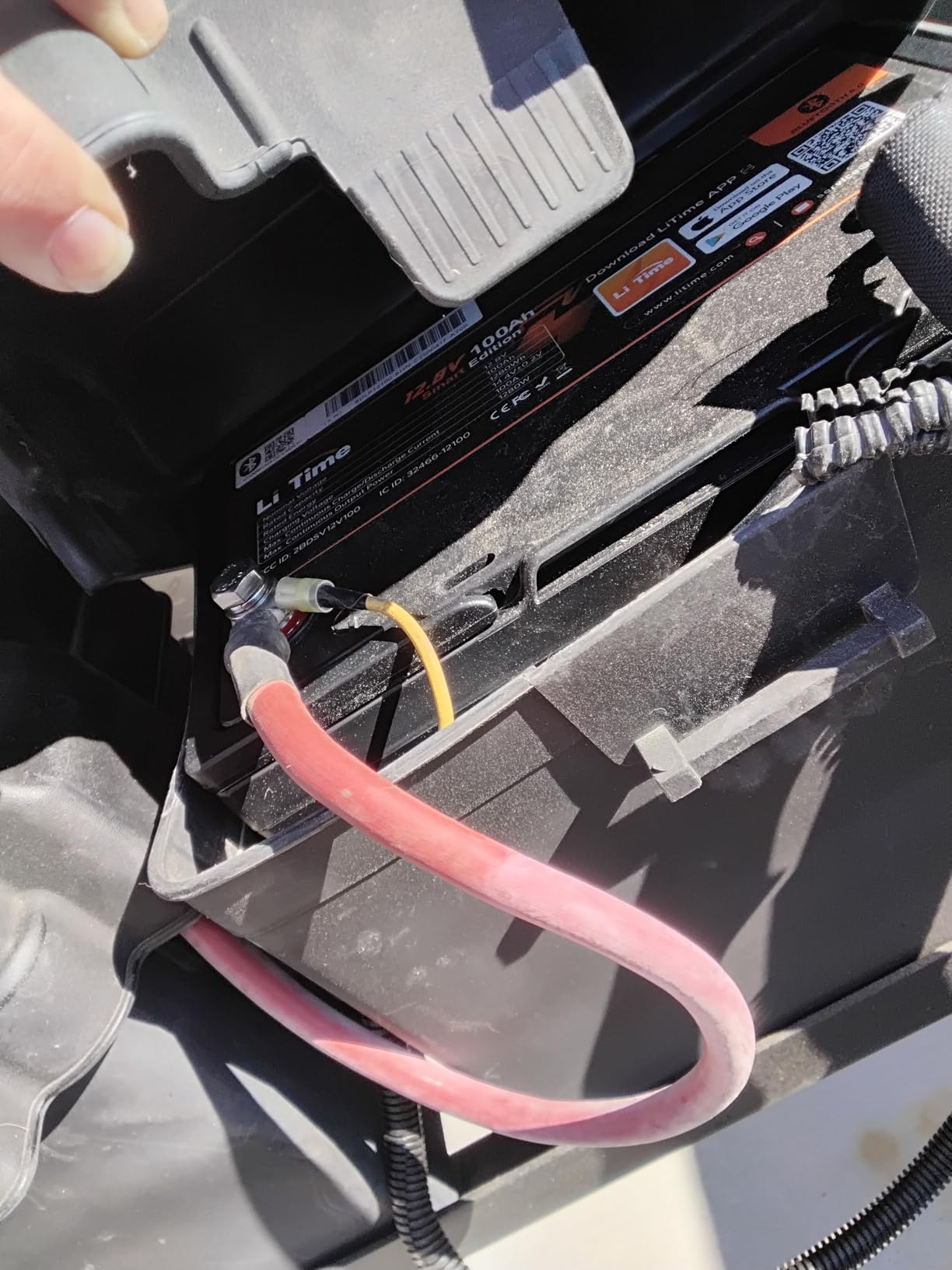
This pack supports up to 4P4S configuration, taking a bank up to 51.2V and 400Ah, or 20.48kWh. In practice that means you can start with one battery and add a second in parallel later without changing chemistry or chargers.
Where Owners Frustrate
First charge matters: the battery needs a lithium-activation or MPPT charger before it will accept power normally. Second, the app percentage is unreliable below roughly half an amp, so do not trust it for a dashcam or a livewell pump reading.
A small number of buyers report batteries arriving unable to connect to the app or take a charge. LiTime support is reported as replacing those, which is part of what the 5-year warranty buys you.
3. BtrPower 36V 50Ah LiFePO4 – Built for 100-120 lb Thrust Motors
36V 50Ah LiFePO4 Bat tery,36 volt Trolling Motor Lit hiu m B attery
38.4V nominal 36V pack
50Ah
28 lb
Group 31 footprint
1-year warranty
Pros
- Purpose-built for 100-120 lb thrust 36V trolling motors
- About one third the weight of an equivalent lead-acid bank
- Grade A cells rated for more than 5000 deep cycles
- Smart BMS covers overcharge overcurrent short circuit and heat
- Compact Group 31 dimensions simplify installation
Cons
- 50Ah covers moderate rather than multi-day heavy duty
- Needs a dedicated LiFePO4-compatible charger
- 1-year warranty is among the shortest here
- No Bluetooth or app monitoring at all
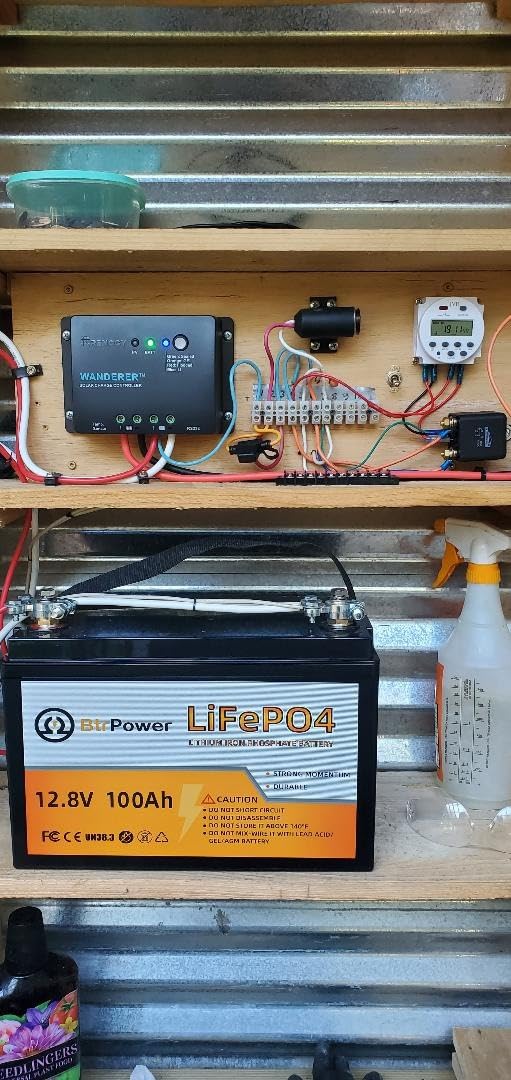
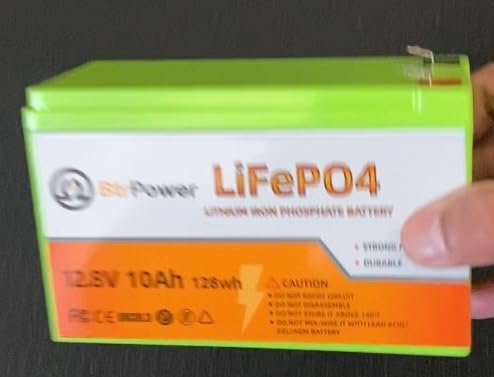
If you run a 36V motor pushing 100 to 120 pounds of thrust, this is the pack category that actually matches your boat. One 36V unit replaces three 12V batteries in series, which removes two connection points, cuts cable run and weighs 28 pounds in a single Group 31 case.
The 50A BMS with 1.2C continuous discharge capability gives real headroom for a motor that gets demanding in current and a heavy sea. Operating range of -20C to 60C and an IP65 seal handle spray and cold reasonably well.
What 50Ah at 36V Really Means
Multiply and the pack is 1920Wh of nominal energy, which is a serious amount. But the runtime math for a 100 lb motor is not generous: at around 50 amps of draw you get about an hour of hard trolling. On a day built around spot lock and long slow drifts, owners report plenty of margin.
If your day is 10 to 60 miles of continuous running, add a second pack in parallel. The Group 31 footprint is the same as the 36V packs above and below, so the space argument is manageable.
The Warranty Gap
At one year, this is the shortest warranty in the roundup, and for lithium chemistry that reads thin. A pack rated for 5000-plus cycles protected by a one-year guarantee asks you to take the long view on faith.
No Bluetooth also means no live state-of-charge reading on the water, which for some anglers matters more than raw capacity. For offshore use where you want a phone readout, the Redodo 36V is the smarter fit.
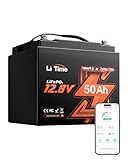
4. LiTime 12V 50Ah LiFePO4 – The 11 lb Answer for Kayaks and Jon Boats
LiTime 12V 50Ah Trolling Motors LiFePO4 Lithium Battery for Fish Finder
640Wh LiFePO4
11.3 lb
Bluetooth 5.0 app
50A BMS with cold cutoff
5-year after-service
Pros
- Extremely light at 11.3 lb for a pack that runs a full day
- 1.2C 60A continuous discharge sustains peak motor thrust
- Bluetooth app monitoring without extra hardware
- Holds charge extremely well over months of storage
- Enough for fish finders and lighting all day
Cons
- 50Ah suits kayak and small-boat setups more than full-day high-thrust runs
- Needs lithium-activation or MPPT charger on first use
- Some warranty service requires returning the battery overseas
- App percentage inaccurate for very low-draw devices
Weight is the entire argument here. At 11.3 pounds, this is roughly one sixth the weight of a 100Ah lead-acid bank, and on a kayak or a small jon boat that difference decides whether the boat handles the way it should.
Kayak and small-boat anglers report running these through a full day of trolling plus electronics and still retaining substantial charge. The 640Wh capacity and 4000-plus cycle rating are supported by EV-grade cells and an IP65 enclosure.
Discharge Headroom for Small Motors
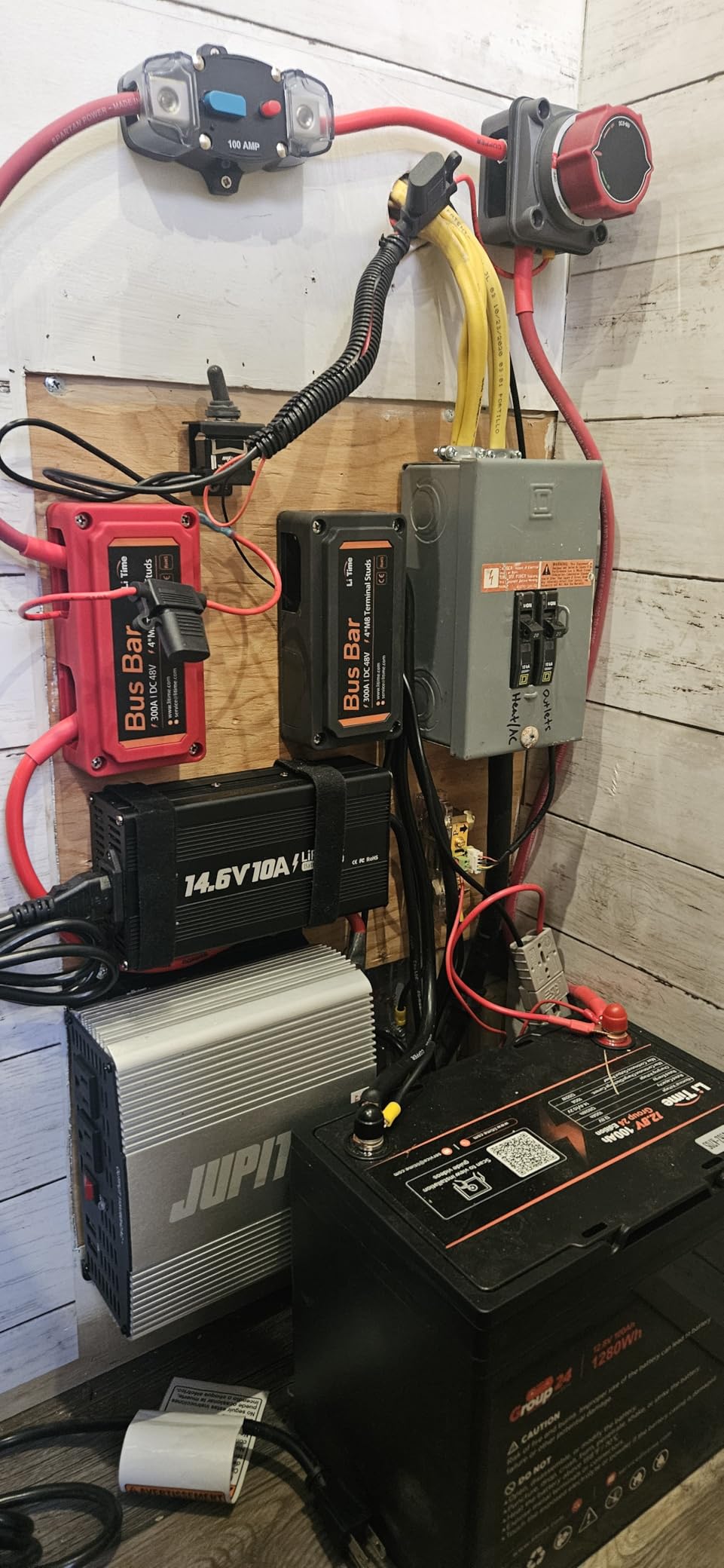
The 60A continuous discharge capability is the detail that matters for a small motor. Peak thrust demand is what kills cheap lithium packs, and this one has the burst capacity for it, plus a 50A BMS with a low-temperature charge cutoff built in.
Bluetooth 5.0 pairing uses a QR code rather than a manual connection process, which is a small but real quality-of-life improvement on the water.
When 50Ah Is Genuinely Enough
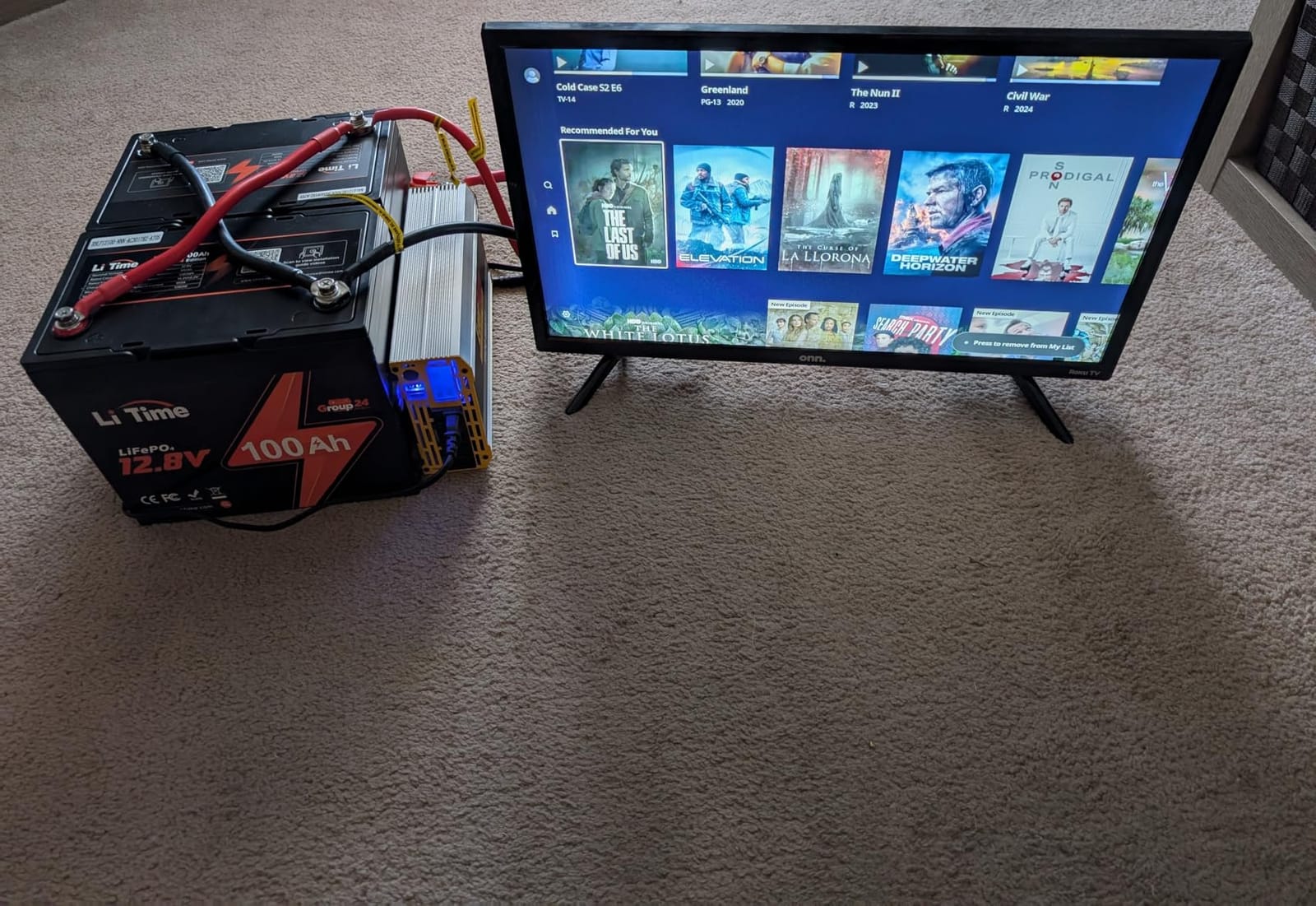
Kayak anglers who switched from lead-acid report using only 15 to 25 percent of rated capacity across a six to seven hour day, mostly because a small boat at a fishing spot is not working the battery hard. That is the spot-locked duty cycle in its purest form.
The caveat: if your day is sustained 55 lb thrust hard trolling, halve these numbers and go to a 100Ah pack. Also note that some warranty service on failed units means returning the battery overseas, so factor that into the decision if you are far from a major port.
5. Redodo 36V 50Ah Group 31 – Best Flat Discharge Curve in White
Redodo 36V 50Ah Trolling Motor LiFePO4 Battery, Group 31
1920Wh at 38.4V
33.1 lb
50A continuous 250A peak
5-year warranty
Pros
- Runs 36V trolling motors through a full tournament day with charge remaining
- White shell reflects heat better than black-cased rivals
- Simplifies wiring versus three 12V lead-acid batteries
- Flat voltage curve keeps motor output steady
- Support interactions described as prompt and warranty-honoring
Cons
- Bluetooth app demands email verification and cloud credentials
- Connection reportedly drops intermittently
- App offers no low-battery notifications
- 50Ah yields roughly six hours on a 70 lb motor at high draw
The white casing is not cosmetic marketing. Direct sun on a black lithium case in a Florida summer is a real thermal event, and a lighter shell keeps internal temperatures down on a boat with no shade.
Tournament anglers report eight hours or more on a single charge in windy conditions, which reflects the duty cycle more than the cell chemistry. The flat voltage curve holding above 38.4V through discharge is what keeps thrust steady as the pack empties.
Discharge Numbers That Suit Big Motors
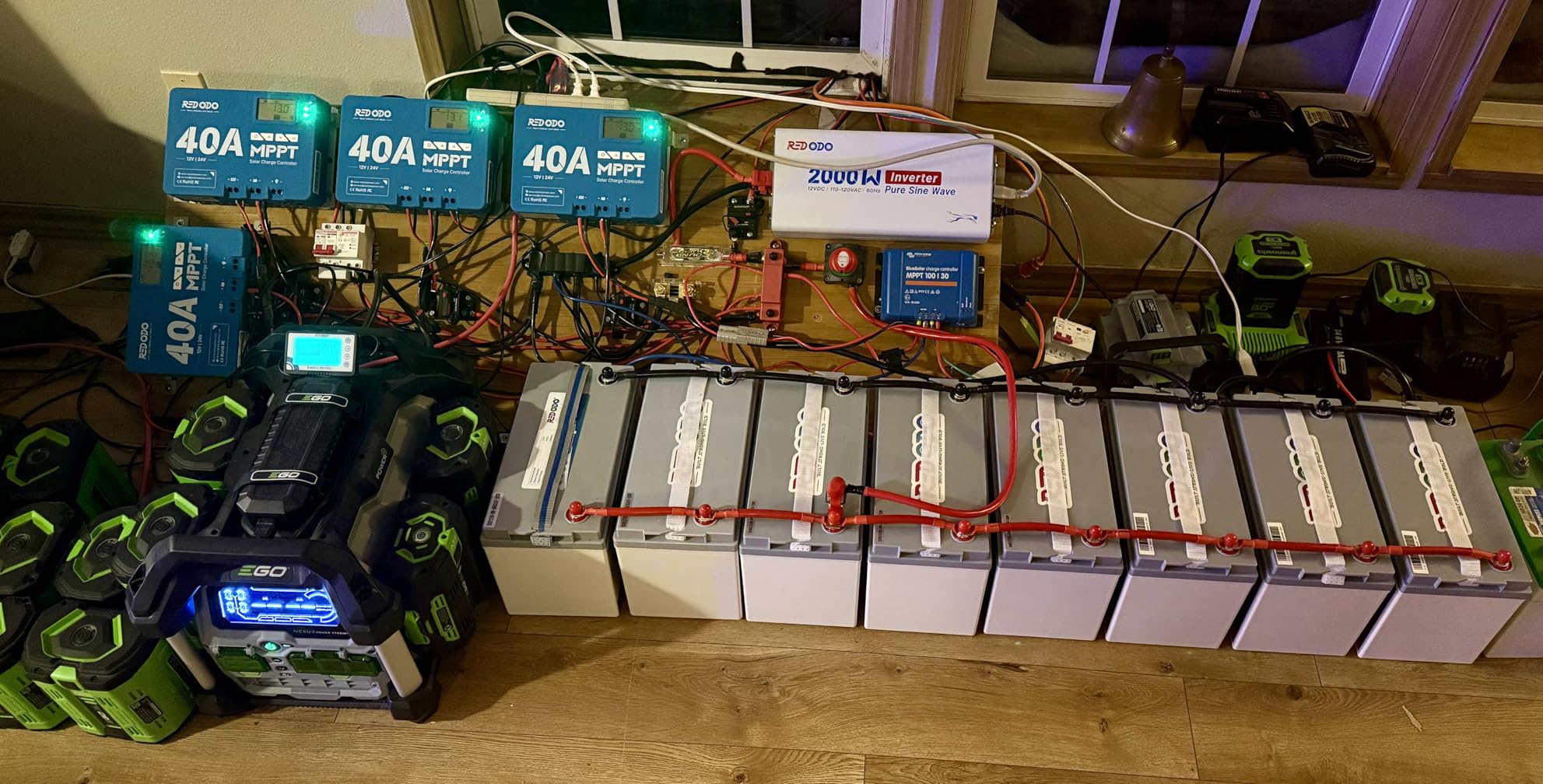
50A continuous with 250A peak and 60A sustained for 30 minutes covers the transient load a 100 to 120 lb motor creates when you punch through a wave. Energy density is stated at 58.7Wh per pound at 1920Wh and 33.1 pounds.
Parallel expansion to four batteries gives a 7.68kWh system if your day demands more. ABYC compliance plus FCC, CE and RoHS certification is a reasonable trust marker for a battery that lives in a saltwater environment.
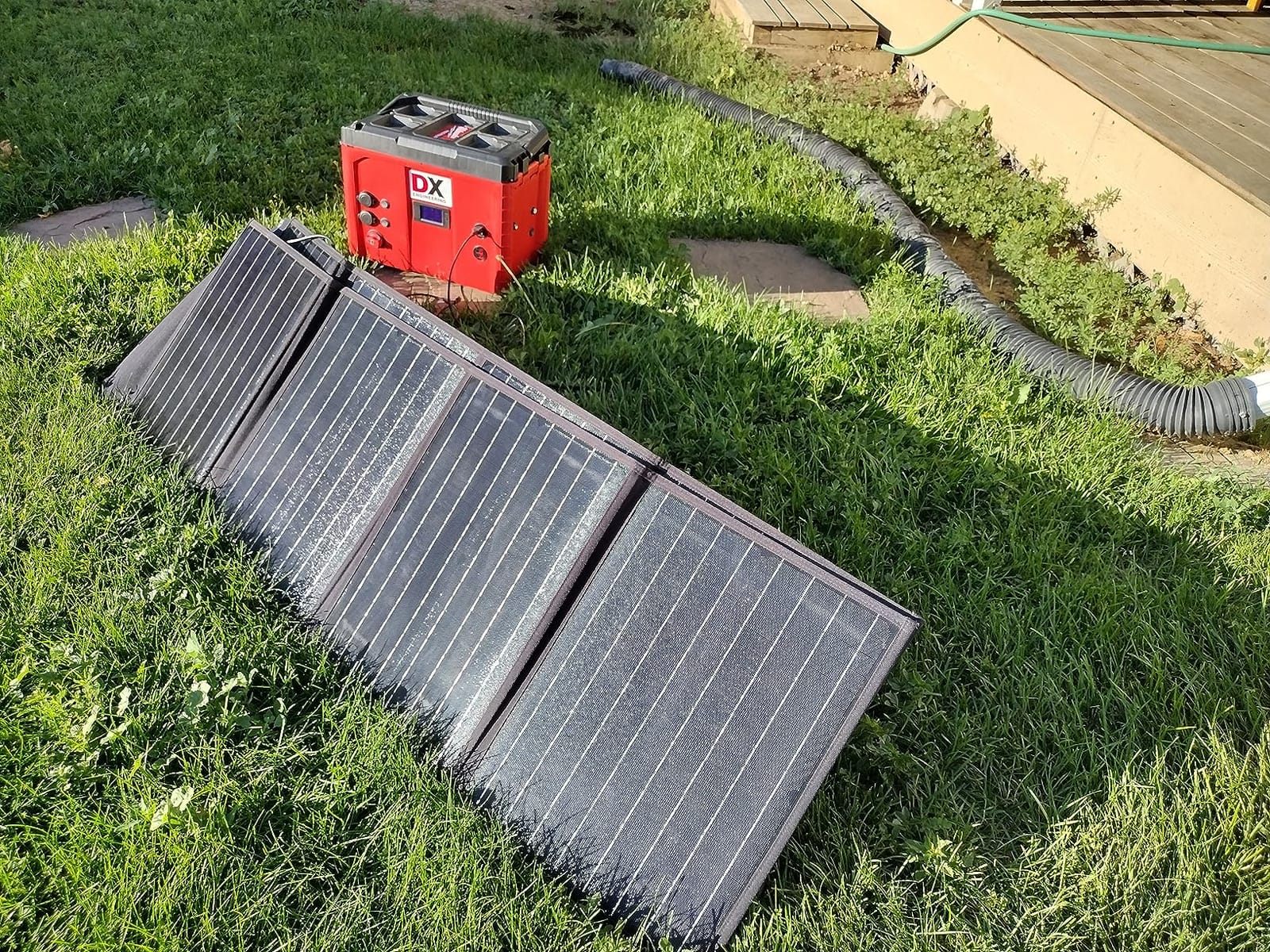
The App Is the Weak Link
This is the most consistent complaint in the reviews. Reviewers describe the app as intrusive and unreliable, forcing reconnection, with no low-battery alert to warn you at the ramp or on a long run home.
If you want dependable monitoring rather than clever monitoring, treat this as a 36V power pack and skip the app. If you do want it, charge it to full before you leave the dock so the connection settles.
6. SUPER EMPOWER 12V 100Ah Group 24 – Best Value Drop-In
12V 100Ah LiFePO4 Battery, Group 24 Deep Cycle RV/Trolling Motor Battery
1280Wh in Group 24 case
21.6 lb
100A BMS
5-year warranty
Pros
- True drop-in Group 24 replacement needing no box modification
- Only 21.6 lb
- a large saving over a 100Ah AGM bank
- 100A BMS with cell balancing and multi-battery management
- Low-temperature charging cutoff protects cold-weather cell life
- Five-year warranty with responsive support
Cons
- Requires a dedicated LiFePO4 charger
- Charging disabled below 32F which limits cold-weather flexibility
- Not suitable as a starting or cranking battery
This is the answer for a boat built around a Group 24 tray where you want a full 100Ah lithium bank without touching the battery box. Buyers emphasise the straightforward fitment and the roughly halved weight against the lead-acid batteries they replaced.
The 100A BMS with cell balancing handles a bank of these properly, and charging at 14.4 to 14.6V constant current and constant voltage with a LiFePO4 charger is the correct profile. MPPT and PWM solar controllers are supported if you ever add a trickle panel.
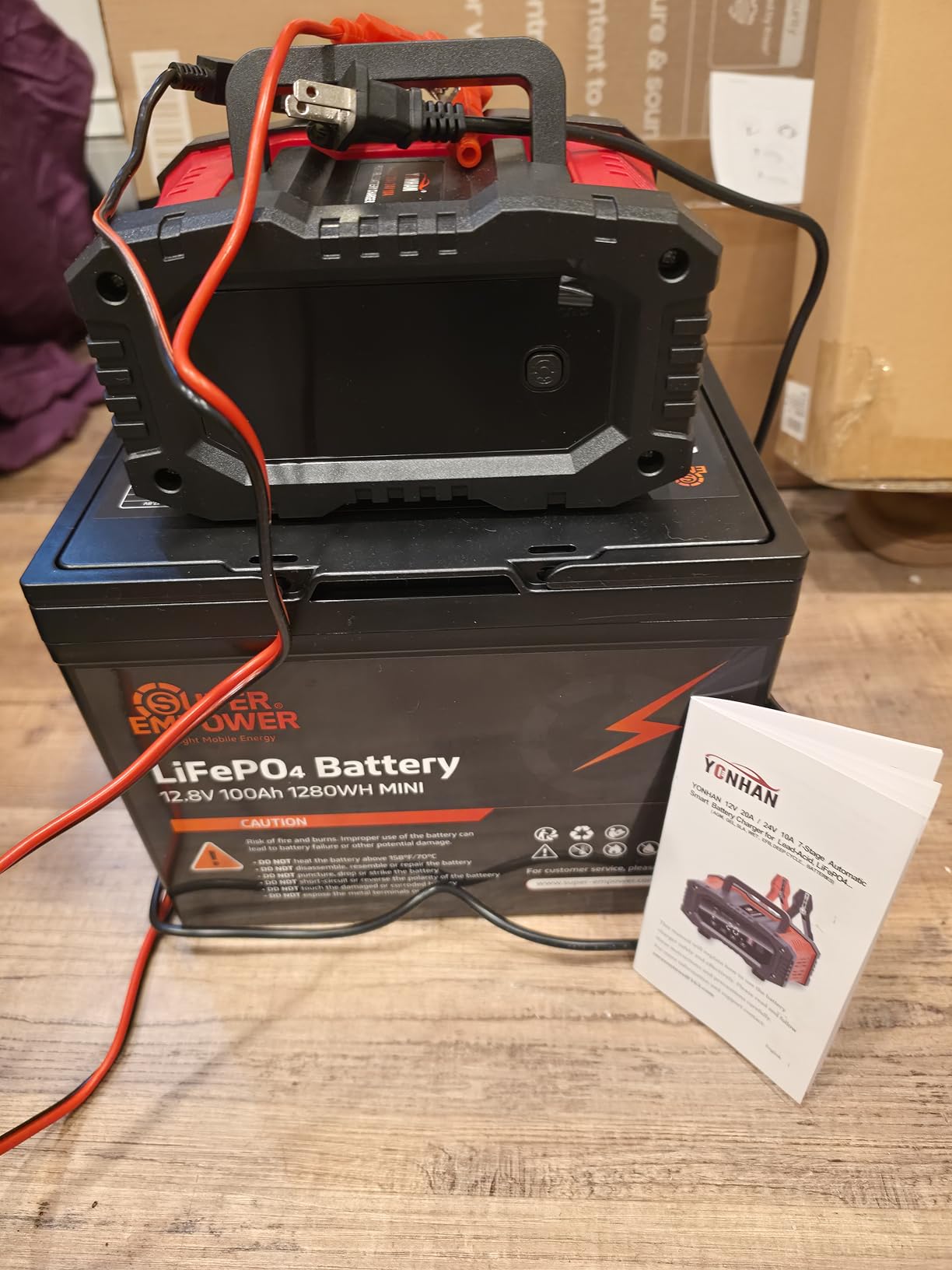
Temperature Cutoff Details Worth Knowing
Charging stops below 32F, discharge stops at -4F, and charging resumes automatically above 41F. That behaviour is exactly what protects cells, but it means a winter battery on a shore power charger needs a thermostatic location or a manual warm-up before it will take charge.
Expansion up to 4S4P reaches a 51.2V 400Ah configuration, so there is a clean path to a larger bank later without changing battery type.
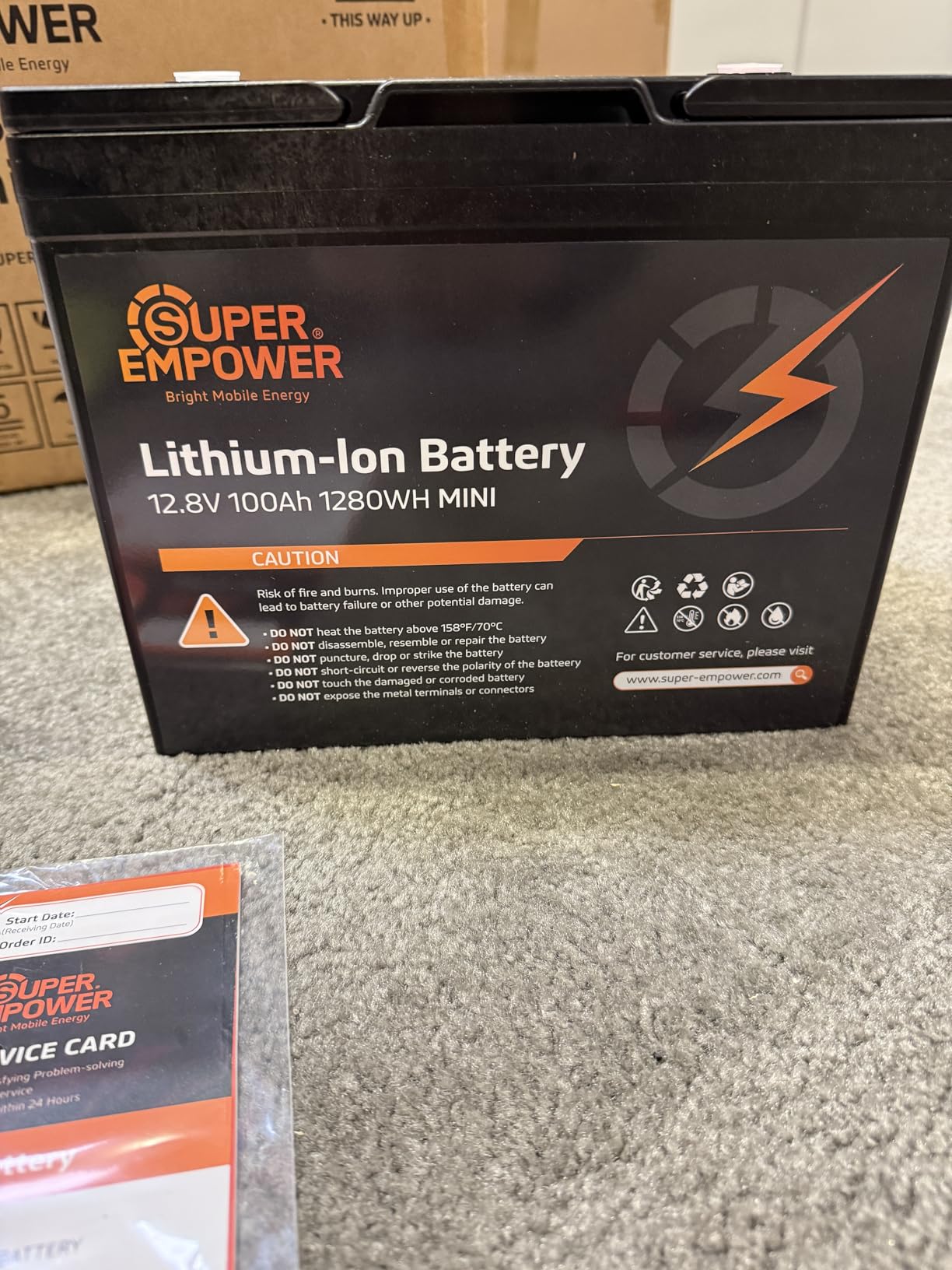
The One Hard Limit
This is energy storage only and is not suitable for engine starting or cranking. If your boat also starts an outboard from the same battery, keep a separate starting battery or choose a dual-purpose lead-acid bank.
Beyond that, the only real caveat is the charger. Budget for a LiFePO4-specific charger before you buy this, not after.
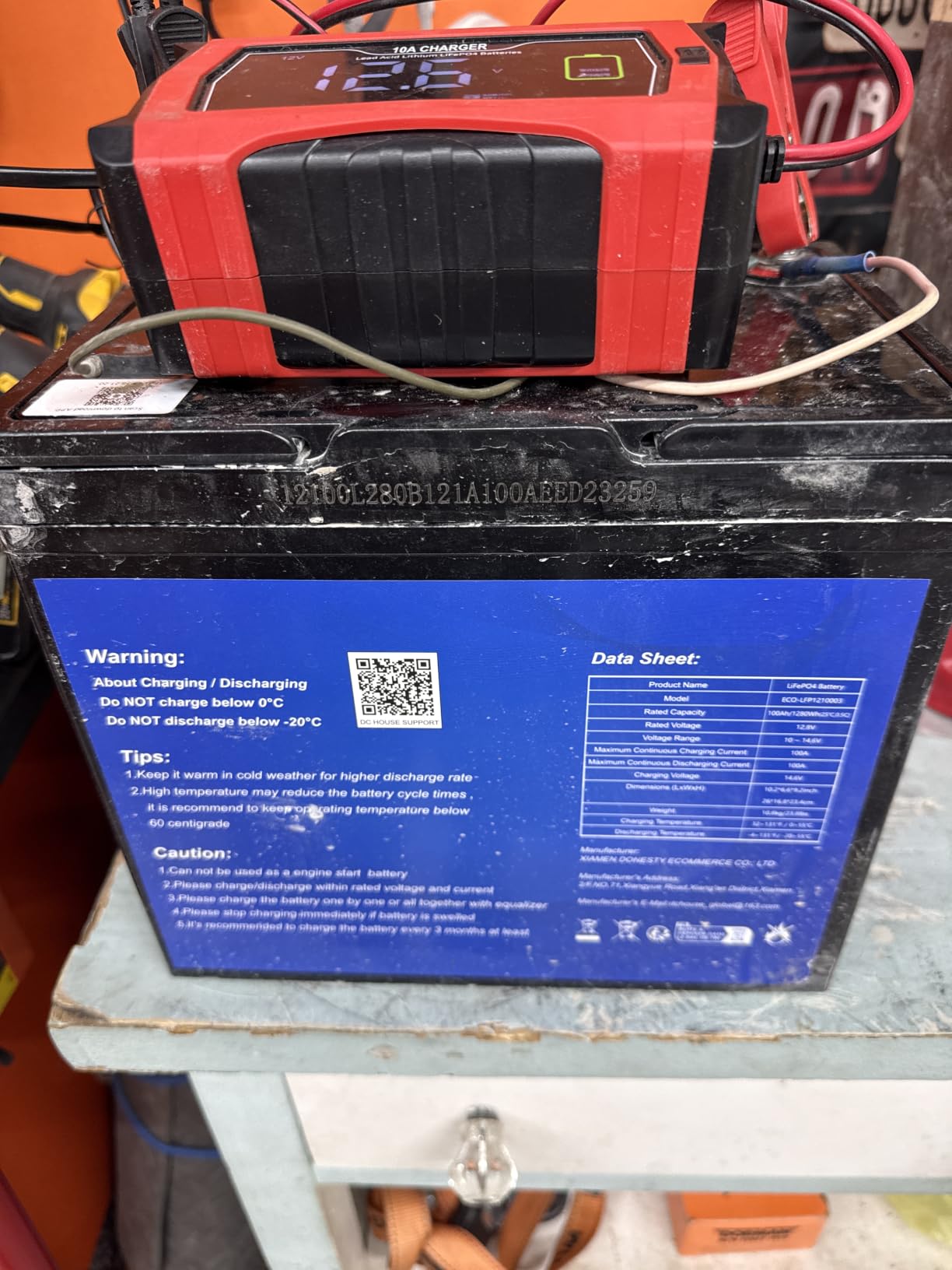
7. DC HOUSE 12V 100Ah Bluetooth – Best Cell-Level Diagnostics
DC HOUSE 12V 100Ah Bluetooth LiFePO4 Trolling Motor Lithium Battery
Bluetooth 5.1 with cell-level data
23.8 lb
Near Group 24 size
3-year service
Pros
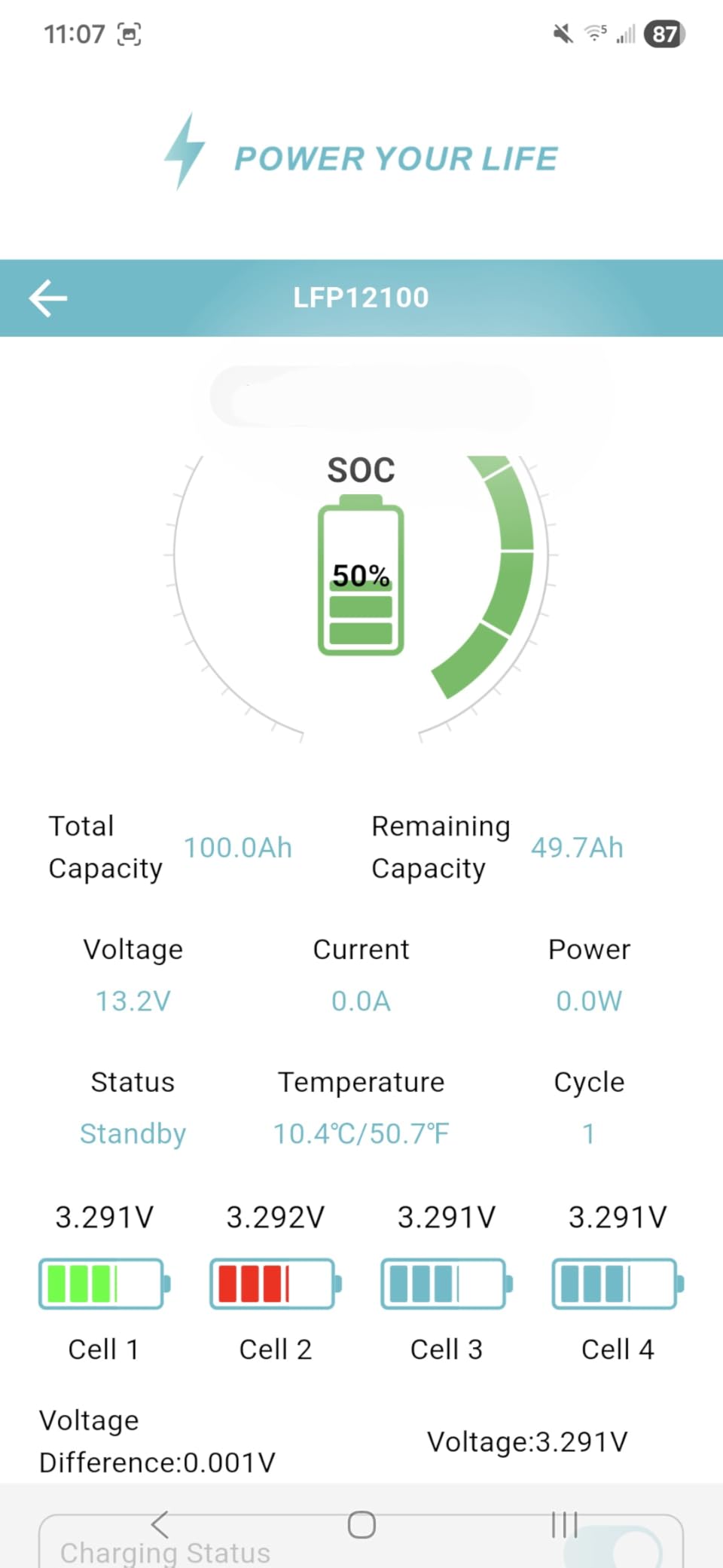
- App reports cell-level state-of-charge
- voltage and current accurately
- Fault display page and anomaly push notifications aid troubleshooting
- Compact near-Group 24 footprint suits tight compartments
- Class A LiFePO4 cells rated for up to 15000 cycles
- Low-temperature charge and discharge cutoffs protect cells
Cons
- About 0.32 inch taller than a standard Group 24
- Only 3-year service coverage
- Dedicated lithium charger required
- Bluetooth range limited to about 5-10 meters
- Not designed for cranking
Where most Bluetooth batteries give you a single state-of-charge percentage, this one reports at cell level with a dedicated fault page and anomaly alerts. Owners value the diagnostics over the headline capacity, and for anyone who wants to know why a pack is behaving oddly mid-season, that is genuinely useful.
The class A LiFePO4 cells are UL and UN38.3 tested, rated for up to 15000 cycles, and paired with a stated 10-year service life. Expansion is supported to four in series or four in parallel, though 4P4S combined is not allowed.
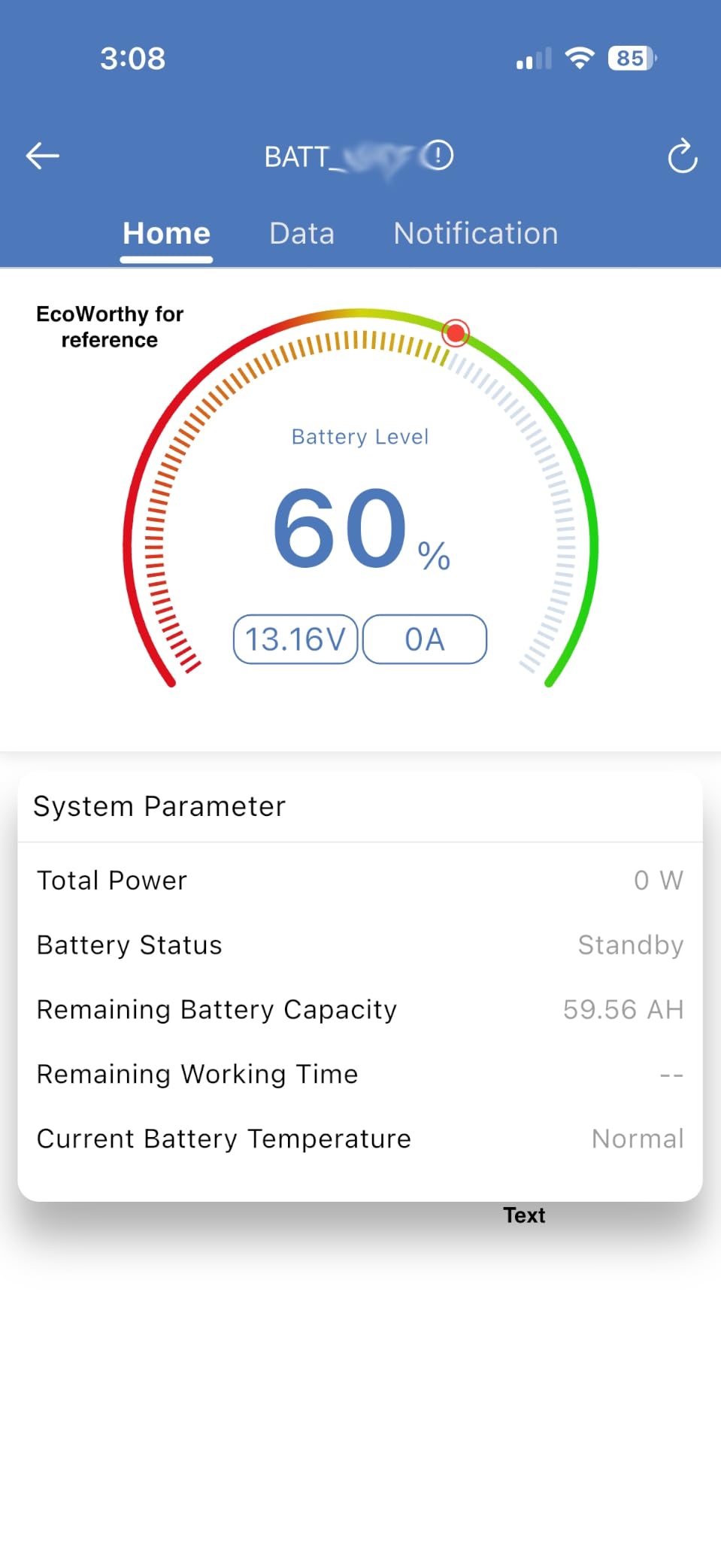
Measure Your Box Before You Order
The near-Group 24 footprint is 6.6 by 10.2 by 9.2 inches, which is about 0.32 inch taller than the standard. In a tight console box that is the difference between a clean install and a modification. Measure the tray height, not just the floor area.
A More Aggressive Cold Cutoff
Charging cuts off below 19.4F and discharge below -4F, with automatic resume at 32F. That is a stricter and more protective threshold than most packs here, which is a plus for northern anglers who fish in genuine cold.
The 5 to 10 meter Bluetooth range is short, so keep the phone near the battery when you read diagnostics rather than relying on it from the helm. For a three-year service commitment on a 10-year-rated pack, warranty length is the trade-off here.
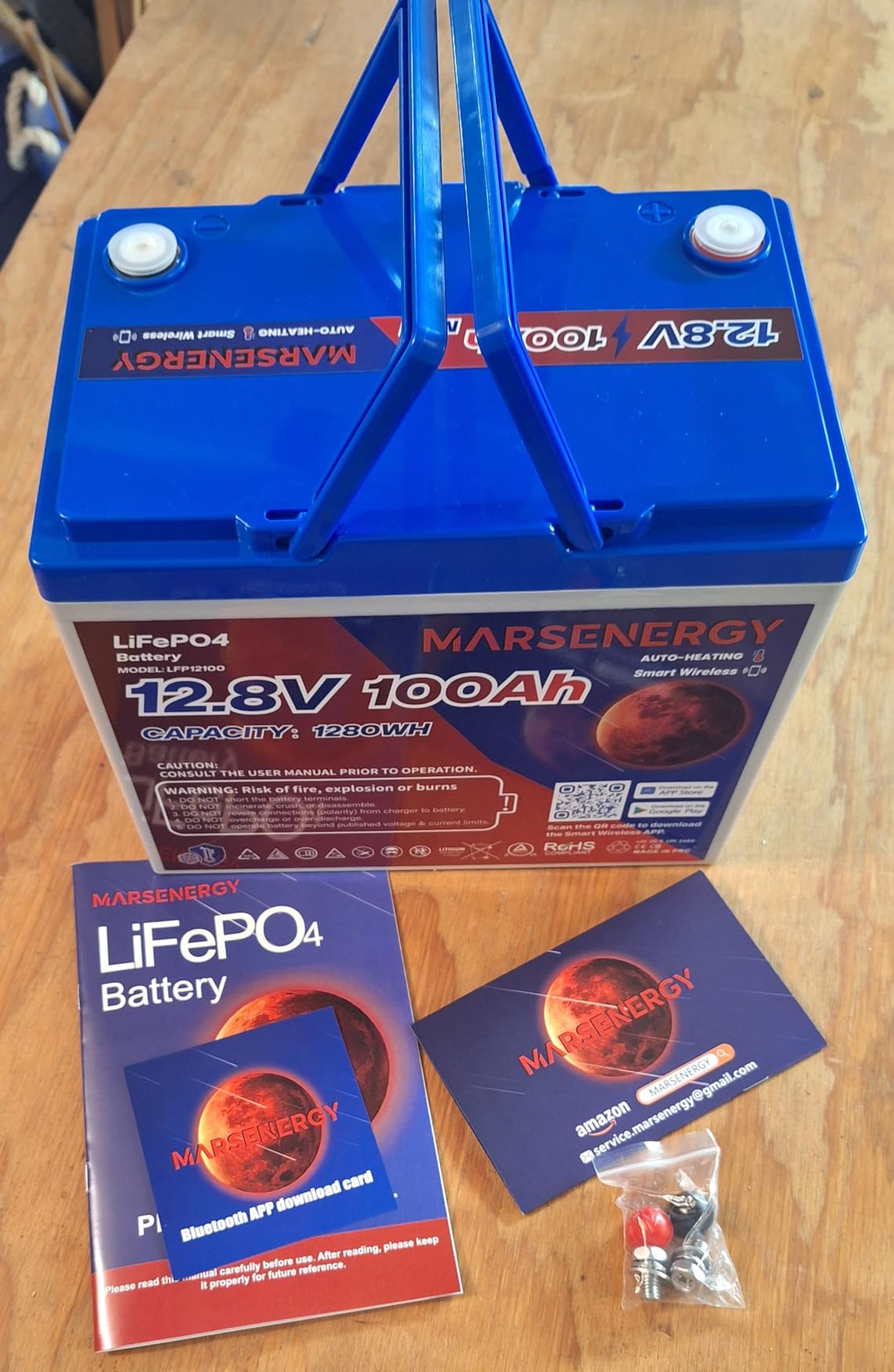
8. MARSENERGY 12V 100Ah Group 24 – The Highest Rated 21 lb Bank
MARSENERGY 12V 100Ah LiFePO4 Lithium Battery, Bci Group 24 Size, 100A BMS
1280Wh LiFePO4
21 lb
Group 24 footprint
4500 cycles at full depth
Pros
- Highest average owner rating in this group at 4.8 out of 5
- Only 21 lb
- roughly half the weight of a comparable AGM
- Group 24 footprint fits Group 24 and larger battery boxes without modification
- Owners report running all day and finishing with most capacity remaining
- Fast charging and stable state-of-charge retention
Cons
- Raised terminals are exposed rather than recessed
- Parallel batteries should be joined with terminal blocks
- not battery posts
- Bluetooth app may refuse connection until the battery is activated
- Multiple batteries should be fully charged and load balanced before install
This pack rates highest with owners in the whole roundup, and the reason is consistent: low weight, clean drop-in fitment and genuine all-day runtime together. Boat owners describe running bait well pumps, stereos and electronics for a full day and finishing with 80 to 90 percent remaining.
Cycle ratings are unusually well specified: 4500 cycles at 100 percent depth of discharge, 8000 at 80 percent, and 15000 at 60 percent. The cells are A-grade with low-temperature additives, rated for cell operation down to -40F.
Fit and Installation Practice
At 10.16 by 6.54 by 8.64 inches it fits Group 24 boxes and also drops into the larger Group 27 and Group 31 boxes, which makes it the most flexible physically of the 100Ah lithium options here.
Two installation points matter if you plan a bank. Use terminal blocks rather than the battery posts to parallel units, and bring a multi-battery bank to a full charge and balanced state before first use. Raised terminals are also exposed rather than recessed, so keep them clear of loose gear in the tray.
Protection Behaviour
The BMS cuts off discharge at -4F and charging at 32F, and drops into sleep mode on short circuit, over-voltage or abnormal temperature. That sleep-mode behaviour is a real safety advantage on a boat where a chafe or a wet connector is always one bad day away.
Our only quibble is the app, which may reject a connection until the battery is charged and activated. Charge it fully before the first morning on the water.
9. LOSSIGY 36V 100Ah – Best Complete Package with Charger and Monitor
LOSSIGY 36V Lithium Golf Cart Battery, 36 Volt 100Ah LiFePO4 Battery with 25A Lithium Charger, Perfect for Golf Carts,Trolling Motors, Marine, Built in 200A BMS,Peak Current 1000A
36V 100Ah pack
3840W rated
200A BMS
Charger and monitor included
Pros
- Delivers high total capacity for heavy multi-day 36V duty
- 200A BMS handles high-discharge trolling loads
- Includes a 25A smart charger and a touch screen monitor
- Bluetooth monitoring for real-time battery data
- About half the weight of an equivalent lead-acid installation
Cons
- Heaviest pack here at 78.7 lb
- Large 20.47 x 10.59 x 8.66 inch footprint may not fit standard compartments
- Parallel connection only with no series support
- Requires the proprietary 43.8V charger for full charging capability
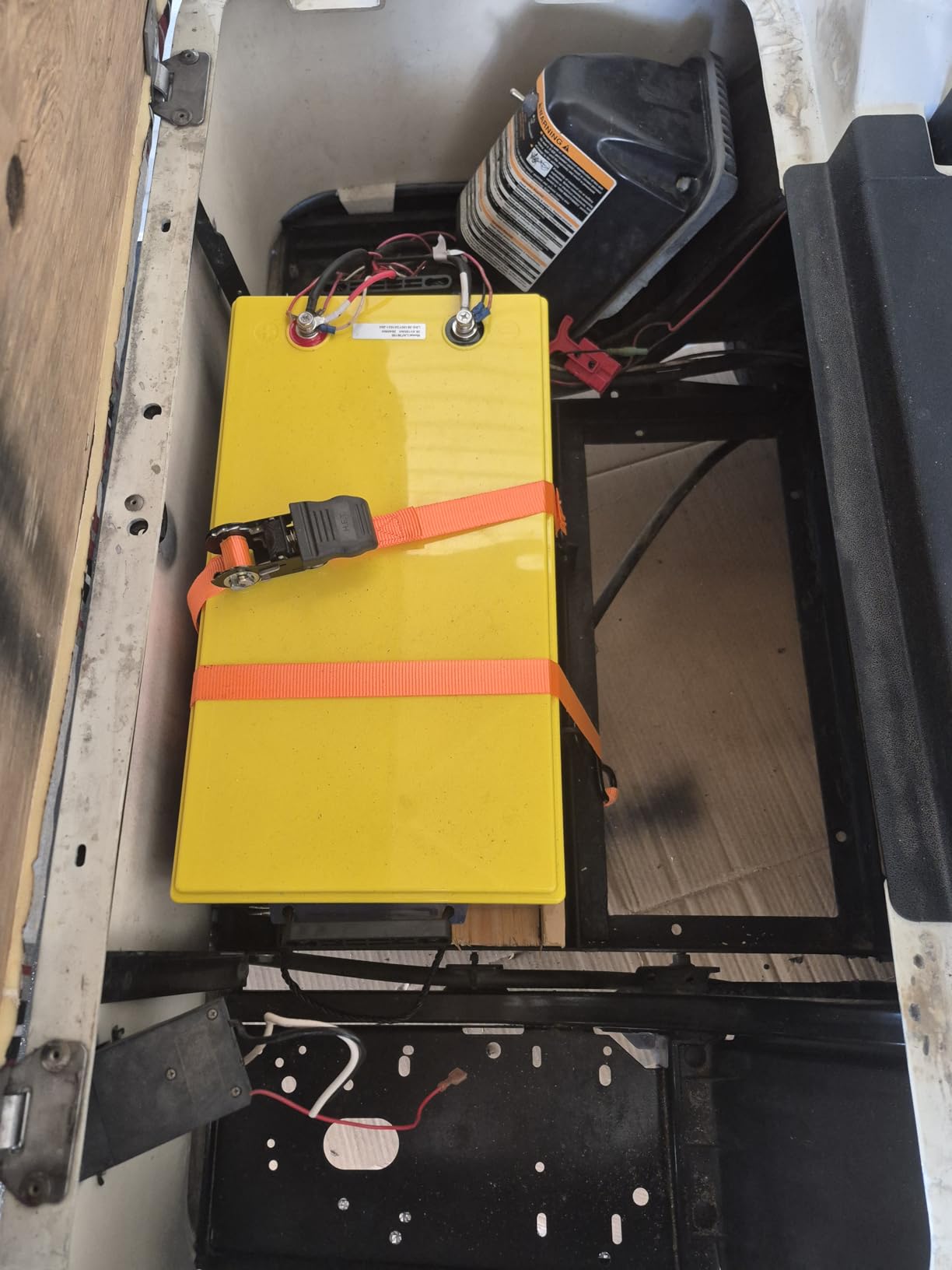
Most 36V listings arrive as a bare battery and leave you to source a charger. This one arrives as a system: a 25A smart charger that takes the pack from zero to full in about four hours, a nine-in-one battery monitor, and a touch screen monitor in the box.
For an angler who wants the whole package rather than assembling one, that packaging is the selling point. On paper the numbers are the strongest in the roundup for heavy duty: 3840W rated power, 1000A peak current, and a 200A BMS with automatic cell balancing.
Where the Specs Stop Helping
At 78.7 pounds this is by far the heaviest pack here, and the 20.47 inch length is a serious fitment question in anything but a large bay boat or pontoon. Measure before you commit, because there is no partial answer on this one.
Series connection is not supported, only parallel up to four. That is fine for a 36V motor but rules out building a 72V system from these, and it means the included 43.8V charger is the only one that charges them properly.
Who This Is For
Offshore and pontoon anglers running multi-day duty who want 36V capacity, monitoring and a correct charger in a single purchase, and who have the compartment space to accept a pack this large.
If your boat is space-constrained or you want the same 36V capacity in a Group 31 footprint, the BtrPower or Redodo 36V packs are the lighter alternatives, though they carry less capacity each.
10. XZNY 24V 100Ah Compact – Best Fit for a Cramped Console Box
XZNY Compact 24V 100Ah LiFePO4 Battery for Trolling Motors RV Solar System
25.6V nominal 24V pack
100Ah
41 lb
30% smaller than standard
Pros
- One 24V pack replaces two 12V batteries
- cutting weight and space
- Owners report holding full charge through a week of heavy use in wind
- Integrated handles make the 41-pound pack easier to carry
- Ultrasonic weld seal and a detailed BMS manual
- A-grade cells rated to 5000 cycles with UL certification
Cons
- Some owners report failures after about a year or one charge cycle
- 3-year replacement warranty is shorter than most rivals
- Requires a dedicated 24V LiFePO4 charger
- Handle may need trimming for very tight compartments
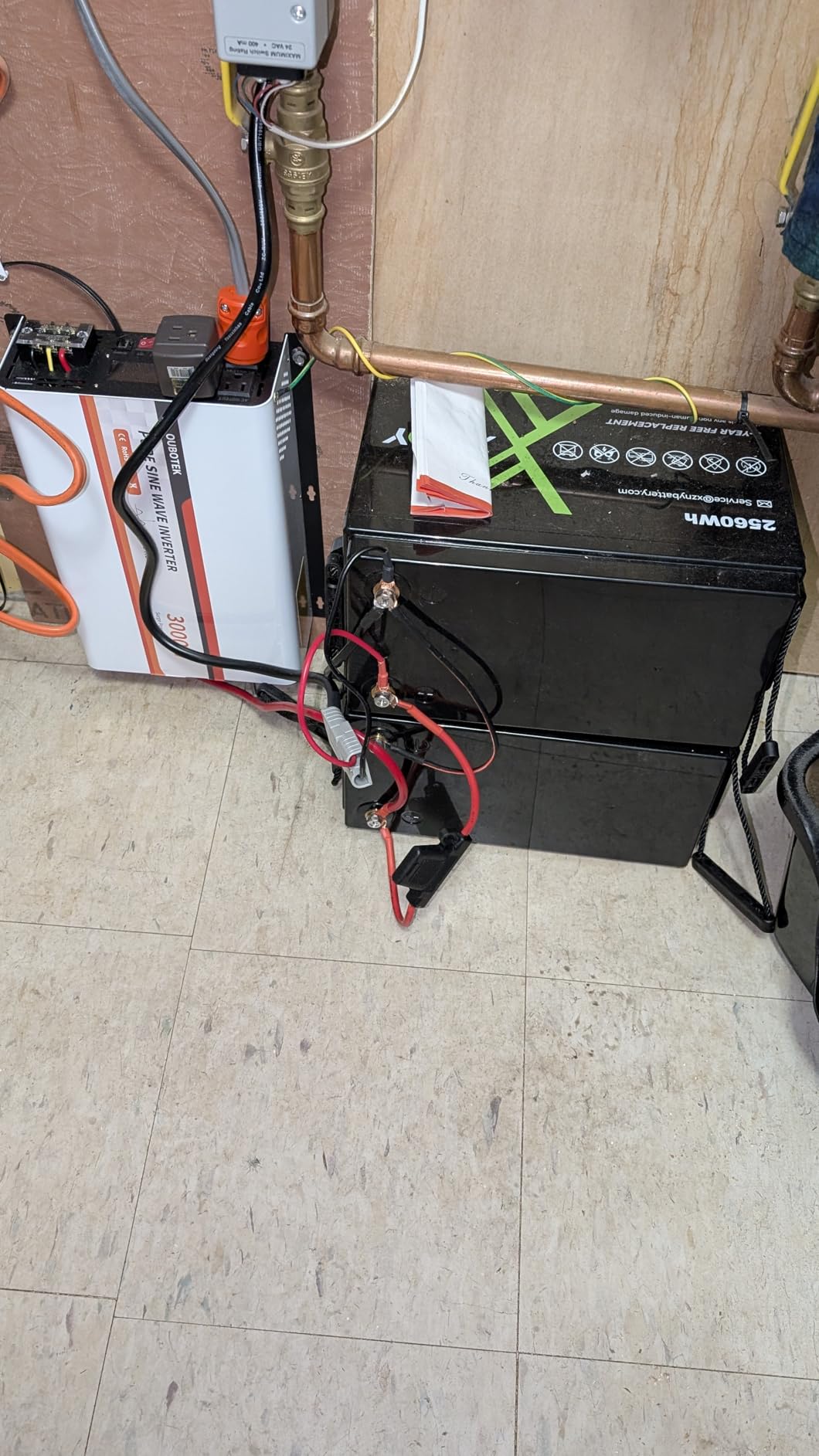
The case for a single 24V pack is straightforward: it replaces two 12V batteries, which halves the number of connections, cuts cable length and frees up space. This one is quoted at roughly 30 percent smaller than a standard 24V 100Ah design and 33 percent smaller than two 12V 100Ah batteries.
Marine buyers running 24V trolling motors, rated here for 70 to 100 lb of thrust, report that a single compact pack gave them more usable capacity than the pair of lead-acid batteries it replaced and handled better in wind for a week of heavy use.
Power Headroom and Expansion
The 100A BMS supports 100A continuous charge and discharge with 300A peak for five seconds, and maximum output is 2560W. That peak figure is what absorbs the surge when a 100 lb motor gets loaded up in a current.
Expansion runs to two in series and five in parallel, taking you to 48V and 500Ah, or 25.6kWh. IP67 rating and UL safety certification are meaningful marks for a battery that lives in a wet console box.
The Durability Question
Durability is the weak point here. There are isolated reports of batteries failing to hold charge after several months or after a single cycle, which is not a pattern we saw across the rest of this roundup. The seller’s replacement warranty is described as responsive, which softens the risk.
Measure the compartment including handle clearance, because the integrated handles may need trimming in very tight boxes. For everything else, this is the neatest 24V layout we found.
How to Choose: Voltage, Amp-Hours and Chemistry
Voltage
Start here because nothing else matters if it is wrong. A 12V battery powers a 12V motor, 24V powers a 24V motor, and 36V powers a 36V motor. Higher voltage does not add thrust; it adds efficiency and headroom for runtime, which is a point forum users regularly get wrong.
Use 12V for motors up to about 55 lb of thrust. Move to 24V for 70 to 100 lb motors, which is where the XZNY pack fits. Above that, 36V is the standard for 100 to 120 lb offshore motors, and that is the BtrPower, Redodo and LOSSIGY territory.
The forum advice worth repeating from the r/boating thread: a single 24V pack beats two 12V batteries in series when space is tight, because you halve the connections and shorten the cable run.
Capacity (Amp-Hours)
Sizes for the motor, then add for the duty cycle. A 30 lb motor at half throttle draws around 8 to 10 amps, so 100Ah gives you a full day with margin. A 55 lb motor at half throttle pulls 15 to 20 amps, so 100Ah gives 5 to 6 hours of hard running and far longer when spot-locked.
For a 36V motor at 100 to 120 lb of thrust, a 50Ah pack is about an hour at full draw. Plan a second battery in parallel unless your day is mostly holding position. The recurring forum question of whether 50Ah is enough has a conditional answer: yes if you anchor, no if you run.
Never compare amp-hours across chemistries without applying the depth-of-discharge rule. A 100Ah lead-acid bank is a 50Ah usable bank in practice.
Chemistry
LiFePO4 gives you roughly double the usable capacity of lead-acid for half the weight, plus a far longer service life, but it needs its own charger and it will not crank an engine.
AGM stays maintenance-free and is more tolerant of being left uncharged in cold conditions, and it will double as a starting battery if you need one to do both jobs. Flooded lead-acid adds watering and venting to the list and rarely makes sense for a trolling application.
Realistic cycle life matters more than the marketing number. Listings quote anywhere from 4,000 to 15,000 cycles, and that spread is why we treat the 3 to 5 year warranties as the more credible signal. A warranty paired with a 15,000-cycle headline is marketing; a 5-year warranty with a 4,500-cycle rating is engineering.
Physical Fit and Group Size
Measure your compartment before you choose anything, including the height above the posts and the length of the tray, not just the floor space. Weights and footprints in this roundup range from 11.3 pounds to 78.7 pounds, and that is not a rounding difference on a small boat.
Group 24 cases here are the easiest fit for existing trays, and this group size also drops into Group 27 and Group 31 boxes. Anything above about 13 inches long or 9.5 inches tall needs a compartment check, and a battery box swap may be part of your install.
Charger Compatibility
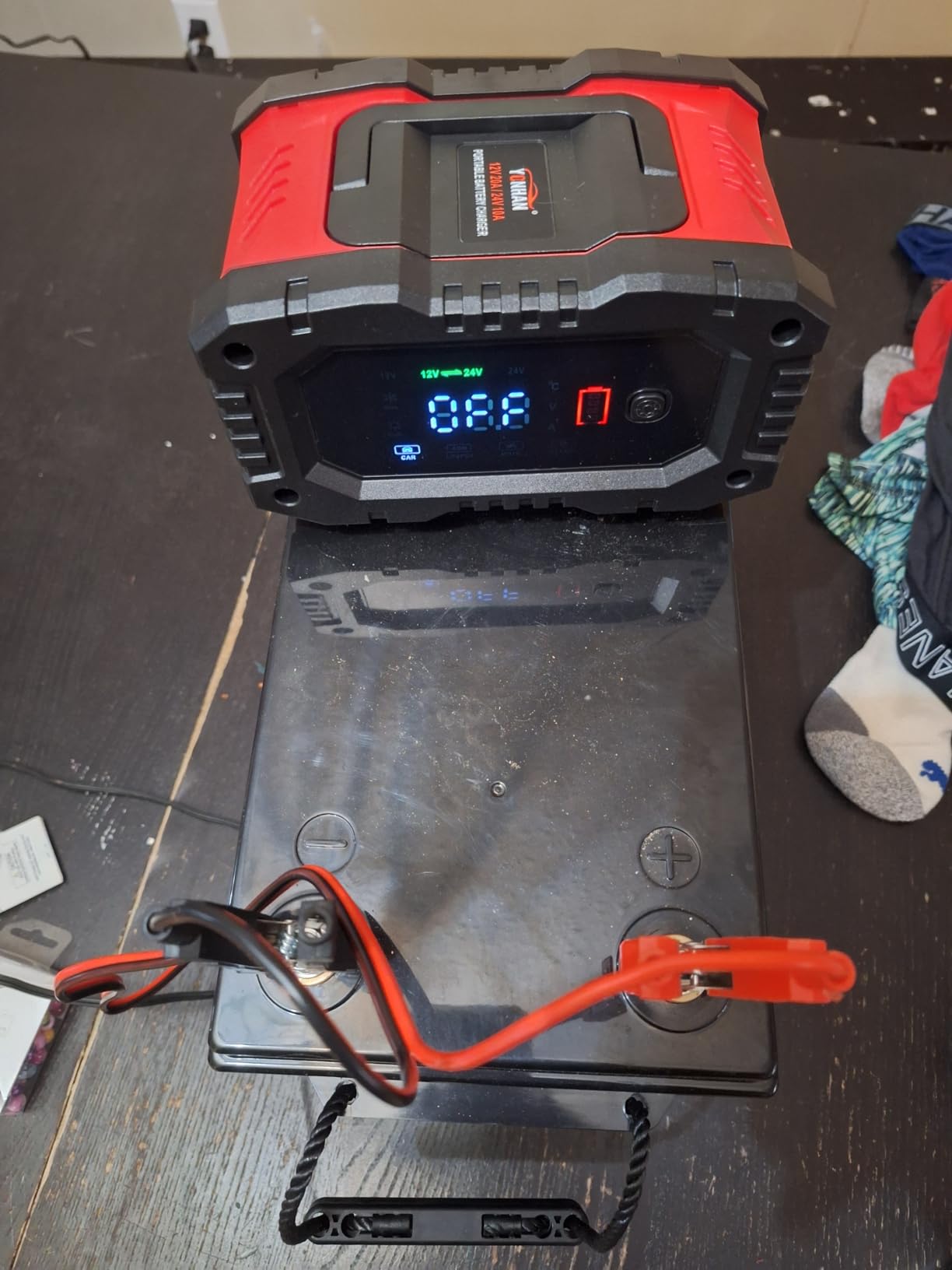
This is the most common owner regret in the category, so treat it as part of the purchase rather than an accessory. A lead-acid-only smart charger can overcharge a LiFePO4 pack, and a lithium pack running on a lead profile never reaches full charge.
The rule is simple: buy a LiFePO4-profile charger, or a smart charger with a lithium chemistry setting. Expect to charge at 14.4 to 14.6V for a 12V pack, and a 43.8V-class charger for a 36V pack. For 24V, a dedicated 24V LiFePO4 charger is required.
Two more lithium-specific habits. First, activate a new pack with a lithium or MPPT charger before first use. Second, plan for the low-temperature charge cutoff around 32F, which protects the cells but means a frozen boat will not take a charge until it warms. Our broader guide to battery chargers for rechargeable batteries covers how the main charger types differ.
Cable gauge is the other detail forum users raise constantly. Use 2-gauge or 0-gauge, with 4-gauge as the minimum, and keep the run short. Undersized cable on a 50-amp motor is how you cook a battery post on a long day.
Will Lithium Damage Your Trolling Motor?
No. Modern brushless trolling motor controllers run on a wide voltage window, and a LiFePO4 pack’s output sits within the range motors are designed for. The persistent worry that a lithium install voids a Minn Kota warranty circulates in forums, but the controller, not the battery chemistry, is what governs motor life.
Two genuine caveats. A lithium pack’s resting voltage is higher and flatter than lead-acid, so make sure your motor’s low-voltage cutoff is set correctly for the chemistry. And lithium is not a starting battery, so keep your outboard or inboard on its own starting bank or a dedicated dual-purpose battery.
If you are running lithium alongside house circuits, the practice forum users describe is to isolate the trolling bank with its own breaker rather than tying it into everything else on the boat.
Cold Weather and Off-Season Storage
Store lithium at partial charge in a cool, dry location, and check it every couple of months through a long winter. Self-discharge on these packs is low, but a pack sitting at zero charge for five months in a cold boat is how you return to a battery that needs replacing. The same cold-weather capacity rules are why we rank camera batteries for cold weather separately.
AGM tolerates storage far better. Its charging range here runs down to 14F and its discharge range to 5F, so a lead-acid bank kept on a trickle charger in a cold shed is fine, which is part of why AGM remains popular with northern and winter-storage anglers.
For saltwater anglers, rinse the box and terminals with fresh water after every trip and check corrosion on the connections each season. Lithium’s sealed case resists corrosion better than flooded lead-acid, but the cable terminations still corrode.
Frequently Asked Questions
How long will a 100Ah battery run a 55lb trolling motor?
At half throttle, where a 55 lb motor draws roughly 15 to 20 amps, a 100Ah LiFePO4 pack runs about 5 to 6 hours of continuous hard trolling. A 100Ah AGM pack of the same size gives roughly half that, around 2 to 3 hours, because lead-acid should be stopped at about 50 percent depth of discharge. If your day is mostly spot-locked rather than running, both figures stretch dramatically.
What size battery do I need for all day trolling?
For a 12V motor up to 55 lb of thrust, 100Ah is the standard all-day size in LiFePO4, or roughly 200Ah in AGM to get the same usable runtime. For 70 to 100 lb motors step up to a 24V system with 100Ah. For 100 to 120 lb offshore motors you want a 36V system, and at 50Ah you get about an hour of hard draw at full throttle, so add a second pack in parallel if you run long.
Which is better for a trolling motor, AGM or LiFePO4?
LiFePO4 for almost everyone. You get roughly double the usable capacity for about half the weight, far more charge cycles, and a flat voltage curve that holds motor thrust steady to the end of the day. AGM makes more sense if you already own a lead-acid charger, if you need the same battery to start an outboard, or if your battery sits uncharged in freezing conditions all winter.
Do lithium batteries hurt trolling motors, and does Minn Kota recommend them?
No. Trolling motor controllers accept a wide voltage window and a LiFePO4 pack sits inside it, so the motor itself is not harmed. The two things to get right are setting the low-voltage cutoff correctly for a flat lithium discharge curve, and keeping a separate starting battery for your outboard, since lithium packs are not cranking batteries. Charging a lithium pack with a lead-acid-only charger is a far bigger risk to your setup than the battery chemistry is to the motor.
Do I need a LiFePO4-specific charger for my trolling motor battery?
Yes. A lead-acid-only smart charger can overcharge a lithium pack, and a lithium pack on a lead profile never reaches full charge. Choose a charger with a LiFePO4 profile, charging a 12V pack at 14.4 to 14.6V, a 25.6V pack with a 24V lithium charger, and a 43.8V charger for a 36V pack. Also activate a new lithium battery with a lithium or MPPT charger before first use, and expect charging to pause below about 32F until the pack warms.
Which Trolling Motor Battery Should You Buy in 2026
If you run a 12V motor up to 55 lb of thrust and want the most proven bank with the deepest owner history, the WEIZE AGM is the safe pick, provided you can handle 57 pounds and already have a lead-acid charger.
If you want the standard all-day lithium answer, the LiTime 12V 100Ah Bluetooth gives you app monitoring and a 5-year warranty in a Group 31 case, while the MARSENERGY 12V 100Ah offers the highest owner rating, the lowest weight among the full-size 100Ah lithium picks at 21 pounds and the widest physical fit across Group 24 and larger boxes.
For 70 to 100 lb motors, the XZNY 24V 100Ah replaces a pair of 12V batteries in one compact case. For 100 to 120 lb offshore motors, the BtrPower 36V 50Ah is the lighter choice and the LOSSIGY 36V 100Ah is the complete system if your compartment can take a 78.7-pound pack. Kayak and small-boat anglers should start with the 11.3-pound LiTime 12V 50Ah.
Whichever you choose, do three things before the first trip: measure the compartment, buy the correct LiFePO4 charger, and run a full charge on the dock while you watch the app. Those ten minutes will answer every question you would otherwise answer offshore.
For more charging guidance before you commit, our breakdown of battery chargers for rechargeable batteries breaks down how the main charger types behave.