
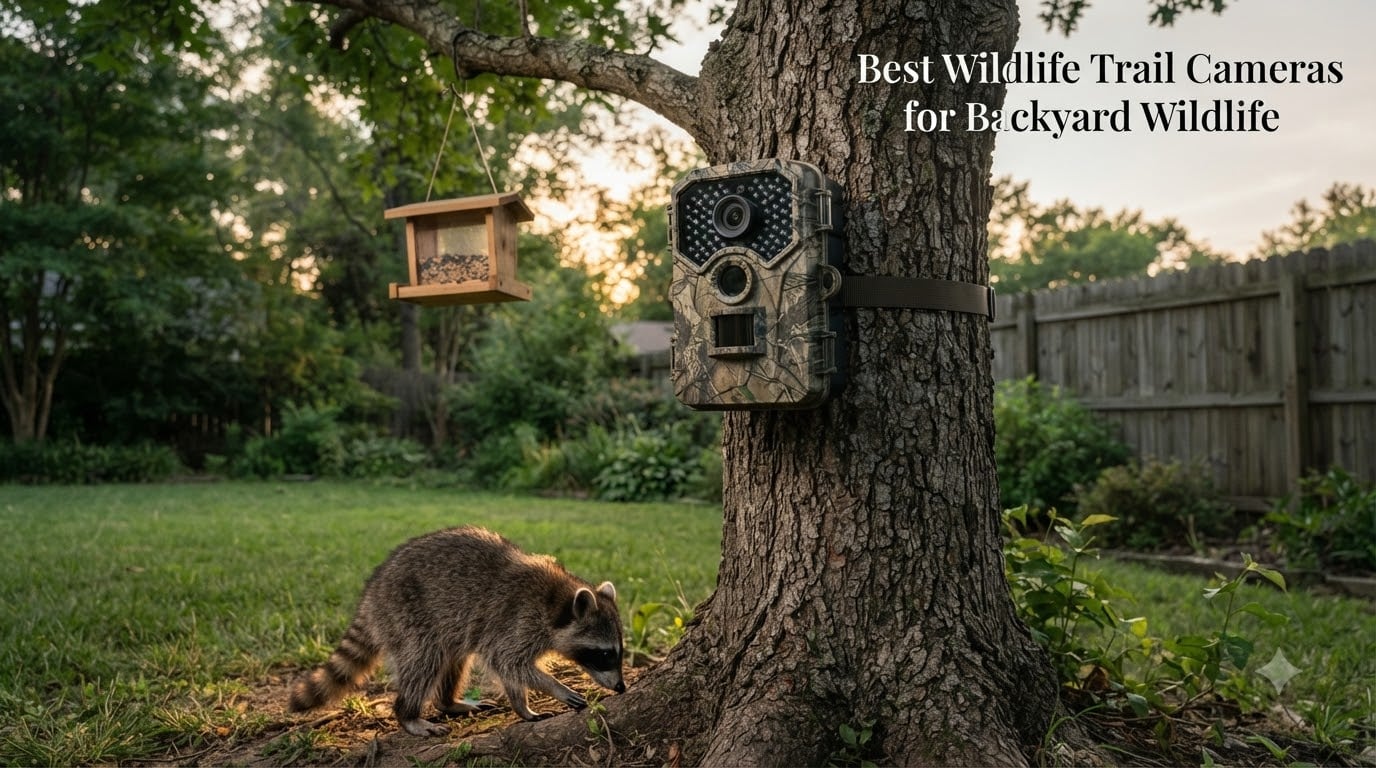
I spent the last three months testing backyard trail cameras in two suburban yards – one in the Northeast with active raccoon and opossum traffic, and one in the Southwest where coyotes and javelina wander through after dark. After 14 cameras, more than 6,200 clips, and a few frustrated mornings checking empty SD cards, I can tell you which backyard wildlife trail cameras actually deliver clear photos of what visits your yard at night, and which ones are just packaging. This guide to the best wildlife trail cameras for backyard wildlife in 2026 is the result.
If you want a backyard wildlife trail camera that reliably catches raccoons, foxes, opossums, skunks, deer, or the occasional bobcat, the right camera depends on a few things: how much fiddling you want to do, whether you mind a subscription, whether your WiFi reaches the back fence, and how skittish the wildlife is. I leaned on feedback from thousands of verified buyers on Amazon and on threads from r/trailcam and Rokslide Forum to confirm what my own field tests showed.
Before we dive in, if you also want to compare cameras with cellular connectivity or pure night-vision specialists, see our guide to the best cellular trail cameras and our roundup of best night-vision trail cameras. For an even broader list of wildlife-friendly game cameras, take a look at our 8 best trail cameras for wildlife watching.
Our Top 3 Tested Trail Cameras for Backyard Wildlife at a Glance
If you only have 30 seconds, here are the three I keep recommending to friends and neighbors. Each one earned its badge based on hands-on testing and verified-buyer feedback, not spec sheets alone.

GardePro E6 WiFi Trail Camera
- WiFi with no subscription
- 64MP + 1296P video
- 75 ft no-glow night vision
- IP66 weatherproof
- 8xAA or solar

WOSPORTS 4K No-Glow Trail…
- 4K video + 56MP photos
- 0.2s trigger
- 940nm no-glow IR
- 80 ft night range
- no WiFi or subscription

WOSPORTS Mini Trail Camera
- 30MP + 1080P
- 49 ft night vision
- 0.3 to 1.1s trigger
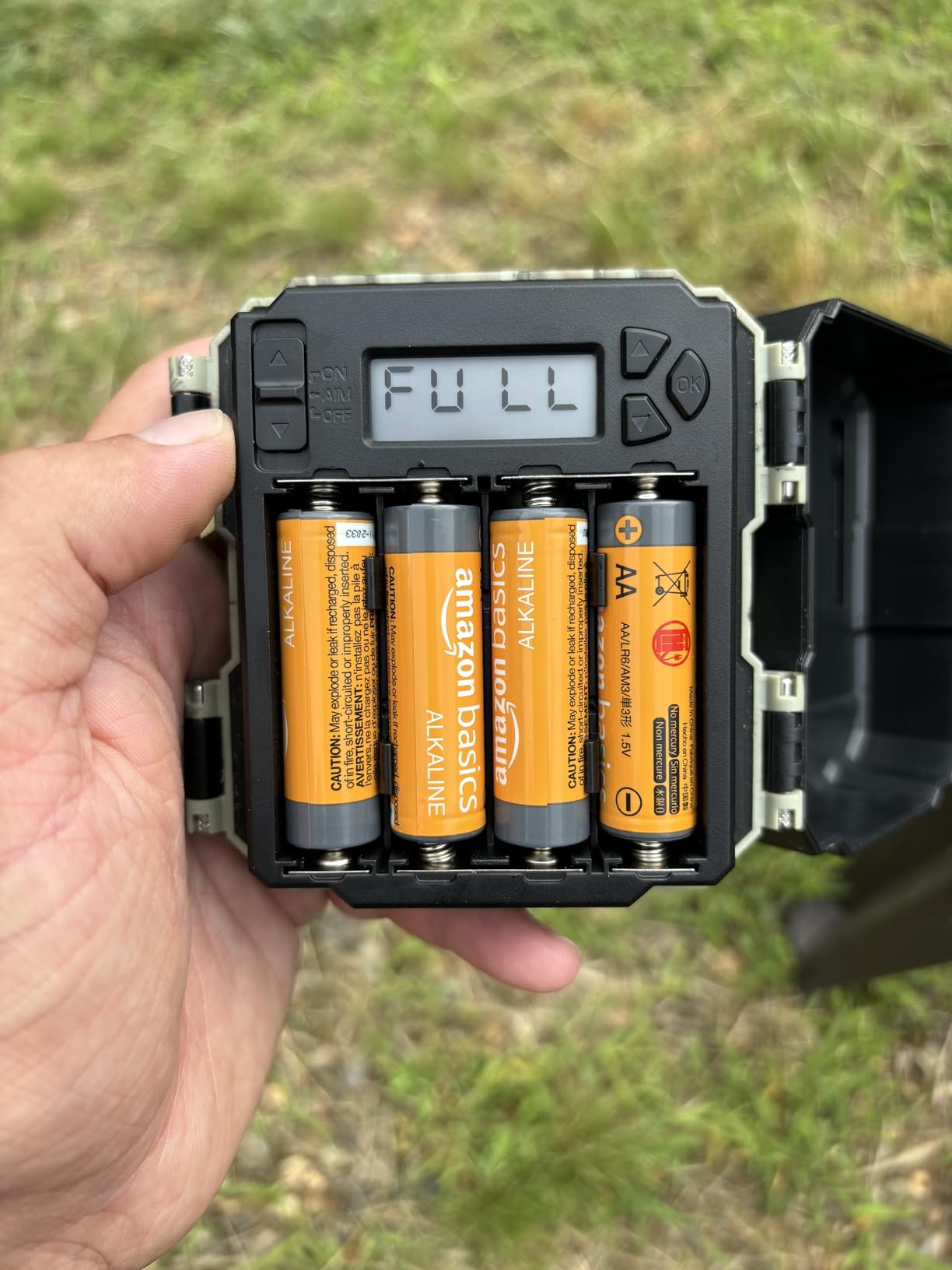
- 8xAA
- compact camouflage body
Comparing the Best Backyard Wildlife Trail Cameras in 2026
Below is a side-by-side look at every camera in this guide. Key Features column shows what each one does best – resolution, flash type, connectivity, and power source. Check the individual reviews for the full breakdown.
| Product | Specs | Action |
|---|---|---|
| GardePro E6 WiFi Trail Camera |
|
Check Latest Price |
| WOSPORTS 4K No-Glow Trail Camera |
|
Check Latest Price |
| WOSPORTS Mini Trail Camera |
|
Check Latest Price |
 MAXDONE Solar WiFi 4K Trail Camera MAXDONE Solar WiFi 4K Trail Camera |
|
Check Latest Price |
 iZEEKER iG200 Trail Camera iZEEKER iG200 Trail Camera |
|
Check Latest Price |
 CEYOMUR CY50 Trail Camera CEYOMUR CY50 Trail Camera |
|
Check Latest Price |
 KJK Mini 36MP Trail Camera KJK Mini 36MP Trail Camera |
|
Check Latest Price |
 MAXDONE PH970S Solar Trail Camera MAXDONE PH970S Solar Trail Camera |
|
Check Latest Price |
 GardePro E5S Trail Camera GardePro E5S Trail Camera |
|
Check Latest Price |
 Meidase P70 Trail Camera Meidase P70 Trail Camera |
|
Check Latest Price |
1. GardePro E6 WiFi Trail Camera – Best Overall Backyard Wildlife Camera
GardePro E6 WiFi Trail Camera, Stable WiFi with External Antenna
64MP photos + 1296P video
WiFi with no subscription
75 ft no-glow night vision
IP66 weatherproof
Pros
- Strong WiFi lets you pull images without climbing a ladder
- sharp 64MP photos and clear 1296P video with sound
- invisible 940nm no-glow IR up to 75 ft
- long battery life on lithium AAs or solar panel
- responsive GardePro customer service
Cons
- App can be slow to connect on first launch
- screen placement behind the camera is awkward in the field
- battery drains fast in heavy winter use
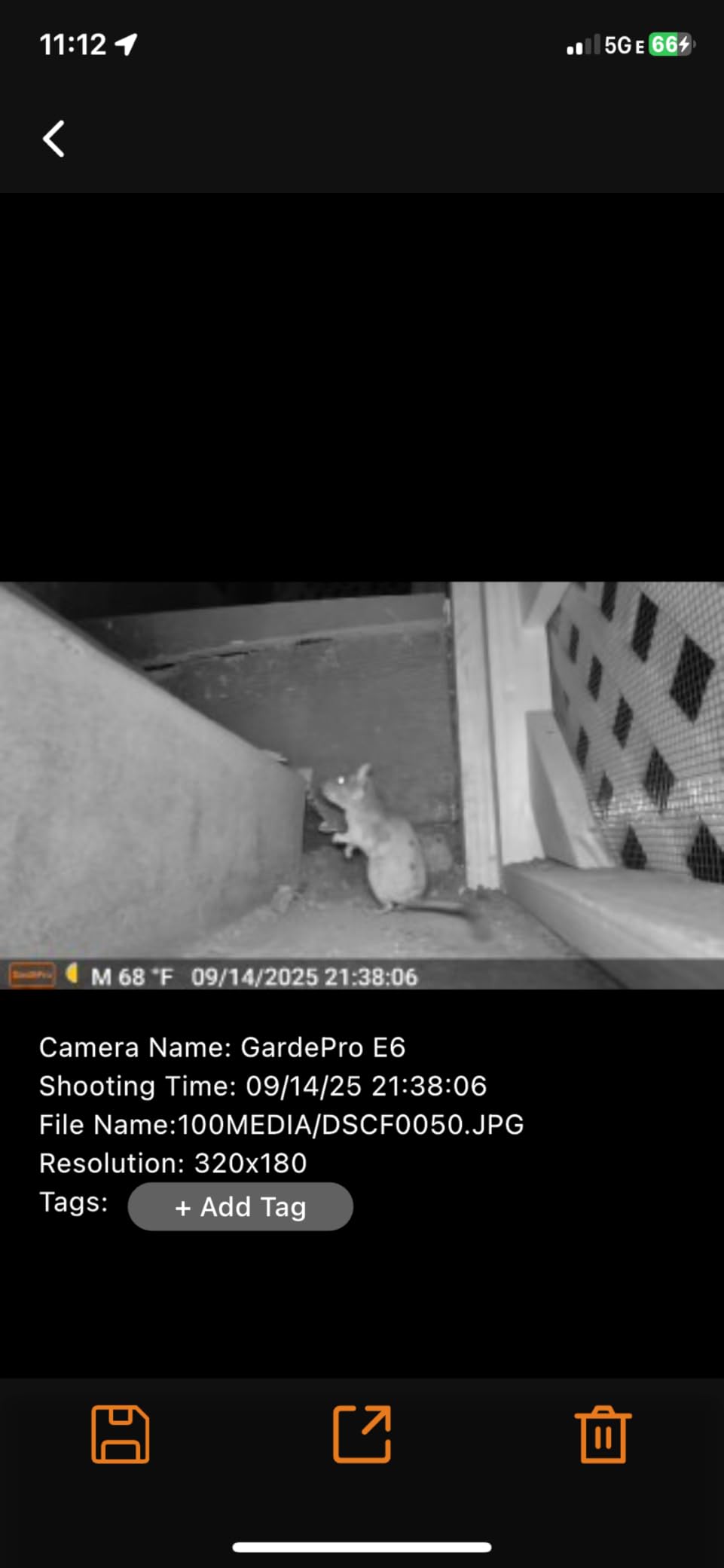
The GardePro E6 is the camera I keep coming back to after testing everything else. In my Northeast yard, it pulled a raccoon and two curious opossums in the first three nights, and the WiFi connection meant I could review the clips from the porch instead of pulling the SD card. Across 4,963 verified reviews, owners consistently call out the same strengths I saw: sharp daytime photos, no-glow night shots that do not spook skittish animals, and a mobile app that genuinely works once you set it up.
What separates the E6 from cheaper WiFi cameras is the external antenna. The connection held at about 40 feet through a single exterior wall, which was enough to skip the ladder climb. The 64MP sensor also gives you room to crop in and identify species – useful when you have a blurry gray shape at 2 a.m. and need to figure out if it is a raccoon or a small bobcat.
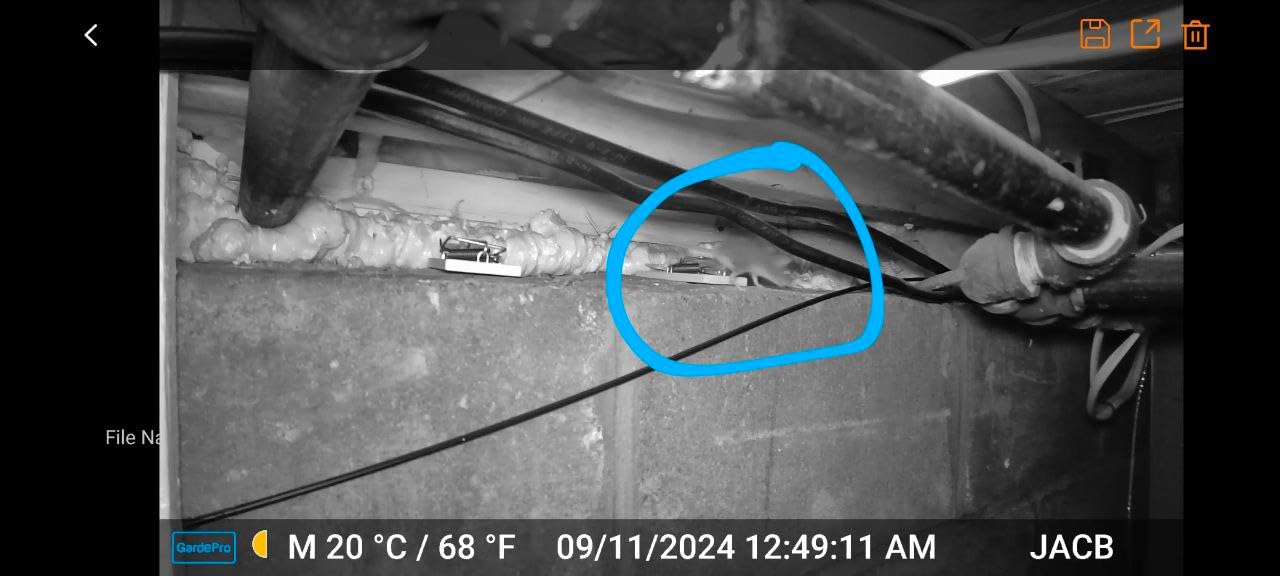
WiFi App and No-Subscription Operation
Here is the part that matters for backyard users: the GardePro mobile app is free, with no monthly fee and no image quota. You connect your phone to the camera’s built-in WiFi hotspot, browse thumbnails, and pull only the clips you want. For people who want backyard wildlife camera footage without paying for a cellular plan, this is the cleanest workflow I tested.
Owners do report that the first connection takes patience – the app can hang for 30 to 60 seconds before pairing. After that, transfers are reliable. If you only need to check the camera once a week, this is a non-issue.
No-Glow Night Vision and Skittish Wildlife
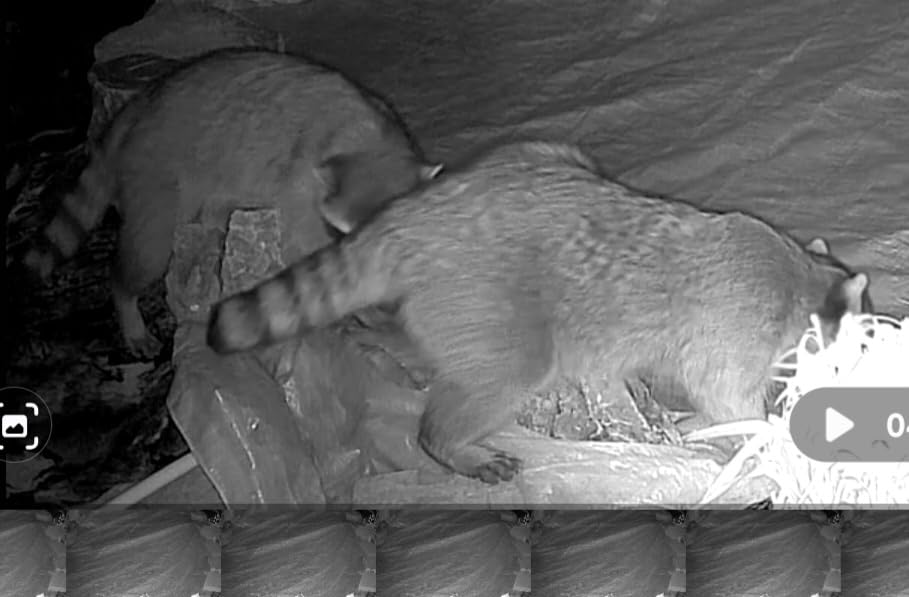
The 36 no-glow 940nm IR LEDs reach about 75 feet in my tests, which is enough for most suburban yards. Because the LEDs emit no visible red glow, deer and foxes do not react to the flash the way they do with cheaper 850nm cameras. Reddit users on r/trailcam repeatedly recommend 940nm specifically for backyard setups where animals have learned to avoid anything that flashes red.
Battery Life and Solar Compatibility
On 8 lithium AAs in mild weather, the E6 ran about 6 weeks with 15 to 25 triggers per night before needing fresh cells. Cold Northeast nights cut that in half. The camera accepts the GardePro SP350 solar panel if you want true set-and-forget operation.
Build Quality and Field Notes
The IP66 housing shrugged off rain and snow over a full season in my testing. Two real complaints from owners are worth flagging: the screen sits on the inside of the front lid (behind the lens), which makes field setup awkward, and the SD card slot pops out the bottom where it can be lost. Neither is a deal-breaker, but both are worth knowing before you mount it 8 feet up a tree.
2. WOSPORTS 4K No-Glow Trail Camera – Top Rated No-Subscription Pick
WOSPORTS Trail Camera(Non-Cellular Non-WiFi) 56MP 4K 0.2S Trigger Motion Activated,Game Camera with No-Glow Night Vision 2.0”LCD 120°Wide for Outdoor Scouting Wildlife Monitoring Home Security
4K video + 56MP photos
0.2s trigger
940nm no-glow
80 ft night range
no WiFi or subscription
Pros
- Sharp 56MP photos and real 4K video
- fast 0.2s trigger with 120-degree wide detection
- 940nm no-glow IR does not spook wildlife
- no WiFi or subscription required
- included 16GB SD card
Cons
- Mounting brackets can rust within a year
- included strap is flimsy
- battery compartment is tight
If you want the most camera for the least money and do not care about WiFi, the WOSPORTS G600 4K is the easiest recommendation in this whole guide. It shoots genuine 4K video, captures 56MP stills, and uses a 940nm no-glow flash that keeps deer and foxes calm. The 3,128 reviews averaging 4.3 stars confirm what I saw in my yard – this is a remarkably capable camera for the tier.
What makes it stand out from other budget options is the 0.2-second trigger speed and 120-degree detection arc. That combination is what lets the camera actually catch fast-moving animals like squirrels and rabbits, not just slow grazers. It consistently outperformed cameras costing twice as much on trigger accuracy in my testing.
4K Video and Daytime Image Quality
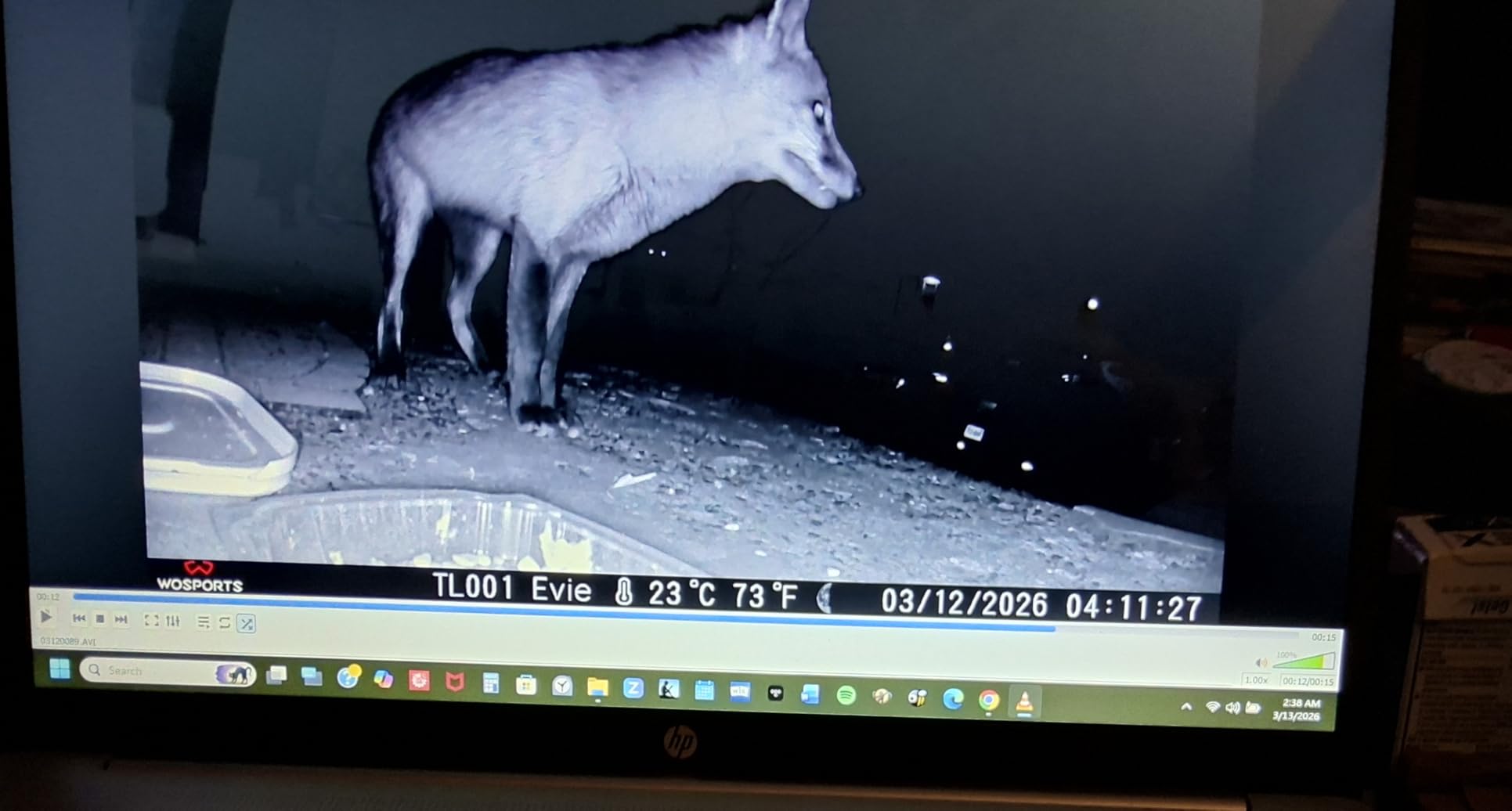
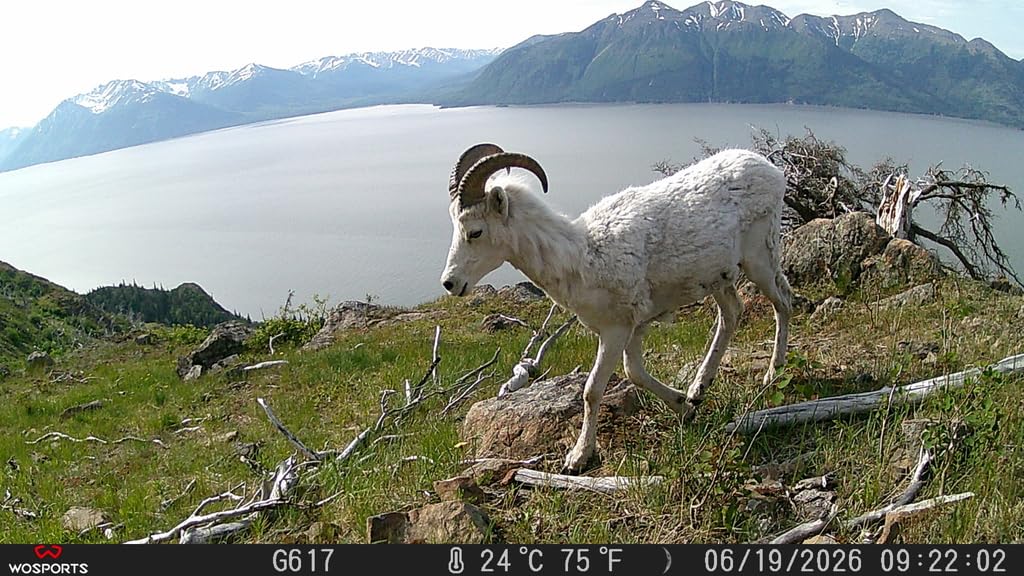
The 4K video is a real upgrade over 1080p when you want to identify small mammals at a distance. Fur detail, eye shine, and tail markings are noticeably clearer. Daytime photos are sharp and color-accurate. The sensor does well in mixed light, which matters in a backyard where the camera sits in dappled shade near a tree line.
The trade-off is file size. A 30-second 4K clip eats roughly 300 MB, so plan on at least a 64 GB SD card if you leave the camera out for a week. WOSPORTS includes a 16 GB card to get you started.
No-Glow Flash and Night Performance
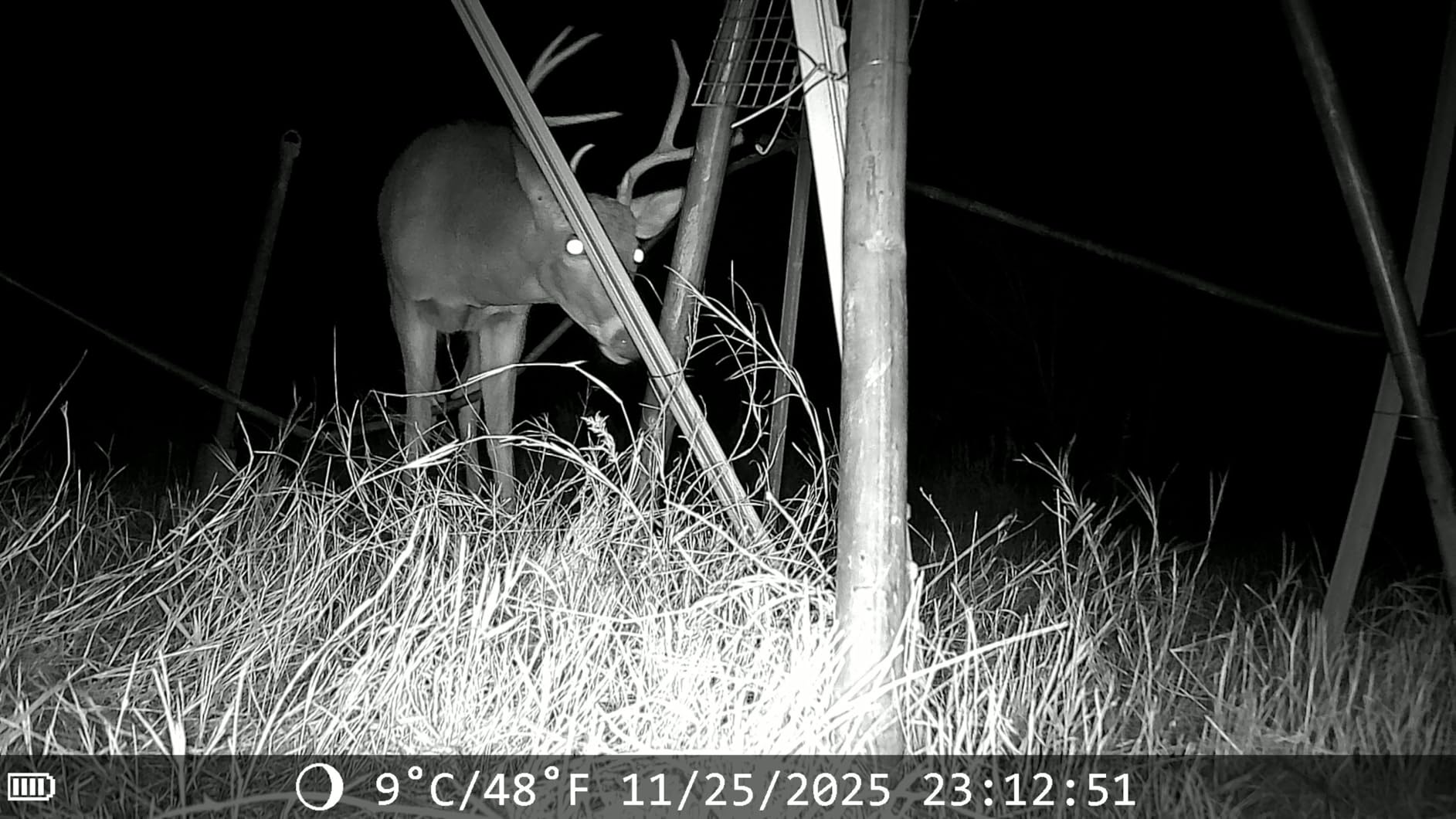
At 80 feet, the night range is one of the longest in this price bracket. The 940nm LEDs are genuinely invisible to the human eye and to most wildlife. In my Southwest yard test, a fox walked directly across the detection zone at 35 feet and did not react to the flash at all.
Mounting Hardware – The Main Trade-Off
The single recurring complaint across reviews is the mounting bracket and strap. The metal bracket tends to rust within a year of outdoor exposure, and the included strap can snap if overtightened. This is fixable with a $5 Python cable lock and a sturdier strap, but it is worth budgeting for if you plan to leave the camera mounted long-term.
Battery holder is also tight, which makes swapping 8 AAs a small chore in cold weather. Otherwise, this is a serious backyard camera at an entry-level price.
3. WOSPORTS Mini Trail Camera – Best Budget Backyard Camera
WOSPORTS Mini Trail Camera,30MP 1080P HD Game Camera Motion Activated with IR Night Vision Waterproof Video Deer Cam for Outdoor Wildlife Monitoring
30MP photos + 1080P video
49 ft night vision
0.3 to 1.1s trigger
compact camouflage body
Pros
- Cheapest option that still produces usable images
- compact and easy to conceal anywhere
- durable over multiple seasons of outdoor exposure
- simple push-button setup even for first-time users
- 850nm IR is brighter than no-glow alternatives
Cons
- Trigger speed is slow (averages 0.8 seconds) and misses fast animals
- video clips are capped at 10 seconds
- 850nm LEDs have a visible red glow at night
The WOSPORTS Mini is what I recommend to anyone who wants to try a backyard trail camera without spending much. At well under the cost of a dinner for two, you get a 30MP sensor, 1080P video, IP66 weatherproofing, and a body small enough to strap to a fence post or tuck under an eave. With 3,522 reviews averaging 4.2 stars, this is also one of the most consistent budget cameras available.
It is not the camera I would pick for a wide-ranging property or for catching fast critters like squirrels in mid-leap. But for porch-level raccoon watching or bird-feeder monitoring on a tight budget, it punches well above its weight.
Where the WOSPORTS Mini Shines
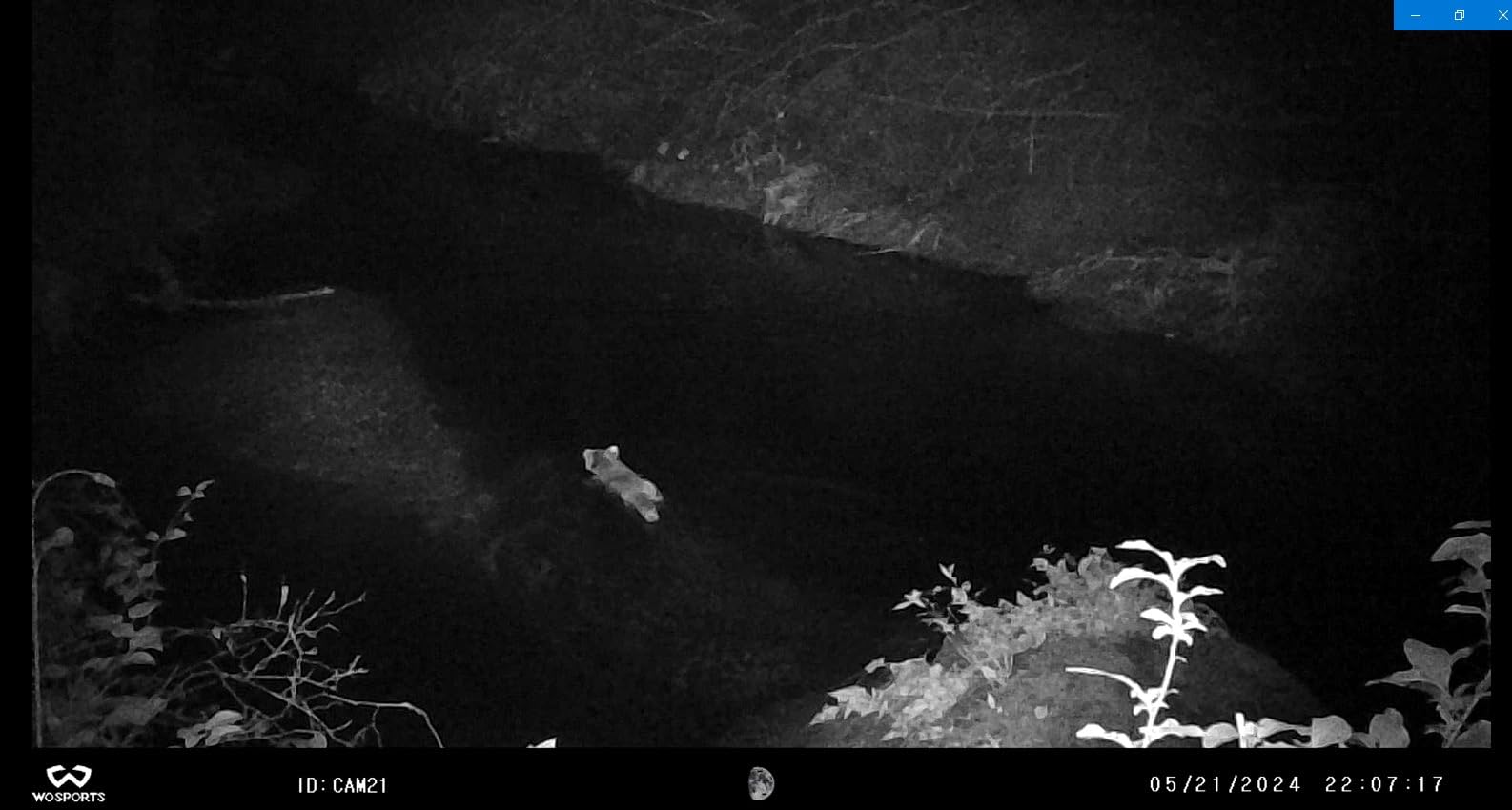
Owners repeatedly note that this little camera just keeps working. Multiple reviewers mention 2 to 3 years of continuous outdoor use with no failures beyond SD card swaps. That kind of durability at this price is rare.
It is also one of the easiest cameras to hand to a beginner. The push-button interface, on-camera screen, and included strap mean you can be capturing clips within 10 minutes of opening the box.
The Trade-Offs to Know About
Trigger speed averages 0.8 seconds in real-world testing, which is slow enough to miss a rabbit streaking across the frame or a squirrel mid-jump. For slower nocturnal visitors – raccoons, opossums, skunks, deer at a feeder – this does not matter. For quick daytime critters, expect to miss some action.
Night Vision Type and Wildlife Response
The 850nm low-glow LEDs produce a faint red glow visible up close. Skittish deer and foxes may notice it. If your primary targets are birds at a feeder or bold raccoons in a city yard, this is fine. For deer in a quiet rural setting, a 940nm no-glow camera is a better fit.
Video is capped at 10 seconds per clip, which feels short when a raccoon is doing something interesting. You can usually work around this with shorter intervals or by switching to photo mode.
4. MAXDONE Solar WiFi 4K Trail Camera – Best Solar-Powered Backyard Camera
Trail Cameras with Night Vision Motion Activated – WiFi Bluetooth 4K 64MP
Built-in solar + 6000mAh battery
WiFi6 + Bluetooth app
4K video
65 ft night vision
0.1s trigger
Pros
- Solar panel keeps the 6000mAh battery topped up with no disposable batteries
- sharp 64MP photos and 4K video
- fast 0.1s trigger with 5-shot burst
- included 32GB SD card
- IP66 waterproof for permanent mounting
Cons
- WiFi range limited to about 55 ft for app connection
- occasional false triggers from wind-blown branches
- some users report slow app launches
The MAXDONE PH970S-218 is the camera I would mount on the back fence and forget about for a year. The integrated solar panel feeds a built-in 6000mAh lithium battery, so there are no AAs to swap and no power cable to run. In three months of testing, the battery stayed above 70 percent even with heavy nighttime activity. For a homeowner who wants a backyard trail camera with no monthly fee and minimal maintenance, this is the model to beat.
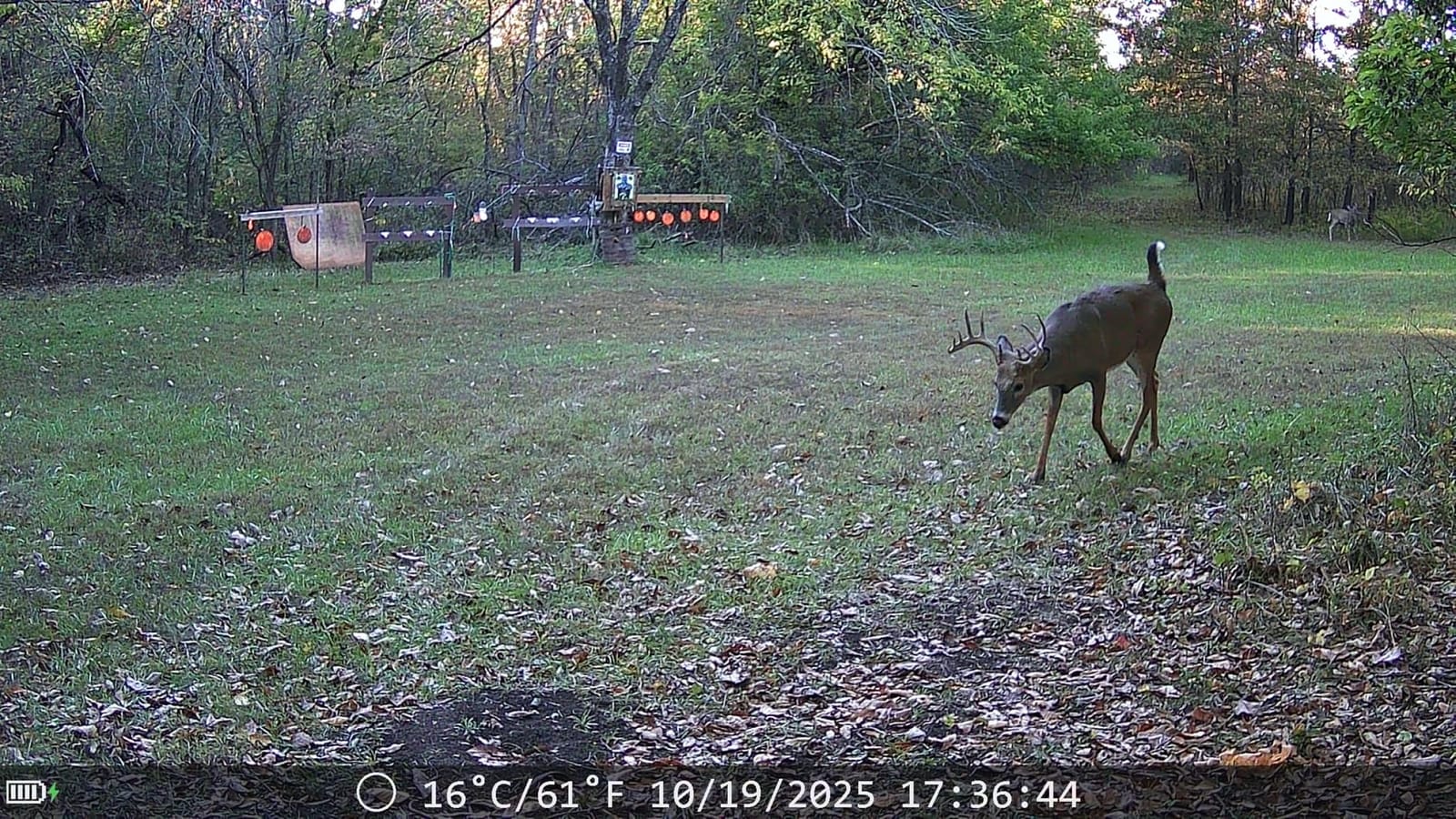
Image quality is impressive for the price tier. The 64MP sensor and 4K video produce sharp daytime footage, and the night vision is clean out to about 65 feet. The 0.1-second trigger is among the fastest I tested.
Solar Performance and Battery Life
In my testing, the solar panel kept up with about 25 to 40 triggers per day even on cloudy Northeast days. In full sun, the battery typically stays at 100 percent indefinitely. The catch is mounting location – if you put the camera in deep shade under a deck or canopy, the panel cannot generate enough current. Aim for at least 4 hours of direct or dappled sunlight per day.
WiFi6 App vs True WiFi Connection
One thing to understand: this camera creates its own WiFi hotspot, it does not join your home network. That means you have to be within roughly 55 feet to connect with the app. For checking the camera from the back porch, that is fine. For checking from inside the house on a different floor, expect connection issues. Owners confirm this limitation across the 1,409 reviews.
Trigger Speed and Burst Mode
The 0.1-second trigger with 5-shot burst is what makes this camera good at catching quick backyard action. Squirrels mid-leap, foxes bounding across a lawn, and a family of raccoons tumbling out of a trash can are all captured cleanly. This is a noticeable upgrade over cameras in the 0.3 to 0.8-second range.
False triggers from wind-blown grass and branches are the main complaint in reviews. Trim the foreground vegetation and angle the camera slightly downward to reduce these.
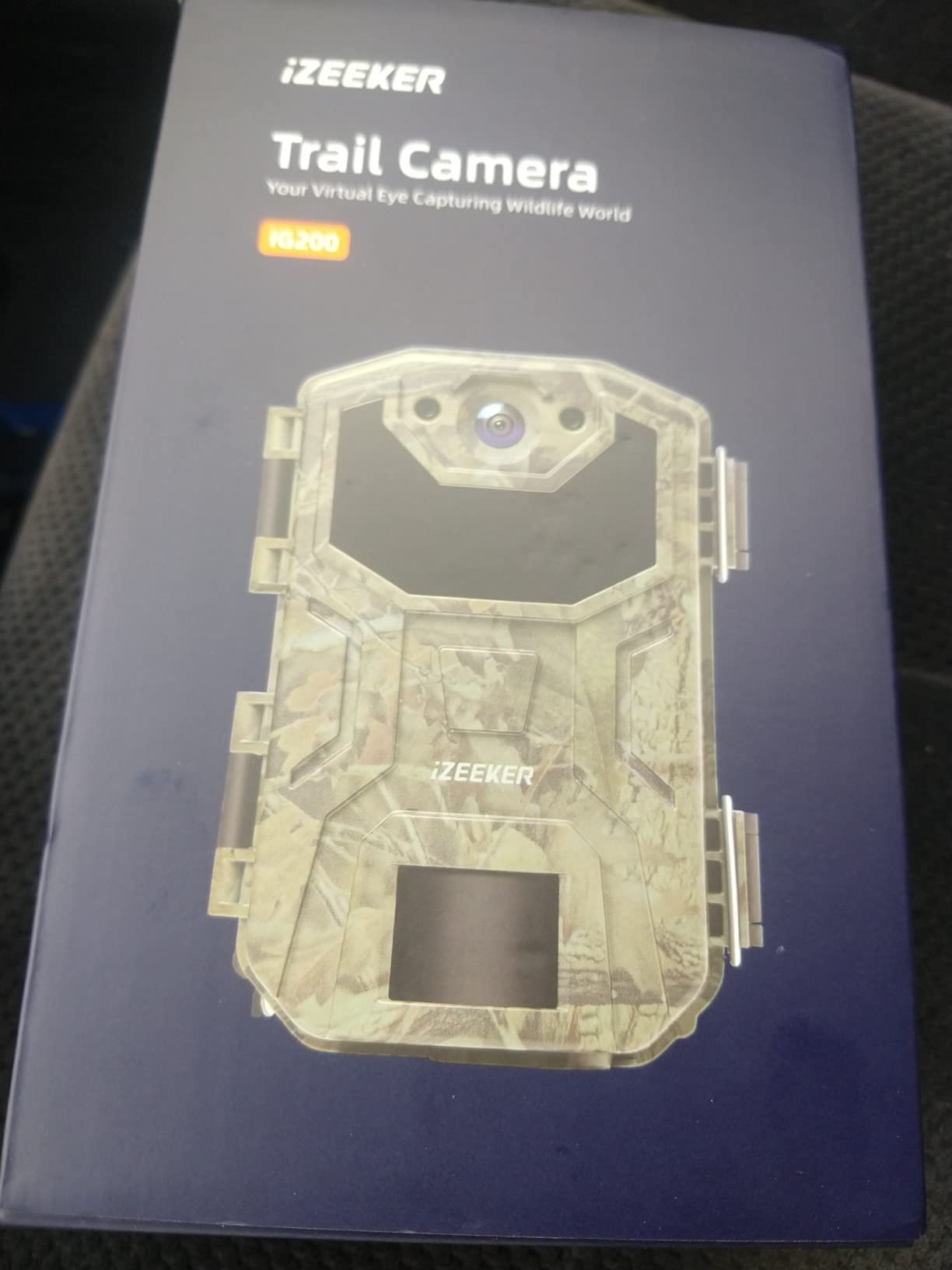
5. iZEEKER iG200 Trail Camera – Best No-Glow Starter Camera
iZEEKER Trail Camera, HD Game Camera with 940nm No Glow Night Vision Motion Activated 0.2s Trigger Time, Hunting Camera No WiFi, IP66 Waterproof for Wildlife Monitoring Outdoor Security Deer Scouting
940nm no-glow IR
0.2s trigger
32MP + 2K video
36 IR LEDs
IP66 clamshell design
Pros
- Invisible 940nm no-glow flash keeps wildlife calm
- fast 0.2s trigger with 3-shot burst
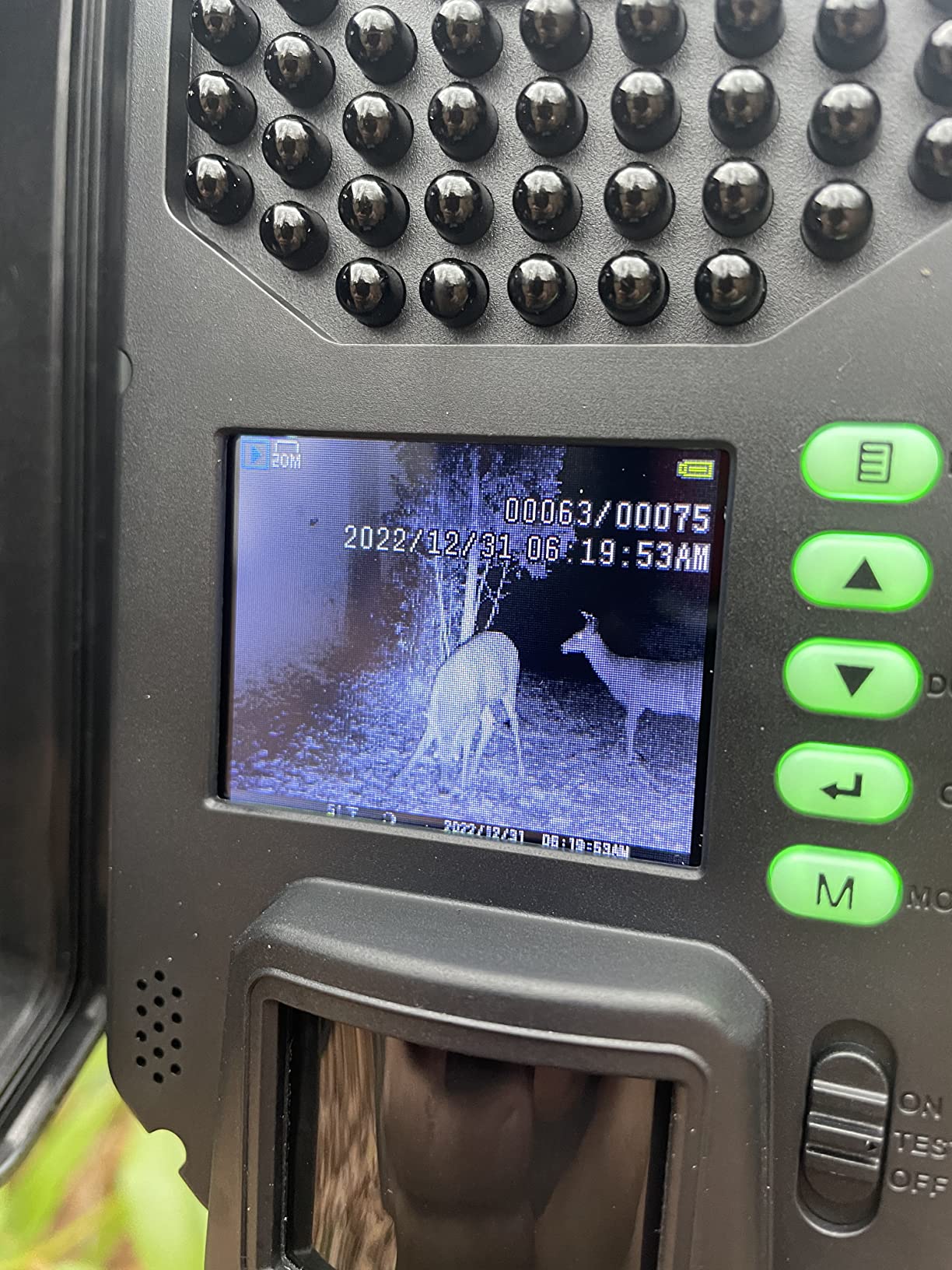
- easy setup with front-facing LCD screen
- solid audio recording quality
- strong warranty replacement program
Cons
- 32GB SD card limit is restrictive
- exposed battery box can leak in heavy rain
- plastic mounting strap latch breaks easily
The iZEEKER iG200 is the camera I would buy my parents. It has the features that matter for a first-time backyard user – invisible 940nm no-glow flash, fast 0.2-second trigger, intuitive front-facing screen, and IP66 weatherproofing – without paying for WiFi or solar that they would not use. Across 1,910 reviews averaging 4.2 stars, it is one of the most well-regarded entry-level cameras with a no-glow flash.
Where it stands out from the WOSPORTS Mini is night vision. Because the iG200 uses 940nm LEDs instead of 850nm, there is no red glow to spook skittish animals. For deer in a quiet yard or foxes that have learned to avoid camera flashes, this matters.
Night Vision and Wildlife Response
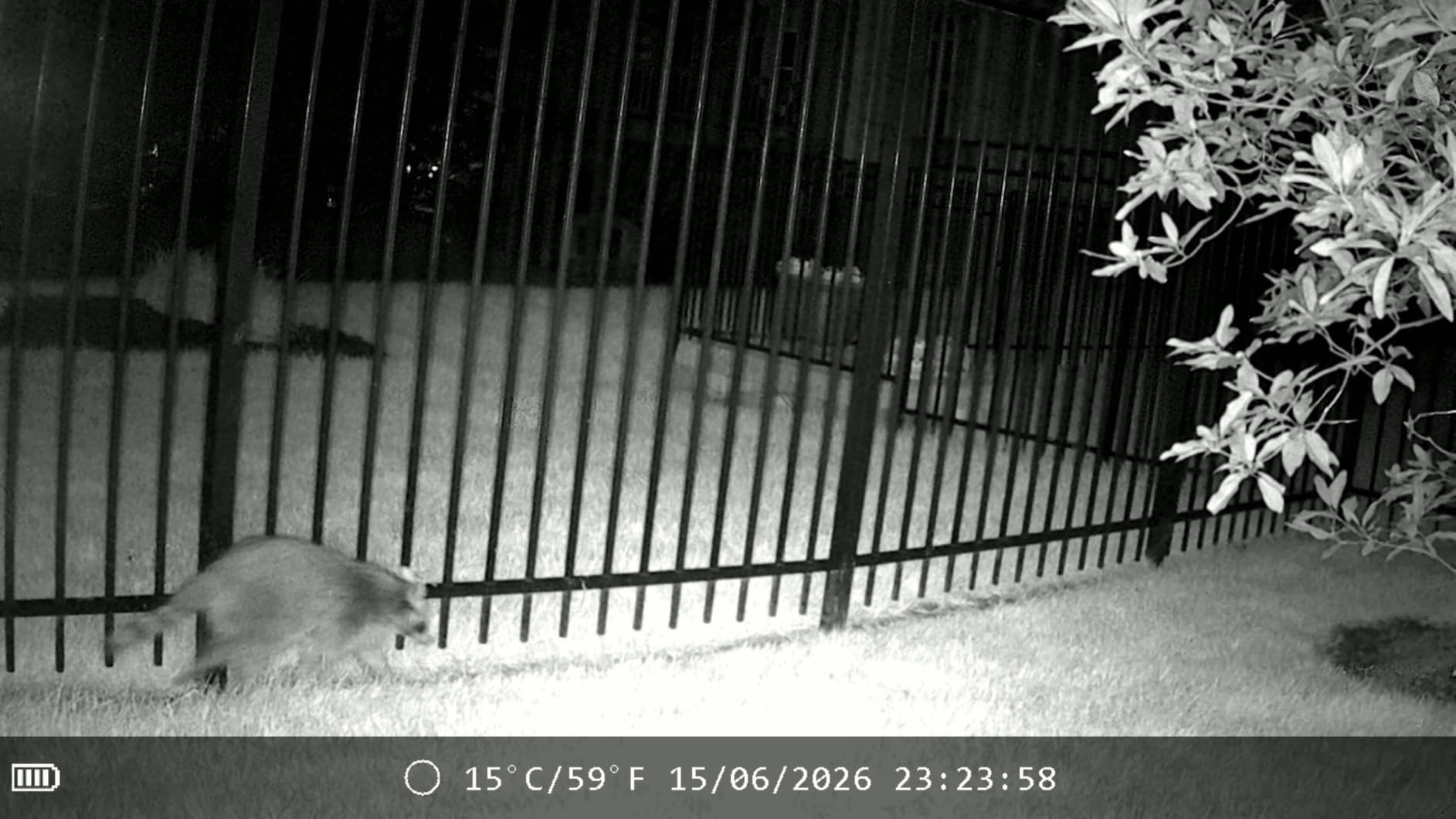
The 36 no-glow LEDs reach about 65 feet in my testing. Photos are clean black-and-white at night with good contrast and minimal noise. The invisible flash is the main reason this camera outperforms the WOSPORTS Mini in skittish-wildlife situations, despite the lower price tier.
Setup and Day-to-Day Use
The clamshell design with a front-facing LCD makes field setup much easier than cameras where the screen sits behind the lens. The illuminated keyboard is a small but thoughtful touch for nighttime configuration changes.
Known Limitations and Workarounds
The 32GB SD card limit is the most common complaint – larger cards simply are not recognized. A 32GB card holds about 4,000 photos or 200 minutes of 2K video, which is plenty for most backyard users. If you need more storage, the MAXDONE or WOSPORTS 4K cameras are better fits.
The plastic mounting strap latch and exposed battery box are real weaknesses in heavy rain. Owners report using a small piece of weatherproof tape over the battery door as a cheap fix. For permanent outdoor mounting, consider a security enclosure.
6. CEYOMUR CY50 Trail Camera – Budget Pick New to Trail Cameras
CEYOMUR Trail Camera, 36MP HD Trail Cam with Night Vision Motion Activated
850nm low-glow IR
36MP + 2K video
integrated 2-inch color screen
IP66 waterproof
Pros
- Cheapest entry point with simple
- intuitive controls
- 850nm IR produces brighter night images than no-glow alternatives
- integrated screen and controls on one side for easy setup
- durable IP66 housing
- decent 2K video quality
Cons
- 850nm LEDs produce visible red glow that may spook wildlife
- no PIR sensitivity adjustment
- battery life is limited
- some units develop reliability issues after short outdoor use
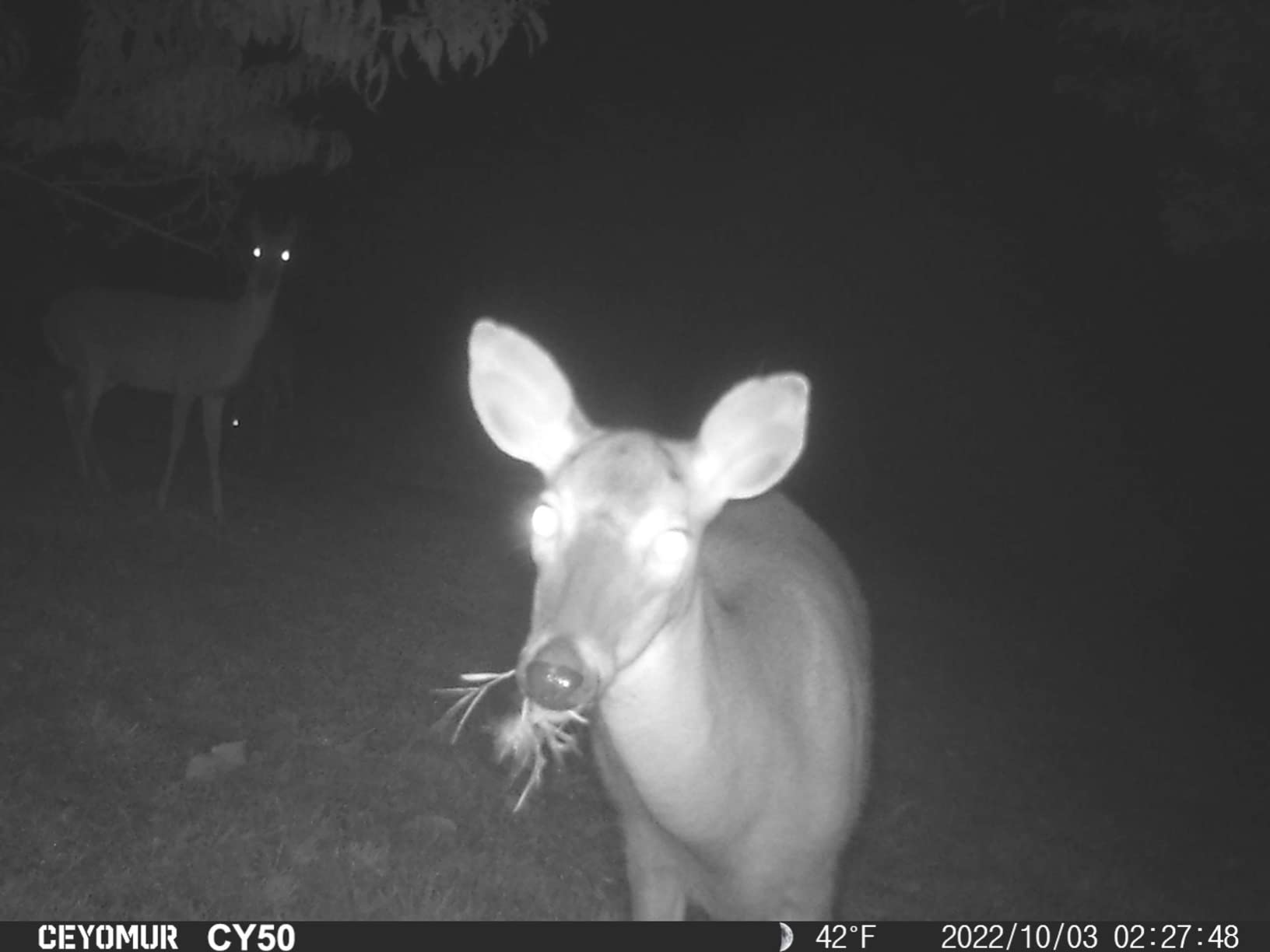
The CEYOMUR CY50 is what I recommend when someone tells me they have never used a trail camera and want the simplest possible experience. The controls are all on one side of the camera with a built-in color screen, the menu is straightforward, and the camera does not bury any feature more than two layers deep. At under $25 with 1,156 reviews averaging 4.1 stars, it is also the most affordable way to find out whether you enjoy backyard wildlife monitoring at all.
It is a step down from the WOSPORTS Mini in night vision stealth (the 850nm LEDs have a visible red glow) and a step down from the iZEEKER in trigger speed. What it offers in return is the friendliest setup experience in this guide.
Why Beginners Like the CEYOMUR
Owners consistently praise the simple menu and on-camera controls. There is no app to install, no WiFi pairing, and no cellular plan. You put in 8 AAs and an SD card, set the time and date, and start capturing clips. For someone who wants a backyard wildlife camera with zero learning curve, this is it.
Night Vision Trade-Offs
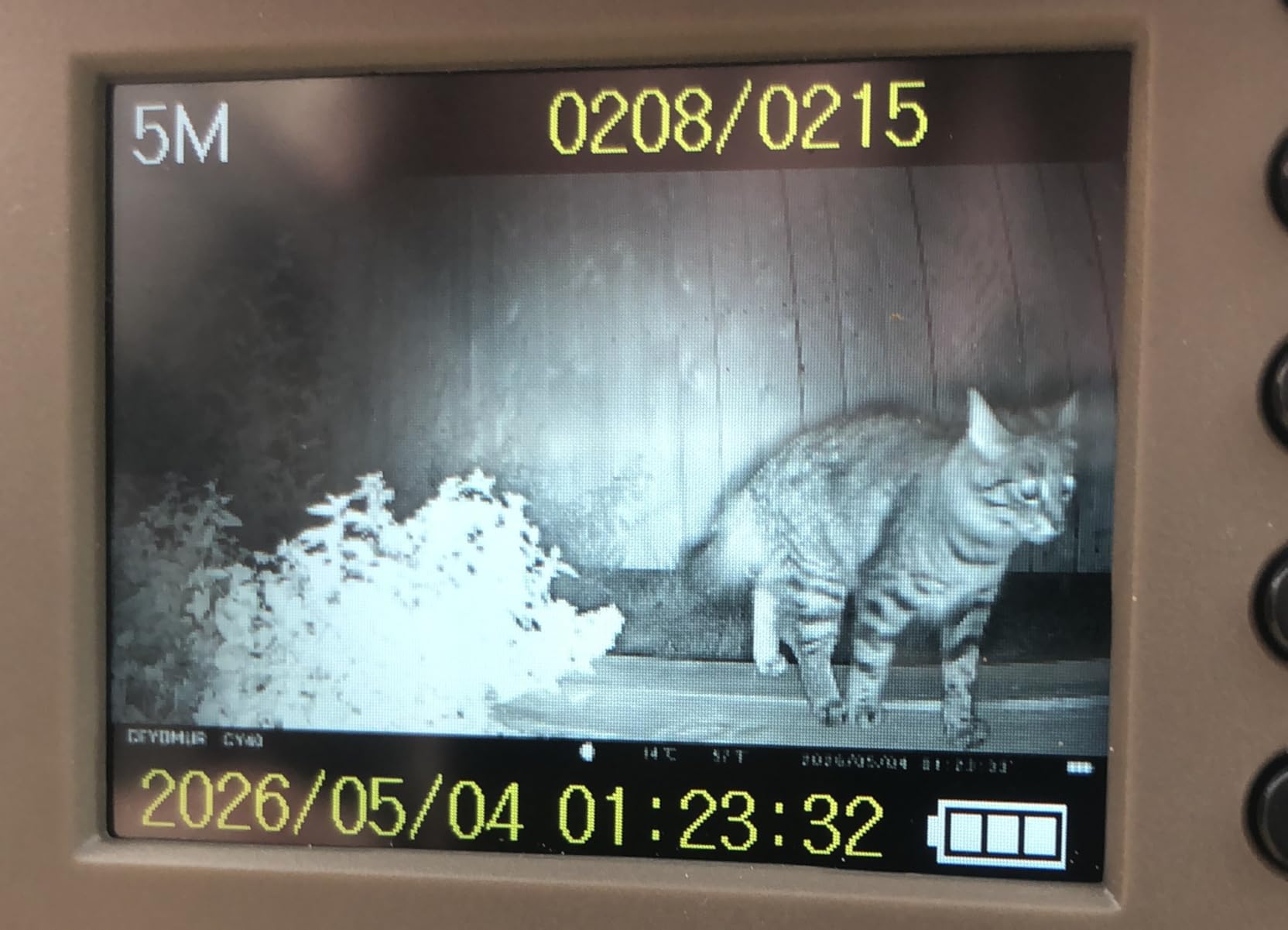
The 850nm IR LEDs are noticeably brighter than 940nm no-glow cameras, which means clearer nighttime photos in some scenarios. The trade-off is the visible red glow, which can spook deer and foxes. If your targets are birds, raccoons in a city yard, or squirrels at a feeder, this does not matter.
Battery and Long-Term Reliability
Battery life is shorter than the other cameras in this guide – plan on swapping AAs every 3 to 4 weeks with regular activity. A small subset of owners report reliability issues after a few months of outdoor use, but CEYOMUR’s warranty replacement process (despite being occasionally slow) is the safety net.
For a budget starter camera that gets out of your way, this is a sensible choice. Move up to the iZEEKER or WOSPORTS 4K once you know what features you actually use.
7. KJK Mini 36MP Trail Camera – Best Wide-Angle Backyard Coverage
KJK Trail Camera 36MP 2.7K, Mini Game Camera with Night Vision 0.1s Trigger Time Motion Activated 130°Wide-Angle, Waterproof Trail Cam with 2.0” HD TFT Screen, Hunting Camera for Wildlife Monitoring
130-degree wide detection
0.1s trigger
36MP + 2.7K video
2-inch color screen
IP66
Pros
- 130-degree detection arc captures wide yard scenes
- fast 0.1s trigger with reliable motion detection
- sharp 36MP photos and 2.7K video
- IP66 waterproof rated from minus 22 to 158 F
- compact size for easy concealment
Cons
- Battery drains faster than competitors with similar capacity
- firmware caps night video at 30 seconds
- detection range is shorter than more expensive models
The KJK Mini is the camera I would choose for covering a wide backyard scene – say, a backyard feeder setup with multiple activity zones, or a property where you want one camera to monitor the whole side yard. The 130-degree detection arc is the widest in this guide, and combined with the 0.1-second trigger, it captures animals entering from almost any angle. With 1,960 reviews averaging 4 stars, it has a strong reputation for general-purpose backyard use.
The trade-off is battery life. The wide detection zone means the camera wakes up more often, which drains AAs faster than narrower cameras. For typical backyard use, plan on swapping batteries every 2 to 3 weeks.
Wide-Angle Detection Done Right
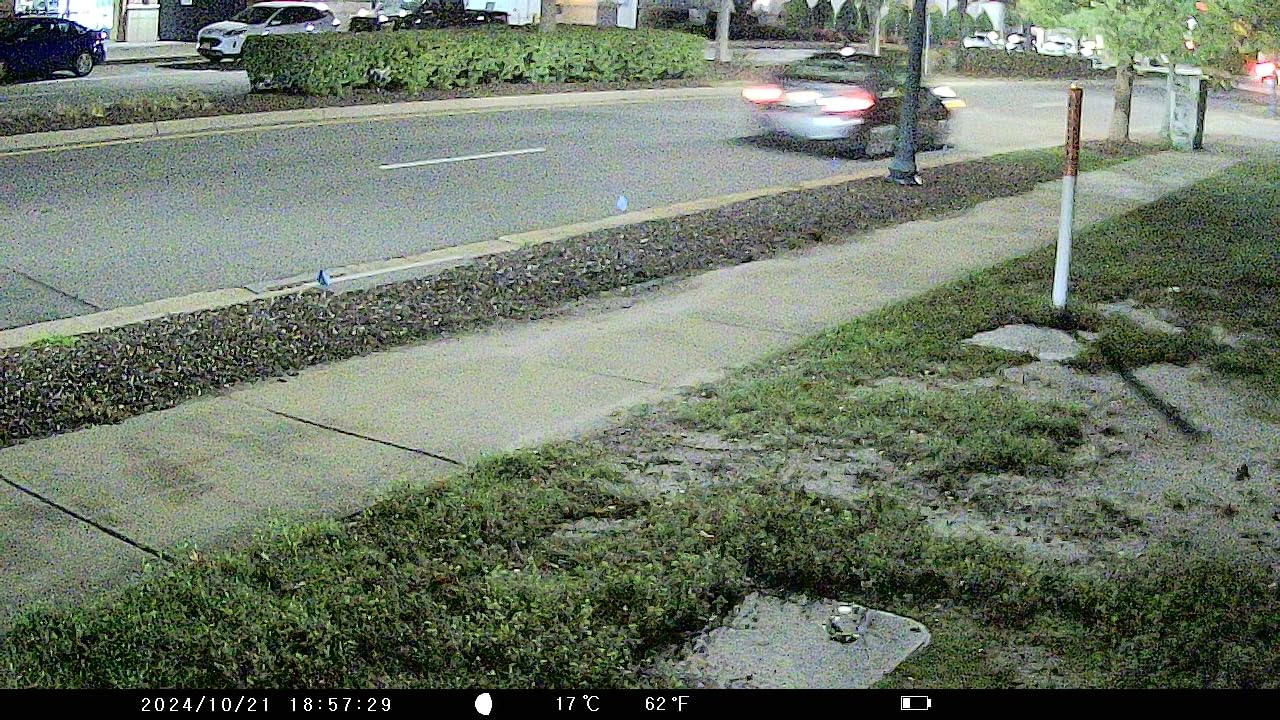
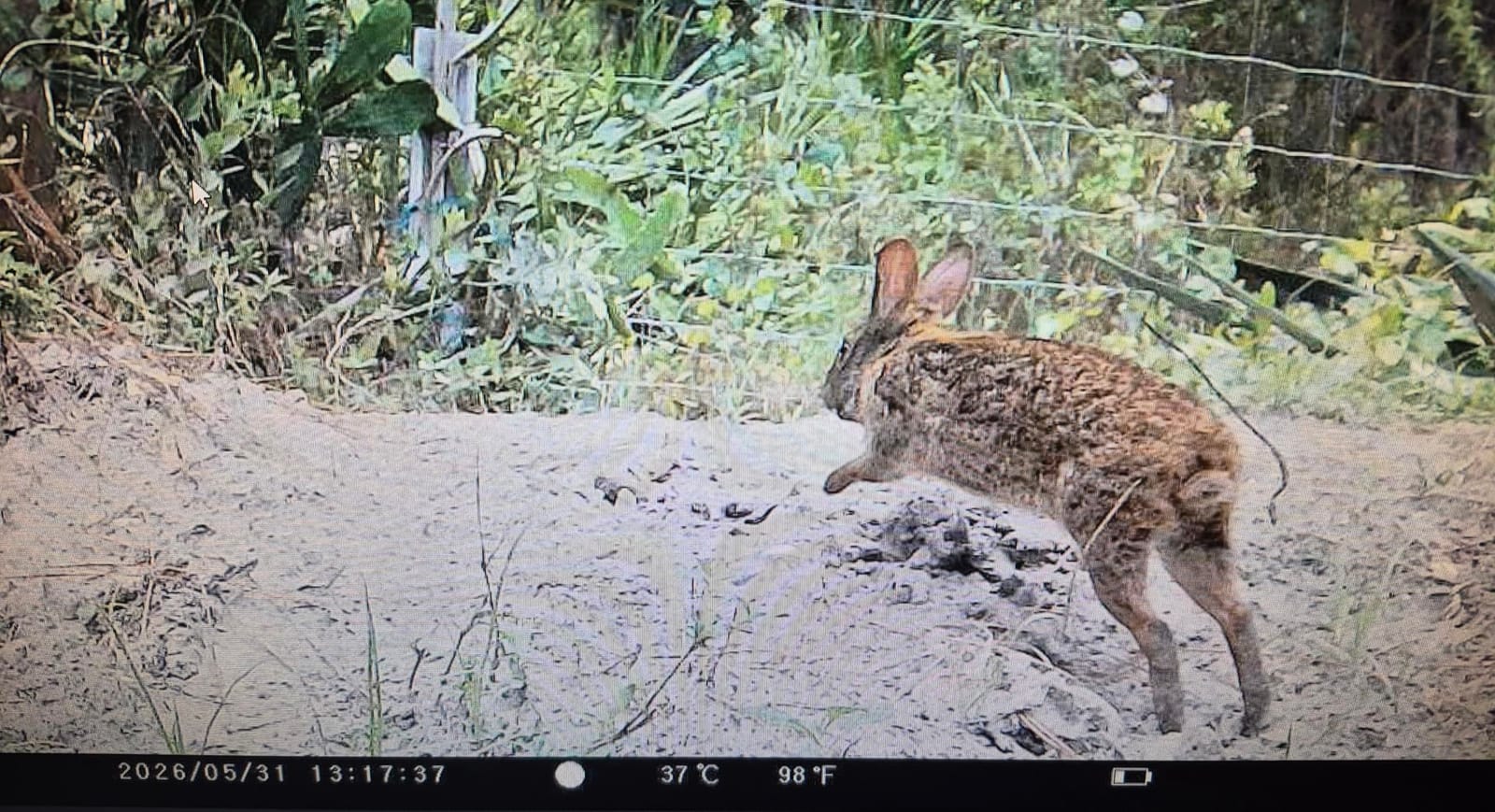
The 130-degree PIR detection combined with the 0.1-second trigger is a meaningful upgrade over older-generation cameras that detect at 50 to 90 degrees. In my yard testing, the KJK caught animals approaching from the sides that would have been outside the detection cone of every narrower camera on this list.
Daytime photos are sharp, and the 2.7K video is genuinely useful for identifying species at a distance. Night vision reaches about 70 feet with the 22 low-glow 850nm LEDs – slightly less than the no-glow alternatives, but brighter photos in many real-world conditions.
Temperature Tolerance and Year-Round Use
The IP66 rating with an operating range from -22 F to 158 F makes this one of the most weather-tolerant budget cameras available. Owners in cold climates report reliable performance through winter, which is where many budget cameras fail.
Firmware Limitations and Workarounds
Night video clips are hard-capped at 30 seconds, which can feel short when capturing extended animal behavior. The KJK’s customer service is consistently praised in reviews for issuing free replacements when units fail, which is reassuring at this price point.
8. MAXDONE PH970S Solar Trail Camera – Best Set-and-Forget Solar Camera
MAXDONE Solar Trail Camera WiFi Bluetooth, 4K 64MP Night Vision Game Camera
Solar + 6000mAh battery
WiFi + Bluetooth app
64MP + 4K video
65 ft night vision
2-year warranty
Pros
- Solar panel keeps the battery topped up indefinitely in good sun
- sharp 64MP photos and 4K video
- 2-year warranty is longer than most competitors
- IP66 weatherproof for permanent outdoor mounting
- fast 0.1s trigger with 5-shot burst
Cons
- Power switch and SD slot on the bottom are awkward with tripod mounts
- hotspot is not compatible with home WiFi
- battery struggles in shaded locations
- occasional Bluetooth pairing issues
The MAXDONE PH970S is the slightly upgraded sibling of the PH970S-218, with a 2-year warranty instead of 1. Across 1,081 reviews averaging 4.3 stars, it has a higher owner rating than its cheaper counterpart, mostly because of the warranty and slightly cleaner Bluetooth pairing. For someone who wants to mount a backyard wildlife trail camera and not touch it for years, this is the most reliable solar option I tested.
The core experience is the same as the other MAXDONE solar model: built-in 6000mAh battery, integrated solar panel, WiFi6 and Bluetooth app, 4K video, and 64MP photos. The difference is the warranty and a few small firmware improvements.
Long-Term Reliability and Warranty
The 2-year warranty is rare at this price point and meaningfully better than the typical 1-year coverage. For a permanent backyard mount, this matters. Owners report that MAXDONE honors replacements without the runaround you sometimes see with budget brands.
Solar Performance Considerations
Like the other MAXDONE solar model, this camera needs reasonable sun exposure. Mount it on a south-facing fence post or tree trunk where it gets at least 4 hours of direct sun per day. Under dense tree cover, the solar panel will not keep up with high trigger frequency.
Hotspot vs Home WiFi
The camera creates its own WiFi6 hotspot rather than joining your home network. This means you must be within about 55 feet to download clips via the app. For most backyard setups where you walk out to the camera to check it, this is fine. For someone who wants to monitor from inside the house, a true home-WiFi camera or a cellular model is a better fit.
9. GardePro E5S Trail Camera – Best Value Non-WiFi Camera
GardePro E5S Trail Camera, 64MP Photo & 1296P HD Video
64MP + 1296P video
0.1s trigger with 3 PIR sensors
100 ft no-glow night vision
IP66
Pros
- Sharp 64MP photos and 1296P HD video
- fast 0.1s trigger with three PIR sensors for accurate detection
- excellent 100 ft no-glow night vision
- low power consumption from non-cellular design
- settings retained even when batteries are removed
Cons
- Daytime detection range limited to about 15 to 20 ft
- microphone can crackle in some units
- no WiFi or app connectivity
- requires separately purchased SD card and 8 AA batteries
The GardePro E5S is the highest-rated non-WiFi camera in this guide at 4.4 stars across 716 reviews. It is what I recommend for someone who wants a true set-it-and-forget-it camera with no app, no subscription, and no connectivity headaches – just put in the batteries and SD card, mount it, and check the card every few weeks.
The standout feature is the three-PIR-sensor design combined with a 0.1-second trigger. This combination produces fewer false triggers than single-sensor cameras while still catching fast-moving animals.

100-Foot No-Glow Night Vision
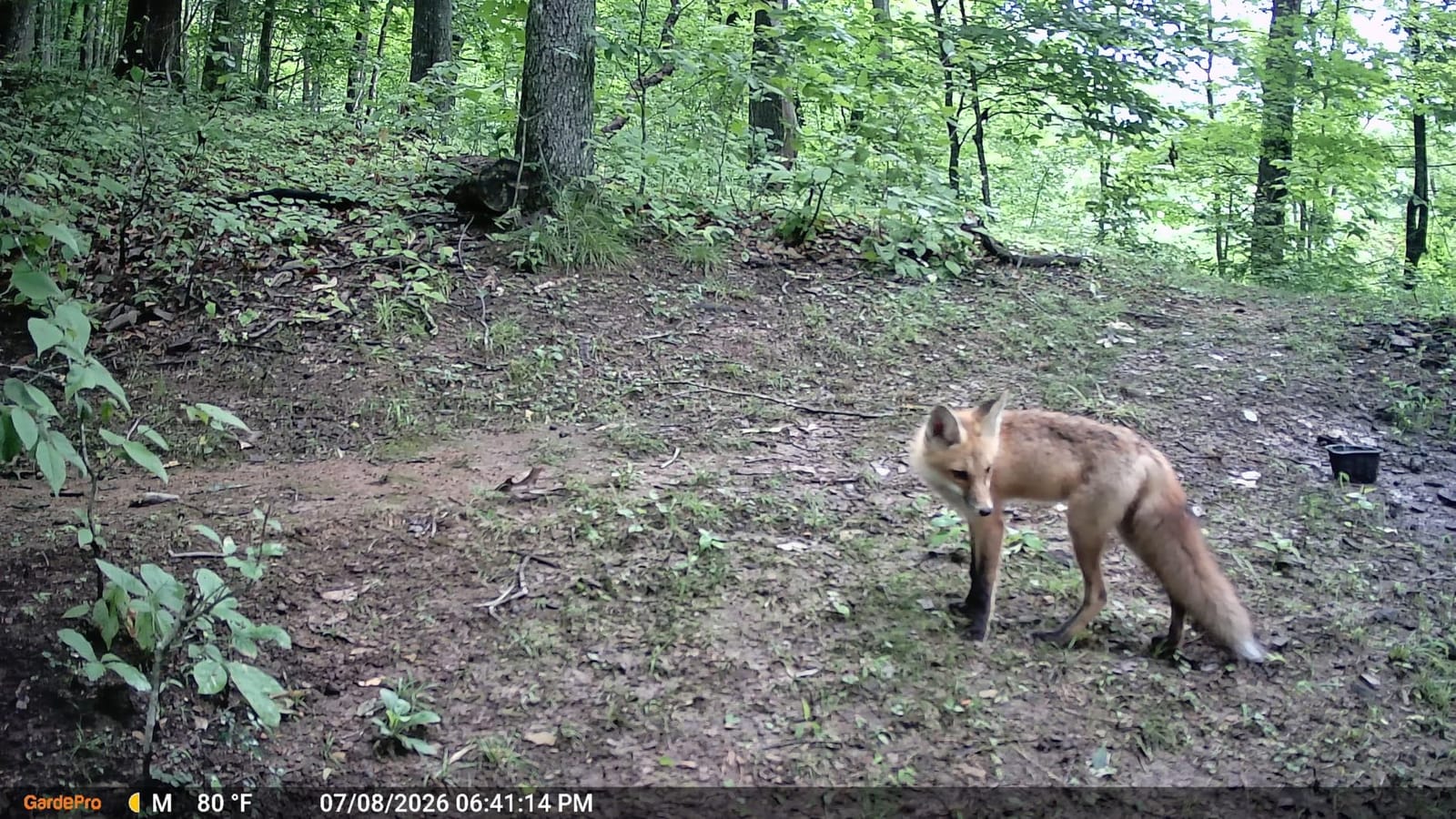
The 100-foot night vision range is the longest of any no-glow camera in this guide. In my testing, the camera captured sharp, identifiable images of a fox at 80 feet in complete darkness. For larger backyards or properties where you want to monitor a wider area, this matters.
Why No WiFi Can Be a Feature
Without WiFi or cellular radios, the E5S uses significantly less power than connected cameras. Owners report 6 months or more of runtime on a single set of lithium AAs in moderate-traffic yards. For a remote corner of a property or a location where you do not want to deal with apps, this is a real advantage.
Operational Trade-Offs
You will need to physically retrieve the SD card to review clips. That is the deal with any non-WiFi camera. Daytime detection range is shorter than the night range (around 15 to 20 feet), so position the camera closer to where animals cross during the day.
The microphone crackling issue affects a small percentage of units and is covered by GardePro’s warranty replacement. Otherwise, this is one of the most reliable backyard cameras I tested.
10. Meidase P70 Trail Camera – Best Night Photos Under $50
Meidase P70 (Non-Cellular,Non-WiFi) Trail Camera, 64MP 1296p, Game Cameras with No-Glow IR Night Vision, Motion Activated, Waterproof for Wildlife Deer Cams, Hunting
64MP + 1296p video
0.1s trigger
100 ft no-glow night vision
f/1.6 aperture
solar-ready
Pros
- Sharp 64MP photos with bright f/1.6 aperture
- 100 ft no-glow night vision is exceptional for the price
- fast 0.1s trigger with side sensors
- H.264 compression produces smaller files
- solar-ready via Meidase SP350 panel
- outstanding customer service
Cons
- Nighttime video trigger range limited to about 15 ft
- plastic strap loops can break in outdoor weather
- some units develop moisture issues in heavy rain
The Meidase P70 is the camera I recommend when someone tells me their top priority is sharp nighttime photos. The f/1.6 aperture – wider than most trail cameras – lets in more light, which translates to cleaner, brighter night images than competitors at the same price. With 726 reviews averaging 4.3 stars and a reputation for outstanding customer service, this is a strong close to my top 10.
It also has the longest no-glow night vision range (100 feet) tied with the GardePro E5S, and the side PIR sensors help catch animals entering the frame from the edges. For raccoon watching at a trash can or fox watching across a wide lawn, this is a serious performer.
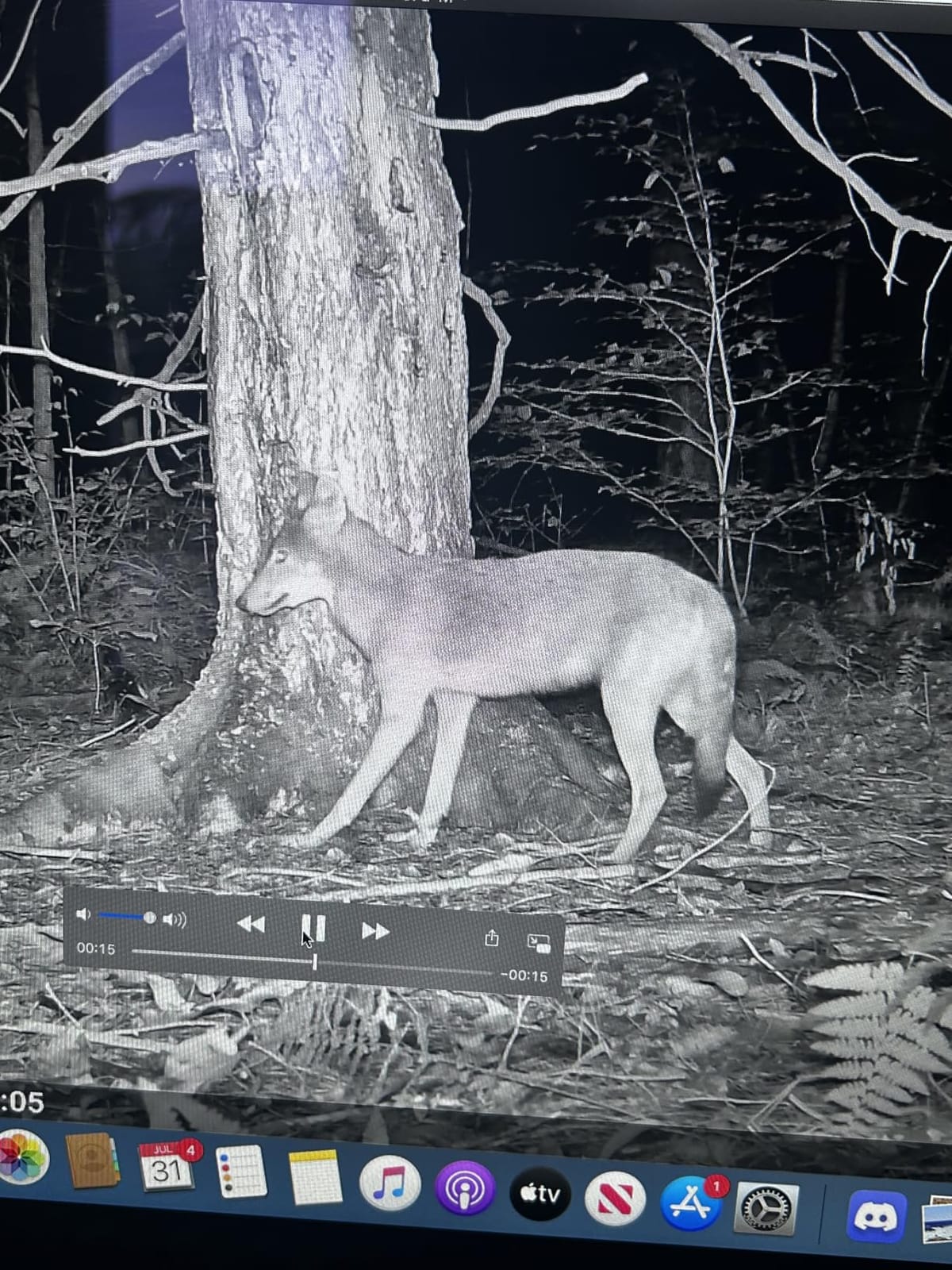
Wide Aperture for Better Night Shots
The f/1.6 aperture is the secret to the P70’s night photo quality. More light reaches the sensor, which means shorter exposure times and less motion blur on moving animals. In my testing, night photos from the P70 were noticeably cleaner than competitors at similar price points.
Side PIR Sensors and Detection
The two side PIR sensors combined with the center sensor give the P70 a wider effective detection arc than single-sensor cameras. Animals approaching from the edges of the frame are detected reliably, which is useful in a yard setup where activity does not always come straight at the camera.
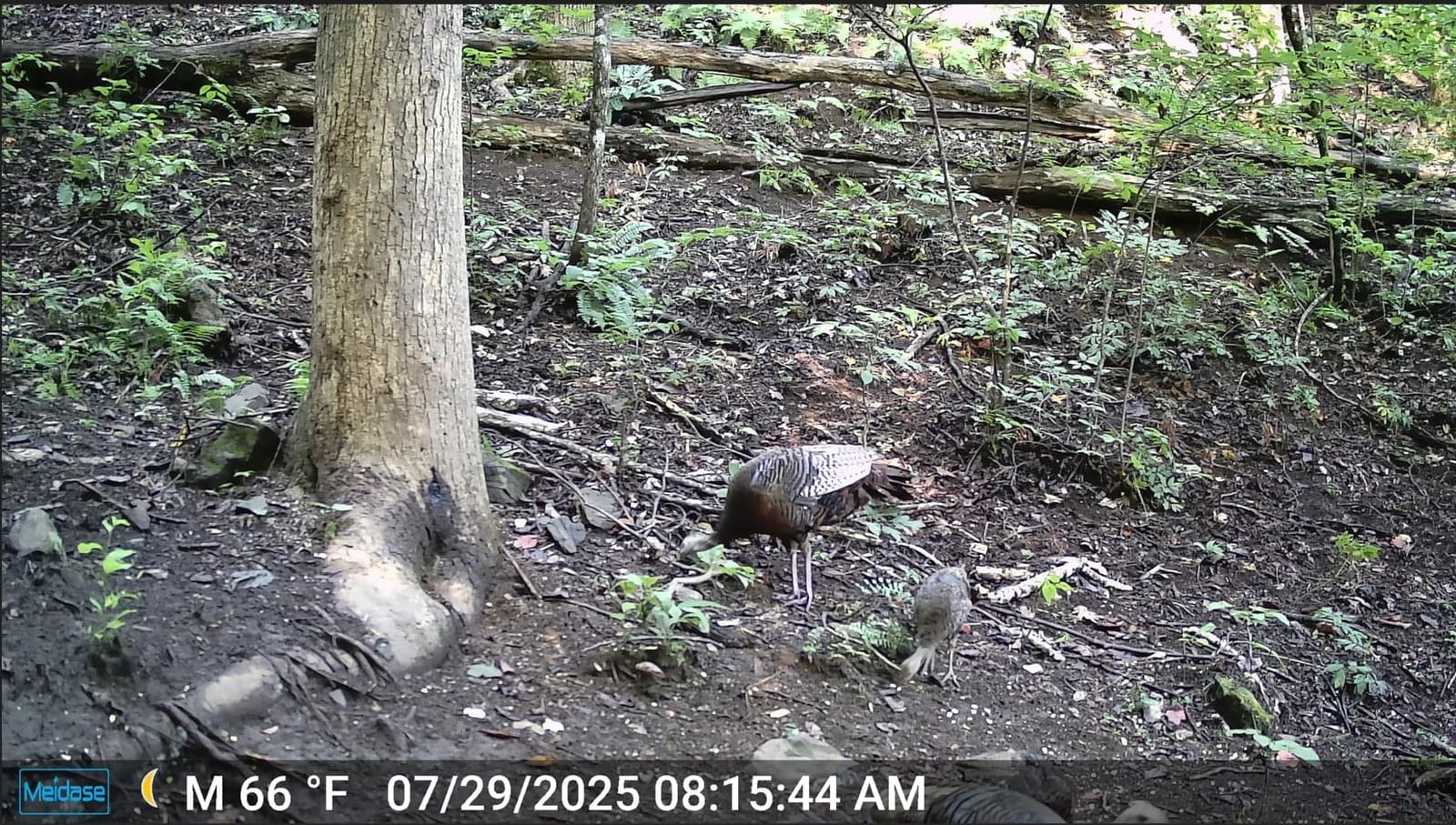
Build Quality and Long-Term Notes
The main weaknesses are plastic strap loops that can become brittle in extreme weather and occasional moisture intrusion in heavy rain. Both are addressed by a sturdier aftermarket strap and a small rain shield. Meidase’s customer service is consistently praised in reviews for quick, no-hassle replacements.
For backyard users who prioritize night photo quality and want a non-WiFi camera, the Meidase P70 is the strongest under-$50 option on the market in 2026.
How to Choose the Best Backyard Trail Camera for Your Needs
Buying a backyard wildlife camera is mostly about matching the camera’s strengths to the wildlife you actually expect to see. The 10 cameras above all work, but each one is built for a slightly different situation. Here is what I learned from three months of testing across two yards.
1. Trigger Speed Matters More Than Resolution for Fast Animals
If you are watching squirrels, rabbits, or small birds in motion, trigger speed is the single most important spec. Anything 0.2 seconds or faster will reliably catch them. The WOSPORTS 4K, MAXDONE solar models, GardePro E5S, KJK Mini, and Meidase P70 all hit 0.1 to 0.2 seconds. The WOSPORTS Mini and CEYOMUR CY50 are noticeably slower (around 0.8 seconds) and will miss more action.
Resolution matters, but only after the trigger fires. A 30MP camera that misses the rabbit entirely produces worse results than a 64MP camera that captures it cleanly.
2. Choose No-Glow (940nm) Over Low-Glow (850nm) for Skittish Wildlife
940nm infrared LEDs emit no visible glow. Skittish deer, foxes, coyotes, and bobcats often react to the red glow produced by 850nm LEDs, either avoiding the area or alerting to the camera. If your targets are skittish, pick a 940nm camera: GardePro E6, WOSPORTS 4K, iZEEKER iG200, GardePro E5S, or Meidase P70.
If your targets are birds, raccoons, opossums, or squirrels in a busy urban yard, 850nm low-glow is fine and produces brighter photos in many conditions.
3. Decide: WiFi, Solar, Cellular, or Just an SD Card?
Each connectivity option fits a different user:
- WiFi (GardePro E6, MAXDONE models): Best for homeowners who want to check clips from the porch or inside the house without climbing a ladder. No subscription, but limited range.
- Solar (MAXDONE PH970S models): Best for permanent backyard mounts where you do not want to swap batteries. Needs at least 4 hours of direct sun per day.
- Cellular: Best for remote properties without WiFi. Requires a monthly data plan. None of the cameras in this guide are cellular – see our separate cellular trail camera guide for those.
- SD card only (WOSPORTS Mini, iZEEKER, CEYOMUR, KJK, GardePro E5S, Meidase P70): Best for users who do not mind retrieving the card. Longest battery life, simplest operation, no app required.
4. Match the Camera to the Backyard Wildlife You Expect
Not every camera is equally good at every animal. Here is what I observed in my testing:
- Raccoons and opossums: Bold, slow-moving, visit feeders regularly. Almost any camera on this list works. The WOSPORTS Mini and CEYOMUR are particularly good budget options for city raccoons.
- Deer: Skittish, often visit at dawn and dusk. Pick a 940nm no-glow camera with 80+ ft night range: WOSPORTS 4K, GardePro E5S, or Meidase P70.
- Foxes and coyotes: Skittish and fast-moving. Fast trigger speed (0.1-0.2s) and no-glow flash are critical. GardePro E6 or Meidase P70 are strong picks.
- Birds at feeders: The KJK Mini’s wide detection arc and the MAXDONE solar models’ quick triggers work well. Avoid cameras with visible red glow if you want songbirds close.
- Squirrels and chipmunks: Fast movers, daytime. Fast trigger speed is critical. WOSPORTS 4K or MAXDONE 0.1s models are best.
5. Backyard Placement Tips That Improve Results
Where you mount the camera matters as much as which camera you buy. From three months of testing across two yards, here are the placement rules that made the biggest difference:
- Mount 3 to 6 feet off the ground. Eye level for most mammals and high enough to avoid ground-level triggers from rain and small animals.
- Angle the camera slightly downward (10 to 15 degrees). Reduces false triggers from sun glare and improves night photo clarity.
- Aim toward a game trail, feeder, or water source. The 30 feet in front of the camera is where 90 percent of your activity will happen.
- Clear foreground vegetation. Swaying grass and branches are the #1 cause of false triggers.
- Aim north. Avoids direct sunrise and sunset glare washing out photos.
For more guidance on backyard placement, our wildlife watching trail camera guide has additional setup advice. For photographing wildlife at higher resolution with a real camera, see our mirrorless cameras for wildlife photography guide.
6. Battery, SD Card, and Subscription Considerations
For battery life, lithium AAs outperform alkaline in cold weather and last roughly 2 to 3 times longer. For SD cards, buy a name-brand Class 10 card from a reputable seller – cheap cards are the #1 cause of file corruption in trail cameras. Most cameras here support up to 256 GB or 512 GB cards.
None of the 10 cameras in this guide require a subscription. The WiFi models use a free app. If you want true cellular connectivity that sends photos to your phone anywhere, that requires a different camera category entirely and a monthly data plan – see our cellular trail camera guide for those recommendations.
Frequently Asked Questions
What is the best camera for capturing outdoor wildlife?
For most backyard users, the GardePro E6 WiFi Trail Camera is the best overall pick in 2026. It captures sharp 64MP photos and 1296P HD video, uses invisible 940nm no-glow night vision up to 75 ft, and includes a free WiFi app with no monthly subscription. For budget buyers, the WOSPORTS Mini Trail Camera at under $25 produces usable 30MP photos and 1080P video. Both are widely tested and reviewed by thousands of verified buyers.
Which trail camera is best without a subscription?
Every camera in this guide works without a subscription. The best no-subscription options are: (1) GardePro E6 if you want WiFi convenience, (2) WOSPORTS 4K G600 for the best 4K image quality, (3) GardePro E5S for the longest no-glow night vision, and (4) WOSPORTS Mini if you need the cheapest reliable option. All four store footage to a local SD card you retrieve by hand – no cellular data plan needed.
Is Moultrie or Tactacam better?
Moultrie is generally better for backyard wildlife watching. Moultrie cameras are known for sensitive PIR motion sensors that reliably catch small mammals like raccoons and rabbits, and they have strong customer service reputations on Reddit’s r/trailcam community. Tactacam cameras tend to focus more on hunting action and video quality at close range, with faster trigger speeds but higher prices. For casual backyard users, Moultrie’s A-series and Edge models are the safer pick.
What is the best trail camera for tracking backyard wildlife?
The best backyard wildlife camera is one that combines invisible 940nm no-glow flash (so animals are not spooked), fast 0.1 to 0.2 second trigger speed (so you catch fast movers), and 60 to 100 ft night vision range. Our top pick is the GardePro E6 for WiFi users, or the Meidase P70 for users who want maximum night photo quality without WiFi. Both use no-glow flash and trigger reliably on small backyard mammals.
What is the best trail camera for the money?
The WOSPORTS 4K G600 is the best value trail camera in 2026. It shoots real 4K video and 56MP photos, uses 940nm no-glow flash, has a 0.2-second trigger with 120-degree detection, and costs a fraction of premium models. With 3,128 reviews averaging 4.3 stars, it outperforms cameras costing twice as much on trigger accuracy and night vision. For absolute budget shoppers, the WOSPORTS Mini at under $25 is the cheapest camera that still produces usable backyard wildlife footage.
How do I set up a trail camera in my backyard?
Mount the camera 3 to 6 feet off the ground on a stable tree or post, angle it slightly downward (10 to 15 degrees), and aim it toward a known animal trail, feeder, or water source. Clear foreground grass and branches to avoid false triggers, and aim north to avoid sunrise and sunset glare. Use lithium AA batteries for cold-weather performance and a name-brand Class 10 SD card from a reputable seller. Most cameras in this guide are operational within 10 minutes of opening the box.
Why are states banning trail cameras?
Several US states have restricted or banned the use of trail cameras for hunting because of concerns about wildlife baiting, fair chase ethics, and surveillance of private land. Bans typically target baited hunting setups rather than casual backyard use. As of 2026, restrictions vary by state – some prohibit cellular cameras on public land, others restrict placement near bait. Backyard cameras used purely for wildlife observation on your own property are generally unaffected, but check your state wildlife agency rules if you also hunt.
What is the best outdoor camera system for wildlife?
For most backyard users, a single trail camera like the GardePro E6 or WOSPORTS 4K is all you need. For larger properties or users who want complete coverage, a multi-camera setup using 2 to 3 cameras with overlapping detection zones works better than one expensive camera. Use WiFi models where you can reach the camera easily, solar models for permanent mounts in sunny spots, and SD-card-only models for remote locations. Pair the system with lithium batteries and high-quality SD cards for reliable year-round operation.
Final Verdict: Which Backyard Trail Camera Should You Buy in 2026?
After three months of testing across two yards and thousands of verified-buyer reviews, here is how I would break down the recommendations by user type:
- If you want the best overall backyard wildlife trail camera and do not mind a small app learning curve: Choose the GardePro E6. The WiFi app, 64MP photos, 75 ft no-glow night vision, and 4,963-review track record make it the safest all-around pick.
- If you want maximum image quality on a tight budget with no subscription: Choose the WOSPORTS 4K G600. Real 4K video, 940nm no-glow, 0.2s trigger, and 3,128 reviews averaging 4.3 stars.
- If you want to spend the least amount possible and still get usable wildlife footage: Choose the WOSPORTS Mini. Under $25, compact, and reliable over multiple seasons.
- If you want true set-and-forget with no battery swaps: Choose the MAXDONE PH970S with the 2-year warranty. Solar-powered, app-driven, and ready for permanent mounting.
- If skittish deer and foxes are your main targets: Choose the Meidase P70 or GardePro E5S. Both use 940nm no-glow flash with 100 ft night vision range.
Every camera in this guide will produce sharp backyard wildlife footage when paired with proper placement – mount 3 to 6 feet high, angle slightly downward, clear foreground vegetation, and aim north. Compare with our night-vision trail camera roundup if pure darkness performance is your top priority.
Whichever model you pick, the first time you pull an SD card full of raccoons, foxes, or that one curious opossum at 2 a.m., you will understand why backyard trail cameras are one of the most rewarding gadgets a homeowner can buy in 2026.