
If your check engine light is on, the best OBD2 scanner for DIY mechanics is the one that reads more than engine codes and still works five years from now. We spent weeks plugging twelve scanners into a spread of cars in our own garage, comparing how fast they connect, what they can actually see, and whether they charge you again in year two.
That last question matters more than most buyers expect. A surprising number of tools look cheap until the free update period ends, and a few of the cheapest ELM327-style dongles sold online are simply unreliable clones that drop connection mid-scan. Forum regulars on r/MechanicAdvice ask for the same two things over and over: lifetime free updates and honest limits.
Before we get into the picks, one clarification. An OBD2 reader only reads and clears powertrain codes from the engine computer. An OBD2 scanner is the broader term for anything that also talks to the ABS, SRS, transmission and body modules, shows live data streams, and runs active tests. Most of the units below are readers. Two of them are true scanners, and one of those adds bidirectional control.
How we tested: each tool was plugged into the same set of vehicles in our garage, checked for connection speed, code read and clear, freeze frame retrieval, live data graphing, I/M readiness status, and whether the update path actually worked on the computer we had available. Where a feature is manufacturer-dependent, we say so plainly rather than repeating the marketing claim.
Along the way we leaned on the sort of buying criteria that apply to any garage tech gear, the same decision framework we use for document scanners for receipts or picking up a film scanner for old negatives — does the tool do the one job you need, reliably, without hidden costs.
Our Top 3 Picks for DIY Mechanics in 2026

Every Scanner We Compared Side by Side in 2026
All twelve tools below plug into the standard 16-pin OBD-II port under your dash and draw power from it, so none of them need a battery for basic use. The meaningful differences are scope, screen, and what happens when you want to update the software.
| Product | Specs | Action |
|---|---|---|
| ANCEL AD310 |
|
Check Latest Price |
 MOTOPOWER MP69033 MOTOPOWER MP69033 |
|
Check Latest Price |
 FOXWELL NT301 FOXWELL NT301 |
|
Check Latest Price |
 Autel AL319 Autel AL319 |
|
Check Latest Price |
 ANCEL AD410 ANCEL AD410 |
|
Check Latest Price |
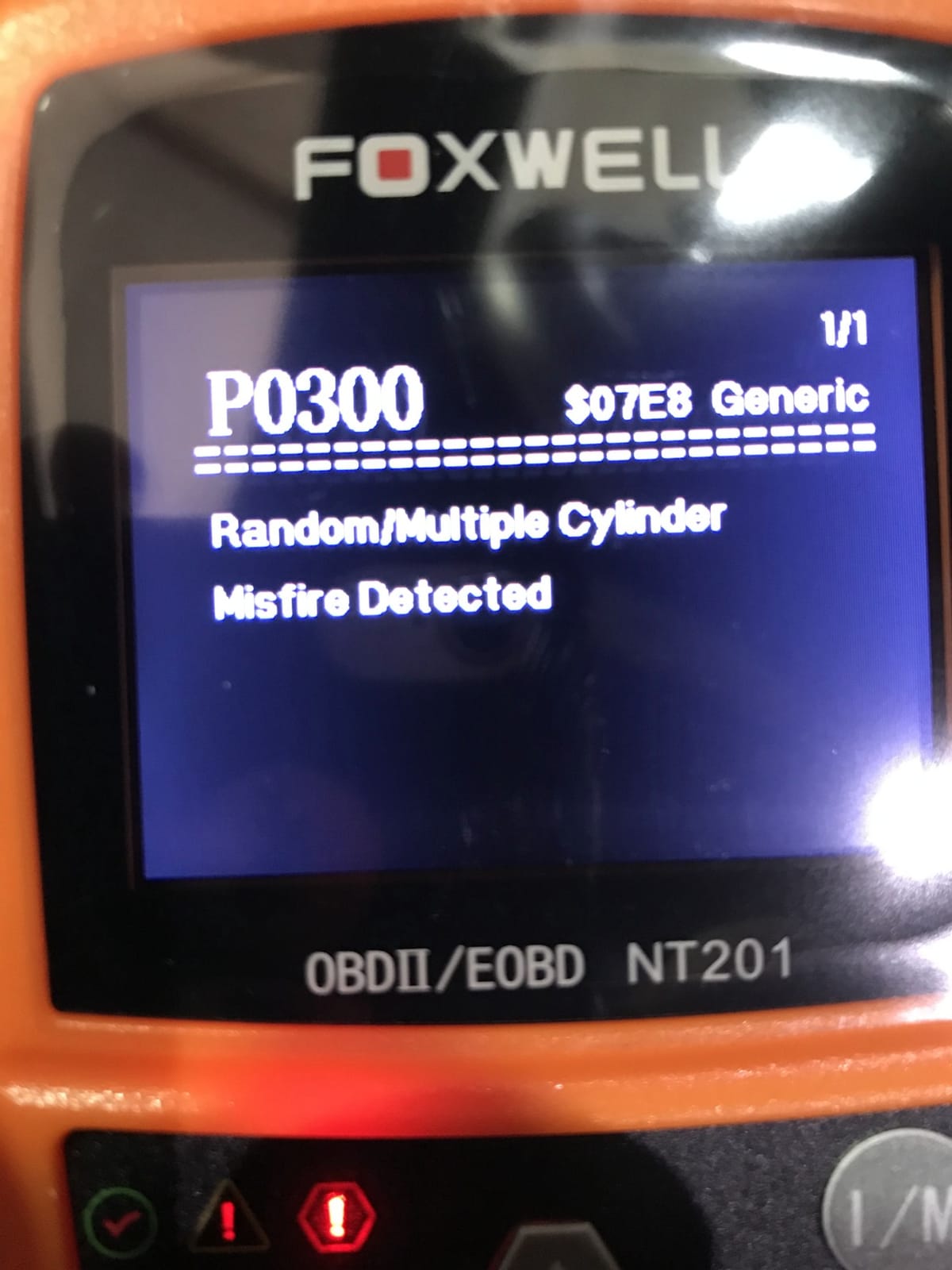
 FOXWELL NT201 FOXWELL NT201 |
|
Check Latest Price |
 AUTOPHIX 3210 AUTOPHIX 3210 |
|
Check Latest Price |
 LAUNCH Creader 3001 LAUNCH Creader 3001 |
|
Check Latest Price |
 FOXWELL NT604 Elite FOXWELL NT604 Elite |
|
Check Latest Price |
 LAUNCH CR529 LAUNCH CR529 |
|
Check Latest Price |
 Innova 5210 Innova 5210 |
|
Check Latest Price |
 Innova 5610 Innova 5610 |
|
Check Latest Price |
1. ANCEL AD310 – The Engine Code Reader Most DIYers Buy First
ANCEL AD310 Classic Enhanced Universal OBD II Scanner Car Engine Fault Code Reader CAN Diagnostic Scan Tool, Read and Clear Error Codes for 1996 or Newer OBD2 Protocol Vehicle (Black)
Engine and emission codes
2.4 inch screen
1996 and newer vehicles
Powered from OBD port
Pros
- 67000+ reviews at 4.6 stars
- Reads and clears codes in seconds
- Large built-in DTC lookup library
- No battery charger or app needed
Cons
- Engine and emissions only
- no ABS or SRS access
- Fixed 2.5 foot cable
The AD310 is the tool I keep in my own glovebox, and it is the one I hand to friends who just want to know why the light came on. It connects, reads the stored code, tells you what it means in plain language, and clears it. That whole cycle takes less time than finding the port.
What surprised me was how much it does for such a simple device. Beyond reading and clearing codes, it gives you live data, freeze frame, I/M readiness status and vehicle information. The screen is small at 2.4 inches, but the layout is clear enough to read in a dark footwell. At 12 ounces and 8.9 by 6.9 inches, it is genuinely portable.
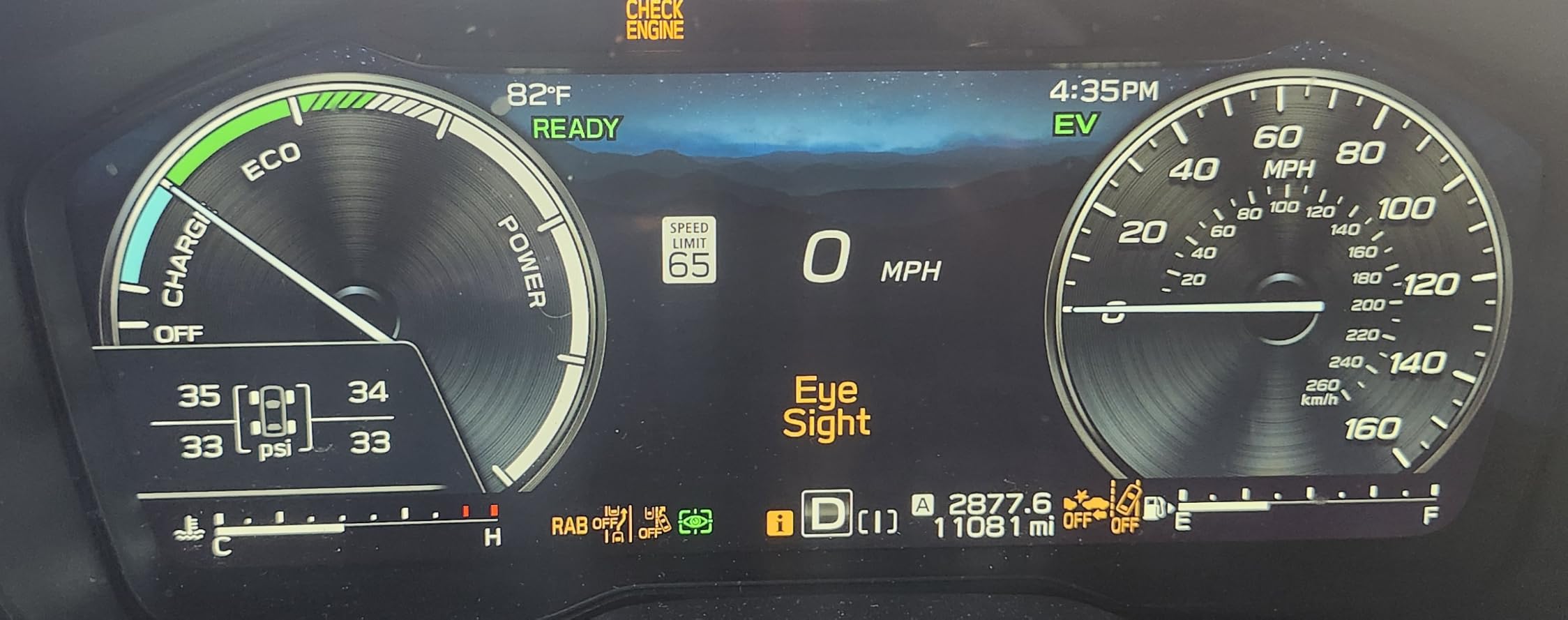
It supports all the main OBD-II protocols — KWP2000, J1850 VPW, ISO9141, J1850 PWM and CAN — which covers 1996 US-based cars, 2000 and newer European cars, and most Asian vehicles from that era. It is powered straight from the diagnostic port, so there is no charging ritual and nothing to forget in a drawer.
What the AD310 Cannot Tell You
This is the honest limit and it matters if you are shopping. The AD310 reads powertrain and emissions codes only. It will not see an ABS light, an airbag light, a transmission fault or a battery registration problem. If your warning light is amber and shaped like a brake disc with an exclamation mark, this tool simply will not have the answer.
Reviewers report this same boundary repeatedly across 66,759 ratings, and it is the single most common reason people return to a different model. For a check engine light on a gasoline car with no other symptoms, that limitation rarely comes up.
Why It Still Takes the Top Slot
Rating and volume together. A 4.6 average across 66,759 reviews is the strongest combination in this roundup, and the tool is a category best seller. It is also the least demanding to own: no app to pair, no phone to charge, no update server to visit, and no subscription waiting in year two.
If you want a step up in code lookup depth and built-in sensor tests, the ANCEL AD410 adds O2 and EVAP modes for a modest step up. If you need ABS and transmission access, jump to the Foxwell NT604 Elite further down.
2. MOTOPOWER MP69033 – Best Value With a Backlit Screen and Six Languages
MOTOPOWER MP69033 Car OBD2 Scanner Code Reader Engine Fault Scanner CAN Diagnostic Scan Tool for All OBD II Protocol Cars Since 1996, Yellow
Engine codes and live data
2.8 inch backlit LCD
6 languages
9 OBD-II protocols
Pros
- 4.6 stars across 52263 reviews
- Built-in DTC lookup library
- Real-time curve display
- Compact 10.2 ounce body
Cons
- No ABS airbag or oil service codes
- Engine systems only
- Screen film scratches easily
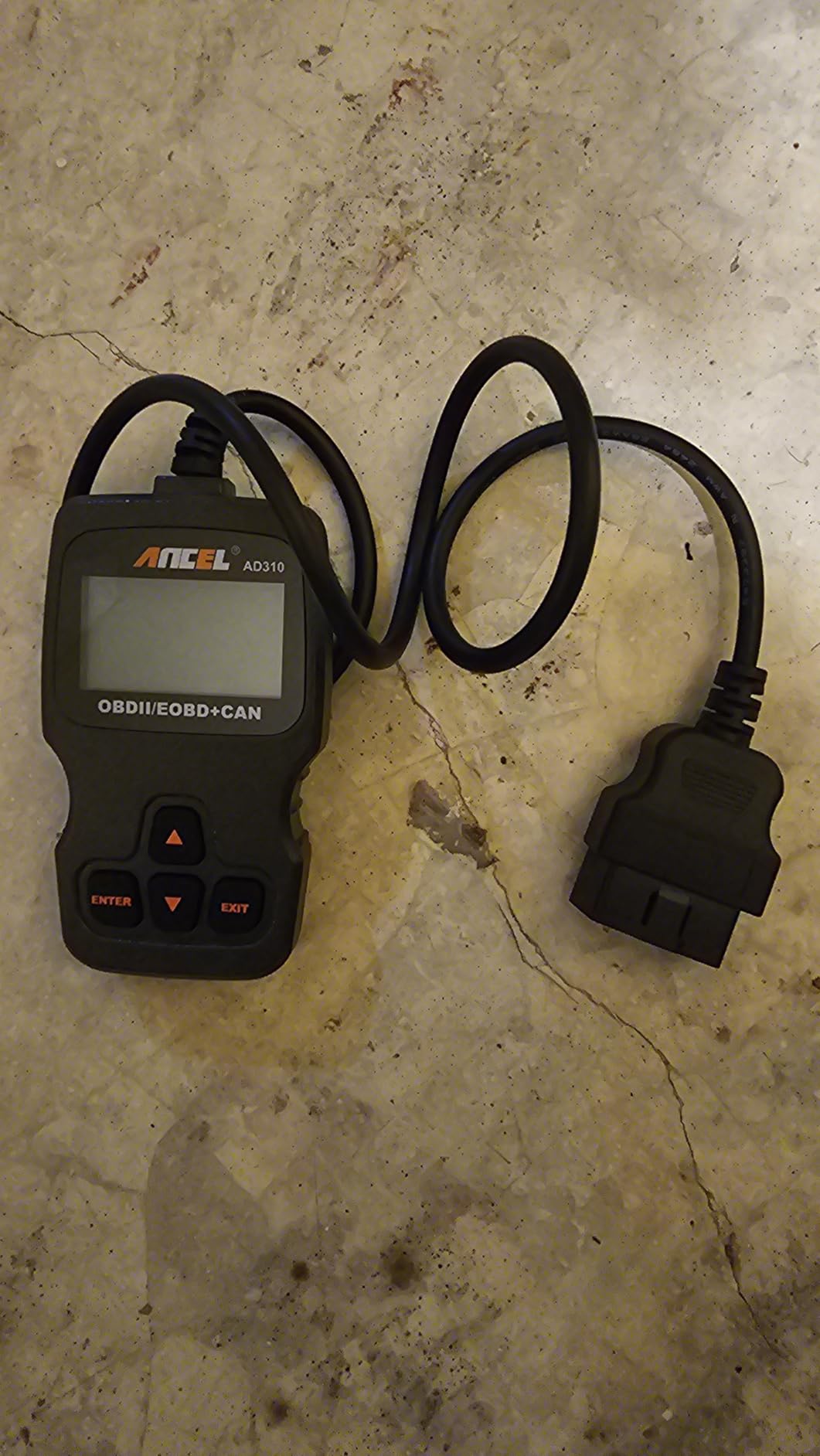
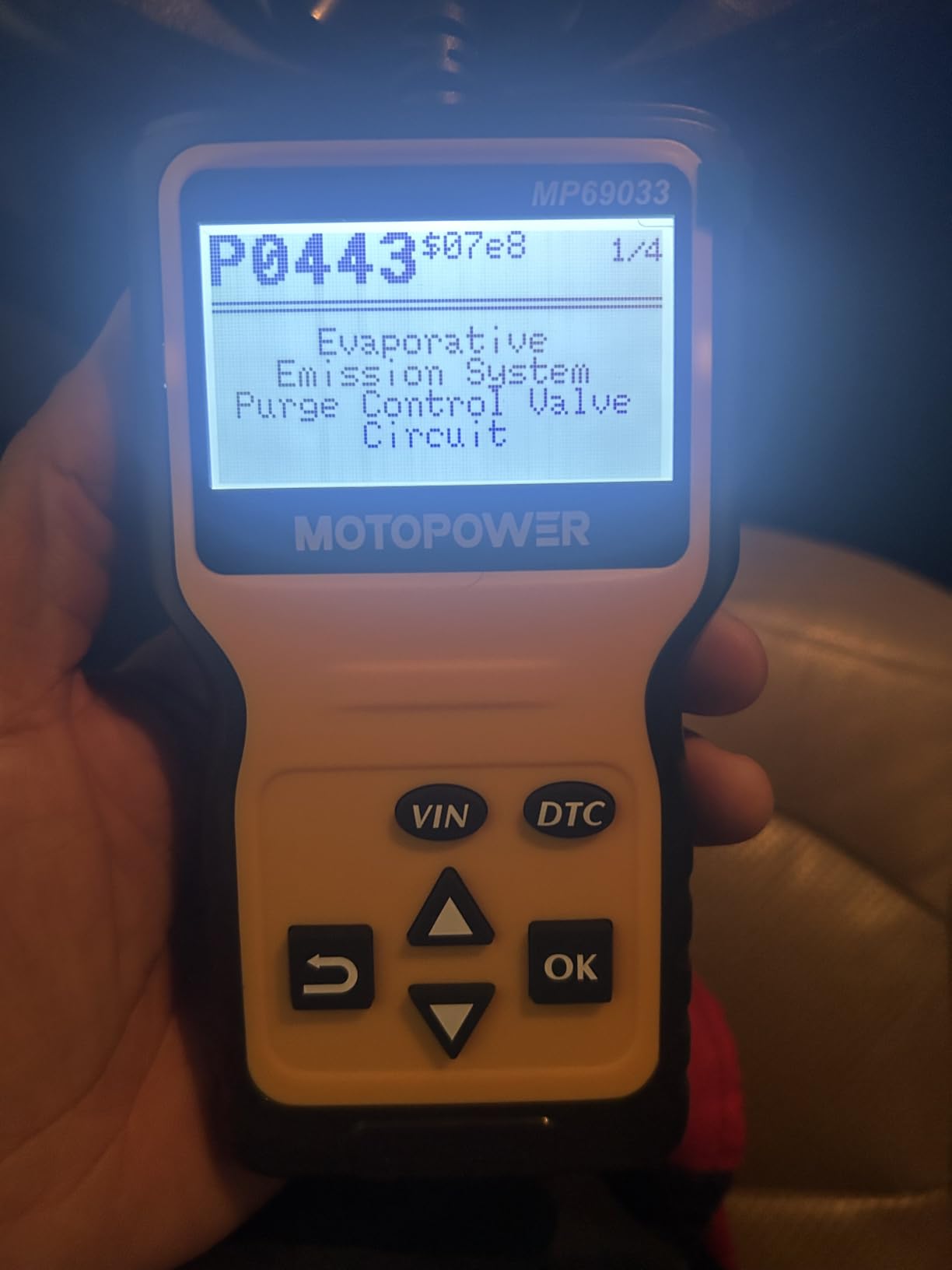
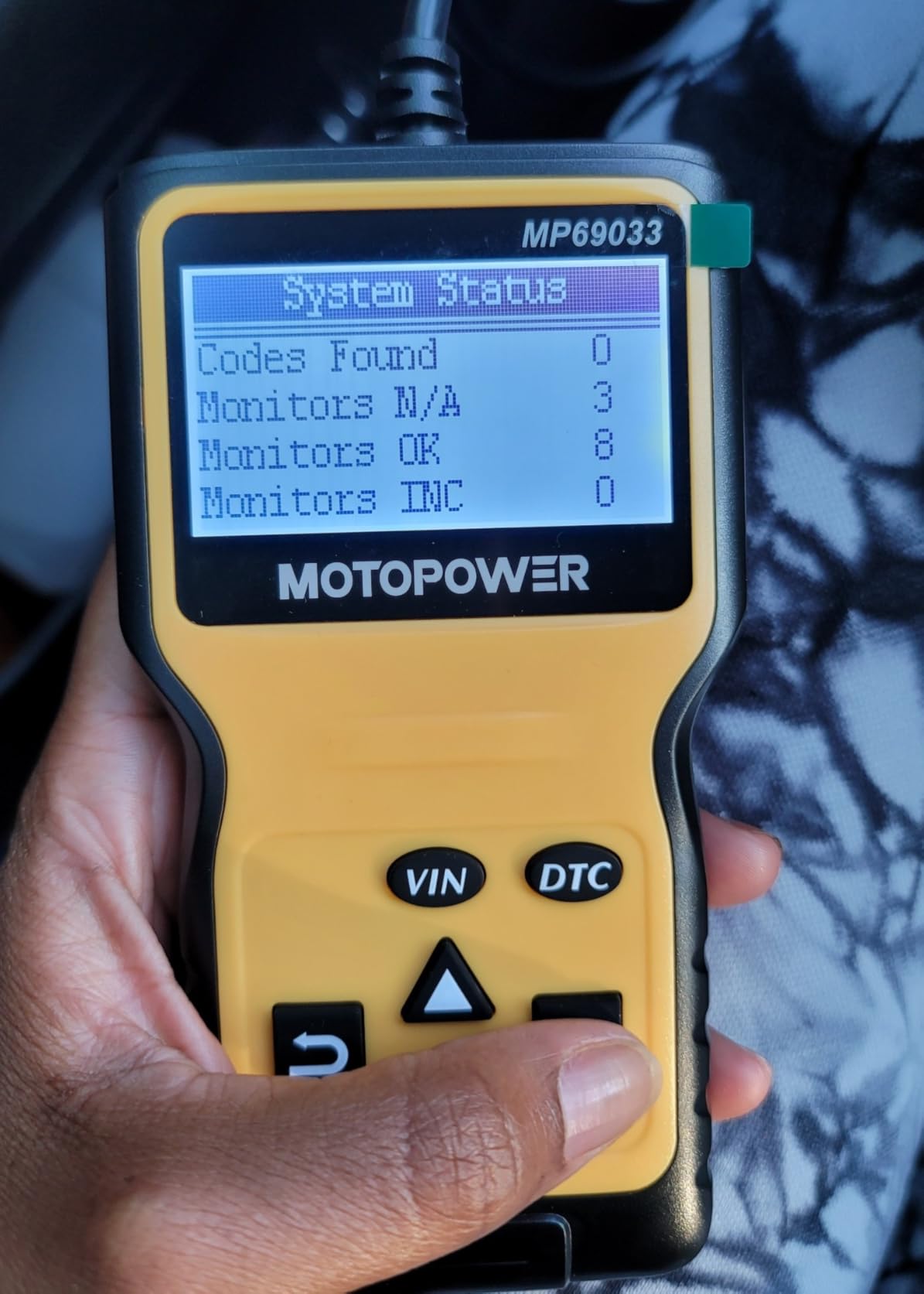
The MP69033 is the one I recommend to anyone who has never held a code reader. It has a bigger screen than most of its class at 2.8 inches, a white backlight with contrast adjustment, and six physical buttons that map cleanly to the menu. You do not have to learn a touchscreen to get through a scan.
Functionally it sits just above the entry tier. Alongside reading and erasing codes and freeze frame, it gives you I/M ready status, vehicle info, a data flow view and a real-time curve for speed, load value, coolant temperature and engine speed. That curve is genuinely useful for watching fuel trims settle after a repair.
Where It Beats the Cheapest Readers
Language support is the quiet advantage. It runs in English, German, Dutch, Spanish, French and Italian, and it covers nine OBD-II protocols across 1996 US-based, 2000 EU-based and Asian vehicles. If you work on an older European import, that protocol list matters more than it does for a modern domestic car.
The Same Engine-Only Ceiling
Reviewers across 52,263 ratings point to the same limitation: no ABS, airbag or oil service light codes. It is an engine and emissions reader, full stop. Also worth knowing, the protective film on the screen scratches easily, so keep the unit in a pouch rather than loose in a toolbox.
For a family car that shows a check engine light and nothing else, this is the sweet spot. For ABS or transmission work, keep reading.
3. FOXWELL NT301 – The Smog Readiness Helper With Live Data Graphing
FOXWELL NT301 OBD2 Scanner Live Data Professional Mechanic OBDII Diagnostic Code Reader Tool for Check Engine Light
One-click I/M readiness
EVAP and O2 sensor tests
2.8 inch color screen
Lifetime free updates
Pros
- 4.5 stars across 30199 reviews
- Red yellow green readiness indicator
- EVAP check and O2 sensor test modes
- No subscription ever
Cons
- Engine and emission systems only
- Updates need a Windows PC
- Feature set varies by vehicle
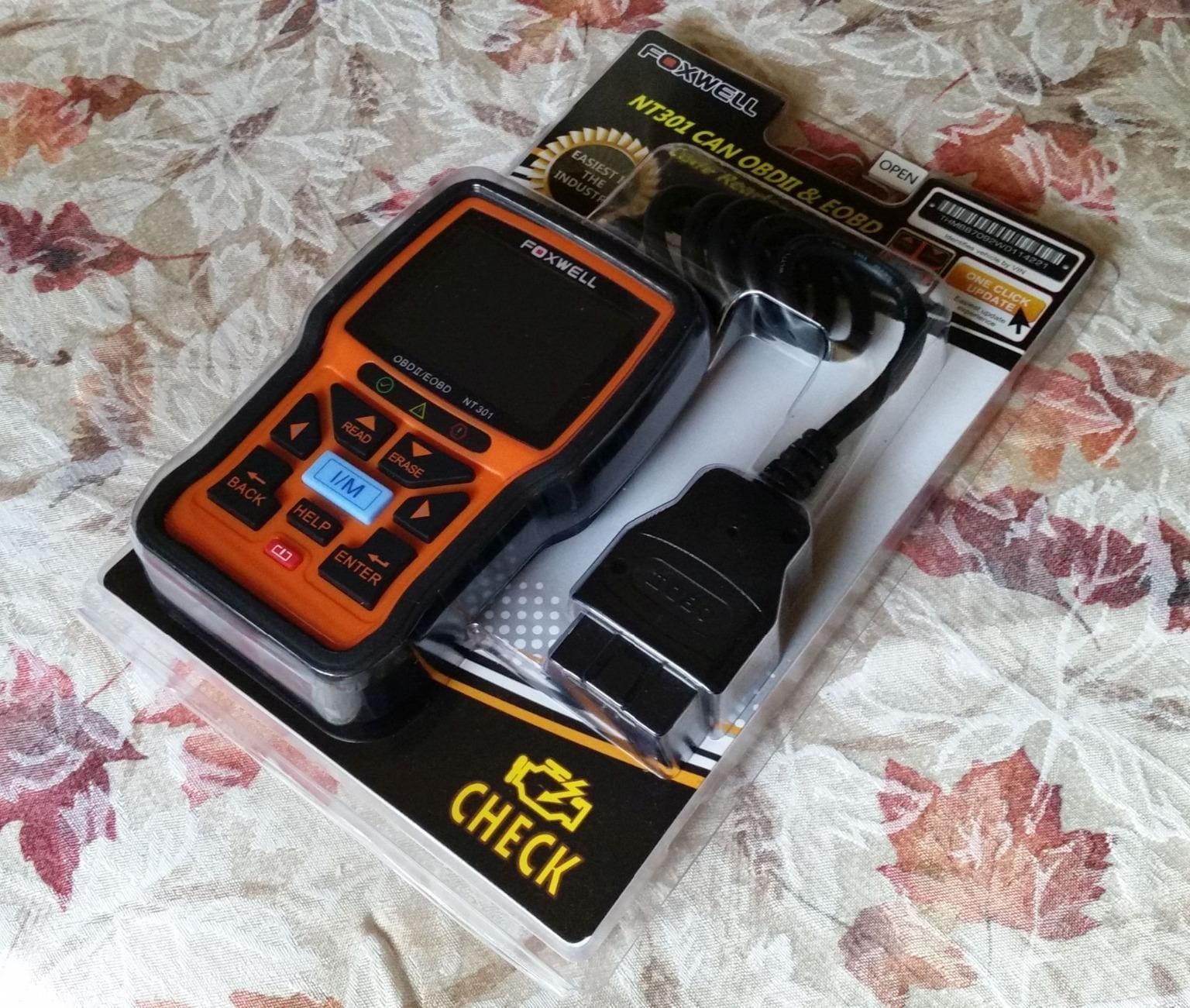
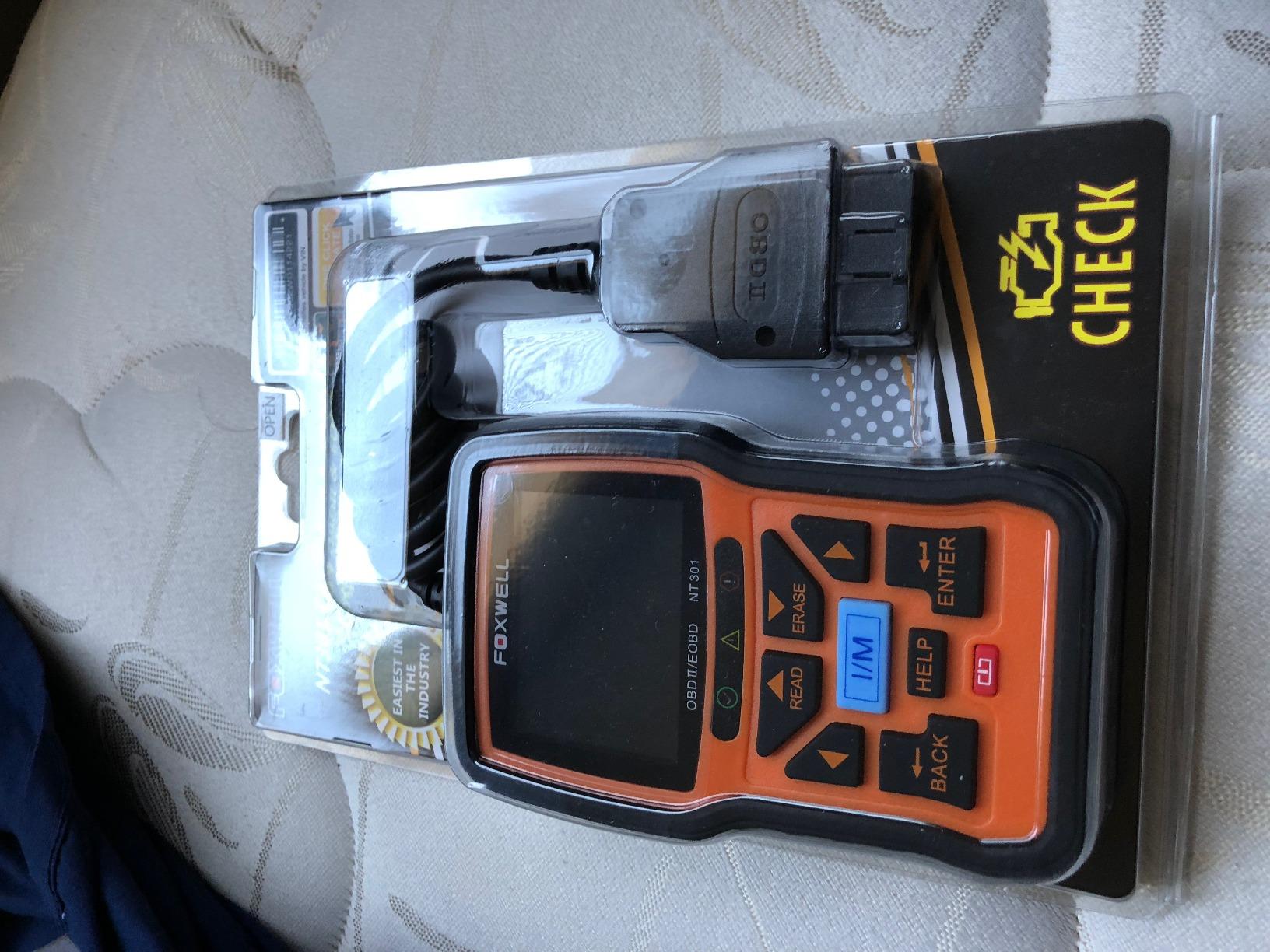
The NT301 earns its place through one feature: a one-click I/M readiness check with a red, yellow or green LED indicator and a built-in speaker. Before you queue for a state emissions test, this tells you whether your monitors are ready or whether you just cleared a code and drove yourself into a failure. That alone saves the retest fee in most states that charge one.
It also goes a step beyond reading codes. The EVAP system check and O2 sensor test modes are the kinds of functions that used to be shop-only, and live data graphing for oxygen sensors, fuel trims, coolant temperature and RPM makes this feel closer to a technician tool than a code reader.
Clearing Codes Without Fooling Yourself
A nice detail reviewers mention: the NT301 clears the check engine light, but if the underlying fault is still there the code comes right back. That is exactly what you want. A tool that hides the light without fixing the cause just delays the problem, and the ones with a genuine readiness screen make it obvious when a repair did not hold.
It covers KWP2000, J1850 VPW, ISO9141, J1850 PWM and CAN, working across most 1996 and newer US gasoline cars, light trucks and SUVs, plus 2000 and newer European and Asian models and 12V diesel OBD2 vehicles.
The Windows-Only Update Catch
This is the one real friction point. Software updates require a Windows PC — Mac and iOS are not supported. The updates themselves are free for life and there is no subscription, which is why the tool still stands out, but if your only computer is a laptop without Windows you should know that before you buy.
Reviewers also caution that functionality varies by year, make, model and VIN, so confirm coverage for your specific vehicle first. Scope is still engine and emissions; there is no ABS, SRS or transmission access.
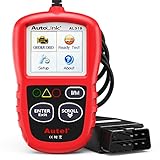
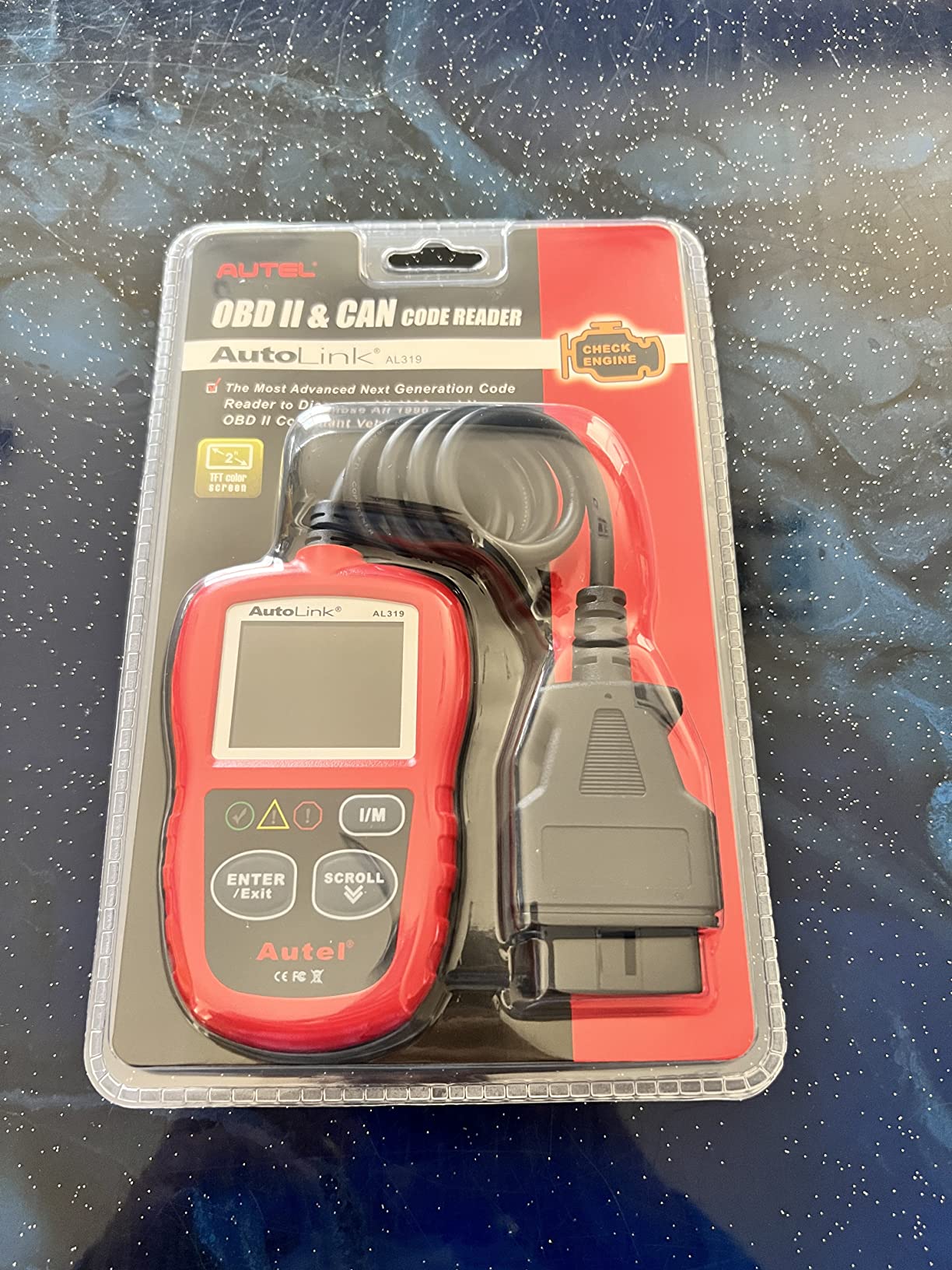
4. Autel AL319 – The Easiest Plug-and-Play Reader for First-Time Owners
Autel AL319 Professional OBD2 Scanner, Enhanced Check Engine Code Reader
Patented one-click I/M readiness
TFT color display
7 languages
1996 and newer
Pros
- 4.6 stars across 26141 reviews
- Turn and plug operation with no battery
- Color display with speaker and LED
- 12 month warranty and lifetime updates
Cons
- Engine and emissions codes only
- Fixed cable cannot be detached
Autel is a name that shows up on shop equipment, so the AL319 was the tool I was most curious about at this tier. It delivers on the simple promise: plug it into the port, press a button, read the code. There is no setup, no language config, no account, and no battery to charge.
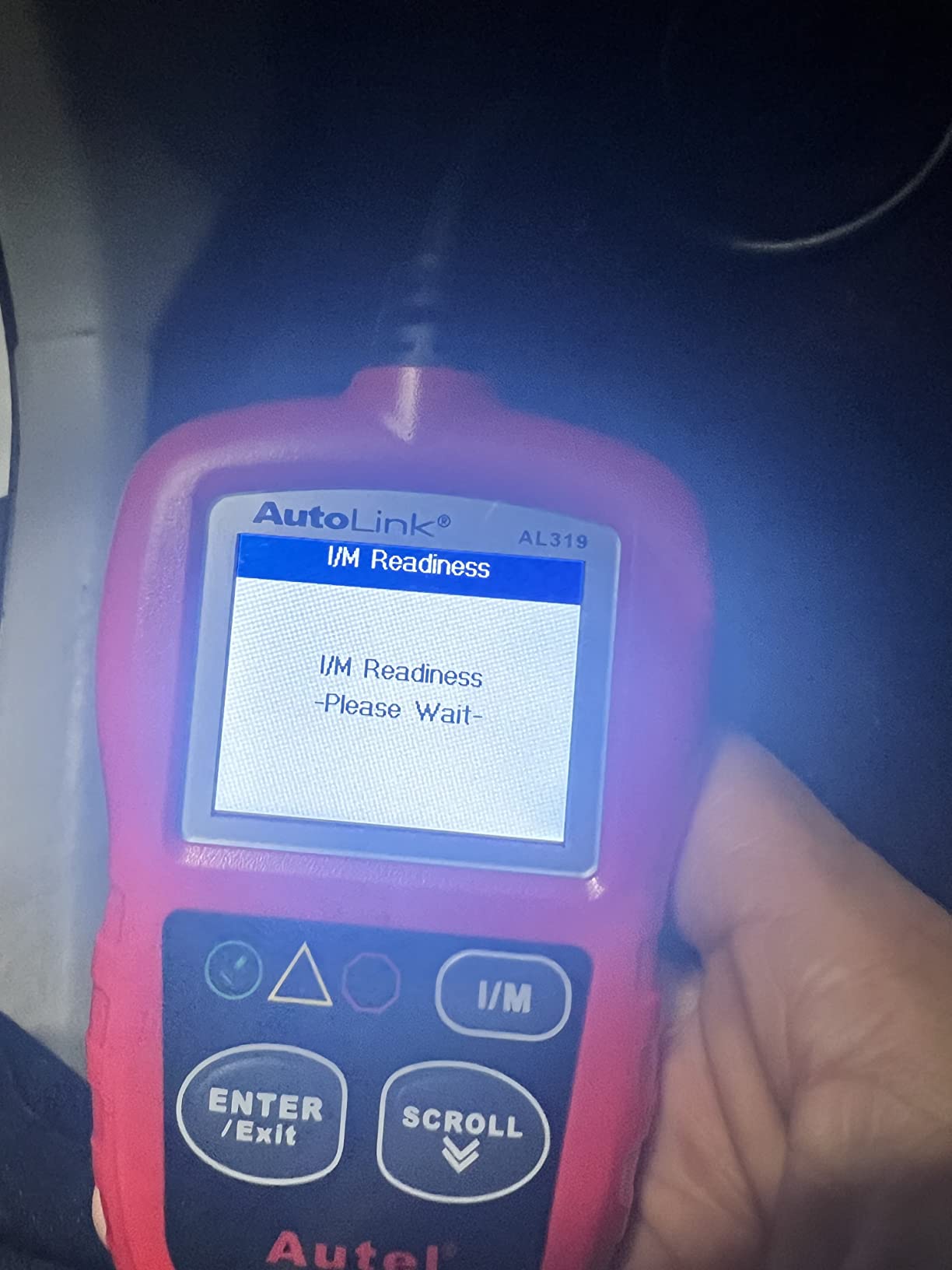
Its patented One-Click I/M Readiness function is the feature I used most. One press gives you the emissions monitor status, which is the same information a smog station checks first. The TFT color display with a built-in speaker and LED indicator is more screen than most rivals in this range.
Build, Screen and Everyday Handling
At 177 grams and 4.61 by 2.83 by 0.71 inches, this is the most pocketable tool we tested. Reviewers consistently mention reliable code lookup definitions, which sounds minor until you are standing in a driveway at dusk trying to work out what P0420 means from memory. It handles reading and clearing DTCs, DTC lookup, live data, freeze frame, I/M readiness and vehicle information across seven languages for post-1996 OBD-II protocol vehicles, backed by a 12 month warranty and lifetime free software updates.
Who Should Skip It
If you own a car with a complex electronics package or you routinely deal with ABS and airbag lights, the engine-only scope rules it out. Same if you want a detachable cable — the attached lead cannot be removed, so storage is a little awkward in a small toolbox.
For a single car, a check engine light and an occasional emissions check, it is a genuinely low-friction purchase. For a growing garage collection, the detachable-cable options further down serve better.
5. ANCEL AD410 – More Than Code Reading, With 42000+ Lookups On Board
ANCEL AD410 Enhanced OBD2 Scanner, Vehicle Code Reader for Check Engine Light, Automotive OBD II Scanner Fault Diagnosis, OBDII Scan Tool for All OBDII Cars 1996+, Black/Yellow
42000 plus DTC lookups
O2 sensor and EVAP tests
2.4 inch color screen
No app needed
Pros
- Large built-in code library
- O2 sensor and EVAP test modes
- I/M readiness at a glance
- No battery or Bluetooth required
Cons
- Engine and emission codes only
- No bidirectional control or service resets
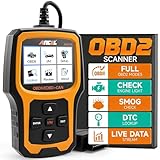
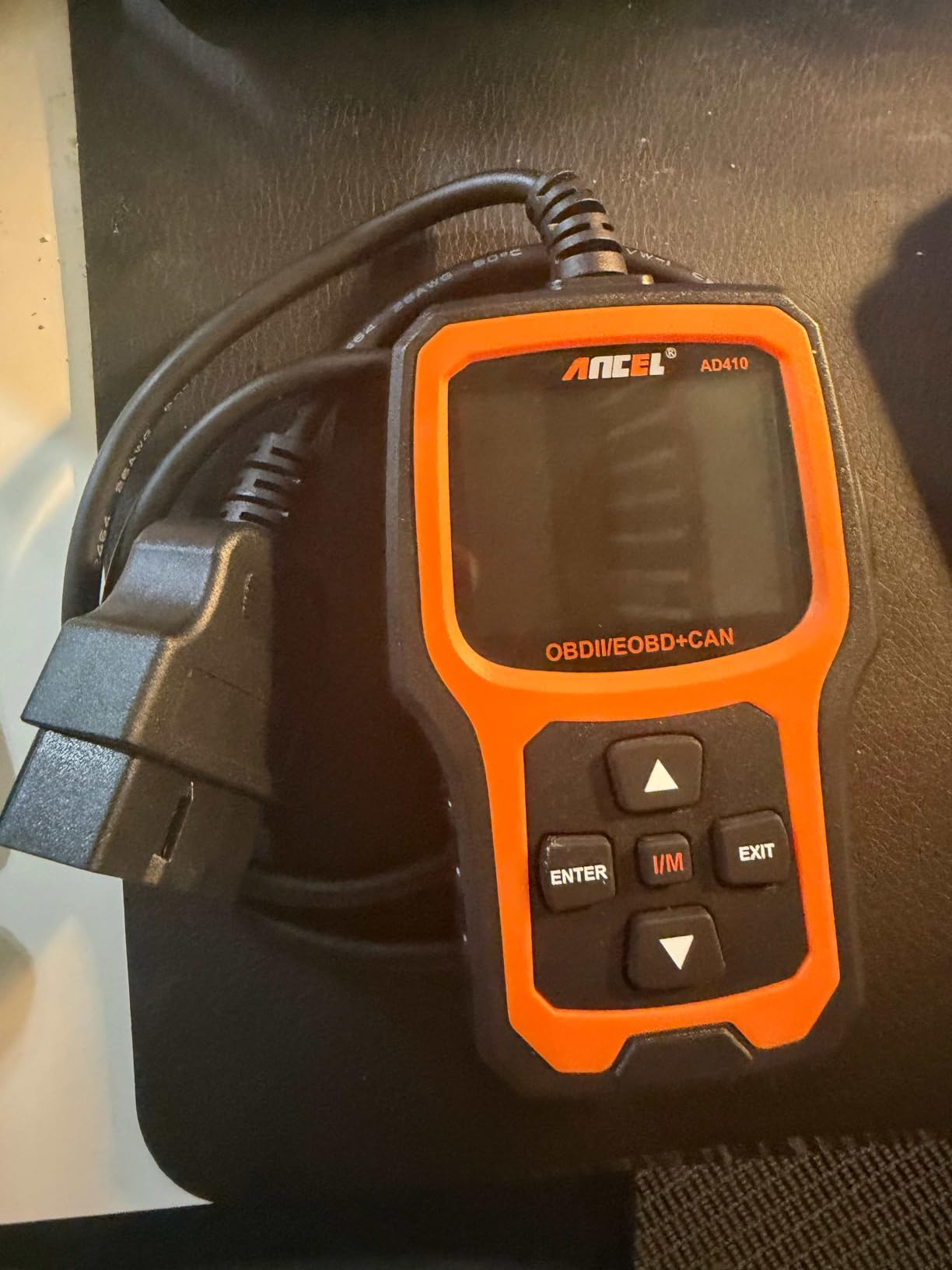
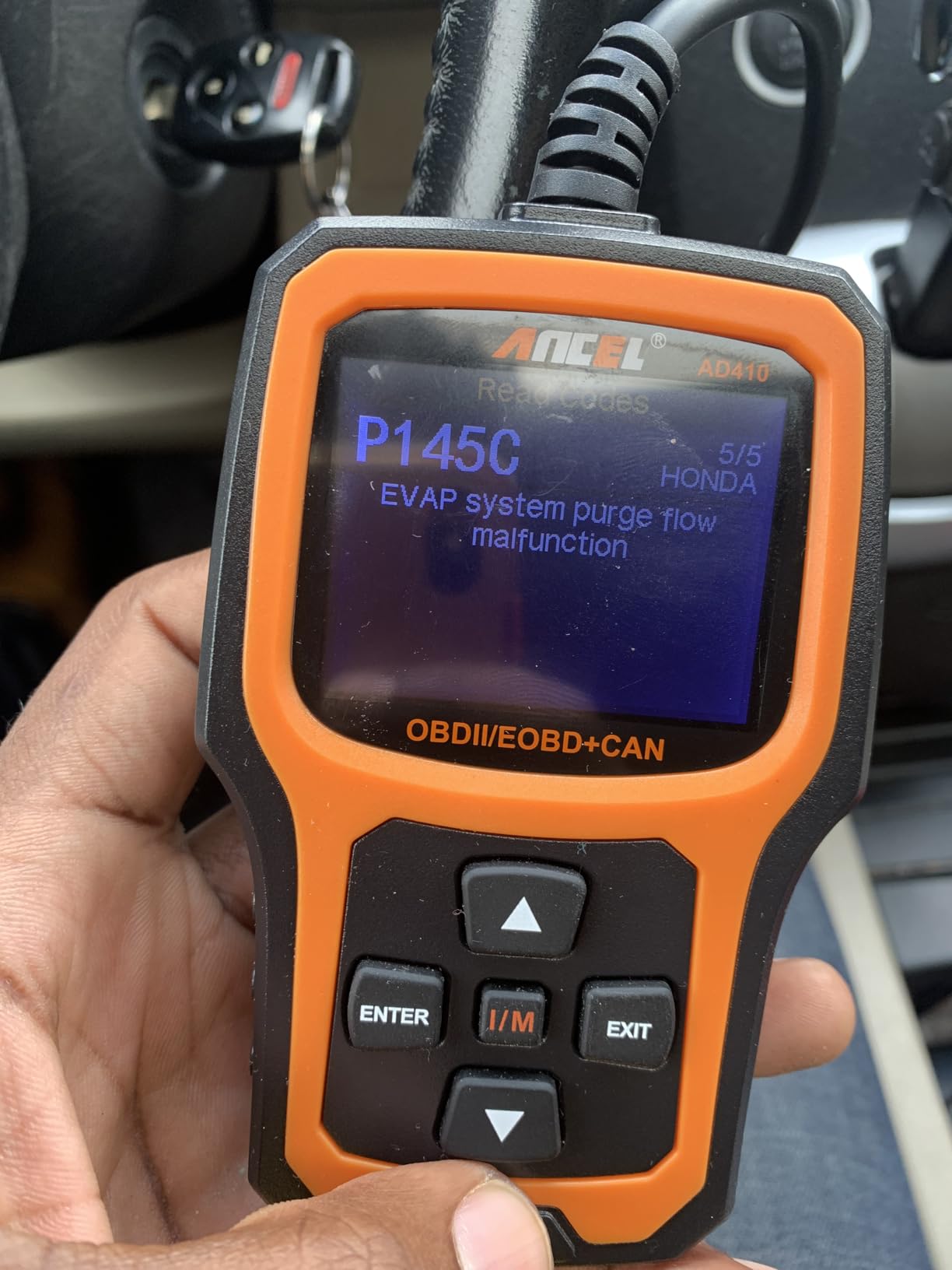
The AD410 is the step up from the AD310, and the difference is depth rather than speed. Its 42000-plus built-in DTC lookups mean you rarely need a phone to decode a code, and the 2.4 inch color display has enough room to show a short description under the code itself.
Beyond the basics it adds real test modes. There is an O2 sensor test, an EVAP test, and real-time engine data for RPM, coolant temperature, fuel trim and oxygen sensor readings. Fuel trim is the number I watch most — if short-term trim sits far off zero while the engine is at idle, something is wrong upstream of the sensor you are about to replace.
Sensor Testing Without a Scan Tool Subscription
Most scanners at this level make you buy a subscription for deeper menus. The AD410 does not. It covers read and clear codes, live data, freeze frame, I/M readiness, O2 sensor test, EVAP test, vehicle information and MIL status, with free software updates and ANCEL technical support behind it.
It runs on CAN, ISO9141, KWP2000, J1850 VPW and J1850 PWM, and it draws power straight from the OBD2 port, so there is no battery, charger, Bluetooth pairing or app in the box. Reviewers who are tired of pairing problems with Bluetooth dongles specifically call that out as a relief.
The Ceiling Is Still the Engine Bay
It reads engine and emission codes only, with no ABS, SRS or transmission diagnostics. There is also no bidirectional control and no service reset functions, so it cannot command a component to switch on and off to prove whether the part or the wiring failed.
If you want module coverage instead, the Foxwell NT604 Elite covers engine, ABS, SRS and transmission in one unit. If you want bidirectional commands, the Innova 5610 is the only tool in this roundup that has them.
6. FOXWELL NT201 – A Rugged Reader That Handles Hybrids Too
FOXWELL NT201 OBD2 Scanner Engine Code Reader for Cars and Trucks
Works on 1996+ gas vehicles and hybrids
O2 sensor monitoring
2.4 inch color screen
Lifetime updates
Pros
- Durable build that survives drops
- One-key emissions readiness check
- O2 monitoring for fuel economy checks
- No subscription fees
Cons
- No ABS airbag or transmission codes
- Not for electric vehicles or 24V trucks
- Bundled USB cable can be charge only
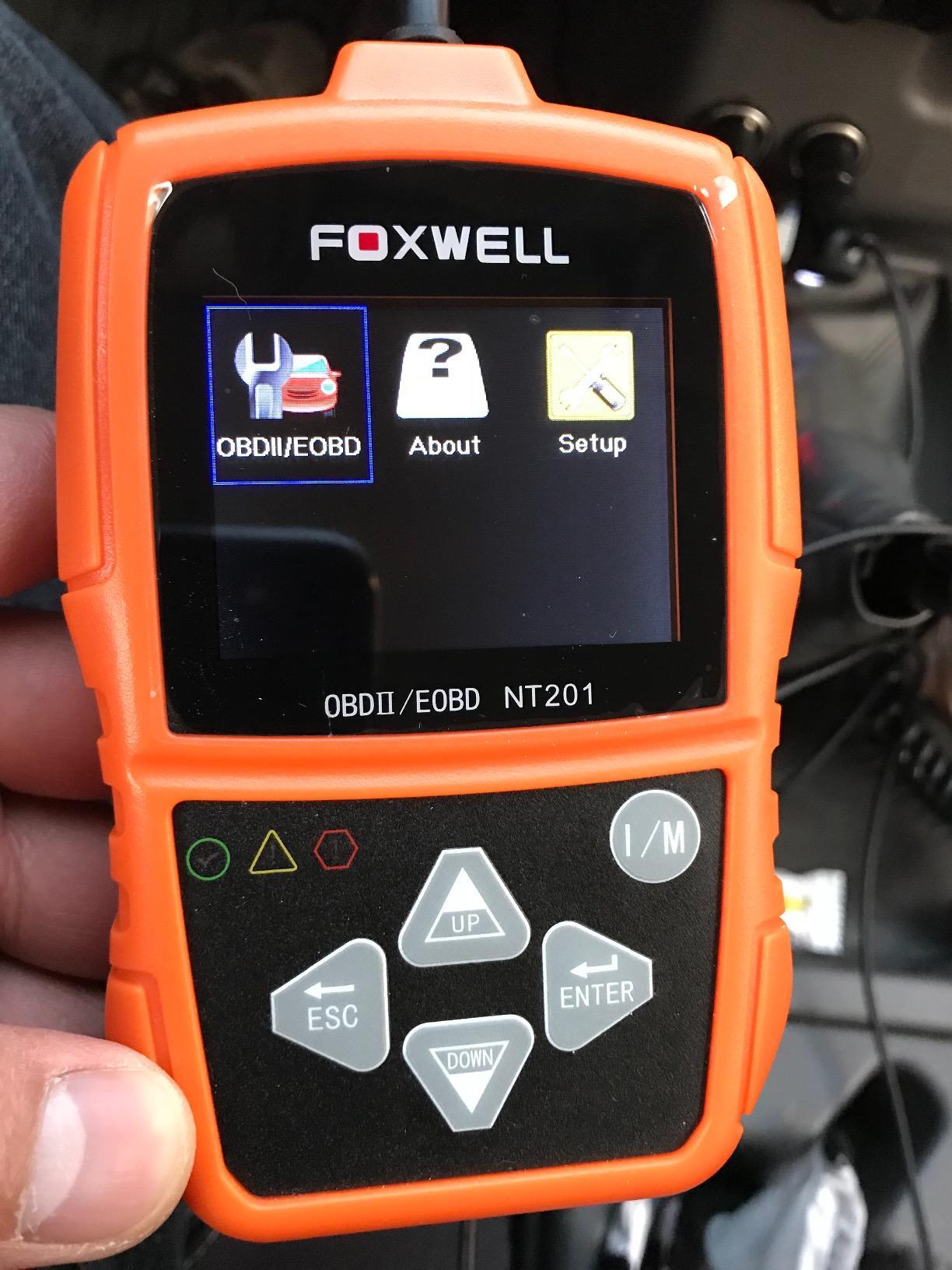
The NT201 is a middle step between the plainest readers and the feature-packed ones, and its standout is hybrid coverage. It works with virtually all 1996 and newer US gasoline vehicles on the 16-pin connector, hybrids included, which is more than most engine readers in this price band claim.
The one-key emissions readiness check uses red, yellow and green indicator lights, so you can confirm monitor status without navigating a menu. The 2.4 inch color screen shows live data for RPM, coolant temperature, intake air temperature and oxygen sensor readings, and an O2 monitoring test lets you judge whether the air-fuel mixture is actually right.
Durability Over Features
What reviewers mention most is build quality. The NT201 is described repeatedly as durable enough to survive being dropped, and at 3 by 0.8 by 4.7 inches with a 0.24 kg weight it is a tool you can toss in a mechanic tote without ceremony. It is plug and play with no external power source or battery required, and updates are free for life with a 12 month manufacturer warranty.
Two Practical Warnings
It is engine and emissions only — no ABS, airbag or transmission coverage. It also does not support electric vehicles or 24V heavy-duty trucks, which matters if you own a battery-electric car or run a diesel rig rather than a gas sedan.
One more small thing reviewers flag: the included USB cable is sometimes a charge-only cable, so you may need a data cable for software updates. And the manual is thin, so plan on learning the menus by doing.
7. AUTOPHIX 3210 – A Small Bluetooth Scanner With a Surprisingly Deep App
AUTOPHIX 3210 OBD2 Scanner for DIYers – Fix Check Engine Light
Bluetooth dongle with free phone app
0-60 performance test
I/M readiness and EVAP status
3 year warranty
Pros
- Tiny and pairs fast with a phone
- No subscriptions ads or paywalls
- Lifetime free app updates
- Live data dashboard
Cons
- Engine diagnostics only
- Dated companion app
- Minimal written instructions
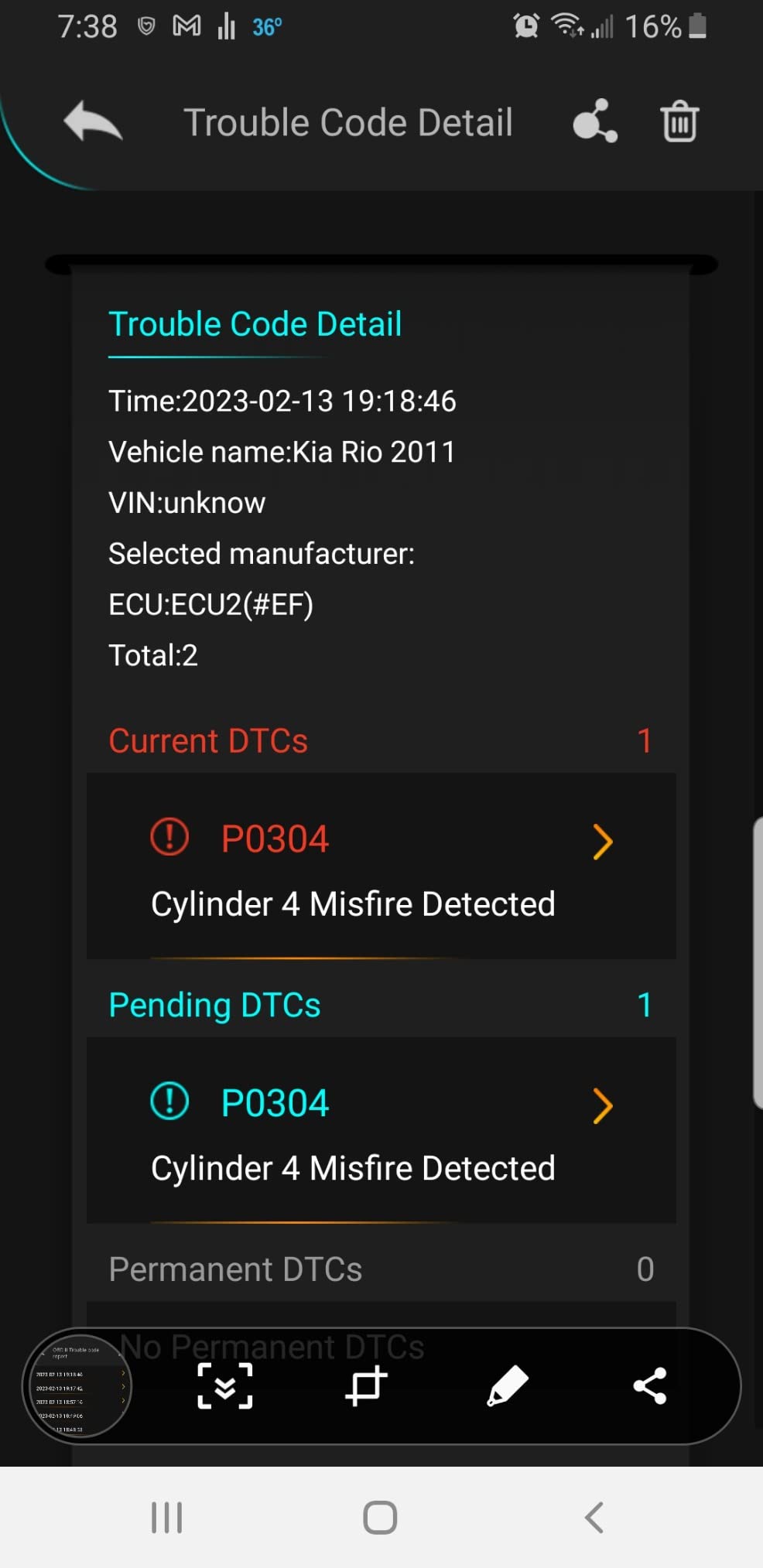
The AUTOPHIX 3210 is a Bluetooth dongle, not a handheld. It plugs into the port, pairs with a free iOS or Android app, and puts the whole interface on your phone. At 2.36 by 1.97 by 0.98 inches it is the smallest tool here, and the phone screen it borrows is far larger than any 2.4 inch LCD.
What surprised me was the depth of the dashboard module. It exposes MAF, spark advance and throttle position values that factory gauges simply do not show you, plus real-time data, freeze frame, I/M readiness and EVAP system status. There is also a 0-60 performance test, which is a practical way to confirm a repair actually improved the car rather than just silencing a code.
No Subscription, and That Is the Selling Point
The app is free, has no subscriptions, no ads and no paywalls, and app updates are free for life. That is the opposite of what Bluetooth tools used to do, and it is why this one earns a place. You also get a 3 year manufacturer warranty, which is longer than most in this roundup.
Compatibility is broad: plug and play on most OBD2-compliant cars, trucks and SUVs sold in the US since 1996. Codes come back in plain English and clear in seconds, which is exactly the workflow a first-time owner wants.
App Quality Is the Real Weak Spot
Be honest about this one. Reviewers across 7,227 ratings repeatedly call the companion app dated, and it cannot be used with third-party OBD apps. So you are locked to that interface, and there is no way to pipe the data into something better.
Scope is engine diagnostics only as well, so it will not clear ABS, SRS or transmission codes. Instructions are minimal. If you want Bluetooth but also want broader module coverage, this is not the tool — the Innova 5210 pairs with an app and also reads some ABS codes.
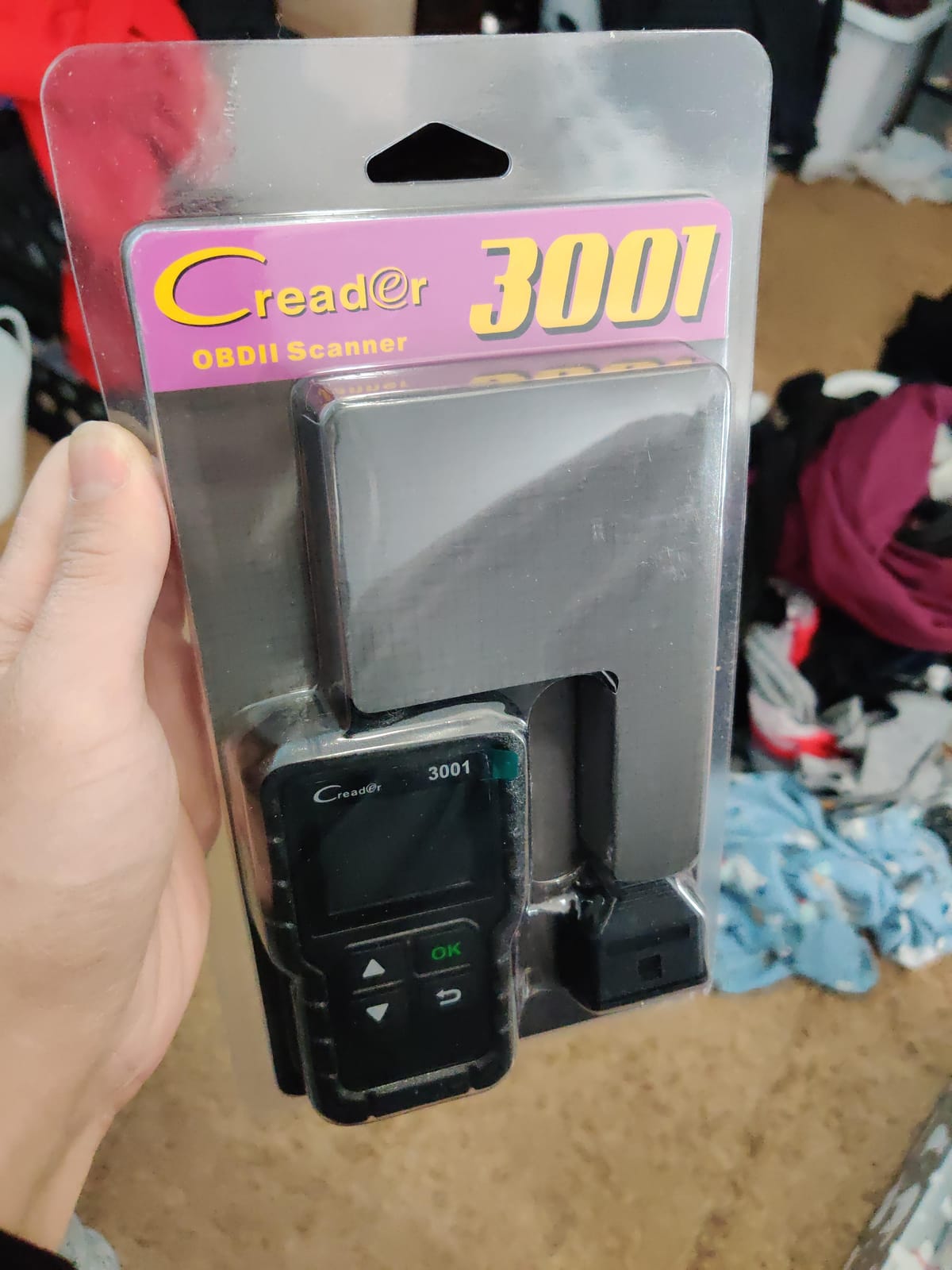
8. LAUNCH Creader 3001 – The Lowest-Cost Way to Read and Clear Codes
LAUNCH Creader 3001 OBD2 Scanner, Check Engine Code Reader, Lifetime Update
Lowest cost in this roundup
Built-in code definitions
I/M ready and EVAP tests
2.5 foot cable
Pros
- Cheapest tool we tested
- Built-in fault code definition library
- Full engine OBD2 test set
- Free exchange in one month
Cons
- Very small 1.75 inch screen
- Updates are Windows only and awkward
- Limited on-screen code explanation
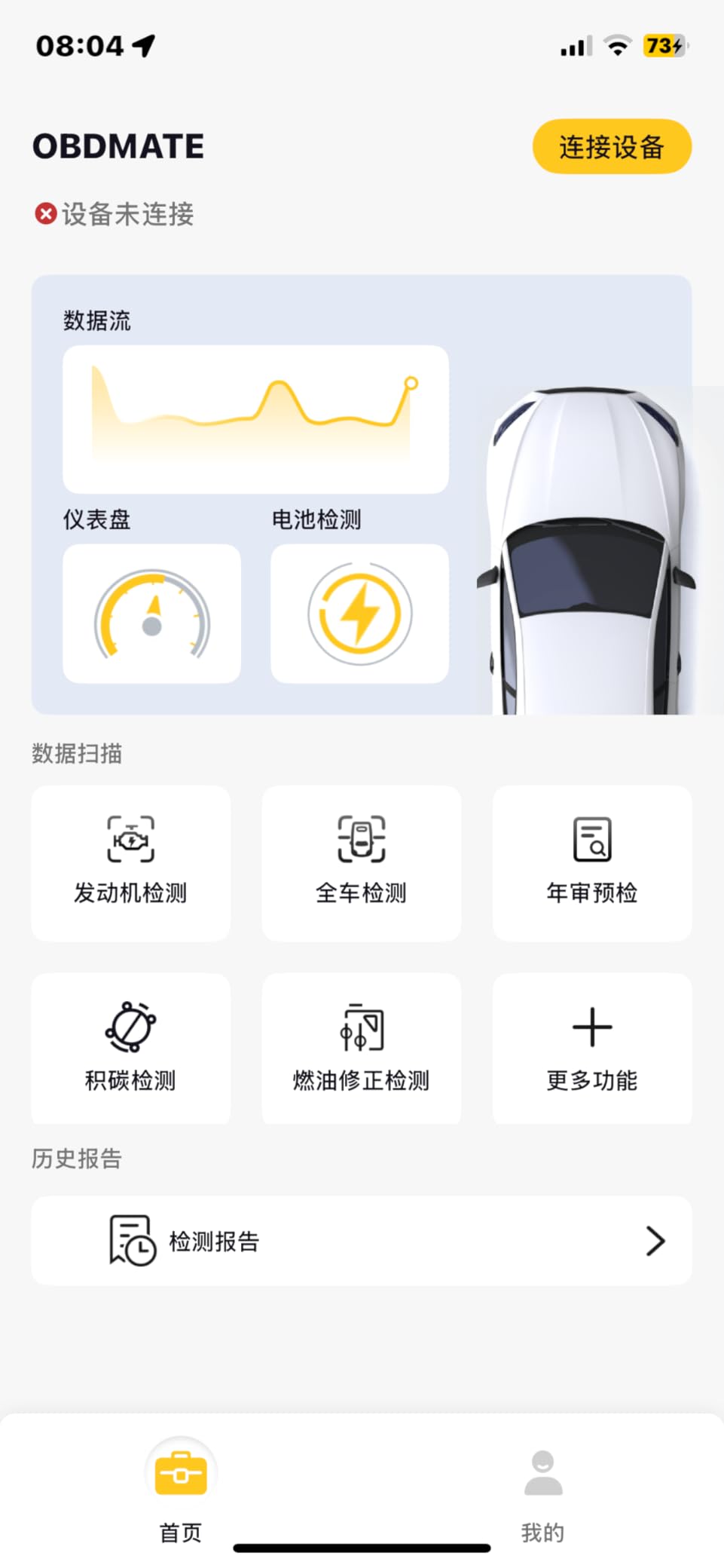
The Creader 3001 is the cheapest tool in this list, and it is still not a junk-bin special. LAUNCH is an established diagnostic brand, and this unit covers KWP2000, ISO9141, J1850 VPW, J1850 PWM and CAN on 1996 and newer OBD-II vehicles with a built-in fault code definition library.
The test set is broader than the sticker suggests: freeze frame, live data stream, O2 sensor test, EVAP system test and on-board monitor test, plus I/M readiness status for misfire and fuel system monitors and VIN retrieval. For a beater car or a first diagnostic purchase, that is a lot of function for very little money.
Where the Budget Shows
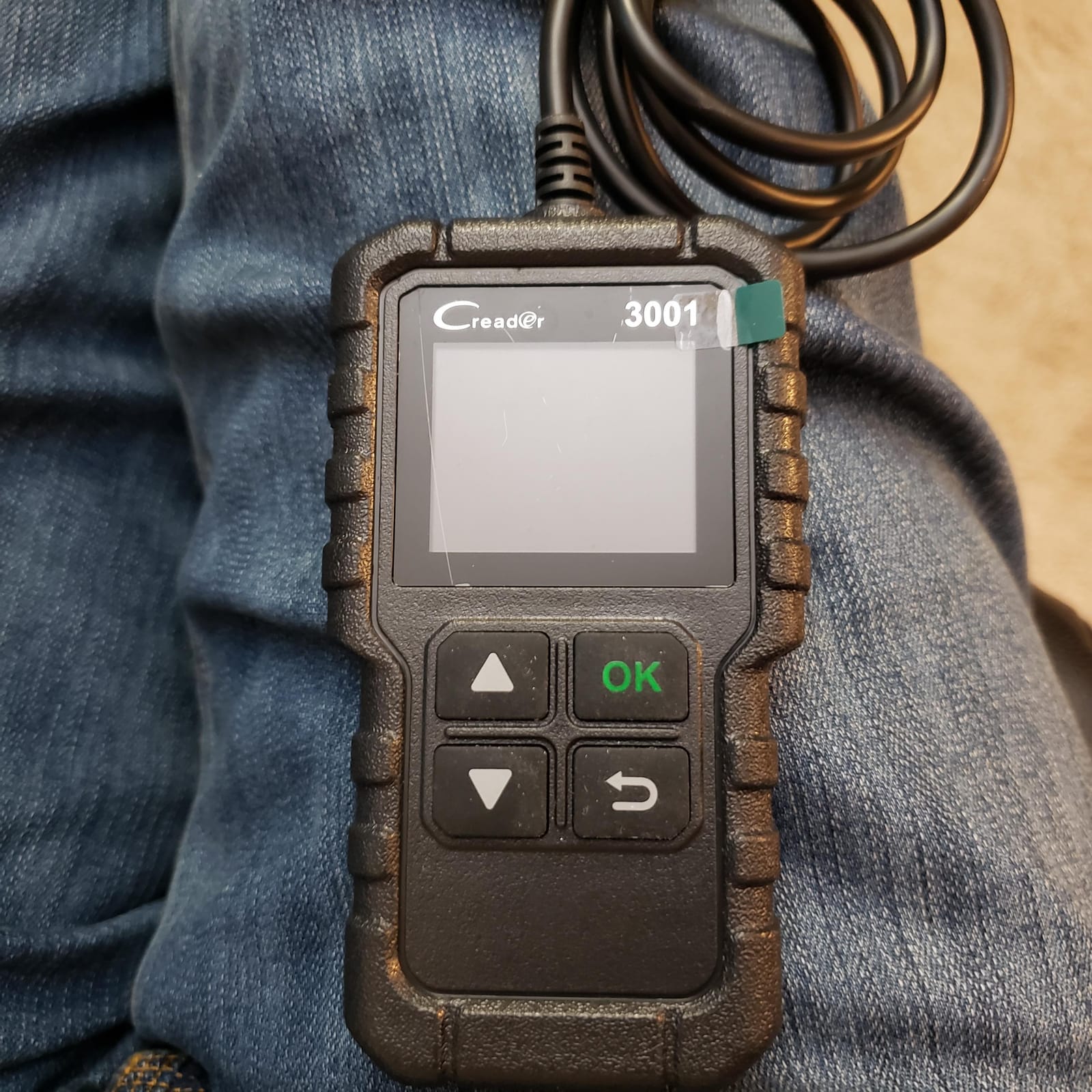
The 1.75 inch screen is the constraint. It is the smallest display here by a wide margin, and it does not have room to show much code explanation, so you will be looking up definitions rather than reading them off the device. Fine if you have a phone nearby, frustrating if you are in a field at night.
It is also the tool most likely to need a Windows computer in your life. Firmware updates work on Windows only, not Apple machines, and reviewers describe the process as awkward, with all-Chinese messages and a manual serial number entry. After-sales terms are free exchange within one month and free repair within one year.
Who It Suits
If your car is a 1996 or newer gasoline model, you want to read and clear engine codes, and you do not care about ABS lights, this does the job for the least money of anything we tested. Buy one as a backup and keep a better tool on the bench if you work on modern cars regularly.
It is also a good donor for a first-time car owner, a teenager learning to diagnose, or anyone who wants a spare unit in the trunk.
9. FOXWELL NT604 Elite – Full-System Coverage Without the Tablet Price
FOXWELL Car Scanner NT604 Elite OBD2 Scanner ABS SRS Transmission
Engine ABS SRS and transmission
4.3 inch screen
AUTOVIN for 60 plus brands
Lifetime updates
Pros
- Covers four vehicle systems in one unit
- Latest software preloaded and ready to work
- AUTOVIN with no extra software fee
- Hard protective case
Cons
- No service functions like oil reset or battery registration
- SRS crash data cannot be cleared
- AUTOVIN can fail on some older vehicles
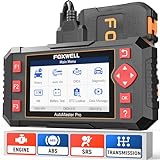
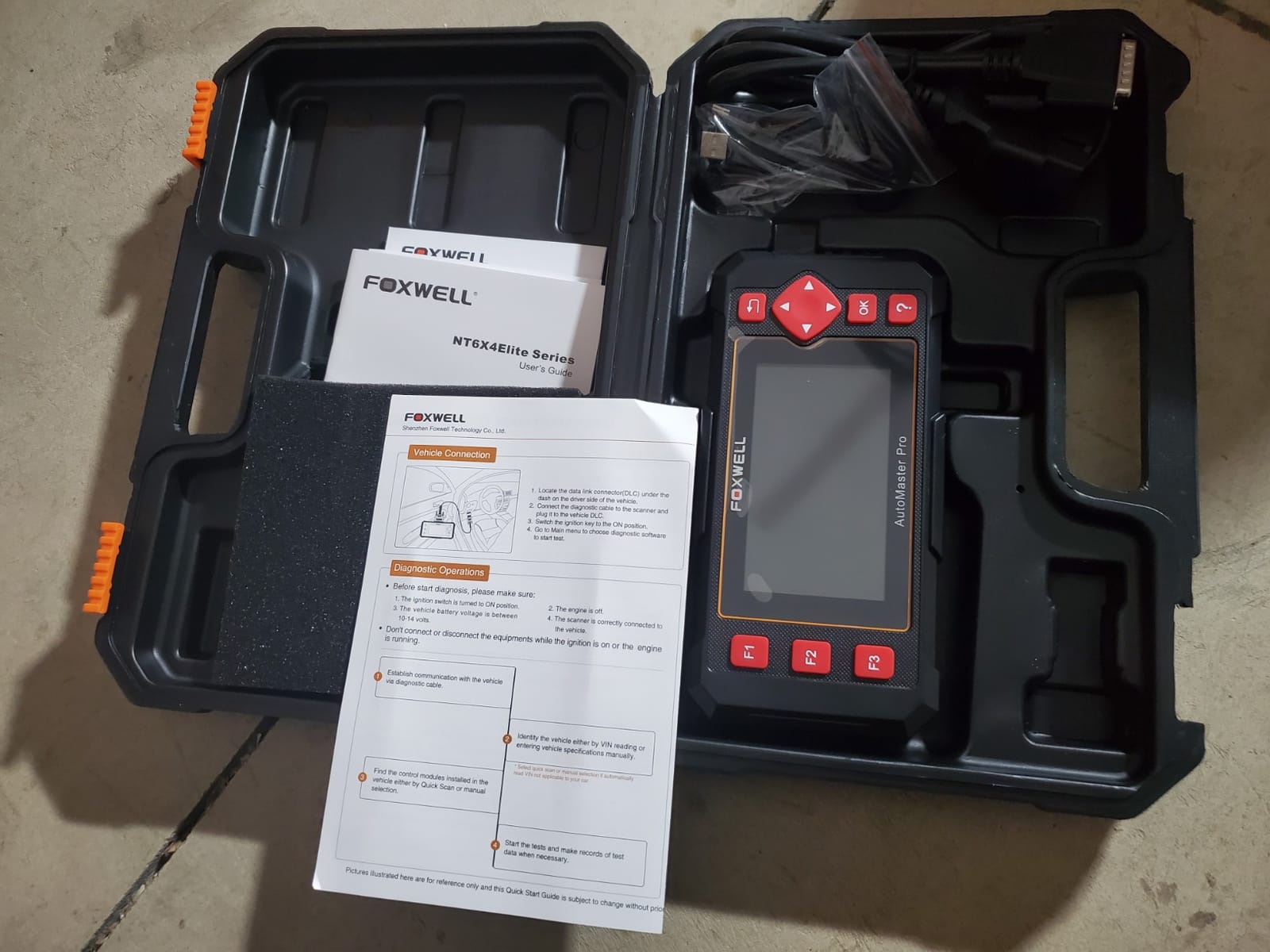
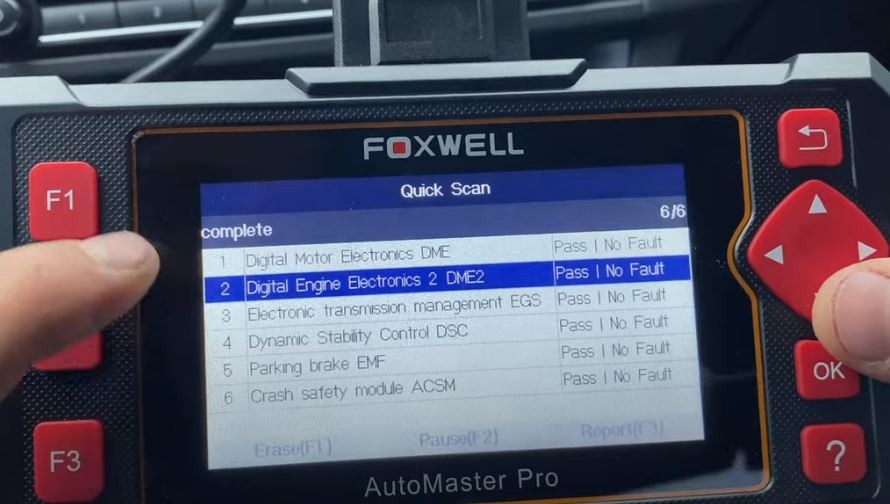
This is where the category gets interesting. Most tools up to this point read engine codes only. The NT604 Elite scans Engine, ABS, SRS and transmission systems in one unit, which means the ABS light and the airbag light finally become diagnosable at home instead of a shop-only job.
It is the current-generation release, so the latest software is preloaded and you can work with it straight out of the box. The 4.3 inch screen at 480×272 is the largest display in this roundup, and the menu includes an I/M readiness section, live data stream, a built-in DTC library, data playback and printable output.
AUTOVIN Removes the Most Annoying Step
Normally, scanning a car means typing in the VIN by hand, one character at a time, and getting it wrong means your menu layout does not match the vehicle. The AUTOVIN menu pulls the VIN and vehicle information automatically across 60-plus car brands, with no extra software fee attached. Reviewers note it occasionally fails on some older vehicles or certain brands, so keep manual entry as a fallback.
Also ships a sturdy protective hard case rather than a thin plastic bag, which matters more than it sounds when a tool this size lives in a truck bed. Software updates are free for life.
What It Still Cannot Do
Service functions are the gap. There is no oil reset, no battery registration, no ABS bleeding, no throttle body relearn and no ABS relearn. If your work involves those procedures, this is the wrong tool regardless of how good the module coverage is.
Also know that SRS crash and collision data cannot be cleared. And remember what a diagnostic tool is: it tells you what is wrong, it does not fix it. Physically repair the fault first, then clear. The one-star share of reviews is higher than most peers here at 7 percent, which is worth factoring in.
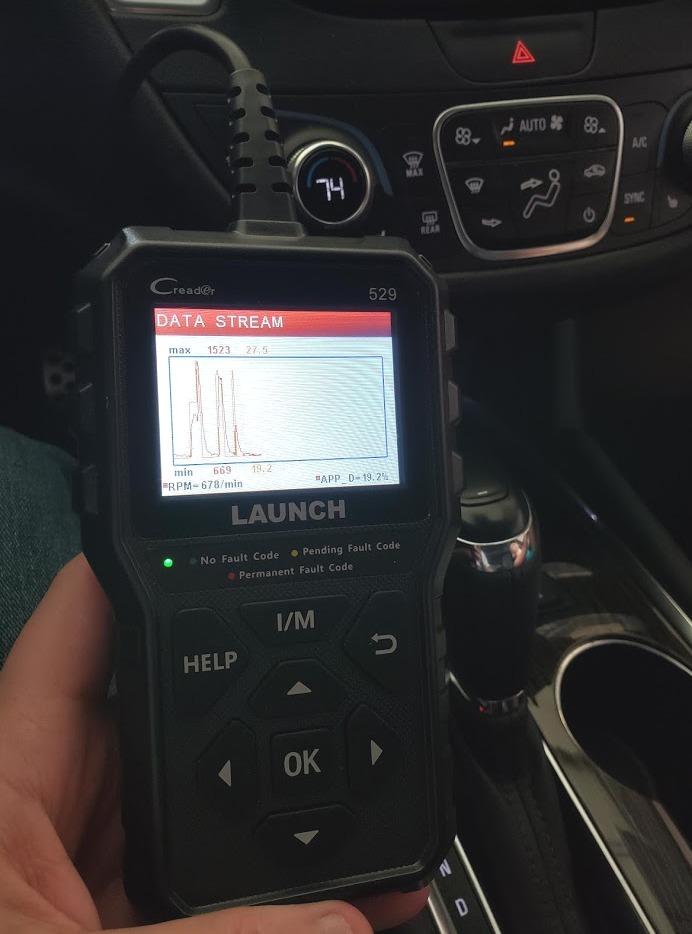
10. LAUNCH CR529 – Mode 6 and Mode 8 Tests With Printable Reports
Launch CR529 OBD2 Diagnostic Scan Tool Code Reader for Car After 1996
Mode 6 and Mode 8 tests
Printable diagnostic reports
7 languages
2 year warranty
Pros
- Advanced on-board monitoring and EVAP test modes
- Data record playback and printable reports
- Live data in text and graph form
- One-click smog check with LED indicators
Cons
- Update site reported as dead
- Windows only updates
- Fixed cable
- Occasional connection failures
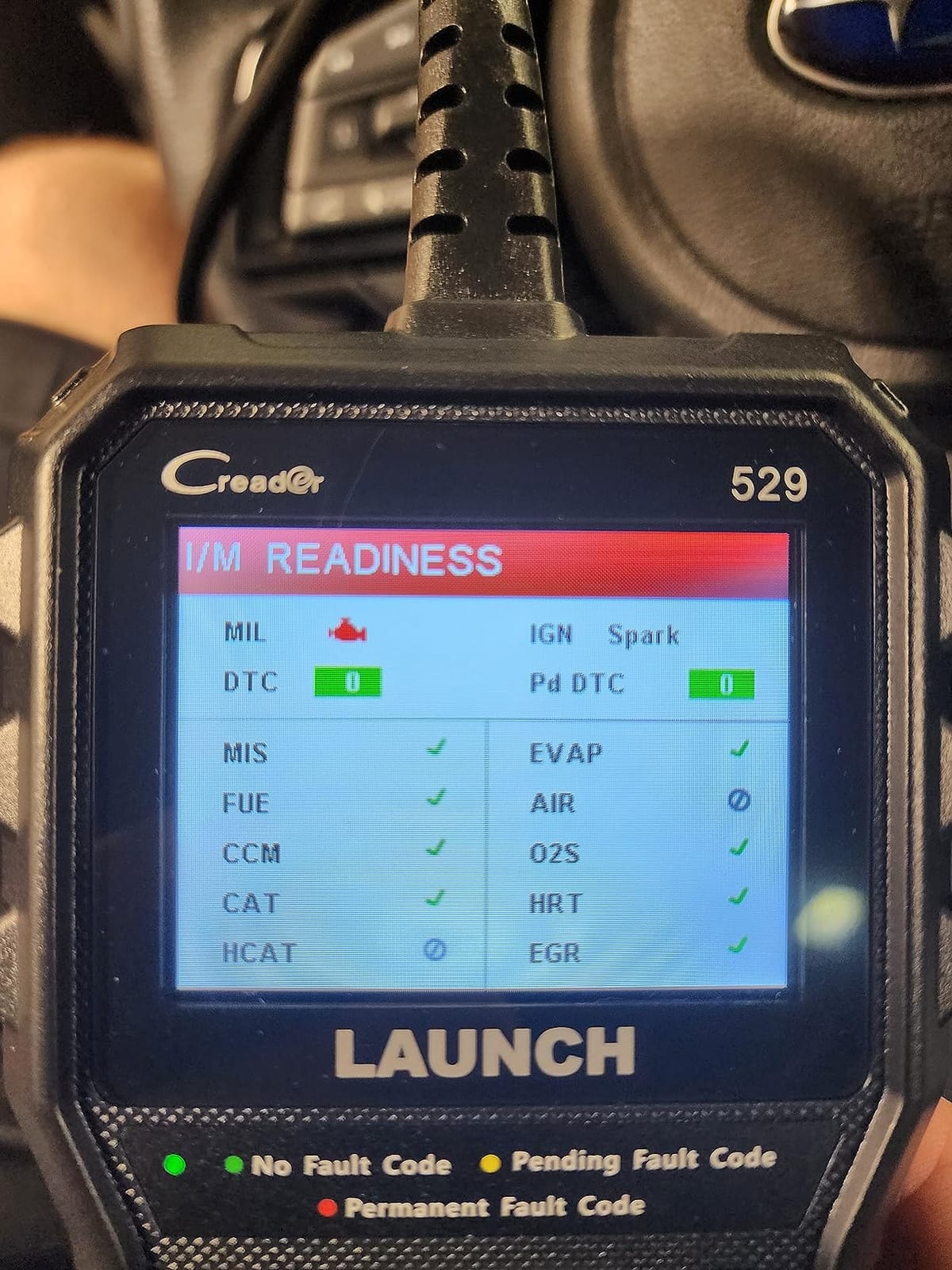
The CR529 is the tool for the person who wants a record, not just an answer. It supports the EVAP test in Mode 8 and on-board monitoring in Mode 6, which are deeper than what most home scanners expose, and it can record live data, play it back and produce printable reports through a PC.
That report feature is the quiet superpower. When a fault is intermittent, capturing a data log and printing it gives you something concrete to work from instead of a memory of what the numbers looked like on a backlit screen in a dark driveway. Live data appears in both text and graph format, so you can watch short-term fuel trim move in real time.
Coverage and Languages
It runs KWP2000, ISO9141, J1850 VPW, J1850 PWM and CAN on 1996 and newer OBD2 vehicles in seven languages: English, French, Spanish, German, Portuguese, Russian and Japanese. There is a patented One-Click Smog Check with I/M readiness shortcuts and red, yellow and green LEDs, plus VIN, CIN and CVN retrieval and a built-in DTC lookup.
The warranty is two years, which is the longest stated coverage among the budget and mid-tier tools here. Screen size is 2.8 inches at 320×240 and the unit weighs 0.46 kg, so it is a little more substantial in the hand than the small readers.
The Update Website Problem
This is the significant con and you should weigh it before buying. Reviewers report that the advertised update website has gone dead, which means the advertised lifetime free updates may not actually be obtainable. Software updates are Windows-only and not compatible with iOS PCs anyway.
There are two more smaller issues. The cable is permanently affixed and cannot be detached for storage, and there are occasional reports of failure to connect to certain vehicles, with a 2007 Peugeot 307 named as an example. If you own a car with unusual electronics, check compatibility first.
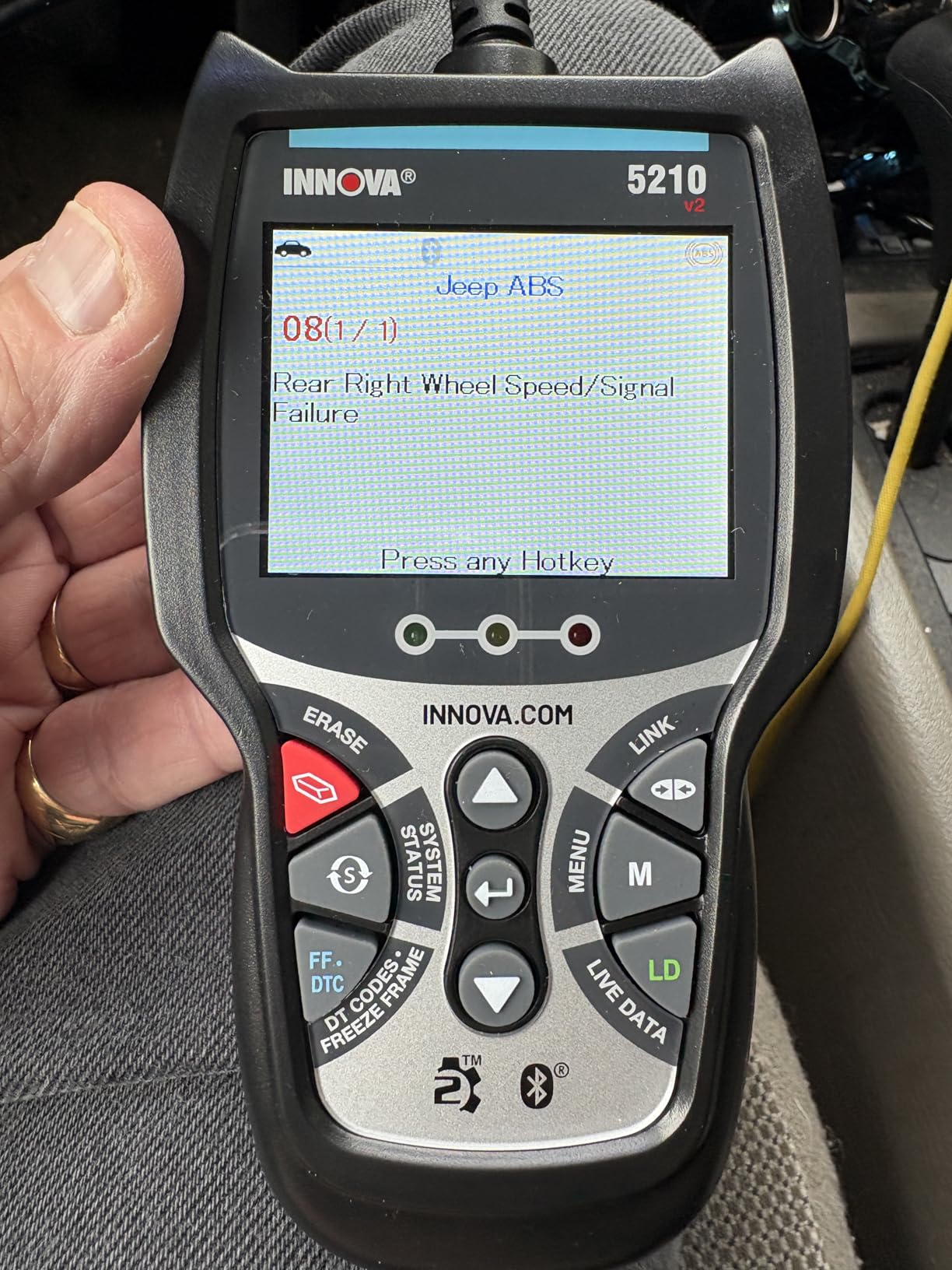
11. Innova 5210 – Code Reader, Battery Tester and Repair Advice in One
Innova 5210 OBD2 Scanner & Engine Code Reader, Battery Tester, Live Data, Oil Reset, Car Diagnostic Tool for Most Vehicles, Bluetooth Compatible with America’s Top Car Repair App
Battery and alternator testing
Live data and oil light reset
Bluetooth to RepairSolutions2 app
Engine and some ABS codes
Pros
- Combines code reading with battery and alternator testing
- Oil light reset after an oil change
- Free app with verified fixes and no subscription
- Works across most 1996 and newer vehicles
Cons
- Feature coverage varies by vehicle
- Limited ABS coverage
- Phone and app needed for repair guidance
The Innova 5210 answers a different question than the other tools here. Instead of handing you a code and leaving you to interpret it, it gives you direction. It pairs over Bluetooth with the free RepairSolutions2 app, which is built on fixes verified by ASE-certified mechanics, and it adds a battery and alternator tester on top of standard code reading.
That battery function is the sleeper feature. A weak alternator or a dying battery causes plenty of warning lights and sensor codes that send people chasing expensive parts. Having the tool check charging system health in the same session saves that whole rabbit hole.
Live Data and Service Convenience
It reads and erases check engine and ABS codes, with coverage that varies by vehicle, and it gives live data for RPM, engine temperature, fuel trims and oxygen sensor readings. There is drive cycle readiness for smog and emissions testing, and a built-in oil light reset function you will actually use after every oil change.
There are no subscription fees, which is unusual for an app-paired tool and one of the reasons it makes this list. The app is trusted by a large user base, and it works across most US, Asian and European vehicles from 1996 onward.
Check Coverage Before You Buy
The main caveat is that feature coverage differs by make, model and year, so run the Innova coverage checker with your specific vehicle before ordering. ABS code coverage in particular is limited and varies.
Also, the repair recommendations live in the phone app, so you need a phone present to get the guidance. The unit itself is 5.99 by 2.99 by 0.99 inches with a 2.8 inch screen, powered by the vehicle.
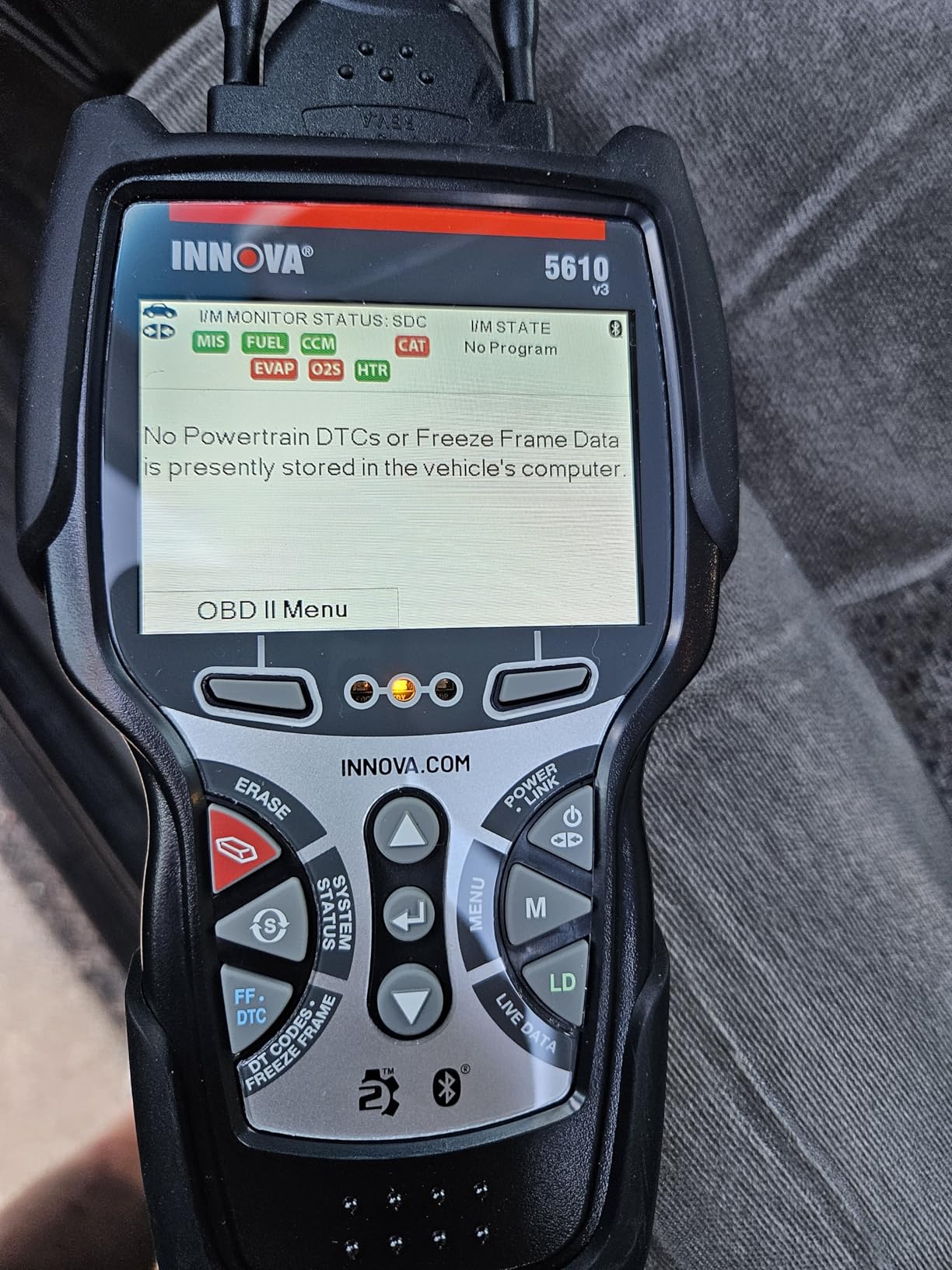
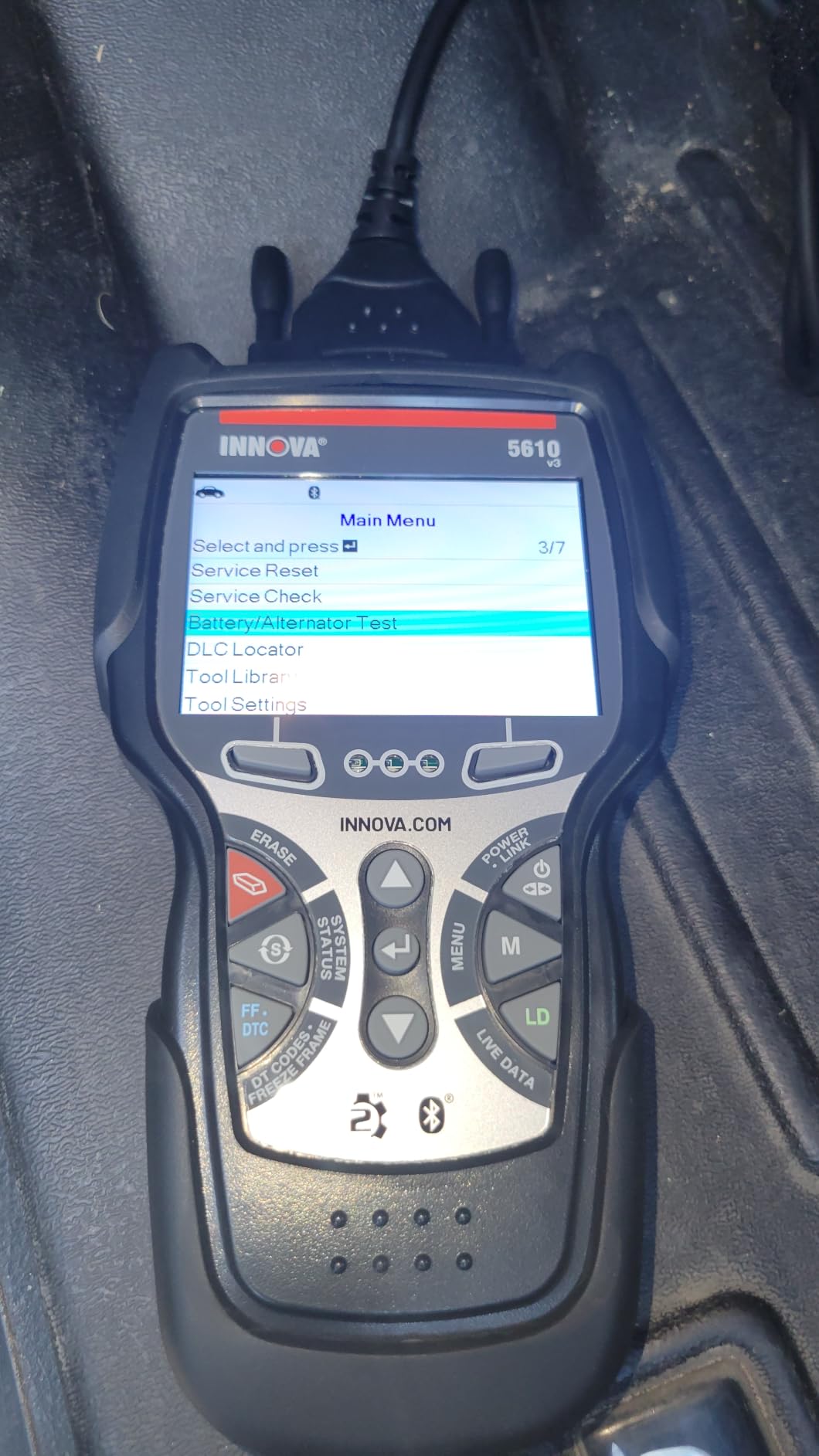
12. Innova 5610 – True Bidirectional Control for Serious DIY Work
Innova 5610 OBD2 Bidirectional Scan Tool – Understand Your Vehicle, Pinpoint What’s Wrong, and Complete Your Repairs with Less Headache, Updates Included, US-Based Technical Support
Bidirectional control commands
Enhanced data stream for four systems
Special reset functions
3.5 inch screen
Pros
- Real bidirectional control for fuel pump and parking brake
- OEM modules expand live data far beyond generic
- Special reset for dealership level relearns
- Detachable cable with a light
- US based ASE certified support
Cons
- Most expensive tool here
- Coverage depends on make model and year
- Keys are not backlit
- TechDoc portion of the app needs a subscription
The Innova 5610 is the only tool in this roundup with true bidirectional control, and that single feature changes what you can diagnose at home. Instead of reading a code that says a component did not respond, you can command the module to actuate it — fuel pump on and off, electronic parking brake, A/C compressor clutch, power windows. If the component moves, the part is good and you keep looking for wiring or fuse problems.
The second big advantage is OEM module loading. Loadable manufacturer modules expand generic OBD2 coverage dramatically; the published comparison is 18 generic PIDs against 74 on a Toyota module. For a Toyota, Honda or Ford owner doing real diagnosis, that difference is the whole game.
Enhanced Data Stream and Special Resets
The Enhanced Data Stream covers ABS, SRS, transmission and engine live data, and the special reset function handles dealership-level re-learn procedures such as TPMS. Those are the jobs that normally send a DIYer to a dealer, and having them at home changes what a weekend repair can cover.
There are practical touches that matter. The cable is detachable and replaceable, it is long, and it has a light for dark footwells. An optional AA battery retains data across ignition cycles. It works standalone or over Bluetooth with the RepairSolutions2 app, supports English, Spanish and French, and covers most 1996-and-newer OBD2 vehicles.
The Honest Limits
This is the most expensive scanner we tested, priced far above generic OBD2 readers, and coverage still depends on make, model and year. Reviewers report bidirectional control not working on some vehicles, a Ram 3500 named as an example, and some vehicles timing out after extended ignition-on periods, at which point switching modules may mean unplugging the cable.
The keys are not backlit, which makes menu selection harder in a dim cabin. OEM live data cannot be uploaded to the app, and generic data cannot be exported to other apps. The TechDoc portion of the app requires a separate subscription, even though the scanner itself has free updates and no subscription.
How to Choose the Right OBD2 Scanner for Your Garage
Most people overspend here. They buy a full bidirectional tablet when they needed a code reader, or they buy the cheapest dongle when what they actually needed was ABS access. The questions below, in order, will narrow the field fast. The same discipline applies to almost any tool purchase, including our picks for document scanners for a paperless office: match the tool to the job, not to the spec sheet.
1. Which System Lights Are You Actually Trying to Clear?
Start with the warning light, not the feature list. A check engine light is an engine and emissions code, which every tool here handles. An ABS light needs a scanner that reaches the ABS module. An airbag light needs SRS access, and a transmission fault needs transmission coverage. A steering angle or electronic parking brake service job needs a service reset function.
Six of the twelve tools we tested are engine-only. Two cover engine, ABS, SRS and transmission. One adds bidirectional control, and one adds battery testing. Buying the wrong tier is the single most common mistake we see.
2. Do You Need Bidirectional Control?
Bidirectional means the tool commands a component to switch on and off so you can tell a failed part from a wiring or fuse fault. For a weekend mechanic working on a car with an intermittent misfire or a cooling fan that never comes on, it is the difference between guessing and knowing. If you mostly clear codes after a repair, you do not need it.
3. What Is the Update and Subscription Policy?
Here is the honest total-cost picture. The ANCEL AD310, MOTOPOWER MP69033, Autel AL319, ANCEL AD410, FOXWELL NT201, LAUNCH Creader 3001, FOXWELL NT604 Elite, LAUNCH CR529, Innova 5210 and Innova 5610 all advertise free updates with no scanner subscription. The AUTOPHIX 3210 has a free app with no subscriptions, ads or paywalls.
Two caveats. The Innova 5610 puts its TechDoc section behind a separate app subscription, and the LAUNCH CR529 has a reported dead update website, so its advertised lifetime updates may not be reachable. Several tools also require a Windows PC for updates, and Mac and iOS are unsupported on several of them. Budget a few dollars for a Windows license if you do not have one.
4. Standalone or Phone-Powered?
A standalone unit has its own screen and needs nothing but a laptop for occasional updates. It is the most reliable option and the one I prefer for roadside use. A Bluetooth tool borrows your phone screen, which is easier to read but depends on app quality, phone compatibility and battery life.
Forum users repeatedly warn about no-name ultra-cheap ELM327 clone dongles that drop connection or return garbage data. Every Bluetooth tool in this roundup comes from an established brand, and that is the safer place to spend.
5. Which Warning Light Points to Which Tool?
- Check engine light, no other symptoms: any engine reader works. The ANCEL AD310 is the safe default.
- Preparing for an emissions test: pick a tool with a one-click I/M readiness display. The FOXWELL NT301 has a color-coded indicator and speaker.
- ABS or airbag light on the dash: you need module coverage. The FOXWELL NT604 Elite scans engine, ABS, SRS and transmission.
- Transmission warning or shifting issues: the NT604 Elite again, or the Innova 5610 for its enhanced data stream.
- Battery replacement or registering a new battery: the Innova 5210 tests the battery and alternator. Be aware the NT604 Elite does not do battery registration.
- Fuel trim or sensor diagnosis: the ANCEL AD410, LAUNCH CR529 or Innova 5210 give live trims, and the AD410 and CR529 add O2 and EVAP test modes.
- Intermittent no-start or a component you suspect: bidirectional control. The Innova 5610 is the only tool here with it.
What the Extra Money Actually Buys
Between a budget reader and a bidirectional tablet you are paying for four specific things, not for a nicer case. First, module coverage — engine only versus ABS, SRS and transmission. Second, one-way versus bidirectional control. Third, an onboard screen versus an app on your phone. Fourth, the update policy, since free updates for life and a dead update server are very different five years from now.
That is the honest answer to what separates a cheap and an expensive OBD2 scanner. Nothing about the code reading itself changes. The scope of what it can reach, and whether it will still be supported, is where the money goes.
Glossary: Terms That Show Up on Every Box
- DTC (diagnostic trouble code): the stored code the vehicle’s computer writes when it detects a fault. P-codes are powertrain, B-codes body, C-codes chassis, U-codes network.
- Freeze frame: a snapshot of sensor values and conditions saved at the moment a fault was detected. It tells you conditions under which the problem appeared.
- Live data / PID stream: real-time values such as RPM, coolant temperature and fuel trim, streamed while the engine runs.
- I/M readiness monitors: the emissions self-checks a state inspection looks at. They reset after a code is cleared, which is why you need to drive before retesting.
- Bidirectional control: commanding a component to actuate, so you can separate a failed part from a wiring or fuse problem.
- Service resets: procedures like oil light reset, EPB reset, throttle body relearn, ABS bleed and battery registration.
- AUTOVIN: automatic VIN detection, which identifies the vehicle and loads the correct menus without typing the VIN by hand.
- CAN-FD: the newer, faster CAN protocol found on later-model vehicles. A scanner that does not speak it can still read basic codes on those cars, but live data gets thin.
How to Use It: Six Steps That Actually Diagnose
1. Find the port. It is a 16-pin trapezoidal socket, usually under the dashboard on the driver’s side, near the steering column or center console. Some manufacturers put it inside the glovebox or in an engine bay fuse box, so check the owner’s manual if it is not where you expect.
2. Turn the ignition on or start the engine. Most tools want the engine running for live data and idle with the key on for a quick code read. Do not clear anything yet.
3. Scan, and do not stop at the engine. Even with an engine-only tool, read the freeze frame before you go further. The snapshot is your evidence.
4. Look up the code and resist replacing parts. Read the definition, note the freeze frame conditions, and check the obvious free things — a loose gas cap, a vacuum leak, a disconnected battery terminal. Forum users often trace “mystery” codes back to a loose fuel cap in about as many cases as anything else.
5. Fix it first, clear second. Clearing a code before the repair simply resets the readiness monitors and can cost you an emissions retest. Make the repair, then clear, then road test.
6. Re-scan and check readiness. Drive through a full drive cycle so the monitors reset, then confirm the code does not return and the I/M status is ready.
One last safety note that nobody mentions: if a tool is left plugged in overnight with a bidirectional command, it keeps talking to the vehicle battery. Disconnect it before you go to bed.
Frequently Asked Questions
Is Autel better than Snap-on?
For a DIY mechanic, Autel is the better value. Snap-on tools are built for professional shops that need manufacturer-specific coverage, service procedures and a support network behind them, and the price gap is large. The Autel AL319 covered here is a plug-and-play engine reader with lifetime free updates and a 12 month warranty, which is all most home users need. If your work needs bidirectional control and OEM module depth, that is where a higher tier of tool earns its keep, and the Innova 5610 in this roundup is the closest DIY-priced option with true bidirectional commands.
What is the difference between a cheap and an expensive OBD2 scanner?
The difference is scope and longevity, not code reading. A cheap reader handles engine and emissions codes on 1996 and newer vehicles. An expensive scanner adds ABS, SRS, transmission and body modules, bidirectional control that can command components, OEM live data beyond generic PIDs, service reset functions, and a support and update path that will still be there years later. The same code reads correctly on both. You are paying for how much of the car the tool can reach.
What is the difference between an OBD2 reader and an OBD2 scanner?
An OBD2 reader reads and clears powertrain codes from the engine computer. An OBD2 scanner is the broader term for any tool that also talks to the ABS, SRS, transmission and body modules, displays live data streams and freeze frame snapshots, checks I/M readiness monitors, and can run active tests. Scanner also implies bidirectional control. In practice most cheap tools sold as scanners are readers with an engine-only scope.
What is the best OBD2 scanner without a subscription?
The ANCEL AD310 is the strongest no-subscription choice. It reads and clears engine and emission codes, includes a large built-in DTC lookup library, shows live data, freeze frame and I/M readiness, needs no battery, no app and no account, and carries 66,759 reviews at 4.6 stars. The Autel AL319 and FOXWELL NT301 are also subscription-free with lifetime free updates, and the Innova 5210 pairs with a free app that has no fees.
Where is the OBD2 port located in my car?
The OBD-II port is a 16-pin trapezoidal connector, almost always under the dashboard on the driver’s side, near the steering column or lower center console. Common alternative locations include inside the glovebox, behind an ashtray or trim panel, and in the engine bay near the fuse box on some European models. A flashlight and a phone photo of the shape make it easy to spot, and the owner’s manual gives the exact location for your model.
Will using an OBD2 scanner void my car warranty?
No. Reading and clearing codes is a diagnostic action, not a modification, and no manufacturer warranty is voided by plugging a scanner into the OBD-II port. The warranty is at risk only if you open the ECU, flash firmware, or perform work that alters emissions or safety systems. Read and clear codes freely. Just make the actual repair before clearing, or you will clear the evidence you need later.
Which OBD2 Scanner Should You Buy in 2026?
For most people, the ANCEL AD310 is the right first scanner. It has the strongest combination of rating and review volume here, it needs nothing but the car to run, and it covers the single job that sends people shopping: figuring out why the check engine light is on.
Choose differently when your light tells a different story. If you are preparing for an emissions test, the FOXWELL NT301 with its one-click I/M readiness indicator is worth the step up. If you need to see the ABS, SRS or transmission modules, the FOXWELL NT604 Elite is the value pick for full-system coverage. If you also replace batteries regularly, the Innova 5210 adds a battery and alternator test to the scan.
And if you have outgrown code reading and want to command parts to find out what is really broken, the Innova 5610 is the only tool in this roundup with genuine bidirectional control and OEM module depth. It costs the most, and it still depends on your vehicle, so check coverage first.
Whichever one you choose, learn the six-step workflow above and use it every time. The tool is half the job — reading the freeze frame before you clear anything is what turns a code reader into actual diagnosis. The same buy-for-the-job logic runs through our film scanner for slides guide if you are building out the rest of your workbench. Check the current details for the model that fits your car, and get it in the glovebox before the light comes on.