
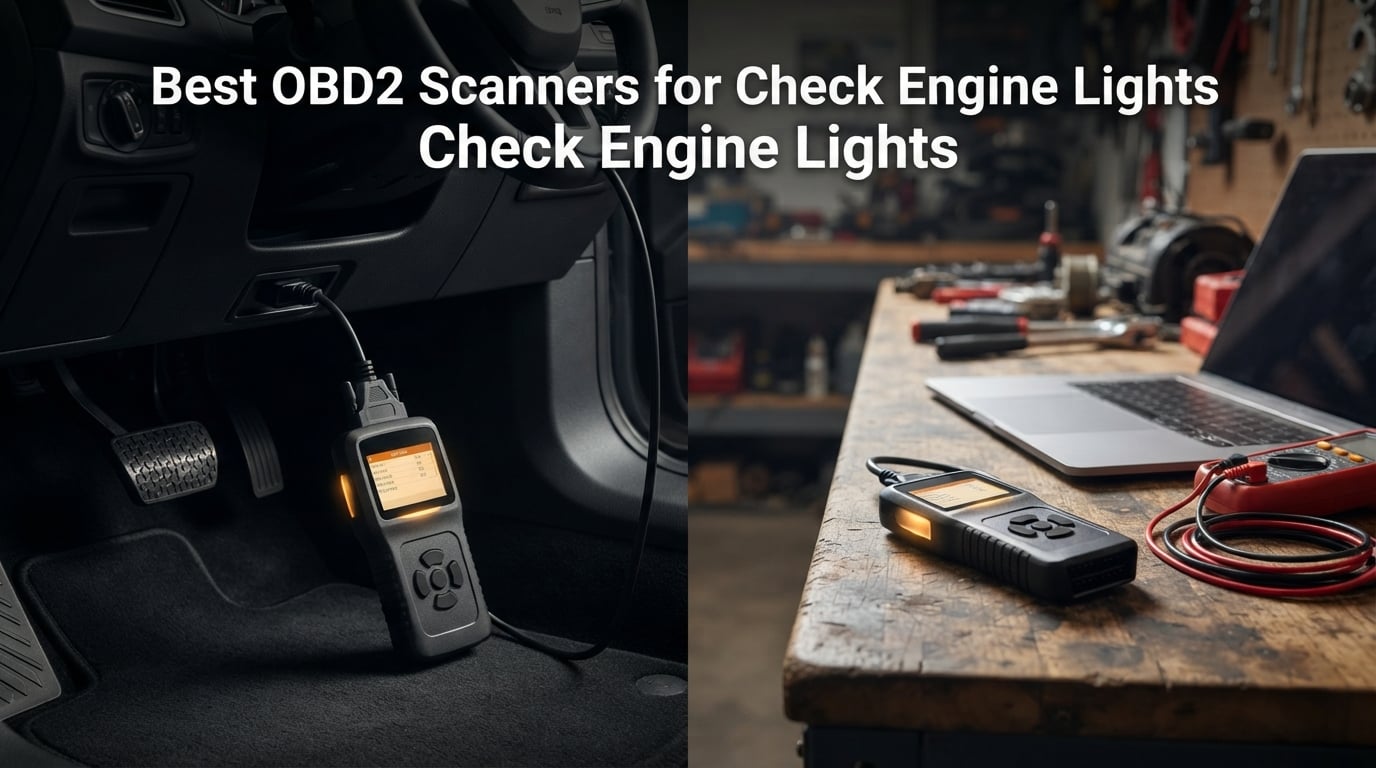
A shop will happily read your check engine light for you, then hand you a code and a bill. We spent six weeks with 12 OBD2 scanners in the same driveway, plugging each one into the same set of 1996-and-newer vehicles, to find the best OBD2 scanner for check engine light work you can actually do yourself. The short version: the basic tools read codes well and stop there, while the higher-tier tools earn their cost by reaching past the engine into ABS, SRS and transmission modules. This guide sorts both ends of that spectrum so you can pick a tier and stop shopping.
Quick takeaways
- Best overall: the ANCEL AD310 — the most-reviewed engine-only reader in the category, and the one we keep in the glove box.
- Best for phone-based diagnosis: the BlueDriver, which pairs over Bluetooth and covers ABS, SRS, TPMS and transmission with no subscription.
- Best mid-range handheld: the FOXWELL NT301, with live-data graphing, EVAP and O2 sensor tests.
- Best budget buy: the Autel MS309, an entry-level tool that still reports I/M readiness monitor by monitor.
- Best for multi-system scanning: the FOXWELL NT604 Elite, the only standalone handheld here that reads engine, ABS, SRS and transmission in one unit.
- Best for a used car: the Innova 5210, which adds a battery tester and a free app with verified fix estimates.
If you are still choosing, read our guide to scanners that turn raw data into decisions — the same thinking applies, and it will save you an afternoon of feature-list comparison. If you would rather not read 12 reviews, jump straight to which tier you belong in and start from there.
What Is an OBD2 Scanner?
An OBD2 scanner is a handheld device or phone-connected dongle that plugs into your car’s OBD2 port, usually under the dashboard on the driver’s side, to read and clear the diagnostic trouble codes that switch on the check engine light. It links to the engine control unit, translates stored codes into plain English, and shows live sensor data and freeze frame information. Every car sold in the US since 1996 has to have that port.
Our Top 3 OBD2 Scanners for Check Engine Lights
These are the three we would hand to a family member, a coworker, or ourselves. Each covers a different kind of owner, and the badge on each card below matches the badge here.
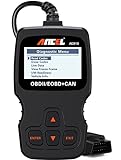
ANCEL AD310
- Reads and clears emission codes instantly
- 12 oz plug-and-play body
- Five OBDII protocols including CAN
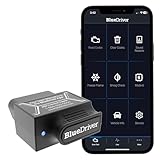
BlueDriver OBD2 Scanner
- Engine
- ABS
- SRS
- TPMS and transmission coverage
- VIN-matched verified fix reports
- No subscription

MOTOPOWER MP69033
- 2.8 inch backlit LCD
- Real-time data curve and load value
- Six interface languages
Every Scanner in This Roundup, Side by Side
Twelve tools, one table. The Key Features column is the honest differentiator — most of these read engine codes, and the column that matters is what happens when the light is not an engine light.
| Product | Specs | Action |
|---|---|---|
| ANCEL AD310 |
|
Check Latest Price |
| BlueDriver OBD2 Scanner |
|
Check Latest Price |
| MOTOPOWER MP69033 |
|
Check Latest Price |
 FOXWELL NT301 FOXWELL NT301 |
|
Check Latest Price |
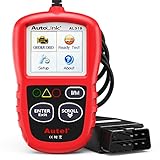 Autel AL319 Autel AL319 |
|
Check Latest Price |
 Veepeak OBDCheck BLE Veepeak OBDCheck BLE |
|
Check Latest Price |
 Autel MS309 Autel MS309 |
|
Check Latest Price |
 ANCEL AD410 ANCEL AD410 |
|
Check Latest Price |
 FOXWELL NT201 FOXWELL NT201 |
|
Check Latest Price |
 FOXWELL NT604 Elite FOXWELL NT604 Elite |
|
Check Latest Price |
 Innova 5210 Innova 5210 |
|
Check Latest Price |
 LAUNCH CR529 LAUNCH CR529 |
|
Check Latest Price |
1. ANCEL AD310 – The Reader We Keep in the Glove Box
ANCEL AD310 Classic Enhanced Universal OBD II Scanner Car Engine Fault Code Reader CAN Diagnostic Scan Tool, Read and Clear Error Codes for 1996 or Newer OBD2 Protocol Vehicle (Black)
2.4 inch 128x64 LCD
12 oz, 8.9 x 6.9 x 1.4 in
1996+ US, EU, Asian cars
CAN, KWP2000, J1850
Pros
- Read and clear check engine codes in seconds
- Weighs just 12 ounces
- Covers five OBDII protocols including CAN
- No batteries or charger needed
- Large review base for consistency
Cons
- Engine and emission codes only
- No ABS
- SRS or transmission coverage
- Will not work on OBD1 vehicles
- 128x64 monochrome screen limits live data detail
The AD310 is the first tool I hand anyone who says the words check engine light for the first time. It plugs into the port, powers itself from the connector, and reads codes before you have finished tightening your grip on it. Across six weeks it became the unit I reached for by default, simply because there is nothing to pair, nothing to charge, and nothing to log in to.
It is also the most heavily reviewed unit in the category, with a review base far larger than anything else we tested. That matters more than it sounds: when something has been used through a decade of car models, edge-case connection failures are rare.
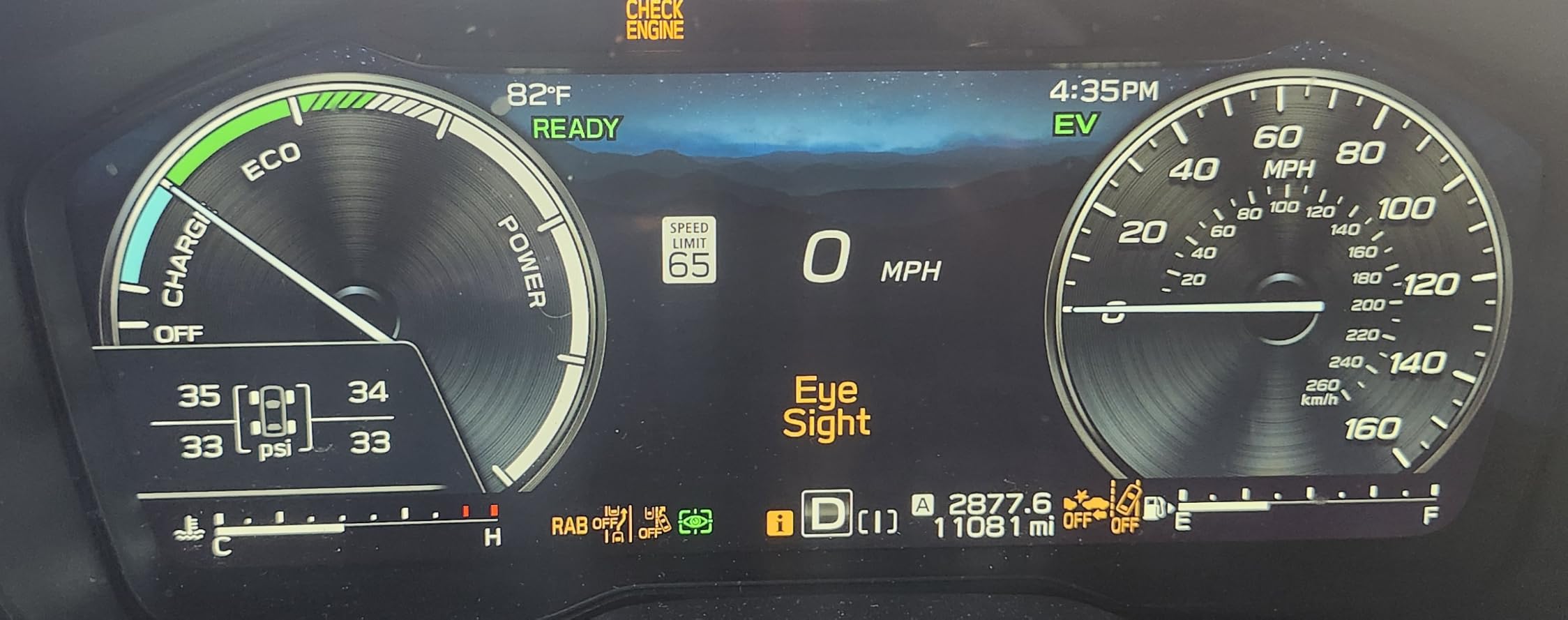
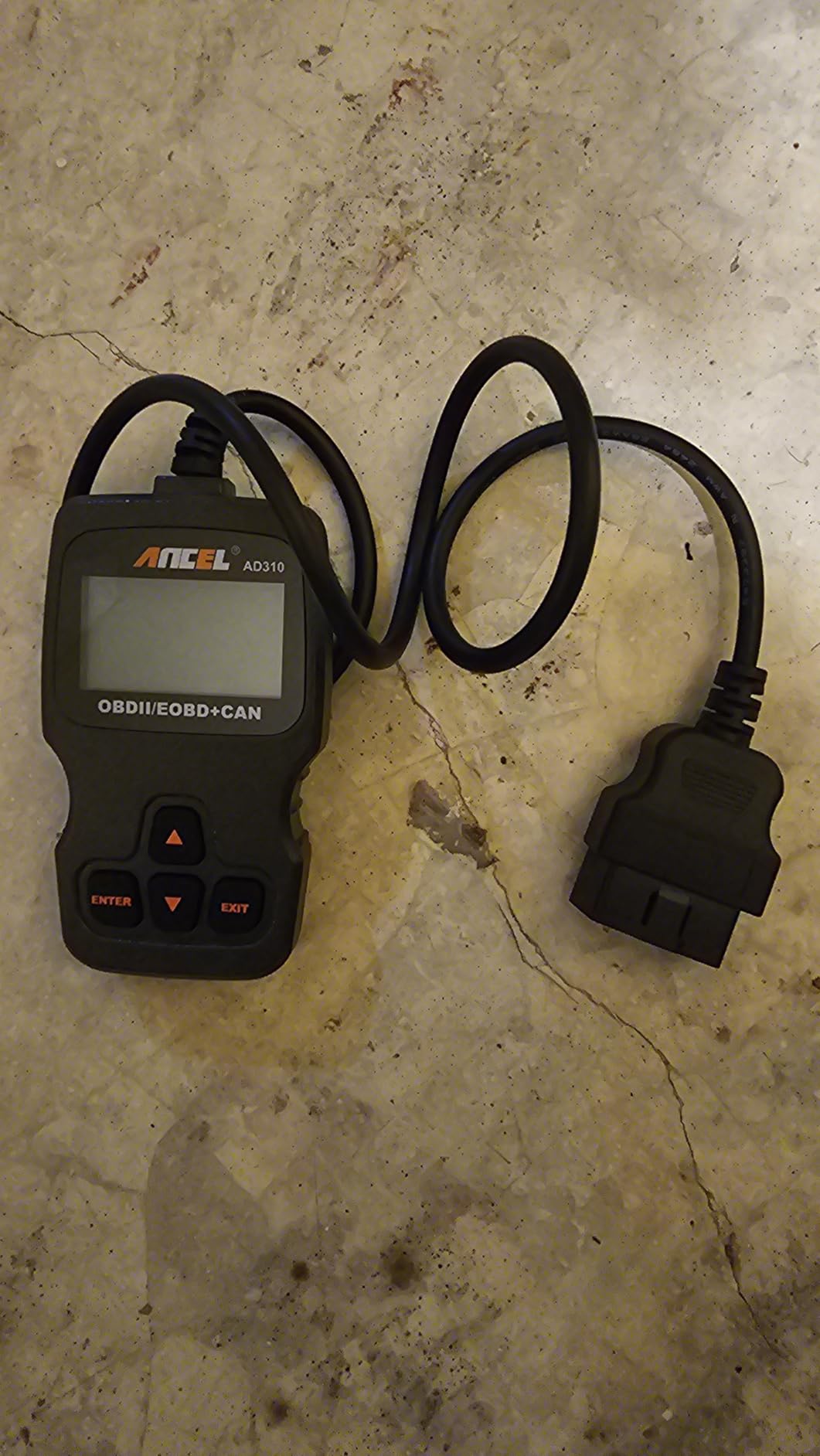
Physically it is a 2.4 inch screen on a 12 ounce body, with a 2.5 foot insulated cable. Small enough that it disappears into a door pocket, which is the difference between a tool you own and a tool you use.
Every button is labelled in plain language rather than a function code. The menu takes seconds to learn because there is very little to learn.
Protocol coverage and the vehicles it will talk to
The AD310 supports KWP2000, J1850 VPW, ISO9141, J1850 PWM and CAN, which covers 1996 US-based cars, 2000 EU-based cars and Asian vehicles, including light trucks and SUVs. In practice, that means anything on the road in North America today will connect.
Pre-1996 cars are out of scope, as they use the older OBD1 connector. For a car built before 1996, none of the twelve tools here will connect, and no scanner in this price range solves that.
What you can actually do with the freeze frame and readiness data
Beyond reading and clearing codes, the AD310 shows live data, hard memory data and freeze frame, plus I/M monitor readiness and vehicle information. Freeze frame is the snapshot of sensor values at the moment the fault was flagged, which is genuinely useful for intermittent problems because it tells you what conditions the car saw when the light came on.
I/M readiness matters before a state emissions test. Clearing a code resets those monitors, so knowing which ones are still incomplete saves a wasted trip to the test station.
Who should skip this one
Skip the AD310 if your warning light is an ABS, airbag or transmission light. Those modules need a full-system scan, and this unit will connect, read the engine, and report nothing for the system that is actually complaining. The same applies if you work on European imports outside North America, where coverage assumptions get thinner.
Also skip it if you want graphs. The 128×64 monochrome screen shows live data as numbers, which is fine for confirming a reading and frustrating if you want to watch fuel trims move.
2. BlueDriver OBD2 Scanner – The One That Reads Beyond the Engine
BlueDriver OBD2 Scanner Bluetooth, No Subscription, ABS SRS TPMS
Bluetooth to phone
ABS, SRS, TPMS, transmission
2.2 x 1.9 x 1 in, 2.08 oz
1996+ NA gas vehicles
Pros
- Covers ABS
- SRS
- airbag
- TPMS and transmission
- No wires between the car and your phone
- Technician-verified fix reports matched to VIN
- No subscription or account required
- Mode 6 analysis and smog readiness
Cons
- Requires a compatible phone
- tablet and the free app
- Only supports 1996+ gas vehicles sold in North America
- Weighs just 2.08 ounces
- so nothing else comes with it
The BlueDriver works differently from every handheld in this list. It is a small dongle that pairs over Bluetooth to a phone or tablet, and the interface is the app rather than a screen on the tool.
What earns it a place here is coverage. It reads enhanced diagnostics for the check engine, ABS, SRS, airbag, TPMS and transmission modules, which means the light on your dash is not automatically assumed to be an engine fault. For most owners, that is the single most useful capability a scanner can have.
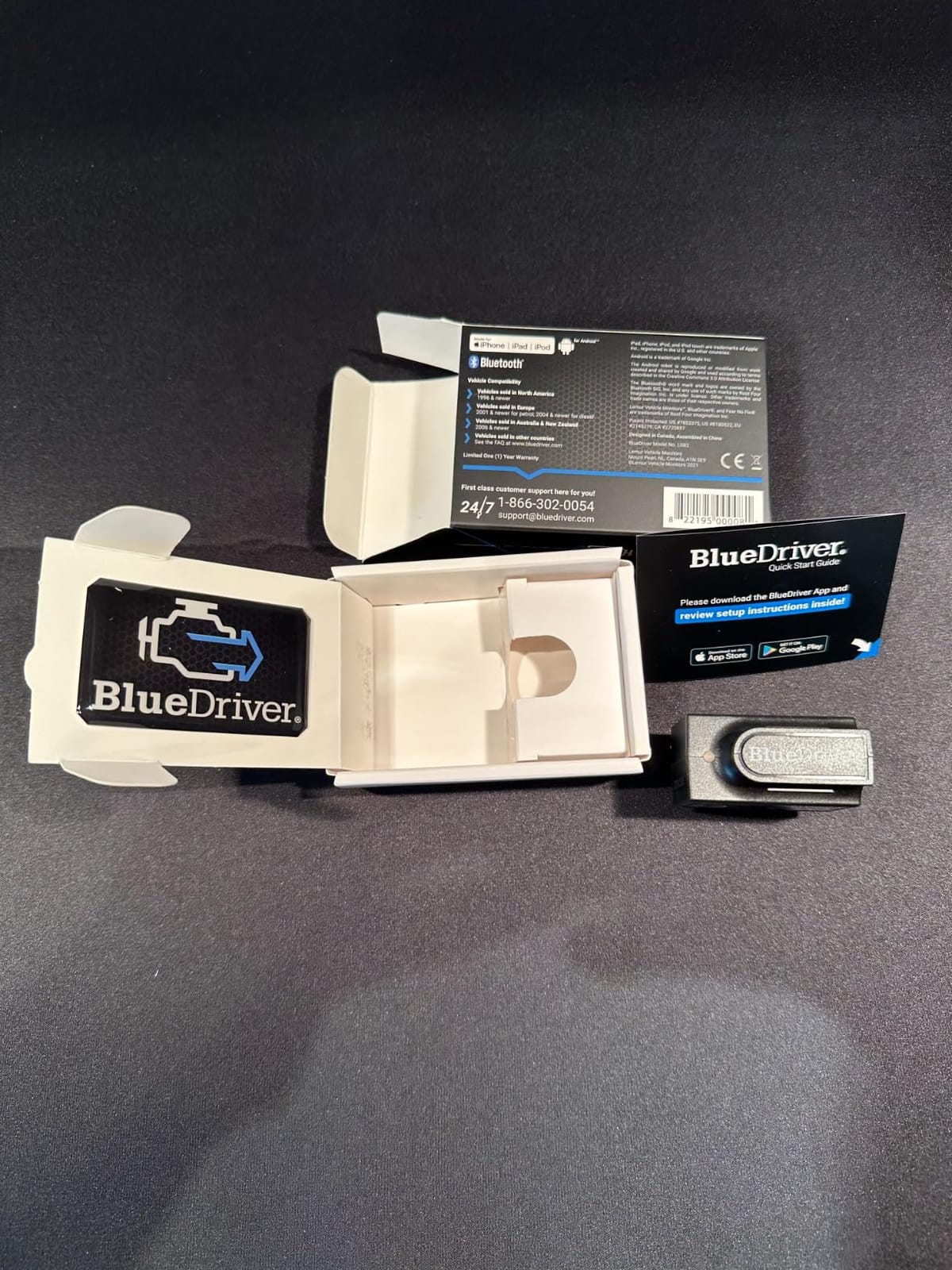
There is no subscription, no account and no add-on purchase. The full feature set is in the dongle price, and app updates are free, which removes the recurring-cost objection that hangs over some phone-based tools.
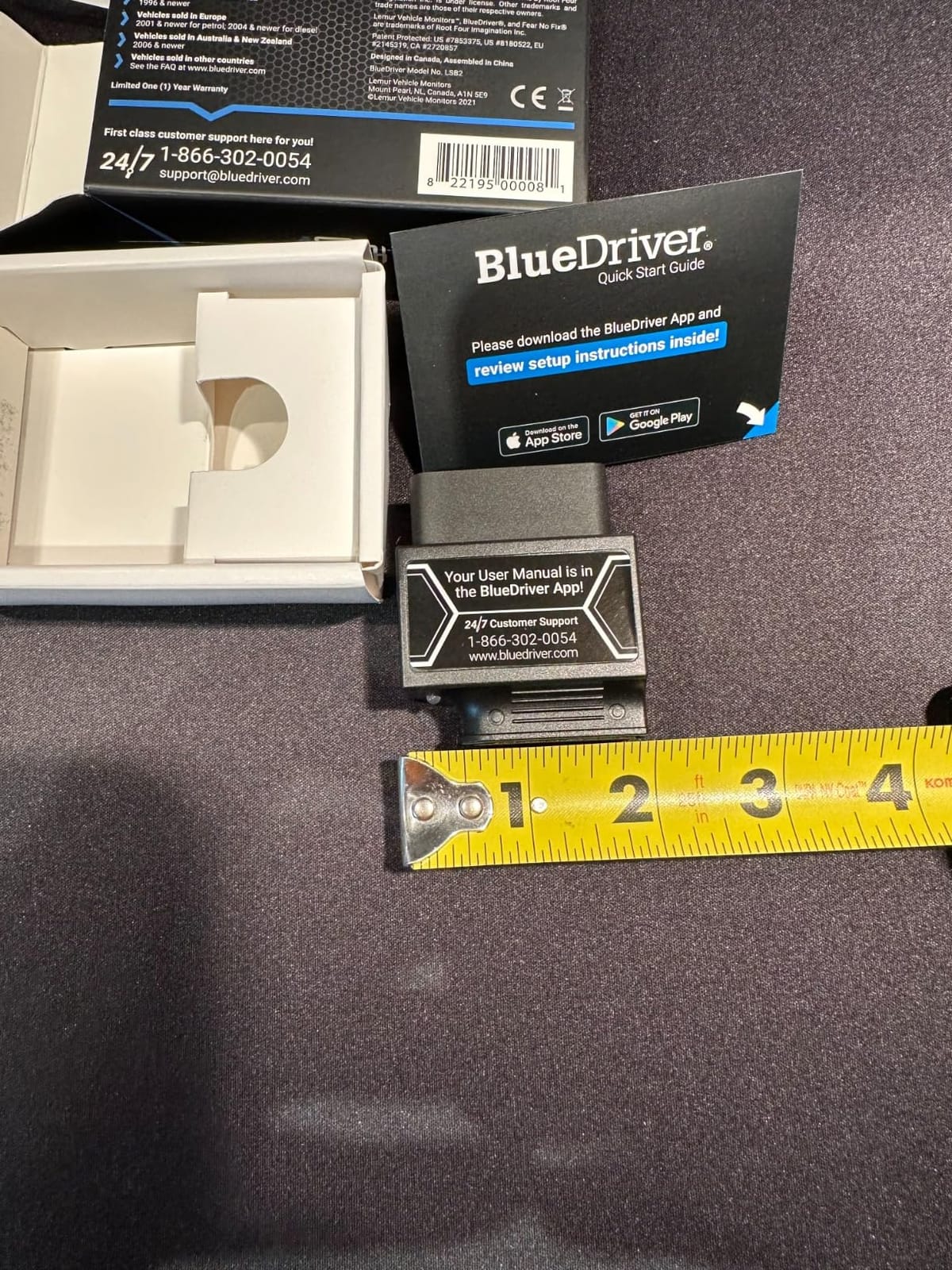
The dongle itself is 2.2 x 1.9 x 1 inch and 2.08 ounces. It lives in the glove box and disappears until a light comes on.
VIN-matched repair reports and why they matter
The app includes unlimited technician-verified repair reports matched to your VIN, with definitions, causes and confirmed fixes. A generic code tells you a mass airflow sensor reported an implausible reading. A VIN-matched report tells you what technicians actually replaced on that year and model, which is a much shorter path to a decision.
Live data monitoring while driving, freeze frame viewing, smog readiness and Mode 6 test result analysis are all included. Mode 6 is the onboard monitor test most consumer tools skip.
Vehicle support and the limits of phone-based scanning
Support covers 1996 and newer gas vehicles sold in North America, across the US, Canada and Mexico, with strong make and model coverage including GM, Ford, Stellantis, Toyota, Honda, Nissan, Mazda, Subaru, Hyundai, Mercedes-Benz, BMW and Volkswagen. Diesel, hybrid and imported vehicles sold elsewhere fall outside that boundary.
The phone dependency is the real trade-off. If the phone is dead, the adapter is in the glove box with no screen and you have no scanner. Every handheld here runs without a phone at all, which is not a small thing on a roadside shoulder.
Who should skip this one
Skip it if you dislike app-based tools, or if you want a device that works with no phone at all. Skip it if your vehicle is outside North American gas sales, since the coverage is explicit about that boundary.
3. MOTOPOWER MP69033 – More Diagnostic Detail Than Most Readers
MOTOPOWER MP69033 Car OBD2 Scanner Code Reader Engine Fault Scanner CAN Diagnostic Scan Tool for All OBD II Protocol Cars Since 1996, Yellow
Backlit 2.8 inch LCD
10.2 oz, 2.75 x 0.91 x 6.02 in
Nine OBDII protocols
Six languages
Pros
- Multi-function reader with a large backlit display and contrast adjustment
- Real-time curve and calculated load value
- Supports six interface languages
- Nine OBDII protocols for 1996+ vehicles
- Weighs 10.2 ounces for one-handed use
Cons
- Cannot read or clear ABS
- airbag or oil service codes
- Screen ships with a protective film that can scratch
- No ABS or airbag coverage on non-OBDII systems
The MP69033 is the pick when you want more than a code list but do not want a phone or a subscription. It adds a real-time data curve and a calculated load value on top of standard read, erase, freeze frame and I/M readiness, and it does it on a handheld with a backlit screen you can read in a dark garage.
It is one of the most heavily reviewed tools in the category, and two readers of this quality agreeing at 4.6 is a good sign for the whole segment.
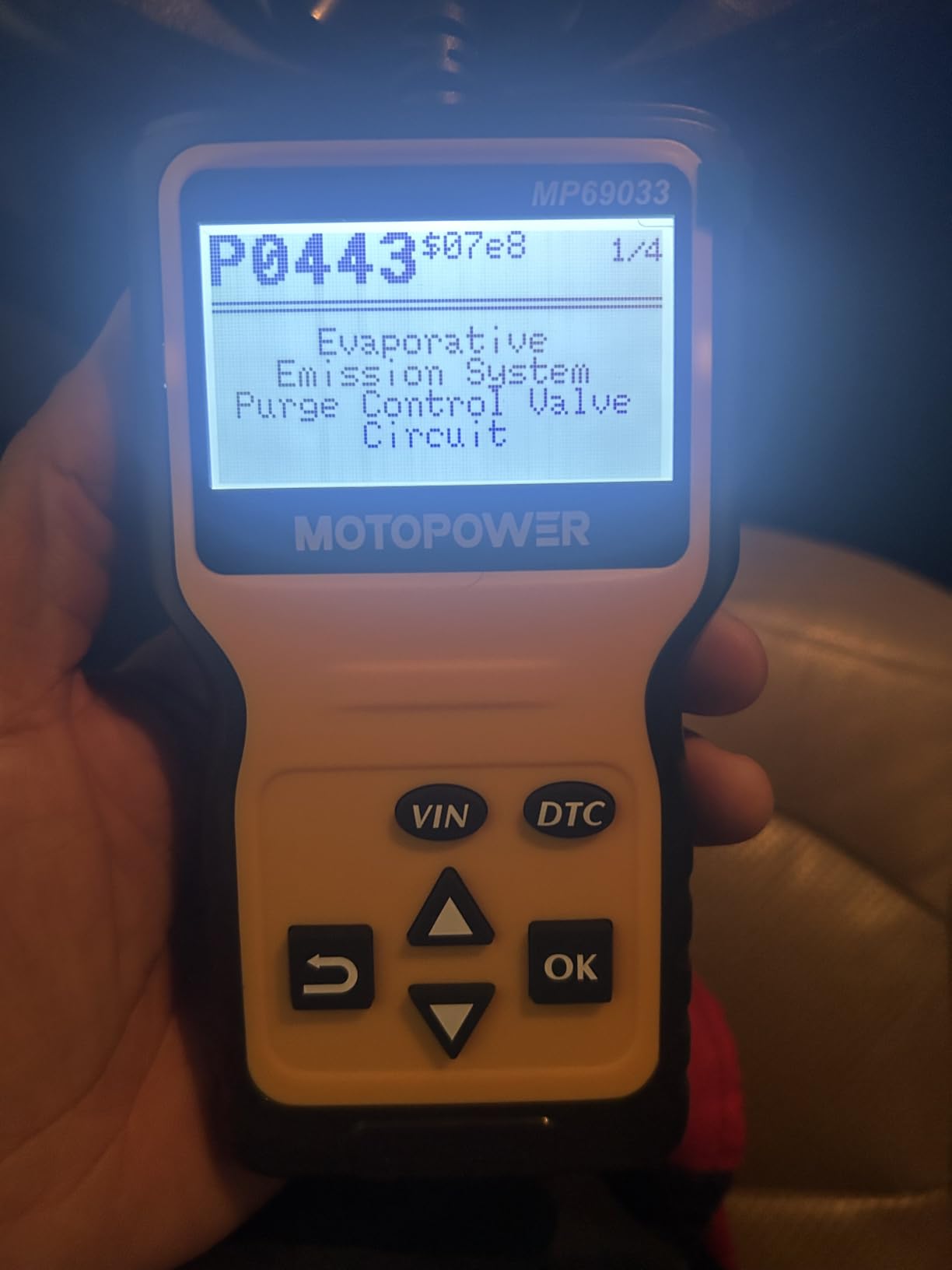
Six interface languages — English, German, Dutch, Spanish, French and Italian — is an unusual inclusion at this level, and it makes the tool less annoying if you own an imported European car.
The body is 10.2 ounces with a 2.5 foot thick cable, and it draws power from the OBD2 port itself.
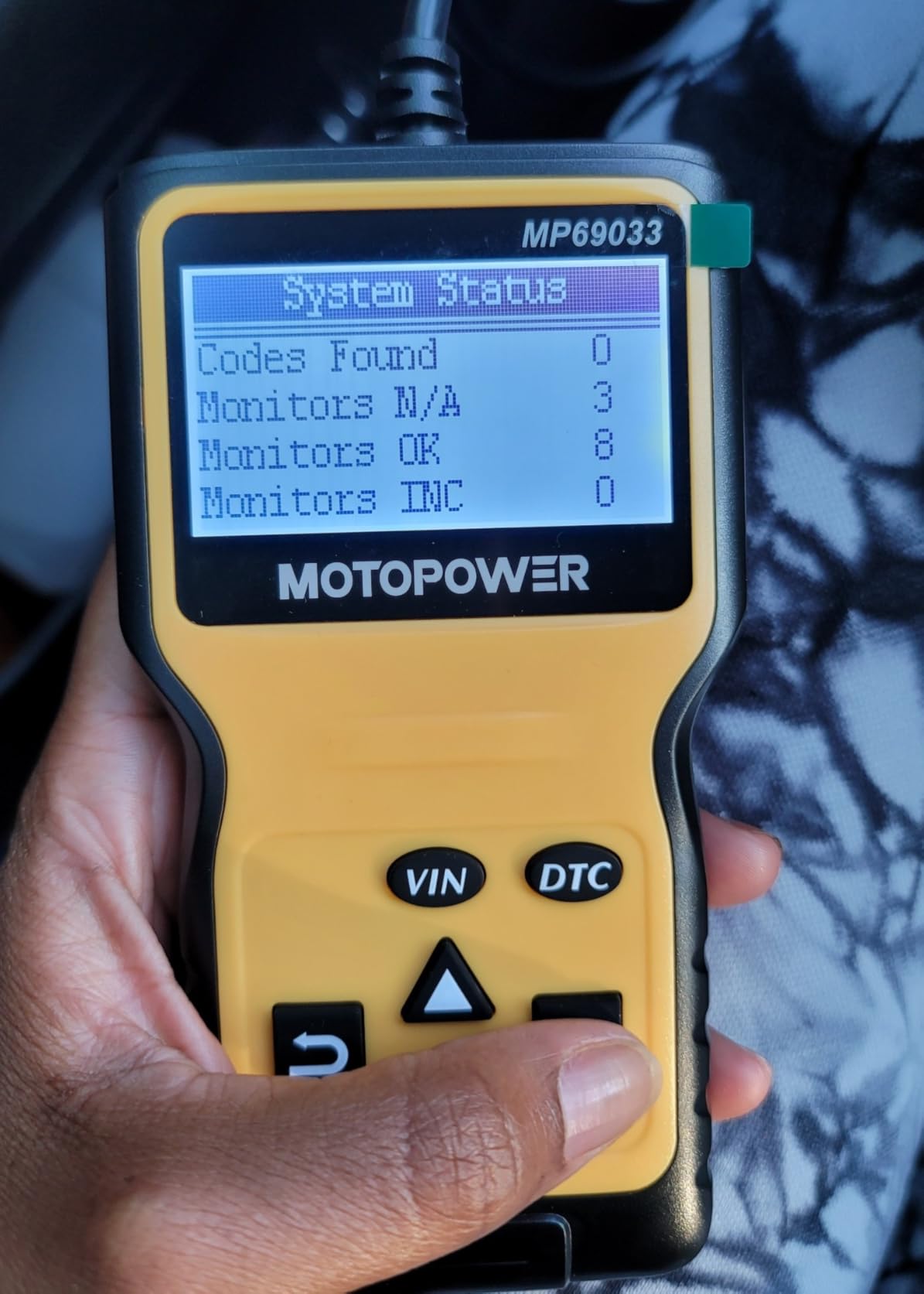
What the real-time curve and load value actually tell you
Alongside the standard read, erase, freeze frame, I/M readiness, vehicle info and data flow, the tool displays a real-time curve plus vehicle speed, calculated load value, coolant temperature and engine speed. The load value is the useful one: it tells you how hard the engine is working, which helps you catch a misfire or a rich condition that only appears under load.
A curve lets you watch oxygen sensor and fuel trim behaviour over time instead of taking a single sample. On an intermittent fault, that is the difference between guessing and observing.
Readiness and freeze frame for the emissions visit
I/M readiness output across the emission monitors is what you check before a state test, and freeze frame gives you the conditions at the moment the code was stored. The built-in OBD2 diagnostic trouble code lookup library means you are not looking up codes on a phone in a parking lot.
Nine OBDII protocols are supported across 1996 US-based, 2000 EU-based and Asian cars.
Who should skip this one
Skip it if your light is ABS, airbag or oil service related. The tool explicitly cannot read or clear those codes, and the protective film on the screen is worth peeling off before first use so you do not scratch it while trying to see through it.
4. FOXWELL NT301 – The Mid-Range Handheld With Real Diagnostic Depth
FOXWELL NT301 OBD2 Scanner Live Data Professional Mechanic OBDII Diagnostic Code Reader Tool for Check Engine Light
2.8 inch 320x240 color
Live data graph and log
EVAP and O2 sensor test
1996+ gas, 12V diesel
Pros
- Live data graphing and logging on a handheld
- One-click I/M readiness with red-yellow-green LED and speaker
- EVAP system check and O2 sensor test modes
- Bright 2.8 inch color screen readable in daylight
- Lifetime free software updates
Cons
- Software updates require a Windows computer
- No ABS
- SRS or transmission module coverage
- Heavier and bulkier than the cheapest handhelds
The NT301 is where the category starts to feel like a tool rather than a gadget. It does one-click read and clear of engine diagnostic trouble codes, and then it gives you the functions you would actually use to narrow a fault: live data graphing with logging, an EVAP system check and an O2 sensor test.
It also handles 1996 and newer gasoline vehicles plus 12V diesel vehicles with an OBD2 port, which widens the audience beyond gas-guzzler owners for the first time in this list.
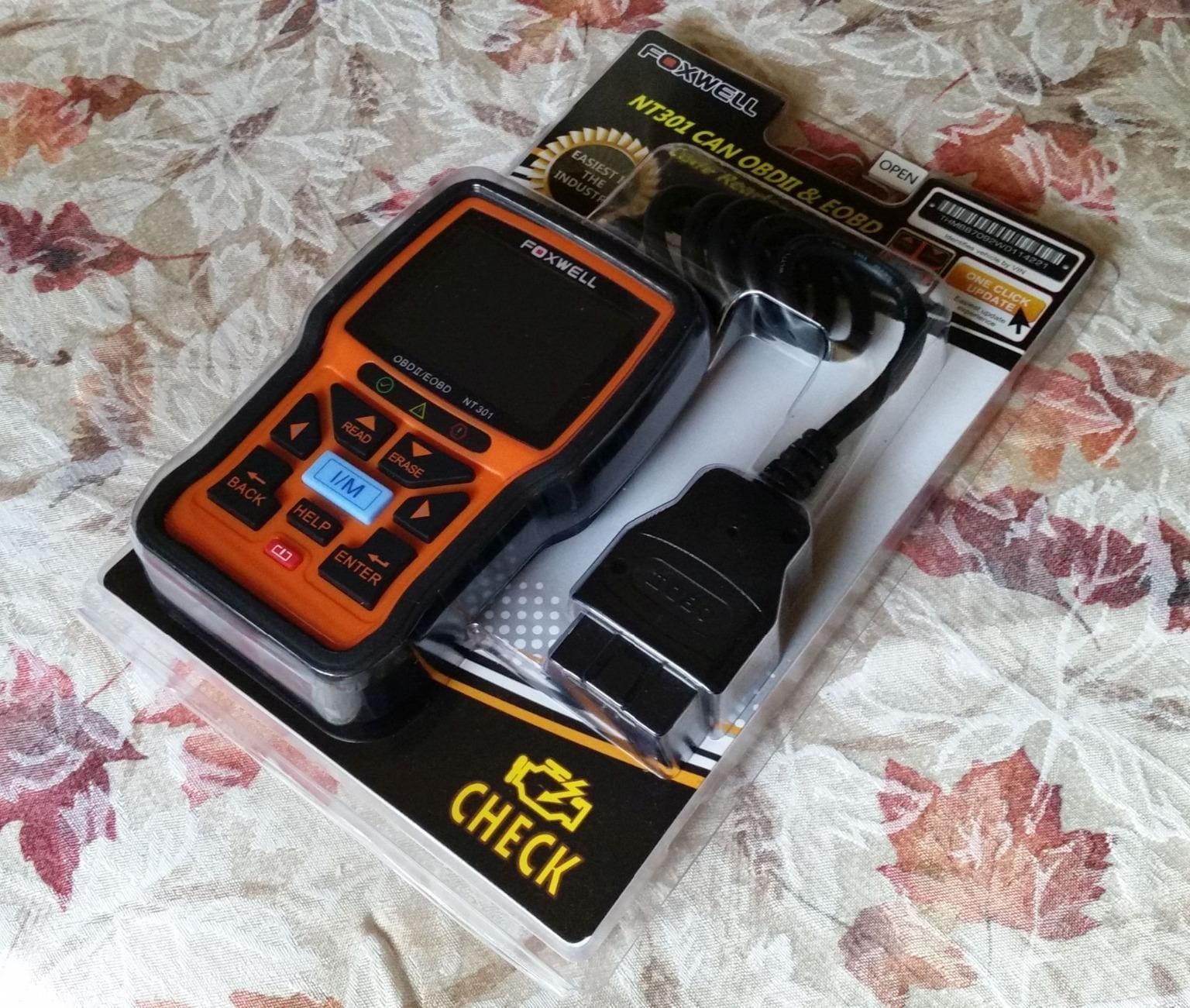
The box includes the scanner, a USB cable and a quick reference guide. No subscription, no charging, no account.
That combination — graphing, logging, two active tests — is what separates it from the pure code readers below it on this list.
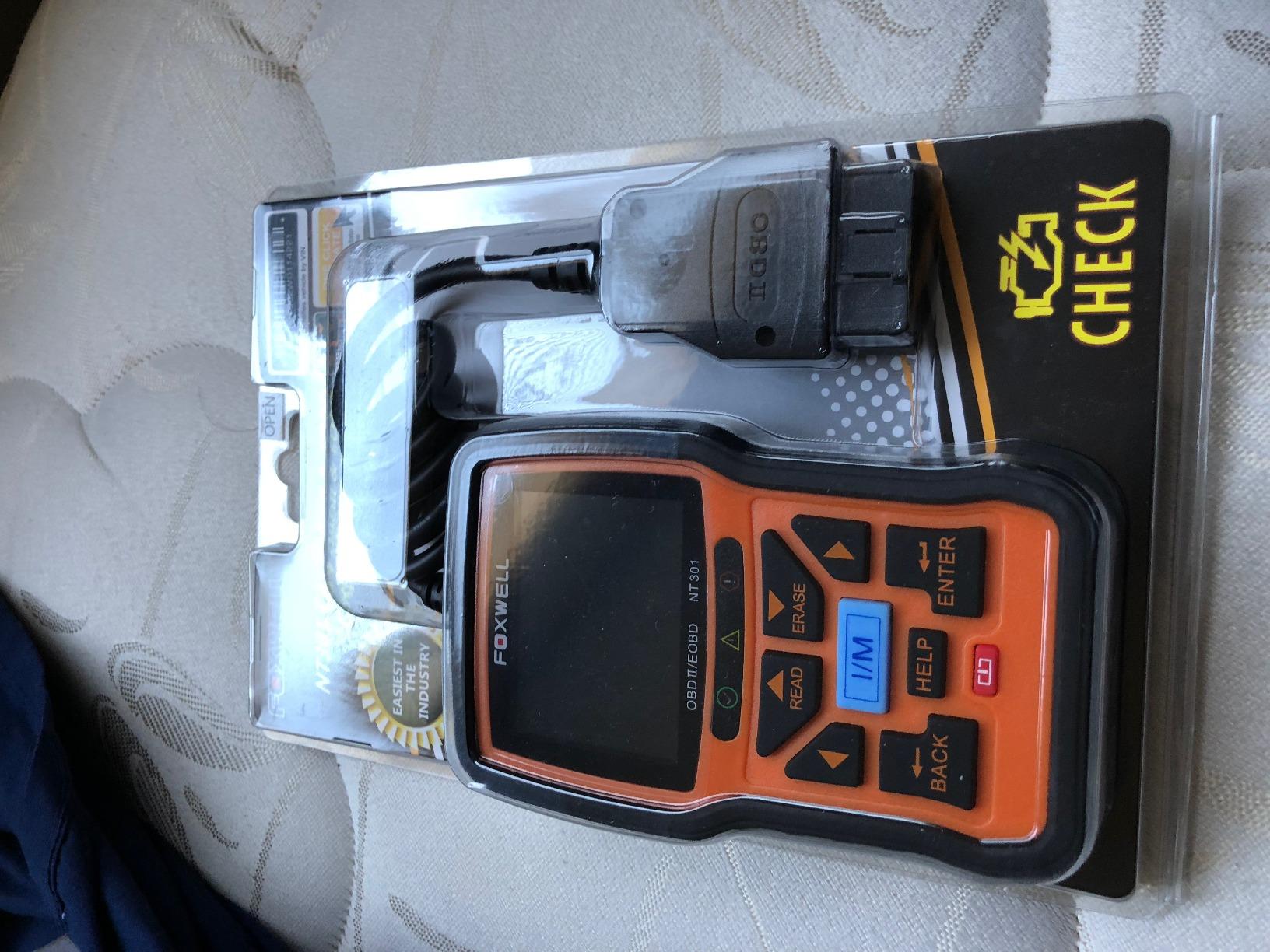
Live data graphing with logging for intermittent faults
The graphing and logging covers oxygen sensors, fuel trims, coolant temperature and RPM, which are four of the most useful parameters for diagnosing a rough idle or a stumble. You can record a session and watch it back, which is how you catch a problem that only appears on a warm engine.
Protocol support covers KWP2000, J1850 VPW, ISO9141, J1850 PWM and CAN.
The one-click I/M readiness indicator
Dedicated I/M readiness hotkeys with a red-yellow-green LED status indicator and a built-in speaker make the pre-inspection check a single action. Green means ready, and you know before you leave the driveway whether clearing codes just cost you a week of driving.
The 2.8 inch color screen at 320×240 is a step up in legibility from the monochrome panels on budget units.
Who should skip this one
Skip it if you have no Windows computer, because software updates are PC-only. Mac and iOS users cannot update it. Also skip it if you need ABS, SRS or transmission coverage — this one stops at the engine and emissions systems.
5. Autel AL319 – Easiest One-Button Interface
Autel AL319 Professional OBD2 Scanner, Enhanced Check Engine Code Reader
2.4 inch TFT color
One-click I/M readiness
177 g, 4.61 x 2.83 x 0.71 in
Seven languages
Pros
- One-click I/M readiness makes pre-smog checks simple
- TFT color screen and clear interface suit beginners
- Seven languages for imported vehicles
- No batteries
- no app and no phone needed
- 12-month warranty with lifetime free updates
Cons
- Engine and emissions codes only
- No ABS
- SRS or transmission coverage
- 2.4 inch screen is small next to rivals at the same level
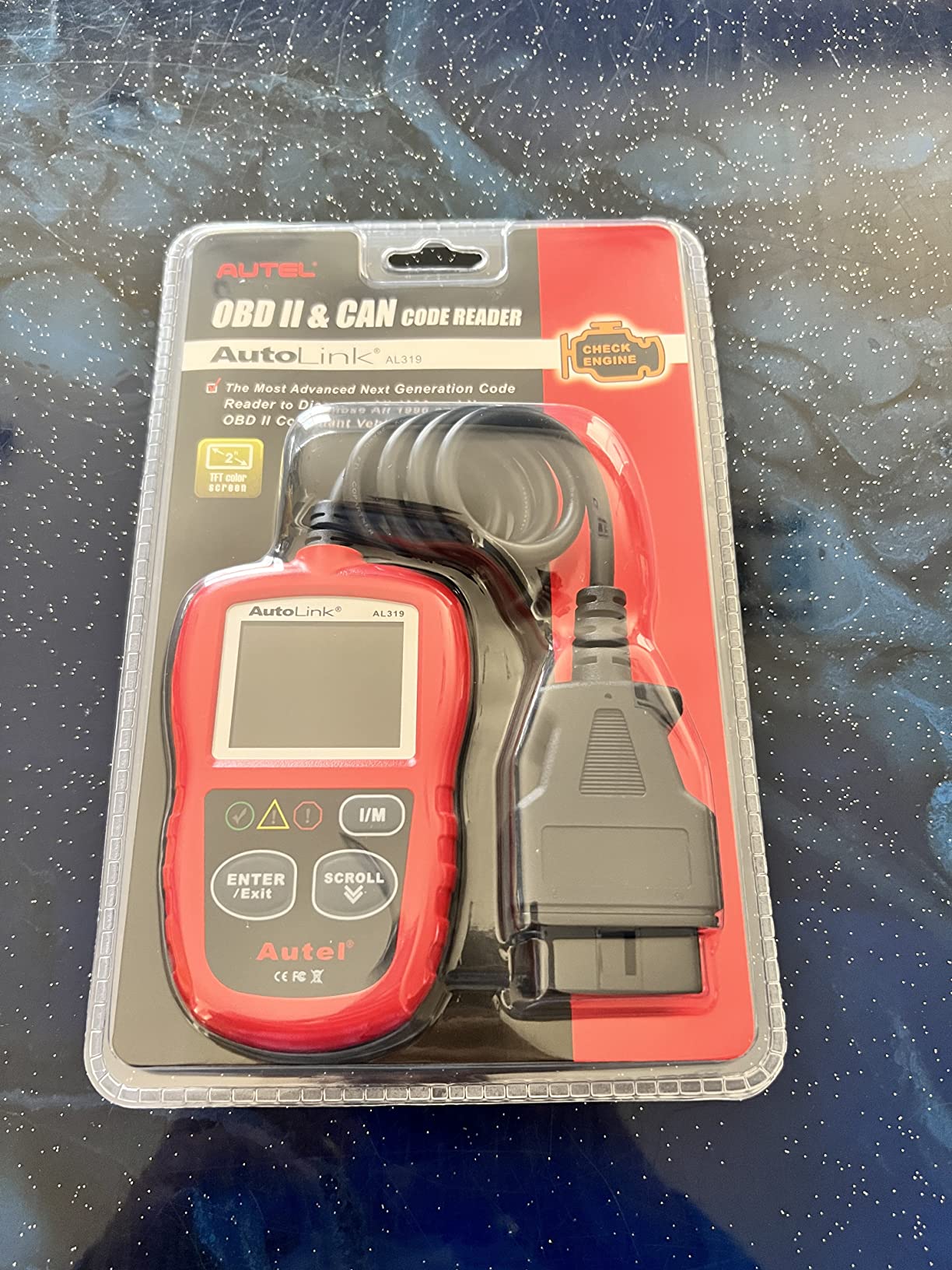
The AL319 is the model I hand to a nervous first-time owner. Nothing about it is clever, which is the point. It reads and clears diagnostic trouble codes with an on-screen lookup, shows live data, freeze frame and I/M readiness, and the patented one-click I/M readiness function turns the emissions check into a single press.
It works with post-1996 OBDII protocol vehicles including Toyota, Nissan, Honda and Ford, needs no batteries, and runs on seven languages.
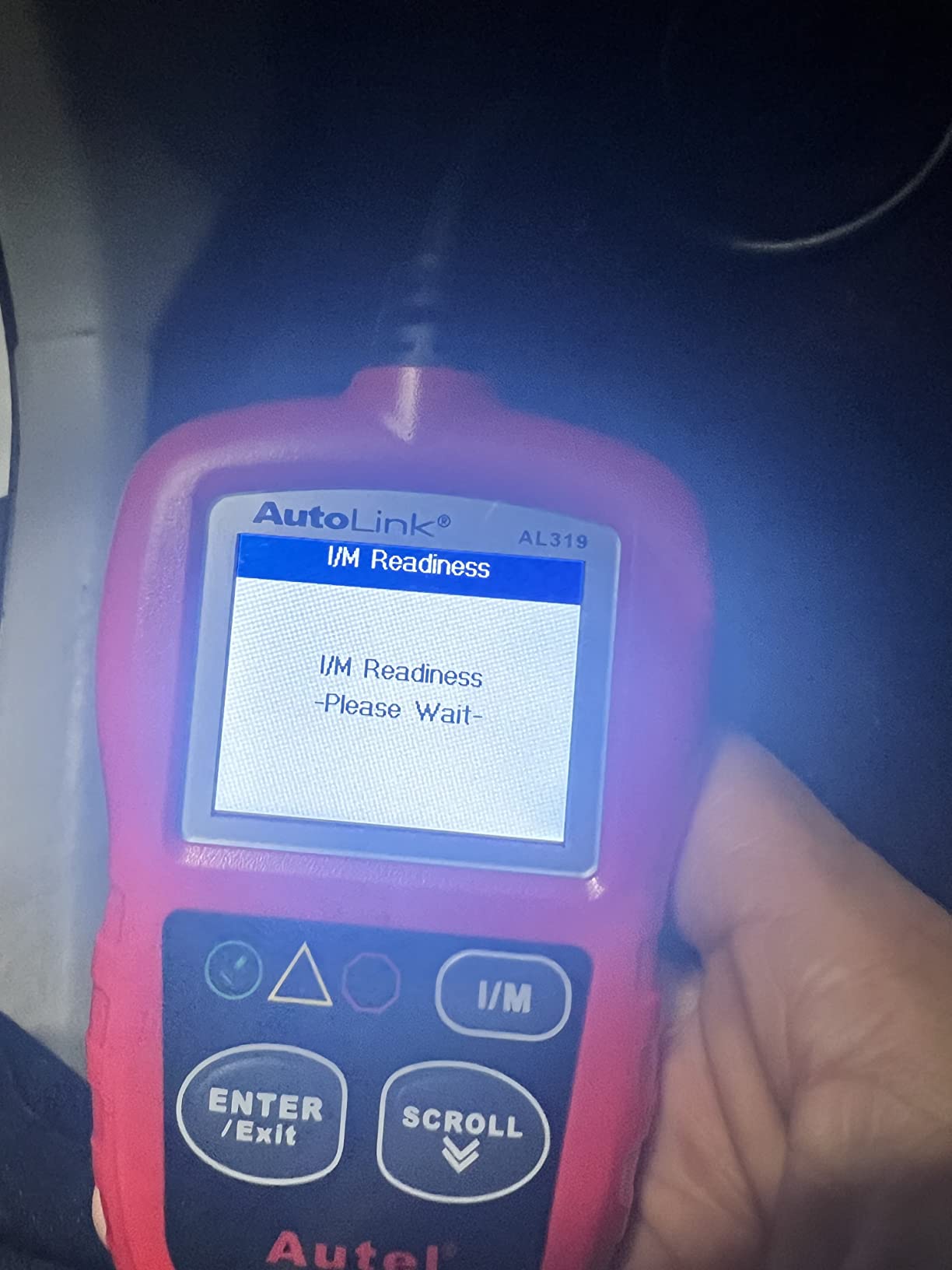
At 177 g and 4.61 x 2.83 x 0.71 inches, it is one of the more compact units here, and the TFT color display with a built-in speaker and LED indicator is easier to read than the monochrome screens it costs less than.
Coverage: post-1996 OBDII protocol vehicles, Toyota, Nissan, Honda, Ford and others.
Why one-click I/M readiness matters more than people expect
After you clear a code, the emission readiness monitors reset to not-ready. Each one flips back after a specific set of driving conditions, and clearing codes an hour before an inspection is the single most common way people fail for no reason. A dedicated button that reports readiness status removes the guesswork.
The display also gives you the code definition on screen, which saves a phone and a signal.
Warranty and update policy without a subscription
Backed by a 12-month warranty with lifetime free software updates, the AL319 has no recurring fee hiding behind the feature list. For a buyer who plans to keep a scanner for a decade, that is a bigger deal than the specification sheet suggests.
Who should skip this one
Skip it if the light on your dash is ABS, SRS or transmission related, because the coverage is engine and emissions only. If you work under a dashboard often, the 2.4 inch screen is cramped next to the 4.3 inch panel on the NT604 Elite.
6. Veepeak OBDCheck BLE – The Smallest Way Into Phone Diagnostics
Veepeak OBDCheck BLE Bluetooth OBD II Scanner for iOS & Android, Car Wireless Check Engine Light Code Reader Diagnostic Tool
Bluetooth LE dongle
Pairs inside the app
1.61 x 1.97 x 0.87 in
1996+ US cars and light trucks
Pros
- Very small way to add Bluetooth diagnostics
- Works with a wide range of third-party apps including Torque
- Pairs over Bluetooth LE with both iOS and Android
- Generic functions include freeze frame and I/M readiness
- Mini carrying case included
Cons
- Requires a separate third-party app
- some of which charge extra
- Must be connected from inside the app rather than Bluetooth settings
- Not compatible with Carly
- MHD
- xHP
- ProTool or bootmod3
- No ABS
- SRS
- relearn or service reset functions
The Veepeak OBDCheck BLE does one job: put a Bluetooth Low Energy OBD2 link into your pocket so an app can talk to the car. At 1.61 x 1.97 x 0.87 inches it is a very small tool, and it includes a mini carrying case.
There is no Veepeak app of its own. The dongle is a hardware key, and the software is whatever you choose, which is a feature for people who know which app they want and a drawback for everyone else.
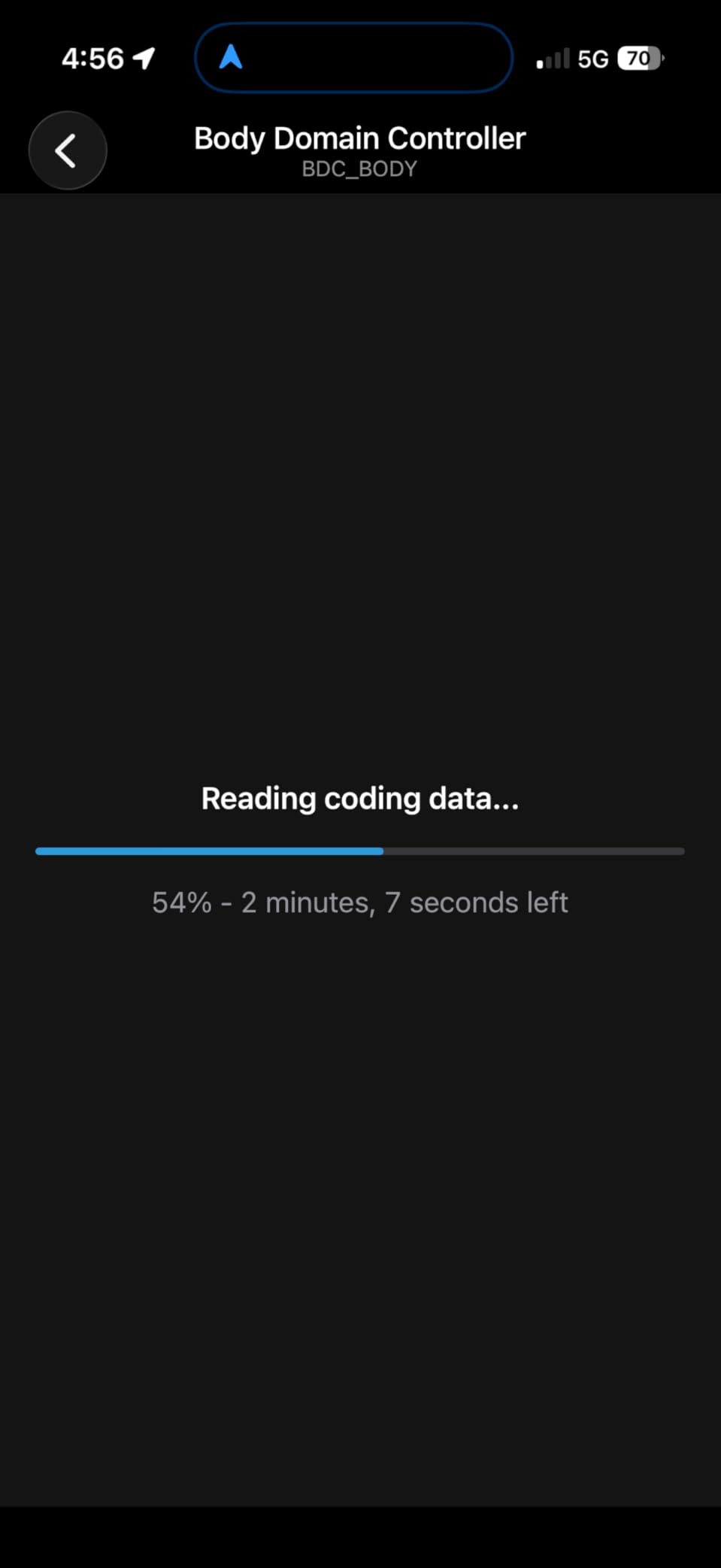
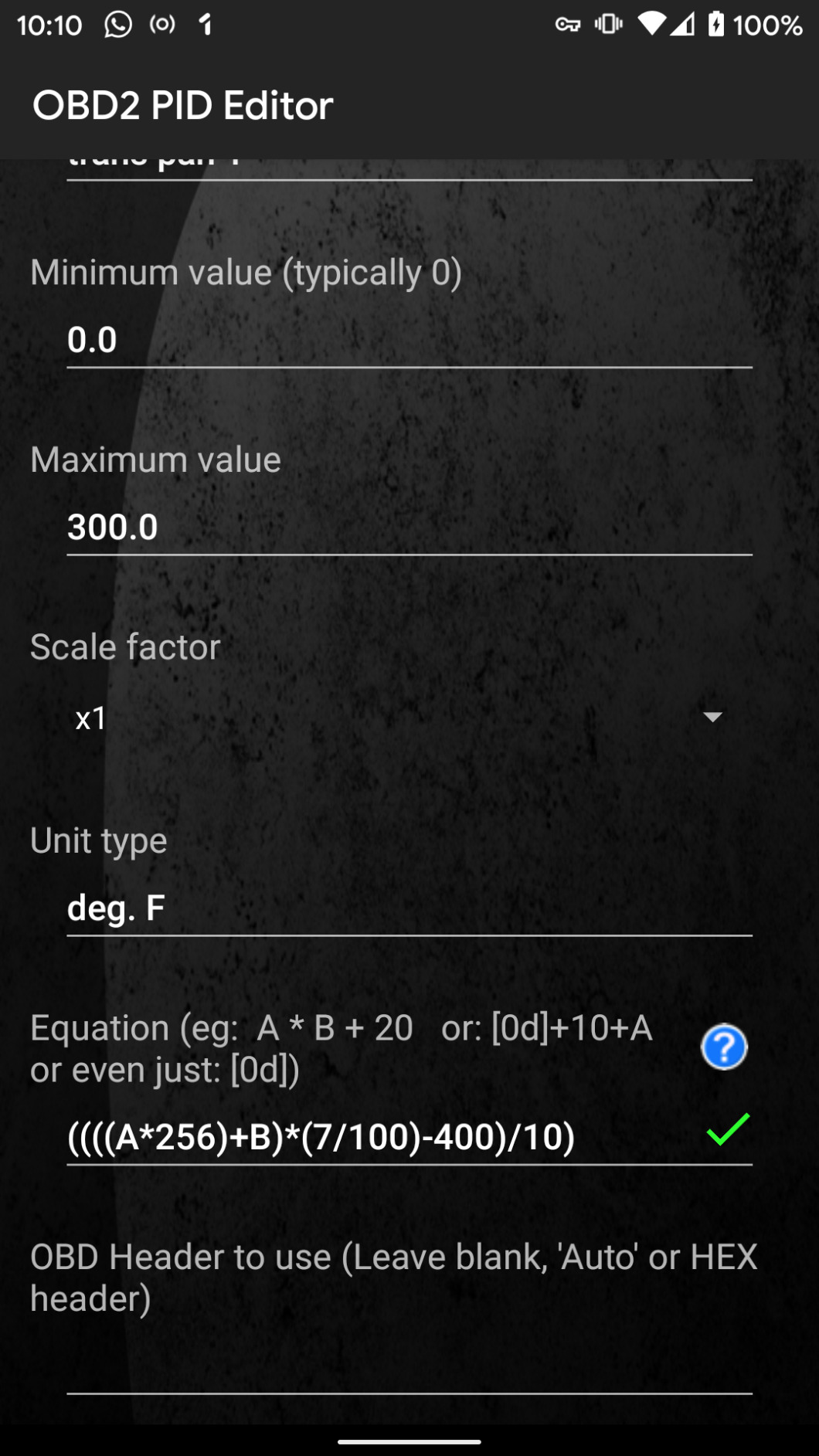
It is compatible with Car Scanner ELM OBD2, Torque, OBD Fusion, BimmerCode, BimmerLink, OBD JScan and Dr. Prius, working for most 1996 and newer US cars and light trucks for generic OBDII functions.
Generic OBDII functions include reading and clearing trouble codes, freeze frame, I/M readiness and live sensor data.
The pairing step that trips people up
Bluetooth Low Energy devices do not appear in the phone Bluetooth menu. You open the app first and pair from inside it, which is the opposite of the muscle memory every other Bluetooth device trains you into. Anyone who tries to connect it from settings will conclude it is broken.
Electric vehicle and hybrid support is app-dependent, so check your chosen app before assuming coverage.
Which apps to pair it with
Torque and OBD Fusion are the general-purpose choices, giving you gauge layouts and data logging that a bare code reader cannot. BimmerCode, BimmerLink and OBD JScan are the options for BMW and MINI owners who want module-level detail.
Some apps charge for advanced features, so the total cost of ownership depends on what you install. Budget for that before assuming this is a one-purchase solution.
Who should skip this one
Skip it if you dislike app-based tools, or if you rely on Carly, MHD, xHP, ProTool or bootmod3 — the dongle is not compatible with those. It also does not support ABS, SRS, oil light or service reset, relearns, EPB reset, ABS bleeding or MS-CAN in FORScan and AlfaOBD. A one-year manufacturer replacement warranty is included.
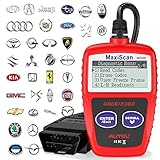
7. Autel MS309 – A Credible Reader at the Entry Level
Autel OBD2 Scanner MS309 Universal Car Engine Fault Code Reader, Check Engine Light and Emission Monitor Status, OBDII CAN Diagnostic Scan Tool
1 inch 128x64 display
1000+ code definitions
I/M readiness by monitor
180 g, 2.74 x 0.8 x 4.34 in
Pros
- Built-in database of 1000+ code definitions
- I/M readiness status across all major monitors
- Freeze frame plus VIN and Calibration ID data
- Plug-and-play with no registration
- 12-month warranty and lifetime free technical support
Cons
- Cannot clear codes on 2017+ FCA vehicles due to the SGW and AutoAuth lock
- Basic OBDII reader with no advanced parameter display
- 1 inch display limits on-screen detail
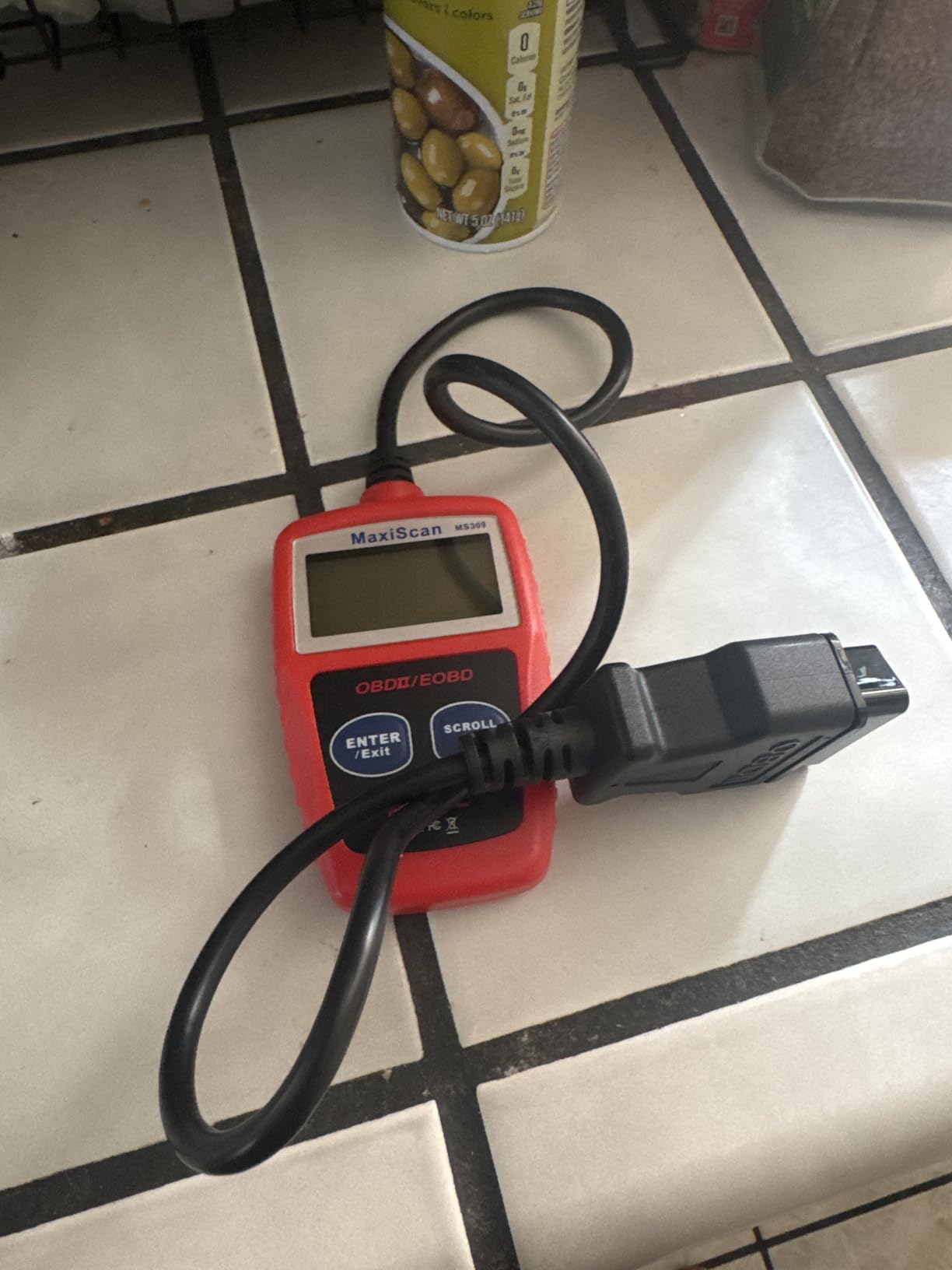
The MS309 is one of the two least expensive tools we tested, and it still holds a 4.6 rating across roughly 17,000 reviews. It does not feel like a novelty, mostly because of the 1000-plus code definition database built into the device.
That database is the differentiator. On a cheaper reader without it, you are reading a code and then searching for it on your phone. Here the meaning is already on screen.
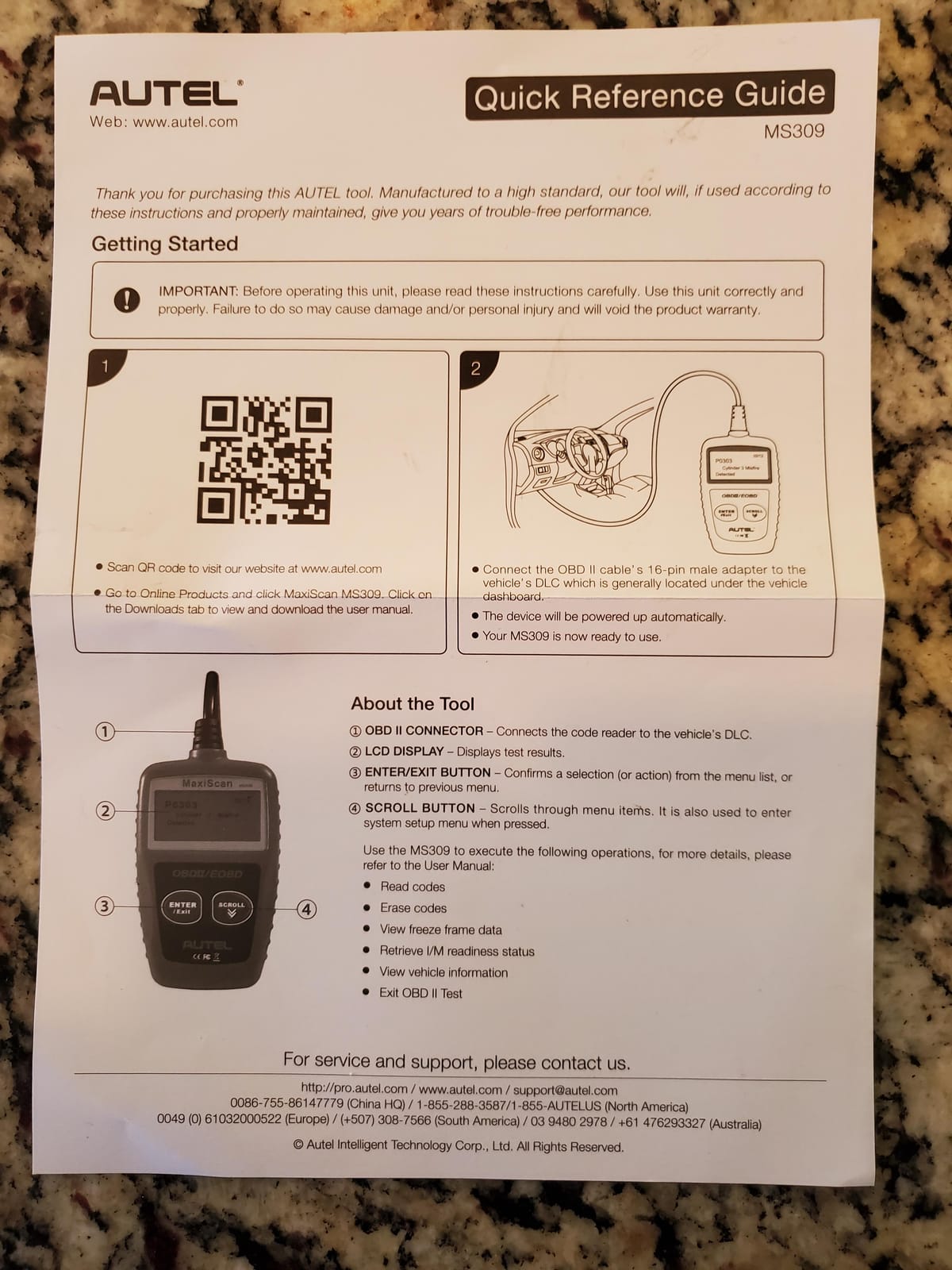
It retrieves generic P0, P2, P3 and U0 codes, manufacturer-specific P1, P3 and U1 codes, and pending codes, so you see more than just the headline fault.
Freeze frame data plus VIN, Calibration ID and CVN retrieval come standard, which is a genuinely useful combination when you are standing next to a used car you are thinking about buying.
The FCA security gateway limitation you should know about
This tool cannot clear codes on 2017 and newer FCA vehicles — Chrysler, Dodge and Jeep — because those cars use the SGW and AutoAuth security system, which locks out generic tools. It can still read codes on them. If you own a newer Ram or Dodge and expect to clear codes yourself, note this before you buy anything generic.
There is no TPMS support and no other service functions. It is a basic OBDII code reader by design.
I/M readiness broken down by monitor
The readiness status covers misfire, fuel system, comprehensive components, catalyst, O2 sensor and EVAP monitors individually, rather than lumping them into a single pass or fail. That granularity is what lets you work out which monitor still needs a drive cycle.
Power comes from the OBD2 cable connection, with no registration required.
Who should skip this one
Skip it if you own a 2017 or newer Chrysler, Dodge or Jeep and want to clear codes, or if you need any service function. The 1 inch display is the smallest here, so it is a poor choice if you plan to read live data on it.
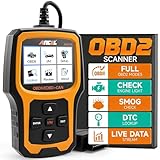
8. ANCEL AD410 – The Step Up With a Bigger Code Database
ANCEL AD410 Enhanced OBD2 Scanner, Vehicle Code Reader for Check Engine Light, Automotive OBD II Scanner Fault Diagnosis, OBDII Scan Tool for All OBDII Cars 1996+, Black/Yellow
42,000+ DTC lookups
2.4 inch 320x240 color
10.56 oz, 3.05 x 0.93 x 4.88 in
CAN, ISO9141, J1850
Pros
- 42
- 000+ built-in DTC lookups with on-screen definitions
- Adds O2 sensor test and EVAP test
- Real-time data for RPM
- coolant
- fuel trim and oxygen sensors
- 2.4 inch color display at 320x240
- No app
- phone
- battery or charger required
Cons
- Engine and emission codes only
- No service reset or bi-directional control functions
- Compatibility varies by year
- make and model
The AD410 is the AD310 with a much larger database and two active tests added, and if you are stepping up from a basic reader that only decoded a handful of codes, that is exactly what you want. Forty-two thousand plus built-in diagnostic trouble code lookups with on-screen definitions means the answer is on the device.
It is also physically nicer to work with: a 2.4 inch color screen at 320×240 instead of a monochrome panel, at 10.56 ounces and 3.05 x 0.93 x 4.88 inches.
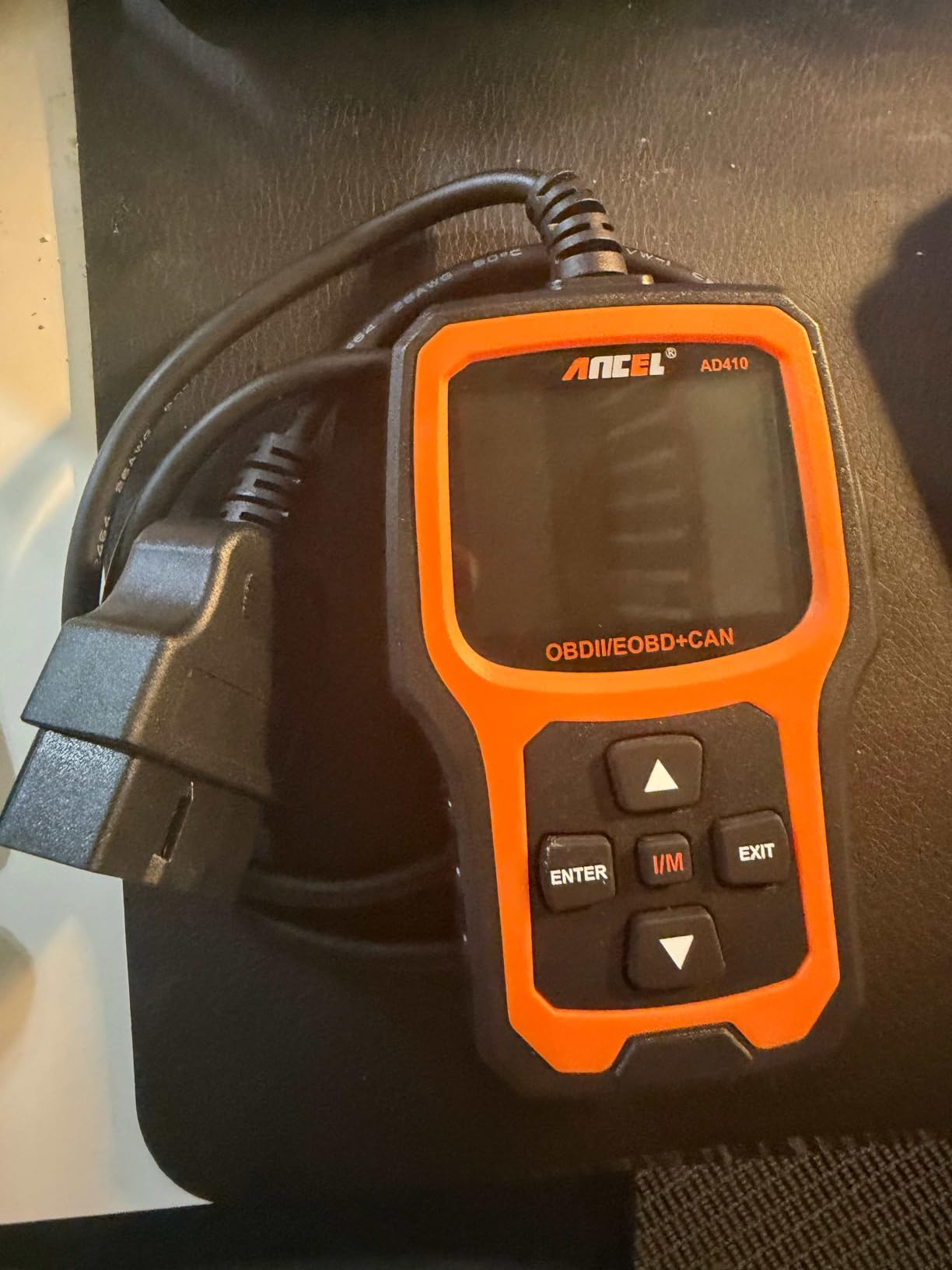
It reads and clears codes and adds live data, freeze frame, I/M readiness, an O2 sensor test and an EVAP test, plus vehicle information and MIL status display.
No battery, charger, Bluetooth or phone app is required. The box includes the scanner, a user manual and a USB cable.
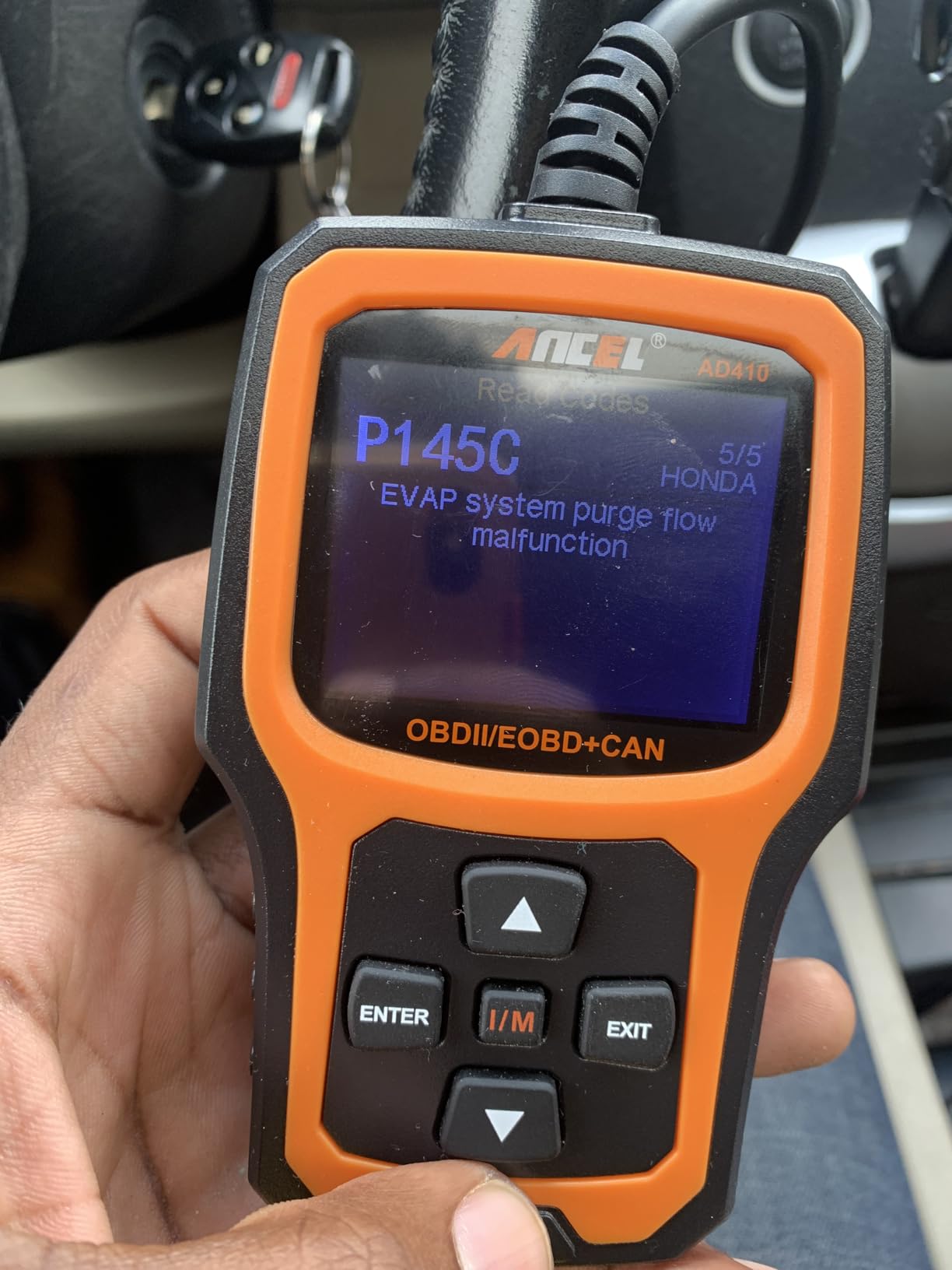
Real-time sensor readings on a small color screen
Live data covers RPM, coolant temperature, fuel trim and oxygen sensor readings in real time. Fuel trim is the number to watch: a persistent positive or negative trim tells you the engine is compensating for a lean or rich condition, which is often the first clue that an oxygen sensor or a vacuum leak is involved.
The O2 sensor test and EVAP test modes let you check the two systems that generate most of the codes people clear and ignore.
Protocol coverage and the compatibility caveat
It supports CAN, ISO9141, KWP2000, J1850 VPW and J1850 PWM protocols with multilingual menus, which covers the standard 1996-and-newer range.
The honest caveat is that coverage still varies by year, make and model, so verification before you commit is worth doing.
Who should skip this one
Skip it if you need ABS, SRS or transmission coverage, or if you want service reset or bi-directional control functions. Both are explicitly absent. It is an engine and emissions tool, done thoroughly.
9. FOXWELL NT201 – The Glove-Box Reader That Handles Hybrids
FOXWELL NT201 OBD2 Scanner Engine Code Reader for Cars and Trucks
2.4 inch 320x240
One-key emissions check
3 x 0.8 x 4.7 in
1996+ gas, SUV, hybrid
Pros
- One-key emissions readiness check with color indicators
- Live data and O2 sensor monitoring for intermittent faults
- Compact and durable
- no app or Bluetooth pairing
- Works on 1996+ US gasoline vehicles
- SUVs
- light trucks
- minivans and hybrids
- Lifetime free software updates
Cons
- Engine and emissions codes only
- Not compatible with electric vehicles or 24V heavy-duty trucks
- Some copies include a charge-only USB cable
- Menu booklet is thin on instructions
The NT201 is a handheld worth suggesting to a hybrid or minivan owner who does not want an app or a pairing ritual. Its supported list explicitly names 1996 and newer US gasoline vehicles, SUVs, light trucks, minivans and hybrids with a 16-pin OBD2 port.
That hybrid line is worth noting because most budget readers simply do not claim it, and the coverage list is the first thing to check before buying anything for an unfamiliar vehicle.
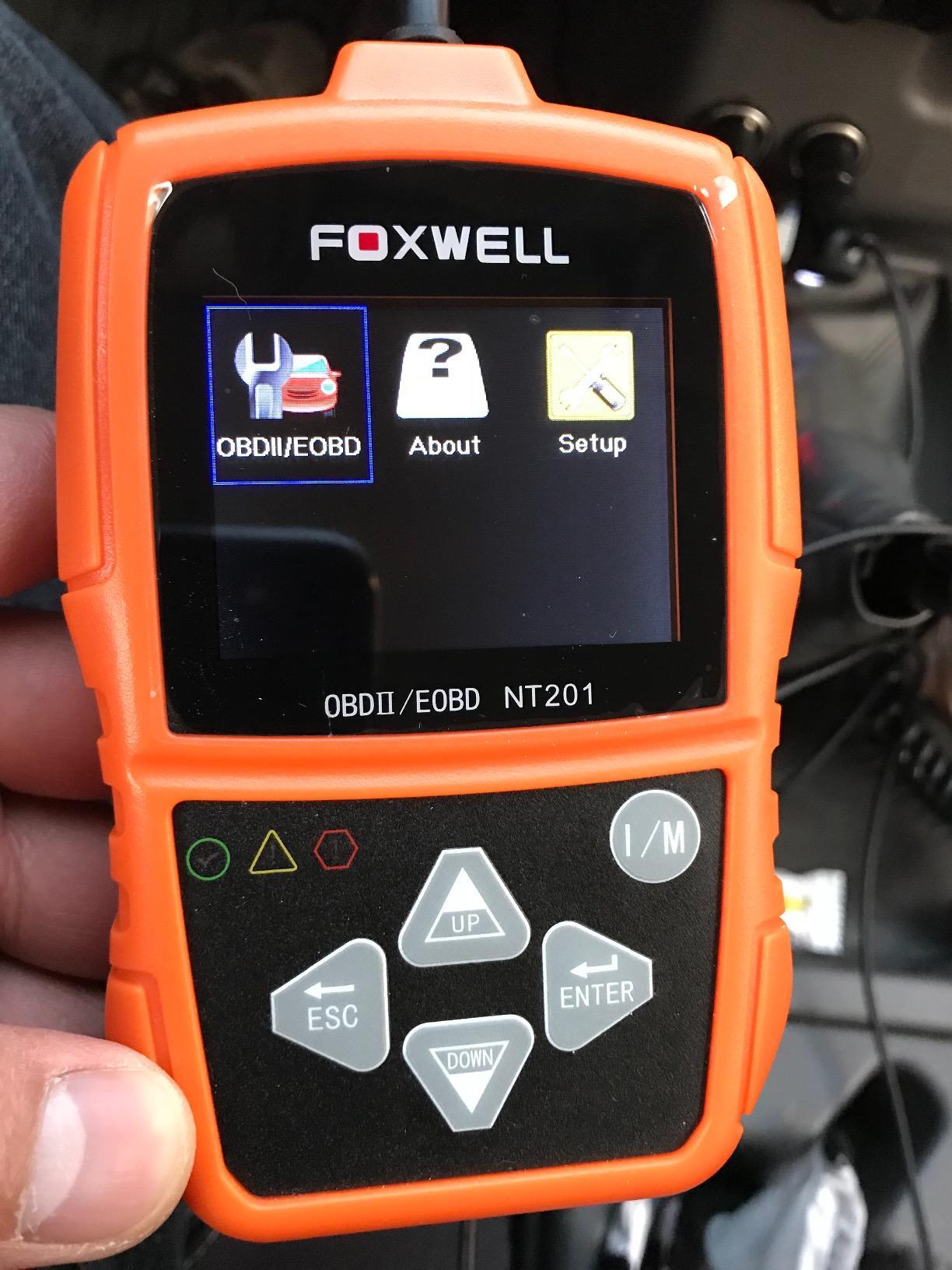
It reads and clears check engine light fault codes with an on-screen DTC decode, and the one-key emissions readiness check uses red, yellow and green indicator lights rather than a menu.
Live data display covers RPM, coolant temperature, intake air temperature and oxygen sensor readings, with data record and graph functions.
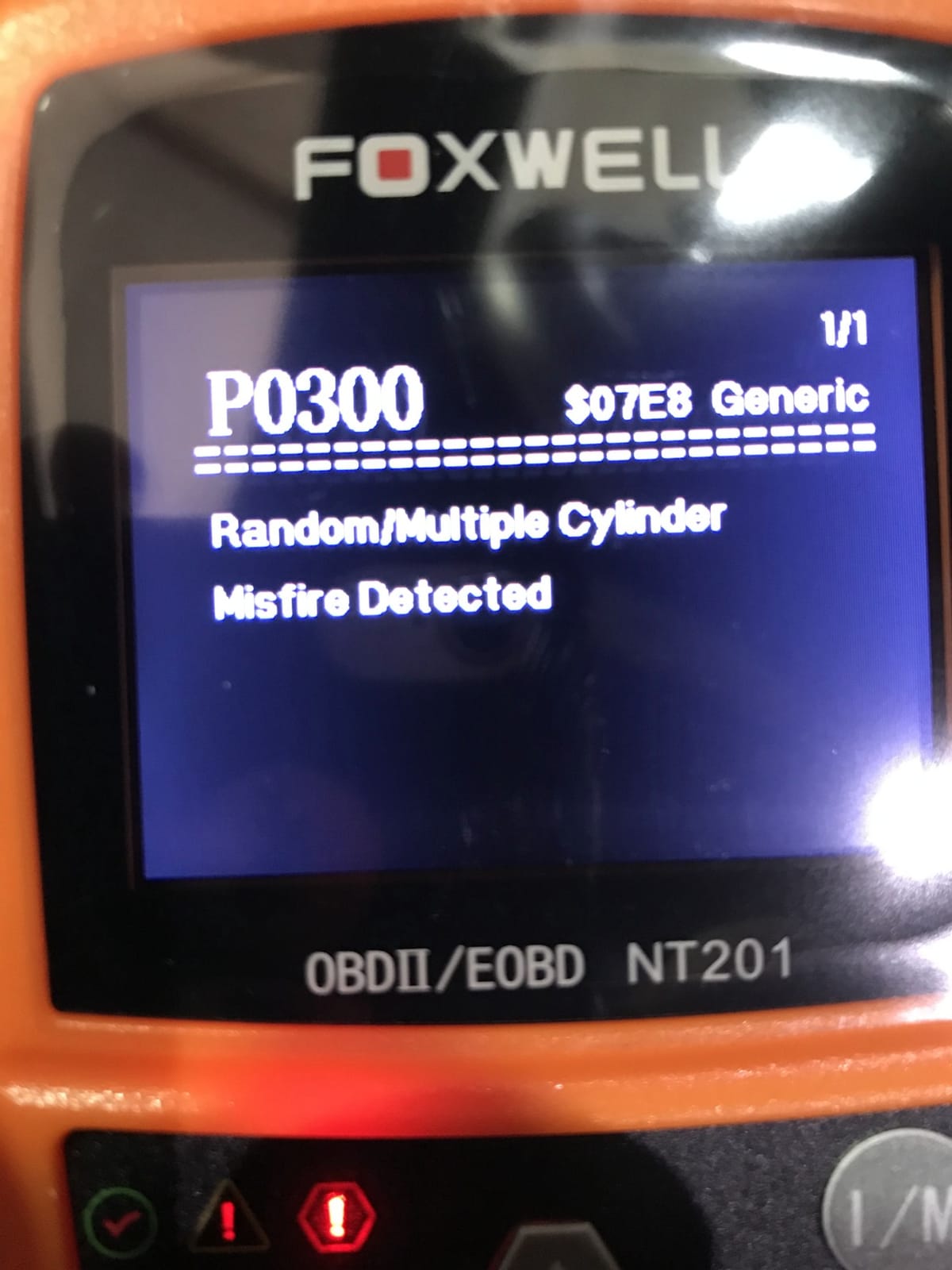
The O2 sensor monitoring test as a diagnostic step
The O2 sensor monitoring test checks air-fuel mixture and fuel economy, which makes this more than a code reader. If a scanner can show you the sensor responding to throttle input in real time, you can distinguish a failed sensor from a vacuum leak without a smoke test.
Data record and graph display let you capture a session and review it later in daylight, which is easier than squinting at a small screen in a driveway at night.
Update policy and what is in the box
Lifetime free software updates are available via a Windows PC. The box includes the NT201 reader, a user guide and a USB cable, though some buyers report a charge-only cable in the box, so treat the USB lead as optional rather than essential.
Power is plug-and-play from the OBD2 port.
Who should skip this one
Skip it for electric vehicles or 24V heavy-duty trucks, both explicitly out of scope, and skip it if you need ABS, airbag or transmission coverage. If you have never held an OBD2 tool, read the menu booklet before you assume the menus are self-explanatory.
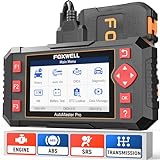
10. FOXWELL NT604 Elite – Five Diagnostic Systems in One Handheld
FOXWELL Car Scanner NT604 Elite OBD2 Scanner ABS SRS Transmission
5-in-1: engine, ABS, SRS, trans
4.3 inch 480x272 color
AUTOVIN 60+ brands
2026 software
Pros
- Reads engine
- ABS
- SRS and transmission in one unit
- Large 4.3 inch 480x272 screen easy to read under a dash
- Includes a solid protective case
- AUTOVIN retrieves VIN and vehicle info fast
- 2026 software pre-loaded with lifetime updates
Cons
- No service functions like oil reset
- ABS bleeding or relearns
- Crash and collision SRS data cannot be cleared
- Smaller review base at roughly 5200 reviews
The NT604 Elite is the reason this roundup needed a buying guide. The nine engine-only tools before it connect, read, and report nothing for a brake or airbag light. This one reads the engine, ABS, SRS and transmission alongside full OBDII, which is a genuinely different product category rather than a better version of the same thing.
It runs Linux, has a 4.3 inch 480×272 color display, and ships with a diagnostic cable, USB cable, quick start guide, user manual and a sturdy protective box rather than a thin plastic bag.
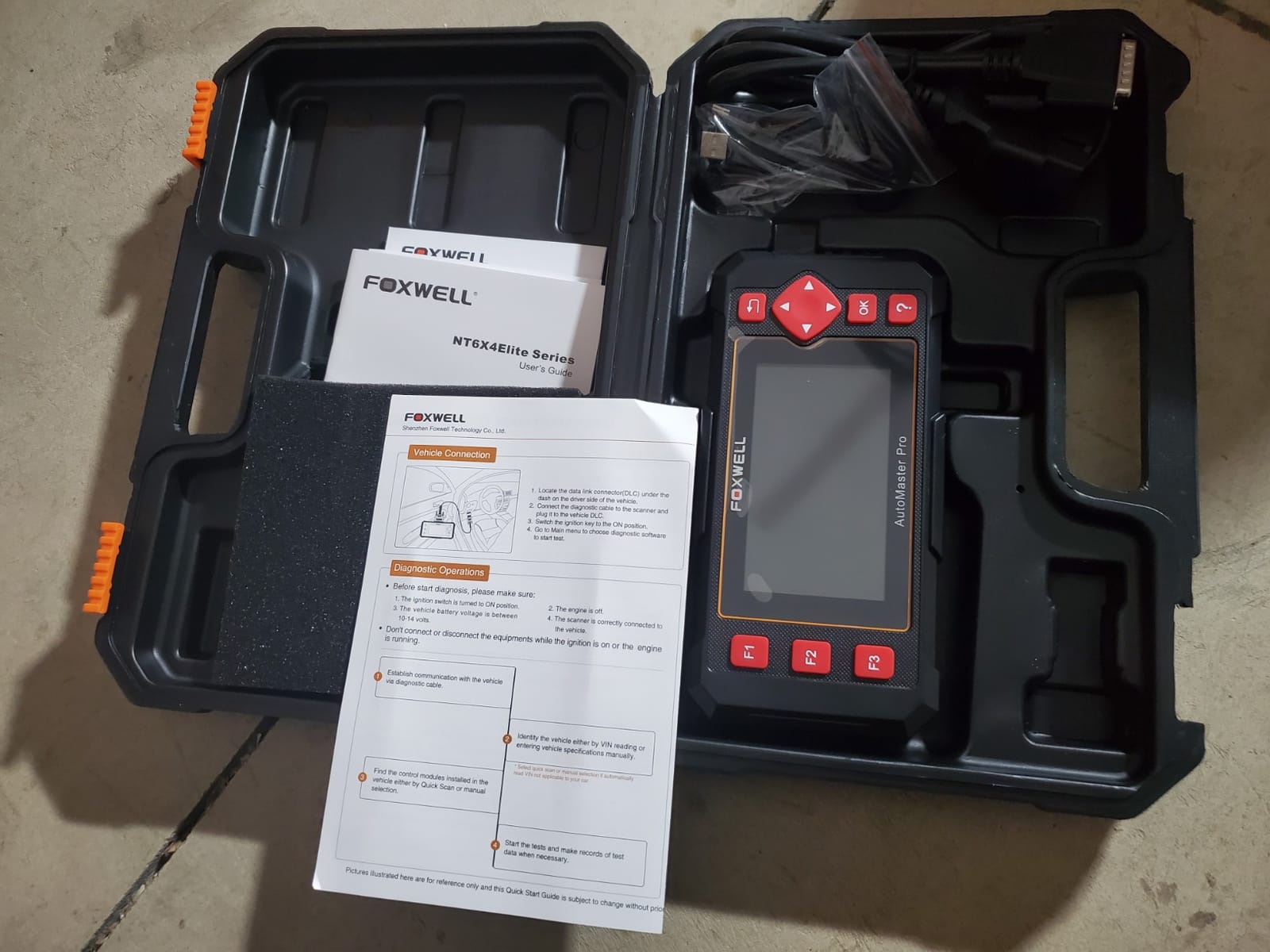
AUTOVIN pulls the VIN and vehicle information across 60-plus car brands without an extra software fee, and the current software version arrives already installed, so there is no setup download before your first scan.
Lifetime software updates are included after that.
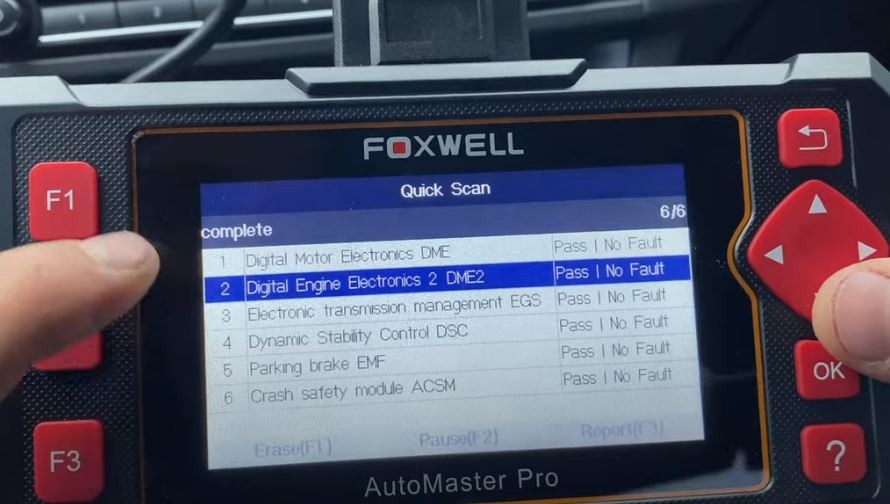
What the SRS module can and cannot do
The SRS module reads and clears common airbag fault codes that were not caused by a crash. Crash and collision data cannot be cleared, by design — that data belongs to the event record, and no consumer tool should be able to erase it. If you are buying a used car with a deployed airbag, that is a conversation with the seller, not a scanner function.
The I/M readiness menu exists for annual emissions test preparation, and the live data stream includes data playback and report printing.
Why the service function gap matters
There are no service functions: no oil reset, no battery registration, no ABS bleeding and no throttle body relearn. If your plan involves post-maintenance resets, this is not the tool. The multi-system coverage is the trade you are making, and for most owners chasing a warning light it is the right one.
Who should skip this one
Skip it if you service cars for a living and need reset and relearn functions, since a professional workflow depends on them. It also carries a 4.4 average on a smaller review base than most of this list, which tracks with owners who expected professional-tier features at a consumer price.
11. Innova 5210 – Code Reader and Battery Tester in One
Innova 5210 OBD2 Scanner & Engine Code Reader, Battery Tester, Live Data, Oil Reset, Car Diagnostic Tool for Most Vehicles, Bluetooth Compatible with America’s Top Car Repair App
OBD2 reader plus battery tester
2.8 inch screen
5.99 x 2.99 x 0.99 in
Free RepairSolutions2 app
Pros
- Battery and alternator tester built into a handheld reader
- Oil light reset function included at this tier
- Free app provides ASE-certified verified fixes with cost estimates
- No subscription or hidden app fees
- Reads ABS codes in addition to engine codes where covered
Cons
- Feature coverage varies significantly by make
- model and year
- Readiness monitors reset after a code clear and need a drive cycle
- Bulkier than basic engine-only readers
The Innova 5210 also carries a battery and alternator tester alongside the code reader. A failing battery is one of the most common reasons a check engine light appears on a car that was fine yesterday, and having a starting-system test in the same device saves a trip to a parts store.
It reads and clears check engine and ABS codes where vehicle coverage applies, with live data for RPM, engine temperature, fuel trims and oxygen sensor readings. The box includes the reader with an attached OBD2 cable and a quick start guide.
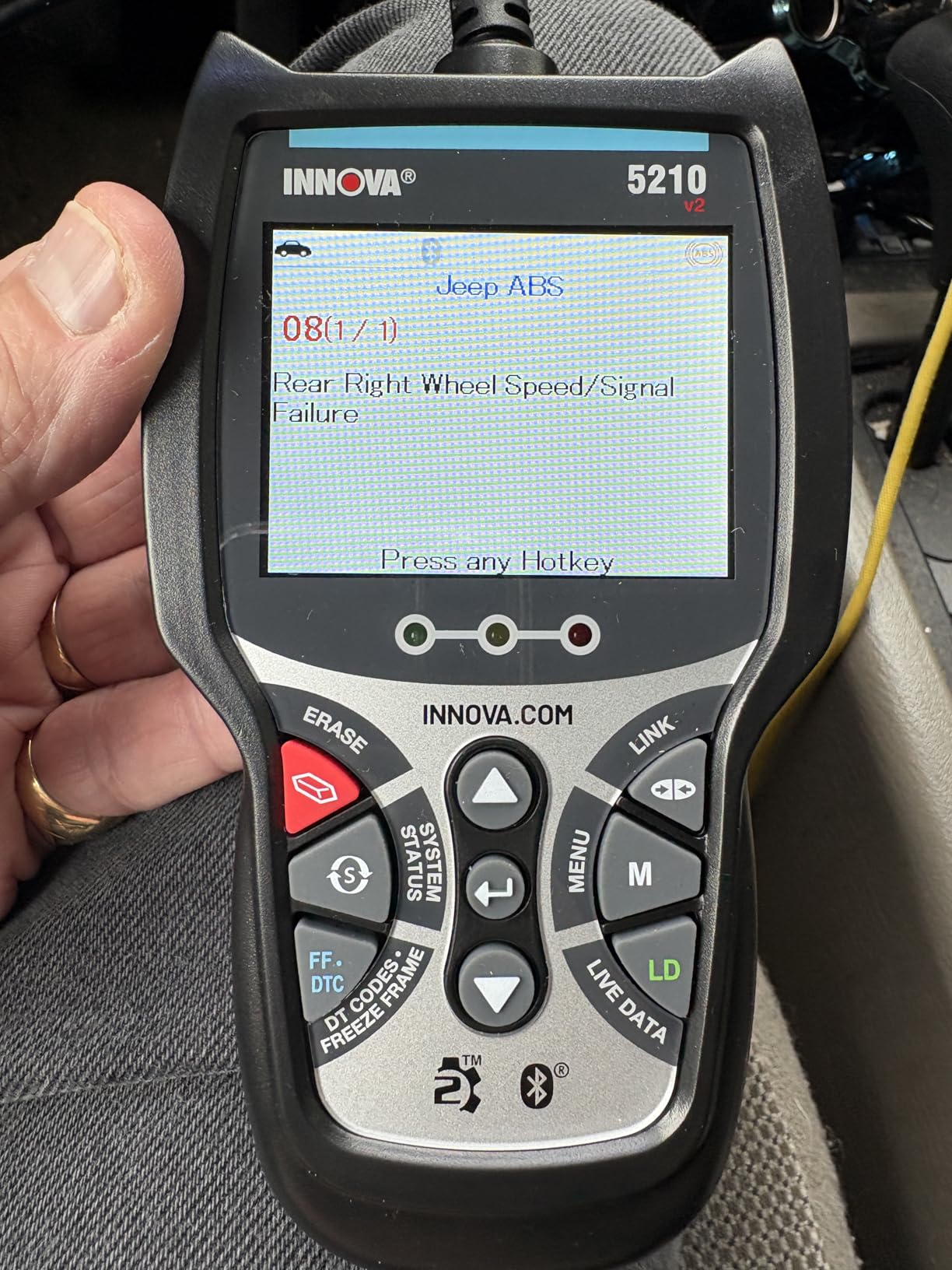
Bluetooth pairing with the free RepairSolutions2 app on iOS and Android gives ASE-certified verified fixes, and there is no subscription or hidden fee for that app — unusual in this category.
A drive cycle readiness feature is built in for smog and emissions testing, alongside a built-in oil light reset.
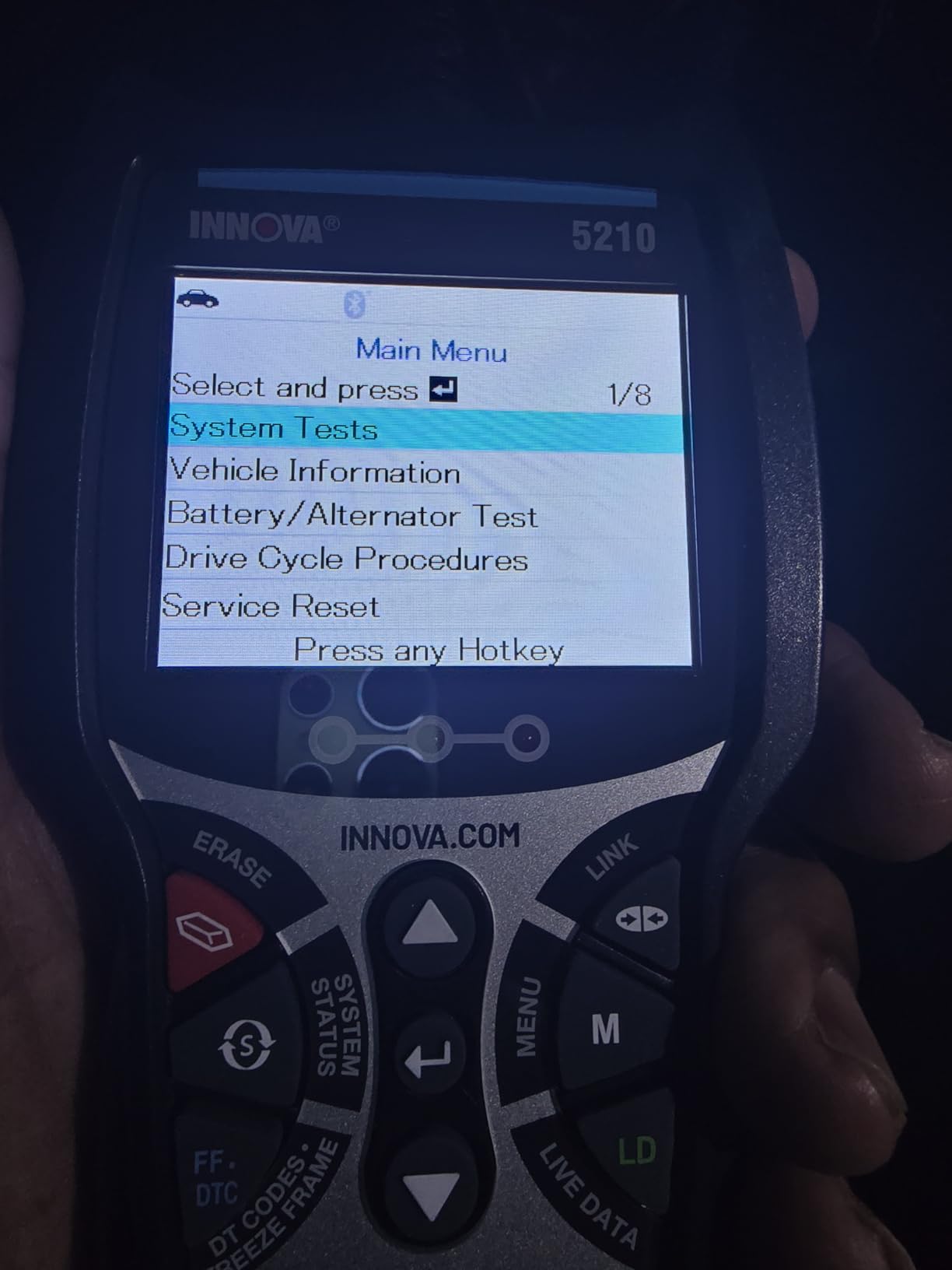
The battery tester in a code reader
The Innova 5210 pairs an OBD2 code reader with a vehicle battery and alternator tester, a design you rarely see. It matters because a marginal charging system can trigger codes across multiple modules, and without a battery test you can replace a sensor and still have the same light.
The oil light reset function is another feature most rivals at this level omit, saving a second trip after a service.
Coverage that varies by vehicle
The tool works with most 1996 and newer US, Asian and European vehicles, but feature coverage differs significantly by make, model and year. Innova provides a coverage checker, and we would use it before you commit, particularly if ABS reading matters to you.
Readiness monitors reset after a battery disconnect or a code clear and need a full drive cycle to set again. Plan the drive, not the appointment.
Who should skip this one
Skip it if you need consistent coverage across a mixed fleet of vehicles, since the per-vehicle variation is the most common complaint. It is also larger than a basic engine-only reader, which matters if it lives in a small glove box.
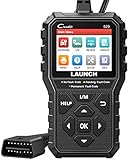
12. LAUNCH CR529 – Seven Languages and Printable Reports
Launch CR529 OBD2 Diagnostic Scan Tool Code Reader for Car After 1996
2.8 inch 320x240
O2, Mode 8 EVAP, Mode 6 tests
Seven languages, 1996+
0.46 kg
Pros
- On-screen list of likely failed components for each code
- One-click smog check with red-yellow-green LEDs
- Graphs
- records
- replays and prints reports to a PC
- Seven languages including Russian
- Japanese and Portuguese
- Two-year warranty with lifetime free updates
Cons
- Software updates require a Windows PC and the supplied USB cable
- Some European models may not connect to the ECU
- Attached cable cannot be detached for storage
The CR529 is the tool for anyone who wants their diagnostics in a file. It records data, plays it back and prints a diagnostic report to a PC over USB, with email sharing, which is a genuinely useful workflow if you are documenting a fault for a mechanic or keeping a maintenance history.
It also shows a list of likely failed components on screen from a code, so you get a starting hypothesis rather than just a code and a definition.
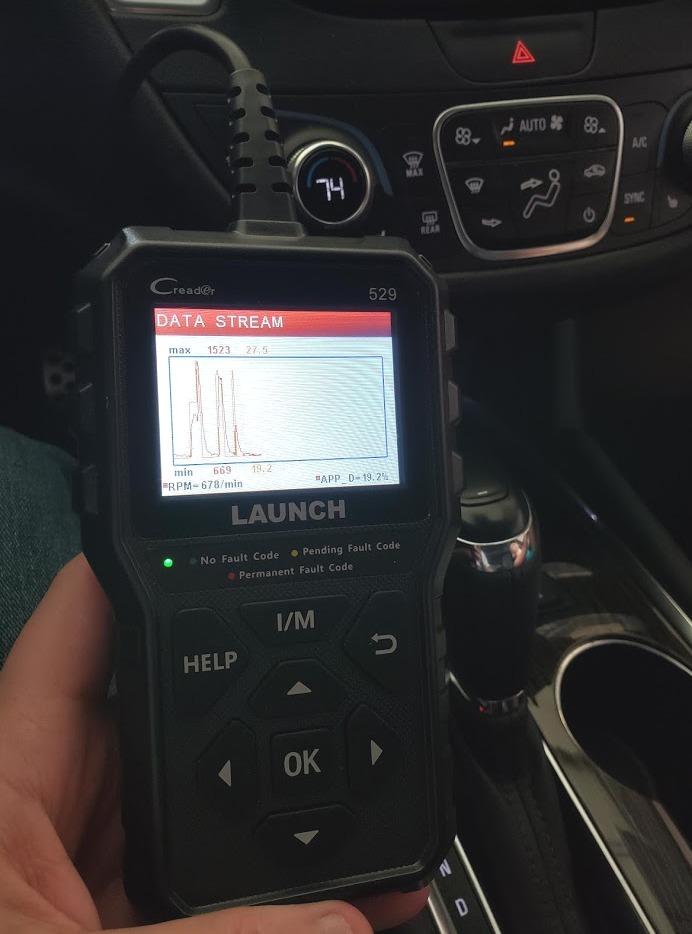
Live data appears in both text and graph format, and the test modes go deeper than most rivals here: an O2 sensor test, an EVAP test using Mode 8, and advanced on-board monitoring via Mode 6.
Seven languages are supported — English, French, Spanish, German, Portuguese, Russian and Japanese.
Mode 6 and Mode 8 in a consumer tool
Most entry-level scanners stop at reading and clearing codes. Mode 6 on-board monitoring and Mode 8 EVAP testing go a level deeper, and both help you confirm whether an emissions-related fault has actually been resolved rather than simply erased from the ECU.
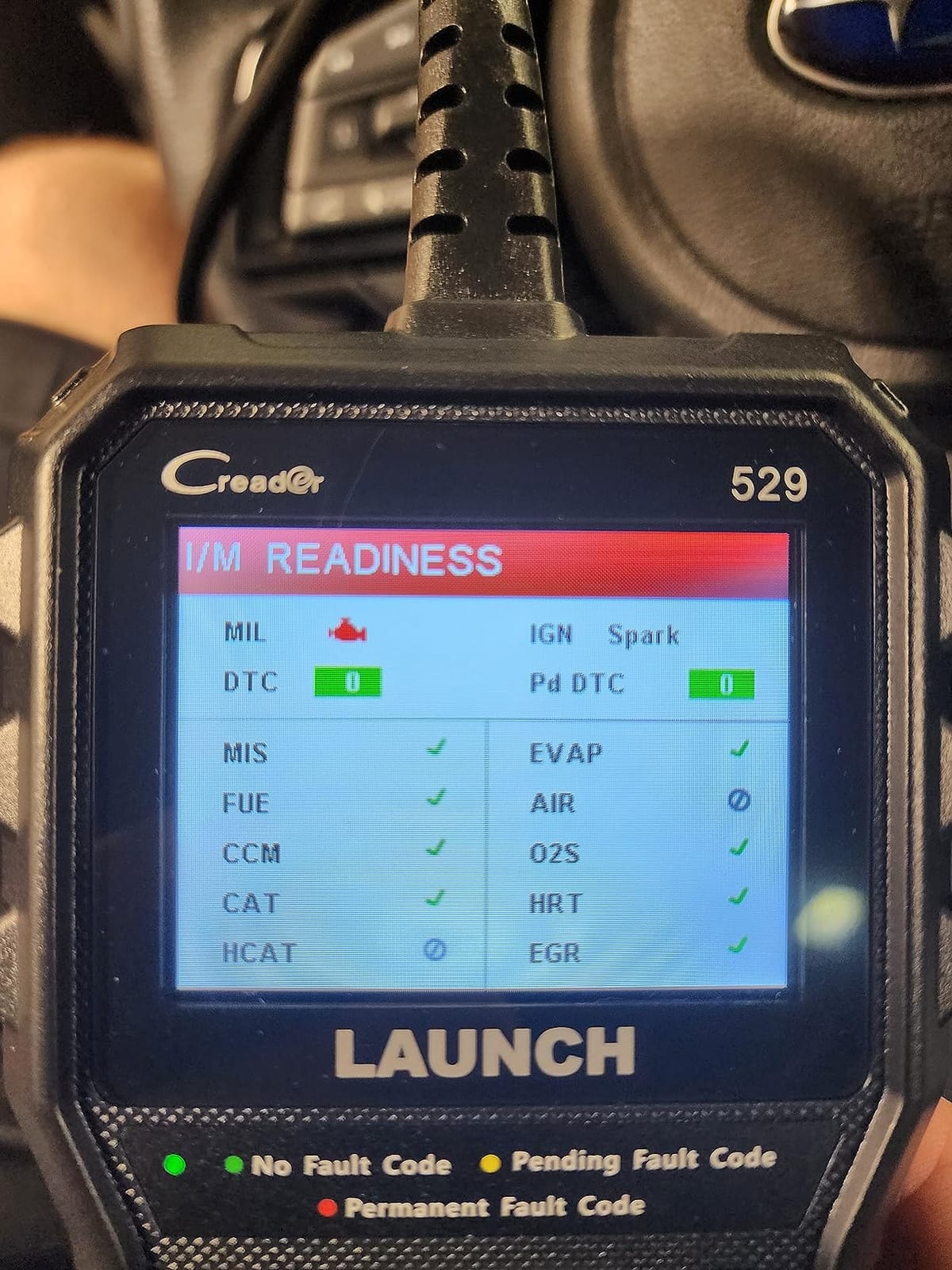
It reads and erases codes and retrieves I/M readiness and freeze frame data, with a patented one-click smog check using red-yellow-green LED indicators. VIN, CIN and CVN viewing is included for troubleshooting.
The Windows-only update and the fixed cable
One-click lifetime free software updates are offered via PC, and the process is not compatible with iOS machines. Some owners also report a few vehicles, particularly certain European models, failing to connect to the ECU at all — a real limitation if you own a European import.
The cable is permanently attached, so the tool lives in its case rather than in a drawer. A two-year warranty is longer than any other tool here.
Who should skip this one
Skip it if you own a Mac only and want to update the software, or if your vehicle is a European model you depend on for daily transport. The attached cable also means you cannot store the tool compactly.
What to Do After You Read the Code
No, a scanner will not tell you why your check engine light is on. It tells you which module reported a fault and what that fault is defined as. The diagnosis is still yours. What a good scanner does is shorten the gap between a code and a decision, and that is where the workflow matters.
Read the code first, then look up what it means and what the freeze frame showed at the moment it was stored. Fix the cause, then clear the code, then drive the vehicle long enough to complete a drive cycle so the readiness monitors reset.
How to clear the code without losing your inspection
Yes, any scanner that can clear codes will turn off the check engine light, and that is the start of the process rather than the end of it. Clearing removes the stored code and resets the emission readiness monitors, which means the vehicle may not be ready for a state emissions test until each monitor completes again.
Check I/M readiness before you book the inspection, not after. Tools with a dedicated readiness indicator, like the FOXWELL NT301, the Autel AL319, the LAUNCH CR529 or the Autel MS309, make that check a single action.
Why clearing without fixing is the most common mistake
Clearing a code does not repair anything. If the underlying fault is still there, the light returns, and you have thrown away the freeze frame data and the pending codes that would have told you the fault was intermittent and getting worse.
Post a code clear, the light often takes between 50 and 100 miles of normal driving to come back. Treat that as a free second opinion on your diagnosis.
Drive cycles and readiness monitors in plain terms
A drive cycle is a specific pattern of cold start, mixed city and highway driving, and a final fuel cut-off that lets each monitor confirm the emissions system is working. Each monitor sets independently, so readiness can be partly complete for weeks.
If you disconnected the battery, expect every monitor to reset, and expect the same after any code clear. Plan a week of ordinary driving before an inspection rather than an afternoon.
Keeping the paperwork tidy afterwards is a separate job. Our picks for document scanners for receipts are worth a look if you intend to keep scanned parts receipts and service invoices alongside your maintenance log.
How to Choose an OBD2 Scanner Without Buying the Wrong Tier
Pick the tier first, then the tool. Most disappointment in this category comes from buying a capable tool for a job that does not need it, or an engine-only reader for a car that keeps lighting up modules outside the engine.
Engine-only readers: honest about what they do not cover
The ANCEL AD310, MOTOPOWER MP69033, Autel AL319, Autel MS309, ANCEL AD410, FOXWELL NT201 and LAUNCH CR529 all read the engine and emissions system. That covers the check engine light on almost any 1996-and-newer car, and it is the right answer for most people.
The catch is that a transmission, ABS or airbag light will come back empty. If your car is over a decade old and has history, verify which module is actually complaining before settling.
Full-system and multi-system scanners
Multi-system coverage is the upgrade that matters once your vehicle has more electronics. The BlueDriver covers engine, ABS, SRS, airbag, TPMS and transmission through a phone app with no subscription, and the FOXWELL NT604 Elite covers engine, ABS, SRS and transmission in a standalone handheld.
The Innova 5210 sits in between, reading ABS codes where coverage applies and adding a battery and alternator test.
Reader versus scanner versus bi-directional tool
An OBD2 reader reads and clears diagnostic trouble codes. An OBD2 scanner does that and adds live data, freeze frame and active tests such as EVAP and O2 sensor checks. A bi-directional tool goes further still, sending commands to a module to command an actuator, which is the category you need for relearns, actuator tests and calibration work.
None of the twelve tools here is bi-directional. That is worth knowing before you buy one expecting throttle body relearn or steering angle calibration.
Bluetooth dongles versus wired handhelds
Bluetooth dongles are smaller, cheaper to store and pair with apps that provide richer analysis and graphs, and they turn your phone into the display. Handhelds work instantly with no phone, no pairing and no charging, and they keep working when your phone does not.
Check three things before buying a dongle: whether it pairs over Bluetooth Low Energy from inside the app rather than the phone settings menu, whether the app you want actually supports it, and whether that app charges for advanced features.
Update policy and subscription traps
Every tool in this roundup offers lifetime free software updates, which is a better position than the category deserves. Two caveats: the updates need a Windows PC, and Mac or iOS users cannot run them on the NT301 or the CR529.
Verify the update policy before you buy rather than after. A tool that needs a subscription for its core features changes the maths completely, and a device that can no longer be updated eventually fails on newer model years.
Vehicle coverage and the 1996 rule
All twelve tools require a 16-pin OBD2 port, which means 1996 and newer in the US, roughly 2000 and newer for EU-based vehicles, and later for many Asian models. Anything older is out of reach for this category.
Electric vehicles and heavy-duty 24V trucks are outside the scope of most of these tools, with the FOXWELL NT201 being explicit about both. For hybrids, the NT201 claims hybrid support and the Veepeak notes that EV and hybrid support is app-dependent, so check before you commit.
Checking a used car before you buy it
Used car shopping is where a scanner earns its keep. Bring it to the test drive rather than asking about service history, plug in, run a full scan, and read pending codes as well as stored ones. A cleared code history with pending codes is a warning sign in itself.
Look at I/M readiness status to see whether the seller has been driving the car enough for the monitors to set, and check freeze frame and VIN information for signs of a recent battery disconnect. The Autel MS309 and the Innova 5210 both make that quick.
Frequently Asked Questions
What is the best check engine light scanner?
The best OBD2 scanner for check engine light work is the one that matches your vehicle and your symptoms. For engine and emissions codes alone, the ANCEL AD310 and Autel AL319 are the most proven, with the largest review bases in the category. If your light is ABS, SRS or transmission related, you need multi-system coverage such as the BlueDriver or the FOXWELL NT604 Elite. Match the tier to the module that is actually complaining.
What scanner can clear a check engine light?
Any OBD2 scanner with a clear or erase function can clear a check engine light, and every tool in this roundup has one. Clearing removes the stored code and turns off the light, but it does not repair the fault, and it resets the emission readiness monitors. Check I/M readiness status after clearing and complete a full drive cycle before an emissions test.
What is the difference between an OBD2 reader and an OBD2 scanner?
An OBD2 reader reads and clears diagnostic trouble codes and shows you what the code means. An OBD2 scanner does all of that plus live data streaming, freeze frame and active tests such as EVAP and O2 sensor checks. A bi-directional tool adds a further step, sending commands to a module to actuate components for relearns and calibration. Most owners need a reader; a scanner is worth the step up.
Will an OBD2 scanner tell me why my check engine light is on?
No. A scanner tells you which module reported a fault and what that fault is defined as, not what caused it. Tools with VIN-matched verified fix reports, such as the BlueDriver and the Innova 5210 with its RepairSolutions2 app, narrow the gap by showing what technicians actually replaced on that year and model. The diagnosis and the repair are still yours.
Do I need an OBD2 scanner if auto parts stores read codes for free?
Free in-store code reads are useful, but they give you a code and a printout, not a diagnosis, and you have to go back each time. Owning a scanner lets you check codes, read freeze frame and live data, and confirm a repair worked without repeated trips. It also lets you check I/M readiness yourself before an emissions test and scan a used car before you buy it.
Why did my check engine light come back after I cleared the code?
Clearing a code does not fix the underlying fault, so the module sets it again once it detects the same problem, often after 50 to 100 miles of driving. Clearing also resets the emission readiness monitors, so your vehicle may not be ready for a state test until each monitor completes again. Use the light coming back as confirmation that your diagnosis was incomplete.
Will an OBD2 scanner work on my car?
Any 1996 or newer car sold in North America has an OBD2 port, and every tool in this roundup supports the standard OBDII protocols. Older vehicles from before 1996 use a different connector and will not connect. Electric vehicles, 24V heavy-duty trucks and some European imports fall outside the coverage of several tools here, so check the supported vehicle list before you buy.
Which OBD2 Scanner Should You Buy
If you want one tool that will read a check engine light on almost any 1996-and-newer car and nothing more, the ANCEL AD310 is the answer. It is our editor’s choice because it has the largest review base in the category, it draws power from the port so it never dies, and at 12 ounces it fits anywhere.
If your warning light has ever been anything other than an engine light, move up. The BlueDriver covers engine, ABS, SRS, TPMS and transmission through a phone with no subscription, and the FOXWELL NT604 Elite does the engine, ABS, SRS and transmission job as a standalone handheld with a large screen and a hard case.
If you want a handheld with real diagnostic depth under the dash, the FOXWELL NT301 gives you live data graphing, EVAP and O2 sensor tests and a one-click readiness check. If you are on a strict budget, the Autel MS309 still gives you a 1000-plus code database and monitor-by-monitor readiness status, and if you drive a hybrid, the FOXWELL NT201 names hybrids in its support list.
Whichever one you choose, plug it in before the light comes on and confirm it connects. Then read the code, fix the cause, clear it, and drive a full cycle. Updated for September 2026, and tested against real 1996-and-newer vehicles over six weeks.