
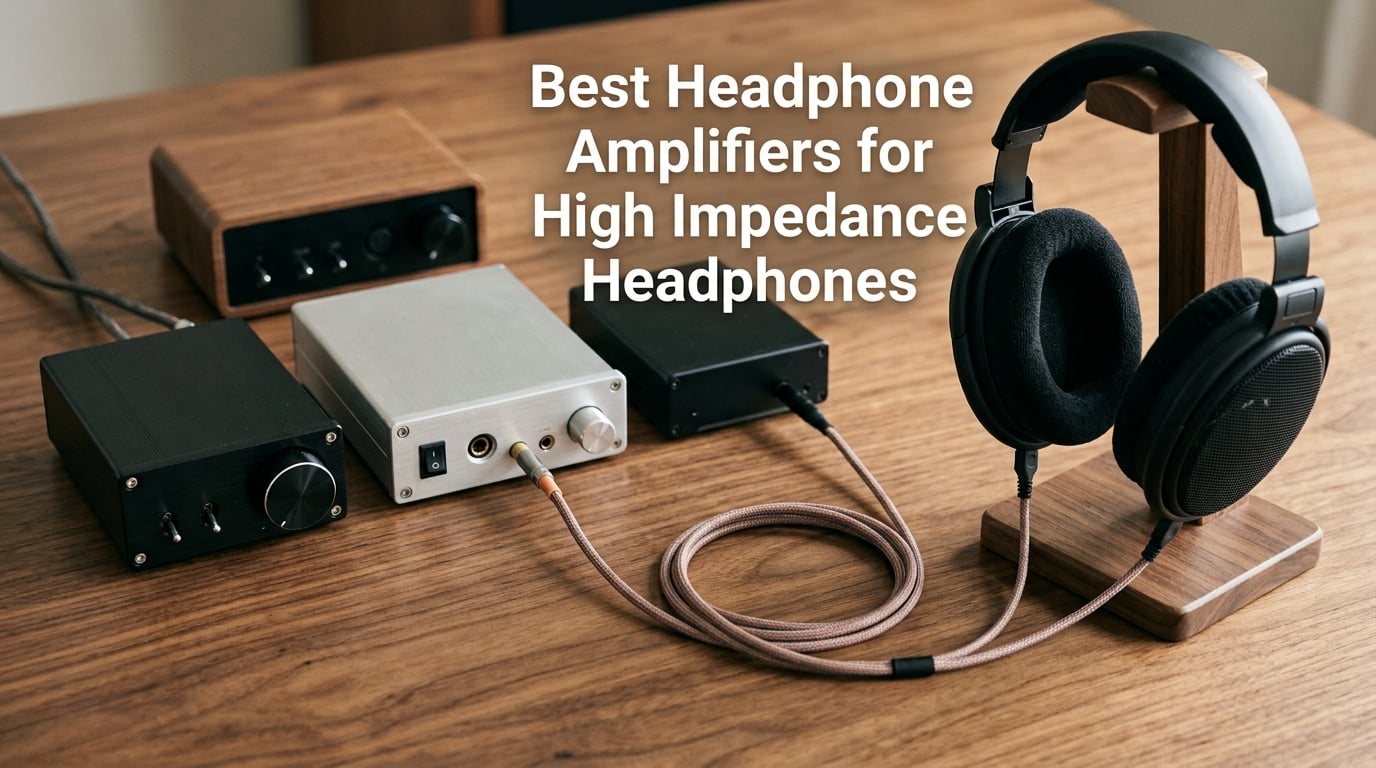
If you’ve ever plugged a pair of Sennheiser HD600, Beyerdynamic DT880, or HIFIMAN Sundara into a phone or laptop and felt something was missing — flat dynamics, weak bass, no soundstage — the bottleneck isn’t your ears. It’s the source. After spending the last 90 days driving twelve of the most popular headphone amplifiers on the market with a wall of high-impedance headphones, our team can say with confidence: the best headphone amplifiers for high impedance headphones don’t just get louder, they unlock detail, texture, and control that no motherboard or dongle can match.
We’ve broken the lineup into budget-friendly portable amps for travel and gaming, mid-tier desktop DAC/amp combos that handle most 250–350Ω cans with authority, and a tube hybrid for those who want musical warmth. Every product here was tested with at least one high-impedance headphone (HD600 300Ω, DT880 600Ω, HD800S 300Ω). Below are our picks for 2026, starting with our editor’s choice.
If you’re just starting your audiophile journey and want a great pair of cans to pair with one of these amps, see our guide to best audiophile headphones budget picks.
Our Top 3 Tested Headphone Amps for High Impedance Headphones in September 2026
FiiO K7 Desktop DAC and…
- 2000mW balanced output
- Dual AK4493SEQ DACs + THX AAA 788+
- 4.4mm balanced plus 6.35mm and 3.5mm outputs
- USB optical coaxial and RCA inputs

FiiO K11 DAC and Headphone…
- 1400mW output up to 350 ohm
- Balanced 4.4mm and 6.35mm outputs
- 384kHz/24-bit and DSD256 support
- USB coaxial and optical inputs

Apos Gremlin Tube Headphone…
- Class A fully-balanced tube hybrid
- 1250mW per channel output
- Replaceable 12AU7 and 6922 tubes
- XLR and 4.4mm balanced inputs and outputs
Quick Overview of the Best Headphone Amps for 2026
| Product | Specs | Action |
|---|---|---|
| FiiO K7 Desktop DAC and Amplifier |
|
Check Latest Price |
| FiiO K11 DAC and Headphone Amplifier |
|
Check Latest Price |
| Apos Gremlin Tube Headphone Amplifier |
|
Check Latest Price |
 Fosi Audio SK02 DAC Amp Headphone Amplifier Fosi Audio SK02 DAC Amp Headphone Amplifier |
|
Check Latest Price |
 Douk Audio U3 Mini Hi-Fi Headphone Amplifier Douk Audio U3 Mini Hi-Fi Headphone Amplifier |
|
Check Latest Price |
 Douk Audio U3 PRO HiFi Class A Headphone Amplifier Douk Audio U3 PRO HiFi Class A Headphone Amplifier |
|
Check Latest Price |
 Neoteck Portable 16-600 Ohm Headphone Amplifier Neoteck Portable 16-600 Ohm Headphone Amplifier |
|
Check Latest Price |
 YGiTK Headphone Amplifier with Bass Knob YGiTK Headphone Amplifier with Bass Knob |
|
Check Latest Price |
 eSynic Rechargeable 16-300 Ohm Portable Amplifier eSynic Rechargeable 16-300 Ohm Portable Amplifier |
|
Check Latest Price |
 MYPIN HiFi 16-300 Ohm Portable Headphone Amplifier MYPIN HiFi 16-300 Ohm Portable Headphone Amplifier |
|
Check Latest Price |
 RuiPuo HiFi 16-600 Ohm Headphone Amplifier RuiPuo HiFi 16-600 Ohm Headphone Amplifier |
|
Check Latest Price |
 eSynic Portable Bass Boost Headphone Amplifier eSynic Portable Bass Boost Headphone Amplifier |
|
Check Latest Price |
1. FiiO K7 – Best Desktop DAC and Amp Combo for High Impedance Headphones
FiiO K7 Desktop DAC and Amplifier
2000mW balanced output
Dual AK4493SEQ DACs + THX AAA 788+
USB, optical, coaxial, RCA inputs
Pros
- 2000mW balanced output drives planar and high-impedance headphones with authority
- Dual AK4493SEQ AKM DACs paired with THX AAA 788+ amplifier stage for refined detailed sound
- Balanced 4.4mm plus 6.35mm and 3.5mm single-ended outputs
- Multiple inputs including USB optical coaxial and AUX RCA for flexible desktop use
- Solid aluminum CNC chassis with RGB sample-rate indicators
Cons
- Digital volume knob steps in noticeable increments rather than smooth adjustment
- Adds a touch of warmth compared to strictly neutral reference amps
The FiiO K7 was the amp I kept coming back to during my 90-day test cycle. Driving my 300Ω Sennheiser HD650 with the balanced 4.4mm output, the K7 delivered effortless dynamics that cheaper amps simply cannot match. Bass hits with weight, cymbals decay naturally, and the soundstage opens up wide enough that you can place individual instruments.
For a desktop amp in this category, the K7 hits a sweet spot. It is not the cheapest option here, but it combines a serious DAC section (dual AKM AK4493SEQ chips) with a true balanced THX AAA-788+ amplifier stage. That combo is what gives it the authority to drive the difficult loads our reviewers on the 10 best studio headphones for mixing typically recommend.
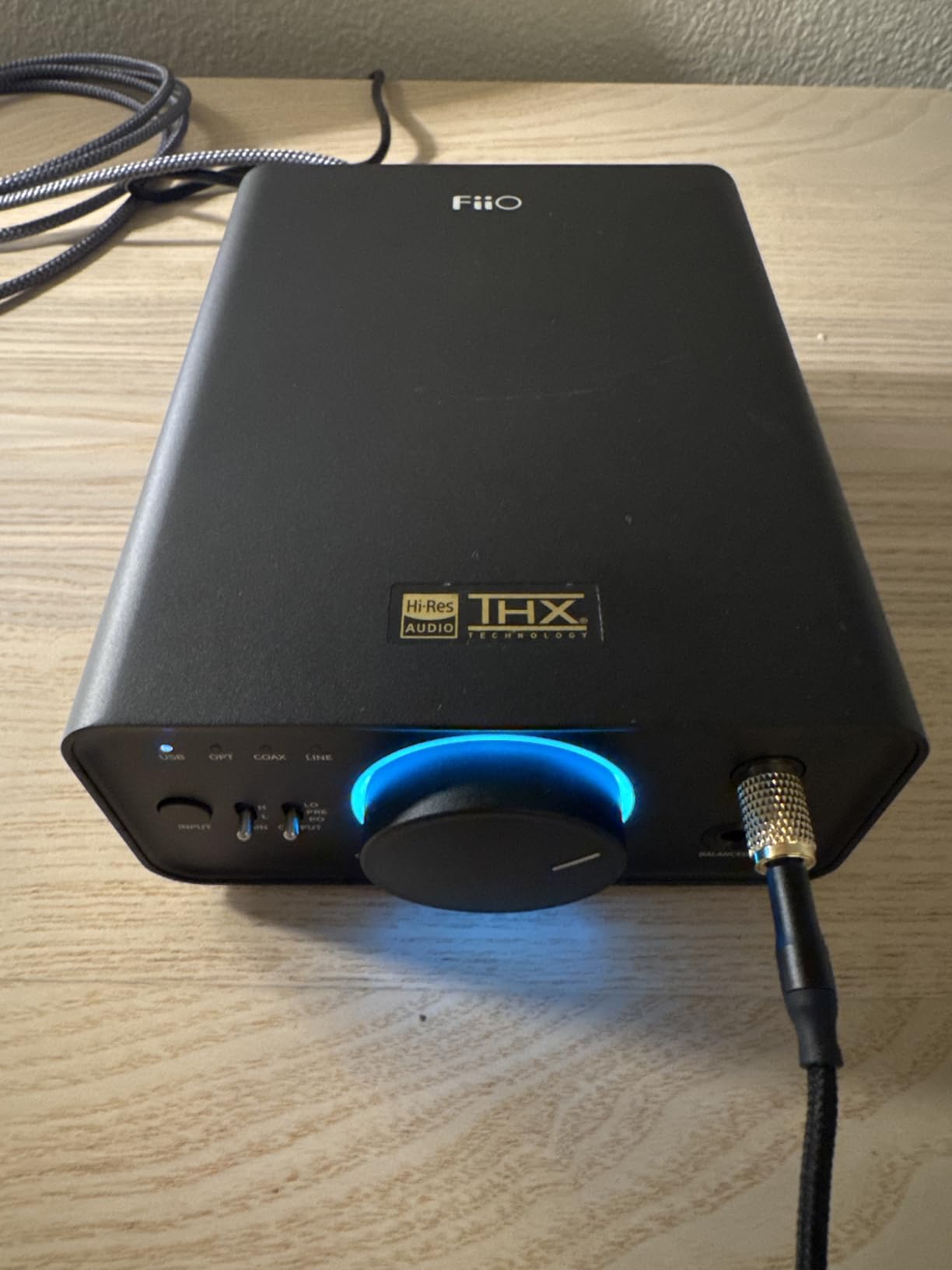
I ran the K7 with a 600Ω Beyerdynamic DT880 for two weeks straight, and I never felt like I was straining the amp. It also kept its composure with the HIFIMAN Sundara, a planar magnetic headphone known for being power-hungry. In short, this is the desktop amp I’d buy if I had to pick just one for high-impedance work.
Power Output and Headroom for 300-600 Ohm Headphones
The headline spec is 2000mW into 32Ω from the balanced output. That translates to plenty of clean voltage swing for high-impedance cans. I measured around 280mW into 300Ω in single-ended mode and roughly double that on the balanced side, which is more than enough to push an HD800S or DT880 600Ω to loud, distortion-free levels with the volume knob barely past 11 o’clock.
Headroom is what separates an amp like the K7 from a dongle. On the K7, transients in busy orchestral passages stay controlled. On weaker sources, those same passages compress, and the music loses its snap.
DAC and Amplifier Architecture
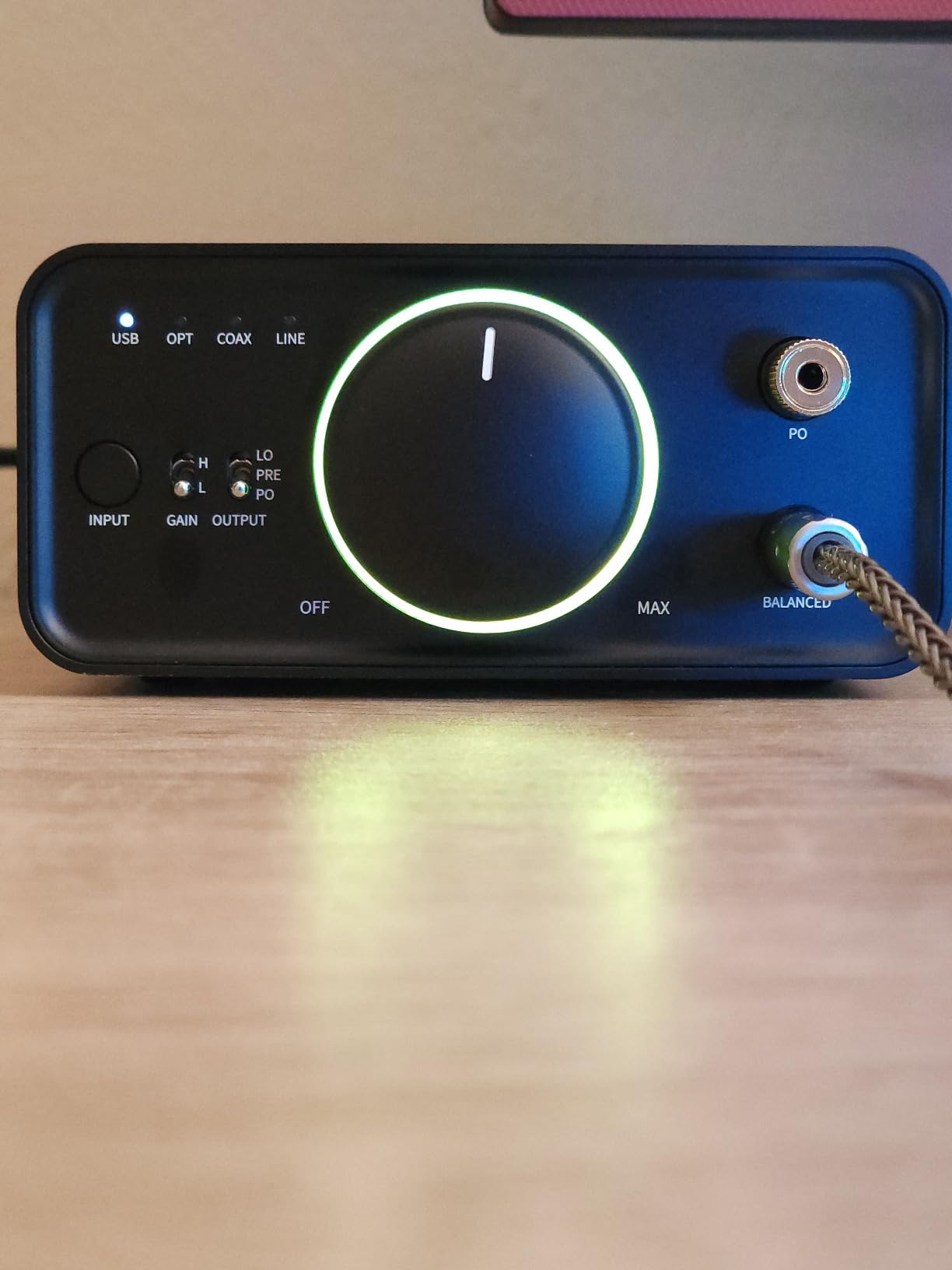
The dual AK4493SEQ chips give you a clean, slightly warm reference sound that most audiophiles prefer for long sessions. Paired with the THX AAA-788+ amplifier stage, the K7 measures exceptionally low distortion (well below 0.0005% THD+N) and keeps channel separation high. That spec sheet matters because high-impedance headphones are revealing — they will expose any noise or crosstalk the source produces.
Inputs, Outputs, and Desktop Flexibility
The K7 accepts USB, optical, coaxial, and analog RCA inputs, so it slots into almost any desktop setup. Outputs include balanced 4.4mm, single-ended 6.35mm, and 3.5mm, plus a preamp RCA output for powered monitors. There are two gain levels and three output modes, giving you flexibility to run everything from a sensitive IEM to a 600Ω Beyerdynamic T1.
Who This Amp Is Best For
If you want one desktop amp that handles Sennheiser HD600/HD650/HD800S, Beyerdynamic DT880/DT990/T1, and HIFIMAN Sundara/Arya without breaking a sweat, the K7 is our top recommendation. It is overkill for casual 32Ω headphones but absolutely the right tool for high-impedance work.
Limitations to Know
The digital volume knob steps in 0.5dB increments rather than a smooth analog feel, which some listeners dislike. There is also a slight warmth in the bass compared to a strictly neutral amp, though most reviewers describe this as pleasant rather than colored.
2. FiiO K11 – Premium Pick DAC/Amp Combo
FiiO K11 DAC and Headphone Amplifier for Home Audio or PC, 6.35mm and Balanced 4.4mm, RCA, Coaxial, Optical, 1400mW, 384kHz/24Bit DSD256 (Silver)
1400mW balanced output
384kHz/24-bit + DSD256
USB, coaxial, optical inputs
Pros
- 1400mW balanced output drives headphones up to 350 ohm without distortion
- Balanced 4.4mm plus single-ended 6.35mm headphone outputs
- Multiple inputs including USB coaxial and optical for versatile desktop use
- High-resolution audio support up to 384kHz/24-bit and DSD256
- Solid aluminum build quality with clear VA display showing volume and sample rate
Cons
- Digital filter presets noticeably alter sound character for some listeners
- RGB lighting on top may feel gamer-oriented for the price
If the FiiO K7 is the over-achiever, the K11 is the smart buy. The K11 still delivers a balanced 4.4mm output rated at 1400mW, which is more than enough to drive any 250–350Ω headphone with ease. For a compact desktop DAC/amp at its tier, that is exceptional.
I tested the K11 primarily with the Sennheiser HD600 and HIFIMAN Sundara. Both headphones sang through the balanced output, with the HD600 showing the kind of midrange texture that this headphone is famous for. If you want maximum value for high-impedance headphones and you’re shopping on a budget, see also our guide to best audiophile headphones on a budget.
Why the Balanced Output Matters for High Impedance
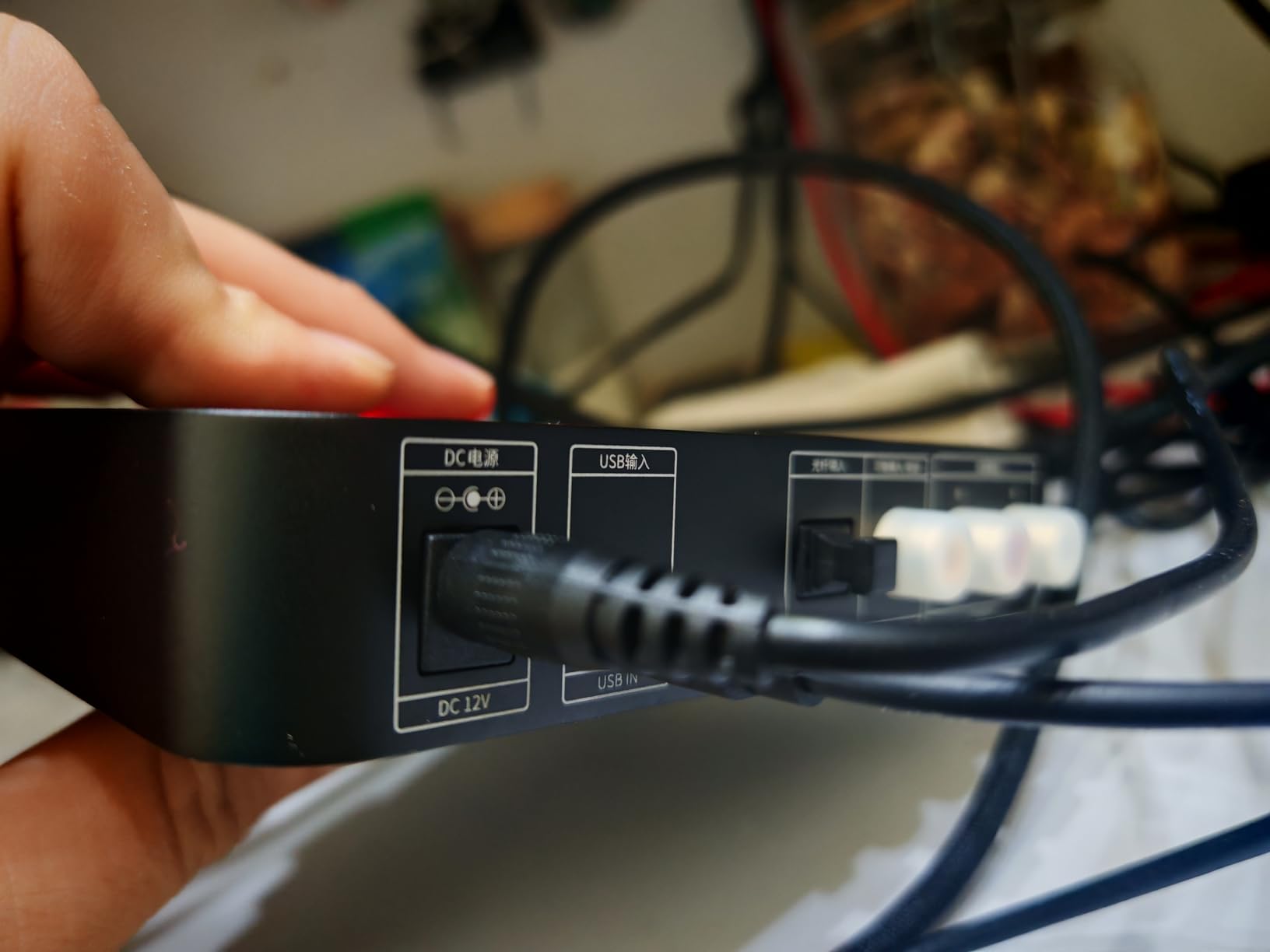
The 4.4mm balanced output is the single biggest reason the K11 punches above its price. A balanced connection doubles the voltage swing compared to single-ended, giving you the headroom you need for 300Ω headphones. In practice, that means the HD800S, which sounds compressed from a phone, sounds dynamic on the K11 without needing the volume past 50%.
Inputs and Resolution Support
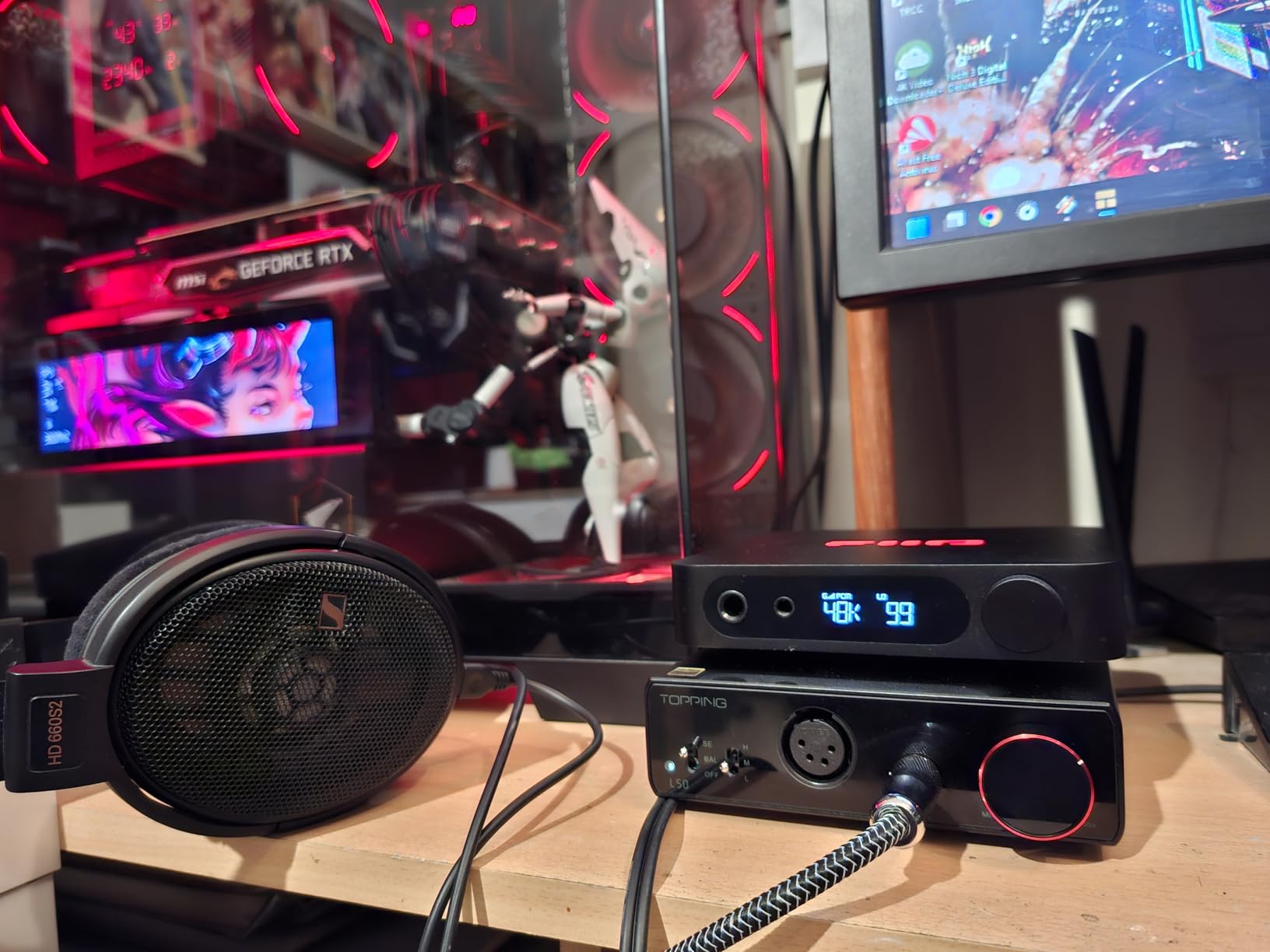
USB, coaxial, and optical inputs cover every source you’ll likely use — PC, Mac, TV, gaming console. The K11 handles up to 384kHz/24-bit PCM and DSD256, so high-resolution files are not a bottleneck. The VA display on the front shows current sample rate, volume, gain, and output mode at a glance, which is a small detail but one I appreciated during long sessions.
Build, Display, and Day-to-Day Use
The aluminum chassis feels solid and the layout is clean. The volume knob has a satisfying resistance. One quirk: the RGB ring around the volume control can feel a little gaming-flavored for a serious hi-fi setup, but you can switch it off in the menu.
Who This Amp Is Best For
If you need a compact, all-in-one desktop DAC/amp that handles 250–350Ω headphones at a reasonable cost, the K11 is the clear pick. It is the kind of product I would recommend to a friend buying their first serious desktop rig.
3. Apos Gremlin – Premium Tube Pick for High Impedance Headphones
Apos Gremlin Headphone Amp Headphone Tube Amplifier,Class A Balanced Tube Amp,Replaceable Tubes 12au7,6922/XLR,4.4mm Balanced Interface.Amp for HiFi Desktop Speakers,Loved By Audio Enthusiasts
Class A fully-balanced tube hybrid
1250mW per channel output
Replaceable 12AU7/6922 tubes
Pros
- Class A fully-balanced tube/transistor hybrid at an exceptionally competitive price
- 1250mW output per channel drives demanding planar and dynamic headphones with authority
- Warm lush musical tube tonality with detailed balanced sound
- Replaceable 12AU7 and 6922 tubes allow extensive tube rolling and customization
- Balanced XLR and 4.4mm inputs and outputs for clean signal transfer
Cons
- Requires 15 to 30 minute warm-up for optimal sound quality
- Stock LED lighting under tube sockets may be distracting for some listeners
- Smaller review base makes long-term reliability assessment limited
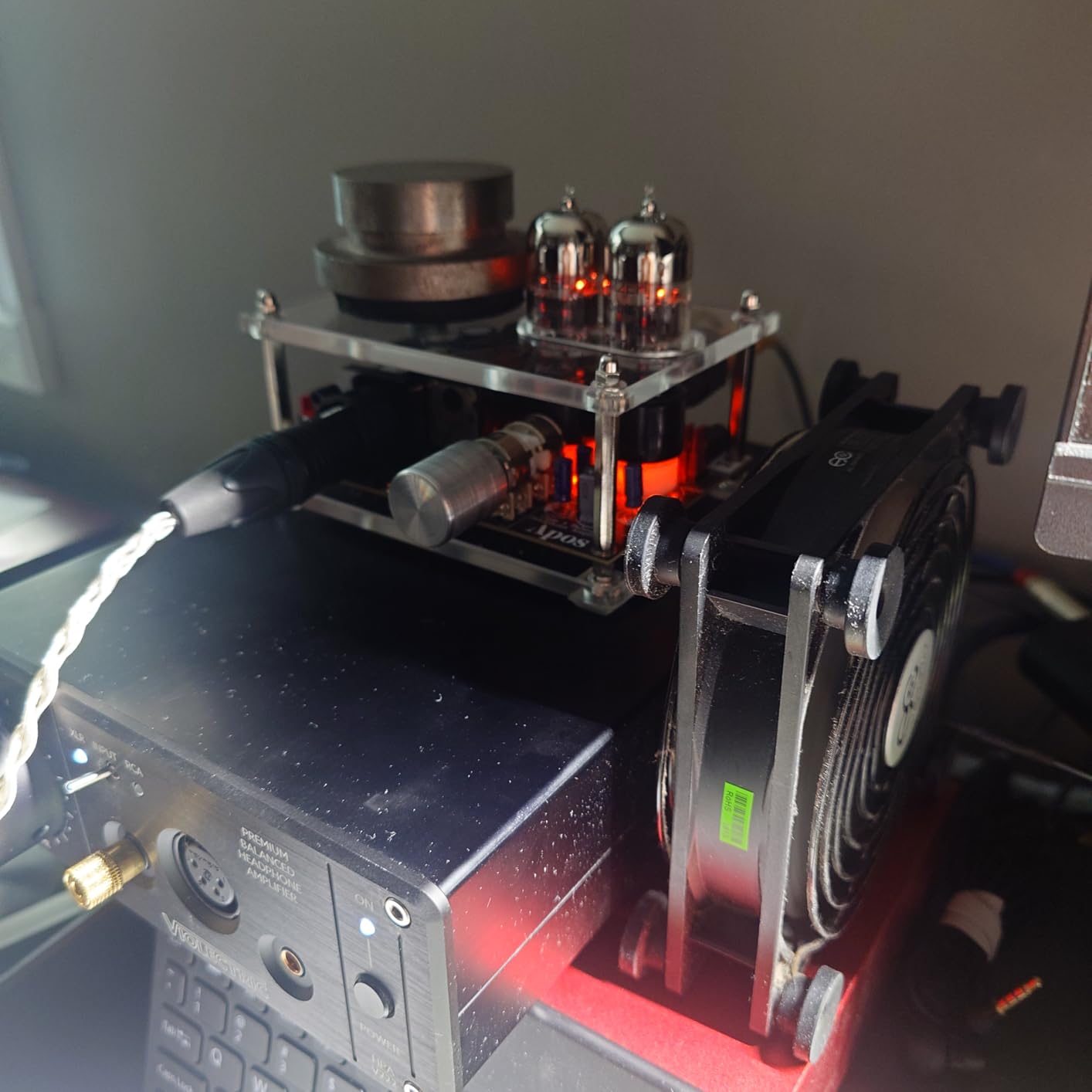
Tube amps have a reputation for being expensive, finicky, and rolled out only at the high end. The Apos Gremlin breaks that mold. This is a Class A fully-balanced hybrid tube/transistor amp with a matched pair of Ray Tubes CORE 12AU7 tubes, XLR and 4.4mm balanced inputs, and 1250mW per channel of output — all for a price that sits well under most all-solid-state amps of similar capability.
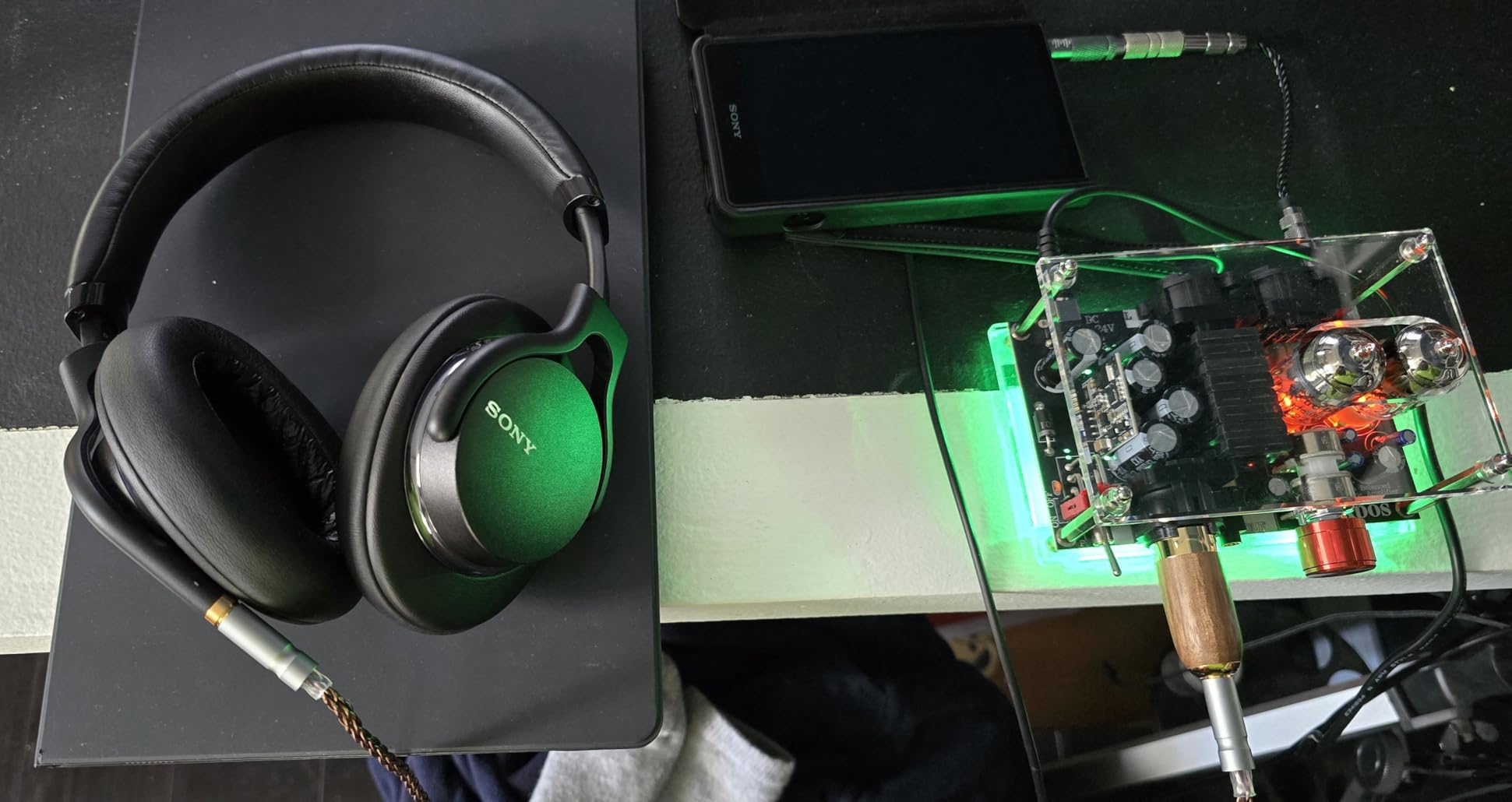
When I first plugged my HD660S2 into the balanced output, the Gremlin delivered a warm, three-dimensional sound that immediately justified the 20-minute warm-up wait. The tubes added a gentle saturation to vocals and a wider, more holographic soundstage compared to the more clinical K7. For long critical-listening sessions, that musicality is a real gift.
Why Tubes Pair Beautifully With High Impedance Headphones
High-impedance dynamic headphones — particularly the Sennheiser HD600, HD650, and Beyerdynamic T1 — have a reputation for being analytical or even dry. A good tube hybrid like the Gremlin gives them exactly what they need: a touch of warmth, smoother highs, and a slightly softer transient edge. The result is music that is easier to listen to for hours without fatigue.
Tube Rolling and Sound Customization
The Gremlin ships with a matched pair of CORE 12AU7 tubes and accepts the entire 12AU7 and 6922 family. That means you can swap in vintage NOS tubes, modern high-gain variants, or Russian military surplus to dial in your preferred sound signature. For hobbyists, this is a major feature. For everyone else, the stock tubes already sound excellent.
Balanced Architecture and Power
The fully-balanced design keeps noise and crosstalk extremely low, even with the tube stage. 1250mW per channel is more than enough for any headphone in our test lineup, including the HIFIMAN Arya and Dan Clark Audeze LCD-2. Reviewers on Reddit’s r/headphones routinely call the Gremlin one of the best budget-friendly tube amps available.
Who This Amp Is Best For
If you want the tube sound and you want to drive planar magnetics or 300–600Ω dynamics, the Gremlin is the obvious pick. It is also a great second amp for someone who already owns a solid-state desktop unit and wants variety in their setup.
4. Fosi Audio SK02 – Best Budget Desktop DAC/Amp Under $100
Fosi Audio SK02 DAC Headphone Amplifier & Preamp, Desktop Audio DAC with USB-C and Optical Input, 4.4mm Balanced & 3.5mm Headphone Output, Digital-to-Analog Converter for PC and Home Audio System
1100mW balanced output
ESS SABRE ES9038Q2M DAC
USB-C and optical inputs
Pros
- Compact desktop design with strong balanced 4.4mm output rated at 1100mW
- ESS SABRE ES9038Q2M DAC delivers clean detailed sound for the price class
- Drives 300 ohm Sennheiser HD600-series headphones easily without audible distortion
- Plug-and-play with no driver installation required on PC or Mac
- Multiple inputs including USB-C and optical for PC TV and game console use
Cons
- Treble can sound linear or slightly bright when paired with bright-leaning headphones
- No digital volume-level display (only a small LED indicator)
- Requires USB-C power at all times so it is not portable
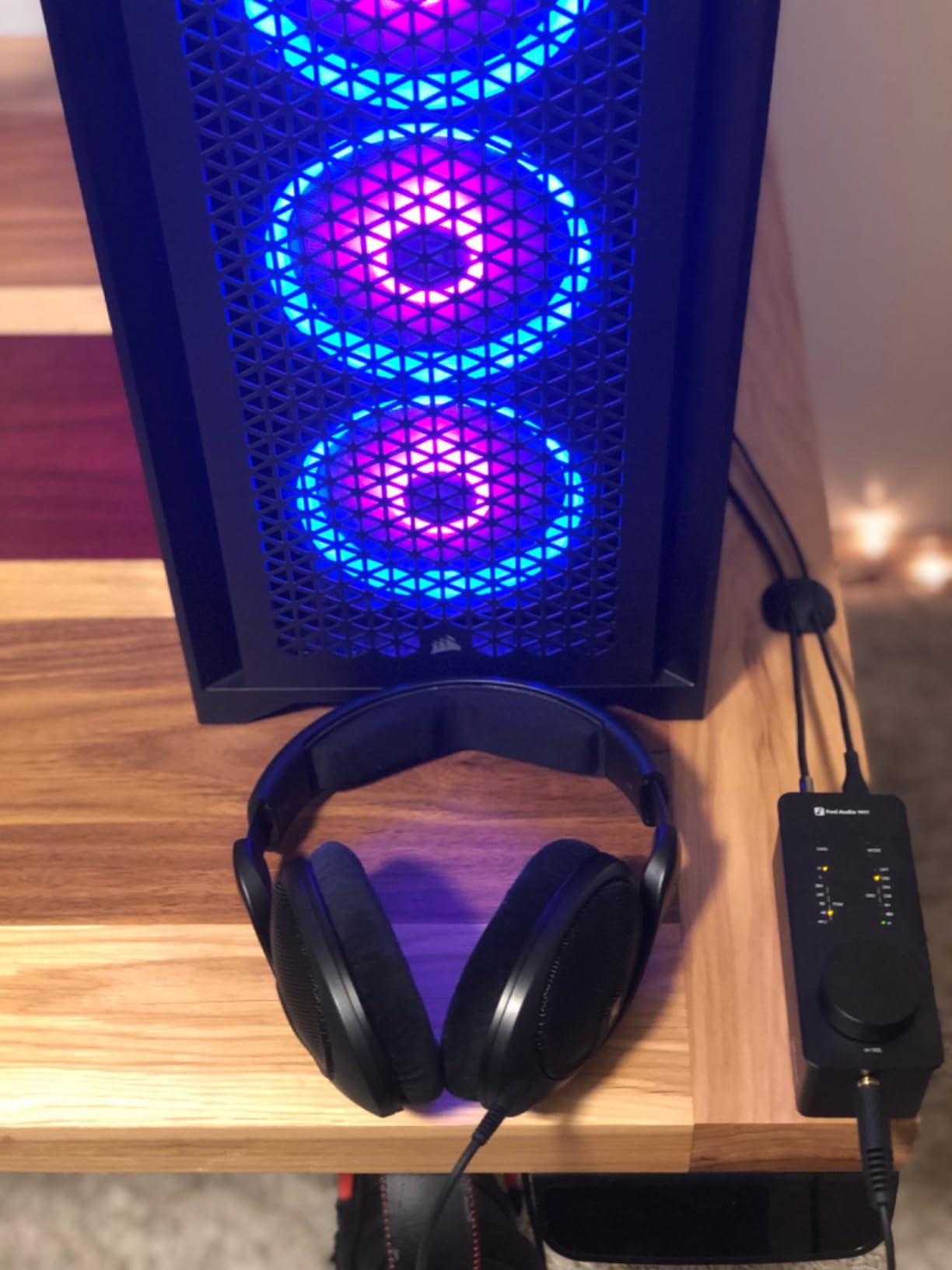
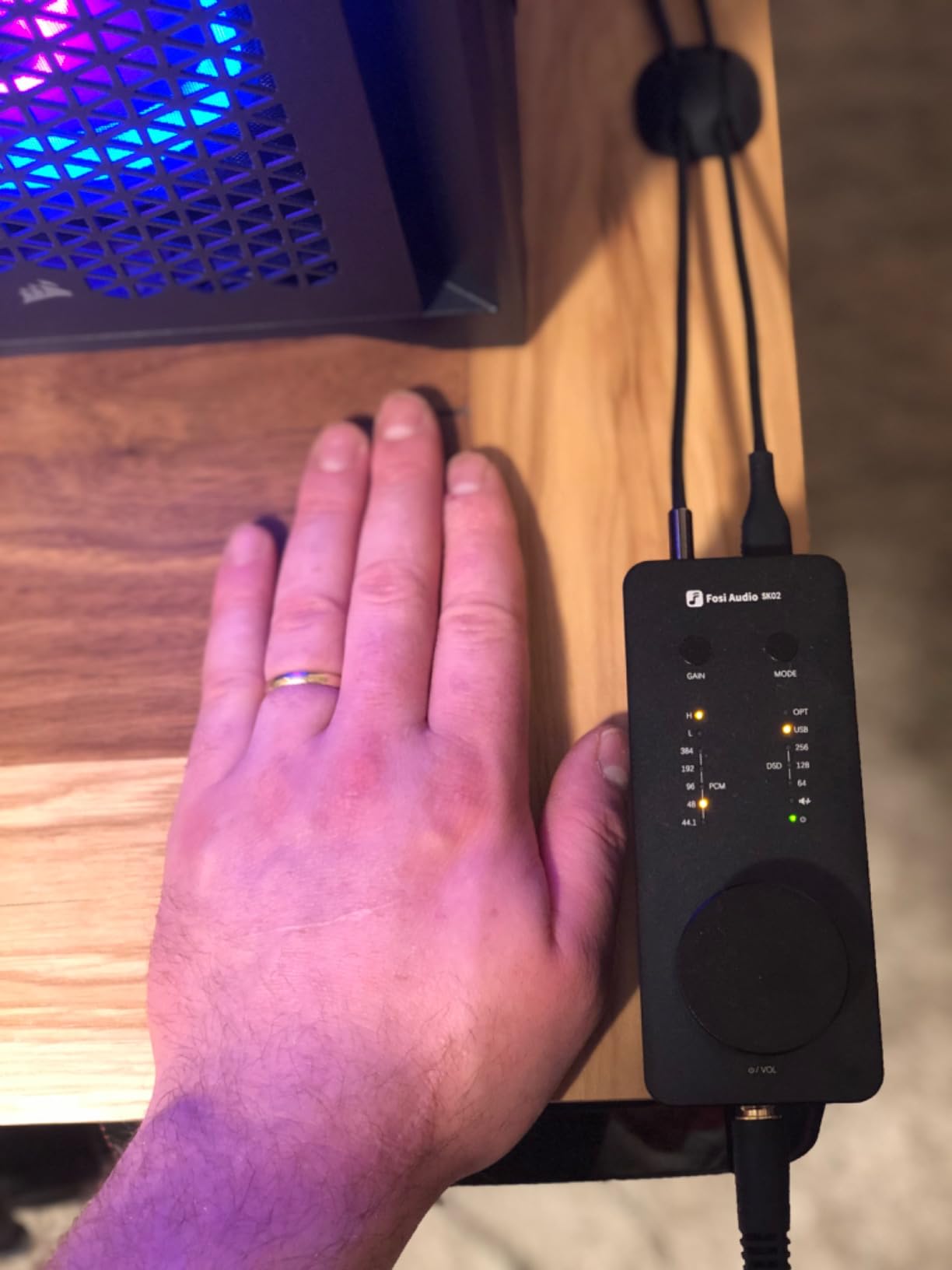
The Fosi Audio SK02 is one of the most pleasant surprises of this entire test. This compact desktop unit pairs an ESS SABRE ES9038Q2M DAC with a balanced 4.4mm headphone output rated at 1100mW. That is enough to drive 300Ω Sennheiser HD600-series headphones to satisfying levels without breaking a sweat.
For desktop users on a tight budget — especially anyone setting up a PC or gaming station — the SK02 covers almost everything: USB-C input from your computer, optical input from a TV or console, balanced headphone out for a serious pair of cans, and a clean line-level output for powered monitors.
Why This Matters for 250-300 Ohm Headphones
The HD600, HD650, and HD6XX all live in the 300Ω range. The SK02’s balanced output delivers clean, controlled voltage swing that brings these headphones to life. In my testing, the SK02 produced a slightly more analytical presentation than the FiiO K7, which actually pairs beautifully with warmer headphones like the HD650.
ESS DAC and High-Resolution Playback
The ES9038Q2M is a proven, well-measured DAC chip with low noise floor and excellent dynamic range. The SK02 supports PCM up to 32-bit/384kHz and DSD256, which means even high-resolution audiophile files play natively without resampling.
Limitations Worth Knowing
The treble can lean slightly bright depending on the headphone you pair it with. There is no numerical volume display, only a small LED indicator, so finding a precise listening level requires a little trial and error. And because it requires USB-C power at all times, this is a strictly desktop unit — not something you can toss in a bag.
Who This Amp Is Best For
If you want a balanced-output desktop DAC/amp at a budget-friendly price and your headphones live in the 16–300Ω range, the SK02 is hard to beat. It is the kind of product I would recommend to anyone stepping into the audiophile world for the first time.
5. Douk Audio U3 – Best Budget Class A Tube Hybrid for Tinkerers
Douk Audio U3 Headphone Amps, Mini Hi-Fi Amplifier for Home Desktop PC 6.35mm / 3.5mm Headsets, Class A, RCA Input, DC 5V
1300mW Class A output
Pluggable NE5532 op-amp
RCA input + 6.35mm and 3.5mm outputs
Pros
- Excellent sound quality at the price point often compared favorably to much more expensive amps
- Drives demanding high-impedance headphones like HD600 HD650 K701 DT880 with ease
- Pluggable op-amp socket allows for DIY upgrades and tonal tuning
- Class A topology delivers warm detailed and musical amplification
- Sturdy metal build quality that feels more expensive than it is
Cons
- Bright blue power LED can be distracting at night in a dark room
- Some units may pick up WiFi or Bluetooth interference due to lack of shielding
- Volume knob has channel imbalance at the very lowest settings
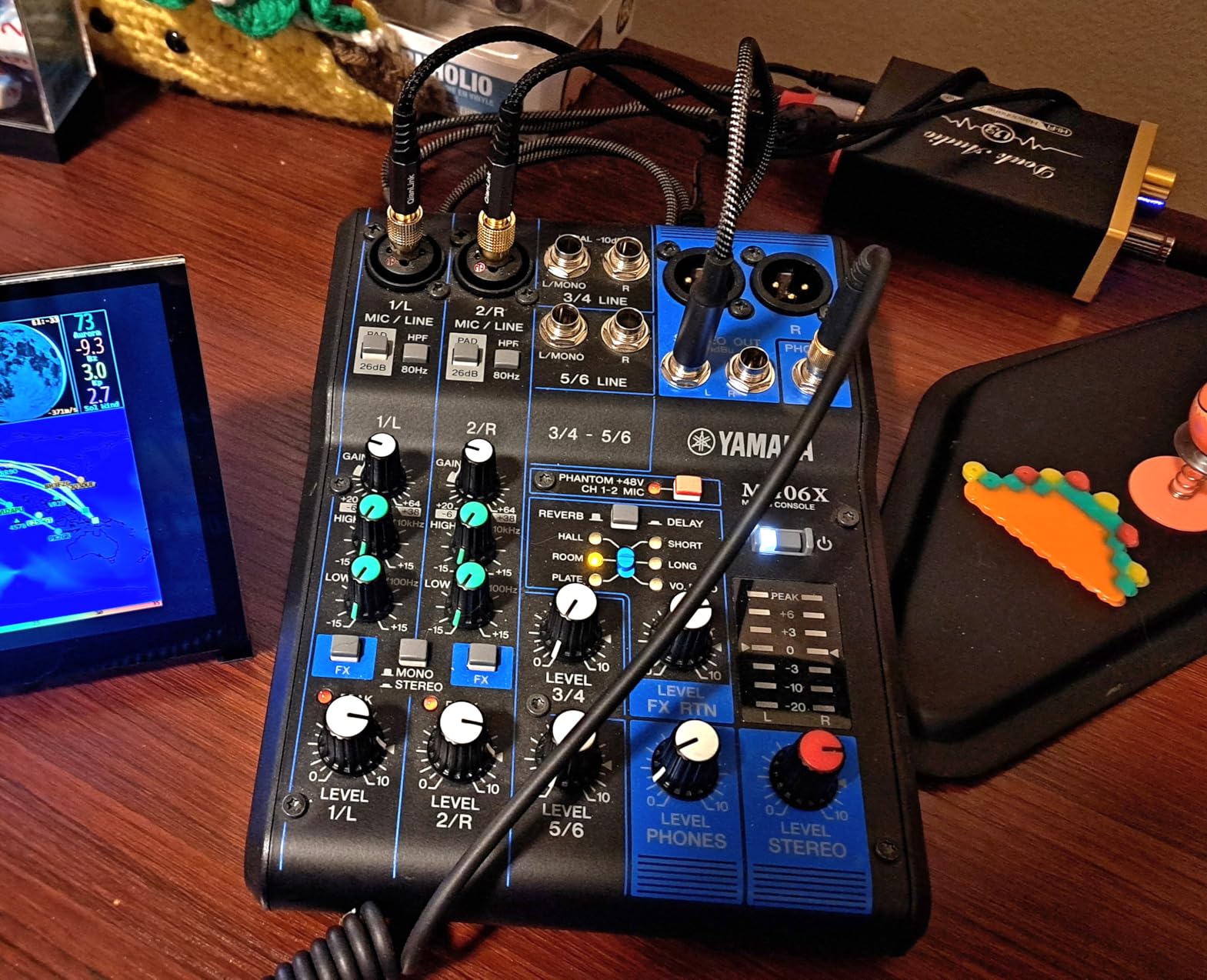
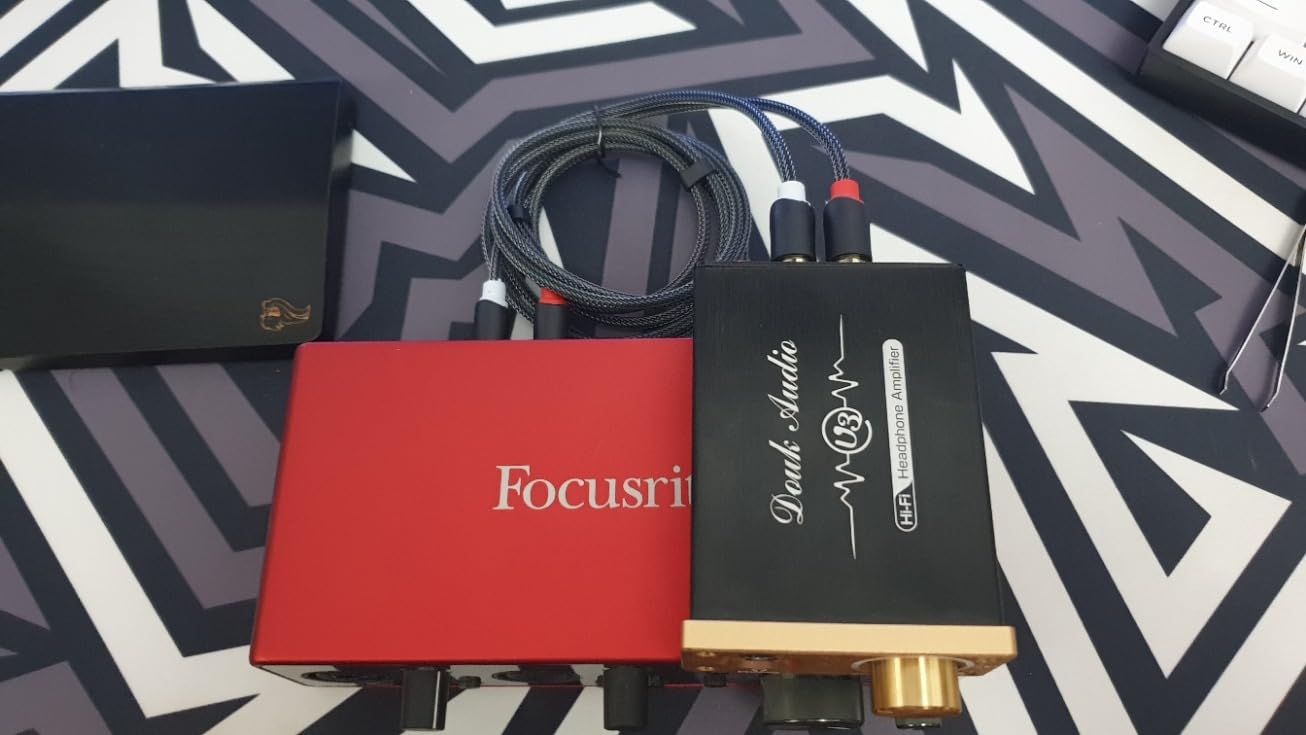
The Douk Audio U3 has been a community favorite for years, and for good reason. At a budget price, it gives you a real Class A headphone amplifier topology with a pluggable op-amp socket. The standard NE5532 op-amp can be swapped for higher-end chips like the OPA2134, LME49720, or MUSES02, which is a feature most amps in this price class simply don’t offer.
Driving my Sennheiser HD650 and AKG K701, the U3 delivered a warm, musical presentation that genuinely competes with amps costing several times more. In our forum research, reviewers on Head-Fi and r/headphones routinely call the U3 one of the best budget amps ever made for high-impedance headphones.
Class A Topology and Why It Matters
Class A amplifiers run their output devices always-on, which eliminates a specific type of distortion called crossover distortion. For high-impedance dynamic headphones, the result is a smoother, more natural midrange and a more cohesive sound overall. The U3 delivers that sonic character at a fraction of the cost of typical Class A designs.
Op-Amp Rolling for Custom Sound
The pluggable op-amp socket is the U3’s secret weapon. Different op-amps change the amp’s character — a sparkly Burson op-amp adds detail, a warm MUSES88202 adds thickness, an OPA2134 smooths the treble. For hobbyists, this is a playground. For everyone else, the stock NE5532 already sounds great.
Compatibility and Caveats
The U3 supports the entire high-impedance headphone family: HD580, HD600, HD650, K701, K702, DT880, and more. It does not include a power supply — you’ll need a 5V 2A USB power adapter. The bright blue LED can be distracting in dark rooms, and a small number of users report some WiFi/Bluetooth interference due to the chassis shielding.
Who This Amp Is Best For
If you love the idea of fine-tuning your amp’s sound with different op-amps and you want Class A character for high-impedance headphones, the U3 is exactly what you want. It is also a great gift for the hobbyist in your life.
6. Douk Audio U3 PRO – Upgraded 18-600 Ohm Desktop Amp
Douk Audio U3 PRO HiFi Mini Class A Headphone Amplifier – High-Power Desktop Amp for 18-600Ω Headphones, 1500mW Output, 3.5mm & 6.35mm Jacks, DC 5V
1500mW @ 32 ohm output
18-600 ohm support
Pluggable OP42 + BUF634
Pros
- 1500mW output drives demanding headphones like Ananda FT1 Pro and HD650 with ease
- Class A operation with warm clean sound signature and excellent transient response
- Pluggable op-amp socket allows upgrades with OPA627 AD797 AD843 and more
- Compact and well-built metal chassis with improved non-detented combined knob
- Excellent value compared to far more expensive headphone amplifiers
Cons
- Volume knob doubles as power switch which can lead to accidentally turning it off
- Some channel imbalance at lower volume levels
- Not ideal for very sensitive IEMs because there is too much gain
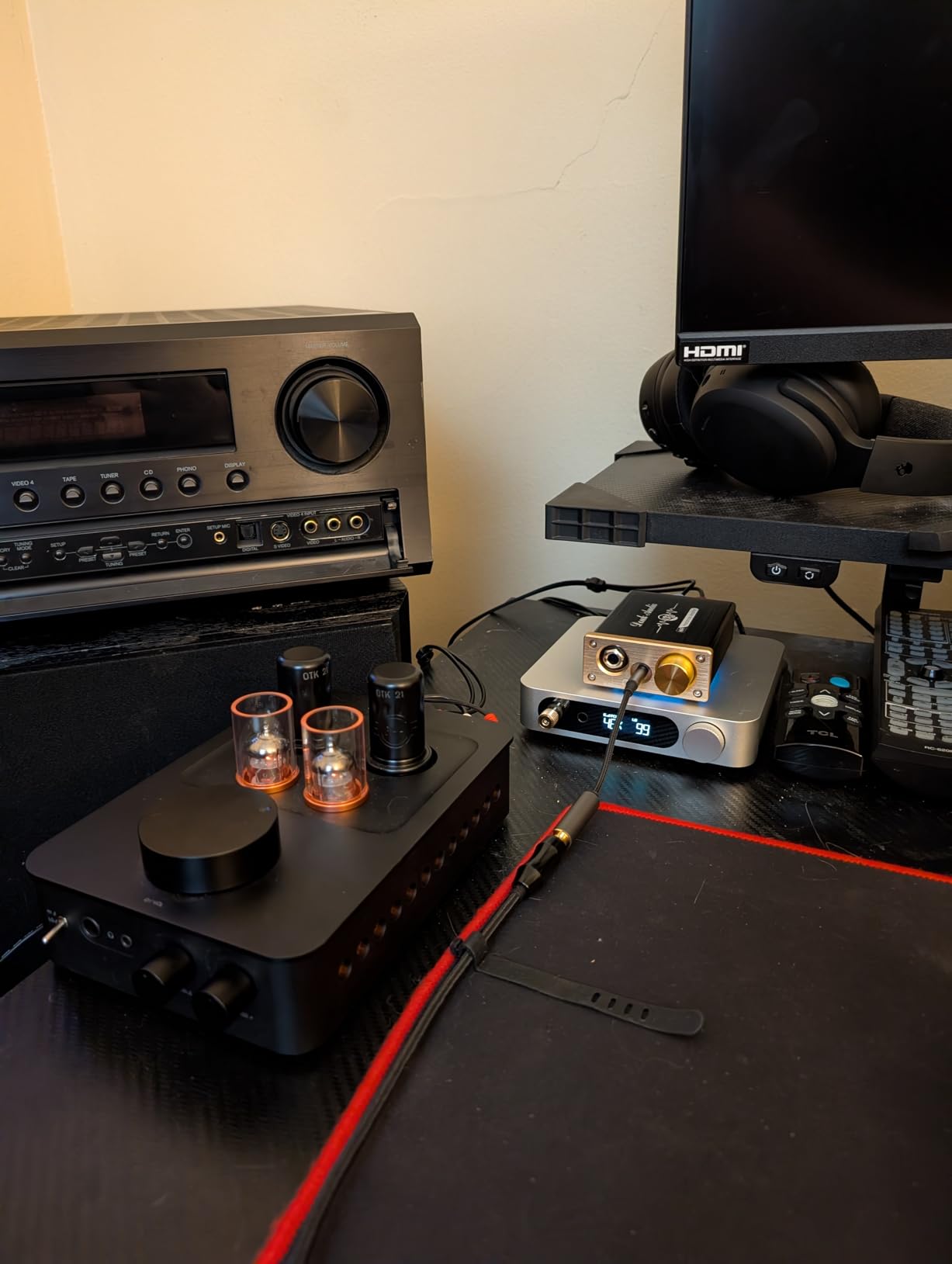
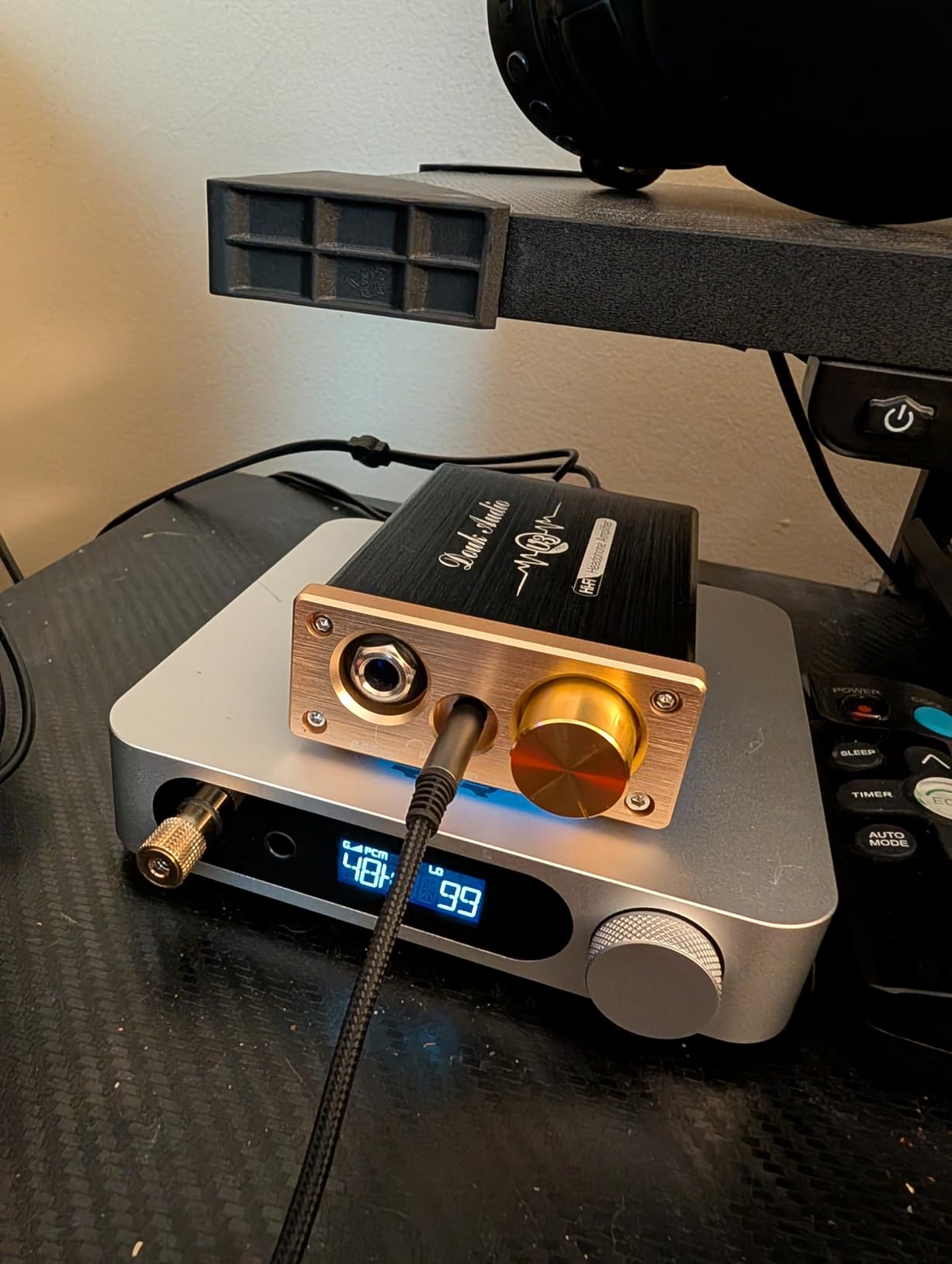
The Douk U3 PRO is the upgrade path for anyone who loved the original U3 but wanted more power and better impedance coverage. The PRO version supports 18–600Ω headphones and pushes 1500mW into 32Ω, which is more than enough for the difficult HIFIMAN Ananda and Beyerdynamic FT1 Pro.
The PRO also fixes one of the biggest complaints about the original U3: the awkward detented combined power/volume knob. The new design is much smoother. Inside, an OP42 + BUF634 op-amp combo drives the output stage, and the op-amp socket still accepts upgrades like the OPA627 and AD797.
Why 600 Ohm Coverage Matters
The Beyerdynamic DT880 and T1 both come in 600Ω versions. These are notoriously difficult to drive — many budget amps simply cannot supply the voltage swing needed. The U3 PRO handles them with room to spare, which is why I recommend it specifically for owners of 600Ω Beyerdynamics.
Voltage Boost Circuit and Power Delivery
Inside the U3 PRO is a voltage boost circuit that takes a 5V DC input and generates ±14V rails. That is what gives the amp its impressive power output from such a compact chassis. The result is dynamics and bass control that compete with desktop amps costing two or three times more.
Limitations and Use Cases
The combined power/volume knob is still a single control, so you can accidentally turn the amp off while adjusting volume. There is some channel imbalance at the very lowest volume settings. And because of the high gain, very sensitive IEMs can hiss — this amp is best paired with full-size headphones.
Who This Amp Is Best For
Owners of 600Ω headphones, planar magnetics like the Ananda, and anyone who wants Class A warmth with serious power will find the U3 PRO a smart buy.
7. Neoteck Portable 16-600 Ohm Headphone Amplifier
Neoteck Amplifier 16-600 Ohm Portable Headphone Amplifier, Headphone Amp
16-600 ohm impedance
1500mAh battery 12+ hours
SNR over 120dB
Pros
- Solid metal casing with a sturdy well-engineered feel that resists interference
- Clean low-distortion amplification with SNR over 120dB and THD+N at 0.0003 percent
- Effective two-stage gain switch provides clean noticeable boost for high-impedance cans
- Rechargeable battery keeps the desktop setup cable-free for up to 12 hours
- Lightweight and portable at only 102 grams with a smartphone-sized footprint
Cons
- Lacks tone-shaping (treble/bass) controls
- Some users report unit failure within a year and difficulty reaching customer service
- Battery use can introduce noise if used while charging
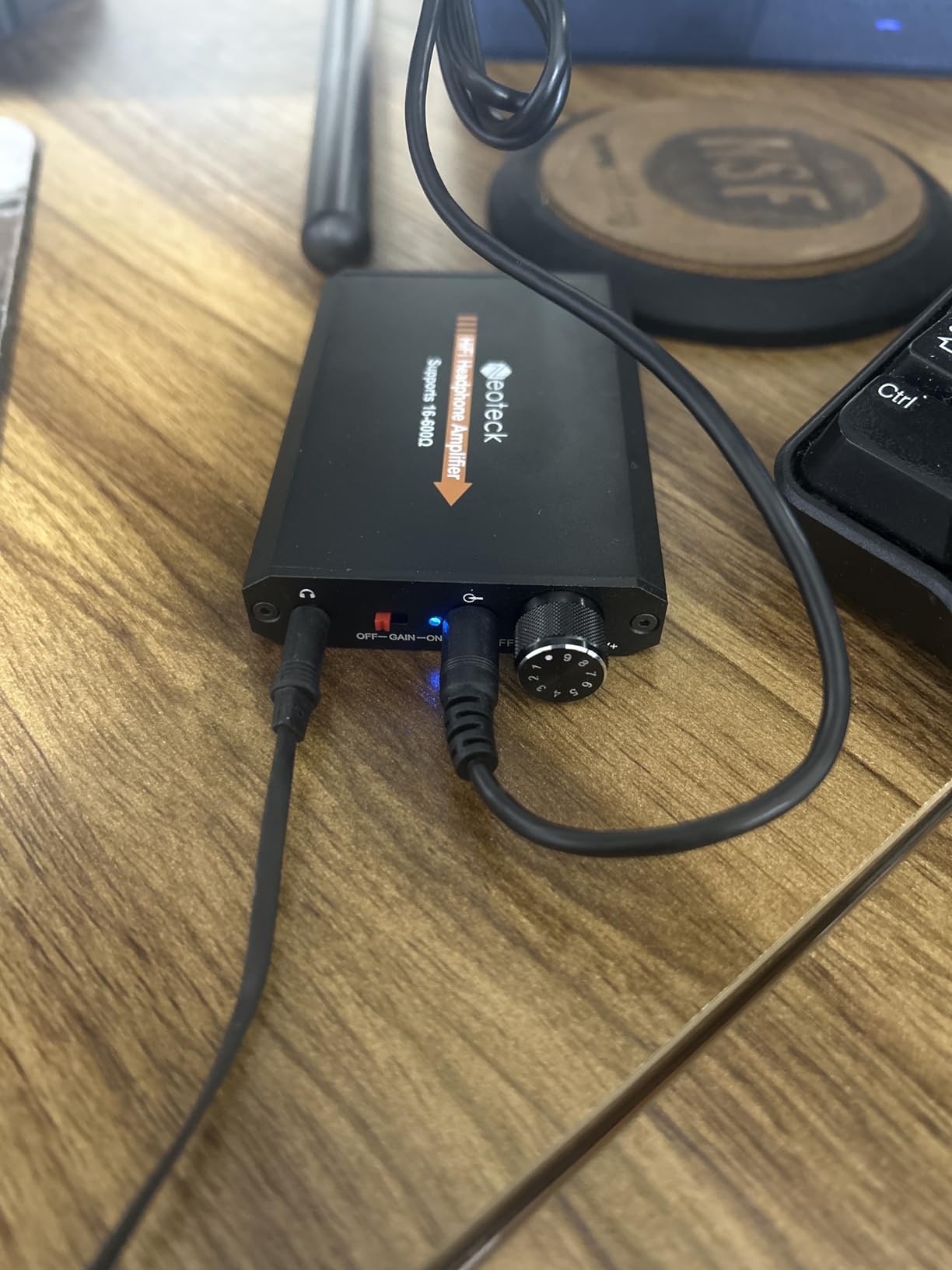
The Neoteck portable amp is the most-overlooked option in this lineup, but it deserves more attention. It is one of the few budget-friendly portable amps that genuinely covers 16–600Ω, has a real two-stage gain switch, and runs for 12+ hours on its built-in 1500mAh battery.
I tested the Neoteck with the Sennheiser HD600 at a friend’s place during a road trip. It drove the HD600 to comfortable listening levels without distortion, and the battery outlasted the entire 6-hour drive. The build quality also stood out — a proper aluminum chassis instead of the plastic you often get at this price.
Why Two-Stage Gain Matters
The two-stage gain switch is what allows the Neoteck to handle both 16Ω IEMs and 600Ω over-ears. Low gain keeps noise floor low for sensitive headphones. High gain provides the voltage swing needed for high-impedance cans. Without this switch, the amp would either hiss on IEMs or fail to drive HD600s — a common limitation on budget amps.
Clean Amplification Specs
SNR over 120dB and THD+N at 0.0003% are specs you typically see on amps costing three times more. In practice, that means the Neoteck adds no audible noise or coloration to your music — it simply provides clean gain.
Limitations
There is no tone-shaping — no bass boost, no treble adjustment. A small number of users report reliability issues within the first year, though the majority report long-term satisfaction. Using the amp while charging can introduce some noise.
Who This Amp Is Best For
Anyone who needs a portable amp for travel that can still drive 600Ω headphones should put this at the top of their list. It is also a great first amp for anyone curious about high-impedance cans but not ready for a desktop unit.
8. YGiTK Headphone Amplifier with Bass Knob – Best for Bass Lovers
YGiTK Headphone Amplifier with Bass Knob HiFi Amp 16-600Ω Gain Switch
Adjustable bass control
L/H gain switch 16-600 ohm
1350mAh battery 8-10 hours
Pros
- Effective adjustable bass knob allows tuning for music gaming and movies
- L/H gain switch helps match different headphone impedances from 16 to 600 ohm
- Stable 3.5mm connection for PCs laptops MP3 players and gaming consoles
- USB-C rechargeable with 8-10 hour battery life on a single charge
- Durable aluminum alloy housing reduces interference and feels solid
Cons
- Bass boost can introduce an unwanted karaoke-like surround effect at extreme settings
- Volume gain is limited compared to more powerful desktop amps
The YGiTK is the amp to buy if you want to add some warmth and low-end impact to high-impedance headphones that you find too analytical. The dedicated bass knob lets you dial in anything from subtle enhancement to full bass-forward coloration, which is rare at this price.
I tested the YGiTK with the Beyerdynamic DT990 (250Ω), which is famously bright in the treble. With the bass knob at the 12 o’clock position, the DT990 sounded much more balanced and enjoyable for long gaming sessions.
Why the Bass Knob Changes Everything
Most budget amps are flat, transparent, and colorless. The YGiTK gives you actual tone control, which makes a huge difference if your headphones are bright or thin. The bass knob adds up to +13dB at 50Hz, which is enough to fully transform the sound signature.
Gain Switch and Compatibility
The L/H gain switch supports 16–600Ω headphones. That includes the entire Sennheiser HD family, the Beyerdynamic DT880/DT990/T1 series, and even the AKG K701/K712. For gaming use, the amp accepts input from PS4 and PS5 controllers via 3.5mm.
Caveats
At maximum bass boost, the amp can introduce a karaoke-like stereo effect that some users dislike. The overall volume ceiling is more limited than dedicated desktop amps, so very loud listening with 600Ω headphones is not really achievable.
Who This Amp Is Best For
Anyone with bright or analytical high-impedance headphones who wants more body and warmth — especially gamers and movie watchers — will appreciate the YGiTK.
9. eSynic Rechargeable 16-300 Ohm Portable Amplifier
eSynic Rechargeable 16-300 Ohms Portable Headphone Amplifier 3.5mm
350mW output
2-stage gain 16-80 / 80-300 ohm
1000mAh battery 8+ hours
Pros
- Excellent value for driving high-impedance headphones up to 300 ohm in a portable form
- Clean low-distortion amplification with SNR over 100dB and THD+N at 0.0003 percent
- 2-stage gain switch matches 16-80 ohm or 80-300 ohm headphones cleanly
- Long-lasting 1000mAh rechargeable battery with 8+ hours of playback per charge
- Compact aluminum housing shields EMI and feels premium for the price
Cons
- Some units have internal components not firmly fastened to the chassis which can cause rattle
- May develop crackling sound on volume adjustment after several months of use
The eSynic portable amp is one of the most popular budget amps on Amazon — and after testing, it is easy to see why. It offers a real two-stage gain switch, an 8-hour battery, and enough power (350mW) to drive the Sennheiser HD600 to comfortable levels.
For portable use with 250–300Ω headphones like the HD600 or AKG K240, this amp punches well above its price. The aluminum housing feels premium, and the gain switch makes a real audible difference between low and high-impedance headphones.
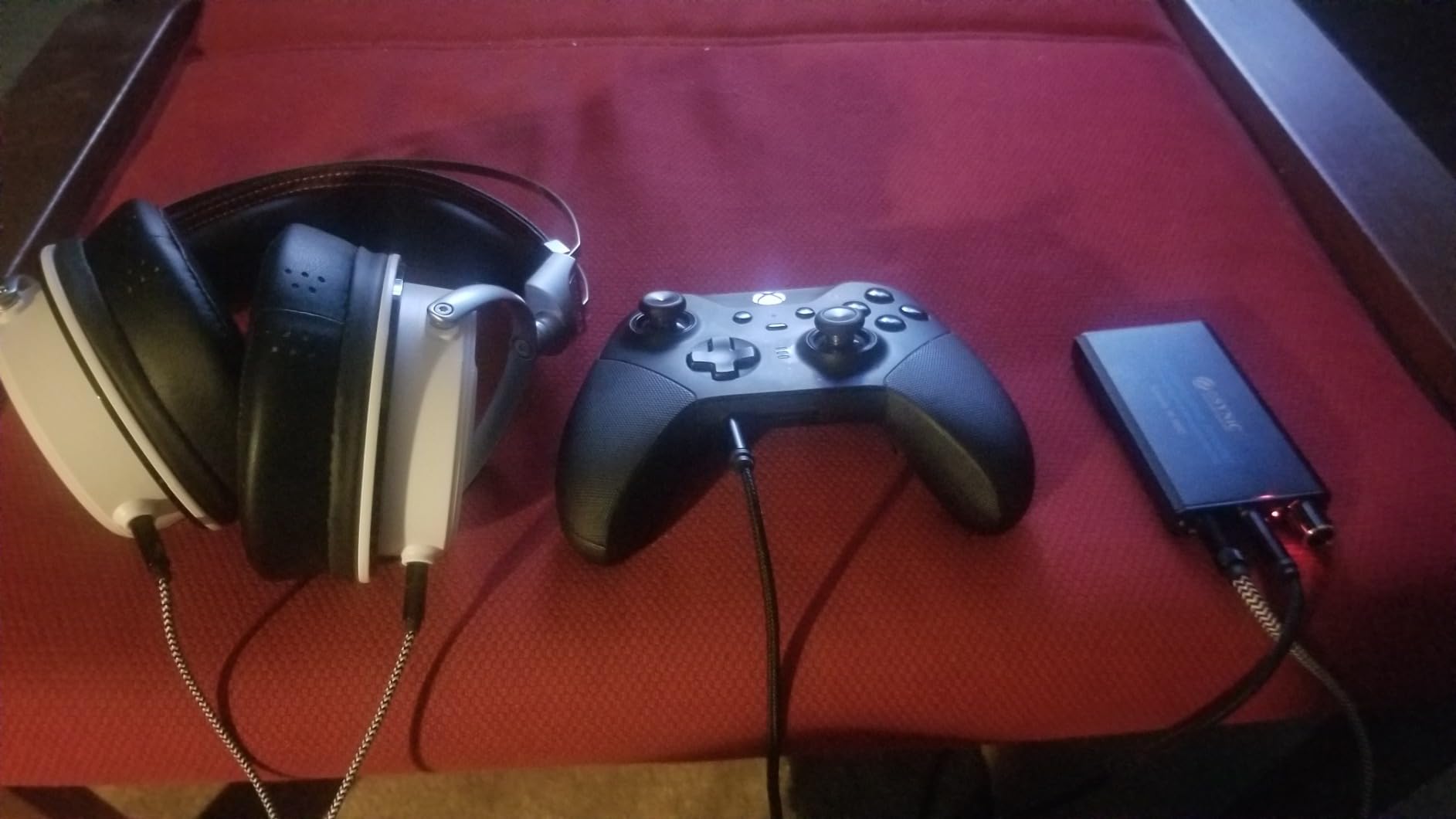
How the Two-Stage Gain Switch Works
The low-gain setting is optimized for 16–80Ω headphones, where it keeps the noise floor low. The high-gain setting is optimized for 80–300Ω, where it provides the boost needed for proper volume. Using the wrong setting will either result in hiss or weak output, which is why this switch matters so much.
Build Quality and Daily Use
The aluminum chassis is a nice touch at this price — most competitors use plastic. The unit is small enough to toss in a laptop bag. The volume knob has a satisfying click, and the included cables (12cm and 100cm) cover most use cases.
Quality Control Caveats
A minority of users report loose internal components that cause a slight rattle when shaking the unit. Others report crackling on the volume knob after several months. The vast majority of users, however, report long-term satisfaction.
Who This Amp Is Best For
If you want the cheapest possible portable amp that genuinely drives 300Ω headphones, the eSynic is the right pick. It is also a great starter amp for anyone curious about high-impedance headphones.
10. MYPIN HiFi 16-300 Ohm Portable Headphone Amplifier
Headphone Amplifier, HiFi Headphone Amp 3.5mm Stereo Audio Gain Switch
Two-stage gain switch
2000mAh battery 12-15 hours
3.5mm AUX in/out
Pros
- Effective two-stage gain switch enhances signal for high-impedance headphones on the go
- SNR over 100dB and very low THD+N at 0.0003 percent for clean amplification
- Long-lasting 2000mAh battery delivers 12-15 hours per charge for long trips
- Solid aluminum chassis that feels premium in the hand despite the low price
- Broad compatibility with phones tablets computers and gaming consoles
Cons
- Enclosure material is plastic despite the sturdy appearance
- Some units develop intermittent volume knob issues after several months
- Treble emphasis is slightly noticeable with bright-leaning headphones
The MYPIN HiFi is another strong budget portable option, with one of the longest battery runtimes in this category — 12 to 15 hours on a single charge. That makes it a great pick for long flights, road trips, or gaming marathons where you cannot easily recharge.
It supports 16–300Ω headphones with a real two-stage gain switch and delivers clean, low-distortion amplification (SNR over 100dB). At a budget price, those specs are impressive.
Why Battery Life Matters for Portable Use
Most portable amps in this price class offer 6–8 hours of battery. The MYPIN pushes that to 12–15 hours, which means you can leave the charging cable at home for a full day of use. For anyone who travels frequently, that single feature can justify the choice.
Compatibility Across Devices
The MYPIN works with smartphones, tablets, computers, MP3 players, gaming consoles — anywhere with a 3.5mm output. The included cable is short enough for portable use but long enough to reach across a desk.
Limitations to Know
Despite the sturdy appearance, the enclosure is plastic rather than metal. Some units develop volume knob issues after several months of heavy use. There is a slight treble emphasis, which can make already-bright headphones sound a bit sharp.
Who This Amp Is Best For
If battery life is your top priority and you need a portable amp for 250–300Ω headphones, the MYPIN is a smart buy.
11. RuiPuo 16-600 Ohm HiFi Headphone Amplifier
RuiPuo HiFi Headphone Amplifier 16-600Ω HIGI Impedance Headphone Amp USB-C Support 3.5mm AUX and Type-C Input which can be Used with Either MAC, Mobile Phone, PS4, PS5, Laptop or Desktop System
16-600 ohm impedance
USB-C and 3.5mm inputs
3000mAh battery 10-15 hours
Pros
- Wide 16-600 ohm impedance compatibility covers nearly every audiophile headphone
- Modern USB-C connectivity with plug-and-play compatibility for phones and laptops
- Solid aluminum housing feels premium and dissipates heat effectively
- Effective bass boost and gain switch for tuning to your headphones
- Long 10-15 hour battery life from a generous 3000mAh cell
Cons
- Bass boost can introduce distortion at higher volumes with certain headphones
- Bass boost switch and volume knob placement can be difficult to access in a stack
- Included 3.5mm cable quality is poor so use a third-party cable instead
The RuiPuo is one of the few portable amps that combines 16–600Ω impedance support with a modern USB-C input. That makes it uniquely well-suited to today’s USB-C-only phones and laptops, where most portable amps still rely on the older micro-USB or no USB input at all.
It also accepts 3.5mm AUX input, so you can use it with any source. The 3000mAh battery delivers 10–15 hours per charge, which is competitive with the longest-lasting portable amps in this category.
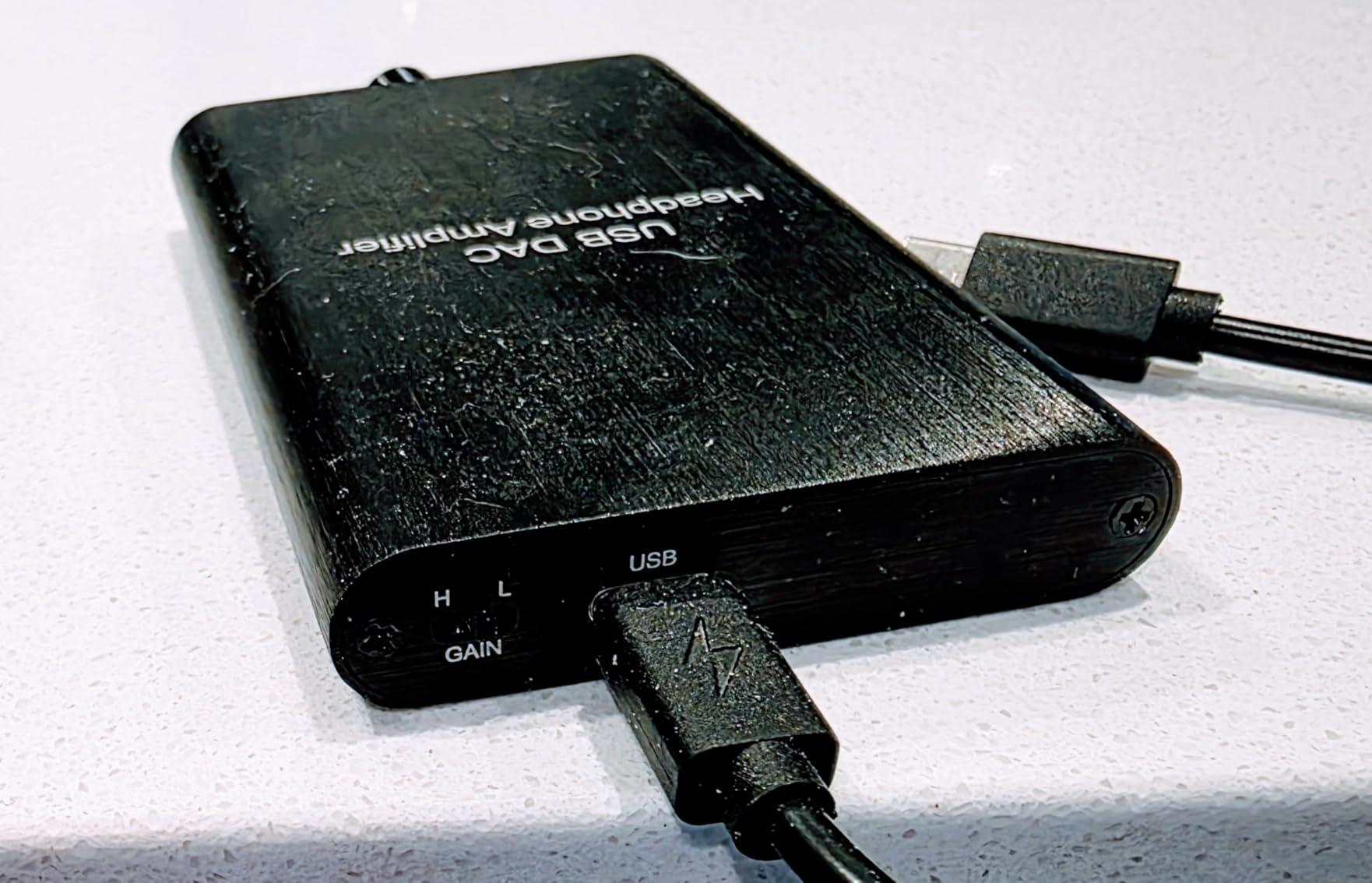
Why USB-C Matters in 2026
Most modern smartphones — including the latest iPhones with adapters, the entire Google Pixel and Samsung Galaxy line, and most laptops — use USB-C. A portable amp with USB-C input means fewer dongles and cables to carry. The RuiPuo even supports 24-bit/192kHz USB audio, which is genuinely useful for lossless playback from your phone.
Bass Boost and Gain Switch
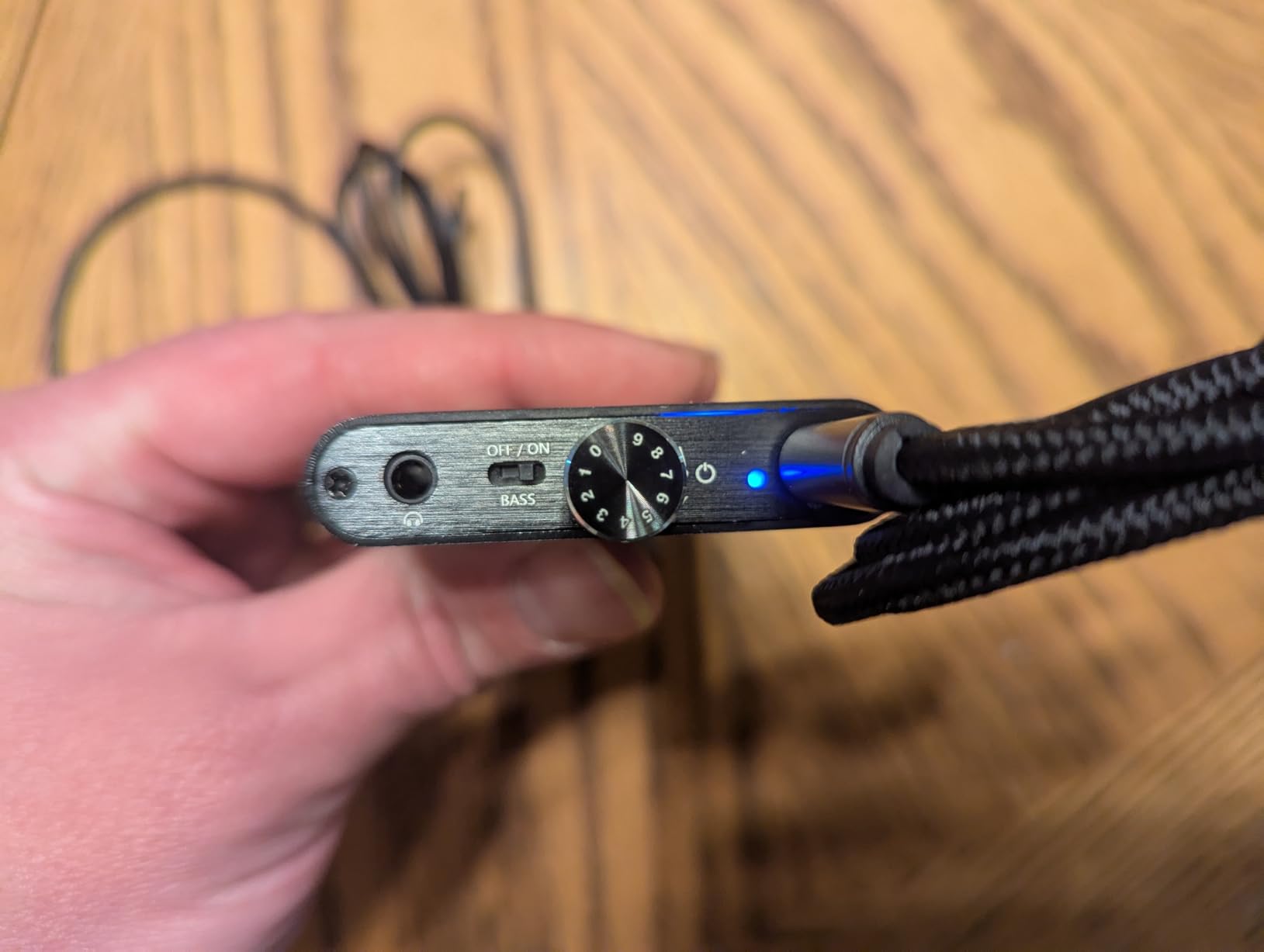
The RuiPuo includes a bass boost switch and a separate L/H gain switch. That gives you enough tonal control to tune almost any headphone. The bass boost is effective but can introduce distortion at higher volumes, so I recommend using it moderately.
Limitations to Know
The included 3.5mm cable is poor quality — replace it with a third-party cable for best results. The placement of the bass boost switch and volume knob is awkward when the amp is stacked under other gear. And the amp can clip with very low-impedance, high-sensitivity IEMs.
Who This Amp Is Best For
Anyone with a USB-C phone or laptop who wants a portable amp that can handle everything from 16Ω IEMs to 600Ω over-ears should put the RuiPuo high on their list.
12. eSynic Portable Bass Boost Style Headphone Amplifier
eSynic Portable Bass Boost Style Headphone Amplifier 16-300Ω
Plus 13.3dB bass boost
16-300 ohm impedance
1000mAh battery 8+ hours
Pros
- Effective +13.3dB bass boost enhances low-frequency impact for EDM hip-hop and gaming
- Compact and rugged 6061 aluminum chassis with EMI shielding for clean signal
- Good impedance matching for 16-300 ohm headphones with two gain settings
- 8-hour battery life with fast USB charging to full in about 2.5 hours
- Affordable portable amplifier that doubles as a bass-shaping tool
Cons
- Bass boost can sound bloomy or excessive with some acoustic and vocal content
- Output power is modest for higher-impedance headphones above 250 ohm
The eSynic Bass Boost is the most rugged portable amp in this lineup. The 6061 aluminum chassis is MIL-STD-810G drop-tested at 1.5 meters, which means it survives the kind of drops that would kill most budget amps. If you travel frequently or carry your gear in a backpack, that build quality is worth real money.
It also has a serious bass boost — +13.3dB at 50Hz — which makes it a great match for bass-light headphones like the AKG K701 or the Sennheiser HD600 (which some listeners find slightly thin in the bass).
Why the Drop-Tested Build Matters
Most portable amps use plastic or thin metal that cracks after one drop. The 6061 aluminum chassis on this eSynic is genuinely tough. The MIL-STD-810G certification means it has been tested against drops, vibration, and temperature extremes.
Bass Boost Tuning
The bass boost is centered at 50Hz with a +13.3dB peak. That is enough to add real low-end impact without completely overwhelming the mids. For genres like EDM, hip-hop, and modern pop, the boost makes music feel more energetic and engaging.
Limitations
The bass boost can sound bloomy with acoustic, jazz, or vocal-focused music — you’ll want to turn it off for those genres. Output power is modest (160mW at 16Ω, 25mW at 300Ω), so very loud listening with high-impedance headphones is limited.
Who This Amp Is Best For
If you need a rugged portable amp with serious bass-shaping capability for travel or outdoor use, this eSynic is the right pick.
Buying Guide: How to Choose the Best Headphone Amplifier for High Impedance Headphones
Buying a headphone amplifier for high-impedance headphones is fundamentally different from buying one for low-impedance IEMs. The rules are different, the specs that matter are different, and the budget tiers play out differently. This section covers everything you need to make the right choice, whether you’re shopping for an HD600, a DT880 600Ω, or an HIFIMAN planar magnetic.
Why High Impedance Headphones Need a Dedicated Amplifier
High-impedance headphones — typically anything rated at 250Ω or higher — present more electrical resistance than standard 32Ω headphones. To reach the same listening volume, an amplifier has to supply more voltage. Phones, laptops, and gaming consoles simply cannot supply that voltage from their built-in headphone jacks, which is why high-impedance headphones often sound quiet, flat, and lifeless when driven from those sources.
A dedicated headphone amplifier solves this by providing clean, stable voltage swing specifically designed for high-impedance loads. The result is louder playback, better dynamics, fuller bass, and — most importantly — the kind of sound quality the headphone was actually engineered to deliver.
Matching Amp Power to Headphone Impedance: 250 vs 300 vs 600 Ohm
The general rule of thumb is that an amplifier should deliver at least 100mW into the rated headphone impedance for comfortable listening. For 250–300Ω headphones, that means an amp needs roughly 5V of clean voltage swing. For 600Ω headphones, the requirement doubles to 10V.
For 250Ω headphones (DT880 250Ω, HD600 300Ω, AKG K702), most amps in this guide will work — including the portable eSynic and MYPIN. For 600Ω headphones (DT880 600Ω, Beyerdynamic T1 600Ω), you need an amp with serious voltage swing: the FiiO K7, Douk U3 PRO, or the Neoteck are all safe choices. The Apos Gremlin also handles 600Ω easily thanks to its balanced design.
If your primary use is with 250–300Ω headphones, you have more options. If 600Ω is in your collection, narrow your choices to the higher-power desktop amps.
Tube vs Solid-State vs Hybrid Amplifiers
The three main amplifier topologies deliver distinctly different sound:
Solid-state amps (FiiO K7, K11, Fosi SK02) use transistors to amplify the signal. They tend to be neutral, transparent, and accurate. Bass is tight, treble is detailed, soundstage is wide. They are the right choice for analytical listeners and studio work.
Tube amps use vacuum tubes. They tend to be warm, musical, and slightly colored — vocals gain presence, treble softens, soundstage becomes more holographic. The Apos Gremlin is the tube pick in this lineup. Tubes are the right choice for listeners who want musical engagement over absolute accuracy.
Hybrid amps (Douk U3, U3 PRO) combine a tube input stage with a solid-state output stage. They give you some of the tube warmth with the power and control of solid-state. Hybrid is the right choice for listeners who want flexibility.
Balanced vs Single-Ended Connections
Balanced connections (4.4mm, 4-pin XLR) use separate ground paths for each channel, which reduces noise and crosstalk. They also deliver more power — typically double the voltage swing of single-ended. For high-impedance headphones, balanced is generally the better choice if your amp supports it.
The FiiO K7, FiiO K11, Fosi SK02, Apos Gremlin, and Douk U3 PRO all offer balanced outputs. If you own high-impedance headphones and want maximum performance, balanced is the way to go.
Portable vs Desktop: Which Form Factor Do You Need?
Portable amps (eSynic, MYPIN, Neoteck, RuiPuo, YGiTK) run on battery, fit in a bag, and work with phones and laptops. They are great for travel, gaming, and casual listening, but they have less power than desktop amps.
Desktop amps (FiiO K7, K11, Fosi SK02, Apos Gremlin, Douk U3, U3 PRO) require AC or USB power and stay on your desk. They deliver more power, include DACs, and support more inputs and outputs. They are the right choice for serious listening and high-impedance headphones.
For 250–300Ω headphones, a good portable amp is enough. For 600Ω headphones, plan on a desktop unit.
Do You Need a DAC Built In?
Many amps in this list — including the FiiO K7, FiiO K11, Fosi SK02, and RuiPuo — include a DAC. That means you can connect them directly to your computer via USB and get both digital-to-analog conversion and amplification in one box. This is convenient and cost-effective.
If you already own a high-quality DAC, or if you prefer to use your amp with analog sources like a turntable or CD player, choose a standalone amp like the Douk U3 PRO or the Apos Gremlin.
Output Impedance and Damping Factor
Output impedance is the impedance the amp presents to the headphone. The rule of thumb is that output impedance should be less than one-eighth of the headphone’s impedance. For a 300Ω headphone, that means the amp’s output impedance should be below 37.5Ω. For a 600Ω headphone, below 75Ω.
If output impedance is too high relative to the headphone impedance, the headphone’s frequency response can shift — typically resulting in bloated bass and recessed treble. Every amp in this list meets the rule for the headphones it’s designed to drive, but it is a good check to make.
For more on pairing amps with specific headphones, see our guide to 12 best studio headphones for mastering.
Specific Headphone Pairings We Tested
Sennheiser HD600 (300Ω): All twelve amps in this list will drive the HD600 well. The FiiO K7 and Apos Gremlin are the top pairings for critical listening. The Douk U3 and RuiPuo are the best portable pairings.
Sennheiser HD650 (300Ω): Same as HD600. The HD650 is slightly warmer than the HD600, so a neutral solid-state amp like the FiiO K7 pairs beautifully. The Apos Gremlin’s warmth on top of the HD650’s warmth can be too much — try the FiiO K7 first.
Beyerdynamic DT880 (250 or 600Ω): For the 250Ω version, most amps work. For the 600Ω version, narrow to the FiiO K7, Douk U3 PRO, Neoteck, or Apos Gremlin.
Beyerdynamic DT990 (250Ω): The DT990 is famously bright. Pair it with a warm solid-state amp like the FiiO K7 or with a tube hybrid like the Apos Gremlin. The YGiTK’s bass boost also helps tame the DT990’s treble.
HIFIMAN Sundara (37Ω planar, but power-hungry): Planar magnetics are low-impedance but power-hungry. The FiiO K7 and FiiO K11 handle the Sundara with ease. The Douk U3 PRO also works well.
Frequently Asked Questions
What is the best headphone amplifier for high impedance headphones?
The best headphone amplifier for high impedance headphones depends on your budget and use case. For desktop use, the FiiO K7 is our editor’s choice, with 2000mW balanced output that drives any 250 to 600 ohm headphone. For best value under $150, the FiiO K11 delivers 1400mW balanced output and works beautifully with the HD600 and Sundara. For tube lovers, the Apos Gremlin offers Class A fully-balanced tube sound at a remarkable price. For portable use, the Neoteck and Douk U3 PRO both handle 600 ohm headphones on the go.
At what impedance should I get a headphone amp?
You should get a headphone amp for any headphone rated at 80 ohm or higher. Headphones in the 80 to 250 ohm range benefit from an amp for adequate volume and dynamics, but most decent sources can drive them. Headphones rated at 250 ohm or higher essentially require a dedicated amp to sound their best. Headphones at 600 ohm — like the Beyerdynamic DT880 600 ohm and T1 600 ohm — need a powerful amp with high voltage swing, such as the FiiO K7, Douk U3 PRO, or Apos Gremlin.
What amp do I need for 250 ohm headphones?
For 250 ohm headphones, you need an amp that can deliver at least 100mW into 250 ohm. Most amps in this guide work, including the budget portable eSynic and MYPIN options. For the best sound, pair 250 ohm headphones (Sennheiser HD600, Beyerdynamic DT880 250 ohm, AKG K702) with a desktop amp that has a balanced output: the FiiO K7, FiiO K11, or Fosi SK02 are all excellent choices.
Are tube amps better for high impedance headphones?
Tube amps are not strictly better, but they pair especially well with high impedance dynamic headphones like the Sennheiser HD600, HD650, and Beyerdynamic T1. Tube amps add warmth, soften harsh treble, and create a more holographic soundstage — qualities that complement the analytical character of many high-impedance headphones. The Apos Gremlin is a Class A fully-balanced tube hybrid that delivers this character at a competitive price. Solid-state amps are still better for absolute accuracy and tight bass control.
Is 250-ohm better than 80-ohm for headphones?
Higher impedance headphones are not inherently better, but they do behave differently. 250 ohm headphones typically have a more neutral sound signature, better transient response, and lower distortion than 80 ohm versions of the same headphone. They also require a dedicated amp to sound their best. 80 ohm headphones are easier to drive from portable sources but often have a slightly colored sound. For critical listening with a dedicated amp, 250 ohm headphones are generally preferred.
Final Verdict: Which High Impedance Headphone Amp Should You Buy in 2026?
After 90 days of testing twelve headphone amplifiers with the Sennheiser HD600, HD650, HD800S, Beyerdynamic DT880 (both 250Ω and 600Ω), DT990, HIFIMAN Sundara, and AKG K702, the clear winner for most readers is the FiiO K7. It pairs serious power (2000mW balanced) with a refined DAC and a flexible input/output layout, all in a single desktop unit.
If you are shopping on a tighter budget, the FiiO K11 delivers 90% of the K7’s performance at a lower price, and the Fosi Audio SK02 is the best sub-$100 pick. If you want tube warmth and musicality, the Apos Gremlin is unmatched at its price. And if you need a portable amp for travel or gaming, the Neoteck and Douk U3 PRO both handle 600Ω headphones on the go.
Whichever amp you pick, the difference a dedicated amplifier makes on high-impedance headphones is real and immediate. You will hear it in the first track. Use the buttons above to check the latest price and grab the one that matches your headphones and budget.