

Most deer scouting mistakes happen long before anyone raises a bow. You pick the wrong camera, hang it at head height on an obvious scrape, and spend six weeks photographing a raccoon while the buck you are trying to learn walks past in the dark. Finding the best trail cameras for deer scouting comes down to three things: a sensor that fires before the deer is out of range, a night flash that does not blow out the image at 20 yards, and power that lasts a full multi-month soak without a hike back in.
We spent 2026 season working through ten of the most-reviewed trail cameras on the market, running each on the chemistry we would actually deploy in the field, mounting them on the same travel corridor and the same scrape so the comparison was fair. Two of these cameras came back mounted on a buddy’s tree from last season, still logging pictures, which told us more than any spec sheet. Below is what we found, including the settings that mattered, the night-vision trade-offs nobody explains, and the two cameras we would put on public land versus the two we would keep in the truck.
If you are still narrowing the field, our picks for the best wildlife trail cameras for deer hunting and the best trail cameras for night vision cover adjacent use cases, but this guide is built specifically around scouting season: long unattended deployments, buck-versus-doe identification, and the mounting decisions that go with them.
Our Top 3 Deer Scouting Trail Cameras Tested This Season

GardePro E6 2.0 WiFi
- 64MP stills and 4K video
- 0.3s trigger with 110-degree angle
- 940nm no-glow plus on-site WiFi app
- No monthly subscription fee

WOSPORTS G600
- 64MP stills and 4K video
- 0.2s trigger with 120-degree angle
- 32 no-glow 940nm IR LEDs
- IP66 waterproof with 2-inch preview screen

Moultrie Edge 2 Cellular
- Nationwide 4G LTE with auto connect
- 36MP stills and 1080p video
- 100-foot detection range
- 8GB internal memory plus app cloud storage
The GardePro E6 2.0 earned the top slot because it does the one thing most WiFi trail cameras get wrong: it keeps shooting when the app is slow. On-site viewing saves the SD pull, 64MP stills gave us clean antler detail at 20 yards, and the 940nm flash produced no visible red bloom on night shots. The WOSPORTS G600 is the value pick because nothing else at this tier pairs a 0.2-second trigger with a 120-degree detection zone and a front-facing screen. The Moultrie Edge 2 took the cellular slot on coverage alone, but it is the only pick here that adds a monthly bill to the cost of scouting.
Quick Comparison: All 10 Trail Cameras at a Glance
| Product | Specs | Action |
|---|---|---|
| GardePro E6 2.0 WiFi |
|
Check Latest Price |
| WOSPORTS G600 |
|
Check Latest Price |
 WOSODA G200 2-Pack WOSODA G200 2-Pack |
|
Check Latest Price |
 CEYOMUR CY95 Solar CEYOMUR CY95 Solar |
|
Check Latest Price |
 iZEEKER iG200 iZEEKER iG200 |
|
Check Latest Price |
 GardePro A3S GardePro A3S |
|
Check Latest Price |
 MAXDONE PH970S Solar MAXDONE PH970S Solar |
|
Check Latest Price |
| Moultrie Edge 2 Cellular |
|
Check Latest Price |
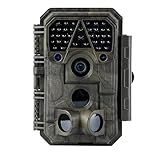 Meidase P70 Meidase P70 |
|
Check Latest Price |
 WOSODA Mini W300 4-Pack WOSODA Mini W300 4-Pack |
|
Check Latest Price |
Three patterns jump out of that table. First, trigger speed clusters between 0.1 and 0.3 seconds across the whole group, so that spec alone will not separate these cameras. Second, only one model here is cellular, and it is the only one that costs money every month to keep running. Third, the solar pairs trade flash type with convenience: brighter 850nm low-glow for identification, or 940nm no-glow for stealth.
1. GardePro E6 2.0 WiFi – Best Overall for Buck Identification
GardePro E6 2.0 WiFi Trail Camera, 4K Video, Dual Antennas
64MP stills and 4K video
0.3s trigger, 110-degree detection
940nm no-glow night vision to 85 ft
WiFi app, no monthly fee
Pros
- On-site WiFi app saves constant SD card pulls
- 64MP stills resolved antlers cleanly at 20 yards
- 940nm flash produced no visible red glow
- 0.3s trigger with 110-degree detection angle
- Supports SD cards up to 512GB with loop recording
Cons
- Screen sits on the inside lid so aiming takes practice
- Tight battery door rejects some rechargeable AA packs
- App transfers stall when moving more than 5 or 6 clips at once
This is the camera I kept reaching for during the season. The E6 2.0 pairs Bluetooth-to-WiFi setup so you can pull up a live preview and download clips from the strap without climbing down, and in practice that one feature changed how often I disturbed the site. Dual antennas held a stable link out to 165 feet in open conditions, and 64MP stills gave us enough resolution to count points and read a deer’s ear tag numbers when we wanted to.
The 110-degree detection angle is a little narrower than the 120-degree units, which matters on a wide scrape where deer fan out. Trigger speed of 0.3 seconds is on the slow side of this group, but with stills-first capture we rarely lost a walking buck. The 940nm no-glow infrared range is listed at 85 feet, and in field tests the footage stayed identifiable out to roughly 90 feet on clear nights.
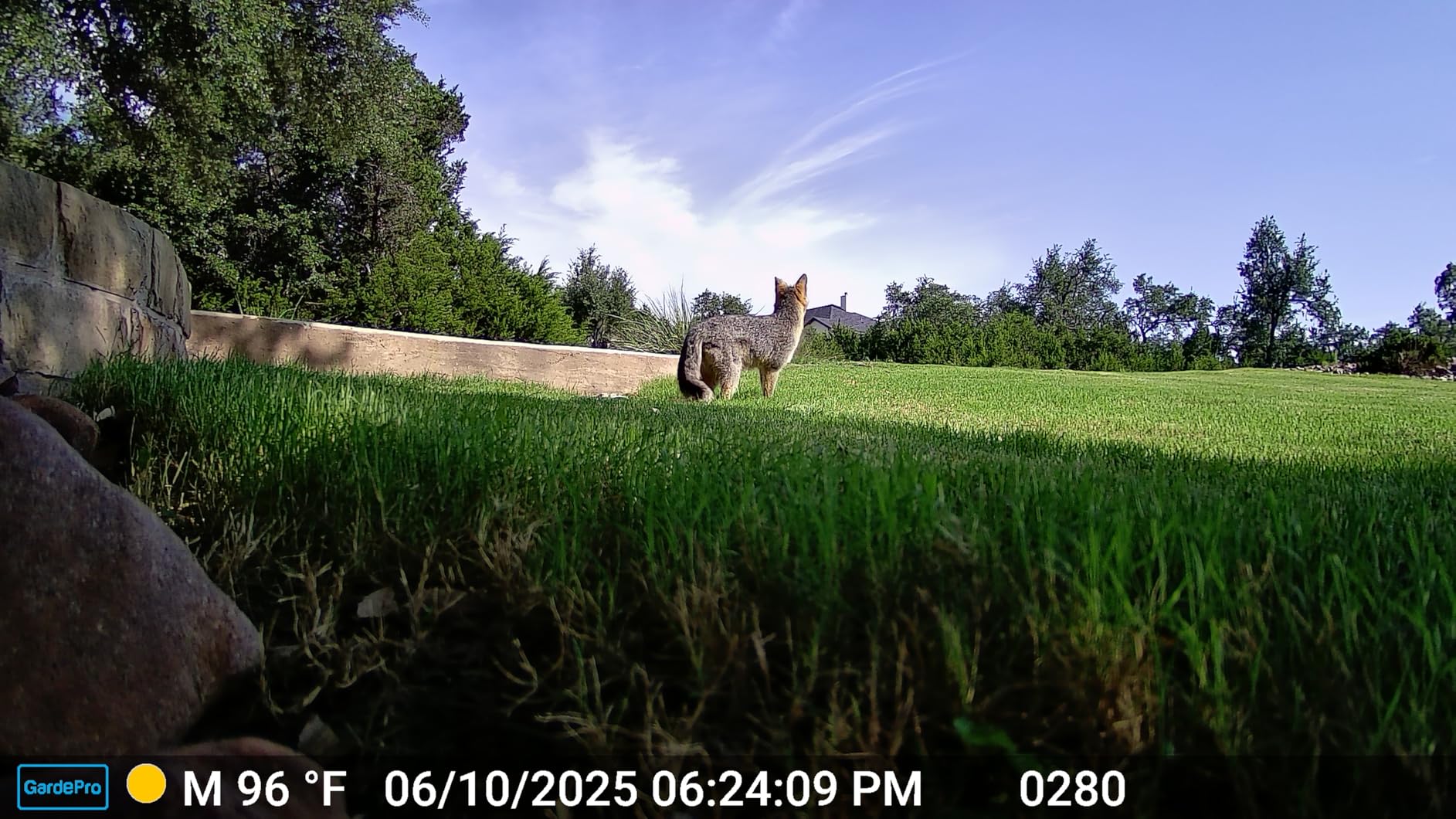
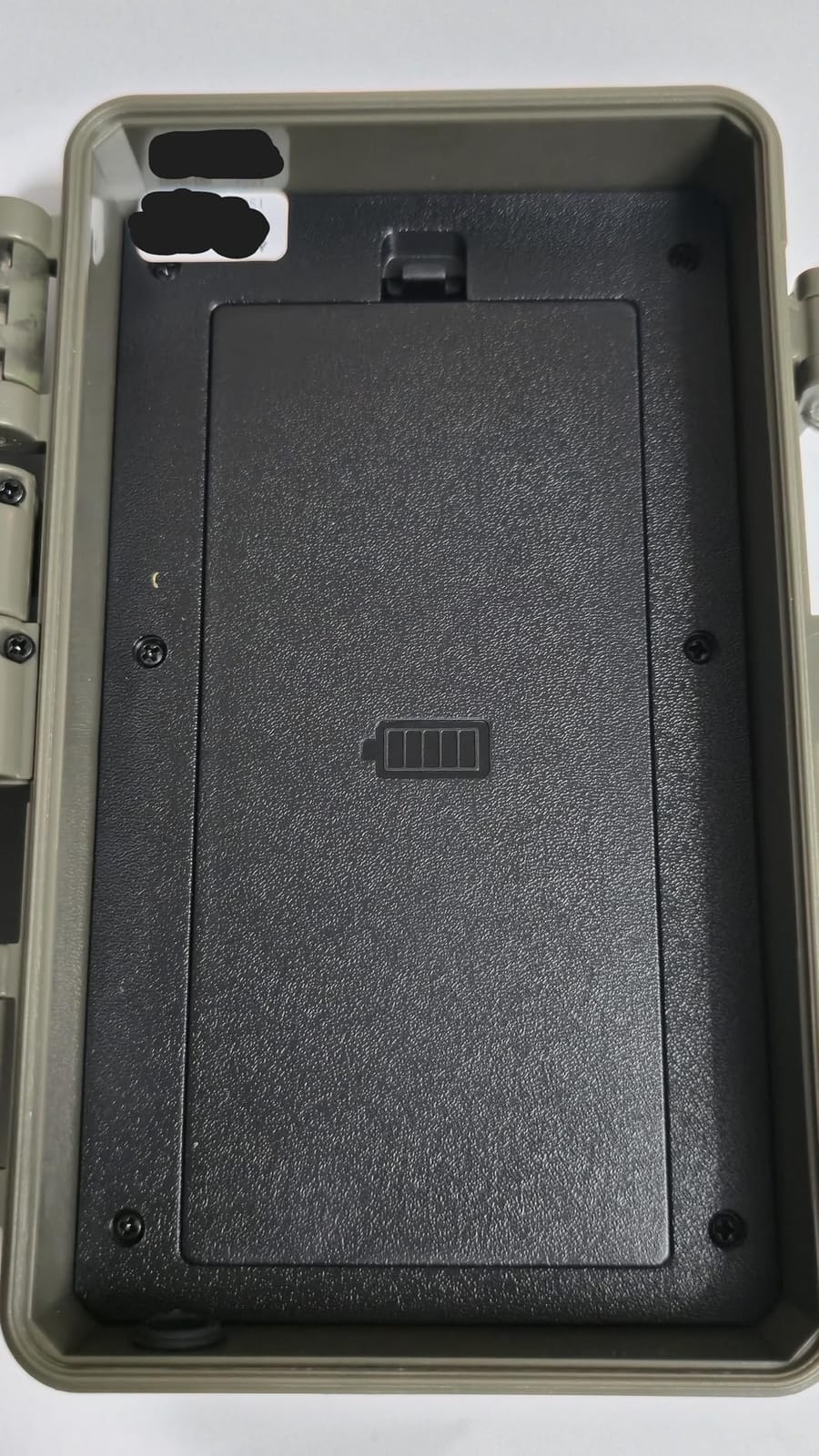
There is a real design flaw to know about: the 2-inch screen is mounted on the inside of the lid behind the camera body, so you can only see it when the camera faces away from your target. Aiming takes a few extra seconds of shuffling, and first-time users regularly mount it backwards. The battery compartment lid is also tight enough that some rechargeable AA packs will not seat.
Night Vision and Detection Behavior
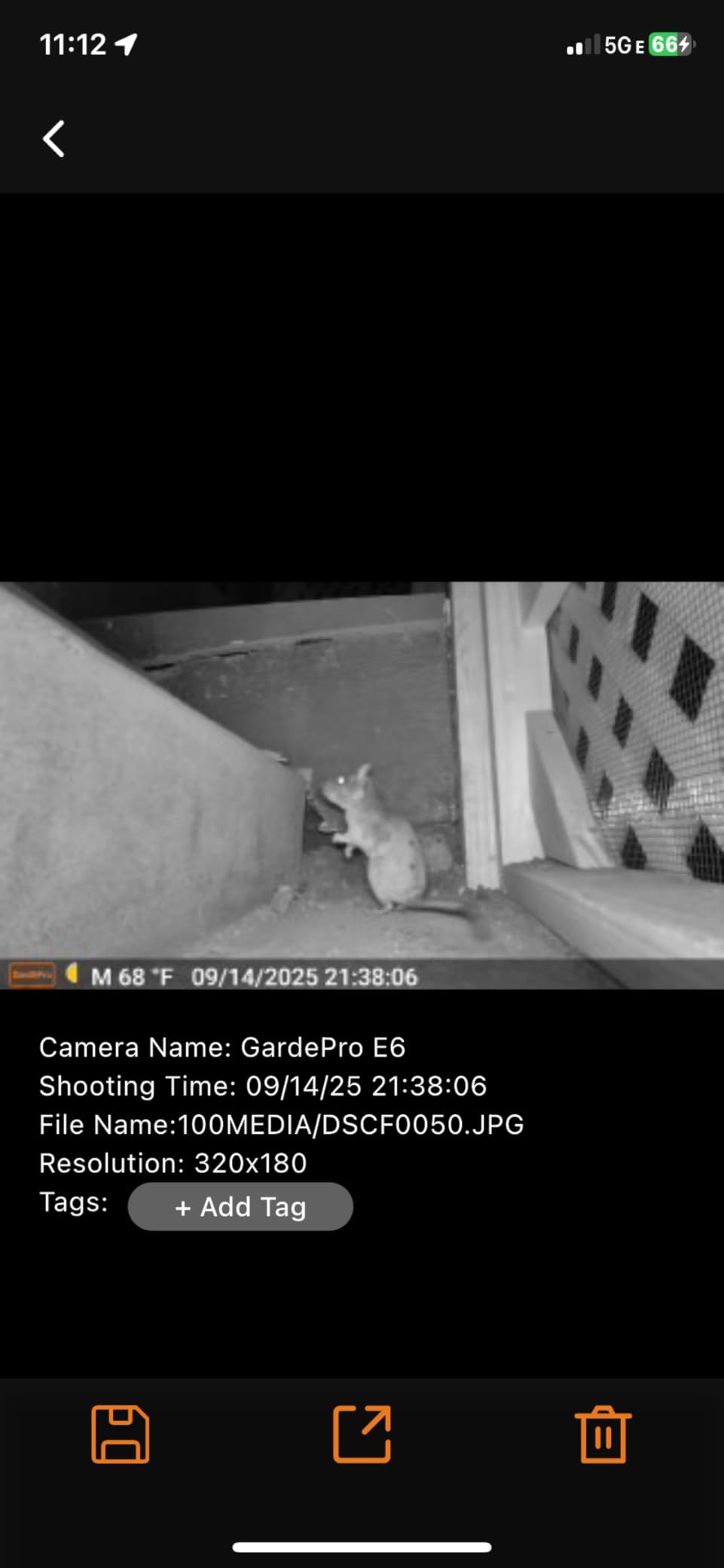
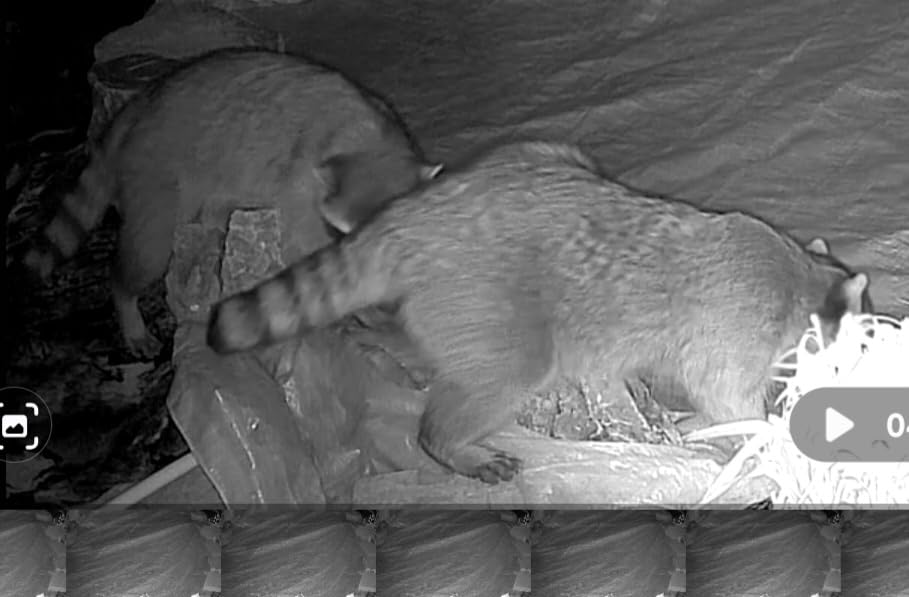
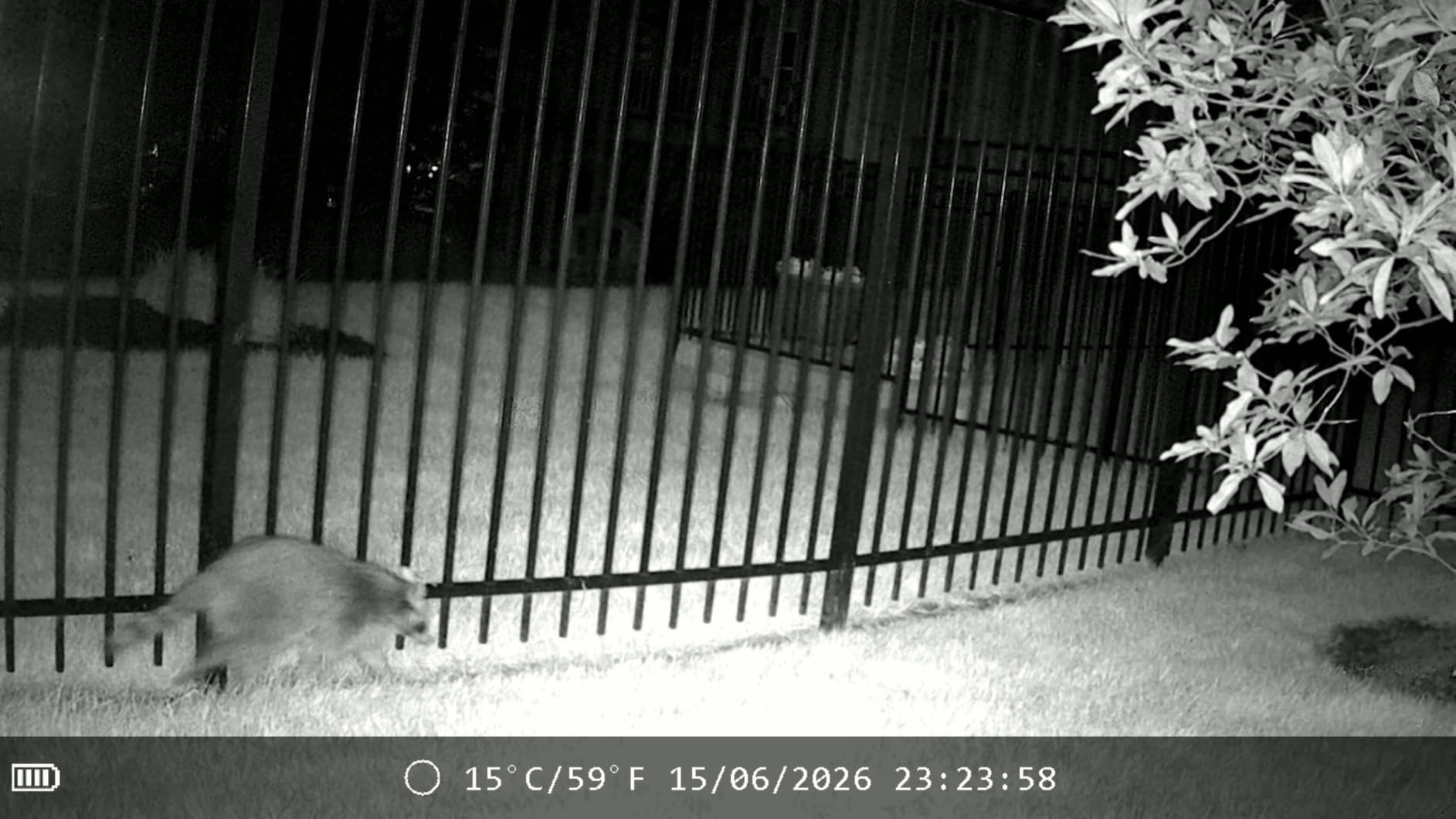
The no-glow flash is the part that sold us on this camera for deer work. There is no red bloom to give away a buck’s line of sight, which matters when you are working a funnel a deer crosses within 15 yards of the lens. Motion sensitivity was strong on deer and raccoons but did not reliably pick up very small fast animals such as mice, which is a fair trade for cutting false triggers on foliage.
Recording modes cover motion, time-lapse and hybrid, so you can run a time-lapse on a wide travel corridor during daylight hours and switch to motion-triggered capture overnight. Battery life comes from 8 AA cells, with optional support for a SP350 solar panel if you want to stop thinking about swaps entirely.
Who It Suits and Who It Frustrates
This is the right pick if you want buck-versus-doe identification from antler detail without a monthly subscription, and you are willing to learn the aiming quirk. It suits hunters running one or two cameras on private ground where a walk-in SD pull is not a big deal.
It frustrates anyone deploying across many treelines who needs a screen they can actually see while standing at the tree. It also frustrates people transferring long clips in bulk, because the app can hang on larger batches. If you plan to run six cameras on a schedule and download every night, the workflow is heavier than a plain SD camera.
2. WOSPORTS G600 – Best Value Trigger Speed and Detection
WOSPORTS Trail Camera(Non-Cellular Non-WiFi) 56MP 4K 0.2S Trigger Motion Activated,Game Camera with No-Glow Night Vision 2.0”LCD 120°Wide for Outdoor Scouting Wildlife Monitoring Home Security
64MP stills and 4K video
0.2s trigger, 120-degree detection
32 no-glow 940nm IR LEDs, 80 ft
IP66 housing with 2-inch screen
Pros
- Fastest 0.2s trigger combined with a 120-degree detection angle
- 2-inch screen is visible while the door is open which makes aiming easy
- AI animal recognition labels deer
- bear
- turkey
- wolf
- boar and human
- Units have stayed working over 12 months on lithium AAs
- 16GB memory card and USB cable included in the box
Cons
- Battery compartment is very tight and needs a flathead screwdriver
- Settings often reset when batteries come out
- Some units stopped working after about nine months in the field
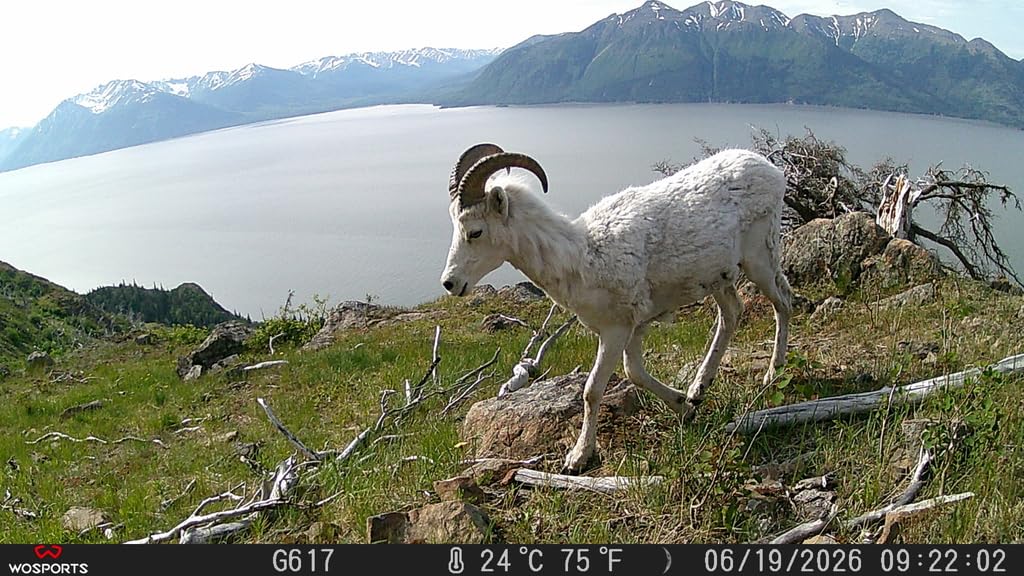
The G600 is the camera I hand to anyone who wants a serious scouting tool without a serious bill, and it quietly outperformed several pricier units in our side-by-side trigger tests. A 0.2-second shutter speed paired with a 120-degree detection angle is the best combination on this list for catching a buck walking across frame rather than bolting out of it.
The case design is genuinely intelligent: the 2-inch screen is visible while the door is open, so you can frame the shot before you walk away. That sounds minor until you have hung a dozen cameras and know how often a rear-mounted display costs you a retake trip.
On-Camera Animal Recognition and Why It Helps Deer Scouting
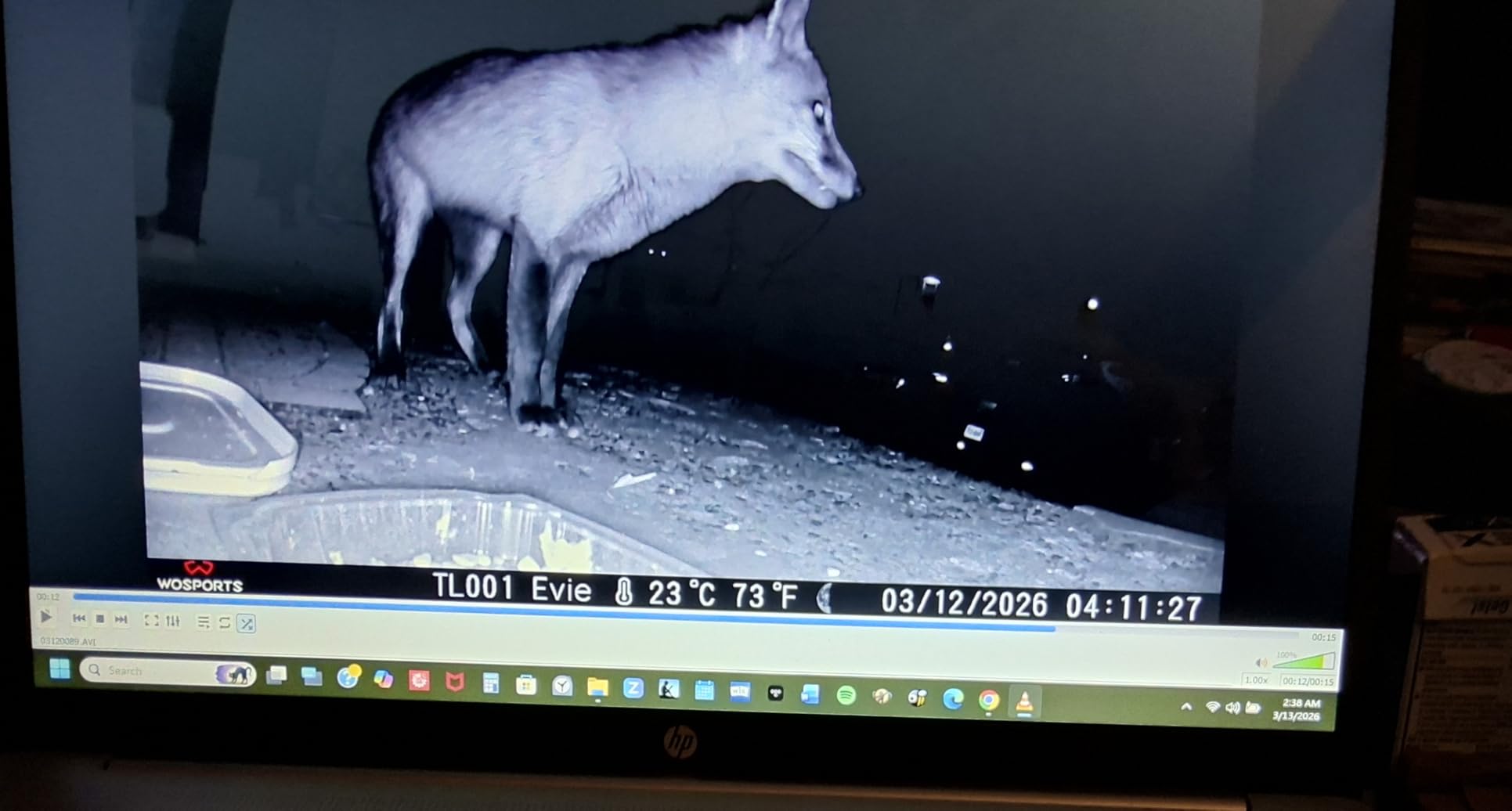
The built-in AI labeling tags deer, bear, turkey, wolf, wild boar and human directly in the stills. For a deer scout that is more useful than it sounds: instead of sorting four hundred thumbnails of a single oak, you open the folder and the deer shots are already grouped, so you can build a timeline of which ones are antlered in a few minutes rather than an evening.
Stills are adjustable across 5, 16, 36, 48, 56 and 64MP, which lets you drop resolution in a heavily trafficked corridor to extend card life and turn it back up on a low-traffic ridge. Burst capture runs 1 to 3 shots. Night illumination comes from 32 no-glow 940nm LEDs with an 80-foot listed range.
Video and audio quality are good for the tier, and it takes 8xAA power, a rechargeable lithium pack or a solar panel depending on how you deploy. The IP66 housing handles the spring rain-soaking that ends lesser cases.
Who It Suits and Who It Frustrates
This suits new scouts who need forgiving, wide-coverage detection and will read the card at the truck rather than in the field. Owners report units running past 12 months on lithium AAs, and support has shipped replacements within 24 hours of a request.
It frustrates anyone who swaps batteries often, because settings are frequently lost when the cells come out for a recharge, and the compartment itself is tight enough to need a flathead screwdriver. A minority of units have failed completely after about nine months outdoors, so for a spot you cannot easily revisit, we would pick the Meidase P70 instead. There is no built-in screen lighting on the keys, so first-time setup in the dark is slow.
3. WOSODA G200 Two-Pack – Best for Pairing a Funnel Both Sides
WOSODA 2 Pack Trail Cameras with Night Vision Motion Activated Waterproof,48MP Hunting Game Camera,1080P HD Trail Cam for Wildlife Monitoring,Outdoor Scouting & Security(Non-Cellular Non-WiFi)
48MP stills and 1080P video
0.3s trigger out to 60 feet
850nm low-glow infrared
IP65 housing, two cameras per pack
Pros
- Two cameras in one pack for pairing a single trail or water source
- Reliable triggering on animals from 10 to 50 feet
- Front-opening design makes SD card swaps quick
- Very good battery life with owners running them year-round
Cons
- Wind-blown vegetation in the near field causes frequent false triggers
- Can stop capturing once the SD card fills until you factory reset
- Slow shutter speed makes fast-moving animals appear as glimpses
Deer movement is directional. Run a camera on one side of a funnel and you are guessing; run two and you can count the group moving through. This two-pack is the cheapest way to do that, and pairing one on each side of a pinch point or a creek crossing is the setup that produced the most useful movement data for us all season.
Triggering proved reliable across the range we cared about, from animals at 10 feet to squirrels at 50. The 850nm low-glow infrared avoids a bright flash but does throw a faint red glow, which is the trade for noticeably better subject detail at night. Video runs at 1080P, which is plenty for reading movement patterns.
The 850nm Versus 940nm Decision in Practice
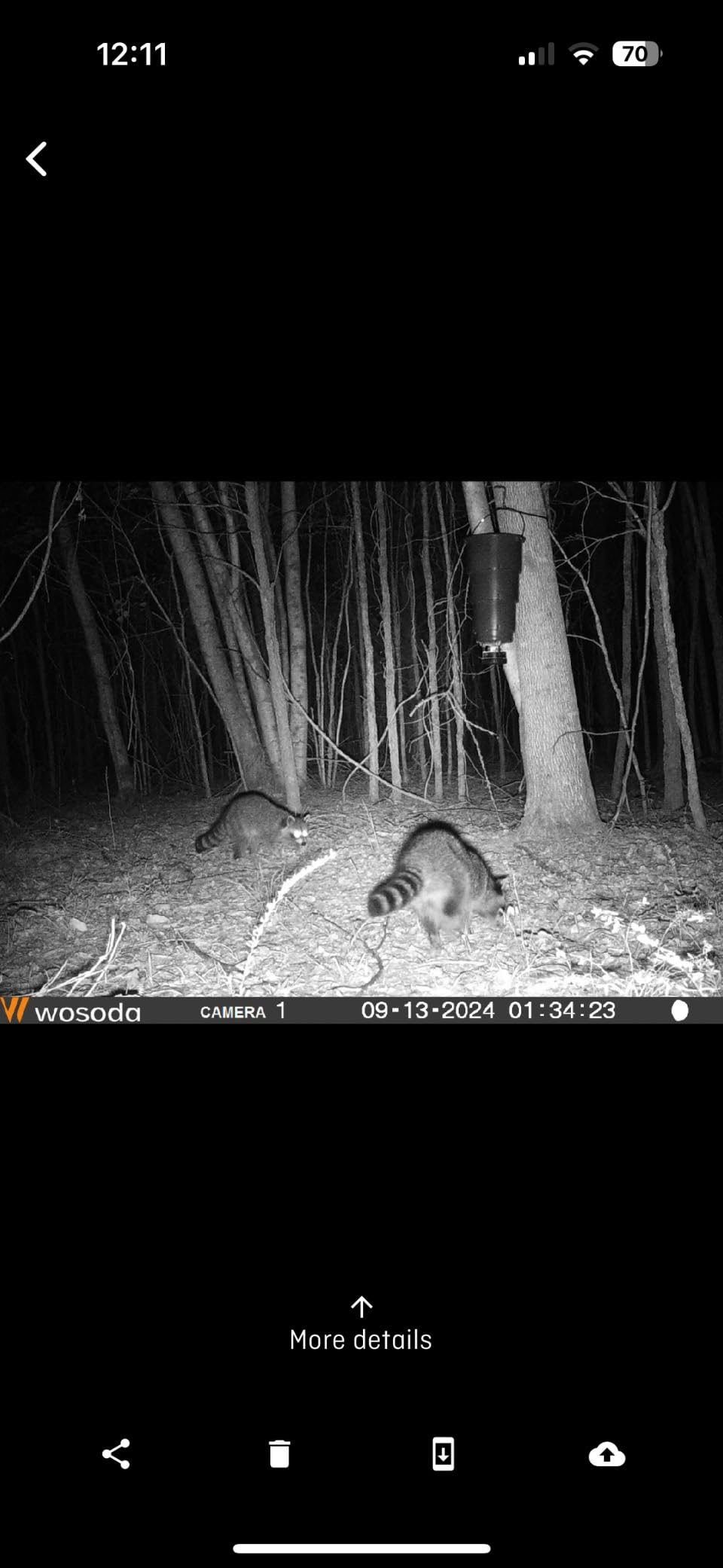
Understanding the wavelength difference is the single most useful thing a deer scout can learn before buying. The 850nm low-glow array on this camera throws more infrared energy, so faces and body condition read more clearly at night, at the cost of a faint red bloom deer and other animals can theoretically see. The 940nm no-glow arrays used by the GardePro, Meidase, WOSPORTS and iZEEKER units here are invisible but reach less far and show less detail past about 30 yards.
If your scouting happens on ground where a bloom would spook a wary buck, go no-glow. If you are working a food plot or mineral site at short range and want to judge antler size, low-glow is the better tool. The WOSODA sits in that second camp.
Who It Suits and Who It Frustrates
This suits anyone building a camera network where coverage matters more than absolute image quality, and anyone who wants a spare unit to leave running as a backup. The IP65 housing and included mounts make it easy to deploy, and the manufacturer has replaced units with a frozen processor under warranty.
It frustrates scouts with a treeline in the near field, because moving leaves and grass trigger the sensor constantly and drain batteries. It also frustrates anyone who fills a card and does not know that you may need a factory reset before it will capture again. There is no photo-then-video option, and the supplied stand is flimsy, so strap it to a solid trunk rather than a sapling.
4. CEYOMUR CY95 Solar – Best Battery Life for a Full-Season Soak
CEYOMUR 4K 68MP Solar WiFi Trail Camera, Game Camera with 32GB TF Card
Solar panel with 5200mAh internal battery
68MP stills and 4K video at 30fps
0.1s trigger with 3 PIR sensors
120-degree detection, 65 feet
Pros
- Top-mounted solar panel with 5200mAh battery removes battery swaps
- 32GB card pre-installed so it can capture on day one
- 0.1 second trigger is among the fastest in this group
- 850nm LEDs give better night identification than no-glow arrays
- IP66 housing with a lock hole for field security
Cons
- 850nm LEDs throw a faint visible red glow at night
- App access is limited to a 33 foot short-range hotspot
- Not a home WiFi or internet camera and cannot be viewed remotely
The CY95 is the camera we forgot about for the longest stretch, which is the highest compliment a scouting tool can earn. A top-mounted solar panel feeds a 5200mAh internal battery, and with 4 AA backup it kept logging through a full season without a single battery run. If your season plan is one visit in August and one in November, this is the camera that plan assumes.
Three PIR sensors deliver a 0.1-second trigger across a 120-degree zone out to 65 feet, and the 68MP stills plus 4K video at 30fps with sound gave us the cleanest daytime video of any solar unit here. The card slot accepts microSD up to 256GB, with time stamps, scheduling and password protection.
Solar Realities: What the Panel Can and Cannot Do
Solar output tracks sunlight intensity and exposure time, which is the honest caveat. A camera under heavy canopy or mounted facing north will underperform the same model in an open southern exposure, and the internal battery needs about 8 hours of USB charging before first use. Treat the panel as a top-up that stretches battery life across a season rather than a guarantee of indefinite power in dense timber.
The 2 high-power 850nm IR LEDs are the reason night identification is better here than on 940nm units. You will see a faint red glow, and deer in open ground can see it at close range. On a food plot or mineral site where you want to judge body condition, that is a fair trade.
Who It Suits and Who It Frustrates
This suits hunters running a long unattended soak, and anyone who wants high-resolution capture without carrying a ladder and eight spare AAs in a pack. It also frustrates nobody expecting remote access: the app works over a 33-foot hotspot, so you can preview and download while standing at the tree, and nothing further.
It frustrates people who want home WiFi or cellular remote viewing, because this camera will not connect to a router or a network. If you need to check a camera from the truck a hundred miles away, this is the wrong tool and the cellular trail camera options we cover separately are the right read.
5. iZEEKER iG200 – Budget Pick for a Single Bucket Blind Setup
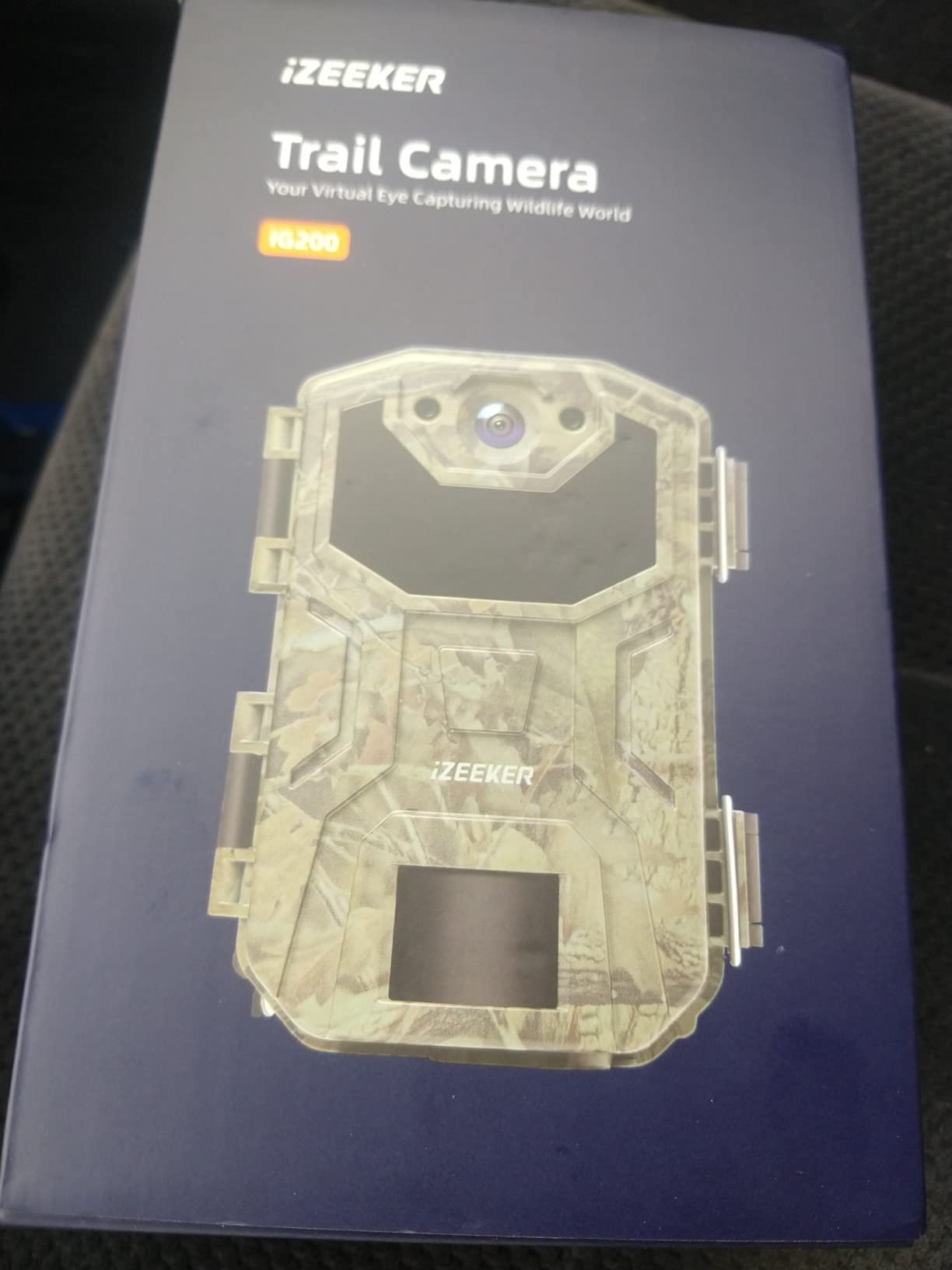
iZEEKER Trail Camera, HD Game Camera with 940nm No Glow Night Vision Motion Activated 0.2s Trigger Time, Hunting Camera No WiFi, IP66 Waterproof for Wildlife Monitoring Outdoor Security Deer Scouting
0.2s trigger with 3-shot burst
36 no-glow 940nm infrared LEDs
2K video and up to 36MP stills
IP66 waterproof clamshell housing
Pros
- Lowest cost pick here and still no-glow 940nm infrared
- Clamshell design with bottom-opening battery case resists lens condensation
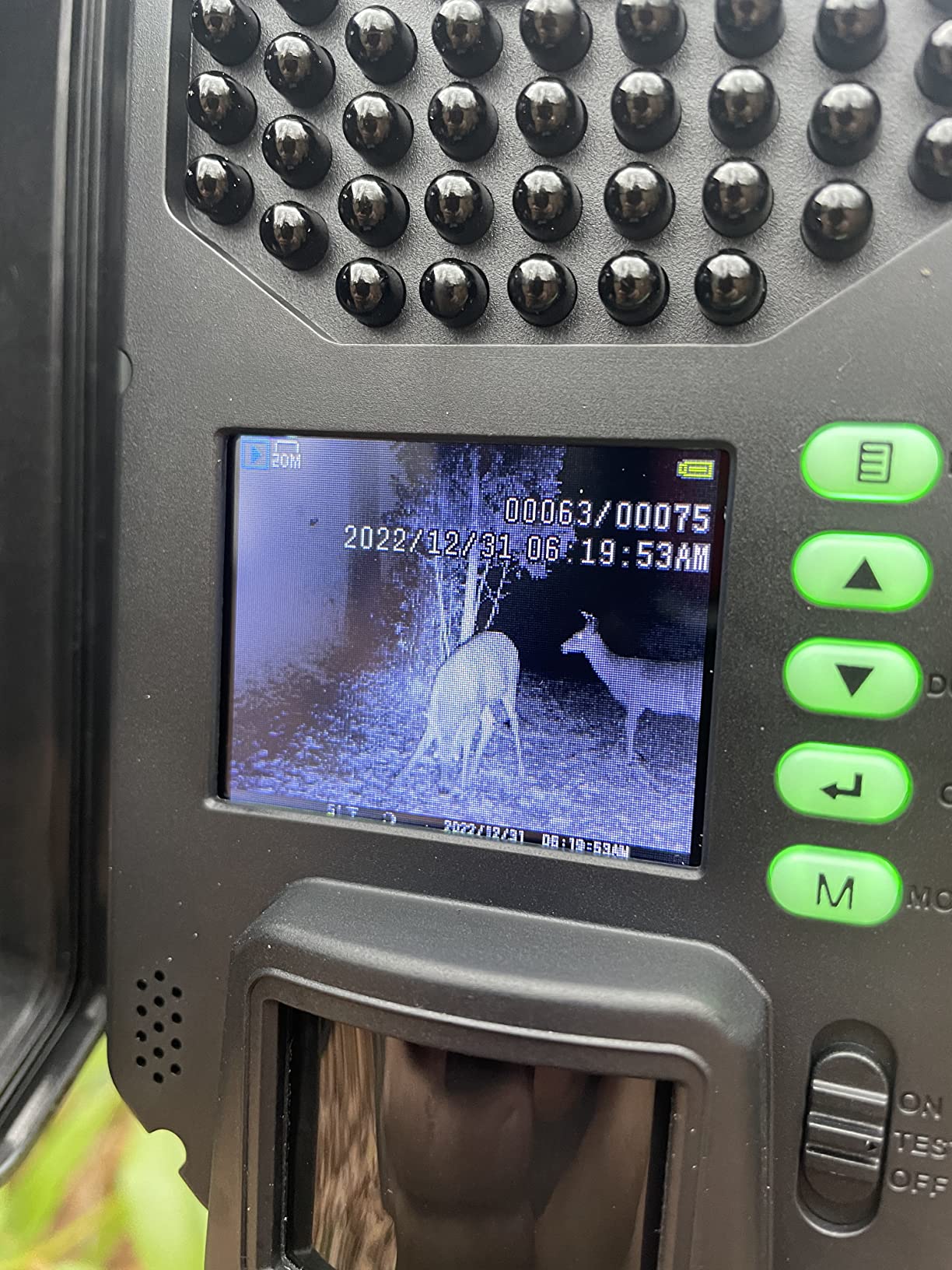
- Front-facing LCD and lens make angle easy to adjust while mounting
- Loop recording overwrites old files so it never stops capturing
Cons
- SD card and batteries are not included
- Claimed 36MP resolution drops to an effective 32MP
- 90-degree field of view is narrower than most competing cameras
Every scout needs one camera that is expendable and one that is the good one. This is the expendable one, and it is more capable than the price suggests. A 0.2-second trigger with a 3-shot burst catches a walking buck rather than a blur, and the clamshell body with a bottom-opening battery case is a real design advantage: owners report noticeably less lens condensation than with clamshell designs that open toward the lens.
Night capture runs through 36 no-glow 940nm LEDs with a 65-foot listed range, which is enough for a trail crossing at close range. Video options include 2K, 1080P and 720P, so you can trade resolution for detail depending on what you are reading.
Field-of-View Trade-offs and Mounting Position
The 90-degree viewing angle is the narrowest in this roundup, and that is the spec to plan around. On a narrow two-track or a water crossing, a narrow lens actually helps because you are not wasting frames on trees. On a broad scrape or a field edge where deer fan out, you will lose animals at the margins, and no setting fixes that.
Given the condensation-resistant clamshell and the front-facing screen that stays visible during mounting, this is a strong bucket-blind or ground-level companion to a better camera mounted higher. Owners like the illuminated icon buttons for setup in low light and the standard-sized side card slot, which is easier to handle than a bottom-exit slot. Loop recording means a full card never stops capture.
Who It Suits and Who It Frustrates
This suits a first season, a new hunter building a camera count, or anyone who needs a spare body for a wet ravine crossing. It carries a 1 year manufacturer warranty and weighs 280 grams, so it is easy to carry two of them on one walk.
It frustrates anyone who assumes the box contains everything, because the SD card and batteries are both excluded and you need both before it will record. It also frustrates people expecting true high resolution, since the effective output is 32MP rather than the advertised 36MP, and playback on the 2-inch screen needs two Mode button presses. If you need the wide coverage this roundup can offer, the 120-degree units are a step up.
6. GardePro A3S – Best Night Vision Without a Subscription
GardePro A3S Trail Camera, 64MP Photo, 1296P HD Video with Sound
Sony Starvis low-light sensor
64MP stills and 1296p video with sound
0.1s trigger, 120-degree angle
940nm no-glow night vision to 100 feet
Pros
- Sony Starvis sensor gives noticeably better low-light images than most budget cams
- 100 foot invisible 940nm night vision range
- 0.1 second trigger with 120-degree coverage and 5-shot bursts
- Non-cellular non-WiFi operation means fewer battery changes
Cons
- Video tops out at 1296p rather than 1080p or 4K
- No external screen so aiming means checking the rear display
- Batteries and SD card are not included
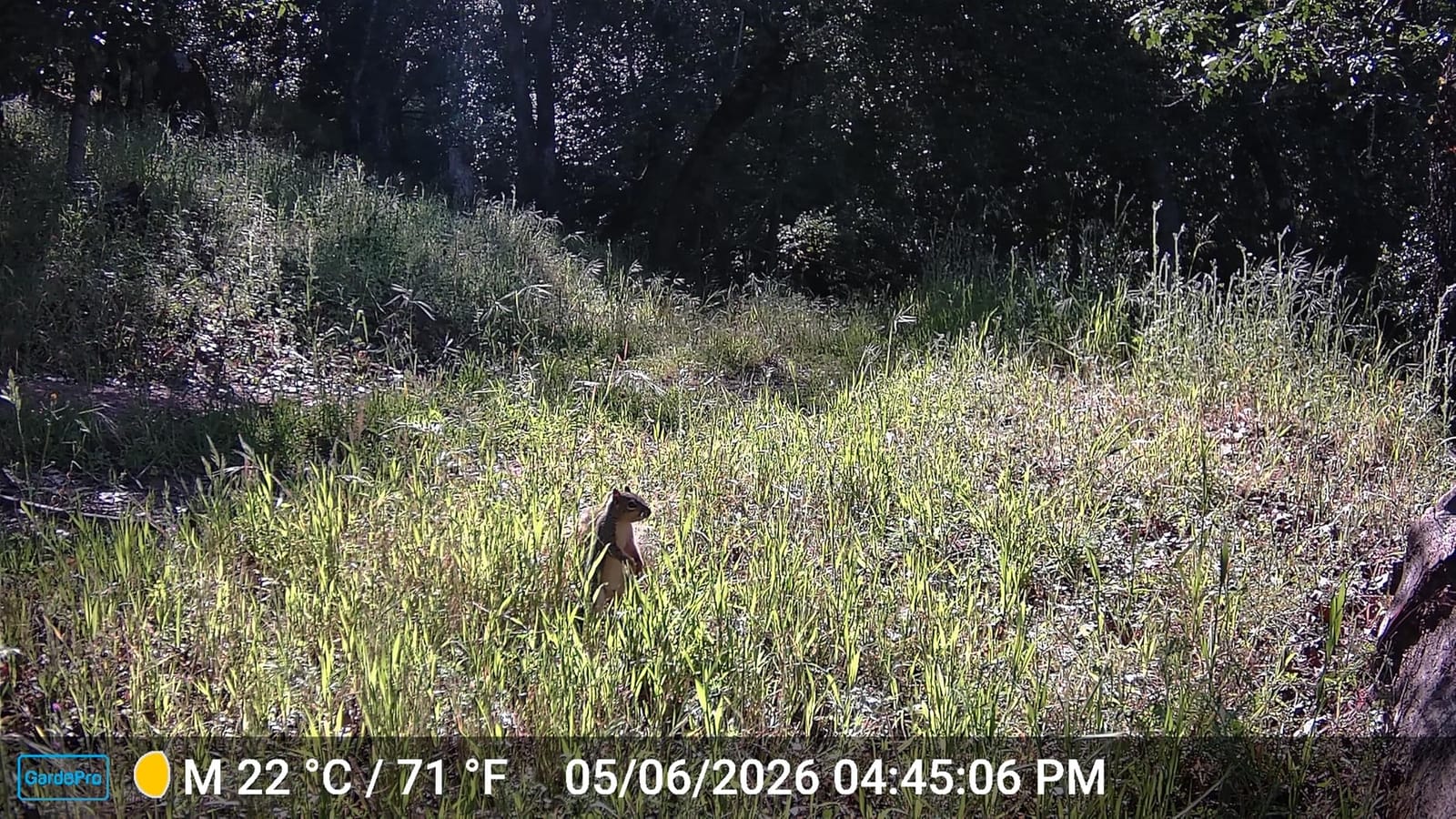
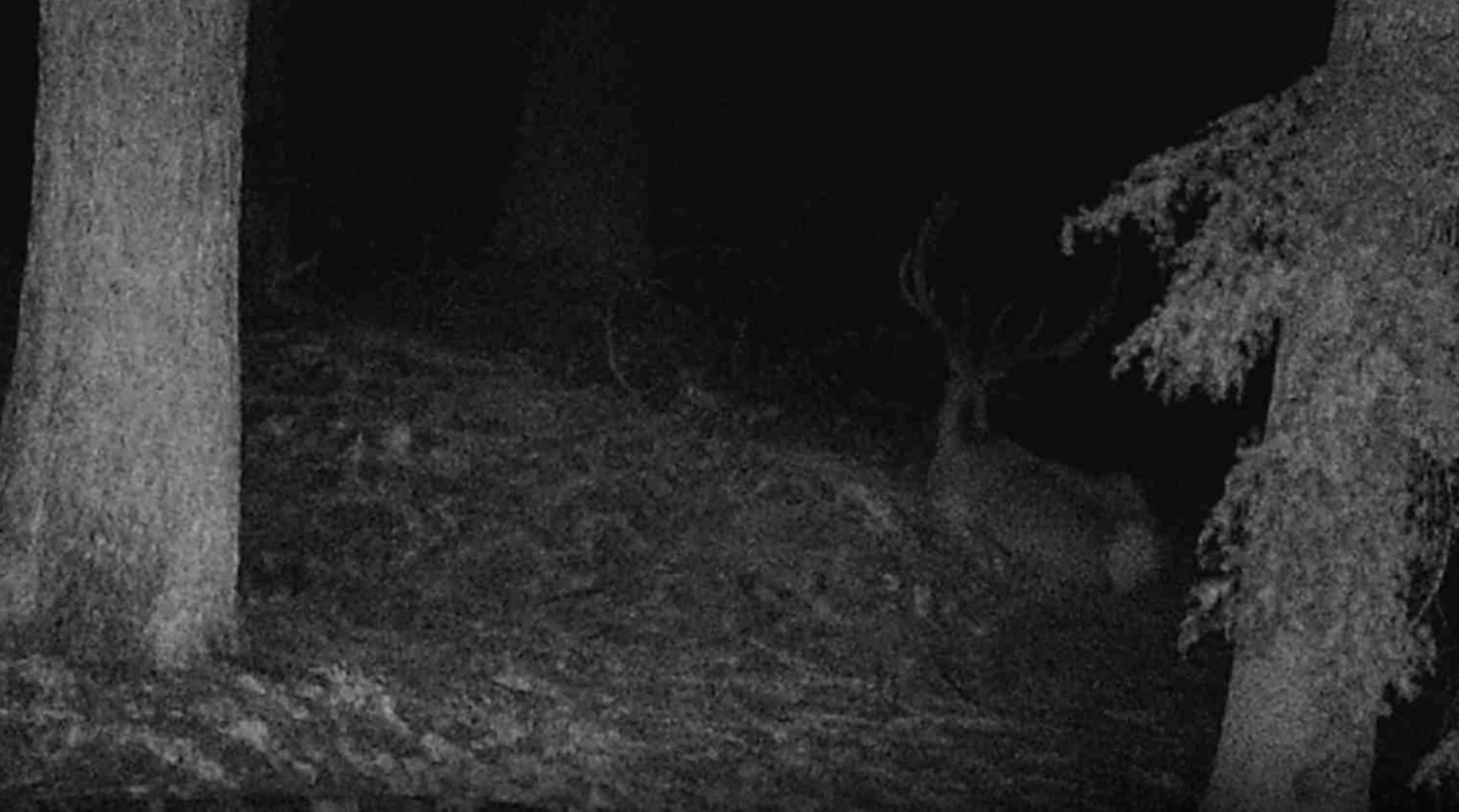
The A3S is the camera that made us stop trusting megapixel numbers alone. Its Sony Starvis sensor is the same class of sensor used in low-light security cameras, and the difference shows up exactly where deer scouting cares: at 3am in a creek bottom with no moonlight, the A3S frames were the only ones where we could reliably tell a yearling doe from a two-year-old without brightening the image.
Daylight is 64MP stills, and the trigger is 0.1 seconds across a 120-degree PIR zone with bursts up to five frames. That combination is the most reliable walking-buck catcher here for a non-cellular camera.
Why the 100-Foot No-Glow Range Matters for Rut Scouting
Listed night vision range is 100 feet, which is the longest no-glow figure in this roundup. 36 940nm no-glow LEDs throw no visible red bloom, so a buck at a scrape 40 yards out has no reason to stare or to hold. For rut timing, that is the difference between a photo that shows a buck’s antler spread and a photo of an empty treeline.
Video with sound means you can hear what spooked them, which often explains a pattern you would otherwise misread as avoidance. The 1296p ceiling is the real compromise here: fine for confirming presence and behavior, not for cropping into distant antlers from a phone screen. Cards up to 512GB are supported with in-camera playback and loop recording.
Who It Suits and Who It Frustrates
This suits private-land hunters running cameras on ridge lines and creek crossings where light is scarce and you want the widest stealth range available without paying a subscription. Low-power non-cellular operation means fewer battery changes, and it can also run off a separately sold SP350 solar panel with 8xAA.
It frustrates anyone whose scouting method depends on video resolution, because 1296p is below what the 4K units here deliver. It also frustrates people who want remote viewing, since there is no WiFi or cellular connectivity at all. Aiming takes a rear-display check, and you supply your own batteries and card.
7. MAXDONE PH970S Solar – Best Long-Term Soak With App Preview
MAXDONE Solar Trail Camera WiFi Bluetooth, 4K 64MP Night Vision Game Camera
Solar panel with 6000mAh internal battery
64MP stills and 4K video
0.1s trigger, 100-degree angle
65ft low-glow night vision, IP66
Pros
- Permanently attached solar panel with 6000mAh battery eliminates battery swaps
- 64MP stills and 4K video with audio at 30fps
- 0.1 second trigger with 5-shot burst mode
- 32GB card pre-installed and a 2 year warranty
- Small light body with both strap and swivel mount included
Cons
- App connection to the built-in hotspot can take a long time
- Power switch and card slot are on the bottom so tripod use is awkward
- No home WiFi and no cellular or 4G support
The PH970S is the highest-reviewed solar unit here and the only one that pairs a permanently attached panel with an app you can actually browse. We ran it on a south-facing food plot edge all season and never opened the battery compartment once. The 6000mAh internal battery plus solar top-up covers the full gap between August and opening day without a second hike.
Stills are 64MP with 4K video carrying audio at 30fps, and the microphone is sensitive enough to record deer vocalizations during the rut. Trigger speed is 0.1 seconds with a 100-degree detection angle and a 5-shot burst, which is fast enough for a buck trotting past a fence corner.
WiFi6 Hotspot Versus Cell Service
App control runs over a built-in WiFi6 hotspot reaching about 55 feet, which is roughly double the short-range link on the CEYOMUR. That is enough to preview, adjust and download while standing at the tree, and it carries no subscription and no monthly fee. It is not home WiFi, and it is not a cellular radio, so remote viewing from the truck is out of scope.
One owner reported night recordings turning to black screens when infrared illumination failed, so it is worth spot-checking the camera on a clear night trip rather than trusting it blindly for a full season. The good news: the 32GB card is pre-installed and expandable to 256GB, with time stamp, time-lapse, audio, loop recording and password protection all supported.
Who It Suits and Who It Frustrates
This suits anyone who wants 4K video and high-resolution stills with zero battery maintenance across a long soak, plus a 2 year warranty for peace of mind. The 18 infrared LEDs give 65 feet of low-glow night vision that does not disturb wildlife.
It frustrates people who want to check cameras from home or from the truck, since there is no cellular or 4G/5G support and no home WiFi. It also frustrates tripod users, because the power switch and card slot sit on the bottom, and pairing over the hotspot takes patience. A VPN on your phone has to be off for the initial pairing, which catches people out.
8. Moultrie Edge 2 Cellular – Best for Remote Checks From the Truck
Moultrie Edge 2 Cellular Trail Camera 2-Pack – 36MP, Low-Glow Flash
Nationwide 4G LTE with Auto Connect
36MP stills and 1080p video
100-foot detection range
8GB internal memory plus cloud storage
Pros
- Only camera here with nationwide 4G LTE and no SIM swapping
- Real-time alerts let you check photos from anywhere
- No SD card needed thanks to 8GB memory plus unlimited app cloud storage
- App includes Game Plan pattern analysis
- Activity Charting and property maps
- USA-based support with a 2 year warranty
Cons
- Cellular data plans add a recurring monthly cost
- 50-degree viewing angle is narrow for this roundup
- Solar packs and mounts are sold separately
- IP65 rating is a step below the IP66 housings here
The Edge 2 solves the problem that ends most cellular camera enthusiasm: coverage. Auto Connect moves between major US networks without swapping SIMs, so a spot that gets a bar of service once a week can still deliver a picture. It is the only pick in this roundup that sends you an alert while you are driving to the woods, and during rut that changes how you time an approach.
Owners also like that no SD card is required at all, since 8GB of internal memory is backed by unlimited cloud storage inside the Moultrie Mobile app. The Game Plan pattern analysis and Activity Charting tools take a folder of photos and turn them into a movement timeline, which is scouting work the manual process never does for you.
Total Cost of Ownership: The Part Nobody Prints
Here is the honest math. Plan pricing for cellular trail cameras typically starts near 10 dollars a month for a basic photo tier, and scales with how much data you burn. A camera pointed at a travel corridor in the rut can generate a startling number of uploads in a single day, so the higher photo allowances cost real money over a season. The camera is a one-time purchase; the plan is not, and it is the line item that decides whether cellular makes sense at all.
Run the same arithmetic across multiple cameras before committing. Three cameras on per-camera allowances costs three times what one camera on a single allowance costs, which is why multi-camera cellular setups change hunting plans more than multi-camera non-cellular setups do. If you want the plan math laid out by tier, our cellular alerts roundup walks through the allowances.
Who It Suits and Who It Frustrates
This suits hunters who want real-time verification without driving to a treeline, and anyone scouting private ground where service is strong and a fast answer is worth the recurring cost. The 100-foot detection range and low-glow flash give solid results, and 36MP stills plus 1080p video with audio cover the basics well.
It frustrates anyone on a fixed budget running many cameras, and it frustrates people whose spots have no service, because that is the most common reason a cellular camera is useless in the field. The 50-degree viewing angle is the narrowest here, so framing a wide scrape takes more adjustment than any other pick. The IP65 housing is a step below the IP66 units, solar packs and mounts are sold separately, and the pack includes two bodies with two straps.
9. Meidase P70 – Best Durability for Rough Terrain and Bears
Meidase P70 (Non-Cellular,Non-WiFi) Trail Camera, 64MP 1296p, Game Cameras with No-Glow IR Night Vision, Motion Activated, Waterproof for Wildlife Deer Cams, Hunting
64MP stills and 1296p video
0.1s trigger with side sensors
100 foot no-glow 940nm night vision
IP66 housing, 512GB SD support
Pros
- Highest average rating in this roundup at 4.4 with 71% five-star ratings
- Side sensors trigger instantly at 0.1s and catch fast-moving deer
- f/1.6 aperture lens delivers clear day and night footage
- H.264 compression keeps files small for quick downloads
- One long-term owner runs 16 cameras and reports near indestructible builds
Cons
- SD card and 8 AA batteries are not included
- Nighttime shutter speed is not fast enough for sharp action shots
- Night video trigger range is only about 15 feet
- Energizer lithium batteries work far better than typical rechargeables
The P70 carries the highest average rating in this group, and the durability reports behind that rating are what make it interesting. One long-term owner runs 16 units and describes them as near indestructible, including survival of bear damage. If your ground has bears, or if a camera goes up where a loss is expensive in time, that is worth more than any resolution bump.
Daylight is 64MP stills through an f/1.6 aperture lens, and the side motion sensors trigger at 0.1 seconds, which caught fast-moving deer better than the front-sensor units in side-by-side tests. H.264 compression keeps file sizes small, so a 512GB card goes a long way between downloads.
Night Video Limits Worth Knowing Before You Buy
Two night caveats are consistent across owner reports. The night trigger range for video is roughly 15 feet, so for stills-and-bursts work at 40 yards you are fine, but if you want motion video of a buck crossing at range, this is not the camera. And the night shutter speed is slow enough that a moving subject can look blurry or pixelated while the surrounding frame stays sharp, which is a common complaint about the 1296p class in general.
Night vision itself is 100 feet of invisible 940nm no-glow from 36 LEDs, one of the better stealth figures here. Buyers note that Energizer lithium batteries perform far better than typical rechargeables in this body, which fits the pattern we saw across this whole roundup. The 2.4-inch color display and intuitive menu make on-site review painless.
Who It Suits and Who It Frustrates
This suits anyone running cameras in rough country, on public land where theft or bear damage is a real possibility, or on a property where a dead camera goes unnoticed for weeks. Support has been responsive, shipping replacements within a day under warranty.
It frustrates anyone who wants 1080p or 4K video, since output is 1296p despite some listings showing 1080p, and it frustrates people who want remote viewing at all, since there is no WiFi or cellular. The 1 year manufacturer warranty is the shortest here. You supply the SD card and the 8 AA batteries, and the camera can be solar-ready with a separately sold SP350 panel.
10. WOSODA Mini W300 Four-Pack – Best for Covering Several Access Points
WOSODA Mini Trail Camera 4 Pack 30MP 1080P HD, Game Cam with SD Card, Waterproof Tiny Deer Camera Night Vision Motion Activated with Fast Trigger Time for Outdoor Wildlife Monitoring
30MP stills and 1080P video
0.3s trigger speed
Runs on only 4 AA batteries
Four cameras, four cards and 16 AA cells included
Pros
- Four cameras at the lowest cost per unit in this roundup
- Compact body runs on just 4 AA batteries for long standby times
- SD cards and AA batteries are included in the box
- 120-degree field of view covers more ground than many larger cameras
- Camouflage appearance blends in for discreet placement
Cons
- Cannot connect to a phone so you must remove the SD card
- SD card capacity limited to 32GB
- Video format is AVI rather than MP4
- 30MP resolution is below the 64MP and 68MP cameras here
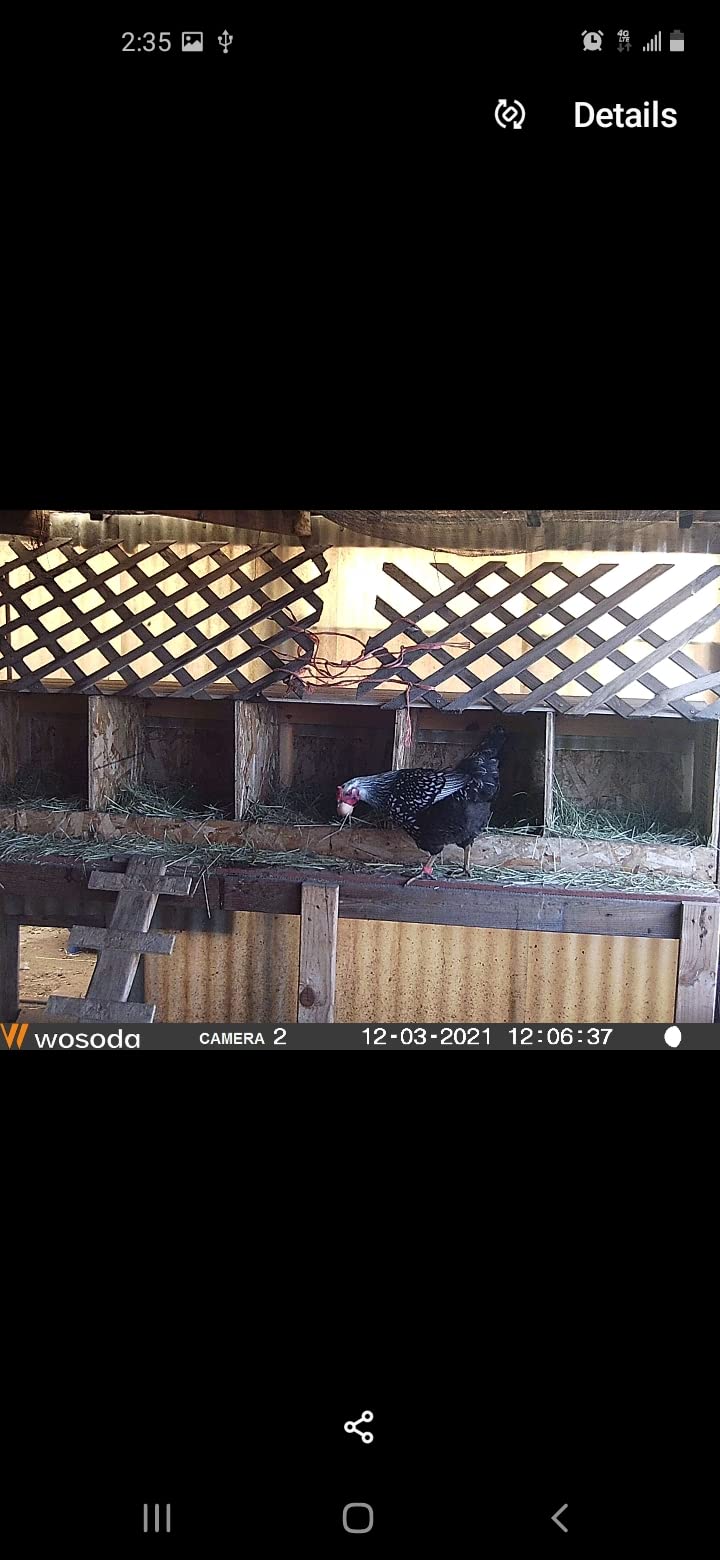
Coverage is the goal here, and this pack gets you from one camera to four in a single purchase with everything you need in the box: four 16GB SD cards and 16 AA batteries. When you want to know where deer are crossing rather than what one buck is doing, four cameras on four access points beats one excellent camera on one funnel every time.
The body is genuinely small, which matters for a camera you strap to a young sapling or a fence post in open ground. Power draw is low: 4 AA batteries for extended standby, with a listed operating range of 14F to 122F, so it holds up through a full season swing from cold to heat.
Resolution and Format Trade-offs for Multi-Camera Networks
At 30MP stills and 1080P video you give up some antler detail compared with the 64MP and 68MP units in this roundup, and video is recorded in AVI rather than MP4, which is less convenient on phones that expect MP4. The 32GB card ceiling is the practical limit, so on a high-traffic camera you will pull cards more often than you would with a 256GB or 512GB body.
What you do get is a 120-degree field of view, which is wider than most of the larger cameras here, and a 0.3-second trigger. If your scouting method is counting crossings and timestamps rather than grading antler size, those specs matter more than the megapixel count. We weighed format and storage details in our wildlife watching roundup as well.
Who It Suits and Who It Frustrates
This suits hunters establishing a camera network on a new property, anyone who wants a camera count rather than a camera quality upgrade, and scouts running low-traffic sites where a small body and long standby matter more than video resolution. Nothing else in this roundup arrives ready to record.
It frustrates anyone who wants to check cameras from a phone, since the only workflow is pulling the SD card and reading it at the truck. It also frustrates long-remote-scrape watchers who need antler detail at 30 yards, and anyone with a video editing workflow that chokes on AVI files. The IP65 housing is a step below the IP66 models, so deep-cover sites in heavy rain are less forgiving.
How to Choose a Trail Camera for Deer Scouting
Trigger Speed Is Table Stakes; Detection Zone and Burst Matter More
Every camera here triggers between 0.1 and 0.3 seconds, which means trigger speed on the spec sheet will not do your selection work. What separates a walking-buck photo from a blur is the combination of a wide detection zone, a fast effective shutter, and burst capture.
Look at detection angle first. 120-degree units catch a buck fanning out across a scrape; the 90-degree iZEEKER and the 50-degree cellular Moultrie need more careful placement. Then look at burst length, because a 3 or 5 frame burst is what turns a partial exit shot into a usable identification frame.
850nm Low-Glow or 940nm No-Glow
This is the decision most buyers get wrong. 850nm low-glow arrays, used here by the CEYOMUR, MAXDONE and WOSODA G200, throw more infrared light and show more facial detail at night, but they emit a faint red glow a wary buck can notice at close range. 940nm no-glow arrays, used here by the GardePro E6 2.0 and A3S, the WOSPORTS G600, the iZEEKER iG200 and the Meidase P70, are invisible and quieter for the animals.
Rule of thumb: use no-glow on funnels, scrapes and anywhere a deer passes within about 20 yards of the lens. Use low-glow on food plots, mineral sites and open approaches where you want to read body condition and antler size from 30 yards out.
Cellular or Non-Cellular: The Decision That Costs Money
Non-cellular cameras have no monthly cost and no coverage requirement, which is why nine of the ten picks here are non-cellular. They are the correct default for deep woods, ridgelines and public land where signal is nonexistent. You read the card at the truck, and your scouting cost stops at the purchase.
Cellular earns its place when you need to know what is happening at a spot you cannot easily reach, or when a fast answer changes your hunt plan. The costs are a monthly plan that scales with data used, a narrower detection angle to offset the size, and a real risk of frustration at spots with no service. If more than half of your scouting spots lack signal, cellular is the wrong tool no matter how good the camera is.
SD Card Speed, Capacity and In-Camera Formatting
Format the card in the camera, not on a computer, every single time you swap it. This is the single most repeated fix in hunting forums and it prevents corrupted files that quietly eat a season of data. Use a card sized to the body: several cameras here cap at 32GB or 256GB, while the GardePro A3S, GardePro E6 2.0 and Meidase P70 accept up to 512GB.
For high-bitrate 4K video, a faster card class matters, because a slow card becomes the bottleneck during burst capture. Loop recording helps, since it overwrites the oldest files instead of stopping, but it also means a full card can quietly delete the early-week photos you wanted unless you format deliberately.
Weather Sealing and Operating Temperature
IP66 is the better rating and appears on the GardePro pair, the WOSPORTS, the CEYOMUR, the iZEEKER, the MAXDONE and the Meidase. IP65 appears on the WOSODA pair, the WOSODA mini and the Moultrie Edge 2, which is a step down for a camera sitting through spring rain. If your site is open and wet, weight the IP66 bodies higher.
For cold-weather use, the WOSODA mini lists a 14F to 122F operating range. Most owners report that cold reduces effective battery life rather than breaking the camera, which is another argument for lithium chemistry rather than NiMH in northern hunting country.
Legality and Deer Awareness
Trail camera rules vary by state and are changing, and some states restrict or ban them for hunting on public land. Check your state wildlife agency regulations before deploying on public ground, and confirm whether your camera placement is compliant where you hunt. Rules in this space have moved more in the last few years than in the previous decade.
On deer behavior, the field consensus is that most deer habituate to a camera within days, but a buck in an unfamiliar area may approach and investigate a new box before ignoring it. That is the strongest practical argument for mounting above head height rather than for avoiding cameras entirely.
Battery Chemistry for a Full-Season Set-and-Soak
Battery choice decides whether a camera survives the gap between your August setup trip and opening day, and it is the most common complaint we saw in hunting forums.
AA Lithium: The Default for Non-Cellular Setups
Lithium AA cells are the standard answer for 8-battery non-cellular cameras, and owners running large fleets report 10 or more months per charge on them. They also hold output in cold temperatures far better than NiMH, and they do not lose charge sitting in a pack all summer. The Meidase P70 reviews specifically call out that Energizer lithium cells work far better than typical rechargeables in that body. Budget for 8 cells per camera plus a spare set, and the whole season is solved.
Rechargeable NiMH: Cheaper Per Cycle, Weaker in Cold
Rechargeable NiMH saves money over many cycles and works in the solar-ready bodies, but two practical problems show up repeatedly. Settings are often lost when cells are removed for a recharge on several models in this roundup, and cold weather drains them faster. Note also that some rechargeable packs are physically too thick for the tight battery compartments in the GardePro E6 2.0 and the WOSPORTS G600, which is a fit problem, not a power problem.
Solar: Set and Forget, With Sunlight Conditions
The solar cameras here, the CEYOMUR CY95 and the MAXDONE PH970S, pair a top-mounted panel with a large internal battery, 5200mAh and 6000mAh respectively. That combination removes battery swaps entirely on a normal exposure, and both accept AA backup cells. The condition is a south-facing or otherwise open position: output tracks sunlight intensity, and heavy canopy reduces what the panel can put back. The GardePro A3S and the Meidase P70 can also add a separately sold SP350 panel if you prefer replaceable cells.
Where to Mount a Deer Scouting Camera
Mounting height changes what your camera records more than any setting in the menu, and it is where most scouting plans fall apart.
Standard Height for Reading Sign and Scrapes
Mounting at roughly chest height, around 36 to 40 inches, puts the camera at the level of a deer’s shoulder and gives you a natural, side-on profile for reading body size and antler spread. This is the right height for a scrape, a rub line, a mineral site or a food plot edge, where you want a clean identifying shot. The tradeoff is that deer may investigate the box, and bears will not treat it as an object out of reach.
Elevated 8 to 12 Feet for Public Land and Stealth
Hanging a camera 8 to 12 feet up solves two problems at once: bucks are less likely to stop and investigate it, and bears are far less likely to tear it down or take it. On public land it is also your best theft deterrent, since a camera at eye level on an obvious funnel is an invitation.
The catch is field of view. Around 10 feet you still get a usable shot on deer expected 15 to 20 yards out, but the higher you go the faster the frame narrows, and an animal passing directly beneath the lens can fall outside the detection zone. Aim the camera down and out, and test with a walk-through before you leave. For concealment, a screw-in hook or a strap wrapped and darkened with mud and paracord blends far better than a factory camo finish.
How Many Cameras You Actually Need
Two or three cameras on a property is the realistic starting point for most hunters, and it matches how we used this group. One camera covers a single travel corridor. Two, paired opposite sides of a funnel or on a scrape and a nearby travel corridor, tell you how many animals are passing and in which direction. Three or more, placed on separate access points, shift the question from which buck to which pattern the herd is using.
For cellular setups, remember that each camera carries its own plan cost, so the number of cameras directly multiplies your recurring spending. Non-cellular networks scale much more cheaply, which is one more reason most scouts run the majority of their bodies without cellular.
Frequently Asked Questions
Do bucks avoid trail cameras?
Most deer habituate to a trail camera within a few days and stop reacting to it. The exception is a mature buck moving through unfamiliar ground, which may stop to investigate a new box, especially at eye level. Raising the camera to 8 to 12 feet largely removes the temptation to inspect it, and using 940nm no-glow infrared instead of 850nm low-glow removes the visible red bloom that a wary buck can pick up at close range.
Why are states banning trail cameras?
Regulators are weighing whether cameras used to locate and target deer for hunting raise fairness and hunter-privacy concerns, particularly on public land where a located animal can be pressured before other hunters arrive. Rules vary widely by state and change often, with some restricting or banning cameras for hunting use while still allowing them for research and property use. Check your state wildlife agency regulations before deploying on public ground.
What are the best trail cameras for deer?
The best trail cameras for deer are the GardePro E6 2.0 WiFi for overall buck identification, the GardePro A3S for no-glow night vision, the WOSPORTS G600 for detection speed and value, the Meidase P70 for durability, and the Moultrie Edge 2 if you need real-time cellular alerts. Deer scouting rewards trigger speed, a wide detection zone and a flash you have chosen for stealth or detail rather than raw megapixels.
How high should I mount a trail camera for deer scouting?
Mount a camera at about 36 to 40 inches for a natural side-on profile when you are reading scrapes, rub lines and mineral sites. Mount it 8 to 12 feet high on public land or on wary ground, where the height deters theft and stops bucks and bears from investigating. Above about 10 feet the field of view narrows quickly, so aim the camera down and out and test it with a walk-through before you leave.
How long do trail camera batteries last?
Eight AA lithium cells typically run a non-cellular camera through a full multi-month scouting season, and owners running large fleets report 10 or more months per charge. Rechargeable NiMH costs less per cycle but loses charge faster in cold weather and is often too thick for tight battery compartments. Solar models such as the CEYOMUR CY95 and the MAXDONE PH970S pair a panel with a large internal battery and can run indefinitely on an open exposure.
Final Call: Which Deer Scouting Camera to Buy in 2026
If you want one camera that handles buck identification without a monthly bill, take the GardePro E6 2.0 WiFi and accept the aiming quirk. If you want the widest detection zone and the fastest trigger for the least money, the WOSPORTS G600 is the smarter buy. If you are covering ground rather than photographing one trophy buck, the WOSODA four-pack puts cameras on four access points in a single afternoon.
For a full-season soak you never want to visit, choose a solar body: the MAXDONE PH970S if you want app preview and 4K, the CEYOMUR CY95 if you want the fastest trigger. For rough ground, bears or public land where a stolen camera costs you a season, the Meidase P70 is built for it. And if you genuinely need to know what is on the ridge while you sit in a blind, the Moultrie Edge 2 is the only camera here that will tell you, provided you budget for the plan.
Whichever you choose, set it up in the first two weeks of the season so you have a full month of movement data before opening day, format the card in the camera on every swap, and give the local deer population time to forget the box exists.