
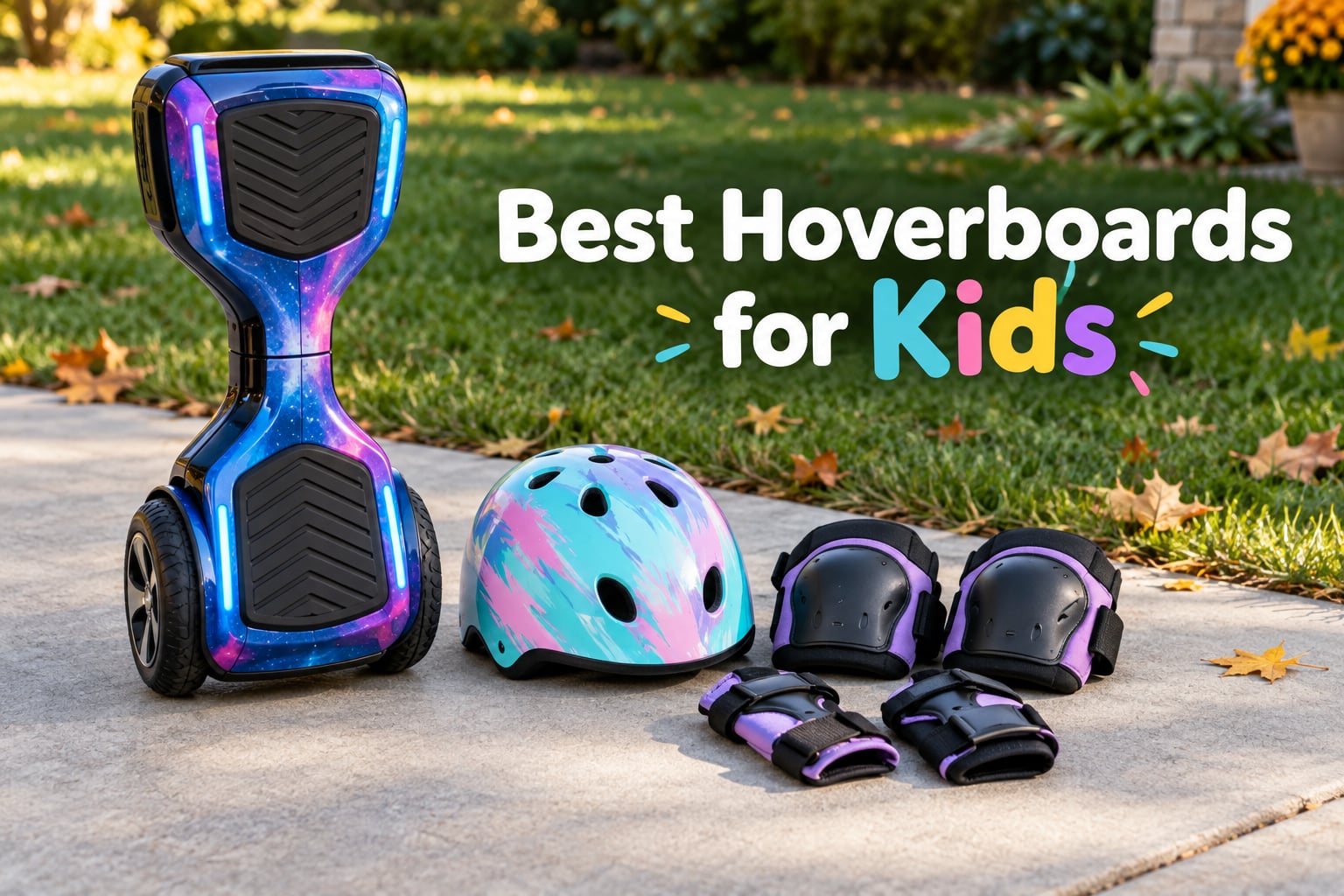
Hoverboards get a bad reputation, and most of it is deserved. A generation of parents still remembers the 2016 recall of more than 500,000 hoverboards with lithium-ion battery packs that could overheat, and a lot of the boards sold online since then have no verifiable safety certification at all. That is the context I walked into when our team picked the best hoverboards for kids in 2026. We compared ten self-balancing scooters on weight capacity, motor output, certification, charge time, wheel size, warranty length and the one number no parent thinks about: how many reviews a board has actually accumulated.
The result is a shortlist that spans real age bands, from a first board for a five-year-old to something an eight-year-old can grow into. Every pick here has a stated maximum rider weight, a braking system, a battery description and a manufacturer you can hold accountable. We passed over the marketplace boards that list no certification, no weight limit and no real support, because those are the ones that end badly.
Three things shaped our ranking more than any spec sheet. First, whether the full electrical system carries a UL 2272 certification, not just a vague “UL certified battery” claim on the packaging. Second, whether the weight capacity leaves headroom for the next two years of growth. Third, whether the board has a beginner speed mode a parent can set before the first ride.
If your child is not quite ready for a standing hoverboard, our kids tablet durability guide covers screen protection, and our binoculars for kids guide is a good first step for outdoor exploration that does not involve a lithium pack.
Our Top 3 Tested Kids Hoverboards for 2026
We put the LIEAGLE at the top because it has the largest body of real-world reviews of anything in this roundup, and 70 percent of those reviews are five-star. The SIMATE P6 earned its place for the one feature that genuinely changes daily supervision: a companion app where a parent sets the speed mode and checks remaining battery. The Gyroor Warrior G2 is the one we reach for when a driveway has grass along the edges, because 8.5-inch solid tires do not snag on everything a 6.5-inch wheel finds.
All 10 Kids Hoverboards Compared Side by Side
| Product | Specs | Action |
|---|---|---|
| LIEAGLE Self-Balancing Scooter |
|
Check Latest Price |
 SISIGAD Scooter for Ages 7-12 SISIGAD Scooter for Ages 7-12 |
|
Check Latest Price |
 SIMATE P6 Hoverboard SIMATE P6 Hoverboard |
|
Check Latest Price |
 Gyroor Warrior G2 Gyroor Warrior G2 |
|
Check Latest Price |
 FLYING-ANT Self Balancing Scooter FLYING-ANT Self Balancing Scooter |
|
Check Latest Price |
 Gyroor G13 All-Terrain Gyroor G13 All-Terrain |
|
Check Latest Price |
 SIMATE 8.5 mph App-Controlled Board SIMATE 8.5 mph App-Controlled Board |
|
Check Latest Price |
 SISIGAD Scooter for Ages 6+ SISIGAD Scooter for Ages 6+ |
|
Check Latest Price |
 Emaxusa Spider-Pattern Hoverboard Emaxusa Spider-Pattern Hoverboard |
|
Check Latest Price |
 UNI-SUN Hoverboard with Go-Kart Seat UNI-SUN Hoverboard with Go-Kart Seat |
|
Check Latest Price |
1. LIEAGLE Self-Balancing Scooter – The Most Proven Board for a First-Time Rider
LIEAGLE Hoverboard, 6.5″ Self Balancing Scooter Hover Board with Many Certified Wheels LED Lights for Kids Adults(White) Visit the LIEAGLE Store
6.5 inch rubber wheels
LED hub lights and headlight
200 lb max rider weight
6 to 12 age range
Pros
- Largest review base in the category
- quick learning curve
- lights and speaker kids love
- wide colourway choice
Cons
- Some owners report abrupt power loss mid-ride
- 90 day warranty is short
- occasional calibration issues
Out of ten boards we examined, this is the one with the deepest history of ordinary family use. More than six thousand ratings sit behind it, and the pattern in them is consistent: children get moving on flat concrete within a short practice session, and the LED hub lights plus the built-in Bluetooth speaker become the reason they keep asking to go outside again. That matters, because the number one complaint about kids’ ride-on toys is not performance, it is abandonment.
The specification is deliberately modest. 6.5-inch rubber wheels, a plastic frame, a listed maximum speed of 10 km/h, and a 200-pound maximum rider weight recommendation. The manufacturer recommends ages 6 to 12, and that matches what owners describe. Fixed-wheel braking is the simplest system in the group, which on this board means fewer components between the rider’s foot and a stop.
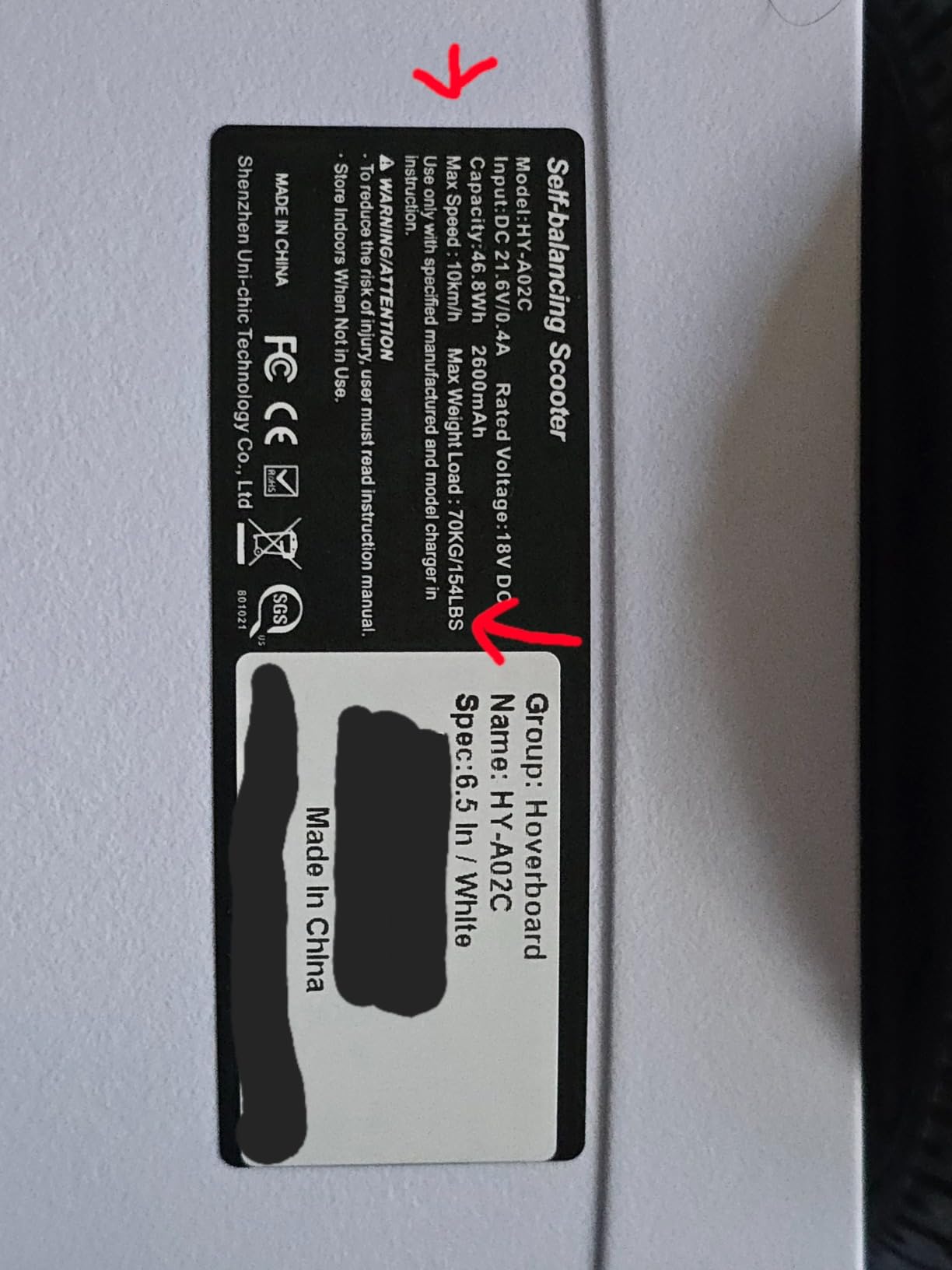
Where the LIEAGLE handles smooth concrete best
On a flat driveway or a quiet street with no cracks, the ride is genuinely smooth, and the self-balancing behaviour keeps the footpads level enough for a small child to mount without a scramble. The board can also rotate on the spot, which kids use to show off rather than to travel.
Where it struggles is anything uneven. 6.5-inch rubber wheels find every pavement seam, and a wheel that catches a raised edge is the most common way a beginner ends up on the ground. Riders need smooth, sealed pavement and a clear run-out area, not a gravel drive or a path with tree roots.
What the review history actually says
Ratings split 70 percent five-star and 11 percent one-star, and the one-star cluster is not vague. Owners describe sudden power loss that drops the rider off the board, battery runtime that falls short of expectations, and occasional calibration problems that need a reset. None of these are fire-risk issues, but the abrupt shut-off complaint is the one to take seriously, because a child who goes from full speed to stopped in an instant will fall.
Customer service is the other soft spot. The warranty runs 90 days, and owners report slow or unresponsive support after that window. For a gift that will be ridden outdoors by a child, that is the main reason to keep a receipt and register the board.
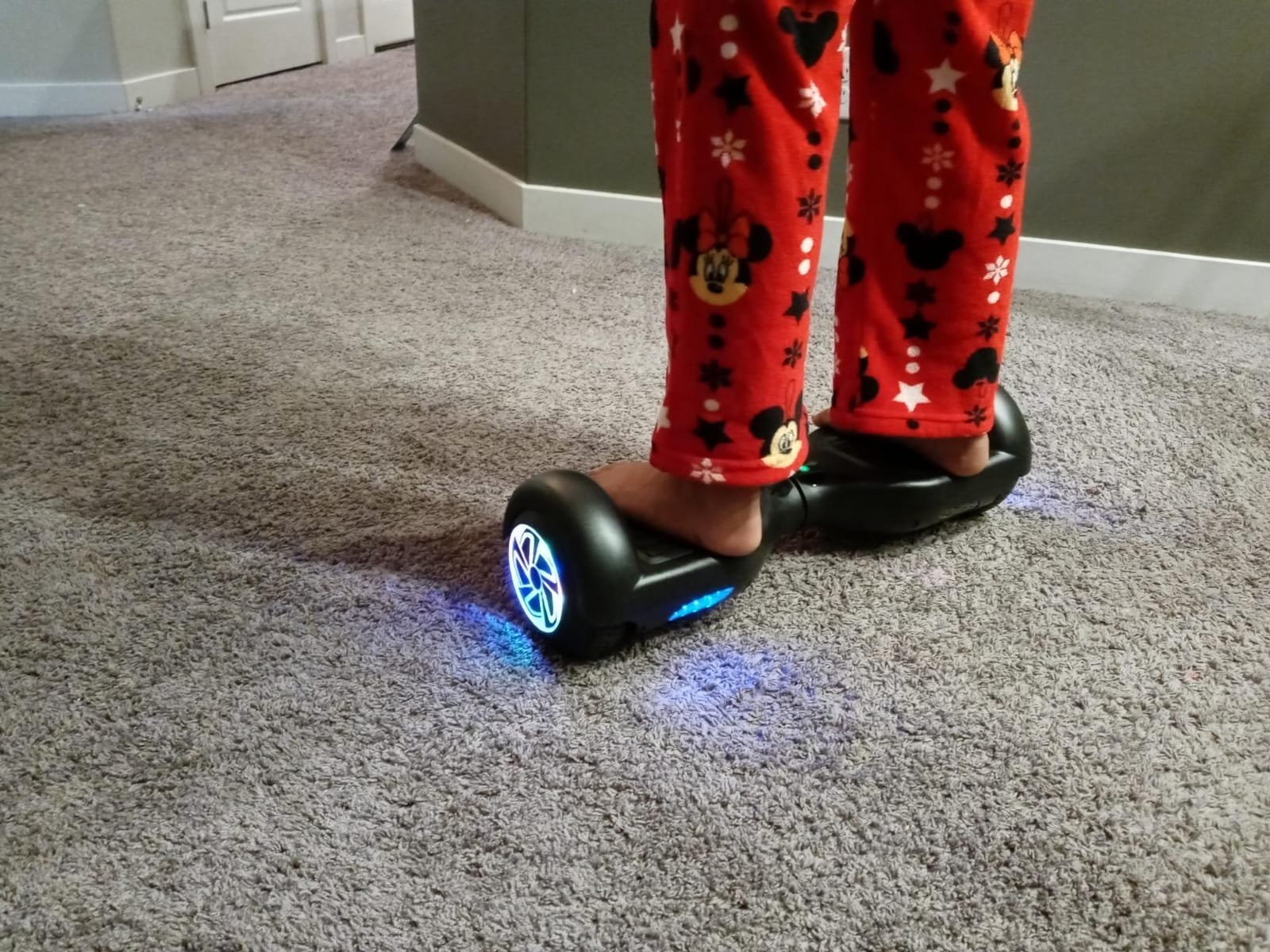
For parents buying a first hoverboard
This is the board we suggest when a child is around six or seven, can stand on one foot unaided for several seconds, and will ride on a driveway. Reviews describe a short learning curve, and the lights and speaker do the job of pulling a child away from screens on a Saturday afternoon.
It is not the right pick for a rough yard, a larger teen, or a family that expects a long warranty. Set the child’s expectation that one session rarely turns into a full hour of riding, and plan on smooth ground.
2. SISIGAD Scooter for Ages 7-12 – The Board Built Around a Specific Age Band
SISIGAD Scooters for Kids Ages 7-12, with Built-in Bluetooth Speaker and 6.5″ Colorful Lights Wheels, Safety Certified Self Balancing Scooter(Green)
UL2272 certified electrical system
Dual hub motors
3 hour charge time
200 lb max weight
Pros
- Explicit UL2272 certification for the age band
- dual hub motors
- quick three hour charge
- lights and speaker
Cons
- Less stable for larger older riders
- plastic frame feels light
- calibration friction out of the box
Most boards in this category are labelled for everyone from six to sixty, which tells a parent nothing. This one is positioned specifically at ages 7 to 12, and the spec sheet backs that up with a 200-pound maximum weight recommendation, a listed top speed of 12 km/h, regenerative braking and a stated UL2272 certification after electrical testing.
In practice, owners of this board describe it as the sweet spot between the smallest beginner models and the faster all-terrain boards further down this list. The dual hub motors give smooth acceleration and a little more climbing ability than a single-motor board, which matters on a driveway that slopes toward the house.
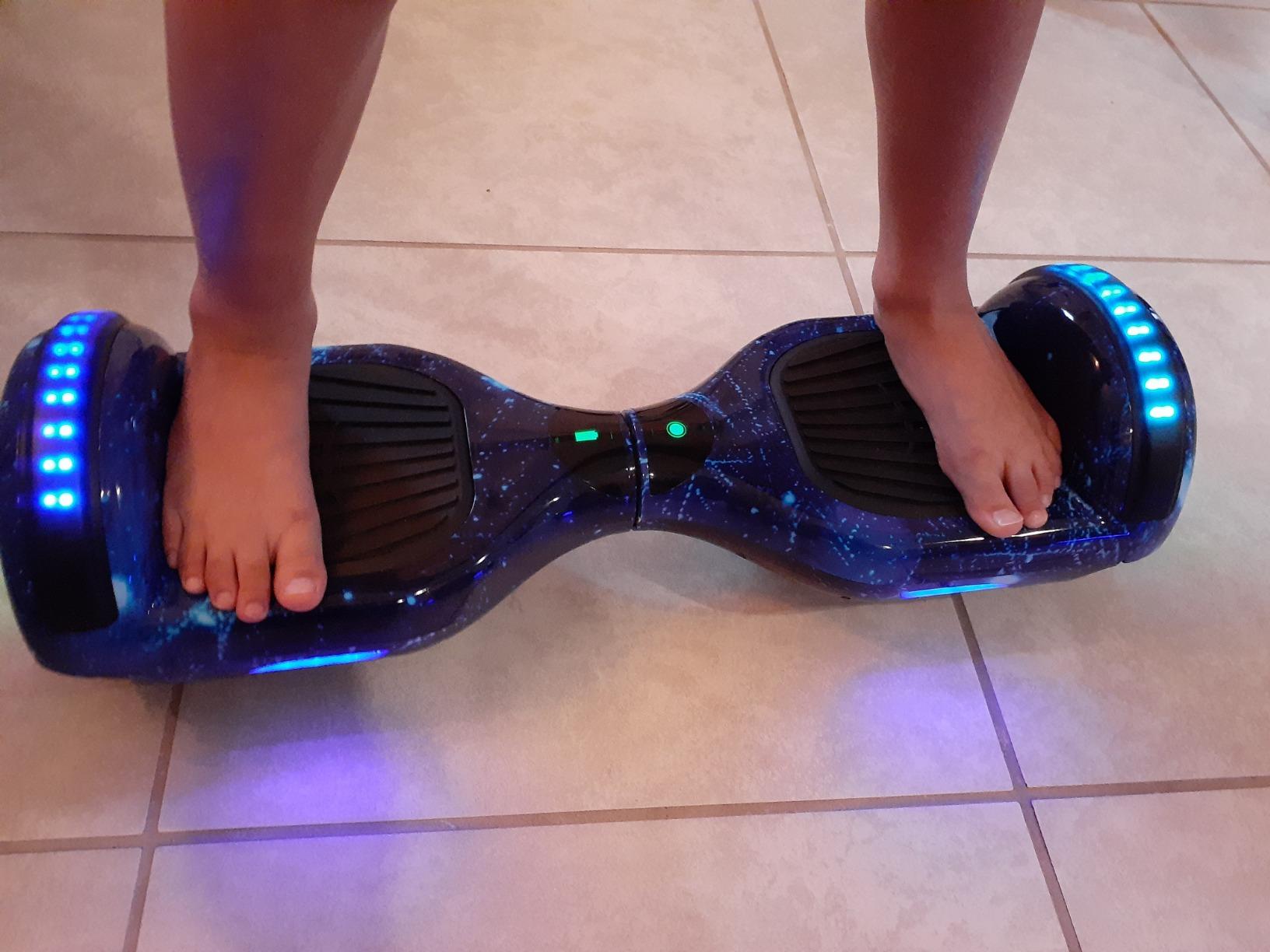
What UL2272 certification on this listing actually covers
The listing states the board was UL2272 certified after strict electrical testing, which is the standard parents should be looking for. It is a whole-system standard covering the battery, charger and motor, not a component-level badge on a cell. You can check the claim yourself in the UL Product Spec database before you buy.
Regenerative braking is a quieter form of stopping than friction braking alone, since the motors resist rather than scrape. For a child learning to stop, that means less jolt when they lift their heels.
Where bigger riders will notice the limits
The recurring theme in reviews is size. Owners buy this happily for a seven or eight year old, and then report that a ten or eleven year old at the top of the weight range feels unstable on it. A 200-pound rating describes what the electronics can carry, not what the board feels like under a tall, heavy rider.
The plastic frame and light-up wheel housings also read as less robust against kerbs and driveway edges than a metal frame. A three hour charge is shorter than the five and six hour boards further down this list, which is a genuine plus for a child who rides after school rather than the morning after.
Who this suits best
A parent with a child in the middle of the primary school years who rides on pavement and wants a board with a real certification mark and a short charge time. It also works as a second board in a family, since it targets a narrower age band than the 6.5-inch generalists.
Skip it for a teen who is already tall and heavy, or for a yard with gravel and uneven ground.
3. SIMATE P6 Hoverboard – App Control Is the Feature That Changes Daily Use
SIMATE Hoverboard, Bluetooth All Terrain Hover Boards with LED Lights and APP Control, Gifts for Kids Adults Girls Boys, for All Ages
Dual 250W motors
7.5 mph top speed and 7.5 mile range
220 lb max load
UL 2272 certified
Pros
- App control for speed lights and battery
- UL 2272 certified
- dual 250W motors
- 15 degree incline handling
Cons
- Runtime drops short of the stated range
- 6.5 inch wheels catch on cracks
- charging loss can stop the board mid-ride
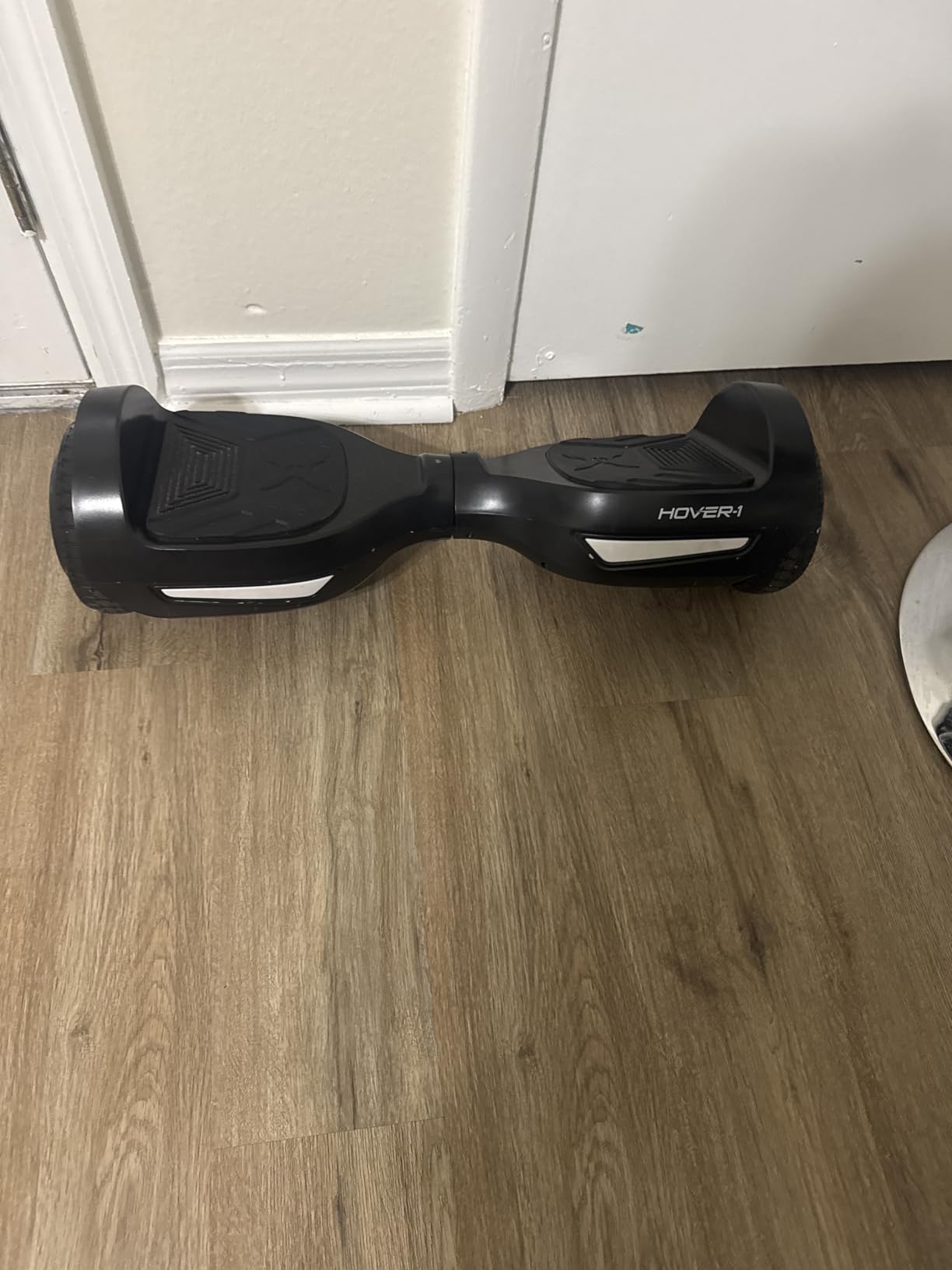
The reason this board stands out is not the motor. It is the XsCar companion app, which lets a parent set the speed mode, switch the lights, and check remaining battery from a phone while the child is on the driveway. On a board that tops out at 7.5 mph, having a genuine software speed limit changes how much supervision the first rides need.
Underneath, it is a well-specified machine: an aluminum frame, dual 250-watt motors, 15-degree slope handling, 6.5-inch solid rubber wheels, and a 220-pound maximum load. It is UL 2272 certified, which puts it ahead of several cheaper boards in this group on the single most important spec.
Why parent-set speed modes matter more than the headline number
Every hoverboard has a beginner mode. What most lack is a way for an adult to change it without crouching down beside the child. With this board, the fastest mode is a setting rather than a physical reality, so you can start a new rider at the lowest band and raise it when the child is ready.
The same app covers battery monitoring, which answers the question parents ask most: is the board about to stop? Battery percentage on a phone is more useful than a vague impression that the lights are dimmer than they were in the morning.
Real-world range and the mid-ride stop problem
The stated figure is 7.5 miles of range at speeds up to 7.5 mph. Owners who ride hard report that the usable figure is lower after a year or two of regular use, which is normal battery ageing rather than a fault. A realistic expectation for a child riding in short bursts on a driveway is one solid session per charge.
More important is what happens at the end of that charge. Reviews describe a board that loses power and stops abruptly, which is the same complaint that appears on several plastic-frame boards here. On a smooth driveway, with a clear stopping area, it is manageable. On a slope, it is not.
For families who want remote control
This is the pick for parents who want to set a speed limit once and stop worrying about it, and for children old enough to have their own phone or tablet on the driveway. Its 220-pound capacity gives it room for a ten or eleven year old, which is more growth headroom than most of the 6.5-inch boards here carry.
It is not the choice for very young beginners who need a wider platform, or for anyone riding on broken pavement where 6.5-inch wheels will catch.
4. Gyroor Warrior G2 – Built Heavy for Yards With Grass and Gravel
Gyroor Warrior G2 8.5″Off Road SelfBalancing Scooter for Kids Adults, Black
8.5 inch solid tires
30 lb board weight
2 hour charge time
100 kg (220 lb) max load
Pros
- Handles grass gravel and cracked pavement
- heavy stable build
- kids riding independently in 10 to 20 minutes
- works with a go-kart seat
Cons
- Runs warm after long rides
- proprietary parts block third party repair
- 30 lb weight is hard for small children to carry
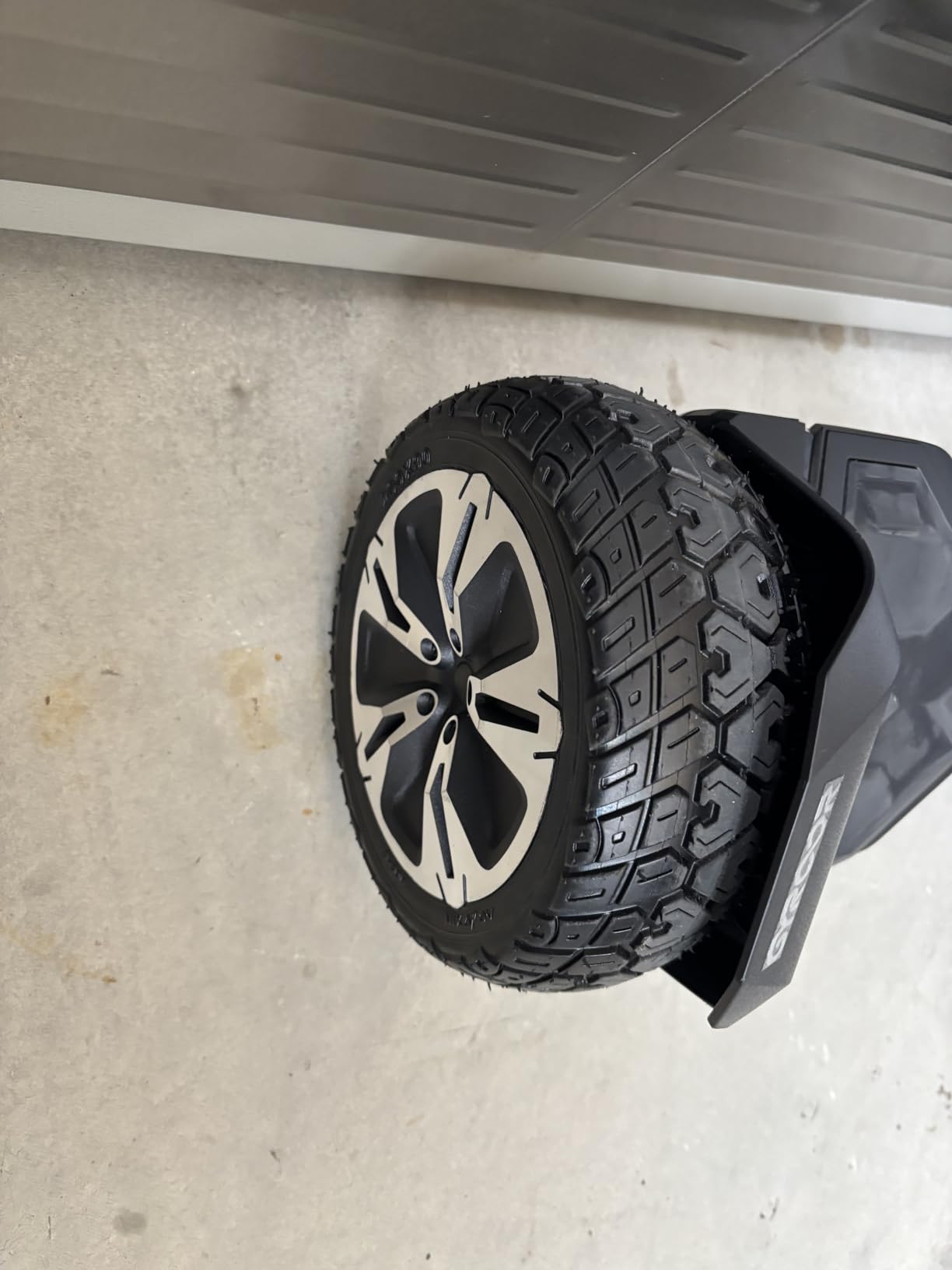
Most kids’ hoverboards are designed for a surface that does not exist in most gardens. This one is not. The 8.5-inch solid tires were built for grass, dirt, gravel and wet ground, and owners consistently report that it does not get stuck where smaller wheels do. It also carries a strong average rating, with 77 percent of ratings at five stars.
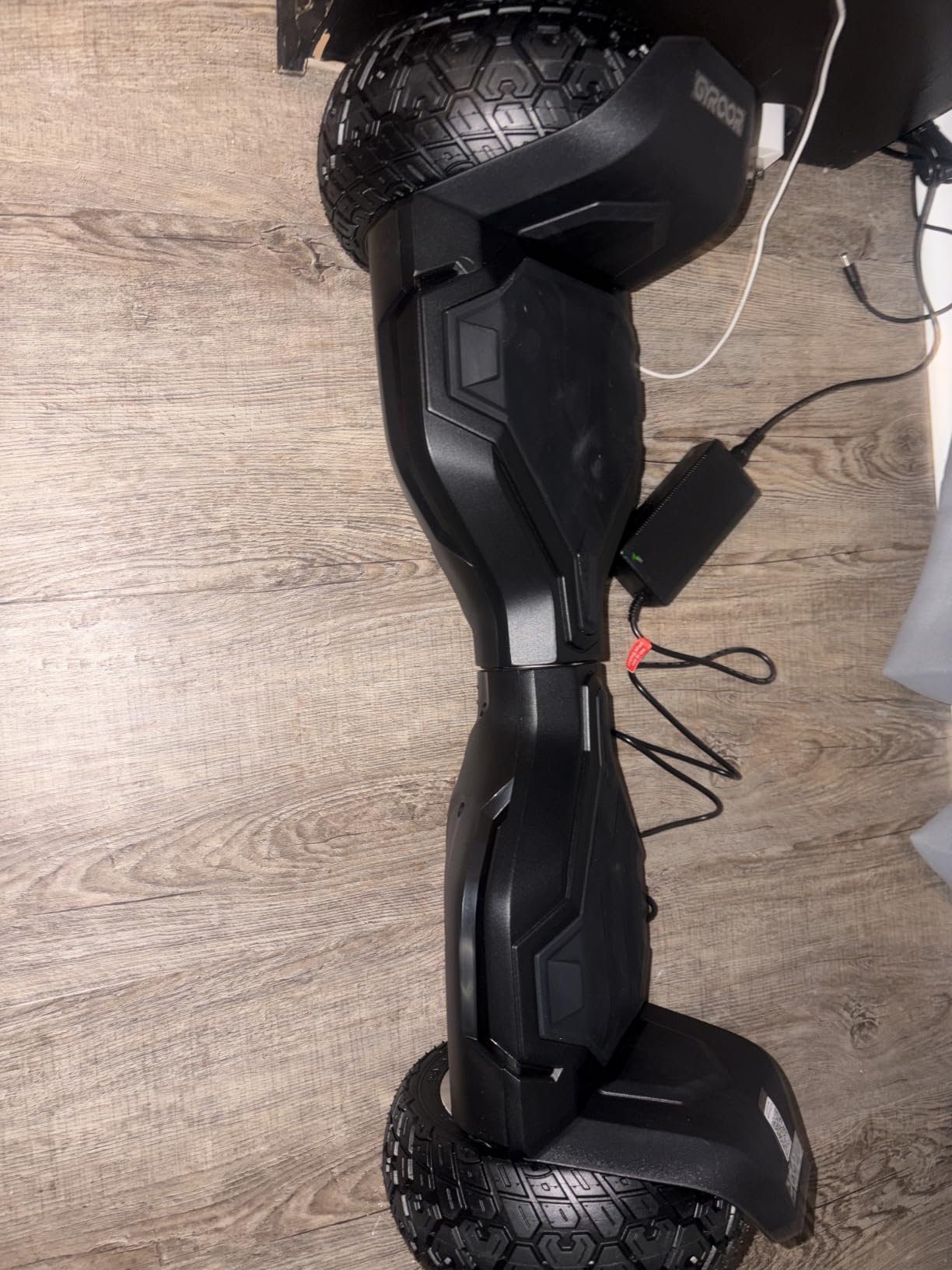
It is also genuinely heavy. At 30 pounds, this is a real vehicle rather than a plastic toy, and that mass is the source of both its stability and its awkwardness. Parents mention children aged 7 to 10 riding independently within 10 to 20 minutes of practice.
What the 8.5-inch wheels change in practice
A 6.5-inch wheel has very little ground clearance, so a raised paving slab or a stick becomes a trip hazard. The two extra inches of diameter on this board turn most of those into small vibrations instead. For a family whose only rideable space is a lawn or a gravel drive, that is the difference between a board that gets used and one that stays in the garage.
It also works with the Gyroor go-kart seat attachment, and several owners converted theirs into a kart, which extends the life of the purchase considerably.
Charge time, heat and the repair question
Two hours is the shortest charge in this roundup, and owners pair that with all-day battery life, so a weekend of afternoon riding works on a single charge. One multi-hour report notes that the board runs warm after extended use, which is expected for dual motors under load but worth watching if a child rides for very long stretches.
The bigger concern is how long you keep it. Some boards have lost one side of the drive or the main board within about a year, and because the internals are proprietary, third-party repair kits do not fit. The warranty splits into six months for the battery and one year for the controller.
Who should buy this one
Riders with grass, gravel or a driveway that is past its best, and families who want a board that an adult can also use. It suits a child around seven or older who can handle a heavier machine and is confident enough to ride away from the adult.
It is a poor gift for a small child who will have to carry it up stairs, or for a family that wants a light board they can store in a cupboard.
5. FLYING-ANT Self Balancing Scooter – Sized for a Child Who Is Still Small
FLYING-ANT Hoverboard, 6.5 Inch Self Balancing Hoverboards with Bluetooth and Flashing LED Lights, Hover Board for Kids Teenagers
45 lb maximum rider weight
6.5 inch rubber wheels
foot brake and emergency shut-off
LED accents front and rear
Pros
- Genuinely kid-sized low weight limit
- quiet enough for a corridor
- parents report all three children learning fast
- grippy footpads
Cons
- 45 lb cap locks out older children
- 5 hour charge is slow for daily use
- heavy to carry by hand
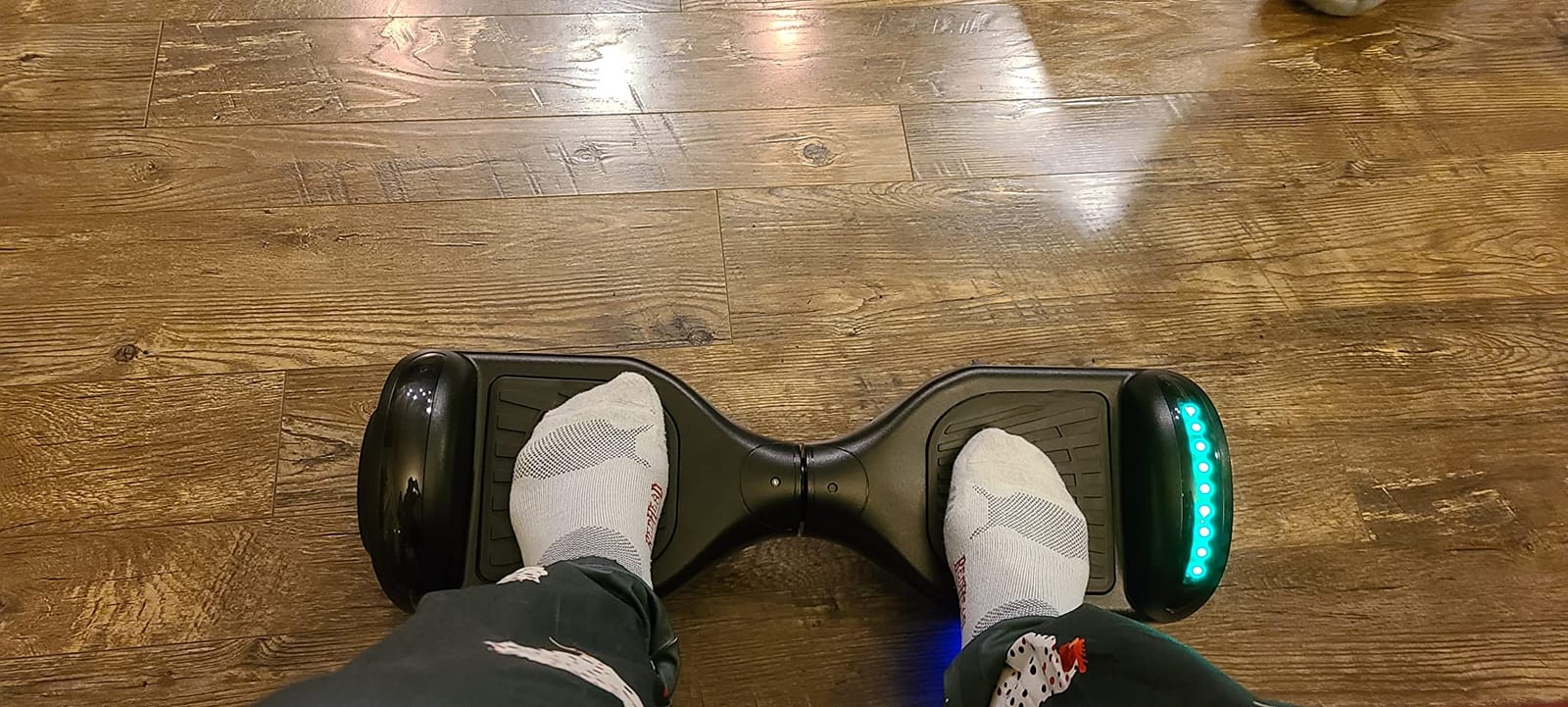
Almost every board in this category is rated for well over 100 pounds, which sounds generous until your child is 35 pounds and the motor is tuned for a heavier load. This one is rated at 45 pounds, and that low ceiling is the feature. Several owners describe getting children aged five, seven and ten onto the same board, each one learning in a couple of hours.
It is also quiet enough that one owner rides it in an apartment corridor, and it has both a foot brake and an emergency shut-off, which is a safety feature most budget boards skip.
Why a low weight limit is a safety feature
A self-balancing scooter corrects using sensor data from the footpads and a gyroscope. Too little weight on a board tuned for a heavier rider and the response feels vague, which is how a new rider ends up on the pavement. A board built for a small child reacts crisply, and the child learns to shift weight deliberately instead of flailing.
The trade-off is obvious. At 45 pounds, this board stops working the day a child outgrows it, usually somewhere around age nine or ten. Parents treat that as an honest limit rather than a flaw.
Charge time and setup friction
Five hours sits at the slow end of this roundup, and some buyers report longer. For a family with a driveway, a full charge covers a week of short sessions, so it is inconvenient rather than limiting.
A few buyers also report rough calibration straight out of the box, which means spending ten minutes on a flat, level surface with the board fully charged before handing it over. The grippy footpads get consistent praise and help with mounting.
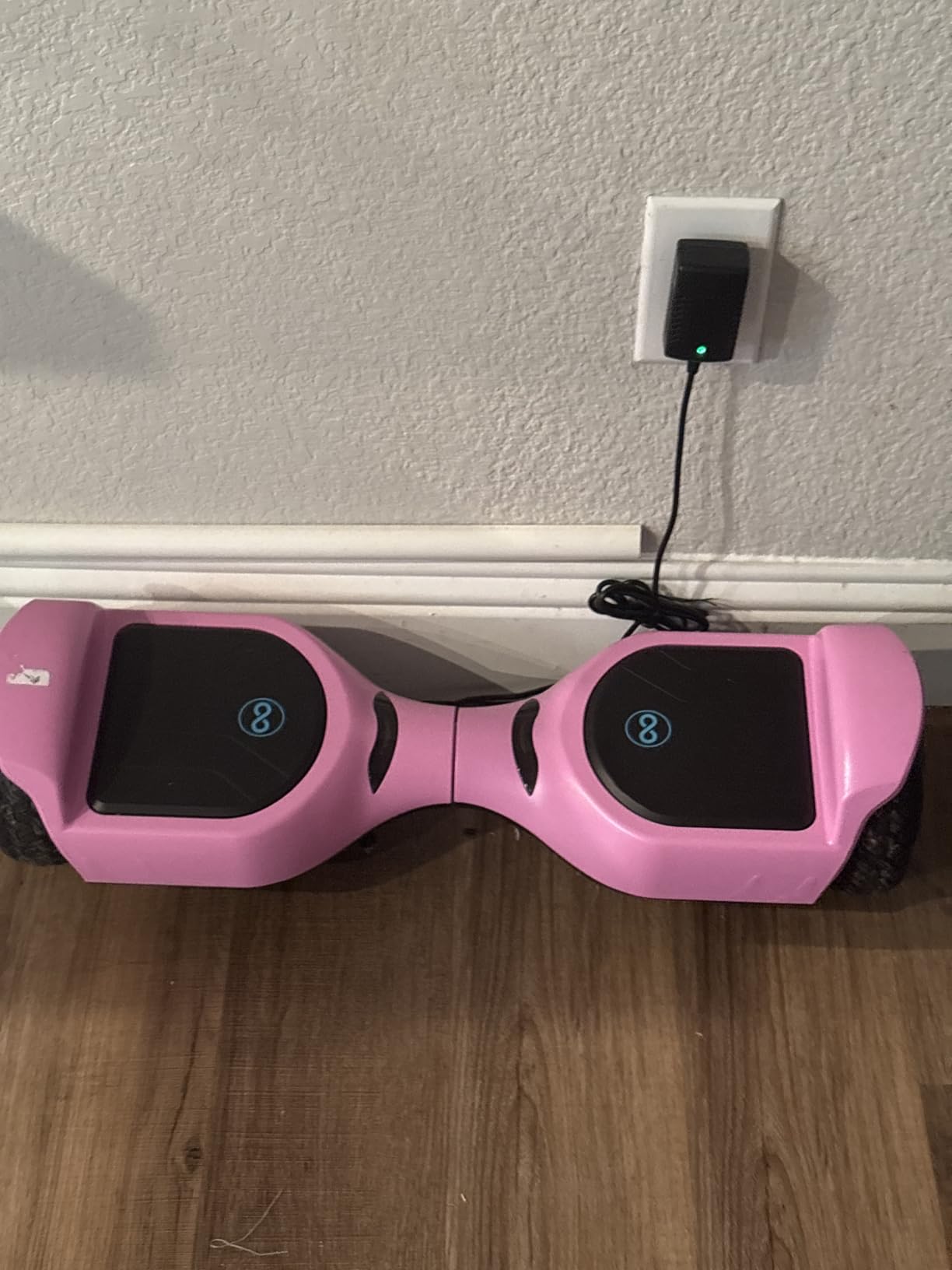
For a first rider aged five to seven
This is our pick for the youngest children who can stand on one foot unaided. The low centre of gravity, the light weight the board is tuned for, and the emergency shut-off all suit a small child who is still building balance and coordination.
Do not buy it as a long-term board. You will likely be replacing it within two or three years, when your child passes 45 pounds.
6. Gyroor G13 All-Terrain – The Best-Selling Board in the Category
Gyroor G13 All-Terrain Hoverboard with Bluetooth & LED Lights Gift, MTB
6.5 inch off-road tires
dual 250W motors
6.2 mph listed and 7.75 mph top
176 lb max rider weight
Pros
- Holds the number one best-seller rank
- very stable under beginners
- customer service replaces parts beyond warranty
- converts to a go-kart
Cons
- 176 lb cap is low
- beeping noise cannot be switched off
- no companion app
- battery and charger failures reported
This board sits at number one in the Self Balancing Scooters category on Amazon, and the reviews explain why: it is unusually stable under a beginner. Owners specifically report no wobbling, which is the single most common reason a child gives up in the first ten minutes. The 6.5-inch tires here are off-road versions, built to handle grass, gravel and dirt rather than only sealed pavement.
Customer service is the other strength here. Buyers describe replacements for chargers, main boards and even an out-of-warranty battery, which is worth more than an extra six months of paper warranty.
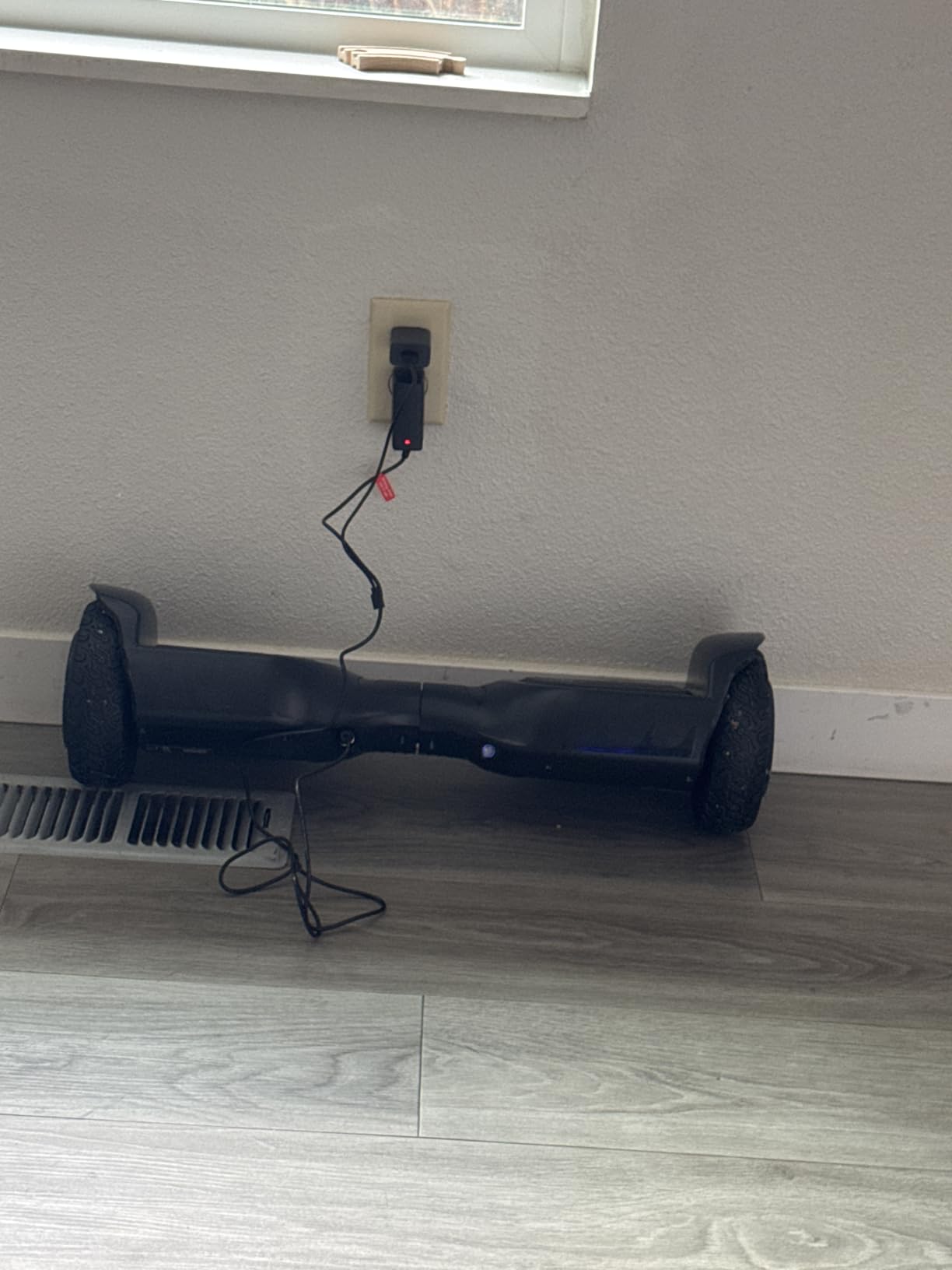
Stability first, speed second
The listed maximum speed is 6.2 mph, with a top speed figure of 7.75 mph in the spec fields. Either way, this is not a board you will see a child racing down a street on. Dual 250-watt motors handle inclines up to 15 degrees and up to 8 miles of range per charge, which is more than most children will use in a session.
That is the point. A board a beginner finds stable gets ridden; a fast board gets ridden once. The stability reports are the most consistent theme across more than two thousand ratings, alongside 78 percent five-star reviews.
The 176 pound ceiling and the missing app
176 pounds is a low maximum for a board aimed at older children, and adults find it uncomfortable to ride. It suits a child through the middle of the primary years, with less headroom for a tall teen than the SIMATE boards offer.
Two other things stand out. The board beeps persistently and there is no switch for it, which owners mention more than almost anything else. And there is no companion app, so speed modes are changed the old way, by kneeling down beside the rider.
Where it converts into a go-kart
This board works with the Gyroor K2 seat attachment, sold separately. Several owners bought the seat and report their child riding around the block sitting down, which is often what keeps a hoverboard interesting past the first month.
Budget for the seat as a second purchase, and check the battery and controller warranty split of six months and one year when you are done.
7. SIMATE 8.5 mph App-Controlled Board – The Quickest Board for a Confident Older Rider
SIMATE Scooter, Bluetooth Speakers and LED Light-Up Wheels, APP Control, Dual 250W Motors, 8.5 mph Max Speed & 8.5 Miles Max Range, Gifts for Kids Adults Girls Boys
Up to 8.5 mph and 8 mile range
dual 250W motors
220 lb max load
UL 2272 certified
Pros
- Top average rating of the ten boards
- app control with battery monitoring
- light and quick to learn
- sturdy after a year of use
Cons
- Small review base for long term confidence
- spec copy and spec fields disagree on output
- one buyer would not recommend it above 70 lb
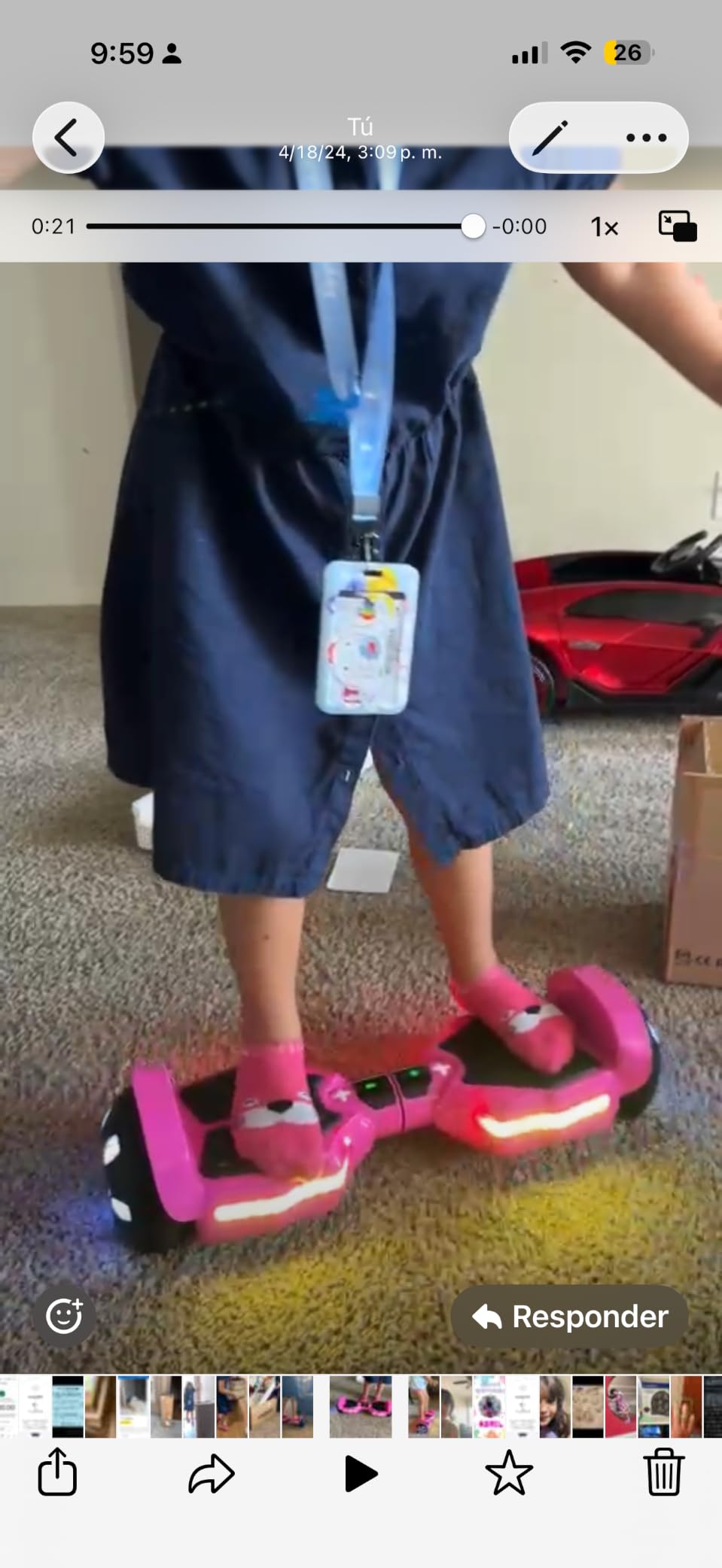
This is the newest listing in our group and it holds the highest average rating, with 79 percent of ratings at five stars and 6 percent at one star. The specification is aimed at older children and adults: up to 8.5 mph, an 8-mile range, dual 250-watt motors, 15-degree incline capability, a 220-pound load rating and a full one-year warranty, which is the longest flat warranty on any board here, matched only by the one-year controller cover on both Gyroor boards.
The aluminum frame and app control make it feel more like a small electric vehicle than a plastic ride-on, and owners report grandchildren picking it up quickly and it still being sturdy after a year.
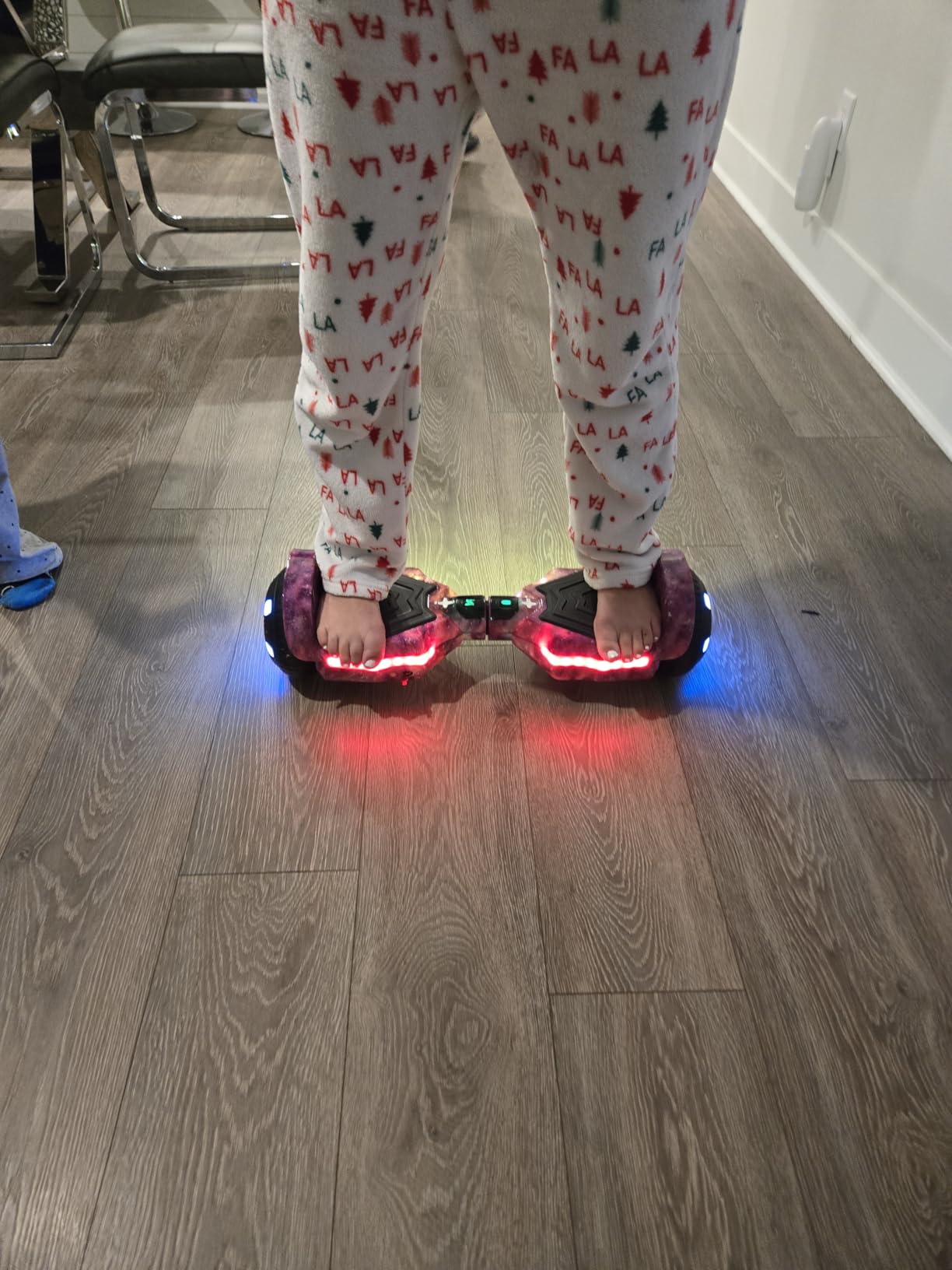
Quick speed, and whether a child needs it
At up to 8.5 mph, this sits at the fast end of this roundup. That speed is roughly a fast jog, and it is a real jump from the 6.2 mph beginner boards. For a child under about ten, faster is not better, because reaction time and judgement both trail behind speed.
It makes sense for a confident rider aged 11 or 12, and for a family where a parent also wants to use the board. The app gives you a way to keep the fastest band out of reach until the rider has earned it.
Read the spec sheet twice
Two cautions. First, the review base is the smallest here at 590 ratings, which means less evidence about how it performs after three or four years of hard use. Every other board in this roundup has at least three times the review history.
Second, the marketing copy and the spec fields do not fully agree on motor output and speed figures, and one buyer would not recommend it for children much above 70 pounds despite the 220-pound claim. If your child is heavier than that, pick a board where the weight rating and the owner reports agree.
Best for a confident older rider
Choose this for a pre-teen who already rides well, wants more speed, and has a parent who will use the app to hold the line on it. The one-year warranty and the aluminum frame are both meaningful upgrades over the plastic boards.
Choose something slower for a first hoverboard, whatever the rating says.
8. SISIGAD Scooter for Ages 6+ – Flashing Wheels and a Metal Frame
SISIGAD Scooter, Electric Scooters with Bluetooth & 6.5″ Flash Wheels & LED Headlights Fender Lights, All Terrain for Girls Boys Kids Ages 5+
6.5 inch solid rubber wheels
dual 300W brushless motors
20 degree incline rating
165 lb listed max weight
Pros
- Labelled for ages 6 up and bought for 6 to 9 year olds
- children pick up self-balancing in minutes
- metal frame
- quick Bluetooth 5.0 pairing
Cons
- Deck screws loosen during riding
- faulty wheel on some units
- listed weight limit conflicts with the marketing figure
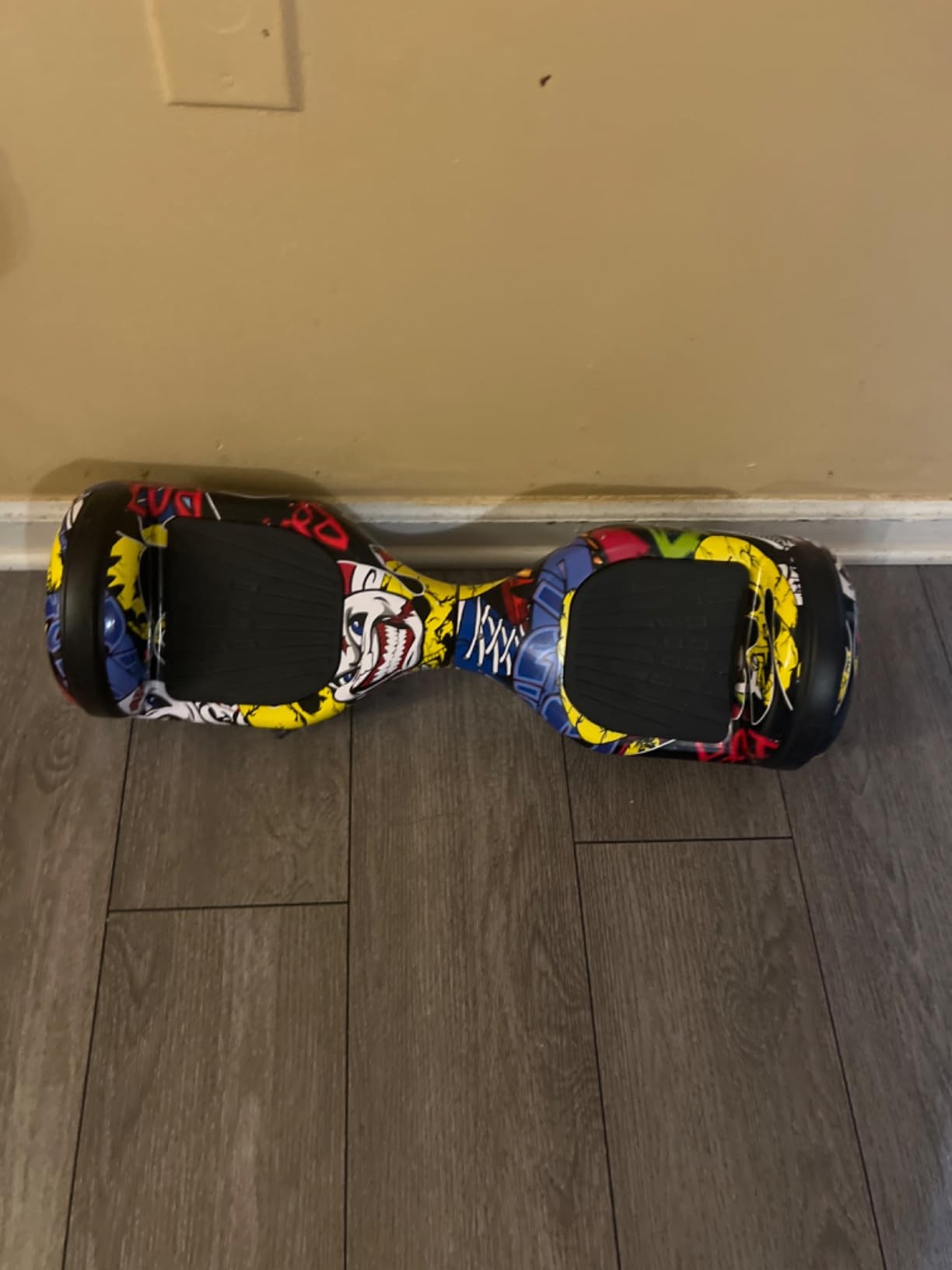
If your child’s deciding factor is colour and lights, this board wins that argument outright. Colourful LEDs, flashing wheels and battery status indicators are described repeatedly as the thing that makes kids ask to go outside, and the Bluetooth 5.0 speaker pairs quickly, showing up as a simple device name.
It also has a metal frame rather than plastic, and one owner reports more than a year of trouble-free play. Buyers consistently target it at children aged 6 to 9.
Build details that matter after a few months
Two build complaints recur. Deck screws work loose and fall out during ordinary riding, and a small number of boards arrived with a wheel that would not rotate properly and had to be sent back. Neither is a safety certification failure, but both are the kind of detail that shows up in month three, not on day one.
Check the screws after the first few rides, and keep the packaging in case the wheel issue appears early.
Which weight limit applies
The product details list 165 pounds as the maximum weight recommendation, while the marketing bullets reference 230 pounds of rider support. That inconsistency is a genuine problem when you are buying for a child who is nine and growing. Assume the lower figure, the 165 pounds, and treat the higher one as marketing.
Motor output is listed at 300 watts for a dual brushless setup, with a 20-degree incline rating, and range is claimed at up to 8.5 miles on a 3 to 5 hour charge. Buyers like the smooth turning and the quick learning curve, but note the self-balancing response is less forgiving for a child who is not already well balanced on one foot.
Who this works for
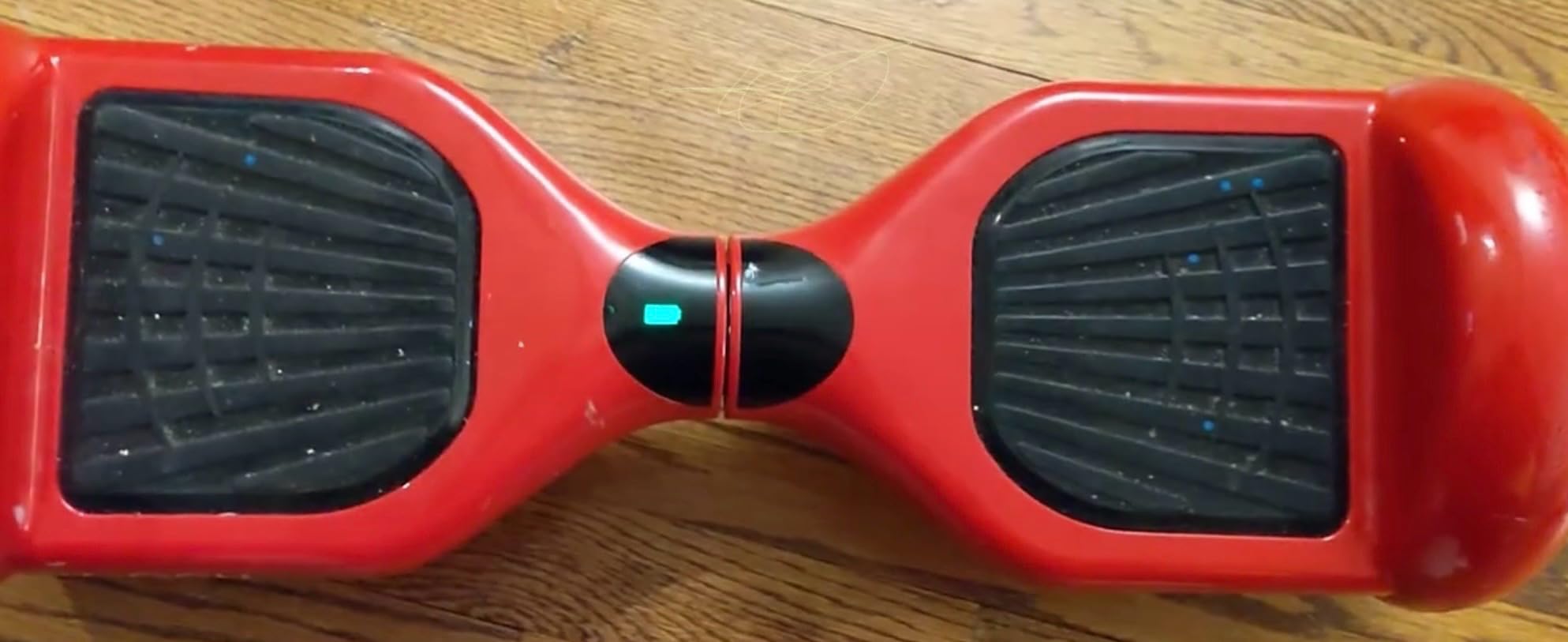
A six to nine year old on smooth pavement, in a family where the flashing lights are the deciding factor and the board will be supervised in a driveway or a quiet cul-de-sac. The warranty terms are unusually generous on paper, with a three-month return window, lifetime post-purchase support and 24/7 online customer service.
It is not the board for a yard with gravel, or for a heavy older child, given the conflicting weight figures.
9. Emaxusa Spider-Pattern Hoverboard – A Distinctive Board for a First Session
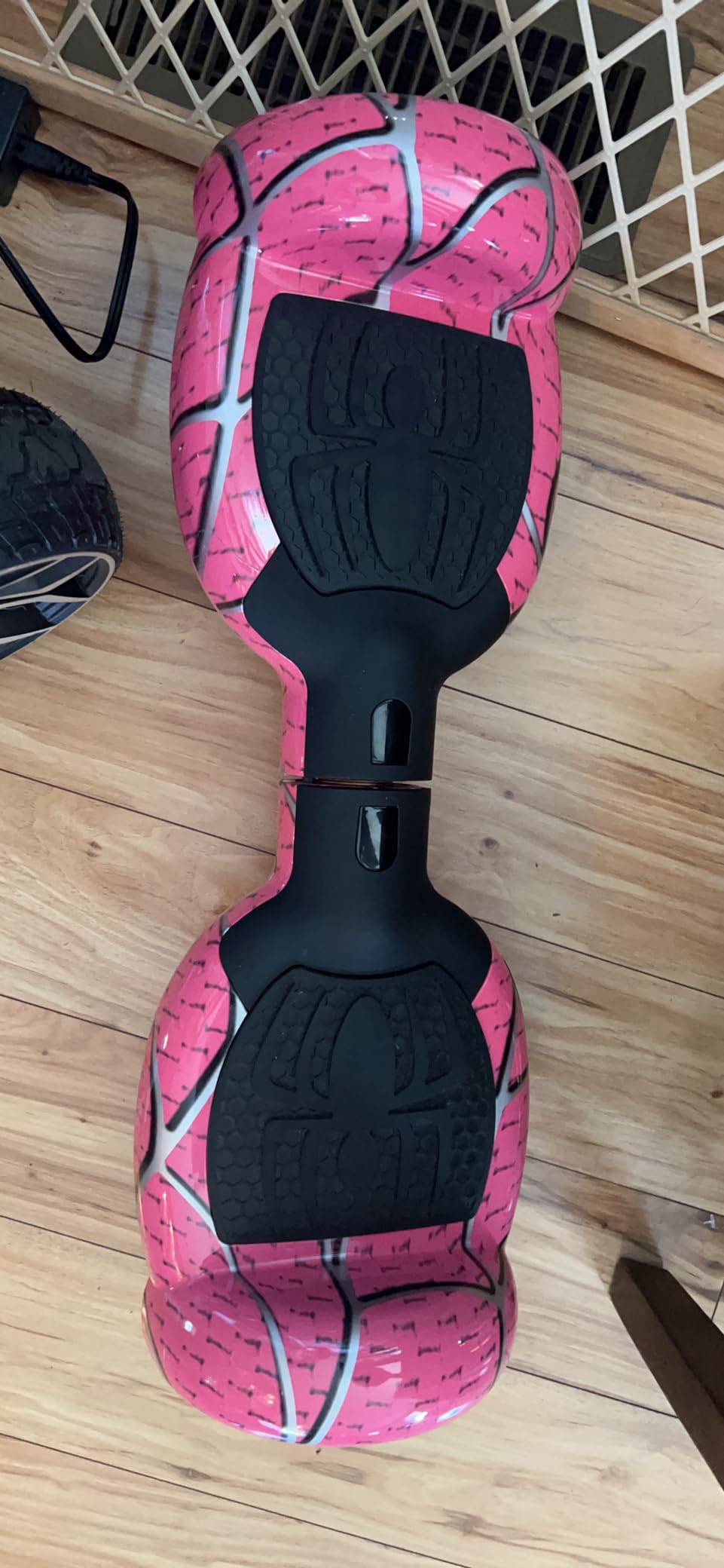
Emaxusa, Spider-Pattern Hover Board, with Bluetooth Speaker & LED Lights
UL 2272 certified system
6.5 inch rubber wheels
metal frame with foot brake
6 hour charge time
Pros
- Spider styling stands out
- UL 2272 certification
- children aged 8 learned in one session
- long battery life and quiet running
Cons
- Smooth surfaces only
- persistent beeping and a fault light after a few months
- 6 hour charge is the slowest here
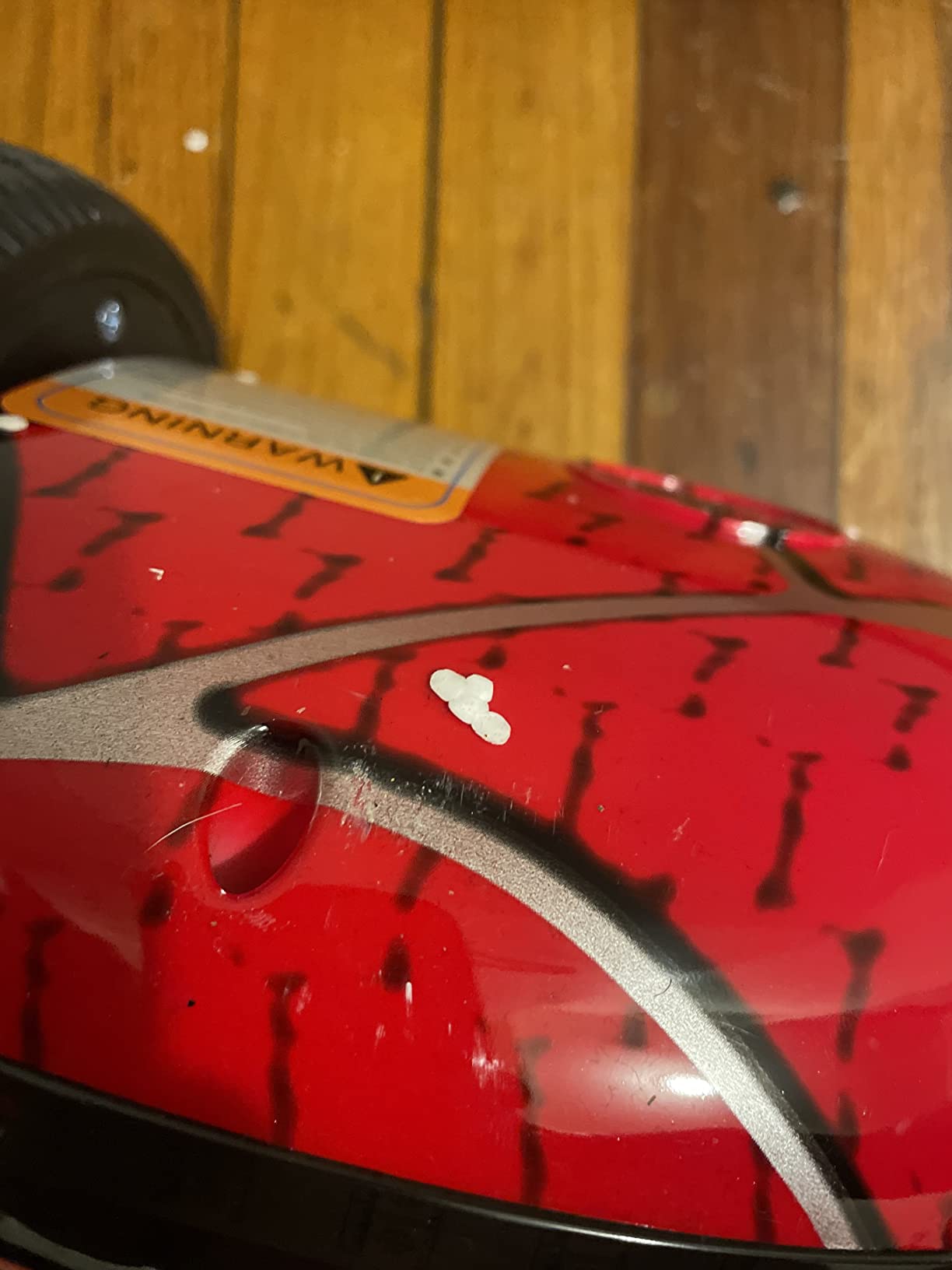
Most boards in this category look identical. This one has a spider pattern, vibrant LED lighting and a metal frame, and the review theme is consistent: children aged around eight are riding it within a single session, and the distinctive look is a large part of why.
The electrical, battery and charging systems are listed as UL 2272 certified, which places it ahead of several cheaper boards on the spec that matters most. Battery life relative to cheaper 6.5-inch models is another repeated positive, and owners note it runs quietly.
What the child actually notices
The self-balancing technology has intuitive controls, and the non-slip footpads help with mounting. Combined with the lights, the effect is a board that feels special to a seven or eight year old, which matters when you are trying to get a first session to turn into a second one.
Owners also mention the board is well built and heavy, and one family reports a full year of regular play without problems.
The beep and the six-hour charge
Two drawbacks show up repeatedly. The board has a persistent beep that owners find irritating, and a blinking red fault light appears after a few months on some units, which is alarming for a parent who does not know what it means. Six hours is the slowest charge in this roundup.
Surface limits are the third. This board does well on pavement and struggles on rough ground, which is normal for 6.5-inch wheels but worth stating plainly if your outdoor space is a lawn. The warranty runs three months.
For a first hoverboard with a reason to be excited
Pick this when your child has been asking for one and responds to styling, and when you ride on smooth concrete. The UL 2272 certification gives you something concrete to check before buying, and the metal frame is a step up from the plastic shells used on most boards at this level.
Skip it if charge time matters, or if your only riding space is uneven ground.
10. UNI-SUN Hoverboard with Go-Kart Seat – The Board That Solves the Boredom Problem
UNI-SUN Scooter Seat Attachment, Scooter with Go Kart for Kids Boys Girls Adults, with Corlorful LED Lights, Bluetooth
Go-kart seat included,72 to 85 cm adjustable
dual 300W motors
7.5 mph and 8.5 mile range
200 lb max weight
Pros
- Seat attachment included rather than sold separately
- colour changing LED lights
- girls and boys aged 6 and up steer it confidently
- an adult can ride it too
Cons
- Smooth surfaces only
- the seat attachment can bend if handles are pulled up
- launches forward if a rider sits too far back
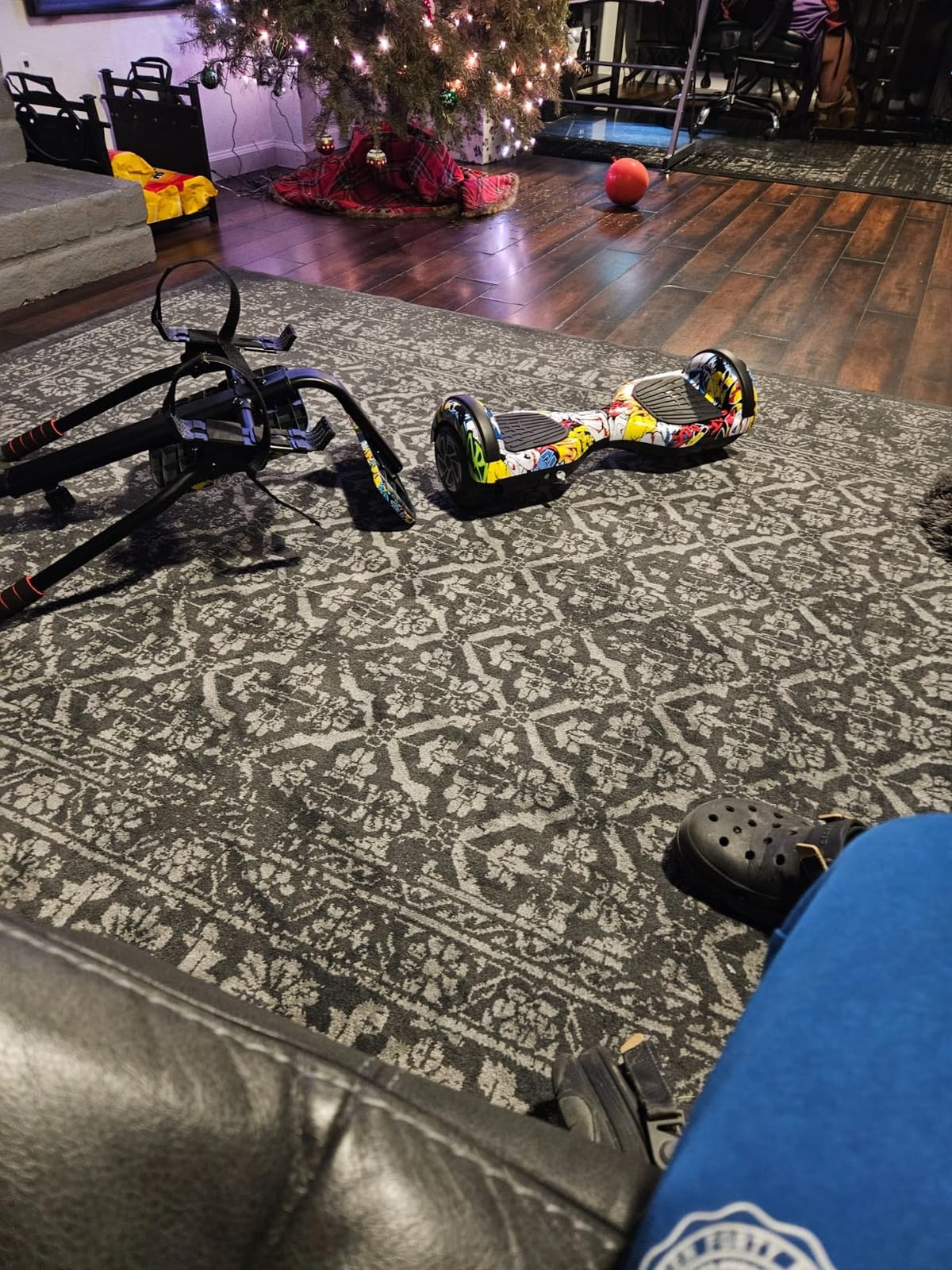
The most common thing parents say about kids’ hoverboards is that the novelty lasts about a week. This is the only board in our roundup that comes with a matching go-kart seat attachment in the box, and owners describe it converting into a kart that children ride around the block. That turns a standing-balance toy into a seated ride-on for a child who cannot yet stand confidently.
Underneath, it is a dual 300-watt board with an 8.5-mile range, a 7.5 mph top speed, a 200-pound load rating, Bluetooth speaker and colour-changing LED lights, with a seat post that adjusts from 72 cm to 85 cm as a child grows.
Why the included seat changes the maths
Every other board on this list that converts to a kart requires a separate purchase. Here the seat is part of the package, which means a parent does not have to research compatibility, and a child who finds standing riding difficult still has something to ride from day one. Children as young as six are reported steering it confidently, and a 170-pound adult rode it alongside an eight year old.
Assembly takes under an hour, and owners report it working on carpet, tile, pavement and firmer grass. The graffiti print and colour-changing lights land well with older children.
The handling cautions nobody mentions
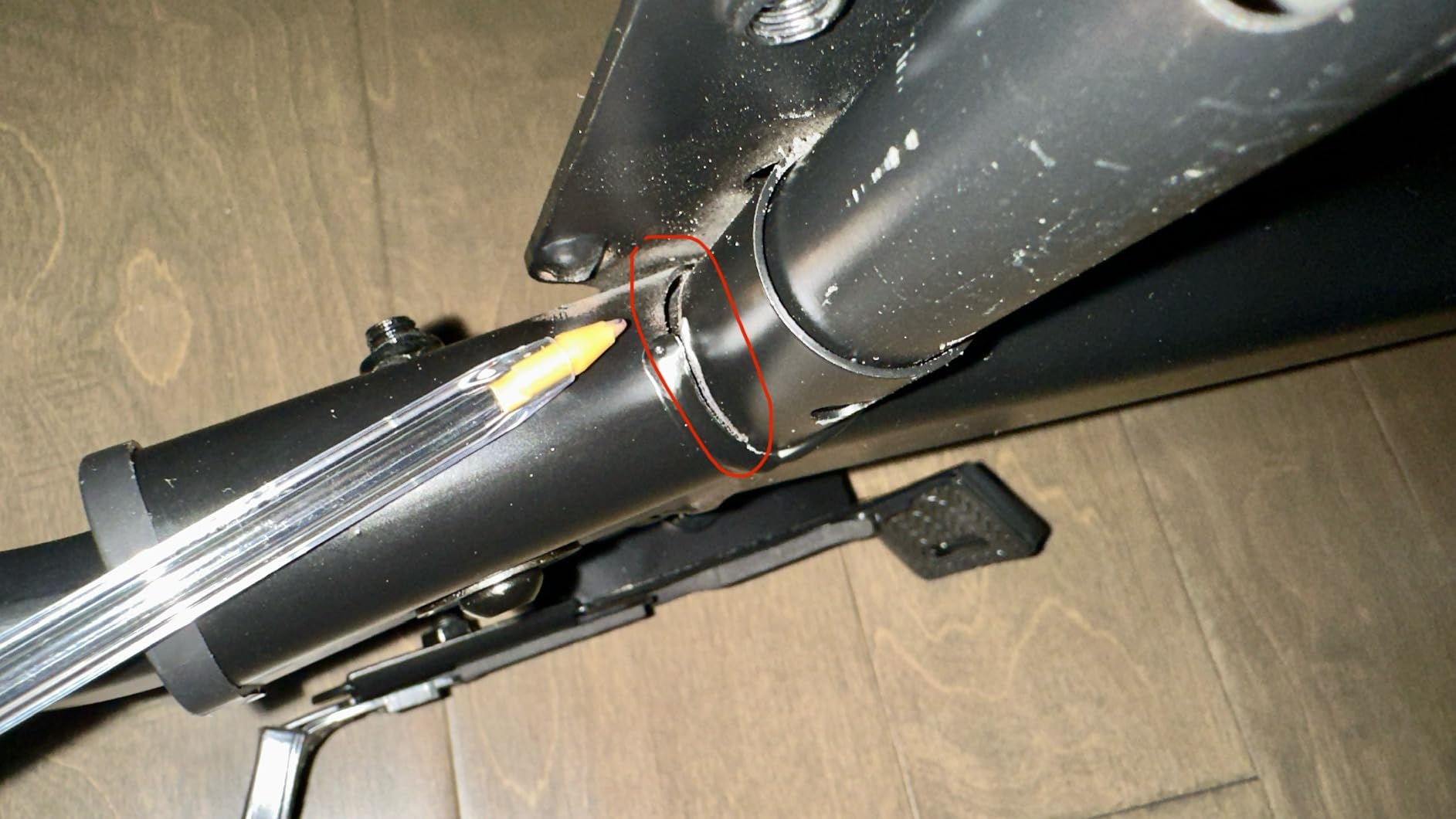
The 6.5-inch wheels mean smooth surfaces only, and the board will not cross bumps, garden hoses, grass or small kerbs. Several buyers also report the kart attachment scraping the ground and bending if the handles are pulled up too far, and the charger connection being finicky about staying seated.
There is also a balance issue worth knowing before assembly: if a rider sits too far back in the seat, the kart falls back, and it launches forward immediately on power-up. A parent needs to hold the seat until it settles. A small number of these boards stopped balancing properly within two weeks, and the warranty is 90 days.
For families who want one purchase to last longer
Buy this if your child is on the younger side and you suspect boredom is likely, or if you already know you will buy a seat attachment later. It is also a sensible choice for a child around six who is not yet confident on their feet.
Do not buy it for uneven ground, and check the return window carefully before you order, since the warranty is short.
How to Choose a Safe Hoverboard for Your Child in 2026
UL 2272 is the only safety mark worth filtering on
UL 2272 is the US electrical safety standard for self-balancing scooters. It covers the battery pack, the charger and the motor as a system, and it exists because of what happened before it did. In 2016 the US Consumer Product Safety Commission recalled more than 500,000 hoverboards whose battery packs could overheat and ignite, with recall totals climbing well past 750,000 across later years.
Here is how to check a claim yourself, in four steps:
- Look for the UL mark on the listing and on the board itself, usually on the underside.
- Search the model or company name in the UL Product Spec database at productspec.ul.com.
- Confirm the listing covers the whole electrical system, not just a battery cell.
- Be sceptical of the phrase “UL certified battery” on its own, which is not the same claim as a certified system.
Every board in our top three carries a stated compliance or certification claim, and six of the ten in the roundup name UL 2272 explicitly.
Match max speed and weight capacity to your child’s age
The question parents ask most is “What age should a kid get a hoverboard?” The honest answer is about six years old, and only for a child who can stand on one foot for several seconds without holding on. Before that, a go-kart attachment such as the one on our tenth pick gives the same fun without the balance demand.
From there, match the board to the rider rather than to the marketing:
- Ages 5 to 7: a board with a low weight rating around 45 pounds and a gentle top speed. Our FLYING-ANT pick fits this band, and the limitation is that it will need replacing when the child outgrows it.
- Ages 7 to 9: 6.5-inch wheels, a 6 to 7 mph ceiling, and a weight capacity at least 1.5 times the child’s current weight. The SISIGAD board aimed at ages 7 to 12 and the Emaxusa spider board both sit here.
- Ages 9 to 11: higher weight capacity, ideally 200 pounds or more, and dual motors. The Gyroor G13 and both SIMATE boards belong here.
- Ages 11 to 13: 8.5 mph boards with a 220-pound rating. The Gyroor Warrior G2 and the SIMATE 8.5 mph board are the realistic choices.
- Weight, not age, is the real limit. A tall ten year old can exceed the weight rating of a board labelled for ages 7 to 12, and the board will feel wrong long before it stops working.
Self-balancing mode and beginner speed limits
Every hoverboard self-balances; that is the underlying technology. What not all boards offer is a way to keep the rider in a slow band. Look for multiple speed modes, and ideally an app that sets them remotely.
Our top pick for this reason is the SIMATE P6, where the adult controls the speed from a phone. It is a small thing, and it is the difference between supervising a child and policing them.
6.5 inch wheels for pavement, 8.5 inch wheels for everything else
Wheel size decides where a board can be ridden, and it is the spec parents misread most often. A 6.5-inch wheel is smooth, fast and light, and it is a liability on a lawn. An 8.5-inch wheel is heavier and steadier on rough ground, and harder for a small child to carry.
Be sceptical of “all-terrain” marketing. On the boards here, off-road tires mean grass, gravel and cracked pavement, not dirt trails. If your child will ride on a gravel driveway daily, the larger wheel is worth the weight. If the board lives on a driveway, the smaller wheel is the better buy.
Battery chemistry, charge time and charging rules
Charge times in this group run from 2 hours on the Gyroor Warrior G2 to 6 hours on the Emaxusa spider board. A shorter charge is more convenient, but a long charge is not a defect if you charge on a schedule you can supervise. All ten boards here use lithium-ion chemistry, and lithium iron phosphate is worth looking for as a lower-risk alternative when you next shop.
The charging rules matter more than the chemistry:
- Always use the charger that came with the board.
- Never charge overnight or while nobody is home.
- Charge on a hard, non-flammable surface away from anything combustible.
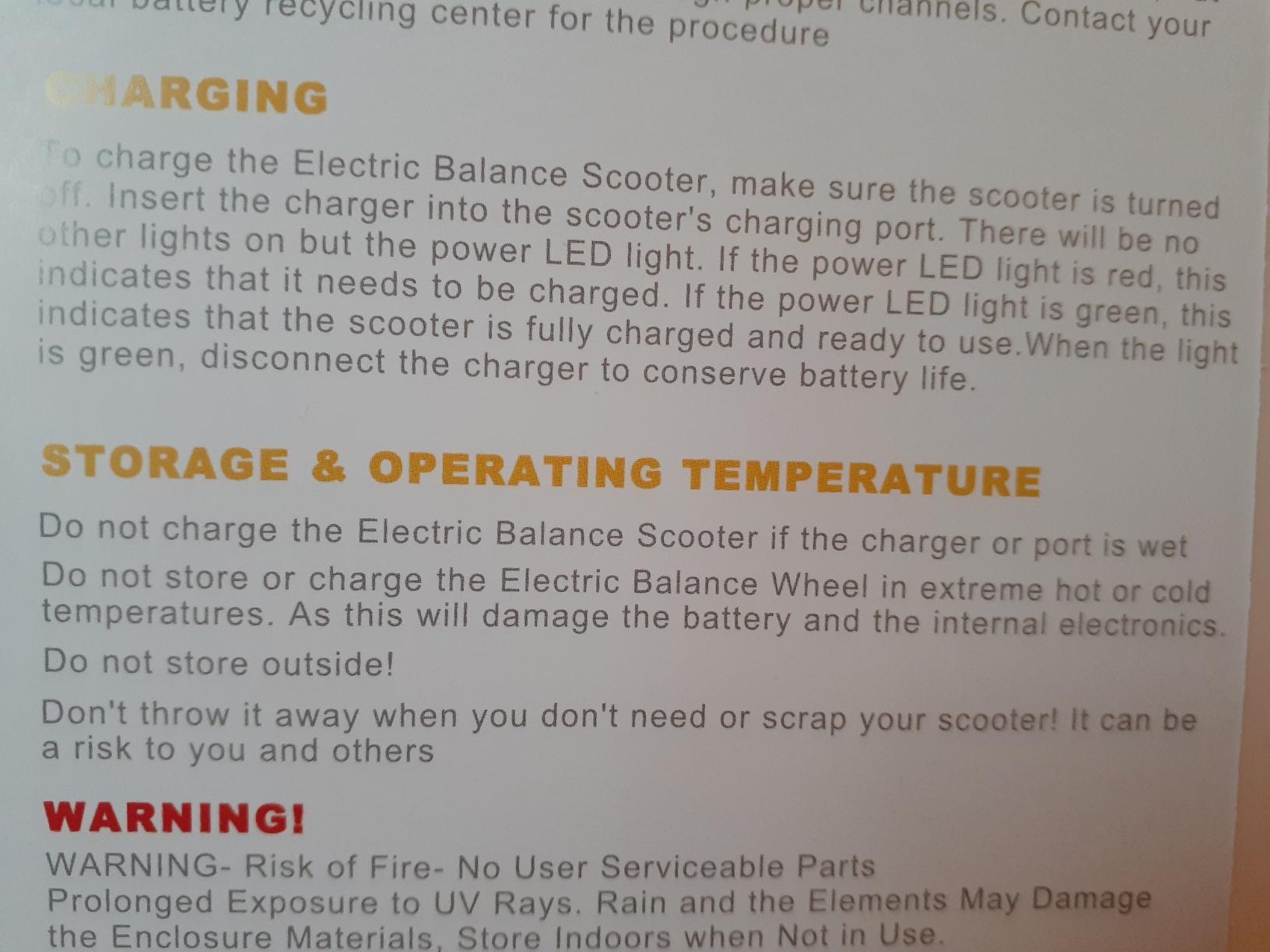
- Do not charge a board that is already hot from riding, and stop if the casing swells, smells odd or hisses.
What happened to hoverboards, and why the brands changed
Search results for this topic still recommend boards from brands that have pulled out of the market. Swagtron, Swagway, Razor and GoTrax all exited or retreated from hoverboards, largely because of the 2016 and 2017 recall wave and the liability and insurance cost that followed. The categories they vacated have been refilled by Gyroor, SIMATE, SISIGAD, LIEAGLE, FLYING-ANT and smaller sellers, many of them sharing manufacturing partners.
That is the honest answer to “why does no one use hoverboards anymore?” The consumer product did not disappear; the large American brands did, replaced by boards that are cheaper to make and, in many cases, less transparent about certification. It also explains why most older advice online points at models no parent can confidently find. For our own telescopes for kids guide we hit a similar problem with retired models, and the same rule applies: verify the product still exists before you follow a recommendation.
Hoverboard or electric scooter?
Parents ask this constantly, and the honest answer depends on the child. A scooter has a handlebar, a brake you can squeeze, and a way to put a foot down. A hoverboard has no handlebars at all, which is why fall rates on them run higher and why stopping takes practice.
Choose a hoverboard when the child is confident on a balance bike or scooter, is old enough to understand that leaning forward means moving, and wants the experience of standing still and gliding. Choose a scooter when the child is younger, timid, or still learning to balance, because the handlebar and foot brake make it far easier to recover from a wobble.
Our record players for kids guide covers the same trade-off in a different category: the spec is rarely what decides it, the child’s temperament is.
The boredom problem is real, and it is solvable
Owners on parenting forums say the same thing repeatedly: expect a child to lose interest within a week. That is the most common reason a hoverboard ends up in a garage, and it has nothing to do with quality.
Three things extend the useful life of a board. Start with the ground: a board that can handle grass and gravel gets used on more days than one confined to a driveway. Add a seat attachment, either the included one on the UNI-SUN board or the Gyroor K2 sold separately, and the board becomes a go-kart that younger riders can use. Finally, treat a month of regular riding as the success metric rather than a full afternoon of continuous use.
Are Hoverboards Safe for Kids? Gear, Surfaces and Rules
Hoverboards are safe enough for children under three conditions: a certified electrical system, a weight rating that comfortably exceeds the rider, and supervised practice on smooth ground. Beyond that, almost every risk comes from the same three sources, and all three are manageable.
Gear first. A properly fitted helmet is the one item that matters. Add wrist guards, knee pads and elbow pads, and get the wrist guards in a size that stays on, because hands take the impact when a child puts a foot out to catch themselves. Shoes with a flat sole grip the footpads better than anything with a thick tread.
Surfaces second. Seal-cracked pavement is fine. Loose gravel, wet decking, sand, grass that hides roots, and any kerb or driveway lip are not. The 6.5-inch wheels in this roundup find every raised edge, and most falls on hoverboards start with a wheel catching something.
Rules third. Supervise the first ten sessions. Practise on flat, clear ground. Teach the child to slow down by lifting their heels rather than leaning back hard, and to dismount by stepping off the back rather than jumping forward. Keep the board off roads, out of traffic, and off other people’s property.
On legality, check your local rules. Many municipalities restrict electric ride-ons on public roads, sidewalks and bike paths, and riding one in the street can carry a fine. Private driveways, parks where it is allowed, and smooth indoor flooring are the safe and legal default.
If a hoverboard battery ever swells, hisses or smells chemical, do not charge it and do not bring it indoors. Move people away, and contact the seller or your local fire service for guidance on handling it.
Frequently Asked Questions
What age should a kid get a hoverboard?
Most children are ready at about six years old, and only if they can stand on one foot for several seconds without holding on. Below that, a seat or go-kart attachment gives the same play without the balance demand. Above that, match the board to the rider’s weight rather than to the age printed on the box.
Which brand of hoverboard is considered the best?
In our testing the strongest all-round pick was the LIEAGLE self-balancing scooter, because it carries the largest review history in the category at more than six thousand ratings, with 70 percent of them at five stars. For parents who want software control, the SIMATE P6 sets speed modes from a phone. For rough ground, the Gyroor Warrior G2 has 8.5-inch wheels.
Which hoverboard brand is considered the safest?
No single brand makes every model safe, so judge each board rather than each name. Look for a system-level UL 2272 certification covering the battery, charger and motor, a stated maximum weight above your child’s current weight, a beginner speed mode, and a battery management system. A vague UL certified battery claim is not enough.
Why does no one use hoverboards anymore?
The large American brands left the category rather than the product dying. Swagtron, Swagway, Razor and GoTrax all exited or pulled back after the Consumer Product Safety Commission recalled more than 500,000 hoverboards in 2016 for fire risk, with later recalls pushing totals past 750,000. Cheaper boards from Chinese brands took the space, often with thinner certification claims.
Are hoverboards still a thing in 2026?
Yes, though the market looks nothing like it did a decade ago. Hoverboards now sit alongside electric scooters as a standard children’s outdoor toy, and boards marketed to adults reach about 8.5 mph. What has changed is the branding: most of the names on older buying guides have exited the category.
How do I know if my hoverboard is UL 2272 certified?
Look for the UL mark on the listing and on the board, then search the model or company name in the UL Product Spec database at productspec.ul.com. Confirm the entry covers the whole electrical system rather than a battery cell alone, because UL certified battery on its own is a different and weaker claim. A listing that refuses to name the standard is a listing to skip.
How long does it take to charge a hoverboard battery?
In this roundup, charge times run from 2 hours on the Gyroor Warrior G2 to 6 hours on the Emaxusa spider board, with most 6.5-inch boards taking 3 to 5 hours. Always use the supplied charger, charge on a hard non-flammable surface, and never leave a charging board overnight or unattended.
Is a hoverboard better than an electric scooter for a child?
A hoverboard suits a child who is already confident balancing, because gliding and standing still are its whole appeal. A scooter suits a younger or more cautious child, because the handlebar and foot brake make wobbles easy to recover from and falls easier to control. A seat attachment is a good middle ground for a child under six.
Which Hoverboard Should You Buy for Your Child?
Pick the LIEAGLE self-balancing scooter if your child is around six to eight and rides on smooth concrete. It has the deepest review history in the category, a short learning curve and a 200-pound rating that covers the growth years ahead.
Pick the SIMATE P6 if you want a software speed limit you can set from your phone while your child is out on the driveway. Pick the Gyroor Warrior G2 if your riding space is grass, gravel or a driveway that is past its best, and accept the 30-pound weight as the price of a board that feels like a real vehicle.
Pick the FLYING-ANT board for a child aged five to seven, and plan to replace it once they pass 45 pounds. Pick the UNI-SUN board with the included go-kart seat if boredom is your main worry, or if your child is not ready to stand unaided. Pick the SIMATE 8.5 mph board only for a confident rider aged 11 or older who has earned the fastest speed mode.
Whatever you choose, verify the UL 2272 claim yourself, put a helmet and wrist guards on before the first ride, and give the child a smooth, flat place to learn. Those three habits matter more than any spec on the page. We keep this list of the best hoverboards for kids updated as new models and new review patterns appear through 2026, and each pick links straight through to check the latest price.