
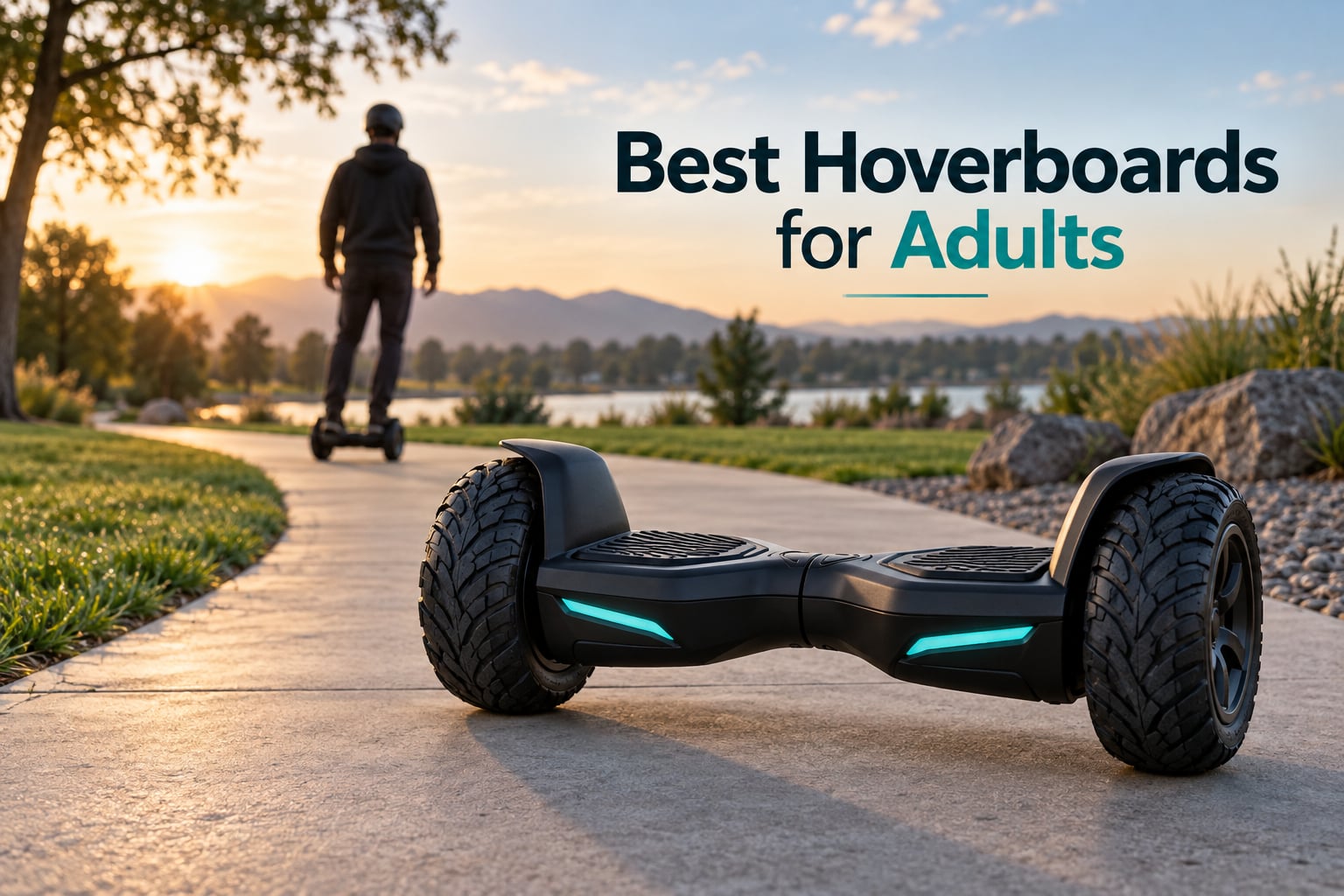
The Gyroor Warrior G2 is the best hoverboard for adults overall in 2026, because it pairs UL 2272 certification, 8.5 inch all-terrain tires, a 220 lb weight limit and a 30,000+ review history in a board that most adults can genuinely learn to ride in a single afternoon. I put every adult-rated board on this list through the same filter: certification first, then wheel size matched to your weight, then motor power, then range.
This is an adults-only roundup. I left out children’s 6.5 inch plastic boards with 65 lb caps, and I flagged every board whose weight limit falls short of a 200 lb adult rather than quietly including it. If you are cross-shopping with an electric scooter instead, our electric scooter guide for adults covers the stem-and-handle category that hoverboards do not.
Two of the ten boards here have enough published data to call reliable, and one of them (the Gyroor G2) has a review base large enough to expose its real weaknesses, which I would rather tell you about now than after you own it. The rest I have ranked on specification, certification status and owner-reported failure patterns.
Our Top 3 Picks for Adult Riders in 2026
Gyroor Warrior G2 8.5 inch
- UL 2272 certified
- 8.5 inch all-terrain tires
- 220 lb capacity
- 30 pound board

Segway Ninebot S2
- 21.7 mile range
- 11.2 mph top speed
- 10.5 inch tubeless tires
- UL 2272 certified
Comparing Every Hoverboard for Adults in 2026
All ten boards below sit side by side on the same spec rows, so you can scan capacities and certifications in one pass. Board weight is listed separately from rider capacity because shoppers confuse those two numbers constantly, and the difference decides whether you can carry the thing to work.
| Product | Specs | Action |
|---|---|---|
| Gyroor Warrior G2 8.5 inch |
|
Check Latest Price |
 Gyroor G13 Gyroor G13 |
|
Check Latest Price |
| Segway Ninebot S2 |
|
Check Latest Price |
 LIEAGLE All-Terrain LIEAGLE All-Terrain |
|
Check Latest Price |
 CBD 6.5 inch All-Terrain CBD 6.5 inch All-Terrain |
|
Check Latest Price |
 SISIGAD 8.5 inch SISIGAD 8.5 inch |
|
Check Latest Price |
 CBD with K2 Seat Kit CBD with K2 Seat Kit |
|
Check Latest Price |
 CBD LED Board with Seat CBD LED Board with Seat |
|
Check Latest Price |
 SIMATE P6 SIMATE P6 |
|
Check Latest Price |
 SIMATE K3 SIMATE K3 |
|
Check Latest Price |
1. Gyroor Warrior G2 8.5 inch – Best Overall for Adults
Gyroor Warrior G2 8.5″Off Road SelfBalancing Scooter for Kids Adults, Black
8.5 inch all-terrain tires
UL 2272 certified
100 kg (220 lb) limit
30 lb board, 2 hour charge
Pros
- UL 2272 certified at an adult board price point
- 8.5 inch tires handle grass gravel and wet pavement
- Forgiving self-balancing with a short learning curve
- Solid build that feels like a vehicle not a toy
- Bluetooth speaker and bright LED lighting
Cons
- Some owners report one-side motor or main board failure within a year
- Proprietary internals mean third-party repair kits do not fit
- Warranty service can require repeated video evidence
The G2 is the board I recommend to adults who ask one question: which one should I buy. It is listed as an adult age range, carries a 100 kg (about 220 lb) maximum weight recommendation, and it holds UL 2272 safety certification, which most boards in this price bracket cannot say. Owners describe the self-balancing as forgiving enough that first-time adult riders are moving confidently inside 20 minutes.
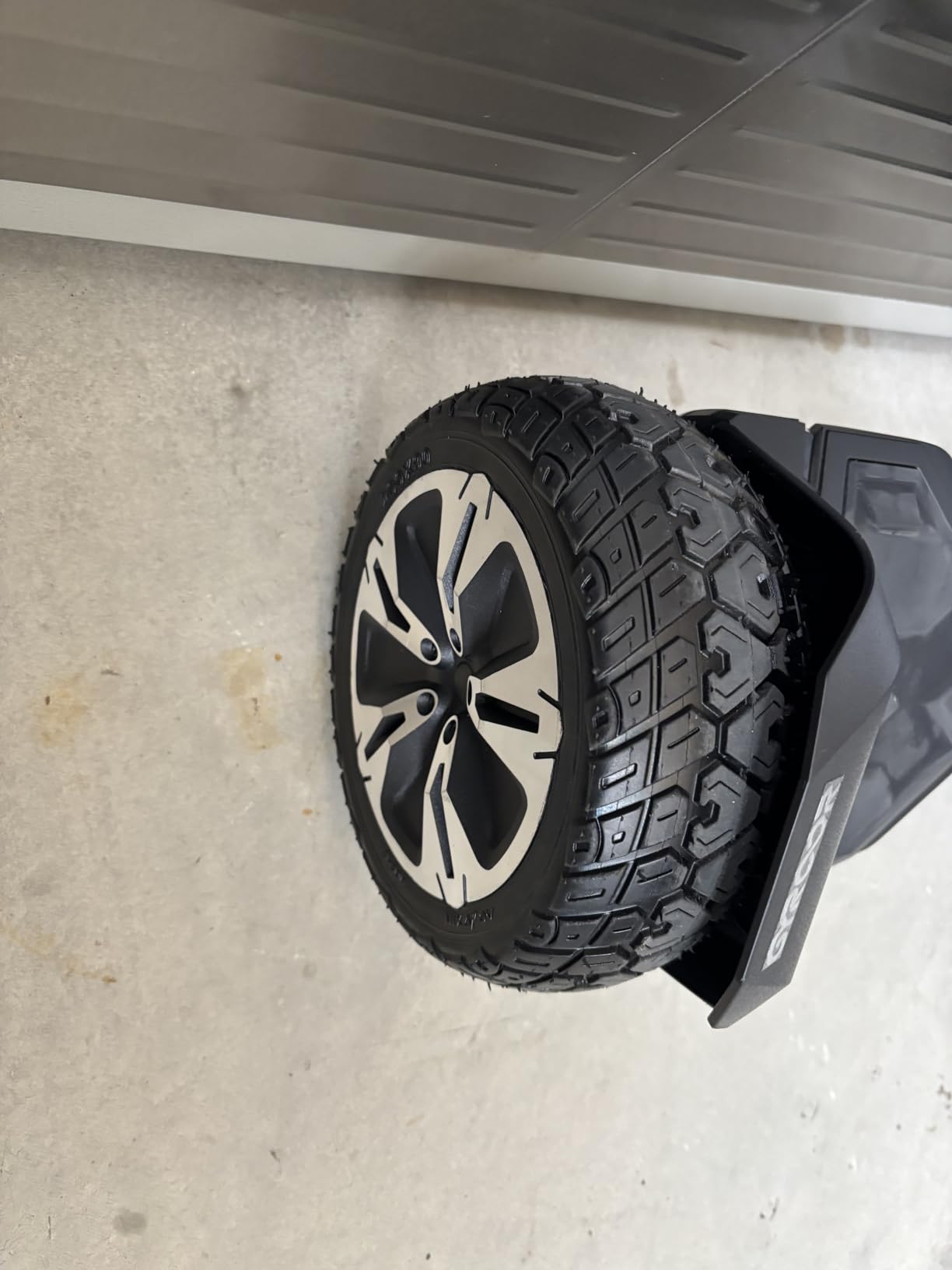
Out on real terrain, the 8.5 inch solid rubber tires are the reason it earns the top slot. Reviewers consistently report that grass, gravel, wet surfaces and cracked sidewalks do not stop it, and that the higher ground clearance keeps the deck from catching where a 6.5 inch board would hang up. The 37V lithium battery is listed at 148 wattage, with a top speed of 12 km/h (the listing also shows 15 km/h, so treat 12 as the realistic figure).
Two things to weigh before you commit. The board weighs 30 pounds, which is a real consideration if you plan to carry it across a campus rather than ride it, and the warranty is split: 6 months on the battery, 1 year on the controller. Gyroor’s guidance is also to charge the board once a month during long storage periods, which matters more than it sounds if you park it in a garage over winter.
Why the 8.5 inch wheel size matters most here
Wheel size is the single variable that changes how a hoverboard feels, and it is the reason this board sits above lighter 6.5 inch models. Larger wheels roll over cracks and gravel that would throw a small-wheeled board off line, and they give the self-balancing algorithm more time to correct a wobble. For an adult learning on a cracked driveway or a gravel park path, that margin is the difference between a first session that ends in frustration and one that ends in a second session.
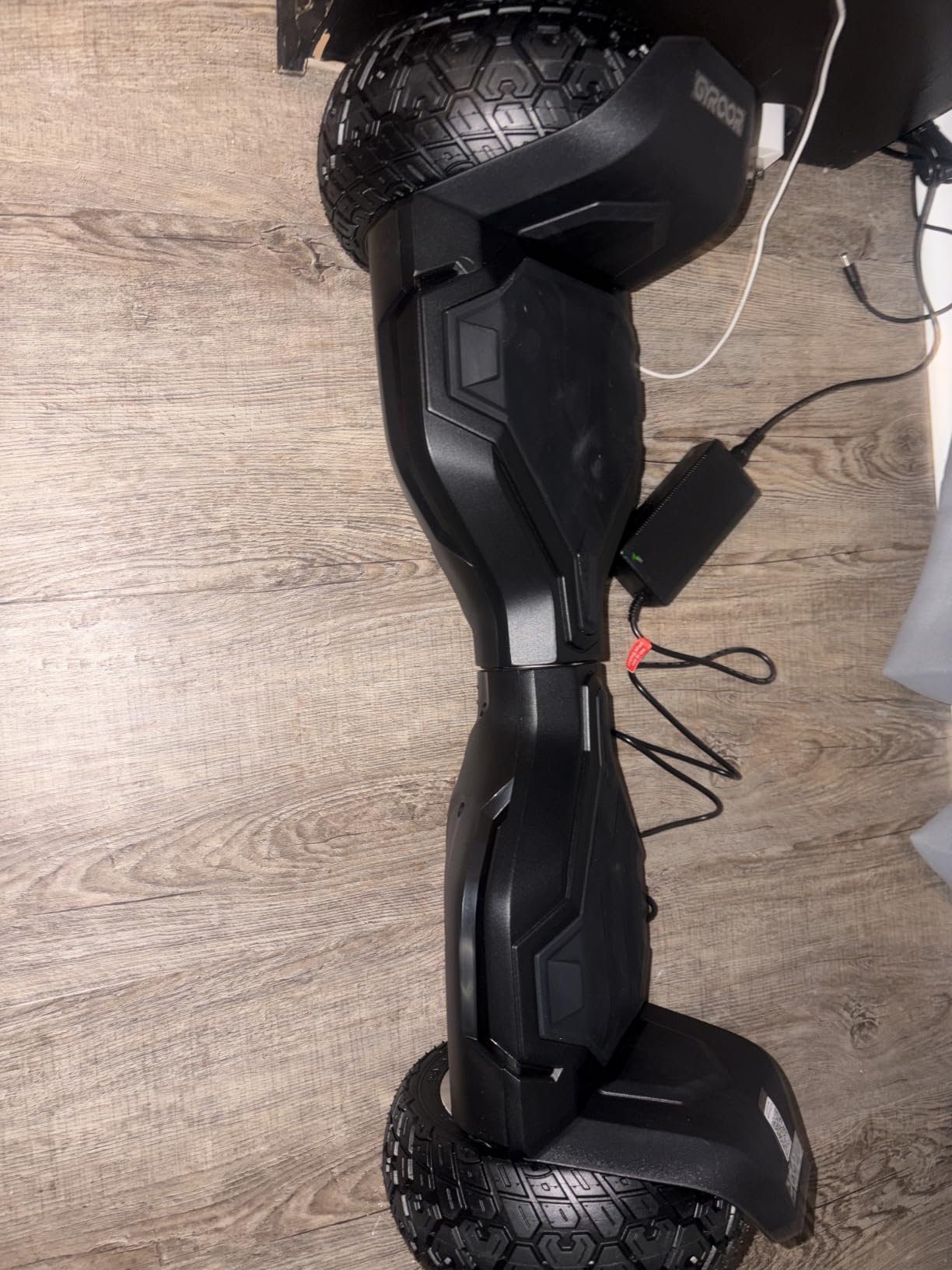
There is a cost. Bigger wheels and a heavier frame are why the G2 lands at 30 pounds, and why the motor strain shows up as reported overheating after roughly 3 hours of continuous use. Treat that as a session limit rather than a defect: most riders use these boards for 30 to 60 minute stretches, not full afternoons of continuous riding.
What the 4.4 star rating across 5,000+ reviews actually tells you
With 5,322 ratings averaging 4.4, this is the largest review base of any board here, and that cuts both ways. Large sample sizes expose problems that small samples hide, and the recurring one is reliability after roughly a year: one motor side or the main board failing. A second thread runs through support, where owners describe warranty work requiring repeated video evidence.
Set your expectations accordingly. This is a board that many owners ride happily for a year or more, and also a board where the second-year failure rate is the main complaint. If you want a five-year ownership horizon, budget for a replacement or look at the Segway Ninebot S2, which pairs a one-year manufacturer warranty with a much larger battery.
Who should buy it, and who should not
Buy the G2 if you weigh under 220 lb, want to ride on grass and gravel rather than only smooth pavement, and want certified battery safety without moving to a premium-tier board. The lighting and Bluetooth speaker make it pleasant for evening park cruising with music.
Skip it if you are over 220 lb, if you need to carry the board regularly, or if you ride long distances between charges. In those cases the SISIGAD covers heavier riders, and the Segway S2 covers distance.
2. Gyroor G13 – Most Versatile With Certification
Gyroor G13 All-Terrain Hoverboard with Bluetooth & LED Lights Gift,Black
6.5 inch off-road tires
Dual 250W motors
176 lb capacity
8 mile range, 7.75 mph
Pros
- UL 2272 certified at a budget tier
- LED headlights and glowing wheel lights
- Bluetooth speaker
- Works with the Gyroor K2 go-kart seat
Cons
- 176 lb weight limit is the lowest of the adult-rated boards here
- 7.75 mph top speed is modest
- Listing is categorised for youth rather than adults
The G13 ranks first in self-balancing scooters and carries 2,062 ratings at 4.4, which makes it one of the most recognized boards in the category. The spec sheet is genuinely good on paper: dual 250W motors, 6.5 inch off-road rubber tires, 15-degree incline capability, up to 8 miles of range and a 2 amp-hour lithium-ion battery.
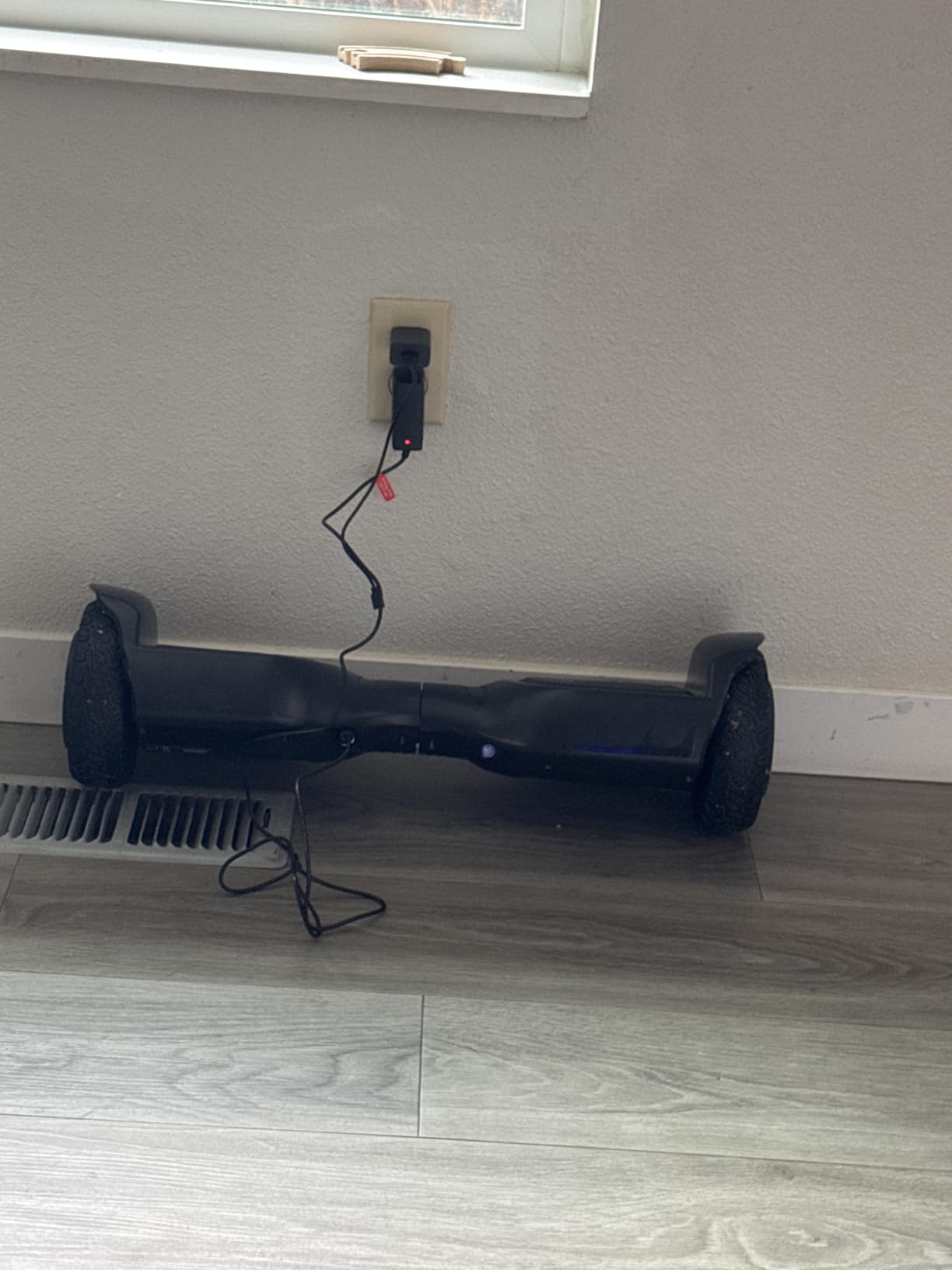
The honest headline is the 176 lb weight limit. That is the tightest adult-adjacent capacity in this roundup, and adults above that number will feel the board working against them rather than carrying them. Riders over 220 lbs in particular report reduced range, missing top speed and motor whine on boards rated this low, and the fix is always a bigger board, not a bigger rider.
Where the 6.5 inch tire class fits
Six-and-a-half inch wheels are the street-and-lawn class. They handle smooth pavement, short grass and packed dirt well, and they are noticeably quicker to swap direction than an 8.5 inch board. They catch on cracks, uneven asphalt and the lip between sidewalk and road, so the G13 belongs on a driveway or a flat lawn, not a trail.
Regenerative braking is listed for this model, which is a genuine step above the foot-brake designs used by some rivals at similar prices. It recovers a little charge when you slow and it does not wear the pads.
Lighting and the go-kart ecosystem
Dynamic LED headlights and glowing wheel lights get consistent praise, and they matter more for adults than for children because evening visibility on a shared path is a safety issue, not a style one. The board also works with the Gyroor K2 seat attachment, which converts it into a seated go-kart and is one of the cheapest ways to get a second riding style out of one purchase.
Who should buy it, and who should not
Buy the G13 if you are a lighter adult or a teen-plus rider under 176 lb who wants certified battery safety and a go-kart conversion option on a budget. The warranty is 6 months on the battery and 1 year on the controller, which is the same structure as the G2.
Skip it if you are an adult over 176 lb, or if you want real commuting speed. At 7.75 mph you are moving at a brisk walk, and no amount of range changes that. Riders seeking genuine distance should read the Segway S2 section next.
3. Segway Ninebot S2 – Best for Commuting Adults
Segway Ninebot S2 Electric Self-Balancing Scooter, UL Certified
21.7 mile range, 11.2 mph
10.5 inch tubeless pneumatic tires
800 watts, 335 Wh battery
220 lb capacity, 37 lb board
Pros
- 21.7 mile range and 11.2 mph speed by a wide margin
- 10.5 inch tubeless pneumatic tires for rough surfaces
- Height adjustable from 4 foot 3 to 6 foot 6
- UL 2272 certified with a one-year manufacturer warranty
Cons
- 4.5 hour full charge time is long
- 37 pound carry weight is substantial
- Only 394 reviews so the long-term record is thin
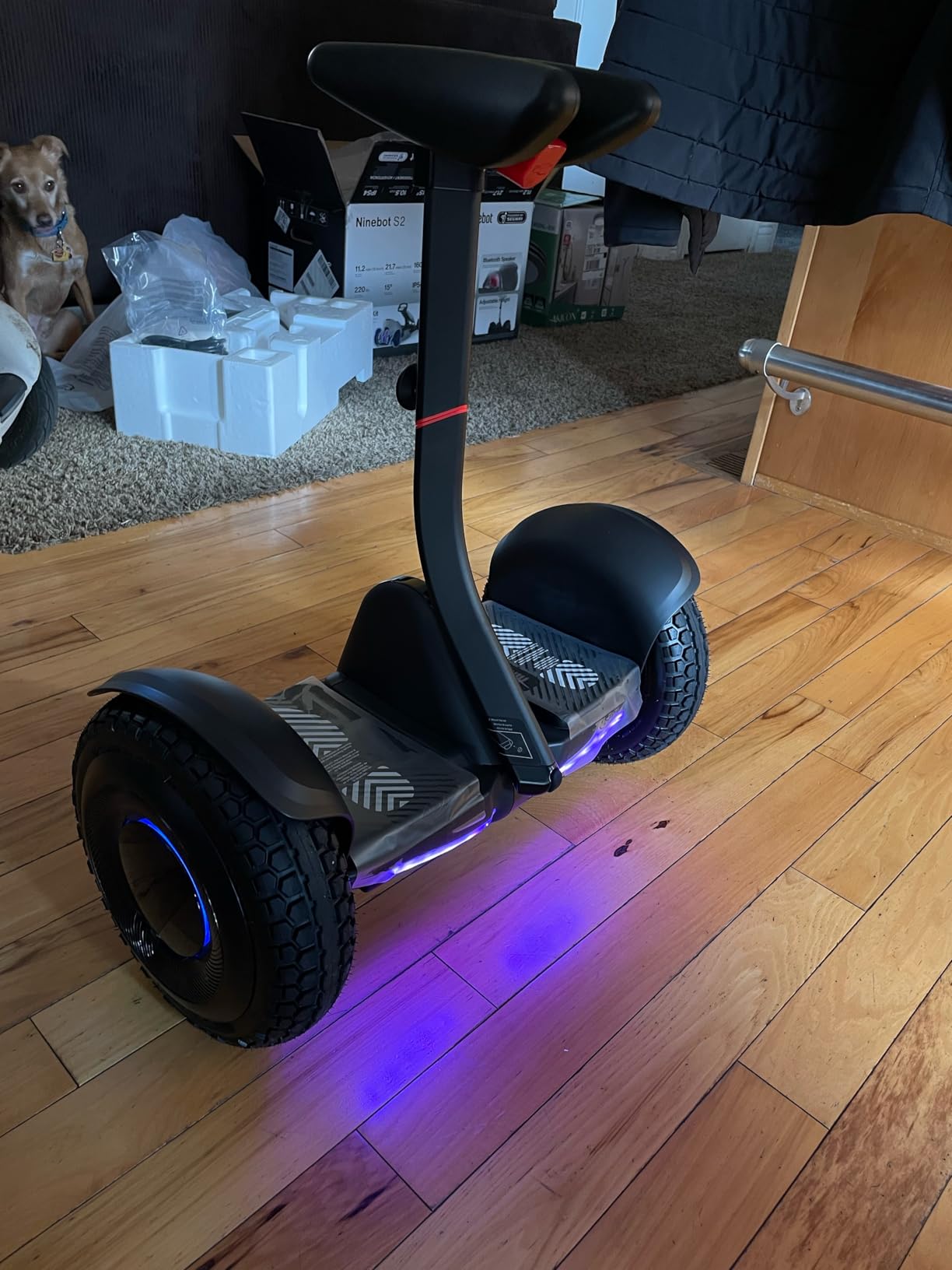
The Ninebot S2 is the only board here built around an actual adult commute. Its numbers operate on a different scale from everything else on this list: 21.7 miles of range, an 11.2 mph top speed, 800 watts of power, a 335 Wh battery with a Smart Battery Management System, and 10.5 inch rugged off-road tubeless pneumatic tires. It handles 15-degree slopes and carries riders up to 220 lb.
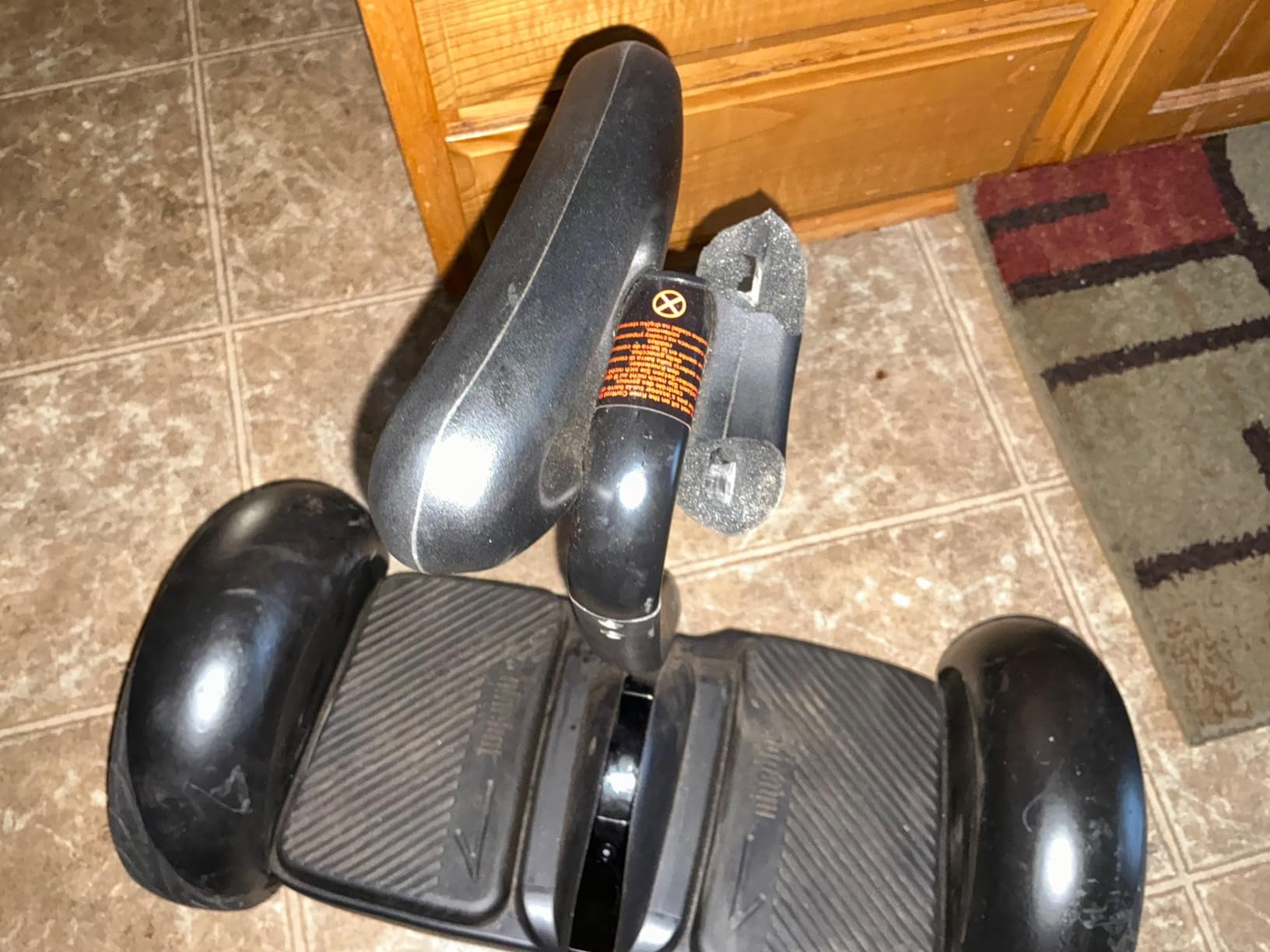
It is also a different machine to ride. Height adjustment spans 4 foot 3 to 6 foot 6, so a single board fits a short rider and a tall one, and a learning mode gives beginners a gradual introduction rather than full power on the first lean. That combination is why it suits adults who have been burned by two-wheel balance boards before.
Why tubeless pneumatic tires change the ride
Every other board on this list rides on solid rubber. The S2 runs tubeless pneumatic tires, which means real air pressure doing the work of absorbing cracks and gravel. On a commute over city pavement, that translates into less vibration through the ankles and knees and noticeably less loss of control when a wheel finds a pothole edge.
The trade-off is maintenance. Pneumatic tires can lose pressure and can take a puncture, so you should check pressure monthly and carry a repair kit. The upside is ride comfort, and on a board you might use daily that is a fair bargain.
The 4.5 hour charge and the 37 pound carry
Two practical numbers deserve a hard look. A full charge takes 4.5 hours, which is more than double the G2’s 2 hours, so plan charging around overnight rather than around a lunch break. And the board weighs 37 pounds, the heaviest here, which makes hand-carrying it up stairs or across a plaza a two-person job.
Against that, the 335 Wh battery is roughly three times the capacity of typical budget boards, and the one-year manufacturer warranty is the strongest warranty commitment on this list. Segway community feedback consistently praises build quality, low weight relative to its class, and the smartphone app, while flagging weight limit, range and the absence of a handlebar as the trade-offs.
Who should buy it, and who should not
Buy the S2 if you intend to ride several miles a day, if you want real pneumatic tire comfort, or if you are a taller rider who benefits from the height adjustment range. It is the only board here that turns a hoverboard into genuine short-distance transport.
Skip it if you need to carry the board regularly, if you weigh over 220 lb, or if your riding is short recreational sessions where a 4.5 hour charge and 37 pounds are dead weight. For those riders the SIMATE P6 does the same job at a fraction of the effort.
4. LIEAGLE All-Terrain – Best All-Terrain Specs Without Certification
LIEAGLE Hoverboard, All-Terrain Self-Balancing Scooter All Age Groups
Dual 300W motors
6.5 inch all-terrain tires
220 lb capacity
234Wh battery, 8 mile range
Pros
- Dual 300W motors and 15-degree incline ability at a low entry point
- 220 lb capacity is generous for the price
- 6.5 inch tires rated for dirt grass turf and gravel
- LED wheel lights and dual headlights
Cons
- No UL 2272 certification is claimed in the specifications
- 180 day warranty is the shortest here
- Range figure is a manufacturer rating that varies with rider weight
The LIEAGLE is the specification argument for this list. Dual 300W motors, 6.5 inch all-terrain rubber tires rated for dirt, grass, turf and gravel, 15-degree incline capability, a 234Wh lithium-ion battery with up to 8 miles of range, LED wheel lights, dual headlights, a Bluetooth speaker and app intelligent control. It supports riders up to 220 lb, and 588 owners rate it 4.4.
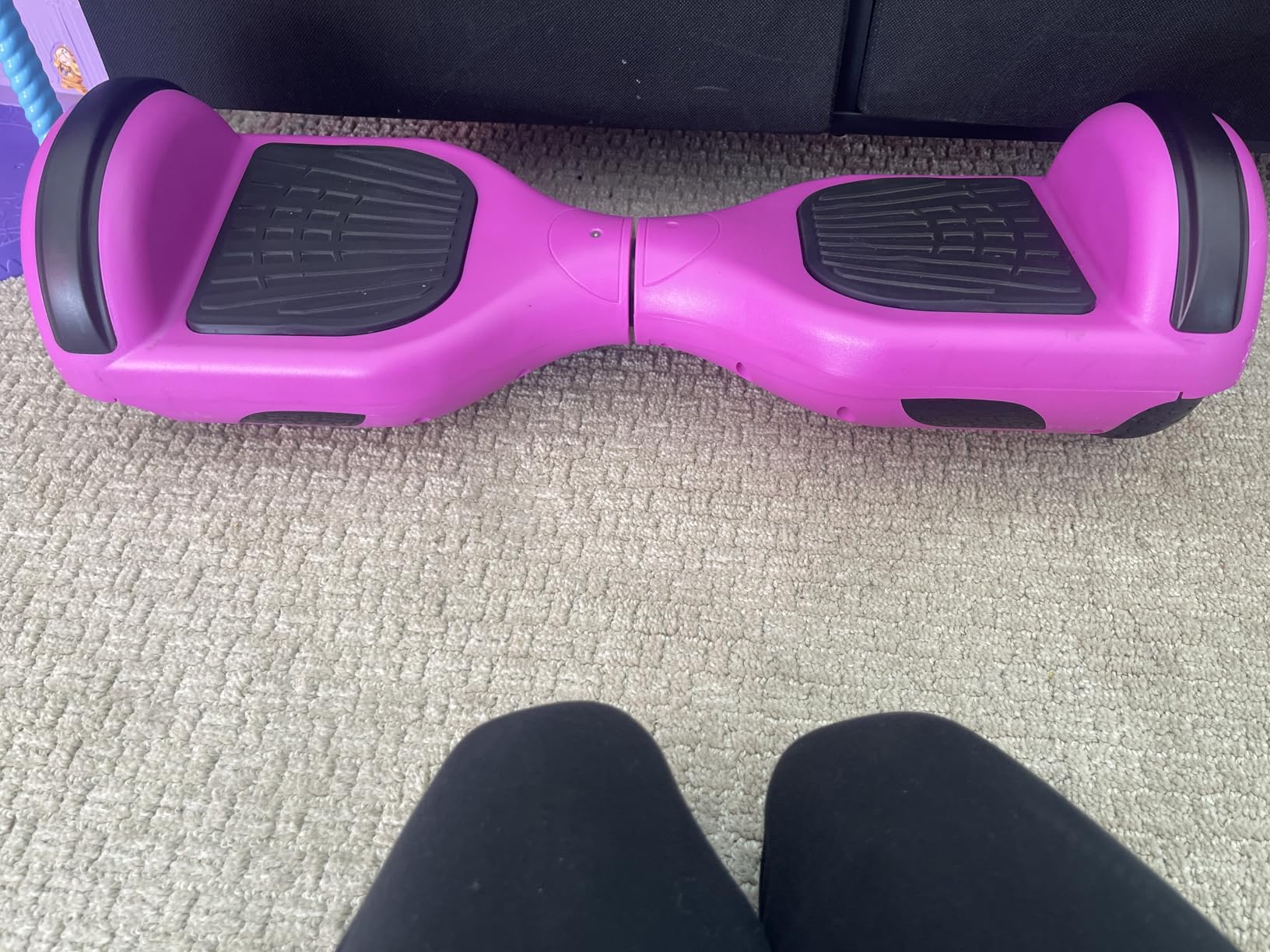
Then there is the certification line, which is the reason this board sits at number four rather than higher. No UL 2272 certification is claimed anywhere in the specifications, and the warranty is 180 days. In a category where lithium-ion battery fires drove a wave of recalls in the late 2010s, that is a real gap and not a technicality.
Why 300 watts of motor power matters
Motor wattage is the number that determines whether a board can climb and whether it can carry you. The 300W dual-motor configuration here is a step above the 250W setups on the Gyroor G13, the SIMATE boards and the Segway’s per-wheel equivalent, and owners note the torque holds up on 15-degree grades. Riders over 220 lbs in particular report that sub-220 lb boards feel unstable, and the practical fix community members recommend is a higher-wattage, larger-wheel board.
What the 8 mile range claim really means
Up to 8 miles is a manufacturer rating, and range scales with rider weight, terrain and speed. A 220 lb adult on grass will see materially less than a 150 lb adult on pavement, and aggressive leaning burns the pack faster than a smooth cruise. Treat the figure as a best case and plan a top-up charge after every long session.
Who should buy it, and who should not
Buy the LIEAGLE if you are comfortable doing your own battery-safety assessment, if you want the most motor torque per dollar on this list, and if you keep sessions to an hour or two. The 6.5 inch and 8.5 inch variant range means you can step up a wheel size within the same brand.
Skip it if battery safety certification is non-negotiable for you, or if you want a warranty longer than six months. Both of those are hard requirements that point to the Gyroor G2, the SIMATE P6 or the CBD board at number five.
5. CBD 6.5 inch All-Terrain – Best for First-Time Adult Riders
CBD 8.5” Offroad Scooter with Corlorful LED and Music Speaker
UL 2272 certified
Dual 300W motors, 220 lb capacity
8.5 mile range at 7.5 mph
3-5 hour fast charger
Pros
- UL 2272 certification at a budget tier
- Aluminum alloy frame with a PC shell
- 8.5 miles of range with dual 300W motors
- Stereo Bluetooth speakers and bright LED tire lights
Cons
- Listed in the Kid age range despite adult marketing
- Foot brake instead of regenerative braking
- No board weight or dimensions published
This board answers a narrow question well: can you get UL 2272 certification, an aluminum alloy frame and dual 300W motors in an entry-level package? The answer is yes. It also lists 8.5 miles of range, a 7.5 mph top speed, a 220 lb capacity, stereo Bluetooth speakers, bright LED tire lights and a 3-5 hour fast charger, and it holds 437 ratings at 4.4.
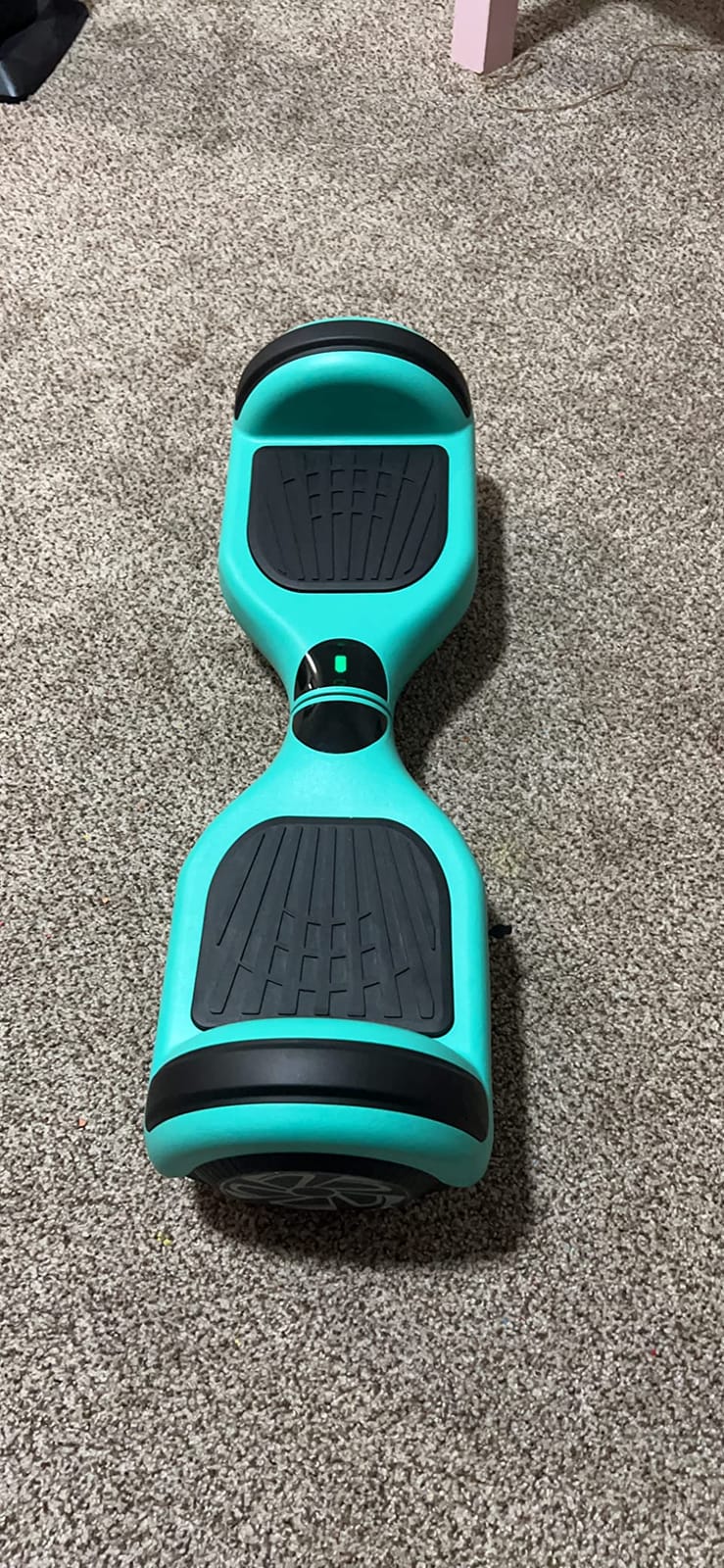
The 6.5 inch all-terrain tires are specified for mud, grass, rain, gravel and light snow, which is a wider brief than most boards of this class claim. A 3-5 hour charge is not fast, but the charger is included, which is not always the case at this tier.
Aluminum alloy frame and why it matters
Many budget boards use a plastic frame and a plastic shell. This one pairs an aluminum alloy frame with a PC material shell, and owners describe it as feeling more substantial than plastic-only competitors. That matters in one specific place: the deck and the wheel mounts, which take repeated bending loads and are where cheap frames crack first.
Steering works through a center-of-gravity shift, giving forward motion, turning and 360-degree rotation. That rotation is a party trick, but it also doubles as the fastest way to un-wedge yourself if the board ever misbehaves on uneven ground.
Why the age-range label is misleading
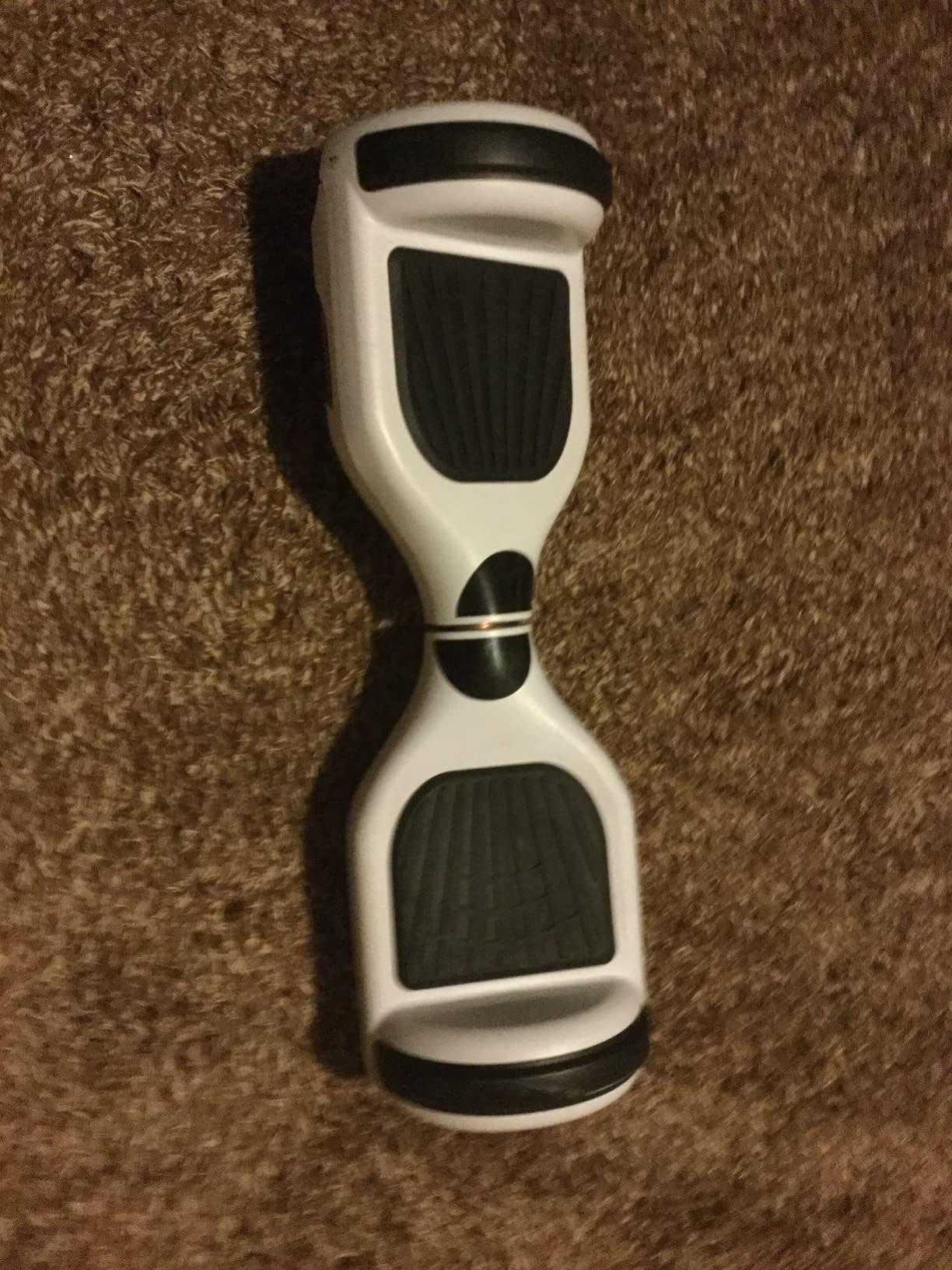
The listing is categorised in the Kid age range even though adults within the 220 lb limit are clearly an intended audience. That mislabel is a listing habit across this whole category, and it is one of the reasons adults end up buying boards that are genuinely too small for them. Use the weight capacity, not the age tag, as your filter.
Who should buy it, and who should not
Buy it if you are an adult under 220 lb who wants certification, an aluminum frame and the longest stated range in the 6.5 inch class, and you ride on mixed surfaces rather than pure pavement. The foot brake is predictable and easy to learn on.
Skip it if you need published board weight (it is not listed, so you cannot judge carry weight), if you want regenerative braking, or if your riding is mostly on cracked urban pavement where 6.5 inch wheels catch. Riders over 220 lbs should go straight to the SISIGAD.
6. SISIGAD 8.5 inch – Best for Heavy Riders
SISIGAD Hoverboard, All Terrain Hoverboards, 8.5” Two Wheel Self Balancing Scooter with Bluetooth Speaker, Off Road Hoverboard with LED Lights, Music Hoverboards
265 lb maximum weight
8.5 inch all-terrain wheels
14 pound board
3 hour charge
Pros
- 265 lb capacity is the highest in this roundup
- 14 pound board is the easiest 8.5 inch model to carry
- Reported by one owner as still working two years on
- 8.5 inch wheels ride smoothly over rough ground
Cons
- Plastic frame is less durable than aluminum rivals
- Several reports of total failure around the three month mark
- Continuous runtime reported at only about 30 minutes
If you are an adult over 220 lb, this is the board on the list built for your weight. It carries a 265 lb maximum weight recommendation with 8.5 inch all-terrain rubber wheels, and at 14 pounds it is also the lightest 8.5 inch board here by a wide margin. The battery recharges in about 3 hours, and 387 owners rate it 4.3.
What the 265 lb limit actually fixes
Exceeding a board’s weight rating is not a formality. Riders above a board’s stated limit report reduced range, missing top speed, motor whine under load, faster wear and eventually early failure. Those are the exact symptoms riders describe when they move from a 220 lb board to something rated for their weight: the board stops straining and starts carrying.
Note the listed speed range is inconsistent, running from 7.5 to 10 mph across the spec entries. Treat 7.5 mph as the reliable figure and verify anything higher before you plan around it.
The two-year ownership report is worth reading twice
One owner reports the board still performing as new two years after purchase, including with a kart conversion. That single data point sits against several reports of units stopping working entirely at around three months, and a report of a one-sided jerk that recalibration could not fix. The plastic frame is the likely weak point: it is the least durable material among the larger-wheel boards here.
That pattern is common across budget hoverboards. You may get years or months, and the deciding variable is often luck with the battery pack rather than how you ride.
Who should buy it, and who should not
Buy the SISIGAD if you are between 220 and 265 lb, if you want big wheels without a 30 pound carry weight, and if you are comfortable with a lightweight plastic construction. At 14 pounds it is the easiest board here to move between rooms or carry across a parking lot.
Skip it if you need a long warranty or expect aluminum-frame durability, or if you want anything approaching commuting speed. Heavy riders who also want real range should consider whether the 265 lb board plus short runtime is worth the trade, or whether a seat attachment changes the equation.
7. CBD with K2 Seat Kit – Best Go-Kart Conversion
CBD Hoverboard, with Seat Attachment 6.5″ All Terrain for Kids Adults
K2 seat frame included, 28.3 to 33.5 inch
Dual 300W motors
220 lb capacity
7.5 mph, 8.5 miles
Pros
- Seat attachment included and height adjustable across a wide span
- Complete kit with board seat charger and tools
- 220 lb capacity with 15-degree incline ability
- Two ways to ride from one purchase
Cons
- 90 day warranty is the shortest in this group
- No UL 2272 certification is claimed
- The K2 seat is described by some owners as fiddly to fit
This bundle exists for one reason: the K2 seat attachment is in the box. The frame adjusts from 28.3 to 33.5 inches, so the same purchase covers a seated child and a seated adult, and the box includes the hoverboard, the seat, a charging adapter and assembly tools. That is a genuinely different proposition from buying a board and adding a seat later.
Why adults are converting boards into go-karts
Riders on r/ElectricSkateboarding frequently add a seat attachment rather than buying a new board, and the appeal is obvious once you try standing. Sitting lowers the center of gravity, widens your turning options, makes long sessions comfortable, and lets an adult ride with a smaller child on the same hardware. The trade-off is lost lean-based steering precision and some ground clearance.
The K2 frame adjusts in height, which is what makes it a two-generations purchase. The recurring complaint is installation: owners describe the fit as fiddly the first time. Budget 20 minutes and the supplied tools.
The specs underneath the seat
Beneath the add-on, this is a solid mid-tier street board: dual 300W motors, rugged 6.5 inch rubber tires, 7.5 mph top speed, up to 8.5 miles per charge, 220 lb capacity, 15-degree incline handling, an aluminum frame, a Bluetooth speaker and LED wheel lights. Smart self-balancing supports forward movement, turning and 360-degree rotation.
What it lacks is certification. No UL 2272 is claimed in the specifications, and the warranty is 90 days, the shortest of any board on this list. Those are commercial rather than mechanical concerns, but on a lithium-powered product they are the two things I would negotiate hardest on.
Who should buy it, and who should not
Buy this kit if your household wants one board to cover both seated and standing riding, if you are under 220 lb, and if the go-kart format is what actually gets you outside. You get more hardware per purchase here than anywhere else on the list.
Skip it if certified battery safety is your first filter, if you ride on loose terrain (6.5 inch tires only), or if you ride solo and do not need the seat. Adults who want a seat but care about certification should look at the CBD LED board with an included seat at number eight and weigh the 200 lb limit against their own weight.
8. CBD LED Board with Seat – Best for Shared Households
Scooter with Seat Attachment for Kids Adults, 6.5” 8.5”Balancing Scooter with Bluetooth Speakers & Colorful LED Light with kart
Seat attachment included, 72 to 85 cm
Dual 300W motors, 8.5 mile range
200 lb capacity
Regenerative braking
Pros
- Over 1000 ratings give it the second-largest review base here
- Seat attachment included and adjustable from 72 to 85 cm
- Regenerative braking and aluminum alloy frame
- 8.5 mile range at 7.5 mph with 15-degree slope handling
Cons
- 200 lb capacity is lower than most rivals here
- Seat installation is reported as difficult
- 90 day warranty
With 1,031 ratings this is one of the better-established boards in the category, which matters because you can see its long-term behavior rather than guess at it. It comes with a seat attachment adjustable from 72 to 85 cm, rides on dual 300W motors with regenerative braking, covers up to 8.5 miles at 7.5 mph, and handles 15-degree uphill and downhill slopes.
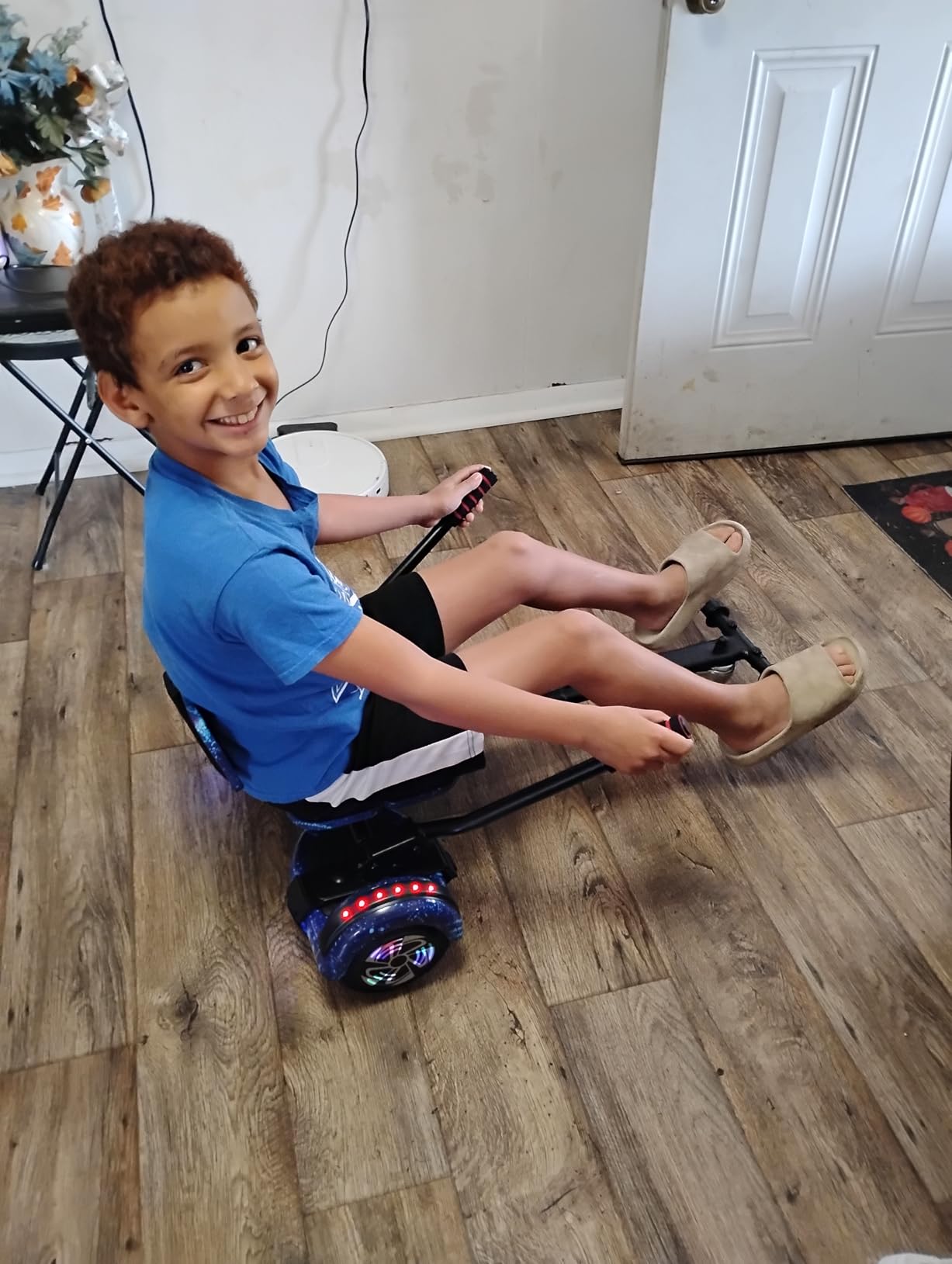
The lighting and audio package is the most praised feature set in the reviews: stereo Bluetooth speakers and bright LED tire lights that kids consistently love, on an aluminum alloy frame with PC material shell and shock-absorbent 6.5 inch rubber tires. 8.5 inch tire options exist within the same product family if you want more ground clearance.
Regenerative braking on a budget board
Regenerative braking recoups a small amount of charge when you decelerate, and it eliminates pad wear entirely because there is no friction brake to consume. Most boards in this class use a foot brake that wears down and needs replacing. It is not a headline feature, but over a few years of daily riding it is the difference between a maintenance item and a non-item.
The 3-5 hour fast charger is included, and the battery is lithium-ion. Those are the basics, and this board has them.
The two recurring gripes are both about the seat
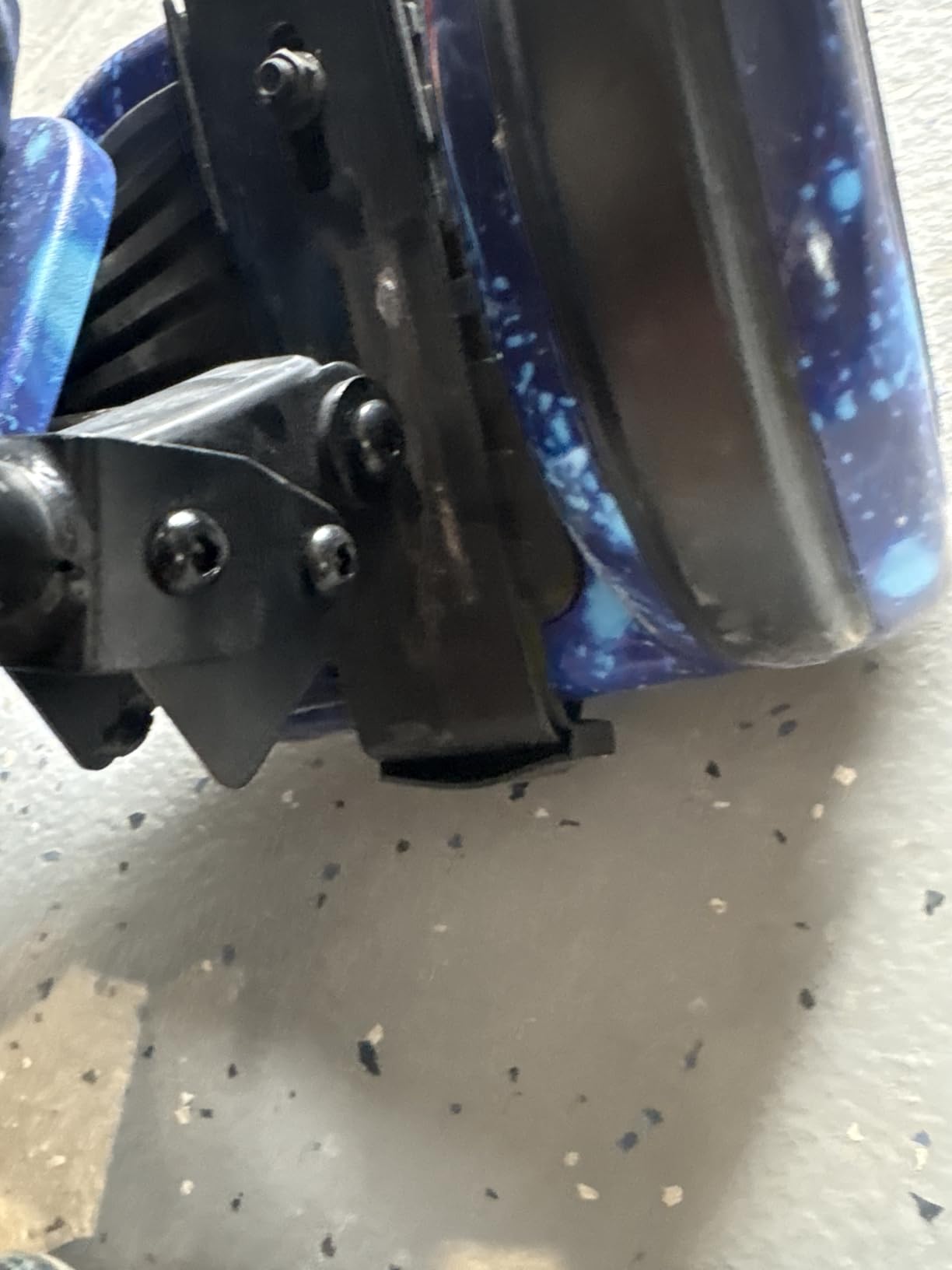
Owners report that seat installation is difficult and that the seat is awkward to use at first, and that the Velcro straps on the seat wear out and need replacing. If you are buying this for a seated rider rather than a standing one, those two points matter more than the motor figures.
There are also isolated reports of a charging failure after about three months with little manufacturer support, and one unit that arrived with a manufacturing defect requiring new bolt holes to be drilled before assembly. Against a 90-day warranty, isolated failures are absorbed. A pattern of them would not be.
Who should buy it, and who should not
Buy it if your household shares one board between a seated child and a standing adult, if you are under 200 lb, and if you want regenerative braking without leaving the budget tier. The large review base means fewer surprises.
Skip it if you are over 200 lb. That is the tightest real limit on this list among boards with 1,000+ ratings, and it is the number most adults should check first. Also skip it if you plan to ride on gravel regularly, because 6.5 inch shock-absorbent tires are a pavement compromise.
9. SIMATE P6 – Best Value Pick for Adults
SIMATE Hoverboard, Bluetooth All Terrain Hover Boards with LED Lights and APP Control, Gifts for Kids Adults Girls Boys, for All Ages
13 pounds board weight
UL 2272 certified by SGS
220 lb capacity
7.5 mph across 3 speed modes
Pros
- Largest review base among budget boards with over 3400 ratings
- UL 2272 certified and SGS verified
- 13 pounds is the easiest adult-capable board to carry
- XsCar app controls speed modes lights and battery
- One-year warranty and responsive support
Cons
- 7.5 mile range is at the low end
- 6.5 inch wheels catch on cracks and uneven pavement
- Minority of reports of rapid battery degradation
The P6 is the board I send people to when their real constraint is carrying weight. At 13 pounds it is the lightest board here that still supports a 220 lb adult, and the difference between 13 pounds and 30 pounds is the difference between carrying a board to the office and not carrying it anywhere. It is also UL 2272 certified and SGS verified, with a one-year warranty.
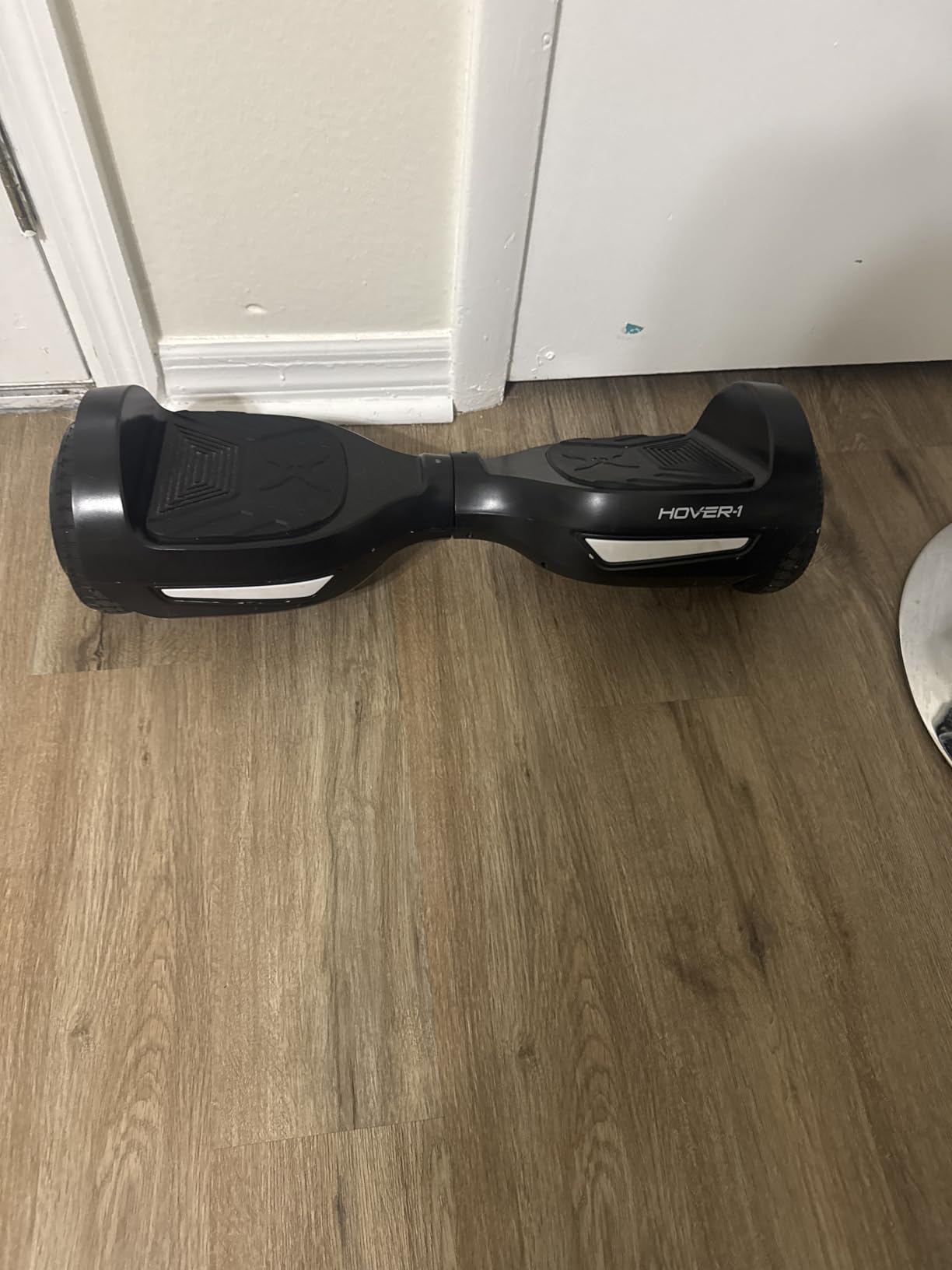
Specification-wise you get dual 250W motors, 7.5 mph top speed across 3 adjustable speed modes, up to 7.5 miles of range, 15-degree slope capability, 6.5 inch solid rubber wheels on an aluminum frame, a non-slip deck, a Bluetooth music speaker and LED lights with flashing light-up wheels. With 3,401 ratings at 4.3, it ranks second in self-balancing scooters, so the owner feedback base is deep.
What the XsCar app actually controls
Most companion apps on budget boards are decoration. The XsCar app here gives genuine control over power, lights, speed monitoring, battery level and speed mode, which means you can cap the top speed for a learner, check remaining charge before a ride, and diagnose a board that will not power on without guessing.
The three speed modes are the sleeper feature for adults. A board that can be limited to a slow mode is a board you can hand to a child or a cautious beginner without a lecture, and it lets the same hardware grow as a rider improves.

Where the 13 pound frame costs you
Low mass means less stability on rough ground. Owners report the 6.5 inch solid wheels catching on cracks and uneven pavement, and the board feeling less composed than larger-wheel rivals on anything but smooth surfaces. Riders also report that on long walks, the board still ends up being lugged home by hand.
There is also a minority report of battery degradation within 30 days, with abrupt power loss that can unbalance a rider mid-ride. Sudden power loss is worth taking seriously: keep the charge topped up before a session rather than running it flat.
Who should buy it, and who should not
Buy the P6 if carry weight is your binding constraint, if you are under 220 lb, if you ride on pavement and packed paths rather than trails, and if you want a one-year warranty from a brand with thousands of reviews behind it. For a first adult hoverboard that will live in a hallway and get ridden to a park, it is the most practical choice here.
Skip it if you plan to ride on grass and gravel regularly, if you need more than about 7 miles between charges, or if you want the app to be the feature rather than the ride. If range and terrain matter more than carry weight, step up to the Gyroor G2.
10. SIMATE K3 – Best for Compact Storage and Younger Riders
SIMATE 6.5″ Scooter, Bluetooth Music Speaker and LED Light, Top 8.5mph & 8.5 Miles Range Power by Dual 250W Motor, Gifts for Kids Adults Boys, for All Ages
6.5 inch solid rubber wheels
UL 2272 certified by SGS
220 lb capacity
3 adjustable speed modes, 1 year warranty
Pros
- UL 2272 certification from SGS on a compact frame
- XsCar app control for speed modes lights and battery
- Aluminum frame with a silicone non-slip footpad
- Fits small spaces and rides on public transport
Cons
- Lowest average rating here at 4.1 with 14 percent one-star reviews
- Reports of units failing or charging faults soon after delivery
- Listing figures are inconsistent on speed and range
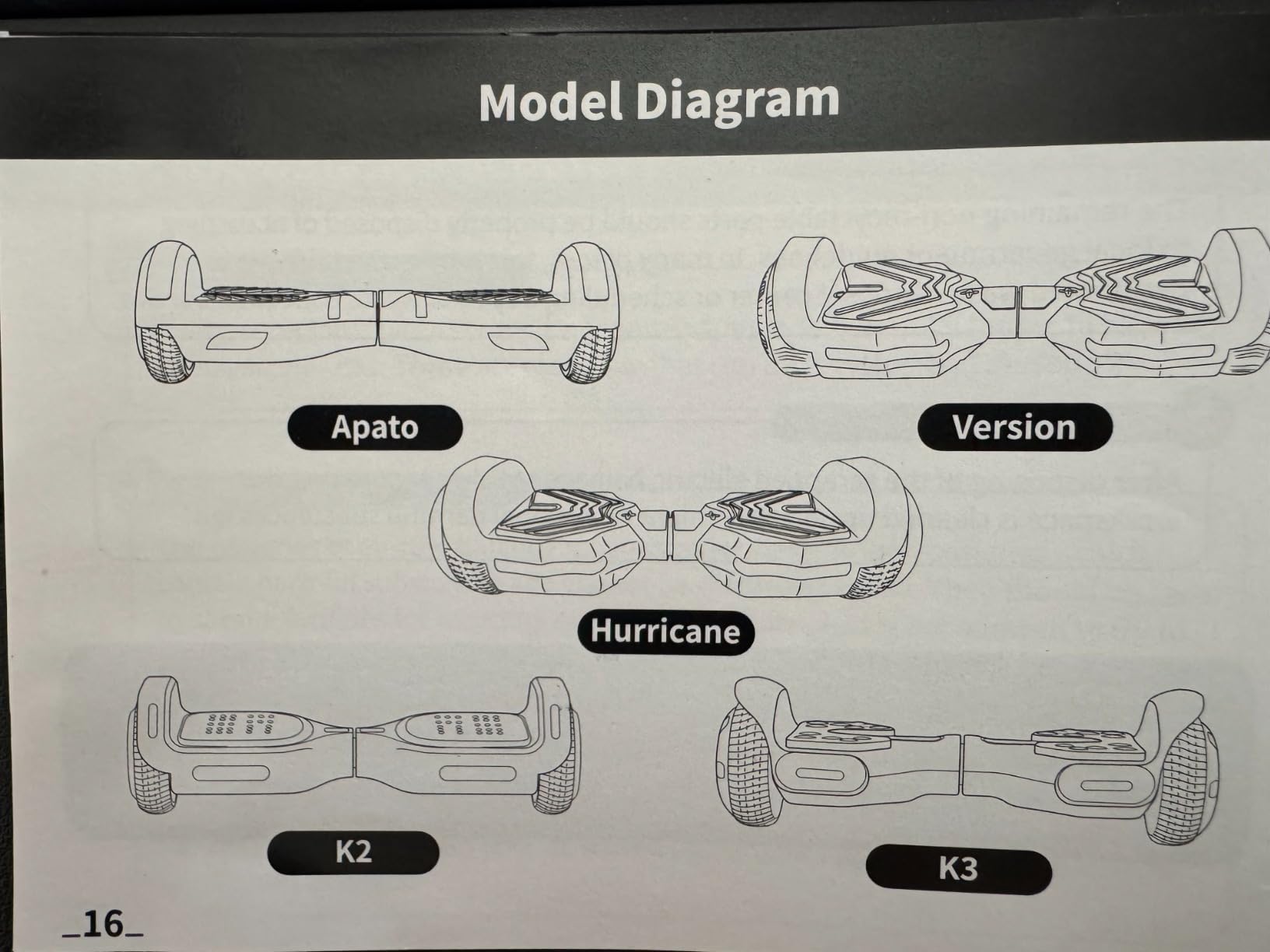
The K3 is the compact option, and it is genuinely UL 2272 certified by SGS on an aluminum frame with a silicone non-slip footpad. It carries 220 lb, uses dual 250W motors across 3 adjustable speed modes, handles 15-degree slopes, and comes with a charger, manual and board in the box. It is the tenth pick here, and the reasons are about owner outcomes rather than specifications.
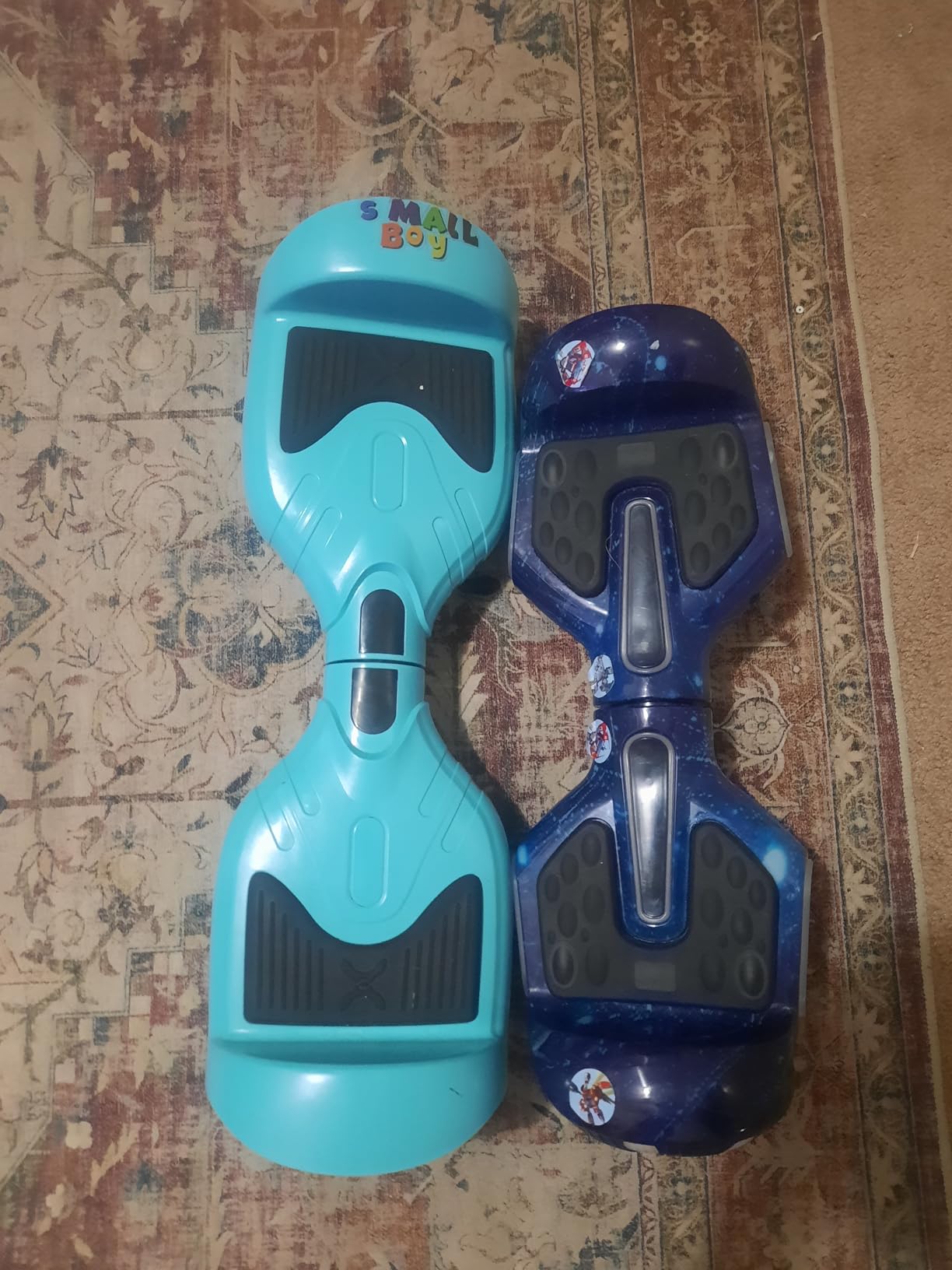
At 4.1 average with 112 ratings, it has the lowest score in this roundup, and 14 percent of ratings are one star. The complaints cluster around reliability: units failing outright or developing charging faults shortly after delivery, plus owners describing the ride as very slow for a board at this tier.
There is also a listing-quality problem that affects what you should believe. The same product variously claims 7.5 mph, 8.5 mph and 8.5 miles of range across different entries, and no board weight or dimensions are published. Inconsistent published figures make it hard to know what you are actually getting.
When this board still makes sense
Compact storage is the genuine use case. If you need a certified board that lives in a small apartment, rides on public transport and is well matched to children aged roughly 5 to 9 who learn quickly, the K3 does that job with a non-slip footpad, three speed modes and app control. The one-year warranty is the strongest commercial term among the sub-130-pound options here.
For adults, the 6.5 inch wheels and modest speed are the limit. A grown rider will outgrow it quickly, and the low rating means you are accepting more variability than on any other board in this list.
Who should buy it, and who should not
Buy it if you need a small certified board primarily for a child or for storage-constrained indoor use, and you want app control and a one-year warranty at the entry level. The certification is real and the speed modes are useful for a new rider.
Skip it if you are an adult looking for a performance board, if you cannot tolerate the failure reports, or if reliable published specs matter to you. For an adult first board, the SIMATE P6 at number nine is the same family done properly, with far more review history behind it.
Why Hoverboards Fell Out of Favor and Where Riders Went
The two most common questions in this category are variations on the same thing: why did hoverboards stop being the thing everyone wanted, and why does nobody seem to use them anymore. Both trace back to the same window of time.
Between 2016 and 2017, hoverboard demand exploded and so did a series of lithium-ion battery fires. The Consumer Product Safety Commission pulled boards from shelves, riders were injured in falls, and the category acquired a reputation it has never fully shaken. The regulatory response was UL 2272, the electrical safety standard for self-balancing scooters, plus UL 2271 for the battery pack itself. Boards that carry that certification today exist because of that period.
Meanwhile riders moved sideways. Enthusiasts increasingly steer newcomers toward electric skateboards and e-unicycles because they offer better control, better range and far better repairability. A hoverboard is a sealed system with proprietary internals: when a Gyroor main board fails, third-party repair kits do not fit, and the practical answer is replacement. That repairability gap is arguably the biggest reason the enthusiast community moved on.
What replaced them partly depends on the rider. Commuters went to e-scooters, which have handlebars, brakes and a real steering column; our adult electric scooter picks cover that category properly. Adults who want distance and control went to e-unicycles. Buyers who still want the two-wheel balance board experience now have better-certified hardware than at any point in the category’s history, which is why seven of the ten boards on this list carry UL 2272 certification.
How to Choose a Hoverboard for Adults: 7 Criteria That Matter
Matching a board to an adult rider is not a preference decision. Get wheel size, motor wattage or weight capacity wrong and the board underperforms, over-stresses its motors and fails earlier than it should. Here is the filter I apply, in order.
1. Rider weight capacity comes before everything
Check the stated maximum weight first and buy down from it, not up. Here is how I match riders to classes across this roundup:
- Under 150 lb: any board here works. A 6.5 inch board with 220 lb capacity, like the SIMATE P6, is light and easy to control.
- 150 to 220 lb: the widest range of choice. Every board on this list except the Gyroor G13 (176 lb) and the CBD seat board (200 lb) reaches this band.
- 220 to 265 lb: you need 8.5 inch wheels and higher wattage. The SISIGAD at 265 lb is the only board here rated for this band, and adults on boards in this range report that stability improves immediately once they are no longer over the limit.
- Over 265 lb: none of the two-wheel boards on this list is a match. Seat conversions reduce the effective load on the deck and are the practical route.
Board weight is a different number and shoppers confuse the two constantly. The SIMATE P6 is 13 lb and carries 220 lb; the Segway S2 is 37 lb and also carries 220 lb. That is a 24 pound difference in what you have to carry to the park.
2. Wheel size sets the terrain you can handle
Wheel diameter is the clearest shortcut in this category:
- 6.5 inch: smooth pavement, short grass, packed dirt. Quick to turn, light to carry, catches on cracks and uneven asphalt.
- 8.5 inch: cracked sidewalks, gravel, longer grass, moderate slopes. Heavier boards, more stable, the sweet spot for most adults.
- 10 inch and up: rough trails, gravel paths, deep grass. Longest boards here, heaviest to carry, most expensive.
Community consensus from adult riders is consistent: 6.5 inch wheels for anyone over 220 lbs is a mistake. Riders over 250 lbs report sub-220 lb boards feel unstable, and the recommended fix is an 8.5 to 10 inch board with 350W or higher motors.
3. UL 2272 certification is a hard filter
UL 2272 is the electrical and fire safety standard for self-balancing scooters, and UL 2271 covers the lithium-ion battery pack specifically. A board that carries UL 2272 has been tested for things like charger compatibility, battery enclosure integrity and fault conditions. In a category born out of battery fires, I treat the absence of that certification as a disqualifier rather than a deduction.
Seven of the ten boards here claim UL 2272. The LIEAGLE and the CBD K2 seat kit do not, which is why both sit below the certified options despite strong specifications. Riders researching recall history before buying is a good habit too; CPSC recall coverage, including front wheel detachment reports on the Ridstar Q20 and Q20 Lite, is searchable by model.
4. Motor watts predict hills and heavy riders
Look for dual motors and read the combined figure. In this roundup the range runs from dual 250W on the Gyroor G13 and the SIMATE boards, through dual 300W on the LIEAGLE, the CBD boards and the CBD seat kit, to 800 watts on the Segway S2. Higher wattage means better hill climbing, better carry for heavy riders and less strain on steep grades. The boards claiming 15-degree incline capability all sit at 250W or above.
5. Range and charge time are a pair, not two numbers
Most boards in this category quote 7.5 to 8.5 miles of range, which is manufacturer-rated at a light rider on flat ground. Real range drops for heavier riders, steeper terrain and aggressive leaning. Charge time varies far more: 2 hours on the Gyroor G2, 3 hours on the SISIGAD, 3 to 5 hours on the CBD boards, 4 hours on the LIEAGLE and 4.5 hours on the Segway S2. A board that charges in 2 hours can be ridden daily; a board that takes 4.5 hours becomes a weekend machine.
6. Top speed is a comfort feature, not a performance one
Most of these boards top out at 7.5 to 8.5 mph, which is a fast walk. The Gyroor G2 lists 12 km/h, about 7.5 mph, with a 15 km/h figure also appearing in the spec sheet. Only the Segway S2 is a genuine outlier at 11.2 mph. Higher speed on a board rated for a light rider mostly means the board is working harder than it should.
7. App control, deck and lighting are the everyday quality-of-life items
The XsCar app on both SIMATE boards controls speed modes, lights, battery monitoring and power, which is real control rather than decoration. The Segway S2 manages tail lights and wheel lights through its app. Bluetooth speakers appear on almost every board here. What genuinely varies is the deck: a non-slip deck or silicone footpad matters once you start leaning harder, and anti-slip footpads are worth checking for in the listing.
Safety Gear, Certification and Where You Can Ride
Self-balancing technology makes a hoverboard easier to ride than a skateboard, not safe by default. The failure mode is a sudden loss of power or balance at speed, and a fall at 7.5 mph onto concrete hurts regardless of how well the board stabilized itself.
The gear list, in priority order
- Helmet: non-negotiable, and the only piece that protects against the most common head injury.
- Knee and elbow pads: falls go forward first because that is the direction of a failed lean.
- Wrist guards or gloves: the instinctive catch is an outstretched hand.
- Reflective or high-visibility clothing: if you are riding near a road or a path at dusk.
- A flat, traffic-free practice area: level concrete, no cars, no pedestrians, no steps nearby.
Calibration matters more than most buyers expect. A hoverboard that will not power on after storage is almost always a calibration, charger or battery-state issue rather than a dead board: place it on a level surface, keep it still and upright, and run the calibration cycle as the manual describes. Most owners resolve it in under five minutes without opening anything.
The 2026 micromobility battery standard
On June 24, 2026 the Federal Register published a safety standard for lithium-ion batteries used in micromobility products. If you already own a board, the practical questions are whether your existing board stays compliant, whether you can retrofit, and whether your state adds registration requirements on top. Riders are already asking these questions, and the answer varies by jurisdiction.
Road, sidewalk and registration rules
Legality is local. Many municipalities treat self-balancing scooters differently from e-scooters, with separate speed limits, separate age rules and separate registration regimes, and a growing number of states run registration or e-micromobility permit programs that cover hoverboards alongside scooters and e-skateboards. Before you ride anywhere public, check your city ordinance rather than assuming, and assume private property and parks follow their own rules.
One practical default: private land, flat paths, and areas where pedestrians have right of way. That is where adults get the most riding time with the least risk, and it is where the boards on this list perform at their best.
Frequently Asked Questions
Which hoverboard is the best for adults?
The Gyroor Warrior G2 is our best overall pick because it combines UL 2272 certification, 8.5 inch all-terrain tires and a 220 lb weight limit at a price point most certified boards do not reach. Riders over 220 lb should look to the SISIGAD at 265 lb capacity, and commuters who need real distance should consider the Segway Ninebot S2 with 21.7 miles of range.
Which brand of hoverboard is considered the best?
Segway and Gyroor are the two strongest names in adult hoverboards, and for different reasons. Segway builds the only genuinely commute-grade board here, the Ninebot S2, with 800 watts, a 335 Wh battery and 21.7 miles of range. Gyroor builds the best value adult board, the Warrior G2, with UL 2272 certification, 8.5 inch tires and the largest review base in the category at more than 5,000 ratings.
Which brand of hoverboard is the most reliable?
Reliability is best judged by published volume of real-world data, and on that measure Gyroor leads. The Warrior G2 carries 5,322 ratings at 4.4 and the SIMATE P6 carries 3,401 ratings at 4.3, so you are buying into a large base of known outcomes rather than a small sample. The caveat is that hoverboards are sealed systems, so a failed main board usually means replacement rather than repair, whatever the brand.
Are hoverboards good for adults?
Yes, provided the board matches your weight and terrain. Adults are a large share of hoverboard buyers, and the self-balancing design is genuinely forgiving for first-time riders. The two limits to know about are the stated weight capacity, where exceeding it causes reduced range, missing top speed and early failure, and wheel size, where 6.5 inch boards on cracked pavement are a poor match for a 220 lb rider.
Why are hoverboards no longer popular?
Two things happened. A wave of lithium-ion battery fires between 2016 and 2017 triggered recalls and a lasting safety reputation, and riders moved toward e-scooters, electric skateboards and e-unicycles, which offer handlebars, better control and far better repairability. Hoverboards are sealed systems with proprietary internals, so when a main board fails there is usually nothing an owner or a repair shop can do about it.
Is a self-balancing scooter safe?
A self-balancing scooter is as safe as the gear you wear and the limits you respect. Gyroscopes and foot-pressure sensors correct balance within milliseconds, which makes the board far more stable than a skateboard, but a sudden loss of power at speed will still throw a rider. Wear a helmet plus knee and elbow pads, stay under the weight limit, keep the battery charged, and practice on flat traffic-free concrete before riding anywhere public.
Final Verdict: Which Hoverboard for Adults Should You Buy?
Buy the Gyroor Warrior G2 if you want the single best hoverboard for adults in 2026. It is the only board in this roundup that pairs UL 2272 certification, 8.5 inch all-terrain tires, a 220 lb limit and a 5,000-plus review history, and it is the one I would put an adult on without hesitating.
Change the pick when your situation changes. If you are over 220 lb, take the SISIGAD, the only board here rated to 265 lb. If you need to carry the board more than ride it, take the SIMATE P6 at 13 pounds with UL 2272 certification and a one-year warranty. If you ride several miles a day and want pneumatic tire comfort, the Segway Ninebot S2 is the only genuine commute-grade option, with 21.7 miles of range and 11.2 mph.
For first-time adult riders, budget under 176 lb, or anyone buying for a household that will share one board, the remaining picks cover the corners: the Gyroor G13 for a certified board with go-kart compatibility, the CBD 6.5 inch for a certified entry point with an aluminum frame, and the two CBD seat kits if a seated go-kart is the format that will actually get you outside.
Whatever you choose, match the wheel size to your terrain, stay under the weight limit, and calibrate the board on a level surface before your first ride. Those three steps prevent almost every complaint we found in owner reviews.